
Submitted:
16 April 2025
Posted:
18 April 2025
You are already at the latest version
Abstract
This study examines the agroecology and bioculturality of Oxalis tuberosa Mol., in the Montúfar canton, Carchi province, Ecuador, an area where this Andean tuber is cultivated at altitudes above 3,000 meters and in soils with a pH between 5.3 and 7.8. The research was conducted in the Producampo Producers Association, composed of 33 active members, of which 87.5% are women, with an average age of 51.25 years. Oxalis tuberosa Mol., constitutes an important crop in their Integrated Agroecological Production Systems (IAPS): 62.5% of farmers use sustainable fertilization practices with bioinputs such as compost and vermicompost, while only 25% employ chemical fertilizers, with applications of approximately 5 kg every six months in secondary crops. The research adopted a mixed-methodological approach, combining semi-structured interviews with descriptive statistical analysis using Atlas.ti and statistical software. Of the total Oxalis tuberosa Mol. production, 80% is intended for personal consumption and 20% is sold at local markets. Cultivated ecotypes include “blanca” (70%) and “chaucha” (30%), both resistant to pests but susceptible to frost. Families dedicate between 32 and 80 hours per week to production, with an average of 56 hours. The findings highlight the potential of Oxalis tuberosa Mol. to improve the food resilience of Andean communities and suggest that revaluing this crop and its traditional practices can improve agricultural sustainability in the region.
Keywords:
Oxalis tuberosa Mol.
; agroecology
; bioculturalism
; agrobiodiversity
; sustainable production
1. Introduction
The cultivation of Oxalis tuberosa Mol., known as oca, has been a fundamental pillar in the diet and agriculture of high Andean communities for thousands of years. This tuber, adapted to altitudes between 2,000 and 4,000 meters above sea level and to soils with a pH of 5.3 to 7.8, has guaranteed food security and sovereignty for indigenous populations in environments where other crops do not thrive [1]. Furthermore, its resistance to pests and diseases makes it a strategic resource for agricultural sustainability in the American Andes. However, in recent decades, the cultivation of Oxalis tuberosa Mol. has faced serious challenges that threaten its sustainability and its role in agroecosystems. Factors such as climate change, cultural transformation, the standardization of diets, and the loss of traditional agricultural practices have altered the optimal conditions for their cultivation. This has led to a decline in its production, a significant reduction in its genetic variability and a direct threat to the food security of small farmers [2].
Over time, efforts have been made to mitigate these problems. Various studies have documented the agroecological and genotypic characteristics of Oxalis tuberosa Mol., identifying varieties and cultivation patterns in South American communities. Agroecological production models, such as Integrated Agroecological Production Systems (IAPS), have also been promoted, seeking to reduce dependence on chemical inputs and foster biodiversity [3]. These initiatives have been instrumental in preserving traditional crop management and conservation practices, as well as highlighting its role in the sustainability of agricultural systems. However, these efforts have been limited in scope and effectiveness, especially in regions such as Carchi Province, Ecuador, where gaps in comprehensive scientific information on the agroecological and biocultural aspects of this tuber persist. The lack of coordinated strategies and inclusive policies has prevented these solutions from being sufficient to guarantee the sustainability of the crop and the resilience of rural communities [4]. Furthermore, the migration of rural youth to urban areas and the increase in the consumption of processed foods have generated a decrease in the consumption of Oxalis tuberosa Mol., which puts the food sovereignty of rural communities at risk [5].
Despite the progress made, the efforts made so far have not been sufficient to address the structural challenges facing the cultivation of Oxalis tuberosa Mol. The lack of comprehensive research that combines agroecological and biocultural aspects limits the ability to design effective strategies for its conservation and sustainable development. In this regard, research is needed to provide scientific and technical information on this topic, with the aim of filling existing gaps in literature and revaluing traditional management and conservation practices. This type of study would not only contribute to the preservation of agrobiodiversity but would also strengthen food security and improve the resilience of production systems in the face of climate and food crises. Furthermore, it would open new marketing opportunities for rural communities, especially for women producers, who play a fundamental role in family farming.
The relevance of conducting research on Oxalis tuberosa Mol. lies in its potential to improve the food resilience of Andean communities and in its profound biocultural significance. This tuber, rich in carbohydrates, proteins, and vitamin C, is a functional food that contributes to the prevention of chronic diseases such as cancer and cardiovascular disease [6]. Furthermore, its cultivation is intrinsically linked to traditional agricultural practices and the ancestral knowledge of Andean communities, making it an important element for the biocultural identity of these populations. The research would make it possible to rescue and preserve this ancestral knowledge, promoting sustainable rural development that is respectful of the biocultural identity of Andean communities. Likewise, it would contribute to the conservation of the genetic material of Oxalis tuberosa Mol., preventing the loss of local ecotypes and ensuring its long-term sustainability [7].
The present study aims to contribute to closing the existing gaps in the literature on Oxalis tuberosa Mol., providing a scientific and technical basis grounded in agroecological and biocultural criteria. This research seeks to strengthen food security in rural Andean communities, promoting the preservation and sustainable use of the crop as an essential part of agrobiodiversity and cultural heritage. In addition, it proposes to open new marketing opportunities that foster local economic development, especially in key sectors such as that of rural women producers. In a global context marked by food homogenization and the growing threat of climate change on agricultural systems, this work is presented as an initiative to promote the sustainability and resilience of rural communities and their natural environments [8].
2. Materials and Methods
2.1. Study Area
The research was conducted on the agricultural plots of members of the Producampo Producers and Marketers Association (PPMA), located in the province of Carchi, Ecuador. The PPMA is made up of 33 active members, 30 of whom are women and 3 men, representing a predominance of female participation in agricultural and productive activities.
The production system used by the members of the PPMA is based on Integrated Agroecological Production Systems (IAPS). These systems have been promoted by the Fepp Social Group (Ecuadorian Population Fund Progressio) as a technical-methodological model aimed at reducing dependence on conventional agricultural systems. The implementation of IAPS seeks productive diversification by combining different types of integrated crops with techniques that promote the maintenance of biodiversity and the efficient use of local resources [9]. IAPS have transformed conventional agricultural practices into an approach characterized by agroecological and sustainable production aligned with the needs of the Montúfar canton.
The PPMA is headquartered in the Montúfar canton, located in the northern region of the country, part of the Carchi province (Figure 1). Montúfar belongs to the Ecuadorian highlands that encompass the upper and middle basin of the Apaquí River, also including the areas of the Chota Valley. The canton borders Tulcán to the north, Bolívar and Sucumbíos to the south, Sucumbíos to the east, and Bolívar and Espejo to the west. Its total area is 38,073.21 km², and its political-administrative division includes the cantonal capital of San Gabriel and five rural parishes: Piartal, Fernández Salvador, Cristóbal Colón, La Paz, and Chitán de Navarretes [10].
Of the entire territorial area, 97.96% corresponds to the rural sector (approximately 37,298 km²), while only 2.04% belongs to the urban sector (775 km²). This data reflects that the land use is dominated by agricultural activities, traditional farming, and integrated forestry practices. In terms of soil and altitude, Montúfar possesses conditions that allow agriculture to adapt to local environmental parameters, combining subsistence crops with sustainable practices.
The selection of this region as a study area reflects the predominance of agricultural activities in its local economy, as well as the presence of integrated agroecological systems implemented by the PPMA. This provides an opportunity to analyze interactions between diversified agricultural systems and sustainable approaches within a specific context with defined agroecological, social, and cultural characteristics. Furthermore, the area provides a relevant context for evaluating agricultural parameters regarding the shift in agricultural practices toward agroecological models.
2.2. Research Approach
The research adopted a qualitative approach aimed at exploring and understanding the cultural, social, and agroecological dynamics related to the management of Oxalis tuberosa Mol. within the production systems of the PPMA members. This approach allowed for a deeper understanding of the producers’ practices, knowledge, and perceptions, highlighting biocultural and agroecological aspects that cannot be captured solely through numerical data.
The study design was structured into three main phases: exploratory, descriptive, and interpretive. The exploratory phase sought to identify relevant agricultural practices and socioeconomic factors through participant observation and in-depth interviews, which allowed for the recognition of initial patterns in crop management and its cultural role on family plots. The descriptive phase focused on systematizing the collected information, categorizing agroecological practices, customs associated with the crop, and challenges faced by producers. Finally, the interpretive phase analyzed the interactions between these categories to build a comprehensive understanding of the biocultural and socioeconomic context linked to the cultivation of Oxalis tuberosa Mol., highlighting how these factors influence the sustainability of production systems.
Qualitative research focused on capturing detailed information to reveal individual and collective perspectives of producers regarding tuber cultivation and management. This approach allowed for the creation of a broad contextual framework, emphasizing the cultural appreciation of the crop and the adaptive strategies implemented by farmers to address various agricultural production challenges.
2.3. Data Collection and Analysis Methods
To collect qualitative data, the study began with an approach to the Legal Representative of the PPMA, to whom the research objectives were presented in detail. After approval and the signing of the informed consent form, an extended meeting was held with the PPMA members. During this initial session, those members who currently cultivate Oxalis tuberosa Mol. were identified, and their experiences and perceptions regarding crop management were collectively explored.
The main data collection instrument was a semi-structured interview, designed based on an exhaustive bibliographic review and validated by experts in agroecology and social sciences [11]. A total of 10 in-depth interviews were conducted between January and December 2024. Participants were selected using snowball sampling. This method allowed access to a specific and dispersed population, ensuring the inclusion of participants with direct experience in the crop. The data saturation criterion was applied to determine the point at which data collection would stop [12]. This criterion was reached after the tenth interview, at which point no new relevant categories or themes emerged in the participants’ responses.
Fieldwork was complemented by direct observation in the production plots, where visual and behavioral evidence related to agroecological practices, and the production environment was recorded [13]. During the plot visits, detailed field notes were compiled and subsequently used to enhance data analysis. These observations allowed for firsthand analysis of land conditions, production methods, and the social and environmental interactions linked to tuber cultivation.
Atlas.ti software was used to analyze the collected data, facilitating the coding and organization of qualitative data into emerging categories linked to the study objectives. Key categories included cultural factors of cultivation, agroecological management techniques, production challenges, and perceptions of sustainability. Relationships between these categories were generated through conceptual diagrams and hierarchical trees to identify patterns and structures of meaning in the qualitative data [14].
Qualitative analysis enabled an in-depth interpretation of farmers’ experiences, providing detailed insights into the cultural and productive dynamics associated with Oxalis tuberosa Mol. This methodology enriched our understanding of the biocultural and socioeconomic context in which the crop is grown, enabling the construction of narratives that reflected the interaction between agricultural practices, traditional knowledge, and sustainability.
3. Results and Discussion
3.1. Sociodemographic Characteristics of the Producers of the PPMA
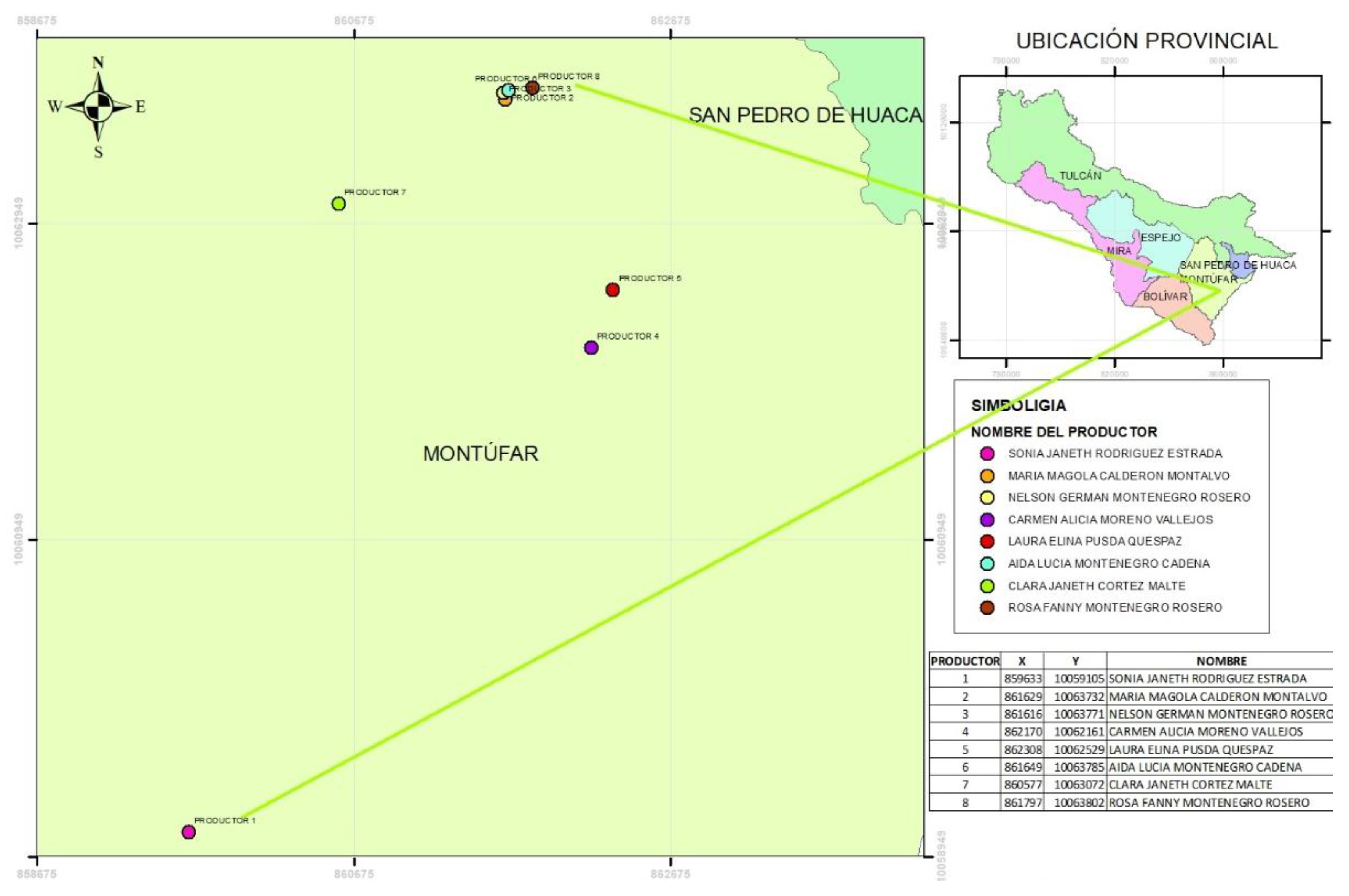
PPMA producers who grow Oxalis tuberosa Mol. in their IAPS are in the Montúfar canton, Carchi province. The geographic distribution is as follows: five producers (62.5%) reside in the Fernández Salvador parish, two (25%) in the Piartal parish, and one (12.5%) in the San José parish. The edaphoclimatic characteristics of these areas are optimal for the cultivation of Oxalis tuberosa Mol., with altitudes above 3,000 meters above sea level and well-drained soils rich in organic matter (Figure 2). These data have been confirmed by recent studies on high Andean agroecosystems, which emphasize that altitudes between 2,800 and 4,200 meters above sea level are ideal for Andean crops of Oxalis tuberosa Mol., due to its resistance to cold and its adaptability to moderately acidic to neutral pH soils [15].
The age range of the producers interviewed varies between 39 and 75 years, with an average of 51.25 years. Regarding gender composition, 87.5% of the interviewees are women, highlighting the key role of women in agricultural production in the region, a pattern consistent with studies on the role of women in small-scale agriculture in Latin America. Of the total number of producers, 75% are married, while 25% are in a common-law relationship. These data show a higher prevalence of stable family units compared to the national results, where only 27.2% of the population is married [16].
In terms of educational attainment, 87.5% of producers have only completed primary education, while 12.5% have completed high school. This low educational attainment could be a significant obstacle to the adoption of advanced technologies and modern production techniques [17]. Recent studies in agroecology have highlighted the correlation between higher levels of education and the adoption of more efficient and sustainable agricultural practices [18].
Another relevant fact is ethnic self-identification: 100% of producers identify as mestizo, which is in line with the 77.5% of the national population who identify this way, although in the province of Carchi this percentage is higher, reaching 89.6%. These cultural and ethnic factors are important, as they directly influence traditional agricultural practices, and the preservation of ancestral knowledge linked to the management of Andean crops [19].
3.2. Family Aspects of PPMA Producers
The households of PPMA producers consist, on average, of 4.25 people per household, with a range of between three and five members per family. In 62.5% of households, at least three people actively participate in agricultural work, while 37.5% report the involvement of between four and five members in productive activities. This high dependence on family labor is an important element in the sustainability of the IAPS. According to Barrientos & Torrico [20]. This organizational pattern is characteristic of subsistence agriculture in rural areas of Latin America and contributes to ensuring the continuity and efficiency of agroecological systems, where community and family labor plays a vital role in integrating traditional knowledge and sustainable agricultural practices.
The average time dedicated to agricultural work per family varies considerably, ranging from 32 to 80 hours per week, with an average of 56 hours. This level of dedication reflects not only the intense demands of maintaining diversified production but also the flexibility that IAPS offer in managing work time. Within the household, women take the lead in daily tasks, investing between 24 and 48 hours per week (average 36 hours) in productive tasks. On the other hand, men, after finishing their paid jobs, dedicate between 10 and 20 hours per week (average 15 hours). In the case of young people, who balance their studies or off-farm jobs, their participation is limited to between 4 and 8 hours per week (average 6 hours). This differentiated level of involvement highlights how agricultural work emerges as an integral family responsibility, although the burden is distributed unequally by gender and generation [20].
Furthermore, the lower participation of young people in agricultural activities is linked to the migration trend toward urban areas, a significant phenomenon in the recent decline in labor for family farming [21]. This youth exodus not only weakens the continuity of sustainable agroecological practices but also jeopardizes the food security of rural families by significantly reducing the productive capacity of agroecological systems. This exodus poses a critical challenge for the rooting of agroecological values among new generations [22].
PPMA producers is lower than the average reported for small-scale family farming in Ecuador, where an estimated 68.48 hours per production unit are spent per week. This difference is likely related to the smaller size of small-scale agricultural production units in the region analyzed and their productive diversification strategy, which facilitates greater flexibility in time use. This particularity can be interpreted as a competitive advantage within the agroecological model, as it allows for balancing productive demands with family and social dynamics in rural areas.
The high dependence on family labor, the distribution of responsibilities within households, and youth migration are factors that directly influence the application and sustainability of agroecology within the PPMA. This underscores the importance of designing policies and interventions that strengthen the roots of youth in rural communities, promote the recognition of women’s work in the agricultural sector, and ensure the adaptability of IAPS in the face of social and economic challenges. These factors not only affect productivity but also determine the resilience and environmental impact of local agricultural systems [23].
3.3. Generalities of Integrated Agroecological Production Systems (IAPS).
They vary significantly in size, ranging from 400 m² to 20,000 m², reflecting the diverse social and agricultural context in Ecuador’s Andean regions. On the coast, the average size of an Agricultural Production Unit (APU) is 75,000 m², while in the mountains it is barely 3,000 m², limiting the possibilities for diversification and the adoption of sustainable technologies. Land tenure is predominantly private, but approximately 10% of producers rely on borrowed or inherited land, which compromises their productive stability and hinders long-term planning.
It is evident that the average size of IAPS reflects the typical limitations of family farming in the Andes, where small and fragmented plots negatively impact the capacity to implement agroecological practices. This situation is common in Latin America, where land scarcity has been shown to restrict crop diversification and the use of conservation technologies, impacting yield and sustainability [24]. Studies indicate that land ownership directly influences investment decisions in soil and water conservation infrastructure, as landowners are often more willing to adopt sustainable practices than those who rely on leased or borrowed land [25].
Fifty percent of the region’s protected areas (IAPS) are close to natural areas such as forests and moorlands, which benefits the biodiversity and resilience of the system by facilitating key ecosystem services, such as pollination and biological pest control. Proximity to protected areas allows for the exchange of genetic resources and traditional knowledge, which strengthens the sustainability of these production systems; however, this depends on appropriate management practices that integrate the conservation of the natural environment with agricultural production [26].
Regarding the time spent and family participation in IAPS activities, there is variability in hours dedicated, ranging from 16 to 40 hours per week, with greater participation by women. Women’s contribution to family farming in Latin America represents up to 60% of the workforce, and in many areas, they lead agroecological activities [27]. The transmission of knowledge and sustainable agricultural practices between generations is a fundamental aspect for the resilience of these systems.
3.4. Agroecological Practices of PPMA Producers
3.4.1. Fertilization
In the fertilization of soils in the IAPS, producers are observed to apply a systematic approach to the production of bio-inputs, avoiding the direct incorporation of untreated animal or plant waste. An analysis of these practices reveals that 100% of producers use some type of organic fertilizer, with compost, vermicompost, and bocashi being the main formulations. For example, 25% of producers produce compost, while 37.5% produce vermicompost and bocashi. In addition, another 12.5% use vermicompost, complementing it with solid and liquid humus. Another 37.5% focus on compost production, and 12.5% combine compost with bio-fertilizer.
Organic inputs come primarily from plant waste generated during harvesting, kitchen scraps, and leftovers from marketing. Regarding animal waste, guinea pig manure is the most used, followed by chicken manure, and to a lesser extent, cow manure.
Bioinput production is almost completely self-sufficient; only 12.5% of producers purchase commercial organic fertilizers in addition to those produced in their own IAPS. This commitment to organic inputs translates into less dependence on chemical fertilizers. In fact, only 25% use chemical fertilizers, incorporating approximately 5 kg every six months in crops such as potatoes. In contrast, the rest rely exclusively on organic fertilizers.
The absence of cover crops is notable among producers, who argue that their agricultural systems are in continuous rotation and do not allow for uncultivated areas. However, this practice could be beneficial for improving soil health and reducing erosion [28]. Creating bioinputs from organic waste not only contributes to agricultural sustainability but also allows farmers to recover local knowledge about traditional practices [29].
The efficient use of bioinputs is crucial to conserving agricultural soil quality, as it increases soil biological activity and improves its texture and structure, promoting greater resilience to climate change [30]. The trend toward sustainable production among IAPS members reflects a commitment to practices that promote both ecosystem health and the quality of agricultural products.
3.4.2. Tillage of Land
Producers in the IAPS employ manual tillage, using tools such as shovels and hoe, which implies a complete absence of agricultural mechanization. This practice is common among 100% of producers, who also emphasize the importance of crop association. 75% of them associate leafy vegetables with root vegetables and emphasize the synergy between corn (Zea mays L.) and beans (Phaseolus vulgaris L.), where corn provides support to the beans, while the latter improves corn growth.
In addition, 50% of producers include aromatic and medicinal plants such as coriander (Coriandrum sativum), parsley (Petroselinum crispum) and thyme (Thymus vulgaris) in their cultivation systems. Fruit trees such as capulí (Prunus serótina) and blackberry (Rubus) are also associated glaucus), which contributes to biodiversity and the health of the agricultural ecosystem.
In terms of crop rotation, all producers follow a common principle: after growing Andean tubers such as potato (Solanum tuberosum) and oca (Oxalis tuberosus Mol.), they plant legumes such as peas (Pisum sativum) or broad bean (Vicia faba), and later grasses such as quinoa (Chenopodium quinoa) or barley (Hordeum vulgare). This strategy allows maintaining soil fertility and optimizing its use. According to Baptista et al. [31] 92% of households implement soil conservation practices through minimum tillage, which not only preserves soil quality but also creates an environment conducive to productive phases.
Crop rotation practices in the PPMA are essential pillars for mitigating erosion and strengthening soil resilience to adverse climate events. According to Omer et al. [32] 75% of family farming systems have incorporated these strategies, resulting in significant improvements in soil properties such as soil depth, texture, and organic matter content.
For its part, the application of manual conservation tillage in crops such as corn not only achieves yield levels like those obtained with mechanization but also offers significant economic and environmental benefits [33]. Similarly, Jug et al. [34] They emphasize that these practices enhance nutrient availability and promote the activity of soil microbiota, consolidating its role in agricultural sustainability.
3.4.3. Irrigation
Producers in the parishes of San José, Piartal, and Fernández Salvador report annual rainfall ranging from 1,750 to 3,000 mm, which is crucial for the development of their crops. However, only 25% of them implement water storage practices, such as reservoirs or plastic tanks to collect rainwater; the rest depend exclusively on rainfall, which makes them vulnerable to dry periods.
In the face of the challenges posed by climate change, it is essential that producers adopt water conservation measures to prevent losses in agricultural production [35]. Lack of rainfall in the early stages of planting can delay plant development and result in low yields. This risk is exacerbated by extreme conditions such as droughts and floods, which can have devastating effects on rural communities [36].
Efficient water management is vital for agricultural sustainability. According to Cárceles Rodríguez et al. [37] 92% of family production units employ minimum tillage, preserving soil quality. Furthermore, 75% adopt crop rotation and association, improving soil structure and fertility. Implementing water harvesting and storage systems could mitigate dependence on rainfall and contribute to a more resilient agriculture in the face of adverse climate events [38].
3.4.5. Management of Pests and Diseases of the “Oxalis tuberosa Mol.” Crop
In the management of pests and diseases of the Oxalis tuberosa Mol. crop, it has been identified that 62.5% of producers report the presence of a pest known as “ cutzo “, which corresponds to the White Worm or Arador (Bothynus sp.), an insect of the order Coleoptera. Although this pest causes damage to tubers, it is relatively mild. On the other hand, 37.5% of producers have not observed pest attacks on their crops.
Regarding diseases, 37.5% have reported symptoms of rust, specifically Yellow Rust (Uromyces oxalidis). Despite these problems, all producers agree that Oxalis tuberosa Mol. is a resistant crop thanks to its rusticity, which aligns with the research of Morillo et al. [39] who highlight the adaptability of this tuber to adverse conditions. However, despite its natural resistance, producers believe that, although Oxalis tuberosa Mol. is not particularly demanding in terms of cultivation, the correct implementation of these practices is beneficial.
For pest control, producers use botanical insecticides made from macerated tobacco, onion, garlic, and chili peppers, combined with alcohol and detergent. For disease control, they apply copper-based preventative fungicides. They also emphasize the importance of crop management as part of integrated pest and disease management, highlighting crop rotation and the use of repellent plants.
According to Zhou et al. [40] integrated management is an efficient strategy that combines cultural, biological, and chemical practices to maintain pathogen levels below harmful thresholds. Bist et al. [41]. It also emphasizes that proper management of phytosanitary problems is essential for achieving sustainability in family production systems. In this context, crop rotation and clearing practices are essential for effective control of Oxalis tuberosa Mol. Likewise, timely harvesting and planting mashua crops on the edges are essential to protect Oxalis tuberosa Mol. from the presence of insects and fungi [42].
3.4.6. IAPS Structure
The producers’ IAPS exhibit significant agrobiodiversity, incorporating a variety of native, creole, and commercial genetic materials. These production units are structured with a comprehensive agricultural approach that encompasses not only crop diversity but also animal husbandry, contributing to the creation of resilient agroecosystems. The interaction between plant and animal species favors the sustainability and stability of production.
Regarding the agricultural structure, 62.5% of producers have small forests in their IAPS, with areas ranging from 50 to 1,000 m². Among the most common species are alder (Alnus acuminata), acacia (Acacia melanoxylon) and eucalyptus (Eucalyptus globulus). In terms of crops, producers grow between 20 and 35 varieties, with vegetables such as lettuce (Lactuca sativa) and broccoli (Brassica oleracea var. italica), as well as Andean tubers such as potato (Solanum tuberosum) and oca (Oxalis tuberosa Mol).
Regarding livestock farming, 37.5% of producers raise animals in their small-scale livestock farms, particularly guinea pigs and native chickens. This activity not only diversifies their income but also enriches the family diet and improves economic sustainability by allowing for the marketing of surpluses.
Several studies support the value of this agricultural structure in IAPS. According to Scaramuzzi et al. [43], family systems aligned with agroecological practices enhance agrobiodiversity, optimize local resources, and contribute to resilience to environmental changes. For example, Ewert et al. [44] document 46 plant species in commercial production in the Northern Inter-Andean Valley of Ecuador, highlighting the dynamic role of family farmers as custodians of agricultural genetic diversity. Furthermore, Halloy et al. [45] highlights how these models preserve the cultural identity and traditions linked to Andean agriculture, while Bellon et al. [46] it highlights its relevance for seed conservation, taking advantage of both local and commercial varieties.
3.4.7. Importance and Characterization of the Cultivation of “Oxalis tuberosa Mol”
The cultivation of Oxalis tuberosa Mol. is highly valued by regional producers, who consider it healthy and nutritious food. This tuber is grown organically, which contributes to its recognition as an essential component of the family diet. According to the producers, 100% of the production is primarily intended for personal consumption, while only 20% is sold at the “San Gabriel Solidarity Fair,” a renowned event in the Montúfar canton for promoting agroecological products.
The cultivation of Oxalis tuberosa Mol. is classified as a functional food due to its nutritional content, which includes proteins, antioxidants, carbohydrates, minerals, and antimicrobial properties [47]. These components are associated with the prevention of chronic diseases, such as cancer and cardiovascular disease. Alternative marketing channels, such as fairs, are crucial for rural development, fostering awareness-raising links between producers and consumers [48].
The cultivation of Oxalis tuberosa Mol. has been passed down from generation to generation, with 60% of producers stating that they have cultivated this tuber since childhood. Since 2011, with the implementation of the IAPS production model, interest in agroecological practices has grown, and 80% of producers have diversified their production, which had previously focused on potatoes and grasses.
From a cultural perspective, Oxalis tuberosa Mol., is considered a heritage of beliefs and customs in the Pastos and Quillasingas cultures, where its cultivation has been preserved as a legacy [49] 90% of producers agree that preserving genetic material is essential to ensuring the crop’s future sustainability.
In agronomic terms, Oxalis tuberosa Mol. is grown in specific areas, and its growth is favored by cultural practices such as hilling, which are carried out in two stages: 60 and 90 days after planting. This technique, vital for tuber formation, involves covering the base of the plant with soil, providing support and firmness [50]. Regular crop rotation is another key practice for preventing pests and diseases.
In the San Gabriel region, three ecotypes of Oxalis tuberosa Mol. have been identified: “blanca,” “chaucha,” and “señorita.” Seventy percent of producers cultivate the “blanca” ecotype, characterized by its cylindrical shape and pink buds, while 30% cultivate the “chaucha” ecotype, which has a creamy-yellow tuber. Both ecotypes are resistant to pests and adverse weather conditions, but do not tolerate extreme frosts. Seed availability comes primarily from family members and through exchanges at fairs.
Regarding its use, 90% of producers use this tuber for family meals, preparing it in soups, salads, and stews. Planting takes place throughout the year, responding to constant demand at markets, albeit in limited quantities. According to Oxalis tuberosa Mol., it is essential for the subsistence of Andean farmers, despite its low commercial demand. However, the decline in its cultivation has been recognized as detrimental to food sovereignty [51].
Seed management is carried out carefully, avoiding those with phytosanitary problems and prioritizing those of average size. This conservation process, which involves rural women in 80% of cases, is essential to maintaining the cultural heritage and agricultural biodiversity in the region [52].
3.5. Biocultural Aspects of PPMA Producers
The biocultural memory of the PPMA members who cultivate Oxalis tuberosa in their IAPS is preserved through traditional agricultural practices, passed down from generation to generation and focused primarily on soil conservation and the observance of ancestral agroecological patterns. The first of these practices is soil preparation using a team of oxen and a reversible wooden plow, which cuts and turns the land, forming blocks of compacted earth that are left in the field for approximately two months. This technique not only protects the soil structure but also encourages its regeneration. The second practice, known as “huacho rozado,” involves cutting the pasture into rectangular sections approximately 35 cm wide by 55 cm long, called “chamba.” These sections are folded inward, forming ridges that improve water and nutrient retention, making this practice one of the most effective strategies for soil conservation. Finally, farmers follow the lunar calendar to guide their agricultural work. Thus, they plant leafy or flowering vegetables during the waxing phase, harvest during the full moon to take advantage of the moment when they believe the fruits reach their optimal size, and plant tubers in the last two days of the lunar cycle. This use of the lunar calendar as an agroecological guide reflects a profound biocultural approach, which not only preserves the biodiversity of the Oxalis tuberosa Mol. crop, but also the ancestral knowledge that underpins the agricultural identity of these communities.
Members of the PPMA continue to cultivate Oxalis tuberosa Mol. for three main reasons: as a tradition and tribute to their families, for family nutrition, and to protect the environment because they consider this crop to be rustic, does not require the use of agrochemicals, and is also beneficial for improving soil structure. However, if measures are not taken to maintain the local genetic material of this tuber, it will be lost. According to their memories, an ecotype known as “long yellow” has already been lost, which has disappeared due to its bitter taste when prepared.
PPMA members emphasize the importance of continuing integration activities among partners, such as mingas (small farms), bartering, fairs, and other spaces that facilitate the exchange of local seeds, because these actions have reduced the risk of losing their local genetic material. The producers interviewed expressed the need to continue cultivating these Andean tubers because it helps preserve the identity of their communities; according to their memories, their childhood eating habits were more nutritious and sustained true food sovereignty. However, the consumption of foods not sourced from their IAPS and purchased in cities has been increasing among PPMA families, with products such as rice and soft drinks displacing the consumption of Oxalis tuberosa Mol., which was traditionally consumed with protein, such as meat, or milk.
4. Conclusions
Research conducted on Oxalis tuberosa Mol. in the Montúfar canton, Carchi province, highlights its importance in food security and cultural preservation for high Andean communities. Of the 33 members of the PPMA, 87.5% are women, who play a crucial role in the production and conservation of this tuber 62.5% of producers use bioinputs such as compost and vermicompost, while only 25% use chemical fertilizers, highlighting the sustainable approach of Integrated Agroecological Production Systems (IAPS). Eighty percent of Oxalis tuberosa Mol. production is for personal consumption, and only 20% is sold at local markets, highlighting its role as a staple food. In terms of time, families dedicate an average of 56 hours per week to agricultural activities, with a significant contribution of 36 hours from women compared to 15 hours from men. Furthermore, the crop includes two main ecotypes, “blanca” (70%) and “chaucha” (30%), both resistant to pests but vulnerable to extreme frosts. These figures demonstrate that Oxalis tuberosa Mol. is not only key to food sovereignty but also contributes to the biocultural identity of communities, reinforcing the need for inclusive agricultural policies that foster the sustainability and resilience of these agroecological systems.
References
- Moscoe, L.J.; Emshwiller, E. Farmer Perspectives on OCA (Oxalis Tuberosa; Oxalidaceae) Diversity Conservation: Values and Threats. J Ethnobiol 2016, 36, 235–256. [Google Scholar] [CrossRef]
- Tarraf, W.; De Carlo, A. In Vitro Biotechnology for Conservation and Sustainable Use of Plant Genetic Resources. Plants 2024, Vol. 13, Page 1897 2024, 13, 1897. [Google Scholar] [CrossRef] [PubMed]
- Singh, A.; Dubey, P.K.; Chaurasia, R.; Dubey, R.K.; Pandey, K.K.; Singh, G.S.; Abhilash, P.C. Domesticating the Undomesticated for Global Food and Nutritional Security: Four Steps. Agronomy 2019, Vol. 9, Page 491 2019, 9, 491. [Google Scholar] [CrossRef]
- Cisneros, P.; Ilbay-Yupa, M.; Cisneros, P.; Ilbay-Yupa, M. How Is Climate Change Adaptation Aid Allocated? A Study of Climate Justice in Ecuador. Desarro Soc 2023, 91–130. [Google Scholar] [CrossRef]
- Deaconu, A.; Sherwood, S.; Paredes, M.; Berti, P.; López, P.; Cole, D.; Muñoz, F.; Oyarzún, P.; Borja, R.; Aizaga, M.; et al. Promoting Traditional Foods for Human and Environmental Health: Lessons from Agroecology and Indigenous Communities in Ecuador. BMC Nutr 2021, 7, 1–14. [Google Scholar] [CrossRef]
- Ponce, N.L.C.; Martínez, M.E.P. Andean Tubers and Local Agricultural Knowledge in Rural Communities from Ecuador and Colombia. Cuad. De Desarro. Rural 2014, 11, 149–166. [Google Scholar] [CrossRef]
- Kaulen-Luks, S.; Marchant, C.; Olivares, F.; Ibarra, J.T. Biocultural Heritage Construction and Community-Based Tourism in an Important Indigenous Agricultural Heritage System of the Southern Andes. Int. J. Herit. Stud. 2022, 28, 1075–1090. [Google Scholar] [CrossRef]
- Bhattacharyya, P.; Pathak, H.; Pal, S. Impact of Climate Change on Agriculture: Evidence and Predictions. Green Energy Technol. 2020, 17–32. [Google Scholar] [CrossRef]
- Puech, T.; Stark, F. Diversification of an Integrated Crop-Livestock System: Agroecological and Food Production Assessment at Farm Scale. Agric Ecosyst Env. 2023, 344, 108300. [Google Scholar] [CrossRef]
- Montenegro, C.A.E.; Rosero, G.J.T. Análisis Situacional Del Cantón Montúfar Para La Formulación de Proyectos. Unidad De Prod. Y Difusión Científica Y Académica 2012.
- Mouratiadou, I.; Wezel, A.; Kamilia, K.; Marchetti, A.; Paracchini, M.L.; Bàrberi, P. The Socio-Economic Performance of Agroecology. A Review. Agron Sustain Dev 2024, 44, 1–21. [Google Scholar] [CrossRef]
- Berg, S. Snowball Sampling: Overview. Wiley StatsRef: Stat. Ref. Online 2014. [CrossRef]
- Gargano, G.; Licciardo, F.; Verrascina, M.; Zanetti, B. The Agroecological Approach as a Model for Multifunctional Agriculture and Farming towards the European Green Deal 2030—Some Evidence from the Italian Experience. Sustainability 2021, Vol. 13, Page 2215 2021, 13, 2215. [Google Scholar] [CrossRef]
- Gibbs, G.R. Media Review: Atlas.Ti Software to Assist With the Qualitative Analysis of Data. J Mix Methods Res 2007, 1, 103–104. [Google Scholar] [CrossRef]
- Pearsall, D.M. Plant Domestication and the Shift to Agriculture in the Andes. Handb. South Am. Archaeol. 2008, 105–120. [Google Scholar] [CrossRef]
- David, R.; Hidalgo, A. Progressivity of Marriage, History and New Paradigms in Family Law La Progresividad Del Matrimonio, Historia y Nuevos Paradigmas En El Del Derecho de Familia. Rev. Fac. De Jurisprud. RFJ 2021. [Google Scholar] [CrossRef]
- Kirui, E.C.; Kidoido, M.M.; Akutse, K.S.; Wanyama, R.; Boni, S.B.; Dubois, T.; Dinssa, F.F.; Mutyambai, D.M. Factors Influencing the Adoption of Agroecological Vegetable Cropping Systems by Smallholder Farmers in Tanzania. Sustain. (Switz. ) 2025, 17. [Google Scholar] [CrossRef]
- Slijper, T.; Tensi, A.F.; Ang, F.; Ali, B.M.; van der Fels-Klerx, H.J. Investigating the Relationship between Knowledge and the Adoption of Sustainable Agricultural Practices: The Case of Dutch Arable Farmers. J Clean Prod 2023, 417, 138011. [Google Scholar] [CrossRef]
- Cocarico, S.; Rivera, D.; Beck, S.; Obón, C. Agrobiodiversity as a Reservoir of Medicinal Resources: Ethnobotanical Insights from Aymara Communities in the Bolivian Andean Altiplano. Horticulturae 2025, 11. [Google Scholar] [CrossRef]
- Weil, R.; Silva, E.; Hendrickson, J.; Mitchell, P. Time and Technique Assessments of Labor Productivity on Diversified Organic Vegetable Farms Using a Comparative Case Study Approach. J Agric Food Syst Community Dev 2017, 1–20. [Google Scholar] [CrossRef]
- Ayyıldız, B.; Erdal, G.; Çiçek, A.; Ayyıldız, M. Factors Influencing Rural Youth’s Tendency to Stay in Agriculture in Türkiye. Sustainability 2025, 17, 3313. [Google Scholar] [CrossRef]
- Rana, J.C.; Bisht, I.S.; Mathur, P.; Fadda, C.; Mittra, S.; Ahlawat, S.P.; Vishwakarma, H.; Yadav, R. Involving Rural Youth in Agroecological Nature-Positive Farming and Culinary Agri-Ecotourism for Sustainable Development: The Indian Scenario. Sustain. (Switz. ) 2024, 16. [Google Scholar] [CrossRef]
- Lamino, P.; Millares, C.; Quijada Landaverde, R.; Boren-Alpízar, A. Rural Youth Migration Intentions in Ecuador: The Role of Agricultural Education Programs. Adv. Agric. Dev. 2024, 5, 25–38. [Google Scholar] [CrossRef]
- Cortés, J.; Vieli, L.; Ibarra, J.T. Family Farming Systems: An Index-Based Approach to the Drivers of Agroecological Principles in the Southern Andes. Ecol Indic 2023, 154, 110640. [Google Scholar] [CrossRef]
- Lawin, K.G.; Tamini, L.D. Land Tenure Differences and Adoption of Agri-Environmental Practices: Evidence from Benin. J Dev Stud 2019, 55, 177–190. [Google Scholar] [CrossRef]
- Velten, S.; Leventon, J.; Jager, N.; Newig, J. What Is Sustainable Agriculture? A Systematic Review. Sustainability 2015, Vol. 7, Pages 7833-7865 2015, 7, 7833–7865. [Google Scholar] [CrossRef]
- Altieri, M.A.; Toledo, V.M. The Agroecological Revolution in Latin America: Rescuing Nature, Ensuring Food Sovereignty and Empowering Peasants. J. Peasant Stud. 2011, 38, 587–612. [Google Scholar] [CrossRef]
- Quintarelli, V.; Radicetti, E.; Allevato, E.; Stazi, S.R.; Haider, G.; Abideen, Z.; Bibi, S.; Jamal, A.; Mancinelli, R. Cover Crops for Sustainable Cropping Systems: A Review. Agriculture 2022, Vol. 12, Page 2076 2022, 12, 2076. [Google Scholar] [CrossRef]
- Gamage, A.; Gangahagedara, R.; Gamage, J.; Jayasinghe, N.; Kodikara, N.; Suraweera, P.; Merah, O. Role of Organic Farming for Achieving Sustainability in Agriculture. Farming Syst. 2023, 1, 100005. [Google Scholar] [CrossRef]
- Khan, M.T.; Aleinikovienė, J.; Butkevičienė, L.M. Innovative Organic Fertilizers and Cover Crops: Perspectives for Sustainable Agriculture in the Era of Climate Change and Organic Agriculture. Agronomy 2024, Vol. 14, Page 2871 2024, 14, 2871. [Google Scholar] [CrossRef]
- Baptista, P.; Carillo, P.; Pathirana, R.; Carimi, F. Management and Utilization of Plant Genetic Resources for a Sustainable Agriculture. Plants 2022, Vol. 11, Page 2038 2022, 11, 2038. [Google Scholar] [CrossRef]
- Omer, E.; Szlatenyi, D.; Csenki, S.; Alrwashdeh, J.; Czako, I.; Láng, V. Farming Practice Variability and Its Implications for Soil Health in Agriculture: A Review. Agriculture 2024, Vol. 14, Page 2114 2024, 14, 2114. [Google Scholar] [CrossRef]
- Cong, Z.; Gu, J.; Li, C.; Li, F.; Li, F. Enhancing Soil Conditions and Maize Yield Efficiency through Rational Conservation Tillage in Aeolian Semi-Arid Regions: A TOPSIS Analysis. Water (Switz. ) 2024, 16, 2228. [Google Scholar] [CrossRef]
- Jug, D.; Jug, I.; Brozović, B.; Šeremešić, S.; Dolijanović, Ž.; Zsembeli, J.; Ujj, A.; Marjanovic, J.; Smutny, V.; Dušková, S.; et al. Conservation Soil Tillage: Bridging Science and Farmer Expectations—An Overview from Southern to Northern Europe. Agriculture 2025, Vol. 15, Page 260 2025, 15, 260. [Google Scholar] [CrossRef]
- Huang, X.; Lu, Q.; Yang, F. The Effects of Farmers’ Adoption Behavior of Soil and Water Conservation Measures on Agricultural Output. Int J Clim Chang Strat. Manag 2020, 12, 599–615. [Google Scholar] [CrossRef]
- Iderawumi, A. Problems and Prospects of Subsistence Agriculture among Peasant Farmers in Rural Area. Int. J. World Policy Dev. Stud. 2020, 51–55. [Google Scholar] [CrossRef]
- Cárceles Rodríguez, B.; Durán-Zuazo, V.H.; Soriano Rodríguez, M.; García-Tejero, I.F.; Gálvez Ruiz, B.; Cuadros Tavira, S. Conservation Agriculture as a Sustainable System for Soil Health: A Review. Soil Syst 2022, 6. [Google Scholar]
- Grigorieva, E.; Livenets, A.; Stelmakh, E. Adaptation of Agriculture to Climate Change: A Scoping Review. Climate 2023, 11. [Google Scholar] [CrossRef]
- Morillo C, A.C.; Morillo, C.Y.; Leguizamo, M.M.F.; Morillo C, A.C.; Morillo, C.Y.; Leguizamo, M.M.F. Caracterización Morfológica y Molecular de Oxalis Tuberosa Mol. En El Departamento de Boyacá. Rev Colomb Biotecnol 2019, 21, 18–28. [Google Scholar] [CrossRef]
- Zhou, W.; Arcot, Y.; Medina, R.F.; Bernal, J.; Cisneros-Zevallos, L.; Akbulut, M.E.S. Integrated Pest Management: An Update on the Sustainability Approach to Crop Protection. ACS Omega 2024. [Google Scholar] [CrossRef]
- Bist, R.B.; Bist, K.; Poudel, S.; Subedi, D.; Yang, X.; Paneru, B.; Mani, S.; Wang, D.; Chai, L. Sustainable Poultry Farming Practices: A Critical Review of Current Strategies and Future Prospects. Poult Sci 2024, 103, 104295. [Google Scholar] [CrossRef]
- Luziatelli, G.; Alandia, G.; Rodríguez, J.P.; Manrique, I.; Jacobsen, S.E.; Sørensen, M. Ethnobotany of Andean Minor Tuber Crops: Tradition and Innovation—Oca (Oxalis Tuberosa Molina—Oxalidaceae), Mashua (Tropaeolum Tuberosum Ruíz & Pav.—Tropaeoleaceae) and Ulluco (Ullucus Tuberosus Caldas—Basellaceae). Var. Landraces: Cult. Pract. Tradit. Uses: Vol. 2: Undergr. Starchy Crops South Am. Orig. : Prod. Process. Util. Econ. Perspect. 2023, 2, 79–100. [Google Scholar] [CrossRef]
- Scaramuzzi, S.; Gabellini, S.; Belletti, G.; Marescotti, A.; Bilali, H. El; Strassner, C.; Hassen, T. Ben Agrobiodiversity-Oriented Food Systems between Public Policies and Private Action: A Socio-Ecological Model for Sustainable Territorial Development. Sustainability 2021, Vol. 13, Page 12192 2021, 13, 12192. [Google Scholar] [CrossRef]
- Ewert, F.; Baatz, R.; Finger, R. Agroecology for a Sustainable Agriculture and Food System: From Local Solutions to Large-Scale Adoption. Annu Rev Resour Econ. 2023, 15, 351–381. [Google Scholar] [CrossRef]
- Halloy, S.R.P.; Ortega, R.; Yager, K.; Seimon, A. Traditional Andean Cultivation Systems and Implications for Sustainable Land Use. Acta Hortic 2005, 670, 31–55. [Google Scholar] [CrossRef]
- Bellon, M.R.; Gotor, E.; Caracciolo, F. Assessing the Effectiveness of Projects Supporting On-Farm Conservation of Native Crops: Evidence From the High Andes of South America. World Dev 2015, 70, 162–176. [Google Scholar] [CrossRef]
- Kumar, N.; Goel, N. Phenolic Acids: Natural Versatile Molecules with Promising Therapeutic Applications. Biotechnol. Rep. 2019, 24, e00370. [Google Scholar] [CrossRef]
- April-Lalonde, G.; Latorre, S.; Paredes, M.; Hurtado, M.F.; Muñoz, F.; Deaconu, A.; Cole, D.C.; Batal, M. Characteristics and Motivations of Consumers of Direct Purchasing Channels and the Perceived Barriers to Alternative Food Purchase: A Cross-Sectional Study in the Ecuadorian Andes. Sustainability 2020, Vol. 12, Page 6923 2020, 12, 6923. [Google Scholar] [CrossRef]
- Clavijo Ponce, N.L. Cultura y Conservación in Situ de Tubérculos Andinos Marginados En Agroecosistemas de Boyacá: Un Análisis de Su Persistencia Desde La Época Prehispánica Hasta El Año 2016. Cuad. De Desarro. Rural 2017, 14. [Google Scholar] [CrossRef]
- Campos, D.; Chirinos, R.; Gálvez Ranilla, L.; Pedreschi, R. Bioactive Potential of Andean Fruits, Seeds, and Tubers. Adv Food Nutr Res 2018, 84, 287–343. [Google Scholar] [CrossRef]
- Matallana-Ramirez, L.P.; Whetten, R.W.; Sanchez, G.M.; Payn, K.G. Breeding for Climate Change Resilience: A Case Study of Loblolly Pine (Pinus Taeda L.) in North America. Front Plant Sci 2021, 12, 606908. [Google Scholar] [CrossRef]
- Andrade, N.J.P.; Condori, B.; Sørensen, M. Traditional Uses, Processes, and Markets: The Case of Oca (Oxalis Tuberosa Molina). Tradit. Prod. Their Process. 2025, 365–372. [Google Scholar] [CrossRef]
Figure 1.
Location of the Producampo Producers and Marketers Association (PPMA) in the Montúfar canton.
Figure 1.
Location of the Producampo Producers and Marketers Association (PPMA) in the Montúfar canton.
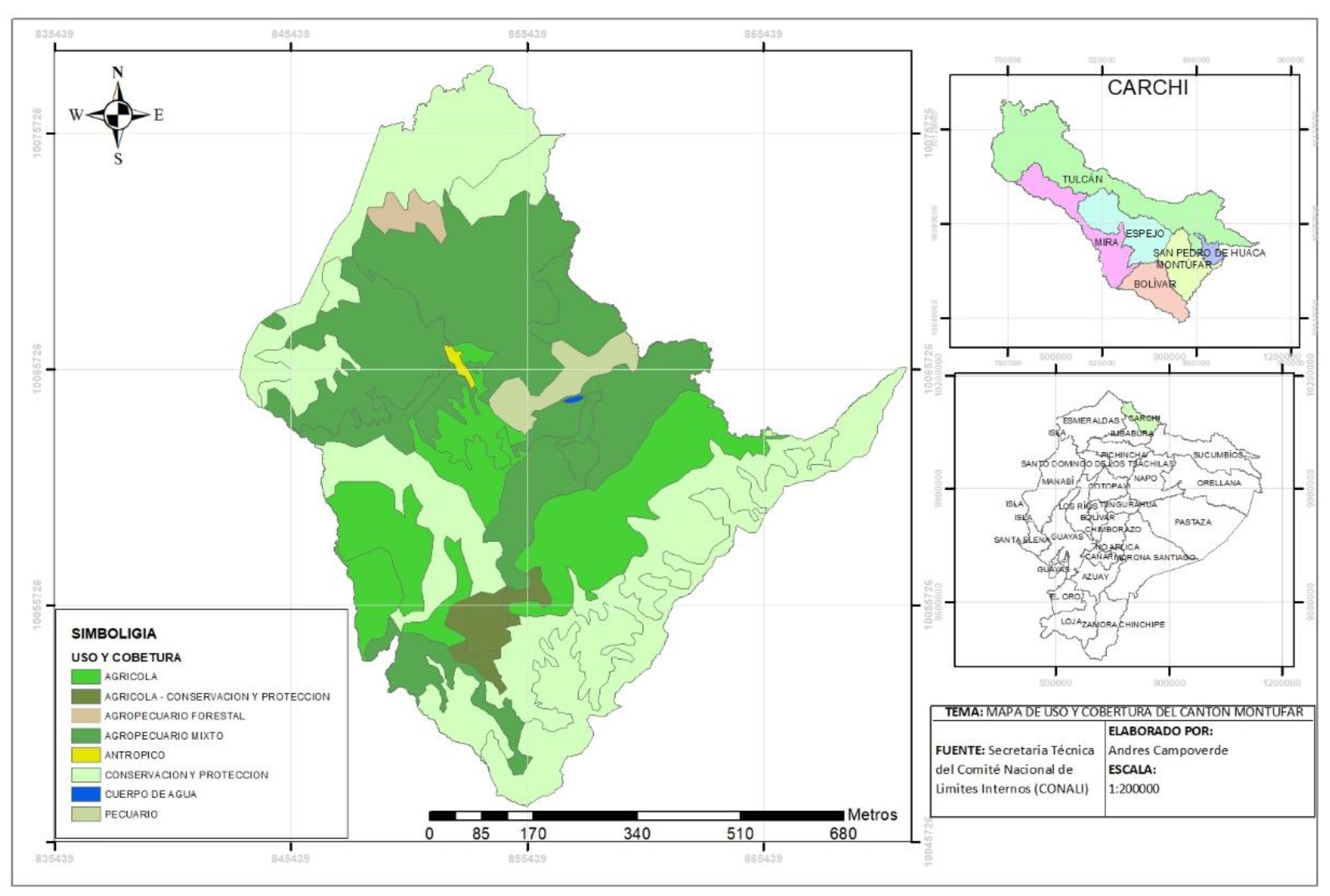
Figure 2.
Location of producers and traditional agriculture zones in the Producampo Association of Producers and Marketers (PPMA).
Figure 2.
Location of producers and traditional agriculture zones in the Producampo Association of Producers and Marketers (PPMA).
Disclaimer/Publisher’s Note: The statements, opinions and data contained in all publications are solely those of the individual author(s) and contributor(s) and not of MDPI and/or the editor(s). MDPI and/or the editor(s) disclaim responsibility for any injury to people or property resulting from any ideas, methods, instructions or products referred to in the content. |
© 2025 by the authors. Licensee MDPI, Basel, Switzerland. This article is an open access article distributed under the terms and conditions of the Creative Commons Attribution (CC BY) license (http://creativecommons.org/licenses/by/4.0/).
Copyright: This open access article is published under a Creative Commons CC BY 4.0 license, which permit the free download, distribution, and reuse, provided that the author and preprint are cited in any reuse.


