Preprint
Article

This version is not peer-reviewed.

Co-Infection Dynamics of Baculovirus penaei (BP–PvSNPV) in Penaeus vannamei Across Latin America

Submitted:

31 December 2024

Posted:

03 January 2025

You are already at the latest version

Abstract

Baculovirus penaei (BP) is an exclusively enteric virus that targets the mucosal epithelial cells of the hepatopancreatic (HP) tubules and the anterior midgut. Its impacts are most pronounced during early developmental stages, including zoea, mysis, and early post-larvae (PL), where infections often lead to significant hatchery losses. Traditionally, BP's significance as a pathogen has been tied to its high pathogenicity in these early larval stages. When outbreaks occur at this critical point, the affected tanks are typically discarded, limiting opportunities for further research.In later developmental stages, BP infections are not directly associated with substantial mortality. This has likely contributed to the pathogen being undervalued, at least as a potential marker for co-infections. Nevertheless, BP's role as part of complex co-infection scenarios highlights its broader relevance.Various molecular diagnostic methods have been developed to detect BP. However, these methods frequently fail to amplify PCR products, likely due to the high genetic diversity among BP strains. Such variability contributes to inconsistencies between molecular diagnostics and histological findings, where distinct polyhedral occlusion bodies are consistently observed in HP tissues.The present study reports the presence of BP across all cultivation stages of Penaeus vannamei farmed in Latin America, from post-larvae to broodstock in maturation. BP is consistently observed in association with co-infections, often alongside bacterial lesions in the hepatopancreas. Additionally, the findings underscore significant deficiencies in current molecular detection methods, which appear to lack the specificity required to reliably identify BP. These limitations emphasize the need for improved diagnostic approaches to better account for BP's genetic diversity and its role in shrimp health and disease dynamics.

Keywords: 
;  ;  ;  ;  

1. INTRODUCTION

General background

Baculovirus penaei (BP) was first identified in 1974 in the pink shrimp Penaeus duorarum (Couch, 1974a; 1974b). Subsequently, P. duorarum was reclassified into the genus Farfantopenaeus (Burukovsky, 1997). BP is a double-stranded DNA virus with virions approximately 75 x 300 nm in size (Lightner et al., 1989). It is also referred to as the singly enveloped nucleopolyhedrosis virus of P. vannamei (PvSNPV) (Summers, 1977). BP belongs to the group of nuclear polyhedrosis viruses (NPVs), which are categorized into two types based on the morphology of their occlusion bodies (OBs): MBV-type viruses, characterized by rounded intranuclear OBs, and BP-type viruses, which possess tetrahedral OBs. BP-type viruses, distinguished by their unique OB shape, have been reported in 15 penaeid shrimp species and are widely distributed across the Americas (Brock & Lightner, 1990; Bonami et al., 1995). BP is enzootic in wild penaeid populations but has been exclusively found in the Americas and Hawaii. In 2022, BP was reported for the first time outside the Americas, with an outbreak identified at a shrimp farm in Northern Taiwan (Cheng et al., 2023).
BP is strictly enteric, targeting the mucosal epithelial cells of the hepatopancreas (HP) tubules and the anterior midgut (Brock & Lightner, 1990; Couch, 1974a, 1974b, 1978, 1991; Johnson & Lightner, 1988; Lightner, 1996). Persistent infections can occur in penaeid shrimp hosts. Infected wild adult P. vannamei females have been shown to excrete BP-contaminated feces during spawning, contaminating their eggs and transmitting the virus to subsequent generations (Johnson & Lightner, 1988). The larval stages, particularly zoea, mysis, and early post-larval (PL) stages, exhibit the highest susceptibility to infection, often resulting in significant mortality in hatchery conditions (Bruce et al., 1994; Hammer et al., 1998; Le Blanc & Overstreet, 1990; Overstreet et al., 1988; Stuck & Overstreet, 1994; Stuck et al., 1996; Stuck & Wang, 1996). While high mortality is uncommon in juvenile or adult stages, BP infections can lead to poor growth performance and reduced survival rates in nursery and grow-out ponds at shrimp farms (Lightner, 1996). All BP-exposed groups of early postlarvae (PL 9 or younger) became heavily infected within 2–5 days of initial exposure to the virus. Some of these groups experienced high mortalities compared to the noninfected controls. Postlarvae that survived the infection exhibited highly variable and significantly reduced growth, as determined by dry weight, compared to controls (Stuck & Overstreet, 1994).
Coinfection of BP with other pathogens is not uncommon. Ramirez et al. (2021) reported the coinfection of two enteric pathogens, BP and Hepatobacter penaei (NHP), and two systemic pathogens (infectious hypodermal and haematopoietic necrosis virus, IHHNV, and white spot syndrome virus, WSSV) in wild shrimp P. vannamei and P. stylirostris from seven tidal channels of mangroves in Tumbes, Peru. Varela-Mejías (2019) reported the presence of BP in postlarvae imported to Central America. The role of BP as an important risk factor for bacterial infections has also been highlighted by Varela-Mejías and Valverde-Moya (2019).
BP was classified as a C2 pathogen, highlighting its significance and the potential need for exclusion from aquaculture systems (Lightner, 2002). However, due to the lack of substantial or relevant reports on its pathogenic impact, BP was removed from the OIE list of notifiable aquatic animal diseases in 2009 (Lightner & Redman, 2010). To detect the genome of BP, several molecular diagnostic methods have been developed, including in situ hybridization (ISH), which links lesions to BP infection, and polymerase chain reaction (PCR) (Wang et al., 1996; WOAH, 2019). Despite these advancements, Cheng et al. (2023) reported that primers described by Wang et al. (1996) failed to amplify PCR products, suggesting high genetic diversity among BP strains, particularly in the polyhedrin genes. This genetic variability may contribute to inconsistencies between molecular diagnostics and the distinct polyhedral occlusion bodies observed in histological analyses.
Although BP infection has been documented in the Americas for nearly four decades (Bonami et al., 1995; Brock et al., 1986; Lightner, 1985), only one partial BP nucleotide sequence is available in GenBank (DQ496179.1). This sequence, originating from Hawaii, USA, represents the Pacific strain, which differs from the Hawaiian strain found in native Penaeus marginatus. According to Bonami et al. (1995), this virus was isolated from a population of P. vannamei originally imported from Ecuador and subsequently cultured in Hawaii.
This study seeks to address these challenges by correlating molecular findings with histological evidence of BP infection. Additionally, it aims to validate the findings of Cheng et al. (2023) regarding the lack of specificity of previously published primers and to evaluate the applicability of current molecular tools in diverse geographical contexts.
To achieve these objectives, several samples of post-larvae (PL) and broodstock of Penaeus vannamei from multiple Latin American countries were submitted to our laboratory for histopathological and PCR analysis. Although no mortality was reported, the samples were sent for examination due to suspected infections, providing an opportunity to assess the diagnostic reliability of molecular and histological methods under field conditions

MATERIALS AND METHODS

Diagnosis of BP infections is achieved by demonstrating single or multiple polyhedral/tetrahedral occlusion bodies in the nuclei of epithelial cells in squash preparations of the hepatopancreas, midgut, or fecal samples. These preparations are examined using phase-contrast or bright-field microscopy (Bondad-Reantaso et al., 2001; Lightner, 1996; OIE, 2019). Routine histological stains, such as hematoxylin and eosin (H&E), can provide a definitive diagnosis of BP infection. Typically, BP-infected hepatopancreatic (or occasionally midgut) cells exhibit markedly hypertrophied nuclei with single or, more often, multiple eosinophilic occlusion bodies, along with chromatin diminution and margination (Lightner, 1996). Additionally, the polymerase chain reaction (PCR) method, modified from Wang et al. (1996), is employed for diagnosis.

Sample collection.

Samples for histopathology and PCR were received from different farms and maturation units in Latin America (LA). The shrimp used for PCR and histology were different individuals from the same populations, as pathogen loads in aquaculture are unevenly distributed across tissues. This variability can affect PCR detection, histopathological findings, and pathogen isolation, depending on the sampled tissue (Flegel and Sritunyalucksana, 2018; Noble et al., 2018; Chaijarasphong et al., 2021). Factors such as infection severity and tissue tropism further influence diagnostic accuracy. Therefore, careful selection of tissue types and sampling methods is essential to optimize PCR sensitivity and minimize false negatives. Despite using different shrimp for each analysis, all samples were derived from the same pond and exhibited similar symptoms.
It is important to clarify that our laboratory operates as a commercial unit providing services to farmers. The samples we process originate from commercial farms, hatcheries, and maturation facilities. We rely on the cooperation of our clients to supply adequate samples and share relevant information about the conditions on their farms. However, due to concerns about reputation, critical information, including details of disease outbreaks, is often withheld. Despite this, our laboratory consistently performs comprehensive analyses, PCR, histology, and, when applicable, microbiology, without specific requests to gain a better understanding of the pathology of the samples received. Additionally, to maintain client confidentiality, the countries or specific locations of the samples will not be disclosed. However, clients from World Organization for Animal Health (WOAH) member countries are reminded of their responsibility to inform their respective authorities of any positive test results for shrimp pathogens listed by WOAH or any unusual mortality events. It is then the responsibility of these authorities to report such cases to WOAH.

PCR methods used.

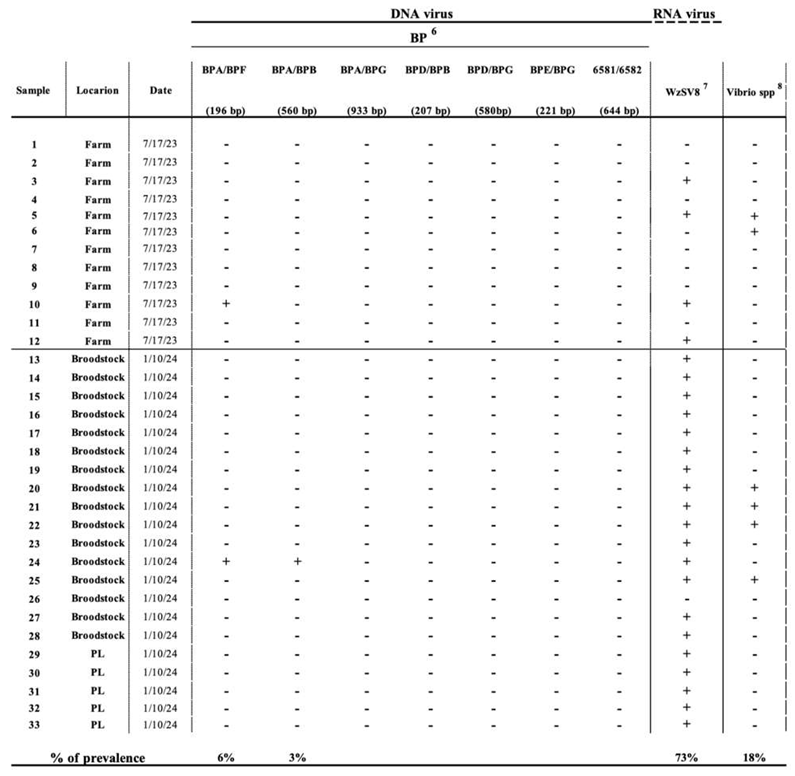
The methods for DNA and RNA extraction, along with the sampling procedures, are detailed in Intriago et al. (2024, 2025) and referenced in Table 1, Table 2 and Table 3.
In addition to the pathogens screened describes previously (Table 1 and 2), BP was also screened using amplifying seven pairs of primers designed by Wang et al. (1996) and the WOAH reference laboratory at the University of Arizona (WOAH, 2019). Detailed information on the primers used and amplicon sizes is listed in Table 2. The PCR products were separated using 2% agarose gel electrophoresis with 1 μl SYBR safe Gel Stain, and DNA was visualized using a dual LED Blue/White Light transilluminator.
The combinations of Wang et al (1996) primers amplify segments from BP template DNA of: BPA/BPF - 196 bp; BPA/BPB - 560 bp; BPA/BPG - 933 bp; BPD/BPB - 207 bp; BPD/BPG - 580 bp; and BPE/BPG - 221 bp. We also tested the alternative method used by the OIE Reference Laboratory at the University of Arizona (WOAH, 2019). This method used one forward and reverse primer pair that produces a 644 bp amplicon (WOAH, 2019).

Histopathology

For histological analysis, samples were prepared following the procedures outlined by Bell and Lightner (1988). Briefly, they were fixed in Davidson’s AFA for at least 24 h before processing for routine histological analysis. 2–4 paraffin blocks were prepared and tissue sections of 5 µm thickness were stained with H&E-phloxine, as indicated by Thurman et al. (1990). In addition, methyl green pyronin modified stain was employed to distinguish DNA and RNA (Poly Scientific R&D Corp, NY).

RESULTS

PCR results

In this study, primers targeting putative BP polyhydric cDNA sequences developed by Wang et al. (1996) and the one set recommended by WHOA (2019) were evaluated. Of the three primer pairs tested from Wang et al., (1996), BPD/BPB, BPD/BPG, and BPE/BPG, none successfully amplified PCR products, highlighting the challenges in detecting BP using these primers. 6% of the samples histologically positive for BP were positive for primer BPA/BPF and 3% for BPA/BPB.
Diagnosis of BP using PCR is dependent on the amount of BP DNA present in a mixed population of both BP and shrimp DNA. Using the same DNA preparation from BP-infected post larval P. vannamei, the amplification reaction failed to produce the expected DNA fragment when 5 ng of template DNA was used but was successful when at least 10 ng was used (Wang et al., 1996). We have not observed false positives (nonspecific amplification products) using up to 200 ng of total DNA.
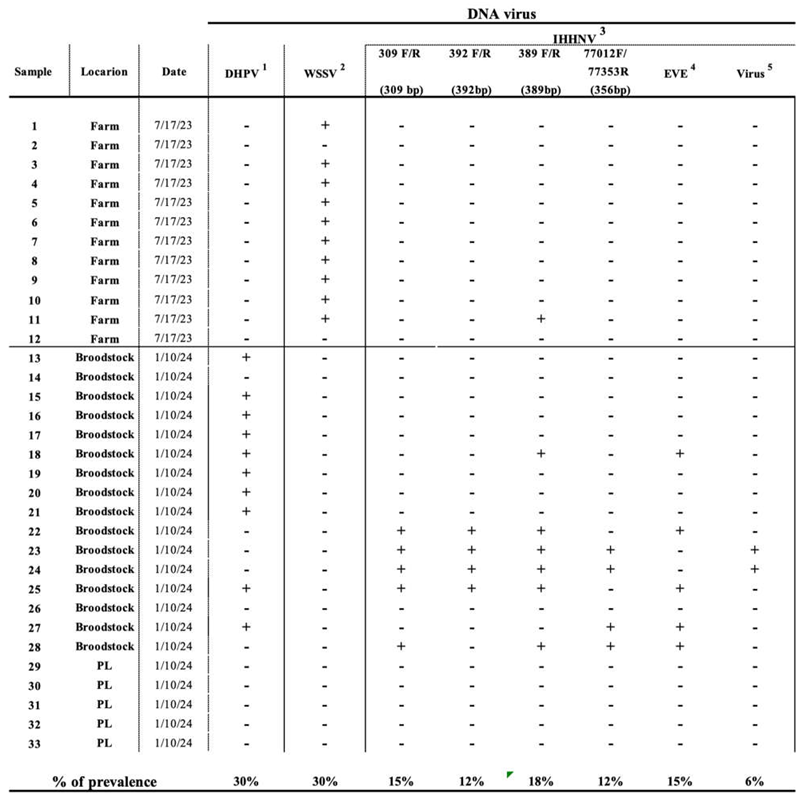
All the pathogens listed in Table 1 but absent in Table 4 were not detected in the samples analyzed. Among the 33 samples tested, 5 DNA viruses, 1 RNA virus, and 1 bacterial pathogen (Vibrio spp.) were detected. WzSV8 was the most prevalent, detected in 73% of all samples screened, followed by DHPV and WSSV, each with a 30% prevalence. Vibrios spp. was present in 18% of the samples, while IHHNV and BP had the lowest prevalence, at only 6%.

Histopathology results

Similarly, to describe by Chen et al. (2023) we did not find obvious gross lesion. Histopathological examination appeared normal in cases of minor infection. However, advanced co-infections revealed a dark coloration in the hepatopancreas during the dissection process (Figure 1). Initially, this discoloration was suspected to result from improper fixation. However, histological analysis revealed that the darkened appearance was attributable to necrotic damage in the hepatopancreas.
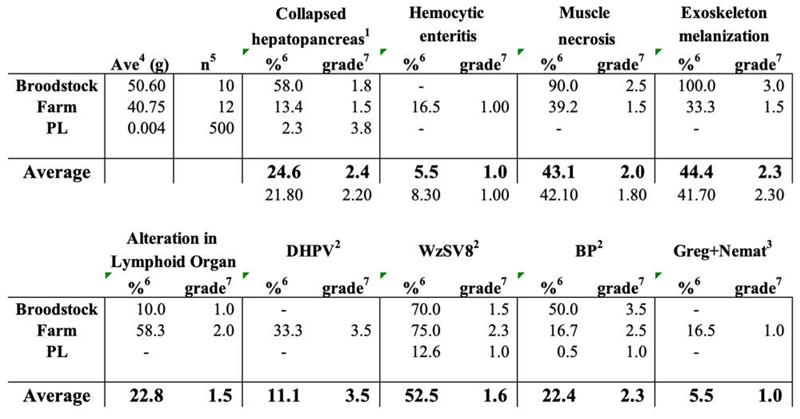
Table 5. Histological average of lesions of affected animals in farms and hatchery.
Preprints 144775 i003
1 Average hepatopancreas abnormalities (cell sloughing, hemocytic – melanized and necrotic tubules, atrophied/destroyed tubules, hemocytic enteritis). 2 viral inclusion bodies or VIB. 3 Sum of gregarines and nematodes. 4 Average weight (g). 5 Total number of animals analyzed. 6 Percentage of prevalence. 7 The average of a grading system of severity was adopted from Lightner (1996) and simplified as follows: 0= no lesions, 1=lesions or infection present in <25% of area or organ or tissue section, 2=lesions or infection present in 25-50% of area or organ or tissue section, 3=lesions or infection present in 50-75% of area or organ or tissue section, 4=lesions or infection present in >75% of area or organ or tissue section (Lightner, 1996). Superscript numbers refer to the table.
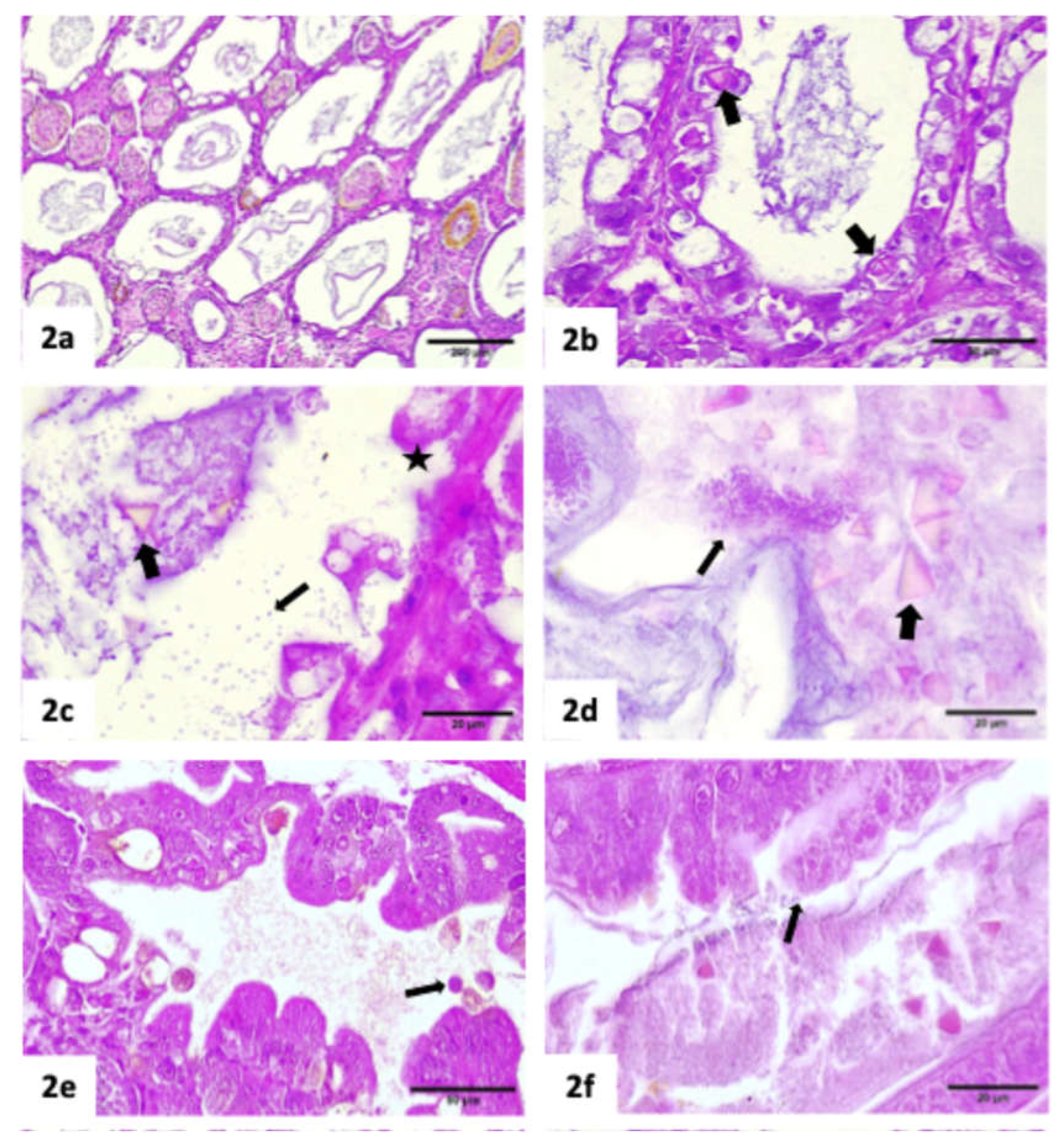
Further examination revealed co-infections of bacterial pathogens and BP, ranging from mild to advanced stages. In advanced infections, free tetrahedral occlusion bodies (OBs) were observed in the stomach lumen, indicating clear evidence of horizontal transmission. In the hepatopancreas, there was a moderate dilation of the tubules lacking vacuoles with foci of hemocyte infiltration in the interstitium, melanized/necrotic reaction and detachment of epithelial cells (mostly F or R cells), which contained one or more intranuclear tetrahedral occlusion bodies that were prominent within or budding out of the hypertrophic nucleus (Figure 2a-c). Bacterial colonies and BP occlusions were identified in the intestinal lumen (Figure 2d), while infected post-larvae (PL) exhibited important epithelial loss in the hepatopancreas and intestine (Figure 2e,f).
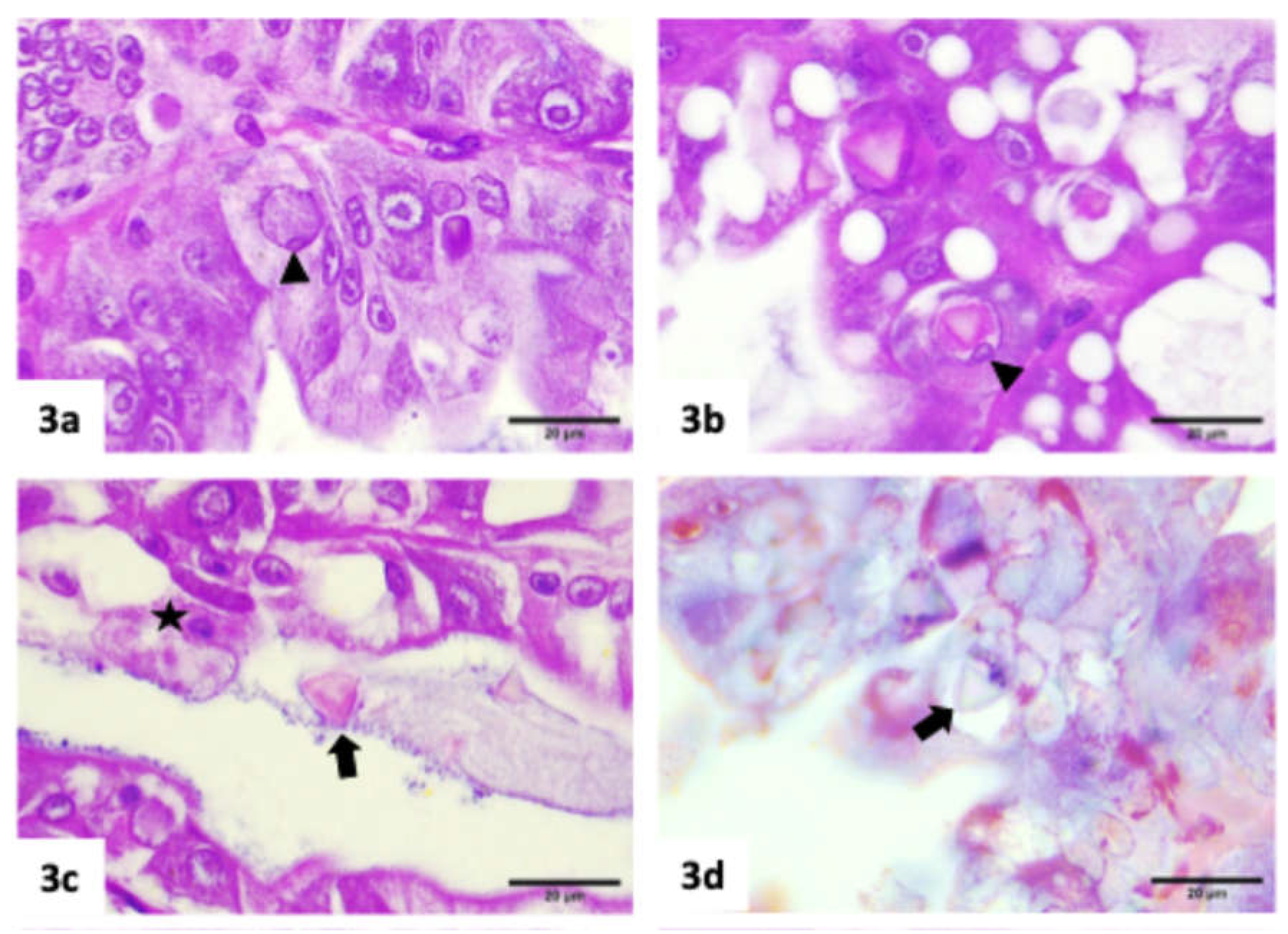
In addition to being hypertrophied, the infected nuclei were hypochromatic, with marginated nucleoli (Figure 3a,b). The occlusion bodies were approximately 7 μm in diameter and were commonly observed in the tubular lumen of the hepatopancreas (Figure 3c). Tetrahedral OBs-stained bright green with methyl green staining (Figure 3d). No similar lesions, such as intranuclear occlusion bodies, swollen nuclei, or fragmented nucleoli, were observed in the distal regions of hepatopancreatic tubules or midgut epithelial cells.

Linking PCR with Histopathology results

Typical of shrimp from the region, the dominant pathology involves hepatopancreatic lesions associated with bacterial infections, with WzSV8 frequently acting as a co-infectious agent (Intriago et al., 2024, 2025). Table 4 summarizes the prevalence data by group and the overall averages, revealing that 22% of the animals exhibited hepatopancreatic lesions linked to bacterial infections, while 58% displayed WzSV8 inclusion bodies. Interestingly, BP inclusion bodies were observed in 21% of the samples, closely mirroring the prevalence of hepatopancreatic damage. However, PCR analysis revealed a notable discrepancy: 30% of the samples tested positive for WzSV8, but only 6% were positive for BP. Although, for PCR, 1 gram of post-larvae was homogenized, representing at least 200 individuals, sufficient to detect pathogens regardless of their concentration or prevalence. A striking example of this issue was found in larval group analysis (five groups of 100 larvae each), where histology identified BP inclusion bodies in 2.5% of individuals, yet no positive results were obtained through PCR. Even if the shrimp analyzed by PCR and histology were different individuals from the same populations.
In addition, the prevalence of data suggests a lack of specificity in the primers used for BP detection. This limitation may stem from the genetic variability of BP strains across different geographic regions, which could lead to mismatches in primer binding. According to Cheng, mutations at the 3' end of the BPD and BPE primers can inhibit amplification, as the high genetic diversity within the target genes may prevent the generation of the desired amplicon. To address this challenge, the use of nested PCR has been recommended. This technique has not been used previously, as in the case of Monodon baculovirus (MBV) in penaeid shrimp or other diseases that have improved detection using this method.

DISCUSSION

Baculovirus penaei (BP) is a strictly enteric pathogen that primarily infects early larval stages, including zoea, mysis, and early post-larvae (PL), often causing significant mortality during these stages (Bruce et al., 1994; Hammer et al., 1998; Le Blanc & Overstreet, 1990; Overstreet et al., 1988; Stuck & Overstreet, 1994; Stuck et al., 1996; Stuck & Wang, 1996). BP became a persistent issue for shrimp hatcheries across the Americas during the late 1980s and into the 1990s. Early post-larvae (PL9 or younger) that survived infection exhibited highly variable and significantly reduced growth rates (Stuck & Overstreet, 1994). In 2009, the International Office of Epizooties (OIE), also known as the World Animal Health Organization, determined that BP no longer met the criteria for listing as a notifiable disease, and it was officially delisted in May 2009 (Lightner & Redman, 2010). Separate studies have revealed significant geographic variation among BP strains. Morphometric analyses of BP virion nucleocapsids and hybridization probes specific to the Ecuadorian strain versus those from North, Central, and South America and Hawaii suggest the existence of at least three distinct BP strains (Lightner & Redman, 1998; Bruce et al., 1993; Durán et al., 1998).
The complete genome sequence of BP remains unavailable, posing significant limitations for the development of robust diagnostic tools. Primers targeting putative BP cDNA sequences have been designed, with Wang et al. (1996) creating three forward primers (BPA, BPD, and BPE) and three reverse primers (BPF, BPB, and BPG), resulting in six primer-pair combinations capable of amplifying PCR products ranging from 196 to 933 bp. However, Chen et al. (2023) reported the first detection of BP outside the Americas, in northern Taiwan, and highlighted that the primer sets developed by Wang et al. (1996) lack specificity. This illustrates the need for improved sequencing data to refine PCR-based detection methods and reflects the high genetic diversity among BP strains, which complicates the development of reliable molecular diagnostics. Similarly, PCR results in our study demonstrated a poor correlation with the characteristic polyhedral occlusion bodies of BP observed in histological findings, with only 6% of histologically positive samples testing positive by PCR. In an advanced pathogen monitoring study of Penaeus vannamei (Intriago et al., 2024, 2025), the critical role of primer selection in achieving reliable PCR outcomes was emphasized. The study attributed inconsistencies in primer performance to the genetic diversity of viruses, influenced by the geographical distribution of hosts, environmental factors, and viral adaptations to local conditions. Together, these findings highlight the necessity of region-specific molecular tools to overcome challenges in diagnostic precision and accuracy.
Histological analysis consistently revealed hepatopancreatic (HP) lesions associated with bacterial activity, suggesting that these lesions are likely triggered by bacterial exotoxins. These exotoxins may be ingested by shrimp foraging on uneaten feed or organic matter accumulating at the pond bottom. Over time, acute toxic effects from these exotoxins can develop into chronic inflammatory lesions in the HP. Notably, BP was consistently detected as a co-infection alongside bacterial pathogens, raising the possibility that bacterial toxins could create a favorable environment for viral replication and inclusion body formation (Figure 2). This idea finds support in the work of Couch and Courtney (1977), who demonstrated that low-level BP infections in F. duorarum were significantly intensified when shrimp were exposed to 1–3 ppb of polychlorinated biphenyls (PCBs). Their findings highlighted how external stressors, such as chemical contaminants (e.g., Aroclor 1254), interact with the host and pathogens to exacerbate disease dynamics. Similarly, bacterial exotoxins may act as stressors that, much like PCBs, promote the progression of viral infections and contribute to the development of HP lesions.
Coinfections of viruses and bacterial pathogens within the hepatopancreas of Penaeus vannamei have been documented by Intriago et al. (2024, 2025). Persistent bacterial infections in the hepatopancreas are a common occurrence in shrimp from Latin America, with pathogens such as WzSV8 and DHPV showing significant prevalence. Furthermore, Intriago identified WzSV8 as a frequent constituent of the viriome in both wild and cultured populations of P. vannamei and in wild populations of P. stylirostris and P. monodon throughout the region.
Coinfections involving BP alongside other pathogens have also been widely observed. For instance, Ramirez et al. (2021) reported concurrent infections with enteric pathogens (H. penaei or NHPB) and systemic pathogens (IHHNV and WSSV) in wild populations of P. vannamei and P. stylirostris from tidal mangrove ecosystems in Tumbes, Peru. Similarly, Varela-Mejías (2018) identified BP in post-larvae imported to Central America, noting substantially elevated mortality rates when BP was present alongside NHPB.
The significance of BP as a pathogen has traditionally been associated with its pathogenicity to early larval stages. When outbreaks occur at these stages, the affected tanks are typically discarded, leaving little opportunity for further study. Additionally, the presence of BP in later developmental stages is not directly linked to significant mortality. This has likely contributed to undervalue BP at least as an indicator of co-infections.
These findings, along with the results of the present study, suggest that shrimp in the region likely harbor persistent coinfections as part of their adaptation to environmental and pathogenic stressors (Intriago et al., 2024, 2025). A notable relationship between viral and bacterial pathogens in the hepatopancreas highlights the complexity of this phenomenon. This observation aligns with the concept of disease tolerance, which has emerged as an alternative strategy to host resistance in managing viral-bacterial coinfections. Unlike resistance, which seeks to reduce pathogen load, disease tolerance focuses on preserving tissue integrity and mitigating organ damage, thereby enabling survival in the face of infection (Barman and Metzger, 2021).
However, this tolerance may come at a cost. Chronic infections, once established, could lead to compromised fitness and reduced growth rates. Additionally, there is evidence that these chronic infections, including both bacterial and viral pathogens, can be vertically or horizontally transmitted to offspring. This vertical transmission ensures the persistence of pathogens across generations, potentially creating a continuous cycle of infection within shrimp populations and exacerbating the challenges of managing disease outbreaks in aquaculture.

Author contribution

P.I. conceived the study and directed the research writing and editing and interpretation of the results. M.B; M.V; A.M performed the molecular analysis. N.C; B.M. and M.V histology processing and contributed to the histopathological examination evaluation. Y.C performed sampling and analysis.

Ethical Approval

All animals study in the present research came from commercial hatcheries.

Funding

This study was conducted without external funding and was supported entirely through the existing resources and regular budget of the laboratory.

Competing interests

The authors declare no competing interests.

References

  1. Aranguren, LF; Tang, KFJ; Lightner, DV. Quantification of the bacterial agent of necrotizing hepatopancreatitis (NHP-B) by real-time PCR and comparison of survival and NHP load of two shrimp populations. Aquaculture 2010, 307, 187–192. [Google Scholar] [CrossRef]
  2. Barman, TK; Metzger, DW. Disease Tolerance during Viral-Bacterial Co-Infections. Viruses 2021, 13, 2362. [Google Scholar] [CrossRef]
  3. Bell, TA; Lightner, DV. A handbook of normal penaeid shrimp histology; The World Aquaculture Society; Baton Rouge, LA, 1988. [Google Scholar]
  4. Bonami, JR; Bruce, L; Poulos, BT; Mari, J; Lightner, DV. Partial characterization and cloning of the genome of PvSNPV (= BP-type virus) pathogenic for Penaeus vannamei. Diseases of Aquatic Organisms 1995, 23, 59–66. [Google Scholar] [CrossRef]
  5. Bondad-Reantaso, MG; Mcgladdery, SE; East, I; Subasinghe, RP. 2001) Asia Diagnostic Guide to Aquatic Animal Diseases. FAO Fisheries Technical Paper 402, Supplement 2. FAO, Rome, Italy 240 pp.
  6. Brock, JA; Nakagawa, LK; Campen, HV; Hayashi, T; Teruta, S. A record of Baculovirus penaei from Penaeus marginatus Randall in Hawaii. Journal of Fish Diseases 1986, 9(4), 353–355. [Google Scholar] [CrossRef]
  7. Brock, JA; Lightner, DV. Diseases of crustacea. Diseases caused by microorganisms. Diseases of Marine Animals Biologische Anstalt Helgoland, Hamburg, Germany 1990, Vol. III. Kinne O., ed., 245–349. [Google Scholar]
  8. Bruce, LD; Redman, RM; Lightner, DV; Bonami, JR. : Application of gene probes to detect a penaeid shrimp baculovirus in fixed tissue using in situ hybridization. Dis. Aquat. Org. 1993, 17, 215–221. [Google Scholar] [CrossRef]
  9. Bruce, LD; Lightner, DV; Redman, RM; Stuck, KC. Application of traditional and molecular detection methods to experimental studies on the development of Baculovirus penaei (BP) infections in larval Penaeus vannamei. J. Aquat. Anim. Health 1994, 6, 355–359. [Google Scholar] [CrossRef]
  10. Burukovsky, R.N. Selection of a type species for Farfantepenaeus Burukovsky (Crustacea: Decapoda: Penaeidae). In Proceedings of the Biological Society of Washington; 1997; 110, p. 154. [Google Scholar]
  11. Chaijarasphong, T.; Munkongwongsiri, N.; Stentiford, G. D.; Aldama-Cano, D. J.; Thansa, K.; Flegel, T. W.; Sritunyalucksana, K.; Itsathitphaisarn, O. "The Shrimp Microsporidian Enterocytozoon hepatopenaei (EHP): Biology, Pathology, Diagnostics and Control. "Journal of Invertebrate Pathology 2021, 186, 107458. [Google Scholar] [CrossRef]
  12. Cheng, YH; Chang, YC; Chang, CY; Chang, HW. Identification and genomic characterization of Baculovirus penaei in Litopenaeus vannamei in Taiwan. Journal of Fish Diseases 2023, 46, 611–617. [Google Scholar] [CrossRef] [PubMed]
  13. Couch, JA. Free and occluded Virus, similar to Baculovirus, in hepatopancreas of pink; 1974a. [Google Scholar]
  14. Shrimp. Nature 247, 229–231.
  15. Couch, JA. An Enzootic Nuclear Polyhedrosis Virus of Pink Shrimp: Ultrastructure, Prevalence, and Enhancement. Journal of Invertebrate Pathology 1974b, 24, 311–331. [Google Scholar] [CrossRef] [PubMed]
  16. Couch, JA; Courtney, L. Interaction of chemical pollutants and virus in a crustacean: a novel bioassay system. Ann. NY. Acad. Sci. 1977, 298, 497–504. [Google Scholar] [CrossRef] [PubMed]
  17. Couch, JA. Diseases, Parasites, and toxic responses of commercial penaeid shrimps of the Gulf of Mexico and South Atlantic coast of North America. Fishery Bulletin 1978, 76, 1–44. [Google Scholar]
  18. Couch, JA. Adams, J.R., Bonami, J.R., Eds.; Baculoviridae. Nuclear Polyhedrosis Viruses. Part 2. Nuclear Polyhedrosis Viruses of Invertebrates Other Than Insects. In Atlas of Invertebrate Viruses; CRC Press; Boca Raton, Florida, USA, 1991; pp. 205–226. [Google Scholar]
  19. Dangtip, S; Sirikharin, R; Sanguanrut, P; Thitamadee, S; Sritunyalucksana, K; Taengchaiyaphum, S; Mavichak, R; Proespraiwong, P; Flegel, TW. AP4 method for two-tube nested PCR detection of AHPND isolates of Vibrio parahaemolyticus. Aquaculture Reports 2015, 2, 158–162. [Google Scholar] [CrossRef]
  20. Durand, S; Lightner, DV; Bonami, JR. Differentiation of BP-type baculovirus strains using in situ hybridization. Dis. Aquat. Org. 1998, 32, 237–239. [Google Scholar] [CrossRef] [PubMed]
  21. Flegel, T. W.; Sritunyalucksana, K. "Recent Research on Acute Hepatopancreatic Necrosis Disease (AHPND) and Enterocytozoon hepatopenaei in Thailand. "Asian Fisheries Science 2018, 31S, 257–269. [Google Scholar] [CrossRef]
  22. Gangnonngiw, W; Bunnontae, M; Phiwsaiya, K; Senapin, S; Dhar, AK. In experimental challenge with infectious clones of Macrobrachium rosenbergii nodavirus (MrNV) and extra small virus (XSV), MrNV alone can cause mortality in freshwater prawn (Macrobrachium rosenbergii). Virology 2020, 540, 30–37. [Google Scholar] [CrossRef]
  23. Gangnonngiw, W; Bunnontae, M; Kayansamruaj, P; Senapin, S; Srisala, J; Flegel, TW; Wongprasert. A novel ssDNA Bidnavirus in the giant freshwater prawn Macrobrachium rosenbergii. Aquaculture 2023, 568, 739340. [Google Scholar] [CrossRef]
  24. Hammer, HS; Stuck, KC; Overstreet, RM. Infectivity and pathogenicity of Baculovirus penaei (BP) in cultured larval and postlarval Pacific white shrimp, Penaeus vannamei, related to the stage of viral development. J. Invertebr. Pathol. 1998, 72, 38–43. [Google Scholar] [CrossRef]
  25. Intriago, P.; Medina, A.; Cercado, N.; Arteaga, K.; Montenegro, A.; Burgos, M.; Espinoza, J.; Brock, J. A.; McIntosh, R.; Flegel, T. Passive Surveillance for Shrimp Pathogens in Penaeus vannamei Submitted from Three Regions of Latin America. Aquaculture Reports 2024, 36, 102092. [Google Scholar] [CrossRef]
  26. Intriago, P.; Montiel, B.; Valarezo, M.; Gallardo, J.; Cataño, A. “Advanced Pathogen Monitoring in Penaeus vannamei from Three Latin American Regions: Passive Surveillance Part 2.”; Submitted for publication, 2025. [Google Scholar]
  27. Jaroenlak, P; Sanguanrut, P; Williams, BAP; Stentiford, GD; Flegel, TW; Sritunyalucksana, K; Itsathitphaisarn, O. A nested PCR assay to avoid false positive detection of the microsporidian Enterocytozoon hepatopenaei (EHP) in environmental samples in shrimp farms. PLoS ONE 2016, 11. [Google Scholar] [CrossRef] [PubMed]
  28. Johnson, PT; Lightner, DV. Rod-shaped nuclear viruses of crustaceans: gut-infecting species. Dis. Aquat. Org. 1988, 5, 123–141. [Google Scholar] [CrossRef]
  29. LeBlanc, BD; Overstreet, R M. Prevalence of Baculovirus penaei in experimentally infected white shrimp (Penaeus vannamei) relative to age. Aquaculture 1990, 87, 237–242. [Google Scholar] [CrossRef]
  30. Lightner, DV. Taki, Y., Primavera, J. H., Llobrera, J. A., Eds.; A review of the diseases of cultured penaeid shrimps and prawns with emphasis on recent discoveries and developments. In Proceedings of the first international conference on the Culture of penaeid prawns/shrimps; Iloilo City, Philippines (pp. 79–103). Aquaculture Department, Southast Asian Fisheries Development Center, 1985; Available online: https://repository.seafdec.org.ph/bitstream/handle/10862/877/ficcpps_ p079-103.pdf?sequence=1&isAllowed=y.
  31. Lightner, DV; Bell, TA; Redman, RM. A review of the known hosts, geographical range and current diagnostic procedures for the virus diseases of cultured penaeid shrimp. Advances in Tropical Aquaculture Tahiti, Feb. 20-March 4, 1989. Aquacop Ifremer. Actes de Colloque 1989, 9, 173–126. [Google Scholar]
  32. Lightner, DV. A Handbook of Shrimp Pathology and Diagnostic Procedures for Diseases of Cultured Penaeid Shrimp; World Aquaculture Society, 1996. [Google Scholar]
  33. Lightner, DV; Redman, RM. Strategies for the Control of Viral Diseases of Shrimp in the Americas. Fish Pathology 1998, 33, 165–180. [Google Scholar] [CrossRef]
  34. Lightner, DV. Inui, Y., E., R. Cruz-Lacierda, Eds.; Advances in diagnosis and management of shrimp virus diseases in the Americas. In Disease Control in Fish and Shrimp Aquaculture in Southeast Asia-Diagnosis and Husbandry Techniques: Proceedings of the SEAFDEC-OIE Seminar-Workshop on Disease Control in Fish and Shrimp Aquaculture in Southeast Asia-Diagnosis and Husbandry Techniques; Iloilo City, Philippines, SEAFDEC Aquaculture Department; Tigbauan, Iloilo, Philippines, 2002; pp. 7–33. [Google Scholar]
  35. Lightner, DV; Redman, RM. The global status of significant infectious diseases of farm shrimp. Asian Fisheries Science 2010, 23, 383–426. [Google Scholar]
  36. Lo, CF; Ho, CH; Peng, SE; Chen, CH; Hsu, HC; Chiu, YL; Chang, CF; Liu, KF; Su, MS; Wang, CH; Kou, GH. White Spot Syndrome Baculovirus (WSBV) Detected in Cultured and Captured Shrimp, Crabs and Other Arthropods. Dis Aquat Organ 1996, 27, 215–225. [Google Scholar] [CrossRef]
  37. Mohr, PG; Moody, NJG; Hoad, J; Williams, LM; Bowater, RO; Cummins, DM; Cowley, JA; Crane, M StJ. New yellow head virus genotype (YHV7) in giant tiger shrimp Penaeus monodon indigenous to northern Australia. Dis Aquat Org 2015, 115, 263–268. [Google Scholar] [CrossRef] [PubMed]
  38. Noble, T. H.; Stratford, C. N.; Wade, N. M.; Cowley, J. A.; Sellars, M. J.; Coman, G. J.; Jerry, D. R. "PCR Testing of Single Tissue Samples Can Result in Misleading Data on Gill-Associated Virus Infection Loads in Shrimp. "Aquaculture 2018, 492, 91–96. [Google Scholar] [CrossRef]
  39. Navarro, SA; Tang, KFJ; Lightner, DV. An improved Taura syndrome virus (TSV) RT-PCR using newly designed primers. Aquaculture 2009, 293, 290–292. [Google Scholar] [CrossRef]
  40. Nunan, LM; Poulos, BT; Lightner, DV. Reverse transcription polymerase chain reaction (RT-PCR) used for the detection of Taura Syndrome Virus (TSV) in experimentally infected shrimp. Dis Aquat Organ 1998, 34, 87–91. [Google Scholar] [CrossRef] [PubMed]
  41. Nunan, LM; Poulos, BT; Lightner, DV. Use of polymerase chain reaction (PCR) for the detection of infectious hypodermal and hematopoietic necrosis virus (IHHNV) in penaeid shrimp. Mar Biotechnol 2000, 2, 319–328. [Google Scholar] [CrossRef]
  42. Nunan, LM; Poulos, B; Redman, R; Groumellec, ML; Lightner, DV. Molecular detection methods developed for a systemic rickettsia-like bacterium (RLB) in Penaeus monodon (Decapoda: Crustacea). Dis Aquat Organ 2003, 53, 15–23. [Google Scholar] [CrossRef] [PubMed]
  43. Nunan, LM; Pantoja, CR; Salazar, M; Aranguren, F; Lightner, DV. Characterization and molecular methods for detection of a novel spiroplasma pathogenic to Penaeus vannamei. Dis Aquat Organ 2004, 62, 255–264. [Google Scholar] [CrossRef] [PubMed]
  44. OIE. Aquatic Animal Health Code; World Organization for Animal Health, 2019. [Google Scholar]
  45. Overstreet, RM; Stuck, KC; Krol, RA; Hawkins, WE. Experimental infections with Baculovirus penaei in the white shrimp Penaeus vannamei as a bioassay. J. World Aquaculture Soc. 1988, 19, 175–187. [Google Scholar] [CrossRef]
  46. Pasharawipas, T; Flegel, TW; Chaiyaroj, S; Mongkolsuk, S; Sirisinha, S. Comparison of Amplified RNA gene sequences from microsporidian parasites (Agmasoma or Thelohania) in Penaeus merguiensis and P. monodon. Asian Fisheries Sci 1994, 7, 169–178. [Google Scholar] [CrossRef]
  47. Phromjai, J; Boonsaeng, V; Withyachumnarnkul, B; Flegel, TW. Detection of hepatopancreatic parvovirus in Thai shrimp Penaeus monodon by in situ hybridization, dot blot hybridization and PCR amplification. Dis Aquat Organ 2002, 51, 227–232. [Google Scholar] [CrossRef] [PubMed]
  48. Poulos, BT; Lightner, DV. Detection of infectious myonecrosis virus (IMNV) of penaeid shrimp by reverse-transcriptase polymerase chain reaction (RT-PCR). Dis Aquat Organ 2006, 73, 69–72. [Google Scholar] [CrossRef] [PubMed]
  49. Qiu, L; Chen, MM; Wan, XY; Li, C; Zhang, QL; Wang, RY; Cheng, DY; Dong, X; Yang, B; Wang, XH; Xiang, JH; Huang, J. Characterization of a new member of Iridoviridae, Shrimp hemocyte iridescent virus (SHIV), found in white leg shrimp (Litopenaeus vannamei). Sci Rep 2017, 7, 11834. [Google Scholar] [CrossRef] [PubMed]
  50. Ramirez, R; Guevara, M; Alfaro, R; Montoya, V; Mai, HN; Serna, M; Dhar, AK; Aranguren, LF. A cross-sectional study of shrimp pathogens in wild shrimp, Penaeus vannamei and Penaeus stylirostris in Tumbes, Peru. Aquaculture Research 2021, 52, 1118–1126. [Google Scholar] [CrossRef]
  51. Srisala, J; Thaiue, D; Saguanrut, P; Taengchaiyaphum; Flegel, TW; Sritunyalucksana, K. 2023) Wenzhou shrimp virus 8 (WzSV8) detection by unique inclusions in shrimp hepatopancreatic E-cells and by RT-PCR. Aquaculture 572, 739483. [CrossRef]
  52. Stuck, KC; Overstreet, RM. Effect of Baculovirus penaei on growth and survival of experimentally infected postlarvae of the Pacific white shrimp, Penaeus vannamei. J. Invertebr. Pathol. 1994, 64, 18–25. [Google Scholar] [CrossRef]
  53. Stuck, KC; WANG, SY. Establishment and persistence of Baculovirus penaei infections in cultured Pacific white shrimp Penaeus vannamei. J. Invertebr. Pathol. 1996, 68, 59–64. [Google Scholar] [CrossRef] [PubMed]
  54. Stuck, KC; Stuck, LM; Overstreet, RM; Wang, SY. Relationship between BP (Baculovirus penaei) and energy reserves in larval and postlarval Pacific white shrimp Penaeus vannamei. Dis. Aquat. Org. 1996, 24, 191–198. [Google Scholar] [CrossRef]
  55. Summers, MD. Characterization of shrimp baculovirus. Ecological Research Series. EPA-600/3-71-130 1977, 35p. [Google Scholar]
  56. Tang, KFJ; Durand, SV; White, BL; Redman, RM; Pantoja, CR; Lightner, DV. ) Postlarvae and juveniles of a selected line of Penaeus stylirostris are resistant to infectious hypodermal and hematopoietic necrosis virus infection. Aquaculture 2000, 190, 203–210. [Google Scholar] [CrossRef]
  57. Tang, KFJ; Lightner, DV. Infectious hypodermal and hematopoietic necrosis virus (IHHNV) in the genome of the black tiger prawn Penaeus monodon from Africa and Australia. Virus Res 2006, 118, 185–191. [Google Scholar] [CrossRef]
  58. Tang, KFJ; Navarro, SA; Lightner, DV. A PCR assay for discriminating between infectious hypodermal and hematopoietic necrosis virus (IHHNV) and the virus-related sequences in the genome of Penaeus monodon. Dis Aquat Organ 2007a, 74, 165–170. [Google Scholar] [CrossRef] [PubMed]
  59. Tang, KFJ; Pantoja, CR; Redman, RM; Lightner, DV. Development of in situ hybridization and RT-PCR assay for the detection of a nodavirus (PvNV) that causes muscle necrosis in Penaeus vannamei. Dis Aquat Organ 2007b, 75, 183–190. [Google Scholar] [CrossRef] [PubMed]
  60. Thurman, R.B., T.A.; Bell; Lightner, D.V.; Hazanow, S. Unique physicochemical properties of the occluded penaeid shrimp baculoviruses and their use in diagnosis of infections. Journal of Aquatic Animal Health 1990, 2, 128–131. [Google Scholar] [CrossRef]
  61. Utari, HB; Senapin, S; Jaengsanong, C; Flegel, TW; Kruatrachue, M. A haplosporidian parasite associated with high mortality and slow growth in Penaeus (Litopenaeus) vannamei cultured in Indonesia. Aquaculture 2012, 366-367, 85–89. [Google Scholar] [CrossRef]
  62. Varela Mejías, A. Incidencia detectada del Baculovirus penaei en muestras de post larvas importadas en Costa Rica. Repertorio Científico 2018, 2, 14–21. [Google Scholar] [CrossRef]
  63. Varela-Mejías, A; Valverde-Moya, J. Baculovirus penaei como factor de riesgo para infecciones bacterianas en hepatopáncreas de Penaeus vannamei. Rev. Inv. Vet. Perú. 2019, 30, 377–386. [Google Scholar] [CrossRef]
  64. Wang, SY; Hong, C; Lotz, JM. Development of a PCR procedure for the detection of Baculovirus penaei in shrimp. Dis. Aquat. Org. 1996, 25, 123–131. [Google Scholar] [CrossRef]
  65. World Organization for Animal Health. Tetrahedral baculovirosis. In Manual of diagnostic tests for aquatic animals; World Organization for Animal Health, 2019. [Google Scholar]
  66. Yong, L.; Guanpin, Y.; Hualei, W.; Jixiang, C.; Xianming, S.; Guiwei, Z.; Qiwei, W.; Sun, X. "Design of Vibrio 16S rRNA gene specific primers and their application in the analysis of seawater Vibrio community. "Journal of Ocean University of China 2006, 5, 157–164. [Google Scholar] [CrossRef]
  67. Zhang, Q; Xu, TT; Wan; Liu; Wang; Li, X; Dong, X; Yang, B; Huang, J. Prevalenceand distribution of covert mortality nodavirus (CMNV) in cultured crustacean. Virus Research 2017. [Google Scholar] [CrossRef] [PubMed]
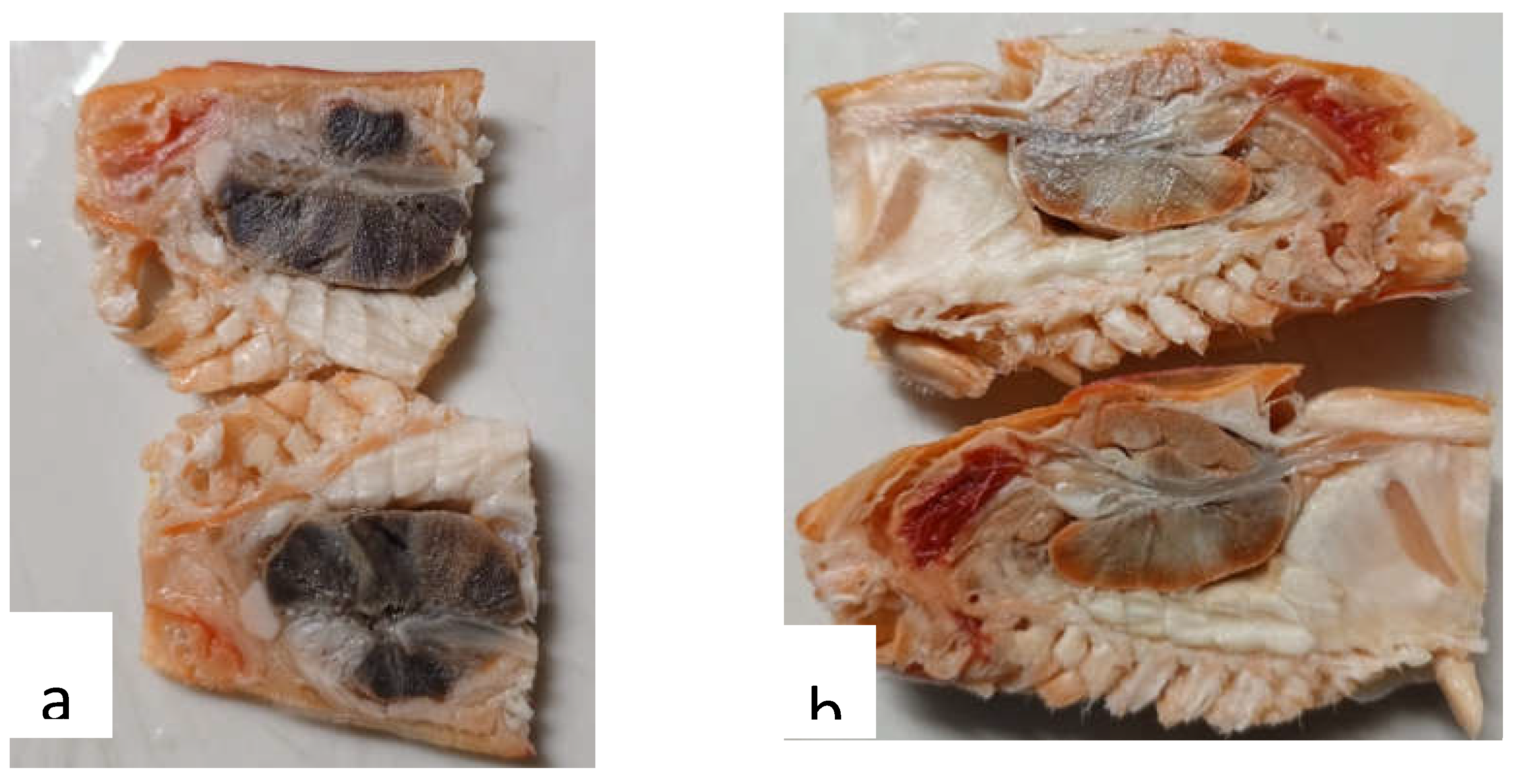
Figure 1. Longitudinal section of the shrimp cephalothorax, fixed in Davidson's solution, showing internal organs a) BP co-infected animal and b) normal animal.
Preprints 144775 g001
Figure 2. H&E-phloxine stained sections. a) General view of the BP co-infected hepatopancreas. b) Intranuclear tetrahedral eosinophilic occlusion bodies in hepatopancreatic epithelial cells (thick arrows). c) Free OBs in the tubular lumen (thick arrow), epithelial detachment (star), and a significant presence of bacteria (thin arrow). d) Intestinal lumen shows BP occlusions (thick arrow) and bacterial colonies (thin arrow). e, f) Loss of epithelial cells in the hepatopancreas and intestine of a post-larva infected by Baculovirus penaei (thin arrows).
Preprints 144775 g002
Figure 3. H&E-phloxine stained sections. a, b) Hypertrophied nuclei with reduced chromatin, note the displacement of the nucleolus (arrowhead). c) Free tetrahedral occlusion body in lumen of the hepatopancreas (thick arrow), and detachment of tissue (star). d) Methyl green pyronin-stained section showing the tetrahedral body of PvSNPV with bright green coloration (thick arrow).
Preprints 144775 g003
Table 1. The following pathogens were screened in animals’ samples.
Hepanhamaparvovirus (DHPV) Phromjai et al. (2002)
Macrobrachium Bidnavirus (MrBdv) Gangnonngiw et al. (2023)
Decapod Iridescent Virus 1 (DIV1) Qiu et al. (2017)
White Spot Syndrome Virus (WSSV) Lo et al. (1996)
Infectious Hypodermal and Hematopoietic Necrosis Virus (IHHNV) Nunan et al. (2000), Tang et al. (2000), Tang and Lightner (2006), Tang et al. (2007a)
Wenzhou shrimp virus 8 (WzSV8) Srisala et al. (2023)
Baculovirus Penaei (BP) Wang et al. (1996), WOAH (2019)
P. vannamei nodavirus (PvNV) Tang et al. (2007b)
Covert Mortality Nodavirus (CMNV) Zhang et al. (2017)
Infectious Myonecrosis Virus (IMNV) Poulos & Lightner (2006)
Yellow Head Virus (YHV) Mohr et al. (2015)
Taura Syndrome Virus (TSV) Nunan et al. (1998), Navarro et al. (2009)
Macrobrachium Nodavirus (MrNV) Gangnonngiw et al. (2020)
Spiroplasma Nunan et al. (2004)
Vibrio spp. (Vibrio specific 16S rRNA gene fragment) Yong et al. (2006)
Rickettsia-Like Bacteria (RLB) Nunan et al. (2003)
Necrotizing Hepatopancreatitis Bacteria (NHP-B) Aranguren et al. (2010)
Ecytonucleospora [Enterocytozoon] hepatopenaei (EHP) Jaroenlak et al. (2016)
Non-EHP Microsporidia Pasharawipas et al. (1994)
Acute Hepatopancreatic Necrosis Disease (AHPND) Dangtip et al. (2015)
Haplosporidia Utari et al. (2012)
Table 2. The following primers were used for BP.
Primer Sequence Temp oC Reference
BPA 5’-GAT-CTG-CAA-GAG-GAC-AAA-CC-3’ 61 oC Wang et al. (1996).
BPB 5’-ATC-GCT-AAG-CTC-TGG-CAT-CC-3’ 64 oC Wang et al. (1996).
BPD 5’-TGT-TCT-CAG-CCA-ATA-CAT-CG-3’ 62 oC Wang et al. (1996).
BPE 5’-TAC-ATC-TTG-GAT-GCC-TCT-GC-3’ 63 oC Wang et al. (1996).
BPF 5’-TAC-CCT-GCA-TTC-CTT-GTC-GC-3’ 68 oC Wang et al. (1996).
BPG 5’-ATC-CTG-TTT-CCA-AGC-TCT-GC-3’ 64 oC Wang et al. (1996).
6581 5’-TGT-AGC-AGC-AGA-GAA-GAG-3’ a WOAH (2019)
6582 5’-CAC-TAA-GCC-TAT-CTC-CAG-3’ a WOAH (2019)
a For details check (WOAH, 2019).
Table 3. Samples used for extraction.
IHHNV 2 pleopods per animal pool of 5 animals.
PvNV 2 pleopods per animal pool of 5 animals.
Spiroplasma DNA pool of 2 pleopods per animal, pool of 5 animals; 10 gill pools of animals; whole hepatopancreas pools of 5 animals
Vibrio spp. DNA pool of 2 pleopods per animal pool of 5 animals.
0.5 grams of tail muscle per animal pool 5 of animals
WSSV, TSV, MrNV, IMNV, YHV-GAV 10 gills per animal pool of 5 animals
DHPV, DIV1, WzSV8, RLB, NHPB, EHP, AHPND Whole hepatopancreas pool of 5 animals
Non EHP microsporidia, CMNV 0.5 grams of tail muscle per animal pool of 5 animals
Any pathogen in post larvae 1 gram of larvae regardless of the stage.
Table 4. This table presents only the positive PCR results. A comprehensive list of all analyses performed is provided in the Materials and Methods section and in the table's footnote.
Preprints 144775 i001Preprints 144775 i002
1 Hepanhamaparvovirus (DHPV) Phromjai et al. (2002); 2 White Spot Syndrome Virus (WSSV) Lo et al. (1996); 3 Infectious hypodermal and hematopoietic necrosis virus (IHHNV).Tang and Lightner (2006), Tang et al. (2007a), Tang et al. (2000), Tang and Lightner (2006), Tang et al. (2007a), Nunan et al., (2000); 4 IHHNV as EVE (endogenous viral element); 5 IHHNV as virus; 6 BP Wang et al. (1996), WHOA (2019); 7 Wenzhou shrimp virus 8 (WzSV8) Srisala et al. (2023); 14 Vibrio spp specific 16S rRNA gene fragment Yong et al. (2006).
Disclaimer/Publisher’s Note: The statements, opinions and data contained in all publications are solely those of the individual author(s) and contributor(s) and not of MDPI and/or the editor(s). MDPI and/or the editor(s) disclaim responsibility for any injury to people or property resulting from any ideas, methods, instructions or products referred to in the content.
Copyright: This open access article is published under a Creative Commons CC BY 4.0 license, which permit the free download, distribution, and reuse, provided that the author and preprint are cited in any reuse.
Prerpints.org logo

Preprints.org is a free preprint server supported by MDPI in Basel, Switzerland.

Subscribe

Disclaimer

Terms of Use

Privacy Policy

Privacy Settings

© 2025 MDPI (Basel, Switzerland) unless otherwise stated