

Submitted:
06 January 2026
Posted:
06 January 2026
You are already at the latest version
Abstract
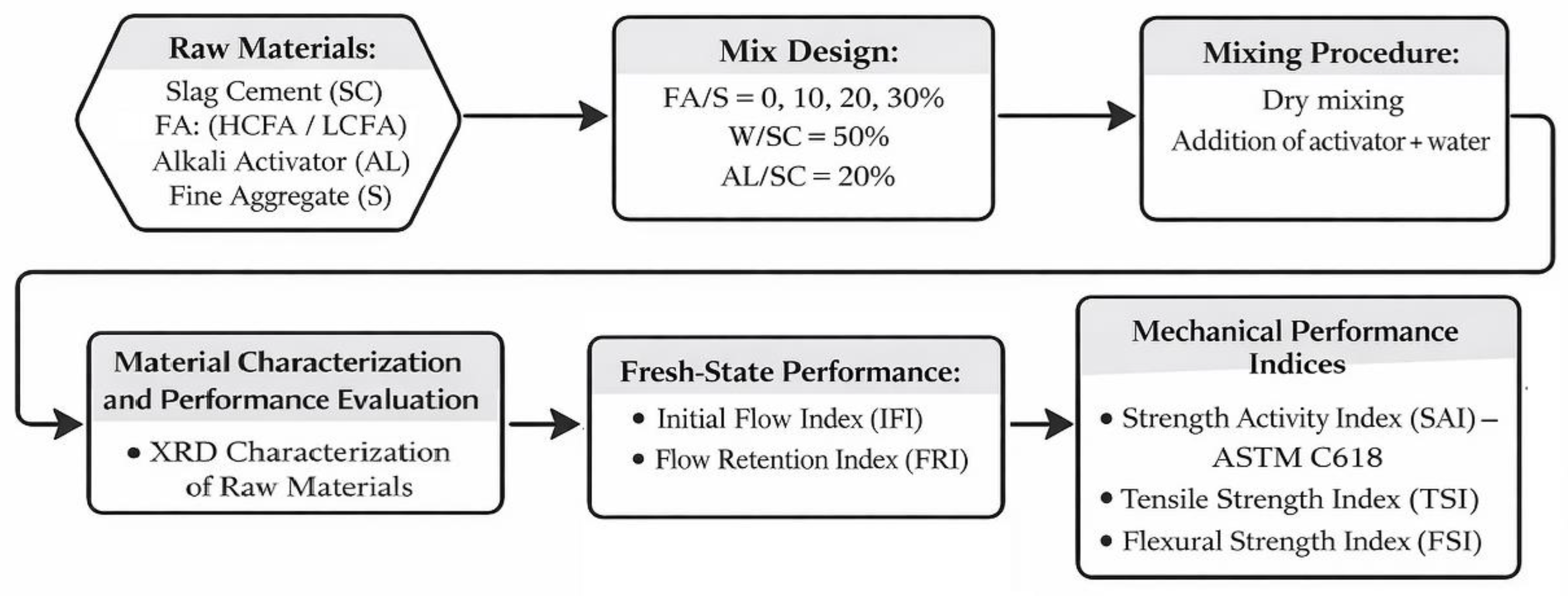
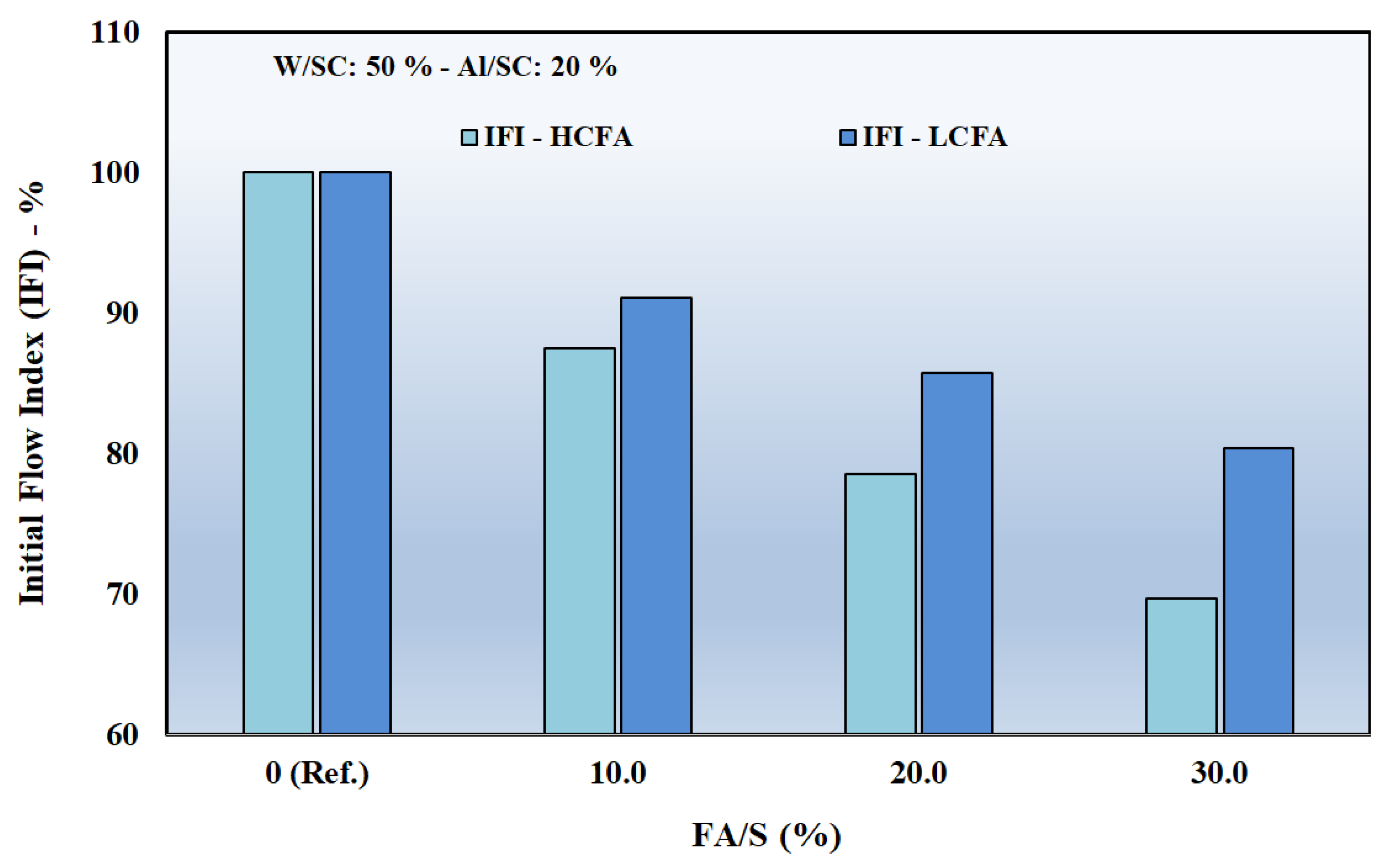
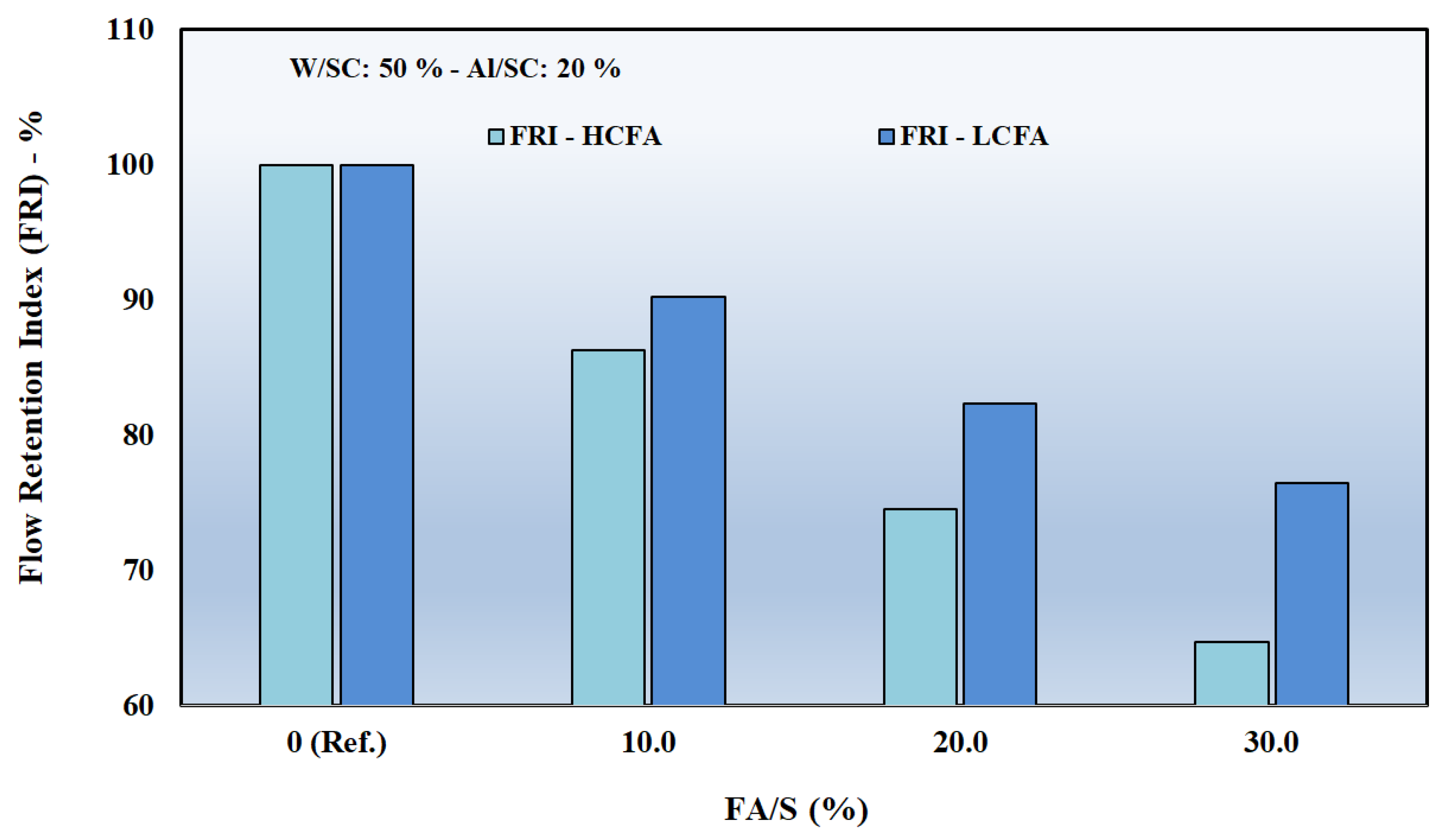
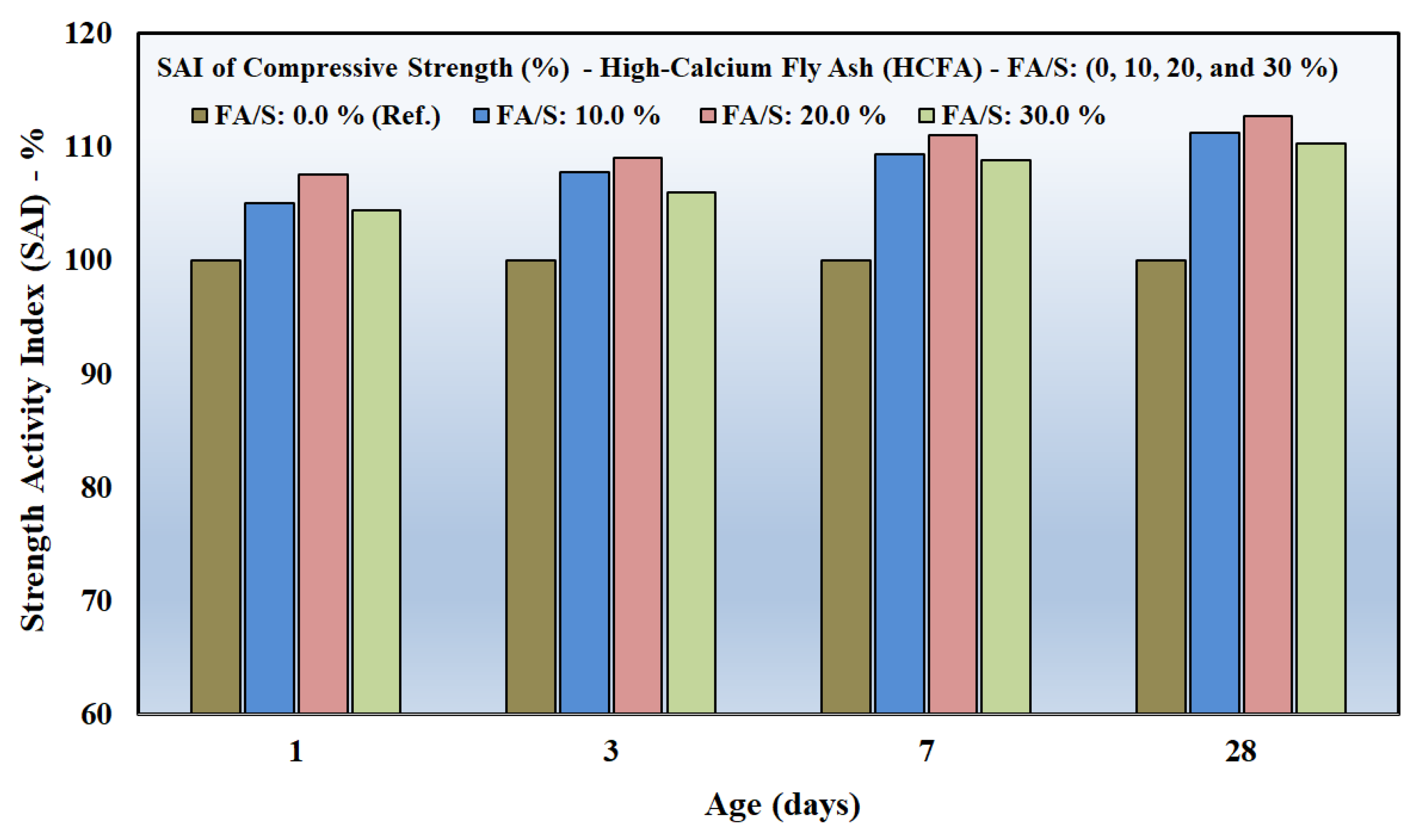
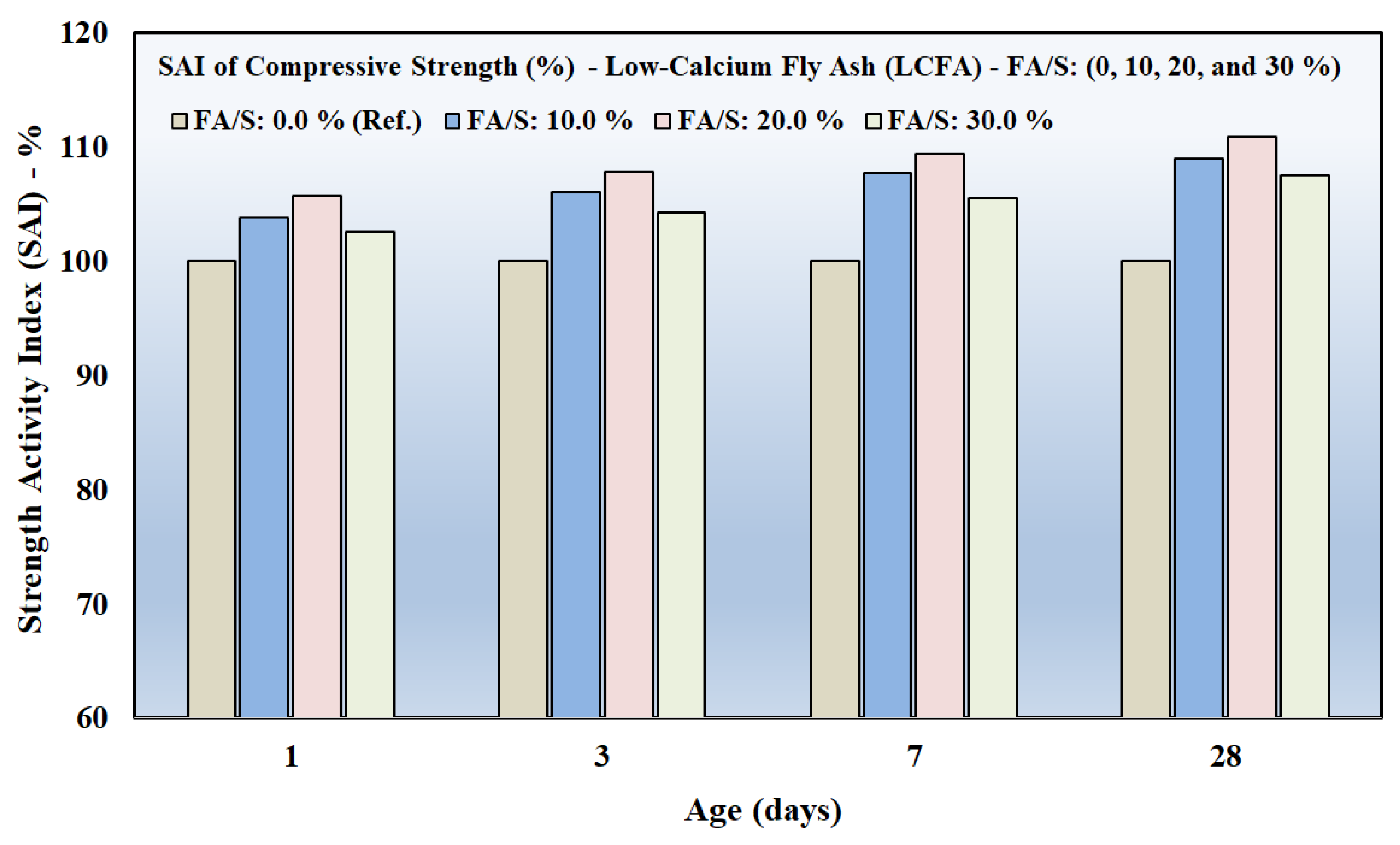
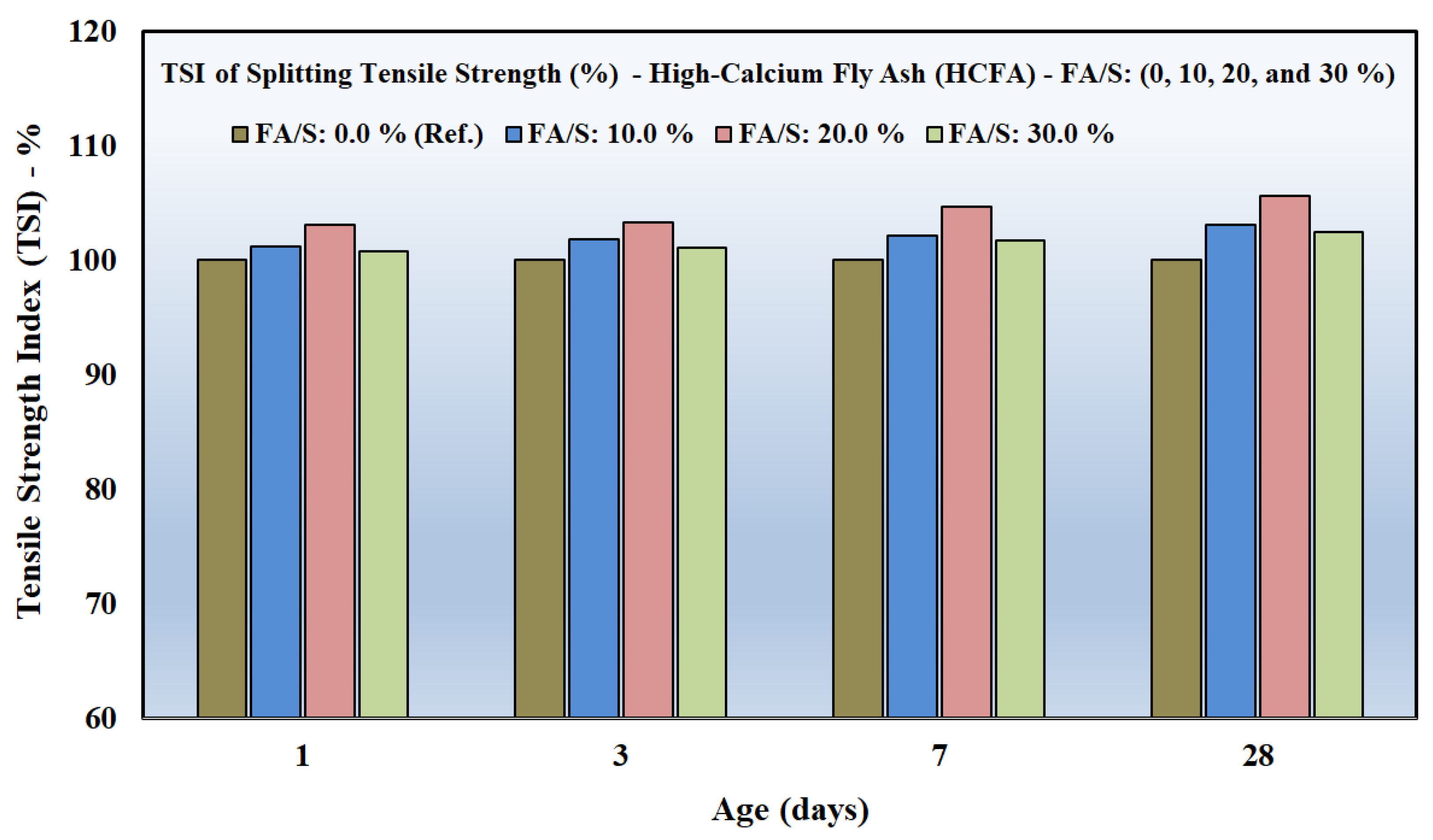
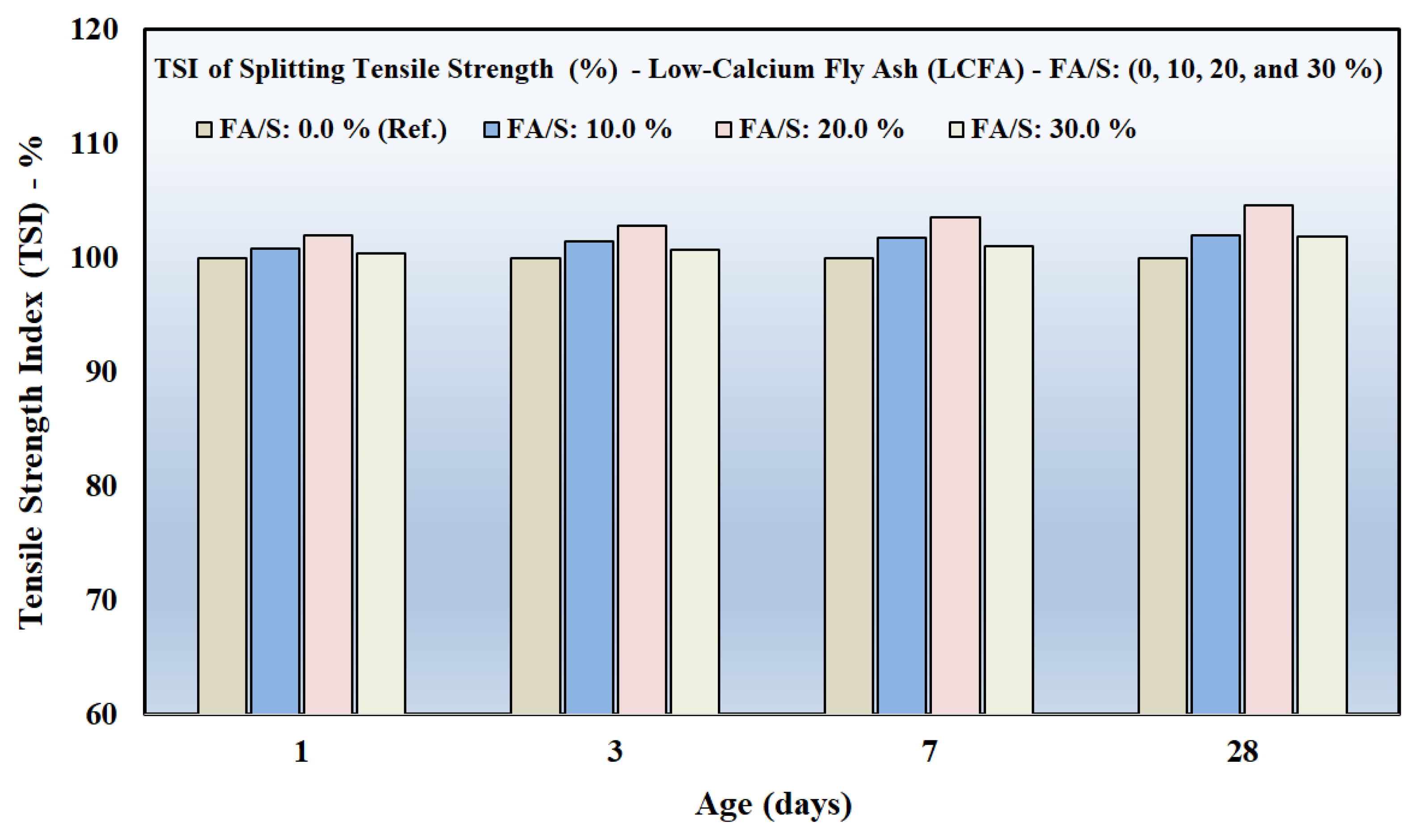
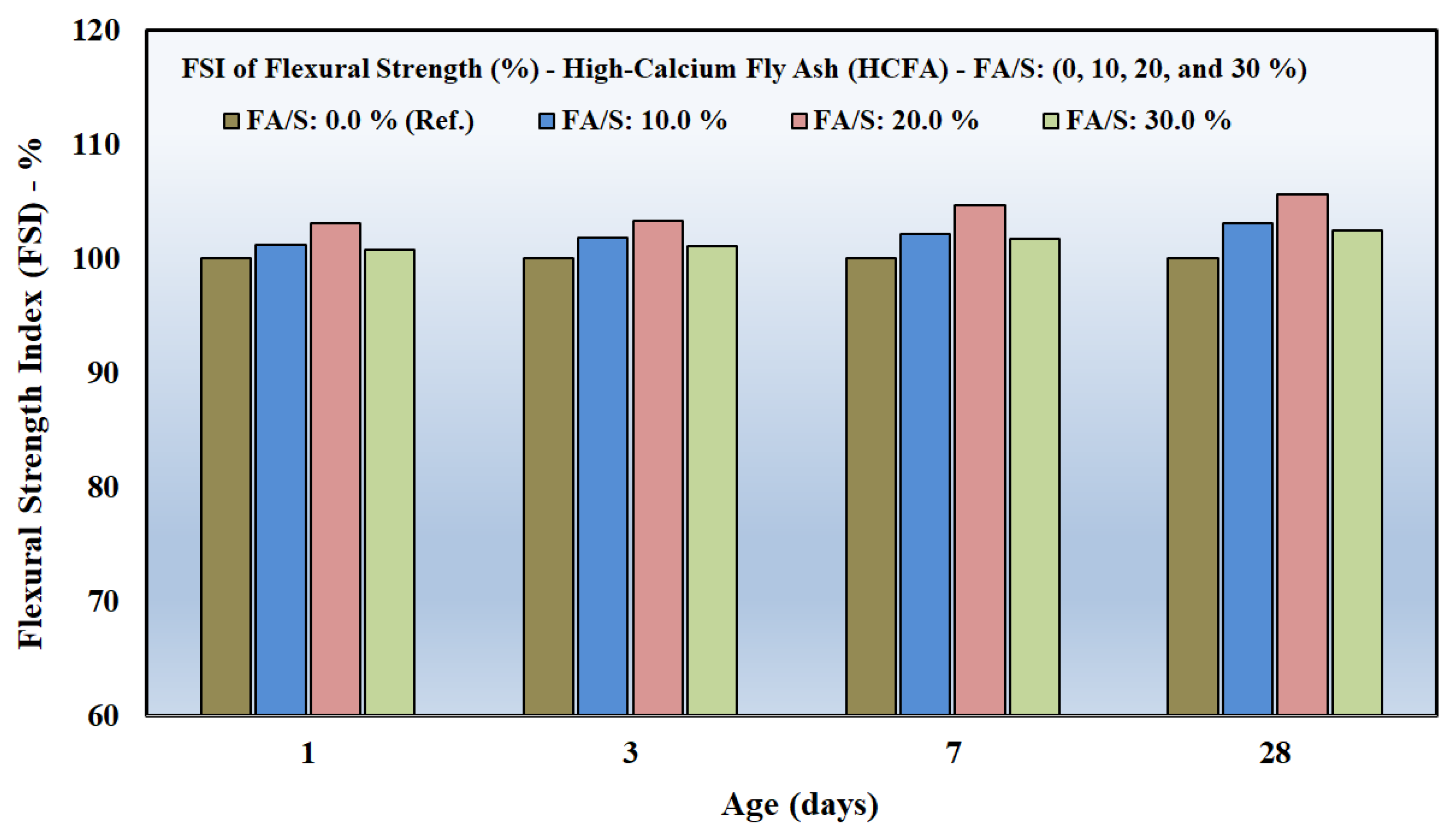
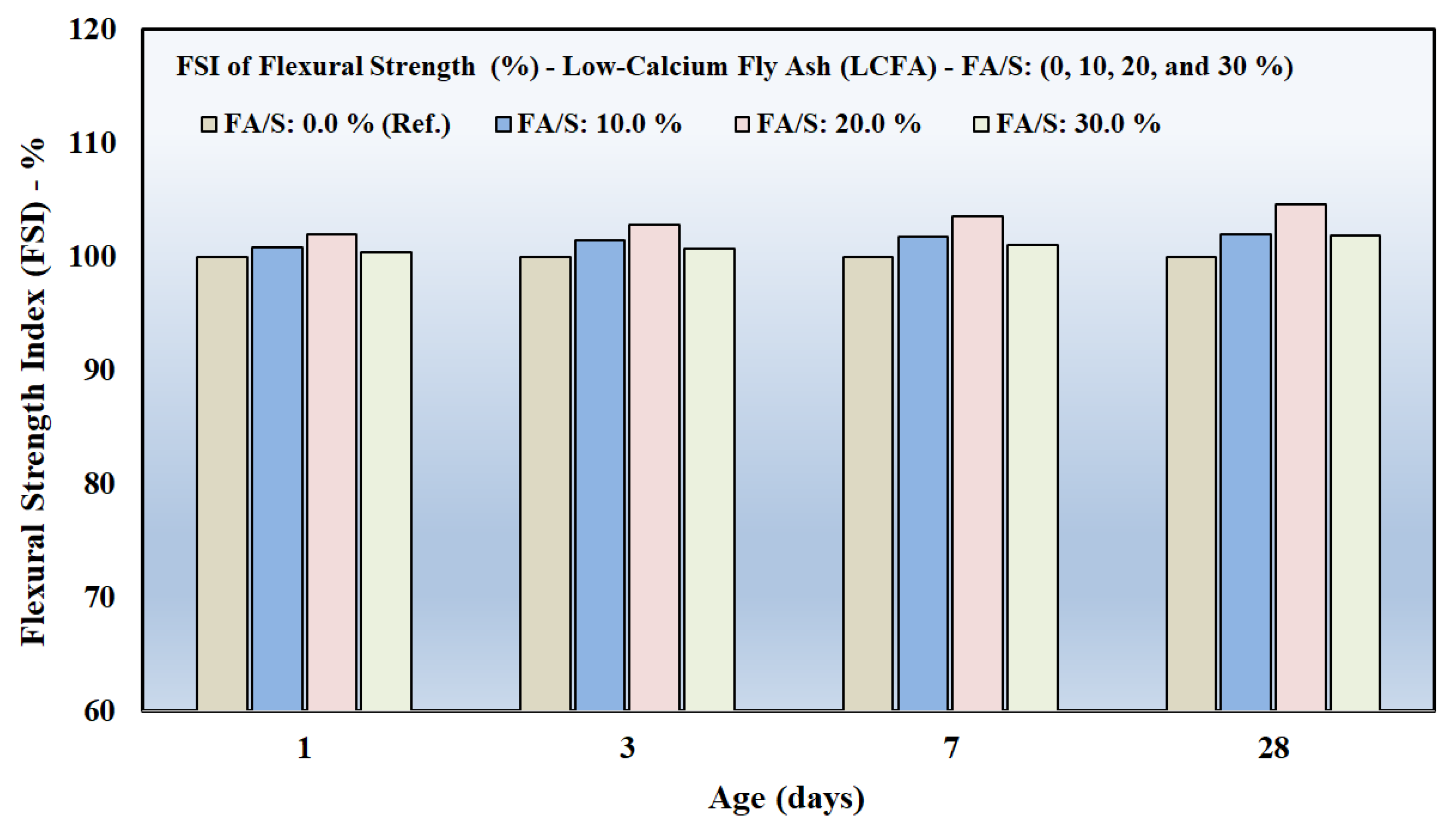
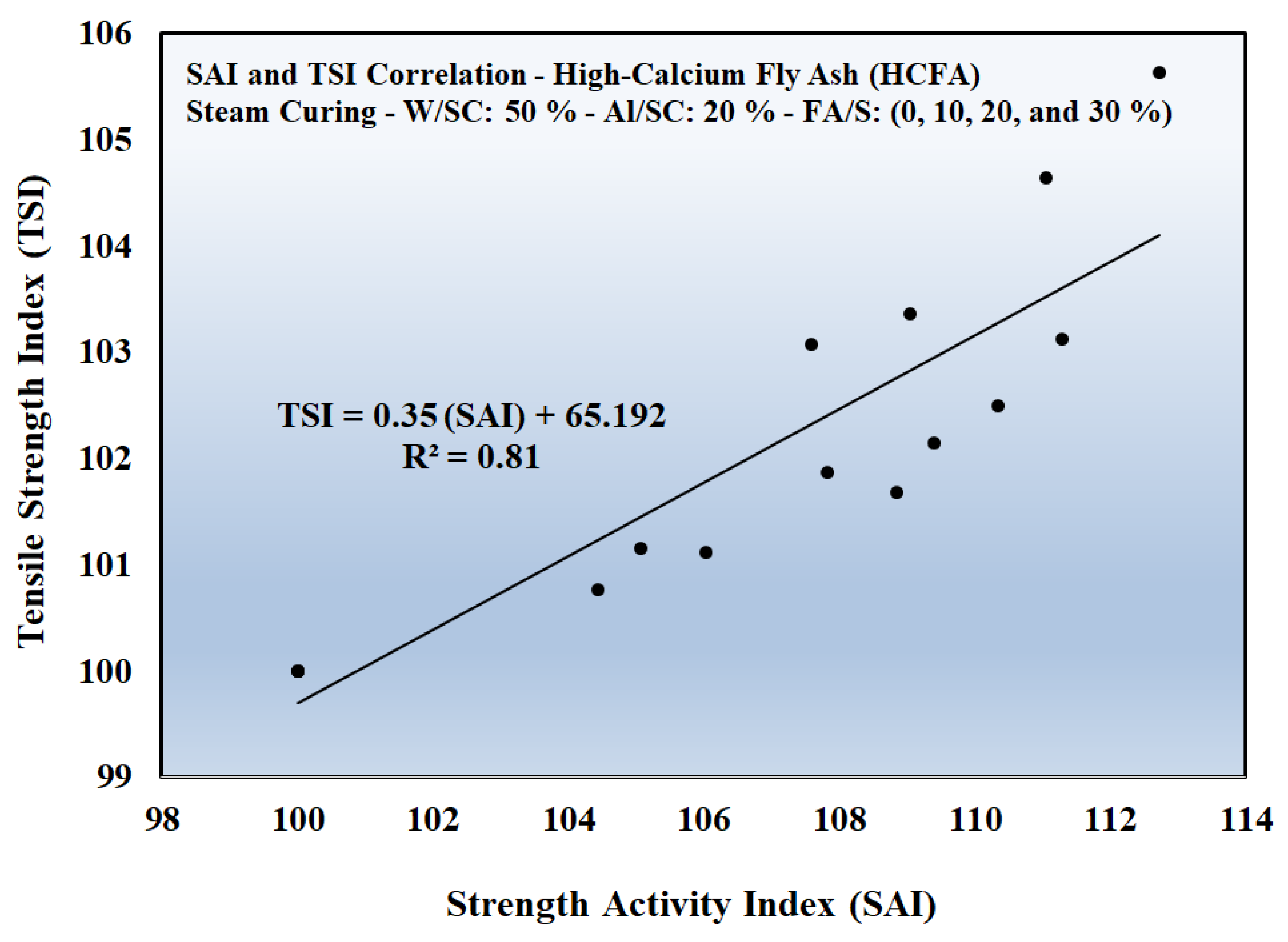
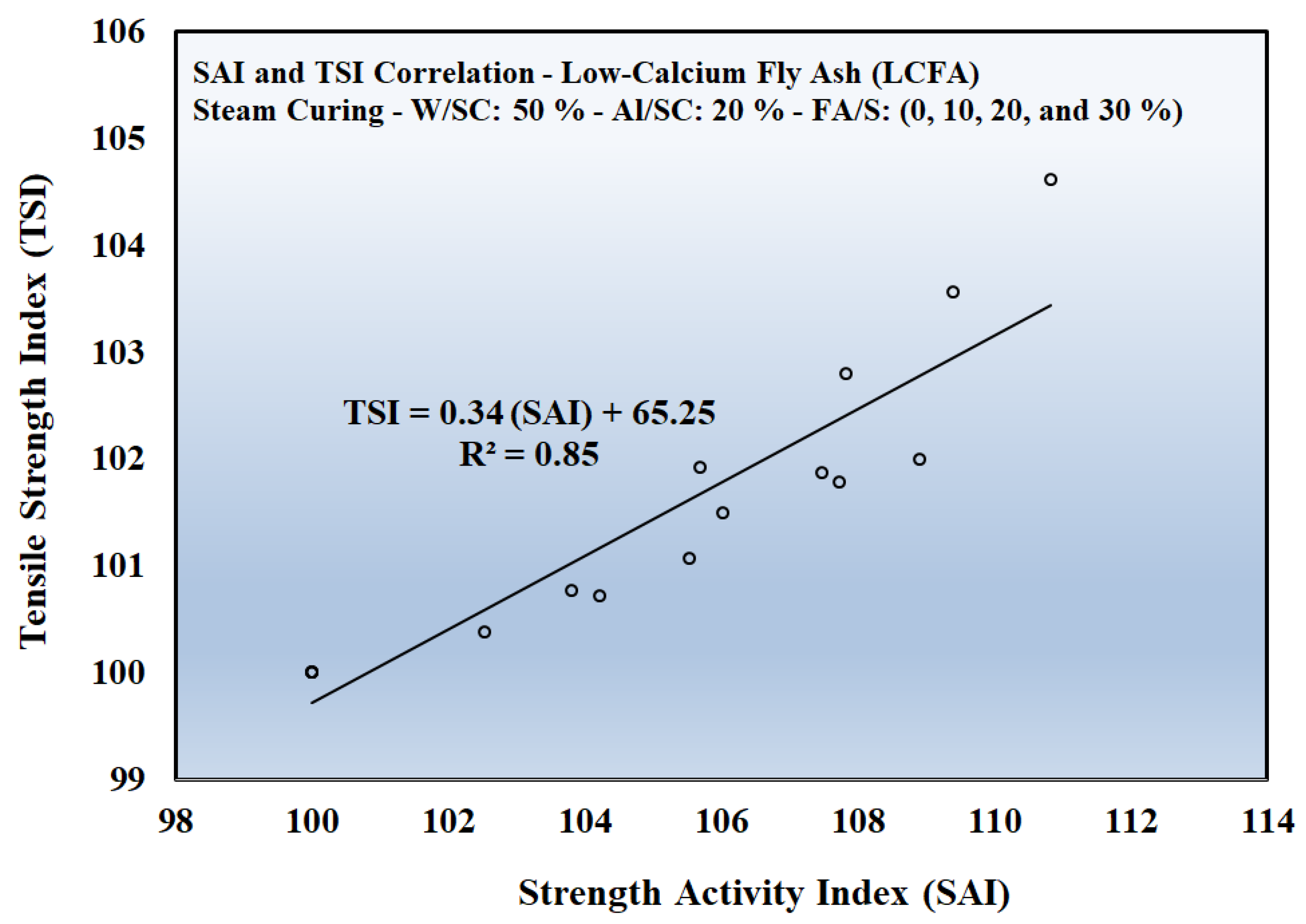
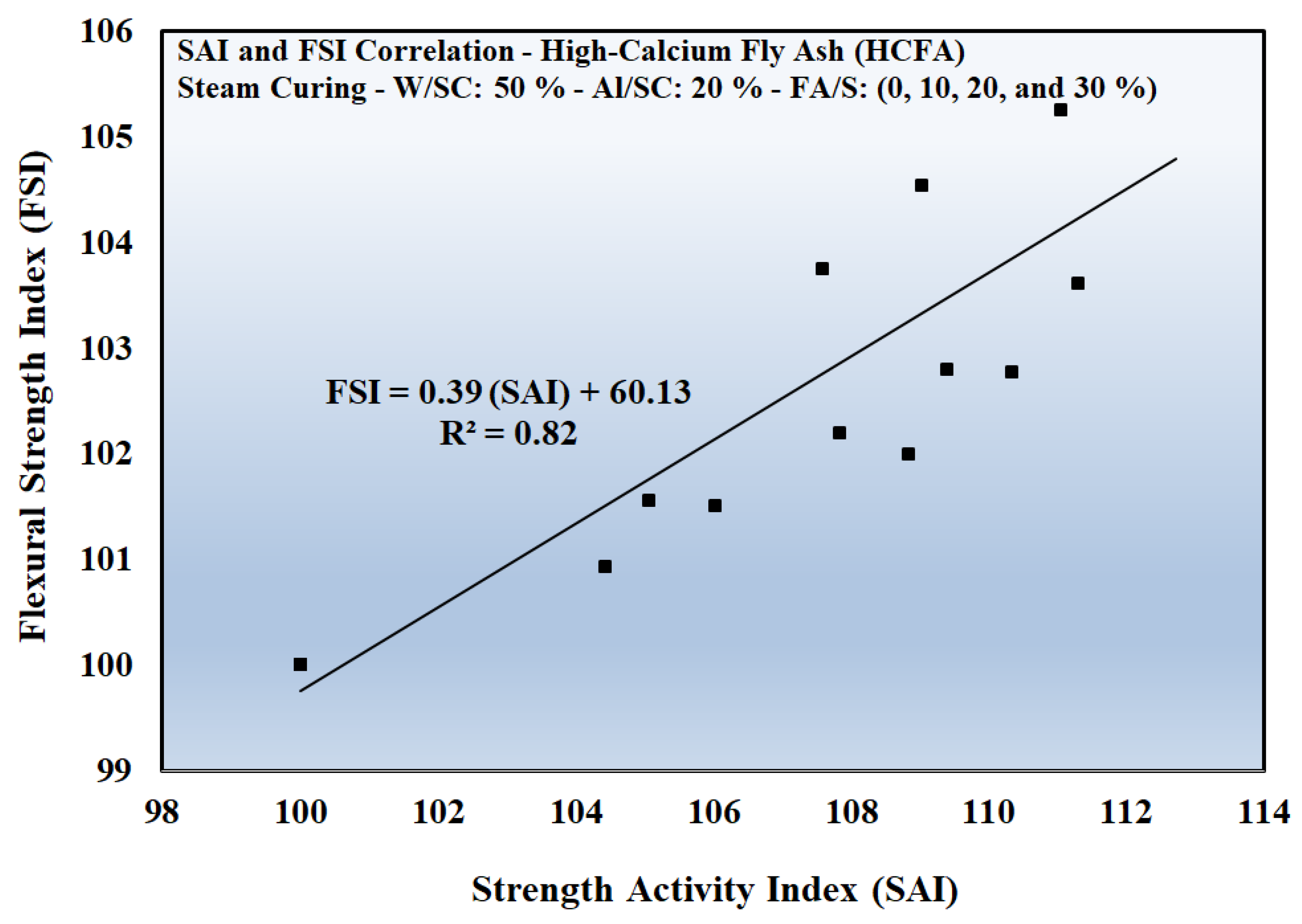
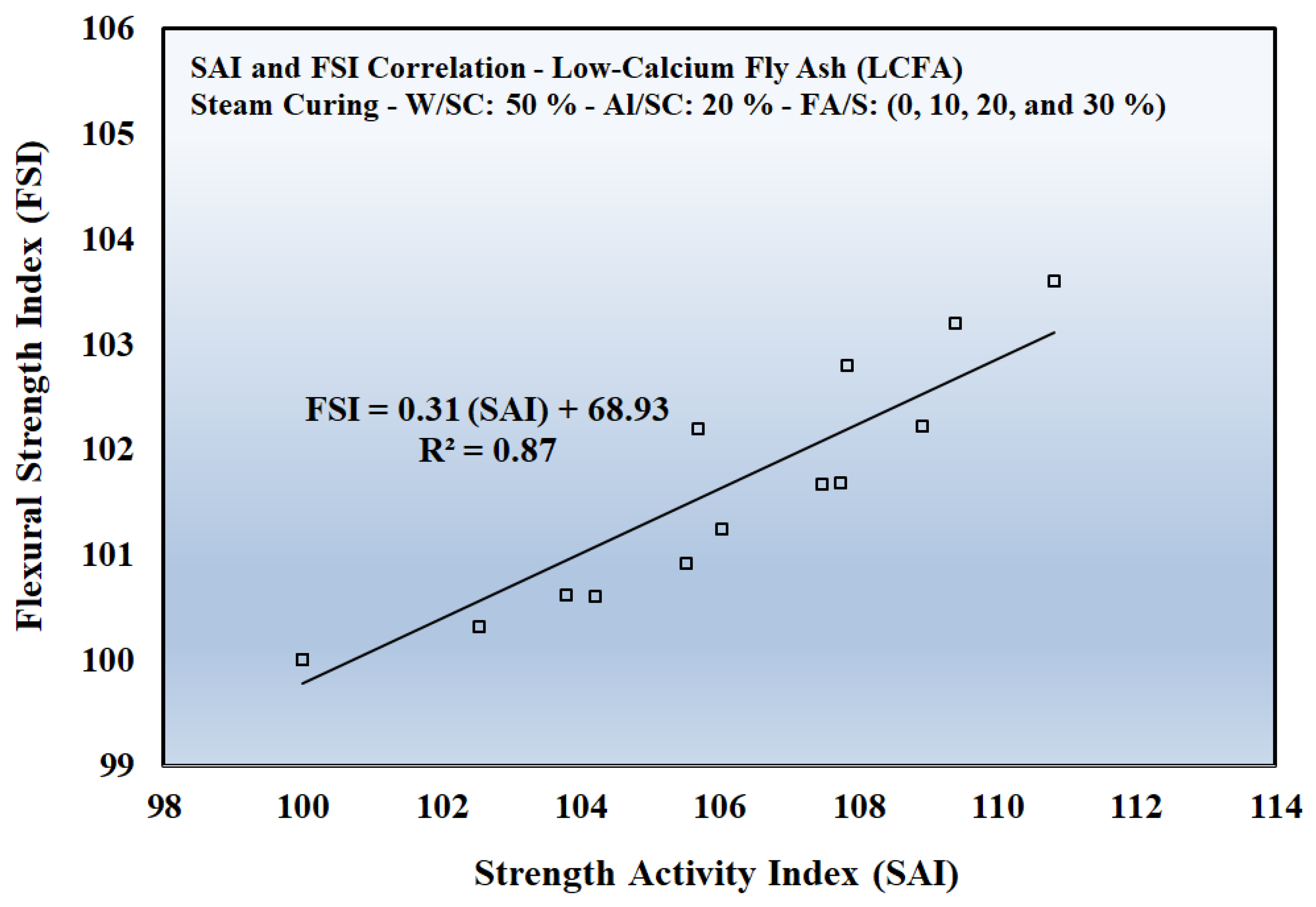
This study presents a multi-index performance system that is systematically used to assess the binder synergy and fly ash reactivity of eco-sustainable cementitious composite (ESCC) using the Strength Activity Index (SAI) as a reference in line with ASTM C618. The partial replacements of fly ash with high and low calcium fly ash (HCFA and LCFA) were added to the fly ash to sand (FA/S) ratios of 0, 10, 20, and 30% with a constant mix parameter, such as a 50% ratio of water to slag and a 20% ratio of activator to slag. Initial Flow Index (IFI) and Flow Retention Index (FRI) were used to measure fresh-state performance, and compressive-, tensile-, and flexural-based indices, i.e., SAI, Tensile Strength Index (TSI), and Flexural Strength Index (FSI), were used to measure mechanical performance. The results indicate that flowability and workability retention decrease with an increase in FA/S ratio, with LCFA-based mixtures having better flow retention than HCFA systems. The optimum mechanical performance at a replacement level of 20% FA/S produced the maximum SAI values of about 112% HCFA and 110% LCFA with a consistent increase in TSI and FSI values at 28 days. When the replacement levels were increased (30% FA/S), all strength indices decreased with the effect of dilution and decreased the packing efficiency of the binder. Comparisons of SAI with the respective TSI and FSI values through correlation analysis showed that the quantitative relationship between compressive, tensile, and flexural behavior was definite and showed that compressive strength alone is not enough to extrapolate mechanical performance. Collectively, the proposed framework provides a reasonable performance-based basis for the manner in which fly ash could be utilized in the most effective way in eco-sustainable cementitious compositions.
Keywords:
1. Introduction
2. Materials and Methods
2.1. Materials
2.2. Mix Proportions
2.3. Test Methods and Procedures
2.3.1. Mineralogical Characterization of Raw Materials
2.3.2. Fresh-State Performance Tests
2.3.3. Mechanical Performance Tests
3. Results and Discussion
3.1. Integrated IFI–FRI Fresh-State Performance Analysis
3.2. Mechanical Performance Indices
3.2.1. Strength Activity Index (SAI)
3.2.2. Tensile Strength Index (TSI)
3.2.3. Flexural Strength Index (FSI)
3.2.4. Integrated Multi-Index Performance Assessment
3.3. Mineralogical Interpretation of Performance Trends
4. Conclusions
Funding
Data Availability Statement
Conflicts of Interest
References
- Barbhuiya, S.; Das, B.B.; Adak, D.; Kapoor, K.; Tabish, M. Low carbon concrete: advancements, challenges and future directions in sustainable construction. Discover Concr. Cem. 2025, 1, 1. [Google Scholar] [CrossRef]
- Statkauskas, M.; Vaičiukynienė, D.; Grinys, A. Mechanical properties of low calcium alkali activated binder system under ambient curing conditions. Sci. Rep. 2024, 14, 1. [Google Scholar] [CrossRef] [PubMed]
- Matheu, P.S.; Ellis, K.C.; Varela, B. Comparing the environmental impacts of alkali activated mortar and traditional Portland cement mortar using life cycle assessment. IOP Conf. Ser. Mater. Sci. Eng. 2015, 96, 012080. [Google Scholar] [CrossRef]
- Sreelekshmi, G.; Sankar, B.; D, R.K.; Kumar, A. Correlation of mechanical and durability properties of binary and ternary blended high-performance concrete. E3S Web Conf. 2024, 529, 01021. [CrossRef]
- Rossi, L.; Lima, L.M.; Sun, Y.; Dehn, F.; Provis, J.L.; Ye, G.; Schutter, G.D. Future perspectives for alkali-activated materials: from existing standards to structural applications. RILEM Tech. Lett. 2023, 7, 159. [Google Scholar] [CrossRef]
- White, C.E. Alkali-activated materials: the role of molecular-scale research and lessons from the energy transition to combat climate change. RILEM Tech. Lett. 2020, 4, 110. [Google Scholar] [CrossRef]
- Batuecas, E.; Ramón-Álvarez, I.; Sánchez-Delgado, S.; Torres-Carrasco, M. Carbon footprint and water use of alkali-activated and hybrid cement mortars. J. Clean. Prod. 2021, 319, 128653. [Google Scholar] [CrossRef]
- Kong, Y.K.; Kato, M.; Kurumisawa, K. Recent advances in X-ray computed tomography for alkali-activated materials: A review. J. Adv. Concr. Technol. 2023, 21, 573. [Google Scholar] [CrossRef]
- Li, W.; Tang, Z.; Tam, V.W.Y.; Zhao, X.; Wang, K. A review on durability of alkali-activated system from sustainable construction materials to infrastructures. ES Mater. Manuf. 2019. [Google Scholar] [CrossRef]
- Hita, M.J.; Criado, M. Influence of the fly ash content on the fresh and hardened properties of alkali-activated slag pastes with admixtures. Materials 2022, 15, 992, https://www.mdpi.com/1996-1944/15/3/992. [Google Scholar] [CrossRef]
- Luan, C.; Wu, Z.; Han, Z.; Gao, X.; Zhou, Z.; Du, P.; Wu, F.; Du, S.; Huang, Y. Effects of calcium content of fly ash on hydration and microstructure of UHPC. J. Clean. Prod. 2023, 415, 137735. [Google Scholar] [CrossRef]
- Aldawsari, S.; Kampmann, R.; Harnisch, J.; Rohde, C. Setting time, microstructure, and durability of low-calcium fly ash/slag geopolymer: A review. Materials 2022, 15, 876. [Google Scholar] [CrossRef]
- Baran, S.; Baran, A.; Bicakci, S.N.; Turkmenoglu, H.N.; Atahan, H.N. Fresh, setting, and hardened properties of fly ash concrete with nano-silica. Arab. J. Sci. Eng. 2024. [Google Scholar] [CrossRef]
- Zulu, S. Optimizing the usage of fly ash in concrete mixes. 2017. [Google Scholar] [CrossRef]
- Safiddine, S.; Soualhi, H.; Benabed, B.; Belaïdi, A.S.E.; Kadri, E.-H. Rheological behavior of eco-friendly mortars with SCMs and superplasticizers. Epitoanyag 2021, 73, 119. [Google Scholar] [CrossRef]
- Lu, C.; Zhang, Z.; Shi, C.; Li, N.; Jiao, D.; Yuan, Q. Rheology of alkali-activated materials: A review. Cem. Concr. Compos. 2021, 121, 104061. [Google Scholar] [CrossRef]
- Jiao, D.; Shi, C.; Yuan, Q.; An, X.; Liu, Y.; Li, H. Effect of constituents on rheological properties of fresh concrete. Cem. Concr. Compos. 2017, 83, 146. [Google Scholar] [CrossRef]
- Alnahhal, M.F.; Kim, T.; Hajimohammadi, A. Distinctive rheological and temporal viscoelastic behaviour of alkali-activated fly ash/slag pastes: A comparative study with cement paste. Cem. Concr. Res. 2021, 144, 106441. [Google Scholar] [CrossRef]
- Wang, Y.; Cao, Y.; Ma, Y.; Xiao, S.; Hu, J.; Wang, H. Fresh and hardened properties of alkali-activated fly ash/slag binders: Effect of fly ash source, surface area, and additives. J. Sustain. Cem. Based Mater. 2022, 11, 239–262. [Google Scholar] [CrossRef]
- ASTM C618-19: Standard Specification for Coal Fly Ash and Raw or Calcined Natural Pozzolan for Use in Concrete. ASTM International: West Conshohocken, PA, USA, 2019.
- JIS A1150; Method of Test for Slump Flow of Concrete. JSA (Japanese Standards Association): Tokyo, Japan, 2014.
- JIS A1108; Method of Test for Compressive Strength of Concrete. JSA (Japanese Standards Association): Tokyo, Japan, 2006.
- JIS A1113; Method of Test for Splitting Tensile Strength of Concrete. JSA (Japanese Standards Association): Tokyo, Japan, 2006.
- JIS A1106; Method of Test for Flexural Strength of Concrete. JSA (Japanese Standards Association): Tokyo, Japan, 2006.
- El-Wafa, M.A. Eco-efficient alkali-activated slag–fly ash mixtures for early-strength enhancement. Eng. 2025, 6, 230. [Google Scholar] [CrossRef]
- Yang, G.; Zhao, J.; Wang, Y. Durability properties of sustainable alkali-activated cementitious materials as marine engineering materials: A review. Mater. Today Sustain. 2022, 17, 100099. [Google Scholar] [CrossRef]
- Lv, Y.; Wang, C.; Han, W.; Li, X.; Peng, H. Study of the mechanical properties and microstructure of alkali-activated fly ash–slag composite cementitious materials. Polymers 2023, 15, 1903. [Google Scholar] [CrossRef] [PubMed]
- Camargo, W.F.; Segadães, A.M.; Cruz, R.C.D. Assessing the drying sensitivity of alkali-activated binders through mechanical reliability: Effect of particle size and packing. Materials 2024, 17, 5461. [Google Scholar] [CrossRef] [PubMed]

| Chemical Compositions (%) | CaO | SiO2 | Al2O3 | MgO | Fe2O3 | Na2O | TiO2 | P2O5 | LOI |
|---|---|---|---|---|---|---|---|---|---|
| Slag Cement (SC) |
43.1 | 32.5 | 13.5 | 2.9 | 2.7 | 1.8 | 1.3 | 0.8 | 1.4 |
| High-Calcium Fly Ash (HCFA) |
18.8 | 48.8 | 19.8 | 1.5 | 3.8 | 1.2 | 3.9 | 0.5 | 1.7 |
| Low-Calcium Fly Ash (LCFA) |
6.3 | 57.6 | 26.5 | 1.2 | 4.2 | 0.5 | 1.9 | 0.3 | 1.5 |
| Physical Properties | Specific gravity (g/cm3) |
Specific surface area (cm2/g) |
Average particle size D50 (μm) |
|---|---|---|---|
| Slag Cement (SC) |
2.8 | 3750 | 6.48 |
| High-Calcium Fly Ash (HCFA) |
2.8 | 3780 | 16.25 |
| Low-Calcium Fly Ash (LCFA) |
2.14 | 3630 | 18.35 |
| FA/S (%) - HCFA - LCFA |
W/SC (%) |
AL/SC (%) |
Mix Proportioning (kg/m3) | ||||
|---|---|---|---|---|---|---|---|
| Slag Cement (SC) |
Water (W) |
Alkali- Activator (AL) |
Fly Ash (FA) |
Sand (S) |
|||
| FA/S: 0.0% - Reference |
50 | 20 | 600 | 300 | 120 | 0 | 1200 |
| FA/S: 10% - HCFA |
50 | 20 | 600 | 300 | 120 | 100 - HCFA | 1100 |
| FA/S: 10% - LCFA |
100 - LCFA | 1100 | |||||
| FA/S: 20% - HCFA |
50 | 20 | 600 | 300 | 120 | 200 - HCFA | 1000 |
| FA/S: 20% - LCFA |
200 - LCFA | 1000 | |||||
| FA/S: 30% - HCFA |
50 | 20 | 600 | 300 | 120 | 300 - HCFA | 900 |
| FA/S: 30% - LCFA |
300 - LCFA | 900 | |||||
Disclaimer/Publisher’s Note: The statements, opinions and data contained in all publications are solely those of the individual author(s) and contributor(s) and not of MDPI and/or the editor(s). MDPI and/or the editor(s) disclaim responsibility for any injury to people or property resulting from any ideas, methods, instructions or products referred to in the content. |
© 2026 by the authors. Licensee MDPI, Basel, Switzerland. This article is an open access article distributed under the terms and conditions of the Creative Commons Attribution (CC BY) license (http://creativecommons.org/licenses/by/4.0/).