
Preprint
Article

This version is not peer-reviewed.

Nurturing Sustainable Consumption: Social Learning and Behavioral Change Fostered by Grassroots Food Initiatives in Galicia, Spain

A peer-reviewed article of this preprint also exists.

Submitted:

16 November 2025

Posted:

17 November 2025

You are already at the latest version

Abstract

Considering sustainable consumption not just as an exercise of individual choice but a shared and collective activity, the study explores the role of conscious and responsible consumption initiatives (CRCIs) driving citizen´s adoption of sustainable lifestyles. The research followed a qualitative approach, combining documentary research and twenty-six in-depth interviews with practitioners in eight grassroots consumer initiatives located in Galicia (Spain). The results show that CRCIs favor members’ consumption of organic, seasonal, fair, and locally-produced food. The findings also reveal that engagement in these initiatives nurtures three interconnected types of learning—cognitive, attitudinal, and behavioral—which contributes to wider adoption of sustainable practices related to shifts in dietary habits, energy use, mobility, and frugality. CRCIs facilitate gradual transitions toward reduced meat consumption, favoring the intake of plant-based foods, and greater self-efficacy in preparing sustainable meals. These behavioral changes are incremental, motivated by inner re-flection, practical experience, and consciousness around alternative economic models. However, the consistent adoption of sustainable eating habits is hindered by cultural and psychological barriers like cultural traditions, entrenched habits, and time affluence. In conclusion, these grassroots initiatives are interesting entry points for engaging citizens in sustainable lifestyles, becoming also gateways to the broader social and solidarity economy movement.

Keywords: 
;  ;  ;  ;  ;  ;  ;  ;  ;  

1. Introduction

1.1. Addressing Sustainable Food Consumption to Meet Zero-Net Goals

Addressing climate change and achieving zero-net goals require the dramatic reduction of greenhouse gas emissions [1,2] and the widespread adoption of green lifestyles specifically in Westerns societies [3,4]. Mainstream food systems have been pointed out as major drivers of environmental degradation in terms of biodiversity loss, land and water resources exploitation, energy consumption, and greenhouse gas emissions [5,6,7,8]. Further, food and dietary routines are also responsible for high footprints in households [9], becoming an interesting entry point for sustainable lifestyles adoption in both individual and collective sphere [10,11]. The widespread of low-carbon food consumption like increasing local and seasonal food, reducing meat intake, as well as adopting healthier, flexitarian, and plant-based diets (especially vegan diets) are crucial and realistic avenues for engaging citizens in climate action [9,12,13].
Personal values- especially altruistic and biospheric ones- along with identity and social group membership shape pro-environmental behavior. However, empirical research found that even individuals with strong pro-environmental orientations may be ineffective at adopting sustainable consumption practices[14,15]. This occurs due to people's dietary choices and routines are strongly affected by structural (e.g., accessibility), socioeconomic (e.g., affordability, income) [4,9,15,16,17,18,19] and psychological (e.g., consciousness, attitudes, aspirations; cultural norms) that either foster, inhibit or even impede green lifestyles [10,11,17,18,19,20,21].
Environmental psychology has also studied the behavioral spillover in climate-relevant domains [22,23,24,25,26,27,28]. According to this line of research, the performance of a pro-environmental action can lead to the adoption of a new pro-environmental behavior, commonly in the same domain [24,25]. Thus, positive behavioral spillovers have been found among the performance of sustainable food consumption and the willingness to reduce meat intake [26]. Other study found positive spillover between the reduction of the temperature in households and the later adoption of decreasing meat consumption by individuals [27]. These promising side-effects appear to be sustained by the interaction of psychological mechanisms such as changes in self-perception, reduction of cognitive dissonance, the acquisition of new knowledge or skills, or the “foot in the door” effect [24,25]. However, existing empirical evidence is still inconclusive or contradictory [22,23], and more research is needed aiming at understanding under which conditions spillover occurs and what mechanisms are more successful in fostering the adoption of wide practices of low-carbon behavior in households as well as in other contexts like workplaces or social networks [26,28].
For these and other reasons, the predictive power of well-known psychological theories has failed to explore the internal dynamics that facilitate change of lifestyles behavior. Therefore, new theoretical and empirical approaches are needed to better understand the complex interaction of systemic and psychological dimensions underlying people´s engagement in climate action. As previous research noted, more integrative frameworks are needed to move sustainability research forward, placing people at the heart of climate studies [3,4,17], addressing the structural, social and cultural barriers to dietary change, and also exploring the contexts of grassroots, citizen-led initiatives, that encourage people to engage in green lifestyles [10,11,28].

1.2. The Role of Grassroots Social Innovations in Sustainable Transitions

There is a growing research and policy interest in bottom-up community-driven initiatives, such as the so-called “grassroots social innovations,” which take place in the civil society arena and formulate innovative solutions for social dilemmas at the local scale [29,30]. Social innovation (SI) is a complex and diverse research field that focuses on set of social phenomena that aspire to find responses to societal challenges through new forms of citizen participation in both public and private spheres [29,31]. Social innovations are presented as placeholders for attempts to transform utopia into reality, encouraging collective efforts, perception of efficacy and collective competence, that eventually lead to social empowerment [32,34].
A number of scholars have studied -from different perspectives and disciplines-the transformative potential of grassroots social innovations around food [34,35,36], including different models of community supportive agriculture [35], organic food cooperatives [37], or collective food buying networks and local groups of consumers [11,39], which have become the most common practice in Spain. These grassroots initiatives endorse alternative discourses and articulate counter-hegemonic production and consumption practices [30,37,38], showing enormous potential in terms of reduction of ecological footprint, that support individuals in their pursuit of increasing well-being [10]. Therefore, they appear to be privileged contexts for knowledge cocreation, capacity building and collective agency [30,31,32,33,38,39,40]. Grassroots innovations have also the potential to educate society [41] and mobilizing citizens towards more ambitious environmental policies at the societal level [10,29,30].
Social learning processes become an integral part of the social practices that occur through individuals’ participation in social structures such as local transformative initiatives, social movements, and social innovations [30,34,37,42,43]. Learning is thus considered as a decentralized process of social construction of knowledge, derived from participation, knowledge creation, and exchange of a shared repertoire of resources and practices [39,43]. Social learning is understood in these endeavors as “a set of processes through which certain groups or communities reach a new understanding -through social interaction- about how social relations and practices can be organized in a different way” [39] (p. 7).

1.3. Social Learning Approaches in Transformative Social Innovations in the Food Domain

Few studies have shown empirical evidence about the impact of participation in transformative social innovations, which relate to environmental awareness- rising, as well as the acquisition of knowledge about organic farming, healthy eating or learning new culinary skills [34,44,45]. SIs become democratic organizations where participants learn and develop new skills through interactive, experiential, “learning by doing” processes [42]. In a study [44] on three models of alternative food consumption: community-supported agriculture (CSA), food cooperatives and urban gardens in Germany, the authors found that participation in such local SIs has potential benefits for activists in terms of improving practitioner’s literacy in food, nutrition, agricultural production as well as the improvement of their culinary skills and sustainable practices at home, such as the reduction of waste [44].
In another qualitative study [46] conducted in a local Community Supported Agriculture (CSA) organizations in the United States the researchers found attitudinal and behavioral changes associated with participation in this “community of interest” [46]. These changes had an impact on the food or culinary habits of associates and food activists, from greater knowledge about the seasonality of the products and a greater appreciation for agriculture. The appreciation of agriculture also relates to increasing awareness in food issues, learning about various aspects related e.g., to organic agriculture challenges [44]. Attitudes and behavioral changes have also been found in Community Sustained Agriculture thanks to frequent interactions and informal encounters between consumers and farmers [46] in which CSA members learn from each other. In addition, it is also interesting to study whether engagement in such ethical or sustainable consumption initiatives leads to healthier consumption habits or to develop more sustainable lifestyles [44].

2. Research Goals, Materials and Methods

2.1. Case Study Approach and Research Goals

Drawing upon the previous empirical research and scientific literature described in the previous section, this research aims to deepen the understanding of the individual and collective learning phenomena that occur within the Galician conscious and responsible consumption initiatives, as well as their role driving sustainable practices in the food domain, as well as other related domains at households. Thus, in order to achieve this goal, the following research questions were formulated:
  • What are the consumption styles of practitioners involved in these grassroots food initiatives and to what extend food-coops are able to satisfying people´s needs?
  • What are the conditions and dimensions that foster or inhibit food activists´ endeavors to consume sustainably in the food domain? To what extent are conscious and responsible consumption initiatives able to satisfy consumer´s food needs?
  • What types of learning phenomena rise in these participatory contexts?
  • To what extent do social learning processes influence or foster practitioner´s wider adoption of green lifestyles?
Thus, the following research goals were defined:
  • To delve into the goals, functioning and main characteristics of the Galician Conscious and Responsible Consumption Network.
  • To study the food consumption styles developed by the members of the CRCIs
  • To explore the main barriers and constraints that inhibit the adoption of low-carbon consumption in the food domain.
  • To explore the learning processes nurtured in the participatory context of consumer initiatives and the outcomes in terms of positive behavioral spillover regarding sustainable lifestyles adoption.
For the development of empirical research, a case study strategy [47] was applied within the qualitative-interpretative paradigm [48], combining different data collection techniques such as participant observation, documentary analysis and in-depth exploratory and semi-structured interviews [48,49], aiming at knowing the subjective experience and critical reflection of activists, interpreting them in terms of the meaning people give them [50]. Figure 1 illustrates the empirical research design, which distinguishes five phases considering the different empirical methods used and data analysis.
Phase I consisted of a desktop documentary review of the Galician food initiatives based on the information available online. Table 1, below, illustrates the distribution and typology of food initiatives explored in phase 1. Phase II consisted of participant observation and field trips to a selection of initiatives conducted throughout the entire empirical phase of the study. Phase III consisted of exploratory interviews with a sample of fourteen activists of three organic food-coops (Árbore, Aldea and Zocamiñoca). In Phase IV, twelve semi-structured interviews were conducted with current and former members of seven consumption initiatives (A Gradicela, Agrelar, Árbore, Millo Miúdo, Panxea, Semente, and Zocamiñoca). Phase V, finally, relates to data integration procedure and presentation of the results.

2.2. Materials and Sample Description

For the elaboration of the profile of the Galician Network of Conscious and Responsible Consumption, an extensive analysis of the information available on the different initiatives has been conducted. First, the Websites of the different entities were reviewed, including dissemination and educational materials, as well as internal documents concerning the structure, legal form, and internal rules of these initiatives (e.g., internal statutes, activity reports, meetings minutes) provided by the participants in this study (primary sources). The document analysis was completed with a review of the few studies conducted to date, as well as diverse regional media sources (newspapers, radio) and interventions in different conferences on sustainable and green economy.
The documentary review was carried out following a structured coding guide with the following dimensions: origin and evolution of the Galician movement; Principles, values and objectives, Transformative narratives and discourses, Model of organization, self-government and participation in networks; Main activities carried out in the field of consumption; Educational or informative activities promoted by the initiatives of the network; Statistical data of the organization (number of associates, financial features etc.).
Table 1, below, illustrates the distribution and typology of food initiatives studied in phase 1.
Qualitative interviews [48,49] were audio-recorded and manually literally transcribed and analyzed . The interviews were conducted following an interview guide, with questions formulated in an open and flexible manner to allow novel issues to emerge and to enable participants to freely express their firsthand experiences, opinions, and reflections regarding the suggested topics. The research questions focused on understanding their motivations for developing conscious and responsible consumption and for joining their respective consumer initiatives, exploring practitioners´ consumption styles, as well as the difficulties of leading a sustainable lifestyle.
Open questions also explored individual’s perceptions about the role played by the food initiative for the wider adoption of green lifestyles and educative activities and informal learning risen within these participatory contexts. Examples of questions elicited in the interviews exploring the patterns of consumption were the following: What type of products do you purchase at the ICCR? What percentage of your spending would you say aligns with responsible consumption? What other (environmentally) responsible behaviors (PEB) do you find easiest to engage in? What behavior would you like to adopt but currently cannot?" Examples of questions elicited in the interviews exploring the learning processes and impact of becoming member of a consumption initiative were the following: Do you carry out formal, non-formal, or informal educational activities within your CRCI? What have you learned since joining it? What other types of behaviors have you begun to develop since joining the CRCI? In what ways has the CRCI influenced or encouraged these new behaviors?
Table 2 illustrates the distribution of the sample of interviewees (both phases 3 and 4) in terms of the food initiative they belong to.

2.3. Data Analysis Procedure

In accordance with the interpretive research approach, data analysis followed an inductive procedure, in which relevant themes “emerge from the data” as a result of a process of coding and categorization. No predefined coding system or categories were established a priori; therefore, theoretical propositions were built from the interpretation of the data [50]. Atlas.ti V.9 software supported the content analysis of interviews [51]. It began with a detailed reading of the data as a necessary preliminary step to the subsequent coding and categorization process [52]. This was followed by an in-depth, “word-by-word” and “line-by-line” analysis of the emerging data in descriptive codes that were grouped in and analytical or conceptual categories [50].
Following, systematic data analysis and comparison allowed the identification of similarities, differences and relationships between categories, phenomena, or incidents, leading to the formulation of results [50]. Further, the use of Atlas.ti software [51] permitted to determine the relevance of the findings [49], providing quantitative data about the groundedness (number of citations of each code), the density (number of relationships with other codes), and the frequency (number of interviews that contain the code) of each code and category [52].
Regarding the ethical principles that rule this research, special emphasis has been placed on ensuring the confidentiality of the information received by all study participants, as well as total respect for their privacy, confidentiality, and the right to anonymity. Informed consent was obtained from all participants involved in the study. Respondents were informed -first by email and secondly orally, at the beginning of the interview- about the objectives of the study and the ethical code applied to qualitative studies. Further, aiming at guaranteeing the confidentiality and anonymity of the participants, their names were changed in the quotations used to illustrate the results of the study.

3. Results

The findings of the study are presented as follows: Section 3.1. introduces the origin, goals, functioning and main characteristics of the Galician Conscious and Responsible Consumption Network. Section 3.2 and 3.3 present the analysis of the food consumption styles and consumption spaces of preference for the members of the CRCIs. Section 3.4 analyses the barriers undermining the adoption of green consumption in the food domain. Finally, section 3.5 delves into the learning processes nurtured in the participatory context of consumer initiatives and the outcomes in terms of sustainable lifestyles adoption and potential behavioral spillover.

3.1. Origin, Goals, Functioning and Main Characteristics of the Galician Conscious and Responsible Consumption Network

This study was contextualized in the Galician region, located in the northwest of Spain, with a population of approximately 2.7 million inhabitants. Galicia is characterized by a long tradition of local family-owned agriculture and high-quality food industry, in which its primary sector still stands out relative importance (4.0% vs. national average of 2.6%). The Galician food movement is organized around the Galician Conscious and Responsible Consumption Network, an informal network that gathers around thirty local food initiatives, engages a total of 1500 families across the territory.
The firsts initiatives of the network were non-profit associations (NGOs) created in the mid-1990s in the cities of Lugo and Santiago de Compostela, with A Cova da Terra (Lugo) being the pioneer (1995). Árbore food-coop, founded in 1999 in the city of Vigo, was the first organic consumer cooperative in Galicia. Both initiatives served as inspiration for later cooperatives to be risen, such as Zocamiñoca (A Coruña), founded in 2007. Consumption initiatives are living organizations that may change their legal status or internal organizational model for several reasons. For example, Panxea (1995) was founded as an NGO dedicated to fair-trade movement, became an organic food coop in 2010, and nowadays is now almost inactive.
From 2008 onwards, about twenty consumer associations and responsible consumption groups were established in Galicia with the goal of accessing agroecological and locally produced goods, thereby achieving fresh organic products at lower prices than mainstream supermarkets. To a lesser extent, they collaborate with other entities to organize social and solidarity economy events, ecological fairs, agroecological days or seed exchange fairs. Further, the more experienced initiatives in the Galician network have been also involved in the promotion of “organic markets” in different cities and towns, as well as in the foundation of a new ethical credit cooperatives (Fiare Banca Etica, Coop 57) or the constitution of alternative Participatory Guarantee Systems.
The Galician food movement advocates social transformation based on social justice and respect to human rights, solidarity, collectivity, horizontality, equality, feminism, and community empowerment. Aligned with the global grassroot food movement, they are governed by democratic and non-hierarchical structures aiming at involving partners in decision-making structures, with different degrees of application in the practice, as reported in previous studies conducted in Spain [53]. In terms of legal or formal organization, three models have been found in the Galician network: food-coops, non-profit associations, and informal responsible consumption groups (without legal structure), which is the most common organization adopted in the Galician movement. The non-profit consumer cooperative model has been adopted by three of the initiatives studied: Aldea, Árbore and Zocamiñoca. All of them are up to two or three hundred members and usually have hired staff to manage the cooperative´s shop. On the contrary, associations or informal groups are voluntary-based entities composed of a limited number of members (10 -30 families) that have the responsibility of researching, selecting, and organizing weekly food supply and distribution.
All these processes are not devoid of conflicts and challenges that threaten the mission and growth of the Galician movement. Such barriers may be external—stemming from legislation, or the inactivity of public administrations—but they may also be internal, inherent to the group itself, like internal dissensus that led the initiative to die, like recently happened to A Cova da Terra or Panxea. In this regard, the success of these initiatives appears to depend on their capacity to manage internal conflicts, to navigate the problems that arise, and to capitalize on emerging opportunities, by innovating and transforming the organization to effectively address the challenges encountered.

3.2. Practitioners ‘Patterns of Food Consumption and Dietary Choices

Conscious and responsible consumption initiatives were created aiming at establishing direct market relationships with local organic farmers which provide them with organic aliments and goods, that “dignify” rural areas. Their overall goal relates to make organic products more accessible to the general citizenship, enhancing social and solidarity economy, food sovereignty, and the strengthening of alternative social economy initiatives. Concerning the type of diet favored within these initiatives, they mostly supply products primarily made from plants (e.g., vegetables, fruits, grains, legumes, nuts, and seeds), minimizing or avoiding animal products (with exceptions). Moreover, researchers observed during the field work and visits to these local initiatives, that they aim to reduce their environmental impact: reducing low-carbon emissions (distribution in bicycle), integral waste management (reducing the no-reusable containers and plastic bags); and enhancing sustainable local development, local organic production, and collective entrepreneurship.
However, motivations for people to engage in these food initiatives are diverse [11] as well as their eating and consumption styles. Thus, when asked about the criteria leading their purchasing choices, the participants in this study argued that their decisions were motivated by a combination of factors that have been grouped into main five categories: (i) Organic food; (ii) Seasonal food; (iii) Artisan and fair-trade products; (iv) Socio-labor conditions; and (v) Price.
Table 3, below, describes the main characteristic of each category and its relevance, considering the groundedness and frequency in which each of them were referred to in interviews.
The practitioners interviewed report consuming organic food (“officially” labelled or not), which are produced principally by farmers located nearby the city or town (or at least elaborated in Galicia or Spain). They also emphasize their preference for fresh vegetables and fruits respectful with the seasonal cycles, as well as bulk products (cereals, coffee, teas, and herbs), or with limited packaging (recycled or recyclable). To a lesser extent, The respondents also acquire artisanal, craft or fair-trade products (e.g., coffee, chocolate, cereals), with high-added value which have been produced by companies aligned with social and ethical economies and respect for labor rights.
Overall, although saving money is a secondary reason for joining a consumer group for most of the interviewees, they perceive that when food-coops make organic and ethically produced products accessible and affordable, associates become frequent clients. Two interviewees emphasized the criterion of price and stressed the goal of guaranteeing or favoring the affordability of people, of different purchasing levels, to ecological and high-quality products. The interviewees are aware that organic production has higher costs than conventional agriculture or livestock and that these extra-costs should be covered by the consumer, but in a rational way. When it exceeds certain limits, people establish priorities, as this participant explains:
I usually go to the regular supermarket to buy other goods but food. For example, cleaning products. I do not buy them in organic stores because they are excessively expensive and difficult to find (Sara, Semente).

3.3. Consumption Spaces of Preference for Food Activists

Regarding the consumption spaces where the interviewees purchase the products that make up their shopping list, it is possible to identify different profiles based on their preferences. As can be observed in Table 4, the majoritarian group is composed of practitioners to which the CRCI represents the main space for their regular food shopping. As one member of Zocamiñoca explains: “Ninety or eighty percent of the money I spend stays in Zocamiñoca or in other responsible consumption initiatives” (Brais, Zocamiñoca). These interviewees express satisfaction with the functioning of the CRCI to which they belong, which appears capable of adequately meeting their needs for organic food, according to the criteria shared by its participants. For instance, one member of Zocamiñoca explained that she is pleased with her experience because:
The cooperative is able to satisfy weekly demands for the collection of organic foods, and we accomplish this like clockwork; it works extremely well (Alba, Zocamiñoca).
Echoing this perception, other interviewee acknowledges the capacity of the food-coop to supply most of the goods she needs:
The initiative is able to cover a wide range of product demands that extend beyond fresh, local produce. This includes canned goods, pasta, flours, bulk legumes, as well as ecological cleaning and hygiene products, with the guarantee that they are not harming the planet (Diana, Millo Miúdo).
A considerable number of interviewees explicitly express their intention to avoid supermarkets whenever possible, replacing them with spaces that promote local, nearby, and trustworthy commerce:
Yes, I try to buy at the market, not in large retail stores. I try to know whom I’m buying. Even for clothes, small shops — we really try at home to be consistent with that (Gabriela, Panxea).
A second profile is composed of interviewees to whom alternative consumption models need to coexist with conventional shops and local markets. They acknowledge that they usually take advantage of the daily or weekly food provision of their food-coop, combined with other alternative local shops, as there are specific products that are not supplied by their cooperative or food initiative. They also show preference for small neighborhood stores and local food markets to purchase perishable products such as meat, fish, or fruit, although they feel comfortable also shopping in conventional supermarkets if needed:
About 80% of what I spend monthly on groceries I buy at Árbore, and the other 20% are products I can’t find there, so I go to supermarkets to get them. If I find them in other supermarkets, I try to make sure they are also organic. Now it seems to be kind of trendy. You go to any superstore and they have a whole aisle for organic products. And I try to buy those (Tomás, Árbore).
The third and minoritarian profile found in this study is composed of people who purchase food-coops only occasionally, looking for specific products they do not find in supermarkets. However, These occasional consumers acknowledge the facilitating role played by the CRCIs. As a member of the Aldea cooperative in Vigo exemplifies regarding her own life-experience, the food-coop enables a person who used to buy organic products only occasionally to start consuming them regularly, eventually replacing traditional supermarkets:
The fact that the coop exists and that makes accessible these products easier, has clearly shifted my shopping basket and our weekly grocery spending toward this type of product. I can’t tell you exactly, but right now, our weekly shopping — perishable and everyday items like plant-based milk and cereals are, I would say about 70% we buy here in Aldea. And it wasn’t like that at all at the beginning. Before, it was more of a complement — I would do my usual shopping elsewhere but come here for those rare or hard-to-find products. Then one day I realized and told my husband: look, it has been a month since we last went to a supermarket! (Patricia, Aldea)

3.4. Barriers and Constraints Undermining Individual´s Efforts for Sustainable Eating Practices

The CRCI members interviewed consider that Galicia is not a territory that favors sustainable consumption, highlighting the existence of a series of contextual and psychological barriers that limit the adoption of green lifestyles. These constraints also affect even committed people who have already introduced significant changes in their eating habits, but who find it difficult to sustain them in contexts different to households. Thus, although belonging to the CRCI allows them to satisfy their food needs to a certain extent, the interviewees regret the few restaurants with sustainable options -like vegetarian or vegan menus- especially in the work environment (e.g., company restaurants or canteens). Table 5, below, describes the three categories of barriers elicited by the interviewees as the main constraints they have found for sustainable consumption in the food domain.

3.4.1. The Role of Long-Term Culinary Traditions and Meat-Based Gastronomy as Part of Proud Deep-Rooted Local Cultures

Conscious and responsible consumption initiatives (CRCIs) play an important facilitating role in sustainable lifestyle choices by facilitating access to sustainable options making them easier and more affordable. However Galician food activists also report a series of barriers and obstacles that undermine the widespread adoption of sustainable lifestyles. First, there is a consensus among participants that Galician deeply rooted gastronomic culture has a strong influence on citizen´s nutritional education. Therefore, changing the Atlantic diet, based on the consumption of high-quality fish and meat, becomes challenging. For example, Patricia, one of the founding members of Aldea cooperative, stresses that "in Galicia the festivities mean enjoying our gastronomy and people gather to lunch together ... sumptuously".
The respondents point out the dilemma between vegetarian-based sustainable consumption and a long local culinary tradition based on livestock and seafood, “which is hard to give up.” The daily meal is understood as a moment of conviviality, of sharing time and good experiences with family, friends, and relatives. For this reason, the members of the CRCI recognize that in the domestic sphere they tend to be flexible, respecting the freedom of others when it comes to feeding themselves in the way they wish, without taking their ideas to extremes that make coexistence difficult:
“If someone wants chorizo, there is no problem, I will prepare it. But I do the family menu, I organize it, and at home it is exceedingly difficult to find meat. My husband is not a vegetarian. No problem. My children are not, either, but it is true that they have adapted to this type of diet and are in good health. If they go to the grandparents' house at weekend and there is pork with green turnip, they eat it and enjoy it, and nothing happens"(Patricia, Aldea).
The members of the consumer initiatives are mainly committed to reducing the consumption of animal-based products for both ethical reasons - respect for animals ‘living- as well as for sustainability and climate change. For instance, Árbore cooperative defines itself as a vegetarian cooperative in its founding principles and rejects the sale of products of animal origin. However, other initiatives acknowledge having had to manage the dilemma of whether to favor the sale of products from organic farming or fishing and, in general, they have chosen to allow it in a limited way and try to respect the sensitivities of all the world. For some participants, the personal option of adopting a vegetarian or vegan diet has become a sort of personal reaffirmation exercise against the social pressure that family or friends can exert:
That is a work that you may have to do at a certain moment, to reaffirm yourself in certain things, such as being vegan. In my case, it was nothing traumatic, or anything, they respected me. Fortunately, my closest family are very respectful people, even if they do not share my lifestyles, they did not try to influence me negatively. I see that they positively value certain things that I can do and that they learned it and do it as well, instead of rejecting it. There are many things that My parents recognize that being in contact with this world has been positive (Fabio, Zocamiñoca).

3.4.2. Well-Established Eating Habits and Routines that Are Difficult to Tackle

Several participants observe that the discourse surrounding conscious consumption has gained considerable attraction in society and is widely shared among acquaintances. However, they explicitly acknowledge that changing eating habits constitutes a great challenge that demands significant personal commitment, since it entails breaking with lifelong routines and “de-learning” well-established eating habits, as many interviewees resonated:
Changing eating habits it is a substantial change, one of the most difficult to make (…) Is something not easy, but rather challenging (Brais, Zocamiñoca),
Such inner transformation requires strong motivation and willpower, particularly considering that none of the interviewees come from families where conscious consumption was the dominant logic. Actually, one of the main barriers reported by the interviewees relates to the need to reach a “family consensus” within the household, as all members must agree to modify their consumption styles for the sake of harmonious coexistence. Moreover, conscious and responsible consumption necessary involves processes of adaptation, for example, to the constraints of local providers and seasonality of fresh groceries. This is often perceived as a limitation by new members, who find themselves obliged to adapt their menus to a seasonal supply that may be restricted during certain times of the year, such as winter. As one interviewee reported:
Eating organic is one thing but eating seasonal and local is another. There are people who still want tomatoes all year round (Brais, Zocamiñoca).
Practitioners also point out that behavior changes do not occur immediately but are gradual processes. Respondents usually recommend progressive, non-radical changes as the basis for consistent and sustained behavior over time. Adopting new habits is simpler and more effective when they are not done in a radical way, but gradually, introducing changes little by little that favor adaptation to the existing offer. Thus, the respondents coincide thar radical changes usually lead to a loss of the necessary motivation, while gradual changes tend to sustain new eating patterns over time. They reflect on the underlying self-determination as basis for sustaining new habits overtime, which require intrinsic motivation and commitment. The following quote illustrates this gradual change in consumption habits:
(Q) How would you say your consumption style? Do you mostly purchase in Árbore or do you go other establishments? (A) I see it as progression because it’s exceedingly difficult. Changing from shopping at big supermarkets to completely avoiding them, not purchasing in big corporations, and buying everything organic, is quite a drastic change. In my case, I started slowly. You can’t do it all at once. You are also used to certain things (Tomás, Arbore).

3.4.3. Perceived Time Pressure

Time pressure is a perceived barrier to consume in a sustainable way. Some of the interviewees argue that people currently suffer from an accelerated pace of life, with limited time for their personal life that, consequently, also affects consumption choices and dietary habits. Even food activists recognize that, at certain moments in their lives, the lack of time leads them to make decisions about their diet that, in other circumstances, they would not make as the following quotation illustrates:
Does time matters? Yes. I have two children and when I have just given birth, there were a few months that I did not have time to buy fresh vegetables, or even to cut them. There are periods of time when I noticed the lack of time and I solved it out by buying frozen vegetables at supermarket (Elisa, Millo Miúdo).
The modern society lifestyle becomes a source of stress for conscious citizens, suffering and "alienation" which seem to limit their ability to engage in social initiatives such as consumer cooperatives. In the case of the following respondent, time pressure was, among others, a reason to leave the CRCI she belonged to in the past:
(The food coop) was far away, and distance is a factor that also matters, because it took me to reach the organic shop about half an hour from home on foot. At that time, I didn't have much time either, it required an enormous effort to go there and pick the basket up. In the end, the shop only supplied half of the things I needed (Gabriela, Panxea).

3.5. Cognitive, Attitudinal, and Practical Learning Nurtured in Conscious and Responsible Consumption Initiatives

This research had among its goals to explore the learning processes nurtured in the context of conscious and responsible consumption initiatives. In-depth interviews explored those instances of tacit, implicit, unintentional, or incidental learning that few scholars have highlighted as useful to understand adult learning occurring in spaces of socialization and interaction. The results show a plethora of evidence about diverse instances of learning experienced by practitioners as a consequence of their engagement in local food initiatives. Table 6, below, describes the three distinct categories of learning identified: cognitive learning, attitudinal learning and behavioral learning related to the development of practical skills and new abilities in the food domain. In total, learning was reported by twenty-one interviewees and added up to a total of 81 citations.

3.5.1. Cognitive Learning: Deep Understanding of the Functioning and Socio-Environmental Impact of the Global Food System and Worldviews Change

The first type of knowledge that the interviewees usually mention when they reflect on their learning and experiences in the CRCI refers to the acquisition of cognitive knowledge about the environmental impact of the global food system, which contributes to increasing their understanding about how production and consumption practices affect social, economic and environmental global development in a diversity of issues like CO2 emissions, waste generation, toxics and health issues related to food intake, labor conditions, poverty, etc.
As also observed in the fieldtrips conducted by the researchers, the food initiatives studied usually share information, and other materials, in their shops, about the carbon footprint caused by food consumption, the direct relationship between intensive production systems, food transportation and greenhouse emissions, among other issues. To less extent, food-coops organize some consumption education activities such as conference keynotes, debates and colloquia, book presentations or workshops aiming at a transformation of dominant models of economy and society.
The combination of all of these activities, together with the simple act of consuming in an alternative food initiative, allows for practitioner´s awareness-raising that leads to a change in worldviews. Many respondents describe this learning impact as: "an opening your eyes event", "changing the way you see the world" or "change the way of seeing things, and their own role in this world.” This also relates to their own role as consumers, learning transformative discourses that challenge current practices in economy. They claim that “consumption is a political act” and their critical discourses put the focus on a change in relationships ruling the economy and the functioning of society as a system, as the following quotation illustrates:
In Zocamiñoca I realized to what extent it is important to consume. That is, one as an individual can have influence through our consumption choices... Right now, it seems to me that we achieve more impact with our consumption habits than just with our vote. It is not that I consider it important to vote and participate on a social level, but it seems more diluted. Otherwise, once you put your grain of sand, which is tiny, but you are supporting the rural to move forward, we help three or four farmers. Once you realize that there is a change, you see that your way of consuming is meaningful (Iria, Zocamiñoca).
The participants in this study emphasize the role of these organizations as relational spaces that foster interaction among their members, facilitating the mutual exchange of knowledge, expertise, and experiences. This exchange emerges when activists meet in the organization's store or social center, or when they share common spaces and activities. For example, the members of Zocamiñoca emphasize that participation in the cooperative promotes the creation of a new culture that involves both new ways of eating and relating. The interviewees suggest that cooperatives ‘shops become real showcases for people to learn about transformative and radical practices that are perceived as new manifestations of political activism. Thus, learning processes occur through the observation of habitual practices by other members, which are subsequently adopted or replicated by newcomers:
Every week, the people who consume here do something that connects them. You’re not carrying out a protest act, but you’re protesting in another way. And it’s every week. Every week. Every week. And of course, it is a place that defends certain principles” (Fabio, Zocamiñoca).
Zocamiñoca represents, in its total humility, a form of activism without being explicit activism. It is subtle, daily, indispensable, even though they do not explicitly engage in activism or pedagogy (Ernesto, Zocamiñoca).
Thus, associates cultivate affective bonds, new affinities and trustful relationships, alongside mutual support. Thus, a distinct relational culture is fostered, one that has been cultivated since the initiatives' inception and is understood, learned, and replicated by new members. Thus, associates cultivate affective bonds, new affinities and trustful relationships, alongside mutual support, as the following interviewee mentions:
Caring each other, fostering real channels for participation, and transparency helped newcomers to feel included (Gael, Zocamiñoca).
The founding members of two different food-coops, Aldea and Zocamiñoca, define their organizations as flexible, non-dogmatic spaces, willing to satisfy the needs of people that embrace different dietary choices. This flexibility is perceived as one of their strengths, which differ them from other food grassroots they met in other territories in Spain:
We did not want an exclusive group of convinced people, as this would exclude others. Participation needed to be feasible and inclusive (Fabio, Zocamiñoca).
Some people might think that cooperatives or eco-stores must be vegetarian—but we are not. We respect vegetarians and vegans very much, but we also welcome people who eat meat or fish (Olivia, Aldea)
Rather than “policing” or judging those who consume differently, the Galician food initiatives are usually diverse and flexible, avoiding dogmatism, but open-minded, which is described as a motivating and encouraging feature which contributes to the sustainability of the organization as well as their pedagogical goal:
Intermediate solutions do exist. In intentional communities, vegan, vegetarian, and omnivorous options coexist, influencing each other without isolation (Gael, Zocamiñoca).

3.5.2. Attitudinal Change Towards Alternative and Plant-Based Dietary Styles

Socio-emotional and attitudinal change relates to the assumption of self-responsibility towards the environment and the impacts of their own behavior as a consumer and their capacity to envision sustainable lifestyles. Thus, a few respondents acknowledged to have developed positive attitudes towards sustainable lifestyles that are supported by the food initiative, which strengthens the intrinsic motivation necessary to make changes in their personal life. In specific, participation in CRCIs seems to favor positive attitudes towards alternative eating styles and sustainable lifestyles. Interviewees report that being a member of an organic cooperative fosters a breakdown of stereotypes and "loss of prejudices" in the face of consumption styles considered more radical:
People is curious about these new lifestyles, and encourage themselves to try something new, they wonder if they are capable of (Daniela, Zocamiñoca).
Members of food initiatives appear to encourage others to engage in sustainable practices in consumption and production. Thus, interaction with a diversity of people with different dietary styles, supported also by the informal exchange of knowledge, new members are of more favorable to and taste vegan products and “experiment” with plant-based diets:
New members learn other ways of doing things and that “one can be fed in another way (Helena, Zocamiñoca).
New members observe that things can be done differently, that there are alternatives (…) That you can organize yourself in another way (Alba, Zocamiñoca).

3.5.3. Behavioral Learning and De-Learning Process Crucial for Adoption of Plant-Based Diets

The interviewees reported a plethora of evidence that the CRCIs contributed to vegetarian diets by increasing awareness of the impact of the meat industry and facilitating also access to vegetarian alternatives. Several activists in Semente, Árbore or Zocamiñoca have observed -in practitioners and associates- a general trend towards a reduction in meat consumption and an increase in the consumption of vegetables, even if a strictly vegetarian diets are not maintained. For example, Daniela (Zocamiñoca) explains how they have gone from a carnivorous diet to a vegan diet in which, together with the ethical reflection on the non-need to kill animals for food, a perception of self-efficacy appears when it comes to being able to dispense with meat in your diet:
I don't know how to tell you, but we ate meat and chicken, I don't know if every day of the week. We used to eat meat and fish, which is like you feel healthier, say three days I eat meat, three fish, but there were no days when you only ate vegetables, or legumes. And that was gradually changing, in fact, we turned it around. In fact, it was quite natural. As I ate more vegetables, more legumes, well, I cooked other menus, and the consumption of meat became anecdotal, and at a certain point, it was linked to an ethical commitment. If I can be healthy without killing an animal that feels, thinks, and suffers, well, I'm not going to do it (Daniela, Zocamiñoca).
When asked about what they have learned in the food initiative, interviewees frequently refer to the acquisition of practical knowledge, mainly related to healthy eating habits and new culinary skills. Since they are part of the CRCI, they tried new products and groceries, such as soja and plant-based food and they cooked by themselves instead of eating out:
I had flaked oats from the cooperative, I had freshly bought nuts from the cooperative, I had agave syrup, and we made some wonderful cookies with nuts that we had for breakfast this morning and that is really a satisfaction, as a mother, as a member of the cooperative, as a consumer. For health, for economy, for ecology, for me, that is all positive, in every way (Patricia, Aldea).
Activists do not establish a “cause-effect” relationship, but they do emphasize that participation in the CRCI drive processes of critical reflection, awareness-raising and learning that lead, to a certain extent, to adoption of sustainable lifestyles:
In case of my friends, who did not have a special sensitivity or anything, nor did they reflect much on the matter, nor read a lot, on the matter of food, but at a certain moment, they get involved. And I see that little by little they are changing things, habits, of course. I don't romanticize it much, either. Because creating this opportunity is important, but there must be a work of sensitivity and quite personal motivation (Fabio, Zocamiñoca).
Consuming responsibly also implies learning from what season each food is and where it is produced and adapting to the existing offer in each season, as one of the interviewees explains: “It is to fight against the dynamics of the market, which transport food from anywhere in the world.” In Galicia, there is a diversity of vegetables that they consume seasonally and that, for many, is the first time that they consider cooking them. Participants learn different recipes to be able to make use of the products that arrive weekly or fortnightly from the garden (this happens especially in consumer groups and in CRCIs in which they have a “basket” where the producer incorporates the seasonal products that he/she has each specific week.

3.5.4. Positive Behavioral Spillover: Towards More Frugal and Self-Sufficient Lifestyles in Different Settings and Contexts

Finally, the interviews also explored behavioral spillovers derived from participation in the CRCI in different settings and contexts. Table 7, below, describes the instances of positive behavioral spillover effect inferred from in interviewees.
Therefore, positive spillover effect was reported mainly by interviewees who aimed to expand sustainable consumption to other domains beyond food intake or that experimented with frugal lifestyles. For instance, some participants acknowledge themselves to have changed their attitudes towards organic clothes, shoes, and other goods. Although they regret lack of organic clothes or shoes in the market, they have also adopted proactive attitude in the search for sustainable options, even outside the usual market circuits:
Now I follow the same pattern of consumption. I should find a sustainable substitute for everything. When you go to superstores, I also see sustainable alternatives, so such alternatives do really exist. Elsewhere. For example, not long ago, C&A had a line of organic cotton clothing. Well, if they have it, someone else has it. And someone has decided to create green fashion, and I searched where can I buy it. For example, now on Facebook I follow a responsible Galician fashion initiative, Movenet. So, I follow them and see what initiatives they have, where they have open stores and things like that (Daniela, Zocamiñoca).
Other participants highlighted their effort to limit the consumption of clothing or footwear and not get carried away by fashion:
I don't buy many clothes, but I want the ones I buy to be durable (Rocío, Semente)
I used to buy more. Something I do is to buy when I need and only what I need (Helena, Zocamiñoca).
The members of the food initiatives are aware that consumption has become a global problem with environmental repercussions, which they try to combat through their individual efforts, trying to “not consume or buy things that you don't need” (Diana, Millo Miúdo), or intentionally reduce energy expenditure at home:
Concerning energy use, I live in a rented flat, and we have electric heating and what we are doing is not putting it on, we are wrapping ourselves up more. I don't get cold in my house either, I don't live badly either and if I were very cold on a specific day, we put it on, we bundled up. Let's see, I wrap myself a lot, I wrap myself a lot, but I prefer to keep warm, to be comfortable but warm than not to use so much electricity heating home (Helena, Zocamiñoca).
It has been noted that a relevant number of CRCI members described themselves as people who have internalized more frugal and self-sufficient lifestyles and they also observed such trend towards self-sufficiency in other associates. They mention that more people cook their own food (e.g., bread) at home or even grow vegetables in their own gardens or in urban gardening initiatives: “it is quite common to have a garden or even make your own soap at home” (Víctor, Agrelar). This search for self-sufficiency and coherence has led two different interviewees to change their home for a house in a rural area where they can grow their own fruits and vegetables, which provides them with an important level of satisfaction:
I have a garden. Besides joining the consumer group, I have a small garden, I moved from the city for that. For having a garden and for being able to compost my waste. Because it seemed like a tremendous incoherence to throw away the food scraps. I couldn't live with it. It caused me tremendous frustration. Now I have the compost bin next to the garden, and I feel super happy to close the circle (Rocío, Semente).
Some of the participants in this study also reported adoption of low-carbon modes of transportation. For example, Daniela affirms that, at home, they have substituted a motorized vehicle by bicycle, while other participants have increased the use of public transport and limited the use of private automobile.

 Engagement in Third Sector organizations and cooperatives 

CRCIs served as points of entrance to Third Sector Economy Alternatives (social and solidarity economy networks) in the territory. Regardless of the initiative to which they belong, all the people interviewed are aware of the existence of ethical finance alternatives, grassroots energy cooperatives, or the food sovereignty global movement. The more mature food-coops (e.g., Árbore, Zocamiñoca, Panxea) have forged synergies and joint projects like alternative markets and fares, as exemplified by the following quotations:
I also got to know other consumer models. Fiare or different economic models I knew thanks to Panxea. It is clearly a key point of information (Gabriela, Panxea).
I am committed to decreasing and reducing total consumption, consuming the minimum and being as self-sufficient as possible in everything. (...) I am not resigned to the model we have. I always try to find alternatives. In consumption, in the generation of waste, in mobility. At the energy level, I joined SOM Energía, an energy cooperative, because I am committed to a different energy model. I don't want that terrible energy monopoly. I do not adapt to what there is, and I try to look forward (Rocío, Semente).

 Inexistence of contextual spillover 

Many of the participants in this study report many inconsistences in their own behavior, especially referring to workplaces. When asked whether the learning they have acquired is transferred beyond the private context (home), most interviewees acknowledge finding many difficulties in maintaining climate-friendly behaviors at workplaces and in professional environments. Several interviewees found themselves unable to change habits and behavioral models that are established as norms within their professional context mostly related to travelling and use of plane for meetings. They resign themselves, with a sense of powerlessness, to an “inability” to promote substantial changes in the established practices of the company or institution in which they work.

4. General Discussion and Conclusions

Galician conscious and responsible consumption initiatives are local manifestations of the different alternative food networks that have expanded globally to forge more sustainable and fair relationships among sustainable producers and environmentally aware consumers [53]. It is well known that food consumption is highly significant in terms of carbon emissions. However, relatively little attention has been paid to choices that people make regarding what to eat and cook, or what and where they buy or how citizens organize themselves to challenge the current unsustainable food system [54]. Thus, the study goes beyond the individual sphere of consumption to explore innovative collective forms of organizing in the food consumption domain, aiming at capturing the impact of collective ways of performance of climate-relevant behaviors.
The findings of this study stress the conceptualization of consumption as a result of individual and collective choices that are strongly influenced by a set of external conditions and psychological dimensions that operate in specific social and cultural environments. Considering the complex interaction of individual and contextual factors, it is not surprising that, despite their strong environmental and ethical commitment, CRCIs practitioners should face different constraints, such as the influence of culture, identity and gastronomy traditions [16,19]; the challenge of breaking well-established eating routines or the accelerated pace of modern life that hinder the consistent adoption of sustainable eating habits. Sustainable eating, therefore, emerges not only as a matter of personal conviction but also as a process conditioned by broader social, cultural, and temporal contexts [56,57]. Members of CRCIs make their purchasing decisions according to a variety of criteria. While some claim that their consumption is primarily “conscious,” others acknowledge that their purchasing decisions are fluctuating and influenced by factors such as price, availability, location, and time. This is because, for most people, consumption decisions are not “all or nothing” but rather reflect a balance between accessibility, affordability, and ethics [37].
Research has also shown that habits and routines play an important role in people’s everyday choices and contribute to the maintenance of consumption patterns over time, being identified as one of the most significant obstacles to climate change mitigation [58]. For instance, in the case of eating habits, these are habitual behaviors that are extremely resistant to permanent change [15,59], especially meat intake, as they constitute a central aspect of people’s lifestyles [59]. This may involve confronting deeply internalized values and routines [11,15]. If the cost of adopting a new behavior is perceived to be higher than its benefits, resistance to change is likely to occur. This is because individuals, before engaging in a new behavior, consciously or implicitly perform a “cost-benefit analysis,” based on the idea that modifying habitual behaviors always entails a series of costs [58].
For example, the adoption of a vegetarian or plant-based diet might entail social confrontation with relatives, friends, or work-mates. In this study, while CRCIs members personally strive to limit animal-based products for ethical and environmental reasons, they often remain flexible within the family sphere to maintain harmony. Galician activists often adopt a flexitarian diet, limiting meat intake at households but eating animal products occasionally Only for a minority, vegetarianism or veganism became a form of personal affirmation against prevailing social norms, despite the persistence of social pressures linked to traditional food practices.
Overall, the findings reveal that CRCIs provide significant structural support for sustainable food practices. The food-coops and consumers groups researched seem to be able to satisfy members’ food needs in terms of providing them with high-quality organic, seasonal, and locally sourced products, often purchased in bulk or with minimal packaging, Also product disposition in these organic shops gives prominent space for fruits and vegetables, which might increase healthy food choices [60]. The consumption of ethical and fair-trade items is also favored, though price remains a constraint for some of them. The research also explored the informal, tacit, and experiential learning facilitated by these local food initiatives.
The analysis of learning processes is particularly relevant in the field of food systems, as these communities of practice have the potential to transform consumption patterns through the consolidation of new social practices generally aligned with social economy models. Social innovation initiatives also promote societal learning about new ways of relating and organizing, contributing to changes in practices and behaviors [53]. Such phenomena of collective consumption have been examined from a qualitative perspective, gaining in-depth knowledge of the conditions under which experiences of ecological consumption can become transformative agents within the economy. In this sense, grassroots innovations in the food domain appear to articulate new knowledge, cultures, identities and practices, which are produced through dynamics of social interaction among activists, collective experimentation, and joint reflection [40].
The results of this study reveal that engagement in these initiatives nurtures three interconnected types of learning—cognitive, attitudinal, and behavioral—which collectively contribute to individual and collective transformations in food-related practices and worldviews. Cognitive learning centers on the acquisition of critical knowledge regarding the global food system’s socio-environmental impacts. Participation in cooperative spaces fosters a “worldview shift,” described by many as an “eye-opening” experience that redefines their role as consumers and citizens, which is consistent with previous studies conducted in food-coops in Spain [53],a s well as in other manifestations of alternative food movements [36,44,46].
Attitudinal learning involves the development of environmental responsibility, empathy, and openness toward sustainable lifestyles. Through social interaction within CRCIs, participants challenge stereotypes about plant-based diets and adopt more positive attitudes toward vegetarianism and veganism. This process is supported by certain educative activities developed by the Galician food-coops (e.g., cooking shows), but mostly grounds up to peer-to- peer learning processes that encourage experimentation with new ingredients or vegetarian dishes. This social support provided by the initiative seems to be decisive to undermine certain psychological barriers that have been found in people who regularly consume meat and other animal products, who are intimidated by unfamiliar ingredients, or that perceive vegetarian menus more difficult to cook [60] or less appetizer [62,63].
Participation in CRCIs also generates spillover effects that extend sustainable practices beyond food consumption. Interviewees report increased awareness and behavioral shifts in energy use, mobility, and material consumption—for example, reducing household energy use, limiting purchases of clothing, using bicycles or public transport, and embracing frugal and self-sufficient lifestyles. Moreover, CRCIs function as gateways to the broader social and solidarity economy, connecting members with ethical finance institutions, renewable energy cooperatives, and global food sovereignty movements. These interconnections strengthen civic engagement and collective consciousness around alternative economic models. Such impact has been barely found in only few studies [53]. These results contrast with other studies that have not found behavioral spillover in practitioners involved in Community Supported Agriculture [46]. Thus, behavioral changes might depend on the specific relational dynamics nurtured in the Galician food innovations.
Nevertheless, participants in this study highlight the opportunity provided by these food initiatives to build affinity-based relationships with other members who share personal values and a commitment to responsible consumption. Conscious and responsible Consumption groups become spaces of social interaction that enable members to establish relationships of trust and mutual support with other activists. The internal atmosphere of these groups is generally described as “family-like, sincere, and close,” where members feel confident enough to ask each other questions, share experiences and knowledge, and offer mutual support. This internal climate and the personal interaction among members constitute one of the key factors in collective learning, facilitating or catalyzing individual transformations. As several interviewees noted, such interaction spaces allow for the coexistence of different dietary styles that members have the opportunity to encounter, prompting reflection on their own behaviors and opinions, dismantling certain prejudices, and ultimately serving as a precursor to experimenting with new consumption practices.
As previous studies [28] also suggested, food initiatives support lifestyle change and provide practitioners with instrumental and social support that encourages commitment and competences for the adoption of coherent climate-friendly behaviors in households. However, the study also identifies limits to this transformative learning. Participants report an absence of contextual spillover [26] into professional environments, where structural constraints seem to impede the consistent practice of sustainable behaviors. Despite individual awareness and commitment, systemic inertia and institutional barriers hinder the full integration of CRCI principles beyond the private sphere. There is a large opportunity for interventions that increase sustainability efforts in corporations, enterprises, and even universities fostering green consumption and low-carbon practices. Future research should focus on contextual and supporting conditions for people to engage in sustainable lifestyles [4,28,57].
In conclusion, collective forms of food consumption appear to be very promising entry points for climate action, as they articulate spaces that reinforce critical thinking and awareness of the intricate systemic interactions. The impact of these grassroots initiatives goes beyond the satisfaction of food needs, while they are able to nurture meaningful social learning spaces for practitioners to experiment with inner transformations that would foster positive spillover in variety of domains [24,25,28]. Human social interaction and social learning are dimensions that become crucial for practitioners to further experiment with sustainable lifestyles in local communities [10,39,40,43]. Further, these social innovations might algo inspire the creation of new citizen-driven projects and practices on a local and regional scale, overcoming individual perspectives of wellbeing [54,57] towards social and collective approaches in designing climate change policies and just ecological transitions.

Author Contributions

Conceptualization, I.L.-B. and R.G.-M.; Methodology, I.L.-B. and R.G.-M.; Formal analysis, I.L.-B.; Investigation, I.L.-B.; Data curation, I.L.-B.; writing—original draft preparation, I.L.-B.; writing—review and editing, R.G.-M.; supervision, R.G.-M. All authors have read and agreed to the published version of the manuscript.

Funding

This research received no external funding.

Informed Consent Statement

Informed consent was obtained from all participants involved in the study.

Data Availability Statement

Not applicable.

Acknowledgments

The authors would like to acknowledge the support provided by the local initiatives of the Galician Conscious and Consumption Network and, specifically, to the interviewees that participated in this study.

Conflicts of Interest

The authors declare no conflicts of interest.

References

  1. Capstick, S.; Khosla, R. ; Wang, S. ; van den Berg, N. ; Ivanova, D. ; Otto, I. M., ... Whitmarsh, L. Bridging the gap–the role of equitable low-carbon lifestyles. UNEP Emission Gap Report 2020, pp. 62-75. UNEP. https://wedocs.unep.org/20.500.11822/34432 1.
  2. IPCC. Global Warming of 1.5°C. An IPCC Special Report on the impacts of global warming of 1.5°C above pre-industrial levels and related global greenhouse gas emission pathways, in the context of strengthening the global response to the threat of climate change, sustainable development, and efforts to eradicate poverty. Summary for Policymakers. 2018. World Meteorological Organization. https://www.ipcc.ch/sr15/chapter/spm/ (accessed on 25.10.2025).
  3. Whitmarsh, L.; Poortinga, W.; Capstick, S. (2021). Behaviour change to address climate change. Current Opinion in Psychology, 42: 76–81. [CrossRef]
  4. Devine-Wright, P.; Whitmarsh, L.; Gatersleben, B.; O’Neill, S.; Hartley, S.; Burningham, K.; Sovacool, B.; Barr, S.; Anable, J. Placing people at the heart of climate action. PLOS Climate 2022, 1, e0000035. [Google Scholar] [CrossRef]
  5. Mooney, P.; Jacobs, N.; Villa, V.; Thomas, J.; Bacon, M.H.; Vandelac, L.; Schlavoni, C. A Long Food Movement: Transforming Food Systems by 2045; IPESFOOD and ETC Group: 2021. Available online: https://www.ipes-food.org/_img/upload/files/LongFoodMovementEN.pdf (accessed on 25.10.2025).
  6. Sims, R.E. Energy-Smart" Food for People and Climate: Issue Paper; FAO: Roma, Italy, 2011; Available online: https://www.fao.org/3/i2454e/i2454e.pdf (accessed on 25.10.2025).
  7. Joyce, A.; Hallett, J.; Hannelly, T.; Carey, G. The impact of nutritional choices on global warming and policy implications: examining the link between dietary choices and greenhouse gas emissions. Energy and Emission Control Technologies 2014, 2, 33–43. [Google Scholar] [CrossRef]
  8. Aleksandrowicz, L.; Green, R.; Joy E. J. M.; Smith, P.; Haines, A. The Impacts of Dietary Change on Greenhouse Gas Emissions, Land Use, Water Use, and Health: A Systematic Review. PLoS ONE 2016, 11(11): e0165797.
  9. Hampton, S., & Whitmarsh, L. (2023). Choices for climate action: A review of the multiple roles individuals play. One Earth, 6(9), 1157-1172. [CrossRef]
  10. Vita, G.; Ivanova, D.; Dumitru, A.; García-Mira, R.; Carrus, G.; Stadler, K.; Krause, K.; Wood, R.; Hertwich, E.G. Happier with less? Members of European environmental grassroots initiatives reconcile lower carbon footprints with higher life satisfaction and income increases. Energy Res. Soc. Sci. 2020, 60, 101329. [CrossRef]
  11. Lema-Blanco, I.; García-Mira, R.; Muñoz-Cantero, J. M. Understanding Motivations for Individual and Collective Sustainable Food Consumption: A Case Study of the Galician Conscious and Responsible Consumption Network. Sustainability 2023, 15, 4111. [Google Scholar] [CrossRef]
  12. Springmann, M.; Clark, M.; Mason-D’Croz, D.; Wiebe, K.; Bodirsky, B.; Lassaletta, L.; de Vries, W.; … Willett, W. Options for keeping the food system within environmental limits. Nature 2018, 562, 519–525. [Google Scholar] [CrossRef]
  13. Derbyshire, E. J. (2017). Flexitarian diets and health: a review of the evidence-based literature. Frontiers in nutrition, 3, 231850.
  14. Vermeir, I.; Weijters, B.; De Houwer, J.; Geuens, M.; Slabbinck, H.; Spruyt, A.; Van Kerckhove, A.; Van Lippevelde, W.; De Steur, H.; Verbeke, W. Corrigendum: Environmentally Sustainable Food Consumption: A Review and Research Agenda From a Goal-Directed Perspective. Front. Psych. 2020, 11, 160311–585387. [Google Scholar] [CrossRef]
  15. Gifford, R.D.; Chen, A.K. Why aren’t we taking action? Psychological barriers to climate-positive food choices. Clim. Change 2017, 140, 165–178. [Google Scholar] [CrossRef]
  16. Vermeir, I.; Verbeke, W. Sustainable Food Consumption: Exploring the Consumer Attitude-Behavior Gap. J. Agric. Environ. Ethics 2006, 19, 169–194. [Google Scholar] [CrossRef]
  17. Clayton, S.; Devine-Wright, P.; Swim, J.; Bonnes, M.; Steg, L.; Whitmarsh, L.; Carrico, A. Expanding the role of psychology in addressing environmental challenges. American Psychologist 2016, 71(3), 199. [Google Scholar] [CrossRef] [PubMed]
  18. Moser, S.; Kleinhückelkotten, S. Good intents, but low impacts: diverging importance of motivational and socioeconomic determinants explaining pro-environmental behavior, energy use, and carbon footprint. Environment and behavior 2018, 50(6), 626–656. [Google Scholar] [CrossRef]
  19. Cheah, I.; Sadat Shimul, A.; Liang, J.; Phau, I. Drivers and barriers toward reducing meat consumption. Appetite 2020, 149, 104636. [Google Scholar] [CrossRef]
  20. Collier, E. S.; Oberrauter, L.; Normann, A.; Norman, C.; Svensson, M.; Niimi, J.; Bergman, P. Identifying barriers to decreasing meat consumption and increasing acceptance of meat substitutes among Swedish consumers. Appetite 2021, 167(105643). [CrossRef]
  21. Bryła, P. Organic food consumption in Poland: Motives and barriers. Appetite 2016, 105, 737–746. [Google Scholar] [CrossRef]
  22. Nash, N.; Whitmarsh, L.; Capstick, S.; Hargreaves, T.; Poortinga, W.; Thomas, G.; ... Xenias, D. Climate-relevant behavioral spillover and the potential contribution of social practice theory. Wiley Interdisciplinary Reviews: Climate Change 2017, 8(6), e481. [CrossRef]
  23. Galizzi, M. M.; Whitmarsh, L. How to measure behavioral spillovers: a methodological review and checklist. Frontiers in psychology 2019, 10, 342. [Google Scholar] [CrossRef]
  24. Thøgersen, J.; Ölander, F. Human values and the emergence of a sustainable consumption pattern: A panel study. J. Eco. Psych. 2002, 23, 605–630. [Google Scholar] [CrossRef]
  25. Thøgersen, J.; Crompton, T. Simple and painless? The limitations of spillover in environmental campaigning. Journal of Consumer Policy 2009, 32(2), 141–163. [Google Scholar] [CrossRef]
  26. Verfuerth, C.; Jones, C. R.; Gregory-Smith, D.; Oates, C. Understanding Contextual Spillover: Using Identity Process Theory as a Lens for Analyzing Behavioral Responses to a Workplace Dietary Choice Intervention. Frontiers in psychology 2019, 10, 345. [Google Scholar] [CrossRef]
  27. Steinhorst, J.; Klöckner, C. A.; Matthies, E. Saving electricity–For the money or the environment? Risks of limiting pro-environmental spillover when using monetary framing. Journal of Environmental Psychology 2015, 43(9), 125–135. [Google Scholar] [CrossRef]
  28. Elf, P., Gatersleben, B., & Christie, I. (2019). Facilitating positive spillover effects: New insights from a mixed-methods approach exploring factors enabling people to live more sustainable lifestyles. Frontiers in psychology, 9, 2699. [CrossRef]
  29. Moulaert, F., Mehmood, A., MacCallum, D., & Leubolt, B. (2017). Social innovation as a trigger for transformations-the role of research. Publications Office of the European Union.
  30. Seyfang, G., & Smith, A. (2007). Grassroots innovations for sustainable development: Towards a new research and policy agenda. Environmental politics, 16(4), 584-603. [CrossRef]
  31. Haxeltine, A.; Avelino, F.; Wittmayer, J. M.; Kunze, I.; Longhurst, N.; Dumitru, A.; O’Riordan, T. Conceptualizing the role of social innovation in sustainability transformations. Social innovation and sustainable consumption. Research and action for societal transformation, 2017, pp.12-25. London: Routledge.
  32. Haxeltine A.; Jørgensen, M. S.; Pel, B.; Dumitru, A.; Avelino, F.; Bauler, T.; Lema-Blanco, I. (…)Wittmayer J. M. On the agency and dynamics of transformative social innovation. TRANSIT working paper #7. 2016. http://hdl.handle.net/2183/30105.
  33. Avelino, F.; Wittmayer, J.M.; Pel, B.; Weaver, P.; Dumitru, A.; Haxeltine, A.; Kemp, R.; Jørgensen, M.S.; Bauler, T.; Ruijsink, S; O’Riordan, T.Transformative Social Innovation and (Dis)Empowerment. Technological Forecasting and Social Change 2019, 145, 195–206. [CrossRef]
  34. Rossi, A. Beyond Food Provisioning: The Transformative Potential of Grassroots Innovation around Food. Agriculture 2017, 7(1), 6. [Google Scholar] [CrossRef]
  35. Roos, G.; Terragni, L.; Torjusen, H. The local in the global–creating ethical relations between producers and consumers. Anthropology of food 2007, (S2). [CrossRef]
  36. Dumitru, A.; Lema-Blanco, I.; Kunze, I.; García-Mira, R. The Slow Food Movement, A Case-Study Report; TRANSIT Project. 2016. http://hdl.handle.net/2183/30043.
  37. Seyfang, G. Ecological citizenship, and sustainable consumption: Examining local organic food networks. J. Rural. Stud. 2006, 22, 383–395. [Google Scholar] [CrossRef]
  38. Dedeurwaerdere, T.; De Schutter, O.; Hudon, M.; Mathijs, E.; Annaert, B.; Avermaete, T.; Joachain, H.; Vivero, J.L. The governance features of social enterprise and social network activities of collective food buying groups. Ecol. Econ. 2017, 140, 123–135. [Google Scholar] [CrossRef]
  39. Dumitru, A.; Lema-Blanco, I.; García-Mira, R.; Kunze, I.; Strasser, T.; Kemp, R. Social learning for transformative social innovation, TRANSIT deliverable 2.3. 2016. http://hdl.handle.net/2183/30112.
  40. Dumitru, A.; Lema-Blanco, I.; Kunze, I.; Kemp, R.; Wittmayer, J.; Haxeltine, A.; García-Mira, R.; Zuijderwijk, L.; Cozan, S. Social learning in social innovation initiatives: learning about systemic relations and strategies for transformative change. TRANSIT Brief:4. 2017. http://hdl.handle.net/2183/30073.
  41. Niesz, T.; Korora, A. M.; Walkuski, C. B.; Foot, R. E. Social movements and educational research: Toward a united field of scholarship. Teachers College Record 2018, 120(3), 1–41. [Google Scholar] [CrossRef]
  42. Bradbury, S.; Middlemiss, L. The role of learning in sustainable communities of practice. Local environment 2015, 20(7), 796–810. [Google Scholar] [CrossRef]
  43. Sumner, J.; Wever, C. Learning alterity in the social economy: the case of the Local Organic Food Co-ops Network in Ontario, Canada. European Journal for Research on the Education and Learning of Adults 2017, 8(2), 195–206. [Google Scholar] [CrossRef]
  44. Opitz, I.; Specht, K.; Piorr, A.; Siebert, R.; Zasada, I. Effects of consumer-producer interactions in alternative food networks on consumers’ learning about food and agriculture. Moravian Geographical Reports 2017, 25(3), 181–191. [Google Scholar] [CrossRef]
  45. Brunori, G.; Rossi, A.; Guidi, F. On the new social relations around and beyond food. Analysing consumers' role and action in Gruppi di Acquisto Solidale (Solidarity Purchasing Groups). Sociologia Ruralis 2012, 52(1), 1-30. [CrossRef]
  46. Russell, W. S., ; Zepeda, L. The adaptive consumer: shifting attitudes, behavior change and CSA membership renewal. Renewable Agriculture and Food Systems 2008, 136-148. https://www.jstor.org/stable/44491516.
  47. Yin, R. K. Case Study Research Design and Methods (5th ed.). 2014. SAGE: Thousand Oaks, CA, 2014.
  48. Flick, U. An Introduction to Qualitative Research, 5th ed.; SAGE: London, UK, 2014.
  49. Kvale, S. Interviews: An Introduction to Qualitative Research Interviewing. SAGE: London, UK, 1996.
  50. Charmaz, K. Constructing Grounded Theory: A practical Guide through Qualitative Analysis; SAGE: London, UK, 2006.
  51. ATLAS. ti Scientific Software Development GmbH. 2022. Available online: https://atlasti.com (accessed on 25.10.2025).
  52. Miles, M.B.; Huberman, A.M.; Saldaña, J. Qualitative Data Analysis: A Methods Sourcebook; SAGE: New York, USA, 2018.
  53. Papaoikonomou, E.; Alarcón, A. Revisiting Consumer Empowerment: An Exploration of Ethical Consumption Communities. J. Macromarketing 2017, 37, 40–56. [Google Scholar] [CrossRef]
  54. Uzzell, D. (2010). Collective solutions to a global problem. The Psychologist, 23(11). https://openresearch.surrey.ac.uk/esploro/outputs/99512760902346 (accessed on 25.10.2025).
  55. Zoll, F.; Specht, K.; Opitz, I.; Siebert, R.; Piorr, A.; Zasada, I. Individual choice or collective action? Exploring consumer motives for participating in alternative food networks. International J. Cons. Stud. 2018, 42, 101–110. [Google Scholar] [CrossRef]
  56. Verfuerth, C.; Demski, C.; Capstick, S.; Whitmarsh, L.; & Poortinga, W. A people-centred approach is needed to meet net zero goals. Journal of the British Academy 2023, 11(S4), 97-124. [CrossRef]
  57. García Mira, R.; Dumitru, A. Green Lifestyles, Alternative Models and Upscaling Regional Sustainability; GLAMURS Final Report; Instituto Xoan Vicente Viqueira: A Coruña, Spain, 2017. Available online: http://www.people-environment-udc.org/wp-content/uploads/2017/09/revista_glamurs_bj.pdf (accessed on 25.10.2025). Available online:.
  58. Steg, L.; Vlek, C. Encouraging pro-environmental behaviour: An integrative review and research agenda." Journal of environmental psychology 2009, 29.3 (2009): 309-317. [CrossRef]
  59. Maio, G. R.; Verplanken, B.; Manstead, A. S.; Stroebe, W.; Abraham, C.; Sheeran, P.; Conner, M. Social psychological factors in lifestyle change and their relevance to policy. Social Issues and Policy Review 2007, 1(1), 99–137. [Google Scholar] [CrossRef]
  60. Gómez-Donoso, C.; Sacks, G.; Vanderlee, L.; Hammond, D. ... & Cameron, A. J. Public support for healthy supermarket initiatives focused on product placement: a multi-country cross-sectional analysis of the 2018 International Food Policy Study. International Journal of Behavioral Nutrition and Physical Activity 2021, 18(1), 78. [CrossRef]
  61. Rees, J. H.; Bamberg, S.; Jäger, A.; Victor, L.; Bergmeyer, M.; Friese, M. Breaking the Habit: On the Highly Habitualized Nature of Meat Consumption and Implementation Intentions as One Effective Way of Reducing It. Basic and Applied Social Psychology 2018, 40(3), 136–147. [Google Scholar] [CrossRef]
  62. Hielkema, M. H.; Lund, T. B. Reducing meat consumption in meat-loving Denmark: Exploring willingness, behavior, barriers and drivers. Food Quality and Preference 2021, 93, 104257. [Google Scholar] [CrossRef]
  63. Stoll-Kleemann, S.; Schmidt, U.J. Reducing meat consumption in developed and transition countries to counter climate change and biodiversity loss: a review of influence factors. Reg Environ Change 2017, 17, 1261–1277. [Google Scholar] [CrossRef]
  64. Reipurth, M. F. S.; Hørby, L.; Gregersen, C. G.; Bonke, A.; Perez Cueto, F. J. A. Barriers and facilitators towards adopting a more plant-based diet in a sample of Danish consumers. Food Quality and Preference 2019, 73, 288–292. [Google Scholar] [CrossRef]
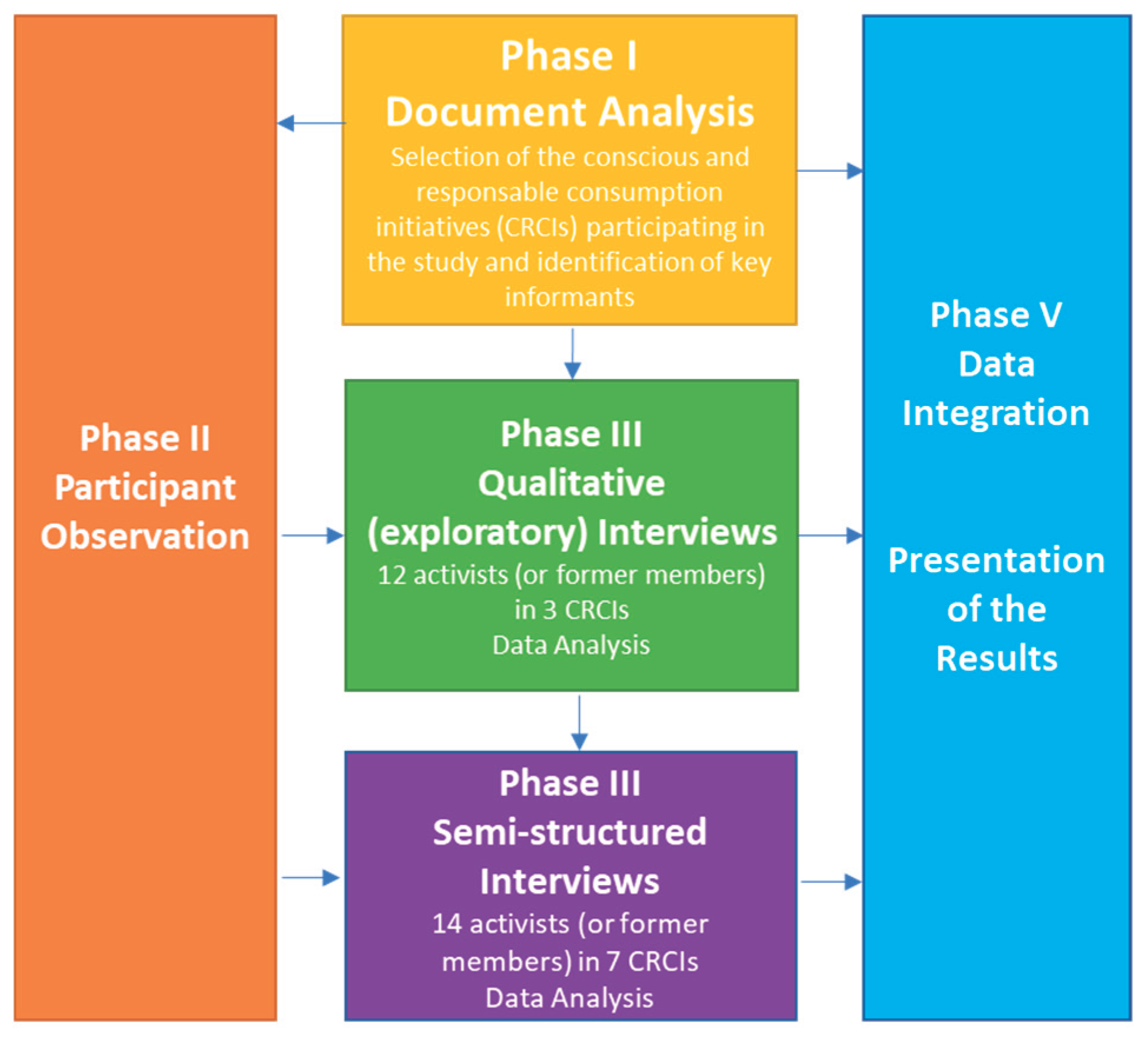
Figure 1. Phases of the empirical research and data integration. Source: own elaboration.
Preprints 185375 g001
Table 1. Description of the sample initiatives studied in phase I (document analysis).
Organizational model Name of the Initiative Town (province)
NGO A Cova da Terra Lugo (Lugo)
Panxea Santiago de Compostela (A Coruña)
Amarante-Setem Pontevedra y Santiago de Compostela
Consumers´ cooperative A Xoaniña Ferrol (A Coruña)
Aldea SCG Vigo (Pontevedra)
Árbore Vigo (Pontevedra)
Eirado Santiago de Compostela (A Coruña)
Zocamiñoca A Coruña (A Coruña)
Non-profit organization A Landra O Carballiño (Ourense)
Loaira Redondela (Pontevedra)
Millo Miúdo Oleiros (A Coruña)
Semente Ourense (Ourense)
Consumers’ group A Gradicela Pontevedra (Pontevedra)
As Grelas Ribadeo (Lugo)
Agrelar Allariz (Ourense
Source: own elaboration.
Table 2. Distribution of the sample of participants according to the local initiative to which they belong (phase III and IV).
Typology Name of the Initiative Number of Participants
Cooperative with a store open to the public Árbore (Vigo, Pontevedra) 3
Aldea (Vigo, Pontevedra) 3
Panxea (Santiago de Compostela, A Coruña) 1
Cooperative with a store (only for associates) Zocamiñoca (A Coruña) 11
Non-profit organization Semente (Ourense) 2
Millo Miúdo (Oleiros, Coruña) 4
Consumers’ group Agrelar (Allariz, Ourense) 1
A Gradicela (Pontevedra) 1
Note: Total number of people interviewed in phase III and IV: 26; total number of local consumers´ initiatives: 8. Source: own study.
Table 3. Food consumption styles and preferences of purchasing reported by the members of the conscious and responsible consumption initiatives.
Category Description Groundedness and Frequency
Organic food Organic locally produced food aligned with the principles of organic farming and sustainable livestock or seafood production G: 38; F: 15
Seasonal food Consumption of fresh seasonal food (fresh vegetables, fruits and other groceries produced seasonally) G:14; F:4
Artisan and fair-trade products Manufactured high-added value alimentary products or Fair-Trade goods (e.g., Coffee, tea, cocoa) G:20; F: 12
Socio-labor conditions Organic products produced by enterprises and social economy initiatives that respect fair labor conditions and ethical criteria G:14; F: 11
"Price" Price and accessibility G:7; F: 2
G = Groundedness, number of citations or quotations that contain a code/category. F = Frequency, number of interviews that contain a code/category. Source: own study.
Table 4. Preference shopping places for members of the conscious and responsible consumption initiatives.
Category Description Groundedness and Frequency
CRCI- High frequency The food-coop is the main place to purchase food and other goods (e.g., cleaning products) G:15; F: 10
Local markets Food markets or neighborhood shops are complementary to the food-coop G: 13; F: 7
Other stores It is necessary to go to other consumer spaces to be able to purchase food and other products. The ICCR does not fully meet the needs. G: 10; F: 6
CRCI- Low frequency Purchase made at the CRCI is minority or exceptional, preference is shown for other consumer spaces like supermarkets G:6; F:5
G = Groundedness, number of citations or quotations that contain the category. F = Frequency, number of interviews that contain the category. Source: own study.
Table 5. Cultural and psychological barriers and constraints undermining the adoption of sustainable eating practices.
Category Description Groundedness and Frequency
Cultural barriers Cultural or social barriers such as, for example, the existence of a deep-rooted gastronomic culture that makes it difficult to adopt vegetarian or low-meat diets G:19; F: 12
Habits and routines Changing eating habits is perceived as a challenge that requires a significant effort for people to chain well-stablish habits and routines G:12; F:6
Time pressure Perception of a shortage of time to consume sustainable G: 10; F:8
G = Groundedness, number of citations or quotations that contain the category. F = Frequency, number of interviews that contain the category. Source: own study.
Table 6. Description of the different instances of learning reported by the interviewees as a consequence of their engagement in local food initiatives.
Category Description Groundedness and Frequency
Cognitive
learning
Increasing knowledge on the functioning of the global food system and its social and environmental impact. Awareness of transformative discourses and practices in economy and alternative ways of production and consumption G:81; F: 21
Attitudinal
learning
Attitudinal change toward the adoption of low-carbon eating styles, reduction of meat intake or positive attitude toward vegetarian or vegan diets G:46; F:15
Behavioral
learning
New culinary skills, experimentation with plant-based products and foods, adaptation to seasonality and available fresh products G:23; F:10
G = Groundedness, number of citations or quotations that contain the category. F = Frequency, number of interviews that contain the category. Source: own study.
Table 7. Positive behavioral spillover reported by the interviewees as a consequence of their engagement in local food initiatives.
Category Description Groundedness and Frequency
Green lifestyles Adoption of new low-carbon behaviors aligned with green lifestyles and frugality, such as vegetarian diets, reduced energy consumption at home or sustainable mobility G:29; F:12
Cooperativism Participation in organizations of the social and solidarity economy, such as energy cooperatives or ethical banking G:17; F:9
Political
activism
Involvement in new political participation movements G:10; F:10
Contextual spillover Transference of sustainable consumption to workplaces G: 11; F: 6
G = Groundedness, number of citations or quotations that contain the category. F = Frequency, number of interviews that contain the category. Source: own study.
Disclaimer/Publisher’s Note: The statements, opinions and data contained in all publications are solely those of the individual author(s) and contributor(s) and not of MDPI and/or the editor(s). MDPI and/or the editor(s) disclaim responsibility for any injury to people or property resulting from any ideas, methods, instructions or products referred to in the content.
Copyright: This open access article is published under a Creative Commons CC BY 4.0 license, which permit the free download, distribution, and reuse, provided that the author and preprint are cited in any reuse.
Prerpints.org logo

Preprints.org is a free preprint server supported by MDPI in Basel, Switzerland.

Subscribe

Disclaimer

Terms of Use

Privacy Policy

Privacy Settings

© 2025 MDPI (Basel, Switzerland) unless otherwise stated
