

Submitted:
18 January 2026
Posted:
19 January 2026
You are already at the latest version
Abstract
NORC (Naturally Occurring Retirement Community) programs and senior cohousing are two community-based, sustainable initiatives for aging in place associated with cooperative housing in New York and Spain, which are spreading rapidly as an alternative to institutionalisation. This paper examines how NORC programs and senior cohousing support aging in place using a conceptual framework derived from theories on active aging and the ecological model of aging, which suggests specific dimensions to characterise the processes through which these initiatives potentially achieve their goal of promoting a healthy, active aging, including aspects of the physical and social environment. Our framework was applied to a selection of case studies from each model, allowing us to conceptualise their strengths and weaknesses as developed in cooperatives in these two contexts. Findings show that NORC programs help older people stay in familiar neighborhoods and take advantage of economies of scale; however, dwellings are not adapted for reduced mobility. Spanish senior cohousing is an affordable and accessible alternative; however, existing communities are relatively isolated. Future research should consider hybrid models that incorporate the characteristics of various initiatives best suited to each context’s housing policies and welfare system.
Keywords:
housing cooperatives
; aging in place
; New York
; Spain
; NORCs
; cohousing
1. Introduction
The global population is aging rapidly: it is expected that by 2050, 1.6 billion people will be older than 65, which is approximately one in every six people, up from around 10 percent in 2022 [1]. This demographic shift is particularly noticeable in New York City and Spain, where this study is focused: in the former, the population over 65 is expected to increase from 15.5% in 2022 to 20.6% in 2040 [2], while in the latter, it is projected to grow from 19.3% in 2020 to 29.4% by 2068 [3]. In addition, older adults in Western countries prefer aging in place [4]: 96% of older New Yorkers are aging in place, with half living alone [5]; while 97% of Spanish older people live at home [6], and almost a third of older women live alone [3], which highlights the need for sustainable living options fostering social inclusion [7].
While “aging in place” originally referred to individuals who grew old in the homes where they spent a significant part of their lives [8], the concept has recently expanded to remaining in the community and living in one’s residence of choice with some independence [9,10]. Institutional care is increasingly regarded only as a last resource [8], partly due to its high costs, with the average monthly cost in Spain exceeding €2,000 [11], and the scarcity of beds in public facilities. It is worth noting that the primary source of income for 70% of Spanish retirees is their pension [12], with the average Spanish pension being 1,441.50 € [13]. Several initiatives have been developed globally over the last decades to facilitate aging in place [14,15]. Some models providing community-based services may include Villages in the United States [16] or in-home support services, senior centers, and day centers in Spain [17]. Among this increasing array of options, we are exploring two prominent models that particularly contribute to community building among residents: Naturally Occurring Retirement Community Supportive Service Programs (NORC programs) and senior cohousing.
These two models differ in many ways, but they share a key similarity seldom found in aging-in-place initiatives: both are frequently linked to nonprofit housing cooperatives, with a long tradition in New York, where their homeownership character increases the likelihood of older people aging in place longer than in rentals [18]. In contrast to recent legislation favoring rental housing, cooperatives face more challenges in Spain, whose “ownership culture” was shaped by decades of policies promoting homeownership [19]: in 2018, 76.1% of the Spanish population were homeowners, rising to 89.6% of the population aged 65 and over [3,20]. Housing cooperatives may promote aging in place by fostering the development of a strong community spirit, which reduces social isolation and encourages mutual support, making them the ideal framework for these living options [12]. Additionally, as member-owners, residents have control over management decisions and governance, which also aids in social cohesion.
In New York, where NORCs originated, they are primarily housed in urban high-rise buildings [8], providing affordable housing to older adults. These buildings were erected in massive numbers over the central decades of the twentieth century across the world to improve living conditions for low- and moderate-income families, and Spain’s largest cities were not an exception [21]. In Spain in 2020, over 80% of the population resided in urban areas, with 25% living in the six largest cities [22], and approximately 70% of dwellings in apartment buildings [23]. The Spanish long-term care system has traditionally focused on institutional settings [6,20]; however, a recent shift toward person-centered care and community-based models is observed. Person-centered and integral care “fosters the necessary conditions for achieving improvements in all areas of quality of life and the well-being of the person, based on full respect for their dignity and rights, their interests and preferences, and ensuring their effective participation”, and is based, among others, on the active aging paradigm ([24], p. 74). An emerging initiative in Spain is senior cohousing, where individual homes group around communal spaces, linking the autonomy of private dwellings with the benefits of community living [25]. This study examines the feasibility of Spanish cohousing, drawing on the previous experience of NORCs.
Scholars who have researched the health benefits associated with NORCs suggest that certain social and physical factors in a community positively influence the well-being of older residents, facilitating healthy aging [26,27,28]. Therefore, it is crucial to research the key processes through which these aging-in-place initiatives benefit older adults. While there is extensive research on social–relational aspects of NORC programs and other models [15,16,29], studies including the physical environment have never been performed.
This paper aims to address this gap by researching how cooperative housing supports sustainable aging in place, examining two models linked to this tenure form in New York and Spain, two contexts with distinct housing and welfare policies where cooperatives exhibit remarkable characteristics. It aims to conduct a systematic analysis of these initiatives to determine the environmental features that promote healthy aging, and to identify the strengths of NORCs that may be applied in Spain, thereby improving outcomes for Spanish communities. It is part of a larger study examining the applicability of New York NORCs in Spain, given the similarity between the two contexts in terms of demographics and the prevalence of urban high-rise housing.
1.1. Brief Overview of the NORC Program and Cohousing Models
NORC programs are defined as community-level initiatives that link older adults, building managers, service providers, and other partners within an area where older adults concentrate, coordinating health and social services and group activities onsite through private philanthropic and government funding [16,30]. These areas were not purpose-built as senior housing, yet a significant proportion of older people [31] has developed because residents remain in their homes as they age. The first NORC program was launched in 1986 at Penn South, a limited-equity cooperative in Manhattan, by the United Jewish Appeal (UJA) Federation network of geriatric service agencies, and it was initially funded entirely by philanthropy [32]. The UJA-Federation secured housing development funding, and the model expanded over the next decade to other low- and moderate-income communities across New York. UJA also helped promote legislation and secure state funding, including mapping census data to depict concentrations of older people [32]. While NORCs spread across the U.S. in the 2000s [30], their link to cooperative housing remains unique to New York.
As of December 2025, the New York State Office for the aging funded 32 NORC programs in New York City [33], while 36 were financed by its Department of Aging [34]. New York State defines a NORC as a housing complex where at least 40% of the units are occupied by an individual over 60, with more than 500 older adults [33], enabling efficiencies in service delivery.
Cohousing is commonly referred to in Spain as “collaborative housing” [11]. The first development was built in 1964 in Denmark [35], with other Northern European nations developing similar concepts almost simultaneously. While these pioneering communities were mostly owner-occupied, a version based on the andel model of limited-equity cooperatives was introduced in the 1970s [36]. Inspired by Danish experiences, American architects McCamant and Durrett introduced the model to the United States and coined the term “cohousing.” Cohousing communities may be new builds or retrofits [37], and evidence suggests that they contribute to successful aging [38].
A group of older neighbors in Malaga built the first development in Spain, Residencial Santa Clara, in 2000 [12]. However, cohousing did not gather momentum until the 2008 global financial crisis, when several projects started to emerge in different regions [39]. In December 2025, thirteen communities operated in Spain, nine of which catered to older people, with more than 60 initiatives under development, approximately fifteen of which were located in the Valencian Community [40].
1.2. Housing Cooperatives in New York and Spain
In 1926, the New York State Limited Dividend Housing Companies Act enabled the development of the first large-scale cooperative workers’ housing projects by trade unions and other labor organizations, granting local tax abatements to housing companies that limited profits and selected lower-income tenants [41], marking the birth of limited-equity cooperatives. Under this format, tenant-owners purchase shares in the corporation, which collectively owns the property, with a down payment. They do not own their individual units, but are granted a right to use them [19]. Membership also requires the payment of monthly carrying charges to cover the cost of the mortgage and the operation and maintenance of the building. Additionally, shareholders do not get a profit when they resell [42]. The 1926 Law and other programs, such as the 1955 Mitchell-Lama, provided tax abatements for a limited time. Once these restrictions expire, members can opt to place their units on the open market, which many housing cooperatives voted for.
Spain is a highly decentralized state with three levels of government: central, regional, and local [43]. Its seventeen regions have exclusive authority over housing, paralleling how U.S. states implement federal housing policies [20]. Valencia passed Spain’s first collaborative housing law (Law 3/2023 of 13 April), being also the fourth Spanish region with the highest number of people over 65 and the only one where public social services for older people are fully funded [17]. Moreover, Valencia City doubled the funding for in-home support services in summer 2025, introducing in-home repair services to ensure the livability of older people’s dwellings [44]. The law mandates that the ownership of this housing be held by a cooperative, as its community-driven principles enable the social purpose of this type of housing. In this model, the association owns the property, while members buy a share, granting them usage rights, and pay a monthly fee [19]. The Valencian law responds to the State Housing Plan 2022-2025 (Royal Decree 42/2022 of 18 January), which supports senior, intergenerational housing and cohousing, funding up to 50% of investments, controlling rents, and limiting residents’ income, thereby targeting these housing options towards lower-income groups.
2. Materials and Methods
2.1. Conceptual Framework
An integrative conceptual framework was developed to examine the processes through which aging-in-place initiatives achieve their goal of promoting active and healthy aging. This framework produced a systematic analysis that identified the strengths and challenges of NORC programs and senior cohousing within housing cooperatives. A literature review was conducted for our study on the influence of the built environment on the well-being of older people aging in place, revealing growing bodies of theory that have emerged within environmental gerontology, which focuses on the relationship between older people and their physical and social surroundings, and how this interaction can either support or hinder healthy aging [45]. Our framework was informed explicitly by two of these theories: active aging and the ecological model of aging.
First, the World Health Organization (WHO) defined active aging as “the process of optimizing opportunities for health, participation and security in order to enhance quality of life as people age” ([46], p. 5). Active aging depends on various determinants, including material conditions and social influences. According to this framework, an age-friendly city incorporates features that enable people to age actively [47]. Additionally, age-friendly cities and communities reflect the principles guiding Sustainable Development Goal (SDG) 11 of the United Nations, which aims to make “cities and human settlements inclusive, safe, resilient and sustainable” [48].
The WHO’s guidelines explore eight topics related to urban structures, environments, services, and policies reflecting the determinants of active aging: housing, outdoor spaces and buildings, transportation, social participation, respect and social inclusion, civic participation and employment, community support and health services, and communication and information [46]. The features that influence the age-friendliness of housing were then grouped into nine domains. However, the checklist outlined by WHO is theoretical and hence not operational for assessing community livability. In response, several frameworks and questionnaires have been developed [47,49,50,51]. Luciano et al.’s [47] tool, which adapts WHO’s guidelines to Western housing types based on expert panels and a systematic review, was used in this study to assess the age-friendliness of NORCs’ and cohousing physical environments.
NORC programs and cohousing facilitate aging in place by fostering social inclusion and developing social capital [16], defined as community characteristics that encourage mutually beneficial social interactions. For example, individuals who lack social ties but live in communities rich in social connections [52]. Social capital is particularly significant for older adults, given their increased risk of losing social connections as they age and physical barriers that limit their ability to move outside their community. Additionally, evidence suggests it contributes to better health [37,53]. Another often-overlooked factor integral to aging in place is memory of place. For older people, home and the community are where events, internalized in memory over a lifetime, have taken place, linking them to their own past lives [54] and creating a sense of identity, attachment, and feelings of security and familiarity. Research has also shown that long-term connections to environmental surroundings contribute to well-being in older people [10,55].
However, Luciano et al.’s framework overlooks the social aspects crucial to promoting aging in place. Therefore, we incorporated another body of theory, ecological frameworks, which examine how the social and physical environments impact individual behavior [56,57]. The ecological model of aging, developed by Lawton in the 1970s, conceptualizes aging in place as dependent on the interaction between individual competence, environmental demands (environmental press), and their dynamic environments (person-environment fit) [58,59]. Environmental press suggests that environments place stress on individuals [47]. Ecological frameworks emphasize that aging-in-place initiatives optimize facilitators and reduce barriers to enhance interaction between persons and their environments, thus promoting healthy and active aging [15].
Guided by the ecological model as posited on Greenfield’s frameworks for examining aging-in-place initiatives [15,16,29], as well as Gilbert and Terrell’s multidimensional framework for analyzing social welfare programs [60], five dimensions along which to characterize the social environment of NORCs programs and cohousing were established: who leads the initiative, what benefits are offered, to whom they are offered, how they are delivered, and how they are financed.
Figure 1 presents a socio-ecological framework highlighting the process through which aging-in-place initiatives potentially achieve their goal of promoting aging in place. Our framework hypothesizes that the physical and social environments of these communities possess features that make them age-friendly, leading to specific outcomes among older adults. The active aging framework posits that age-friendly environments can potentially facilitate healthy aging, which in turn contributes to participants’ ability to age in place, as age-friendly communities support aging in place [45,47,50].
2.2. Data Collection and Analysis
To test the validity of our framework, it was applied to a series of representative case studies from each model. NORC programs were studied in New York City because this is where they originated and are most consolidated. The selection included the 23 programs in housing cooperatives in New York, retrieved from the NYC Department for the Aging’s service finder [61]. This listing was used since it is the most often updated, reliable, and comprehensive. Senior cohousing has been researched in Spain, as our ultimate goal is to improve housing options for older people in this country. Therefore, all the operating senior cohousing communities in Spain were examined (totaling nine) [36], along with the six senior cohousing experiences in different stages of development in Valencia [12,14] (Figure 2). These six projects were included, even though they are not running yet, because this region has remarkable features regarding housing policies for older people. Through an empirical review and subsequent inductive analysis, we conceptualized the features that enable these models to promote aging in place and identified lessons from New York that can inform senior housing policies in Spain.
A key primary source for NORCs was an onsite study of a selection of communities in New York, part of the first author’s doctoral dissertation, which involved architectural inspections and resident surveys conducted between May and November 2022. On the one hand, site visits were conducted at 26 complexes across the four boroughs including NORCs (Manhattan, Brooklyn, the Bronx, and Queens), and a built environment assessment tool was completed for each of them. Thirteen of these complexes were cooperative housing developments. On the other hand, the authors developed a survey instrument incorporating items validated by previous research [18,58,62,63,64,65,66,67,68]. Questions addressed sociodemographic information, health and well-being, social integration, and the built environment on three scales: home, building complex, and neighborhood. An online version of the survey can be found at: https://forms.gle/5HFFs7bTfsYr7SdW7.
The sample targeted residents aged 60 and older participating in NORCs, meeting the eligibility requirements for NORC services. Of the 36 operational NORCs identified, contact details for 26 NORC directors were retrieved, and eight participated, resulting in a response rate of 22.2%. AGS conducted group interviews after scheduled NORC activities or by appointment in five NORCs, with NORC directors also administering surveys in two cases. In two other, interviews were conducted in Spanish. In two other NORCs, residents completed surveys independently. In the last case, NORC staff conducted surveys for several weeks. One response was submitted online. A total of 151 surveys were collected, including 22 from residents of five cooperative housing developments. The data were then evaluated using descriptive statistics and multivariate regression analyses to determine the factors influencing well-being outcomes [28]. Several built environment variables were found to be positively associated with the health and/or quality of life of NORC residents (i.e., physical condition and mobility at the apartment, mobility at the building, and the neighborhood’s environmental quality), highlighting the relevance of investigating the physical environment of aging-in-place initiatives.
Another source of empirical information was Greenfield et al. (2013)’s organizational survey of 62 NORC programs across the United States, which inquired about goals, provided services, participant characteristics, modes of service delivery, and funding sources. Objective data on built environment features, such as green areas, access to services, and public transportation, were retrieved using GIS measurement tools. Characteristics including apartment size, layout, accessibility, presence of balconies, and outdoor areas, were extracted from site plans and floor plans of 21 NORCs and eight cohousing developments. The remaining data, including equity values, maintenance charges, and, for cohousing, provided services, funding sources, and eligibility ages, were collected from secondary sources. First, community homepages provided, for example, up-to-date information about maintenance charges and selling prices for a NORC community in Queens [69], or listed all the services that the senior center within a cohousing project near Valencia will offer [70]. Second, real estate portals such as https://streeteasy.com/ listed the latest unit selling prices for several New York complexes, while a cohousing community in Valladolid advertised its units on https://www.idealista.com. Third, news reported, for example, on the eligibility ages, down payments, and monthly charges of a cohousing community near Madrid [71]. Finally, relevant literature encompasses Greenfield (2012); Greenfield et al. (2012, 2013); and Vladeck (2004) for New York City NORCs; and Alguacil Marí et al. (2021); Etxezarreta and Cano (2016); Gummà and Castilla (2017); and López and Estrada (2016) for Spanish cohousing. Figure 3 illustrates the methodology described above. Since the information collected in this manner could not be verified against more reliable sources, such as quantitative data from onsite and resident surveys, this study focused only on a qualitative assessment of the analyzed dimensions.
3. Results
In the following sections, we analyze how the different dimensions of the social and physical environments of NORC programs and senior cohousing influence the key outcomes posited by our conceptual framework, which subsequently lead to healthy, active aging and, in turn, facilitate aging in place. Table 1 and Table 2 summarize the characteristics of each initiative according to the dimensions described below.
3.1. How Does the Social Environment Promote Aging in Place?
By influencing key factors such as sense of community, social capital, and access to services, these social dimensions help create supportive environments that allow older adults to maintain independence and stay socially engaged, facilitating aging in place. Ecological frameworks focus attention on the interconnection of the various social structures that comprise an individual’s social environment, including family members, neighbors, and health and social service providers [15,56]. This association suggested the first dimension to differentiate the social environment of aging-in-place initiatives: which social structures does the initiative emphasize? In NORC programs, the social service provider develops partnerships with residents and community-based organizations [30], facilitating connections between residents and organizing community-building activities. Additionally, this arrangement increases access to a wide range of services. Conversely, Spanish cohousing is a grassroots initiative led and managed by residents, who form the cooperative, develop the project, and are involved in its design. This structure, together with the cooperative nature shared with NORCs, directly enhances the sense of community and fosters strong mutual support networks. Collective decision-making also promotes stronger bonds and trust among residents, a crucial component of social capital [52]. As a result of being resident-driven, members also have more direct control over the types of services offered, ensuring better alignment with individual needs.
The second dimension was the allocated social provisions [60]. Among the benefits offered by aging-in-place initiatives, these models emphasize three categories of activities and services: civic engagement activities, social relationship-building activities, and services to enhance access to resources [29]. These benefits play a key role in balancing environmental press with individual competence by fostering positive person-environment interactions [15]. Regarding the first category, NORC programs have older adults volunteer at local high schools [29], whereas, for example, a cohousing community collaborates with an agroecological association [72]. This civic engagement fosters a strong sense of shared responsibility and community identity, while building social capital by enhancing residents’ networks and mutual trust. Secondly, NORCs offer social activities that provide opportunities for connection, such as exercise and cultural classes, or health workshops [29]. Moreover, the analysis of our survey revealed that the most consistent predictor of positive well-being outcomes was the frequency of social or physical activity (p-value = 0.002 and 0.004, for self-rated health and quality of life, respectively), emphasizing the importance of aging-in-place initiatives that foster these activities [24]. Similarly, social relationship-building activities are a core component of the cohousing model, such as shared meals or community gatherings [25], which provide multiple opportunities for residents to bond and interact. Thirdly, while NORC programs in New York typically provide social and healthcare services, they focus on coordinating and increasing access to existing external services [30]. According to their websites, Spanish cohousing offers more comprehensive and customized services, including housekeeping and personal care, which means they are more likely to be aligned with the community’s needs.
Aging-in-place initiatives always include some designation of beneficiaries. The third social dimension was the basis of social allocations [60]: eligibility and demographic characteristics of beneficiaries. In NORC programs, the population over 73 from low- to moderate-income backgrounds may create a strong sense of shared identity among residents who share similar challenges related to aging, reinforcing feelings of belonging. In this case, older adults with greater physical or cognitive challenges benefit from external support services that help reduce environmental press. Conversely, the inclusive nature of cohousing, which accepts a range of ages and backgrounds [36], results in a more diverse demographic mix, where residents form meaningful connections across different life stages (i.e., the young-old and the oldest-old), thereby strengthening the sense of community. Moreover, this wide age range fosters more intergenerational social capital.
The fourth dimension addressed the organizational arrangements for administering the initiative [60]. The more adaptive the environment, the better the fit between press and competence [59]. The mixed service delivery model [16] in NORC programs, which is primarily provided by staff and volunteers, fosters a deeper sense of belonging and a stronger community identity. Additionally, their coordination of services by professional staff and external providers ensures consistent access to high-quality services that can address a broad range of needs. In cohousing, services are typically provided by paid staff. Still, in some initiatives, volunteer members perform certain activities for the community [73], fostering a high degree of collaboration that reinforces community bonds and builds stronger cooperation, a core component of social capital. This model also enhances control over service delivery, which may lead to more responsive and efficient care [16]. Across both models, volunteering and participating in cooperative tasks strengthen their ties to one another, enhancing social capital. In cohousing, the resident-led strategies create an environment that can evolve based on residents’ changing needs, whereas in NORCs, the reliance on external providers may result in reduced flexibility.
The fifth and final dimension of socially characterizing the initiatives was related to the sources and types of financing for the social provisions [60]. The economic sustainability of a community affects how well residents can adapt to changes in their environment [56]. NORC programs are funded by various governmental and private sources, which ensures more consistent access to services and greater financial stability. However, this reliance on external funding may reduce residents’ sense of ownership over economic decisions, and access may vary depending on funding cycles [30]. Additionally, NORCs risk losing their governmental financing if the community fails to meet demographic requirements [33], which may lead to increased external press. On the other hand, cohousing emphasizes economic self-reliance [19], a more flexible model that ensures services are tailored to residents’ needs. It also fosters social capital by directly involving residents in the community’s economic health, contributing to a stronger sense of shared responsibility. This model helps ensure residents can manage environmental press through collective financial responsibility. Villages, another American initiative, while mainly self-financed, also receive a significant percentage of their budgets from fundraising, charitable donations, private foundations, and nonprofit organizations [10].
The above dimensions show how the social environment of these initiatives aligns with the ecological models of aging. Resident-led cohousing tends to reduce environmental press by increasing resident control and fostering autonomy, thus enhancing competence. On the other hand, NORC programs provide external support that helps reduce press for older residents. Our analysis suggests that both models have mechanisms that contribute to positive outcomes by promoting social participation, social engagement, and access to services, ultimately improving older adults’ ability to age in place successfully.
3.2. How Does the Physical Environment Promote Aging in Place?
The physical environment of NORCs in New York and senior cohousing in Spain plays a critical role in enhancing older adults’ ability to age in place by fostering independence, social capital, physical activity, and reducing the need for relocation. The first dimension of the physical environment characterizing these initiatives is housing affordability, which entails the costs of housing, including rent or mortgages, utilities, and maintenance [47]. With controlled monthly charges and manageable equity values, affordable housing enables older residents to better allocate their limited resources toward essential services and healthcare, thereby reducing the likelihood of forced relocation due to financial constraints. Financial stability also enables residents to maintain their autonomy for longer, without relying on external assistance. New York City’s limited-equity cooperatives were once considered affordable housing until some communities voted for privatization [42]. While Spanish cohousing experiences were initially conceived as affordable housing, down payments may be difficult for pensioners [12]. However, new cohousing developments that utilize state housing plan subsidies will likely have lower investment requirements.
The second dimension of the physical environment is community connection, which should be facilitated on three levels: outdoor private spaces (such as balconies, patios, or gardens), overlooking communal facilities and green areas, and shared spaces [47]. These design elements promote frequent interactions, reinforcing trust and mutual support, which fosters social capital. These supportive neighbor networks reduce dependence on formal care services, increase perceptions of safety, and can mitigate the adverse effects of social isolation, which is linked to poor health outcomes among older adults [52]. In New York City, housing cooperatives are primarily associated with a building type, commonly known as “towers in the park”, consisting of high-rise towers on superblocks surrounded by green spaces, which can amount to more than 80% of the site area [74]. The concept of “towers in the park” was first proposed by Le Corbusier in many of his writings and books, including Towards a New Architecture [75]. Many developments also feature community gardens maintained by older residents, which contribute to physical activity [28]. Spanish cohousing typically favors low-rise developments in rural towns or suburban areas of larger cities, surrounded by nature and/or featuring inner landscaped courtyards. The site plan of the examined communities responds to “social contact design”, fostering residents’ community connections and social interaction, as in several cohousing initiatives that arranged the buildings around a central courtyard acting as a meeting space connecting the community with the existing urban fabric. Similarly, the green spaces surrounding the interspersed buildings with multiple seating areas in New York cooperatives build social capital [28].
Access to services is the third factor that influences the age-friendliness of housing. Housing should be located near essential amenities, including health facilities, shops, public transportation, parks, places of worship, and general services (e.g., banks) [47], to reduce physical and financial barriers to accessing these services. Additionally, walkable access promotes regular physical activity and reduces reliance on others for transportation, thereby fostering greater independence and autonomy. Most of the researched housing cooperatives in New York City are located in urban neighborhoods with good access to services. Spanish cohousing sites are located in relative proximity to services, which can result in reduced social interactions with the broader community when a bus ride is required to access external services.
Safety and security are the fourth dimension that characterizes the initiatives’ physical environment. Safety refers to minimizing potential risks for falls and other hazards in the home environment, while security implies feeling safe from crime [47]. This dimension enhances residents’ sense of security by reducing fears of crime and accidents, allowing them to remain safely in their homes for longer. Moreover, safe communal spaces encourage residents to leave their homes more frequently and interact more often, thereby increasing social capital. Housing cooperatives in New York City were not built with the needs of older people in mind; hence, according to our survey, many older residents needed to modify their apartments to make them safer, while reporting feeling safe at their buildings (4.82 on a scale of 1 to 5) and moderately safe (3.86) in their neighborhoods. In Spain, reviewed projects have been designed in accordance with accessibility guidelines, ensuring they are safe for older people.
The fifth factor to consider when assessing the age-friendliness of housing is access to essential services at home: heating, air conditioning, lighting, and domotic systems. Central heating is usually provided in New York City housing cooperatives [41], meaning that residents cannot control indoor temperatures, which may lead to environmental conditions outside the comfort zone for older people [47]. Cooling is primarily provided by air conditioning units, which allow for individual control of room temperature. Some survey respondents reported having increased lighting and installed emergency alarms, which enhances their sense of security. According to their websites, units in cohousing developments may be equipped with underfloor heating, ducted air conditioning, smart lighting, or alarm switches, features that enable older adults to manage their homes efficiently and safely without relying on external assistance, thereby delaying the need for assisted living. Additionally, energy-efficient systems lower utility bills.
The sixth dimension of the physical environment that affects older people’s capacity to age in place is housing design, encompassing its size, types of rooms, layout, and accessibility [47]. Accessible layouts enable residents to manage daily tasks independently, reduce fall and injury risks, and promote physical activity within the home and building [58], thereby facilitating social interactions. Moreover, units that support mobility changes over time help residents remain in their homes longer. Plans revealed spacious apartments in New York City housing cooperatives [74], with our survey indicating that 1.91 rooms are occupied by one or two people, meaning they are not overcrowded. However, apartments are not adapted for individuals with reduced mobility. Spanish senior cohousing plans showed accessible common areas and dwellings, but more limited apartment space, which also reduces utility expenses.
The seventh dimension refers to home modifications for accessibility, that is, the ability to adapt home environments to the changing needs of people as they age [47]. Our survey revealed that approximately three-quarters of NORC residents from cooperative housing in New York had made minor adaptations, primarily installing grab bars or handrails. These modifications help residents perform daily activities safely and reduce fall risks, thereby delaying the need for relocation to institutional care, while also being less costly. However, major interventions for accessibility may not be possible, and relocation to adapted housing may be necessary as mobility changes over time [63]. Several respondents over 80 mentioned accessibility challenges in their apartments, such as thresholds and reaching cabinets. Being accessible, no further modifications should be needed in cohousing dwellings.
Regularly maintaining the residential environment is the last dimension that determines whether a person can age in place [47], as well-maintained buildings and units reduce hazards. Predictable, shared maintenance costs in multifamily housing, such as NORCs and cohousing, avoid sudden financial shocks and, especially in cohousing, foster cooperation and shared responsibility, increasing social capital. Residents are also more likely to stay at home when their units are not financially burdensome to maintain. According to our survey, apartments in New York City housing cooperatives are in excellent condition (4.45 on a scale of 1 to 5), which is not surprising given residents’ relatively high incomes that allow them to afford home repairs. However, apartment maintenance in cohousing might be challenging for lower-income members, while its smaller units are easier to maintain.
Apart from creating age-friendly communities, these initiatives meet targets 11.1, 11.5, 11.6, and 11.7 of the United Nations’ SDG 11. Target 11.1 is “safe and affordable housing”; target 11.5 is to “reduce the adverse effects of natural disasters”; target 11.6 is to “reduce the environmental impact of cities”; and target 11.7 is to “provide access to safe and inclusive green and public spaces” [48]. First, in NORCs and senior cohousing, older residents can access adequate, safe, and affordable housing, as well as basic services. Second, since 2013, NYCHA has invested billions of dollars from the Sandy Recovery Program to restore the most affected developments, making them more resilient against water-related disasters, with several NORCs among them (Figure 4). Similarly, Spanish cohousing communities reduce their environmental impact by incorporating energy-saving systems (Figure 5) [12]. Lastly, NORCs and senior cohousing provide access to safe, inclusive, accessible green and public spaces for older people.
Overall, by addressing sustainability, affordability, social capital, access to services, and physical accessibility, both NORC programs and senior cohousing offer age-friendly built environments that support autonomy, reduce relocation pressure, and contribute to long-term well-being, ultimately facilitating aging in place.
4. Discussion
This study, guided by a multidimensional framework for analyzing the social and physical environment of aging-in-place initiatives, explored benefits and challenges in implementing the NORC program and cohousing models in New York and Spain regarding the features through which they seek to promote aging in place, with the ultimate goal of improving Spanish housing for older adults. Our framework posits that these models provide supportive physical and social environments that enhance safety, accessibility, community connection, and access to services, while also facilitating social interaction and support among older residents. This, in turn, fosters their connections with the broader community through activities that build social relationships and encourage volunteerism. Resident involvement in management decisions also builds social capital [37].
Findings demonstrate how our ecologically derived framework addresses the seven key topics of age-friendly environments which reflect the social and physical determinants of active aging. Apart from housing, addressed through the physical environment dimensions, our framework includes outdoor spaces and buildings and transportation under the physical environment through community connection and access to services. Social participation is primarily covered under the social environment dimensions, which promote engagement in social activities, a stronger sense of community, and increased social capital. Respect and social inclusion are promoted through the social environment by including a diverse range of beneficiaries and fostering community connections. Civic participation and employment are integrated into the social environment through activities that promote civic engagement and volunteering, both within and outside the community. The last topic, communication and information, was not the focus of these community-based initiatives. Moreover, NORCs and senior cohousing promote sustainability by aligning with Target 11 of the United Nations’ SDGs.
In line with these mechanisms, our framework suggests that the physical and social environments are intertwined systems that jointly shape the health, well-being, and ability of older adults to age in place. Consistent with ecological models of aging, their interaction creates a dynamic context in which each dimension can reinforce or constrain the efficacy of the other in promoting healthy aging. Evidence shows that physical accessibility, perceived security, and proximity to services form the bases for participation in community life, which enhances social capital and reduces loneliness [52]. Other ways in which physical and social environments are mutually influential include affordability, home safety, and maintenance. For example, affordable housing influences the social composition of communities, which in turn affects levels of cohesion and the availability of informal support [16]. At the same time, safe and well-maintained environments encourage residents to move about confidently, increasing informal monitoring and perceived security, essential contributors to well-being and independence among older adults [47]. Conversely, when physical environments cannot accommodate declining mobility, social supports and service infrastructures become critical compensatory resources. These mechanisms highlight how robust social systems can mitigate physical constraints. In contrast, limited social cohesion can exacerbate the challenges posed by the built environment, aligning closely with the ecological model of aging. As posited by our framework and demonstrated by the case studies presented, it is the interaction of the different dimensions of the physical and the social environments that ultimately shapes older adults’ capacity to age in place.
The primary strength of the American NORC program model is that it helps older adults remain in familiar neighborhoods. Another key aspect of NORC programs compared to other community-based initiatives is that they leverage economies of scale by providing services in areas with high concentrations of older adults [32]. NORC’s main shortcoming is that individuals with reduced mobility in New York City may be forced to relocate to environments more suited to their needs, given that apartments’ complete adaptation for accessibility might not be technically or economically feasible. Even though our survey revealed that NORC participants enjoy very good health (3.86 on a scale of 1 to 5) and face few physical challenges at home (only a third reported having them), homebound residents with lower rates of health and who suffer from accessibility challenges might have been underrepresented in our study, as they are less likely to attend NORC activities.
Senior cohousing, which reduces costs in several ways, offers an affordable alternative to private nursing homes for older adults. Senior cohousing’s main advantage is that communities are conceived with older people’s needs in mind and adapted to their physical limitations, reducing the need for future relocation. Additionally, its resident-led structure significantly enhances social capital because residents actively collaborate and share responsibilities. However, while Spanish communities choose strategic locations close to local services, they are relatively isolated [40], implying that residents abandon the environments where older people have spent most of their lives, severing ties with family and friends, which results in a reduced availability of informal care [76]. Furthermore, its resident-driven financial model might compromise its long-term sustainability as populations age and experience increasing levels of functional impairment, potentially resulting in economic vulnerability as members’ resources also decline with age and require more intensive health and social services.
4.1. Limitations and Future Research
Our analysis revealed the benefits and challenges of each model and explored similarities and differences in their implementation in New York and Spain. However, several limitations in data collection prevented a systematic comparison. First, information gathered from websites is unreliable since the last updates are sometimes unclear, too old, or the data is misleading. Additional data sources should be employed to triangulate the validity of the information. Second, empirical research comprising site visits, resident surveys, and organizational surveys in Spanish cohousing communities, such as García Sánchez et al. (2005) and Greenfield et al. (2013), is needed to produce a more even and robust comparison.
Additionally, our framework highlights specific dimensions that might not reflect all relevant aspects of the models (e.g., their effectiveness). Future studies are expected to suggest modifications to this theoretical framework, which will advance research that best informs theory, policy, and practice on these and other initiatives. It is also important for upcoming policy research to consider hybrid models that combine characteristics from various initiatives, tailored to each context’s housing policies and social welfare system (e.g., relying heavily on membership fees, such as Villages, but housed in existing multifamily housing where older people concentrate, such as NORCs).
5. Conclusions
The findings suggest that emerging senior cohousing in Spain can significantly benefit from lessons drawn from well-established models such as NORCs in New York, to enhance their sustainability, functionality, and ability to support healthy aging. A key limitation of Spanish senior cohousing is its frequent isolation from the broader community in suburban and rural areas. Communities can enhance community integration by opening facilities and care services to non-residents, while reducing member fees and providing affordable services to the broader community. Collaborating with local governments may also help improve public transit and walkability. While cohousing is resident-led, hiring social workers or geriatric care managers to act as coordinators may help older adults navigate formal health and social service systems more effectively.
The success of NORC programs in the United States is partly attributed to a combination of funding from housing developments, the city, and the state. More diverse and external funding sources in Spanish cohousing communities would increase financial sustainability and inclusiveness. Lastly, NORCs deliver their services through a mix of professional staff and trained volunteers; therefore, hybrid service delivery in senior cohousing could ensure continuity of care while promoting resident participation and shared responsibility within the community.
On the other hand, our findings highlight the importance of integrated policy approaches that address both the physical and social environments of older adults aging in place. The examined experiences of NORC programs and senior cohousing suggest that an optimal aging-in-place system may be a hybrid, community-based model combining accessible and affordable housing, resident empowerment, stable financing, professionally coordinated services, and opportunities for meaningful social participation, creating a sustainable environment that reduces environmental press, enhances competence and enables older adults to age in place with autonomy and well-being.
Spain is a densely populated urban country with a predominance of multifamily houses, suggesting that demographic studies could help identify critical masses of older people to support efficient service delivery and the development of affordable, universally designed cooperative housing in the communities where older people reside. While the Valencian law on collaborative housing and state housing plans indicate growing institutional support, the long-term impact of this model remains uncertain.
Similarly to how cohousing was imported in the United States, learning from European experiences, other European countries with cooperative housing traditions may also benefit from this study. However, significant background differences between the United States and Europe limit direct generalizability. Cross-national quantitative research would enhance efforts to optimize the strengths and limitations for developing models that foster aging in place, best adapted to each specific context.
Author Contributions
Conceptualization, A.G., A.T. and J.L.; methodology, A.G.; validation, A.T. and J.L.; investigation, A.G.; resources, A.G.; writing—original draft preparation, A.G.; writing—review and editing, A.T. and J.L.; visualization, A.G.; supervision, A.T. and J.L.; funding acquisition, A.G. All authors have read and agreed to the published version of the manuscript.
Funding
This research was funded by Universitat Politècnica de València, Mobility Grant for PhD students, call 2022.
Institutional Review Board Statement
The research was exempt from approval due to compliance with the ethical guidelines of the Ethics in Research Committee of the Universitat Politècnica de València. The study used anonymous questionnaires for NORC residents, collecting only non-identifiable sociodemographic data (e.g., age or income group, gender) and opinions on their well-being, social integration, and built environment. No identifiable personal information was collected, and responses were processed and reported in a manner that ensured anonymity. Participation was voluntary, with respondents informed of the study’s academic purposes beforehand.
Informed Consent Statement
Informed consent was obtained verbally from all subjects involved in the study.
Data Availability Statement
The data supporting this study’s findings are available from the corresponding author upon reasonable request.
Conflicts of Interest
The authors declare no conflicts of interest. The funders had no role in the design of the study; in the collection, analyses, or interpretation of data; in the writing of the manuscript; or in the decision to publish the results.
References
- United Nations Department of Economic and Social Affairs Population Division. World Population Prospects 2022 2022.
- NYC Department for the Aging. Age-friendly NYC New commitments for a city for all ages; New York, NY, USA, 2017. [Google Scholar]
- Pérez Díaz, J.; Abellán García, A.; Aceituno Nieto, P.; Ramiro Fariñas, D. Un perfil de las personas mayores en España 2020. Inf. Envejec. en red 2020, 25, 1–39. [Google Scholar]
- American Association of Retired Persons. Aging in place: A State Survey of Livability Policies and Practices; Washington, DC, USA, 2017. [Google Scholar]
- AIANY Design for Aging Committee. Aging in Place Guide for Building Owners; New York, NY, USA, 2017. [Google Scholar]
- Delcampo Carda, A. La arquitectura residencial para personas mayores y los espacios cromáticos para el bienestar; Universitat Politècnica de València, 5 February 2020. [Google Scholar]
- Gripko, M.; Joseph, A. The Role of the Built Environment in Supporting Older Adults’ Engagement: A Narrative Literature Review. HERD Heal. Environ. Res. Des. J. 2024, 17, 329–353. [Google Scholar] [CrossRef]
- UHN OpenLab. Taking charge: Participatory models of aging in place, designed by seniors, for seniors; Ontario, Canada, 2018.
- Vanleerberghe, P.; De Witte, N.; Claes, C.; Schalock, R.L.; Verté, D. The quality of life of older people aging in place: A literature review. Qual. Life Res. 2017, 26, 2899–2907. [Google Scholar] [CrossRef] [PubMed]
- Wiles, J.L.; Leibing, A.; Guberman, N.; Reeve, J.; Allen, R.E.S. The meaning of “aging in place” to older people. Gerontologist 2012, 52, 357–366. [Google Scholar] [CrossRef] [PubMed]
- Inforesidencias. Informe de precios del 2024 de las residencias de mayores de España. Available online: https://www.inforesidencias.com/contenidos/noticias/nacional/informe-de-precios-del-2024-de-las-residencias-de-mayores-de-espa-a-de-inforesidencias (accessed on 10 September 2024).
- Alguacil Marí, M.P.; Sajardo Moreno, A.; Alegre Nueno, M.; Grau López, C.R.; Merino Garrido, F. Viviendas colaborativas: Estado actual en la Comunidad Valenciana; Universitat de València: Valencia, Spain, 2021. [Google Scholar]
- Ministerio de Inclusión. La pensión media del sistema de la Seguridad Social asciende a 1.254,3 euros en este mes, un 5% más que hace un año. 28 May 2024.
- García Lantarón, H. Vivienda para un envejecimiento activo: El paradigma danés. Universidad Politécnica de Madrid 2015. [Google Scholar]
- Greenfield, E.A. Using ecological frameworks to advance a field of research, practice, and policy on aging-in-place initiatives. Gerontologist 2012, 52, 1–12. [Google Scholar] [CrossRef]
- Greenfield, E.A.; Scharlach, A.E.; Lehning, A.J.; Davitt, J.K.; Graham, C.L. A tale of two community initiatives for promoting aging in place: Similarities and differences in the national implementation of NORC programs and villages. Gerontologist 2013, 53, 928–938. [Google Scholar] [CrossRef]
- IMSERSO. Servicios Sociales Dirigidos a las Personas Mayores en España; Madrid, Spain, 2023. [Google Scholar]
- Prosper, V. Aging in place in multifamily housing. Cityscape 2004, 7, 81–106. [Google Scholar]
- Etxezarreta, A.; Cano, G. Las Cooperativas de cesión de uso y el Cohousing en España. In Proceedings of the XVI Congreso de Investigadores en Economía Social y Cooperativa, Valencia, Spain, 2016. [Google Scholar]
- Gómez Jiménez, M.L.; Koebel, C.T. A Comparison of Spanish and American Housing Policy Frameworks Addressing Housing for the Elderly. J. Hous. Elderly 2007, 20, 23–37. [Google Scholar] [CrossRef]
- Glendinning, M. Mass housing: modern architecture and state power - a global history; Bloomsbury Visual Arts, 2021. [Google Scholar]
- UN-Habitat. Urbanization in Spain: Building inclusive & sustainable cities. Available online: https://unhabitat.org/spain (accessed on 9 September 2024).
- Instituto Nacional de Estadística. Número de viviendas principales según tipo de edificación y régimen de tenencia. Available online: https://www.ine.es/jaxi/Datos.htm?path=/t20/p274/serie/def/p07/l0/&file=01002.px (accessed on 9 September 2024).
- Rodríguez Rodríguez, P. Atención integral y centrada en la persona; Fundación Pilares para la autonomía personal: Madrid, Spain, 2013. [Google Scholar]
- Scanlon, K.; Fernández Arrigoitia, M. Development of new cohousing: Lessons from a London scheme for the over-50s. Urban Res. Pract. 2015, 8, 106–121. [Google Scholar] [CrossRef]
- Masotti, P.J.; Fick, R.; Johnson-Masotti, A.; MacLeod, S. Healthy naturally occurring Retirement Communities: A Low-Cost Approach to Facilitating Healthy Aging. Am. J. Public Health 2006, 96, 1164–1170. [Google Scholar] [CrossRef] [PubMed]
- Meng, L.; Wen, K.-H.; Xi, N.; Zheng, T. Supporting Aging-in-Place: Drivers and Desired Outcomes of a Healing Environment for Older Adults in Block Spaces of High-Density Cities. HERD Heal. Environ. Res. Des. J. 2024, 17, 242–267. [Google Scholar] [CrossRef] [PubMed]
- García Sánchez, A.; Torres Barchino, A.; Llopis Verdú, J. The residential environment and the well-being of older adults living in NORCs in New York: a cross-sectional study submitted. J. Hous. Built Environ. 2025. [Google Scholar]
- Greenfield, E.A.; Scharlach, A.; Lehning, A.J.; Davitt, J.K. A conceptual framework for examining the promise of the NORC program and Village models to promote aging in place. J. Aging Stud. 2012, 26, 273–284. [Google Scholar] [CrossRef]
- Vladeck, F. Good place to grow old: New York’s model for NORC supportive service programs; New York, NY, USA, 2004. [Google Scholar]
- Hunt, M.E.; Gunter-Hunt, G. Naturally occurring retirement communities. J. Hous. Elderly 1986, 3, 3–22. [Google Scholar] [CrossRef]
- Altman, A. The New York NORC-Supportive Service Program. J. Jew. Communal Serv. 2006, 81, 195–200. [Google Scholar]
- NYS Office for the Aging. Naturally Occurring Retirement Community (NORC). Available online: https://aging.ny.gov/naturally-occurring-retirement-community-norc (accessed on 13 April 2024).
- NYC Department for the Aging. Naturally Occurring Retirement Communities. Available online: https://www.nyc.gov/site/dfta/services/naturally-occurring-retirement-communities.page (accessed on 13 April 2024).
- Larsen, H.G. Three phases of Danish cohousing: tenure and the development of an alternative housing form. Hous. Stud. 2019, 34, 1349–1371. [Google Scholar] [CrossRef]
- Gummà Serra, E.; Castilla Mora, R. Cohousing de personas mayores. Un recurso residencial emergente. Doc. Trab. Soc. 2017, 59, 51–84. [Google Scholar]
- Williams, J. Designing Neighbourhoods for Social Interaction: The Case of Cohousing. J. Urban Des. 2005, 10, 195–227. [Google Scholar] [CrossRef]
- Javier del Monte, D. Cohousing: Modelo residencial colaborativo y capacitante para un envejecimiento feliz; Fundación Pilares: Madrid, Spain, 2017. [Google Scholar]
- López, D.; Estrada, M. Primeros pasos del senior cohousing en España. In Edades en transición. Envejecer en el siglo XXI; Ezquerra, S., Pérez Salanova, M., Pla, M., Subirats, J., Eds.; Ariel: Madrid, Spain, 2016; pp. 227–237. [Google Scholar]
- ECOHOUSING. Mapa cohousing vivienda colaborativa en España. Available online: http://ecohousing.es/red-cohousing/mapa-cohousing-vivienda-colaborativa-en-espana/ (accessed on 15 August 2024).
- Bloom, N.D.; Lasner, M.G. Affordable housing in New York: the people, places, and policies that transformed a city; Princeton University Press: Princeton, NJ, USA and Oxford, UK, 2016. [Google Scholar]
- Schuman, T. Labor and Housing in New York City: Architect Herman Jessor and the Cooperative Housing Movement. In Proceedings of the ACSA Annual Meeting, Chicago, IL, USA, 2005. [Google Scholar]
- Paleo Mosquera, N.; Quintiá Pastrana, A. The regionalisation of housing policies in Spain: an analysis of territorial differences. Hous. Stud. 2024, 39, 1763–1786. [Google Scholar] [CrossRef]
- Ayuntamiento de Valencia. València convierte en gratuito el servicio de ayuda a domicilio. Available online: https://www.valencia.es/cas/actualidad/-/content/valència-gratuidad-servicio-ayuda-domicilio (accessed on 1 September 2025).
- García Sánchez, A.; Torres Barchino, A. The Influence of the Built Environment on the Quality of Life of Urban Older Adults Aging in Place: A Scoping Review. J. Aging Environ. 2024, 38, 398–424. [Google Scholar] [CrossRef]
- World Health Organization. Global age-friendly cities: A guide; Geneva, Switzerland, 2007. [Google Scholar]
- Luciano, A.; Pascale, F.; Polverino, F.; Pooley, A. Measuring age-friendly housing: A framework. Sustain. 2020, 12, 848. [Google Scholar] [CrossRef]
- United Nations. Cities - United Nations Sustainable Development Action 2015. Available online: https://www.un.org/sustainabledevelopment/cities/ (accessed on 16 July 2025).
- Black, K.; Jester, D.J. Examining older adults’ perspectives on the built environment and correlates of healthy aging in an american age-friendly community. Int. J. Environ. Res. Public Health 2020, 17, 7056. [Google Scholar] [CrossRef] [PubMed]
- Choi, Y.J. Age-friendly features in home and community and the self-reported health and functional limitation of older adults: The role of supportive environments. J. Urban Heal. 2020, 97, 471–485. [Google Scholar] [CrossRef]
- Davern, M.; Winterton, R.; Brasher, K.; Woolcock, G. How can the lived environment support healthy ageing? A spatial indicators framework for the assessment of age-friendly communities. Int. J. Environ. Res. Public Health 2020, 17, 1–21. [Google Scholar] [CrossRef]
- Scharlach, A.E.; Lehning, A.J. Ageing-friendly communities and social inclusion in the United States of America. Ageing Soc. 2013, 33, 110–136. [Google Scholar] [CrossRef]
- Cornwell, E.Y. Social Resources and Disordered Living Conditions. Res. Aging 2014, 36, 399–430. [Google Scholar] [CrossRef] [PubMed]
- Sixsmith, A.; Sixsmith, J. Ageing in place in the United Kingdom. Ageing Int. 2008, 32, 219–235. [Google Scholar] [CrossRef]
- Lebrusán, I.; Gómez, M.V. The Importance of Place Attachment in the Understanding of Ageing in Place: The Stones Know Me. Int. J. Environ. Res. Public Health 2022, 19. [Google Scholar] [CrossRef] [PubMed]
- Lawton, M.P. Social Ecology and the Health of Older People. Am. J. Public Health 1974, 64, 257–260. [Google Scholar] [CrossRef] [PubMed]
- Zheng, Z.; Yang, L. Neighborhood Environment, Lifestyle, and Health of Older Adults: Comparison of Age Groups Based on Ecological Model of Aging. Sustainability 2019, 11, 2077. [Google Scholar] [CrossRef]
- Wang, Z.; Shepley, M.M.C. Can aging-in-place be promoted by the built environment near home for physical activity: A case study of non-Hispanic White elderly in Texas. J. Hous. Built Environ. 2018, 33, 749–766. [Google Scholar] [CrossRef]
- Feng, I.M.; Chen, J.H.; Zhu, B.W.; Xiong, L. Assessment of and improvement strategies for the housing of healthy elderly: Improving quality of life. Sustain. 2018, 10, 722. [Google Scholar] [CrossRef]
- Gilbert, N.; Terrell, P. Dimensions of Social Welfare Policy; Pearson Education Limited: Harlow, UK, 2014. [Google Scholar]
- NYC Department for the Aging. DFTA Senior Services Results Page: NORCs. Available online: https://a125-egovt.nyc.gov/AgingService/ProgramService/searchResult?programType=NORC (accessed on 8 February 2024).
- Chao, C. Planning for the Unplanned Aging Community; Columbia University, 2016. [Google Scholar]
- Pinckney, S.D.; Bishop, M.L. Design for the Aging in Place Community: Re-Imagining the Older New York City Apartment Dwelling in Naturally Occurring Retirement Communities; State University of New York, 2017. [Google Scholar]
- Burton, E.J.; Mitchell, L.; Stride, C.B. Good places for ageing in place: Development of objective built environment measures for investigating links with older people’s wellbeing. BMC Public Health 2011, 11, 839. [Google Scholar] [CrossRef]
- Fernández-Mayoralas Fernández, G.; Rojo Pérez, F.; Pozo Rivera, E.P. Residential environment of the elderly people living in Madrid | El entorno residencial de los mayores en Madrid. Estud. Geogr. 2002, 63, 619–654. [Google Scholar] [CrossRef]
- Oswald, F.; Jopp, D.; Rott, C.; Wahl, H.W. Is aging in place a resource for or risk to life satisfaction? Gerontologist 2011, 51, 238–250. [Google Scholar] [CrossRef] [PubMed]
- Fernández-Carro, C.; Módenes, J.A.; Spijker, J. Living conditions as predictor of elderly residential satisfaction. A cross-European view by poverty status. Eur. J. Ageing 2015, 12, 187–202. [Google Scholar] [CrossRef] [PubMed]
- Welti, L.M.; et al. Patterns of home environmental modification use and functional health: The women’s health initiative. Journals Gerontol. Ser. A 2020, 75, 2119–2124. [Google Scholar] [CrossRef]
- Clearview Gardens Corporations. Information for Prospective Buyers; Queens, NY, USA, 2024. [Google Scholar]
- Edeta Nova. Centro socioasistencial. Available online: https://www.edetanova.com/centro-socioasistencial/ (accessed on 23 December 2025).
- Cadena Ser. “Esto no es una residencia de mayores”: “cohousing senior”, una nueva forma de vivir en comunidad. Available online: https://cadenaser.com/nacional/2025/04/06/esto-no-es-una-residencia-de-mayores-cohousing-senior-una-nueva-forma-de-vivir-en-comunidad-cadena-ser/ (accessed on 23 December 2025).
- Trabensol. Trabensol colabora con la CSA Vega de Jarama. Available online: https://trabensol.org/trabensol-colabora-con-la-csa-vega-de-jarama/ (accessed on 29 March 2025).
- Api.cat. La Muralleta: una cooperativa de personas mayores y alternativas. Available online: https://www.api.cat/noticias/la-muralleta-una-cooperativa-de-personas-mayores-y-alternativas/ (accessed on 1 September 2025).
- García Sánchez, A.; Torres Barchino, A.; Llopis Verdú, J.; Bloom, N.D. The “Tower in the Park” in New York City (1930-1965): A Comparative Analysis between Cooperative and Public Housing. J. Plan. Hist. Advance online publication. 2025. [Google Scholar] [CrossRef]
- Le Corbusier. Hacia una arquitectura; Poseidón: Buenos Aires, Argentina, 1977. [Google Scholar]
- Greenfield, E.A. Support from neighbors and aging in place: Can NORC programs make a difference? Gerontologist 2016, 56, 651–659. [Google Scholar] [CrossRef] [PubMed]
Figure 1.
Socio-ecological framework of the process through which NORC programs and cohousing potentially facilitate aging in place. Source: Adapted from [18], p.276 and [34], p. 5.
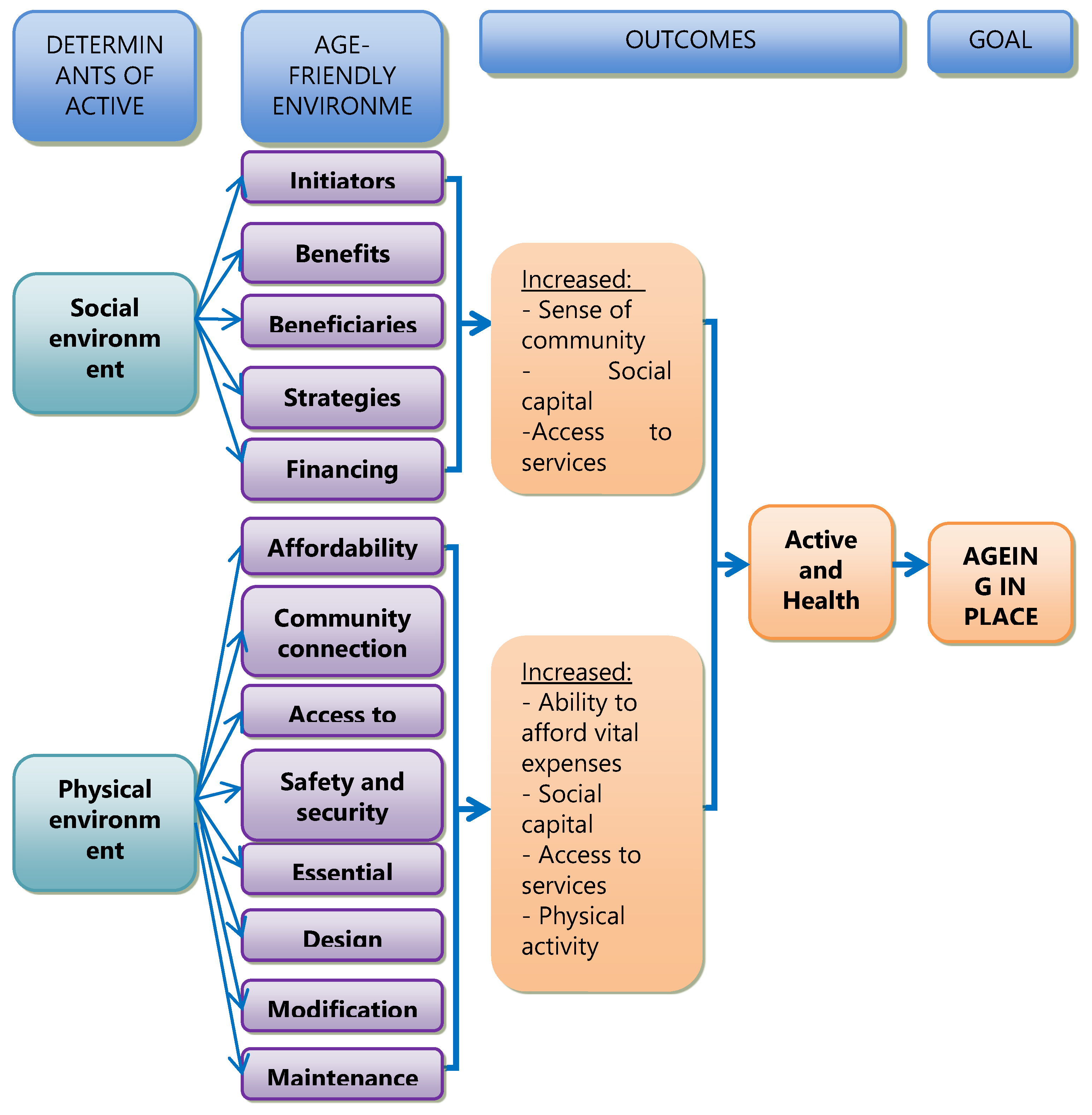
Figure 2.
Maps showing the location and information of the initiatives in New York City (left) and Spain (right). In blue, NORCs with site surveys. In green, NORCs with site surveys and resident surveys. The geographical dislocation of Spanish senior cohousing is evident. Source: Author.
Figure 2.
Maps showing the location and information of the initiatives in New York City (left) and Spain (right). In blue, NORCs with site surveys. In green, NORCs with site surveys and resident surveys. The geographical dislocation of Spanish senior cohousing is evident. Source: Author.
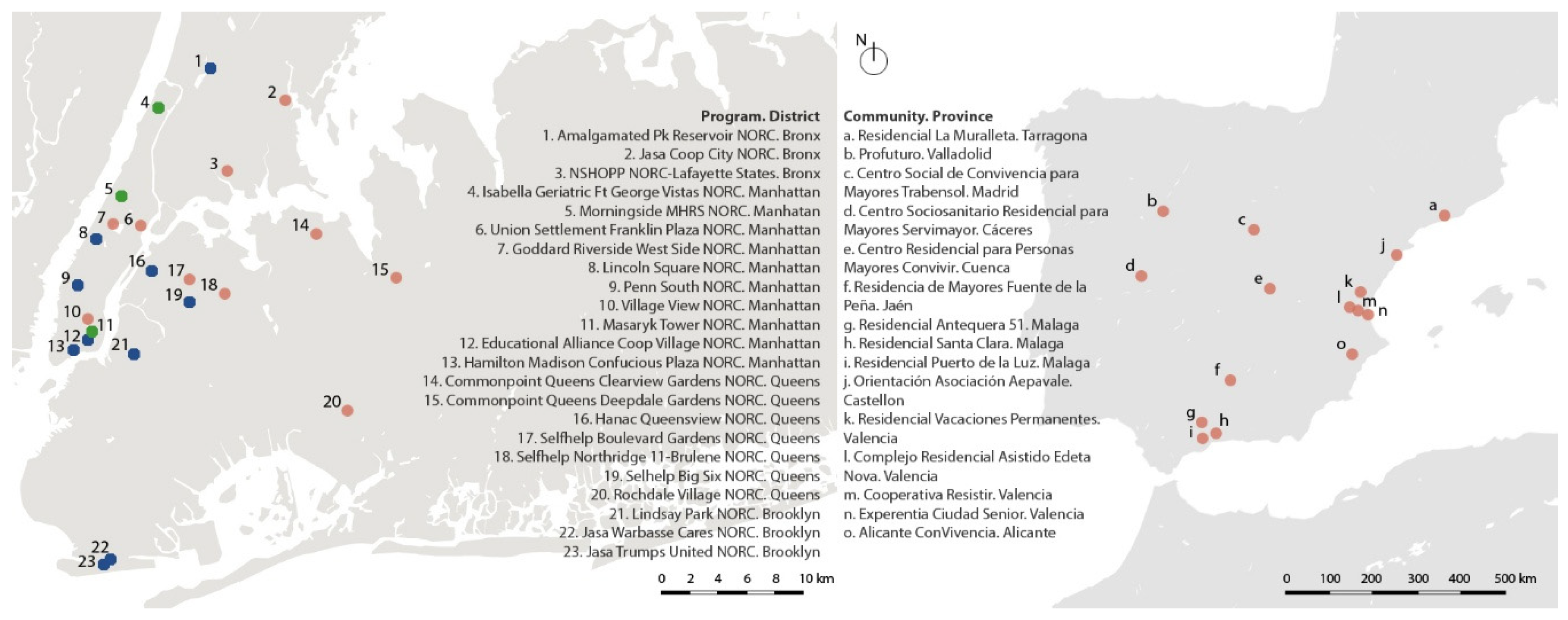
Figure 3.
Methodology flowchart. Source: Author.
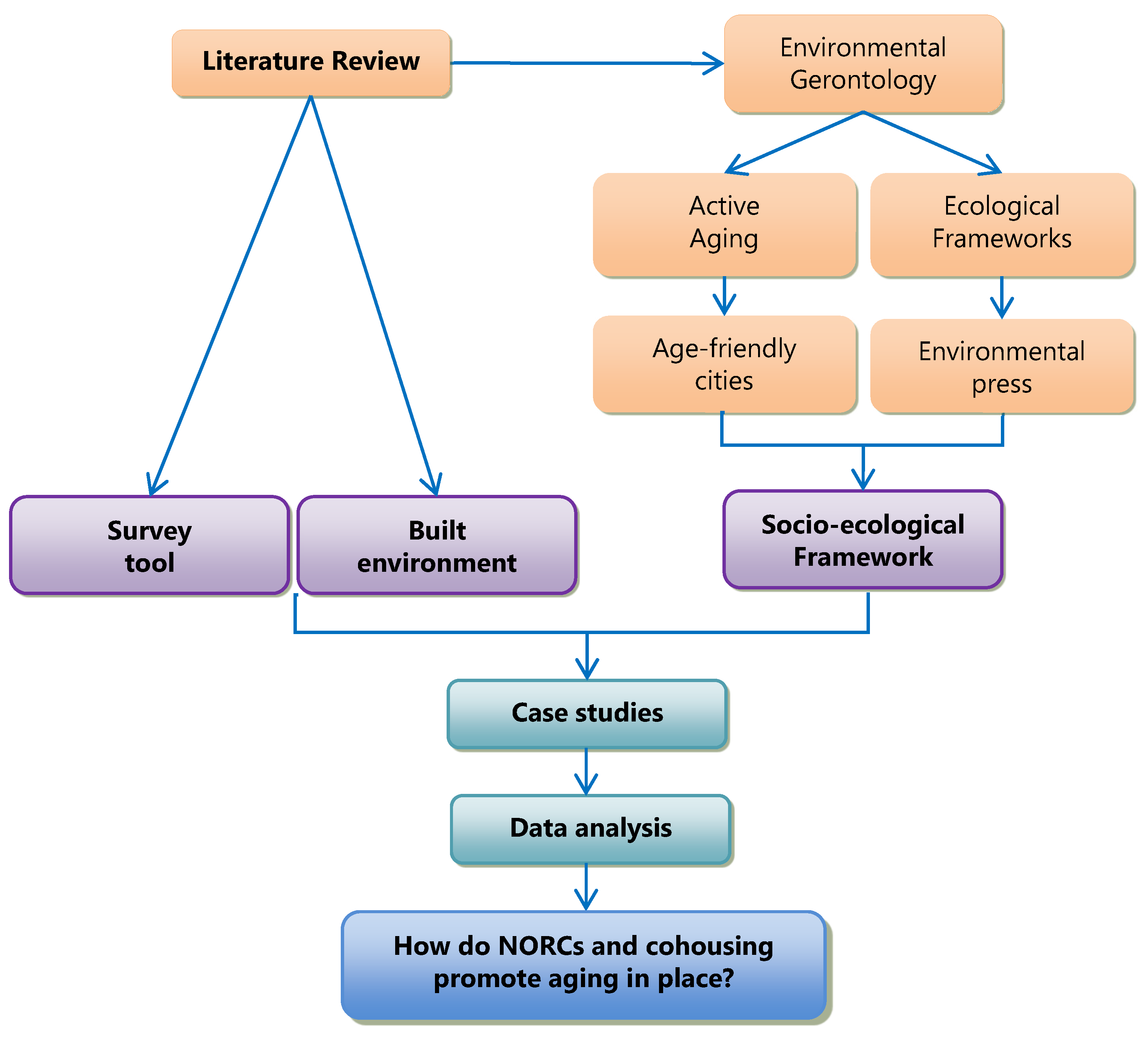
Figure 4.
Restoration works as part of Sandy Recovery Program at public housing developments in NYC. Source: Author, 2022.
Figure 4.
Restoration works as part of Sandy Recovery Program at public housing developments in NYC. Source: Author, 2022.
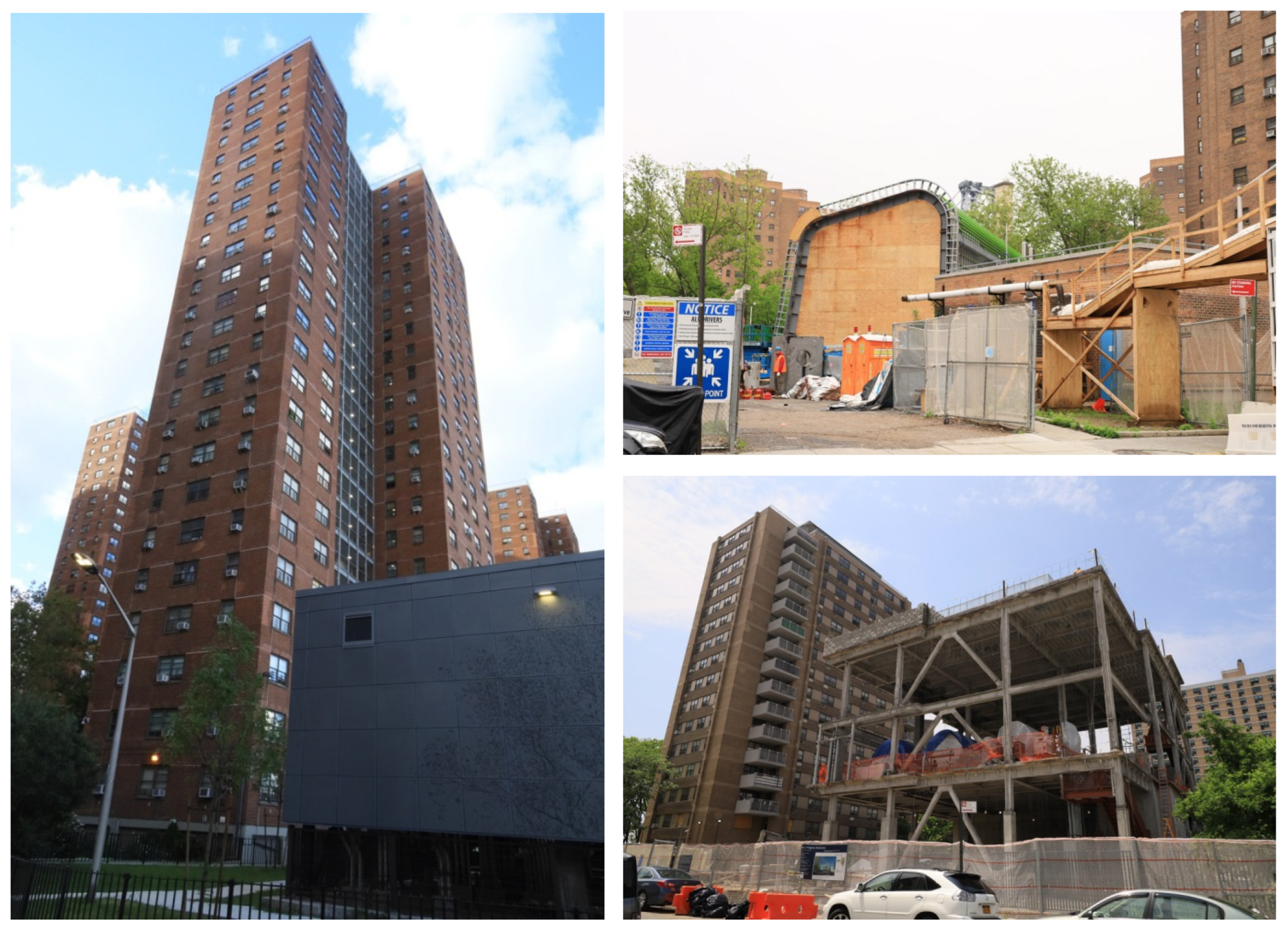
Figure 5.
Bioclimatic design of a Spanish cohousing project. Source: www.ecohousing.es.
Figure 5.
Bioclimatic design of a Spanish cohousing project. Source: www.ecohousing.es.
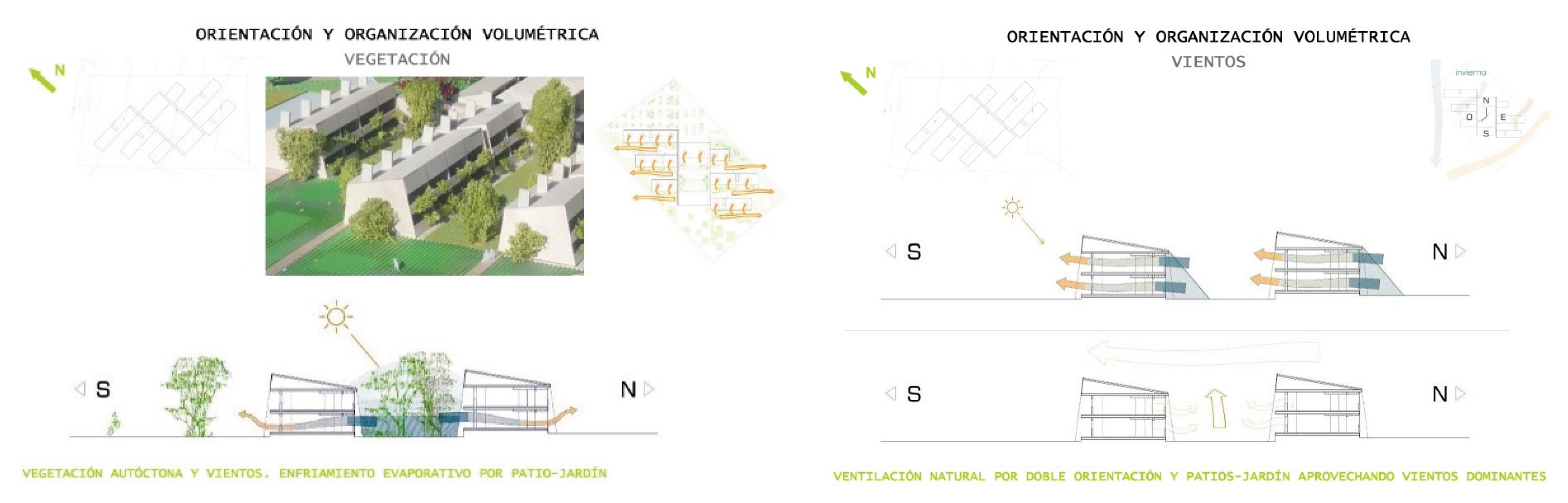

Table 1.
The social environment of Naturally Occurring Retirement Communities (NORC) programs and senior cohousing along ecologically-derived dimensions.
Table 1.
The social environment of Naturally Occurring Retirement Communities (NORC) programs and senior cohousing along ecologically-derived dimensions.
| Dimensions | NORC programs (New York) | Senior cohousing (Spain) |
|---|---|---|
|
Typically led by a social service provider who develops partnerships with residents and community-based organizations [21] | Led by prospective residents, who form a cooperative and guide the project’s development, design, and governance |
|
Promote civic engagement, build social relationships, enhance access to services | Promote civic engagement, build social relationships, enhance access to services |
|
60 years and older to be eligible. Residents low and moderate income [24], mostly older than 73 [18] | Typically accept members 50-70 years old. Residents middle to high income [59], with typical ages 60-90 [26] |
|
Services provided through organizational staff (58.16%), referrals to discounted providers (23.88%), and volunteers (32.29%) [20] | Services provided through organizational staff and member volunteers (e.g., cooking, maintenance) [58] |
|
Largely by the government and private corporations [21] | Largely by membership dues, with additional income from renting spaces and offering services to the broader community |
Table 2.
The physical environment of Naturally Occurring Retirement Communities (NORC) programs and senior cohousing along theoretically-derived dimensions.
Table 2.
The physical environment of Naturally Occurring Retirement Communities (NORC) programs and senior cohousing along theoretically-derived dimensions.
| Dimensions | NORC programs (New York) | Senior cohousing (Spain) |
|---|---|---|
|
Equity values $10,000-200,000 (affordable), monthly charges $400-1000 (1-bedroom); additional fees may apply (e.g., storage, A/C, other appliances) | Equity values 40,000-120,000€, monthly charges 500-1000€, including healthcare and housekeeping, but utilities may not always be included |
|
Shared communal spaces; many units have balconies overlooking extensive green areas | Shared communal spaces; most units have balconies overlooking green areas or landscaped courtyards |
|
Services onsite or within a few blocks; public transport (bus/subway) typically on the same block | Services typically within 1,000 m; communities outside larger cities have bus or subway access nearby |
|
Units often require safety modifications; communities typically have security, residents report feeling very safe [18] | Designed with safety in mind; many communities have security |
|
Central heating; individual air conditioning units [31]; some residents upgrade lighting or install emergency alarms [18] | Units may include central or underfloor heating, ducted air conditioning, smart lighting, and alarm switches |
|
Units 75-100 m² [56] (average 1.91 bedrooms) for 1-2 people [18], off-the-foyer layouts; accessible routes and common areas but units typically not fully accessible | Units 50-70m² (1-2 bedrooms) for 1-2 people; open-plan layout; both common areas and units are fully accessible |
|
Most residents have made minor modifications (grab bars, handrails); residents over 80 report accessibility challenges [18]; full accessibility retrofits may not be feasible [50] | Units are built to be fully accessible, minimizing or eliminating the need for later modifications |
|
Property maintenance included in monthly charges; units generally well maintained due to residents’ relatively high incomes [18] | Property maintenance included in monthly charges; individual units may be challenging for lower-income members |
Disclaimer/Publisher’s Note: The statements, opinions and data contained in all publications are solely those of the individual author(s) and contributor(s) and not of MDPI and/or the editor(s). MDPI and/or the editor(s) disclaim responsibility for any injury to people or property resulting from any ideas, methods, instructions or products referred to in the content. |
© 2026 by the authors. Licensee MDPI, Basel, Switzerland. This article is an open access article distributed under the terms and conditions of the Creative Commons Attribution (CC BY) license (http://creativecommons.org/licenses/by/4.0/).
Copyright: This open access article is published under a Creative Commons CC BY 4.0 license, which permit the free download, distribution, and reuse, provided that the author and preprint are cited in any reuse.


