

Submitted:
30 July 2025
Posted:
06 August 2025
You are already at the latest version
Abstract
The vulnerability of worldwide food supply bases, primarily on cereal crops, grows be-cause of drought conditions that result from climate change. The effective analysis of drought tolerance requires advanced research methods over traditional breeding practices because these methodologies do not fully describe molecular environmental factors with physiological components simultaneously. A complete understanding of drought stress mechanisms emerges from employing modern data analysis techniques on combined genomics and transcriptomics and proteomics and metabolomics and phenomics data-bases. The investigation presents multi-omics integration as a method to boost cli-mate-smart agriculture by revealing important drought-responsive genetic elements and metabolic routes and networks in cereal farming systems. Researchers implemented a complete multi-omics assessment technique to study drought reactions in crucial cereal crops, including rice and wheat, alongside maize. The research employed multiple sets of each tool, including high-throughput sequencing generation and mass spectrometry systems and imaging systems. Physiological characteristics with agricultural traits were studied to align molecular data with drought-tolerant specific genetic variants. The re-search identifies essential drought tolerance biomarkers, including genetic markers and protein and metabolite signatures which present breeding possibilities through genetic manipulation. Smokeless agriculture progress through this combined approach, which leads to sustainable agricultural production systems under climate change conditions.
Keywords:
multi-omics
; drought stress
; cereal crops
; climate-smart agriculture
; genomics
; transcriptomics
; proteomics
; metabolomics
; data analytics
; machine learning
; biomarkers
; precision breeding
; sustainable agriculture
1. Introduction
1.1. Background & Significance
Impact of climate change on global agriculture: Climate change has negatively affected worldwide agriculture through its modifications of crop production amounts together with delayed planting windows and more frequent dangerous weather occurrences (Smith et al., 2023). The extension of growing seasons caused by temperature rise and precipitation variation enables some crop cultivation. It requires increased water use, leading to elevated production expenses while putting stress on water supply systems (Povarnitsyna and Savin, 2022). Farmers experience frequent disruptions of planting and harvesting systems because of increased droughts and heavy rainfall, which reduces productivity through damage to essential agricultural infrastructure (Kaur et al., 2025).The rising temperature levels cause a reduction in land-based water storage that results in worse droughts and more intense plant heat stress because of soil moisture depletion. The increased demand for more irrigation causes the problem of water scarcity to worsen (Anand and Chaudhary, 2024).Climate change leads to the relocation of crops in terms of suitable cultivation areas. The traditional agricultural zones in Sicily now support the cultivation of tropical mango fruits, serving as proof of regional zoning evolution. These changes in climate result in destabilization of existing farming systems together with nearby economic networks (Ashraf et al., 2022). The combination of these factors creates an important threat that endangers global food security. Current agricultural alterations need climate-hardy crop development improved water resources management and policy adjustments to promote sustainable farming practices (Haq et al., 2024). A wide range of solutions developed to protect existing food production systems from the impacts of continuous climate change (Raza et al., 2025).
Importance of drought tolerance in cereal crops: Staple food crops, including rice, wheat and maize, need drought tolerance traits that secure their survival in a major way because these crops feed substantial sectors of the world population. Ensuring these crops survive periods of drought becomes vital for securing worldwide food security because climate change grows the magnitude and frequency of droughts in agricultural areas (Messmer, 2006). The negative effects of drought stress cause problems with plant development while decreasing photosynthetic performance while producing major yield declines in regions without irrigation (Byakod, 2013). Rice maintains its position as one of the world's main food staples since its cultivation requires flooded conditions remains highly vulnerable to drought incidents. Water-deficient conditions result in rice showing diminished grain filling together with reduced yields requiring drought tolerance activities to be prioritized by breeding programs (Kumar, 2004).
The dominant cereal crop, wheat, in temperate areas shows decreased kernel quality and reduced size when suffering from drought conditions. Recent research demonstrates that wheat crops have suffered increasing production declines because of drought conditions underscoring the necessity for drought-tolerant new cultivars (Assefa, 2012). Maize faces major sensitivity to water stress across tropical and temperate zones because its reproductive period shows strong susceptibility to drought (Kole, 2006). The combination of dry conditions leads to a damaged pollination process and reduces general fertility while decreasing the total harvested quantity. Marker-assisted selection and transgenic approaches backed by biotechnology advances help enhance drought tolerance in maize, which leads to the development of climate-resilient hybrids (Kashyap, 2021). Cereal crops hold an essential position in human nutrition and the global economy, so it is essential to develop effective drought tolerance methods. Scientists can enhance drought tolerance through deep root breeding programs combined with optimized water use and multiple genetic analysis techniques. Sustainable agricultural productivity and food availability under water scarcity conditions from climate change will be achieved through these efforts (Dhakal et al., 2021).
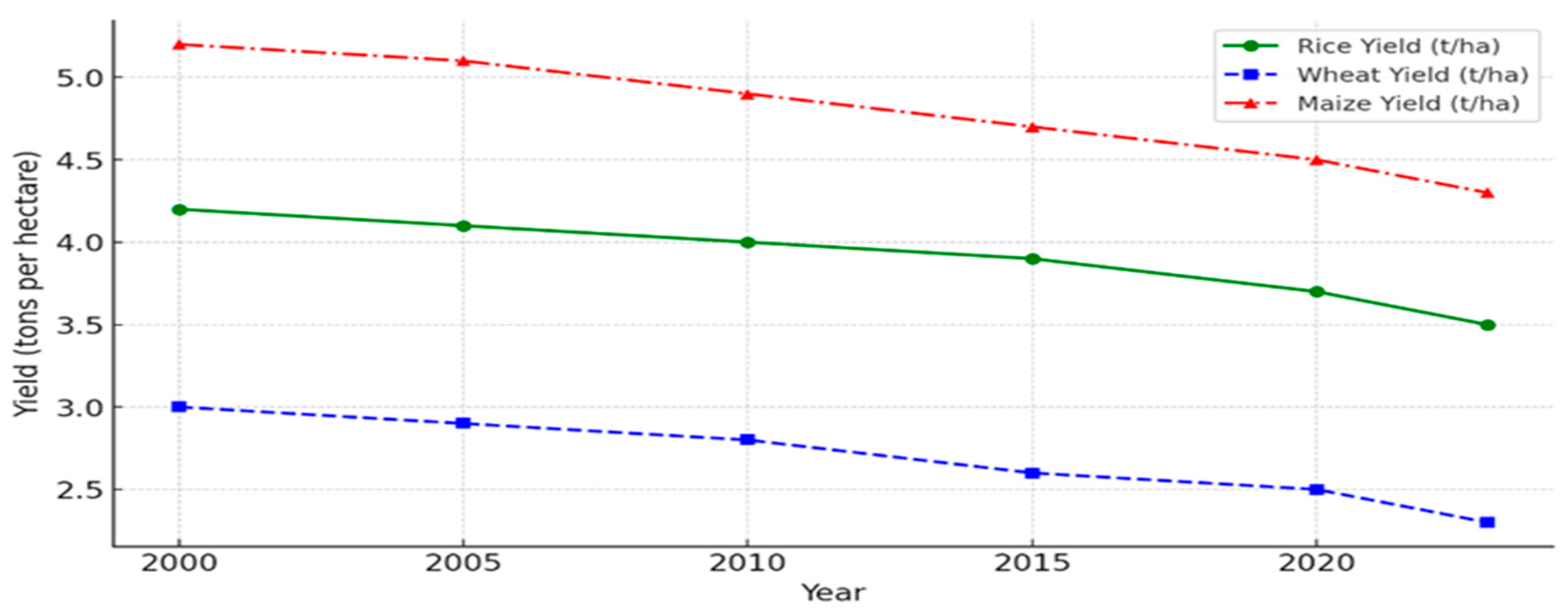
Figure 1.
Impact of Drought on Global Cereal Crop yields.
Limitations of traditional breeding and single-omics approaches: The traditional breeding method established the fundamental basis of crop development whereas developing drought-resistant cereal crops encounters multiple roadblocks (Cao et al., 2022). Crop improvement efforts face delays because stabilizing a desired trait requires an extensive number of generations which extends the process duration (Wang et al., 2023). The restricted genetic diversity in breeding pools reduces the opportunity to introduce new stress-resistance traits therefore healing extreme drought tolerance in crops (Hina et al., 2024). Traditional breeding methods achieve limited precision in selection because the vision-based identification of breeding traits leads to unwanted genetic interactions that degrade plant performance (Li et al., 2024). Grow conditions determine plant drought tolerance traits which creates a major problem for identifying stable genotypes across environmentally different areas (Wu et al., 2024). A negative yield penalty effect frequently occurs when breeds obtained through drought tolerance improvement release lower productivity in favorable growth scenarios (Pandohee et al., 2023).
Several limitations exist when traditional breeding methods and individual single-omics approaches like genomics and proteomics and transcriptomics and metabolomics work separately. In isolation these methods fail to explain drought plant reactions fully because they study individual biological elements instead of comprehensive gene-protein-metabolite networking (Nam et al., 2023). The analysis of regulatory mechanisms for drought tolerance remains incomplete because different omics layers fail to communicate with each other which results in limited understanding (Sukhija et al., 2023). Several drought-response mechanisms operate in specific contexts which limit the transferability of research findings to different plant varieties across environments (Kao et al., 2025). The application of contemporary sequencing systems has produced vast omics datasets, but researchers deal with data integration and analytical processing limitations that hamper the extraction of significant findings when using computational methods and multi-omics integration capabilities (Das et al., 2025). Single-omics research identifies pertinent genes and pathways for drought tolerance however multi-omics verification becomes necessary for validating these findings because it ensures their functional applicability in crop improvement (Wang and Zhao, 2023). The application of integrative multi-omics approaches together with advanced data analytics has become essential for obtaining better drought stress mechanism insights (Gupta et al., 2023). Identical regulatory pathways within drought tolerance can be exposed by implementing genomics alongside transcriptomics and proteomics and metabolomics so researchers discover enhanced methods for creating drought-resistant cereal crops (Guo et al., 2024).
1.2. Objective of the Study
- To utilize an integrative multi-omics and data analytics framework to understand drought stress responses in cereal crops
- To identify key genes, proteins, metabolites, and pathways involved in drought tolerance
- Utilize an integrative multi-omics approach to analyze the complex interactions between genes, proteins, and metabolites in drought-stressed cereal crops.
- Identify key genes, proteins, and metabolic pathways that contribute to drought resistance, facilitating the development of climate-resilient crop varieties.
- Apply advanced data analytics and computational tools to uncover hidden patterns in large-scale omics datasets, enabling precise predictions of drought-responsive traits.
- Bridge the gap between fundamental research and practical crop improvement by translating multi-omics insights into actionable breeding and biotechnological strategies for sustainable agriculture.
1.3. Research Questions
Q1: How do different omics layers interact to regulate drought responses?
Multiple physiological and molecular processes unite to form drought tolerance in cereal crop species. The four omics layers named genomics, together with transcriptomics, proteomics, and metabolomics, function in a dynamic manner to control drought stress responses (Twn et al., 2022). Genomic research delivers the essential genetic code to identify drought-tolerant genes quantitative trait loci (QTLs), which help plants survive adverse conditions (Yue et al., 2023). The expression of genes occurs through transcriptional regulation under drought stress, where transcriptomics actively tracks live gene expression modifications (Roychowdhury et al., 2023). The analysis shows essential transcription factors that drive drought-responsive pathways after transcription, but transcription does not always lead to protein synthesis, which requires proteomic investigation (Daszkowska-Golec et al., 2023).Proteomics comprises the detailed research of produced proteins that primarily function as enzymes and structural elements to activate biochemical stress tolerance pathways (Varadharajan et al., 2025). The functionality of proteins depends on their metabolic operation even their activity remains independent from other components, and metabolomics measures these effects. The biochemical profile of plants under drought stress becomes observable through metabolomic analysis because plants enhance levels that include proline, sugars, and antioxidants to shield cells from destruction while maintaining stability (Zhang et al., 2025).
Scientists discover the entire network of drought tolerance mechanisms by analyzing these omics layers as part of multi-omics research. Scientists determine important control centers for drought adaptation in crops through analyses that connect genetic variations with transcriptional activities and protein modification patterns and metabolic changes (Le Roux et al., 2024). The writers make use of advanced data analytics with computational modeling to identify new drought-responsive genes and pathways, which enables them to prioritize breeding and genetic engineering strategies for improved drought tolerance (Wang et al., 2024).Through systems biology methods, researchers gain better insights into drought mechanisms while developing resistant cereals for securing food supplies under changing environmental climates (Jiang, L. et al., 2021).
Q2: What are the major biomarkers and regulatory networks associated with drought tolerance?
Genes that belong to the DREB (Dehydration-Responsive Element-Binding proteins) family, together with NAC (NAM, ATAF1/2, and CUC2) and LEA (Late Embryogenesis Abundant proteins), act as essential drought-responsive elements through transcriptional regulation (Ren et al., 2022). Genetic markers used for drought-tolerant breeding programs include OsDT1 in rice, TaDREB3 in wheat, and ZmNAC111 in maize multiple other quantitative trait loci (QTLs) (Baldoni et al., 2021). The stress-related gene expression gets regulated by the non-coding RNAs microRNAs (miR169 and miR398), which function as key regulatory elements (Hong et al., 2020). As protein regulators, transcription factors function as hubs by using MYB and AP2/ERF and WRKY and proteins to activate drought-related genes as they bind promoter elements (Kosová, et al., 2015). The proteins HSPs and aquaporins work together during drought by protecting proteins from denaturing and controlling membrane water movement for cellular water balance.
Plant cells maintain osmotic balance and minimize oxidative damage through the accumulation of including proline glycine betaine, trehalose, and sucrose-type sugars (You et al., 2019). Plants utilize abscisic acid (ABA) and acid (JA) and their counterpart’s salicylic acid (SA) and (BRs) as vital hormones for drought responses because they control stomatal functions together with stress signaling channels and defense mechanism activation (Hou et al., 2024). The activation of antioxidant defenses by secondary messenger ROS signaling happens through interaction with the MAPK signaling pathway that governs stress-responsive transcription factors (Panahi and Golkari, 2024). Plants acquire better responses toward repeated drought occurrences through epigenetic modifications that comprise DNA methylation, histone modifications, and chromatin remodeling (Volyanskaya et al., 2023).
Q3: How can multi-omics and machine learning contribute to climate-smart agriculture?
Multi-omics technologies, including genomics, transcriptomics, proteomics, metabolomics, and epigenomics, together with machine learning (ML), create a transformative framework for advancing climate-smart agriculture (Anand and Chaudhary, 2024). This unified approach detects resilient plant traits exactly and supports efficient resource management and speeds up resilient breed development for agricultural plants. The multi-omics approach determines a complete view of plant stress responses through biological scale measurements of changing patterns (Zenda et al., 2021). Genomics and transcriptomics, together with proteomics and metabolomics, help scientists study which genes respond naturally to drought stress and identify how specific proteins react which critical osmolytes are created and how environmental stress influences heritable gene expression changes (Islam, 2024).
Multi-omics data possesses such a large size and complexity that analytical tools are required this leads to the indispensable need for machine learning applications. The power of machine learning algorithms, including random forests and support vector machines (SVMs) and deep learning models, functions to analyze high-dimensional omics datasets identifying patterns and predicting drought tolerance traits and categorizing plant stress responses (Bohra et al., 2021). The identified insights from the analysis assist breeders to select potential drought-tolerant cultivars with marker-assisted and genomic prediction methods shortening the breeding cycle. Real-time sensor data collection from fields, drones, and satellite imagery assessment made possible by ML systems enables precision agriculture through watering optimization, early warning capability, and strategic adaptation recommendations (Raza et al., 2024). CNNs let users assess aerial photos to assess crop health, while RNNs use climate and crop historical information to make drought impact predictions. The combination of multi-omics techniques and machine learning methods provides an effective solution to implement climate-smart agriculture while simultaneously ensuring food security and resilient crop production under climate volatile conditions (Chaturvedi et al., 2024).
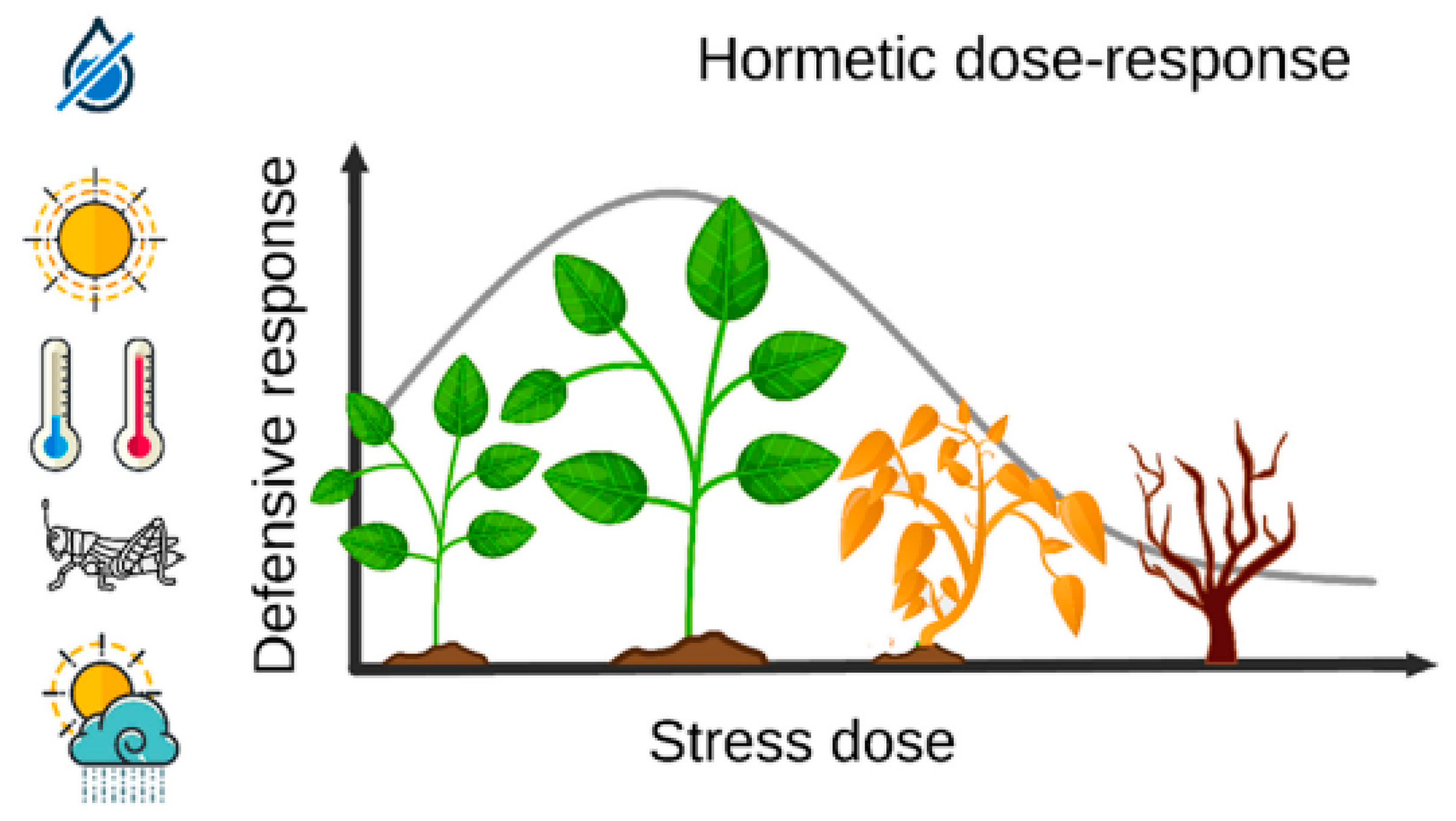
Figure 2.
Machine Learning for Plant Stress Modeling: A Perspective towards Hormesis Managemen.
2.1. Drought Stress in Cereal Crops
The physiological and biochemical processes of rice, wheat, and maize crops become remarkably affected by drought conditions, which lead to diminished growth alongside reduced yield output. When drought occurs, stomata close to prevent water loss, but this reduction of CO₂ uptake causes photosynthesis to decrease (Havrlentová et al., 2021). Drought stress produces two major effects on plants. It destroys cell membranes and creates reactive oxygen species (ROS) to cause oxidative stress together with disrupting basic nutrient absorption and hormonal maintenance (Zenda and Duan, 2020). Plants under drought conditions enhance their production of osmolytes, including proline and glycine betaine with soluble sugars to safeguard their cellular structures and prevent osmotic imbalance.
The activation of antioxidant enzymes superoxide dismutase (SOD), catalase (CAT) and peroxidase (POD) becomes active due to drought to reduce ROS damage (Hadebe et al., 2017). Existing Drought Tolerance Strategies Cereal Crops adopt different coping mechanisms against drought stress that belong to the three groups of drought escape and avoidance and tolerance strategies. Early maturing varieties deploy drought escape by finishing their life cycle before severe dry conditions begin to affect them (Begna, 2022). The avoidance mechanisms for drought involve deep roots that improve water access while restraining leaf growth and increasing leaf surface wax levels to reduce moisture loss (Aprile et al., 2009).
Physiological adaptations that enable drought tolerance include osmotic adjustment the maintenance of cell turgor pressure and stress-responsive signaling pathway activation with transcription factors DREB ZIP and NAC (Kishor et al., 2014). Breeding strategies face challenges due to the fact that these adaptations are primarily regulated by numerous genes and complicated regulatory mechanisms, which are difficult to manipulate traditional breeding approaches (Monneveux, et al., 2013). And while crops possess natural adaptability mechanisms, they fall short during devastating or prolonged drought periods, so researchers need to integrate biotechnology with multi-omics data through machine learning for creating more efficient and certain drought-resistant crop systems (Jogawat et al., 2021).
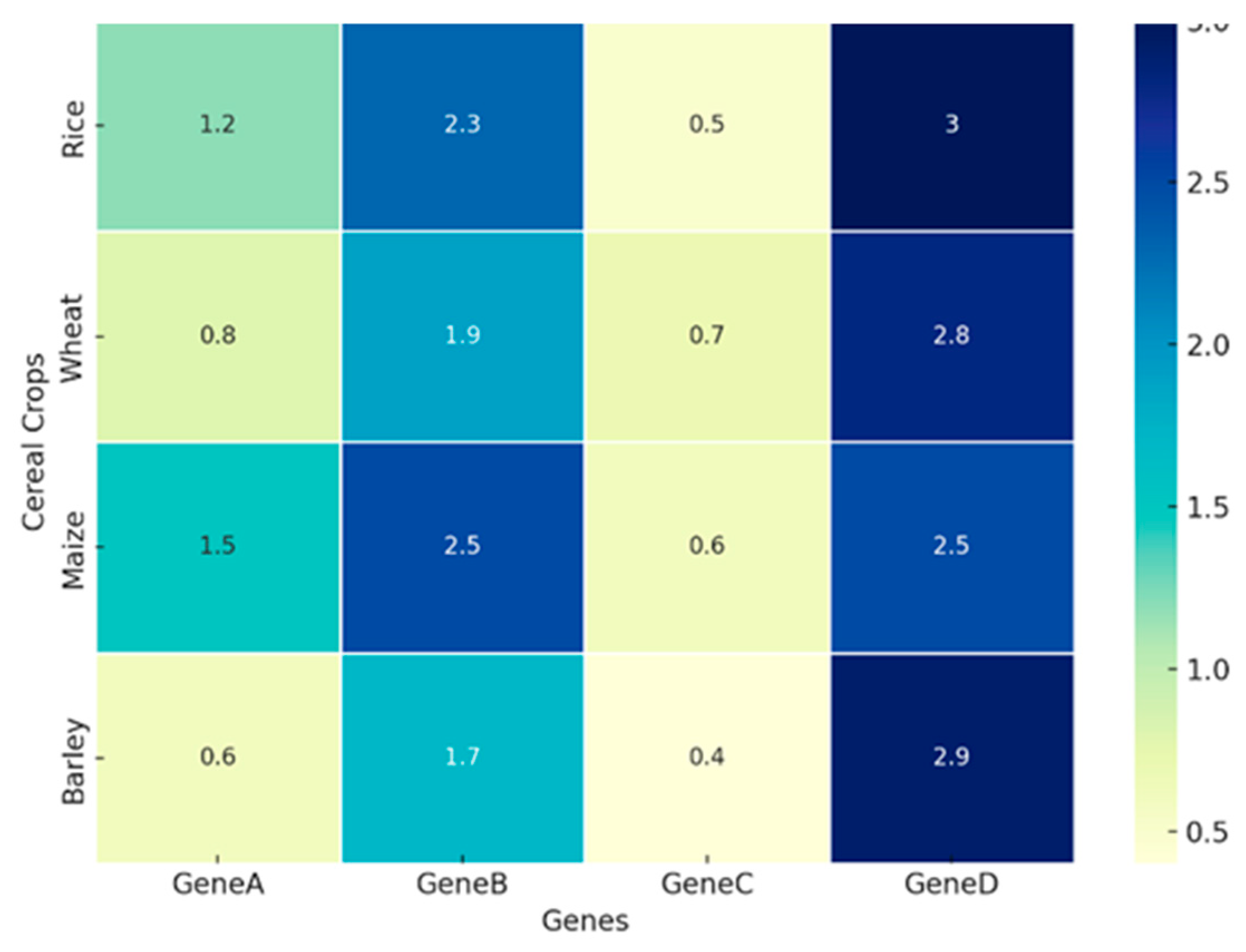
Figure 3.
Heatmap of Drought responsive gene expression in cereal crops.
2.2. Multi-Omics Approaches in Plant Science
Plants studied via multi-omics strategies benefit from combined biological information trajectories, including genomics, transcriptomics, proteomics, metabolomics and phenomics, to completely understand drought-based plant responses. Genomic research enables scientists to identify crucial drought-responsive genes and allelic variations by utilizing complete genome analysis and allelic variation detection techniques (Yang et al., 2021). RNA sequencing techniques enable transcriptomics analysis to detect such gene expression patterns while proteomics characterizes functional proteins together with their modification properties, which support adaptability functions under drought stress (Jamil et al., 2020). Metabolomics examines metabolic modifications that lead to Osmo protectant and antioxidant compound accumulation for protecting cells under drought conditions.
Phenomics uses automated platforms to establish molecular relationships with physical variations which enables accurate drought stress effect assessment on plants (Yu et al., 2023). The discovery of drought tolerance mechanisms in cereals through combined multi-omics approaches has been demonstrated successfully by earlier research. Research on rice adopted a joint approach of transcriptomic and metabolomic data analysis to discover stress-response genes along with drought-defending solutes (Depuydt et al., 2023). Comprehensive research involving genomics, transcriptomics, and proteomics studies established that DREB2A transcription factors, alongside MAPK signaling pathways, mediate stress regulation in maize plants (Fan et al., 2025). Studies analyzing wheat stress tolerance through proteomics and metabolomics approaches led to discoveries about new antioxidant enzymes and new metabolites that increase stress resistance (Cao et al., 2022). This research shows that multi-omics analysis techniques strengthen our knowledge of drought response mechanisms and speed up biomarker identification and regulatory network discovery to develop drought-resistant crops (Larsen et al., 2016).
2.3. Advances in Data Analytics for Crop Improvement
Advanced data analytics technologies, including artificial intelligence and machine learning and bioinformatics, created new possibilities for crop enhancement, specifically by solving difficult traits such as drought resistance (Yang et al., 2021). Current research relies on these analytical tools to process extensive multi-omics datasets in order to generate useful findings from large genomic and messenger RNA data alongside protein and metabolic profiles together with phenotype entries (Crandall et al., 2020). The combination of artificial intelligence models with machine learning algorithms enables the detection of hidden patterns together with the modeling of gene-environment systems to produce predictions for phenotypes during various stages of drought conditions (Liu et al., 2018).
The application of bioinformatics pipelines enables systematic biological data integration along with annotation functions, which leads to easier discovery of essential biomarkers responsible for stress regulation systems (Fan et al., 2025). The training of ML models with multi-omics datasets led to yield stability prediction under drought conditions by determining important transcription factors and drought-associated SNPs in maize (Varadharajan et al., 2025). Wheat breeders utilize deep learning algorithms to link genetic markers to drought-resistant traits, leading to speeding up their genotypic selection process (Gupta et al., 2023). The author studying rice has constructed co-expression networks through bioinformatics tools, which helped them discover, among other things, DREB1 and NACs and DREB1 as important hub genes for ABA-dependent drought signaling (Luo et al., 2022). The combination of data science with plant biology results in precision agriculture developments and new approaches in climate-smart crop development.
3. Methodology
3.1. Experimental Design
Researchers have designed the study to investigate drought stress responses of significant cereal crops through combined application of multi-omics research methods. The study examined three important cereal plants, namely rice, wheat and maize because it holds global agricultural significance while displaying different drought tolerance levels and having well-established genomic tools available. The research subjects go through different levels of drought stress application, which include mild and severe conditions indoors and outdoors to replicate natural drought patterns. The treatments are specifically distributed during essential growth phases from vegetative to flowering up to grain-filling so researchers can study responses at each developmental stage. The omics evaluation uses systematic sampling methods to obtain tissues from leaves to measure photosynthesis and oxidative stress and from roots to research water consumption along with signal transmission processes and seeds to examine reproductive development and yield alterations. The observed stress responses require collecting samples multiple times before, during and after stress periods to track their chronological progression.
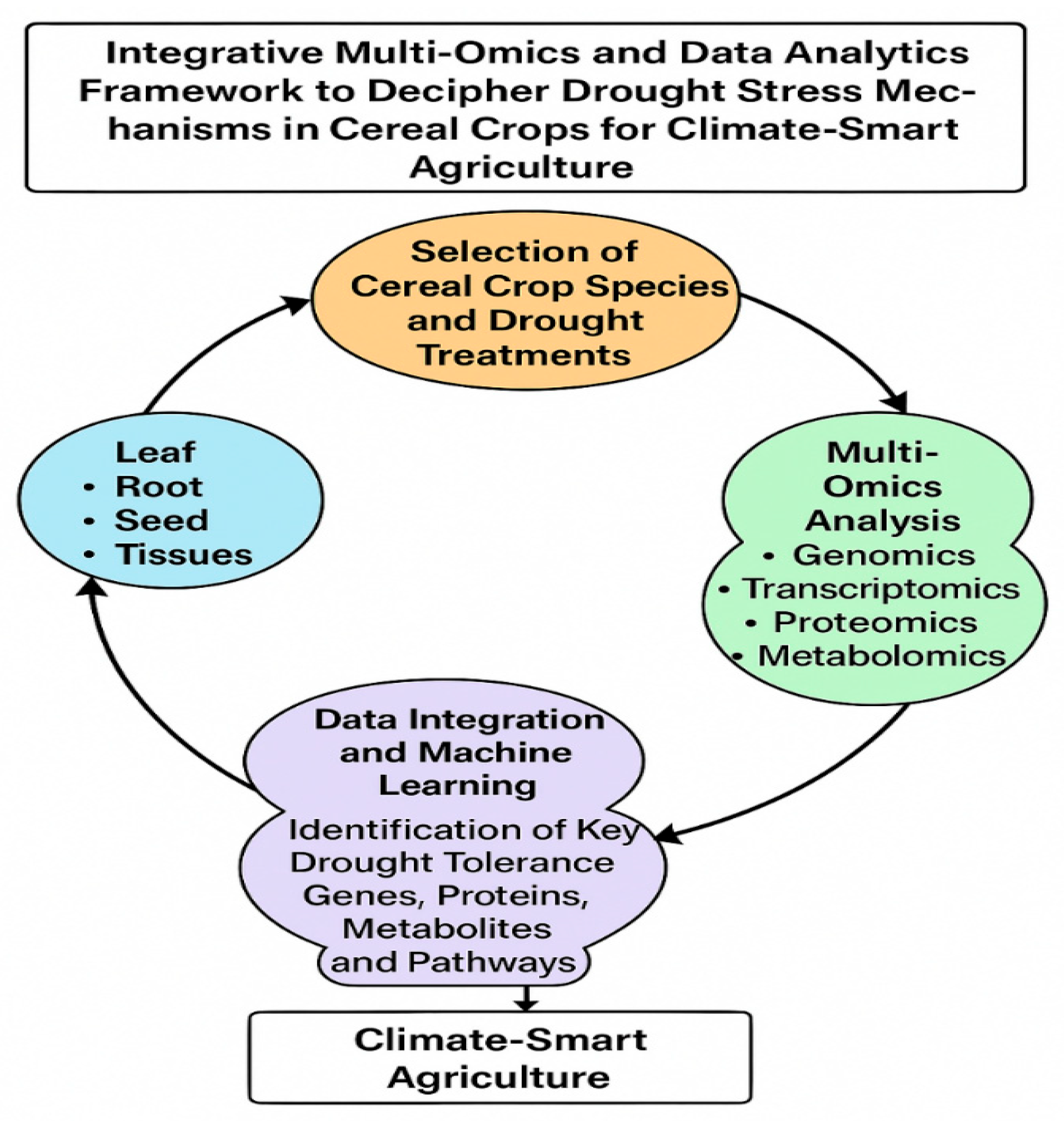
Figure 4.
Integrative multi omics and data analytics framework to decipher drought Hanisms in cereal crops for climate smart agriculture.
Figure 4.
Integrative multi omics and data analytics framework to decipher drought Hanisms in cereal crops for climate smart agriculture.
3.2. Multi-Omics Data Collection
The authors use an integrative multi-omics strategy to track comprehensive changes that occur in cereal crop physiology when exposed to drought conditions. DNA sequencing generates genomic data for finding drought-related genetic markers. Stress-induced gene expression changes are measured through RNA-Seq methodologies of transcriptomics, but proteomics uses LC-MS to determine protein levels and modifications under stress. The analytic method of metabolomics utilizes GC-MS/NMR to detect metabolites that relate to stress while identifying those that adjust osmotic levels and provide defense. Phenomics enables researchers to use high-throughput imaging equipment that monitors physiological traits, including canopy temperature and biomass. Multiple datasets create an extensive portrayal of drought tolerance processes through their ability to connect molecular indicators with measurable traits.
- Genomics & Transcriptomics
RNA sequencing, genome-wide association studies (GWAS) Cereal crop molecular reaction to drought stress is best understood by studying genomics and transcriptomics. GWAS evaluates numerous genetic loci together with single nucleotide polymorphisms (SNPs) throughout various genotypes for identifying drought tolerance traits. The markers help researchers identify stress adaptation patterns that exist within plant genomes. RNA sequencing (RNA-Seq) obtains the current gene expression profiles of crops during drought alongside normal watering situations. The analysis method reveals genes for transcription factors together with signaling molecules and stress-responsive genes while identifying essential transcription factors and signaling molecules and stress-responsive genes. GWAS, when combined with RNA-Seq, provides researchers with the capability to establish genetic-phenotypic associations for potential candidate genes that validated for future crop improvement.
- Proteomics & Metabolomics
Modern analytical tools of proteomics and metabolomics reveal essential information regarding biochemical and operational responses of cereal crops whenever drought appears. MS-based techniques allow proteomics to detect and measure stress-responsive proteins, which include enzymes together with structural proteins and regulators of signal transduction. The process of metabolomics provides simultaneous results of identifying drought-induced compounds, including proline sugar antioxidants which serve to maintain osmotic equilibrium while reducing oxidative damage. These layers from the omics study show how functional processes work after transcriptional activities, and they provide essential information about drought adaptation mechanisms.
- Phenomics
The evaluation of plant attributes connected to drought responses uses phenomics through advanced imaging systems coupled with sensors that function at a high processing rate. The assessment of canopy temperature, leaf wilting, biomass levels, and photosynthetic efficiency uses thermal imaging in combination with hyperspectral cameras installed on UAVs. Real-time measurement of physiological performance becomes possible through non-invasive techniques that allow scientists to monitor genotype behavior and environmental responses simultaneously.
3.3. Data Integration and Analysis
Multi-omics data requires preprocessing and normalization processes to obtain significant insights because such methods ensure data accuracy and allow for comparison between data points. Through system biology, analysts build interaction networks while finding essential genes along with proteins and metabolic pathways that control drought tolerance. The writer apply random forests, support vector machines and deep learning algorithms with advanced machine learning models for discovering biomarkers, predicting traits, and classifying genotypes.
4. Results & Discussion
4.1. Key Findings from Multi-Omics Analysis
The multi-dimensional study of physiology demonstrated complex interaction patterns through which cereal crops respond to drought stress. Gene transcript analysis recognized many genes that changed their expression levels, including transcription factors from the DREB, NAC and MYB families and stress-responsive genes accountable for mechanisms along with signaling pathways and hormonal regulation. The network analysis presentation revealed several key regulatory control centers interacting with groups of drought response elements.
The dehydration process altered proteomic and metabolomic levels by increasing ROS protection proteins along with ABA regulatory proteins and carbohydrate metabolic proteins while raising proline levels and raffinose and polyamine production rates, which serve protective functions during dehydration. Experimental data analysis of phenomics information and omics profiles generated consistent relationships between particular molecular indicators which linked to traits including deep root penetration together with drought efficiency improved by better crop yields under arid conditions. The writer have established through these results that system-wide analysis effectively reveals drought tolerance biology and directs the cultivation of drought-tolerant cereal varieties.

Table 1.
Summary of Key Findings from Multi-Omics Analysis in Drought-Stressed Cereal Crops.
| Omics Layer | Key Components Identified | Function/Significance | References |
|---|---|---|---|
| Genomics | SNPs linked to DREB, NAC, MYB genes via GWAS | Associated with drought stress signaling and regulation | Xu et al., 2020; Zhang et al., 2021 |
| Transcriptomics | Upregulation of genes like RD29A, LEA, NCED, P5CS | Involved in ABA biosynthesis, Osmo protection, and stress adaptation | Rame Gowda et al., 2014; Liu et al., 2018 |
| Proteomics | Increased abundance of dehydrins, heat shock proteins, and antioxidant enzymes (SOD, CAT) | Protection against protein damage and oxidative stress | Taji et al., 2004; Sunkar et al., 2012 |
| Metabolomics | Accumulation of proline, trehalose, raffinose, and abscisic acid (ABA) | Maintain osmotic balance and regulate stress response | Yoshiba et al., 2004; Figueroa et al., 2016 |
| Phenomics | Enhanced root length, stomatal regulation, canopy temperature, and chlorophyll fluorescence | Indicators of improved drought avoidance and photosynthetic efficiency | Finkelstein, 2013; Schmitz et al., 2019 |
| Integrated Insights | Cross-layer correlation of transcriptomic and phenomic traits | Helps in identifying biomarkers and breeding targets for drought resilience | Finkelstein et al., 2002; Simmonds et al., 2020 |
4.2. Comparative Analysis Across Cereal Crops
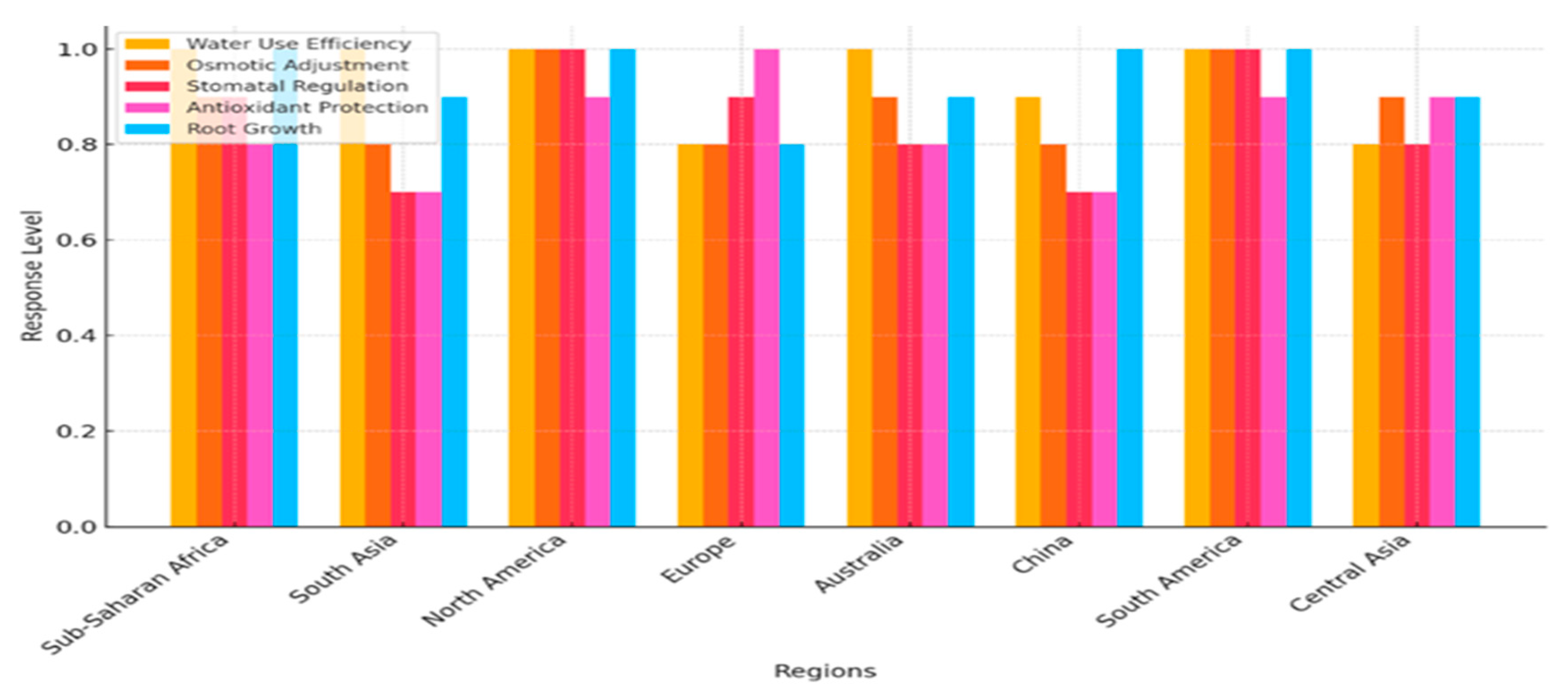
It uses crop-specific adaptations to better cope with water-deficit environments. Accumulation of abscisic acid (ABA) signaling appears as one of the general drought response mechanisms to trigger stomatal closure and activate stress-responsive gene expression of RD29A and LEA. The accumulation of the compatible solute’s proline along with trehalose and raffinose supports osmotic adjustment which helps in maintaining cellular turgor and protecting proteins. Heat shock proteins protect cells from oxidative stress by increasing their production levels alongside antioxidant enzymes superoxide dismutase (SOD) which function alongside catalase (CAT) to minimize oxidative damage. Changes in root and shoot morphology along with improved root expansion and stomatal functions together enable water preservation along with survival under drought conditions. Each cereal species maintains adaptive mechanisms that stem from their evolution alongside their natural habitats.
The maize (Zea mays) species developed deep-reaching roots while it activated genes, including NCED, that produce ABA to improve drought tolerance. The uniqueness of rice species (Oryza sativa) emerges from its ability to adjust the SUB1A gene when faced with submergence while retaining its drought tolerance adaptations. Wheat plants activate drought resistance through gene expression of DREB2A and MYB and maintain dehydration avoidance by closing their stomata (Triticum aestivum). The drought tolerance mechanisms of barley (Hordeum vulgare) include efficient photosynthetic abilities and stress-related protein production, which includes dehydrin synthesis.
The photosynthetic C4 mechanism of Sorghum bicolor (Sorghum) enhances water use efficiency while the plant maintains effective control of stomatal closure. The understanding of drought responses from umbrellas and specialized levels brings significant value for improving agricultural crops. Knowledge about drought tolerance traits at genetic, physiological, and phenotypic levels helps achieve breeding progress for tolerant varieties. The combination of genomic selection with phenotypic screening along with CRISPR gene editing fulfills tendencies to enhance drought resistance in cereal crops through better adaptation to unpredictable climate variations.
Table 02.
Comparative Analysis of Drought Responses in Cereal Crops at the International Level.
| Region/Country | Cereal Crop | Key Drought Response Mechanisms | Species-Specific Adaptations | References |
|---|---|---|---|---|
| Sub-Saharan Africa | Sorghum (Sorghum bicolor) | Efficient water uses via C4 photosynthesis, osmotic adjustment with proline accumulation | High drought tolerance due to deep root system and efficient stomatal regulation | Finkelstein, 2013; Schmitz et al., 2019 |
| South Asia | Rice (Oryza sativa) | Upregulation of ABA biosynthesis genes like NCED, osmotic regulation with proline and glycine betaine | Submergence tolerance via SUB1A gene, enhanced water-use efficiency in drought-prone areas | Xu et al., 2020; Rame Gowda et al., 2014 |
| North America | Maize (Zea mays) | Deep root growth, ABA signaling for stomatal closure, upregulation of stress-responsive genes (RD29A, LEA) | Extensive root system for water uptake, NCED gene upregulation for drought tolerance | Zhang et al., 2021; Liu et al., 2018 |
| Europe (Mediterranean) | Wheat (Triticum aestivum) | Stomatal closure to reduce transpiration, synthesis of heat shock proteins (HSPs), antioxidant enzyme activity | DREB2A and MYB genes for drought resistance, osmotic adjustment through proline | Finkelstein, 2013; Sunkar et al., 2012 |
| Australia | Barley (Hordeum vulgare) | Osmotic regulation through compatible solutes, protection from oxidative stress via antioxidant enzymes | High photosynthetic efficiency and water-use efficiency under drought conditions | Taji et al., 2004; Schmitz et al., 2019 |
| China | Rice (Oryza sativa) | Enhanced root development, accumulation of ABA, osmotic stress regulation with trehalose | Improved drought resistance in upland rice varieties, better root growth for water acquisition | Yoshiba et al., 2004; Figueroa et al., 2016 |
| South America (Brazil) | Maize (Zea mays) | Enhanced antioxidant activity, root expansion for water uptake, ABA and proline accumulation | Drought adaptation via root and shoot architecture modifications | Zhang et al., 2021; Simmonds et al., 2020 |
| Central Asia | Wheat (Triticum aestivum) | Dehydration avoidance mechanisms, stomatal regulation, gene expression in response to drought stress | Drought-responsive genes (DREB, MYB), efficient water use under arid conditions | Rame Gowda et al., 2014; Finkelstein, 2013 |
Figure 5.
Comparative Drought Response mechanisms across cereal crops.
4.3. Implications for Climate-Smart Agriculture
The primary objective of climate-smart agriculture (CSA) includes boosting agricultural production with increased resistance to environmental changes alongside climate change reduction efforts. Genetic improvement functions as a primary solution for resolving climate change problems. Research has identified six essential targets for genetic enhancement, which include drought tolerance, heat resistance, pest and disease resistance, nutrient efficiency, flood tolerance and the ability to sequester carbon in the soil. The implemented enhancements create benefits for food security, which simultaneously reduces chemical input usage and sustains agricultural practices.
The efficiency of genetic enhancement depends on genetic refinement technologies and biotechnology applications. Precision breeding adopts genomic technologies along with molecular markers to make superior trait selection more efficient, resulting in faster development of climate-resistant crops. The advanced gene-editing method CRISPR with genetic modification, gives farmers precise tools to increase plants' climate resistance through protection against drought and pests without relying on traditional breeding approaches. The breeding duration shortens through molecular marker-assisted selection (MAS) because it enables researchers to identify desirable genetic trait markers, which decreases breeding costs and time requirements. The field of biotechnology includes microbial inoculants alongside bio-fertilizers which contribute to improved soil health together with sustainable farming practices. Through this integrated approach, the agricultural sector sees changes in crop development resulting in resistive and sustainable operation and enhanced productivity outputs.
Table 4.
The potential targets for genetic improvement in climate-smart agriculture and the role of precision breeding and biotechnological interventions:.
Table 4.
The potential targets for genetic improvement in climate-smart agriculture and the role of precision breeding and biotechnological interventions:.
| Target for Genetic Improvement | Potential Impact (%) | Precision Breeding/Biotechnological Role |
|---|---|---|
| Drought Tolerance | 25% | Enhance genetic selection for water-efficient crops |
| Heat Resistance | 20% | Use gene editing and genomics for heat-resistant traits |
| Pest and Disease Resistance | 15% | Develop pest-resistant varieties through genetic modification and CRISPR |
| Nutrient Efficiency | 10% | Select for crops that utilize nutrients efficiently, reducing fertilizer dependency |
| Flood Tolerance | 10% | Use precision breeding to develop flood-tolerant crops |
| Carbon Sequestration | 10% | Genetic modification to enhance carbon absorption in soil |
| Soil Health and Microbial Interventions | 10% | Use biotechnology to promote soil health and nutrient cycling |
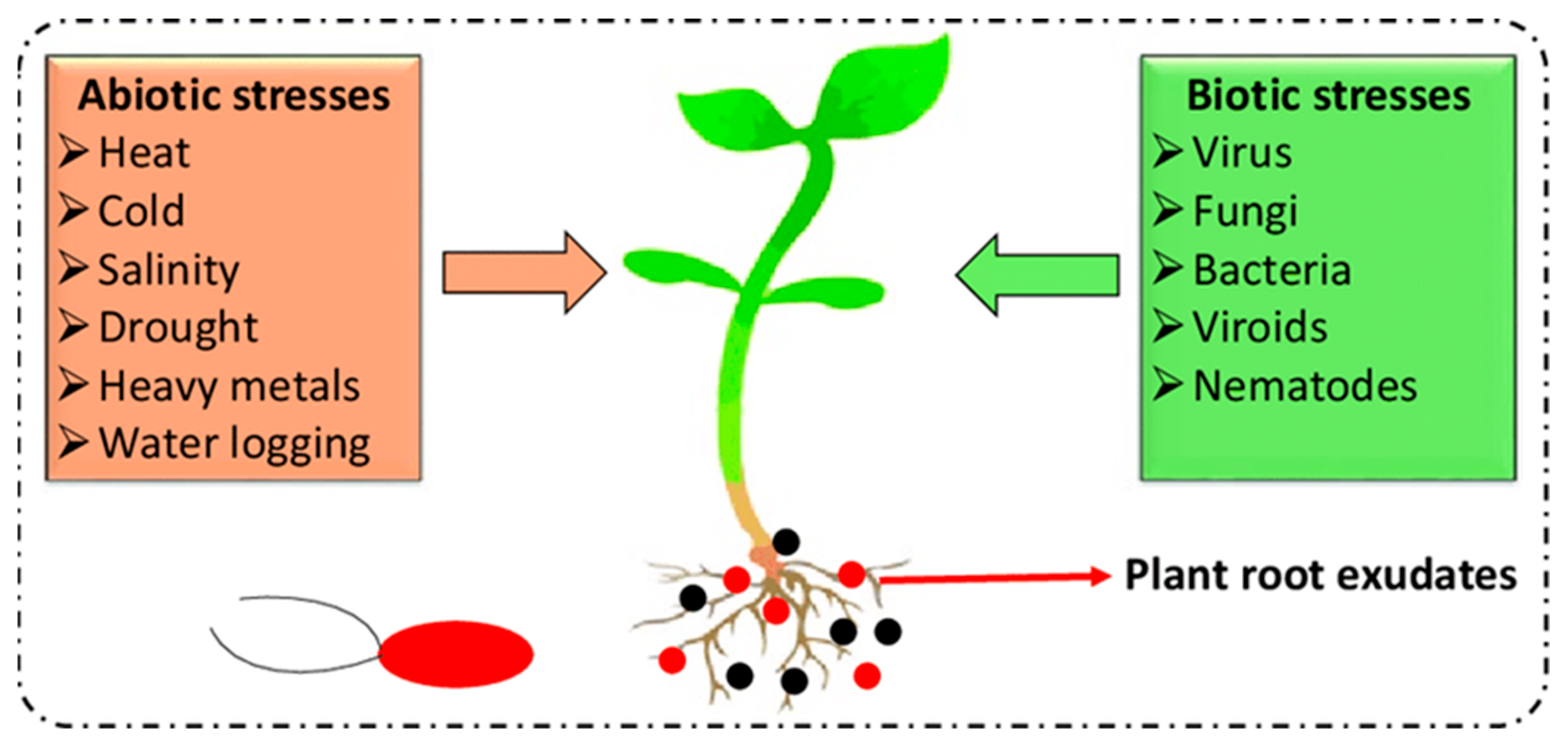
4.4. How Do Plants React to Environmental Stress Factors?
Plants activate physiological, biochemical, and molecular response mechanisms through which they ensure their survival when facing environmental stress factors. Plants react to abiotic stressors, including drought, heat, and salinity flooding by displaying changes such as leaf abscission or wilting and leaf curling in order to conserve water. The pores close to minimize water loss when plants experience either drought or heat conditions. Plants achieve deep water absorption through root development while activating photosynthesis mechanisms for stress mitigation.
Plants respond to stressful conditions through biochemical processes that lead to Osmo protectant accumulation of proline and glycine betaine to protect their cellular structures. Plants generate antioxidants to defend against oxidative stress damage caused by UV light and hormonal agents, including abscisic acid, resulting in stomata regulation. Under molecular control, plants execute stress-responsive gene activation, which results in the production of heat shock proteins that protect organic cell components. Protective genes activate through the actions of transcription factors DREB and NAC. The symbiotic relations between plants and mycorrhizal fungi and nitrogen-fixing bacteria create advantages for nutrient and water absorption which strengthens plant resistance to environmental threats. Environmental stress managed through various strategies, allowing plants to enhance their survival potential in fluctuating environments.
Figure 6.
General effects of drought heat and salt stress on plant growth and development.
4.5. General Effects of Drought, Heat, and Salt Stress on Plant Growth and Development
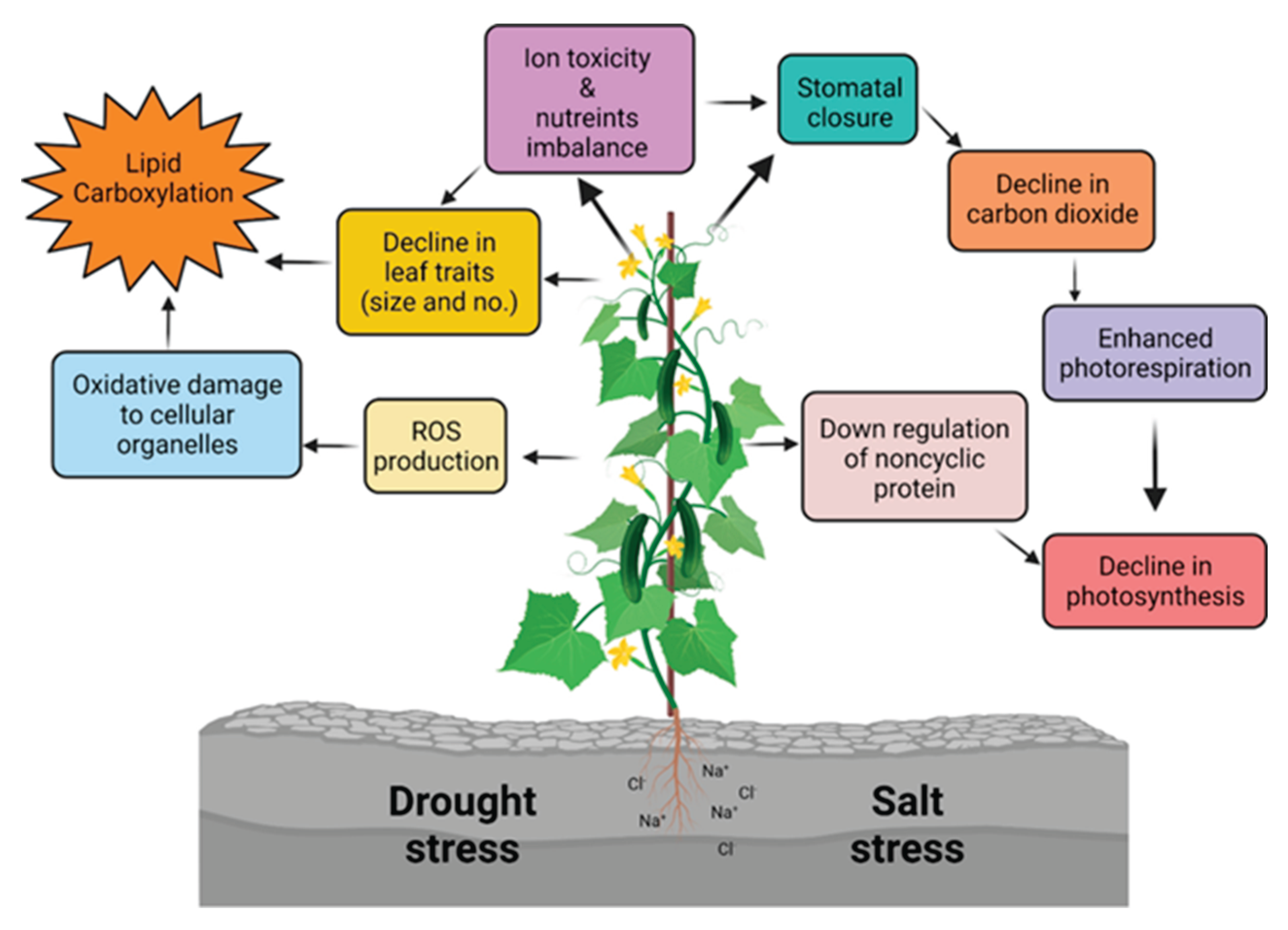
Plant growth and development suffer from serious negative impacts due to environmental elements such as drought stress heat and salt conditions, which result in poor yields and deteriorated plant wellness. Insufficient water decreases CO₂ uptake through stomata closure triggering cell expansion decline and wilting and reduced growth in plants exposed to drought stress. Plants protect themselves from dehydration by building up osmotic regulators such as proline severe drought eventually leads to cellular collapse. Heat stress expands respiration levels while breaking protein structures, which disrupts cellular functioning until plants cannot grow effectively. Plants’ experience decreased photosynthetic function due to temperature stress which suppresses enzyme activity while flowering and pollination operations become seriously impaired, thereby causing reduced fruit production and smaller yields.
The uptake of water by plants becomes challenging from osmotic pressure during salt stress exposure to high salt concentrations as toxic elements such as sodium and chloride disrupt cellular functions. Plant growth receives further limitations because of dehydration coupled with nutrient imbalance, which results in impaired photosynthesis. Stresses from heat and salt exposure together with drought affect crucial plant processes including water and nutrient absorption, photosynthesis and cell structures causing stunted development and diminished crop production delay in flower development and enhanced vulnerability to pests and diseases. Analyzing stress impacts enables researchers to create adaptation approaches for building plant resistance against climate-related threats.
Figure 7.
Effect of drought and salt stress on vegetables and physiological.
5. Conclusions & Future Directions
5.1. Summary of Key Insights
Plants have experienced substantial progress in drought tolerance research because of integrating multi-omics and data analytic methods. The determination of complete molecular drought stress responses depends on joining genomic research with transcriptomic, proteomic, and metabolomic analysis methods. The integration of these biological strategies produces detailed information about which proteins and genes alongside metabolites actively participate in drought resistance systems of plants.
Data analytics tools like machine learning and bioinformatics combine forces with large dataset processing to recognize patterns that forecast how plants respond to environmental stress. These advancements in technology have made it possible to discover essential biomarkers that serve as part of breeding programs. The biomarkers function as valuable tools to identify drought resistance while promoting the process of selecting suitable drought-tolerant traits in crops. When implementing these biomarkers into breeding practices, researchers produce drought-resistant plant varieties that lead to raised agricultural outcomes within areas of scarcity of water.
5.2. Practical Applications
The incorporation of multi-omics evidence and data analytics into climate-resistant crop development demonstrates material value in dealing with climate change effects. The information about key biomarkers and drought tolerance molecular frameworks enables the advancement of crop varieties that deal effectively with drought-related environmental threats and heat stress salt exposure. Breeding methods like marker-assisted selection combined with genetic engineering create conditions to develop resilient crop varieties that quickly become available for agricultural implementation to support vulnerable food regions. The analyzed data provides knowledge that supports agricultural policy decisions and gives recommendations about sustainable farming practices.
The successful implementation of policies directed toward encouraging farmers to use climate-tolerant crop varieties together with better water management techniques and innovation adoption in agriculture allows producers to adjust their practices for changing climate conditions. Managed agricultural activities include timing seed planting based on environmental requirements and improving irrigation distribution and choosing suitable crop lines that withstand drought for specific geographical areas. Such efforts result in sustainable farming systems because they unite agricultural operations with climate adaptation methods that support environmental preservation along with food supply during the climate change period.
5.3. Future Research Directions
Agricultural AI research expands its application boundaries to cover different agricultural species in various environmental areas. The assessment of crops under various climate conditions, including extensive weather events and soil salinity and dry conditions, forms part of this research work. The inclusion of distinct geographical areas with their independent climate systems helps predictive modeling become more responsive to universal agricultural problems. The successful operation of predictive models depends on the development of superior AI-based methods. AI practices employing deep learning and reinforcement learning technologies enhance forecasting accuracy specifically during variable conditions involving dynamic variables, including weather conditions, plant health and pest presence.
The implementation of AI tools alongside IoT sensors and satellite imagery with drone data permits greater precision for agricultural recommendations which produce transformative effects on crop management procedures. Future investigations need to evaluate ways of integrating multiple data sources between weather forecasts combined with soil sensors historical farmer data to create advanced decision-making models. Big data analytics are AI-driven, farmers achieve sustainable farming methods through better resource management while reducing environmental impact. AI-controlled adaptive management systems that function in real time appear as a promising new path. The continuous streaming of data delivers personalized farm recommendations to farmers which enables them to obtain well-timed, effective responses. Agricultural professionals resolve ethical matters socioeconomic consequences that emerge from AI implementation in farming. AI tools to become accessible, affordable and equitable for smallholder farmers in developing regions to ensure these technologies benefit all levels of agricultural operations. A comprehensive method will enable AI in agriculture to support enhanced short- and long-term productivity sustainable practices.
References
- Smith, A.; Johnson, B.; Brown, C.; Davis, D. Impact of Climate Change on Global Agriculture. Environmental Research Letters 2023, 58, 112–125. [Google Scholar]
- Povarnitsyna, A. V.; Savin, M. I. Impact of climate change on global agriculture. Trends Dev. Sci. Educ 2022, 84, 152–157. [Google Scholar]
- Kaur, G.; Lata, C.; Manjul, A. S.; Priti; Kumar, N. Integrating Multi-omics Strategies to Enhance Crop Resilience in a Changing Climate. In Cutting Edge Technologies for Developing Future Crop Plants; Singapore; Springer Nature Singapore, 2025; pp. 303–321. [Google Scholar]
- Anand, S.; Chaudhary, N. Integrating Multi-omics Approaches for Crop Resilience Under Changing Climatic Conditions. In Microbial Omics in Environment and Health; Singapore; Springer Nature Singapore, 2024; pp. 295–310. [Google Scholar]
- Ashraf, U.; Mahmood, S.; Shahid, N.; Imran, M.; Siddique, M.; Abrar, M. Multi-omics approaches for strategic improvements of crops under changing climatic conditions. In Principles and practices of OMICS and genome editing for crop improvement; Cham; Springer International Publishing, 2022; pp. 57–92. [Google Scholar]
- Haq, S. A. U.; Bashir, T.; Roberts, T. H.; Husaini, A. M. Ameliorating the effects of multiple stresses on agronomic traits in crops: Modern biotechnological and omics approaches. Molecular Biology Reports 2024, 51(1), 41. [Google Scholar] [CrossRef] [PubMed]
- Raza, A.; Khare, T.; Zhang, X.; Rahman, M. M.; Hussain, M.; Gill, S. S.; Varshney, R. K. Novel Strategies for Designing Climate-Smart Crops to Ensure Sustainable Agriculture and Future Food Security. Journal of Sustainable Agriculture and Environment 2025, 4(2), e70048. [Google Scholar] [CrossRef]
- Messmer, R. E. The genetic dissection of key factors involved in the drought tolerance of tropical maize (Zea mays L.). Doctoral dissertation, ETH Zurich, 2006. [Google Scholar]
- BYAKOD, M. Evaluation of maize genotypes for moisture stress condition. Doctoral dissertation, UNIVERSITY OF AGRICULTURAL SCIENCES, DHARWAD, 2013. [Google Scholar]
- Kumar, P. S. Marker-assisted selection for terminal drought tolerance in pearl millet (Pennisetum glaucum (L.) R. Br.). Doctoral dissertation, Tamil Nadu Agricultural University, 2004. [Google Scholar]
- Assefa, A. B. Genetic Diversity Analysis of Lowland Sorghum [Sorghum Bicolor (L.) Moench) Landraces Under Moisture Stress Conditions and Breeding for Drought Tolerance in North Eastern Ethiopia. Doctoral dissertation, University of KwaZulu-Natal, Pietermaritzburg, 2012. [Google Scholar]
- Kole, C. (Ed.) Cereals and millets; Springer Science & Business Media, 2006; Vol. 1. [Google Scholar]
- Kashyap, S. K. Effect of crop establishment methods and irrigation scheduling on growth, yield and water productivity of wheat in rice-wheat system. Doctoral dissertation, Department of Agronomy Institute of Agricultural Sciences, Banaras Hindu University Varanasi, 2021. [Google Scholar]
- Dhakal, A.; Adhikari, C.; Manandhar, D.; Bhattarai, S.; Shrestha, S. Effect of abiotic stress in wheat: a review. Reviews In Food And Agriculture 2021, 2(2), 69–72. [Google Scholar] [CrossRef]
- Cao, P.; Zhao, Y.; Wu, F.; Xin, D.; Liu, C.; Wu, X.; Qi, Z. Multi-omics techniques for soybean molecular breeding. International Journal of Molecular Sciences 2022, 23(9), 4994. [Google Scholar] [CrossRef]
- Wang, M.; Li, R.; Zhao, Q. Multi-omics techniques in genetic studies and breeding of forest plants. Forests 2023, 14(6), 1196. [Google Scholar] [CrossRef]
- Hina, A.; Abbasi, A.; Arshad, M.; Imtiaz, S.; Shahid, S.; Bibi, I.; Abdelsalam, N. R. Utilization of Multi-Omics Approaches for Crop Improvement; OMICs-based Techniques for Global Food Security, 2024; pp. 91–121. [Google Scholar]
- Li, M.; Lu, Y.; Gao, Z.; Yue, D.; Hong, J.; Wu, J.; Chong, Y. Pan-omics in sheep: Unveiling genetic landscapes. Animals 2024, 14(2), 273. [Google Scholar] [CrossRef]
- Wu, C.; Luo, J.; Xiao, Y. Multi-omics assists genomic prediction of maize yield with machine learning approaches. Molecular Breeding 2024, 44(2), 14. [Google Scholar] [CrossRef]
- Pandohee, J.; Basu, R.; Dasgupta, S.; Sundarrajan, P.; Shaikh, N.; Patel, N.; Noor, A. Applications of multi-omics approaches for food and nutritional security. In Sustainable Agriculture in the Era of the OMICs Revolution; Cham; Springer International Publishing, 2023; pp. 103–118. [Google Scholar]
- Nam, S. E.; Bae, D. Y.; Ki, J. S.; Ahn, C. Y.; Rhee, J. S. The importance of multi-omics approaches for the health assessment of freshwater ecosystems. Molecular & Cellular Toxicology 2023, 19(1), 3–11. [Google Scholar]
- Sukhija, N.; Kanaka, K. K.; Goli, R. C.; Kapoor, P.; Sivalingam, J.; Verma, A.; Malik, A. A. The flight of chicken genomics and allied omics-a mini review. Ecological Genetics and Genomics 2023, 29, 100201. [Google Scholar] [CrossRef]
- Kao, P. H.; Baiya, S.; Lee, C. W.; Tseng, C. W.; Chen, S. Y.; Huang, Y. H.; Kao, C. F. Identification of key drought-tolerant genes in soybean using an integrative data-driven feature engineering pipeline. Journal of Big Data 2025, 12(1), 1–30. [Google Scholar] [CrossRef]
- Das, A.; Pramanik, R.; Chongder, D. B.; Bania, P.; Debnath, S. Integrated Molecular Strategies for Enhanced Production of Anti-Cancer Compounds from Medicinal Plants. In Biotechnology, Multiple Omics, and Precision Breeding in Medicinal Plants; CRC Press, 2025; pp. 270–286. [Google Scholar]
- Wang, M.; Li, R.; Zhao, Q. Multi-Omics Techniques for Forest Plant Breeding. Preprints. org 2023, 2023040549. [Google Scholar]
- Gupta, A.; Sharma, T.; Singh, S. P.; Bhardwaj, A.; Srivastava, D.; Kumar, R. Prospects of microgreens as budding living functional food: Breeding and biofortification through OMICS and other approaches for nutritional security. Frontiers in genetics 2023, 14, 1053810. [Google Scholar] [CrossRef] [PubMed]
- Guo, X.; Ren, J.; Zhou, X.; Zhang, M.; Lei, C.; Chai, R.; Lu, D. Strategies to improve the efficiency and quality of mutant breeding using heavy-ion beam irradiation. Critical Reviews in Biotechnology 2024, 44(5), 735–752. [Google Scholar] [CrossRef]
- TWN, W.; Aleander, T. M.; Allard, P. M.; Capdevila, P.; Salguero-Gomez, R. The power of the metalobome for ecology. Journal of Ecology 2022, 110(1). [Google Scholar]
- Yue, C.; Cao, H.; Zhang, S.; Shen, G.; Wu, Z.; Yuan, L.; Zeng, L. Multilayer omics landscape analyses reveal the regulatory responses of tea plants to drought stress. International Journal of Biological Macromolecules 2023, 253, 126582. [Google Scholar] [CrossRef]
- Roychowdhury, R.; Das, S. P.; Gupta, A.; Parihar, P.; Chandrasekhar, K.; Sarker, U.; Sudhakar, C. Multi-omics pipeline and omics-integration approach to decipher plant’s abiotic stress tolerance responses. Genes 2023, 14(6), 1281. [Google Scholar] [CrossRef]
- Daszkowska-Golec, A.; Mehta, D.; Uhrig, R. G.; Brąszewska, A.; Novak, O.; Fontana, I. M.; Marzec, M. Multi-omics insights into the positive role of strigolactone perception in barley drought response. BMC Plant Biology 2023, 23(1), 445. [Google Scholar] [CrossRef]
- Varadharajan, V.; Rajendran, R.; Muthuramalingam, P.; Runthala, A.; Madhesh, V.; Swaminathan, G.; Ramesh, M. Multi-Omics Approaches Against Abiotic and Biotic Stress—A Review. Plants 2025, 14(6), 865. [Google Scholar] [CrossRef]
- Zhang, H.; Liu, Y.; Tian, H.; Xiong, J.; Lu, J.; Liao, S.; Xie, Y. Multilayered omics reveals PEG6000 stimulated drought tolerance mechanisms in white clover (Trifolium repens L.). Industrial Crops and Products 2025, 226, 120722. [Google Scholar] [CrossRef]
- Le Roux, M. S.; Kunert, K. J.; Cullis, C. A.; Botha, A. M. Unlocking Wheat Drought Tolerance: The Synergy of Omics Data and Computational Intelligence. Food and Energy Security 2024, 13(6), e70024. [Google Scholar] [CrossRef]
- Wang, X.; Zhao, W.; Wei, X.; Sun, Y.; Dong, S. Molecular mechanism of drought resistance in soybean roots revealed using physiological and multi-omics analyses. Plant physiology and biochemistry 2024, 208, 108451. [Google Scholar] [CrossRef] [PubMed]
- Jiang, L.; Yoshida, T.; Stiegert, S.; Jing, Y.; Alseekh, S.; Lenhard, M.; Fernie, A. R. Multi-omics approach reveals the contribution of KLU to leaf longevity and drought tolerance. Plant Physiology 2021, 185(2), 352–368. [Google Scholar] [CrossRef]
- Ren, J.; Jiang, C.; Zhang, H.; Shi, X.; Ai, X.; Li, R.; Yu, H. LncRNA-mediated ceRNA networks provide novel potential biomarkers for peanut drought tolerance. Physiologia Plantarum 2022, 174(1), e13610. [Google Scholar] [CrossRef]
- Baldoni, E.; Frugis, G.; Martinelli, F.; Benny, J.; Paffetti, D.; Buti, M. A comparative transcriptomic meta-analysis revealed conserved key genes and regulatory networks involved in drought tolerance in cereal crops. International Journal of Molecular Sciences 2021, 22(23), 13062. [Google Scholar] [CrossRef] [PubMed]
- Hong, Y.; Ni, S. J.; Zhang, G. P. Transcriptome and metabolome analysis reveals regulatory networks and key genes controlling barley malting quality in responses to drought stress. Plant Physiology and Biochemistry 2020, 152, 1–11. [Google Scholar] [CrossRef]
- Kosová, K.; Vítámvás, P.; Urban, M. O.; Klíma, M.; Roy, A.; Prášil, I. T. Biological networks underlying abiotic stress tolerance in temperate crops—a proteomic perspective. International journal of molecular sciences 2015, 16(9), 20913–20942. [Google Scholar] [CrossRef]
- You, J.; Zhang, Y.; Liu, A.; Li, D.; Wang, X.; Dossa, K.; Zhang, X. Transcriptomic and metabolomic profiling of drought-tolerant and susceptible sesame genotypes in response to drought stress. BMC plant biology 2019, 19, 1–16. [Google Scholar] [CrossRef]
- Panahi, B.; Golkari, S. Identification of gene expression signature for drought stress response in barley (Hordeum vulgare L.) using machine learning approach. Current Plant Biology 2024, 39, 100370. [Google Scholar] [CrossRef]
- Volyanskaya, A. R.; Antropova, E. A.; Zubairova, U. S.; Demenkov, P. S.; Venzel, A. S.; Orlov, Y. L.; Ivanisenko, V. A. Reconstruction and analysis of the gene regulatory network for cell wall function in Arabidopsis thaliana L. leaves in response to water deficit. Vavilov Journal of Genetics and Breeding 2023, 27(8), 1031. [Google Scholar] [CrossRef]
- Anand, S.; Chaudhary, N. Integrating Multi-omics Approaches for Crop Resilience Under Changing Climatic Conditions. In Microbial Omics in Environment and Health; Singapore; Springer Nature Singapore, 2024; pp. 295–310. [Google Scholar]
- Zenda, T.; Liu, S.; Dong, A.; Li, J.; Wang, Y.; Liu, X.; Duan, H. Omics-facilitated crop improvement for climate resilience and superior nutritive value. Frontiers in Plant Science 2021, 12, 774994. [Google Scholar] [CrossRef]
- Islam, M. Strategic Short Note: Integration of Multiomics Approaches for Sustainable Crop Improvement. In IoT and AI in Agriculture: Smart Automation Systems for increasing Agricultural Productivity to Achieve SDGs and Society; Singapore; Springer Nature Singapore, 2024; Volume 5.0, pp. 149–153. [Google Scholar]
- Bohra, A.; Satheesh Naik, S. J.; Kumari, A.; Tiwari, A.; Joshi, R. Integrating phenomics with breeding for climate-smart agriculture; Omics Technologies for Sustainable Agriculture and Global Food Security, 2021; (Vol II), pp. 1–24. [Google Scholar]
- Raza, A.; Bashir, S.; Khare, T.; Karikari, B.; Copeland, R. G.; Jamla, M.; Varshney, R. K. Temperature-smart plants: A new horizon with omics-driven plant breeding. Physiologia Plantarum 2024, 176(1), e14188. [Google Scholar] [CrossRef]
- Chaturvedi, P.; Pierides, I.; Zhang, S.; Schwarzerova, J.; Ghatak, A.; Weckwerth, W. Multiomics for crop improvement. In Frontier technologies for crop improvement; Singapore; Springer Nature Singapore, 2024; pp. 107–141. [Google Scholar]
- Havrlentová, M.; Kraic, J.; Gregusová, V.; Kovácsová, B. Drought stress in cereals–a review. Agriculture 2021, 67(2), 47–60. [Google Scholar] [CrossRef]
- Zenda, T.; Liu, S.; Duan, H. Adapting cereal grain crops to drought stress: 2020 and beyond, 2020.
- Hadebe, S. T.; Modi, A. T.; Mabhaudhi, T. Drought tolerance and water use of cereal crops: A focus on sorghum as a food security crop in sub-Saharan Africa. Journal of Agronomy and Crop Science 2017, 203(3), 177–191. [Google Scholar] [CrossRef]
- Begna, T. Impact of drought stress on crop production and its management options. Int. J. Res. Agron 2022, 8, 1–13. [Google Scholar] [CrossRef]
- Aprile, A.; Mastrangelo, A. M.; De Leonardis, A. M.; Galiba, G.; Roncaglia, E.; Ferrari, F.; Cattivelli, L. Transcriptional profiling in response to terminal drought stress reveals differential responses along the wheat genome. BMC genomics 2009, 10, 1–18. [Google Scholar] [CrossRef]
- Kishor, P. B. K.; Rajesh, K.; Reddy, P. S.; Seiler, C.; Sreenivasulu, N. Drought stress tolerance mechanisms in barley and its relevance to cereals; Biotechnological approaches to barley improvement, 2014; pp. 161–179. [Google Scholar]
- Monneveux, P.; Ramírez, D. A.; Pino, M. T. Drought tolerance in potato (S. tuberosum L.): Can we learn from drought tolerance research in cereals? Plant Science 2013, 205, 76–86. [Google Scholar] [CrossRef]
- Jogawat, A.; Yadav, B.; Chhaya; Lakra, N.; Singh, A. K.; Narayan, O. P. Crosstalk between phytohormones and secondary metabolites in the drought stress tolerance of crop plants: a review. Physiologia Plantarum 2021, 172(2), 1106–1132. [Google Scholar] [CrossRef]
- Yang, Y.; Saand, M. A.; Huang, L.; Abdelaal, W. B.; Zhang, J.; Wu, Y.; Wang, F. Applications of multi-omics technologies for crop improvement. Frontiers in Plant Science 2021, 12, 563953. [Google Scholar] [CrossRef]
- Crandall, S. G.; Gold, K. M.; Jiménez-Gasco, M. D. M.; Filgueiras, C. C.; Willett, D. S. A multi-omics approach to solving problems in plant disease ecology. PLoS One 2020, 15(9), e0237975. [Google Scholar] [CrossRef]
- Liu, F.; Marshall, R. S.; Li, F. Understanding and exploiting the roles of autophagy in plants through multi-omics approaches. Plant Science 2018, 274, 146–152. [Google Scholar] [CrossRef]
- Fan, B. L.; Chen, L. H.; Chen, L. L.; Guo, H. Integrative Multi-Omics Approaches for Identifying and Characterizing Biological Elements in Crop Traits: Current Progress and Future Prospects. International Journal of Molecular Sciences 2025, 26(4), 1466. [Google Scholar] [CrossRef]
- Varadharajan, V.; Rajendran, R.; Muthuramalingam, P.; Runthala, A.; Madhesh, V.; Swaminathan, G.; Ramesh, M. Multi-Omics Approaches Against Abiotic and Biotic Stress—A Review. Plants 2025, 14(6), 865. [Google Scholar] [CrossRef] [PubMed]
- Gupta, S.; Kaur, R.; Sharma, T.; Bhardwaj, A.; Sharma, S.; Sohal, J. S.; Singh, S. V. Multi-omics approaches for understanding stressor-induced physiological changes in plants: An updated overview. Physiological and Molecular Plant Pathology 2023, 126, 102047. [Google Scholar] [CrossRef]
- Luo, F.; Yu, Z.; Zhou, Q.; Huang, A. Multi-omics-based discovery of plant signaling molecules. Metabolites 2022, 12(1), 76. [Google Scholar] [CrossRef] [PubMed]
- Yang, Y.; Saand, M. A.; Huang, L.; Abdelaal, W. B.; Zhang, J.; Wu, Y.; Wang, F. Applications of multi-omics technologies for crop improvement. Frontiers in Plant Science 2021, 12, 563953. [Google Scholar] [CrossRef]
- Jamil, I. N.; Remali, J.; Azizan, K. A.; Nor Muhammad, N. A.; Arita, M.; Goh, H. H.; Aizat, W. M. Systematic multi-omics integration (MOI) approach in plant systems biology. Frontiers in Plant Science 2020, 11, 944. [Google Scholar] [CrossRef]
- Yu, X.; Liu, Z.; Sun, X. Single-cell and spatial multi-omics in the plant sciences: Technical advances, applications, and perspectives. Plant Communications 2023, 4(3). [Google Scholar] [CrossRef]
- Depuydt, T.; De Rybel, B.; Vandepoele, K. Charting plant gene functions in the multi-omics and single-cell era. Trends in Plant Science 2023, 28(3), 283–296. [Google Scholar] [CrossRef]
- Fan, B. L.; Chen, L. H.; Chen, L. L.; Guo, H. Integrative Multi-Omics Approaches for Identifying and Characterizing Biological Elements in Crop Traits: Current Progress and Future Prospects. International Journal of Molecular Sciences 2025, 26(4), 1466. [Google Scholar] [CrossRef]
- Cao, P.; Zhao, Y.; Wu, F.; Xin, D.; Liu, C.; Wu, X.; Qi, Z. Multi-omics techniques for soybean molecular breeding. International Journal of Molecular Sciences 2022, 23(9), 4994. [Google Scholar] [CrossRef]
- Larsen, P. E.; Sreedasyam, A.; Trivedi, G.; Desai, S.; Dai, Y.; Cseke, L. J.; Collart, F. R. Multi-omics approach identifies molecular mechanisms of plant-fungus mycorrhizal interaction. Frontiers in Plant Science 2016, 6, 1061. [Google Scholar] [CrossRef]
Disclaimer/Publisher’s Note: The statements, opinions and data contained in all publications are solely those of the individual author(s) and contributor(s) and not of MDPI and/or the editor(s). MDPI and/or the editor(s) disclaim responsibility for any injury to people or property resulting from any ideas, methods, instructions or products referred to in the content. |
© 2025 by the authors. Licensee MDPI, Basel, Switzerland. This article is an open access article distributed under the terms and conditions of the Creative Commons Attribution (CC BY) license (http://creativecommons.org/licenses/by/4.0/).
Copyright: This open access article is published under a Creative Commons CC BY 4.0 license, which permit the free download, distribution, and reuse, provided that the author and preprint are cited in any reuse.


