

Submitted:
04 August 2025
Posted:
05 August 2025
You are already at the latest version
Abstract
This study analyzes the application of an innovative framework that integrates Lean philosophy, digital micro-credentials, and collaborative learning strategies within a Brazilian federal public institution. Designed to strengthen state capabilities and enhance institutional effectiveness, the model was implemented in the management of decentralized execution instruments. The investigation adopts a participatory approach grounded in action research, combining interviews, document analysis, and participant observation to identify operational bottlenecks and guide structured interventions. A capacity-building program was designed with micro-credentials organized into short, objective modules aimed at solving concrete public administration challenges. The results demonstrate significant progress in process standardization, intersectoral collaboration, service delivery, and staff motivation. Participants actively contributed to the co-creation of operational manuals and the redesign of institutional routines, leading to efficiency gains, reduced rework, and stronger internal mechanisms for control and accountability. The framework proved effective in promoting organizational learning, fostering adaptive governance practices, and consolidating a culture of continuous improvement. The study’s limitations lie in the pilot nature of the intervention and the specificity of the institutional context, although the model exhibits strong potential for replication across other public agencies. This work contributes to the international discourse on public innovation by presenting a validated, evidence-based approach aligned with the Sustainable Development Goals, particularly in building effective, accountable, and inclusive institutions.
Keywords:
Brazil Lean management
; micro-credentials
; public sector
; sustainable project management
; capacity building
; digital transformation
; professional development
; innovation in public administration
; Brazil
; Sustainable Development Goals
1. Introduction
Public administration in the 21st century emerges as a field of constant tension between tradition and innovation, stability and transformation, bureaucracy and agility. The institutional environment faces growing demands for efficiency, transparency, accountability, and sustainability, especially in strategic sectors such as agriculture, where the Brazilian state operates as both a driver of economic development and a promoter of social inclusion. In this context, confronting complexity requires more than normative reforms or the adoption of new technologies. It demands a profound renewal of management practices, organizational culture, and the training processes of public servants [1,2,3].
The transition to a new governance paradigm is driven by multiple factors. The first, of global nature, refers to the consolidation of the 2030 Agenda and the Sustainable Development Goals, which challenge governments to promote integrated and cross-sectoral policies capable of generating tangible social, economic, and environmental impacts [1,4]. The second factor is directly linked to the digital revolution and the emergence of new models of work organization, learning, and production, which impose on public institutions the need for continuous adaptation and rapid responses to unprecedented demands and changing contexts [2,3,5]. The third vector lies in civil society’s pressure for concrete results, expanded social control, and the delivery of public value at all levels of the state [2,3,5].
In Brazil, these trends manifest distinctly in the agricultural sector, whose strategic relevance is tied to the complexity of policies on production, sustainability, and social inclusion. Federal agricultural policies have historically coexisted with structural challenges such as institutional fragmentation, territorial heterogeneity, and a lack of standardized mechanisms for resource transfer and program implementation [2,6]. The Decentralized Execution Term (Termo de Execução Descentralizada – TED) has emerged as a central instrument for addressing these challenges, enabling decentralization of actions, cooperation among agencies, and greater flexibility in the management of public policies. However, the literature highlights that the potential of such instruments remains underutilized due to unclear operational flows, training gaps among civil servants, and low standardization of internal processes [6,7,8].
In this scenario, innovation in civil servant training plays a key role in strengthening governance and state capacity. Traditional training models, structured around extensive courses disconnected from institutional routines, have shown limited impacts, contributing to organizational inertia and the detachment between theory and practice [4,9]. The emergence of micro-credentials, as a learning strategy oriented toward continuous, modular, and personalized development, presents a promising response. By enabling the creation of short learning pathways focused on specific competencies and validated through objective performance criteria, micro-credentials foster the immediate applicability of knowledge and enhance institutional transformation [3,10].
Simultaneously, the introduction of Lean philosophy in public administration has triggered a reinterpretation of the roles of civil servants, managers, and the state itself in the delivery of value to citizens. Initially conceived as an industrial method for waste elimination and operational excellence, Lean has been adapted to the public sector through the identification of synergies between its principles, such as flow simplification, process standardization, and frontline staff involvement in problem-solving, and the classical challenges of state management [8,11]. The international movement known as Lean Government demonstrates that adopting this framework requires more than tool implementation. It entails fostering an organizational culture oriented toward continuous improvement, frontline staff empowerment, and co-creation of solutions in real work contexts [6,7,12].
These transformations do not occur automatically or without resistance. The specialized literature warns that the transfer of methods and technologies from the private sector to public administration must be conducted with attention to institutional culture, the federative arrangement, political pressures, and the multiplicity of interests and expectations involved in the production of public value [3,5,7]. Studies on the implementation of digital strategies in government environments indicate that factors such as leadership, digital competencies, appropriate infrastructure, and models of multisectoral collaboration are decisive for the success of innovative projects [2].
Based on this context, the present research seeks to analyze in depth the effects of combining micro-credentials and Lean in the restructuring of the management of decentralized instruments at the Brazilian Ministry of Agriculture and Livestock. The starting point is the recognition that strengthening public governance requires overcoming conventional training and management models, relying instead on integrated, collaborative approaches centered on valuing the practical knowledge of civil servants. The study begins with a detailed diagnosis of operational bottlenecks, drawing on interviews, participant observation, and document analysis, then proceeds to the development of a modular training program based on active learning methods and co-created with the civil servants themselves, and culminates in the evaluation of the institutional impacts generated by this innovative process [4,11].
The purpose of the article is to demonstrate that institutional transformation, understood as the capacity to respond to social demands, generate innovation, and promote sustainability, depends both on the implementation of effective management methodologies and on the construction of an organizational culture open to continuous learning and collaboration among internal and external state actors [12,13]. The replicability potential of the proposed model, combined with the methodological rigor of the research, offers relevant contributions to the theoretical and practical advancement of public governance, pointing to pathways for improving training policies, consolidating interinstitutional arrangements, and achieving the Sustainable Development Goals within the Brazilian context [1,4].
By articulating theory and practice, institutional diagnosis and experimentation, this study contributes to the contemporary debate on the possibilities and limits of transforming Brazilian public management in the face of increasingly complex global challenges. This article highlights the development and implementation of an innovative framework that integrates Lean philosophy and the use of micro-credentials in civil servant training, offering replicable strategies for advancing governance and institutional innovation.
2. Theoretical Framework
Understanding contemporary transformations in public administration requires an integrated analysis of both international and national trends that guide the formulation and implementation of public policies in highly complex contexts. At the core of these transformations lies a shift from purely normative approaches to more systemic ones, which intertwine institutional innovation, sustainability, organizational learning, and the creation of public value as inseparable dimensions of state governance. Recent literature demonstrates that enhancing the state's responsiveness increasingly depends on the articulation among multiple actors, the integration of knowledge systems, and the mobilization of new technologies and management methods [1,2,14,15].
At the global level, the Sustainable Development Goals (SDGs) of the 2030 Agenda have established a new horizon for public policies, requiring governments to adopt practices oriented toward the integration of economic, social, and environmental agendas. The SDGs challenge policymakers to move beyond sectoral solutions, promoting collaborative arrangements capable of generating broader and more lasting impacts [1,4,16]. The European experience shows that linking quality education with institutional partnerships [1] is fundamental for promoting environmental targets and consolidating genuinely participatory and innovative governance. In the context of developing countries, cases like Indonesia illustrate the crucial role of interinstitutional collaboration for the success of environmental policies, mobilizing stakeholders from public agencies and the private sector to local communities [4,17].
In Brazil, the pursuit of sustainability in the public sector encounters historical and structural particularities. The agricultural sector, in particular, exhibits the coexistence of productive interests, environmental demands, and social challenges across highly heterogeneous territorial scenarios [2,6,18]. The implementation of policies in this area requires flexible and cooperative management instruments such as the Decentralized Execution Term (TED), designed to promote the integration of efforts, the sharing of resources, and the decentralization of implementation. However, the literature points out that the effectiveness of TEDs remains hindered by factors such as institutional fragmentation, lack of standardized workflows, gaps in civil servant training, and limitations in outcome assessment [6,7,8,16].
In this context, institutional innovation and digital transformation emerge as urgent imperatives. The introduction of new technologies, the reconfiguration of work organization models, and the development of collaborative ecosystems go far beyond mere service digitization or isolated technological solutions [2]. Public innovation demands a long-term strategic vision that brings together leadership, organizational culture, digital competency development, and the structuring of collaborative networks [2]. The effectiveness of digital transformation hinges not only on the available infrastructure but especially on the qualification of civil servants and the promotion of learning environments conducive to experimentation and innovation [5,19,20].
Specialized literature reinforces that the success of innovative and digital policies depends on the development of competencies aligned with 21st-century needs. Morte-Nadal and Esteban-Navarro [5] emphasize the importance of integrated methodological approaches capable of combining qualitative and quantitative methods to diagnose, plan, and evaluate digital public policies. Martha et al. [5] and Waithira et al. [4] highlight that the effectiveness of innovation is directly related to the availability of continuous, flexible training pathways anchored in the real demands of civil servants and public service users. In a constantly evolving environment, lifelong learning becomes a condition for institutional sustainability itself [21,22].
Within this scenario, the adaptation of methods from the productive sector, such as Lean philosophy, gains relevance in the context of public administration. Lean, which originated in the Japanese automotive industry, advocates for the systematic elimination of waste, flow simplification, and process mapping as tools to increase efficiency and generate value [11,23]. Its transposition to the public sector, however, requires a redefinition of core concepts. Here, value is not limited to operational efficiency but includes the ability to promote equity, transparency, social participation, and the legitimacy of state actions [8,11,24]. Citizens, beyond the figure of clients, are subjects of rights and participants in institutional dynamics. Teeuwen [11] details how the so-called “eight deadly wastes,” including rework, waiting, excessive bureaucracy, and underutilization of talent, are identifiable in administrative processes and can be addressed through the engagement of multidisciplinary teams and tools such as Kaizen and 5S. Radnor [7] observes that the most successful applications of Lean in the public sector occur where there is committed leadership, active listening to employees, and institutional openness to rethink routines, rules, and indicators, fostering continuous cycles of improvement and innovation.
The success of such experiences largely depends on the capacity to integrate management and training processes. The Brazilian public sector, marked by traditional training models, faces the challenge of replacing extensive and institutionally disconnected courses with formative strategies that prioritize continuous learning, recognition of practical competencies, and the personalization of professional pathways [4,9,17]. In this context, micro-credentials emerge as an innovative and disruptive alternative. Structured into short, objective modules validated through transparent performance criteria, micro-credentials allow for agile responses to normative, technological, and operational changes affecting the daily routines of civil servants [3,10,25].
International literature indicates that the adoption of micro-credentials enhances civil servant engagement, enables the immediate application of knowledge, and fosters alignment between learning and institutional results [4,10,18]. The formal recognition of learning, including in informal and non-conventional contexts, facilitates the construction of personalized development pathways, strengthens staff protagonism, and increases the relevance of training processes to the needs of the public service. Grech et al. [3] further explore the role of digital technologies such as blockchain in the validation, traceability, and interoperability of micro-credentials, emphasizing that institutional trust and the clarity of evaluation criteria are essential elements for the success of this strategy.
The interplay among managerial innovation, an organizational culture open to learning, and strategic alignment is highlighted by Broek et al. [12], who argue that effective learning ecosystems depend not only on robust policies and sustainable funding but also on the promotion of trust-based environments, personalized guidance, and tangible participant progress. In the public sector, such ecosystems are reflected in training policies capable of recognizing the uniqueness of civil servants, the specificities of institutional contexts, and the needs of society [22,26]. The success of innovative management and training programs, as pointed out by González-Morales and Santana-Vega [13] and Klein et al. [6], is directly linked to the ability to create collaborative arrangements, promote systematic evaluation of practices, foster dialogue between theory and experience, and build institutional networks that sustain lifelong learning.
The theoretical framework shows that sustainable transformation in public management does not lie merely in the adoption of techniques but rather in the creation of institutional conditions for collective learning, controlled experimentation, and the systematization of results. The dialogue among governance for sustainability, Lean, and micro-credentials provides the foundation for innovative and potentially replicable experiences capable of generating real gains in efficiency, legitimacy, and public value, in line with the global commitments of the 2030 Agenda [1,4,11]. The challenge lies in building solid bridges between institutional diagnostics, continuous training, and a collaborative culture, fostering change processes that are simultaneously robust, flexible, and aligned with societal expectations.
3. Materials and Methods
The methodology adopted in this study is grounded in the understanding that innovation within public administration contexts requires investigative approaches capable of combining analytical rigor, active listening, and effective participation of civil servants throughout all phases of the research process. This methodological orientation prioritizes intervention research and action research, internationally recognized as robust strategies for producing relevant, transformative, and contextually validated knowledge [12,13,24].
The study begins with the premise that institutional change research is not limited to the mere description of phenomena, but involves the collaborative construction of solutions with the actors involved, fostering organizational learning and the co-creation of sustainable instruments, routines, and practices.
The methodological design was structured around the development, application, and validation of an original framework conceived to integrate Lean practices, digital micro-credentials, and collaborative learning strategies in public management. This framework guided all phases of the process, from the identification of bottlenecks to the development of training instruments and the assessment of institutional impacts, allowing for a systemic analysis of the intervention effects. The operationalization and results of this innovative framework are presented and discussed in depth in the Results section, where its contributions to institutional transformation and the strengthening of state capabilities are assessed.
The empirical field was delimited to a large-scale Brazilian federal public institution with national reach, representing an organizational environment characterized by complexity, regional diversity, multiple functions, and strategic relevance for development-oriented public policies [6,15]. This setting, common to public bodies in countries with vast territorial and administrative diversity, provides fertile ground for analyzing innovations in management, learning, and institutional transformation while engaging with recent public sector modernization experiences in different countries [16,18].
The methodological pathway was delineated in integrated and articulated stages, aiming for both analytical depth and density. Initially, a participatory organizational diagnosis was conducted, grounded in the triangulation of qualitative and quantitative methods. Semi-structured interviews were held with civil servants from various departments and hierarchical levels, encompassing plural perspectives on challenges, routines, workflows, training gaps, and opportunities for innovation in the public sector. The interviews were recorded, transcribed, and analyzed using content analysis techniques, thematic categorization, and identification of emergent patterns, following methodological recommendations from Martha et al. [5] and Lindsay-Smith et al. [21].
Participant observation was carried out throughout technical meetings, workshops, training sessions, and institutional activities, enabling the researcher to closely monitor interactions, decision-making processes, conflicts, collaborative solutions, and informal dynamics of the organizational routine, a resource recognized as fundamental for identifying waste, hidden barriers, and institutional potentialities in innovation processes [11,23].
In parallel, a comprehensive document analysis was conducted, encompassing regulations, manuals, institutional reports, operational workflows, meeting minutes, and training materials, not only to understand the normative framework and management instruments but also to identify gaps, effective practices, and opportunities for standardization and improvement [6,24]. This body of data allowed the construction of a detailed panorama of institutional challenges and opportunities, which supported the subsequent phase of the research.
The core intervention involved implementing an innovative training program based on digital micro-credentials and Lean principles, featuring short, objective content validated by transparent performance criteria and oriented toward immediate applicability in the institutional context. The choice of micro-credentials is justified by their recognized capacity to foster flexible, personalized learning aligned with the real challenges faced by public servants, enabling the construction of adaptive development pathways and formal recognition of competencies in dynamic, complex environments [10,18,25]. The training program covered topics such as process mapping and standardization, waste elimination, application of Lean tools, project management, use of digital technologies, intersectoral collaboration, and accountability, dialoguing with international experiences in innovative public sector training [3,17,26].
The competency validation process included case studies, simulations, checklist development, collaborative production of manuals and operational tools, co-creation workshops, and results presentations, consolidating meaningful learning and practical appropriation of the content [9,22]. Participant leadership was encouraged throughout all stages, promoting solution co-creation, experience sharing, and incremental experimentation with improvements, in alignment with best practices in public innovation and organizational learning [7,12].
The participant selection process aimed to ensure regional diversity, a wide range of professional trajectories, variety of functional areas, and institutional engagement, composing multidisciplinary groups for analyzing complex problems, developing products, reviewing workflows, and implementing new routines [4,16]. This collaborative and representative approach enhances the validity of the findings and expands the model’s replicability to other institutional contexts.
Result evaluation integrated quantitative and qualitative instruments, including satisfaction and self-efficacy questionnaires at the end of each module, performance analysis in practical activities, follow-up interviews, and impact assessment on institutional routines. Quantitative data were processed statistically to identify patterns, correlations, and trends, while qualitative data underwent triangulation and cross-validation, in accordance with mixed-methods research guidelines recommended by Teddlie and Tashakkori [26], Martha et al. [5], and Bouckaert [15].
Ethical rigor was upheld at all stages of the research, with emphasis on free and informed consent, assurance of anonymity and confidentiality, respect for participant autonomy, and the possibility of reviewing final outputs prior to dissemination, in alignment with international standards for applied social research [4,12,24]. The study’s limitations reside in the pilot nature of the experience, the specificity of the institutional context, and the limited timeframe for longitudinal monitoring of impacts, factors that suggest the need for further research and model adaptation to various public environments and international realities [2,24].
The methodological approach developed in this study combines action research, collaborative intervention, method triangulation, participatory validation of outputs, and integration between theory and practice, offering a contribution aligned with international frameworks on public innovation, organizational learning, and institutional sustainability. It is potentially replicable across multiple governmental contexts and capable of informing transformative agendas in governments of varying scales [4,6,14].
The theoretical framework demonstrates that sustainable transformation in public management does not rely merely on the adoption of techniques but depends on the creation of institutional conditions for collective learning, controlled experimentation, and systematization of results. In this context, the integration of sustainability governance, Lean philosophy, and micro-credentials provides the conceptual foundation for the innovative framework that structures this study, articulating cutting-edge methodologies and collaborative practices oriented toward the strengthening of state capacities.
3.1. Framework for Institutional Innovation
The design and validation of an Integrated Framework for Institutional Innovation constituted one of the main conceptual and operational outputs of this research. More than a methodological organization tool, the framework is a structuring artifact capable of guiding interventions in complex public administration contexts through a systemic, modular, and replicable logic. It was conceived as a direct result of the articulation between the theoretical pillars of the study (Lean philosophy, digital micro-credentials, and organizational learning) and the empirical evidence generated through a process of listening, analysis, and collaborative experimentation with public servants.
From a functional perspective, the framework is organized around three interdependent axes: (1) mapping and critical analysis of processes based on Lean principles; (2) structuring of learning pathways through digital micro-credentials focused on immediate applicability; and (3) institutionalization of routines and products through collaborative learning and participatory validation. These axes were operationalized in an integrated manner, forming a continuous cycle of diagnosis, training, co-creation, application, and feedback, supported by digital tools and active learning methodologies.
The conceptual foundation of the framework is anchored in authors such as Teeuwen [11] and Radnor [7], who emphasize the relevance of waste mapping and standardization for continuous improvement in institutional settings. By integrating these foundations with the structure of micro-credentials, as explored by Tan et al. [10] and Waithira et al. [4], the framework aimed to promote the development of specific competencies, structured into short and objective content validated by measurable performance criteria. The training pathways were aligned with the bottlenecks identified during the diagnostic phase and configured with flexibility to accommodate different learning paces and functional roles.
The incorporation of organizational learning, with a focus on the co-creation of solutions and collective reflection, was essential to ensure the legitimacy and effectiveness of the products generated. Grech et al. [3], Reason and Bradbury [24], and Martha et al. [5] stress that the construction of effective solutions in public contexts requires the active involvement of agents not only as recipients of training but as protagonists of institutional transformation. Accordingly, the framework includes planned moments for feedback, systematization of lessons learned, and iterative adjustments of the developed tools, consolidating a logic of situated and continuous learning.
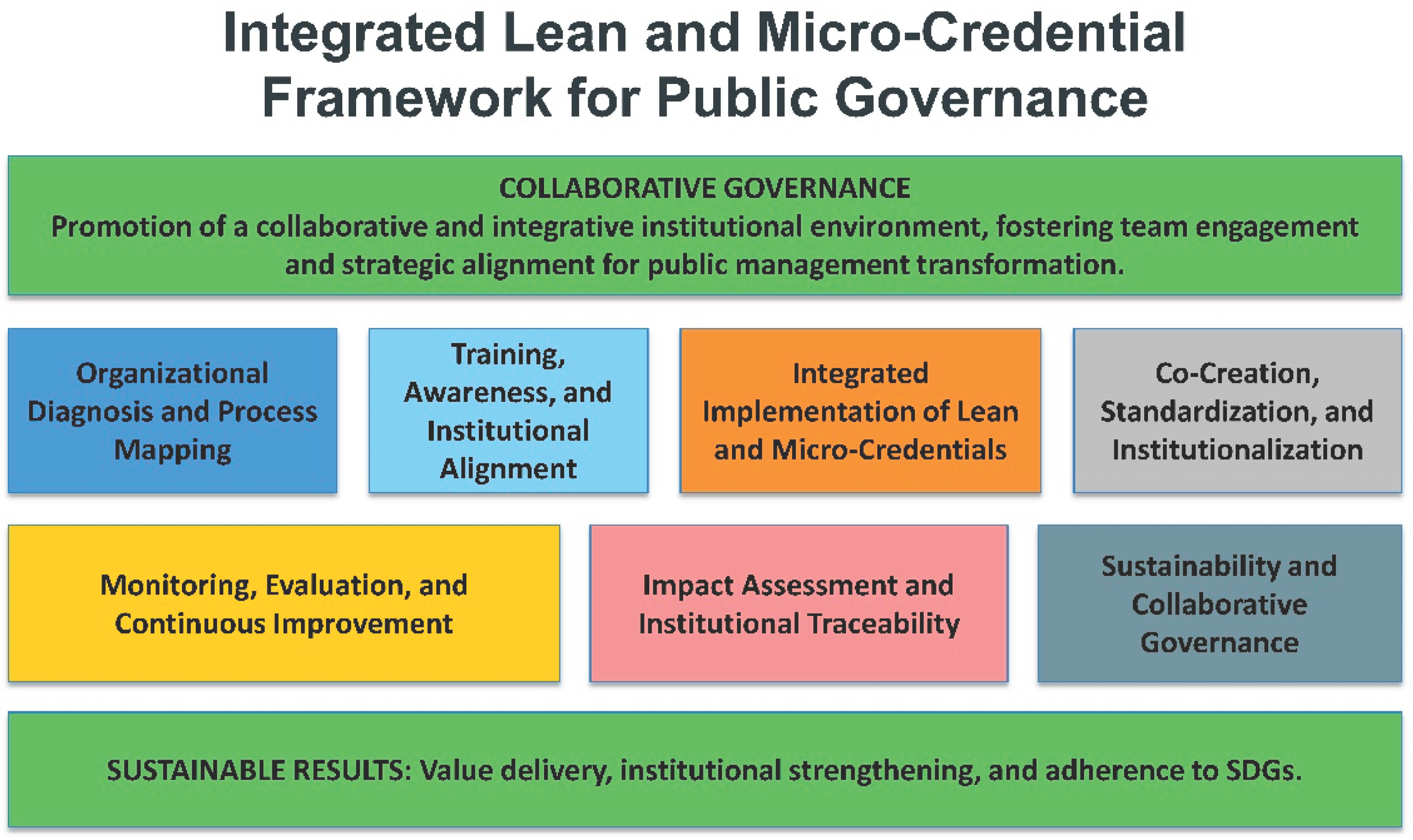
Figure 1, presented below, visually synthesizes the structure and operating logic of the framework, highlighting the connections among the three main axes and the expected results in terms of engagement, efficiency, innovation, and institutional sustainability. Although developed in a specific context, its modular architecture and orientation toward the concrete reality of public servants allow for broad adaptation across different agencies and levels of government.
The structure is organized into three main axes: diagnosis and process mapping, capacity building through modular learning pathways, and institutionalization of routines and tools. These axes are connected by iterative cycles of analysis, application, and feedback. The model is guided by a systemic logic, centered on the protagonism of public servants, the resolution of real problems, and the promotion of sustainable innovations in public contexts.
One of the key differentiators of the framework lies in its capacity to translate abstract concepts into concrete operational solutions such as the participatory development of manuals, checklists, flowcharts, and management protocols, all directly anchored in the experiences and suggestions of public servants. The production of these instruments took place during co-creation workshops, validated in hybrid formats (both in-person and virtual) and incorporated into institutional routines as practical and dynamic references. This process strengthened the sense of ownership and collective responsibility for process improvement, one of the most consistent indicators of cultural change in public settings.
The framework also includes multidimensional evaluation mechanisms, combining quantitative indicators (through performance and self-efficacy questionnaires) with qualitative analysis of generated products, testimonials, simulations, case studies, and participant observation. This evaluation component, guided by the recommendations of Teddlie and Tashakkori [26] and Bouckaert [15], made it possible to assess not only the immediate outcomes of training activities but also the transformations observed in organizational culture and administrative routines.
The formulation and implementation of this framework consolidate a significant contribution to the field of public management by integrating contemporary methodological tools, collaborative practices, and a focus on people and real work flows. More than a training model, it presents itself as an instrument for institutional transformation, sustained by a logic of distributed innovation, continuous learning, and appreciation of the practical knowledge of public servants.
4. Results
The intervention experience conducted at the Ministry of Agriculture and Livestock enabled the precise mapping of the main operational bottlenecks in the management of Decentralized Execution Terms (TEDs), while also allowing for an in-depth analysis of the impacts produced by the combined adoption of Lean philosophy and a digital micro-credentialing program, guided by an integrated framework of organizational learning. This model articulated three interdependent axes: (i) the use of Lean thinking to eliminate waste and standardize flows; (ii) the design of modular learning pathways focused on critical operational competencies; and (iii) the strengthening of a culture of continuous learning through the co-creation of solutions with the public servants themselves. Figure 1 summarizes this methodological and conceptual structure, which served as the foundation for all phases of the intervention.
The results obtained demonstrate the effectiveness of the framework, with tangible progress in the qualification of institutional practices, participant engagement, and the transformation of public servants’ perceptions regarding the public value of their work. These findings corroborate the literature on the impact of competency-based training strategies and agile methodologies on the modernization of public management [15,16,17].
From the initial stages, an expansion of participants’ conceptual and practical repertoire on topics such as public value, cross-sector collaboration, and process efficiency was observed. The initial diagnosis revealed a fragmented understanding of institutional flows, marked by regulatory insecurity, lack of systemic vision, and difficulty in identifying rework—features consistent with the findings of Bruschi and Forcellini and Klein et al. [6,8], who associate low standardization and weak learning cultures with high institutional risks. These challenges, recurrent in large public organizations, reaffirm the importance of integrated models that promote organizational learning as a tool for structural transformation [23,25].
The training program structured in micro-credentials brought about substantial changes in this scenario. The organization of content into short, objective modules focused on real challenges allowed civil servants with diverse profiles to progress at their own pace, deepen core themes related to their functions, and develop specific competencies with immediate application. Reaction and satisfaction assessments pointed to significant improvement in the understanding of flows, clarity of roles and responsibilities, and engagement with institutional goals. These results align with Tan et al. and Waithira et al. [4,10], who identify micro-credentials as a key factor for flexible learning, increased motivation, and effective knowledge transfer to practice. Recent studies also highlight the importance of micro-credentials in the development of customized learning pathways and their direct impact on productivity and innovation in public services [18,21].
The engagement of civil servants went beyond formal participation, turning into effective contributions to the reformulation of routines, procedures, and work tools. Throughout the modules, various examples of waste and inefficiencies were identified, such as document rework, interpretative divergences, dependence on informal contacts to resolve doubts, and weaknesses in control and accountability mechanisms. From the mapping of these critical points, innovative proposals inspired by Lean principles emerged, such as the elimination of redundant steps, creation of standardized checklists, definition of mandatory minimum flows, and organization of real-time monitoring dashboards. These initiatives align with the recommendations of Teeuwen and Radnor [7,11], who emphasize the centrality of frontline agents in identifying and overcoming institutional waste, and with more recent studies that highlight the role of distributed leadership in Lean contexts [15,23].
A milestone of the process was the collective production of operational manuals, a direct result of the pedagogical approach centered on co-creation and servant protagonism. The manuals, structured based on actual flows, incorporated not only regulatory procedures but also practical guidelines, examples, alerts for recurring risks, and suggestions for continuous improvement. The validation of the manuals, in both in-person and virtual workshops, revealed strong adherence to institutional routines and high acceptance by civil servants, who came to recognize these instruments as living references, open to permanent updates. This experience supports the analyses of Bruschi and Forcellini and Grech et al. [3,8], who emphasize the active participation of agents as a condition for the legitimacy, applicability, and durability of innovations. It also aligns with the international movement that values collaborative processes in the production of organizational knowledge [12,13].
5. Discussion
In the field of organizational learning, data revealed a significant increase in participants’ perceptions of self-efficacy, both in conducting processes and in solving complex problems. Performance evaluations indicated improvements in quality indicators, reduction of documentary inconsistencies, greater assertiveness in cross-sector communication, and strengthening of internal control mechanisms. These findings converge with Waithira et al. and Mnisi [4,9], who attribute to micro-credentials the potential to catalyze meaningful learning, collaboration, and autonomy in dynamic public environments, and are corroborated by assessments of the impact of continuous learning on institutional sustainability [21,22].
The incorporation of Lean principles contributed to the consolidation of a culture of continuous improvement, focused on critical process analysis and the search for more efficient solutions aligned with the public interest. The monitoring of teams throughout the study demonstrated a gradual shift in the posture of civil servants: steps previously taken for granted began to be questioned, old practices were reviewed based on data, and new solutions were tested in experimentation and evaluation cycles. The use of monitoring panels, digital checklists, and regular meetings became routine, indicating the appropriation of Lean tools as part of the institutional daily life. These findings confirm the literature of Teeuwen and Radnor [7,11] on the importance of institutionalizing routines, engaging leadership, and recognizing collective learning for the sustainability of innovations, and are consistent with investigations on adaptive governance in public environments [15,23].
At the level of institutional governance, the results indicated progress in interdepartmental articulation, shared responsibilities, and expanded spaces for horizontal dialogue. Validation workshops and discussion forums facilitated the formation of spontaneous collaborative networks, breaking down barriers between administrative units and enabling interaction among servants from different regions and sectors. This dynamic contributed to the identification of integrated solutions, the sharing of best practices, and the strengthening of an organizational culture oriented toward learning, as argued by Broek et al. and Klein et al. [6,12] regarding institutional ecosystems conducive to innovation, and further supported by Avellaneda et al. [16] in their studies on the diffusion of innovative practices in public networks.
Despite these advances, relevant challenges and limitations persist. Among them, the initial resistance of some civil servants to adopting new methods stands out, especially among more experienced staff accustomed to traditional models. This aspect, reiterated by Radnor [7] and Martha et al. [5], underscores the need for ongoing policies of awareness, training, and recognition of results as strategies to overcome cultural barriers to innovation in the public sector. Another challenge lies in improving longitudinal monitoring mechanisms, as institutional changes require time to consolidate and systematic tracking to assess outcomes on organizational indicators, as highlighted by Reason & Bradbury and Jääskeläinen et al. [23,24].
The pilot nature of the experience, the sample limitations, and the specific context of operation impose restrictions on the generalization of results, although the findings and the model developed prove potentially replicable in other agencies and sectors. Literature reinforces that innovative training and management models, especially those based on micro-credentials and Lean, demand constant adaptation, active listening to institutional demands, and reevaluation of developed tools [2,10,17].
The research also revealed that flexible, collaborative, and evidence-based training strategies tend to positively impact both processes and institutional culture, motivation, engagement, and staff well-being. Testimonials collected at the end of the program highlighted the strengthening of a sense of belonging, appreciation of shared learning, and satisfaction in seeing their contributions reflected in institutional management tools. This aspect, often absent in traditional evaluations, is increasingly valued in contemporary public innovation literature, which recognizes the role of subjective and relational factors in the success and sustainability of organizational changes [3,13,22,23].
Overall, the results point to the feasibility of replicating the training model based on micro-credentials and Lean principles in various public contexts, provided that institutional specificities, civil servant needs, and regulatory requirements are respected. The articulation between modular learning, co-creation of tools, appreciation of practical knowledge, and institutionalization of continuous improvement routines consolidates a promising path for strengthening state capabilities and advancing the commitments of the 2030 Agenda, in accordance with Kluza et al. and Wiharja et al. [1,4].
The results presented demonstrate that the transformation of public management stems from progressive and collaborative processes grounded in the appreciation of people, practical knowledge, and the collective construction of solutions. The alignment between theory, method, and practice verified in this experience contributes concretely to the international debate on institutional innovation, organizational learning, and the strengthening of state capabilities required to respond swiftly, sustainably, and legitimately to contemporary challenges [15,21,23,26].
6. Conclusions
The in-depth analysis of the experience conducted at the Brazilian Ministry of Agriculture and Livestock reveals that transforming public management requires far more than regulatory adjustments, technological updates or sporadic training. The findings of this research confirm that the combination of micro-credentials and Lean philosophy, articulated through an active, collaborative and practice-oriented pedagogical strategy, generates significant and lasting effects both on operational flows and institutional culture, establishing new benchmarks for training, innovation and public value delivery in the Brazilian context.
Throughout the methodological journey, it became evident that learning structured around micro-credentials facilitates the customization of training paths, ensures effective alignment with the real challenges faced by civil servants and validates competencies mobilized in everyday public work. This approach, in line with recent international experiences [4,10,18], allows for agile responses to regulatory, technological and procedural changes while fostering the protagonism of public agents in identifying problems, designing solutions and assessing institutional impact. The engagement and satisfaction expressed by participants, especially when materialized in the collaborative production of manuals and operational tools, reinforce the potential of micro-credentials to promote meaningful learning, cross-sector collaboration and the strengthening of public servants’ professional identity [3,21].
The incorporation of Lean principles into the dynamics of training and process management induced a notable shift in how public servants perceived their own work routines. The identification and elimination of waste, standardization of flows, use of visual tools and promotion of continuous review and improvement cycles proved critical for the development of more efficient, secure and goal-aligned routines. The collaborative practices that emerged during the co-creation of manuals underscore that cultural change requires active listening, appreciation of practical knowledge and recognition of the value brought by all institutional actors. This movement aligns with the frameworks of Teeuwen [11], Radnor [7] and Bruschi and Forcellini [8], who emphasize the centrality of organizational learning and servant protagonism in the success of public innovations.
The experience analyzed reaffirms that sustaining innovative processes requires institutional ecosystems oriented toward lifelong learning, controlled experimentation of new solutions and intersectoral dialogue. Although circumscribed to a specific context, the model developed demonstrates strong potential for adaptation and replication across different areas and public administration bodies, provided that institutional particularities, servant demands and regulatory requirements are respected. The evidence produced supports the recommendations of Broek et al. [12], Klein et al. [6] and Grech et al. [3], showing that sustainable public innovation depends on articulating training policies, knowledge management and strategic leadership, integrating tools, people and institutional culture in ongoing improvement processes.
Nonetheless, challenges and limitations remain to be addressed for the full consolidation of the proposed innovations. These include strengthening longitudinal monitoring mechanisms, expanding awareness and leadership engagement initiatives and integrating training strategies into decision-making and institutional management processes. Replicating the model in other contexts requires consistent investment in participatory diagnostic processes, adaptation of training content, formal recognition of developed competencies and the construction of collaborative learning networks, as highlighted by González-Morales and Santana-Vega [13] and Martha et al. [5].
From the perspective of research and public management, continued investigation into the effects of micro-credentials and Lean on performance indicators, engagement, motivation and public servant well-being proves essential. Equally important is the analysis of institutional mechanisms for the sustainability and scalability of implemented innovative practices. The ongoing dialogue between theory, method and practice, the active listening to civil servants and the articulation among different public administration areas emerge as cornerstones for the consolidation of robust, inclusive and result-oriented policies that deliver concrete value to society.
The findings of this study demonstrate that innovation in Brazilian public management is both possible and necessary, provided it is built on collaborative foundations, sustained by evidence and anchored in a commitment to learning, efficiency and the generation of public value. By proposing an integrated model of training, management and knowledge production grounded in micro-credentials and Lean philosophy, this paper offers robust alternatives for strengthening state capacities and advancing sustainable governance, making an effective contribution to Brazil’s fulfillment of the commitments assumed under the 2030 Agenda.
Author Contributions
Conceptualization, E.S.S.; methodology, E.S.S.; formal analysis, E.S.S.; investigation, E.S.S.; resources, E.S.S.; data curation, E.S.S.; writing—original draft preparation, E.S.S.; writing—review and editing, E.S.S., A.B.S., and R.D.C.; visualization, E.S.S.; supervision, A.B.S. and R.D.C.; project administration, A.B.S. and R.D.C.; funding acquisition, A.B.S. and R.D.C. All authors have read and agreed to the published version of the manuscript.
Funding
This research was funded by the Brazilian Ministry of Agriculture and Livestock (MAPA), through Decentralized Execution Term (TED) No. 805/2022 (SIAFI 939175), executed in partnership with Fluminense Federal University (UFF). The APC was funded by MAPA.
Institutional Review Board Statement
Ethical review and approval were waived for this study due to the involvement solely of adult public servants performing official duties and the absence of sensitive personal data collection, in accordance with Fluminense Federal University’s Ethics Committee guidance.
Informed Consent Statement
Informed consent was obtained from all participants involved in the study through formal consent in the research participation form.
Data Availability Statement
The data presented in this study are available on request from the corresponding author. The data are not publicly available due to institutional confidentiality restrictions.
Acknowledgments
The authors would like to thank all participating public servants and the technical staff who contributed to the successful implementation of the project. Special thanks are extended to the administrative and institutional teams at the Ministry of Agriculture and Fluminense Federal University for their continuous support.
Conflicts of Interest
The authors declare no conflicts of interest. The funders had no role in the design of the study; in the collection, analyses, or interpretation of data; in the writing of the manuscript; or in the decision to publish the results.
Abbreviations
The following abbreviations are used in this manuscript:
| TED | Decentralized Execution Term |
| MAPA | Ministry of Agriculture and Livestock |
| UFF | Fluminense Federal University |
| LMS | Learning Management System |
| SDG | Sustainable Development Goal |
| MDPI | Multidisciplinary Digital Publishing Institute |
References
- Kluza, K.; Dzikowska, M.; Wierzbinski, B.; Lelek, T. Achieving Environmental Policy Objectives through the Implementation of Sustainable Development Goals: The Case for European Union Countries. Energies 2021, 14, 2129. [Google Scholar] [CrossRef]
- Brunetti, F.; Čelik, S.; Gregori, G. L.; Rossi, M.; Soro, A.; Zardini, A. Digital transformation challenges: strategies emerging from a multi-stakeholder approach. TQM J. 2020, 32, 697–724. [Google Scholar] [CrossRef]
- Grech, A.; Sood, I.; Ariño, L. Blockchain, Self-Sovereign Identity and Digital Credentials: Promise Versus Praxis in Education. Front. Blockchain 2021, 4, 616779. [Google Scholar] [CrossRef]
- Wiharja, P.; Sari, N. M.; Ridu, M. B.; Alamsyah, A.; Setyawan, A. Collaboration among stakeholders in efforts to control peatland ecosystem damage to support sustainable development goals (SDGs). Revista de Gestão Social e Ambiental, 18, e06999, 2024. [CrossRef]
- Martha, A. S. D.; Junus, K.; Santoso, H. B.; Suhartanto, H. Assessing undergraduate students’ e-learning competencies: A case study of higher education context in Indonesia. Educ. Sci. 2021, 11, 189. [Google Scholar] [CrossRef]
- Klein, J. L. M.; Alves, A. C.; Stein, D.; Balestrin, A.; Silva, J. C. da. Capacidades dinâmicas e inovações na gestão pública: O papel dos processos de transferência voluntária de recursos. Cadernos EBAPE.BR, 20, 318-336, 2022.
- Radnor, Z. Implementing Lean in Public Sector Organizations: Challenges and Opportunities. In: Radnor, Z.; Osborne, S.P. (Eds.), Public Management Review, 15, 265-287, 2013.
- Bruschi, C. A.; Forcellini, F. A. Lean no Setor Público: Desafios e oportunidades na melhoria da gestão de processos. Gestão & Produção, 26, 2019.
- Mnisi, K. A case for deliberate and accommodative design for blended teaching and learning in universities in developing countries. Perspectives in Education, 41, 195-210, 2023. [CrossRef]
- Tan, C.; Liau, A.; Lim, T. Micro-credentials in higher education: A review of practices, policies and research. Educ. Sci. 2023, 13, 226. [Google Scholar] [CrossRef]
- Teeuwen, B. Lean for the Public Sector: The Pursuit of Perfection in Government Services. Boca Raton: Productivity Press, 2011.
- Broek, S.; Büchner, F.; Bertram, C.; Field, J.; Kogan, I. Conditions for successful adult learning systems at local level: creating a conducive socio-spatial environment for adults to engage in learning. International Journal of Lifelong Education, 43(2-3), 200-223, 2024. [CrossRef]
- González-Morales, O.; Santana-Vega, L. E. Diseño de un Plan de Acción para la Empleabilidad de los Universitarios. Archivos Analíticos de Políticas Educativas, 28, 2020. [CrossRef]
- Avellaneda, C. N.; Gomes, R. C.; Martin, L.; Ribeiro, D. F. Transferências voluntárias e capacidades institucionais: Uma análise de desempenho em municípios brasileiros. Revista de Administração Pública, 57, 112-134, 2023.
- Jääskeläinen, A.; Laihonen, H.; Haapasalo, H. Performance measurement in the public sector: Practices and challenges. Public Money & Management, 43, 316-324, 2023.
- Sayer, A.; Miller, D.; Hayward, A. A systematic review of micro-credentials in public sector capacity building. Public Sector Digest, 9, 2022.
- Oliver, B. Making micro-credentials work for learners, employers and providers. Educ. Sci. 2022, 12, 102. [Google Scholar] [CrossRef]
- Ifenthaler, D.; Yau, J. Y. K.; Mah, D. Microlearning in Digital Education: Opportunities and Challenges. Educ. Sci. 2023, 13, 126. [Google Scholar] [CrossRef]
- Macmillan, J.; Forsyth, R.; Kremers, S. Learning for Sustainability: Competencies, Capabilities and Transformation. Sustainability 2022, 14, 2143. [Google Scholar] [CrossRef]
- Lindsay-Smith, G.; Williams, M.; Howe, D.; Williams, G. Lifelong Learning in the Digital Era: New Opportunities and Challenges. Educ. Sci. 2023, 13, 657. [Google Scholar] [CrossRef]
- Noe, R. A.; Kodwani, A. D. Employee Training and Development. McGraw-Hill Education, 2018.
- Stoker, G.; Evans, M. The Future of Governance: Policy, Politics and the Public Sector. Policy & Politics, 51, 187-204, 2023.
- Reason, P.; Bradbury, H. The SAGE Handbook of Action Research: Participative Inquiry and Practice. SAGE Publications:.
- Martha, A. S. D.; Junus, K.; Santoso, H. B.; Suhartanto, H. Assessing undergraduate students’ e-learning competencies: A case study of higher education context in Indonesia. Educ. Sci. 2021, 11, 189. [Google Scholar] [CrossRef]
- Sørensen, E.; Torfing, J.
- Bitar, S.; Heidrich, P. Governança e Desenvolvimento Sustentável na América Latina. Revista de Administração Pública, 55, 2021.
Figure 1.
Structure of the Integrated Framework for Institutional Innovation.
Disclaimer/Publisher’s Note: The statements, opinions and data contained in all publications are solely those of the individual author(s) and contributor(s) and not of MDPI and/or the editor(s). MDPI and/or the editor(s) disclaim responsibility for any injury to people or property resulting from any ideas, methods, instructions or products referred to in the content. |
© 2025 by the authors. Licensee MDPI, Basel, Switzerland. This article is an open access article distributed under the terms and conditions of the Creative Commons Attribution (CC BY) license (http://creativecommons.org/licenses/by/4.0/).
Copyright: This open access article is published under a Creative Commons CC BY 4.0 license, which permit the free download, distribution, and reuse, provided that the author and preprint are cited in any reuse.


