

Submitted:
28 July 2025
Posted:
30 July 2025
You are already at the latest version
Abstract
This study explores a sustainable solution for creating water-repellent jute fabrics, aimed at replacing plastic-based shopping bags. After subjecting jute to a mixture of the agents NUVA N2114 (a water-repellent agent), Acetic Acid, and Arkophob DAN (as a fixer), we have managed to come up with a fabric that repellent water preserving natural texture. The fabrics after the treatment passed the spraying with good results thus offering a great prospect in the realistic application of the concept of the ecologically friendly textile products. Besides enhancing the application of jute, the work also fosters local farming and green options in the global material sector. It is a small step toward greener choices, using the strength of natural fibres to meet modern needs.
Keywords:
sustainable solution
; water repellent jute
; shopping bags
; ecologically friendly
; green options
Introduction
Plastic and polyethylene bags are being used by the people around the world for many years. Millions of landfills are filled to capacity with plastic bags. These landfills take up trillions of hectors of land and release hazardous gases like carbon dioxide and methane as they decompose, in addition to highly toxic leachates [1]. However, due to their detrimental environmental impact, there is a growing need for eco-friendly alternatives. The jute (Corchorus) fiber, known as the "golden fiber" of Bangladesh. This research aims to develop jute-based composite materials using a combination of jute fiber, methanol, towline, octane, cellulose, and water. By harnessing the unique properties of jute fiber, which is biodegradable and environmentally friendly, the objective is to create water-repellent composite materials to produce sustainable bags [2].
This study acknowledges the inherent potential of jute as a renewable resource and endeavors to restore its market value while addressing environmental concerns. By incorporating innovative techniques and technologies, the resulting composite material will possess water-repellent properties, ensuring the protection of products within the bags. This water-repellency feature enhances the functionality of the bags while maintaining their eco-friendliness. The successful development of water-repellent jute-based composite materials will revive Jute's market value and offer a sustainable solution for bag production. By minimizing the reliance on plastic and polyethylene and utilizing jute fibers, this research project presents a promising avenue for economic growth and environmental conservation in Bangladesh [3].
Moreover, this study has the potential to spark new dimensions of innovation within the global composite materials industry. By harnessing jute fiber in composite materials, numerous applications beyond bags, including automotive components, construction materials, and packaging solutions, can be explored. This research presents an opportunity to highlight the versatility of jute and establish it as a viable alternative to synthetic materials, promoting sustainable practices worldwide. This study recognizes the potential of jute as a renewable resource and seeks to reintroduce its market value while addressing environmental concerns. By incorporating innovative techniques and technologies, the resulting composite material will possess water-repellent properties, ensuring the protection of products within the bags. This water-repellency feature adds extra functionality to the bags while maintaining their eco-friendliness.
The successful development of water-repellent jute-based composite materials will restore jute's market value and provide a sustainable solution for bag production. This research project offers a promising avenue for economic growth and environmental conservation in Bangladesh by utilizing fibers and minimizing plastic and polyethylene. Furthermore, this study aims to inspire new dimensions of innovation in the global composite materials industry. Using jute fiber in composite materials opens up possibilities for various applications beyond bags, such as automotive components, construction materials, and packaging solutions. This research presents an opportunity to highlight the versatility of jute and establish it as a viable alternative to synthetic materials, fostering sustainable practices worldwide.
For optimal growth, jute plants need warm to moderate temperatures (20–40 °C), high relative humidity (70–80%), and grassy soil. They also need 125–150 mm of rainfall per month. The best fiber is jute, which is grown on plantations and harvested when the plant reaches maturity [4,5]. To make it easier to harvest the fibers, the plants are usually retted in slowly flowing water after that. If necessary, alternative methods for eliminating the fibers without retting can be employed. After drying, the jute fibers are sold for additional processing [5,6]. Jute fiber has three components: top, middle, and bottom. The middle section of the jute fiber demonstrated better tensile characteristics than the top and bottom sections [7]. Jute fibers are frequently used to make yarn, and jute yarn is used to make jute fabrics. Figure 1 displays some data and statistics regarding the jute fiber.
Jute is sometimes treated with various media to improve its functional qualities [8,9]. Additionally, jute is a sustainable raw material for chemical products, such as carboxy methyl cellulose (CMC), microcrystalline cellulose (MCC), pulp, and composite products for structural applications (beam, plate, bar), as well as conventional textile products like hessian, nursery pots, shopping bags, sacking, and carpet backing cloth (CBC). Jute fiber is superior than many natural or synthetic fibers in terms of sustainability and mechanical qualities [10]. The greatest effort has been focused on the development of thermosets and thermoplastic-based fiber-reinforced composites as structural materials. By using less synthetic polymer ingredients, the addition of jute fibers to a synthetic polymer matrix could increase its strength while also promoting environmental sustainability.
Despite the fact that jute fibers have been the subject of extensive research and that pertinent review papers have been published [15,16,17,18,19,20,21,22,23], these studies focused primarily on jute as a sustainable raw material for the development of composite materials rather than going into great detail about recent advancements in other jute-based research areas, such as the use of jute nanoparticles for jute fiber engineering or the use of modern 3D printing to create jute-based composites. The first section of this review summarises the properties and functionality of functional fiber treatment and jute fiber.
The second most organic and biodegradable fiber is jute [24]. A great substitute where strength, heat conductivity, and expense are major considerations is jute fiber [25]. Jute fibers are environmentally friendly as well. These days, research on jute fiber-reinforced polymer composites is crucial [26,27,28,29,30,31]. Jute fiber is typically utilized for basic and low-end textile items. The environment and the cost would both be substantially improved if the characteristics of jute were changed to better suit high-value and advanced textiles. Cellulose (45–71.5%), hemicelluloses (13.6–21%), and lignin (12–26%) make up jute [30,31]. Lignin provides mechanical support because it contains several aromatic rings [30]. Gum is any substance other than cellulose that impairs jute's fineness, flexibility, and smoothness [31].
A bad fiber–matrix interface is caused by incompatibility between natural fibers and the matrix, which also impairs the thread's adhesion to the matrix. Because there is insufficient stress transfer from the matrix to the threads, the weak contact lowers the fiber's reinforcing effectiveness. Chemical treatment alters the mechanical behavior of natural fibers, particularly their strength and stiffness, over time by increasing the cellulose content and removing extraneous components. This results in fibers that are smooth (by removing gum), easy to attach, durable, and flexible [30,31,32]. It is common practice to chemically modify cellulose to give it a variety of new features and capabilities. In order to deacidify cellulose structures and prepare them for long-term preservation, some environmentally benign methods have recently been reported [33,34].
For natural fibers, alkaline treatment, also known as mercerization, is a commonly utilized chemical. By decreasing the fiber diameter and breaking up hydrogen bonds in the network structure, it raises the aspect ratio [35]. In order to study the thermal and mechanical properties of jute fibers using vacuum-assisted resin infusion, various surface treatments of jute fibers have been reported recently, including silane treatment, alkali treatment, and octane and alkali treatment of jute fibers and their corresponding jute fiber-reinforced composites [36]. In a different study, the surface characteristics of jute fabric-reinforced composites with a polyester matrix were improved by the application of two well-known textile finishing agents, fluorocarbon and micro-silicone, and their flexural, tensile, and interlaminar shear strengths were examined [37].
While jute fibers and their composites have been the subject of numerous reviews in the past [39,40,41], there is still a deficiency of reviews concerning the physical and chemical treatments of jute fiber, its modification with materials based on graphene, and their impact on the mechanical and multifunctional properties of the composites. Recently, there has been an increase in interest in creating environmentally friendly and sustainable materials, and jute composites have shown to be a viable choice. Natural fiber made from the Corchorus plant is cheap, readily available, and biodegradable. But in order to fully realize its potential and customize it for a variety of uses, scientists and producers have been investigating the application of other matrices, including as thermosets, thermoplastics, and bio-based polymers.
In response to these challenges, researchers and engineers have been actively exploring the application of water-repellent coatings or treatments to jute composites. These coatings are designed to create a hydrophobic barrier on the surface of the composite, preventing or reducing the ingress of water molecules into the jute fibers. Commonly used water-repellent materials include silicone-based compounds, fluoropolymers, and nanoparticle-based coatings.
The application of water-repellent coatings serves several crucial purposes. Firstly, it enhances the durability of jute composites by shielding the fibers from moisture-related damage. This results in composites that exhibit improved dimensional stability and resistance to swelling, which is vital for maintaining structural integrity in various applications.
Water-repellent treatments also extend the application range of jute composites. They become suitable for use in outdoor construction materials, where exposure to rain and humidity is frequent, or in marine environments, where resistance to saltwater is essential. Additionally, these treated composites can be used in furniture and other products where resilience to high hum or sporadic spillage is required. A water-based impregnating agent based on a silane/siloxane combination is called water repellent solution [42]. It is an excellent impregnating chemical for protecting external concrete and can also be used as a primer for silicone emulsion paint on substrates made of masonry. Without obstructing their pores or capillaries, it can lessen the absorption of building components via capillaries. As a result, the diffusion permeability won't be impacted. Water vapor can thus freely escape from the masonry, and any desirable damp or dry putridity can be achieved without sacrificing sustainability. In this paper, we give a summary of the jute fiber surface treatments and how they affect the mechanical characteristics of composites reinforced with jute fibers. In conclusion, we provide our findings, opinions on potential future research paths, and suggestions for creating the next generation of intelligent, robust, and sustainable natural fiber-reinforced composites.
Materials and Methods
Materials
Jute fabric was found in the local market that is used in Bangladesh. This fabric was used as base material as this raw material is biodegradable, and it is easily found in the environment. Archroma commercial water-repellent agent NUVA N2114 was used to obtain durable hydrophobic characteristics to the jute fabric but not to compromise breathability. In order to ensure that NUVA N2114 took its finish to the fabric, it was fixed with the help of Arkophob DAN which is a crosslinking agent that improves the durability of the water-repellent finish. The pH of treatment bath was set by the use of acetic acid. All the chemicals were of reagent grade and were purchased at local chemical suppliers in Bangladesh. A singeing machine (to clean the surface), digital electronic balance (to accurately weigh the chemical), pH meter (to check the acidity of the solution), padding machine to the uniform application of the chemical solution and stenter machine (drying and setting) were used in the process of conducting the treatment.
Methods
Treatment of the Jute Fabric
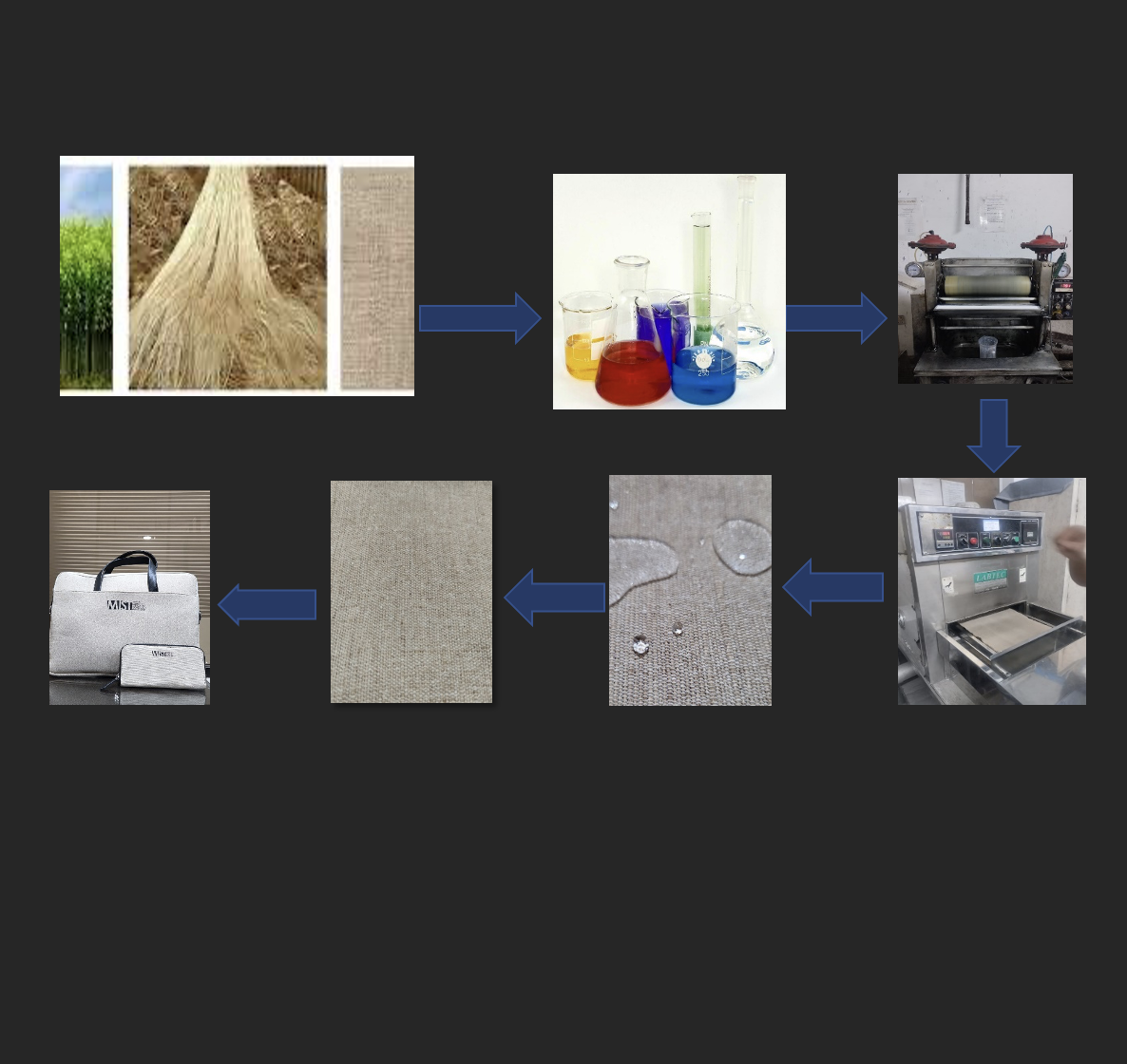
To eliminate the protruding fibers and make the surface level in order to have a good adherence of the finish, the singeing process was adopted in imparting water-resistance in the fabric (Figure 2). This jute material was subsequently padded through a mixture of a special formula blend which consisted of the NUVA N2114, acetic acid, and Arkophob DAN (Table 1). The experiment varied the concentration and process conditions and showed an optimal recipe. The fabric after padding was dried and cured in the stenter machine at temperature 155-165°C and 2 min to ensure that chemicals were well bonded to the fiber surface. This has led to a product that is not easily wetted by water on the surface and thus did not lose its repellent even during use and washing.
Evaluation of Water Repellence
Three testing techniques were conducted (Figure 3). These are described below.
- Spray Rating Test
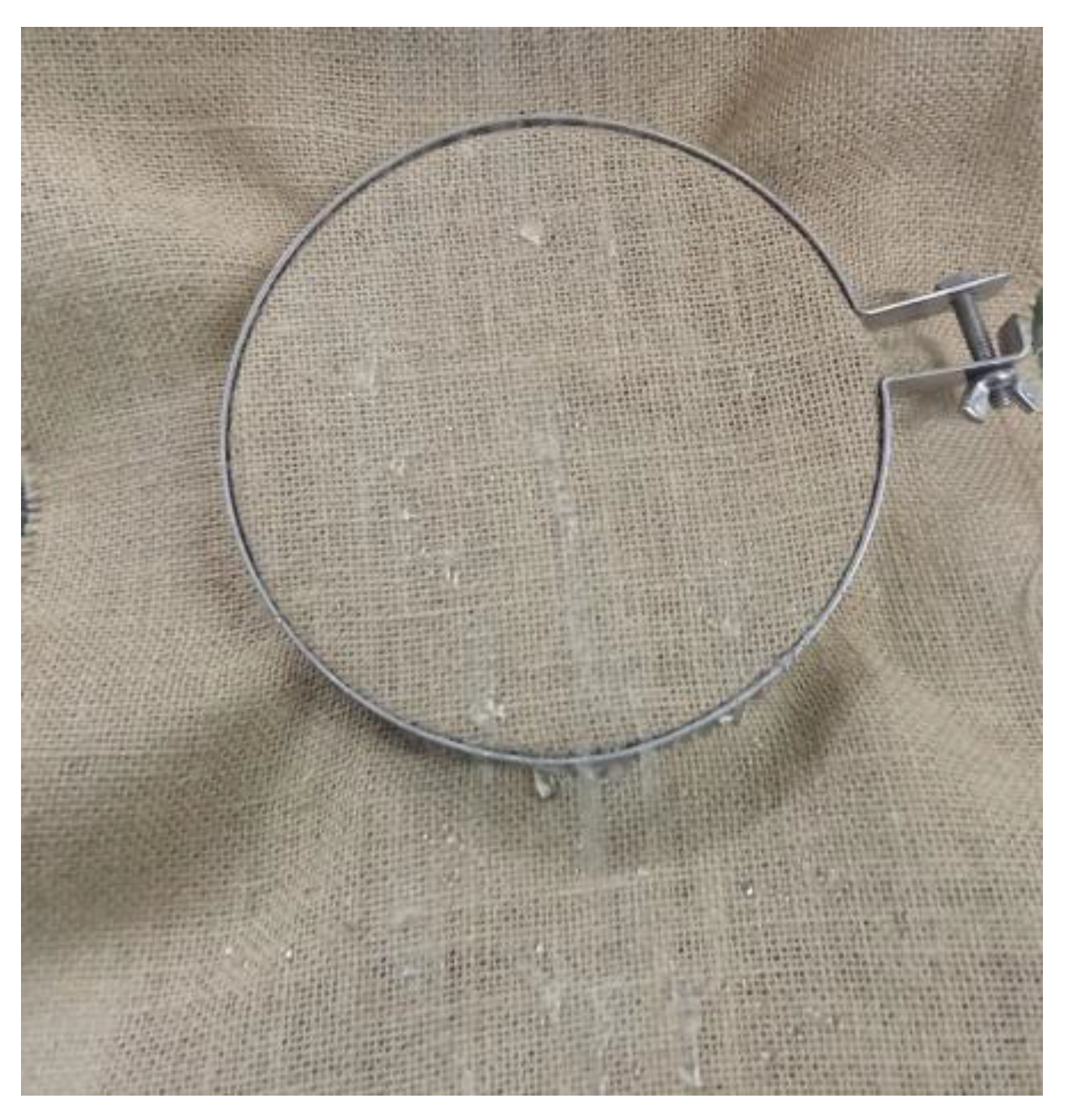
Water Spray Test (AATCC Method 22) was a qualitative and it was used to test the water repellency of a fabric to wetting on the surface. It was regularly used to measure the performance of water-repellent finishes on fabric. This test was not created to predict the degree of rain infiltration. In this regard, AATCC Method 35 (Rain Test) was used.
In the test, a specific volume of distilled water was sprayed on a taut, conditioned fabric specimen mounted in a hoop. The pattern and degree of wetting were then visually compared to a standard rating chart (Table 2).
Standard Test Conditions:
- Specimen Size: 180 mm × 180 mm (7 in. × 7 in.)
- Conditioning: Minimum 4 hours at 65 ± 2% relative humidity and 21 ± 1°C (70 ± 2°F)
- Water Volume: 250 mL of distilled water at 27 ± 1°C (80 ± 2°F)
- Spray Time: 25–30 seconds
- Apparatus: AATCC Spray Tester
- Assessment: Visual comparison to a standard chart
- ii.
- Drop test
This visual test was used to evaluate water repellency. A material with lower surface tension than water was considered water repellent. Water droplets placed on such a surface remained on top and did not penetrate.
- iii.
- Absorption test
The Absorbency or Spot Test was applied to find out the rate at which a fabric absorbed a liquid, (usually water). In the procedure, a distilled water drop was applied on the surface of the cloth and the absorption time of the drop was noted. The fabrics which easily absorbed the droplet were defined as hydrophilic and those that did not absorb easily were regarded as water-repellent.
Results and Discussion
Drop Test
Under the drop test, one drop of pure water was situated upon the upper part of the untreated and treated jute fabrics and the repellency of the water was determined by the manner in which the droplets behaved. In case of the untreated jute fabric, a water drop was directly absorbed by the surface of the fabric This observation can be seen in Figure 4. This meant that raw jute fibers are hydrophilic in nature since they are composed of natural cellulose. There was no surface modification of the fabric hence no water penetration resistance. Conversely, water repellancy was greatly achieved on the treated jute cloth that was subsequently completed by a combination of NUVA N2114, Arkophob DAN and a crosslink agent. The water droplet stood on the surface in a shape that is close to a sphere, and it had not gone into the fabric during the observation process. This observation can be seen in Figure 5. This kind of behavior was an indication of a successful change in the surface energy of the fabric making it have lesser affinity to water.
Absorption Test
From the absorption test, it was observed that the region of interest did not absorb the water droplets and was not wetted. This observation can be seen in Figure 6 and , which shows samples after the test. Compared to an untreated jute, as shown in Figure 6, the treated jute was completely dry. It was observed that after 2 minutes of waiting, the droplets didn't penetrate the treated water-repellent layer; the surface was arid. However, as they got wet in the untreated samples, the wet mark was clearly visible, as indicated in Figure 7.
Spray Rating Test
The spray test results showed that all three treated samples (Samples 01, 02, and 03) provided improved water resistance to jute fabric. With increasing concentrations of Nuva N2114 (100 g/L, 120 g/L, and 140 g/L) and curing at 155°C and 165°C, the spray ratings progressively improved, indicating higher levels of water repellency (Figure 3).
Figure 8.
Spray rating test.
In particular, Sample 03, which had been dipped in 140 g/L of Nuva N2114 and dried at 155°C and 165°C, testified a spray value of 100, indicating the highest score in the AATCC Method 22. This finding validates great hydrophobicity, where it is highly hard to detect any wetting on the cloth surface (Table 3).
After successful treatment, various types of jute bags were produced using the treated fabric. These included pencil bag, ladies Purse, laptop bag and school bag (Figure 9). The treated material provided enhanced water resistance and durability to the final products. While this enhanced bag comes at a higher price than a standard jute bag, it is priced at double that of an everyday jute bag. Its robustness and capacity to shield the contents from inclement weather justify this cost. As a result, it is expected to attract consumers looking for reliable bags for their daily and weekly shopping trips, ultimately boosting the demand for jute as a primary raw material. This, in turn, will benefit Bangladeshi jute cultivators [43].
Manufacturing Cost Analysis
Table 4 indicates the comparison of the manufacturing cost of water-repellent school bags between low GSM and high GSM treated jute fabrics. The two give 1000 bags in 500 yards. Although the price of fabric, spending on treatment and transportation and profit margin are the same, the cost of the fabric is very different, which is 65 BDT when GSM is low and at 150 BDT when GSM is high. Consequently, the low and the high GSM cost per bag is 900 BDT and 980 BDT respectively.
In the table a comparison has been created on different kinds of bags in terms of price and biodegradableness. Compared to the aforementioned options, jute, cotton, canvas, paper, leather and woven straw bags are biodegradable hence environmentally friendly. On the other hand, polyester, nylon and plastic bags fare the worst to worst in biodegradability. The water-repellent jute bag, priced between 150–1000 BDT, combines eco-friendliness with added functionality, offering a sustainable and practical alternative.

Table 5.
Evaluation of market feasibility and economic impact of water-repellent jute bag.
| Product name | Price (BDT) | Bio Degradability |
|---|---|---|
| Jute bag | 100 - 800 | Good |
| Canvas bag | 300-1500 | Good |
| Cotton grocery bag | 50-500 | Good |
| Polyester shopping bag | 150-800 | Poor |
| Leather bag | 500-5000 | Good |
| Nylon backpack | 100-5000 | Poor |
| Paper bag | 20-200 | Good |
| Woven straw beach bag | 200-1000 | Good |
| Plastic grocery bag | 20-200 | Worst |
| Water-repellent jute bag | 150-1000 | Good |
Conclusion
In conclusion, the quest to enhance the resistance of jute composites to moisture absorption through water-repellent coatings or treatments underscores the commitment of the scientific community and industries to harness the full potential of sustainable materials. These efforts not only extend the range of applications for jute composites but also contribute to the overarching goal of creating eco-friendly and durable materials capable of thriving in a variety of challenging environmental conditions. As research in this field continues, we can anticipate further advancements in water-repellent technologies for jute composites, making them even more versatile and resilient in humid or wet environments. Finally, the development of water-repellent jute-based composites not only offers a sustainable and environmentally friendly solution for bag production but also holds the promise of revitalizing the market value of jute, benefiting the farmers and economy of Bangladesh. By introducing innovative and eco-conscious materials, this research contributes to the broader goal of fostering sustainability and driving new dimensions of innovation in composite materials globally.
Funding
This project was funded by the Department of Nuclear Science and Engineering, MIST, Dhaka.
Authors' Contributions
M. M. Rahman: conceptualization, funding acquisition, investigation, resources, supervision; Kristy Gourab Sinha: writing – original draft, data curation, formal analysis, methodology; Md. Ashiqur Rahman Alif: writing – review & editing, data curation, formal analysis, resources; S. Hassan: writing – review & editing; Mohamad Faiz Bin Mohd: resources, editing; Ashfaqur Rahat siddique: funding acquisition, supervision; M. M. Zubaer: funding acquisition, supervision; W.B. Wan Nik – resources, editing;
Ethics and consent
Not applicable
Availability of data and material
Not applicable
Acknowledgments
Thanks to GOD, His Grace, and His Mercy, this work was finished. Special thanks to The Head of the Department of Nuclear Science and Engineering for his counsel, assistance, direction, and ideas that helped carry out and finish this research project. We extend our special gratitude to Assistant Professor Fariha and lab assistants for their invaluable technical support, guidance, and sharing of their skills in order to make this project successful.
Competing interests
The authors declare that they have no competing interests.
References
- Madara, D. S. , Namango, S. S., & Wetaka, C. Consumer-perception on polyethylene-shopping-bags. Journal of Environment and Earth Science 2016, 6, 12–36. [Google Scholar]
- Shah, S. S. , Shaikh, M. N., Khan, M. Y., Alfasane, M. A., Rahman, M. M., & Aziz, M. A. Present status and future prospects of jute in nanotechnology: A review. The Chemical Record 2021, 21, 1631–1665. [Google Scholar] [PubMed]
- Jahan, A. (2019). The environmental and economic prospects of jute with a connection to social factors for achieving Sustainable Development.
- Ullah, A. , Shahinur, S., & Haniu, H. On the Mechanical Properties and Uncertainties of Jute Yarns. Materials 2017, 10, 450. [Google Scholar] [CrossRef] [PubMed]
- Rahman, M. S. Jute–a versatile natural fiber. Cultivation, extraction, and processing. Industrial applications of natural fibers: structure, properties and technical applications.
- Ullah, A. , Shahinur, S., & Haniu, H. On the Mechanical Properties and Uncertainties of Jute Yarns. Materials 2017, 10, 450. [Google Scholar] [CrossRef] [PubMed]
- Shahinur, S. , Hasan, M., Ahsan, Q., Sultana, N., Ahmed, Z., & Haider, J. Effect of Rot-, Fire-, and Water-Retardant Treatments on Jute Fiber and Their Associated Thermoplastic Composites: A Study by FTIR. Polymers 2021, 13, 2571. [Google Scholar] [CrossRef]
- Kaysar, M. A. , Habib, M. M., Shahinur, S., Khan, M. N. I., Jamil, A. T. M. K., & Ahmed, May). Mechanical and thermal properties of jute nano-clay modified polyester bio-composite, in Proceedings of the 5th International Conference on Natural Fibers, Online, Portugal (pp. 17–19)., S. J. (2021. [Google Scholar]
- Shahinur, S. , Hasan, M., Ahsan, Q., Sultana, N., Ahmed, Z., & Haider, J. Effect of Rot-, Fire-, and Water-Retardant Treatments on Jute Fiber and Their Associated Thermoplastic Composites: A Study by FTIR. Polymers 2021, 13, 2571. [Google Scholar] [CrossRef]
- Chandekar, H. , Chaudhari, V., & Waigaonkar, S. A review of jute fiber reinforced polymer composites. Materials Today: Proceedings 2020, 26, 2079–2082. [Google Scholar] [CrossRef]
- Burrola-Núñez, H. , Herrera-Franco, P. J., Rodríguez-Félix, D. E., Soto-Valdez, H., & Madera-Santana, T. J. (2018). Surface modification and performance of jute fibers as reinforcement on polymer matrix: an overview. Journal of Natural Fibers. [CrossRef]
- Shahinur, S. , Hasan, M., Ahsan, Q., Saha, D. K., & Islam, M. S. Characterization of the properties of jute fiber at different portions. S. Characterization of the properties of jute fiber at different portions. International Journal of Polymer Science 2015, 2015. [Google Scholar] [CrossRef]
- Rana, A. K. , & Jayachandran, K. Jute fiber for reinforced composites and its prospects. Molecular Crystals and Liquid Crystals Science and Technology. Section A. Molecular Crystals and Liquid Crystals 2000, 353, 35–45. [Google Scholar] [CrossRef]
- Dhanasekaran, S. , & Balachandran, G. (2008). Structural behavior of jute fiber composites review. [CrossRef]
- Faruk, O. , Bledzki, A. K., Fink, H. P., & Sain, M. Biocomposites reinforced with natural fibers: 2000–2010. Progress in polymer science 2012, 37, 1552–1596. [Google Scholar] [CrossRef]
- Pujari, S. , Ramakrishna, A., & Kumar, M. S. Comparison of jute and banana fiber composites: A review. International Journal of Current Engineering and Technology 2014, 2, 121–126. [Google Scholar] [CrossRef]
- Rao, D. V. , Srinivas, K., & Naidu, A. L. A review on jute stem fiber and its composites. Int. J. Eng. Trends Technol 2017, 6, 1–9. [Google Scholar]
- Singh, H. , Singh, J. I. P., Singh, S., Dhawan, V., & Tiwari, S. K. A brief review of jute fiber and its composites. Materials Today: Proceedings 2018, 5, 28427–28437. [Google Scholar] [CrossRef]
- Gogna, E. , Kumar, R., Anurag, Sahoo, A. K., & Panda, A. A comprehensive review on jute fiber reinforced composites. Advances in industrial and production engineering: select proceedings of FLAME 2019, 2018, 459–467. [Google Scholar]
- Ashraf, M. A. , Zwawi, M., Taqi Mehran, M., Kanthasamy, R., & Bahadar, A. Jute Based Bio and Hybrid Composites and Their Applications. Fibers 2019, 7, 77. [Google Scholar] [CrossRef]
- Rabbi, M. , Islam, T., & Bhuiya, M. Jute Fiber-Reinforced Polymer Composites: A Comprehensive review. Int. J. Mech. Prod 2020, 10, 3053–3072. [Google Scholar]
- Sanivada, U. K. , Mármol, G., Brito, F. P., & Fangueiro, R. PLA Composites Reinforced with Flax and Jute Fibers—A Review of Recent Trends, Processing Parameters and Mechanical Properties. Polymers 2020, 12, 2373. [Google Scholar] [CrossRef]
- Shelar, P. B. , & Narendra Kumar, U. (2021, February). A short review on jute fiber reinforced composites. In Materials Science Forum (Vol. 1019, pp. 32–43). Trans Tech Publications Ltd. [CrossRef]
- Song, H. , Liu, J., He, K., & Ahmad, W. A comprehensive overview of jute fiber reinforced cementitious composites. Case Studies in Construction Materials 2021, 15, e00724. [Google Scholar] [CrossRef]
- Islam, M. S. , & Alauddin, M. World production of Jute: A comparative analysis of Bangladesh. International Journal of Management and Business Studies 2012, 2, 014–022. [Google Scholar]
- Mishra, V. , & Biswas, S. Physical and mechanical properties of bi-directional jute fiber epoxy composites. Procedia Engineering 2013, 51, 561–566. [Google Scholar] [CrossRef]
- Ahmadi, M. S. , & Dastan, T. Impact and flexural properties of hybrid jute/HTPET fiber reinforced epoxy composites. Indian Journal of Fiber & Textile Research (IJFTR) 2017, 42, 307–311. [Google Scholar]
- Ilman, K. A. , & Hestiawan, H. (2018). The tensile strength evaluation of untreated agel leaf/jute/glass fiber-reinforced hybrid composite. In IOP Conference Series: Materials Science and Engineering (Vol. 288, No. 1, p. 012088). IOP Publishing. DOI 10. 1088. [Google Scholar]
- Panigrahi, A. , Jena, H., & Surekha, B. Effect of clams shell in impact properties of jute epoxy composite. Materials Today: Proceedings 2018, 5, 19997–20001. [Google Scholar] [CrossRef]
- Selver, E. , Ucar, N., & Gulmez, T. Effect of stacking sequence on tensile, flexural, and thermomechanical properties of hybrid flax/glass and jute/glass thermoset composites. Journal of Industrial Textiles 2018, 48, 494–520. [Google Scholar] [CrossRef]
- Sinha, A. K. , Narang, H. K., & Bhattacharya, S. Mechanical properties of natural fiber polymer composites. Journal of Polymer Engineering 2017, 37, 879–895. [Google Scholar] [CrossRef]
- Swain, P. T. R. , & Biswas, S. Influence of fiber surface treatments on physico-mechanical behavior of jute/epoxy composites impregnated with aluminum oxide filler. Journal of Composite Materials 2017, 51, 3909–3922. [Google Scholar] [CrossRef]
- Devireddy, S. B. R. , & Biswas, S. Physical and mechanical behavior of unidirectional banana/jute fiber reinforced epoxy based hybrid composites. Polymer composites 2017, 38, 1396–1403. [Google Scholar] [CrossRef]
- Cavallaro, G. , Milioto, S., Parisi, F., & Lazzara, G. Halloysite nanotubes loaded with calcium hydroxide: alkaline fillers for deacidifying waterlogged archeological woods. ACS applied materials & interfaces 2018, 10, 27355–27364. [Google Scholar] [CrossRef]
- Cavallaro, G. , Danilushkina, A., Evtugyn, V., Lazzara, G., Milioto, S., Parisi, F., Rozhina, E., & Fakhrullin, R. Halloysite Nanotubes: Controlled Access and Release by Smart Gates. Nanomaterials 2017, 7, 199. [Google Scholar] [CrossRef]
- Liu, L. , Wang, Q., Xia, Z., Yu, J., & Cheng, L. Mechanical modification of degummed jute fiber for high-value textile end uses. Industrial Crops and Products 2010, 31, 43–47. [Google Scholar] [CrossRef]
- Dilfi KF, A. , Balan, A., Bin, H., Xian, G., & Thomas, S. Effect of surface modification of jute fiber on the mechanical properties and durability of Jute fiber-reinforced epoxy composites. Polymer Composites 2018, 39, E2519–E2528. [Google Scholar] [CrossRef]
- Sever, K. , Sarikanat, M., Seki, Y., Erkan, G., Erdoğan, Ü. H., & Erden, S. Surface treatments of jute fabric: The influence of surface characteristics on jute fabrics and mechanical properties of jute/polyester composites. Industrial Crops and Products 2012, 35, 22–30. [Google Scholar] [CrossRef]
- Chandekar, H. , Chaudhari, V., & Waigaonkar, S. A review of jute fiber reinforced polymer composites. Materials Today: Proceedings 2020, 26, 2079–2082. [Google Scholar] [CrossRef]
- Gupta, M. K. , Srivastava, R. K., & Bisaria, H. The potential of jute fiber reinforced polymer composites: A review. Int. J. Fiber Text. Res 2015, 5, 30–38. [Google Scholar]
- Shah, S. S. , Shaikh, M. N., Khan, M. Y., Alfasane, M. A., Rahman, M. M., & Aziz, M. A. Present status and prospects of Jute in nanotechnology: A review. The Chemical Record 2021, 21, 1631–1665. [Google Scholar] [CrossRef]
- Nguyen, Thang, Silane/Siloxane emulsions for masonry surfaces., Patent application PCT/AU94/00767 (https://patents.google.com/patent/WO1995016752A1/en.
- Ssegawa, J. K. , & Muzinda, M. Feasibility assessment framework (FAF): A systematic and objective approach for assessing the viability of a project. Procedia Computer Science 2021, 181, 377–385. [Google Scholar] [CrossRef]
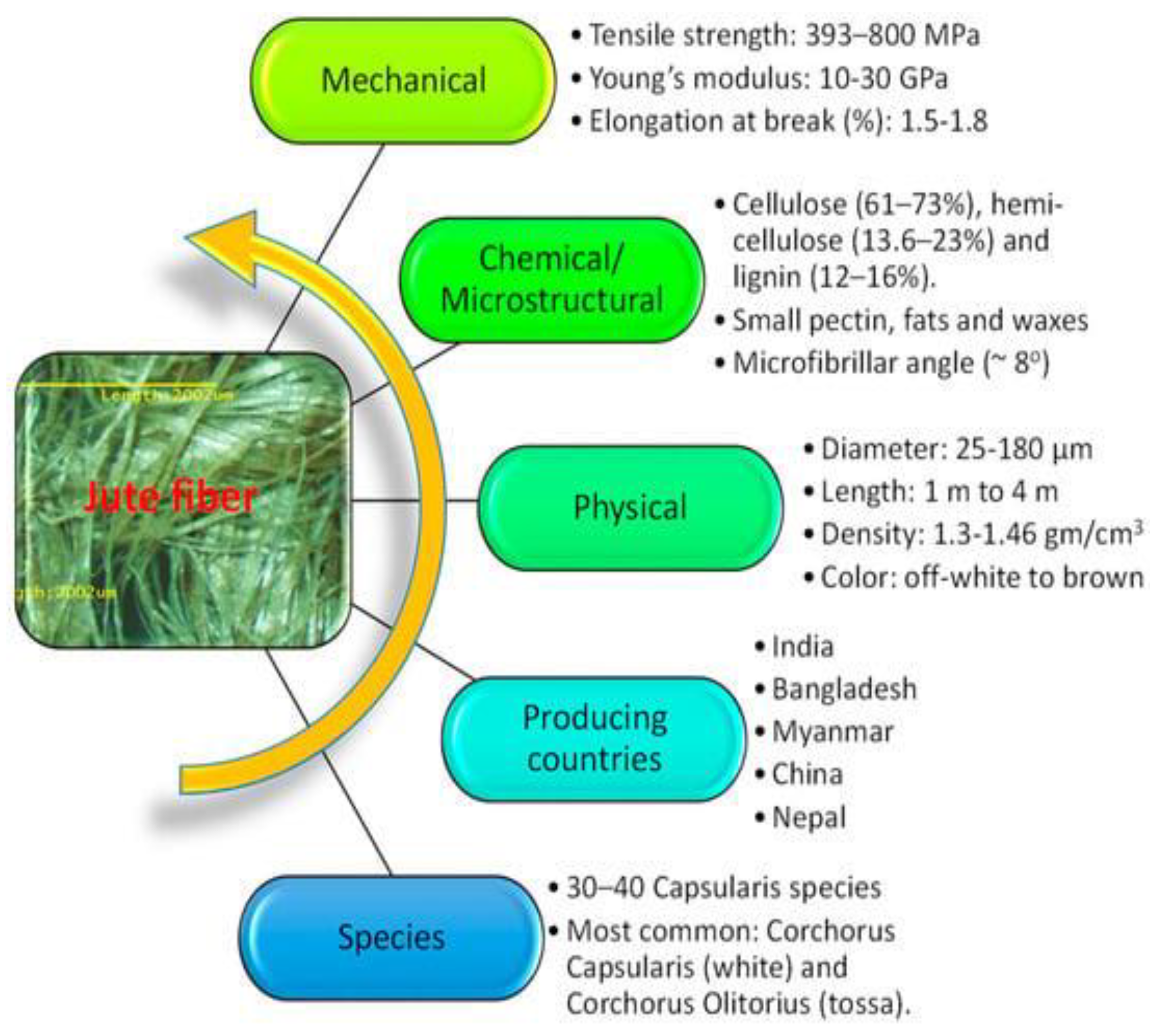
Figure 2.
Jute fabric treatment flow chart.

Figure 3.
(a) Singeing (b) Padding and (c) Stentering.
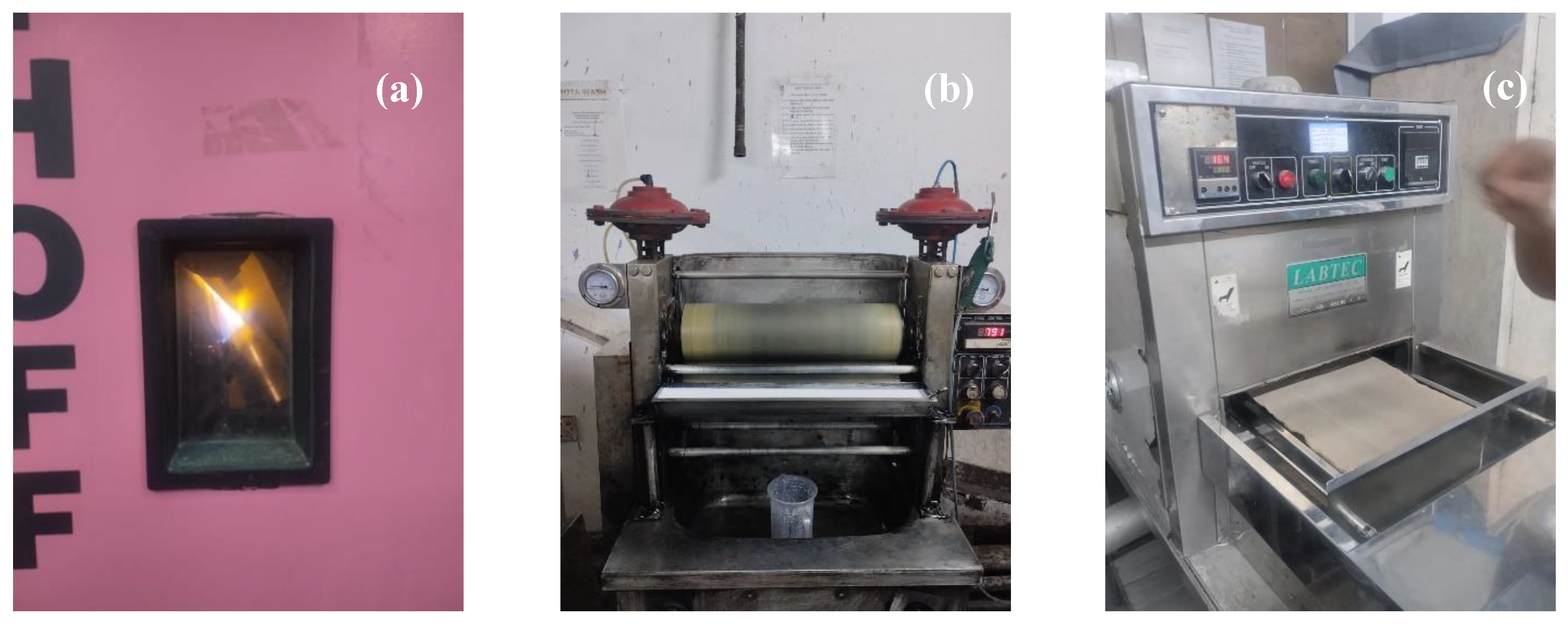
Figure 4.
Treated jute fabric.
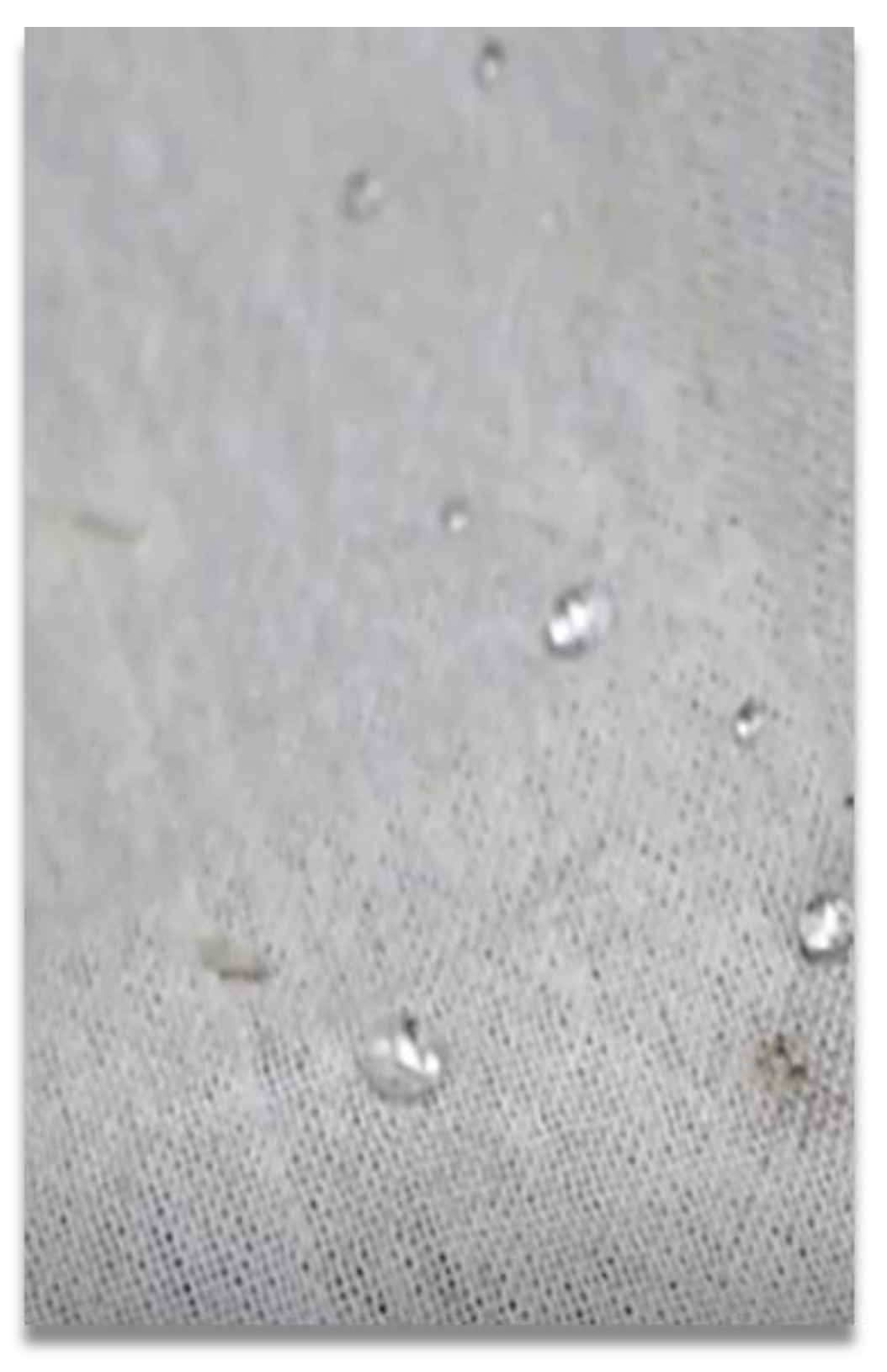
Figure 5.
Untreated jute fabric.
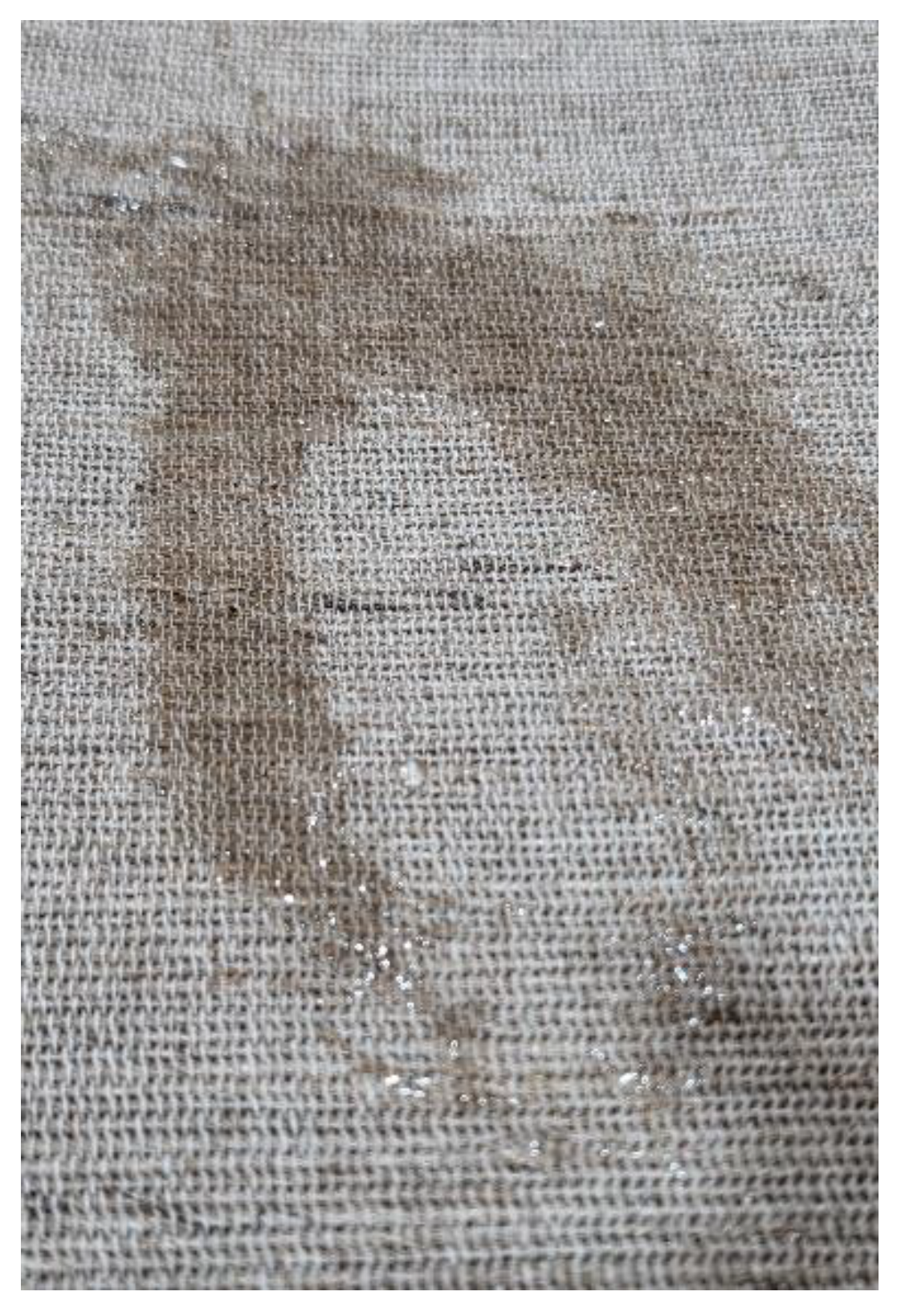
Figure 6.
Treated jute fabric.
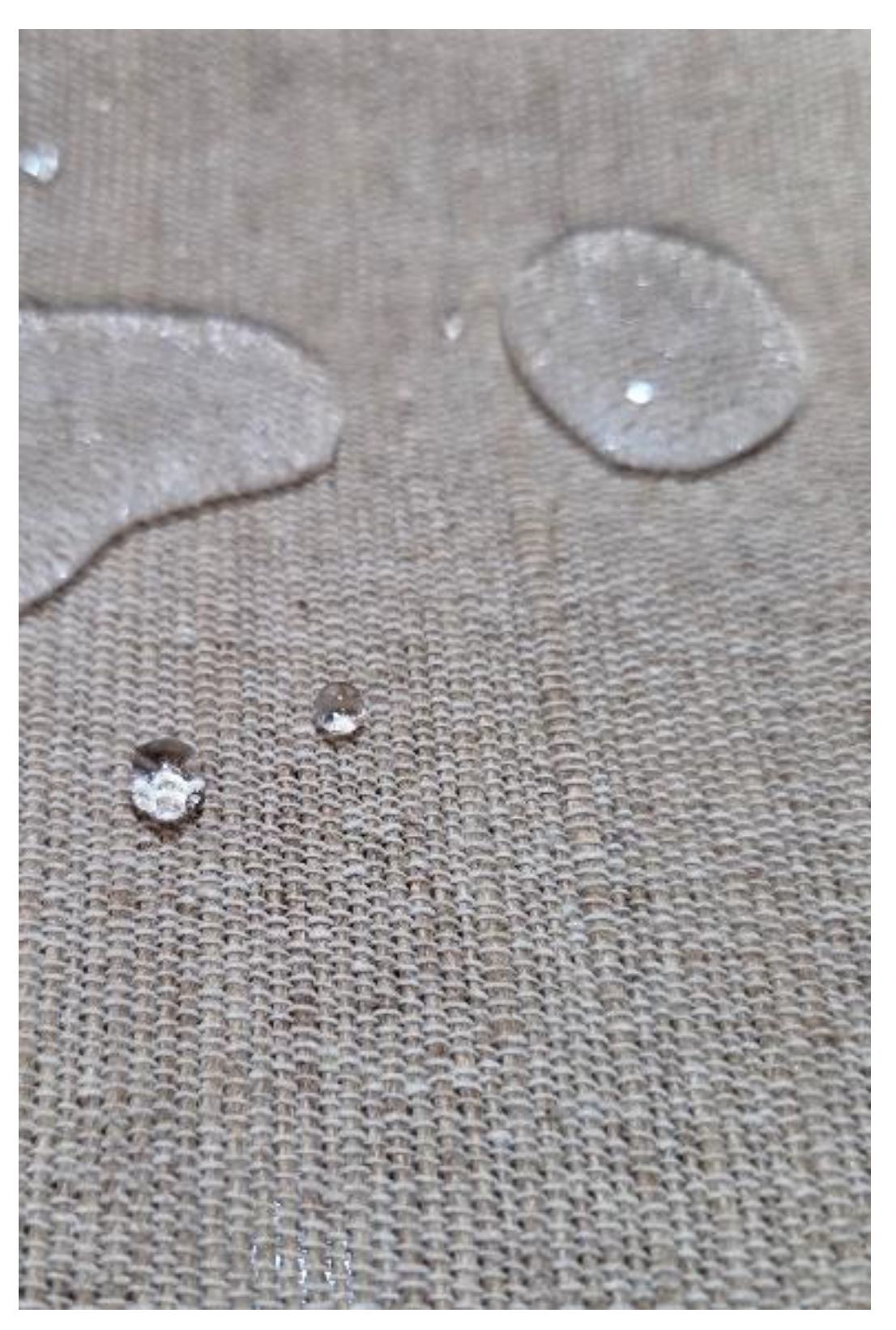
Figure 7.
Untreated jute fabric.
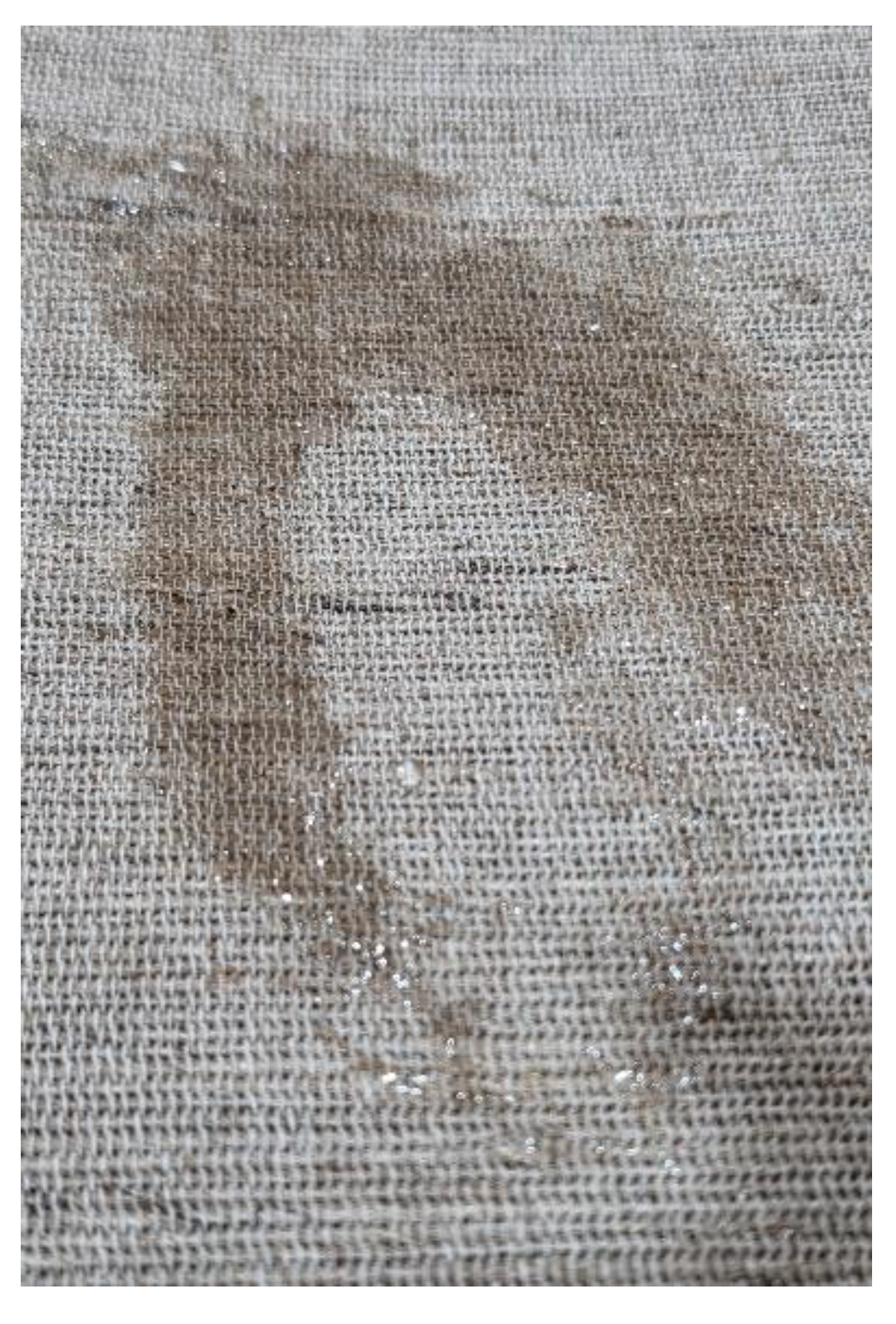
Figure 9.
Different types of bags with treated jute fabric.
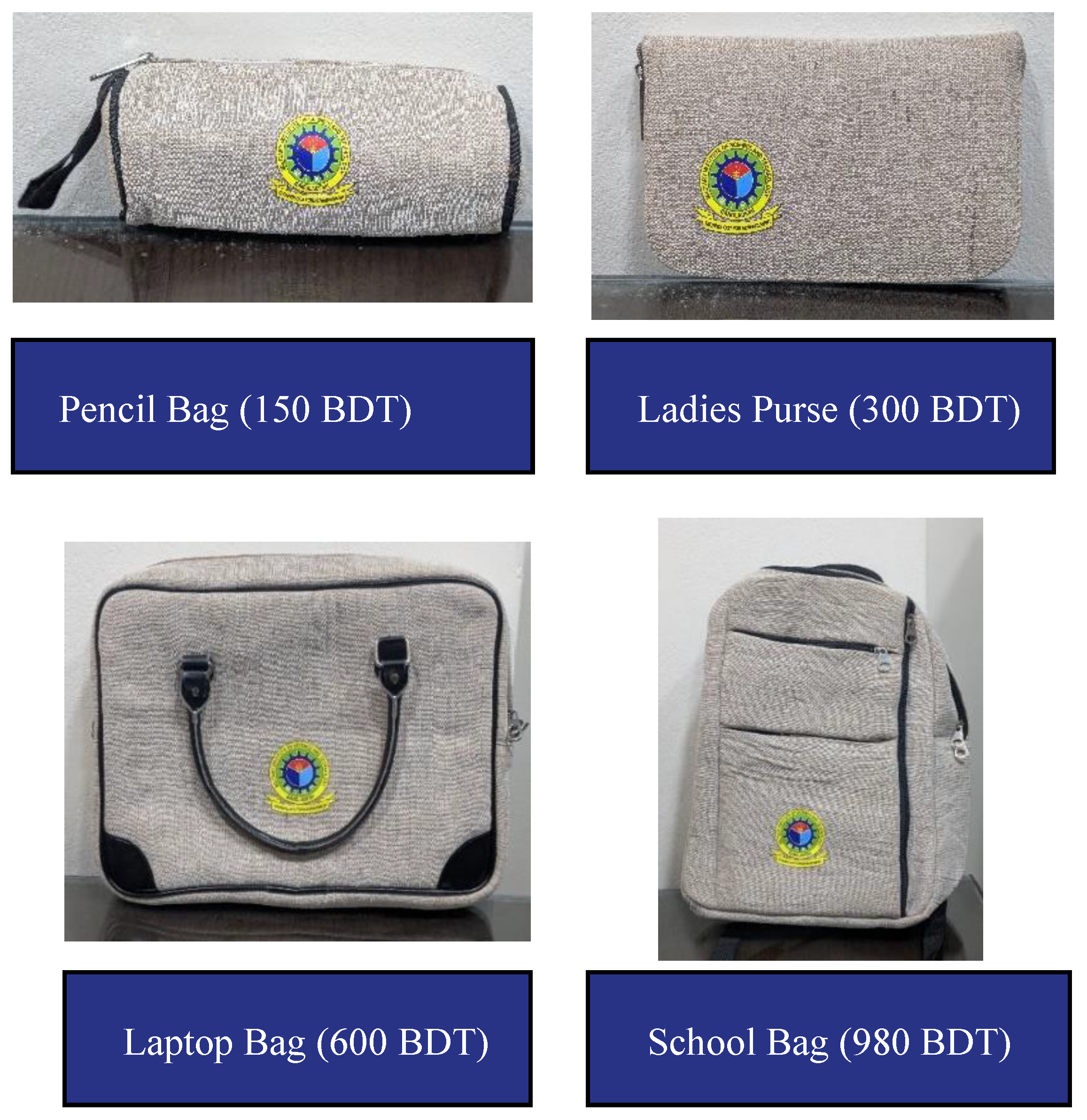
Table 1.
List of raw materials, quantity and instruments.
| Raw materials | Quantity | Instruments |
|---|---|---|
| NUVA N2114 | 100 gm/L, 120 gm/L, 140 gm/L |
|
| Acetic acid | 0.5-1 gm/L | |
| Arkophob DAN | 10 gm/L |
Table 2.
Water Spray Test Ratings Table (AATCC 22).
| Rating | ISO Equivalent | Description |
|---|---|---|
| 100 | ISO 5 | No sticking or wetting of the specimen face |
| 90 | ISO 4 | Slight random sticking or wetting of the specimen face |
| 80 | ISO 3 | Wetting of the specimen face at spray points |
| 70 | ISO 2 | Partial wetting of the specimen face beyond spray points |
| 50 | ISO 1 | Complete wetting of the entire specimen face beyond spray points |
| 0 | – | Complete wetting of the entire face of the specimen |
Table 3.
Spray Rating of Jute Fabric Treated with Nuva N2114.
| Sample No. | Concentration (g/L) | Chemical | Spray Rating (155°C) | Spray Rating (165°C) |
|---|---|---|---|---|
| 01 | 100 | Nuva N2114 | 80 | 80 |
| 02 | 120 | Nuva N2114 | 90 | 90 |
| 03 | 140 | Nuva N2114 | 100 | 100 |
Table 4.
Water Repellent School bag manufacturing cost.
| Item | Low GSM Fabric | High GSM Fabric |
|---|---|---|
| Pieces/Yard | 1000 pcs / 500 yards | 1000 pcs / 500 yards |
| Swing | 600 BDT (per pcs) | 600 BDT (per pcs) |
| Fabric Cost | 65 BDT (per pcs) | 150 BDT (per pcs) |
| Treatment Cost | 100 BDT (per pcs) | 100 BDT (per pcs) |
| Transport Cost | 30 BDT (per pcs) | 30 BDT (per pcs) |
| Profit | 100 BDT (per pcs) | 100 BDT (per pcs) |
| Total Cost | 900 BDT (per pcs) | 980 BDT (per pcs) |
Disclaimer/Publisher’s Note: The statements, opinions and data contained in all publications are solely those of the individual author(s) and contributor(s) and not of MDPI and/or the editor(s). MDPI and/or the editor(s) disclaim responsibility for any injury to people or property resulting from any ideas, methods, instructions or products referred to in the content. |
© 2025 by the authors. Licensee MDPI, Basel, Switzerland. This article is an open access article distributed under the terms and conditions of the Creative Commons Attribution (CC BY) license (http://creativecommons.org/licenses/by/4.0/).
Copyright: This open access article is published under a Creative Commons CC BY 4.0 license, which permit the free download, distribution, and reuse, provided that the author and preprint are cited in any reuse.


