
Submitted:
23 July 2025
Posted:
25 July 2025
You are already at the latest version
Abstract
Environmental issues are increasingly complex and demand transformative approaches in higher education. This study explores the implementation of the ARCS motivational model (Attention, Relevance, Confidence, Satisfaction) in a sustainability-focused general education course titled “Global Change and Sustainable Development.” Designed to foster place-based learning and ethical reflection, the curriculum engaged 43 university students through experiential instruction, field investigation, and reflective assignments. Qualitative data, including interviews and student outputs, revealed significant gains in environmental awareness, risk perception, and motivation to act. Results indicated that integrating the ARCS model not only increased student engagement but also deepened their understanding of environ mental responsibility and human–nature coexistence. The study concludes that motivation-enhanced environmental ed ucation effectively cultivates sustainability thinking and active citizenship, and should be widely adopted in higher education.
Keywords:
ARCS motivational model
; general education
; environmental issues
; environmental behavior
1. Introduction
In 1970, U.S. President Richard Nixon emphasized the responsibility of the education system in responding to environmental degradation, highlighting the growing urgency of environmental education. Similarly, René Descartes once asserted that humanity is the “master and possessor of nature,” yet our unsustainable behaviors continue to provoke severe environmental consequences [1]. As the natural world responds to human-induced pressures, education must play a transformative role in reshaping public attitudes and behaviors.
The concept of sustainable development has evolved from early concerns about industrial pollution to a global consensus on integrating environmental issues into education systems [1]. Since the 1990s, many nations have introduced environmental issues into curricula to cultivate students’ analytical abilities, support interdisciplinary problem-solving, and foster environmental policy awareness [2]. However, research indicates that environmental education remains overly theoretical, and students often perceive the content as irrelevant to their lives or academic interests [3].
Environmental issue education differs from traditional environmental science in its value-laden, open-ended nature. It emphasizes ethical reflection, risk awareness, and action-oriented learning. Barrows argued that human ecological science should focus on adaptation behaviors to the environment [4], while others have emphasized the significance of human–environment interactions in educational contexts [5]. Despite these insights, a major pedagogical challenge persists: how to meaningfully integrate environmental issues into general education and sustain student motivation.
To address this gap, this study applies the ARCS motivational model—comprising Attention, Relevance, Confidence, and Satisfaction—as an instructional design framework to enhance student engagement in an environmental issues course. The aim is to examine how the ARCS model can cultivate learners’ environmental awareness, critical thinking, and ethical responsibility, offering a practical approach to sustainability education in higher education.
2. Literature Review
2.1. Environmental Issues and Sustainable Development in the Context of Education
In the face of escalating environmental impacts and crises, education plays a critical role in research on environmental issues—particularly in understanding human behavioral adaptation to environmental challenges. Barrows emphasized that human ecological science should focus specifically on how humans adapt to their environments. Similarly, British scholar Yapp integrated the perspectives of environmental issues and education, a synthesis that gained further traction in the 1990s, when the concept of human–environment interaction in human ecology became widely applied to discussions of environmental issues and geography [5].
In Taiwan, attention to environmental issues has become increasingly diversified in recent years, encompassing themes such as traditional ecological knowledge, Indigenous knowledge systems, and climate change adaptation. However, Liang and Tseng [6] pointed out that science-centered instruction often fails to help students connect environmental issues with their everyday lives, limiting its influence on youth engagement and learning motivation. This study, therefore, adopts a perspective that emphasizes the coexistence between humans and the environment as a central pedagogical consideration in environmental education.
In recent years, the International Union for Conservation of Nature (IUCN) has promoted the concept of ecosystem-based disaster risk reduction (Eco-DRR), which aims to reduce the risks associated with environmental issues and enhance adaptive capacity through the sustainable management, conservation, and restoration of ecosystems. Accordingly, the interaction between humans and environmental issues—and the ways in which adaptation occurs—is continually reshaped by shifts in time, social systems, and environmental conditions. This evolving relationship constitutes a core value within the curriculum design of environmental issue education.
(1) The Role of Humans in Environmental Issues
In 1972, the United Nations Conference on the Human Environment held in Sweden declared that “for the sake of present and future generations, safeguarding and improving the environment has become a primary goal of humanity.” One of the most effective tools for addressing the global environmental crisis is the development of environmental education. Humans, in the grand process of natural environmental evolution, are merely one member among many in the ecosystem. Although endowed with cognitive abilities beyond those of other species, humans are not superior to other living beings in the face of nature. In fact, human survival depends heavily on the interconnectedness and support of other species within the ecological system.
Therefore, while sharing the Earth’s limited resources, we must also show care and respect for the natural environment. In other words, human behavior regarding environmental issues should be guided by a well-established set of environmental attitudes—ones grounded in the concept of sustainable development. These attitudes not only shape our understanding of environmental problems but also promote responsible environmental behavior. If an action allows for harmonious coexistence and mutual flourishing between humans and the environment, it is deemed appropriate and worth emulating. Conversely, actions that disregard this balance may threaten our very survival.
In this light, Leopold argued, “We abuse land because we regard it as a commodity belonging to us. When we see land as a community to which we belong, we may begin to use it with love and respect” [7]. It is only by establishing a perspective rooted in environmental awareness and understanding the necessity of coexistence between humans and nature that we can mitigate the risks and damages posed by increasingly frequent and severe natural disasters. Such a mindset is essential for advancing toward a vision of sustainable development where humanity and the environment thrive together.
(2) A New Pedagogical Perspective on Human–Environment Interactions: Ecosystem-Based Disaster Risk Reduction (Eco-DRR)
a. Sustainability Education on Human and Impactful Environmental Issues
Many environmental issues are not caused solely by natural processes but are, in fact, largely the result of human overexploitation of the environment. When compounded by extreme weather events, these human-induced pressures intensify the severity and scale of environmental impacts. Often, such damage arises from a lack of understanding of the natural environment, subjective preferences, or momentary negligence—actions that harm the very ecosystems upon which human survival depends. These actions not only undermine the resilience of natural systems but also degrade the quality and stability of the human living environment. The excessive and unsustainable use of environmental resources runs counter to the principles of sustainable development, ultimately leading to increasingly unpredictable, large-scale disasters and greater loss of life—outcomes we strive to prevent.
In his seminal 1945 study, geographer Gilbert F. White explored the relationship between flood hazards and human behavior. He argued that human vulnerability arises primarily from the overuse and degradation of natural environments. Therefore, mitigating flood-related losses requires not only reducing human exposure to hazard-prone areas but also enhancing the capacity of individuals and communities to anticipate, prevent, and respond to such disasters [8].
In light of this, it is essential that individuals cultivate accurate environmental knowledge, along with a responsible and proactive environmental awareness and attitude. By understanding the risks posed by natural disasters, we can significantly reduce—or even prevent—their impact. When people develop sound environmental perception and implement corresponding strategies and actions, the damage caused by environmental issues can be effectively mitigated.
In other words, what is needed most today is a new way of thinking about environmental challenges—one that emphasizes education as a means to foster an understanding of the dynamic, reciprocal relationship between humans and nature. This approach, known as environmental issues education, promotes the values of coexistence and mutual flourishing. It encourages learners to view environmental issues through the lens of sustainable development, examining how regional differences, local cultures, historical contexts, and diverse experiential factors influence both environmental conditions and human responses. Ultimately, the mission of environmental issues education is to equip individuals with the knowledge, skills, and resilience needed to confront and adapt to the impacts of environmental change.
b. Ecosystem-Based Disaster Risk Reduction (Eco-DRR) in the Context of Human–Environment Interactions.
In the context of Ecosystem-Based Disaster Risk Reduction (Eco-DRR), Japanese scholar Yasuo Nagashima [9] proposed two key hypotheses:
(a) Despite societal development, the ecological environment should maintain its biodiversity. This concept emphasizes the utilization of natural resources without violating ecological principles—for example, avoiding development in areas with known environmental risks.
(b) The extent of human environmental impact caused by current environmental issues cannot be effectively controlled, even with the most advanced scientific and technological means available today.
Therefore, within the framework of Ecosystem-Based Disaster Risk Reduction (Eco-DRR), the socio-ecological systems resulting from human–environment interactions may take on different forms depending on the characteristics of the environment itself. The impacts of environmental issues are often rooted in the natural conditions of a given region; however, the severity of these impacts largely depends on the extent to which the social environment is affected. According to Nagashima Yasuo [9], the greater the area of ecological richness, the more effective the resilience of the ecosystem. In other words, the richer the natural environment, the greater its capacity to mitigate the effects of disasters.
From the perspective of environmental issues education, preserving ecological richness is a critical foundation for preparing societies to face environmental risks. In sum, adopting the Eco-DRR concept as a foundation for social development is essential. A fragile ecosystem increases the vulnerability of our living environment, whereas a diverse and healthy ecosystem enhances our ability to withstand environmental shocks.
In everyday living environments, the concept of risk is ever-present. Vulnerability, however, can be reduced through the application of relevant scientific and technological advancements and robust infrastructure—such as improved seismic-resistant construction technologies. Eco-DRR can take various forms; this paper focuses specifically on the concept of environmental risk (see Figure 1) as one such model. This is merely one framework for reducing risk. Within the Eco-DRR model, the risk of natural disasters is determined by the scale of environmental impact, exposure, and vulnerability. The intersection of these three elements constitutes the zone of environmental risk. Nevertheless, through the mechanisms of Eco-DRR, this area of overlap—and thus the potential risk—can be reduced.
Furthermore, from the perspective of societal needs for Eco-DRR (Figure 2), it becomes evident that social changes can also have significant impacts. For instance, a declining population often leads to reduced tax revenues. This reduction in fiscal resources hampers the ability to implement large-scale infrastructure projects necessary to cope with environmental shocks. When we are constrained to maximize the use of existing facilities, we must critically assess whether we possess the capacity to respond effectively to the severe impacts brought by extreme weather events under global climate change. This is a pressing question that demands serious reflection. As environmental risks continue to intensify and expand in scope, traditional scientific knowledge and past experiences are no longer sufficient to address these challenges. Therefore, it is imperative to reexamine our approach through the lens of Eco-DRR and explore all possible actions we can undertake.
2.2. Educational Research and Applications on Environmental Issues
The integration of environmental issues into education has been a significant focus in both Taiwan and Japan for many years. Unlike Taiwan, Japan tends to approach environmental education through the lens of human–environment coexistence. Accordingly, this study compiles educational research on environmental issues published in Japanese environmental education journals, encompassing topics such as earthquake disasters, climate change, environmental pollution, and localized teaching strategies related to the COVID-19 pandemic.
(1) Earthquake Disasters
Tatsuya Fujioka [10] explored environmental education in the context of the 1978 Miyagi-ken-oki Earthquake and the Hyogo Southern Earthquake. Saori Murakami and Zenji Suzuki [11]reexamined the meaning of learning in nature through the lens of the post-3.11 tsunami and earthquake. Toshiyoshi Hirose, Toyoshi Sasaki, and Shinichi Furufusa [12] investigated how nature schools responded to the Hanshin-Awaji and Great East Japan Earthquakes, focusing on learning methodologies. Kiyoshi Ogawa, Senjin Kumataki, and Toshimichi Hirose [13] analyzed the relationship between nature conservation education and environmental education. Noriko Hata [14] examined public perspectives on coastal levees and environmental restoration in tsunami-affected regions. Tsuyoshi Sasaki [15] analyzed curriculum development in environmental education through the lens of post-tsunami environments, such as forests, rivers, and oceans. These studies reflect Japan’s emphasis on the interaction between people and disaster environments, embedding educational content into the daily lives of the public.
(2) Climate Change
Nobuo Shirai, Mitsuru Tanaka, and Hiroshi Nakamura [16] studied how local climate change impacts influence environmental behaviors, focusing on place-based learning. Shirai, Tanaka, and Eri Aoki [17] conducted observational and adaptive learning research on local climate patterns. Keiko Takahashi, Yasuaki Hijika, Kiyoshi Takahashi, and Naota Hanazaki [18] compared curriculum activities and teaching plans on climate change between Japan and Germany. Shigeru Okura, Nobuo Shirai, and Kim Changgut [19] emphasized three dimensions for climate change education: (1) understanding environmental issues such as the Anthropocene and climate justice from the perspective of environmental ethics, (2) examining policy and communication in response to social and environmental transformations, and (3) cultivating environmental citizenship in the age of climate change. These studies underscore Japan’s focus on locality, ethics, social perspectives, and the environmental characteristics in climate change education.
(3) Environmental Pollution
Toshiya Kodama [20] explored the experiential learning of 12-year-old children in Tokyo who had not directly experienced the Great East Japan Earthquake or Minamata Disease. Mika Okabe [21] examined environmental education concerning pollution caused by human activities. Miho Hayashi [22] studied museums focusing on pollution as platforms for environmental and sustainability education. Shinichi Furihata [23] analyzed nature-based learning programs related to Minamata pollution. Yuki Tomozawa [24] investigated the interrelationship between environmental pollution, environmental actions, and shared experiences. Hideo Osawa, Takeshi Semba, and Hitoshi Makino [25] researched public perception of radiation exposure and its health implications in the context of environmental education after the Fukushima nuclear disaster. Haruka Tanno [26] discussed the foundational environmental actions in relation to Minamata Disease. These studies show how Japan’s environmental education on pollution emphasizes learning from disaster experiences to prevent recurrence of similar events in the future.
(4) COVID-19 Pandemic
Environmental education research on COVID-19 remains limited in Japanese academic journals. Existing studies primarily focus on digital media and remote teaching. For example,Satoko Ishikawa, Kae Inoue, and Masatoshi Tomi [27] analyzed behavioral changes in Keio University students during remote digital learning. Soichi Toshikazu [28] examined the impact of the pandemic on student learning attitudes through the lens of STEM education (Science, Technology, Engineering, Mathematics). Yoko Kato [29] studied students’ psychological transitions, noting an initial phase of shock and denial, followed by gradual adaptation, a “honeymoon phase” of return to routine (e.g., resuming school), and eventual fatigue from sustained learning pressure. This cycle only began to resolve through long-term teacher support and counseling. Yasuo Nagashima [30] discussed the integration of immunity-related topics into elementary science education during the pandemic. While research remains scattered, it is evident that Japanese studies have concentrated on student learning processes and psychological adaptation during the pandemic.
Japan’s environmental issue research often emerges from the immediate interactions between humans and the environment. Topics such as environmental development, pollution, urbanization, regional development, the COVID-19 pandemic, and disaster–environment interactions all serve as viable educational directions. From the standpoint of environmental education, these issues also offer opportunities to explore curriculum content and competencies related to survival and adaptation.
In the Japanese context, environmental education aims to deepen understanding of the risks posed by environmental issues and the interactions between natural and human environments, as well as scientific knowledge. Just as Earth’s natural environment is shaped by forces such as solar radiation, climate systems, and geophysical stress, which directly and indirectly influence our living conditions, these environmental characteristics—dispersed across the planet—have been integrated into daily knowledge. On the other hand, environmental knowledge acquisition emphasizes understanding the features of Earth’s systems, such as tectonic movements in earthquake disasters, or meteorological phenomena like typhoons and heavy rainfall, translating scientific knowledge into practical, everyday awareness. Japan’s approach of incorporating environmental issues into daily life and common sense reflects an educational dimension still lacking in Taiwan.
2.3. Learning Dimensions of Environmental Issues
The 1972 United Nations Conference on the Human Environment led to the proclamation of the Declaration of the United Nations Conference on the Human Environment, which drew global attention to environmental concerns and marked the beginning of intensive research and educational efforts in environmental education. Subsequently, the World Commission on Environment and Development (WCED) published Our Common Future, and the 1992 Earth Summit introduced Agenda 21, further grounding environmental education and the teaching of environmental issues within international responsibility. These major milestones expanded the paradigm of environmental understanding—from a focus on ecological conservation to encompassing broader societal and political systems.In contrast to conventional subject-based education, learning about environmental issues emphasizes how to confront and respond to environmental impacts. It integrates systematic knowledge with the development of problem-solving abilities through awareness, knowledge, attitudes, skills, and action. Environmental issues are multifaceted and transcend the boundaries of individual academic disciplines. They reflect the environmental challenges faced by humanity, thus requiring initial clarification and discussion of values, cultivation of environmental awareness, construction of relevant knowledge frameworks, and development of strategic, problem-solving approaches. Ultimately, this process should foster responsible environmental behaviors and actions.According to Zhang Tzu-Chao [31], environmental issue-based curricula exhibit four key characteristics:
(1) Environmental Issue Education Is Centered on Real-Life Issues
Environmental issue education places real-world environmental challenges at the heart of teaching. These may range from global concerns such as climate change to local issues like dietary habits and food and agricultural education. The topics span scientific environmental issues—such as ocean warming—and socio-environmental concerns including the Sustainable Development Goals (SDGs). These are issues of public concern that demand immediate attention and action. Hence, environmental education highlights the importance of learning about actual issues and developing the capacity to address them, setting it apart from traditional didactic instruction.
(2) Environmental Issue Education Emphasizes Respect for Diverse Perspectives
Environmental issue education acknowledges the varied positions and contextual factors influencing environmental problems. It emphasizes understanding and respecting individual viewpoints and promotes the acceptance of multiple perspectives and alternative solutions. This pluralistic orientation is a defining feature of environmental education. Through interdisciplinary integration, it fosters an open-minded approach to diverse environmental standpoints and characteristics.
(3) Environmental Issue Education Involves Reflective Learning Through Value Analysis and Clarification
Given the inherently debatable nature of many environmental topics, environmental issue education provides opportunities for learners to engage in reflective inquiry, analyzing and clarifying underlying values. For example, the question of how to balance ecological conservation with economic development under the banner of sustainability presents a profound theme for value-based analysis and deliberation—an essential learning process within environmental education.
(4) Environmental Issue Education Supports Problem-Solving and Practical Engagement
Environmental education confronts urgent and complex environmental challenges. Thus, raising awareness, building knowledge, shaping attitudes, and developing competencies are all central to its instructional content. A defining trait of environmental education lies in fostering the ability to resolve issues and take action. In addition to knowledge acquisition, students are guided to develop decision-making, evaluative, and action-oriented skills. For instance, in the context of climate change education, beyond understanding the relationship between climate change and energy conservation, learners are encouraged to make informed trade-offs and take initiative—often discovering best practices through engagement in real-world action.
2.4. Applying Environmental Issues in General Education: A Pedagogical Reflection
Accordingly, general education aspires to broaden students’ life experiences and foster civic literacy. As future participants in civil society, students must be prepared to understand and address ongoing environmental changes and challenges. The integration of environmental issues into educational practice seeks to help students recognize the environmental concerns embedded in their everyday surroundings and their relevance to individual lives. This study focuses on leveraging the unique characteristics of both general education and environmental education to facilitate their effective integration and practical implementation.
(1) The Contemporary Importance of Environmental Issues in General Education
The landmark report General Education in a Free Society—commonly referred to as the Harvard Redbook—emphasized that general education is not a form of superficial or generalized learning, nor is it intended to cover all subjects indiscriminately. Rather, it is a process through which students are cultivated into responsible citizens. The report identified four core capacities as essential outcomes of general education: effective thinking, communication, sound judgment, and value discernment.
Over time, general education has evolved in response to shifting societal priorities, with increasing attention paid to civic literacy and social responsibility. In the 1990s, as environmental issues gained prominence, educational scholar David Orr asserted that “all education is environmental education” Orr [32] In recent years, the United Nations has further embedded environmental concerns into the Sustainable Development Goals (SDGs). As environmental issues increasingly center on problem-solving, general education has become instrumental in preparing students to be—to live sustainably and responsibly on this planet. This vision aligns with the core objective of general education: to cultivate students into holistic individuals with the capacity to thrive in and contribute to civic life.
If we consider the environment in its broadest sense, all disciplines—whether scientific, social, or humanistic—are inherently linked to environmental contexts. Thus, environmental issues serve as a conduit through which general education can achieve meaningful interdisciplinary engagement and civic relevance.
(2) Reflection, Environmental Ethics, and Pedagogical Approaches within Environmental General Education
Throughout history, the environment has been intrinsically tied to human survival. Since the Industrial Revolution, environmental degradation has accelerated alongside increased productivity—urban pollution, ecological imbalance, resource depletion, and various forms of environmental hazards have threatened human safety. This crisis has galvanized a global consensus on the need to understand the complex interactions between human activities and the environment, and to raise public environmental awareness.
In 1972, the United Nations convened the Conference on the Human Environment in Stockholm, a watershed event in global environmental discourse. The conference adopted the Declaration on the Human Environment and an Action Plan for the Human Environment, promoting the concept of “Only One Earth.” In 1992, the UN held the Earth Summit in Rio de Janeiro, where Agenda 21 articulated the central role of education in addressing environmental issues. It emphasized equipping people with the knowledge and skills needed to address these challenges and instilling a vision of sustainable development.
Following 2000, the focus of environmental education expanded toward Education for Sustainable Development (ESD), deepening the scope and integrating broader societal goals. In 2015, the UN adopted the 2030 Agenda for Sustainable Development, comprising 17 SDGs, which include goals such as poverty eradication, climate action, and gender equality. These targets offer a global framework for addressing urgent environmental concerns. Over time, the understanding of environmental issues has expanded both temporally and spatially—from resolving current problems to considering the long-term implications of present actions. This intergenerational concern emphasizes not only the well-being of the present generation but also that of future ones.
Education plays a fundamental role in cultivating environmental awareness, sensitivity, conceptual understanding, practical action, and ethical values. Teachers of environmental issues therefore assume three key pedagogical roles:
- Transmission of philosophy and concepts (e.g., environmental ethics, ecological worldview);
- Instruction of knowledge and skills (e.g., scientific understanding, practical competencies);
- Facilitation of reflection and value clarification (e.g., resolving value-based environmental dilemmas).
Accordingly, educators should draw on theories from educational philosophy, moral reasoning, knowledge-attitude-behavior models, learning psychology, and transfer of learning to design, implement, and evaluate environmental curricula and teaching strategies.
In summary, the core dimensions of environmental issue-based education encompass the following five elements:
- Environmental awareness and sensitivity
- Environmental conceptual knowledge
- Environmental ethics and values
- Skills for environmental action
- Experience with environmental engagement
As environmental concerns have become a priority in both global and domestic discourse, institutions of higher education increasingly offer general education courses with an environmental focus. Some of these are explicitly categorized as “environmental issue general education courses.” These courses have emerged as a key platform for disseminating environmental understanding.
While many environmental general education courses primarily emphasize the transmission of disciplinary knowledge, courses focusing on environmental issues go further—incorporating attitudes, ethics, and values underpinning these issues. Such courses often integrate professional expertise from various academic departments, empowering students to translate knowledge into action. Returning to the essence of general education, its mission is not confined to content delivery. Rather, environmentally oriented general education should foster the development of ethical reasoning, value clarification, and interdisciplinary competence, ultimately promoting informed action toward environmental sustainability.
2.5. Integrating the ARCS Motivational Model into General Education on Environmental Issues
In contemporary higher education, students’ attitudes toward knowledge acquisition and their motivation to learn tend to decline with age. University is a pivotal period during which students develop academic interests and career aspirations. Therefore, fostering new learning motivation among university students is crucial. Numerous studies on academic achievement and student motivation emphasize that instructional context plays a significant role in learning outcomes. However, most pedagogical approaches primarily target individual learners, often neglecting the influence of classroom settings and real-world experiences.
Linnenbrink and Pintrich [33] analyzed research on learning motivation and proposed that educators should adopt diverse, rather than singular, motivational strategies to effectively enhance student motivation. In other words, high-quality instruction requires a systematic teaching model composed of multifaceted strategies that continuously support student engagement and motivation.
This study adopts the ARCS motivational model, which includes four core instructional strategies: Attention, Relevance, Confidence, and Satisfaction Keller [34]. The ARCS model has been shown to promote learner engagement in science education, enhance motivation, and provide a coherent theoretical and practical foundation for instructional design Bohlin, Milheim & Viechnicki [35]. Notably, the ARCS model not only stimulates initial motivation but also sustains motivational engagement throughout the learning process, making it particularly effective when integrated with inquiry-based and hands-on teaching approaches.
Given these advantages, this study applies the ARCS motivational model within guided inquiry and experiential teaching related to environmental issues. The objective is to enhance university students’ learning motivation and deepen their understanding of environmental challenges encountered in daily life, as well as potential solutions.
In addition to providing structured teaching strategies, the ARCS model emphasizes the importance of creativity and critical thinking, especially in the context of environmental education. This approach aims to shift learners’ focus toward intrinsic motivation driven by the pursuit of knowledge, rather than extrinsic motivations rooted in sensory gratification Keller & Kopp [36]. Keller (1987) posits that capturing learners’ attention is not limited to sensory stimulation but can also be achieved by posing thought-provoking questions, encouraging reflection, and seeking solutions to environmental problems—thus fostering curiosity and a thirst for knowledge.
In environmental education, delivering in-depth and meaningful content through experiential learning can build learners’ confidence and inspire motivation. Furthermore, maintaining fair and engaging content—along with transparent evaluation of learning outcomes—allows students to derive satisfaction from a sense of achievement, reinforcing the principle that effort leads to reward [34].
However, Keller (1987) also warns that both excessive and insufficient motivation can hinder learning. Overmotivation may lead to stress or overconfidence, resulting in errors and inefficiency. Hence, motivational design should aim to avoid extremes of too little or too much motivation. Keller (1987) proposed a four-stage motivational design model, which includes:
- a.
- Define: Categorize the problem, analyze student motivation, and set motivational goals. Instructional designers should begin by assessing students’ current motivational levels and then establish criteria to elevate and evaluate motivation appropriately.
- b.
- Design: Develop and select appropriate motivational strategies. This involves identifying feasible strategies and filtering them according to learner characteristics, teaching context, and instructor expertise. This is the most time-consuming and challenging step.
- c.
- Develop: Prepare teaching materials and integrate motivational strategies. This phase includes refining existing materials, developing new instructional tools, and constructing evaluation instruments.
- d.
- Evaluate: Conduct formative assessments and evaluate motivational outcomes. This final phase involves predicting, assessing, validating, and revising instructional practices as necessary.
In designing learning activities for environmental issues, educators must consider students’ characteristics and needs. Establishing motivational learning objectives tailored to those needs—and continuously refining strategies through assessment—can foster sustained student engagement in solving real-world environmental challenges.
The report General Education in a Free Society outlines numerous educational principles worthy of investigation. Among these is the notion that general education aims to cultivate well-rounded individuals. A high-quality general education course should meet five essential criteria:
- a.
- Stimulate awareness and sensitivity, with an emphasis on multicultural understanding;
- b.
- Deepen conceptual knowledge and encourage meaningful dialogue;
- c.
- Promote moral, ethical, and value-based reasoning;
- d.
- Develop practical skills for action;
- e.
- Provide opportunities for experiential learning.
These criteria align closely with contemporary emphases in general education. Given that the environment forms the foundation of all human activities, environmental issues represent urgent challenges that society must confront. Accordingly, the goal of this study is to bridge the gap between humans and the environment through interdisciplinary general education courses that reinforce connections between academic disciplines and real-world environmental contexts (Table 1).
In general education, the instructional content goes beyond addressing relationships between individuals, society, and the environment—it also emphasizes value clarification, action-oriented goals, and engagement with real-world social issues. Therefore, the diverse dimensions of general education’s content and spirit can be integrated and aligned with various interdisciplinary teaching approaches. This study aims to apply and validate the ARCS motivational model by gradually developing confidence-building instructional strategies and implementing them within a general education course.
3. Methods
This study adopts a case study approach focusing on curriculum and instructional practice to explore the application of the ARCS motivational model. The curriculum is treated as an intervention in innovative teaching, with the aim of observing and evaluating students’ learning processes and outcomes. The research methodology comprises the following components: (1) research framework and questions, (2) research participants and limitations, (3) curriculum intervention, and (4) data collection and analysis.
3.1. Research Framework and Questions
As illustrated in Figure 3, the research framework is designed to investigate the pedagogical content of environmental issue education and the implementation of ARCS-based motivational strategies within general education courses. The objective is to examine how environmental issues can be effectively taught through curriculum design, thereby enabling students to integrate their learning experiences meaningfully.
Environmental issues are a crucial and integral aspect of general education. Within this context, the study seeks to understand the instructional essence of teaching environmental topics, using general education as a platform. A key consideration is how students can effectively connect with environmental issues through integrative teaching approaches.
Accordingly, the study applies the ARCS motivational model to design and implement a curriculum oriented toward environmental issues. The research procedure and framework are structured around this application. Through iterative implementation in actual classroom settings, the curriculum is subject to a cyclical process of refinement and revision. These adjustments are continually evaluated and validated to ensure that the revised curriculum aligns with pedagogical objectives and thematic coherence. Ultimately, the updated curriculum is brought back to the instructional setting for further application and assessment in practice.
Based on the aforementioned framework, the primary aim of this study is to explore the implementation methods and outcomes of applying the ARCS motivational model in general education courses focused on environmental issues. The study addresses two key research questions:
(1) What is the process of implementing ARCS-based instruction in general education courses on environmental issues?
(2) What are the outcomes of applying the ARCS motivational model in such instructional settings?
This study centers on designing a curriculum around environmental issues, transforming its conceptual elements through the integration of the ARCS motivational model, and examining both the instructional process and its effectiveness. The main instructional objectives are as follows:
- To use the development of environmental issues as a thematic core, guiding learners to reflect on their personal positioning and responsibilities within the broader context of global environmental challenges.
- To engage students with real-world environmental scenarios, helping them synthesize multi-layered causal relationships and construct future-oriented solutions for environmental problems.
- To employ the ARCS motivational model to stimulate students’ interest in environmental issues and support them in planning actionable strategies and advocacy initiatives addressing these challenges.
3.2. Research Subjects and Limitations
This study focuses on a heavy industrial region in southern Taiwan, which has long faced challenges from air pollution and the increasing frequency of extreme weather events such as heavy rainfall due to climate change. These environmental stressors make the area a representative and valuable case for investigation. The participants consisted of 43 undergraduate students from various departments enrolled in a general education course titled Global Change and Sustainable Development. Students conducted inquiries based on self-selected environmental issues, guided by the ARCS motivational model (Attention, Relevance, Confidence, and Satisfaction) integrated into the course design.To mitigate potential researcher bias, a variety of data sources were employed, including comprehensive interviews with all participating students who provided informed consent. However, the study is limited by its small sample size and the short duration of the course, which spanned only half a semester.
3.3. Curriculum Intervention: Course Development on Environmental Issues Utilizing the ARCS Motivational Model
This 18-week general education course, offered from February to June 2024, combined in-person and online learning. A Facebook group served as a platform for sharing materials and facilitating discussions. Weekly two-hour sessions included lectures, group discussions, and field investigations into real-world environmental issues.The instructor acted as a facilitator, guiding student-centered inquiry. Real-world case studies—such as the CPC Corporation’s natural gas terminal controversy—were used to foster critical thinking, scenario development, and problem-solving.The curriculum, centered on environmental issues and structured around the ARCS motivational model (Attention, Relevance, Confidence, Satisfaction), included:
- Course Review and Reflection: Field observations and student feedback were used to continuously refine course content.
- Curriculum Planning: Literature, media, interviews, and surveys informed the integration of environmental issues into students’ everyday contexts.
- ARCS Model Application: The ARCS framework guided motivational strategies and reflective teaching practices.
- Curriculum Development: Content was adjusted to sustain student engagement and align with evolving learning needs.
- Student Engagement and Dissemination: Activities such as poster sessions and thematic discussions encouraged students to apply knowledge through advocacy and awareness-building.
3.4. Data Collection and Analysis
A Facebook group was used as the primary platform to share course materials, resources, examples, and student work. Data collection included students’ chosen environmental topics, future scenario plans, promotional posters, class performance records, group presentations, and learning sheets—all reviewed and iteratively refined based on weekly feedback.
Following course completion, all 43 students participated in in-depth interviews, with follow-ups conducted when clarification was needed. The interview protocol explored:
(a) prior knowledge, attitudes, skills, and actions related to environmental issues;
(b) changes in these areas after the course;
(c) reflections on their final reports, including unresolved issues and potential improvements; and
(d) overall feedback and suggestions for the course.
Qualitative data were coded and categorized (Table 2), with themes extracted to identify conceptual relationships, reduce inconsistencies, and improve analytical reliability. The analysis addressed the following research questions:
- How were environmental issues integrated into curriculum design using the ARCS model?
- How was the ARCS model applied at each stage of curriculum development?
- How did students formulate future solutions to environmental challenges?
- What learning outcomes emerged under the ARCS model?
- Was student motivation to engage with environmental issues enhanced?
All participants provided informed consent. Interviews were transcribed verbatim, and ambiguous responses were verified to ensure accuracy.
4. Results
4.1. Environmental Perspectives in Environmental Issue-Based Education
The sense of fear instilled by environmental issues is no less than that caused by war, and in some cases, even surpasses that of infectious diseases. Environmental issues encompass a process of conceptualization, cognition, and value clarification that arises from the interaction between humans and their environment. This process aims to develop the necessary skills and attitudes for understanding and respecting the complex interplay among humans, culture, and environmental concerns.
Under the instructional application of the ARCS motivational model, students experienced a transformation in their perceptions and attitudes toward environmental issues. For instance:
Before the course:
“I felt disconnected from the real world. If an issue wasn’t trending, I simply wouldn’t pay attention to it.”(SA-QA01-20231018)
After the course:
“After completing the course, I started to follow environmental headlines more closely. I began checking typhoon trajectory maps, weather forecasts, and even earthquake news. I’ve become more concerned about environmental issues affecting the Earth.”(SA-QB01-20231222)
Environmental issues offer a renewed interpretation of the multifaceted relationship between humans and their environment, redefining the linkage between the two. In recent years, Taiwan’s environmental discourse has evolved across diverse domains, with climate change and sustainable development emerging as the two most pressing and widely discussed themes. Additionally, some students recognized other dimensions worthy of further attention—potentially key areas for future development.
Before the course:
“I have been feeling the increasing impact of nature in recent years—rising temperatures, air pollution, and other environmental problems.”(SU-QA01-20231018)
After the course:
“The changes in the environment and nature are truly happening around me. After completing the course, I now firmly believe that these environmental impacts—such as heavy rainfall, typhoons, and landslides—have caused severe damage to my tribal community. Many of our people have been displaced and left homeless. I feel I must start paying close attention to environmental changes from within my own tribe.”(SE-QB01-20231229)
The environment we live in is surrounded by what has become the number one threat caused by humans: environmental issues. The instruction of such topics must be rooted in place-based pedagogical approaches, which contextualize these global issues in the local setting. The causes and risks associated with environmental degradation are not solely tied to economic development but are instead the result of compounded factors—including environmental and societal dimensions (Figure 4).
After the course:
“I believe that the societal causes of environmental degradation include greenhouse gas emissions, motor vehicle usage, industrialization, non-biodegradable plastic products, deforestation, overgrazing, thermal power generation, and population migration. On the natural side, I now understand factors such as rising temperatures, reduced arable land, and sea-level rise. After the course, I no longer view these problems from a single perspective; I’ve started to consider multiple factors and dimensions.”(SD-QB02-20231229)
The emergence, escalation, and eventual loss of control over environmental issues often stem from humanity’s failure to recognize the fundamental concept that humans are an integral part of the natural environment. This awareness is frequently overlooked in everyday life. From the perspective of general education, a pressing need exists to clearly identify the environments in which environmental issues occur and to construct systems that can mitigate the expansion of related risks. This line of thinking is particularly critical in the teaching of environmental education.
If environmental issues are approached solely from a technical or knowledge-based standpoint, without taking into account the broader natural and social environments, even the most advanced environmental technologies will not prevent the recurrence of similar crises. In contrast, learning and instructional activities rooted in environmental education can help individuals prepare for and potentially prevent the recurrence of such challenges, thereby lessening future impacts.
“In both southern and central Taiwan, I have clearly felt the drastic seasonal shifts in recent years. Traditionally, spring and autumn temperatures should not be so extreme. However, now I can barely distinguish between these two seasons. Kaohsiung, once warm year-round, now demands that we wear long sleeves even in warmer months, rolling them up when it gets hot to adapt to this unpredictable climate.”(SU-QB03-20231222)
The literature review shows that conceptual transformations in environmental issue education involve integrating environmental and social factors into pedagogical frameworks. Therefore, incorporating environmental issues within the ARCS motivational model can effectively reduce associated risks. This is a tangible strategy that educators can adopt in classroom practice to make environmental learning both meaningful and impactful.
4.2. From Local Environmental Scales to Broader Environmental Issues
Previous studies and discussions on environmental issue education have increasingly recognized that environmental impacts should not be viewed solely from the perspective of environmental management. Instead, they must be understood through the complex interactions among environmental characteristics, human activities, and social factors. Environmental issues rarely stem from a single cause or event; rather, they are the result of multifaceted, compounded factors. These compound disasters have increasingly influenced the ways in which people interact with their environments. Thus, when examining the causes of environmental issues in the context of environmental education, it is essential to consider the power dynamics inherent in human-environment interactions and how different individuals experience environmental processes.
“After completing the course, I understood that typhoons and heavy rains can cause flooding and damage crops. Landslides wash away trees, and many of these events are due to our demand for more housing. This in turn leads to rising prices.” (SC-QB05-20231229)
Taiwan, an island of approximately 36,000 square kilometers, presents unique challenges and opportunities for environmental education, especially when placed within a global context. Education in Taiwan should not merely replicate foreign models. As seen in studies of traditional ecological knowledge within fields such as anthropology and ethnology, awareness of ecological knowledge began in the 1960s with an emphasis on local-scale understanding. By the late 1980s, Western academia increasingly valued small-scale, localized knowledge Agrawal [37]. In the 1990s, there was growing recognition of the positive role local knowledge could play in resource management and environmental governance, exemplified by the Convention on Biological Diversity. Such frameworks have prompted deeper reflection on human-environment relationships and the cultivation of basic competencies for addressing environmental issues Maxnevski [38].
Research has thus focused on two key knowledge systems: Local Ecological Knowledge (LEK), derived from detailed understanding of specific geographic contexts Kalland [39], and Traditional Ecological Knowledge (TEK), which emphasizes differences in the generation, preservation, transmission, and transformation of knowledge compared to modern scientific systems Dudgeon & Berkes [40]. In Taiwan, TEK is often associated with Indigenous ecological knowledge and is commonly understood as the ecological knowledge held by Indigenous peoples Dove [41]. According to Kuan Da-Wei [42], the term “indigenous knowledge” should not be narrowly defined as the knowledge of Indigenous peoples, but rather as knowledge emerging from a particular mode of human-environment interaction (an “indigenous way”).
From this perspective, environmental knowledge related to environmental issues in Taiwan can be considered a form of localized ecological knowledge. This knowledge is produced through direct experience with environmental issues and shaped by the specific interactions people have with diverse environmental conditions. Consequently, environmental issues are characterized by distinct target groups, geographic scales, temporal-spatial dimensions, and modes of knowledge generation.
“After taking the course, I felt more deeply that I am from Yilan. In my hometown, the air feels cool and refreshing. Since moving to Kaohsiung, I often suffer from nasal allergies; the air makes me very uncomfortable. Those who have not experienced this probably cannot imagine it. For example, in Yilan, it might take three months for a parked car to gather dust. In Kaohsiung, a short holiday is enough to turn my scooter black. I’m not exaggerating.” (SE-QB03-20231229)
The value and significance of ecological wisdom, local knowledge, and environmental adaptation in teaching environmental issues lies in deep engagement with local environmental characteristics. For example, the ancient warning of the Paiwan people states: “Water remembers its path,” implying that areas previously affected by debris flows are likely to be affected again. Thus, traditional Paiwan communities preferred to fetch water from mountain sources rather than settle near rivers, reflecting disaster prevention wisdom. Similarly, in Taoyuan’s Fuxing Township, the Atayal people have a coming-of-age tradition where fathers guide their sons to roll a rock, roughly their size, down a mountain. The path the rock takes is deemed unsuitable for future construction, a traditional method of identifying erosion-prone zones. Today, Atayal communities rarely build homes in areas with linear erosion.
Although few educational studies in Taiwan directly address environmental issues and their broader implications, ancestral wisdom embedded in local traditions remains worthy of exploration. If these traditional strategies and experiences are effective in addressing environmental challenges, it becomes imperative to consider how such environmental knowledge can be passed down through education. This is a vital concern and represents the greatest potential benefit of environmental education rooted in real-world environmental contexts.
When adopting a local-scale perspective as the primary framework, the risks associated with environmental issues can be mitigated by reducing exposure and vulnerability. In regions affected by environmental problems, the most effective short-term strategy is to avoid high-risk areas. However, when relocation is not feasible, alternative risk-reduction strategies must be employed (Figure 5), such as staying indoors or minimizing outdoor activities during periods of severe air pollution.
From the perspective of environmental issues, it is evident throughout human history that it is possible to overcome various environmental challenges, much like how nature itself possesses a capacity for regeneration. The ecological environment serves as the fundamental basis for all forms of life and livelihoods. Primary industries such as agriculture, fisheries, forestry, and mining are all built upon ecological systems. Humans rely on these systems to extract resources and benefits, which in turn help to reduce the risks and impacts they face.
In recent years, the concepts of “sustainable development” and “sustainable ecological environments” have emphasized maintaining the environment in a condition that is not excessively degraded or detrimental to future generations. Therefore, when we discuss environmental issues through the lens of sustainability, it is necessary to take a more nuanced approach. Different regions have distinct natural environments and sociocultural contexts, and any strategies aimed at reducing risk and impact must take these local variations into account. To effectively prevent and mitigate the risks associated with environmental issues, we must deepen our understanding of their root causes as well as the diverse forms of preventative measures available.
4.3. Development of a Curriculum Framework for Environmental Issues Education
In an era where environmental risks are ever-present, students must acquire essential knowledge encompassing science, the environment, society, and risk awareness. By understanding scientific principles and the underlying causes of environmental impacts, learners can reflect on their behaviors, even when living amidst risk-laden conditions. The consequences of environmental issues have, in many cases, led to loss of life. It is therefore imperative to adopt a science-based perspective and cultivate a mindset of coexistence with the environment in preparation for future challenges. This represents a crucial role that education can play.
“After completing the course, I think perhaps the best way to confront climate change is to adapt. I came from the north to study in the south and could immediately feel the difference in climate, but I had to adapt nonetheless.”(SE-QB04-20231229)
“I’m not ready to face environmental risks. I’m not an expert. Even after finishing the course, all I know is that the weather has become strange. I don’t understand the changes, consequences, or what might happen next—so I don’t know how to prepare.”(SP-QB04-20231227)
“After the course, I realized that I lack the knowledge needed to deal with the impacts of climate change. This applies not only to myself, but to society as a whole. For example, I don’t fully understand how to reduce carbon emissions. There’s still so much to learn.”(SD-QB01-20231229)
As environmental issues continue to intensify, scientists worldwide strive to use scientific knowledge to find solutions. Although economic development often drives environmental degradation, understanding how to balance growth and ecological preservation remains a central challenge. This dilemma, first widely acknowledged in the 1970s when international concern over pollution began to rise, has yet to be definitively resolved. Nonetheless, these lessons are critical for mitigating future environmental impacts.
“Anyone who says they’re prepared is lying. What can we do when glaciers melt and sea levels rise, flooding coastal areas? Build houses on mountains? I think people are used to a mindset of ‘once it’s over, it’s over.’ As long as it doesn’t affect them directly, they don’t act. That mindset is deeply troubling.”(SB-QA01-20231003)
“I’m not fully prepared either, but I try to make small changes—using fewer plastics, conserving water. At least I’m trying.”(SC-QA05-20231003)
Taiwan’s aging population presents a significant social challenge, compounded by environmental degradation resulting from excessive development that encroaches on wildlife habitats. This convergence of risks could further expose aging societies to unknown environmental hazards. In this context, it is essential that education fosters not only environmental knowledge but also risk awareness, emotional engagement, and behavioral readiness.
“After class, I see climate change as nature’s way of warning us—perhaps even crying out. The more advanced our technology becomes, the more harm we inflict: nuclear waste, deforestation for cash crops, land reclamation. Sometimes I feel humanity is like a virus to the Earth. In Earth’s 4.6 billion years, we’ve existed for less than a fraction of that, yet we’ve nearly exhausted its resources. It’s terrifying. Climate change may just be the beginning.”(SC-QB05-20240103)
“Environmental disasters are signs that nature is wounded. We need to heal those wounds and stop causing further harm. That’s the only way nature can recover. Reducing energy consumption and minimizing waste are small ways we can help.”(SB-QB04-20231229)
“Nature should not be seen merely as a resource, but as a partner in sustainable coexistence.”(SE-QB01-20231229)
“Just like the idea of karma—if we treat our environment poorly, it will strike back. I’m trying to coexist with nature, starting with small personal efforts.”(SS-QB01-20231229)
“Humans have exploited the land excessively, disrupting ecological balance. Nature’s retaliation—disasters—reminds us that Earth is our only home. There is no second planet. We must learn to live sustainably and appreciate what we have.”(SU-QB01-20231229)
While economic development often gives the illusion of control, environmental challenges demand a different mindset—one that embraces coexistence. From an educational standpoint, understanding the interplay between humans and environmental issues requires not only scientific knowledge but also insights into social development and environmental change. It is through education that individuals learn to adapt to these challenges.
From a pedagogical perspective, risk perception and behavioral response can be effectively taught through real-world environmental contexts. Embedding these principles into daily life through a structured curriculum (see Figure 6) enables learners to apply what they have learned to real-world situations. Drawing upon previous experiences with environmental crises and integrating concepts from environmental psychology, such educational approaches aim not only to influence behavior but to cultivate meaningful learning through human-environment interactions.
Given the complex and evolving nature of environmental challenges, it is essential to explore pedagogical strategies that not only convey knowledge but also foster sustained motivation for learning. In this context, the application of the ARCS motivational model (Attention, Relevance, Confidence, Satisfaction) provides a systematic instructional design framework aimed at enhancing learners’ motivation by integrating motivational theory with pedagogical practice.
Traditional instructional design often underestimates the role of learner motivation. Regardless of how well-crafted the teaching content is, if it fails to capture learners’ interest or focus, its educational impact is significantly diminished. Environmental education, therefore, stands to benefit substantially from the ARCS model by addressing students’ motivational needs through targeted strategies that promote engagement, reflection, and learning performance.
“Before taking this course, I did not pay much attention to climate change or sustainable development. I regarded environmental protection as a positive idea, but I never truly believed that what was happening to the natural environment had anything to do with me. This course, however, has deepened my concern for environmental issues.”(SI-QB01-20240103)
“After completing the course, I realized that our lack of preparation for environmental issues stems largely from our mindset—specifically, our tendency to neglect or avoid thinking about them. We often believe these issues do not directly affect us, so we ignore them. But that’s exactly the problem. Only by facing these issues head-on can we begin to find solutions and truly contribute to saving the planet.”(SC-QB06-20240103)
“Previously, I thought that doing my part for the environment meant taking public transport, conserving energy, and recycling. After the course, I believe that if everyone consistently carries out these everyday actions, we can make a meaningful difference. I also hope to pass on what I have learned about sustainability and environmental protection to others in the future.”(SE-QB03-20240103)
On a personal level, many students expressed emotional and psychological difficulty in confronting long-term environmental risks such as sea level rise and freshwater scarcity. These challenges appear overwhelming when viewed individually. However, when considered through the lens of collective human action, there is hope.
“In the long run, I cannot bear the thought of the risks posed by rising sea levels or diminishing freshwater resources. But after completing the course, I came to understand that the real power lies in collective action. As humans are inherently social beings, our collective efforts can generate significant impact. If we acknowledge the problems and work together, even the most difficult challenges can be overcome. As a member of society, doing my part to contribute is how I prepare myself for what lies ahead.”(SZ-QB01-20240103)
By integrating the ARCS model into general education courses on environmental issues, instructional design can transition from passive content delivery to active learner engagement. The model provides a pathway for fostering deeper reflection, encouraging behavioral transformation, and inspiring learners to see themselves as capable agents of change within the broader ecological system.
The instructional content of environmental issues can be structured through four progressive domains: environmental awareness, comprehension of environmental knowledge, clarification of environmental values, and the practice of environmentally responsible behaviors (Chang, 2017). Within this framework, the integration of real-world environmental contexts and observable behavioral responses into the curriculum enables students to meaningfully engage with the subject matter. Ultimately, such instruction aims to reconnect abstract environmental issues with learners’ everyday lived experiences (Figure 7).
In other words, teaching about environmental issues centers on developing learners’ understanding of how environmental challenges affect human survival and societal development. It calls for thoughtful pedagogical strategies that bridge conceptual learning with practical application. By doing so, environmental education transcends theoretical instruction and becomes an essential component of learners’ daily lives and decision-making processes.
5. Discussion and Conclusions
5.1. Understanding the Local Environment Should be the Foundational Step When Applying the ARCS Motivational Model to Environmental Issues Education
Environmental education must begin with students’ lived experiences to foster genuine engagement. The ARCS model helps integrate environmental issues into daily life, promoting critical thinking and preparedness. However, general curricula often lack this local grounding, leading to disconnection and avoidance behaviors when facing crises.
5.2. Environmental Education Should Emphasize Risk Perception and Coexistence
Globally, disaster and environmental education is often structured around four key management phases: mitigation, preparedness, response, and recovery. Social and human perspectives typically involve adaptation, disaster perception, vulnerability, and resilience. However, there is a lack of focus on the interactive behaviors between humans and disaster-affected environments.Environmental issue-based learning should be grounded in real-world contexts, providing meaningful opportunities for experiential engagement. Local knowledge plays a crucial role in understanding environmental risks, suggesting that risk assessment should begin at the local level and gradually expand to encompass broader, more systemic risk management strategies.
5.3. Ethical Dimensions of Human–Environment Interactions in Environmental Education
To foster sustainable attitudes, education must go beyond facts and embed environmental ethics into real-life contexts. Simulating authentic scenarios builds ecological awareness and a sense of responsibility. Experiential learning helps internalize sustainable values and transforms behavior in daily life.
5.4. Environmental Issues as Dynamic, Evolving Educational Content
Environmental topics in Taiwan are shaped by social dynamics and must remain adaptable. Complex issues like nuclear energy involve justice and intergenerational ethics, offering rich material for interdisciplinary learning. Environmental education should thus evolve continuously, promoting critical thinking and localized action. Further research should address diverse learners and teaching approaches.
References
- Yang, G.-Z. (1997). Huanjing jiaoyu. Taipei, Taiwan: Ming Wen.
- UNESCO. UN Decade of Education for Sustainable Development (2005–2014): Final Report; United Nations Educational, Scientific and Cultural Organization: Paris, France, 2014. [Google Scholar]
- UNESCO. Education for Sustainable Development Goals: Learning Objectives; United Nations Educational, Scientific and Cultural Organization: Paris, France, 2018. [Google Scholar]
- Barrows, H.H. Geography as Human Ecology. Annals of the Association of American Geographers 1923, 13, 1–14. [Google Scholar] [CrossRef]
- Freeman, T.W.; Johnston, R.J. Geography and Geographers: Anglo-American Human Geography Since 1945. Geogr. J. 1980, 146, 449. [Google Scholar] [CrossRef]
- Liang, K.-N.; Tseng, Y.-C. An Evaluation Research on Hope-Oriented Climate Change Curriculum at Senior-High School. Chinese Journal of Science Education 2020, 28, 75–97. [Google Scholar] [CrossRef]
- Huang, C.-N. (1995). Environmental issues and analysis. Taipei, Taiwan: Department of Geography at National Taiwan Normal University.
- White, G.F. Human adjustment to flood: A geographical approach to the flood problem in the United States; niversity of Chicago Geography Research Paper, No.29; Department of Geography, University of Chicago: Chicago, 1945. [Google Scholar]
- Nagashima, Y. Case studies on school disaster prevention and mitigation from natural disasters from the perspective of Eco-DRR and science curriculum. JSSE Research Report 2020, 35, 9–14. [Google Scholar]
- Fujioka, T. Material development for environment education concerning with 1978 Miyagi-ken oki Earthquake and 1995 Hyogo-ken nanbu Earthquake. Japanese journal of environmental education, 1998, 7, 60–67. [Google Scholar]
- Murakami, S.; Suzuki, Z. Reconsideration of “learning through nature”; understanding of “sense of wonder” from viewpoint of 3.11 great earthquake. Japanese journal of environmental education 2013, 23, 43–49. [Google Scholar] [CrossRef] [PubMed]
- Hirose, T.; Sasaki, T. , & Furihata, S. Transition from learning by experiencing nature to disaster education: How nature school educators applied their knowledge and skills for the 1995 great Hanshin-Awaji earthquake and the 2011 great east Japan earthquake. Japanese journal of environmental education 2013, 22, 74–81. [Google Scholar]
- Ogawa, K.; Kumotaki, N. & Hirose, T. Searches for the point of contact of nature conservation education, nature-based experiential learning and disaster education - The Utatsu District, South Sanriku-cho, Miyagi Pref.; to the Case-. Japanese journal of environmental education 2013, 23, 5–12. [Google Scholar]
- Hata, N. Process of residents’ participation in disaster recovery: A case study of local practices confronting the tide embankment issue in a tsunami disaster area. Japanese journal of environmental education 2015, 25, 3–15. [Google Scholar] [CrossRef]
- Sasaki, T. Analysis of dialog processes at a development meeting for an environmental education program to emphasize the forest–river–ocean relationship in tsunami disaster areas. Japanese journal of environmental education 2016, 24, 15–24. [Google Scholar]
- Shirai, N.; Tanaka, M.; Nakamura, H. The verification of “Jimoto-gaku of climate change”, and consideration of the formative process for climate change adaptation community. Japanese journal of environmental education 2017, 27, 62–73. [Google Scholar] [CrossRef] [PubMed]
- Shirai, N.; Tanaka, M.; Aoki, E. Analysis of the structure of consciousness of mitigation and adaptation behavior to climate change - For regional education on climate change. Japanese journal of environmental education 2015, 25, 62–71. [Google Scholar] [CrossRef] [PubMed]
- Takahashi, K.; Hijiok, Y.; Takahashi, K.; Hanasaki, N. Study on climate change education aimed at fostering regional leaders - based on a comparative analysis between climate change education in Japan and Germany-. Japanese journal of environmental education 2016, 26, 29–42. [Google Scholar] [CrossRef]
- Okura, S.; Shirai, N.; Changgu, K. How can environmental education respond to the climate crisis? Japanese journal of environmental education 2023, 32(3), 2–5. [Google Scholar]
- Kodama, T. What can metropolitan area’s children learn from the experience of East-Japan earthquake disaster and Minamata disease? Japanese Journal of environmental education 2013, 22(2), 90–98. [Google Scholar] [CrossRef]
- Okabe, M. Pollution education as “calling human beings and modern education into question”-examining pollution education from the perspective of educational anthropology-. Japanese journal of environmental education 2015, 25, 60–69. [Google Scholar] [CrossRef]
- Hayashi, M. Significance of learning about Kogai in Japan today- environmental pollution education and the Kogai Museum network-. Japanese journal of environmental education, 2015, 25, 71–81. [Google Scholar] [CrossRef]
- Furihata, S. Learning by experiencing nature in pollution education - exploring the time of establishment of learning by experiencing nature in the history of Minamata pollution education-. Japanese journal of environmental education, 2015, 25, 16–27. [Google Scholar] [CrossRef]
- TOMOZAWA, Y. Sharing the experiences from multiple anti-pollution movements - contribution of the jishu-koza KOGAI genron as a telephone switchboard of experiences -. Japanese journal of environmental education 2015, 25, 36–47. [Google Scholar] [CrossRef] [PubMed]
- Osawa, H.; Semba, T. & Makino, H. Communication regarding the risk to health resulting from radiation exposure - An illustration of environmental education material based on experience of telephone counseling following the accident at the Fukushima Daiichi Nuclear Power Plant -. Japanese journal of environmental education 2015, 24, 74–90. [Google Scholar]
- Tanno, H. Koichi Yanagida and passing down activities on Minamata disease - focusing on the fundamental struc ture of his ideas -. Japanese Journal of environmental education 2015, 25, 48–59. [Google Scholar] [CrossRef]
- Satoko, I.; Kae, I.; Masatoshi, T. Faculty challenges during the SARS-CoV-2 pandemic and the results of student questionnaires for the implementation of online and face-to-face classes. Japanese journal of pharmaceutical education 2021, 5, 1–7. [Google Scholar] [CrossRef]
- Toshikazu, S. Exploratory study of stress management education during the coronavirus pandemic. Hokkaido psychological research 2021, 43, 54. [Google Scholar]
- Kato, Y. Clinical psychological support for school-aged children darling COVID-19 Pandemic. Journal of Japanese association of health consultation activity 2020, 15, 134–138. [Google Scholar]
- Nagashima, Y. (2020). Consideration of the science curriculum “immunity” in elementary and junior high schools after the spread of COVID-19 infection. Proceedings of the 44th Annual Meeting of the JSSE, 281-284.
- Zhang, T.-C. (2017). The significance and curriculum shell of seawater education - taking environmental education as an example. Pulse of education 2017, 11, 23–30. [Google Scholar]
- Orr, D.W. Ecological Literacy; State University of New York Press: New York, NY, 1992. [Google Scholar]
- Linnenbrink, E.A.; Pintrich, P.R. Motivation as an enabler for academic success. School Psychology Review 2002, 31, 313–327. [Google Scholar] [CrossRef]
- Keller, J.M. Development and use of the ARCS Model of instructional Design. Journal of Instructional Development, 1987; 10, 2–10. [Google Scholar]
- Bohlin, R.M.; Milheim, W.D.; Viechnicki, K.J. The development of a model for the design of motivational adult instruction in higher education. Journal of Educational Technology Systems 1993, 22(1), 3–17. [Google Scholar] [CrossRef]
- Keller, J.M.; Koop, T. (1987). An application of the ARCS model of motivation design, In C. Regality (Ed.), Instructional theories in action: Lessons illustrating selected theories and models. (pp. 289–320) Hillsdale, SJ: Lawerence Erlbaum.
- Agrawal, A. Dismantling the Divide Between Indigenous and Scientific Knowledge. Development and Change, 1995, 20, 413–39. [Google Scholar] [CrossRef]
- Maxnevski, M.L. Understanding our Differences: Performance in Decision-Making with Diverse Groups. Human Relations 1994, 47, 531–52. [Google Scholar] [CrossRef]
- Kalland, A. (2000). Indigenous Knowledge: Prospects and Limitations. Indigenous environmental Knowledge and its Transformations: Critical Anthropological Perspectives, eds. R. Ellan, P. Parkes, and A. Bicker, 319–331. New Jersey: Harwood Academic Publishers.
- Dudgeon, R.C.; Berkes, F. Local Understanding of the Land: Traditional Ecological Knowledge and Indigenous Knowledge. Nature Across Cultures 2003, 4, 75–96. [Google Scholar]
- Dove, M.R. (2000). The Life-cycle of Indigenous Knowledge, and the Case of Natural Rubber Production. Indigenous Environmental Knowledge and its Transformations: Critical Anthropological Perspectives, eds. R. Ellan, P. Parkes, and A. Bicker, 213–252. Amsterdam: Harwood Academic.
- Kuan, D.-W. Indigenous ecological knowledge and watershed governance a case study of the human-river relations in mrqwang, Taiwan. Journal of geographical science 2013, 70, 69–105. [Google Scholar] [CrossRef]
Figure 1.
Concept of Environmental Risk in Eco-DRR (Adapted from Asia Disaster Reduction Center, 2005; p.6).
Figure 1.
Concept of Environmental Risk in Eco-DRR (Adapted from Asia Disaster Reduction Center, 2005; p.6).
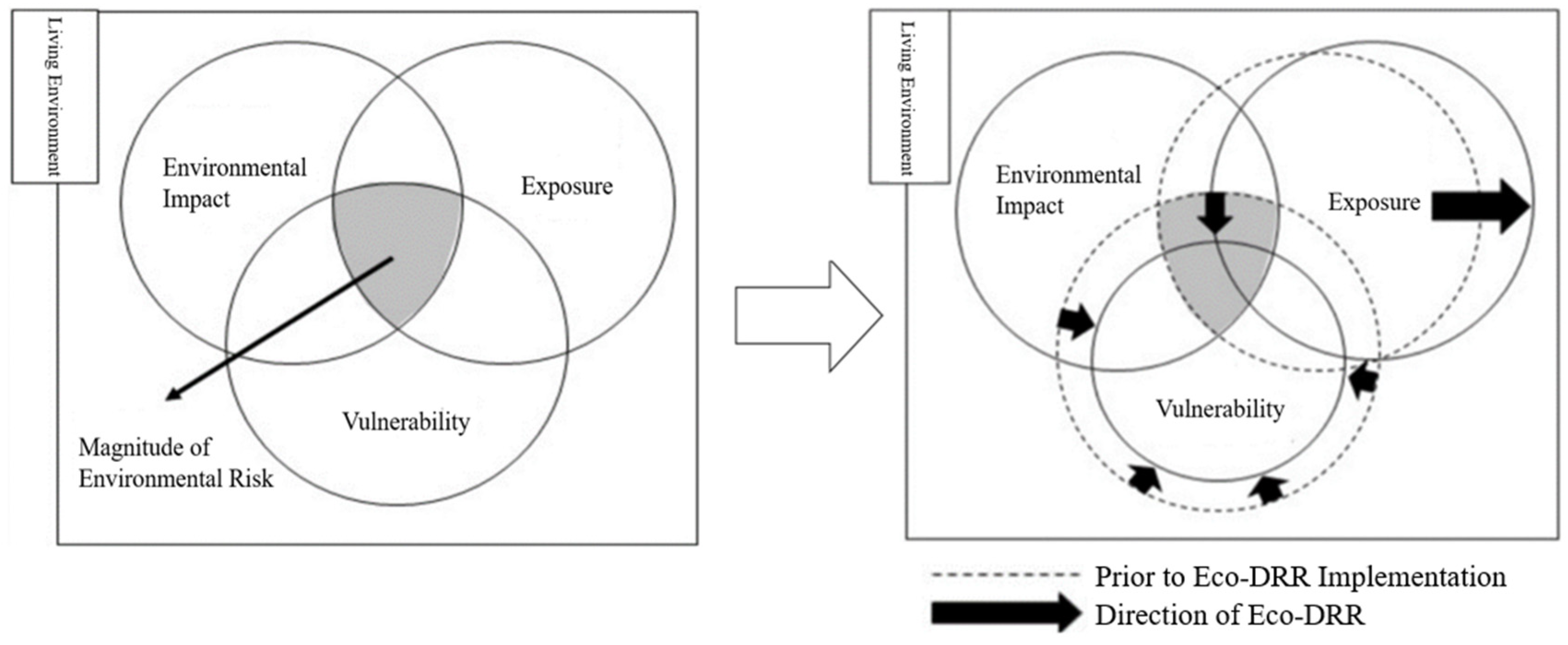
Figure 2.
Societal Needs and Background from the Perspective of Eco-DRR (Adapted from Nagashima, Y., 2020a;p.11) [9].
Figure 2.
Societal Needs and Background from the Perspective of Eco-DRR (Adapted from Nagashima, Y., 2020a;p.11) [9].
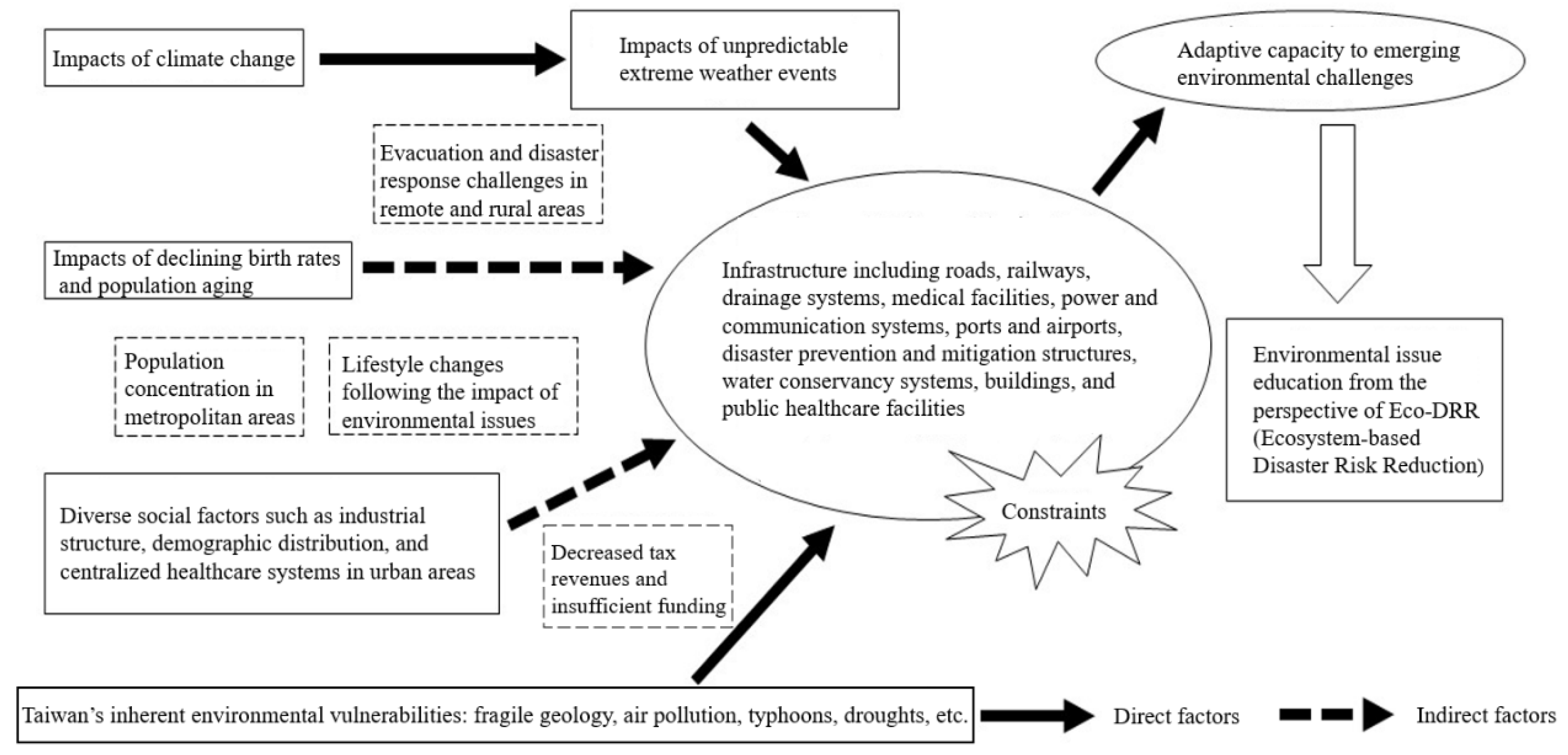
Figure 3.
Research Framework.
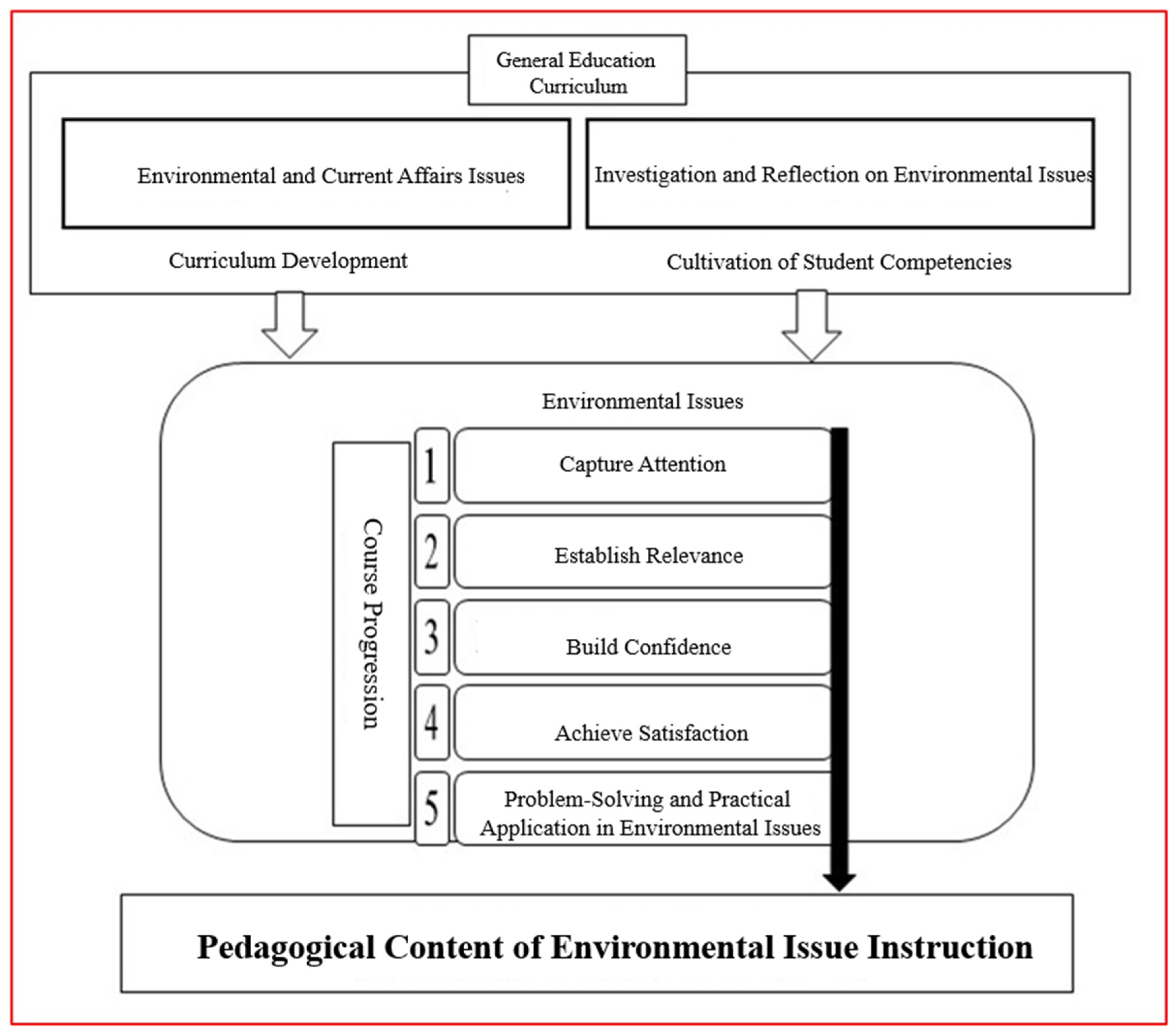
Figure 4.
Student-Created Environmental Project: Pathways Toward Sustainability (SD-HR03-20231208).
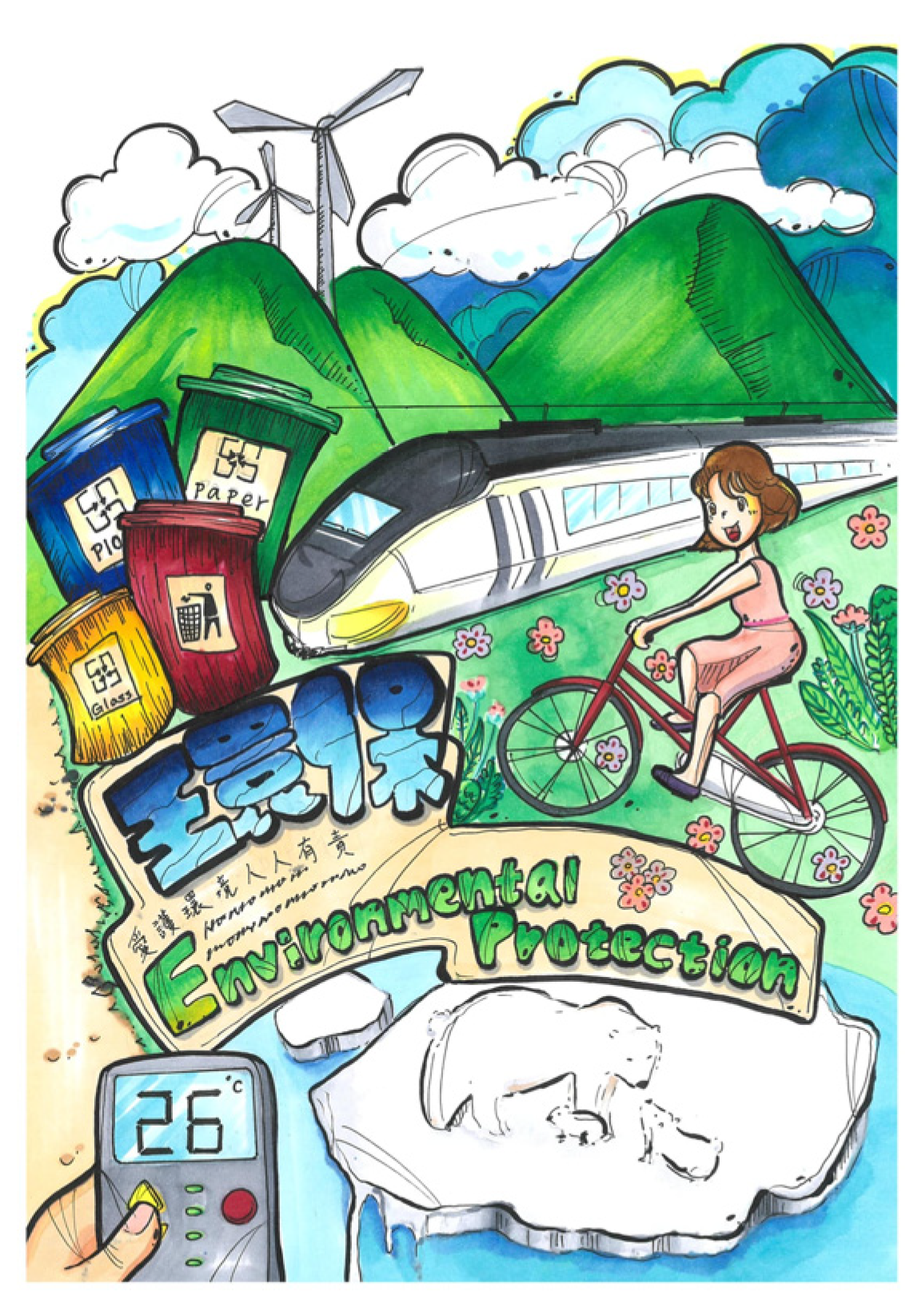
Figure 5.
Classroom Discussion on the Emotional Iceberg: “Our Actions Toward Sustainability” (SB-CD02-20231208).
Figure 5.
Classroom Discussion on the Emotional Iceberg: “Our Actions Toward Sustainability” (SB-CD02-20231208).
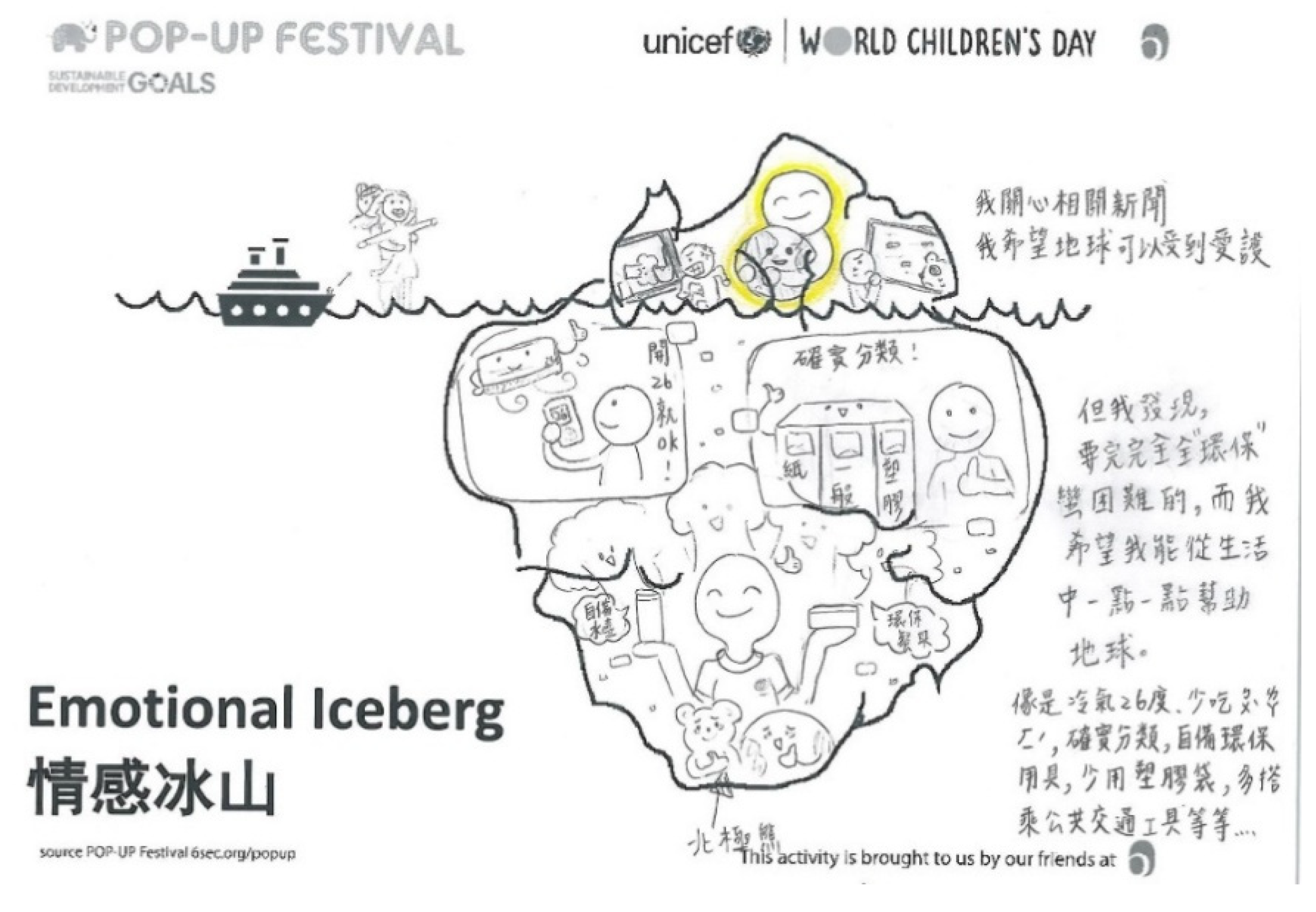
Figure 6.
Human Development and Environmental Change: A Discussion of Human–Environment Conflicts (SA-HR05-20231230).
Figure 6.
Human Development and Environmental Change: A Discussion of Human–Environment Conflicts (SA-HR05-20231230).
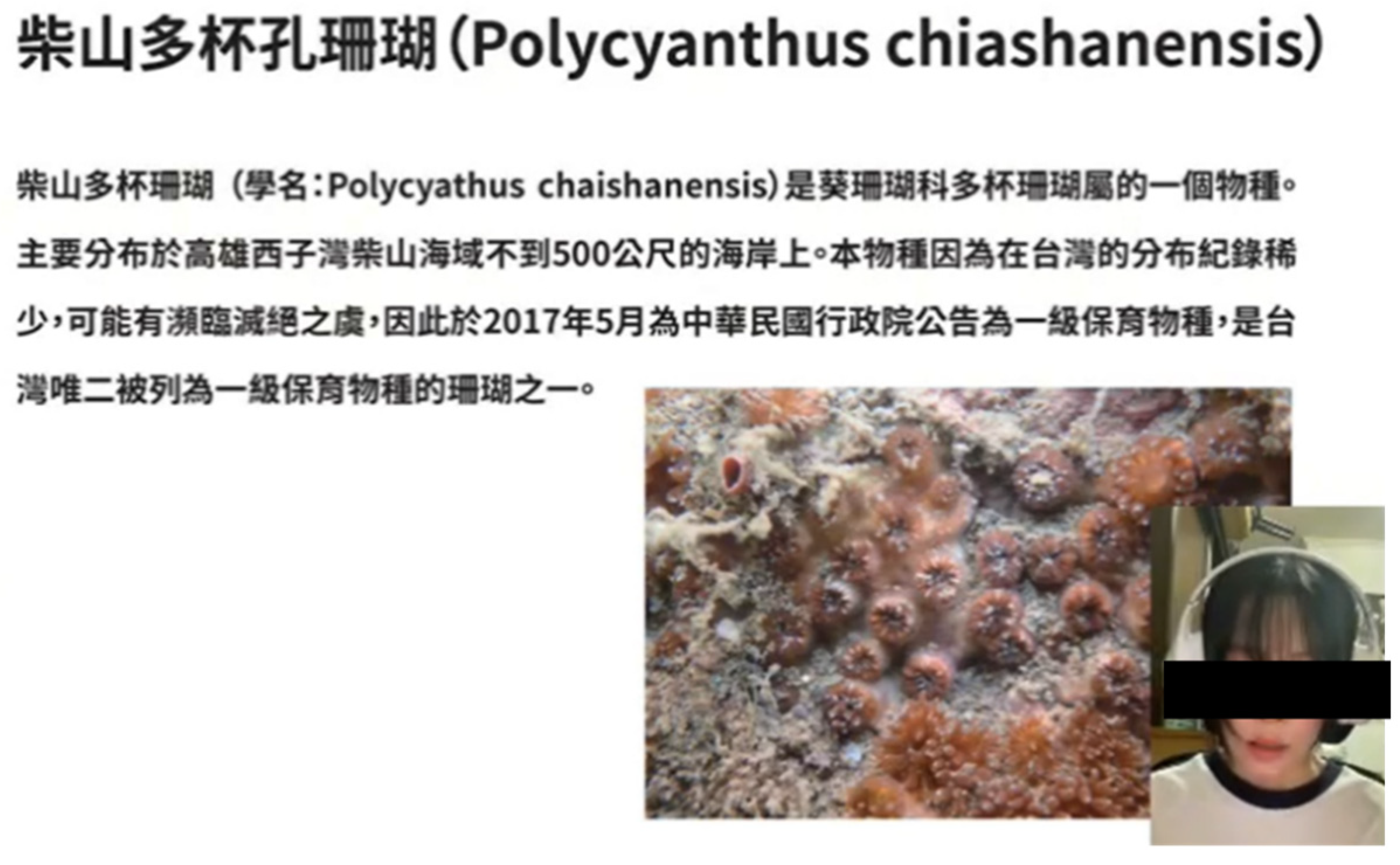
Figure 7.
Conceptual Framework for Environmental Issues Education.
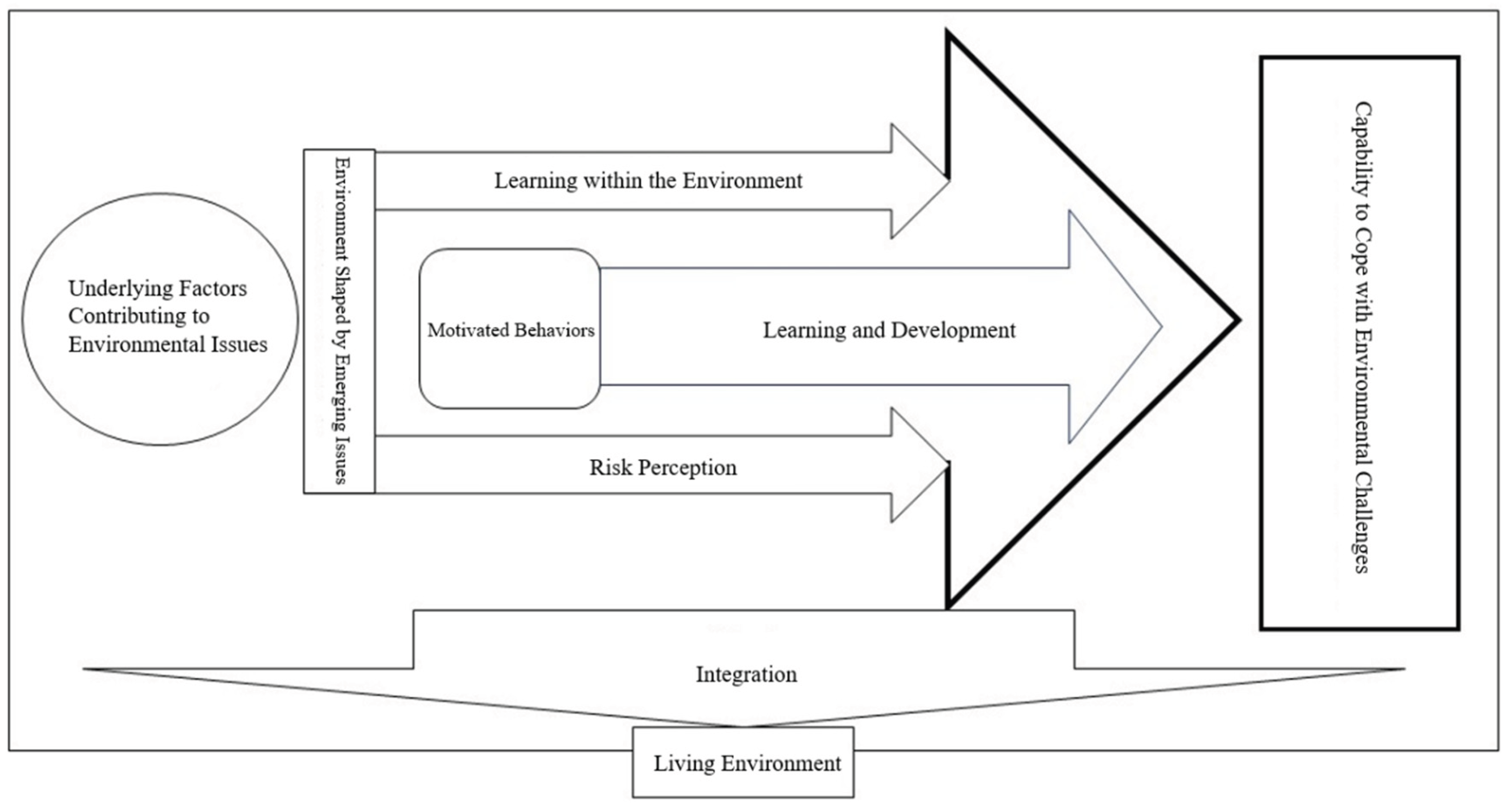

Table 1.
Application of the ARCS Motivational Model in General Education and Environmental Issues.
| ARCS Component | Goals of General Education | Learning Objectives of Environmental Education | Learning Outcomes | Instructional Concerns |
|---|---|---|---|---|
| Attention (Gaining Attention) | To develop students’ core competencies in communication, critical thinking, and reasoning, and to equip them with foundational skills for advanced academic study. | Conceptual Knowledge of Environmental Issues, Environmental Action, and Skills. | Engaging Students’ Interests and Fostering Their Curiosity. | How to Make Students Perceive the Subject as Worthy of Their Effort and to Inspire Their Willingness to Learn. |
| To cultivate a comprehensive understanding of key disciplinary fields among students. | Interdisciplinary Conceptual Knowledge of Environmental Issues. | |||
| Relevance (Establishing Relevance) | To promote self-understanding, inspire humanistic values, improve individual quality of life, and nurture a well-rounded conception of life’s meaning and purpose. | Environmental Ethical Values | Meeting Students’ Individual Needs and Goals to Foster a Positive Learning Attitude. | |
| To foster a sense of social responsibility, empowering students to become engaged citizens committed to addressing and resolving contemporary social challenges. | Environmental Action Experience | |||
| Confidence (Building Confidence) | To cultivate globally minded citizens who not only understand the society in which they live, but also embrace and explore other cultures, while recognizing their relationship with others, the universe, and the natural world. | Environmental Ethical Values | Assist students in creating positive success and expectations, fostering the belief that success is within their own control. | How can teaching be utilized to assist students in their learning process, establish confidence and self-assessment skills for future learning, and simultaneously foster the belief that success is within their own control? |
| To enhance students’ understanding of human history and civilizations, enabling them to learn from the past, anticipate the future, and acquire the knowledge and skills necessary for future challenges. | Conceptual Knowledge of Environmental Issues, Environmental Action, and Skills. | |||
|
Satisfaction (Providing Satisfaction) |
To emphasize ethical and moral reasoning, enabling students to make discerning judgments and appropriate choices when confronted with moral.dilemmas. | Environmental Ethical Values | Receiving external or internal encouragement driven by achievement, thereby generating a desire to continue learning. |
Adapted from Keller (1987), pp. 3–6.
Table 2.
Codebook for Qualitative Data.
| Item | Code Description |
|---|---|
| Participants Department Interview Progress DataZSource In-class Discussion Assignment Report |
SA: Department of Fine Arts; SB: Department of Business Administration; SC: Department of Chinese Literature; SD: Department of Visual Communication Design; SE: Department of Education; SF: Arts Class; SP: Department of Physical Education; SS: Special Education; SU: Department of English; SZ: Department of Physics QA: Mid-term interview; QB: Final interview CD HR |
| Case Records (Examples) |
SU-QB03-20231222: Final interview conducted on December 22, 2023, Special Education Department (SU), Student ID: 03 SU-HR03-20231120: Assignment submitted on November 20, 2023, Special Education Department, Student ID: 03 |
Disclaimer/Publisher’s Note: The statements, opinions and data contained in all publications are solely those of the individual author(s) and contributor(s) and not of MDPI and/or the editor(s). MDPI and/or the editor(s) disclaim responsibility for any injury to people or property resulting from any ideas, methods, instructions or products referred to in the content. |
© 2025 by the authors. Licensee MDPI, Basel, Switzerland. This article is an open access article distributed under the terms and conditions of the Creative Commons Attribution (CC BY) license (http://creativecommons.org/licenses/by/4.0/).
Copyright: This open access article is published under a Creative Commons CC BY 4.0 license, which permit the free download, distribution, and reuse, provided that the author and preprint are cited in any reuse.


