

Submitted:
10 July 2025
Posted:
11 July 2025
You are already at the latest version
Abstract
Plants have always been an indispensable part of human life since the beginning of human civilization. Bacopa monnieri (L.), popularly known as Brahmi, is widely considered the water hyssop or Indian pennywort. In Ayurveda, it is classified as a Rasayana (rejuvenation) and projected to promote mental and physical health, rejuvenate the body in debilitated conditions, and increase longevity. Each naturally synthesized chemical constituent identified from Bacopa monnieri leaf extract with different solvents has significant pharmacological activity. Multiple preclinical and clinical studies have supported the neuroprotective, hepatoprotective, gastroprotective, antioxidant, antitumor, learning- and memory enhancing activity of Bacopa monnieri and its bioactive constituents. The present review describes the botany, pharmacology, traditional uses, and phytoconstituents of Bacopa monnieri to highlight future research needs and potential uses of this medicinal herb.
Keywords:
antioxidant
; anti-tumor
; bacoside
; Bacopa monnieri
; pharmacological activity
1. Introduction
Bacopa monnieri (L.) commonly known as “Brahmi” or “Jalanimba” is an important medicinal herb of immense importance quoted in ancient Indian literature. Genus Bacopa mainly consists of 70-100 aquatic plants commonly known as Water Hyssop by virtue of its related appearance (Sharma et al., 2015; Aasim et al., 2019a, 2019b; Abdulminam et al., 2017) ( Figure1.). Bacopa monnieri belongs to family Scrophulariaceae (also known as Plantaginaceae), is a non-aromatic nootropic medicinal herb used in Ayurveda (Asim et al., 2019; Darokar et al., 2001). It is also known as, Herpestis monniera, or Indian pennywort (Devendra et al., 2018). In India, it is commonly referred as ‘Brahmi or Jalanimba’. The common name Brahmi is derived from the word 'Brahma' who is referred to the maker of the universe in the Hindu religion (Prasad et al., 2008). Brahmi, has another meaning of bringing knowledge of the leading truth (Mukherjee et al., 2011). The 'Charaka Samhita' a very well known Ayurvedic treaty has recommended this herb in curing the variety of brain-related symptoms such as anxiety, poor cognition, epileptic disorder and lack of concentration, as a diuretic and as an energiser for the nervous system and the heart (Dhanasekaran et al., 2007). In ancient Indian literature, this herb is very well known for its practical advantages over mental disorder with no side effects. It is also known as nootropic plant by the ancient personalities (Bhardwaj et al., 2016). It helps in improving the speed of visual information processing (Pase et al., 2012; Stough et al., 2008).
The drugs which are involved in enhancing brain activity such as improving Nootropic herbs and drugs are those which are used in various activity: memory, mood, and various other symptoms which deals with the mental dis-functioning are called as nootropic drugs and here are some examples of herbs which have a nootropic activity that is Ashwagandha (Withania somnifera), Shankhpushpi, Ginkgo (Ginkgo biloba) and Gotu kola (Centella asiatica) and Brahmi (Bacopa monnieri) (Devendra et al., 2018). Brahmi has been categorized as a “Medhyarasayana”, in Ayurveda as this drug is meant to be useful in improving memory and various other factors related to memory such as maturing, development and growth. This herb is also useful in providing consolation to those who suffer from disorders such as anxiety or epilepsy (Sangwan et al., 2017; Tripathi et al., 2020; Srivastava et al., 2020; Zuo et al., 2017; Prakash et al., 2017; Hosamani et al., 2016). A Report given by ancient scientist for more than 3000 years reflects its pivotal role in neurological disorders as well as when the extract from this plant was used it showed its useful efforts in various seen symptoms against inflammatory, pyretic, depressant, microbial and cancer (Bhardwaj et al., 2016). Bacopa monnieri is recognised for reinvigorating and cognitive enhancing activity in Ayurveda as it makes sharper memory and ability of reasoning and understanding objectively (Pandareesh et al., 2015; Sukumaran et al., 2019; Kumar et al., 2016; Mitra- Ganguli et al., 2017; Pham et al., 2019; Dethe et al., 2016).
According to the reports, it is assumed that Bacosides are actively involved in fixing up dead neurons by improving the activity of the kinase and the synthesis of neurons that are attached to the restoration of synaptic activity. Thus, these compounds are also involved in the enhancing of the nerve impulse in a body (Simpson et al., 2019). The main feature of B. monnieri, which drags everyone’s attention towards this medicinal herb, is the ability to enhance and developing memory (Pandareesh et al., 2015).
It not only enhances memory power but also has various other properties due to which it may be a remedy for various serious diseases such as Alzheimer's disease, cancer, anxiety, epileptic, gastrointestinal effects, and depression (Chaudhari et al., 2017; Smith et al., 2018; Murugaiyan and Bhargavan, 2020; Komali et al., 2020; Nakashima et al., 2016; Girish et al., 2016).
2. Research Methodology and Source Selection
This review is prepared by searching selected publications related to Pharmacological properties, geographical distributions and chemical constituents of an important medicinal plant Bacopa monnieri. Most of these publications are selected by screening of literatures in PubMed (https://pubmed.ncbi.nlm.nih.gov/), Springer (https://link.springer.com/), Scopus (https://www.scopus.com/home.uri ), Science Direct (https://www.sciencedirect.com/ ) and some are extracted from Google scholar search engine. Research articles and Review publications between 2000 to 2025 were used to cover this review. The structures of bioactive constituents of Bacopa monnieri were extracted from PubChem database (https://pubchem.ncbi.nlm.nih.gov/). Moreover, references of selected articles were also screened manually for additional information.
3. Plant Description and Morphology
Bacopa monnieri (BM), is a small, creeping, somewhat succulent herb which is known to have leaves and flowering stems that are up to 11-30 cm in length that are grown from the stems which creep and later modify themselves as roots that arise from nodes (Vishwakarma et al., 2016). The leaves seem to be simple, obovate-oblong, opposite, approximately up to 2 cm × 1 cm, with entire margins, and the flowers are up to 0.6-3 cm in length, that is usually long as compared to the leaves and maybe blue or white having the different purple-colored veins in the plant (Thorat et al., 2018). The corolla of this plant is five-lobed in white or pinkish in colour with purple blotches. The fruit, as reported by the researchers, is a capsule that is up to 5 mm and thus later modifies in the constant calyx (Vishwakarma et al., 2016). The plant is a little bit bitter in taste, without having any kind of odour as well as it is found to be succulent herb when fresh but it becomes shriveled on drying. The shapes of dried primary roots are found to be cylindrical in a somewhat off-white colour with an approximately 5 mm in diameter ( Figure 1) (Devendra et al., 2018).
Figure legends:
4. Habitat and Geographical Presence of the Plant
Bacopa monnieri is a perennial, creeping or prostrate herb with numerous branches commonly grows in the area having wet soil, shallow water, and marshy places. This plant grows well in poorly drained acidic soils. This herb is mainly found at elevations from sea level to altitudes of 4,400 feet and thus can be easily cultivated in an inadequate amount of water. The Flowers and fruit of Bacopa appear in summer, and the entire plant is used for medicinal purposes (Jain et al., 2017). Specifically, this herb grows in the marshy areas of southern India, Asia, Europe, Africa, Australia, and South America (Dang et al., 2018). It is also found in Vietnam, Florida, southern part of United States ( Figure 2.).
5. Chemical Constituents
B. monnieri has several pharmacological activities as it has many useful chemical constituents. It contains about 88.4% of moisture including carbohydrates, fat, protein and minerals in plant (Thorat et al., 2018). This herb contains a broad range of biologically active components such as triterpenoidal saponins, alkaloids, flavonoids, glycosides, and cucurbitacins (Bhandari et al., 2020; Ohta et al., 2016) ( Figure 3.).
5.1. Major
Bacoside A: The major constituents in Bacopa monnieri are brahmine, herpestine, alkaloids, and saponins. The saponins are considered as bacoside A, bacoside B, and betulic acid (a) and (b). D-mannitol, stigmastanol, β-sitosterol, and stigma sterol, bacoside A. On acid hydrolysis bacoside A formed the 3 sugars, in which 2 were found as glucose and arabinose when bacoside B was undergone hydrolysis it also gave glucose and arabinose (Jain et al., 2017).
5.2. Minor
Bacoside B, bacoside A1, bacoside A3, bacogenin A1, bacogenin A2, bacogenin A3, bacogenin A4, bacopa saponin-C, bacopasides I and II, bacopasides III-V, bacopasides VI-VIII, bacobitacins A-D, monnieraside I, monnieraside III, monnieri, plantioside B; jujubogenin, pseudojujubogenin, 3-O-β-D-glucopyranosyl-(l—»3)-[β-Dglucopyranosyl] jujubogenin, 3-O-[β-D--glucopyranosyl-(l—»3)-[β-Dglucopyranosyl] pseudojujubogenin, betulinic acid, wogonin, oroxidin, luteolin, luteolin-7-glucoside, luteolin-7-glucuronide, apigenin- 7-glucuronide; nicotine, 3-formyl-4-hydroxy-2H-pyran, bacosine, bacostcrol, bacosterol-3-O-β-D-glucopyranoside, stigmasterol, stigmastanol, β-sitosterol, D-mannitol, and an uncharacterized glycoside (Jain et al., 2017)..
Bacogenins are formed from Bacoside A on acid hydrolysis. Bacoside B is different from Bacoside A in terms of optical rotation. Bacoside A is laevorotatory, whereas Bacoside B is dextrorotatory. The Bacoside A is formed from four Higlycoside which are Bacoside A3, Bacoside, Jujubogenin. The 4 diglycos are Bacoside N1, Bacoside N2, Bacoside 4 and Bacoside 5 are included in the Bacoside B (Jain et al., 2017).
6. Pharmacological Properties of Bacopa Monnieri
Bacopa monnieri has been proved a "boon" in Ayurvedic medicine as it contains many beneficial components. It has been used in several medicines for the cure of many fatal neuro-diseases like Parkinson's diseases, Alzheimer's as well as show antiepileptic, anti-anxiety, anti-depressant, antioxidant, memory enhancer etc. (Singh et al., 2020; Dubey Chinnathambi, 2019; Komali et al., 2018; Sudershan et al., 2018; Zu et al., 2017; Promsuban et al., 2017) ( Figure 4.). It has been well studied that, complete plant, especially the dried leaf extract has great medicinal significance in indigenous medicine. In the traditional system of Indian medicine, Bacopa monnieri is well considered as a drug to enhance memory functions and to overcome the effects of mental stress (Hazra et al., 2017). It is also used in the treatment of skin disorders, gastrointestinal infections, epilepsy, pyrexia, analgesia and rejuvenation (Shamu et al., 2020; Komali et al., 2020; Fawad et al., 2018; Yoon and Lee, 2017; Nemetchek et al., 2017). Bacopa monnieri extract is also familiar to have potent antioxidant and anticancer properties (Jauhari et al., 2019; Sarkar et al., 2019) Due to affluent active components, the plant has been utilized mainly as a nootropic digestive attention and for improving respiratory functions (Chaudhari et al., 2017; Haque et al., 2017). We will further discuss some critical pharmacological properties of Bacopa monnieri in detail.
6.1. Neuroprotective Activity
In recent years, an enriched extract of bacosides from Bacopa monnieri is well formulated and marketed in India under the trade names like Memory plus, BacoMindTM and KeenMind (Pase et al., 2012). Bacopa monnieri extract is best known for its use as a memory enhancer and neural tonic (Kongkeaw et al., 2014). The molecular mechanism of the neuroprotective activity of bacosides is principally associated with the regulation of mRNA translation and surface expression of neuroreceptors (Sekhar et al., 2019). Recent studies suggest that Bacopa monnieri functions by inhibiting acetylcholinesterase activity or by activating choline acetyltransferase, thereby increasing the cerebral blood flow. It also functions in beta-amyloid reduction and modulation of neurotransmitters like dopamine, acetylcholine and 5-hydroxytryptamine (Ahirwar et al., 2012; Aguiar and Borowski, 2013). Bacopa monnieri extract acts as a potent nutritional antioxidant, with a unique mechanism of action to protect the brain from oxidative damage and age-related cognitive disorders such as dementia and Alzheimer's disease (Witter et al., 2018; Saini et al., 2019). Bacopa monnieri could play a protective role against Alzheimer's disease by modulating the function or expression of Na⁺, K⁺-ATPase (Liu et al., 2013). Various studies utilising the standardised CDRI08 enriched leaf extract have shown that extract of Bacopa monnieri improves cognitive function mainly in the elderly (Nathan et al., 2004). Several in vivo studies have suggested that Bacopa monnieri extract enhance the defence system against oxidative stress by reducing the accumulation of free radicals in the brain (Shinomol, 2011). Saponin rich extracts of this plant have showed the dose associated enhancement in enzymatic activity of catalase (CAT), superoxide dismutase (SOD), and glutathione peroxide (GSH-Px) (Bhattacharya et al., 2000). The bacosides present in Bacopa monnieri has the ability to enhance nerve transmission, cell proliferation, neuroblast differentiation, repairing damaged neurons by modulating kinase activity and increasing new protein synthesis in brain (Prasad et al., 2008; Kwon et al., 2018).
6.2. Anti-Tumour Activity
Recent studies have indicated the potential aspect of Bacopa monnieri in cancer treatment and prevention. Bacopa monnieri plant extracts found to have strong cytotoxic effect in lung, colon and breast cancer (Mallick et al., 2015; Pei et al., 2016). Bacopaside II was believed to inhibit the growth of colon cancer by inducing cell cycle arrest and apoptosis (Smith et al., 2018). Also, the extract containing a high amount of bacoside A has very strong antimutagenic activity against nitroquinoline-N-oxide, which significantly reduced cancer cell motility (Koczurkiewicz et al.,2017). Cucurbitacins and betulinic acid present in Bacopa monnieri has been reported for their strong anti-tumorigenic effect by promoting cell cycle arrest at G2/M phase and inhibit the formation of aggregated cells (Mallick et al., 2015). The in-vitro study suggests that the anticancer property of bacoside extracts from Bacopa monnieri might be due to the inhibition of DNA replication in cancerous cell (Aithal and Rajeswari, 2019).
6.3. Antioxidant Activity
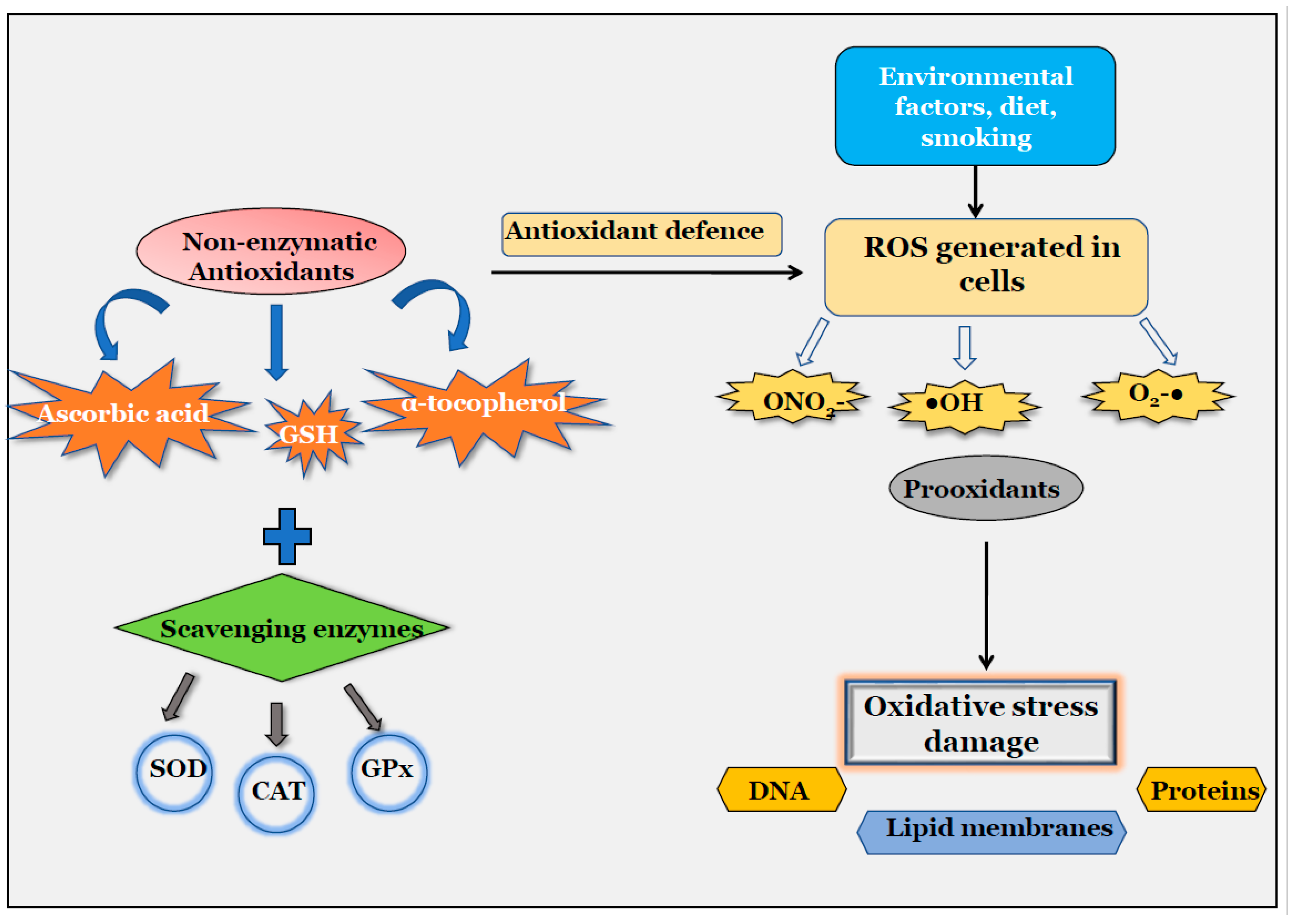
Oxidative stress (OS) is involved in the pathogenesis of several diseases including cancer, neurodegenerative diseases, cardiovascular diseases, lung diseases, kidney fibrosis, metabolic syndrome, diabetes, etc (Upadhyay and Srivastava, 2019) ( Figure 5.). Several studies have shown that Bacopa monnieri extract has potent antioxidant activity (Prasad et al., 2013; Gupta et al., 2019). Based on the previous studies, bacosides were found to have a potent antioxidant effect (Waly et al., 2019). The bacoside rich extract was found to regulate the expression of several enzymes involved in scavenging and production of reactive oxygen species (ROS) (Sekhar et al., 2019). Recently, a report showed that bacoside II and bacoside A3 had increased cytoprotective ability towards oxidative stress due to its functional role in decreasing intracellular ROS (Bhardwaj et al., 2019). Bacopa monnieri extracts modulate the activities of CYP450 dependent enzymes, HSP70 and SOD which provide protection under adverse stress conditions (Murugan and Bhargavan, 2020). Aqueous extract of Bacopa monnieri conferred geno-protection by reducing the nicotine-induced lipid peroxidation (Tousson et al., 2019).
6.4. Gastroprotective Activity
Various in-vivo and in-vitro studies have suggested that Bacopa monnieri might play a crucial role in protecting gastric ulcers (Akbar, 2020). Caffeic acid by-products from Bacopa monnieri plants act as a potent inhibitor of pancreatic lipase activity (Rehman et al., 2019). The main active components like plantainoside B and desrhamnosyl isoacteoside extracted from Bacopa monnieri show reduced plasma triglyceride levels (Nakashima et al., 2016). The plant extract was shown to have antibacterial activity against Helicobacter pylori which is mainly subjected to chronic gastric ulcers (Goel et al., 2003). The bacosides present in the plant extract has potent antiulcerogenic properties which significantly strengthen the mucosal barrier and decrease mucosal exfoliation (Dharmani and Palit, 2006; Dorababu et al., 2004; Sairam et al., 2002; Rao et al., 2000).
6.5. Hepatoprotective Activity
Bacopa monnieri extracts possess the hepatoprotective activity, and they were active against hepatotoxicity induced by a range of chemicals such as carbon tetrachloride, alcohol and drugs (Rifampicin, paracetamol, isoniazid). Bacoside-A was assessed as the principal constituent of Bacopa monnieri extract followed by bacopaside-II and bacopasaponin-C (Padmanabhan and Jangle, 2004; Karim et al., 2020). The treatment with this extract restored histopathological changes in liver cells and also lowered the elevated enzymes such as serum AST, ALT and creatinine (Shahid et al., 2016). Chronic hepatitis, cirrhosis and fatty liver disease are caused due to consumption of alcohol metabolism in the liver due to generated RNS and ROS. The administration of extract of B. monnieri lowered the alcohol-induced increased enzymes such as γGT, ALP and LDH. The extract restored the enzymatic activities (aspartate and alanine aminotransferases, gamma-glutamyl transpeptidase and alkaline phosphatase) and total bilirubin, total protein and albumin in serum. The possible reason for hepatoprotective activity is its ability of reduction of fat metabolism and free radical scavenging activity (Singh et al., 2015).
6.6. Cardioprotective Activity
Saponins and flavonoids present in B. monnieri are reported to produce vasodilation. Flavonoids present in B. monnieri such as luteolin and apigenin are reported as potent vasodilators but due to its high content, saponins have greater effect on vasodilation as compared to flavonoids. Combination of flavonoids and particularly the saponins, have greater clinical significance to improve blood flow and cognitive function (Kamkaew et al., 2019). Other studies demonstrated that extracts of B. monnieri partly reduces blood pressure via releasing nitric oxide from the endothelium and have an additional effect on vascular smooth muscle Ca2+ homeostasis (Kamkaew et al., 2011).
Due to its ability to recover coronary flow, contractile force and function, and reduced infarct volume, B. monnieri is a promising cardioprotectant (and cerebroprotectant) for patients at risk from infarcts (Srimachai et al., 2017). The blood pressure reducing activities of this ayurvedic medicinal plant is due to the presence of Bacoside A3 and bacopaside II that belongs to class jujubogenin and pseudojujubogenin respectively (Kamkaew et al., 2011). Myocardial salvaging effect of B. monnieri in the presence of diabetes mellitus was studied and assessed by Ghatage et al (2014). This study indicates the promising anti-diabetic with potential cardiovascular benefits of this herb.
Extracts of B. monnieri maintains myocardial integrity and cardiac rhythm by restoring expressions of Nrf2, HO-1, and NQO1 followed by elevating total glutathione levels and antioxidant enzymes (Mohan Manu et al., 2019). Cigarette smoke causes lipid peroxidation, which leads to cellular damage and increased membrane permeability in the heart that causes the release of creatinine kinase enzyme. It was reported that Bacoside A induces anti-lipid peroxidative effect and free radical scavenging activity that leads to improved integrity of the membrane and hence prevented leakage of creatinine kinase (Anbarasi et al., 2005).
7. Conclusion and Future Prospects
Plants are regarded as green factories due to their ability to produce natural products beneficial to mankind. Traditional and ethno-botanical evidences are the basis of dugs discovery from plants. The traditional system of Medicines claims the therapeutic use of numerous plants. Plant-based drugs are favored because they have fewer or no side effects. Extensive research has been done on this plant related to its scent, but there is brief knowledge available about its pharmacological profile. This review is an attempt to compile the information on pharmacological effects of B. monnieri in a comprehensive manner. The presence of various bioactive constituents with low toxicity profiles and the new mechanism of action make Brahmi an effective drug candidate for the treatment of different diseases. The diverse bioactive agents present in B. monnieri participate in treating various ailments of the human body. Reports suggested that B. monnieri is pharmacologically active as an anticancer, antifungal, antibacterial and antioxidant agent. However, extensive researches related to the Phytochemistry, pharmacology and biotechnology are needed to develop a drug from B. monnieri.
Since B. monnieri is well known as a possible source of various chemical constituents, this herb holds a prominent position among many significant medicinal plants. There exist different bioactivities of B. monnieri; hence more research is required to expose the underlying mechanisms of drug compound action. If the correlation of particular metabolite (chemical constituent) of B. monnieri were scrutinized, it would provide better opportunities for future researchers to develop a potential drug from this plant. The large-scale consumption of B. monnieri by humans as a remedy of healthcare in traditional systems of medicines, further screening and investigation of various formulations for different bioactivities in-vivo and in-vitro is essential.
Conflict of Interests
The authors declare that they do not have conflict of interest with anyone.
Acknowledgements
We are highly thankful to Invertis University Bareilly, for providing us the necessary facility to prepare the manuscript.
References
- Aasim, M. , Khawar, KM., Ahmed, SI., Karataş, M. 2019a. Multiple uses of some important aquatic and semiaquatic medicinal plants. In Plant and Human Health, Springer, 541-577.
- Aasim, M. , Sameeullah, M., Karataş, M., Bakirci, S., Bakhsh, A., Akhtar MS. 2019b. An Insight into Biotechnological Approaches Used for the Improvement of Secondary Metabolites from the Medicinal Aquatic Plant, Water Hyssop Bacopa monnieri L.. In Natural Bio-active Compounds, Springer, 123-152.
- Abdulminam, H. , Haleemah, J., Kadhim, J. The Impact of Salinity Stress on Morphological and Anatomical Aspect of Water Hyssop Bacopa monnieri L. Wettst Grown In Vitro. Afr. J. Biotechnol. 2017, 16, 801–807. [Google Scholar] [CrossRef]
- Aguiar, S. , Borowski, T. 2013. Neuropharmacological review of the nootropic herb Bacopa monnieri. Curr. Neuropharmacol. 16, 313-26.
- Ahirwar, S. , Tembhre, M., Gour, S., Namdeo, A. 2012. Anticholinesterase efficacy of Bacopa monnieri against the brain regions of rat—a novel approach to therapy for Alzheimer’s disease. Asian J Exp Sci 2012, 26, 65–70. [Google Scholar]
- Aithal, M.G.S. , Rajeswari, N. 2019. Bacoside A Induced Sub-G0 Arrest and Early Apoptosis in Human Glioblastoma Cell Line U-87 MG through Notch Signaling Pathway. Brain Tumor Res Treat 2019, 7, 7–32. [Google Scholar] [CrossRef] [PubMed]
- Akbar, S. 2020. Bacopa monnieri L. Wettst.Plantaginaceae. In Handbook of 200 Medicinal Plants Springer, 401-412.
- Anbarasi, K. , Vani, G., Balakrishna, K., Devi, C.S. 2005. Creatine kinase isoenzyme patterns upon chronic exposure to cigarette smoke: protective effect of Bacoside A. Vascul. Pharmacol. 2005, 42, 57–61. [Google Scholar] [CrossRef]
- Bhandari, P. , Sendri, N., Devidas, SB. 2020. Dammarane triterpenoid glycosides in Bacopa monnieri: A review on chemical diversity and bioactivity. Phytochemistry, 172, 112276.
- Bhardwaj, P. , Jain, CK., Mathur, A. 2016. Comparative qualitative and quantitative analysis of phytochemicals in five different herbal formulations of Bacopa monnieri. Int. J. Pharmacogn. Phytochem. Res 2016, 8, 675–682. [Google Scholar]
- Bhardwaj, P. , Jain, CK., Mathur, A. 2019. Comparative analysis of saponins, flavonoids, phenolics and antioxidant activities of field acclimatized and in vitro propagated Bacopa monnieri L. Pennell from different locations in India. Indian J. Exp. Biol. 259-268.
- Bhattacharya, S.K. , Bhattacharya, A., Kumar, A., Ghosal, S. 2000. Antioxidant activity of Bacopa monniera in rat frontal cortex, striatum and hippocampus. Phytother Res. 2000, 14, 174–179. [Google Scholar] [CrossRef]
- Chaudhari, KS. , Tiwari, NR., Tiwari, RR., Sharma, RS. 2017. Neurocognitive effect of nootropic drug Brahmi Bacopa monnieri in Alzheimer's disease. Ann. Neurosci. 2017, 24, 111–122. [Google Scholar] [CrossRef]
- Dang, PH. , Pham, HK., Phan, TH., Nguyen, KD., Nguyen, MT., Nguyen, NT. 2018. A New 20-Deoxypseudojujubogenin Glycoside from Bacopa monniera. Chem. Nat. Compd. 2018, 54, 124–126. [Google Scholar] [CrossRef]
- Darokar, MP. , Khanuja, SP., Shasany, AK., Kumar, S. 2001. Low levels of genetic diversity detected by RAPD analysis in geographically distinct accessions of Bacopa monnieri. Genet. Resour. Crop Ev 2001, 48, 555–558. [Google Scholar] [CrossRef]
- Dethe, S. , Deepak, M., Agarwal, A. 2016. Elucidation of molecular mechanism s of cognition enhancing activity of Bacomind®: A standardized extract of Bacopa monnieri. Pharmacogn. Mag. 12, S482.
- Devendra, PS. , Preeti, B., Santanu, B., Gajanan, D., Rupesh, D. 2018. Brahmi Bacopa monnieri as functional food ingredient in food processing industry. J Pharmacogn Phytochem 2018, 7, 189–194. [Google Scholar]
- Dhanasekaran, M. , Tharakan, B., Holcomb, LA., Hitt, AR., Young, KA., Manyam, BV. 2007. Neuroprotective mechanisms of ayurvedic antidementia botanical Bacopa monniera. Phytother Res. 2007, 21, 965–969. [Google Scholar] [CrossRef]
- Dharmani, P. , Palit, G. 2006. Exploring Indian medicinal plants for antiulcer activity. Indian J. Pharmacol. 38, 95.
- Dorababu, M. , Prabha, T., Priyambada, S., Agrawal, VK., Aryya, NC., Goel, RK. 2004. Effect of Bacopa monniera and Azadirachta indica on gastric ulceration and healing in experimental NIDDM rats. Indian J Exp Biol. 2004, 42, 389–397. [Google Scholar] [PubMed]
- Dubey, T. , Chinnathambi, S. 2019. Brahmi Bacopa monnieri: An ayurvedic herb against the Alzheimer's disease. Arch Biochem Biophys 676, 108153.
- Fawad, K. , Islam, N.U., Subhan, F., Shahid, M., Ali, G., Rahman, F.U., Mahmood, W., Ahmad, N. 2018. Novel hydroquinone derivatives alleviate algesia, inflammation and pyrexia in the absence of gastric ulcerogenicity. Trop J Pharm Res. 2018, 17, 53–63. [Google Scholar] [CrossRef]
- Ghatage, A. J. , Mohanty, I. R., Maheswari, U., Suman, R. K., Urhekar, A. D., & Deshmukh, Y. 2014. Cardioprotective Efficacy of Bacopa monniera in Experimental Diabetes Mellitus: Biochemical and Histopathological Assessment. J Med Sci 1, 7-12.
- Girish, C. , Oommen, S., Vishnu, R. 2016. Evidence for the involvement of the monoaminergic system in the antidepressant-like activity of methanolic extract of Bacopa monnieri in albino mice. Int J Basic Clin Pharmacol. 2016, 5, 914–922. [Google Scholar] [CrossRef]
- Goel, RK. , Sairam, K., Babu, MD., Tavares, IA., Raman, A. 2003. In vitro evaluation of Bacopa monniera on anti-Helicobacter pylori activity and accumulation of prostaglandins. Phytomedicine, 10, 523-7.
- Gupta, K. , Upadhyay, S., Rathi, N., Singh, S., Gururani P. 2019. Determination of Antioxidant content in prepared Syzigium aromaticum and Bacopa monnieri mixed honey. J. Pharm. Innov. 8, 575-579.
- Haque SM, Chakraborty A, Dey D, Mukherjee S, Nayak S, Ghosh B. 2017. Improved micropropagation of Bacopa monnieri L. Wettst.Plantaginaceae and antimicrobial activity of in vitro and ex vitro raised plants against multidrug-resistant clinical isolates of urinary tract infecting UTI and respiratory tract infecting RTI bacteria. Clin Phytoscience, 3, 17.
- Hazra, S. , Kumar, S., Saha, GK., Mondal, AC. 2017. Reversion of BDNF, Akt and CREB in hippocampus of chronic unpredictable stress induced rats: effects of phytochemical, Bacopa Monnieri. Psychiatry Investig. 14, 74.
- Hosamani, R. , Krishna, G., Muralidhara. 2016. Standardized Bacopa Monnieri extract Ameliorates Acute Paraquat-Induced Oxidative Stress, And Neurotoxicity In Prepubertal Mice Brain. Nutr. Neurosci. 2016, 19, 434–446. [Google Scholar] [CrossRef]
- Jain, P. , Sharma, H.P., Basri, F., Priya, K., Singh, P. 2017. Phytochemical analysis of Bacopa monnieri L. Wettst. and their anti-fungal activities. Indian J Tradit Know, 16, 310-318.
- Jauhari, N. , Bharadwaj, R., Sharma, N., Bharadvaja, N. 2019. Assessment of bacoside production, total phenol content and antioxidant potential of elicited and non-elicited shoot cultures of Bacopa monnieri L. J. Environ. Sustain. 2, 441-53.
- Kamesh, V. , Sumathi, T. 2012. Antihypercholesterolemic effect of Bacopa monniera linn. on high cholesterol diet induced hypercholesterolemia in rats. Asian Pac. J. Trop. Med. 2012, 5, 949–955. [Google Scholar] [CrossRef]
- Kamkaew, N. , Scholfield, C.N., Ingkaninan, K., Maneesai, P., Parkington, H.C., Tare, M., Chootip, K. 2011. Bacopa monnieri and its constituents is hypotensive in anaesthetized rats and vasodilator in various artery types. J Ethnopharmacol 137, 790-5.
- Kamkaew, N. Paracha, T. U., Ingkaninan, K., Waranuch, N., & Chootip, K. (2019). Vasodilatory Effects and Mechanisms of Action of Bacopa monnieri Active Compounds on Rat Mesenteric Arteries. Molecules 2019, 12, 2243. [Google Scholar]
- Kamkaew, N. , Paracha, T.U., Ingkaninan, K., Waranuch, N., Chootip, K. 2019. Vasodilatory effects and mechanisms of action of Bacopa monnieri active compounds on rat mesenteric arteries. Molecules, 24, 2243.
- Kamkaew, N. Scholfield, C.N., Ingkaninan, K., Maneesai, P., Parkington, H.C., Tare, M., Chootip, K. 2011. Bacopa monnieri and its constituents are hypotensive in anaesthetized rats and vasodilator in various artery types. J. Ethnopharmacol. 2011, 137, 790–795. [Google Scholar] [CrossRef]
- Karim, R. , Khan, AF., Yeasmin, R., Akter, J., Akter, T. 2020. An evaluation of hepatoprotective activity of aqueous and ethanolic extracts of Bacopa monnieri l. against paracetamol-induced hepatotoxicity in swiss albino mice. Eur J Bio Med Res. 2020, 7, 393–401. [Google Scholar]
- Koczurkiewicz, P. , Łojewski, M., Piska, K., Michalik, M., Wójcik-Pszczoła, K., Szewczyk, A., Hałaszuk, P., Pękala, E., Muszyńska, B. 2017. Chemopreventive and anticancer activities of Bacopa monnieri extracted from artificial digestive juices. Nat. Prod. Commun. 12, 337-342.
- Komali, E. , Venkataramaiah, C., Rajendra, W. 2018. Anticonvulsant effect of Bacopa monnieri extracts on Catecholamine metabolism during PTZ-induced Epilepsy in different brain regions of Albino Rat. Res J Pharm Technol. 11, 1592-8.
- Komali, E. , Venkataramaiah, C., Rajendra, W. 2020. Antiepileptic potential of Bacopa monnieri in the rat brain during PTZ-induced epilepsy with reference to cholinergic system and ATPases. J. Tradit. Complement. Med.
- Kongkeaw, C. , Dilokthornsakul, P., Thanarangsarit, P., Limpeanchob, N., Scholfield, CN. 2014. Meta-analysis of randomized controlled trials on cognitive effects of Bacopa monnieri extract. J. Ethnopharmacol. 151, 528-35.
- Kumar, N. , Abichandani, L., Thawani, V., Gharpure, K., Naidu, M. 2016. Venkat Ramana, G., Efficacy Of Standardized Extract of Bacopa monnieri Bacognize® On Cognitive Functions Of Medical Students: A Six-Week, Randomized Placebo-Controlled Trial. Evid-Based Compl Alt 2016, 1-8.
- Kwon, H.J. , Jung, H.Y., Hahn, K.R., Kim, W., Kim, J.W., Yoo, D.Y., Yoon, Y.S., Hwang, I.K., Kim, D.W. . Bacopa monnieri extract improves novel object recognition, cell proliferation, neuroblast differentiation, brain-derived neurotrophic factor, and phosphorylation of cAMP response element-binding protein in the dentate gyrus. Lab. Anim. Res. 2018, 34, 239–247. [Google Scholar]
- Liu, X. , Liu, F., Yue, R., Li, Y., Zhang, J., Wang, S., Zhang, S., Wang, R., Shan, L., Zhang, W. 2013. The antidepressant-like effect of bacopaside I: possible involvement of the oxidative stress system and the noradrenergic system. Pharmacol Biochem Behav. 110, 224-30.
- Mallick, MN. , Akhtar, MS., Najm, MZ., Tamboli, ET., Ahmad, S., Husain, SA. Evaluation of anticancer potential of Bacopa monnieri L. against MCF-7 and MDA-MB 231 cell line. J Pharm Bioall Sci. 2015, 7, 325–328. [Google Scholar]
- Mitra-Ganguli, T. , Kalita, S., Bhushan, S., Stough, C., Kean, J., Wang, N., Sethi, V., Khadilkar, A. 2017. A Randomized, Double-Blind Study Assessing Changes In Cognitive Function In Indian School Children Receiving A Combination Of Bacopa monnieri And Micronutrient Supplementation Vs. Placebo. Front. Pharmacol. 8.
- Mohan Manu, T. , Anand, T., Sharath Babu, G.R., Patil, M.M., Khanum, F. 2019. Bacopa monniera extract mitigates isoproterenol-induced cardiac stress via Nrf2/Keap1/NQO1 mediated pathway. Arch Physiol Biochem. 1-11.
- Mukherjee, S. , Dugad, S., Bhandare, R., Pawar, N., Jagtap, S., Pawar, PK., Kulkarni, O. 2011. Evaluation of comparative free-radical quenching potential of Brahmi Bacopa monnieri and Mandookparni Centella asiatica. Ayu 2011, 32, 258–254. [Google Scholar]
- Murugaiyan, SM. , Bhargavan, R. 2020. Bacopa monnieri alleviates aluminium chloride-induced anxiety by regulating plasma corticosterone level in Wistar rats. J Basic Clin Physiol Pharmacol ahead-of-print. 2020, 1. [Google Scholar]
- Murugan, M.S. , Bhargavan, R. 2020. Neuroprotective effect of Bacopa monnieri against aluminum chloride-induced oxidative stress and apoptosis in the hippocampus of Wistar rats. Drug invent. today, 14, 933-938.
- Nakashima, S. , Ohta, T., Nakamura, S., Oda, Y., Koumoto, M., Kashiwazaki, E., Kado, M., Shimada, A., Akita, R., Matsuda, H. 2016. Caffeic Acid Derivatives from Bacopa monniera Plants as Inhibitors of Pancreatic Lipase Activity and their Structural Requirements. Nat. Prod. Commun. 2016, 11, 1855–1858. [Google Scholar]
- Nathan, P.J. , Tanner, S., Lloyd, J., Harrison, B., Curran, L., Oliver, C., Stough, C. 2004. Effects of a combined extract of Ginkgo biloba and Bacopa monniera on cognitive function in healthy humans. Hum. Psychopharmacol. Clin. Exp. 19, 91-6.
- Nemetchek, M.D. , Stierle, A.A., Stierle, D.B., Lurie, D.I. 2017. The Ayurvedic plant Bacopa monnieri inhibits inflammatory pathways in the brain. J. Ethnopharmacol. 2017, 197, 92–100. [Google Scholar] [CrossRef] [PubMed]
- Ohta, T. , Nakamura, S., Nakashima, S., Oda, Y., Matsumoto, T., Fukaya, M., Yano, M., Yoshikawa, M., Matsuda, H. 2016. Chemical structures of constituents from the whole plant of Bacopa monniera. J. Nat. Med. 2016, 70, 404–411. [Google Scholar] [CrossRef] [PubMed]
- Padmanabhan, P. , Jangle, SN. 2004. Hepatoprotective activity of herbal preparation HP-4 against alcohol induced hepatotoxicity in mice. Int J Appl Sci Biotechnol. 2, 50-58.
- Pandareesh, M. , Anand, T., Khanum, F. 2015. Cognition Enhancing And Neuromodulatory Propensity of Bacopa Monniera Extract Against Scopolamine Induced Cognitive Impairments in Rat Hippocampus. Neurochem. Res. 2015, 41, 985–999. [Google Scholar] [CrossRef]
- Pase, MP. , Kean, J., Sarris, J., Neale, C., Scholey, AB., Stough, C. 2012. The cognitive-enhancing effects of Bacopa monnieri: a systematic review of randomized, controlled human clinical trials. J Altern Complement Med 18, 647-52.
- Pei, JV. , Kourghi, M., De Ieso, ML., Campbell, EM., Dorward, HS., Hardingham, JE., Yool, AJ. 2016. Differential inhibition of water and ion channel activities of mammalian aquaporin-1 by two structurally related bacopaside compounds derived from the medicinal plant Bacopa monnieri. Mol. Pharmacol. 90, 496-507.
- Pham, HT. , Phan, SV., Tran, HN., Phi, XT., Le, XT., Nguyen, K.,, Fujiwara, H., Yoneyama, M., Ogita, K., Yamaguchi, T., Matsumoto K. 2019. Bacopa monnieri L. Ameliorates Cognitive Deficits Caused in a Trimethyltin-Induced Neurotoxicity Model Mice. Biol Pharm Bull. 2019, 42, 1384–1393. [Google Scholar] [CrossRef]
- Prakash, V. , Jaiswal, N.I., Srivastava, M.R. 2017. A review on medicinal properties of Centella asiatica. Asian J Pharm Clin Res. 10, 69-74.
- Prasad, R. , Bagde, U.S., Pushpangadan, P., Varma, A. 2008. Bacopa monniera L: pharmacological aspects and case study involving Piriformospora indica. Int J Integr Biol. 2008, 3, 100–110. [Google Scholar]
- Prasad, R. , Kamal, S., Sharma, PK., Oelmüller, R., Varma, A. 2013. Root endophyte Piriformospora indica DSM 11827 alters plant morphology, enhances biomass and antioxidant activity of medicinal plant Bacopa monniera. J. Basic Microbiol. 53, 1016-24.
- Promsuban, C. , Limsuvan, S., Akarasereenont, P., Tilokskulchai, K., Tapechum, S., Pakaprot, N. 2017. Bacopa monnieri extract enhances learning-dependent hippocampal long-term synaptic potentiation. Neuroreport, 28, 1031-5.
- Rao, CV. , Sairam, K., Goel, RK. 2000. Experimental evaluation of Bocopa monniera on rat gastric ulceration and secretion. Indian J Physiol Pharmacol. 2000, 44, 435–441. [Google Scholar]
- Rehman, MU. , Wali, AF., Ahmad, A., Shakeel, S., Rasool, S., Ali, R., Rashid, SM., Madkhali, H., Ganaie, MA., Khan, R. 2019. Neuroprotective strategies for neurological disorders by natural products: an update. Curr. Neuropharmacol. 17, 247-67.
- Saini, N. , Singh, D., Sandhir, R. 2019. Bacopa monnieri prevents colchicine-induced dementia by anti-inflammatory action. Metab Brain Dis. 2019, 34, 505–518. [Google Scholar] [CrossRef] [PubMed]
- Sairam, K. , Dorababu, M., Goel, RK., Bhattacharya, SK. 2002. Antidepressant activity of standardized extract of Bacopa monniera in experimental models of depression in rats. Phytomedicine, 9, 207-11.
- Sangwan, N.S. , Tripathi, S., Srivastava, Y., Mishra, B., Pandey, N. 2017. Phytochemical genomics of Ashwagandha. InScience of Ashwagandha: Preventive and Therapeutic Potentials, Springer, 3-36.
- Sarkar, B. , Ullah, MA., Islam, MS., Hossain, S., Nafi-Ur-Rahman, M. 2019. Anticancer potential of medicinal plants from Bangladesh and their effective compounds against cancer. J. Pharmacogn. Phytochem. 8, 827-33.
- Sekhar, VC. , Viswanathan, G., Baby, S. 2019. Insights into the molecular aspects of neuroprotective bacoside A and bacopaside I. Curr. Neuropharmacol. 17, 438-46.
- Shahid, M. , Subhan, F., Ullah, I., Ali, G., Alam, J., Shah, R. 2016. Beneficial effects of Bacopa monnieri extract on opioid induced toxicity. Heliyon, 2, e00068.
- Shamu, TN. , Lalitha, J., Shinde, M. 2020. Mushroom Tyrosinase Inhibition and Antimelanogenesis Activities of Bacopa monnieri L. Methanol Extract in B16F10 Melanoma Cells. J. Biosci. Med. 8, 189.
- Sharma, M. , Ahuja, A., Gupta, R., Mallubhotla, S. 2015. Enhanced bacoside production in shoot cultures of Bacopa monnieri under the influence of abiotic elicitors. Nat. Prod. Res. 2015, 20, 745–749. [Google Scholar] [CrossRef]
- Shinomol, G.K. Bacopa monnieri modulates endogenous cytoplasmic and mitochondrial oxidative markers in prepubertal mice brain. Phytomedicine 2011, 18, 317–326. [Google Scholar] [CrossRef] [PubMed]
- Simpson, T. , Kure, C., Stough, C. 2019. Assessing the efficacy and mechanisms of Pycnogenol® on cognitive aging from in vitro, animal and human studies. Front. Pharmacol. 2019, 10, 10. [Google Scholar] [CrossRef] [PubMed]
- Singh, B. , Pandey, S., Rumman, M., Mahdi, AA. 2020. Neuroprotective effects of Bacopa monnieri in Parkinson’s disease model. Metab Brain Dis. 35, 517-25.
- Singh, D. , Arya, P.V., Koolwal, N., Singh, V., Saxena, R., Sharma, M.C., Gupta, R.S. 2015. Protective role of Bacopa monniera L. against hepatic oxidative stress in wistar albino rats. J. Pharmacogn. Phytochem. 4, 233.
- Smith, E. , Palethorpe, H.M., Tomita, Y., Pei, J.V., Townsend, A.R., Price, T.J., Young, J.P., Yool, A.J., Hardingham, J.E. 2018. The purified extract from the medicinal plant Bacopa monnieri, bacopaside II, inhibits growth of colon cancer cells in vitro by inducing cell cycle arrest and apoptosis. Cells 7, 81.
- Srimachai, S. , Devaux, S., Demougeot, C., Kumphune, S., Ullrich, N. D., Niggli, E., Ingkaninan, K., Kamkaew, N., Scholfield, C. N., Tapechum, S., & Chootip, K. 2017. Bacopa monnieri extract increases rat coronary flow and protects against myocardial ischemia/reperfusion injury. BMC Compl Alternative Med 1, 117.
- Srivastava, Y. , Sangwan, NS. 2020. Improving medicinal crops through phytochemical perspective: Withania somnifera Ashwagandha. In Advancement in Crop Improvement Techniques, Woodhead Publishing, 275-295.
- Stough, C. , Downey, LA., Lloyd, J., Silber, B., Redman, S., Hutchison, C., Wesnes, K., Nathan, PJ. 2008. Examining the nootropic effects of a special extract of Bacopa monniera on human cognitive functioning: 90day double-blind placebo-controlled randomized trial. Phytother. R. 2008, 22, 1629–1634. [Google Scholar] [CrossRef]
- Sudershan, B. , Chowta, MN., Ullal, SD., Rajeshwari, S., Sayeli, VK., Shivaprasad, S., Srivastava, P. 2018. Effect of Bacopa monnieri on Ethanol-induced Anxiolysis and Withdrawal Anxiety in Wistar Rats. Indian J Physiol Pharmacol. 62, 339-46.
- Sukumaran, N.P. , Amalra,j A., Gopi, S. 2019. Neuropharmacological and cognitive effects of Bacopa monnieri L. Wettst–A review on its mechanistic aspects. Complement Ther Med. 44, 68-82.
- Thorat, B.S. , Bagkar, T.A., Patil, R.R. 2018. “Brahmi” The memory booster medicinal herb. J. Medicinal Plants 6, 185-7.
- Tousson, E. , Keshta, A.T., Hussein, Y., Fekry, R.M., Abo-Ghaneima, W.K. 2019. Renal protective effect of ginkgo biloba and l-carnitine extracts against pentylenetetrazol induced toxicity, oxidative stress, injury and proliferation alternation in epileptic rats. Annu Res Rev Biol. 2019, 28, 1–3. [Google Scholar] [CrossRef]
- Tripathi, S. , Srivastava, Y., Sangwan, RS., Sangwan, NS. 2020. In silico mining and functional analysis of AP2/ERF gene in Withania somnifera. Sci. Rep. 2020, 10, 4877. [Google Scholar] [CrossRef]
- Upadhyay, S. , Srivastava, Y. 2019. Retrograde response by reactive oxygen/nitrogen species in plants involving different cellular organelles. Biol. Chem. 2019, 400, 979–989. [Google Scholar] [CrossRef]
- Vishwakarma, R.K. , Kumari, U., Khan, B.M. 2016. Memory Booster Plant Bacopa monniera Brahmi: Biotechnology and Molecular Aspects of Bacoside Biosynthesis. In Medicinal Plants-Recent Advances in Research and Development, Springer, 167-189.
- Waly, NE. , Aborehab, NM., Bishbishy, MH. 2019. Chemical fingerprint of Bacopa monnieri L. and Rosmarinus officinalis L. and their neuroprotective activity against Alzheimers disease in rat models putative modulation via cholinergic and monoaminergic pathways. J. Med. Plant Res. 13, 252-68.
- Witter, S. , Witter, R., Vilu, R., Samoson, A. 2018. Medical Plants and Nutraceuticals for Amyloid-β Fibrillation Inhibition. J Alzheimers Dis. 2018, 2, 239–252. [Google Scholar]
- Yoon, W.H. , Lee, K.H. 2017. Anti-inflammatory, Anti-arthritic and Analgesic Effect of the Herbal Extract Made from Bacopa monnieriis, Cassia fistula and Phyllanthus polyphyllus. Nat. Prod. Sci. 2017, 23, 108–112. [Google Scholar] [CrossRef]
- Zu, X. , Zhang, M., Li, W., Xie, H., Lin, Z., Yang, N., Liu, X., Zhang, W. 2017. Antidepressant-like effect of Bacopaside I in mice exposed to chronic unpredictable mild stress by modulating the hypothalamic–pituitary–adrenal axis function and activating BDNF signaling pathway. Neurochem. Res. 42, 3233-44.
- Zuo, W. , Yan, F., Zhang, B., Li, J., Mei, D. 2017. Advances in the studies of Ginkgo biloba leaves extract on aging-related diseases. Aging Dis. 2017, 8, 812–826. [Google Scholar] [CrossRef] [PubMed]
Figure 1.
Bacopa monnieri.
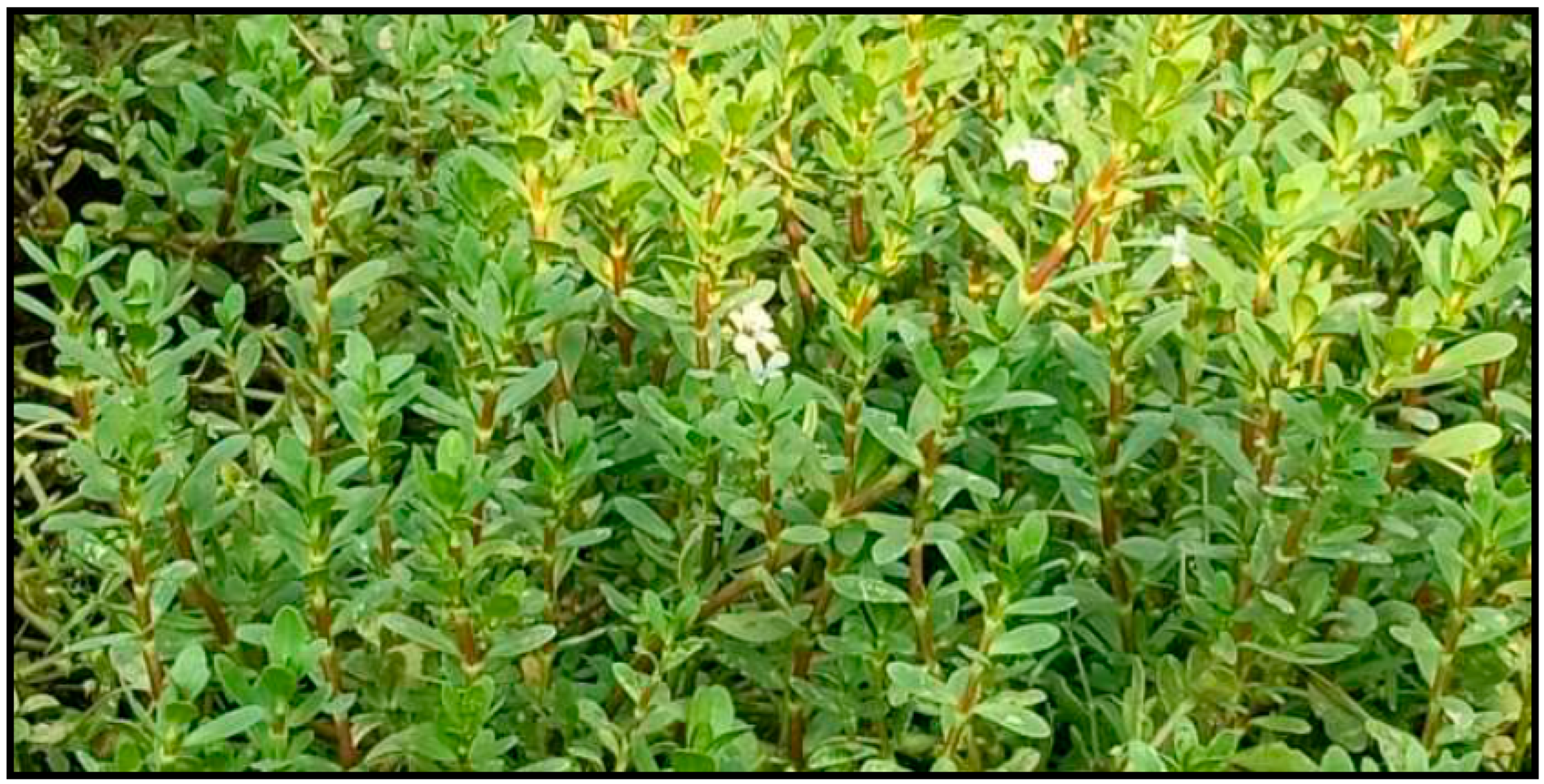
Figure 2.
Geographical distribution of Bacopa monnieri.
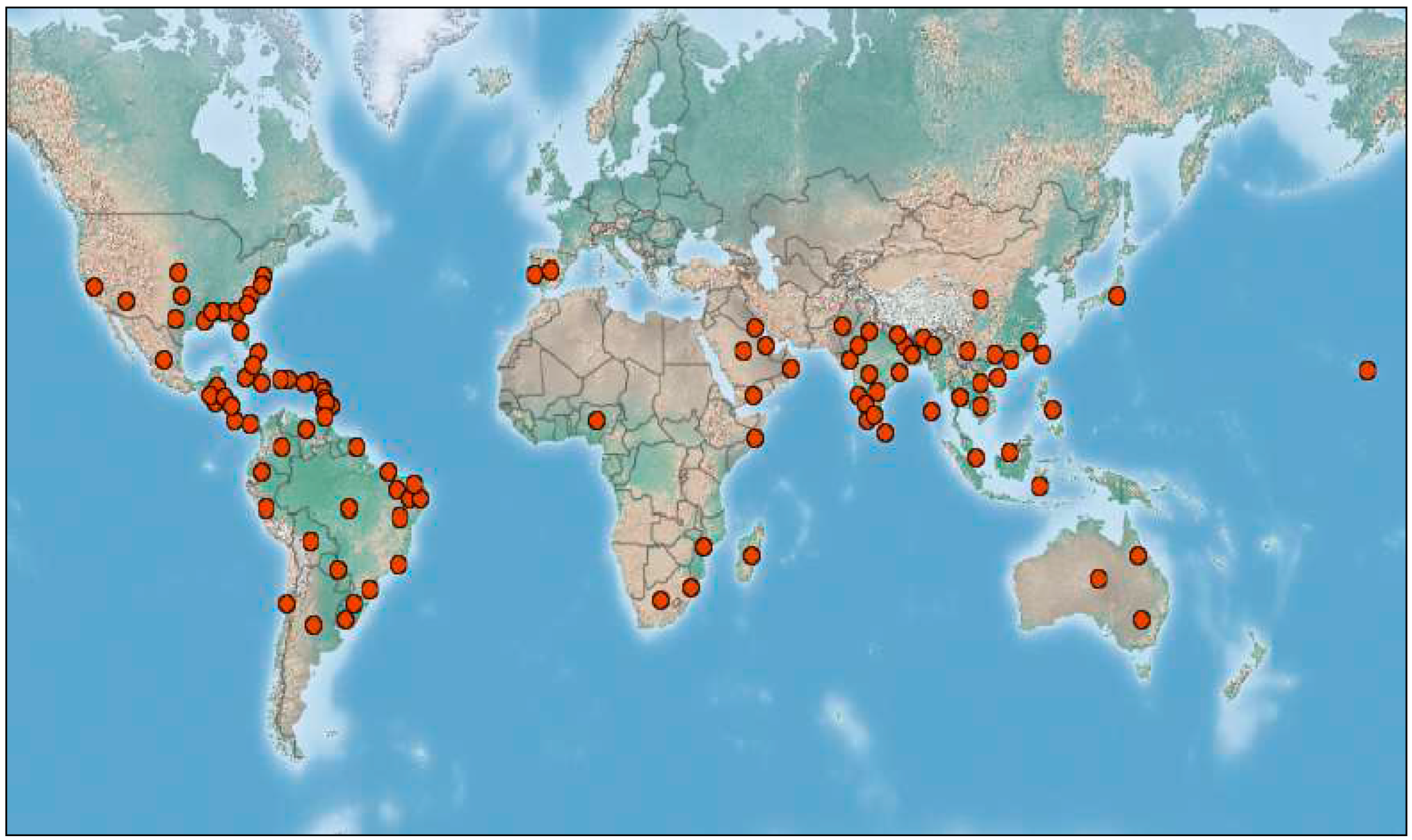
Figure 3.
Major constituents of Bacopa monnieri and their structures.
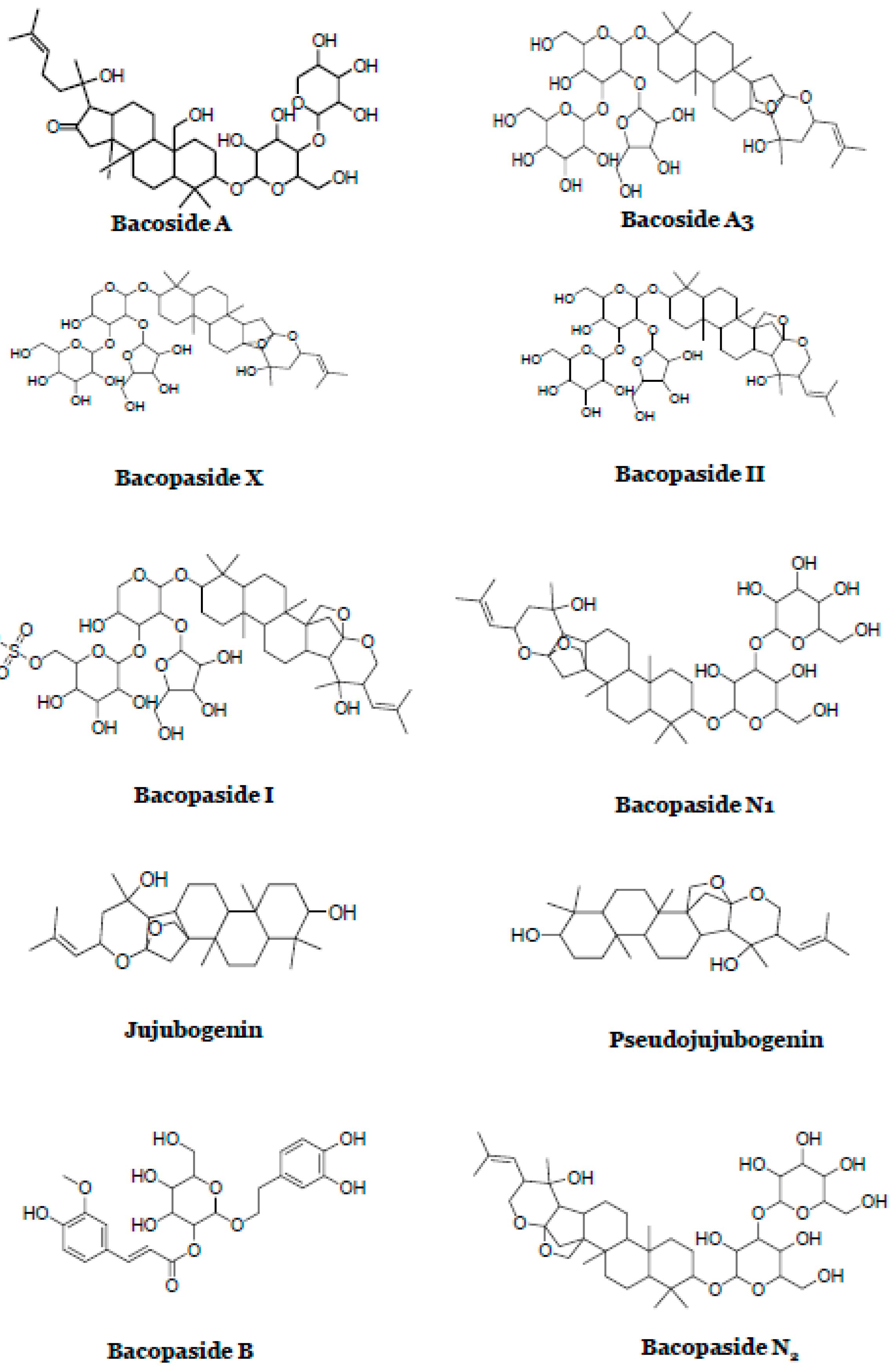
Figure 4.
Major pharmacological activities of Bacopa monnieri.
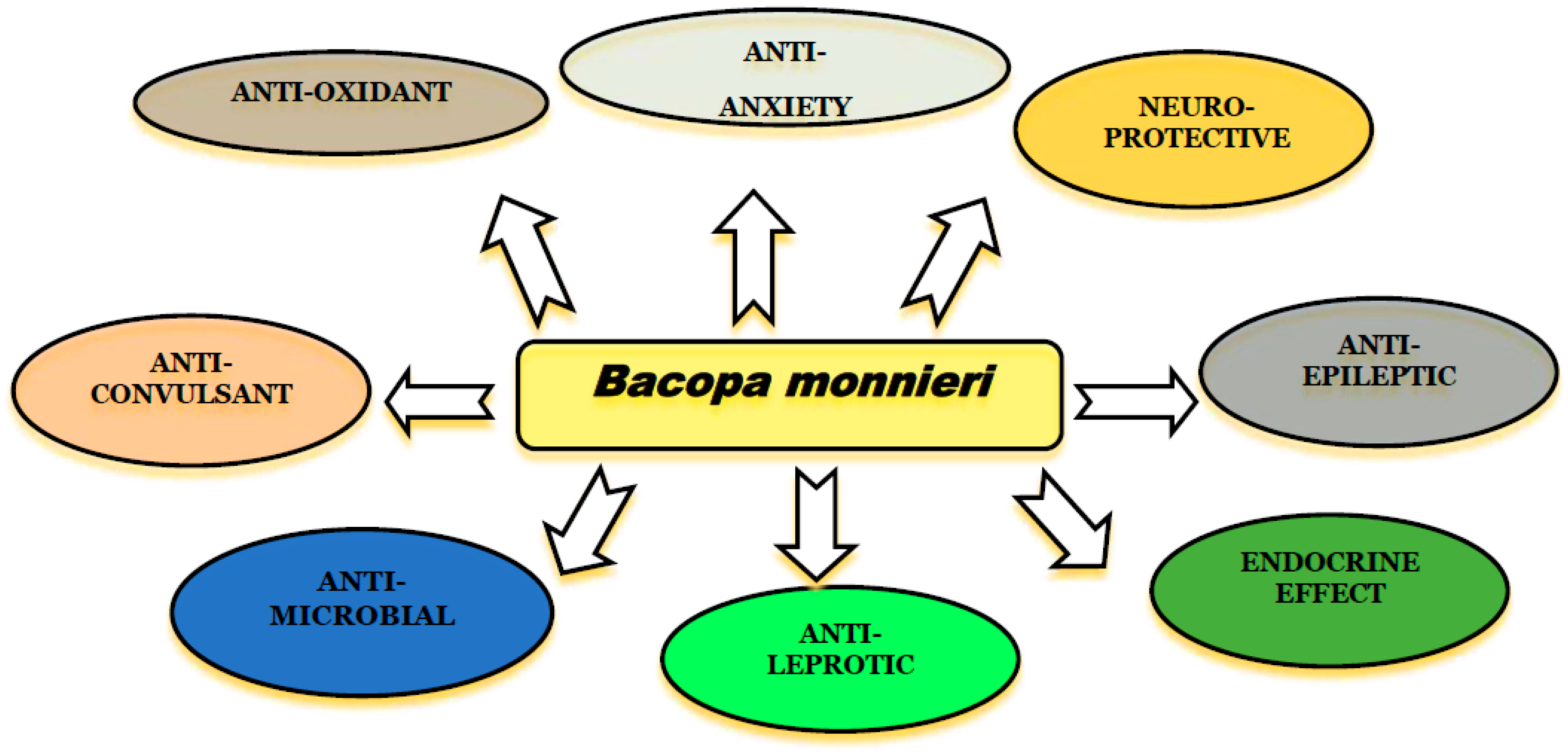
Figure 5.
Oxidative Stress Mechanisms.
Disclaimer/Publisher’s Note: The statements, opinions and data contained in all publications are solely those of the individual author(s) and contributor(s) and not of MDPI and/or the editor(s). MDPI and/or the editor(s) disclaim responsibility for any injury to people or property resulting from any ideas, methods, instructions or products referred to in the content. |
© 2025 by the authors. Licensee MDPI, Basel, Switzerland. This article is an open access article distributed under the terms and conditions of the Creative Commons Attribution (CC BY) license (http://creativecommons.org/licenses/by/4.0/).
Copyright: This open access article is published under a Creative Commons CC BY 4.0 license, which permit the free download, distribution, and reuse, provided that the author and preprint are cited in any reuse.


