

Submitted:
04 June 2025
Posted:
05 June 2025
You are already at the latest version
Abstract
This paper presents a qualitative case study on the design, implementation, and validation of the Art Nouveau Path, a mobile augmented reality game developed to foster sustainability competences through engagement with [city]’s Art Nouveau built heritage. Grounded in the GreenComp framework and developed through a Design-Based Research approach, the game integrates location-based interaction, narrative storytelling, and multimodal Augmented Reality and multimedia content to activate key competences such as systems thinking, futures literacy, and sustainability-oriented action. The game was validated through a simulation-based training workshop with 30 in-service schoolteachers. A mixed-methods strategy was employed, combining structured questionnaires, open-ended reflections, and expert curricular review. Findings revealed strong emotional and motivational engagement, interdisciplinary relevance, and alignment with formal education goals. Teachers emphasized the game's capacity to connect local identity with global sustainability challenges through immersive and reflective experiences. Limitations included the need for enhanced pedagogical scaffolding, clearer integration into STEAM subjects, and broader accessibility across technological contexts. This study demonstrates that these games, when grounded in competence-based frameworks and inclusive design, can meaningfully support multimodal, situated learning for sustainability and offer valuable contributions to pedagogical innovation in education for sustainable development.
Keywords:
Art Nouveau Path
; Augmented Reality (AR)
; Mobile Augmented Reality Games (MARG)
; Multimodal Learning
; Cultural Heritage Education
; Case Study
; Design-Based Research (DBR)
; GreenComp
; Sustainability Competences
; Education for Sustainable Development (ESD)
1. Introduction
Educational systems worldwide are increasingly prompted to navigate the intricate issues concerning Education for Sustainability and Sustainable Development. These challenges, ranging from environmental degradation, and resources depletion to deepening social inequalities, require educational responses that go beyond cognitive understanding. In this scenario, Education for Sustainable Development (ESD) has remarkably gained momentum as a revolutionary method that surpasses just cognitive comprehension to include the values, abilities, and proficiencies vital for critical engagement with sustainability concerns [1]. The initiatives for worldwide policy, notably the United Nations’ Sustainable Development Goals [2] and the European Green Deal [3], reinforce the essentiality of giving citizens access to the instruments required to spark change in their own communities. It is imperative that these endeavours are initiated during early childhood, within educational institutions, and are pursued in a manner that encompasses a lifelong learning approach within professional contexts [4].
In parallel, the fast-paced growth of digital technology is changing educational strategies, creating novel paths to connect structured curricula with true, real-world activities. Within this context, Augmented Reality (AR) has surfaced as a valuable instrument to augment place-based education by superimposing virtual data onto tangible surroundings. It is evident that, through this affordance, AR facilitates situated, multimodal and interactive learning experiences that blend cognitive engagement with emotional resonance [5,6,7]. When used in game-based formats, augmented reality (AR) can enhance learner motivation, facilitate interdisciplinary inquiry, and transform urban spaces into dynamic pedagogical environments [8,9,10].
One area where this potential is particularly significant is heritage education. Built cultural heritage offers a meaningful context for engaging with questions of identity, memory, continuity, and transformation [11,12,13,14].
Furthermore, it provides a substantial context for the exploration of sustainability-related themes, including environmental stewardship, adaptive reuse, and community resilience [15,16]. When enriched with AR, heritage education has the potential to evolve into an emotionally resonant and cognitively meaningful experience that engenders critical reflection on the interplay between the past, present, and future [17,18,19]
In this context, the Art Nouveau Path was developed as a mobile augmented reality game (MARG) designed to foster competences for sustainability through the valuing of [City]’s Art Nouveau heritage. The game was developed under the [Removed] project ([Project’s webpage]) at the University of [City], [Country]. The main goal of this game is to guide players, primarily students, through a path of eight Art Nouveau landmarks (points of interest) in the city of Aveiro, Portugal, as presented in Figure 1.
At each point of interest, players engage with location-based content, including historical overlays, Augmented Reality and multimedia contents, narrative prompts, and reflective quizzes designed to link architectural details with ecological and civic themes, as well as Portuguese curriculum interdisciplinary contents.
A conceptual characteristic of this MARG is its strategic alignment with GreenComp, the European Sustainability Competence Framework [20]. GreenComp delineates twelve competencies, which are grouped into four broader dimensions: a) Embodying Sustainability Values, focused on personal values, attitudes, and motivation to act for sustainability; b) Embracing Complexity in Sustainability, that encourages systems thinking, critical analysis, and navigating complexity; c) Envisioning Sustainable Futures, that involves imagining, creating, and planning for sustainable alternatives; and, d) Acting for Sustainability, which focus in taking individual and collective action to drive sustainability transformations. Each interaction in the Art Nouveau Path was meticulously designed to reflect these dimensions, thereby enabling learners to establish a connection between aesthetic appreciation and systems thinking, local-based history and global concerns, and cultural memory and future-oriented action [20,21,22,23]
The paper presents a qualitative case study, guided by the principles of Design-Based Research (DBR), with a view to exploring how this MARG can support the activation of competences within the context of ESD. The DBR framework was employed to guide the iterative design and validation of the game. The study itself is structured as a single, bounded case, which focuses on the use of Art Nouveau Path by a group of 30 in-service teachers from diverse disciplinary backgrounds. These teachers participated in a training course on sustainability education based on heritage, which included engagement with the game features in a simulated environment. After this, the participants completed an evaluation questionnaire comprising Likert-scale items, closed and qualitative open-ended questions.
This study explores the potential of Art Nouveau Path, a MARG, to support the activation of sustainability competences through immersive, multimodal learning experiences. The game has been designed to be an educational tool that considers its context. It leverages location-based interaction and rich media content to engage learners with cultural heritage sites in the city. The study explores the potential of multimodal interaction, integrating spatial, visual, auditory, and narrative components, to enhance user engagement, foster interdisciplinary learning, and promote critical reflection on civic responsibility and environmental sustainability. The study is anchored in the principles of human-computer interaction and competence-based education. It contributes to ongoing research into the potential of interactive technologies to transform educational practices within culturally embedded and sustainability-oriented contexts.
The research is thus guided by two interconnected research questions:
- How do multimodal and location-based interactions within the MARG Art Nouveau Path influence learner engagement and user experience?
- How can mobile AR serious games support the development of sustainability competences through context-aware educational interactions?
The structure of the paper is divided into six sections, each one designed to address the central research questions of the study through a theoretically grounded and methodologically rigorous lens. The second section of this study presents the theoretical framework and synthesis empirical evidence from four interconnected domains. These domains are as follows: augmented reality in education, multimodal interaction, sustainability competences, and heritage-based learning through serious games. These areas constitute the conceptual foundations upon which the design and evaluation of the Art Nouveau Path are based. The third section outlines the research design, with a particular focus on DBR methodology. The fourth section provides a comprehensive account of the iterative development, implementation and validation phases of the game. It also presents the empirical findings that were gathered from a simulation-based training session with in-service teachers. These findings have been supplemented by expert curricular review. In the fifth section, the study’s results are critically synthesized to evaluate the pedagogical effectiveness of the game in supporting the activation of sustainability competences. Finally, the sixth section discusses the study’s primary contributions, acknowledges methodological limitations, and proposes future directions for research and pedagogical innovation in the field of multimodal, augmented reality-enhanced education for sustainability.
To rigorously address the research questions, it is essential to establish a coherent theoretical foundation. The educational potential of augmented reality–mediated, multimodal learning, particularly in fostering sustainability-related competences, must be examined through relevant conceptual models and empirically validated frameworks. Accordingly, the following section provides a cross-disciplinary synthesis of the key perspectives that inform the study’s conceptual and methodological approach.
2. Theoretical Framework and Related Work
This section and its subsections establish the conceptual and empirical grounds guiding the design, implementation, and validation of the Art Nouveau Path.
The development of this pedagogical intervention draws upon four interrelated domains: 1) multimodal and context-based learning enabled by AR technologies; 2) the GreenComp framework as a foundation for competence-based sustainability education; 3) the pedagogical potential of heritage and place-based learning; and 4) the design and validation of serious games.
These domains are united by a shared commitment to transformative learning [20,24,25], in which knowledge, values, and agency are co-constructed through critical reflection within authentic, context-rich environments.
The section concludes with in the presentation of Figure 7, a conceptual model that synthesises the pedagogical architecture of the game, highlighting how AR, cultural heritage, and sustainability competences interact through structured, and sequential learning layers, from the observable to the abstract. This model serves as both a design framework and an evaluative lens for understanding how the game fosters engagement, competence development, and situated reflection.
2.1. Multimodal and Context-Based Learning Through Mobile Augmented Reality
Mobile AR facilitates the overlay of digital media, as visuals, text, audio, and animations, onto physical environments, thus supporting deeply contextualised, and multimodal learning experiences [5]. Grounded in constructivist and situated learning theories [26,27], this approach positions learners as active participants in meaning-making, with knowledge acquisition enhanced when embedded in real-world contexts.
Recent empirical studies sustain the potential of AR to foster learner engagement, spatial reasoning, and conceptual understanding, particularly in outdoor and place-based educational settings [7,18,19]. In cultural heritage contexts, AR also supports affective and cognitive engagement by allowing learners to interact in situ with historical narratives, material culture, and built environments [18,19].
The Art Nouveau Path uses context to anchor interactive, multimodal content at specific urban locations (points of interest). This spatial anchoring reinforces the interdependence between place, history, and knowledge. The game encourages interdisciplinary exploration, prompting learners to explore architecture through lenses of Art, Ecology, History, Maths, Natural Sciences, and Civic Education.
2.2. Operationalising GreenComp in Context-Aware Heritage Education
The GreenComp framework [20] provides a coherent, flexible model for structuring sustainability learning across formal and informal education. It defines twelve interrelated competences clustered into four dimensions: embodying sustainability values, embracing complexity in sustainability, envisioning sustainable futures, and acting for sustainability. Designed to be adaptable, GreenComp encourages diverse pedagogical approaches [20] and localised implementation [18,19].
In the Art Nouveau Path, GreenComp informs both the design of the game and the subsequent evaluation of its value, through a specific questionnaire, the GreenComp-based Questionnaire (GCQuest) (available at: link).
While it is evident that not all game components are mapped in a one-to-one correspondence with GreenComp dimensions, it is noteworthy that a significant proportion of the 36 questions were conceptually aligned during the development process to reflect key sustainability competences, particularly those related to systems thinking, ethical values, and future-oriented reasoning and action. The pedagogical alignment in question aims to activate learner engagement with sustainability in contextually meaningful ways.
Examples include tasks on the 1938 [City] flood, where players analyse video and AR-enhanced archival imagery to consider the causes and consequences of urban vulnerability, thereby activating systems thinking. Challenges involving the ‘Arcos Fountain’ (Figure 2) prompt reflection on historical and contemporary water use, encouraging critical thinking about equity, infrastructure, and environmental ethics. Learners visiting the ‘[City] City Museum’ (Figure 3) evaluate adaptive reuse strategies, balancing cultural preservation and sustainable design, while scenarios on acid rain and material degradation foster responsibility and awareness of environmental changes.
To promote futures literacy, speculative design prompts are integrated throughout the experience. One task invites players to imagine electric-powered ‘[typical]’ boats (Figure 4), symbolising a clean energy transition rooted in local heritage. Others focus on envisioning sustainable urban futures and the preservation of historical districts amid climate change. Through these situated, interactive challenges, abstract sustainability competences are made concrete, emotionally resonant, and actionable [20,21,22,23,28,29].
2.3. Heritage as a Living Space for Sustainability Learning
Built heritage can offer a powerful medium for exploring the intersection of culture, memory, and sustainability. Architectural forms and urban spaces embody local identity, adaptation, and resilience [15,25,30]. To function as a transformative educational space, however, heritage must be interpreted not as static legacy but as a dynamic, living context for civic engagement and critical reflection [13,31,32].
Françoise Choay [11,12] frames heritage as a cultural construct, continuously reshaped by society’s evolving relationship with the past. The Art Nouveau Path’s pedagogical approach is underpinned by the same perspective, discussing [City]’s Art Nouveau heritage as dialogical spaces. Players engage with multimodal media and historical “glints of the past”, illuminating forgotten or overlooked urban spaces and stories. For example, at the ‘Former Agricultural Cooperative’ (Figure 5), players can explore the building’s history, its past and present functions, and curiosities, while exploring the unique and exquisite ‘Fonte Nova Factory’ tiles façade and calculating the cymatium area.
Nearby, at the ‘[City] City Museum’ players can explore the naturalistic stonework and learn about material degradation and restoration options, linking architectural conservation to environmental sustainability.
Another example, at the old ‘Fish Market’ (Figure 6), players, besides searching the iron-building’s architectural details, explore the overfishing and the depletion of global fish stocks and alternatives like aquaculture or fishing stocks management [33].
This educational model aligns with critical place-based education [34,35], which argue that transformative learning is most effective when situated in the everyday spaces learners inhabit. By embedding GreenComp competences into local cultural contexts, the game bridges the global and the local, rendering sustainability relevant, comprehensible, and participatory.
2.4. Validating Art Nouveau Path as a Sustainability-Focused Serious Game
Serious games are increasingly recognised as effective educational tools for sustainable development. They foster engagement, inquiry, and systems thinking through participatory, challenge-based interactions [36,37,38]. When augmented with AR and cultural heritage content, these games can simulate real-world complexity, offering immersive, value-rich experiences that cultivate empathy, responsibility, and active citizenship [38].
Robust validation is essential to ensure pedagogical effectiveness. Pownall and colleagues [39] identify three critical success factors: learning outcomes, usability, and motivational appeal. These must be aligned with curricular goals and cross-disciplinary integration to be formally adopted [40].
The Art Nouveau Path was developed using a DBR approach [41,42], which supports iterative prototyping and empirical evaluation within authentic learning environments.
The game design follows human-centred design principles, emphasising intuitive navigation, affective interaction, and cognitive immersion, which are foundational to a positive user experience in AR-enhanced learning environments [7,22,23].
The Art Nouveau Path validation process comprised two-phases:
- A training course for 30 in-service teachers, who experienced a simulated gameplay session and provided the game’s evaluation;
- Review by three teachers of History, Visual Arts, and Natural Sciences.
This methodology ensured both ecological validity, via use in real-world contexts, and pedagogical reliability, through alignment with sustainability competences and curricular objectives. Findings from teacher feedback and gameplay observations confirmed the game’s capacity to scaffold reflection, interdisciplinary learning, and competence development.
As illustrated in Figure 7, the pedagogical design of the Art Nouveau Path is structured as a multilayered learning design. The foundational layer comprises the historic urban structure of [City]. This serves as an authentic and emotionally resonant learning environment. Overlaid on this spatial context is the digital layer enabled by AR, which facilitates multimodal interaction through images, narratives, animations, and real-time feedback. A third layer comprises the pedagogical mechanisms, narrative-driven tasks, quizzes, reflection prompts, that promote critical interpretation and cross-disciplinary synthesis. The final layer corresponds to competence activation, in which learners apply GreenComp-aligned knowledge, values, and skills in addressing real-world sustainability issues [43,44].
This model illustrates how MARG can surpass traditional content delivery by fostering integrated learning, where environmental awareness, cultural memory, and civic engagement are activated through playful, situated, and reflective interaction. It acts as both a design tool and an analytical framework to guide the development of similar educational interventions.
The subsequent section, “Materials and Methods”, provides a comprehensive description of the research framework, the techniques employed, and the methodologies adopted for combining data to evaluate the game’s efficacy in educational settings.
3. Materials and Methods
3.1. Research Design and Methodological Alignment
This study adopts a qualitative case study design informed by principles of Design-Based Research (DBR) [41,42]. While the broader development of the Art Nouveau Path MARG followed a DBR methodology to iteratively refine the game’s pedagogical, technological, and content elements, this paper focuses specifically on the empirical validation phase of that process.
The case study focuses on evaluating the effectiveness of the game in terms of its pedagogy, its relevance to the curriculum, and its ability to foster sustainability competences through an immersive, multimodal media-rich learning environment.
It is set within the context of validation activities undertaken in late 2024. These activities encompass a curricular analysis conducted by pedagogues from three distinct disciplinary domains, in addition to a training course for 30 in-service secondary school pedagogues from the central region of [Country]. In this course, participants engaged in a simulated gameplay session and subsequently completed a structured evaluation questionnaire. This questionnaire comprised Likert-scale items, dichotomous (Yes/No) responses, and open-ended qualitative questions.
This case study design was conducted taking account on its capability to engender rich, context-sensitive insights into the possibilities that multimodal media-enhanced educational tools, such as MARG, are perceived, experienced and evaluated by teachers within pedagogical aimed environments.
3.2. Contextual Background: Game Development and Iterative Refinement
The Art Nouveau Path was developed as part of the [name] Project at the University of [City]. Drawing upon DBR principles, it supports iterative design, stakeholder feedback, and real-world testing across three essential phases: a) exploratory fieldwork and content research; b) multimodal media development, including AR and multimedia content, and prototype testing; and c) educational validation and expert review.
Spanning from October 2023 to December 2024, the DBR process informed the game’s mechanics, narrative flow, AR and multimedia functionality, and alignment with the GreenComp framework. As shown in Figure 2, the development timeline illustrates the gradual refinement of the game through collaborative feedback loops and technical iterations.
The final game version consists of 36 interactive questions distributed along eight Art Nouveau points of interest in [City]’s city centre. Game’s core features include:
- Narrative storytelling linked to local, contextualized history and sustainability themes;
- AR content triggered by architectural details used as natural markers;
- Multimedia elements, including videos, audio narration, and 3D overlays;
- Reflective and challenging quizzes, each framed by robust introductions and supported by informative feedback;
- Progression-based game structure designed to activate and align with selected GreenComp sustainability competences.
The development of all multimodal media and educational resources was conducted by the first author, game’s lead researcher, who used a range of publicly accessible sources, encompassing digital archives, community-generated content, and literature produced by local researchers. Throughout the content development process, ethical attribution and historical accuracy were upheld with meticulous care, reflecting a participatory and context-sensitive approach to digital heritage interpretation.
Figure 8 illustrates the game’s developmental process, which is divided into iterative validation stages accompanied by a detailed exposition. This comprehensive framework encompasses all the essential phases, initiating from the initial design stage to the curricular review and the teacher training course.
3.3. Case Study Context
The empirical case study was conducted in December 2024 during a training course titled “Art Nouveau Path Workshop”. Thirty in-service schoolteachers, participating in the training course, represent a variety of disciplines, including History, Geography, Arts, Natural Sciences, Citizenship, and Mathematics.
Due to weather constraints and logistical limitations, a controlled classroom-based simulation of the game was employed. Participants engaged with:
- Printed images of real AR markers embedded in [City]’s Art Nouveau heritage;
- Video recordings and/or images of the path and gameplay mechanics (using a preliminary version of the game in the EduCITY app);
- fully access to multimodal media contents and quiz functionalities (also by using the preliminary version of the game in the EduCITY app).
Although this setup did not permit full mobile spatial interaction, it enabled comprehensive exposure to the game’s content and structure, supporting reflective discussion and pedagogical analysis.
3.4. Participants and Ethical Considerations
The cohort comprised thirty in-service teachers (17 female, 13 male) who willingly participated in the research. The participants granted informed consent, and no personally identifiable or sensitive information was gathered. Each procedure was in accordance with the ethical standards defined by the University of [City] and fulfilled the General Data Protection Regulation.
Participants’ disciplinary backgrounds spanned the humanities, sciences, arts, and civic education, enabling a multi-perspectival analysis of the game’s interdisciplinary potential and curricular applicability.
3.5. Data Collection Instruments
In this study, empirical data were collected using two instruments: a) a questionnaire distributed to participants, designed to evaluate their experience and perceptions of the game, and b) a qualitative validation review of the game’s curricular approach conducted by three additional teachers.
3.5.1. Evaluation Questionnaire
To evaluate participants’ perceptions of the Art Nouveau Path and its pedagogical effectiveness within a sustainability education context, a bespoke post-game questionnaire was developed and administered immediately following the simulated gameplay session. The design of the instrument was grounded in established frameworks for evaluating serious games and competence-based learning environments [21,39,45], and drew on principles of mixed-methods educational research [46]. It was further aligned with the GreenComp framework [20], ensuring conceptual coherence in the evaluation of sustainability competences.
The questionnaire was structured into three sections, combining both quantitative and qualitative formats to capture a comprehensive range of participant insights.
The first section consisted of 18 Likert-scale items, each rated on a six-point scale ranging from 1 (strongly disagree) to 6 (strongly agree). An even-numbered scale was intentionally used to prevent neutral responses and encourage more decisive evaluative positioning [47]. The items were thematically grouped into three analytical areas: a) Heritage and Sustainability, evaluating participants’ understanding of built heritage, its cultural relevance, and its connection to sustainability competences such as systems thinking and cultural awareness; b) Art Nouveau Path MARG, evaluating the game’s educational value, interdisciplinarity, digital engagement, and perceived usability in classroom and informal learning settings; and c) Workshop and Methodology, aimed to capture participants’ motivational engagement, emotional resonance, and perceptions of the training’s structure, content, and relevance to their professional practice.
The second section included six dichotomous (Yes/No) items, designed to elicit rapid judgments on core pedagogical and design aspects of the game and workshop. Example prompts included: “Would you recommend this game to your peers?” and “Does the game support interdisciplinary teaching?”
The third section comprised six open-ended prompts to encourage deeper reflection and qualitative elaboration. These questions invited participants to share their perspectives on the integration of disciplines, design and usability, opportunities for improvement, and the game’s broader educational potential. Sample items included: “What did you appreciate most about the game?”, “How would you integrate this game into your teaching practice?”, and “What suggestions do you have for improving future workshops?”
Overall, the instrument enabled a nuanced and triangulated understanding of how participants engaged with the Art Nouveau Path experience. By combining scaled responses with narrative reflections, it offered both breadth and depth of insight into the game’s alignment with sustainability education goals and its perceived value for teacher professional development.
3.5.2. Expert Curriculum Validation
As part of the iterative refinement phase of the design-based research process, three subject-matter experts conducted a structured review of the game prototype. The experts represented three essential curricular domains relevant to the Art Nouveau Path experience: History, Natural Sciences, Visual Arts, and Citizenship Education. Each expert was given access to all the game’s content, including location-based triggers, multimodal media, as AR contents, and quizzes materials. All this was supported by the preliminary version of the Art Nouveau Path within the EduCITY app.
The rubric used for the curricular evaluation of the Art Nouveau Path was designed to reflect core principles of instructional design and sustainability education. The research focused on curricular alignment. This entailed an evaluation of the extent to which the game’s content corresponded with national education standards and supported cross-disciplinary learning objectives. Pedagogical clarity was also of equal importance, and this involved evaluating the transparency of learning goals, the presence of effective scaffolding mechanisms, and the coherence of instructional flow throughout the gameplay experience. This approach was aligned with the principles of ‘Understanding by design’ [48], which emphasise backward planning and intentional learning design. The rubric also encompassed interdisciplinary integration, particularly the game’s capacity to span diverse knowledge domains by integrating themes of cultural heritage, sustainability, and interconnections across STEAM and the humanities. Furthermore, attention was given to learner engagement and usability, examining how well the game accommodated different levels of digital literacy, ensured accessibility across devices, and adapted to various educational contexts. Finally, the rubric evaluated the game’s reflective learning potential, focusing on its capacity to foster critical thinking, ethical awareness, and the internalisation of sustainability values. Collectively, these criteria provided a comprehensive framework for evaluating the educational robustness and transformative potential of this MARG learning experience.
Expert feedback was incorporated into the final phase of the DBR cycle to enable targeted refinements to content phrasing, competence framing, and AR interaction design. Additionally, their insights were integrated into the triangulated data analysis, complementing the empirical feedback from in-service teachers and supporting the interpretative validity of the comprehensive evaluation. This collaborative validation process ensured that the game aligned with curricular standards, demonstrating pedagogical soundness and interdisciplinary relevance, an essential criterion in evaluating the educational efficacy of technology-enhanced learning environments.
3.6. Data Analysis Procedures
The data analysis involved gathering and calculating various descriptive statistics, such as averages, standard deviations, and frequency distributions, based on participant responses to Likert-scale and Yes/No questions. This provided a structured overview of participants’ perceptions across essential dimensions such as competence activation, interdisciplinarity, emotional engagement, and curricular relevance.
The qualitative data underwent an extensive analysis through thematic examination, following the six-phase framework for reflexive thematic coding as specified by Braun & Clarke [49]. This approach identified significant patterns within open-ended responses and expert feedback, providing a nuanced understanding of participants’ perceptions, emotional reactions, and interpretations of the game’s pedagogical value.
3.7. Validity, Reliability, and Study Limitations
To guarantee methodological rigour and alignment with both the principles of Design-Based Research (DBR) and competence-oriented evaluation, a series of strategies were employed to enhance the study’s validity, reliability, and interpretive depth.
The concept of ecological validity was addressed by integrating authentic, contextually grounded media, such as historical photographs, archival videos, and architectural augmented reality markers. These elements were embedded within gameplay experiences that closely simulated the spatial narrative of the real-world route. Although the implementation occurred in a controlled, workshop-based setting, efforts were made to preserve the integrity of location-based interactions and narrative immersion as they would occur in the Aveiro’s urban environment.
Pedagogical fidelity was ensured by grounding the game’s design in established educational frameworks, most notably the GreenComp framework [20], and by involving a panel of multidisciplinary experts: History, Natural Sciences, Visual Arts, and Citizenship Education, in the validation of the game’s pedagogical structure and narrative sequencing.
To support data triangulation, the evaluation incorporated various forms of evidence, such as quantitative data from Likert-scale questionnaire responses, qualitative data from teachers’ reflections and open-ended responses, and a thematic analysis of expert feedback. This mixed-methods approach facilitated a rich, layered interpretation of both cognitive and affective learning dimensions, thereby enhancing construct validity and interpretive robustness [50,51].
Despite the methodological reinforcements employed, it is important to acknowledge certain limitations. Firstly, the using simulated gameplay instead of in-situ, field-based deployment may have reduced participants’ embodied spatial engagement, potentially modifying the emotional and motivational responses of participants in comparison to real-world utilisation. Secondly, sample bias may have been introduced by the self-selection of practising teachers with an existing interest in digital innovation or sustainability education, which could have resulted in more favourable perceptions being overrepresented in the findings. Thirdly, the current absence of student data limits the generalisability of the results to actual learner populations and constrains the ability to evaluate the effects of classroom-level implementation.
These limitations are consistent with the exploratory and developmental character of early-stage design-based research. However, previous studies have demonstrated that augmented reality–mediated educational interventions can yield substantial learning benefits, even when deployed in simulated or prototype formats, particularly in blended and resource-constrained environments [52]. To achieve a more profound understanding of the empirical foundations of the Art Nouveau Path and to evaluate its broader scalability as a transformative educational tool for sustainability learning, it is essential that future research incorporates student participants, real-world classroom trials, and longitudinal data collection.
4. Game Evaluation and Pedagogical Outcomes
This section presents the outcomes of the game evaluation, drawing on a triangulated analysis that integrates quantitative metrics, qualitative reflections, and expert validation to evaluate the pedagogical effectiveness of Art Nouveau Path. The evaluation is focused on three interconnected dimensions:
- the activation of sustainability competences;
- emotional and motivational engagement;
- curricular transferability within the broader context of Education for Sustainability and the Sustainable Development Goals.
The present study adopted a mixed-methods approach, combining a structured gameplay simulation with a comprehensive post-session questionnaire administered to a cohort of 30 in-service secondary school teachers. The triangulation of data was achieved using multiple sources, namely: firstly, the integration of sustainability competences into the game design, guided by the GreenComp framework [20]; secondly, participant feedback gathered via Likert-scale responses and open-ended qualitative items; and thirdly, a synthesis of aggregated response trends across the participant group. Moreover, the evaluation process was informed by expert reviews from specialists in digital education, cultural heritage, and sustainability pedagogy, whose insights contributed to the interpretative depth and validation of the findings.
The results are organized into four interconnected subsections, offering a comprehensive perspective on how the Art Nouveau Path drives as a multimodal, competence-oriented educational experience. The objective of the analysis is twofold, with contributions intended for two complementary domains. Firstly, it engages with the academic discourse surrounding the use of AR in education, particularly within sustainability-oriented contexts. Secondly, it provides practical implications for the implementation of pedagogical interventions that are aligned with the GreenComp framework in both formal and non-formal learning environments.
4.1. Competence Mapping and Narrative Design
The Art Nouveau Path was developed as a mobile learning experience integrating cultural heritage, sustainability education, and immersive digital technologies. The programme is structured around the GreenComp framework (Bianchi et al., 2022), which defines 12 competences for sustainability learning across cognitive, socio-emotional, and action-oriented domains.
Rather than functioning as a conventional heritage trail, the game was intentionally designed as a multimodal, narrative-driven learning environment.
The gameplay is structured around three interconnected thematic pillars, with each pillar delineating a distinct engagement with spatial, temporal, and sustainability challenges: a) Urban Memory and Identity: the aim is to foster reflection on collective memory, public space, and the transformation of urban life; b) Cultural Aesthetics and Nature: seeking to analyse and interpret the eco-symbolism of Art Nouveau design, in order to ascertain its relevance to sustainability values; and, c) Sustainability and Action, aiming to establish a correlation between historical urbanisation and contemporary socio-environmental concerns by means of systems thinking and critical reflection.
The 36 questions embedded in the game are aligned with GreenComp competences [20], enabling players to engage with concepts such as anticipation, systems thinking, agency, and fairness in situated and affective ways. Table 1 provides illustrative examples of these mappings.
This mapping allowed the game to operate as a sustainability competence activation tool [21], especially when facilitated through pedagogical reflection before or after gameplay.
4.2. Teachers’ Feedback and Experts Validation
Thirty in-service secondary school teachers participated in a structured simulation of the Art Nouveau Path, followed by a comprehensive evaluation comprising Likert-scale items, dichotomous questions, and open-ended reflections.
The triangulation of data, which entailed the combination of participant perceptions, sustainability competence alignment, and expert analysis, facilitated a multidimensional interpretation of the game’s pedagogical efficacy. The findings have been organised into four essential analytical dimensions:
- heritage and sustainability comprehension;
- educational value and interdisciplinarity;
- curricular relevance and professional transferability;
- emotional and motivational engagement.
4.2.1. Heritage and Sustainability Comprehension
With a mean score of 5.43 (SD = 0.73), this dimension showed a significant increase in teachers’ awareness of the connections between built heritage and sustainability. The game encouraged participants to critically reflect on the influence of historical infrastructures on present and future environmental decisions, particularly through the lens of place-based learning. Teachers noted that integrating AR provided a powerful way to re-engage with familiar urban spaces, transforming passive observation into active enquiry.
One participant articulated this transformation by stating: ‘I walk past these buildings every day, but I had never really paid attention. The AR made me see them in a completely different way” (T08).
Another teacher highlighted the pedagogical value of linking historical and ecological perspectives: ‘The game questions helped me reflect on how urban development in the past is linked to environmental decisions today.’ (T14).
These responses emphasise the importance of immersive digital media in encouraging sustainability-oriented thinking, particularly regarding the temporal and spatial aspects of urban heritage. The results are consistent with existing research on the effectiveness of mobile AR in promoting systems thinking and historical empathy in education [53]. They also align with the GreenComp framework, which emphasises contextualised and value-driven engagement with sustainability challenges [20].
4.2.2. Educational Value and Interdisciplinarity
The average score for this dimension was 5.50 (SD = 0.68), suggesting a substantial degree of acknowledgment regarding the game’s efficacy in promoting cross-disciplinary education. Teachers emphasised the relevance of the Art Nouveau Trail to multiple curricular domains, including History, Visual Arts, Natural Sciences, Citizenship and Mathematics. They realized the integration of local heritage content with digital technology as fostering not only factual knowledge, but also analytical, ethical and observational competences.
In this sense, one participant captured this multidimensional potential, stating: “This is more than a guided tour. It’s an active learning environment that stimulates analysis, observation, and ethical reflection.” (T12). Another teacher emphasised its applicability within collaborative and civic pedagogies: “There is huge potential to use this in civic education or project-based learning.” (T03).
These findings correspond with the prevailing scholarly discourse that promotes interdisciplinary methodologies pertaining to Education for Sustainable Development (ESD), especially those that integrate cultural heritage with pragmatic problem-solving and socio-environmental consciousness [54,55]. Furthermore, the findings imply that, when appropriately contextualised, serious games can facilitate the integration of disparate school subjects through authentic and contextualised learning experiences.
4.2.3. Curricular Relevance and Professional Transferability
The mean score for this dimension was 5.37 (SD = 0.82), indicating that most participants perceived the game as a pedagogically valuable resource with clear applicability to their teaching contexts. Teachers expressed strong intentions to incorporate the Art Nouveau Path into classroom practices, particularly within interdisciplinary or project-based frameworks. The game was regarded as a versatile educational resource that could be used to complement field trips, heritage units, or sustainability modules.
However, several participants also raised critical concerns regarding digital access and classroom integration. The necessity for alternative formats that are more inclusive of schools with limited technological infrastructure was a recurring theme. As one teacher astutely observed: ‘Many students don’t have devices with AR capacity. We need a classroom-friendly or low-tech version.’ (T19)
It was asserted by other contributors that the game’s value lies in its function as a preparatory or complementary activity, with the capacity to establish a connection between digital experiences, physical exploration, and sustainability discourse: ‘The game is perfect for a pre-visit activity or as part of an urban sustainability project.’ (T22)
These responses emphasise two key aspects: firstly, the perceived instructional potential of integrating AR-based tools into formal education, and secondly, the infrastructural challenges that must be overcome to successfully implement this integration. These findings resonate with broader discourses in the extant literature concerning the digital divide in educational technology [6,56] concurrently underscoring the significance of flexible, scalable formats for place-based learning in education for sustainable development [1,20].
4.2.4. Emotional and Motivational Engagement
This dimension had the highest rating, with a mean score of 5.60 (SD = 0.61), suggesting a notably robust affective response to the game. Teachers described the experience as inspiring, immersive, and emotionally resonant, often highlighting how the combination of augmented reality (AR), local heritage, and narrative design fostered a deeper personal connection with place and history. Emotional engagement was identified as both a motivational factor and a driver of meaningful learning.
One participant captured this emotional reawakening to a familiar urban space through digital augmentation: “It was exciting to rediscover my own city through this.” (T11)
Another contributor contemplated the affective potency of technology when integrated within meaningful educational contexts: ‘The AR gave me goosebumps. It’s not just tech!” (T05)
These testimonials support the growing body of evidence that the emotional and aesthetic dimensions of learning are central to fostering sustainability values, especially when facilitated by immersive and place-aware technologies [57,58]. Furthermore, these approaches resonate with arts-based and transformative learning methods, which emphasise the pivotal role of emotional engagement in the reconfiguration of perceptions and values concerning sustainability and heritage [24,25,59,60].
4.3. Experts Review: Curricular Alignment and Pedagogical Coherence
Another validation process was carried out by a group of three teachers, particularly in the fields of History, Natural Sciences, and Visual Arts/Citizenship. Each expert reviewed the game independently using a structured rubric and provided detailed feedback on its curricular alignment, pedagogical coherence, and educational affordances.
It has been confirmed by the relevant experts that the game under discussion aligns closely with the curricular goals for the third cycle and secondary education, particularly within the domains of heritage education and sustainability. The present study highlighted the cognitive depth of the game, noting its capacity to prompt analytical reasoning, comparative thinking, and reflective decision-making. Furthermore, the game was commended for its support of multiple literacies, encompassing visual, historical, and environmental, through the utilisation of multimedia, interactive storytelling, and real-world heritage content.
A few areas for improvement were identified with a view to enhancing its classroom utility and accessibility. To facilitate curricular integration and lesson planning, experts recommended the development of teacher guides specific to the respective disciplines. Furthermore, it was proposed that the GreenComp dimensions should be rendered more prominent and interactive within the app interface, with the objective of enabling learners to more explicitly monitor their engagement with sustainability competences. In conclusion, the proposal was made for the implementation of adjustable difficulty levels. This would facilitate the customization of the game to accommodate various student age demographics or educational contexts, thereby enhancing its versatility.
4.4. Reflections on Simulation-Based Implementation
Due to logistical constraints, the evaluation of the Art Nouveau Path game was conducted through a simulation rather than through full in-situ gameplay. Teachers interacted with the AR content using printed marker images and watched videos about the urban locations featured in the game. Although this limited spatial and embodied aspects usually offered by AR, the simulation provided several key pedagogical insights.
Firstly, it demonstrated the game’s adaptability to classroom contexts. Within a controlled environment, teachers were able to engage with the content in a meaningful manner and evaluate its educational potential. Secondly, the simulation functioned as a catalyst for reflective discussion on implementation strategies, thereby enabling participants to consider the potential applications of the game as a pre-visit activity, blended resource, or hybrid learning component.
In conclusion, the implementation demonstrated the adaptability of augmented reality-enhanced heritage games for use in a variety of settings, extending beyond conventional field contexts. This assertion is further substantiated by extant research [19,61], which demonstrates the efficacy of hybrid formats in delivering inclusive and scalable models for integrating immersive digital learning into a variety of educational settings. These results suggest that the Art Nouveau Path can operate effectively as both a field-based and classroom-based educational tool, supporting integrated models of heritage and sustainability education. Teachers provided a robust empirical foundation for evaluate the game’s pedagogical value, emotional impact, and alignment with sustainability competences. The following section offers a synthesis of these outcomes, combining statistical trends and qualitative insights to examine the broader implications for teaching and learning.
5. Results
This section outlines the results obtained from the empirical evaluation of the Art Nouveau Path game. The data were collected through three complementary sources: The data was collected using a structured questionnaire, to which 30 in-service teachers responded. Thematic analysis was then performed on the open-ended reflections. As stated, the game underwent to another, qualitative, validation process conducted by three external experts. The findings are organised across four interrelated areas: quantitative user perceptions, qualitative feedback, expert evaluation, and synthesis of key insights regarding pedagogical effectiveness and competence activation [43,44].
5.1. Quantitative Analysis Based on Likert-Scale and Binary Responses
5.1.1. Likert-Scale Results of Pedagogical Dimensions
Participants responded to eighteen Likert-scale items, each of which was rated on a six-point scale ranging from 1 (strongly disagree) to 6 (strongly agree). The items were then organised into five analytical dimensions, reflecting key areas of pedagogical evaluation. The mean aggregate scores for each dimension are presented in Table 2.
Teachers provided a particularly favourable evaluation of the Art Nouveau Path game with respect to emotional engagement, educational value, and its capacity to foster meaningful reflection on sustainability.
The item with the highest rating was “The game experience was engaging and motivating” (B.1.10), which received a mean score of 5.60. This indicates that the game was perceived as both immersive and affectively engaging. In a similar vein, the statements “The Augmented Reality enriched the learning experience and promoted meaningful engagement” (B.1.9) and “The game reinforces the connection between identity, memory, and sustainability” (B.1.8) both attained high mean scores of 5.57, underscoring the value of the game’s AR features and its anchoring in local heritage.
By contrast, the item entitled ‘The questions and feedback promote reflection on sustainable behaviors’ (B.1.7) received a mean score of 5.43, indicating that while the game does indeed encourage reflection on sustainability-related behaviours, there is still scope for enhancement regarding its ability to promote more profound critical engagement with these themes.
5.1.1. Likert-Scale Results of Pedagogical Dimensions
The responses to the binary Yes/No items within the questionnaire substantively corroborated the educational significance and professional applicability of the game. Of the 30 participants, 27 indicated their intention to use the game in their own professional context (C.2), and the same number expressed a desire to apply the knowledge gained during the workshop in future teaching practices (C.1). Twenty-five teachers answered that they were able to name at least one sustainability competence addressed in the game (C.7), while 23 teachers reported familiarity with the GreenComp framework (C.6). Furthermore, 26 participants concurred that the game is appropriate for tourists and visitors (C.4), and 24 indicated that they would engage in the game in a leisure context (C.3).
The findings of this study suggest that the game is pedagogically engaging and widely perceived as usable and professionally relevant in both formal and informal learning scenarios.
5.2. Thematic Analysis of Open-Ended Reflections
A thematic analysis of six open-ended questions revealed four recurrent themes:
5.2.1. Engagement and Motivation
Participants highlighted the game’s potential to inspire enthusiasm, uphold focus, and enhance active involvement. One teacher remarked that “the game makes the city come alive for students” (T08), thus capturing the immersive potential of augmented reality in transforming familiar urban spaces into dynamic learning environments. Another participant noted that the game “stimulates attention and participation throughout”, thereby reflecting the game’s effectiveness in maintaining learner focus (T12). One participant (T15) articulated the experience as a “great blend of challenge and fun, ideal for school groups,” thereby underscoring its motivational appeal. These align with the conclusions drawn from antecedent investigations concerning affective involvement within augmented reality-enhanced educational environments, which underscore the emotional and cognitive advantages associated with immersive, media-intensive pedagogical instruments [62,63,64].
5.2.2. Visual Design and Pedagogical Relevance
Teachers recognised the game’s strong visual design and its alignment with key educational goals. One participant described the graphical design as both “appealing and age-appropriate” (T07), while another participant highlighted how “the historical imagery connects well with the real locations” (T13), thereby reinforcing the authenticity and contextual relevance of the content. Furthermore, a third teacher noted that “the game values local identity and encourages active citizenship” (T18), thereby underscoring its role in fostering place-based civic awareness. Collectively, this feedback emphasises the pedagogical significance of visual literacy as a means of linking cultural heritage interpretation with broader objectives in citizenship education.
5.2.3. Curriculum Integration and Interdisciplinarity
Although most of the participants recognized the interdisciplinary draw of the game, a subset also emphasized its constraints regarding applicability to specific academic disciplines. One teacher described the game as “excellent for History, Arts, and Citizenship, being easily adaptable” (T10), thereby emphasising its versatility in the humanities and civic education. However, another participant noted that it “needs more clarity for science or math applications” (T14), suggesting that the integration of disciplines is less evident in STEAM areas. This feedback reflects broader challenges identified in the literature regarding the alignment of digital tools with rigid curricular standards, particularly in disciplines where content is tightly structured and evaluation-driven [39].
5.2.4. Sustainability Themes and Reflective Learning
While teachers generally welcomed the game’s focus on sustainability, several participants emphasised the need for improved scaffolding to support deeper conceptual engagement. One teacher noted that, although sustainability themes are present, they are introduced only implicitly and require more explicit reflection to be effective pedagogically (T05). Another participant described the game as a strong entry point into sustainability education but argued that it should be followed by structured post-game reflection activities to consolidate learning (T21). These observations are consistent with existing research that advocates for the incorporation of metacognitive strategies, such as guided reflection or critical dialogue, as integral components for enhancing sustainability competence acquisition in AR-mediated learning environments [20,21,22,23,26,27,28,29].
5.3. Experts Review: Curricular Alignment and Pedagogical Feedback
The pedagogical soundness of the Art Nouveau Path game was further validated by expert feedback, which also offered constructive recommendations for curricular enhancement. The history specialist commended the game’s alignment with national curricula, particularly in relation to 9th and 11th-grade topics on urban transformation and historical memory. However, the expert suggested that deeper historical contextualisation could be included at each site. For instance, while the ‘Arcos Fountain’ is used to demonstrate water access practices in the early 20th century, the incorporation of additional context pertaining to public health infrastructure or political governance during that period could serve to enhance the comprehension of learners regarding the broader socio-political dynamics.
The natural sciences expert endorsed the game’s integration of ecological themes, such as acid rain and material degradation, but recommended the incorporation of contemporary environmental indicators to strengthen the scientific dimension. For instance, the incorporation of a comparative prompt could serve to encourage players to draw parallels between historical material usage and contemporary sustainability metrics, such as carbon footprints or energy efficiency, in the context of heritage restoration practices.
The expert in the field of visual arts and citizenship education lauded the game’s aesthetic design and its capacity to encourage value-based engagement, particularly through the interpretive tasks associated with local tilework and architectural symbolism. However, the expert recommended introducing post-game reflection prompts, such as civic role-play activities or group debates on heritage preservation, to support deeper ethical engagement and critical civic literacy.
Collectively, these perspectives affirmed the game’s educational value while offering targeted, discipline-specific insights to guide future refinement. The suggestions made by the experts highlight the significance of curricular depth, scientific relevance, and structured metacognitive support in maintaining the game’s pedagogical impact.
5.4. Synthesis of Findings
The triangulation of quantitative scores, teacher commentary, and expert feedback confirms that the Art Nouveau Path is an effective media-enhanced educational tool. The programme has been demonstrated to engender high levels of emotional and motivational engagement, a robust capacity to facilitate interdisciplinary learning, and unambiguous alignment with the GreenComp framework. Nevertheless, several domains requiring enhancement were also ascertained. These include the need for stronger curricular integration, particularly within STEAM disciplines; greater visibility and articulation of sustainability dimensions embedded in the gameplay; and the incorporation of structured post-game reflection activities to deepen conceptual understanding and facilitate metacognitive engagement.
The findings of this study demonstrate the game’s capacity to support sustainability learning through affective, interdisciplinary, and place-based engagement. However, as highlighted by participants and experts, its impact can be further amplified through refinements in accessibility, curriculum integration, and structured pedagogical follow-up.
These findings establish a foundational basis for the final segment, which integrates the principal contributions of the research, discusses methodological limitations, and delineates potential directions for future research and development.
6. Conclusions and Future Directions
The present study has examined the design, implementation, and empirical validation of The Art Nouveau Path, developed to activate sustainability competences through cultural heritage engagement. The game is grounded in the GreenComp framework [20] and has been developed according to principles of user-centred and context-aware design. It seeks to foster systems thinking, values awareness, and future literacy through multimodal, place-based learning experiences rooted in [City], [Country].
6.1. Key Findings and Educational Implications
The empirical findings suggest that the Art Nouveau Path has significant pedagogical value. The 30 in-service teachers who participated in the study reported high levels of engagement, affective resonance, and perceived curricular relevance across a range of disciplines, including History, Visual Arts, Citizenship Education, and Science. It is noteworthy that the emotional and motivational impact of the game was given the highest ratings among all the evaluated dimensions. This finding suggests that immersive and narrative-driven AR is an effective medium for fostering personal connection and reflective learning.
It was recognised by the teaching faculty that the game’s interdisciplinary structure had the potential to act as a conduit between local cultural identities and global sustainability challenges. The incorporation of GreenComp dimensions into the design enabled a meaningful exploration of sustainability issues, contextualised in familiar urban spaces. The credibility of the game was further reinforced by the validation of experts in the field, who highlighted its curricular coherence, narrative strength, and potential for competence activation when paired with structured pedagogical support.
Beyond its function as a content delivery tool, the Art Nouveau Path has evolved into a dynamic educational platform that promotes experiential, values-based, and situated learning. The design of the system demonstrates the potential for mobile AR to address the epistemological and emotional dimensions of sustainability education.
6.2. Limitations and Considerations
While the study presents promising insights, it is important to acknowledge several limitations. The participant cohort was geographically and professionally specific, comprising only 30 educators from the [City] region, thus limiting the generalisability of findings. Furthermore, the evaluation of the game was conducted within a controlled simulation environment, as opposed to an open, field-based deployment. This methodological choice may have imposed limitations on the embodied and spatial affordances of location-based AR experiences.
A further limitation is evident in the exclusive reliance on teacher perceptions; the absence of student data precludes conclusions about actual learning outcomes or classroom dynamics. Moreover, issues pertaining to technological accessibility, including, but not limited to, device compatibility and digital readiness, allows to underscore systemic barriers to implementation, particularly within under-resourced educational contexts. Furthermore, some teachers have expressed uncertainty regarding the integration of the game into STEAM areas, particularly Mathematics and Natural Sciences, in the absence of clearly articulated disciplinary pathways.
6.3. Practical Implications for AR-Enhanced Sustainability Education
The findings of this study have several actionable implications for educators, instructional designers, and policymakers engaged in the development and integration of AR on sustainability education. These findings underscore the necessity for pedagogically grounded, context-sensitive, and inclusive approaches to digital learning innovation.
Firstly, the notion of pedagogical scaffolding emerges as a critical component in facilitating both deep learning and emotional engagement. The integration of structured post-game activities, including guided reflection sessions, collaborative projects and thematic classroom debates, has been demonstrated to significantly enhance the educational impact of AR-based experiences. These activities have been designed to support learners in consolidating knowledge, developing systems thinking, and articulating sustainability values in meaningful ways.
Secondly, there is a clear need for the development of curriculum alignment tools to support effective integration across disciplines. This is especially evident in STEAM disciplines, where educators frequently employ clearly delineated connections between instructional content and formal learning standards. The provision of explicit curricular mapping has been demonstrated to engender a sense of empowerment in teachers, enabling them to incorporate AR games into a variety of educational programmes with greater confidence and precision.
Thirdly, the principle of inclusive design must be central to any AR-based educational initiative. Ensuring equitable access across socio-economic and infrastructural contexts necessitates the provision of low-tech or offline alternatives, including printable materials, simplified app versions, and classroom-only adaptations. These formats have been developed to address the digital divide, with the objective of ensuring that learners in under-resourced settings are able to benefit from technology-enhanced heritage and sustainability education.
Sustained investment in teacher professional development is imperative. In addition to technical training, educators must be provided with pedagogical strategies to facilitate the effective integration of AR tools within frameworks such as GreenComp. The organisation of co-design workshops, peer-led training, and interdisciplinary professional learning communities has the potential to foster broader institutional uptake and support curricular innovation. Such initiatives have been demonstrated to enhance educator readiness and to contribute to the creation of more reflective, adaptive, and sustainability-oriented learning environments.
6.4. Future Research Directions
Future research is recommended to pursue several key avenues, building on the findings of this exploratory study. It is evident that longitudinal studies are required to evaluate the sustained impact of AR-enhanced games on the development of sustainability competences. A comparative study could explore the differential effects of AR-based versus non-AR versions of the same learning experience. This would provide more granular insights into the specific affordances of AR in education.
Further investigation into the scalability and contextual adaptability of the game is imperative. The adaptation of the Art Nouveau Path model to other cities or heritage contexts would facilitate the evaluation of its transferability and cultural responsiveness. Furthermore, subsequent design iterations should embrace participatory methodologies that actively involve students as co-creators. The integration of learner perspectives during the development process has been demonstrated to enhance relevance, foster ownership, and increase pedagogical effectiveness.
6.5. Summary of Findings and Contributions
The Art Nouveau Path is an example of how MARG can facilitate the integration of cultural heritage, emotional engagement, and sustainability education. Developed in alignment with the GreenComp framework and informed by human-centred design, the game offers a unique approach to learning. It reimagines public urban spaces as sites of transformative learning, where narrative, interactivity and reflection converge.
While educational systems across the globe continue to address the complexities of sustainability challenges, tools like the Art Nouveau Path demonstrate the efficacy of technology-enhanced, locally grounded pedagogies in fostering the development of reflective, values-driven, and action-oriented learners. This case study contributes to the expanding corpus of evidence showing that MARG, when designed with intentionality and inclusivity, has the potential to function not only as an educational innovation, but also as a catalyst for deeper engagement with the urgent socio-environmental issues of our time.
Supplementary Materials
The following supporting information can be downloaded at the website of this paper posted on Preprints.org, Video S1: “Art Nouveau Path”.
Conflicts of Interest
The authors declare no conflicts of interest. The funders had no role in the design of the study; in the collection, analyses, or interpretation of data; in the writing of the manuscript; or in the decision to publish the results.
Abbreviations
The following abbreviations are used in this manuscript:
| AR | Augmented Reality |
| MARG | Mobile Augmented Reality Game |
| DBR | Design-Based Research |
| ESD | Education for Sustainable Development |
References
- UNESCO, Education for Sustainable Development: A Roadmap. UNESCO, 2020.
- UN, “Transforming our world: the 2030 Agenda for Sustainable Development (A/RES/70/1),” UN General Assembly, 2015. [CrossRef]
- European Commision, “The European Green Deal,” 2019. https://commission.europa.eu/strategy-and-policy/priorities-2019-2024/european-green-deal_en (accessed Apr. 20, 2024).
- European Commision, Key competences for lifelong learning. Luxemburg: Publications Office of the European Union, 2019.
- M. Akçayır and G. Akçayır, “Advantages and challenges associated with augmented reality for education: A systematic review of the literature,” Educ. Res. Rev., vol. 20, no. February, pp. 1–11, 2017. [CrossRef]
- J. Zhang, G. J. Zhang, G. Li, Q. Huang, Q. Feng, and H. Luo, “Augmented Reality in K–12 Education: A Systematic Review and Meta-Analysis of the Literature from 2000 to 2020,” Sustain., vol. 14, no. 15, 2022. [CrossRef]
- J. Cabero and J. Barroso, “The educational possibilities of Augmented Reality,” J. New Approaches Educ. Res., vol. 5, no. 1, pp. 44–50, 2016. [CrossRef]
- H. K. Wu, S. W. Y. H. K. Wu, S. W. Y. Lee, H. Y. Chang, and J. C. Liang, “Current status, opportunities and challenges of augmented reality in education,” Comput. Educ., vol. 62, pp. 41–49, 2013. [CrossRef]
- Y.-L. Huang, D.-F. Y.-L. Huang, D.-F. Chang, and B. Wu, “Mobile Game-Based Learning with a Mobile App: Motivational Effects and Learning Performance,” J. Adv. Comput. Intell. Intell. Informatics, vol. 21, no. 6, pp. 963–970, 2017. [CrossRef]
- N. Alalwan, L. N. Alalwan, L. Cheng, H. Al-Samarraie, R. Yousef, A. Ibrahim Alzahrani, and S. M. Sarsam, “Challenges and Prospects of Virtual Reality and Augmented Reality Utilization among Primary School Teachers: A Developing Country Perspective,” Stud. Educ. Eval., vol. 66, p. 100876, Sep. 2020. [CrossRef]
- F. Choay, Alegoria do Património, 3rd ed. Edições 70, 2019.
- F. Choay, As questões do Património. Edições 70, 2021.
- L. Smith, Uses of Heritage. Routledge, 2006.
- J. Van Doorsselaere, “Connecting sustainable development and heritage education? An analysis of the curriculum reform in Flemish public secondary schools,” Sustainability, vol. 13, no. 4, pp. 1–17, 2021. [CrossRef]
- A. Bec, B. A. Bec, B. Moyle, and C. L. Moyle, “Resilient and sustainable communities,” Sustain., vol. 10, no. 12, pp. 1–16, 2018. [CrossRef]
- UNESCO, “The concept of sustainability and its contribution towards quality transformative education: Thematic paper,” UNESCO, Paris, 2022. [Online]. Available: http://www.unesco.org/open-access/terms-use-.
- [Removed].
- K. C. Chiang, C. K. C. Chiang, C. Weng, A. Rathinasabapathi, H. Chen, and J. H. Su, “Augmented Reality Supported Learning for Cultural Heritage of Taiwan in On-Site and Off-Site Environments: The Case of a Daxi Old Street,” J. Comput. Cult. Herit., vol. 16, no. 3, 2023. [CrossRef]
- A. Kleftodimos, A. A. Kleftodimos, A. Evagelou, A. Triantafyllidou, M. Grigoriou, and G. Lappas, “Location-Based Augmented Reality for Cultural Heritage Communication and Education: The Doltso District Application,” Sensors, vol. 23, no. 10, 2023. [CrossRef]
- G. Bianchi, U. G. Bianchi, U. Pisiotis, M. Cabrera, Y. Punie, and M. Bacigalupo, The European sustainability competence framework. 2022.
- A. Redman and A. Wiek, “Competencies for Advancing Transformations Towards Sustainability,” Front. Educ., vol. 6, no. November, pp. 1–11, 2021. [CrossRef]
- G. Avram, L. G. Avram, L. Ciolfi, and L. Maye, “Creating tangible interactions with cultural heritage: lessons learned from a large scale, long term co-design project,” CoDesign, vol. 16, no. 3, pp. 251–266, 2020. [CrossRef]
- C. Achille and F. Fiorillo, “Teaching and Learning of Cultural Heritage: Engaging Education, Professional Training, and Experimental Activities,” Heritage, vol. 5, no. 3, pp. 2565–2593, 2022. [CrossRef]
- M. Singer-Brodowski, “The potential of transformative learning for sustainability transitions: moving beyond formal learning environments,” Environ. Dev. Sustain., 2023. [CrossRef]
- I. Ruiz-Mallén, M. I. Ruiz-Mallén, M. Satorras, H. March, and F. Baró, “Community climate resilience and environmental education: Opportunities and challenges for transformative learning,” Environ. Educ. Res., vol. 28, no. 7, pp. 1088–1107, 2022. [CrossRef]
- L. A. M. Lebois, C. D. L. A. M. Lebois, C. D. Wilson-mendenhall, W. K. Simmons, L. Feldman, and L. W. Barsalou, “Neuropsychologia Learning situated emotions,” Neuropsychologia, vol. 145, 2018. [CrossRef]
- S. Y. J. N. Fernando and F. M. M. T. Marikar, “Constructivist Teaching/Learning Theory and Participatory Teaching Methods,” vol. 6, no. 1, pp. 110–122, 2017. [CrossRef]
- A. Redman, A. A. Redman, A. Wiek, and M. Barth, “Current practice of assessing students’ sustainability competencies: a review of tools,” Sustain. Sci., vol. 16, no. 1, pp. 117–135, Jan. 2021. [CrossRef]
- R. Lozano, “Envisioning sustainability three-dimensionally,” J. Clean. Prod., vol. 16, no. 17, pp. 1838–1846, Nov. 2008. [CrossRef]
- Z. M. Jones and T. Pappas, “Developing an identities-based approach to support more robust resilience and recovery in heritage planning and management,” Built Herit., vol. 7, no. 1, 2023. [CrossRef]
- M. Marmion, S. M. Marmion, S. Calver, and K. Wilkes, “Heritage ? What do you mean by heritage?,” in Constructing Intangible Heritage, E. Lira and R. Amoeda, Eds. Green Line Institute for Sustainable Develpment, 2010, pp. 33–44.
- Council of Europe, “European Charter of the Architectural Heritage,” 1975.
- M. C. Melnychuk et al., Global trends in status and management of assessed stocks: achieving sustainable fisheries through effective management. Rome: FAO, 2020.
- E. Ch’ng, S. E. Ch’ng, S. Cai, P. Feng, and D. Cheng, “Social Augmented Reality: Communicating via Cultural Heritage,” J. Comput. Cult. Herit., vol. 16, no. 2, 2023. [CrossRef]
- M. G. Abdelmonem, “Architectural and urban heritage in the digital age: Dilemmas of authenticity, originality and reproduction,” Archnet-IJAR Int. J. Archit. Res., vol. 11, no. 3, pp. 5–15, 2017. [CrossRef]
- P. Sajjadi et al., “Promoting systems thinking and pro-environmental policy support through serious games,” no. October, pp. 1–16, 2022. [CrossRef]
- S. K. Ayer et al., “Augmented Reality Gaming in Sustainable Design Education,” J. Arch. Eng., vol. 22, no. 1, pp. 1–8, 2016. [CrossRef]
- R. Veronica and G. Calvano, “Promoting Sustainable Behavior Using Serious Games: SeAdventure for Ocean Literacy,” IEEE Acess, vol. 8, pp. 196931–196939, 2020. [CrossRef]
- M. Pownall et al., “Teaching open and reproducible scholarship: a critical review of the evidence base for current pedagogical methods and their outcomes,” R. Soc. Open Sci., vol. 10, no. 221255, pp. 1–28, 2023.
- P. Abichandani and V. Sivakumar, “Internet-of-Things Curriculum, Pedagogy, and Assessment for STEM Education: A Review of Literature,” IEEE Access, vol. 10, pp. 38351–38369, 2022. [CrossRef]
- S. Mckenney and T. Reeves, “Education Design Research,” in Handbook of Research on Educational Communications and Technology: Fourth Edition, 2014, p. 29.
- T. Anderson and J. Shattuck, “Design-Based Research,” Educ. Res., vol. 41, no. 1, pp. 16–25, Jan. 2012. [CrossRef]
- Y. N. Demssie, H. J. A. Y. N. Demssie, H. J. A. Biemans, and R. Wesselink, “Fostering students ’ systems thinking competence for sustainability by using multiple real-world learning approaches,” Environ. Educ. Res., vol. 29, no. 2, pp. 261–286, 2023. [CrossRef]
- S. Hanisch and D. Eirdosh, “Behavioral Science and Education for Sustainable Development: Towards Metacognitive Competency,” Sustainability, vol. 15, no. 7413, 2023.
- N. Kara, “A Systematic Review of the Use of Serious Games in Science Education,” Contemp. Educ. Technol., vol. 13, no. 2, 2021. [CrossRef]
- S. De Freitas and S. Jarvis, “Serious games - engaging training solutions: A research and development project for supporting training needs,” Br. J. Educ. Technol., vol. 38, no. 3, pp. 523–525, 2007. [CrossRef]
- W. Cobern and B. Adams, “Establishing survey validity: A practical guide,” Int. J. Assess. Tools Educ., vol. 7, no. 3, pp. 404–419, 2020. [CrossRef]
- G. Wiggins and J. McTighe, Understanding by Design, 2nd ed. Alexandria, VA: ASCD, 2005.
- V. Braun and V. Clarke, “Using thematic analysis in psychology,” Qual. Res. Psychol., vol. 3, no. 2, pp. 77–101, 2003. [CrossRef]
- J. W. Creswell and J. D. Creswell, Research Design: Qualitative, Quantitative, and Mixed Methods Approaches, 6th ed. Thousand Oaks: SAGE Publications, Inc., 2023.
- P. Leavy, Research Design. The Guildford Press, 2017.
- A. Hajirasouli and S. Banihashemi, “Augmented reality in architecture and construction education: state of the field and opportunities,” Int. J. Educ. Technol. High. Educ., vol. 19, no. 39, pp. 1–28, 2022. [CrossRef]
- M. Economou and E. Meintani, “Promising beginnings ? Evaluating museum mobile phone apps,” 2011.
- E. Azzopardi et al., “What are heritage values ? Integrating natural and cultural heritage into environmental valuation,” People Nat., vol. 5, pp. 368–383, 2023. [CrossRef]
- D. Hogan and J. O. Flaherty, “Exploring the nature and culture of science as an academic discipline: implications for the integration of education for sustainable development,” Int. J. Sustain. High. Educ., vol. 23, no. 8, pp. 120–147, 2022. [CrossRef]
- J. Barroso-Osuna, J. J. J. Barroso-Osuna, J. J. Gutiérrez-Castillo, M. C. Llorente-Cejudo, and R. V. Ortiz, “Difficulties in the Incorporation of Augmented Reality in University Education: Visions from the Experts,” J. New Approaches Educ. Res., vol. 8, no. 2, pp. 126–141, Jul. 2019. [CrossRef]
- K. Brown et al., “Empathy, place and identity interactions for sustainability,” Glob. Environ. Chang., vol. 56, pp. 11–17, 2019. [CrossRef]
- L. Dunlop and E. A. C. Rushton, “Education for Environmental Sustainability and the Emotions: Implications for Educational Practice,” Sustainability, vol. 14, no. 4441, pp. 1–17, 2022.
- T. Barone and E. Eisner, “Arts-Based Education Research,” in Handbook of complementary methods in educational research, J. Given, G. Camilli, and S. Elmore, Eds. Routledge, 2006, pp. 95–109.
- E. Eisner, Reimagining schools: The selected works of Elliot W. Eisner. Routledge, 2005.
- S. Jiang, B. S. Jiang, B. Moyle, R. Yung, L. Tao, N. Scott, and B. Moyle, “Current Issues in Tourism Augmented reality and the enhancement of memorable tourism experiences at heritage sites,” Curr. Issues Tour. ISSN, vol. 26, no. 2, 2023. [CrossRef]
- I. Dubovi, “Computers & Education Cognitive and emotional engagement while learning with VR: The perspective of multimodal methodology,” Comput. Educ., vol. 183, no. March, p. 104495, 2022. [CrossRef]
- M. D. G. Rios, “Analysis of emotions in the use of augmented reality technologies in education: A systematic review,” 216 | wileyonlinelibrary.com/journal/cae Comput Appl Eng Educ, vol. 31, pp. 216–234, 2023. [CrossRef]
- G. Makransky, “A structural equation modeling investigation of the emotional value of immersive virtual reality in education,” Educ. Technol. Res. Dev., vol. 66, no. 5, pp. 1141–1164, 2018. [CrossRef]
Figure 1.
Art Nouveau Path in EduCITY app map.
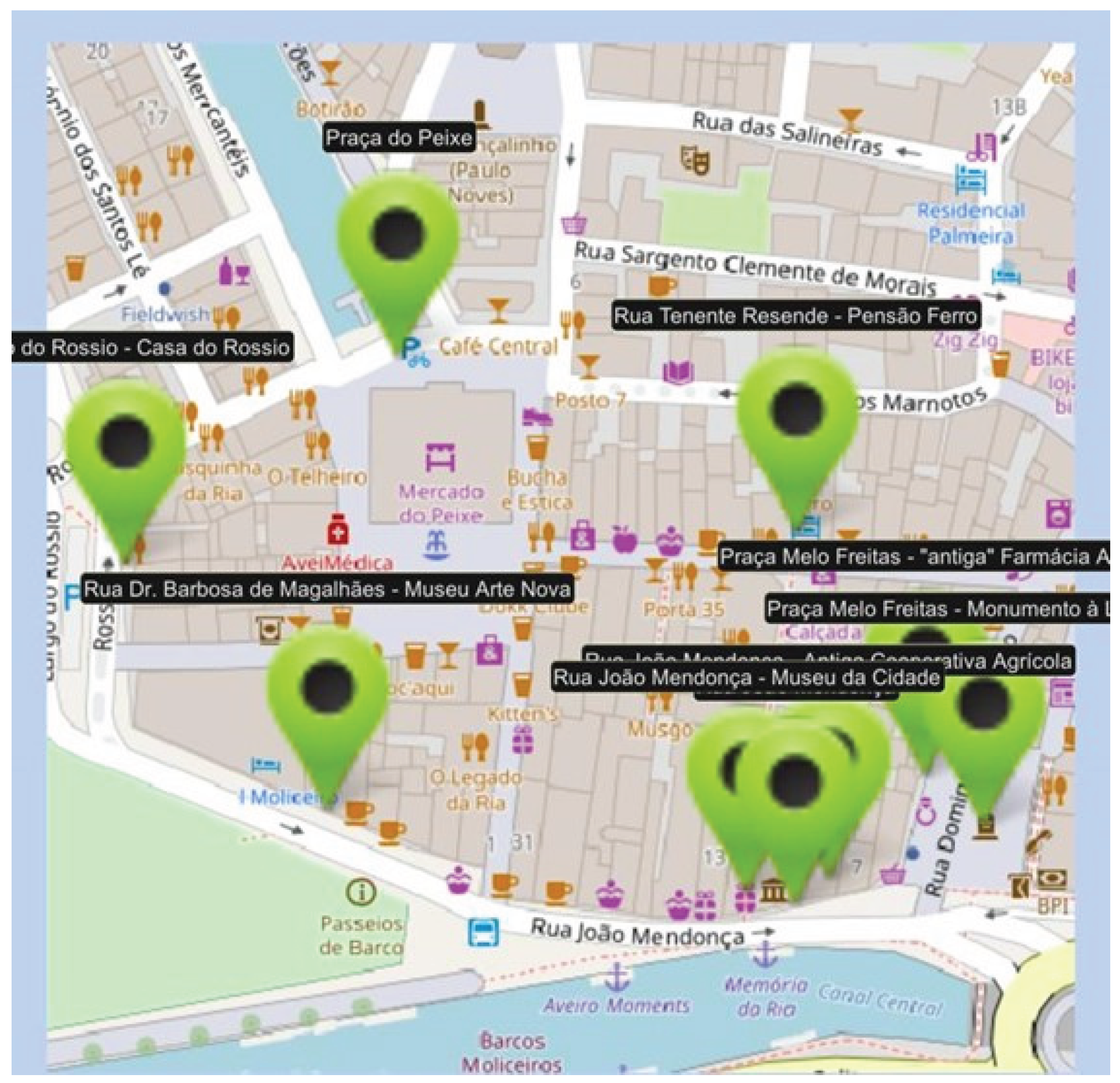
Figure 2.
‘Arcos Fountain’ (early 20th century) in-game figure.
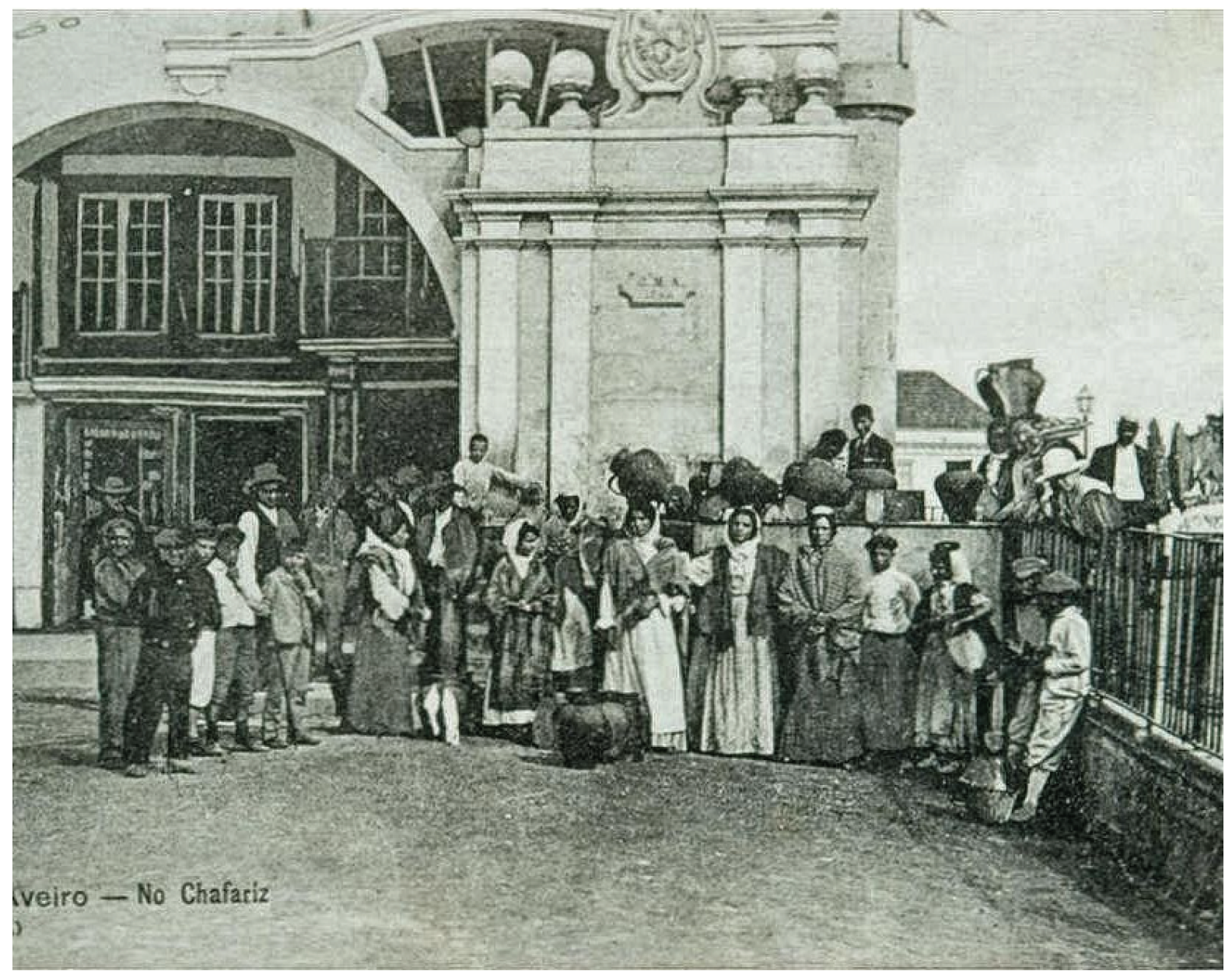
Figure 3.
‘[City] City Museum’ details (in-game figure).
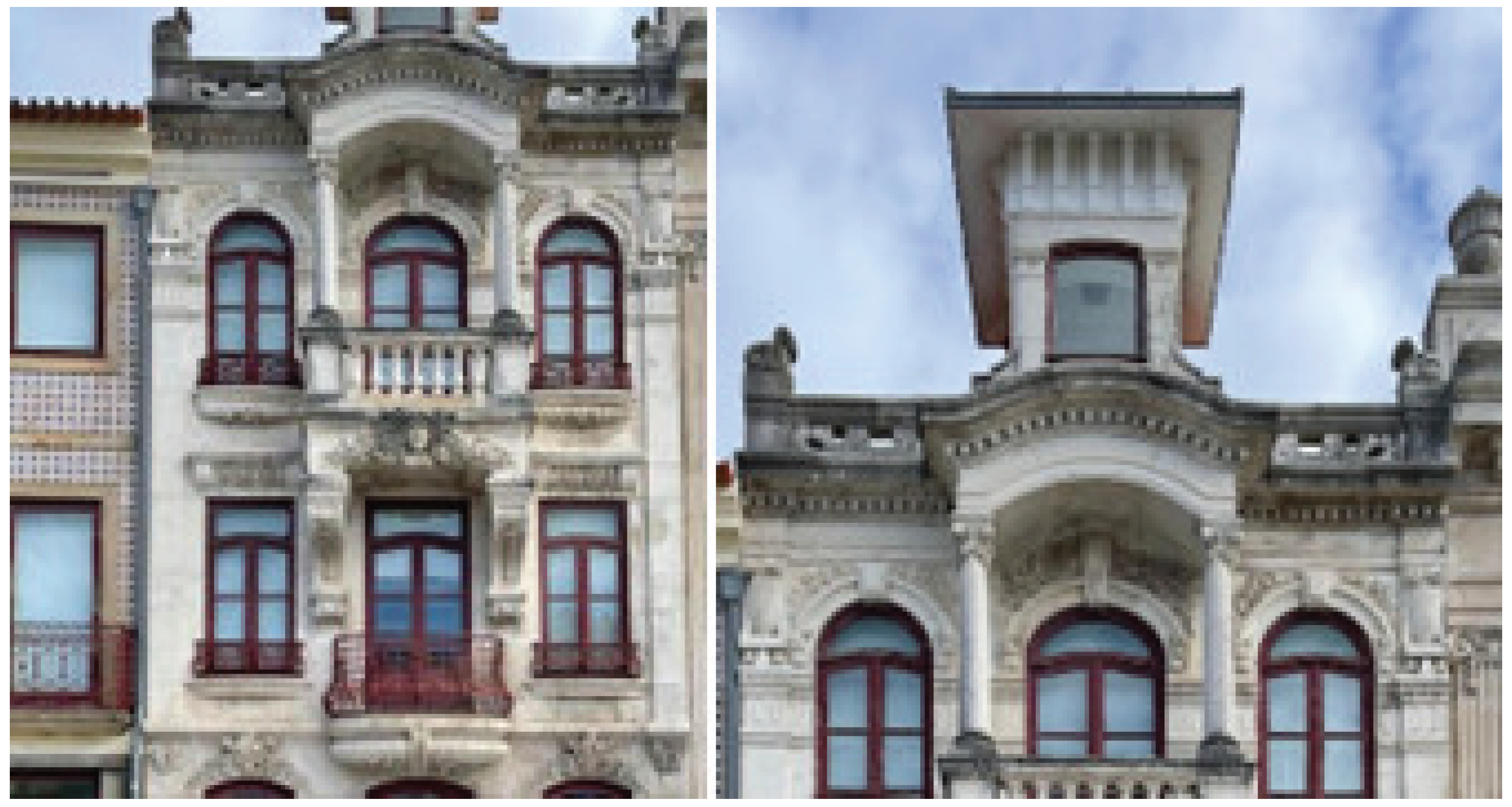
Figure 4.
‘[typical]’ boats (in-game figures).
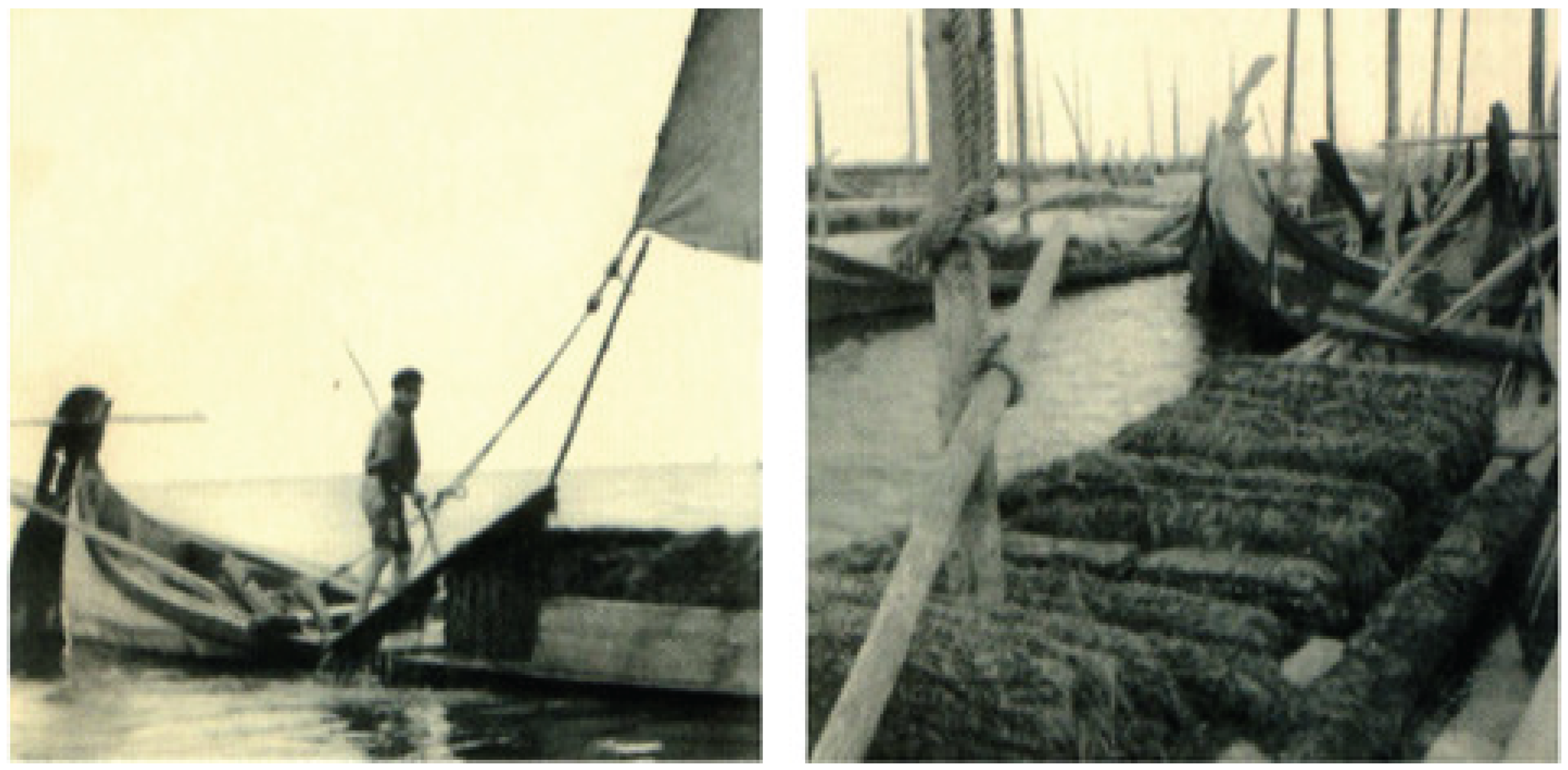
Figure 5.
‘Former Agricultural Cooperative’ details (in-game figures).
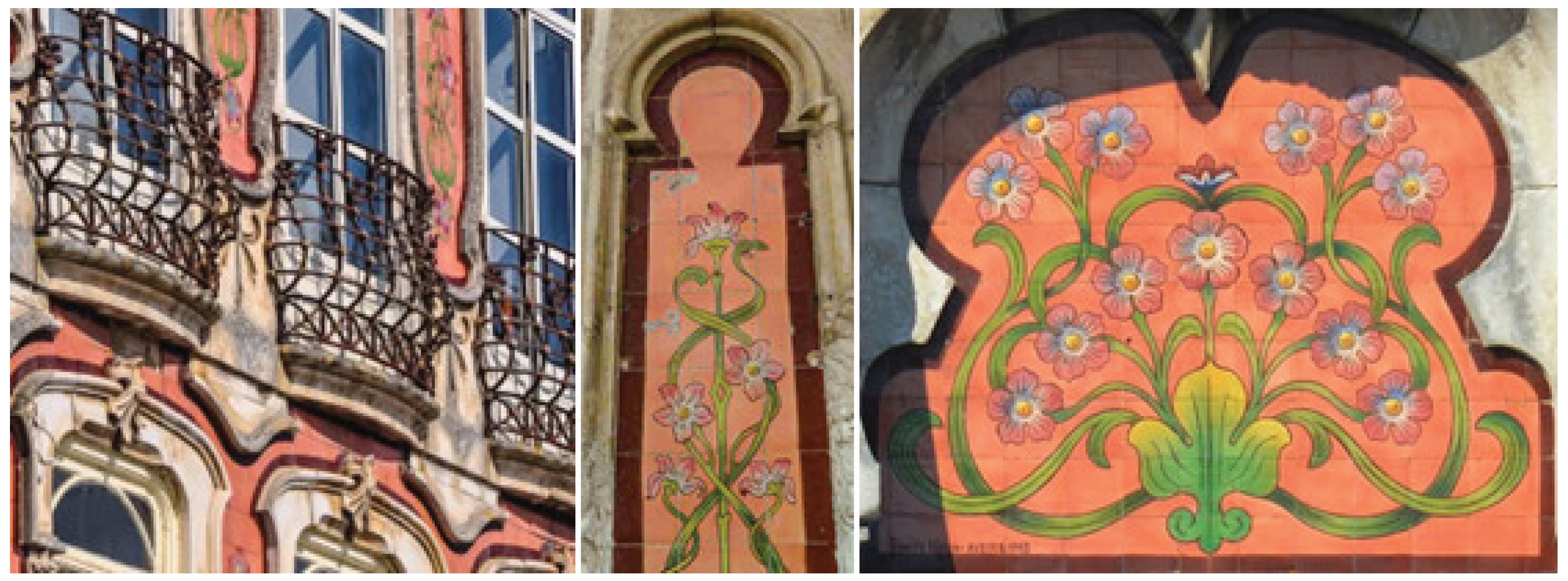
Figure 6.
old pictures of the ‘Fish Market’ (between 1904-1910) and in 1946 (in-game figures).
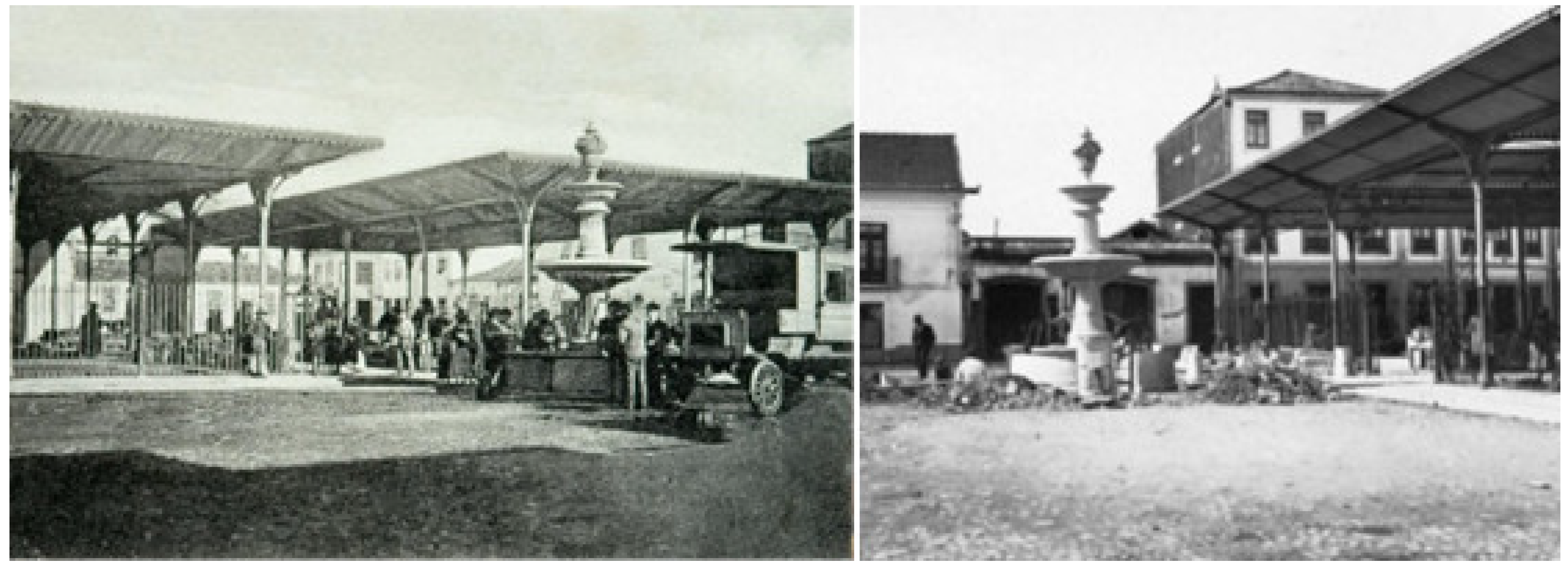
Figure 7.
Art Nouveau Path multilayered learning design: integration of contextualized learning, using AR and multimedia contents, to activate Sustainability competences, using pedagogical mechanisms (designed by the first author).
Figure 7.
Art Nouveau Path multilayered learning design: integration of contextualized learning, using AR and multimedia contents, to activate Sustainability competences, using pedagogical mechanisms (designed by the first author).
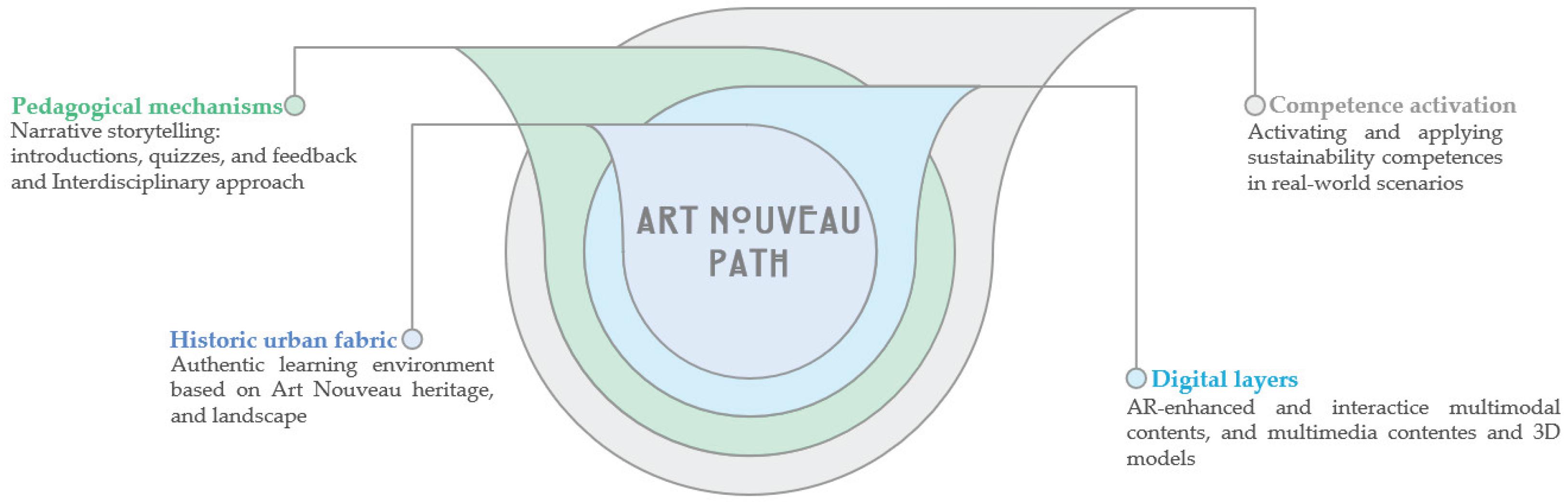
Figure 8.
Timeline of Game Development and Iterative Validation Process (created by the first author).
Figure 8.
Timeline of Game Development and Iterative Validation Process (created by the first author).
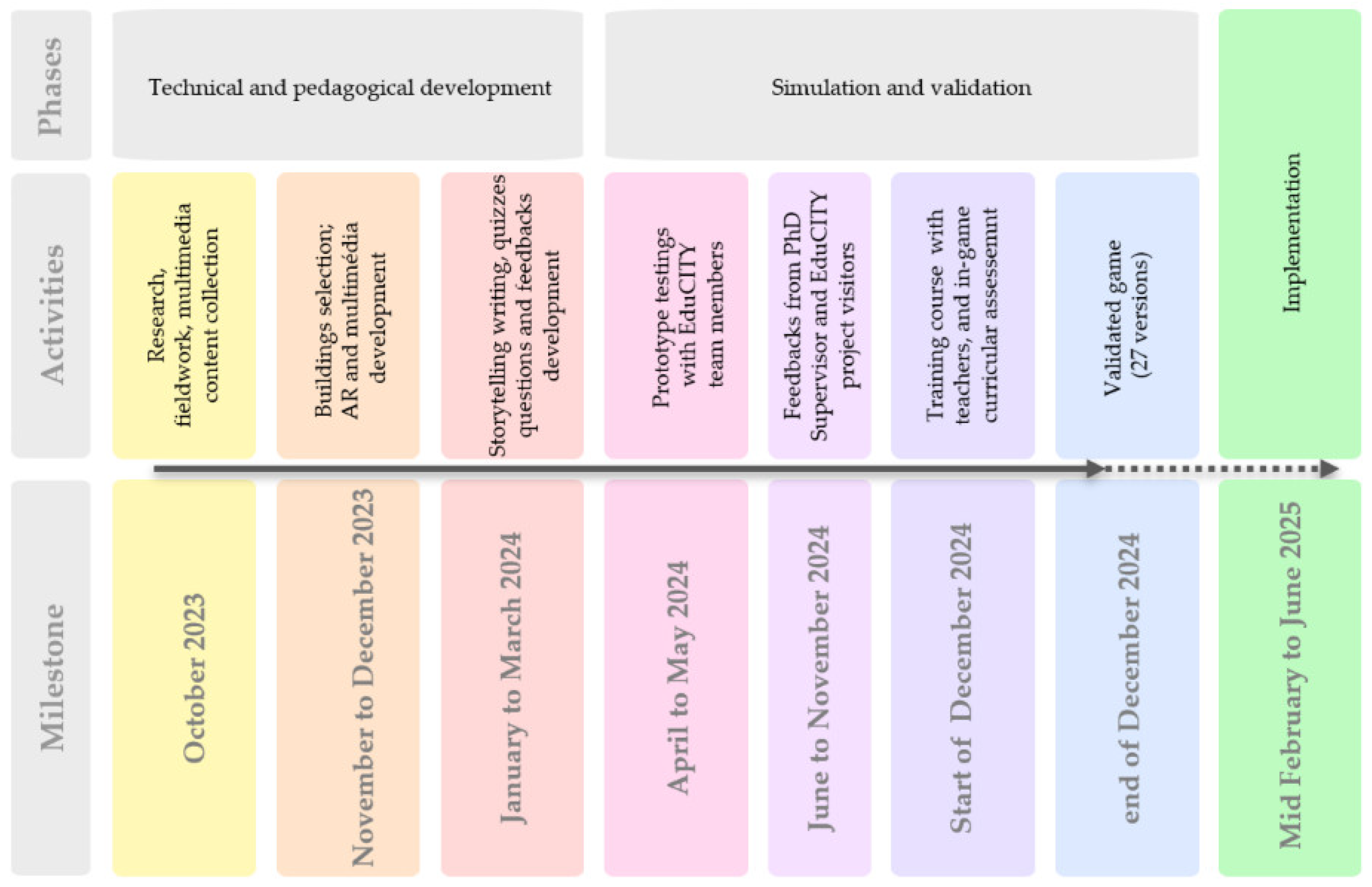

Table 1.
Illustrative examples of GreenComp competences in-game mapping.
| GreenComp Competences | Illustrative In-Game Activity |
|---|---|
| Promoting nature | Identifying native flora in Art Nouveau motifs and discussing symbolic meaning |
| Systems thinking | Interpreting historical photos of urban floods to understand past planning challenges |
| Future thinking | Imagining future scenarios for a sustainable city |
| Critical thinking and fairness | Comparing access to clean water in the 19th and 21st centuries at the ‘Arcos Fountain’ |
| Political agency and initiative | Reflecting on civic participation in climate resilience and heritage preservation efforts |
Table 2.
Mean scores and Standard Deviation of the questionnaire’s Likert-scale section, and of ‘Emotional and Motivational Engagement’, an underlying dimension.
Table 2.
Mean scores and Standard Deviation of the questionnaire’s Likert-scale section, and of ‘Emotional and Motivational Engagement’, an underlying dimension.
| Dimension | Mean Score | Standard Deviation |
|---|---|---|
| Heritage and sustainability comprehension | 5.43 | 0.73 |
| Educational potential of the game and AR | 5.50 | 0.68 |
| Relevance of workshop content and dynamics | 5.50 | 0.26 |
| Curricular relevance and professional transferability | 5.37 | 0.82 |
| Emotional and motivational engagement | 5.60 | 0.61 |
Disclaimer/Publisher’s Note: The statements, opinions and data contained in all publications are solely those of the individual author(s) and contributor(s) and not of MDPI and/or the editor(s). MDPI and/or the editor(s) disclaim responsibility for any injury to people or property resulting from any ideas, methods, instructions or products referred to in the content. |
© 2025 by the authors. Licensee MDPI, Basel, Switzerland. This article is an open access article distributed under the terms and conditions of the Creative Commons Attribution (CC BY) license (http://creativecommons.org/licenses/by/4.0/).
Copyright: This open access article is published under a Creative Commons CC BY 4.0 license, which permit the free download, distribution, and reuse, provided that the author and preprint are cited in any reuse.


