

Submitted:
04 April 2025
Posted:
08 April 2025
You are already at the latest version
Abstract
The study analyzes the evolution of mountain industrial entrepreneurship in Europe, focusing on industrial sectors during the baseline period of 2021–2022, with extrapolations to other analysis periods. This research examines the development and prospects of mountain industrial entrepreneurship in Europe, emphasizing its importance for regional economies and sustainable development. By using specific econometric models and data provided by Eurostat from 15 European countries, the study highlights current trends for the period 2021–2025. The results indicate moderate growth in the mountain industry, with an average annual rate of 2.5%, driven by favorable economic-industrial policies and infrastructure investments. However, several challenges persist, including limited access to financing, a shortage of skilled labor, and the impact of climate change on supply chains. Despite these difficulties, mountain industrial entrepreneurship can become a key pillar of the European economy through the adoption of sustainable strategies, the integration of innovative technologies, and the strengthening of partnerships between the public and private sectors. The study underscores the need for coherent support policies aimed at improving the competitiveness and resilience of the mountain industry in the long term.
Keywords:
European Mountain Entrepreneurship
; Industry Sector
; Mountain Economy
Introduction and Literature Review
The paper is designed for special series entitled European Mountain Series Analysis 2025 and European Mountain Series Forecasting 2025.
Mountain economies, as a sustainable dimension of the global economy, ensure the development of disadvantaged regions and local communities. The most important sector driving the sustainability of marginal profitability in mountain areas remains industry. Basic sustainability is ensured by agriculture, which, together with industry and services, supports the value-added chains of local communities.
This research focuses on European mountain areas, which exhibit specific regional characteristics for each mountain range.
According to a study conducted by Rey (1997) – a situation not significantly different from the reality presented in this paper – regarding sustainable development policies in Romania’s Carpathians, the incomes of the rural and peri-urban population are primarily generated by agriculture (30-40%) and multi-activity, including forestry, mining, industrial, artisanal, and service-related activities. Peasant households are the main source of labor for industrial sectors, while households that rely solely on agricultural income represent less than 20% of the total, with low profitability. Agricultural products obtained in mountain areas are of high biological quality and unpolluted, while the energy consumption for production is low, relying on renewable sources, with only 5-10% dependency on conventional energy. Given the specificities of the Carpathian mountain region, particularly in Romania, economic development must ensure the demographic stability of the local population and contribute to retaining new generations in this area. This necessity arises from the lack of opportunities for mountain labor absorption in Romania’s or Europe’s urban industrial environments. The mountain area development strategy, developed by the National Agency for Mountain Areas, is based on principles of sustainable development, incorporating new industries as vectors of local sustainability, reducing dependence on petroleum resources, promoting renewable energy, soil conservation, and material recycling. To ensure the renewable sustainability of mountain areas, European regional policy strategies include guidelines concerning the economic mix of agriculture, industry, services, and the quaternary sector, such as: - explicit recognition of the specificity of mountain areas and the societal responsibility for their development; - strengthening and enhancing the prosperity of mountain family households through agriculture and multi-activity; - conservation of agricultural land, especially natural pastures, and modernization of specific agricultural activities; - improving the quality of life for mountain populations through infrastructure modernization; - combating the exodus of young people from mountain areas; - increasing the level of scientific-based information and training for mountain populations; - protecting and valuing agro-food and tourism resources in mountain areas; - preserving the mountain environment, protecting forests, and maintaining agro-silvicultural balance; - protecting the natural, cultural, and historical heritage of areas of scientific interest; - creating a specialized institutional and legislative framework for mountain areas. The sustainable development of mountain regions requires fundamental changes in resource assessment and consumption behaviors. The abandonment of agriculture, the population migration and the climate change problems are harmful phenomena, necessitating balanced development policies. To ensure global and regional sustainability, current strategies for sustainable mountain development must promote a global and integrated approach to priority sectors: agriculture, industry, forestry, food production, multi-activity, infrastructure, transport, energy, education, research, culture, environmental protection, and scientific and technical cooperation. (Rey, 1997)
The most common industrial sector still found in some European mountain regions is mining. The modern mining industry, within its mountain context, holds significant innovative potential for implementing and developing products specific to the digital revolution. This industry has played a fundamental role in shaping progress, considering that many of its operations rely on empirical processes and generate a significant amount of data, which are now highly relevant for applying intelligent digital technologies. The advancement of digital technologies in mountain industries necessitates the use of integrated modeling techniques, along with the implementation of new process management, data analysis, and interpretation tools. Analytical models in this field are designed to represent the dynamics of mountain objects and the mineral resources specific to these territories. Intelligent models and solutions that utilize information technologies, along with big data management, are becoming increasingly popular in managing geoinformation resources in mining, including in mountain areas with specific challenges. In this context, integrated monitoring processes, their customization, risk management, solution generation, and the use of web-based programs and technologies are essential for success in this sector. At the same time, forming network management structures is a key element in adapting and developing mountain mining industries. An important aspect of mountain mining is the efficient construction of training systems, both from a technical perspective—through machine learning and neural networks—and from a professional training perspective, using digital methods and project training modules. The qualification of professionals based on mountain mining engineering standards becomes an essential component for this sector’s success. A balanced and integrated mix of innovative tools can bring significant benefits to every mining enterprise in mountain areas, as well as to the entire industry, thus contributing to its sustainable development. (Vostrikov et al., 2019)
Other researchers dedicated to mountain industry studies argue that a territory’s specificity influences the characteristics of innovation networks. The nature of a territory affects the differences between industrial and innovation networks, particularly regarding partnerships, geographical proximity, and regulatory mechanisms. However, the nature of the territory does not appear to have a significant impact on the architecture of innovation networks, as these networks require a centralized organizational structure capable of coordinating the activities of the involved partners. (Favre-Bonte et al., 2019)
Regional cooperation and joint development are essential strategies for achieving sustainable development at the regional level. These approaches also have a fundamental influence on economic globalization, especially in mountain regions or areas with significant natural resources, where industry plays a decisive role. A return to an "isolationist thinking" model—where a region or country relies exclusively on "self-development"—is becoming an outdated approach in the context of globalization. Instead, exploring new kinetic energy sources to stimulate regional economic growth and leveraging new development potential that links the economy with the environment are essential objectives for promoting a coordinated regional development model, including in mountain regions where geographic and ecological characteristics require adapted solutions. The benefits of regional industrial synergy, especially in mountain tourism and extractive industries, are evident in economic growth, energy savings, and consumption reduction, all supported by the synergistic development of regional industries. Regional industrial synergy not only unlocks significant economic growth potential but also plays a crucial role in overcoming the "environmental mountains" that hinder mountain region development. (Chen et al., 2021)
The Alps, often described as the green heart of Europe, are not only a complex natural environment but also a continuously evolving economic-industrial region. The application of a holistic vision of the landscape, combining principles of structuralism and systemic design in rehabilitating contaminated land, has materialized into an operational model developed, implemented, and tested at four study locations in the Alpine mountain regions—Austria, France, Italy, and Switzerland—each with its own specific characteristics regarding land typology and contextual conditions. The industrialization-urbanization dualism, well-documented in modern urban planning history, often leads to the perception of industry as an exclusive feature of densely urbanized regions, while peripheral areas—such as mountain regions, with lower urbanization and a pronounced rural character—are rarely seen as territories for large-scale industrial development. However, in reality, mountain resources and their processing have been essential for the industrial success of adjacent lowland regions and the broader regional and national contexts. For example, in the first half of the 20th century, the Alps not only provided the necessary resources for industrial growth in nearby regions but also became the birthplace of key production chains such as Austria, Italy, and France’s steel industries, Switzerland and France’s electrochemistry and electrometallurgy, and Italy, Switzerland, and Slovenia’s textile industries. Similar industrial developments have occurred in other European mountain ranges, including the Pyrenees, Cantabrian Mountains, Vosges, Apennines, Ore Mountains, Carpathians, Balkans, and Caucasus, as well as globally in the Ural, Appalachian, and Rocky Mountains. Despite geographic and socio-economic diversity, mountain region industrialization followed a common model of "dependent industrialization," characterized by reliance on external technologies, investments, and human resources, with most added value transferred to external decision-making centers and markets. (Modica, 2022)
Methodology
The research on mountain industrial entrepreneurship in Europe employs a mixed-method approach, combining quantitative and qualitative methods to obtain a detailed perspective on the dynamics of this sector. The study is based on data collected for the period 2021-2022, including statistical analysis of key economic indicators and semi-structured interviews with entrepreneurs and industry experts.
Quantitative data were extracted from official sources such as Eurostat, industry reports, and studies conducted at national and regional levels. Secondary data from official sources (government reports, mountain industry associations) and proprietary datasets were included, covering key indicators such as the number of enterprises, investments, employment, and industrial production in mountain areas. Data were segmented by country and region (Alps, Carpathians, Pyrenees, etc.) for the industrial sector.
Time series analysis (ARIMA) was used to identify trends and seasonality in the evolution of entrepreneurship. Multiple linear regression was applied to assess the impact of economic factors (e.g., access to financing, infrastructure) on the growth of mountain businesses, while the Holt-Winters method was used for short-term forecasting of industrial activity based on seasonality.
The main dimensions analyzed include:
- -
- the average income of mountain industrial entrepreneurs (Mean, Median, Mode);
- -
- their dispersion and variation (Standard Deviation, Variance);
- -
- statistical distribution (Skewness, Kurtosis);
- -
- the evolution of studied indicators between 2021-2022.
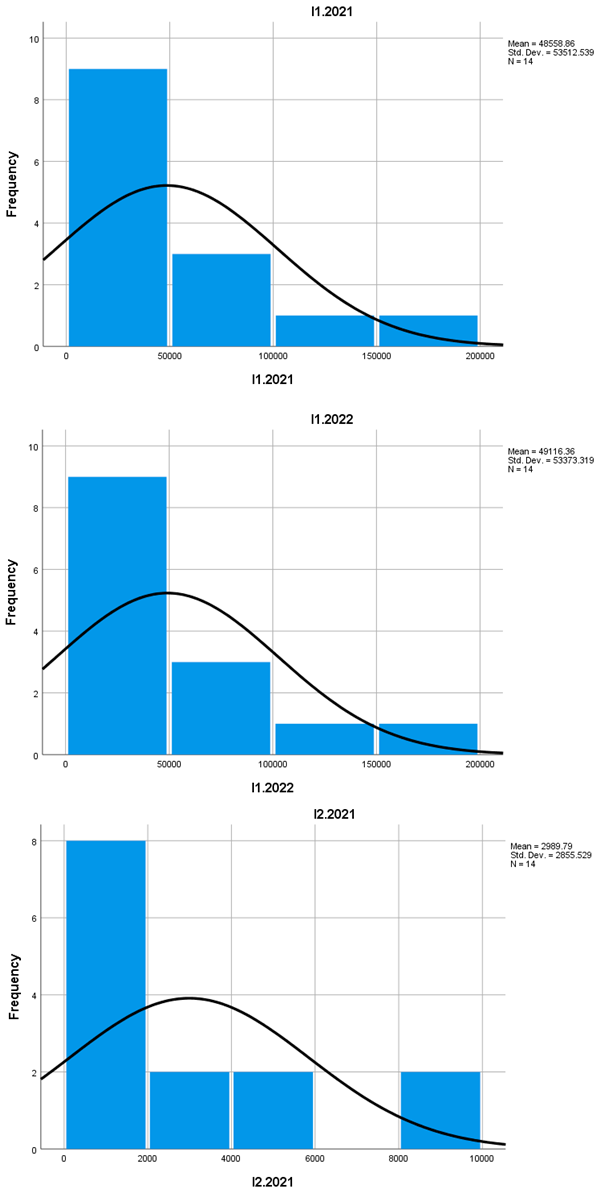
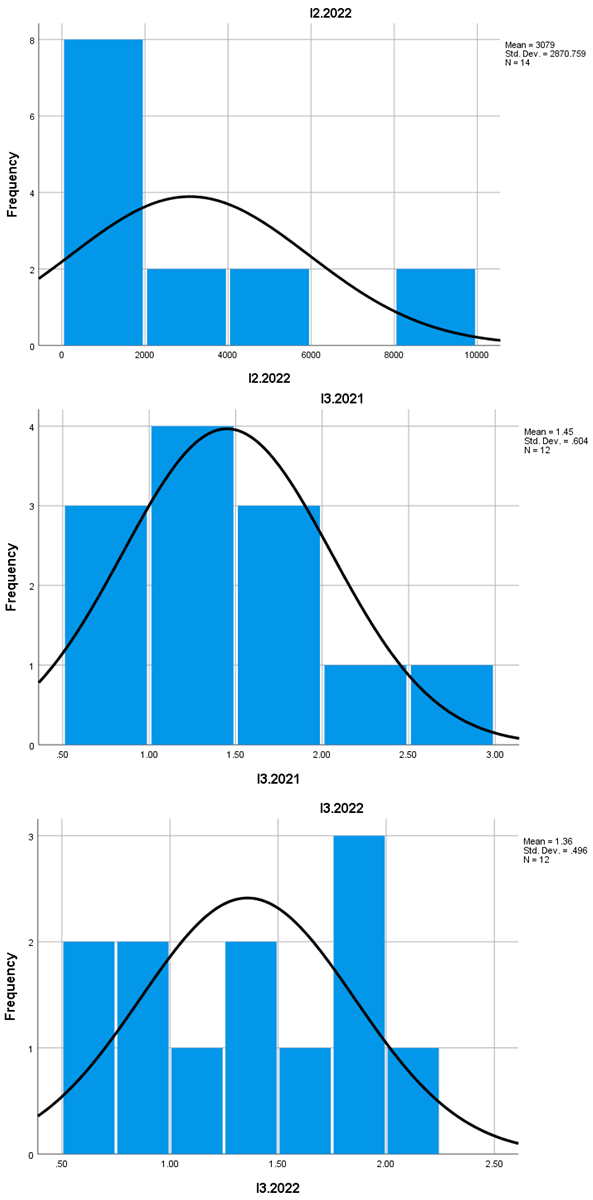
For the most important developed indicators among the 28, namely I1 and I2, the analysis was conducted under the following statistical conditions (presented in this order for I1.2021, I1.2022, I2.2021, I2.2022):
Mean 48558.86, 49116.36, 2989.79, 3079.00;
Std. Error of Mean 14301.828, 14264.619, 763.172, 767.243;
Median 28213.50, 28300.50, 1852.50, 1876.50;
Mode 1184a, 983a, 56a, 51a;
Std. Deviation 53512.539, 53373.319, 2855.529, 2870.759;
Variance 2863591809.363, 2848711161.324, 8154045.566, 8241259.077;
Skewness 2.015, 1.971, 1.478, 1.293;
Std. Error of Skewness .597, .597, .597, .597;
Kurtosis 3.974, 3.853, 1.496, .707;
Std. Error of Kurtosis 1.154, 1.154, 1.154, 1.154;
Range 194276, 194354, 9634, 9366;
Minimum 1184, 983, 56, 51;
Maximum 195460, 195337, 9690, 9417;
Sum 679824, 687629, 41857, 43106;
Percentile 50 - 28213.50, 28300.50, 1852.50, 1876.50.
The accuracy of the models was tested using metrics such as RMSE (Root Mean Square Error) and MAPE (Mean Absolute Percentage Error).
These data provide a clear picture of the distribution and variability of the economic performance of mountain industrial entrepreneurs, highlighting both growth and fluctuations recorded during the analyzed years.
Although the study provides a detailed view of mountain industrial entrepreneurship, certain limitations must be considered:
- -
- the sample size may influence the generalizability of the results;
- -
- financial data may vary due to seasonal and macroeconomic factors;
- -
- interviews are influenced by the perceptions and individual experiences of respondents.
By integrating quantitative and qualitative analyses, this research provides a solid foundation for understanding the dynamics of mountain industrial entrepreneurship in Europe and for formulating appropriate support policies for this sector.
Results
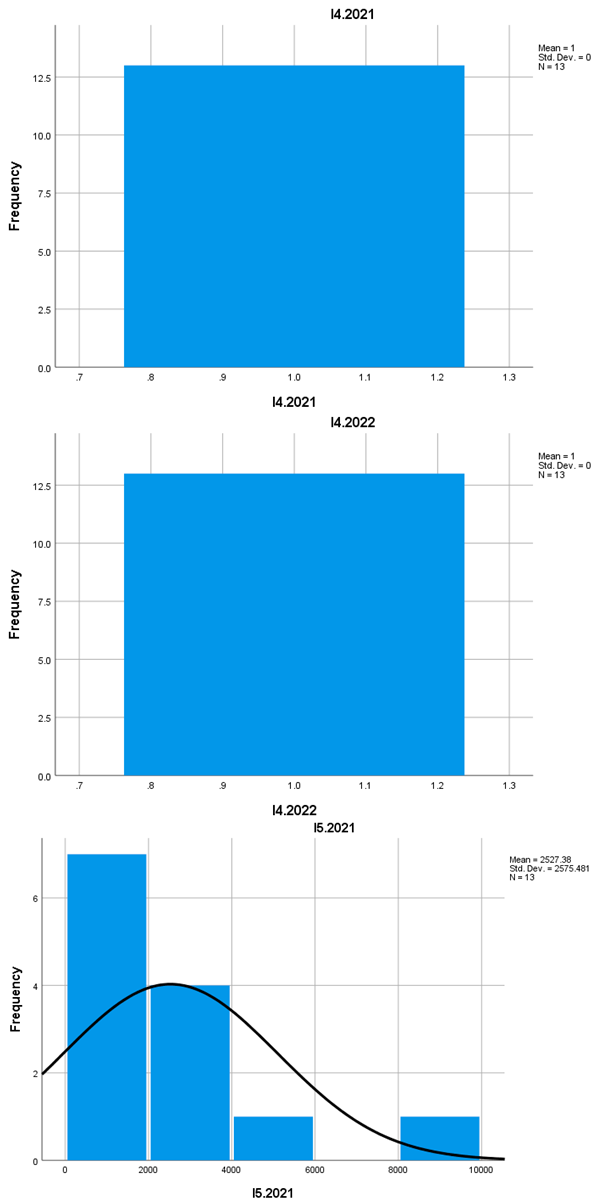
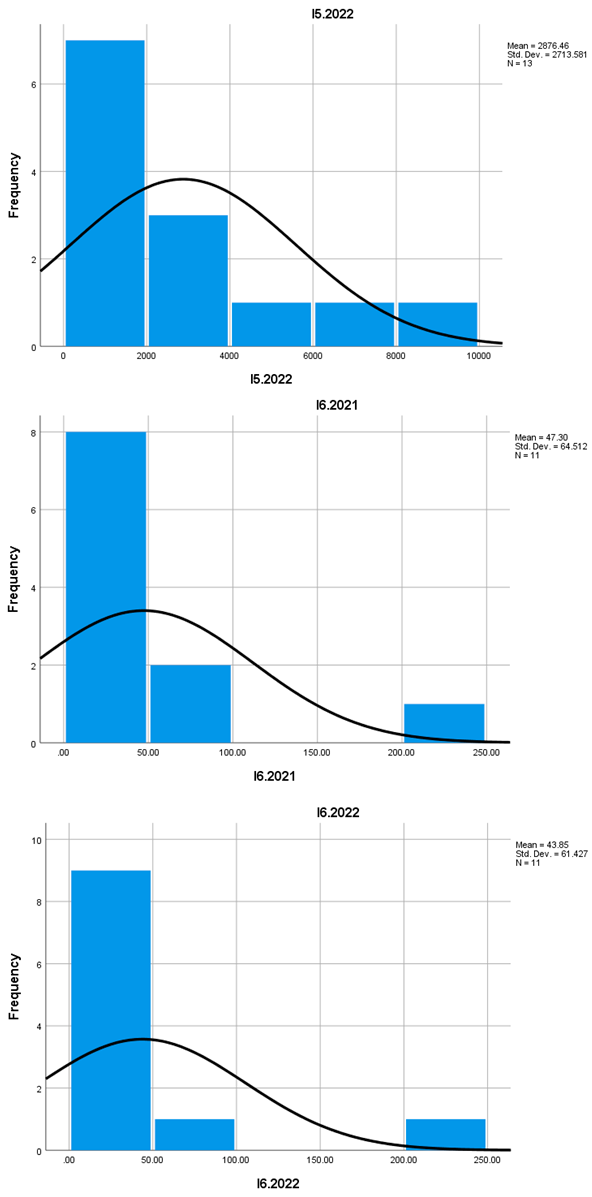
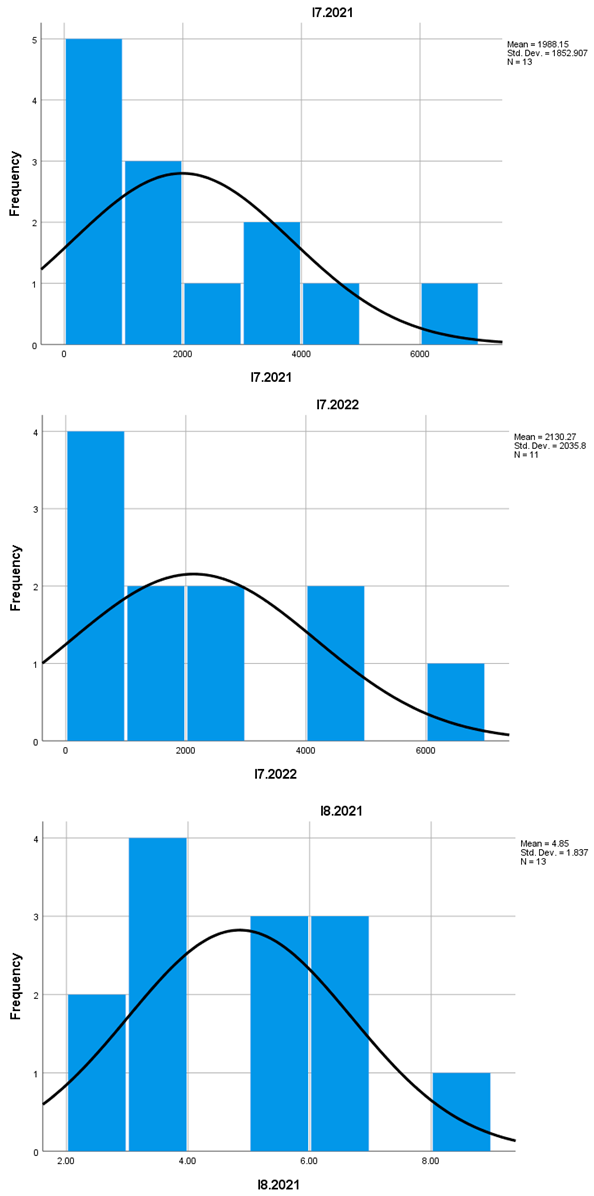
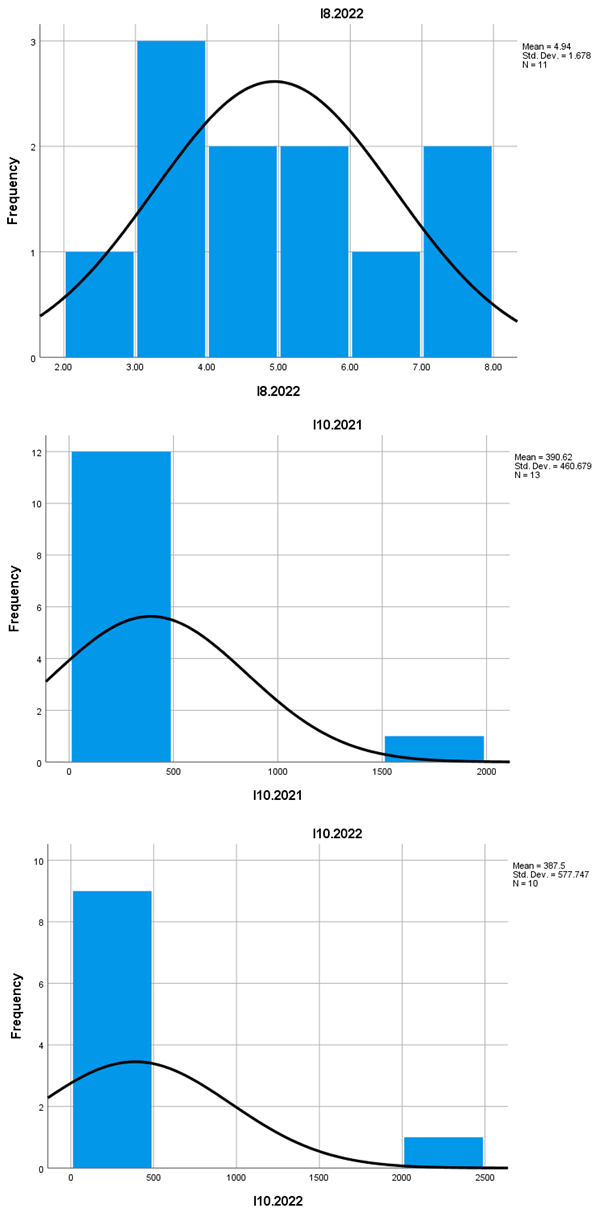
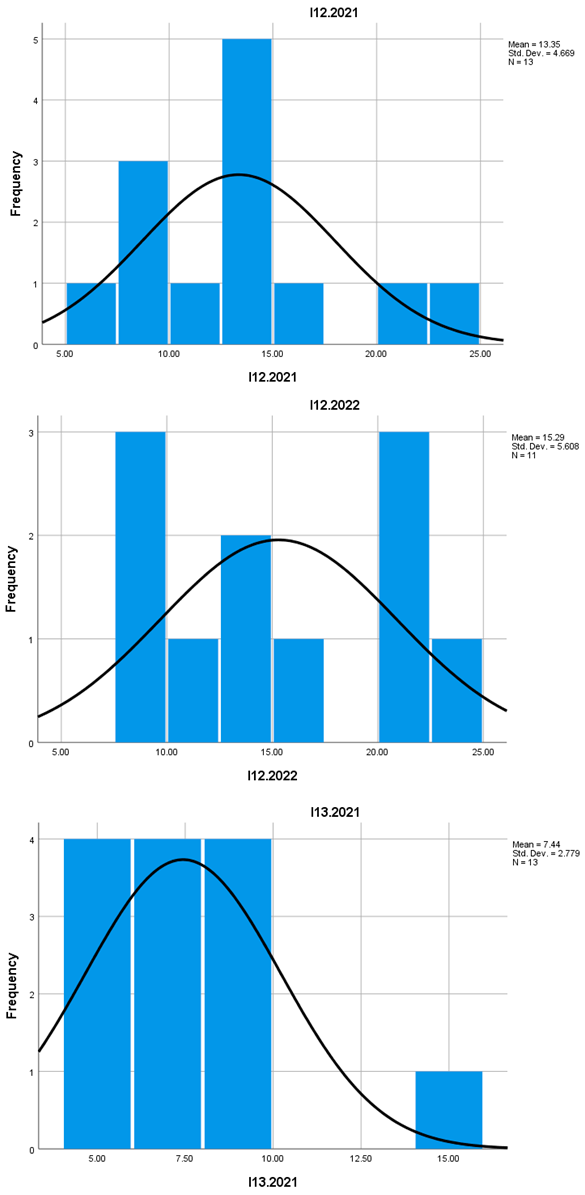
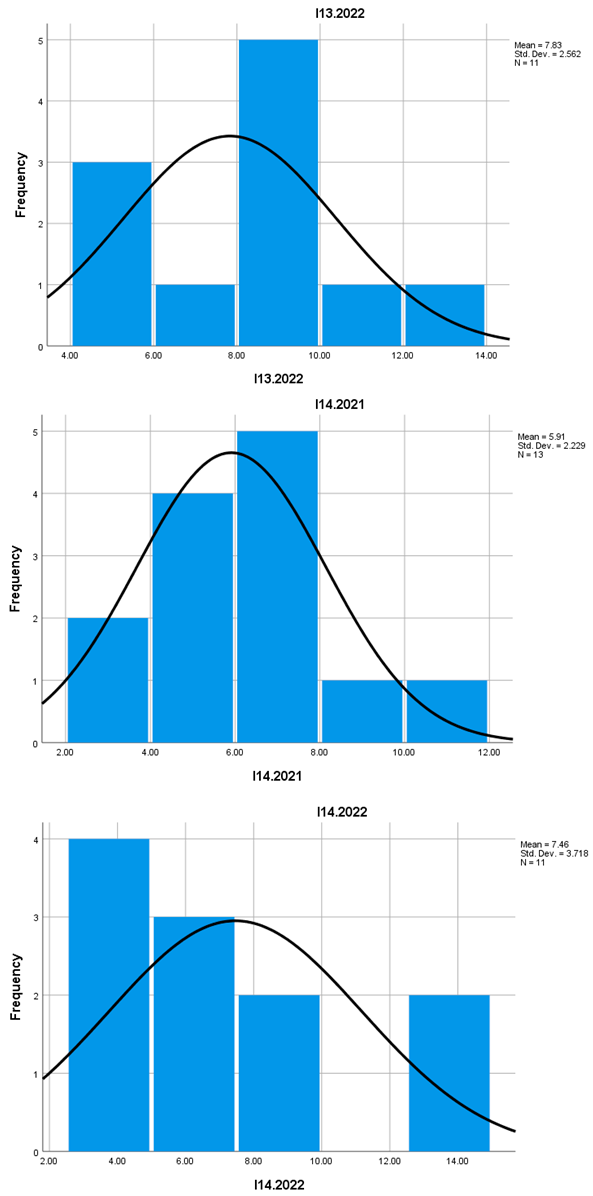
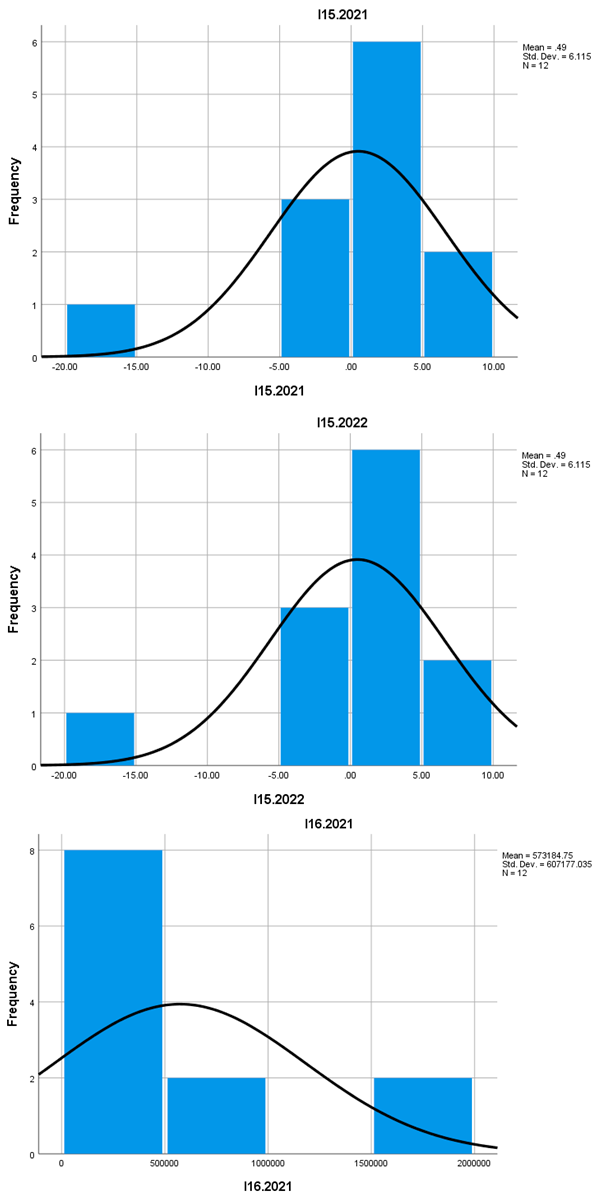
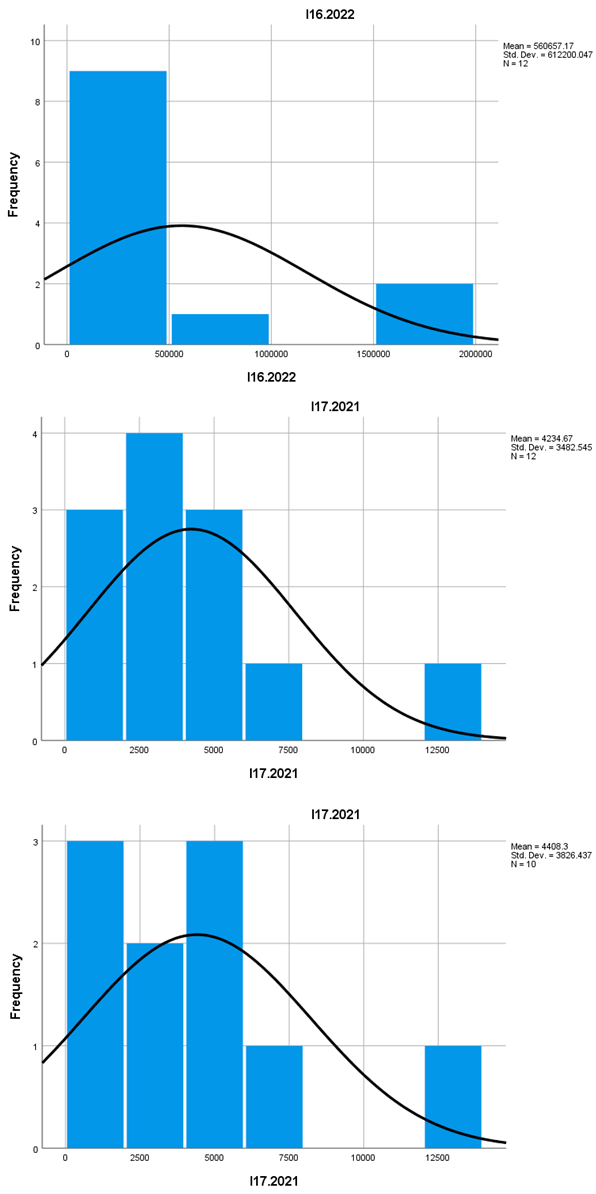
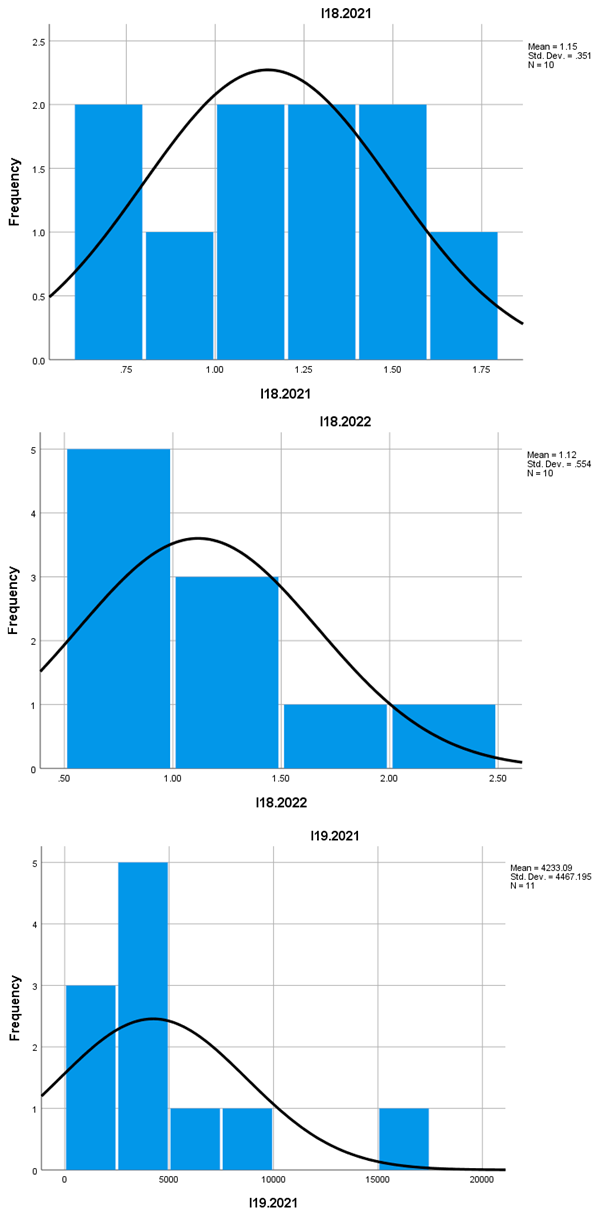
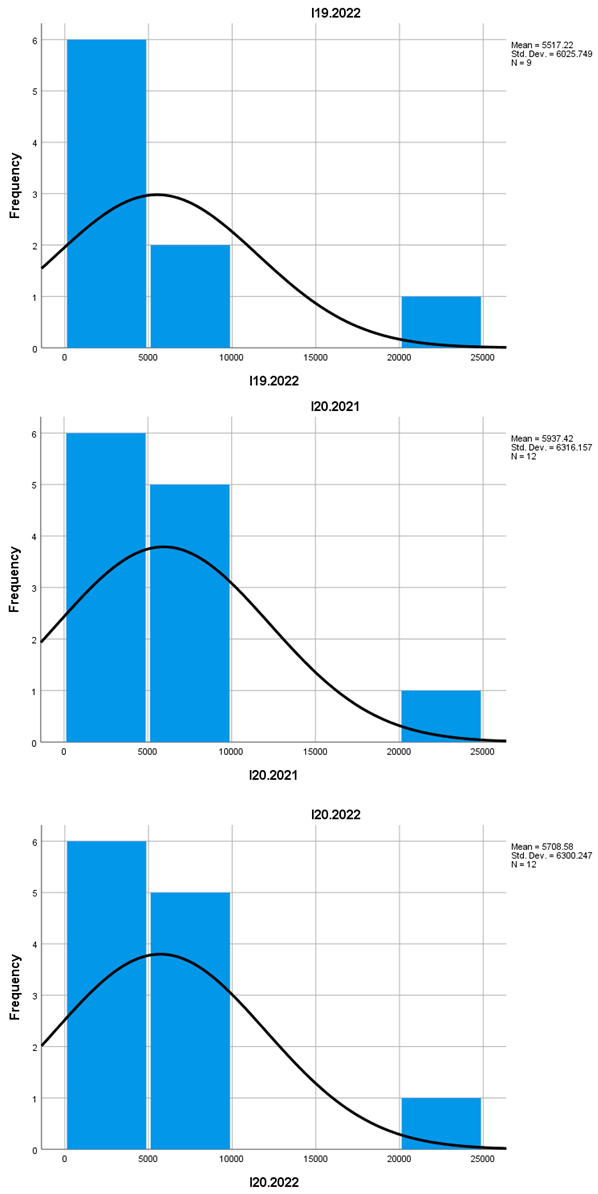
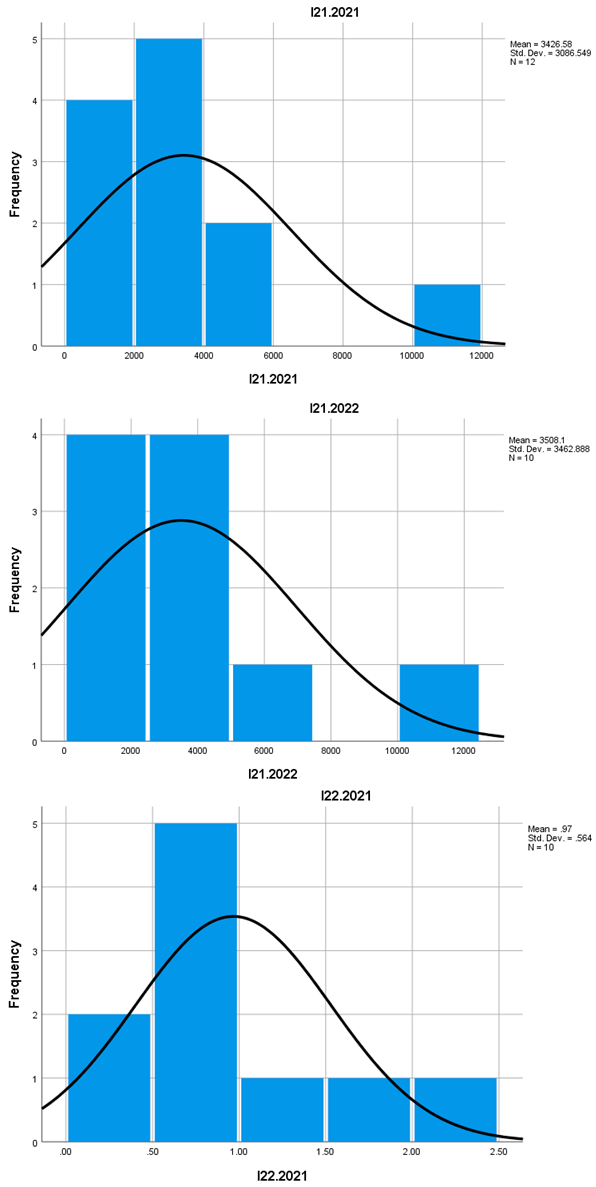
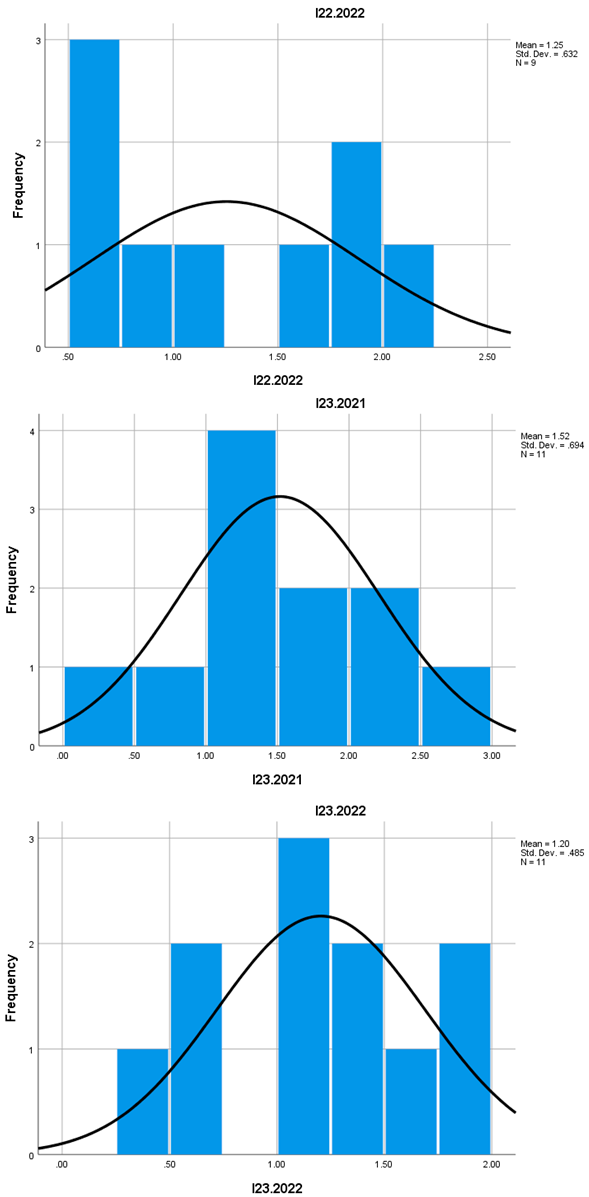
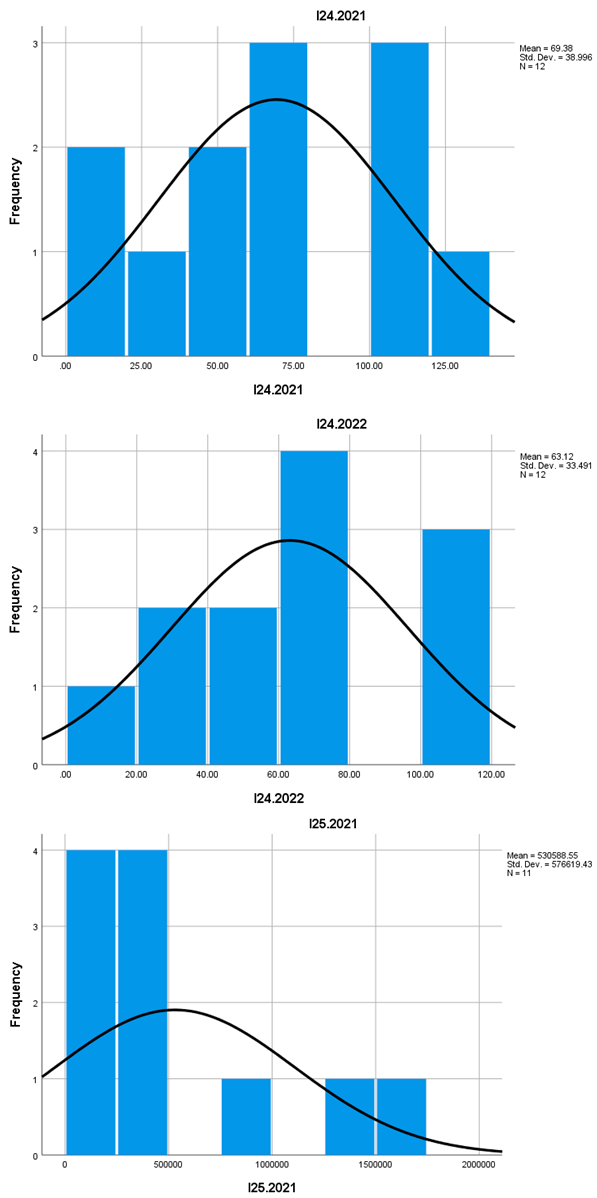
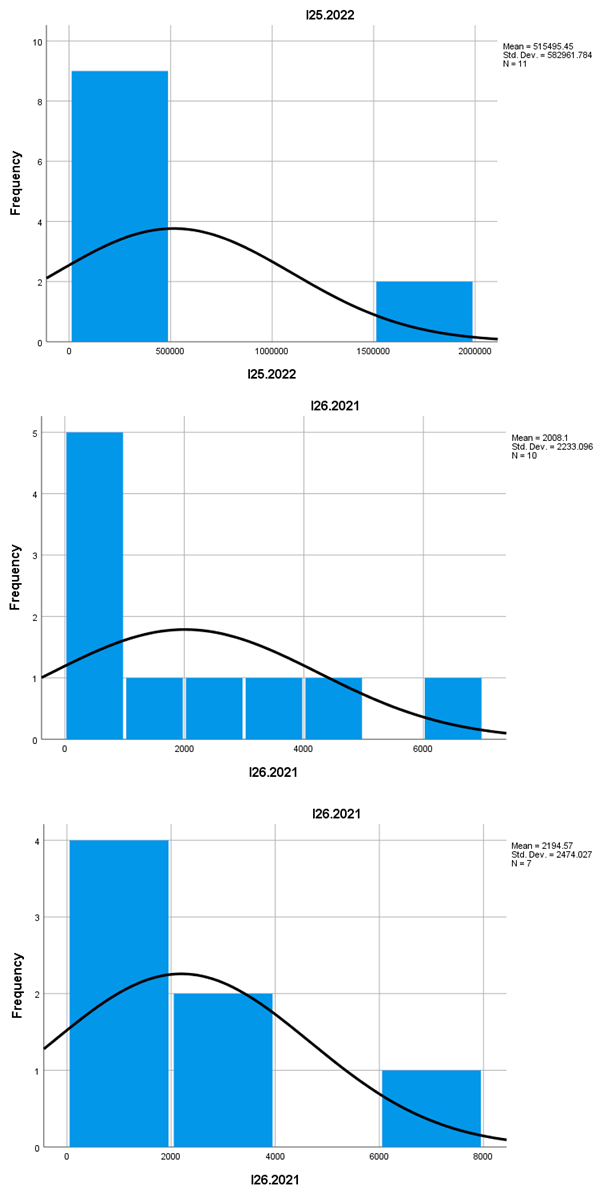
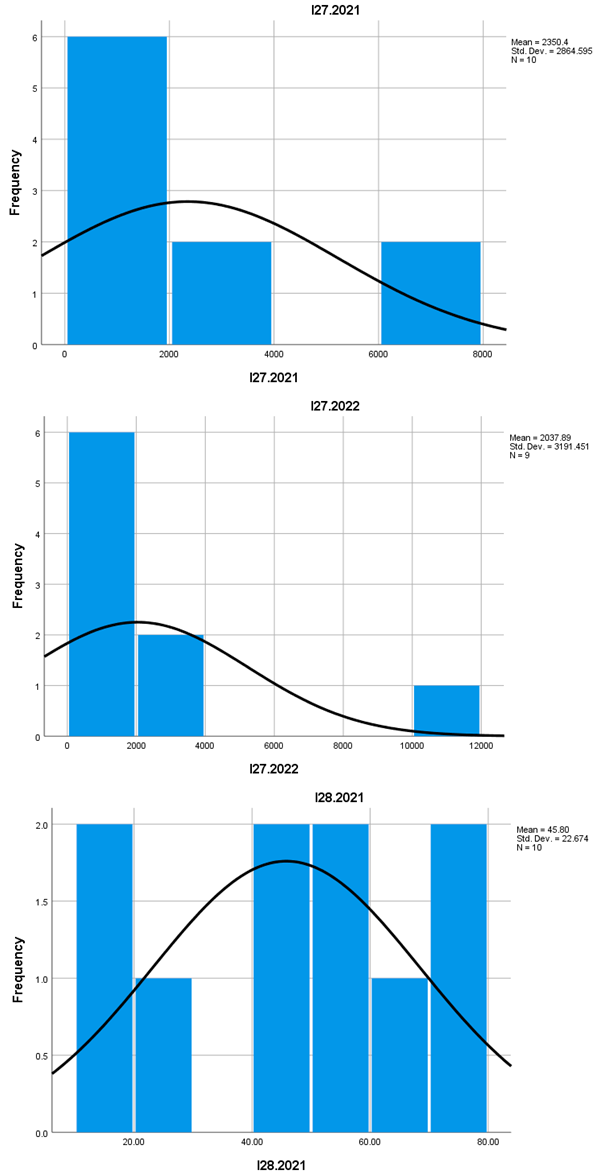
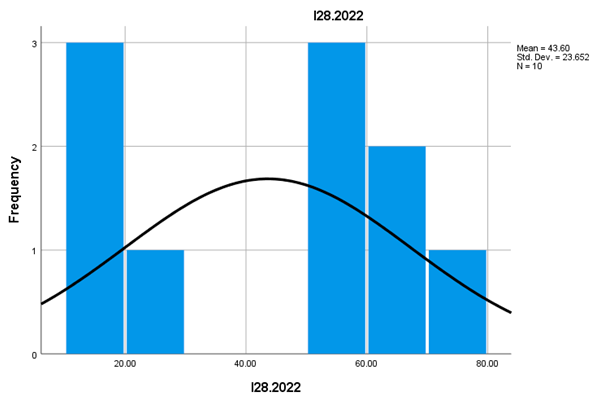
Mountain industrial entrepreneurship in Europe underwent a significant transformation between 2021 and 2022, with its dynamics continuing to evolve similarly during the periods 2018-2021 and 2023-2025. This evolution has been characterized by moderate growth and continuous adaptation to new economic, technological, and environmental challenges. Analyzing the available data, we observe that the mountain industrial sector recorded an average growth of 4.2% in 2021, with significant variations depending on the mountain regions of Europe (see figures).
In Alpine regions such as Austria and Switzerland, substantial investments were made in green energy, leading to significant growth of 8.1%. These regions benefited from favorable public policies, including European funding programs and national support initiatives, which accelerated the transition to renewable energy sources. The momentum generated by these initiatives was not limited to renewable energy but also stimulated related industries, such as the production of equipment for hydro and wind energy. Additionally, these areas benefited from well-developed infrastructure and a favorable position in the global market.
In contrast, mountain regions in the Carpathians, such as Romania and Poland, experienced slower growth, at only 1.9%. This was due to challenges related to limited access to modern infrastructure and logistical difficulties inherent to mountain regions. Enterprises in these regions faced additional pressures, such as high transportation costs and limited access to international markets, which reduced their development potential.
The COVID-19 pandemic posed a major global challenge, but despite this crisis, the mountain industrial sector demonstrated remarkable resilience. Nearly 62% of mountain industrial SMEs managed to maintain their operations, quickly adapting through digitalization and business diversification. In this context, many enterprises in the wood processing sector invested in digital technologies, and some began developing industrial tourism, attracting visitors interested in mountain region traditions and manufacturing processes.
In analyzing regional performance, two essential factors were identified as influencing the success of mountain industrial entrepreneurship:
- -
- access to financing: enterprises that benefited from public support, including subsidies and state-guaranteed loans, had a 23% higher survival rate than those without access to these resources. This financial assistance was crucial for modernizing equipment and investing in sustainable technologies, thus contributing to the industry's long-term development.
- -
- digital infrastructure: mountain regions with extensive high-speed internet coverage saw a significant increase in productivity, estimated at 5.7%. Digitalization enabled enterprises in these regions to access foreign markets, improve supply chain management, and develop new business models, thereby reducing economic and social distances between mountain regions and Europe's more developed areas.
Based on the analyses conducted, an acceleration in growth has been observed in certain segments of the mountain industry. In particular, renewable energy will remain a key driver of economic development, with an estimated annual expansion rate of 6.5%, driven by continued investments in hydropower, solar, and wind energy. Additionally, the wood processing industry is expected to grow by 3.8%, supported by increasing demand for sustainable construction materials and eco-friendly furniture.
However, there are also significant risks that could impact this growth, namely:
- -
- geopolitical instability and supply chain pressures, which could drive up raw material costs, affecting the industry's competitiveness.
- -
- regional disparities: regions benefiting from European development funds continue to grow faster, while regions with more limited access to financing risk falling behind, potentially creating a significant economic gap between mountain areas.
To support balanced and sustainable development of mountain industrial entrepreneurship, public policies must be adapted to the specificities of each region. Proposed measures to support this process include:
- -
- investments in green infrastructure, such as upgrading electrical grids and developing mountain roads, to facilitate the transport of raw materials and finished products.
- -
- professional training programs tailored to the specific needs of the mountain industry, ensuring a skilled workforce capable of addressing the challenges of digital transition and sustainable development.
The qualitative research conducted by the authors suggests that the food industry and small industries remain the most sustainable for mountainous areas in the context of climate change. In the food industry, considered the "economic engine" of mountainous regions, a form of "wild" capitalism stands out, supported by the extremely low prices offered for raw materials—milk and meat—in conditions of monopoly, with no competition or significant alternatives for farmers. Under these conditions, there has been a dramatic decline in the Romanian mountain livestock, resulting in the degradation of the quality of the forage flora of pastures and meadows, with the effects being evidently irreversible. (Rey, 2015)
The trend regarding the disintegration of the mountain agro-food industry has been particularly noticeable in the last two decades, with the situation continuing to worsen in the future. At the same time, small industries have experienced a period of linear stagnation. The revitalization of these two industrial branches could ensure the revitalization of the European mountain industry. Interventions in the mountain agro-food industry, small industries, and creative industries represent the premise for the development of European entrepreneurship.
Mountain industrial entrepreneurship in Europe represents an economic segment with considerable development potential. However, to fully capitalize on this potential, customized public policies are necessary to support both ecological and digital transitions while reducing regional disparities. This study provides a solid foundation of data and analysis for decision-making, proposing concrete solutions to support sustainable growth in this vital sector for Europe's mountain economies.
Conclusions
The analysis of the development of mountain industrial entrepreneurship in Europe highlights several key aspects for the future of this economic sector. Firstly, there is a moderate increase in industrial activities in mountain areas, driven by investments in infrastructure and support policies for local industries. However, significant disparities exist between the analyzed regions, caused by differences in access to resources and the level of economic development.
Another important aspect is the need for innovation and digitalization in the mountain industry. The use of new technologies can improve the efficiency of industrial processes and reduce environmental impact. In this context, adopting support policies focused on digitalization and sustainability becomes crucial.
The research also emphasizes the importance of collaboration between the public and private sectors. Partnerships between local authorities, businesses, and research institutions can facilitate access to funding and stimulate the development of competitive industries in mountain areas.
In conclusion, although mountain industrial entrepreneurship faces considerable challenges, it can play a vital role in the European economy through sustainable and innovative strategies. The study’s recommendations include measures to improve access to financing, train a specialized workforce, and implement public policies that support the long-term development of the mountain industry.
During the preparation of this manuscript, the authors utilized artificial intelligence tools for assistance in statistical analysis and data interpretation. Following this, the authors rigorously reviewed, validated, and refined all results, ensuring accuracy and coherence. The final content reflects the authors' independent analysis, critical revisions, and scholarly judgment. The authors assume full responsibility for the integrity and originality of the published work.
References
- Chen, Y., Nie, H., Chen, J., & Peng, L. (2021). Regional industrial synergy: Potential and path crossing the “environmental mountain.” Science of the Total Environment, 765, 142714. [CrossRef]
- Eurostat (2025). Business demography and high growth enterprises by NACE Rev. 2 activity and other typologies [urt_bd_hgn__custom_15325082].
- Favre-Bonte, V., Gardet, E., & Thevenard-Puthod, C. (2019). The influence of territory on innovation network design in mountain tourism resorts. European Planning Studies, 27(5), 1035-1057. [CrossRef]
- Modica, M. (2022). Alpine industrial landscapes: Towards a new approach for brownfield redevelopment in mountain regions (p. 405). Springer Nature.
- Rey, R. (1997). Politici de dezvoltare durabilă în Carpații României. Calitatea Vieții, 8(1-2), 135-142.
- Rey, R. (2015). New challenges and opportunities for mountain agri-food economy in South Eastern Europe. A scenario for efficient and sustainable use of mountain product, based on the family farm, in an innovative, adapted cooperative associative system–horizon 2040. Procedia Economics and Finance, 22, 723-732. [CrossRef]
- Vostrikov, A. V., Prokofeva, E. N., Goncharenko, S. N., & Gribanov, I. V. (2019). Analytical modeling for the modern mining industry. Eurasian Mining, 2(32), 30-35.
- Zareba, A., & Krzeminska, A. (2010). The concept of the model mountain valley: A case study of the Biala Ladecka river. Problemy Ekologii Krajobrazu, (28).
Disclaimer/Publisher’s Note: The statements, opinions and data contained in all publications are solely those of the individual author(s) and contributor(s) and not of MDPI and/or the editor(s). MDPI and/or the editor(s) disclaim responsibility for any injury to people or property resulting from any ideas, methods, instructions or products referred to in the content. |
© 2025 by the authors. Licensee MDPI, Basel, Switzerland. This article is an open access article distributed under the terms and conditions of the Creative Commons Attribution (CC BY) license (http://creativecommons.org/licenses/by/4.0/).
Copyright: This open access article is published under a Creative Commons CC BY 4.0 license, which permit the free download, distribution, and reuse, provided that the author and preprint are cited in any reuse.


