
Submitted:
03 March 2025
Posted:
04 March 2025
You are already at the latest version
Abstract
This paper investigates the application of utility theory in decision-making related to energy use behavior and management practice in the energy sector. By conducting a systematic literature review, this study aims to understand the theoretical and practical applications of utility theory in optimizing energy consumption and management strategies. The review targets a comprehensive collection of academic works that apply utility theory to various aspects of energy use behavior and management decisions, including efficiency initiatives, renewable energy adoption, and sustainable infrastructure development. Systematic literature review methodology is adopted, which encompasses a rigorous selection process to identify relevant studies, followed by a detailed analysis of how utility theory has been employed to influence energy-related decisions in residential, commercial, and industrial settings. The review findings were synthesized to outline the implications for both policy and practice, highlighting the role of utility theory in guiding more efficient and sustainable energy management practices. Through this exploration, the paper provides discussion to bridge the gap between economic theoretical models and practical energy management applications. It also offers insights into how decision-making influenced by utility theory can lead to enhanced energy efficiency and sustainability. The findings will offer valuable guidance for policymakers and energy managers in designing and implementing energy systems and policies that maximize utility while considering environmental and economic impacts. This paper serves for advancing the theoretical framework of utility theory and its practical application in energy management, facilitating better-informed strategies that align with global sustainability goals.
Keywords:
Literature review
; Utility theory
; Energy use
; energy management
; decision-making
1. Introduction
As sustainability becomes one the key agenda in the global societies, the decision-making processes, both individual or organizational, that govern energy use and management have become a focal point for researchers and policymakers. The application of utility theory provides a profound framework for understanding and predicting the energy-related decisions made by individuals and organisations in this context [1]. Originating from classical economics, utility theory facilitates choice elucidation when allocating scarce resources to maximise satisfaction or utility [2]. This theoretical approach not only provides insights into consumer behavior [3] but also assists in the design of more effective energy policies and systems that align with sustainable practices [4].
Utility theory is considered to be suitable in examining energy decision-making due to the complex interplay of economic, environmental, and technological factors that influence energy consumption patterns [5]. By integrating principles, such as marginal utility and consumer surplus, utility theory can address the nuances of existing energy challenges, including the adoption of renewable energy technologies, energy efficiency measures, and consumer response to energy pricing [6]. Furthermore, the advent of technology innovation and the transition towards greener energy sources further complicate the dynamics of energy management, making the application of utility theory increasingly vital in crafting solutions that are not only economically viable but also environmentally responsible [7].
Using the systematic literature review methodology, this paper reviews the existing literature that applies utility theory in the context of energy use behaviour and management decision-making. The review study aims to establish a robust theoretical basis to guide practical application. The literature examination spans a spectrum of utility theory applications, from individual energy consumption behaviour to the broader management of energy systems, highlighting the theory’s flexibility and ongoing importance in tackling significant contemporary challenges in energy management. The systematic review method, structured in four stages, initiates with a comprehensive search that identifies a broad spectrum of publications related to utility theory and energy issues. In this study, the identified publications are analyzed to identify the key literature. The key literature are then categorised under themes that reflect the scope of investigation, theoretical foundations, and methodologies employed, encompassing individual consumption behaviour, system-wide management strategies, and organizational decision-making processes. The findings of this review not only validate the theoretical underpinnings of utility theory in guiding energy management practices, but also emphasize its practical applicability in real-world scenarios. By providing a structured summary of how utility theory is applied in both theoretical discourse and practical application, the study contributes significantly to the ongoing conversation on optimizing energy management and decision-m
2. Overview of Utility Theory
Utility theory is a foundational principle that explains how individuals make decisions regarding the allocation of scarce resources. It aims to maximize individuals’ utility or satisfaction from these resources [2]. The roots of utility theory can be traced back to the 18th century, starting with Adam Smith’s distinction between “value in use” and “value in exchange”, which laid the groundwork for understanding how goods are valued differently based on their utility and market availability [8]. Further development came from Daniel Bernoulli in the same century, who introduced the concept to address the St. Petersburg paradox, suggesting that the utility of money decreases as one’s wealth increases and that decisions are based on the expected utility rather than expected monetary value [9,10].
The 19th century saw utility theory taking a more defined shape with Jeremy Bentham, who proposed quantifying happiness or pleasure associated with different choices, advocating for policy to maximize “the greatest happiness for the greatest number”[11]. The major breakthrough, however, occurred during the Marginal Revolution in the late 19th century, when economists William Stanley Jevons, Carl Menger, and Léon Walras independently developed the concept of marginal utility [12]. This concept shifted the focus from the total utility derived from a good to the additional satisfaction gained from consuming one more unit of that good, thereby introducing a quantitative method to understand consumer behavior and establishing the principle of diminishing marginal utility.
The formalization of utility theory in economic behavior and game theory was significantly advanced in the 20th century by John von Neumann and Oskar Morgenstern. Their seminal work, “Theory of Games and Economic Behavior”, published in 1944, introduced the expected utility hypothesis to model rational behavior under uncertainty. This development provided a robust mathematical framework to assess risk and decision-making, laying the groundwork for modern economic and psychological theories on rational choice and strategic interaction. This comprehensive evolution illustrates how utility theory is built on the premise that each individual's preferences among sets of goods and services are consistent and can be ranked, fundamentally deriving how individuals make choices under conditions of scarcity to maximize the satisfaction or benefit derived from their choices based on their preferences.
Utility theory, which serves as an important theory to understand economic behavior, hinges on key concepts such as total and marginal utility [13]. Total utility represents the overall satisfaction a consumer derives from consuming a certain amount of goods or services, encompassing the cumulative satisfaction or benefit gained; In contrast, marginal utility refers to the incremental satisfaction or benefit obtained from consuming an additional unit of a good or service [2, 14]. This concept is fundamental in economics because it helps explain how consumers make decisions to maximize their satisfaction. As each additional unit of a product is consumed, the added satisfaction typically decreases, illustrating the principle of diminishing marginal utility. This principle is crucial for analyzing how consumer choices shift in response to changes in consumption levels, guiding businesses and policymakers in pricing strategies and resource allocation.
3. Literature Review Aim and Objectives
This literature review study aims to explore and interpret the application of utility theory in analyzing decision-making processes in the energy use behaviour or energy management practice. Specific objectives are as follows:
- To utilize scientific search engine(s) with inclusion and exclusion criteria to select publications from a specific timeframe, ensuring the relevance and quality of the literature related to utility theory in energy use and management decision-making.
- To organize the publications based on themes identified from a round of brief review, grouping them by theoretical approaches, methodologies, and application areas within the energy sector.
- To extract and compile essential information from each categorized publication to create a detailed summary that highlights trends, inconsistencies, and the core applications of utility theory in the energy sector.
- To review in details and discuss the results by their thematic categories to deepen understanding of how utility theory is applied across different contexts and inform future research directions in energy decision-making.
4. Review Methodology
A systematic literature review methodology was adopted to search, identify and analyse the literature. It is a comprehensive approach to evaluating the existing body of research work on a specific topic. This methodology is designed to collect, critically assess, and integrate the findings from multiple research studies, providing a clear understanding of the state of knowledge and identifying areas where further inquiry is needed [15]. In this study, a four-stage literature review strategy was developed and implemented (Figure 1). Detailed explanation is outlined in each sub-section as follow:
4.1. Stage 1
The literature review started from using the Scopus search engine to gather a broad set of publications with the keywords “utility theory”, “energy”, “energy consumption”, “electricity”, “electricity consumption”. This initial search yielded 215 pieces of literature spanning journals, conference proceedings, and books published between 1975 and 2025.
4.2. Stage 2
To further refine the search and increase the relevance of the results to the research objectives, an exclusion criterion was applied in Stage 2. This criterion filtered out non-journal articles and those published between 2010 and 2025, reducing the number of literature to 140 articles suitable for more detailed review. This stage is crucial for establishing a comprehensive foundation of existing research, ensuring that subsequent analyses build on a curated selection of relevant scholarly work. The timeframe from 2010 to 2025 was selected to analyze publication because it captures a decade of significant technological and social changes, offering insights into the evolving academic landscape. This period includes the impacts of the COVID-19 pandemic, allowing for a comparative analysis of pre-pandemic, during-pandemic, and early post-pandemic research shifts. Additionally, the 15-year span helps to observe how global crises, policy changes, and funding priorities influence research directions and outputs.
Figure 2 shows the trend in publications, peaking in 2022 with 44 publications, likely driven by the emerging significance of the topic following the onset of COVID-19. This peak is followed by a gradual decline to 30 publications in 2023 and a more pronounced decrease to 39 in 2024, suggesting a stabilization and potential saturation of the research field. In the early 2025 (by January 11th), 4 publications were identified. This pattern reflects a common academic response cycle to global events, characterized by a robust initial focus that diminishes as the immediate relevance or novelty of the topic subsides.
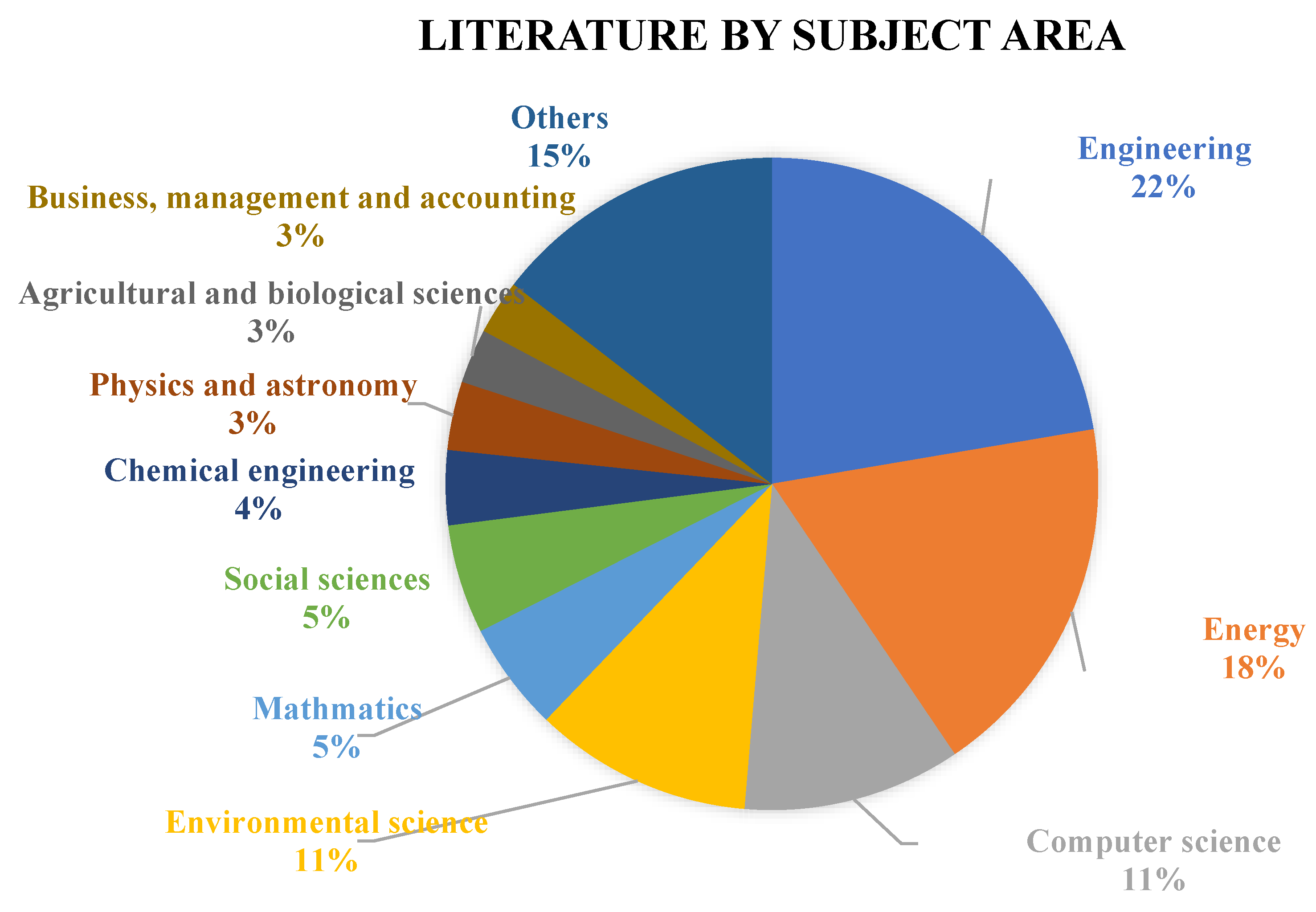
Figure 3 showcases the spread of 140 publications across various fields, emphasizing a strong emphasis in Engineering and Energy, which represent 22.4% and 18% of the total publications, respectively. Computer Science and Environmental Science are also notable, each accounting for 10.9% of the output, illustrating their significant role in current research trends. Lesser but still meaningful contributions are seen in Mathematics and Social Sciences, each at 5.4%, followed by Chemical Engineering and Physics and Astronomy at 3.4%, and Agricultural and Biological Sciences and Business Management and Accounting at 2.7%. The category labeled "Others," which comprises 14.6% of the total, reflects a wide array of disciplines that contribute to the diverse academic fabric.
4.3. Stage 3
In Stage 3, the author conducted an in-depth examination of the 140 remaining articles by reviewing their titles, abstracts, and keywords. During the review process, less relevant or irrelevant articles were excluded. Only studies that focus on energy use / management were included, ensuing that the final set of key literature was tightly aligned with the core research objectives. The most relevant literature was identified as the key literature.
4.4. Stage 4
Following Stage 3 was the final stage that involved a thematic analysis of the key literature identified in the previous stage. Each article was carefully analyzed, and the main themes and ideas were extracted. The content from these articles was then categorized into several themes based on the investigation scale (e.g. individual energy consumption, system management, organization decision), theoretical foundation (e.g. random utility theory, expected utility theory, multi-attribute utility theory), analytic framework (e.g. multi-attribute decision making framework, discrete choice experiment), investigation approach (e.g. theoretical studies, empirical studies).
After a thorough review, the literature on energy decision-making can be categorized into four distinct areas: 1) Studies that apply Random Utility Theory to explore how various factors—from economic incentives to personal values and environmental concerns—impact individual choices regarding energy-saving behaviors or technologies, typically using the Discrete Choice Experiment (DCE) methodology; 2) investigations using Expected Utility Theory to model decision-making under uncertainty, assessing the potential benefits and costs of different energy technologies to optimize expected utility; 3) research that develops decision-making tools based on Multi-Attribute Utility Theory (MAUT) to evaluate complex, multi-dimensional scenarios in energy, environmental management, and engineering; 4) A dichotomous analysis that categorizes key literature into theoretical and empirical studies. There are literatures that fit more than one category.
5. Discussion
5.1. Utility Measurement for Individual Energy Efficiency Behaviour Decision Based on Random Utility Theory
In the context of individual energy consumption, utility theory is used as a critical analytical tool, examining how energy users perceive and weigh various factors in their daily energy use / green practice decision-making process. Factors, such as financial incentives, technological efficiency, demographic information, personal preferences, risk tolerance, both observable and unobservable ones, are integrated by the theory to support offering a holistic view of consumer behaviour. For example, residential and commercial energy users often weigh the immediate financial costs of investing in energy-efficient technologies against the long-term benefits such as reduced energy bills, enhanced comfort, and a smaller environmental footprint. These considerations are crucial in shaping consumer choices and behaviors [16-18]. Random utility theory (RUT) serves as the foundation for DCE in energy studies, helping researchers analyze how individuals and communities make energy-related decisions. It facilitates the development of discrete choice modeling (DCM) methodologies for examining energy users’ decision-making regarding energy use and sustainable practices.
RUT is a framework in econometrics and behavioral science that models the decision-making process of individuals. The fundamental idea behind RUT is that the utility derived from choosing a particular option is not deterministic but contains a random component. This theory is particularly useful in explaining and predicting choices among mutually exclusive alternatives where the decision-maker’s preferences are not entirely observable. In RUT, the utility of a choice is expressed as a deterministic part (based on observable attributes and systematic influences) and a stochastic part (representing random influences, unobserved preferences, and measurement errors).
15 studies in the key literature assess how energy users and consumers derive satisfaction from their choices related to energy consumption and sustainability commitments. For instance, homeowners’ decisions on facade insulation in Spain [16], air conditioning users’ adjustments in response to demand response programs [17] and consumers’ choices in purchasing energy-efficient appliances [18] all employ DCE methodologies to quantify decision-making factors. Additionally, studies on households’ acceptance of the energy transition [19], residents’ thermostat adjustments based on eco-feedback systems [20] and hotel guests’ willingness to participate in energy conservation practices [13] further illustrate the diverse applications of DCE. Other studies include consumer preferences for various configurations of Positive Energy Districts [21], students’ willingness to adopt energy-efficient behaviors, and consumers’ responsiveness to energy labels on appliances in China [23].
Furthermore, expected utility theory (EUT), the utility maximization framework (UMF), and consumer surplus (CS) are adopted in these studies. For example, Kim et al. (2023) [20] applied reference-dependent utility models to examine South Korean public preferences for transitioning from coal and nuclear to renewable energy, highlighting how risk perception and price fluctuations shape choices. Similarly, Motz (2021) [19] integrated latent variables representing environmental concerns and optimism toward nuclear energy into a Swiss household energy study, quantifying the trade-offs between supply stability and environmental benefits. Fernández-Luzuriaga et al. (2022) [16] analyzed Spanish homeowners’ insulation investment decisions, while Wang et al. (2021) [17] investigated how air conditioning users balance dynamic pricing with comfort preferences. Consumer Surplus (CS) analysis is used to quantify economic benefits from energy policies, as seen in Zha et al. (2020)’ s study [23] on appliance adoption and Steiger et al. (2025)’s study [13] on hotel energy conservation incentives. Collectively, these studies ensure energy policies are designed to maximize efficiency, economic viability, and consumer welfare.
In specific, these studies examine how energy-related policies influence user and community behavior across various contexts. Policies range from financial incentives and demand response programs to broader initiatives promoting renewable energy sources and energy-efficient appliances [16,17]. The DCE methodology serves as a crucial tool in these analyses, providing a quantitative measure of how individuals value different aspects of policies, such as cost, comfort, environmental impact, and potential savings. One of the early applications of DCE in energy-related research is Jridi et al. (2015) [18] , which quantifies how economic incentives, household characteristics, and technical attributes of appliances impact consumer choices, aiding policymakers in designing effective energy regulations. In the Spanish facade insulation study, DCE determines how subsidies, loans, and tax rebates influence homeowners’ renovation decisions, considering demographic factors and home characteristics ([16]. Similarly, in South Korea, DCEs assess public support for transitioning from coal and nuclear to renewable energy, revealing how education levels and satisfaction with current electricity services shape preferences [20]. By integrating both observed choices and latent factors such as attitudes and perceptions, these experiments offer policymakers valuable insights into the effectiveness of existing policies and inform the development of tailored, context-sensitive regulations that align with public preferences and behaviors.
In China, Zha et al. (2020) [23] analyze consumer awareness and attitudes toward energy-efficient refrigerators and washing machines, using a mixed logit model to quantify consumer preferences and applying a latent class model to segment consumers based on their characteristics. Motz (2021) [19] employs DCE to understand Swiss households’ preferences for different energy sources in electricity generation, integrating latent variables representing unobservable factors such as environmental concerns and optimism about nuclear energy. This enables a deeper analysis of how attitudes, combined with observable characteristics, shape energy preferences. In Wang et al. (2021) [17]’s study, they incorporated variations in user responses due to economic and comfort-related factors, using DCE to quantify how price incentives and personal comfort preferences influence air conditioning adjustments during peak electricity demand. This approach effectively simulates user behavior and preferences within a statistically robust framework. Mihailova et al. (2022) [21] apply DCE to assess Swiss residents' preferences for various configurations of Positive Energy Districts, evaluating their preferences based on three attributes: ownership and expected citizen engagement, mobility options, and availability of shared spaces.
Beyond residential communities, DCE has also been widely adopted to examine energy use preferences in other sectors, such as student housing and hospitality. In Hou’s (2024) [22] study on occupants' willingness to reduce in-room energy consumption, DCE plays a pivotal role in assessing the financial incentives required to modify energy behaviors in a student apartment setting. The study employs a dual-component survey strategy, combining a pre-survey to identify general behavioral patterns with a DCE-based survey to quantify the financial rebates (Willingness-to-Accept, WTA) necessary for motivating students to adopt energy-saving actions. In the hospitality sector, Steiger et al. (2025) [13] use DCE to investigate how various energy-saving measures in hotels influence tourists' booking preferences and willingness to engage in sustainable behaviors. By presenting participants with different hotel scenarios featuring non-voluntary energy-saving measures (e.g., reduced room temperatures) and potential compensation mechanisms (e.g., price discounts), the study quantifies guests’ trade-offs between comfort and sustainability.
The above studies are fundamentally grounded in utility theory, particularly RUT, which posits that individuals make decisions based on a combination of observable and unobservable utility components. Various discrete choice models, such as the Random Parameters Logit (RPL) model, Latent Class Model (LCM), and Hybrid Choice Models (HCM), are used in these studies to assess how consumers and communities make energy-related decisions under different policy and market conditions. For instance, Fernández-Luzuriaga et al. (2022) [16] and Wang et al. (2021) [17] both used mixed logit models in their studies, with the former one analyze homeowners’ decisions on façade insulation in Spain and the latter one investigate air conditioning users’ responses to demand response programs. The findings of both studies reveal the role of financial incentives and cost-saving trade-offs. Meanwhile, consumer decisions regarding adopting energy-efficient appliances were examined through LCM by Jridi et al. (2015) [18] and Zha et al. (2020) [23] for identifying how price sensitivity and brand preferences shape purchasing behavior. Additionally, energy transition acceptance studies, such as those by Motz (2021) [19] in Switzerland and Kim et al. (2023) [23] in South Korea, integrated latent variables representing environmental concerns and optimism toward nuclear energy, demonstrating the influence of attitudes and beliefs in shaping policy support.
These studies demonstrate the effectiveness of DCE in capturing the complexities and evaluating the intention of consumers’ and residents’ decision-making in energy consumption. By accounting for both economic and behavioral factors, DCE enables a more precise estimation of the trade-offs that individuals are willing to make when confronted with energy-related policies and initiatives. Through these empirical findings, policymakers can design targeted interventions that encourage sustainable energy use, enhance energy efficiency adoption, and promote broader acceptance of renewable energy technologies. By bridging the gap between consumer behavior and policy effectiveness, DCE provides a critical foundation for optimizing policy frameworks in energy and environmental decision-making.
5.2. Expected Utility Theory (EUT) Application in the Context of Energy Use and Management
Expected Utility Theory (EUT) is also found among the literature as a theoretical foundation for energy use and management studies, mainly applied in assessing the uncertainties inherent in the energy sector. The theory can facilitate a structured analysis of trade-offs and potential outcomes, helping stakeholders – from power generation investors to policy makers – navigate the volatility of market conditions, technological advancements, and regulatory landscapes. EUT posits that individuals choose between risky or uncertain prospects by comparing their expected utility values, where each outcome is weighted by its probability of occurrence. The theory assumes that the decision-maker has coherent preferences that can be represented by a utility function. This function is used to calculate the expected utility of different choices, with the preferred choice being the one that offers the highest expected utility.
Starting with individual studies, Han et al. (2011) [24] demonstrate the application of EUT in evaluating the risks and returns associated with power generation investments. Their research highlights EUT’s ability to minimize economic losses while maximizing operational efficiency by precisely modeling the impacts of forecast errors and equipment failures. This practical application reveals the theory’s robustness in enhancing decision-making under uncertainty, ensuring that economic viability is maintained even amidst complex market dynamics. Extending beyond traditional utility maximization, Häckel et al. (2017) [25] integrate EUT with Cumulative Prospect Theory (CPT) to explore how rational decision-making intersects with behavioral economics in energy efficiency investments. This study illuminates the significant role psychological biases such as loss aversion and probability weighting play in skewing traditional utility calculations, thereby affecting the perception of gains and losses. The dual-theoretical approach provides a more comprehensive understanding of consumer behaviour and thus helps to inform more effective energy-saving policies and strategies.
In the context of technological and operational advancements, Li and Mandayam (2014) [26] apply EUT to develop algorithms that enhance user behavior and system efficiency in radio resource management. As technologies evolve, their model adapts to optimize performance, showcasing EUT’s flexibility in responding to technological shifts and enhancing user engagement with new systems. Similarly, in dynamic and uncertain environments, Abass et al. (2021) [27] employ EUT within an evolutionary game theory framework to assess strategic decision-making in wireless network scenarios. By comparing EUT with Prospect Theory, they delve deep into the strategic behaviors of both objective and subjective players, highlighting the theory’s applicability in complex, interactive settings where multiple decision-making processes coexist. On the front of sustainable energy technology adoption, researchers like Sarkar et al. (2024) [28] and Pal and Shankar (2023) [29] leverage EUT to balance environmental impacts against economic costs and long-term benefits. This application not only aids in making informed decisions that align with sustainability goals but also enhances the understanding of consumer preferences and behavior in adopting green technologies.
In strategic energy management, studies by Huang et al. (2025) [30], Topcu and Triantis (2022) [31], and Zhang et al. (2024) [32], showcase how EUT models consumer behavior and strategic decisions in environments where energy demand and supply are highly volatile. These studies underscore the importance of understanding and anticipating the impact of consumer behaviour under different market conditions on the efficiency and reliability of energy systems. EUT serves a cornerstone of decision analysis in the energy sector, offering a comprehensive framework that enhances the understanding of complex decisions and facilitates the development of strategies that are both economically sound and aligned with broader environmental and technological advancements.
5.3. Decision-Making Tools Developed Based on Multi-Attribute Utility Theory (MAUT)
19 key studies applied multi-attribute utility theory to enhance decision-making processes by integrating multiple criteria and quantifying preferences to handle complex, multi-faceted decision scenarios across diverse fields. These studies employ multi-attribute utility theory (MAUT) to convert qualitative and quantitative assessments into a single utility value with the aim to enable systematic and comparable evaluation of alternatives against set criteria. MAUT is an extension of utility theory that is used for making decisions involving multiple criteria. It is particularly applicable in complex decision-making environments where decisions need to be evaluated on several dimensions or attributes. MAUT involves structuring and quantifying preferences across different attributes, integrating them into a single overall utility function. This comprehensive utility function allows for the assessment of various alternatives, considering all the relevant attributes simultaneously. The decision-making scenarios investigated by these studies include energy sector [33-35], environmental and sustainable infrastructure development [36-39], structural and construction sector [40,41], sustainable building design [40], green vehicle and infrastructure planning and development [42-44].
Methodologically speaking, these studies all utilise MAUT, but apply it to diverse aspects of energy management and engineering systems. Roth et al., (2023) [34] integrate MAUT within a hybrid decision-making framework for energy-oriented production planning, focusing on optimizing risk treatments to minimize cost penalties from energy procurement deviations. Sagharidooz et al., (2024) [35] apply MAUT to enhance maintenance strategies for power transmission networks, aiming to balance costs, availability, and dependability for improved network performance and sustainability. Viana et al., (2022) [33], on the other hand, combine MAUT with the ELECTRE TRI method to categorize risks in hydrogen pipeline sections, incorporating a comprehensive assessment of potential accidents and their impacts on human safety, the environment, and finances. Almaraz et al. (2024) [36] develop a decision-making tool that uses MAUT and horizon scanning to assess the reliability of green hydrogen supply chains. Rockstuhl et al. (2021) [45] focus on energy efficiency investments from differing financial perspectives, Psomas et al. (2021) [46] tackle agricultural water management within a comprehensive environmental nexus, Narayanamoorthy et al. (2021) [37] select offshore wind turbine technologies using advanced fuzzy set methodologies to handle decision-making uncertainties.
Rasheed et al. (2020) [39] utilize SMART and additive synthesis methods to analyze the sustainability of bioenergy projects, emphasizing emission reduction as a key factor. Petrusic and Janjic develop a hybrid recommendation system for retail electricity packages, integrating user characteristics with multi-attribute utility to enhance recommendation accuracy. Asadi et al. (2020) [47] combine seismic resilience and sustainability assessments using a risk-informed multi-criteria decision framework to optimize building design, particularly for reinforced concrete structures. Lastly, Alexandri and Androutsopoulos (2020) [48] apply MAUT to evaluate ecolabels for HVAC systems in residential buildings, assessing their impact on energy efficiency and addressing energy poverty through a comprehensive multi-criteria analysis. These studies illustrate the effectiveness of multi-attribute decision-making in addressing complex and varied challenges across energy, sustainability, and structural engineering domains.
The above studies suggest that utility theory significantly enhances the MAUT decision-making tool as it provides a robust quantitative framework for rational decision-making across diverse scenarios characterized by multiple criteria and uncertainty. It enables the quantification of preferences and facilitates systematic evaluations of various outcomes, which is crucial in complex decision-making environments. For example, in the application by Mosalam et al. (2018) [49], utility theory under MAUT allowed for an integrated assessment of building designs against multiple performance metrics, demonstrating its capacity to handle multifaceted evaluation criteria. Narayanamoorthy et al. (2021) [37] utilized utility theory to manage uncertainty and risk effectively, ranking wind turbine models based on a broad set of technological and operational attributes, thus demonstrating the theory’s adaptability to complex technological scenarios.
Also, MAUT is particularly suited for applications in engineering, environmental management, and energy systems due to its ability to reconcile conflicting criteria and its capabilities of integrating both quantitative and qualitative data. Its adaptability allows for bespoke applications across scales and complexities, as shown in the study of Petrusic and Janjic (2020) [50], who optimized electric vehicle charging strategies by balancing costs, energy efficiency, and battery health. Furthermore, Psomas et al. (2021) [46] showcased the flexibility of utility theory in a different context by applying it to agricultural water management within the intricate water-energy-land-food nexus, effectively managing diverse and often conflicting environmental and socio-economic objectives. This broad applicability underlines utility theory’s role in enhancing decision-making processes where multiple stakeholders' preferences and strategic considerations converge, making it indispensable in sophisticated, multi-dimensional decision-making environments.
5.4. Theoretical Studies for Decision-Making Reasoning
Theoretical studies, particularly those that focus on developing predictive models, provide crucial insights in fields where direct experimentation is impractical or impossible. This is particularly evident in quantum mechanics and materials science, where researchers such as Ahlrichs and Rockstuhl (2022) [51] and Huang et al. (2024) [30] leverage theoretical frameworks to predict phenomena at the atomic or quantum level, far beyond the reach of current experimental capabilities. Additionally, in the studies by Gao et al. (2023) [52] and Mondal et al. (2023) [53], theoretical analysis offers a structured way to explore complex interactions within electrical and mechatronic systems, often involving advanced simulations to predict system behaviors under various operational conditions.
Theoretical research is also instrumental in simulating scenarios to assess the long-term impacts of policies or system designs without actual implementation. In economics and energy systems, where real-world experimentation can carry significant risks, theoretical models provide a sandbox for safe exploration. Gan et al. (2022) [54] and Zhao et al. (2023) [55] exemplify this approach by using game-theoretical models and economic simulations to predict the outcomes of different market behaviors and policies. Similarly, Roth et al. (2023) [34] and Topcu and Triantis (2022) [31] employ theoretical models to assess risk and decision-making strategies in energy distribution systems, integrating complex mathematical tools to optimize operations and mitigate risks without the direct use of empirical data. However, theoretical studies are often critiqued for their lack of direct empirical validation, which can lead to skepticism about their applicability in real-world settings. The assumptions made in these studies—for instance, those regarding market behaviors in Zhao et al. (2023) [55] or risk preferences in Topcu and Triantis (2022) [31] -- may not always hold true outside of the modeled scenarios. This can limit the generalizability of the findings, as the controlled environments of theoretical models often exclude unpredictable variables that affect actual systems.
Despite these limitations, the integration of computational technologies and data analytics is propelling theoretical research toward more sophisticated, hybrid models that merge theoretical predictions with empirical validations. Studies like Peng et al. (2023) [56], which explores energy storage optimization in residential buildings, show how theoretical frameworks can be grounded by incorporating empirical data to refine predictions and enhance model reliability. This trend towards blending theoretical and empirical methods is expanding the utility of theoretical studies, making them not only foundational to scientific inquiry but also increasingly relevant to solving practical problems. Theoretical studies are foundational in the field of energy use and management, offering essential frameworks that guide empirical research and facilitate the examination of hypothetical scenarios. These studies are crucial for modeling complex energy systems and predicting outcomes under various policy and management strategies, thus enabling a deeper understanding of potential impacts before practical implementation. This approach not only informs policy-making but also aids in optimizing energy systems for better efficiency and sustainability.
5.5. From Energy Use to Energy Management: Bridging Theories and Practice
The identified literature has witnessed a shift from simple energy use to sophisticated energy management, revealing a strategic need for more sustainable, effective and innovative technologies driven approach in energy-related studies. This shift reflects a deeper understanding of energy’s role in environmental impact, economic stability, and societal well-being. RUT, EUT and MAUT are used to guide the decision-making in the energy management discipline and provide solid theoretical framework.
Theoretical models play a pivotal role in energy management by offering insights that guide empirical research and influence policy development. These models allow for the simulation of complex scenarios, prediction of potential outcomes, and assessment of new policies or technologies before they are implemented. For instance, studies like those by Gao et al. (2023) [53] and Mondal et al. (2023) [54] demonstrate the use of theoretical frameworks to predict system behaviors in electrical and mechatronic systems, providing valuable foresight that informs development and optimization processes. Similarly, the economic and game-theoretical models discussed in the works of Gan et al. (2022) [55] and Zhao et al. (2023) [56] enable policymakers to simulate market responses to regulatory changes or economic incentives, thereby crafting strategies that align with sustainability goals.
While theoretical studies lay the groundwork, empirical research tests these theories against real-world data, enhancing reliability and practical relevance. This integration is crucial in sectors like energy management, where policy and technology impacts are widespread and significant. For example, the DCE detailed in studies by Fernandez-Luzuriaga et al. (2022) [16] and Wang et al. (2021) [17] quantify how consumers make decisions regarding energy-efficient technologies or respond to demand response programs. These empirical insights are vital for validating theoretical models and ensuring that energy policies are both effective and acceptable to the public.
Transitioning from theory to effective practice involves challenges, particularly the need for models that accurately reflect complex real-world interactions. Theoretical models often rely on assumptions that may oversimplify actual conditions, potentially limiting their applicability. Moreover, the integration of renewable energy sources introduces variability that requires sophisticated management techniques to maintain grid stability and efficiency. Future directions in energy management will likely focus on creating hybrid models that combine theoretical predictions with empirical data, leveraging advances in data analytics and computational technologies to enhance model accuracy and applicability.
The comprehensive management of energy resources, informed by both theoretical insights and empirical data, is essential for addressing the modern world's energy challenges. This approach not only supports the optimization of current systems but also facilitates the strategic deployment of emerging technologies such as smart grids and renewable energy sources. By continuing to bridge the gap between theoretical research and practical application, energy management can evolve to meet increasing demands for sustainability, resilience, and efficiency, ultimately guiding us towards a more sustainable and energy-secure future.
5.6. Importance of Examining the Energy Consumption/Management Behaviour from Utility Theory Perspective
By incorporating both visible and unobservable aspects into the analysis, utility theory offers a valuable framework for comprehending energy consumption behaviour and management decision-making. The utility-based investigation enables the development of effective and efficient energy consumption services and policies based on consumer preferences by looking at how people or organisations maximise utility or satisfaction through energy consumption behaviour (including adopting sustainable technologies for energy consumption). Examining customers/users’ evaluation of the cost-effectiveness of energy use, for instance, might direct development policy incentives and promote the adoption of cutting-edge technologies. Furthermore, taking personal values and environmental concerns into account makes it easier to build a comprehensive strategy for overcoming the social and psychological obstacles to the adoption of sustainable energy practices.
Applying utility theory in energy management also supports strategic policy development and infrastructure planning, ensuring that energy systems align with the utility-maximizing behaviors of consumers. For example, if reliability is highly valued over cost savings, energy policies might focus more on enhancing grid stability rather than just reducing energy costs. Also, utility theory helps quantify the economic efficiency and environmental impacts of energy policies through measuring consumer surplus, justifying public expenditures on energy infrastructure. In summary, utility theory serves as a critical tool in the energy sector, enabling a deeper understanding of the complex factors that influence energy use related behaviors and decisions. Adopting the theory in empirical examination not only facilitates the design of effective demand-side management programs and the promotion of sustainable technologies but also supports the broader goals of energy efficiency and environmental sustainability.
6. Conclusion
The paper presents a literature review study that systematically evaluates literature from 2010 to 2025, focusing on the application of utility theory across different domains within the energy sector. The findings from this review reveal the adaptability and enduring relevance of utility theory in addressing urgent energy issues, guiding both theoretical advancements and practical implementations. Key literatures that employ RUT, EUT, and MAUT illustrate the theory’s extensive application in modeling consumer behavior, optimizing energy systems, and enhancing policy formulation.
In the realm of individual energy consumption, RUT helps analyze how economic incentives, technological efficiencies, and personal preferences interplay in consumer decisions, particularly in adopting energy-efficient technologies. The use of DCE in various studies underscores the theory’s utility in quantifying decision-making factors that influence energy-saving behaviors and technology adoption. EUT is applied to strategic decision-making in uncertain environments, such as investment in energy technologies or operational strategies in power systems. This approach aids in assessing the trade-offs and potential benefits of different energy technologies, optimizing the expected utility from investments while considering the risks associated with uncertain market conditions. MAUT facilitates complex decision-making by integrating multiple criteria and quantifying preferences in scenarios involving multifaceted variables. This theory supports a systematic evaluation of alternatives, aiding in the decision-making processes within energy management, environmental planning, and infrastructure development. The synthesis of these theories through the lens of utility theory provides a robust framework for understanding and improving energy management practices. The theory application in both empirical and theoretical studies offer strategic insights for policymakers and energy managers in developing energy systems that maximize utility while considering environmental and economic impacts.
Abbreviations
| DCE | Discrete Choice Experiment |
| DCM | Discrete Choice Modelling |
| RUT | Random Utility Theory |
| EUT | Expected Utility Theory |
| MAUT | Multi-attribute Utility Theory |
References
- Wilson, C. and Dowlatabadi, H., 2007. Models of decision making and residential energy use. Annu. Rev. Environ. Resour., 32(1), pp.169-203. [CrossRef]
- Kauder, E., 2015. History of marginal utility theory (Vol. 2238). Princeton University Press.
- Stigler, G.J., 1950. The development of utility theory. I. Journal of political economy, 58(4), pp.307-327. [CrossRef]
- Coto-Millán, P. and Coto-Millán, P., 1999. Theory of utility and consumer behaviour: a comprehensive review of concepts, properties and the most significant theorems. Utility and Production: Theory and Applications, pp.7-23.
- Gillingham, K. and Palmer, K., 2014. Bridging the energy efficiency gap: Policy insights from economic theory and empirical evidence. Review of Environmental Economics and Policy. Available at: < https://www.journals.uchicago.edu/doi/abs/10.1093/reep/ret021?journalCode=reep>.
- Jie, H., Khan, I., Alharthi, M., Zafar, M.W. and Saeed, A., 2023. Sustainable energy policy, socio-economic development, and ecological footprint: The economic significance of natural resources, population growth, and industrial development. Utilities Policy, 81, p.101490. [CrossRef]
- Zhong, Y. and Li, Y., 2024. Statistical evaluation of sustainable urban planning: Integrating renewable energy sources, energy-efficient buildings, and climate resilience measures. Sustainable Cities and Society, 101, p.105160. [CrossRef]
- Höfer, T. and Madlener, R., 2020. A participatory stakeholder process for evaluating sustainable energy transition scenarios. Energy Policy, 139, p.111277. [CrossRef]
- Kuletskaya, D., 2023. Concepts of use-value and exchange-value in housing research. Housing, Theory and Society, 40(5), pp.589-606.
- Bassett Jr, G.W., 1987. The St. Petersburg paradox and bounded utility. History of Political Economy, 19(4), pp.517-523.
- Giocoli, N., 1998. The 'true' hypothesis of Daniel Bernoulli: what did the marginalists really know? History of Economic Ideas, pp.7-43.
- Oliver, A., 2021. An unhappy pursuit of happiness. LSE Public Policy Review, 1(3). [CrossRef]
- Steiger, R., Scholl-Grissemann, U., Kallmuenzer, A., Klier, F. and Peters, M., 2025. Tit for tat: How hotel guests can be convinced to do their part to reduce energy consumption. Tourism Management, 106, p.105010. [CrossRef]
- Moscati, I., 2019. Measuring utility: From the marginal revolution to behavioral economics. Oxford University Press.
- Hou, H., Lai, J.H., Wu, H. and Wang, T., 2024. Digital twin application in heritage facilities management: Systematic literature review and future development directions. Engineering, Construction and Architectural Management, 31(8), pp.3193-3221. [CrossRef]
- Fernandez-Luzuriaga, J., Flores-Abascal, I., del Portillo-Valdes, L., Mariel, P. and Hoyos, D., 2022. Accounting for homeowners’ decisions to insulate: A discrete choice model approach in Spain. Energy and Buildings, 273, p.112417. [CrossRef]
- Wang, J., Wu, H., Yang, S., Bi, R. and Lu, J., 2021. Analysis of decision-making for air conditioning users based on the discrete choice model. International Journal of Electrical Power & Energy Systems, 131, p.106963. [CrossRef]
- Jridi, O., Bargaoui, S.A. and Nouri, F.Z., 2015. Household preferences for energy saving measures: Approach of discrete choice models. Energy and Buildings, 103, pp.38-47. [CrossRef]
- Motz, A., 2021. Consumer acceptance of the energy transition in Switzerland: The role of attitudes explained through a hybrid discrete choice model. Energy Policy, 151, p.112152. [CrossRef]
- Kim, H., Bilionis, I., Karava, P. and Braun, J.E., 2023. Human decision making during eco-feedback intervention in smart and connected energy-aware communities. Energy and Buildings, 278, p.112627. [CrossRef]
- Mihailova, D., Schubert, I., Martinez-Cruz, A.L., Hearn, A.X. and Sohre, A., 2022. Preferences for configurations of Positive Energy Districts–Insights from a discrete choice experiment on Swiss households. Energy Policy, 163, p.112824. [CrossRef]
- Hou, H.C., 2024. Occupants’ willingness to reduce in-room energy consumption− a discrete choice experiment (DCE) approach with occupants in a student apartment. Energy and Buildings, 320, p.114628. [CrossRef]
- Zha, D., Yang, G., Wang, W., Wang, Q. and Zhou, D., 2020. Appliance energy labels and consumer heterogeneity: A latent class approach based on a discrete choice experiment in China. Energy Economics, 90, p.104839. [CrossRef]
- Han, C.K., Hur, D., Sohn, J.M. and Park, J.K., 2011. Assessing the impacts of capacity mechanisms on generation adequacy with dynamic simulations. IEEE Transactions on Power Systems, 26(4), pp.1788-1797. [CrossRef]
- Häckel, B., Pfosser, S. and Tränkler, T., 2017. Explaining the energy efficiency gap-expected utility theory versus cumulative prospect theory. Energy Policy, 111, pp.414-426. [CrossRef]
- Li, T. and Mandayam, N.B., 2014. When users interfere with protocols: Prospect theory in wireless networks using random access and data pricing as an example. IEEE Transactions on Wireless Communications, 13(4), pp.1888-1907. [CrossRef]
- Abass, A.A.A., Mandayam, N.B. and Gajic, Z., 2021. Evolutionary random access game with objective and subjective players. IEEE Access, 9, pp.35562-35572. [CrossRef]
- Sarkar, B.D., Gupta, L. and Shankar, R., 2024. Modeling adoption of sustainable green energy: An integrated approach using FERA. IEEE Transactions on Engineering Management. Vol. 71, pp. 5907-5920.
- Pal, C. and Shankar, R., 2023. A hierarchical performance evaluation approach for the sustainability of smart grid. International Journal of Energy Sector Management, 17(3), pp.569-594. [CrossRef]
- Huang, Q., Xu, J., Sun, P., Liu, B., Wu, T. and Courcoubetis, C., 2025. Strategic Storage Investment and Operation Under Uncertainty: Behavioral Economics Analysis. IEEE Transactions on Network Science and Engineering. Vol.12, No.2, pp.1329-1342. [CrossRef]
- Topcu, T.G. and Triantis, K., 2022. An ex-ante DEA method for representing contextual uncertainties and stakeholder risk preferences. Annals of Operations Research, pp.1-29.
- Zhang, G., Liu, H., Xie, T., Li, H., Zhang, K. and Wang, R., 2024. Research on the dispatching of electric vehicles participating in vehicle-to-grid interaction: considering grid stability and user benefits. Energies, 17(4), p.812. [CrossRef]
- Viana, F.F.C.L., Alencar, M.H., Ferreira, R.J.P. and De Almeida, A.T., 2022. Multidimensional risk assessment and categorization of hydrogen pipelines. International Journal of Hydrogen Energy, 47(42), pp.18424-18440. [CrossRef]
- Roth, S., Huber, M., Schilp, J. and Reinhart, G., 2022. Risk Treatment for Energy-Oriented Production Plans through the Selection, Classification, and Integration of Suitable Measures. Applied Sciences, 12(13), p.6410. [CrossRef]
- Sagharidooz, M., Soltanali, H., Farinha, J.T., Raposo, H.D. and de-Almeida-e-Pais, J.E., 2024. Reliability, Availability, and Maintainability Assessment-Based Sustainability-Informed Maintenance Optimization in Power Transmission Networks. Sustainability, 16(15), p.6489.
- Almaraz, S.D.L., Mai, T.M., Melendez, I.R., Loganathan, M.K. and Azzaro-Pantel, C., 2024. A holistic approach to assessing reliability in green hydrogen supply chains using mixed methods. Technological Forecasting and Social Change, 209, p.123816. [CrossRef]
- Narayanamoorthy, S., Ramya, L., Kang, D., Baleanu, D., Kureethara, J.V. and Annapoorani, V., 2021. A new extension of hesitant fuzzy set: An application to an offshore wind turbine technology selection process. IET Renewable Power Generation, 15(11), pp.2340-2355.
- Psomas, A., Vryzidis, I., Spyridakos, A. and Mimikou, M., 2021. MCDA approach for agricultural water management in the context of water–energy–land–food nexus. Operational Research, 21, pp.689-723.
- Rasheed, R., Javed, H., Rizwan, A., Yasar, A., Tabinda, A.B., Mahfooz, Y., Wang, Y. and Su, Y., 2020. Sustainability and CDM potential analysis of a novel vs conventional bioenergy projects in South Asia by multi-criteria decision-making method. Environmental Science and Pollution Research, 27, pp.23081-23093. [CrossRef]
- Mosalam, K.M., Alibrandi, U., Lee, H. and Armengou, J., 2018. Performance-based engineering and multi-criteria decision analysis for sustainable and resilient building design. Structural Safety, 74, pp.1-13.
- D'Agostino, D., Parker, D. and Melià, P., 2019. Environmental and economic implications of energy efficiency in new residential buildings: A multi-criteria selection approach. Energy Strategy Reviews, 26, p.100412. [CrossRef]
- Petrusic, A. and Janjic, A., 2020. Renewable energy tracking and optimization in a hybrid electric vehicle charging station. Applied Sciences, 11(1), p.245. [CrossRef]
- Jiang, D., Huo, L., Lv, Z., Song, H. and Qin, W., 2018. A joint multi-criteria utility-based network selection approach for vehicle-to-infrastructure networking. IEEE Transactions on Intelligent Transportation Systems, 19(10), pp.3305-3319.
- Janjic, A., Velimirovic, L., Stankovic, M. and Petrusic, A., 2017. Commercial electric vehicle fleet scheduling for secondary frequency control. Electric Power Systems Research, 147, pp.31-41.
- Rockstuhl, S., Wenninger, S., Wiethe, C. and Häckel, B., 2021. Understanding the risk perception of energy efficiency investments: Investment perspective vs. energy bill perspective. Energy Policy, 159, p.112616. [CrossRef]
- Psomas, A., Vryzidis, I., Spyridakos, A. and Mimikou, M., 2021. MCDA approach for agricultural water management in the context of water–energy–land–food nexus. Operational Research, 21, pp.689-723.
- Asadi, E., Shen, Z., Zhou, H., Salman, A. and Li, Y., 2020. Risk-informed multi-criteria decision framework for resilience, sustainability and energy analysis of reinforced concrete buildings. Journal of Building Performance Simulation, 13(6), pp.804-823. [CrossRef]
- Alexandri, E. and Androutsopoulos, A., 2020. Multicriteria evaluation of ecolabels for the energy upgrade of dwellings in Greece. International Journal of Sustainable Energy, 39(1), pp.67-87. [CrossRef]
- Mosalam, K.M., Alibrandi, U., Lee, H. and Armengou, J., 2018. Performance-based engineering and multi-criteria decision analysis for sustainable and resilient building design. Structural Safety, 74, pp.1-13.
- Petrusic, A. and Janjic, A., 2020. Renewable energy tracking and optimization in a hybrid electric vehicle charging station. Applied Sciences, 11(1), p.245.
- Ahlrichs, J. and Rockstuhl, S., 2022. Estimating fair rent increases after building retrofits: A max-min fairness approach. Energy policy, 164, p.112923. [CrossRef]
- Gao, J., Zhang, J., Song, J. and Cai, W., 2023. Reverse subsidy dilemma caused by the transformation from individual heating to central heating. Iscience, 26(2).
- Mondal, A., Misra, S., Das, G. and Chakraborty, A., 2022. QoS-aware resource allocation for green sensor-as-a-service provisioning in vehicular multi-sensor-cloud. IEEE Transactions on Green Communications and Networking, 7(1), pp.224-233.
- Gan, L., Hu, Y., Chen, X., Li, G. and Yu, K., 2022. Application and outlook of prospect theory applied to bounded rational power system economic decisions. IEEE Transactions on Industry Applications, 58(3), pp.3227-3237. [CrossRef]
- Zhao, C., Sun, J., He, P., Zhang, S. and Ji, Y., 2023. Integrating risk preferences into game analysis of price-making retailers in power market. Energies, 16(8), p.3339.
- Peng, P., Li, X. and Shen, Z., 2022. Energy storage capacity optimization of residential buildings considering consumer purchase intention: A mutually beneficial way. Journal of Energy Storage, 51, p.104455. [CrossRef]
Figure 1.
A systematic literature review process.
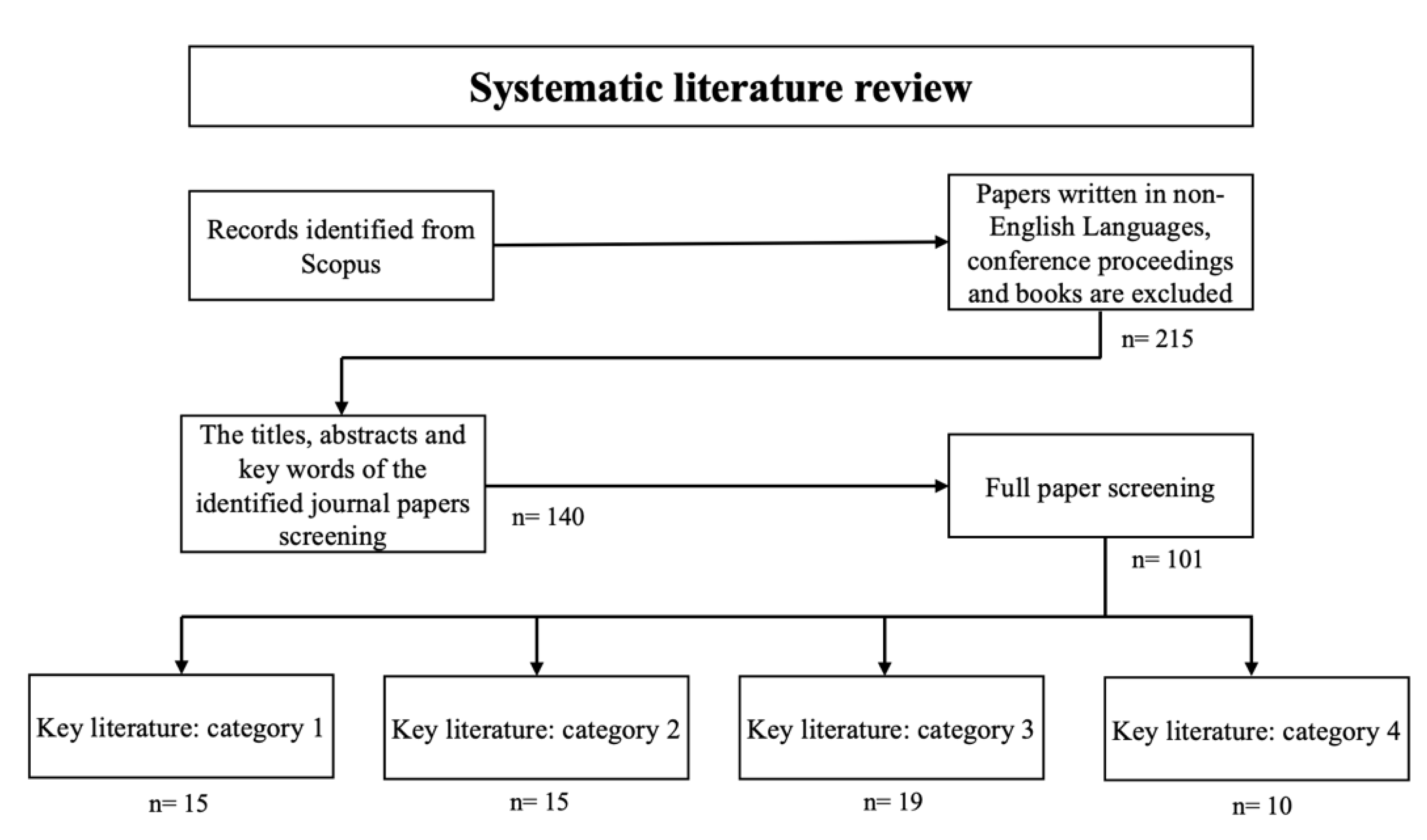
Figure 2.
Identified publication by year: (a) Number of publications between 2010-2025; (b) Trend of publication by number between 2010 - 2025.
Figure 2.
Identified publication by year: (a) Number of publications between 2010-2025; (b) Trend of publication by number between 2010 - 2025.
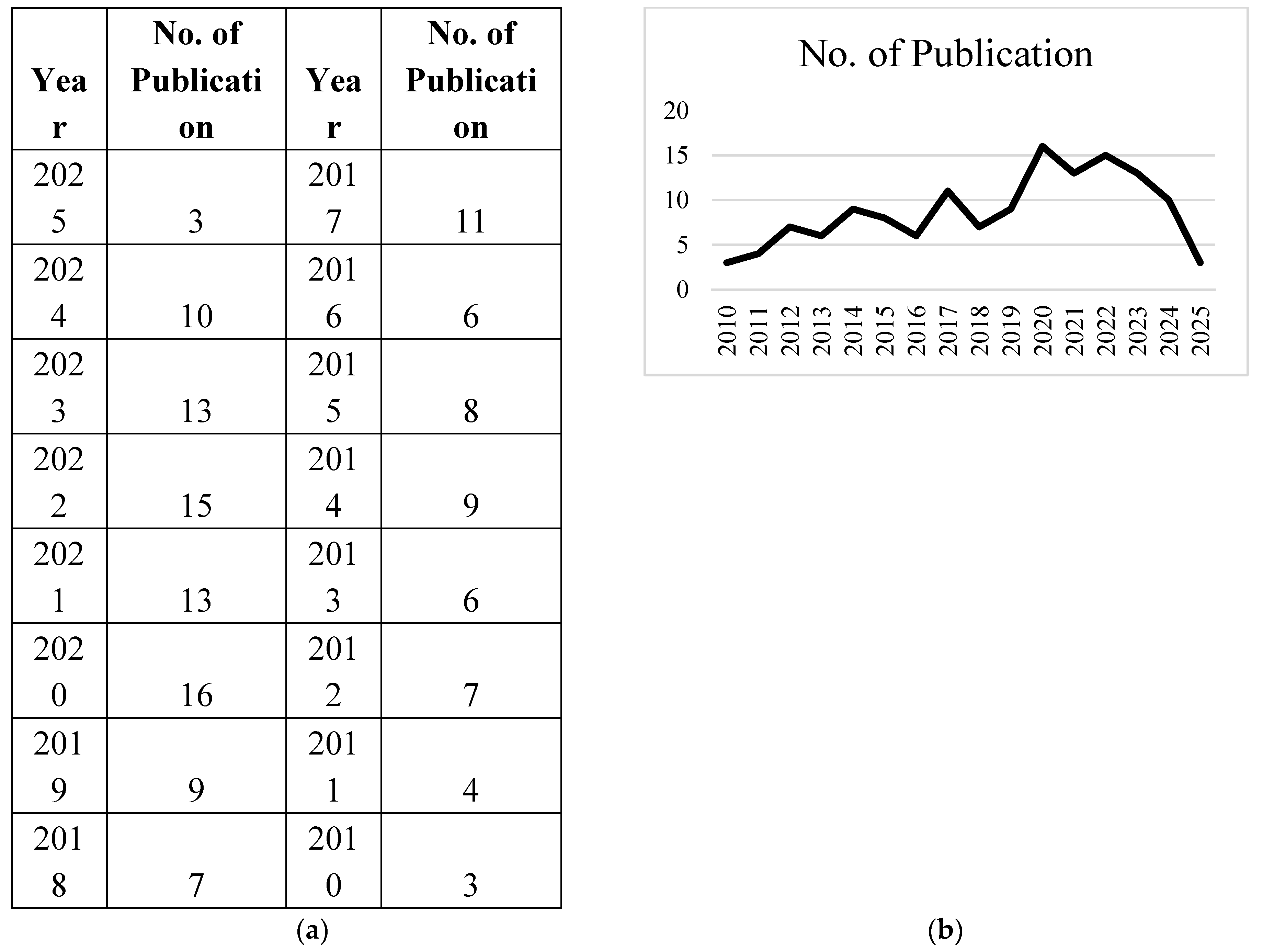
Figure 3.
Literature by subject areas.
Disclaimer/Publisher’s Note: The statements, opinions and data contained in all publications are solely those of the individual author(s) and contributor(s) and not of MDPI and/or the editor(s). MDPI and/or the editor(s) disclaim responsibility for any injury to people or property resulting from any ideas, methods, instructions or products referred to in the content. |
© 2025 by the authors. Licensee MDPI, Basel, Switzerland. This article is an open access article distributed under the terms and conditions of the Creative Commons Attribution (CC BY) license (http://creativecommons.org/licenses/by/4.0/).
Copyright: This open access article is published under a Creative Commons CC BY 4.0 license, which permit the free download, distribution, and reuse, provided that the author and preprint are cited in any reuse.


