

Submitted:
18 February 2025
Posted:
19 February 2025
You are already at the latest version
Abstract
Future decarbonization targets demand higher penetration of renewable energy (RE) sources into the system. However, challenges such as uneven spatial and temporal distribution of various RE source’s potentials for green electricity (GE) generation, demand alternative ways to store and later utilize the generated energy. In addition to that, sustainable development goals (SDG), highlight the need for responsible use of resources with increased recycling and reduction in corresponding waste generation while ensuring access to affordable, reliable, sustainable and modern energy for all. In this paper, an attempt is given to address both the issues of biodegradable waste (BW) processing and sustainable hydrogen (SH) production through it. Thermo-chemical conversion technology (TCC) and in that, especially ’Thermo catalytic reforming’ (TCR®) technology has been explored as an option to provide viable solution. An added advantage of decentralized hydrogen production can be envisioned here which can also contribute to regional energy security to some degree. To analyze the concept, Bavarian region in Germany along with open source data for the bio waste from two main sources, namely domestic household and sewage sludge (SS) has been considered. Based on that, corresponding regional hydrogen demand coverage potential has been analysed.
Keywords:
Sustainable hydrogen
; Green hydrogen
; Thermo-chemical conversion
; Waste processing
; Sustainable energy
; Bio-waste processing
1. Introduction
The prospects put forward in ’Paris Agreement’ to limit global temperature rise well below 2°C requires profound endeavor. The European Union (EU) has set itself a goal of reducing greenhouse gas emissions by 80-95% till 2050 when compared with 1990 levels [1]. Between 1990 and 2018, EU’s economy reduced greenhouse gas emissions by 23%, while the economy grew by 61% [2]. However, current sustainable development and decarbonization policies will only reduce greenhouse gas emissions by 60% till 2050, if 2030 climate and energy targets are to be achieved, it will require 260 billion of additional annual investment which roughly translates to 1.5% of the 2018 GDP figure of Europe [2]. Transition towards more sustainable energy and de-carbonisation has some local as well as regional challenges. Demographic development, lack of social acceptance and renewable resource volatility are some of the associated challenges related to sustainable energy transition [3]. Hydrogen and more specifically sustainable hydrogen plays important role in the perceived decarbonization targets all across the world. Hydrogen (in gaseous form) has relatively high energy release potential (somewhere around 142.35 kJ.g) when reacting with oxygen, if we compare this value with natural gas (with potential somewhere between 35 and 45 kJ.g) [4,5]. However, most of the SH production scenarios for the future are based on the availability of green electricity and corresponding electrolysis potential. This in turn poses three questions for the sustainable development scenarios.
- How the availability and secure GE supply be ensured to generate sustainable fuels (SF), along with the direct primary applications of GE?
- How we will address the water availability for electrolysis applications, considering future possible water scarcity and increased SH demand?
- What is the impact of limited RE potential on SH generation in Bavaria?
However, one of the major future challenges would be sustainable utilization of resources and waste processing. Germany’s above average per capita consumption of resources makes it especially important to look for more sustainable options which will address the issue of waste processing and hydrogen production simultaneously [6]. This fact makes it essential to recover the raw materials and energy from waste [6]. Future population growth and rapid urbanization will pose new challenges in waste processing and providing sustainable energy for all.
The objective of this study is to identify the potential for SH production and BW processing simultaneously. In general, BW and the municipal solid waste (MSW) (henceforth termed simply as BW) contents are highly abundant with energy contents; being comparable to that of coal (on dry basis) [7]. The conventional approach to get rid of the BW is either with landfill or incineration, both the options are relatively environment polluting when compared with TCC technologies [7]. It has been observed that the treatment of organic fraction of the BW with certain TCC processes produces syngas with relatively higher concentrations of H when compared with other methods of treatment such as gasification (36 vol.%)[7]. TCC processes based treatment of the organic fraction of BW is economically comparable to traditional incineration as well as landfil option [7].
In this work, an approach has been developed to understand the potential of SH production using the TCC technology developed at Fraunhofer UMSICHT, to process the biodegradable waste. Section 2 provides the literature overview of sustainable hydrogen production landscape using RE technology options. At the end, in Section 2.4, we define the research question at hand. Followed by Section 3, which gives an idea about the region under consideration. Section 4 outlines the methodology used in this work along with the scenarios considered for the study. And finally, the outcomes are discussed in Section 5 followed by conclusion in Section 6. Some recommendations and suggestions for possible future work are stated in Section 7.
2. Literature Review
2.1. Sustainable Hydrogen Production and Perceived Use Landscape.
Transition from conventional energy sources to sustainable energy sources needs the bridging potential of energy storage options. Bhandari R. et al., addressed the challenge of energy transition to sustainable energy sources through the aspects of energy storage, for which they considered Cologne (Germany), as their area of consideration and solar photovoltaic (PV) technology coupled with SH producing electrolyzers as a system; hence, power to gas (PtG) system [8]. During their study, it has been identified that grid connected solar PV systems coupled with alkaline electrolyzers for hydrogen production are proving to be the most cost efficient options with levelized cost of hydrogen (LCOH) being 6.23€.kg of hydrogen produced [8]. Grunow P. also analysed the PtG system for small household application of combined heat and power (CHP) systems, where hydrogen would also act as a heating media helping to lower the electric peak demand for domestic heating [9]. The potential application of ’Plasmalysis’ technology of treating biomass has also been mentioned, which gives theoretical hydrogen generation capacity of 65 TWh across entire Germany [9]. However, the use of available biomass coupled with green electricity and corresponding electrolysis has been considered in this case and not the thermal treatment of the BW. [9]. Welder L. et al. also talk about PtG systems as an effective tool to address the problem of spatial mismatch between electricity supply and consumer demand due to high penetration of RE sources into the system [10]. Onshore wind turbines based electricity generation and salt caverns for hydrogen storage are considered, with this setup, overall hydrogen price below current price of 9.50 €.kg can be obtained [10]. Michalski J. et al. highlighted the possible critical future role of SH in mobility as well as in industry [11]. However, their approach also includes mainly the analysis of PtG systems coupled with salt caverns based SH storage. The main application areas were identified as the northern region of Germany and middle as well as eastern part of Germany, however, the production of SH via PtG way and storage in salt caverns is not seen as an economical or feasible way for southern part of Germany including Bavaria [11]. Kendziorski m. et al., highlighted interesting aspect of decentralized energy and hydrogen production and security of supply through it, however, the hydrogen generation is mostly envisioned based on GE availability and electrolyzer availability. The analysis covers ’Nomenclature of Territorial Units for Statistics-2’ (NUTS-2) based regions of Germany, but no consideration is given to the BW processing [12]. Kalchschmid V. et al., also talk about the critical role of decentralized hydrogen production using GE and electrolyzers and usage for the industry as a way to ensure security of supply [13]. The hydrogen production and utilization has been considered on multiple levels to cover multiple applications associated with industry processes [13]. Murray P. et al. also analyzed decentralized systems, with hydrogen as an energy storage options for rural and urban neighbourhoods, but in Switzerland [14]. The specific emphasis is given on the PtG systems, and in that power to hydrogen systems [14]. Lahnaoui A. et al. considered Germany and France as a geographical area to understand the SH generation (mainly using wind energy) and its distribution to the demand sites via road networks [15]. In long term scenario till 2050, Germany has to rely on hydrogen inputs if only the wind energy based SH production is considered within Germany [15]. Franzmann D. et al. explored the concept of SH production in high solar potential countries such as countries in Africa and Middle East regions, a very important point of sustainable water availability is mentioned in their work which is critical for SH production without stressing the domestic fresh water supply [16]. A study conducted by bifa Umweltinstitut puts light on the SH production potential via commercial waste processing in Bavaria, however, the main focus here is on gasification technique [17].
In general sense, most of the efforts are directed towards the generation of SH using green electricity based electrolysis. This highlights the fact that greater availability and scale up of RE technologies is needed in the future. However, demand for GE will be higher in other areas of industry where direct application and use of GE is perceived. This might push the overall prices of the GE even further to higher ends and may result in overall increase in SH prices.
2.2. Bio-Waste Processing Landscape.
Since 2010, nearly 50% of the total primary energy from renewable sources worldwide was provided by biomass [18]. Figure 1 shows the comparison between total mean theoretical biomass potential and corresponding energetic use of available biomass for the year 2010 and 2015, for the Bavarian region of Germany [19]. It can be clearly seen that the share of energetic use of biomass is less compared to the other methods of biomass uses and processing.
Forest resources are one of the main sources for the wood biomass supply in Bavaria. Wood has been used for various applications in Bavaria, including power generation and heat production. However, even sustainably grown wood need not to be completely climate neutral. Klein D. et al. put a light on the sustainability of such wood sources, their analysis shows that there is broad spectrum of factors affecting the sustainability of the wood, and even such forest grown wood need not to be completely sustainable, rather has low environmental impact [20]. The estimated value for CO equivalent emissions come somewhere near to 18.95 kg CO eq.m for Bavarian forestry sector [20]. It means that even if such sources are used in long term for SH production, their overall impact will be higher in proportion to the increasing usage. Over longer period and for the future, wood biomass based hydrogen production will not be suitable. Alternative sources of biomass such as bio waste has to be considered. Full J. et al. have already addressed one of the main questions relevant to this study, ’What is the feasible bio-energy potential of several biohydrogen production processes from the organic residues and waste materials in Germany?’ [5]. Their research work highlighted the fact that there is no dedicated study which addresses the bioenergy potential for biohydrogen production [5]. In year 2017, around 8.9 TWh of electricity production and around 123 PJ of total generated heat as well as around 18.4 PJ of biofuels for transportation were supplied by biomass based inputs for the region of Bavaria [3]. According to Goers S. et al., it was estimated that till year 2022 there was additional 1 GW of potential for biomass based sources [3]. Taking these facts into consideration, it can be said that, bio waste is a possible alternative option for conventional biomass. Such BW can be simple domestic municipal waste, which contributes significantly in overall GHG emissions. If we just consider food wastage as an example, then according to the study conducted by Auer K. and Rogers H., for year 2022, the food wastage contributed around 4% of the total GHG emissions in Germany [21]. Ouadi M. et al. identified the problem associated with the traditional methods of dealing with BW disposal such as landfill and incineration [7]. Their main focus for study was also on BW as an input material and thermo chemical conversion technology and especially pyrolysis technique as a processing technology to deal with the BW[7]. The important cost implications associated with rising landfill taxes and transport costs are mentioned in their work. Rada et al. also highlighted the fact that incineration has been the state of the art technology for BW treatment for long, and in comparison, techniques such as pyrolysis are not so prominently used for BW treatment [22]. The efforts given to understand the applicability of thermo chemical conversion techniques such as pyrolysis for BW processing are limited. Zaman and Atiq UZ did however compared the life cycle analysis of fast pyrolysis technique with that of anaerobic digestion, incineration and landfill techniques for BW processing [23]. Ates et al. investigated the possibility of pyrolysis process application for BW processing using laboratory scale model along with the use of various catalysts [24]. Chen et al. even went one step further in understanding the BW application as an input material for industrial pyrolysis processes, however, also suggested the use of downstream processes such as gasification and combustion [25]. Moreno V. et al. did analysed the use of pyrolysis technique as a BW processing technology option, however, they consider two variants of agricultural waste [18]. In traditional terms, landfill and incineration are the two options considered for the BW processing. The efforts to utilize TCC techniques for BW processing is explored to limited contexts, and on top of that no specific efforts have been given to understand the potential of simultaneous hydrogen production using TCC techniques.
2.3. Hydrogen Demand Landscape
Figure 2 shows the predicted possible hydrogen demand for entire Germany. Germany’s current hydrogen production is around 57 TWh.a and mainly dominated by fossil fuel based sources [27,28]. From 2030 onwards the hydrogen demand will be somewhere in the range of 80 TWh.a[27,28]. This is a relatively rapid increase in the overall hydrogen demand. However, beyond year 2030, the hydrogen demand will skyrocket, going in the range of 100-300 TWh.a by 2040, and even in the range of 400-800 TWh.a by the year 2050 [27,28]. In near future, heavy industries will represent the highest share of hydrogen consumption, with estimates ranging from 157 TWh.a to 435 TWh.a for the year 2045 in Germany alone [29]. But if we consider the general estimated hydrogen demand for entire EU, then it comes somewhere in the range of 0.3 to 1 PWh.a.
If we keep the aim of reducing the GHG emissions by 80 % compared to 1990’s levels, use of hydrogen becomes crucial and undeniable [30]. Globally it is estimated that the hydrogen will be constituting 4-11 % of the final energy consumption by the year 2050, in that way, hydrogen will be an important energy carrier but not the dominant one [30]. In the year 2020 itself, the global hydrogen production reached somewhere around 50 Mt and 59% of this hydrogen was produced from natural gas [26]. Refineries were one of the biggest consumers of this produced hydrogen, amounting to 40 Mt of hydrogen consumption globally for the year 2020 [26]. According to some estimates, the transportation sector will have highest use of hydrogen while the building sector will have least use cases for hydrogen, especially in EU region [30]. Future applications of the hydrogen vary, depending on the area of application, for example, in case of industry, the hydrogen is seen primarily as a feedstock whereas in transportation sector it is primarily considered as a fuel. Scheller F. et al. also highlighted the fact that the hydrogen carrier demand will be somewhere in the range of 480 TWh.a for the year 2050 [31]. Estimating precise hydrogen demand for particular year is a challenging task. Particularly, because the demand landscape changes based on the application scenario, sector considered, and the level of optimism assumed for the future penetration of hydrogen in system. Wappler M. et al. addressed this exact point in their work, they found out that the hydrogen demand varies greatly based on several factors [26]. The average global hydrogen demand for the year 2030 can be somewhere in the range of 110 Mt [26]. However, according to the International Renewable Energy Agency (IRENA) report, the share of SH in it would be somewhere around 15 Mt and 95 Mt for year 2030 and 2050 respectively [32]. On the other hand, report presented by hydrogen council and McKinsey & company estimates total hydrogen demand around 140 Mt and 660 Mt for years 2030 and 2050 respectively [33]. However, according to this study the share of SH would be somewhere around 75 Mt [33].
Focusing specifically on the Bavarian region of Germany, ’Hydrogen Roadmap Bavaria’ provides critical insight. Bavaria region has set an ambitious goal of being climate neutral by year 2040 [34]. This goal of being climate neutral is independent of the German federal government’s goal of being climate neutral, and hence require urgent course correction [34]. In Bavaria the hydrogen demand will be dominated by mobility, petrochemical industry, electricity and heat sector [34]. The overall hydrogen demand for Bavaria in terms of equivalent energy demand would be somewhere around 10 TWh for year 2030 [34]. According to Bique A. and Zondervan E., Bavarian region might need around 0.17 to 0.5 Mt.a of hydrogen for year 2030 and 2050 respectively [35]. However, study conducted by bifa Umweltinstitut estimates that the hydrogen demand in Bavaria will be somewhere in the range of 0.5Mt.a in year 2030 itself [17]. It has been identified that there is a limited capacity for producing SH using electrolysis method due to the low potential for RE in Bavaria [34]. In this light, the use of biomass for hydrogen production is seen as a crucial factor in Bavaria [34]. One of the key points mentioned in the ’Hydrogen Roadmap Bavaria’ report highlights the fact that, electricity generation via RE is not a viable option for large scale hydrogen production through electrolysis [34]. It has also been categorically mentioned that, there is a lack of sufficient infrastructure and production capacity for the large scale import of hydrogen in Bavarian region [34]. Hence, it is advisable to go for decentralised hydrogen production which will reduce the need for hydrogen distribution infrastructure development. The essential role of the biomass and organic residue based input materials for the hydrogen production is also put into light, which will be paramount for developing regional capacity for hydrogen production [34]. To achieve the climate neutrality goal for Bavaria, there is a need for local production of hydrogen [34]. Table 1, shows the colour coded classification of the hydrogen production technologies based on the inputs and the adopted methods. Hydrogen production via TCC based technique and BW as well as SS as an inputs can be placed under green hydrogen production category, as the inputs are simply BW or SS and the process heating as well as electricity required can be provided through RE sources. In this sense, the process is carbon neutral.
2.4. Identification of Research Gap
It is evident that there are various research works addressing different aspects of bio-waste processing, hydrogen production as well as TCC techniques. Also, there are research works which are addressing the cross sectorial aspects of these three themes, such as hydrogen production using TCC techniques, hydrogen production using bio-waste and waste processing and disposal using TCC techniques. But the research approach to address the question of bio-waste processing using TCC based process to generate hydrogen for the Bavarian region of Germany is missing.
Figure 3 shows the area we are trying to address through this research work. Understanding the potential of hydrogen production with the overlap between the themes of hydrogen production, waste processing and TCC technique to process the waste, keeping Bavaria region of Germany in focus.
3. Bavaria Region
Bavaria is the largest of all the federal German states in terms of area and second largest in terms of gross regional product and population [3]. Bavaria region is especially at an advantage with the availability of the cutting edge knowledge and potential to fulfil large amount of energy needs with renewable energy sources. There are already tested and proven concepts where some municipal public utilities (generally called as ’Stadtwerk’) providing 100 % renewable energy to its inhabitants. Such as Stadtwerk Munich, which has a capacity to provide 100% green electricity for its more than 1 million inhabitants and also to its internal public transit systems [3,36]. The energy policy shift can be tracked back to the year 2011, when the ’German energy policy’ was altered to gradually shift the focus from nuclear energy towards more sustainable energy sources [9,37,38]. In the perceived future plan for the energy security and reliable as well as sustainable energy supply for the region of Bavaria, three key ways are foreseen as an options for the further steps [38]. These are,
- Spatial expansion of capacity (such as expansion of electrical grid)
- Temporal expansion of the capacity (employing energy storage options)
- Improved flexibility (by providing gas as well as hydrogen based power generation options)
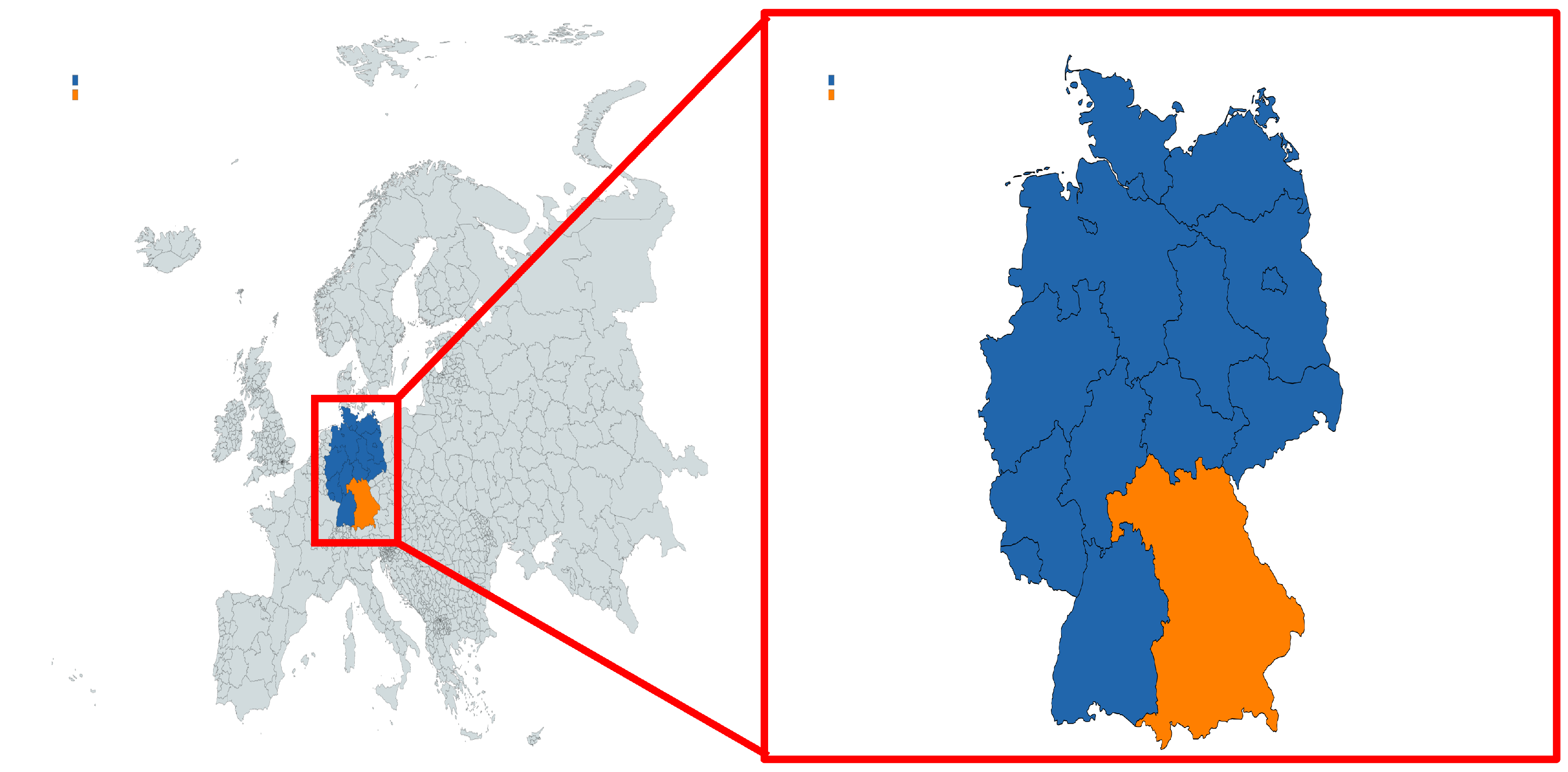
Figure 4.
Location of the region under consideration, Bavaria Germany.
Adoption of an individual as well as combination of these options are the key for the provision of secure and safe supply of energy all the time. However, provision of flexibility through hydrogen based power plants provide added advantage of distributed power generation along with penetration of hydrogen processing as well as distribution expertise. The role of energy storage technologies will be pivotal in the future energy mix of the Bavarian region [38]. According to Goers S. et al., regions like Bavaria has the potential to integrate renewables with decentralized energy generation coupled with energy storages [3]. Which, once again highlights the importance of the hydrogen, having dual role as a fuel, and as an energy storage media in case of greater penetration of renewable energies in the mix.
4. Methodology
4.1. Input Materials Considered
Within the scope of this paper, domestic, household biodegradable organic waste has been considered. Categories such as MSW, BW, organic waste, biodegradable waste are all analogous in this light and henceforth represent household biodegradable waste labelled as BW. The BW considered within the scope of this paper is basically the organic waste from the ’organic waste bin’ and ’general biodegradable waste’. Apart from that, there is one more category considered within the scope of this paper, and that is domestic sewage sludge (SS). The data is primarily acquired from the public data domains such as ’Bayerisches Landsamt für Statistik’ [39], DBFZ databank [19,40,41]. The quantities considered here are the generated and treated fractions of the biodegradable waste by local waste processing plants in Bavaria. The SS fraction can be treated with multiple methods, with three main categorizations representing the SS handling. Namely,
- recycling
- thermal disposal
- other methods of direct disposal
Figure 5 shows the SS treatment landscape in Bavaria over the period. And Figure 6 shows the corresponding BW generation potential for the region of Bavaria.

Table 2.
Total average organic household waste (BW) and average sewage sludge (SS) production in the region of Bavaria (Germany) for the period of 2013 to 2020 [39]. Values are in 1000 t.
Table 2.
Total average organic household waste (BW) and average sewage sludge (SS) production in the region of Bavaria (Germany) for the period of 2013 to 2020 [39]. Values are in 1000 t.
| Total organic waste (in 1000 t) | |
|---|---|
| BW | 1768.881 |
| SS | 281.70 |
| Total avg. | 2050.59 |
4.2. Assessing Organic Waste (Domestic BW and SS) generation landscape for Bavarian region.
Schmidt M. and Singh B. assessed the current state of the recycling centres in Bavaria along with the effect of closing some of these recycling centres from public access perspective [44]. Currently there are around 14 municipally owned recycling centres which treats the BW thermally [17]. Figure 7 shows the domestic BW and SS processing potential for the Bavarian region in year 2020 based on NUTS-2 classification.
Considering total combined potential (BW+SS) for entire Bavarian region for the year 2020, the treatable quantity comes somewhere around 23.13x 10 t.a or 2.313 Gt.a[39]. Figure 6, shows the increasing trend of BW fraction in overall household waste. The rough simple linear projection can be made on the basis of past available data, which shows the upward trend. Such BW is assumed to be consisting of waste paper, waste food as well as other household organic waste. The total tracked quantity for such domestic BW in year 2020 for the region of Bavaria was 20.27x 10 t.a or 2.027 Gt.a [39].
Figure 5 however, shows various methods for processing SS. The share of recycling is reducing over the period, however share of thermal processing is increasing over the period. For TCR process based calculations, the final average processable quantity has been determined by combining the average quantities of total organic BW fraction from domestic waste and treatable SS, which comes out to be 2.05 x 10 t.a or 2.05 Gt.a [39].
Figure 8, shows the possible combined potential of the BW and SS as an input material for the SH production in Bavaria region.
4.3. Accessing Thermochemical Conversion Potential for SH Production.
Various thermochemical conversion technologies can be taken as a basis for evaluating the SH production potential via waste processing. One of such example can be the novel TCR technology developed at Fraunhofer UMSICHT. TCR reactor combines the intermediate pyrolysis with additional catalytic reforming of the products of the pyrolysis [42]. It has two stages with a capability to process BW using pyrolysis technique while bio-oil, bio-char and syngas are produced as byproducts of the process [45]. The pyrolysis process operating temperature is in the range of (300-800) °C [46,47]. The intermediate pyrolysis step which occurs at around (400-500) °C is the first step followed by the relatively high temperature post-reforming process happening between (500-700) °C [45]. This higher post reforming temperature forms a higher yield of syngas, which is condensed further to receive around 27-44 % gas fraction from it [45]. At maximum, 55 vol.% is hydrogen from this syngas fraction [45]. The gas fraction from the TCR process can be used as a fuel for the combined heat and power units (CHP) [45]. However, the high hydrogen percentages in the syngas means this hydrogen fraction can be separated and purified further, to use for specific applications. Based on the required purity by further applications, produced syngas can be treated subsequently down the line. Applications requiring minimal purity of hydrogen, can utilize the hydrogen fraction of the TCR gas phase with minimum extra processing. In traditional view, the high amount of SH produced in the TCR process is envision to be utilized for the hydrotreatment of the TCR produced bio-oil or even conventional fossil fuels [45]. It has been identified that the post-reforming stage is essential for improving the product quality [42,48]. As the post reforming temperature increases, the gas yield increases from 27 wt% (at 773K) to 44 wt% (at 973K)[42]. The separation of gasses is achieved using the quenching at around 273 K [42]. Approximately 41.5% of energy in feedstock is transferred to the syngas generated during TCR process based treatment of BW [7].
Figure 9 shows the comparison between gas production potential and corresponding H production potential of SS and BW at different post reformer temperatures. Traditional wood (biomass) has also been shown just for comparison.
For the TCR process potential identification, the experimental TCR-2 unit (installed at Fraunhofer UMSICHT, Sulzbach-Rosenberg, Germany) has been considered. The generated gas fraction is measured at different locations using the gas flow meters which state the volume of gas produced in m. During normal operation of the TCR equipment, continuous nitrogen flushing has been performed to achieve oxygen deprived atmosphere throughout the test run. The overall H gas produced in relation to the amount of input material can be calculated as follows,
Where V is the total volume of the products (syngas, oil and char) and V, V and V represent the individual volume of gas, oil and char respectively. All the volumes are represented in %. The gas volume can further be divided into two components,
- H fraction in volume percentage
- and other gasses in volume percentage
Eq.2 denotes both the fractions, where ’x’ is the measured H value in percentages and ’x’ is the total nitrogen flushed through TCR over the complete cycle measured in litres, whereas ’x’ is the total gas produced over the complete cycle measured in litres.
4.4. Scenario Creation
The future demand for hydrogen can roughly be categorized into four different categories based on the area of operations or application as well as uses namely, industry, transportation, conversion and buildings [34]. The application and use of hydrogen in each of these sectors vary, for example in transportation sector the SH will be primarily used as a fuel, whereas in industry it can be used either as feedstock or as a fuel. Based on these considerations, hydrogen demand projections are taken from year 2025 till 2040 in five year successions.
Figure 10, shows the projected hydrogen demand and its corresponding share in overall demand mix. The SH generation capacity is then compared with the projected demand landscape. Two main cases considered as follows,
- Baseline ( 27% gas output from TCR process with 55% H fraction in it. )
- Optimistic (44% gas output from TCR process with 55% H fraction in it.)
These two considerations gave in total six scenarios to consider based on the input materials for process,
- BW only (Baseline)
- SS only (Baseline)
- BW+SS (Baseline)
- BW only (Optimistic)
- SS only (Optimistic)
- BW+SS (Optimistic)
Sustainable hydrogen generation landscape based on these six scenarios, is then compared with the projected demand for hydrogen in Bavaria and potential capacity development options are identified. The required amount of SH has been calculated in terms of Mt.H based on following two conversion assumptions [49],
- 1kg of H = 33.3 kWh equivalent of H
- 1 TWh equivalent H = 30.030 x 10 Mt of H
Based on these assumptions and scenarios the SH generation potential were compared to demand projections and corresponding capacity is identified.
5. Results and Discussion
Figure 11, shows the projected hydrogen demand for Bavaria region in Mt. In particular, transport and conversion sectors will have increasing demand for hydrogen in near as well as distant future. Transportation sector will have a hydrogen demand mainly in the form of primary fuel option [34]. Whereas in case of conversion sector, the hydrogen will most probably be used as a feedstock for secondary processes [27,30,34]. The similar application can be envisioned for industry sector, but buildings or more specifically residential as well as commercial buildings will use hydrogen as a space heating media [34]. However, the application of hydrogen as a direct heating media will not be as widespread as other available space heating options [27,30,50].
Figure 12, shows average waste quantity as well as the possible SH generation potential based on baseline and optimistic scenarios explained in Section 4.4. The domestic SH production capacity purely based on BW and SS processing coupled with TCC technologies such as TCR are limited compared to projected demand.
Figure 13, shows in % values, roughly how much total projected hydrogen demand can be covered with domestic SH production using BW and SS processing with TCR technology. The possible coverage is relatively limited compared to other hydrogen generation options such as conventional production methods. However, it is worth noting that for particular sectors and in particular time frame, the SH generation potential is covering significant portion of the demand. If the application of such produced SH considered exclusively for each sector, a general overall idea can be formed regarding the best possible application of the SH production through BW and SS processing and TCC technologies. Following sections consider complete SH generation potential under each scenario for each sector separately and without any inter-dependency with other sector.
5.1. Industry
The combined BW and SS as an input materials for the process provides good considerable option for demand coverage throughout the time period, with 0.85% (baseline) and 1.38% (optimistic) in year 2025 to 0.25% (baseline) and 0.41% (optimistic) in year 2040. The coverage potential reduces gradually over the period. In case of industry sector, SH production provides consistent demand coverage option. Only BW as an input material is the second best option in case of demand coverage.
5.2. Transportation
If the BW and SS combined potentials are considered, then both baseline as well as optimistic scenarios prove favourable in the short time span (i.e. till year 2030) in contributing the SH demand for transportation sector. It provides somewhere around 1.01% (baseline) and 1.65% (optimistic) of the demand coverage for year 2030. If the conventional internal combustion (IC) engines upgraded for accommodating lower purity hydrogen fuels are considered, then such scenario provides potential option for fast transition towards more sustainable mobility options. However, after year 2030 the capacity for contributing significantly into fulfilling hydrogen demand for transportation sector reduces due to near exponential growth in demand landscape. Considering only BW as an input material is second best option for covering demand in this regards, with values 0.87% (baseline) and 1.43% (optimistic) scenario. However, only SS as an input material provides very low demand coverage capacity.
5.3. Conversion
Production of SH via BW and SS processing through TCR technology, doesn’t prove significant option, as in case of conversion sector the demand coverage is extremely limited. It might prove beneficial to look for other options of SH productions which might provide greater flexibility for the industries looking for the conversion applications of the SH. In this way the greater penetration of the GE can be ensured.
5.4. Buildings
Space heating applications is the area where SH production using TCC technologies proves to be of significant benefit in all of the sectors considered here. Here as well, both baseline and optimistic scenarios with BW and SS together as an input materials are the best options for the demand coverage especially for the year 2035 with contribution going into the range of 2%. This again can prove as a bridging strategy for fast transition to the sustainable space heating. The decentralised SH production nature proves to be another advantage here, as small community scale SH production units can be installed to cater the domestic demands in the community pockets.
6. Conclusions
It is clear that, in the near future, hydrogen will play a crucial role in sustainable transition of nearly all the sectors including transportation as well as industries [27,30,34,51]. The current geopolitical and energy market situations underline the need of addressing future energy security while keeping the sustainable transition goal relevant [27,30,31,32,33,34,50]. TCR technology has long been used for bio-oil production from various feedstocks including waste materials. Under this work, an approach was given to understand its potential as a decentralized hydrogen production unit for the region of Bavaria while addressing the biodegradable waste processing issue through it. Two sectors, transportation and buildings in particular are at benefit in short to intermediate time frame with around 1.5% and 1.9% of the corresponding sector demand coverage.
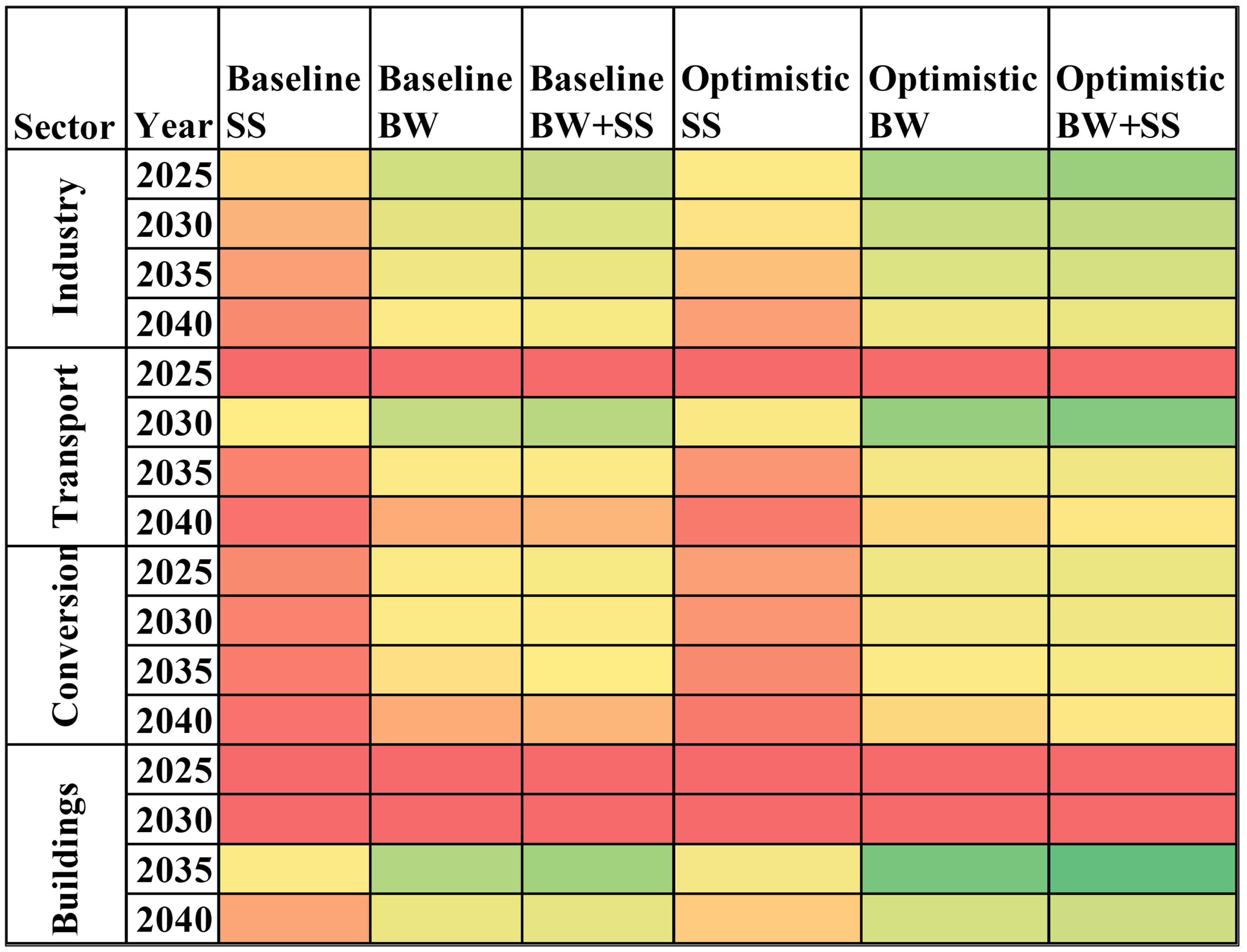
Figure 14.
A general heatmap representation showing the most suitable application of SH production with that of the corresponding sector based on the assumptions in this study. (Colour green being most favourable and red being less suitable.)
Figure 14.
A general heatmap representation showing the most suitable application of SH production with that of the corresponding sector based on the assumptions in this study. (Colour green being most favourable and red being less suitable.)
This work however, does not consider the additional benefits of the byproducts produced during the process. Bio-oil and bio-char produced as a byproduct during this process are of high commercial value and can be used as fuels down the line. Around 41.5% of energy from input material is transferred to the syngas produced during TCR process based treatment of BW [7]. At maximum, 55% of this syngas is hydrogen. Decentralized hydrogen production fits in-line with the goals depicted in SDG-7 while addressing the important issue of future water availability for hydrogen production. As most of the green hydrogen production methods focus on increasing use of electrolysis method, it requires high amount of water. Whereas, method considered under this work doesn’t require any additional amount of water, rather process water is one the byproducts which needs further downstream processing.
The decentralized, modular, scalable nature of the TCR technology providing the means of bio waste processing and through that, production of sustainable hydrogen along with two more commercially valuable products namely oil and char, is indeed possible bridging technology which can provide the needed flexibility in current as well as in future scenarios towards sustainable transition.
7. Future Work
The approach can be taken one step further by continuing the work on multiple levels. In future, it is possible to try different waste materials as an input to test the waste processing potential and corresponding SH production potential. In parallel approach, the hydrogen yields can be improved with additional reactions such as water-gas-shift reaction. A case study with small community based application of pilot plant can also be tested as a proof of concept to understand the actual implementation challenges and market acceptability of the concept. In addition, downstream treatment of process water can also be envisioned, which will assist the process for even greater SH production.
Funding
This research received no external funding.
Data Availability Statement
Open source data has been used for this study. The data has been taken from the public data sets such as ’Bayerisches Landsamt für Statistik’, DBFZ databank.
Acknowledgments
The author would like to express the gratitude to the Fraunhofer Institute for Environmental, Safety, and Energy Technology for the support during this work.
Conflicts of Interest
The author declares that there are no known competing financial interests or personal relationships that could have appeared to influence the work reported in this paper.
References
- IEA, B. World Energy Outlook. IEA, 2021. [Google Scholar]
- Plan, A.; et al. Communication from the Commission to the European Parliament, the Council, the European Economic and Social Committee and the Committee of the Regions. European Commission 2011. [Google Scholar]
- Goers, S.; Rumohr, F.; Fendt, S.; Gosselin, L.; Jannuzzi, G.M.; Gomes, R.D.; Sousa, S.M.; Wolvers, R. The role of renewable energy in regional energy transitions: An aggregate qualitative analysis for the partner regions Bavaria, Georgia, Québec, São Paulo, Shandong, Upper Austria, and Western Cape. Sustainability 2020, 13, 76. [Google Scholar] [CrossRef]
- Juhrich, K. CO2 emission factors for fossil fuels, German Environment Agency, 2016.
- Full, J.; Trauner, M.; Miehe, R.; Sauer, A. Carbon-negative hydrogen production (HyBECCS) from organic waste materials in Germany: how to estimate bioenergy and greenhouse gas mitigation potential. Energies 2021, 14, 7741. [Google Scholar] [CrossRef]
- BMUV. Waste Management in Germany 2023. Technical report, Federal Ministry for the Environment, Nature Conservation, Nuclear Safety and Consumer Protection (BMUV), April 2023.
- Ouadi, M.; Jaeger, N.; Greenhalf, C.; Santos, J.; Conti, R.; Hornung, A. Thermo-Catalytic Reforming of municipal solid waste. Waste Management 2017, 68, 198–206. [Google Scholar] [CrossRef]
- Bhandari, R.; Shah, R.R. Hydrogen as energy carrier: Techno-economic assessment of decentralized hydrogen production in Germany. Renewable Energy 2021, 177, 915–931. [Google Scholar] [CrossRef]
- Grunow, P. Decentral Hydrogen. Energies 2022, 15, 2820. [Google Scholar] [CrossRef]
- Welder, L.; Ryberg, D.S.; Kotzur, L.; Grube, T.; Robinius, M.; Stolten, D. Spatio-temporal optimization of a future energy system for power-to-hydrogen applications in Germany. Energy 2018, 158, 1130–1149. [Google Scholar] [CrossRef]
- Michalski, J.; Bünger, U.; Crotogino, F.; Donadei, S.; Schneider, G.S.; Pregger, T.; Cao, K.K.; Heide, D. Hydrogen generation by electrolysis and storage in salt caverns: Potentials, economics and systems aspects with regard to the German energy transition. International Journal of Hydrogen Energy 2017, 42, 13427–13443. [Google Scholar] [CrossRef]
- Kendziorski, M.; Göke, L.; von Hirschhausen, C.; Kemfert, C.; Zozmann, E. Centralized and decentral approaches to succeed the 100% energiewende in Germany in the European context–A model-based analysis of generation, network, and storage investments. Energy Policy 2022, 167, 113039. [Google Scholar] [CrossRef]
- Kalchschmid, V.; Erhart, V.; Angerer, K.; Roth, S.; Hohmann, A. Decentral Production of Green Hydrogen for Energy Systems: An Economically and Environmentally Viable Solution for Surplus Self-Generated Energy in Manufacturing Companies? Sustainability 2023, 15, 2994. [Google Scholar] [CrossRef]
- Murray, P.; Orehounig, K.; Grosspietsch, D.; Carmeliet, J. A comparison of storage systems in neighbourhood decentralized energy system applications from 2015 to 2050. Applied Energy 2018, 231, 1285–1306. [Google Scholar] [CrossRef]
- Lahnaoui, A.; Wulf, C.; Dalmazzone, D. Optimization of hydrogen cost and transport technology in France and Germany for various production and demand scenarios. Energies 2021, 14, 744. [Google Scholar] [CrossRef]
- Franzmann, D.; Heinrichs, H.; Lippkau, F.; Addanki, T.; Winkler, C.; Buchenberg, P.; Hamacher, T.; Blesl, M.; Linßen, J.; Stolten, D. Green hydrogen cost-potentials for global trade. international journal of hydrogen energy 2023, 48, 33062–33076. [Google Scholar] [CrossRef]
- Dietz, Birgit Reinelt, D.W. Potenziale einer Wasserstoffgewinnung durch Vergasung von Gewerbeabfall. Technical report, bifa Umweltinstitut. May 2022. [Google Scholar]
- Moreno, V.C.; Iervolino, G.; Tugnoli, A.; Cozzani, V. Techno-economic and environmental sustainability of biomass waste conversion based on thermocatalytic reforming. Waste management 2020, 101, 106–115. [Google Scholar] [CrossRef]
- Naegeli de Torres, F.; Brödner, R.; Cyffka, K.-F.; Fais, A.; Kalcher, J.; Kazmin, S.; Meyer, R.; Radke, K.-S.; Richter, F.; Selig, M.; Wilske, B.; Thrän, D. DBFZ Resource Database: DE-Biomass Monitor. Biomass Potentials and Utilization of Biogenic Wastes and Residues in Germany 2010-2020 [Data set]. Zenodo, 2023. [Google Scholar]
- Klein, D.; Wolf, C.; Schulz, C.; Weber-Blaschke, G. Environmental impacts of various biomass supply chains for the provision of raw wood in Bavaria, Germany, with focus on climate change. Science of the Total Environment 2016, 539, 45–60. [Google Scholar] [CrossRef]
- Auer, K.; Rogers, H. A research agenda for circular food waste management in Bavaria. Transportation Research Procedia 2022, 67, 131–136. [Google Scholar] [CrossRef]
- Rada, E.C.; Istrate, I.A.; Ragazzi, M. Trends in the management of residual municipal solid waste. Environmental Technology 2009, 30, 651–661. [Google Scholar] [CrossRef]
- Zaman, A.U. Life cycle environmental assessment of municipal solid waste to energy technologies. Global Journal of Environmental Research 2009, 3, 155–163. [Google Scholar]
- Ateş, F.; Miskolczi, N.; Borsodi, N. Comparision of real waste (MSW and MPW) pyrolysis in batch reactor over different catalysts. Part I: Product yields, gas and pyrolysis oil properties. Bioresource technology 2013, 133, 443–454. [Google Scholar] [CrossRef]
- Chen, D.; Yin, L.; Wang, H.; He, P. Pyrolysis technologies for municipal solid waste: a review. Waste management 2014, 34, 2466–2486. [Google Scholar] [CrossRef]
- Wappler, M.; Unguder, D.; Lu, X.; Ohlmeyer, H.; Teschke, H.; Lueke, W. Building the green hydrogen market–Current state and outlook on green hydrogen demand and electrolyzer manufacturing. International Journal of Hydrogen Energy 2022, 47, 33551–33570. [Google Scholar] [CrossRef]
- Wietschel, M.; Zheng, L.; Arens, M.; Hebling, C.; Ranzmeyer, O.; Schaadt, A.; Hank, C.; Sternberg, A.; Herkel, S.; Kost, C.; et al. Metastudie wasserstoff-auswertung von Energiesystemstudien. Metastudie Wassserstoff 2021. [Google Scholar]
- Wettengel, J. Germany’s future hydrogen needs significantly higher than expected. Technical report, Clean Energy Wire. 2021. [Google Scholar]
- Scharf, H.; Sauerbrey, O.; Möst, D. What will be the hydrogen and power demands of the process industry in a climate-neutral Germany? Journal of Cleaner Production 2024, 142354. [Google Scholar] [CrossRef]
- Riemer, M.; Zheng, L.; Eckstein, J.; Wietschel, M.; Pieton, N.; Kunze, R.; et al. Future hydrogen demand: A cross-sectoral, global meta-analysis, Fraunhofer ISI Karlsruhe, 2022.
- Scheller, F.; Wald, S.; Kondziella, H.; Gunkel, P.A.; Bruckner, T.; Keles, D. Future role and economic benefits of hydrogen and synthetic energy carriers in Germany: a review of long-term energy scenarios. Sustainable Energy Technologies and Assessments 2023, 56, 103037. [Google Scholar] [CrossRef]
- IRENA. Global energy transformation: A roadmap to 2050 (2019 edition), International Renewable Energy Agency, Abu Dhabi. Technical report, IRENA. 2019. [Google Scholar]
- Council, H.; Company, M. Hydrogen for Net-Zero A critical cost-competitive energy vector. Technical report, Hydrogen Council and McKinsey & Company. November 2021. [Google Scholar]
- Philipp Runge, S.D. Hydrogen Roadmap Bavaria Perspectives and recommendations towards the ramp-up of the Bavarian hydrogen economy. Technical report, Hydrogen Center Bavaria. May 2022. [Google Scholar]
- Bique, A.O.; Zondervan, E. An outlook towards hydrogen supply chain networks in 2050—Design of novel fuel infrastructures in Germany. Chemical Engineering Research and Design 2018, 134, 90–103. [Google Scholar] [CrossRef]
- München, S. Stadtwerke München, Verlag nicht ermittelbar. 1997.
- Lee, J.; Hong, S.; Cho, H.; Lyu, B.; Kim, M.; Kim, J.; Moon, I. Machine learning-based energy optimization for on-site SMR hydrogen production. Energy Conversion and Management 2021, 244, 114438. [Google Scholar] [CrossRef]
- Kargbo, H.O.; Zhang, J.; Phan, A.N. Optimisation of two-stage biomass gasification for hydrogen production via artificial neural network. Applied Energy 2021, 302, 117567. [Google Scholar] [CrossRef]
- für Statistik, B.L. Bayerisches Landesamt für Statistik. 2024. [Google Scholar]
- National Bioeconomy Strategy, German Federal Ministry of Food and Agriculture. July 2020.
- Günther, S.; Karras, T.; Naegeli de Torres, F.; Semella, S.; Thrän, D. Temporal and spatial mapping of theoretical biomass potential across the European Union. 2020. [Google Scholar]
- Schmitt, N.; Apfelbacher, A.; Jäger, N.; Daschner, R.; Stenzel, F.; Hornung, A. Thermo-chemical conversion of biomass and upgrading to biofuel: The Thermo-Catalytic Reforming process–A review. Biofuels, Bioproducts and Biorefining 2019, 13, 822–837. [Google Scholar] [CrossRef]
- Conti, R.; Jäger, N.; Neumann, J.; Apfelbacher, A.; Daschner, R.; Hornung, A. Thermocatalytic reforming of biomass waste streams. Energy Technology 2017, 5, 104–110. [Google Scholar] [CrossRef]
- Schmidt, M.; Singh, B. Selectively closing recycling centers in Bavaria: Reforming waste-management policy to reduce disparity. Networks 2024. [Google Scholar] [CrossRef]
- Hornung, A.; Jahangiri, H.; Ouadi, M.; Kick, C.; Deinert, L.; Meyer, B.; Grunwald, J.; Daschner, R.; Apfelbacher, A.; Meiller, M.; et al. Thermo-Catalytic Reforming (TCR)–An important link between waste management and renewable fuels as part of the energy transition. Applications in Energy and Combustion Science 2022, 12, 100088. [Google Scholar] [CrossRef]
- Mahmood, A.S.; Brammer, J.G.; Hornung, A.; Steele, A.; Poulston, S. The intermediate pyrolysis and catalytic steam reforming of Brewers spent grain. Journal of Analytical and Applied Pyrolysis 2013, 103, 328–342. [Google Scholar] [CrossRef]
- Klaas, M.; Greenhalf, C.; Ouadi, M.; Jahangiri, H.; Hornung, A.; Briens, C.; Berruti, F. The effect of torrefaction pre-treatment on the pyrolysis of corn cobs. Results in Engineering 2020, 7, 100165. [Google Scholar] [CrossRef]
- Neumann, J.; Meyer, J.; Ouadi, M.; Apfelbacher, A.; Binder, S.; Hornung, A. The conversion of anaerobic digestion waste into biofuels via a novel Thermo-Catalytic Reforming process. Waste management 2016, 47, 141–148. [Google Scholar] [CrossRef]
- Whalen, C. Some rules of thumb of the hydrogen economy. online blog post. June 2021. [Google Scholar]
- Jensterle, M.; Narita, J.; Piria, R.; Samadi, S.; Prantner, M.; Crone, K.; Siegemund, S.; Kan, S.; Matsumoto, T.; Shibata, Y.; et al. The role of clean hydrogen in the future energy systems of Japan and Germany: an analysis of existing mid-century scenarios and an investigation of hydrogen supply chains. Technical report, Wuppertal Institut, dena, IEE Japan, adelphi. 2019. [Google Scholar]
- Thrän, D.; Hennig, C.; Rensberg, N.; Denysenko, V.; Eppler, U. IEA bioenergy task 40: country report Germany 2014, DBFZ, 2015.
Figure 1.
Comparison between total mean theoretical potential and actual corresponding energetic use of the biomass across Germany [19].
Figure 1.
Comparison between total mean theoretical potential and actual corresponding energetic use of the biomass across Germany [19].
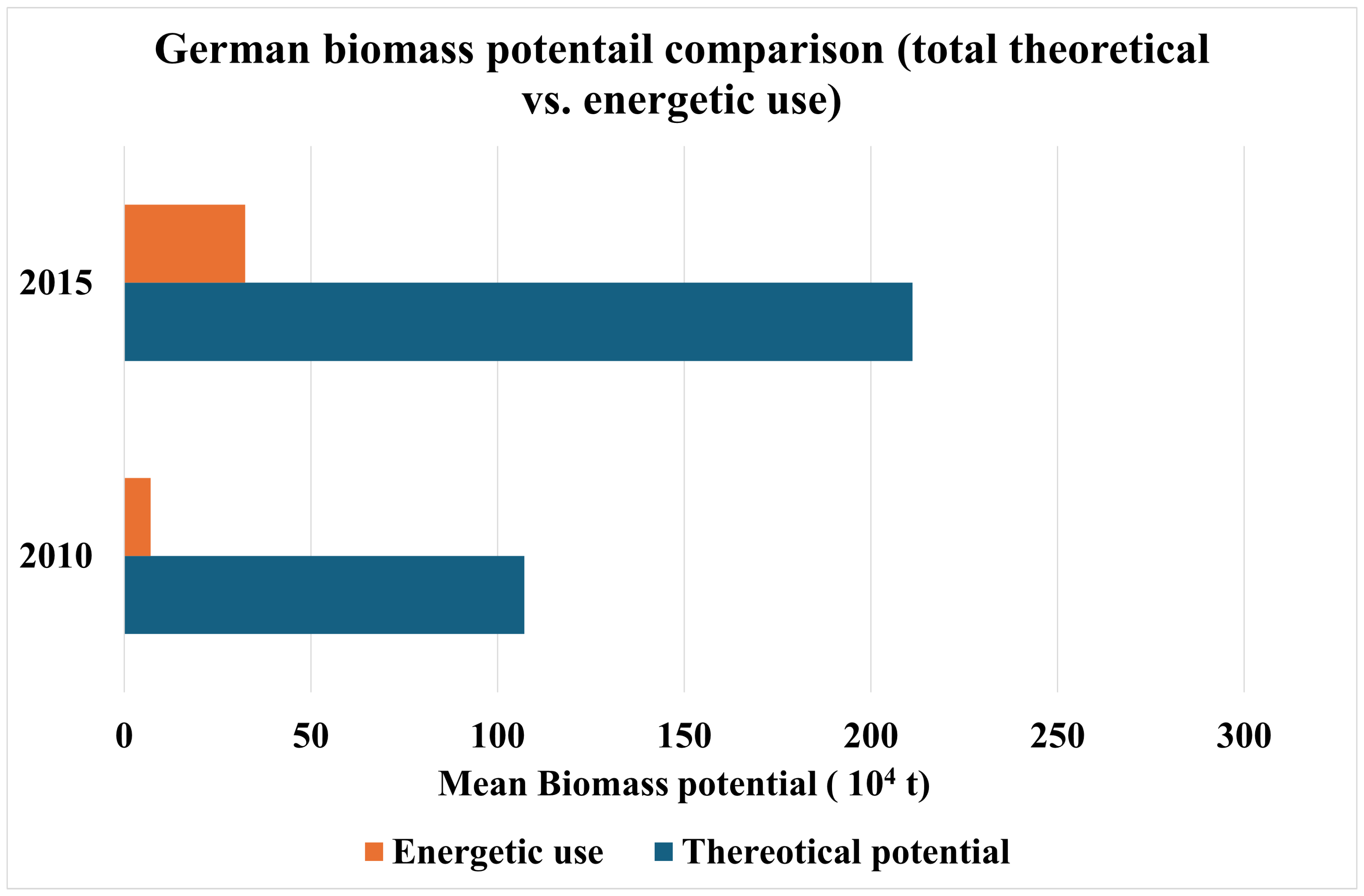
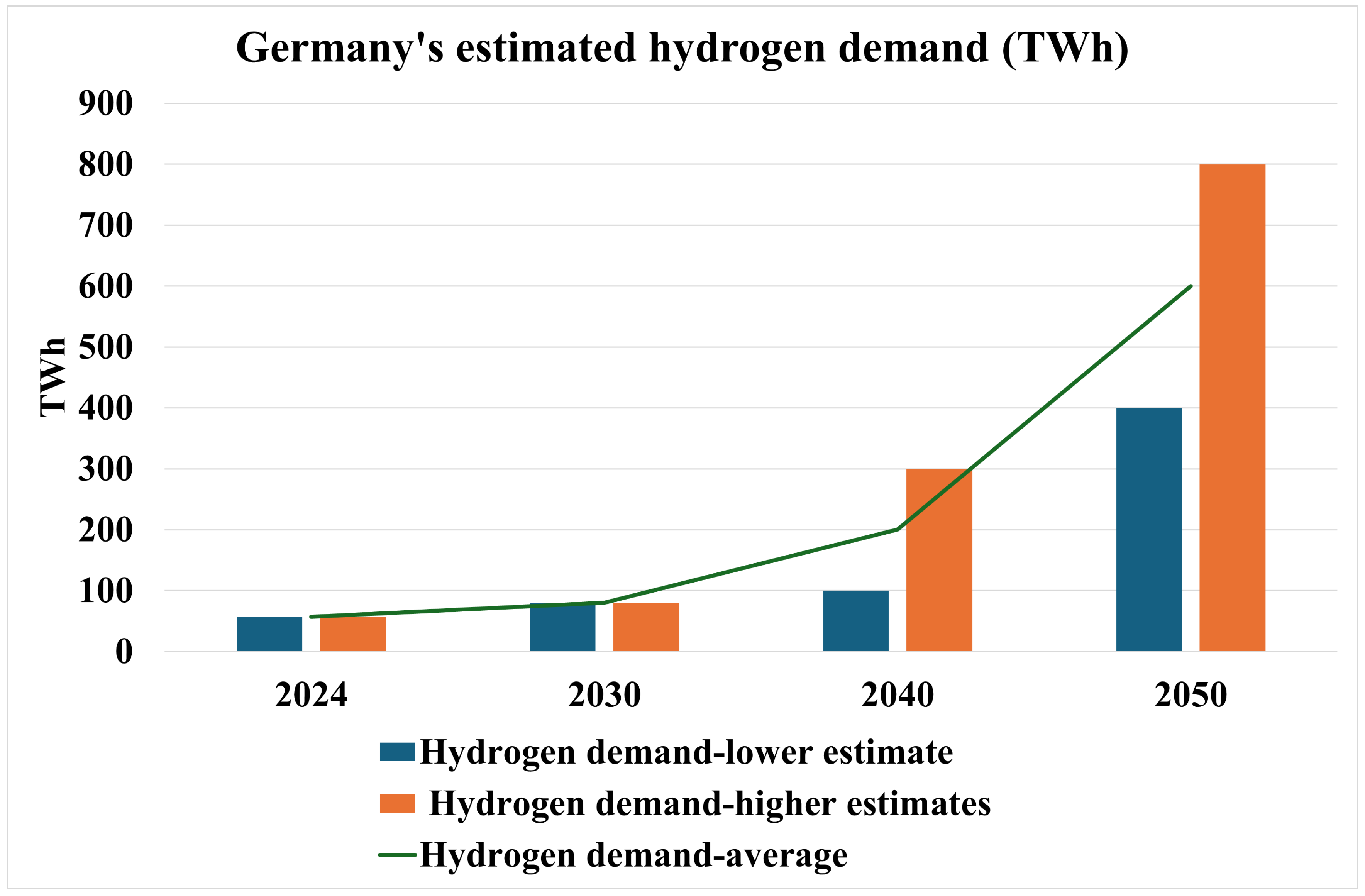
Figure 3.
There are multiple research works covering various aspects related to bio-waste processing, hydrogen production as well as pyrolysis technique for bio waste processing. But no research work encompass all three areas for the Bavarian region of Germany.
Figure 3.
There are multiple research works covering various aspects related to bio-waste processing, hydrogen production as well as pyrolysis technique for bio waste processing. But no research work encompass all three areas for the Bavarian region of Germany.
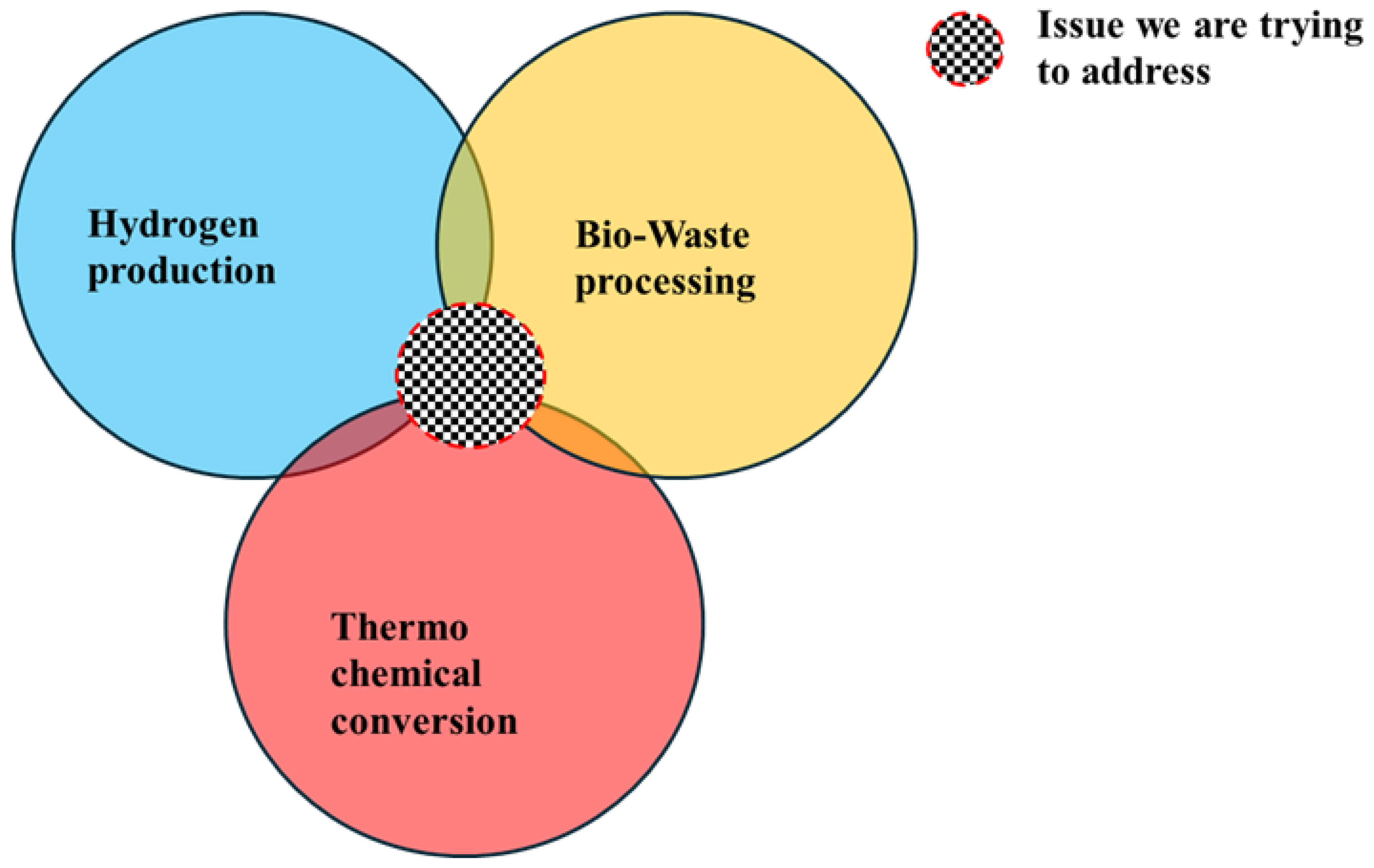
Figure 5.
Various methods of sewage sludge processing for the region of Bavaria. [39].
Figure 5.
Various methods of sewage sludge processing for the region of Bavaria. [39].
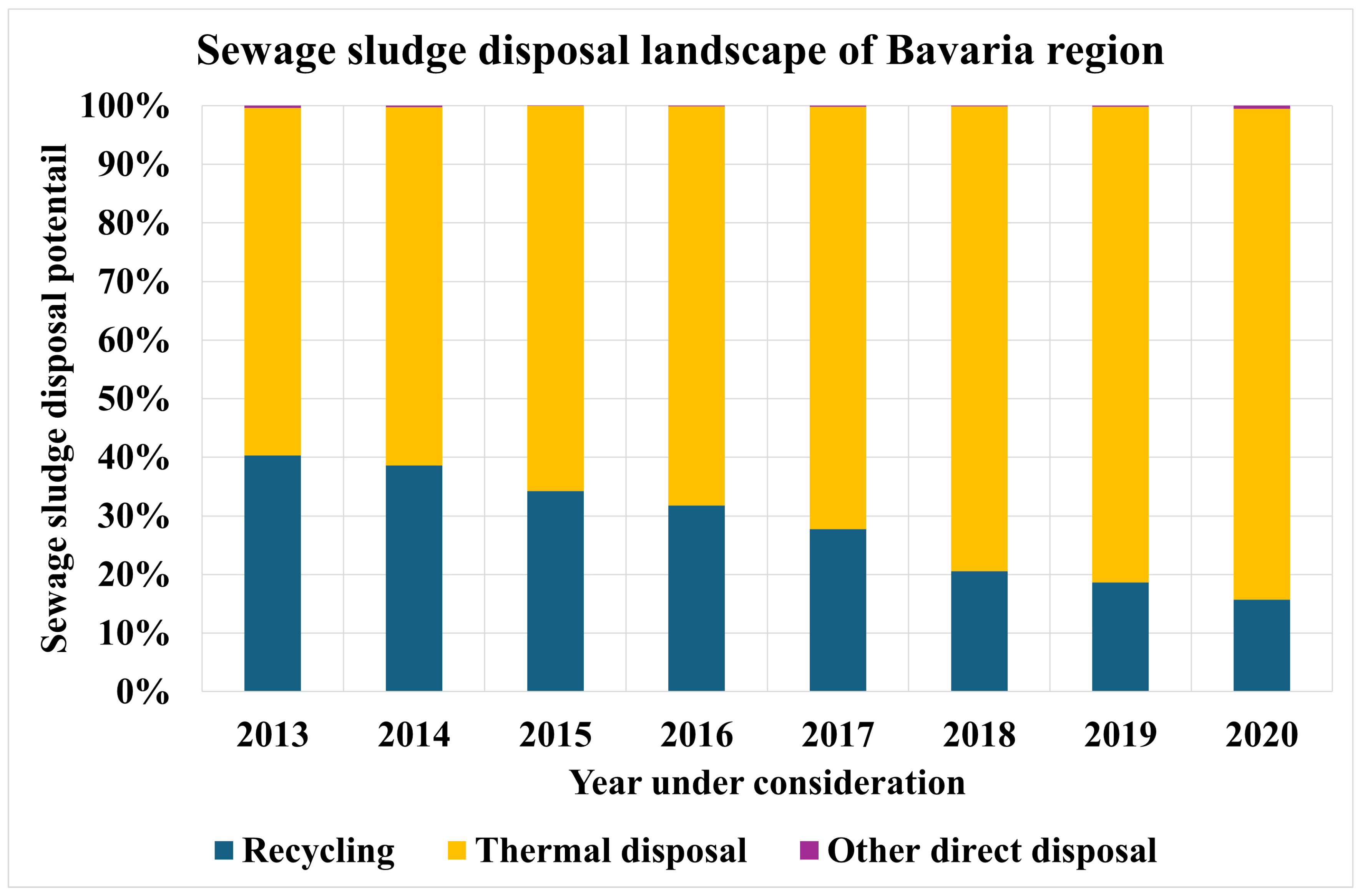
Figure 6.
Percentage proportion of organic waste in that of total household waste for the region of Bavaria. [39].
Figure 6.
Percentage proportion of organic waste in that of total household waste for the region of Bavaria. [39].
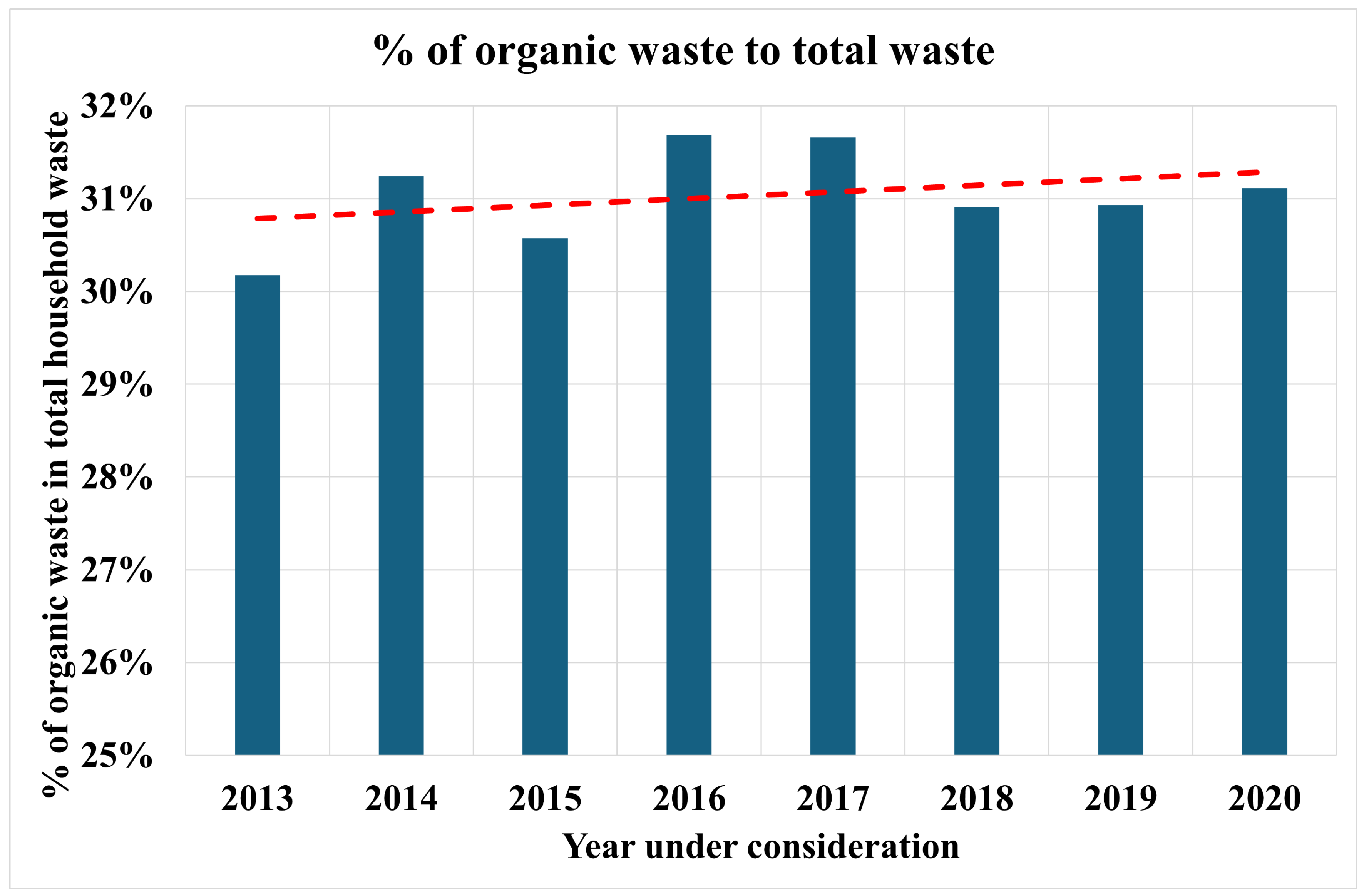
Figure 7.
Quantity of total separated biodegradable waste and treated sewage sludge in Bavaria region for year 2020 [39]. (a) Total separated organic waste (in t) for the year 2020 (Bavaria, Germany). (b) Total treated sewage sludge for year 2020 (Bavaria, Germany).
Figure 7.
Quantity of total separated biodegradable waste and treated sewage sludge in Bavaria region for year 2020 [39]. (a) Total separated organic waste (in t) for the year 2020 (Bavaria, Germany). (b) Total treated sewage sludge for year 2020 (Bavaria, Germany).
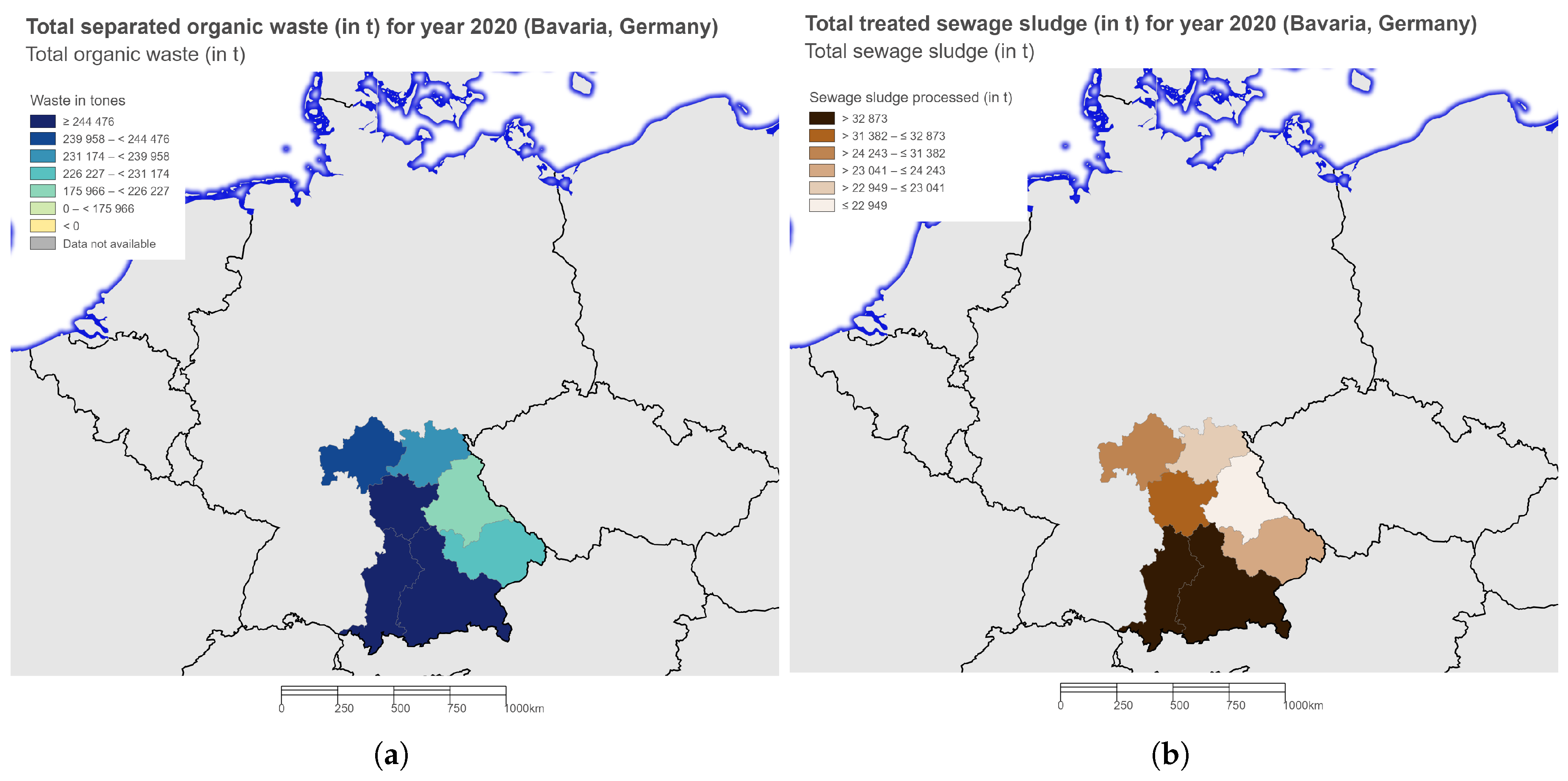
Figure 8.
Combined bio-degradable waste processing potential for the region of Bavaria.
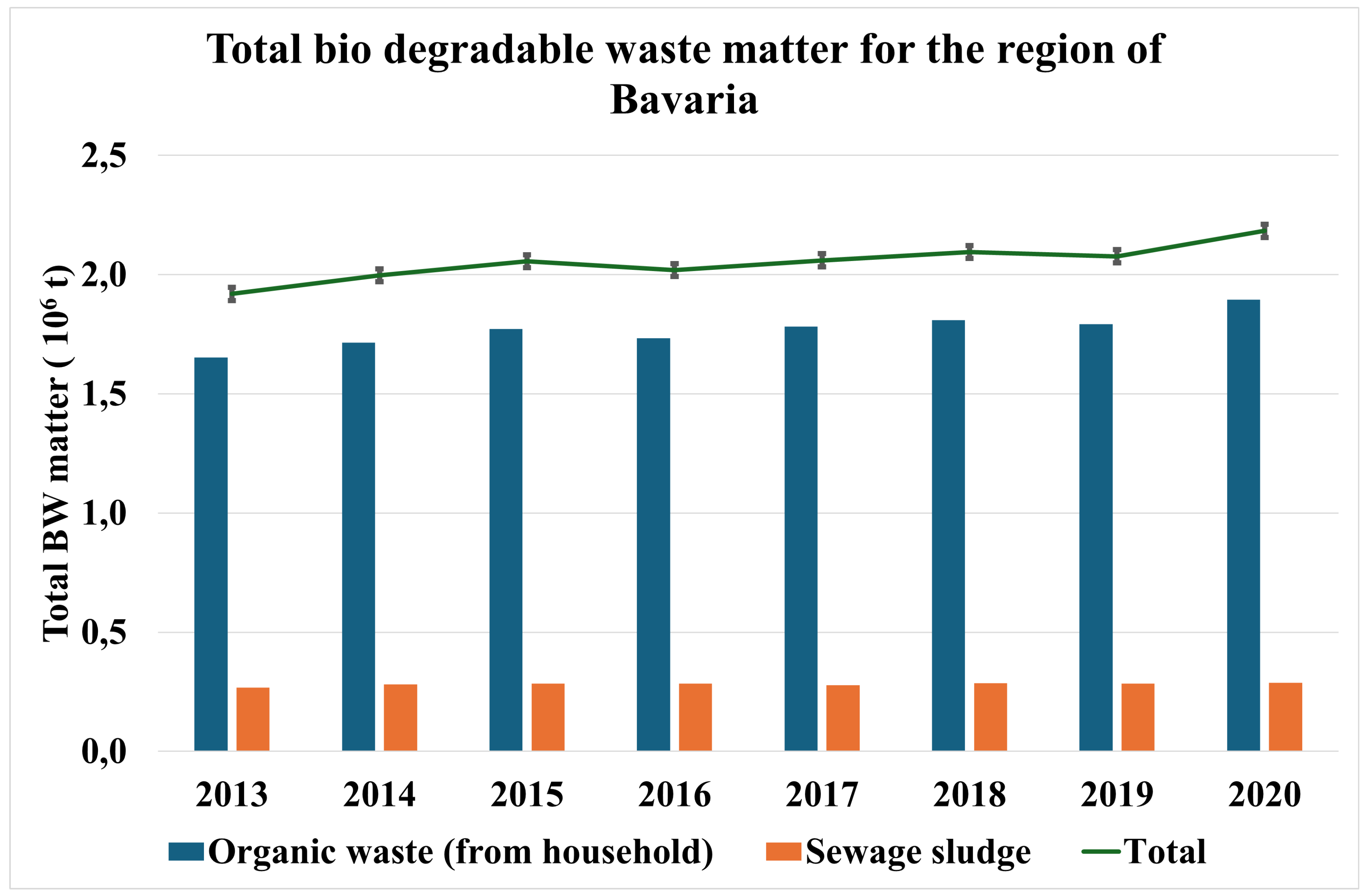
Figure 9.
Comparison between gas fraction in the output of TCR and corresponding H% in it for different input materials and post reformer temperatures.
Figure 9.
Comparison between gas fraction in the output of TCR and corresponding H% in it for different input materials and post reformer temperatures.
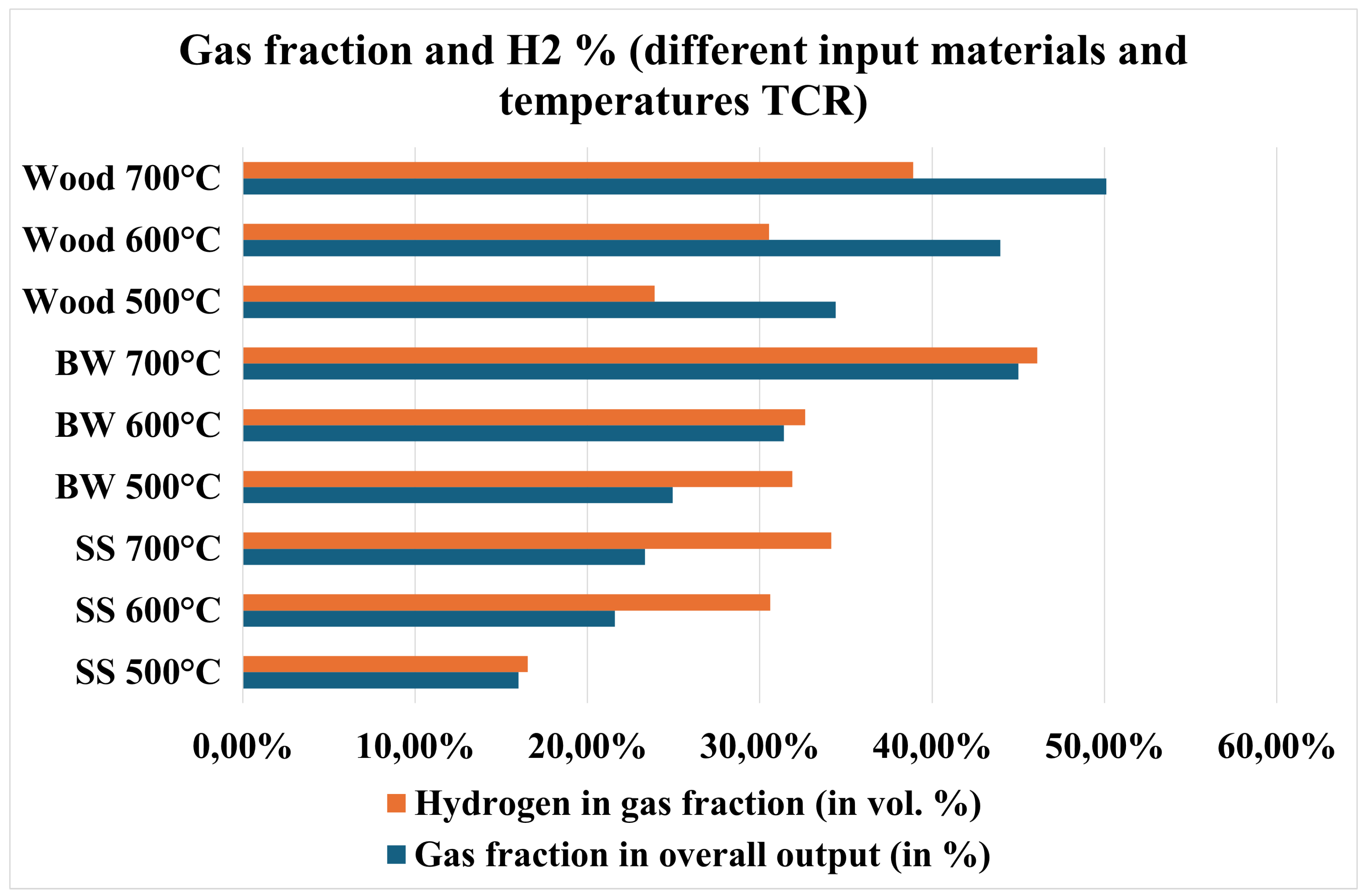
Figure 10.
Treemap showing future hydrogen demand for Bavarian region of Germany, with years followed by the corresponding hydrogen demand in TWh [34].
Figure 10.
Treemap showing future hydrogen demand for Bavarian region of Germany, with years followed by the corresponding hydrogen demand in TWh [34].
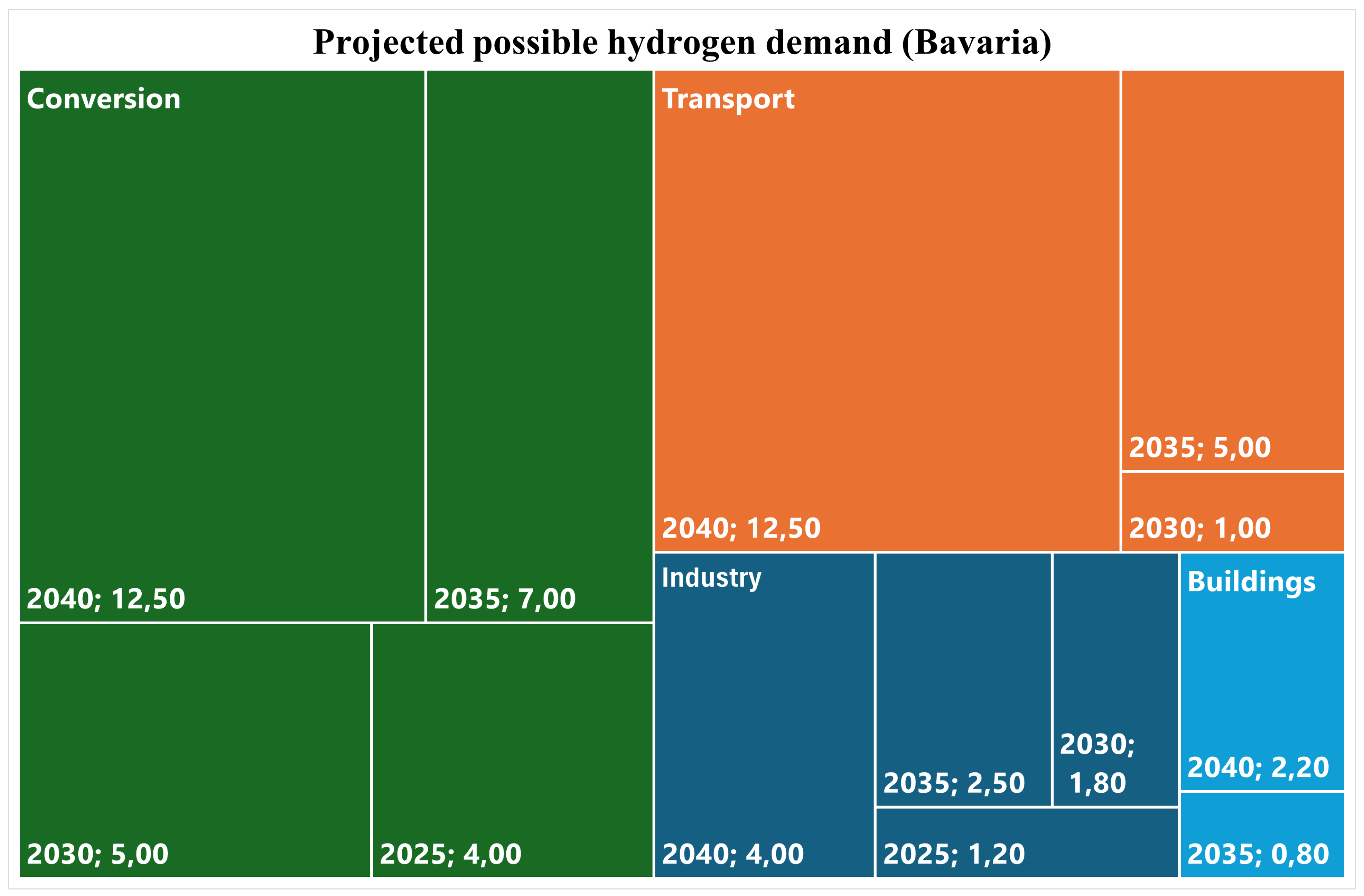
Figure 11.
Projected hydrogen demand for the region of Bavaria (Mt) [34].
Figure 11.
Projected hydrogen demand for the region of Bavaria (Mt) [34].
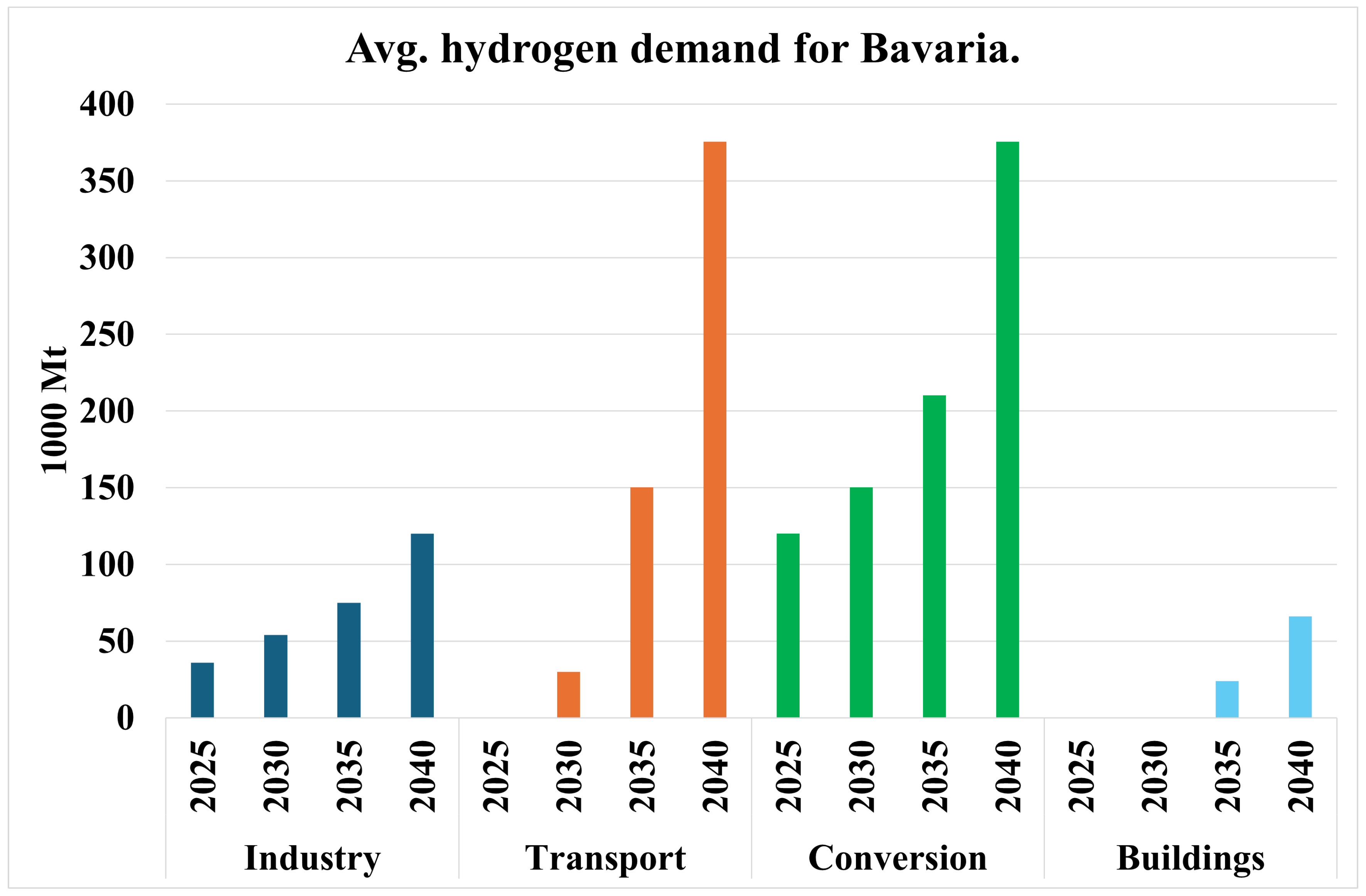
Figure 12.
SH generation potential based on the available waste quantity and the TCR technology..
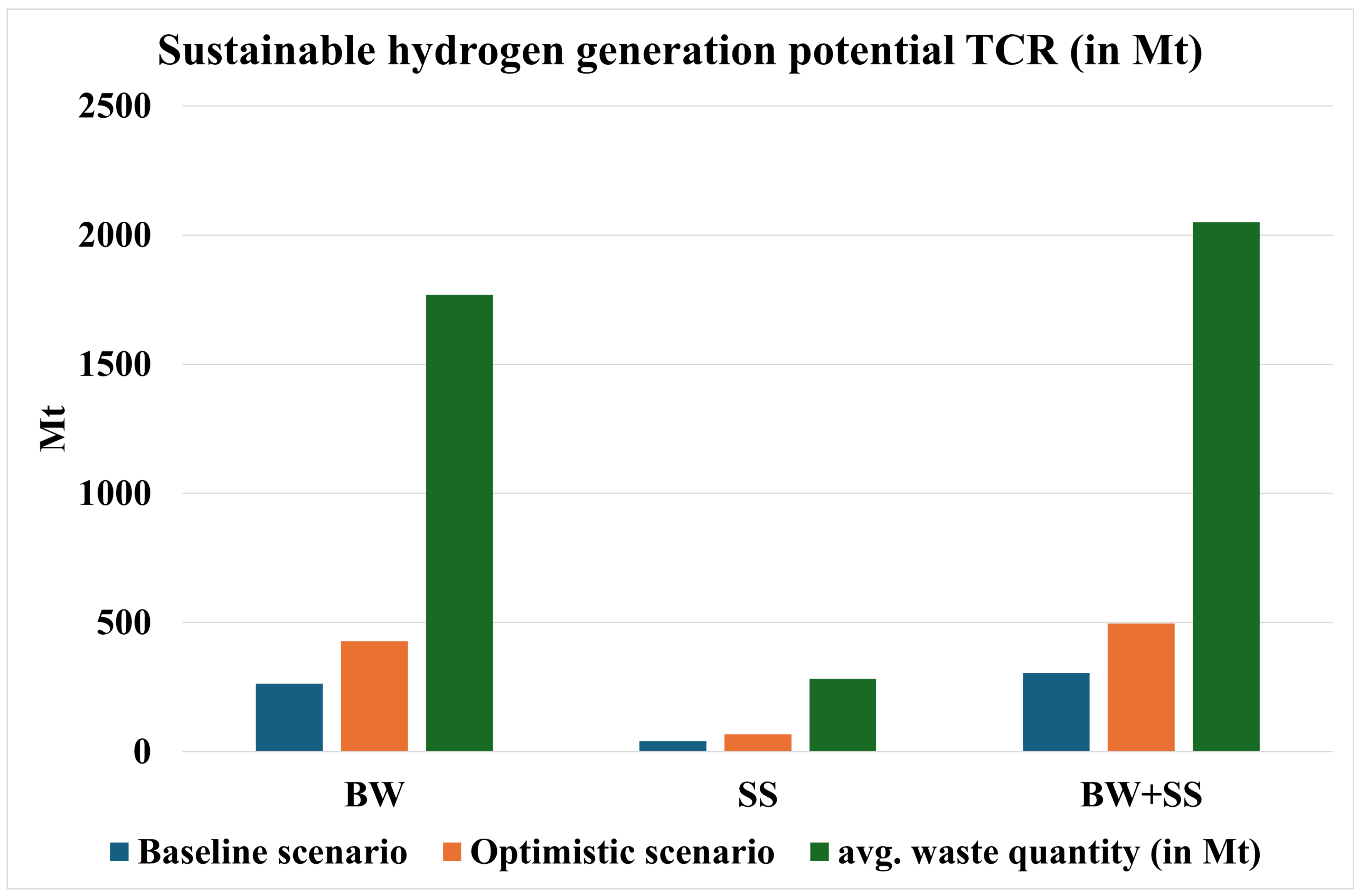
Figure 13.
The domestic SH production for Bavaria in relation to demand coverage based only on BW and SS processing with thermochemical conversion technologies such as TCR.
Figure 13.
The domestic SH production for Bavaria in relation to demand coverage based only on BW and SS processing with thermochemical conversion technologies such as TCR.
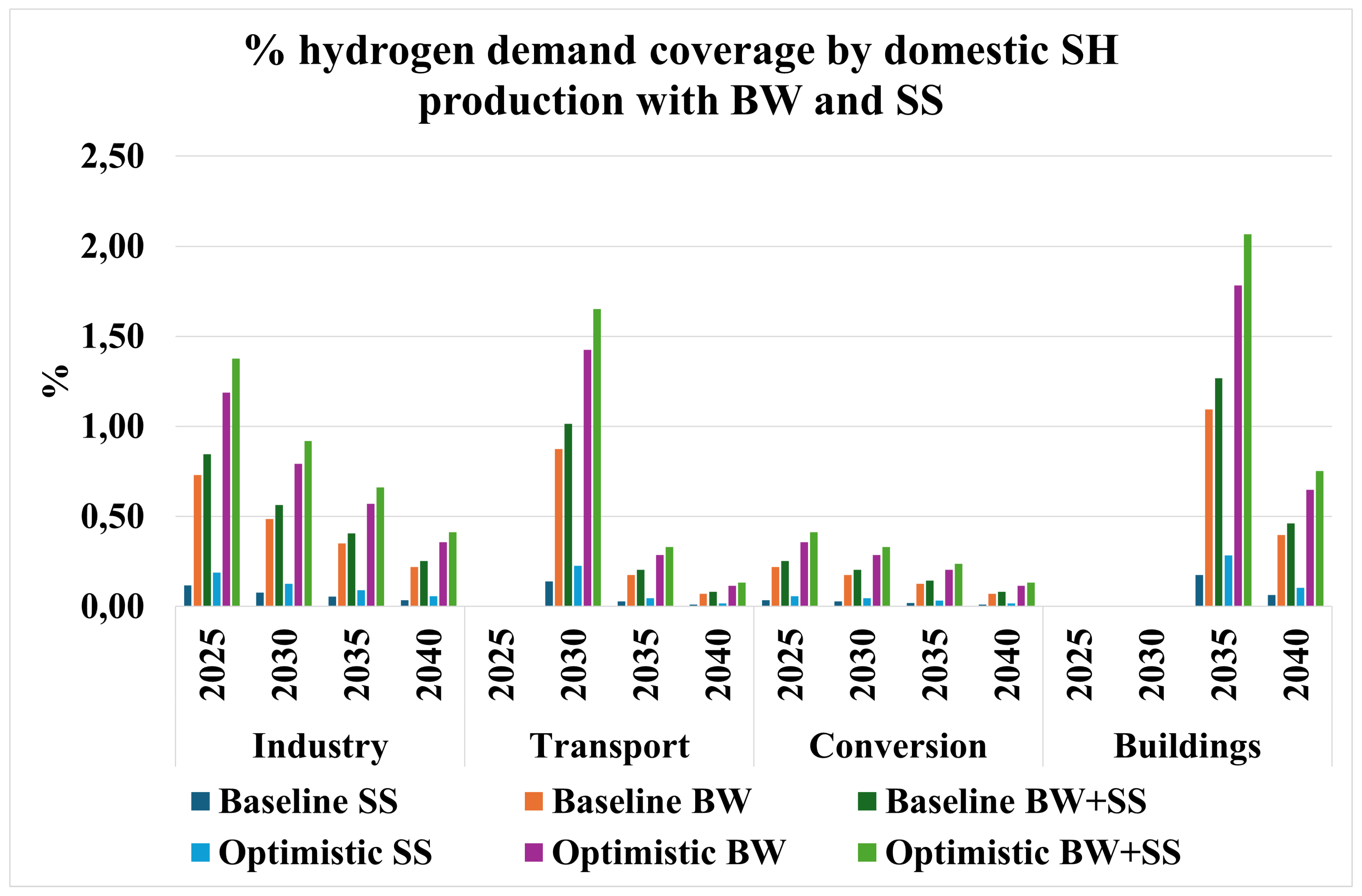
Table 1.
Various hydrogen production pathways and colour coding, based on the source material and methods used. [26].
Table 1.
Various hydrogen production pathways and colour coding, based on the source material and methods used. [26].
| Colour scheme and classification (Hydrogen) | ||
|---|---|---|
| Source | Method | Colour |
| Black coal | Gasification | Black |
| Lignite (Brown coal) | Gasification | Brown |
| Natural Gas | Natural gas reforming | Grey |
| Oil | Partial oxidation | Grey |
| Byproduct | Naphtha reformation | Grey |
| Byproduct | Chlor-alkali electrolysis | Grey |
| Natural Gas + CCS | Natural gas reforming | Blue |
| Methane | Pyrolysis | Turquoise |
| Nuclear Energy | Water electrolysis | Pink |
| Mixed Grid Electricity | Water electrolysis | Yellow |
| Renewable Energy | Water electrolysis | Green |
| Feedstock composition | |||
|---|---|---|---|
| Ultimate analysis | Unit | MSW(BW) | SS |
| C | wt% | 43.1 | 23.3 |
| H | wt% | 6.1 | 4.3 |
| N | wt% | 1.0 | 3.6 |
| S | wt% | 0.3 | 0.9 |
| O | wt% | 31.4 | 19.7 |
| Proximate analysis | |||
| HO | wt% | 10.0 | 9.7 |
| Ash | wt% | 18.1 | 46.5 |
| HHV | MJkg | 18.3 | 10.0 |
| Moisture ash free basis. | |||
| Calculated by difference. | |||
| Dry basis. | |||
Disclaimer/Publisher’s Note: The statements, opinions and data contained in all publications are solely those of the individual author(s) and contributor(s) and not of MDPI and/or the editor(s). MDPI and/or the editor(s) disclaim responsibility for any injury to people or property resulting from any ideas, methods, instructions or products referred to in the content. |
© 2025 by the authors. Licensee MDPI, Basel, Switzerland. This article is an open access article distributed under the terms and conditions of the Creative Commons Attribution (CC BY) license (http://creativecommons.org/licenses/by/4.0/).
Copyright: This open access article is published under a Creative Commons CC BY 4.0 license, which permit the free download, distribution, and reuse, provided that the author and preprint are cited in any reuse.


