

Submitted:
17 February 2025
Posted:
19 February 2025
You are already at the latest version
Abstract
This study explores the future trajectories of mountain research and the dynamics of scientific, professional, and technical activities across Europe, utilizing predictive models grounded in historical data and advanced statistical methodologies. The research underscores the significant contributions of established experts in mountain studies and highlights the critical role of interdisciplinary approaches in defining future research paradigms. The methodological framework encompasses the systematic collection, preprocessing, and analysis of data derived from authoritative sources, employing techniques such as linear regression, autoregressive integrated moving average (ARIMA) models, and artificial neural networks. The results reveal a notable increase in funding for mountain research, the expansion of educational infrastructure specifically designed for mountain regions, and the enhancement of international collaborative efforts. Key areas such as biotechnology, ecology, and economics are anticipated to receive heightened focus, with the objective of advancing sustainable development models. Additionally, the integration of artificial intelligence is expected to play a pivotal role in environmental monitoring and the efficient management of natural resources. This study offers a thorough analysis of emerging trends in mountain research, emphasizing the need for targeted policies and initiatives to foster the sustainable development of mountain regions. The conclusions of this research aim to inform strategic decision-making and advocate for a holistic approach to addressing the distinct challenges and opportunities inherent to mountain ecosystems.
Keywords:
European entrepreneurship
; European mountain research
; scientific
; professional and technical activities
Introduction
The future of mountain research is deeply shaped by the contributions of distinguished scholars in the field of mountain science. Within the European Mountain Series Analysis and European Mountain Series Forecasting, particularly in the article Scientific, Professional, and Technical Activities: European Mountain Series Analysis (2) (Covaci & Covaci, 2025), the authors emphasize the significant contributions of leading researchers in mountain science. This study also introduces other experts dedicated to advancing mountain research, with the aim of further exploring the contributions of additional scholars in future research.
Gleeson et al. (2016) also outline several future directions for mountain research. Their study references influential works such as Becker and Bugmann (2001), Björnsen Gurung et al. (2006), and Björnsen Gurung et al. (2012), which propose strategies for achieving sustainability in mountain regions. A critical issue identified in these studies is the limited representation of interdisciplinarity in mountain research approaches. This gap is particularly significant given the complex, multidimensional nature of mountain development. To address this, Gleeson and colleagues propose several actionable strategies, including:
- -
- Translating and disseminating mountain-related literature into multiple languages to enhance its global accessibility.
- -
- Developing programs to strengthen long-term research capacities in mountain regions, such as research entities, mountain-focused initiatives, and conferences.
- -
- Formulating clearly defined research projects that can serve as focal points for collaborative research communities.
A pivotal moment in the advancement of mountain research was marked by initiatives undertaken by the international scientific community in Scotland, United Kingdom, over several years. During this period, the state and progress of mountain research were thoroughly examined, with a particular focus on its contribution to the sustainable development of mountain regions. The ultimate goal was to realign research agendas to incorporate mountain-specific priorities. These efforts involved over 450 scientists from around the world, who reevaluated research, professional, and technical activities related to mountain regions. The research was conducted in stages, with concrete actions aimed at revising international transversal and longitudinal agendas. The primary conclusion of these efforts, as reflected in global agendas, was the prioritization of ecological studies, followed by integrative approaches characterized by inter- and transdisciplinary collaboration. The initiatives in Scotland have significantly reshaped contemporary mountain science, influencing the future trajectories of mountain research (Gurung et al., 2012).
Methodology
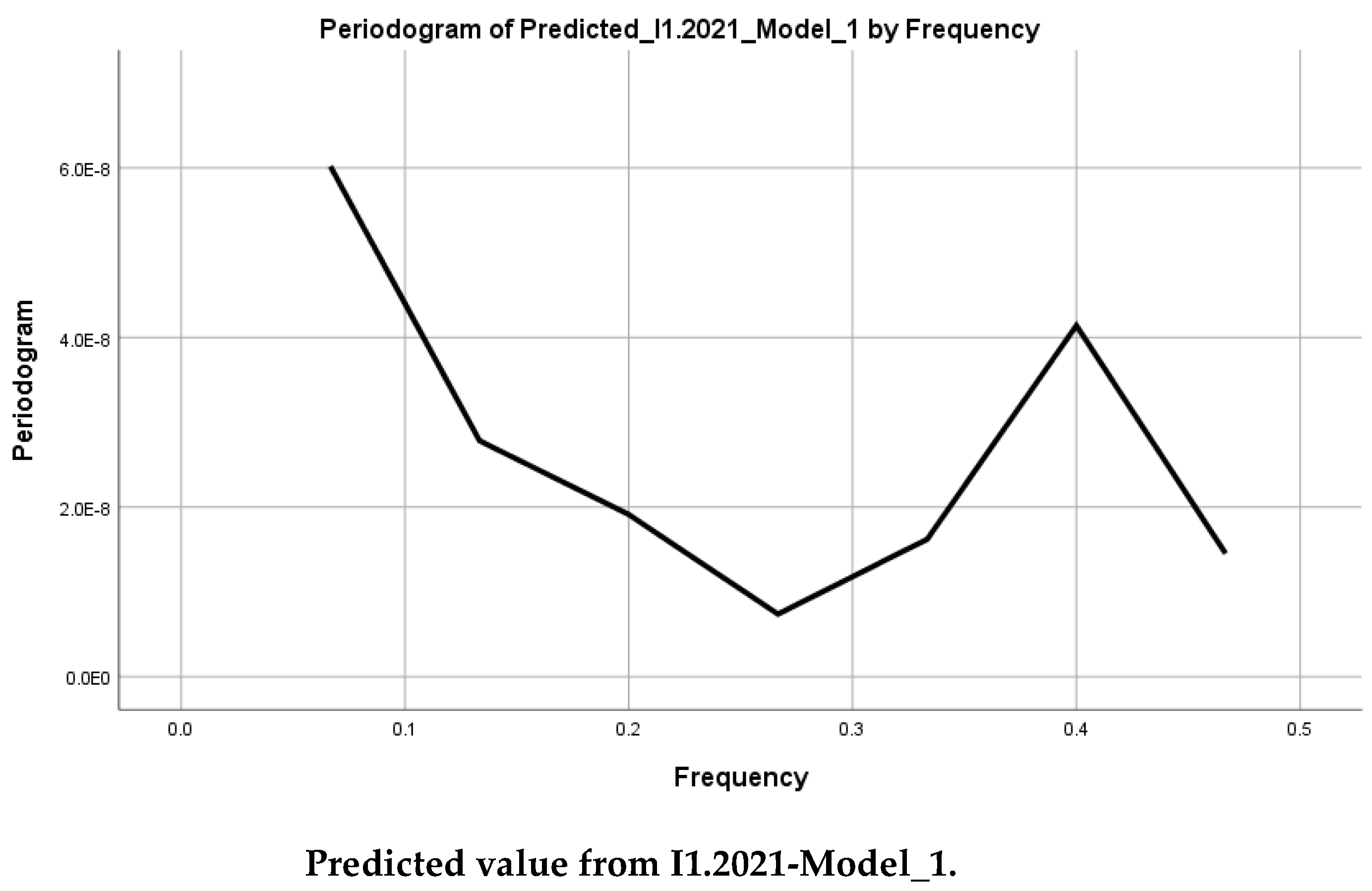
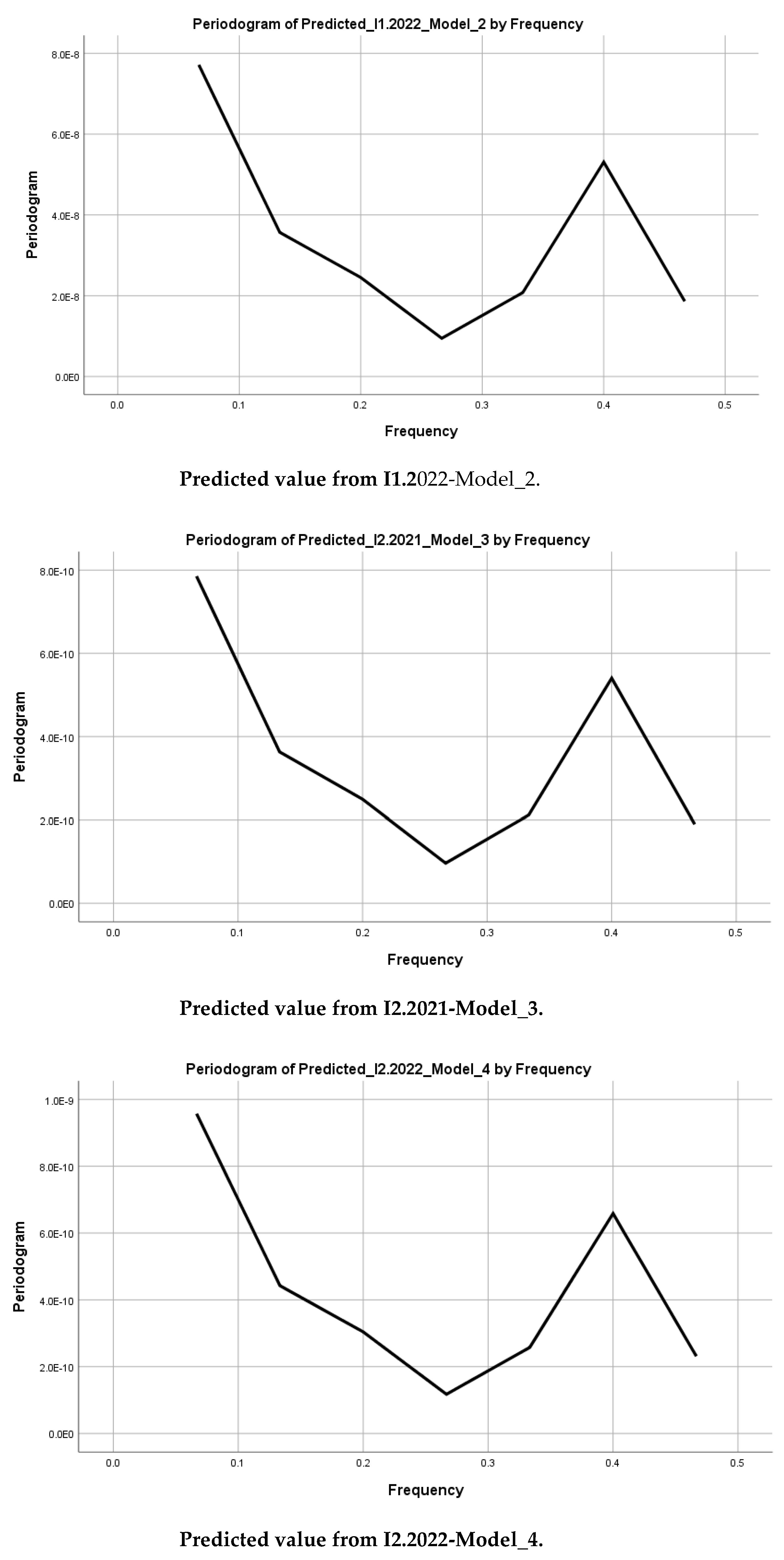
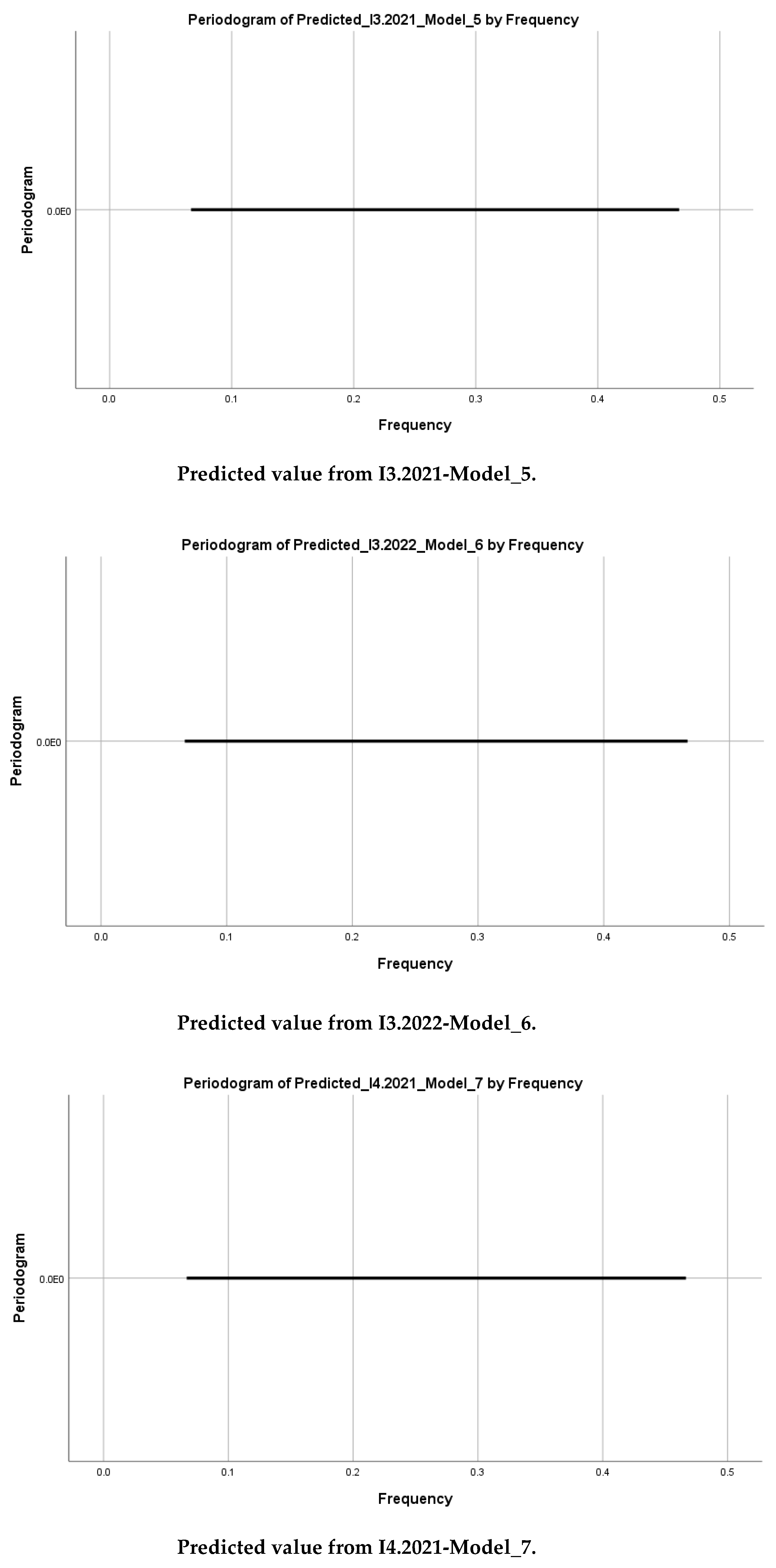
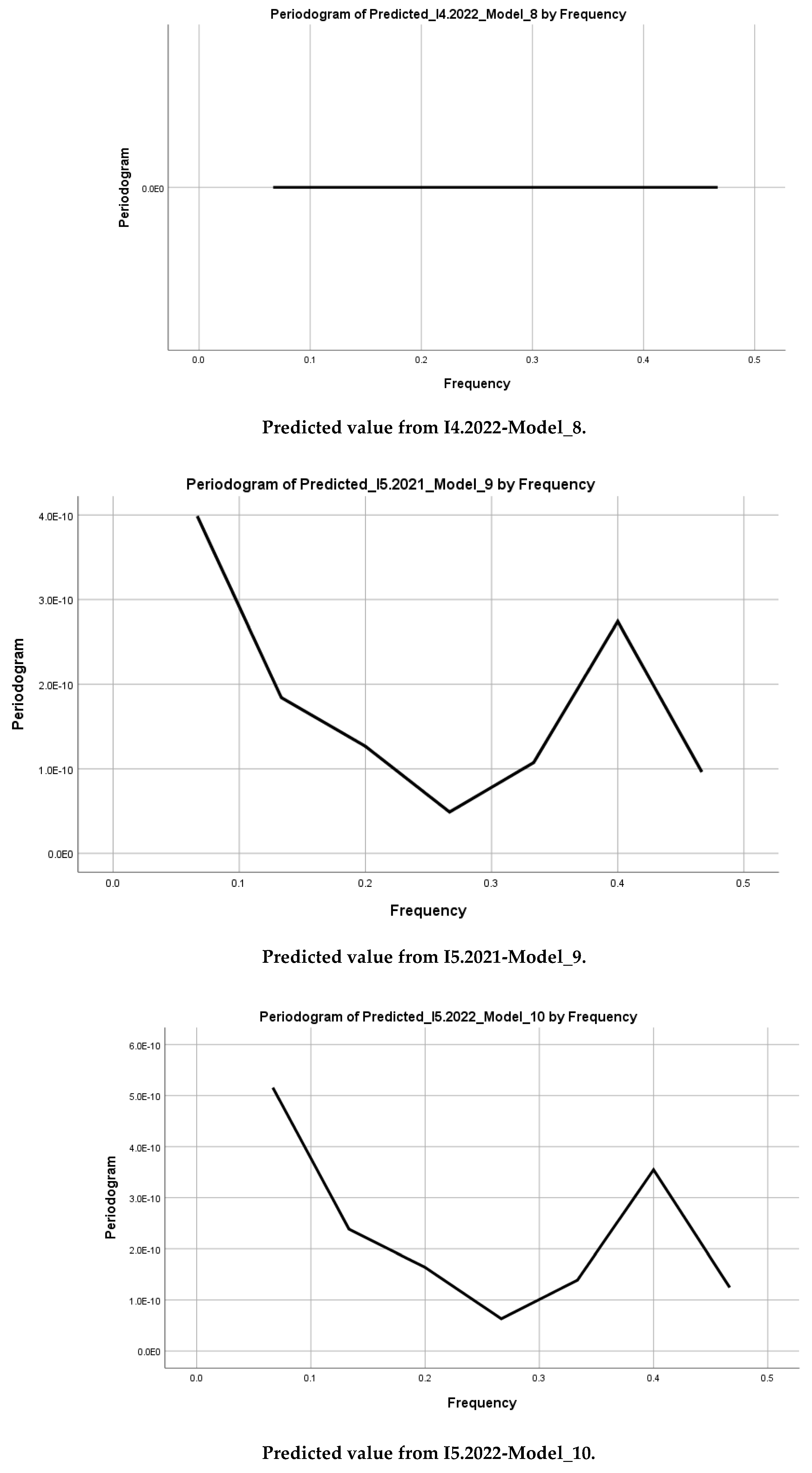
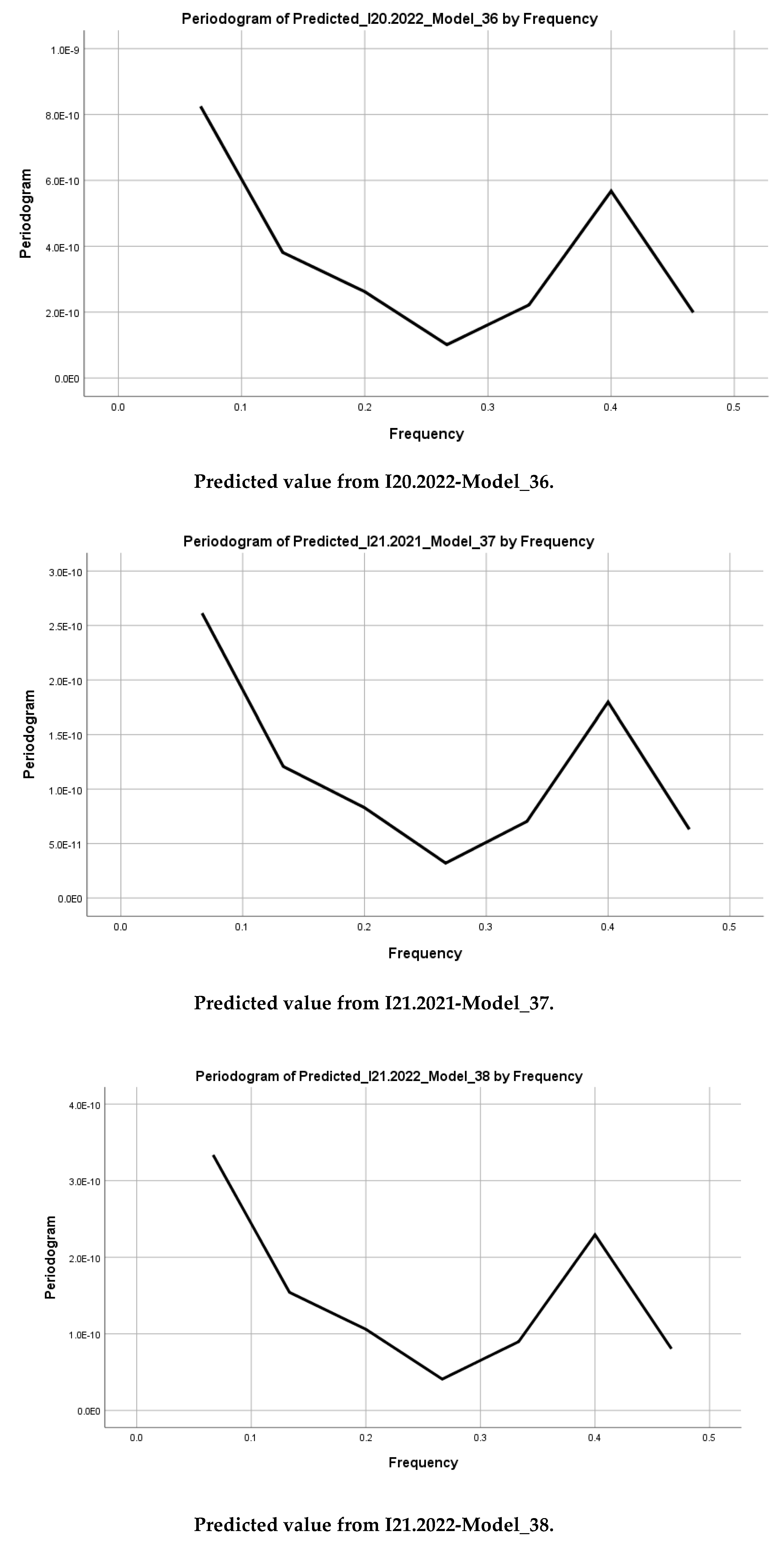
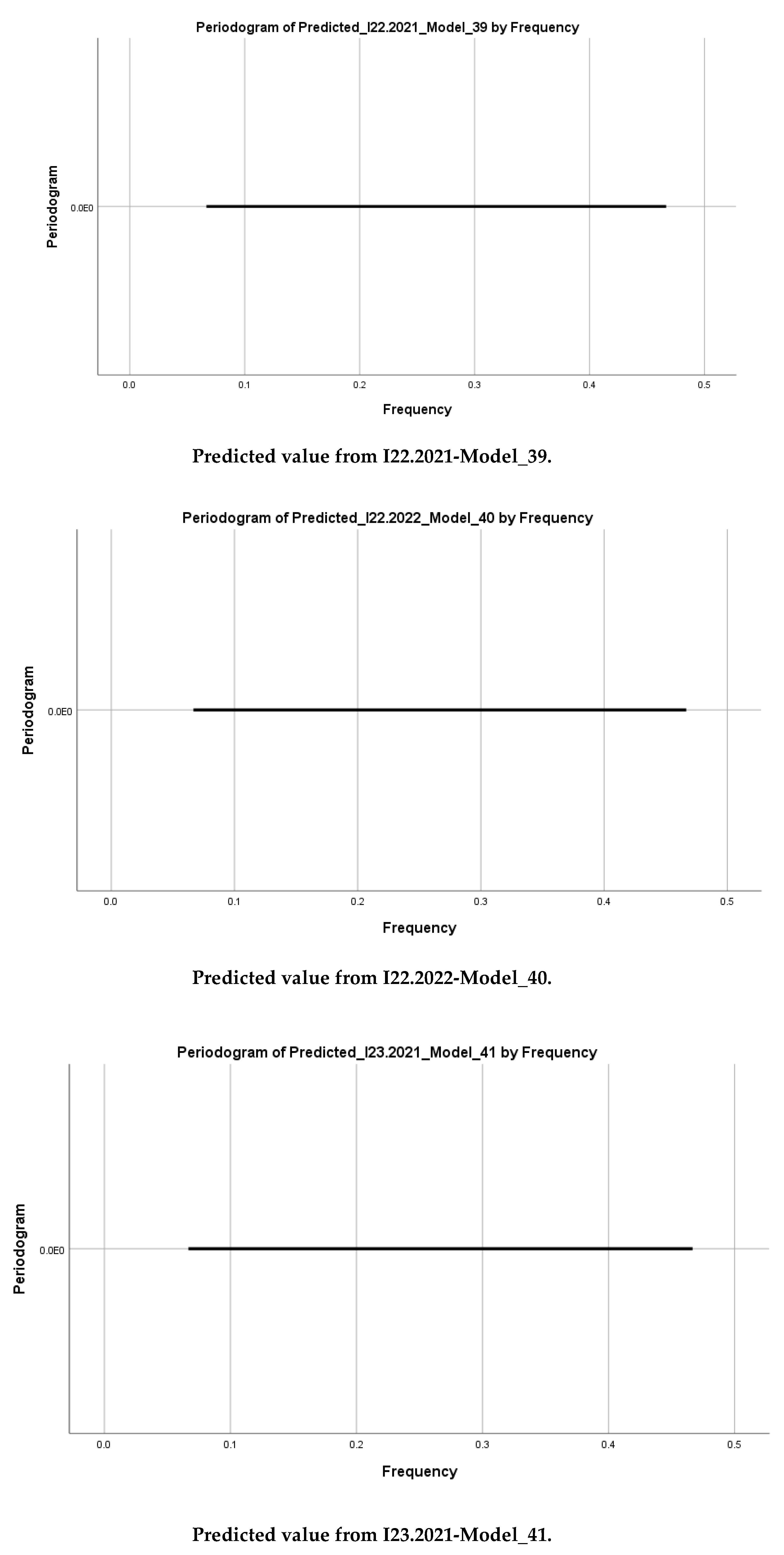
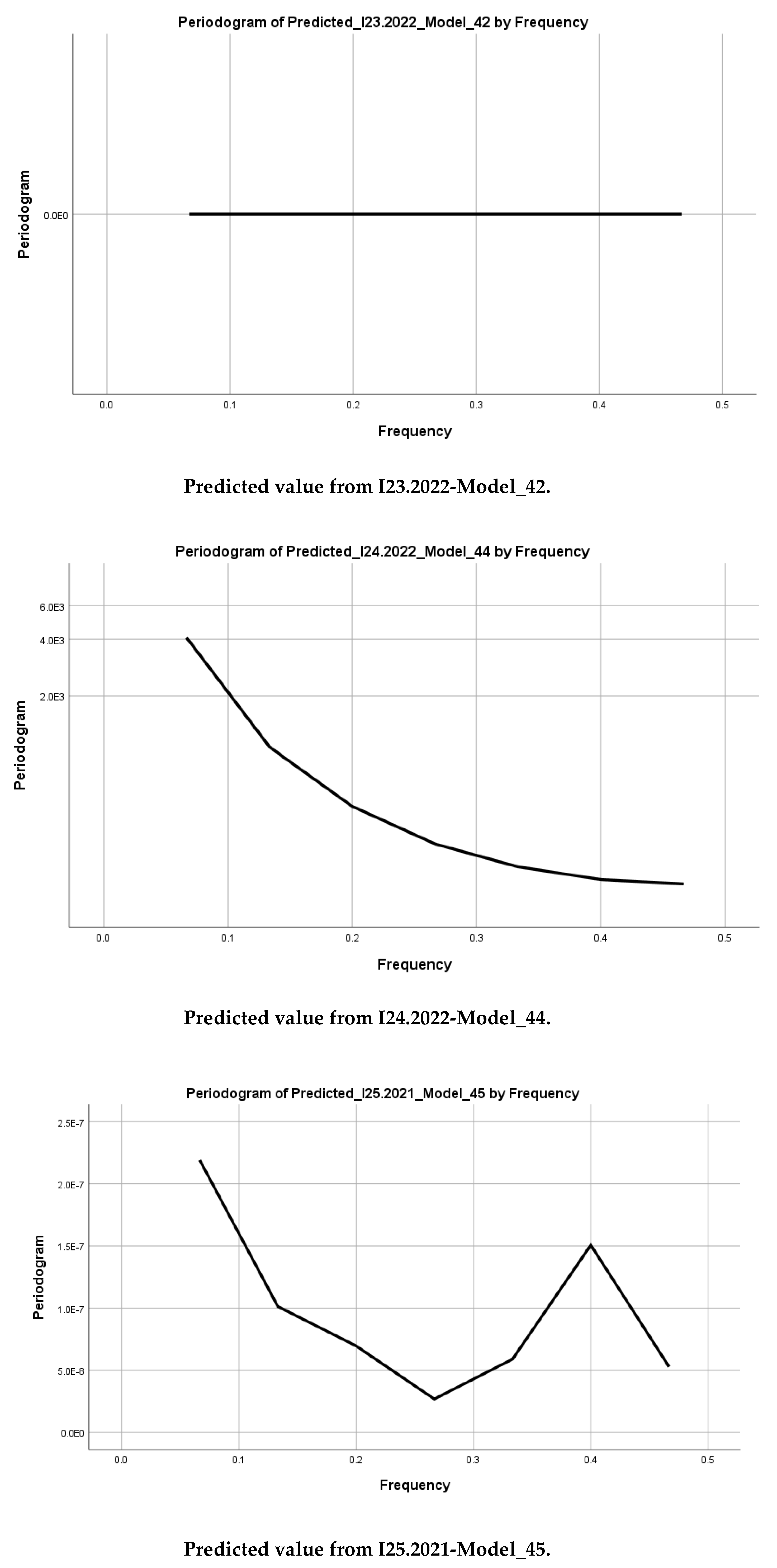
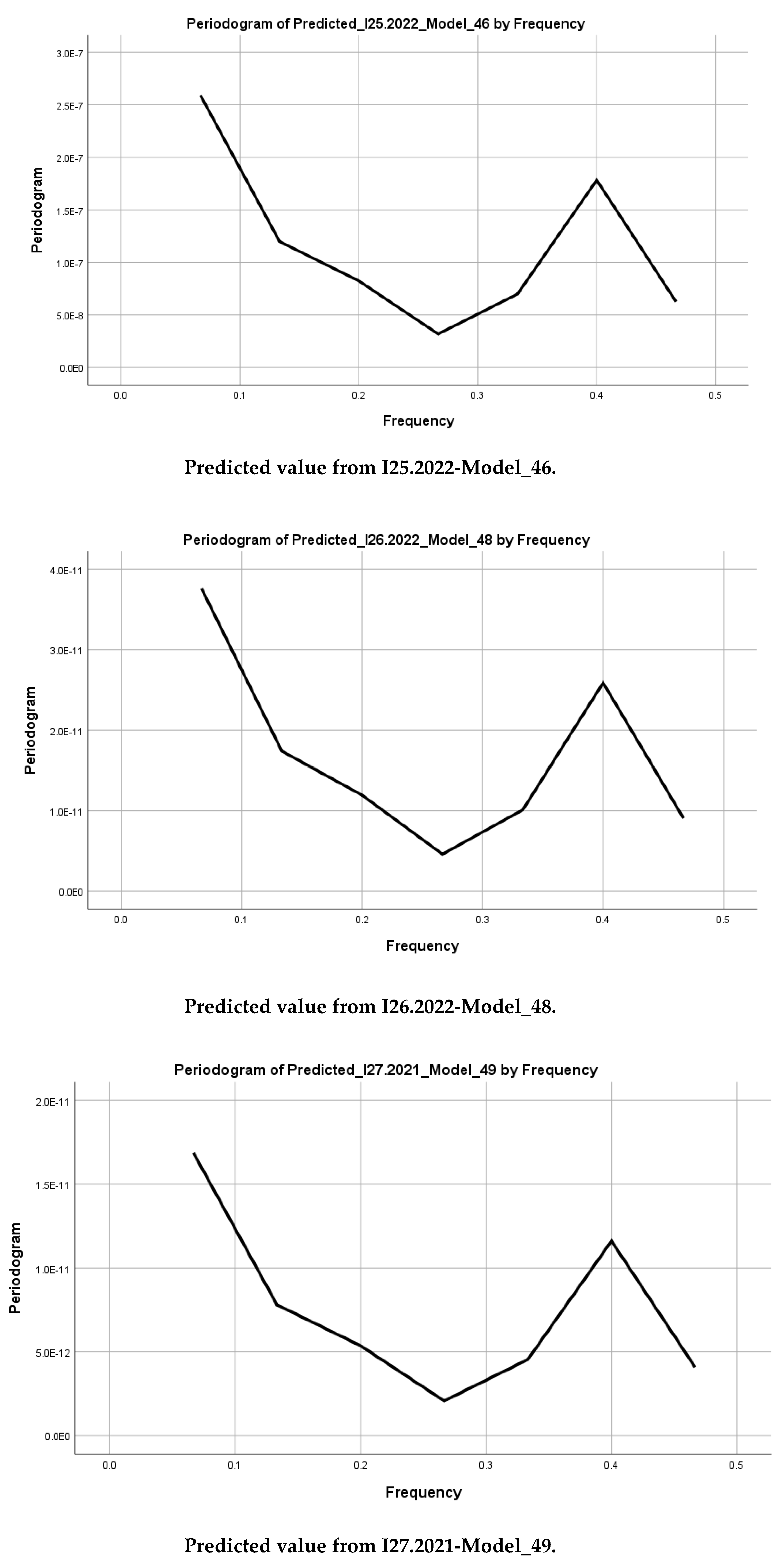
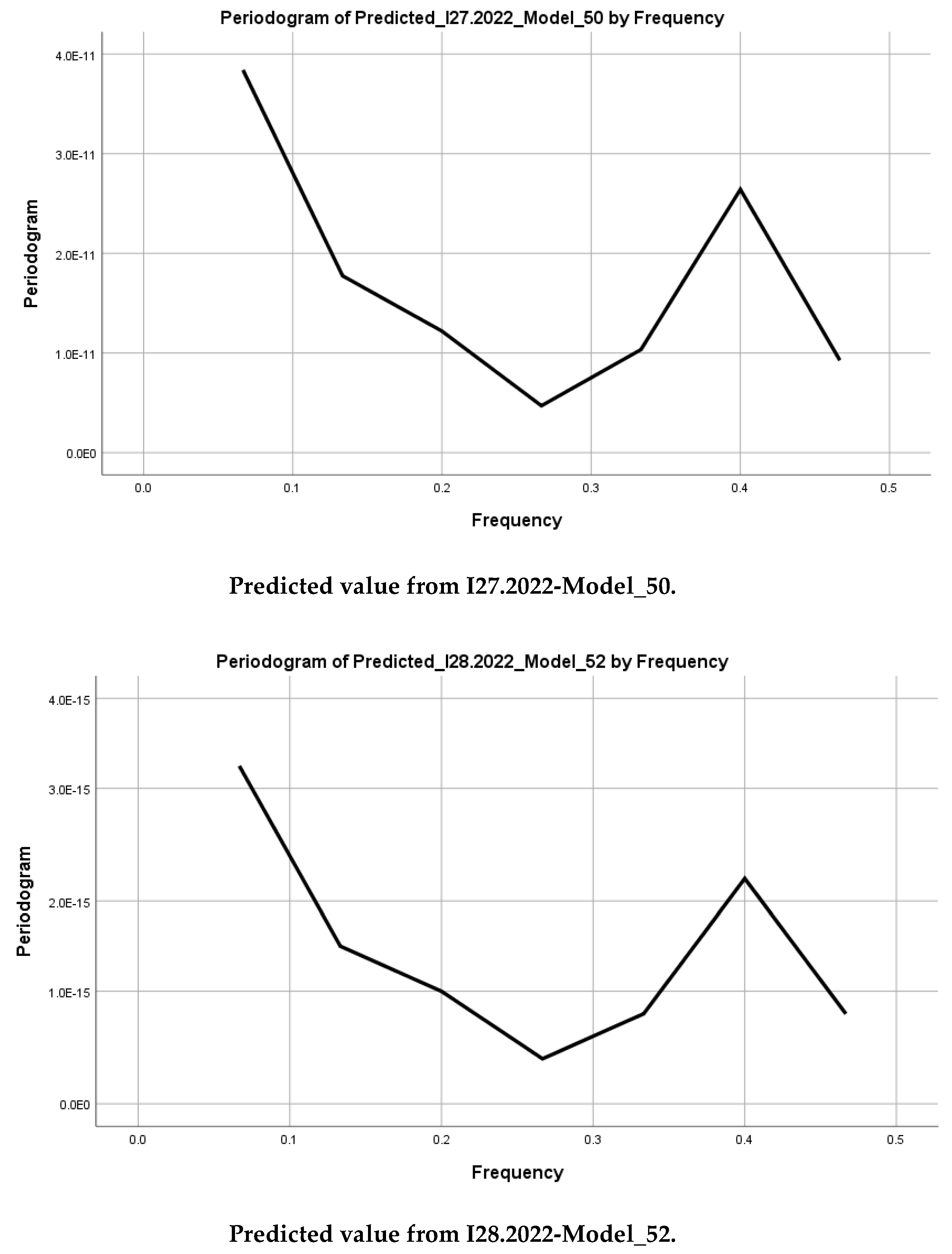
This study aims to analyze and forecast the evolution of scientific, professional, and technical activities across Europe, utilizing data sourced from Eurostat and processed by the authors. Predictive models based on historical data and advanced statistical algorithms were employed, resulting in forecast models numbered 1–52, with periodograms spanning the interval I1.2021 – I28.2022 (additional data on I1-I28 is available at https://doi.org/10.5281/zenodo.14713868). The methodological framework was structured into several stages, including data collection, preprocessing, model selection, and interpretation of results. The dataset, obtained from official sources and relevant databases, covered the period 2021–2022 and encompassed a wide range of indicators, including economic metrics, research and development (R&D) trends, and socio-economic factors influencing scientific and technical domains. Prior to model application, the data underwent rigorous preprocessing, which involved cleaning the dataset, removing outliers, imputing missing values, and standardizing variables to ensure consistency and comparability. For data analysis, various forecasting models were utilized, including multiple linear regression, autoregressive integrated moving average (ARIMA) models, and machine learning algorithms such as artificial neural networks. Each model was calibrated and validated using cross-validation techniques to ensure the reliability and robustness of the forecasts. The forecasts were subjected to comparative analysis to identify dominant trends in scientific and technical activities across Europe. The results were synthesized and visualized through diagrams, illustrating the anticipated evolution of these fields in both the short and medium term. This analytical approach provided a comprehensive understanding of the future trajectory of scientific, professional, and technical activities in the region. The authors employed artificial intelligence to obtain methodological recommendations, which were subsequently reinterpreted and adapted within their framework. Furthermore, AI tools were utilized to enhance the text's quality through grammatical corrections and academic language suggestions, ensuring compliance with English academic writing standards.
Results
The future of mountain research will be significantly shaped by the dynamics of economic activities in mountain regions, as evidenced by the analyzed economic indicators. The observed increase in the number of enterprises and employment opportunities in these areas indicates a positive trend toward sustainable economic development. However, the simultaneous emergence and dissolution of enterprises underscore the necessity for targeted support policies for local businesses and the promotion of technological innovations tailored to the unique challenges of mountain environments. Investments are expected to rise in key sectors of the mountain economy, including sustainable tourism, organic agriculture, and the development of smart infrastructure. Predictive models further suggest a growing emphasis on research in biotechnology and climate adaptation, aimed at enhancing the resilience of mountain ecosystems to the impacts of climate change. Additionally, the establishment of vocational training networks specifically designed for mountain regions is anticipated to play a pivotal role in supporting the local workforce and fostering the adoption of emerging technologies. The forecast analysis reveals a progressive increase in scientific, professional, and technical activities across Europe during the analyzed period.
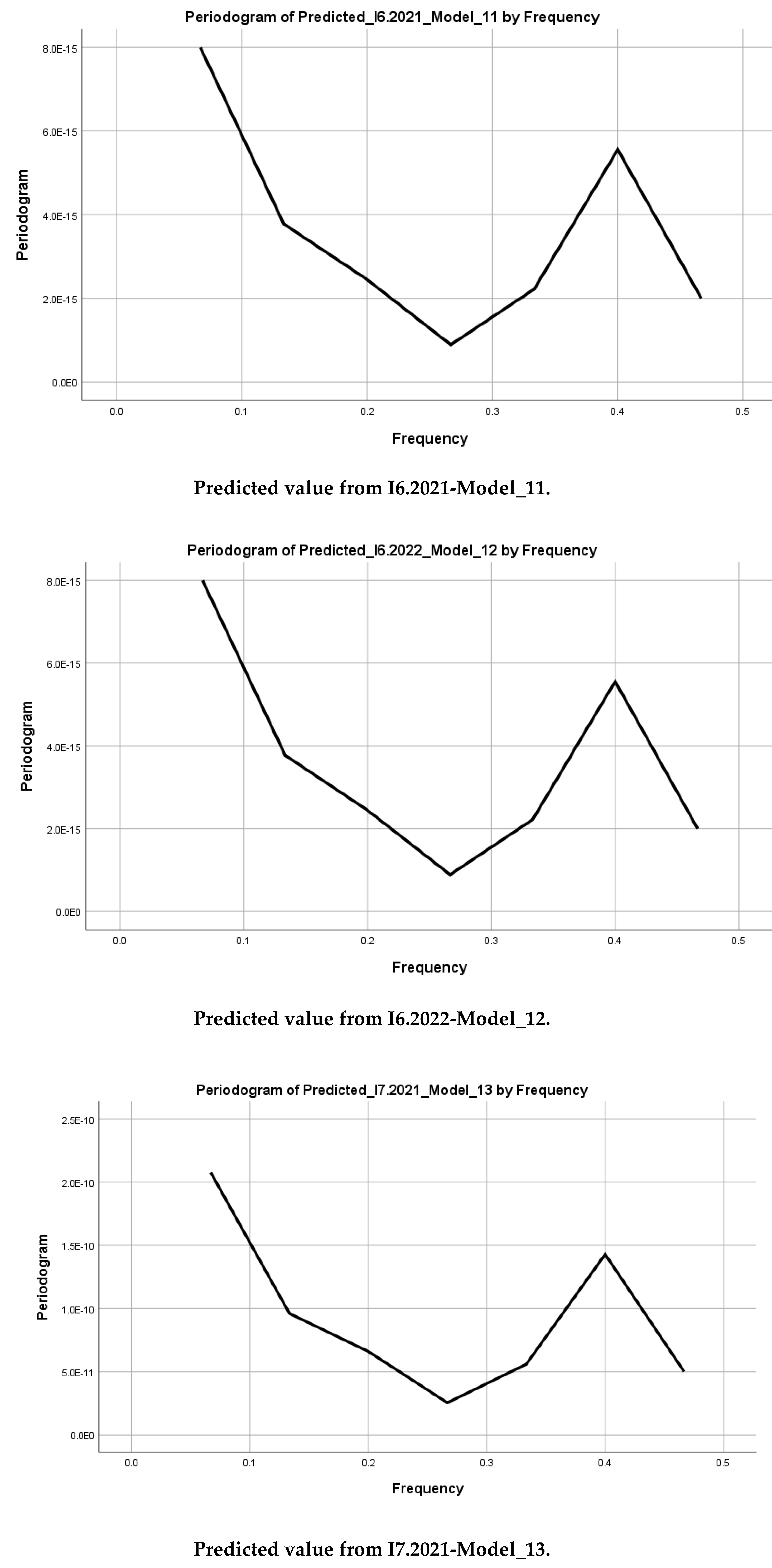
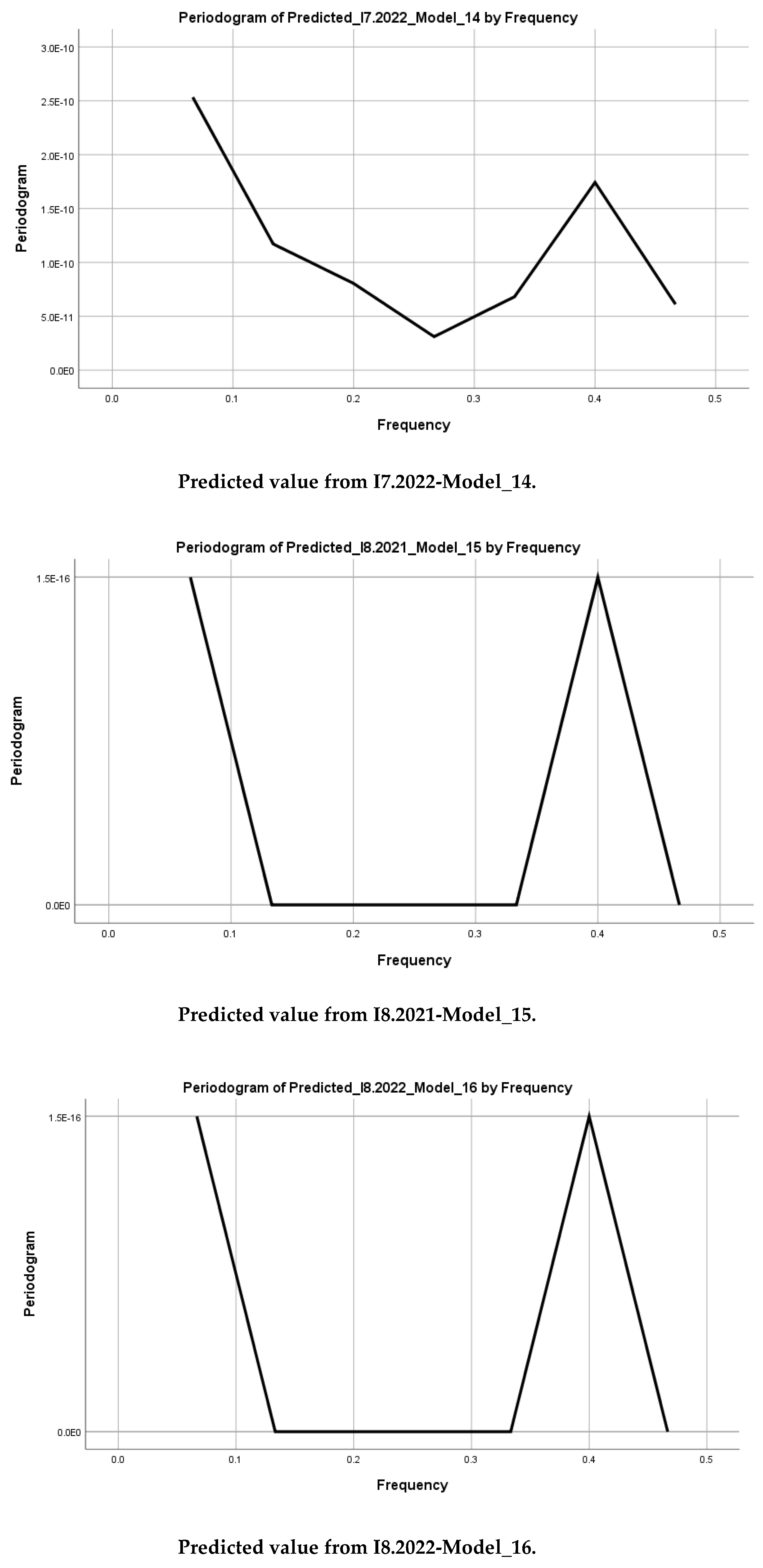
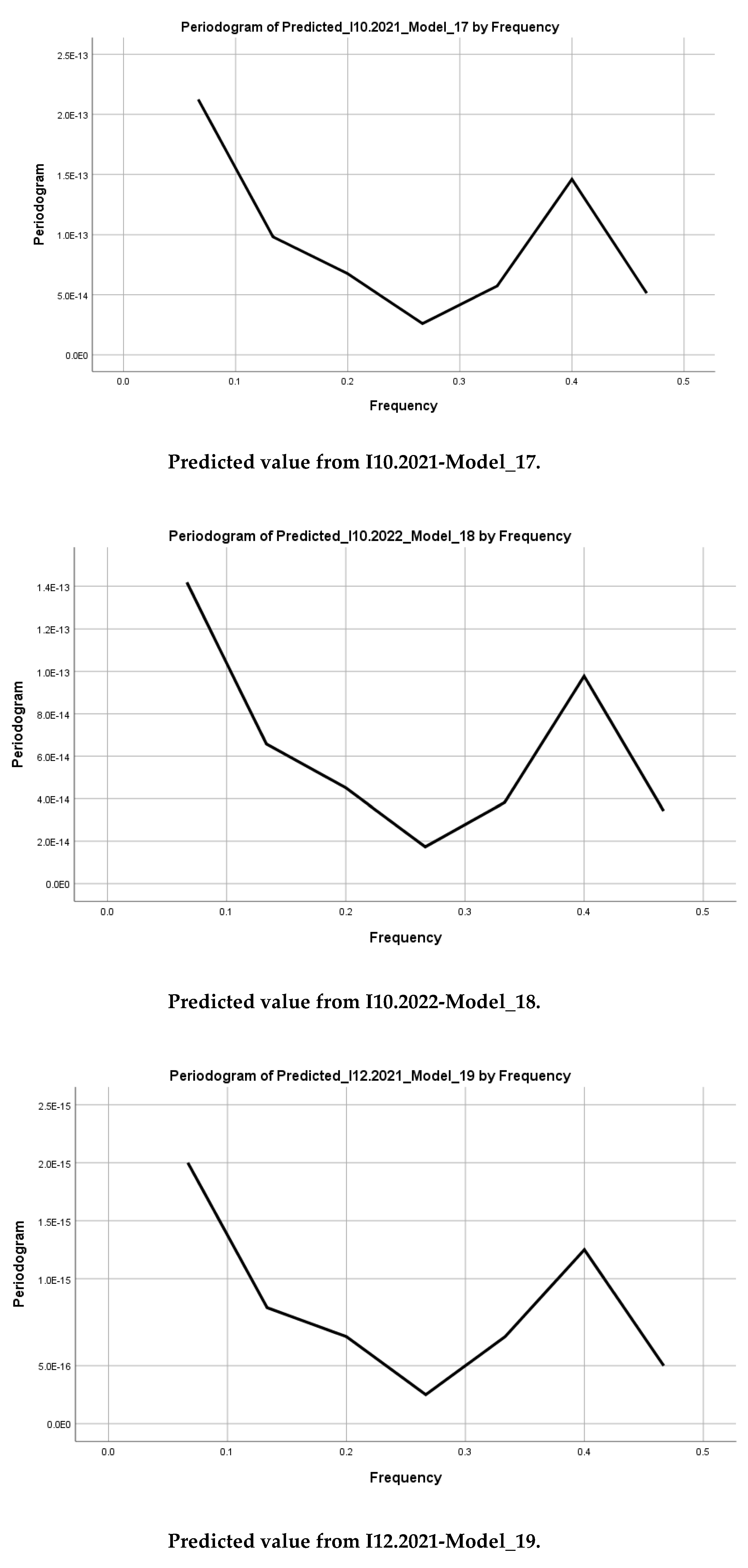
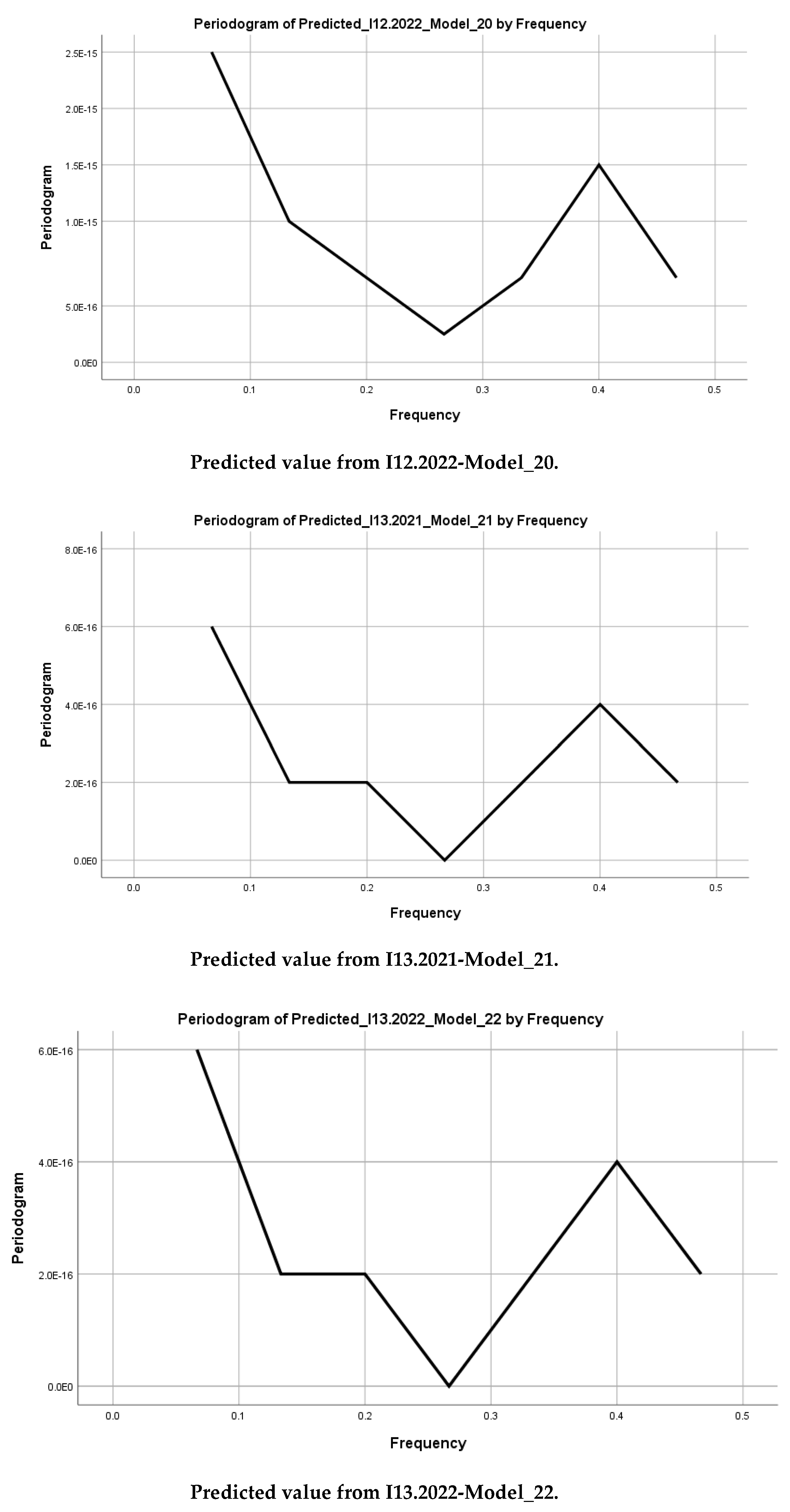
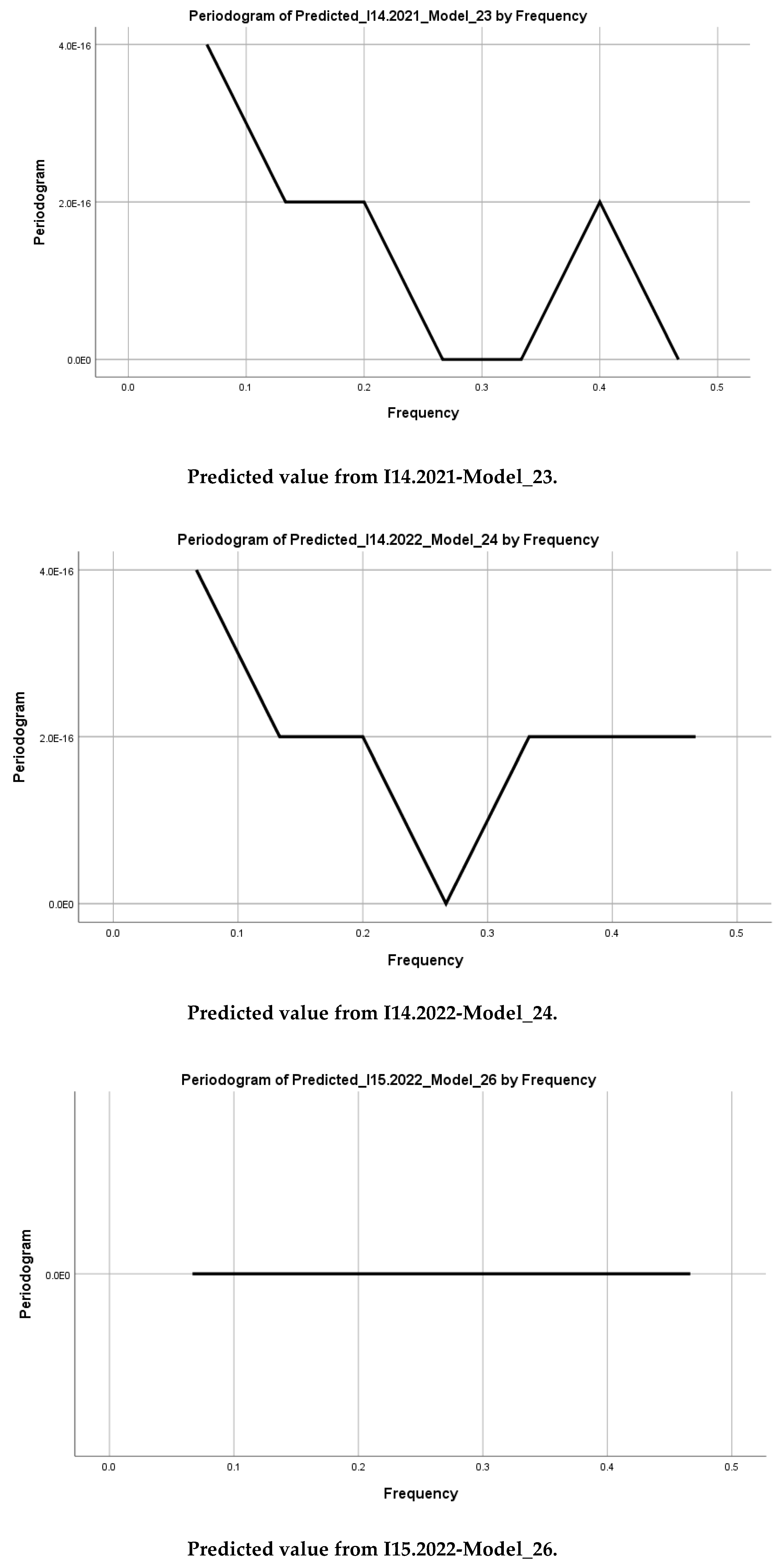
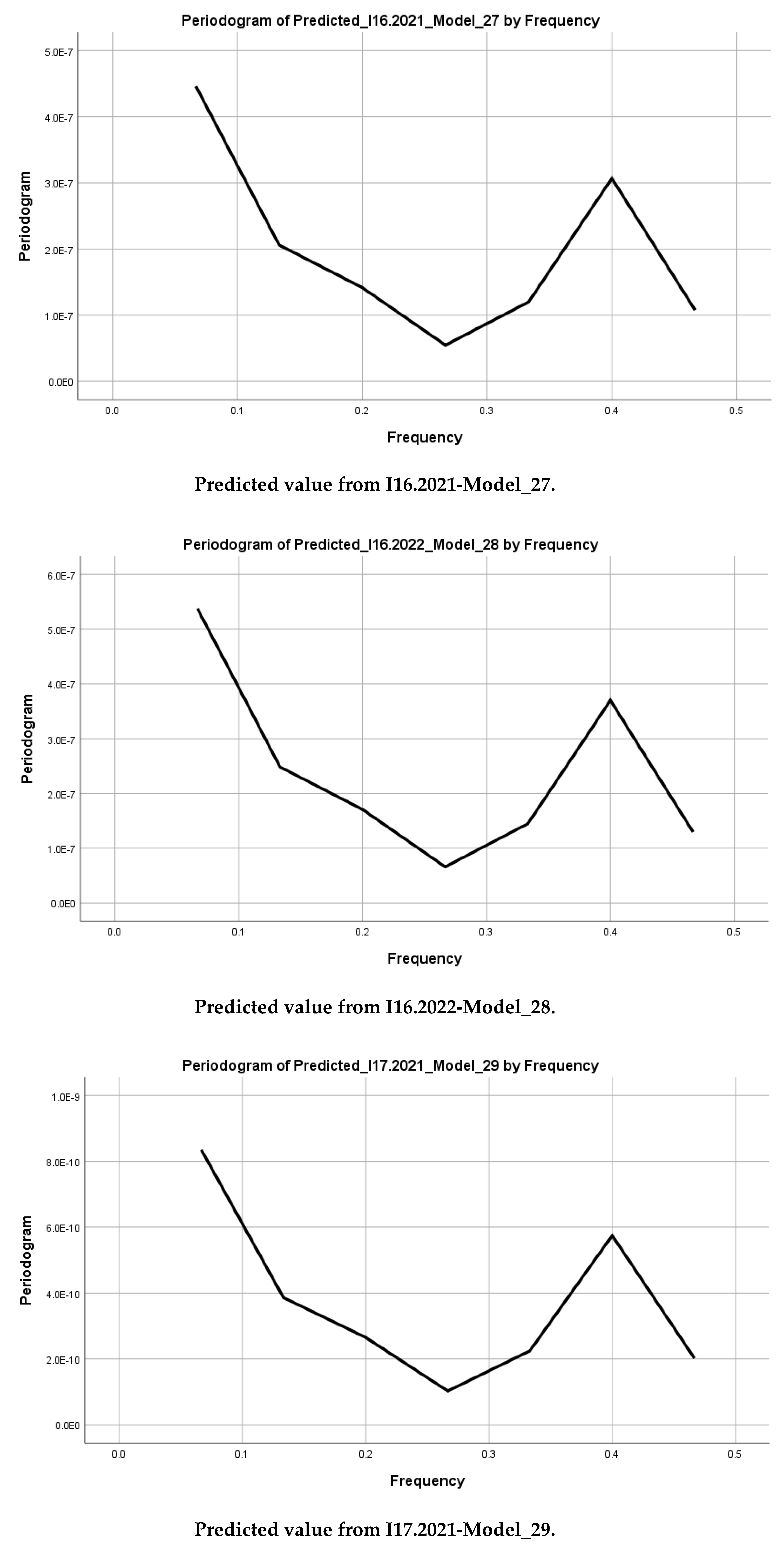
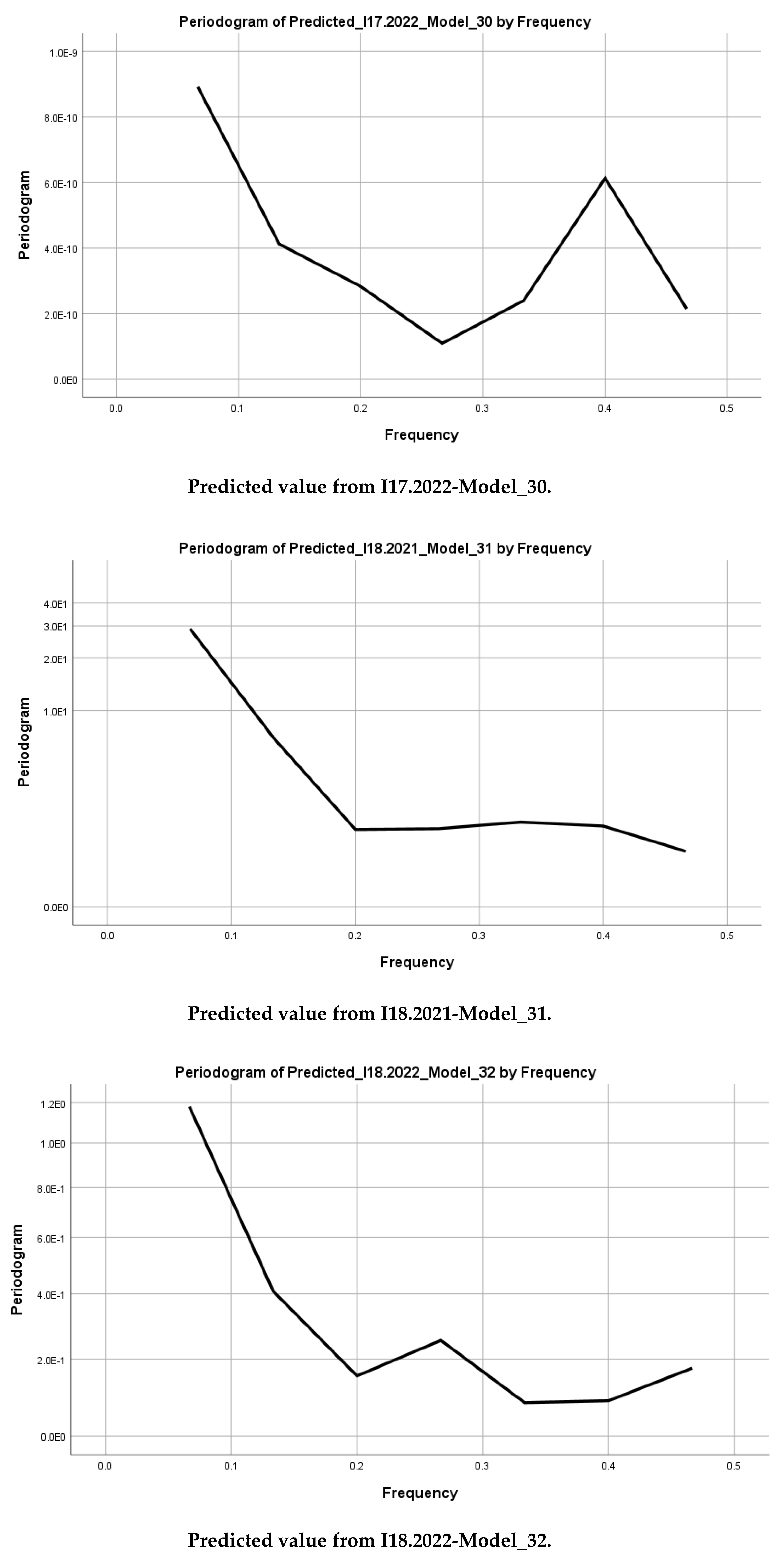
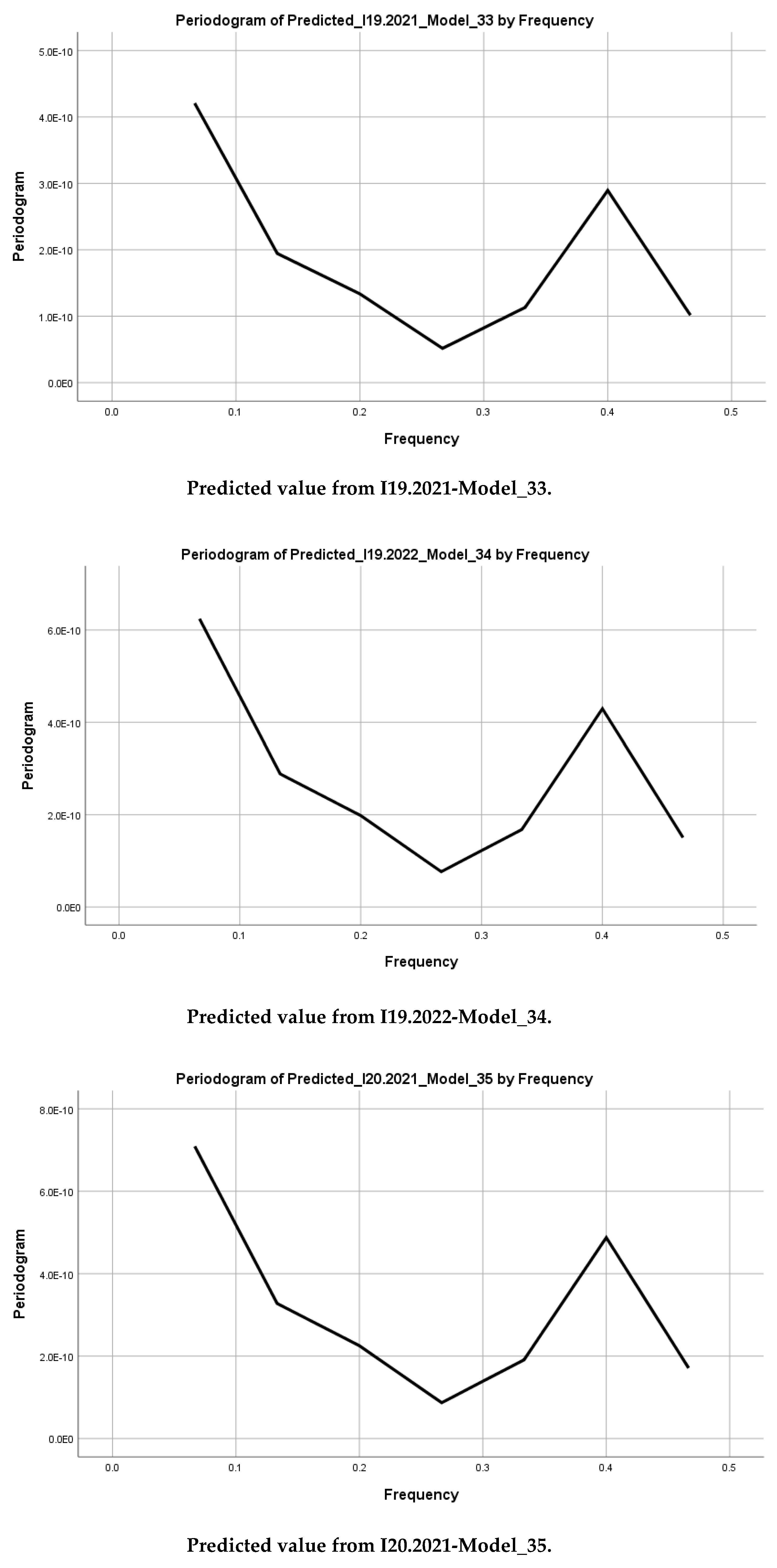
Based on the applied models (models 1–52 with periodograms spanning I1.2021 – I28.2022), the following trends are projected:
- -
- Number of enterprises (I1) and enterprise birth and death dynamics (I2, I5):
The periodograms indicate a moderate increase in the number of enterprises in mountain regions, reflecting a positive trend in economic development. However, the volatility in enterprise birth and death rates (I2, I5) highlights the need for targeted support policies for small and medium-sized enterprises, particularly in mountain areas where economic conditions are more challenging.
- -
- Employment indicators (I16, I17, I19):
Employment-related indicators, such as the number of employed persons (I16) and employment in newly established enterprises (I17), demonstrate steady growth, reflecting an increase in job opportunities in mountain regions, particularly in sectors like sustainable tourism and organic agriculture. However, employment in enterprises that cease operations (I19) remains a concern, necessitating retraining programs and support for affected workers.
- -
- Enterprise survival rate (I7, I9):
The survival rate of enterprises after three years (I7, I9) is a critical indicator of economic sustainability. The periodograms reveal a moderate increase in this rate, suggesting that enterprises in mountain regions are becoming more resilient, likely due to supportive policies and a stable business environment.
- -
- High-growth enterprises (I10, I11):
The number of high-growth enterprises (I10) and their proportion of the total active enterprises (I11) show a positive trend, indicating increased innovation and competitiveness in mountain regions. This is particularly relevant for sectors such as green technology and biotechnology, which can leverage the natural resources of mountain areas.
- -
- Business population growth (I15):
The net growth of the business population (I15) is a key indicator of economic vitality. The periodograms show consistent growth, suggesting an expanding mountain economy with long-term potential.
The periodograms provide a detailed overview of economic and social activities in European mountain regions. The increase in the number of enterprises and employment, coupled with improved enterprise survival rates, points to a positive trend toward sustainable development. However, the volatility in enterprise births and deaths, along with employment-related challenges, underscores the need for targeted support policies and investments in innovation and education. These measures could reinforce the role of mountain regions as key contributors to the European economy, particularly in the transition toward a green and digital economy.
The forecasts derived from the applied models offer a comprehensive perspective on the future trajectory of scientific, professional, and technical activities in Europe. These insights highlight the strategic directions necessary for development and adaptation to evolving economic and technological landscapes, particularly within the context of mountain regions.
Conclusions
The future of mountain research will prioritize the enhancement of interdisciplinary approaches and the application of innovative methodologies. A central focus will be the development of educational programs specifically designed to address the unique needs of mountain regions, taking into consideration their distinct regional characteristics. International initiatives will further bolster research efforts by translating and disseminating specialized literature on mountain-related topics, thereby enhancing its global accessibility. Future projects will aim to create networks of training and information centers dedicated to supporting mountain communities, fostering local capacity building, and facilitating the exchange of knowledge. Research efforts will increasingly be directed toward sustainability, integrating disciplines such as biotechnology, ecology, and economics into comprehensive strategies for mountain development. According to predictive data, mountain research will continue to emphasize the integration of artificial intelligence (AI) in applications such as environmental monitoring, natural resource management, and the optimization of local economic activities. Furthermore, extensive collaboration is expected among research centers, universities, and local communities to implement innovative solutions that promote the sustainable development of mountain regions. These collaborative initiatives will seek to address the complex challenges faced by mountain ecosystems and communities, ensuring that research outcomes are both scientifically robust and practically relevant.
References
- Becker A, Bugmann H. (2001). Global Change and Mountain Regions: The Mountain Research Initiative. International Geosphere-Biosphere Programme (IGBP) Report 49, Global Terrestrial Observing (GTO) System Report 28, International Human Dimensions Programme (IHDP) on Global Environmental Change Report 13. Stockholm, Sweden: IGBP, GTO, IHDP.
- Björnsen Gurung A, Becker A, Brun J-J, Bugmann H, Dedieu J-P, Grabherr G, Haeberli W, Hohenwallner D, Körner C, Lotter A, Price M, Raftoyannis Y, Ramakrishnan PS, Schaaf T, Visconti G. (2006). GLOCHAMORE [Global Change and Mountain Regions: Research Strategy]. Bern, Switzerland: Mountain Research Initiative, United Nations Educational, Scientific and Cultural Organization—Man and the Biosphere Programme and International Hydrological Programme, and the European Union Framework Programme 6.
- Björnsen Gurung A, Wymann von Dach S, Price MF, Aspinell R, Balsiger J, Baron JS, Sharma E, Greenwood G, Kohler T. (2012). Global change and the world's mountains—Research needs and emerging themes for sustainable development. Mountain Research and Development 32:47–54.
- Covaci, M., & Covaci, B. (2025). Education, Health and Social Systems. European Mountain Series Forecasting (1).
- Covaci, M., Covaci, B., & Catuna, C. (2025). Education, Health, and Social Systems. European Mountain Series Analysis (1).
- Eurostat. 2025. Business demography and high growth enterprises by NACE Rev. 2 activity and other typologies [urt_bd_hgn__custom_15325082].
- Gleeson, EH, von Dach, SW, Flint, CG, Greenwood, GB, Price, MF, Balsiger, J.,... & Vanacker, V. (2016). Mountains of ours future earth : Defining priorities for mountains research —A synthesis from the 2015 Perth III conference. Mountain research and development, 36(4), 537-548.
- Gurung, AB, von Dach, SW, Price, MF, Aspinall, R., Balsiger, J., Baron, JS,... & Kohler, T. (2012). Global change and the world's mountains — Research needs and emerging themes for sustainable development. Mountain Research and Development, 32(S1).
- Rey, R. (1997). Sustainable development policies in the Romanian Carpathians. Quality of Life, 8(1-2), 135-142.
Disclaimer/Publisher’s Note: The statements, opinions and data contained in all publications are solely those of the individual author(s) and contributor(s) and not of MDPI and/or the editor(s). MDPI and/or the editor(s) disclaim responsibility for any injury to people or property resulting from any ideas, methods, instructions or products referred to in the content. |
© 2025 by the authors. Licensee MDPI, Basel, Switzerland. This article is an open access article distributed under the terms and conditions of the Creative Commons Attribution (CC BY) license (http://creativecommons.org/licenses/by/4.0/).
Copyright: This open access article is published under a Creative Commons CC BY 4.0 license, which permit the free download, distribution, and reuse, provided that the author and preprint are cited in any reuse.


