Preprint
Article

This version is not peer-reviewed.

Exploring the Market for Dealcoholized Wine in Spain: Health Trends, Demographics, and the Role of Emerging Consumer Preferences

A peer-reviewed article of this preprint also exists.

Submitted:

20 January 2025

Posted:

21 January 2025

You are already at the latest version

Abstract

Since 1975, when per capita wine consumption in Spain peaked, the continued decline in domestic consumption has led to significant changes in the wine sector, particularly in production and marketing strategies. By 2005, the industry shifted towards mass exportation, focusing on bulk wine, as domestic demand fell. Since then, Spain has become the leading global producer of bulk wine by volume. However, emerging consumer trends, prioritizing health, sustainability, and low-alcohol beverages, present both challenges and opportunities for the sector. This study explores the potential for Spain’s bulk wine industry to adapt by transitioning to dealcoholized wines, leveraging recent technological advancements and aligning with shifting consumer preferences. In this context, it is crucial to examine what additional factors might influence the transition of Spanish wine producers to dealcoholized wine production and how consumer acceptance of these products in Spain compares to other international markets. In this context, it is crucial to examine what additional factors might influence the transition of Spanish wine producers to dealcoholized wine production and how consumer acceptance of these products in Spain compares to other international markets. Data collection was conducted through dual surveys targeting both consumers and producers, administered in December 2024 via the Sobrelias.com platform, with a total of 602 responses (387 from consumers and 215 from producers). Statistical analyses, including ANOVA and PERMANOVA, were performed to assess the influence of variables such as health-conscious consumption habits, demographic segmentation (age groups), and gender on market dynamics. To date, no prior academic research has addressed this specific intersection of bulk wine exports and consumer trends, highlighting the novelty of this study. A multiple linear regression model quantified the potential for market growth based on these factors.

Keywords: 
;  ;  ;  ;  

1. Introduction

Spain's wine sector has experienced significant transformations since the late 20th century. Following the devastating phylloxera epidemic in the late 19th century, which eradicated vineyards throughout Europe, the wine sector entered a phase of rehabilitation and prosperity. This revival was suddenly interrupted by World War II. However, in the post-war period, the global wine industry thrived, witnessing expansion in vineyard acreage, the number of wine-producing nations, per capita wine consumption, and the formation of new wineries (Figure 1). By the 1970s, these favourable trends began to decline due to the economic crisis of 1973, leading to diminished household purchasing power. This downturn signified the commencement of a new phase, characterized by a gradual decrease in vineyard area, wine output, and per capita consumption across the majority of wine-producing countries (Figure 1).
The period of decline in the wine sector [1] was later followed by emerging trends and consumption habits [2]. Since the final decade of the 20th century, concerns over climate change have brought sustainability to the Forefront [3]. Rising global temperatures have led to the production of wines with higher alcohol content, prompting the emergence of companies such as ConTech (now BevZero), which specialize in R&D and innovation for technologies that reduce alcohol levels in wine. Today, this is a leading industry globally, with continuous advancements in wine dealcoholization technologies [4, 5, 6]
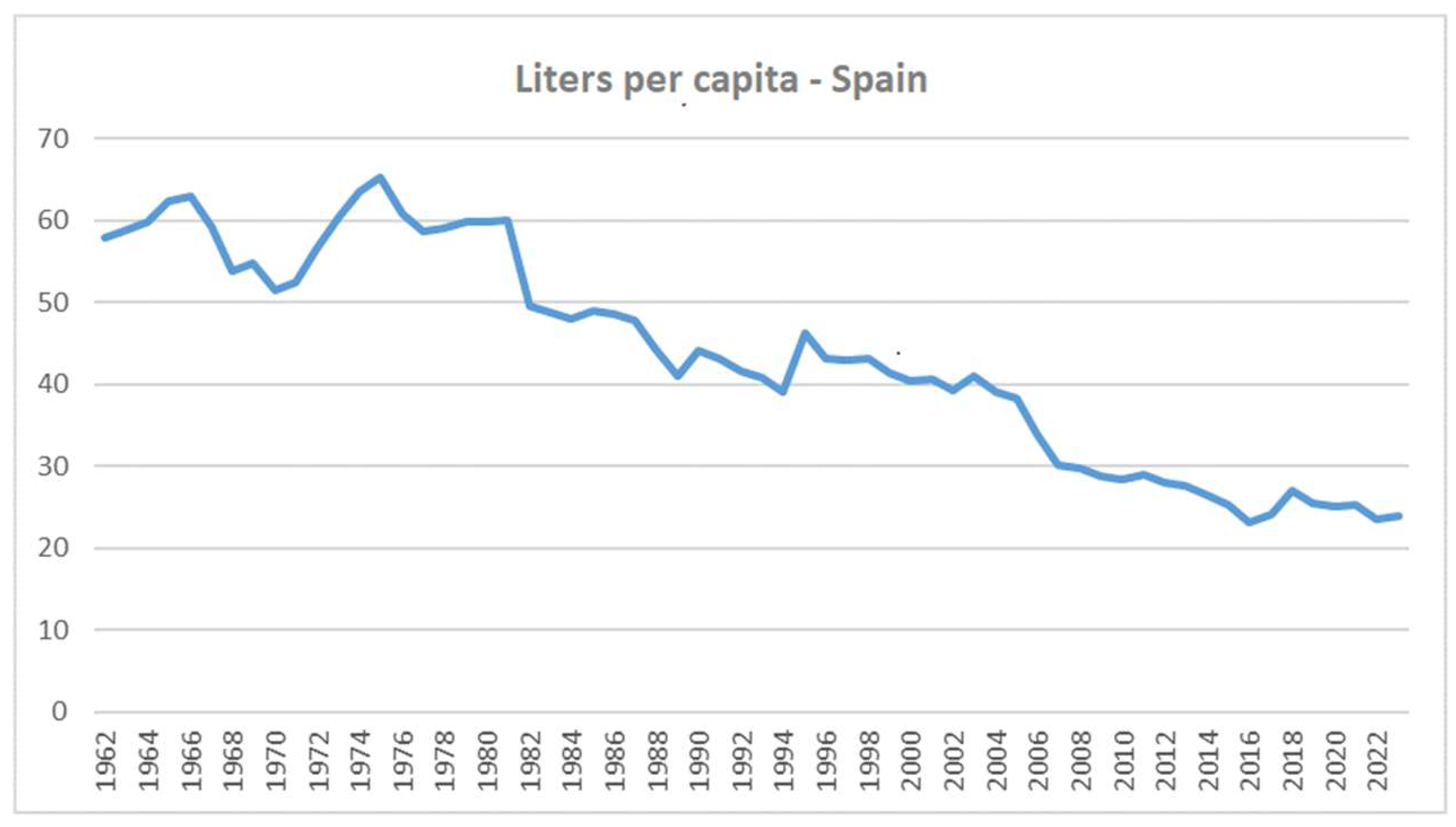
In Spain, as in many regions, per capita wine consumption has been decreasing since the mid-1970s. The peak was noted in 1975 [7]. However, the decline in Spain was more pronounced than in neighbouring nations (Figure 2). For example, in 1990, wine remained the preferred alcoholic beverage in Spain, similar to other Mediterranean countries (e. g., France, Portugal, and Italy, where wine was the predominant drink, and Greece, where it was favoured). By 2015, Spain had shifted to beer as the leading alcoholic beverage, unlike its Mediterranean peers, highlighting the severity of Spain's domestic wine market decline [8].
This transition compelled the Spanish wine sector to explore alternatives to align with global trends in wine production and consumption. Spain, possessing the largest vineyard area globally [9], could not depend on its internal market to absorb its production. Consequently, export markets became the logical avenue for surplus production.
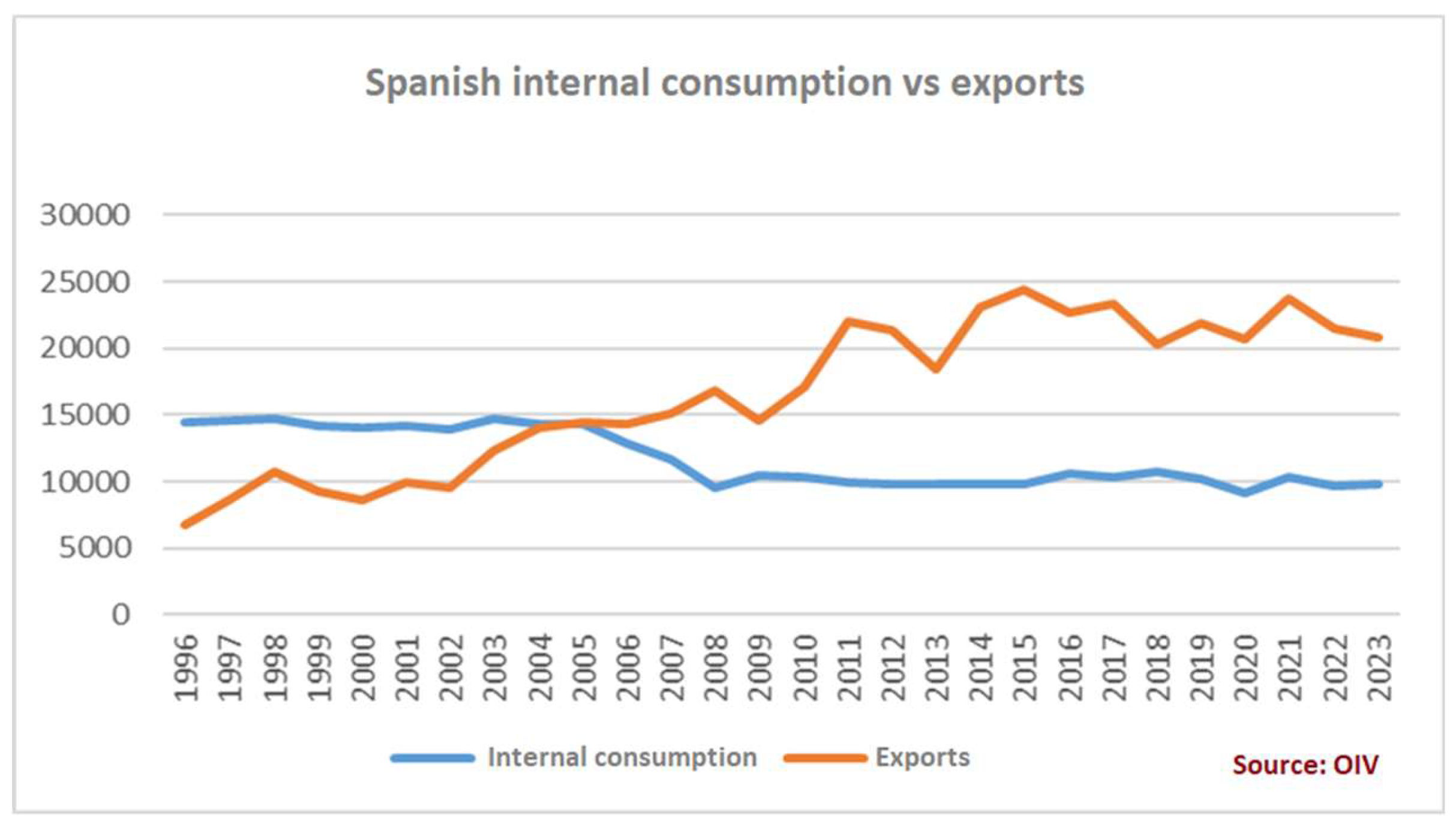
Analyzing the sector's evolution reveals that this transformation profoundly impacted Spanish viticulture [10]. By 2005, Spain experienced its largest annual decline in per capita consumption in 50 years. That year marked the first time that wine export volumes surpassed domestic consumption (Figure 3). From that point onward, Spain positioned itself as a leading wine exporter [11]. While exports increased steadily, domestic consumption continued to diminish, establishing Spain as the world's second-largest wine exporter by volume (following Italy) and third by value (after France and Italy). Spain now exports 69% of its annual production volume, highlighting the crucial role of international markets for the Spanish wine sector.
Reaching this prominent position in the global wine sector would not have been possible without a strategic decision to concentrate on bulk wine exports instead of bottled wine. In a mature market such as wine, where innovations in new products are infrequent and tradition significantly influences consumer preferences [12], price often becomes the primary entry point into new markets [13]. Therefore, exporting bulk wine emerged as the least detrimental strategy for Spain concerning the quality-price ratio. The increasing volume of wine produced in Spain but remaining unsold domestically expedited international trade. Spanish producers prioritized the sale of their excess wine, even at the risk of accepting lower prices [14].
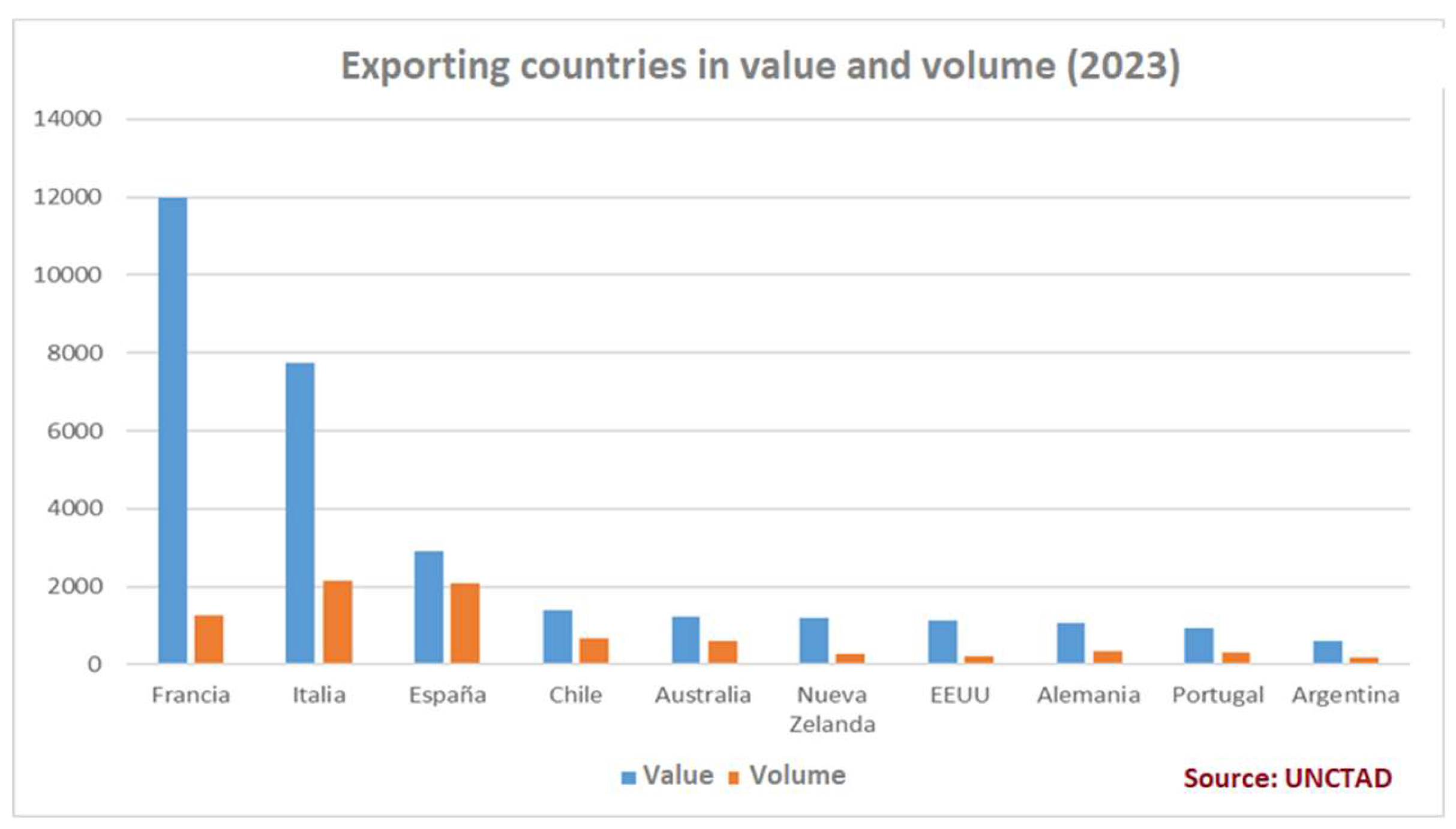
This approach has demonstrated efficacy, at least regarding export quantities, albeit not in monetary worth (Figure 4). Spain has emerged as the foremost global exporter of bulk wine, with an impressive annual output exceeding 1. 4 billion hectolitersthreefold the volume of the second-largest exporter, Italy [15]. Nevertheless, Spain’s bulk wine is marketed at considerably lower prices compared to other nations, averaging €0. 49 per liter. In contrast, the price per liter of bulk wine from other exporters is higher: Australia (€0.77/l), Italy (€0.79/l), France (€1.67/l), and New Zealand (€2.87/l) [16].
The statistics (Figure 3 and Figure 4) highlight the economic importance of bulk wine for Spain’s wine industry and, by extension, the Spanish economy. The Spanish Interprofessional Wine Organization states that the wine industry contributes 1.9% to Spain’s GDP in 2023 [17]. Despite the abundance of data regarding Spain’s wine industry, there exists a scarcity of academic research examining the interaction between diminishing domestic consumption, bulk wine exports, and sustainability issues.
This deficiency in the literature emphasizes the necessity for studies that explore how Spain can modify its strategies to accommodate emerging trends and societal expectations [18]. This examination seeks to address that gap, offering a thorough analysis of the challenges and opportunities facing the Spanish wine sector [19]. This study aims to analyze how Spain’s wine sector can respond to emerging trends, concluding with recommendations on how the sector should act to secure its future in an evolving and competitive global market. [20, 21, 22]

1.1. Emerging Consumption Habits in Younger Generations

A thorough exploration of emerging consumer trends indicates a significant transformation in behaviour, particularly among younger demographics. Millennials (Generation Y) and Centennials (Generation Z) are leading this change, with a noticeable decline in alcohol consumption [23]. This trend is propelled by an increasing focus on health and sustainability, which resonates with their overarching values of wellness and ecological accountability. [24]
These generations are increasingly prioritizing healthier lifestyles, which has led to a reduction in both the frequency and volume of alcohol consumption [25]. The allure of wellness and conscious living is redefining how younger consumers select beverages, favouring choices that align with their principles. Consequently, the demand for alcohol-free options, such as dealcoholized wines, has surged.
This shift is not just about minimizing alcohol consumption but also about embracing innovation in the beverage industry. Dealcoholized wines, which provide the sensory experience of wine without the inebriating effects, are becoming a compelling option for health-oriented consumers. The rising popularity of these wines among younger generations is directly linked to their inclination towards sustainable and healthier products. The first proposed hypothesis is:
Hypothesis 1 (H1).
Health-conscious habits will boost the demand and production of dealcoholized wines, especially among women and young people.
This trend reflects the alignment of the values of Millennials and Centennials—health, sustainability, and innovation—with the core attributes of dealcoholized wines. [26]

1.2. Legislative Adaptations and Their Implications for Spain

In light of altering consumption trends, both the industry and governmental bodies have enacted regulatory modifications. A notable advancement is the European Union’s Regulation 2021/2117 [27, 28], which allows the production of dealcoholized wines to be labelled as “wine,” thereby circumventing earlier limitations. [29, 30, 31]
Spain, in accordance with global trends, has experienced a continuous decline in per capita wine consumption since the mid-1970s, with consumption peaking in 1975 [7]. However, recent regulatory changes present an opportunity for innovation and market diversification, aligning with global consumption trends [32]. It is hypothesized that:
Hypothesis 2 (H2).
Millennials and Centennials Will be the primary drivers of the dealcoholized wine market in Spain.
This demographic shift, combined with regulatory changes, positions Spain to cater to the growing demand for healthier and sustainable beverage options. [33]

1.3. The Role of Women in the Wine Sector

Another crucial factor shaping the evolution of the dealcoholized wine market is the increasing involvement of women in the wine sector [34]. Women are taking on pivotal roles as both producers and consumers, significantly influencing market trends and demonstrating a clear preference for healthier and more innovative alternatives [35].
Hypothesis 3 (H3).
The increasing involvement of women in the wine industry will play a significant role in the acceptance and relevance of dealcoholized wines.
Their increasing involvement is catalyzing a transformation in both the supply and demand dynamics within the market, highlighting health-oriented innovations and sustainable practices. This amalgamation of evolving consumer behaviours, regulatory shifts, and changing market demographics underscores the necessity for the Spanish wine industry to proactively adopt these trends and take advantage of the burgeoning dealcoholized wine segment.

2. Materials and Methods

Data collection was conducted through dual surveys aimed at both consumers and producers, conducted in December 2024 via the Sobrelias.com platform. A total of 602 responses were collected, consisting of 387 from consumers and 215 from producers. The surveys were formulated using Quiz and Survey Master software, designed to evaluate perceptions, preferences, and the market potential for dealcoholized wines in Spain [36].
The study focused on three primary variables: health-conscious consumption habits, demographic segmentation (age groups), and gender. Statistical analyses were performed using ANOVA and PERMANOVA to determine the significance of these variables in shaping market dynamics. Additionally, a multiple linear regression model was utilized to quantify the growth potential of the market based on these elements.
Insights obtained from the survey responses and the interrelation between consumer and producer data provided a preliminary overview of the emergent market for dealcoholized wines in Spain. The analysis identified the most influential factors for consumption and production, thereby establishing foundational pillars for a strategic framework to address the rising demand for such beverages. This demand underscored in various studies across different global markets [37, 38].
The survey results also revealed critical determinants for the success of dealcoholized wines in the Spanish domestic market, as well as potential limitations. The working hypothesis aligns with findings from specialized consultancy reports, indicating that the future of dealcoholized wine in Spain will hinge on the acceptance and evolving preferences of both consumers and producers. These changes are anticipated to be shaped by health trends, demographic transitions, and the emergence of new key players in the sector.
The analysis first explored whether emerging health-conscious lifestyles would drive both demand and production of dealcoholized wines. Increasing trends toward healthier living and moderation in alcohol consumption are gaining prominence, positioning dealcoholized wine as a viable alternative for consumers seeking the enjoyment of wine without its alcoholic content.
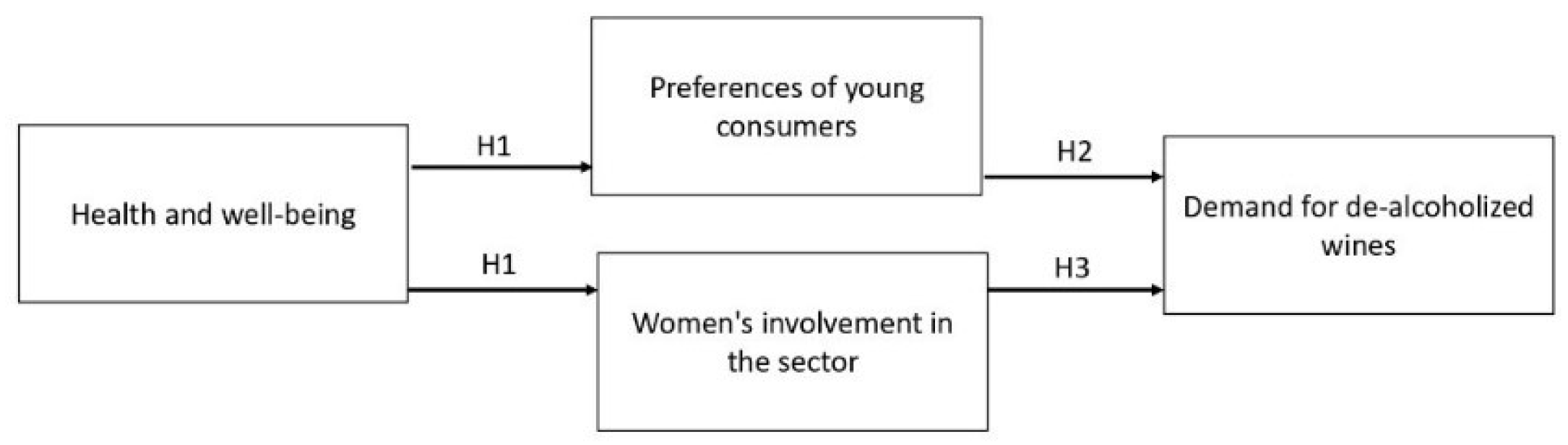
Furthermore, the study identified the age demographics that are most amenable to this new category of wines. Millennials and Centennials emerged as the primary catalysts of the dealcoholized wine market in Spain. These generations emphasize sustainability, health-oriented options, and innovation in their consumption decisions, characteristics that align closely with the value proposition of dealcoholized wines. A pictorial overview of the research is presented in Figure 5.

3. Results

3.1. Health-Conscious Consumption

A substantial segment of participants (78.04%) indicated a readiness to sample dealcoholized wines, with 63.05% mentioning health as the main incentive. Among manufacturers, 58. 60% recognized health trends as a significant factor influencing demand. This corresponds with wider societal initiatives aimed at decreasing alcohol intake due to its related health hazards. Remarkably, 57. 63% of consumers suggested they would permanently embrace dealcoholized wines if these fulfilled their expectations.
The survey also examined the current consumption of non-alcoholic beverages in Spain, which may impact the acceptance of dealcoholized wines. While 40. 05% of respondents already partake in non-alcoholic beverages, 59.95% do not, indicating substantial potential for attracting new consumers.
When questioned about the reasons motivating their consumption, 41.34% of participants identified “Health” as the exclusive reason. When aggregating this with other factors such as “Trendiness,” “Price,” and “Sustainability,” the proportion of respondents citing “Health” increased to 72.21%.
The survey further investigated the influence of legal frameworks on the expansion of the dealcoholized wine market. Recent regulations from the European Union have established a distinct classification for these wines, detailing production techniques and labelling standards. Notably, 57.21% of producers regarded the establishment of this category as a favourable development, while 55.81% of consumers and 54.88% of producers believed that regulatory backing would bolster the market for dealcoholized wines.

3.2. Demographics: The Role of Younger Generations

Millennials and Generation Z (ages 18–35) emerged as the most responsive demographic for dealcoholized wines, with 87.50% expressing a willingness to experiment with them. This cohort also exhibited a greater tendency (64.38%) to integrate these wines into their habitual consumption compared to older groups [39].
The survey aimed to corroborate findings from earlier research that identified younger generations as key drivers of the dealcoholized wine market due to their preference for healthier consumption habits [40]. Among participants, 78.04% expressed a willingness to try dealcoholized wines, a figure that rose to 87.50% among Millennials and Generation Z. Moreover, 65.63% of this age group recognized health-consciousness as the primary motivator, compared to 63.05% of the overall sample.
In terms of permanent adoption of these wines, 57.63% of all respondents indicated a willingness to alter their habits, increasing to 64.38% among younger generations. This demonstrates both a heightened openness to innovation and a stronger dedication to aligning consumption habits with health-oriented values.
The survey also revealed that 47.50% of Millennials and Centennials are regular consumers of non-alcoholic beverages [41], in contrast to 40.05% of the overall sample. This highlights their position as early adopters and underscores their potential to drive market expansion.

3.3. Gender Influence: The Role of Women

Women emerged as a crucial demographic for the dealcoholized wine market. Among female participants, 84. 24% expressed interest in sampling these wines, and 74. 55% indicated a willingness to incorporate them into their regular consumption patterns. Health was the main motivator for 44. 78% of women, which increased to 79. 33% when combined with additional factors [42].
Women also constituted the largest segment of current non-alcoholic beverage consumers, with 45. 46% reporting regular consumption. This positions them as essential contributors to the expansion of the dealcoholized wine market [43].

3.4. Quantitative Analysis: Multiple Linear Regression

This segment delineates the modelling of data derived from the survey outcomes, with an emphasis on the hypotheses previously addressed. The latent variable in this examination is the likelihood of the inception and expansion of the dealcoholized wine market in Spain. The observed and weighted variables encompass the probability of embracing health-oriented consumption practices, the likelihood that Millennials and Centennials will propel market growth, and the potential contribution of women as significant stakeholders in this market.
The regression equation is expressed as follows:
Ŷ = K + a ⋅ X1 +b ⋅ X2 + c ⋅ X3
where:
  • Ŷ: Probability of market emergence and growth for dealcoholized wines
  • K: Constant
  • a, b, c: Parameters
  • X1: Probability of adopting health-conscious consumption habits
  • X2: Probability of younger generations (18–35 years) contributing to market growth
  • X3: Probability of women playing a pivotal role in the dealcoholized wine market
The data matrix is summarized below:
Variable X1 (Health Conscious Habits) X2 (Younger Generation) X3 (Women)
Influence of health-conscious habits * 63.05% 65.63% 68.48%
Willingness to try dealcoholized wines 78.04% 87.50% 84.24%
Willingness to change consumption habits 57.63% 64.38% 74.55%
Current consumption of non-alcoholic beverages 59.95% 52.50% 54.54%
Current consumption of non-alcoholic beverages 51.42% 54.38% 58.97%
The multiple linear regression analysis yielded the following results:
Correlation
  • Multiple Correlation Coefficient (R): 0.999999987
  • Coefficient of Determination (): 0.999999974
  • Adjusted : 0.999999896
  • Standard Error: 3.68808×10¯5
The Multiple Correlation Coefficient (R) represents the square root of the Coefficient of Determination (), which is derived from the ratio of the regression sum of squares to the total sum of squares. The near-perfect value of R (close to 1) indicates minimal error in the regression equation.
The Adjusted value confirms that 99.9999896% of the variance in the dependent variable (Ŷ) is explained by the regression model, accounting for sample size and variable inclusion. The small standard error further underscores the robustness of the regression.
Analysis of Variance (ANOVA)
Source Degrees of Freedom Sum of Squares Mean Squares FFF-Statistic Critical FFF-Value Source
Regression 3 0.05237872 0.01745957 12,836,086 0.00020518 Regression
Residuals 1
1.3602×10¯9

1.3602×10¯9
Residuals
Total 4 0.05237872 Total
Since the critical F-value (0.00020518) is significantly lower than the alpha level (0.05), the model demonstrates high statistical significance.
Regression Equation
The resulting regression equation is:
Ŷ = −0.000328 + 0.3332808 ⋅ X1 + 0.3344398 ⋅ X2 + 0.3328484
Statistical Significance
The t-statistics and corresponding probabilities confirm the significance of all included variables:
  • Intercept: t = −1.348498
  • Health-Conscious Habits: t = 498.50916, p = 0.001277
  • Younger Generations: t = 358.30742t, p = 0.0017767
  • Women: t = 483.57563, p = 0.0013165
All p-values are below the alpha threshold (0.05), indicating that each variable significantly contributes to the model.

4. Discussion

4.1. Health-Conscious Consumption

The findings reveal a distinct trend toward the adoption of healthier consumption patterns, spurred by heightened awareness of the health hazards linked to alcohol intake. With 78. 04% of consumers expressing a willingness to explore dealcoholized wines and 63. 05% identifying health as their primary motivator, it is apparent that the inclination to decrease alcohol consumption is evident in Spain, akin to trends in other nations.
Hypothesis 1 (H1):
Health-conscious habits will boost the demand and production of dealcoholized wines, especially among women and young people.The results substantiate this hypothesis, as 57. 63% of consumers indicate that they would permanently modify their consumption habits if dealcoholized wines aligned with their expectations, suggesting that, while there is initial interest, the permanence of the shift will hinge on the product’s quality and attributes.
The identification of health as the principal motivator for 63. 05% of consumers lends further credence to the notion that dealcoholized wines may serve as a feasible alternative for those pursuing healthier choices over conventional wine. Furthermore, the European legislation that distinctly categorizes this type of wine could be a pivotal element in promoting market acceptance [44].

4.2. Demographics: The Role of Younger Generations

Millennials and Centennials are, undoubtedly, the most receptive demographic for dealcoholized wines, with 87. 50% expressing a willingness to sample them. This cohort also demonstrated a greater readiness to permanently adopt these wines, with 64. 38% indicating they would integrate them into their standard consumption practices. This reflects a broader trend among younger generations who prioritize health and wellness over alcohol consumption.
Hypothesis 2 (H2):
Millennials and Centennials will be the primary drivers of the dealcoholized wine market in Spain.This hypothesis is also reinforced by the findings, as the higher percentage of regular non-alcoholic beverage consumers within this group (47. 50%) suggests that they are more accustomed to selecting alcohol-free options, facilitating the transition to dealcoholized wines.

4.3. Gender Influence: The Role of Women

Women play a crucial role in the advancement of the dealcoholized wine market. With 84.24% expressing interest and 74.55% willing to incorporate these wines into their regular consumption habits, women represent an important segment. Additionally, the motivation centred on health is more prominent within this group, with 44. 78% of women citing health as their primary incentive. [45]
Hypothesis 3 (H3):
The increasing involvement of women in the wine industry will play a significant role in the acceptance and relevance of dealcoholized wines. The results support this hypothesis, as women also represent the largest segment of regular non-alcoholic beverage consumers (45.46%) further reinforcing the idea that they represent a crucial demographic for the success of dealcoholized wines in the market.

4.4. Implications for Market Expansion

The quantitative analysis performed through multiple linear regression confirms that health-conscious habits, the influence of younger generations, and the role of women are key factors for the growth of the dealcoholized wine market. The high correlation (R = 0.999999987) and statistical significance of the variables suggest that these trends have a direct and significant impact on the adoption of these products.
To capitalize on this opportunity, the Spanish wine industry should concentrate on innovating products that correspond with health and sustainability principles, initiate marketing initiatives aimed at Millennials, Centennials, and women, and cooperate with regulatory authorities to ensure adherence to standards and utilize emerging legislative frameworks.

5. Conclusions

In summary, this research has delivered a comprehensive analysis of the capacity for the Spanish wine industry to adjust to emerging consumer patterns by capitalizing on dealcoholized wines. The outcomes underscore the importance of health-oriented consumption, demographic transformations, and gender dynamics as pivotal drivers for the expansion of this market segment.
The results emphasize that health-oriented consumption behaviours are a fundamental aspect influencing both consumer and producer perceptions regarding dealcoholized wines [46]. The readiness of 78. 04% of consumers to sample these wines, with 63. 05% indicating health as the foremost motivation, illustrates a broader societal transition toward healthier lifestyles. Producers also acknowledge this trend, with 58. 60% recognizing health as a significant demand driver. These findings resonate with global movements advocating for alcohol reduction and healthier consumption habits, which are bolstered by changing regulatory frameworks.
Demographic evaluations reveal Millennials and Centennials as the most open to experimentation, with 87. 50% showing a willingness to try dealcoholized wines and 64. 38% expressing a likelihood of integrating these products into their regular consumption routines. These generations emphasize sustainability, innovation, and health-oriented options, positioning them as vital to the sector’s growth. Their receptiveness to novel consumption trends and alignment with the essential characteristics of dealcoholized wines categorize them as the principal catalysts of this emerging segment.
Women have surfaced as a significant demographic in the dealcoholized wine market, both as consumers and trendsetters. Among female participants, 84. 24% indicated an interest in sampling dealcoholized wines, and 74. 55% were inclined to incorporate them into their consumption patterns. Health was recognized as the predominant motivator, mentioned by 44. 78% of women. Their increasing involvement in the wine industry emphasizes their role as early adopters and proponents of healthier, innovative alternatives.
The intersection of health-oriented consumption behaviours, demographic transitions, and gender dynamics provides a substantial opportunity for the Spanish wine industry to broaden its offerings and align with global market trends. The regulatory adjustments at the European level further substantiate the rationale for incorporating dealcoholized wines into Spain’s bulk wine strategy.
In conclusion, the insights from this study illuminate the transformative potential of dealcoholized wines within the Spanish wine industry. By addressing consumer preferences and aligning with global trends in health and sustainability, the sector can establish a competitive advantage in the evolving market landscape. The strategic incorporation of dealcoholized wines signifies not only a response to changing consumption behaviours but also an opportunity to redefine the future trajectory of Spanish viticulture.

Author Contributions

Conceptualization of this research was done by R.F.F and J.L.D.C.V. with R.F.F. taking the lead. Project administration and supervision of the project was led by R.F.F. with support from J.L.D.V. Data selection was led by J.L.D.C.V. and R.F.F. Validation of the research was done by R.F.F., and J.L.D.C.V. Formal analysis was led by J.L.D.C.V. with R.F.F. supporting and reviewing results. The writing of the original draft preparation, was led by R.F.F. The writing—review and editing, was a joint effort between R.F.F. and J.L.D.C.V.

Funding

This research received no external funding.

Conflicts of Interest

The authors declare no conflict of interest.

References

  1. Drinking Cultures (Editado por, T. Wilson) Oliver Smith 2007. Volumen 58, número 2 Junio ​​de 2007 Páginas 339-340.
  2. Balogh, J.; Jámbor, A. The role of culture, language and trade agreements in global wine trade. Agris -Line Pap. Econ. Inform. 2018, 10, 17–29. [Google Scholar] [CrossRef]
  3. Dreßler, M. Destination-centric wine exports: offering design concepts and sustainability. Beverages 2023, 9, 55. [Google Scholar] [CrossRef]
  4. Sam, F.; Tengzhen, M.; Salifu, R.; Wang, J.; Jiang, Y.; Zhang, B.; …; Shunyu, H. Techniques for dealcoholization of wines: their impact on wine phenolic composition, volatile composition, and sensory characteristics. Foods 2021, 10, 2498. [Google Scholar] [CrossRef]
  5. Sam, F.; Tengzhen, M.; Liang, Y.; Qiang, W.; Atuna, R.; Amagloh, F.; …; Shunyu, H. Comparison between membrane and thermal dealcoholization methods: their impact on the chemical parameters, volatile composition, and sensory characteristics of wines. Membranes 2021, 11, 957. [Google Scholar] [CrossRef]
  6. Catarino, M.; Mendes, A. Dealcoholizing wine by membrane separation processes. Innov. Food Sci. Emerg. Technol. 2011, 12, 330–337. [Google Scholar] [CrossRef]
  7. AAWE Per capita wine consumption in Spain (1866–2015). American Association of Wine Economists. Available online: https://wine-economics.org/infographic/per-capita-wine-consumption-in-portugal-spain-1866-2015/ (accessed on 20 November 2024).
  8. Sánchez-García, E. , Martínez-Falcó, J., Alcon-Vila, A., & Marco-Lajara, B. Developing green innovations in the wine industry: an applied analysis. Foods 2023, 12, 1157. [Google Scholar] [PubMed]
  9. OIV. Organización Internacional de la Viña y el Vino. Available online: https://www.oiv.int/es/what-we-do/country-report?oiv (accessed on 10 November 2024).
  10. Demanda de vino y bebidas alcohólicas en la Unión Europea: ¿un mercado monolítico? 4: Lorena Mitchell, 2016 Clasificación JEL: D12, F1, F15 Páginas, 2016; D12.
  11. Cortijo, M. (2023). Sustainability determinants in the iberian wine industry. nm.
  12. Liu, A.; Song, H. Analysis and forecasts of the demand for imported wine in china. Cornell Hosp. Q. 2021, 62, 371–385. [Google Scholar] [CrossRef]
  13. Anderson, K.; Pinilla, V. Wine's belated globalization, 1845–2025. Applied Economic Perspectives and Policy 2021, 44, 742–765. [Google Scholar] [CrossRef]
  14. OEMV Annual wine production and export statistics. Observatorio Español del Mercado del Vino. Available online: https://www.oemv.es/exportaciones-espanolas-de-vino-ano-2023 (accessed on day month year).
  15. Barisan, L.; Boatto, V.; Rossetto, L.; Salmaso, L. The knowledge of italian wines on export markets. Br. Food J. 2015, 117, 117–138. [Google Scholar] [CrossRef]
  16. UNCTAD Top 10 wine-exporting countries by volume and value. United Nations Conference on Trade and Development, 2023. Available online: https://unctad.org/publication/world-investment-report-2023 (accessed on day month year).
  17. Castillo, J.S.; García, M.C. C. Analysis of international competitive positioning of quality wine from Spain. Cienc. Investig. Agrar. 2013, 40, 491–501. [Google Scholar] [CrossRef]
  18. Behmiri, N.; Correia, L.; Gouveia, S. Drivers of wine production in the european union: a macroeconomic perspective. New Medit 2019, 18, 85–96. [Google Scholar] [CrossRef]
  19. Sellers, R.; Mas, F. Rentabilidad de las empresas vinculadas a las marcas colectivas en el sector vinícola. Universia Bus. Rev. 2013, 38, 68–83. [Google Scholar]
  20. OIVE (Organización Interprofesional del Vino de España). Informe 2023. Available online: https://interprofesionaldelvino.es/wp-content/uploads/2024/02/Informe-Relevancia-economica-y-social-del-sector-vitivinicola-en-Espana_2023.pdf (accessed on day month year).
  21. Alonso, A.; Bressan, A. Micro and small business innovation in a traditional industry. Int. J. Innov. Sci. 2016, 8, 311–330. [Google Scholar] [CrossRef]
  22. Thomé, K.; Paiva, V.; Gois, T. Wine international market structure and competitiveness. Int. J. Wine Bus. Res. 2023, 35, 561–579. [Google Scholar] [CrossRef]
  23. OFDT La consommation d’alcool et ses conséquences en France en 2023. Available online: https://www.ofdt.fr/communique-de-presse/la-consommation-d-alcool-et-ses-consequences-en-france-en-2023-2439 (accessed on day month year).
  24. Gallenti, G.; Troiano, S.; Marangon, F.; Bogoni, P.; Campisi, B.; Cosmina, M. Environmentally sustainable versus aesthetic values motivating millennials’ preferences for wine purchasing: evidence from an experimental analysis in italy. Agric. Food Econ. 2019, 7. [Google Scholar] [CrossRef]
  25. Sogari, G.; Pucci, T.; Aquilani, B.; Zanni, L. Millennial generation and environmental sustainability: the role of social media in the consumer purchasing behavior for wine. Sustainability 2017, 9, 1911. [Google Scholar] [CrossRef]
  26. Sogari, G.; Mora, C.; Menozzi, D. Factors driving sustainable choice: the case of wine. Br. Food J. 2016, 118, 632–646. [Google Scholar] [CrossRef]
  27. EUR-Lex. Reglamento (UE) 2021/2117. Available online: https://eur-lex.europa.eu/legal-content/ES/ALL/?uri=CELEX%3A32021R2117 (accessed on 29 November 2024).
  28. EUR-Lex Comunicación de la, U.E. Diario Oficial de la UE 15/01/2024. Available online: https://eur-lex.europa.eu/legal-content/ES/TXT/PDF/?uri=OJ:C_202400694 (accessed on 27 November 2024).
  29. Fraga, H.; Malheiro, A.; Moutinho-Pereira, J.; Santos, J. An overview of climate change impacts on european viticulture. Food Energy Secur. 2012, 1, 94–110. [Google Scholar] [CrossRef]
  30. Meloni, G. and Swinnen, J. (2016). Bugs, tariffs and colonies: the political economy of the wine trade 186001970. SSRN Electronic Journal.
  31. Longo, R.; Blackman, J.; Torley, P.; Rogiers, S.; Schmidtke, L. Changes in volatile composition and sensory attributes of wines during alcohol content reduction. J. Sci. Food Agric. 2016, 97, 8–16. [Google Scholar] [CrossRef]
  32. Ashenfelter, O.; Storchmann, K. Climate change and wine: a review of the economic implications. J. Wine Econ. 2016, 11, 105–138. [Google Scholar] [CrossRef]
  33. Bianco, A.; Estrella-Orrego, M.; Boatto, V.; Gennari, A. Is mercosur promoting trade? insights from argentinean wine exports. Span. J. Agric. Res. 2017, 15, e0108. [Google Scholar] [CrossRef]
  34. Benedetto, G.; Corinto, G. The role of women in the sustainability of the wine industry: two case studies in italy. 2015, 173-187.
  35. Nieto-Villegas, R.; Rabadán, A.; Cañete, R. A gender approach to wine innovation and organic wine preferences. Ciência E Técnica Vitivinícola 2022, 37, 60–70. [Google Scholar] [CrossRef]
  36. Thach, L.; Lease, T.; Barton, M. Exploring the impact of social media practices on wine sales in us wineries. J. Direct Data Digit. Mark. Pract. 2016, 17, 272–283. [Google Scholar] [CrossRef]
  37. Statista. Gen Z: The more sober generation; Buchholz, K. Available online: https://www.statista.com/chart/30783/alcohol-consumption-by-generation/ (accessed on 22 November 2024).
  38. Mintel. UK Lifestyles of Gen Z Consumer Report. Available online: https://store.mintel.com/report/uk-lifestyles-of-generation-z-market-report (accessed on 26 November 2024).
  39. Saliba, A.; Ovington, L.; Morán, C. Consumer demand for low-alcohol wine in an australian sample. Int. J. Wine Res. 2013, 1. [Google Scholar] [CrossRef]
  40. Mintel. Gen Z: Sober curious generation. Available online: https://www.mintel.com/insights/food-and-drink/gen-z-sober-curious-generation (accessed on 26 November 2024).
  41. Gallup. Young adults in U.S. drinking less than in prior decades; Saad, L. Available online: https://news.gallup.com/poll/509690/young-adults-drinking-less-prior-decades.aspx (accessed on 19 November 2024).
  42. Bose, S.; Hossain, S.; Sobhan, A.; Handley, K. Does female participation in strategic decision-making roles matter for corporate social responsibility performance? Account. Financ. 2022, 62, 4109–4156. [Google Scholar] [CrossRef]
  43. Burgess, A.; Yeomans, H.; Fenton, A. More options…less time in the hustle culture of generation sensible: Individualization and drinking decline among twenty-first-century young adults. Br. J. Sociol. 2022, 73. [Google Scholar] [CrossRef] [PubMed]
  44. Liguori, L.; Albanese, D.; Crescitelli, A.; Matteo, M.; Russo, P. Impact of dealcoholization on quality properties in white wine at various alcohol content levels. J. Food Sci. Technol. 2019, 56, 3707–3720. [Google Scholar] [CrossRef]
  45. Forbes, S. The influence of gender on wine purchasing and consumption. Int. J. Wine Bus. Res. 2012, 24, 146–159. [Google Scholar] [CrossRef]
  46. Meillon, S.; Urbano, C.; Guillot, G.; Schlich, P. Acceptability of partially dealcoholized wines – measuring the impact of sensory and information cues on overall liking in real-life settings. Food Qual. Prefer. 2010, 21, 763–773. [Google Scholar] [CrossRef]
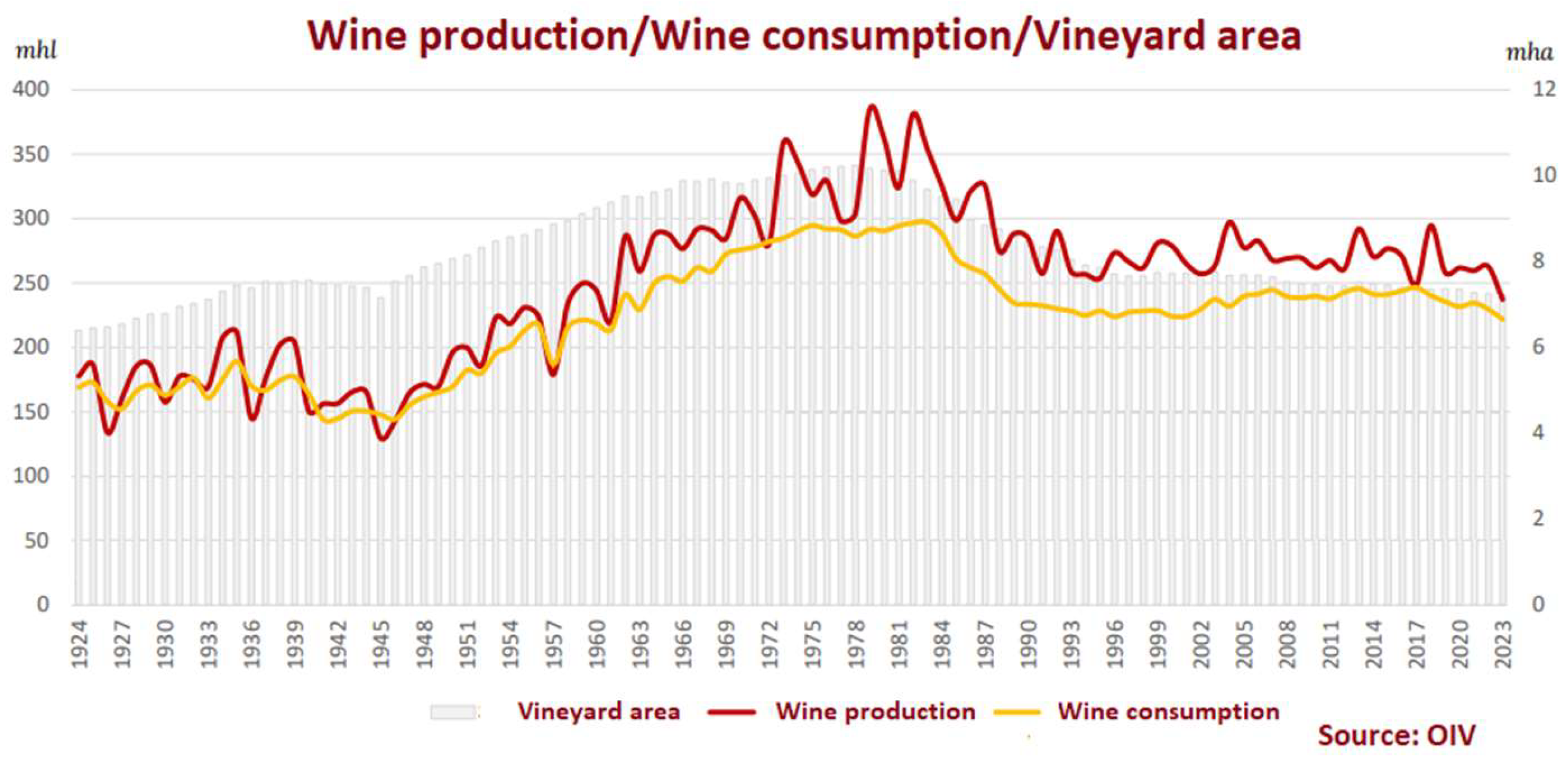
Figure 1. Global wine production, consumption, and vineyard surface area. Source: OIV.
Preprints 146660 g001
Figure 2. Per capita wine consumption in Spain (1962-2022). Source: AAWE. .
Preprints 146660 g002
Figure 3. 2005, the year Spain's wine exports exceeded domestic consumption. In this year, as shown in Figure 2, Spain fell from 8th to 13th in per capita consumption and dropped to 18th the following year. Source: OIV. .
Preprints 146660 g003
Figure 4. Top 10 wine-exporting countries by volume and value in 2023. Source: UNCTAD.
Preprints 146660 g004
Figure 5. Outline of research constructs in the dealcoholized wine study.
Preprints 146660 g005
Disclaimer/Publisher’s Note: The statements, opinions and data contained in all publications are solely those of the individual author(s) and contributor(s) and not of MDPI and/or the editor(s). MDPI and/or the editor(s) disclaim responsibility for any injury to people or property resulting from any ideas, methods, instructions or products referred to in the content.
Copyright: This open access article is published under a Creative Commons CC BY 4.0 license, which permit the free download, distribution, and reuse, provided that the author and preprint are cited in any reuse.
Prerpints.org logo

Preprints.org is a free preprint server supported by MDPI in Basel, Switzerland.

Subscribe

Disclaimer

Terms of Use

Privacy Policy

Privacy Settings

© 2025 MDPI (Basel, Switzerland) unless otherwise stated