

Submitted:
07 January 2025
Posted:
08 January 2025
You are already at the latest version
Abstract
This study delves into the agronomy of select expansive crops in the mountainous regions of Romania, examining the mountain Spermatophytes territorial profile and production dynamics of key vegetable resources including potato (Solanum tuberosum), maize (Zea mays), carrots (Daucus carota), parsnips (Pastinaca sativa), celery (Apium graveolens), and cabbage (Brassica oleracea). The research employs a multidisciplinary approach encompassing agronomical, statistical, territorial profile, and clinical methodologies, focusing on a diverse array of mountain products and producers. The findings indicate that for mountain vegetables to function as functional foods, they necessitate distinct treatments and agronomic interventions, diverging from those applied to low-land crops. Mountain Spermatophytes territorial profile, presented as maps, show a sustainable development of the highland area. The enhanced value-added chain of the aforementioned mountain products has experienced significant strengthening during the period of 2017-2021. This growth is attributed to unique agronomic treatments that resulted in heightened productivity, the prevailing pandemic context, and the distinctive development of the value-added chain specific to these crops.
Keywords:
added value chain
; agronomy
; functional food
; mountain agriculture
; mountain food Spermatophytes
; territorial profile
Introduction
Spermatophytes, or seed plants, are crucial components of mountain ecosystems, providing diverse agricultural products. This paper focuses on their role as functional foods and examines the added value chain associated with their production. This manuscript presents a thorough investigation into the value-added continuum intrinsic to specific mountainous Spermatophytes commodities. The primary objective of this study is to emphasize the pivotal role of agronomic interventions and corrective measures in the acquisition of functional dietary provisions. The investigative framework is based on the examination of Romanian mountainous products in accordance with the classifications provided by the National Register of Mountainous Products (RNPM).
As indicated by the RNPM (ANZM 2022; ANZM 2023), the taxonomy of Romanian botanical mountainous entities encompasses 89 units, with particular emphasis placed on potatoes (Solanum tuberosum), maize (Zea mays), carrots (Daucus carota), parsnips (Pastinaca sativa), celery (Apium graveolens), and cabbage (Brassica oleracea) within the expansive geographical context. Noteworthy progress has been observed in the registration status of mountain spermatophytes territorial profile, especially in light of the inclusion of a substantial number of these commodities in the mountain registry.
The selection of scrutinized mountainous products is grounded in their discernible merits concerning the well-being of both humans and animals. Potatoes, as an illustrative example, serve as a reservoir of antioxidants, encompassing vitamins, trace elements, ascorbic acid, and pigments unique to potatoes. These pigments include carotenoids such as lutein, zeaxanthin, and violaxanthin, serving as antioxidants and mitigating oxidative stress in human cellular structures.
Carrots, well-regarded for their ocular benefits, embody a convergence of carotenoids, polyphenols, and vitamins, eliciting diverse physiological effects such as antioxidant, anticancer, immunodeficiency augmentation, antidiabetic, anti-cholesterol, cardiovascular, antihypertensive, hepatoprotective, renoprotective, antibacterial, antifungal, anti-inflammatory, and analgesic properties.
Cabbage, as a healthful cruciferous vegetable, demonstrates efficacy in alleviating various maladies. Its preventive capacities extend to mitigating the impact of cancer and chronic ailments, including cardiovascular diseases, cataracts, Alzheimer's disease, and diabetes. Cabbage's compositional attributes encompass antioxidant nutrients and phytochemicals, particularly carotenoids, glucosinolates, isothiocyanates, phenolic compounds, and vitamins.
Materials and Methods
This manuscript introduces a taxonomy of four distinct research methodologies, namely agronomical, statistical, territorial profile, and clinical approaches. Agronomical investigation proffers remedies for enhancing the health and productivity of mountainous vegetable products. Empirical data for agronomical exploration emanated from agricultural inquiries conducted on two farmers situated in the northern regions of the European Carpathian Romanian mountainous terrain – Maramures and Neamt. The study employs a comprehensive approach, incorporating agronomical analyses to understand cultivation practices, statistical assessments to gauge market dynamics, territorial profiling to assess geographical impacts, and clinical research to explore health benefits.
Statistical simulations delineate strategies to augment the marketability of vegetable mountain products, aligning with the International Trade Centre (ITC) (2022) trends, which illustrate a persistent positive trajectory in Romanian agricultural product exports. Territorial profile research underscores the significance of mountainous products within the panorama of Romanian agricultural commodities. Utilizing the National Register of Mountainous Products (RNPM), authors generated cartographic representations for various products or product categories. Graphical depictions reveal that the mountainous counties of Romania are well-represented in the comprehensive landscape of agricultural products.
Clinical investigation delves into the benefits derived from the consumption of vegetable mountain products, specifically potatoes, maize, carrots, parsnips, celery, and cabbage. Drawing insights from literature and personal experiences, the clinical analysis provides a nuanced understanding of the positive impacts associated with the incorporation of these products into one's diet.
Results and Discussion
The exploration of the specific scientific literature concludes that Spermatophytes mountain products can be used a functional food. Regarding functional attributes of Spermatophytes mountain products, the paper delves into the nutritional and health benefits of key mountain crops, highlighting the unique attributes of potato, maize, carrots, parsnips, celery, and cabbage. Specific emphasis is placed on their antioxidant, anti-inflammatory, and antibacterial properties.
Agronomic treatments and remedies highlight a crucial aspect of the study is the identification of specialized agronomic treatments required for mountain vegetables to function optimally as functional foods. Distinct from lowland crops, these treatments contribute to the enhanced value chain of Spermatophytes mountain products.
In strengthening of the added value chain, the research findings reveal a substantial strengthening of the added value chain for Spermatophytes mountain products, particularly during the period of 2017-2021. The paper explores the contributing factors, including unique agronomic treatments, the pandemic context, and the evolution of the value chain specific to these crops.
The authors have empirically observed that the aforementioned vegetables, when cultivated with precision, manifest notable anti-inflammatory, antioxidant, and antibacterial properties. These observations find resonance in the findings of other scholars within the same domain.
In addition to serving as a source of energy due to its elevated starch content, the potato tuber holds the potential to make a substantial contribution to dietary mineral intake. This contribution encompasses essential minerals such as potassium, phosphorus, magnesium, and iron. Moreover, the potato provides essential vitamins, including vitamin C, along with dietary fiber and phenolic compounds (Andre et al. 2014). The antioxidants and phenolic compounds inherent in potatoes exhibit the capability to inhibit cancer cells and enhance cardiovascular health, thereby mitigating the risk of elevated blood pressure (Khalid et al. 2020).
In the context of health implications, maize boasts nutritional profile rich in nutrients and phytochemicals, encompassing vitamins, minerals (magnesium, potassium, and phosphorus), phenolic acids (ferulic acid, coumaric acid, and syringic acid), carotenoids, flavonoids (anthocyanins), and dietary fiber. A growing body of scientific evidence underscores the significance of regular whole corn consumption, correlating with a reduced risk of chronic diseases such as cardiovascular disease, type 2 diabetes, obesity, and an enhancement in digestive health (Weselek et al. 2021).
As per a study focusing on carrots (Da Silva Dias 2014), this root vegetable has been substantiated to contain a spectrum of compounds, including carotenoids, flavonoids, polyacetylenes, vitamins, and minerals. These constituents confer myriad nutritional and health benefits upon consumption. Celery, on the other hand, is endowed with essential elements such as magnesium, manganese, selenium, silicon, cobalt, iodine, calcium, potassium, iron, chromium, zinc, vitamins, and phenolic compounds, collectively exhibiting robust antioxidant properties (Godlewska et al. 2020).
The diverse antioxidant phytochemical composition across various cabbage cultivars exhibits considerable variation, influenced by environmental conditions, genotype disparities, and agronomic conditions. While cabbage stands out as a nutrient repository, it contains anti-nutrient compounds that may impede the absorption of specific nutrients, potentially leading to undesirable effects under certain circumstances. These circumstances include instances of drug interactions and gastrointestinal problems, as elucidated in research findings by Moreb et al. (2020).
The findings of the study indicate that vegetables with functional food attributes exhibit a diverse range within the entirety of mountainous products (Author 2 et al. 2023a, Author 2 et al. 2023b, Author 2 et al. 2023c, Author 1 & Author 2 2023, Author 2 2023). With regard to the most prevalent functional food in mountainous regions, namely garlic (Allium sativum), the year 2021 witnessed a mere two instances of garlic among 74 vegetable product varieties (constituting 2.70% of the total). Presently, the RNPM records more than ten garlic varieties. The proportional distribution of vegetable products presents a favorable overview, particularly for counties such as Cluj (14.06%), Covasna and Maramures (10.11%), and Hunedoara (11.23%) (ANZM 2022; ANZM 2023).
Varieties of potatoes (Solanum tuberosum) stand out as highly sought-after and lucrative mountainous vegetables. Potatoes, a staple in many diets worldwide, face distinctive challenges when cultivated in mountainous regions. This introduction sets the stage for an in-depth exploration of the scientific aspects governing potato cultivation in high-altitude environments.
The study explores sustainable practices tailored to mountainous potato cultivation, emphasizing resource-efficient techniques, organic fertilization, and water management strategies. These practices aim to minimize environmental impact while ensuring long-term agricultural viability.
The scrutinized mountain producer in Maramures encountered challenges associated with excessive weed growth in potato cultivation. Successful cultivation of mountain potatoes necessitates effective weed management, a predicament common to numerous mountainous producers in Romania. The inherently higher moisture content in mountain soils facilitates intensified weed proliferation. The analyzed producer addressed the weed issue through manual intervention, implementing the research protocol over two consecutive years. However, the authors advocate for the alternation of biofungicide types based on potato variety and soil cultivation system. Precise application of compost and mineral nitrogen in early summer soils assumes significance. Owing to lower temperatures, mountain soils tend to be more demineralized, underscoring the importance of mineralization processes for both soil organic matter and compost, particularly during the potato tuber formation phase. Effective phytosanitary products are recommended during this crucial stage (Minin et al. 2020).
The potato market has experienced substantial expansion in recent years, with exports witnessing a noteworthy increase of +60.02% between 2017 and 2021, escalating from $2764000 to $4423000 (ITC 2022). Covasna, Brasov, Harghita, Valcea, and Maramures are identified between 2022-2023 as pivotal mountain production counties for Romanian potato varieties (Figure 1) (ANZM 2022; ANZM 2023).
The maize (Zea mays) market is of notable significance for mountainous producers. Maize, a cornerstone of global agriculture, presents unique challenges when cultivated in mountainous regions. This introduction sets the stage for an in-depth examination of the scientific dimensions that govern maize cultivation in elevated landscapes.
This section scrutinizes the agronomic aspects of maize cultivation in mountainous terrain. From soil preparation and nutrient management to pest control and harvesting techniques, the study aims to distill evidence-based practices that optimize maize yields and quality in high-altitude environments. An exploration of technological advancements that aid maize cultivation in mountainous landscapes. From precision agriculture to innovative machinery, technological interventions play a crucial role in enhancing efficiency and sustainability in high-altitude maize farming.
An investigation into enhancing corn productivity through organic methodologies, imperative in the context of Romania's agriculture, advocates treatments for mountainous corn crops involving diminished application of mineral nitrogen to the soil, the incorporation of wheat straw or grasses combined with stable manure, compost, and related practices. Another pivotal technique fostering the harmonious development of this botanical resource involves the implementation of maize multicultures, wherein multiple varieties are cultivated in the same year on contiguous plots or through annual rotations of diverse corn varieties. A case study from Neamt county illustrates a two-year application of wheat straw, diverse herbaceous hay, compost derived from vegetable food waste, and cow manure. Concurrently, adjacent plots hosted the cultivation of two corn varieties – Montana and Bucovina – resulting in quantitatively and qualitatively observable growth of the maize crop (Siyuan et al. 2018).
An additional inquiry delves into the utilization of humic substances in corn cultivation, presenting an agronomic proposition for agricultural products in the Romanian mountainous region. A physico-chemical process is devised to transform and enhance lignocellulosic waste into humic liquid extracts. The impacts of humic substances on maize seed germination, growth, development, and mineral nutrition are assessed under hydroponic conditions. Results indicate that while humic substances do not augment germination rates, they do enhance root elongation in treated seeds. Positive effects extend to overall plant growth, as evidenced by increased root, shoot, and leaf biomass. The heightened water and mineral consumption by treated plants suggests increased water efficiency, leading to greater biomass production compared to untreated counterparts under the same nutrient solution consumption. Furthermore, humic substances induce early flowering and alter root development, indicating potential interactions with developmental processes. Given the multifaceted positive effects on plant growth stages, the utilization of humic substances offers diverse scientific and economic advantages. An exemplary enhancement involves the physicochemical transformation of sawdust, providing an intriguing avenue to improve organic waste management (Eyheraguibel et al. 2008).
The Romanian corn market exhibited considerable export variation from 2017 to 2021, ranging from $142967000 to $361254000, marking a significant increase of +152.68% (ITC 2022). Key mountainous maize producers are concentrated between 2022-2023 in Covasna, Hunedoara, Satu Mare, and Maramures (Figure 2) (ANZM 2022; ANZM 2023).
Carrots (Daucus carota), parsnips (Pastinaca sativa), and celery (Apium graveolens) represent the predominant root vegetables in the dietary practices of Romanians.
A thorough examination of the agronomic practices essential for the successful cultivation of Carrots, Parsnips, and Celery in mountainous regions. This includes soil preparation, nutrient management, pest control, and harvesting techniques, providing evidence-based recommendations for optimizing yields. Exploring how environmental factors specific to mountainous terrains, such as altitude, temperature, and soil composition, influence the growth and development of these root vegetables. Understanding these dynamics is crucial for devising sustainable cultivation strategies.
In a comprehensive study conducted by European scholars, Bender et al. (2015) discerned distinctions in the quality of organic and conventional production, a phenomenon replicated in the mountainous agricultural landscape of Romania. The conventional cultivation method involved the application of mineral fertilizer-derived nutrients, including sodium, potassium, and nitrogen, alongside the use of pesticides for plant protection. Conversely, a scrutinized mountain producer in Neamt opted for a two-year application of organic compost and polypropylene netting as protective measures within the cultivation system. This strategic shift yielded a pronounced increase in both quantitative and qualitative aspects, resulting in sweeter roots and a greater overall yield. Addressing root-centric agronomic concerns, Bender et al. (2015) noted that the marketable yield of organically grown carrots may exhibit a reduction relative to conventionally cultivated counterparts.
Beetroot (Beta vulgaris subsp. vulgaris var. altissima) (Beta vulgaris saccharifera) emerges as a significant source of nitrates with inherent properties for the prevention and management of various pathologies, notably hypertension and endothelial dysfunction. Its constituents, particularly betalain pigments, demonstrate antioxidant, anti-inflammatory, and chemo-preventive efficacy. The phytochemical composition of beetroot includes ascorbic acid, carotenoids, phenolic acids, and flavonoids, with betalains showcasing potent antioxidant and anti-inflammatory attributes. Supplementation with beetroot has been linked to reductions in blood pressure, inflammation, oxidative stress, endothelial dysfunction, cerebrovascular hemodynamics, and the mitigation of conditions such as liver disease, arthritis, and cancer (Clifford et al. 2015).
The Romanian root market, encompassing carrots, parsnips, celery, beetroot, among others, has undergone substantial expansion over the past five years, exhibiting a growth rate of +79.53% from $17947000 to $3222000 (ITC 2022). Predominant mountain producers are concentrated between 2022-2023 in Covasna, Valcea, and Caras-Severin (Figure 3) (ANZM 2022; ANZM 2023).
Cabbage (Brassica oleracea) stands as a pivotal vegetable within the agricultural landscape of the Romanian mountain region.
Initiating a scientific inquiry into the cultivation of cabbage in mountainous landscapes, this section sets the stage for a comprehensive examination of the unique factors influencing its growth. Investigating the genetic diversity and adaptations that contribute to the resilience of Cabbage in mountain environments. Understanding genetic traits is crucial for breeding cultivars that can thrive in challenging conditions and resist pests and diseases. This section explores the nutritional composition and health benefits offered by cabbage. Analyzing phytochemical compounds, vitamins, and minerals present in this cruciferous vegetable, with a focus on its potential contributions to human health.
The production systems employed for mountain vegetables in Romania involve frequent tillage for seedbed preparation and weed management, characterized by a minimal input of crop residues. To explore the potential for stimulating intensive vegetable production, a specific study (Bajgai et al. 2015) investigated the impact of incorporating corn residue into a corn-cabbage rotation, assessing yields, nutrient uptake, weed biomass, and soil nutrient levels.
The results of the study revealed that corn and cabbage yields in the organic treatment did not significantly differ from the conventional treatment, particularly when equivalent amounts of nitrogen, phosphorus, and potassium were applied. The macronutrient uptake in cabbage exhibited no notable differences between the organic and conventional treatments. However, the incorporation of corn residue led to a reduction in biomass in cabbage crops. The inhibitory effect of maize residue on weed biomass was identified as a potential benefit for various treatments. In Maramures, a mountain producer implemented a cabbage-maize crop rotation, and agronomic research conducted over two consecutive years demonstrated a noticeable improvement in both qualitative and quantitative results following the application of this remedial agronomic treatment.
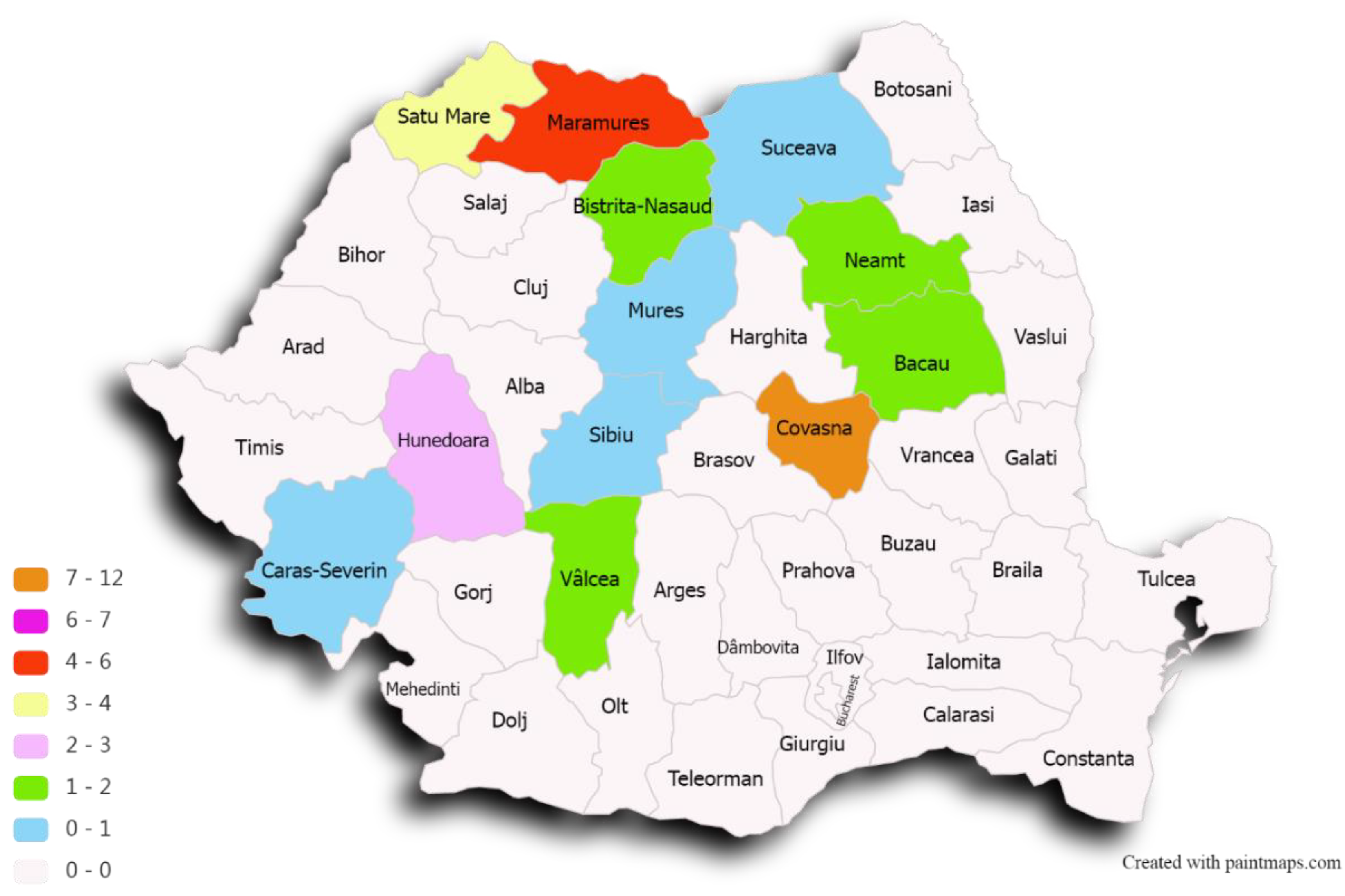
Examining market trends, the Romanian cabbage market displayed fluctuations of +88.70% in the analyzed period, ranging from $14970000 to $28249000 (ITC 2022). Mountain cabbage producers are predominantly concentrated between 2022-2023 in Covasna, Maramures, Satu Mare, and Hunedoara (Figure 4) (ANZM 2022; ANZM 2023).
Conclusion
Studies focusing on mountain products offer unique advantages for promoting a healthier lifestyle, warranting the development of their value-added chains. The investigation substantiates those precise adjustments in compost composition and mineral nitrogen forms contribute to the enhancement of potato (Solanum tuberosum) crops. Moreover, the application of compost derived from vegetable food waste and cow manure facilitates the growth of maize (Zea mays), while cabbage (Brassica oleracea) production benefits from the use of organic fertilizers and crop residues. Additionally, for crops such as carrots (Daucus carota), parsnips (Pastinaca sativa), and celery (Apium graveolens), the incorporation of organic compost and the utilization of polypropylene netting prove to be advantageous. The comprehensive findings of the research underscore that agronomic interventions and treatments play a pivotal role in fortifying mountain products, fostering the enrichment of a diverse array of minerals and vitamins essential for both human and animal consumption.
In conclusion, Spermatophytes mountain products exhibit significant potential as functional foods, offering a myriad of health benefits. The added value chain associated with these crops has witnessed notable growth, underscoring the importance of tailored agronomic interventions and the unique context in which these products are cultivated.
Author Contributions
Conceptualization: CM, CB, CS; data verification: CM, CB; formal analysis: CB; research: CM, CB, CS; methodology: CB; validation: CM, CB, CS; editing original draft: CB; review: CM, CB, CS; final document: CM, CB, CS. All authors read and approved the final manuscript.
Funding
The author(s) received no financial support for the research, authorship, and/or publication of this article.
Informed Consent Statement
Not applicable.
Data Availability Statement
Not applicable.
Conflicts of Interest
The author(s) declares no conflict of interest.
References
- Agentia Natională a Zonei Montane din Romania (National Agency of Mountain Area) – ANZM. National Register of Mountain Products from Romania – RNPM; 2022.
- Agentia Natională a Zonei Montane din Romania (National Agency of Mountain Area) - ANZM. National Register of Mountain Products from Romania – RNPM; 2023.
- Andre, C.M.; Legay, S.; Iammarino, C.; Ziebel, J.; Guignard, C.; Larondelle, Y.; Miranda, L.M. The potato in the human diet: a complex matrix with potential health benefits. Potato Research. 2014, 573, 201–214. [Google Scholar] [CrossRef]
- Bajgai, Y.; Kristiansen, P.; Hulugalle, N.; McHenry, M. Comparison of organic and conventional managements on yields, nutrients and weeds in a corn–cabbage rotation. Renewable Agriculture and Food Systems. 2015, 302, 132–142. [Google Scholar] [CrossRef]
- Bender, I.; Moor, U.; Luik, A. The effect of growing systems on the quality of carrots. Res. Rural Dev. 2015, 1, 118–123. [Google Scholar]
- Clifford, T.; Howatson, G.; West, D.J.; Stevenson, E.J. The potential benefits of red beetroot supplementation in health and disease. Nutrients. 2015, 74, 2801–2822. [Google Scholar] [CrossRef]
- Covaci Sterpu, B. Contribution of the reports and dissertation of doctoral research, Oradea University. 2020-2023.
- Covaci, B.; et al. Annual research report Mountain entrepreneurship, support for the development of mountain areas in Europe. Case study on mountain entrepreneurs in Romania, Mountain Economy Center of the Romanian Academy - National Institute of Economic Research. 2023.
- Covaci, B.; Antonescu, D.; Apetrei, M.; Rey, R.; Covaci, M.; Catuna, C. Mountain Agrifood Economy in the triad Economy-Management-Marketing. National Romanian Library. 2023.
- Covaci, B.; Brejea, R.; Covaci, M. Sweeteners World Trade and Behaviour in the Pandemic. Evidence from Honey Remedies Nexus Mountain Apis Mellifera Product. Sugar Tech. 2023, 1, 12. [Google Scholar] [CrossRef] [PubMed]
- Covaci, B.; Covaci, M. Mountain food as a natural probiotic: Evidence from Central and Eastern European nutrition and behaviour. International Food Research Journal. 2023, 30, 1. [Google Scholar] [CrossRef]
- Da Silva Dias, J.C. Nutritional and health benefits of carrots and their seed extracts. Food and Nutrition Sciences. 2014, 522, 2147. [Google Scholar] [CrossRef]
- Eyheraguibel, B.; Silvestre, J.; Morard, P. Effects of humic substances derived from organic waste enhancement on the growth and mineral nutrition of maize. Bioresource technology. 2008, 9910, 4206–4212. [Google Scholar] [CrossRef]
- Godlewska, K.; Pacyga, P.; Michalak, I.; Biesiada, A.; Szumny, A.; Pachura, N.; Piszcz, U. Field-scale evaluation of botanical extracts effect on the yield, chemical composition and antioxidant activity of celeriac Apium graveolens L. var. rapaceum. Molecules. 2020, 2518, 4212. [Google Scholar] [CrossRef] [PubMed]
- International Trade Center – ITC. Romania's bilateral trade with the countries of the world for various products. Trade Map. 2022. https://www.trademap.org/Index.
- Khalid, M.Z.; Aziz, A.; Tariq, A.; Ikram, A.; Rehan, M.; Younas, S.; Fatima, A. Nutritional Composition and Health Benefits of Potato: A Review. Advanced Food and Nutritional Sciences. 2020, 5, 7–16. [Google Scholar]
- Minin, V.B.; Popov, V.D.; Maksimov, D.A.; Ustroev, A.A.; Melnikov, S.P.; Papushin, E. Developing of modern cultivation technology of organic potatoes. 2020.
- Moreb, N.; Murphy, A.; Jaiswal, S.; Jaiswal, A.K. Cabbage. Nutritional Composition and Antioxidant Properties of Fruits and Vegetables. 2020, 33–54. [Google Scholar]
- Siyuan, S.; Tong, L.; Liu, R. Corn phytochemicals and their health benefits. Food Science and Human Wellness. 2018, 73, 185–195. [Google Scholar] [CrossRef]
- Weselek, A.; Bauerle, A.; Zikeli, S.; Lewandowski, I.; Högy, P. Effects on crop development, yields and chemical composition of celeriac apium graveolens l. Var. Rapaceum cultivated underneath an agrivoltaic system. Agronomy. 2021, 114, 733. [Google Scholar] [CrossRef]
Figure 1.
Territorial profile of mountain potato producers.
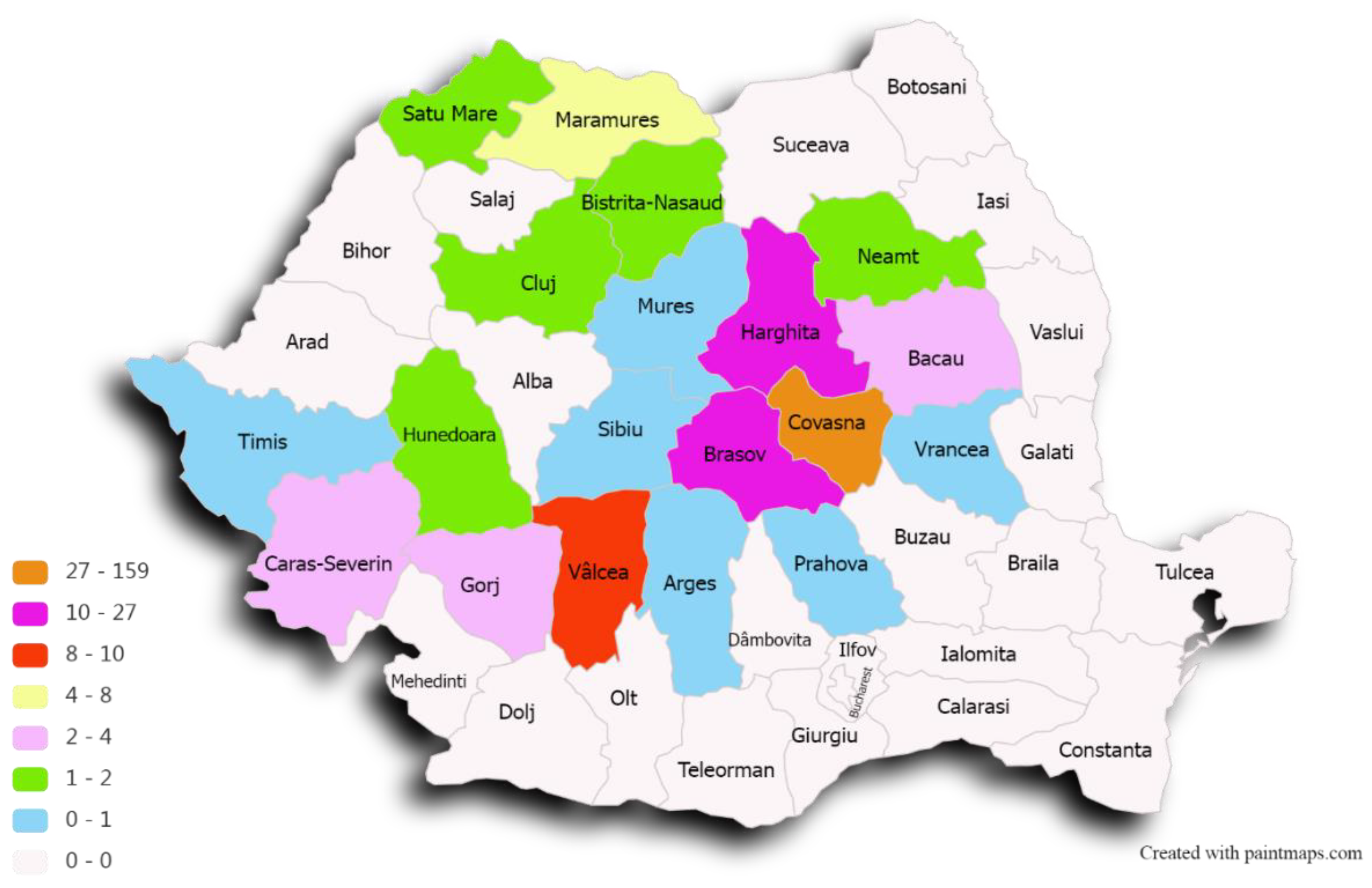
Figure 2.
Territorial profile of mountain maize producers.

Figure 3.
Territorial profile mountain producers of carrots, parsnips, celery and beetroot.
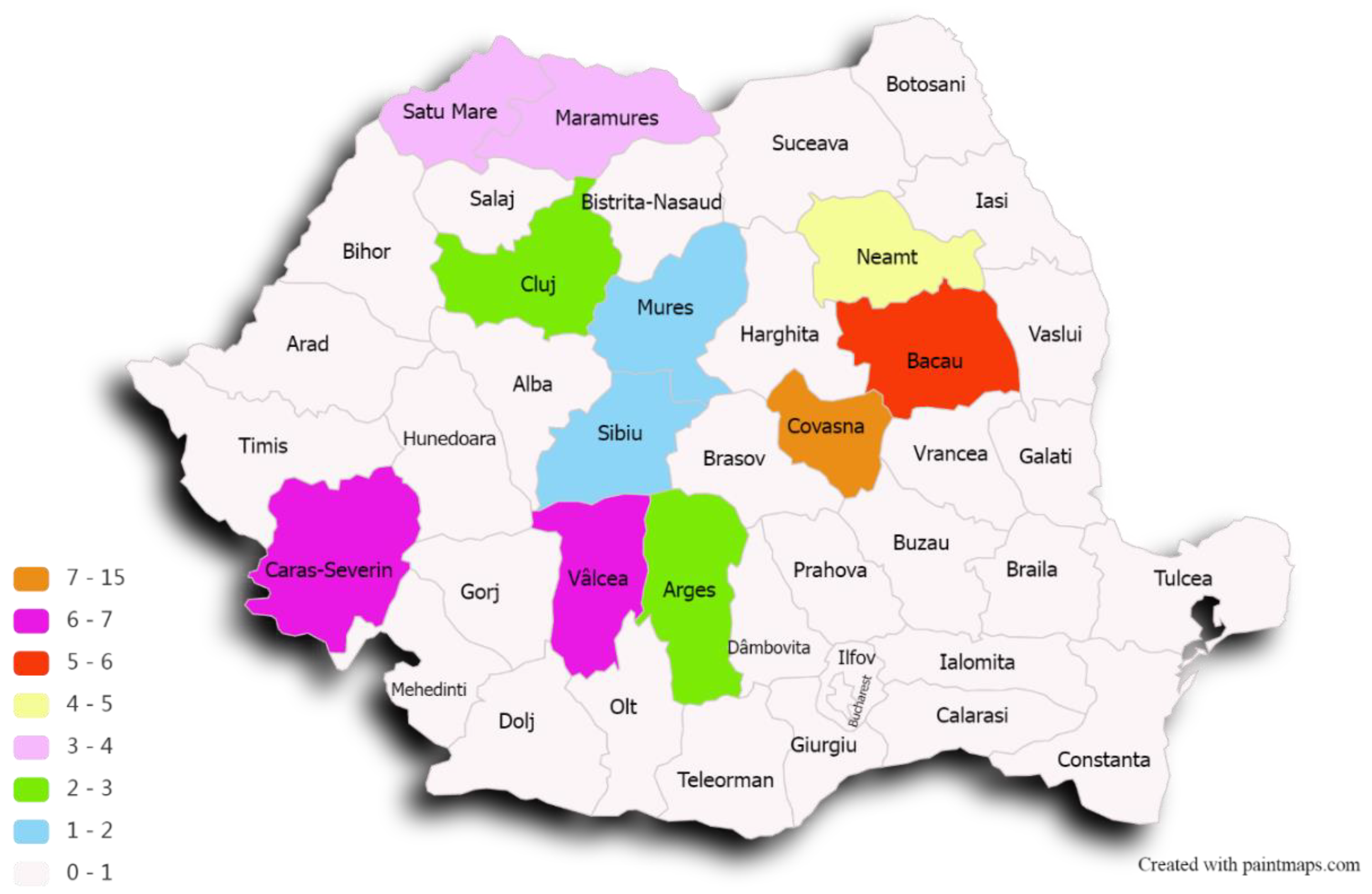
Figure 4.
Territorial profile of mountain cabbage producers.
Disclaimer/Publisher’s Note: The statements, opinions and data contained in all publications are solely those of the individual author(s) and contributor(s) and not of MDPI and/or the editor(s). MDPI and/or the editor(s) disclaim responsibility for any injury to people or property resulting from any ideas, methods, instructions or products referred to in the content. |
© 2025 by the authors. Licensee MDPI, Basel, Switzerland. This article is an open access article distributed under the terms and conditions of the Creative Commons Attribution (CC BY) license (http://creativecommons.org/licenses/by/4.0/).
Copyright: This open access article is published under a Creative Commons CC BY 4.0 license, which permit the free download, distribution, and reuse, provided that the author and preprint are cited in any reuse.


