

Submitted:
31 December 2024
Posted:
02 January 2025
You are already at the latest version
Abstract
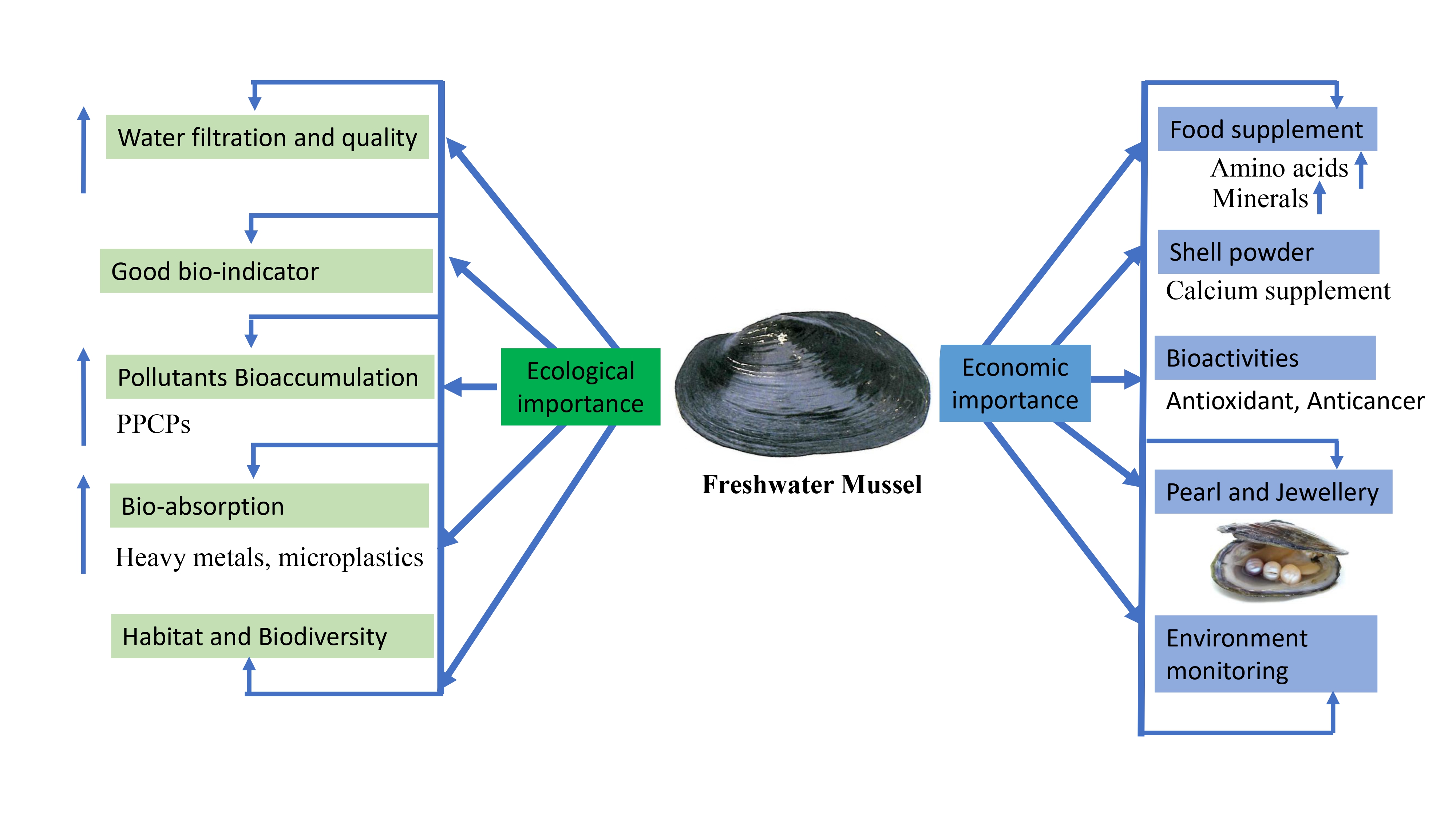
Freshwater mussels play a vital ecological role in aquatic ecosystems, serving as effective natural filters that enhance water quality by removing suspended particles and excess nutrients, thereby preventing eutrophication. Their filtration activity supports overall ecosystem stability and promotes biodiversity by providing habitat structure for various aquatic species. Additionally, mussels are valuable bioindicators of environmental health, reflecting water quality changes and accumulating pollutants, including pharmaceuticals and heavy metals, which can offer insights into pollution trends. Economically, freshwater mussels provide a rich source of nutrition, with their flesh containing essential proteins and fatty acids, and hold cultural significance through the pearl and jewelry industry. Despite these benefits, freshwater mussels face significant threats, including habitat destruction, pollution, invasive species, and overexploitation. These pressures have resulted in drastic population declines and extinctions across various species. Effective conservation and management strategies are essential to protect freshwater mussels, focusing on habitat protection and restoration, ongoing research, and stakeholder engagement to ensure the sustainability of these crucial organisms. This review highlights the multifaceted ecological and economic values of freshwater mussels, the challenges they face, and the importance of comprehensive conservation efforts to maintain their populations and the health of aquatic ecosystems.
Keywords:
bivalves
; conservation
; health benefits
; mollusk
; water quality
; bioaccumulation
1. Introduction
Freshwater mussels (Unionoida) are one of the most diverse and widely distributed groups of bivalves, inhabiting rivers, streams, lakes, and ponds across the globe. Their shells display vibrant colors, diverse shapes, and unique features like ridges, bumps, and spikes. Mussels are intriguing due to their complex life cycles carried out on riverbeds and are among the longest-living invertebrates, capable of surviving up to 100 years (Haag, 2009). With over 900 species identified worldwide, they play critical roles in maintaining the health and functionality of freshwater ecosystems (Lopes-Lima et al., 2017). Freshwater mussels are among nature’s most effective filtration systems. They not only stabilize aquatic ecosystems but also continuously enhance water quality. Each mussel can filter between 5 and 10 gallons of water daily, every day of the year. With nearly 300 species, North America boasts the highest diversity of freshwater mussels in the world. However, over 70% of these species are in decline: 7% are extinct, 21% are classified as endangered, and another 40% are listed as threatened (Gatenby & Richards, 2024). Historically, these organisms have also held significant economic value, particularly in the pearl and button industries (Strayer & Smith, 2003).
They play a vital role in the food web, filtering water and transforming otherwise inaccessible nutrients into food for their predators, such as fish, crayfish, amphibians, reptiles, birds, and mammals. Mussel shells also provide habitats for insects and plants, while empty shells become nesting sites for small fish-like darters (Modesto et al., 2018). Despite their importance, freshwater mussels are among the most endangered groups of animals globally. Threats such as habitat degradation, water pollution, overexploitation, and the introduction of invasive species have led to drastic declines in their populations (Haag, 2012). Understanding and appreciating both the ecological and economic contributions of freshwater mussels are essential for developing effective conservation strategies.
This article aims to provide a comprehensive overview of the ecological services provided by freshwater mussels, their economic significance, the challenges they face, and the measures necessary for their conservation and management.
Figure 1.
Freshwater mussel Lamellidens marginalis showing both outer (left) and inner (right) shells.
Figure 1.
Freshwater mussel Lamellidens marginalis showing both outer (left) and inner (right) shells.

2. Materials and Methods
This review employs the Preferred Reporting Items for Systematic Reviews and Meta-Analyses (PRISMA) (Moher et al., 2015) methodology to ensure a comprehensive and systematic approach to the literature on the ecological and economic significance of freshwater mussels. The PRISMA method provides a framework for conducting transparent and replicable reviews, enhancing the reliability and validity of the findings.
2.1. Literature Search
A systematic search of the literature was conducted using multiple academic databases, including PubMed, Scopus, Google Scholar and ResearchGate. The search was aimed at identifying studies that address the ecological functions and economic values of freshwater mussels, as well as the challenges they face. The following keywords and their combinations were used: "freshwater mussels," "Unionoida," "ecological functions," "economic value," "water filtration," "bioindicators," "bioaccumulation," "nutrient cycling," "habitat structuring," "pearl industry," "environmental monitoring," and "ecosystem services."
2.2. Inclusion and Exclusion Criteria
Studies were included in the review if they met the following criteria: Population: Focused on freshwater mussels, particularly within the order Unionoida, Interventions: Investigated the ecological roles, economic contributions, or conservation challenges of freshwater mussels, Outcomes: Reported data on ecological functions (e.g., water filtration, nutrient cycling), economic values (e.g., pearl industry, environmental monitoring), and conservation issues (e.g., habitat degradation, pollution), Study Type: Included primary research articles, reviews, meta-analyses, and case studies, Language: Published in English.
Studies were excluded if they focused on marine mussels or other non-freshwater bivalves, did not provide empirical data or where opinion pieces without scientific backing were published in languages other than English. The data were synthesized qualitatively, focusing on thematic analysis to identify key trends and gaps in the literature.
2.3. PRISMA Flow Diagram and Quality Assessment
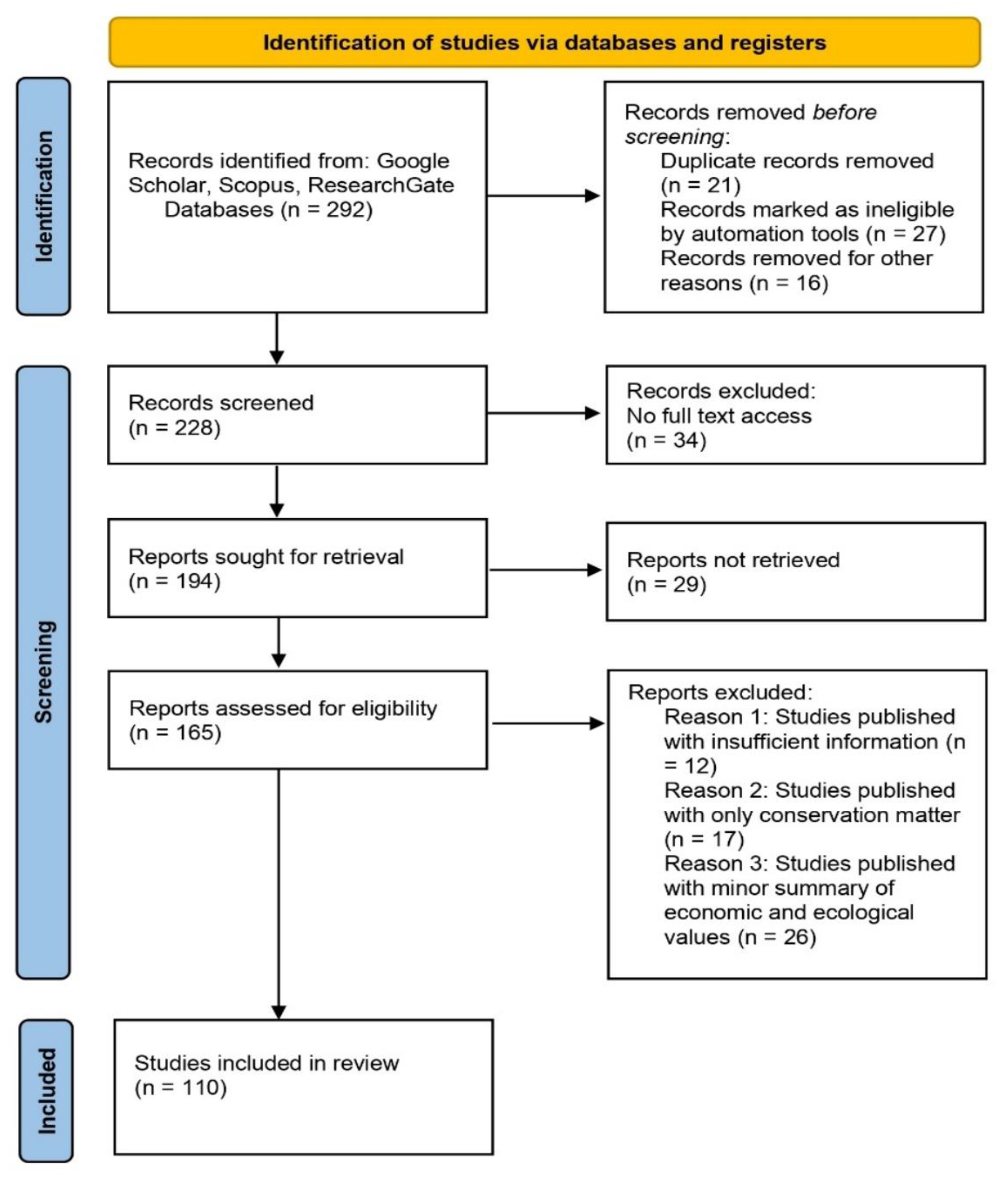
A PRISMA flow diagram was used to document the process of study selection. This included the number of studies identified through database searching, the number of studies screened, the number of studies excluded based on the inclusion and exclusion criteria, and the final number of studies included in the review.
The quality of the included studies was assessed using a modified version of the Newcastle-Ottawa Scale (NOS) for non-randomized studies. This assessment was used to evaluate the methodological rigor of the studies and the reliability of their findings.
Figure 2.
PRISMA Flow Diagram used in the systemic review process.
3. Ecological Values of Freshwater Mussels
3.1. Water Filtration and Quality Improvement
Freshwater mussels are renowned for their impressive filtration capabilities. By filtering suspended particles, including algae, bacteria, and detritus, they play a crucial role in maintaining and improving water quality (Vaughn & Hakenkamp, 2001). An individual mussel can filter several liters of water per day, cumulatively leading to significant reductions in turbidity and concentrations of potential pollutants in aquatic systems (Spooner & Vaughn, 2006).
Different species of freshwater mussels have varying filtration rates, often correlated with their size. Larger mussels typically have a greater filtration capacity due to a larger gill surface area. Vaughn et al. (2008) observed that species with larger body sizes and gill surface areas, such as Elliptio complanata, had higher filtration rates than smaller species (Vaughn, Nichols, & Spooner, 2008).
The concentration of suspended particles in the water affects the filtration efficiency of mussels. High concentrations can lead to clogging of the gill structures, reducing the mussels' ability to filter effectively (Aldridge, Fayle, & Jackson, 2007). Conversely, very low concentrations might not provide sufficient nutrition. Moderate water flow can enhance filtration efficiency by supplying mussels with a continuous flow of particulates. However, excessively high flow rates might impede the filtration process due to physical stress on the mussels or difficulty in maintaining their position (Howard & Cuffey, 2003).
This filtration process not only clarifies the water but also facilitates the removal of excess nutrients, thereby preventing eutrophication and supporting the health of aquatic ecosystems (Strayer, 2014). Their filtration activities can significantly reduce the concentration of suspended solids, improving light penetration and oxygen levels in aquatic ecosystems (Strayer, Caraco, Cole, Findlay, & Pace, 1999). This not only benefits other aquatic organisms, such as fish and aquatic plants, but also promotes overall ecosystem stability and resilience. Moreover, mussels can sequester contaminants in their tissues and shells, effectively acting as natural water purifiers and contributing to the overall resilience of freshwater habitats (Geist, 2010).
3.2. Bio-Indicator of Environment
Freshwater mussels act as bioindicators due to their sensitivity to changes in water quality and environmental conditions. Their presence and filtration activity can reflect the health of the aquatic environment, making them essential components in monitoring and conservation efforts (Buddensiek et al., 1993). Mussels can accumulate pollutants in their tissues at concentrations higher than those found in the surrounding water, effectively magnifying the presence of contaminants and making them easier to detect and quantify (Farris, Van Hassel, & Newton, 1988). The long lifespan and stationary nature of mussels enable them to integrate pollution data over time and across specific locations. This provides valuable insights into the temporal and spatial distribution of pollutants, helping identify trends and sources of contamination (Blaise, Gagné, Pellerin, Hansen, & Trottier, 2002). Mussels are widely distributed across various freshwater systems, facilitating comparative studies across different geographic regions. This comparability enhances the ability to assess regional pollution levels and develop standardized monitoring protocols (Baldigo, Sporn, George, & Ball, 2017).
Numerous studies have demonstrated the effectiveness of freshwater mussels as bioindicators of aquatic pollution. For example, a study conducted in the Mississippi River basin utilized freshwater mussels to assess the levels of trace metals, such as mercury, lead, and cadmium, in different water bodies (Augspurger, Keller, Black, Cope, & Dwyer, 2003). The results revealed significant variations in metal concentrations across sites, reflecting the impact of local industrial activities and urban runoff on water quality.
In North America, researchers have used freshwater mussels to assess the presence of microplastics in freshwater systems. A study conducted in the Laurentian Great Lakes found significant amounts of microplastics in mussel tissues, highlighting the pervasive nature of plastic pollution in freshwater environments and the potential risks to aquatic organisms and food webs (Miller et al., 2017). Mussels, particularly species like Unio crassus and Unio tumidus, serve as effective bioindicators for environmental monitoring, especially for microplastic contamination in aquatic ecosystems. As filter feeders, mussels ingest small particles, including microfibers, making them suitable for studying pollution (Figure 3). Research in the Tisza River, Hungary, showed that Unio tumidus has a higher accumulation capacity for fibers compared to Unio crassus, highlighting its potential as a reliable biomonitor for tracking fiber contamination in freshwater environments (Almeshal et al., 2022).
Another study in the Seine River, France, used the zebra mussel (Dreissena polymorpha) to monitor the presence of pharmaceutical residues and pesticides in the river water (Bauer, Laporte, Haberer, Michel, & Van Vliet, 2016). Mussels were able to bioaccumulate these contaminants in their tissues, providing valuable data on the extent and distribution of chemical pollution in the river. This information was crucial for understanding the impact of urban and agricultural sources of pollution on the river's ecosystem.
3.3. Bioaccumulation of Pharmaceuticals and Personal Care Products (PPCP)
PPCPs encompass a wide range of substances, including prescription and over-the-counter drugs, fragrances, and other chemicals used in personal care products. These substances can enter freshwater systems through various routes, particularly from wastewater treatment plant (WWTP) effluents, which are often unable to completely remove these compounds (Daughton, 2001; Dhodapkar & Gandhi, 2019). Understanding the seasonal trends of PPCPs in aquatic environments is complex due to various factors such as specific usage patterns, water flow dynamics, and the efficiency of PPCP removal in WWTPs. For instance, certain PPCPs exhibit distinct seasonal patterns that correlate with human activity and environmental conditions. Cotinine, a metabolite of nicotine, peaks in mid to late summer, aligning with increased cigarette use in warmer months (Chandra & Chaloupka, 2003). Similarly, diethyltoluamide (DEET), an insect repellent, is more prevalent in water bodies from late spring to late summer due to heightened insect activity (Buerge, Poiger, Müller, & Buser, 2003). These trends highlight the influence of both anthropogenic activities and natural environmental cycles on PPCP concentrations in freshwater systems.
Freshwater mussels, such as Lasmigona costata, serve as valuable bioindicators of aquatic contamination due to their ability to accumulate pollutants over time. Studies have detected a wide range of PPCPs in mussel tissues, including stimulants, anti-inflammatory drugs, antibiotics, antidepressants, antihistamines, and even illicit drugs like cocaine and amphetamines (de Solla et al., 2016). This diversity reflects the various sources and uses of PPCPs, as well as the mussels' exposure to contaminated water and sediments.
Research comparing caged and wild mussels in the Grand River, Ontario, found similar PPCP profiles, suggesting that mussels accumulate PPCPs from their environment relatively quickly, reaching equilibrium with their surroundings (de Solla et al., 2016). Despite the differences in collection years and locations, both caged and wild mussels upstream of the Kitchener WWTP exhibited comparable numbers of PPCPs detected and similar concentration profiles, indicating consistent exposure and bioaccumulation patterns.
Mussels often exhibit higher concentrations of PPCPs compared to other aquatic organisms, such as fish. For example, Metcalfe et al. (2010) reported that concentrations of antidepressants were significantly higher in wild mussels than in fathead minnows (Pimephales promelas) caged at sites downstream of the Kitchener WWTP (Metcalfe et al., 2010). This finding suggests that mussels have a greater potential for bioaccumulation, likely due to their filter-feeding habits and prolonged exposure to contaminants in their habitats.
Generally, a substance is considered bio accumulative if its BAF (bioaccumulation factor) is equal to or greater than 5,000, or if its log KOW (octanol-water partition coefficient) is greater than 5 (Government of Canada, 2000). Although most PPCPs are considered non-bio accumulative, several, including amitriptyline, amlodipine, sertraline, and triclocarban, have been found to exceed the BAF of 5,000 in freshwater mussels, with some having log KOW values near or above 5 (de Solla et al., 2016). The bioaccumulation of PPCPs in mussels can have significant ecological implications. Mussels are integral to aquatic ecosystems.
3.4. Bio-Absorption of Metals
The research by Hossain et al. (2015) discusses the use of freshwater mussel shells for metal removal, specifically using the shells of Lamellidens marginalis. This species is common in wetlands of Assam and West Bengal, India, and its shells are often discarded as waste after the soft tissue is consumed for its protein content. The study explores the potential of using mussel shell dust (MSD) for metal removal, focusing on cadmium, lead, and zinc. It demonstrates that shell dust can effectively adsorb these metals from water, suggesting that MSD could be a sustainable method for bioremediation of heavy metals in freshwater ecosystems (Hossain et al., 2015) (Figure 4).
3.5. Nutrient Cycling and Energy Transfer
Through their feeding and excretion activities, freshwater mussels play a pivotal role in nutrient cycling within aquatic ecosystems. They convert suspended and dissolved organic materials into forms that are more readily available to other organisms, thereby enhancing primary productivity and supporting diverse food webs (Vaughn, 2018).
Mussel bio deposits, composed of feces and pseudo-feces, enrich sediments with organic matter and nutrients such as nitrogen and phosphorus, promoting the growth of benthic microorganisms and macrophytes (Howard & Cuffey, 2006). This process contributes to the energy flow within the ecosystem and supports various trophic levels, including fish and invertebrate populations (Allen & Vaughn, 2010).
3.6. Habitat Structuring and Biodiversity Enhancement
The physical presence of mussel beds contributes significantly to habitat complexity and structural diversity in freshwater environments. These aggregations provide shelter and breeding grounds for numerous aquatic species, including macroinvertebrates and small fish (Allen et al., 2012: Henderson et al., 2022).
Mussel shells, both live and dead, create substrates that support periphyton growth and offer attachment sites for other organisms, thereby enhancing local biodiversity (Gutierrez et al., 2003). Additionally, the burrowing activities of mussels’ aid in sediment mixing and oxygenation, further contributing to the ecological health and stability of aquatic habitats (McCall et al., 1982).
4. Economic Values of Freshwater Mussels
4.1. Mussel Flesh as Food and Its Bioactivities
Freshwater mussels provide a superior source of proteins, essential amino acids, fatty acids, and both macro and trace minerals for human nutrition compared to marine bivalves and other types of commercial meat. Mussel meat sells at rate of USD 4.5 to USD 8.5 per Kg depending upon the mussel species and variety. Lamellidens species have been identified as rich in proteins, containing essential dietary amino acids and taste-enhancing amino acids like glutamic acid, glycine, alanine, proline, and arginine. Their tissues are composed of medium- and long-chain saturated fatty acids, as well as monounsaturated and polyunsaturated fatty acids. Notably, they contain a high proportion of essential omega-3 (ω-3) and omega-6 (ω-6) fatty acids, with slight variations across species (Meyer et al, 2003; Linehan et al., 1999). Mineral analysis indicates that Lamellidens species are a valuable source of both macro and trace elements for human nutrition, supplying over 25% of the recommended dietary allowance (RDA) for certain minerals. They are particularly rich in calcium (Ca), iron (Fe), zinc (Zn), and copper (Cu), though magnesium (Mg) is comparatively lower. Lamellidens species are excellent sources of iron and copper, meeting more than 25% of the RDA per 100 g of raw tissue, while calcium and zinc contribute 16.78% and 10% of the RDA, respectively (Sonowal & Kardong, 2020).
Mussel protein peptides exhibit diverse bioactivities depending on the receptors they interact with, including antioxidant, anti-inflammatory, anticancer, antimicrobial, antihypertensive, anticoagulant, antithrombotic, and antifatigue effects, along with ACE inhibition (Ulegesan et al., 2022; Tan et al., 2023). Mollusc-derived polysaccharides are highly effective in scavenging free radicals. Examples include the polysaccharide SVP from Patinopecten yessoensis scallops, which shows significant hydroxyl radical scavenging activity at concentrations of 6.5 mg/mL, and CFPS-2 from Corbicula fluminea, which acts dose-dependently (Zhu et al., 2010; Yin et al., 2007). Additionally, polysaccharides from the Chinese surf clam (Mactra chinensis) demonstrate superoxide anion and hydroxyl radical scavenging capabilities, reaching 86.49% and 49.31% scavenging rates respectively at a concentration of 0.8 mg/mL (Song et al., 2012; He et al., 2012).
Polysaccharides from mollusks influence immune responses. For instance, the polysaccharide HCLPS-1 from Hyriopsis cumingii clams enhances splenocyte proliferation and boosts delayed-type hypersensitivity reactions, underscoring its immune-stimulating potential (Dai et al., 2009; Song et al., 2012). Similarly, SCP-1 from Sinonovacula constricta can increase macrophage viability, promote phagocytosis, and elevate cytokine production, supporting its role as an immunostimulant (Yuan et al., 2015).
Sulfated polysaccharides from molluscs display antiviral properties, particularly against HIV and HSV-1 (Amornrut et al., 1999; Wang et al., 2019). A galactan sulfate from Meretrix petechialis effectively inhibits HIV syncytia formation, showing 56% fusion inhibition at 200 µg/mL, and scallop skirt glycosaminoglycan (SS-GAG) also exhibits substantial anti-HSV-1 effects (Woo et al., 2001; Yu et al., 2008). Oyster polysaccharides (O-P) inhibit Hepatitis B Virus (HPV) by reducing DNA replication and antigen secretion (Yu et al., 2008), showing IC50 values of 294 µg/mL for HBsAg and 168 µg/mL for HBeAg (Fan et al., 2012).
Mollusks polysaccharides, especially sulfated ones, demonstrate potent anticancer effects (Wang et al., 2019). For instance, polysaccharides from Perna viridis and GAG-rich fractions from squid ink show anti-proliferative effects on various cancer cells and reduction in tumor growth in vivo (Arumugam et al., 2009; Matsue et al., 1997). Non-sulfated polysaccharides, such as the glucan PE from Ruditapes philippinarum, show significant tumoricidal effects on human hepatoma cells and stimulate lymphocyte proliferation (Zhang et al., 2008). Sulfated mannan extracts from the mucilage of the mud snail Bullacta exarata showed strong inhibitory effects on the growth of B-16 melanoma cells, with an IC50 of 31.1 μg/mL. Additionally, sulfation modification of mussel polysaccharides has been found to enhance their tumor cell inhibition activity (Du et al., 2014; Zhang et al., 2013).
Mollusks-derived glycosaminoglycans (GAGs), such as those from scallop skirts (SS-GAG) and oysters, demonstrate strong antiatherogenic effects, primarily through vascular endothelial cell protection. SS-GAGs help safeguard endothelial cells against oxidative damage caused by oxidized low-density lipoproteins (ox-LDL) and reactive oxygen species, crucial in atherosclerosis development (Wang et al., 2006). This GAG not only reduces foam cell formation, which is key to plaque buildup in arteries, but also enhances antioxidant defenses by increasing glutathione peroxidase activity and nitric oxide (NO) production, supporting vascular health (Zhang et al., 2009). Similarly, oyster-derived GAGs boost antioxidant activity, elevate NO secretion, and shield endothelial cells from oxidative stress, further reinforcing their potential as therapeutic agents to prevent or mitigate atherosclerosis (Sun & Liu, 2003; Heydari et al., 2024).
Mollusks demonstrate a range of other bioactivities beyond the well-documented antioxidant, anti-inflammatory, and immunomodulatory effects. For example, squid cartilage chondroitin sulfate E (CS-E) displays neuroregulatory properties through interactions with specific proteins, including heparin cofactor II and growth factors, which support nerve health (Wang et al., 2019). Mollusc polysaccharides, such as those from mussels and oysters, have hepatoprotective effects that mitigate acute liver damage by normalizing liver enzyme levels and reducing oxidative damage (Hou et al., 2014; Li et al., 2009). In addition, polysaccharides derived from abalone viscera and gonads improve gastrointestinal function by enhancing cholecystokinin (CCK) release through pathways involving CaM/CaMK, cAMP/PKA, and MAPK (Zhao et al., 2016). Mollusks also exhibit antibacterial activity, with polysaccharides from species like Mactra chinensis showing strong effects against Gram-positive bacteria, further emphasizing the therapeutic potential of molluscan bioactives in medicine (He et al., 2012; Chakrabortya et al., 2017).
4.2. Shell Powder and Its Derivatives
The shell composition of marine bivalve (oyster) and freshwater bivalve (mussel) is almost similar unlike its flesh contents. The shell constitutes approximately 60% of an oyster's total weight (Xing et al., 2013). Waste products from mussels have potential as safe and eco-friendly functional compounds. Utilizing these waste products as biocompatible antimicrobials could enhance human health and improve waste management practices (Sadeghi et al., 2019; Tat Wai et al., 2024). Mussel and oyster shells are primarily composed of calcium carbonate (CaCO₃; around 95%), along with a small fraction of organic matrix proteins (about 0.1–5%), also known as skeleton or shell proteins (Upadhyay et al., 2016). Calcined mussel shell powder has garnered significant interest for its compatibility with living tissues and for its antimicrobial, biocidal activities and biocompatibility. Incorporating these natural antimicrobial agents into both processed and raw foods could provide a secure way to maintain the quality of food. The ability of oyster shell to fight off microorganisms mainly comes from the high pH levels of CaO, a key component in calcined oyster shell that raises the pH of its environment (Ulagesan et al., 2022). Calcium ions from CaO interact with cardiolipin (a primary component of the bacterial cell membrane), causing the cell wall to break down and the production of reactive oxygen species (ROS) and free radicals, which significantly impact the integrity of the cell. The antifungal properties of CaO are also linked to its high pH levels and the production of ROS (Sadeghi et al., 2019). In 2014, Choi and colleagues extended the shelf life of ham by incorporating calcined shell powder, which effectively prevented microbial growth (Choi et al., 2014). Likewise, in 2015, Chen and collaborators developed an antimicrobial agent from the calcined shells of bivalves, hard clams, and sea urchins, successfully inhibiting foodborne pathogens including Staphylococcus aureus, Listeria monocytogenes, Salmonella typhimurium, Enterobacter aerogenes, and Proteus vulgaris (Chen et al., 2015).
In vitro studies conducted by Feng et. al revealed that matrix proteins aid in the formation and mineralization of osteoblasts. Similar results were observed in in vivo studies. The researchers proposed that matrix proteins may regulate osteogenic growth through different mechanisms in vivo and in vitro (Figure 5). In vivo, after digestion, matrix proteins are transported to bone tissue, where they fulfill their function. Drawing from earlier research on mussel peptides, they speculated that matrix proteins primarily promote biomineralization through phosphorylation (Miyamoto et al., 1996). Some studies have indicated that low-molecular-weight proteins exhibit the strongest osteogenic activity. For instance, proteolytes from blue mussel and ark clams support osteogenic expression by modulating phosphorylation via the MAPK pathway (Hyung et al.,2018; Liang et al., 2016). In vitro findings suggested that trace amounts of matrix proteins can directly interact with osteoblasts, promoting their formation while inhibiting osteoclast activity. The researchers suggested that matrix proteins may function similarly to osteopontin, directly affecting osteoblasts and modulating cell tissues and the surrounding environment to encourage osteogenesis (Feng et al., 2021). Various products in Indian Ayurvedic medicine (Traditional Medicine) are made from pearl and mussel shell powder, marketed under brand names like Motibhasma®, Moti Pishti®, and Mukta Pishti®. These remedies are traditionally used to alleviate symptoms such as cough, cold, asthma, calcium deficiency, and digestive issues. The powder also exhibits anti-inflammatory properties, particularly benefiting the gastric mucosa.
4.3. Pearl and Jewelry Industry
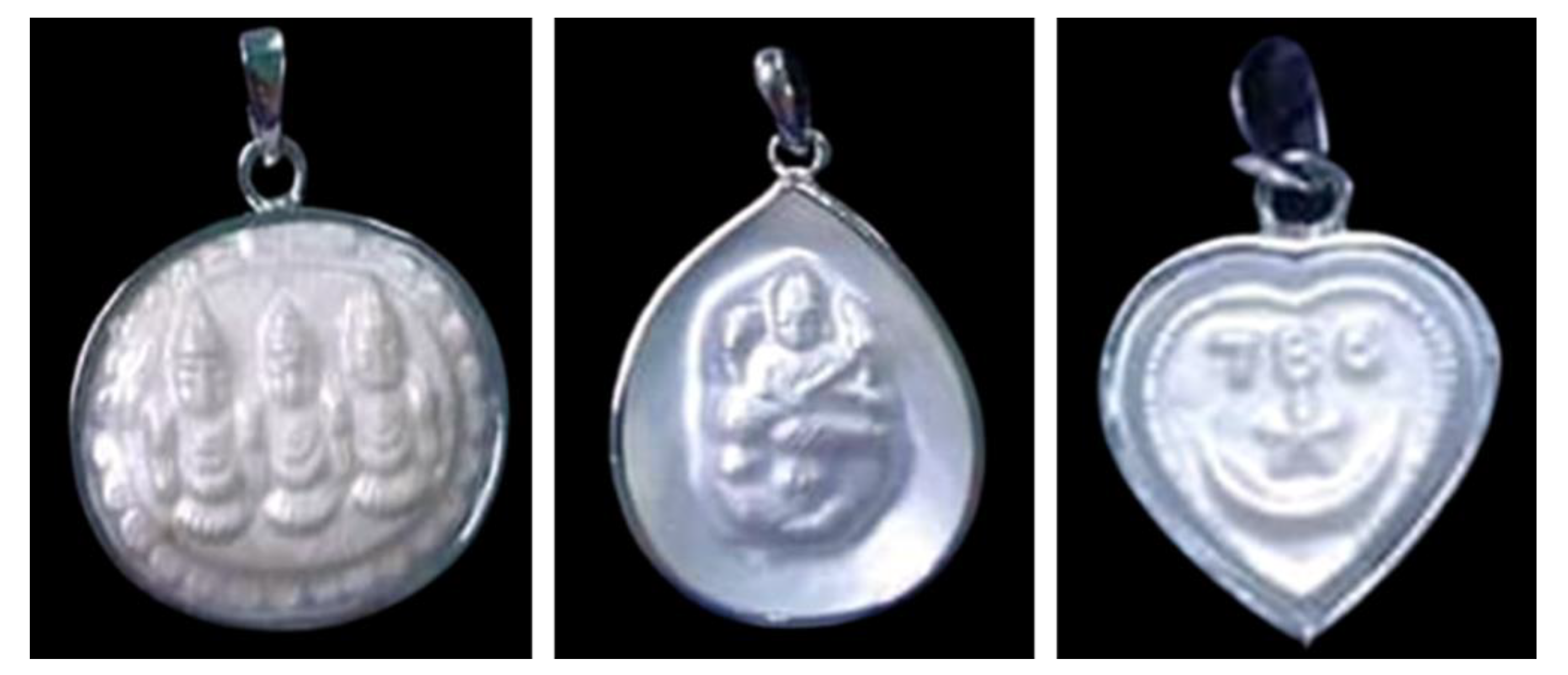
Historically, freshwater mussels have been exploited for their pearls and shells, which have significant economic and cultural value. The nacre, or mother-of-pearl, produced by certain mussel species is highly prized for jewelry and decorative items (Figure 6 and Figure 7) (Claassen, 1994).
In regions like North America and Asia, the collection and cultivation of freshwater pearls have supported local economies and traditional crafts for centuries (Anthony & Downing, 2001). Although the industry has declined due to overharvesting and competition from cultured pearls, it still represents an important economic aspect of freshwater mussel utilization (Hang & Warren, 2008). The global pearl industry was valued at USD 11 billion in 2023, is expected to grow to USD 23.46 billion by 2030. The increasing demand for freshwater pearls is driven by their diverse color range and versatility, making them a more affordable alternative to sea pearls. Freshwater pearls are particularly popular for everyday wear and are commonly used in fashion jewelry ("Natural and Cultured Pearls Market Size," 2024).
4.4. Environmental Monitoring and Socioeconomic Benefits
Due to their sensitivity to environmental changes and ability to accumulate contaminants, freshwater mussels serve as effective bioindicators for monitoring the health of aquatic ecosystems (Farris & Van Hassel, 2007). Their presence, abundance, and physiological conditions provide valuable information on water quality and the impacts of pollution, aiding in environmental assessment and management efforts (Naimo, 1995; Lemos et al., 2024).
The use of mussels in biomonitoring programs contributes economically by enabling early detection of ecological disturbances, thereby preventing costly environmental degradation and facilitating informed decision-making in water resource management (Newton & Bartsch, 2007).
The ecological services provided by freshwater mussels, such as water purification and habitat enhancement, translate into substantial socioeconomic benefits. Improved water quality reduces the costs associated with water treatment for human consumption and supports recreational activities like fishing and boating, which are important for local economies (Vaughn & Spooner, 2006). Furthermore, healthy mussel populations contribute to the sustainability of fisheries by supporting robust and diverse aquatic communities, thereby providing food resources and livelihoods for human populations dependent on freshwater systems (Strayer & Malcom, 2007).
5. Threats to Freshwater Mussel Populations and Conservation Strategies
5.1. Habitat Destruction and Pollution
Despite their ecological and economic importance, freshwater mussels face numerous threats that have led to widespread population declines and extinctions. Human activities such as dam construction, dredging, and land development have significantly altered freshwater habitats, leading to loss and fragmentation of suitable environments for mussels (Watters, 2000). Changes in water flow, sedimentation patterns, and habitat connectivity adversely affect mussel survival, reproduction, and dispersal (Lydeard & Mayden, 1995).
Industrial discharge, agricultural runoff, and urban wastewater introduce pollutants and excess nutrients into freshwater systems, degrading water quality and posing direct toxicity risks to mussels (Keller & Zam, 1991). Contaminants such as heavy metals, pesticides, and pharmaceuticals can impair mussel health and reproductive success, leading to population declines (Augspurger et al., 2003; Auclair et al., 2020).
Competition among individuals can lead mussels to increase water uptake through their gills. This results in congestion and the accumulation of harmful substances, including pollutants, in their tissues, potentially raising mortality rates (Danellakis et al., 2011; Belamy et al., 2020). Anthropogenic compounds and heavy metals can impact the defense mechanisms of bivalve molluscs and increase their susceptibility to diseases (Pipe & Coles, 1995; Livingstone et al., 2000). Moreover, environmental contaminants can exert direct toxic effects on tissues or cells. Mussels, in particular, have been shown to have weaker defense mechanisms against metal-induced oxidative stress and toxicity compared to oysters. Funes et al. (2006) found that the activity of antioxidant enzymes in mussels is inadequate when compared to the Pacific oyster, C. gigas, indicating that mussels are less protected from oxidative stress related to metal pollution.
5.2. Overexploitation and Invasive Species
Unsustainable harvesting for pearls, shells, and the pet trade has historically contributed to the depletion of mussel populations (Williams et al., 1993). Although regulations have reduced some forms of exploitation, illegal collection and trade continue to pose threats in certain regions (Haag & Williams, 2014).
The introduction of invasive species, notably the zebra mussel (Dreissena polymorpha), has had detrimental impacts on native freshwater mussel populations through competition for resources and habitat alteration (Ricciardi et al., 1998). Invasive species can also introduce novel pathogens and alter ecological dynamics, further threatening native mussel communities (Strayer, 1999).
5.3. Habitat Protection and Restoration
Protecting existing habitats and restoring degraded environments are essential for the conservation of freshwater mussels. Efforts include improving water quality through pollution control measures, reestablishing natural flow regimes, and enhancing habitat connectivity (Bogan, 2008). Riparian buffer zones and sediment control practices can also help maintain suitable conditions for mussel populations (Richardson & Béraud, 2014). Implementing and enforcing regulations that control pollution, manage water resources, and prevent illegal harvesting are critical components of mussel conservation (National Research Council, 2008). International cooperation and policy frameworks can facilitate the protection of transboundary water systems and support sustainable management practices (Strayer & Dudgeon, 2010).
5.4. Research, Monitoring and Stakeholder Engagement
Ongoing research into mussel biology, ecology, and responses to environmental changes is necessary to inform effective conservation actions (Zieritz & Lopes-Lima, 2018). Monitoring programs that track population trends and habitat conditions enable early detection of threats and assessment of conservation efforts' effectiveness (Haag & Williams, 2014). Raising awareness about the importance of freshwater mussels and engaging stakeholders, including local communities, industries, and policymakers, are vital for fostering support for conservation initiatives (Cope et al., 2008). Educational programs and community-based projects can promote stewardship and encourage sustainable practices that benefit both mussels and human populations (Galbraith et al., 2008).
Conclusion and Future Perspectives
Freshwater mussels are vital to maintaining the health, stability, and resilience of aquatic ecosystems. They serve as natural water purifiers, bioindicators of environmental quality, and key contributors to nutrient cycling and habitat structuring. Additionally, mussels hold significant economic value in sectors ranging from biomonitoring and ecotourism to the pearl and jewelry industries. However, mussel populations worldwide are facing severe declines, driven by habitat destruction, pollution, invasive species, and other anthropogenic pressures. With over 70% of species at risk, urgent conservation action is essential to protect these invaluable organisms and the ecosystems they support.
Moving forward, integrated conservation strategies should focus on habitat restoration, water quality improvement, and stricter regulation of pollutants, particularly PPCPs and heavy metals. Expanding research on mussel bioaccumulation capacities and resilience mechanisms may aid in developing targeted restoration and conservation efforts. Additionally, leveraging mussels as bioindicators could facilitate the development of comprehensive water quality monitoring programs, which are essential for maintaining the ecological health of freshwater systems.
Establishing mussel-friendly aquaculture practices and promoting public awareness of their ecological and socioeconomic importance could foster greater support for conservation initiatives. Enhancing genetic diversity through breeding programs, particularly for endangered species, can also contribute to long-term population resilience. By adopting these measures, society can work to preserve freshwater mussel populations, ensuring the sustainability of the vital ecosystem services they provide for generations to come.
Author Contributions
Conceptualization, A.K.V. and A.R.; Methodology, A.R.; Software, A.R and P.B.; Validation, A.K.V and N.S.S.; Formal Analysis, S.H. and A.S.; Investigation, A.R.; Data Curation, A.K.V.; Writing – Original Draft Preparation, A.R.; Writing – Review & Editing, A.K.V., P.B. and A.R.; Supervision, A.K.V. and N.S.S.
Funding
This research did not receive any specific grant from funding agencies in the public, commercial, or not-for-profit sectors.
Data Availability Statement
No new data were created or analyzed in this study.
Conflicts of Interest
The authors declare no conflict of interest.
References
- Aldridge, D. C., Fayle, T. M., & Jackson, N. (2007). Freshwater mussel abundance predicts the behaviour of mobile interstitial invertebrates in a soft sediment environment. Oecologia, 151(1), 115-124.
- Allen, D. C., & Vaughn, C. C. (2010). Complex hydraulic and substrate variables limit freshwater mussel species richness and abundance. Journal of the North American Benthological Society, 29(2), 383–394. [CrossRef]
- Allen, D. C., Vaughn, C. C., Kelly, J. F., Cooper, J. T., & Engel, M. H. (2012). Bottom-up biodiversity effects increase resource subsidy flux between ecosystems. Ecology, 93(10), 2165–2174. [CrossRef]
- Almeshal, W., Takács, A., Aradi, L., Sandil, S., Dobosy, P., & Záray, G. (2022). Comparison of freshwater mussels Unio tumidus and Unio crassus as biomonitors of microplastic contamination of Tisza River (Hungary). Environments, 9(10), 122.
- Amornrut, C., Toida, T., Imanari, T., Woo, E. R., Park, H., Linhardt, R.,... & Kim, Y. S. (1999). A new sulfated β-galactan from clams with anti-HIV activity. Carbohydrate research, 321(1-2), 121-127.
- Anthony, J. L., Downing, J. A. (2001). Exploitation trajectory of a declining fauna a century of freshwater mussel fisheries in North America. Canadian Journal of Fisheries and Aquatic Sciences, 58(10), 2071–2090. [CrossRef]
- Arumugam, M., Garg, H., Ajithkumar, T., & Shanmugam, A. (2009). Antiproliferative heparin (glycosaminoglycans) isolated from giant clam (Tridacna maxima) and green mussel (Perna viridis). African journal of biotechnology, 8(10).
- Auclair, J., Turcotte, P., Gagnon, C., Peyrot, C., Wilkinson, K. J., & Gagné, F. (2020). Toxicological effects of inorganic nanoparticle mixtures in freshwater mussels. Environments, 7(12), 109.
- Augspurger, T., Keller, A. E., Black, M. C., Cope, W. G., & Dwyer, F. J. (2003). Water quality guidance for protection of freshwater mussels (Unionidae) from ammonia exposure. Environmental Toxicology and Chemistry, 22(11), 2569–2575. [CrossRef]
- Augspurger, T., Keller, A. E., Black, M. C., Cope, W. G., & Dwyer, F. J. (2003). Water quality guidance for the protection of freshwater mussels (Unionidae) from ammonia exposure. Environmental Toxicology and Chemistry, 22(11), 2569-2575.
- Baldigo, B. P., Sporn, L. A., George, S. D., & Ball, J. A. (2017). Assessment of freshwater mussel health using physical, chemical, and biological indicators in the Upper Delaware River Basin, New York. Environmental Monitoring and Assessment, 189(9), 459.
- Bauer, H. M., Laporte, J., Haberer, C., Michel, C., & Van Vliet, M. (2016). Pharmaceuticals and personal care products in the Seine River basin: Occurrence, bioaccumulation potential and risk to aquatic organisms. Science of the Total Environment, 542, 1-9.
- Belamy, T., Legeay, A., Etcheverria, B., Cordier, M. A., Gourves, P. Y., & Baudrimont, M. (2020). Acute toxicity of sodium chloride, nitrates, ortho-phosphates, cadmium, arsenic and aluminum for juveniles of the freshwater pearl mussel: Margaritifera margaritifera (L. 1758). Environments, 7(6), 48.
- Blaise, C., Gagné, F., Pellerin, J., Hansen, P. D., & Trottier, S. (2002). Molluscan shellfish biomarker study of the Quebec harbor dredging project. Environmental Toxicology, 17(3), 170-186.
- Bogan, A. E. (2008). Global diversity of freshwater mussels (Mollusca, Bivalvia) in freshwater. Hydrobiologia, 595(1), 139–147. [CrossRef]
- Buddensiek, V., Engel, H., Wachtler, K., & Wacker, K. (1993). Studies on the chemistry of artificial river water suitable for rearing young freshwater pearl mussels (Margaritifera margaritifera L.). Archiv für Hydrobiologie, 127(1), 87-107.
- Buerge, I. J., Poiger, T., Müller, M. D., & Buser, H. R. (2003). Caffeine, an anthropogenic marker for wastewater contamination of surface waters. Environmental Science & Technology, 37(4), 691-700.
- Chakrabortya, I., Royb, S., Ghoshc, S., Ghoshb, M., Mukherjeed, D. C., & Sarkar, D. (2017). Solvent selection in extraction of bioactive and therapeutic components from Indian fresh water mussel Lamellidens marginalis. J. Indian Chem. Soc, 94, 993-1008.
- Chandra, S., & Chaloupka, F. J. (2003). Seasonality in cigarette sales: Patterns and implications for tobacco control. Tobacco Control, 12(1), 105-110.
- Chen, Y.-C., Lin, C.-L., Li, C.-T., and Hwang, D.-F. (2015). Structural Transformation of Oyster, Hard Clam, and Sea Urchin Shells after Calcination and Their Antibacterial Activity against Foodborne Microorganisms. Fish. Sci. 81 (4), 787–794. doi:10.1007/s12562-015-0892-5.
- Choi, J.-S., Lee, H.-J., Jin, S.-K., Lee, H.-J., and Choi, Y.-I. (2014). Effect of Oyster Shell Calcium Powder on the Quality of Restructured Pork Ham. Korean J. Food Sci. Animal Resour. 34, 372–377. doi:10.5851/kosfa.2014. 34.3.372.
- Claassen, C. (1994). Shells. Cambridge University Press.
- Cope, W. G., et al. (2008). Advances in freshwater mussel ecotoxicology. Environmental Toxicology and Chemistry, 27(5), 1005–1012. [CrossRef]
- Dai, Z., Zhang, H., Zhang, Y., & Wang, H. (2009). Chemical properties and immunostimulatory activity of a water-soluble polysaccharide from the clam of Hyriopsis cumingii Lea. Carbohydrate Polymers, 77(2), 365-369.
- Danellakis, D., Ntaikou, I., Kornaros, M., & Dailianis, S. (2011). Olive oil mill wastewater toxicity in the marine environment: alterations of stress indices in tissues of mussel Mytilus galloprovincialis. Aquatic Toxicology, 101(2), 358-366.
- Daughton, C. G. (2001). Pharmaceuticals and personal care products in the environment: overarching issues and overview.
- de Solla, S. R., Gilroy, È., Klinck, J., King, L. E., McInnis, R., Struger, J., & Backus, S. (2016). Bioaccumulation of pharmaceuticals and personal care products in wild and caged freshwater mussels. Chemosphere, 146, 486-496.
- Dhodapkar, R. S., & Gandhi, K. N. (2019). Pharmaceuticals and personal care products in aquatic environment: chemicals of emerging concern?. In Pharmaceuticals and personal care products: waste management and treatment technology (pp. 63-85). Butterworth-Heinemann.
- Du, T. T., Cheng, Y., and Zhong, C. C. (2014). Structure modification and research on antitumor activity of mussel polysaccharide. Journal of Zhejiang Ocean University, 2014(4): 354-357.
- Fan QiaoYun, F. Q., Li ChaoPin, L. C., Xu LiFa, X. L., & Wang KeXia, W. K. (2012). Antiviral effect of scallop polysaccharide on duck Hepatitis B virus.
- Farris, J. L., & Van Hassel, J. H. (2007). Freshwater bivalve ecotoxicology. CRC Press.
- Farris, J. L., Van Hassel, J. H., & Newton, T. J. (1988). Biomonitoring with freshwater mussels. Environmental Toxicology and Chemistry, 7(4), 295-307.
- Feng, X., Jiang, S., Zhang, F., Wang, R., Zhang, T., Zhao, Y., & Zeng, M. (2021). Extraction and characterization of matrix protein from pacific oyster (Crassostrea gigs) shell and its anti-osteoporosis properties in vitro and in vivo. Food & Function, 12(19), 9066-9076.
- Galbraith, H. S., Spooner, D. E., & Vaughn, C. C. (2008). Status of rare and endangered freshwater mussels in Southeastern Oklahoma. Southwestern Naturalist, 53(1), 45–50. [CrossRef]
- Gatenby Catherine and Richards Holly, “Freshwater mussels and fish: a timeless love affair | U.S. Fish & Wildlife Service.” Accessed: Oct. 27, 2024. [Online]. Available: https://www.fws.gov/story/2023-05/freshwater-mussels-and-fish-timeless-love-affair.
- Geist, J. (2010). Strategies for the conservation of endangered freshwater pearl mussels (Margaritifera margaritifera L.) a synthesis of Conservation Genetics and Ecology. Hydrobiologia, 644(1), 69–88. [CrossRef]
- Government of Canada. (2000). Persistence and Bioaccumulation Regulations. Canada Gazette Part II, 134(7), 607-612.
- Gutierrez, J. L., Jones, C. G., Strayer, D. L., & Iribarne, O. O. (2003). Mollusks as ecosystem engineers the role of shell production in aquatic habitats. Oikos, 101(1), 79–90. [CrossRef]
- Haag, W. R. (2009). Extreme longevity in freshwater mussels revisited: sources of bias in age estimates derived from mark–recapture experiments. Freshwater Biology, 54(7), 1474-1486.
- Haag, W. R. (2012). North American freshwater mussels natural history, ecology, and conservation. Cambridge University Press.
- Haag, W. R., & Warren, M. L. (2008). Effects of severe drought on freshwater mussel assemblages. Transactions of the American Fisheries Society, 137(4), 1165–1178. [CrossRef]
- Haag, W. R., & Williams, J. D. (2014). Biodiversity on the brink an assessment of conservation strategies for North American freshwater mussels. Hydrobiologia, 735(1), 45–60. [CrossRef]
- Haag, W. R., & Williams, J. D. (2014). Monitoring integrative and practical approaches for evaluating conservation status and management of freshwater mussels (Bivalvia Unionidae). Freshwater Mollusk Biology and Conservation, 17(1), 17–28. [CrossRef]
- He, N., Yang, X., Jiao, Y., Tian, L., & Zhao, Y. (2012). Characterisation of antioxidant and antiproliferative acidic polysaccharides from Chinese wolfberry fruits. Food Chemistry, 133(3), 978-989.
- He, N., Yang, X., Jiao, Y., Tian, L., & Zhao, Y. (2012). Characterisation of antioxidant and antiproliferative acidic polysaccharides from Chinese wolfberry fruits. Food Chemistry, 133(3), 978-989.
- Henderson, N. D., & Christian, A. D. (2022). Freshwater invertebrate assemblage composition and water quality assessment of an urban coastal watershed in the context of land-use land-cover and reach-scale physical habitat. Ecologies, 3(3), 376-394.
- Heydari, S., Pourashouri, P., Shabanpour, B., Shamsabadi, F. T., & Arabi, M. S. (2024). Evaluation of Freshwater Mussel (Anodonta cygnea) Protein Hydrolysates in Terms of Antibacterial Activity and Functional Properties. Waste and Biomass Valorization, 15(7), 4279-4290.
- Hossain, A., Bhattacharyya, S. R., & Aditya, G. (2015). Biosorption of cadmium by waste shell dust of fresh water mussel Lamellidens marginalis: implications for metal bioremediation. ACS Sustainable Chemistry & Engineering, 3(1), 1-8.
- Hou, L., Wang, Q. K., He, Y. H., Ren, D. D., Song, Y. F., Jiang, X. D., and Li, L. D. (2014). The extraction of oyster polysaccharide and its hepatoprotective effect against alcohol-induced hepatic injury in mice. Science & Technology of Food Industry, 35(22): 356.
- Howard, J. K., & Cuffey, K. M. (2003). Freshwater mussels in a California North Coast Range river: Occurrence, distribution, and controls. Journal of the North American Benthological Society, 22(1), 63-77.
- Howard, J. K., & Cuffey, K. M. (2006). The functional role of native freshwater mussels in the fluvial benthic environment. Freshwater Biology, 51(3), 460–474. [CrossRef]
- Hyung, J. H., Ahn, C. B., & Je, J. Y. (2018). Blue mussel (Mytilus edulis) protein hydrolysate promotes mouse mesenchymal stem cell differentiation into osteoblasts through up-regulation of bone morphogenetic protein. Food Chemistry, 242, 156-161.
- Keller, A. E., & Zam, S. G. (1991). The acute toxicity of selected metals to the freshwater mussel, Anodonta imbecillis, Ceriodaphnia dubia, and Pimephales promelas. Environmental Toxicology and Chemistry, 10(8), 1139–1147. [CrossRef]
- Lemos, P., Silva, P., Sousa, C. A., & Duarte, A. J. (2024). Polluted Rivers—A Case Study in Porto, Portugal. Ecologies, 5(2), 188-197.
- Li, J. B., Yuan, X. F., and Hou, G. (2009). Effects of mussel polysaccharide on alcoholic hepatic injury in mice. Food Science & Technology, 2009(4): 188-190.
- Liang, H., Zhou, B., Li, J., Pei, Y., & Li, B. (2016). Coordination-driven multilayer of phosvitin-polyphenol functional nanofibrous membranes: antioxidant and biomineralization applications for tissue engineering. RSC advances, 6(101), 98935-98944.
- Linehan, L.G., T.P. O’Connor and G. Burnell: Seasonal variation in the chemical composition and fatty acid profile of Pacific oysters (Crassostrea gigas). Food Chem., 64, 211-214 (1999).
- Livingstone, D. R., Chipman, J. K., Lowe, D. M., Minier, C., & Pipe, R. K. (2000). Development of biomarkers to detect the effects of organic pollution on aquatic invertebrates: recent molecular, genotoxic, cellular and immunological studies on the common mussel (Mytilus edulis L.) and other mytilids. International Journal of Environment and Pollution, 13(1-6), 56-91.
- Lopes-Lima, M., et al. (2017). Conservation status of freshwater mussels in Europe state of the art and future challenges. Biological Reviews, 92(1), 572–607. [CrossRef]
- Lydeard, C., & Mayden, R. L. (1995). A diverse and endangered aquatic ecosystem of the Southeast United States. Conservation Biology, 9(4), 800–805. [CrossRef]
- Matsue, H., Takaya, Y., Uchisawa, H., Naraoka, T., Okuzaki, B. I., Narumi, F.,... & Sasaki, J. I. (1997). Antitumor peptidoglycan with new carbohydrate structure from squid Ink. In Food Factors for Cancer Prevention (pp. 331-336). Springer Japan.
- McCall, P. L., & Tevesz, M. J. S. (1982). The effects of benthos on physical properties of freshwater sediments. In McCall, P. L., & Tevesz, M. J. S. (Eds.), Animal-sediment relations the biogenic alteration of sediments (pp. 105–176). Springer.
- Metcalfe, C. D., Chu, S., Judt, C., Li, H., Oakes, K. D., Servos, M. R., & Andrews, D. M. (2010). Antidepressants and their metabolites in municipal wastewater, and downstream exposure in an urban watershed. Environmental Toxicology and Chemistry, 29(1), 79-89.
- Meyer, B.J., N.J. Mann, J.L. Lewis, G.C. Milligan, A.J. Sinclair and P.R. Howe: Dietary intakes and food sources of omega-6 and omega-3 polyunsaturated fatty acids. Lipids, 38, 391-398 (2003).
- Miller, A. K., Reed, S. M., & Huffnagle, K. (2017). Microplastic ingestion by freshwater mussels in the Laurentian Great Lakes: Implications for ecological health and water quality monitoring. Environmental Pollution, 225, 52-59.
- Miyamoto, H., Miyashita, T., Okushima, M., Nakano, S., Morita, T., & Matsushiro, A. (1996). A carbonic anhydrase from the nacreous layer in oyster pearls. Proceedings of the National Academy of Sciences, 93(18), 9657-9660.
- Modesto, V., Ilarri, M., Souza, A. T., Lopes-Lima, M., Douda, K., Clavero, M., & Sousa, R. (2018). Fish and mussels: importance of fish for freshwater mussel conservation. Fish and Fisheries, 19(2), 244-259.
- Moher, D., Shamseer, L., Clarke, M., Ghersi, D., Liberati, A., Petticrew, M.,... & Prisma-P Group. (2015). Preferred reporting items for systematic review and meta-analysis protocols (PRISMA-P) 2015 statement. Systematic reviews, 4, 1-9.
- Naimo, T. J. (1995). A review of the effects of heavy metals on freshwater mussels. Ecotoxicology, 4(6), 341–362. [CrossRef]
- National Research Council. (2008). Hydrology, ecology, and fishes of the Klamath River Basin. The National Academies Press.
- Natural and Cultured Pearls Market Size, Share, Scope, Trends And Forecast 2030. (2024, July). Verified Market Reports. https://www.verifiedmarketreports.com/product/natural-and-cultured-pearls-market-size-and-forecast/.
- Newton, T. J., & Bartsch, M. R. (2007). Lethal and sublethal effects of ammonia to juvenile Lampsilis mussels (Unionidae) in sediment and water-only exposures. Environmental Toxicology and Chemistry, 26(10), 2057–2065. [CrossRef]
- Pipe, R. K., & Coles, J. A. (1995). Environmental contaminants influencing immunefunction in marine bivalve molluscs. Fish & Shellfish Immunology, 5(8), 581-595.
- Ricciardi, A., Neves, R. J., & Rasmussen, J. B. (1998). Impending extinctions of North American freshwater mussels (Unionoida) following the zebra mussel (Dreissena polymorpha) invasion. Journal of Animal Ecology, 67(4), 613–619. [CrossRef]
- Richardson, J. S., & Béraud, E. (2014). Effects of riparian forest harvest on streams a meta-analysis. Journal of Applied Ecology, 51(6), 1712–1721. [CrossRef]
- Sadeghi, K., Park, K., Park, K., and Seo, J. (2019). Oyster Shell Disposal: Potential as a Novel Ecofriendly Antimicrobial Agent for Packaging : a Mini Review. Korean. J. packag. Sci. Technol. 25, 57–62. doi:10.20909/kopast.2019.25.2.57.
- Song, S. Y., Sun, L. M., Zhu, B. W., Niu, H. L., and Yang, J. F. (2012). Antioxidant and immunomodulating activities of polysaccharide from scallop gonad. Food Science, 33(5): 248-251.
- Song, S. Y., Sun, L. M., Zhu, B. W., Niu, H. L., and Yang, J. F. (2012). Antioxidant and immunomodulating activities of polysaccharide from scallop gonad. Food Science, 33(5): 248-251.
- Sonowal, J., & Kardong, D. (2020). Nutritional evaluation of freshwater bivalve, Lamellidens spp. from the upper Brahmaputra basin, Assam with special reference to dietary essential amino acids, omega fatty acids and minerals. Journal of Environmental Biology, 41(4), 931-941.
- Spooner, D. E., & Vaughn, C. C. (2006). Context-dependent effects of freshwater mussels on stream benthic communities. Freshwater Biology, 51(6), 1016–1024. [CrossRef]
- Strayer, D. L. (1999). Effects of alien species on freshwater mollusks in North America. Journal of the North American Benthological Society, 18(1), 74–98. [CrossRef]
- Strayer, D. L. (2014). Understanding how nutrient cycles and freshwater mussels (Unionoida) affect each other. Hydrobiologia, 735(1), 277–292. [CrossRef]
- Strayer, D. L., & Malcom, H. M. (2007). Shell decay rates of native and alien freshwater bivalves and implications for habitat engineering. Freshwater Biology, 52(8), 1611–1617. [CrossRef]
- Strayer, D. L., & Smith, D. R. (2003). A guide to sampling freshwater mussel populations. American Fisheries Society.
- Strayer, D. L., Caraco, N. F., Cole, J. J., Findlay, S., & Pace, M. L. (1999). Transformation of freshwater ecosystems by bivalves: A case study of zebra mussels in the Hudson River. BioScience, 49(1), 19-27.
- Strayer, D. L., Dudgeon, D. (2010). Freshwater biodiversity conservation recent progress and future challenges. Journal of the North American Benthological Society, 29(1), 344–358. [CrossRef]
- Sun, F., & Liu, S. (2003). Effects of glycosaminoglycan from scallop skirt on foam cell formation and its function. Journal of Medical Postgraduates.
- Tan, K., Lu, S. Y., Tan, K., Ransangan, J., Cai, X., & Cheong, K. L. (2023). Bioactivity of polysaccharides derived from bivalves. International Journal of Biological Macromolecules, 126096.
- Tat Wai, K., O’Sullivan, A. D., & Bello-Mendoza, R. (2024). Nitrogen and Phosphorus Removal from Wastewater Using Calcareous Waste Shells—A Systematic Literature Review. Environments, 11(6), 119.
- Ulagesan, S., Krishnan, S., Nam, T. J., & Choi, Y. H. (2022). A review of bioactive compounds in oyster shell and tissues. Frontiers in Bioengineering and Biotechnology, 10, 913839.
- Upadhyay, A., Thiyagarajan, V., and Thiyagarajan, V. (2016). Proteomic Characterization of Oyster Shell Organic Matrix Proteins (OMP). Bioinformation 12, 266–278. doi:10.6026/97320630012266.
- Vaughn, C. C. (2018). Ecosystem services provided by freshwater mussels. Hydrobiologia, 810(1), 15–27. [CrossRef]
- Vaughn, C. C., & Hakenkamp, C. C. (2001). The functional role of burrowing bivalves in freshwater ecosystems. Freshwater Biology, 46(11), 1431–1446. [CrossRef]
- Vaughn, C. C., & Spooner, D. E. (2006). Unionid mussels influence macroinvertebrate assemblage structure in streams. Journal of the North American Benthological Society, 25(3), 691–700. [CrossRef]
- Vaughn, C. C., Nichols, S. J., & Spooner, D. E. (2008). Community and foodweb ecology of freshwater mussels. Journal of the North American Benthological Society, 27(2), 409-423.
- Wang, H. T., Liu, S., Ju, C. X., and Yu, N. (2006). Study in the protection effects of oyster glycosaminoglycan on vascular endothelial cell injury Progress in Modern Biomedicine, 6(9): 33-35.
- Wang, L. C., Di, L. Q., Li, J. S., Hu, L. H., Cheng, J. M., & Wu, H. (2019). Elaboration in type, primary structure, and bioactivity of polysaccharides derived from mollusks. Critical reviews in food science and nutrition, 59(7), 1091-1114.
- Watters, G. T. (2000). Freshwater mussels and water quality a review of the effects of hydrologic and instream habitat alterations. Proceedings of the First Freshwater Mollusk Conservation Society Symposium, 261–274.
- Williams, J. D., Warren, M. L., Cummings, K. S., Harris, J. L., & Neves, R. J. (1993). Conservation status of freshwater mussels of the United States and Canada. Fisheries, 18(9), 6–22. [CrossRef]
- Woo, E. R., Kim, W. S., & Kim, Y. S. (2001). Virus-cell fusion inhibitory activity for the polysaccharides from various Korean edible clams. Archives of pharmacal research, 24, 514-517.
- Xing, R., Qin, Y., Guan, X., Liu, S., Yu, H., and Li, P. (2013). Comparison of Antifungal Activities of Scallop Shell, Oyster Shell and Their Pyrolyzed Products. Egypt. J. Aquatic Res. 39, 83–90. doi:10.1016/j.ejar.2013.07.003.
- Yin, H. L., Yuan, M. A., Wang, L., Sun, Y. M., Yu, Y. H., and Zhu, B. W. (2007). The extraction of and scavenging hydroxyl free radicals by scallop viscus polysaccharide. Fisheries Science, 26(5): 255-258.
- Yu, N., Liu, S., and Han, J. J. (2008). The deppressive effect of glycosaminoglycan from scallop on type-I herpes simplex virus. Acta Academiae Medicinae Qingdao Universitatis, 44(2): 111-113.
- Yuan, Q., Zhao, L., Cha, Q., Sun, Y., Ye, H., & Zeng, X. (2015). Structural characterization and immunostimulatory activity of a homogeneous polysaccharide from Sinonovacula constricta. Journal of Agricultural and Food Chemistry, 63(36), 7986-7994.
- Zhang, D., Wang, C., Wu, H., Xie, J., Du, L., Xia, Z.,... & Wei, D. (2013). Three sulphated polysaccharides isolated from the mucilage of mud snail, Bullacta exarata philippi: Characterization and antitumour activity. Food chemistry, 138(1), 306-314.
- Zhang, J., Liu, S., Su, Y., and Yang, S. G. (2006). Effects of scallp skirt glycosaminoglycan on function of vascular endothelial cells with oxidiation damages in culture. Chinese Pharmaceutical Journal, 41(13): 990-993.
- Zhang, L., Liu, W., Han, B., Sun, J., & Wang, D. (2008). Isolation and characterization of antitumor polysaccharides from the marine mollusk Ruditapes philippinarum. European Food Research and Technology, 227, 103-110.
- Zhao, J., Zhou, D. Y., Yang, J. F., Song, S., Zhang, T., Zhu, C.,... & Zhu, B. W. (2016). Effects of abalone (Haliotis discus hannai Ino) gonad polysaccharides on cholecystokinin release in STC-1 cells and its signaling mechanism. Carbohydrate polymers, 151, 268-273.
- Zhu, B. W., Zhou, D. Y., Li, T., Yan, S., Yang, J. F., Li, D. M.,... & Murata, Y. (2010). Chemical composition and free radical scavenging activities of a sulphated polysaccharide extracted from abalone gonad (Haliotis Discus Hannai Ino). Food Chemistry, 121(3), 712-718.
- Zieritz, A., & Lopes-Lima, M. (2018). Biological diversity of freshwater mussels (Bivalvia Unionida) in Southeast Asia and Africa. In Bogan, A. E., et al. (Eds.), Freshwater mollusks of the world a distribution atlas. Johns Hopkins University Press.
Figure 3.
Mussels are indicators of microplastics in natural water bodies. Mussels’ uptake and accumulate microplastics in their tissue which enables researchers to indicate presence of high microplastic in the system.
Figure 3.
Mussels are indicators of microplastics in natural water bodies. Mussels’ uptake and accumulate microplastics in their tissue which enables researchers to indicate presence of high microplastic in the system.
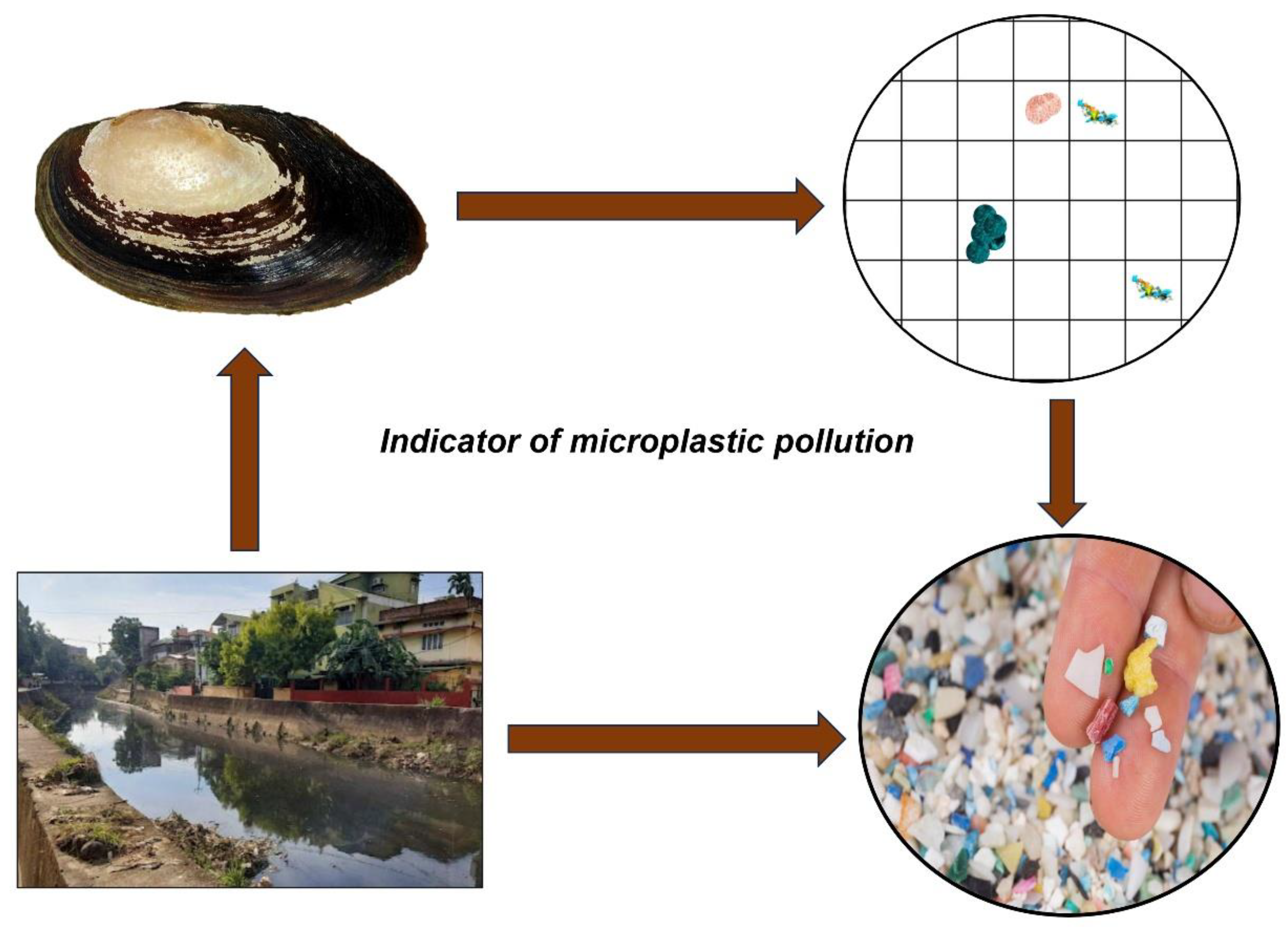
Figure 4.
Use of the freshwater mussel Lamellidens marginalis. Mussel shell dust (MSD), which is primarily composed of calcium carbonate, shows great potential for adsorbing metals, making it suitable for metal bioremediation. MSD is effective in adsorbing cadmium, supporting the use of waste shell dust for metal bioremediation.
Figure 4.
Use of the freshwater mussel Lamellidens marginalis. Mussel shell dust (MSD), which is primarily composed of calcium carbonate, shows great potential for adsorbing metals, making it suitable for metal bioremediation. MSD is effective in adsorbing cadmium, supporting the use of waste shell dust for metal bioremediation.
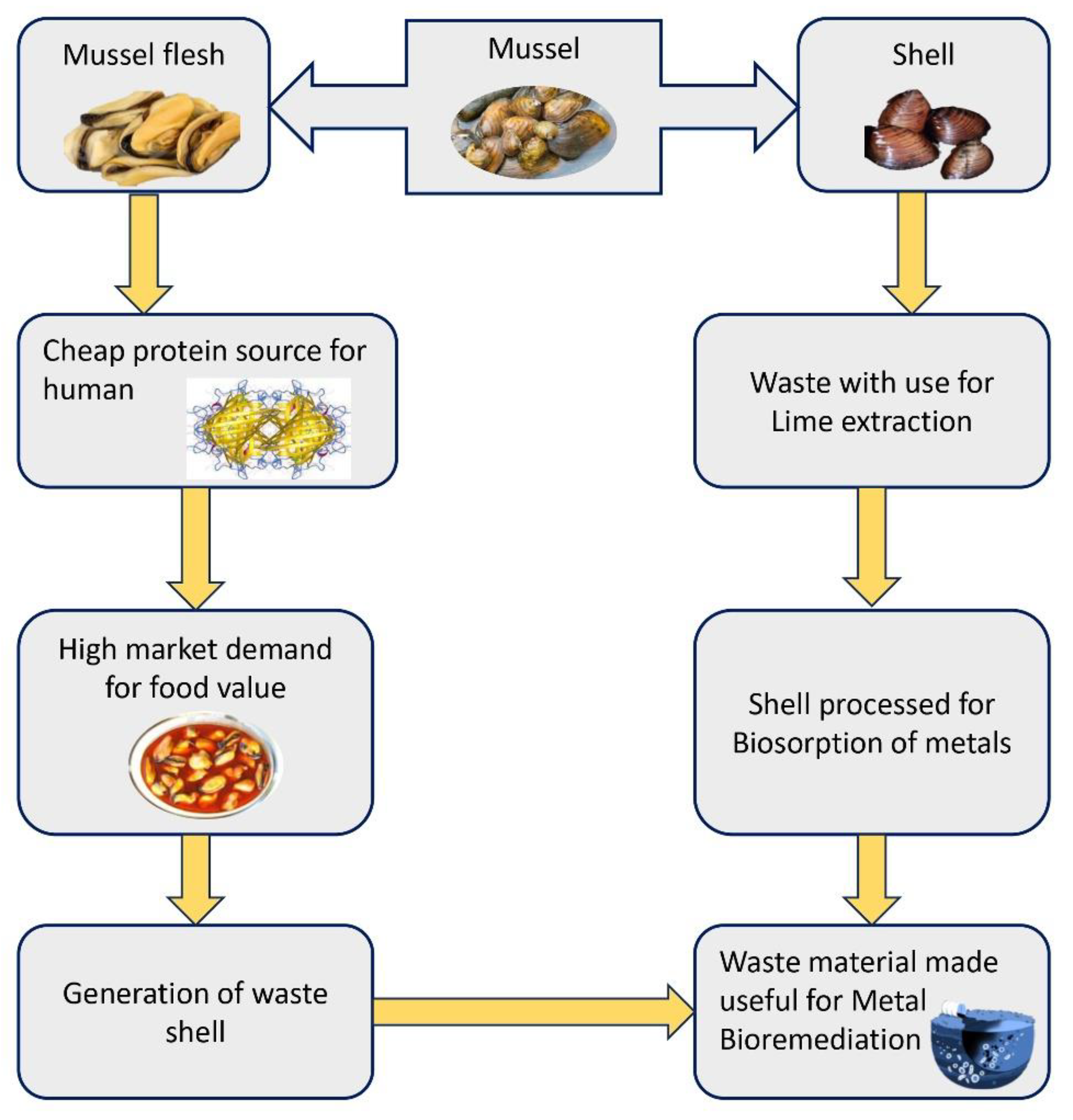
Figure 5.
Mussel shell powder induces bone development with osteoblast and osteoclast activity compensation.
Figure 5.
Mussel shell powder induces bone development with osteoblast and osteoclast activity compensation.
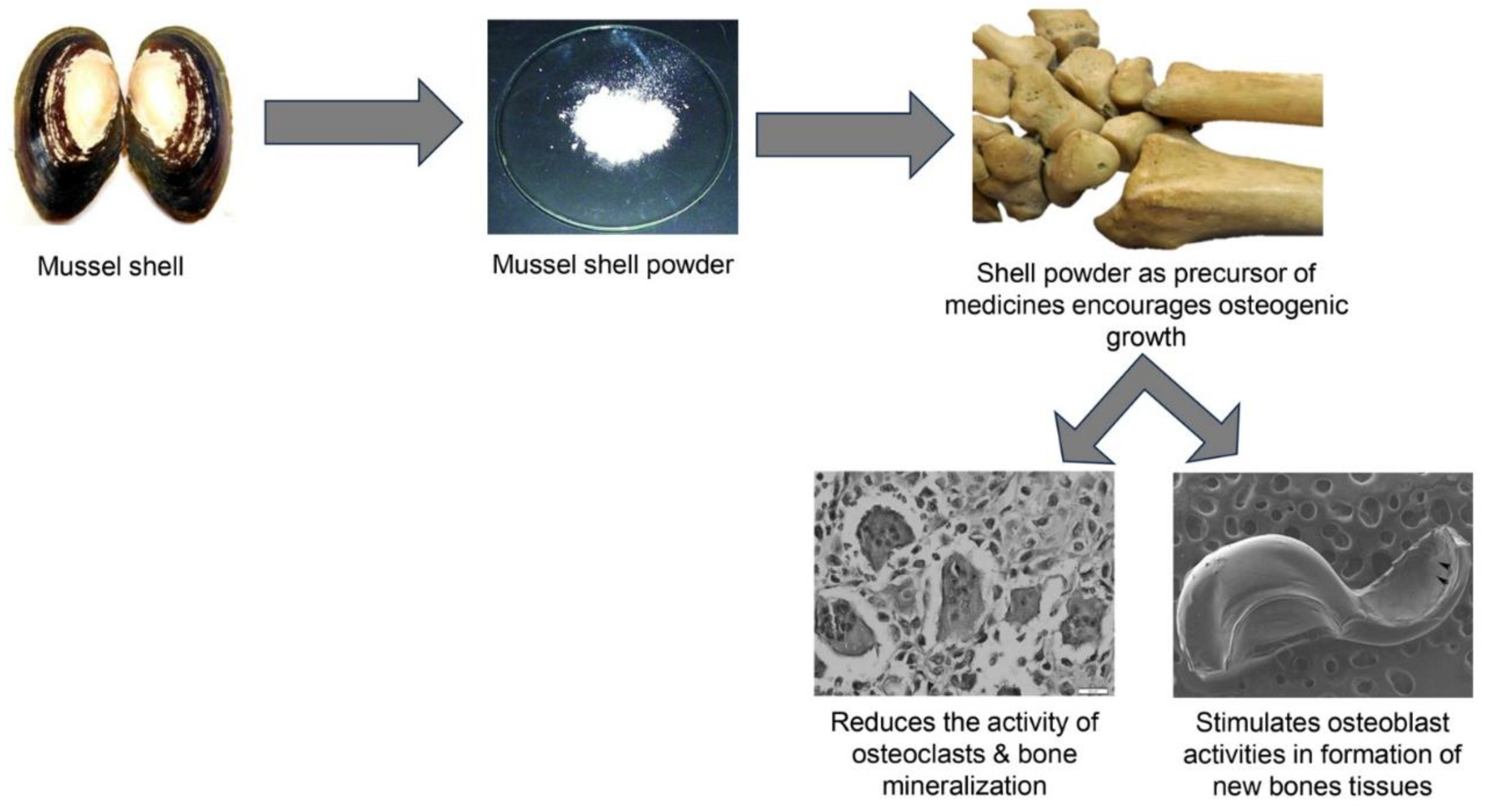
Figure 6.
Designer pearl (A) and round pearl (B) obtained from freshwater mussels by implanting nucleus through surgery. Designer pearls (A) were harvested in the Freshwater Pearl Culture and Research Centre, Cotton University, Assam, India.
Figure 6.
Designer pearl (A) and round pearl (B) obtained from freshwater mussels by implanting nucleus through surgery. Designer pearls (A) were harvested in the Freshwater Pearl Culture and Research Centre, Cotton University, Assam, India.
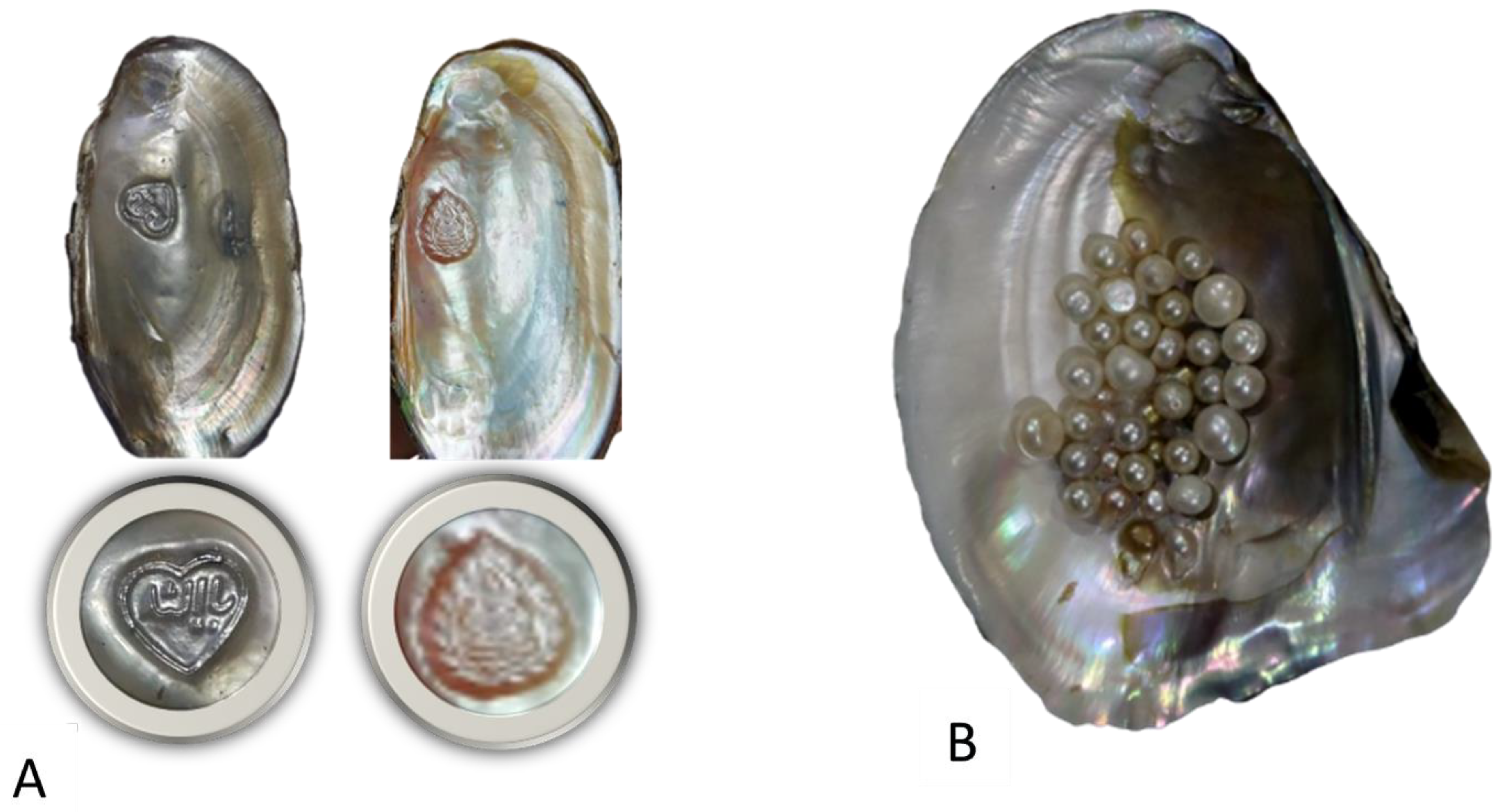
Figure 7.
Jewelry prepared from designer pearls in Freshwater Pearl Culture and Research Centre, Cotton University, Assam, India.
Figure 7.
Jewelry prepared from designer pearls in Freshwater Pearl Culture and Research Centre, Cotton University, Assam, India.
Disclaimer/Publisher’s Note: The statements, opinions and data contained in all publications are solely those of the individual author(s) and contributor(s) and not of MDPI and/or the editor(s). MDPI and/or the editor(s) disclaim responsibility for any injury to people or property resulting from any ideas, methods, instructions or products referred to in the content. |
© 2025 by the authors. Licensee MDPI, Basel, Switzerland. This article is an open access article distributed under the terms and conditions of the Creative Commons Attribution (CC BY) license (http://creativecommons.org/licenses/by/4.0/).
Copyright: This open access article is published under a Creative Commons CC BY 4.0 license, which permit the free download, distribution, and reuse, provided that the author and preprint are cited in any reuse.


