

Submitted:
28 December 2024
Posted:
30 December 2024
You are already at the latest version
Abstract
This paper envisions an innovative framework to tackle challenges in modern education through a comprehensive Metaverse classroom model. Drawing on immersive learning theories and filling critical gaps in current virtual learning approaches, the study structured a Metaverse-driven Multi-layered Immersive Learning Environment (Meta-MILE). The Meta-MILE framework integrates essential elements such as Metaverse infrastructure, personalized interactions, social collaboration, and advanced assessment techniques. The Meta-MILE model emphasized immersive Three-Dimensional (3D) environments, Artificial Intelligence (AI)-driven personalization, gamified learning pathways, and scenario-based evaluations to boost engagement and provide customized learning experiences. In light of potential challenges, we explored issues around accessibility, infrastructure demands, and data security, suggesting practical strategies to ensure equitable access and secure interactions. Empirical findings underscored Meta-MILE’s effectiveness in enhancing engagement and skill acquisition, and the discussion addressed educational policy implications and the role of immersive classrooms in moving toward competency-based, experiential learning. Future research recommendations included longitudinal studies to validate learning outcomes and continued technological innovation to make virtual learning more accessible and secure. Ultimately, this study highlighted the transformative potential of the Metaverse classroom in creating inclusive, future-ready educational environments tailored to 21st-century needs.
Keywords:
Metaverse Classroom
; Virtual and Augmented Realities
; Immersive Education
; AI-Driven Personalization
; Gamified Learning Pathways
1. Introduction
The rapid evolution of technology had begun to transform educational landscapes, yet traditional classrooms often struggled to keep pace with modern learning needs, such as personalized instruction, enhanced engagement, and global connectivity [1]. As students faced increasing demands for adaptability and digital literacy in a globalized world, immersive virtual environments emerged as a promising solution to address these gaps [2]. Among the latest advances, the concept of the Metaverse classroom stood out, offering a fully integrated digital space where students could interact in real time through three-dimensional (3D) simulations, personalized learning paths, and collaborative social interactions [3]. Although virtual and augmented realities (VR/AR) have been explored in education, current models lack a holistic framework that addresses the diverse and layered needs of a complete digital classroom [4].
This study envisions a Metaverse-driven Multi-layered Immersive Learning Environment (Meta-MILE), a comprehensive and layered approach to the Metaverse classroom that integrates emerging educational theories with state-of-the-art technological designs to create a future-ready and immersive learning environment. This paper aims to fill that gap with a novel, multi-layered Metaverse classroom design that prioritizes infrastructure stability, interactive content delivery, accessibility, social engagement, effective assessment, and sustainable scalability. Drawing upon constructivist and experiential learning theories, the study examined how a layered approach could meet the technical demands of a virtual classroom and support individualized and collaborative learning. The proposed Metaverse classroom offered a new benchmark for educational environments that adapt to future technological advances by combining foundational infrastructure with personalized content and secure management layers.
The innovative approach to the integration of the pedagogical and technological in the metaverse is a critical component of this research. From infrastructure to content and interaction, personalization, collaboration, assessment, and security, each layer was designed with cross-platform accessibility, AI-driven personalization, and advanced security protocols. These features ensured that the metaverse classroom could accommodate diverse student needs, providing inclusive learning experiences regardless of technological resources or physical limitations [5]. In addition, the study addressed real-world challenges by incorporating gamified elements, scenario-based learning environments, and holistic assessments that went beyond conventional grading systems, thus fostering critical thinking, problem-solving, and teamwork.
Furthermore, this article introduces advanced tools for community and parental participation, including virtual community centers and adaptive parental controls, which improved safety and supported active family participation in the student’s learning journey [6]. In light of the increasing importance of sustainability, the design of the Metaverse classroom emphasized efficient resource use and environmentally conscious practices [7]. This future-ready infrastructure leveraged modular design and cloud-based updates, enabling the system to integrate with emerging technologies, such as devices from the Internet of Things (IoT) and next-generation AR/VR applications, to remain relevant and scalable [8].
The main contributions of this work are summarized as follows.
- Introduction of the Meta-MILE Framework: The paper presents a Metaverse-based Multi-layered Immersive Learning Environment (Meta-MILE) that integrates immersive 3D settings, AI-driven personalization, gamified routes, and scenario-based assessments. This comprehensive strategy addresses significant shortcomings in contemporary virtual learning by providing customizable, captivating, and interactive experiences.
- Practical Solutions for Key Challenges: The study offers practical strategies to ensure equitable access and secure interactions in the Metaverse classroom, while considering accessibility, infrastructure needs, and data protection. These suggestions connect innovative theories with real-world limitations, showing how institutions can adopt virtual learning inclusively and securely on a large scale.
- Empirical Evidence and Future Directions: Empirical findings show improved learning engagement and skill acquisition under the Meta-MILE model, underscoring its effectiveness in fostering competency-based experiential learning. The discussion also emphasizes policy implications and the need for longitudinal research to further validate the results. It points to ongoing technological innovation as vital to making immersive classrooms more accessible and sustainable for the future of education.
2. Literature Review and Theoretical Framework
2.1. Foundations of Immersive Learning and Virtual Classrooms
The emergence of immersive learning environments, including VR/AR, has significantly impacted educational practices, improving engagement, interactivity, and accessibility [4]. Immersive learning, characterized by simulations and 3D environments, allows students to engage deeply with the content, enabling experiences previously inaccessible in traditional classrooms [9]. The research by [10] emphasized the potential of immersive technologies to increase motivation and active participation by providing experiential learning opportunities that appeal to various learning styles. Furthermore, recent studies [11,12,13] suggest that immersive environments offer enhanced visualization for complex subjects, such as STEM (science, technology, engineering, and mathematics), and allow students to experiment safely in virtual laboratories. Virtual classrooms within Metaverse expand on these principles by facilitating real-time interaction in a fully immersive shared space where students can participate in collaborative activities, simulations, and interactive discussions [14].
Despite these advancements, challenges remain regarding the scalability and integration of immersive technologies within existing educational systems [15]. Scholars noted that while immersive learning can be beneficial, factors such as device accessibility, network stability, and the need for specialized pedagogical methods often limit the successful adoption of VR/AR in schools [16,17,18]. Furthermore, immersive learning’s potential to support diverse student populations has highlighted the need for customization and inclusion within virtual environments, which requires advanced design frameworks that are compatible with educational standards [19]. Thus, while immersive learning has laid a strong foundation, the literature reveals a pressing need for comprehensive and adaptable models like the Metaverse classroom that integrate technological, social, and educational dimensions [20].
2.2. Theories Supporting Metaverse Integration in Education
The theoretical foundation for Metaverse integration in education draws from established theories such as constructivism, experiential learning, and social learning [21]. Constructivist theory, as proposed by Piaget and later developed by Vygotsky (1978), posits that students construct knowledge through active engagement and interaction within meaningful contexts [22]. The Metaverse aligns well with this theory, providing a collaborative space where students can explore, experiment, and learn through direct experience and peer interaction [23]. Virtual environments allow learners to engage in problem-solving activities, manipulate virtual objects, and interact within complex simulations, facilitating a learning process grounded in discovery and experiential learning [24].
Kolb’s experiential learning theory further supports Metaverse integration, emphasizing the importance of “learning by doing" [25]. By simulating real-world environments, the Metaverse allows students to gain practical skills, from conducting science experiments to simulating historical events in a risk-free setting [26]. These experiential opportunities align closely with Kolb’s model, which emphasizes concrete experiences, reflective observation, abstract conceptualization, and active experimentation [27]. Similarly, Vygotsky’s theory of social learning underscores the importance of social interaction in knowledge acquisition, which the Metaverse classroom facilitates through avatar-based interactions and virtual collaborative spaces [28]. These theories collectively validate the Metaverse as a space where students engage in active, social, and contextually relevant learning experiences, forming a robust theoretical foundation for immersive digital education [29].
2.3. Current Gaps and Limitations in Virtual Learning Models
While virtual learning environments have advanced considerably, significant gaps remain in personalization, accessibility, and comprehensive assessment [30]. Research indicates that many existing models do not offer flexible and adaptive learning pathways that can accommodate individual learning styles and abilities [31]. The lack of effective AI-driven personalization tools often results in standardized experiences that may not meet the needs of diverse student populations [32]. Furthermore, existing virtual classrooms frequently lack features that address accessibility barriers, such as multilingual support and assistive technologies for students with disabilities, limiting the inclusivity of these platforms [33].
Moreover, current virtual learning models often do not provide holistic assessment methods, relying heavily on traditional testing formats that do not fully capture skills such as collaboration, critical thinking, and leadership [34]. Standardized testing fails to align with the interactive and dynamic nature of virtual environments, creating a disconnect between learning activities and assessment methods [35]. Further limitations are evident in the lack of adequate teacher training and support infrastructure, which are crucial for effective implementation [36]. Teachers often express a need for professional development that covers virtual classroom management, technical troubleshooting, and the integration of immersive tools into lesson plans [37,38].
2.4. Positioning the Metaverse Classroom Within the Literature
This study builds upon existing research in immersive learning by addressing these current gaps and expanding on the potential of a fully integrated, multi-layered virtual classroom model. By incorporating AI-driven personalization, accessibility features, collaborative tools, and scenario-based assessments, the Metaverse classroom aims to address the critical limitations identified in the current literature. The emphasis of the proposed model on scalability and modular design allows it to overcome common technological barriers, ensuring that diverse student populations can access and benefit from the virtual learning experience [39]. The theoretical foundations of constructivism, experiential learning, and social learning support the educational validity of the Metaverse classroom, positioning it as a comprehensive and adaptable framework for modern education [40].
In summary, while immersive technologies have laid a strong foundation for virtual learning, this review of the literature reveals a need for innovative models that integrate these technologies with inclusive, adaptive, and assessment-oriented designs [41]. As proposed in this study, the Metaverse classroom seeks to bridge these gaps by creating a future-ready learning environment grounded in educational theory and responsive to diverse student needs [42]. Through this comprehensive approach, the Metaverse classroom has the potential to redefine virtual learning, offering a model that not only enhances student engagement and skill acquisition but also aligns closely with the evolving demands of the educational landscape [43].
3. Metaverse Classroom: A Layered Architectural Visew
3.1. Infrastructure Layer
3.1.1. Platform Technology
The platform technology of a Metaverse classroom serves as the essential foundation, enabling the creation and hosting of dynamic, interactive virtual environments [44]. This layer is the backbone of the Metaverse experience, housing the technology that supports immersive 3D spaces and interactive features [45]. Platforms like Unity, Unreal Engine, and AltspaceVR offer robust tools to develop virtual worlds, each providing the graphical fidelity, customizability, and functionality necessary to create an engaging learning environment [46]. Unity and Unreal Engine, in particular, are renowned for their powerful 3D rendering capabilities, making them ideal choices for designing detailed educational simulations, lifelike classrooms, and complex virtual laboratories [47]. These platforms also support scripting and modular asset management, allowing developers to create customized spaces tailored to specific educational needs [48].
An effective platform technology must support VR and AR capabilities to provide students with an immersive learning experience [4]. VR enables students to fully engage with their environment, immersing themselves in life-like simulations where they can interact directly with the content [49]. For example, science students could perform virtual dissections, and history students could explore ancient civilizations [50]. AR, in contrast, integrates virtual elements into the real-world environment of students, which can benefit blended learning [51]. Using tools such as ARKit and ARCore, Metaverse platforms can layer educational content on real environments, allowing students to explore concepts like anatomy with holographic models or engage with global landmarks through their mobile devices [52]. Seamlessly integrating VR and AR provides the flexibility needed for various learning scenarios, improving accessibility and versatility [52].
Scalability is a critical feature of Metaverse platforms, as it ensures that the classroom can accommodate a wide range of devices and user volumes [15]. A Metaverse classroom should be accessible through VR headsets, PCs, tablets, and smartphones, allowing students of different socioeconomic backgrounds to participate, regardless of their available device [53]. The platform must also handle varying numbers of users without compromising performance, ensuring a smooth experience, whether a single-user lab activity or a large lecture with hundreds of participants [54]. Platforms like AltspaceVR provide a scalable infrastructure specifically for large groups, while Unity and Unreal offer flexibility to customize performance settings for different devices [55]. Scalability also supports future growth, allowing the Metaverse classroom to expand with minimal disruption as the number of users or interactive features increases [45].
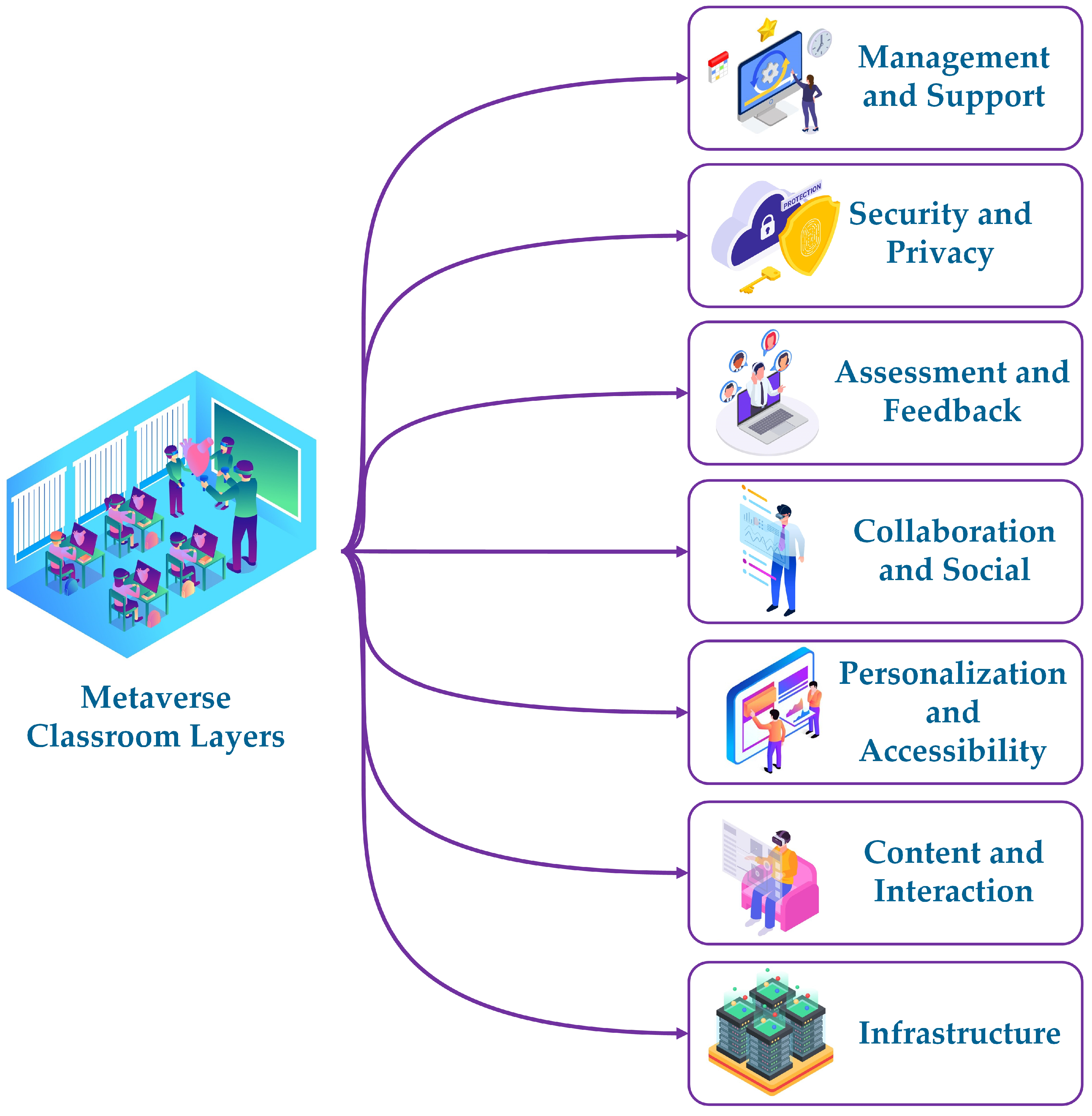
Figure 1.
Metaverse Classroom Layers.
A sophisticated platform technology also enables integration with additional tools and plugins, which enhances the functionality of the Metaverse classroom [56]. These integrations might include AI tools for personalized learning paths, analytics to track student engagement, and gamification elements such as quizzes and rewards [57]. Through plugins and APIs, platforms like Unity and Unreal can seamlessly connect with third-party tools like IBM Watson for AI-driven customization or Kahoot for interactive assessments [58]. This extensibility allows developers to design classrooms that engage students through immersive content, adapt to their learning styles, track their progress, and provide real-time feedback [59]. Integrations also make the classroom more versatile, enabling educators to incorporate various teaching methods and interactive tools [60].
Finally, data security and encryption are integral to platform technology, ensuring that sensitive student information remains protected [61]. A secure platform aligns with data protection standards, such as the General Data Protection Regulation (GDPR) and the Family Educational Rights and Privacy Act (FERPA), to safeguard student data [62]. Unity and Unreal Engine, though the primarily development platforms offer extensive documentation for data encryption, while platforms like AltspaceVR have built-in security features [46]. Compliance with privacy standards is essential for educational settings, as it allows students and parents to feel confident that their information is being handled responsibly [62]. Robust security protocols also protect the Metaverse classroom from unauthorized access, ensuring that students can safely participate in virtual learning without concerns about data breaches or privacy violations [63]. By integrating security at the foundational level, platform technology sets the stage for a safe, stable, and engaging learning experience in the Metaverse [48].
3.1.2. Network and Connectivity
Virtual Collaboration Spaces in a Metaverse classroom foster a dynamic and interactive environment where students can engage in teamwork, participate in group discussions, and work collaboratively on projects, mirroring real-world classroom experiences [53]. These spaces are designed with features that allow students to split into smaller groups within the larger virtual setting, encouraging personalized interaction and cooperative learning [64]. Breakout rooms, in particular, are key elements that allow students to focus on specific tasks or discussions in an intimate setting [65]. For example, during a project-based learning activity, students can separate into breakout rooms assigned to different topics, collaborate on solutions, and then return to the main classroom to present their findings [66]. This virtual space division enhances engagement and allows for individualized teacher support and monitoring within each group [67].
Adding shared whiteboards in these virtual spaces adds a powerful visual tool for collaboration, allowing students to brainstorm ideas, solve problems, and visualize concepts collectively [68]. Shared whiteboards can function as digital canvases in which students and teachers alike can write, draw, and display images or charts, facilitating real-time collaboration [69]. For example, during a science experiment simulation, students can outline hypotheses, document results, and analyze data together on the whiteboard [70]. Platforms like Miro and Jamboard are excellent for this purpose, as they offer multi-user capabilities that enable each student to interact with the board, whether on a VR headset or a tablet [71]. These visual aids make it easier for students to express and refine their ideas, helping to deepen their understanding of complex concepts through shared visualizations [72].
Voice and chat functions within virtual collaboration spaces are essential for real-time communication, helping to create a socially engaging environment where students feel connected and heard [73]. Voice functions allow students to speak naturally to their peers, while text chat provides a quieter alternative for those who prefer written communication or have connectivity limitations that impact audio quality [74]. These communication tools also support expressing ideas and emotions, fostering a supportive and engaging learning atmosphere [75]. Voice channels, for example, are particularly useful during debates or group discussions where students need to articulate their ideas in real-time [76]. Text chat, on the other hand, can be especially helpful in asynchronous settings or when language barriers are present, as students can use built-in translation tools to participate in discussions [77]. By providing multiple modes of communication, virtual collaboration spaces ensure inclusivity and cater to diverse student preferences.
Virtual collaboration spaces also support document sharing and co-editing capabilities, allowing students to work on assignments and projects seamlessly and collaboratively [78]. Platforms such as Google Workspace or Microsoft Teams can be integrated into the Metaverse classroom, allowing students to coauthor documents, presentations, or spreadsheets in real-time [79]. These shared documents are accessible from within the virtual environment, allowing students to brainstorm on the whiteboard, discuss ideas through voice chat, and simultaneously work on a shared document without leaving the Metaverse [80]. This functionality makes group assignments more efficient and mimics the collaborative tools used in real-world workplaces, helping students develop essential digital collaboration skills [3]. By allowing students to edit, comment, and share resources, virtual collaboration spaces cultivate a deeper sense of teamwork and prepare students for future professional environments [81].
Lastly, teacher facilitation and monitoring tools within virtual collaboration spaces are crucial to guide and supervise student interactions [82]. Teachers can enter and exit breakout rooms to provide support, provide feedback, or observe group dynamics, ensuring that students stay focused and engaged [83]. These tools also allow educators to monitor student participation levels, identify areas where they may need help, and encourage constructive dialogue [84]. For example, in a group debate activity, the teacher could enter each breakout room to observe student interactions, provide coaching on debate techniques, or offer insights to stimulate critical thinking [85]. Interacting with each group as needed enables teachers to facilitate a richer and more tailored learning experience, helping students develop collaboration skills within a supportive and interactive environment [86]. These elements of virtual collaboration spaces transform the Metaverse classroom into a truly interactive and inclusive environment, fostering the collaborative skills necessary for academic and professional success [16].
3.1.3. Hardware Integration
Hardware integration in a Metaverse classroom is essential to ensure that all students, regardless of their available technology, can access and participate fully in the virtual environment [87]. This compatibility layer is essential for creating an inclusive learning space, providing access points through various devices such as VR headsets, computers, tablets, and smartphones [88]. For example, while VR headsets offer the most immersive experience, not every student can access one. Ensuring the Metaverse classroom is compatible with desktops and mobile devices allows students to participate from home, school, or anywhere with Internet connectivity, making learning more flexible and accessible [89]. This approach supports various socioeconomic backgrounds and ensures equitable access to educational opportunities within the Metaverse, regardless of a student’s device.
The compatibility of VR headsets is an essential component of hardware integration to create a fully immersive Metaverse experience [48]. VR headsets such as the Oculus Rift, HTC Vive, or Meta Quest allow students to engage in a 3D space that closely mimics real-life interactions and spatial experiences [90]. Using VR, students can explore complex concepts through hands-on simulations and navigate virtual environments that feel physically engaging [47]. For example, in a biology class, students might use a VR headset to perform a virtual dissection, manipulating 3D models to understand anatomy in a way that traditional methods do not allow. However, the Metaverse classroom should also be designed to work with lower-end VR headsets or devices to avoid reliance on premium equipment [91]. This flexibility ensures that students with VR access can enjoy a richer experience while those without VR can still engage meaningfully in the content.
For students who may not have access to VR headsets, the Metaverse classroom must also provide desktop and laptop compatibility to support effective participation [92]. Desktop integration enables students to navigate 3D environments through keyboard and mouse inputs, making it accessible to schools with traditional computer labs or students learning from home [93]. Using desktop-based controls, students can move through the Metaverse, interact with objects, and collaborate with peers [94]. This setup allows them to participate in virtual activities such as science experiments, historical site explorations, or collaborative projects, even without specialized VR equipment. Many educational institutions are already equipped with desktop and laptop computers, so this compatibility makes it easier to implement Metaverse learning on existing infrastructure, keeping costs low and ensuring that the learning environment is accessible to as many students as possible [6].
The compatibility of tablets and smartphones further expands accessibility, making the Metaverse classroom available to students who may only have access to these devices [18]. By supporting mobile versions, students can access the classroom through a touch interface, enabling them to view and interact with the virtual environment [95]. Tablets, in particular, can be valuable tools in the Metaverse, as their larger screens allow clearer visuals and better engagement compared to smaller smartphone screens [96]. Mobile devices are a practical and flexible alternative for students without access to computers or VR headsets, particularly in regions where mobile technology is more prevalent than desktops [47]. In addition, mobile compatibility can enhance the portability of the Metaverse classroom, allowing students to seamlessly switch between devices if they need to continue their learning outside traditional settings, such as during field trips or at home [15].
Finally, cross-platform synchronization plays a crucial role in hardware integration, as it allows students to smoothly transition between devices without losing their progress or settings [97]. For example, a student might start a Metaverse lesson on a desktop computer at school and later continue it on a tablet or smartphone at home [98]. Cross-platform support ensures that all users, regardless of device, access the same classroom environment with the same functionality and experience consistency [99]. This continuity is essential for creating a cohesive learning experience in a Metaverse classroom, allowing students to engage with content according to their needs and circumstances. With cross-platform synchronization, the Metaverse classroom can deliver a seamless and unified experience, making learning within the virtual environment as accessible and flexible as possible [100].
3.2. Content and Interaction Layer
3.2.1. 3D Virtual Environments
The 3D Virtual Environments in a Metaverse classroom are central to delivering an immersive, interactive learning experience [87]. By creating realistic themed environments, educators can provide students with spaces that align closely with subject-specific content, making learning engaging and contextually relevant [101]. These environments might include virtual science labs, historical reconstructions, or creative studios, each designed to reflect the needs of different subjects. For example, a history class might take place in a meticulously recreated ancient civilization, where students can walk through historic sites, interact with artifacts, and observe past events [102]. These specialized settings create a rich multisensory experience that allows students to engage with content on a deeper level than traditional methods allow, fostering retention and curiosity.
Themed breakout rooms are another powerful component of 3D virtual environments, enabling small group collaboration and personalized learning experiences [103]. In a Metaverse classroom, students can be grouped into custom designed breakout rooms for specific activities or subjects [104]. For example, in a literature class, one room might simulate a library setting where students discuss novels, while another resembles a stage for students to role-play scenes from a play. These breakout rooms help foster a sense of immersion and focus, allowing students to work closely with peers on targeted activities [83]. Such rooms also make it easy for teachers to provide individualized support, as they can move between rooms to monitor progress and engage with each group, facilitating more effective teaching within the virtual environment.
Virtual science laboratories are particularly beneficial in a Metaverse classroom, offering hands-on experimentation to students without the limitations of a physical lab space [105]. In these virtual laboratories, students can conduct complex experiments, handle hazardous materials, or manipulate detailed biological models safely and repeatedly [106]. For example, students might use a 3D model to dissect a virtual frog, observing its anatomy without the ethical and practical concerns of physical dissection. Chemistry students could experiment with chemical reactions, observing outcomes and variables in real time without risk. These laboratories encourage a trial-and-error approach, allowing students to learn from mistakes in a safe, controlled environment, strengthening their understanding of scientific concepts and confidence in experimentation [107].
In addition to academic settings, virtual creative studios and performance spaces allow students to explore artistic subjects in interactive 3D spaces [108]. These studios might include art rooms with digital canvases where students can paint or sculpt, music studios with virtual instruments, or performance stages where students can practice theater or dance. In these spaces, students can access tools and environments that may be unavailable in physical classrooms, allowing them to experiment and create without constraints. This flexibility in creative expression is essential for subjects that rely on imagination and innovation, allowing students to engage with their work in ways that foster both skill development and personal growth [109].
Finally, the 3D Virtual Environments of a Metaverse classroom are designed to be highly adaptive and versatile, allowing teachers to modify settings based on learning objectives or student needs [3]. This adaptability means that virtual environments can evolve as lessons progress, adding or removing elements to suit different phases of a lesson plan. For instance, an economics class could begin in a lecture-style setting and then transition to a virtual marketplace where students simulate buying, selling, and managing resources. Teachers can also save these virtual settings, enabling them to revisit or refine environments for future classes. By offering such flexibility, 3D virtual environments not only enhance the learning experience but also empower teachers to design lessons that are interactive, responsive, and highly engaging [110].
3.2.2. Interactive Learning Tools
Interactive Learning Tools in a Metaverse classroom bring complex concepts to life, allowing students to engage with content through hands-on immersive experiences. By incorporating 3D simulations, holographic displays, and virtual laboratories, these tools provide students with unique opportunities to explore topics in an interactive format [111]. For example, 3D simulations can make abstract concepts tangible and visually engaging, such as atomic structures or planetary motion, allowing students to manipulate and observe components from every angle [112]. These features bridge the gap between theoretical knowledge and practical understanding, allowing students to develop a deeper understanding of complex material through exploration and experimentation. Interactive tools encourage students to actively participate in their learning journey, rather than passive observers [113].
Virtual laboratories are essential to the Metaverse classroom, offering a safe and accessible environment for students to conduct experiments and explore scientific concepts [16]. In a virtual chemistry lab, students can mix chemicals and observe reactions without the safety hazards associated with real-life experimentation [107]. Biology students can examine virtual specimens, gaining insight into anatomy without ethical or logistic concerns [91]. Physics laboratories allow students to experiment with forces, motion, and electricity in ways that would be challenging or even dangerous in a traditional classroom [114]. Virtual laboratories remove time, cost, and resource availability barriers, allowing students to repeat experiments as needed and learn from trial and error, essential to develop scientific thinking and analytical skills [115].
Holographic displays enhance learning by allowing students to visualize and interact with complex subjects in 3D [116]. Holograms can represent anything from historical artifacts to anatomical structures, offering students a lifelike view that is accessible from multiple perspectives [117]. In medical education, for example, students can use holographic displays to examine the human body layer by layer, viewing muscles, bones, and organs in detail [118]. Geography or geology students could use holographic displays to study landscapes and rock formations in 3D, allowing them to identify and analyze characteristics as if they were physically present [119]. These displays foster a sense of curiosity and discovery, as students can explore and interact with intricate details that would be difficult to perceive through traditional images or diagrams.
Gamified learning elements within the Metaverse classroom add another layer of engagement to interactive learning tools [87]. Through features such as quizzes, achievements, and progression of levels, gamification taps into the intrinsic motivation of students, making learning enjoyable and goal-oriented [120]. For example, students studying world history could earn badges for completing virtual quests in different historical periods or geographic locations, strengthening their knowledge through exploration and reward [90]. Similarly, science students could compete in simulated lab challenges, in order to obtain the highest scores or the fastest completion time while practicing experimental techniques [121]. These gamified tools help students stay focused and motivated as they associate learning with the excitement and satisfaction of game-like progress and achievements.
Finally, real-time feedback and analytics enable teachers to monitor student engagement and progress within these interactive tools, providing insights that support personalized instruction [57]. For example, teachers can observe which students struggle with certain concepts in virtual labs or identify patterns in the responses to questions that indicate knowledge gaps [122]. This feedback allows educators to adapt their teaching strategies to meet individual learning needs, providing targeted support or challenges as necessary. Students also benefit from immediate feedback, as they can adjust their approaches based on real-time data, allowing for continuous improvement [123]. By integrating interactive learning tools with feedback mechanisms, the Metaverse classroom creates a dynamic, responsive learning environment that evolves with student progress and needs, fostering a more personalized and impactful educational experience [18].
3.2.3. Gamified Elements
Gamified elements in a Metaverse classroom add an engaging dynamic layer to learning by incorporating game-based components such as quizzes, badges, and level progression, which are designed to motivate students and enhance retention [44]. These elements transform traditional learning experiences into interactive, achievement-driven journeys that make education enjoyable and rewarding. By including quizzes that reinforce understanding, students are encouraged to review and master material in manageable bite-sized formats [124]. This immediate and interactive reinforcement allows students to identify knowledge gaps, learn from their mistakes, and solidify their understanding, creating a positive feedback loop that promotes consistent engagement with the curriculum [125].
Badges and achievement systems offer tangible milestones that recognize student progress and accomplishments, turning learning into a series of achievable goals [44]. When students earn badges for completing tasks, reaching certain proficiency levels, or demonstrating specific skills, they experience a sense of accomplishment that motivates them to continue pushing forward [42]. For instance, in a Metaverse history class, students might earn badges for completing virtual museum tours, exploring historical sites, or achieving high scores on quizzes about different eras [44]. This badge system provides immediate recognition and encourages growth by highlighting progress rather than perfection [126]. Badges can also serve as digital ’trophies’ that students proudly display within the virtual environment, fostering a sense of pride and belonging within the classroom community.
Level progression adds another layer of motivation by establishing a clear path of progression through increasingly challenging material [127]. Students can progress through levels as they master topics, and each level introduces more complex content or activities to encourage continuous development [11]. For example, a science course in the Metaverse might start with foundational concepts such as basic physics principles, advancing to more detailed explorations of topics such as electromagnetism or quantum theory as students progress through the levels [128]. This incremental increase in difficulty keeps students engaged, as they are consistently faced with new challenges and opportunities to grow [129]. Level progression also allows students to pace themselves, working through the material at a speed that matches their learning style, ultimately leading to greater comprehension and satisfaction [64].
Leaderboards and collaborative challenges give the gamified learning experience a social and competitive edge, fostering healthy competition and teamwork [130]. By displaying student rankings or team scores for specific challenges, the Metaverse classroom encourages students to put in extra effort and collaborate with peers to achieve shared goals [80]. For example, students might compete in virtual science fairs, problem-solving challenges, or group projects, each with its own leaderboard or score-based system. Collaborative challenges reinforce the importance of teamwork and communication, essential skills in both academic and professional settings [24]. At the same time, leaderboards allow students to celebrate each other’s achievements, contributing to a supportive learning community where accomplishments are shared and valued [131].
Finally, real-time feedback mechanisms within gamified elements allow students to monitor their progress, understand their strengths and weaknesses, and adjust their strategies as they learn [3]. Instant feedback from quizzes, for example, provides students with actionable insights into their performance while allowing teachers to identify areas where students might need additional support [132]. This immediate feedback loop reinforces understanding and fosters a growth mindset, as students see learning as a process of ongoing improvement [24]. Teachers can also use feedback data from these gamified elements to personalize instruction, tailor lessons and resources to address individual needs, and help students stay motivated [3]. By integrating real-time feedback into game-based learning, the Metaverse classroom creates an adaptive, student-centered environment where learning is both purposeful and engaging [133].
3.3. Personalization and Accessibility Layer
3.3.1. AI-Driven Personalization
AI-driven personalization in a Metaverse classroom allows a truly customized learning experience, adapting the content, pace, and style of instruction to the unique needs of each student [134]. Through intelligent algorithms, the AI can monitor a student’s progress and adjust the difficulty and nature of the material in real time [15]. For example, if a student struggles with a specific math concept, the AI may offer additional practice exercises or simplify the lesson to reinforce foundational understanding [5]. In contrast, AI can introduce advanced challenges for students who excel in a topic, encouraging deeper engagement and preventing boredom. This approach ensures that each learner progresses at a pace that suits them, creating a balanced environment where students feel challenged but not overwhelmed [64].
One of the primary benefits of AI-driven personalization is real-time feedback [135]. Immediate feedback allows students to understand their mistakes, adjust their learning strategies, and reinforce correct concepts as they progress through the material [5]. For example, in a Metaverse chemistry lab, a virtual experiment student could receive instant feedback from the AI on procedural errors or concept misunderstandings, guiding them towards the correct approach [136]. Real-time feedback reduces the time uncertainty of students about their performance, providing clarity and confidence as they continue [137]. This rapid response from AI helps foster a proactive learning mindset, where students view challenges as opportunities for growth rather than obstacles to success [79].
The advanced analytics provided by AI in a Metaverse classroom offer educators valuable insight into student performance and engagement, allowing for more informed teaching strategies [18]. AI can track patterns, such as which subjects a student struggles or excels in, how long they spend on certain tasks, and their preferred learning modalities [138]. Educators can use these data to better understand the strengths, areas of improvement, and optimal learning conditions of each student [139]. For example, if AI detects that a student consistently performs better with visual aids, the teacher might incorporate more visual materials into the curriculum of that student [18]. This targeted approach empowers teachers to support their students more effectively, fostering a classroom environment where individualized learning is the standard [140].
Another powerful feature of AI-driven personalization is the ability to create adaptive learning paths that evolve as the student progresses [141]. Adaptive learning paths guide students through material based on their previous performance, preferences, and engagement levels, ensuring that each new lesson is relevant to their current level of skills [14]. For example, a history course in the Metaverse might adjust its approach based on whether students prefer reading narratives, exploring timelines, or watching simulations of historical events [44]. The AI recalibrates the path as students advance, introducing new resources and challenges that align with their development. Adaptive learning paths provide a dynamic journey through the curriculum, giving students a sense of ownership and autonomy in their education [142].
Finally, AI-driven personalization enhances student motivation by creating a sense of personal relevance and achievement in their learning journey [143]. By tracking each student’s progress and achievements, AI can provide tailored encouragement, recognize achievements, and suggest next steps, keeping students engaged and focused [20]. For instance, after completing a difficult module, a student might receive a congratulatory message or a suggestion for a complementary activity to further build on their skills [144]. This personalized feedback reinforces a sense of achievement and forward momentum, making students feel seen and supported in their educational journey [145]. In the Metaverse classroom, AI-driven personalization enriches the learning experience and transforms it into a responsive, adaptive ecosystem that evolves to meet the needs and potential of each learner [141].
3.3.2. Assistive Technologies
Assistive technologies in a Metaverse classroom make virtual education inclusive and accessible to all students, particularly those with disabilities or language barriers [146]. These tools ensure that the Metaverse environment can cater to diverse needs, allowing every student to fully engage with the material and participate in class activities [14]. For example, closed captioning provides a text version of spoken content, which can be especially beneficial for students who are deaf or hard of hearing [5]. Similarly, visual cues or icons can guide students through interactive content, allowing those with auditory processing issues to better understand instructions and course materials [7]. These fundamental tools help break down barriers to learning, ensuring that the classroom experience is equitable and supports individual needs.
Voice-to-text technology is another valuable assistive feature that enhances accessibility within the Metaverse classroom, particularly for students with mobility challenges or learning disabilities [147]. This tool allows students to use voice commands to interact with the environment, complete assignments, or participate in discussions [148]. For example, people with dyslexia may find typing difficult, but voice-to-text, they can contribute to written assignments or chat-based group discussions [147]. The flexibility provided by voice-to-text technology allows students to actively participate without feeling limited by traditional text-based inputs, promoting a sense of independence and confidence. It also allows educators to hear the perspective of each student without relying on typing speed or handwriting skills, ensuring that all voices are included [19].
Real-time translation services facilitate a multilingual and multicultural learning environment, overcoming language barriers that can hinder comprehension and participation [149]. In a diverse classroom, real-time translation allows international students or those still learning the primary language of instruction to engage with the course material in their preferred language [131]. For example, a student in a science lesson could receive real-time translations of complex terms and instructions, allowing him to follow and participate as actively as their peers [11]. This feature supports linguistic diversity and encourages global perspectives, making the Metaverse classroom a more inclusive space that respects and accommodates cultural differences. Furthermore, real-time translation can enhance collaboration among students from different language backgrounds, enriching discussions, and fostering intercultural understanding [149].
Integrating customizable accessibility settings into the Metaverse classroom allows each student to adjust features according to their individual preferences and needs [150]. For instance, students can modify font sizes, adjust colors to suit visual impairments, or alter audio settings to optimize sound clarity [151]. These customizable options provide a user-centered approach, allowing students to create a learning environment that aligns with their sensory or cognitive requirements [152]. For students with Attention-deficit/hyperactivity disorder (ADHD) or other attention challenges, the Metaverse classroom might offer features that reduce visual clutter or provide additional focus cues. By offering these adaptable settings, the Metaverse becomes a more flexible and responsive learning space, catering to the unique needs of each student and promoting self-directed engagement with the material [153].
Finally, gesture recognition and spatial audio enhance the inclusivity and functionality of the Metaverse classroom, particularly for students with physical or communication-related disabilities. Gesture recognition enables students with limited mobility to interact with the environment using simple hand or head movements, while spatial audio allows sound to be directed toward specific areas, creating a more natural and immersive auditory experience [154]. This technology is helpful for students who rely on nonverbal cues or have difficulty processing overlapping sounds in a standard audio stream. For example, spatial audio can help a student focus on their teacher’s instructions without being distracted by background noise, while gesture recognition allows a student to engage with interactive elements even if they cannot use traditional controls [155]. Together, these assistive technologies enable students with diverse abilities to navigate and participate fully in the Metaverse classroom, ensuring a truly inclusive educational space.
3.3.3. Multilingual Support
Multilingual support in a Metaverse classroom is essential to create an inclusive learning environment that accommodates a diverse, global student body [5]. Real-time translation capabilities allow students who speak different languages to participate in discussions, engage with content, and collaborate on projects seamlessly, without language barriers [156]. For example, during a virtual lecture, students can receive live translations in their preferred language, allowing them to follow along and understand complex topics in real time [138]. This feature opens opportunities for international participation and ensures that students from non-native language backgrounds have equitable access to information. By integrating multilingual support, the Metaverse classroom promotes diversity and makes education accessible to a wider audience.
Real-time translation is particularly beneficial in group discussions and collaborative activities, where language differences can otherwise limit participation and understanding. With live translations, students can contribute to conversations, share ideas, and engage in teamwork regardless of their language background [149]. This capability breaks down language barriers and fosters intercultural exchanges, as students can communicate and learn from peers around the world [26]. For instance, in a science class, students from different countries could collaborate on a project, each expressing ideas in their native language while the system translates for everyone in real-time [87]. This type of multilingual support cultivates a more connected and culturally rich learning environment, enhancing students’ ability to understand and appreciate different perspectives.
Beyond translation, localized content adaptations further support students from various cultural backgrounds by tailoring educational materials to their unique linguistic and cultural contexts [157]. Localized adaptations might include culturally relevant examples, illustrations, or references that make the material more relatable and meaningful to students. For example, a history lesson might use examples of historical events or figures that resonate more with a specific region or culture [158]. These localized adaptations help bridge understanding gaps, allowing students to better connect with the content [100]. With its flexible digital infrastructure, the Metaverse classroom integrates these adaptations smoothly, making learning more effective and relevant for students worldwide.
The features of voice and text translation enhance accessibility for students who prefer to communicate in ways other than text [150]. Voice-to-text translation allows students to speak in their native language and receive translations in text format, or vice versa, depending on their needs and preferences [159]. This flexibility is particularly helpful for students with limited literacy in the language of instruction or for those with disabilities who find text-based communication challenging [160]. For instance, a student with visual impairments could benefit from voice-to-text options in their preferred language, while others may prefer to type responses and have them translated as they speak with peers [147]. This adaptability fosters a more inclusive and accommodating environment in which each student can participate in the way that best suits them.
Finally, cultural inclusion in multilingual support promotes a deeper sense of belonging and respect within the Metaverse classroom. By recognizing and incorporating multiple languages, the classroom environment acknowledges and values the diverse cultural identities of its students [142]. This approach goes beyond simple translation by encouraging students to embrace their cultural background as assets in the learning process [161]. For example, during language or social studies lessons, students might share phrases, traditions, or perspectives from their cultures, contributing to a more globally-minded classroom. Multilingual support transforms the Metaverse into a multicultural space that celebrates diversity and fosters a global perspective, preparing students for collaboration and communication in an increasingly interconnected world.
3.4. Collaboration and Social Layer
3.4.1. Avatar-Based Interaction
Avatar-based interaction in the Metaverse classroom enables students to engage in a digital space where they can represent themselves visually, enhancing their sense of presence and participation in virtual learning [162]. By customizing avatars to reflect personal characteristics or creative choices, students feel more connected to their virtual environment and to each other, reducing the sense of distance that can often come with online learning [163]. This visual representation helps build a more engaging and interactive atmosphere, as students can visually express themselves, making the learning experience feel more personal [12]. When students can see each other represented through avatars, it promotes a stronger sense of community, encouraging collaboration, and reducing the isolation that can accompany remote education.
Avatars also facilitate nonverbal communication through gestures, facial expressions, and body language, crucial for creating meaningful social interactions [164]. In a traditional classroom, gestures and expressions play a significant role in conveying understanding, interest, or confusion [165]. In Metaverse, students can use these non-verbal cues through their avatars, providing additional layers of communication that make interactions more natural and dynamic [129]. For example, a student might nod to show agreement, raise a hand to ask a question, or express surprise through facial animations. These interactions make virtual exchanges feel more authentic and provide teachers with visual feedback that helps them gauge student engagement and adjust their instruction accordingly [16].
Emotional expression through avatars is another powerful tool for building relationships and empathy among students [166]. Using avatars capable of showing emotions, students can express their feelings more openly, which is particularly valuable in discussions or group work [166]. In a collaborative setting, expressing encouragement, agreement, or even frustration allows for more nuanced understanding between classmates, fostering a supportive learning environment [167]. For instance, during a group project, a student might smile or express enthusiasm through their avatar, creating a positive dynamic to boost team morale. Emotional expression adds a layer of humanity to the digital experience, making it easier for students to connect and empathize, improving collaboration and class cohesion [168].
The avatar-based interaction also supports cultural expression and identity, allowing students to represent aspects of their background or personality through their virtual appearance [163]. Students of diverse backgrounds can customize avatars to reflect cultural symbols, attire, or colors meaningful to them, promoting cultural inclusivity and awareness [169]. This personalization fosters a classroom environment that values and celebrates diversity, encouraging students to express themselves freely and to take pride in their identities [133]. For example, students can choose clothing styles, accessories, or skin tones that resonate with their cultural heritage, allowing others to gain insight into their unique perspectives [170]. This approach enhances self-expression and introduces opportunities for intercultural dialogue, where students can learn about and appreciate different backgrounds.
Finally, avatars are a foundation for interactive learning experiences that extend beyond traditional classroom dynamics [3]. For instance, avatars can participate in virtual simulations or role-play scenarios that enhance engagement with the subject matter [134]. In a history lesson, students might adopt avatars that reflect characters from different historical periods, adding depth to their exploration of the topic [133]. In language learning, avatars could be used to role-play conversations in various real-life scenarios, building practical skills safely and engagingly. Using avatars in interactive learning exercises, students immerse themselves more fully in the material, increasing understanding and retention [171]. This approach transforms passive learning into active participation, making avatars a versatile and essential component of the Metaverse classroom experience [172].
3.4.2. Virtual Collaboration Spaces
Virtual Collaboration Spaces in a Metaverse classroom are essential to create a dynamic and interactive learning environment that fosters teamwork and peer participation [16]. These spaces allow students to break down into smaller groups within the larger virtual classroom, simulating the experience of working in dedicated project rooms or study groups [1]. In a Metaverse setting, breakout rooms can be themed to align with specific topics or activities, offering students a focused environment for group discussions, brainstorming sessions, or collaborative projects [173]. For example, in a science class, groups might have separate virtual labs to conduct experiments or simulations, allowing a targeted exploration of their assigned topics [174]. These collaborative spaces help build a sense of community and encourage students to work closely with each other, contributing to a richer and more interactive learning experience.
Shared whiteboards within virtual collaboration spaces add a powerful visual and interactive tool for real-time collaboration [175]. Students and teachers can use these digital whiteboards to brainstorm, outline ideas, and visualize concepts, allowing a collective approach to problem solving and creativity [176]. For instance, during a math or science lesson, students could collaborate on complex equations, visually illustrating each step and annotating their solutions on the shared board [177]. Whiteboards also allow students to draw, highlight key points, or share images, creating a space to freely express and refine their ideas [139]. Tools such as Miro or Jamboard, designed for multi-user interaction, can be integrated within the Metaverse, making it easy for students to collaborate from different devices and locations while maintaining a shared workspace [178].
The chat and voice functions enhance communication within these collaboration spaces, allowing students to connect in ways that mimic face-to-face interactions [6]. Voice channels enable natural conversation, facilitating real-time exchanges that are crucial for discussions, debates, and collaborative problem-solving [149]. Text chat, on the other hand, offers a quieter option for students who prefer to communicate in writing or face audio limitations [179]. This dual mode of communication is particularly beneficial for inclusion, as it accommodates different communication preferences and accessibility needs [150]. In addition, chat and voice features can support translation tools, allowing students who speak different languages to participate without language barriers. By offering multiple modes of communication, virtual collaboration spaces ensure that every student can engage comfortably and meaningfully [149].
Document sharing and co-editing capabilities further support collaboration within the Metaverse classroom by allowing students to work on shared assignments and projects seamlessly [3]. Tools such as Google Workspace or Microsoft Teams can be integrated into the virtual environment, allowing students to co-author documents, presentations, or spreadsheets in real time [180]. For example, students working on a research project could brainstorm on the shared whiteboard, discuss ideas through voice chat, and simultaneously draft their presentation in a shared document without leaving the virtual space [6]. This functionality mirrors real-world collaborative work environments, helping students develop essential digital skills and making group assignments more efficient. By offering these features of document sharing, the Metaverse classroom creates a unified workspace where collaboration is both effective and immersive [16].
Lastly, teacher facilitation and monitoring tools within virtual collaboration spaces are key to guiding and supporting students as they work together [80]. Teachers can enter and exit breakout rooms to observe group dynamics, provide feedback, or clarify instructions, ensuring that students are on task and receive the needed assistance [181]. This oversight allows teachers to monitor individual and group progress, identify areas where students may need additional support, and encourage productive interactions [1]. For example, in a history group project, the teacher could enter each room to observe discussions, provide context, or offer suggestions to deepen the analysis of the students [3]. This level of involvement of the teacher enhances the quality of collaboration and ensures that each student benefits from focused attention and mentorship within the virtual space [142]. Together, virtual collaboration spaces in a Metaverse classroom foster a supportive, interactive and flexible learning environment that encourages teamwork and develops critical social skills [26].
3.4.3. Community Engagement
Community engagement in a Metaverse classroom expands learning beyond traditional educational boundaries by connecting students with mentors, industry professionals, and community leaders in meaningful and interactive ways [142]. Virtual hubs provide students with access to real-world resources and networks that support their personal and professional development [1]. For example, students interested in STEM could attend virtual talks by scientists or engineers, while aspiring writers could participate in question-and-answer sessions with published authors [9]. This engagement broadens students’ perspectives, giving them insights into different fields and introducing them to potential career paths. By integrating these virtual hubs, the Metaverse classroom becomes a gateway to the wider world, where students can actively explore areas of interest and gain mentorship beyond what traditional classrooms typically offer [53].
Workshops and skill-building sessions within the Metaverse classroom provide students with hands-on learning experiences facilitated by experts in various disciplines [182]. These virtual workshops could range from coding boot camps to art tutorials, allowing students to develop practical skills that complement their academic curriculum [15]. For example, a business workshop might have students play as entrepreneurs, where they practice pitching ideas to real investors. These interactive and skills-based sessions help students build competencies often sought after in the workforce, enhancing their employability and practical knowledge. Workshops in the Metaverse also offer accessibility that physical workshops may not; students can join sessions from anywhere, ensuring that those in remote or underserved areas have the same learning opportunities as those in more resource-rich regions [150].
Virtual internships and shadowing opportunities within the Metaverse classroom allow students to experience different professions up close, providing invaluable career exploration without the need to leave their virtual environment [183]. These internships simulate real-world tasks or involve working directly with industry professionals who mentor students through projects [26]. For example, students interested in environmental science might work in conjunction with virtual mentors on a simulated ecosystem conservation project [1]. By participating in these activities, students gain hands-on experience, learn industry-standard practices, and develop critical skills such as teamwork, problem solving, and project management. These virtual internships are especially valuable for students who may not have access to in person opportunities, providing an equitable solution to gain experience in diverse industries and professions [184].
Community projects and service learning initiatives within the Metaverse classroom connect students with local organizations, NGOs, or global causes, fostering a sense of social responsibility and civic involvement [185]. In these projects, students might collaborate on tasks like organizing virtual fundraising events, working on sustainable development initiatives, or assisting with community outreach programs [186]. For example, students could work with a virtual NGO to develop a campaign promoting environmental awareness, honing their communication, research, and collaboration skills. Such experiences help students develop a global perspective and appreciate the impact of their contributions [17]. In addition, service learning in a Metaverse setting encourages students to apply what they learn in the classroom to real world situations, reinforcing the relevance of their education while supporting local or global causes [185].
Finally, building networks and fostering connections in the Metaverse classroom prepares students for life beyond school by linking them with professionals, peers, and community leaders who may serve as valuable contacts in the future [24]. Through group projects, mentorship sessions, and community events, students build relationships that extend their social and professional networks, opening doors to future opportunities [26]. For instance, a student working on a virtual startup project might connect with industry advisors, leading to potential job offers, references, or partnerships down the line [50]. These connections are instrumental in providing students with guidance, career advice, and motivation. By embedding community participation in the Metaverse classroom, educators equip students with the skills and networks needed to thrive in their future academic, personal, and professional lives [24].
3.5. Assessment and Feedback Layer
3.5.1. Scenario-Based Evaluations
Scenario-based evaluations in a Metaverse classroom leverage immersive simulations to assess students’ problem-solving abilities, critical thinking, and adaptability in real-world contexts [187]. Unlike traditional exams, these evaluations place students in realistic situations where they must apply their knowledge and skills to navigate challenges and make decisions [4]. For instance, in a virtual economics class, students could participate in a simulation where they manage a business, requiring them to make budgeting, marketing, and operational decisions based on changing market conditions [188]. Such scenarios help educators evaluate students’ practical understanding of concepts and assess their ability to think critically under pressure, capturing skills often overlooked in traditional testing formats [64].
In science and engineering courses, virtual lab simulations are powerful tools for scenario-based evaluations, enabling students to conduct experiments and solve complex problems in controlled, risk-free environments [189]. A chemistry student might be evaluated on their ability to create a compound by selecting and combining elements in a virtual lab, observing reactions, and making adjustments based on experimental outcomes [105]. Similarly, engineering students could be assigned to design a virtual bridge, considering material properties, load distribution, and environmental conditions [190]. These hands-on evaluations provide educators with insight into the methodological approach of a student and problem solving strategies, allowing a review that goes beyond rote memorization to understand how students apply theoretical knowledge in practical situations in the real world [191].
Healthcare and medical training benefit significantly from scenario-based evaluations, as students can be placed in virtual medical scenarios where they diagnose and treat virtual patients [189]. Medical students might use avatars to interact with a patient simulation, reviewing symptoms, asking questions, and determining diagnoses based on evidence gathered during the interaction [192]. These evaluations require students to integrate knowledge from various medical fields, demonstrating their critical thinking and diagnostic skills [192]. In addition, the immersive nature of these simulations provides students with an authentic understanding of patient interactions, fostering both clinical skills and bedside manner. Such virtual patient interactions can also be recorded, allowing in-depth instructor feedback and opportunities for students to review and improve their performance [193].
Environmental and social studies scenarios provide students with rich and complex situations that require them to consider ethical, cultural, and environmental factors in their decision-making. For example, a student in environmental science could be evaluated through a simulation that requires them to develop a conservation strategy for an endangered species, balancing ecological needs with the interests of local communities [194]. Similarly, in political science or ethics courses, students might participate in simulations where they play roles in government negotiations or conflict resolution, weighing various perspectives and making informed ethical decisions [136]. Such scenarios assess a student’s ability to think critically about multi-layered issues, develop balanced solutions, and consider diverse viewpoints, skills that are essential for working in a globally connected world.
Finally, scenario-based evaluations in a Metaverse classroom offer immediate, data-rich feedback, helping students and teachers identify areas of strength and improvement. The Metaverse platform can track the actions and decisions of each student within a simulation, providing educators with detailed data on their problem-solving approach, decision-making process, and ability to adjust strategies when faced with challenges [3]. This data enables instructors to give personalized feedback that addresses specific strengths and gaps in a student’s performance [139]. For students, detailed insights allow them to reflect on their performance, understand areas of growth, and refine their approach for future scenarios [195]. In general, scenario-based evaluations in the Metaverse improve assessment accuracy and promote a growth mindset, encouraging students to view learning as a continuous process of development and adaptation of skills.
3.5.2. Instant Feedback and Analytics
Instant feedback and analytics in a Metaverse classroom allow for real-time insights into student learning and engagement, enabling both students and educators to adjust in the moment [43]. With AI-driven systems in place, students receive immediate feedback on their performance after completing tasks, quizzes, or simulations [141]. For example, in a virtual math test, students could see which questions they answered correctly and receive hints for questions they missed, allowing them to learn from their mistakes instantly [196]. This immediate feedback reduces uncertainty; students do not have to wait days or weeks for results. Knowing their strengths and areas for improvement immediately can help students quickly adapt their study habits, focus on weaker areas, and build confidence in their knowledge.
For educators, analytics provide a comprehensive view of each student’s progress, highlighting patterns that may not be immediately visible in traditional assessments [4]. AI algorithms track how long students spend on tasks, the types of errors they frequently make, and their approach to problem-solving, compiling this data into dashboards or reports [18]. This level of detail helps teachers identify where students may struggle conceptually or need further support [5]. For example, if a student consistently struggles with certain aspects of a physics simulation, the data could indicate the difficulty in understanding or applying the principles [15]. Teachers can then tailor interventions, offer additional support, or modify their teaching strategies to better meet individual learning needs, creating a responsive and adaptive classroom environment.
Aggregate analytics also give educators valuable insight into class-wide trends, helping them assess the overall effectiveness of their teaching methods and curriculum design. By analyzing data among multiple students, teachers can see which topics or activities are challenging for most of the class, indicating areas that may require a more in-depth explanation or alternative teaching approaches [14]. For example, if a large portion of the class struggles with a specific topic in a biology lab simulation, teachers might incorporate additional resources or provide a guided session to clarify key concepts [16]. These insights allow teachers to continually refine their instructional methods, ensuring that they align with the evolving learning needs of students and data-driven adjustments to support better educational outcomes.
Instant feedback motivates students by reinforcing their efforts and providing clear achievement milestones [44]. Knowing that they’ll receive feedback immediately after completing a task can drive students to engage more actively with the material, as they can see the impact of their learning decisions in real time. Furthermore, instant feedback creates a positive reinforcement loop, where students feel encouraged to build on their strengths and address areas of difficulty [137]. By being consistent with their progress, students can take ownership of their learning journey, set personalized goals, and track their improvements over time. This process instills a growth mindset, where students view challenges as learning opportunities rather than setbacks [24].
Finally, the Metaverse classroom’s feedback and analytics systems offer valuable behavioral and engagement metrics data beyond academic performance alone [4]. These systems can track attendance, participation in collaborative spaces, and participation in learning resources, giving educators a complete picture of student behavior in a virtual environment [92]. For example, if a student consistently avoids collaborative assignments, the analytics could reveal this trend, prompting a discussion on participation barriers or strategies to encourage engagement. This data-driven approach enables educators to intervene early, addressing issues that could affect student success before they escalate [197]. Together, instant feedback and analytics foster a proactive and supportive learning environment in which both students and educators benefit from a system that continuously adapts to the needs and progress of each [15].
3.5.3. Holistic Assessment
Holistic assessment in the Metaverse classroom goes beyond academic metrics by tracking and evaluating a wide range of skills, including collaboration, leadership, and social interaction [20]. Unlike traditional grading systems that focus primarily on knowledge retention and test scores, holistic assessment provides a more comprehensive picture of each student’s growth and abilities [4]. Through interactions within the Metaverse, students can be observed in group projects, discussions, and simulations, allowing educators to assess how effectively they communicate, lead, and work with others [17]. For example, a student’s ability to lead a virtual science experiment or mediate group discussions in a history breakout room can be tracked, providing insight into the skills essential for success in the real world but difficult to measure in traditional settings. This approach ensures that students gain subject knowledge and develop valuable interpersonal and problem-solving skills [11].
Collaboration tracking in the Metaverse is a vital component of holistic assessment, as it provides information on how well students work together in a virtual setting [3]. Educators can assess the contribution of each student to collaborative tasks with tools such as shared whiteboards, group simulations, and document co-editing capabilities [173]. Metrics such as participation frequency, idea sharing, and responsiveness to peer feedback are tracked and analyzed, enabling teachers to gauge each student’s engagement and teamwork abilities [64]. For example, in a virtual engineering project, students may be evaluated on how they delegate tasks, support peers, and contribute to group problem-solving [198]. By focusing on collaboration, the holistic assessment in the Metaverse helps identify the strengths and areas for growth in teamwork of students, skills that are increasingly important in both academic and professional contexts.
Leadership skills are also integral to the holistic assessment in a Metaverse classroom, where virtual environments offer unique opportunities for students to assume leadership roles [17]. Whether guiding a group through a complex simulation or organizing tasks in a team project, students have multiple ways to demonstrate leadership in this virtual space [199]. AI-driven analytics can track instances where students take initiative, make decisions, and motivate peers, giving educators valuable information about their leadership potential and development [141]. For example, a student who steps up to direct a virtual lab experiment or leads a group discussion in a discussion setting demonstrates essential skills such as decision-making, delegation, and encouragement [12]. These tracked behaviors contribute to a better understanding of each student’s readiness to take on leadership roles, preparing them for future situations where leadership will be the key.
Assessment of social skills is another critical dimension of holistic assessment within the Metaverse classroom, where students engage with peers through avatars, voice, and chat functions [200]. Social interactions in the Metaverse can reveal a student’s ability to empathize, communicate effectively, and resolve conflicts, which are important life skills often overlooked in traditional assessments [133]. AI analytics can observe communication patterns, such as active listening, respectful responses, and positive engagement, to gauge student social development [17]. For instance, a student’s tendency to acknowledge others’ ideas, provide constructive feedback, or mediate disputes can be recorded and assessed during a group activity. By capturing these social skills, holistic assessment enables teachers to support student emotional intelligence and interpersonal development, essential for personal and professional success [126].
Lastly, holistic assessment in the Metaverse can provide both students and educators with reflective feedback, encouraging continuous improvement in academic and social dimensions [14]. Students receive information on their academic progress and strengths and challenges in areas such as teamwork, leadership, and communication, promoting a more rounded view of their growth [3]. For educators, holistic data offer a unique perspective on classroom dynamics and individual needs, leading to more targeted support for each student’s development [1]. Teachers can set personalized goals with students, address areas such as leadership or collaboration, and track progress over time [15]. Ultimately, by evaluating a range of skills beyond academics, holistic assessment in the Metaverse classroom fosters well-rounded individuals equipped with the knowledge and social skills needed for the challenges of tomorrow.
3.6. Security and Privacy Layer
3.6.1. Data Encryption and Secure Platforms
Data encryption and secure platforms are essential components of the Metaverse classroom, providing a foundation to protect sensitive student and educator information within the virtual environment [201]. Encryption converts data into a secure code that can only be accessed by authorized users, ensuring that personal and academic records remain private and protected from unauthorized access [202]. Data encryption becomes even more critical in a Metaverse setting, where interactions are constantly happening [201]. For example, when students submit assignments, participate in group discussions, or access academic resources, encryption ensures that these data are transmitted and stored safely [203]. Encryption is crucial in safeguarding against potential data breaches, as it prevents personal information from being readable even if unauthorized individuals access it.
Compliance with data security standards such as GDPR and FERPA adds a layer of protection, ensuring that the Metaverse classroom adheres to globally recognized privacy requirements. GDPR, for example, mandates strict regulations on data storage, processing, and sharing, particularly focusing on user consent and control over personal information [204]. FERPA focuses on educational settings, requiring schools to protect student academic records and limiting access to these data [205]. By designing the Metaverse classroom in compliance with these standards, educational institutions can guarantee that student privacy is prioritized, protecting both the institution and the individuals involved from potential legal issues [15]. Compliance with such standards builds trust among parents, students, and educators, reassuring them that data privacy is being taken seriously [136].
The selection of secure platforms is another critical element in maintaining a safe and private Metaverse classroom, as the chosen platforms must have robust security features [15]. Platforms like Unity, Unreal Engine, and AltspaceVR offer various security protocols, but when applied to education, they must also support secure login, encrypted data handling, and user verification processes [46]. For example, Multi-Factor Authentication (MFA) and Single Sign-On (SSO) can be integrated to ensure that only authorized users can access the Metaverse classroom [206]. In addition, secure platforms should regularly update their software to protect against vulnerabilities and use automated threat detection to monitor unusual activity [207]. Using secure platforms with built-in protection features, schools create a safe digital environment that prevents malicious actors from accessing or manipulating sensitive information [207].
User access control within secure platforms significantly manages who can access specific data types and what actions they can perform within the Metaverse [202]. Access control protocols help ensure that sensitive information remains available only to those with proper authorization, minimizing the risk of data exposure [208]. For instance, teachers may access student grades and progress reports, while students may only access their records [209]. Furthermore, third-party vendors or external collaborators can have limited permissions to prevent unauthorized access to student data [201]. The access control settings create a structured security framework that is in line with privacy standards while accommodating the collaborative needs of the Metaverse classroom, thus ensuring a balance between accessibility and protection [15].
Finally, educating students and staff on data security is essential to maintain a secure Metaverse classroom environment [17]. No matter how advanced encryption and security protocols are, user behavior remains critical in preventing security breaches [208]. Schools can offer training sessions for students, teachers, and administrators on best practices for password security, recognizing phishing attempts, and managing personal data [210]. By teaching students and educators about the importance of privacy settings, secure file sharing, and responsible data management, educational institutions empower them to actively contribute to the security of the Metaverse classroom [15]. This collective understanding of data security protocols fosters a culture of responsibility and awareness, ensuring that all users maintain a safe and protected learning environment [210].
3.6.2. Parental Controls and Safe Use
Parental controls in the Metaverse classroom provide essential tools for guardians to monitor and manage their children’s virtual interactions, creating a safer and more secure learning environment [211]. In a virtual educational space where students can explore, interact, and learn, it is critical to ensure that these experiences are age appropriate and aligned with educational goals [6]. Parental controls allow guardians to set boundaries on the types of content their children can access, ensuring they are only exposed to material relevant to their age and maturity level. For instance, parents might limit access to certain areas within the Metaverse or restrict communication features to create a focused learning experience without distractions [5]. This ability to monitor and regulate content provides peace of mind to parents, fostering a secure and supportive virtual classroom experience.
Activity monitoring tools within parental controls give guardians visibility into their child’s participation and participation in the Metaverse classroom [212]. Through real-time reports or activity summaries, parents can see what their child is learning, how much time they spend on various activities, and who they interact with in virtual spaces. For example, a parent might receive a weekly report indicating their child’s time in study groups, labs, or attending virtual lectures. This level of insight reassures parents about their child’s safety and allows them to support their child’s educational progress. Activity monitoring in a virtual classroom helps bridge the gap between home and school, allowing parents to remain informed and involved in their child’s education while respecting student autonomy within a structured, safe framework.
Communication controls are another key component of parental oversight in the Metaverse classroom, as they allow parents to manage with whom their children can interact during virtual learning sessions. Communication controls ensure that interactions remain safe and appropriate in an environment where students can connect with peers, mentors, or even guest speakers [3]. For instance, parents may restrict communication to teacher-approved contacts or limit voice and chat functions to group settings supervised by educators. In addition, teachers and parents can work together to establish appropriate communication boundaries within the virtual classroom, especially for younger students [11]. Communication controls protect students from potential online risks and help maintain a professional and focused learning environment, making it easier for students to focus on educational activities without distractions [15].
Time management tools within parental controls are essential for regulating student screen time in the Metaverse classroom, ensuring that they engage in balanced and healthy digital experiences habits. Although highly engaging, virtual learning can result in extended exposure to the screen, which can affect physical health and focus [184]. Time management features allow parents to set daily or weekly limits on how long students can stay in the virtual environment, with reminders or automatic logouts to enforce these limits. For instance, a parent could set a timer for a two-hour study session, after which the student is prompted to take a break or log off. By encouraging regular breaks and limiting screen time, time management tools help protect students’ well-being, fostering a balanced approach to digital learning that prevents fatigue and promotes healthier, more sustainable learning habits [136].
Finally, content filtering and educational prioritization tools ensure that students remain focused on appropriate and productive material in the Metaverse classroom [20]. Parental controls can restrict access to non-educational or distracting content, ensuring that students engage primarily with resources that align with their curriculum. For example, parents can set filters to block games or social areas that are not part of the learning environment, directing students toward coursework and educational simulations instead. This filtering helps students stay on task, minimizes potential distractions, and creates a focused virtual classroom experience that maximizes learning potential. Using content filtering tools alongside other parental controls, guardians can create a structured, goal-oriented learning environment that prioritizes academic growth while ensuring the digital safety of their children in the Metaverse classroom.
3.6.3. Digital Well-being
Digital well-being in a Metaverse classroom is fundamental to ensuring that students engage with virtual learning well and in a healthy manner [213]. In immersive environments where students can easily lose track of time, digital well-being tools help manage screen exposure to prevent fatigue and maintain focus [136]. Features such as time trackers allow students and teachers to monitor how long they’ve been active within the Metaverse [87]. For example, a gentle reminder might prompt students to take a five-minute break after every 30 minutes of continuous use, promoting healthy habits around screen time. By integrating these digital well-being features, the Metaverse classroom encourages students to balance virtual engagement and physical rest, helping them stay refreshed and focused during learning activities [126].
Break reminders and scheduled pauses are additional wellness features that promote regular structured breaks to prevent eye strain, improve concentration, and reduce mental fatigue. Given the highly immersive nature of the Metaverse, extended periods of engagement can place physical strain on students, especially in VR or AR settings. Break reminders can be configured to appear at predetermined intervals, prompting students to pause, stretch, or step away briefly before resuming their activities [3]. For example, in a virtual science lab, students could be encouraged to take a break after completing a module, strengthening a cycle of focused work and rest [214]. These scheduled pauses ensure that students remain mentally and physically engaged, which is particularly beneficial for longer lessons or group projects, where continuous attention is necessary for effective learning.
The ergonomic support guidelines in the Metaverse classroom contribute to the physical well-being of the students, helping them set up their workspaces to reduce stress and promote proper posture [136]. The Metaverse classroom can provide on-screen tips about ideal seating arrangements, optimal screen height, and suggestions for arm and hand positioning when using devices, which are particularly useful for students using VR headsets or extended tablet use. For instance, a notification might advise students to adjust their chairs and screens or suggest specific stretches to relieve muscle tension after using VR for extended periods [215]. By encouraging ergonomically sound practices, the Metaverse classroom ensures that students adopt safe and comfortable settings, reducing the risk of physical discomfort and long-term strain associated with the use of digital devices [136].
Mental health resources and mindfulness activities are also valuable components of digital well-being in the Metaverse, supporting students’ emotional health as they navigate virtual learning [216]. Guided mindfulness exercises, breathing techniques, or short relaxation activities can be integrated into the Metaverse environment, offering students tools to manage stress and refocus [126]. For example, before a challenging test, students might be prompted to engage in a one-minute breathing exercise to calm their minds and prepare. In addition, virtual counseling sessions or access to mental health resources can provide a safe space for students to seek support if they feel overwhelmed [217]. These resources contribute to a supportive learning environment where emotional well-being is prioritized, ensuring students feel equipped to handle academic and social challenges within the Metaverse.
Finally, well-being analytics provide teachers and parents with insights into the patterns of digital use of students and potential areas for improvement [126]. Data on screen time, break frequency, and engagement levels can help educators identify students who may benefit from additional support, allowing customized interventions [5]. For instance, if a student consistently exceeds recommended screen time or rarely takes breaks, a teacher or guardian might encourage setting stricter time limits or introducing additional wellness activities. This data-driven approach allows educators to monitor digital well-being without infringing on student autonomy, creating a balanced learning environment that supports healthy digital practices [15]. By integrating digital wellness features holistically, the Metaverse classroom promotes a positive and sustainable learning experience, prioritizing the physical and mental health of every student [135].
3.7. Management and Support Layer
3.7.1. Teacher Dashboards and Training
Teacher dashboards in the Metaverse classroom provide educators with a centralized view of all classroom activity, allowing them to monitor student engagement, progress, and performance in real-time [18]. These dashboards are designed to give teachers a holistic perspective on individual and class dynamics, including attendance, participation in group activities, completion of assignments, and performance on assessments. For instance, a teacher can view which students actively participate in a virtual discussion or quickly identify who may need additional support based on low engagement metrics [14]. This comprehensive data allows educators to respond proactively, making it easier to support students in real time and customize instruction [17]. With these insights, teachers can create a more engaging and responsive learning environment where every student receives the attention they need [14].
Analytics and progress tracking are key features of teacher dashboards, offering a deeper layer of insight into each student’s learning journey [18]. Teachers can analyze academic performance, social interactions, and skill development data, identifying trends that may not be visible in a traditional classroom setting [17]. For example, analytics can reveal patterns in student behavior, such as those who excel in collaborative projects versus individual assignments, or highlight areas where certain students consistently struggle [218]. By understanding these patterns, teachers can adapt their instructional approaches to meet the strengths and needs of each student [17]. Progress tracking also allows teachers to set and review learning milestones, helping students stay motivated and aware of their growth over time, which is essential for a supportive and productive classroom environment [199].
Virtual classroom management tools within the dashboard allow teachers to seamlessly control and facilitate learning activities, even in an immersive digital environment [43]. With these tools, teachers can create, modify, and assign tasks, manage breakout rooms, and supervise group projects, ensuring that each activity runs smoothly [219]. For instance, a teacher might use the dashboard to assign students to specific virtual labs or discussions based on their performance or interests [199]. In addition, teachers can monitor discussions in breakout rooms, join as needed to provide guidance, and adjust group dynamics to improve collaboration [16]. Classroom management tools empower educators to organize and supervise the virtual classroom effectively, making it easier to maintain an organized and focused learning environment, regardless of the complexity of the lesson or the number of students involved.
Teacher training in virtual classroom management is critical to maximizing the effectiveness of the Metaverse classroom, as it equips educators with the skills to navigate and use this innovative environment confidently [17]. Training sessions may cover everything from the technical aspects of using VR tools and managing 3D environments to best practices for maintaining student engagement in a virtual setting [15]. In addition, educators learn techniques for setting up and moderating virtual labs, handling large-scale interactive sessions, and incorporating immersive simulations into the curriculum [4]. Through these training programs, teachers can gain hands-on experience in virtual classroom management, familiarizing themselves with the nuances of the Metaverse to lead lessons smoothly and confidently [136]. This training is essential to reduce the initial barriers to the use of technology and to ensure that teachers feel comfortable and competent within the Metaverse classroom.
Continuous professional development within the Metaverse is also crucial, as it allows educators to stay up-to-date with emerging technologies, instructional strategies, and pedagogical methods specific to virtual learning [17]. Through online workshops, training simulations, and collaborative sessions with other teachers in the Metaverse, educators can expand their skills and explore innovative approaches to teaching [3]. For example, teachers could participate in a virtual workshop on AI-driven personalization or attend sessions on effective assessment techniques in immersive environments. Continuous development opportunities allow teachers to refine their instructional methods, adapt to new features within the Metaverse, and implement best practices that improve student learning outcomes [139]. Investing in ongoing training and professional growth, the Metaverse classroom supports teachers in evolving along with technology, ensuring that students and educators benefit from a dynamic, effective, and future-ready educational experience [42].
3.7.2. Content Management
Content management in a Metaverse classroom ensures that lesson materials, curriculum updates, and educational resources remain organized, accessible, and up to date. A robust content management system (CMS) allows educators to seamlessly create, store, and modify instructional materials within the virtual environment, providing them with a centralized hub for all educational content [220]. Teachers can upload videos, simulations, readings, and interactive elements into the CMS, making it easy to integrate these materials into virtual lessons or immersive scenarios [9]. This organization streamlines lesson planning and allows for smoother, more consistent delivery of content to students, ensuring that each lesson is engaging and fully prepared with relevant resources [141].
Updating curriculum materials is essential in a Metaverse classroom to keep up with advancements in various fields and adapt to the evolving needs of students. With a well-integrated CMS, educators can quickly review lesson content, incorporate new findings, and adapt curriculum elements without overhauling the entire classroom setup. For example, a science teacher could easily add the latest research findings into a virtual lab simulation, or a history teacher might update a timeline to reflect recent discoveries or scholarly perspectives [11]. This flexibility allows students to ensure that they are always learning from the most current available information, creating a classroom environment that values continuous learning and keeps students aligned with modern academic standards [17].
Organizing and categorizing content within the CMS improves accessibility for both students and teachers [5]. By tagging content according to subject, difficulty level, or specific learning objectives, the CMS allows users to quickly find materials, reducing downtime and streamlining lesson transitions. For instance, a teacher could tag content under “Physics – Energy” or “Advanced Algebra” to allow students to access resources that align with their current studies. This organized approach is particularly beneficial in a virtual classroom, where students are likely to work independently or in small groups on various assignments [199]. Categorized content ensures that every student can quickly retrieve relevant materials, facilitating self-paced learning and helping them take ownership of their educational journey within the Metaverse [5].
Customizing lesson materials to suit different learning styles and abilities becomes much easier with an adaptable CMS [48]. Teachers can develop and store multiple versions of lesson content, such as simplified explanations, extended examples, or interactive exercises, all accessible based on each student’s needs [17]. For example, in a math lesson, a teacher might create different sets of practice problems or provide additional visual aids for students who benefit from hands-on learning. CMS can be used to match these resources with individual students or groups, allowing educators to personalize the learning experience in ways that go beyond what is typically feasible in a traditional classroom [221]. This flexibility is invaluable in a Metaverse setting, where the diversity of learners often requires a more tailored approach to curriculum delivery.
Finally, ensuring data security and permissions within the CMS is essential to protect student information and intellectual property. With access controls, educators can decide who can view, modify, or share content, maintaining a safe and private digital learning environment [222]. For instance, some content may be restricted to teacher access only, while other materials can be shared publicly within the Metaverse classroom for collaborative learning [17]. This level of control helps maintain a secure educational space where content is managed responsibly and intellectual property is respected [223]. By incorporating strong security protocols, the CMS in a Metaverse classroom supports a safe, organized, and effective management system that empowers both teachers and students with reliable access to relevant and high-quality educational materials [140].
3.7.3. Technical Support
Technical support in a Metaverse classroom is essential to ensure smooth operations, as the immersive and interactive nature of virtual learning environments is heavily dependent on the proper functioning of the technology at all times [15]. In-platform technical support provides students, teachers, and administrators with direct access to troubleshooting resources and expert assistance when needed, helping to quickly resolve issues that may arise [224]. From connectivity problems to software glitches and hardware failures, having an accessible technical support system minimizes downtime and ensures that learning continues without interruptions [45]. For instance, if a student encounters difficulty accessing a virtual simulation, tech support can assist them in real-time, allowing them to rejoin the lesson promptly and preventing disruption to their learning experience [64].
Real-time troubleshooting capabilities are particularly valuable in a Metaverse classroom, where technical issues can impact multiple participants simultaneously [15]. By integrating live chat, voice support, or even virtual help desks staffed by support agents, the Metaverse platform allows users to report and resolve issues as they arise [48]. This immediate assistance is crucial in maintaining engagement, especially during collaborative activities or interactive sessions that are time-sensitive [225]. For example, during a group project in a virtual breakout room, if a student’s avatar becomes unresponsive or a tool malfunctions, technical support can provide a quick solution, ensuring that the student remains an active participant. Real-time troubleshooting enhances the reliability of the Metaverse classroom, fostering a stable learning environment where students and teachers can focus on content rather than technical barriers [18].
Self-help resources and tutorials within the Metaverse platform empower users to solve common technical issues independently, promoting a sense of autonomy and digital literacy [226]. These resources may include step-by-step guides, instructional videos, and FAQs on topics ranging from the setup of virtual hardware to the adjustment of user settings for optimal performance [1]. For instance, students or teachers unfamiliar with VR headset calibration could access a tutorial that walks them through the process, enabling them to troubleshoot minor issues without needing direct support [227]. Self-help resources are especially useful for beginners, as they build users’ confidence in navigating the Metaverse platform and equip them with the knowledge to handle basic tech challenges independently. By fostering tech-savviness, these resources contribute to a smoother classroom experience and reduce overall demand on live support channels [228].
Proactive maintenance and system monitoring are crucial aspects of technical support in the Metaverse classroom, as they prevent many issues before they can affect classroom operations [15]. Automated monitoring tools within the platform can track system performance, detect irregularities, and alert support teams to potential problems, allowing preventive measures to be implemented [207]. For instance, if the platform detects a connectivity lag or a server overload risk during peak usage, support teams can act preemptively to stabilize performance. This proactive approach minimizes disruptions, ensuring that both students and educators experience consistent and high-quality interactions within the virtual classroom [229]. Proactive maintenance also reduces the likelihood of significant technical failures during critical learning moments, strengthening a reliable educational environment in the Metaverse [15].
Finally, specialized support for educators is essential in a Metaverse classroom, as teachers need confidence in technology to effectively lead immersive digital lessons [14]. Training sessions focusing on troubleshooting basic issues, using classroom management tools, and optimizing platform settings allow teachers to feel prepared for technical challenges they may encounter [15]. In addition, dedicated tech support helps educators address issues specific to their teaching needs, such as setting up breakout rooms, managing virtual laboratories, or managing student analytics [1]. By supporting educators with targeted technical assistance, the Metaverse platform empowers teachers to focus on providing quality instruction without technical worries [14]. This focus on teacher support enhances the overall learning experience, ensuring that technology aids rather than hinders the educational process in the Metaverse classroom [17].
4. Innovative Approach to Building a Metaverse Classroom
Creating a Metaverse classroom represents an innovative leap in education by combining meticulous planning, state-of-the-art technology, and expert collaboration to establish an engaging and inclusive virtual learning environment [15]. The first step in building this virtual classroom is to define clear educational goals and scope, ensuring that the classroom is designed to tackle specific challenges such as equitable access, student engagement, accommodating diverse learning needs, and fostering career readiness. This process begins with identifying the target audience, from age groups and subject areas to unique requirements such as assistive technologies or multilingual support [149]. By aligning the classroom with these defined goals, developers can create a customized experience that meets the varied needs of students and provides relevant, real-world applications, laying a strong foundation for successful implementation [15].
Selecting the right Metaverse platform is critical, as it must support 3D environments, VR/AR capabilities, and scalability to allow a wide range of users to interact seamlessly [48]. Platforms like Unity, Unreal Engine, Mozilla Hubs, or AltspaceVR enable the creation of rich, immersive virtual spaces accessible across devices, from VR headsets to tablets and smartphones, ensuring cross-platform accessibility. The platform choice must also prioritize data security and encryption to protect student information, complying with standards such as GDPR and FERPA [230]. By carefully choosing a versatile and secure platform, the Metaverse classroom becomes a universally accessible and safe learning space, capable of adapting to various educational contexts while safeguarding participants’ privacy [63].
With the platform selected, the next phase involves developing the virtual classroom infrastructure, which includes designing themed breakout rooms and environments [231]. Using tools such as Blender or SketchUp, developers can create spaces ranging from realistic science labs to imaginative historical sites, all fostering experiential learning [232]. AI-driven features are integrated to personalize learning paths and provide real-time analytics and feedback, allowing students to navigate lessons at their own pace [141]. Gamified elements, created through tools like Kahoot or Bunchball, introduce quizzes and achievement badges that incentivize progress and engagement. This approach makes learning more interactive and allows educators to track student performance and make data-driven adjustments to effectively support individual learning pathways [139].
To further enhance the Metaverse classroom, implementing interactive learning tools and assistive technologies ensures the space is accessible to all students, including those with disabilities or language barriers [5]. The VR / AR development tools within Unity or Unreal Engine can generate 3D simulations and holographic displays, offering immersive, hands-on experiences [45]. Assistive technologies such as closed captioning, voice-to-text, and real-time translation tools – powered by Microsoft Azure Translator or Google Cloud Translation –help make the environment inclusive for all learners. Furthermore, offline access ensures that students with inconsistent internet connectivity can download materials and engage with content asynchronously [135]. This attention to inclusivity and adaptability not only broadens access, but also enriches the learning experience by making it more comprehensive, catering to the unique needs of each student, and enhancing their educational journey within the Metaverse.
4.1. Unique Technological Integration
4.1.1. Cross-Platform Accessibility
Cross-platform accessibility in a Metaverse classroom is essential to provide equal access for all students, regardless of the devices they use [142]. By designing the classroom to be compatible with VR headsets, smartphones, tablets, and traditional computers, the Metaverse environment becomes accessible to a diverse range of students, from those with high-end VR setups to those using standard laptops [233]. This compatibility with multiple devices ensures that all students can participate in immersive educational experiences, promoting inclusivity and flexibility within the virtual classroom [92]. By accommodating different hardware, the Metaverse classroom also enhances reach, enabling students from various regions and economic backgrounds to participate without requiring specialized equipment.
Seamless transitions between devices are a critical feature of cross-platform accessibility, allowing students to switch from one device to another without losing progress or experiencing interruptions [48]. For example, a student could start a lesson on a desktop computer at home and later continue on a tablet during transit, with all progress saved and synced in real-time [45]. To achieve this fluid experience, the Metaverse classroom utilizes cloud-based data storage and session synchronization technologies that automatically save student interactions and preferences [234]. This adaptability improves the learning experience by accommodating the busy and mobile nature of modern students, making it possible to engage in consistent learning in different environments and schedules [6].
Optimized performance between devices is another key innovation, as each device type requires distinct adjustments to ensure smooth functionality [235]. For instance, VR headsets demand high frame rates and immersive 3D rendering, while smartphones require efficient resource management due to processing and battery constraints [46]. To meet these varied needs, the Metaverse classroom uses adaptive rendering and scaling technologies that automatically adjust graphics, resolution, and interactive features based on the device’s capabilities [129]. In addition, low-latency connections and adaptive compression techniques allow bandwidth-limited devices to access the core functionalities of the Metaverse without significant lag or quality loss. This optimization approach ensures that students experience uninterrupted high-quality learning regardless of their device specifications [50].
Bandwidth adaptability is essential for students who may not have stable or high-speed internet access, a common issue in remote or underserved areas [46]. By integrating features such as data compression, offline access for certain materials, and the ability to load content progressively, the Metaverse classroom reduces its dependence on constant high-speed connectivity [236]. For example, students with limited Internet access could download key resources ahead of time, such as lesson videos or 3D models, and engage in asynchronous activities that do not require a continuous connection [14]. This bandwidth-efficient design expands access by accommodating students with varying internet speeds and availability, ensuring that they can participate in virtual learning even under constrained conditions [237].
Unified user interfaces on all platforms make it easy for students to navigate the Metaverse classroom regardless of the device they’re using [1]. The interface adapts to screen size, input type, and device capabilities, ensuring students experience a consistent layout and interaction flow, whether on a VR headset or a mobile phone [64]. Customizable controls and personalized onboarding also help students become familiar with the environment quickly, regardless of their tech proficiency or device [136]. This unified approach to user experience reduces cognitive load and creates a sense of familiarity across devices, allowing students to focus on learning without distraction. By prioritizing accessibility across platforms in design, the Metaverse classroom ensures that all students can participate fully and effectively, making learning more flexible, equitable, and inclusive [18].
4.1.2. AI and Machine Learning for Personalization
AI/ML in the Metaverse classroom enables personalization, tailoring the learning experience to each student’s unique preferences, strengths, and learning styles [3]. AI algorithms can adapt the content in real time by analyzing student interactions, progress, and challenges, presenting lessons and resources that correspond to individual needs [15]. For example, students who excel in visual learning can be guided toward more graphic-rich materials, such as interactive 3D models, while those who prefer auditory learning might receive additional audio explanations. This approach ensures that each student has an optimized learning experience, enabling them to grasp complex concepts more effectively [3]. Unlike traditional classrooms that often struggle to accommodate diverse learning styles, the Metaverse classroom leverages AI to make personalized learning accessible on a large scale [18].
Real-time adaptation of difficulty levels is another powerful application of AI in the Metaverse classroom, as it allows the platform to dynamically adjust the complexity of tasks based on student performance [45]. For instance, if a student consistently excels in math problems, the system can increase the difficulty level to challenge them further and deepen their understanding [4]. In contrast, AI can offer scaffolded support, such as hints or additional practice tasks, if a student encounters difficulties before moving to more challenging material [238]. This real-time adaptation keeps students engaged by presenting appropriately challenging tasks and minimizes frustration since the learning path is aligned with the pace and comprehension of each student [5]. By personalizing the difficulty level, the Metaverse classroom creates a supportive, adaptive learning environment that meets students at their levels.
Custom assessments and progress tracking facilitated by AI help teachers comprehensively understand each student’s growth and needs [17]. Through AI-driven assessment tools, students can complete tasks that reveal insights into their content mastery, preferred problem-solving strategies, and specific areas where they may need support. For example, instead of using a single standardized test, AI can generate custom quizzes focusing on particular concepts, adjusting the format to suit the student’s learning pace [239]. These assessments provide teachers with detailed analytics, allowing them to offer targeted interventions and support as needed [20]. In addition, continuous progress tracking makes it easy for students and teachers alike to monitor growth over time, ensuring that each student’s learning journey is clearly defined and continues to progress toward mastery.
Automated feedback loops are a central feature of AI-powered personalization, providing students with immediate insights into their performance and areas for improvement [240]. After completing an assignment or activity, students receive instant feedback tailored to their specific responses and approach [15]. For example, if a student answers a physics question incorrectly, AI might provide hints or explain the underlying concepts, helping them learn from their mistakes in real time [209]. This immediate feedback is invaluable in reinforcing concepts while fresh, promoting retention and understanding. Automated feedback supports student independence and reduces teacher workload, as AI handles many of the routine aspects of grade and response [43]. This creates a more responsive learning environment in which students can actively engage with and learn from each task they undertake.
ML-enabled predictive analytics provides teachers with foresight into potential learning challenges before they arise, allowing proactive intervention [24]. By identifying patterns in student data, such as declining engagement or repeated mistakes in certain areas, AI can alert educators to students who need additional support [64]. For instance, if the AI detects that a student is struggling with particular math concepts, it can notify the teacher, who can then schedule additional help sessions or recommend targeted resources [18]. Predictive analytics ensure that teachers are equipped with actionable insights, enabling them to make data-informed decisions that support each student’s learning journey. In this way, AI and ML transform the Metaverse classroom into a dynamic, proactive environment that continuously adapts to and anticipates student needs, fostering a truly personalized educational experience [141].
4.1.3. Data Security and Privacy Protections
Data security and privacy protections are critical in the Metaverse classroom, especially given the high level of personalization involved in AI-driven learning experiences [15]. With AI and machine learning collecting and analyzing data to tailor learning pathways, protecting personal information is paramount [207]. By implementing advanced encryption protocols tailored for VR/AR environments, the Metaverse classroom ensures that all student data, including performance analytics and personal identifiers, are secure during transmission and storage [234]. End-to-end encryption protects data moving between devices and servers, preventing unauthorized access during virtual sessions. This level of encryption creates a secure environment in which personalized learning can flourish, as students and parents can feel confident that sensitive information is protected against external threats [241].
Decentralized data storage is a unique approach that addresses privacy concerns by distributing data across a network rather than storing it on a single centralized server [202]. In the Metaverse classroom, decentralized storage means that student data is less vulnerable to large-scale breaches, as information is fragmented across multiple locations rather than accessible through a single point of failure [234]. This decentralized approach also aligns with modern privacy expectations by giving users more control over their data [202]. For example, data related to a student’s learning progress, assessments, or personal details are stored in encrypted segments across a secure network, ensuring that even if one part of the network was compromised, the entire data set would remain protected. Decentralized storage thus adds a layer of resilience to Metaverse’s security infrastructure [242].
Advanced authentication methods, such as biometric verification and MFA, are integrated into the Metaverse classroom to secure access and improve privacy protections [207]. Since immersive learning often involves highly personalized content, it is essential to ensure that only authorized users, that is, students, teachers, and parents, can access specific data or participate in certain activities. Biometric verification, such as fingerprint or facial recognition, can be used on compatible devices to confirm user identity, while MFA requires an additional verification step, such as a code sent to a mobile device [207]. These layered authentication protocols reduce the risk of unauthorized access to student data, ensuring that each individual’s personalized learning environment remains private and secure [201].
Anonymization and data minimization strategies are used to limit the amount of personal data collected and maintain user privacy within the personalized learning environment [204]. Although AI relies on data to customize learning experiences, anonymization techniques remove personally identifiable information, allowing learning insights to be collected without exposing individual identities [201]. For instance, data used to analyze trends or improve learning algorithms is stripped of identifiable markers, making it impossible to trace information back to a specific student. Data minimization practices also ensure that only the necessary information is collected to personalize the learning experience, reducing the potential for misuse or exposure [202]. By applying these privacy-centric strategies, the Metaverse classroom prioritizes student security while still providing a highly tailored educational experience.
Compliance with global privacy regulations, such as the GDPR and the FERPA, further reinforces data security in the Metaverse classroom. GDPR and FERPA establish strict guidelines for handling personal information, particularly within educational environments, ensuring that students’ rights to data privacy are upheld. In the Metaverse classroom, compliance with these regulations involves providing clear data usage policies, obtaining informed consent for data collection, and ensuring that users have control over their data, including options to view, modify, or delete their personal information. Compliance builds trust with students, parents, and educators and ensures that the Metaverse classroom adheres to best practices in data protection, establishing it as a responsible and secure platform for immersive, personalized learning [243].
4.2. Innovative Pedagogical Design
4.2.1. Scenario-Based Learning Environments
Scenario-based learning environments in the Metaverse classroom transform education by immersing students in realistic, interactive scenarios that encourage active engagement and practical skill development. Unlike traditional teaching methods that rely heavily on rote memorization, scenario-based learning places students in dynamic situations where they must apply their knowledge to solve real-world problems. For example, in a science module, students could enter a virtual laboratory to diagnose and treat simulated patients based on their understanding of human biology [244]. This hands-on experience deepens comprehension by allowing students to experiment, observe results, and adapt their approach, creating an enriched learning journey that goes beyond textbook knowledge [4].
Problem-solving and critical thinking are central skills that scenario-based environments help cultivate [142]. In Metaverse, students face complex multistep challenges that require analytical thinking, creativity, and the ability to adapt as new information arises [5]. For example, a history module might place students in a historical simulation where they must negotiate a peace treaty considering the cultural and political context of the time [245]. This teaches historical facts and requires students to evaluate different perspectives, predict potential consequences, and make decisions based on incomplete information, skills crucial to critical thinking [5]. These immersive scenarios provide a safe space for students to experiment with solutions, learning from their successes and mistakes and strengthening their problem-solving capabilities in a way that traditional assessments often cannot.
Collaboration-focused scenarios within the Metaverse classroom foster teamwork by encouraging students to work together to achieve shared goals. In a simulated business environment, for example, students could assume different roles, such as CEO (chief executive officer), marketing manager, or financial analyst, and collaborate to launch a virtual product. This setup helps them understand the importance of clear communication, role-specific responsibilities, and collective decision-making. As they navigate this team-based task, the students learn the interpersonal skills necessary for effective collaboration, such as listening, empathy, and conflict resolution [3]. By embedding these collaborative challenges in a virtual environment, students gain essential experience working with others, which is increasingly important in both academic and professional contexts [24].
Multi-disciplinary simulations are an innovative feature of scenario-based learning in the Metaverse, where scenarios integrate knowledge and skills from various subjects [246]. For example, a sustainability project could require students to use math to calculate resource allocations, apply biology knowledge to understand the environmental impact, and practice persuasive writing to advocate for policy changes. This interdisciplinary approach reinforces content knowledge and helps students understand how different fields interact and contribute to solving complex problems [24]. Multi-disciplinary simulations create a more holistic learning experience, equipping students with a broader skill set and an understanding of integrating diverse knowledge areas—a valuable perspective for tackling real-world challenges.
Risk-free experimentation is another key advantage of scenario-based learning in the Metaverse classroom [189]. By allowing students to test hypotheses, make decisions, and experience outcomes without real-world consequences, these virtual environments encourage a culture of exploration and resilience. For instance, in a financial literacy module, students could experiment with investments and budgeting in a simulated market, learning from their mistakes without any actual monetary risk [129]. This freedom to explore and fail safely is critical for building confidence, as students can see the impact of their decisions and improve on them in future attempts. Scenario-based learning thus fosters a growth mindset, encouraging students to view challenges as opportunities for development rather than barriers, ultimately preparing them to navigate complex situations with confidence and adaptability [138].
4.2.2. Gamified Learning Pathways
Gamified learning pathways in the Metaverse classroom offer an engaging, goal-oriented approach that motivates students by turning learning activities into interactive quests and challenges [247]. These quests are structured as a series of educational tasks or missions, each with specific objectives that align with curriculum goals, providing students with clear, tangible targets to work towards. For example, a science quest could guide students through a sequence of experiments in a virtual lab, where they must apply concepts such as hypothesis testing and observation at each step [137]. This quest-based structure transforms the learning process into an exciting journey, fostering a sense of purpose and encouraging students to actively participate as they progress from one level to the next. By giving meaning to each lesson, gamified pathways make learning more immersive and enjoyable than traditional classrooms, which often rely on static activities [3].
Progress-based rewards are a fundamental part of gamified learning pathways, offering students visible markers of achievement that boost confidence and reinforce positive behavior. In the Metaverse classroom, students can earn badges, points, or levels for completing tasks, mastering concepts, or showing improvement [11]. For instance, a language arts pathway might award a “Vocabulary Virtuoso” badge for mastering new words or a “Storyteller” badge for crafting compelling narratives. These rewards create a sense of accomplishment and encourage students to keep pushing forward, as they can see tangible evidence of their progress. Beyond mere recognition, rewards can unlock advanced levels or exclusive learning materials, providing additional motivation to excel [138]. Progress-based rewards support a growth mindset by celebrating each student’s achievements, promoting a culture of continuous improvement.
AI-driven adaptive challenges within these gamified pathways ensure that each student’s learning experience is tailored to their individual needs and abilities [248]. The Metaverse classroom AI algorithms analyze student engagement, pace, and comprehension data, adjusting the difficulty and content of challenges accordingly [64]. For instance, if a student excels at math, the AI might introduce more complex problem-solving quests to deepen their understanding, while students who struggle with specific concepts receive additional support through scaffolded challenges and hints [130]. This personalized approach prevents students from feeling overwhelmed or bored, as tasks are always at an optimal level of challenge. Adapting to the learning path of each student, AI-driven challenges make gamified learning pathways more inclusive and effective, catering to diverse learning styles and ensuring that all students remain engaged [138].
Collaborative quests and team-based challenges add a social dimension to gamified learning pathways, enhancing both academic engagement and interpersonal skills [247]. Students might work together on quests that require diverse roles and skills, such as a group project in which they collaboratively solve a complex problem or build a virtual model [199]. For example, students could join a quest to map out a virtual environment in a geography pathway, with each team member responsible for researching and analyzing different regions. These collaborative tasks teach students the value of teamwork, communication, and problem-solving, fostering a supportive community within the Metaverse classroom [11]. In addition, by accomplishing goals together, students develop trust and a shared sense of achievement, creating an emotionally rewarding experience that boosts motivation and strengthens social bonds.
Alignment with educational goals is seamlessly integrated into gamified learning pathways, ensuring that each quest, reward, and challenge serves an academic purpose [130]. Teachers can design these pathways to meet specific learning standards, using quests to reinforce subject mastery, critical thinking, and practical application of knowledge [44]. For example, in a history pathway, students might complete quests that require analyzing primary sources or recreating historical events, thereby honing analytical skills while covering the curriculum. This alignment with educational goals transforms gamified elements from mere entertainment into effective learning tools, making learning objectives clearer and easier to retain [130]. By embedding curriculum targets into every aspect of gamified pathways, the Metaverse classroom turns learning into a structured, rewarding adventure, where motivation and educational achievement work hand-in-hand, offering a dynamic alternative to traditional educational methods.
4.2.3. Holistic Skill Assessment
Holistic skill assessment in the Metaverse classroom emphasizes evaluating a wider range of student abilities beyond traditional academics, including emotional intelligence, teamwork, leadership, resilience, and other critical life skills [3]. This approach moves beyond simple test scores, focusing on a student’s growth in soft skills that are essential for personal and professional success [20]. For example, a collaborative project in the Metaverse classroom can assess a student’s ability to communicate effectively, resolve conflicts, and work constructively within a team [11]. By recognizing these skills, the classroom promotes a more comprehensive view of student development, ensuring that every student receives feedback on their strengths and areas for improvement in academic knowledge and essential interpersonal skills.
Real-time analytics are pivotal in holistic skill assessment, allowing educators to continuously track student behavior and interactions within the Metaverse environment [16]. Through the use of AI-driven analytics, teachers can monitor student engagement in group projects, their response to constructive feedback, and their adaptability to challenges. For example, a student’s participation in a debate or a team-based quest can be analyzed to measure traits such as resilience and persistence. This data is presented to teachers through an intuitive dashboard, allowing them to spot trends, identify growth areas, and offer timely support [249]. Real-time analytics give teachers a nuanced understanding of each student’s learning journey, promoting a more responsive and personalized approach to student development.
Feedback loops are integral to this assessment strategy, as they provide students with ongoing guidance on their progress in both academic and holistic skills [4]. After completing a task or project, students receive immediate feedback that highlights their academic performance and effectiveness in areas such as leadership or empathy [26]. For example, a feedback summary might point out how a student demonstrated resilience in a complex problem-solving quest, praising them for maintaining a positive attitude despite setbacks. These feedback loops encourage students to reflect on their behavior, build self-awareness, and set personal growth goals [129]. By regularly reinforcing positive behaviors and identifying areas for improvement, the Metaverse classroom fosters continuous development and empowers students to take ownership of their learning and growth.
Skill-specific assessments within the Metaverse classroom focus on traits such as leadership and teamwork, providing detailed insights into each student’s strengths and growth area [250]. For example, leadership assessments could be conducted during a group project in which students are given roles that require decision-making, planning, and motivation [26]. Similarly, teamwork assessments can analyze how students collaborate in a virtual lab, noting their contributions, willingness to support peers, and ability to share responsibilities [80]. By isolating and evaluating these skills in targeted activities, the Metaverse classroom provides teachers with precise data on the abilities of each student, allowing focused instruction in these areas [17]. This level of specificity ensures that students build a well-rounded skill set and are prepared to apply these skills in real-world scenarios.
Long-term skill development tracking is also a key component, as it allows teachers, students, and parents to monitor growth over time in both academic and soft skills [11]. The Metaverse classroom records the progress of each student in various competencies, creating a comprehensive profile that illustrates their development throughout the academic year [1]. For instance, improvements in emotional intelligence, resilience, or collaboration can be documented and celebrated as part of the student’s learning achievements [142]. This longitudinal view helps teachers tailor their instruction to support long-term growth in each area, ensuring that students develop holistically. By tracking these skills over time, the Metaverse classroom equips students to recognize and build on their strengths, fostering lifelong learning habits and personal growth beyond academic success.
4.3. Enhanced Teacher Empowerment and Training
4.3.1. Dashboard Functionality and Analytics
Dashboard functionality and analytics in the Metaverse classroom provide teachers with a powerful toolkit to understand and respond to student needs in real time [221]. Unlike traditional classrooms where monitoring each student’s progress can be challenging, the Metaverse dashboard gives teachers an intuitive, centralized view of key performance metrics, levels of engagement, and learning trends [45]. This dashboard presents data visually, showing which students are actively participating, who might be struggling, and what areas require immediate attention. For example, a teacher can quickly see if a student has completed a particular simulation or if they are lagging in an interactive module [129]. With this overview, teachers can efficiently manage their classes, giving attention where needed and maintaining an engaging and responsive learning environment.
Predictive analytics integrated into the dashboard allow teachers to proactively address potential learning challenges before they become significant issues [18]. By analyzing patterns in student behavior, such as decreased participation or repeated difficulties with certain topics, predictive models can alert teachers to students who may need additional support [5]. For example, if a student shows signs of disengagement in a series of assignments, the dashboard could flag this pattern, allowing the teacher to intervene with encouragement or alternative resources. These predictive insights help teachers stay ahead, addressing learning gaps as they arise rather than after they’ve impacted student performance [18]. This preventive approach leads to more effective intervention strategies and supports students in real time, ensuring they remain on track.
Automated insights on participation and performance offer teachers a more detailed understanding of how students interact with course materials and activities [14]. Through these automated insights, teachers receive summaries that highlight trends in student behavior, such as time spent on tasks, frequency of participation in discussions, or completion rates for specific modules. For example, the dashboard could show that most students spend a lot of time on a particular lesson, signaling that the material may be too challenging or complex [45]. This level of detail allows teachers to refine instructional methods, pacing, or resource allocation to better match student needs. By offering these insights automatically, the dashboard reduces the time teachers spend analyzing data, allowing them to focus on impactful teaching decisions [18].
AI-driven intervention suggestions are an innovative feature of the Metaverse dashboard, offering personalized recommendations to help students improve [235]. By examining data on student performance and participation, AI can provide teachers with actionable steps to address individual or group learning needs. For example, if a student repeatedly struggles with certain math concepts, the AI might suggest additional practice exercises or recommend a peer tutoring session within the Metaverse [251]. Similarly, if a class shows collective difficulties with a topic, the AI could suggest revisiting the lesson in a different format, such as a group simulation [11]. These recommendations empower teachers to make informed, data-backed decisions quickly, improving classroom adaptability and ensuring student receives the support they need to succeed.
The real-time adjustment capabilities enabled by the dashboard allow teachers to implement changes immediately, based on the insights and suggestions provided [14]. If data indicates that students are withdrawing from a particular activity, the teacher can modify the assignment, introduce a new interactive element, or adjust the pace directly through the dashboard [64]. This immediate responsiveness ensures that the Metaverse classroom remains engaging and relevant, providing students with a seamless and customized learning experience [50]. Teachers are thus empowered to act as facilitators, guiding the learning process and continually adjusting their strategies to meet real-time classroom dynamics. This flexibility fosters an environment of continuous improvement, making the Metaverse classroom highly effective for both educators and students as it adapts to learning needs on the fly [134].
4.3.2. Professional Development Within the Metaverse
Professional development within the Metaverse offers a transformative approach to teacher training, immersing educators in virtual workshops and simulated classroom settings that allow them to hone their skills interactively and without the constraints of a physical environment [14]. Unlike traditional training programs that often rely on lectures or passive learning, Metaverse enables hands-on engagement, where teachers can practice real-world applications of new techniques in a virtual space [17]. For instance, educators can participate in immersive sessions focused on classroom management, where they interact with simulated student avatars demonstrating various behaviors [11]. This approach allows teachers to experiment with different strategies, gaining practical insights in a risk-free environment and helping them build confidence in managing diverse classroom dynamics.
Virtual workshops within Metaverse serve as collaborative spaces where teachers worldwide can engage with experts, share best practices, and learn new pedagogical methods. These workshops can cover various topics, from integrating technology into the classroom to fostering inclusive learning environments. Using VR and AR tools, the Metaverse enables real-time interactions that mimic face-to-face learning, creating a sense of presence and community among participants. Teachers can participate in breakout discussions and collaborative activities or even observe live demonstrations of effective teaching techniques. This level of interaction fosters a more engaging and impactful professional development experience, allowing teachers to apply their knowledge more effectively once they return to their classrooms.
Simulated classroom scenarios within the Metaverse are particularly valuable for practice-based learning, providing teachers with realistic controlled environments to test and refine their skills [11]. In these simulations, educators face various classroom situations, such as handling disruptive behavior, facilitating group discussions, or adapting instruction to students with special needs [5]. For example, a teacher might work through a scenario in which a virtual student requires additional support in a subject area, allowing the teacher to practice differentiated instruction techniques [3]. These scenarios are designed to replicate the complexities of actual classrooms, providing educators with a safe space to try new methods, reflect on their effectiveness, and receive feedback [1]. By practicing in these controlled environments, teachers gain the experience they need to manage similar situations confidently in their real-world classrooms.
Ongoing professional growth is facilitated through regular adaptive learning sessions within the Metaverse, ensuring that teachers continue to develop their skills over time [3]. These sessions can be customized according to the needs and feedback of the individual teacher, creating a personalized pathway for development [139]. For example, if teachers show interest in STEM education, they might access targeted workshops or resources within the Metaverse focused on STEM integration strategies [9]. This adaptability ensures that professional development is relevant and directly aligned with the goals of each educator, fostering long-term improvement. Furthermore, Metaverse provides data analytics on participation and skill development, allowing administrators to track teacher progress and tailor additional training opportunities as needed [17]. This continuous and adaptive approach ensures that teachers always evolve along with educational advancements.
Feedback and peer mentorship are the core components of professional development in the Metaverse, promoting a collaborative learning environment that improves growth through support and guidance [11]. After participating in simulated scenarios or workshops, teachers can receive detailed feedback on their performance, including constructive suggestions for improvement [3]. Furthermore, the Metaverse platform enables peer mentoring, where experienced teachers can observe simulations, offer insights, and share their expertise with newer teachers. This mentoring process enriches professional development, creating a supportive network where teachers can learn from one another’s experiences. By integrating feedback and mentorship, the Metaverse classroom’s professional development program cultivates a collaborative culture that strengthens teaching practices and empowers educators to excel in their roles [140].
4.4. Community and Parental Engagement Tools
4.4.1. Advanced Parental Control Features
Advanced parental control features in the Metaverse classroom are designed to empower parents with meaningful insights and monitoring capabilities, ensuring a safe and productive virtual learning environment for their children [5]. Unlike traditional learning platforms, the Metaverse offers a more immersive and interactive experience, necessitating a unique parental oversight approach. These controls give parents access to activity summaries that highlight their child’s learning milestones, levels of participation, and areas that need improvement [199]. Rather than allowing unrestricted surveillance, these summaries provide relevant snapshots of student progress, promoting transparency and trust without intruding on the student’s learning autonomy. By granting parents this level of oversight, the Metaverse classroom fosters an environment where parents are actively involved but not overbearing, helping to build a balanced and supportive home-school connection.
Customized dashboards for parents serve as a central hub to monitor learning activities, review progress, and even manage certain accessibility settings customized to the needs of their child [48]. Through these dashboards, parents can view specific data points, such as time spent in learning modules, participation in collaborative projects, and completion rates of assignments. For example, a parent could check if their child is regularly engaging with virtual labs or whether they’re spending too much time on introductory material, signaling a potential need for support [138]. These dashboards simplify the process of staying informed, making it easy for parents to check in on their child’s learning journey at their convenience. With this real-time access to information, parents are better equipped to provide timely encouragement or guidance, enhancing their participation in their child’s education.
Scheduling virtual parent-teacher meetings directly within the Metaverse is another innovative feature streamlining communication between parents and educators [123]. Parents can use the platform to book appointments, attend meetings in virtual conference rooms, and discuss their child’s progress with teachers in a highly interactive format. These virtual meetings replicate the experience of face-to-face interactions, allowing parents and teachers to engage in meaningful discussions about academic achievements, behavioral observations, and individual learning needs [11]. For example, a parent could meet with a teacher in a virtual ’classroom’ to discuss their child’s performance in a recent simulation or group project. This functionality promotes more regular, convenient and productive communication, ensuring that parents remain informed and engaged without the logistical challenges of in-person meetings [236].
Age-appropriate content filters within the Metaverse classroom allow parents to control the types of content their child can access, ensuring a safe and suitable learning experience for students of all ages. Parents can use these filters to limit access to certain features, modules, or interactions that may not be appropriate for their child’s age group or maturity level. For instance, if a virtual lab simulation includes advanced concepts, parents can delay their child’s access until they are developmentally ready [11]. These settings ensure that younger students are protected from content that may be too complex or sensitive, while older students can explore topics at a pace that aligns with their readiness. By providing these customizable filters, the Metaverse classroom addresses the diverse needs of its students, promoting a safe and adaptable learning environment [252].
Digital well-being tools are integrated within parental controls to help manage students’ screen time and balance virtual learning and other activities. Parents can set time limits for daily use, schedule breaks, and receive alerts if their child exceeds the recommended usage [136]. These well-being features ensure that students remain engaged without experiencing burnout or screen fatigue, promoting a more sustainable approach to digital learning. For instance, parents could set reminders for their children to take a break after 30 minutes of continuous use or limit evening access to reduce screen exposure before bedtime. This holistic approach to digital well-being supports academic success and physical and mental health, empowering parents to actively guide their child’s use of Metaverse classroom while fostering responsible digital habits [216].
4.4.2. Virtual Community Hubs
Virtual community centers in the Metaverse classroom are a groundbreaking feature that extends the learning environment beyond traditional classroom boundaries, integrating local organizations, businesses, and mentors into students’ educational experiences. These centers create virtual spaces where students can engage with professionals from various fields, participate in community projects, and attend workshops led by experts [53]. For example, a local environmental organization could host a virtual seminar on sustainability, allowing students to interact directly with environmental scientists. This setup provides students with real-world insight and exposes them to practical applications of their studies, helping bridge the gap between academic learning and real-world skills [4]. By connecting students with their broader communities in an accessible virtual format, these centers bring a new level of relevance and engagement to the educational experience.
Career readiness is a primary benefit of virtual community centers, as they allow students to explore various career paths, develop professional skills, and gain industry exposure without leaving the Metaverse environment[24]. Students can participate in internships, mentorship programs, or job-shadowing sessions hosted by local businesses, gaining first-hand experience in fields like engineering, healthcare, or digital marketing. For instance, a company could offer a virtual “day-in-the-life” simulation where students observe and interact with employees performing their daily tasks. This exposure helps students understand the demands of different professions, build valuable networking connections, and develop skills that will serve them in future careers [26]. By making these experiences part of the educational framework, the Metaverse classroom fosters career exploration and skills development, laying a strong foundation for students’ future professional lives.
Global cultural awareness is another significant advantage offered by virtual community centers, as students can interact with organizations, mentors, and peers from all over the world [1]. Through partnerships with international nonprofits, cultural institutions, and educational organizations, students can attend global workshops, participate in cultural exchange programs, or collaborate on projects that address global issues. For example, students in the United States could work with peers in Africa on a virtual project on water conservation, learning about different challenges and solutions while developing a global perspective [253]. These experiences cultivate empathy, understanding, and cultural literacy, allowing students to appreciate diverse perspectives and become more open-minded global citizens. By integrating global engagement into the curriculum, virtual community centers provide students with a broader worldview that is essential in the interconnected world of today [254].
Enhanced community support through these centers also contributes to a more comprehensive support network for students, offering guidance and resources that may not be available within their immediate schools [136]. Community members and organizations, such as local mental health nonprofits or tutoring services, can offer workshops or counseling sessions in the Metaverse, supporting students’ academic, emotional, and social well-being. For example, a mental health organization could host weekly virtual sessions on stress management techniques, providing students with coping tools that improve their overall educational experience [184]. This expanded support network helps address various student needs holistically, creating a well-rounded learning environment where students feel academically, socially, and emotionally supported.
The real-world project opportunities provided by community centers further enrich the Metaverse classroom, allowing students to apply their knowledge in practical ways [1]. Students can address real-world challenges by working on community-based projects, such as designing a local business campaign or developing a community garden plan. These projects allow students to practice problem-solving, teamwork, and leadership skills in a meaningful context, preparing them to tackle similar issues in their personal and professional lives [26]. In addition, successful projects can be portfolio pieces that students can present to future employers or academic institutions, showcasing their abilities and experiences. Thus, virtual community hubs create an interactive and practical learning experience, equipping students with the confidence and competence to contribute positively to their communities and beyond [136].
4.5. Sustainable, Scalable Design
4.5.1. Efficient Resource Use and Environmental Awareness
Efficient use of resources in the Metaverse classroom design is crucial to creating a sustainable and accessible virtual learning environment [14]. The classroom can operate efficiently by minimizing data loads, optimizing graphics, and using scalable cloud computing, even for students with limited resources. Instead of requiring high-bandwidth connections, which can be challenging for remote or under-resourced students, the platform is designed to adapt to various network speeds. Technologies such as adaptive streaming and data compression allow the Metaverse classroom to deliver high-quality visual and interactive experiences without consuming excessive data [129]. This approach reduces the environmental footprint associated with large-scale data transfer and energy use, making Metaverse a more sustainable option for virtual education.
Energy-efficient cloud computing is another key sustainability component in the Metaverse classroom [186]. By partnering with cloud providers, prioritizing green energy, and using energy-efficient data centers, the classroom reduces its carbon footprint [237]. Cloud-based resources allow the platform to scale up or down depending on the number of active users, which means it only consumes energy as needed [255]. For example, during high-activity periods, such as collaborative projects, the system allocates more resources, while off-peak times use minimal energy. This dynamic allocation helps prevent energy waste and aligns with sustainable tech practices, ensuring that the classroom remains responsive without compromising environmental responsibility [237].
Balancing immersive quality with efficiency is essential in a Metaverse classroom designed for long-term sustainability. High-quality interactive environments often require substantial computing power, but by using efficient 3D modeling and adaptive rendering techniques, the platform maintains visual fidelity while reducing energy demands [46]. For example, scenes are optimized to display in high detail only when students directly interact with them, and background elements are simplified to save processing power. This adaptive quality ensures that the immersive elements remain engaging and realistic without burdening the system unnecessarily. Additionally, these optimizations help the platform run smoothly on various devices, enabling students from diverse backgrounds to access the Metaverse classroom without needing top-tier hardware [44].
Environmental awareness features within the Metaverse classroom provide educational opportunities by incorporating sustainability topics directly into the curriculum [14]. Virtual modules on topics such as renewable energy, conservation, and waste management are integrated into interactive scenarios, allowing students to explore and apply environmental concepts in a practical setting [13]. For example, a biology module might have students manage a virtual ecosystem, learning first-hand about biodiversity, resource allocation, and environmental impact [184]. By embedding these lessons within the virtual environment, the Metaverse classroom raises student awareness about global ecological issues and fosters a sense of responsibility toward sustainable practices. These educational experiences encourage students to apply what they learn in virtual interactions and daily lives, promoting a culture of environmental consciousness [14].
Sharing and reuse of resources in virtual classrooms further enhance sustainability [11]. For instance, rather than creating entirely new environments for every lesson, existing 3D models and resources can be modified and reused, conserving digital resources [7]. Additionally, collaborative content libraries allow educators to access and share pre-existing assets and lesson templates, minimizing redundant development [256]. This approach reduces the environmental costs of generating new digital content and ensures that high-quality educational materials are available to all users. By maximizing the use of existing resources, the Metaverse classroom exemplifies efficient, sustainable design practices, fostering a scalable learning environment that remains impactful while minimizing waste [257].
4.5.2. Future-Ready Infrastructure
Future-ready infrastructure in the Metaverse classroom is built with scalability and adaptability in mind, ensuring that the virtual learning environment can grow and evolve alongside technological advancements. Modular design is at the heart of this approach, allowing different features of the classroom, such as virtual labs, collaborative spaces, and assessment tools, to function as separate and adaptable modules [24]. These modules can be upgraded or replaced without affecting the overall system, making it easier to incorporate emerging technologies and educational tools. For example, as advances in VR and AR create more immersive experiences, these can be integrated as new modules without disrupting the existing framework [1]. This modular approach ensures that the Metaverse classroom remains responsive to technological innovation, allowing educators to incorporate cutting-edge tools that enhance learning without a complete infrastructure overhaul.
Support for seamless updates is another vital feature designed to keep the Metaverse classroom up-to-date with the latest educational technologies and improvements [140]. The system uses cloud-based architecture, allowing real-time updates to content, software, and security protocols without downtime or user intervention. This infrastructure also enables developers to respond to user feedback, adding new features or improving existing ones based on student and teacher input. For instance, if a new interactive tool for science education becomes popular, it can be added to the virtual lab module via a simple update [199]. This update-ready environment ensures that the classroom can constantly improve and adapt, staying aligned with evolving pedagogical needs and technological possibilities, which is essential for maintaining a high-quality learning experience over time.
Integrating emerging technologies such as IoT devices and AI-driven educational tools makes the Metaverse classroom exceptionally versatile [197]. IoT compatibility, for example, allows physical classroom tools or smart devices to interact with the virtual environment, creating a blended learning experience [258]. A science class might link physical sensors to a virtual lab, allowing students to monitor real-time environmental data in Metaverse. Similarly, AI-driven tools provide personalized learning paths, assess student engagement, and offer predictive analytics that helps teachers adapt their instruction [141]. By making room for these emerging technologies, the Metaverse classroom remains at the forefront of educational innovation, ensuring that students benefit from the latest in both physical and digital learning tools.
Adaptability to diverse hardware and network environments is the key to creating a Metaverse classroom that remains accessible and effective even as technology progresses [1]. Futureproofing includes ensuring compatibility with various devices, from basic computers to advanced VR headsets, so that students can access the platform regardless of their available technology. The infrastructure is designed to support bandwidth optimization, adapting graphics and data requirements based on the device and internet quality available to each user [259]. This adaptability not only supports current accessibility needs but also prepares the platform to accommodate new types of devices as they emerge in the market. The flexibility of the infrastructure’s hardware and network capabilities ensures that the Metaverse classroom can expand to serve a wider audience while maintaining a high-quality experience [46].
Sustainable scalability is embedded in the infrastructure, allowing the Metaverse classroom to accommodate growing users without compromising performance [15]. Cloud-based scalability means that as more students and teachers join the platform, resources can be dynamically allocated to meet demand [45]. This ensures that classroom activities run smoothly, even during high-use periods, and that the platform can expand to serve entire school districts or global learning communities as needed. This design anticipates the future of education as increasingly digital and interconnected, enabling the Metaverse classroom to grow alongside educational demands [16]. By incorporating scalability and modular adaptability, the future-ready infrastructure ensures that the Metaverse classroom remains a sustainable, robust, and relevant learning environment capable of supporting students and educators well into the future.
5. Empirical Validation and Practical Application
The empirical validation established the efficacy and feasibility of the Meta-MILE classroom model. This study focused on senior undergraduate students in a computer design course, investigating how immersive technologies could bridge the gap between academic learning and industry preparedness. Using a quasi-experimental one-group pretest-posttest design, the research evaluated familiarity, comfort, motivation, and perceptions of the Metaverse’s educational and industry relevance before and after the intervention. The findings provided valuable insights into the transformative potential of immersive technologies.
5.1. Familiarity and Comfort with the Metaverse
Before the intervention, the students exhibited a low familiarity with the Metaverse, with most reporting a neutral level of comfort with immersive technologies. However, hands-on exposure during the intervention significantly improved their comfort levels. Afterward, 35. 7% of the students reported feeling extremely comfortable with the technology. This increase illustrated the importance of experiential learning in helping students become familiar with emerging technologies. Figure 2 on the comfort levels before and after the intervention captured this progression, showing the dramatic increase in the comfort scores after the intervention. Figure 2 illustrates a significant change in student comfort levels with immersive technologies after the intervention. Before joining Metaverse, most students reported moderate levels of comfort, predominantly in the range of 3 and 4 on a 5-point scale, with minimal representation at level 5. After the intervention, a substantial increase in comfort levels was observed, with the majority of students reporting levels 4 and 5. This improvement highlights the efficacy of experiential learning in reducing fear and fostering familiarity with innovative technologies.
5.2. Motivation to Learn
Prior to the intervention, students showed curiosity about virtual environments but hesitated about their practical application in education. The intervention, which provided hands-on interaction with a simulated industry environment, significantly boosted their motivation. More than half of the participants reported feeling “somewhat motivated” or “extremely motivated” to learn using the Metaverse. Figure 3 on Distribution of Motivation Levels highlighted this positive shift, demonstrating how immersive experiences fostered enthusiasm for virtual learning. Figure 3 highlights a marked improvement in students’ motivation levels after engaging with the Metaverse classroom. Initially, motivation levels were concentrated around moderate values, with levels 3 and 4 representing the majority. Following the intervention, there was a notable increase in the proportion of students reporting higher motivation levels, with significant growth at level 4 and a smaller but impactful increase at level 5. These results underscore the role of interactive and immersive environments in fostering student engagement and enthusiasm for learning.
5.3. Industry Relevance
Students recognized the potential of Metaverse to bridge academic learning with industry needs after the intervention. The experience demonstrated its utility in areas such as virtual prototyping and collaborative problem-solving, which were critical in the field of computer design. Figure 4 on Perceived Relevance to Industry showcased the significant increase in student recognition of the Metaverse as a tool for industry readiness. Figure 4 demonstrates the evolving perceptions of students about the relevance of Metaverse to industry-specific applications. Initially, students expressed mixed views on the practical utility of Metaverse. However, post-intervention data revealed a substantial increase in students who recognized its relevance, particularly in fields requiring virtual prototyping, design collaboration, and simulation-based training. These findings confirm the role of Metaverse in the bridge between academic learning and real-world applications.
5.4. Distribution of Challenges in Metaverse Implementation
The intervention revealed several challenges despite its benefits. Students frequently reported technical issues, including device compatibility and connectivity. Accessibility also emerged as a key barrier, as limited access to VR hardware hindered broader adoption. Additionally, while students appreciated the short-term benefits of the Metaverse, skepticism about its long-term scalability in education remained. Figure 5 of the Distribution of Challenges Faced categorized these obstacles, highlighting areas that needed improvement, such as infrastructure, teacher training, and technical support. Figure 5 categorizes the challenges reported by the students during their engagement with the Metaverse classroom. Key issues included technical difficulties such as device compatibility and connectivity, as well as accessibility barriers, which limited participation for some students. Although most managed to adapt to the environment, initial discomfort and a learning curve with immersive platforms were also highlighted. These findings emphasize the critical need for targeted strategies to address technical and infrastructural barriers.
5.5. Educational Impact
The intervention significantly improved learning outcomes. Students demonstrated improved knowledge retention, particularly in their understanding of complex concepts. The levels of participation were also notable, and many participants actively participated in the Metaverse environment and reported that the immersive experience improved their academic achievements. Figure 6 on Perceived Educational Impact depicted this positive change, reinforcing the value of Metaverse as a transformative educational tool. Figure 6 reveals the perceptions of students of the impact of Metaverse on their learning outcomes, with significant improvements observed in engagement, retention, and comprehension of complex concepts. The immersive nature of the Metaverse allowed students to simulate real-world scenarios, fostering a deeper understanding of theoretical knowledge. These results validate the transformative potential of virtual environments in enriching traditional educational models.
5.6. Future Likelihood of Adoption
Figure 7 on future likelihood of adoption reflects the students’ perspectives regarding the continued use of immersive technologies, such as the Metaverse, in their academic and professional pursuits. Preintervention responses demonstrated a notable level of uncertainty, with many students expressing neutrality or moderate likelihood ("neither likely nor unlikely"). However, post-intervention data showed a significant change, with a higher proportion of students indicating that they were “somewhat likely” or “extremely likely” to integrate such technologies into their future practices. This change reflects a growing confidence in the potential of the Metaverse to provide meaningful applications in professional and educational contexts. Although positive responses increased, a subset of students remained hesitant, reflecting concerns about the scalability and real-world practicality of the Metaverse in long-term use. This hesitation underscores the importance of addressing perceived and actual barriers to adoption, such as technical limitations, lack of industry standardization, or lack of familiarity. Institutions aiming to promote broader adoption of immersive technologies could benefit from more targeted exposure to use cases where such platforms are actively deployed in industry. By aligning Metaverse applications with evolving professional demands and fostering technological adaptability through continuous practice, the likelihood of adoption can be further enhanced.
5.7. Advantages of Using the Metaverse
Figure 8 demonstrates the significant educational benefits of integrating metaverse technologies, with marked improvements in five key metrics. Virtual Group Projects, Knowledge Retention, Practical Skills, Inclusivity, and Student Engagement. The virtual group projects improved from 60% to 85%, showcasing the ability of Metaverse to foster interactive collaboration. Knowledge retention increased from 50% to 80%, reflecting how immersive, sensory-rich environments enhance memory. Similarly, Practical Skills increased from 45% to 75%, highlighting the value of simulated hands-on practice in a safe virtual environment.
Inclusivity increased from 65% to 85%, as the metaverse provided equitable learning opportunities through adaptable tools and environments. Lastly, student engagement increased from 70% to 90%, driven by the dynamic and gamified approach of the metaverse to education. These results underscore the metaverse’s transformative potential to address traditional educational challenges by enhancing engagement, collaboration, and inclusivity while bridging the gap between theoretical knowledge and practical application.
5.8. Challenges in Metaverse Adoption for Education
Figure 9 highlights the significant challenges in the adoption of Metaverse technologies in education. Each of these barriers underscores the complexities associated with implementing advanced virtual platforms in an educational setting.
The largest challenge, Teacher Training, reflects the critical need for educators to acquire the necessary skills to use metaverse tools effectively. Many teachers may lack experience with virtual environments, immersive learning strategies, or the technical expertise required to manage these platforms. Without sufficient professional development, educators can struggle to integrate metaverse into their teaching methods, limiting its potential to enhance learning outcomes.
Technical Issues are another significant barrier that encompasses problems such as network reliability, system errors, and a lack of consistent technical support. These issues can disrupt lessons and hinder the seamless operation of metaverse platforms, creating frustration for both teachers and students. Reliable infrastructure and ongoing technical assistance are essential to mitigate these disruptions.
The high Initial Setup Costs are another obstacle to widespread adoption. Schools must invest in VR/AR equipment, software licenses, and upgraded hardware to create a metaverse-ready environment. For many institutions, especially those operating on limited budgets, these upfront costs can be prohibitive, delaying, or entirely preventing the implementation of metaverse technologies.
Device Compatibility poses challenges related to ensuring that students and educators have access to devices capable of running metaverse applications. Inconsistencies in hardware specifications, or limited access to advanced devices, can create inequities among students, particularly in under-resourced schools. Ensuring compatibility across diverse devices adds complexity to the adoption process.
Software Integration, while the smallest challenge, still highlights the difficulty in aligning metaverse platforms with existing educational tools. Schools often rely on multiple software systems, and integrating these with metaverse technologies can be time consuming and technically challenging. Without seamless integration, educators may face inefficiencies that undermine the benefits of the metaverse.
These challenges exist because of the complex nature of the metaverse and the substantial change it represents from traditional educational tools. Resource inequity, infrastructure limitations, and human adaptation to new technologies are key factors that contribute to these barriers. Overcoming these challenges will require strategic investments, robust training programs, and collaborative efforts between educators, technology providers, and policymakers. With proper planning and support, the transformative potential of the metaverse in education can be realized.
6. Discussion
6.1. Limitations of the Metaverse Classroom Model
While the Metaverse classroom model presents a groundbreaking approach to virtual learning, it is not without limitations [87]. One primary challenge lies in the accessibility and resource requirements needed to implement the model effectively [46]. The infrastructure demands for running immersive simulations and 3D environments can be significant, often requiring high-performance hardware and stable high-speed internet connections [235]. This creates potential barriers for underresourced schools and communities, which may not have access to such technology [160]. Moreover, even when hardware is accessible, the varying levels of digital literacy among students and educators can impede effective use. The need for intensive teacher training to manage and optimize virtual classrooms poses another challenge, as it requires time, financial investment, and dedicated resources [15].
Another limitation is the psychological and physical impact of prolonged immersion in virtual environments, especially in young students [260]. Concerns about screen time, eye strain, and the effects of VR on cognitive and emotional development warrant careful consideration [166]. Although highly engaging, the immersive and gamified nature of the Metaverse classroom can lead to overreliance on virtual interactions, potentially affecting students’ abilities to function in nondigital social environments [261]. Furthermore, privacy and data security are critical issues; with student data collection to personalize experiences, robust measures must be taken to protect sensitive information [222]. The risk of data breaches, unauthorized access, and ethical considerations surrounding data usage represent significant limitations that require ongoing monitoring and stringent security protocols.
6.2. Implications for Educational Institutions and Policy
Adopting the Metaverse classroom model could have substantial implications for educational institutions, provoking changes in infrastructure investment, teaching practices, and curriculum design. Institutions adopting this model would need to allocate resources to acquire compatible technology, build secure networks, and provide professional development to educators [1]. Furthermore, integrating the Metaverse classroom requires changes in teaching methods, moving from traditional instructional models to those that embrace experiential learning, gamification, and adaptive feedback [17]. This shift could promote a student-centered approach, in which learners actively engage with content rather than passively receiving information. Institutions would also need to consider the establishment of tech support teams and policies that address the unique challenges of virtual education environments.
From a policy perspective, educational policymakers must consider how to regulate and support the implementation of immersive technologies within curricula [14]. Policies that promote equitable access to technology, particularly in low-income and rural areas, would be critical to ensuring that the Metaverse classroom does not exacerbate existing educational inequities [262]. Policymakers could partner with technology providers to subsidize hardware and internet connectivity for underprivileged schools [16]. Furthermore, data protection regulations specific to virtual education, ensuring compliance with standards such as FERPA or GDPR, would be essential to safeguarding student information. Guidelines about screen time, psychological impacts, and ethical use of data in educational VR/AR environments would also need to be developed to maintain a safe and supportive learning environment.
In addition to logistical considerations, implementing the Metaverse classroom model can impact larger educational goals, potentially influencing future curriculum standards [17]. If widely adopted, immersive classrooms could shift curriculum design to focus more on competency-based learning, integrating critical thinking, problem-solving, and digital literacy as core skills. Policymakers may need to support educational frameworks that encourage the use of virtual simulations, experiential learning, and real-time feedback, aligning assessment strategies with these more interactive and skill-based approaches. This model could encourage innovation in educational evaluation, moving beyond traditional exams to more dynamic scenario-based evaluations that reflect students’ real-world capabilities.
Furthermore, the shift to a virtual learning environment has implications for teacher roles and responsibilities. Teachers would likely assume roles as facilitators and guides rather than traditional instructors, helping students navigate immersive environments and tailoring learning pathways. This pedagogical shift would necessitate changes in teacher preparation programs, which could incorporate VR/AR technology training and virtual classroom management skills into the curriculum. Institutions and policymakers would need to support this transition by creating ongoing training programs and setting standards for teacher qualifications in digital classrooms [1]. Such a paradigm shift would require reevaluating professional standards and incentivizing continual upskilling to meet the demands of a technologically advanced educational landscape.
Overall, the Meta-MILE classroom model offers a glimpse into the future of education, characterized by immersive, personalized, and skill-oriented learning experiences. However, to fully realize its potential, educational institutions and policymakers must address the limitations of the model and support infrastructure, equity, and regulatory needs [14]. As virtual learning continues to evolve, the Metaverse classroom model can redefine educational practices, creating opportunities for students to develop 21st-century skills within a robust, adaptable framework [17]. Through strategic planning and policy innovation, the Metaverse classroom could become a transformative tool in the global effort to make education more engaging, inclusive, and future-ready.
7. Future Research Directions
7.1. Suggested Areas for Further Investigation
As the Metaverse classroom model is still in its development stages, there is a substantial need for further research to validate its long-term impact and optimize its design. One of the most critical areas for future study is conducting longitudinal research on learning outcomes [80]. Investigating the effects of sustained use of the Metaverse classroom on student engagement, knowledge retention, skill development, and overall academic achievement over time would provide essential insights into the model’s effectiveness [16]. Long-term studies could also examine the influence of immersive learning environments on cognitive development, including critical thinking, problem-solving abilities, and memory [3]. Such research would help educators understand whether immersive virtual learning produces measurable improvements compared to traditional or hybrid educational models.
Another key area for exploration is the psychological and social impact of immersive classrooms, particularly in terms of student mental well-being, adaptability, and interpersonal skills. Studies could investigate the effects of prolonged VR/AR exposure on students’ social-emotional development and assess whether avatar-based interactions in the Metaverse positively or negatively influence students’ real-world social skills. Furthermore, given that the Metaverse classroom is highly dependent on digital engagement, the research could explore how varying screen time levels in immersive environments impact attention spans, mental health, and stress levels [184]. Understanding these social and psychological dimensions would be critical to refining the design of the Metaverse classroom to support the holistic development of students.
7.2. Technological and Pedagogical Advancements in Virtual Learning
Future research should also address advancements in the technological and pedagogical aspects of the Metaverse classroom to push the boundaries of what is possible in virtual learning. Technological investigations could focus on developing more lightweight, affordable, and accessible VR/AR hardware to accommodate a wider range of users, including those in under-resourced settings [197]. Innovations in haptic feedback, adaptive AI algorithms, and real-time motion tracking would enhance the realism and interactivity of virtual classrooms, allowing for more sophisticated simulations and student engagement [4]. Another technological focus should be on data privacy advancements, particularly those exploring decentralized data storage solutions, blockchain-based identity verification, and advanced encryption tailored to immersive environments, thus addressing concerns around data security and student privacy.
On the pedagogical front, further research could explore new instructional methods specifically tailored to immersive learning, such as adaptive scenarios, collaborative projects across geographic boundaries, and role-playing exercises that promote experiential learning. Integrating AI-driven customization tools, which respond to student behavior in real-time, represents a promising direction, enabling customized instruction based on student progress and comprehension [141]. Furthermore, research on gamified learning pathways and scenario-based evaluations within the Metaverse classroom would inform more effective student motivation and assessment approaches [130]. Exploring the alignment of immersive learning practices with established educational frameworks, such as Bloom’s taxonomy or constructivist theory, would also deepen our understanding of how best to structure the Metaverse classroom for optimal student growth.
8. Conclusion
8.1. Summary of Contributions
This study presented a comprehensive layered Meta-MILE model for a Metaverse classroom that integrates cutting edge immersive technology, adaptive pedagogy, and robust security to address the evolving needs of modern education. Building on a foundation that includes infrastructure, content interaction, personalization, collaboration, and assessment, this model brings together the elements necessary for a fully functional and effective virtual learning environment. Key contributions include innovative approaches to gamified learning pathways, AI-driven personalization, scenario-based evaluations, and community engagement tools designed to enhance student engagement, inclusivity, and practical skill building. Furthermore, the proposed model provides teachers with advanced dashboards, analytics for real-time insights, and professional development opportunities to support immersive classroom management. Collectively, these contributions position the Metaverse classroom as a promising solution for creating equitable and dynamic educational experiences that align with the demands of 21st-century learning.
8.2. Vision for the Future of Metaverse in Education
Looking forward, the potential of Metaverse in education extends far beyond a virtual classroom model; it represents a shift toward a more interactive, experiential, and personalized approach to learning. As technological advancements continue, Metaverse environments could transform into global collaboration hubs, connecting students, educators, and professionals around the world. Future iterations of this model could seamlessly integrate AI, IoT, and advanced VR/AR tools, creating multidimensional spaces where students can explore interdisciplinary content, engage in real-world simulations, and build critical soft skills alongside academic knowledge. With appropriate policy support and ongoing technological innovation, the Metaverse classroom could evolve into a universal platform that democratizes access to quality education and prepares students for a rapidly changing world.
More investment in research, infrastructure, and equitable access is essential to realize this vision. Partnerships between educational institutions, governments, and technology providers will be pivotal in making the Metaverse accessible across socio-economic boundaries. The Metaverse classroom offers a foundation for building future educational frameworks, incorporating new pedagogical models, accessibility standards, and immersive technologies. As we continue to explore and expand the possibilities of virtual learning, the Metaverse classroom can redefine educational experiences, equipping learners with the skills, knowledge, and adaptability necessary to thrive in a digital-first global society.
Author Contributions
onceptualization, L.N.Y., N.S.F., Y.C., A.S.; methodology, L.N.Y., N.S.F., Y.C., A.S.; software, L.N.Y., M.H.; validation, L.N.Y., Y.C., M.H.; formal analysis, L.N.Y., N S.F, M.H.; investigation, L.N.Y.; resources, L.N.Y., Y.C., A.S.; data curation, L.N.Y., M.H.; writing—original draft preparation, L.N.Y., Y.C., M.H; writing—review and editing, L.N.Y., Y.C.; visualization, L.N.Y., M.H.; supervision, N.S.F., Y.C., A.S.; project administration, N.S.F., Y.C.; funding acquisition, N S.F, A.S. All authors have read and agreed to the published version of the manuscript.
Funding
This study received no funding.
Data Availability Statement
The data supporting the findings of this study are available upon reasonable request from the corresponding author and comply with Binghamton University guidelines.
Conflicts of Interest
The authors declare no conflict of interest.
Abbreviations
The following abbreviations are used in this manuscript:
| 3D | Three Dimensional |
| ADHD | Attention-deficit/hyperactivity disorder |
| AI | Artificial Intelligence |
| AR | Augmented Reality |
| CEO | Chief Executive Officer |
| CMS | content management system |
| FERPA | Family Educational Rights and Privacy Act |
| GDPR | General Data Protection Regulation |
| IoT | Internet of Things |
| Meta-MILE | Metaverse-driven Multi-layered Immersive Learning Environment |
| MFA | Multi-Factor Authentication |
| SSO | Single Sign-On |
| STEM | Science, Technology, Engineering, and Mathematics |
| VR | Virtual Reality |
References
- Wang, M.; Yu, H.; Bell, Z.; Chu, X. Constructing an edu-metaverse ecosystem: A new and innovative framework. IEEE Transactions on Learning Technologies 2022, 15, 685–696. [Google Scholar] [CrossRef]
- Singh, M. Exploring the possibilities to implement metaverse in higher education institutions of India. Education and Information Technologies.
- Damaševičius, R.; Sidekerskienė, T. Virtual worlds for learning in metaverse: a narrative review. Sustainability 2024, 16, 2032. [Google Scholar] [CrossRef]
- AlGerafi, M.A.; Zhou, Y.; Oubibi, M.; Wijaya, T.T. Unlocking the potential: A comprehensive evaluation of augmented reality and virtual reality in education. Electronics 2023, 12, 3953. [Google Scholar] [CrossRef]
- Yenduri, G.; Kaluri, R.; Rajput, D.S.; Lakshmanna, K.; Gadekallu, T.R.; Mahmud, M.; Brown, D.J. From assistive technologies to metaverse—Technologies in inclusive higher education for students with specific learning difficulties: A review. IEEE access 2023, 11, 64907–64927. [Google Scholar] [CrossRef]
- Garlinska, M.; Osial, M.; Proniewska, K.; Pregowska, A. The influence of emerging technologies on distance education. Electronics 2023, 12, 1550. [Google Scholar] [CrossRef]
- Lo, S.C.; Tsai, H.H. Design of 3D virtual reality in the metaverse for environmental conservation education based on cognitive theory. Sensors 2022, 22, 8329. [Google Scholar] [CrossRef]
- Joshi, S.; Pramod, P. A collaborative metaverse based a-la-carte framework for tertiary education (CO-MATE). Heliyon 2023, 9. [Google Scholar] [CrossRef]
- Solanes, J.E.; Montava-Jordà, S.; Golf-Laville, E.; Colomer-Romero, V.; Gracia, L.; Muñoz, A. Enhancing STEM Education through Interactive Metaverses: A Case Study and Methodological Framework. Applied Sciences 2023, 13, 10785. [Google Scholar] [CrossRef]
- Di Natale, A.F.; Bartolotta, S.; Gaggioli, A.; Riva, G.; Villani, D. Exploring students’ acceptance and continuance intention in using immersive virtual reality and metaverse integrated learning environments: The case of an Italian university course. Education and Information Technologies.
- Chen, X.; Zou, D.; Xie, H.; Wang, F.L. Metaverse in education: contributors, cooperations, and research themes. IEEE Transactions on Learning Technologies 2023, 16, 1111–1129. [Google Scholar] [CrossRef]
- Beck, D.; Morgado, L.; O’Shea, P. Educational practices and strategies with immersive learning environments: Mapping of reviews for using the metaverse. IEEE Transactions on Learning Technologies 2023, 17, 319–341. [Google Scholar] [CrossRef]
- Cho, Y.; Park, K.S. Designing immersive virtual reality simulation for environmental science education. Electronics 2023, 12, 315. [Google Scholar] [CrossRef]
- Lee, H.; Hwang, Y. Technology-enhanced education through VR-making and metaverse-linking to foster teacher readiness and sustainable learning. Sustainability 2022, 14, 4786. [Google Scholar] [CrossRef]
- Jagatheesaperumal, S.K.; Ahmad, K.; Al-Fuqaha, A.; Qadir, J. Advancing education through extended reality and internet of everything enabled metaverses: applications, challenges, and open issues. IEEE Transactions on Learning Technologies 2024. [Google Scholar] [CrossRef]
- Buragohain, D.; Chaudhary, S.; Punpeng, G.; Sharma, A.; Am-in, N.; Wuttisittikulkij, L. Analyzing the impact and prospects of metaverse in learning environments through systematic and case study research. IEEE Access 2023. [Google Scholar] [CrossRef]
- Onu, P.; Pradhan, A.; Mbohwa, C. Potential to use metaverse for future teaching and learning. Education and Information Technologies 2024, 29, 8893–8924. [Google Scholar] [CrossRef]
- Villegas-Ch, W.; García-Ortiz, J.; Sánchez-Viteri, S. Educational Advances in the Metaverse: Boosting Learning through Virtual and Augmented Reality and Artificial Intelligence. IEEE Access 2024. [Google Scholar] [CrossRef]
- Lazou, C.; Tsinakos, A. Critical immersive-triggered literacy as a key component for inclusive digital education. Education Sciences 2023, 13, 696. [Google Scholar] [CrossRef]
- Tsappi, E.; Deliyannis, I.; Papageorgiou, G.N. Developing a Performance Evaluation Framework Structural Model for Educational Metaverse. Technologies 2024, 12, 53. [Google Scholar] [CrossRef]
- Li, W.; Liu, X.; Zhang, Q.; Zhou, B.; Wang, B. VR-enhanced cognitive learning: method, framework, and application. Applied Sciences 2023, 13, 4756. [Google Scholar] [CrossRef]
- Hawes, D.; Arya, A. Technology solutions to reduce anxiety and increase cognitive availability in students. IEEE Transactions on Learning Technologies 2023, 16, 278–291. [Google Scholar] [CrossRef]
- Kim, T.; Planey, J.; Lindgren, R. Theory-driven design in metaverse virtual reality learning environments: two exemplary cases. IEEE Transactions on Learning Technologies 2023. [Google Scholar] [CrossRef]
- AbuKhousa, E.; El-Tahawy, M.S.; Atif, Y. Envisioning architecture of metaverse intensive learning experience (MiLEx): Career readiness in the 21st century and collective intelligence development scenario. Future Internet 2023, 15, 53. [Google Scholar] [CrossRef]
- Abd El-Sattar, H.K.H. Future metaverse-based education to promote daily living activities in learners with autism using immersive technologies. Education and Information Technologies.
- Mahindru, R.; Kumar, A.; Bapat, G.; Rroy, A.D.; Kavita. ; Sharma, N. Metaverse Unleashed: Augmenting Creativity and Innovation in Business Education. Engineering Proceedings 2024, 59, 207. [Google Scholar]
- Kee, T.; Zhang, H.; King, R.B. An empirical study on immersive technology in synchronous hybrid learning in design education. International Journal of Technology and Design Education 2024, 34, 1243–1273. [Google Scholar] [CrossRef]
- Lebert, A.; Vilarroya, Ó. The links between experiential learning and 4E cognition. Annals of the New York Academy of Sciences 2024. [Google Scholar] [CrossRef]
- Alkhwaldi, A.F. Investigating the social sustainability of immersive virtual technologies in higher educational institutions: students’ perceptions toward metaverse technology. Sustainability 2024, 16, 934. [Google Scholar] [CrossRef]
- Sato, S.N.; Condes Moreno, E.; Rubio-Zarapuz, A.; Dalamitros, A.A.; Yañez-Sepulveda, R.; Tornero-Aguilera, J.F.; Clemente-Suárez, V.J. Navigating the new normal: Adapting online and distance learning in the post-pandemic era. Education Sciences 2023, 14, 19. [Google Scholar] [CrossRef]
- Alawneh, Y.J.J.; Sleema, H.; Salman, F.N.; Alshammat, M.F.; Oteer, R.S.; ALrashidi, N.K.N. Adaptive Learning Systems: Revolutionizing Higher Education through AI-Driven Curricula. In Proceedings of the 2024 International Conference on Knowledge Engineering and Communication Systems (ICKECS). IEEE, Vol. 1; 2024; pp. 1–5. [Google Scholar]
- Sajja, R.; Sermet, Y.; Cikmaz, M.; Cwiertny, D.; Demir, I. Artificial intelligence-enabled intelligent assistant for personalized and adaptive learning in higher education. Information 2024, 15, 596. [Google Scholar] [CrossRef]
- Villalba, K.; Jimeno, M.; Robles, H.; Vergara, L.; Sinning, C.; Lizcano, L.; Hurtado, B.; Nieto, W. Eyeland: a visually-impaired accessible English learning application using a Design Based Research framework. IEEE Access 2024. [Google Scholar] [CrossRef]
- Pasupuleti, V.; Thuraka, B.; Kodete, C.S.; Malisetty, S. Enhancing supply chain agility and sustainability through machine learning: Optimization techniques for logistics and inventory management. Logistics 2024, 8, 73. [Google Scholar] [CrossRef]
- Walker, R.; Morey, V.; Dinham, J.; Dobson, M.; Sims, C.; Bi, M.; Lamont, W. Welcome, How Can I Help You? Design Considerations for a Virtual Reality Environment to Support the Orientation of Online Initial Teacher Education Students. Education Sciences 2023, 13, 485. [Google Scholar] [CrossRef]
- Wiedermann, C.J.; Barbieri, V.; Plagg, B.; Marino, P.; Piccoliori, G.; Engl, A. Fortifying the foundations: a comprehensive approach to enhancing mental health support in educational policies amidst crises. In Proceedings of the Healthcare. MDPI, Vol. 11; 2023; p. 1423. [Google Scholar]
- Álvarez, I.M.; Manero, B.; Romero-Hernández, A.; Cárdenas, M.; Masó, I. Virtual reality platform for teacher training on classroom climate management: evaluating user acceptance. Virtual Reality 2024, 28, 78. [Google Scholar] [CrossRef]
- Bizami, N.A.; Tasir, Z.; Kew, S.N. Innovative pedagogical principles and technological tools capabilities for immersive blended learning: a systematic literature review. Education and Information Technologies 2023, 28, 1373–1425. [Google Scholar] [CrossRef] [PubMed]
- Rosienkiewicz, M.; Helman, J.; Cholewa, M.; Molasy, M.; Górecka, A.; Kohen-Vacs, D.; Winokur, M.; Amador Nelke, S.; Levi, A.; Gómez-González, J.F.; et al. Enhancing technology-focused entrepreneurship in higher education institutions ecosystem: Implementing innovation models in international projects. Education Sciences 2024, 14, 797. [Google Scholar] [CrossRef]
- Makrakis, V. Teachers’ Resilience Scale for Sustainability Enabled by ICT/Metaverse Learning Technologies: Factorial Structure, Reliability, and Validation. Sustainability 2024, 16, 7679. [Google Scholar] [CrossRef]
- Norrie, C.S.; Deckers, S.R.; Radstaake, M.; van Balkom, H. A Narrative Review of the Sociotechnical Landscape and Potential of Computer-Assisted Dynamic Assessment for Children with Communication Support Needs. Multimodal Technologies and Interaction 2024, 8, 38. [Google Scholar] [CrossRef]
- Bühler, M.M.; Jelinek, T.; Nübel, K. Training and preparing tomorrow’s workforce for the fourth industrial revolution. Education Sciences 2022, 12, 782. [Google Scholar] [CrossRef]
- Joshi, K.; Kumar, R.; Bharany, S.; Saini, D.K.J.B.; Kumar, R.; Ibrahim, A.O.; Abdelmaboud, A.; Nagmeldin, W.; Medani, M. Exploring the Connectivity Between Education 4.0 and Classroom 4.0: Technologies, Student Perspectives, and Engagement in the Digital Era. IEEE Access.
- Fan, S.; Yecies, B.; Zhou, Z.I.; Shen, J. Challenges and Opportunities for the Web 3.0 Metaverse Turn in Education. IEEE Transactions on Learning Technologies 2024. [Google Scholar] [CrossRef]
- Hatami, M.; Qu, Q.; Chen, Y.; Kholidy, H.; Blasch, E.; Ardiles-Cruz, E. A Survey of the Real-Time Metaverse: Challenges and Opportunities. Future Internet 2024, 16, 379. [Google Scholar] [CrossRef]
- Xu, M.; Ng, W.C.; Lim, W.Y.B.; Kang, J.; Xiong, Z.; Niyato, D.; Yang, Q.; Shen, X.; Miao, C. A full dive into realizing the edge-enabled metaverse: Visions, enabling technologies, and challenges. IEEE Communications Surveys & Tutorials 2022, 25, 656–700. [Google Scholar]
- Muzata, A.R.; Singh, G.; Stepanov, M.S.; Musonda, I. Immersive Learning: A Systematic Literature Review on Transforming Engineering Education Through Virtual Reality. In Proceedings of the Virtual Worlds. MDPI, Vol. 3; 2024; pp. 480–505. [Google Scholar]
- Abilkaiyrkyzy, A.; Elhagry, A.; Laamarti, F.; El Saddik, A. Metaverse key requirements and platforms survey. IEEE Access 2023, 11, 117765–117787. [Google Scholar] [CrossRef]
- Marougkas, A.; Troussas, C.; Krouska, A.; Sgouropoulou, C. Virtual reality in education: a review of learning theories, approaches and methodologies for the last decade. Electronics 2023, 12, 2832. [Google Scholar] [CrossRef]
- Alsamhi, M.H.; Hawbani, A.; Kumar, S.; Alsamhi, S.H. Multisensory metaverse-6G: A new paradigm of commerce and education. IEEE Access 2024. [Google Scholar] [CrossRef]
- Porat, R.; Ceobanu, C. Enhancing Spatial Ability: A New Integrated Hybrid Training Approach for Engineering and Architecture Students. Education Sciences 2024, 14, 563. [Google Scholar] [CrossRef]
- Mendoza-Ramírez, C.E.; Tudon-Martinez, J.C.; Félix-Herrán, L.C.; Lozoya-Santos, J.d.J.; Vargas-Martínez, A. Augmented reality: survey. Applied Sciences 2023, 13, 10491. [Google Scholar] [CrossRef]
- Bobko, T.; Corsette, M.; Wang, M.; Springer, E. Exploring the Possibilities of Edu-Metaverse: A New 3D Ecosystem Model for Innovative Learning. IEEE Transactions on Learning Technologies 2024. [Google Scholar] [CrossRef]
- Wu, D.; Yang, Z.; Zhang, P.; Wang, R.; Yang, B.; Ma, X. Virtual-reality interpromotion technology for metaverse: A survey. IEEE Internet of Things Journal 2023, 10, 15788–15809. [Google Scholar] [CrossRef]
- Meccawy, M. Creating an immersive XR learning experience: A roadmap for educators. Electronics 2022, 11, 3547. [Google Scholar] [CrossRef]
- Buffa, M.; Girard, D.; Hofr, A. Using Web Audio Modules for Immersive Audio Collaboration in the Musical Metaverse. In Proceedings of the 2024 IEEE 5th International Symposium on the Internet of Sounds (IS2). IEEE; 2024; pp. 1–10. [Google Scholar]
- Rekha, K.; Gopal, K.; Satheeskumar, D.; Anand, U.A.; Doss, D.S.S.; Elayaperumal, S. Ai-Powered Personalized Learning System Design: Student Engagement and Performance Tracking System. In Proceedings of the 2024 4th International Conference on Advance Computing and Innovative Technologies in Engineering (ICACITE). IEEE; 2024; pp. 1125–1130. [Google Scholar]
- Spettu, F.; Achille, C.; Fassi, F. State-of-the-Art Web Platforms for the Management and Sharing of Data: Applications, Uses, and Potentialities. Heritage 2024, 7, 6008–6035. [Google Scholar] [CrossRef]
- Kim, J.; Miller, J.; Wang, K.; Dorneich, M.C.; Winer, E.; Brown, L.J. Empowering Instructors: Augmented Reality Authoring Toolkit for Aviation Weather Education. IEEE Transactions on Learning Technologies 2024. [Google Scholar] [CrossRef]
- Thelma, C.C.; Sain, Z.H.; Mpolomoka, D.L.; Akpan, W.M.; Davy, M. Curriculum design for the digital age: Strategies for effective technology integration in higher education. International Journal of Research 2024, 11, 185–201. [Google Scholar]
- Chatterjee, P.; Bose, R.; Banerjee, S.; Roy, S. Enhancing data security of cloud based lms. Wireless Personal Communications 2023, 130, 1123–1139. [Google Scholar] [CrossRef] [PubMed]
- Alier, M.; Casañ Guerrero, M.J.; Amo, D.; Severance, C.; Fonseca, D. Privacy and e-learning: A pending task. Sustainability 2021, 13, 9206. [Google Scholar] [CrossRef]
- Sakka, S.; Liagkou, V.; Stylios, C.; Ferreira, A. On the privacy and security for e-education metaverse. In Proceedings of the 2024 IEEE Global Engineering Education Conference (EDUCON). IEEE; 2024; pp. 1–10. [Google Scholar]
- Pyae, A.; Ravyse, W.; Luimula, M.; Pizarro-Lucas, E.; Sanchez, P.L.; Dorado-Diaz, I.P.; Thaw, A.K. Exploring User Experience and Usability in a Metaverse Learning Environment for Students: A Usability Study of the Artificial Intelligence, Innovation, and Society (AIIS). Electronics 2023, 12, 4283. [Google Scholar] [CrossRef]
- Prestridge, S.; Main, K.; Schmid, M. Identifying how classroom teachers develop presence online: breaking the fourth wall in online learning. Education and Information Technologies 2024, 29, 1357–1377. [Google Scholar] [CrossRef]
- Evangelista, S.H.; Bestard, G.A.; Oliveira, F.H.M.; da Silva, I.A.; Amorim, F.F.; Llanos, C.H.; Barbalho, S.C.M. Using Problem/Project-Based Learning for Developing a Mechanical Ventilator in Brazil: The Perception of Undergraduate Students Regarding Their Learning and Satisfaction. IEEE Revista Iberoamericana de Tecnologias del Aprendizaje 2023, 18, 199–210. [Google Scholar] [CrossRef]
- Torres-Peña, R.C.; Peña-González, D.; Chacuto-López, E.; Ariza, E.A.; Vergara, D. Updating calculus teaching with AI: A classroom experience. Education Sciences 2024, 14, 1019. [Google Scholar] [CrossRef]
- Alzaga Elizondo, T.; Brown, D. Students’ use of technological tools to engage in collective mathematical proof activity. International Journal of Computer-Supported Collaborative Learning.
- Kumar, M.; Rathi, G.; Singh, T.; Taranath, N.; et al. CNN Based Virtual Whiteboard Application. In Proceedings of the 2024 Second International Conference on Advances in Information Technology (ICAIT). IEEE, Vol. 1; 2024; pp. 1–6. [Google Scholar]
- Qorbani, S.; Dalili, S.; Arya, A.; Joslin, C. Assessing Learning in an Immersive Virtual Reality: A Curriculum-Based Experiment in Chemistry Education. Education Sciences 2024, 14, 476. [Google Scholar] [CrossRef]
- Lopatina, E.; Maltseva, S.; Pavlova, A. Self-Directed Learning Optimisation Toolkits for Electronics and Electrical Engineering Students. In Proceedings of the 2023 Systems of Signals Generating and Processing in the Field of on Board Communications. IEEE; 2023; pp. 1–5. [Google Scholar]
- Mohammed, S.P.; Hossain, G.; Ameen, S.Y.Q. Cybersecurity Data Visualization: Designing a Course for Future High School Students. In Proceedings of the 2024 12th International Symposium on Digital Forensics and Security (ISDFS). IEEE; 2024; pp. 1–7. [Google Scholar]
- Qi, J.; Tang, H.; Zhu, Z. Exploring an affective and responsive virtual environment to improve remote learning. In Proceedings of the Virtual Worlds. MDPI, Vol. 2; 2023; pp. 53–74. [Google Scholar]
- Pfeifer, V.A.; Chilton, T.D.; Grilli, M.D.; Mehl, M.R. How ready is speech-to-text for psychological language research? Evaluating the validity of AI-generated English transcripts for analyzing free-spoken responses in younger and older adults. Behavior Research Methods.
- Zamiri, M.; Esmaeili, A. Methods and technologies for supporting knowledge sharing within learning communities: A systematic literature review. Administrative Sciences 2024, 14, 17. [Google Scholar] [CrossRef]
- Yan, M.; Pourdavood, R.G. Faculty and Student Perspectives on Online Learning in Higher Education. Education Sciences 2024, 14, 801. [Google Scholar] [CrossRef]
- Gutiérrez-Colón, M.; Alameh, S.A. Effects of Implementing the Digital Storytelling Strategy on Improving the Use of Various Forms of the Passive Voice in Undergraduate EFL Students’ Oral Skills at the University Level. Digital 2024, 4, 914–931. [Google Scholar] [CrossRef]
- Boutefara, T.; Mahdaoui, L. Applying game design approach to build web-based collaborative tool with better social presence. In Proceedings of the 2020 4th International Symposium on Informatics and its Applications (ISIA). IEEE; 2020; pp. 1–6. [Google Scholar]
- Mahindru, R.; Bapat, G.; Bhoyar, P.; Abishek, G.D.; Kumar, A.; Vaz, S. Redefining Workspaces: Young Entrepreneurs Thriving in the Metaverse’s Remote Realm. Engineering Proceedings 2024, 59, 209. [Google Scholar]
- Li, C.; Jiang, Y.; Ng, P.H.; Dai, Y.; Cheung, F.; Chan, H.C.; Li, P. Collaborative learning in the Edu-Metaverse era: An empirical study on the enabling technologies. IEEE Transactions on Learning Technologies 2024. [Google Scholar] [CrossRef]
- Zamiri, M.; Esmaeili, A. Strategies, Methods, and Supports for Developing Skills within Learning Communities: A Systematic Review of the Literature. Administrative Sciences 2024, 14, 231. [Google Scholar] [CrossRef]
- Mansour, N. Students’ and facilitators’ experiences with synchronous and asynchronous online dialogic discussions and e-facilitation in understanding the Nature of Science. Education and Information Technologies.
- Sidekerskienė, T.; Damaševičius, R. Out-of-the-box learning: Digital escape rooms as a metaphor for breaking down barriers in stem education. Sustainability 2023, 15, 7393. [Google Scholar] [CrossRef]
- Al-Nofaie, H.; Alwerthan, T.A. Appreciative Inquiry into Implementing Artificial Intelligence for the Development of Language Student Teachers. Sustainability 2024, 16, 9361. [Google Scholar] [CrossRef]
- Song, J.; Lee, J. Presence and motivation: Comparing synchronous and asynchronous learning environments for foreign language learners using path analysis. Education and Information Technologies.
- Altinay, Z.; Altinay, F.; Sharma, R.C.; Dagli, G.; Shadiev, R.; Yikici, B.; Altinay, M. Capacity building for student teachers in learning, teaching artificial intelligence for quality of education. Societies 2024, 14, 148. [Google Scholar] [CrossRef]
- Al-Kfairy, M.; Alzaabi, M.; Snoh, B.; Almarzooqi, H.; Alnaqbi, W. Metaverse-based classroom: the good and the bad. In Proceedings of the 2024 IEEE Global Engineering Education Conference (EDUCON). IEEE; 2024; pp. 1–7. [Google Scholar]
- Caporusso, N.; Roa, Q.; Thomas, B.; Tilley, M. Tactile Network Topologies: Inclusive Learning for Visually Impaired Students in Computer Networking Education. In Proceedings of the 2024 47th MIPRO ICT and Electronics Convention (MIPRO). IEEE; 2024; pp. 1399–1404. [Google Scholar]
- Portuguez-Castro, M.; Santos Garduño, H. Beyond Traditional Classrooms: Comparing Virtual Reality Applications and Their Influence on Students’ Motivation. Education Sciences 2024, 14, 963. [Google Scholar] [CrossRef]
- Marougkas, A.; Troussas, C.; Krouska, A.; Sgouropoulou, C. How personalized and effective is immersive virtual reality in education? A systematic literature review for the last decade. Multimedia Tools and Applications 2024, 83, 18185–18233. [Google Scholar] [CrossRef]
- Chu, C.E.; Cheong, G.S.W.; Mishra, A.; Wen, Y.; Leo, C.H.; Yeo, D.J.; Cheong, K.H. Enhancing Biology Laboratory Learning: Student Perceptions of Performing Heart Dissection with Virtual Reality. IEEE Access 2024. [Google Scholar]
- Sineka, P.; Jothikumar, K.; Nivetha, V.; Luckshika, M.; Priyadharshini, P.; SG, J.R. The Role of Metaverse Technology in Education: A Framework for Implementation and Future Research. In Proceedings of the 2024 IEEE Students Conference on Engineering and Systems (SCES). IEEE; 2024; pp. 1–6. [Google Scholar]
- Glaser, N.; Yang, M.; Li, S.E.; Mendoza, K.R. The Museum of Instructional Design: an Examination of Learner Experiences & Usability in a Collaborative 3D Virtual Learning Environment. TechTrends 2024, 68, 338–357. [Google Scholar]
- De Felice, F.; Petrillo, A.; Iovine, G.; Salzano, C.; Baffo, I. How does the metaverse shape education? A systematic literature review. Applied Sciences 2023, 13, 5682. [Google Scholar] [CrossRef]
- Nunes, M.; Adão, T.; Shahrabadi, S.; Capela, A.; Carneiro, D.; Branco, P.; Magalhães, L.; Morais, R.; Peres, E. ARPocketLab—A Mobile Augmented Reality System for Pedagogic Applications. Computers 2024, 13, 148. [Google Scholar] [CrossRef]
- Alabau, A.; Fabra, L.; Martí-Testón, A.; Muñoz, A.; Solanes, J.E.; Gracia, L. Enriching User-Visitor Experiences in Digital Museology: Combining Social and Virtual Interaction within a Metaverse Environment. Applied Sciences 2024, 14, 3769. [Google Scholar] [CrossRef]
- Iqbal, U.; Davies, T.; Perez, P. A Review of Recent Hardware and Software Advances in GPU-Accelerated Edge-Computing Single-Board Computers (SBCs) for Computer Vision. Sensors 2024, 24, 4830. [Google Scholar] [CrossRef]
- Malhotra, P.; Fortino, A. Teaching with Zoom vs. In the Metaverse a Bandwidth Use Study. In Proceedings of the 2024 IEEE Integrated STEM Education Conference (ISEC). IEEE; 2024; pp. 01–04. [Google Scholar]
- Chee, S.K.; Hoong, S.L.J.; Lee, Y.S. Innovating Engineering Education with Blended Learning and Remote Laboratories. In Proceedings of the 2024 IEEE Global Engineering Education Conference (EDUCON). IEEE; 2024; pp. 1–5. [Google Scholar]
- Zhang, Y.; Kutscher, D.; Cui, Y. Networked metaverse systems: foundations, gaps, research directions. IEEE Open Journal of the Communications Society 2024. [Google Scholar] [CrossRef]
- Mouta, A.; Torrecilla-Sánchez, E.M.; Pinto-Llorente, A.M. Comprehensive professional learning for teacher agency in addressing ethical challenges of AIED: Insights from educational design research. Education and Information Technologies.
- Lin, H.C.K.; Lu, L.W.; Lu, R.S. Integrating Digital Technologies and Alternate Reality Games for Sustainable Education: Enhancing Cultural Heritage Awareness and Learning Engagement. Sustainability 2024, 16, 9451. [Google Scholar] [CrossRef]
- Feng, Q.; Luo, H.; Li, Z.; Liang, J.; Li, G.; Yi, Y. Creating an Immersive Virtual Reality Game Space for Multiuser, Synchronous Co-Located Collaboration: Design Considerations and Influencing Factors. Applied Sciences 2024, 14, 2167. [Google Scholar] [CrossRef]
- Ricci, M.; Scarcelli, A.; Fiorentino, M. Designing for the metaverse: A multidisciplinary laboratory in the industrial design program. Future Internet 2023, 15, 69. [Google Scholar] [CrossRef]
- Rahman, H.; Wahid, S.A.; Ahmad, F.; Ali, N. Game-based learning in metaverse: Virtual chemistry classroom for chemical bonding for remote education. Education and Information Technologies.
- Kolil, V.K.; Achuthan, K. Virtual labs in chemistry education: A novel approach for increasing student’s laboratory educational consciousness and skills. Education and Information Technologies.
- Chen, C.M.; Li, M.C.; Tu, C.C. A Mixed Reality-Based Chemistry Experiment Learning System to Facilitate Chemical Laboratory Safety Education. Journal of Science Education and Technology.
- Norton, D.; Norton, F.A.; Veciana, S. Connected Art Practice: Transformative Learning Environments for Transdisciplinary Competences. Societies 2024, 14, 33. [Google Scholar] [CrossRef]
- Samaniego, M.; Usca, N.; Salguero, J.; Quevedo, W. Creative Thinking in Art and Design Education: A Systematic Review. Education Sciences 2024, 14, 192. [Google Scholar] [CrossRef]
- Otto, S.; Bertel, L.B.; Lyngdorf, N.E.R.; Markman, A.O.; Andersen, T.; Ryberg, T. Emerging digital practices supporting student-centered learning environments in higher education: A review of literature and lessons learned from the COVID-19 pandemic. Education and Information Technologies 2024, 29, 1673–1696. [Google Scholar] [CrossRef] [PubMed]
- Sharma, C.; Agarwal, B.; Wuttisittikulkij, L.; Joshi, D.; Bhatnagar, A.; Chaudhary, S.; Sasithong, P. Interactive Learning Through the Metaverse and its Impact on Primary Education. In Proceedings of the 2024 21st International Conference on Electrical Engineering/Electronics, Computer, 2024, Telecommunications and Information Technology (ECTI-CON). IEEE; pp. 1–8.
- Zhao, L.; Isenberg, T.; Xie, F.; Liang, H.N.; Yu, L. SpatialTouch: Exploring Spatial Data Visualizations in Cross-reality. IEEE Transactions on Visualization and Computer Graphics 2024. [Google Scholar] [CrossRef]
- Wong, F.M. How Students Learn during the Pre-Briefing and Observation of Facilitation in a High-Fidelity Patient Simulation: A Narrative Analysis. In Proceedings of the Healthcare. MDPI, Vol. 12; 2024; p. 1761. [Google Scholar]
- Tarng, W.; Pei, M.C. Application of Virtual Reality in Learning Quantum Mechanics. Applied Sciences 2023, 13, 10618. [Google Scholar] [CrossRef]
- Yücel, F.; Ünal, H.S.; Surer, E.; Huvaj, N. A Modular Serious Game Development Framework for Virtual Laboratory Courses. IEEE Transactions on Learning Technologies 2024. [Google Scholar] [CrossRef]
- Salloum, S.A.; Alhumaid, K.; Alfaisal, A.M.; Aljanada, R.A.; Alfaisal, R. Adoption of 3D Holograms in Science Education: Transforming Learning Environments. IEEE Access 2024. [Google Scholar] [CrossRef]
- Petruse, R.E.; Grecu, V.; Chiliban, M.B.; Tâlvan, E.T. Comparative Analysis of Mixed Reality and PowerPoint in Education: Tailoring Learning Approaches to Cognitive Profiles. Sensors 2024, 24, 5138. [Google Scholar] [CrossRef]
- Natale, G.; Fornai, F. Advances in Anatomy and Its History, 2024.
- Ariza-Colpas, P.P.; Piñeres-Melo, M.A.; Morales-Ortega, R.C.; Rodriguez-Bonilla, A.F.; Butt-Aziz, S.; Naz, S.; Contreras-Chinchilla, L.d.C.; Romero-Mestre, M.; Vacca Ascanio, R.A. Tourism and conservation empowered by augmented reality: a scientometric analysis based on the science tree metaphor. Sustainability 2023, 15, 16847. [Google Scholar] [CrossRef]
- Sotirov, M.; Petrova, V.; Nikolova-Sotirova, D. Enhancing Student Engagement Through Gamified Learning in Moodle LMS. In Proceedings of the 2024 23rd International Symposium on Electrical Apparatus and Technologies (SIELA). IEEE; 2024; pp. 1–6. [Google Scholar]
- Giatzoglou, E.; Vorias, P.; Kemm, R.; Karayianni, I.; Nega, C.; Kourtesis, P. The Trail Making Test in Virtual Reality (TMT-VR): The Effects of Interaction Modes and Gaming Skills on Cognitive Performance of Young Adults. Applied Sciences 2024, 14, 10010. [Google Scholar] [CrossRef]
- Reeves, S.M.; Crippen, K.J. Virtual laboratories in undergraduate science and engineering courses: A systematic review, 2009–2019. Journal of Science Education and Technology 2021, 30, 16–30. [Google Scholar] [CrossRef]
- Kamruzzaman, M.; Alanazi, S.; Alruwaili, M.; Alshammari, N.; Elaiwat, S.; Abu-Zanona, M.; Innab, N.; Mohammad Elzaghmouri, B.; Ahmed Alanazi, B. AI-and IoT-assisted sustainable education systems during pandemics, such as COVID-19, for smart cities. Sustainability 2023, 15, 8354. [Google Scholar] [CrossRef]
- Monib, W.K.; Qazi, A.; Apong, R.A.; Mahmud, M.M. Investigating learners’ perceptions of microlearning: Factors influencing learning outcomes. IEEE Access 2024. [Google Scholar] [CrossRef]
- Zhang, M. Enhancing self-regulation and learner engagement in L2 speaking: exploring the potential of intelligent personal assistants within a learning-oriented feedback framework. BMC psychology 2024, 12, 421. [Google Scholar] [CrossRef]
- Mitsea, E.; Drigas, A.; Skianis, C. Well-Being Technologies and Positive Psychology Strategies for Training Metacognition, Emotional Intelligence and Motivation Meta-Skills in Clinical Populations: A Systematic Review. Psych 2024, 6, 305–344. [Google Scholar] [CrossRef]
- Abd Wahab, M.D.H.; Krishna, H.L.; Chen, T.K. Implementing a Linear and Bottlenecking Gameplay Experience in a Self-Created World. In Proceedings of the 2023 3rd International Conference on Mobile Networks and Wireless Communications (ICMNWC). IEEE; 2023; pp. 1–5. [Google Scholar]
- Mitrakas, N.; Tsihouridis, C.; Vavougios, D. Using Mixed Reality in the Educational Practice: An Inquiry-Based Process of the Fluid Expansion–Contraction Phenomena by Pre-Service Teachers. Education Sciences 2024, 14, 754. [Google Scholar] [CrossRef]
- Park, S.M.; Kim, Y.G. A metaverse: Taxonomy, components, applications, and open challenges. IEEE access 2022, 10, 4209–4251. [Google Scholar] [CrossRef]
- Christopoulos, A.; Mystakidis, S. Gamification in education. Encyclopedia 2023, 3, 1223–1243. [Google Scholar] [CrossRef]
- Wu, J.G.; Zhang, D.; Lee, S.M. Into the brave new metaverse: Envisaging future language teaching and learning. IEEE Transactions on Learning Technologies 2023, 17, 44–53. [Google Scholar] [CrossRef]
- Damaševičius, R.; Sidekersniene, T. Designing immersive gamified experiences in the metaverse for enhanced student learning. In Proceedings of the 2023 International Conference on Intelligent Metaverse Technologies &, 2023, Applications (iMETA). IEEE; pp. 1–6.
- Papadopoulou, A.; Mystakidis, S.; Tsinakos, A. Immersive Storytelling in Social Virtual Reality for Human-Centered Learning about Sensitive Historical Events. Information 2024, 15, 244. [Google Scholar] [CrossRef]
- Devadhas, V.A.; Krithika, M. Embracing the Metaverse: Revolutionizing Education for the Future. In Proceedings of the 2024 10th International Conference on Communication and Signal Processing (ICCSP). IEEE; 2024; pp. 136–141. [Google Scholar]
- Mourtzis, D. The Metaverse in industry 5.0: A human-centric approach towards personalized value creation. Encyclopedia 2023, 3, 1105–1120. [Google Scholar] [CrossRef]
- Kourtesis, P. A Comprehensive Review of Multimodal XR Applications, Risks, and Ethical Challenges in the Metaverse. Multimodal Technologies and Interaction 2024, 8, 98. [Google Scholar] [CrossRef]
- Villegas-Ch, W.; Govea, J.; Godoy, L.N.; Mera-Navarrete, A. Virtual Reality Simulations for Skills Training: Improving Learning through Immersive Experiences in Educational Environments. IEEE Access 2024. [Google Scholar] [CrossRef]
- Mittal, U.; Sai, S.; Chamola, V.; et al. A comprehensive review on generative ai for education. IEEE Access 2024. [Google Scholar] [CrossRef]
- Shu, X.; Gu, X. An empirical study of A smart education model enabled by the edu-metaverse to enhance better learning outcomes for students. Systems 2023, 11, 75. [Google Scholar] [CrossRef]
- Murala, D.K. METAEDUCATION: State-of-the-Art Methodology for Empowering Feature Education. IEEE Access 2024. [Google Scholar] [CrossRef]
- George, B.; Wooden, O. Managing the strategic transformation of higher education through artificial intelligence. Administrative Sciences 2023, 13, 196. [Google Scholar] [CrossRef]
- Zhai, X.S.; Chu, X.Y.; Chen, M.; Shen, J.; Lou, F.L. Can Edu-Metaverse reshape virtual teaching community (VTC) to promote educational equity? An exploratory study. IEEE Transactions on Learning Technologies 2023, 16, 1130–1140. [Google Scholar] [CrossRef]
- Strielkowski, W.; Grebennikova, V.; Lisovskiy, A.; Rakhimova, G.; Vasileva, T. AI-driven adaptive learning for sustainable educational transformation. Sustainable Development 2024. [Google Scholar] [CrossRef]
- Clapson, M.L.; Schechtel, S.; Davy, E.; Durfy, C.S. Solving the Chemistry Puzzle—A Review on the Application of Escape-Room-Style Puzzles in Undergraduate Chemistry Teaching. Education Sciences 2024, 14, 1273. [Google Scholar] [CrossRef]
- Fadhel, M.A.; Duhaim, A.M.; Albahri, A.; Al-Qaysi, Z.; Aktham, M.; Chyad, M.; Abd-Alaziz, W.; Albahri, O.; Alamoodi, A.; Alzubaidi, L.; et al. Navigating the metaverse: unraveling the impact of artificial intelligence—a comprehensive review and gap analysis. Artificial Intelligence Review 2024, 57, 264. [Google Scholar] [CrossRef]
- Damasceno, A.; Silva, L.; Barros, E.; Oliveira, F. DALverse: Assistive Technology for Inclusion of People with Disabilities in Distance Education through a Metaverse-Based Environment. In Proceedings of the 2024 IEEE International Conference on Advanced Learning Technologies (ICALT). IEEE; 2024; pp. 142–146. [Google Scholar]
- Papadopoulos, K.; Koustriava, E.; Isaraj, L.; Chronopoulou, E.; Manganello, F.; Molina-Carmona, R. Assistive Technology for Higher Education Students with Disabilities: A Qualitative Research. Digital 2024, 4, 501–511. [Google Scholar] [CrossRef]
- Halim, N.A.A.; Azlan, M.H.; Ismail, A.W.; Fazli, F.E.; Ahmad, M.A.; Aladin, M.Y.F. Edu-Metaverse Classroom with AI-Driven Virtual Avatar Assistant. In Proceedings of the 2024 5th International Conference on Smart Electronics and Communication (ICOSEC). IEEE; 2024; pp. 1548–1554. [Google Scholar]
- Sumon, R.I.; Uddin, S.M.I.; Akter, S.; Mozumder, M.A.I.; Khan, M.O.; Kim, H.C. Natural Language Processing Influence on Digital Socialization and Linguistic Interactions in the Integration of the Metaverse in Regular Social Life. Electronics 2024, 13, 1331. [Google Scholar] [CrossRef]
- Othman, A.; Chemnad, K.; Hassanien, A.E.; Tlili, A.; Zhang, C.Y.; Al-Thani, D.; Altınay, F.; Chalghoumi, H.; S. Al-Khalifa, H.; Obeid, M.; et al. Accessible Metaverse: A Theoretical Framework for Accessibility and Inclusion in the Metaverse. Multimodal Technologies and Interaction 2024, 8, 21. [Google Scholar] [CrossRef]
- Rottondi, C.; Sacchetto, M.; Severi, L.; Bianco, A. Towards an Inclusive Framework for Remote Musical Education and Practices. IEEE Access 2024. [Google Scholar] [CrossRef]
- Partarakis, N.; Zabulis, X. A review of immersive technologies, knowledge representation, and AI for human-centered digital experiences. Electronics 2024, 13, 269. [Google Scholar] [CrossRef]
- Dahlstrom-Hakki, I.; Alstad, Z.; Asbell-Clarke, J.; Edwards, T. The impact of visual and auditory distractions on the performance of neurodiverse students in virtual reality (VR) environments. Virtual Reality 2024, 28, 29. [Google Scholar] [CrossRef]
- Hashi, A.O.; Hashim, S.Z.M.; Asamah, A.B. A Systematic Review of Hand Gesture Recognition: An Update From 2018 to 2024. IEEE Access 2024. [Google Scholar]
- Shin, J.; Miah, A.S.M.; Kabir, M.H.; Rahim, M.A.; Al Shiam, A. A Methodological and Structural Review of Hand Gesture Recognition Across Diverse Data Modalities. IEEE Access 2024. [Google Scholar] [CrossRef]
- Karunya, S.; Jalakandeshwaran, M.; Babu, T.; Uma, R. AI-Powered Real-Time Speech-to-Speech Translation for Virtual Meetings Using Machine Learning Models. In Proceedings of the 2023 Intelligent Computing and Control for Engineering and Business Systems (ICCEBS). IEEE; 2023; pp. 1–6. [Google Scholar]
- Lian, Y.; Xie, J. The Evolution of Digital Cultural Heritage Research: Identifying Key Trends, Hotspots, and Challenges through Bibliometric Analysis. Sustainability 2024, 16, 7125. [Google Scholar] [CrossRef]
- Dayoub, B.; Yang, P.; Omran, S.; Zhang, Q.; Dayoub, A. Digital Silk Roads: Leveraging the Metaverse for Cultural Tourism within the Belt and Road Initiative Framework. Electronics 2024, 13, 2306. [Google Scholar] [CrossRef]
- Kim, T.s.; Ignacio, M.J.; Yu, S.; Jin, H.; Kim, Y.g. UI/UX for Generative AI: Taxonomy, Trend, and Challenge. IEEE Access 2024. [Google Scholar] [CrossRef]
- Chalkiadakis, A.; Seremetaki, A.; Kanellou, A.; Kallishi, M.; Morfopoulou, A.; Moraitaki, M.; Mastrokoukou, S. Impact of Artificial Intelligence and Virtual Reality on Educational Inclusion: A Systematic Review of Technologies Supporting Students with Disabilities. Education Sciences 2024, 14, 1223. [Google Scholar] [CrossRef]
- Berlian, Z.; Huda, M. Reflecting culturally responsive and communicative teaching (CRCT) through partnership commitment. Education sciences 2022, 12, 295. [Google Scholar] [CrossRef]
- Suk, H.; Laine, T.H. Influence of avatar facial appearance on users’ perceived embodiment and presence in immersive virtual reality. Electronics 2023, 12, 583. [Google Scholar] [CrossRef]
- Wu, S.; Xu, L.; Dai, Z.; Pan, Y. Factors affecting avatar customization behavior in virtual environments. Electronics 2023, 12, 2286. [Google Scholar] [CrossRef]
- Voinea, G.D.; Gîrbacia, F.; Postelnicu, C.C.; Duguleana, M.; Antonya, C.; Soica, A.; Stănescu, R.C. Study of social presence while interacting in metaverse with an augmented avatar during autonomous driving. Applied Sciences 2022, 12, 11804. [Google Scholar] [CrossRef]
- Tian, F.; Zou, J.; Li, K.; Li, Y. Kung Fu metaverse: A movement guidance training system. IEEE Transactions on Learning Technologies 2023. [Google Scholar] [CrossRef]
- Pervez, F.; Shoukat, M.; Usama, M.; Sandhu, M.; Latif, S.; Qadir, J. Affective Computing and the Road to an Emotionally Intelligent Metaverse. IEEE Open Journal of the Computer Society 2024. [Google Scholar] [CrossRef]
- Hoter, E.; Yazbak Abu Ahmad, M.; Azulay, H. Enhancing Language Learning and Intergroup Empathy through Multi-User Interactions and Simulations in a Virtual World. In Proceedings of the Virtual Worlds. MDPI, Vol. 3; 2024; pp. 333–353. [Google Scholar]
- Wang, J.; Chen, S.; Liu, Y.; Lau, R. Intelligent metaverse scene content construction. IEEE Access 2023. [Google Scholar] [CrossRef]
- Schmidt, S.; Köysürenbars, I.; Steinicke, F. Frankenstein’s Monster in the Metaverse: User Interaction With Customized Virtual Agents. IEEE Transactions on Visualization and Computer Graphics 2024. [Google Scholar] [CrossRef]
- Cobben, S. Designing a new customer experience for fashion in the metaverse 2022.
- Çelik, F.; Baturay, M.H. The effect of metaverse on L2 vocabulary learning, retention, student engagement, presence, and community feeling. BMC psychology 2024, 12, 58. [Google Scholar] [CrossRef] [PubMed]
- Singh, M.; Sun, D.; Zheng, Z. Enhancing university students’ learning performance in a metaverse-enabled immersive learning environment for STEM education: A community of inquiry approach. Future in Educational Research 2024. [Google Scholar] [CrossRef]
- Laine, T.H.; Lee, W. Collaborative Virtual Reality in Higher Education: Students’ Perceptions on Presence, Challenges, Affordances, and Potential. IEEE Transactions on Learning Technologies 2023. [Google Scholar] [CrossRef]
- Alpala, L.O.; Quiroga-Parra, D.J.; Torres, J.C.; Peluffo-Ordóñez, D.H. Smart factory using virtual reality and online multi-user: Towards a metaverse for experimental frameworks. Applied Sciences 2022, 12, 6258. [Google Scholar] [CrossRef]
- Krishnapriya, S.; Malathy, R.; Banu, A.S.; Gomathi, R.; Vishnupriyan, T.; Kavitha, S. Collaborative Learning with IoT: Enhancing Student Engagement. In Proceedings of the 2024 10th International Conference on Advanced Computing and Communication Systems (ICACCS). IEEE, Vol. 1; 2024; pp. 2524–2529. [Google Scholar]
- Jia, Y.; Wang, X.E.; Sin, Z.P.; Li, C.; Ng, P.H.; Huang, X.; Baciu, G.; Cao, J.; Li, Q. Knowledge-Graph-Driven Mind Mapping for Immersive Collaborative Learning: A Pilot Study in Edu-Metaverse. IEEE Transactions on Learning Technologies 2024. [Google Scholar] [CrossRef]
- You, Y.C. Integrative Narratology and Its Application in AI-based Virtual Education System. In Proceedings of the 2023 7th International Conference on E-Society, E-Education and E-Technology (ESET). IEEE; 2023; pp. 8–17. [Google Scholar]
- Giabbanelli, P.; Shrestha, A.; Demay, L. Design and Development of a Collaborative Augmented Reality Environment for Systems Science 2024.
- Hong, D.J. Exploring Metaverse-Based Remote Work. In Proceedings of the 2024 IEEE International Symposium on Emerging Metaverse (ISEMV). IEEE; 2024; pp. 41–44. [Google Scholar]
- Cities, R.; Li, X.S. Building Digital Twin Metaverse Cities.
- Cheng, R.; Murat, E.; Yu, L.F.; Chen, S.; Han, B. Understanding Online Education in Metaverse: Systems and User Experience Perspectives. In Proceedings of the 2024 IEEE Conference Virtual Reality and 3D User Interfaces (VR). IEEE; 2024; pp. 598–608. [Google Scholar]
- Liu, W.; Fu, Z.; Zhu, Y.; Li, Y.; Sun, Y.; Hong, X.; Li, Y.; Liu, M. Co-making the future: crafting tomorrow with insights and perspectives from the China-US young maker competition. International Journal of Technology and Design Education.
- Ford, S.J.; dos Santos, R.; dos Santos, R. Empowering Female High School Students for STEM Futures: Career Exploration and Leadership Development at Scientella. Education Sciences 2024, 14, 955. [Google Scholar] [CrossRef]
- Bansal, G.; Rajgopal, K.; Chamola, V.; Xiong, Z.; Niyato, D. Healthcare in metaverse: A survey on current metaverse applications in healthcare. Ieee Access 2022, 10, 119914–119946. [Google Scholar] [CrossRef]
- Ng, P.H.; Chen, P.Q.; Wu, A.C.; Tai, K.S.; Li, C. Reimagining STEM Learning: A Comparative Analysis of Traditional and Service Learning Approaches for Social Entrepreneurship. IEEE Transactions on Learning Technologies 2024. [Google Scholar] [CrossRef]
- De Giovanni, P. Sustainability of the Metaverse: A transition to Industry 5.0. Sustainability 2023, 15, 6079. [Google Scholar] [CrossRef]
- Suiçmez, İ.; Ozansoy, K. Development of Sustainable Education Environments in Higher Education with Metaverse Applications. Sustainability 2024, 16, 10331. [Google Scholar] [CrossRef]
- Boopathy, P.; Deepa, N.; Maddikunta, P.K.R.; Victor, N.; Gadekallu, T.R.; Yenduri, G.; Wang, W.; Pham, Q.V.; Huynh-The, T.; Liyanage, M. The Metaverse for Industry 5.0 in NextG Communications: Potential Applications and Future Challenges. IEEE Open Journal of the Computer Society.
- Suh, I.; McKinney, T.; Siu, K.C. Current perspective of metaverse application in medical education, research and patient care. In Proceedings of the Virtual Worlds. MDPI, Vol. 2; 2023; pp. 115–128. [Google Scholar]
- Mourtzis, D.; Angelopoulos, J. Development of an Extended Reality-Based Collaborative Platform for Engineering Education: Operator 5.0. Electronics 2023, 12, 3663. [Google Scholar] [CrossRef]
- Li, P.; Zhang, X.; Hu, X.; Xu, B.; Zhang, J. Theoretical model and practical analysis of immersive industrial design education based on virtual reality technology. International Journal of Technology and Design Education.
- Ghaempanah, F.; Moasses Ghafari, B.; Hesami, D.; Hossein Zadeh, R.; Noroozpoor, R.; Moodi Ghalibaf, A.; Hasanabadi, P. Metaverse and its impact on medical education and health care system: A narrative review. Health Science Reports 2024, 7, e70100. [Google Scholar] [CrossRef] [PubMed]
- Gaudi, T.; Kapralos, B.; Quevedo, A. Structural and Functional Fidelity of Virtual Humans in Immersive Virtual Learning Environments. In Proceedings of the 2024 IEEE Gaming, Entertainment, 2024, and Media Conference (GEM). IEEE; pp. 1–4.
- Senka, G.; Tramonti, M.; Dochshanov, A.M.; Jesmin, T.; Terasmaa, J.; Tsalapatas, H.; Heidmann, O.; Caeiro-Rodriguez, M.; Vaz de Carvalho, C. Using a Game to Educate About Sustainable Development. Multimodal Technologies and Interaction 2024, 8, 96. [Google Scholar] [CrossRef]
- Uddin, M.; Manickam, S.; Ullah, H.; Obaidat, M.; Dandoush, A. Unveiling the metaverse: Exploring emerging trends, multifaceted perspectives, and future challenges. IEEE Access 2023, 11, 87087–87103. [Google Scholar] [CrossRef]
- Sofianidis, A. Why do students prefer augmented reality: A mixed-method study on preschool teacher students’ perceptions on self-assessment AR quizzes in science education. Education sciences 2022, 12, 329. [Google Scholar] [CrossRef]
- Bibri, S.E.; Jagatheesaperumal, S.K. Harnessing the potential of the metaverse and artificial intelligence for the internet of city things: Cost-effective XReality and synergistic AIoT technologies. Smart Cities 2023, 6, 2397–2429. [Google Scholar] [CrossRef]
- Song, Y.; Cao, J.; Wu, K.; Yu, P.L.H.; Lee, J.C.K. Developing “Learningverse”—A 3-D Metaverse Platform to Support Teaching, Social, and Cognitive Presences. IEEE Transactions on Learning Technologies 2023, 16, 1165–1178. [Google Scholar] [CrossRef]
- Jovanović, A.; Milosavljević, A. VoRtex Metaverse platform for gamified collaborative learning. Electronics 2022, 11, 317. [Google Scholar] [CrossRef]
- Zaky, Y.A.M.; Gameil, A.A. Exploring the Use of Avatars in the Sustainable Edu-Metaverse for an Alternative Assessment: Impact on Tolerance. Sustainability 2024, 16, 6604. [Google Scholar] [CrossRef]
- Huang, Y.; Li, Y.J.; Cai, Z. Security and privacy in metaverse: A comprehensive survey. Big Data Mining and Analytics 2023, 6, 234–247. [Google Scholar] [CrossRef]
- Wang, Y.; Su, Z.; Zhang, N.; Xing, R.; Liu, D.; Luan, T.H.; Shen, X. A survey on metaverse: Fundamentals, security, and privacy. IEEE Communications Surveys & Tutorials 2022, 25, 319–352. [Google Scholar]
- Kostelić, K.; Etinger, D. Securing the Metaverse: A Bibliometric Analysis of Cybersecurity Challenges and Research Trajectories. IEEE Engineering Management Review 2024. [Google Scholar] [CrossRef]
- Basyoni, L.; Tabassum, A.; Shaban, K.; Elmahjub, E.; Halabi, O.; Qadir, J. Navigating Privacy Challenges in the Metaverse: A Comprehensive Examination of Current Technologies and Platforms. IEEE Internet of Things Magazine 2024, 7, 144–152. [Google Scholar] [CrossRef]
- Elkhodr, M.; Wangsa, K.; Gide, E.; Karim, S. A Systematic Review and Multifaceted Analysis of the Integration of Artificial Intelligence and Blockchain: Shaping the Future of Australian Higher Education. Future Internet 2024, 16, 378. [Google Scholar] [CrossRef]
- Mostafa, A.M.; Ezz, M.; Elbashir, M.K.; Alruily, M.; Hamouda, E.; Alsarhani, M.; Said, W. Strengthening cloud security: an innovative multi-factor multi-layer authentication framework for cloud user authentication. Applied Sciences 2023, 13, 10871. [Google Scholar] [CrossRef]
- Awadallah, A.; Eledlebi, K.; Zemerly, J.; Puthal, D.; Damiani, E.; Taha, K.; Kim, T.Y.; Yoo, P.D.; Choo, K.K.R.; Yim, M.S.; et al. Artificial intelligence-based cybersecurity for the metaverse: research challenges and opportunities. IEEE Communications Surveys & Tutorials.
- Sharma, S.; Singh, J.; Gupta, A.; Ali, F.; Khan, F.; Kwak, D. User Safety and Security in the Metaverse: A Critical Review. IEEE Open Journal of the Communications Society 2024. [Google Scholar] [CrossRef]
- Wang, C.H. Education in the metaverse: Developing virtual reality teaching materials for K–12 natural science. Education and Information Technologies.
- Pappachan, P.; Bansal, R.; et al. Metaverse security paradigms. In Metaverse Security Paradigms; IGI Global, 2024; pp. 228–252.
- Digennaro, S.; Visocchi, A. Nurturing Body Literacy: Transforming Education in the Virtual Reality Era to Shape Children’s Identities and Redefine Educator Roles. Education Sciences 2024, 14, 267. [Google Scholar] [CrossRef]
- Rahaman, M.F.; Golam, M.; Subhan, M.R.; Tuli, E.A.; Kim, D.S.; Lee, J.M. Meta-Governance: Blockchain-Driven Metaverse Platform for Mitigating Misbehavior Using Smart Contract and AI. IEEE Transactions on Network and Service Management 2024. [Google Scholar]
- Kuru, K. Metaomnicity: Toward immersive urban metaverse cyberspaces using smart city digital twins. IEEE Access 2023, 11, 43844–43868. [Google Scholar] [CrossRef]
- Xie, C.; Li, C.; Sung, S.; Jiang, R. Engaging students in distance learning of science with remote labs 2.0. IEEE Transactions on Learning Technologies 2022, 15, 15–31. [Google Scholar] [CrossRef]
- Han, L.; Afzal, N.; Wang, Z.; Wang, Z.; Jin, T.; Guo, S.; Gong, H.; Wang, D. Ambient haptics: bilateral interaction among human, machines and virtual/real environments in pervasive computing era. CCF Transactions on Pervasive Computing and Interaction.
- Raman, R.; Hughes, L.; Mandal, S.; Das, P.; Nedungadi, P. Mapping metaverse research to the sustainable development goal of good health and well-being. IEEE Access 2024. [Google Scholar] [CrossRef]
- Mazumdar, H.; Sathvik, M.; Chakraborty, C.; Unhelkar, B.; Mahmoudi, S. Real-time mental health monitoring for metaverse consumers to ameliorate the negative impacts of escapism and post trauma stress disorder. IEEE Transactions on Consumer Electronics 2024. [Google Scholar] [CrossRef]
- Osorio, C.; Fuster, N.; Chen, W.; Men, Y.; Juan, A.A. Enhancing Accessibility to Analytics Courses in Higher Education through AI, Simulation, and e-Collaborative Tools. Information 2024, 15, 430. [Google Scholar] [CrossRef]
- Hedrick, E.; Harper, M.; Oliver, E.; Hatch, D. Teaching & learning in virtual reality: Metaverse classroom exploration. In Proceedings of the 2022 Intermountain Engineering, Technology and Computing (IETC). IEEE, 2022; pp. 1–5. [Google Scholar]
- Aria, R.; Archer, N.; Khanlari, M.; Shah, B. Influential factors in the design and development of a sustainable Web3/metaverse and its applications. Future Internet 2023, 15, 131. [Google Scholar] [CrossRef]
- Malave, S.; Takmare, S.; Sarfare, A.; Patil, V.; Sawant, S.; Patil, P. MetaCampus: Advancing Online Education with Virtual Classroom. In Proceedings of the 2024 3rd International Conference for Innovation in Technology (INOCON). IEEE; 2024; pp. 1–7. [Google Scholar]
- Fiaz, F.; Sajjad, S.M.; Iqbal, Z.; Yousaf, M.; Muhammad, Z. MetaSSI: A Framework for Personal Data Protection, Enhanced Cybersecurity and Privacy in Metaverse Virtual Reality Platforms. Future Internet 2024, 16, 176. [Google Scholar] [CrossRef]
- Chawki, M.; Basu, S.; Choi, K.S. Redefining Boundaries in the Metaverse: Navigating the Challenges of Virtual Harm and User Safety. Laws 2024, 13, 33. [Google Scholar] [CrossRef]
- Laurens-Arredondo, L.A.; Laurens, L. Metaversity: beyond emerging educational technology. Sustainability 2023, 15, 15844. [Google Scholar] [CrossRef]
- Jim, J.R.; Hosain, M.T.; Mridha, M.F.; Kabir, M.M.; Shin, J. Towards trustworthy metaverse: Advancements and challenges. IEEE Access 2023. [Google Scholar] [CrossRef]
- Mishra, D.; Agarwal, N.; Sharahiley, S.; Kandpal, V. Digital Financial Literacy and Its Impact on Financial Decision-Making of Women: Evidence from India. Journal of Risk and Financial Management 2024, 17, 468. [Google Scholar] [CrossRef]
- Zhu, H.Y.; Hieu, N.Q.; Hoang, D.T.; Nguyen, D.N.; Lin, C.T. A human-centric metaverse enabled by brain-computer interface: A survey. IEEE Communications Surveys & Tutorials.
- Stecuła, K.; Wolniak, R.; Aydın, B. Technology Development in Online Grocery Shopping—From Shopping Services to Virtual Reality, Metaverse, and Smart Devices: A Review. Foods 2024, 13, 3959. [Google Scholar] [CrossRef]
- Wang, Y.; Lee, L.H.; Braud, T.; Hui, P. Re-shaping Post-COVID-19 teaching and learning: A blueprint of virtual-physical blended classrooms in the metaverse era. In Proceedings of the 2022 IEEE 42nd international conference on distributed computing systems workshops (ICDCSW). IEEE; 2022; pp. 241–247. [Google Scholar]
- Siddiqua, A.; Sabeer, S.; Rao, R.S.; Ahuja, S.; Aggarwal, S.; Lourens, M. Machine Learning-Driven Educational Ethics Considerations: Striking A Balance Between Privacy And Personalization. In Proceedings of the 2023 10th IEEE Uttar Pradesh Section International Conference on Electrical, Electronics and Computer Engineering (UPCON). IEEE, Vol. 10; 2023; pp. 1748–1753. [Google Scholar]
- Al-Ghaili, A.M.; Kasim, H.; Al-Hada, N.M.; Hassan, Z.B.; Othman, M.; Tharik, J.H.; Kasmani, R.M.; Shayea, I. A review of metaverse’s definitions, architecture, applications, challenges, issues, solutions, and future trends. Ieee Access 2022, 10, 125835–125866. [Google Scholar] [CrossRef]
- Farouk, A.M.; Naganathan, H.; Rahman, R.A.; Kim, J. Exploring the Economic Viability of Virtual Reality in Architectural, Engineering, and Construction Education. Buildings 2024, 14, 2655. [Google Scholar] [CrossRef]
- Chengoden, R.; Victor, N.; Huynh-The, T.; Yenduri, G.; Jhaveri, R.H.; Alazab, M.; Bhattacharya, S.; Hegde, P.; Maddikunta, P.K.R.; Gadekallu, T.R. Metaverse for healthcare: a survey on potential applications, challenges and future directions. IEEE Access 2023, 11, 12765–12795. [Google Scholar] [CrossRef]
- Ali, M.; Naeem, F.; Kaddoum, G.; Hossain, E. Metaverse communications, networking, security, and applications: Research issues, state-of-the-art, and future directions. IEEE Communications Surveys & Tutorials.
- Patra, A.; Pandey, A.; Hassija, V.; Chamola, V.; Mishra, R.P. A survey on Edge enabled Metaverse: Applications, Technological Innovations, and Prospective Trajectories within the Industry. IEEE Access 2024. [Google Scholar] [CrossRef]
- Zawish, M.; Dharejo, F.A.; Khowaja, S.A.; Raza, S.; Davy, S.; Dev, K.; Bellavista, P. AI and 6G into the metaverse: Fundamentals, challenges and future research trends. IEEE Open Journal of the Communications Society 2024, 5, 730–778. [Google Scholar] [CrossRef]
- Kumar, A.; Chakravarthy, S.; Nanthaamornphong, A. Energy-Efficient Deep Neural Networks for EEG Signal Noise Reduction in Next-Generation Green Wireless Networks and Industrial IoT Applications. Symmetry 2023, 15, 2129. [Google Scholar] [CrossRef]
- Almufarreh, A.; Arshad, M. Promising emerging technologies for teaching and learning: Recent developments and future challenges. Sustainability 2023, 15, 6917. [Google Scholar] [CrossRef]
- Ahmad, S.; Umirzakova, S.; Mujtaba, G.; Amin, M.S.; Whangbo, T. Education 5.0: requirements, enabling technologies, and future directions. arXiv preprint arXiv:2307.15846, arXiv:2307.15846 2023.
- Lifelo, Z.; Ding, J.; Ning, H.; Dhelim, S. Artificial Intelligence-Enabled Metaverse for Sustainable Smart Cities: Technologies, Applications, Challenges, and Future Directions. Electronics 2024, 13, 4874. [Google Scholar] [CrossRef]
- Alauthman, M.; Ishtaiwi, A.; Al Maqousi, A.; Hadi, W. A Framework for Cybersecurity in the Metaverse. In Proceedings of the 2024 2nd International Conference on Cyber Resilience (ICCR). IEEE; 2024; pp. 1–8. [Google Scholar]
- Ghosh, A.; Hassija, V.; Chamola, V.; El Saddik, A.; et al. A Survey on Decentralized Metaverse using Blockchain and Web 3.0 technologies, Applications, and more. IEEE Access.
- Rahman, M.A.; Alqahtani, L.; Albooq, A.; Ainousah, A. A survey on security and privacy of large multimodal deep learning models: Teaching and learning perspective. In Proceedings of the 2024 21st Learning and Technology Conference (L&, 2024, T). IEEE; pp. 13–18.
- Żydowicz, W.M.; Skokowski, J.; Marano, L.; Polom, K. Navigating the Metaverse: A New Virtual Tool with Promising Real Benefits for Breast Cancer Patients. Journal of Clinical Medicine 2024, 13, 4337. [Google Scholar] [CrossRef]
- Mutibwa, D.H. Radical Left Culture and Heritage, the Politics of Preservation and Memorialisation, and the Promise of the Metaverse. Heritage 2024, 7. [Google Scholar] [CrossRef]
- Madanchian, M.; Taherdoost, H. Business Model Evolution in the Age of NFTs and the Metaverse. Information 2024, 15, 378. [Google Scholar] [CrossRef]
- Mogier, G.A.A.; El Khayat, G.A.; Elkordy, M.M.; Hanafy, Y.A.E.G. A Proposed Metaverse Framework Implementing Gamification for Training Teaching Staff. In Proceedings of the 2023 IEEE Afro-Mediterranean Conference on Artificial Intelligence (AMCAI). IEEE; 2023; pp. 1–7. [Google Scholar]
- Yu, D. AI-empowered metaverse learning simulation technology application. In Proceedings of the 2023 International Conference on Intelligent Metaverse Technologies &, 2023, Applications (iMETA). IEEE; pp. 1–6.
- Maier, F.; Weinberger, M. Metaverse Meets Smart Cities—Applications, Benefits, and Challenges. Future Internet 2024, 16, 126. [Google Scholar] [CrossRef]
- Gadekallu, T.R.; Maddikunta, P.K.R.; Boopathy, P.; Deepa, N.; Chengoden, R.; Victor, N.; Wang, W.; Wang, W.; Zhu, Y.; Dev, K. Xai for industry 5.0-concepts, opportunities, challenges and future directions. IEEE Open Journal of the Communications Society.
- Chen, C.M.; Huang, M.Y. Enhancing programming learning performance through a Jigsaw collaborative learning method in a metaverse virtual space. International Journal of STEM Education 2024, 11, 36. [Google Scholar] [CrossRef]
- Sá, M.J.; Serpa, S. Metaverse as a learning environment: Some considerations. Sustainability 2023, 15, 2186. [Google Scholar] [CrossRef]
- Nleya, S.M.; Velempini, M. Industrial metaverse: A comprehensive review, environmental impact, and challenges. Applied Sciences 2024, 14, 5736. [Google Scholar] [CrossRef]
- Wang, Y.; Gong, D.; Xiao, R.; Wu, X.; Zhang, H. A Systematic Review on Extended Reality-Mediated Multi-User Social Engagement. Systems 2024, 12, 396. [Google Scholar] [CrossRef]
- Karunarathna, S.; Wijethilaka, S.; Ranaweera, P.; Hemachandra, K.T.; Samarasinghe, T.; Liyanage, M. The role of network slicing and edge computing in the metaverse realization. IEEE Access 2023, 11, 25502–25530. [Google Scholar] [CrossRef]
- Choi, W.; Kim, S. Curriculum Development of EdTech Class Using 3D Modeling Software for University Students in the Republic of Korea. Sustainability 2023, 15, 16605. [Google Scholar] [CrossRef]
- Alam, T. Metaverse of Things (MoT) applications for revolutionizing urban living in smart cities. Smart Cities 2024, 7, 2466–2494. [Google Scholar] [CrossRef]
- Dahan, N.A.; Al-Razgan, M.; Al-Laith, A.; Alsoufi, M.A.; Al-Asaly, M.S.; Alfakih, T. Metaverse framework: A case study on E-learning environment (ELEM). Electronics 2022, 11, 1616. [Google Scholar] [CrossRef]
- Cheng, R.; Wu, N.; Chen, S.; Han, B. Will metaverse be nextg internet? vision, hype, and reality. IEEE network 2022, 36, 197–204. [Google Scholar] [CrossRef]
- Sokołowska, B. Being in Virtual Reality and Its Influence on Brain Health—An Overview of Benefits, Limitations and Prospects. Brain Sciences 2024, 14, 72. [Google Scholar] [CrossRef] [PubMed]
- Kuleto, V.; Ilić, M.P.; Ranković, M.; Radaković, M.; Simović, A. Augmented and Virtual Reality in the Metaverse Context: The Impact on the Future of Work, Education, and Social Interaction. In Augmented and Virtual Reality in the Metaverse; Springer, 2024; pp. 3–24.
- Guzzo, T.; Ferri, F.; Grifoni, P. Lessons learned during COVID-19 and future perspectives for emerging technology. Sustainability 2023, 15, 10747. [Google Scholar] [CrossRef]
Figure 2.
Adoption Rates Of Metaverse By Sector.
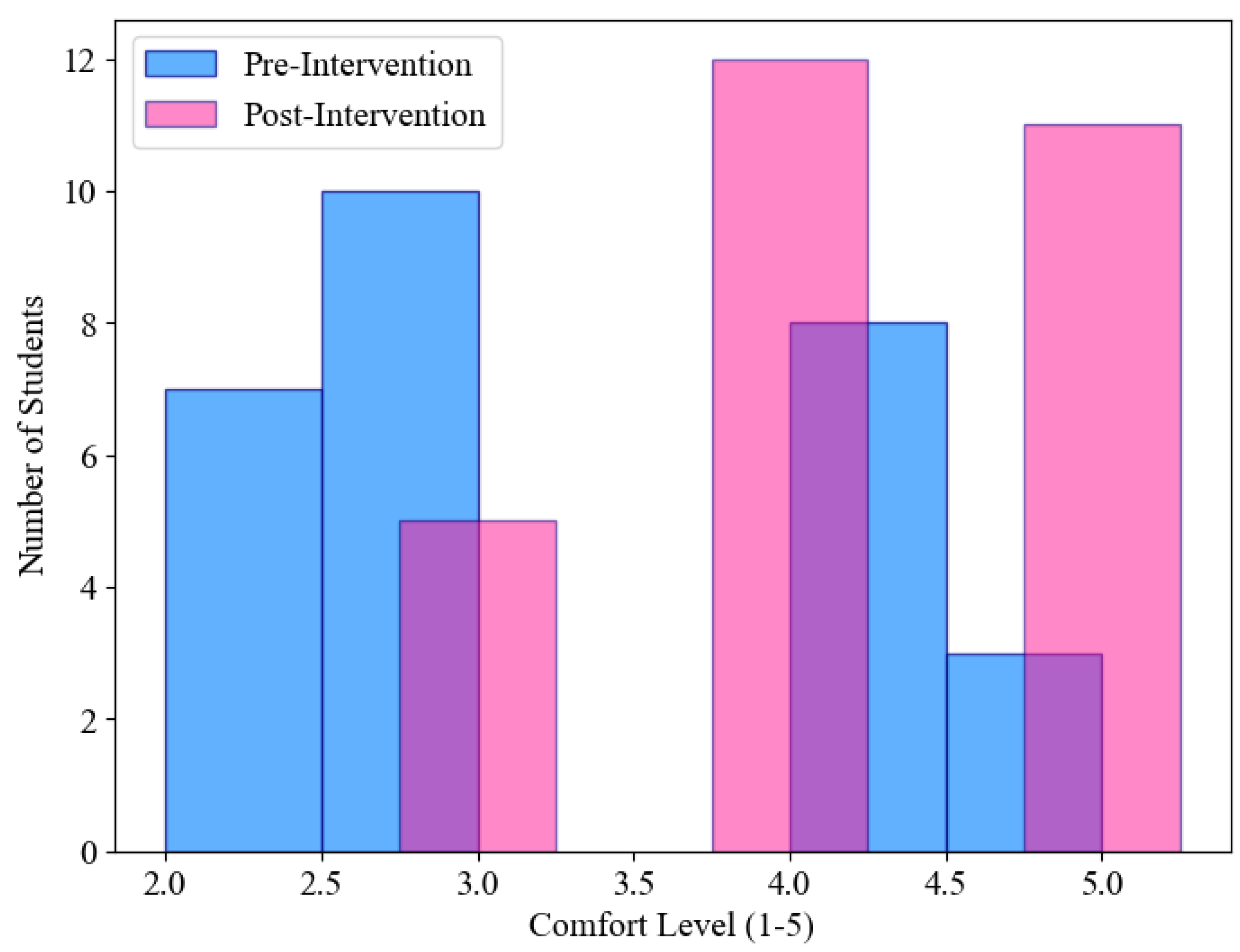
Figure 3.
Distribution Of Motivation Levels.
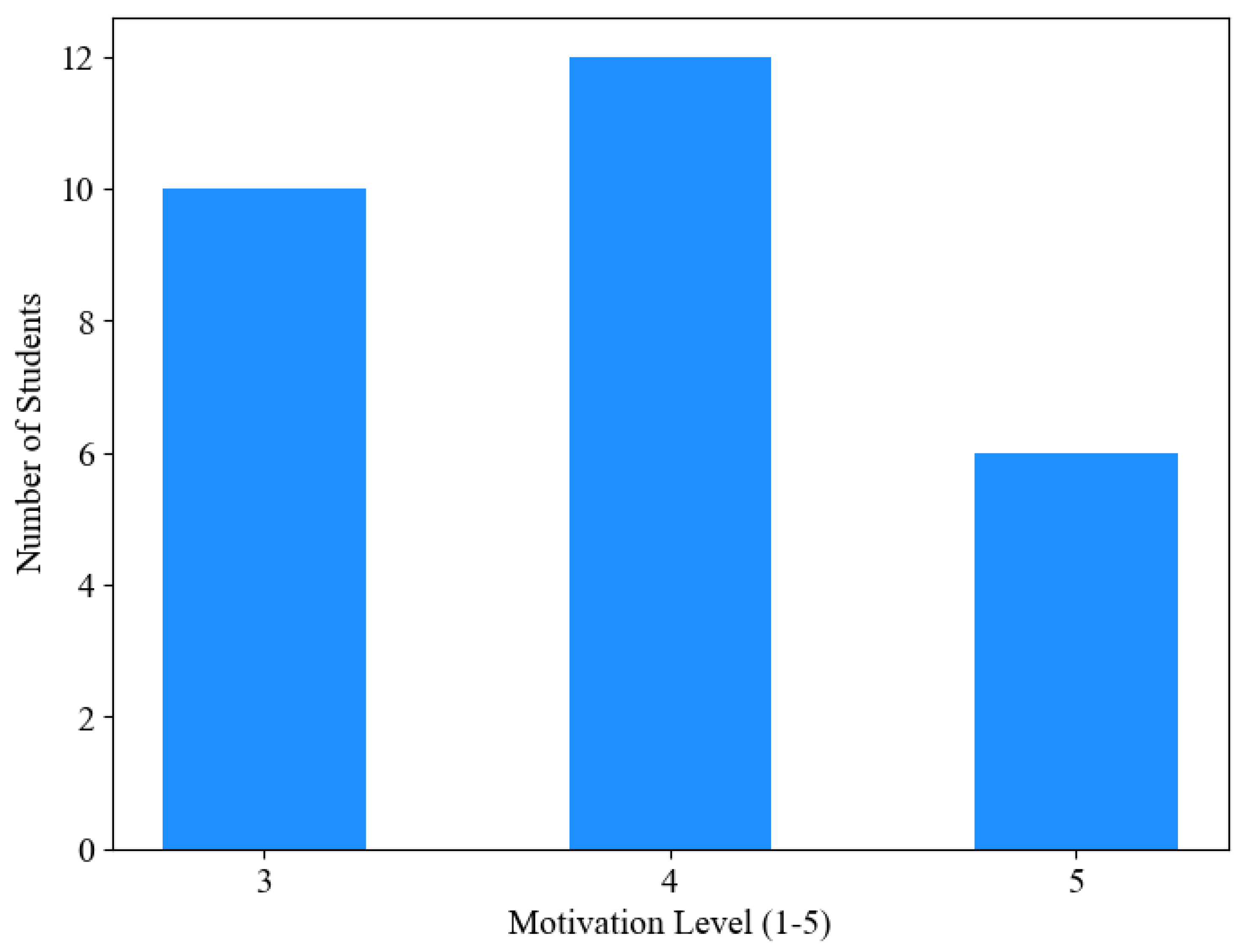
Figure 4.
Perceived Relevance To Industry.
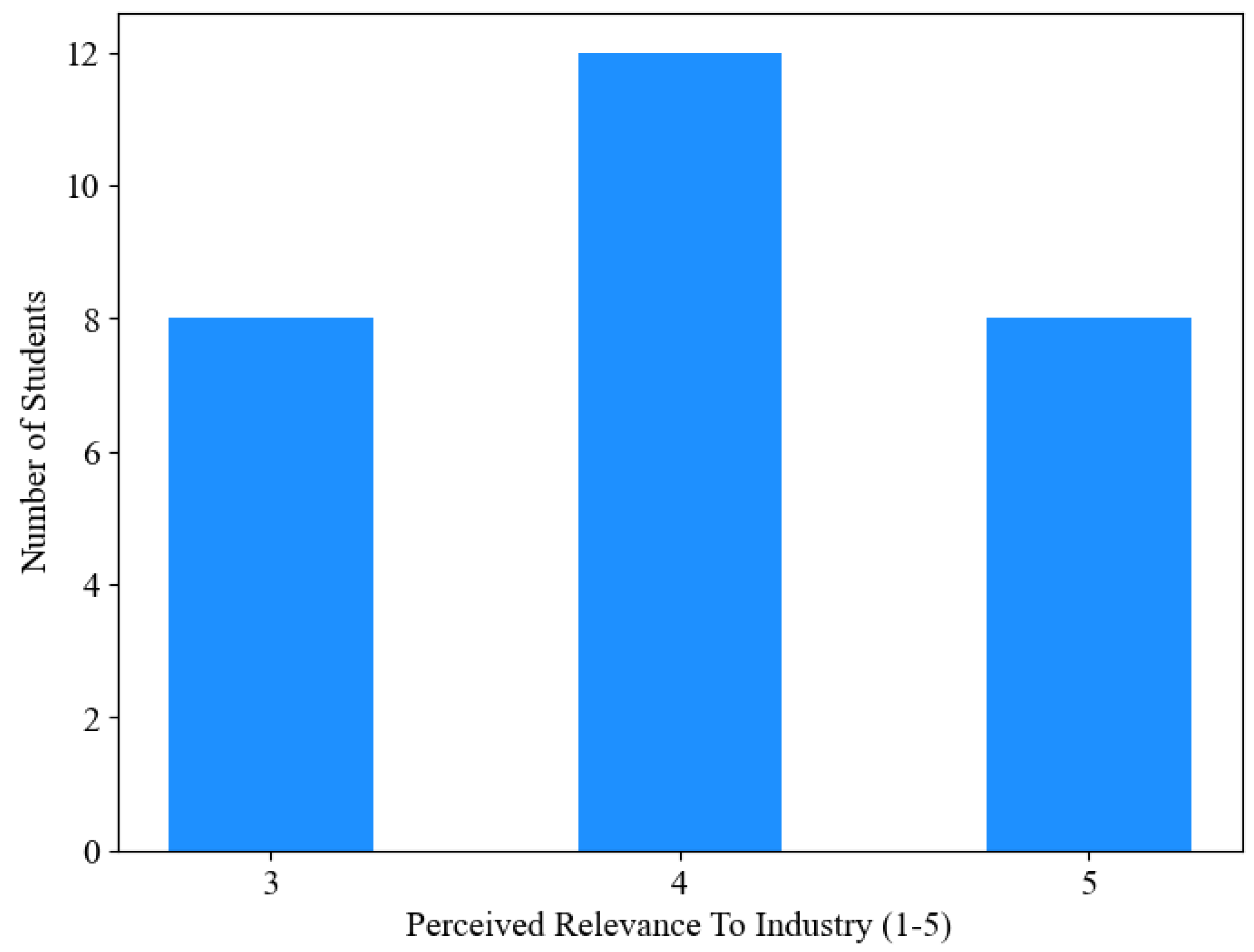
Figure 5.
Distribution Of Challenges Faced.
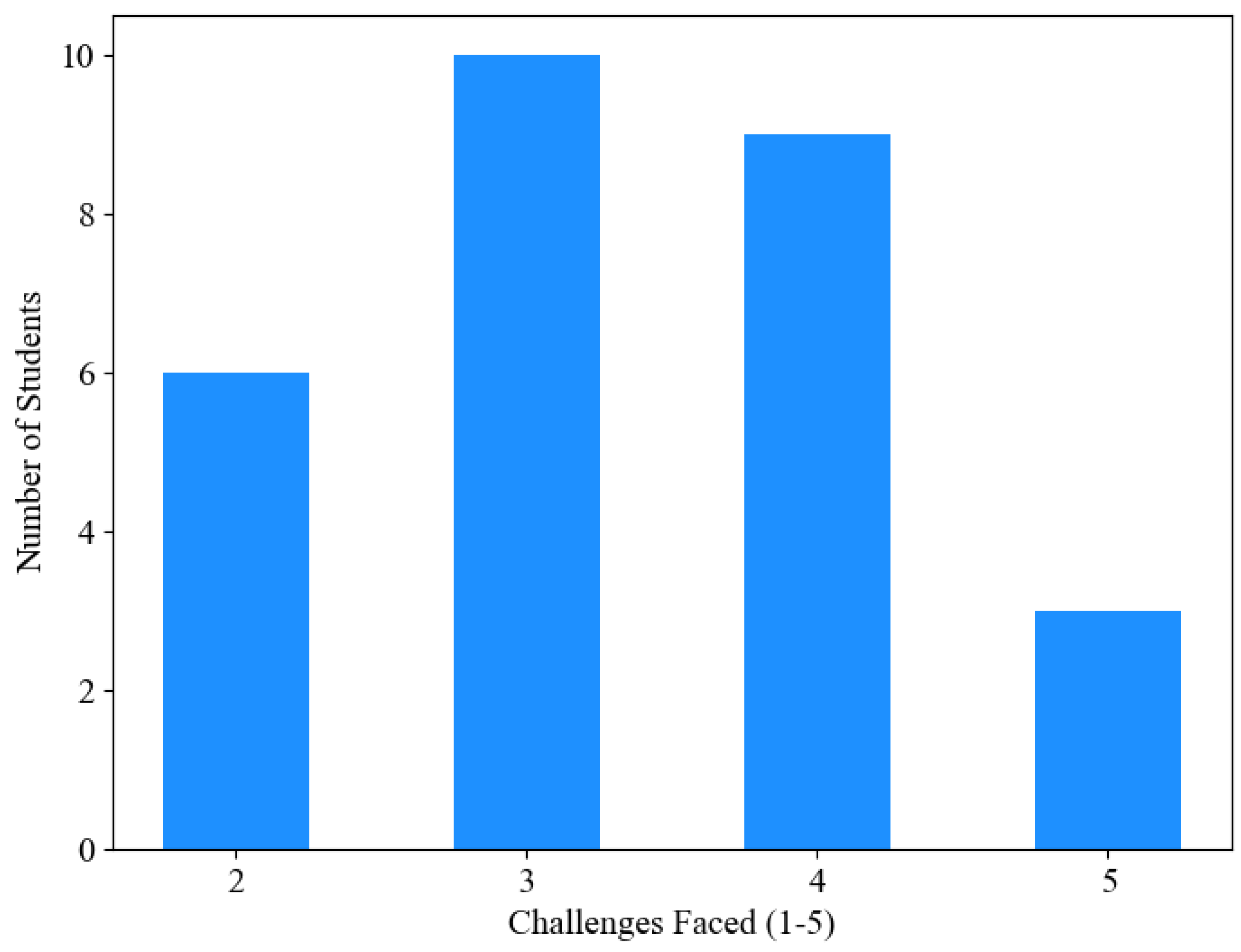
Figure 6.
Perceived Educational Impact.
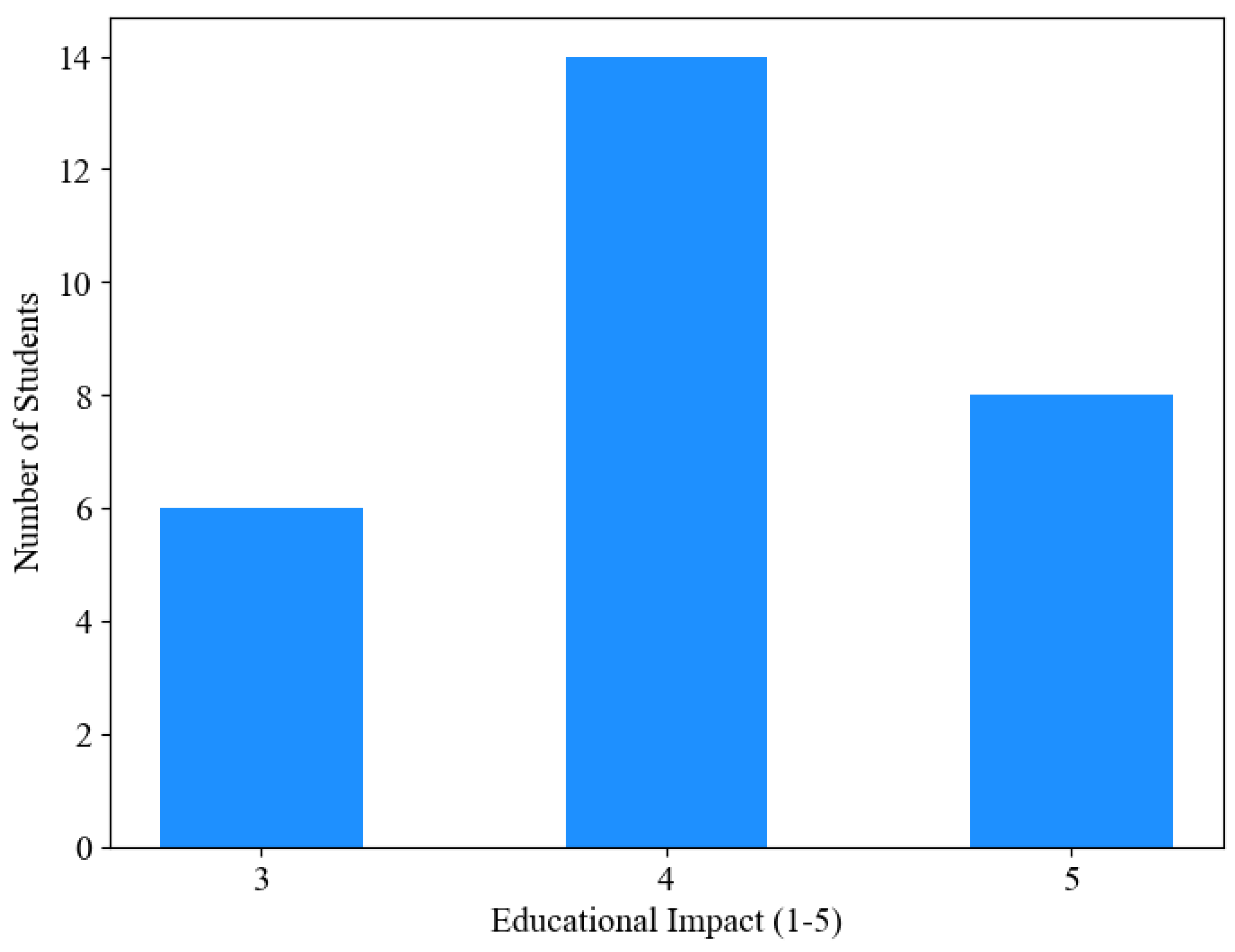
Figure 7.
Future Likelihood Adoption Rates Of Metaverse By Sector in Education.
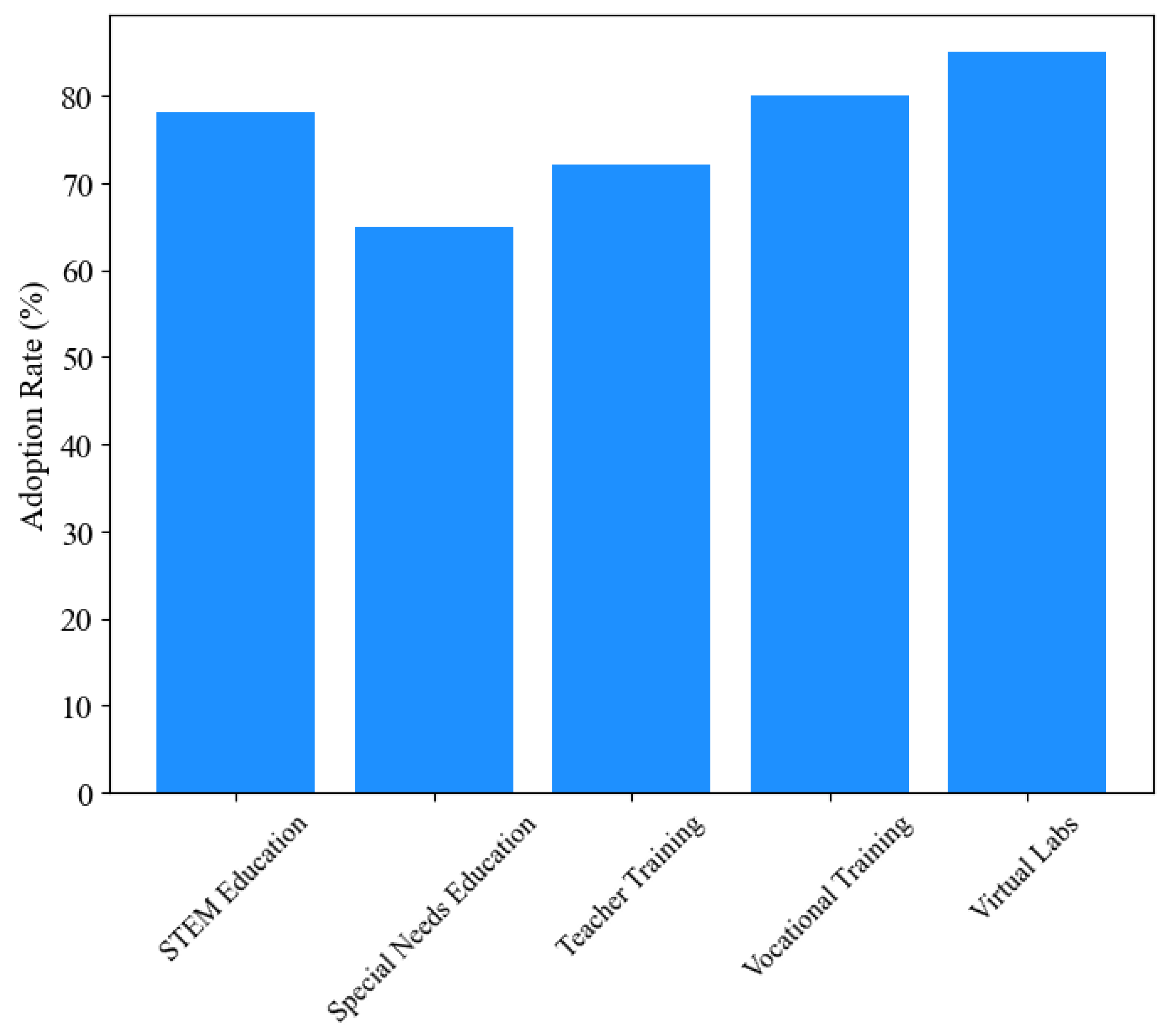
Figure 8.
Educational Impact Before And After Metaverse Integration.
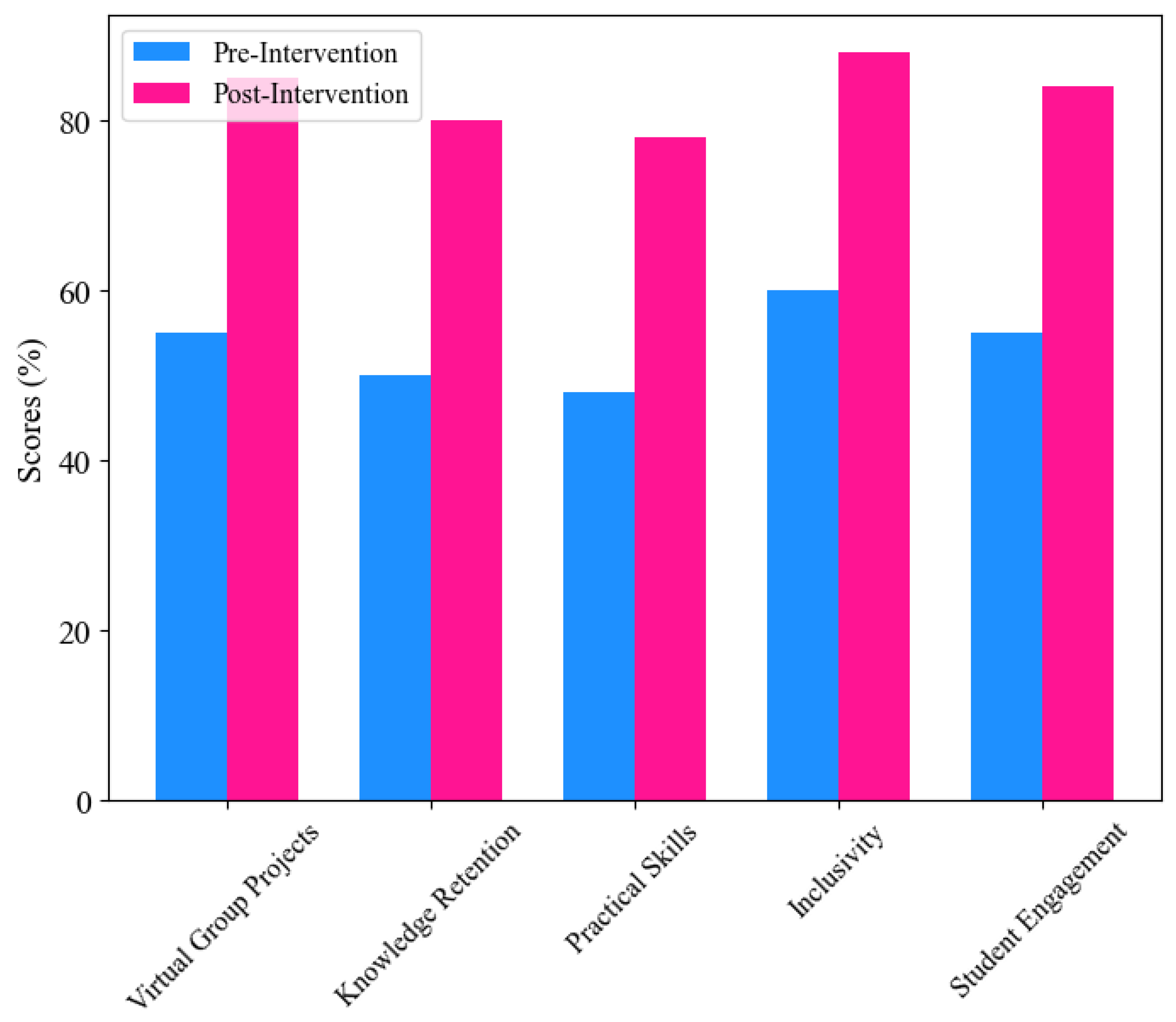
Figure 9.
Metaverse challenges in education.
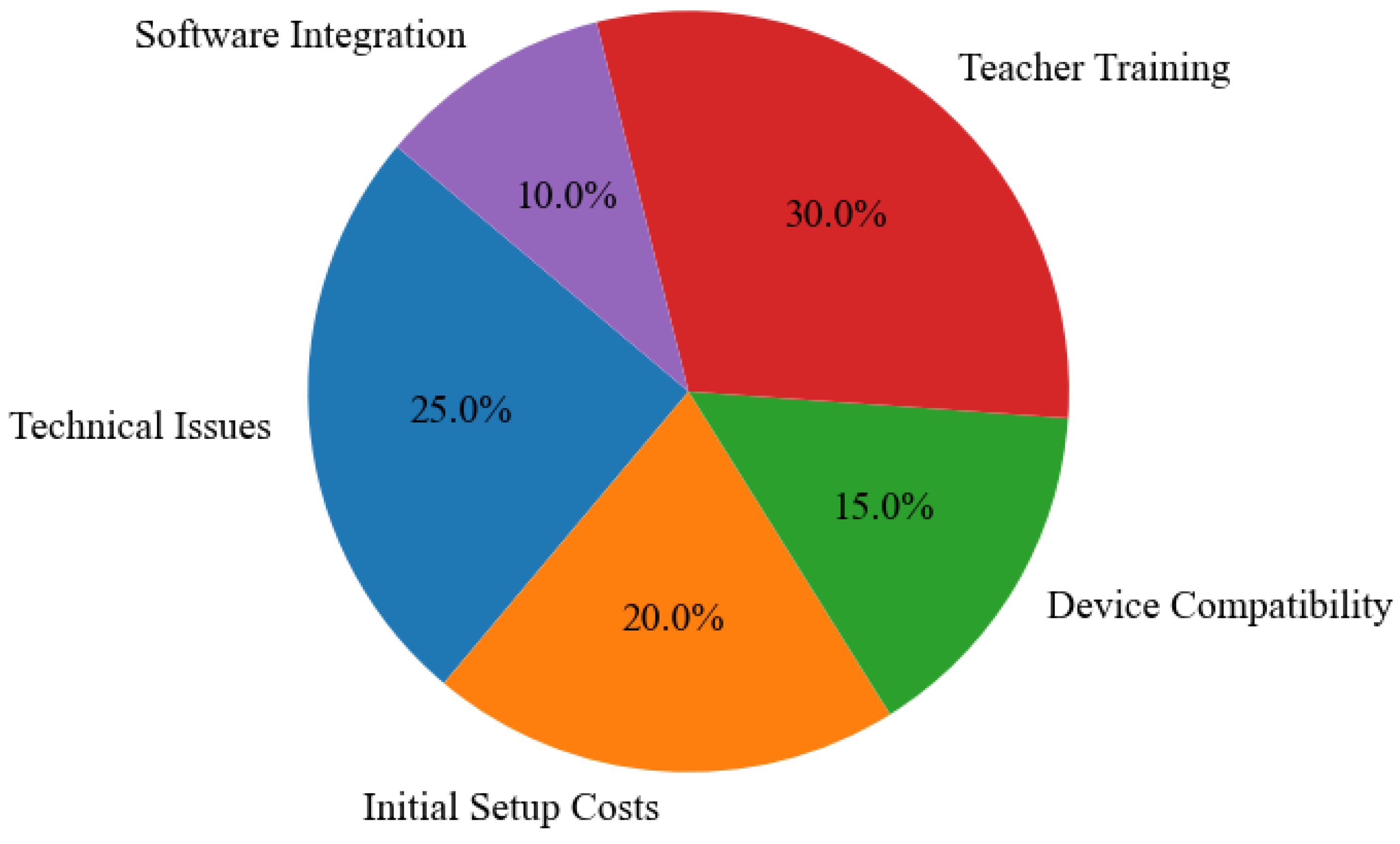
Disclaimer/Publisher’s Note: The statements, opinions and data contained in all publications are solely those of the individual author(s) and contributor(s) and not of MDPI and/or the editor(s). MDPI and/or the editor(s) disclaim responsibility for any injury to people or property resulting from any ideas, methods, instructions or products referred to in the content. |
© 2024 by the authors. Licensee MDPI, Basel, Switzerland. This article is an open access article distributed under the terms and conditions of the Creative Commons Attribution (CC BY) license (http://creativecommons.org/licenses/by/4.0/).
Copyright: This open access article is published under a Creative Commons CC BY 4.0 license, which permit the free download, distribution, and reuse, provided that the author and preprint are cited in any reuse.


