

Submitted:
22 August 2024
Posted:
23 August 2024
You are already at the latest version
Abstract
Apartment buildings, which make up 83% of all structures in Jordan, play a crucial role in the country's construction sector. This study examines the main barriers that are preventing the implementation of low-carbon emission techniques in these buildings. It uses the Fuzzy Delphi Method to collect ideas from 14 housing investors. The results suggest that a major obstacle is the insufficient knowledge among end-users regarding environmental concerns, along with financial limitations, resulting in a lack of enthusiasm for low-carbon construction initiatives. Moreover, insufficient cooperation between consultants and contractors leads to subpar constructability, which is worsened by the prevailing conventional procurement method that prioritizes cost and schedule above environmental consequences. To further investigate, it is advisable to examine the utilization of contemporary procurement methods, such as Design-Build and Construction Management, in the housing industry of Jordan. These alternative methods have the potential to solve the current difficulties by promoting more effective and environmentally friendly building practices. This will help increase the use of low-carbon emission solutions and improve the overall sustainability of Jordan's construction sector.
Keywords:
Low-Carbon Emissions
; Sustainable Construction
; Housing Sector
; Buildability
; traditional procurement route
; Fuzzy Delphi Method
; Jordan
1. Introduction
(This paper is an expanded version of the conference paper titled 'Carbon Emissions in Jordan's Construction Sector: An Examination of Obstacles,' authored by Zayed Zeadat, which was presented at the 6th Sustainable Construction Materials and Technologies (SCMT6) Conference in Lyon, June 2024).
Over half of the world’s population lives in cities, and urban populations are anticipated to increase by 2.5 billion people by 2050 [1,2]. The construction and building sector is critical to improving our quality of life [3,4]. It also faces major environmental issues, like using up resources and causing pollution, which makes it unsustainable [5,6,7,8,9,10,11,12]. Buildings are substantial contributors to the greenhouse effect by emitting enormous carbon dioxide over their life cycle [13]. As such, the building industry consumes more than 35% of the world’s energy while emitting nearly 39% of GHG from energy use [14]. The construction industry consumes a great deal of raw materials and energy, resulting in a consequent volume of waste and carbon emissions with negative environmental impacts. Also, carbon dioxide emissions are typically seen as a key factor in driving climate change [14]. However, there is a clear lack of awareness and proactive efforts regarding environmentally sustainable construction practices in the Global South, including Jordan [15].
Buildings’ life cycles produce two forms of carbon emissions: operational carbon (OC) and embodied carbon (EC) [13]. Embodied carbon refers to carbon dioxide emissions produced during the manufacturing, shipping, and construction of building materials. In contrast, operational carbon refers to the carbon dioxide produced throughout a building’s operating period, which includes operations like heating, cooling, and lighting. The building process is divided into numerous stages, starting with the manufacturing of critical components such as non-metallic minerals, petroleum products, cement, steel, and concrete [16]. The transportation of these commodities accounts for 82% to 96% of total CO2 emissions in this industry. Numerous studies have stressed the need of tackling embedded carbon in order to effectively reduce carbon emissions in the building sector. Failure to address embodied carbon impedes the development of comprehensive plans for reducing carbon emissions in this sector [17,18,19,20].
Housing Investors have a significant role in the construction sector and, as a result, in the management and reduction of EC emissions [21]. The selection of materials and construction methods is crucial, since they determine the carbon footprint of structures [22]. Consequently, the purpose of this study is to examine the impediments to implementing carbon-friendly solutions in the construction of Jordanian apartment complexes. It focuses on the perspectives of experienced housing investors, who play an important role in developing sustainable practices within the sector.
This research paper begins by highlighting Jordan’s dedication to the concept of sustainability. Subsequently, a comprehensive literature analysis is conducted to examine the many obstacles associated with implementing carbon reduction measures in the building industry. The paper provides a description of the materials and methodologies employed, presents the findings, and finishes with a commentary on the significant problems associated with implementing the best practice for controlling carbon emissions.
Jordan’s Pathway to a Sustainable Future
Jordan’s population has expanded by over tenfold in the previous 55 years owing to regional geopolitical instability, resulting in forced migration and refugee inflow [23,24]. As Jordan’s cities develop fast, carbon emissions control has become important to ensuring social stability and economic progress. Significantly, apartment blocks comprised 83% of the overall covered area as shown by construction permits in Jordan. It is crucial to implement best practice techniques as examples to ensure that urbanization remains a valuable trait and does not become a devastating problem. By implementing worldwide standards of sustainable urban growth, communities may effectively capitalize on the increasing growth potential while minimizing their environmental impact and ensuring the long-term resilience of the city. Even though Jordan contributes less than 0.01% to global emissions [25], the country has shown a strong commitment to international climate agreements since it signed the Kyoto Protocol in 1993 [26]. At the 2015 United Nations Climate Change Conference, Jordan announced its goal to reduce greenhouse gas emissions intensity by 14% [27]. Notably, Jordan was the first in its region to develop a National Climate Change Policy for 2003-2020. This policy highlights Jordan’s commitment to creating an economy that can adapt to climate risks and emphasizes the use of renewable energy to lower carbon emissions.
In 2015, Jordan shown a noteworthy enthusiasm for Agenda 2030’s Sustainable Development Goals (Figure 1). In 2020, after a span of nine years, the Jordanian government initiated the Jordan National Urban Policy with the aim of partially addressing the issue of carbon emissions reduction. The JNUP aims to integrate sustainable development into urban development, encompassing measures that can promote economic growth and social well-being while minimizing environmental deterioration. In addition, the Jordanian government has implemented a Jordan National Green Growth Plan, which aims to incentivize and advance environmentally friendly behaviors and technology. In addition, the Energy Efficiency Building Code governs the standards for insulation, lighting, and HVAC systems in order to guarantee that buildings are designed to be energy-efficient. The Jordan Renewable Energy and Energy Efficiency Fund facilitates initiatives aimed at enhancing energy efficiency and implementing renewable energy solutions, while the National Climate Change Policy emphasizes the mitigation of greenhouse gas emissions.
More specifically, Jordan’s commitment to sustainability is demonstrated by its strategic measures to localize the SDGs at all levels of government (Figure 1). The country has created a thorough plan for incorporating the SDGs into its national policies, focusing on community awareness, capacity building, and policy consistency. In 2017, the Government of Jordan (GoJ) delivered its inaugural VNR, which highlighted national successes and identified areas for improvement in achieving the 2030 Agenda [28,29].
Furthermore, two major Jordanian metropolitan regions have actively participated in Voluntary Municipal Reviews (VLRs), which assess progress and relate national and municipal policies to global sustainability goals. Amman, the capital city, debuted the first VLR in the Arab region in 2022 and is now planning its second iteration. In addition, the city of Irbid launched its VLR process in 2024 to align local development goals with the SDGs and engage with international, regional, and local authorities to promote sustainable urban development.
As a consequence, Jordan has achieved enormous progress in lowering carbon emissions [15,30]; however, the construction industry is still lagging behind in fully implementing sustainable practices and aligning with international standards [32]. By investigating carbon emission obstacles from the perspective of apartment buildings, this study contributes to the development of a comprehensive framework that meets Jordan’s national and international sustainability commitments by studying carbon emission barriers from the perspective of Jordanian Housing investors. The report underlines the vital role of housing investors as key drivers in reducing carbon emissions in the building industry, with a particular emphasis on the impact of apartment complexes. This underlines the necessity of developer engagement and innovation in attaining significant environmental improvements in the industry.
2. Navigating Carbon Emission Barriers in the housing sector
The construction and building industry, known for its substantial influence on social welfare, has intrinsic sustainability issues marked by global environmental deterioration and resource depletion [32]. The industry’s significant impact on energy consumption, waste creation, and carbon emissions highlights the pressing need for revolutionary measures to reduce its negative ecological footprint. The reduction of carbon emissions in the housing industry is a significant challenge for sustainable development. Despite considerable technological advancements, several impediments prevent the successful application of low-carbon practices throughout the sector. This section investigates these obstacles, using insights from current research (Table 1). In this study, the author focus specifically on barriers related to embodied carbon (EC), excluding those associated with operational carbon (OC).
Arogundade et al. [33] have thoroughly explained the various challenges towards the reduction of carbon emissions in the UK construction industry. They highlighted how the absence of visionary leadership and strategic direction impedes the integration and execution of carbon-reduction efforts. Inadequate support from top management results in sporadic resource allocation and short-lived carbon strategy. As Pomponi and Moncaster [19] point out, one of the biggest challenges to lowering carbon emissions in housing is a lack of established criteria for evaluating embodied carbon. Without uniform criteria, industry stakeholders struggle to correctly monitor and regulate emissions. This problem is exacerbated by issues with data availability and dependability, which Hammond and Jones [34] in agreement with De Wolf et al. [35] describe as important barriers to exact carbon assessment. Röck et al. [17] point out that weak legislative frameworks and economic disincentives impede investment in sustainable materials and technology. According to Giesekam et al. [36], the high cost and restricted availability of low-carbon materials worsen this issue. These economic problems frequently result in a reluctance to embrace novel building approaches, as stakeholders prioritize cost over environmental considerations. Cultural opposition and a lack of understanding among stakeholders create further challenges. Häkkinen and Belloni [37] argue that the construction industry’s entrenched methods and unwillingness to change impede the adoption of sustainable alternatives. Zabalza Bribián et al. [38] also identify a lack of knowledge and education as important barriers to the incorporation of sustainable design concepts into residential developments. Regulatory and legal constraints also hamper carbon reduction efforts. Ortiz et al. [39] believe that heterogeneous regulatory frameworks and varying standards across nations make it harder for stakeholders to follow sustainable practices. Zuo and Zhao [32] refer as well to the absence of established sustainability indicators and standardized evaluation techniques which is a major hindrance to cutting carbon emissions.
Table 1 below summarizes the conclusions of the above studies, indicating the main challenges to reducing carbon emissions in the housing industry. These hurdles have been grouped based on the insights offered by each study paper, with an emphasis on embodied carbon problems. This tabular structure will be utilized later in the questionnaire to elicit housing investors’ perspectives and experiences with these hurdles.
Table 1 explores the persisting impediments to the implementation of carbon reduction techniques in the construction sector. BR1 emphasizes organizational and procedural impediments, as well as a lack of top management support, as contributing factors to the industry’s lagging adoption of sustainable practices. BR2 highlights housing investors’ reluctance to use carbon mitigation methods owing to worries about the possible negative effects on project delays, costs, and quality. According to BR3, lack of knowledge and awareness. BR4 refers to the limited availability of low-carbon materials and equipment in the Jordanian market. BR5 demonstrates how a lack of early communication between consultants and contractors reduces buildability by impeding the incorporation of carbon reduction and sustainability considerations throughout the design and specification stages. BR6 emphasizes the lack of government laws and incentives for carbon reduction, making stakeholders hesitant to embrace sustainable practices. Furthermore, BR7 emphasizes project owners’ reluctance to prioritize energy efficiency and pay higher costs for low-carbon dwellings, hence reducing demand. Finally, BR8 emphasizes the complexity of construction methods.
3. Materials and Methods
This study utilizes the Fuzzy Delphi Method (FDM) to investigate challenges obstructing carbon reduction in the Jordanian construction industry. The essence of FDM is to obtain a reliable consensus among a spectrum of experts according to their perspective and personal opinion into a specific social phenomenon [40,41,42,43,44,45]. FDM involves collecting input from experts over consecutive reiterations of a specific questionnaire to judge whether there is a disparity or consensus of standpoints.
According to the aforementioned scholarly articles, the typical nature of FDM involves four features. First, researchers must maintain the anonymity of the expert panel throughout the data gathering procedure. In the case of the Delphi method, the lack of a common environment among experts serves as a safeguard, preventing excessive influence from their colleagues’ opinions. The Delphi approach outperforms other decision-making systems due to its minimal margin of error in replies [46]. The expert selection process is based on knowledge-centric criteria and rigorous experience, with a concentration solely on individuals with considerable expertise in a certain research topic. According to [42,44,47], at least five experts should be included in a panel. However, increasing the number of panelists can provide additional benefits, depending on practical feasibility. In this study, the principal investigator involved 14 housing investors with over 20 years of experience in delivering apartment buildings in Jordan, each having completed more than 25 projects.
Second, individual responses are collected methodically using statistical methods (such as a questionnaire). Initially, the researcher designed a structured questionnaire for a survey based on the Fuzzy Delphi Method. This instrument was developed carefully by combining recognized obstacles (as shown in Table 1) and linguistic features explained in Table 2. The language variables used by Danacı and Yıldırım [40] were tailored to the multifaceted context of this study, ranging from “not important at all” to “very important.”
Given the adoption of triangular fuzzy sets in this investigative framework, each fuzzy set is characterized by three values, namely, the lowest conceivable value, the most probable value, and the highest conceivable value. Fuzzy numbers show the triangular fuzzy averages that the expert k gives to barrier (Equation (1) below).
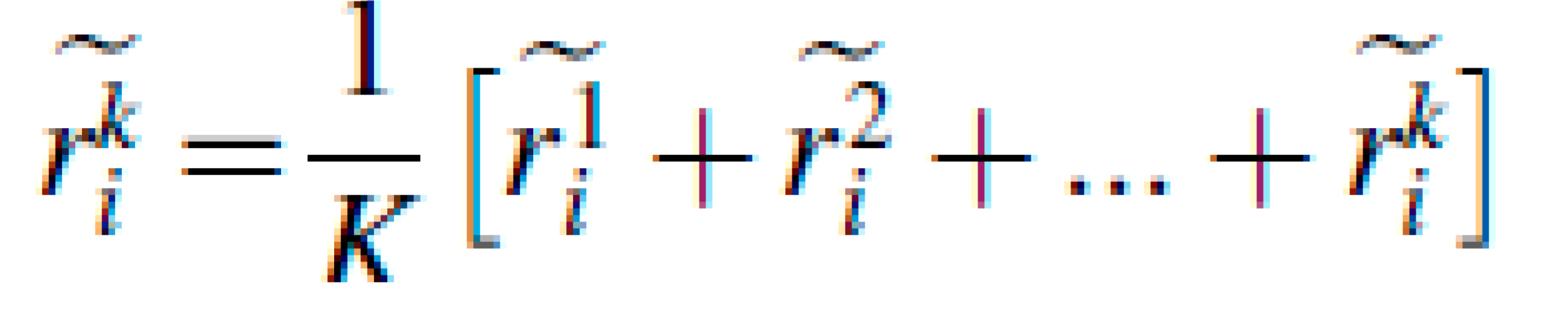
In this formula, K represents the total number of experts, and n indicates the number of different criteria or evaluations for each barrier. The components are the individual fuzzy ratings provided by expert k for barrier i based on criterion j. This equation aggregates the fuzzy numbers provided by each expert for a given barrier, integrating multiple criteria to assess the overall significance or impact of the barrier.
Thirdly, the iterative nature of the process indicates that authors have to conduct a follow-up interview with experts whose views differ significantly from their peers to refine and verify their contributions. After finishing the interviews and distributing the questionnaires, the study needed to see if the experts agreed on the topics discussed. To do this, the study used the Standard Deviation to Mean Ratio (SDMR), as suggested by Gunduz & Elsherbeny [48]. If the SDMR for a strategy is below 0.3, it means the experts mostly agree on it. But if the SDMR is 0.3 or higher for any barrier, it shows there’s less agreement. When this happens, it’s important to go back and talk with the experts again, encouraging them to revisit their responses to try to find more common ground.
Following step entails the process of Defuzzification. After the attainment of a substantiated level of consensus for each factor, it becomes imperative to convert the responses provided by experts from the realm of linguistic variables into quantifiable values. Subsequently, the articulation of the hierarchy of risk importance is explicated as follows (Equation (2)):
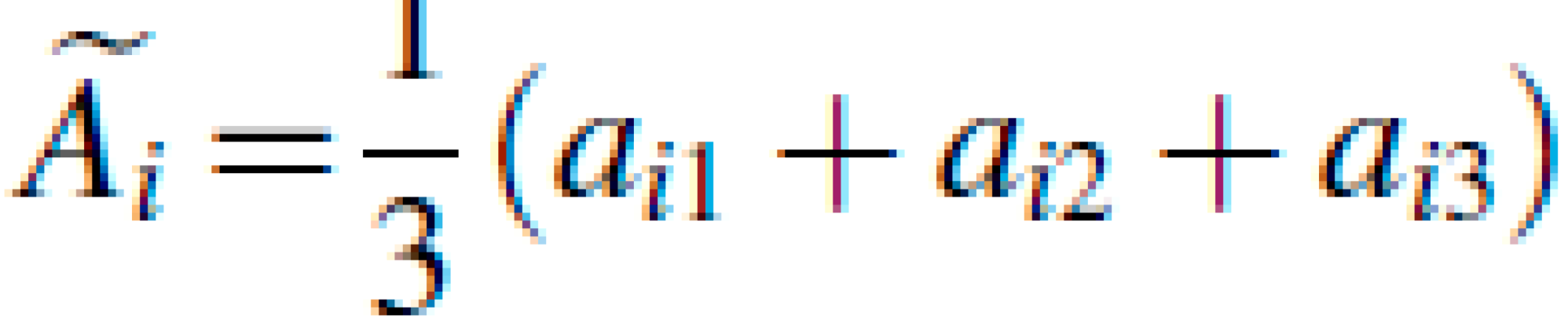
The ascertainment of the relative importance of each risk factor, denoted as “ai,” is contingent upon numerical values. The ultimate delineation of the hierarchy of challenges impeding carbon reduction in the Jordanian construction process emanates from the comprehensive synthesis of expert opinions. Following this determination, the research findings are disseminated to the experts, eliciting their consultation on the most efficacious strategies for alleviating the preeminent barrier.
4. Results
A research study was conducted with a panel of 14 experts, consisting of housing investors specializing in apartment buildings (Table 3). Each expert is identified by a numerical ID and has successfully delivered and obtained building occupation licenses for a varying number of apartment building blocks at the time of conducting the research questionnaire. The ‘ professional experience ranges from 10 to over 30 years in the industry. Notably, Expert 11 has delivered more than 86 building blocks, highlighting their significant contributions to the research endeavor. The collective expertise of these is essential to the in-depth exploration undertaken in this research.
Table 4 below presents an analysis of various barriers (Barrier 1 to Barrier 8) related to the specific context under investigation. Each barrier is assessed based on its defuzzified number (DB), which reflects the aggregated evaluation from experts. The table also includes the calculated threshold value (TS), which serves as a benchmark for determining the significance of each barrier.
Barriers with a defuzzified value exceeding the threshold are marked as critical, indicating they have a more substantial impact or importance in the context. The column labeled “Is Critical” identifies whether each barrier surpasses the threshold value, signifying its relative significance. This analysis provides a quantitative evaluation, highlighting which barriers should be prioritized for strategic planning or decision-making processes.
To maintain brevity, this discussion will concentrate solely on the barriers that exceed the threshold value outlined in Table 4 above. This threshold value was calculated using Equation (3) and is essential for identifying the significant factor.
DB(b) represents the defuzzified number of aggregated responses for barrier b, while TS stands for the threshold value. The defuzzified value of a specific barrier determines its classification as either critical or non-critical. If the defuzzified value surpasses the established threshold, the barrier is considered critical.
5. Disscusion
Although Jordan shows laudable dedication to meeting international climate accords, the building sector has significant obstacles in adopting ecologically friendly methods. This study acknowledges carbon dioxide emissions as a crucial factor in climate change, highlighting Jordan’s proactive approach, despite its relatively small contribution to global emissions. The swift growth of cities in Jordan highlights the crucial significance of carbon emissions in maintaining social stability and promoting economic progress.
The findings of this study are in complete agreement with the findings provided in a prior conference paper at the SCMT6 Conference. The conference paper titled “Carbon emissions in Jordan’s construction sector: an examination of obstacles” featured six academics who have undertaken considerable academic research in construction management in Jordan. Both studies emphasize the crucial problem of insufficient demand for buildings with low carbon emissions among end users, recognizing it as a major obstacle to reaching sustainability objectives in the construction industry. Specifically, the Consultancy Council of the Jordan Housing Investors Association has provided insights indicating that the hesitation to invest in low-carbon emission buildings is driven by several interconnected reasons, such as a widespread lack of environmental consciousness, financial limitations, and cultural opposition.
An overarching concern is the widespread absence of environmental consciousness in Jordanian society. Ziadat [49] highlights that the level of environmental consciousness in Jordan is typically deficient, mostly as a result of socio-economic and educational limitations. Potential consumers generally lack information regarding the advantages of low-carbon living, as they do not possess a widespread understanding or appreciation for them. Akroush et al. [50] discovered that customers’ attitudes had the most significant impact on their intentions to purchase energy-efficient products (EEP). These attitudes, in turn, are influenced by perceived advantages and carbon emission knowledge. This implies that the lack of demand for buildings with low carbon emissions is partially attributed to a lack of knowledge and comprehension of their advantages among consumers. Without a comprehensive comprehension of how sustainable construction practices may decrease carbon emissions and enhance the quality of life, individuals are unlikely to give priority to low-carbon characteristics when selecting their dwelling options. Furthermore, it is essential to consider the cultural and behavioral aspects. According to Alwedyan [51], the adoption of sustainable practices is severely hindered by deeply rooted consumption patterns and a lack of proactive energy-saving actions. In Jordan, a significant number of consumers favor immediate comforts over long-term sustainability, a philosophy that is evident in their housing selections. The problem is worsened by the resistance to change, as well as the absence of convincing economic models that illustrate the long-term cost savings and advantages of low-carbon housing.
One major factor contributing to Barrier 5 is the presence of poor buildability as a result of the traditional procurement route in the construction industry. Pellegrini et al. [52] argue that the traditional Design-Bid-Build procurement method in the building sector presents several obstacles to effectively reducing low carbon emissions. Buildingability refers to how easily a building can be implemented with design elements, taking into account the overall requirements that will be placed on the finished structure [53]. Inadequate buildability frequently arises due to insufficient cooperation between consultants and contractors, resulting in significant obstacles to the implementation of low-carbon emission measures throughout the building stages. Research in academia suggests that the procedures used for procurement have a crucial role in determining the level of sustainability achieved in building projects [54,55]. Conventional procurement approaches prioritize cost and time effectiveness and sometimes overlook the environmental consequences associated with construction operations. Consequently, the insufficient coordination between the design and construction stages hinders the progress toward low-carbon building and gives rise to issues stemming from subpar constructability.
The economic environment also has a crucial influence on determining demand. The economy of Jordan is marked by a scarcity of financial resources and a high cost of living, which makes affordability a significant worry for the majority of households [55]. Akroush et al. [50] emphasize that in this economic context, the perceived exorbitant expenses associated with energy-efficient and sustainable products might dissuade customers from opting for environmentally conscious alternatives. This notion is especially significant in the housing sector, as the initial expenses of low-carbon emission structures are frequently more than those of conventional ones.
Insufficient marketing and communication of the advantages of low-carbon housing is another crucial problem. According to Abu-Elsamen et al. [56] and Al-Omari et al. [57], a lack of focused marketing and educational initiatives about the benefits of sustainable living has resulted in potential purchasers being ignorant of the value that low-carbon buildings may provide. The housing market in Jordan has not completely included sustainability into its fundamental communication, hence restricting the prominence and attractiveness of low-carbon alternatives.
Although the aforementioned research articles mostly concentrate on carbon emissions during the operating period of buildings, they nonetheless hold significant relevance and advantages for the wider discourse on sustainability in the construction industry. Operational carbon emissions, resulting from the energy used during a building’s operation, have historically garnered more focus in academic and policy spheres due to their direct and observable influence on climate change [19]. It is important to note that this study primarily examines embodied carbon emissions, which are the emissions related to the manufacturing, shipping, and installation of construction materials, as well as their maintenance and final disposal. From this standpoint, the limited demand for low-carbon emission buildings in Jordan is not only a question of operational efficiency, but is fundamentally ingrained in the prevailing neoliberal market orientation that has come to dominate Jordan’s political economy in recent times [58], and hence affected consuming culture [59]. Neoliberalism prioritizes economic expediency by promoting deregulation, privatization, and market-driven growth, frequently neglecting environmental concerns [60]. The prevailing market orientation in the construction sector promotes cost efficiency and quick expansion, which hinders the adoption of sustainable practices, making it challenging for low-carbon initiatives to acquire momentum.
Throughout history, the predecessors of Jordanian society were agricultural workers who coexisted well with the natural world, placing great importance on and showing gratitude for the environment while abstaining from activities that caused pollution [61,62]. The historical link to the land implies that Jordan has a cultural basis that may be utilized to encourage the adoption of sustainable construction methods [63]. Nevertheless, the present market-driven economic pressures prioritize immediate profits rather than ensuring long-term sustainability, thereby overshadowing the growth potential. The author posits that by reestablishing the connection between contemporary Jordanian society and these customary principles, and by promoting an understanding of the enduring economic and environmental advantages of buildings with low carbon emissions, it could be feasible to redirect the demand towards more sustainable construction methods.
However, this transition needs more than simply appealing to cultural heritage. It necessitates a complete strategy that encompasses regulatory interventions, economic incentives, and strong educational initiatives. Research indicates that informing end users about the advantages of low-carbon buildings, such as lower energy expenses, better health results, and higher property values, increases their likelihood of requesting these options. This is true even in a market that typically resists change. Hence, to overcome the existing market stagnation, it is crucial to tackle both the economic and cultural factors that impact consumer behavior in Jordan’s housing industry.
6. Conclusions
In conclusion, the findings of this study offer valuable insights for policymakers, industry stakeholders, and researchers alike, providing a roadmap for advancing carbon reduction initiatives within the Jordanian construction landscape. The main aim of this research was to fill in the gaps in current knowledge by examining the obstacles to reducing carbon emissions in apartment construction projects in Jordan. This study utilized the Fuzzy Delphi Method to systematically identify identified impediments, drawing upon expert views. The hurdles highlighted include a wide range of problems, such as limitations in organization and finances, as well as lack of expertise. These barriers collectively hinder the smooth integration of methods to reduce carbon emissions.
The study’s findings highlight the main obstacle to reducing carbon emissions in Jordan’s construction sector: the lack of demand for projects that adhere to low-carbon construction standards. This finding highlights a significant inadequacy in the functioning of Jordan’s neo-liberal-oriented market and the desires of end users, which obstructs the general acceptance of sustainable practices. Furthermore, it highlights the need for specific actions tailored to increase the demand for low-carbon housing which include agile regulatory incentives, public awareness campaigns, and industry engagement activities.
Acknowledgments
The authors would like to express their gratitude to the Jordan Housing Investors Association, particularly Engineer Bassma Al Soub and Mr. Fuad, for their exceptional efforts in arranging meetings with housing investors in a highly professional and timely manner. The authors also extend their thanks to Maria Al Madanat and Rachel Al Jada’ from the American University of Madaba for their invaluable assistance in reaching out to investors and facilitating these meetings.
Appendix A
| Barriers | Importance of a barrier | ||||
| Not important | Slightly important | Important | Very important | Extremely important | |
| Leadership and Strategic Alignment | □ | □ | □ | □ | □ |
| Fear of jeopardizing project success in terms of time, cost and quality | □ | □ | □ | □ | □ |
| Knowledge and Awareness Deficiency | □ | □ | □ | □ | □ |
| Non-availability of low-carbon materials and equipment | □ | □ | □ | □ | □ |
| Collaboration and Involvement Challenges | □ | □ | □ | □ | □ |
| Regulatory and Incentive Limitations | □ | □ | □ | □ | □ |
| Lack of demand for low-carbon construction project | □ | □ | □ | □ | □ |
| The complex nature of construction projects. | □ | □ | □ | □ | □ |
References
- UN. (2018). World Urbanization Prospects: The 2018 Revision. Retrieved from https://population.un.org/wup/Publications/Files/WUP2018-Report.
- Zeadat, Z. F. (2018). A critical institutionalist analysis of youth participation in Jordan’s spatial planning the case of Amman 2025 (Doctoral dissertation, Heriot-Watt University).
- Goh, C. S., Ting, J. N., & Bajracharya, A. (2023). Exploring social sustainability in the built environment. Advances in Environmental and Engineering Research, 4(1), 1-15.
- Mouratidis, K. (2021). Urban planning and quality of life: A review of pathways linking the built environment to subjective well-being. Cities, 115, 103229.
- Atamewan, E. (2022). Sustainable Built-Environment: Appraisal of the Effects of Environmental Degradation and Construction Hazards in Nigeria. European Journal of Architecture and Urban Planning, 1(3), 8-12.
- Ebolor, A., Agarwal, N., & Brem, A. (2022). Sustainable development in the construction industry: The role of frugal innovation. Journal of Cleaner Production, 380, 134922.
- Omopariola, E. D., Olanrewaju, O. I., Albert, I., Oke, A. E., & Ibiyemi, S. B. (2022). Sustainable construction in the Nigerian construction industry: unsustainable practices, barriers and strategies. Journal of Engineering, Design and Technology.
- Solís-Guzmán, J., Martínez-Rocamora, A., & Marrero, M. (2014). Methodology for determining the carbon footprint of the construction of residential buildings. Assessment of Carbon Footprint in Different Industrial Sectors, Volume 1, 49-83.
- Said, I., Osman, O., Shafiei, M. W. M., Abd Razak, A., & Rashideh, W. M. A. (2010). Identifying the indicators of sustainability in the construction industry. International Journal of Organizational Innovation (Online), 2(3), 336.
- Sev, A. (2009). How can the construction industry contribute to sustainable development? A conceptual framework. Sustainable Development, 17(3), 161-173.
- Vanegas, J. A., DuBose, J. R., & Pearce, A. R. (1996, November). Sustainable technologies for the building construction industry. In Proceedings, Symposium on Design for the G.
- Omer, A. M. (2008). Energy, environment and sustainable development. Renewable and sustainable energy reviews, 12(9), 2265-2300.
- Kang, J., Zhang, P., & Zhao, F. (2015). A review of carbon footprint reduction in construction industry, from design to operation. Materials, 14(20), 6094.
- Mustaffa, N. K., Mat Isa, C. M., Ekundayo, D., & Joseph, V. R. A. (2022). Barriers and strategies for improving carbon emissions management approaches in Malaysian construction. Construction Economics and Building, 22(3), 99-123.
- Jaradat, H., Alshboul, O. A. M., Obeidat, I. M., & Zoubi, M. K. (2023). Green building, carbon emission, and environmental sustainability of construction industry in Jordan: Awareness, actions and barriers. Ain Shams Engineering Journal, 102441.
- Sizirici, B., Fseha, Y., Cho, C. S., Yildiz, I., & Byon, Y. J. (2021). A review of carbon footprint reduction in construction industry, from design to operation. Materials, 14(20), 6094.
- Rock, M., De Wolf, C., & Pomponi, F. (2020). How can the construction industry contribute to sustainable development? A conceptual framework. Sustainable Development, 17(3), 161-173.
- Dixit, M. K. (2017). Embodied energy and cost of building materials: correlation analysis. Building Research & Information, 45(5), 508-523.
- Pomponi, F., & Moncaster, A. (2016). Embodied carbon mitigation and reduction in the built environment–What does the evidence say?. Journal of environmental management, 181, 687-700.
- Huang, L., Krigsvoll, G., Johansen, F., Liu, Y., & Zhang, X. (2018). Carbon emission of global construction sector. Renewable and sustainable energy reviews, 81, 1906-1916.
- World Economic Forum (2021). “Net-Zero Carbon Cities: An Integrated Approach.” This report discusses the role of various stakeholders, including investors, in achieving net-zero carbon emissions in urban areas.
- Fu, H., & Zhou, Y. (2023). Digital transition and waste management in architecture, engineering, construction, and operations industry. Frontiers in Energy Research, 8, 576462.
- Awawdeh, M., & Doraï, M. K. (2024). Barriers for integrating sustainability into public works in Jordan. Retrieved from https://www.wise.edu.jo/wp-content/uploads/2022/02/Barriers-for-integratingsustainability-into-public-works-in-Jordan.pdf.
- Chatelard, G. (2010). Jordan: A refugee haven. Migration policy institute online journal.
- Our World in Data. (n.d.). Jordan’s climate change commitments and challenges. Retrieved from https://ourworldindata.org/co2-and-other-greenhouse-gas-emissions.
- Hamed, T. A., & Bressler, L. (2019). Energy security in Israel and Jordan: The role of renewable energy sources. Renewable energy, 135, 378-389.
- Zeadat, Z. F. (2024). Implementing Sustainable Construction Practices in the Jordanian Housing Industry. Journal of Sustainable Real Estate, 16(1), 2298554.
- The Jordan Times. (2015). Paris deal to give momentum to Jordan’s efforts to address climate change. Retrieved from https://www.jordantimes.com/news/local/paris-deal-give-momentum-jordans-efforts-address-climate-change#:~:text=In%20his%20speech%20at%20the,if%20international%20funding%20is%20provided.
- UN ESCWA. (2020). Regional Knowledge Platform on the 2030 Agenda. Retrieved from https://www.unescwa.
- United Nations (2017). “Jordan Voluntary National Review 2017.” The United Nations in Jordan.
- Hussein, N. (2016). Greenhouse Gas Emissions Reduction Potential of Jordan’s Utility Scale Wind and Solar Projects. Jordan Journal of Mechanical & Industrial Engineering, 10(3).
- Zuo, J., & Zhao, Z. Y. (2014). Green building research–current status and future agenda: A review. Renewable and sustainable energy reviews, 30, 271-281.
- Arogundade, S., Dulaimi, M., & Ajayi, S. (2024). Exploring the challenges impeding construction process carbon reduction in the UK. International Journal of Construction Management, 24(4), 422-431.
- Hammond, G. P., & Jones, C. I. (2008). Embodied energy and carbon in construction materials. Proceedings of the institution of civil engineers-energy, 161(2), 87-98.
- De Wolf, C., Pomponi, F., & Moncaster, A. (2017). Measuring embodied carbon dioxide equivalent of buildings: A review and critique of current industry practice. Energy and buildings, 140, 68-80.
- Giesekam, J., Barrett, J., Taylor, P., & Owen, A. (2014). The greenhouse gas emissions and mitigation options for materials used in UK construction. Energy and Buildings, 78, 202-214.
- Häkkinen, T., & Belloni, K. (2011). Barriers and drivers for sustainable building. Building Research & Information, 39(3), 239-255.
- Bribián, I. Z., Usón, A. A., & Scarpellini, S. (2009). Life cycle assessment in buildings: State-of-the-art and simplified LCA methodology as a complement for building certification. Building and environment, 44(12), 2510-2520.
- Ortiz, O., Castells, F., & Sonnemann, G. (2009). Sustainability in the construction industry: A review of recent developments based on LCA. Construction and building materials, 23(1), 28-39.
- Danacı, M., & Yıldırım, U. (2023). Comprehensive analysis of lifeboat accidents using the Fuzzy Delphi method. Ocean Engineering, 278, 114371.
- Sahebi, I. G., Masoomi, B., & Ghorbani, S. (2020). Expert oriented approach for analyzing the blockchain adoption barriers in humanitarian supply chain. Technology in Society, 63, 101427.
- Hsu, C. C., & Sandford, B. A. (2007). The Delphi technique: making sense of consensus. Practical assessment, research, and evaluation, 12(1).
- Ishikawa, A., Amagasa, M., Shiga, T., Tomizawa, G., Tatsuta, R., & Mieno, H. (1993). The max-min Delphi method and fuzzy Delphi method via fuzzy integration. Fuzzy sets and systems, 55(3), 241-253.
- Okoli, C., & Pawlowski, S. D. (2004). The Delphi method as a research tool: an example, design considerations and applications. Information & management, 42(1), 15-29.
- Rowe, G., & Wright, G. (1999). The Delphi technique as a forecasting tool: issues and analysis. International journal of forecasting, 15(4), 353-375.
- Hallowell, M. R., & Gambatese, J. A. (2010). Qualitative research: Application of the Delphi method to CEM research. Journal of construction engineering and management, 136(1), 99-107.
- Belton, I., Wright, G., Salo, A., & Pirttilä, M. (2019). “Structuring problems for Multi-Criteria Decision Analysis in practice: A literature review of method combinations.” European Journal of Operational Research, 273(2), 550-571.
- Gunduz, M., & Almuajebh, M. (2020). Critical success factors for sustainable construction project management. Sustainability, 12(5), 1990.
- Ziadat, A. H. (2010). Major factors contributing to environmental awareness among people in a third world country/Jordan. Environment, Development and Sustainability, 12, 135-145.
- Akroush, M. N., Zuriekat, M. I., Al Jabali, H. I., & Asfour, N. A. (2019). Determinants of purchasing intentions of energy-efficient products: The roles of energy awareness and perceived benefits. International Journal of Energy Sector Management, 13(1), 128-148.
- Alwedyan, S. (2024). Electricity energy-saving behavior of households in Jordan: a qualitative study. Management of Environmental Quality: An International Journal, 35(5), 1157-1175.
- Pellegrini, L., Campi, S., Locatelli, M., Pattini, G., Di Giuda, G. M., & Tagliabue, L. C. (2020). Digital transition and waste management in architecture, engineering, construction, and operations industry. Frontiers in Energy Research, 8, 576462.
- Wong, F. W. H., Lam, P. T. I., Chan, A. P. C., & Chan, E. H. W. (2006). A review of buildability performance in Hong Kong and strategies for improvement. Surveying and Built Environment, 17(2), 37-48.
- Ruparathna, R., & Hewage, K. (2015). Sustainable procurement in the Canadian construction industry: current practices, drivers and opportunities. Journal of Cleaner Production, 109, 305-314.
- Sourani, A. (2008). Realising sustainable construction through procurement strategies (Doctoral dissertation, Loughborough University).
- Abu-Elsamen, A. A., Akroush, M. N., Asfour, N. A., & Al Jabali, H. (2019). Understanding contextual factors affecting the adoption of energy-efficient household products in Jordan. Sustainability Accounting, Management and Policy Journal, 10(2), pp. 314-332.
- Al-Omari, O., Alkhdor, A., Al-Rawashdeh, M. A., Al-Ruwaishedi, M. R., & Al-Rawashdeh, S. B. (2023). Evaluating carbon footprint in the life cycle design of residential concrete structures in Jordan. Civil Engineering Journal, 9(07).
- Abu-Hamdi, E. (2017). Neoliberalism as a site-specific process: The aesthetics and politics of architecture in Amman, Jordan. Cities, 60, 102-112.
- Sukarieh, M. (2016). On class, culture, and the creation of the neoliberal subject: The case of Jordan. Anthropological Quarterly, 1201-1225.
- Castree, N. (2008). Neoliberalising nature: the logics of deregulation and reregulation. Environment and planning A, 40(1), 131-152.
- Tarawneh, M. F. (2014). Rural Capitalist Development in The Jordan Valley: The case of Deir Alla-The Rise and Demise of Social Groups. Sidestone Press.
- Abu-Khafajah, S. (2013). Meaning-making and cultural heritage in Jordan: the local community, the contexts and the archaeological sites in Khreibt al-Suq. In Heritage and Community Engagement (pp. 131-147). Routledge.
- Zeadat, Z. F. (2024). Adaptive reuse challenges of Jordan’s heritage buildings: a critical review. International Journal of Urban Sustainable Development, 16(1), 95-107.
Figure 1.
SDGs.
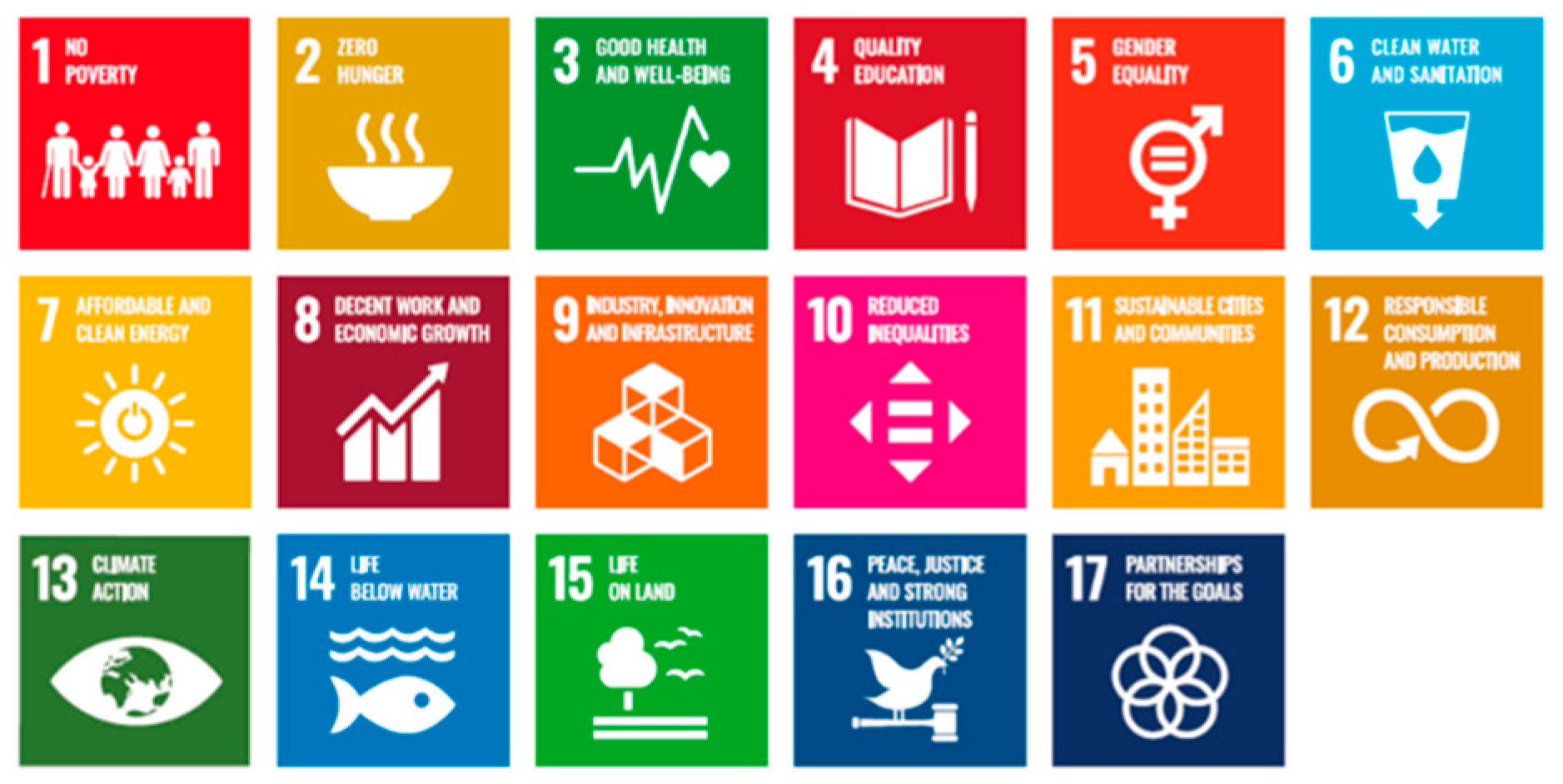

Table 1.
Carbon reduction barriers with explanations.
| ID | Barrier | Description |
|---|---|---|
| BR1 | Leadership and Strategic Alignment | The absence of strong leadership commitment and clear strategic direction hinders the integration and execution of carbon reduction initiatives. A lack of top management support, coupled with undefined carbon management plans and organizational policies, results in inadequate resource allocation and project integration, impeding the effective reduction of carbon emissions across construction projects. |
| BR2 | Fear of jeopardizing project success in terms of time, cost and quality | Housing investors may exhibit hesitancy or apprehension in the adoption of specific measures or changes, driven by a perceived risk of adversely affecting pivotal project dimensions, including temporal efficiency, overall expenditure, and the ultimate deliverable quality. |
| BR3 | Knowledge and Awareness Deficiency | Insufficient knowledge and awareness regarding carbon reduction principles, benefits, and technologies create significant barriers to implementing sustainable practices. This lack of understanding hinders informed decision-making and the prioritization of carbon reduction efforts, making it challenging to quantify benefits and integrate new technologies into construction processes. |
| BR4 | Non-availability of low-carbon materials and equipment | The scarcity of accessible low-carbon materials and equipment poses a significant challenge to sustainable construction practices. This constraint hinders the seamless integration of carbon reduction measures into projects, affecting the feasibility and effectiveness of initiatives |
| BR5 | Collaboration and Involvement Challenges | The lack of collaboration and early involvement of stakeholders, including clients, consultants, and contractors, inhibits the effective implementation of carbon reduction strategies. This gap in interdisciplinary engagement and communication results in inefficiencies and missed opportunities to incorporate sustainability considerations at the design and specification stages of construction projects. |
| BR6 | Regulatory and Incentive Limitations | The absence of clear governmental regulations and incentives for carbon reduction creates barriers to adopting sustainable practices within the construction industry. Without regulatory guidance and motivation through incentives, stakeholders may be reluctant to implement carbon reduction strategies due to perceived risks and a lack of uniform adoption across projects. |
| BR7 | Lack of demand for low-carbon construction project | Inadequate limited enthusiasm among consumers for low-carbon construction, attributed to limited awareness of its benefits, financial concerns, or a general undervaluation of environmental considerations in decision-making. |
| BR8 | The complex nature of construction projects. | The intricate nature of construction projects poses a challenge to the effective implementation of sustainable practices within the industry. The multifaceted aspects and intricate processes involved may contribute to difficulties in seamlessly integrating and executing carbon reduction initiatives, potentially impeding their successful adoption. |
Table 2.
The significance weight assigned to the fuzzy scale equivalents corresponding to each criterion.
Table 2.
The significance weight assigned to the fuzzy scale equivalents corresponding to each criterion.
| Likert scale | Linguistic Variable | Fuzzy scale |
|---|---|---|
| 5 | Very Important | 0.6 0.8 1 |
| 4 | Important | 0.4 0.6 0.8 |
| 3 | Neutral | 0.2 0.4 0.6 |
| 2 | Low Importance | 0 0.2 0.4 |
| 1 | Not Important At All | 0 0 0.2 |
Table 3.
Characteristics of the expert panel.
| IDs | Years of Professional Experience in the Field of Housing Development in Jordan | Number of Delivered Apartment Buildings in Jordan |
|---|---|---|
| EXP 1 | 28 | More than 40 blocks |
| EXP 2 | 7 | 3 |
| EXP 3 | 35 | 35 |
| EXP 4 | 20 | 33 |
| EXP 5 | 46 | 15 |
| EXP 6 | 22 | 30 |
| EXP 7 | 42 | 20 |
| EXP 8 | 40 | 27 |
| EXP 9 | 22 | 30 |
| EXP 10 | 40 | NA (Some research participants expressed reluctance in providing the number of housing deliveries due to concerns related to potential income tax implications) |
| EXP 11 | 40 | 86 |
| EXP 12 | 25 | 110 |
| EXP 13 | 28 | NA |
| EXP 14 | 52 | NA |
Table 4.
Jordan Housing Investors’ Perspectives on Barriers to Carbon Reduction in Construction .
| Barrier | Standard deviation | Means | SDMR 1st round | Defuzzification | Rank | Threshold Value | Is crtical? |
|---|---|---|---|---|---|---|---|
| Barrier 1 | 0.1484 | 4.14 | 0.2361 | 0.6285 | 5.5 | .6306 | False |
| Barrier 2 | 0.1399 | 4.28 | 0.2129 | 0.6571 | 4 | .6306 | True |
| Barrier 3 | 0.1220 | 4.64 | 0.1675 | 0.7285 | 1 | .6306 | True |
| Barrier 4 | 0.2210 | 4.07 | 0.3570 | 0.6190 | 7 | .6306 | False |
| Barrier 5 | 0.1647 | 4.5 | 0.2353 | 0.7 | 2 | .6306 | True |
| Barrier 6 | 0.1829 | 4.14 | 0.2910 | 0.6285 | 5.5 | .6306 | False |
| Barrier 7 | 0.1456 | 4.42 | 0.2124 | 0.6857 | 3 | .6306 | True |
| Barrier 8 | .9258 | 3 | 0.3086 | 0.4 | 8 | .6306 | False |
Disclaimer/Publisher’s Note: The statements, opinions and data contained in all publications are solely those of the individual author(s) and contributor(s) and not of MDPI and/or the editor(s). MDPI and/or the editor(s) disclaim responsibility for any injury to people or property resulting from any ideas, methods, instructions or products referred to in the content. |
© 2024 by the authors. Licensee MDPI, Basel, Switzerland. This article is an open access article distributed under the terms and conditions of the Creative Commons Attribution (CC BY) license (http://creativecommons.org/licenses/by/4.0/).
Copyright: This open access article is published under a Creative Commons CC BY 4.0 license, which permit the free download, distribution, and reuse, provided that the author and preprint are cited in any reuse.


