Preprint
Article

This version is not peer-reviewed.

Ex Situ Conservation and Ornamental Evaluation of the Endangered Amberboa moschata (Asteraceae) in Armenia

A peer-reviewed article of this preprint also exists.

Submitted:

11 February 2025

Posted:

14 February 2025

You are already at the latest version

Abstract

The article presents data on morpho-phenological, karyological, palynological, some eco-physiological and ornamental features of the Armenian flora endangered species Amberboa moschata (L.) DC. (Asteraceae). According to conducted exploration, the plants cultivated in the Yerevan Botanical Garden have satisfactory adaptive capacity, a complete development cycle, the ability to form mature seeds and self-renewal by seeds, and higher parameters of total moisture, transpiration intensity and photosynthesis compared to natural ones. The diploid cytotype has been found for the species to be 2n=32, the karyotype is asymmetric, with chromosomes, 0.77–1.91µm in size. The average pollen fertility of A. moschata is high, 96.7–96.9% in both natural and cultivated samples. A scale of ornamental properties of A. moschata has been compiled, including 15 characteristics of the plant. The total duration of plant ornamental period under cultivation is about 98 days, the maximum ornamental effect is observed during the flowering period of 68–70 days. The studied species is recommended for creating living collections in botanical gardens and utilization in ornamental gardening and landscaping as measures for its ex situ conservation. The article is illustrated with a map, original photographs and tables.

Keywords: 
;  ;  ;  ;  ;  ;  ;  

1. Introduction

Armenia is very rich in original and beautiful, predominantly xerophytic flora that grows from Ararat valley deserts and semi-deserts to alpine belt inclusive. Among the ornamental plants of the Ararat valley, there is a significant number of threatened species. Some of them have survived in rare fragments with natural vegetation and are represented by populations with low numbers of individuals in halophytic, psammophytic, gypsophytic, ephemeral and wormwood plant communities.
This study is focused on the threatened ornamental species Amberboa moschata (L.) DC. (Asteraceae). Genus Amberboa (Pers.) Less. includes 12 species distributed in Southwest, Middle and Central Asia, of which 8 species occur in the Caucasus [1,2]. Wild populations of A. moschata are native only to the Ararat Valley of Armenia, and adjacent areas of Northeast Anatolia [1]. In Armenia A. moschata grows in dry clayey, gypsum-bearing deserts, in wormwood semi-deserts, on gravelly, rocky places, in crops, at an altitude of 600–1500 m above sea level (Figure 1). In the Ararat Valley xeromorphic gypsiferous red and gravelly clay communities it is found with such species as annuals Actinolema macrolema Boiss., Aphanopleura trachysperma Boiss., Carthamnus oxyacanthus M. Bieb., Chardinia orientalis (L.) Kuntze, Chrosophora tinctoria (L.) A. Juss., Euphorbia coniosperma Boiss. & Buhse, Glaucium elegans Fisch. & C.A. Mey., Halanthium rarifolium K. Koch, Nigella oxypetala Boiss., N. segetalis M. Bieb., Scabiosa rotate M. Bieb., Seidlitzia florida (M. Bieb.) Boiss., Stizolophus balsamita (Lam.) Cass. ex Takht., Szovitsia callicarpa Fisch. & C.A. Mey., Xeranthemum longipapposum Fisch. & C.A. Mey., biennial Cousinia purpureaC.A.Mey. ex DC. and perennials Dorema glabrum Fisch. & C.A. Mey., Haplophyllum villosum (M. Bieb.) G.Don, Hedysarum formosum Fisch. & C.A. Mey. ex Basiner, Matthiola farinose Bunge ex Boiss., Psephellus erivanensis Lipsky, Reseda microcarpa Müll. Arg., Rindera lanata(Lam.) Bunge, Salvia limbata C.A. Mey., Silene chlorifolia Sm., subshrubs Kaviria cana (K.Koch) Akhani, K. tomentosa (Moq.) Akhani, Nepeta bituminosa (Fisch. & C.A.Mey.) Jamzad & Serpoosh., Odontarrhena tortuosa (Willd.) C.A. Mey., Reaumuria alternifolia (Labill.) Britten, Salvia hydrangea DC. ex Benth., shrub Zygophyllum atriplicoides Fisch. et C.A. Mey. and others.
A. moschata is included in the Red Book of Plants of the Republic of Аrmenia under the Endangered Species category (EN) based on geographic condition criteria B 1 ab(i,ii,iii)+2 ab(i,ii,iii) [3]. Limiting factors posing a threat to the species are restricted extent of occurrence and area of occupancy, loss or degradation of natural habitats caused by land development. A part of the A. moschata population is protected in the "Erebuni" State Reserve of RA.
One of the current trends for the protection of threatened plant species is their conservation under ex situ conditions [4]. An important role in this activity is played by Botanical Gardens, where living collections of wild plants, including aboriginal ones, are being created [4,5,6,7]. Worldwide, living collections of botanical gardens contain at least 105,634 plant species, equating to 30% of all plant species diversity, and conserve over 41% of known threatened species [7]. Research and ex situ conservation of threatened plant species has been carried out for many years in the Yerevan Botanical Garden of RA. Documented living collections of local flora and models of the most characteristic plant communities have been established since 1938, and bio-morphological and phenological observations are carried out on introduced plants [8,9,10]. About 200 species of wild ornamental drought-resistant species of local arid flora are grown at the exhibition plot "Flora and Vegetation of Armenia" of the Yerevan Botanical Garden [11].
Amberboa cultivars and hybrids are popular in ornamental gardening in some countries as a well-known flower crop. Having spread as a result of introduction, they are known in some regions of South and East Asia, Eastern Europe, as well as North America and Canada. In Armenia, A. moschata from local wild populations of the Ararat Valley has not been utilized in ornamental gardening and landscaping.
Many wild plants are not used to create living collections in botanical gardens and in ornamental gardening due to insufficient botanical information, lack of cultivation methods and knowledge of adaptive and reproductive characteristics in the condition of cultivation. The aim of this study is to identify the morpho-phenological, reproductive, some ecological and ornamental features of A. moschata for testing its living collection creation in the Yerevan Botanical Garden and using it in arid ornamental gardening as one of the ways of the species ex situ conservation. The results of the study will allow obtaining material for the reintroduction of this endangered species into natural habitats and its use in landscaping settlements in the arid regions of Armenia.

2. Materials and Methods

2.1. Research Site and Cultivation Techniques

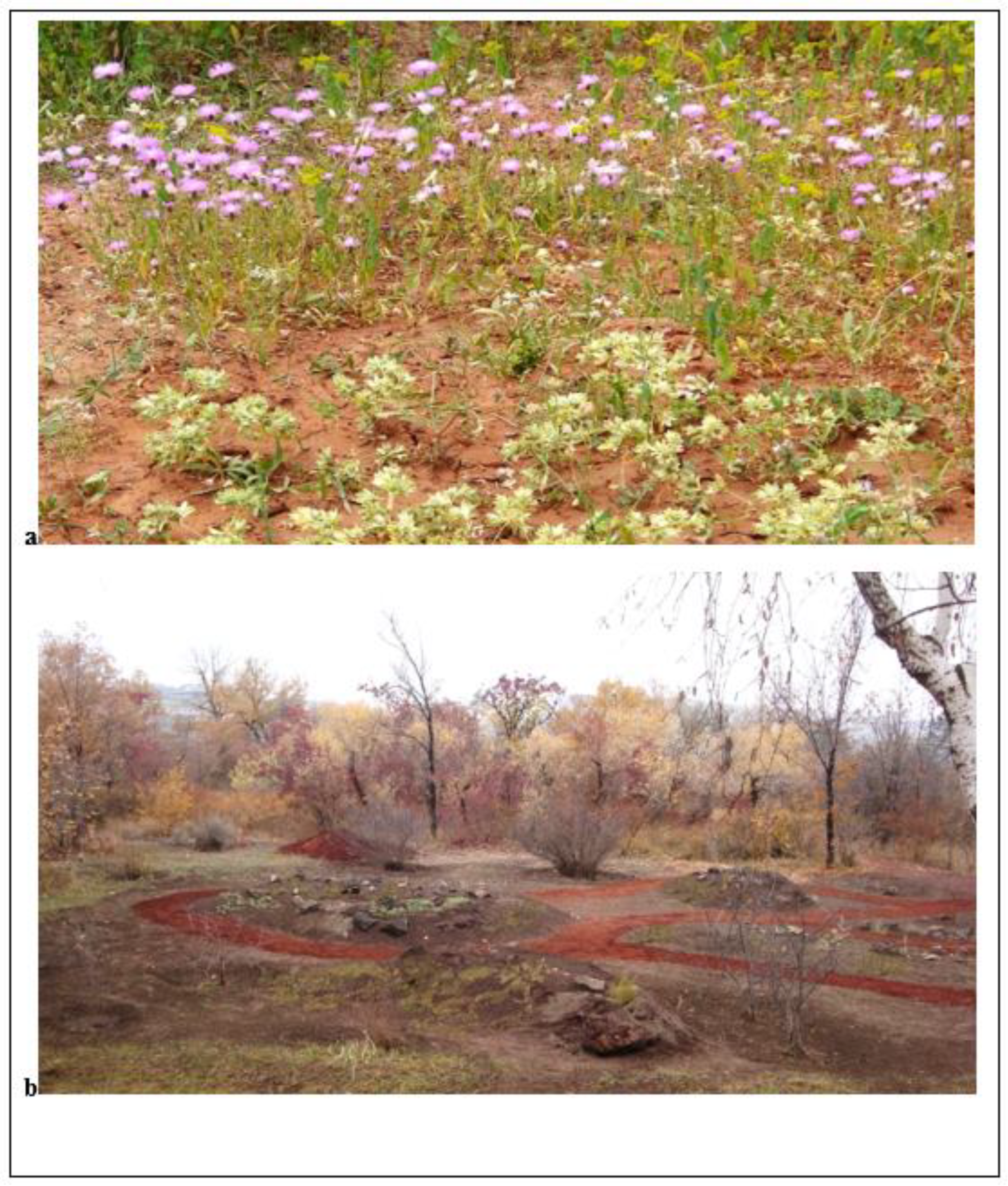
The research was conducted in the Yerevan Botanical Garden and A. Takhtajan Institute of Botany NAS RA in 2022–2023. Botanical Garden is located in the north-eаst of the Yerevan city at an altitude of 1200–1250 m above sea level in the zone of stony wormwood semi-desert with sharply continental climatе. The annual precipitation here is 300–365 mm, the average annual temperature is +11˚C, in summer it is 24-26˚C, and in winter –5(–8)˚C, average annual relative air humidity is 59%. The absolute maximum temperature in summer reaches 40˚C. Winter with frosts, in exceptional years reaching –20˚C. The climatic conditions in the Yerevan Botanical Garden are close to those in the Ararat Valley and differ in the absolute minimum temperature by 2–3˚C lower. The soils are semi-desert brown, heavy loamy, carbonate and medium stony, with humidity about 5.0 % and acidity 7.0%. The subsoil is underlain by tuff. For the cultivation of desert and semi-desert plant species under ex situ conditions in the Yerevan Botanical Garden, the exhibitions "Flora of gypsiferous red clays” where the local soil was replaced with clay soil rich in sulfates and containing gypsum crystals (Figure 2a), and "Flora of Semi-Deserts & Foothills of the Ararat Valley" (Figure 2b) were created at the “Flora and Vegetation of Armenia” Plot [9,10]. To identify the adaptive features of A. moschata to edaphic factors, it was also sown and grown on the local soil of the Yerevan Botanical Garden.
The initial material for A. moschata cultivation was used seeds collected from natural habitat during expeditions in the Ararat valley of RA. Voucher data: “Kotayk province, near village Voghchaberd, gypsiferous slopes, 1500 m a.s.l., 40º09'49'' N 44º38'45'' E, 30 July 2020. Leg. J. Akopian”; “Ararat province, reservoir near mount Yeranos, dry slopes, 1080 m a.s.l., 40º04'12'' N 44º35'07'' E, 25 July 2022. Leg. & Det. J. Akopian, A. Ghukasyan, L. Martirosyan, A. Elbakyan”. Since A. moschata seedlings do not tolerate pricking out and subsequent transplanting, the best results were obtained when sowing seeds in open ground in a permanent place. For optimal development of specimens grown in open ground, a sunny place was chosen, weeding, moderate watering and loosening were carried out.

2.2. Morpho-Phenological and Ornamental Traits Assessment

During the growing season, biometric measurements, observations on plant growth and development, features of seed germination, flowering and fruiting were carried out [9,12,13,14].
The seeds were sown both in open ground in the above-mentioned exhibitions of the Yerevan Botanical Garden and in laboratory conditions on Petri dishes to determine the germination and viability of the seeds. In order to establish the percentage of field germination, the seeds were sown in open ground in limited spaces (150×80 cm) with 50 seeds. For the laboratory germination analysis, 3 seed samples of 50 pieces were taken, respectively, 1 and 2 years of storage. Each sample was placed in a Petri dish. The optimum germination temperature has been established in laboratory conditions at 18–20°C. When determining viability, we examined the seeds in three replicates. In each sample after germination, 5 fractions of seeds were isolated (sprouted; full but not sprouted; rotten; affected and empty). The percentage of germination and viability of seeds was determined using the method developed by RBG Kew [12,13] and calculated using the formula for germination followed by derivation of the average value, viz. [a/(a+b+c)]×100%, and for viability [(a+b)/(a+b+c)]×100%, where: a – is the number of germinated seeds, b – is the number of non-germinated but full seeds, c – is the number of rotten seeds.
Phenological observations were done according Beideman [14], assessment of plants ornamental features by Bylov [15]. The dates of the onset of phenological phases (emergence, vegetation, budding, flowering and fruiting) and the duration of the decorative period were recorded. A. Takhtajan Institute of Botany Herbarium (ERE) material of A. moschata and samples collected during our expeditions were examined. Plant samples morphological features were studied using an MBC-9 stereo microscope. Plants were photographed with Nikon D3400 digital camera.
To assess the ornamental properties of A. moschata, a decorativeness scale was developed. The scale includes 15 main features characterizing the quality of shoots, leaves, inflorescences, fruits and the habit of the plant as a whole. The coefficients for each feature allow us to determine its significance in the overall assessment of the decorativeness of the species.

2.3. Chromosome Analysis

Karyological investigation was made on the mitotic metaphases of the meristematic cells from root tips of germinated seeds. The root tips were pretreated in 0.4% colchicines solution and fixed in fluid 3:1 alcohol and glacial acetic acid, after hydrolysis in HCl the stained in Schiff reagent and were squashed on a glass slide with 45% acetic acid. A minimum of 10 plates were examined for each taxon. The preparations were placed in butyl alcohol for 5 minutes, then in xylene for 5 minutes, and were placed in Canadian balsam. Slides examined under light microscope AmScope Photomicroscope using an oil immersion objective (100X).

2.4. Pollen Fertility Analysis

Pollen fertility of A.moschata, taken from the flower buds in natural habitats during seasonal collections from different years and regions of Armenia and from specimens introduced in the Yerevan Botanical Garden was studied. Pollen fertility is relatively constant and practically does not change over time, so both fresh and also dry material from the ERE Herbarium were used (Table 1).
Pollen fertility was determined by staining with acetocarmine on temporary preparations [16]. Statistical processing of experimental data was carried out according to Dospekhov [17] and Wolf [18]. The fertility of each collected sample was tested in 5 replicates of 100 pollen grains. For data comparison, the arithmetic mean Sx was calculated according to the Sx = Σ (x-x) × k, where the absolute value was subtracted from the arithmetic average number of fertile grains and the sum was multiplied by k, that is the number of replicates. In our case, the number of replicates corresponded to the number 0.1253 [18]. Preparations were examined under a light microscope “OPTIKA microscopes B-510BF” at a magnification of 400 times.

2.5. Eco-Physiological Features Evaluation

Eco-physiological features (total water content, water deficiency, intensity of transpiration and photosynthetic productivity, cell sap density content) of the A. moschata were studied implemented during the vigorous vegetative period by Sheremetyev [19] and Salnikov & Maslov [20] methods. The measurements were carried out within the period between 11:00 and 13:00, each in 3 samples and 3 repetitions, 7–10 shoots were chosen for each sample. The content of photosynthetic pigments (chlorophylls “a” and “b”, and carotenoids) was determined by a modified method based on the use of an organic solvent of dimethyl sulfoxide, which allows obtaining stable extracts [20]. The data represent statistically processed average results of the analysis. Fresh samples were weighed immediately (KERN ABS220–4N) and dried in a thermostat (Binder BF–56) under 105ºC, to determine the whole water content in the leaves.
X = P 1 P 2 P 1 × 100
where: X – is the total water content, % from the wet weight; P1– is the wet weight of the leaf before drying, in grams;
P2– is the dry weight of the leaf sample, in grams; 100 – is for expressing the total water content in the leaf from the wet weight in percentages.
The water deficit was determined based on leaf water saturation [19]. One gram of leaf circles weighed and placed in a Petri dish filled with distilled water. After 2 hours, the circles were removed, dried with filter paper, and weighed again. Тhis process was continued until the weight of the sample stopped changing and the leaves were considered completely saturated. The last weighing data was used as the final result. After this, the samples were dried in a thermostat at 105°C for 5 hours, weighed, and then dried again up to stable weight. Following formula was used:
W s D = W s W f W s W d × 100
where: WsD– is the water deficit, % from the wet weight; Ws– is the leaf mass after complete saturation with water (mg); Wf–is the fresh weight of leaves (mg); Wd –is the leaf dry weight (mg); 100 – is for expressing the water deficit as a percentage of wet weight.
The intensity of leaves transpiration was determined by rapid weighing with a Analytical balance ABS 220–4N saturation [21]. The leaf material was cut with scissors and weighed, after 5 minutes the weighing was repeated. The following formula was used:
Y = B 1 B 2 × 60 × 10000 S × T
where: Y – is the intensity of transpiration (mg/dm2 from wet weight, hour); B1– is the initial weight of the leaf (mg); B2– is the weight of leaves after 5 minutes; 60 – is 1 minute in seconds,10000 – is 1cm2 expressed in dm2; S – is the leaf surface (dm2); T – period between the initial and the final weighing in minutes.
The photosynthetic productivity was measured by the method of leaf halves saturation [17]. Not be less than 20 leaves were selected. Half of the leaves were cut along the length of the main vein and placed in a bowl filled with water for 0.5 hours to saturate the tissue with water. Then, were removed and dried in a thermostat for 4–6 hours at 105°C. This determines the initial dry weight per unit leaf area (mg/ dm2). The other half of the leaf with the petiole remains on the plant for 4–5 h, after which the dry weight of their surface (mg/dm2) is determined as described above. The amount of dry material accumulated during photosynthesis is determined by the difference between the dry weight of the last and the first determinations, which, dividing by the time between the determinations, expresses the photosynthetic productivity in mg/dm2, hour.
P = P 2 P 1 0.5 × ( L 1 + L 2 ) × N
where: P – is the photosynthetic productivity; P1 – is initial weight of the leaves; P2 – final weight of the leaves (after 3 hours); 0.5* (L1+L2) – is the average working area of leaves during the experiment; N – is period between two determinations (after 3 hours).
To determine the leaf surface area, the leaves are laid out on paper and their contours are outlined, cut out and weighed. A square of 100 sm2 is cut out of the same paper and weighed.
L = P P 1 × 100
where: L –leaf surface area (cm2); P–weight of contours of leaves (gram); P1 – weight of 100 cm2 square (gram).
The content of photosynthetic pigments (chlorophylls “a” and “b”, and carotenoids) was determined by a modified method based on the use of an organic solvent of dimethyl sulfoxide [18]. For the determination of plastid pigments, 100–500 mg weight of fresh leaf sample, place it in 25 ml graduated and ground-necked test vials, add 7–10 ml of Dimethyl sulfoxide (DMSO), close with a cork, wrap it with a black cloth and place it in a wooden box. In order to dissolve pigments, the test vials with the samples in a water bath (WB7 2) at a temperature of 650Cuntil the leaf tissues are completely discolored and the extract is obtained. The measurement was carried out on a spectrophotometer (UV−6300PC Double Beam Spectrophotometer), and the quantitative accounting of chlorophylls “a” and “b” and carotenoids was carried out according Shlyk [22]
chlorophyll “a” = 12.7E663-2.69E645; chlorophyll “b” = 22.9E645-4.68E663;
sum of carotenoids= 4.695E440.5-0.268 (“a” + “b”),
where the E is the spectrophotometer reading.
The cell sap density content was determined with Refractometer DigitalHJ96801.

3. Results and Discussion

3.1. Morpho-Phenological and Ornamental Characteristics
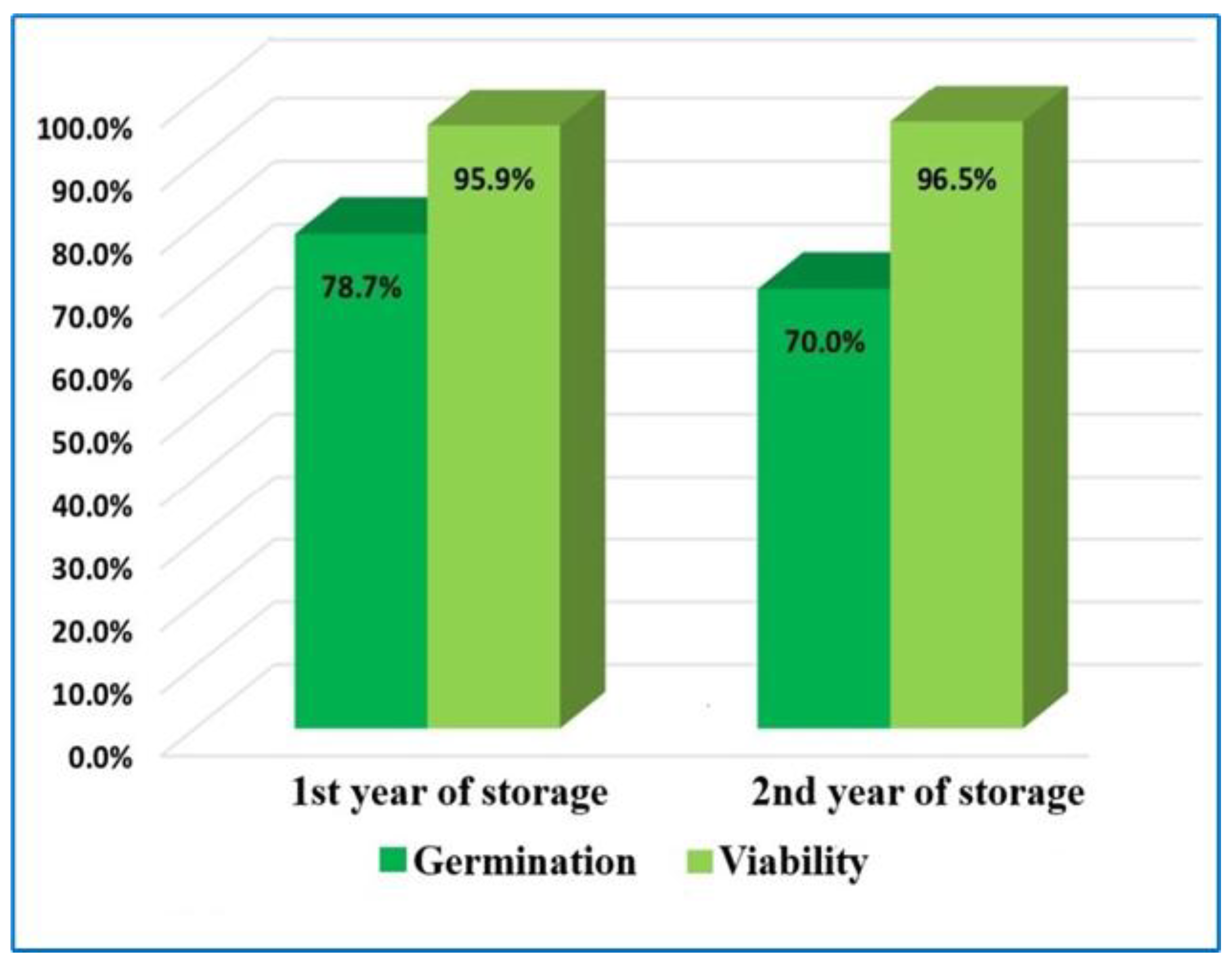
Amberboa moschata is an annual plant 20–70 cm tall, with an erect, weakly branched stem and a thin root. After autumn sowing in the Yerevan Botanical Garden in open ground, A. moschata seed germination is observed next spring in first ten days of March. The seeds should be sown at a shallow depth of 4–6 mm, since in addition to moisture, A. moschata seeds require sufficient light to germinate. When seeds sown in spring, seedlings appear in 2–3 weeks. Autumn sowing is more effective in terms of seed germination than spring one. Seed field germination is about 75–90%. In plants of the Asteraceae family, the seeds have a fully developed embryo and are characterized by the absence of dormancy or shallow physiological dormancy, the seeds of more than 60% of species of the Asteraceae family have an accelerated type of germination [23,24]. As a result of determining the laboratory germination and viability of A. moschata seeds in the first and second years of storage, fairly high indicators were obtained (Table 2, Figure 3). The beginning of germination in laboratory conditions is observed 10–12 days after seed placement and continues for about 20–25 days. During storage, A. moschata seeds retain their germination capacity for an average of six-seven years.
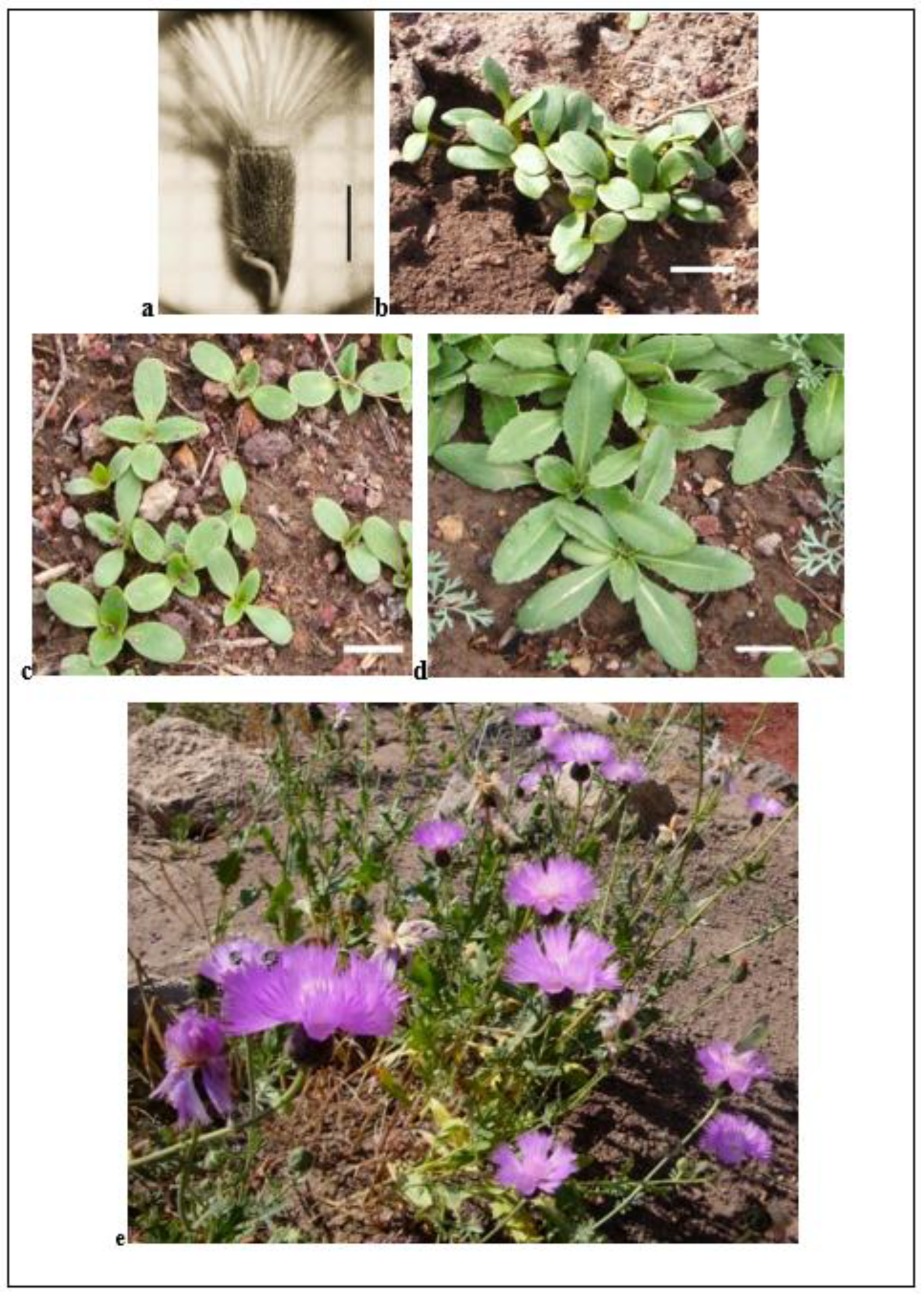
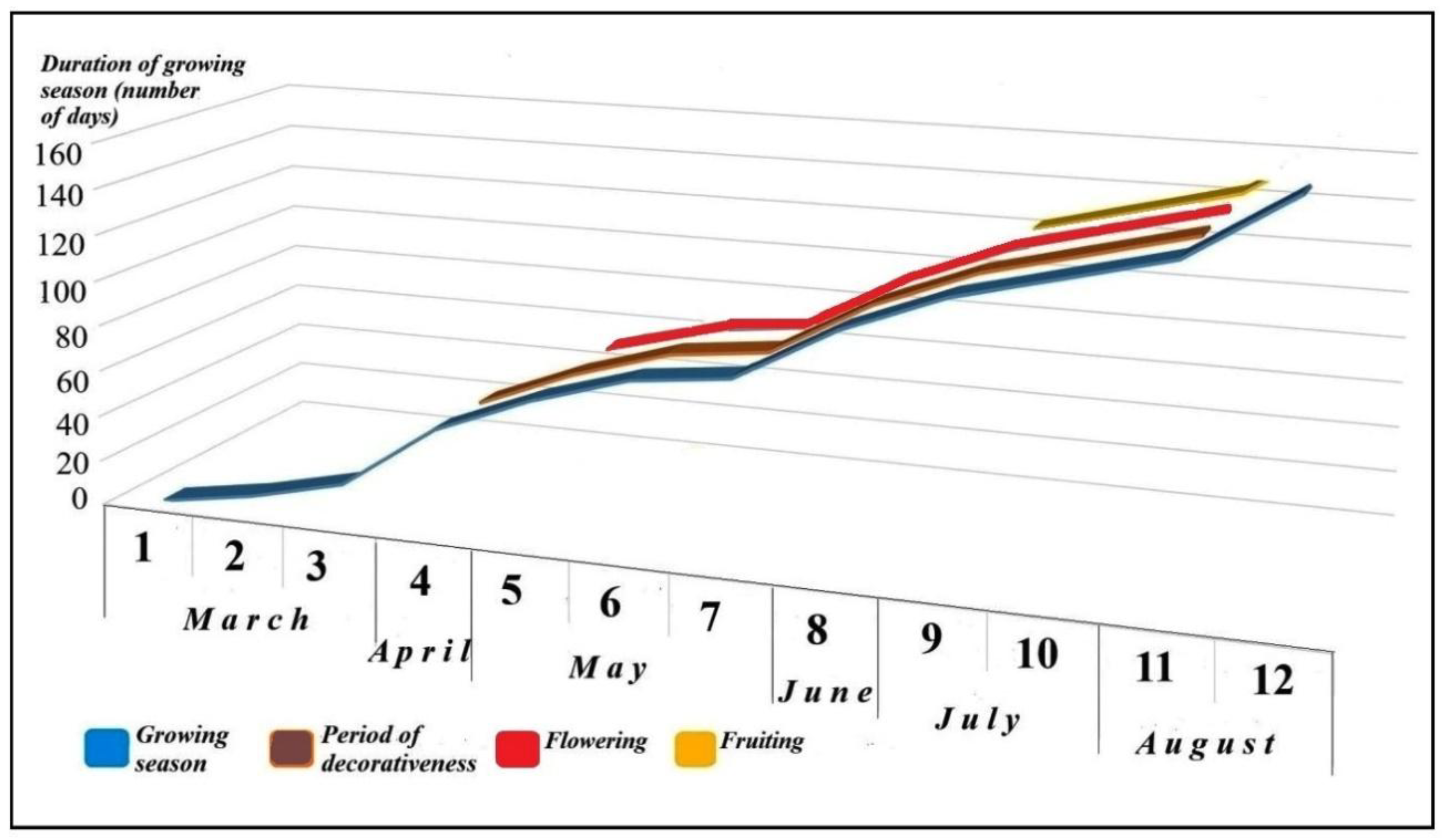
Achenes of A. moschata are large, 6–7 mm long, densely appressed-hairy; hilum lateral, surrounded by bare strongly elevated ridge, with pappus 5–7 mm long (Figure 4a). The cotyledons are green, fleshy, naked, spatulate, 0.6–1.0×0.3–0.5 cm, the hypocotyl is up to 2.5 cm long, turning into a thin rootlet, the epicotyl not developed (Figure 4b). Approximately 10 days after emergence, the first pair of leaves located across the cotyledons appears (Figure 4c). At the juvenile stage of development, the leaves of A. moschata are entire, elliptical, irregularly serrated along the edge, the growth form is represented by a rosette (Figure 4d). The appearance of new leaves and the formation of the basal rosette continue throughout April. Up to 7–9 leaves are formed in the rosettes, ranging in size from 2×0.5 cm to 11×2 cm. When the sixth pair of rosette leaves appears, the cotyledons dry up. Budding is observed in early May and continues along with the beginning of flowering in mid-May. Flower buds are formed in the center of the rosette. By the end of June, yellowing of some of the rosette leaves is observed. The branching of the plant is sympodial, shoots branch up to 3–4 orders, the first leaves at the base of the shoots are opposite, following ones are alternate. The plant is heterophyllous, the leaves bright green, range from entire, slightly serrated to dissected or lyre-pinnate. The basal and lower leaves are petiolate, the upper ones are sessile. Stems of the plant up to 37–40 cm end with light lilac-pink inflorescences up to 4–7 cm in diameter (Figure 4e). Baskets are single, apical, very large, broadly ovate or hemispherical on long curly-pubescent stalks. The involucre is curly-woolly, appendages of involucre are large, 2–3×4–6 mm, obtuse at the apex. The marginal florets are funnel-shaped, significantly larger than the median ones (10–15 mm), many lobed. Florets are fragrant, are often visited by bees. In the period June–July, flowering, budding and ripening of fruits occur simultaneously. The end of the growing season and drying of the plant is observed from the third decade of July to the end of August. Seed ripening continues until mid- or late August. In general, the duration of the growing season of A. moshata is 125–130 days, the flowering period is 68–70 days, and the duration of the plant decorativeness period is about 98 days (Figure 5). However, in the cultural conditions of the Yerevan Botanical Garden, with regular watering, the vegetation can be delayed and a second repeated flowering of introduced specimens is possible. Flowers and leaves of the second vegetation are significantly smaller. The plants give good autumn self-seeding. A. moschata is usually free from pests, but can be affected by powdery mildew. In the Yerevan Botanical Garden it grows well in open sunny places with loose soil. Mature plants are drought and cold resistant.
The obtained data on A. moschata in the Yerevan Botanical Garden allow us to draw conclusions about the prospects of this species in culture. The species showed satisfactory adaptive potential and the ability for mass reproduction by seeds under ex situ conditions, as well as significant ornamental qualities. When evaluating the ornamental qualities of the studied species, such indicators as plant characteristic habit, the color and elegance of leaves and flowers, the abundance of flowering and some others were taken into account. The period of decorativeness is the total duration of the highest manifestation of aesthetic qualities, including the plant vegetative habit formation to the end of flowering and fruiting. Assessment of the ornamental qualities of the herbaceous annual A. moshata includes such characteristics of inflorescences as color, resistance to fading, shape, size, inflorescence density, number of inflorescences on a generative shoot, and the number of simultaneously open inflorescences. Listed characteristics demonstrate the maximum degree of decorativeness of the studied plants during the flowering period. The scale of ornamental properties includes 15 main traits characterizing the ornamental qualities of the shoot, leaf, inflorescence, fruit and plant as a whole (Table 3).
Figure 5. Phenological stages of development and decorativeness period of Amberboa moschata.
Preprints 149043 g005
1 – emergence of seedlings, 2 – appearance of first pair of leaves, 3 – beginning of rosette growing,
4 – formation of plant vegetative habit, 5 – beginning of budding phase, 6 – beginning of flowering (10%), 7, 8, 9 – mass flowering, 10 – beginning of fruit ripening, 11 – mass ripening of fruits, 12 – end of fruiting and growing season
Table 3. Assessment of Amberboa moschata decorativeness.
Traits of decorativeness Traits value and score (points) Trait significance coefficient Number of points
1 2 3 4
Inflorescence color and stability Color is bright, stable or slightly unstable (5) 3 15
Inflorescence shape Large fringed basket (5) 2 10
Inflorescence size (diameter and height) Diameter 5–7 cm, height from 3.5–4.5 cm (5) 2 10
Petal quality Dense, retaining shape under adverse weather conditions (5) 1 5
Number of inflorescences on one generative shoot Оne inflorescence (5) 2 10
Number of simultaneously open inflorescences on a plant In the mass flowering phase about 70% (5) and more or about 50% (4) 3 15
Inflorescence density Dense, compact (5) 2 10
Shoots strength Not subject to deformation under the influence of external factors (5) 2 10
Shoots coloring Bright (5) or middle bright (4) 1 4
Leaves color stability Stable (5) or slightly unstable (4) 2 8
Durability of leaves decorativeness Most decorative during the phases of budding and flowering (5) 1 5
Fruits decorativeness Fruits slightly enhance the decorative effect (5) 3 9
General condition of plants during the flowering period Presence or absence of breaks during flowering (5) 2 10
Plant originality Habitus attractiveness (5) 1 5
Period of decorativeness From the phase of formed vegetative habit of the plant until the end of flowering (5) 1 5
Sum of points 131
Conversion coefficients for each characteristic make it possible to determine its significance in the overall assessment of the decorativeness of the species. When assessing the ornamental qualities of a shoot, its resistance to weather and climatic conditions and color were taken into account. We received 14 points because they are slightly susceptible to lodging during heavy rainfall and are able to return to their original position.
Ornamental qualities of leaves were assessed based on such characteristics as their resistance to fading and durability. Since the color of the leaf does not fade significantly, and the leaves themselves are decorative until fruiting, these characteristics received 13 points. Since the appearance of the fruits is insignificant, but they enhance the decorative effect in the fruiting phase, thereby prolonging the decorative period of the plants, this feature receives 9 points. The general condition of the plants, thanks to the friendly flowering, evenness in height, their density in the absence of breaks at mass flowering, gives us the opportunity to evaluate this feature at 10 points. The originality of the plant receives 5 points. The overall score for the decorativeness of A. moshata was 131 points, which gives us the right to recommend the studied wild annual plant for landscaping in Armenia.
The Asteraceae family is widely used in landscape design due to the variety of ornamental species, with local plants often given priority. The arid natural conditions of the Ararat valley, where the capital of Armenia, the city of Yerevan, and other settlements are located, significantly limit the use of many species, forms and varieties of cultivated flower plants in landscaping. Wild ornamental species А. moschata can be used in urban plantings for decorating borders and mix-borders, in group plantings in flowerbeds, in cottage, informal and wildlife gardens, as patio and container plants, look great in rockeries, can be grown on balconies, terraces and flowerpots. The flowers are suitable for cutting in bouquets and keep perfectly fresh in a vase. It has been found that ornamental Asteraceae used for landscaping can be a source of pollen for urban bees [25]. A. moschata, which is visited by bees during the flowering period, can have a similar significance in urban plantings.
The decorativeness assessment scale we have provided will help a specialist gardener to objectively evaluate the visual appeal of the plants under study in combination with other landscape elements. This scale can be used as a tool for planning and maintaining the aesthetics of a garden, as it allows, firstly, evaluate the visual effect, i.e. to determine how decorative a plant is at a certain time of year. Secondly, the scale allows choosing the most suitable zones for a plant in landscape design. Thirdly, the scale makes it possible to plan seasonality, i.e. to take into account the period when plants reach the peak of decorativeness. In our case, given the decorative period of A. moschata (from mid-May to early August) and the flowering period (from late May to early August), it can play a significant role in the landscape as a mid-ground plant in mixed flower beds of continuous flowering, to create beautiful and lush groups of several specimens against the background of a lawn, on rocky hills, in natural-style gardens. Using the decorative scale, gardeners can create more balanced and beautiful compositions, making the garden attractive at any time, taking into account their preferences in care and style.
To create harmonious, functional and aesthetically pleasing spaces in the Yerevan Botanical Garden, we used such landscape design methods as multi-level in alpine slides, terraces and mixed flower beds of different levels, the seasonal method, which consists in selecting plants taking into account their ornamental periods. This method allows you to maintain an attractive appearance of the garden throughout the growing season. Also important is the method of an ecological approach - the inclusion of local plants, which helps to maintain the local ecosystem and makes garden care easier. Long-term observations show that in the conditions of the sharply continental climate of Yerevan, species with high ecological plasticity and wide vertical amplitude, as well as species whose ranges coincide with the territory of the Botanical Garden (Yerevan floristic region) or are close to it, as in the case of A. moschata, are most easily introduced into culture for the creation of living collections. The use of these methods helps to design a harmonious and balanced landscape that meets both aesthetic and functional requirements.

3.2. Karyology

Karyologically studied samples of A. moschata collected from Ararat valley (Ararat province, near village Zovashen, 02 July 2022. Leg. & Det. J. Akopian, A. Ghukasyan, L. Martirosyan, A. Elbakyan; Ararat province, reservoir near mount Yeranos, dry slopes, 02 July 2022. Leg. &Det. J. Akopian, A. Ghukasyan, L. Martirosyan, A. Elbakyan) revealed a diploid cytorace for this species 2n=2х=32. According to the literature data, mainly the diploid cytorace is characteristic for this species (2n=32), with basic chromosomes number x=16. Our result agrees with other previous counts from Armenia [26,27,28,29,30], from Iran [31,32]. It should be noted that Moore [33] indexed two results for A. moschata: 2n=28 and 2n=32.
However, all the other counts in the genus Amberboa have the basic number of x=16, which is rare in the subtribe Centaureinae.
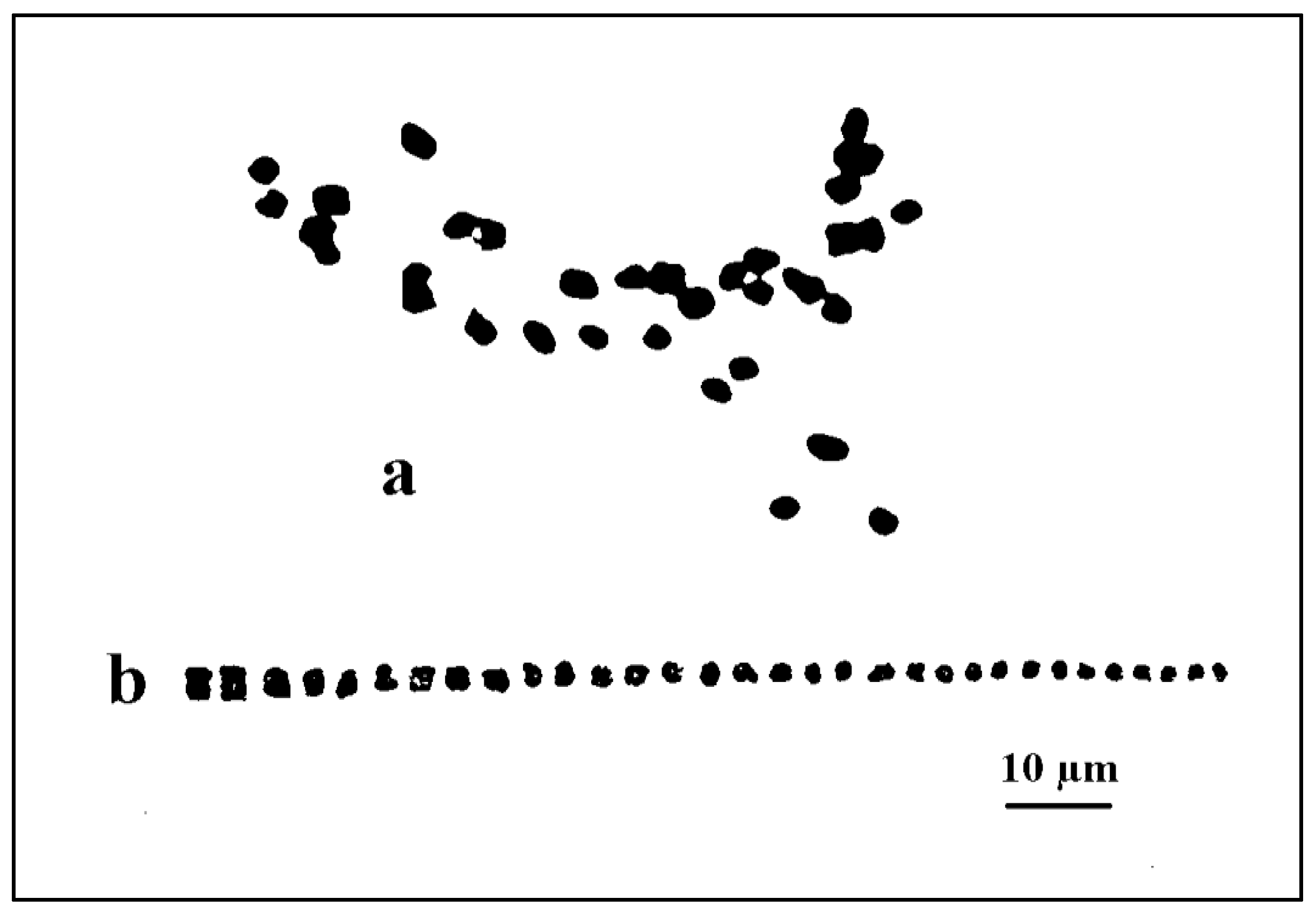
The karyotype of A. moschata is asymmetric, with very small chromosomes, 0.77–1.91µm in size, consisting of 5 pairs of submetacentric and 11 pairs of metacentric chromosomes (Figure 6). Karyotype formula is: 2n=32=10SM+22M.
The detection of the diploid cytotype is important because it represents the primary chromosome set characteristic of the species, and its presence helps us understand genetic stability and potential evolutionary flexibility. Chromosome asymmetry and differences in chromosome size may indicate adaptive advantages: more asymmetric chromosomes are sometimes associated with increased genetic variability, which can contribute to a species' better adaptability to changing environmental conditions. Based on results, we see several areas that require further research. For example, in-depth genetic studies could provide more detailed information on adaptive mechanisms and the species' resilience to environmental changes. It would also be useful to examine how variations in karyotype affect genetic stability and the species’ ability to adapt to different conditions.

3.3. Pollen fertility of A. moschata

Pollen fertility is a significant determinant of whether in a population there will be enough regeneration through sexual reproduction to ensure the survival of that species, it is very important in fruit and seed production in flowering plants. Pollen plays an important role in the formation of the hereditary properties of seeds [34]. The pollen fertility knowledge for any plant species is essential for plant breeders and commercial growers. Fertile pollen is that pollen which, at favorable conditions, after falling on the stigmas of the same plant or other plants of the same species, the pollen tubes germinate and the male gametes enter the embryo sac, producing fertilization. For the successful production of fruits and seeds of flowering plants, information on pollen fertility is required, which can be determined using in vitro tests. How important information about pollen fertility is for obtaining productive offspring can be seen from our previous works and from literary sources [35,36,37,38,39,40,41]. In addition to pollen fertility, the size of pollen grains plays an important role. According to the morphological heterogeneity of pollen, one can assume failures in microsporogenesis, which can lead to unsuccessful seed formation.
The sizes of pollen grains of each species from the collections obtained for different years do not differ much from each other. A. moschata pollen fertility investigation results of are presented in Table 4.
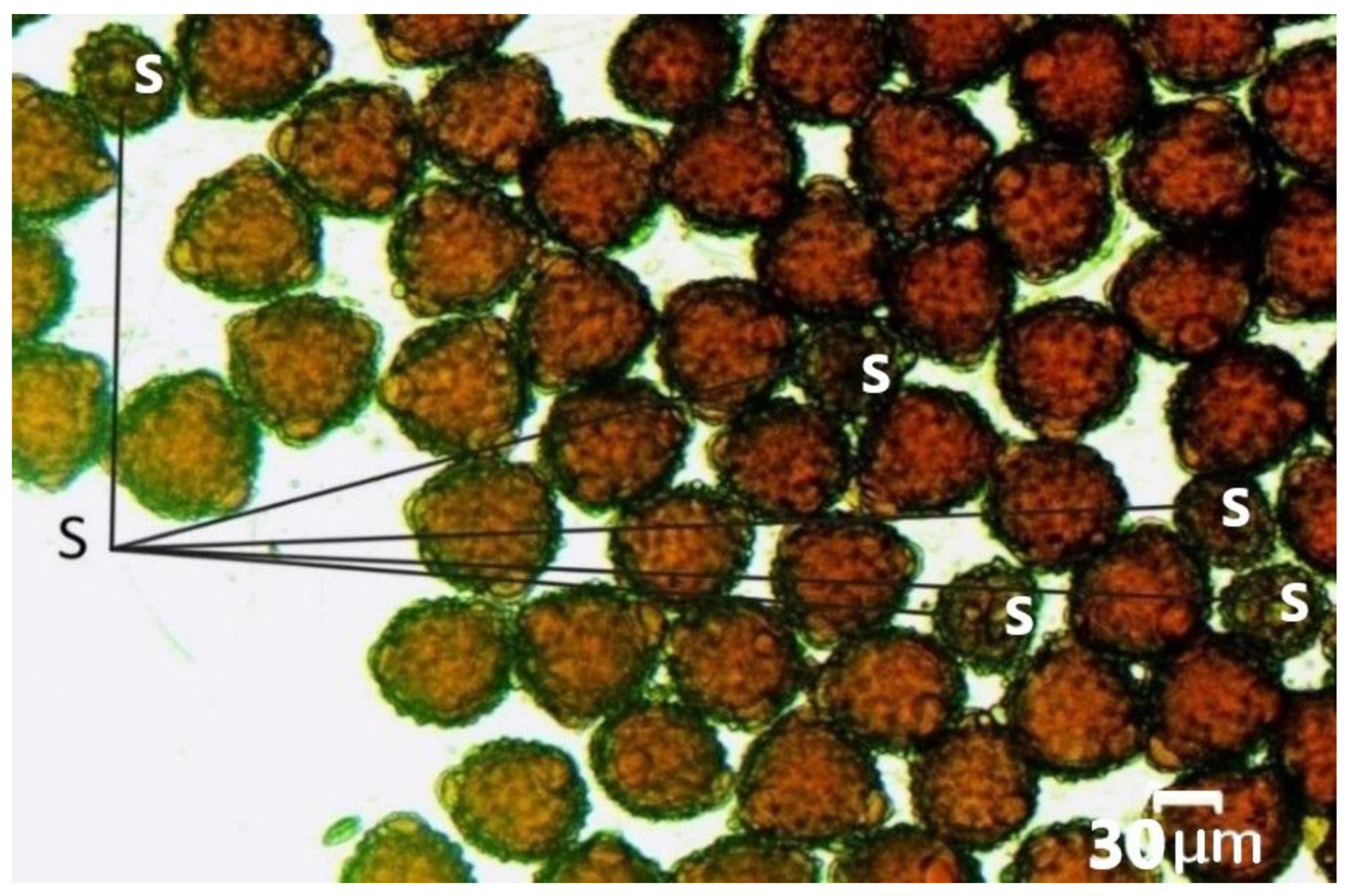
According to literary sources, many species of the Asteraceae family are characterized by high pollen fertility [34,41]. The obtained results show that the average pollen fertility of A. moschata is quite high, both in freshly collected samples from the Yerevan botanical garden (Table 4, Figure 7) and those taken from the herbarium specimens, collected in the natural habitats of the Ararat valley.
This indicates that under favorable conditions in Botanical Garden there will be a high seed set, which will contribute to the successful reproduction of these endangered species for further use in landscaping gardens and parks in order to preserve their gene pool.

3.4. Eco-Physiological Characteristics

Some physiological features of A. moschata were revealed in the natural conditions of the gypsophilous semi-desert of the Ararat Valley and in ex situ conditions in the Yerevan Botanical Garden. Comparative analysis of the data obtained makes it possible to assess both the degree of their adaptability to extra-arid conditions and the degree of ecological plasticity when they are transferred to the conditions of the Yerevan Botanical Garden. The parameters of the total water content of plants, the intensity of transpiration and photosynthetic productivity determined (Table 5). In the Yerevan Botanical Garden, compared to natural habitat, the studied plants have higher total water content, indicating their adaptability. With constant but moderate watering, all examined plants in the Garden showed a decrease in water deficiency.
This suggests that they have evolved structural and metabolic mechanisms to efficiently use water, typical to dry conditions. Xerophytic plants usually have characteristics such as increased concentration of cell sap and increased osmotic pressure, which contribute to increased water absorption. Moreover, their cells contain hydrophilic colloids that retain water, resulting in reduced transpiration and optimal use of water resources. Common features of adaptation of xerophytic plants to the arid environment are the preservation and minimization of the rate of water loss, as well as the maximization of the rate of photosynthesis. [42]. These plants also maintain stable photosynthetic productivity at high temperatures, further reducing water consumption and indicating efficient water use.
The density of the cell sap was also determined, amounting to 6.3% per gram of the substance under investigation in the Yerevan Botanical Garden and 6.5% in its natural habitat.
The absorption and transformation of solar energy during photosynthesis is carried out by photosynthetic pigments of plants, in particular, chlorophyll "a" and "b" and carotenoids. To assess the state of the photosynthetic apparatus of A. moschata, the content of these pigments in them was studied, which is a very important internal factor in plant adaptation to unfavorable environmental conditions. The main role of chlorophyll “а” is to absorb light from the orange-red-purple-blue colors of the spectrum, and chlorophyll “b” – to increase the absorption spectrum of organisms and to convert more energy into chemical energy, chlorophyll "b", which is responsible for the adaptation of plants to extreme growing conditions (Table 6). The results of the study show that A. moschata plants are well adapted to dry climates with high summer temperatures andwaterhigh evaporation from the soil surface.
Observations at the Yerevan Botanical Garden show an increase in water content in plants, as well as an increase in the rate of transpiration and photosynthesis, leading to a significant reduction in water stress. The content of pigments in A. moschata indicates the intensity of physiological processes related to the life activity of this plant. Favorable soil and climatic conditions, combined with constant watering, promote early flowering of gypsophilic plants within one to two years after seed development, especially those propagated from plants cultivated under ex situ conditions in the Yerevan Botanical Garden. The studied species demonstrate ecological plasticity, which allows successfully adapt to the conditions existing in the Yerevan Botanical Garden.

4. Conclusions

Presented research includes data on the assessment of morpho-phenological, karyological, palynological, some eco-physiological and ornamental features of the Armenian flora endangered species A. moschata. According to the results obtained, plants introduced in the Yerevan Botanical Garden have a high adaptive ability, full development cycle, mature seed production, and self-renewal ability by seeds, in comparison with natural ones, they are distinguished by higher total humidity, intensity of transpiration and photosynthesis, and a decrease in water deficit. The diploid cytotype has been found for A. moschata to be 2n=32, the karyotype is asymmetric, with very small chromosomes, 0.77–1.91µm in size, consisting of 5 pairs of submetacentric and 11 pairs of metacentric chromosomes. The presence of a diploid cytotype represents the primary chromosome set for a species and helps us understand genetic stability and potential evolutionary flexibility, while chromosome asymmetry and differences in chromosome size may indicate adaptive advantages of the species to changing environmental conditions. The average pollen fertility of A. moschata is quite high, both in samples collected in natural habitats and cultivated in the Yerevan Botanical Garden is in the range of 96.7–96.9%, which indicates a high seed set, contributing to the species' reproduction. An assessment was made of the ornamental qualities of A. moschata under conditions of the Yerevan Botanical Garden and a scale of ornamental properties was compiled, including 15 main characteristics of the ornamental qualities of the inflorescence, shoot, leaf, fruit and plant habit. The listed characteristics demonstrate the maximum degree of decorativeness of the studied species during the flowering period of 68–70 days. The whole duration of the ornamental period is about 98 days. Due to its rarity, decorativeness and adaptive features in cultural conditions, A. moschata is recommended for creating living collections in botanical gardens and utilization in ornamental gardening and landscaping as measures for its ex situ conservation.

Author Contributions

Conceptualization, J.A., A.G.; methodology, J.A., A.G., A.E., L.M., Z.H.; investigation, J.A., A.G., A.E., L.M,Z.H.; writing—original draft preparation, J.A., A.G., A.E., L.M, Z.H.; writing—review and editing, J.A.; visualization, J.A., A.G., A.E., L.M, Z.H.; supervision, J.A., A.G. All authors have read and agreed to the version of the manuscript.

Funding

This research was funded in the frames of basic research project of the A. Takhtajan Institute of Botany NAS RA “Ecological-geographical aspects of the study and conservation of the flora of Armenia” and research project 22AN: NS-plant-2757 “The Ararat valley rare and endangered ornamental plant species exploration as a source of arid floriculture” supported by the Armenian National Science and Education Fund (ANSEF).

Institutional Review Board Statement

Not applicable.

Data Availability Statement

The data presented in this study are available upon request.

Acknowledgments

This work was done in the frames of the research project “The Ararat Valley Rare and Endangered Ornamental Plant Species Exploration as a Source of Arid Floriculture” supported by the Armenian National Science and Education Fund (USA), for which we express our sincere gratitude.

Conflicts of Interest

The authors declared no potential conflicts of interest with respect to the research, authorship, and publication of this article.

References

  1. Gabrielian E.T. Amberboa (Pers.) Less. In: Konspekt flory Kavkaza [Caucasian flora Conspectus]. 2008. Vol. 3, Part 1. St. Petersburg; Moscow: KMK Scientific Press Ltd. Pp. 282–285.
  2. Murtazaliev R.A. A new species of the genus Amberboa (Asteraceae) from Dagestan. Turczaninowia 2024, 27, 1, 81–91 (2024). [CrossRef]
  3. Tamanyan, K.; Fayvush, G.; Nanagulyan, S.; Danielyan, T. (eds.). The Red Book of Plants of the Republic of Armenia. Higher Plants and Fungi. Second edition. Yerevan. 2010; 592 p.
  4. Heywood,V.H. (Ed.) The Botanic Gardens Conservation Strategy; IUCN Botanic Gardens Conservation Secretariat: Richmond, UK, 1989, 60 p.
  5. Heywood V.H. Conservation and sustainable use of wild species as sources of new ornamentals. Acta Horticulturae 2003, 598, 43–53. [CrossRef]
  6. Neves, K.G. Botanic Gardens in Biodiversity Conservation and Sustainability: History, Contemporary Engagements, Decolonization Challenges, and Renewed Potential. J. Zool. Bot. Gard. 2024, 5, 260–275. [CrossRef]
  7. Mounce, R.; Smith, P.; Brockington, S. Ex situ conservation of plant diversity in the world’s botanic gardens. Nat. Plants 2017, 3, 795–802. [CrossRef]
  8. Akopian, J.A. Conservation of native plant diversity at the Yerevan Botanic Garden,Armenia. Kew Bulletin 2010, 65, 4, 663–669. [CrossRef]
  9. Akopian, J.; Hovakimyan, Zh.; Paravyan, Z. Bio-morphological features of somerare and endangered sandy and gypsy desert plant species of Armenia. Biol. Zhurn. of Armenia 2017, 3 (69), 201, 39–46.
  10. Akopian, J.A. The exhibition of Flora and Vegetation of Armenia of the Yerevan Botanical Garden NAS RA – the principles of collection formation and modeling ofphytocoenoses. Landscape architecture in botanical gardens and dendroparks. Materials of the XI international scientific conference 2019. Yerevan; 46–53.
  11. Akopian, J.A.; Ghukasyan, A.G.; Elbakyan, A.H.; Martirosyan, L.Yu. Indigenous flora as a source of arid ornamental horticulture in Armenia. Yerevan. Gitutiun NAS RA. 2023. 213 p.
  12. Gosling, P.G. Viability testing // Seed conservation. Turning science into practice. 2003, 445–481.
  13. Newton, R. Germination and Dormancy, Part 1 SCT RN final. 2005, 69 p.
  14. Beydeman, I.N. Methods of studying the phenology of plants and plant communities. Methodical instructions.1974. The science. Novosibirsk. 155 p.
  15. Bylov, V.N. Fundamentals of Comparative Variety Evaluation of Ornamental Plants. Introduction and selection of ornamental plants.1978. M. Pp. 7–32.
  16. Pausheva, Z.P. Workshop on plant cytology. 1980. M., Kolos. 304 p.
  17. Dospekhov, B.A. Field experiment methodology.1973. M. 336 p.
  18. Wolf, V. G. Statistical data processing. 1966. M. Kolos. 254 p.
  19. Sheremetyev, S.N. Grasses on a soil moisture gradient. Partnership of scientific publications KMK, 2005. Moscow. 271 p.
  20. Salnikov, A.I.; Maslov, I.L. Physiology and biochemistry of plants: workshop.2014. Perm, Publishing House of FGBOU VPO Perm State Agricultural Academy, 300 p.
  21. Mezhunts, B.Kh.; Navasardyan, M.A. Method for determining the content of chlorophylls a, b and carotenoids in plant leaf extracts. Patent for Invention. No. 2439 A., 2010. Yerevan.
  22. Shlyk, A.A. Definition of Chlorophylls and Carotenoids in Extracts of Green Leaves. In: Biochemical Methods in the Physiology of Plants. 1971. M., Nauka. Pp.154–170.
  23. Nikolaeva, M.G. Peculiarities of germination of seeds of plants from the subclasses Dilleniidae, Rosidae, Lamiidae and Asteridae. Bot. Zhurn. 1989, 74, 5, 651–668.
  24. Borisova, I.V. Types of germination of seeds of steppe and semi-desert plants. Bot. Zhurn. 1996, 81, 12, 9–22.
  25. Wróblewska, A.; Stawiarz, E.; Masierowska, M. Evaluation of Selected Ornamental Asteraceae as a Pollen Source for Urban Bees. Journal of Apicultural Science 2016, 60(2), 179–191. [CrossRef]
  26. Tonyan, T.R. The chromosome number of some species of the genus Centaurea. Biol. Journ. of Armenia 1968, 21, 8, 86–96.
  27. Tonyan, T.R. Correlation of some morphological features with ploidy in representatives of the subtribe Centaureinea Less. Biol. Journ. of Armenia 1972, 25, 11, 86–96.
  28. Tonyan, T.R. The relationship between the number of chromosomes and some morphological characters in representatives of the subtribe Centaureinea Less. Biol. Journ. of Armenia 1980, 33, 5, 522–554.
  29. Avetisian, E.M. & Tonyan, T.R. Palynomorphology and number of chromosomes of some of the species of the subtribe Centaureinae Less. In: Academy of Sciences of Armenia, ed. Palynology. 1975.Yerevan; pp. 45–49.
  30. Garcia-Jacas, N., Susanna, A. Vilatersana, R.& Guara M. New chromosome counts in the subtribe Centaureinea (Asteraceae, Cardueae) from west Asia, II. Bot. J. Linn. Soc. 1998. 128, 403–412. [CrossRef]
  31. Gupta, R.C. & Gill, B.S. Compositae. 215 p. In: Löve A. (ed.). Chromosome number reports LXXI. Taxon 1981, 30, 507–517.
  32. Gupta, R.C. & Gill, B.S. Cytopalynology of North and Central Indian Compositae. J. Cytol Genet. 1989, 24, 96–105.
  33. Moore, D.M. Index to plant chromosome numbers 1967–1971. Regnum Vegetable. 1973; 90 p.
  34. Kharina, T.G., Pulkina, S.V. Features of the biology of flowering Serratula coronata L. In: Proceedings of the International Scientific Conference Dedicated to the 140th Anniversary of the Siberian Botanical Garden of Tomsk State University: “Botanical gardens as centers for the study and conservation of phytodiversity”; 2020, Tomsk, September 28–30, 203–205. [CrossRef]
  35. Elbakyan, A.H. Pollen fertility in some interspecific hybrids of tomato. Sixth International Solanaceae Conference. Madison, USA, 23–27 July 2006, Abstract ID 218, poster – 119.
  36. Elbakyan, A.H. Pollen fertility in some species and interspecific hybrids of tomato. Fl., Veget. and Plant Res. of Armenia 2007, 16, 94–95. Yerevan. [CrossRef]
  37. Yandovka, L.F.; Shamrov, I.I. Pollen fertility in Cerasus vulgaris and C. tomentosa (Rosaceae). Bot. Zhurn. 2006, 91, 2, 206–218.
  38. Kruglova, N.N. Assessment of the pollen grains quality in flowering plants (overview). Bull. of the State Nikita Botan. Gard. 2020, 135, 50–56. [CrossRef]
  39. Rigamoto, R.R. and Tyagi, A.P. Pollen Fertility Status in Coastal Plant Species of Rotuma Island. The South Pacific Journal of Natural Science 2002, 20(1), 30–33.
  40. Qureshi, S.J.; Khan, M.A.; Arshad, M.; Rashid, A.; Ahmad, M. Pollen Fertility (Viability) Status in Asteraceae Species of Pakistan. Trakia Journal of Sciences 2009, 7,1, 12–16.
  41. Belyaeva, T.N.; Leshchuk, R.I. The Pollen Fertility and the Features of Seed Germination of Some Perennial Decorative and Medicinal Plants from Family Asteraceae Dumort. in culture in the Siberian Botanical Garden. Belgorod State University Scientific Bull. Nature Sciences 2011, 187 [IV], 3 (98), 14/1, 188–192.
  42. Gibson, A.C. Photosynthetic Organs of Desert Plants. BioScience 1998, 48, 11, 911–920. [CrossRef]
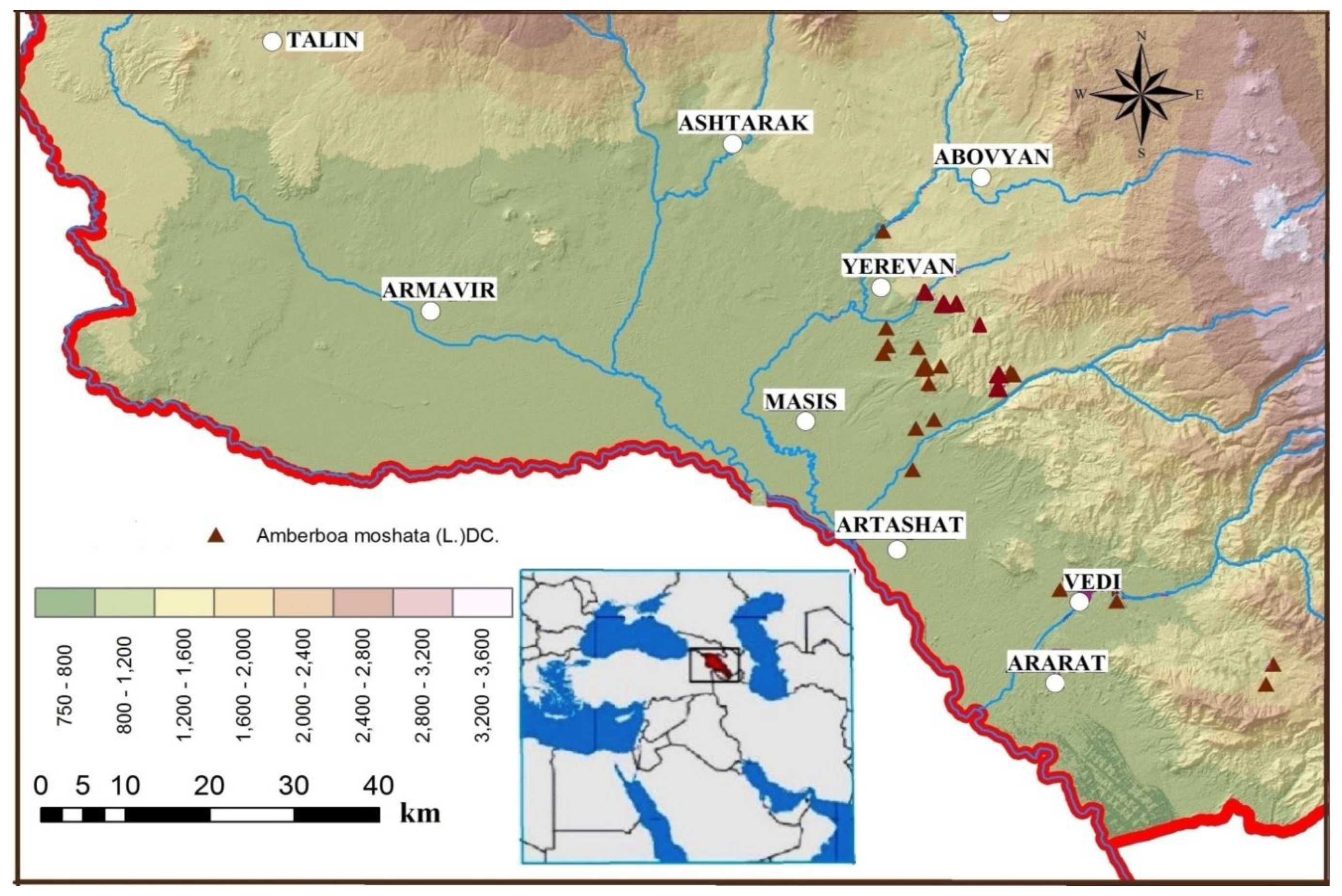
Figure 1. Distribution map of Amberboa moschata in the Ararat Valley of Armenia.
Preprints 149043 g001
Figure 2. "Flora of gypsiferous red clays” exhibition fragment with Actinolema macrolema and Amberboa moschata (a) and "Flora of Semi-Deserts & Foothills of the Ararat Valley" exhibition (b) in the Yerevan Botanical Garden.
Preprints 149043 g002
Figure 3. Amberboa moschata seed germination and viability.
Preprints 149043 g003
Figure 4. Amberboa moschata: seed (a, scale bar 3 mm), seedlings at cotyledon stage (b, scale bar 1 cm), seedlings at the stage of first leaves (c, scale bar 1 cm) and rosettes (d, scale bar 1 cm), in flowering (e).
Preprints 149043 g004
Figure 6. Metaphase plate ofAmberboamoschata(2n=32) – a, karyotype – b. Scale bar10µm.
Preprints 149043 g006
Figure 7. Pollen fertility of Amberboa moschata specimens cultivated in the Yerevan Botanical Garden, S – sterile pollen grains. Scale bar 30µm.
Preprints 149043 g007
Table 1. Amberboa moschata Herbarium (ERE) specimens used for pollen study.
Specimen number Locality
ERE 130754 Abovyan distr., Zovashen, vicinity of the Azat reservoir, hammada. 14.06.1985, E.Gabrielian
ERE 139664 Abovyan distr., between villages Djrvej and Shorbulakh, on dry clay slopes, 1100-1500 m a.s.l. 27.06.1985, E.Gabrielian
ERE 130754 Abovyan distr., Zovashen, vicinity of the Azat reservoir, hammada. 14.06.1985, E.Gabrielian
ERE 139664 Abovyan distr., between villages Djrvej and Shorbulakh, on dry clay slopes, 1100-1500 m a.s.l. 27.06.1985, E.Gabrielian
ERE 145154, 145156 Nubarashen, on clay slopes. 02.07.1997, E. Gabrielian
ERE 151800 Near Nubarashen, on tertiary red clays. 24.05.2000, E. Gabrielian
ERE 153193 Kotayk province, Abovyan distr., between villages Shorbulakh and Vokhchaberd, 3 km SSW of Vokhchaberd, Erebuni reserve, mountain steppe, 1350 m a.s.l., 01.07.2003. M. Barkworth, F. Smith, E. Gabrielian, A. Nersesyan, M. Oganesyan
ERE 202314 Yerevan, southern border of city at Sovetashen, 1040 m, 40o07'22'' N/ 44o32'36''E 11.07.2003, M. Oganesian, H. Ter-Voskanyan, E. Vitek
ERE 161644 Sovetashen, 1190 m a.s.l. 40º06'100'' N /44º33'25'' E. 26.05.2006. K. Tamanyan, G. Fayvush
ERE 190335 Kotayk marz, vicinity of Vokhchaberd village, on the territory of the Erebuni Nature Reserve, on clays. 05.06.2008. J. Akopian
ERE 182109 Vedy region, near v. Urtcadzor, on dry clay slopes,1100 m. 24.05.2011, E. Gabrielian
ERE 202313 Ararat province, slope between river and road Vedi to Lusashogh, 3.5 km SE of Urtsadzor, 1165 m, 39o53'50''N/ 40º50'58''E 17.05.2017, E.Vitek, M.Oganesian, M.Sargsyan, A.Khachatryan
ERE 202334 Ararat Marz 5.6 km from Lanjasar, near Azat reservoir, 40º05'13'' N/44º38'06'' E, 1110 m to 40º05'17'' N 44º38'05'' E, 1130 m, 2018.06.04, E.Vitek, P.Escobar-Garcia, G.Fayvush
Table 2. Germination and viability parameters of Amberboa moschata seeds in laboratory conditions.
Experiment repetition number Seed germination (%) Seed viability (%)
Seeds of the 1st year of storage Seeds of the 2nd year of storage Seeds of the 1st year of storage Seeds of the 2nd year of storage
I 82 70.5 96 94.4
II 73.3 67.6 98 100
III 81.3 71.8 93,8 94.8
Average 78.7 ± 3.22 70 ± 1.3 95.9±1.2 96.5±2.1
Table 4. Pollen parameters of Amberboa moschata under cultivation in the Yerevan Botanical Garden and in natural habitat of the Ararat Valley.
Amberboamoschata Pollen grain size, μm Average pollen fertility percentage, %
Yerevan Botanical Garden
Cultivated specimens 61.4–63.2 96.7±0.9
Herbarium samples (ERE) collected from natural habitats
N 130754 62.4–67.1 96.0±2.2
N 139664 60.2–62.8 97.8±0.7
N 145154 59.8–61.6 98.2±1.1
N 151800 59.4–62.4 97.4±0.9
N 153193 62.4–63.6 97.6±1.3
N 202314 57.4–62.6 96.8±1.4
N 161644 58.2–62.4 99.4±0.5
N 182109 58.8–63.0 96.6±1.3
N 202313 60.2–62.8 95.8±1.6
N 202334 60.3–64.5 98.1±1.2
Table 5. Indicators of the total water content, photosynthetic productivity, intensity of transpiration of Amberboa moschata in natural habitat and in the Yerevan Botanical Garden (mean ± standard deviation, n = 9: in 2022 and 2023 with 3 plants studied for each ecosystem).
Plant species and habitat Total water content,% Water deficit, % Intensity of transpiration, mg CO2 dm2/ hour Photosynthetic productivity, mg/g wet weight, hour
Amberboa moschata cultivated in the Yerevan Botanical Garden 50.02±0.91c 35.83±0.82d 135.62±0.92b 2.13±0.902cd
Amberboa moschata in the natural habitat of the “Erebuni” State Reserve 48.01±1.08d 37.81±0.81b 130.43±0.91b 2.03±0.821d
Note: within each column different letters indicate samplings which significantly differ from one another according to the results of the Tukey test (P < 0.05).
Table 6. The content of plastid pigments in fresh leaves of Amberboamoschata, mg /gin the Yerevan Botanical Garden (mean ± standard deviation, n = 9: in 2022 and 2023 with 3 plants studied for each ecosystem).
Optical density of chlorophyll “a”, λ 663 0.932±0.015d
Optical density of chlorophyll “b”, λ 645 0.847±0.001c
Optical density of carotenoids, λ 440.5 1.261±0.014d
Chlorophyll “a” content, per wet leaf (mg/g) 22.308±0.114c
Chlorophyll “b” content, per wet leaf (mg/g) 26.612±0.112c
Chlorophyll “a”+”b” 48.920±0.102cd
Chlorophyll “a”/“b” 0.8±0.022c
Carotenoids content, per wet leaf (mg/g) 6.85±0.271d
Note: λ – the length of the wave. Note: within each column different letters indicate samplings which significantly differ from one another according to the results of the Tukey test (P < 0.05).
Disclaimer/Publisher’s Note: The statements, opinions and data contained in all publications are solely those of the individual author(s) and contributor(s) and not of MDPI and/or the editor(s). MDPI and/or the editor(s) disclaim responsibility for any injury to people or property resulting from any ideas, methods, instructions or products referred to in the content.
Copyright: This open access article is published under a Creative Commons CC BY 4.0 license, which permit the free download, distribution, and reuse, provided that the author and preprint are cited in any reuse.
Prerpints.org logo

Preprints.org is a free preprint server supported by MDPI in Basel, Switzerland.

Subscribe

Disclaimer

Terms of Use

Privacy Policy

Privacy Settings

© 2025 MDPI (Basel, Switzerland) unless otherwise stated