

Submitted:
19 June 2023
Posted:
21 June 2023
You are already at the latest version
Preprints on COVID-19 and SARS-CoV-2
Abstract
The COVID-19 pandemic has affected Bangladesh's economic and social well-being in many ways. During the lockdown, many households lost their full income. The day labors and the slum dwellers including rickshaw pullers, CNG drivers, housemaids, hawkers, and street vendors were the worst victims of this pandemic. Besides the voluntary organizations, the city corporation, being instructed by the central government took the initiative to distribute necessary food as well as financial assistance to the city dwellers to survive during the lockdown. The objective of this study is to identify the satisfaction level of the slum dwellers with the assistance received from the City Corporation and get an idea of how far these supports were enough for them to lead their livelihood. It is a mixed-method research consisting of both qualitative and quantitative approaches. Researchers conducted a field survey in Sylhet City Corporation, the northeastern part of Bangladesh, and collected primary data from eighty respondents through a semi-structured questionnaire along with an interview schedule. Samples have been selected by applying a multistage sampling technique. Researchers analyzed quantitative data using SPSS software and qualitative data using the thematic analysis method. Study findings reveal that, although this aid was very inadequate compared to the needs of the slum dwellers, it was able to alleviate food shortages to some extent in times of extreme hardship. However, some dwellers got deprived of the aid due to having different political ideologies and corruption. Proper aid management, well coordination, and community participation are indispensable for dealing with any crisis.
Keywords:
satisfaction
; slum dwellers
; assistance
; city corporation
; Covid19
; Bangladesh
1. Background of the Study
The COVID-19 epidemic in Wuhan, China, was caused by a novel coronavirus (SARS-CoV-2), which was identified in late December 2019. The symptoms of this illness, which were not previously identified, include fatigue, a dry cough, and a fever (Wang et al. 2020). The disease developed into a pandemic after beginning with small chains of spread and then growing into larger chains in numerous nations, resulting in a global transmission that has since affected all continents (Anderson et al., 2020). On March 11, 2020, the World Health Organization (WHO) declared COVID-19 a pandemic. Since the first week of December 2019, coronavirus has expanded to 213 countries, with a substantial number of cases reported from the United States, Spain, Italy, Germany, France, the United Kingdom, China, Iran, Turkey, Belgium, the Netherlands, and Switzerland (Lembo, Landoni, Cianfanelli, & Frontera, 2021; Liu, Ren, & Zhou, 2020). Eventually, the virus spread to India as well as Bangladesh. According to statistics, more than 28 million confirmed cases, more than 20.5 million recoveries, and more than 900,000 fatalities were documented globally in the second week of September 2020, with the United States having the highest number, followed by India, Brazil, and Russia (WHO, 2020). According to a report published in the WHO Coronavirus (Covid-19) Dashboard on 8 April 2022, there have been 494,587,638 confirmed COVID-19 infections worldwide, with 6,170,283 deaths (Dandachi & Aljabr, 2022). The covid-19 epidemic has had an impact not only on the health sector, but also on the economic, social, and political sectors. The situation is significantly got worsened in developing countries, where the majority of the poor population has struggled to meet basic subsistence demands (Mathew, Deborah, Karonga, & Rumbidzai, 2020). To minimize the spread of the virus, governments around the world have declared a lockdown. Because of the pandemic lockdown, developing countries such as India suffered significant economic losses. In addition, the unemployment rate rose throughout the lockdown. After a month of lockdown, the unemployment rate rose to 19 percent, while overall unemployment in India stood at 26 percent on April 24. As a result, the lockdown has wreaked havoc on the country's small, medium, and large businesses, resulting in joblessness and an economic collapse (Sharma & Mahendru, 2020). The covid-19 had a disproportionately negative impact on the lives of slum dwellers compared to other urban people around the world. Slum dwellers, particularly those in low-and middle-income nations, were disproportionately affected. The social and economic implications of the COVID-19 pandemic had been severe among disadvantaged urban people. Slum dwellers who rely on their daily salaries to feed themselves and their families frequently faced food insecurity at home (Kimani-Murage et al., 2014).
Considering the differences in the environmental structure of slums in different countries, various measures have been taken to improve the quality of life of slum dwellers and reduce their suffering. Bangladesh, as one of the most densely populated countries, incurred economic losses as a result of the pandemic. Dhaka is one of the world's most densely populated cities. Almost 10 million people in metropolitan Bangladesh live in slums, which are characterized by overcrowding and poor living conditions (Swapan, Zaman, Ahsan, & Ahmed, 2017). People who live in slums work in low-wage jobs. Day laborers, rickshaw pullers, tea stallers, CNG auto-rickshaw drivers, housemaids, small business owners, mass-transport workers, street hawkers, and garment workers are common slum inhabitants. When the authorities declared a lockdown, slum dwellers faced a significant loss of income (Raju, Dutta, & Ayeb-Karlsson, 2021). During the lockdown, just a few people moved unless it was an emergency. Tea booths, restaurants, and roadside shops were forced to close, public transportation was prohibited from operating on the streets, and no family employed maidservants. As a result, many who lived in slums lost all of their income during this period of turmoil (Sakamoto, Begum, & Ahmed, 2020). To handle food, slum inhabitants relied on a variety of methods, including relying on close community members for food, obtaining money from family, accessing their savings, or taking out loans. The majority of them were fed by municipalities, non-governmental groups, local politicians, and their employers. Notably, the only chance for slum dwellers to survive was to rely on humanitarian supplies. Rice, oil, lentils, and potatoes were the most often provided food items. In addition to financial losses, the pandemic has had numerous additional detrimental repercussions (Yacoub & ElHajjar, 2021). People started engaging in illegal acts like theft and hijacking. Additionally, the long-lasting pandemic worsened psychological stress, particularly in the impoverished, which was frequently interpreted as domestic violence, with women and adolescents being the main victims, as was clear during COVID-19 (De Paz, Muller, Munoz Boudet, & Gaddis, 2020).
The government along with various NGOs came forward to mitigate the vulnerabilities of the slum people. They received aid from many sources. The mayors of the municipalities paid visits to the slums in their respective regions and provided some cash aid. However, due to non-registered cellphone ownership and local-level corruption in the beneficiary selection, around 40% of residents were unable to take advantage of this (Akter, Hakim, & Rahman, 2021). The COVID-19 pandemic has affected the economic and social well-being of Bangladesh in many ways. These included a slowdown in economic activities, a significant loss of jobs, a sharp decline in exports, and an increase in the incidence of poverty (Gautam, Setu, Khan, & Khan, 2022). In the first ten days of the government lockdown, many households lost their full income. The worst affected were the public transport workers like rickshaw pullers, CNG drivers, and other day laborers. The residential employees (including domestic helpers, and private transport drivers), hawkers, and street vendors also lost their job. People in these sectors live in the slums of different cities in Bangladesh. The household income of these people declined drastically during the lockdown phase. This had devastating impacts on the well-being of the majority of slum dwellers, which led to food insecurity and unable to get other necessities for their families (Sohel et al., 2022). People who are day laborers were unable to afford their house rent, bear the food expense, and maintain the family expenditure because of the loss of their income sources. Moreover, the low-income people in slums found their lives difficult as the price of daily necessities and medicines was raised (Shammi, Bodrud-Doza, Islam, & Rahman, 2021). However, the government of Bangladesh had taken various strategies to provide relief to the needy. Even, many NGOs and other voluntary organizations came forward to provide daily necessities to the slum dwellers during the Covid pandemic. However, there was little concern about whether these assistances were enough for those people to lead their livelihood. For this, the study explores the satisfaction levels of the slum dwellers with the assistance of the city corporation provided to them. Thus, the research question relies on -how was the satisfaction level among the slum dwellers with the assistance of the city corporation to them during covid-19?
2. Assistances of City Corporation to the Slum Dwellers during Covid-19: a Theoretical Perspective
During the Corona outbreak, the economic sector saw a significant transformation. While the entire globe was battling to alleviate the critical stress of COVID-19, Bangladesh was not an exception, as it was likewise drowning in every aspect of its life (Haque, Ansar, Biswas, Islam, & Al Mamun, 2020). Due to job losses, other income shocks, and weakened livelihoods, the COVID pandemic has primarily affected the poor. Those who work in informal jobs or live in slums are among the most vulnerable people in society. The prolonged lockdown disrupted people's daily lives and caused the city to suffer significant economic losses. The ability of people to purchase food has been greatly impacted by reduced earning opportunities, travel restrictions have had a significant influence on the supply of fresh food, and the strict limitations have come at a high cost to many (Sakamoto et al., 2020). According to Paul et al. (2021), the loss of salary and jobs in Bangladesh would further marginalize more than 10 million people. COVID-19 is believed to have forced 16.5 million people back into poverty, primarily rickshaw drivers, transport workers, day laborers, street sellers, hawkers, construction laborers, hotel-motel, and restaurant personnel. Domestic maids were laid off during the pandemic because their employers suspended them due to cleanliness concerns (Islam & Jahangir, 2020). Bodrud-Doza, Shammi, Bahlman, Islam, & Rahman (2020) mentioned that many middle-and lower-income people in Bangladesh lost their jobs and income sources during the pandemic. The socioeconomic effects of the COVID-19 outbreaks on the livelihoods of the City's low-income residents, the majority of whom are garment workers. The slum dwellers' financial issue has greatly increased their stress and negatively affected their livelihood (Fattah, Morshed, Hoque, Rabbi, & Dola, 2022). The biggest financial issues, these persons encountered were loss of income, loss of employment, and difficulty in finding new sources of income. They had to make food compromises, reduce family spending overall, move some family members back to the villages, borrow money, sell valuables, change jobs, and even relocate to cope with the situation. Even while a small number of government programs, regional NGOs, and philanthropic groups were able to help some people, the vast majority of people were excluded. The underprivileged group of society has become extremely vulnerable due to extended deprivation from regular prior revenue and support from any organization (Sumiya, Kabir, Khatun, & Nusrat, 2021).
Since the covid 19 epidemic, the average income of Bangladeshi city slum residents and rural impoverished people has decreased. People living in slums became economically inactive. Finding no other alternative, only a few rickshaw drivers and other employees were observed working outside throughout the lockdown period to manage food, medicines, and other necessities for their families (Paul et al., 2021). It is notable that, many of the slum dwellers in cities got relief support from the government, NGOs, and the rich from the onset of this crisis.
But many of them were deprived of these supports because of their temporary identity (Obeng-Odoom, 2020). It prevented them from receiving financial support from government sources.
Though many private organizations and NGOs came forward to support them, this was still insufficient for their livelihood (Sakamoto et al., 2020). In Bangladesh, a list of 5 million families, mostly impacted by the coronavirus has been created, and each family received US $25 in monetary assistance (Alam, 2020). The households got help from the government, NGOs, people, CBOs (Community–based organizations), and (NUPRP) National Urban Poverty Reduction Program (Barkat et al., 2020; Sifat, 2020). Notably, the NUPRP provided 51.2 percent of the aid amount to eligible households, with the remainder coming from government relief (34.6 percent). For seeking assistance with the COVID-19-related problem, the majority of beneficiary households, as well as semi-control households, went to NUPRP group/leaders and Councilor office/City Corporation/Paurashava Officials (Auerbach & Thachil, 2021). The majority of the assistance came in the form of handwashing supplies, food, and cash. Some went for the information, installation of handwashing facilities, and management support in physical distancing/movement restrictions (Barkat et al., 2020).
Many researchers conducted a good number of research works on Covid-19 pandemic issue both in the world and Bangladesh context, like covid-19 vaccines development landscape (Thanh Le et al., 2020); education and covid-19 pandemic (Daniel, 2020); remedies for the treatment of covid-19 (Beigel et al., 2020); psychological impact of covid-19 (Grover et al., 2020); suicidal behavior in the context of covid-19 (Mamun, 2021); covid-19 and household food security (Mandal et al., 2021) and many others. However, very few studies have been conducted on measuring the satisfaction level of the poor slum dwellers with the assistance provided by the city corporation–an urban local government authority in Bangladesh. This inspires researchers’ interest to fill the gap.
3. Research Methodology
To provide a comprehensive understanding of the satisfaction level of slum dwellers with the assistance they received from the City Corporation, the study used mixed method approaches that are based on pragmatism philosophy. Philosophical assumptions underlying mixed methods research enable the integration of qualitative and quantitative procedures throughout the research process (Doyle, Brady, & Byrne, 2009).
Positivism and constructivism philosophy are on different ends of the same continuum; the former seeks one truth while the latter seeks several truths, and there is another school of thought known as pragmatism that seeks "something in between" (Sumner, Tribe, & Tribe, 2008:59). The debate between positivism and constructivism among researchers is widespread. As a result, the mixed method approach is now the most popular methodology in the research field for producing reliable results (Creswell, 2009). Therefore, it is logical to think that the mixed method is less controversial and superior to the single method (Bryman, 2016). The researchers carried out the study in Sylhet, a metropolitan city in the northeastern part of Bangladesh (Figure 1). It is the administrative headquarters of the Sylhet Division. Sylhet has a subtropical climate and beautiful highland topography and is located on the north bank of the Surma River at the eastern tip of Bengal. It is one of the largest cities in Bangladesh after Dhaka, Chittagong, and Khulna. Sylhet is an important spiritual and cultural center in Bangladesh. The city is linked by road, rail, and air to the different cities of Bangladesh and the Indian states of Assam and Meghalaya (Nath, Choudhury, & Mitra, 2022).
Furthermore, it is one of the most economically significant cities in Bangladesh, behind Dhaka and Chittagong, which is also well known for its cane products, including tea, fertilizer, and liquefied petroleum (propane) gas (Alam, Akter, Shemul, Chowdhury, & Ara, 2022). There are also various cottage enterprises, such as mat weaving and bamboo work. The majority of Bangladesh's tea production comes from the farms of southeast Sylhet. The city is the largest producer of tea and natural gas. The lower living cost and better employment opportunities attract people from both their homes and India to migrate to the city.
Researchers selected these study areas randomly using the lottery method and collected data from 155 respondents from the research area by conducting a field survey, among which 14 respondents were selected from each of the ten wards, two FGDs (each consisting of 5) were conducted with daily laborers, and interviewed (semi-structured) 5 city corporation officials as Key Informants. Data were collected from the respondents living in slums employing multi-sampling (simple random sampling and purposive sampling) techniques (Table 1). Targeted people were chosen as samples for this study to learn about their experiences with the problems they faced throughout Covid 19. Researchers should consider the experience of the participants aligning with the objectives of the research before including them as samples in the relevant study (Seddiky, Giggins, & Gajendran, 2021). The survey questionnaire was designed focusing on different aspects such as challenges faced by the slum dwellers during covid 19, the impact of economic loss on their livelihood, the types of assistance they received from City Corporation, and their satisfaction level with the quality and quantity of assistance.
The survey method provides clear information about the respondent's behavior, attitude, characteristics, expectation, self-classification, and knowledge for reaching the objectives of the study (Creswell & Creswell, 2017). This study carefully reviewed relevant journal articles, newspaper articles, and book chapters as secondary sources from google scholar and Web of Science for building a better theoretical and conceptual background. Covid 19, crisis, assistance, slum dwellers, and Bangladesh were the key terms for searching the literature for this study. All references employed in this study were managed using the endnote library. APA 6th reference style has been used to maintain and harmonize the bibliographic section.
3.1. Ethical Consideration
Researchers have maintained values and ethical issues strictly during conducting research. Before conducting interviews informed consent form has been served to every respondent. The interviews have been conducted and recorded with the consent of the respondents. Researchers maintained anonymity and de-identification responses for each of the respondents to keep their personal information and contribution confidential in this study. Data sharing and access protocols were strictly maintained by the researchers keeping the hard copy of data in a locked cabinet and the soft copy in a secured Google drive. The researchers assured the respondents that the data of this study would not be used for any business purpose. Respondent's right to erase, delete, or even withdraw their names from the research has been reserved here at any time up to the point of publication.
3.2. Data Analysis
The researcher collected qualitative data and used a thematic analysis method for analyzing them. Thematic analysis for qualitative research is frequently used when a wide range of study objectives are needed due to its interpretive capacity. Additionally, because qualitative data analysis is mostly inductive, themes might emerge from the data rather than being tested against a hypothesis (Seddiky, Giggins, & Gajendran, 2022). The researchers utilized open and selective coding in two cycles. To define the distinct concepts for classification, open coding was used; selective coding was used to integrate homogeneous material and organize it under categories to generate precise thoughts toward the formation of the story or meaningful themes (Table 2). Researchers classified primary non-number information into groups and then applied numerical codes to these groupings to code it for quantitative data analysis. Data conversion and measurement comparison are made easier by numerical coding. Then, comparable themes emerged from both the qualitative and quantitative data and were combined to build the study's narrative to fulfill the objectives (Figure 2).
Numerical data were analyzed by applying Microsoft Excel and SPSS (Statistical Package for the Social Sciences) Software covering frequency distribution for showing different variables along with their nature through graphs and charts.
4. Data presentation and findings with qualitative and quantitative approaches
4.1. Slum Dwellers and crisis during covid 19
During the covid pandemic, a drastic change came in the lives of low-income people. The lockdown measures taken by the Bangladesh Government created significant challenges for the livelihoods of the slum dwellers who depend mostly on daily earnings or very negligible income. Most of the respondents opined that they earned their livelihood by driving rickshaws, working as day laborers, serving as housemaids, and operating small businesses. They suffered a lot during the lockdown since their earning scope was stopped. It was difficult for them to run the household with limited or no savings. Each of the respondents faced a drastic change in their livelihood during the covid lockdown. One of the respondents stated:
“People were concerned about the virus, and many lost their jobs as a result of the lockdown. Expenses were rising, but there was a limited supply of goods, and there was no alternative source of income. We all were in an economic crisis. Wage-earners like us were very worried about maintaining the family expenditure”
The sufferings of the inhabitants of the slums were beyond the imagination. It was a great challenge for them to maintain their households during the lockdown.
According to Figure 3, amidst the pandemic, many people faced a financial crisis. Among the respondents, 32% reported that they lost their job and most of them were housemaids, 10% said that they faced a salary cut from the workplace, 44% said their income was reduced and the other 14% of respondents' income level remained the same. Most of the respondents reported that they were worried about low income and losing jobs. The female respondents who are engaged as housemaids became unemployed during the lockdown. People put on restriction to them to enter the home for work due to fear of the spread of the virus. However, it is evident that men used to still work during the lockdown and earned a limited amount of money only for the survival of their family members. Although transport workers (e.g., rickshaw pullers, van drivers (three-wheel vehicles), and small business holders continued to do their jobs, their income was visibly reduced due to less movement of people outside. One of the female respondents noted:
The owner of the house where I worked thought that poor people like us live in unhygienic conditions, and we can spread the virus quickly, that's why he forbade me to visit his house during covid. My Husband is a rickshaw driver. During the lockdown, he used to bear the expenses of the household with the little he earned."
As per Figure 4, among the respondents, almost everyone had to face a lot of suffering due to loss of income. Many could not afford the house rent whereas many had to face trouble in affording food and other expenses. According to the survey, 58% were unable to afford the house rent whereas 42% managed to pay the rent. 44% faced difficulties in bearing food expenses and the rest 56% managed them with outside support and little income. 76% responded to facing difficulties with maintaining other necessary expenditures for the family while 24% did not have any other difficulties. The loss of income of the earning members of slum dwellers during the lockdown has had an adverse impact on their families. They were unable to maintain the necessary family expenditures. The majority of them said that they were unable to afford their house rent. Many were threatened by their property owners to leave their houses if they could not pay the rent. Some of them had to break their savings to run the household, which they had saved for their future security. One of the respondents said,
“As there was very limited income, I could not pay the house rent for two months. The owner of the colony did not even waive the rent rather he said if I couldn’t pay the rent, I shall leave the colony’
Many respondents had borrowed money during the lockdown to run their households. They borrowed from community leaders or wealthier persons in their community, even from their family members. The daily wage earners could not go to work as there were strict restrictions imposed by government authorities. Thus, to maintain the family expenditure many had to take a loan, which became difficult for them to return later. One of the respondents said,
“I had to borrow money from relatives and others from my village to survive the crisis. To date, I have not been able to fully repay my loans, which has resulted in a rift in my relationship with them".
The food security of the respondents had been dramatically impacted due to economic loss. Obtaining food became very difficult for almost every household in the slums. Most of them reported that the families had to skip meals and ate less than two meals a day. One of the participants noted:
"It became difficult to run the family as the income stopped. Sometimes I could manage 2 meals, sometimes 1 meal, and there were even many days when I could not feed my five years child......crying".
4.2. Types of Assistance Received during Covid 19
Bangladesh Government rolled out a financial assistance scheme in the country to support the poor in facing the economic fallout of the pandemic. Sylhet City Corporation helped the low-income and unemployed during difficulties during the lockdown due to the coronavirus pandemic. The assistance was provided simultaneously in the slums across the 27 wards of Sylhet City Corporation according to the guidelines of the government's humanitarian assistance program. The City Corporation decentralized the program of assisting each of the ward councilors. The assistance included food packages, baby food, cash support, and handwashing materials.
Figure 5, shows that regarding the assistance the slum dwellers received, 96% of the respondents received food aid as assistance from the city corporation, whereas 20% received financial assistance and 10% received medical equipment. Only 6% of the respondents received all three types of assistance from the respective authority, which was a matter of concern, as all types of support were equally needed by the slum dwellers. The City Corporation decentralized the program of providing assistance to each of the ward councilors. The city corporation staff to the slum dwellers provided the majority of the assistance. 84% of the respondents stated that they received assistance from city corporation staff, whereas 12% received from the councilors and only 4% received it from volunteers. The Government of Bangladesh instructed to include vegetables, potatoes, oil, pulses, rice, soap, etc. in the relief packages. The Sylhet City Corporation decided to provide food packages with the fund allocated by the Government. From the respondents, the researchers came to know that mostly the relief packages contained rice, pulses, oil, onion, potatoes, and salt. However, in some of the wards package of only 5kg of rice was provided excluding other items. The food packages were distributed to households through local representatives. In response to the question of how- they received assistance during the lockdown, 66% of them stated that the assistance was provided to their home, 20% of the respondents stated that they went to the councilor's office and 14% received it in both ways.
Aside from food packages, the government decided to provide one-time cash support of USD$ 23.14 to 5 million low-income families affected by the coronavirus. The money was transferred through a mobile banking service (bKash). The City Corporation authority worked for providing the cash support given by the government. They took the national identity number (NID) and contact number of the slum dwellers. One of the respondents said:
"The people from the city corporation came to our colony and took our contact and NID number. Then we received the money through bKash."
Apart from City Corporation, the slum dwellers mentioned that they received assistance from neighbors, local influential persons, and employers. According to the survey as shown in Figure 6, 68% of slum dwellers stated that they received assistance from other sources and the rest 32% denied receiving any assistance from sources other than the city corporation.
5.3. Amount of Assistance and Level of Satisfaction
According to the directions given by the Prime Minister of Bangladesh, the Sylhet City Corporation along with the collaboration of local representatives (ward Councilors), distributed assistance among the slum dwellers. The majority of the respondents received assistance from home. The members, who were engaged in providing assistance, distributed the relief packages door to door in the slums. Most of the respondents expressed their gratitude to the city corporation authority for the help in complicated times. The amount of assistance (adequate or inadequate) did not matter to them. Since it was a time of crisis, whatever help they received was very special to them. However, when the respondents were asked about whether the assistance, they received fulfilled their basic needs or not, some of the respondents expressed their views about the inadequacy of the assistance.
As depicted in Figure 7, among the respondents, 32 % stated that the assistances were inadequate for them, 40% said the assistances were little adequate and the remaining 28% said the assistances were adequate for them. Sylhet City Corporation allotted food packages for selected families of all 27 wards with all necessary items included. The food packages usually included rice, lentils, onion, oil, and potatoes. Nevertheless, some families claimed that they received packages that contained only 5kg of rice twice from the councilor. Here, a question remains that is why the families did not get the other food items that should have been included in the food packages? One of the respondents noted:
“It is not enough to eat only rice. It would be better if there were at least other basic ingredients with rice. Because the price of the items was so high that I could not afford to buy it myself.”
Besides, in the food packages, the quantity of oil, onion, lentils, and potatoes was not sufficient to consume even a week. The slum dwellers did not have the capacity to buy those items, as the price of these daily commodities was high during the lockdown phase. Many respondents who got the relief packages were somewhat happy with the support, as the pandemic continued for a long time and the food relief they had received was not enough to last longer, especially for people with large numbers of family members.
One of them stated:
“Food relief package was distributed to us which included 5 kg rice, 2 kg pulses, 1 kg onion, 1/2-liter oil, and 1 packet of salt. With large families, these food items were not enough even for a week, and after that people had to manage on their own.”
According to Figure 8, 58% of respondents said that the packages did not contain all the essentials whereas 42% said that the packages contained the essentials necessary for them. It was difficult to meet the need for a healthy diet for the children and elderly people with the limited items included in the relief packages. Prime Minister Sheikh Hasina requested the relief providers to add baby food like milk to the relief packages. But from the respondents, researchers got to know that the families who have little children did not receive any baby food. In response to the question of whether the baby foods were necessary, one of the respondents said:
"I am a poor person. Somehow, my family survived by eating 1or 2 meals a day. With such a low income during the lockdown, it was difficult for me to meet the needs of my children. I could not even afford to buy milk for my 4 years youngest child”.
Furthermore, the majority of the respondents opined that the food packages provided by the city corporation did not ensure food security to them. The government of Bangladesh decided to provide around USD 24 for low-income families that include rickshaw pullers, van drivers, daily laborers, construction workers, transport workers, and street hawkers. People of these professions usually live in slums. In Sylhet, the list of these families was made by the City Corporation via the councilors of each ward. They would get cash support through accounts of mobile financial services (MFSs). MFS services Nagad, bKash, Rocket, and Sure Cash were given the responsibility to transfer the funds (Daily Star, 2020). The respondents said that their NID and mobile numbers were collected for preparing the list. However, it is found that the majority of the respondents did not receive cash support despite giving their ID and mobile numbers in the list. One of the respondents claimed:
“The food Packages did not contain all the necessary things we need. We had to buy many things other than these kinds of stuff. If we had got that money, it would be easier for us to manage the family expenditures."
The food packages were provided based on the list of slum dwellers living in the respective wards. The list of slum dwellers of every ward was sent to the city corporation. Despite having movement prohibition and police guards on the way, the ward councilors delivered the packages to the doors of slum dwellers following the instruction of the city corporation. Many of them claimed not to be included in the list of ward distributions for getting these supports. They mentioned this self-mistake of the councilors as a political motive. They refused to write the name of those slum people on the list who were not permanent residents or voters in that particular region, ignoring their vulnerability.
6. Discussion
The coronavirus has significantly hurt Bangladesh's economy, and the country's economic growth has slowed down (Mahmood, 2020). More crucially, COVID-19 has revealed how vulnerable the marginal population section is. This study sheds light on the adjustments, difficulties, and worries of Bangladeshi slum inhabitants during the lockdown. The study demonstrates a high level of loss of income, unemployment, food insecurity, and stress of maintaining the household that arose among the slum inhabitants of Sylhet City during the covid lockdown. The major themes that emerged from this study are discussed below:
6.1. Slum dwellers faced different types of challenges for their livelihood during covid 19
The lockdown measures during Covid-19 taken by the Bangladesh government have posed considerable obstacles to the livelihoods of slum dwellers, who rely on daily earnings or with very little income. The sufferings of the slum dwellers of Sylhet City Corporation were no exception to it. The covid-19 pandemic has made their lives miserable in different contexts. They suffered from the financial crisis as well as food insecurity due to the threats of Covid and government restrictions on free movement for earning. Dramatic decreases in the income of daily wage earners, an increase in unemployment, and food insecurity were key challenges faced by the urban poor. Slum dwellers’ income was reduced which made their livelihood difficult. The women of the slums of Sylhet usually work as house cleaners and construction workers. During this pandemic, all of them were bound to stay at home having restrictions on people's gatherings to avoid the spread of this virus. Although women and other daily laborers were willing to join the job, they were strictly forbidden by the owners, not even allowed to enter the door of the house or office.
Loss of employment opportunities, joblessness, difficulties in maintaining family expenditures, returning the borrowed money, etc. were the key issues faced by the slum dwellers. Similarly, Fattah et al.(2022) in their study found that the financial crisis of the slum dwellers has significantly increased stress and affected their livelihood. Rising unemployment and limited income also triggered many families to be unable to pay rent on their house, water, and rent bill at the end of the month, which lead them to the risk of becoming homeless. Food insecurity was a serious social and public health problem that was exacerbated by the COVID-19 pandemic especially in developing countries (Singh et al., 2021). The opinion of Singh et al. can be visualized through the situation of Bangladesh. In Bangladesh, a huge portion of the population lives in slums and they are usually low-income people. During the lockdown, the food security of these slum dwellers had been disturbed. The respondents expressed sorrow that they were unable to meet the basic food demands of their families. They could not manage to maintain the food expenses and fulfill the necessary diet for themselves and their children. Likewise, a BIGH survey has documented the impact on the livelihoods and food security of the urban poor, which showed a 32% decrease in food expenditures and a 23% decrease in the percentage of families eating three meals a day in urban slums (Rahman & Matin, 2020).
During covid 19, the scarcity of goods had a special effect on the rise in the prices of daily necessities. As a result, the poor and day laborers struggled to meet their minimum basic needs due to their lack of income. Similar findings from a study revealed that the unavailability of food items and price hike directly affected dwellers’ access to primary/staple food (Akter et al., 2021). Most failed to store food as bulk purchasing was unaffordable. Many breast-feeding babies suffered from malnutrition along with their mothers due to a lack of a balanced diet. During this difficult time, the slum dwellers put pressure on nature in various ways. They tried to survive by hunting forbidden herbs, fish, and other animals from sewers, forests, and water bodies. The trend of theft, robbery, and extortion has increased tremendously in urban areas. Finding no other alternatives, the poor people indulged in such misdeeds to survive during this critical period. Not only for the poor, but also for middle-income people this trend has been shown to be exemplary (Pérez-Escamilla, Cunningham, & Moran, 2020). Many of them claimed that covid affected poor slum dwellers and did not get any type of social and medical support in emergencies. When they told the location while calling an ambulance on an emergency basis, the medical authority either cut off the call after hearing about the slum or did not send an ambulance on any pretext. Again, even if the poor patients were taken to the hospital in some other way, the authorities neglected them and did not attend to them properly.
6.2. The Assistance provided by the city corporation was like a “drop of water in a hot desert” to the slum dwellers
To aid the underprivileged citizens of the nation in coping with the economic impacts of the pandemic, the Bangladesh government established a financial support program. The majority of the help came in the form of food, money, and cleaning supplies (Barkat et al., 2020). During the tough times of the lockdown brought on by the coronavirus pandemic, according to government support, The Sylhet City Corporation assisted the low-income unemployed people. In accordance with the regulations of the government's humanitarian assistance program, support was provided at the same time in the slums spread over the 27 wards of Sylhet City Corporation. In the program of providing assistance, the City Corporation decentralized the duty of distributing assistance to each ward councilor. Sylhet City Corporation emphasizes providing food packages among the slum people, which included- rice, lentils, oil, onion, salt, potatoes, etc. in very small amounts. In addition to food packages, the government also announced to provide USD $24 in one-time cash assistance to 5 million low-income households that were affected by the coronavirus. The government ordered the concerned authority to transfer the money to the eligible slum people through mobile banking services. However, after taking the mobile number and ID numbers from the slum people, the authority provided this amount to some people of their preferences while the majority claimed to be deprived. Alongside the city corporation various NGOs, local political leaders, and local rich city dwellers came forward to help the slum inhabitants during that time (Sohel et al., 2022).
The study revealed the generosity of local rich city dwellers towards the slum dwellers. Sometimes, the concerned ward councilor did not consider those slum dwellers who had no voting right in that specific region. Exceptionally, many slum people got different types of assistance from the neighboring wards during the pandemic. Although the assistance that was provided by the City Corporation was not enough to fulfill the basic needs, still a majority of the slum dwellers are moderately satisfied with the assistance they received. There were many families who received the assistance not more than twice, but they are not at all dissatisfied. They believe that whatever help they got in times of crisis is a matter of fortune for them. The food packages had been delivered to the homes of slum inhabitants by the city corporation authority. The relief providers were very kind and distributed the packages in an organized way.
However, many of them expressed anger at the management system of the distribution authority. Sometimes, the councilors did not follow the government's instructions in making a list of the package receivers. The government ordered the authority to provide help in such a way that no one is left out, but many times, they give more priority to political partisanship. If someone comes to a ward from another area, then instead of helping them, they are asked to go to the ward they belong to and seek help. When the list of families of a particular ward was made, their names were not included in the list of the ward they are living as well as their names remain missing from the ward they are enlisted as voters. Enamur Rahman, state minister for disaster management and relief stated that a list of 5 million families mostly impacted by the coronavirus has been made, and each family would receive a handsome amount of monetary assistance. The list of families includes rickshaw pullers, van pullers, day laborers, construction workers, agricultural labor, transport workers, and street hawkers (Islam, 2020). But the survey revealed that only 20% of the respondents received financial assistance. The remaining portion of the respondents did not receive cash support despite giving their ID and mobile number in the prepared list by the city corporation. One of the main barriers preventing slum people from receiving financial aid was their temporary identity (Sakamoto et al., 2020). Besides, the amount of assistance they received was too less to meet their basic demands. They also got aid from the city corporation only twice during this long period of covid 19. Usually, the food packages contained a limited amount of rice, pulses, onion, salt, and oil. Besides a greater portion of the slum dwellers in Sylhet city received food packages that contained only rice. Most of the respondents claimed that these packages were not adequate.
Another important factor is the absence of handwashing supplies (such as soap and sanitizers), masks, and other essential medications in the packages to prevent transmission of coronavirus. According to the study findings conducted by Sharma Waddington, Masset, Bick, & Cairncros (2023), inadequate WASH (water, sanitation, and hygiene) practices and facilities are also significant contributors to the transmission of infectious diseases within communities. Handwashing is frequently challenging in slums due to the lack of municipal WASH services, particularly in the absence of in-house provisioning. The concerned authority should have kept in mind that low-income people like slum dwellers do not have the tendency to spend money buying sanitizers or masks, while these kinds of stuff were necessary to avoid the spread of coronavirus.
7. Limitations and Scope of the Study
The researcher had to face some problems during conducting the study. Since most of the respondents of slum dwellers are daily wage earners, like rickshaw pullers, three-wheeler drivers, and small business holders, like tea sellers, pickle sellers, etc., it was difficult for the researcher to reach them at home. The researcher long waited for the targeted respondents to get their responses. The researchers also well scheduled the interviews considering the time and maintained regular communication with them overcoming the complexity. The suffering respondents expected to receive tangible assistance from the researcher. The researchers explained that there were no instant benefits for the respondents but their views would assist the researchers to address the particular issue of the study, which may influence the future management system of these types of disasters.
The study findings are contextualized in the Sylhet division of Bangladesh, and results may not apply to other developed countries since the picture of slums in other countries may be diversified and does not match the scenario of Bangladesh. Hence, the generalization of the findings to developed countries requires careful interpretations.
8. Conclusion with Policy Implications
COVID-19 has likely to have a disproportionately negative impact on slum dwellers' life compared to other urban residents around the world. The majority of the families that depended on daily wages for their subsistence had gone through financial hardship and food insecurity throughout the pandemic. They relied on a variety of methods to manage their food, such as asking certain members of their immediate neighborhood for food, borrowing money from relatives, drawing on their savings, or taking out loans to manage. However, the government had instructed to organize committees on the ward level to provide relief to the slum dwellers supervised by the city corporation. The Sylhet City Corporation came forward and distributed relief packages from the fund allocated by the government. This study made an effort to illustrate the socioeconomic difficulties that Sylhet City's slum dwellers faced. Through this study, researchers learned how satisfied the slum dwellers were with the aid they received from the City Corporation, and get a better notion of whether such aids were sufficient for them to support themselves. Study findings revealed that although the relief packages were not adequate to fulfill the basic needs of the slum dwellers during the pandemic; this made them satisfied for the time being. Many families were deprived of this assistance because of their temporary relocation and different political ideologies. The local level authorities should consider every slum dweller providing support in times of danger, even if they live in other wards. In the distribution of assistance, the list of help-seeking families must not be made on the basis of the voter list of a particular ward. Rather the authorities shall conduct the household survey, make a list of families suffering during the crisis, and ensure that every help-seeking families get assistance. Moreover, the slum people got assistance only one or two times, which was not actually enough to help them lead their livelihood during the prolonged lockdown. The government authorities along with other private groups should allocate funds for providing assistance during any future pandemics to ensure at least one meal per day for low-income groups of people. Alongside food and financial assistance, the respective authorities should provide necessary medicines and hygiene kits (soap, facemasks, savlon, tissue paper, etc.) for the slum people. The study findings can help NGO officials, policymakers, communities, local elected representatives, and practitioners to integrate effective management initiatives of assisting the slum people during any pandemic. Future researchers can apply institutional theory, risk management theory, and social capital theory incorporating a broader range of people and areas to evaluate the satisfaction level of the slum dwellers with the assistance of the urban/local government authorities. This would help to support, challenge the findings of this study, and address the missing perspectives in similar fields.
References
- Akter, Salma, Sheikh Serajul Hakim, and Md Saydur Rahman. 2021. Planning for pandemic resilience: COVID-19 experience from urban slums in Khulna, Bangladesh. Journal of Urban Management 10: 325–44. [Google Scholar] [CrossRef]
- Alam, M Aslam. 2020. Leading in the shadows: understanding administrative leadership in the context of COVID-19 pandemic management in Bangladesh. International Journal of Public Leadership 17: 95–107. [Google Scholar] [CrossRef]
- Alam, Mohammad Sadman, Shetu Akter, Shahnaj Shemul, Tayabur Rashid Chowdhury, and Sabrin Ara. 2022. Assessing the quality and heavy metal contamination of soil in tea gardens around Magurchara gas blowout in Bangladesh using multivariate and soil quality index methods. Journal of Hazardous Materials Advances 7: 100127. [Google Scholar] [CrossRef]
- Anderson, Sean C, Andrew M Edwards, Madi Yerlanov, Nicola Mulberry, Jessica E Stockdale, Sarafa A Iyaniwura, Rebeca C Falcao, Michael C Otterstatter, Michael A Irvine, and Naveed Z Janjua. 2020. Quantifying the impact of COVID-19 control measures using a Bayesian model of physical distancing. PLoS computational biology 16: e1008274. [Google Scholar] [CrossRef] [PubMed]
- Auerbach, Adam Michael, and Tariq Thachil. 2021. How does Covid-19 affect urban slums? Evidence from settlement leaders in India. World development 140: 105304. [Google Scholar] [CrossRef]
- Barkat, Abul, A Osman, FM Ahamed, MMH Mamun, MF Rabby, L Begum, and MH Sarwer. Socio-economic assessment of COVID-19 under National urban poverty reduction programme. Dhaka: HDRC and UNDP. https://www. hdrc-bd. com/socio-economic-assessmentof-covid-19-under-national-urban-poverty-reduction-programmeconducted-for-undp-year-2020.
- Beigel, John H, Kay M Tomashek, Lori E Dodd, Aneesh K Mehta, Barry S Zingman, Andre C Kalil, Elizabeth Hohmann, Helen Y Chu, Annie Luetkemeyer, and Susan Kline. 2020. Remdesivir for the treatment of Covid-19. New England Journal of Medicine 383: 1813–26. [Google Scholar] [CrossRef]
- Bodrud-Doza, Md, Mashura Shammi, Laura Bahlman, Abu Reza Md Islam, and Md Rahman. 2020. Psychosocial and socio-economic crisis in Bangladesh due to COVID-19 pandemic: a perception-based assessment. Frontiers in Public Health: 341. [Google Scholar]
- Bryman, Alan. 2016. Social research methods. Oxford university press. [Google Scholar]
- Chowdhury, Md Shahidur Rahman, Md Alamgir Hossain, Md Rafiqul Islam, Md Bashir Uddin, Md Mukter Hossain, Md Masudur Rahman, and Md Mahfujur Rahman. 2020. Management practices of pet dog among a representative sample of owners in Sylhet, Bangladesh. Adv. Anim. Vet. Sci 8: 819–25. [Google Scholar] [CrossRef]
- Creswell, J. W. 2009. Research design: Qualitative, quantitative, and mixed methods approaches. 3rd ed. Sage publications. [Google Scholar]
- Creswell, John W, and J David Creswell. 2017. Research design: Qualitative, quantitative, and mixed methods approaches, 5th ed.India: 5th edition, Sage publications. [Google Scholar]
- Dandachi, Iman, and Waleed Aljabr. 2022. Path to normal life post-COVID-19, the Saudi Arabian case. Journal of Infection and Public Health 15: 892. [Google Scholar] [CrossRef]
- Daniel, Sir John. 2020. Education and the COVID-19 pandemic. Prospects 49: 91–96. [Google Scholar] [CrossRef]
- De Paz, Carmen, Miriam Muller, Ana Maria Munoz Boudet, and Isis Gaddis. 2020. Gender dimensions of the COVID-19 pandemic. [Google Scholar]
- Doyle, Louise, Anne-Marie Brady, and Gobnait Byrne. 2009. An overview of mixed methods research. Journal of research in nursing 14: 175–85. [Google Scholar] [CrossRef]
- Fattah, Md Abdul, Syed Riad Morshed, Md Mojammel Hoque, Md Fazle Rabbi, and Irin Akter Dola. 2022. Impacts of COVID-19 outbreaks on the lower-income groups and attainments of SDGs: a study of the fast-growing commercial capital city, Chittagong, Bangladesh. Frontiers in Engineering and Built Environment. [Google Scholar]
- Gautam, Sneha, Shamsunnahar Setu, Mohd Golam Quader Khan, and Md Badiuzzaman Khan. 2022. Analysis of the health, economic and environmental impacts of COVID-19: the Bangladesh perspective. Geosystems and Geoenvironment 1: 100011. [Google Scholar] [CrossRef]
- Grover, Sandeep, Swapnajeet Sahoo, Aseem Mehra, Ajit Avasthi, Adarsh Tripathi, Alka Subramanyan, Amrit Pattojoshi, G Prasad Rao, Gautam Saha, and KK Mishra. 2020. Psychological impact of COVID-19 lockdown: An online survey from India. Indian journal of psychiatry 62: 354–62. [Google Scholar] [CrossRef] [PubMed]
- Haque, Md Nazmul, Saifullah Bin Ansar, Gitisree Biswas, Md Razzakul Islam, and Abdullah Al Mamun. 2020. The impact of COVID-19 on socio economic condition of city people: Lessons from the selected KCC area. Journal of Engineering Science 11: 117–26. [Google Scholar] [CrossRef]
- Islam, F. 2020. "Cash support: Govt to give Tk 2500 to each of 5m families." Prothom Alo. [Google Scholar]
- Islam, R, and AR Jahangir. 2020. Corona fallout spells disaster for millions of poor Bangladeshis: Economists. United News of Bangladesh. [Google Scholar]
- Kimani-Murage, Elizabeth W, Lilly Schofield, Frederick Wekesah, Shah Mohamed, Blessing Mberu, Remare Ettarh, Thaddaeus Egondi, Catherine Kyobutungi, and A Ezeh. 2014. Vulnerability to food insecurity in urban slums: experiences from Nairobi, Kenya. Journal of urban health 91: 1098–113. [Google Scholar] [CrossRef] [PubMed]
- Lembo, Rosalba, Giovanni Landoni, Lorenzo Cianfanelli, and Antonio Frontera. 2021. Air pollutants and SARS-CoV-2 in 33 European countries. Acta Bio Medica: Atenei Parmensis 92. [Google Scholar]
- Liu, Yulian, Guoyu Ren, and Heling Zhou. 2020. New evidence for significant effect of air temperature on COVID-19 transmission. Zenodo. [Google Scholar]
- Mahmood, Muhammad. 2020. Covid-19: economic challenges facing Bangladesh. The Financial Express 13. [Google Scholar]
- Mamun, Mohammed A. 2021. Suicide and suicidal behaviors in the context of COVID-19 pandemic in Bangladesh: a systematic review. Psychology Research and Behavior Management, 695–704. [Google Scholar] [CrossRef]
- Mandal, Shankar C, Puja Boidya, Md Inja-Mamun Haque, Anwar Hossain, Zubair Shams, and Abdullah-Al Mamun. 2021. The impact of the COVID-19 pandemic on fish consumption and household food security in Dhaka city, Bangladesh. Global food security 29: 100526. [Google Scholar] [CrossRef]
- Mathew, Nyashanu, Ikhile Deborah, Thamary Karonga, and Chireshe Rumbidzai. 2020. The impact of COVID-19 lockdown in a developing country: narratives of self-employed women in Ndola, Zambia. Health Care for Women International 41: 1370–83. [Google Scholar] [CrossRef]
- Nath, B, N Choudhury, and AK Mitra. 2022. Observing tectonic-geomorphological changes along the Dawki Fault and adjoining areas of Sylhet, Bangladesh from 1980 to 2020 using remote sensing and GIS techniques. Journal of Earth System Science 131: 160. [Google Scholar] [CrossRef]
- Obeng-Odoom, Franklin. 2020. COVID-19, inequality, and social stratification in Africa. African Review of Economics and Finance 12: 3–37. [Google Scholar]
- Pérez-Escamilla, Rafael, Kenda Cunningham, and Victoria Hall Moran. 2020. COVID-19 and maternal and child food and nutrition insecurity: a complex syndemic. Hoboken: Wiley Online Library, Vol. 16, p. 13036. [Google Scholar]
- Paul, Alak, Tapan Kumar Nath, Janardan Mahanta, Naznin Nahar Sultana, ASM Imrul Kayes, Sharifa Jahan Noon, Md Akib Jabed, Sumana Podder, and Sujat Paul. 2021. Psychological and livelihood impacts of COVID-19 on Bangladeshi lower income people. Asia Pacific Journal of Public Health 33: 100–08. [Google Scholar] [CrossRef] [PubMed]
- Rahman, Hossain Zillur, and Imran Matin. 2020. Livelihoods, coping, and support during COVID-19 crisis. Dhaka, BRAC Institute of Governance and Development. [Google Scholar]
- Raju, Emmanuel, Anwesha Dutta, and Sonja Ayeb-Karlsson. 2021. COVID-19 in India: Who are we leaving behind? Progress in Disaster Science 10: 100163. [Google Scholar] [CrossRef] [PubMed]
- Sakamoto, Maiko, Salma Begum, and Tofayel Ahmed. 2020. Vulnerabilities to COVID-19 in Bangladesh and a reconsideration of sustainable development goals. Sustainability 12: 5296. [Google Scholar] [CrossRef]
- Seddiky, Md Assraf, Helen Giggins, and Thayaparan Gajendran. 2021. Philosophical Underpinnings of Disaster Risk Reduction Research: The Case for Social Constructivism. Studies of Applied Economics 39. [Google Scholar]
- Seddiky, Md Assraf, Helen Giggins, and Thayaparan Gajendran. 2022. Impact of Non-DRR NGOs’ interventions for community-based DRR mainstreaming in Bangladesh. International journal of disaster risk reduction 77: 103088. [Google Scholar] [CrossRef]
- Shammi, Mashura, Md Bodrud-Doza, Abu Reza Md Towfiqul Islam, and Md Mostafizur Rahman. 2021. Strategic assessment of COVID-19 pandemic in Bangladesh: comparative lockdown scenario analysis, public perception, and management for sustainability. Environment, Development and Sustainability 23: 6148–91. [Google Scholar] [CrossRef]
- Sharma, Gagan Deep, and Mandeep Mahendru. 2020. Lives or livelihood: Insights from locked-down India due to COVID19. Social Sciences & Humanities Open 2: 100036. [Google Scholar]
- Sharma Waddington, Hugh, Edoardo Masset, Sarah Bick, and Sandy Cairncross. 2023. Impact on childhood mortality of interventions to improve drinking water, sanitation, and hygiene (WASH) to households: Systematic review and meta-analysis. PLoS medicine 20: e1004215. [Google Scholar] [CrossRef]
- Sifat, Ridwan Islam. 2020. Impact of the COVID-19 pandemic on domestic violence in Bangladesh. Asian journal of psychiatry 53: 102393. [Google Scholar] [CrossRef]
- Singh, Devendra Raj, Dev Ram Sunuwar, Sunil Kumar Shah, Lalita Kumari Sah, Kshitij Karki, and Rajeeb Kumar Sah. 2021. Food insecurity during COVID-19 pandemic: A genuine concern for people from disadvantaged community and low-income families in Province 2 of Nepal. PloS one 16: e0254954. [Google Scholar] [CrossRef]
- Sohel, Md Salman, Babul Hossain, Md Kausar Alam, Guoqing Shi, Rubaiyat Shabbir, Md Khaled Sifullah, and Most Monowara Begum Mamy. 2022. COVID-19 induced impact on informal migrants in Bangladesh: a qualitative study. International Journal of Sociology and Social Policy 42: 473–97. [Google Scholar] [CrossRef]
- Sumiya, Nazmoon Nahar, Md Humayun Kabir, Hafiza Khatun, and Munira Nusrat. 2021. Unveiling the Concealed Vulnerabilities to Covid-19 of Low-Income People in Dhaka City: Consequences and Adjustments. The Dhaka University Journal of Earth and Environmental Sciences 10: 9–20. [Google Scholar] [CrossRef]
- Sumner, Andrew, Michael A Tribe, and Michael A Tribe. 2008. International development studies: Theories and methods in research and practice. Sage Los Angeles, CA. [Google Scholar]
- Swapan, Mohammad Shahidul Hasan, Atiq Uz Zaman, Tahmina Ahsan, and Fahmid Ahmed. 2017. Transforming urban dichotomies and challenges of South Asian megacities: Rethinking sustainable growth of Dhaka, Bangladesh. Urban Science 1: 31. [Google Scholar] [CrossRef]
- Thanh Le, Tung, Zacharias Andreadakis, Arun Kumar, Raúl Gómez Román, Stig Tollefsen, Melanie Saville, and Stephen Mayhew. 2020. The COVID-19 vaccine development landscape. Nat Rev Drug Discov: 305–06. [Google Scholar]
- Wang, Dawei, Yimei Yin, Chang Hu, Xing Liu, Xingguo Zhang, Shuliang Zhou, Mingzhi Jian, Haibo Xu, John Prowle, and Bo Hu. 2020. Clinical course and outcome of 107 patients infected with the novel coronavirus, SARS-CoV-2, discharged from two hospitals in Wuhan, China. Critical care 24: 1–9. [Google Scholar] [CrossRef] [PubMed]
- WHO. 2020. Coronavirus disease 2019 (COVID-19): situation report, 73. WHO. 2020. Coronavirus disease 2019 (COVID-19): situation report, 73.
- Yacoub, Laurent, and Samer ElHajjar. 2021. How do hotels in developing countries manage the impact of COVID-19? The case of Lebanese hotels. International Journal of Contemporary Hospitality Management. [Google Scholar]
Figure 1.
Sylhet City in Bangladesh. Source: (Chowdhury et al., 2020).
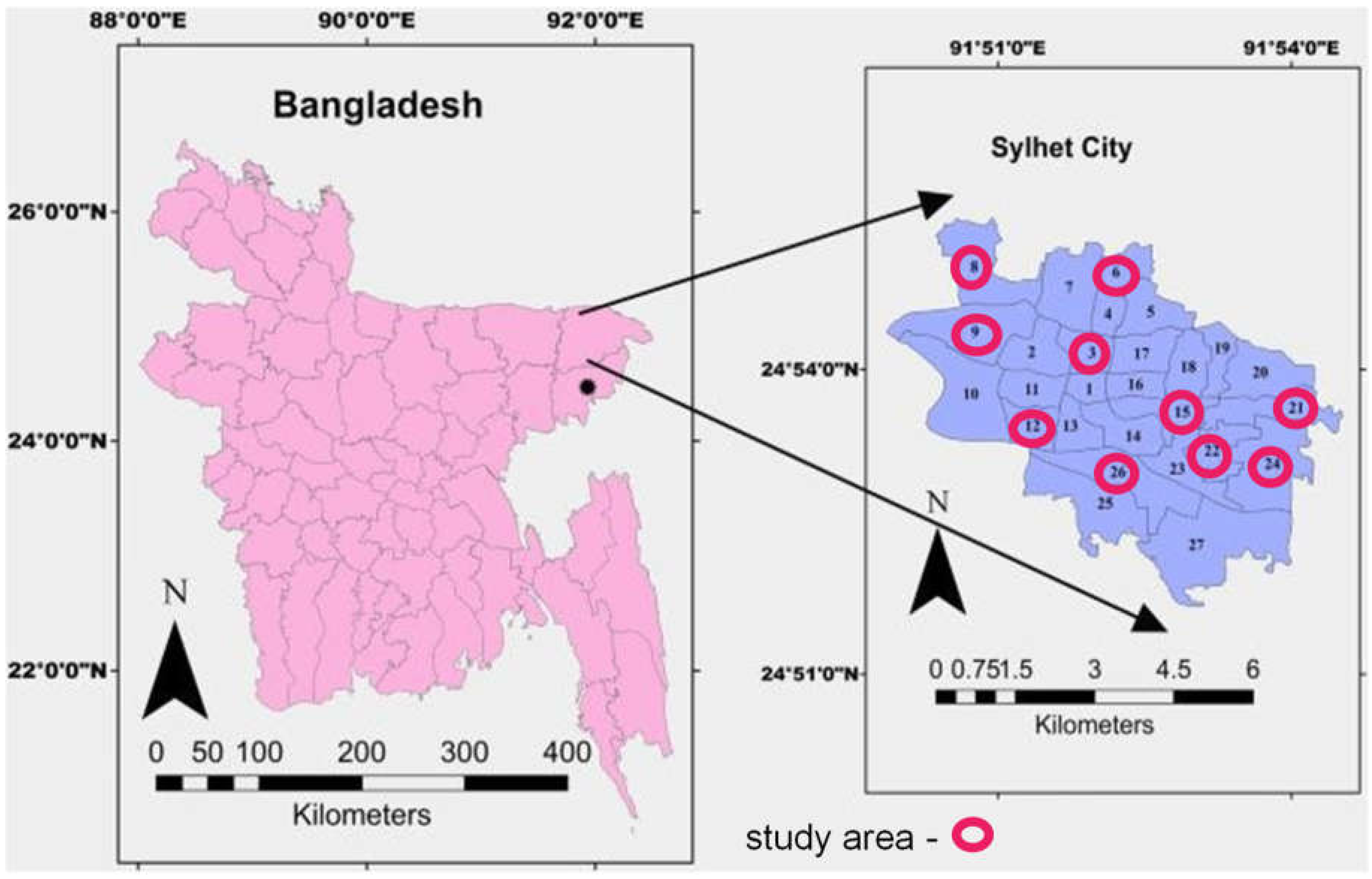
Figure 2.
Stage of mixed method data analysis. Source: Adapted from Creswell & Creswell, 2017.
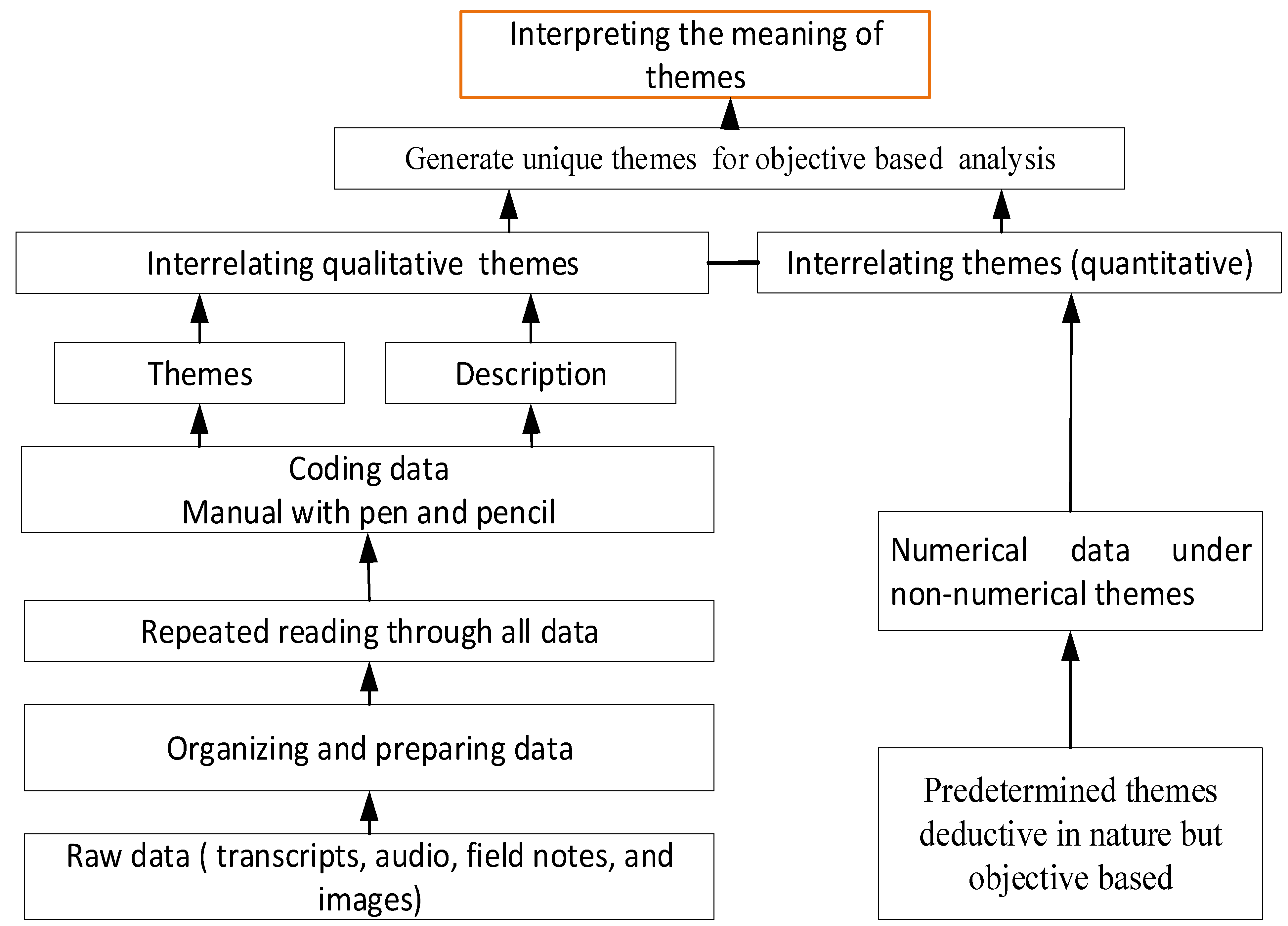
Figure 3.
Effect of Covid-19 on income.
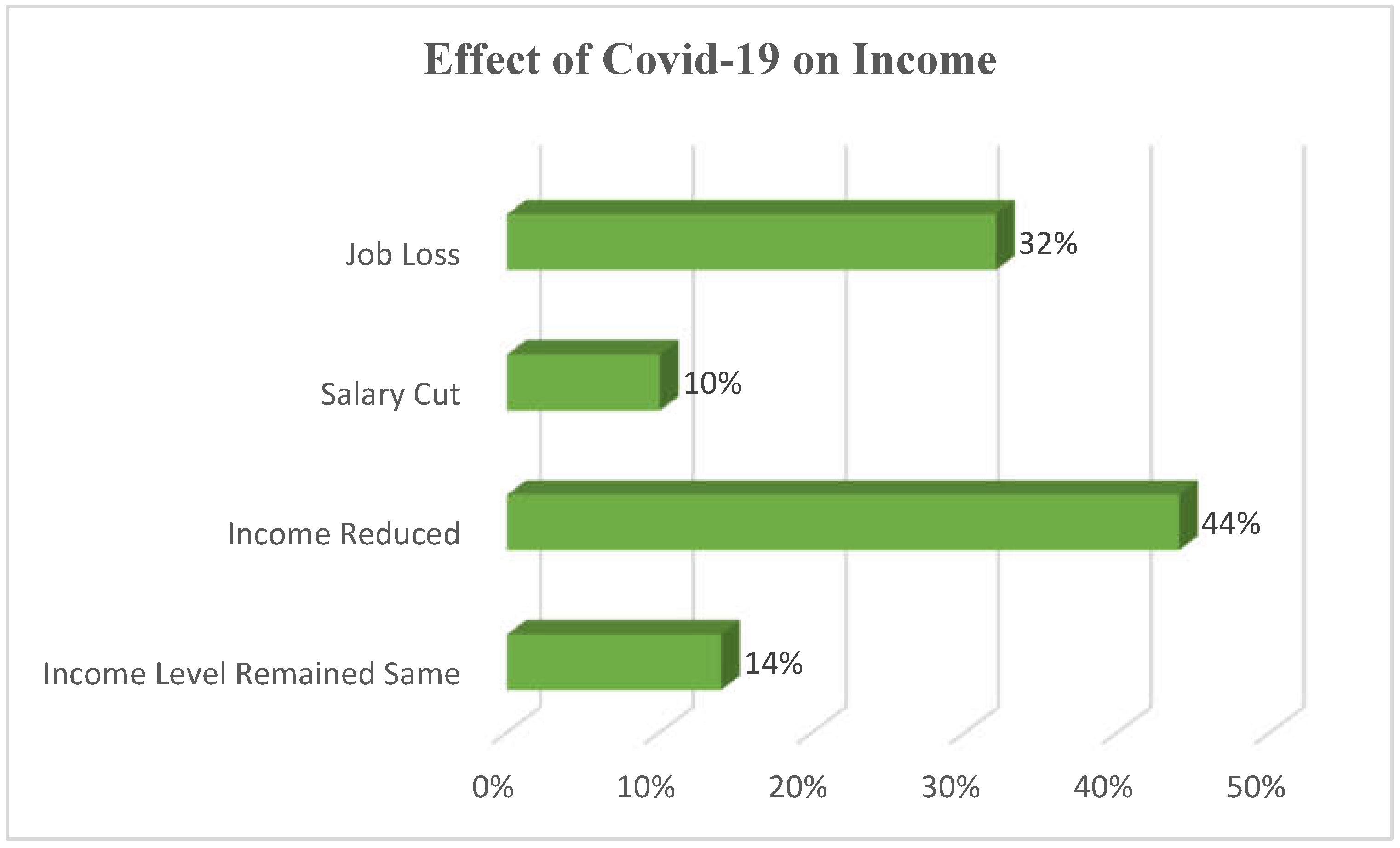
Figure 4.
Consequences of income loss.
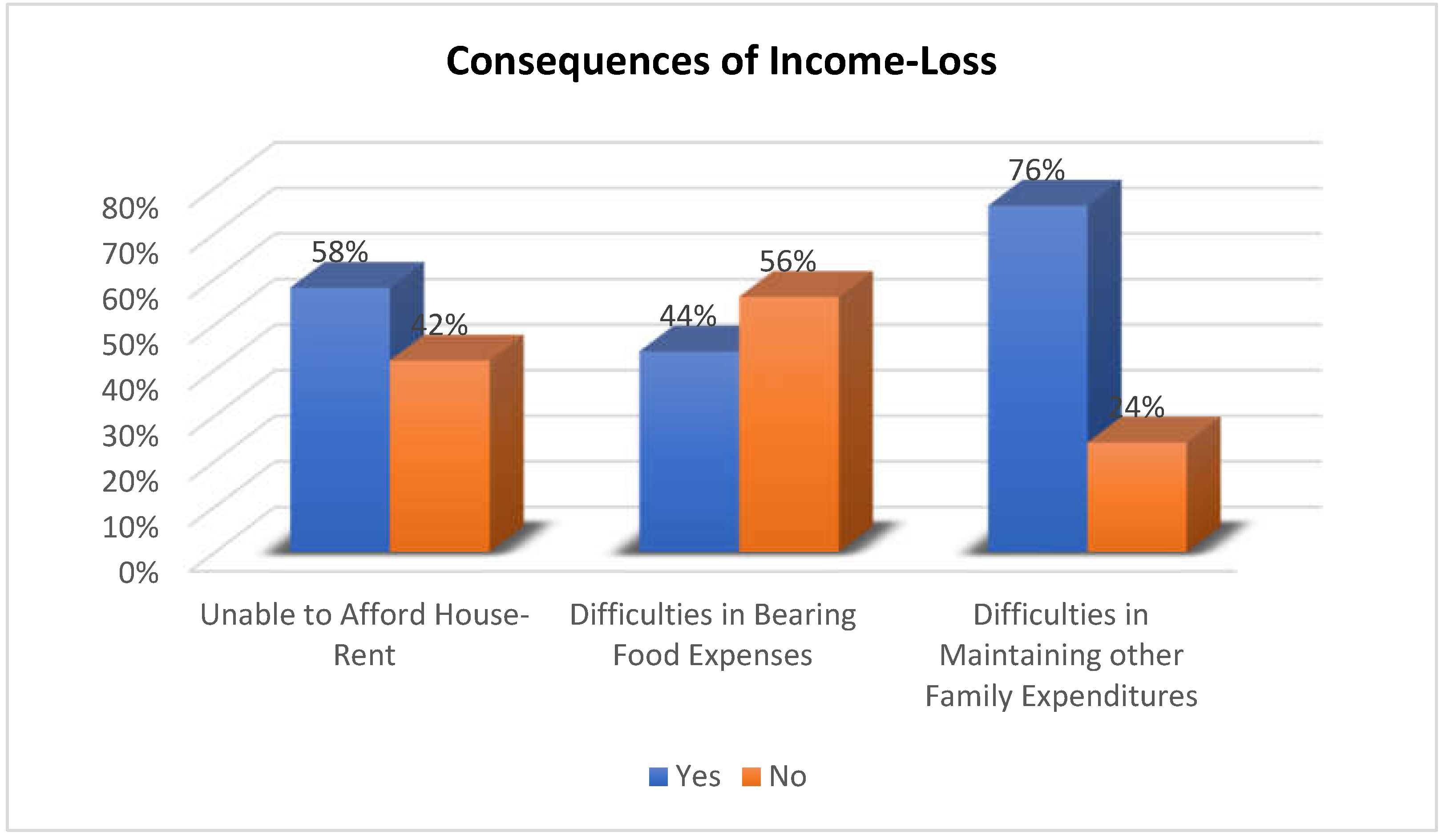
Figure 5.
Types of assistance.
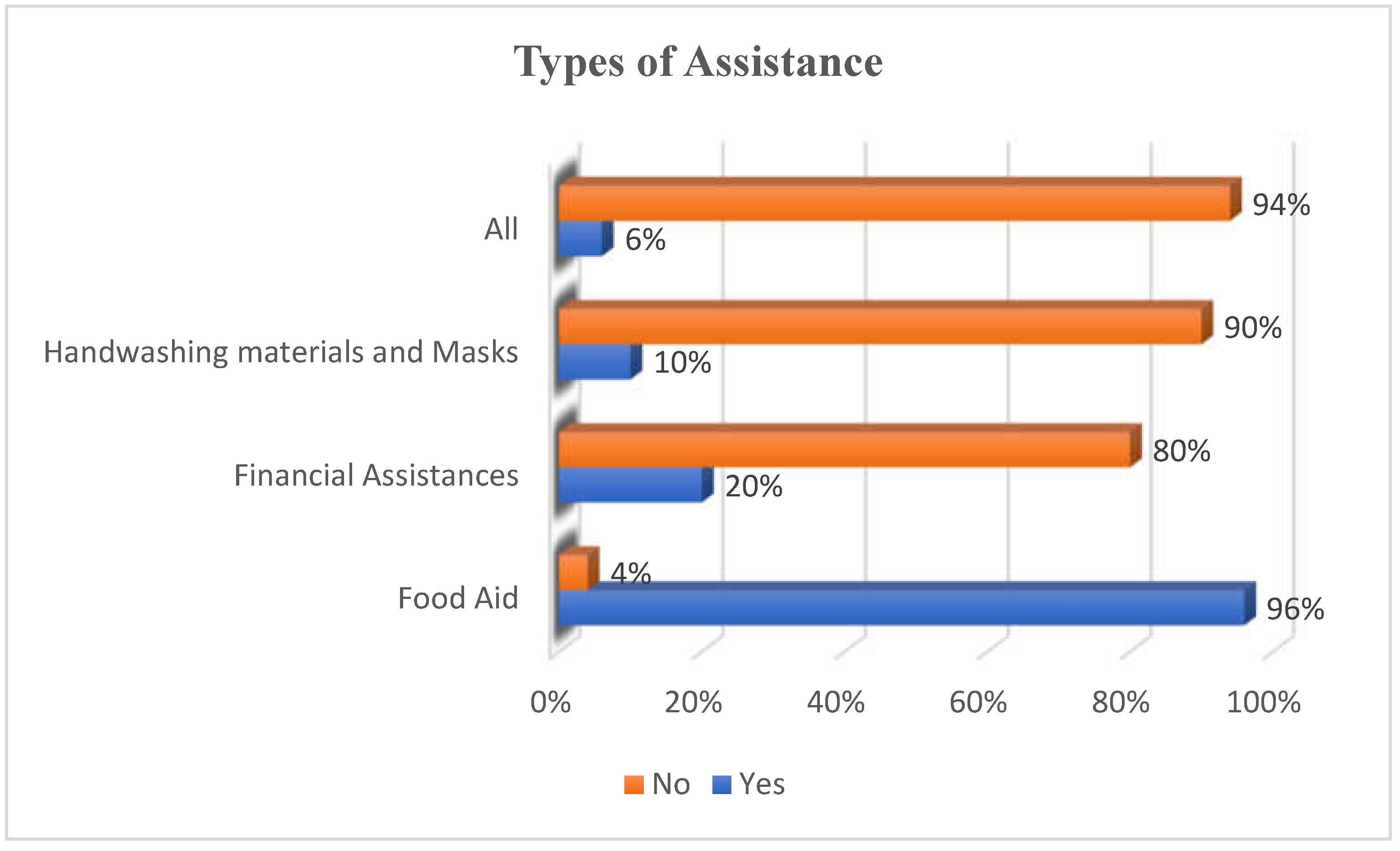
Figure 6.
Assistance received from other sources.
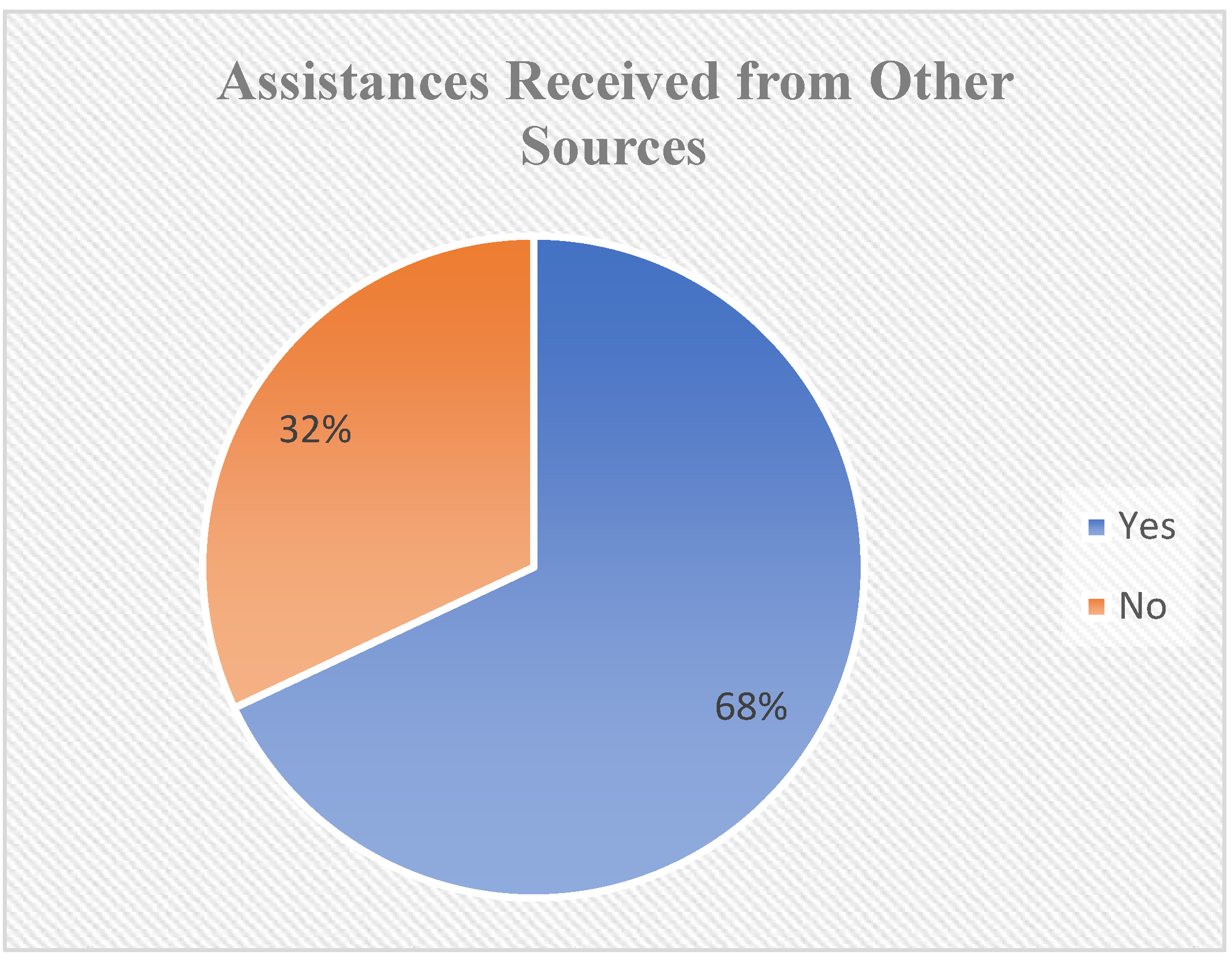
Figure 7.
Amount of assistance.

Figure 8.
Availability of essential items.
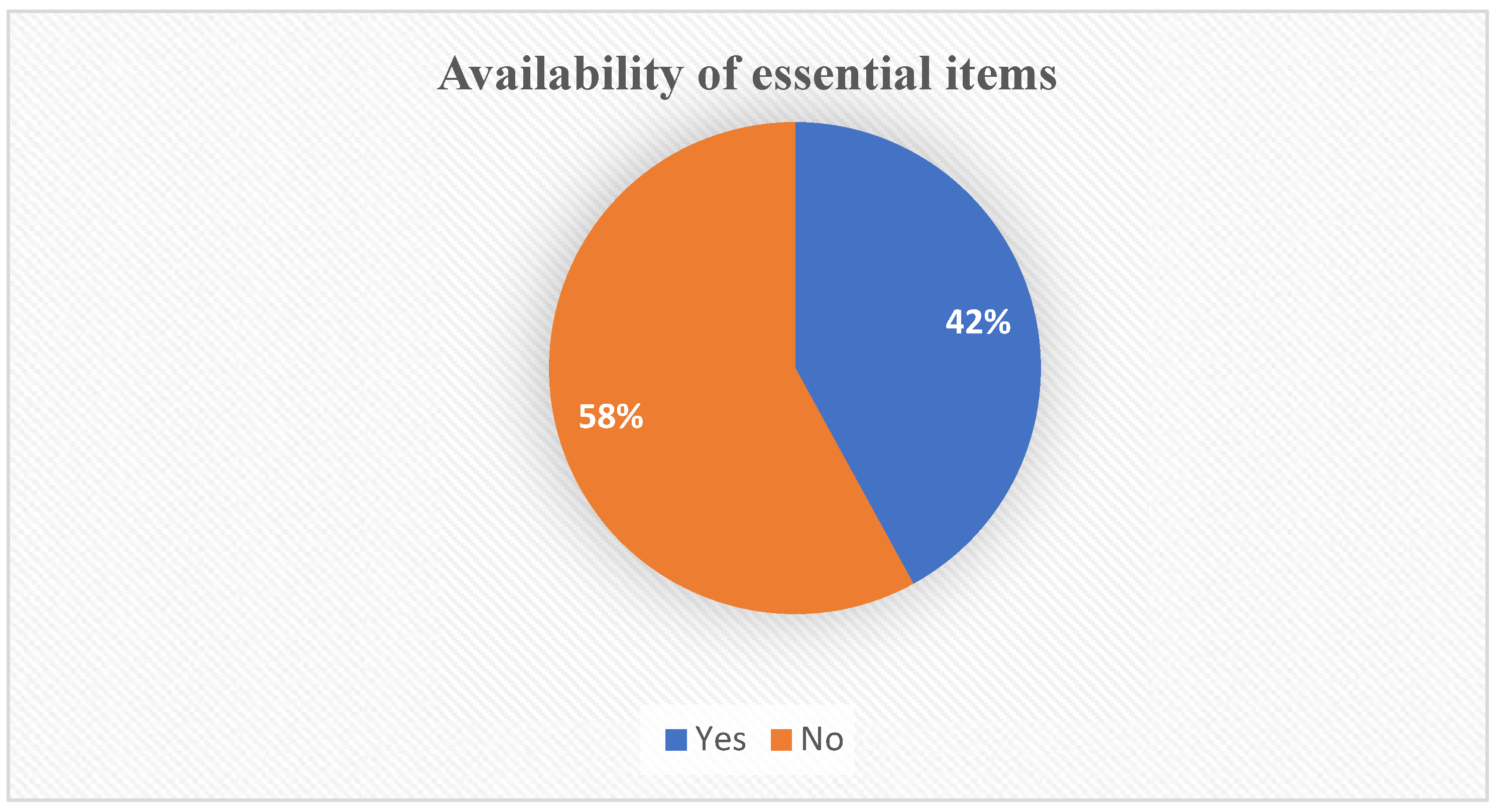

Table 1.
Respondents of this study.
| Serial No | Nature of Inquiry | Types of Participants | Numbers |
|---|---|---|---|
| 1 | Interview (Structured) | Households (Slum Dwellers) | 140 |
| 2 | FGDs 2*5 (2 focused groups consisting of 5 persons in each) | Daily laborers | 10 |
| 3 | Key Informant Interviews (KII) | City corporation officials | 5 |
| = Total | 155 |
Table 2.
Coding Systems of both numerical and no numerical data and emerging themes.
| Open Coding | Selective Coding | Emerging themes |
|---|---|---|
| Financial crisis Job loss Salary cut Food insecurity Unable to afford house rent Difficulties in maintaining family expenditure |
Challenges | Slum dwellers faced different types of challenges for their livelihood during covid 19 |
| Food package Cash support Handwashing materials Medicines Kits |
Types of Assistance | City Corporation provided various types of assistance to the slum dwellers during a pandemic |
| Adequacy of assistance The distribution system of assistance Quality of services of relief providers |
Satisfaction levels | The Assistance provided by the city corporation was like a “ Drop of water in a hot desert” to the Slum dwellers |
Disclaimer/Publisher’s Note: The statements, opinions and data contained in all publications are solely those of the individual author(s) and contributor(s) and not of MDPI and/or the editor(s). MDPI and/or the editor(s) disclaim responsibility for any injury to people or property resulting from any ideas, methods, instructions or products referred to in the content. |
© 2023 by the authors. Licensee MDPI, Basel, Switzerland. This article is an open access article distributed under the terms and conditions of the Creative Commons Attribution (CC BY) license (http://creativecommons.org/licenses/by/4.0/).
Copyright: This open access article is published under a Creative Commons CC BY 4.0 license, which permit the free download, distribution, and reuse, provided that the author and preprint are cited in any reuse.


