

Submitted:
25 April 2023
Posted:
26 April 2023
You are already at the latest version
Abstract
Developing novel wound dressings containing medicinal plant extracts can have several potential benefits, including improving the therapeutic value of the dressings and reducing the cost of producing wound dressings. In this study, we prepared foam dressing containing Eclipta prostrata leaf extract and gelatin (Eclipta prostrata dressing). Chemical composition was verified using Fourier transform infrared spectroscopy (FTIR), and pore structure was obtained by scanning electron microscopy (SEM). The physical properties, including absorption and dehydration properties, were also evaluated. The chemical properties were measured to determine the pH environment after being submerged with Eclipta prostrata dressings. The results revealed that the Eclipta prostrata dressing had a pore structure with an appropriate pore size (313.25 ± 76.51 µm and 383.26 ± 64.45 µm for the Eclipta prostrata A and Eclipta prostrata B dressings, respectively). The Eclipta prostrata B dressing was more consistent porosity, resulting in a higher absorption capacity and faster dehydration rate. According to physical properties, the Eclipta prostrata B dressing is best used on low-exuding wounds. Furthermore, the Eclipta prostrata A and B dressings make a slightly acidic environment. Therefore, our foam dressing will not interfere wound healing process.
Keywords:
Eclipta prostrata
; gelatin
; foam dressing
; wound dressing
; physical property
; absorption
; dehydration
; pH environment
1. Introduction
Plant-based biomaterials have several benefits over synthetic materials, such as cost-effectiveness, safety for humans, and environmentally friendly [1]. In addition, developing novel wound dressings containing medicinal plant extracts can improve clinical outcomes and plant value [2,3]. In this study, we are interested in Eclipta prostrata L. (E. prostrata L.) due to their pharmacological properties. E. prostrata L., commonly known as False daisy, Ink plant, Bhringraj, Bhumiraj, Aali jhar, or Nash jhar, is a herbaceous plant that belongs to the family Asteraceae [4]. It is a weed that grows in moist places such as rivers, marshes or the edge of rice fields [4,5]. It is found in many parts of the world, including Thailand, China, India, Nepal, and Brazil [4]. It has been long used in several diseases such as coronary heart disease, diabetes, gastrointestinal diseases, respiratory diseases, skin diseases, and wounds [5]. The leaves have various biological activities, including antibacterial, antifungal, and anti-inflammatory activities, which improve wound healing [6,7,8,9]. Therefore, wound dressing containing E. prostrata L. extract will be used for treating infection and inflammation in wound healing. Kang et al. [10] suggest that E. prostrata L. extract is a potential treatment for inflammatory skin conditions such as atopic dermatitis. The E. prostrata L. extract improved the allergic inflammation of the skin by restoring the skin barrier dysfunction, decreasing epidermis/dermis thickness, and regulating the immune balance [10]. Raoul et al. evaluated wound healing in rats after applying the ointment containing E. prostrata leaf extract [11]. The results showed that the wounds treated with medicinal ointment completely healed faster than vaseline® and cicatryl® [11]. Babu et al. [12] developed the hydrogel containing E. prostrata leaf extract and evaluated its physical properties such as pH, viscosity, and spreadability. However, no studies have developed wound dressing containing E. prostrata leaf extract in sheet form or foam dressings. Wound dressing selection is based on the wound's cause, location, healing phase, exudate level, pain, odor, infection, size, and depth [13]. For deep or tunneling wounds, packing wounds with dressing in the form of rope is essential for promoting wound healing from the inside out [14]. On the other hand, superficial or partial-thickness wounds require dressing in the form of a sheet to cover the wound and facilitate wound function [15]. In addition, choosing the physical characteristics of wound dressings according to the exudate level will provide the optimum environment for facilitating wound healing.
Referring to our previous point, the development of foam dressing for wound healing applications should focus on physical properties. According to ideal wound dressing properties, the wound dressings should be able to absorb wound exudate to prevent maceration (softening and breaking down of the surrounding skin because of prolonged exposure to moisture), malodor, local wound infection, and delayed wound healing [15,16,17,18,19]. However, different absorption properties of wound dressings are appropriate for different types of wounds [16,20,21]. For example, a wound dressing with a high absorption capacity should be selected for wounds with a high level of exudate. Additionally, the dehydration rate of wound dressing is also an important property that maintains a moist wound-healing environment [22]. A moist wound environment has several benefits, including increased keratinocyte migration and re-epithelialization, increased collagen synthesis, increased autolytic debridement, reduced pain, and decreased inflammation [23,24].
Moreover, elevated exudate pH correlates with an increased risk of infection and delayed wound healing [25,26]. Therefore, the ideal wound dressing should not provide an alkaline wound environment. Foam dressing's porous structure is also an essential factor in the wound-healing process [27,28]. The wound-healing process is a complex biological process to recover damaged tissues and restore the skin’s normal function. The wound-healing process consists of four continuous and overlapping phases, including hemostasis, inflammation, proliferation, and remodeling [29]. The appropriate pore size of the porous structure is essential for the proliferative phase. Natural and synthetic polymers are both used in wound dressings, and each type of polymer can help to produce a porous structure. Natural polymers are commonly chosen for wound dressing development, such as chitosan, cellulose, hyaluronic acid, collagen, alginate, and gelatin [30]. Gelatin could be used to produce porous structures with the freeze-drying technique [31,32]. The porous gelatin materials support cell migration and the development of new tissue [33]. Interestingly, gelatin could also provide biodegradable and biocompatible material [31,34]. Thus, the present study aimed to develop a foam dressing containing E. prostrata leaf extract and gelatin, and their physical properties and pH wound environment were subsequently evaluated. The results from this study could deliver the profile of physical characteristics and pseudo-wound environment after being treated with foam dressing containing E. prostrata leaf extract and gelatin.
2. Results
2.1. Thickness test
The composition of prepared foam dressings containing E. prostrata leaf extract and gelatin is shown in Table 1. The E. prostrata A dressing had a lower concentration of E. prostrata leaf extract than The E. prostrata B dressing. The E. prostrata dressings were soft and flexible. The E. prostrata A dressing had a thickness of 4.236 ± 0.0519 mm, and the E. prostrata B dressing had a thickness of 3.945 ± 0.1403 mm. The E. prostrata A dressing was thicker than the E. prostrata B dressing.
2.2. Fourier Transform Infrared Spectroscopy (FTIR)
Table 1 shows the FTIR peak values and functional groups of the E. prostrata leaf extract and the E. prostrata A and B dressings. Figure 1 shows the FTIR spectra of the E. prostrata leaf extract. Figure 2 shows the FTIR spectra of the E. prostrata A and B dressings. After mixing between gelatin and E. prostrata leaf extract and then lyophilization or freeze drying, Figure 2 showed an increased intensity in the functional groups, including amide I (1646.91 cm-1 and 1647.22 cm-1 for the E. prostrata A and B dressings respectively), and amide II (1553.43 cm-1 and 1554.20 cm-1 for the E. prostrata A and B dressings respectively). The amide I (mainly related to the C=O stretching vibration) and II (mainly related to the N-H bending vibration and the C-N stretching vibration) bands are associated with the presence of gelatin [35,36].
2.3. Morphological Properties
The surface and cross-sectional morphologies of E. prostrata dressings were observed using SEM (Figure 3). The size, shape, and distribution of pores are shown in Figure 3b. The average pore sizes were 313.25 ± 76.51 µm and 383.26 ± 64.45 µm for the E. prostrata A and B dressings, respectively (Figure 3b). The E. prostrata B dressing had more consistent porosity than E. prostrata A dressing.
2.4. Absorption Properties
The absorption properties determine how well the dressing can manage the wound exudate and promote wound healing. The percentage of weight increase of the E. prostrata dressing for different periods is shown in Figure 4. The E. prostrata A dressing showed a lower percentage of weight increase than the E. prostrata B dressing. The higher E. prostrata leaf extract promotes the higher absorption capacity.
2.5. Dehydration Properties
The dehydration rate of the E. prostrata dressing for different periods is presented in Figure 5. The E. prostrata B dressing showed a higher dehydration rate in the first 4 hours than the E. prostrata A dressing. The higher E. prostrata leaf extract promotes the higher dehydration rate.
2.6. pH measurement
Figure 6 demonstrates the pH of deionized water submerged with the E. prostrata dressings. The pH of the deionized water submerged with the E. prostrata A dressing was decreased from 7.55 ± 0.16 to 5.28 ± 0.02. In the same way, the pH of deionized water submerged with the E. prostrata B dressing was decreased from 7.69 ± 0.24 to 5.38 ± 0.02.
2.7. Dispersion Characteristics
The dispersion characteristics of the E. prostrata dressings are shown in Figure 7 and Figure 8. The E. prostrata A and B dressings did not change much from their original structure after they were immersed in pseudo-wound exudate for 60 seconds at 100 revolutions per minute (Figure 7). However, the spectra of the pseudo-wound exudate after being submerged with the E. prostrata A and B dressings were not similar to those of the pseudo-wound exudate (Figure 8).
3. Discussion
E. prostrata leaf extract has been studied for its potential wound-healing benefits, including antimicrobial, and anti-inflammatory properties [6,7,8,9]. Prior studies in developing wound healing products containing E. prostrata focus only on ointment and hydrogel formulation [11,12]. Nowadays, no studies have developed wound dressing containing E. prostrata leaf extract in sheet form or foam dressings. Developing wound dressing in sheet form has several advantages, such as preventing trauma, minimizing external contamination, absorbing exudate, and keeping a wound in an optimally moist environment [16].
In this study, the foam dressing containing E. prostrata extract and gelatin was developed to evaluate the physical properties and pH wound environment. Result of the general appearance, the E. prostrata dressings were soft and flexible. These properties help to maintain a moist wound environment, reduce the risk of maceration, and allow use in the movement areas such as the knee or elbow [37]. In addition, the E. prostrata A dressing was thicker than the E. prostrata B dressing. It would be explained by the high protein content in bovine gelatin increased the polymer matrix's solids content. Hence, the increase in gelatin or protein concentration has induced an increase in the thickness of the foam dressing [38]. However, the thickness was unrelated to the absorption and dehydration properties, as shown in Figure 4 and Figure 5.
The FTIR spectra are used to identify the functional groups present in the E. prostrata dressing, as compared to the E. prostrata leaf extract. It was found that the FTIR spectra of E. prostrata dressing had an increased intensity in the functional groups, including amide I and II (Figure 2). The amide I and II bands in the FTIR spectrum are commonly used to identify the presence of gelatin [35,36]. The amide I band in FTIR spectra is a strong absorption peak corresponding to the stretching vibration of the C=O bond in the peptide backbone[39]. This band of gelatin appears in the region of 1600-1700 cm-1 [35]. As shown in Figure 2, the amide I band was around 1646-1648 cm-1, indicating the presence of a predominantly random coil structure [39]. The amide II band in the FTIR spectra I also provide information on the vibrational bands of the protein backbone [39] This band corresponds to the bending vibration of the N-H bond (40–60 % of the potential energy) and the stretching vibration of the C-N bond (18–40 %) in the protein backbone [39]. In the case of gelatin, the amide II band appears in the region of 1565–1520 cm-1 [35]. As shown in Figure 2, the amide II band was around 1553-1555 cm-1. The amide II is often used in combination with the amide I band to confirm the presence of gelatin. Therefore, it indicates that our process to develop E. prostrata dressing did not affect the structural property of gelatin. Gelatin could provide a porous structure and produce biodegradable and biocompatible material [31,34].
The resulting SEM image provides information about the morphology or porous structure of the E. prostrata dressing (Figure 3). The porous structure is crucial in wound healing because it allows cell migration and proliferation [28,40]. When a wound occurs, the first phase of wound healing is hemostasis, with vascular constriction, platelet aggregation, degranulation, and fibrin clot formation [29]. Hemostasis helps to stop bleeding, and inflammatory cells, namely neutrophils, monocytes, macrophages, and lymphocytes, migrate into the wound, which triggers the inflammatory response (also known as the “inflammatory phase”) [29]. The next phase is proliferation, with re-epithelialization, angiogenesis, collagen synthesis, and extracellular matrix (ECM) formation, which generally overlaps with the inflammatory phase [29]. The porous structure supports this phase. Fibroblasts and endothelial cells need to migrate into the wound bed in order to proliferate and form granulation tissue at the site of injury [29]. A porous structure advantage allows for these cells to migrate into the wound bed, promoting efficient wound healing. Following cell proliferation, the final phase is remodeling, with collagen remodeling and vascular maturation, and regression [29]. A previous study by Murphy et al. [41] showed that a mean pore size of 325 µm facilitated the highest cell attachment and proliferation compared with pores in the 85-190 µm. As seen in Figure 3b, our SEM images of the cross-section show the average pore sizes of around 300 µm. This was supposed that the E. prostrata A and B dressings had an appropriate pore size for efficient wound healing. Nevertheless, the E. prostrata B dressing was more consistent porosity than E. prostrata A dressing. The effect of this difference in porosity between the E. prostrata A and B dressings could exhibit differences in absorption ability.
We developed the E. prostrata dressing that was designed with a porous structure in order to increase the absorption ability. In this study, the absorption ability was obtained by using pseudo-wound exudate. The E. prostrata B dressing exhibited a stronger absorption ability than the E. prostrata A dressing (Figure 4). The absorption ability of the E. prostrata B dressing was derived from a higher-density porous structure (Figure 3b). The ideal wound dressing properties must absorb excess wound exudate and provide a moist environment [18,21,22,42]. Wound exudate or wound drainage is the fluid that discharges from a wound during the healing process [43]. The mechanism of exudate formation is usually due to inflammation or infection [43]. The amount of exudate produced can vary depending on the type and severity of the wound. A moist wound environment is necessary for the wound-healing process to occur effectively. An optimal moisture level enhances cell migration and proliferation, reduces pain and discomfort, and reduces infection rates [22,23]. Macerated peri-wound skin can lead to an increased risk of infection, whereas desiccated peri-wound skin can lead to decreased epithelial migration and cell death [22,44]. Therefore, the selection of absorbent wound dressing depends on the amount of exudate to prevent maceration and desiccation. Moreover, a moist environment promotes autolysis or breakdown of necrotic tissue, called autolytic debridement [23,45]. In our previous work [20], the commercial hydrocolloid dressing and hydrocolloid with foam layer dressing had the lowest absorption capacity. Therefore it is an appropriate dressing for wounds with a low amount of exudate. In this study, both the E. prostrata A and B dressings had absorption characteristics similar to commercial hydrocolloid dressing and hydrocolloid with foam layer dressing [20]. These absorption characteristics meant that both the E. prostrata A and B dressings would be chosen for wounds with low exudate.
Apart from absorption properties, the dehydration rate is also essential to control the moisture balance of the wound and enhance wound healing due to water-retaining properties [22,46]. This can be achieved through the use of appropriate wound dressings that are designed to manage moisture levels and prevent dehydration. In addition, the selection of wound dressing also depends on the amount of exudate produced by the wound. The E. prostrata B dressing showed a higher dehydration rate than the E. prostrata A dressing. It can be explained by the higher-density porous structure of the E. prostrata B dressing (Figure 3b). Therefore, the E. prostrata B dressing would have the ability to dehydrate exudate to create a moist wound-healing environment rapidly.
Furthermore, the pH wound environment would be an essential factor for wound healing. The pH of healthy human skin is in the range of 5.4-5.9, which is slightly acidic. [47]. Propionibacterium is commonly found on human skin. Propionibacterium grows well at pH 6.00-6.50 [48]. Staphylococcus aureus is a pyogenic bacteria [49]. S. aureus prefers a neutral pH environment for optimal growth and survival [50]. Thus, an acidic environment is not favorable for harmful bacterial growth. In addition, the pH environment of chronic wounds exists at a range of 7.15-8.90, which is alkaline and chronic wounds are characterized by excessive protease activity [51,52,53,54,55]. Sim et al. found that faster recovery of wounded tissues was observed in wounds treated by pH 4 buffers compared to pH 6 buffers [25]. A previous study by Leveen et al. showed that a slightly acidic environment significantly inhibits protease activity and may potentially enhance the healing of cutaneous wounds [56]. Previous studies reported fibroblast proliferation and migration behaviors associated with the acidic environment [57,58]. It means rapid wound healing occurs in an acidic environment [25,54]. We found that the E. prostrata A and B dressings showed similar pH decreases continuously over the period. Our E. prostrata dressings tend to create a slightly acidic environment. Hence, this was supposed that the E. prostrata A and B dressings would not interfere wound healing process.
The dispersion of the wound dressing refers to how well the dressing covers the wound surface. In this study, the spectra of the pseudo-wound exudate after being submerged with the E. prostrata A and B dressings were not similar to those of the pseudo-wound exudate (Figure 8). In our previous study, commercial alginate dressings also had the spectra of the pseudo-wound exudate after being submerged with the dressings not quite similar to those of the pseudo-wound exudate [20]. Nevertheless, after interacting with the pseudo-wound exudate, the Eclipta prostrata A and B dressings did not change much from their original structure (Figure 7). It means that the E. prostrata dressing will not be difficult to remove. According to the spectra of the pseudo-wound exudate after being submerged with the dressings, our E. prostrata dressings are an immediate-release formulation. The E. prostrata dressing should be further modified for controlled release applications by crosslinking techniques with a crosslinker, such as glutaraldehyde [59,60].
4. Materials and Methods
4.1. Materials
Gelatin (from bovine skin, gel strength 225, Type B) was purchased from Sigma-Aldrich, Inc. (St. Louis, MO, USA). E. prostrata leaf extract was purchased from SK Herb Co., Ltd. (Samut Sakhon, Thailand). Sodium chloride and calcium chloride dihydrate were purchased from VWR International bvba (Leuven, Belgium).
4.2. Preparation of foam dressing containing E. prostrata extract and gelatin
Gelatin solution (10 %w/v) was prepared by dissolving in deionized water at 40 °C and stirring continuously for 1 hour. Then, the E. prostrata dressing was prepared by mixing gelatin solution and E. prostrata leaf extract, as shown in Table 2. The mixture was stirred for 1 hour to obtain a homogeneous solution. After stirring the solution, it was sonicated to eliminate air bubbles and poured into plastic plates. The plastic plates were transferred into a freezer at -80 ˚C and frozen for 24 hours. The frozen solution was then lyophilized in a freeze-dryer (SHM 021) for 48 hours to become a sponge. Finally, the sponge or E. prostrata dressing was slowly removed from the plastic plate. In order to prevent contamination, the E. prostrata dressings were then stored inside an airtight container. The composition with E. prostrata leaf extract of more than 40 % could not prepare foam dressing.
4.3. Thickness Test
After lyophilization, the thickness test was performed using the Mitutoyo Dial Thickness Gauge, which provided an accuracy of 0.001 mm. Thickness was measured at five different positions (one in the center and four in the middle of each side).
4.4. Fourier Transform Infrared Spectroscopy (FTIR)
The E. prostrata leaf extracts and the E. prostrata dressings were recorded on a spectrum 100 FTIR Spectrometer (PerkinElmer Inc.) FTIR spectra were recorded from 500 to 4000 cm-1.
4.5. Morphological Properties
At a voltage of 10 kV, the E. prostrata dressings were examined by Scanning Electron Microscope (SEM, JSM-IT300 JEOL). SEM with Energy Dispersive X-ray Spectrometer (EDS) was used to analyze the dressings with the surface (500x) and cross-sectional (60x) images. The E. prostrata dressing was first prepared by attaching it to the aluminium stubs and then coating it with gold. This process helps to improve the conductivity of the dressing, allowing for better imaging results. The pore sizes were measured using the Image J® software (National Institutes of Health, Bethesda, MA, USA).
4.6. Absorption Properties
The absorption properties of the E. prostrata dressing were examined using BS EN 13726-1: 2002, Part 1: the aspects of absorbency, Section 3.2: free swell absorptive capacities with slight modifications [61]. The E. prostrata dressing (2 cm×2 cm) was prepared and weighed. A test solution (8.298 g of NaCl (0.142 mol/L) and 0.367 g of CaCl22H2O (0.0025 mol/L)) was added to one liter of deionized water) representing a pseudo-wound exudate. The E. prostrata dressing was immersed in the test solution and then incubated at 37 ˚C. At different periods, the dressing was removed and weighed.
4.7. Dehydration Properties
The E. prostrata dressing (2 cm×2 cm) was prepared and weighed. The E. prostrata dressing was immersed in the test solution or pseudo-wound exudate for 30 minutes. Afterward, the dressing was removed, weighed, and incubated at 37 ∘C. At different periods, the dressing was weighed [62]
4.8. pH measurement
The E. prostrata dressing (2 cm×2 cm) was suspended in deionized water at a ratio of 1:25 (w/v). At different periods, the deionized water was measured using a pH meter (pH 700) [62].
4.9. Dispersion Characteristics
The dispersion characteristics of the E. prostrata dressing were examined using BS EN 137262: 2002, Part 1: the aspects of absorbency, Section 3.6: dispersion characteristics with slight modifications [63]. The E. prostrata dressing (2 cm×2 cm) was prepared and immersed in the test solution and shaken for 60 seconds at 100 revolutions per minute. After that, the absorbance of the collected test solution was measured using a UV-spectrophotometer (UV-2501PC) by scanning between a wavelength of 200 and 450 nm.
4.10. Statistical Analysis
The experiments were performed in triplicate and represented in a mean ± standard deviation.
5. Conclusions
This study is the first development of wound dressing sheets containing E. prostrata leaf extract and gelatin. Our study investigated the physical properties and pH pseudo-wound environment of the E. prostrata dressing. Both the E. prostrata A and B dressings had an appropriate pore size (313.25 ± 76.51 µm and 383.26 ± 64.45 µm respectively) for cell migration and proliferation in the wound healing process. The higher E. prostrata leaf extract produces a higher-density porous structure of foam dressing, resulting in a higher absorption capacity and faster dehydration rate. The E. prostrata dressings are designed for the low level of exudate due to their absorption capacity. In addition, the E. prostrata dressings make the environment slightly acidic. Therefore, this was supposed that our E. prostrata dressings would not provide favorable conditions for bacterial growth. Our results provide the wound dressing profiles that are essential for the decision of physicians to select the appropriate wound dressing according to the amount of exudate. Further experimental studies should focus on release patterns, pharmacological properties, such as antibacterial and anti-inflammatory activities, and wound healing assays.
Author Contributions
Conceptualization, S.H.; methodology, S.H.; investigation, J.S., N.S., and O.C.; resources, S.H.; data curation, S.H., J.S., N.S., and O.C.; writing—original draft preparation, S.H.; supervision, S.H.; funding acquisition, S.H. All authors have read and agreed to the published version of the manuscript.
Funding
This research was funded by the College of Pharmacy, Rangsit University, Thailand.
Data Availability Statement
The data in this study are available on request from the corresponding
author.
Acknowledgments
Authors would like to thank the Department of Pharmacology, Pharmaceutical Chemistry, and Manufacturing Pharmacy, College of Pharmacy, Rangsit University, Thailand, for providing the laboratory equipment used for experiments.
Conflicts of Interest
The authors declare no conflict of interest.
References
- Kepekçi RA, Yener İlçe B, Demir Kanmazalp S. Plant-derived biomaterials for wound healing. In: Studies in Natural Products Chemistry. Elsevier; 2021. p. 227–64.
- Martin C, Low WL, Amin MCIM, Radecka I, Raj P, Kenward K. Current trends in the development of wound dressings, biomaterials and devices. Pharm Pat Anal. 2013 May;2(3):341–59. [CrossRef]
- Yazarlu O, Iranshahi M, Kashani HRK, Reshadat S, Habtemariam S, Iranshahy M, et al. Perspective on the application of medicinal plants and natural products in wound healing: A mechanistic review. Pharmacol Res. 2021 Dec 1;174:1–37. [CrossRef]
- Timalsina D, Devkota HP. Eclipta prostrata (L.) l. (asteraceae): Ethnomedicinal uses, chemical constituents, and biological activities. Biomolecules. 2021 Nov 1;11(11):1–18.
- Feng L, Zhai YY, Xu J, Yao WF, Cao YD, Cheng FF, et al. A review on traditional uses, phytochemistry and pharmacology of Eclipta prostrata (L.) L. J Ethnopharmacol. 2019 Dec 5;245:1–14. [CrossRef]
- Gurrapu S, Mamidala E, Mamidala E, Mamidala E. In vitro Antibacterial Activity of Alkaloids Isolated from Leaves of Eclipta alba Against Human Pathogenic Bacteria. Pharmacognosy Journal. 2017 Jul 1;9(4):573–7. [CrossRef]
- Nahid A, Neelabh C, Navneet K, Kumar Navneet C. Evaluation of antioxidant and antimicrobial potentials of Eclipta prostrata collected from the Nepal region. The Pharma Innovation Journal. 2017;6(11):4–7.
- Singh L, Antil R, Kumar D, Dahiya P. Phytochemical analysis and In-vitro assays for antimicrobial and antioxidant activity of Bhringraj herb Eclipta prostrata (L.). J Pharmacogn Phytochem. 2019;8(3):4527–33.
- Arunachalam G, Subramanian N, Pazhani GP, Ravichandran V. Anti-inflammatory activity of methanolic extract of Eclipta prostrata L. (Astearaceae). Afr J Pharm Pharmacol. 2009;3(3):97–100.
- Kang YM, Kim HM, Lee H, Lee DS, An HJ. Anti-inflammatory effects of Eclipta prostrata Linné on house dust mite-induced atopic dermatitis in vivo and in vitro. J Ethnopharmacol. 2022 Jun 28;292:1–11. [CrossRef]
- Raoul A, CyrJonas M, MatokoChristevyRommelle S, ItouDeGardeRomaric E, Martin D, AngeAntoine A. Antidiabetic and Wounds Healing Activities of Eclipta prostrata (Asteraceae) Leaves. Int J Adv Res (Indore). 2018 Nov 30;6(12):393–8. [CrossRef]
- Babu IS, Bhramaramba R, Tejaswini S Satya Naga. Formulation and Evaluation of Herbal Gel containing Eclipta alba Linn., leaves extract. IJAPBC. 2015;4(2):496–500.
- Edwards H, Gibb M, Finlayson K, Jensen R. Wound Dressing Guide. Institute of health and Biomedical Innovation; 2013. 1–49 p.
- Dabiri G, Damstetter E, Phillips T. Choosing a Wound Dressing Based on Common Wound Characteristics. Adv Wound Care (New Rochelle). 2016;5(1):32–41. [CrossRef]
- Vivcharenko V, Przekora A. Modifications of wound dressings with bioactive agents to achieve improved pro-healing properties. Applied Sciences . 2021 May 1;11(9):1–16. [CrossRef]
- Broussard KC, Powers JG. Wound dressings: Selecting the most appropriate type. Am J Clin Dermatol. 2013 Dec;14(6):449–59. [CrossRef]
- Cutting KF, White RJ. Maceration of the skin and wound bed. 1: Its nature and causes. J Wound Care. 2002;11(7):275–8. [CrossRef]
- Rezvani Ghomi E, Khalili S, Nouri Khorasani S, Esmaeely Neisiany R, Ramakrishna S. Wound dressings: Current advances and future directions. J Appl Polym Sci. 2019 Jul 15;136(27):1–12.
- Gardner S. Managing high exudate wounds. Wound essential. 2012;7(1):1–3.
- Hasatsri S, Pitiratanaworanat A, Swangwit S, Boochakul C, Tragoonsupachai C. Comparison of the Morphological and Physical Properties of Different Absorbent Wound Dressings. Dermatol Res Pract. 2018;1–6. [CrossRef]
- Dhivya S, Padma VV, Santhini E. Wound dressings - A review. BioMedicine (Netherlands). 2015 Dec 1;5(4):24–8.
- Butcher M. Moist wound healing, exudate and management of the wound bed. J Wound Care. 2013 Sep 29;19(5 SUPPL.):10–3. [CrossRef]
- Nuutila K, Eriksson E. Moist Wound Healing with Commonly Available Dressings. Adv Wound Care (New Rochelle). 2021 Dec 1;10(12):685–98. [CrossRef]
- Sharman D. Moist Wound Healing: A Review of Evidence, Application and Outcome. The Diabetic Foot. 2003;6(3):112–20.
- Sim P, Strudwick XL, Song YM, Cowin AJ, Garg S. Influence of Acidic pH on Wound Healing In Vivo: A Novel Perspective for Wound Treatment. Int J Mol Sci. 2022 Nov 1;23(21):1–15. [CrossRef]
- Aly R, Shirley C, Cunico B, Maibach HI. Effect of prolonged occlusion on the microbial flora, pH, carbon dioxide and transepidermal water loss on human skin. Journal of Investigative Dermatology. 1978;71(6):378–81. [CrossRef]
- Toker-Bayraktar M, Erenay B, Altun B, Odabaş S, Garipcan B. Plant-derived biomaterials and scaffolds. Cellulose 2023. 2023 Feb 3;1–21. [CrossRef]
- Karageorgiou V, Kaplan D. Porosity of 3D biomaterial scaffolds and osteogenesis. Biomaterials. 2005;26(27):5474–91. [CrossRef]
- Guo S, DiPietro LA. Factors affecting wound healing. J Dent Res. 2010 Mar;89(3):219–29. [CrossRef]
- Evren Okur M, Karantas ID, enyi S, Üstünda N, Siafaka PI. Recent trends on wound management: New therapeutic choices based on polymer ic carr iers. Asian J Pharm Sci. 2020;15:661–84.
- Sultana N, Hassan MI, Ridzuan N, Ibrahim Z, Soon CF. Fabrication of gelatin scaffolds using thermally induced phase separation technique. International Journal of Engineering, Transactions B: Applications. 2018 Aug 1;31(8):1302–7.
- Annabi N, Nichol JW, Zhong X, Ji C, Koshy S, Khademhosseini A, et al. Controlling the Porosity and Microarchitecture of Hydrogels for Tissue Engineering. Tissue Eng. 2010;16(4):371–83. [CrossRef]
- Ndlovu SP, Ngece K, Alven S, Aderibigbe BA. Gelatin-based hybrid scaffolds: Promising wound dressings. Polymers (Basel). 2021 Sep 1;13(17):1–31. [CrossRef]
- Naomi R, Bahari H, Ridzuan PM, Othman F. Natural-based biomaterial for skin wound healing (Gelatin vs. collagen): Expert review. Polymers (Basel). 2021 Jul 2;13(14):1–20. [CrossRef]
- Cebi N, Durak MZ, Toker OS, Sagdic O, Arici M. An evaluation of Fourier transforms infrared spectroscopy method for the classification and discrimination of bovine, porcine and fish gelatins. Food Chem. 2016 Jun 30;190:1109–15. [CrossRef]
- Mahmoud AA, Osman O, Eid K, al Ashkar E, Okasha A, Atta D, et al. FTIR Spectroscopy of Natural Bio-Polymers Blends. Middle East Journal of Applied Sciences. 2014;4(4):816–24.
- Thomas M, Hamdan M, Hailes S, Walker M. An investigation into the conformability of wound dressings. Wounds UK. 2011;7(3):14–24.
- Said NS, Sarbon NM. Physical and Mechanical Characteristics of Gelatin-Based Films as a Potential Food Packaging Material: A Review. Membranes (Basel). 2022 May 1;12(5):1–26. [CrossRef]
- Sadat A, Joye IJ. Peak fitting applied to fourier transform infrared and raman spectroscopic analysis of proteins. Applied Sciences (Switzerland). 2020 Sep 1;10(17):1–16. [CrossRef]
- Chaudhari AA, Vig K, Baganizi DR, Sahu R, Dixit S, Dennis V, et al. Future prospects for scaffolding methods and biomaterials in skin tissue engineering: A review. Int J Mol Sci. 2016 Dec 1;17(12):1–31. [CrossRef]
- Murphy CM, Haugh MG, O’Brien FJ. The effect of mean pore size on cell attachment, proliferation and migration in collagen-glycosaminoglycan scaffolds for bone tissue engineering. Biomaterials. 2010 Jan;31(3):461–6.
- Shi C, Wang C, Liu H, Li Q, Li R, Zhang Y, et al. Selection of Appropriate Wound Dressing for Various Wounds. Front Bioeng Biotechnol. 2020 Mar 19;8:1–17. [CrossRef]
- World Union of Wound Healing Societies. World Union of Wound Healing Societies (WUWHS) Consensus Document. Wound exudate: effective assessment and management. Wounds International. 2019;1–34.
- Ennis WJ, Hill D. Wound Healing: A Comprehensive Wound Assessment and Treatment Approach. In: Skin Tissue Engineering and Regenerative Medicine. Elsevier Inc.; 2016. p. 239–63.
- Rippon M. Tissue Viability. British Journal of Nursing. 2016;25(20):1–8.
- Negut I, Dorcioman G, Grumezescu V. Scaffolds for Wound Healing Applications. Polymers (Basel). 2020 Sep 3;12(9):1–19. [CrossRef]
- Braun-Falco O, Korting H. [Normal pH value of human skin]. Hautarzt. 1986 Mar 1;37(3):126–9.
- Wallace LA, Gwynne L, Jenkins T. Challenges and opportunities of pH in chronic wounds. Ther Deliv. 2019;10(11):719–35. [CrossRef]
- Ekawati ER, Darmanto W, Wahyuningsih SPA. Detection of Staphylococcus aureus in wound infection on the skin surface. In: IOP Conference Series: Earth and Environmental Science. Institute of Physics Publishing; 2020. [CrossRef]
- Iyer V, Raut J, Dasgupta A. Impact of pH on growth of Staphylococcus epidermidis and Staphylococcus aureus in vitro. J Med Microbiol. 2021;70(9). [CrossRef]
- Romanelli M, Schipani E, Piaggesi A, Barachini P. Evaluation of Surface pH on Venous Leg Ulcers Under Allevyn Dressings. In: International congress and symposium series- Royal Society Of Medicine. Evidence-based wound care; 1997. p. 57–60.
- Tsukada K, Tokunaga K, Iwama T, Mishima Y. The pH changes of pressure ulcers related to the healing process of wounds. Wounds. 1992;2(4):16–20.
- Wilson I, Henry M, Quill R, Byrne P. The pH of varicose ulcer surfaces and its relationship to healing. Vasa. 1979;8:339–42.
- Gethin G. The significance of surface pH in chronic wounds. Wounds. 2007;3(3):52–6.
- McCarty SM, Percival SL. Proteases and Delayed Wound Healing. Adv Wound Care (New Rochelle). 2013 Oct;2(8):438–47. [CrossRef]
- Leveen HH, Falk G, Borek B, Diaz C, Lynfield Y, Wynkoop BJ, et al. Chemical Acidification of Wounds An Adjuvant to Healing and the Unfavorable Action of Alkalinity and Ammonia. Ann Surg. 1973;178(6):745–53.
- Lengheden A, Jansson L. pH effects on experimental wound healing of human fibroblasts in vitro. Eur J Oral Sci. 1995;103(3):148–55. [CrossRef]
- Sim P, Song Y, Yang GN, Cowin AJ, Garg S. In Vitro Wound Healing Properties of Novel Acidic Treatment Regimen in Enhancing Metabolic Activity and Migration of Skin Cells. Int J Mol Sci. 2022 Jul 1;23(13):1–15. [CrossRef]
- Welz MM, Ofner CM. Examination of self-crosslinked gelatin as a hydrogel for controlled release. J Pharm Sci. 1992 Jan 1;81(1):85–90. [CrossRef]
- Liu S, Zhang H, Ahlfeld T, Kilian D, Liu Y, Gelinsky M, et al. Evaluation of different crosslinking methods in altering the properties of extrusion-printed chitosan-based multi-material hydrogel composites. 2023;6:150–73. [CrossRef]
- British Standards Institution. Part 1; Aspects of absorbency. Section 3.2- Free Swell Absorptive capacities. In: Test methods for primary wound dressings. BS EN 13726-1; 2002.
- Parsons D, Bowler PG, Myles V, Jones S. Silver antimicrobial dressings in wound management: A comparison of antibacterial, physical and chemical characteristics. Wounds. 2005;17(8):222–32.
- British Standards Institution. Part 1; Aspects of absorbency. Section 3.6 - Dispersion characteristics. In: Test methods for primary wound dressings. BS EN 13726-1; 2002.
Figure 1.
FTIR spectra of the E. prostrata leaf extract.
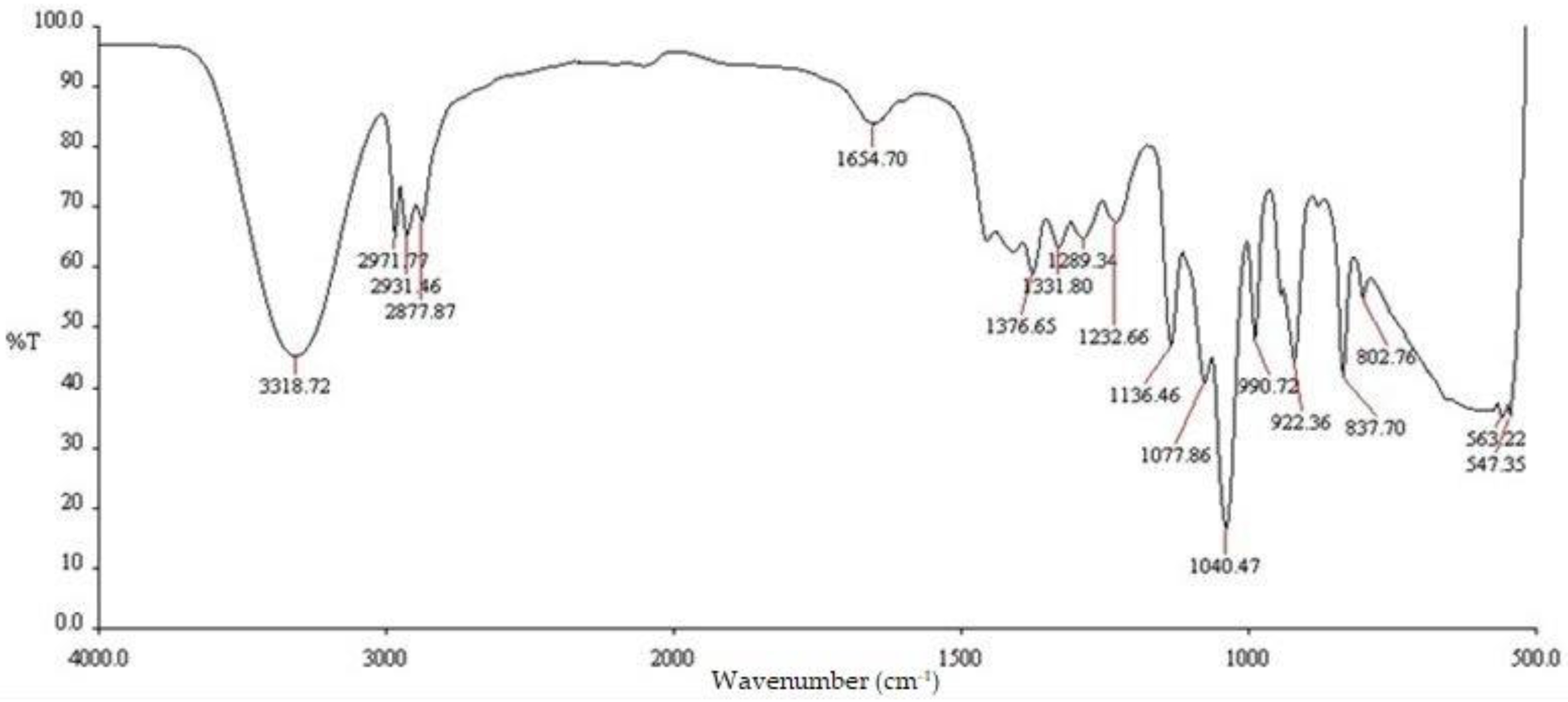
Figure 2.
FTIR spectra of the (a) E. prostrata A dressing and (b) E. prostrata B dressing.
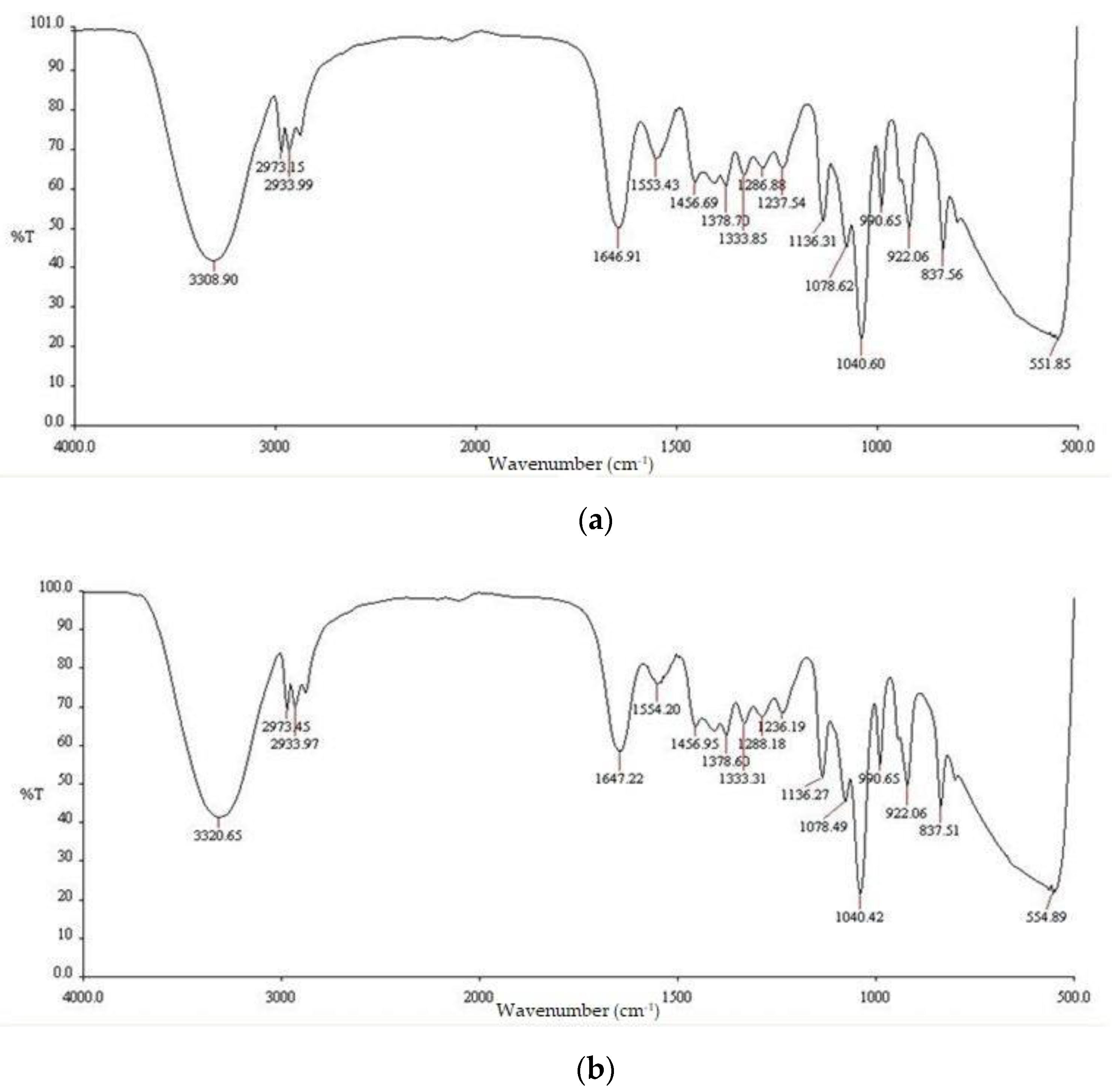
Figure 3.
Morphological observation of (a) surface and (b) cross-section of E. prostrata dressings by SEM.
Figure 3.
Morphological observation of (a) surface and (b) cross-section of E. prostrata dressings by SEM.
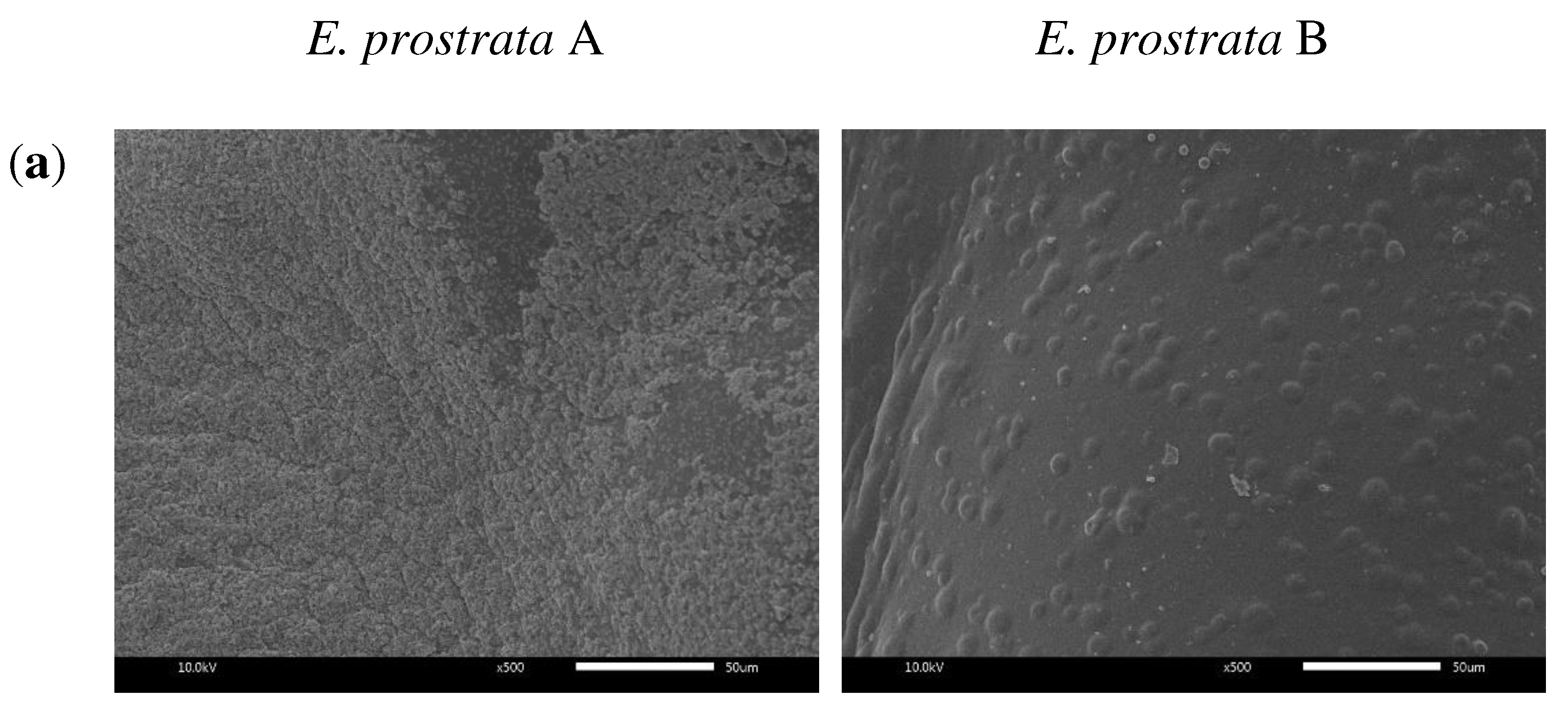
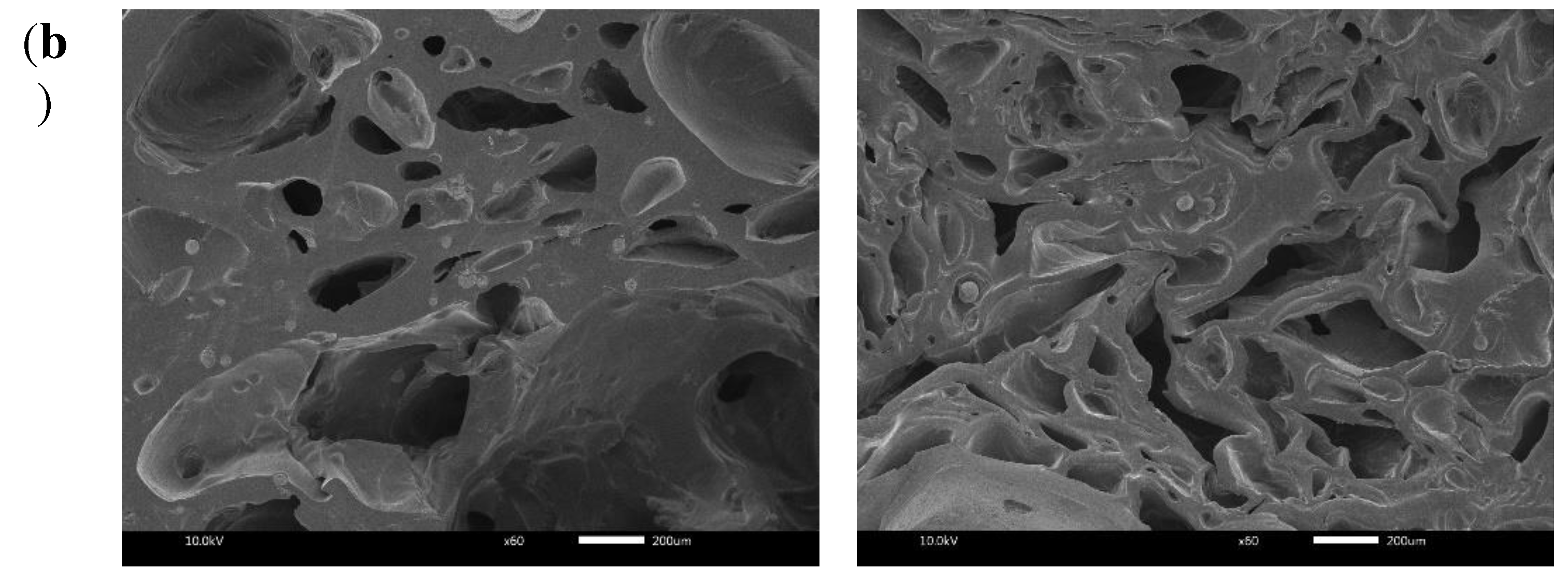
Figure 4.
Absorption properties of E. prostrata A and B dressings.
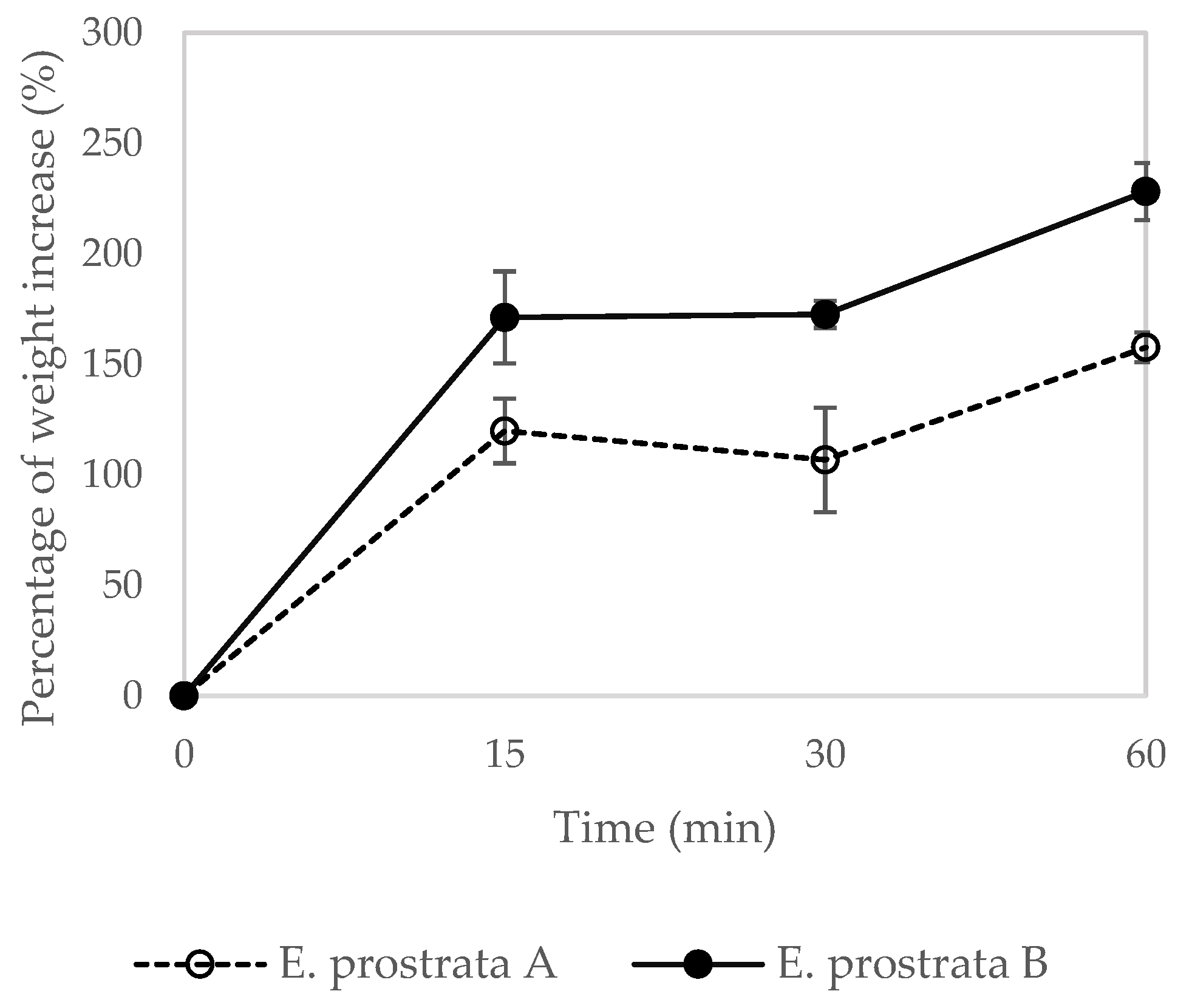
Figure 5.
Dehydration properties of E. prostrata A and B dressings.
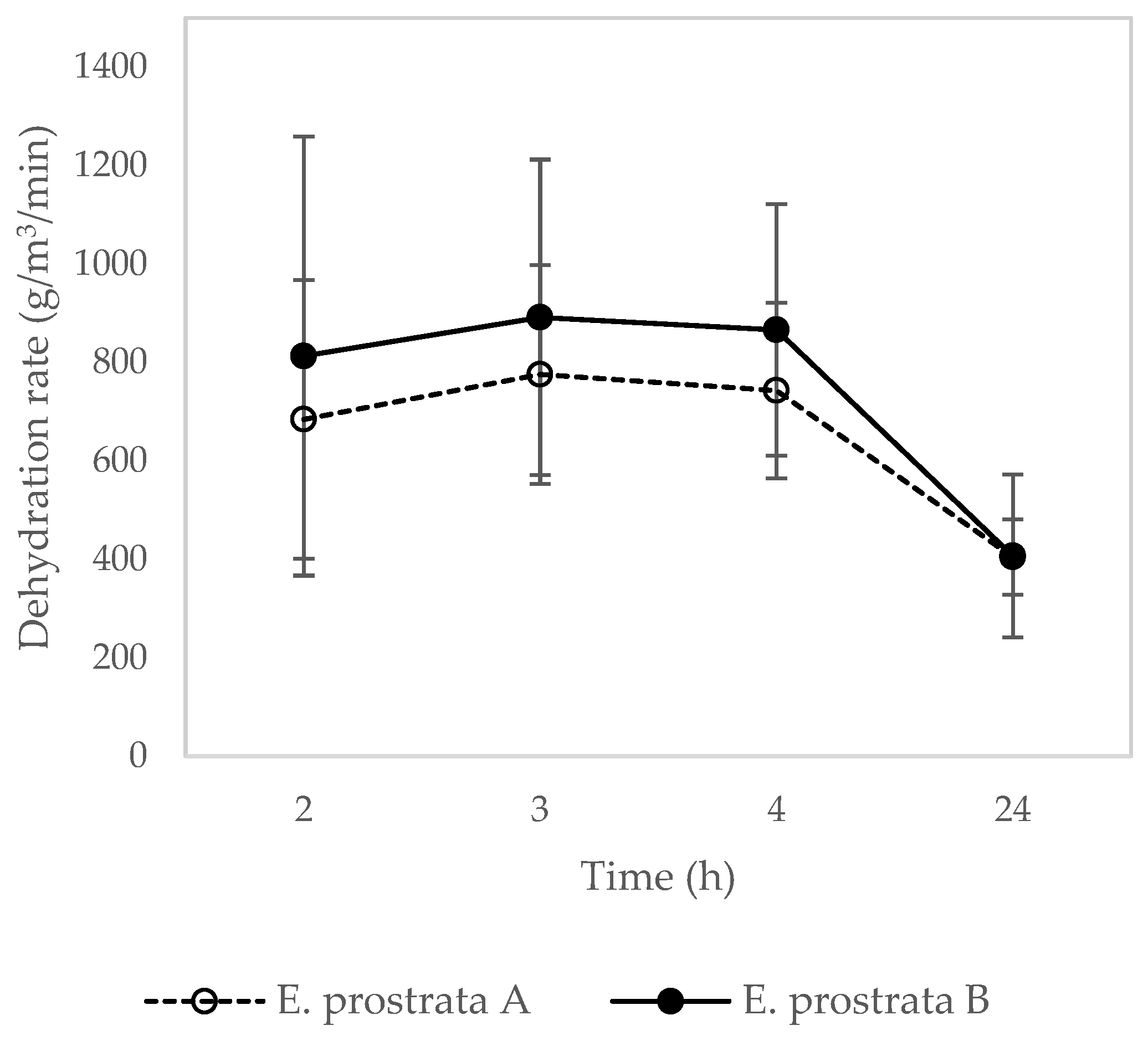
Figure 6.
The pH of deionized water submerged with the E. prostrata A and B dressings.
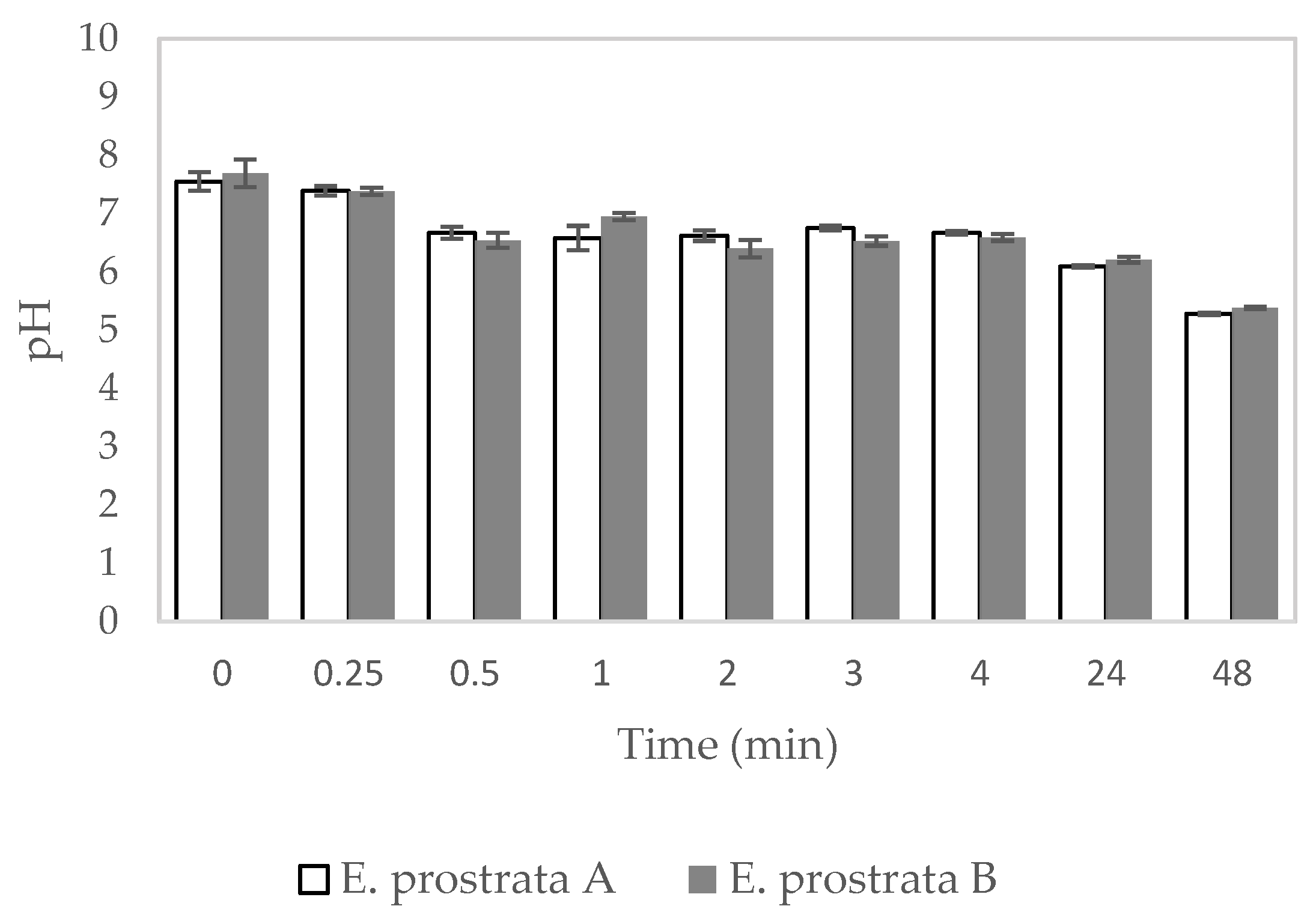
Figure 7.
Dispersion Characteristics of (left) E. prostrata A and (right) E. prostrata B dressings.
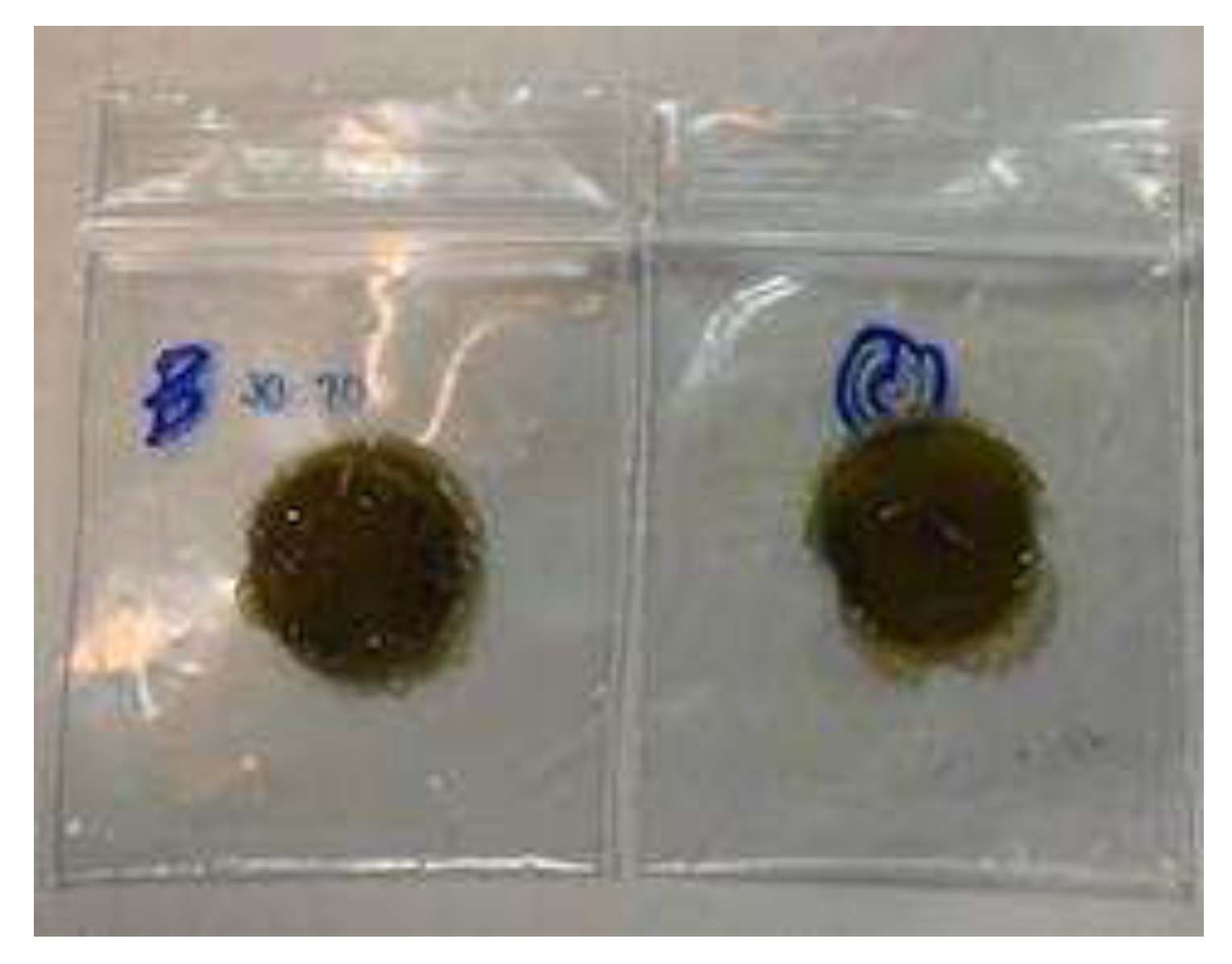
Figure 8.
Dispersion Characteristics compared with a pseudo-wound exudate. Spectrum of (bottom line in black) NaCl/CaCl2·H2O solution, (blue line) NaCl/CaCl2·H2O solution after submerged with the E. prostrata A dressing, and (upper line in black) NaCl/CaCl2·H2O solution after submerged with the E. prostrata B dressing.
Figure 8.
Dispersion Characteristics compared with a pseudo-wound exudate. Spectrum of (bottom line in black) NaCl/CaCl2·H2O solution, (blue line) NaCl/CaCl2·H2O solution after submerged with the E. prostrata A dressing, and (upper line in black) NaCl/CaCl2·H2O solution after submerged with the E. prostrata B dressing.
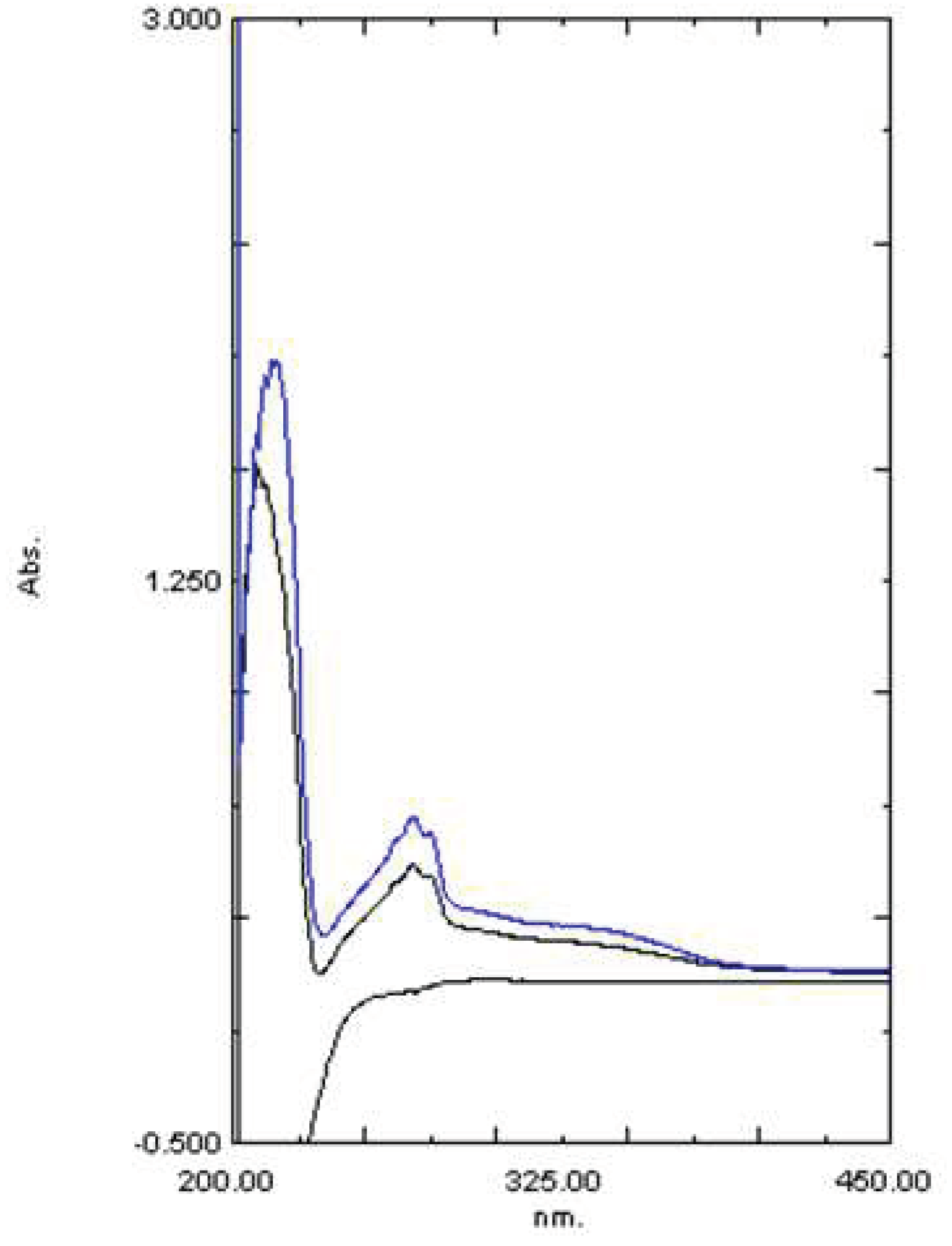

Table 1.
FTIR peak values and functional groups of the E. prostrata leaf extract and the E. prostrata A and B dressings.
Table 1.
FTIR peak values and functional groups of the E. prostrata leaf extract and the E. prostrata A and B dressings.
| Functional groups | Peak values | ||
| E. prostrata leaf extract | E. prostrata A dressings. | E. prostrata B dressings. | |
| Alkane | 1376.65 2877.87 2931.46 2971.77 |
1378.70 2933.99 2973.15 |
1378.60 2933.97 2973.45 |
| Alkene | 1654.70 | 1646.91 | 1647.22 |
| Halo compound |
802.76 837.70 |
837.56 | 837.51 |
Table 2.
Composition of prepared foam dressings containing E. prostrata extract and gelatin.
| E. prostrata | E. prostrata leaf extract : Gelatin (v/v) |
| A | 3:7 |
| B | 2:3 |
Disclaimer/Publisher’s Note: The statements, opinions and data contained in all publications are solely those of the individual author(s) and contributor(s) and not of MDPI and/or the editor(s). MDPI and/or the editor(s) disclaim responsibility for any injury to people or property resulting from any ideas, methods, instructions or products referred to in the content. |
© 2023 by the authors. Licensee MDPI, Basel, Switzerland. This article is an open access article distributed under the terms and conditions of the Creative Commons Attribution (CC BY) license (http://creativecommons.org/licenses/by/4.0/).
Copyright: This open access article is published under a Creative Commons CC BY 4.0 license, which permit the free download, distribution, and reuse, provided that the author and preprint are cited in any reuse.


