

Submitted:
25 April 2023
Posted:
25 April 2023
You are already at the latest version
Abstract
The transportation sector is a significant source of greenhouse gas emissions. Electric vehicles (EVs) have gained popularity as a solution to reduce emissions, but the high load of charging stations poses a challenge to the power grid. Nuclear-Renewable Hybrid Energy Systems (N-RHES) present a promising alternative to support fast charging stations, reduce grid dependency, and decrease emissions. However, the intermittent problem of renewable energy sources (RESs) limits their application, and the synergies among different technologies have not been fully exploited. This paper proposes a predictive and adaptive control strategy to optimize the energy management of N-RHES for fast charging stations, considering the integration of nuclear, photovoltaics, and wind turbine energy with a hydrogen storage fuel cell system. The proposed dynamic model of a fast-charging station predicts electricity consumption behavior during charging processes, generating probabilistic forecasting of electricity consumption time-series profiling. Key performance indicators and sensitivity analyses illustrate the practicability of the suggested system, which offers a comprehensive solution to provide reliable, sustainable, and low-emission energy to fast-charging stations while reducing emissions and dependency on the power grid.
Keywords:
Nuclear-Renewable Hybrid Energy Systems
; transportation electrification
; SMR
; modeling and simulation
1. Introduction
The transportation industry is witnessing a notable trend towards the adoption of electric vehicles (EVs). The International Energy Agency (IEA) reported that in 2020, the number of EVs in use globally exceeded 10 million, marking a 41% increase from the previous year, and EV sales reached a record of 3.1 million, despite the impact of the COVID-19 pandemic. The growth of the EV market is projected to continue in the coming years, driven by government policies, technological advancements, and consumer demand for eco-friendly transportation. The IEA predicts that by 2030, the number of EVs on the road will be between 140 million and 245 million, depending on the level of government support and climate goals [1]. As EV adoption increases, the demand for electricity to power these vehicles is also increasing rapidly, with EVs consuming approximately 20 billion kWh of electricity worldwide in 2020. The IEA estimates that by 2030, EVs could consume up to 280 billion kWh of electricity annually, equivalent to the total annual electricity consumption of countries such as Indonesia and the Netherlands. Although the shift towards electric vehicles (EVs) has the capability to enhance air quality and decrease greenhouse gas emissions, it also introduces novel obstacles for the electricity domain, such as coping with the surge in electricity demand and constructing enough charging stations to cater to the expanding number of EVs on the streets [2].
As electric vehicle (EV) adoption grows, there are significant challenges that arise for the energy grid, particularly in relation to charging stations. Firstly, the energy grid must be able to manage the increased demand for electricity to power the charging stations. This can lead to grid congestion and increased energy prices, particularly during peak charging periods. Secondly, renewable energy sources intermittently (such as solar and wind) can create challenges for charging stations that rely on these sources for power. Thirdly, the location of charging stations can also pose challenges for the energy grid, as they may require significant upgrades to the local distribution network to support increased power demand. Finally, there is a need for standardization in charging technology and infrastructure, to ensure interoperability and ease of use for EV drivers [3]. Addressing these challenges will be critical in enabling the widespread adoption of EVs and the development of a sustainable, low-emission transportation system [4].
Predicting the energy consumption of electric vehicle (EV) charging stations is crucial for planning and managing the charging infrastructure, as well as for optimizing the use of energy resources. Various techniques have been proposed to predict the energy consumption of EV charging stations, which can be broadly categorized into two groups: model-based and data-driven approaches [5].
Model-based approaches involve developing mathematical models that describe the charging process and the energy consumption of EVs. These models take into account various factors such as the battery characteristics of the EV, the charging station’s power output, and the charging protocol used. Model-based approaches can provide accurate energy consumption predictions but require a significant amount of data and computational resources [6].
Data-driven approaches, on the other hand, use machine learning algorithms to analyze historical charging data and predict future energy consumption. These approaches are data-driven, which means that they do not rely on prior knowledge about the charging process. Data-driven techniques can be less accurate than model-based approaches, but they are easier to implement and require less computational resources [7].
Several studies have investigated different techniques for predicting the energy consumption of EV charging stations. For example, some studies have proposed using artificial neural networks (ANNs) to predict the energy consumption of EV charging stations based on historical charging data. Other studies have explored the use of clustering techniques to group EV charging sessions based on charging behavior and predict future energy consumption based on these clusters. Overall, predicting the energy consumption of EV charging stations is an important research area, with numerous challenges and opportunities for improvement. By accurately predicting energy consumption, charging infrastructure can be better planned and managed, leading to a more efficient and sustainable transportation system [8,9].
In addition to the challenges of predicting energy demand for charging stations, there is a need for a sustainable energy system to develop an optimal energy grid, especially considering future changes in the energy sector. The two principal options for low-emission energy generation are nuclear and renewables. These hybrid energy systems can simultaneously address the need for grid flexibility, greenhouse gas emission reduction, and financial optimization. Nuclear technologies can include water-cooled or advanced, water and non-water-cooled reactor technologies for various energy needs. Renewable options can include, but are not limited to, electricity generation via wind, solar, hydro, water, and geothermal, direct use of heat from concentrating solar or geothermal, and other renewable energy commodities, such as biomass.
Nuclear-renewable hybrid energy systems are increasingly being recognized as a promising solution to meet the world’s growing energy demands while reducing greenhouse gas emissions. According to the International Atomic Energy Agency (IAEA), in 2020, nuclear power plants generated approximately 10% of the world’s electricity, while renewable energy sources (excluding hydro) generated 10.3%. By combining these two sources, hybrid energy systems can provide a stable and reliable source of energy, reduce carbon emissions, and increase the overall efficiency of the energy system [10].
One of the benefits of nuclear-renewable hybrid energy systems is their ability to provide continuous power while also adapting to fluctuating demand. Nuclear power provides a stable and reliable source of baseload power, while renewable energy sources such as solar and wind can provide variable power based on environmental conditions. By combining these sources, hybrid systems can provide a stable source of energy that adapts to the changing energy demands. Another advantage of hybrid energy systems is their ability to reduce greenhouse gas emissions. According to a study by the Massachusetts Institute of Technology (MIT), hybrid systems that combine nuclear and renewable energy sources can reduce carbon emissions by up to 90% compared to fossil fuel-based systems. By reducing carbon emissions, hybrid energy systems can help mitigate the impacts of climate change [11].
In addition, a NRHES can provide surplus energy that can be used to produce hydrogen as a storage system and to charge fuel cell vehicles. Hydrogen is a versatile energy carrier that can be used to power vehicles, heat homes, and generate electricity. According to a report by the International Energy Agency (IEA), hydrogen has the potential to account for up to 18% of the world’s final energy consumption by 2050. In addition, hydrogen fuel cell vehicles (FCVs) are becoming increasingly popular, with sales of FCVs reaching over 10,000 units in 2020 [12,13].
In an NRHES, the surplus energy generated by nuclear and renewable energy sources is used to power an electrolyser, which produces hydrogen from water. The hydrogen is then stored in a tank and can be used to power fuel cell vehicles or be converted back into electricity via a fuel cell. This approach can help to integrate intermittent renewable energy sources into the energy system while providing a clean and sustainable energy carrier [14]. Several countries, including Japan, Germany, and the United States, have invested in the development of hydrogen fuel cell vehicles and infrastructure. The Japanese government has set a target of having 800,000 FCVs on the road by 2030, and Germany has announced plans to invest over 9 billion euros in hydrogen technology by 2023. In the United States, the Department of Energy has set a target of reducing the cost of hydrogen production to $2 per kilogram by 2028, which would make hydrogen competitive with gasoline on a cost-per-mile basis [15]. By using surplus energy from an NRHES to produce hydrogen, countries can further promote the use of hydrogen fuel cell vehicles and reduce their dependence on fossil fuels.
Overall, the power system is evolving into a larger, more complex and integrated system that is closely linked with transportation and other energy systems. This evolution has a significant impact on the reliability and operation of power systems, as well as the competitiveness of nuclear plants and the tools used for planning power systems analysis. Therefore, this paper aims to develop a predictive and adaptive control strategy to optimize the energy management of Nuclear Renewable-Hybrid Energy Systems for Fast Charging Stations. The focus is on evaluating the performance of Load Following in nuclear reactors and its integration with a hybrid energy system. The model analyses the options for powering a fast-charging station, including the use of nuclear reactors, photovoltaics, and wind turbines, as well as the possible storage media such as a hydrogen storage fuel cell system. In the hydrogen storage system, surplus power is used to produce hydrogen through an electrolyser, which is then stored in a tank and consumed by the fuel cell as needed. Additionally, a dynamic model of a fast-charging station is presented to predict electricity consumption behavior during charging processes by generating probabilistic forecasting of electricity consumption time-series profiling. Key performance indicators (KPIs) and sensitivity analyses have been carried out to demonstrate the feasibility of the proposed system. Furthermore, energy management with a control system is modeled to achieve optimized performance of the system.
1.1. EV Charging Infrastructure
Charging stations for electric vehicles are a type of energy system infrastructure that supplies energy to vehicles for charging their battery banks. They can be categorized into two types of energy networks: direct current (DC) and alternating current (AC). The main difference between these two systems is that in an AC system, the battery charge is made through the vehicle’s onboard charger, usually using a converter. On the other hand, a DC charger directly charges the vehicle’s battery [16].
A charging station is also categorized into levels, as shown in Table 1. A Level 1 charger typically employs 120 VAC/230 VAC power sources that draw current within a range of 12 A to 16 A. It can take around 12 to 17 hours to fully charge a 24-kWh battery, and L1 chargers can provide a maximum power of 2 kW, suitable for residential applications. On the other hand, a Level 2 charger uses poly-phase 240 VAC sources to power a more robust vehicle charger, and the current drawn can range anywhere between 15 A and 80 A. These chargers can fully charge a 24-kWh battery in approximately eight hours, providing a power level of up to 20 kW [17].
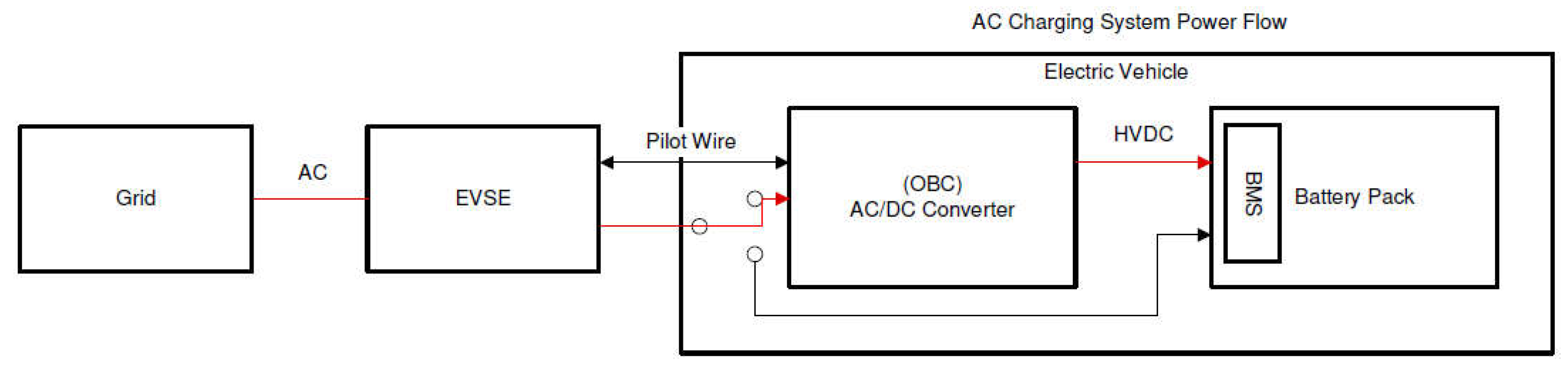
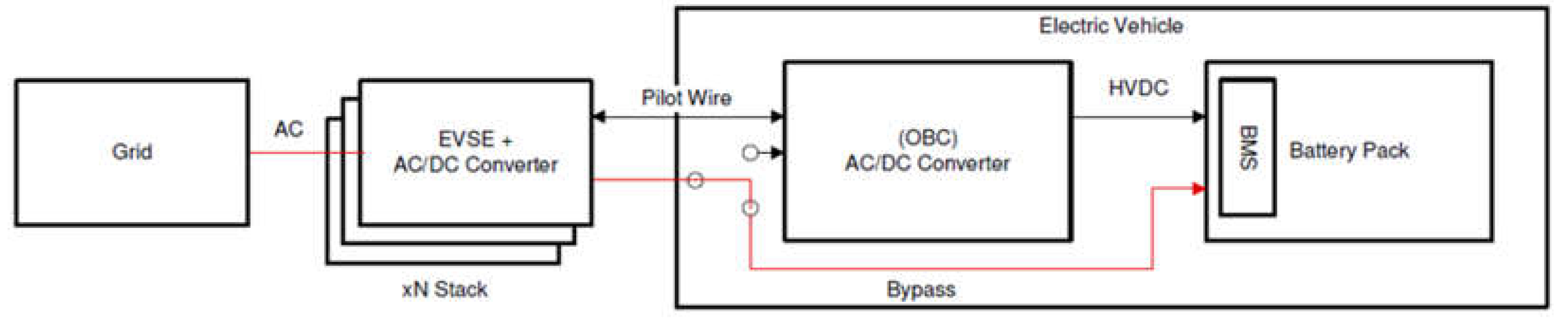
The Level 3 charger, also known as the DC charging station, has a high-power output range of 120 to 240 kW. Typically, L3 chargers can charge batteries up to 80% State of Charge (SOC) in under 30 minutes. To achieve this, modular converters that can be stacked are utilized. However, stacking converters inside the vehicle increases its bulkiness. Therefore, these converters are placed outside the vehicle, forming the EV charging station. The charging station is directly connected to the vehicle’s battery, bypassing the onboard charger [17,18].
1.2. Nuclear Reactor as Load Following Source
For many years, nuclear reactors have primarily been used as base load energy sources, providing a steady and reliable supply of electricity to the grid. This is because traditional nuclear reactors are designed to operate at a constant power output, and changing their power output can be challenging [19].
However, with the increasing use of renewable energy sources, such as solar and wind, which are often intermittent in nature, there is a growing need for flexible and adaptable energy sources that can adjust their power output to match changes in electricity demand. As a result, some nuclear reactors are now being designed with load-following capabilities in mind [20]. And that is the case in France, where more than 75% of electricity is generated from NPP, and the rest come from hydropower plant, coal, gas, and fuel oil plants due to this high share of nuclear. Figure 3 presents the history of the total nuclear generation in France during 2010, where the average daily variation is about 6.7%. However, for some periods, the daily variation reached over 20% [21,22].
The deployment of renewable energy systems has seen a significant increase due to advancements in sustainable energy systems. However, the intermittence of renewable sources, particularly solar and wind, presents challenges. The development of load-following capabilities in nuclear power plants has become increasingly important as more renewable and nuclear energy sources are integrated into the same electricity grid [23].
To stabilize power generation fluctuations, nuclear power plants must be able to operate in load-following mode. This can be accomplished through different methods, such as controlling rod movements, adjusting boric acid concentration, or using a recirculation system. However, selecting the appropriate method depends on the design technology and power variation required [24].
While load-following is technically feasible in most nuclear reactors, it may not be economically viable due to several physical effects of power generation and regulations that limit power variations, such as the moderator effect, doppler effect, fission product poisoning, and fuel burnup. Therefore, load-following requires higher control technologies for reactors than during base load operation [25]. Currently, nuclear power plants operate in four modes: baseload generation mode, which is the most common mode and involves operating the reactor at constant power for most of the fuel cycle, and three methods for power regulation, namely primary frequency control, secondary frequency control, and load following [26], exemplified in Figure 4.
As non-conventional energy grids like hybrid microgrids become more prevalent, accurately predicting power demand variations becomes more difficult. This unpredictability can result in frequency fluctuations, making it essential for Nuclear Power Plants (NPPs) to constantly monitor grid frequency and adjust their generation levels accordingly to maintain stability [22].
Primary Frequency Control involves short-term adjustments to electricity production and demand in response to observed deviations in frequency. Secondary Frequency Control operates over longer timeframes, from seconds to several minutes, and restores precise frequency levels by calculating average frequency deviations over a period [26].
Load Following is a power regulation system that enables the plant to follow a variable load power trajectory, programmed to change over time. The energy grid operators set the LF pattern based on power demand and the plant’s maneuvering capabilities. The reactor core load following control is schematically shown in Figure 5. The control system drives the actuator, such as control rods or boron adjustments, to make the output power trajectories of the reactor core follow the reference power trajectories in real-time while ensuring that the output axial power difference stays within a required target band [24].
Load Following operation is crucial for NPPs to stabilize total power generation fluctuations, particularly when there is a significant share of nuclear and renewable energy sources on the same electricity grid. While LF is technically possible in most nuclear reactors, it may not always be economically desirable due to significant physical effects of power generation and regulatory limitations. However, LF still requires higher control technologies for reactors than during the base load operation [25].
Achieving reliable regulations of core power and axial power difference is crucial for secure and economical operations of large reactors, such as PWRs, during load following. This operation involves significant load maneuvers on grids and multi-variable regulations, which require advanced control technologies for reactors compared to traditional base load operation.
1.3. Nuclear-Renewable Hybrid Energy System
A nuclear-renewable hybrid energy system is a type of energy system that combines the benefits of nuclear and renewable energy sources to provide a reliable, sustainable, and cost-effective source of electricity. This type of energy system utilizes both nuclear power plants (NPPs) and renewable energy sources, such as solar, wind, or hydroelectric power, to complement each other and provide a consistent and stable source of energy. Figure 6 exemplifies the benefits of integrating different novel systems for maximizing energy [27].
The primary advantage of a nuclear-renewable hybrid energy system is that it can leverage the benefits of both nuclear and renewable energy sources to provide a sustainable and reliable source of electricity. Nuclear power plants are known for their high reliability, low carbon emissions, and ability to provide base load power, while renewable energy sources are known for their low carbon emissions, scalability, and ability to generate power from abundant natural resources [28].
By combining these two types of energy sources, a nuclear-renewable hybrid energy system can provide a stable and consistent source of electricity, even during periods of high demand or fluctuating weather conditions. Additionally, this type of energy system can reduce the overall carbon emissions associated with electricity generation, which is crucial in the fight against climate change [29,30].
Overall, a nuclear-renewable hybrid energy system has the potential to provide a sustainable and reliable source of electricity for the future, making it a critical component of the global energy transition.
1.4. Hydrogen System
In recent times, hydrogen has gained prominence as a potential energy carrier for decarbonizing different sectors, including power generation, industry, and transportation. The global hydrogen market size was valued at USD 131.2 billion in 2020 and is predictable to increase at a compound annual growth rate (CAGR) of 6.2% from 2021 to 2028. The demand for hydrogen is projected to increase due to the rising focus on clean energy and the adoption of hydrogen in fuel cell vehicles [31].
Hydrogen can be produced through various methods, including steam methane reforming, electrolysis, and coal gasification. Among these, steam methane reforming is the most used method, accounting for approximately 95% of hydrogen production globally. However, this process is highly dependent on natural gas and releases a significant amount of carbon dioxide into the atmosphere [32]. On the other hand, the electrolysis method of hydrogen production is gaining attention due to its potential to utilize renewable energy sources, such as wind and solar, to produce hydrogen. The global electrolysis market size was valued at USD 0.8 billion in 2020 and is expected to grow at a CAGR of 24.6% from 2021 to 2028. The increasing investments in renewable energy systems and the development of hydrogen fueling infrastructure are expected to drive the growth of the electrolysis market [33].
Moreover, hydrogen can be stored and transported efficiently, making it a versatile energy carrier. The transportation sector accounts for approximately 25% of global energy-related CO2 emissions, and hydrogen fuel cell vehicles can play a crucial role in reducing these emissions. According to IEA, the number of hydrogen fuel cell vehicles on the road worldwide reached 11,200 in 2020, a 20% increase from the previous year [34].
Overall, the development of a sustainable hydrogen system can contribute significantly to the transition to a low-carbon economy and address the challenges posed by climate change.
2. Hybrid Energy System for Charging Station
Charging stations, especially public ones, are unpredictable in terms of how many vehicles will charge, what power level will be used, and the initial level of battery. Therefore, it is difficult to estimate how long the vehicle will be connected to the charging station. These stations are considered peak-demand devices, requiring high power from the grid in a short period of time. This is particularly challenging for fast charging large vehicles, such as buses and trucks, which can require up to 450kW of power for about 20 minutes. For instance, a charging station with 10 units, each with a 450kW power charger, could demand anywhere between 0 to 4.5MW of energy in a short period.
Ensuring grid reliability is a challenge, particularly for microgrids. The complexity increases in net-zero scenarios, such as Nuclear-Renewable Hybrid Energy Systems. To address these issues, a predictive and adaptive control strategy is needed to optimize energy management of Nuclear-Renewable Hybrid Energy Systems for Fast Charging Stations. This paper aims to evaluate the performance of Load Following in nuclear reactors and its integration with a hybrid energy system to develop such a strategy [35].
The purpose is to explore the power options available for a fast-charging station, as shown in Figure 7. The system can be powered by a nuclear reactor, photovoltaics, or a wind turbine. To store excess energy, a hydrogen storage fuel cell system is used. This system converts surplus power to hydrogen via an electrolyser, which is stored in a tank and can be consumed by the fuel cell when required.
To accurately predict real-world conditions, a dynamic model of a fast-charging station has been developed. This model generates probabilistic forecasts of electricity consumption time-series profiling during the charging process. Two different charging station systems have been presented in the figure: an electrical fast charging station, which will be used for the case study, and a hydrogen charging station, which is an alternative that utilizes the hydrogen generated from the excess energy.
2.1. Modeling Nuclear Reactor with Load Following
This study used a typical Pressurized Water Reactor (PWR) based on Rashid’s work, which utilized the H. B. Robinson Steam Electric Plant model with a four-loop PWR and U-tube steam generator. The aim of the modelling was to couple the reactor core dynamics with the steam generator dynamics, but this was a challenging task due to the nonlinearity of the nuclear steam generator system model. To overcome this, the study employed the advanced simulation software MATLAB-Simulink, which utilized state space representation to facilitate the modelling calculations. State space representation is a computational approach that organizes multivariable systems with input, output, and state variables.
The nuclear modelling was constituted by the following sub-systems:
- Neutronics: The model utilized point kinetics that involved six delayed neutron groups. Reactivity inputs were obtained from fuel temperature, coolant temperature, and average temperature control. Nonlinear terms, which consisted of products of reactivity and reactor power in the point kinetics equation, were included.
- Core thermal-hydraulics: The core thermal-hydraulic model was composed of three axial sections, each formulated using Mann’s model approach [x]. Each axial section consisted of one fuel node adjacent to two coolant nodes. This led to the formulation of nine differential equations for the core thermal hydraulics.
- T-average controller: The model contained a representation of the average temperature controller, which used the average coolant temperature as the input to the controller that actuated reactivity introduced by control rods.
- Piping and plenums: This work considered two piping systems for the hot and cold leg, four plenums for the steam generator input and output, and the reactor upper and lower. The piping and plenum system was also assumed to have mixed volumes.
- Pressurizer and its controller: The representation of the pressurizer was given by determining the energy and volume balance, as well as the mass in the pressurizer, which was reflected by the expansion of the water in the coolant nodes in the primary loop.
- U-tube steam generator modelling and control: The modeling proposed in this work used a simple steam generator schematic, which was represented by three different subsystems: the primary fluid, the secondary fluid, and the tube metal. The paper also considered the steam generator without control action, assuming that the design proposed would only be applied for small perturbations so that the controller dead-band could avoid variation in the feedwater flow.
For a comprehensive understanding of all modeling processes, it is recommended that readers refer to the cited sources [x] for a detailed description of modeling and transient simulation. Due to space limitations, mathematical approaches and equations were omitted in this text. The software MATLAB/Simulink was utilized in this study to facilitate state space representation calculation and system time response analysis. Figure 8 demonstrates the primary function of controlling reactor output power by identifying the variables that influence power variation.
The software MATLAB/Simulink was employed in this study to simplify calculations and generate the system’s time response. A comprehensive Simulink schematic is presented in Figure 9.
Figure 10 illustrates the simulation outcomes for each nuclear fuel, considering an external reactivity perturbation of 0.001 and a 5 Fahrenheit degree increase in moderator temperature. The findings reveal that an external perturbation of 0.001 results in a power rate increase of approximately 4.7%. U-233 and PU-239 exhibit similar patterns, with the power rate stabilizing after around 2 seconds, whereas U-238 took longer to stabilize, approximately 5 seconds. The fractional power rate, resulting from a change in moderator temperature, was similar for all nuclear fuels, stabilizing at -4.7% of the power rate after 4 seconds.
To assess power generation behavior from a nuclear reactor, the output response was simulated using a desired power rate of 70% of the full power as the signal input. Figure 11 presents the resultant output curve, which enables the examination of the system’s behavior and time response to stabilize the output power at the desired value, which occurs approximately 800 seconds after the input signal is introduced. This time response is essential for evaluating the integration of NPPs with renewable and variable demand profiles, wherein the nuclear reactor control system must vary the output to ensure energy supply.
An energy generation profile from a nuclear reactor was generated through the development of a user interface, which can be used to carry out experiments with renewable sources. Figure 12 demonstrates that the interface enables the user to input the nuclear reactor parameters, along with the load profile, which can be used to configure Load Following parameters in the control center of the nuclear power plant.
The interface also provides the capability to determine the reactor’s nominal power, facilitating simulations under different scenarios. The daily generation profile of the nuclear reactor is presented as output on the interface, reflecting the configured load profile input, while considering the delay in stabilizing the output power at the desired level. Additionally, the interface displays the generation curve at each output power change.
The output signal, which approximates the SMR power output and is illustrated in Figure 13, is exported to HOMER Pro software for simulation purposes, evaluating the integration of nuclear energy with renewable energy sources and energy storage systems.
2.2. Modeling Fast Charging Station
The installation of public charging infrastructure networks has played a vital role in facilitating the shift towards electric vehicle (EV) technology and must continue to support its adoption. DC fast charging (DCFC) reduces charging time, increases convenience for customers, enables long-distance travel, and may facilitate the electrification of high-mileage fleets. Further simulations, based on a uniform vehicle population, have been conducted, and formulas have been derived to estimate the charging time and waiting duration of the queue. The optimization of DCFC station design is also discussed, including the number and capacity of ports.
This project’s objective is to develop a dynamic model for a fast-charging station that predicts the electricity consumption behavior during the charging process, thereby contributing to the deployment of the energy system. The aim is to create a probabilistic forecast of electricity consumption time-series profiling by constructing an adaptive model that predicts the electricity consumption of fast-charging stations. This project aspires to create time-series profiling that can be used in hybrid energy system simulations.
2.2.1. System Parameters
The proposed systems comprise six electric vehicle models, each with specific parameters. For simulation purposes, these parameters include the nominal charging power, which represents the maximum amount of power required to charge the electric vehicle, the battery size, and the proportion population. These parameters are summarized in Table 2. The proportion population denotes the likelihood of a particular vehicle accessing the charging station and will be utilized in probabilistic analysis to forecast which model will be charged during a given period.
In this simulation, Figure 14 displays the average number of chargers utilized per hour at random. For example, at 1 pm, the average number of visits is 70%, indicating that 70% of the available charging units will be utilized at various intervals during this hour.
2.2.2. System Simulation
One of the potential outcomes from the 24-hour simulation is illustrated in Figure 15. The chart on the left displays the time series results with a minute interval, while the chart on the right exhibits the results in hourly intervals.
Since the modelling relies on probabilistic analysis, each simulation run produces different outcomes even when utilizing the same energy profile pattern. The use of a probabilistic system is crucial due to the unpredictable nature of energy consumption at EV charging stations, which poses a challenge in maintaining energy system reliability, particularly for microgrids where any unanticipated changes in load can have a significant impact on energy generation operations.
3. Simulation
As previously mentioned, the primary aim of this paper is to assess the optimal configuration of a hybrid energy system that can offer reliable, flexible, and sustainable power supply for a fast-charging station. Figure 16 depicts a flowchart illustrating the energy management process for this system.
The first step is to determine the parameters for the fast-charging station, including the historical capacity rate (as displayed in Figure 14) and the model parameters for the most common type of electric vehicles that will utilize the system (as outlined in Table 2). Using these parameters, the energy management system will generate a time-series energy load (created through the modeling outlined in Section 2.2) and a load following pattern that will be utilized to set the Nuclear Reactor.
The Nuclear Reactor’s user interface (as presented in Section 2.1) will utilize the energy pattern provided by the fast-charging station to set the reactor mode of operation and generate energy output using the Load Following method. The system will then evaluate the conditioning for the solar, wind, and hydrogen systems to achieve an optimal energy flow for the entire system.
Figure 17 displays a comparison between the energy load pattern used to simulate both the energy profile for the fast-charging station and to set the load following for the Nuclear Reactor, as well as three different simulation results. It is evident that, although the energy load follows a pattern, the high variability of the load poses a critical issue for maintaining a constant energy flow, thus highlighting the importance of integrating nuclear with renewable and energy storage systems.
During the simulation, certain assumptions were made. Given that an NPP can provide reliable and cost-effective energy, it is considered the primary source for the system, operating as Load Following based on the Energy Load Pattern. However, as mentioned earlier, the Load Pattern does not accurately represent the energy profile. In a realistic scenario, the energy profile has rapid fluctuations throughout the day that the NPP cannot accommodate. Therefore, the system requires additional energy sources to ensure reliability. Renewable sources will generate additional energy for the system. Since solar and wind energies are intermittent, any excess energy will be stored using a hydrogen system (through electrolysis and fuel cells) to provide energy to the system when neither nuclear nor renewable energy sources are available.
3.1. Natural Resource Availability
In projects involving generation systems, it is crucial to consider weather data that impacts electricity generation. As this study focuses on solar and wind energy, radiation, temperature, and wind velocity profiles were necessary to determine the potential generation.
The HOMER Pro software was used to obtain solar irradiation and wind speed data for a system located in Toronto, Canada. The data was obtained from the NASA Surface Meteorology and Solar Energy Database.
For the technical and economic analyses, a 1kW generic flat plate solar panel with a 25-year lifespan was considered for the solar system, while a 10kW generic turbine was considered for the wind system. The technical and economic parameters are detailed in Table 4. Figure 18 shows the solar radiation and clearness index profile, while Figure 19 depicts the monthly average wind speed profile.
3.2. Components Parameters
The technical and economic parameters of the components used in this study were determined based on literature values. These values were used to identify the optimal scenario based on key indicators such as Present Net Cost and Cost of Energy.
The reactor specifications for this study were based on the SMR BWRX-300, which was scaled proportionally to a lower power. Table 3 provides information on the reactor’s base power capacity, implementation, and maintenance costs, and expected lifetime.
The parameters for the Solar and Wind System are presented in Table 4. These parameters include the maximum size limit for each system, as well as investment cost, replacement cost, maintenance cost, and expected lifetime.

Table 4.
Parameters Solar PV and Wind Systems.
| Solar PV | Wind Farm | ||||
|---|---|---|---|---|---|
| Description | Value | Unit | Description | Value | Unit |
| Upper Limit Size | 2000 | kW | Upper Limit Size | 2000 | kW |
| Investment Cost | 550 | $/kW | Investment* | 1130 | $/kW |
| Replacement | 550 | $/kW | Replacement | 1130 | $/kW |
| O&M Cost | 9 | $/kW/year | O&M Cost* | 48 | $/kW/year |
| Lifetime | 30 | Years | Lifetime* | 30 | Years |
| Upper Limit Size | 2000 | kW | Upper Limit Size | 2000 | kW |
Table 5 provides the parameters for the hydrogen system, including those for the fuel cell generator and the DC converter.
3.3. Economic Analysis
To conduct this study, the HOMER Pro software was utilized, as it is a valuable tool for sizing power generation systems that incorporate multiple sources of energy. The software can conduct hourly simulations of energy flow for both the load and other system components, allowing for accurate optimization procedures. In addition, it can estimate the initial installation and operating costs, and provide recommended economic indicators for proper economic analysis. The software considers project lifespan and factors in variables that impact the analysis procedure, including price, power ratio of available solar modules, inverters, and wind turbines. These advantages make HOMER Pro a reliable choice for sizing power generation systems.
Some of the economic variables calculated by the software are explained as follows:
- Net Present Cost (NPC): NPC represents the installation cost and the operating cost of the system throughout its lifetime. It is calculated according to (1).
: Total annualized cost ($);
: Capital Recovery factor;
: Interest rate (%);
: Project lifetime (years).
- Cost of Energy (COE): COE represents the average cost/kWh of useful electrical energy produced by the system. It is calculated according to (2).
where:
: The AC primary load;
: The DC primary load;
- Capital Recovery Factor (CRF): It is a ration which is used to calculate the present value of a series of equal annual cash flows. It is calculated according to (3).
where:
: number of years;
: annual real interest rate.
- Annual Real Interest Rate: It is a function of the nominal interest rate, and it is calculated according to (4).
where:
: real interest rate;
: nominal interest rate;
F: annual inflation rate.
4. Results and Discussion
The proposed system was simulated using HOMER Pro software, which is a powerful tool for sizing power generation systems that consider multiple sources of generation. However, since the software lacks the nuclear reactor components and an algorithm to predict electric vehicle energy consumption, the output power from the nuclear reactor and the energy load of the fast-charging station were generated using the models presented in Section 3.1 and Section 3.2, respectively. These time series were then uploaded into HOMER Pro as custom components. The software performs optimization procedures by simulating hourly energy flow on the load and energy sources and generates a list of possible system configurations with their respective shares of energy source and economic parameters.
Figure 20 presents six system configuration options, along with their energy source shares and cost of energy. The cost of energy is a crucial parameter because it considers all costs related to each technology, as well as the energy production capacity of the system.
Figure 20 summarizes several system configuration options, with option 1 being the most feasible. It has a cost of energy of $0.35 per kWh and an energy mix comprising 46% nuclear reactor, 42% wind energy, and 12% solar energy, as displayed in the left chart of Figure 21. The right chart in Figure 21 shows the monthly energy production by source, which also includes the fuel cell, representing the use of hydrogen as energy storage to supply the load when the primary sources are insufficient.
The energy system’s production is illustrated in Figure 22, showcasing a 7-day sample of energy flow based on the energy management methodology introduced in Figure 16.
Figure 23 displays a 7-day timeframe demonstrating the hydrogen system utilized as an energy storage method. It shows the quantity of hydrogen produced in kilograms from the excess energy generated by the energy sources. The hydrogen generated is stored in a tank to be utilized as a fuel for the fuel cell generator, producing electricity when necessary.
A sensitivity analysis was also conducted in this study to assess the impact of input variables on the system outcome. This analysis involves simulating a particular scenario by varying multiple values of an input variable. It is often difficult to determine an exact value for a variable, especially when considering future scenarios, hence the need for sensitivity analysis.
By defining a range of values, it is possible to assess the impact of a variable and understand how the solution varies according to its value. In other words, it is possible to determine the degree of sensitivity of the system’s outputs to changes in that variable. By conducting a sensitivity analysis, users can identify the optimal values for these variables in this particular scenario and evaluate their impact on the system’s energy cost.
The sensitivity analysis in this paper considered two parameters: solar irradiance and wind speed. Varying these parameters results in a recalculation of the optimal rates of solar and wind, which in turn affects the cost of energy. The default value for average wind speed used in this paper is 7m/s, but the sensitivity analysis considered four additional values: 5m/s, 6m/s, 8m/s, and 9m/s. Similarly, the default average value for solar irradiance is 3.6kWh per square meter per day, but the sensitivity analysis also simulated values of 2, 3, 4, and 5kWh per square meter per day.
The left graph in Figure 24 displays the sensitivity analysis for the wind system, while the right graph presents the same for the solar system. The steeper line on the wind speed graph indicates that changes in wind speed can have a greater impact on the cost of energy. Therefore, obtaining a precise estimate of the wind speed is crucial for creating an optimal energy system and may require additional time and resources. Another advantage of performing a sensitivity analysis is to assess the suitability of a single system for multiple installations. If the sites are similar except for wind speed, several wind speeds within the appropriate range can be specified. Since hybrid energy systems require consideration of numerous environmental and economic factors at the installation site, each system must be tailored to its specific location.
5. Conclusions
This project focuses on the research and development of fast-charging stations for high-powered electric vehicles, specifically for large vehicles like eBUS and eTruck. The objective is to improve technologies and energy management to increase autonomy, adaptability, and resiliency while decreasing charging time. The project aims to optimize the functioning of the charging station and make adaptations for future modifications. One important aspect is the development of a system that can adapt to different factors, including technical and economic feasibility, energy management, charging schedules, load profiles, energy storage, integration with renewable sources, availability of natural resources, climate change impacts, and new technologies.
Future projects will include additional features to enhance the resilience and efficiency of fast charging stations. One feature is the creation of a hybrid network that includes thermal, water, and hydrogen networks using cogeneration systems. Combining renewable sources and nuclear energy is an efficient way to ensure energy resilience, but there are drawbacks and risks associated with any energy source. The use of different technologies of energy storage systems and the integration of cogeneration systems can enhance the energy system’s performance and mitigate the limitations of individual sources.
Hydrogen is a promising feature for future energy systems, and research could explore two promising topics: the hybrid network system for FCS by including different networks to enhance the system’s resilience, and the grid energy exchange with fast-charging stations using SMR-renewable for peak shaving purposes in small communities or remote areas. The microgrid can improve the synchrony between demand and supply in small communities, and the excess energy from the FCS can decrease peak demand. Additionally, it is essential to analyze the feasibility of a hydrogen-electric fast-charging station for both electric and fuel cell electric vehicles.
References
- International Energy Agency. (2021). Global EV Outlook 2021: Scaling up the transition to electric mobility. 2021. Available online: https://www.iea.org/reports/global-ev-outlook-2021.
- Sioshansi, R. Electric vehicle charging infrastructure: Where should we be headed? The Electricity Journal 2018, 31, 16–23. [Google Scholar]
- Walawalkar, R. , Bates, R. Impact of EVs on power distribution systems. IEEE Power and Energy Society General Meeting 2011, 1–7. [Google Scholar]
- Lopes, J. A. , Hatziargyriou, N. , Mutale, J., Djapic, P., Jenkins, N., Strbac, G., & Engler, A. Integrating distributed generation into electric power systems: A review of drivers, challenges and opportunities. Electric power systems research 2007, 77, 1189–1203. [Google Scholar] [CrossRef]
- Zhang, J. , Li, Z. , Li, Y., Wang, J., Wang, L., Zhang, Y., & Xu, B. Predicting electric vehicle charging load based on spatiotemporal correlation analysis and an improved ARIMA model. Applied Energy 2021, 297, 117155. [Google Scholar]
- Liu, X. , Guo, S. , Xiong, L., & Liu, J. A review of electric vehicle charging load prediction methods considering user behavior. Energy Conversion and Management 2021, 243, 114398. [Google Scholar]
- Chen, X. , Zhang, X. , Cui, B., & Ma, Z. A comprehensive review of electric vehicle charging load forecasting. Applied Energy 2020, 267, 114817. [Google Scholar]
- Xia, Q. , Lin, Y., Li, X., Li, H., & Liu, Y. A review of electric vehicle charging load forecasting: Methods, modeling, and optimization. Renewable and Sustainable Energy Reviews 2020, 124, 109783. [Google Scholar]
- Guo, S. , Liu, X., & Wang, H. Electric vehicle charging load forecasting: A comprehensive review of the state-of-the-art methods, models, and datasets. Applied Energy 2020, 276, 115421. [Google Scholar]
- Wang, P. , Huang, Y., Li, J., & Zhuang, Q. A review of nuclear-renewable hybrid energy systems for decarbonized electricity and heat supply. Applied Energy 2020, 279, 115798. [Google Scholar]
- Zhang, X. , Li, Y., & Zhang, B. Energy management strategy for a microgrid with nuclear-renewable hybrid energy systems considering uncertainty. Applied Energy 2020, 261, 114422. [Google Scholar]
- J.R. Dehoff et al., Nuclear Renewable Hybrid Energy Systems: Opportunities and Challenges. Energy Policy 2014, 69, 44–53.
- Akbari, Development of Nuclear Renewable Hybrid Energy Systems for Hydrogen Production. International Journal of Hydrogen Energy 2019, 44, . 2945–2962.
- H. Chang et al., “Nuclear-Renewable Hybrid Energy System for Hydrogen Production,” Journal of Energy Engineering, vol. 146, no. 2, 2020.
- D. R. Shende et al., “Hydrogen Production from Nuclear-Renewable Hybrid Energy System: An Overview,” Renewable and Sustainable Energy Reviews, vol. 127, 2020.
- U.S. Department of Energy. (2021). Electric Vehicle Charging Station Basics. Available online: https://www.energy.gov/eere/electricvehicles/electric-vehicle-charging-station-basics.
- SAE International. (2021). Charging Levels & Standards. Available online: https://www.sae.org/standards/content/j3068_202103/.
- European Commission. (2019). Electric vehicle charging stations. Available online: https://ec.europa.eu/transport/themes/urban/cpt_en.htm.
- “Nuclear Power in a Clean Energy System,” International Energy Agency, May 2019. Available online: https://www.iea.org/reports/nuclear-power-in-a-clean-energy-system.
- “Load-following operation of nuclear power plants,” International Atomic Energy Agency, September 2009. Available online: https://www-pub.iaea.org/MTCD/Publications/PDF/te_1616_web.pdf.
- “Load-Following Nuclear Power Plants,” U.S. Nuclear Regulatory Commission, October 2016. Available online: https://www.nrc.gov/docs/ML1629/ML16293A209.pdf.
- “Flexible Nuclear Energy for a Low-Carbon Future,” World Nuclear Association, October 2020. Available online: https://www.world-nuclear.org/getmedia/fe93c54d-d8d6-44a1-aef1-11c7dcdf8a67/201007-flexible-nuclear-energy-for-a-low-carbon-future.pdf.aspx.
- International Atomic Energy Agency, “Load-Following Operation of Nuclear Power Plants,” 2009. Available online: https://www-pub.iaea.org/MTCD/Publications/PDF/te_1616_web.pdf.
- World Nuclear Association, “Load-Following Nuclear Power Plants,” 2019. Available online: https://www.world-nuclear.org/information-library/nuclear-fuel-cycle/nuclear-power-reactors/load-following-nuclear-power-plants.aspx.
- Nuclear Energy Institute, “Load Following and Nuclear Energy,” 2018. Available online: https://www.nei.org/resources/fact-sheets/load-following-and-nuclear-energy.
- International Atomic Energy Agency, “Nuclear Power Reactors,” 2022. https://www.iaea.org/topics/nuclear-power-reactors.
- R.L. Faidy, S. Park, J. H. Park, H. Y. Jang, S. Y. Hong, S. H. Park, and S. H. Lee, Nuclear-Renewable Hybrid Energy Systems: A Review. Energies, 2020, 13, 1529. [CrossRef]
- D. Hejzlar, M. T. Yilmaz, F. Carta, and G. Caralis, “Nuclear renewable energy hybrid systems: A review of challenges and opportunities,” Progress in Nuclear. Energy 2018, 102, 28–42. [Google Scholar] [CrossRef]
- M. T. Yilmaz, D. Hejzlar, and G. Caralis, “Multi-objective optimization of nuclear-renewable hybrid energy systems. Applied Energy 2019, 235, 1322–1336. [Google Scholar] [CrossRef]
- N. A. Mohd Saad, M. T. Yilmaz, G. Caralis, and D. Hejzlar, “Stochastic optimization of nuclear-renewable hybrid energy systems considering demand-side management. Energy Conversion and Management 2020, 211, 112785. [Google Scholar] [CrossRef]
- International Energy Agency. (2021). The Future of Hydrogen: Seizing Today’s Opportunities. Available online: https://www.iea.org/reports/the-future-of-hydrogen.
- U.S. Department of Energy. (2021). Hydrogen Production. Available online: https://www.energy.gov/eere/fuelcells/hydrogen-production.
- European Commission. (2021). Clean hydrogen: a low-carbon energy source for industry. Available online: https://ec.europa.eu/growth/sectors/energy/policy/clean-energy-hydrogen_en.
- Japan Ministry of Economy, Trade and Industry. (2021). Japan’s Green Growth Strategy - Towards a Decarbonized Society. Available online: https://www.meti.go.jp/english/press/2020/1204_002.html.
- Kim, J. , Kim, I, & Kim, Y. Predictive and Adaptive Control Strategy for Nuclear Renewable-Hybrid Energy Systems Considering Fast Charging Stations. IEEE Transactions on Smart Grid 2021, 12, 2373–2383. [Google Scholar]
Figure 3.
Average Daily NPP Generation and Daily Variation in France in 2010.
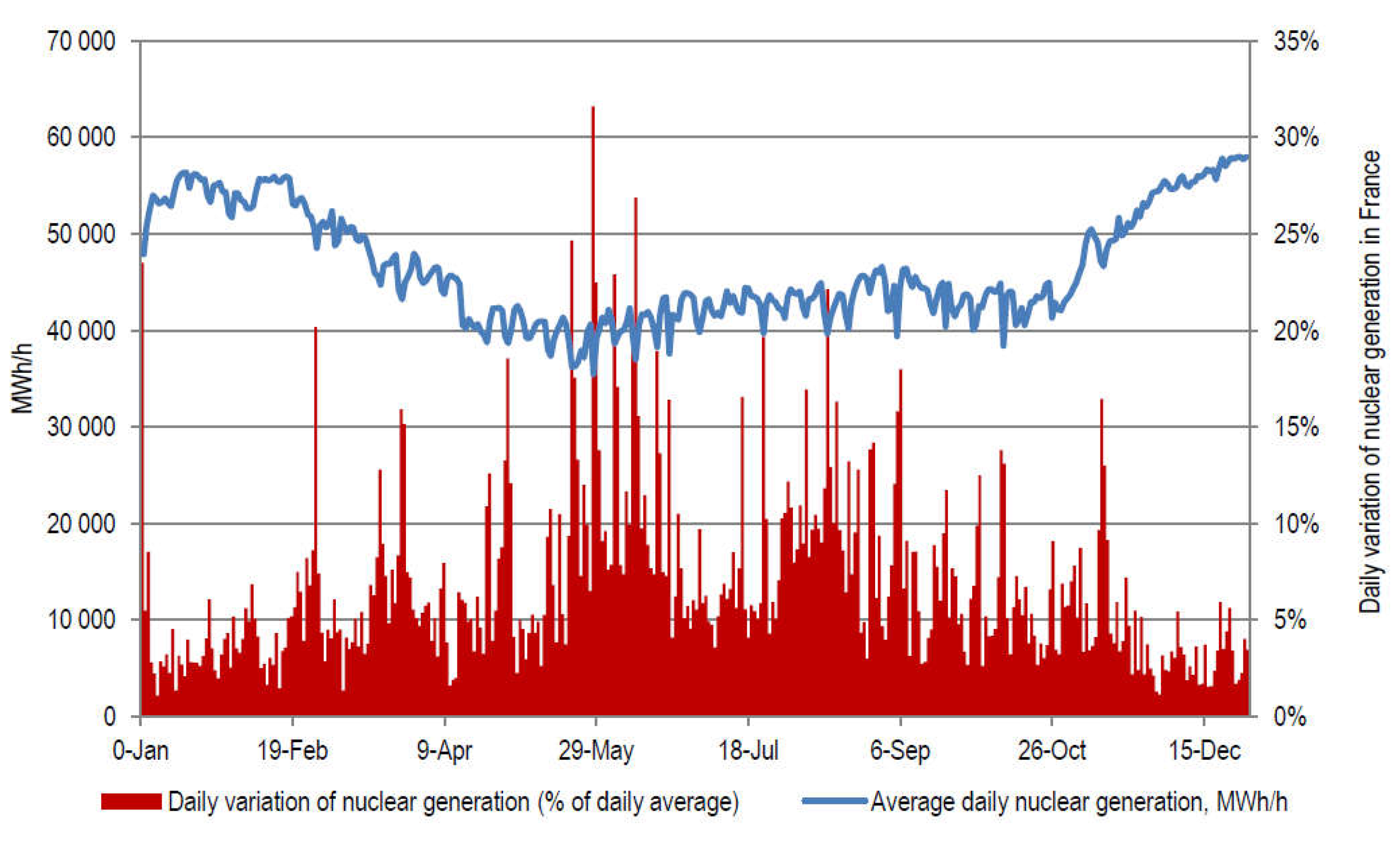
Figure 4.
Power Regulation Modes in NPPs.
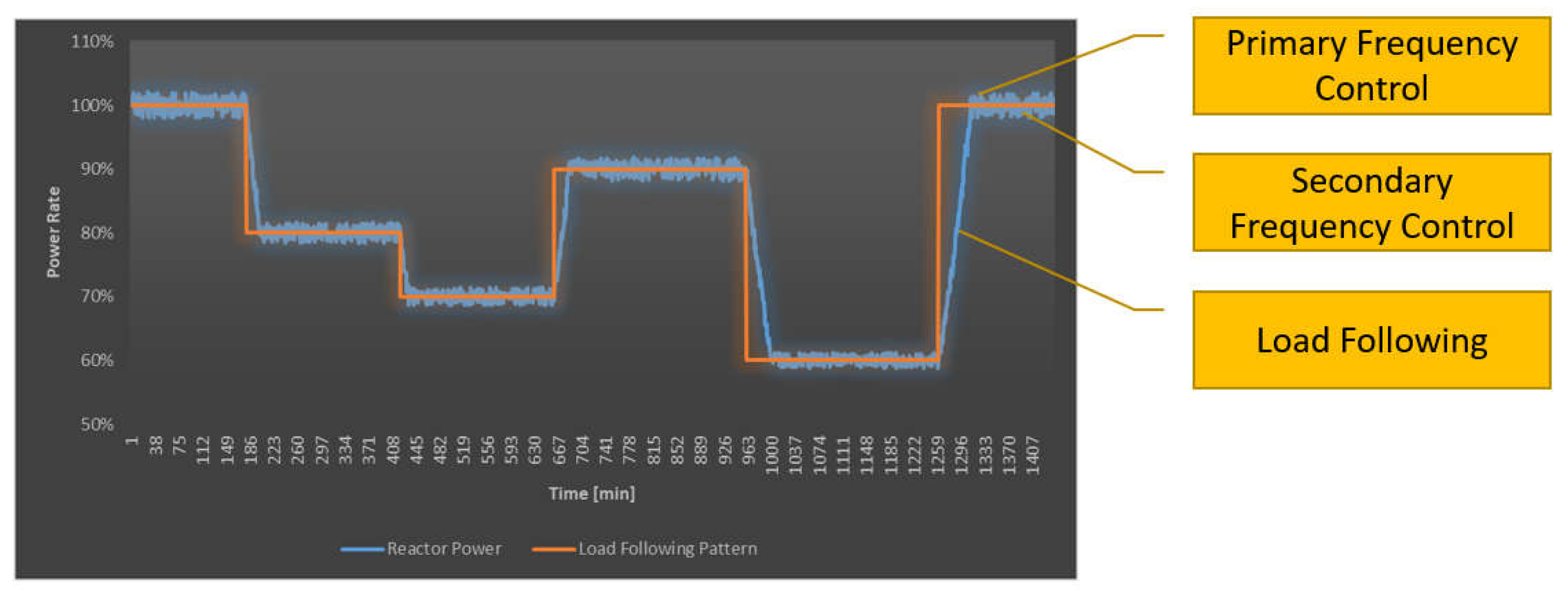
Figure 5.
Schematic of Reactor Core Load Following Control.
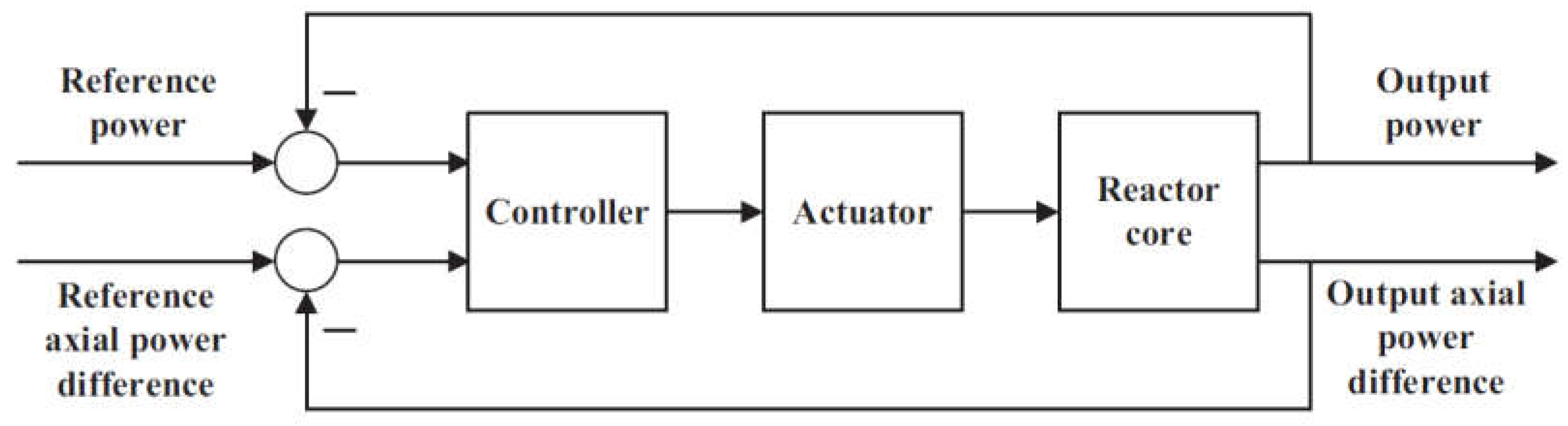
Figure 6.
NR-HES Schematic.
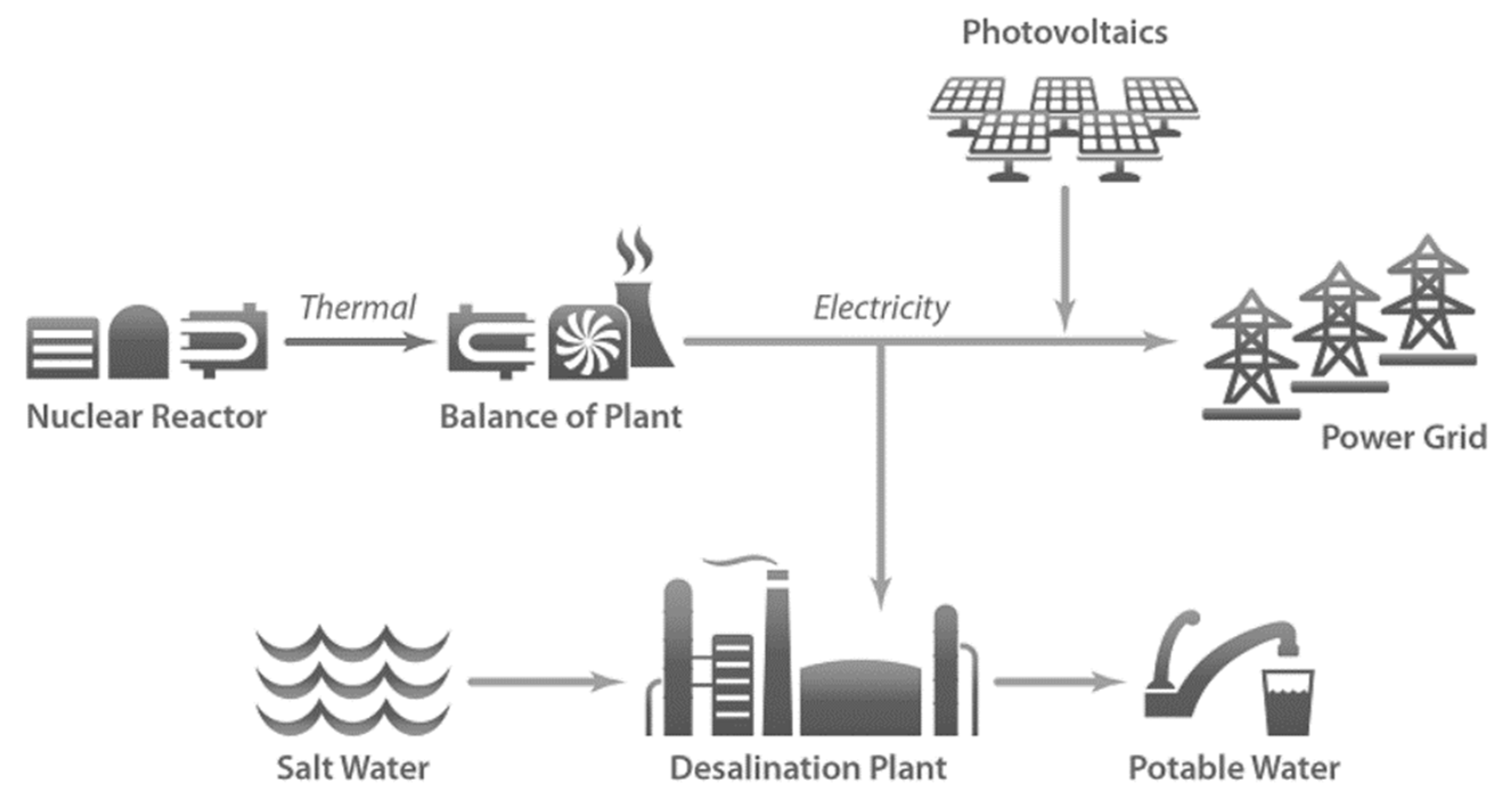
Figure 7.
NR-HES Schematic for Charging Station.
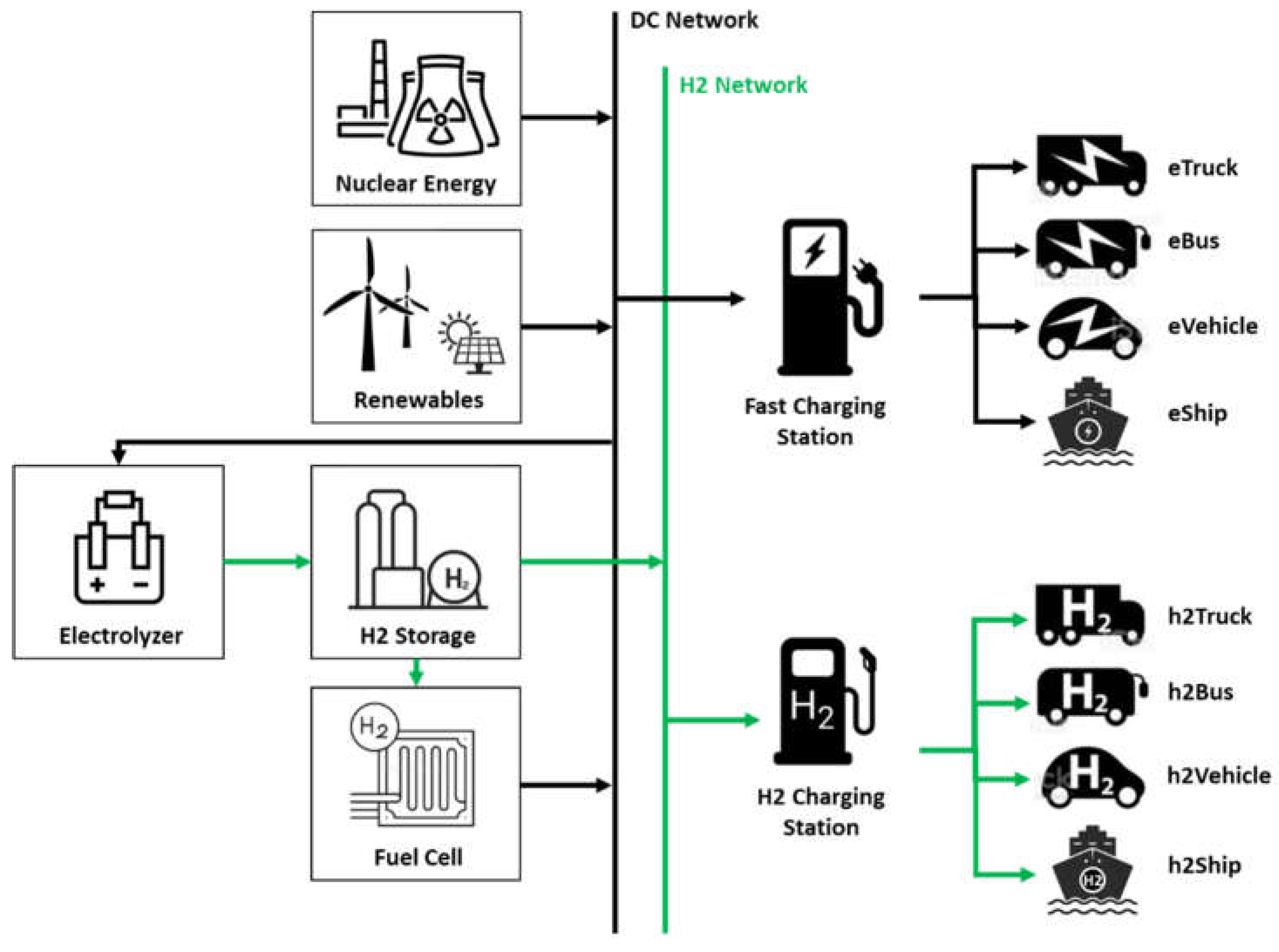
Figure 8.
Equation Nuclear Reactor Modelling.
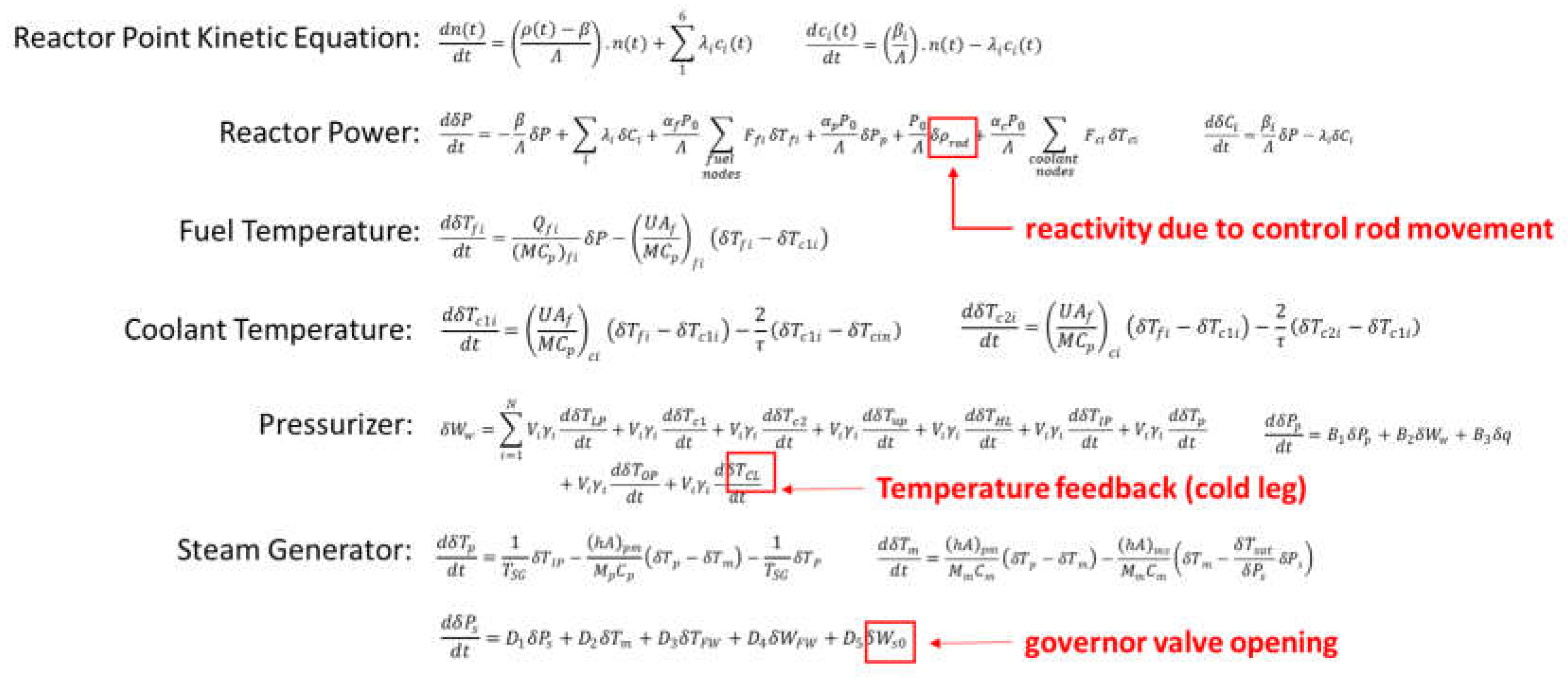
Figure 9.
Nuclear Reactor Modelling Simulink.
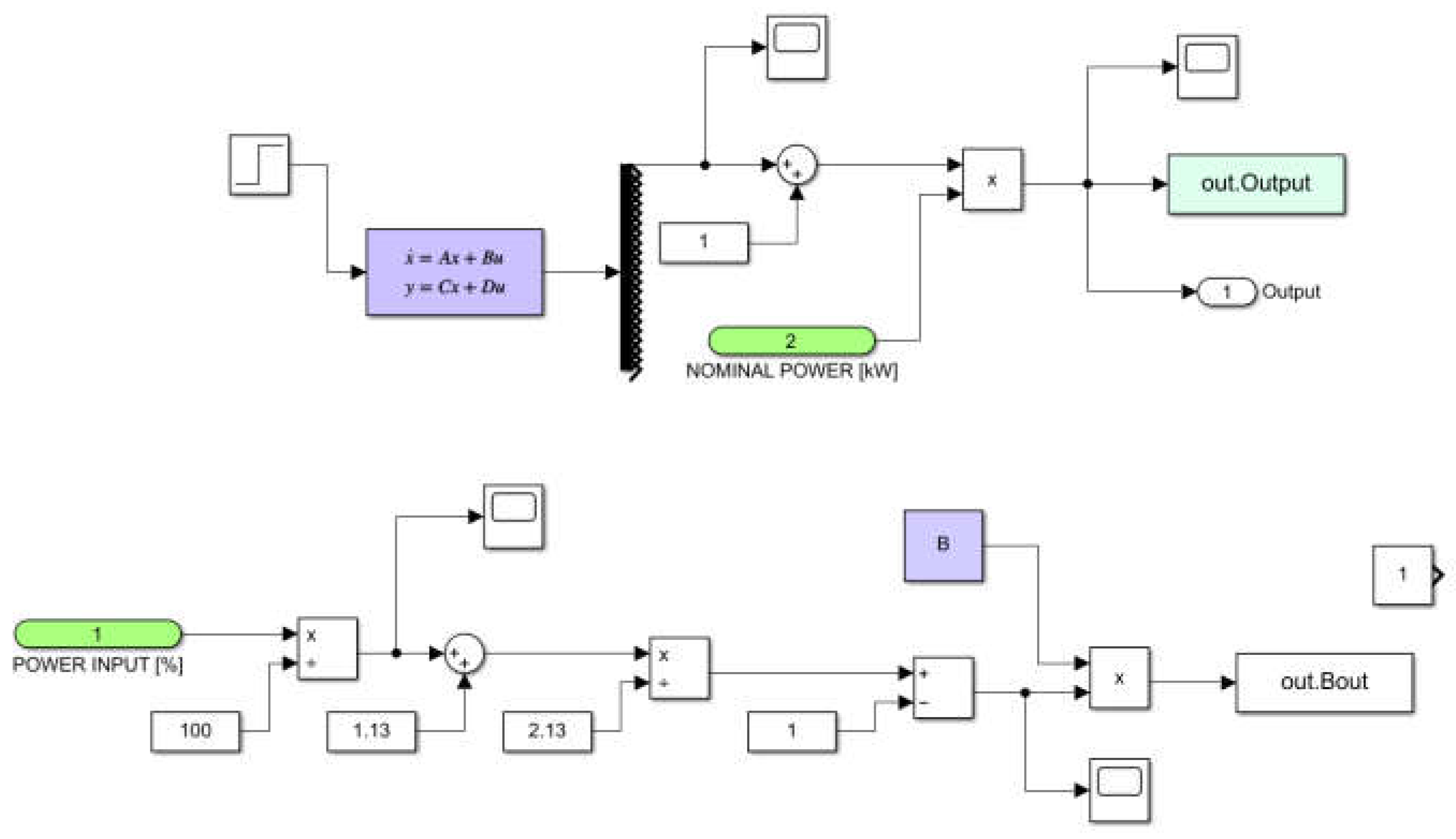
Figure 10.
Simulation Nuclear Reactor Modelling - Load Following.
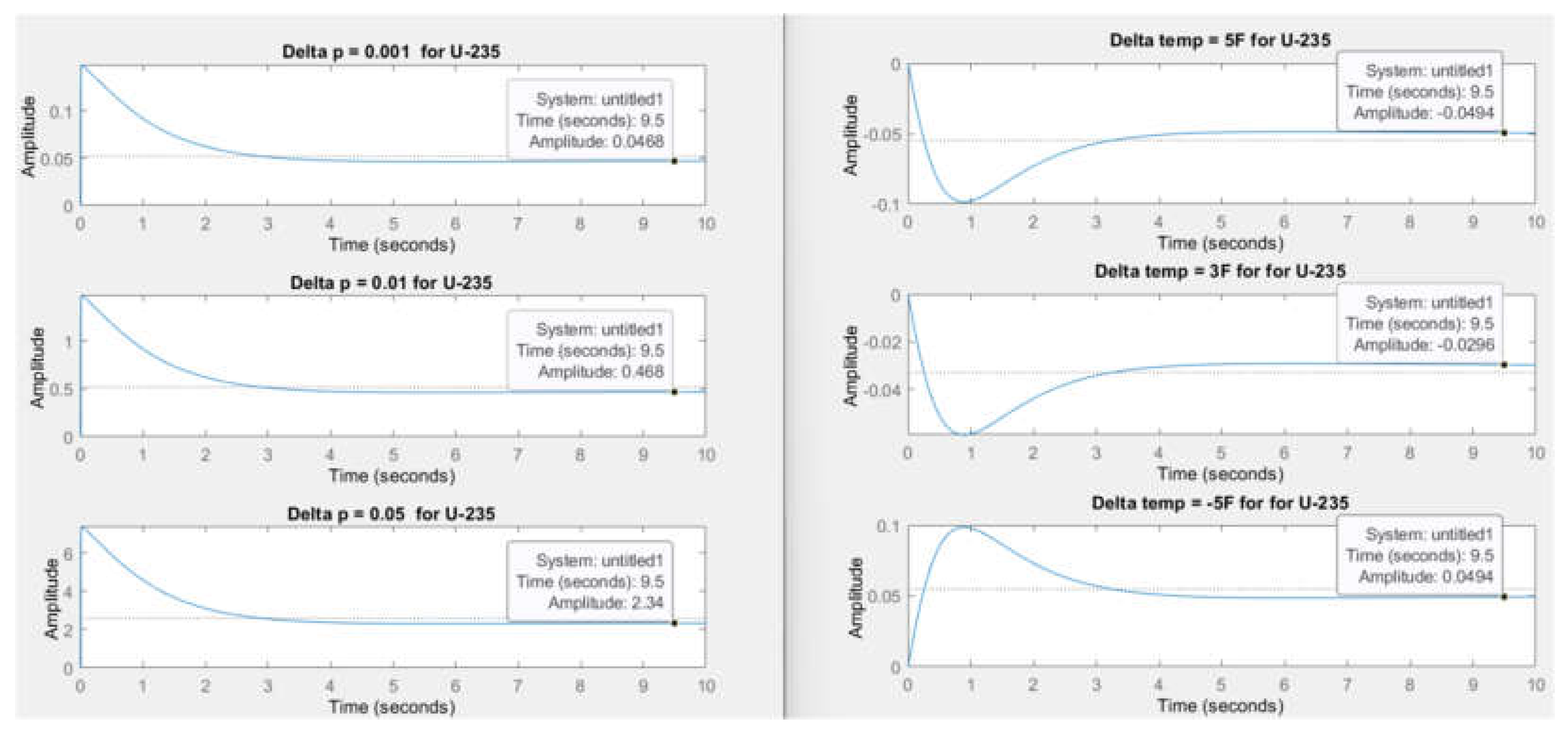
Figure 11.
Output Curve Nuclear Reactor.
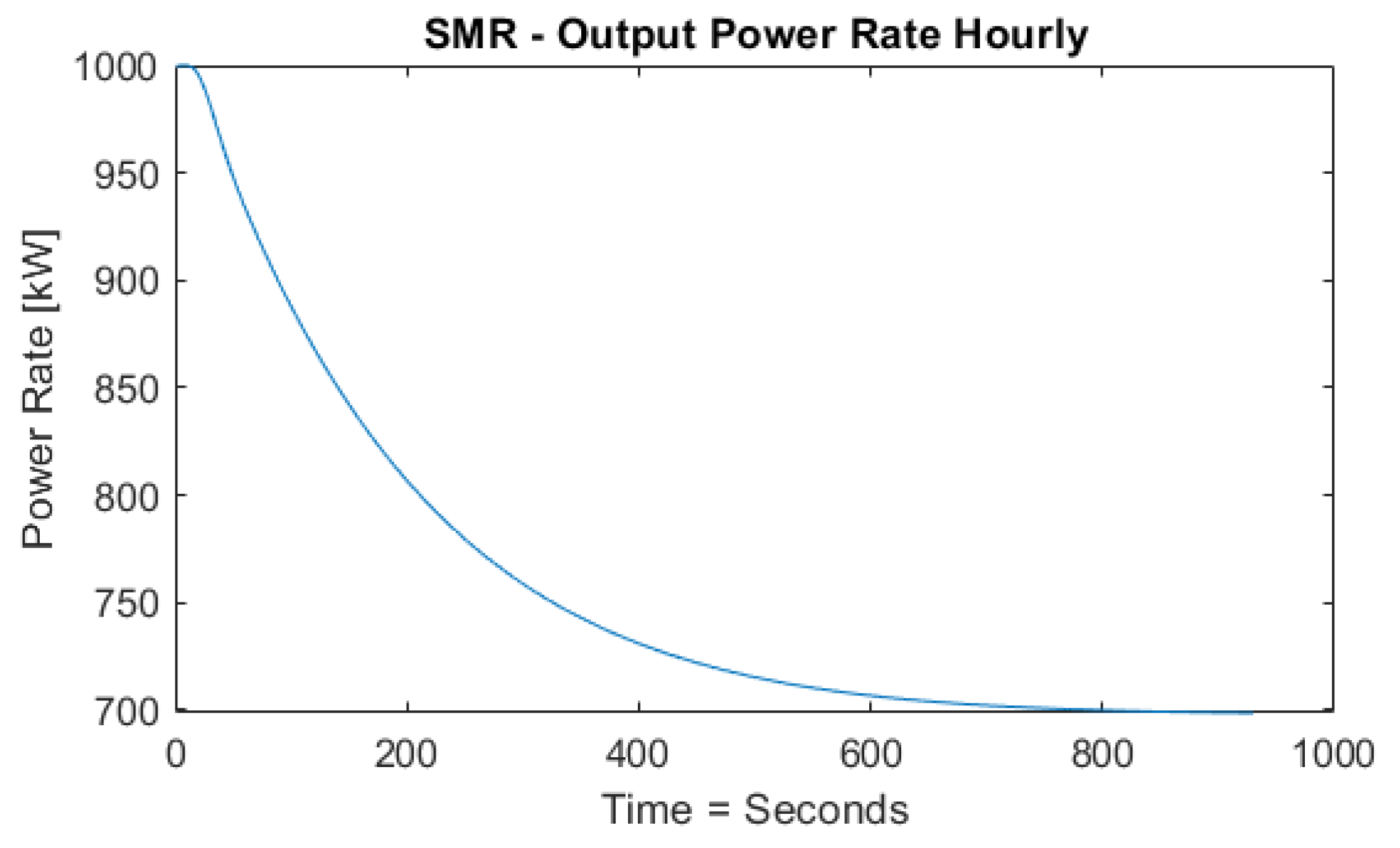
Figure 12.
User Interface Nuclear Reactor Modelling.
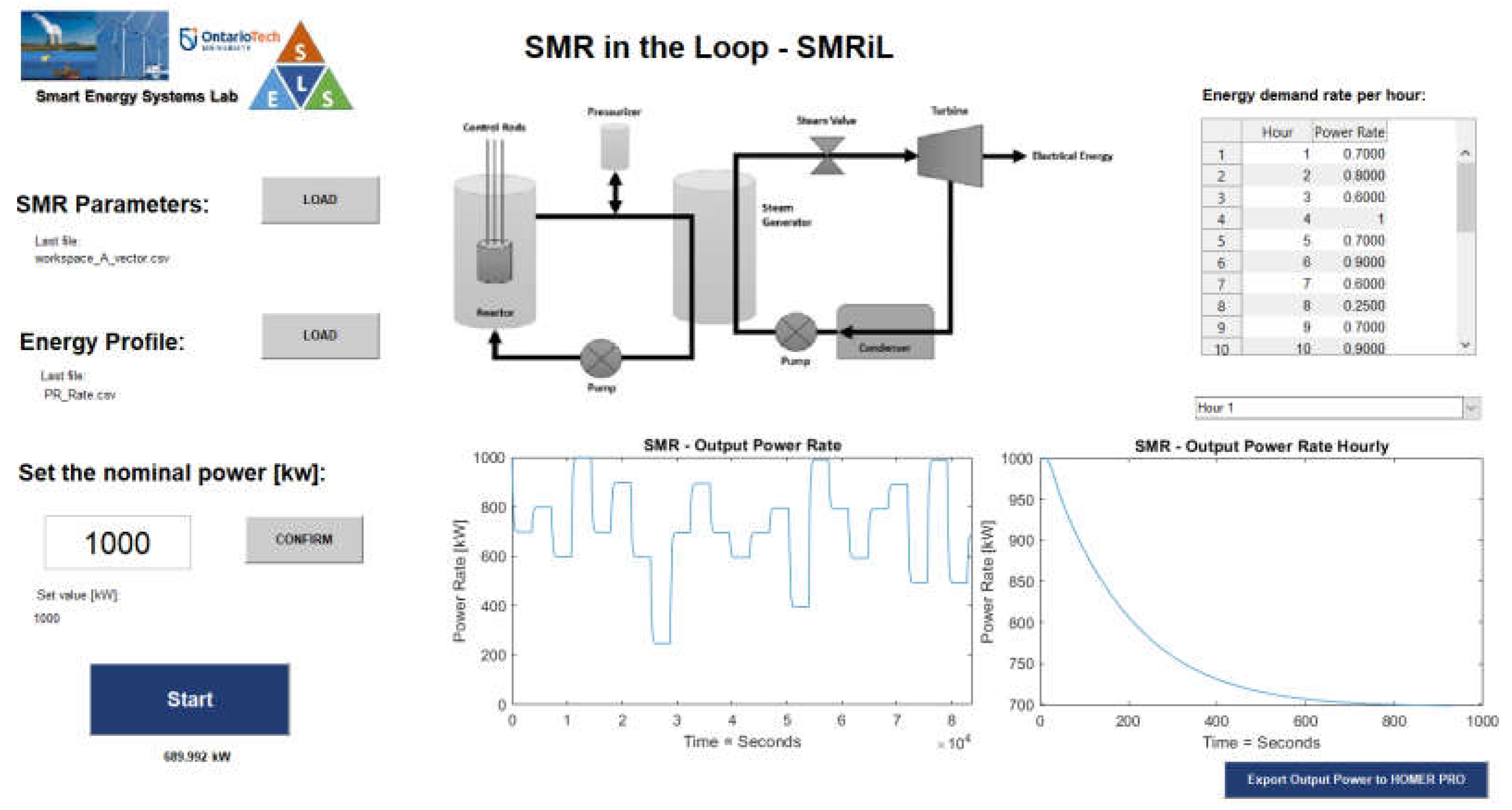
Figure 13.
Daily Output Nuclear Reactor Modelling.
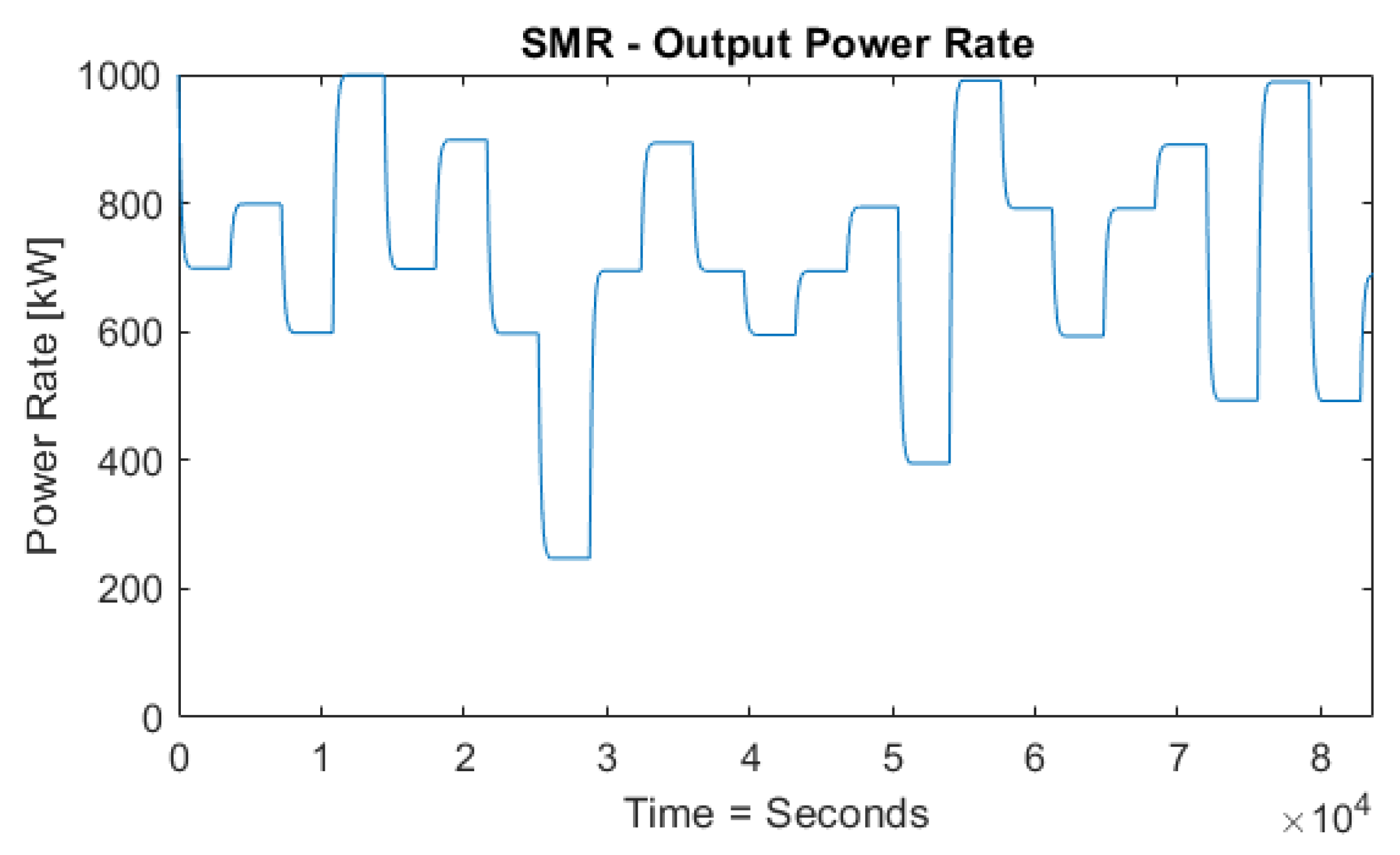
Figure 14.
FCS Average number of charges per hour.
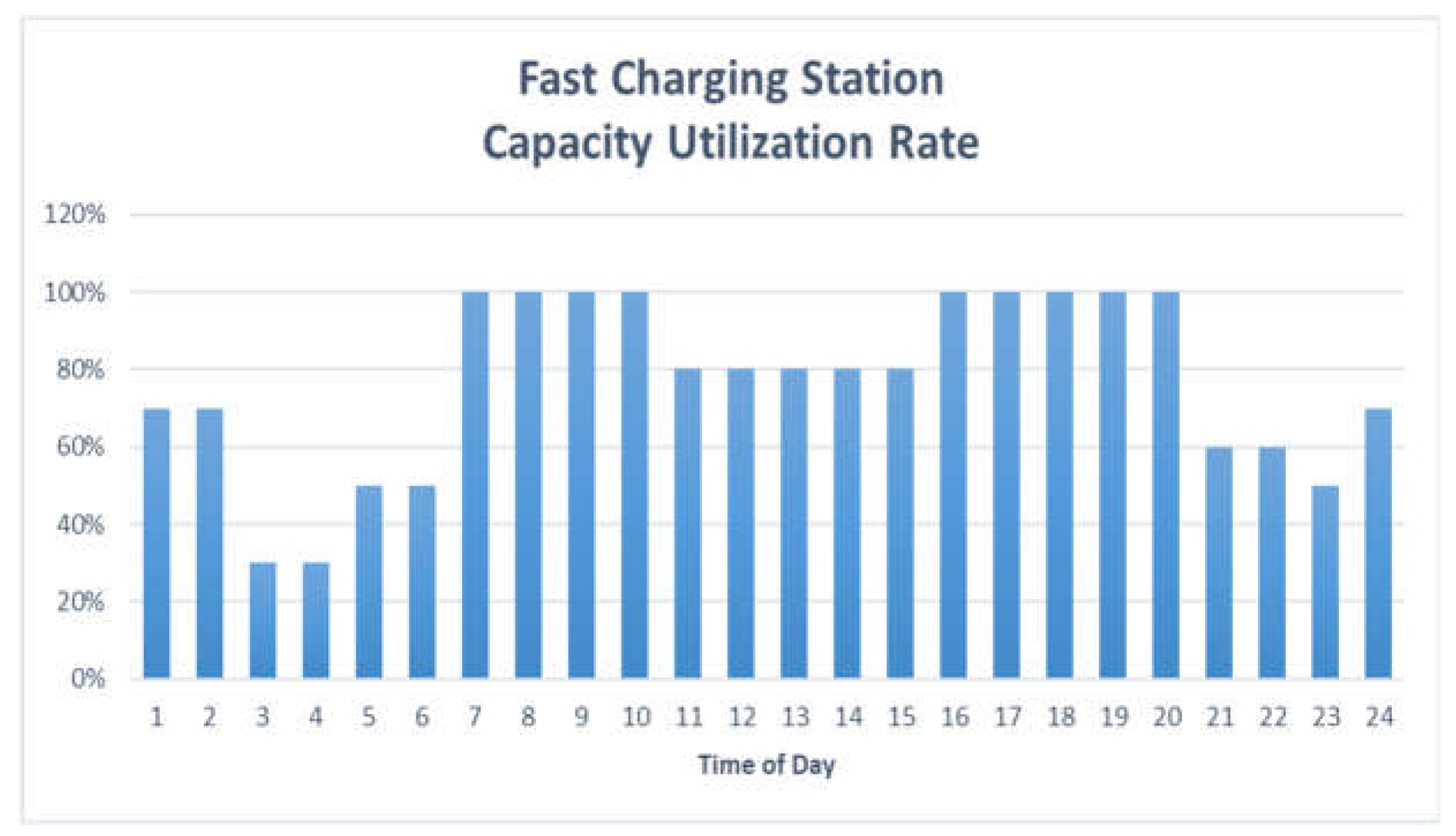
Figure 15.
FCS System Simulation.
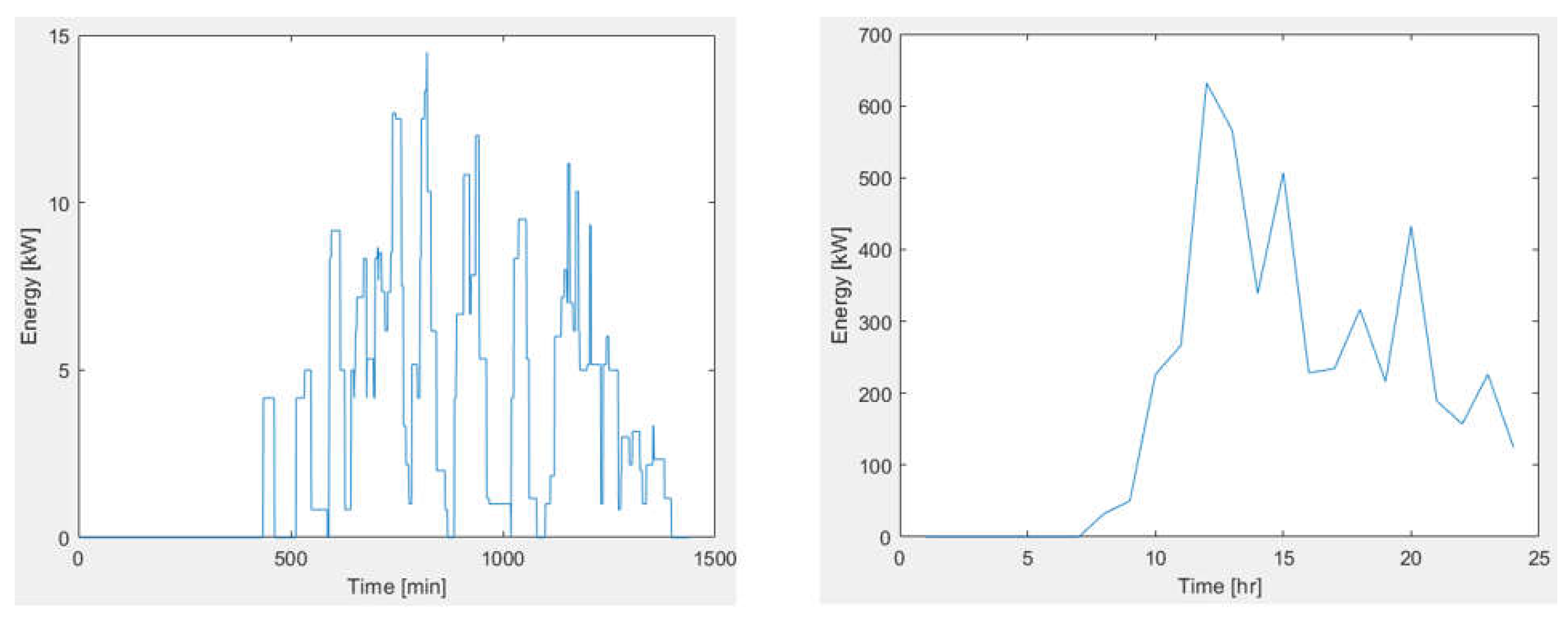
Figure 16.
System Process.
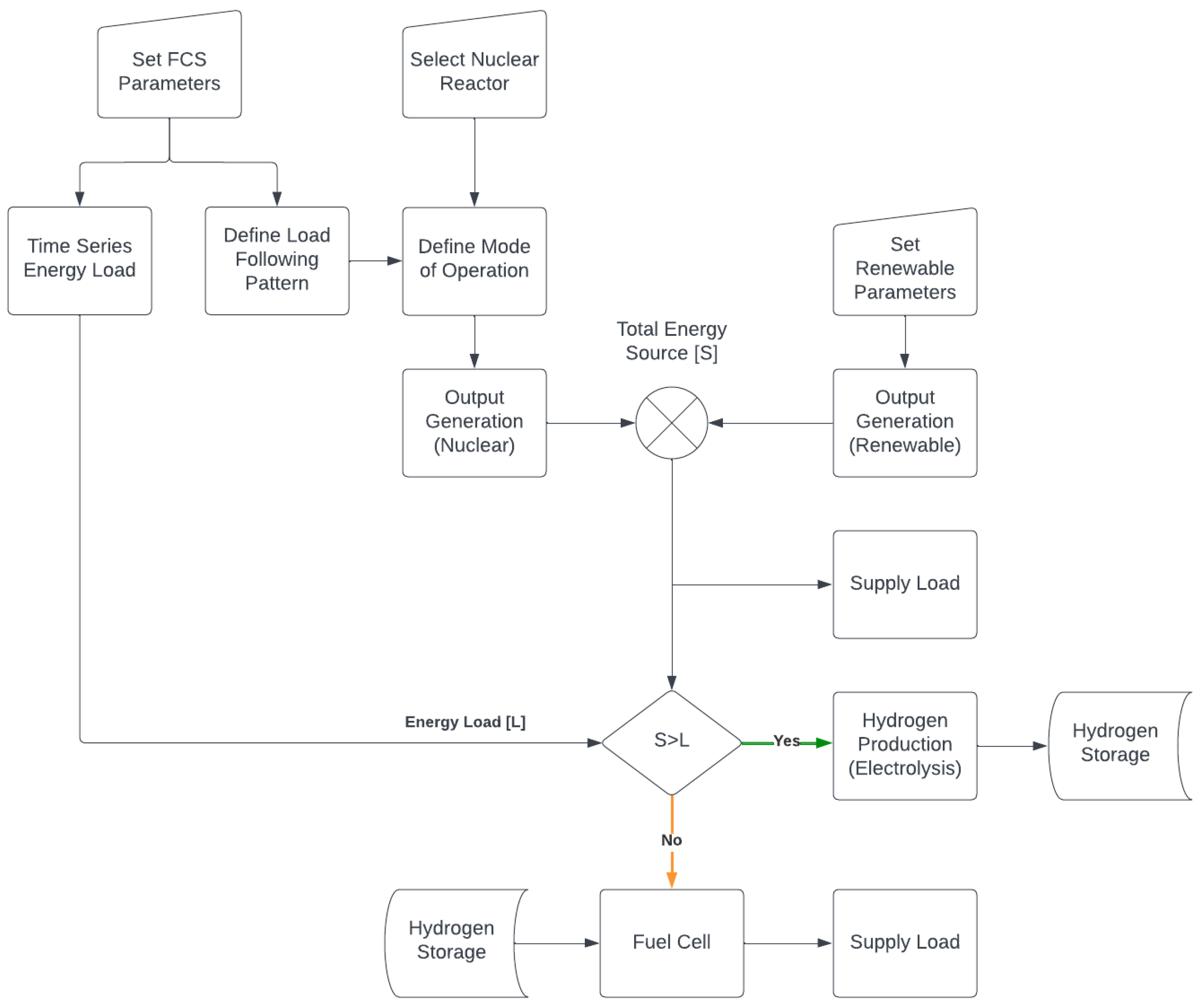
Figure 17.
Energy Profile FCS.
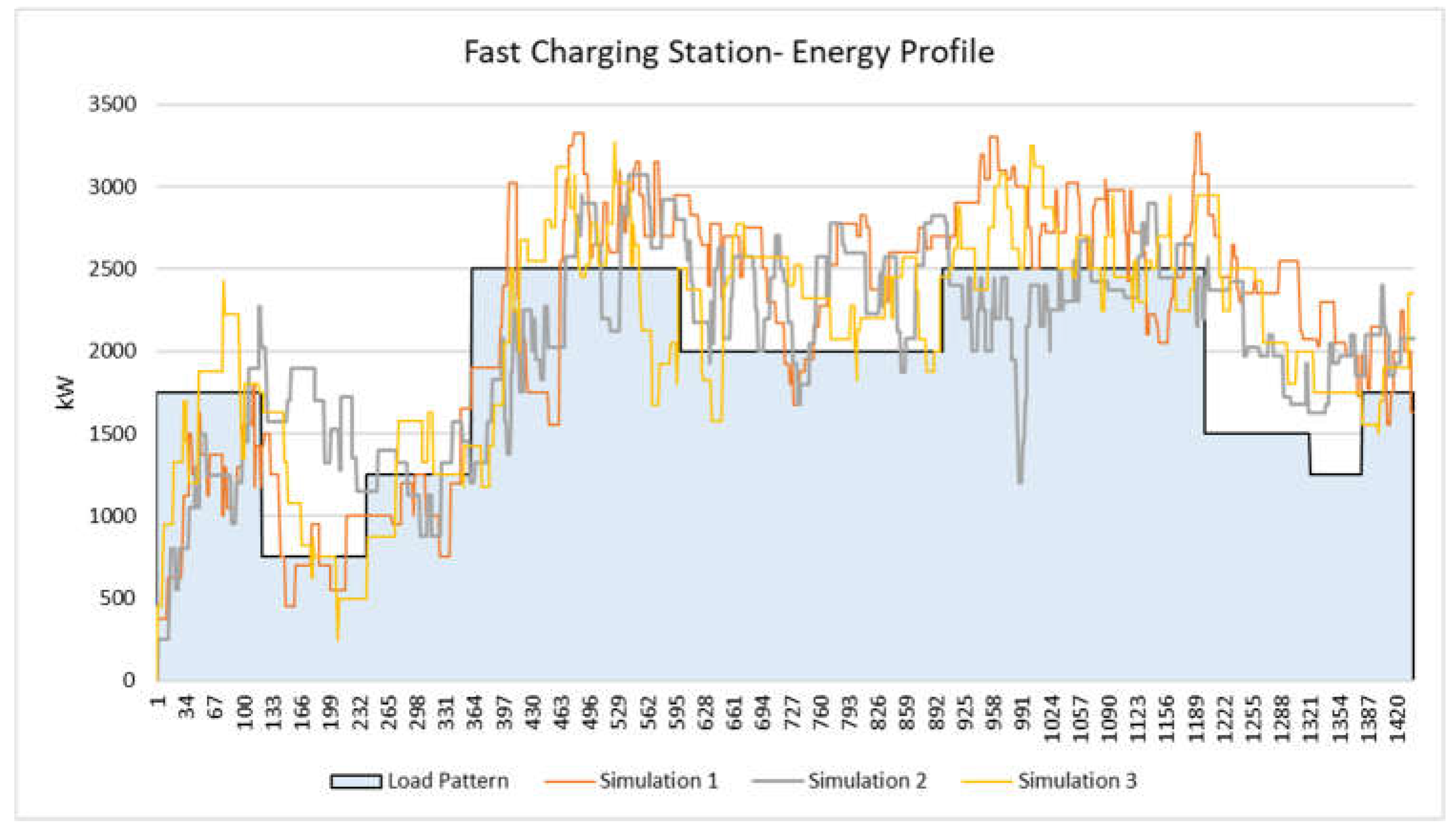
Figure 18.
Solar Resource.
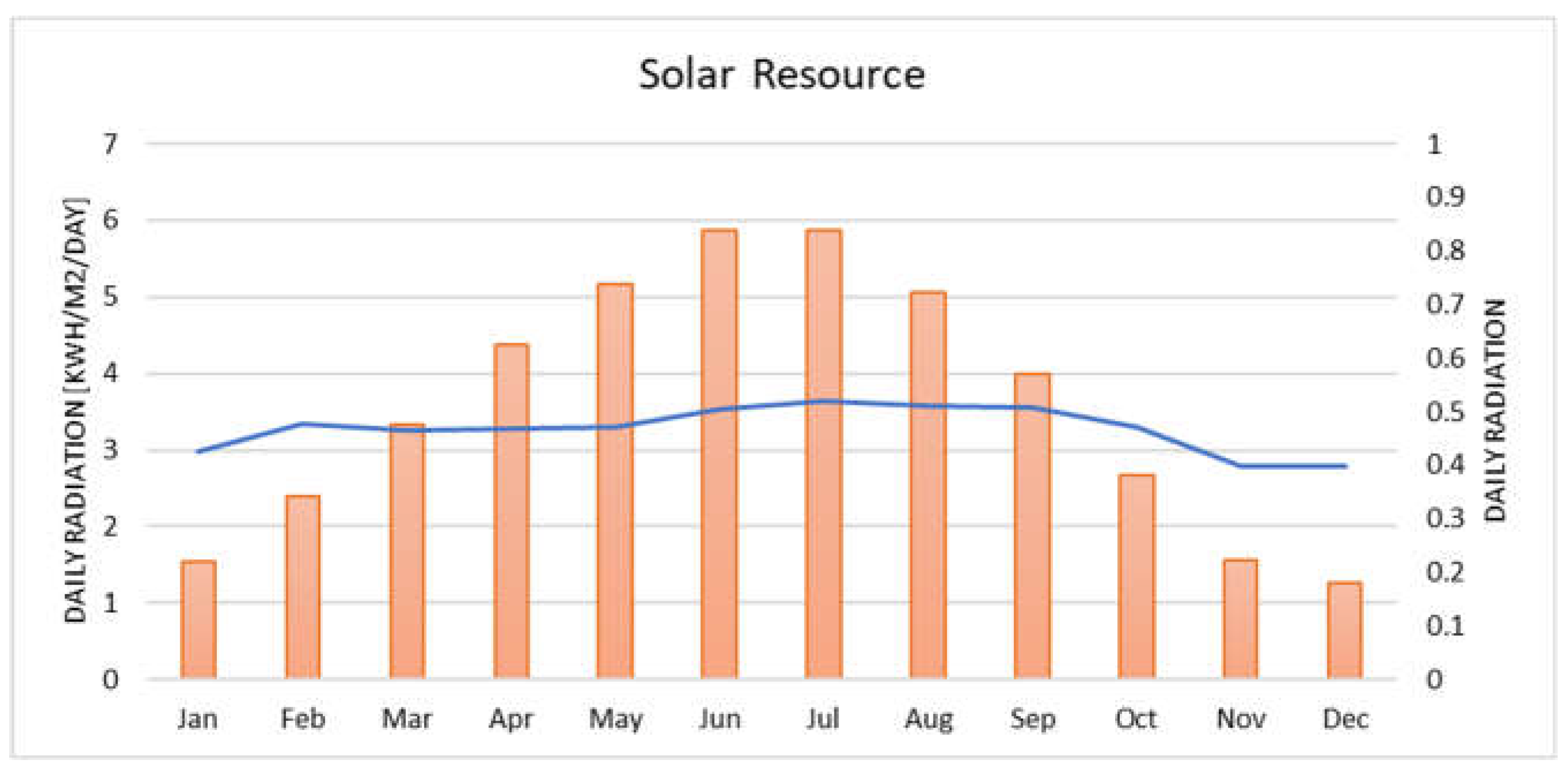
Figure 19.
Wind Resource.
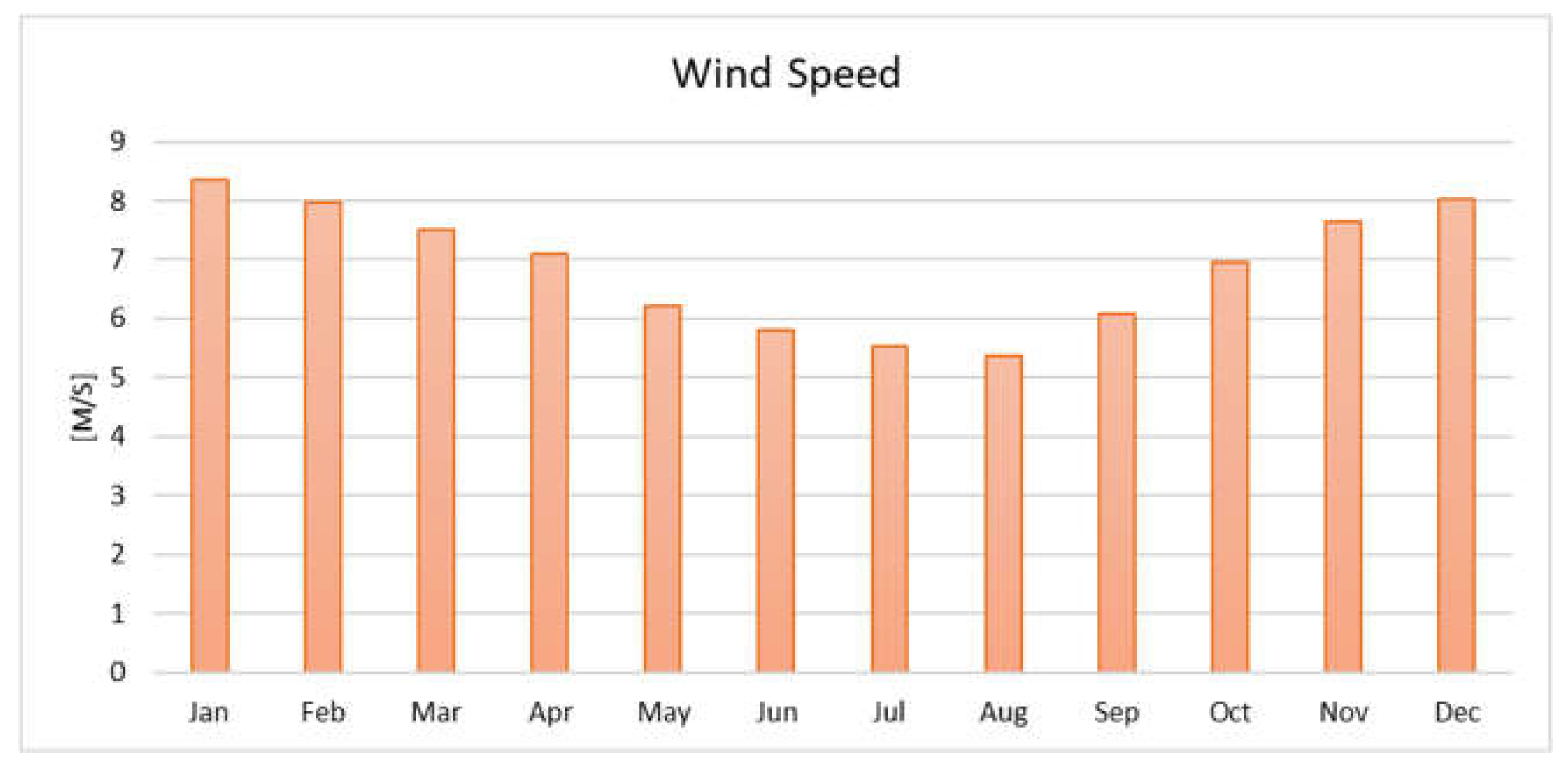
Figure 20.
System Simulation HOMER.
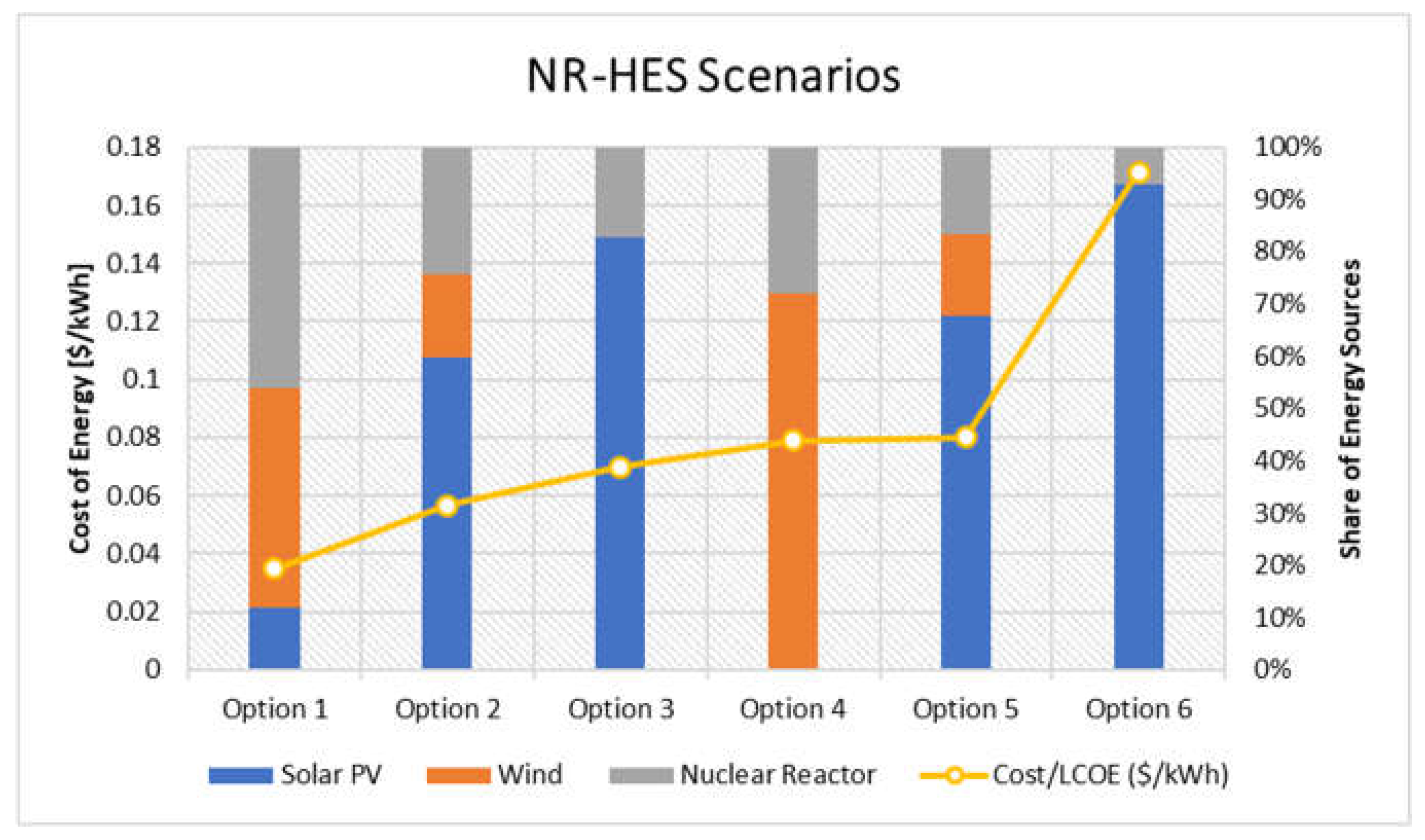
Figure 21.
Share of Installed Power by Source.
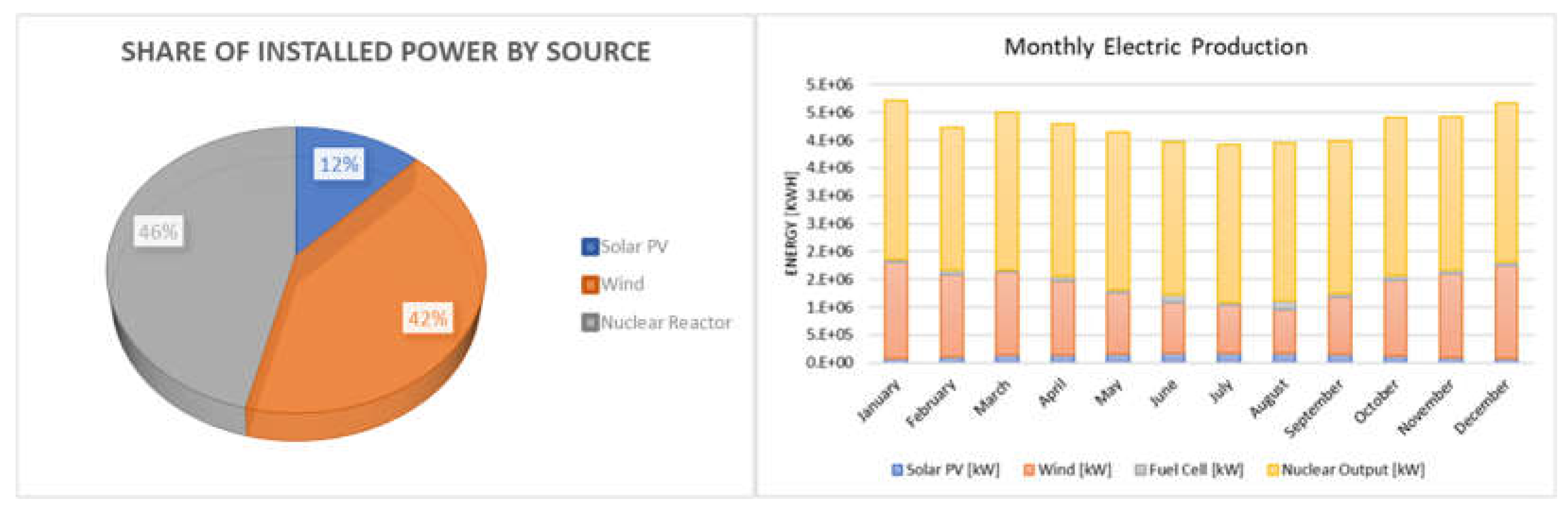
Figure 22.
System Simulation - Energy Flow.
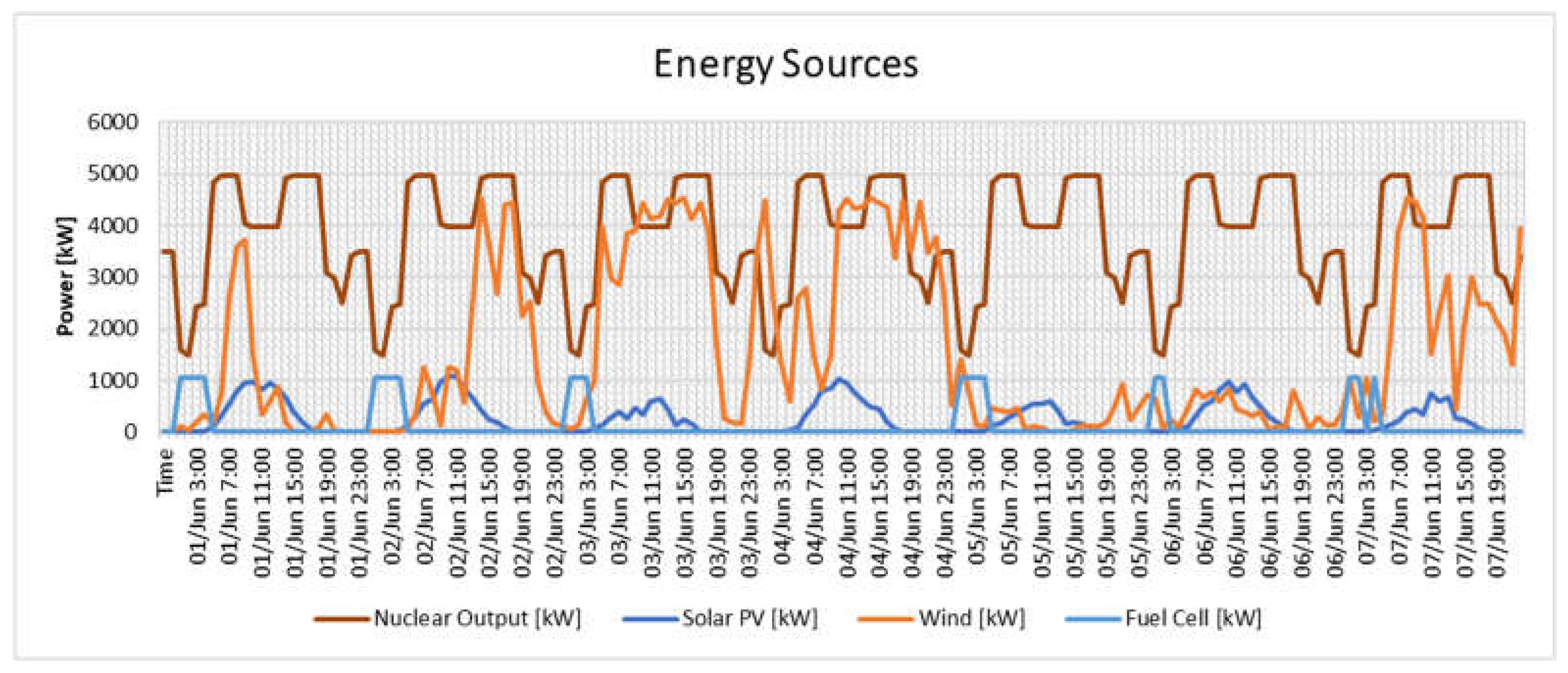
Figure 23.
System Simulation - Hydrogen System.
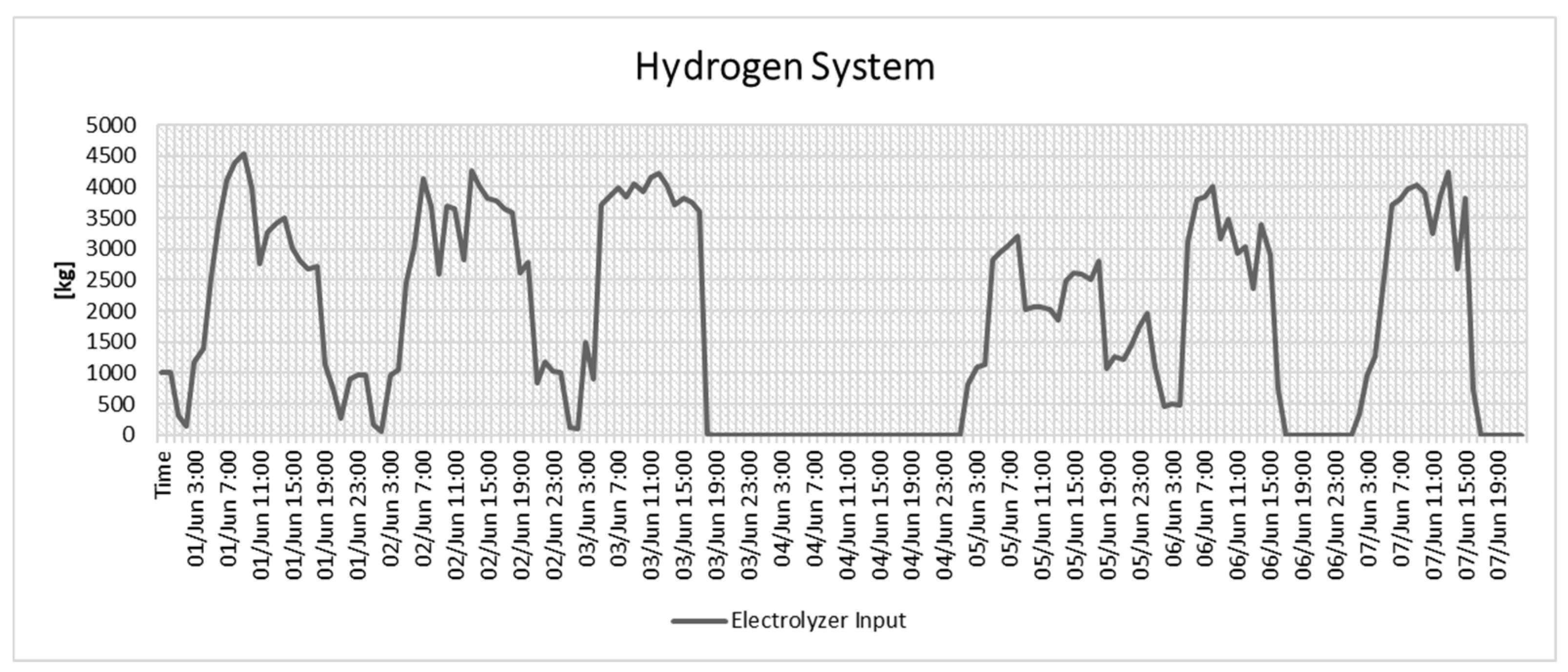
Figure 24.
Sensitivity Analysis.
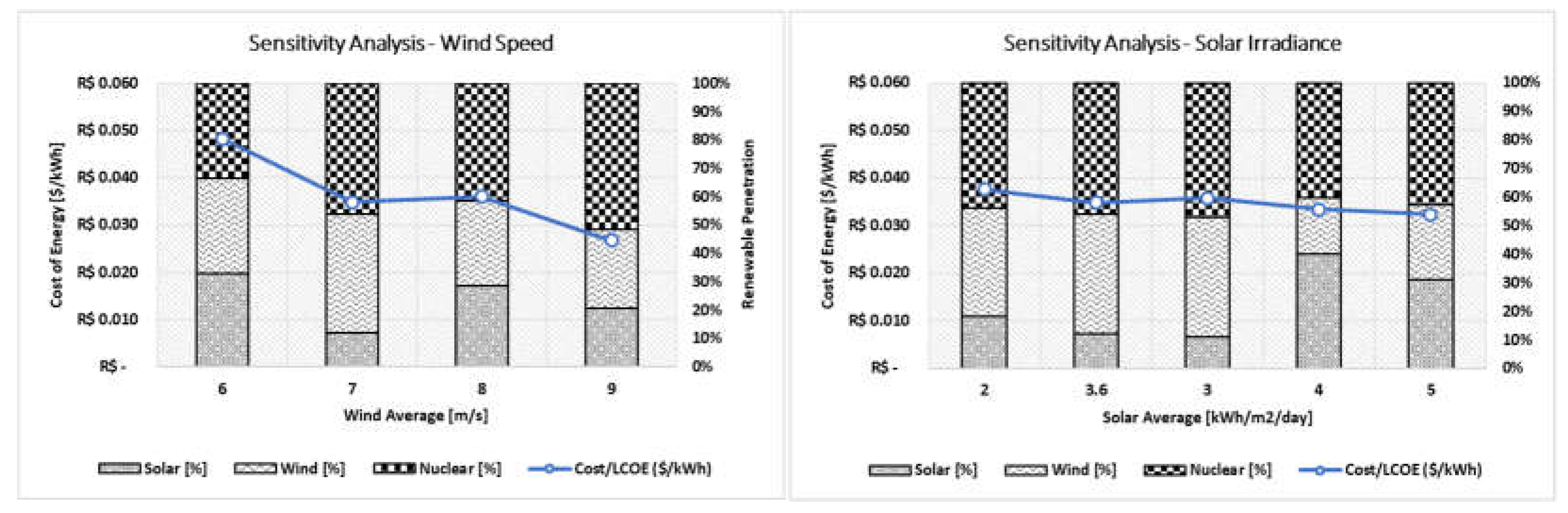
Table 1.
Details the charging stations classified based on power level.
| EVSE Type | Power Supply | Charger Power | Charging Time (approximate for a 24-kWh battery) |
|---|---|---|---|
| AC charging station: L1 residential | 120/230Vac and 12A to 16A (single phase) | Approximately 1.44kW to 1.92kW | Approximately 17 hours |
| AC charging station: L2 commercial | 208-240Vac and 15A to approximately 80A (single phase) | Approximately 3.1kW to 19.2kW | Approximately 8 hours |
| DC charging station: L3 fast charges | 300 to 600Vdc and max 400A (poly phase) | From 120kW up to 240kW | Approximately 30 minutes |
Table 2.
Car Population - System Parameters.
| Unit | Type | Model | Max Charge | Capacity [kWh] | Proportion |
|---|---|---|---|---|---|
| 1 | EV | Tesla Model X | 250 | 113.2 | 25% |
| 2 | EV | Tesla Model 3 | 250 | 82 | 25% |
| 3 | eBUS | Volvo 7900 Electric | 450 | 565 | 15% |
| 4 | eBUS | eBusco 2.2 | 300 | 350 | 10% |
| 5 | eTruck | Scania Take Charge Rigid Truck | 375 | 468 | 15% |
| 6 | eTruck | Volvo VNR Electric 6x4 Tractor | 250 | 565 | 10% |
Table 3.
Parameters Nuclear Reactor: *Data based on the SMR BWRX-300 Project.
| Description | Value | Unit |
|---|---|---|
| Fuel Type | Uranium | |
| Capacity | 1000 | kW |
| Capital Cost* | 4000 | $/kWe |
| Refurbishment Cost* | 2500 | $/kWe |
| O&M Cost* | 16 | $/MWh |
| Fuel Cost* | 1390 | $/kg |
Table 5.
Parameters Hydrogen/Fuel Cell System.
| Fuel Cell System | Converter DC | ||||
|---|---|---|---|---|---|
| Description | Value | Unit | Description | Value | Unit |
| Upper Limit Size | 2000 | kW | Upper Limit Size | 1600 | kW |
| Investment | 2500 | $/kW | Investment | 300 | $/kW |
| Replacement | 2500 | $/kW | Replacement | 300 | $/kW |
| O&M Cost* | 3.65 | $/kW/year | Efficiency | 95 | % |
| Lifetime | 6 | Years | Lifetime | 15 | Years |
| Upper Limit Size | 2000 | kW | Upper Limit Size | 1600 | kW |
Disclaimer/Publisher’s Note: The statements, opinions and data contained in all publications are solely those of the individual author(s) and contributor(s) and not of MDPI and/or the editor(s). MDPI and/or the editor(s) disclaim responsibility for any injury to people or property resulting from any ideas, methods, instructions or products referred to in the content. |
© 2023 by the authors. Licensee MDPI, Basel, Switzerland. This article is an open access article distributed under the terms and conditions of the Creative Commons Attribution (CC BY) license (http://creativecommons.org/licenses/by/4.0/).
Copyright: This open access article is published under a Creative Commons CC BY 4.0 license, which permit the free download, distribution, and reuse, provided that the author and preprint are cited in any reuse.


