

Submitted:
02 February 2023
Posted:
06 February 2023
You are already at the latest version
Abstract
The cultivation of berry crops by the type of "intensive plantings" is an economic and scientific approach in modern horticulture. The principles of forming a red currant assortment adapted to mechanized harvesting are considered. The bush should be compact for mechanized harvesting and have a straight-growing or slightly spreading shape. The morphological structure of the bush is a feature determined by the genotype. The ripening period of berries and the mechanical parameters of berries assess the effectiveness of the berry harvesting process. With the help of agrotechnical techniques, the mechanical parameters of berries cannot be improved and are de-termined by weather, soil, water, and climatic factors. The present study was conducted in the 2021-2022 season using 14 red currant genotypes of different geographical and genetic origins to assess cultivars' suitability for machine harvesting. In most of the studied cultivars, berry quality indicators, the parameters of separation force (Fs) and crushing force (Fc) decreased by the time of biological maturity of the genotype. Several cultivars have shown a non-simultaneous decrease in Fs and Fc. A minor limiting feature determines the duration of harvesting. The high correlation of Fs and Fc (R=0.75-0.85) allows us to predict the most significant period for the high-quality operation of a mechanized harvester. There was no dependence of the strength of the attachment of berries to the peduncle on the thickness of the skin of the berries. Jonkheer Van Tets, Red Lake, Rovada, Rolan, Vika, Asya, and Niva can be attributed to technological cultivars as sources of compact and erect bush habit, Jonkheer Van Tets, Rovada, Rolan, Vika, and Asya are recommended for mechanized harvesting.
Keywords:
intensive horticulture
; bush habit
; qualitative characteristics of berries
; sintering and shedding of berries
; yield
; technologies
; mechanized harvesting
1. Introduction
Berry crops are popular foodstuffs [1] because of their great biological and nutritional importance for humans [2,3,4]. They are objects of highly profitable production and commercial crops in industrial cultivation [5,6]. Red currant is the most common and valuable among berry crops due to its biological and pharmacological properties [7,8]. Since 2020, the leaders in currant berries have been European countries such as Poland, the United Kingdom, Germany, France, Hungary, Ukraine, and Russia [9,10]. The increase in the production of currant berries is based on the improvement of the assortment of cultivars suitable for cultivation using intensive technologies. Harvesting is one of berry production’s most time-consuming and economically costly processes. It is known that manual harvesting accounts for up to 70% of production costs [11,12,13]. Most cultivars of black and red currants do not meet the modern requirements of industrial cropping because of low adaptability to abiotic and biotic stresses and low suitability for mechanized harvesting [14,15,16]. In connection with the mechanization of berry harvesting, traditional approaches to selecting cultivars and agricultural techniques are changing [17]. The essential characteristics of red and black varieties that meet the requirements for mechanical harvesting are the morphological characteristics of the bush, the yield, simultaneous ripening of the berries, the berry quality, resistance to biotic stresses (especially to Sphaerotheca more-uvae, Cecidophyopsis ribis), duration of removable ripeness of berries, minimal damage to the bushes by a mechanized harvester [18,19,20,21]. Studies conducted mainly on black currant cultivars show the relationship between crop losses during mechanical harvesting and the harvest period and the prediction of harvesting duration. An approximate model of the mechanical parameters of black currant berries has been developed to use a mechanized harvester with minimal losses possible with a force of 0.5-1.5 Newton (N) for separation of berries in the cluster and a can rushing force of at least 2.0 N. The physical and mechanical properties of berries can indicate the period of removable maturity, and the commercial qualities of berries will meet the standard criteria [14,22]. However, the most significant disadvantages of black currant cultivars identified during machine harvesting are significant loss of leaves and fragility of branches, causing a reduction in the productive period by about 2-3 years and decreasing the efficiency of harvesters [23,24,25,26,27,28,29,30]. The main parameters such a cultivar should correspond to are distinguished in breeding programs for current technological cultivars. The limiting properties include the zone of berries placement in the bush’s crown, simultaneous ripening (at least 90%), tearing the berries from the cluster, and the effort to crush the berries. The non-limiting but essential features that ensure the formation of an optimal complex of a technological currant cultivar include the following: the shape of the bush from erected to slightly spreading; the absence of flat branches on the bush; the diameter of branches at the base; the height of plants; the duration of the period of removable maturity, the resistance of branches to mechanical damage, the minimum percentage of death of branches [31,32]. The creation of technological cultivars requires the analysis of the most critical parameters of the bush, which are related to the formation of the assortment suitable for the mechanization of all processes from plant care to harvesting. Developing berry crops’ technological genotypes are critical in breeding programs [33]. To achieve the above goals is crucial to identify optimal genotypes suitable for technological use as parental forms in future hybridization programs and to study morphological parameters related to mechanical harvest [34,35].
This study aimed to evaluate the technological qualities of some European and Russian currant cultivars based on morphological characteristics of the bush and physical and mechanical properties of the berries (i); to identify cultivars that should be included in breeding programs (ii); to recommend cultivars for cultivation that combine the highest level of characteristics for suitability for mechanized harvesting.
2. Results
2.1. Non-limiting features for assessing the adaptability of the cultivar
The volume of the bush of the studied genotypes varied in the range from 0.37 to 5.16 m3. The optimal area for placing the bush harvest ranges from 0.30 m to 1.10 m3 from the soil surface [36]. The berry placement zone in the bush was optimal in large tall bushes in cultivars like Viksne, Niva, Osipovskaya. However, the shape of the bush in Viksne and Osipovskaya is spreading. Niva has the highest height of the bush, and despite the erect habit of the bush, damage by the combine harvester falls on the upper part of the shoots. The above leads to additional technical operations in the form of contour pruning of bushes. In such cultivars as Englische Grosse Weisse, Red Lake, and Lozan, despite the small volume of the bush, the zone of placement of most of the yield is shifted closer to the base of the bush (Figure 1). This makes it challenging to harvest berries from the bush with a combined harvester entirely and will lead to inevitable economic costs. According to the habitus of the bush, most of the studied cultivars were included in the group of cultivars with an upright bush shape. Jonkheer Van Tets, Natali, and Viksne have a slightly spreading shape of the bush. It is noted that in Osipovskaya, the angle between the direction of the main fruiting branches and the soil surface is 52°, and according to the calculations, the shape of the bush is spreading.
The technical possibilities of using berry harvesters allow for to harvest of berries when the height of the laying of berries from the soil is 0.20-0.30 m and the width of the base of the bush is not more than 0.30 m. Viksne did not meet these requirements according to the stated criteria during 2021 and 2022. During the experiment, Jonkheer Van Tets, Asy, Niva, Rondom, Vika, Rovada, Rolan were most consistent with the design of the berry harvester (Figure 2).
In this experiment, the studied morphological characteristics of the bush were relatively stable, which was confirmed by low values of the variation coefficient of the characteristics (CV) of no more than 30%: CV(h) was up to 22.98%, CV (B1) – up to 19.74% and CV (V) – up to 22.85%. The scope of phenotypic variability of morphological features of red currant bush habit was insignificant.
After mechanized harvesting, the percentage of broken perennial fruit-bearing shoots in most of the studied cultivars did not exceed 10% of the number of plants planted (50). A small percentage of breakage of fruit-bearing shoots is not critical for reducing the life of a fruit-bearing plantation. The maximum percentage of broken branches was noted in Osipovskaya: 24.32% in 2021 and 27.39% in 2022, which is explained by the substantial flexibility of the branches. Under the weight of the yield, the lower part of the fruit-bearing branches of this cultivar lay on the soil (Figure 3). Such branches should be removed to reduce damage during mechanized harvesting. Thus, plantation life could be extended with this variety.
One of the criteria for the suitability of the cultivar for combine harvesting is stable yield with a density of at least 2-3 kg per 1 m3 by bush. Using the example of several studied cultivars, the yield and yield losses were determined after mechanized harvesting (Table 1).
The genotypes are sustainably high-fruiting. Figure 4 shows the yield losses of some studied cultivars and the appearance shape of the bush after using the harvester. At the same time, Figure 4 (d) clearly shows that in Osipovskaya, the thickening of the bush with replacement shoots (annual shoots) led to a decrease in the quality of the harvested berries and reduced the efficiency of the combined harvesting of berries.
2.2. Limiting features for assessing the technological quality of the cultivar
The efficiency of using berry harvesting equipment is determined by the simultaneous ripening period of berries in the bush placement area >90% and the mechanical parameters of berries. This placement area should be illuminated as much as possible. The berry placement zone’s illumination level in the bush’s crown in the cultivars Jonkheer Van Tets, Natali, Asya, and Vika was optimal (609.0–765.4 Lx) and ensured the friendly ripening of berries on the bushes. Due to the high thickening of Osipovskaya bushes with shoots of renewal, the level of sunlight entering the berry placement area was insufficient and amounted to 425 Lx. During the mechanized harvesting, a specific part of clusters in Osipovskaya had not fully ripened berries, and not fully ripened clusters remained on the bushes since the functional elements of the harvester are tuned to the optimal frequency of oscillation of shoots and only mature berries are separated (Figure 5).
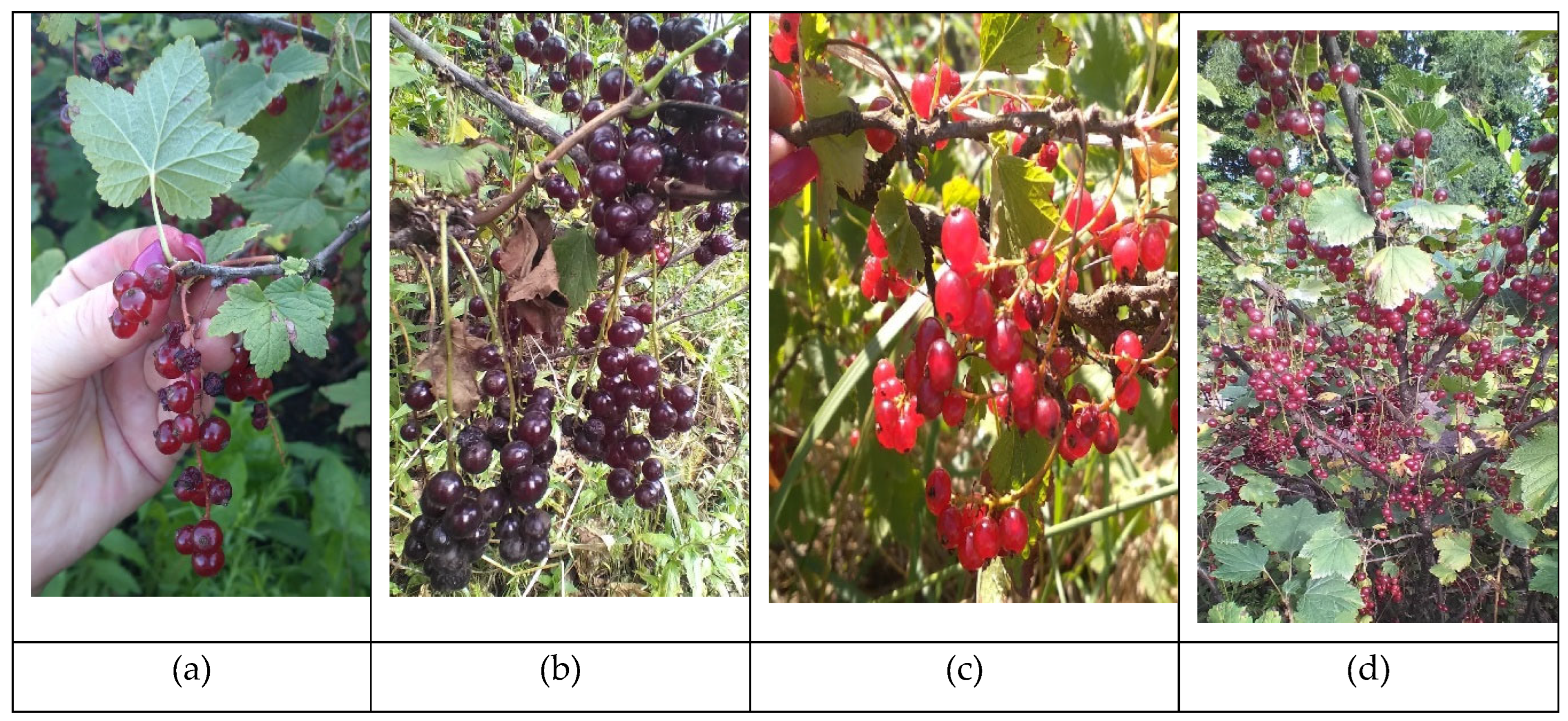
The mechanical parameters of red currant berries varied during the study. In 2022, berry ripening began 7-10 days later than in 2021. The harvest period in 2022 for the cultivars Niva, Englische Grosse Weisse, Losan, Hollandische Rote was longer than in the previous year (Figure 6). The separation force (Fs) and crushing force (Fc) in most studied cultivars decreased by the end of the harvesting period. The cultivars reached a period of full biological maturity. During this period, the berries contained the maximum amount of sugars and phenolic compounds, and the hardness of the skin decreased. The commodity and consumer qualities of berries also decreased in this period. The duration of the harvesting period of each cultivar depended on the rate of decrease in the mechanical parameters of the berries. The decline in Fs and Fc indicators was not uniform. For instance, in Osipovskaya and Rolan, a decrease in Fs occurred on the seventh day from the beginning of ripening, and a decrease in Fc occurred on the 10th -13th days from the beginning of ripening. In Vine, the decrease in Fs occurred on the 10th day, and the decrease in Fc occurred on the 13th-16th days from the beginning of ripening. The decrease in Fc was assessed when the number of crushed berries did not exceed the maximum permissible threshold (10%) for the whole harvest of berries from the bush. In this case, the duration of harvesting is determined by a minor limiting feature, i.e., Osipovskaya and Rolan - 7 days, and Viksne - 10 days. However, on the 13th-14th day, the berries started sintering in these cultivars, although Fp corresponded to the requirements of suitability for mechanized harvesting of the cultivar (Figure 7a–c). In 2022, in Jonkheer Van Tets, the shedding and sintering of berries co-occurred on the 13th day (Figure 7d).
Figure 6.
Mechanical parameters of berries during the ripening period of red currant cultivars: Fs – statical force of separation of the berry from the peduncle (N); Fc – press force of crushing the skin (N); and LMH: Length of the mechanical harvesting, days. Note: The Fs and Fc correspond to the left axis and LMH to the right axis. Note: *- the mechanical parameters of the berries do not meet the requirements for mechanized harvesting when LMH reaches 0 “zero.”.
Figure 6.
Mechanical parameters of berries during the ripening period of red currant cultivars: Fs – statical force of separation of the berry from the peduncle (N); Fc – press force of crushing the skin (N); and LMH: Length of the mechanical harvesting, days. Note: The Fs and Fc correspond to the left axis and LMH to the right axis. Note: *- the mechanical parameters of the berries do not meet the requirements for mechanized harvesting when LMH reaches 0 “zero.”.
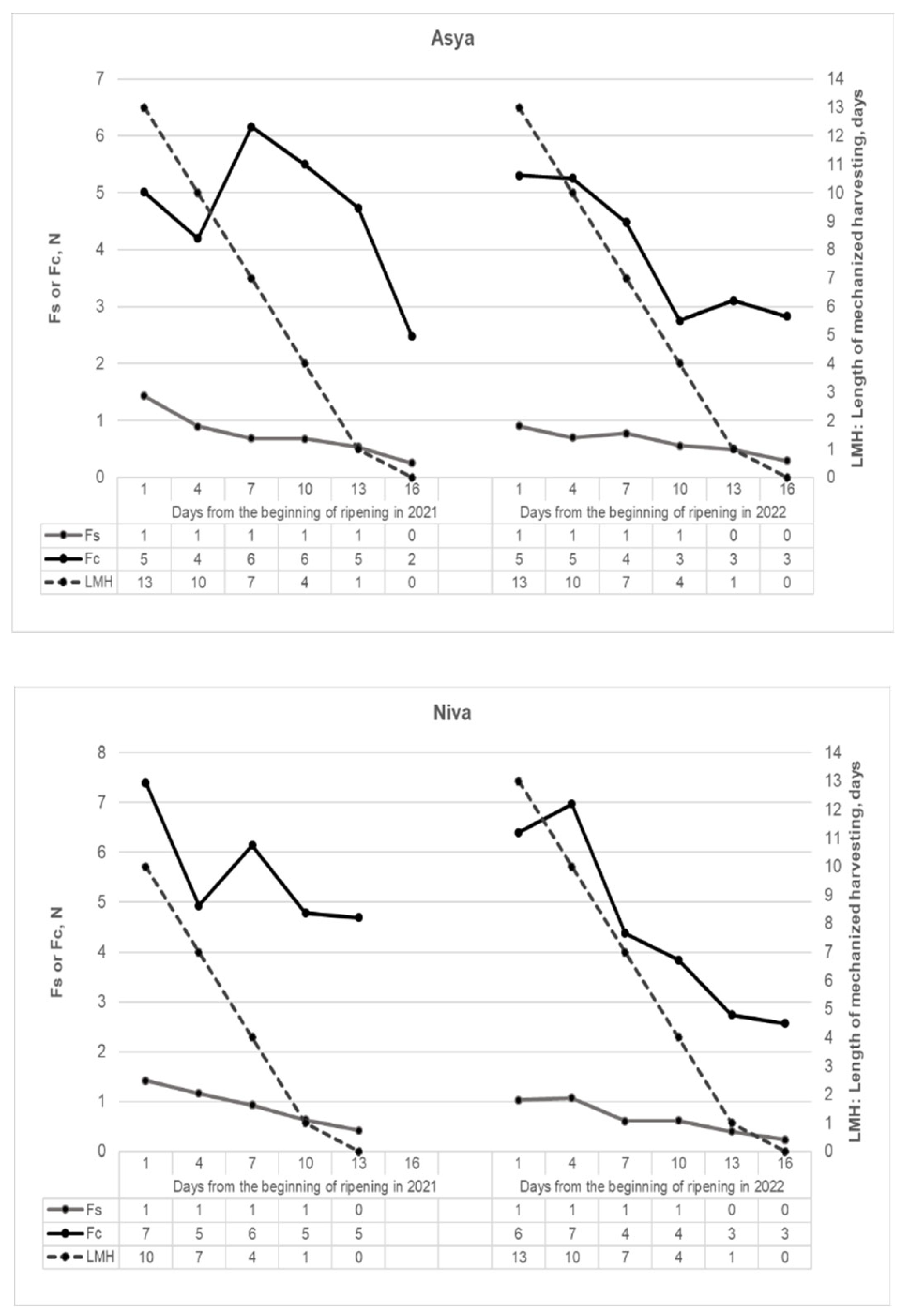
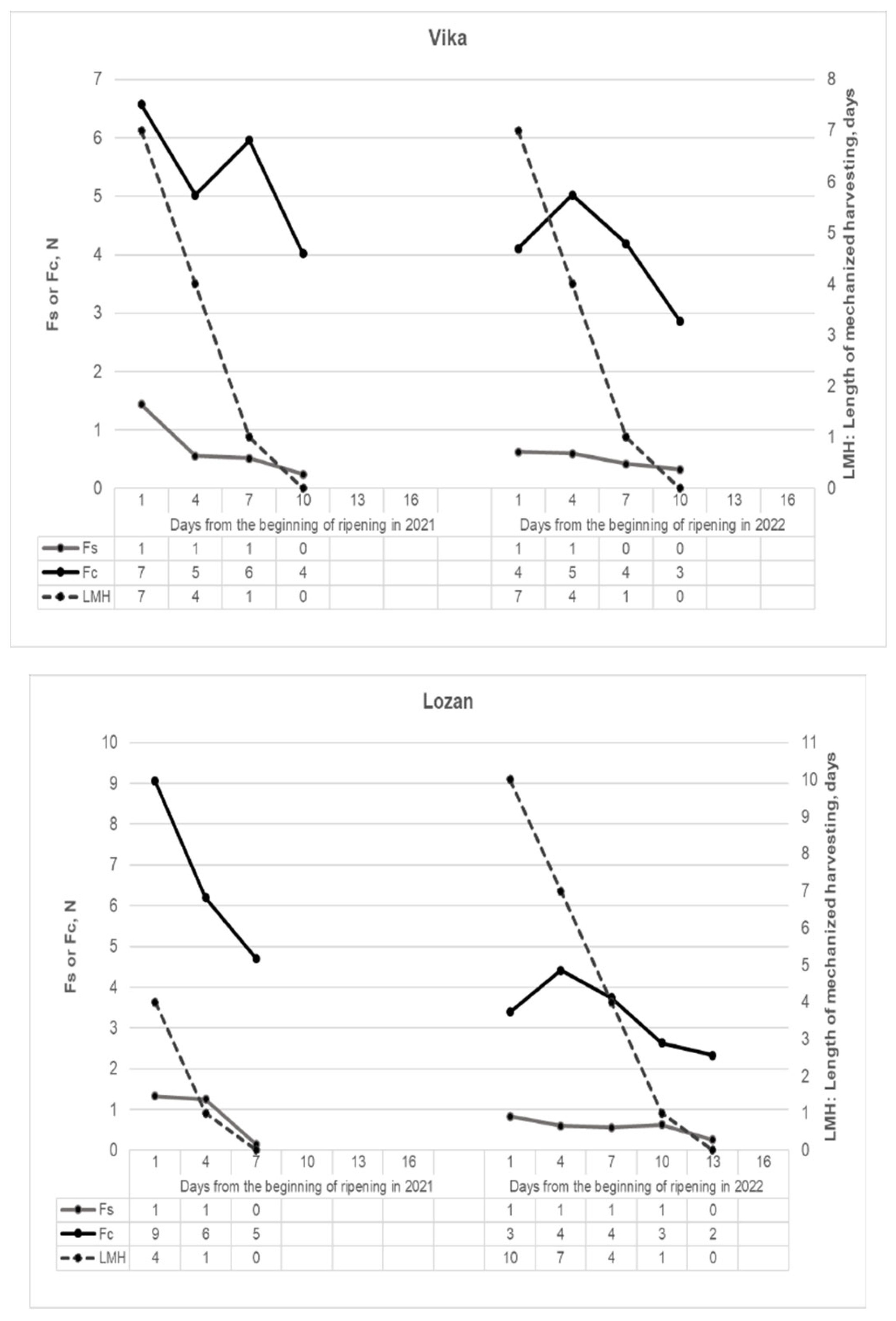
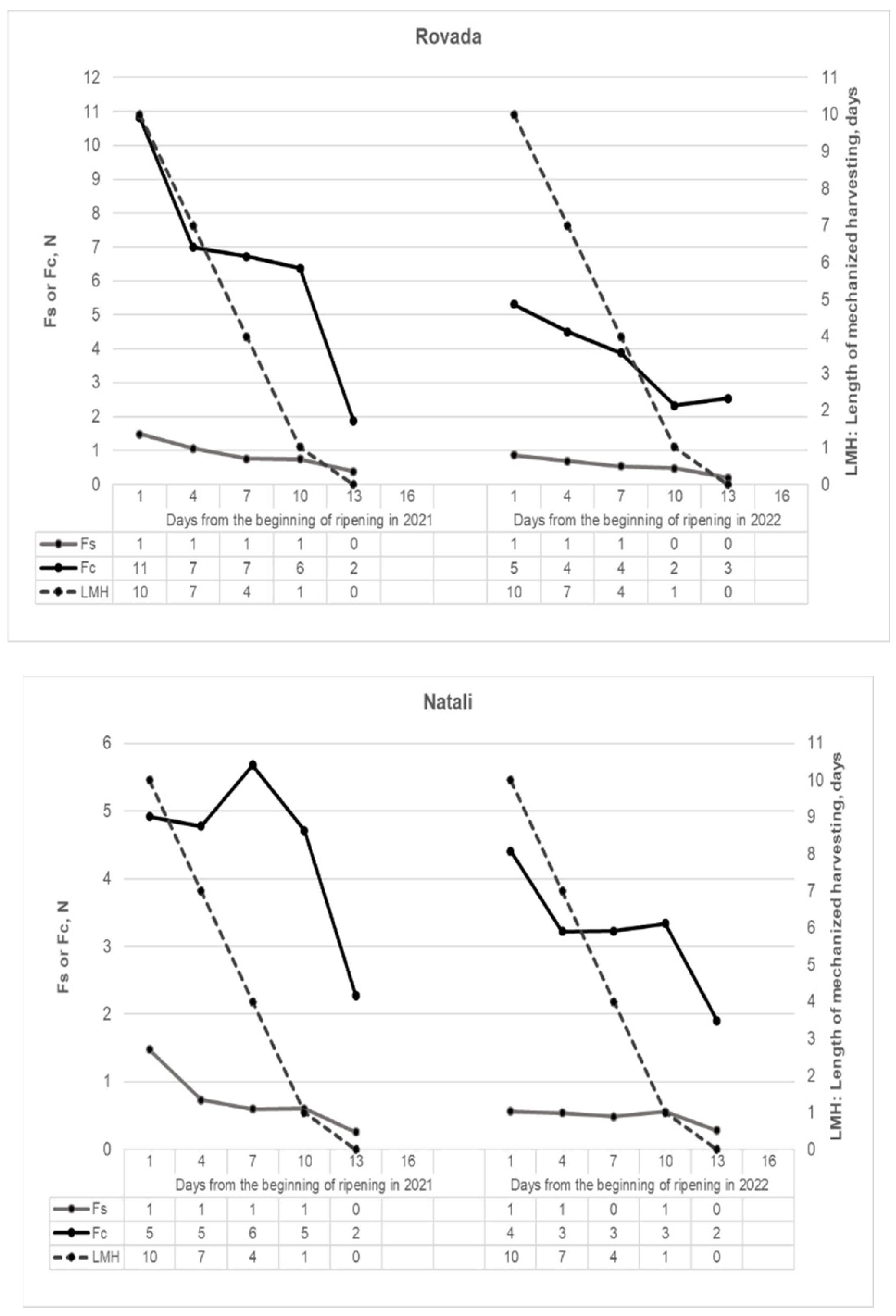
Figure 6.
(continue). Mechanical parameters of berries during the ripening period of red currant cultivars: Fs – statical force of separation of the berry from the peduncle (N); Fc – press force of crushing the skin (N); and LMH: Length of the mechanical harvesting, days. Note: The Fs and Fc correspond to the left axis and LMH to the right axis. Note:*- the mechanical parameters of the berries do not meet the requirements for mechanized harvesting when LMH reaches 0 “zero”; **- for Osipovskaya, the beginning of berry ripening in 2021 was on July 09; ***- for Hollandische Rote, the dates of accounting for the maturation period in 2022 were July 16, July 19, July 22, July 25 and July 28; for Osipovskaya, the dates of accounting for the maturation period in 2022 were July 19, July 22, July 25, July 28.
Figure 6.
(continue). Mechanical parameters of berries during the ripening period of red currant cultivars: Fs – statical force of separation of the berry from the peduncle (N); Fc – press force of crushing the skin (N); and LMH: Length of the mechanical harvesting, days. Note: The Fs and Fc correspond to the left axis and LMH to the right axis. Note:*- the mechanical parameters of the berries do not meet the requirements for mechanized harvesting when LMH reaches 0 “zero”; **- for Osipovskaya, the beginning of berry ripening in 2021 was on July 09; ***- for Hollandische Rote, the dates of accounting for the maturation period in 2022 were July 16, July 19, July 22, July 25 and July 28; for Osipovskaya, the dates of accounting for the maturation period in 2022 were July 19, July 22, July 25, July 28.
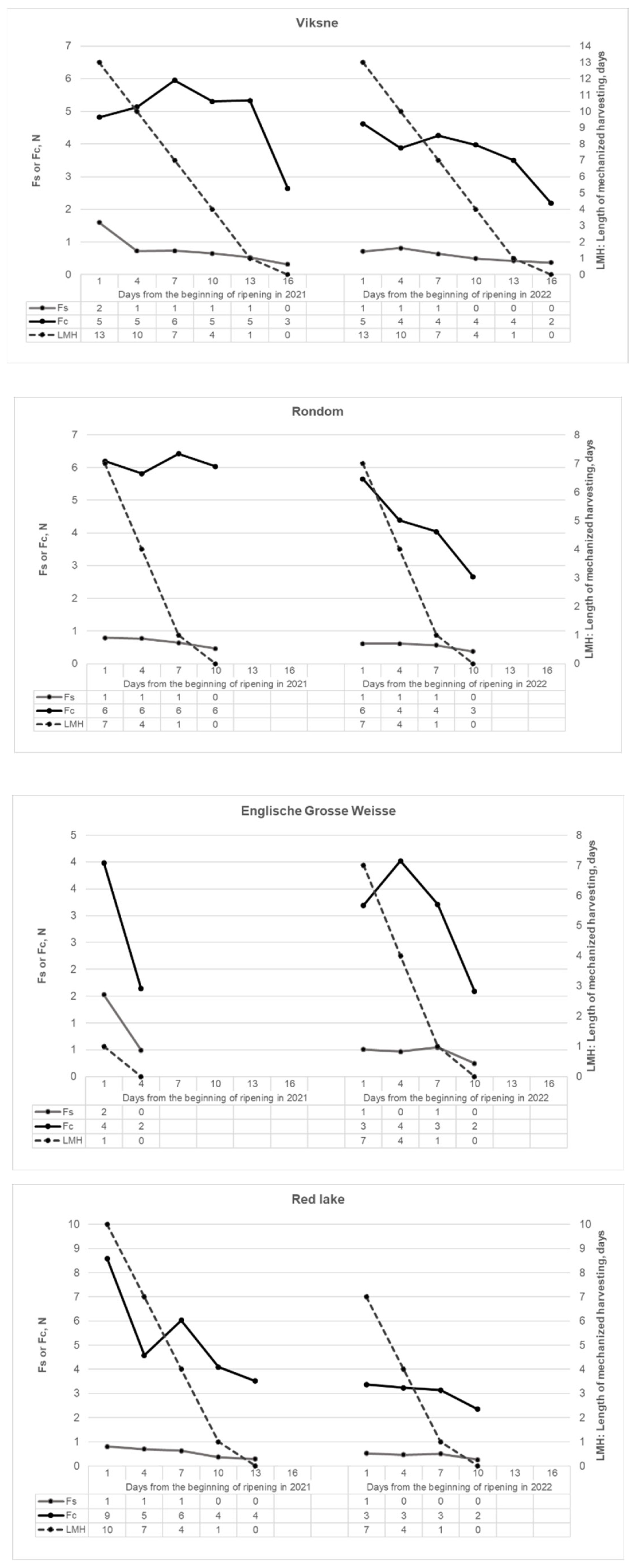
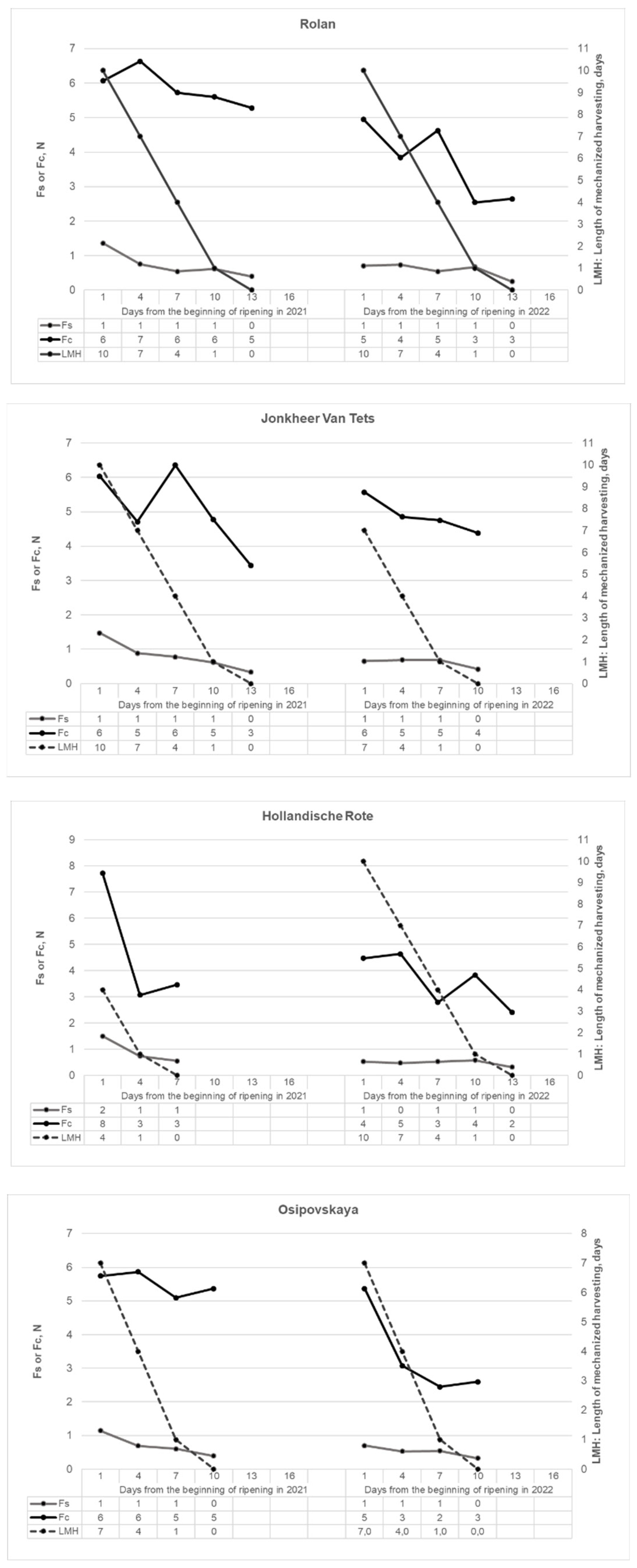
Figure 7.
Berry sintering in Osipovskaya (а), Viksne (b), Rolan (c); berry shedding and sintering in Jonkheer Van Tets (d).
Figure 7.
Berry sintering in Osipovskaya (а), Viksne (b), Rolan (c); berry shedding and sintering in Jonkheer Van Tets (d).
The decrease in Fs and Fc co-occurred in most of the studied cultivars. These indicators determine the suitability of the cultivar for mechanized harvesting and the duration of the harvesting period. In Natali, Rondom, Red Lake, Rovada, Vika, Asya, and Niva, the harvest period was reduced due to the rapid shedding of berries. The Fs indicator decreased sharply and determined the most significant period of mechanized harvesting. High correlation coefficient values between Fc and Fc (R=0.75-0.85) allowed a multiple regression equation to predict the optimal mechanical harvesting period (Figure 6).
In 2022, for Red Lake, the regression equation was: Y=7.58+1.01∙Fc-9.16∙Fs. If we substitute the data from Figure 6, we get 7.58+1.01∙3.37-9.16∙0.52=6.5 days (R=0.72). For Rondom, the regression equation in 2022 was: Y=0.43+1.91∙Fc-8.17∙Fs. If we substitute the data from Figure 6, we get 0.43+1.91∙5.65-8.17∙0.79=7 days (R=0.81).
Red currant berries are characterized by a sufficiently high strength of the skin. The statical crushing force of berries in the cultivars is more than 2 N. During the ripening of berries, and this indicator worsens in all observed cultivars (Figure 8).
Figure 8.
Change in the statical crushing force during the ripening period.
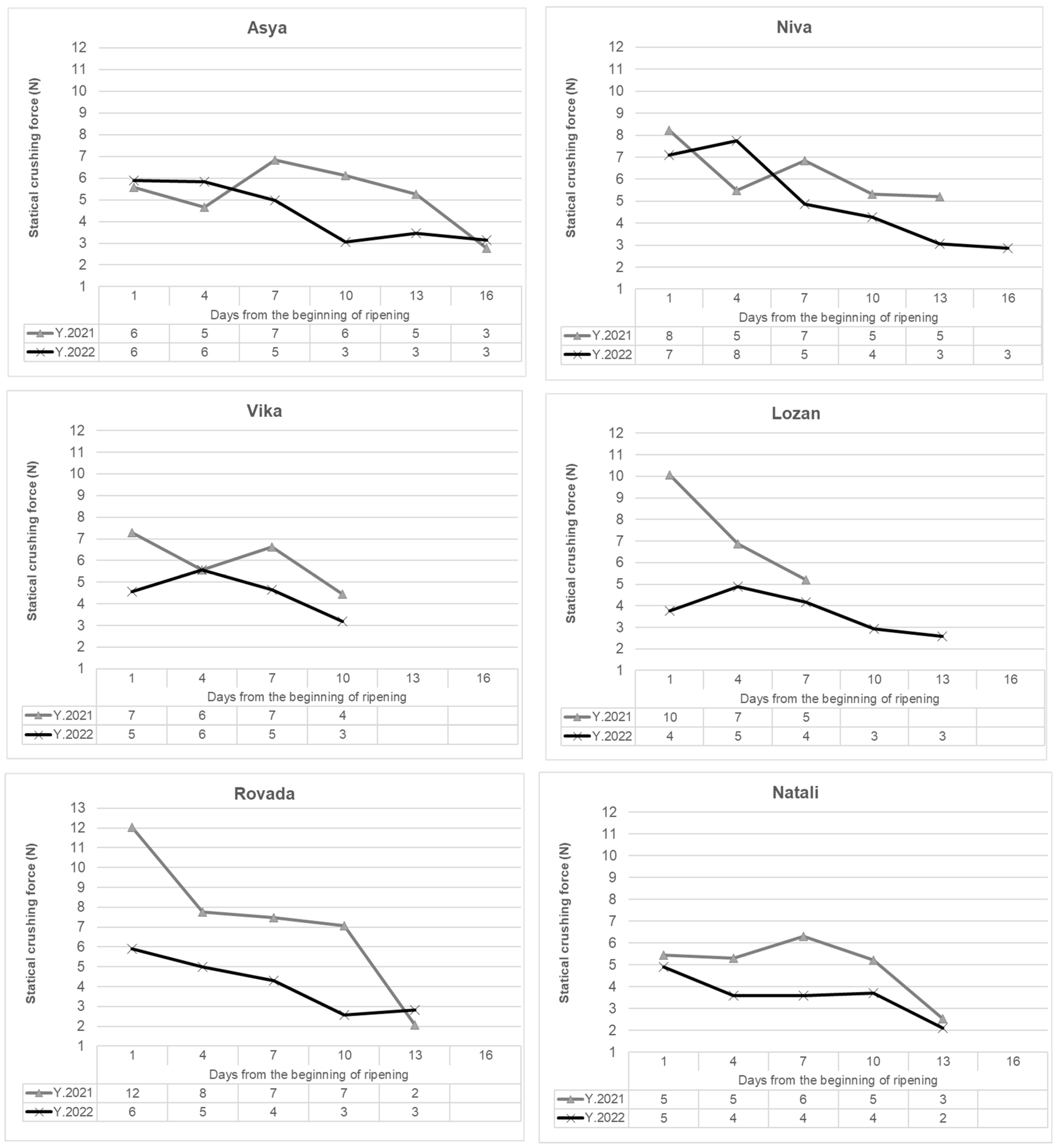
Figure 8.
(continue). Change in the statical crushing force during the ripening period. Note:*– for Hollandische Rote, the maturation period in 2022 was July 16, July 19, July 22, July 25, and July 28 **– for Osipovskaya, the maturation period dates in 2021 was July 09, July 12, July 15, July 18, and in 2022 – July 19, July 22, July 25 and July 28.
Figure 8.
(continue). Change in the statical crushing force during the ripening period. Note:*– for Hollandische Rote, the maturation period in 2022 was July 16, July 19, July 22, July 25, and July 28 **– for Osipovskaya, the maturation period dates in 2021 was July 09, July 12, July 15, July 18, and in 2022 – July 19, July 22, July 25 and July 28.
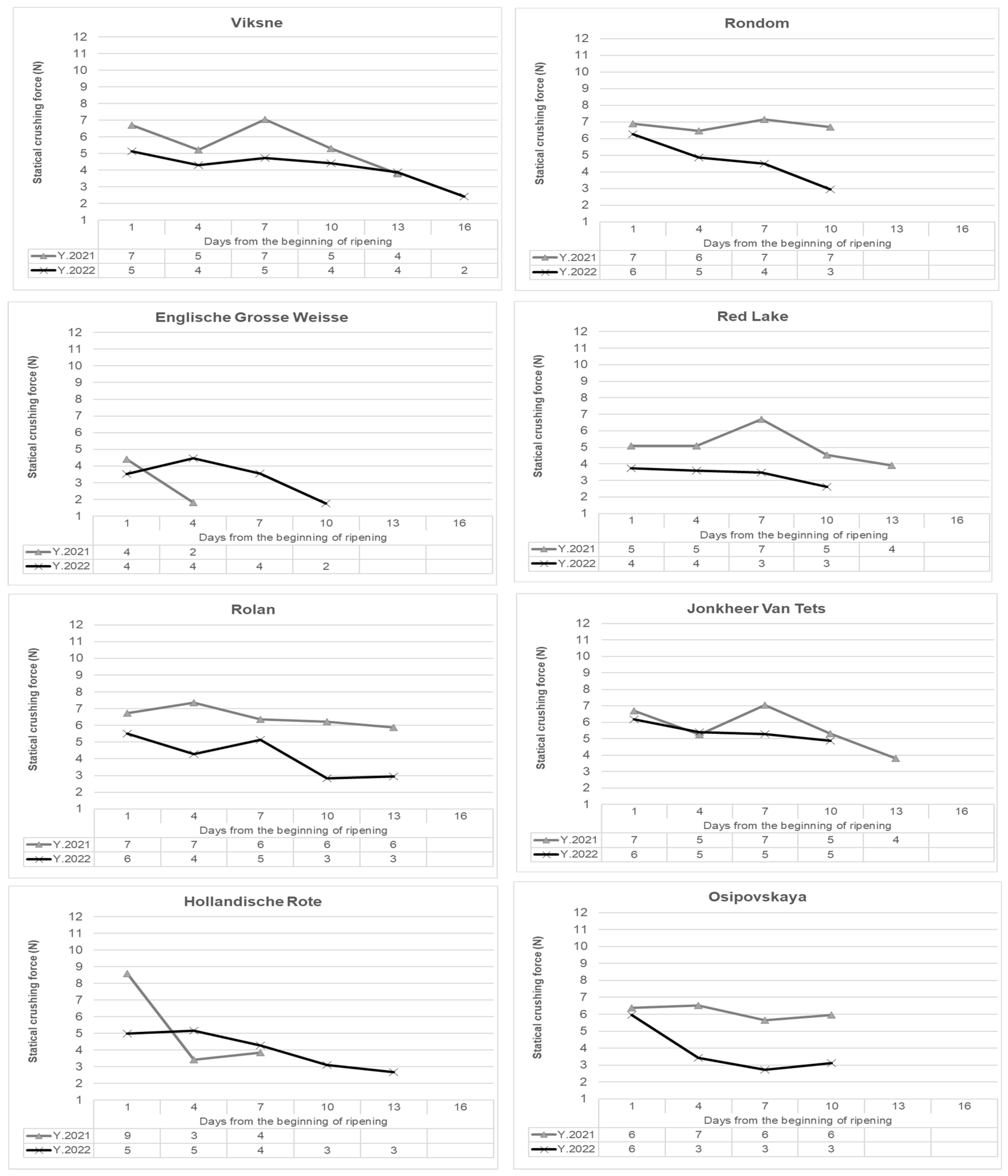
The decrease in the skin’s strength is associated with the hydrolysis of protopectin, hemicelluloses, and other substances [37,38]. The decrease in this indicator is interrelated with the Fc indicator (R=0.77–0.95). The increased mechanical strength of the skin and pulp of berries prevents significant mechanical damage to berries and contributes to the preservation of the commercial and consumer qualities of berries at a high level. During mechanized harvesting, the separation of berries from the peduncle in the clusters was taken into account. In red currants, berries are separated into dry and wet. Dry separation from the cluster improves transportability and storage [39]. When assessing the strength coefficient of berry attachment, the parameters Fs and Fc were considered. According to the criterion developed by Aleynikov, Mineyev [40], most of the studied cultivars are considered suitable for mechanized harvesting (С≥0.8) (Figure 9).
Figure 9.
The coefficient of the relative strength of berries in the cluster of red currant cultivars.
Figure 9.
The coefficient of the relative strength of berries in the cluster of red currant cultivars.
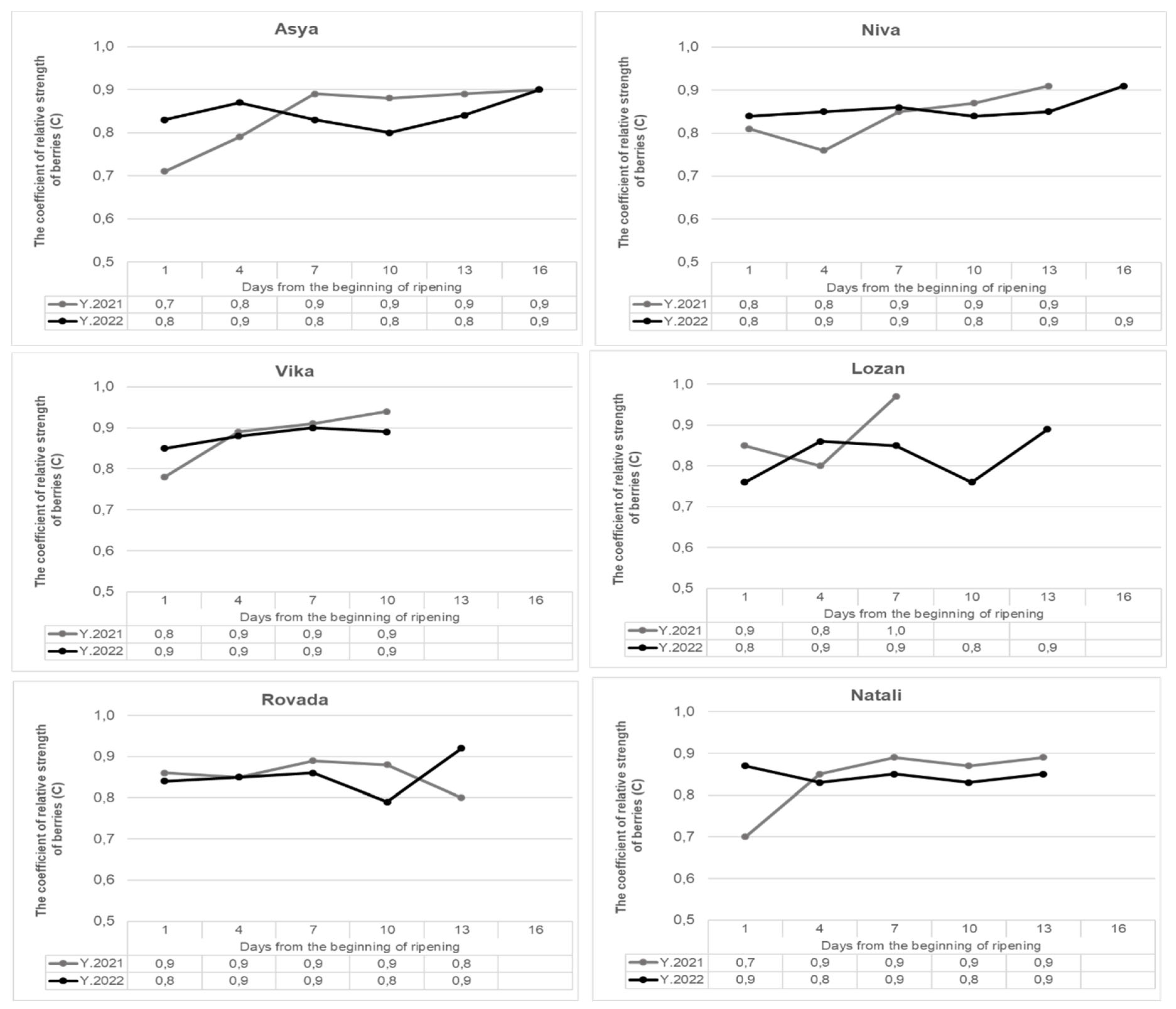
Figure 9.
(continue). The coefficient of the relative strength of berries in the cluster of red currant cultivars.
Figure 9.
(continue). The coefficient of the relative strength of berries in the cluster of red currant cultivars.
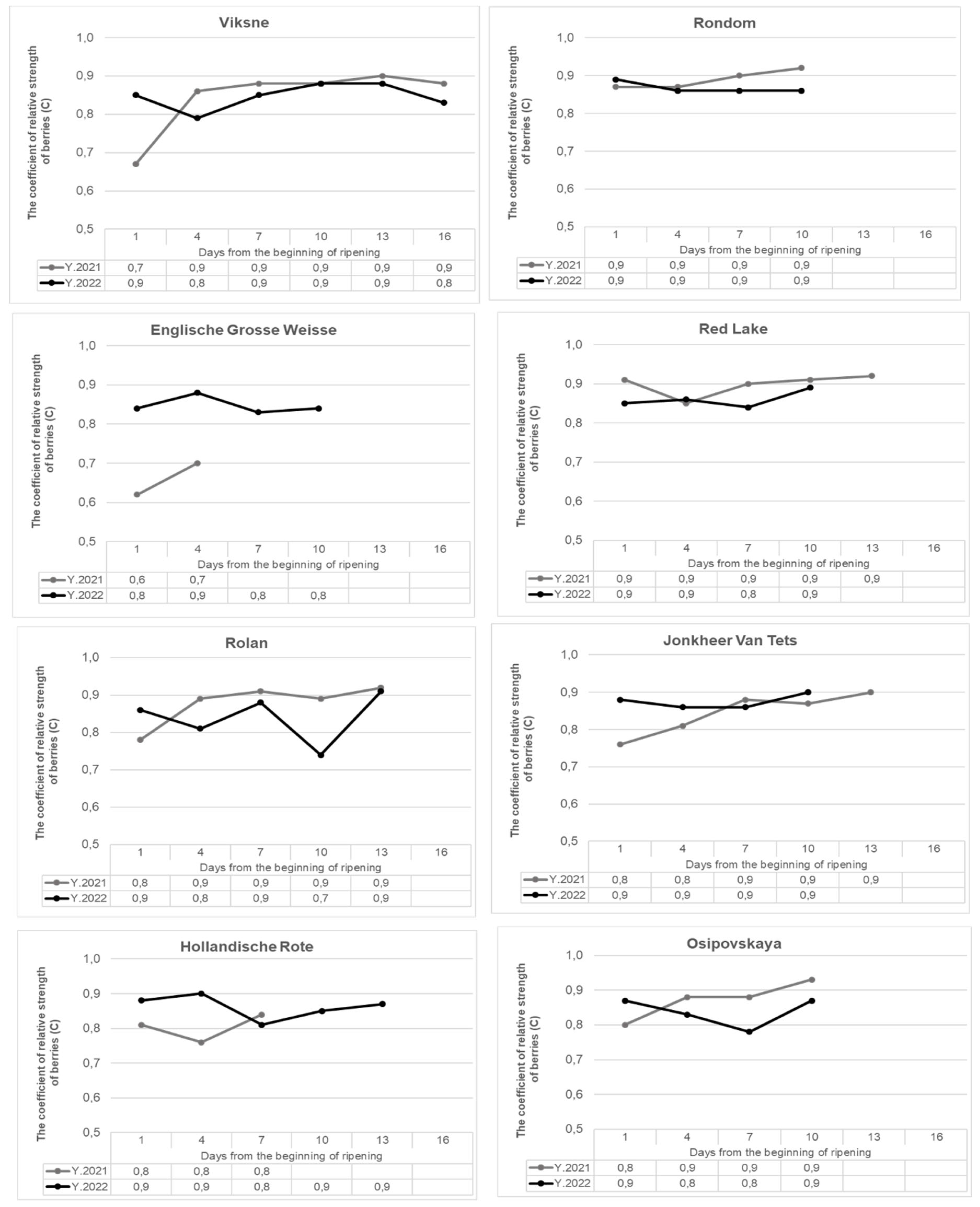
However, considering the C parameter in 2021, Englische Grosse Weisse was unsuitable for machine harvesting. As for the cultivars Lozan, Rovada, and Rolan, in 2022, on the 10th day of the fruiting period (July 22), the degree of attachment of berries to the peduncle sharply decreased, and when shedding berries had a raw separation, which was not acceptable for the commercial qualities of berries.
2.3. Relationships among study cultivars
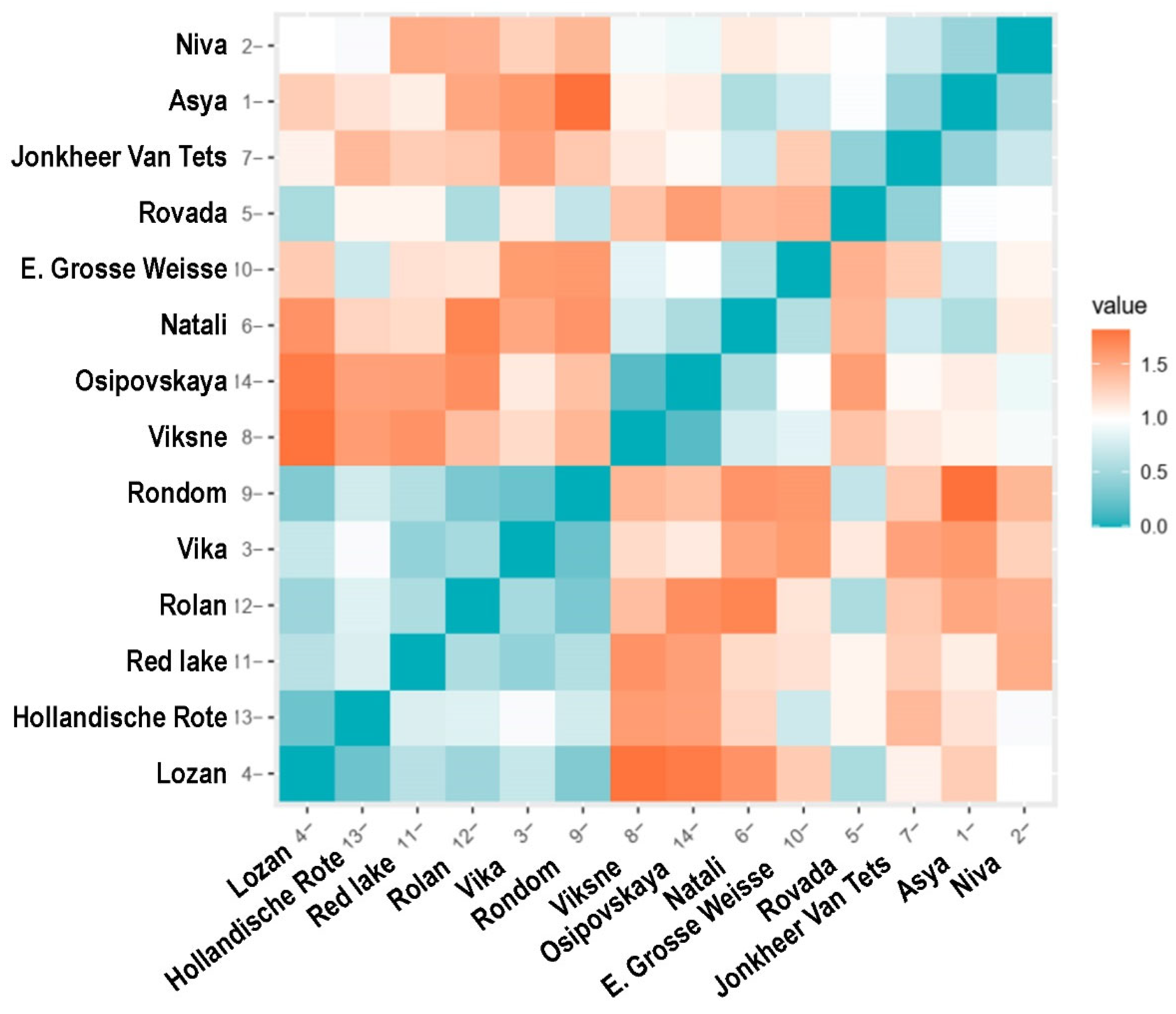
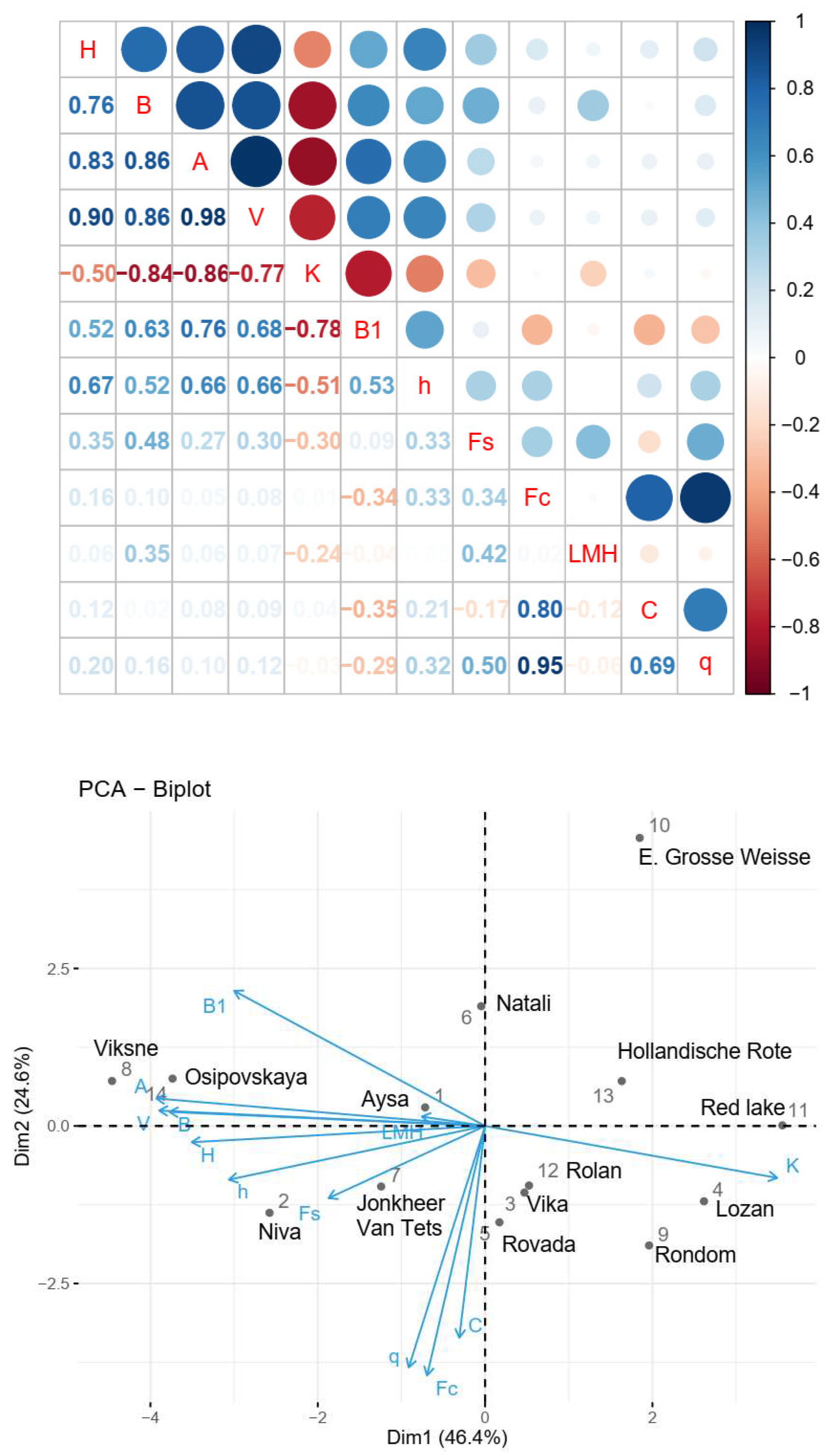
Distance measure (Figure 10) and hierarchical clustering (Figure 11) analysis were also done to group studied cultivars. Distance measure results made it easy to understand the similarities and dissimilarities among the red currant cultivars. The results of these studies were found to be in conjunction with each other. According to the distance matrix, Niva is most close (teal blue color) to Asya and Jonkheer Van Tets; on the other hand, most different (orange color) to Red lake, Rolan, Romdom, and Vika. Similarly, Asya is most dissimilar to Rondom. Moreover, Osipovskaya and Viksne were observed to be at the median and have a similar distance to other cultivars.
Figure 10.
Distance measure (orange color shows dissimilarities, teal shows similarities) among studied red currant cultivars.
Figure 10.
Distance measure (orange color shows dissimilarities, teal shows similarities) among studied red currant cultivars.
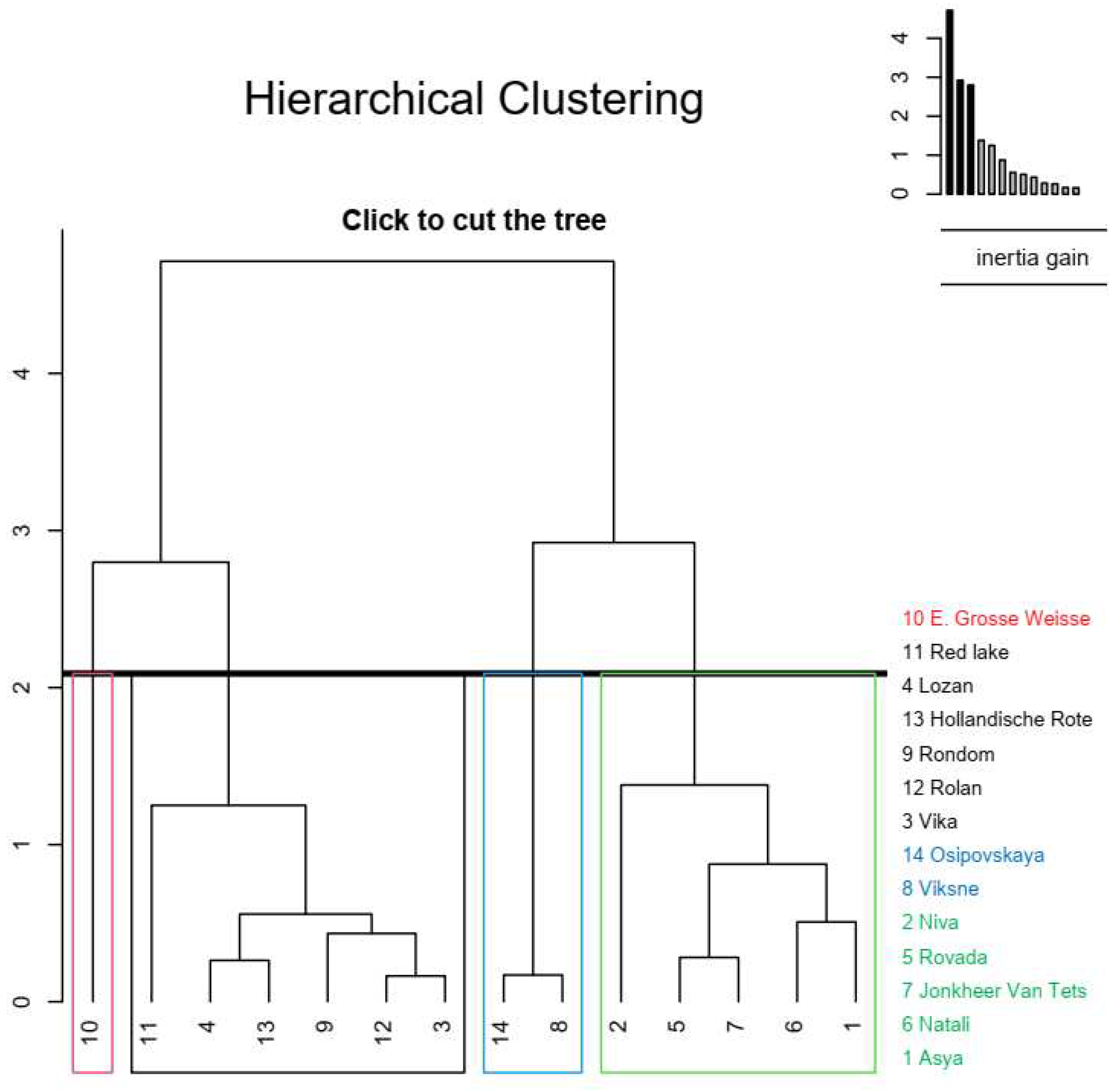
Hierarchical clustering results also confirmed these findings; grouping examined cultivars in four clusters (Figure 11). Herein, the first cluster includes only E. Grosse Weisse. Detailed analysis of the PCA – Biplot (Figure 12) also made it possible to analyze the cultivars. It is clear from Figure 12 that the E. Grosse Weisse is placed apart from the other cultivars, and none of the test parameters can be used to define this cultivar. The second cluster included six cultivars: Red lake, Lozan, Hollandische Rote, Rondom, Rolan, and Vika. The single and most common parameter of these cultivars was noted as the K - compactness of the bush. This is a critical characteristic for suitability for mechanical harvesting. The third cluster includes Osipovskaya and Viksne. These two cultivars had the lowest K but highest A – length of the bush diagonally along the row; B – width of the bush across the row (m); and V– bush volume (m3). The final cluster comprised five cultivars: Niva, Rovada, Jonkheer Van Tets, Natali, and Asya. Except for Natali, other found cultivars of this cluster were observed (see Figure 12) to be at the center of the study parameters, being good in terms of Fs – the statical force of separation of the berry from the peduncle (N); Fc – press force of crushing the skin; coefficient of the relative strength of berries in the cluster (C) and statical crushing force (σ).
Figure 11.
Hierarchical clustering for grouping the study cultivars.
Besides the clustering and similarities among the cultivars, it is also essential to look at the relationships among the parameters. The coloration results (see Figure 12) shows that LMH (Length of the mechanical harvesting) has low to moderate positive correlations with B (0.35) and Fs (0.42). Other parameters were noted to have negligible correlations. According to the results, K– compactness of the bush is negatively impacted by H – the height of the bush (m); B – width of the bush across the row (m); A – length of the bush diagonally along the row (m); and V– volume of the bush (m3). Results also showed that the Fc – press force of crushing the skin has strong (0.80) and very strong (0.95) correlations with the C - coefficient of the relative strength of berries in the cluster and σ - statical crushing force.
Figure 12.
Correlation (left) and PCA – Biplot (right) analysis of the study parameters and cultivars.
Figure 12.
Correlation (left) and PCA – Biplot (right) analysis of the study parameters and cultivars.
3. Discussion
Red currant is a technological culture that allows it to be grown almost entirely using intensive technologies, mechanizing the growing and harvesting processes. An essential aspect of the use of machine technologies is the harvesting of berries by technical means. Scientists have actively discussed the issues of machine harvesting from the 1980s to the present, and this area of technology is still developing [41]. Undoubtedly, the quality of berries is higher with manual harvesting, but the production costs for manual harvesting are also high [42]. The use of berry harvesters is possible only on large plantations. The appearance of large plantations entails changes in the structure of plantings, and special attention is paid to cultivars. The cultivar is an essential factor in determining the effectiveness of mechanization tools in crop cultivation [43,44]. Special attention is paid to the structure and volume of the bush critical morphological features of the cultivar evaluation. It is essential that, according to the structure and volume of the bush, the cultivars should be compact and have a straight-growing or slightly spreading shape. As a rule, the morphological structure of the bush refers to stable features and depends on the genetic origin. A current plantation should have plots with cultivars of different ripening periods – early, medium and late.
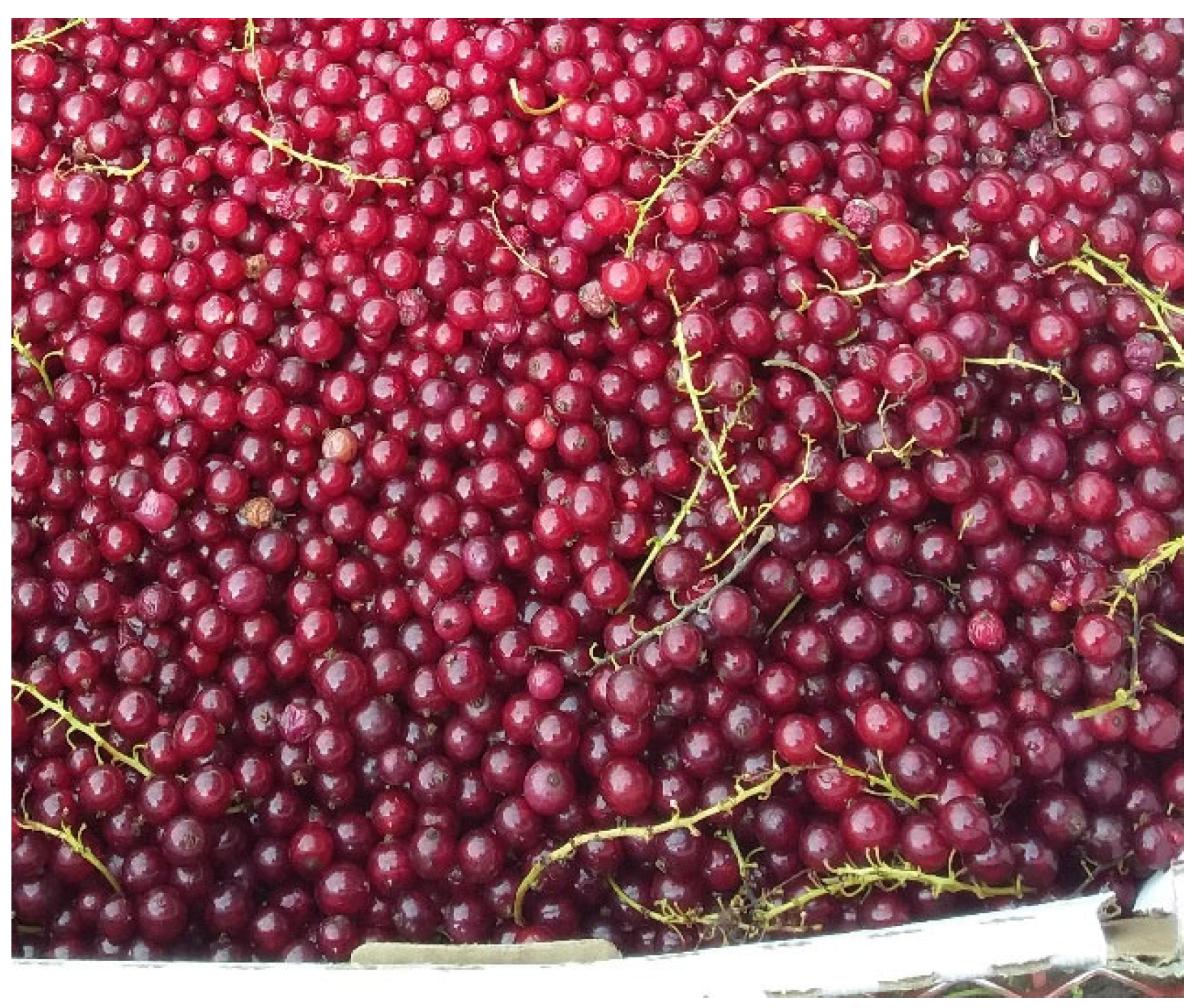
Plants should be planted in continuous rows. Bushes falling out in rows are not allowed [35]. For currants, a highly effective method of mass berry harvesting is based on applying vibration to a berry bush to separate berries forcibly [45,46]. Our study used a combined harvester, “Joonas-2000” (Finland), to collect red currant berries. This harvester works on the principle of vibration effect on the shoots on which the primary bush yield is placed. One of the disadvantages of such a harvest is that the quality of the harvested berries can vary significantly when less mature fruits are gathered together with ripe and even overripe berries [47]. We observed such an effect in Osipovskaya; when ripe, not ripe, crumpled berries fell into the berry boxes (Figure 13).
Figure 13.
Osipovskaya. The appearance of the commodity and consumer qualities of berries after mechanized harvesting.
Figure 13.
Osipovskaya. The appearance of the commodity and consumer qualities of berries after mechanized harvesting.
Coordinating fruit maturity indicators on a current plantation is not an easy task. With the scheme of mass harvesting, the harvesting time may depend on minimizing losses due to the gap of immature overripe fruits. The determining factor is predicting the optimal harvest period [44]. First, the ripening period of berries depends on environmental and agronomic factors that affect the qualitative composition of berry cultivars and the rate of berry ripening [48]. In this experiment, the weather conditions of 2022 contributed to an increase in the fruiting period of Niva, Lozan, Englische Grosse Weisse, and Hollandische Rote compared to 2021. A similar pattern in some of the named cultivars was observed in the studies of scientists from the Czech Republic [49]. This paper shows that it is impossible to recommend to farms the optimal terms of mechanized harvesting based on the average values of the mechanical parameters of berries over the years. However, at the same time, for the most efficient, high-quality work of the combine, it is necessary to make forecasts about the length of the harvest period. An equally important factor that affects the final quality of berries is several pre-harvest factors. These are not only biometric qualities of berries, such as berry size, cluster length, and berry diameter; organoleptic qualities of berries, i.e., taste and color, but mechanical features, such as the hardness of the peel and pulp of fruits, which indicate the resistance of fruits to mechanical damage. This function is essential for improving mechanized harvesting, transportation, and post-har, vest storage [50]. So, using the example of grape cultivars and blueberries, it was shown that the thick skin of berries (maximum crushing force of more than 2 N) provided good transportation of berries and optimal storage of berries [51,52]. In this experiment, during the optimal harvest, most of the studied red currant cultivars were characterized by high crushing force and had high commercial and consumer qualities of berries. By the time of full biological maturity, this indicator was decreasing, and the quality of berries was deteriorating. A similar effect was found in grape cultivars. The influence of the hardness of the grape skin on the kinetics of anthocyanin extraction was proved: grape cultivars with hard skins had a higher percentage of cyanidin and peonidin derivatives. The amount of these substanserverves is an indicator of determining the commercial quality of berries [53]. However, some authors, studying the variability of the mechanical properties of berries during the fruiting period and revealing their connection with the transportability and keeping quality of berries, do not determine the cause of these phenomena. Only some researchers reveal the dependence of the mechanical properties of berries on their biological characteristics. It has been found that the indicator of berry detachment from the peduncle depends on the consistency and size of the berry, the size of the cluster, and the number of vascular-fibrous bunches.
In this study, there was no dependence of the strength of the attachment of berries to the peduncle on the thickness of their skin; the same results were observed in grape cultivars [39]. At the same time, some farmers use agrotechnical techniques to increase the strength of the skin thickness. At the beginning of berry ripening, foliar treatments with growth regulators such as gibberellin, Epin, Adro,p, and Mival-Agro are used [39,54,55]. A high-efficiency indicator of the use of the combine is associated with the architectonics of the bush. Broken or removed branches affect the period of exploitation of fruit plantations [56,57]. Berry bushes should be erected or slightly spreading. The bush should consist of 10-15 perennial branches; lying branches are not allowed.
The height of the plants is 1.2-1.8 m. ensures the optimal location of the fruiting zone for the combined operation [18,35,58]. Morphological features of the bush habit are considered characteristics determined by the genotype and practically do not change under the influence of abiotic factors [59,60]. The study of red currant cultivars has confirmed this observation. In this experiment, the inexpediency of including low and highly spreading cultivars in the group of the industrial assortment has been proved; these are primarily Osipovskaya, Viksne, and Englische Grosse Weisse. However, the final suitability of the red currant cultivar for mechanized harvesting should be determined after the direct use of the berry harvester. The rejection of red currant cultivars in this experiment was carried out according to the indicators that determine the profitability of berry production: a high percentage of branch breakage during two years of using the combine, high seasonal leaf loss, and low regenerative ability of the bush after sanitary pruning of bushes, low-quality characteristics of berries.
4. Materials and Methods
4.1. Place objects of research
The studies were carried out in the 2020-2021 and 2021-2022 seasons at the site of production testing of red currant cultivars at the Russian Research Institute of Fruit Crop Breeding (VNIISPK), located at 52◦96′ north latitude and 36◦07′ east longitude. To assess the suitability of cultivars for machine harvesting, the experiment was laid in 2017 with a planting scheme of 3.5×0.5 m. The experimental plot was without drip irrigation; the soil in the aisles was a natural tinning. The experimental plot was located on loamy haplic luvisol, and the thickness of the organic horizon was 50-55 cm. For the agrochemical assessment of the soil, soil samples were taken from the soil horizon of 0-20 cm and 20-40 cm. Most currant roots lie at a depth of 10-40 cm. Data on the agrochemical characteristics of the experimental site are presented in Table 2.
Agrotechnical measures: annually, in April, ammonium nitrate (NH4NO3) was applied in 50g for each plant. All plants were treated against diseases and pests when infecting the plantation by more than 30%. Penconazole (C13H15Cl2N3) was used against Sphaerotheca mors-uvae, and Malathion (C10H19O6PS2) was used against Criptomyzus ribis L., Geometridae, and Cecidophyopsis ribis. Treatments were carried out after the flowering of currants (2-3 decades of May).
Data on the weather conditions during the experiment are presented in Table 3. The weather of the growing seasons of 2021 and 2022 was contrasting. If the year 2021 corresponded to the average annual values for the Central region in terms of temperature factor and precipitation, then 2022 was characterized by a delay in spring for 10-12 days. According to climatic norms, the average temperature in May was 2.5 ° C lower than it should be. The temperature of the summer months (June-August) was three °C cooler than the climatic norm of the region. Over the years, such variations in temperatures and precipitation made it possible to calculate the maximum possible duration of the currant harvest.
Fourteen red currant genotypes of different geographical and genetic backgrounds were selected to assess the manufacturability of cultivars: Jonkheer Van Tets (Netherlands), Natali (Russia, VSTISP), Viksne (Latvia), Rondom (Netherlands), Englische Grosse Weisse (Netherlands), Red Lake (USA), Rovada (Netherlands), Rolan (Netherlands), Lozan (Slovakia), Hollandische Rote (Netherlands), Vika (Russia, VNIISPK), Asya (Russia, VNIISPK), Niva (Russia, VNIISPK), Osipovskaya (Russia, VNIISPK). Some of these cultivars are grown in Scientific Institutes and farms in several countries. The selected red currant cultivars of foreign and Russian breeding were obtained from various Scientific Institutes in Russia and abroad within the program’s framework «A unique scientific set, a collection of living plants of the open field – bioresource collection of VNIISPK.» Full fruiting of the studied cultivars (when berry harvesting equipment can be used) occurred four years after planting due to the peculiarities of the formation of generative buds.
4.2. Accounting elements
4.2.1. Non-limiting features for assessing the technological qualities of the cultivar:
The morphological features of the bush were evaluated in threefold repetition for each cultivar. Biometric parameters, such as the height and width, the width of the bush across the row, and the height of the berry laying from the soil sur, were determined using a technical ruler with an accuracy of 0.1 cm. These parameters were used to determine the volume and compactness of the bush; the calculation was carried out according to the formulas:
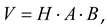
 where: V– the volume of the bush (m3); K– compactness of the bush; H – the height of the bush (m); A – length of the bush diagonally along the row (m); B – width of the bush across the row (m).
- the shape of the bush is erect, and the angle between the direction of the main fruiting branches and the soil surface is more than 75° (coefficient >0.9);
- the shape of the bush is slightly spreading – the angle between the direction of the main fruiting branches and the soil surface is 60-75 ° (coefficient 0.7-0.9);
- the shape of the bush is spreading – the angle between the direction of the main fruiting branches and the soil surface is 45-60° (coefficient 0.6-0.7);
- the shape of the bush is very spreading – the angle between the direction of the main fruiting branches and the soil surface is 30-45° (coefficient 0.4-0.6);
- the shape of the bush is trailing – the angle between the direction of the main fruiting branches and the soil surface is less than 30° (coefficient ˂0.4).
The number of broken shoots after mechanized harvesting was determined as a percentage, as the ratio of the number of broken branches to the total number of shoots of this cultivar on the production plot.
Crop losses from the bush after harvesting were carried out by the weight method using electronic scales CAS SWN-6 (CAS Corporation, South Korea). Accounting was carried out from 3 bushes of the cultivar, and the average value was calculated.
The Joonas-2000 combine harvester (Finland) was used for mechanized harvesting. This combination does not have devices for lifting shoots on the ground.
4.2.2. Limiting features for technological qualities of the cultivar
Since the production plot of red currants is sufficiently leveled, the degree of illumination was evaluated on four varieties in the upper tier (bush growth zone) and the lower tier (growth and fruiting zone). The assessment was carried out in July 2021-2022. The degree of illumination of berries was assessed using lux meter Light Meter H.S. 1010A (Jinhong Electronics (H.K.) Ltd., China).
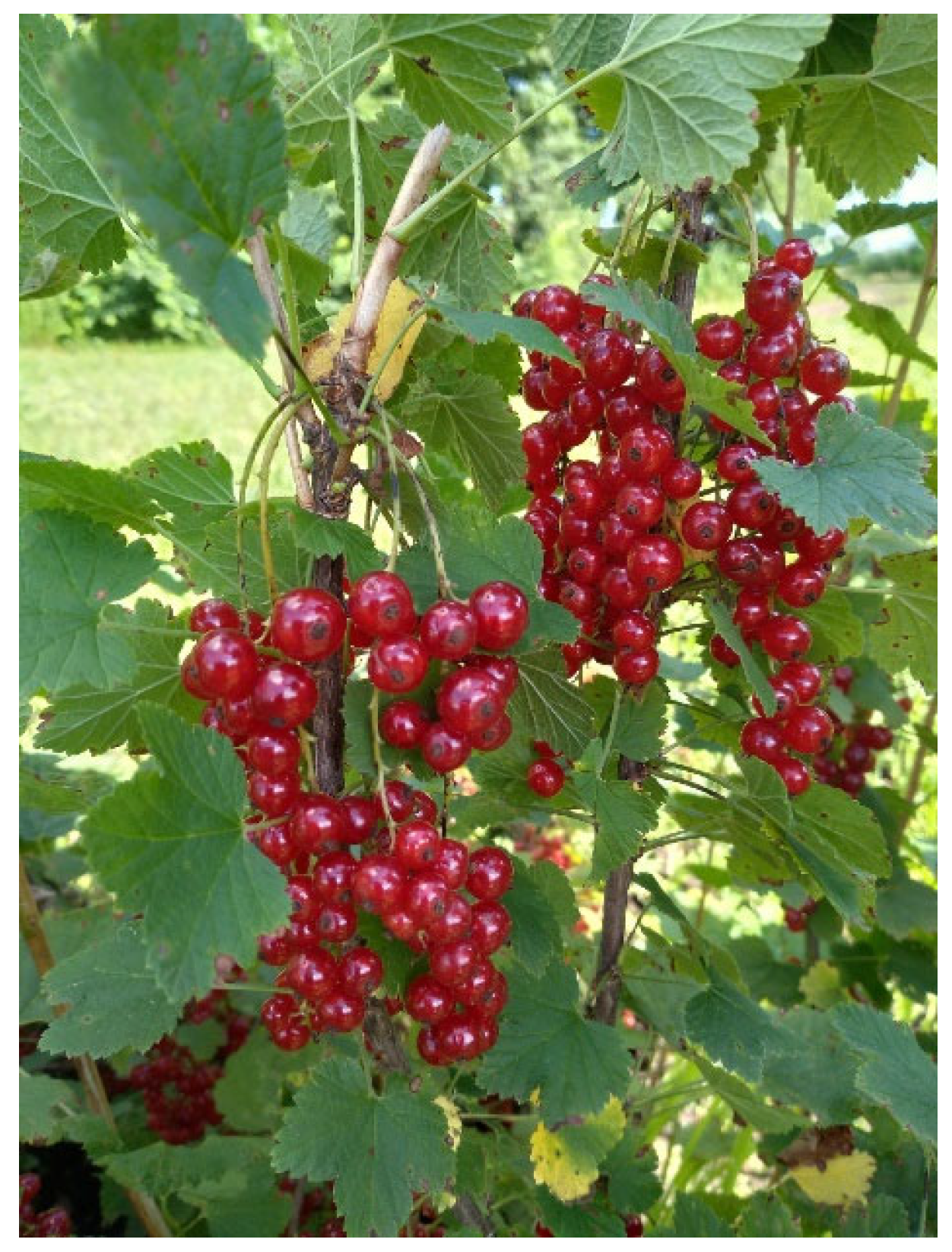
The mechanical parameters of the berries were evaluated during the ripening period when mass maturation (more than 90%) occurred, and the berries in the cluster acquired this cultivar’s color and taste characteristics (Figure 14). Mass maturation was determined visually.
Figure 14.
Full ripening of berries in the cluster, Jonkheer Van Tets cultivar.
The separation force and crushing force of berries were measured in July. To assess the prediction of the duration of removable maturity of berries, the measurements were made at intervals of 3 days (Table 4).
Clusters were randomly selected in the fruiting zone of the bush. Three bushes of the studied cultivars were used for studies. The number of berries in the cluster ranged from 6 to 15 pieces, depending on the cultivar. The device “Dina-2” was used to assess the separation effort of berries in the cluster from the peduncle (Siberian Institute of Physics and Technology of Agrarian Problems, Russia). The force detection range was from 0 to 6 N. The crushing force was evaluated using the device “Plodtest-1” (Siberian Institute of Physics and Technology of Agrarian Problems, Russia). The force detection range was from 0.1 to 20.0 N.
The strength of the berry skin was determined as the ratio of the statical crushing force Fc to the ultimate strength σ [61]:
 where Fc–press is the force of crushing the skin, N; S – the cross-sectional area of the crushing plunger; the diameter of the upper pressure (plunger) was 0.9 cm.
The formula calculated the coefficient of the relative strength of berries (C):
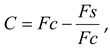 where Fs – is the statical force of separating from the peduncle, N.
The cultivar is considered suitable for machine harvesting if C ≥ 0.8 [40].
The multiple linear regression equation was used to predict the duration of mechanized harvesting of red currant cultivars [62]:
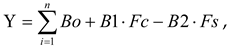 where B0, B1, B2 are coefficients of the sample regression model; Fc is the force of crushing, N; Fs is the force of separation, N.
4.3. Statistical Analysis of Data
Raw data belonging to morphological (H, B, A, V, and K), technological (B1 and h), mechanical (Fs and Fc), statical crushing force (σ), and coefficient of the relative strength of berries (C) were all summed in Microsoft Excel to calculate mean and standard deviations. Then, figures were prepared from this data to reduce data noise and make it easy for the readers to understand. Statistical comparison of these parameters was performed with SPSS 22.0 statistical package program by subjecting the raw data to Analysis of Variance (ANOVA) and Tukey’s (HSD) multiple range test at a 5% significance level. Finally, the R 4.2.2 software was used for similarity and correlation analysis. To compute and visualize the Euclidean distance matrix, the functions of get_dist() and fviz_dist() from the factoextra R package; to compute and visualize cluster analysis, the functions of res.hcpc<- HCPC(res) from the FactoMineR R package; to compute and visualize correlations of the functions of corrplot() from the corrpolot R package; and to compute and visualize the PCA – Biplot analysis of the function of fviz_pca_ind() from the factoextra R package was used.
5. Conclusions
This study has proved the prospects of using complex research methods in assessing the suitability of berry cultivars for cultivation using intensive technologies and primarily for mechanized harvesting. Based on hierarchical clustering, the varieties studied were grouped into four clusters. According to similar morphological parameters of plants and technological parameters of berries, most of the varieties were grouped into the group of the third cluster and the fourth cluster. A moderate correlation (0.42) was shown between Length of the mechanical harvesting (LMH) and the statical force of separation of the berry from the peduncle (Fs). It has been found that the indicator of berry detachment from the peduncle depends on the consistency and size of the berry, the size of the cluster, and the number of vascular-fibrous bunches. A high correlation were found among the pressing force of crushing the skin (Fc) and the coefficient of the relative strength of berries in the cluster (C) (0.80), the pressing force of crushing the skin (Fc) and statical crushing force (σ) (0.95), the statical force of separation of the berry from the peduncle (Fs) and press force of crushing the skin (Fc) (0.75–0.85), where that LMH has low to moderate positive correlations with width of the bush across the row (B) (0.35) and Fs (0.42)The high correlation of such characteristics as the crushing force and the separating force of the berries allows us to forecast the optimal harvest period of red currant with minimal losses. However, it is impossible to recommend to farms the optimal terms of mechanized harvesting based on the average values of the mechanical parameters of berries over the years. According to the totality of the studied limiting (mechanical parameters of the berries, mass maturation of the berry, the berry placement zone) and non-limiting (biometric parameters of the bush) features and combined harvesting, the technological red currant cultivars, including Jonkheer Van Tets, Red Lake, Rovada, Rolan, Vika, Asya, and Niva. For current red breeding programs, Jonkheer Van Tets, Rovada, Rolan, Vika, and Asya can be used as the maternal form in the hybridization process as sources of the erect and compact bush habit. In addition, the results of this experiment will be used to determine the maximum possible life of a fruit-bearing red currant plantation using a combine harvester.
Author Contributions
Conceptualization, O.P., and I.K.; methodology, O.P., M.T.; software, O.P. and I.K.; validation, O.P., I.K.,G.O., S.M., and A.S. ; formal analysis, O.P., M.T., I.K., G.O., S.M., A.S., and V.O.; investigation, O.P., N.R.; resources, O.P., N.R. and M.T.; data curation, O.P., M.T., I.K. G.O., and M.H.; writing—original draft preparation, O.P., M.T., I.K., G.O., N.R., M.H., S.U., S.M., and A.S. ; writing—review and editing, O.P., M.T., I.K., G.O., N.R., S.M., A.S.,V.O., M.H., and S.U.; visualization, O.P., I.K., S.M. and G.O.; supervision, O.P., M.T., N.R.; project administration, O.P.; funding acquisition, O.P., M.T., N.R., I.K., V.O., M.H., S.U. All authors have read and agreed to the published version of the manuscript.
Funding
Ministry of Science and Higher Education of the Russian Federation project FGZS-2022-0007.
Institutional Review Board Statement
Not applicable.
Informed Consent Statement
Not applicable.
Data Availability Statement
The data presented in this study are available upon request from the corresponding author.
Acknowledgments
The authors thank the participants in this study, as well as the reviewers and the editors, for their valuable comments and opinions
Conflicts of Interest
The authors declared having no competing interests.
References
- Debnath, S. Bioreactors and molecular analysis in berry crop micropropagation – A review. Canadian Journal of Plant Science 2011, 91, 147–157. [Google Scholar] [CrossRef]
- Seeram, N.P. Recent trends and advances in berry health benefits research. Journal of Agricultural and Food Chemistry 2010, 58, 3869–3870. [Google Scholar] [CrossRef] [PubMed]
- Kirina, I.B.; Belosokhov, F.G.; Titova, L.V.; Suraykina, I.A.; Pulpitow, V.F. Biochemical assessment of berry crops as a source of production of functional food products. IOP Conf. Ser.: Earth Environ. Sci 2020, 548, 082068. [Google Scholar] [CrossRef]
- Kahramanoğlu, İ.; Panfilova, O.; Kesimci, T.G.; Bozhüyük, A.U.; Gürbüz, R.; Alptekin, H. Control of Postharvest Gray Mold at Strawberry Fruits Caused by Botrytis cinerea and Improving Fruit Storability through Origanum onites L. and Ziziphora clinopodioides L. Volatile Essential Oils. Agronomy 2022, 12, 389. [Google Scholar] [CrossRef]
- Asănică, A. Growing berries in containers - a new perspective for urban horticulture. Scientific Papers-Series B, Horticulture 2019, 63, 97–102. [Google Scholar]
- Food and Agriculture Organization of the Unated Nations. Available online: https://www.fao.org/sustainable-development-goals/background/ru/ (accessed on 14 December 2022).
- Bilici, M. The Effect of Currant (Ribes) on Human Health and Determination Certain Antioxidant Activities. East. J. Med. 2021, 26, 470–474. [Google Scholar] [CrossRef]
- Ropelewska, E. Assessment of the Influence of Storage Conditions and Time on Red Currants (Ribes rubrum L.) Using Image Processing and Traditional Machine Learning. Agriculture 2022, 12, 1730. [Google Scholar] [CrossRef]
- Food and Agriculture Organization of the United Nations. Available online: https://www.fao.org/faostat/en/#compare (accessed on 14 December 2022).
- Helgi Library. Available online: https://www.helgilibrary.com/indicators/redcurrants-area-cultivation-harvested-production/ (accessed on 14 December 2022).
- Kowalczyk, Z.; Grotkiewicz, K. Labour consumption of production of selected fruit. Agricultural Engineering 2018, 22, 29–36. [Google Scholar] [CrossRef]
- Wróblewska, W.; Pawlak, J.; Paszko, D. Economic aspects in the raspberry production on the example of farms from Poland, Serbia and Ukraine. Journal of Horticultural Research 2019, 27, 71–80. [Google Scholar] [CrossRef]
- Brondino, L.; Borra, D.; Giuggioli, N.R.; Massaglia, S. Mechanized Blueberry Harvesting: Preliminary Results in the Italian Context. Agriculture 2021, 11, 1197. [Google Scholar] [CrossRef]
- Sazonov, F.F.; Danshina, O.V. Breeding possibilities of creation varieties and forms of blackcurrant for machine harvesting. Horticulture and viticulture 2016, 2, 22–27. [Google Scholar] [CrossRef]
- Perekopskiy, A.N.; Zykov, A.V.; Egorova, K.I. Evaluation of black currant varieties suitability for combine harvesting. The Agrarian Scientific Journal 2021, 7, 35–39. [Google Scholar] [CrossRef]
- Kikas, A.; Laurson, P.; Libek, A.V. Evaluation of the biological-economic and biochemical traits of promising Ribes nigrum hybrids in Estonia. Zemdirbyste-Agriculture 2021, 108, 57–62. [Google Scholar] [CrossRef]
- Chen, J.; Wang, Y.; Liang, D.; Xu, W.; Chen, Y. Design of a Buffered Longitudinal Vibratory Picking Mechanism for Berry Shrub Fruits. Transactions of the ASABE 2021, 64, 1165–1171. [Google Scholar] [CrossRef]
- Sava, P.; Bodiu, G. Growing technology implementation of black currant varieties for berries production in District Soroca, Republic of Moldova. Scientific Papers - Series B Horticulture 2012, 56, 167–170. [Google Scholar]
- Djordjević, B.; Rakonjac, V.; Akšić, M.F.; Šavikin, K.; Vulić, T. Pomological and biochemical characterization of European currant berry (Ribes sp.) cultivars. Scientia Horticulturae 2014, 165, 156–162. [Google Scholar] [CrossRef]
- Rakonjac, V.; Djordjević, B.; Fotirić-Akšić, M.; Vulić, T.; Djurović, D. Estimation of variation and correlation analysis for yield components in black currant cultivars. Genetika 2015, 47, 785–794. [Google Scholar] [CrossRef]
- Panfilova, O.; Kahramanoğlu, I.; Ondrasek, G.; Okatan, V.; Ryago, N.; Tsoy, M.; Golyaeva, O.; Knyazev, S. Creation and Use of Highly Adaptive Productive and Technological Red Currant Genotypes to Improve the Assortment and Introduction into Different Ecological and Geographical Zones. Plants 2022, 11, 802. [Google Scholar] [CrossRef] [PubMed]
- Gurin, A.G. Prediction of the duration of mechanized harvesting of blackcurrant. Horticulture and viticulture 2000, 3, 13–15. [Google Scholar]
- Barbaroș, M.; Cimpoieș G. Berry species varieties classification on growth and productivity indicators. Bulletin of University of Agricultural Sciences and Veterinary Medicine Cluj-Napoca 2007, 373-376.
- Wang, Y.; Chen, H.; Lin, Q. Optimization of parameters of blackcurrant harvesting mechanism. Transactions of the Chinese Society of Agricultural Engineering 2009, 25, 79–83. [Google Scholar]
- Olander, S. A review of berry harvest machine development in Sweden. Acta Hortic 2012, 965, 171–178. [Google Scholar] [CrossRef]
- Sarig, Y. Mechanical harvesting of fruit - past achievements. current status and future prospects. Acta Hortic 2012, 965, 163–169. [Google Scholar] [CrossRef]
- Čejka, B.; Matějíček, A.; Matějičková, J.; Paprštein, F. Red currant cultivar ‘Rubigo’. Vědecké Práce Ovocnářské 2013, 23, 79–86. [Google Scholar]
- Sazonov, F.F. Genetic resources of black currant in breeding for suitability for mechanized harvesting. Pomiculture and small fruits culture in Russia 2018, 54, 63–66. [Google Scholar] [CrossRef]
- Krayushkina, N.S.; Perekopskiy, A.N.; Egorova, K.I.; Evseev, S.P. Creation of black currant varieties range for regionally adaptive machine-based technology of berry production. AgroEcoEngineering 2020, 2, 64–72. [Google Scholar]
- Danshina, O.V. Selection evaluation of black currant forms for suitability for machine harvesting. Ph.D. Thesis, Bryansk State Agrarian University, Russia, 2017. [Google Scholar]
- Panfilova, O.; Kalinina, O.; Golyaeva, O.; Knyazev, S.; Tsoy, M. Physical and mechanical properties of berries and biological features of red currant growth for mechanized harvesting. Res. Agr. Eng. 2020, 66, 156–163. [Google Scholar] [CrossRef]
- Masny, A.; Pluta, S.; Seliga, Ł. Breeding value of selected blackcurrant (Ribes nigrum L.) genotypes for early-age fruit yield and its quality. Euphytica 2018, 214, 1–21. [Google Scholar] [CrossRef]
- Rakonjac, V.; Djordjević, B.; Fotirić-Akšić, M.; Vulić, T.; Djurović, D. Estimation of variation and correlation analysis for yield components in black currant cultivars. Genetika 2015, 47, 785–794. [Google Scholar] [CrossRef]
- Sasnauskas, A.; Rugienius, R.; Mazeikiene, I.; Bendokas, V.; Stanys, V. Small fruit breeding tendencies in Lithuania: a review. Acta Hortic. 2019, 1265, 225–231. [Google Scholar] [CrossRef]
- Utkov, Yu. A. Ways to enhance the quality and efficiency of combine harvesting on the industrial plantations of currant. Horticulture and viticulture 2015, 4, 40–44. [Google Scholar]
- Korovin, K.L. Evaluation of black currant varieties and hybrids on some parameters of suitability to mechanized fruit harvesting. Fruit Growing: scientific papers 2011, 23, 198–202. [Google Scholar]
- Toushik, S.H.; Lee, K.T.; Lee, J.S.; Kim, K.S. Functional applications of lignocellulolytic enzymes in the fruit and vegetable processing industries. Journal of food science 2017, 82, 585–593. [Google Scholar] [CrossRef] [PubMed]
- Spinei, M.; Oroian, M. The potential of grape pomace varieties as a dietary source of pectic substances. Foods 2021, 10, 867. [Google Scholar] [CrossRef] [PubMed]
- Kazakhmedov, R.; Mamedova, S.; Magomedova, M. The growth regulators as a factor of increasing in transport ability and long storage of grapes. Fruit growing and viticulture of South Russia 2017, 46, 94–107. [Google Scholar]
- Aleynikov, A.F.; Mineyev, V.V. Measurement of mechanical properties of sea buckthorn and black currant berries. Siberian Herald of Agricultural Science 2016, 4, 105–111. [Google Scholar]
- Bac, C.W.; Hemming, J.; Van Henten, E.J. Stem localization of sweet-pepper plants using the support wire as a visual cue. Computers and electronics in agriculture 2014, 105, 111–120. [Google Scholar] [CrossRef]
- Yarborough, D.E.; Hergeri, G.B. Mechanical harvesting of berry crops. Hortic. Rev 2010, 16, 255–282. [Google Scholar]
- Milošević, T.; Milošević, N.; Mladenović, J. Soluble solids, acidity, phenolic content and antioxidant capacity of fruits and berries cultivated in Serbia. Fruits 2016, 71, 239–248. [Google Scholar] [CrossRef]
- Zhou, H.; Wang, X.; Au, W.; Kang, H.; Chen, C. Intelligent robots for fruit harvesting: recent developments and future challenges. Precision Agric. 2022, 23, 1856–1907. [Google Scholar] [CrossRef]
- Mehta, S.; MacKunis, W.; Burks, T. Robust visual servo control in the presence of fruit motion for robotic citrus harvesting. Computers and Electronics in Agriculture. 2016, 123, 362–375. [Google Scholar] [CrossRef]
- Sola-Guirado, R.; Castro-Garcia, S.; Blanco-Roldán, G.; Gil-Ribes, J.; González-Sánchez, E. Performance evaluation of lateral canopy shakers with catch frame for continuous harvesting of oranges for juice industry. International Journal of Agricultural and Biological Engineering. 2020, 13, 88–93. [Google Scholar] [CrossRef]
- Sanders, K.F. Orange harvesting systems review. Biosystems Engineering 2005, 90, 115–125. [Google Scholar] [CrossRef]
- Tulipani, S.; Marzban, G.; Herndl, A.; Laimer, M.; Mezzetti, B.; Battino, M. Influence of environmental and genetic factors on health-related compounds in strawberry. Food Chem. 2011, 124, 906–913. [Google Scholar] [CrossRef]
- Paprstein, F.; Sedlak, J.; Kaplan, J. Rescue of red and white currant germplasm in the Czech Republic. Acta Hortic. 2016, 1133, 49–52. [Google Scholar] [CrossRef]
- Di Vittori, L.; Mazzoni, L.; Battino, M.; Mezzetti, B. Pre-harvest factors influencing the quality of berries. Scientia Horticulturae 2018, 233, 310–322. [Google Scholar] [CrossRef]
- Rivera, S.; Kerckhoffs, H.; Sofkova-Bobcheva, S.; Hutchins, D.; East, A. Influence of harvest maturity and storage technology on mechanical properties of blueberries. Postharvest Biology and Technology 2022, 191, 111961. [Google Scholar] [CrossRef]
- Giacosa, S.; Torchio, F.; Segade, S.R.; Gaiotti, F.; Tomasi, D.; Lovat, L.; Vincenzi, S.; Rolle, L. Physico-mechanical evaluation of the aptitude of berries of red wine grape varieties to resist the compression in carbonic maceration vinification. International journal of food science & technology 2013, 48, 817–825. [Google Scholar] [CrossRef]
- Rolle, L.; Torchio, F.; Ferrandino, A.; Guidoni, S. Influence of wine-grape skin hardness on the kinetics of anthocyanin extraction. International Journal of Food Properties 2012, 15, 249–261. [Google Scholar] [CrossRef]
- Kalmykova, O.V. Features of the influence of growth regulators on yield and quality of apple fruit in the conditions of the lower Volga region. Ph.D of Thesis, Michurinsk State Agrarian University, Russia, 2015.
- Podvigin, O.; Sylaieva, A.; Sherengovyi, P. The influence of exogenous plant growth regulators there upon the black currant (Ribes nigrum L.) productivity and its berry quality. Bioresources and nature management 2015, 7(1-2), 65-69.
- Paltrinieri, G. Agricultural marketing improvement—Handling of fresh fruits, vegetables and root crops. Food and Agriculture Organization of United Nations 2002, 89. Retrieved November 28, 2020 https://www.fao.org/3/a-au186e.pdf.
- Baeten, J.; Donné, K.; Boedrij, S.; Beckers, W.; Claesen, E. Autonomous fruit picking machine: A robotic apple harvester. Springer Tracts in Advanced Robotics 2008, 42, 531–539. [Google Scholar]
- Pluta, S.; Zurawicz, E.; Krawiec, A.; Salamon, Z. Evaluation of the suitability of polish blackcurrant cultivars for commercial cultivation. Journal of Fruit and Ornamental Plant Research 2008, 16, 153–166. [Google Scholar]
- Gardiner, B.; Berry, P.; Moulia, B. Wind impacts on plant growth, mechanics and damage. Plant science 2016, 245, 94–118. [Google Scholar] [CrossRef] [PubMed]
- Patrick, A.; Li, C. High throughput phenotyping of blueberry bush morphological traits using unmanned aerial systems. Remote Sens. 2017, 9, 1250. [Google Scholar] [CrossRef]
- Mikhailova, N.V. Methods for Evaluating Sea Buckthorn Varieties for Machine Harvesting by Vibration Method: Method. Recom; RIO AGAU: Barnaul, Russia, 2014; p. 15. [Google Scholar]
- Draper, N.R.; Smith, H. Selecting the “best” regression equation, in: chap. 15 in Applied Regression Analysis, 3rd Edn., John Wiley & Sons, Inc., 1998, 327–368. [CrossRef]
Figure 1.
Morphological parameters of red currant bushes: (a) H – the height of the bush (m); (b) A – length of the bush diagonally along the row (m); (c) B – width of the bush across the row (m); (d) V– volume of the bush (m3); and (e) K– compactness of the bush. The letters next to the values below the figures summarize statistical results. Tukey’s HSD multiple range test shows that values followed by different letters in each row are statistically significant at p = 0.05.
Figure 1.
Morphological parameters of red currant bushes: (a) H – the height of the bush (m); (b) A – length of the bush diagonally along the row (m); (c) B – width of the bush across the row (m); (d) V– volume of the bush (m3); and (e) K– compactness of the bush. The letters next to the values below the figures summarize statistical results. Tukey’s HSD multiple range test shows that values followed by different letters in each row are statistically significant at p = 0.05.
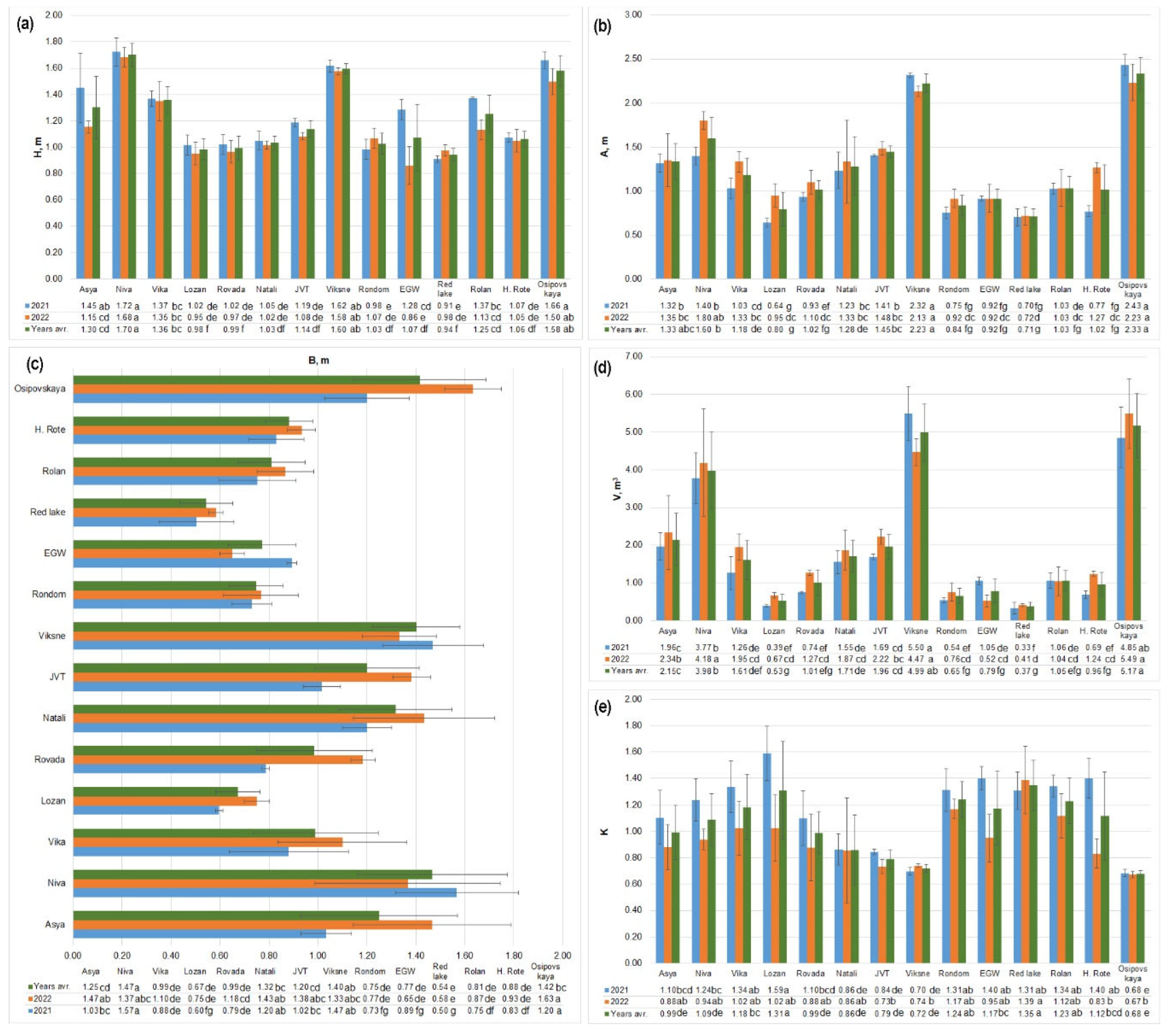
Figure 2.
Technological parameters of bushes for machine harvesting: (a) В1 – bush base width; (b) h – the height of the berry laying from the soil surface level. The letters next to the values below the figures summarize statistical results. Tukey’s HSD multiple range test shows that values followed by different letters in each row are statistically significant at p = 0.05.
Figure 2.
Technological parameters of bushes for machine harvesting: (a) В1 – bush base width; (b) h – the height of the berry laying from the soil surface level. The letters next to the values below the figures summarize statistical results. Tukey’s HSD multiple range test shows that values followed by different letters in each row are statistically significant at p = 0.05.
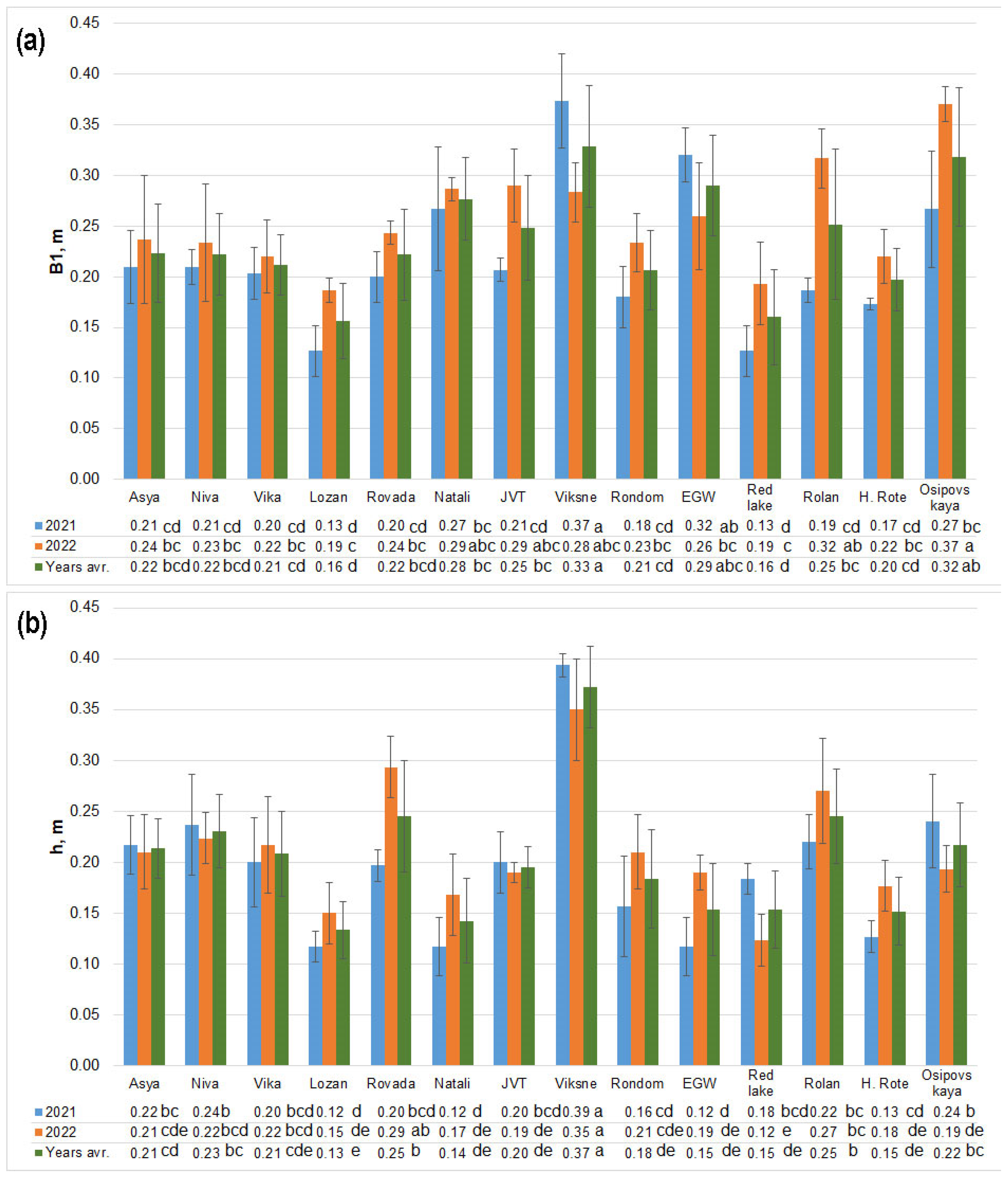
Figure 3.
Fallen perennial fruiting shoots in Osipovskaya cultivar just before the harvest.
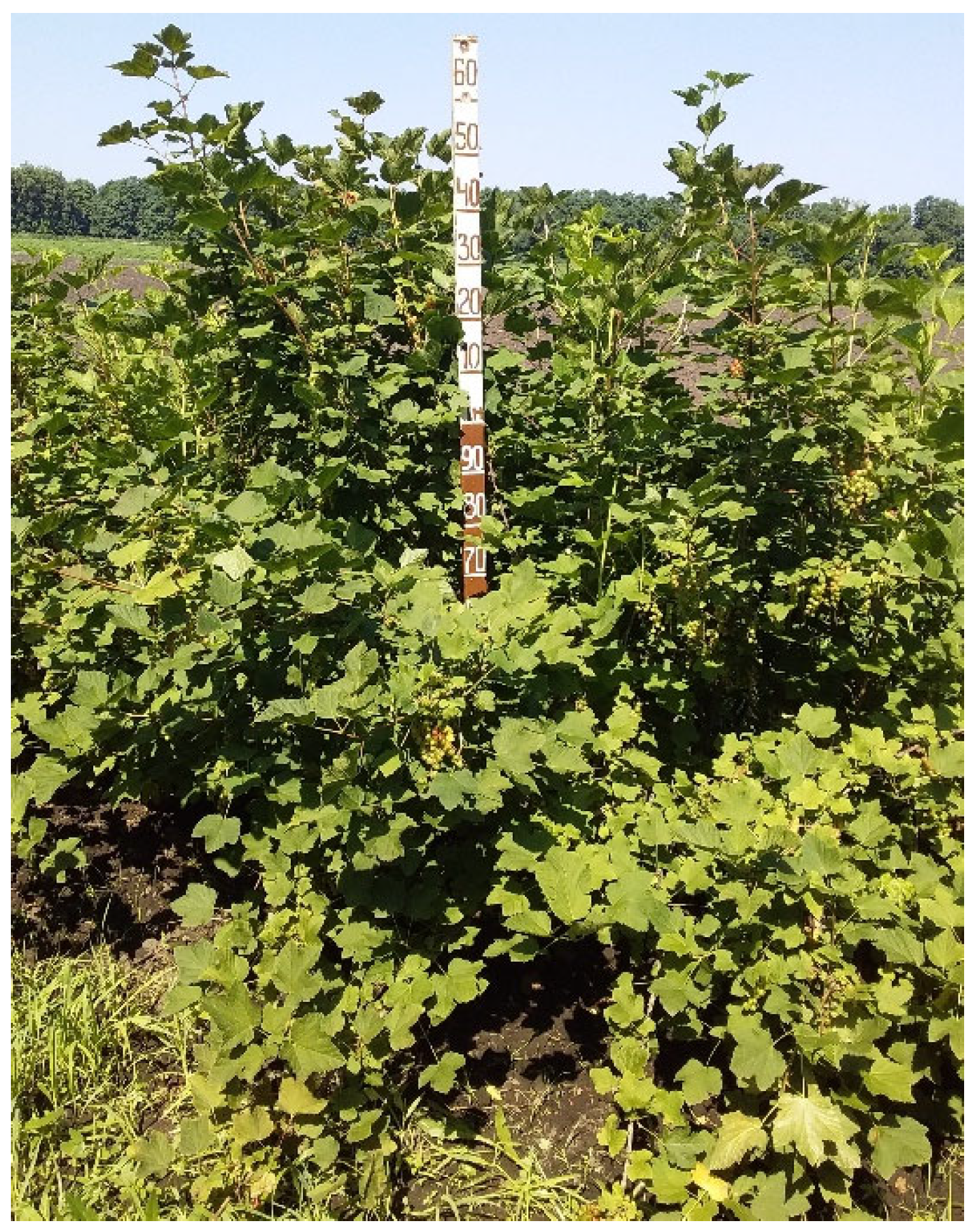
Figure 4.
The appearance of the plants after two years (2021, 2022) using the Joonas-2000 berry harvester. Bush shape and crop loss in red currant cultivars: (a)- Asya; (b)-Vika; (c)- Niva; (d)- Osipovskaya.
Figure 4.
The appearance of the plants after two years (2021, 2022) using the Joonas-2000 berry harvester. Bush shape and crop loss in red currant cultivars: (a)- Asya; (b)-Vika; (c)- Niva; (d)- Osipovskaya.
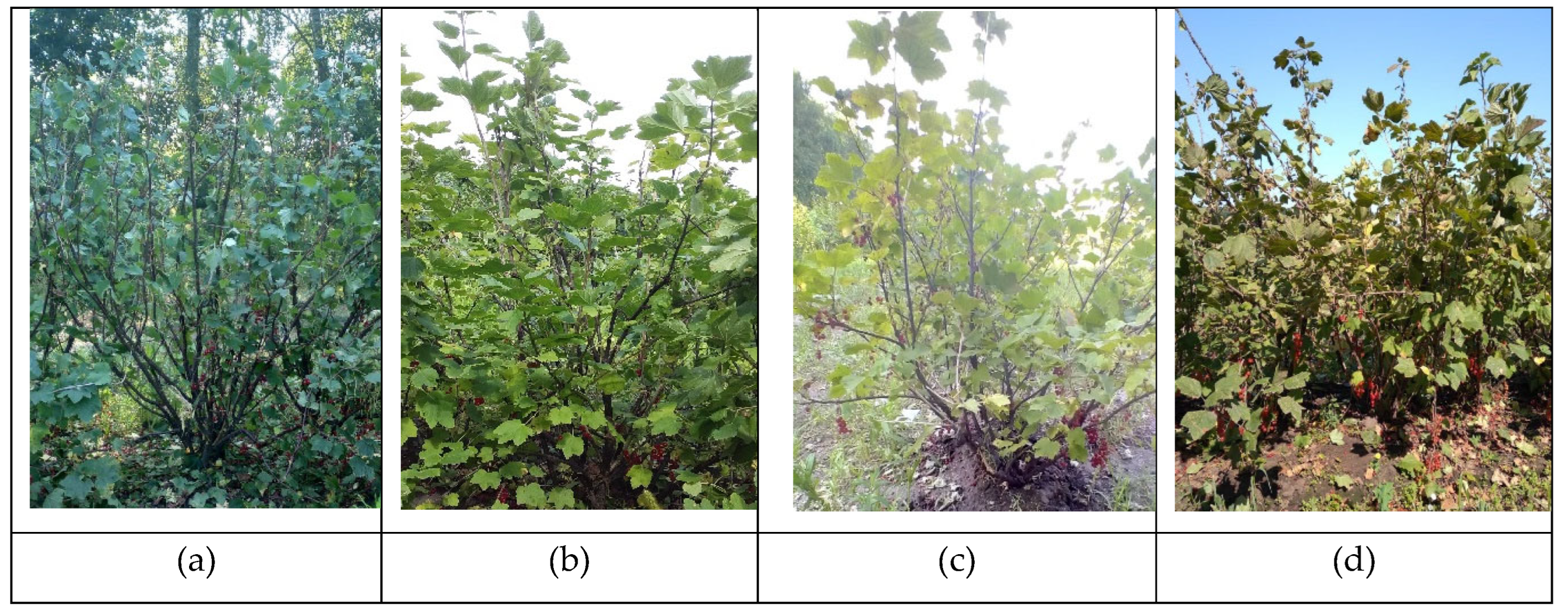
Figure 5.
Harvesting of Osipovskaya cultivar with “Joonas-2000” harvester.
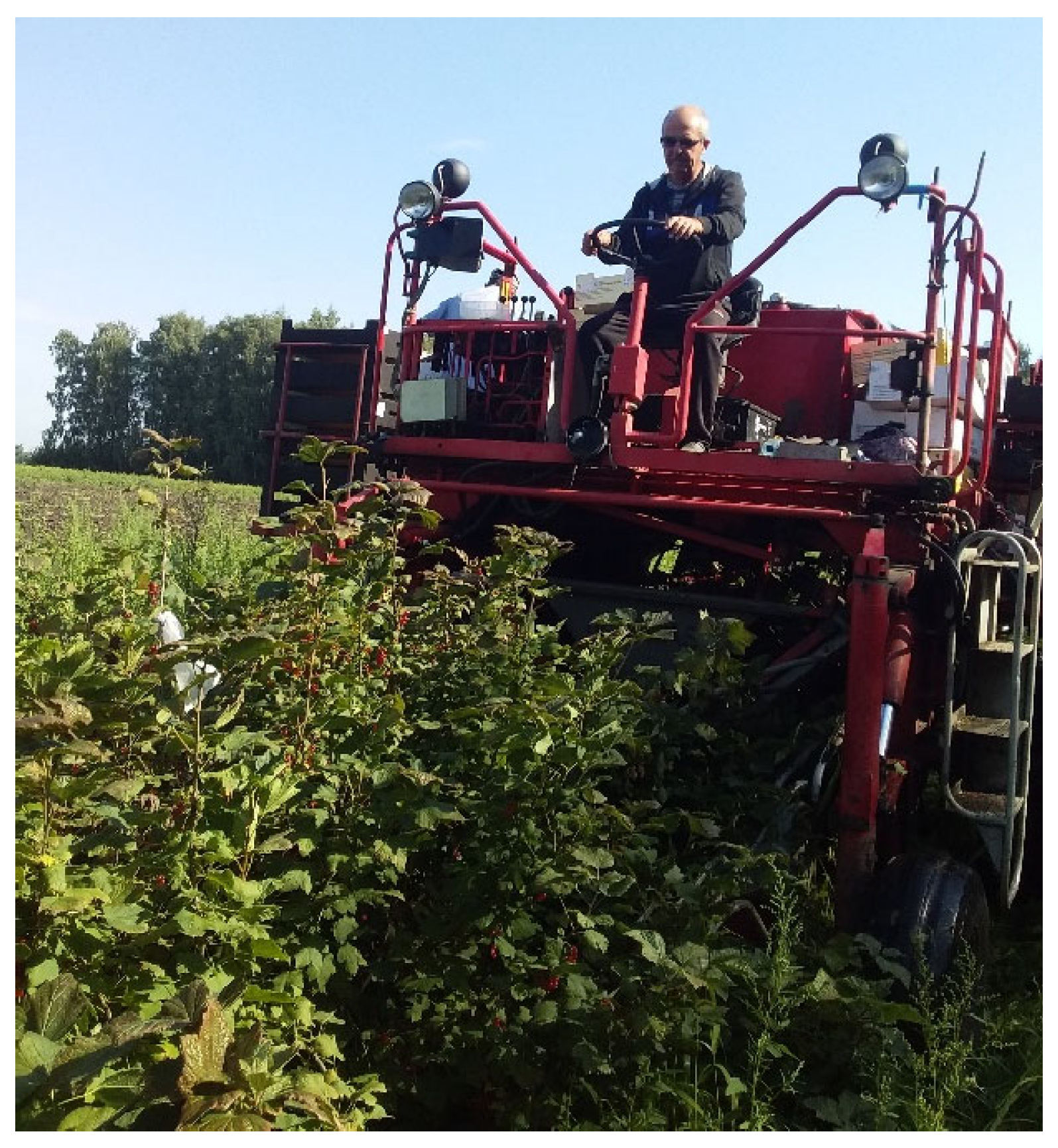

Table 1.
Crop losses from the total yield after using the mechanized harvester.
| Cultivar | Total yield (t/ha) | Сrop loss (t/ha) | Average crop loss | |||
|---|---|---|---|---|---|---|
| 2021 | 2022 | 2021 | 2022 | t/ha | % | |
| Asya | 19.43 | 15.40 | 1.20 | 1.27 | 1.24 | 7.09 |
| Niva | 10.86 | 7.74 | 1.29 | 1.40 | 1.35 | 14.46 |
| Vika | 19.40 | 15.20 | 1.11 | 1.02 | 1.07 | 6.16 |
| Osipovskaya | 12.00 | 12.80 | 1.71 | 1.70 | 1.71 | 13.75 |
Table 2.
Agrochemical characteristics of the experimental site.
| Parameter | 0-20 сm | 20-40 сm | Notes: |
|---|---|---|---|
| pH | 4.82 | 4.89 | The soil is medium acidic |
| Potassium | 41.75 mg/kg | 12.00 mg/kg | Low content |
| Phosphorus | 65-85 mg/kg | 34-98 mg/kg | Low total content for berry bushes |
Table 3.
Weather conditions during of the experiment.
| Temperature (° C) | Rain (mm) | ||||
|---|---|---|---|---|---|
| Month/Year | Decade | 2021 | 2022 | 2021 | 2022 |
| May | I D | 10.5 | 9.8 | 29.0 | 8.3 |
| II D | 16.0 | 11.1 | 12.2 | 11.5 | |
| III D | 15.4 | 11.7 | 22.1 | 18.5 | |
| June | I D | 14.2 | 17.9 | 24.1 | 0.0 |
| II D | 19.9 | 19.0 | 28.2 | 17.6 | |
| III D | 24.9 | 20.4 | 47.3 | 25.0 | |
| July | I D | 21.3 | 21.2 | 12.5 | 12.9 |
| II D | 24.5 | 17.5 | 9.4 | 53.9 | |
| III D | 19.6 | 19.2 | 15.9 | 5.1 | |
| August | I D | 21.0 | 20.1 | 2.0 | 17.5 |
| II D | 21.2 | 20.7 | 9.7 | 3.2 | |
| III D | 18.4 | 20.4 | 17.3 | 8.5 | |
Note: I D – the first decade of the month, day from 1 to 10; II D – the second decade of the month, day from 10 to 20; III D – the third decade of the month, day from 20 to 30/31; T- average air temperature by decades; R- sum rainfall by decade.
Table 4.
Dates of the experiment for the mechanical parameters of berries.
| Year | Dates of the experiment | |||||
|---|---|---|---|---|---|---|
| 2021 | July 06 | July 09 | July 12 | July 15 | July 18 | July 21 |
| 2022 | July 13 | July 16 | July 19 | July 22 | July 25 | July 28 |
Disclaimer/Publisher’s Note: The statements, opinions and data contained in all publications are solely those of the individual author(s) and contributor(s) and not of MDPI and/or the editor(s). MDPI and/or the editor(s) disclaim responsibility for any injury to people or property resulting from any ideas, methods, instructions or products referred to in the content. |
© 2023 by the authors. Licensee MDPI, Basel, Switzerland. This article is an open access article distributed under the terms and conditions of the Creative Commons Attribution (CC BY) license (http://creativecommons.org/licenses/by/4.0/).
Copyright: This open access article is published under a Creative Commons CC BY 4.0 license, which permit the free download, distribution, and reuse, provided that the author and preprint are cited in any reuse.


