
Submitted:
05 February 2026
Posted:
06 February 2026
You are already at the latest version
Abstract
In the Industry 4.0 era, the AECO sector faces a strategic challenge in integrating MEP systems during early design stages, where a lack of "Design for Maintainability" contributes to building defect rates of up to 28%. This study evaluates a digital innovation framework synthesizing Serious Games and Cooperative Problem-Based Learning (CPBL) via Minecraft to foster systemic thinking and spatial reservation logic at LOD 100–150. Using a mixed-methods design (n=25), the curriculum employed a "Mirror Mapping" mechanism, translating game physics (e.g., Redstone and water mechanics) into real-world electrical and plumbing logic. While students achieved 93% in management competency and nearly 100% accuracy in pipeline logic among upper-level cohorts, a significant "Symbolic Transformation Gap" persisted, with performance in system analogy (80%) lagging behind procedural mastery. The findings validate the framework as a potent tool for spatial externalization, yet emphasize the necessity of "bridging activities" and Digital Twin linkages to ensure effective knowledge transfer from simulated environments to professional AECO practice.
Keywords:
digital innovation framework
; BIM‐MEP education
; Level of Development (LOD) 100–150
; serious games
; Symbolic Transformation Gap
; design for maintainability
; Industry 4.0
; mirror mapping
1. Introduction
In the contemporary Architecture, Engineering, Construction, and Operation (AECO) sector, the industry 4.0 era demands a strategic shift toward the seamless integration of Building Information Modeling (BIM) and Mechanical, Electrical, and Plumbing (MEP) systems [1]. Despite the critical nature of these systemic interdependencies, a persistent disconnect remains between traditional architectural education and modern industrial demands. Traditional pedagogical models often prioritize aesthetic formal expression over systemic functionality, leading to significant inefficiencies during the building lifecycle. This study addresses a critical “Symbolic Transformation” hurdle, where students may master digital tools but struggle to externalize abstract engineering logic into viable spatial configurations.
1.1. Research Background and Industry Needs
Modern construction industrialization requires robust interdisciplinary collaboration to minimize design conflicts and lifecycle inefficiencies. However, the strategic integration of MEP systems remains a persistent bottleneck in BIM adoption. Empirical research indicates that plumbing and MEP-related issues account for the highest proportion of building defects, with failure rates reaching up to 28% [2]. This significant failure rate frequently stems from the neglect of “Design for Maintainability” during early project phases. Addressing maintenance accessibility and spatial reservation at the Level of Development (LOD) 100–150 stage is essential for long-term building health. These challenges highlight a profound pedagogical gap: students often enter professional practice without the systemic thinking required to manage complex building interdependencies.
1.2. Current State and Gaps in Architectural Education
A critical gap exists in training for the early conceptual design stages, specifically LOD 100–150 [3,4]. In the Taiwanese architectural curriculum, this issue is pronounced due to a fragmented focus on isolated components rather than integrated systemic logic [5]. The disparity between academic focus and industry requirements is summarized below:
- Traditional Formal Expression: Focuses on aesthetic specifications, design theory, and fragmented technical knowledge.
Without hands-on simulation, students fail to internalize how early spatial decisions impact maintenance. This lack of practical engagement necessitates an innovative framework to bridge the gap between academic theory and professional AEC practice.
1.3. Innovative Pedagogy: Serious Games and CPBL
This study proposes a framework synthesizing Serious Games and Cooperative Problem-Based Learning (CPBL) [8,9]. By utilizing Minecraft as a simulation platform, abstract MEP concepts are transformed into tangible spatial problems through “Mirror Mapping.” Minecraft’s Redstone circuits simulate electrical logic, while water mechanics and hoppers represent plumbing and waste management systems [10,11]. This framework facilitates the “externalization” of logic, though initial findings suggest a hurdle: while students may achieve high procedural mastery, their performance in system analogy (80%) often lags behind baseline management competency (93%). The research objectives are:
- To evaluate the feasibility and student acceptance of the Minecraft-based instructional model.
- To assess how this approach enhances systemic understanding of MEP logic through externalization and “Mirror Mapping.”
- To identify differences in learning outcomes between lower-level and upper-level student cohorts, specifically regarding the “Symbolic Transformation” hurdle.
2. Literature Review
The theoretical foundation of this study rests on three pillars: the technical challenges of BIM-MEP integration, the psychological benefits of student-centered pedagogy, and the unique affordances of Minecraft as a digital simulation tool. This grounding is essential for addressing the identified gap in early-stage design education.
2.1. Challenges in BIM-Based MEP Education
Traditional MEP instruction is often teacher-centered and theory-heavy, focusing on equipment specifications rather than interdisciplinary coordination [5]. This approach neglects the maintenance management perspective, which is critical given the 28% failure rate cited in the literature [2]. Research suggests that LOD 100–150 should serve as a “common language” for communication between architects and engineers [4]. Introducing systemic thinking at this stage ensures that spatial reservations for maintenance are integrated into the primary design, reducing lifecycle costs.
2.2. Student-Centered Pedagogies: CPBL and Serious Games
CPBL fosters autonomy, competence, and relatedness by placing students in professional roles within collaborative teams [12,13]. When combined with Serious Games, the synergy of “intrinsic motivation” and “professional role-playing” enhances the internalization of abstract technical knowledge. This immersion allows students to take responsibility for spatial decisions, bridging the gap between theory and practical application [14].
2.3. Digital Innovation with Minecraft in Architectural Education
3. Methodology/Materials and Methods
This study employs a mixed-methods quasi-experimental design. The “Mirror Mapping” mechanism is central to the methodology, aiming to reduce cognitive load by using familiar game mechanics to represent abstract engineering principles [17].
3.1. Study Design and Participants
The study utilized a mixed-methods quasi-experimental framework with architecture students from the National University of Kaohsiung. Twenty-five participants were divided into two tiers to compare learning focuses and outcomes (Table 1):
- Lower-Level Group: 2nd-year students focusing on foundational spatial logic and basic Minecraft operations.
- Upper-Level Group: 3rd-year and graduate students focusing on advanced system integration and collaborative problem-solving.
3.2. Instructional Framework: Mirroring Mechanics
The educational framework and serious game module developed in this study specifically target the early conceptual phase of architectural design (LOD 100–150). This stage is critical for instilling systemic thinking and spatial reservation logic, focusing on preliminary path planning and resource coordination from the project’s outset [4,18,19]. To create an intuitive and analogous learning environment, the study implemented a “Mirror Mapping” approach, establishing a direct functional correspondence between Minecraft’s game mechanics and real-world Mechanical, Electrical, and Plumbing (MEP) systems. The specific system mappings are defined as follows (Table 2).:
- Electrical System: Simulated via Redstone circuits to replicate complex circuit logic, energy distribution, and centralized switch control.
- Plumbing System: Represented by water flow mechanics and hoppers to simulate fluid transport, irrigation logic, and waste management paths.
- Mechanical Equipment: Signified by automated farming machines, representing engineering systems that necessitate specific spatial allocation and operate based on output-driven requirements.
This framework establishes a functional correspondence between game physics and professional systems to foster intuitive learning and the externalization of abstract engineering rules (Table 2) [17].
The virtual environment utilized an ATERNOS.org server, enabling real-time collaboration and professional role-playing. To simulate real-world constraints and the “clash coordination” challenges of LOD 100, “Artificial Design Rules” and economic constraints were enforced:
- Economic Simulation: Teams were required to bid for land using a limited in-game currency, fostering resource management skills.
- Mechanical Components: Maximum height restriction of 10 blocks.
- MEP Networks: Maximum vertical envelope of 13 blocks.
3.3. Workshop Implementation
The workshop followed a four-stage progression to simulate a complete project lifecycle [19], simulating a project lifecycle under artificial professional constraints: (1) General Introduction, (2) Site Selection and Bidding, (3) Design and Construction, and (4) Evaluation for simulating a complete project lifecycle from planning to evaluation. This phased approach provided a structured and progressive learning experience, as outlined in Table 3 [17].
3.4. Assessment Instruments
A mixed-methods approach was adopted, utilizing a variety of instruments for comprehensive data collection and analysis [17]. The rubric assesses student outputs across four dimensions: Spatial Configuration (circulation and logic), MEP Integration (path rationality), Creativity and Problem-Solving, and Teamwork (Appendix A). This multi-faceted framework, comprising teacher assessment, peer review, and self-evaluation, ensures a robust evaluation of the learning process.
Pre-test and Post-test Questionnaires: Designed to measure changes in students’ MEP knowledge, BIM cognition, and problem-solving skills before and after the workshop.
Semi-structured Interviews and Classroom Observations: Employed to gather in-depth qualitative data on students’ learning experiences, collaboration patterns, and challenges encountered.
Analysis of In-Game Project Outcomes: The final constructions created by students in Minecraft served as direct, tangible evidence of their learning and application of MEP concepts.
Assessment Rubric: A structured rubric (Appendix A) was developed to systematically evaluate student projects based on criteria such as spatial configuration, MEP integration, creativity, and teamwork.
Quantitative data from the questionnaires were analyzed using SPSS for descriptive statistics and paired-sample t-tests. Qualitative data from interviews and observations were analyzed using thematic analysis to identify recurring themes and patterns. This rigorous methodological approach ensures that the study provides a robust, evidence-based assessment of the innovative teaching model. The following section presents the findings derived from these instruments.
4. Results and Discussion
The following findings provide rigorous empirical evidence of the pedagogical model’s efficacy in bridging the gap between simplified game mechanics and complex Mechanical, Electrical, and Plumbing (MEP) engineering logic. By synthesizing quantitative performance metrics with qualitative thematic analysis, this section demonstrates how the “Mirror Mapping” mechanism facilitates the externalization of abstract concepts, fostering systemic thinking during the critical Level of Development (LOD) 100–150 phase. The data suggests that this framework effectively addresses the pedagogical disconnect between theoretical design and early-stage system integration.
4.1. Quantitative Findings: Engagement and Knowledge Acquisition
The research evaluated the impact of prior gaming experience on pedagogical success to determine the model’s scalability across diverse student backgrounds. While 56% of participants (n=14) were novices (ExG) and 40% (n=10) were experienced players (IExG), the data indicates that prior gaming proficiency was not a primary determinant of conceptual understanding [21]. As shown in Table 4, novices initially faced greater operational hurdles, with 16% of the total sample reporting controls as “very challenging”(Figure 1). However, the high levels of engagement and autonomous learning behavior observed in both cohorts suggest that the platform’s intrinsic motivation effectively compensated for the technical learning curve. This finding is of critical strategic importance: it establishes Minecraft as a universal pedagogical solution for AEC departments, proving that the model’s success is contingent upon the mastery of engineering logic rather than manual gaming dexterity.
Data represented in Figure 1 (Perceived Challenge of Game Controls) and Figure 2 (Distribution of Student Comprehension Levels) confirm that approximately 62.5% of all students achieved at least a partial level of conceptual comprehension regarding MEP systems post-workshop. As detailed in Table 5 (Comparative Analysis of MEP Conceptual Understanding), a majority of participants—comprising 50% of the inexperienced group (ExG) and 70% of the experienced group (IExG)—attained this level following the pedagogical intervention.
The absence of statistically significant differences between the novice and experienced cohorts reinforces the efficacy of the “Mirror Mapping” approach in prioritizing systemic logic over mechanical gaming skills. These findings suggest that while game familiarity may facilitate an easier entry into the virtual environment, core pedagogical success is contingent upon the mastery of abstract MEP system logic rather than technical gaming proficiency. Furthermore, the high degree of engagement and immersion afforded by the Minecraft platform effectively compensated for the technical learning curve among inexperienced users, facilitating a seamless transition from general engagement to specialized knowledge acquisition. This trajectory is most evident in the performance of the upper-level cohort, who successfully translated virtual mechanics into professional engineering reasoning.
4.2. Knowledge Acquisition and LOD Perception
A fundamental outcome for the upper-level cohort was the shift from abstract Level of Development (LOD) definitions to “concrete geometric constraint thinking.” Post-test results demonstrated significant gains in pipeline logic and maintenance considerations, with scores for the upper-level cohort reaching nearly 100% accuracy in identifying the role of LOD 150 in spatial reservation (Figure 3). These gains are directly attributed to the “Mirror Mapping” of Redstone circuits and water flow mechanics, which forced students to visualize physical boundaries and resource capacities. As argued by Shin & Park (2022) [19], linking LOD with MEP items is vital for automated design; our findings suggest this simulation provides the necessary cognitive foundation for such professional competencies. The transition from these quantitative gains to qualitative feedback provides the “why” behind this improved conceptual internalization.
4.3. Qualitative Feedback: Collaboration and Self-Learning
Thematic analysis of student feedback identified “Autonomous Learning” and “Spatial Externalization” as dominant themes. Keyword frequency analysis (Figure 4) highlighted “Spatial Planning” and “Pipeline Configuration” as the primary cognitive focus.
The findings demonstrate that the instructional model stimulated high levels of intrinsic motivation, with 88% of students proactively utilizing external instructional resources, such as YouTube tutorials, to overcome technical Redstone logic puzzles (Figure 5a). Furthermore, upon the successful construction of complex MEP simulations, 79% of participants reported a profound sense of accomplishment (Figure 5b). These results further validate the strategic value of the gamified environment in reinforcing autonomous learning and satisfying the psychological needs for competence and autonomy.
This externalization process—where students manually positioned pipes within a shared virtual space (Figure 6)—forced them to confront spatial conflicts in real-time, bridging the gap between theory and physical construction constraints. While these results are overwhelmingly positive, they reveal a specific cognitive challenge—the “Symbolic Transformation Gap”—which warrants deeper critical analysis in the following section.
5. Discussion
The “Mirror Mapping” mechanism serves as a strategic cognitive bridge, facilitating the externalization of abstract engineering rules during the critical LOD 100–150 phase. By translating complex systems into intuitive game mechanics, the model allows students to move beyond theoretical absorption toward practical spatial reasoning and interdisciplinary coordination.
5.1. Efficacy of Externalization
Unlike traditional 2D drafting, where interdependencies and clashes are often obscured by the lack of real-time feedback, the Minecraft-CPBL model mandates the spatial reservation and geometric constraint externalization of every circuit and pipe. This immersive experience makes spatial conflicts visible and immediate within a shared virtual environment.
By confronting these conflicts at the LOD 100 stage, students internalize the necessity of spatial reservation for later-stage engineering. This approach provides a direct solution to the theory-heavy limitations and fragmented curricula identified by Palomera-Arias & Liu (2015) [5] and Abualdenien & Borrmann (2022) [4], replacing passive absorption with active systemic thinking. However, this externalization process also reveals a primary hurdle in the transition from simulation to practice.
5.2. The Symbolic Transformation Gap
The most significant analytical finding is the “Symbolic Transformation Gap,” which is evidenced by a distinct decline in performance across specific cognitive dimensions. As illustrated in Figure 7, while students achieved a high 93% baseline in basic management knowledge, their performance in “System Analogy” (Dimension 3) dropped significantly to 80%. This 13% performance decrement—calculated as the disparity between foundational management competency and specialized engineering reasoning—quantifies the cognitive friction inherent in the symbolic transformation process.
This gap underscores that while the Minecraft environment facilitates high procedural engagement, the transition to specialized engineering reasoning is not automatic and requires targeted pedagogical scaffolding. Mastering Redstone logic does not automatically equate to mastering real-world power distribution semantics. Consequently, game mastery remains a “hollow competency” if not supported by explicit “bridging activities” that ensure students can translate virtual symbols into professional practice. Without this targeted instructional intervention, the acquired knowledge remains localized within the simulated environment, failing to transfer effectively to the professional AECO context.
5.3. Maintainability and Future Competencies
The model effectively introduced the concept of “Design for Maintainability,” addressing a critical industry need. By imposing strict height constraints (10 blocks for machines, 13 for MEP), students were forced to reserve access paths, directly aligning with the maintainability standards defined by Das & Chew (2011) [2]. Furthermore, the high rate of self-directed inquiry—exemplified by 83% of lower-level students seeking external tutorials—confirms that the model satisfies the psychological needs for autonomy and competence. This proactive inquiry prepares future architects for the digital transformation and construction industrialization demands of Industry 4.0, as defined by Li & Yang (2017) [1].
5.4. Key Limitations
While this study was designed with rigor, its findings should be interpreted in light of the following limitations:
Limited Sample Size and Generalizability: The study was confined to architecture students at a single university with a relatively small sample size, which limits the generalizability of the findings to students from other institutions or academic backgrounds.
- Short-Term Intervention: The four-session workshop format only allows for the assessment of short-term learning outcomes and engagement. It does not measure long-term knowledge retention or skill transfer to other contexts. Conceptual Focus (LOD 100-150): The simulation was intentionally restricted to the early conceptual phase, thereby excluding the more detailed and complex engineering challenges found in later stages of MEP design.
Platform Constraints: As a simplified sandbox, Minecraft’s mechanics are an abstraction of real-world physics and cannot fully replicate the complexity, precision, and constraints of professional BIM software.
6. Conclusions and Recommendations
The Minecraft-CPBL model provides a strategic roadmap for modernizing architectural pedagogy by synthesizing serious gaming with collaborative problem-solving. This framework successfully addresses the critical deficiency in traditional MEP education, fostering a new generation of lifecycle-aware designers.
6.1. Summary of Contributions
This study validates the Minecraft-based framework as a potent tool for teaching early-stage MEP integration. Core contributions include the enhancement of systemic spatial planning, the attainment of nearly 100% accuracy in pipeline logic understanding among upper-level students, and a significant boost in intrinsic motivation. By mandating the externalization of abstract engineering rules, the model bridges the historical gap between aesthetic design theory and engineering reality in architectural education.
6.2. Actionable Recommendations
The conclusion serves as the culmination of the research, summarizing its main contributions and offering forward-looking recommendations for practice and future inquiry. This research provides compelling empirical evidence that the pedagogical integration of serious gaming and CPBL is not merely a novel supplement but a core strategic solution to the persistent gap between architectural education and the integrative demands of contemporary AECO practice. The findings clearly demonstrate that this model significantly enhances architecture students’ engagement, conceptual understanding of MEP systems, and interdisciplinary collaboration skills, thereby addressing a critical deficiency in traditional architectural curricula.
Based on the study’s findings, particularly the identified challenge of Symbolic Transformation—where students are able to understand game logic but struggle to directly map it onto real-world engineering knowledge—the following actionable recommendations are proposed for future pedagogical practice. To mitigate the “Symbolic Transformation Gap” and enhance the transfer of knowledge to professional practice, the study proposes the following three directives:
- Strengthen Professional Context and Mapping: Game-based learning activities should be supplemented with explicit professional context to support effective knowledge transfer. Future curricula must incorporate structured “bridging activities,” such as translating Minecraft simulations into professional engineering drawings or BIM-compatible representations, alongside comparative analyses with real-world AECO case studies to help students establish clearer correspondences between virtual symbols and real-world MEP systems.
- Integrate Hybrid Digital Workflows: Future curricula should integrate hybrid digital workflows that connect conceptual game environments with professional BIM platforms (e.g., Revit or Navisworks). Such workflows can function as a form of Digital Twin linkage, enabling students to transition seamlessly from systemic logic planning to technical elaboration, coordination, and clash detection, thereby directly addressing the cognitive disconnect in symbolic transformation.
- Expand Cross-Curricular Modules: The extensible nature of this game-based framework allows its application to broader curricular contexts, such as sustainable design, construction management, or smart building systems, to foster integrated design thinking. Additionally, given the limited sample size of this study (n = 25), future research should expand to multi-institutional implementations and adopt longitudinal designs to evaluate long-term educational impact and skill retention as students’ progress into professional practice.
For future research, we suggest several promising directions. First, larger-scale, multi-institutional studies are needed to enhance the external validity and generalizability of the findings. Second, longitudinal research is required to track skill development and knowledge retention over extended periods. Finally, comparative studies evaluating the effectiveness of different game-based platforms for MEP education would provide valuable insights for educators. This study serves as a foundational pilot, laying the groundwork for these more extensive future investigations [17].
Supplementary Materials
The following supporting information can be downloaded at the website of this paper posted on Preprints.org. All instructional materials related to the workshops—including syllabi, Redstone mechanism guides, and automated farming system design resources—are hosted on the National University of Kaohsiung (NUK) Moodle e-learning platform: [DAB502]-Digital Innovation Design II & [DAF579]-Serious Gaming and Digital Fabrication. Detailed principles regarding the design and classification of the pre-test and post-test questionnaires are provided in Appendix B.
Author Contributions
The author, Y.-P.M., was responsible for all aspects of this research, including conceptualization, methodology development, and the implementation of the Minecraft-CPBL framework. The author also conducted all investigation, data curation, and formal analysis, and was solely responsible for project administration, funding acquisition, and the preparation, review, and editing of the final manuscript. The author has read and agreed to the published version of the manuscript.
Funding
This research was funded by the National Science and Technology Council, grant number 113WFA1410100, and the Ministry of Education’s Teaching Practice Research Program, grant number PHA1137251. The APC was funded by the National Science and Technology Council.
Data Availability Statement
The data presented in this study are available on request from the corresponding author. The data are not publicly available due to privacy and ethical considerations regarding student participants.
Acknowledgments
The author expresses sincere appreciation to graduate student Rou-Syuan Guo and collaborating doctoral student Tsung-Wei Cheng for their essential technical support during the software development and instructional phases of the Minecraft-MEP workshop. Special thanks are also extended to Kevin Harsono, Felicia Wagiri, and Professor Shen-Guan Shih for their scholarly feedback and editorial suggestions. Finally, the author thanks the students at the National University of Kaohsiung whose active participation provided the foundational data for this research.
Conflicts of Interest
The authors declare no conflict of interest. The funders had no role in the design of the study; in the collection, analyses, or interpretation of data; in the writing of the manuscript; or in the decision to publish the results.
Abbreviations
The following abbreviations are used in this manuscript:
| AECO | Architecture, Engineering, Construction, and Operation |
| BIM | Building Information Modeling |
| MEP | Mechanical, Electrical, and Plumbing |
| LOD | Level of Development |
| CPBL | Cooperative Problem-Based Learning |
| DGBL | Digital Game-Based Learning |
| GBL | Game-Based Learning |
| ExG | Inexperienced Group (no Minecraft experience) |
| IExG | Experienced Group (with Minecraft experience) |
| MDPI | Multidisciplinary Digital Publishing Institute |
Appendix A

Table A1.
Assessment Rubric for Minecraft-MEP Projects.
| Criteria | 4—Excellent | 3—Good | 2—Fair |
1—Needs Improvement |
| Spatial Configuration |
Clear spatial logic with seamless circulation; demonstrates high design integrity. | Generally organized spatial division with functional flow. | Fragmented spatial organization requiring additional clarification. | Lacks logical arrangement; functional zones are ill-defined. |
| MEP Integration |
Rational and efficient pathfinding; effectively minimizes clashes with spatial needs. | Clear integration logic with minor overlaps or coordination conflicts. | Preliminary pathfinding lacking optimization and system coordination. | Failed to simulate functional system configuration or integration. |
| Problem Solving |
Innovative strategies with a high degree of completeness and technical challenge. | Demonstrates creative adaptability and attempts to implement novel solutions. | Relies on imitative patterns; limited innovation in system design. | Simplistic design lacking strategic thinking or original solutions. |
| Team Collaboration |
Proactive participation; persuasive and structured oral/visual presentation. | Demonstrates basic synergy with logical presentation of team outcomes. | Weak group interaction; disorganized communication of design concepts. | Lacks meaningful interaction; fails to convey core learning outcomes. |
Appendix B
Table A2.
Classification Principles for Pre- and Post-test.
|
Dimension No. |
Dimension Name | Detailed Content |
| I | LOD Comprehension | Assesses students’ understanding of BIM Levels of Development (LOD 100–500), the specific information content within models, and their appropriate application scopes during conceptual design phases. |
| II | MEP System Configuration Understanding | Focuses on professional logic including pipeline length optimization, equipment connectivity, clash avoidance strategies, and the reservation of maintenance space. |
| III | Resource Management and Strategic Thinking | Evaluates decision-making under resource constraints, budget control, and the ability to map game mechanisms (e.g., centralized water/power sources) to real-world infrastructure analogies. |
| IV | GBL Attitude and Perception of Learning Effectiveness | Measures the enhancement of learning motivation, the efficacy of gamification in professional knowledge retention, and the perception of the mirror relationship between virtual simulation and engineering reality. |
References
- Li, J; Yang, H. A research on development of construction industrialization based on BIM technology under the background of Industry 4.0. MATEC Web of Conf. 2017, 100, 02046. [Google Scholar] [CrossRef]
- Das, S; Chew, MY. Generic method of grading building defects using FMECA to improve maintainability decisions. J Perform Constr Facil. 2011, 25(6), 522–533. [Google Scholar] [CrossRef]
- Wagiri, F; Shih, S-G; et al. Exploration of Building Information Modeling and Integrated Project Cloud Service in early architectural design stages. VITRUVIO 2023, 8(2), 26–37. [Google Scholar] [CrossRef]
- Abualdenien, J; Borrmann, A. Levels of detail, development, definition, and information need: A critical literature review. J Inf Technol Constr. 2022, 27, 243–262. [Google Scholar] [CrossRef]
- Palomera-Arias, R; Liu, R. Mechanical, electrical, and plumbing systems in construction management: A literature review of existing MEP textbooks. Proc 2015 ASEE Annual Conf & Expo, Seattle, WA, USA, 2015 Jun 14–17; pp. 26.1143.1–26.1143.10. [Google Scholar]
- Zhang, J; Zhang, Z; Philbin, SP; Huijser, H; Wang, Q; Jin, R. Toward next-generation engineering education: A case study of an engineering capstone project based on BIM technology in MEP systems. Comput Appl Eng Educ. 2021, 29(6), 1636–1652. [Google Scholar] [CrossRef]
- Jadhav, T. Integrating knowledge of project management and BIM for MEP education: Review and recommendations. J Archit Eng. 2022, 28(3), 04022021. [Google Scholar] [CrossRef]
- Caponetto, I; Earp, J; Ott, M. Gamification and education: A literature review. Proc 8th Eur Conf Games Based Learn (ECGBL 2014), Berlin, Germany, 2014 Oct 9–10; pp. 50–57. [Google Scholar]
- Andrade, B; Crowley, S; Cocco, C; McNally, B. A videogame for architectural design? Minecraft for young people to imagine desirable climate futures. Videogame Sci Arts 2024, 1984, 150–165. [Google Scholar]
- Bar-El, D; Ringland, KE. Crafting game-based learning: An analysis of lessons for Minecraft Education Edition. Proc Int Conf Found Digit Games (FDG ‘20), Bugibba, Malta, 2020 Sep 15–18; pp. 1–4. [Google Scholar]
- Tagliabue, LC; Mastrolembo Ventura, S; Teizer, J; Ciribini, AL. A serious game for lean construction education enabled by internet of things. Proc 5th Int Conf Smart Learn Ecosyst Reg Dev, Bari, Italy, 2020 Jun 9–10; pp. 225–233. [Google Scholar]
- Nkadimeng, M; Ankiewicz, P. The affordances of Minecraft Education as a game-based learning tool for atomic structure in junior high school science education. J Sci Educ Technol. 2022, 31(5), 605–620. [Google Scholar] [CrossRef]
- Yusof, KM; Hassan, SAHS; Jamaludin, MZ; Harun, NF. Cooperative Problem-based Learning (CPBL): Framework for integrating cooperative learning and problem-based learning. Procedia Soc Behav Sci. 2012, 56, 223–232. [Google Scholar] [CrossRef]
- Sancho, P; Moreno-Ger, P; Fuentes-Fernández, R; Fernández-Manjón, B. Adaptive role playing games: An immersive approach for problem based learning. J Educ Technol Soc. 2009, 12(2), 110–124. [Google Scholar]
- López Méndez, MDC; González Arrieta, A; Queiruga Dios, M; Hernández Encinas, A; Queiruga-Dios, A. Minecraft as a tool in the teaching-learning process of the fundamental elements of circulation in architecture. In Int Joint Conf SOCO’16-CISIS’16-ICEUTE’16; Springer: Cham, Switzerland, 2017; pp. 728–735. [Google Scholar]
- Nebel, S; Schneider, S; Rey, GD. Mining learning and crafting scientific experiments: A literature review on the use of Minecraft in education and research. J Educ Technol Soc. 2016, 19(3), 355–366. [Google Scholar]
- Ma, Y-P; Cheng, T-W; Guo, R-S; Harsono, K; Wagiri, F; Shih, S-G. Game-based learning with Minecraft: Fostering engagement in mechanical-electrical-plumbing systems education. Int Multidiscip Res J. 2025, 3, 45–56. [Google Scholar] [CrossRef]
- Latiffi, AA; Brahim, J; Mohd, S; Fathi, MS. Building Information Modeling (BIM): Exploring Level of Development (LOD) in construction projects. Applied Mechanics and Materials 2015, 773-774, 933–937. [Google Scholar] [CrossRef]
- Shin, M; Park, S. Linking LOD and MEP items towards an automated LOD elaboration of MEP design. In Proceedings of the 9th International Conference on Construction Engineering and Project Management (ICCEPM 2022), Seoul, Korea, 2022 Jun 20–23; pp. 768–775. [Google Scholar]
- Huang, Y. A review of approaches and challenges of BIM education in construction management. Journal of Civil Engineering and Architecture 2018, 12(6), 401–407. [Google Scholar] [CrossRef]
- Dallasega, P; Rauch, E; Linder, C. Industry 4.0 as an enabler of proximity for construction supply chains: A systematic literature review. Comput Ind. 2018, 99, 205–225. [Google Scholar] [CrossRef]
Figure 1.
Perceived Challenge of Game Controls by Player Experience Level.
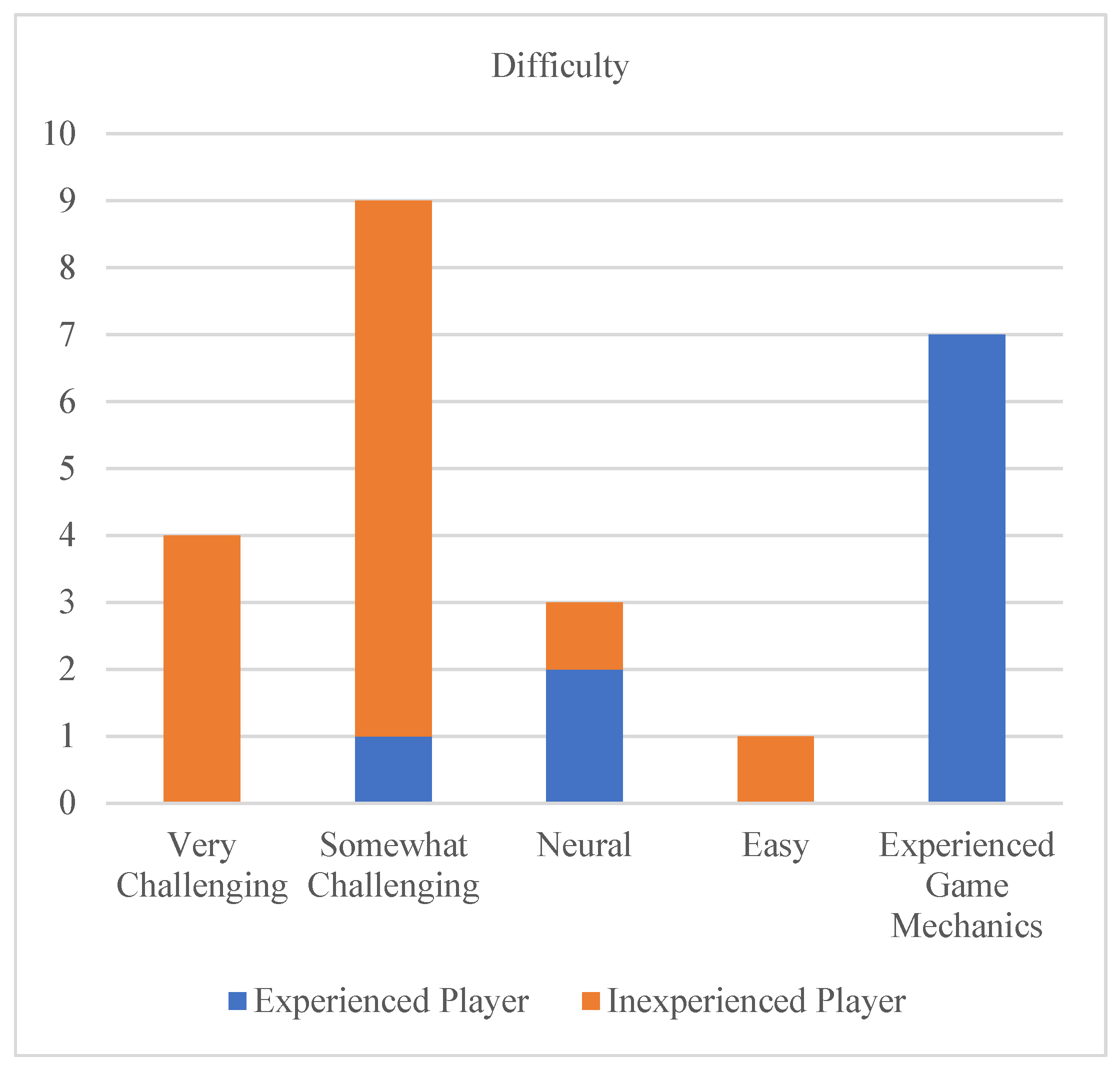
Figure 2.
Distribution of student comprehension levels regarding MEP concepts post-workshop.
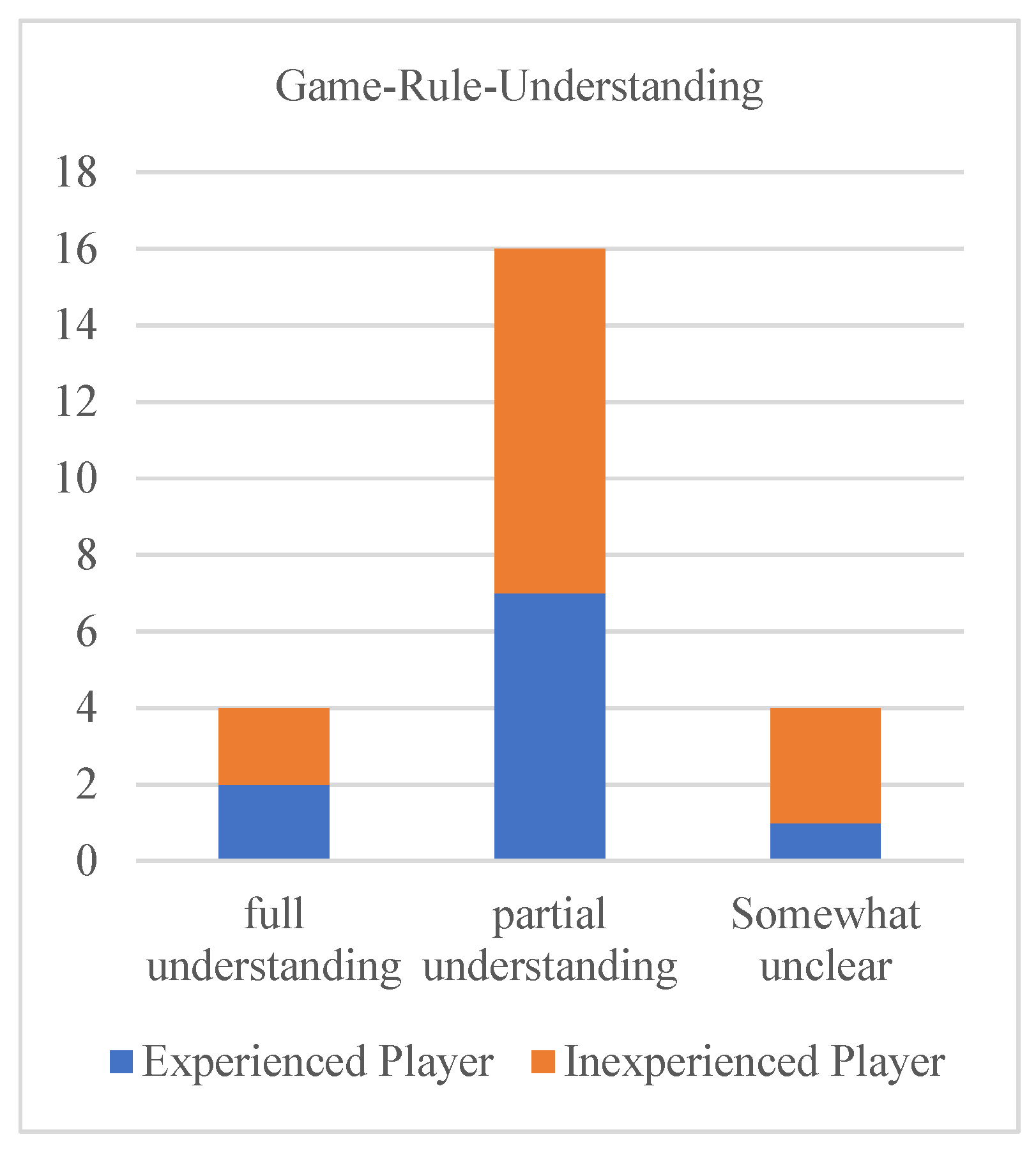
Figure 3.
Comparative pre-test vs. post-test scores for upper-level students, showing gains in LOD 150 awareness.
Figure 3.
Comparative pre-test vs. post-test scores for upper-level students, showing gains in LOD 150 awareness.
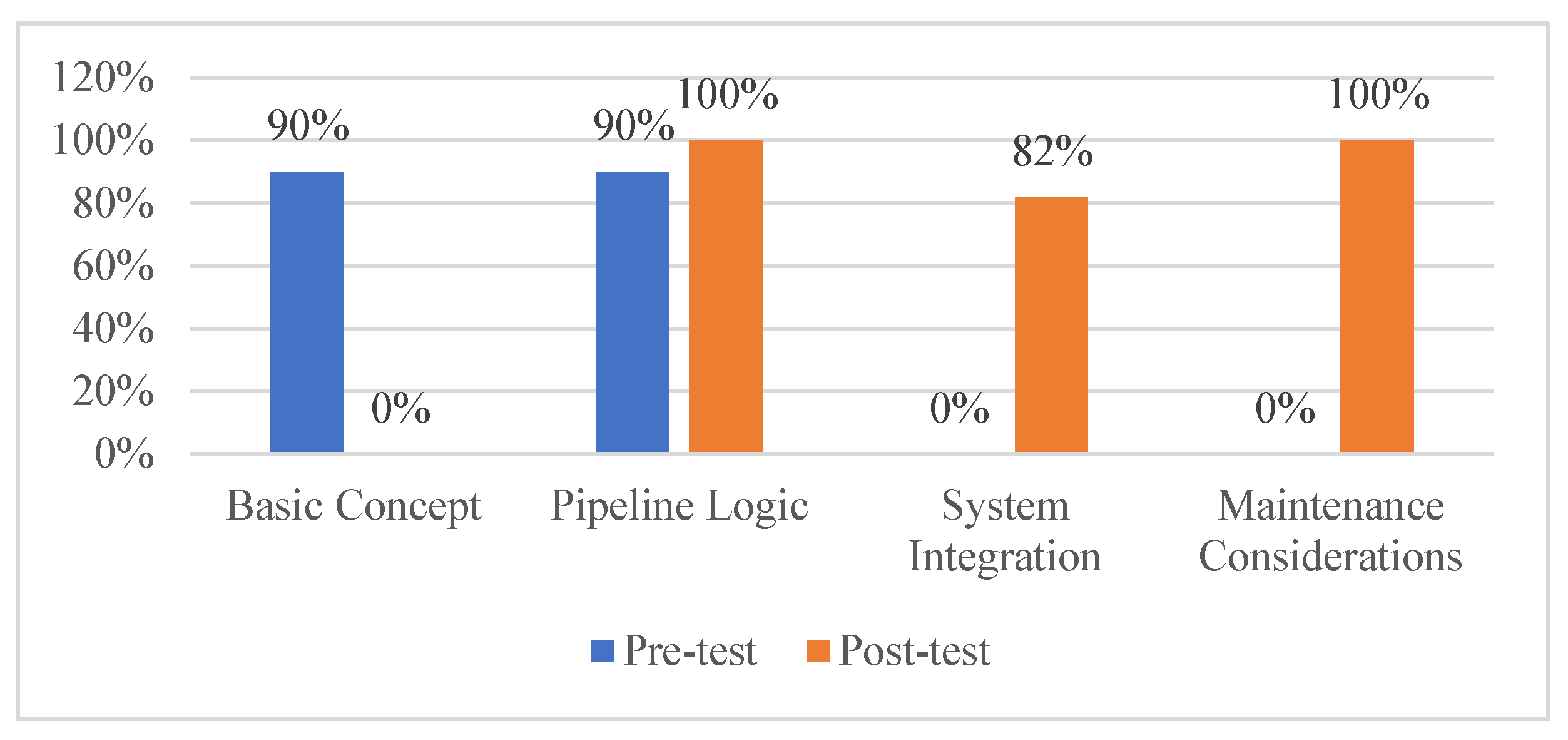
Figure 4.
Thematic keyword frequency analysis highlighting “Spatial Planning” and “Pipeline Configuration.”.
Figure 4.
Thematic keyword frequency analysis highlighting “Spatial Planning” and “Pipeline Configuration.”.
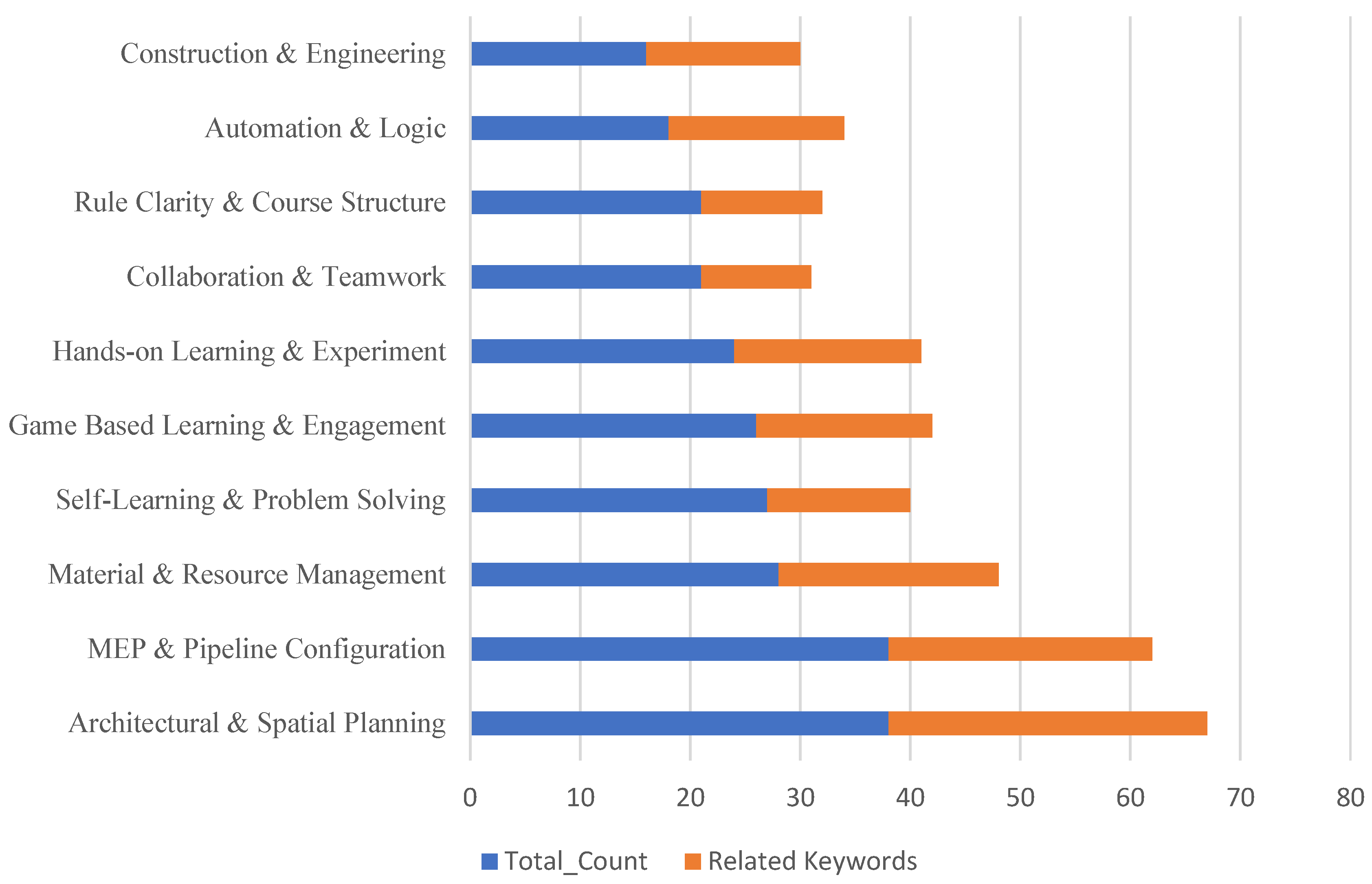
Figure 5.
(a) High utilization rate (88%) of external instructional resources (YouTube) for self-directed problem-solving; (b) Reported sense of accomplishment (79%) following the successful construction of complex MEP simulations.
Figure 5.
(a) High utilization rate (88%) of external instructional resources (YouTube) for self-directed problem-solving; (b) Reported sense of accomplishment (79%) following the successful construction of complex MEP simulations.
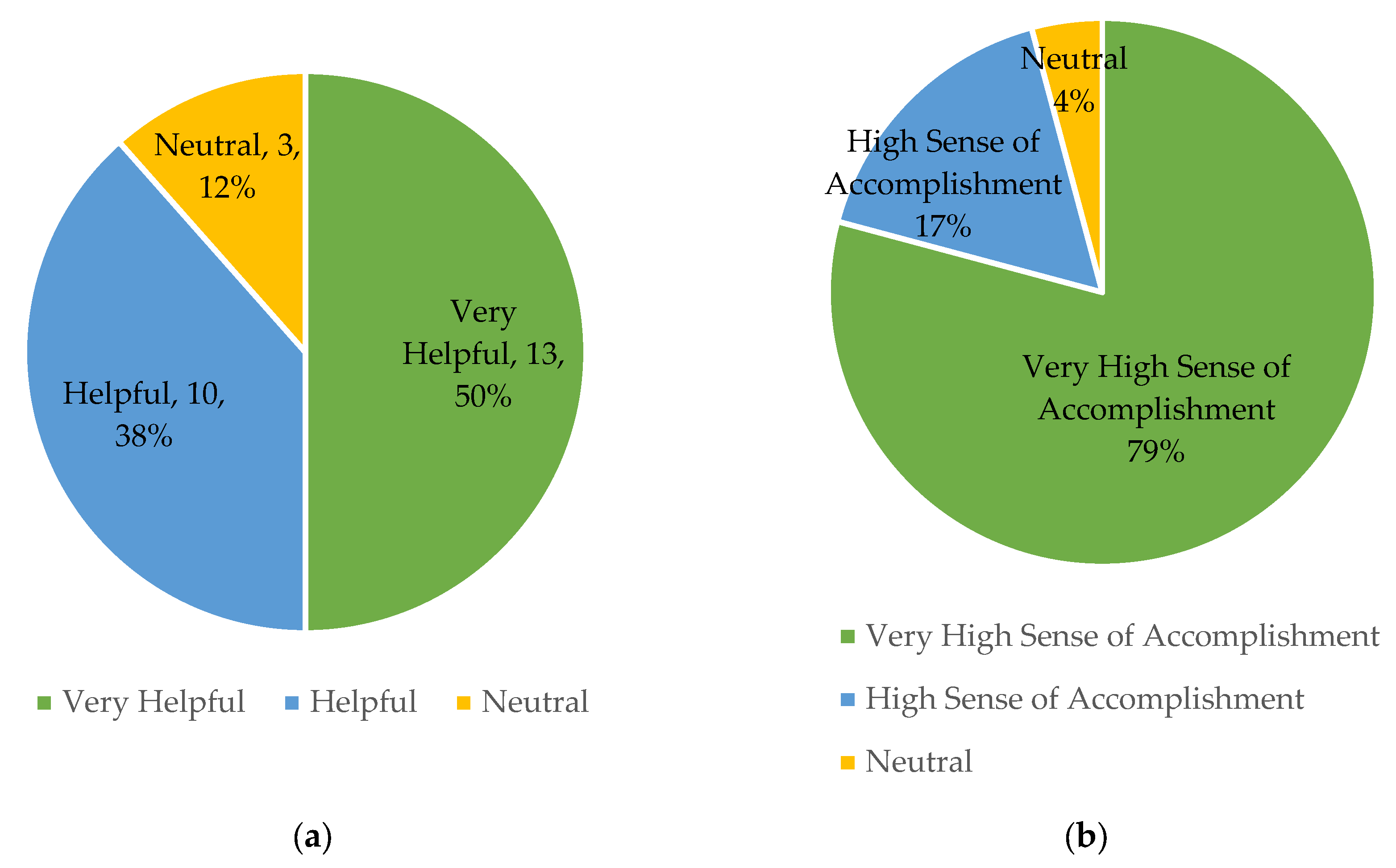
Figure 6.
Student project examples demonstrating integrated Redstone and water networks in automated farming systems.
Figure 6.
Student project examples demonstrating integrated Redstone and water networks in automated farming systems.
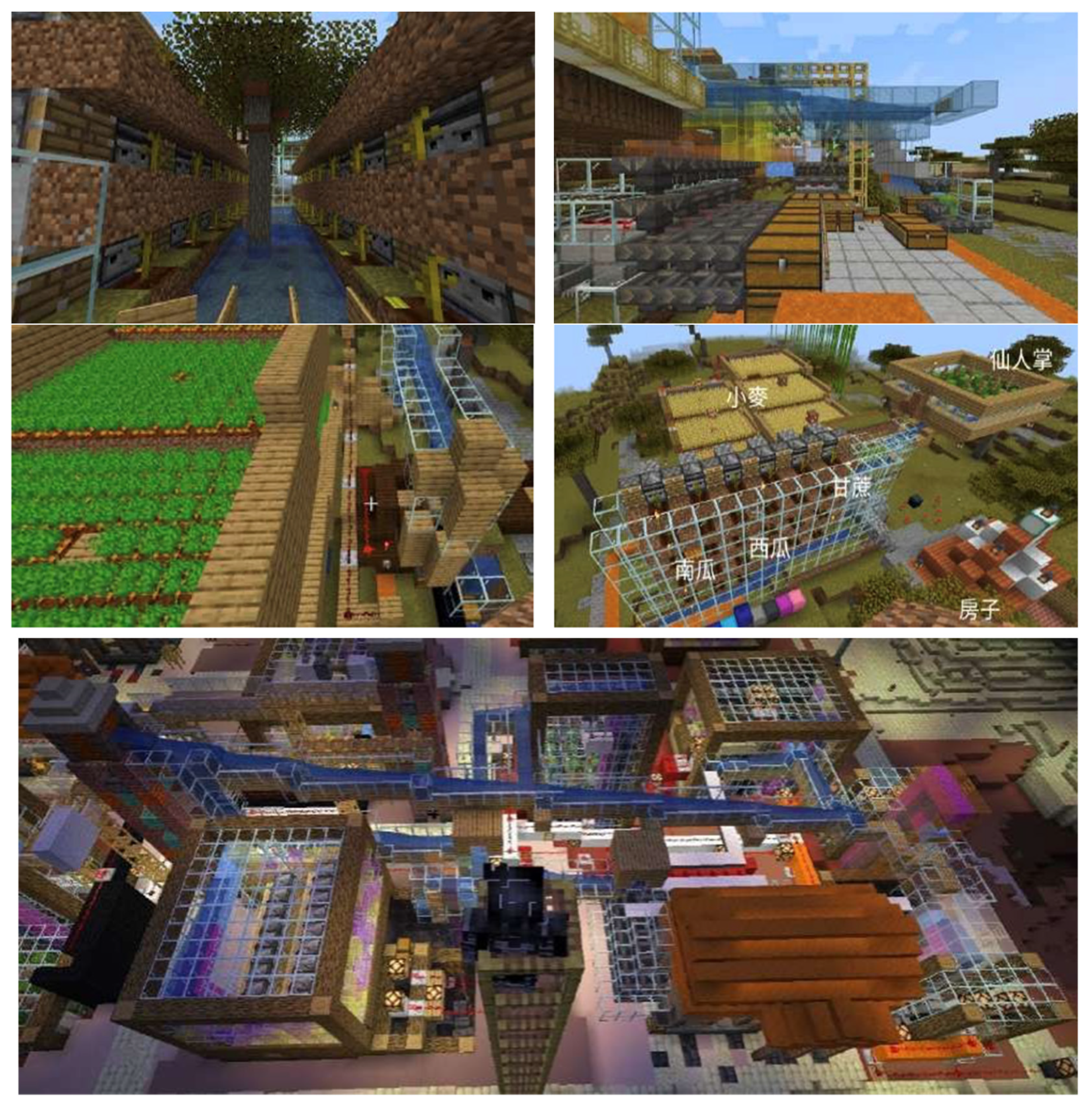
Figure 7.
Comparative performance across cognitive dimensions, highlighting the 13% decline in “Symbolic Transformation” (80%) relative to “Basic Management Knowledge” (93%).
Figure 7.
Comparative performance across cognitive dimensions, highlighting the 13% decline in “Symbolic Transformation” (80%) relative to “Basic Management Knowledge” (93%).
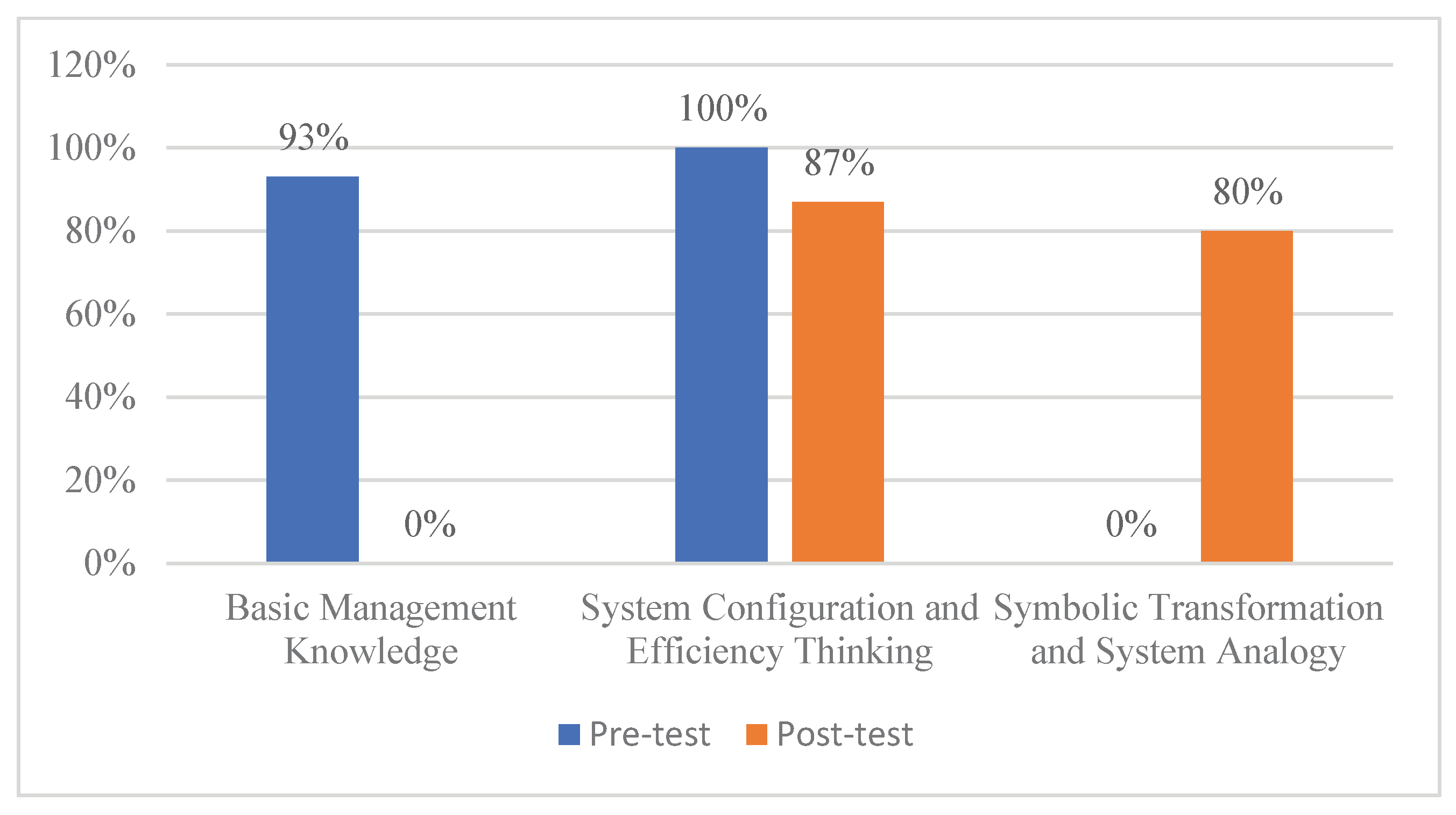
Table 1.
Participant Cohort Structure.
| Cohort | Academic Level | Instructional Focus |
| Lower-Level | 2nd-Year Undergraduates | Foundational operations and basic MEP spatial logic. |
| Upper-Level | 3rd-Year & Graduate Students | Systemic integration, collaborative problem-solving, and LOD awareness. |
Table 2.
Mapping Game Mechanics to Engineering Equivalents.
| Item | Game Mechanic | Engineering Equivalent | Description |
| Electrical | Redstone Circuits | Electrical System | Replicates circuit logic, energy distribution, and centralized switch control. |
| Plumbing | Water Flow & Hoppers |
Plumbing System | Simulates fluid transport for irrigation, waste management, and cooling paths. |
| Mechanical | Farming Machines | Mechanical Equipment | Represent systems with outputs; students must plan their layout and resource transport. |
Table 3.
Pedagogical Stages and Task Schemes of the Minecraft-Based Workshop.
| Session | Scheme | Description |
| 1 | Introduction | Orientation on game rules, site introduction, and LOD 100 principles. |
| 2 | Planning | Site selection, facility configuration, and the competitive bidding process. |
| 3 | Construction | Development of marketing materials and building execution in Minecraft. |
| 4 | Evaluation | Performance results, final project assessment, and reflective interviews. |
Source: Workshop’s Syllabus.
Table 4.
Distribution of Perceived Game Control Difficulty Across Different Minecraft Experience Levels.
Table 4.
Distribution of Perceived Game Control Difficulty Across Different Minecraft Experience Levels.
| Control difficulty | ExG (n=14) | IExG (n=10) | Experience NR (n=1) | Total (n=25) |
| Very challenging | 4 (29%) | 0 (0%) | 0 (0%) | 4 (16%) |
| Somewhat challenging | 8 (57%) | 1 (10%) | 0 (0%) | 9 (36%) |
| Easy | 1 (7%) | 0 (0%) | 0 (0%) | 1 (4%) |
| Neutral/not stated | 1 (7%) | 9 (90%) | 1 (100%) | 11 (44%) |
Source: Authors’ evaluation through questionnaires, Q&A discussions and student presentations.
Table 5.
Comparative Analysis of MEP Conceptual Understanding Post-Workshop: Novice vs. Experienced Players.
Table 5.
Comparative Analysis of MEP Conceptual Understanding Post-Workshop: Novice vs. Experienced Players.
| Understanding Level | ExG (n=14) | IExG (n=10) | Experience NR (n=1) | Total (n=24 responses) |
| Partial | 7 (50%) | 7 (70%) | 1 | 15 (62.5%) |
| Neutral | 5 (36%) | 1 (10%) | 0 | 6 (25%) |
| Full | 1 (7%) | 2 (20%) | 0 | 3 (12.5%) |
| Non-response | 1 (7%) | 0 | 0 |
* Source: Authors’ evaluation through questionnaires, Q&A discussions, and student presentations.
Disclaimer/Publisher’s Note: The statements, opinions and data contained in all publications are solely those of the individual author(s) and contributor(s) and not of MDPI and/or the editor(s). MDPI and/or the editor(s) disclaim responsibility for any injury to people or property resulting from any ideas, methods, instructions or products referred to in the content. |
© 2026 by the authors. Licensee MDPI, Basel, Switzerland. This article is an open access article distributed under the terms and conditions of the Creative Commons Attribution (CC BY) license (http://creativecommons.org/licenses/by/4.0/).
Copyright: This open access article is published under a Creative Commons CC BY 4.0 license, which permit the free download, distribution, and reuse, provided that the author and preprint are cited in any reuse.


