Preprint
Article

This version is not peer-reviewed.

Developmental and Reproductive Impacts of Arsenophonus Symbiont on the Population of Nilaparvata lugens

Submitted:

12 January 2026

Posted:

14 January 2026

You are already at the latest version

Abstract

The Brown Planthopper, Nilaparvata lugens (Stål.) (Hemiptera: Delphinidae), is one of the most destructive pests of rice. Its reproductive and developmental traits are influenced by various environmental and biological factors including endosymbiotic microorganisms. Arsenophonus, a widespread endosymbiotic bacterium of insects, can affect host fitness and metabolic processes. This study investigates the role of Arsenophonus in modulating the developmental and reproductive traits of N. lugens fed on transgenic cry30Fa1 rice (KF30-14) and its parent variety Minghui 86 (MH86). Life table analysis revealed that Arsenophonus infection (Ars+) increased the development time and reduced the reproductive capacity of N. lugens, especially those feeding on KF30-14. The first-instar nymphs in MH86 Ars+ (infected) exhibited slower development compared to MH86 Ars- (uninfected). Similarly, the third and fourth-instar nymphs in KF30-14 Ars+ exhibited prolonged development time compared to KF30-14 Ars-. In addition, KF30-14 Ars+ females had significantly reduced reproductive capacity, smaller ovarian tubules and lower relative expression levels of reproduction-related genes including Trehalose transporter (Tret), Vitellogenin (Vg) and Cytochrome P450 hydroxylase (cyp314a1), while Juvenile hormone acid methyltransferase (JHAMT) expression was upregulated. RNA sequencing and Kyoto Encyclopedia of Genes and Genomes (KEGG) pathway analysis revealed significant enrichment of genes involved in lipid, amino acid, and vitamin metabolisms, with Long-chain acyl-CoA synthetase implicated as a key regulator of lipid metabolism and reproductive fitness. These results highlight the complex interactions between endosymbionts, host plants and pest biology, offering a solid foundation for sustainable approaches to control N. lugens in rice production systems.

Keywords: 
;  ;  ;  ;  ;  

1. Introduction

The Brown planthopper Nilaparvata lugens (Stål.) (Hemiptera: Delphacidae), is an important pest that causes considerable crop losses, especially in rice cultivation. Outbreaks result in yield losses of up to 80%, leading to annual losses of up to 300 million US dollars throughout Asia [1,2]. Control of this pest has become even more difficult with the emergence of pesticide resistant strains in East and Southeast Asia [3]. Consequently, alternative pest management strategies, such as genetic modifications in rice, have been explored, particularly through the development of transgenic rice varieties expressing Bacillus thuringiensis (Bt) proteins like Cry30Fa1. This cry30Fa1 protein has insecticidal activity against Lepidoptera and Diptera insects, including the cabbage caterpillar (Pieris rapae) and mosquito species (Aedes spp). It is unclear whether cry30Fa1 protein can provide desirable results in paddy fields [4].
The role of insect symbionts in shaping pest biology, including feeding behavior, reproductive capacity, and resistance mechanisms, has garnered increasing attention [5,6]. Insects, including N. lugens, rely heavily on their symbiotic bacteria to supplement their nutritional requirements, such as amino acids, vitamins, and sterols, which are deficient in their diet of plant phloem [7]. This interaction can influence the reproduction, development, and behavior of insects. For example, Citrobacter in the melon fruit fly (Bactrocera dorsalis) influences oviposition behavior and ovary development [8]. Olive fruit fly (Bactroceraoleae) without its natural microbiota has a reduced oviposition capacity [9]. The bacterium Pseudomonas aeruginosa shortens the lifespan of the Mediterranean fruit fly (Ceratitis capitata), while Enterobacteriaceae can prolong it [10,11].In the case of rice stink bug (Riptortus pedestris), Burkholderia bacteria break down pesticides in the insect’s gut [12].
Among the diverse microbial communities associated with N. lugens, Arsenophonus, a genus of Enterobacteriaceae bacteria, plays a crucial role in modulating the host’s physiology, particularly reproductive success and lifespan. Arsenophonus is transmitted both vertically and horizontally within insect populations [13,14]. Arsenophonus affects lifespan, egg production, and hatchability of N. lugens, with region-specific effects on insect population dynamics [15]. Moreover, Arsenophonus increases resistance to fungal pathogens such as Huanglingmyces and may also influence resistance to insecticide [16]. Some N. lugens populations coexist with other symbionts such as Wolbachia, which modulate metabolic pathways associated with insecticide resistance [17]. For instance, Serratia marcescens plays a role in the metabolism of insecticides like imidacloprid and thiamethoxam in N. lugens [18]. In recent years, advances in insect genomics and transcriptomic technologies have greatly enhanced our understanding of pest biology at the molecular level [19]. High-throughput RNA sequencing (RNA-seq) has become a powerful tool for elucidating gene expression dynamics underlying insect development, metabolism, immunity, and stress responses to biotic and abiotic factors, including host plants, symbionts, pathogens, and insecticides. Transcriptomic analyses have been widely applied in major agricultural pests, including N. lugens, to identify key regulatory pathways associated with resistance, reproduction, immune responses, and host adaptation [20]. Importantly, RNA-seq enables the systematic evaluation of downstream molecular changes triggered by environmental or biological perturbations, providing mechanistic insights that cannot be obtained from phenotypic observations alone [21]. However, despite its extensive application in insect genomics, the integration of transcriptomic analyses with symbiont-mediated host responses in insects feeding on genetically modified crops remains limited. Additionally, given the lack of studies on symbiotic insect bacteria and their effects on hosts feeding on genetically modified plants, this study aimed to determine the biological effects of Arsenophonus on N. lugens, especially when feeding on transgenic rice plants, more specifically its reproductive capacity, development and metabolic pathway.

2. Materials and Methods

2.1. Rice Varieties and Insects Rearing

Two rice varieties, the insect-resistant transgenic rice (KF30-14) and its parent variety Minghui 86 (MH86), were used in this study. Seeds were provided by the Key Laboratory of Agricultural Genetic Engineering, Fujian Academy of Agricultural Sciences. The rice was cultivated in a controlled greenhouse at the Institute of Applied Ecology, Fujian Agriculture and Forestry University for 35 days, under stable conditions (26±1°C, 16:8 light/dark photoperiods, 80±1% RH). N. lugens colony was obtained from the Institute of Virology, Fujian Agriculture and Forestry University, and was maintained for over 30 generations in an artificial climate chamber at the Institute of Applied Ecology.

2.2. Establishment of N. lugens Infected Populations and Bacterial Detection

To evaluate the effects of Arsenophonus on N. lugens, four experimental lines were established that differed by rice variety and by the presence and absence of Arsenophonus as follows: (i) MH86 Ars (MH86, Arsenophonus-negative); (ii) MH86 Ars+ (MH86, Arsenophonus-positive); (iii) KF30-14 Ars (KF30-14, Arsenophonus-negative); (iv) KF30-14 Ars+ (KF30-14, Arsenophonus-positive). Fifth-instar nymphs were selected from laboratory colonies that had been maintained on the MH86 and KF30-14 rice. Individual nymphs were placed singly into glass test tubes (15 cm × 2.5 cm) and reared to adulthood. Emerged adults were paired (one male + one female) in new tubes; one week after pairing females were collected and their DNA extracted for Ars detection. DNA was extracted using the Fast Pure Cell/Tissue DNA Isolation Mini Kit (Nanjing NoVo gene Bio-tech Co., Ltd.) following the manufacturer’s protocol (tissue disruption, enzymatic lysis, binding, and wash and elution steps as described in the kit instructions). Extracted DNA was used as template for PCR detection with Ars-specific primers (Table S1), using Phanta Max high-fidelity polymerase. PCR products were checked by agarose gel electrophoresis, positive bands were purified, sequenced and confirmed by BLAST comparison in NCBI. Eggs produced by PCR-confirmed females were used to found the Ars+ and Ars lines on their respective rice varieties (Fig 1). Offspring (F1 generation) from 7 Ars+ mother N. lugens and 7 Ars mother N. lugens have used to establish the colonies as experimental materials. After establishment, all lines were maintained in the artificial climate chamber at 26 ± 1 °C, photoperiod 16L: 8D, and relative humidity 80% ± 1% for subsequent experiments. More details related to the Phylogenetic analysis of Ars with simple diagram that explain this step clearly are provided in the supplementary material (Fig S1, Fig S2),[22,23].This was a critical step to ensure that any observed differences in N. lugens development and reproduction were directly attributed to the presence or absence of Ars infection.

2.3. Life Table Analysis

To determine the effect of infection of the population demography of N. lugens reared under the four treatments. Five pairs from each treatment were used with 90 individuals per treatment for life table recording. The developmental and reproductive parameters of N. lugens of the four populations (MH86 Ars-, MH86 Ars+, KF30-14 Ars-, and KF30-14 Ars+) were analyzed at the 5 generation. For each population, the duration of each instar (1st, 2nd, 3rd, 4th, and 5th) and the total developmental period were recorded. Survival rates at all life stages, including nymphs and adults, were documented. Age-specific fecundity (fx), net reproductive rate (mx), and population-specific net reproductive rate (lxmx) were calculated to assess reproductive capacity. Egg-laying capacity was monitored daily for each group, and reproductive data, including the number of eggs laid by females and age-stage specific reproductive values (vxj), where x represents age and j represents stage, were recorded. The intrinsic growth rate, generation time, and population fitness were calculated from the life table data (Table S2)]. These data are critical for assessing the demographic effects of Ars infection and its potential implications for pest management strategies in presence of this transgenic or non-transgenic rice.

2.4. Effect of Ars on Adult Weight and the Size of the Reproductive Organs of N. lugens Feeding on Different Rice Varieties

The fifth-instar nymphs from four treatments (MH86 Ars, MH86 Ars+, KF30-14 Ars, and KF30-14 Ars+) were individually reared in test tubes. The emergence of N. lugens was observed daily. The measurements of adult weight, newly emerged male and female adults were collected daily after emergence. For each replicate, 10 individuals were placed into a centrifuge tube and weighed. The size of the reproductive organs, newly emerged adults at 1 day and 3 days after emergence were collected. The collected N. lugens were dissected under a stereomicroscope, and the sizes of the reproductive organs were measured using a measurement system in the software. The average of the two sides of the reproductive organs was taken for analysis. For both adult weight and reproductive organ size measurements, 10 insects were used per replicate, with three replicates for each treatment.

2.5. Gene Expression and Transcriptomic Analysis

2.5.1. RNA Extraction

For gene expression analysis, individual newly emerged females N. lugens were collected from each treatment groups (MH86 Ars-, MH86 Ars+, KF30-14 Ars-, and KF30-14 Ars+). RNA extraction was performed on each sample, for each replicate, 10 newly emerged female adults were collected, with 3 biological replicates. These insects were quickly frozen in liquid nitrogen and stored at -80°C until RNA extraction. Total RNA was isolated using the RNAprep Pure Insect Kit (Tiangen, Beijing, China) according to the manufacturer’s instructions. RNA quality was assessed using a Nanodrop spectrophotometer and agarose gel electrophoresis was assessed for integrity. For the RNA quality details is provided on supplementary material Table S4.

2.5.2. Real-Time Quantitative PCR (qPCR)

To evaluate gene expression, the following reproductive related genes were selected and analyzed: Vitellogenin (Vg), Juvenile Hormone Acid Methyltransferase (JHAMT), Cytochrome P450 hydroxylase (cyp314a1), and Trehalose Transporter (Tret). These genes are essential for energy supply during development and reproduction and thus provide molecular insight into how Ars infection might modulate host physiology. The expression levels of these genes were measured using qPCR. The β-actin gene was used as an internal control. The primers sequences used for qPCR are provided in Table S3.

2.5.3. Transcriptome Data Processing and Quality Control

For transcriptomic analysis, newly emerged female adults of N. lugens were used as the biological material. Fifth-instar nymphs from four treatments (MH86 Ars, MH86 Ars+, KF30-14 Ars, and KF30-14 Ars+) were first transferred onto fresh rice seedlings and reared individually until adult emergence. Newly emerged female adults were then collected to ensure developmental consistency and to minimize variation caused by sex and age. For each treatment, three independent biological replicates were prepared, with 40 female adults per replicate. Collected insects were rapidly frozen in liquid nitrogen for 30 minutes and stored at −80 °C until RNA extraction. Total RNA was extracted using a commercial RNA extraction kit as mentioned previously, and only samples meeting quality standards were used for downstream transcriptome sequencing. These RNA samples were subsequently sent to a professional sequencing company for Illumina-based transcriptome sequencing.

2.5.4. Differential Gene Expression and KEGG Enrichment Analysis

Differential gene expression (DEG) analysis was performed using the DESeq2 package (version 1.28.1), with a cutoff for adjusted p-value set at ≤ 0.05. Differential expressions were evaluated for the following comparisons: MH86 Ars- vs. MH86 Ars+, KF30-14 Ars- vs. KF30-14 Ars+, MH86 Ars- vs. KF30-14 Ars-, and MH86 Ars+ vs. KF30-14 Ars+, and Kyoto Encyclopedia of Genes and Genomes (KEGG) pathway analyses were conducted. These analyses were performed using Blast2GO and KOBAS 3.0 to identify biological processes and pathways affected by Ars. The KEGG pathway, which focused on pathways associated with fatty acid metabolism and apoptosis, was conducted to explore potential links to reproductive changes in N. lugens feeding on different rice varieties. Pathway visualization was performed using the Cluster Profiler R package.

2.6. Statistical Analysis

The statistical analysis was performed on samples sequence data using various software tools. Life table parameters were analyzed using TWOSEX-MSChart software [24]. Bootstrap resampling (100,000 iterations) was used to estimate variability, the Timing program [25,26], was used to predict the population dynamics of the N. lugens over the next 60 days, and Sigma Plot 14.0 was used for graphing. The relative gene expression levels were calculated using the 2-ΔΔCt method [27], and SPSS 22.0 software was used for analysis the weight and genital size data, one-way ANOVA was performed to compare the means of different treatment groups, followed by Duncan's multiple range test to assess significant differences between treatments, considered statistically significant at p < 0.05. Graphs were generated using GraphPad Prism 9.0.

3. Results

3.1. Establishment and Confirmation of Ars-Infected Populations

Following the previously described establishment method, reciprocal crossing experiments between Ars⁺ and Ars⁻ adults demonstrated that infection was inherited exclusively through the maternal line, confirming that Ars is vertically transmitted via the eggs. PCR amplification produced distinct bands corresponding to the expected amplicon size, indicating the presence of Ars. The identity of the amplified fragment was further confirmed by sequencing and BLAST analysis against the NCBI database. Accordingly, both Ars⁺ and Ars⁻ populations of N. lugens were successfully established as described above, and their infection status is illustrated by the PCR gel image (Figure 1).

3.2. Effect of Ars on the Fitness of N. lugens Populations Fed on Different Rice Varieties

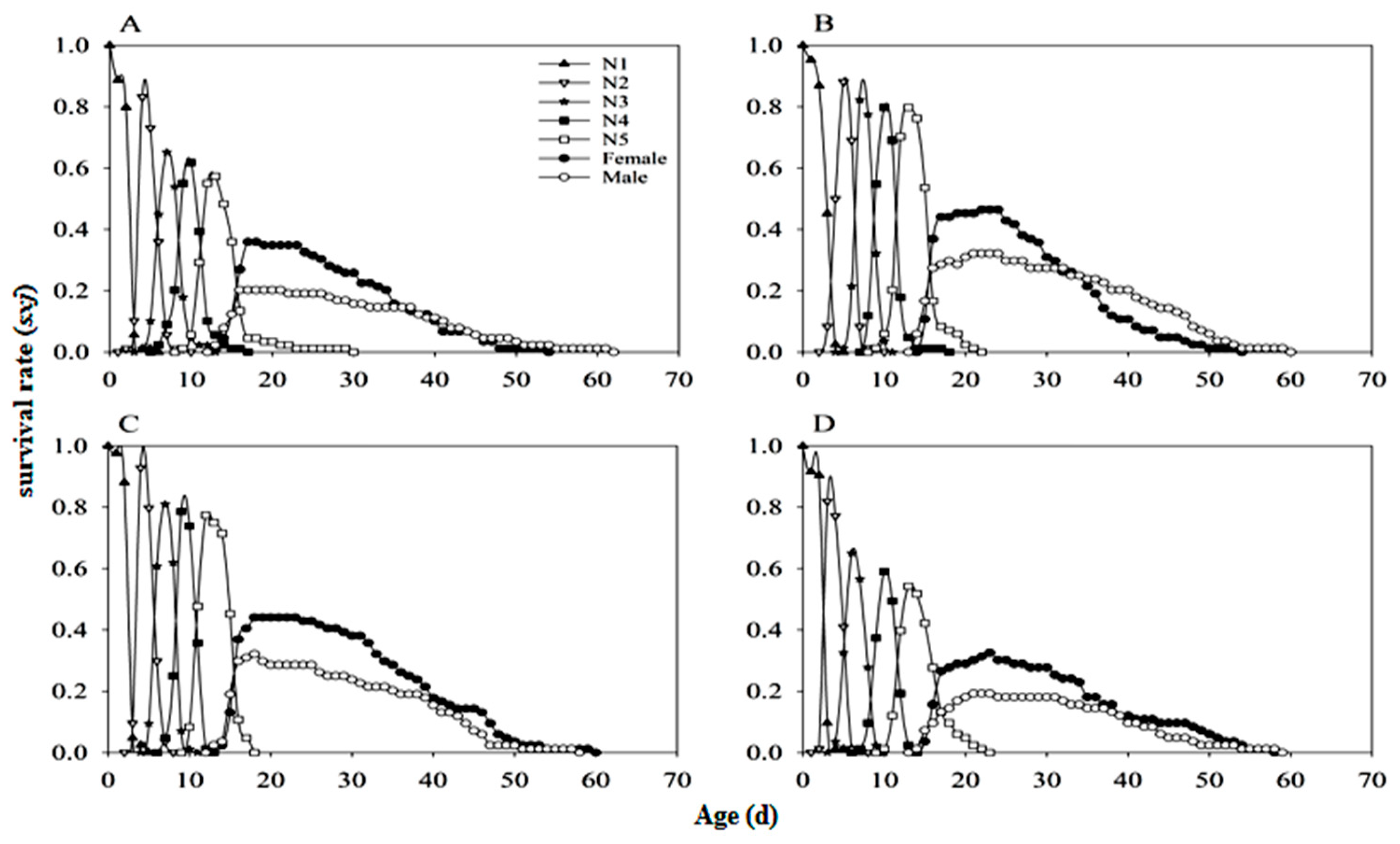
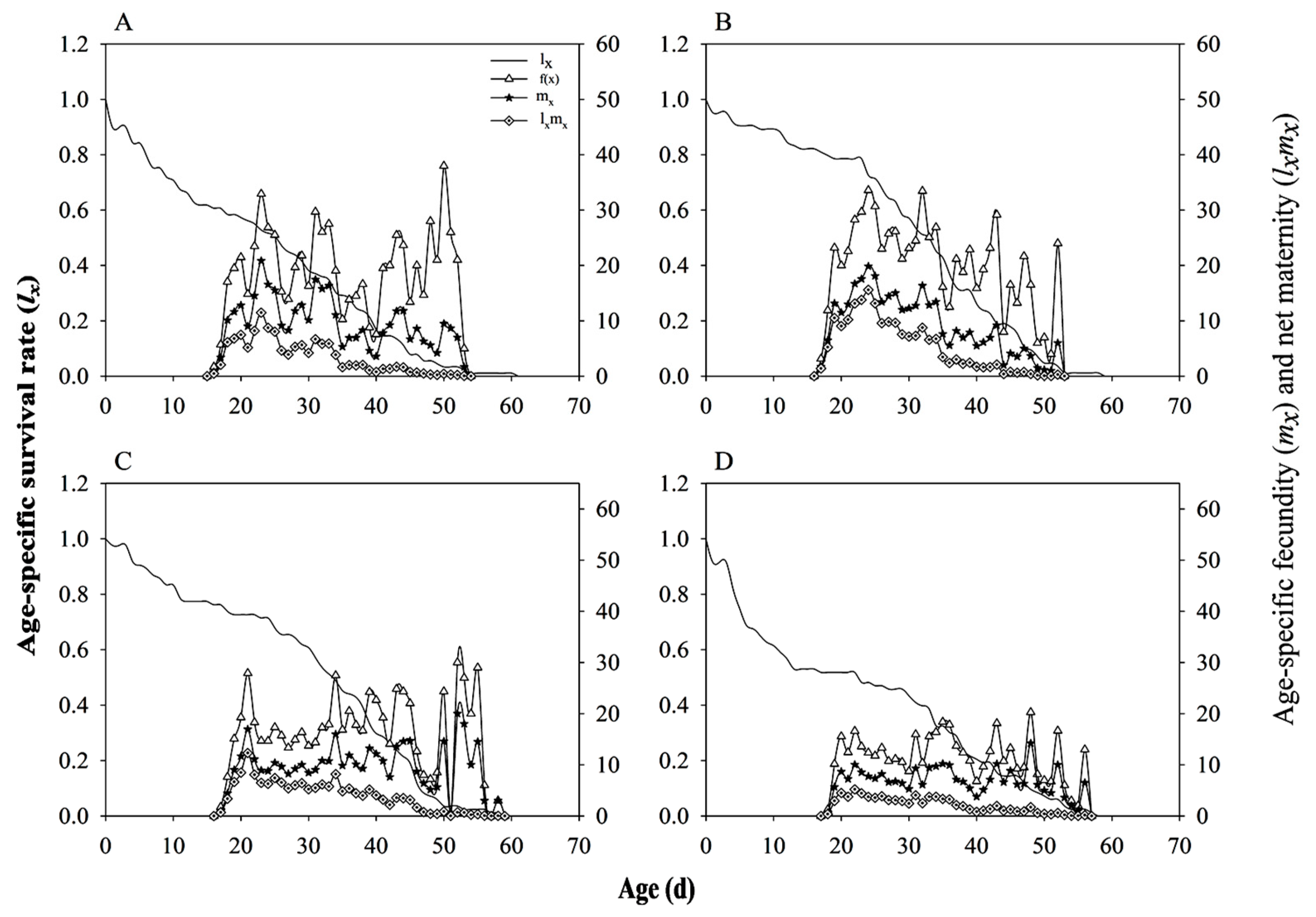
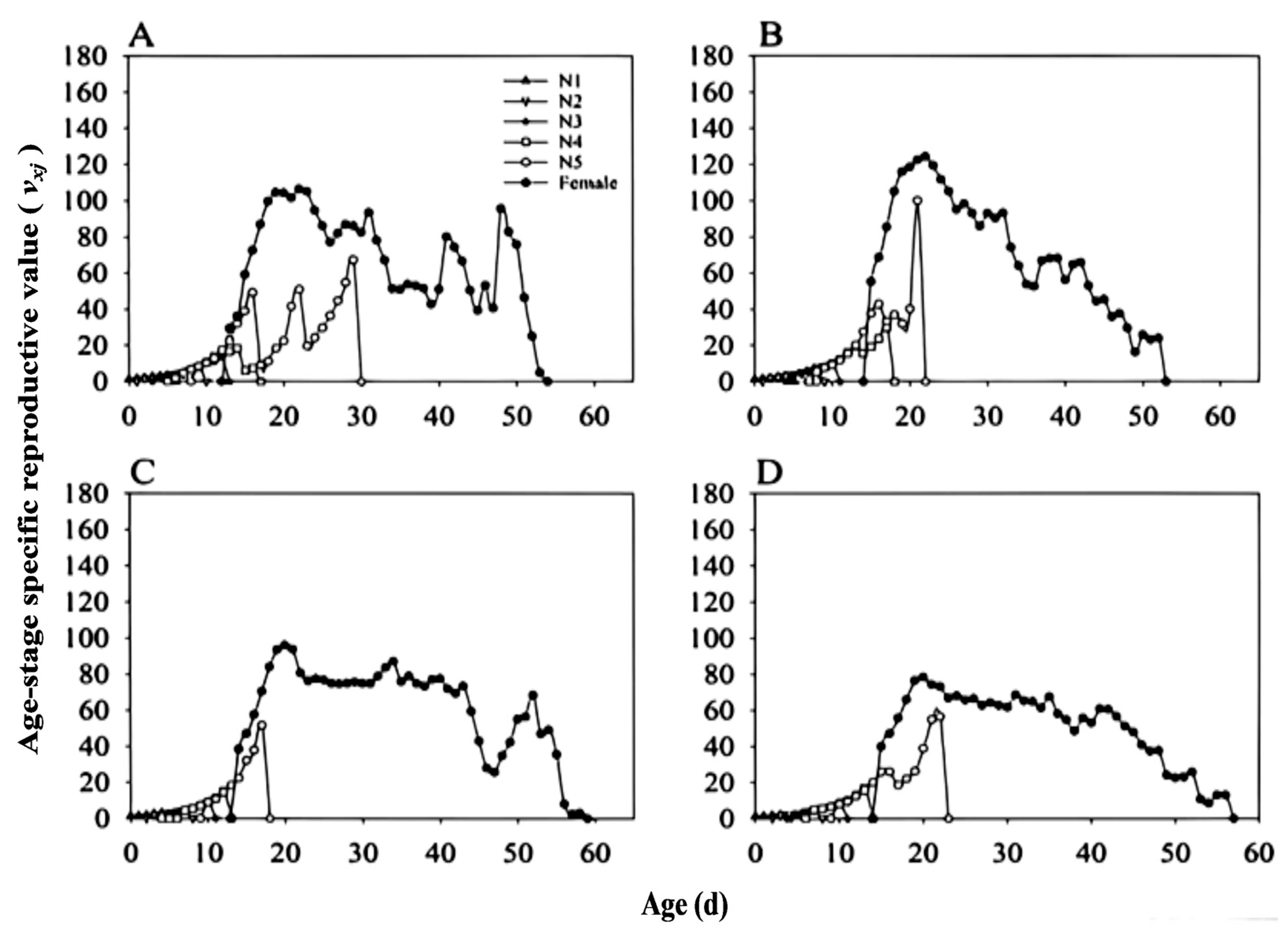
The survival rate curves of N. lugens under the four treatments (MH86 Ars⁻, MH86 Ars⁺, KF30-14 Ars⁻, and KF30-14 Ars⁺) showed considerable overlap, with the age–stage-specific survival rate (sₓⱼ) of nymphs being consistently higher than that of adults (Figure 2). The sₓⱼ values of 3rd-, 4th-, and 5th-instar nymphs in MH86 Ars⁻ were lower than those in MH86 Ars⁺ (Fig. 2A, B), whereas in KF30-14 Ars⁻, the sₓⱼ values of the 3rd-, 4th-, and 5th-instar nymphs were higher than those in KF30-14 Ars⁺ (Figure 2C, D). Before 35 days, the sₓⱼ of females was higher than that of males across all four treatments (Figure 2). For reproductive capacity of female adults, particularly in MH86 Ars-, the age-stage specific fecundity (fx) reached its peak of 38.00 at day 50, while fx in MH86 Ars+ had its peak (33.59) at day 24. Compared to KF30-14 Ars-, fx reached a value of 30.00 on day 52, while in KF30-14 Ars+ it reached a value of 18.11 on day 43.The net reproduction rate (mx) and the population-specific net reproduction rate (lxmx) were higher in MH86 Ars- compared to MH86 Ars+(Fig 3A,B), while the opposite was true for KF30-14 Ars- and KF30-14 Ars+(Figure 3C-D). The initial reproductive values of MH86 Ars⁻, MH86 Ars⁺, KF30-14 Ars⁻, and KF30-14 Ars⁺ were 29.49, 55.23, 38.44, and 39.89, respectively. In all four treatments, the reproductive value of N. lugens increased with age and developmental stage, reaching its maximum during the adult stage, indicating that adults made the greatest contribution to future population growth (Figure 4). The age stage-specific reproductive value (vₓⱼ) of MH86 Ars⁻ peaked on day 22 at 106.43, whereas MH86 Ars⁺ reached its maximum (124.32) on the same day (A-B). KF30-14 Ars⁻ and KF30-14 Ars⁺ peaked on day 20 with vₓⱼ values of 95.93 and 78.38, respectively (Figure 4C-D).
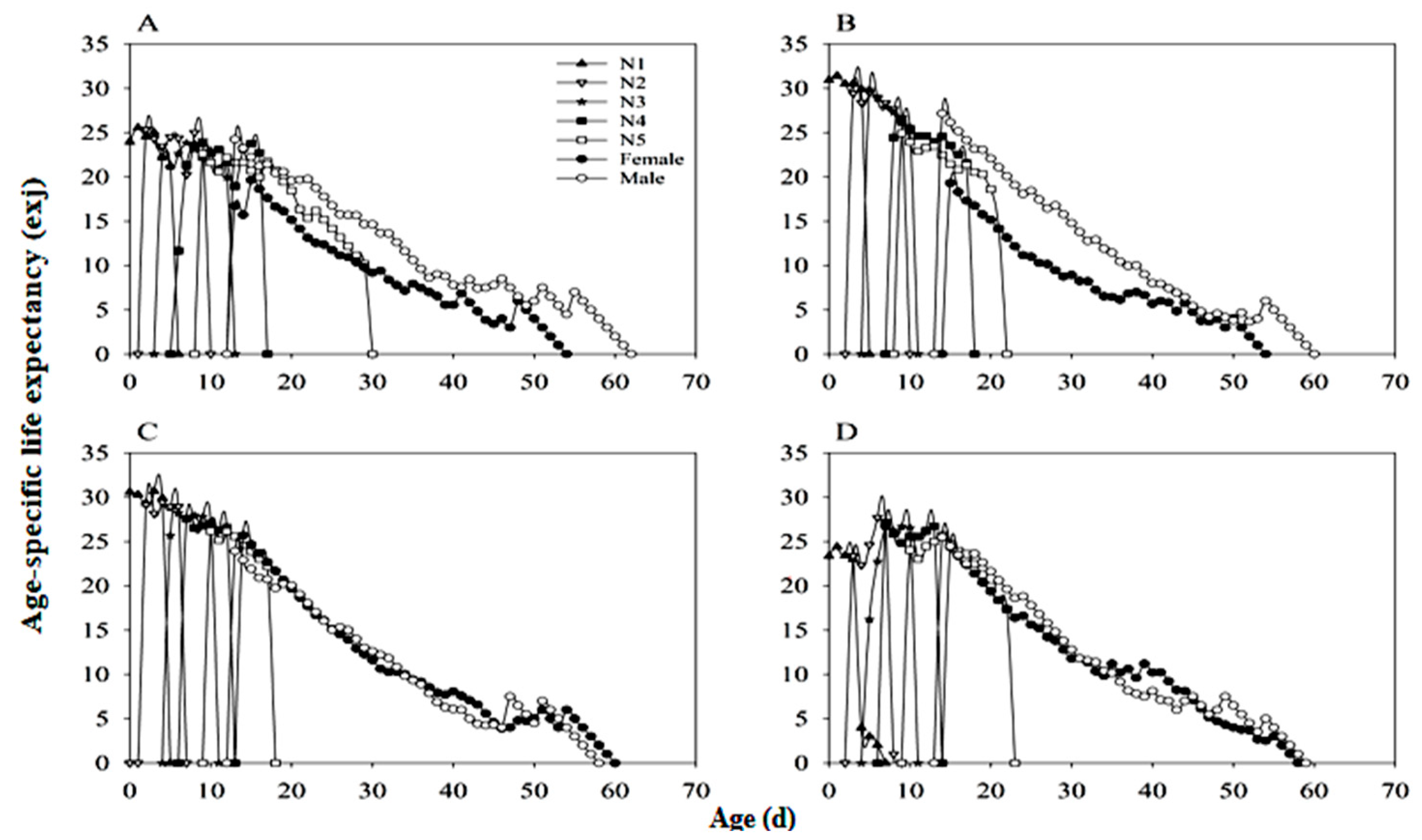
The age stage-specific life expectancy of N. lugens populations reared on both MH86 and KF30-14 rice varieties generally decreased with increasing age (Figure 5). In the MH86 treatments, the life expectancy of 1st, 2nd and 3rd-instar nymphs was lower in MH86 Ars⁻ than in MH86 Ars⁺. The life expectancy of 3rd-instar nymphs in MH86 Ars⁻ showed a pattern of decline followed by an increase, indicating a higher mortality rate at this stage (Figure 5A, B). In contrast, the 1st, 2nd, and 3rd-instar nymphs of KF30-14 Ars⁻ exhibited higher life expectancy values than those of KF30-14 Ars⁺. The life expectancy of 2nd-instar nymphs in KF30-14 Ars⁻ also showed a decrease followed by an increase, suggesting elevated mortality during this stage (Figure 5C, D).

3.4. Stable Age-Stage Distribution of Nymphs (SASD)

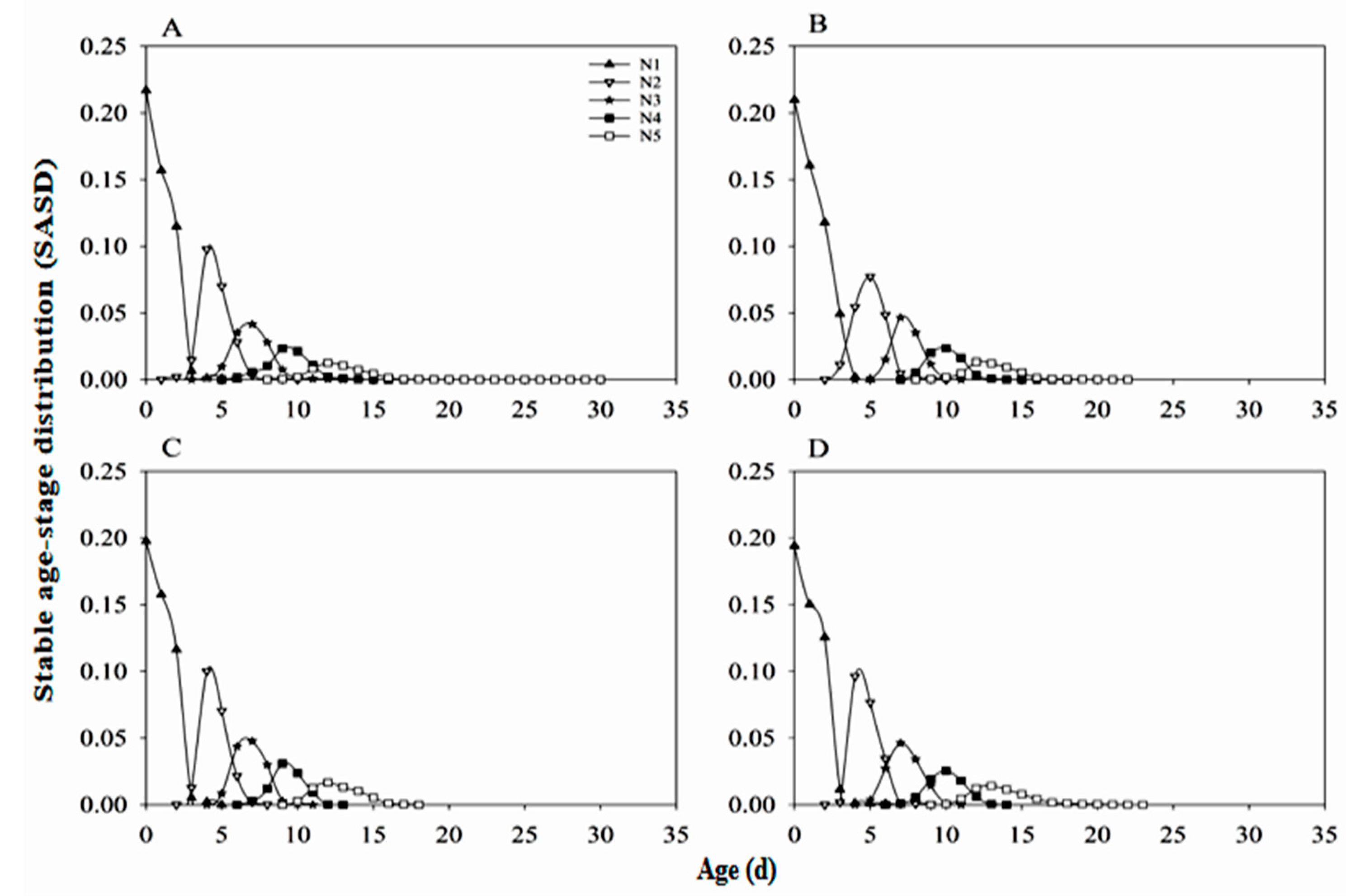
The stable age stage distributions (SASD) of Nymphs under different treatments are shown in (Figure 6). The proportions of 1st and 2nd instar nymphs were higher in MH86 Ars⁻ than in MH86 Ars⁺, whereas the duration of the 1st instar stage was shorter and that of the 5th-instar stage was longer in MH86 Ars⁻ than in MH86 Ars⁺ (Figure 6A, B). The 5th-instar nymphs of KF30-14 Ars⁺ exhibited longer survival than those of KF30-14 Ars⁻ (Figure 6C, D). Compared with KF30-14 Ars⁻, MH86 Ars⁻ had a higher SASD for 1rst-instar nymphs and longer survival during the 4th- and 5th-instar stages (Figure 6A, C). Similarly, MH86 Ars⁺ showed a higher SASD for 1st-instar nymphs but a lower SASD for 2nd-instar nymphs than KF30-14 Ars⁺ (Figure 6B, D).

3.5. Stable Age-Stage Distribution of Adults (SASD)

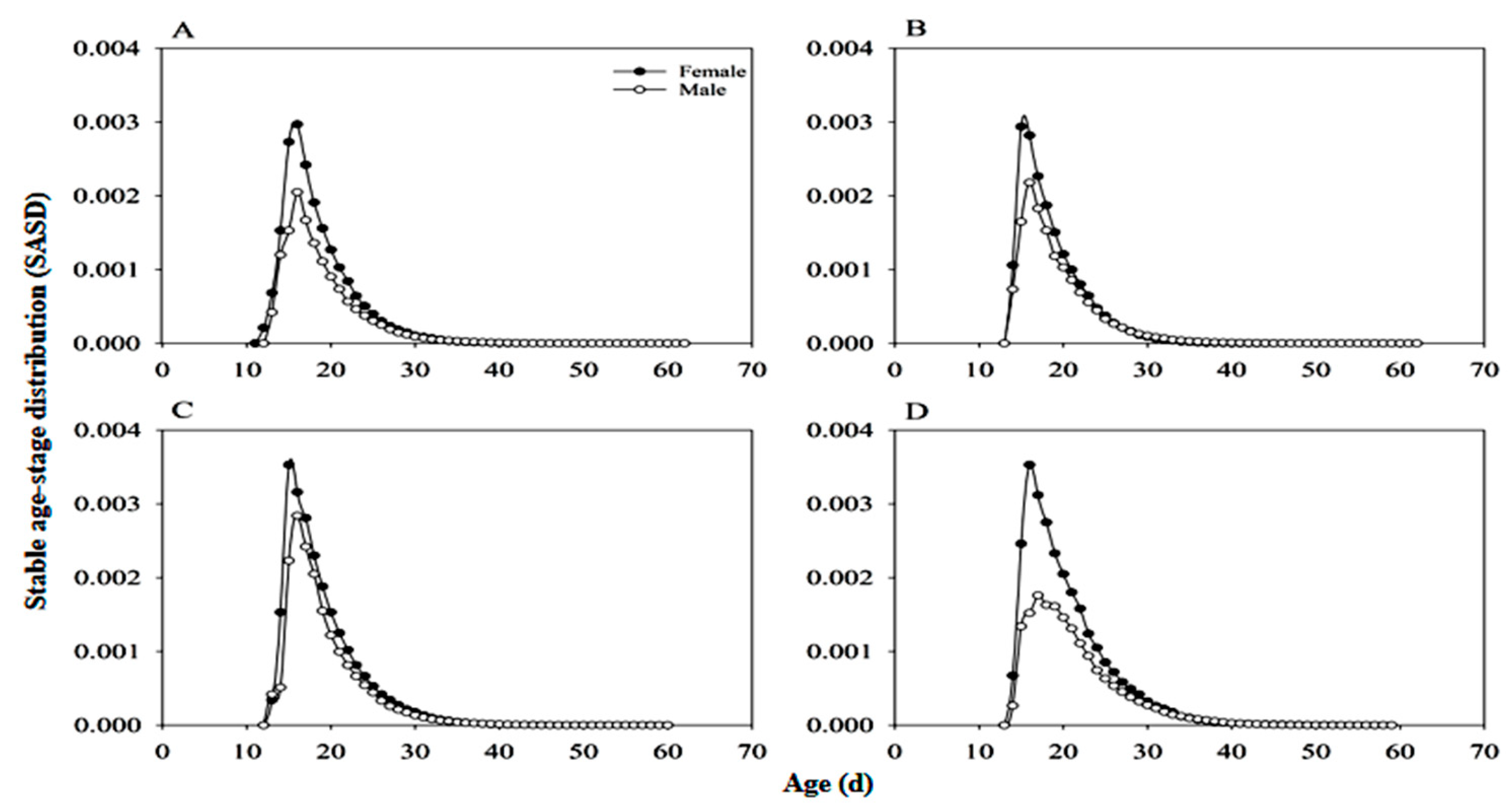
For adults under different treatments is presented in (Figure 7). The SASD of male adults in KF30-14 Ars⁻ was higher than that in KF30-14 Ars⁺ (Figure 7C, D). Both female and male adults of MH86 Ars⁻ had lower SASD values than those of KF30-14 Ars⁻ (Figure 7A, C). In contrast, the SASD of female adults in MH86 Ars⁺ was lower than that in KF30-14 Ars⁺, whereas the SASD of male adults in MH86 Ars⁺ was higher than that in KF30-14 Ars⁺ (Figure 7B, D).

3.6. Developmental Duration and Lifespan of N. lugens

The development periods of the 1st, 3rd, and 4th instar were shorter in MH86 Ars- than in MH86 Ars+. In contrast, KF30-14 Ars- had shorter development periods for the 3rd and 4th instars than KF30-14 Ars+. The 3rd and 4th instar nymphs, adult pre-oviposition period (APOP), and the Total pre-oviposition period (TPOP) of KF30-14 Ars+ were higher than those of KF30-14 Ars-, while the total lifespan and fecundity of KF30-14 Ars+ were lower than those of KF30-14 Ars-. The developmental duration of the 3rd and 5th instar nymphs and the adult female longevity of KF30-14 Ars+ were higher than those of MH86 Ars+, whereas the fecundity of KF30-14 Ars+ was lower than that of MH86 Ars+ (Table 1 and Table 2).

3.7. Mortality Rate Distribution

The mortality rates were differed significantly (t test, α=0.05), for the 3rd and 4th instar were higher in MH86 Ars-than in MH86 Ars+, while KF30-14 Ars- had lower mortality rates during the nymphal stage than KF30-14 Ars+ (Table 3).

3.8. Population Parameters and Dynamics Predication

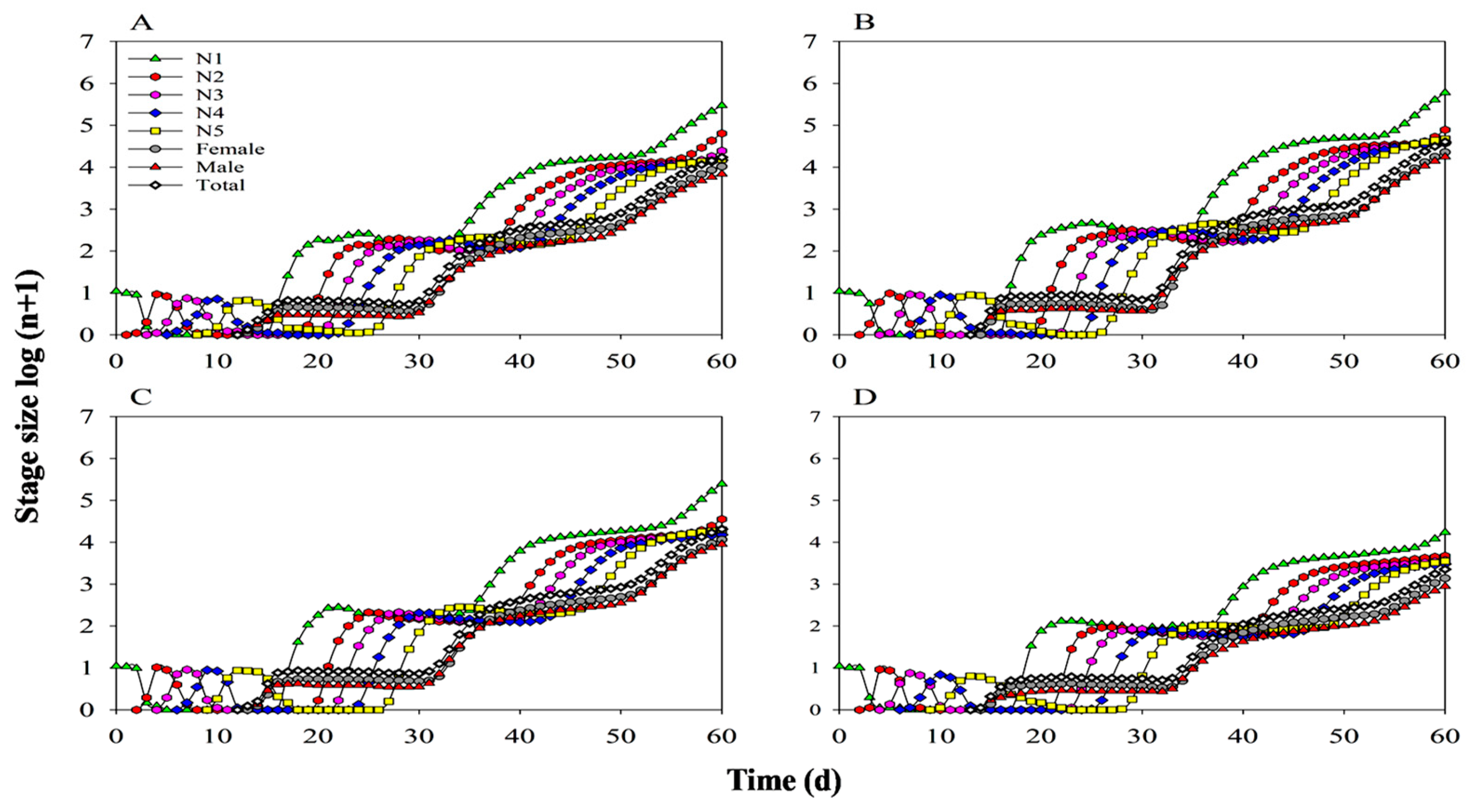
Population parameters such as intrinsic growth rate, net reproductive rate and mean generation time were compared to evaluating the effects of diet and the presence of bacteria on N. lugens. The intrinsic growth rate was significantly higher in KF30-14 Ars- than in KF30-14 Ars+, while MH86 Ars+ had a significantly higher intrinsic growth rate compared to KF30-14 Ars+ (Table 4). A 60-day population growth simulation also predicted that the N. lugens population would be higher in MH86 Ars-, MH86 Ars+ and KF30-14 Ars-, while KF30-14 Ars+ have the lowest population growth (Figure 8).

3.6. Effect of Arsenophonus on Adult Weight

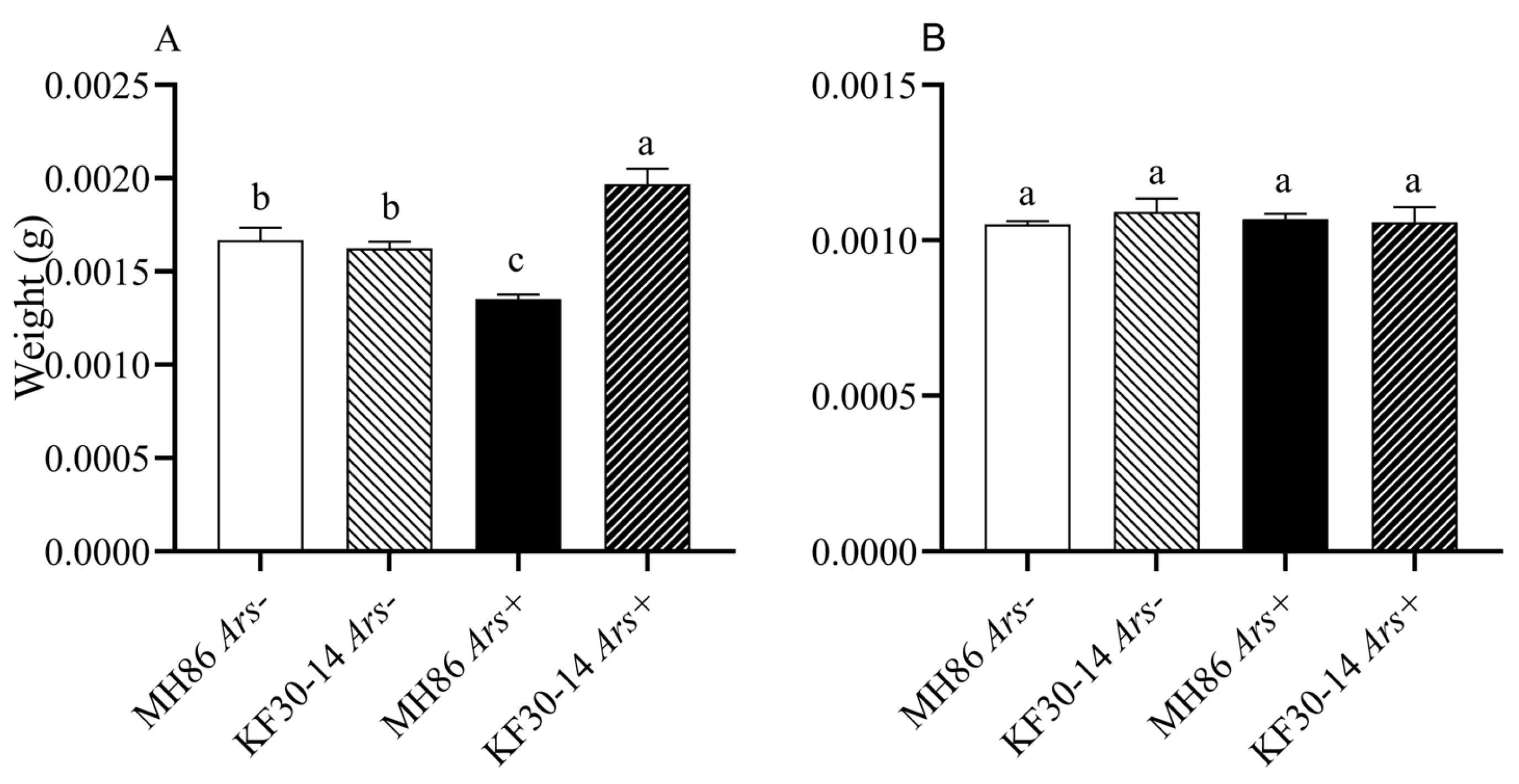
The adult females of MH86 Ars+ weighted less than those of MH86 Ars-, while the weight of adult females in KF30-14 Ars+ was higher than in KF30-14 Ars- (Figure 9A). No significant differences were observed in adult male weight across all treatments (Figure 9B).

3.7. Effect of Arsenophonus on the Size of the Reproductive Organs of N. lugens Feeding on Different Rice Varieties

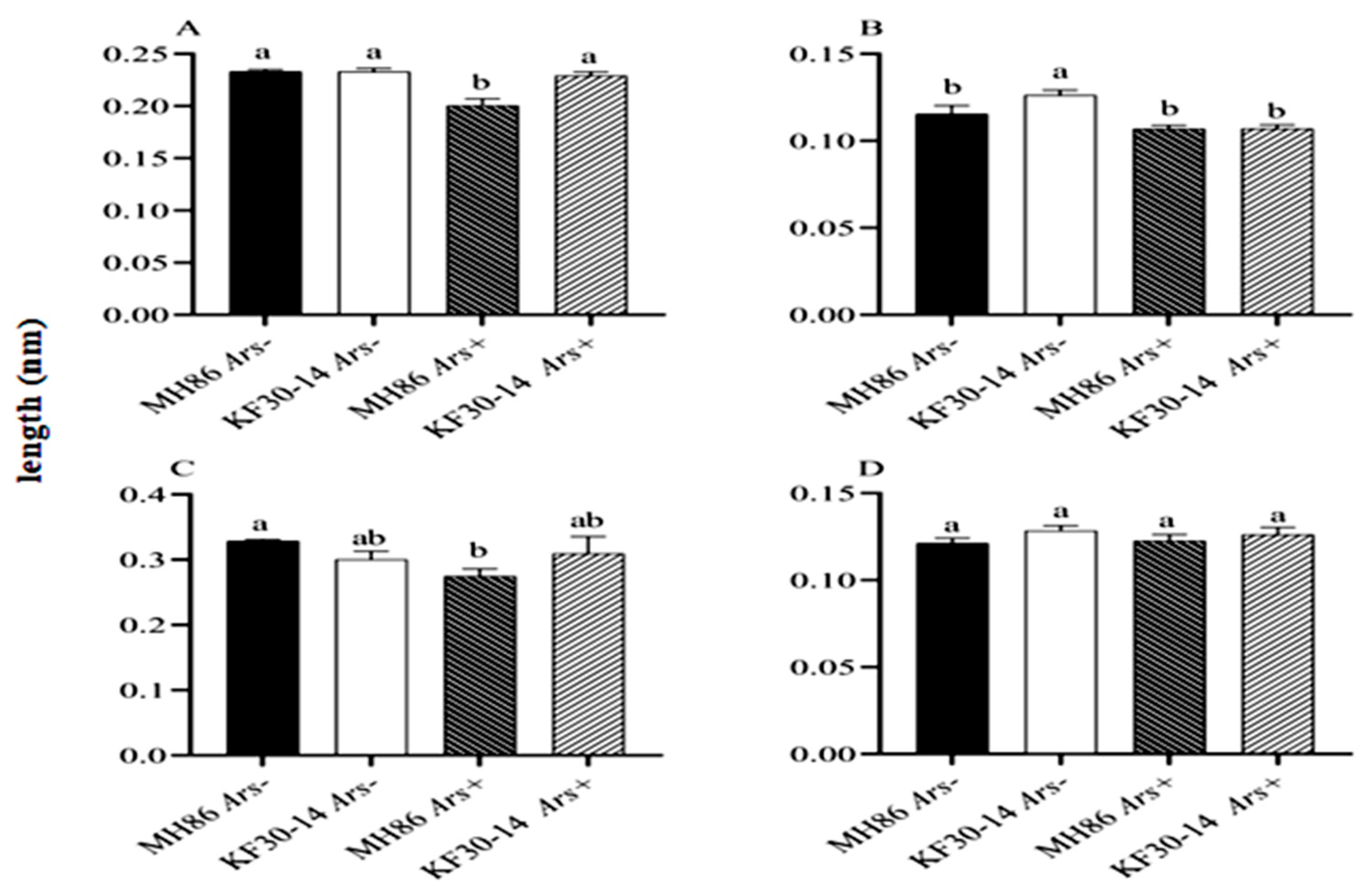
The length of Ovaries and testes was affected by both Arsenophonus infection and rice variety. For the ovarian tubule length of newly emerging female adult, no significant difference was found between MH86 Ars- and KF30-14 Ars-, but MH86 Ars+ had significantly shorter ovarian tubules than KF30-14 Ars+ (Figure 10A). In MH86, the ovarian tubules of female adult after emergence for three days were significantly longer in Ars- than Ars+, while no significant difference was found between KF30-14 Ars- and KF30-14 Ars+ (Figure 10C). For testicle length of newly emerging male adults, MH86 Ars- individuals had shorter testicle length than KF30-14 Ars-, while no difference was found in testicle length between MH86 Ars+ and KF30-14 Ars+, in both rice varieties, Arsenophonus infection reduced testicle length (Figure 10B), while on testis length of male adults after emergence for three days, no significant difference was found among all treatments (Figure 10D). These findings suggest that reproductive organ size is affected by both rice variety and bacterial infection, with MH86 Ars- individuals having longer ovarian tubules while testicle length varied depending on the host plant.

3.8. Effect of Arsenophonus Infection on the Expression of Reproductive Genes in Newly Eclosed Female Adults

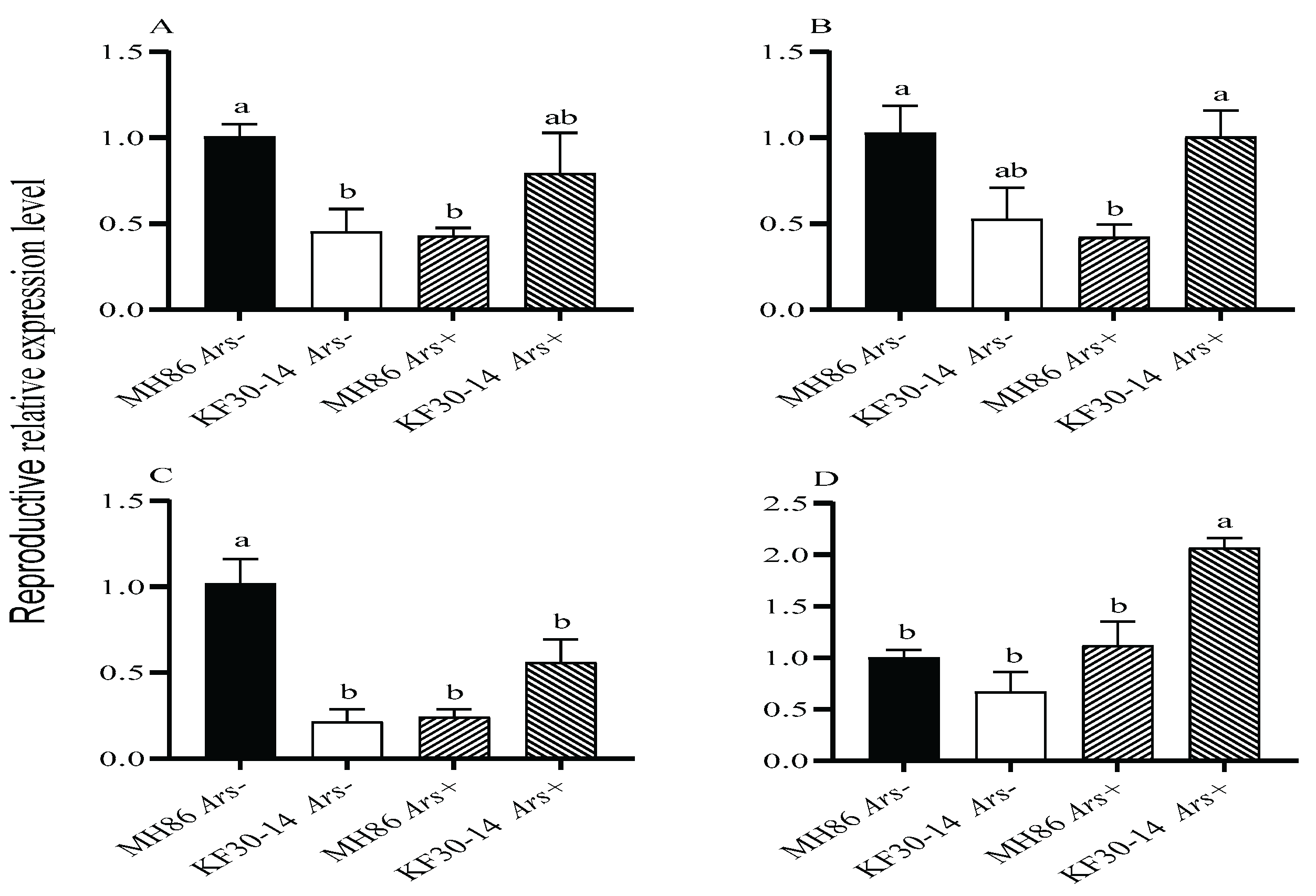
The expression of the reproduction-related genes Tret, Vg, cyp314a1 and JHAMP was analyzed in newly eclosed female N. lugens in MH86 and KF30-14 rice varieties. the expression level of the Tret gene was significantly higher in MH86 Ars- than KF30-14Ars-, whereas it was lower in MH86Ars+ than KF30-14Ars+ (Figure 11A). A similar pattern was observed for the Vg expression levels (Figure 11B). The expression of cyp314a1, was significantly higher in MH86 Ars- than KF30-14Ars-; however, no significant differences was detected between MH86Ars+ and Kf30-14Ars+ (Figure 11C). In contrast, JHAMP expression remained unchanged among most treatments, but KF30-14 Ars+ exhibited a significantly higher expression level compared with all other treatments (Figure 11D). These findings indicate that Ars infection alters the gene expression of reproductive organs, particularly in MH86, with reduced Tret, Vg and cyp314a1 expressions and increased JHAMP expression in KF30-14 Ars+.

3.9. Transcriptome Sequencing Quality and Differential Expression Analysis

High-quality transcriptome sequencing data were obtained across all samples. After filtering, clean reads showed stable GC content and high sequencing quality, with mapping rates ranging from 80.23% to 82.69%, indicating good alignment to the N. lugens reference genome and minimal contamination (Tables S5 and S6; Figure S3). Differentially expressed genes (DEGs) among treatments were clearly visualized using volcano plots and hierarchical clustering heat maps, revealing distinct expression patterns associated with Ars status and rice diet (Figures S5 and S6A–F). Functional annotation of DEGs using Gene Ontology (GO) analysis showed enrichment in biological processes related to metabolism, cellular processes, and immune responses (Figure S4). KEGG pathway enrichment further indicated that DEGs were significantly involved in pathways associated with metabolic regulation, signal transduction, and host defense mechanisms (Figures S7 and S8), highlighting the molecular responses of N. lugens to symbiont presence under different rice treatments.

3.9.1. KEGG Annotation Analysis

KEGG pathway enrichment analysis identified distinct biological pathways across different treatments, including metabolism, genetic information processing and environmental information processing. MH86 Ars+ was enriched in purine metabolism, retinol metabolism, glycerolipid metabolism and fat digestion compared to MH86 Ars-. In KF30-14 Ars+, the key enriched pathways were D-amino acid metabolism, proximal tubule bicarbonate reclamation and arginine biosynthesis. Comparison of MH86 Ars- and KF30-14 Ars- rice varieties revealed enrichment in transport, catabolism and lipid metabolism pathways, while comparing MH86 Ars+ and KF30-14 Ars+ showed enrichment in apoptosis-related pathways and neurodegeneration. Additionally, MH86 Ars- vs KF30-14 Ars+ showed significant enrichment in signal transduction, lipid metabolism and cancer-related pathways, whereas MH86 Ars+ vs KF30-14 Ars- were enriched in fatty acid elongation, D-amino acid metabolism and vitamin digestion. These findings suggest that both infection with Ars and the host plant genotype influence critical metabolic and regulatory pathways in N. lugens (Fig S9A-F).

3.9.2. Differentially Expressed Genes Between Treatments and KEGG Enrichment Analysis

The comparison between KF30-14 Ars- and KF30-14 Ars+ unveiled 373 differentially expressed genes (DEGs) mapped to 211 KEGG pathways, with the most represented categories being human diseases (58 pathways) and metabolism (54 pathways). KEGG enrichment analysis across six pairwise comparisons revealed distinct pathway patterns: MH86 Ars- vs MH86 Ars+ showed enrichment in purine, retinol and glycerolipid metabolisms; KF30-14 Ars- vs KF30-14 Ars+ was enriched in D-amino acid metabolism and arginine biosynthesis; MH86 Ars- vs KF30-14 Ars- showed enrichment in transport and catabolism; MH86 Ars+ vs KF30-14 Ars+ in apoptosis and neurodegenerative diseases; MH86 Ars- vs KF30-14 Ars+ in signal transduction and lipid metabolism; while MH86 Ars+ vs KF30-14 Ars- in fatty acid elongation and vitamin digestion (Figure S10, S11A–F).

4. Discussion

Symbiotic microorganisms in insects have a significant influence on various physiological processes, such as behavior, reproductive capacity, development and life expectancy [28,29]. In Drosophila melanogaster, for example, symbiotic yeasts such as Saccharomyces cerevisiae and Acetobacter malorum have been shown to improve reproductive capacity, shorten larval development time and increase ovary size, demonstrating the beneficial effects of these symbionts on D. melanogaster [30]. In the pea aphid (Acyrthosiphon pisum), the obligate symbiont Buchnera aphidicola plays a critical role in host nutrition by synthesizing essential amino acids that are deficient in the phloem sap diet, this symbiosis significantly enhances aphid growth, fecundity, and survival [31] . Disruption or loss of Buchnera results in reduced body size, delayed development, and decreased reproductive output, clearly demonstrating the dependence of aphid fitness on its microbial symbionts [32]. Similarly, this study N. lugens has shown that Arsenophonus, a symbiotic bacterium, modulates various life history traits of this insect species, depending on the host plant it feeds on.
In this study, the role of gut symbiont Ars has clarified in shaping the fitness of N. lugens when fed on different rice varieties, including transgenic Bt rice and a non-transgenic control. Using life-table analyses, gut microbiota manipulation, and comparative assessments across rice treatments, we evaluated survival, development, and reproductive performance. The results found that Ars bacteria influence the survival rate of N. lugens fed on different rice varieties, consistent with findings in the tsetse fly (Glossina morsitans), where symbiont disruption reduced larval survival, highlighting the critical role of symbiotic bacteria in host physiology and fitness [33,34]. The contrasting effects of Ars on nymph survival across rice varieties indicate a strong host plant microbe interaction. The lower nymph mortality observed in MH86 Ars⁺ compared with MH86 Ars⁻ suggests a potentially mutualistic role of Ars under non-Bt feeding conditions, consistent with reports showing symbiont-mediated fitness benefits in hemipteran insects [35]. In contrast, the increased nymph mortality and reduced fecundity in KF30-14 Ars⁺ indicate that Ars becomes detrimental when insects fed on KF30-14 rice, likely due to synergistic stress between Bt toxins and symbiont-induced metabolic costs. The shorter generation time on MH86 compared with KF30-14 further suggests that Bt rice imposes developmental constraints, which may be exacerbated by symbiont presence. The increased body weight of newly emerged females on KF30-14 Ars⁺ may reflect compensatory energy allocation or adaptive physiological responses following long-term exposure to Cry30Fa1 rice, as reported in other insect host adaptation studies [36].
These results suggest that infection with the bacterium Ars+ significantly affects the development and reproductive capacity of N. lugens, especially in populations feeding on the transgenic cry30Fa1 rice variety (KF30-14). Infected first-instar nymphs of MH86 Ars+ (non-transformed rice) showed a longer development time compared to their uninfected counterparts (MH86 Ars-); similarly, the development time for the third- and fourth-instar nymphs of KF30-14 Ars+ was longer than that of KF30-14 Ars-. Suggesting that Ars has an inhibitory effect on nymph development at specific stages, which is consistent with a previous study in Drosophila showed that symbionts can modulates development timelines in insect systems [37,38]. In addition to the developmental delays, we observed significant differences in reproductive performance. In KF30-14 Ars+, the total population ovipositor (TPOP) was higher than in KF30-14 Ars-, suggesting that Ars may inhibit the reproductive capacity of this rice variety. This observation is further supported by lower fecundity, especially in KF30-14 Ars+ females, which is consistent with the study by, showing that Wolbachia-infected spiders have a shorter lifespan and attributed to metabolic and immune costs, our results indicate that symbiont infection can negatively affect host longevity across arthropods [39]. However, reproductive parameters were more favorable in MH86 Ars+, with higher reproductive values (vxj) than in KF30-14 Ars+, highlighting the influence of host plant genotype in modulating symbiont effects.
Arsenophonus infection has a significant impact the expression of genes associated with reproduction and development in N. lugens. The RNA sequencing analysis revealed alterations in the expression of genes such as Tret, Vg, cyp314a1, and JHAMT, with notable down regulation of Vg, Tret, and cyp314a1 in MH86 Ars+ compared to MH86 Ars-. Conversely, JHAMT was upregulated in KF30-14 Ars+, indicating that the effect of Arsenophonus infection on hormonal pathways may vary between different rice varieties. These findings suggest that Arsenophonus infection modulates hormonal and metabolic processes that could reduce fecundity in N. lugens, compared with previous studies, including Cai,2024 [40], which also observed the down regulation of P450 detoxification systems following Ca. A. Nilaparvata infection. In their work, Arsenophonus was shown to influence insecticide susceptibility by modulating gene expression related to detoxification, thus contributing to increased insecticide sensitivity. Taken together, these studies underscore the role of Arsenophonus infection in altering physiological processes of N. lugens, potentially influencing both reproduction and pest control strategies.
These observations are further supported by observing the transcriptomics data based on further KEGG pathway analysis. The pathways related to lipid metabolism, amino acid metabolism and vitamin metabolism were significantly enriched in KF30-14 Ars+ relative to uninfected KF30-14 Ars-. In lipid metabolism pathway, one gene, Long-chain acyl-CoA synthetase, was found to be differentially expressed which is a key gene in both fatty acid biosynthesis and degradation. Consistently, similar studies have shown that insect reproduction can affect lipid metabolism, Dong, 2021; Huang, 2023 [41,42], and the hypothesis is that the pathway disruption explains the reduced reproductive capacity in KF30-14 Ars+ populations. Zhang, 2018 [43], found that interference with Long-chain acyl-CoA synthetase (FACL) eliminated the increased reproductive capacity of Laodelphax striatellus induced by Triazophos (TZP), suggesting that FACL is a key gene in TZP-induced reproduction enhancement in brown planthoppers. It is speculated that Long-chain acyl-CoA synthetase may regulate changes in the egg-laying capacity of brown planthoppers feeding on KF30-14, but its specific effect needs to be validated through interference studies.
Furthermore, the reproductive capacity of KF30-14 Ars- was higher than that of KF30-14 Ars+, but the relative expression levels of genes related to Vitellogenin synthesis, Ecdysteroidogenesis and Juvenile hormone regulation did not differ significantly between the two groups. This implies that Arsenophonus does not directly regulate the expression of these genes, but rather modulates metabolic pathways like lipid metabolism, which in turn affects the reproductive capacity of N. lugens, as reported in Fan,2016 [44]. Nevertheless, it remains to be determined which specific genes are responsible for these metabolic changes.

5. Conclusions

This study highlights the complex interaction between Arsenophonus, host plant genotype and the physiological traits of N. lugens. The developmental and reproductive effects observed in this study underscore the importance of considering both host plants and microbial symbionts in management of pests. The effects of feeding Arsenophonus-infected N. lugens population on transgenic cry30Fa1 rice provide insights into how symbionts may influence pest dynamics and suggest that controlling symbiotic bacteria could be a viable approach for managing pest populations in agricultural systems.

Supplementary Materials

The following supporting information can be downloaded at website of this article posted on Preprints.org.

Author Contributions

Conceptualization, S.L; funding acquisition; investigation, L.Q; methodology, L.Q, S.M and S.L; resources, S.L; software, L.Q, S.M and S.L; writing—original draft, L.Q, S.M, A.I and S.L; writing—review and editing. S.L, Y.H, and All authors have read and agreed to the published version of the manuscript.

Funding

This work was supported by the Science and Technology Innovation 2030- "Agricultural Biological Breeding" major project (2023ZD04062), the External Cooperation Project of Fujian Province (2024I0007), the Innovative Science Foundation from Fujian Agriculture and Forestry University (KFB25083A).

Data Availability Statement

The data sets used or analyzed during current study are available from the corresponding author upon reasonable request.

Acknowledgments

The authors would like to acknowledge the Key Laboratory of Agricultural Genetic Engineering, Fujian Academy of Agricultural Sciences (Fuzhou) for providing rice seeds and the Institute of Virology of Fujian Agriculture and Forestry University for providing the insects, and would also like to acknowledge the anonymous reviewers of this manuscript. Although the foundational concepts, research findings, and intellectual contributions remained exclusively those of the authors, Language processing technologies were employed to refine the linguistic quality, ensuring clarity and consistency.

Conflicts of Interest

The authors declared no conflict of interest competing with the relevant content of this article.

References

  1. Matsumura, M et al. Species-specific insecticide resistance to imidacloprid and fipronil in the rice planthoppers Nilaparvata lugens and Sogatella furcifera in East and South-east Asia. Pest Management Science: formerly Pesticide Science 2008, vol. 64(no. 11), 1115–1121. [Google Scholar] [CrossRef]
  2. Iamba, K.; Dono, D. A review on brown planthopper (Nilaparvata lugens Stål), a major pest of rice in Asia and Pacific. Asian J. Res. Crop Sci 2021, vol. 6, 7–19. [Google Scholar] [CrossRef]
  3. Rombach, M. C.; Aguda, R. M.; Shepard, B. M.; Roberts, D. W. Infection of Rice Brown Planthopper, Nilaparvata lugens (Homoptera: Delphacidae), by Field Application of Entomopathogenic Hyphomycetes (Deuteromycotina). Environ Entomol 1986, vol. 15(no. 5). [Google Scholar] [CrossRef]
  4. H. P., H. X. X., L. Y. Y., & others Wang, Acquisition and identification of cry30Fa1 gene trans-genic rice resistant to Nilaparvata lugens. Chinese Journal of Rice Science, Chinese Journal of Rice Science 2016, vol. 30(no. 3), 256–264.
  5. Rupawate, P. S. et al. Role of gut symbionts of insect pests: A novel target for insect-pest control. Front Microbial 2023, vol. 14, 1146390. [Google Scholar] [CrossRef]
  6. Haider, K. et al. The multifaceted roles of gut microbiota in insect physiology, metabolism, and environmental adaptation: implications for pest management strategies. World J Microbial Biotechnol 2025, vol. 41(no. 3), 75. [Google Scholar] [CrossRef] [PubMed]
  7. Douglas, E. Nutritional interactions in insect-microbial symbioses: aphids and their symbiotic bacteria Buchnera. Annu Rev Entomol 1998, vol. 43(no. 1), 17–37. [Google Scholar] [CrossRef]
  8. He, M.; Chen, H.; Yang, X.; Gao, Y.; Lu, Y.; Cheng, D. Gut bacteria induce oviposition preference through ovipositor recognition in fruit fly. Commun Biol 2022, vol. 5(no. 1), 973. [Google Scholar] [CrossRef] [PubMed]
  9. Husnik, F. Horizontal gene transfer from diverse bacteria to an insect genome enables a tripartite nested mealybug symbiosis. Cell 2013, vol. 153(no. 7), 1567–1578. [Google Scholar] [CrossRef]
  10. Engel, P.; Moran, N. A. The gut microbiota of insects–diversity in structure and function. FEMS Microbial Rev 2013, vol. 37(no. 5), 699–735. [Google Scholar] [CrossRef]
  11. Behar, B. Yuval; Jurkevitch, E. Gut bacterial communities in the Mediterranean fruit fly (Ceratitis capitata) and their impact on host longevity. J Insect Physiol 2008, vol. 54(no. 9), 1377–1383. [Google Scholar] [CrossRef]
  12. Bao, X.-Y. Lysine provisioning by horizontally acquired genes promotes mutual dependence between whitefly and two intracellular symbionts. PLoS Pathog 2021, vol. 17(no. 11), e1010120. [Google Scholar] [CrossRef]
  13. Gherna, R. L. Arsenophonus nasoniae gen. nov., sp. nov., the causative agent of the son-killer trait in the parasitic wasp Nasonia vitripennis. Int J Syst Evol Microbial 1991, vol. 41(no. 4), 563–565. [Google Scholar] [CrossRef]
  14. Mediannikov; Subramanian, G.; Sekeyova, Z.; Bell-Sakyi, L.; Raoult, D. Isolation of Arsenophonus nasoniae from Ixodes Ricinus ticks in Slovakia. Ticks Tick Borne Dis 2012, vol. 3(no. 5–6), 367–370. [Google Scholar] [CrossRef] [PubMed]
  15. Nováková, E.; Hypša, V.; Moran, N. A. Arsenophonus, an emerging clade of intracellular symbionts with a broad host distribution. BMC Microbial 2009, vol. 9(no. 1), 143. [Google Scholar] [CrossRef]
  16. Pang, R. A distinct strain of Arsenophonus symbiont decreases insecticide resistance in its insect host. PLoS Genet 2018, vol. 14(no. 10), e1007725. [Google Scholar] [CrossRef] [PubMed]
  17. B., Z. F., L. Y. T., W. S. F., B. C., & G. C. F. Zeng, Symbiotic bacteria confer insecticide resistance by metabolizing buprofezin in the brown plant hopper, Nilaparvata lugens (Stål). PLoSPathogens 2023, vol. 19(no. 12), e101–1828.
  18. Liu, H. Arsenophonus and Wolbachia-mediated insecticide protection in Nilaparvata lugens. J Pest Sci (2004) 2025, vol. 98(no. 1), 365–373. [Google Scholar] [CrossRef]
  19. Li, F. Insect genomes: progress and challenges. Insect Mol Biol 2019, vol. 28(no. 6), 739–758. [Google Scholar] [CrossRef]
  20. Kaech, H.; Dennis, A. B.; Vorburger, C. Triple RNA-Seq characterizes aphid gene expression in response to infection with unequally virulent strains of the endosymbiont Hamiltonella defensa. BMC Genomics 2021, vol. 22(no. 1), 449. [Google Scholar] [CrossRef]
  21. Marguerat, S.; Bähler, J. RNA-seq: from technology to biology. Cellular and molecular life sciences 2010, vol. 67(no. 4), 569–579. [Google Scholar] [CrossRef]
  22. Chunfen, L. I.; Meng, H. E.; Cui, Y.; Peng, Y.; Liu, J.; Yun, Y. Insights into the mechanism of shortened developmental duration and accelerated weight gain associated with Wolbachia infection in Hylyphantes graminicola. Integr Zool 2022, vol. 17(no. 3). [Google Scholar] [CrossRef]
  23. CHEN, Y.; CHEN, Y.; WANG, W. A preliminary study on the transfer mode and biological significance of endosymbiont Arsenophonus in Nilaparvata lugens. Chinese Journal of Rice Science 2014, vol. 28(no. 1), 92. [Google Scholar]
  24. Chi, H. TWOSEX-MSChart: the key tool for life table research and education. Entomologia Generalis 2022, vol. 42(no. 6). [Google Scholar] [CrossRef]
  25. Chi, H. TWOSEX-MSChart: the key tool for life table research and education. Entomologia Generalis 2022, vol. 42(no. 6). [Google Scholar] [CrossRef]
  26. Hsin, C. H. Chi; Wei, F. J. Fu Jian; Sheng, Y. M. You Min. Age-stage, two-sex life table and its application in population ecology and integrated pest management. 2019. [Google Scholar]
  27. Livak, K. J.; Schmittgen, T. D. Analysis of relative gene expression data using real-time quantitative PCR and the 2− ΔΔCT method. methods 2001, vol. 25(no. 4), 402–408. [Google Scholar] [CrossRef]
  28. Téfit, M. A.; Leulier, F. Lactobacillus plantarum favors the early emergence of fit and fertile adult Drosophila upon chronic undernutrition. Journal of Experimental Biology 2017, vol. 220(no. 5), 900–907. [Google Scholar] [CrossRef]
  29. Mondal, S.; Somani, J.; Roy, S.; Babu, A.; Pandey, A. K. Insect microbial symbionts: Ecology, interactions, and biological significance. Microorganisms 2023, vol. 11(no. 11), 2665. [Google Scholar] [CrossRef] [PubMed]
  30. Qiao, H.; Keesey, I. W.; Hansson, B. S.; Knaden, M. Gut microbiota affects development and olfactory behavior in Drosophila melanogaster. Journal of Experimental Biology 2019, vol. 222(no. 5), jeb192500. [Google Scholar] [CrossRef] [PubMed]
  31. Liu, H. Host plant-mediated effects on Buchnera symbiont: implications for biological characteristics and nutritional metabolism of pea aphids (Acyrthosiphon pisum). Front Plant Sci 2023, vol. 14, 1288997. [Google Scholar] [CrossRef]
  32. Hansen, K.; Moran, N. A. The impact of microbial symbionts on host plant utilization by herbivorous insects. Mol Ecol 2014, vol. 23(no. 6), 1473–1496. [Google Scholar] [CrossRef]
  33. Attardo, G. M.; Scolari, F.; Malacrida, A. Bacterial symbionts of tsetse flies: relationships and functional interactions between tsetse flies and their symbionts. Symbiosis: Cellular, Molecular, Medical and Evolutionary Aspects, 2020; 497–536. [Google Scholar]
  34. Bing, X. et al. Unravelling the relationship between the tsetse fly and its obligate symbiont Wigglesworthia: transcriptomic and metabolomic landscapes reveal highly integrated physiological networks. Proceedings of the Royal Society B: Biological Sciences 2017, vol. 284(no. 1857), 20170360. [Google Scholar] [CrossRef]
  35. Karimi, S.; Askari Seyahooei, M.; Izadi, H.; Bagheri, A.; Khodaygan, P. Effect of Arsenophonus endosymbiont elimination on fitness of the date palm hopper, Ommatissus lybicus (Hemiptera: Tropiduchidae). Environ Entomol 2019, vol. 48(no. 3), 614–622. [Google Scholar] [CrossRef]
  36. Pang, R. Insecticide resistance reduces the profitability of insect-resistant rice cultivars. J Adv Res 2024, vol. 60, 1–12. [Google Scholar] [CrossRef]
  37. Shin, S. C. Drosophila microbiome modulates host developmental and metabolic homeostasis via insulin signaling. Science (1979) 2011, vol. 334(no. 6056), 670–674. [Google Scholar] [CrossRef]
  38. Maistrenko, M.; Serga, S. V; Vaiserman, A. M.; Kozeretska, I. A. Longevity-modulating effects of symbiosis: insights from Drosophila–Wolbachia interaction. Biogerontology 2016, vol. 17(no. 5), 785–803. [Google Scholar] [CrossRef] [PubMed]
  39. Su, Q. et al. Combined effects of elevated CO2 concentration and Wolbachia on Hylyphantes graminicola (Araneae: Linyphiidae). Ecol Evol 2019, vol. 9(no. 12), 7112–7121. [Google Scholar] [CrossRef]
  40. Cai, T. Insecticide susceptibility in a planthopper pest increases following inoculation with cultured Arsenophonus. ISME J 2024, vol. 18(no. 1), wrae194. [Google Scholar] [CrossRef] [PubMed]
  41. Dong, Y. et al. FoxO directly regulates the expression of TOR/S6K and vitellogenin to modulate the fecundity of the brown planthopper. Sci China Life Sci 2021, vol. 64(no. 1), 133–143. [Google Scholar] [CrossRef] [PubMed]
  42. Z. W. Y., X. X.; Huang, X. H.; et al. The effect of silencing juvenile hormone receptor on the reproductive capacity of female Leptoglossus gonagra (Hemiptera: Coreidae). Plant Protection 2023, vol. 49(no. 1), 164–177. [Google Scholar]
  43. Zhang, X.; Ding, J.; Xu, B.; Ge, L.-Q.; Yang, G.-Q.; Wu, J.-C. Long chain fatty acid coenzyme A ligase (FACL) regulates triazophos-induced stimulation of reproduction in the small brown planthopper (SBPH), Laodelphax striatellus (Fallen). Pestic Biochem Physiol 2018, vol. 148, 81–86. [Google Scholar] [CrossRef] [PubMed]
  44. Fan, H.; Lu, J.; Ye, Y.; Yu, X.; Zhang, C. Characteristics of the draft genome of ‘Candidatus Arsenophonus nilaparvatae’, a facultative endosymbiont of Nilaparvata lugens. Insect Sci 2016, vol. 23(no. 3), 478–486. [Google Scholar] [CrossRef] [PubMed]
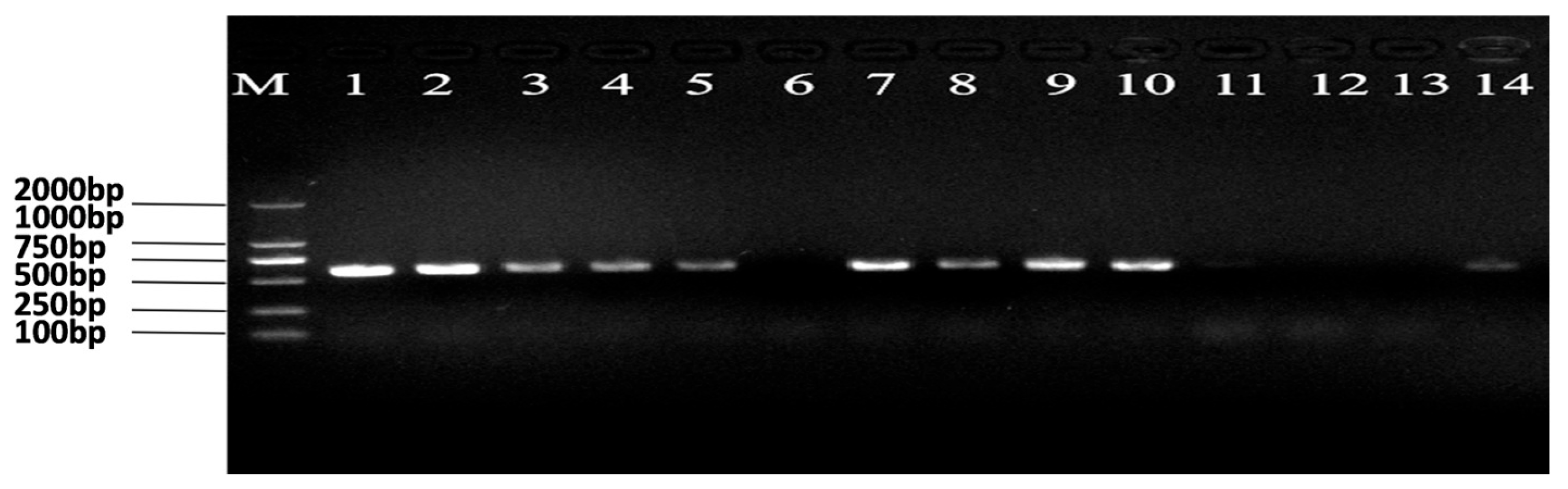
Figure 1. Confirmation of Arsenophonus infection in Nilaparvata lugens colonies. (M) DNA marker DL2000; Lanes 1-7, Nilaparvata lugens fed on KF30-14; Lanes 8-14, Nilaparvata lugens fed on MH86. Numbers with the bright band are representing the presence and the case of Arsenophonus infection.
Preprints 194005 g001
Figure 2. Survival rates of Nilaparvata lugens nymphs and adults in different Arsenophonus treatments. (A) Nilaparvata lugens without Arsenophonus fed on MH86 (MH86 Ars-); (B) Nilaparvata lugens with Arsenophonus fed on MH86 (MH86 Ars+); (C) Nilaparvata lugens without Arsenophonus fed on KF30-14 (KF30-14 Ars-); (D) Nilaparvata lugens with Arsenophonus fed on KF30-14 (KF30-14 Ars+).
Preprints 194005 g002
Figure 3. Age-specific net matemity of Nilaparvata lugens (lxmx) under different treatments. (A) Nilaparvata lugens without Arsenophonus fed on MH86 (MH86 Ars-); (B) Nilaparvata lugens with Arsenophonus fed on MH86 (MH86 Ars+); (C) Nilaparvata lugens without Arsenophonus fed on KF30-14 (KF30-14 Ars-); (D) Nilaparvata lugens with Arsenophonus fed on KF30-14 (KF30-14 Ars+).
Preprints 194005 g003
Figure 4. Age-stage specific reproductive values of Nilaparvata lugens under different treatments. (A) Nilaparvata lugens without Arsenophonus fed on MH86 (MH86 Ars-); (B) Nilaparvata lugens with Arsenophonus fed on MH86 (MH86 Ars+); (C) Nilaparvata lugens without Arsenophonus fed on KF30-14 (KF30-14 Ars-); (D) Nilaparvata lugens with Arsenophonus fed on KF30-14 (KF30-14 Ars+).
Preprints 194005 g004
Figure 5. Age-stage specific life expectancy of Nilaparvata lugens under different treatments. (A) Nilaparvata lugens without Arsenophonus fed on MH86 (MH86 Ars-); (B) Nilaparvata lugens with Arsenophonus fed on MH86 (MH86 Ars+); (C) Nilaparvata lugens without Arsenophonus fed on KF30-14 (KF30-14 Ars-); (D) Nilaparvata lugens with Arsenophonus fed on KF30-14 (KF30-14 Ars+).
Preprints 194005 g005
Figure 6. The pre-adults stable age-stage distribution of Nilaparvata lugens nymphs. (A) Nilaparvata lugens without Arsenophonus fed on MH86 (MH86 Ars-); (B) Nilaparvata lugens with Arsenophonus fed on MH86 (MH86 Ars+); (C) Nilaparvata lugens without Arsenophonus fed on KF30-14 (KF30-14 Ars-); (D) Nilaparvata lugens with Arsenophonus feeding on KF30-14 (KF30-14 Ars+).
Preprints 194005 g006
Figure 7. Adult stable age-stage distribution of Nilaparvata lugens (SASD). (A) Nilaparvata lugens without Arsenophonus fed on MH86 (MH86 Ars-); (B) Nilaparvata lugens with Arsenophonus fed on MH86 (MH86 Ars+); (C) Nilaparvata lugens without Arsenophonus fed on KF30-14 (KF30-14 Ars-); (D) Nilaparvata lugens with Arsenophonus fed on KF30-14 (KF30-14 Ars+).
Preprints 194005 g007
Figure 8. Predicted population growth of Nilaparvata lugens under different treatments. (A) Nilaparvata lugens without Arsenophonus fed on MH86 (MH86 Ars-); (B) Nilaparvata lugens with Arsenophonus fed on MH86 (MH86 Ars+); (C) Nilaparvata lugens without Arsenophonus fed on KF30-14 (KF30-14 Ars-); (D) Nilaparvata lugens with Arsenophonus fed on KF30-14 (KF30-14 Ars+).
Preprints 194005 g008
Figure 9. Weight of first emergence adult Nilaparvata lugens. (A) Body weight of adult females; (B) Body weight of adult males. Different lowercase letters indicated significant differences between treatments.
Preprints 194005 g009
Figure 10. Genital size of Nilaparvata lugens under different Arsenophonus infection statuses on two rice varieties. (A) ovariole length of newly emerging female adult; (B) testis length of newly emerging male adults; (C) ovariole length of female adult after emergence for three days; (D) testis length of male adults after emergence for three days. Different case letters indicated significant differences between treatments.
Preprints 194005 g010
Figure 11. Relative expression of reproductive-related genes in newly eclosed female Nilaparvata lugens. (A) Trehalose transporter (Tret); (B) Vitellogenin (Vg); (C) Cytochrome P450 hydroxylase (cyp314a1); (D) Juvenile hormone acid Methyltransferase (JHAMT). Different case letters indicated significant differences between treatments.
Preprints 194005 g011
Table 1. Developmental duration and lifespan of N. lugens.
Development stage Rice line Arsenophonus- Arsenophonus+
n Duration/d n Duration/d
1st instar nymph MH86 80 2.96±0.06* 80 3.41±0.08a
KF30-14 82 2.98±0.05 76 3.13±0.06b
2st instar nymph MH86 74 2.46±0.09 76 2.45±0.09
KF30-14 77 2.29±0.07 62 2.50±0.08
3st instar nymph MH86 69 2.54±0.09 76 2.41±0.07b
KF30-14 73 2.49±0.07* 54 2.74±0.10a
4st instar nymph MH86 62 2.87±0.10a 75 2.71±0.09
KF30-14 69 2.61±0.07b* 50 2.88±0.10
5st instar nymph MH86 56 4.25±0.20 69 4.16±0.13b
KF30-14 65 4.34±0.08 44 4.89±0.27a
Adult longevity MH86 56 19.46±1.44 69 21.02±1.15
KF30-14 65 22.84±1.16 44 22.70±1.41
Male adult longevity MH86 21 22.10±2.84 28 25.36±1.91
KF30-14 28 21.61±2.03 17 23.35±2.53
Female adult longevity MH86 35 17.89±1.52 b 41 18.07±1.25 b
KF30-14 37 23.78±1.35 a 27 22.30±1.69 a
Total longevity MH86 89 23.97±1.71 b* 84 30.93±1.55 a
KF30-14 84 30.57±1.68 a 83 23.34±1.97 b*
Data in the table are mean ± SE. n represents the sample size. Arsenophonus-, the population of Nilaparvata lugens without Arsenophonus (Ars-); Arsenophonus (Ars+), the population of Nilaparvata lugens with Arsenophonus. * Indicates that there was significant difference between Arsenophonus- and Arsenophonus+ fed on the same rice variety. a and b indicate that there was significant difference between the two rice varieties in Arsenophonus- or Arsenophonus+(t test, α=0.05), same for table 1B.
Table 2. Reproductive parameters of Nilaparvata lugens.
Parameters Rice line Arsenophonus- Arsenophonus+
n Duration/d n Duration/d
Adultpre-ovipositionperiod (APOP) MH86 33 2.97±0.27 a 39 2.67±0.16 b
KF30-14 37 3.51±0.23 a* 27 4.33±0.30 a
Total preoviposition period (TPOP) MH86 33 18.36±0.63 a 39 18.03±0.31 b
KF30-14 37 18.41±0.28 a* 27 20.41±0.51 a

Oviposition days (Od)
MH86 33 13.33±46a 39 14.18±1.33a
KF30-14 37 17.16±1.40a 27 14.22±1.40a

Fecundity
MH86 33 349.12±43.87a 39 407.72±44.86a
KF30-14 37 373.62±39.04a 27 255.93±34.78b*
Table 3. the mortality distribution in percentage of Nilaparvata lugens.
Development stage
Rice line Arsenophonus- Arsenophonus+
1st instar nymph
MH86 0.10±0.03a 0.05±0.02a
KF30-14 0.02±0.02b 0.08±0.03a
2st instar nymph
MH86 0.07±0.03a 0.05±0.02b
KF30-14 0.06±0.03a 0.17±0.04a
3st instar nymph
MH86 0.06±0.02a 0.00±0.00b*
KF30-14 0.05±0.02a 0.10±0.03a
4st instar nymph
MH86 0.08±0.03a 0.01±0.01a*
KF30-14 0.05±0.02a 0.05±0.02 a
5st instar nymph
MH86 0.07±0.03a 0.07±0.03a
KF30-14 0.05±0.02a 0.07±0.03a
Immature
MH86 0.37±0.05a 0.18±0.04b*
KF30-14 0.23±0.05b* 0.47±0.05a
Female adult
MH86 0.39±0.05a 0.49±0.05a
KF30-14 0.44±0.05a 0.33±0.05b
Male adult
MH86 0.24 ± 0.04a 0.33±0.05a
KF30-14 0.33±0.05a 0.20±0.04a
Adult
MH86 0.63±0.05b* 0.82±0.04a
KF30-14 0.77±0.05a 0.53±0.05b*
Table 4. Population parameters of Nilaparvata lugens under different treatments.
Population parameters
Rice varieties
Arsenophonus- Arsenophonus+
Intrinsic rate of increase (d-1) MH86 0.204±0.009a 0.218±0.008a
KF30-14 0.202±0.007a 0.167±0.010 b*
Mean generation time (d-1) MH86 23.805±0.432 b 24.041±0.311 b
KF30-14 25.272±0.410 a 26.340±0.720 a
Net reproductive rate MH86 129.449±24.021 a 189.298±30.262 a
KF30-14 164.571±26.67a 83.253±18.237 b*
Data in the table are mean ± SE. Arsenophonus-, the population of Nilaparvata lugens without Arsenophonus (Ars-); Arsenophonus (Ars+), the population of Nilaparvata lugens with Arsenophonus. * Indicated that Nilaparvata lugens fed on the same rice variety, and there was significant difference between Arsenophonus- and Arsenophonus+ treatments (t test, α=0.05).
Disclaimer/Publisher’s Note: The statements, opinions and data contained in all publications are solely those of the individual author(s) and contributor(s) and not of MDPI and/or the editor(s). MDPI and/or the editor(s) disclaim responsibility for any injury to people or property resulting from any ideas, methods, instructions or products referred to in the content.
Copyright: This open access article is published under a Creative Commons CC BY 4.0 license, which permit the free download, distribution, and reuse, provided that the author and preprint are cited in any reuse.
Prerpints.org logo

Preprints.org is a free preprint server supported by MDPI in Basel, Switzerland.

Subscribe

Disclaimer

Terms of Use

Privacy Policy

Privacy Settings

© 2026 MDPI (Basel, Switzerland) unless otherwise stated