

Submitted:
12 January 2026
Posted:
13 January 2026
You are already at the latest version
Abstract
Background: Food waste contains abundant (+)-catechin, but its efficient recovery remains challenging. This study aimed to prepare ionic liquid (IL)-modified sorbents and establish an efficient method for (+)-catechin recovery from chocolate waste via solid-phase extraction (SPE); Methods: Three serious of IL-modified sorbents (Sil-IL, ZIF67-IL, Sil@ZIF67-IL) were synthesized. Their adsorption performance was evaluated under different conditions; adsorption isotherms and kinetics were fitted to Langmuir/Freundlich and pseudo-first/second-order models, respectively. Sorbent stability and (+)-catechin recovery from chocolate waste extracts were tested; Results: Sil@ZIF67-Hmim showed the highest adsorption capacity (154.4 mg/g) at 25 °C within 120 min. Adsorption followed the Langmuir model (R²=0.99), indicating chemical adsorption. Sil@ZIF67-Hmim was subjected to repeated solid phase extraction (SPE) for five consecutive days, the recovery rate ranged from 98.1%-99.2%, and the relative standard deviation (RSD) was 3.2%-4.4%; Conclusion: Sil@ZIF67-Hmim is a high-efficiency sorbent for (+)-catechin recovery from chocolate waste, providing a novel approach for food waste valorization and highlighting the application potential of IL-modified MOF-silica composites.
Keywords:
1. Introduction
2. Materials and Methods
2.1. Chemicals
2.2. Apparatus
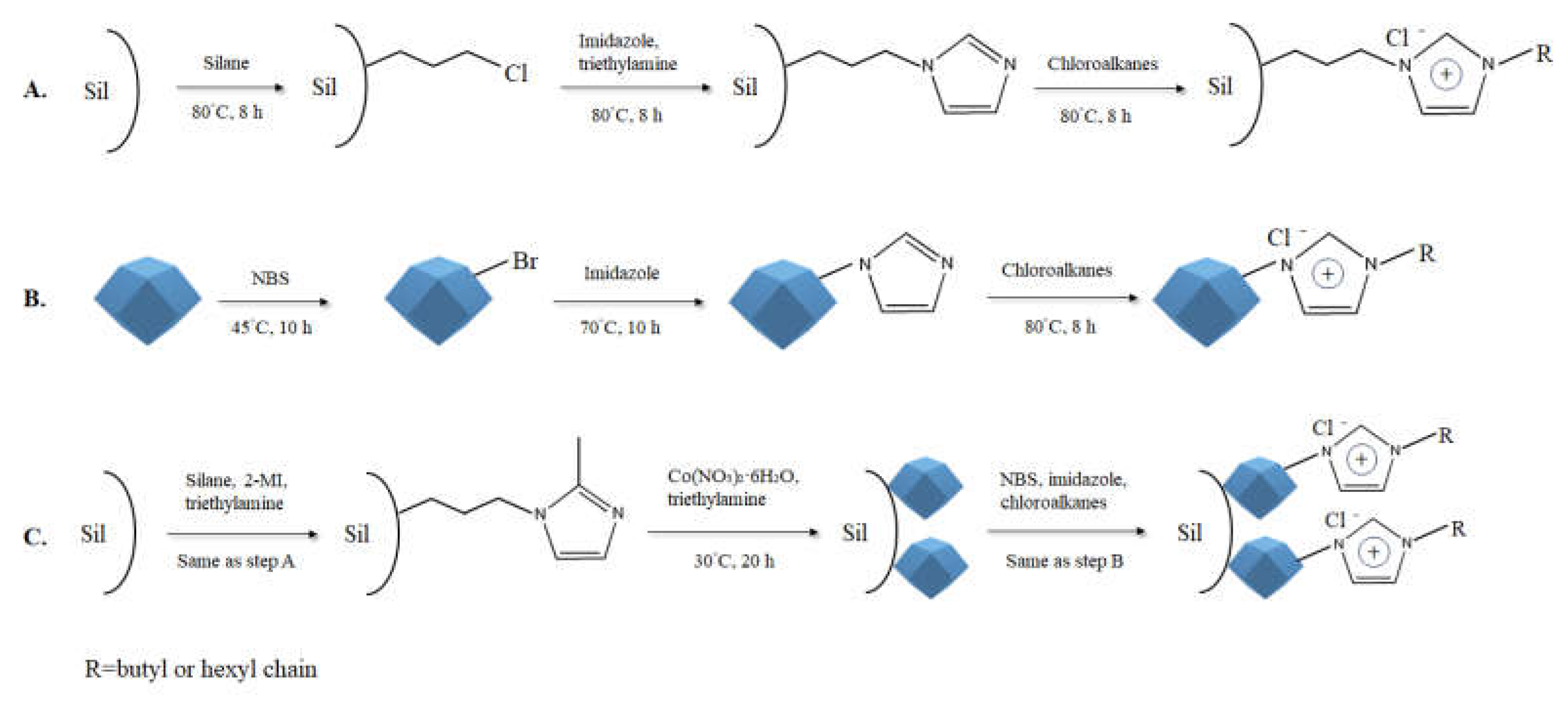
2.3. Preparation of Ionic Liquid-Modified Sorbents
2.3.1. Step A: Preparation of IL-Modified Silica Sorbents
2.3.2. Step B: Preparation of IL-Modified ZIF67 Sorbents
2.3.3. Step C: Preparation of IL-Modified ZIF67-Coated Silica Sorbents
2.4. Adsorption Isotherm and Kinetics Studies
2.4.1. Adsorption Capacity Evaluation
2.4.2. Adsorption Isotherm Experiments
2.4.3. Adsorption Kinetics Experiments
2.5. Stability and Reusability Tests
2.6. Isolation of (+)-Catechin from Chocolate Waste Using SPE
3. Results and Discussion
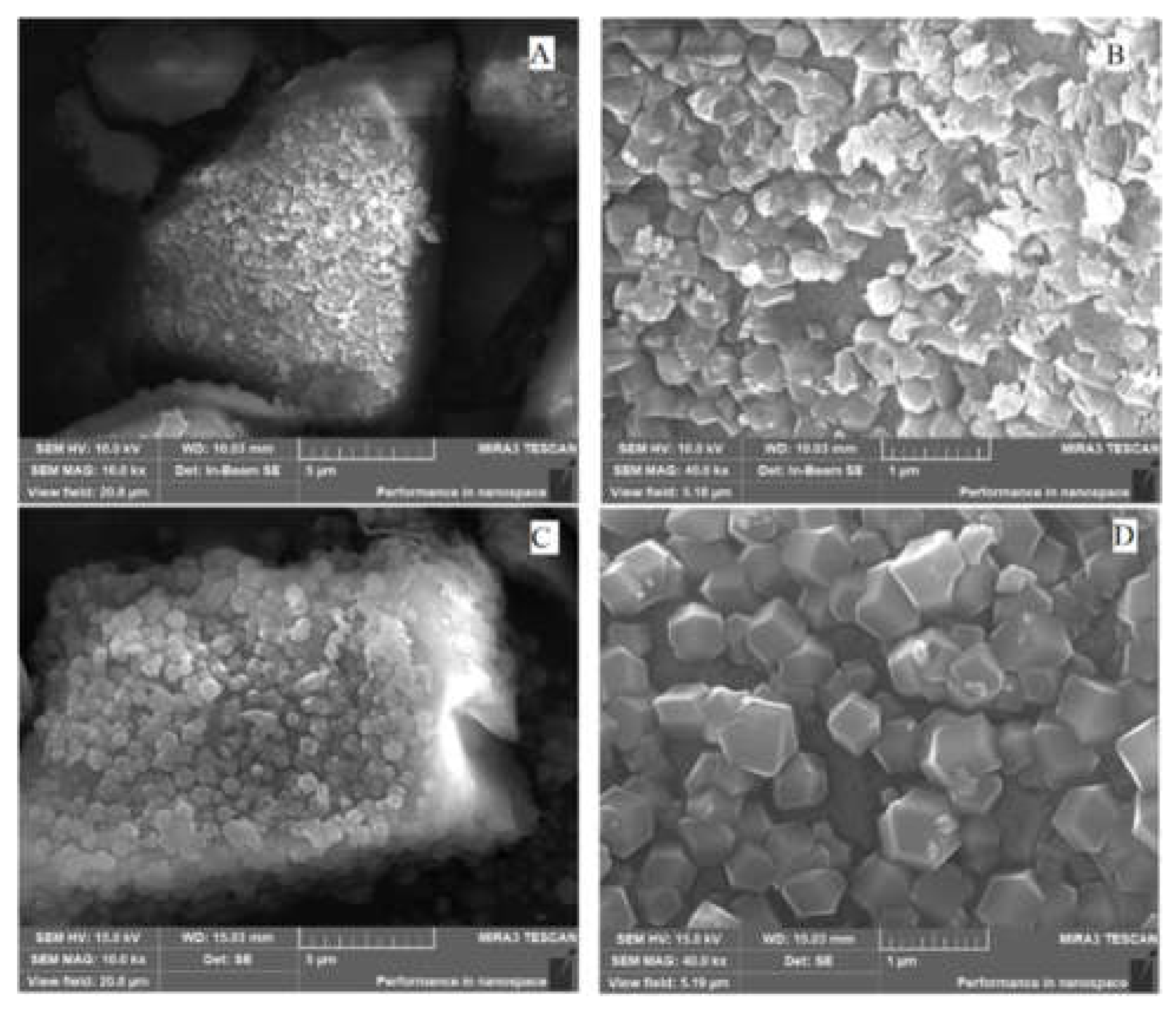
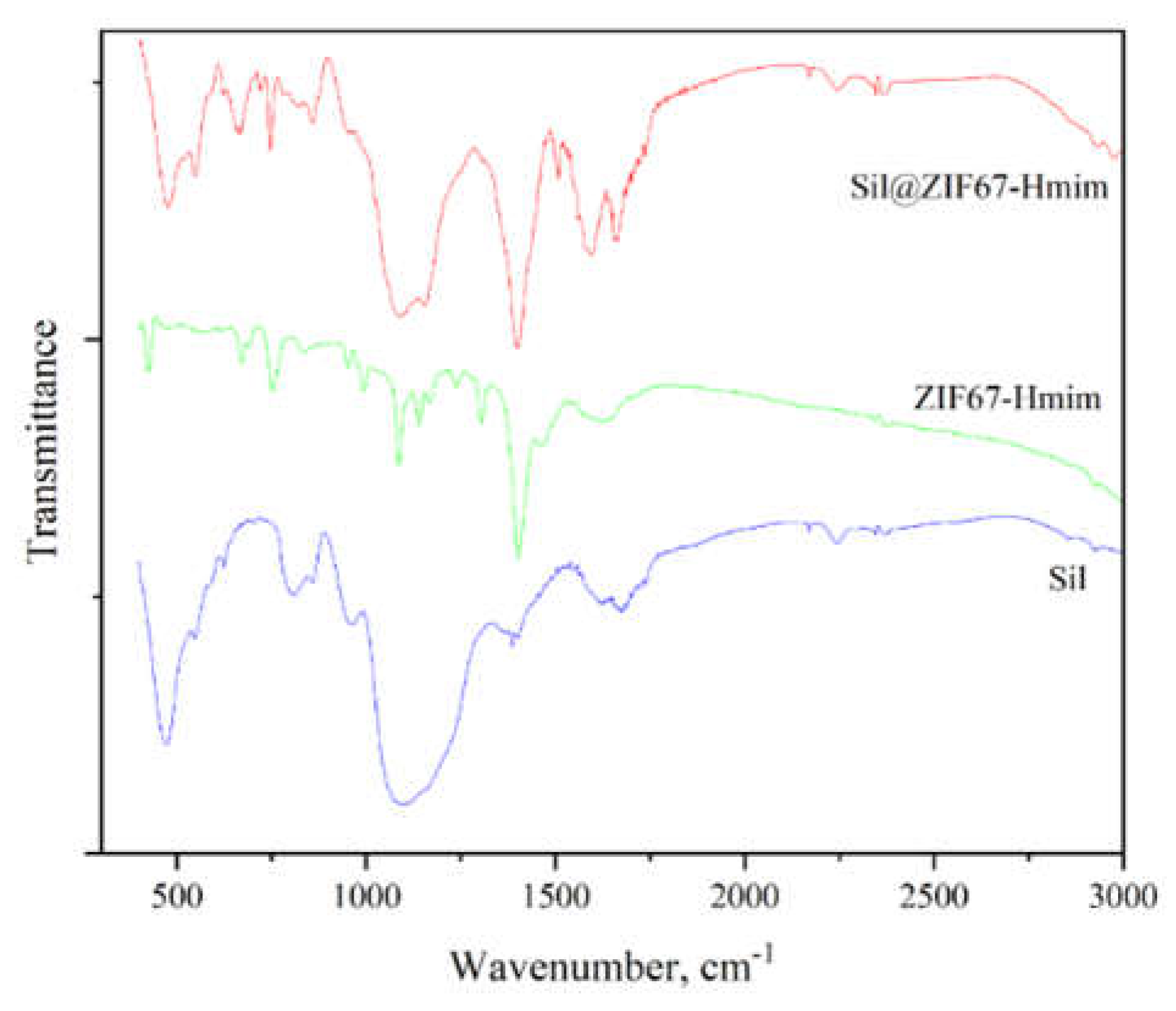
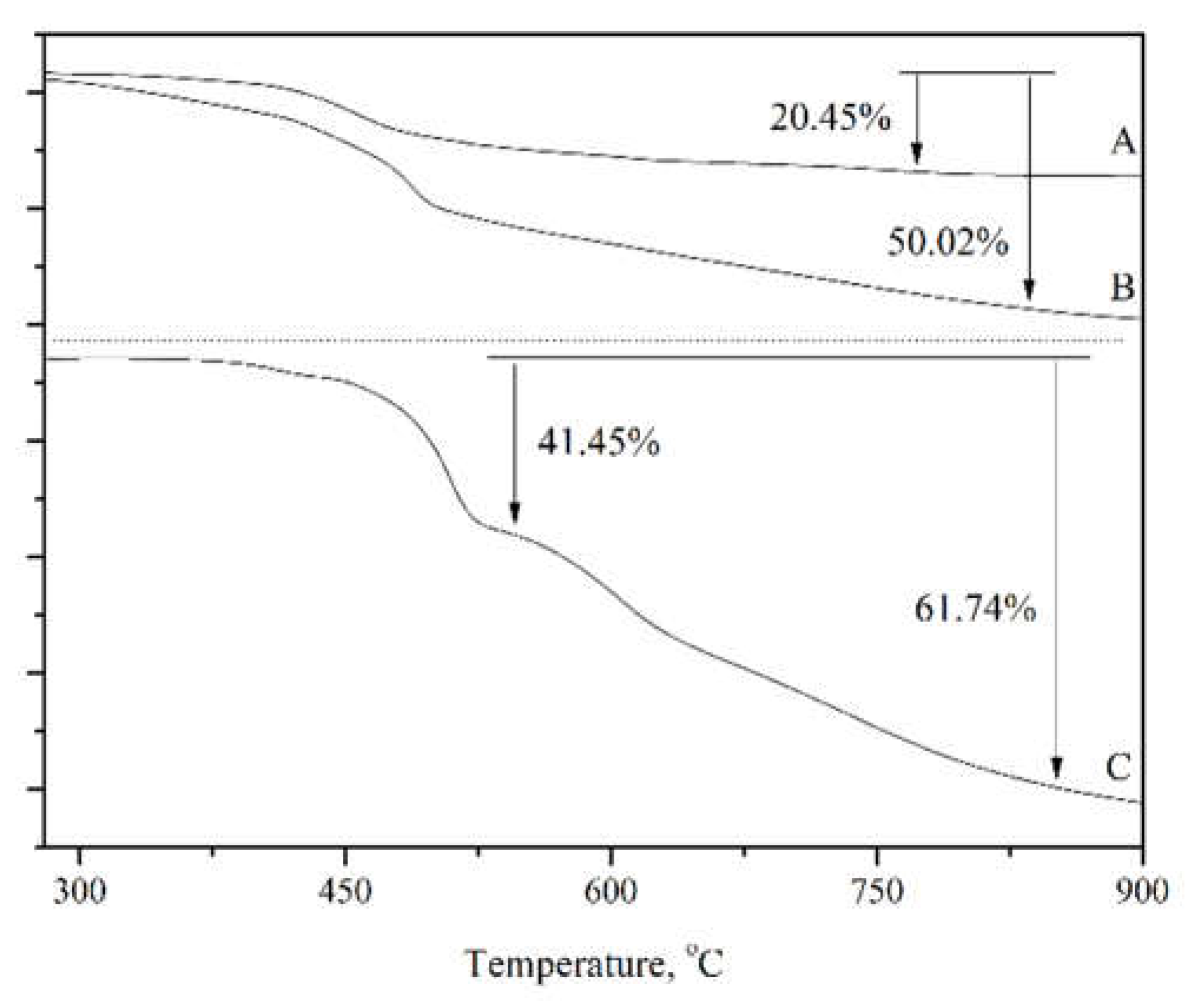
3.1. Characterization
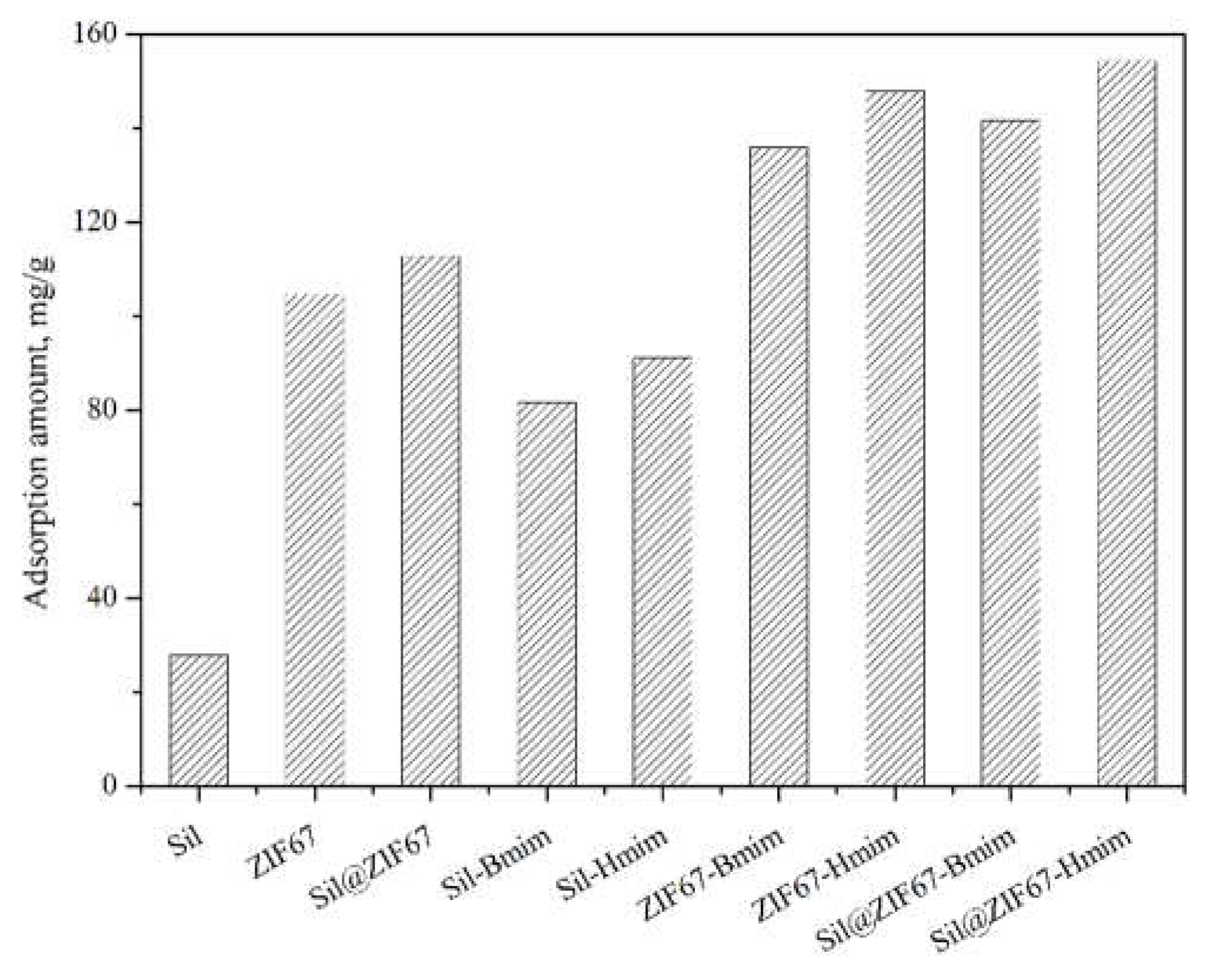
3.2. Comparison of Maximum Adsorption Capacity
3.3. Adsorption Isotherm and Kinetics Studies
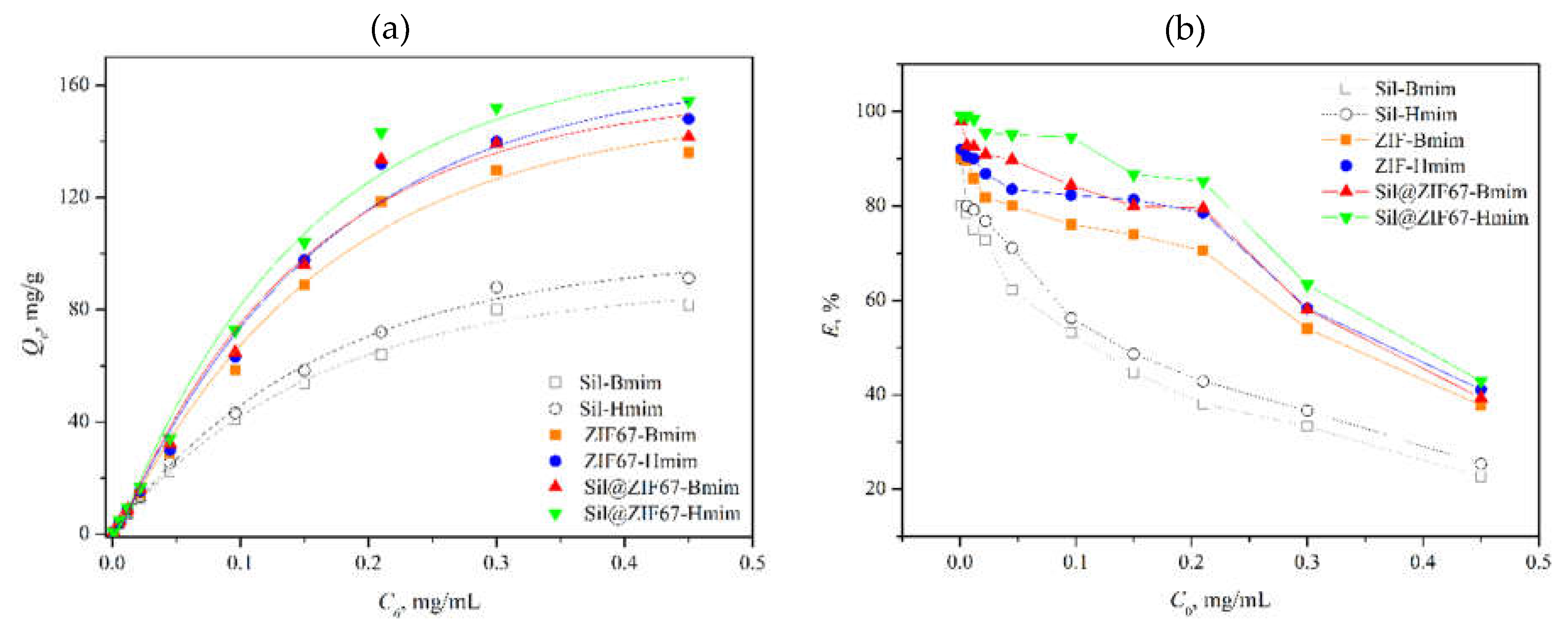
3.3.1. Adsorption Isotherm Studies
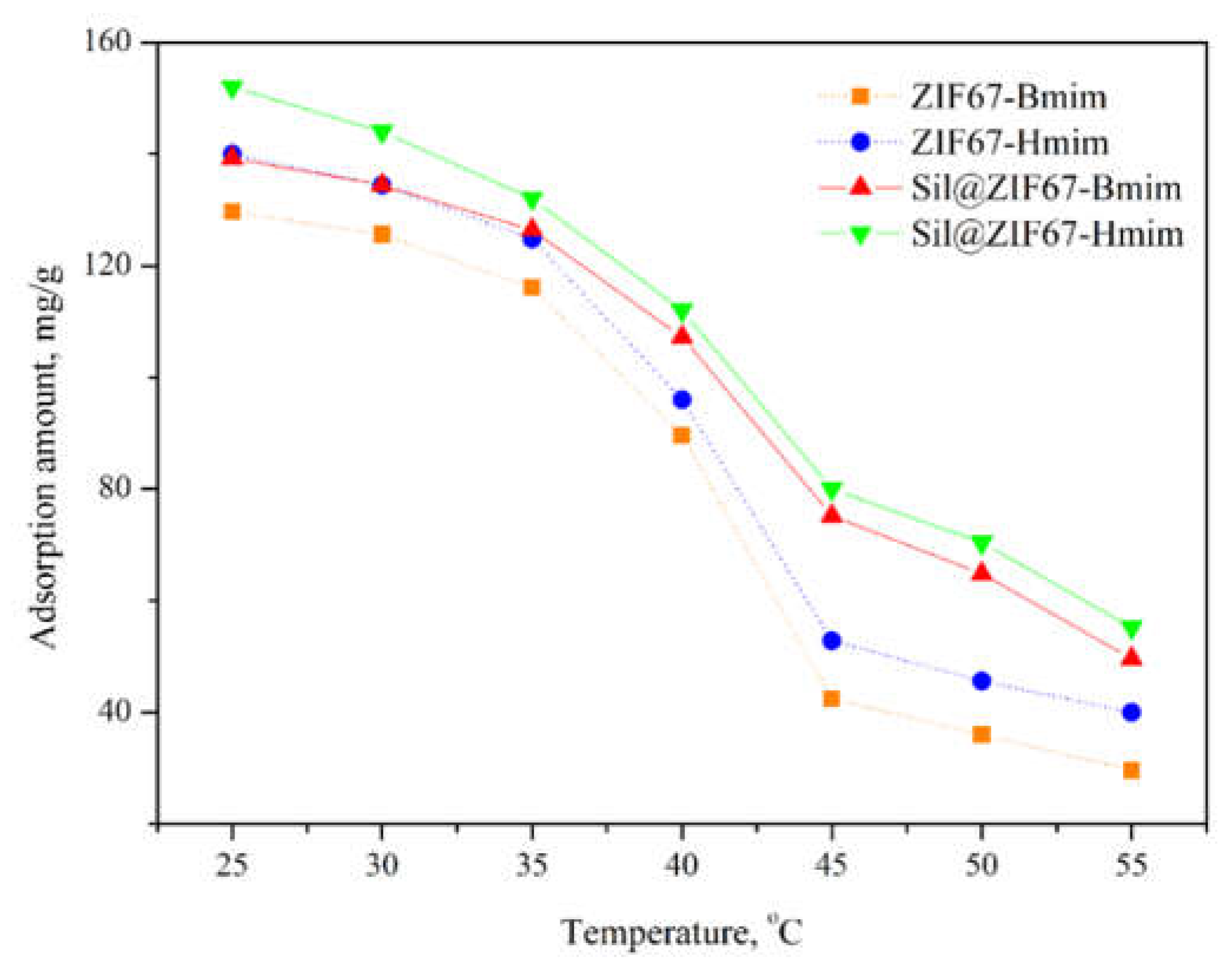
3.3.2. Effect of Temperature on Adsorption Capacity
3.3.3. Adsorption Kinetics
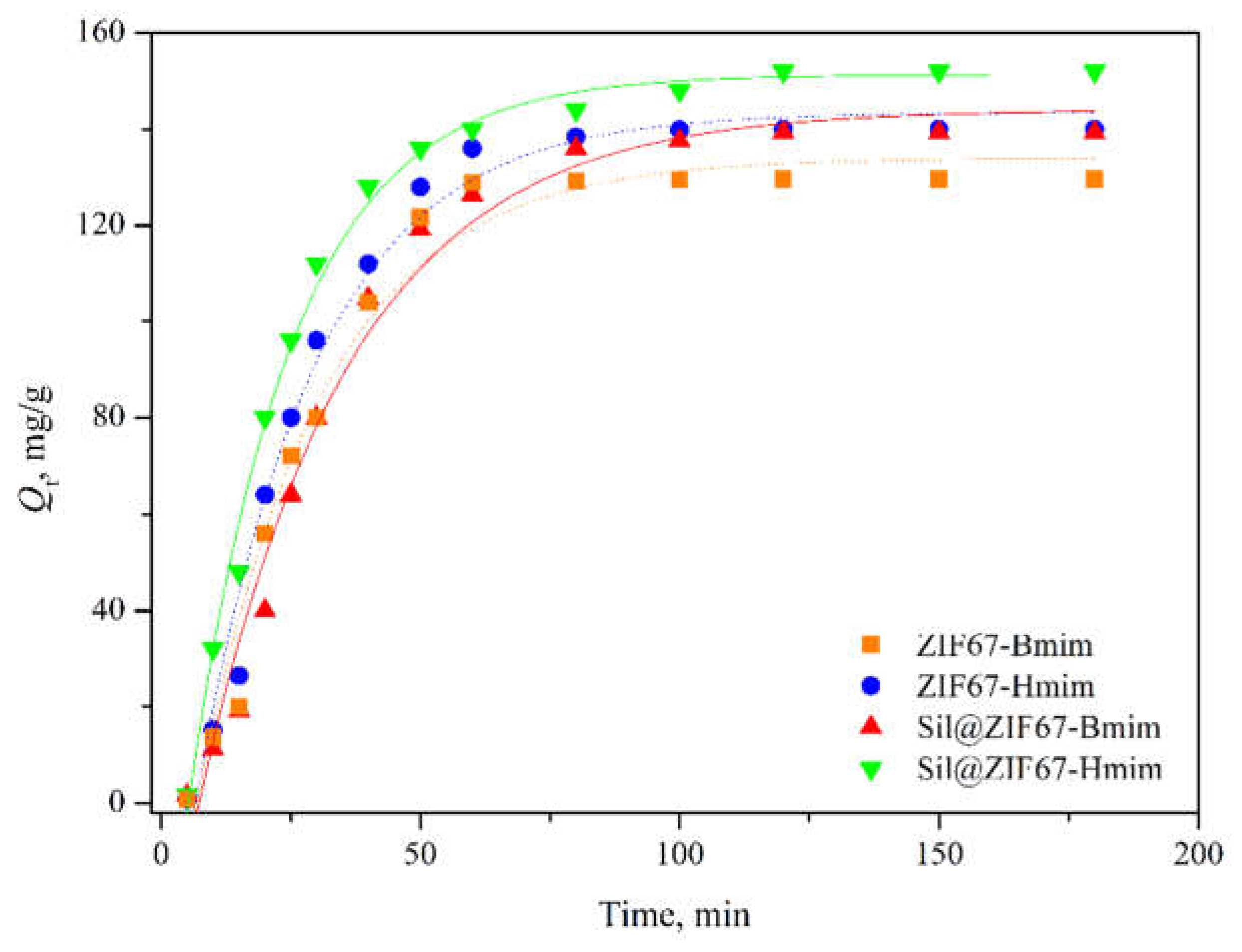
3.4. Other Factors Affecting Adsorption Capacity
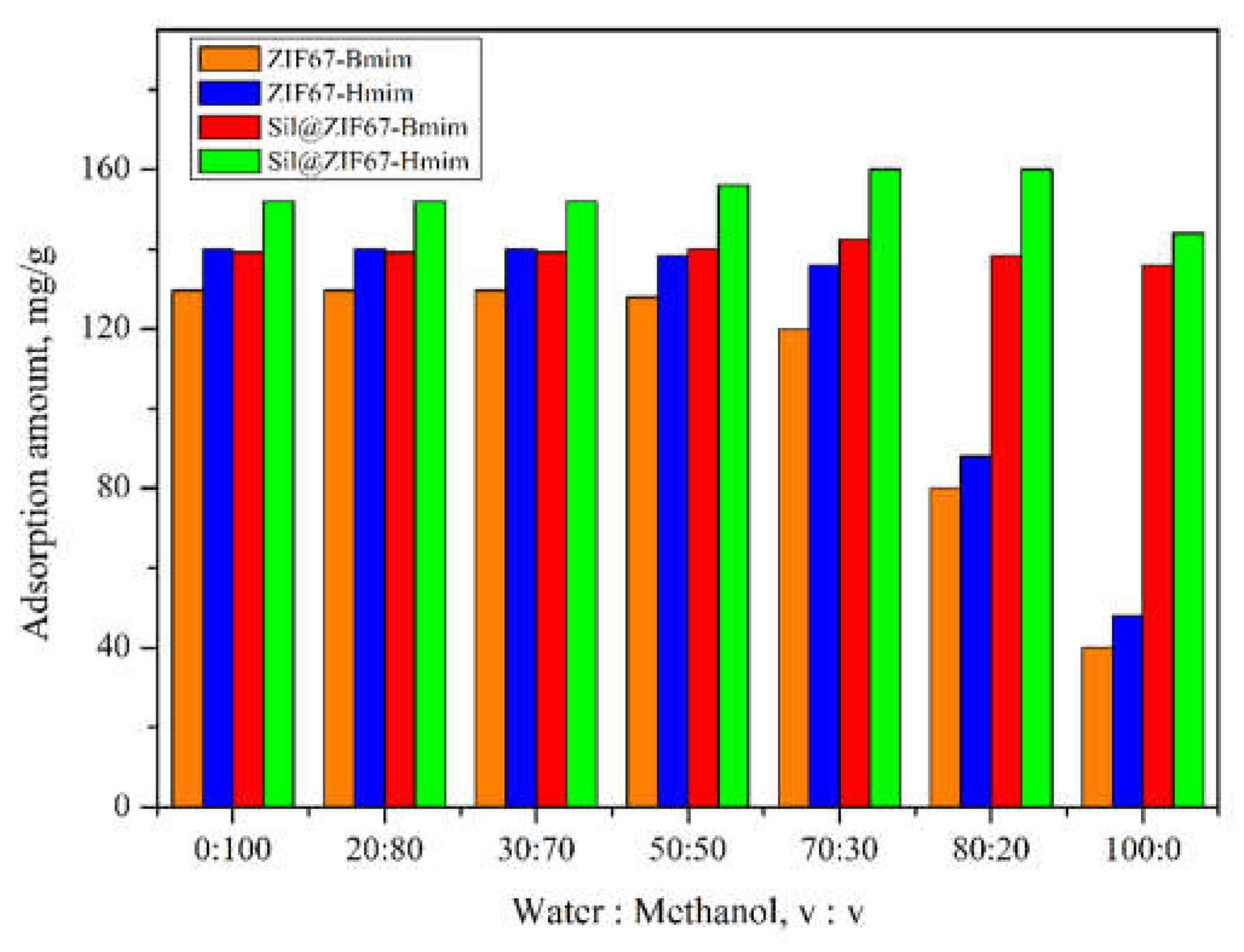
3.4.1. Effect of Water: Methanol Ratio
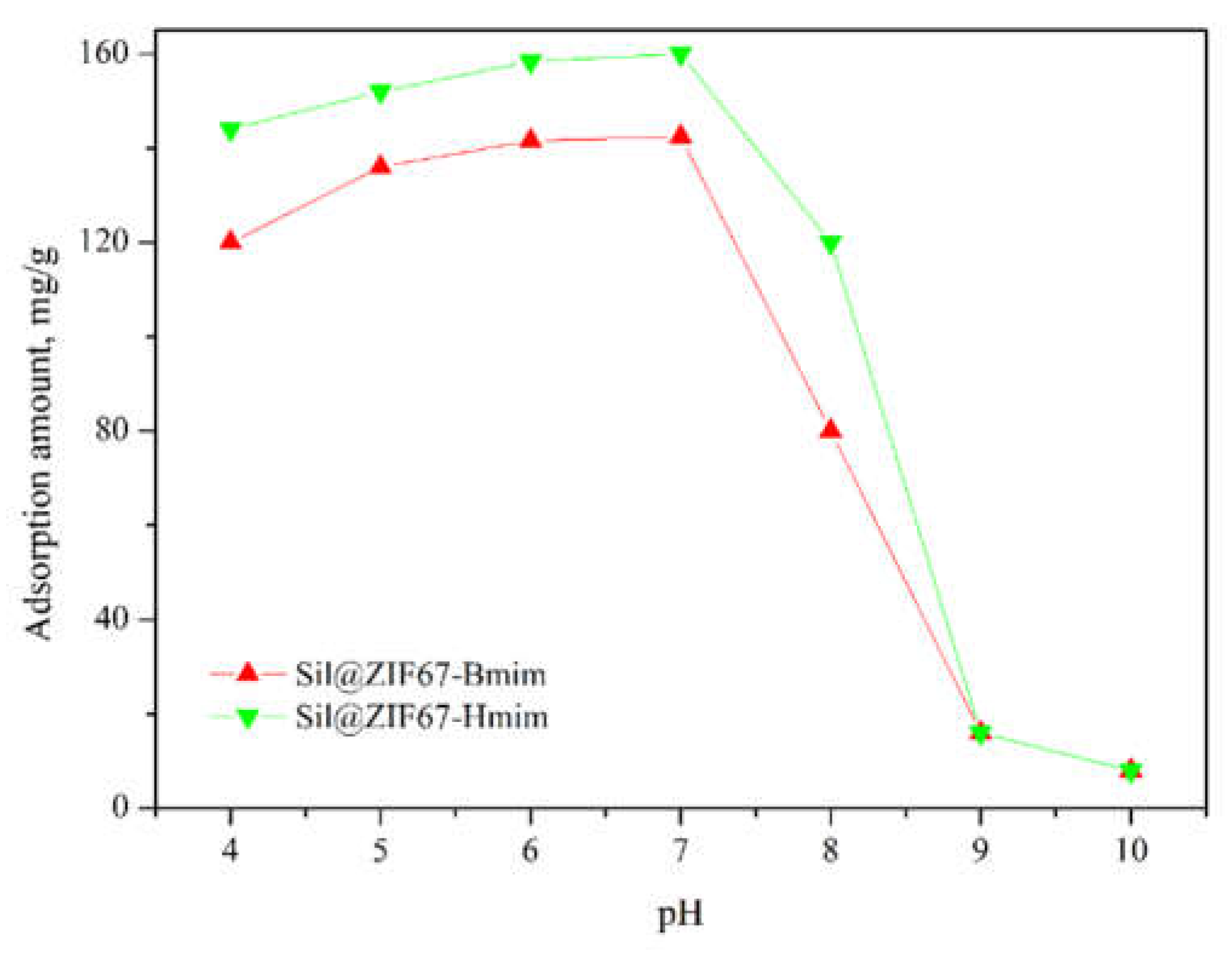
3.4.2. Effect of Solution pH
3.5. Stability and Reusability of Sil@ZIF67-Hmim
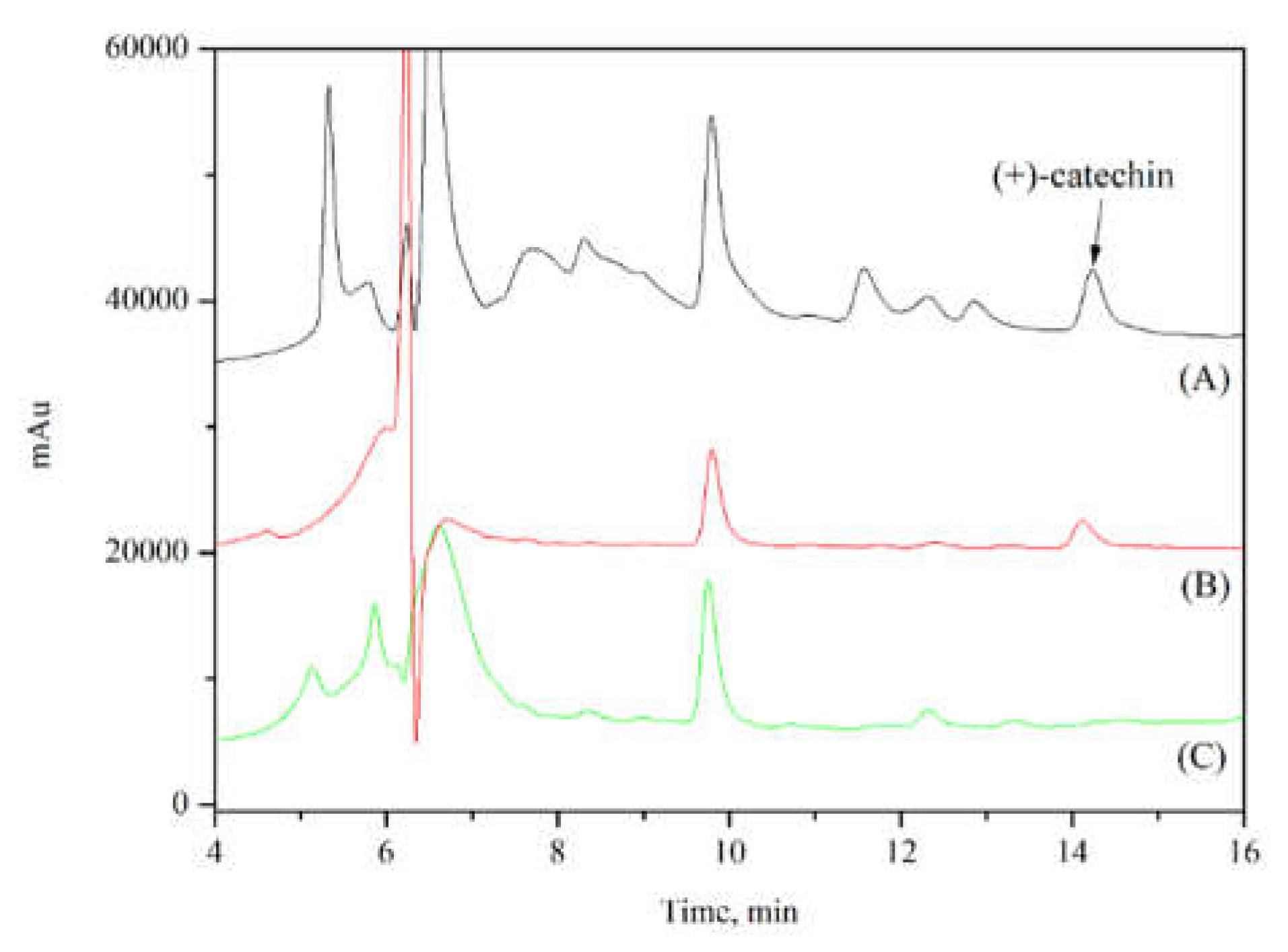
3.6. Solid-Phase Extraction of (+)-Catechin from Chocolate Waste
3.7. Comparison with Reported Sorbents for (+)-Catechin Adsorption

| Sorbent | Adsorption method | Capacity(mg/g) | RSD(%) | Ref |
|---|---|---|---|---|
| Fe3O4/HA | SPE | 110.97mg/g | - | [24] |
| UIO66-NH2@PANI | - | 69.15mg/g | - | [25] |
| Sil@ZIF8@EIM-EIM | SPE | 58.0mg/g | 1.3%-3.2% | [26] |
| Fe3O4@IL Nanoparticles | MSPE | 61mg/g | 1.63% | [27] |
| CS-LIG | - | 115.67mg/g | - | [28] |
| NR/HMS | SPE | 68.41mg/g | - | [29] |
| Benzimidazole/Hype | - | 101.7mg/g | - | [30] |
| TSL | SPE | 146.7mg/g | - | [31] |
| MIRs@CNF AG | SPE | 101.94mg/g | - | [32] |
| Pectin | - | 20.71mg/g | - | [33] |
4. Conclusion
Data Availability Statement
Author Contributions
Funding
Conflicts of Interest
References
- Jimenez, M.E.C.; Gabilondo, J; Bodoira, R.M.; et al. Extraction of bioactive compounds from pecan nutshell: An added-value and low-cost alternative for an industrial waste. Food Chemistry 2024, 453, 139596. [CrossRef]
- Pires, E.O.; Caleja, C.; Garcia, C.C.; et al. Current status of genus Impatiens: Bioactive compounds and natural pigments with health benefits. Trends in Food Science and Technology 2021, 117, 106-124. [CrossRef]
- de Oliveira, A.; Valentim, I.; Silva, C.A.; et al. Total phenolic content and free radical scavenging activities of methanolic extract powders of tropical fruit residues. Food Chemistry 2009, 115, 469-475. [CrossRef]
- Hellwig, V.; Gasser, J.; Polyphenols from waste streams of food industry: valorisation of blanch water from marzipan production. Phytochemistry Reviews 2020, 19, 1539-1546. [CrossRef]
- Medina-Torres, N.; Espinosa-Andrews, H.; Trombotto, S.; et al. Ultrasound-Assisted Extraction Optimization of Phenolic Compounds from Citrus latifolia Waste for Chitosan Bioactive Nanoparticles Development. Molecules 2019, 24, 3541. [CrossRef]
- Ettoumi, F.E.; Zhang, R.; Xu, Y.; et al. Synthesis and characterization of fucoidan/chitosan-coated nanoliposomes for enhanced stability and oral bio availability of hydrophilic catechin and hydrophobic juglone. Food Chemistry 2023, 423, 136330. [CrossRef]
- Putra, N.R.; Rizkiyah, D.N.; Qomariyah, L.; et al. Experimental and modeling for catechin and epicatechin recovery from peanut skin using subcritical ethanol. Journal of Food Process Engineering 2023, 46, e14275. [CrossRef]
- Tang, G.Y.; Zhao, C.N.; Liu, Q.; et al. Potential of Grape Wastes as a Natural Source of Bioactive Compounds Molecules 2018, 23, 2598. [CrossRef]
- Fang, L.; Tian, M.; Yan, X.; et al. Dual ionic liquid-immobilized silicas for multi-phase extraction of aristolochic acid from plants and herbal medicines. Journal of Chromatography A 2019, 1592, 31-37. [CrossRef]
- Ran, L.; Yang, C.; Xu, M.; et al. Enhanced aqueous two-phase extraction of proanthocyanidins from grape seeds by using ionic liquids as adjuvants. Separation and Purification Technology 2019, 226, 154-161. [CrossRef]
- Bajkacz, S.; Adamek, J.; Sobska, A. Application of Deep Eutectic Solvents and Ionic Liquids in the Extraction of Catechins from Tea. Molecules 2020, 25, 3216. [CrossRef]
- Rezaeinejad, S.; Hashemi, P.; Rahimi, A. Narrow-Bore Tube Magnetic Solid-Phase Extraction Method Utilizing Ionic Liquid-Modified Magnetic Nanoparticles for the Preconcentration and Determination of Catechin in Grape Juice. Food Analytical Methods 2025, 18, 416-427. [CrossRef]
- Zhang, W.; Feng, X.; Alula, Y.; Yao, S. Bionic multi-tentacled ionic liquid-modified silica gel for adsorption and separation of polyphenols from green tea (Camellia sinensis) leaves. Food Chemistry 2017, 230, 637-648. [CrossRef]
- Pei, D.; Wu, X.; Liu, Y.; et al. Different ionic liquid modified hypercrosslinked polystyrene resin for purification of catechins from aqueous solution. Colloids and Surfaces A: Physicochemical and Engineering Aspects 2016, 509, 158-165. [CrossRef]
- Chen, J.; Xue, W.; Shi, Y.; et al. MXene/MWCNTs-COOH/MOF-808-based electrochemical sensor for the detection of catechin. Microchemical Journal 2025, 215, 114339. [CrossRef]
- Wang, Y.; Zhao, Z.; Wang, Y.; et al. Ultrafine metal-organic framework @ graphitic carbon with MoS2-CNTs nanocomposites as carbon-based electrochemical sensor for ultrasensitive detection of catechin in beverages. Microchimica Acta 2025, 192, 40. [CrossRef]
- Li, J.; Zhu, D.; Huang, H.; et al. High-efficient electrochemical sensing platform based on MOF-doped Au/PEDOT composites toward simultaneous detection of catechin and sunset yellow in tea beverage. Electrochimica Acta 2023, 462, 142732. [CrossRef]
- Habib, N.; Gulbalkan, H. C.; Aydogdu, A.S.; et al. Toward rational design of ionic liquid/Metal-Organic Framework composites for efficient gas separations: Combining molecular modeling, machine learning, and experiments to move beyond trial-and-error. Coordination Chemistry Reviews 2025, 539, 216707. [CrossRef]
- Lv, D.; Cao, X.; Zhang, N.; Cheng, F. Bifunctional ionic liquid-embedded MOFs for constructing ordered CO2-affinitive channels in CO2/N2 separation membranes. Chemical Engineering Research and Design 2025, 218, 896-907. [CrossRef]
- Dai, X.J.; Chen, Y.T.; Zhang, W.G.; et al. Ionic liquid modified MOF-808 for efficient adsorption and stable capture of radioactive iodine. Journal of Environmental Management 2025, 392, 126731. [CrossRef]
- Yang, Q.; Zhang, Y.; Han, L. et al. Ionic liquid-functionalized metal-organic frameworks adsorbents for effective extraction of dibutyl phthalate in edible oil: A new strategy for selectivity and low cost. Food Chemistry 2025, 482, 144182. [CrossRef]
- Fang, L.; Tian, M.; Row, K.H.; et al. Isolation of aristolochic acid I from herbal plant using molecular imprinted polymer composited ionic liquid-based zeolitic imidazolate framework-67. Journal of Separation Science 2019, 42, 3047-3053. [CrossRef]
- Chen, P.; Li, X.M.; Yan, X.M.; Tian, M.L. Solid-phase extraction of aristolochic acid I from natural plant using dual ionic liquid-immobilized ZIF-67 as sorbent. Separations 2021, 8, 22. [CrossRef]
- Yusoff, A.H.M.; Salimi, M.N.; Gopinath, S.C.B.; et al. Catechin adsorption on magnetic hydroxyapatite nanoparticles: A synergistic interaction with calcium ions. Materials Chemistry and Physics 2020, 241, 122337. [CrossRef]
- Jabbari, A.; Jabbari, M.; Zare, E.N. Synthesis and evaluation of a novel MOF/polymer nanohybrid for pH-sensitive adsorption of two natural products with similar structure. Talanta 2025, 297, 128807. [CrossRef]
- Li, X.; Qiao, R.; Jiu, X.; Tian, M. Solid phase extraction of (+)-catechin from cocoa shell waste using dual ionic liquid@ZIF8 covered silica. Separations 2022, 9, 441. [CrossRef]
- Rezaeinejad, S.; Hashemi, P.; Rahimi, A. Narrow-Bore Tube Magnetic Solid-Phase Extraction Method Utilizing Ionic Liquid-Modified Magnetic Nanoparticles for the Preconcentration and Determination of Catechin in Grape Juice. Food Analytical Methods 2025, 18, 416-427. [CrossRef]
- Zhu, Y.; Qi, B.K.; Lv, H.N.; et al. Preparation of DES lignin-chitosan aerogel and its adsorption performance for dyes, catechin and epicatechin. International Journal of Biological Macromolecules 2023, 247, 125761. [CrossRef]
- Jermjun, K.; Khumho, R.; Thongoiam, M.; et al. Natural rubber/hexagonal mesoporous silica nanocomposites as efficient adsorbents for the selective adsorption of (−)-Epigallocatechin Gallate and caffeine from green tea. Molecules 2023, 28, 6019. [CrossRef]
- Pei, D.; Wu, X.; Liu, Y.; et al. Different ionic liquid modified hypercrosslinked polystyrene resin for purification of catechins from aqueous solutions. Colloids and Surfaces A: Physicochemical and Engineering Aspects 2016, 509, 158-165. [CrossRef]
- Ye, J.H.; Ye, J.; Liang, H.L.; et al. Using tea stalk lignocellulose as an adsorbent for separating decaffeinated tea catechins. Bioresource Technology 2009, 100, 622-628. [CrossRef]
- Ma, Y.; Liu, X.; Xu, X.; et al. A compressible and underwater superelastic hydrophilic molecularly imprinted resin composite cellulose nanofiber aerogel to separate and purify catechins from tea. Chemical Engineering Journal 2023, 472, 145043. [CrossRef]
- Liu, Y; Ying, D; Sanguansri; et al. Comparison of the adsorption behaviour of catechin onto cellulose and pectin. Food Chemistry 2019, 271, 733-738. [CrossRef]
Disclaimer/Publisher’s Note: The statements, opinions and data contained in all publications are solely those of the individual author(s) and contributor(s) and not of MDPI and/or the editor(s). MDPI and/or the editor(s) disclaim responsibility for any injury to people or property resulting from any ideas, methods, instructions or products referred to in the content. |
© 2026 by the authors. Licensee MDPI, Basel, Switzerland. This article is an open access article distributed under the terms and conditions of the Creative Commons Attribution (CC BY) license (http://creativecommons.org/licenses/by/4.0/).


