Preprint
Article

This version is not peer-reviewed.

Physiological and Molecular Mechanisms of Brassinolide Alleviating Tomato Blossom-End Rot by Regulating Calcium Uptake and Antioxidant System

  † These authors contributed equally to this work.

A peer-reviewed article of this preprint also exists.

Submitted:

09 January 2026

Posted:

09 January 2026

You are already at the latest version

Abstract

Blossom-end rot (BER) in tomatoes is a physiological disorder primarily caused by disrupted calcium absorption and transport. This study aims to investigate the physiological and molecular mechanisms by which exogenous brassinolide (BR) reduces the incidence of tomato BER under calcium-deficient conditions. The results showed that under calcium deficiency, foliar spraying of BR significantly reduced the BER incidence (from 26.67% to 6.67%) and effectively increased calcium ion content in the leaves, stems, roots, and other parts of the plant. At the physiological level, BR treatment significantly enhanced the activities of CAT, POD, and SOD in the leaves (by 105.70%, 117.12%, and 82.77%, respectively), while reducing the contents of H₂O₂ (by 36.90%) and MDA (by 16.38%). This indicates that BR alleviates membrane lipid peroxidation damage by enhancing the antioxidant defense system. Transcriptome analysis further revealed that BR treatment identified 4807, 2807, and 2554 differentially expressed genes (DEGs) in the leaves, stems, and roots, respectively, with the most significant response observed in the leaves. GO functional enrichment analysis showed that these genes are mainly involved in biological processes such as secondary metabolic processes, response to oxygen-containing compounds, and cell wall organization. KEGG pathway analysis further indicated significant enrichment in pathways such as phenylpropanoid biosynthesis, plant hormone signal transduction, and plant-pathogen interaction. Additionally, several key genes, such as the cytochrome C oxidase gene (Solyc03g013460.1), exhibited a gradient up-regulation pattern of "root > stem > leaf" in the oxidative phosphorylation pathway, while photosynthesis-related genes (e.g., PsbA, PsaA, and ND family genes) were also generally up-regulated. In summary, BR likely enhances tomato tolerance to calcium deficiency stress and effectively reduces the occurrence of BER through multiple pathways, including regulating calcium absorption and distribution, activating the antioxidant system, modulating hormone signaling pathways, and enhancing energy metabolism. This provides a theoretical basis for the application of BR in agricultural production.

Keywords: 
;  ;  ;  ;  ;  

1. Introduction

Tomato (Solanum lycopersicum) is one of the most widely cultivated vegetable crops worldwide and a major vegetable in protected cultivation in China [1]. In production, blossom-end rot (BER) is a common physiological disorder that causes black spots or even rot on fruits, severely constraining the improvement of tomato yield and quality. This disease is not unique to tomatoes; it also occurs in crops such as peppers, eggplants, and watermelons [2,3].
Low soil calcium content is one factor associated with increased BER incidence [4]. However, increasing plant calcium uptake by augmenting soil calcium does not necessarily lead to increased fruit calcium uptake or reduced BER [5]. Calcium is an indispensable element for tomato growth and development, playing important roles in fruit expansion, disease resistance, stress response, and quality improvement. Calcium deficiency is common in tomato production, leading to necrosis of young shoots and roots, decreased leaf photosynthetic capacity, and frequent occurrence of blossom-end rot [6] . Calcium is a nutrient with poor mobility. Targeted spraying, especially on fruiting and podding crops, can directly apply calcium to the fruit, supplementing nutrients through non-vascular absorption pathways [7]. Foliar application of calcium can reduce BER in tomatoes [8,9] , possibly due to direct calcium absorption into the fruit. High calcium treatment in coir substrate cultivation of tomatoes can reduce the incidence of BER [10]. Applying appropriate amounts of calcium to tomato plants effectively reduces the incidence and severity of BER, but compared to appropriate application, excessive calcium does not reduce incidence and may even further increase severity [5]. Rapid fruit growth and cell expansion are another factor contributing to BER development [11,12]. Aslani et al. [13] found a significant correlation between BER incidence and tomato fruit growth rate, but no significant correlation between fruit calcium content and BER incidence.
Plant hormones are key regulatory factors. Although present in minute amounts, they significantly influence the entire plant life cycle, including seed germination and the development of vegetative and reproductive organs. Furthermore, they play roles in responding to abiotic stresses such as drought, salinity, and low temperature, helping plants enhance stress resistance and maintain normal physiological activities. Studies have found that exogenously applied plant growth regulators can also regulate the occurrence and development of BER. Auxin and gibberellin (GA), while accelerating fruit growth, also increase BER incidence [14]. Foliar spraying of 500 mg·L⁻¹ abscisic acid (ABA) significantly reduces BER occurrence [15]. Brassinolide (BR), as an important plant hormone, has recently attracted widespread attention in the scientific community for its role in regulating plant growth and development, especially in application research on vegetable crops like tomatoes. Brassinolide demonstrates significant physiological effects, including promoting plant growth, enhancing stress resistance, and improving fruit quality [16,17,18]. Exogenous BR (0.5 μM) effectively reduces the incidence and disease index of internal tipburn in baby bok choy. It up-regulates the expression of genes related to calcium ion transfer, response, and binding, increases the activity of calcium ion transporter Ca²⁺-ATPase and proton pump H⁺-ATPase, and promotes calcium transport from underground to aboveground parts and from outer to inner leaves, thereby alleviating internal tipburn symptoms caused by calcium deficiency in inner leaves [19]. BR can reduce tomato sensitivity to BER. After EBL treatment, soluble Ca²⁺ and the activities of three major antioxidant enzymes (ascorbate peroxidase, catalase, and superoxide dismutase) in tomato fruits significantly increased, thereby reducing BER occurrence [20].
Currently, although brassinolide has shown positive effects in alleviating internal tipburn in baby bok choy and tomato blossom-end rot, its mechanisms in regulating gene expression in different tomato tissues under calcium-deficient conditions remain unclear. Therefore, based on transcriptome analysis, this study aims to explore the regulatory effects of exogenous brassinolide on calcium deficiency-induced tomato blossom-end rot and differential gene expression in different parts.

2. Results

2.1. Plant Growth Status under Calcium-Deficient Nutrient Solution + Distilled Water Spray and Calcium-Deficient Nutrient Solution + BR Spray

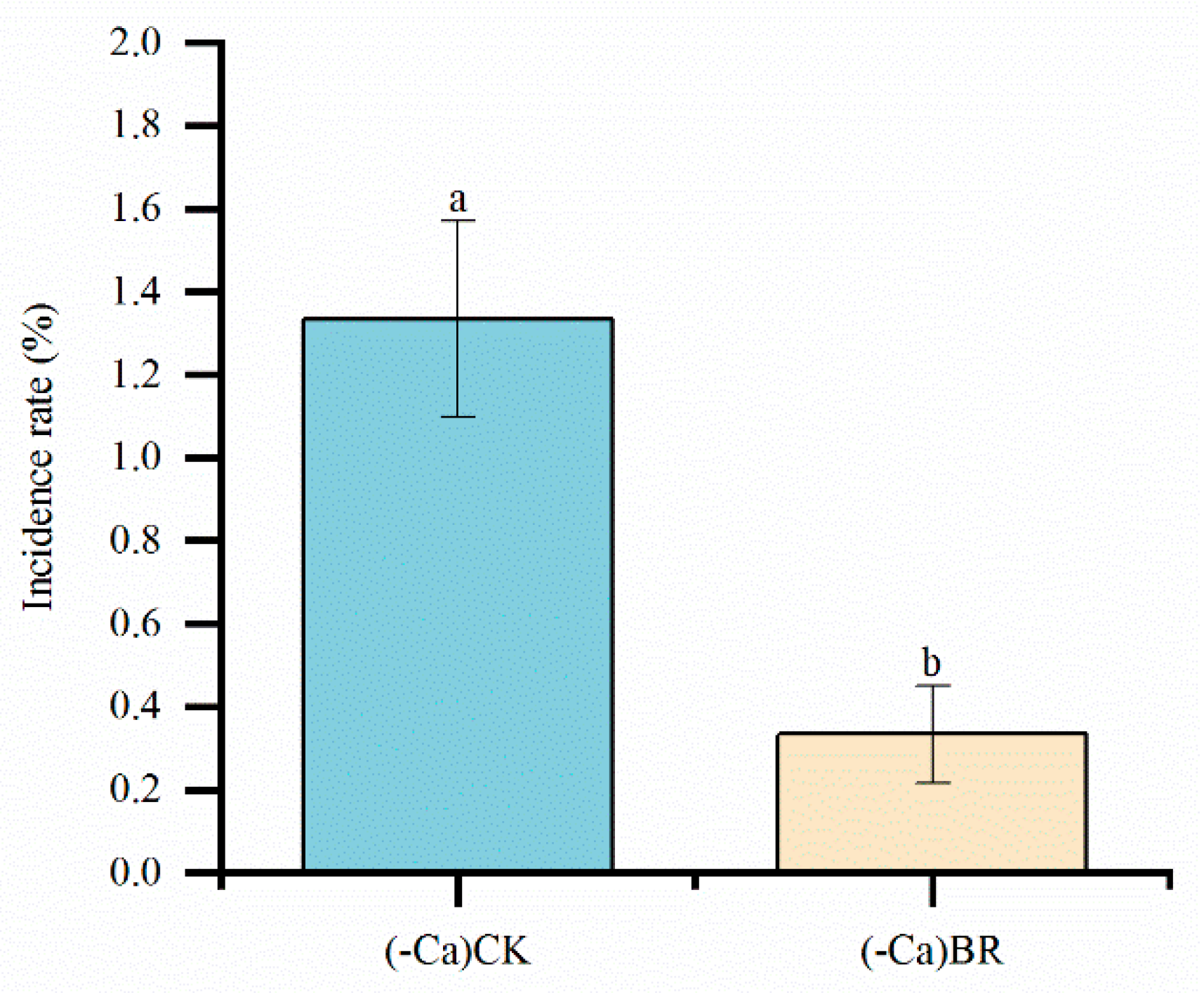
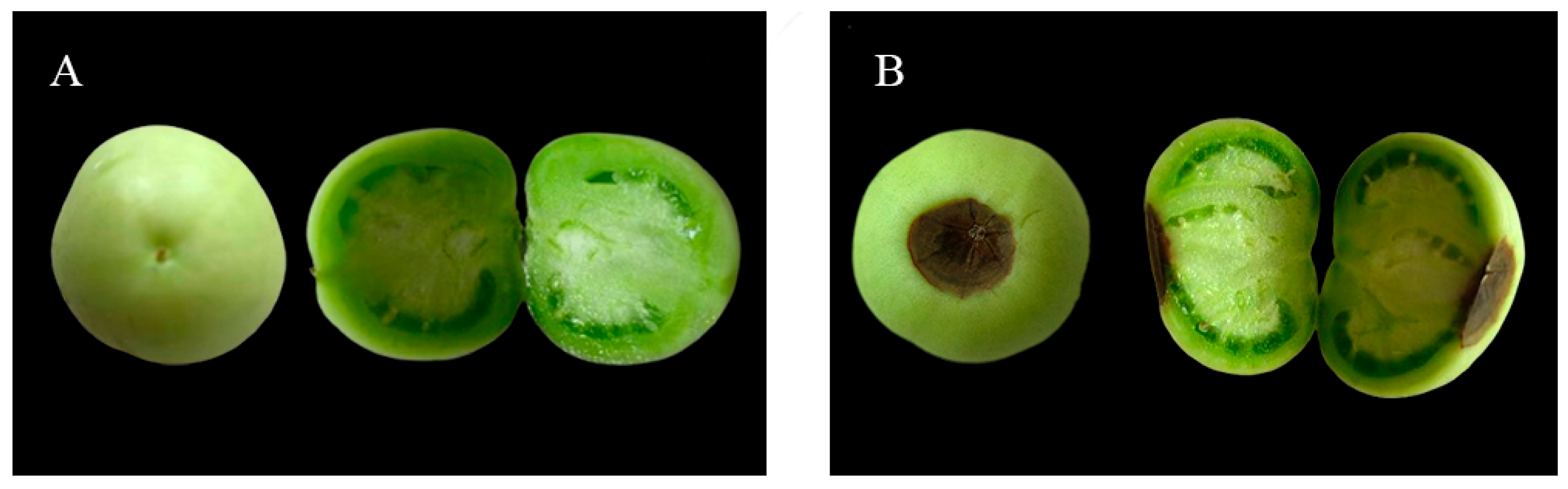
At sampling time, the plant growth status of (-Ca) CK and (-Ca) BR treatments was similar, with no significant difference, as shown in Figure 1. The fruit growth status differed markedly between (-Ca) CK and (-Ca) BR treatments. The initial BER incidence in (-Ca) CK tomatoes was 26.67%, while in (-Ca) BR it was 6.67%, indicating that BR spraying under calcium deficiency significantly reduced BER occurrence (Figure 2). Figure 3 shows top and longitudinal section views of BER-affected and normal tomato fruits.

2.2. Effect of BR on Calcium Ion Content in Different Tomato Parts
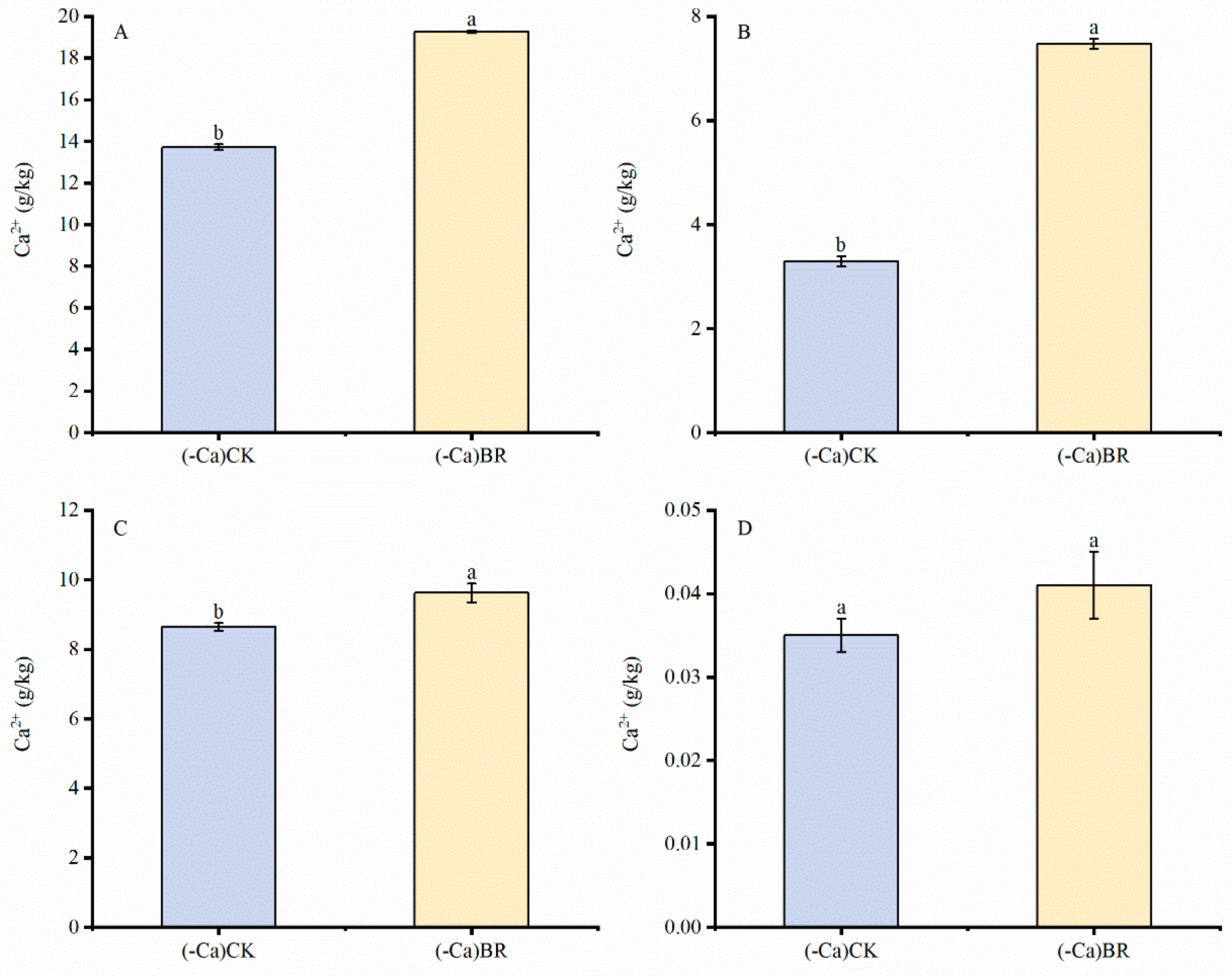
Compared to the control, BR spraying significantly increased calcium ion content in all plant parts. Specifically, in leaves, stems, roots, and fruits, the Ca²⁺ content in the BR treatment was 40.39%, 127.14%, 11.27%, and 17.14% higher than in the CK treatment, respectively. ANOVA results showed that the increases in leaves, stems, and roots reached significant levels, while the difference in fruits was not significant. This indicates that BR spraying increased calcium ion content in various parts of the tomato plant.
Figure 4. Calcium ion content in different tomato parts. (A) In leaves. (B) In stems. (C) In roots. (D) In flowers. Different lowercase letters indicated statistical differences (p < 0.05) as evaluated by Duncan’s multiple range test method.
Preprints 193572 g004

2.3. Effect of BR on Antioxidant Enzymes in Tomato Leaves
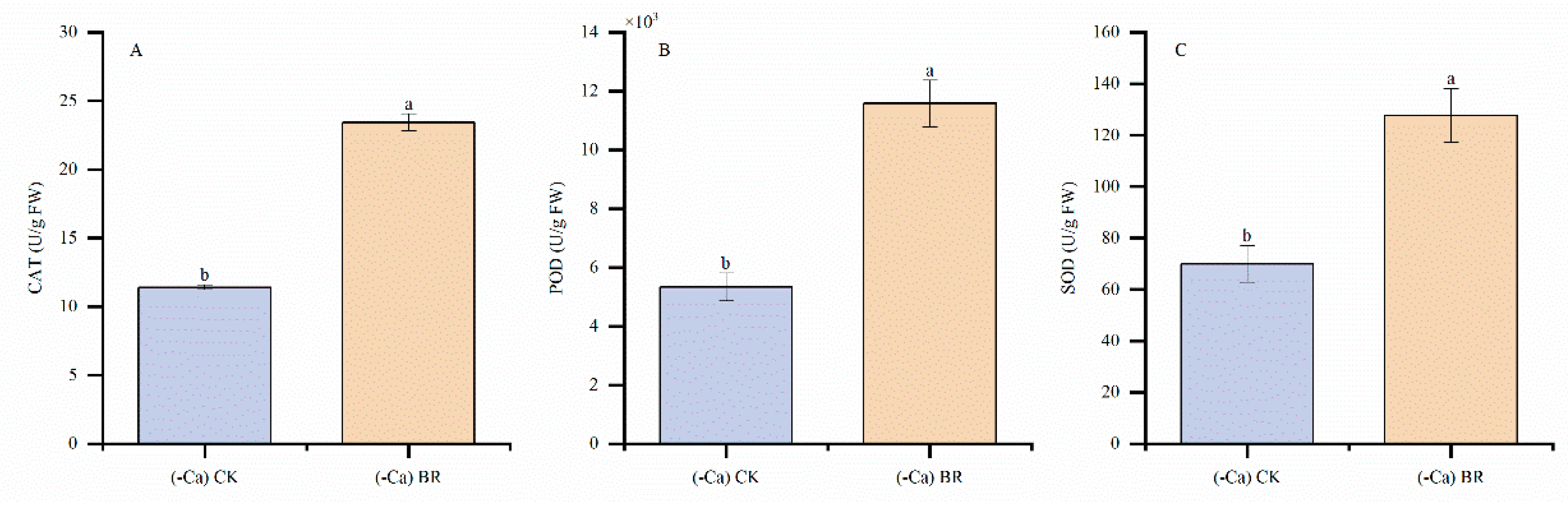
CAT, POD, and SOD are the most important enzymes in the antioxidant system. During cultivation with calcium-deficient nutrient solution, exogenous BR spraying significantly increased the activities of CAT, POD, and SOD by 105.70%, 117.12%, and 82.77%, respectively, compared to foliar spraying of distilled water. This indicates that exogenous BR spraying can effectively reduce membrane lipid peroxidation and protect cell membrane integrity.
Figure 5. Effect of BR on the antioxidant enzyme system in tomato leaves. (A) CAT enzyme activity. (B) POD enzyme activity. (C) SOD enzyme activity. Different lowercase letters indicated statistical differences (p < 0.05) as evaluated by Duncan’s multiple range test method.
Preprints 193572 g005

2.4. Effect of BR on MDA in Tomato Leaves
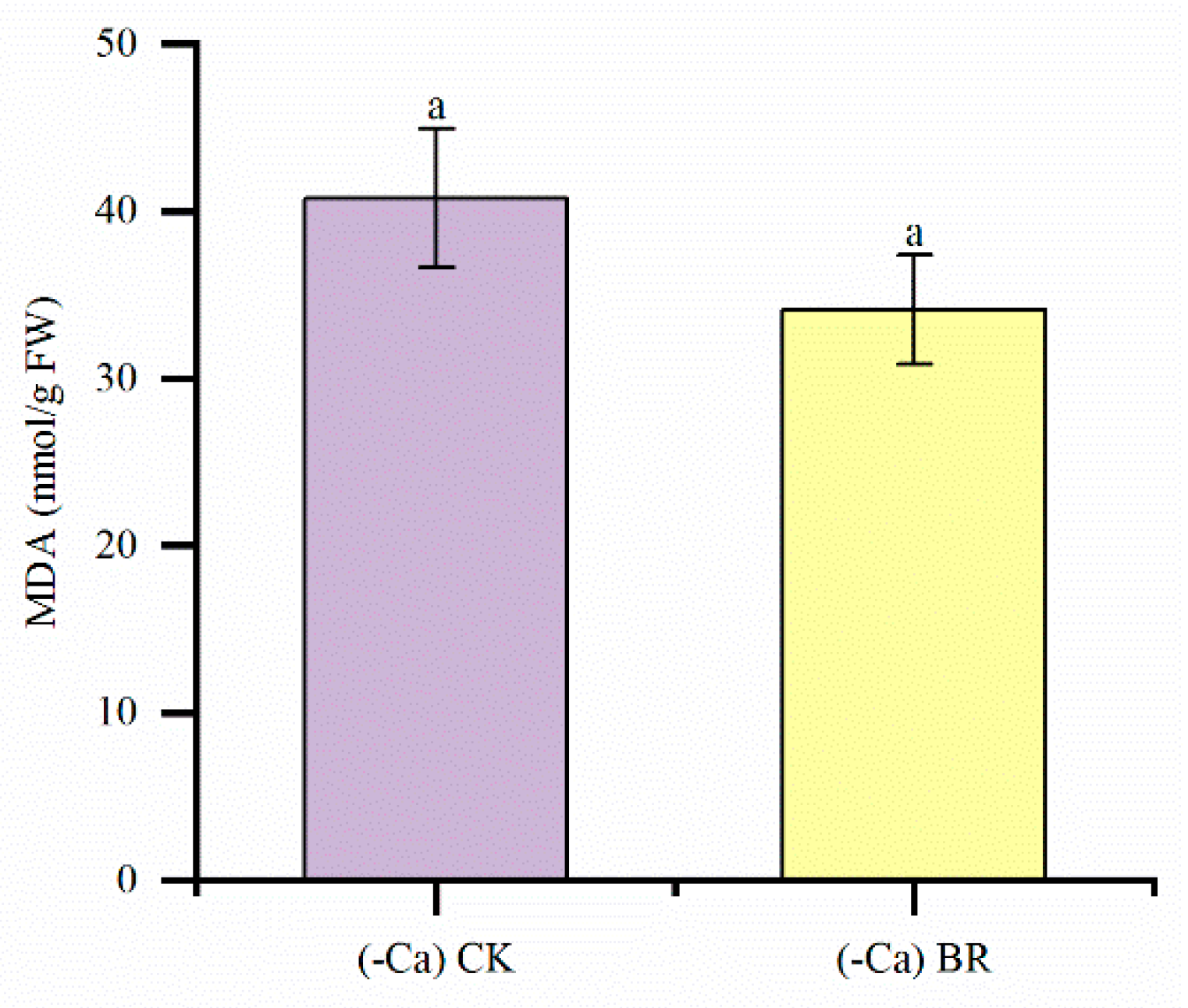
Under calcium-deficient conditions, MDA content in leaves increased significantly. Foliar spraying of BR reduced MDA content by 16.38%, indicating that exogenous BR has a certain regulatory effect on membrane damage in leaves.
Figure 6. Effect of BR on MDA content in tomato leaves. Different lowercase letters indicated statistical differences (p < 0.05) as evaluated by Duncan’s multiple range test method.
Preprints 193572 g006

2.5. Effect of BR on H₂O₂ in Tomato Leaves
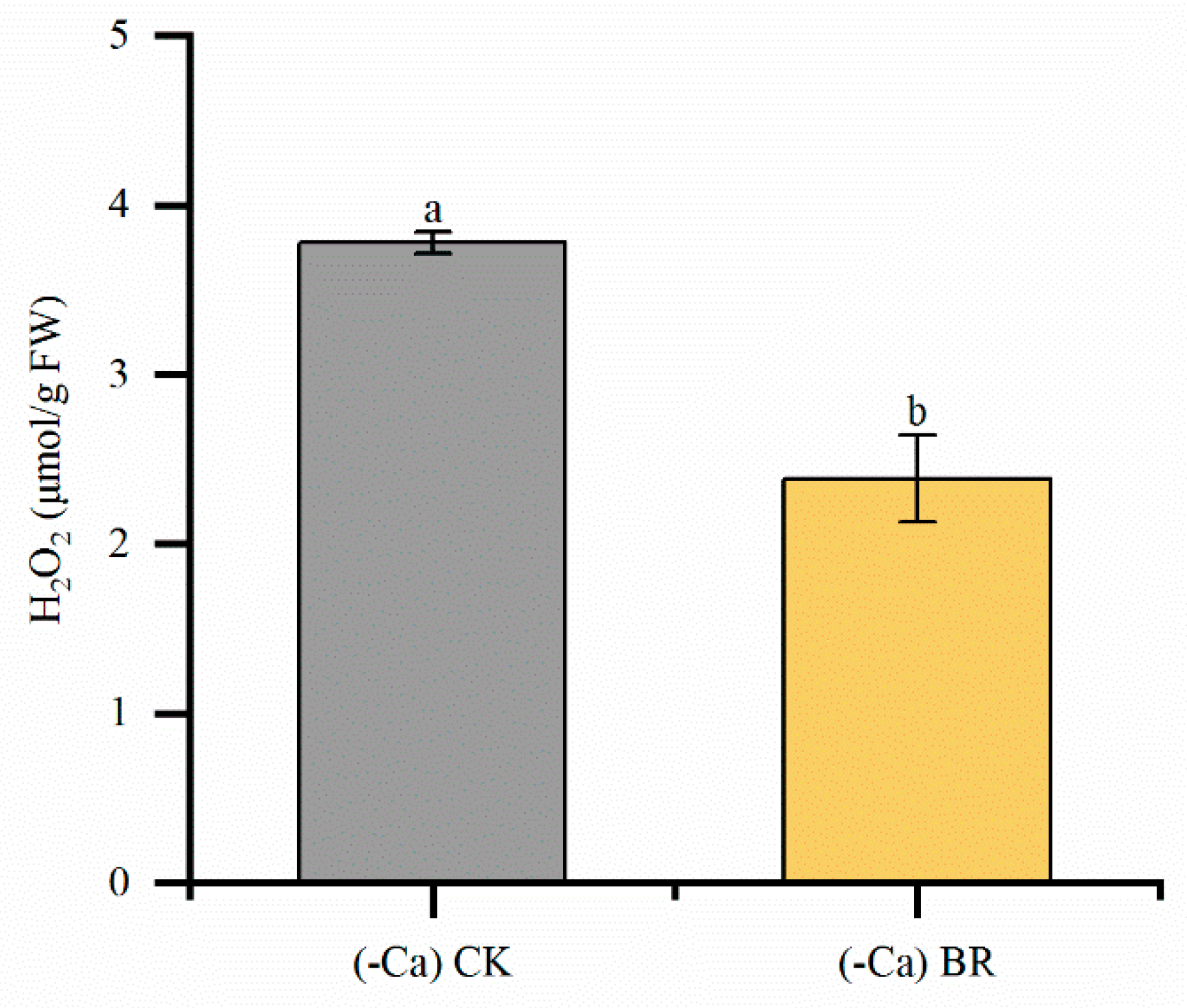
Under calcium-deficient conditions, H₂O₂ content accumulated significantly in leaves. Exogenous BR spraying significantly reduced H₂O₂ content in tomato leaves by 36.90%, indicating that exogenous BR reduces toxicity in BER-affected tomatoes by decreasing oxidative damage.
Figure 7. Effect of BR on H₂O₂ content in tomato leaves. Different lowercase letters indicated statistical differences (p < 0.05) as evaluated by Duncan’s multiple range test method.
Preprints 193572 g007

2.6. Differential Gene Screening

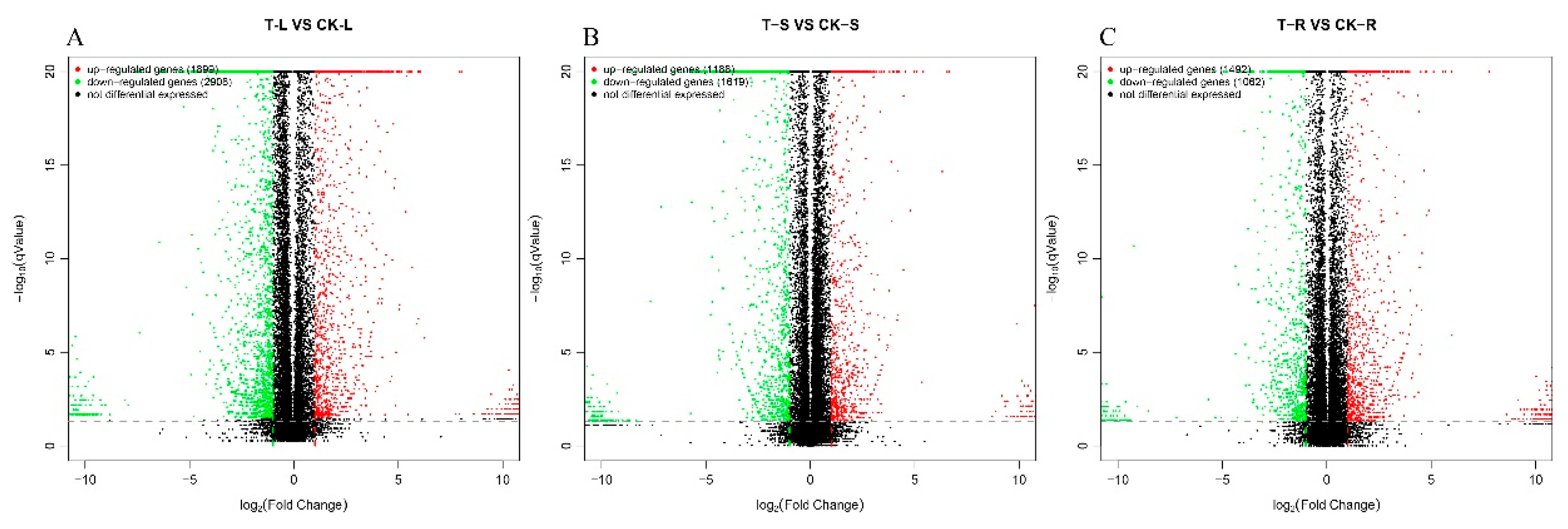
Transcriptome sequencing data were used to compare samples from different tomato parts. DEGs were screened with p-value ≤ 0.05, q-value ≤ 0.05, and |log2FoldChange| ≥ 1. The volcano plot results are shown in Figure 8. In leaves, 4807 DEGs were screened for T-L_vs_CK-L, with 1899 significantly upregulated and 2908 significantly down-regulated. In stems, 2807 DEGs were screened for T-S_vs_CK-S, with 1188 significantly up-regulated and 1619 significantly down-regulated. In roots, 2554 DEGs were screened for T-R_vs_CK-R, with 1492 significantly up-regulated and 1062 significantly down-regulated. This suggests that more genes are involved, and more complex biological changes occur during leaf development, followed by stems, with the fewest DEGs in roots.
Figure 8. Volcano plots of differentially expressed genes. (A) DEGs in leaves. (B) DEGs in stems. (C) DEGs in roots. The DEGs were obtained by p-value ≤ 0.05, q-value ≤ 0.05, and |log2Fold Change| ≥ 1.
Preprints 193572 g008
To further elucidate the mechanism by which BR controls tomato BER, high-throughput sequencing was used to study the expression patterns of functional genes in leaves, stems, and roots after BR treatment. Preliminary results showed that after BR treatment, T-L_vs_CK-L had 472 up-regulated and 517 down-regulated DEGs (|log2 (FoldChange)| ≥ 3); T-S_vs_CK-S had 238 up-regulated and 433 down-regulated DEGs; T-R_vs_CK-R had 466 up-regulated and 294 down-regulated DEGs.
Table 1. DEGs in T-L_vs_CK-L.
Up-Regulated Gene Annotation Group Number of Genes
Calmodulin(cam) 1
MADS-box transcription factor 1
MYB transcription factors 3
Cold shock protein 1
Glycine-rich protein 6
Glutathione S-transferase 4
Pectinesterase 4
Cytochrome c oxidase 4
Fatty acyl-coa 2
ABC transporter 3
ABA deficient protein 1
Sugar transport proteins 3
Auxin-responsive protein SAUR 5
Ribosomal proteins 6
Auxin efflux facilitator slpin 1
Atpase 8
Cytochrome P450 5
Other 414
Down-regulated gene annotation group
Heat shock protein 3
MADS-box protein 1
MYB transcription factors 2
Glycine-rich protein 2
Cytochrome P450 13
Jasmonic acid-amido 1
Glucan endonuclease 6
Glutathione S-transferase 1
Pathogenesis-related leaf protein 4
Sugar transport proteins 2
Ethylene-responsive transcription factors 8
WRKY transcription factors 6
Serine/threonine protein kinases 8
Della protein 1
Other 459
Table 2. DEGs in T-S_vs_CK-S.
Up-Regulated Gene Annotation Group Number of Genes
Glutathione S-Transferase 1
Cytochrome P450 2
Cytochrome C Oxidase 1
Pectinesterase 1
Calcium-Binding Protein 1
Sugar Transport Proteins 3
Ribosomal Protein 1
Auxin 3
Stress-Associated Protein 3
Ethylene-Responsive Transcription Factors 3
Other 222
Down-regulated gene annotation group
Calcium-binding protein 3
MYB transcription factors 9
WRKY transcription factors 8
Cytochrome P450 7
Auxin 25
Glutathione S-transferase 2
Pectinesterase 1
Serine/threonine protein kinases 7
Ethylene-responsive transcription factors 19
Jasmonic acid-amido 1
Sugar transport proteins 2
B3 domain-containing proteins 2
Bhlh transcription factors 3
Other 344
Table 3. DEGs in T-R_vs_CK-R.
Up-Regulated Gene Annotation Group Number of Genes
WRKY transcription factors 2
Calcium-binding protein 1
MYB transcription factors 5
ABC transporter 1
Ribosomal protein 1
Sugar transport proteins 8
Bhlh transcription factors 4
Glycine-rich proteins 2
Pectinesterase 4
Della proteins 2
Other 436
Down-regulated gene annotation group
Sugar transport proteins 2
MYB transcription factor 1
Auxin-responsive proteins 3
ABC transporter 3
Bhlh transcription factor 1
Pectinesterase 4
Ethylene-responsive transcription factor 1
Other 279

2.7. GO Enrichment Analysis of Differentially Expressed Genes
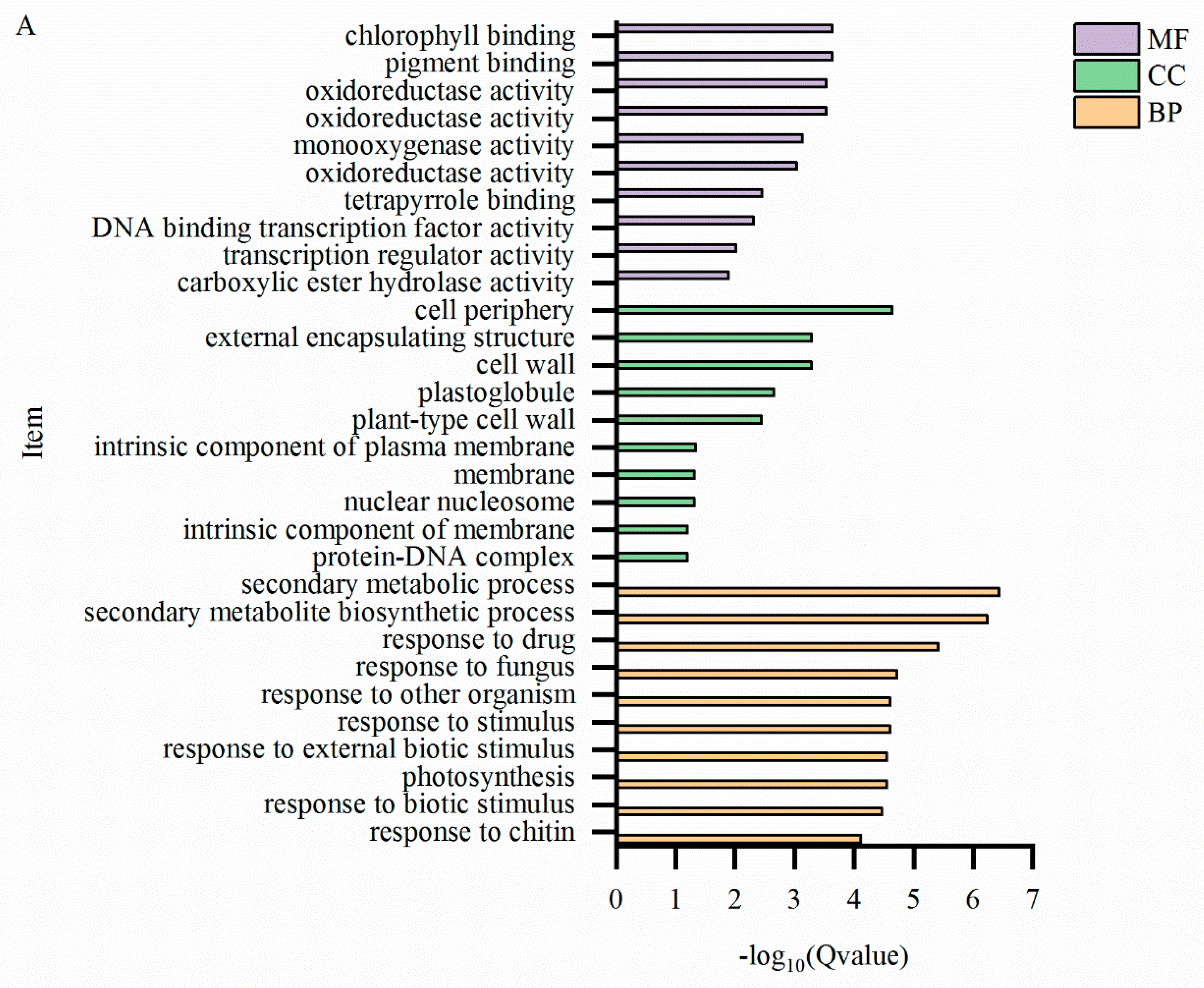
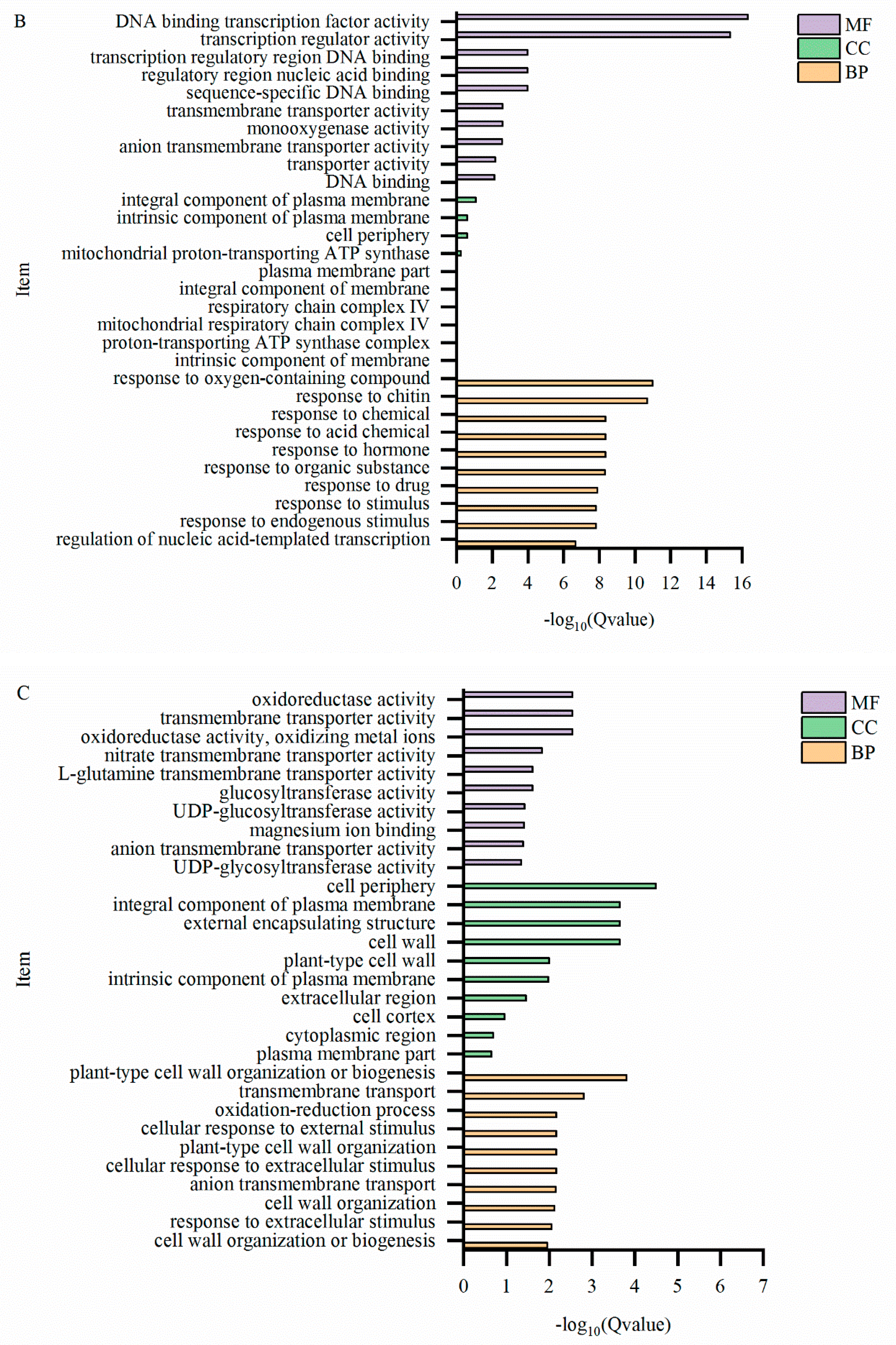
GO functional annotation results of DEGs for biological process (BP), cellular component (CC), and molecular function (MF) are shown. Among the three comparison groups, the BP category contained the most enriched DEGs. The top 10 GO terms with the smallest Q-value and most significant enrichment were selected for plotting. The most significantly enriched pathways in BP for T-L_vs_CK-L, T-S_vs_CK-S, and T-R_vs_CK-R were secondary metabolic process, response to oxygen-containing compounds, and plant-type cell wall organization or biogenesis. The most significantly enriched pathways in CC were extracellular region, integral component of plasma membrane, and extracellular region. The most significantly enriched pathways in MF were chlorophyll binding, DNA-binding transcription factor activity, and oxidoreductase activity.
Table 4. GO enrichment of DEGs in different comparison groups.
Category DEGs GO enrichment
biological process cellular component molecular function total
T-L_vs_CK-L 4807 1654 1574 1422 4650
T-S_vs_CK-S 2807 986 914 864 2764
T-R_vs_CK-R 2554 853 846 759 2458
Figure 9. GO functional annotation results of DEGs in different comparison groups. (A) Leaf. (B) Stem. (C) Root.
Preprints 193572 g009aPreprints 193572 g009b

2.8. KEGG Metabolic Pathway Enrichment Analysis of Differentially Expressed Genes
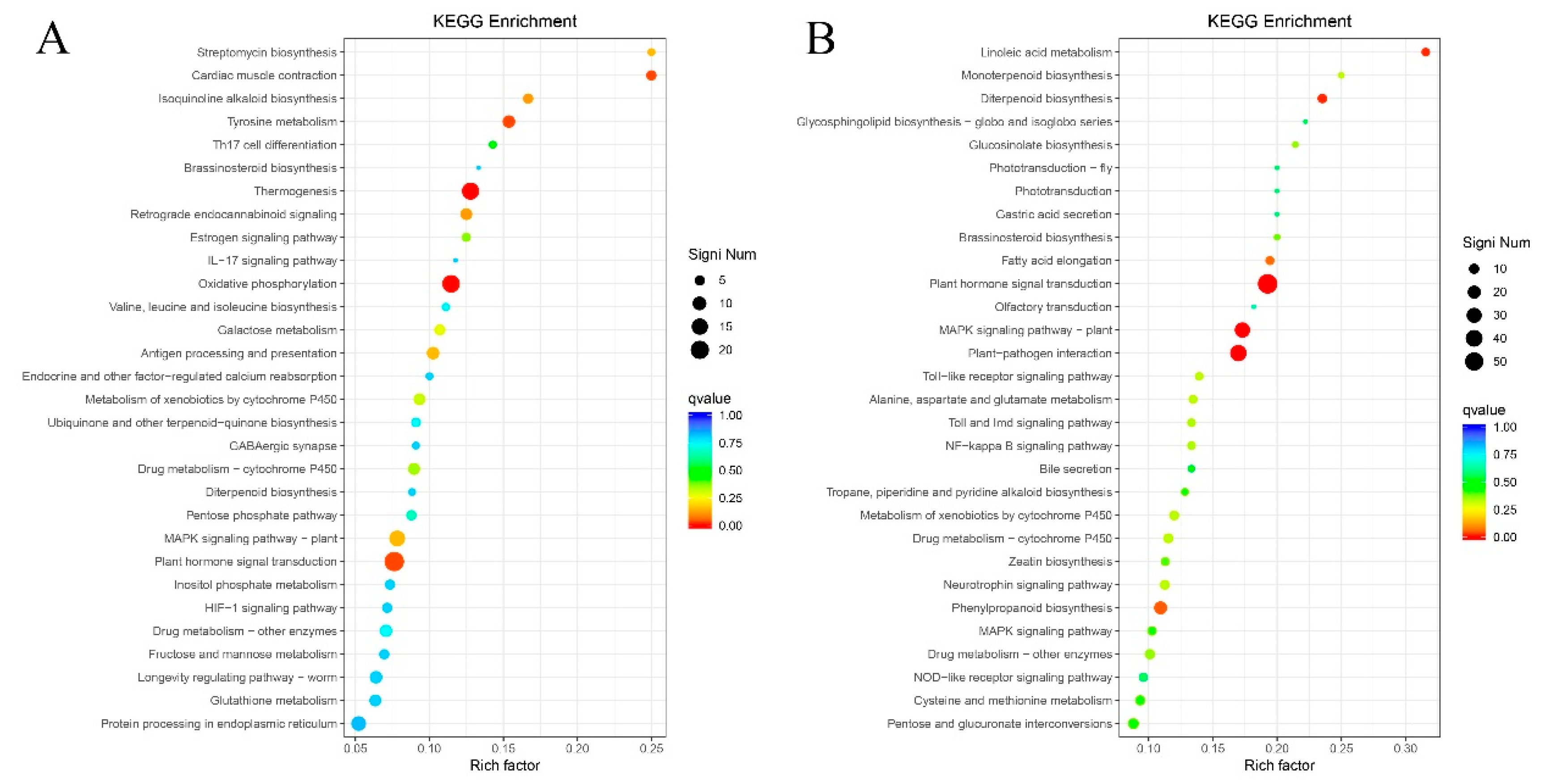
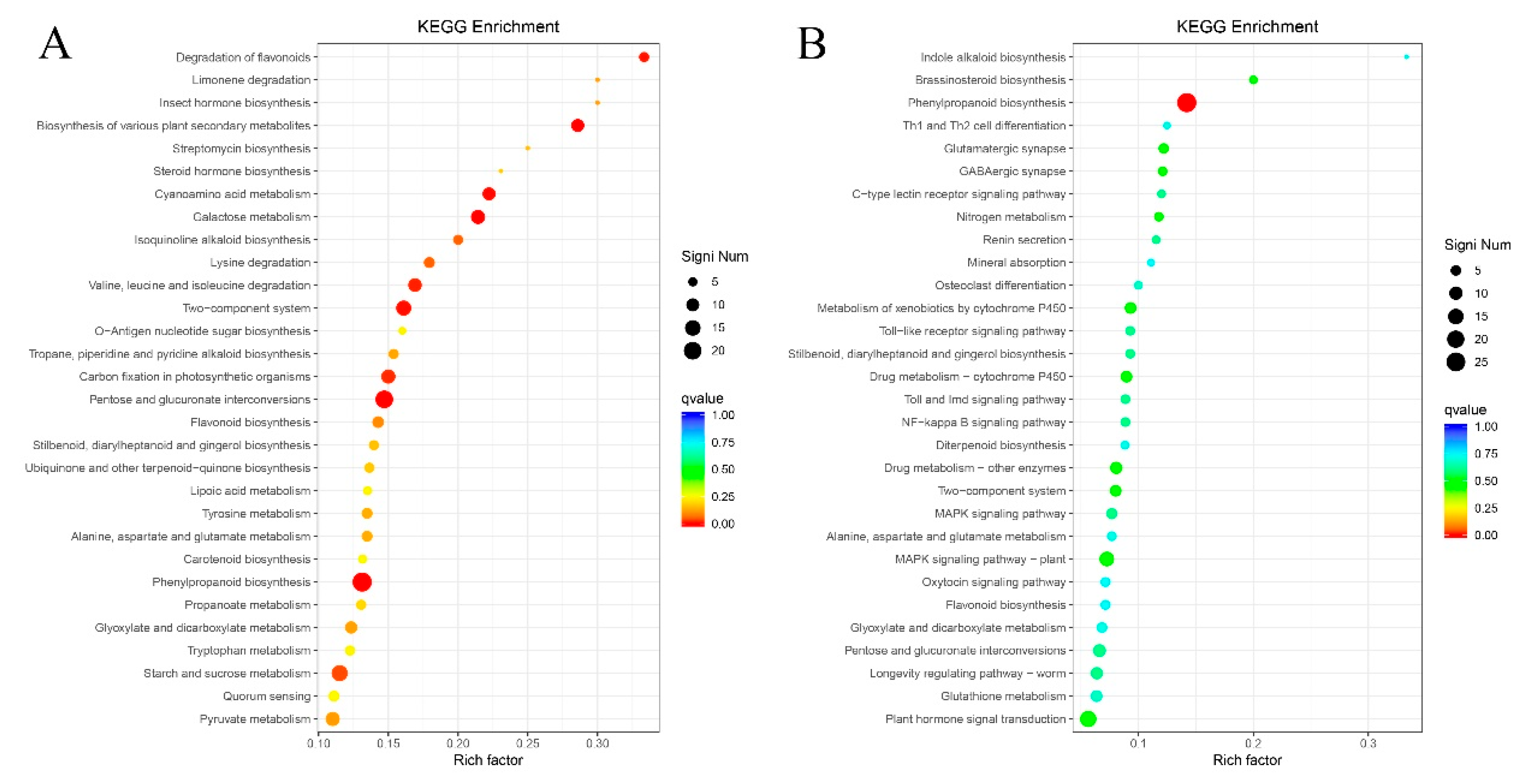
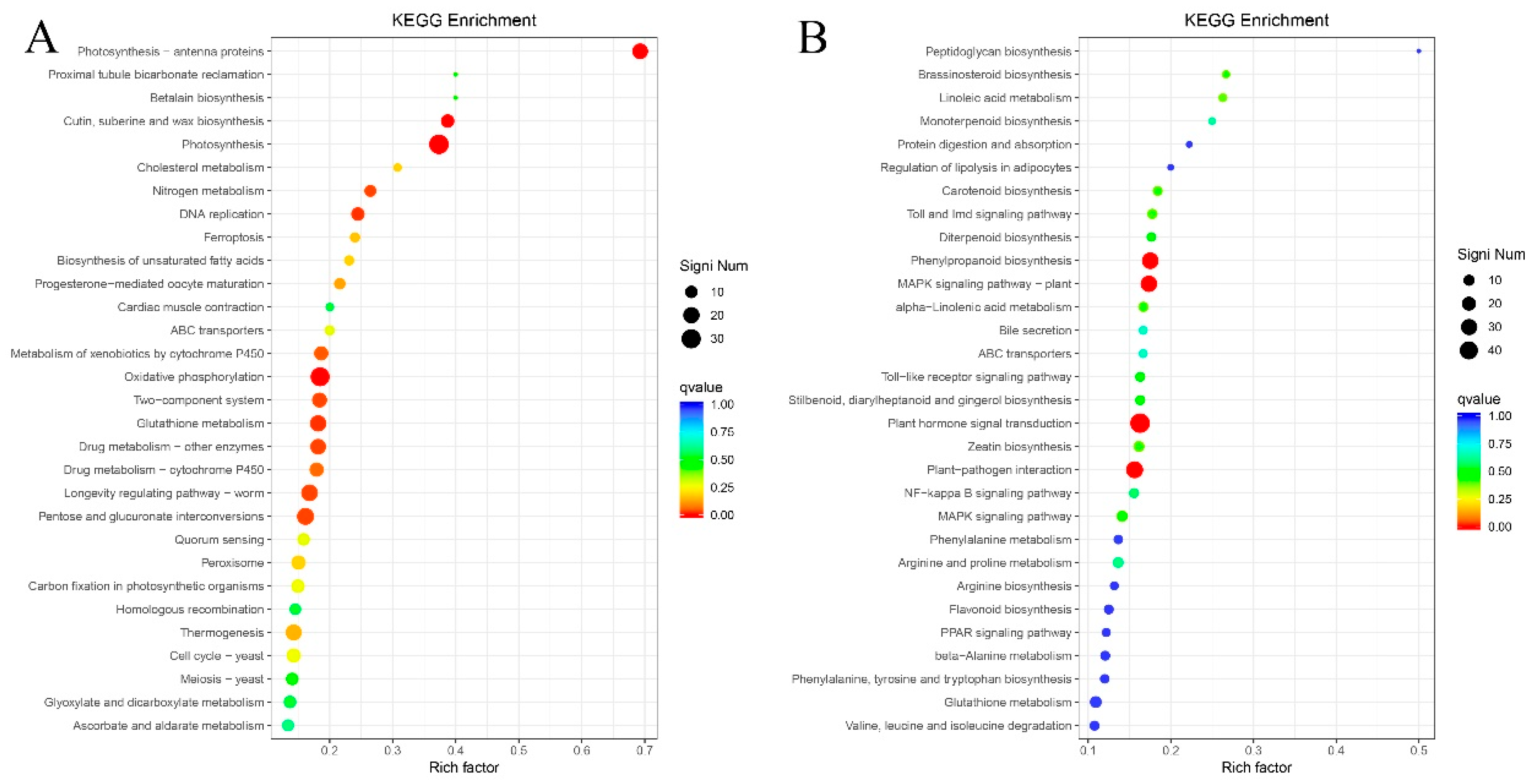
KEGG functional enrichment was performed on DEGs, and the top 30 significantly enriched metabolic pathways were screened. Phenylpropanoid biosynthesis, Plant hormone signal transduction, and Plant-pathogen interaction were the most abundant pathways across the three comparison groups.
For T-L_vs_CK-L, among the significantly up-regulated metabolic pathways, the most significantly enriched were Photosynthesis − antenna proteins (ko00196, 18 genes), Cutin, suberine and wax biosynthesis (ko00073, 12 genes), Photosynthesis (ko00195, 31 genes), and Oxidative phosphorylation (ko00190, 29 genes). Among the significantly down-regulated metabolic pathways, the most significantly enriched were Phenylpropanoid biosynthesis (ko00940, 32 genes), MAPK signaling pathway – plant (ko04016, 31 genes), Plant hormone signal transduction (ko04075, 49 genes), and Plant−pathogen interaction (ko04626, 34 genes).
For T-S_vs_CK-S, among the significantly up-regulated metabolic pathways, the most significantly enriched were Thermogenesis (ko04714, 17 genes) and Oxidative phosphorylation (ko00190, 18 genes). Among the significantly down-regulated metabolic pathways, the most significantly enriched were Linoleic acid metabolism (ko00591, 6 genes), Diterpenoid biosynthesis (ko00904, 8 genes), Plant hormone signal transduction (ko04075, 58 genes), MAPK signaling pathway – plant (ko04016, 31 genes), and Plant−pathogen interaction (ko04626, 37 genes).
For T-R_vs_CK-R, among the significantly up-regulated metabolic pathways, the most significantly enriched were Degradation of flavonoids (ko00946, 6 genes), Biosynthesis of various plant secondary metabolites (ko00999, 10 genes), Cyanoamino acid metabolism (ko00460, 10 genes), Galactose metabolism (ko00052, 12 genes), Valine, leucine and isoleucine degradation (ko00280, 11 genes), Two−component system (ko02020, 14 genes), Pentose and glucuronate interconversions (ko00040, 20 genes), and Phenylpropanoid biosynthesis (ko00940, 24 genes). Among the significantly down-regulated metabolic pathways, the most significantly enriched was Phenylpropanoid biosynthesis (ko00940, 26 genes).
Figure 10. KEGG enrichment analysis plots for T-L_vs_CK-L. (A) Up-regulated. (B) Down-regulated.
Preprints 193572 g010
Figure 11. KEGG enrichment of DEGs in T-S_vs_CK-S. (A) Up-regulated. (B) Down-regulated.
Preprints 193572 g011
Figure 12. KEGG enrichment of DEGs in T-R_vs_CK-R. (A) Up-regulated. (B) Down-regulated.
Preprints 193572 g012

2.9. Metabolic Pathways

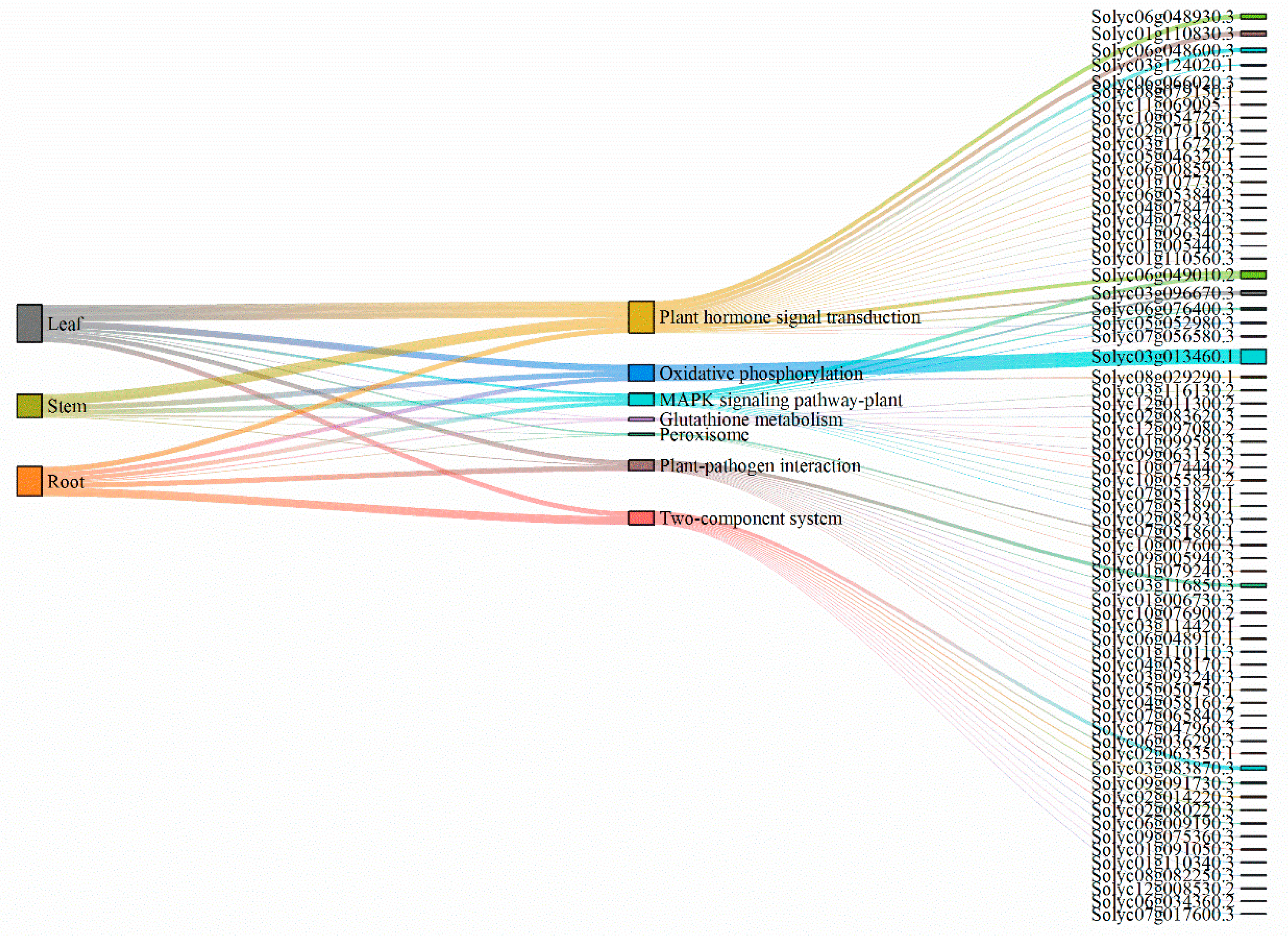
Tomato blossom-end rot is generally considered a physiological disorder primarily related to disrupted calcium absorption and transport, rather than being caused by typical infectious pathogens [21]. Therefore, many directly related pathways focus on nutrient transport, hormone signaling, and responses to environmental stress. The figure below shows up-regulated differentially expressed genes related to the occurrence of tomato blossom-end rot in roots, stems, and leaves, involving pathways such as Plant hormone signal transduction, Oxidative phosphorylation, MAPK signaling pathway-plant, Glutathione metabolism, Peroxisome, Plant-pathogen interaction, and Two-component system. In the hormone signal transduction pathway, genes related to jasmonic acid, auxin-responsive protein SAUR, and protein phosphatase PP2C were more highly up-regulated in leaves, stems, and roots. Among these, Solyc06g048600.3 and Solyc06g048930.3 showed the highest up-regulation in leaves, with log₂FoldChange values of 10.87 and 13.41, respectively. Solyc01g110830.3 showed the highest up-regulation in stems (log₂FoldChange = 12.78), and Solyc06g049010.2 showed the highest up-regulation in roots (log₂FoldChange = 10.66). In the oxidative phosphorylation metabolic pathway, cytochrome C oxidase showed significant up-regulation in leaf, stem, and root tissues. The gene encoding this enzyme, Solyc03g013460.1, exhibited a strong tissue-specific up-regulation trend, with log₂FoldChange values of 15.28, 13.57, and 12.18 in roots, stems, and leaves, respectively. This not only confirms its high-level up-regulation across all three tissues but also reveals an expression intensity gradient of "root > stem > leaf," suggesting that this gene may play a core role in oxidative phosphorylation in different plant organs, with a more prominent functional contribution in roots. In the MAPK signaling pathway-plant metabolic pathway, genes related to protein phosphatase PP2C and endochitinase were most highly up-regulated in roots, stems, and leaves, with Solyc06g049010.2 showing the highest up-regulation in roots (log₂FoldChange = 10.66). In the glutathione metabolism pathway, glutathione S-transferase was most highly up-regulated in leaves, stems, and roots. In the peroxisome pathway, glycolate oxidase and fatty acyl-CoA were most highly up-regulated in leaves, stems, and roots. In the plant-pathogen interaction pathway, genes related to calcium-dependent protein, calmodulin, and calcium-binding protein were most highly up-regulated in leaves, stems, and roots, with Solyc03g116850.3 showing the highest up-regulation in roots (log₂FoldChange = 10.06). In the two-component system pathway, genes related to pectinesterase and endoglucanase were most highly up-regulated in leaves, stems, and roots, with Solyc03g083870.3 showing the highest up-regulation in roots (log₂FoldChange = 11.23).
Figure 13. Sankey diagram of related up-regulated expressed genes in tomato roots, stems, and leaves.
Preprints 193572 g013
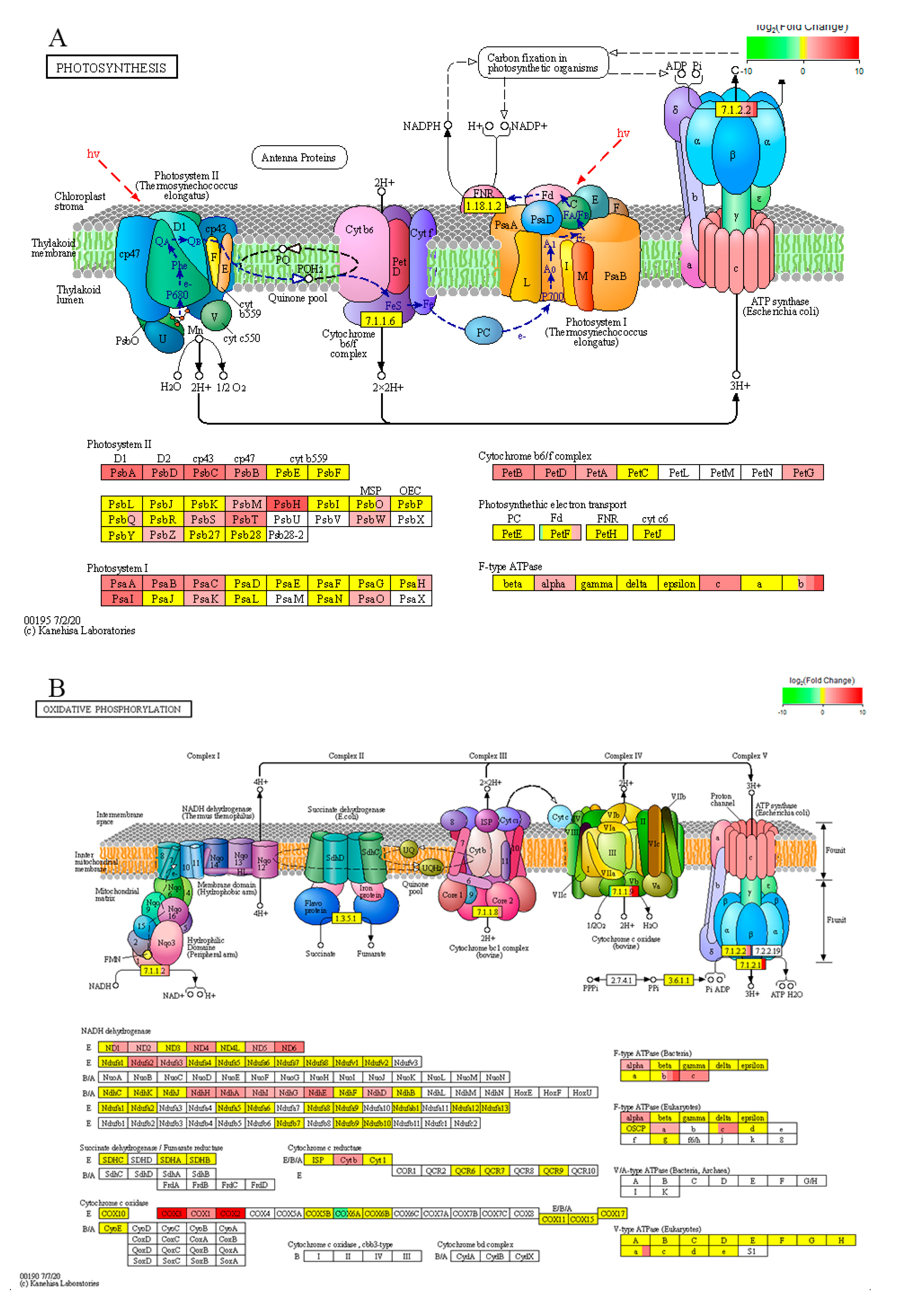
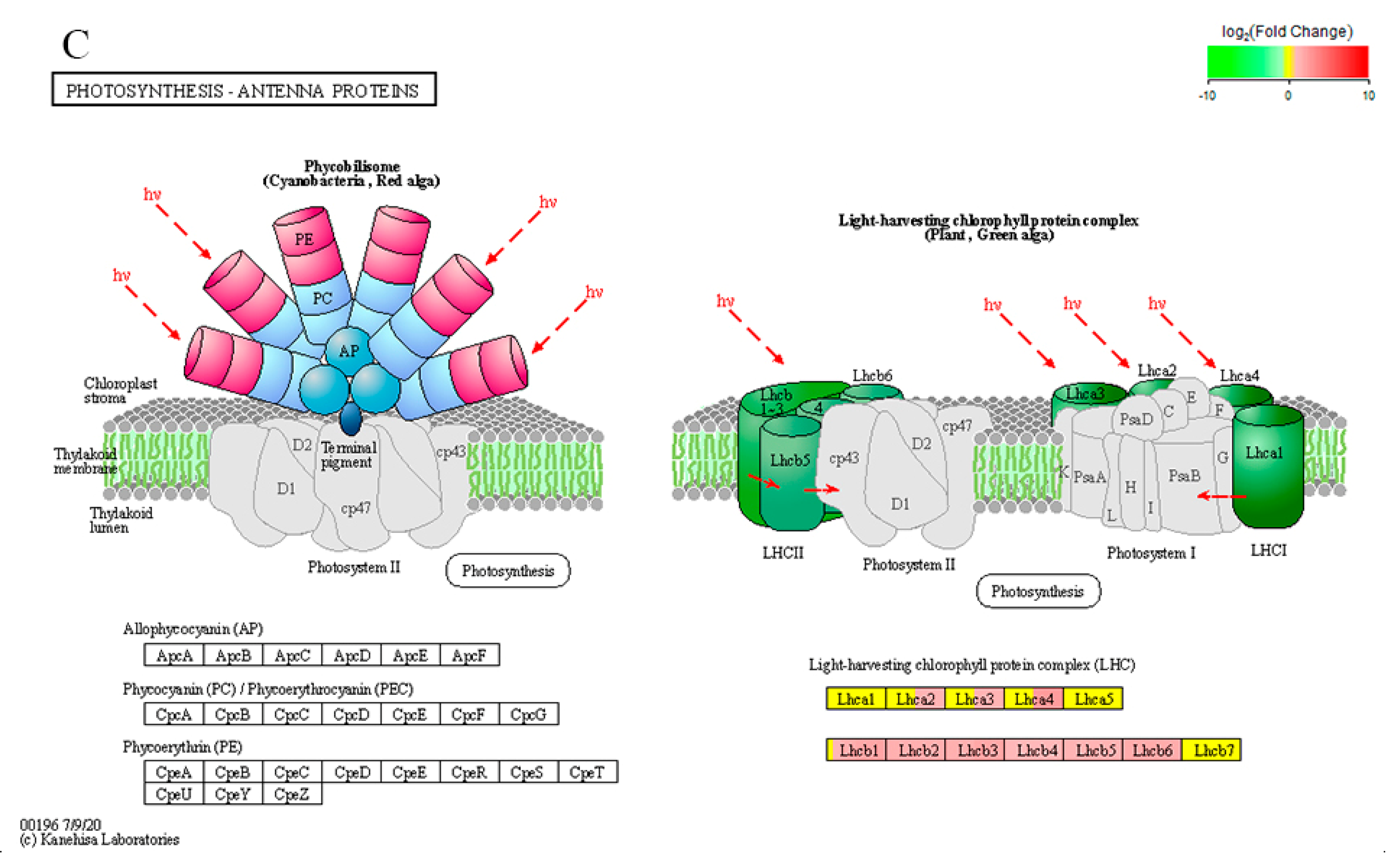
Calcium ions act as secondary messengers involved in regulating photosynthesis during plant responses to environmental stress [22]. In the photosynthesis pathway 1 (photosynthesis) of the T-L_vs_CK-L comparison, 31 DEGs were up-regulated, including PsbA, PsbB, etc., and 1 (PetF) was down-regulated. In photosynthesis pathway 2 (oxidative phosphorylation), 29 DEGs were up-regulated, including ND1, ND2, etc., and 1 (COX6A) was down-regulated. In photosynthesis pathway 3 (Photosynthesis-antenna proteins), 18 DEGs were up-regulated, including LHca2, LHca3, etc. These DEGs are responsive to brassinolide under calcium deficiency stress in tomato leaves, causing significant changes in photosynthetic pathways under calcium deficiency stress, potentially affecting and regulating photosynthesis under such stress.
Figure 14. Enrichment maps for photosynthesis pathways in T-L_vs_CK-L. (A) Photosynthesis pathway 1 (photosynthesis). (B) Photosynthesis pathway 2 (oxidative phosphorylation). (C) Photosynthesis pathway 3 (Photosynthesis-antenna proteins).
Preprints 193572 g014aPreprints 193572 g014b

3. Discussion

3.1. BR Reduces BER Incidence by Promoting Calcium Absorption and Distribution

Tomato BER is a typical calcium-related physiological disorder, primarily caused by insufficient calcium ion supply to apical fruit tissues, leading to impaired cell membrane structure and function. This study found that under calcium deficiency, the BER incidence in tomato plants was as high as 26.67%, while foliar spraying of BR significantly reduced it to 6.67%. This protective effect is closely related to changes in calcium ion content: BR treatment increased calcium ion content in leaves, stems, roots, and fruits, with significant increases in leaves, stems, and roots, although the increase in fruits was not significant. This suggests that BR may optimize calcium distribution within the plant by promoting calcium absorption and transport, thereby ensuring the calcium supply needed for fruit development.
The maintenance of calcium homeostasis in plant cells relies on the coordinated action of various calcium transport proteins, including Ca²⁺/Cation antiporters (CaCAs), Ca²⁺ channels, and Ca²⁺-ATPases. Studies show that the Arabidopsis AtNCL protein, a type of Na⁺/Ca²⁺ exchanger located on the tonoplast, plays a key role in regulating intracellular calcium homeostasis. Its absence leads to abnormal plant growth and impaired stress response[23,24]. Similarly, the TaNCL2-A gene discovered in wheat, when expressed in transgenic Arabidopsis, enhances resistance to various abiotic stresses, closely related to increased cytosolic calcium concentration and regulation of antioxidant enzyme activities [25,26,27]. In our transcriptome data, genes related to calcium-dependent proteins, calmodulin, and calcium-binding proteins were significantly up-regulated in leaves, stems, and roots, most notably Solyc03g116850.3 in roots (log₂FoldChange=10.06). This may be a key molecular event in BR regulation of calcium signaling.

3.2. BR Alleviates Oxidative Damage by Activating the Antioxidant Defense System

In a calcium-deficient environment, the imbalance in reactive oxygen species (ROS) metabolism in plant cells is an important factor leading to BER. Our results showed that H₂O₂ content accumulated significantly in leaves under calcium deficiency, while BR treatment reduced H₂O₂ content by 36.90%. Concurrently, the key indicator of membrane lipid peroxidation, malondialdehyde (MDA) content, decreased by 16.38% after BR treatment, indicating that BR effectively mitigated oxidative damage to cell membranes. More importantly, BR treatment significantly increased the activities of key enzymes in the antioxidant system: CAT (increased by 105.70%), POD (117.12%), and SOD (82.77%). These enzymes collectively form an important defense line for scavenging ROS in plants.
Research indicates a close interaction between calcium signaling and ROS signaling, jointly regulating plant stress responses. Studies in castor bean found that exogenous calcium treatment can enhance the antioxidant system capacity and reduce ROS accumulation by up-regulating the expression of antioxidant enzyme genes like CAT2[28]. In the plant immune system, chloroplast ROS (cROS) has also been shown to be closely related to the induction of SA biosynthesis and plays an important role in plant immunity[29]. This suggests that BR may enhance plant basal immunity by regulating the cROS-SA signaling axis, indirectly reducing BER occurrence.

3.3. Multi-Omics Analysis Reveals the Molecular Network Regulated by BR

Transcriptome sequencing analysis of tomato leaf, stem, and root tissues revealed distinct differences in the number and distribution of DEGs after BR treatment. The number of DEGs was highest in leaves (4807), followed by stems (2807) and roots (2554). This result indicates that more genes participate in and more complex biological changes occur during leaf development, possibly related to leaves being the direct site of BR treatment and the primary photosynthetic organs.
GO functional enrichment analysis showed that the most significantly enriched pathways in the BP category across the three comparison groups included secondary metabolic process, response to oxygen-containing compounds, and plant-type cell wall organization or biogenesis. These processes are closely related to plant stress response, cell wall modification, and antioxidant activity. In the CC category, extracellular region and integral component of plasma membrane were significantly enriched, suggesting BR may enhance cell stability by regulating the structure and function of cell walls and membrane systems. In the MF category, chlorophyll binding, DNA-binding transcription factor activity, and oxidoreductase activity were most significant, reflecting BR's important role in regulating photosynthesis and redox balance.
KEGG pathway analysis further revealed the core metabolic pathways regulated by BR. Phenylpropanoid biosynthesis, Plant hormone signal transduction, and Plant-pathogen interaction were the most abundant pathways across the three tissues. The phenylpropanoid biosynthesis pathway is involved in producing plant secondary metabolites that strengthen cell walls and participate in antioxidant activities; the up-regulation of the plant hormone signal transduction pathway is consistent with BR's ability to coordinate interactions among various hormones; and the enrichment of the plant-pathogen interaction pathway suggests that BR may activate the plant's immune defense system, providing relief even for physiological disorders caused by abiotic factors.

3.4. BR Enhances Energy Metabolism by Regulating Photosynthesis-Related Genes

Our study found that BR treatment significantly affected the expression of genes in photosynthesis-related pathways. In the T-L_vs_CK-L comparison, 31 genes were up-regulated in photosynthesis pathway 1, encoding core proteins of Photosystem II (e.g., PsbA, PsbB, PsbC, PsbD) and Photosystem I (e.g., PsaA, PsaB, PsaC). Furthermore, 29 genes were up-regulated in photosynthesis pathway 2 (oxidative phosphorylation), including genes encoding NADH dehydrogenase subunits (ND1, ND2, ND4, ND5, ND6) and cytochrome c oxidase subunits (COX1, COX2, COX3). Cytochrome C oxidase (COX) transfers electrons to oxygen, generating water and releasing substantial energy for ATP synthesis [30], reducing intracellular free radical production and protecting cells from oxidative damage. Notably, the gene Solyc03g013460.1 encoding cytochrome C oxidase showed a strong up-regulation trend in roots, stems, and leaves, with log₂FoldChange values of 15.28, 13.57, and 12.18, respectively, displaying a "root > stem > leaf" expression intensity gradient.
The up-regulation of these photosynthesis and energy metabolism-related genes suggests that BR may enhance the photosynthetic electron transport chain and ATP synthesis capacity under calcium deficiency stress, providing more energy and carbon skeletons for stress response and repair processes. Similarly, ORANGE (OR) proteins in tomato have been found to affect photosynthetic efficiency and plant adaptation to high-intensity light by regulating chlorophyll and carotenoid accumulation [31]. This indicates that BR may stabilize photosynthetic pigment content and thylakoid membrane structure under calcium-deficient conditions by regulating pathways similar to those involving OR proteins, maintaining photosynthetic efficiency.

3.5. BR Enhances Disease Resistance-Related Pathways to Compensate for Immune Deficiencies Caused by Calcium Deficiency

Although BER is a non-infectious physiological disorder, our KEGG analysis found that the Plant-pathogen interaction pathway was significantly enriched after BR treatment. Genes related to calcium-dependent proteins, calmodulin, and calcium-binding proteins within this pathway were generally up-regulated in leaves, stems, and roots. Simultaneously, genes related to protein phosphatase PP2C and endochitinase in the MAPK signaling pathway-plant were also significantly up-regulated. These genes are typically involved in plant recognition and defense responses against pathogen invasion, suggesting that BR may activate a broad immune mechanism, enhancing cell resistance to various stresses. Similarly, studies on resistance mechanisms to black rot in cruciferous crops found that plant immune responses encompass multiple aspects including physical barrier function, immune response, systemic resistance, photosynthesis regulation, antimicrobial effects of secondary metabolites, ROS production and regulation, and signaling pathways of salicylic acid, jasmonic acid, and ethylene [32] . These mechanisms collectively constitute a multi-layered defense network against pathogen invasion. The Lr14a gene, encoding an ankyrin repeat transmembrane domain protein, has been confirmed to function as a Ca²⁺-permeable channel, regulating stomatal immunity against leaf rust infection [33]. In our study, BR likely enhances tomato cell responsiveness to adverse conditions through similar calcium signaling pathways. Even in the absence of pathogen attack, these activated immune-related pathways may help cells maintain membrane integrity, reduce electrolyte leakage, and thereby alleviate blossom-end rot symptoms. Particularly in the plant hormone signal transduction pathway, genes related to jasmonic acid, auxin-responsive protein SAUR, protein phosphatase PP2C, and others were more highly up-regulated in leaves, stems, and roots. Among these, Solyc06g048600.3 and Solyc06g048930.3 showed the highest up-regulation in leaves, Solyc01g110830.3 in stems, and Solyc06g049010.2 in roots. These genes may constitute the core regulatory network mediated by BR.

4. Materials and Methods

4.1. Plant Material

This study used the flavor-type tomato variety 'Nongbo Fen 18109', bred by the Shijiazhuang Academy of Agriculture and Forestry Sciences.

4.2. Experimental Design

The experiment was conducted in 2024 in a solar greenhouse at the Zhaoxian Experimental Base of the Shijiazhuang Academy of Agriculture and Forestry Sciences (114°49'26" E, 37°49'59" N), characterized by a warm temperate semi-humid continental monsoon climate with an average annual temperature of 12.5 °C. A trough-type vermiculite cultivation method was used with uniform seedling raising. The experiment included two treatments: calcium-deficient nutrient solution cultivation + spraying distilled water (CK), and calcium-deficient nutrient solution cultivation + spraying BR (T). Each treatment had three replicates. Seedlings were transplanted into cultivation troughs at the three-leaf-one-heart stage on August 6, with a plant spacing of 40 cm. Fertilization began after seedling establishment. Foliar spraying of BR commenced after the first flower cluster bloomed on August 29. The BR concentration was 0.1 mg/L (the optimal concentration for controlling tomato BER determined in preliminary screening tests), applied every three days until droplets formed on all leaf surfaces. Sampling was conducted 20 days after the first BR spray. Sampling parts included leaves, stems, and roots, with three replicates. Samples were immediately frozen in liquid nitrogen and stored at -80 °C for later use. The entire experiment was repeated three times.

4.3. Determination of Antioxidant Enzyme Activities

The activities of catalase (CAT), peroxidase (POD), superoxide dismutase (SOD), and the contents of malondialdehyde (MDA) and hydrogen peroxide (H₂O₂) in tomato leaves were determined using kits (Solarbio, Beijing) by Nanjing ProNet Biotech Co., Ltd. The determination of CAT, POD, and SOD referred to the method of Zhang Chenwei et al. [34], while the determination of MDA and H₂O₂ referred to the methods of Lin Zhifang, Zheng Feixue, and Wang Yousheng et al. [35,36,37].
Approximately 0.1 g of tomato leaf tissue was weighed and homogenized in an ice bath with 1 mL of phosphate-buffered saline (PBS, 100 mmol/L, pH 7.8). After centrifugation at 4°C, 8000 rpm for 10 minutes, the supernatant was collected as the test sample solution.
CAT assay: 20 μL of sample was mixed with 100 μL of 100 mM Tris buffer (pH 7.8), incubated in a 25°C water bath for 10 min, then 100 μL of (NH₄)₂MoO₄ solution was added. After reacting for 10 minutes, the absorbance at 405 nm was measured using a microplate reader for enzyme activity calculation.
POD assay: A working solution was prepared by mixing the kit's PBS, 2-methoxyphenol, and 30% H₂O₂ in a ratio of 2.6 (mL):1.5 (μL):1 (μL), followed by incubation at 25°C for 10 min. In a 96-well plate, 10 μL of sample solution and 190 μL of working solution were mixed and timed. The absorbance at 470 nm was recorded at 1 min (A₁) and 2 min (A₂) using a microplate reader for enzyme activity calculation.
SOD assay: 50 μL of supernatant was mixed with 1.5 mL of 130 mmol/L methionine (Met) solution, 0.3 mL of 100 μmol/L EDTA-Na₂, 0.3 mL of 20 μM riboflavin solution, and 0.3 mL of 750 μmol/L nitroblue tetrazolium (NBT). After thorough mixing and standing at room temperature for 30 min, the absorbance at 506 nm was measured for enzyme activity calculation.
MDA assay: 1 mL of enzyme extract was mixed with 2 mL of 0.6% TBA, sealed, and heated in a boiling water bath for 15 min. After rapid cooling and centrifugation, the supernatant was collected. Absorbance was measured at 600, 532, and 450 nm to calculate MDA content.
H₂O₂ assay: The supernatant was treated with titanium sulfate and concentrated ammonia, centrifuged for 10 min. The precipitate was washed with acetone by shaking and centrifugation, then dissolved in 2 mol·L⁻¹ H₂SO₄. The OD value was measured at 415 nm.

4.4. Tomato Sample Total RNA Extraction, Library Construction, and Transcriptome Sequencing

Transcriptome sequencing was performed by Sangon Biotech (Shanghai) Co., Ltd. After RNA extraction, purification, and library construction, Illumina sequencing was conducted. Raw sequencing data quality was assessed using FastQC, and quality trimming was performed using Trimmomatic to obtain clean data. The HISAT2 software was used to align the quality-controlled sequencing reads to the tomato reference genome(https://www.ncbi.nlm.nih.gov/datasets/genome/?taxon=4081) for differential gene expression analysis to obtain DEGs. DEGs were filtered and subjected to GO and KEGG pathway enrichment analyses, referring to the methods of Vander Auwera G A and Szklarczyk D [38,39].

4.5. Differential Gene Screening

Differential expression analysis between the treatment group (T) and control group (CK) for leaves (T-L_vs_CK-L), stems (T-S_vs_CK-S), and roots (T-R_vs_CK-R) was performed using DESeq2. GO enrichment and KEGG pathway enrichment analyses were conducted. Core DEGs most related to BR regulation under calcium deficiency stress and metabolic pathways in different tomato parts were identified. These core DEGs were validated by qRT-PCR, referring to the method of Ashburner M[40], Primer design followed the method of Shannon P[41].

4.6. Data Analysis

R language was used for differential data analysis, and Origin 2024 was used for plotting the differential analysis results.

5. Conclusion

This study integrated physiological index measurements and transcriptome analysis to systematically elucidate the molecular mechanisms by which BR reduces tomato BER incidence under calcium-deficient conditions through multiple pathways: regulating calcium absorption and distribution, activating the antioxidant defense system, modulating plant hormone signaling pathways, enhancing photosynthesis and energy metabolism, and activating broad immune mechanisms. These findings not only provide a theoretical basis for the application of BR in agricultural production but also offer candidate gene targets for further improving crop stress resistance through genetic engineering.
Future research could focus on the specific molecular mechanisms of the crosstalk between BR signaling and calcium signaling, as well as the interrelationships among different plant hormones in regulating calcium allocation. Furthermore, identifying key regulatory factors for calcium transport and allocation during tomato fruit development may provide new ideas for fundamentally solving the BER problem. By precisely regulating the expression of these key genes, it may be possible to cultivate new tomato varieties resistant to BER, reduce fertilizer use, and improve agricultural product quality and yield.

Author Contributions

L.Q. and Y.L. (Yansu Li) conceived and designed the research and finished writing the article; D.W., Y.L. (Yan Li), Y.X. and Q.Z. conducted the experiments; X.F., L.D. and H.L. contributed to the research data analysis. All authors have read and agreed to the published version of the manuscript.

Funding

This research was funded by the Shijiazhuang Agricultural Science and Technology Project (24006), the Modern Agricultural Science and Technology Innovation Project of Shijiazhuang Academy of Agriculture and Forestry Sciences (2025-15), the Major Science and Technology Support Program Project in Hebei Province (252N6901D), and the Technical System of Vegetable Industry in Hebei Province, Southern Hebei High Quality Vegetable Technology Promotion Post (HBCT2023100205).

Data Availability Statement

Data available on request from the authors.

Acknowledgments

We thank all the colleagues who helped with the development of the different parts of this manuscript.

Conflicts of Interest

The authors declare no conflicts of interest.

References

  1. Wang, D.; Zhang, Q.; Li, Y.; Qi, L.; Niu, R.; Zhao, X.; Shi, J.; Tian, G. Regularity of absorption and distribution of nitrogen, phosphorus, potassium, calcium, and magnesium in growth bag tomatoes in solar greenhouse. Journal of Hebei Agricultural University 2021, 44, 33–40. [Google Scholar] [CrossRef]
  2. Diaz-Perez, J.C.; Hook, J.E. Plastic-mulched bell pepper (Capsicum annuum L.) plant growth and fruit yield and quality as influenced by irrigation rate and calcium fertilization. Hortscience 2017, 52, 774–781. [Google Scholar] [CrossRef]
  3. Karlsons, A.; Osvalde, A.; Cekstere, G.; Abolina, L. Effects of Ca sprays on fruit Ca content and yield of tomato variety susceptible to blossom-end rot. Plants-Basel 2023, 12. [Google Scholar] [CrossRef] [PubMed]
  4. Hagassou, D.; Francia, E.; Ronga, D.; Buti, M. Blossom end-rot in tomato (Solanum lycopersicum L.): A multi-disciplinary overview of inducing factors and control strategies. Scientia Horticulturae 2019, 249, 49–58. [Google Scholar] [CrossRef]
  5. Reitz, N.F.; Shackel, K.A.; Mitcham, E.J. Differential effects of excess calcium applied to whole plants vs. excised fruit tissue on blossom-end rot in tomato. Scientia Horticulturae 2021, 290. [Google Scholar] [CrossRef]
  6. Wang, Z.; Zhang, Q.; Li, Y.; Wang, D.; Geng, X.; Jia, H.; Qi, L.; Shi, J.; Zhao, L.; Tian, D. Effect of different calcium fertilizers on quality and umbilical rot of palatable tomatoes. China Cucurbits and Vegetables 2023, 36, 65–70. [Google Scholar] [CrossRef]
  7. Wang, Y.; Gao, G.; Ge, M.; Chang, Y.; Tan, J.; Ge, X.; Wang, J.; Wang, B.; Zhou, G.; Fu, T. Function and application of calcium in plant growth and development. Acta Agronomica Sinica 2024, 50, 793–807. [Google Scholar] [CrossRef]
  8. Hou, X. The mechanisms underlying CAMTA5-suppressed blossom-end rot occurrence in tomato. Doctor, Gansu Agricultural University, 2025. [Google Scholar]
  9. Schmitz-Eiberger, M.; Haefs, R.; Noga, G. Calcium deficiency - Influence on the antioxidative defense system in tomato plants. Journal of Plant Physiology 2002, 159, 733–742. [Google Scholar] [CrossRef]
  10. Wu, Y.; Lin, Q.; Chen, Z.; Lin, J. Effects of calcium level on calcium absorption, fruit quality and yield of infinite growth tomato. Journal of Soil and Water Conservation 2019, 33, 185–189. [Google Scholar] [CrossRef]
  11. Ho, L.C.; White, P.J. A cellular hypothesis for the induction of blossom-end rot in tomato fruit. Annals of Botany 2005, 95, 571–581. [Google Scholar] [CrossRef]
  12. Marcelis, L.F.M.; Ho, L.C. Blossom-end rot in relation to growth rate and calcium content in fruits of sweet pepper (Capsicum annuum L.). Journal of Experimental Botany 1999, 357–363. [Google Scholar] [CrossRef]
  13. Aslani, L.; Gholami, M.; Mobli, M. The relationship between tomato fruit growth, incidence of blossom-end rot and phytohormone content as affected by sink/source ratio. Annals of Applied Biology 2020, 177, 211–222. [Google Scholar] [CrossRef]
  14. Gaion, L.A.; Júnior, J.C.M.; Barreto, R.F.; D’Amico-Damião, V.; de Mello Prado, R.; Carvalho, R.F. Amplification of gibberellins response in tomato modulates calcium metabolism and blossom end rot occurrence. Scientia Horticulturae 2019, 246, 498–505. [Google Scholar] [CrossRef]
  15. Balate, C.A.; Souza, D.C.d.; Resende, L.V.; Freitas, S.T.d. Effect of abscisic acid on the calcium content for controlling blossom-end rot in tomato under water stress. Pesquisa Agropecuária Tropical 2018, 48, 414–419. [Google Scholar] [CrossRef]
  16. Dong, S.; Sun, J.; Sun, M.; Ma, Y.; Zhou, X.; Qu, Z. Effect of brassinolide spraying on soybean yield under straw returning conditions. Journal of Shenyang Agricultural University 2025, 56, 24–32. [Google Scholar] [CrossRef]
  17. Duan, F.; Liu, B.; Zhang, Z.; Zheng, S.; Yang, C.; Wang, Q. Regulatory effects of 2,4-epibrassinolide, polyglutamic acid and uniconazole on tuber yield and quality in sweet potato. Jiangsu Journal of Agricultural Sciences 2025, 41, 1072–1079. [Google Scholar] [CrossRef]
  18. Ma, Y.; Wang, Z.; Cao, J.; Luo, X.; Wang, Y. Effects of 2,4-epibrassinolide on the growth and physiological characteristics of Phaseolus vulgaris seedlings under saline and alkaline stresses. Acta Botanica Boreali-Occidentalia Sinica 2024, 44, 1181–1189. [Google Scholar] [CrossRef]
  19. Li, Y. Physiological and molecular mechanism of brassinolide regulated calcium-deficiency induced tipburn resistance in mini chinese cabbage. Doctor, Gansu Agricultural University, 2022. [Google Scholar]
  20. Riboldi, L.B.; Gaziola, S.A.; Azevedo, R.A.; de Freitas, S.T.; Roberto, D.C.E.C.; Paulo. 24-epibrassinolide mechanisms regulating blossom-end rot development in tomato fruit. Journal of Plant Growth Regulation 2018. [Google Scholar] [CrossRef]
  21. Topcu, Y.; Nambeesan, S.U.; van der Knaap, E. Blossom-end rot: a century-old problem in tomato (Solanum lycopersicum L.) and other vegetables. Molecular Horticulture 2022, 2, 1. [Google Scholar] [CrossRef]
  22. Sun, T. Genome-wide identification and comprehensive analysis of CIPK gene family in wheat. Huazhong University of Science and Technology, 2016.
  23. Emery, L.; Whelan, S.; Hirschi, K.D.; Pittman, J.K. Protein phylogenetic analysis of Ca2+/cation antiporters and insights into their evolution in plants. Frontiers in Plant Science 2012, 3. [Google Scholar] [CrossRef]
  24. Li, P.; Zhang, G.; Gonzales, N.; Guo, Y.; Hu, H.; Park, S.; Zhao, J. Ca2+-regulated and diurnal rhythm-regulated Na+/Ca2+exchanger AtNCL affects flowering time and auxin signalling inArabidopsis. Plant Cell and Environment 2016, 39, 377–392. [Google Scholar] [CrossRef] [PubMed]
  25. Guo, Y.; Liu, Y.; Zhang, Y.; Liu, J.; Gul, Z.; Guo, X.; Abozeid, A.; Tang, Z. Effects of exogenous calcium on adaptive growth, photosynthesis, ion homeostasis and phenolics of gleditsia sinensis Lam. plants under salt stress. 2021, 11, 1–18. [Google Scholar] [CrossRef]
  26. Ishu; Shumayla; Madhu; Upadhyay, S.K. Complementation with TaNCL2-A reinstates growth and abiotic stress response in atncl mutant of Arabidopsis. Plant Science 2025, 353. [Google Scholar] [CrossRef] [PubMed]
  27. Shumayla; Tyagi, S.; Sharma, Y.; Madhu; Sharma, A.; Pandey, A.; Singh, K.; Upadhyay, S.K. Expression of TaNCL2-A ameliorates cadmium toxicity by increasing calcium and enzymatic antioxidants activities in arabidopsis. Chemosphere 2023, - 329. [Google Scholar] [CrossRef]
  28. Hao, F.; Cui, Z.G.; Dong, X.; Gao, Y.; Wang, R.J.; Zhang, H.; Lin, G.L. Exogenous calcium enhances castor tolerance to saline-alkaline stress by regulating antioxidant enzyme activity and activating ca2+ and ROS signaling crosstalk. International Journal of Molecular Sciences 2024, 25. [Google Scholar] [CrossRef]
  29. Roussin-Leveillee, C.; St-Amand, M.; Desbiens-Fortin, P.; Perreault, R.; Pelletier, A.; Gauthier, S.; Gaudreault-Lafleur, F.; Laforest-Lapointe, I.; Moffett, P. Co-occurrence of chloroplastic ROS production and salicylic acid induction in plant immunity. New Phytologist 2025, 248, 1989–2004. [Google Scholar] [CrossRef]
  30. Jiang, H.; Xie, Y.; Liu, Q. Molecular biology research progress of cytochrome c oxidase. Foreign Medical Sciences • Section of Pathophysiology and Clinical Medicine 2001, 20–22. [Google Scholar] [CrossRef]
  31. Gao, Y.; Zhou, X.; Huang, H.; Wang, C.; Xiao, X.; Wen, J.; Wu, J.; Zhou, S.; de Dios, V.R.; Rodriguez, L.G.; et al. ORANGE proteins mediate adaptation to high light and resistance to Pseudomonas syringae in tomato by regulating chlorophylls and carotenoids accumulation. International Journal of Biological Macromolecules 2025, 306. [Google Scholar] [CrossRef]
  32. Dai, H.; Hu, L.; Wang, J.; Yue, Z.; Wang, J.; Chen, T.; Li, J.; Dou, T.; Yu, J.; Liu, Z. Constructing a novel disease resistance mechanism model for cruciferous crops: an example from black rot. Molecular Plant Pathology 2025, 26. [Google Scholar] [CrossRef]
  33. Yue, L.; Wang, L.; Neuhaeuser, B.; Zhang, S.; Herren, G.; Heuberger, M.; Jung, E.; Ludewig, U.; Zipfel, C.; Keller, B. Cytoplasmic calcium influx mediated by Lr14a regulates stomatal immunity against leaf rust in wheat. bioRxiv 2024. [Google Scholar] [CrossRef]
  34. Zhang, C.; Wang, D.; Li, Y.; Wang, Z.; Wu, Z.; Zhang, Q.; Jia, H.; Dong, X.; Qi, L.; Shi, J.; et al. Gibberellin positively regulates tomato resistance to Tomato Yellow Leaf Curl Virus (TYLCV). Plants-Basel 2024, 13. [Google Scholar] [CrossRef]
  35. Lin, Z.; Li, S.; Lin, G.; Guo, J. The accumulation of hydrogen peroxide in senescing leaves and chloroplasts in relation to lipid peroxidation. Physiology and Molecular Biology of Plants 1988, 16–22. [Google Scholar]
  36. Wang, Y.; Gu, Z.; Zhang, F. Multivariate analysis of pro- and anti-oxidant properties of raspberry and blackberry from different varieties at different maturity stages. Food Science 2012, 33, 81–86. [Google Scholar]
  37. Zheng, F.; Zhang, X.; Wang, Y.; Han, Z. Changes of H2O2 content and activities of related enzymes in leaf among ontogenetic phases in apple (Malus ssp.). Journal of Fruit Science 2013, 30, 759–764. [Google Scholar] [CrossRef]
  38. Auwera, G.A.V.D.; Carneiro, M.O.; Hartl, C.; Poplin, R.; Depristo, M.A. From FastQ data to high confidence variant calls: the Genome Analysis Toolkit best practices pipeline. Current Protocols in Bioinformatics 2013, 11, 11.10.11–11.10.33. [Google Scholar] [CrossRef]
  39. Damian, S.; Andrea, F.; Stefan, W.; Kristoffer, F.; Davide, H.; Jaime, H.C.; Milan, S.; Alexander, R.; Alberto, S.; Tsafou, K.P. STRING v10: protein–protein interaction networks, integrated over the tree of life. Nucleic Acids Research 2015, 43. [Google Scholar] [CrossRef]
  40. Ashburner, M.; Ball, C.A.; Blake, J.A.; Botstein, D.; Cherry, J.M. Gene ontology: tool for the unification of biology. The Gene Ontology Consortium. Nature Genetics 2000, 25, 25–29. [Google Scholar] [CrossRef]
  41. Shannon, P. Cytoscape: A software environment for integrated models of biomolecular interaction networks. Genome Research 2003, 13, 2498–2504. [Google Scholar] [CrossRef]
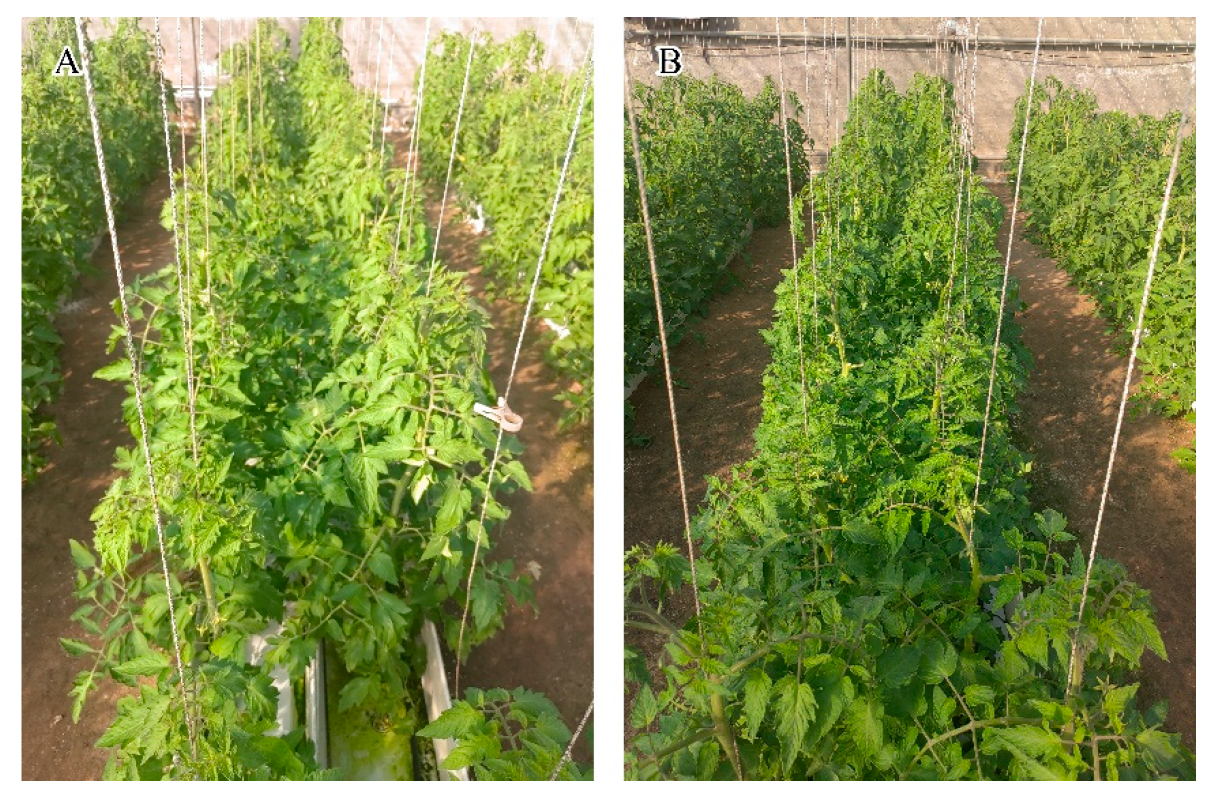
Figure 1. Tomato plant growth status. (A) Calcium-deficient nutrient solution cultivation + distilled water spray treatment. (B) Calcium-deficient nutrient solution cultivation + BR spray treatment.
Preprints 193572 g001
Figure 2. Initial blossom-end rot incidence in tomatoes under calcium-deficient nutrient solution + distilled water spray and calcium-deficient nutrient solution + BR spray treatments.
Preprints 193572 g002
Figure 3. Tomato fruit growth status. (A) Top view and longitudinal section of a normal fruit. (B) Top view and longitudinal section of a BER-affected fruit.
Preprints 193572 g003
Disclaimer/Publisher’s Note: The statements, opinions and data contained in all publications are solely those of the individual author(s) and contributor(s) and not of MDPI and/or the editor(s). MDPI and/or the editor(s) disclaim responsibility for any injury to people or property resulting from any ideas, methods, instructions or products referred to in the content.
Copyright: This open access article is published under a Creative Commons CC BY 4.0 license, which permit the free download, distribution, and reuse, provided that the author and preprint are cited in any reuse.
Prerpints.org logo

Preprints.org is a free preprint server supported by MDPI in Basel, Switzerland.

Subscribe

Disclaimer

Terms of Use

Privacy Policy

Privacy Settings

© 2026 MDPI (Basel, Switzerland) unless otherwise stated