

Submitted:
18 December 2025
Posted:
25 December 2025
You are already at the latest version
Abstract
This study presents a systematic investigation of silica extraction from rice husk ash (RHA) using Taguchi L27 orthogonal array optimization methodology. With global rice production generating 31-39 million tonnes of RHA annually, valorization of this agricultural waste addresses both environmental disposal challenges and sustainable silica production needs. The extraction process involved controlled calcination, acid leaching with hydrochloric acid, alkali solubilization using sodium hydroxide, and acid precipitation to produce high-purity amorphous silica. Three critical process parameters—heating temperature (600-800°C), heating time (2-6 hours), and chemical concentration (1-3 M)—were systematically optimized across 27 experimental runs. Statistical analysis identified optimal conditions of 700°C calcination temperature, 4-hour processing time, and 3 M chemical concentration, achieving maximum silica yield of 7.02 g from 10 g RHA (70.2% extraction efficiency). Main effects analysis revealed chemical concentration as the most influential parameter, followed by temperature exhibiting volcano-shaped behavior with peak efficiency at 700°C, and heating time showing positive linear correlation with yield. Characterization confirmed successful extraction of high-purity silica with white appearance, near-neutral pH, bulk density of 180-200 kg/m³, and 3.1% moisture content. The NaOH/CuSO₄ confirmatory test validated silica presence, while absence of HCl reaction confirmed purity. Results demonstrated superior performance compared to conventional methods, with yields exceeding reported alkali hydrothermal extraction (52.8%) and approaching optimized acid leaching ranges (70-90%). The Taguchi optimization approach reduced experimental requirements by 66% compared to full factorial design while maintaining statistical rigor. This research establishes an efficient, scalable methodology for converting agricultural waste into value-added industrial material suitable for construction, ceramics, and environmental remediation applications, contributing to circular economy principles and sustainable materials development.
Keywords:
agricultural waste valorization
; alkali extraction
; process optimization
; rice husk ash
; silica extraction
; Taguchi method
1. Introduction
Background and Significance
Silica (SiO₂) represents one of the most valuable industrial materials, with widespread applications across construction, electronics, pharmaceuticals, ceramics, and renewable energy systems [1]. The global silica market is projected to reach $14.6 billion by 2027, exhibiting a compound annual growth rate of 6.8%, primarily driven by infrastructure development and increasing sustainability requirements [1,2]. Current silica consumption is distributed across multiple sectors, with construction accounting for 37%, electronics for 23%, healthcare for 18%, and renewable energy for 12% [2,3,4], as illustrated in Figure 1.
Conventional silica extraction relies predominantly on quartz sand mining, which generates significant environmental concerns including habitat destruction, water table disruption, and substantial energy consumption during processing at temperatures ranging from 1500 to 2000°C [5,6]. Rice husk ash (RHA), an agricultural by-product generated during rice processing, has emerged as a promising alternative silica source due to its high silica content (76-98% SiO₂) present predominantly in amorphous form, which exhibits superior reactivity compared to crystalline silica [7].
Global rice production reached 776 million tonnes in 2022, which generated approximately 155.2 million tonnes of rice husks and an estimated 31 to 39 million tonnes of RHA annually [8,7]. The Asian region accounts for approximately 90% of global rice production, with major contributing countries including China, India, Indonesia, Bangladesh, and Vietnam [9,10,11], as presented in Figure 2.
In Nepal specifically, rice production for the 2023/24 season reached approximately 5.04 million tonnes, potentially generating between 202,000 and 252,000 tonnes of RHA annually [12].
Current RHA disposal practices present serious environmental and public health challenges. RHA exhibits low bulk density (approximately 100 kg/m³) and fine particulate characteristics, which lead to airborne dispersion and associated respiratory health problems, including silicosis and increased lung cancer risk from prolonged exposure [13]. However, RHA valorization offers substantial environmental and economic benefits. Studies have demonstrated that utilizing RHA as a partial cement replacement can reduce the carbon footprint of concrete by up to 18%, preventing approximately 0.82 tonnes of CO₂ emissions per tonne of cement replaced [14]. Market analysis suggest that alternative silica sources derived from RHA could potentially capture 18 to 22% of the global silica market by 2027, contingent upon achieving price competitiveness and quality consistency [15]. Figure 3 illustrates the circular economy model for RHA utilization, demonstrating the transformation pathway from agricultural waste to value-added industrial products.
2. Literature Review
Comprehensive compositional analyses have identified typical RHA as containing 76.4 to 97.9% amorphous silica (SiO₂) as the primary component, with minor constituents including K₂O (0.1-2.54%), CaO (0.25-1.18%), MgO (0.23-1.13%), Al₂O₃ (0-2.14%), Fe₂O₃ (0.05-0.513%), and P₂O₅ (0.37-2.94%) [16]. Carbon content varies from less than 1% in completely combusted white ash to more than 20% in partially combusted black or gray ash [16]. The exceptionally high silica content results from the rice plant's natural silicon uptake mechanism through biosilicification [7]. Structural characterization has demonstrated that silica in RHA typically exhibits nanostructured arrangement with primary particles ranging from 5 to 100 nm that form larger agglomerates, contributing to high surface reactivity [17]. Surface area measurements range from 50 to 100 m²/g in raw RHA and can exceed 300 m²/g in carefully extracted silica [17]. The Detailed physical shown in Table 1 and chemical properties of RHA in Table 2 which further explains the value of this extraction process due to high silica content present in Rice Husk Ash.
Established silica extraction methods include acid leaching, alkali extraction, and thermal treatment approaches. Acid leaching involves treating RHA with acids to remove metallic impurities while leaving silica relatively intact, typically achieving moderate purity levels of 85 to 95% without additional processing steps [16]. The effectiveness of acid leaching depends significantly on acid concentration, reaction time, temperature, and solid-to-liquid ratio [23]. Studies investigating organic acids as alternatives demonstrated that citric acid could achieve silica purities up to 90%, although yields were lower than with mineral acids [24]. Alkali extraction, a widely employed approach, involves dissolving silica in strong alkali solution to form soluble silicates, followed by acid precipitation to form silica gel [25]. Research has identified 2.17 to 3.08 M NaOH as the optimal concentration range that balances dissolution efficiency with reagent economy [23]. Pilot-scale implementation achieved 86% yields with 99.1% purity through alkali hydrothermal treatment [25]. Kinetic analysis revealed that the dissolution reaction follows pseudo-second-order kinetics with respect to accessible silica surface area, explaining why mechanical activation through grinding dramatically improves efficiency [26]. Thermal methods focus on controlled combustion conditions to optimize RHA properties. Studies have established that combustion temperature critically affects silica crystallinity, with temperatures below 700°C maintaining amorphous structure while higher temperatures progressively convert silica to less reactive crystalline forms [27,28]. Advanced X-ray diffraction analysis with Rietveld refinement showed that amorphous content decreased from 97.8% at 600°C to 42.3% at 900°C, with corresponding reductions in chemical reactivity [27].
Several parameters critically affect the quality of extracted silica. Temperature during combustion affects both silica crystallinity and carbon content, with optimal combustion below 700°C ensuring complete carbon removal while maintaining amorphous structure [27]. Acid concentrations of 2 to 3 M typically optimize impurity removal efficiency without excessive reagent consumption [23]. Higher NaOH concentrations increase silica dissolution rates but may introduce purification challenges, with 2 to 3 M identified as the optimal range [27]. Precise pH control during precipitation significantly impacts silica properties, with neutral pH ranging from 6.5 to 7.5 producing optimal precipitation while minimizing re-dissolution risks [29].
RHA-derived silica has found diverse applications across multiple industries. In concrete technology, RHA demonstrates pozzolanic properties by reacting with calcium hydroxide during cement hydration to form additional strengthening compounds [30]. Comprehensive performance assessments showed concrete strength increases of 5 to 15% at optimal RHA incorporation levels of 10 to 20% cement replacement [31]. Microstructural analysis revealed that pozzolanic reactions between RHA silica and calcium hydroxide produced additional calcium-silicate-hydrate gels that densified the cement matrix, resulting in 42% reduction in chloride ion penetration and 31% decrease in water absorption [32]. In ceramics and refractories, RHA silica incorporation substantially lowers vitrification temperatures by 50 to 100°C while enhancing mechanical properties, with strength improvements up to 45.97% documented in optimized formulations [33]. For environmental remediation, RHA-derived silica serves as an effective adsorbent with removal efficiencies of 80 to 95% for heavy metals including lead, cadmium, and arsenic from industrial wastewater [34]. Acid-activated RHA achieved adsorption capacities of 135 mg/g for lead and 97 mg/g for cadmium, comparable to commercial adsorbents at significantly lower cost [34]. Recent research has explored novel applications including nanosilica synthesis [17], electrochemical capacitive properties for supercapacitors [35], and alumina-silica inks for 3D printing applications [36].
Research Gaps
Comprehensive meta-analysis of silica extraction research identified critical knowledge gaps [37]. Remarkably few studies (less than 8%) implement systematic statistical optimization approaches such as Taguchi methods to efficiently identify optimal combinations across multiple variables simultaneously. Approximately 93% of studies were conducted at laboratory scale (<1 kg) with only 3% providing meaningful data on scale-up considerations, equipment requirements, or process economics relevant to industrial implementation [14]. Only 22% of studies provided comprehensive characterization combining physical, chemical, and application-specific performance testing [37]. Recent comprehensive reviews identified RHA as a promising feedstock for synthesis of silica and silicon with potential for diverse applications [38].
3. Methods
The method for extracting silica from rice husk ash involved systematic steps beginning with collection from Sujal Dairy Rice Husk Boiler and sieving of RHA to remove large impurities, followed by heating to 800°C in a muffle furnace to obtain amorphous silica. Acid leaching eliminated metallic impurities, while alkali solubilization involved treating RHA with base to form sodium silicate. Acid precipitation added acid to the sodium silicate solution forming silica gel, followed by washing, filtering, drying, and validation testing to confirm desired characteristics of high-purity silica. Figure 4 illustrates the complete working methodology of the silica extraction process, showing the sequential steps from raw material preparation through final product validation.
A systematic four-step procedure was developed to extract high-purity silica from rice husk ash, as illustrated in Figure 5. In Step 1 (calcination), samples of 10 g or 20 g of rice husk ash were weighed, placed in porcelain crucibles, and heated in a muffle furnace at 800°C for 4 hours to remove organic matter and carbon, producing whiter ash with higher reactive silica content [27]. In Step 2 (acid leaching), the calcined ash was mixed with 100 ml of 2M HCl solution and heated to 80°C with continuous stirring for 2 hours to remove metallic impurities [23]. The mixture was then filtered, washed with distilled water, and dried at 105°C for 12 hours.
In Step 3 (alkali solubilization), the treated ash was mixed with 100 ml of 2M NaOH solution and heated to 100°C with continuous stirring to dissolve the silica [25]. The mixture was filtered at temperatures above 90°C to obtain sodium silicate solution. In Step 4 (acid precipitation), the sodium silicate solution was titrated with 2M HCl at approximately 2 to 3 drops per second with continuous stirring until reaching neutral pH. This controlled addition induced uniform silica gel precipitation [29]. The solution was kept aside for 30 minutes with gentle stirring to allow complete gel formation. The complete four-step extraction process is presented in Figure 5.
The slow addition of acid and continuous stirring during precipitation were critical for controlling particle formation and achieving uniform gel properties with optimized surface area and pore structure. As the solution approached neutrality (pH 8-7), addition rate was further slowed to ensure precise endpoint control. The aging period allowed completion of polymerization reactions:
≡Si-O⁻ + H⁺ → ≡Si-OH and ≡Si-OH + HO-Si≡ → ≡Si-O-Si≡ + H₂O.
Figure 6 presents the formed silica gel after complete precipitation and aging period.
The silica gel was collected by filtration through Whatman No. 42 filter paper, washed thoroughly with distilled water in three sequential portions to remove sodium chloride, and dried in oven at 100°C for 12 hours. Thorough washing was essential to remove sodium chloride, which could otherwise compromise silica purity and performance in subsequent applications. The final product was white, fine powdered silica with high surface area and reactive silanol groups suitable for various applications. Two batch sizes were tested in initial process development to evaluate scalability factors: 20g and 10g RHA starting material. The products were weighed to determine yield and subjected to basic characterization tests. The comparison provided preliminary insights into scale effects and potential challenges for process scale-up, particularly regarding heat and mass transfer limitations in larger batches.
3.1. Taguchi L27 Optimization Design
Based on process success and comprehensive literature review, three key parameters were identified for optimization using Taguchi L27 orthogonal array design [39]. Three factors were considered: heating temperature, heating time, and chemical concentration at three different levels, with appropriate relationships developed using L27 tables among these variables. This statistical approach allows systematic evaluation of multiple factors simultaneously while minimizing required experiments. Each parameter was tested at three levels as shown in Table 3.
3.2. Characterization Methods
The extracted silica was characterized using several analytical techniques selected for verification of quality and suitability for applications, emphasizing methods accessible in resource-constrained laboratory settings. Visual inspection assessed color of extracted silica under standardized lighting conditions where samples were spread on white filter paper as background. Chemical tests included NaOH/CuSO₄ test where small sample was mixed with 2M NaOH solution and heated with CuSO₄ solution added, HCl test treating sample with concentrated HCl and observing for gas evolution, and pH test dispersing sample in distilled water and testing supernatant with universal indicator. Physical properties were determined using the graduated cylinder method for bulk density. Moisture content was measured by drying sample in oven at 105°C until constant weight [17].
4. Results and Discussion
4.1. Initial Extraction Results
Initial extraction trials demonstrated promising results, with the 20g sample achieving 70% yield, significantly higher than 50% yield from 10g sample, suggesting beneficial scale effects in process efficiency. Table 4 summarizes results from initial silica extraction experiments.
4.2. Taguchi Optimization Results
Comprehensive Taguchi L27 orthogonal array design systematically optimized key process parameters following initial validation. Statistical analysis of complete dataset identified optimal conditions as 700°C calcination temperature, 4-hour processing time, and 3M chemical concentration for both acid and base reagents. Table 5 presents complete results from Taguchi optimization experiments.
Analysis of the results shown in Table 5 revealed that yield increased significantly from 600°C to 700°C but decreased at 800°C, aligning with research indicating temperatures below 700°C maintain amorphous silica structure [27], which exhibits higher reactivity for extraction [42]. At higher temperatures, onset of crystallization reduces extraction efficiency despite more complete carbon removal. Processing time of 4 hours provided optimal balance between complete reaction and practical energy consumption considerations. Increased concentration from 1M to 3M consistently improved yields, with 3M providing optimal reactivity for both leaching and dissolution processes [23].
Figure 7 presents the main effects plot for silica yield, where each data point represents the arithmetic mean of nine experimental runs performed at that particular level of one factor while the other two factors were varied across all their levels in a full 3³ factorial design. In this design with 27 total runs, the mean value for any single level of a factor is calculated from exactly nine independent experiments. For example, the mean yield of 5.93 g at 700°C represents the average of nine runs conducted at 700°C across all combinations of reaction time (2, 4, or 6 h) and chemical concentration (1, 2, or 3 M). This orthogonal averaging ensures that the plotted effect is attributable to the factor under consideration without confounding from other variables. The plot reveals distinct influences of each parameter on silica extraction efficiency. Temperature displays a volcano-shaped response with an optimum at 700°C (5.93 g), declining to 4.87 g at 600°C and 5.51 g at 800°C. Reaction time shows a strong positive effect, increasing from 4.73 g at 2 h to 5.90 g at 6 h. Chemical concentration exhibits the most pronounced influence, rising nearly linearly from 4.68 g at 1 M to 5.98 g at 3 M, demonstrating that maximizing Chemical concentration is the most effective strategy for enhancing silica yield.
4.3. Validation and Characterization
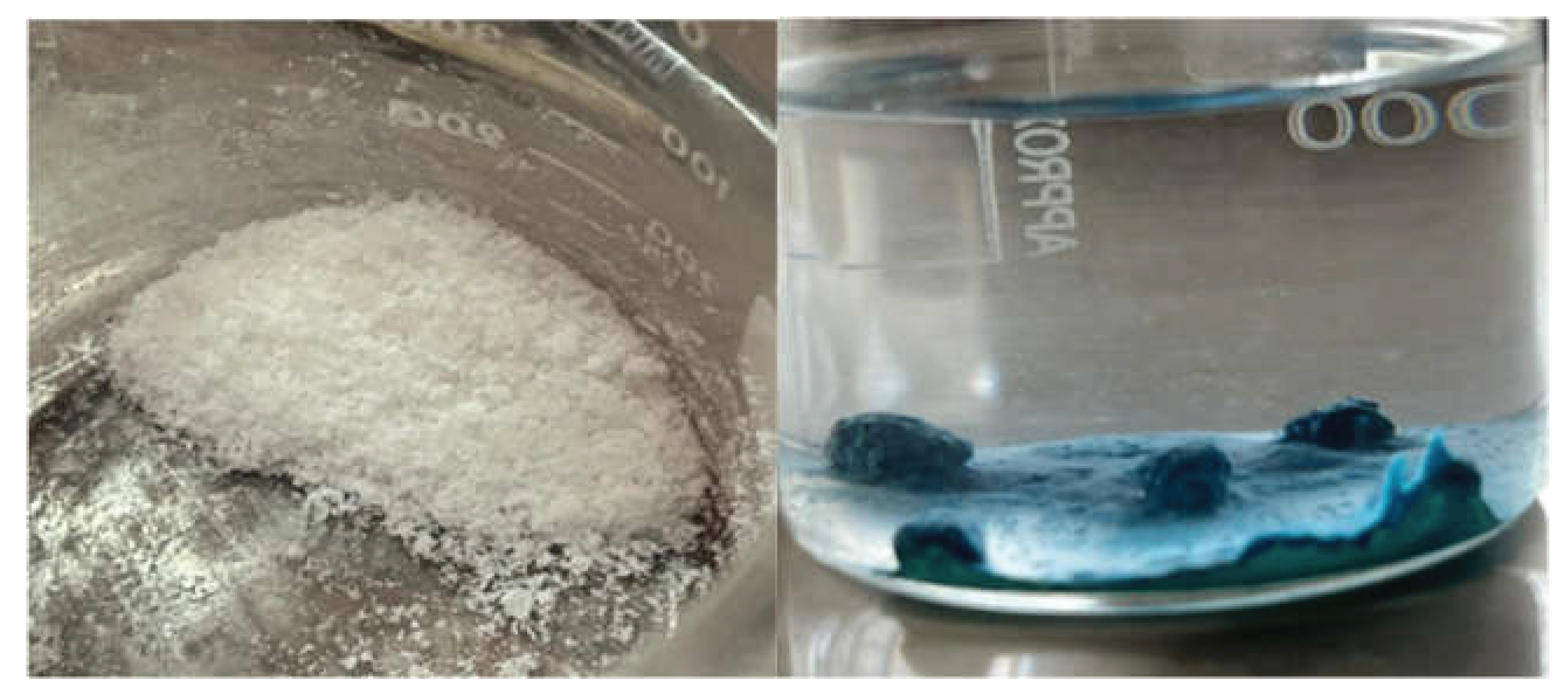
The extracted silica appeared as fine, uniform white powder with no visible discoloration, indicating effective removal of carbon and metal impurities. Chemical characterization confirmed high-purity silica through formation of blue-green silicate structures in the NaOH/CuSO₄ test, near-neutral pH in aqueous slurry, and no reaction with concentrated HCl. Physical properties were comparable to commercial silica, with bulk density of 180 to 200 kg/m³ and moisture content of 3.1% after standardized drying. Figure 8 shows the extracted silica powder (left) and the NaOH/CuSO₄ confirmation test result (right), demonstrating the white appearance and positive silica identification.
These characterization results collectively confirm successful extraction of high-purity silica suitable for industrial applications, with potential applications in construction materials where improved durability and reduced environmental impact are key considerations [14], ceramics production with energy savings through reduced vitrification temperatures [33], and environmental remediation applications with cost-effective heavy metal removal capabilities [34].
Author Contributions
Ajay Oli: Conceptualization, Methodology, Investigation, Formal Analysis, Writing - Original Draft, Writing - Review & Editing, Project Administration, Funding Acquisition, Supervision. Jenish Swar: Methodology, Investigation, Data Curation, Formal Analysis, Validation, Writing - Review & Editing. Bibek Sedhai: Investigation, Resources, Data Curation, Visualization, Writing - Review & Editing. Madhav Sapkota: Investigation, Methodology, Resources, Data Curation, Writing - Review & Editing. All authors have read and agreed to the published version of the manuscript.
Funding
This research received no external funding.
Ethics, Consent to Participate, and Consent to Publish
Ethics, Consent to Participate, and Consent to Publish declarations: not applicable.
Institutional Affiliation
Tribhuwan University, Institute of Engineering, Western Regional Campus, Pokhara–16, Nepal
Competing Interests
The authors declare no competing interests.
Data Availability Statement
All data generated or analysed during this study are included in this published article [and its supplementary information files].
References
- Grand View Research, "Specialty Silica Market Size, Share & Trends Analysis Report By Product, By Application, By Region, And Segment Forecasts 2020-2027," San Francisco, CA, USA, 2020.
- Mordor Intelligence, "Silica Market - Silicon Dioxide Industry Share & Analysis," 2024. [Online]. Available: https://www.mordorintelligence.com/industry-reports/silica-market.
- ChemAnalyst, "Silica Market Size, Share, Growth & Forecast, 2032," 2024. [Online]. Available: https://www.chemanalyst.com/industry-report/silica-market-773.
- Straits Research, "Global Silica Market Size, Demand | Forecast to 2033," 2024. [Online]. Available: https://straitsresearch.com/report/silica-market.
- F. A. de Carvalho, J. N. P. Nobre, R. P. Cambraia, A. C. Silva, J. D. Fabris, A. B. dos Reis, and B. V. Prat, "Quartz Mining Waste for Concrete Production: Environment and Public Health," Sustainability, vol. 14, no. 1, p. 389, Dec. 2022. [CrossRef]
- Elkem Magazine, "From quartz to silicon to silicones," 2023. [Online]. Available: https://magazine.elkem.com/material-science-insights/from-quartz-to-silicon-to-silicones/.
- F. Akhter, S. Soomro, A. R. Jamali, Z. A. Chandio, M. S. Nasar, and M. Ahmed, "Rice husk ash as green and sustainable biomass waste for construction and renewable energy applications: a review," Biomass Conversion and Biorefinery, vol. 13, no. 6, Apr. 2021. [CrossRef]
- Food and Agriculture Organization, World Food and Agriculture - Statistical Yearbook 2022. Rome, Italy, 2022.
- Our World in Data, "Rice production," 2022. [Online]. Available: https://ourworldindata.org/grapher/rice-production.
- Statista, "Rice production worldwide," 2022. [Online]. Available: https://www.statista.com/statistics/255945/top-countries-of-destination-for-us-rice-exports-2011/.
- Food and Agriculture Organization, "FAOSTAT: Crops and livestock products," 2022. [Online]. Available: https://www.fao.org/faostat/en/#data/QCL. [Accessed: Dec. 7, 2025].
- Ministry of Agriculture and Livestock Development, Statistical Information on Nepalese Agriculture 2023/24. Government of Nepal, Kathmandu, Nepal, 2023.
- J. Kumar, V. Singh, and R. K. Pareek, "A study on the effect of fly ash and rice husk ash on strength parameters of pavement quality concrete," International Journal on Emerging Technologies, vol. 6, no. 2, pp. 28-34, 2015.
- H. Chao-Lung, B. L. Anh-Tuan, and C. Chun-Tsun, "Effect of rice husk ash on the strength and durability characteristics of concrete," Construction and Building Materials, vol. 25, no. 9, pp. 3768-3772, 2011. [CrossRef]
- S. R. Kamath and A. Proctor, "Silica gel from rice hull ash: Preparation and characterization," Cereal Chemistry, vol. 75, no. 4, pp. 484-487, 1998. [CrossRef]
- I. J. Fernandes, D. Calheiro, A. G. Kieling, C. A. M. Moraes, T. L. A. C. Rocha, F. A. Brehm, and R. C. E. Modolo, "Characterization of rice husk ash produced using different biomass combustion techniques for energy," Fuel, vol. 165, pp. 351-359, 2016. [CrossRef]
- P. Verma, D. Goldar, S. K. Singh, and M. Daniyal, "Effect of Rice Husk Ash on the Properties and Performance of Geopolymer Concrete," International Journal of Civil Engineering, vol. 11, no. 11, Nov. 2024. [CrossRef]
- M. Sarangi, S. Bhattacharyya, and R. C. Behera, "Rice effect of temperature on morphology and phase transformation of nanocrystalline silica obtained from rice husk," GISER, vol. 82.5, pp. 377-386, 2014. [CrossRef]
- P. Chindaprasirt and S. Rukzon, "Strength, porosity and corrosion resistance of ternary blend Portland cement, rice husk ash and fly ash mortar," Construction and Building Materials, vol. 22, pp. 1601-1606, 2007. [CrossRef]
- B. K. Naguin, H. Mohamad, and E. Sakai, "Effect of rice husk ash and silica fume in ternary system on the properties of blended cement paste and concrete," Journal of Ceramic Processing Research, vol. 11, no. 3, pp. 311-315, 2010.
- G. A. Rama Rao, R. K. Sastry, and B. L. P. K. Rohatagi, "Nature and reactivity of silica available in rice husk and its ashes matter," SCI., vol. 12.5, pp. 469-479, 1989.
- R. Jauberthie, F. Rendell, and S. Tamba, "Origin of pozzolanic effect of rice husks," Construction and Building Materials, pp. 419-423, 2000. [CrossRef]
- M. Fertani, K. Brahim, I. Khattech, and M. Jemal, "Thermochemistry and kinetics of silica dissolution in NaOH solutions: Effect of the alkali concentration," Thermochimica Acta, vol. 594, pp. 1-7, 2014. [CrossRef]
- P. N. Chakraborty, I. Mal, S. S. Bharath Prasad, A. S. Mahato, K. K. and N. Mazumder, "Evaluation of physicochemical properties of citric acid crosslinked starch elastomers reinforced with silicon dioxide," RSC Advances, vol. 14, pp. 139-146, 2024.
- J. Y. Park, Y. M. Gu, J. Chun, B.-I. Sang, and J. H. Lee, "Pilot-scale continuous biogenic silica extraction from rice husk by one-pot alkali hydrothermal treatment and ball milling," Chemical and Biological Technologies in Agriculture, vol. 10, no. 102, 2023. [CrossRef]
- M. A. Hubbe, S. Azizian, and S. Douven, "Implications of apparent pseudo-second-order adsorption kinetics onto cellulosic materials: A review," BioResources, vol. 14, no. 3, pp. 7582-7626, 2019. [CrossRef]
- N. Ismail, M. A. Azmi, S. Ahmad, and H. Taib, "Effect of rice husk firing temperature on synthesis of silica (SiO₂)," Advanced Materials Research, vol. 1087, pp. 470-474, 2015. [CrossRef]
- M. Sarangi, P. Nayak, and T. N. Tiwari, "Effect of temperature on nano-crystalline silica and carbon composites obtained from rice-husk ash," Composites Part B: Engineering, vol. 42, no. 7, pp. 1994-1998, 2011. [CrossRef]
- E. Lacroix, A. Brovelli, C. Holliger, and D. A. Barry, "Evaluation of silicate minerals for pH control during bioremediation: Application to chlorinated solvents," Water, Air, & Soil Pollution, vol. 223, no. 5, pp. 2407-2421, 2012. [CrossRef]
- G. A. Benedet, A. Zaccaron, J. M. Inocente, V. de S. Nandi, S. Arcaro, F. Raupp-Pereira, and D. Gorini Neto, "Development of eco-friendly clay ceramics using rice husk ash as a secondary mineral source of quartz," Materials Today Communications, Jan. 2024. [CrossRef]
- P. Chindaprasirt, S. Homwuttiwong, and V. Sirivivatnanon, "Influence of fly ash fineness on strength, drying shrinkage and sulfate resistance of blended cement mortar," Cement and Concrete Research, vol. 34, no. 7, pp. 1087-1092, 2004. [CrossRef]
- K. G. A. S. Kariyawasam and N. P. K. Semananda, "Harnessing rice husk ash for sustainable construction: A comprehensive review of challenges, opportunities, and future perspectives," Journal of Material Cycles and Waste Management, vol. 27, pp. 4104-4126, 2025. [CrossRef]
- C. S. Prasad, K. N. Maiti, and R. Venugopal, "Effect of rice husk ash in whiteware compositions," Ceramics International, vol. 27, no. 6, pp. 629-635, 2001. [CrossRef]
- P. P. Nayak and A. Datta, "Synthesis of SiO₂-Nanoparticles from Rice Husk Ash and its Comparison with Commercial Amorphous Silica through Material Characterization," Silicon, vol. 13, no. 1, Apr. 2021. [CrossRef]
- D. Liu, W. Zhang, and W. Huang, "Effect of removing silica in rice husk for the preparation of activated carbon for supercapacitor applications," Chinese Chemical Letters, vol. 30, no. 6, pp. 1315-1319, 2019. [CrossRef]
- S. Hossain, H.-J. Son, S. Park, and C.-J. Bae, "Extrusion-based 3D printing alumina-silica inks: Adjusting rheology and sinterability incorporating waste derived nanoparticles," Journal of the European Ceramic Society, vol. 43, no. 11, pp. 4865-4876, 2023. [CrossRef]
- Y. Shen, "Rice husk silica derived nanomaterials for sustainable applications," Renewable and Sustainable Energy Reviews, vol. 80, pp. 453-466, 2017. [CrossRef]
- I. Hamidu, B. Afotey, B. Kwakye-Awuah, and D. A. Anang, "Synthesis of silica and silicon from rice husk feedstock: A review," Heliyon, vol. 11, no. 4, p. e42491, 2025. [CrossRef]
- ReliaWiki, "Taguchi Orthogonal Arrays," Sep. 15, 2023. [Online]. Available: https://www.reliawiki.com/index.php/Taguchi_Orthogonal_Arrays.
- A. Muralli, W. H. Kwan, M. A. Abbas, and M. H. Samsudin, "Characterizations of rice husk based silica made from acid leaching extraction method," E3S Web of Conferences, vol. 603, p. 02004, 2025.
- V. P. Della, D. Hotza, J. A. Junkes, and A. P. N. de Oliveira, "Estudo comparativo entre sílica obtida por lixívia ácida da casca de arroz e sílica obtida por tratamento térmico da cinza de casca de arroz," Química Nova, vol. 29, no. 6, pp. 1175-1179, 2006.
- P. P. Nayak, S. Nandi, K. Bhunia, and A. K. Datta, "Modelling the extraction process parameters of amorphous silica-rich rice husk ash using hybrid RSM−BPANN−MOGA optimization technique," Materials Chemistry and Physics, vol. 287, p. 126944, 2022. [CrossRef]
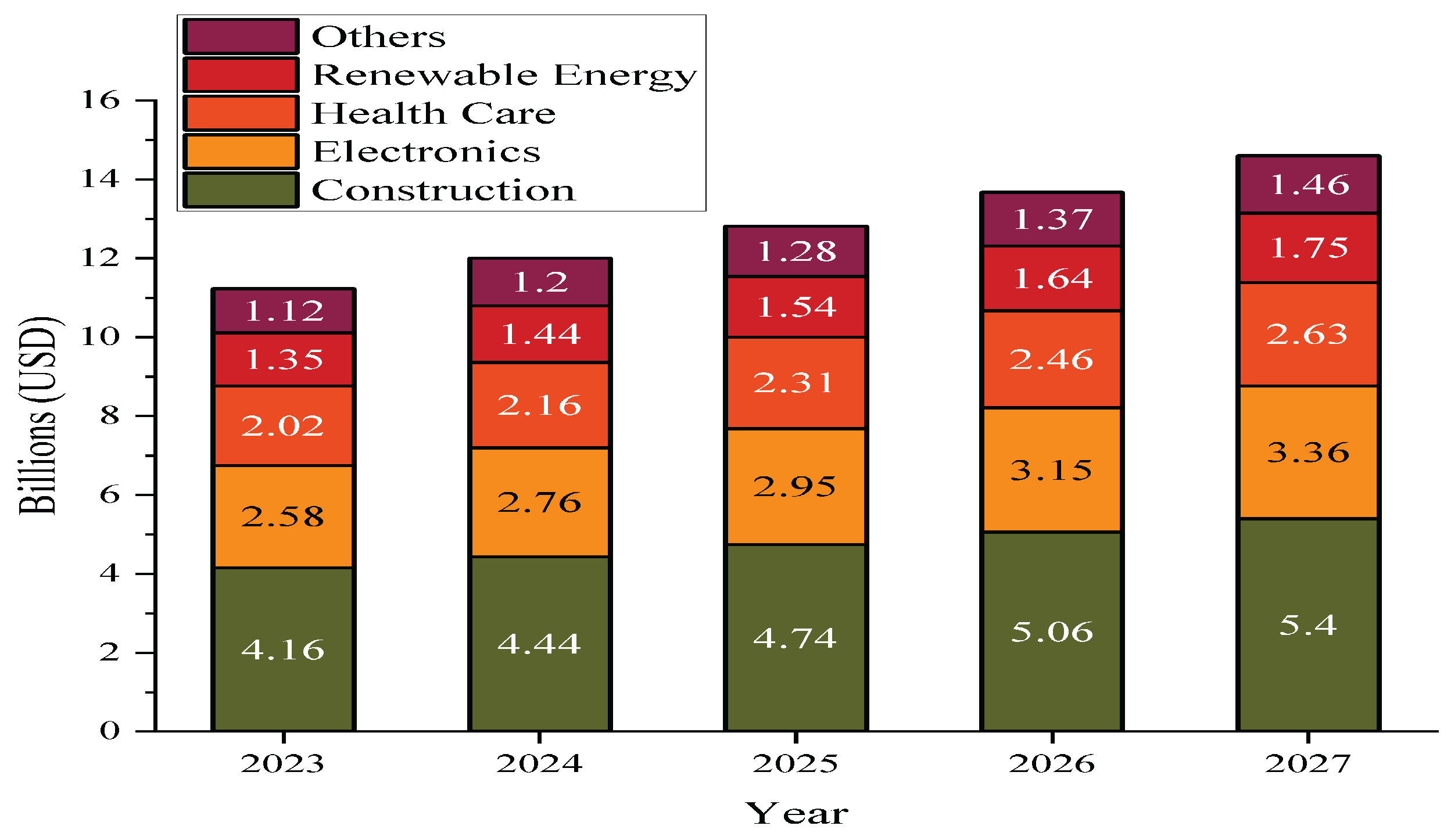
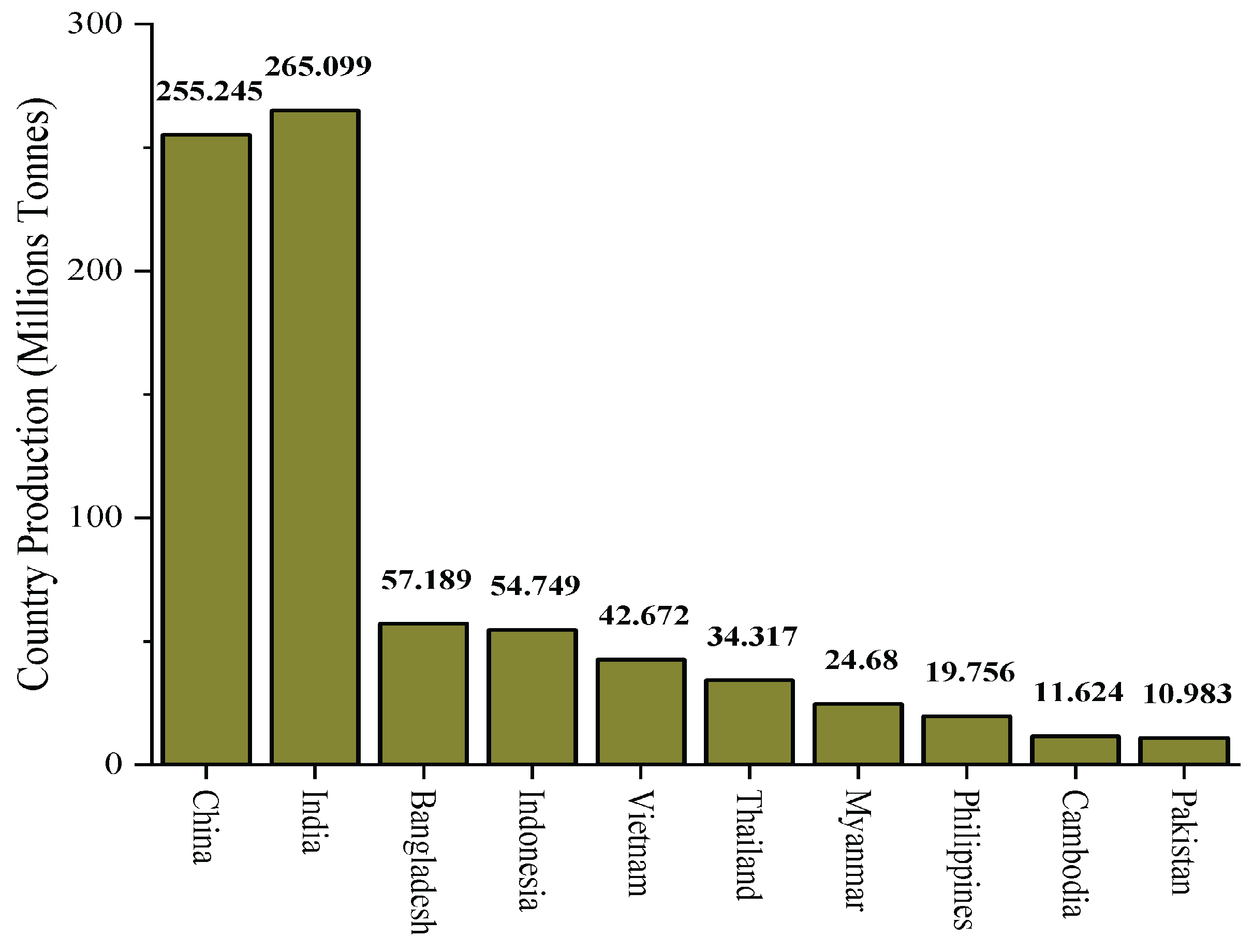
Figure 3.
Circular economy model for RHA utilization.
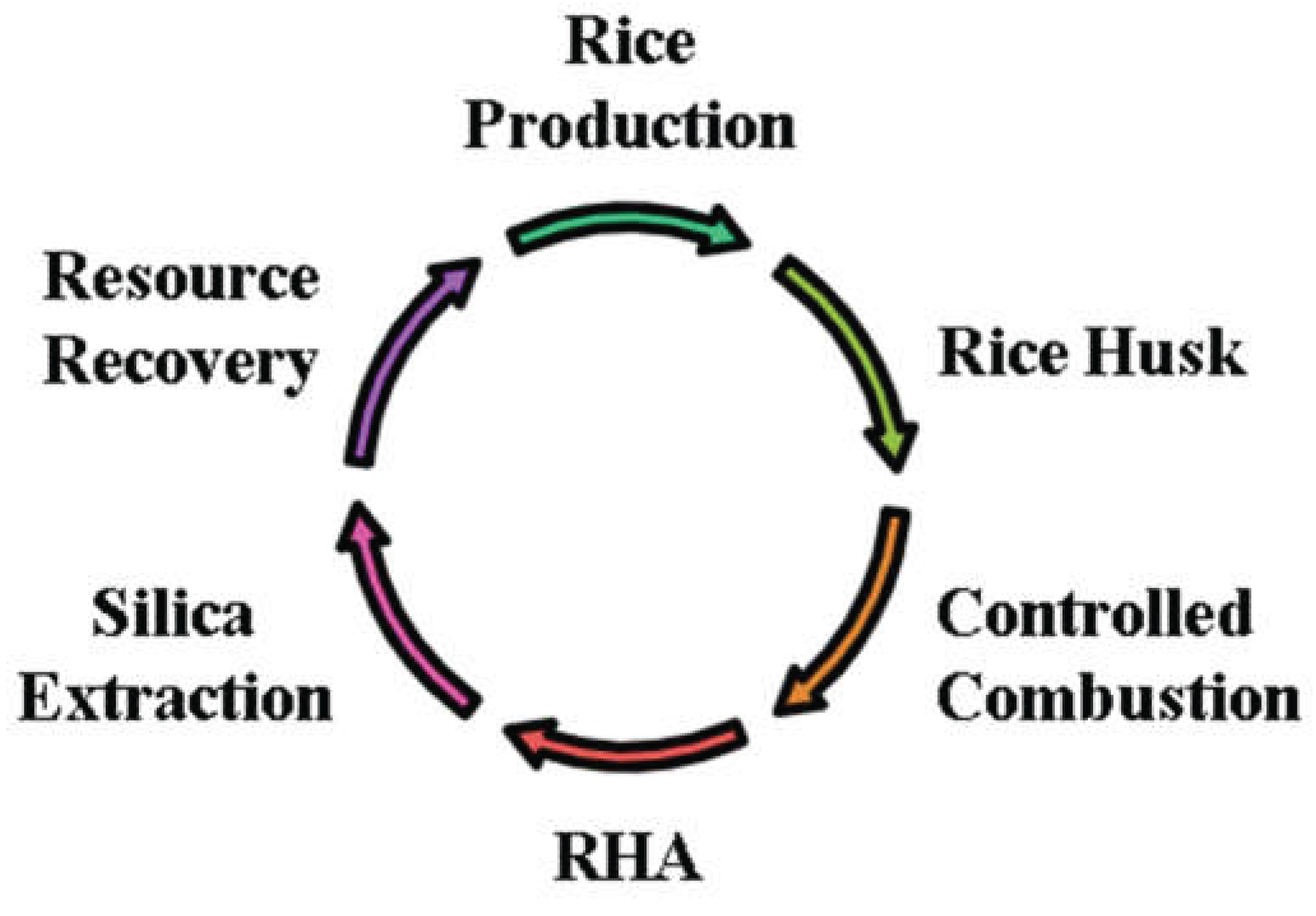
Figure 4.
Working Methodology of Silica Extraction Process.
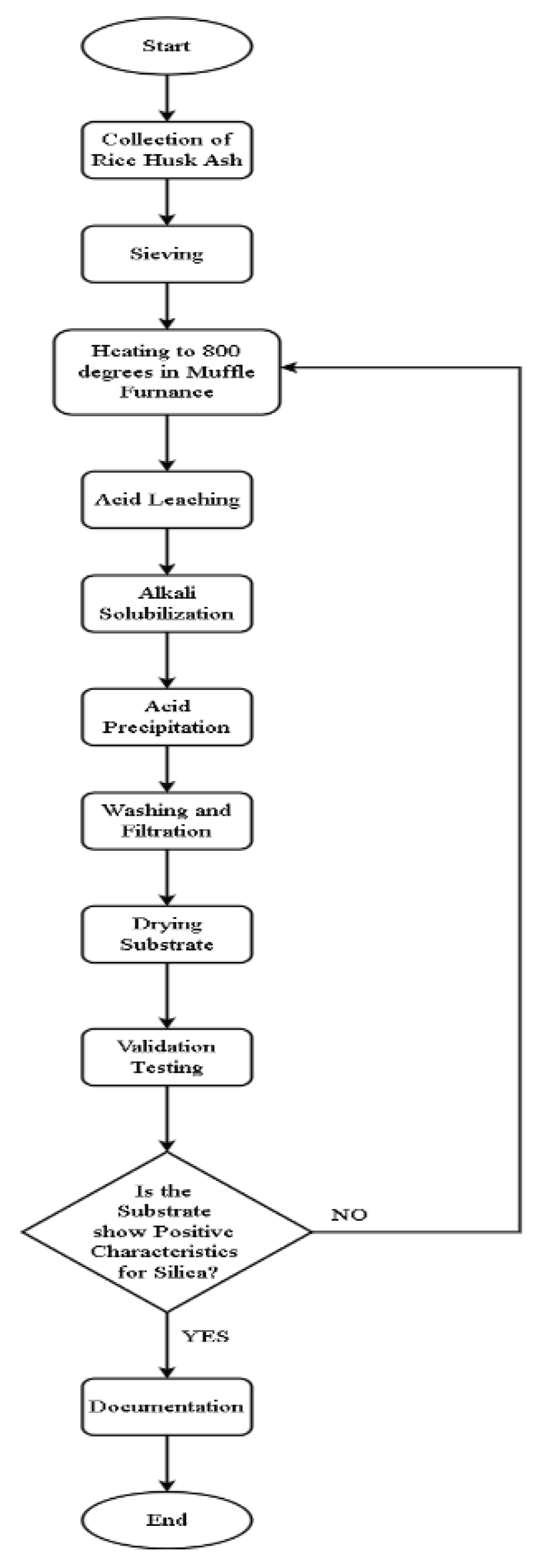
Figure 5.
Steps for Silica Extraction.
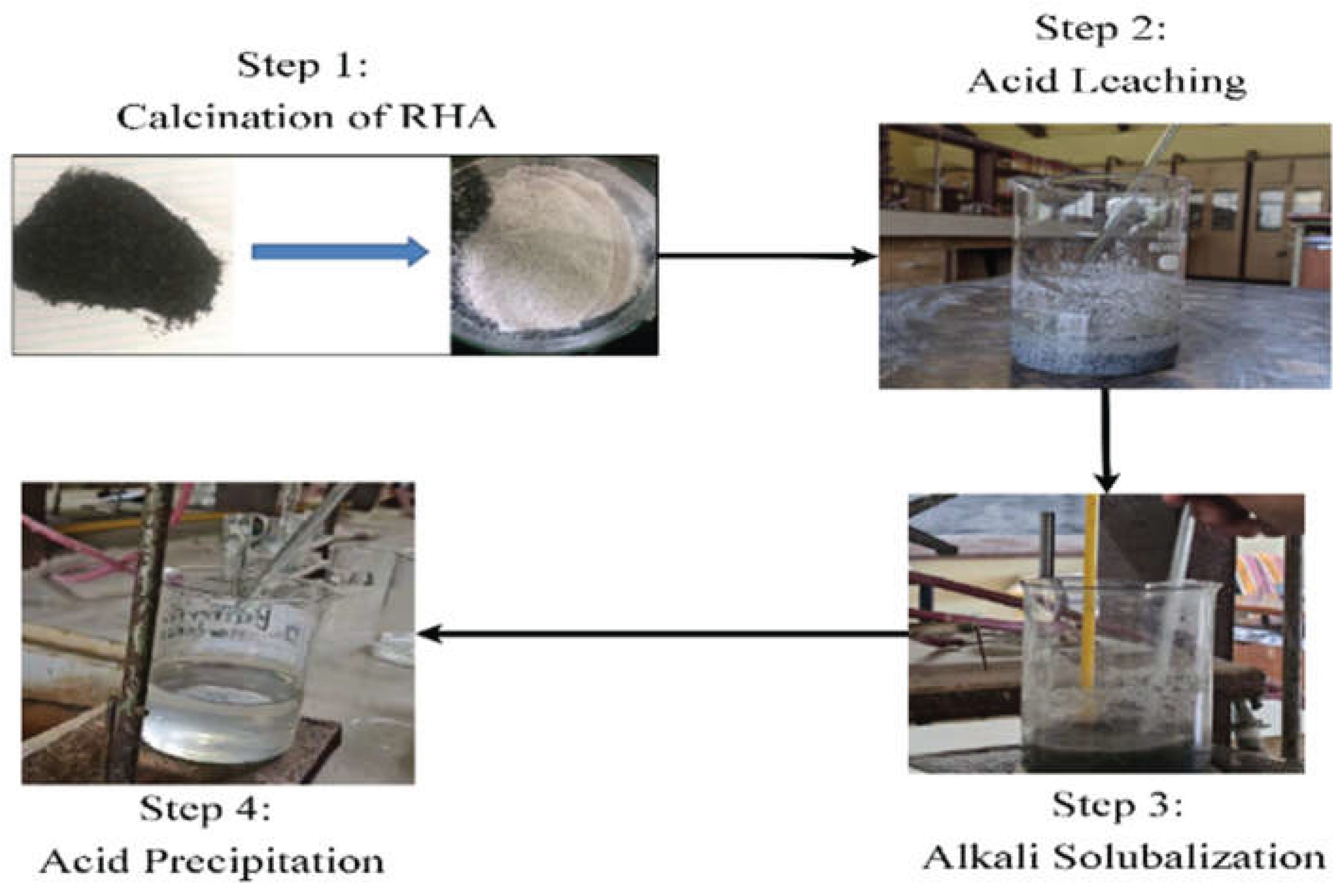
Figure 6.
Silica Gel.
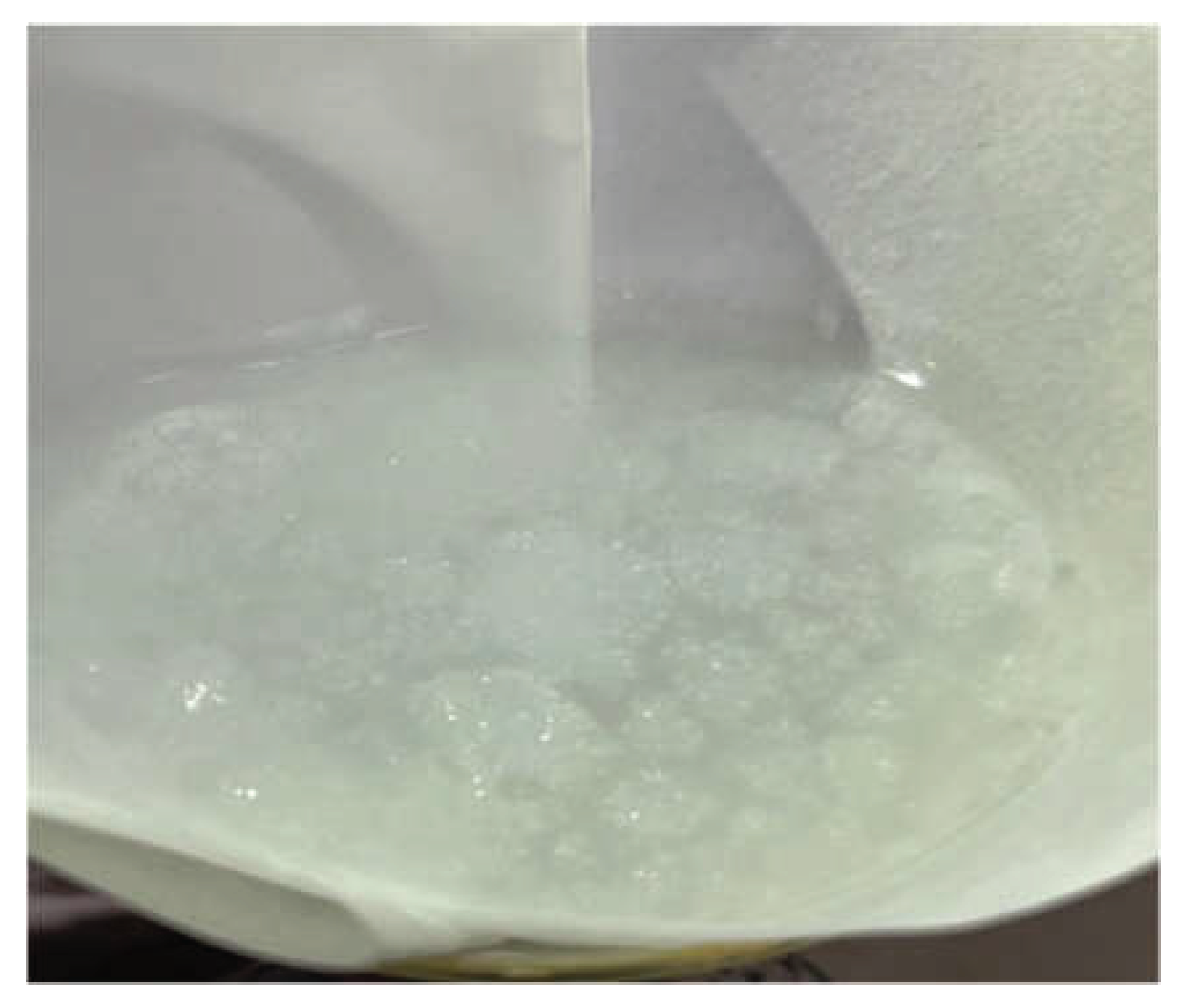
Figure 7.
Main effects plot for silica yield.
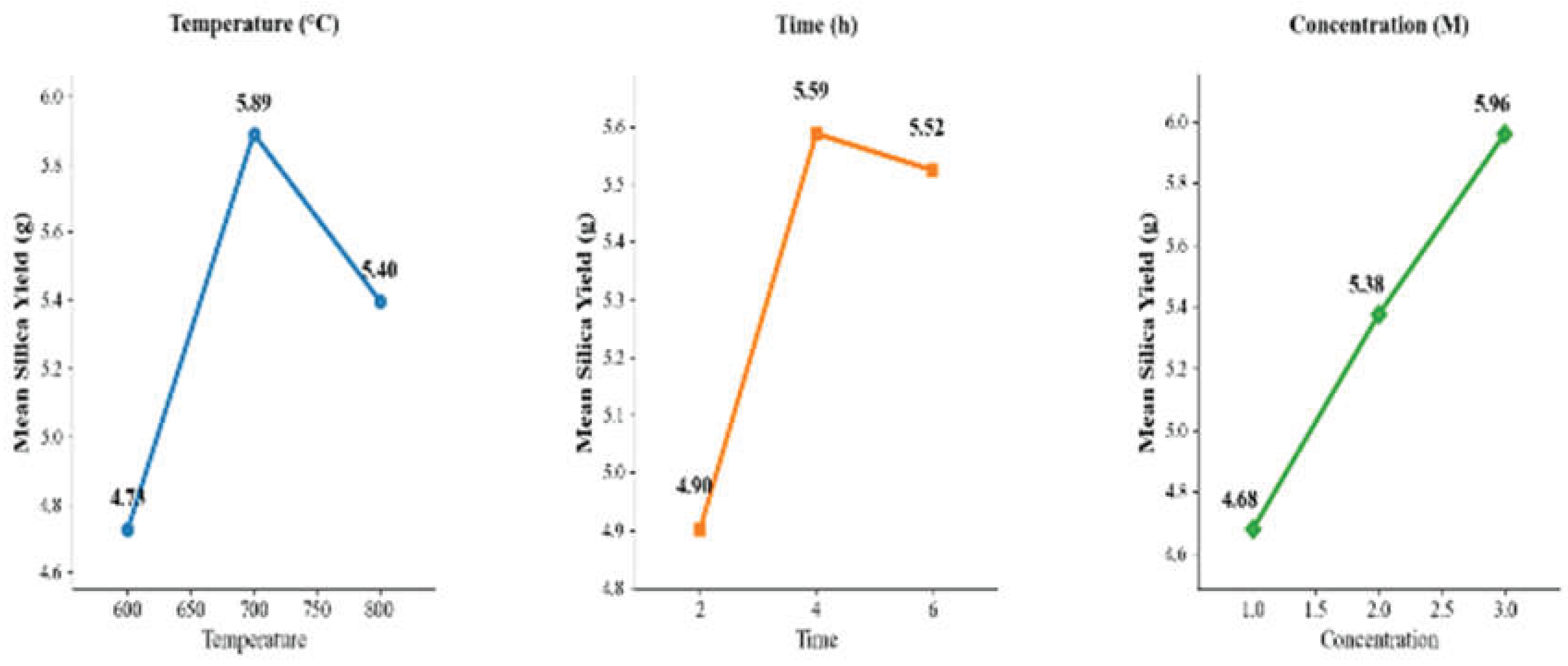
Figure 8.
Extracted Dry Silica (Left) and NaOH/CuSO₄ Confirmation Test (Right).

| Physical Property | Value |
|---|---|
| Specific Gravity | 2.05-2.3 |
| Colour | Grey |
| Odour | Odourless |
| Bulk density (kg/m³) | 96-160 |
| Particle Size Distribution (%) | |
| Clay | 4-5 |
| Slit | 91-93 |
| Fine Sand | 4-2 |
| Medium Sand | - |
| Coarse Sand | - |
| Chemical Constituent | Range (%) |
|---|---|
| SiO₂ | 82.5-97 |
| Fe₂O₃ | 0.54 |
| CaO | 0.1-1.31 |
| MgO | 0.01-1.96 |
| K₂O | 0.1-2.54 |
| Na₂O | 0.01-1.58 |
| P₂O₅ | 0.1-2.69 |
| Si₃ | 0.1-1.23 * |
| Carbon | 2.71-6.42 |
Table 3.
Parameter Levels for Taguchi L27 Design.
| Parameter | Level 1 | Level 2 | Level 3 |
|---|---|---|---|
| A: Heating Temperature (°C) | 600 | 700 | 800 |
| B: Heating Time (hours) | 2 | 4 | 6 |
| C: Chemical Concentration (M) | 1 | 2 | 3 |
Table 4.
Results from Initial Silica Extraction Experiments.
| Sample Size (g) | Silica Extracted (g) | Yield (%) | Visual Appearance |
|---|---|---|---|
| 20 | 14 | 70 | White powder |
| 10 | 5 | 50 | White powder |
Table 5.
Results from Taguchi Optimization Experiments.
| Exp | Heating Temp (°C) | Heating Time (hr) | Chemical Concentration (M) | Silica Yield (g) |
|---|---|---|---|---|
| 1 | 600 | 2 | 1 | 4.13 |
| 2 | 600 | 2 | 2 | 4.05 |
| 3 | 600 | 2 | 3 | 4.72 |
| 4 | 600 | 4 | 1 | 4.18 |
| 5 | 600 | 4 | 2 | 4.94 |
| 6 | 600 | 4 | 3 | 5.69 |
| 7 | 600 | 6 | 1 | 4.06 |
| 8 | 600 | 6 | 2 | 5.21 |
| 9 | 600 | 6 | 3 | 5.56 |
| 10 | 700 | 2 | 1 | 5.02 |
| 11 | 700 | 2 | 2 | 5.33 |
| 12 | 700 | 2 | 3 | 6.02 |
| 13 | 700 | 4 | 1 | 5.29 |
| 14 | 700 | 4 | 2 | 6.17 |
| 15 | 700 | 4 | 3 | 7.02 |
| 16 | 700 | 6 | 1 | 5.22 |
| 17 | 700 | 6 | 2 | 6.38 |
| 18 | 700 | 6 | 3 | 6.55 |
| 19 | 800 | 2 | 1 | 4.64 |
| 20 | 800 | 2 | 2 | 4.79 |
| 21 | 800 | 2 | 3 | 5.41 |
| 22 | 800 | 4 | 1 | 4.85 |
| 23 | 800 | 4 | 2 | 5.63 |
| 24 | 800 | 4 | 3 | 6.52 |
| 25 | 800 | 6 | 1 | 4.71 |
| 26 | 800 | 6 | 2 | 5.88 |
| 27 | 800 | 6 | 3 | 6.15 |
Disclaimer/Publisher’s Note: The statements, opinions and data contained in all publications are solely those of the individual author(s) and contributor(s) and not of MDPI and/or the editor(s). MDPI and/or the editor(s) disclaim responsibility for any injury to people or property resulting from any ideas, methods, instructions or products referred to in the content. |
© 2025 by the authors. Licensee MDPI, Basel, Switzerland. This article is an open access article distributed under the terms and conditions of the Creative Commons Attribution (CC BY) license (http://creativecommons.org/licenses/by/4.0/).
Copyright: This open access article is published under a Creative Commons CC BY 4.0 license, which permit the free download, distribution, and reuse, provided that the author and preprint are cited in any reuse.


