Preprint
Case Report

This version is not peer-reviewed.

Integrative Use of Cannabidiol, Melatonin, and Oxygen-Ozone Therapy in Triple-Negative Breast Cancer with Lung and Mediastinal Metastases: A Case Report

A peer-reviewed article of this preprint also exists.

Submitted:

11 November 2025

Posted:

22 December 2025

You are already at the latest version

Abstract

Background and Clinical Significance: Breast cancer is the most frequent malignancy in women. Advanced metastatic breast cancer is considered a treatable but incurable condition, with a median overall survival of only 2-3 years. Among its subtypes, triple-negative breast cancer (TNBC) accounts for a high proportion of breast cancer–related deaths. It is characterized by an aggressive clinical course, early recurrence, and a strong propensity for visceral and brain metastases. Case Presentation :We report the case of a Caucasian woman who, two years after being initially diagnosed and treated for TNBC, developed disease relapse with lung and mediastinal lymph node metastases. The patient received three months of chemotherapy combined with an adjuvant integrative protocol consisting of melatonin, cannabidiol, and oxygen–ozone therapy. This combined approach led to the complete disappearance of the lung nodules. Subsequently, stereotactic radiotherapy was performed and, in association with the ongoing integrative treatment, resulted in a significant reduction of mediastinal adenopathy. Introduction of immunotherapy, supported continuously by the same adjuvant strategy, achieved a complete and durable remission. Strikingly, the patient remained disease-free five years after the diagnosis of lung and mediastinal metastases. Conclusions: This clinical case highlights the potential benefit of using melatonin, cannabidiol, and oxygen–ozone therapy as part of an integrative approach in patients with aggressive metastatic TNBC. While it is not possible to establish causality from a single case, the sustained remission observed suggests that such unconventional adjuvant strategies could play a supportive role in enhancing the efficacy of standard oncologic therapies.

Keywords: 
;  ;  ;  ;  ;  ;  

1. Introduction and Clinical Significance

Breast cancer is the most common malignancy in women and accounts for the 30% of female cancers worldwide [1,2]. Despite a 5-year survival rate of 90%, breast cancer remains the leading cause of cancer death in women aged 20 to 59 years old. [1] A family history of cancer and genetic predisposition, particularly BRCA1 and BRCA2 mutations, represent the main risk factors. Other established risk factors include pregnancy-related factors, hormonal therapy, and lifestyle components such as obesity, physical inactivity, alcohol consumption, low-fibre diet, and smoking [3]. The clinical classification of breast cancers is based on the expression of estrogen receptors (ER), progesterone receptors (PR) and human epithelial growth factor receptor 2 (HER2). According to these markers, breast tumors are categorized as ER-positive, HER2-positive, or triple-negative breast cancers (TNBC), the latter lacking ER, PR, and HER2 expression [4]. Early breast cancer, cancer that is contained in the breast or that has only spread to the axillary limp node, is considerable curable and is usually treated with surgery, accompanied by neoadjuvant and/or adjuvant systemic therapy, and, in selected cases, radiotherapy [2]. Conversely, advanced metastatic breast cancer is a treatable but incurable disease, with a median overall survival of only 2–3 years [2]. TNBCs represent about 5% of all breast cancers but account for a disproportionally high number of breast cancer–related deaths due to their aggressive nature, early recurrence, and high propensity for lung and brain metastases[2,4] In pre-treated TNBCs patients with BRCA1/2 mutations, PARP inhibitors (e.g., Olaparib, Talazoparib) have shown clinical benefit by exploiting defective DNA repair mechanisms, prolonging progression-free survival and improving quality of life[2,4]. Recent evidence also points to the potential of unconventional adjuvant therapies. Ozone (O3) has been shown to inhibit cancer cell growth and induce cancer cell death in vitro, with no effect on normal cells. In vivo, ozonated water induced tumour necrosis in a rectal cancer mouse model, and intratumoral oxygen–ozone injections prolonged survival in patients with recurrent glioblastoma [5]. The antitumor effect of ozone appears linked to the induction of oxidative stress through reactive oxygen species (ROS), which cancer cells, already under oxidative pressure, are less able to counteract compared with normal cells [5]. In breast cancer, in vitro studies demonstrated that ozone inhibited cell growth and potentiated the efficacy of chemotherapeutic agents, while clinical trials suggested benefits in terms of quality of life, immunological parameters, and reduction of fatigue [6]. Cannabidiol (CBD), a non-psychomimetic phytocannabinoid extracted by Cannabis sativa plant, has also shown anticancer properties in preclinical models in addition to palliative effects such as analgesic, antiemetic, and antidepressant actions [7,8]. Nabiximols, a pharmaceutical preparation enriched in CBD and Δ9-tetrahidrocannabinol, displayed anticancer effects in a clinical trial [9]. Specifically, in breast cancer models, CBD reduced cell viability, proliferation, migration, and invasiveness, while enhancing the efficacy of chemotherapeutic drugs [10,11]. Melatonin (MLT) has similarly demonstrated anticancer properties, both in vitro and in vivo, by inducing apoptosis, inhibiting proliferation and metastasis, potentiating conventional therapies, and reducing their adverse effects [12]. Moreover, the combination of CBD, MLT and O2/O3 therapy has been shown to negatively impact pancreatic ductal adenocarcinoma in both in vitro and in vivo models [13]. Here, we report the case of a woman with TNBC who developed lung and mediastinal lymph node metastases and received standard chemo-, radio-, and immunotherapy in combination with CBD, MLT, and O₂/O₃ therapy as adjuvant treatment.

2. Case Presentation

The patient was a Caucasian woman with a positive oncological family history, as both her paternal grandmother and paternal uncle had developed breast cancer. In 2017, four years after her third pregnancy, at the age of 42, she reported right arm pain and detected a breast nodule on self-examination. A mammogram confirmed the presence of a lesion, and subsequent diagnostic workup led to the diagnosis of triple-negative breast cancer with a Ki-67 proliferation index of 80%. On April, 2017, she underwent a right quadrantectomy for an invasive ductal carcinoma, grade 3 (CDI G3), staged as pT1c pN0 M0. Adjuvant treatment included chemotherapy with four cycles of EC (Epirubicin and Cyclophosphamide), followed by 12 weekly cycles of Paclitaxel, and radiotherapy with a total dose of 50 Gy delivered in 25 fractions of 2 Gy each. A genetic analysis revealed a pathogenic BRCA1 mutation (exon 20, c.5266dupC, p.Gln1756Profs*74). Consequently, on April 2018, the patient underwent prophylactic bilateral adnexectomy.
In August 2019, two years after the initial diagnosis of triple-negative breast cancer and subsequent surgery, the patient was found to have lung and mediastinal lymph node metastases. The diagnosis was established through a total-body positron emission tomography (PET) performed on June 2019, and later confirmed by a computerized axial tomography (CT scan) on June 2019 (Figure 1A–E).
In September 2019, the patient initiated chemotherapy with carboplatin and gemcitabine administered every 21 days. However, treatment was discontinued in November 2019 due to adverse side effects.
During the same period (September 2019), the patient also began an integrative protocol consisting of MLT, CBD and O2/O3 therapy. The O2/O3 therapy was administered via rectal insufflation of an oxygen–ozone mixture (97% oxygen, 3% ozone) at a concentration of 80 µg/mL, with a volume of 2.5 mL/kg, four times per week for three months, followed by a three-month break. MLT was initially taken as 100 mg/day, with the dose increased by 100 mg every three days up to 2 g/day (500 mg tablets, 4 per day). CBD was administered at 200 mg/day during the three months of O₂/O₃ therapy and increased to 400 mg/day during the three-month breaks. This integrative regimen with MLT, CBD, and O₂/O₃ is still ongoing, although O₂/O₃ therapy was reduced to two sessions per week after the patient achieved complete remission.
In October, left para-aortic and hilar lymphonodes were treated with stereotactic radiotherapy. At that time, the lung nodules were no longer detectable. Stereotactic radiotherapy was delivered with a total dose of 30 Gy at the 80% isodose (isocenter dose 37.5 Gy) in three fractions using a monoisocentric technique.
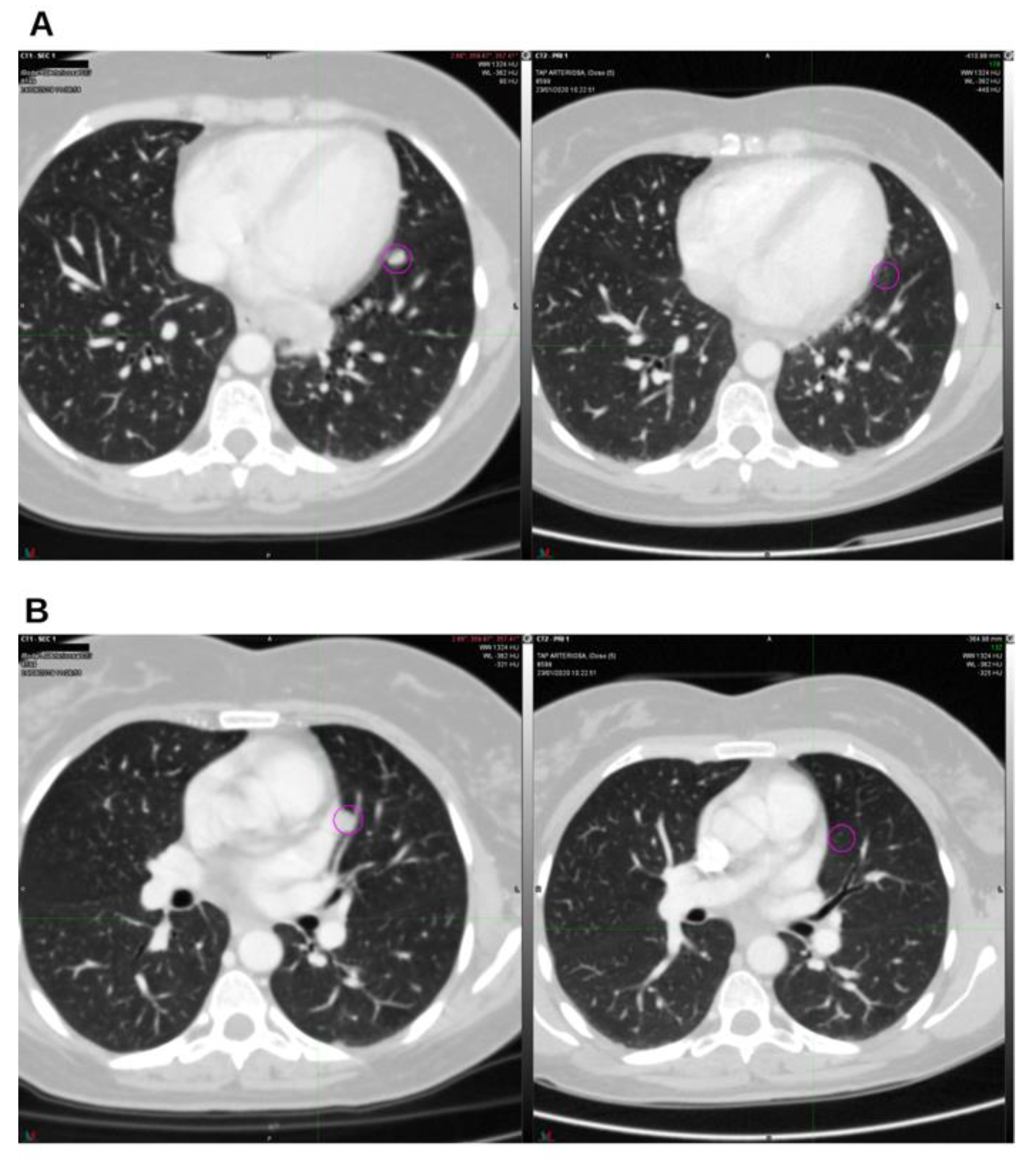
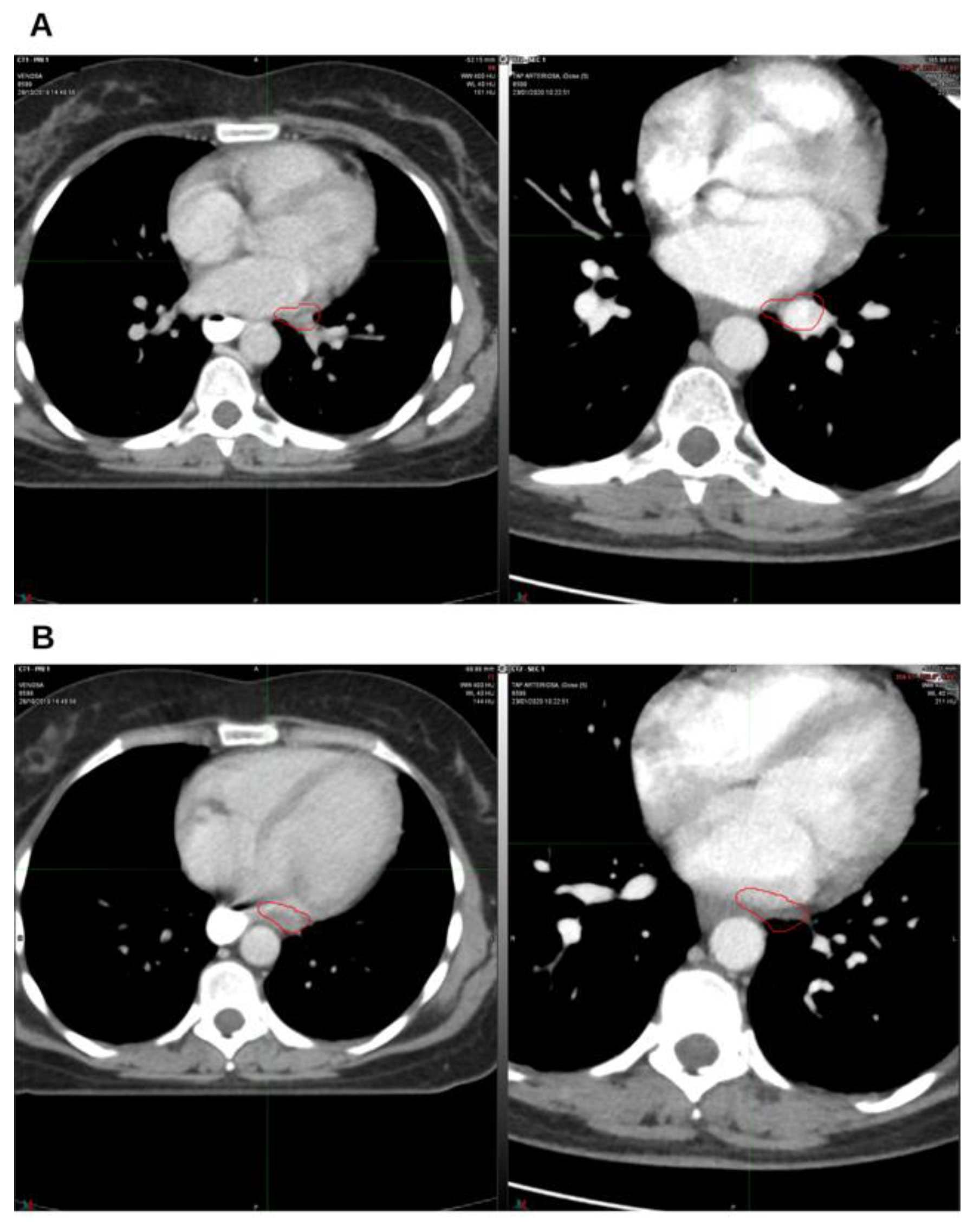
On January 2020, a CT scan confirmed the absence of the two lung nodules (Figure 2A,B) and demonstrated a reduction in lymph node volume compared to October 2019 (Figure 3A,B).
In March 2020, the patient also started immunotherapy with Olaparib at a dosage of 600 mg/day (150 mg tablets, 4/day). Due to persistent nausea, the dose was progressively reduced to 300 mg/day and then to 150 mg/day during February and March 2023. In June 2023, treatment was completely discontinued because of leukopenia. Although her physician recommended resuming therapy, the patient declined until March 2024, when she agreed to restart Olaparib.
In addition, beginning in July 2020, the patient was supplemented with vitamin D at a dosage of 50,000 IU once weekly.
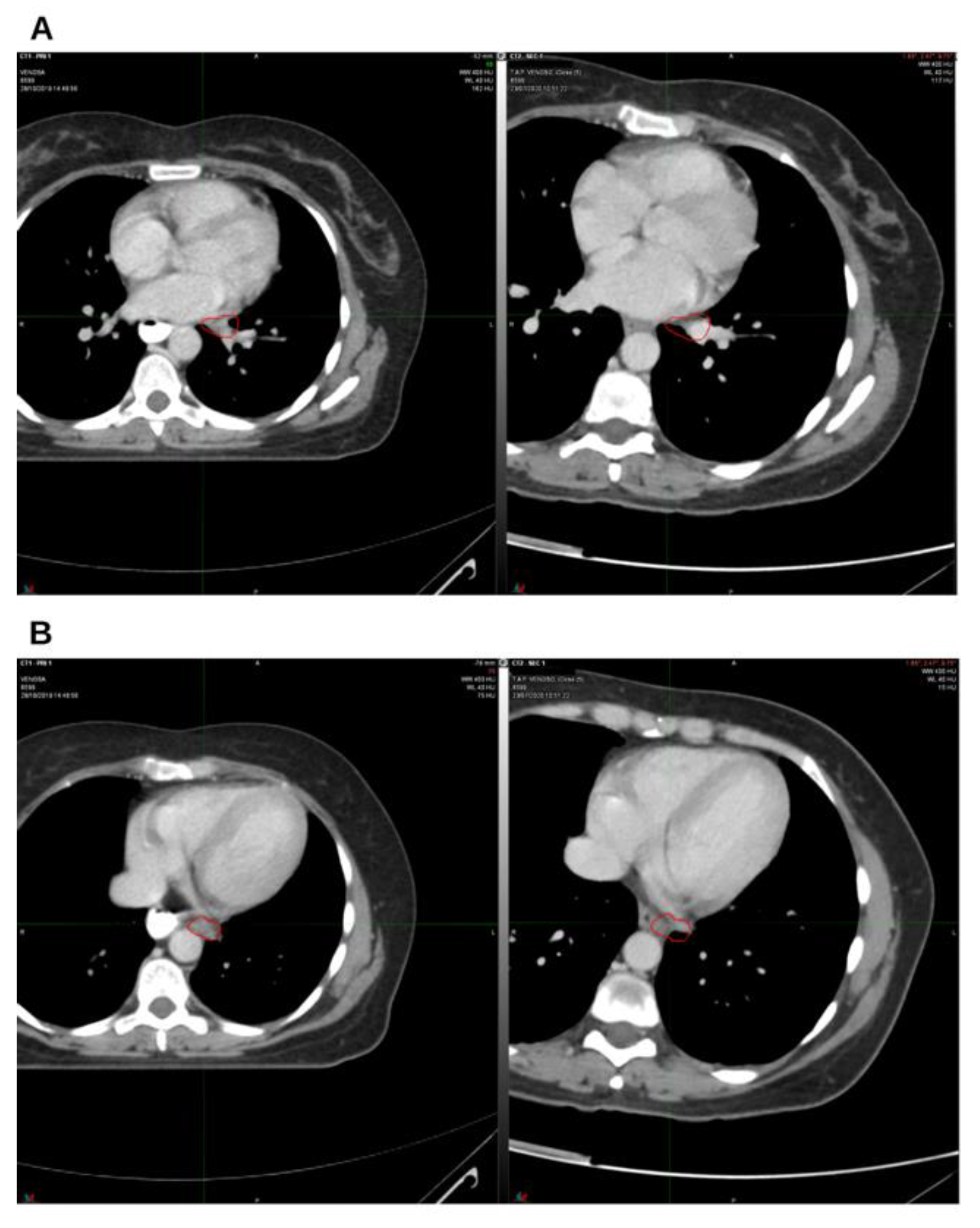
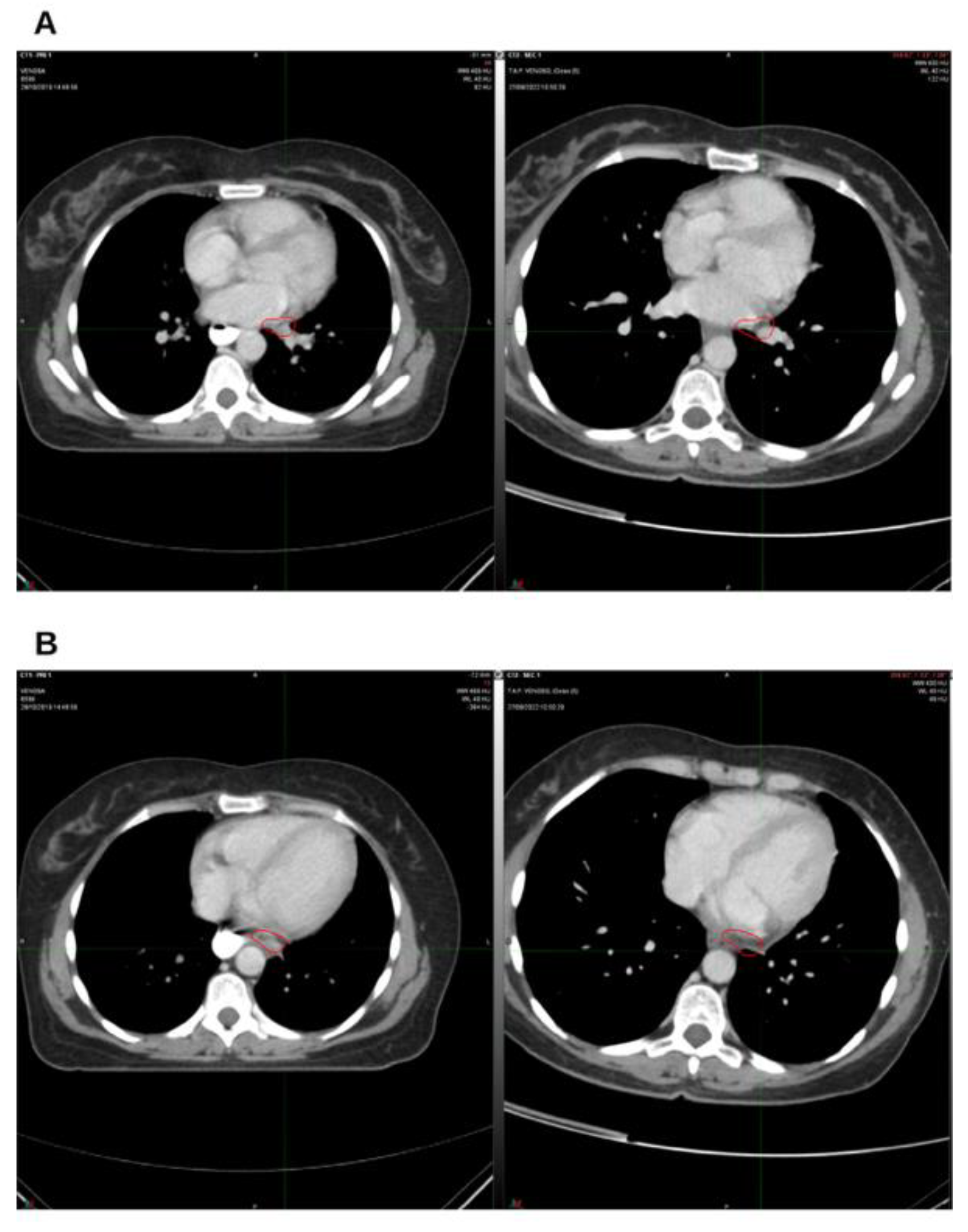
A CT scan performed in April 2020, demonstrated a further reduction in the size of the left para-aortic and hilar lymph nodes. An additional decrease was documented in the subsequent CT scan on July 2020 (Figure 4A,B).
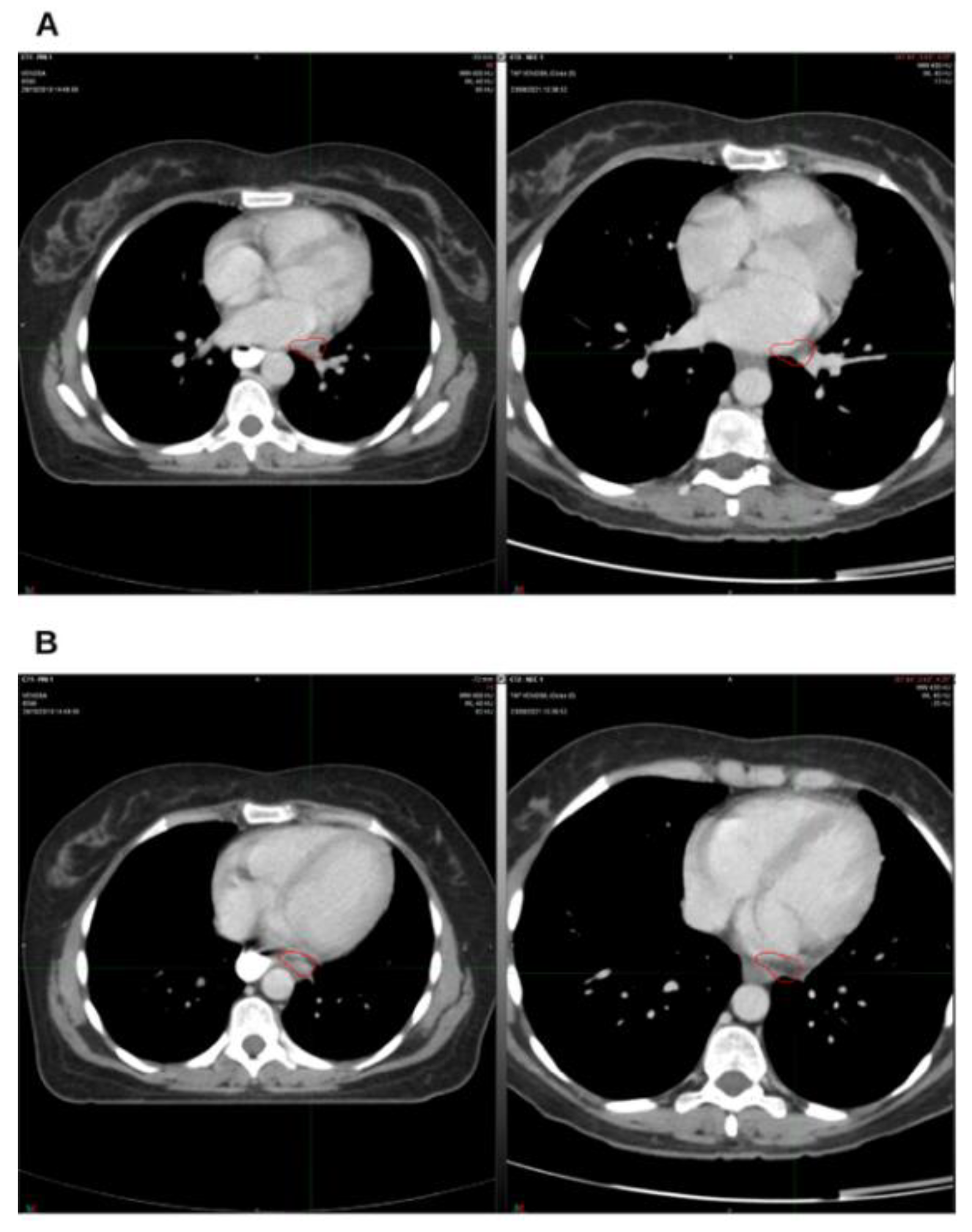
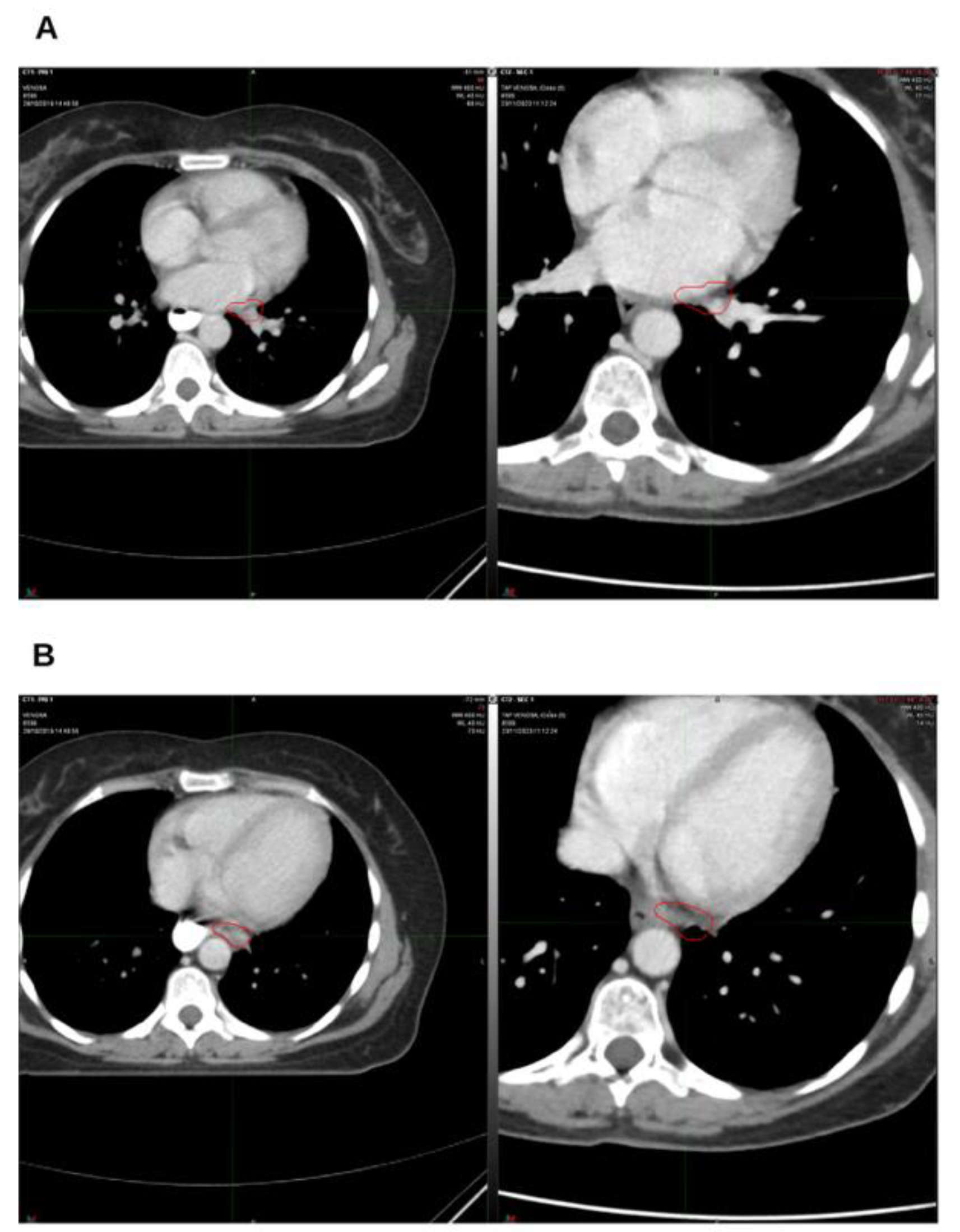
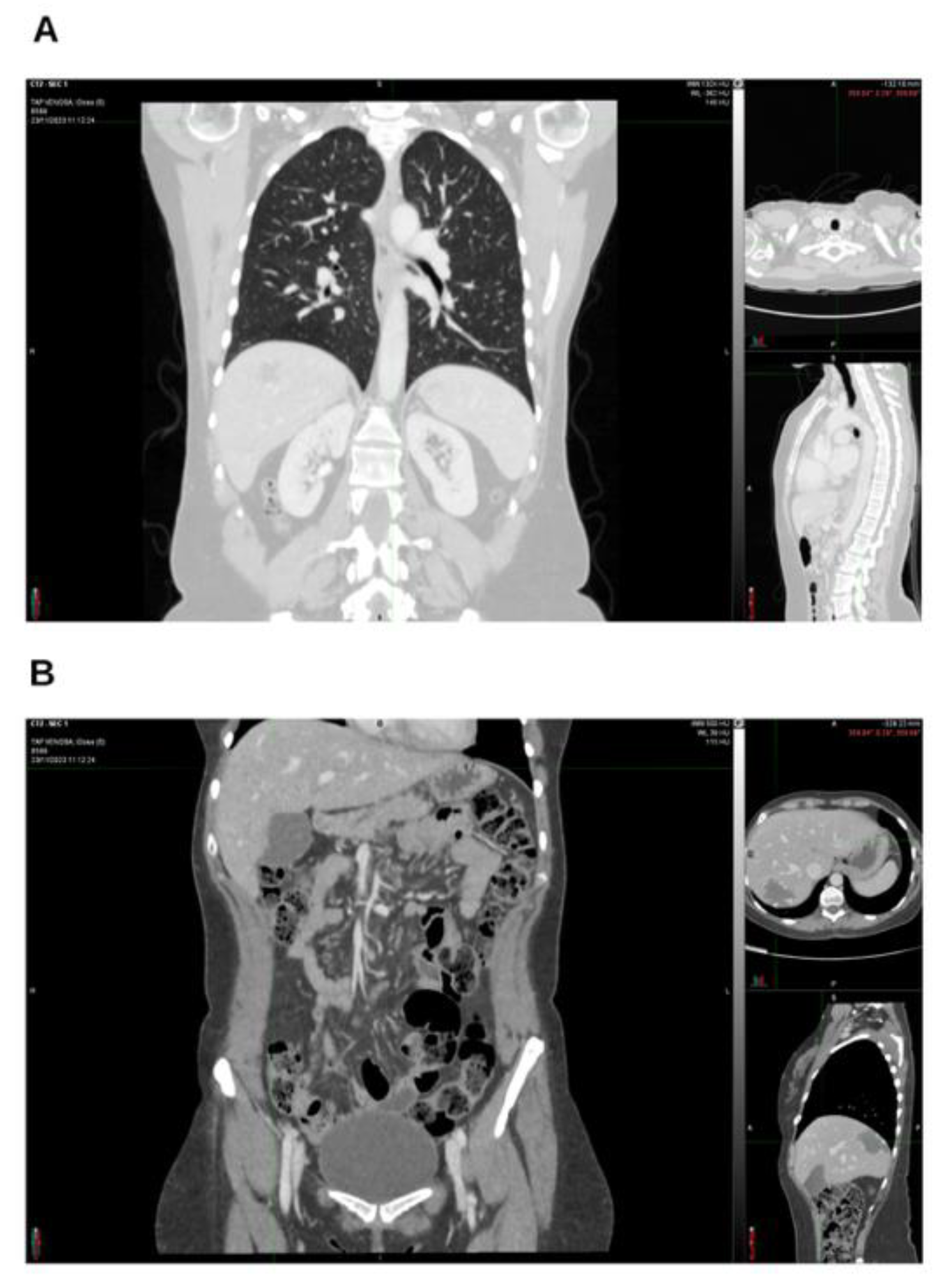
On April 2021, the total-body CT scan showed a complete response, with no detectable disease (Figure 5A,B). Subsequent follow-up analysis performed in 2022 (Figure 6A,B) and 2023 (Figure 7A,B) confirmed the absence of recurrence and of radiological signs of disease relapse (Figure 8A,B).
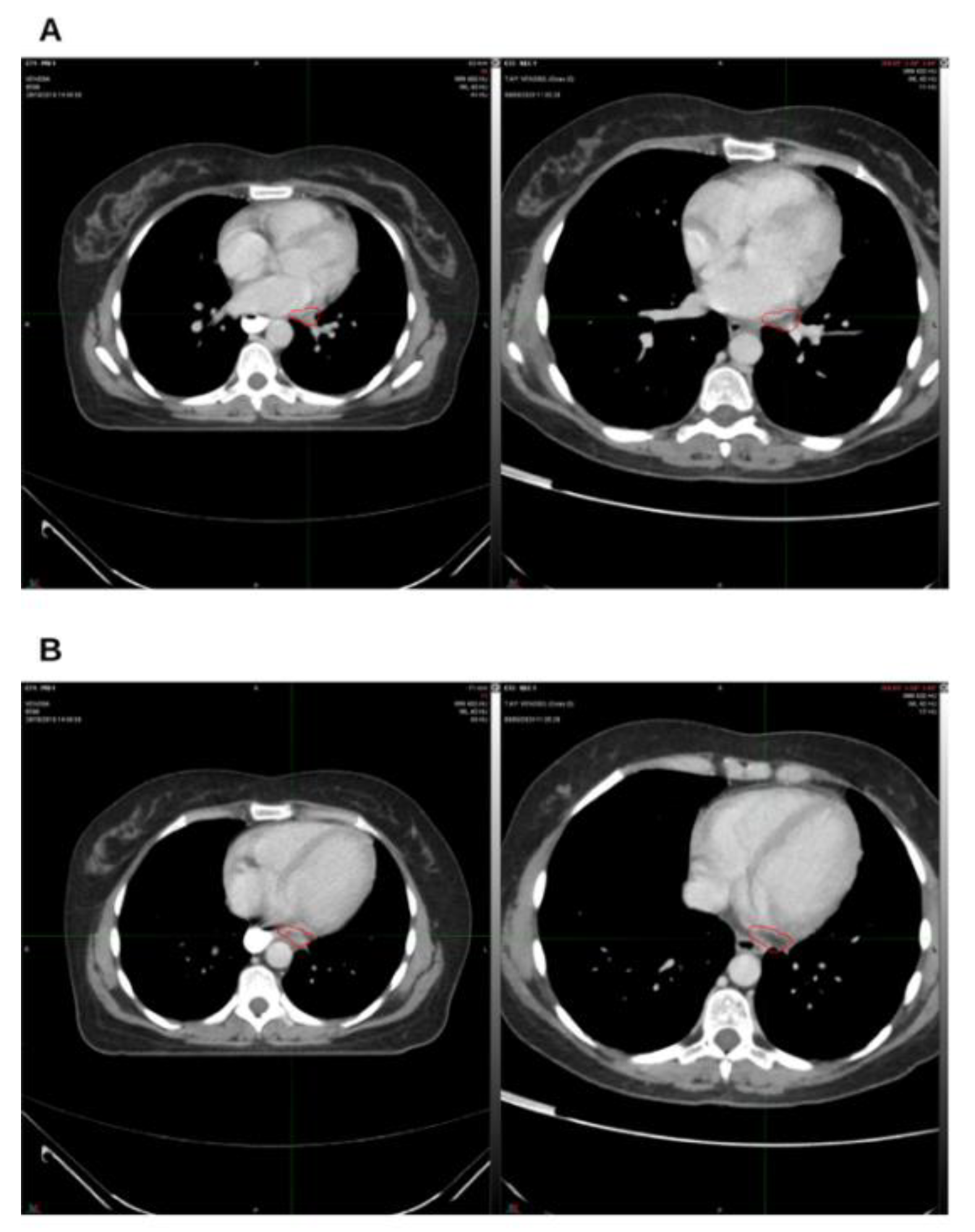
In 2024, the patient continues treatment with Olaparib 600 mg/day, in combination with integrative therapy consisting of O₂/O₃ therapy, MLT (2 g/day), and CBD (200 mg/day during the 3 months of O₂/O₃ therapy, increased to 400 mg/day during the 3-month breaks). The most recent CT scan performed on May 2024 (Figure 9A, ), confirmed the persistence of a complete response, with no evidence of disease recurrence, five years after the diagnosis of lung and mediastinal metastases.

3. Discussion

Herein, we describe the case of a woman who developed lung and mediastinal lymph node metastases two years after a previously cured triple-negative breast cancer. The patient initiated chemotherapy and, upon medical advice, decided to integrate it with O2/O3 therapy, MLT and CBD. After 2 months, the lung nodules were no longer detectable, although lymphadenopathy persisted. Due to chemotherapy-related side effects, the patient discontinued systemic chemotherapy but continued the integrative therapies and underwent stereotactic radiotherapy. Three months later, the lymph node lesions had decreased in size. Subsequently, she started immunotherapy with Olaparib while maintaining MLT, CBD, and O₂/O₃ therapy. Less than two years after the diagnosis of metastatic disease, the patient achieved a complete response.
In the following three years, she continued immunotherapy, interrupted for a few months due to nausea and leukopenia, alongside integrative therapy. Notably, she remains disease-free five years after the diagnosis of lung and mediastinal metastases and is still receiving Olaparib, MLT, CBD, and O₂/O₃ therapy.
The antiproliferative and chemosensitizing effects of MLT and CBD have been extensively demonstrated in vitro and in vivo, including in breast cancer models [8,10,11,12]. MLT has also been investigated in a clinical trial on breast cancer patients, although the results are still pending (NCT01965522). Clinical trials have tested cannabis-derived compounds, such as Nabiximols, in combination with chemotherapy, showing promising anticancer effects, particularly in glioma models [9]. Similarly, ozone therapy has been reported to inhibit breast cancer cell growth and enhance chemotherapy efficacy in vitro [5,6]. More recently, the combined use of CBD, MLT, and O₂/O₃ therapy demonstrated synergistic anticancer activity in preclinical models of pancreatic ductal adenocarcinoma [13], while another case report described a positive outcome in a glioblastoma multiforme patient treated with this integrative approach [14,15].
Taken together, this case highlights the potential role of MLT, CBD, and O₂/O₃ therapy as adjuvant strategies capable of enhancing the efficacy of conventional oncological treatments. Further studies are warranted to clarify the clinical benefit and mechanisms underlying this integrative approach, particularly in aggressive and hard-to-treat cancers such as triple-negative metastatic breast cancer.

Author Contributions

M.L., M.N.: Conceptualization, supervision, and project administration. C.A., A.M, P.Z., M.B.M.: Writing-original draft preparation. C.A., A.M., M.B.M., L.Z, M.G., M.N.: writing—review and editing; J.S., M.L., A.F., A.M.: Data curation. M.L.: funding acquisition. All the authors have read and approved the final manuscript.

Funding

Not applicable.

Institutional Review Board Statement

The study was conducted in accordance with the Declara- tion of Helsinki. Ethical review and approval were waived for this study as it describes a single anonymized clinical case without experimental interventions beyond standard care.

Informed Consent Statement

Informed consent to participate in the study was obtained from the patient’s legal guardian for publication of this case report and any accompanying images.

Data Availability Statement

We have original data on file available for review, if requested.

Conflicts of interest

The authors declare that they have no conflicts of interest.

Abbreviations

The following abbreviations are used in this manuscript:
CBD Cannabidiol;
ER estrogen receptors;
ER+ ER positive;
HER2 human epithelial growth factor receptor 2;
HER2+ HER2 positive;
MLT Melatonin;
O3 Ozone;
O2/O3 Oxygen-Ozone;
PET Positron emission tomography;
PR progesterone receptor;
ROS reactive oxygen species;
TAC computerized axial tomography;
TNBC triple-negative breast cancers.

References

  1. Siegel, RL; Miller, KD; Jemal, A. Cancer statistics, 2020. CA Cancer J Clin. 2020, 70(1), 7–30. [Google Scholar] [CrossRef] [PubMed]
  2. Harbeck, N; Penault-Llorca, F; Cortes, J; Gnant, M; Houssami, N; Poortmans, P; et al. Breast cancer. Nat Rev Dis Primers [Internet]. 23 Sep 2019, 5, p. 66. Available online: https://www.nature.com/articles/s41572-019-0111-2.
  3. Loibl, S; Poortmans, P; Morrow, M; Denkert, C; Curigliano, G. Breast cancer. The Lancet [Internet]. 2021 May [cited 2025 Feb 9], 397, pp. 1750–69. Available online: https://linkinghub.elsevier.com/retrieve/pii/S0140673620323813.
  4. Nolan, E; Lindeman, GJ; Visvader, JE. Deciphering breast cancer: from biology to the clinic. Cell [Internet] 2023, 186(8), 1708–28. Available online: https://linkinghub.elsevier.com/retrieve/pii/S0092867423000995. [CrossRef] [PubMed]
  5. Baeza-Noci, J; Pinto-Bonilla, R. Systemic Review: Ozone: A Potential New Chemotherapy. Int J Mol Sci. 2021, 22(21), 11796. [Google Scholar] [CrossRef] [PubMed]
  6. Li, Y; Pu, R. Ozone Therapy for Breast Cancer: An Integrative Literature Review. Integr Cancer Ther [Internet] Available from. 2024, 23, 15347354241226667. [Google Scholar] [CrossRef]
  7. Gülck, T; Møller, BL. Phytocannabinoids: Origins and Biosynthesis. Trends Plant Sci. 2020, 25(10), 985–1004. [Google Scholar] [CrossRef] [PubMed]
  8. Lowe, H; Toyang, N; Steele, B; Bryant, J; Ngwa, W. The Endocannabinoid System: A Potential Target for the Treatment of Various Diseases. Int J Mol Sci 2021, 22(17), 9472. [Google Scholar] [CrossRef] [PubMed]
  9. Twelves, C; Sabel, M; Checketts, D; Miller, S; Tayo, B; Jove, M; et al. A phase 1b randomised, placebo-controlled trial of nabiximols cannabinoid oromucosal spray with temozolomide in patients with recurrent glioblastoma. Br J Cancer 2021, 124(8), 1379–87. [Google Scholar] [CrossRef] [PubMed]
  10. Elbaz, M; Nasser, MW; Ravi, J; Wani, NA; Ahirwar, DK; Zhao, H; et al. Modulation of the tumor microenvironment and inhibition of EGF/EGFR pathway: novel anti-tumor mechanisms of Cannabidiol in breast cancer. Mol Oncol. 2015, 9(4), 906–19. [Google Scholar] [CrossRef] [PubMed]
  11. Patel, N; Kommineni, N; Surapaneni, SK; Kalvala, A; Yaun, X; Gebeyehu, A; et al. Cannabidiol loaded extracellular vesicles sensitize triple-negative breast cancer to doxorubicin in both in-vitro and in vivo models. Int J Pharm. 2021, 607, 120943. [Google Scholar] [CrossRef] [PubMed]
  12. Talib, WH; Alsayed, AR; Abuawad, A; Daoud, S; Mahmod, AI. Melatonin in Cancer Treatment: Current Knowledge and Future Opportunities. Molecules [Internet] cited. 2021, 26(9), 2506. [Google Scholar] [CrossRef] [PubMed]
  13. Zeppa, L; Aguzzi, C; Morelli, MB; Marinelli, O; Amantini, C; Giangrossi, M; et al. In Vitro and In Vivo Effects of Melatonin-Containing Combinations in Human Pancreatic Ductal Adenocarcinoma. J Pineal Res. 2024, 76(5), e12997. [Google Scholar] [CrossRef] [PubMed]
  14. Antonini, M; Aguzzi, C; Fanelli, A; Frassineti, A; Zeppa, L; Morelli, MB; Pastore, G; Nabissi, M; Luongo, M. The Effects of a Combination of Medical Cannabis, Melatonin, and Oxygen-Ozone Therapy on Glioblastoma Multiforme: A Case Report. Reports (MDPI) 2023, 6(2), 22. [Google Scholar] [CrossRef] [PubMed]
  15. Mammone, A; Zuccoli, P; Zeppa, L; Morelli, MB; Fanelli, A; Barozza, LG; Boschetti, C; Cornacchini, N; Nabissi, M; Luongo, M. Integrative Use of Medical Cannabis, Melatonin and Oxygen-Ozone Therapy in Oral Tongue Carcinoma: A Case Report. In Adv Complement Alt Med.; ACAM; Volume 8, 5.
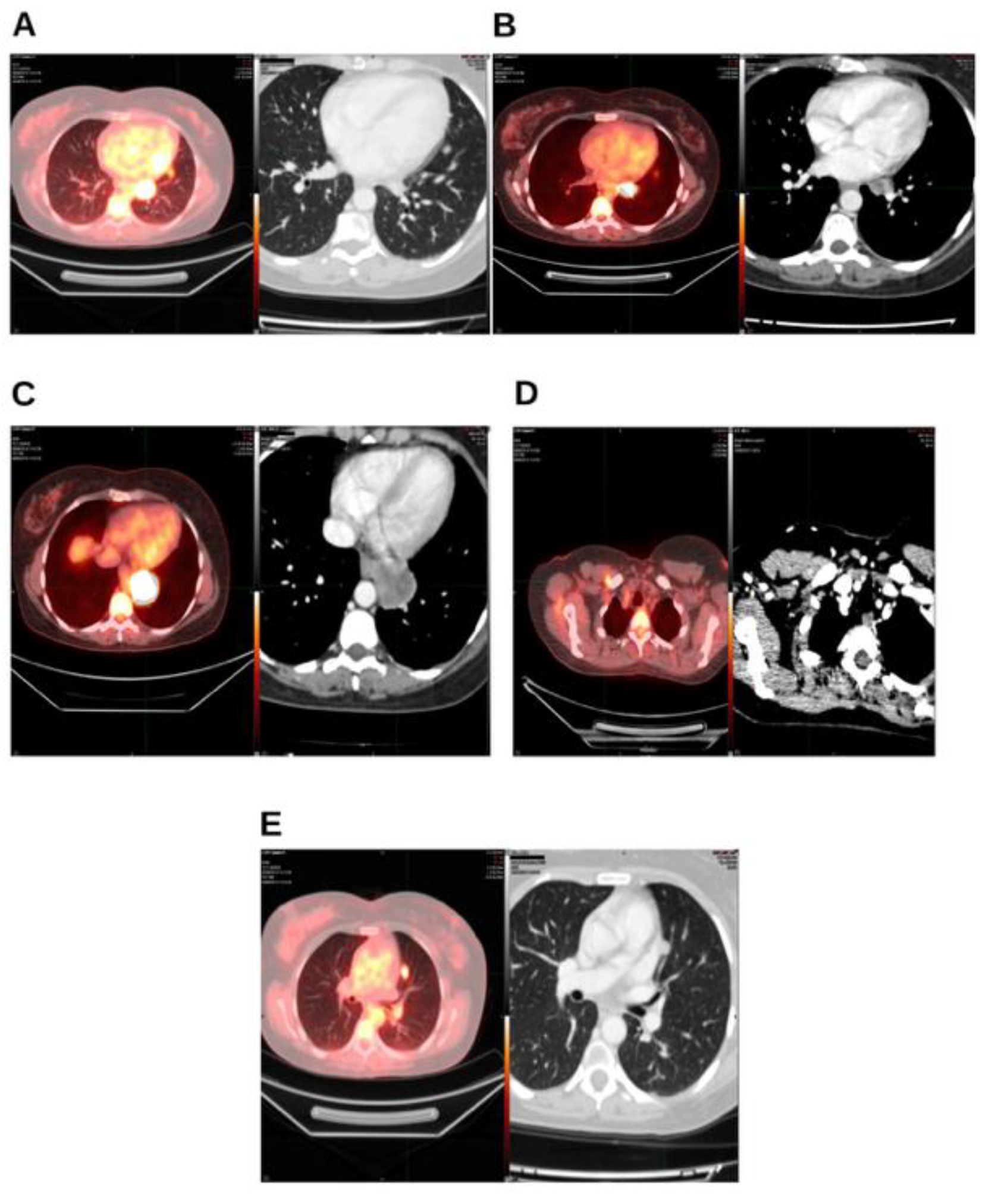
Figure 1. Diagnostic tests before the start of radiotherapy treatment. On the left, the PET-TC from August 2019; on the right, the CT from August 2019. (A) lingular segment; (B) left hylar lymph node; (C) left paraesophageal nodule; (D) right retropectoral lymph node; (E) nodule in left parascissural segment.
Preprints 184656 g001
Figure 2. On the left, CT from August 2019; on the right CT from January 2020. The lingular (A) and parascissural (B) nodules were in complete regression.
Preprints 184656 g002
Figure 3. The first follow-up at 3 months off. On the left, CT from October 2019, pre radiation therapy treatment; on the right CT from January 2020. (A) Hilar lymph node, (B) left para-aortic lymph node.
Preprints 184656 g003
Figure 4. The third follow-up at 9 months off. On the left, CT from October 2019, pre-radiation therapy treatment; on the right CT from July 2020. (A) Hilar lymph node, (B) left para-aortic lymph node.
Preprints 184656 g004
Figure 5. On the left, CT from October 2019, pre radiation therapy treatment; on the right CT from August 2021. (A) Hylar lymphonode, (B) left paraortic lymphonode.
Preprints 184656 g005
Figure 6. On the left, CT from October 2019, pre radiation therapy treatment; on the right CT from June 2022. (A) Hilar lymph node, (B) left para-aortic lymph node.
Preprints 184656 g006
Figure 7. On the left, CT from October 2019, pre radiation therapy treatment; on the right CT from November 2023. (A) Hilar lymph node, (B) left para-aortic lymph node.
Preprints 184656 g007
Figure 8. On November 2023, the lung (A), abdomen and pelvis (B) CT scan is still negative.
Preprints 184656 g008
Figure 9. The last follow-up. On the left, CT from October 2019, pre radiation therapy treatment; on the right CT from May 2024. (A) Hilar lymph node, (B) left para-aortic lymph node.
Preprints 184656 g009
Disclaimer/Publisher’s Note: The statements, opinions and data contained in all publications are solely those of the individual author(s) and contributor(s) and not of MDPI and/or the editor(s). MDPI and/or the editor(s) disclaim responsibility for any injury to people or property resulting from any ideas, methods, instructions or products referred to in the content.
Copyright: This open access article is published under a Creative Commons CC BY 4.0 license, which permit the free download, distribution, and reuse, provided that the author and preprint are cited in any reuse.
Prerpints.org logo

Preprints.org is a free preprint server supported by MDPI in Basel, Switzerland.

Subscribe

Disclaimer

Terms of Use

Privacy Policy

Privacy Settings

© 2026 MDPI (Basel, Switzerland) unless otherwise stated