
Submitted:
14 October 2024
Posted:
15 October 2024
You are already at the latest version
Abstract
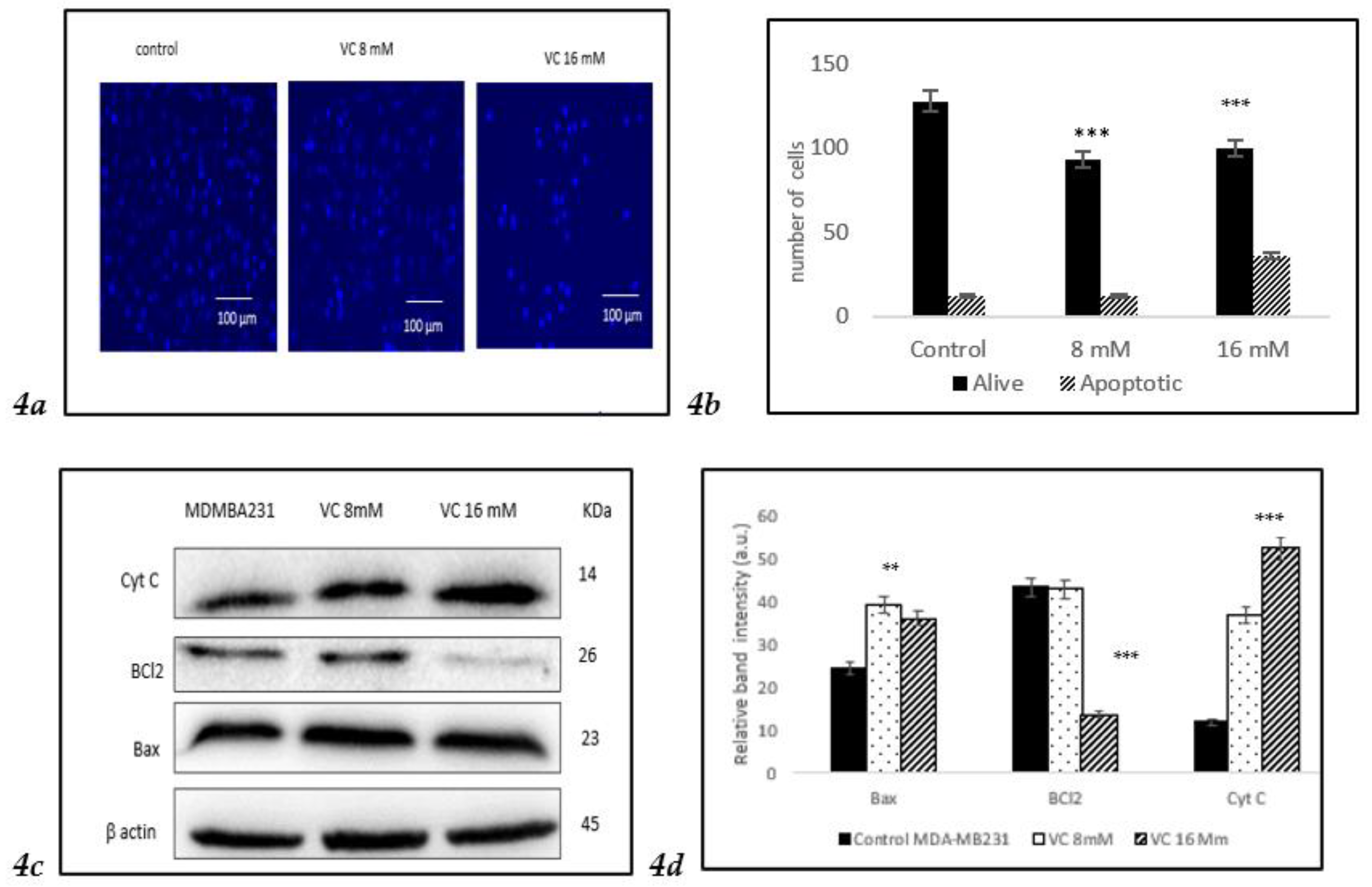
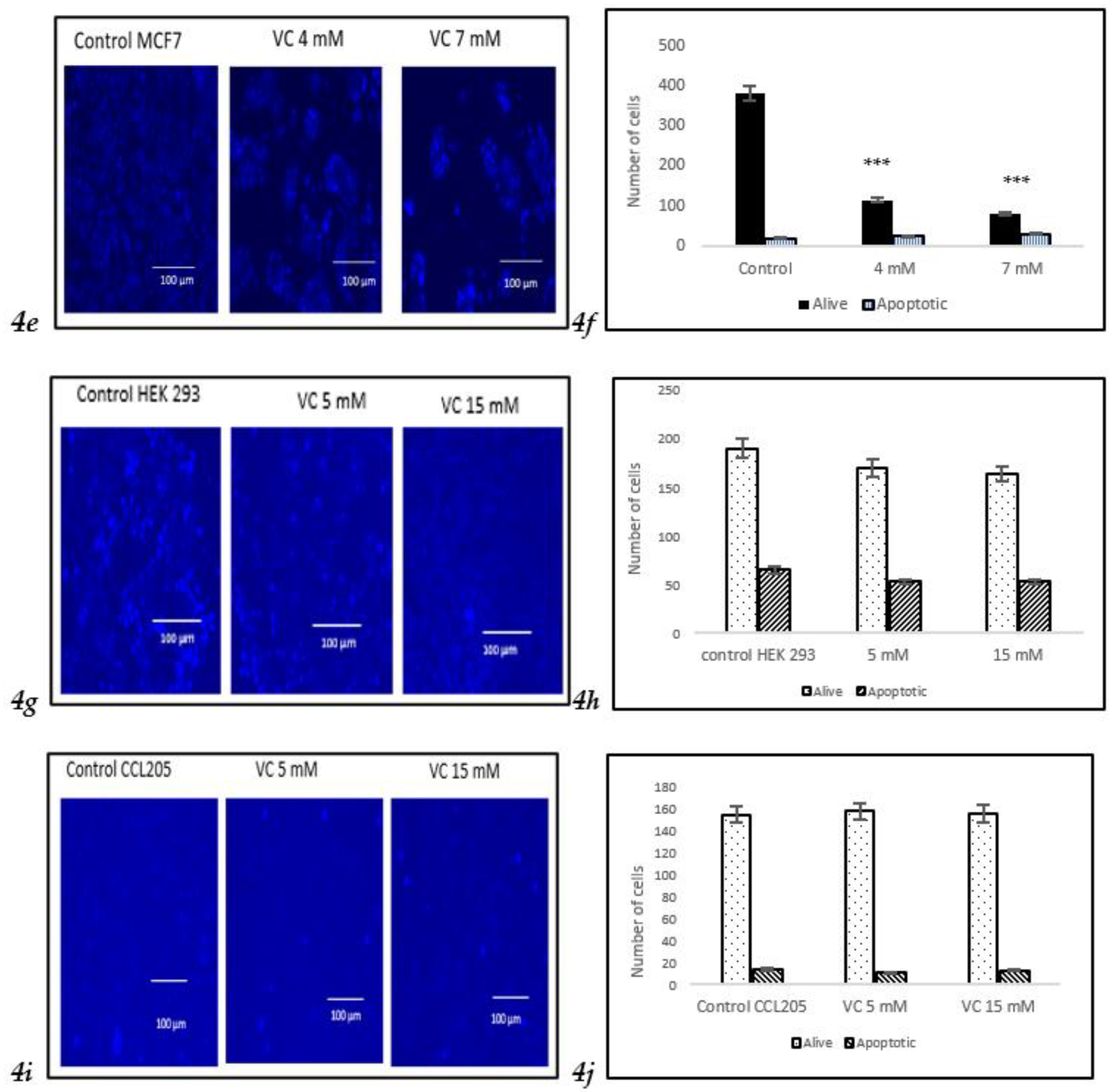
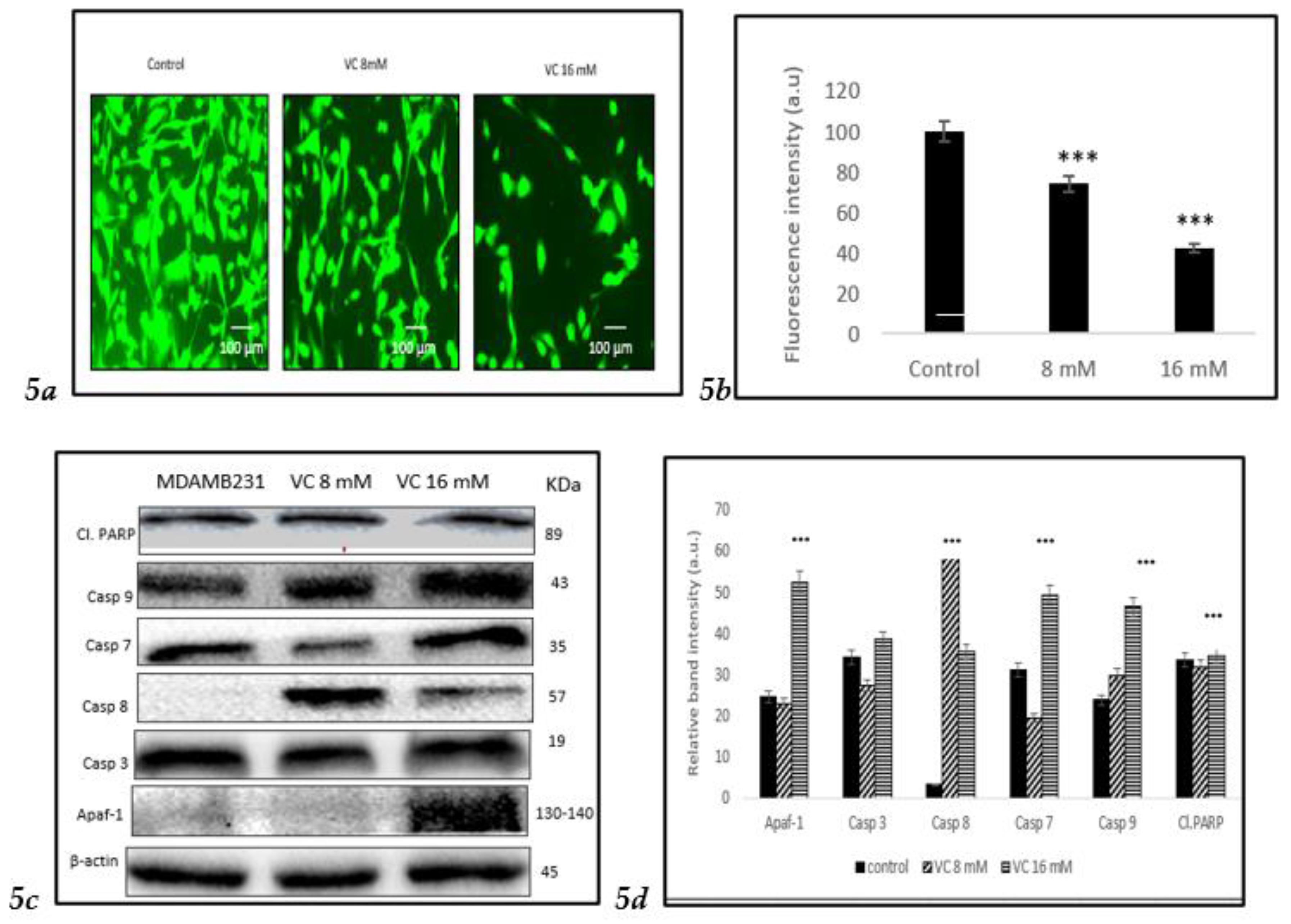
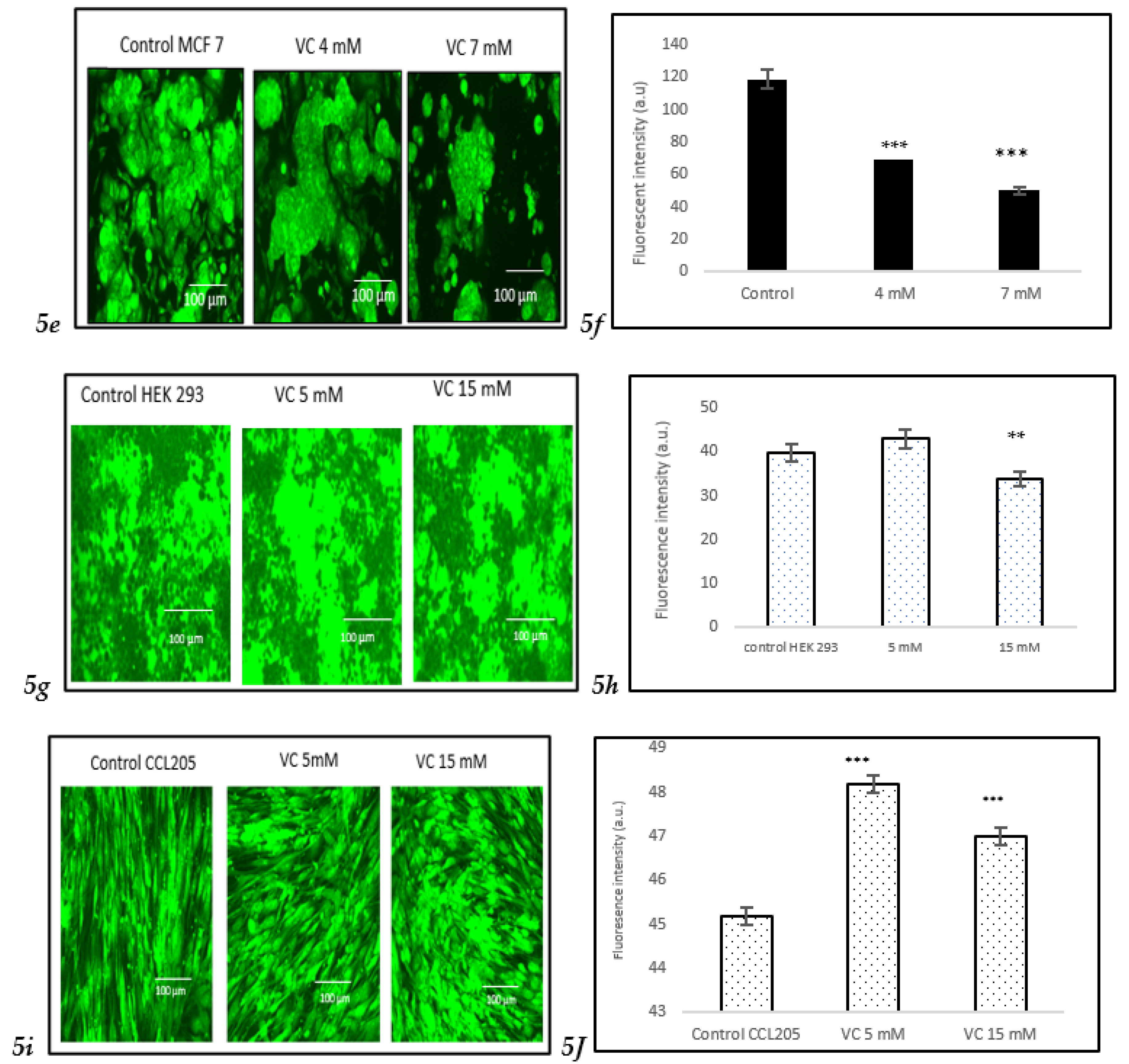
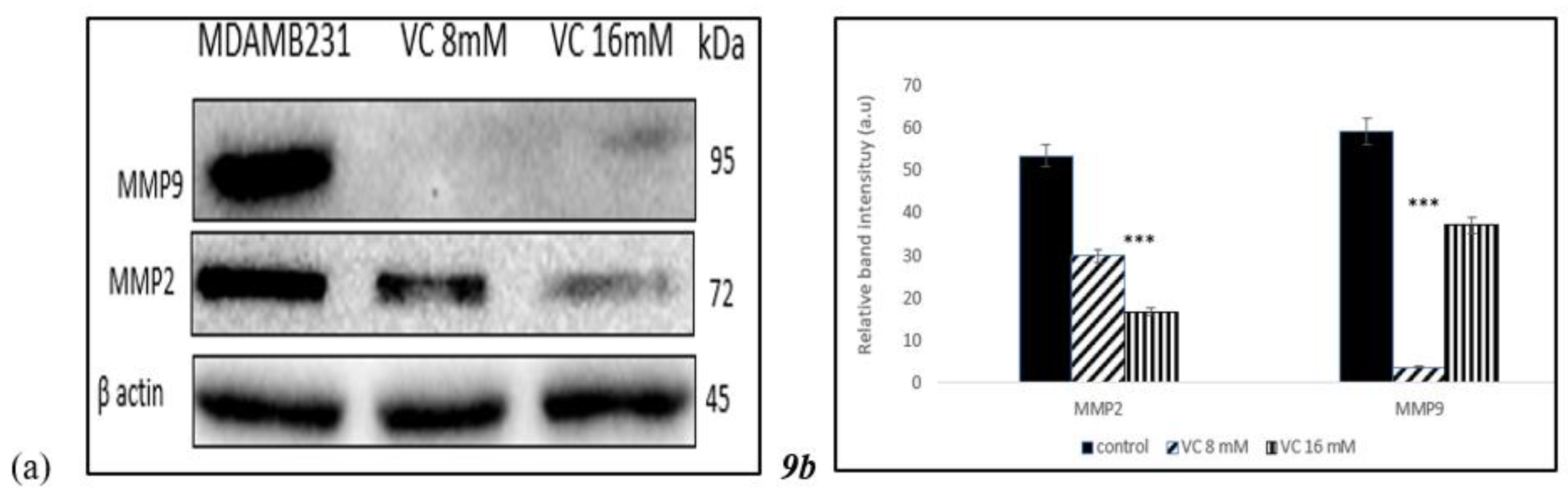
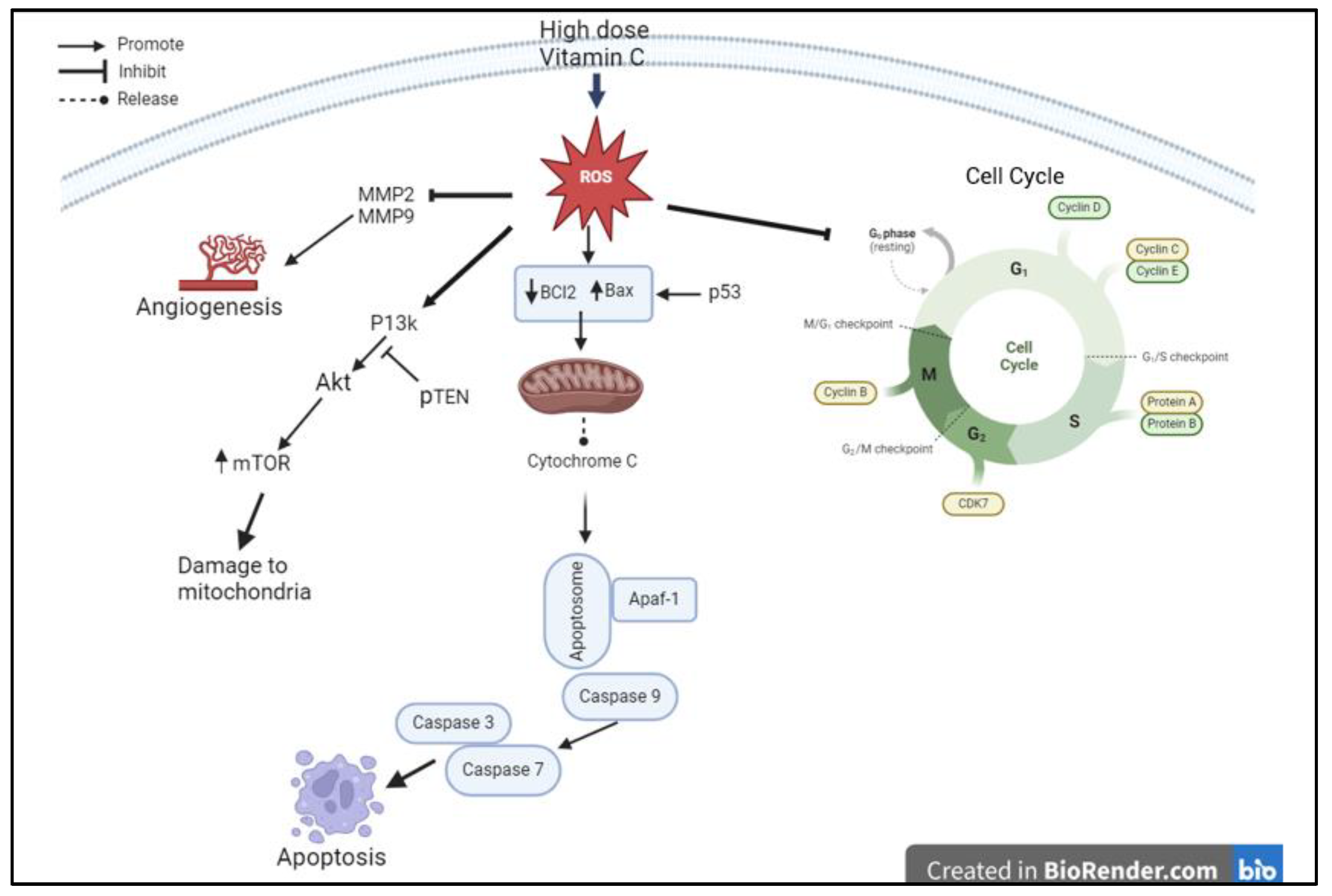
Breast cancer is currently the second leading cause of death worldwide, accounting for 15% of all deaths (8.2 million deaths). Approximately 20% of breast cancer diagnoses are triple-negative breast cancer (TNBC), a type of cancer that lacks receptors for estrogen (ER negative), progesterone (PR negative), and human epidermal growth factor receptor 2 (HER2/neu negative). Consequently, TNBC doesn’t respond to hormonal or targeted therapies, making it challenging to treat due to its rapid growth, metastasis, and high recurrence rate within the first three years of therapy. Alternative chemotherapies are needed to address this problem. Pharmacological dose of vitamin C (high-dose VC) has been identified as a potential treatment for some cancer cells. The present study aimed to evaluate whether VC has a therapeutic effect on TNBC using MDA-MB-231 cells as the model. MTT assay, Hoechst 33342 staining, Nuclear ID Red/Green staining, Rhodamine 123 staining, and Western blot analysis were employed to test the hypothesis that pharmacological dose of VC can kill TNBC cells. Upregulation of Apaf-1, caspases -3, -6, -7, -8, and -9, inhibition of matrix metalloproteinases (MMP-2 and MMP-9), reduction in cell cycle protein expression, and enhancement of tumor suppressor proteins such as p53 and p21 indicated that pharmacological dose of VC has promising anti-cancer properties in the treatment of TNBC.
Keywords:
1. Introduction
2. Materials and Methods
2.1. Cell Culture, Media and Rat
2.2. Cell Viability Assay
2.3. Morphology Analysis
2.4. Wound-Healing Assay
2.5. Apoptosis Assay
2.6 Mitochondrial Membrane Potential (ѱm) Assay
2.7. Intracellular ROS Assay
2.8. Live and Death Cells Assay
2.9. Western Blot Analysis
2.10. Statistical Analysis
3. Results
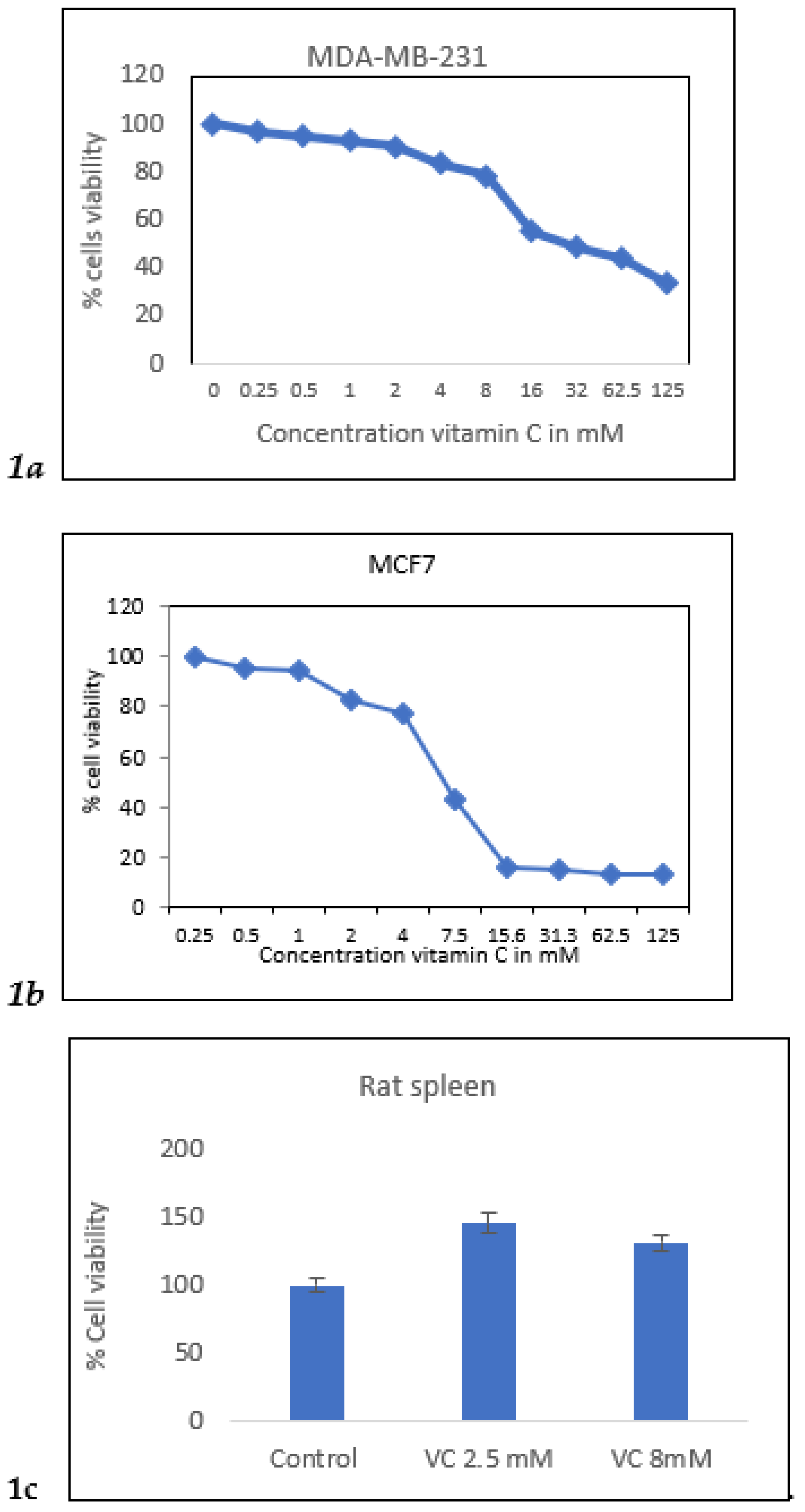
3.1. Cell Viability Assay
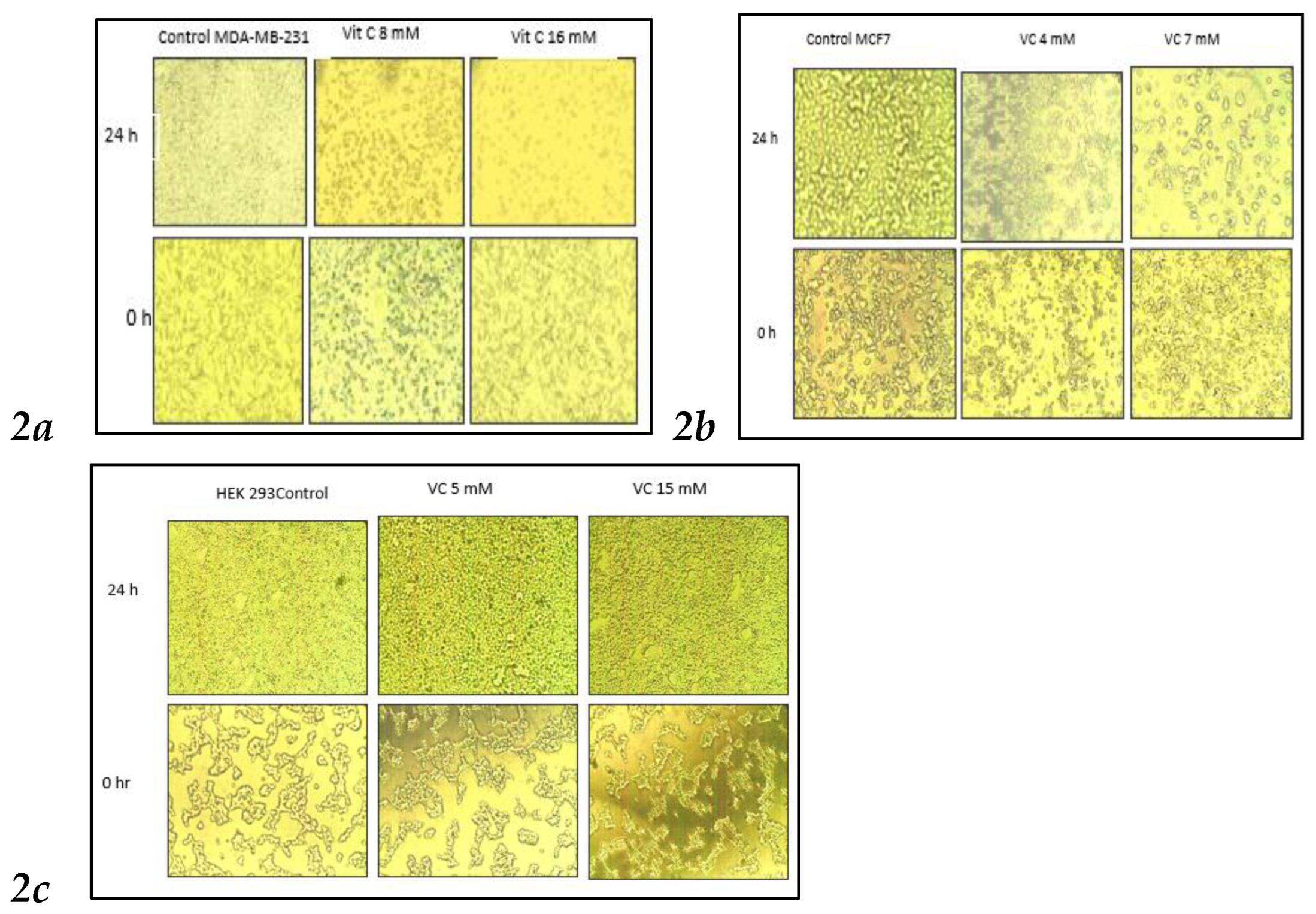
3.2. Changed in Cell Morphologies
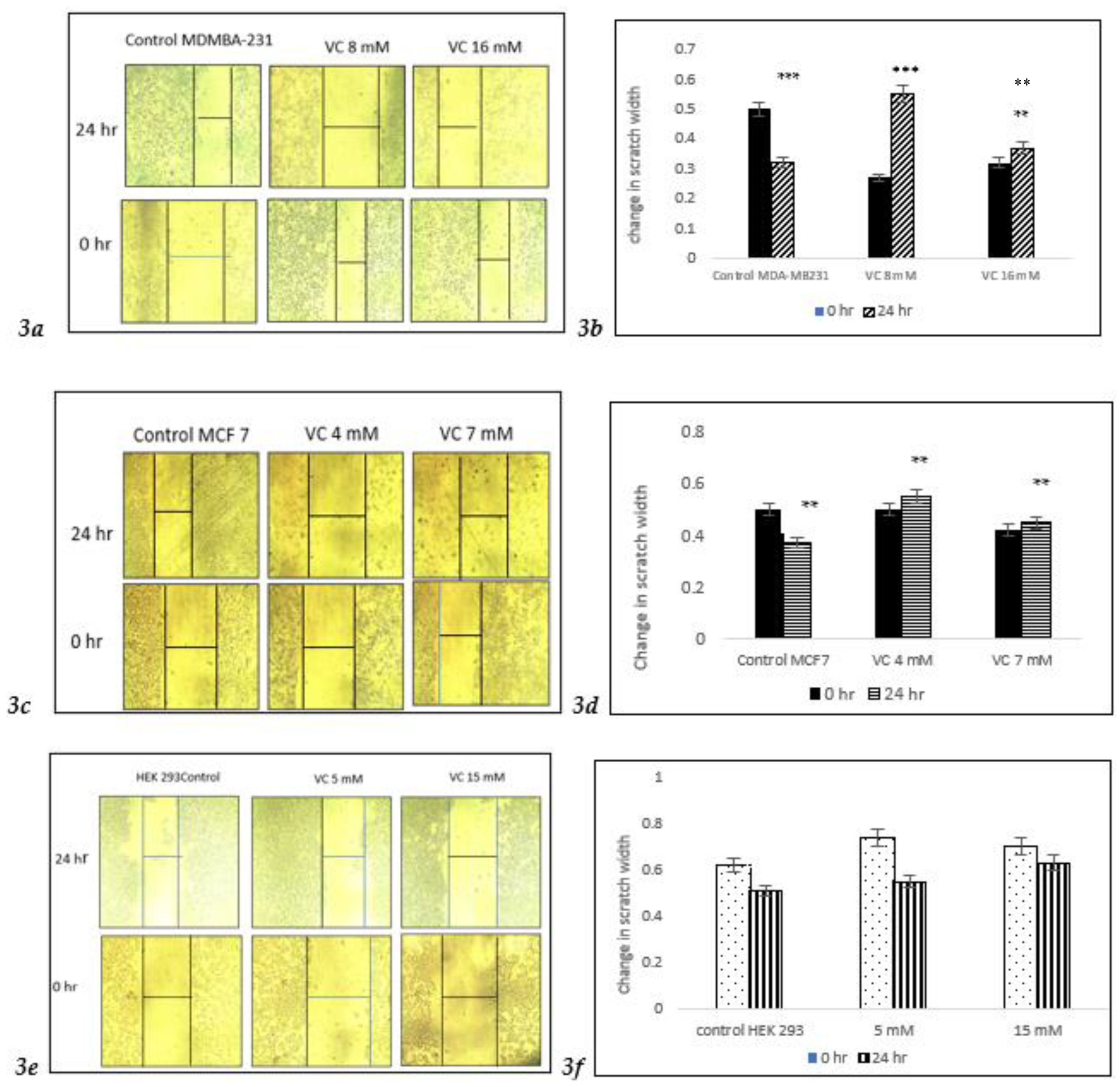
3.3. Inhibition of Cell Migration
3.4. Induction of Apoptosis
3.5. Depletion of Mitochondrial Membrane Potential (ψm)
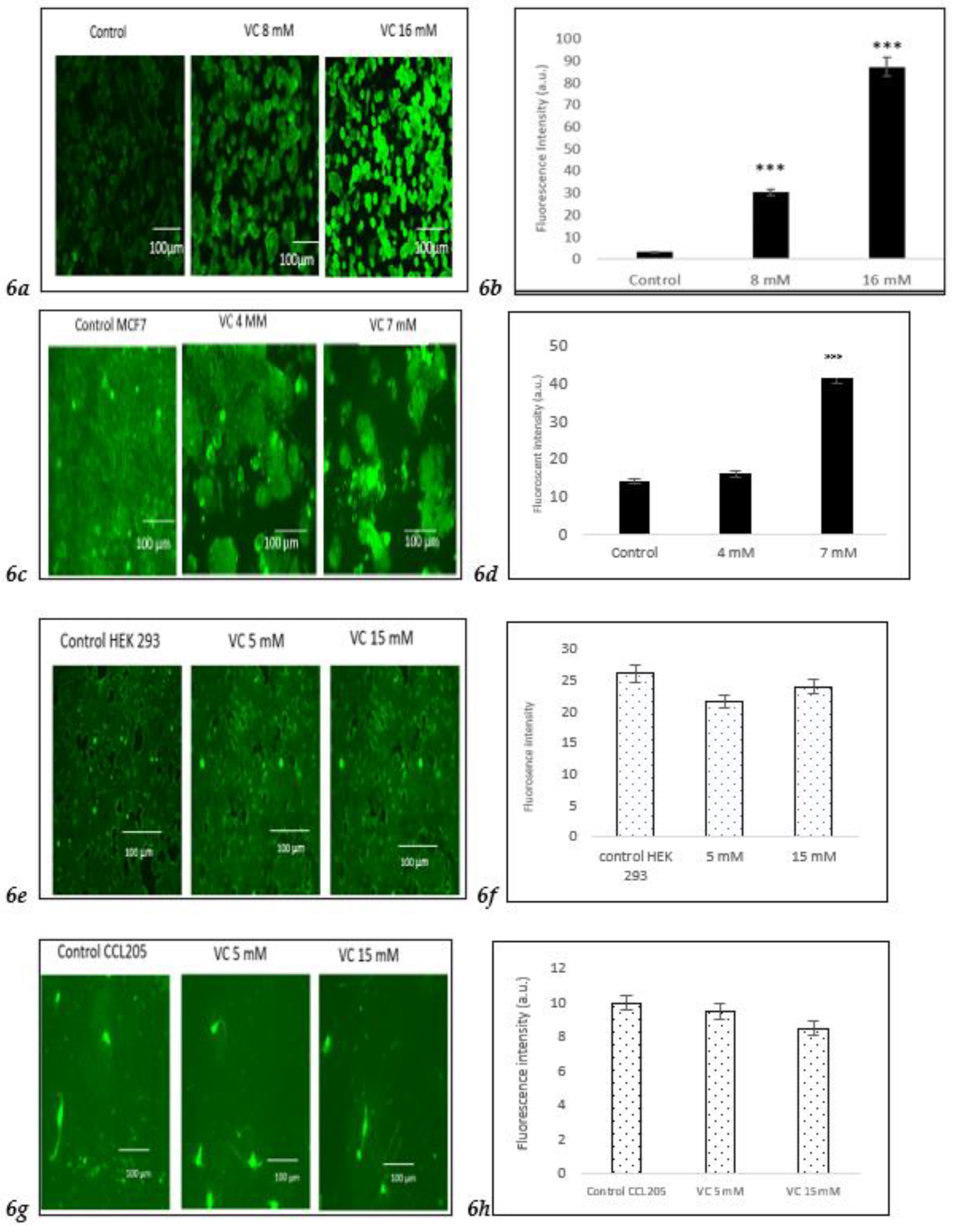
3.6. Induction of Intracellular ROS
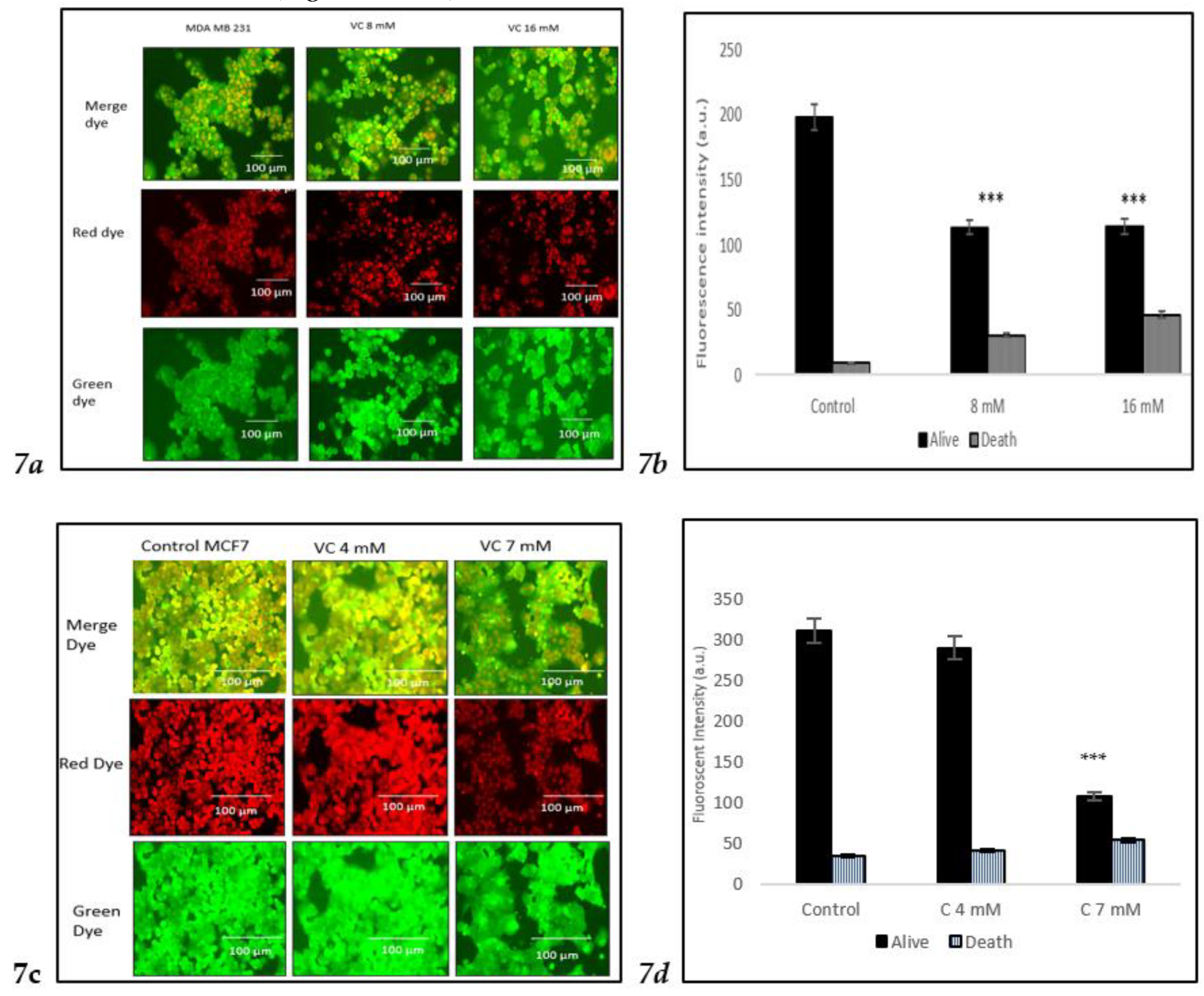
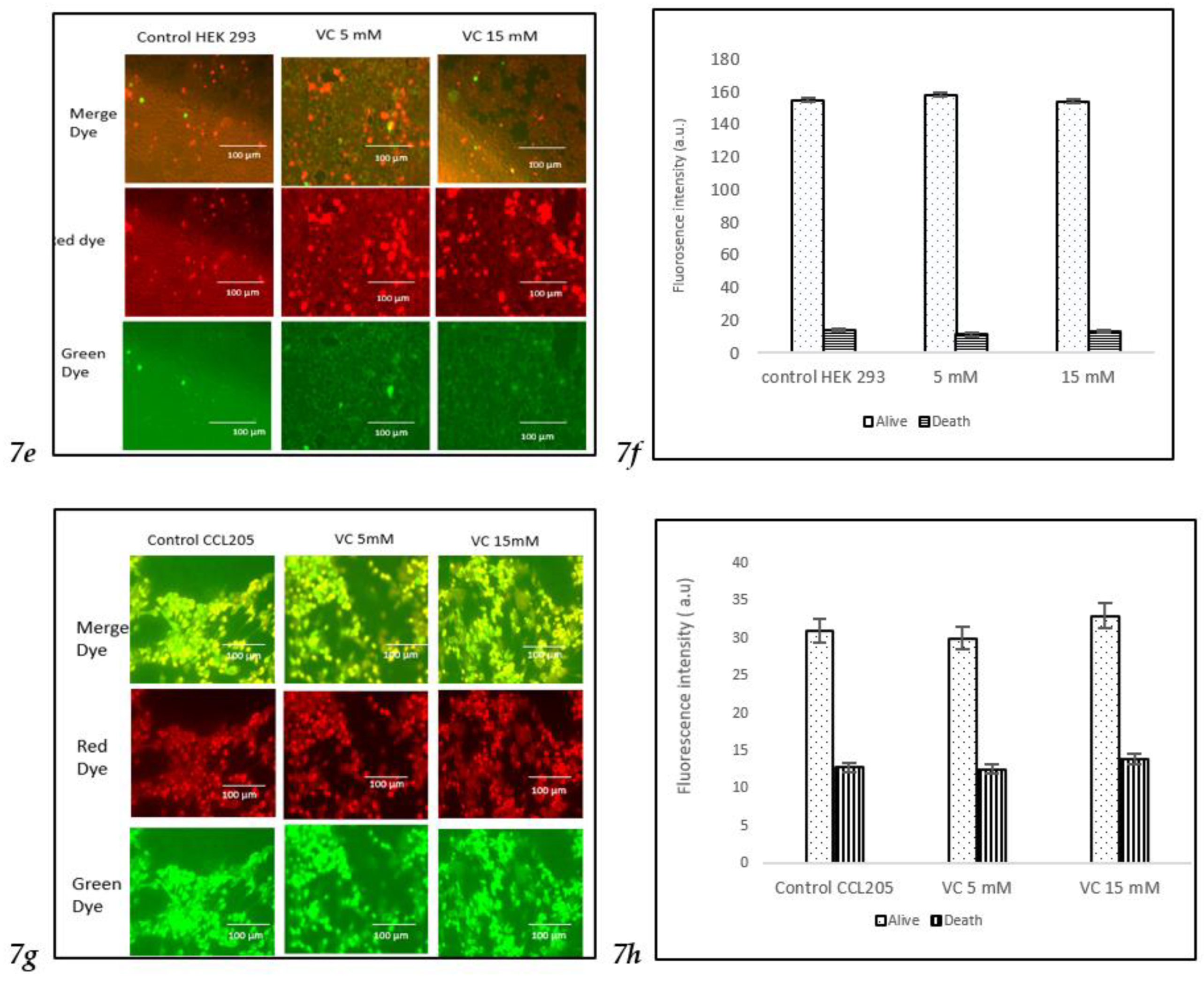
3.7. Induction of Cell Death
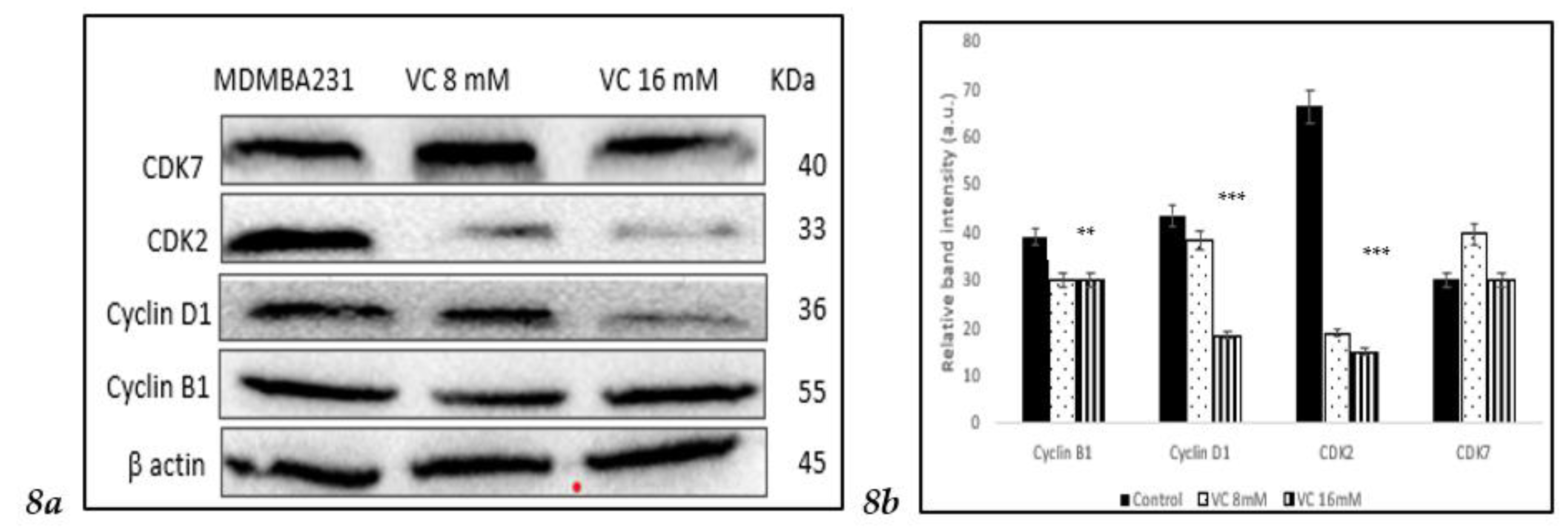
3.8. Modulation of Cell Cycle Proteins
3.9. Inhibition of Matrix Metallo Proteinases
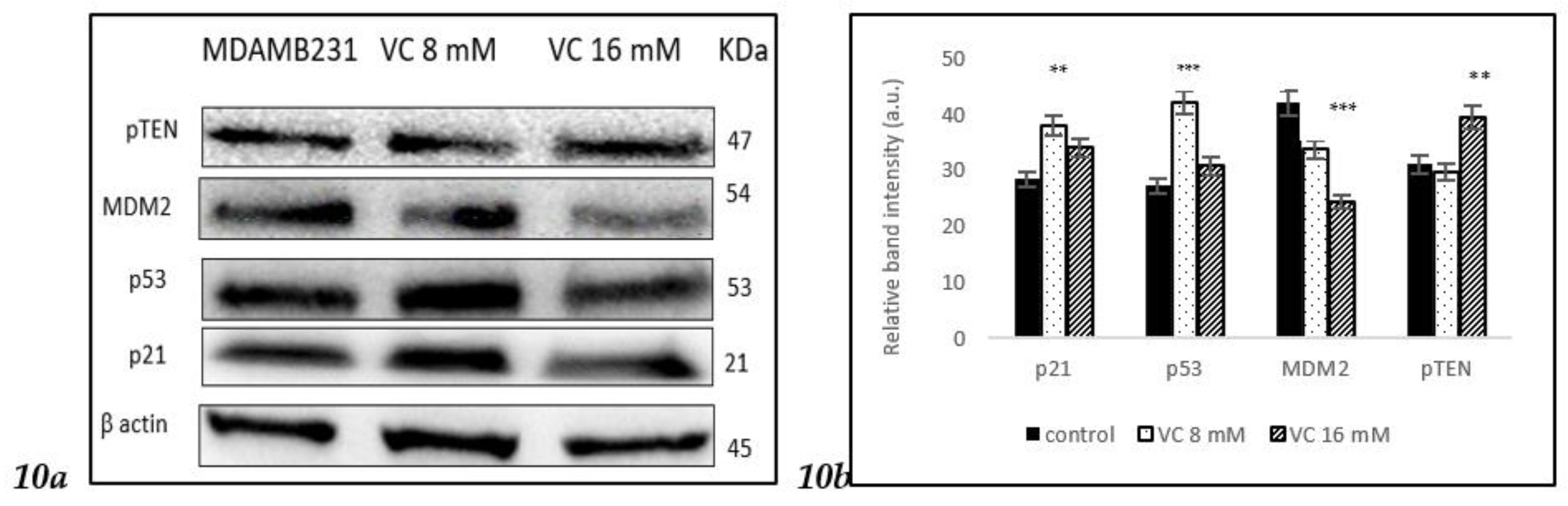
3.10. Modulation of MDM2, -p53, and p21 pathways
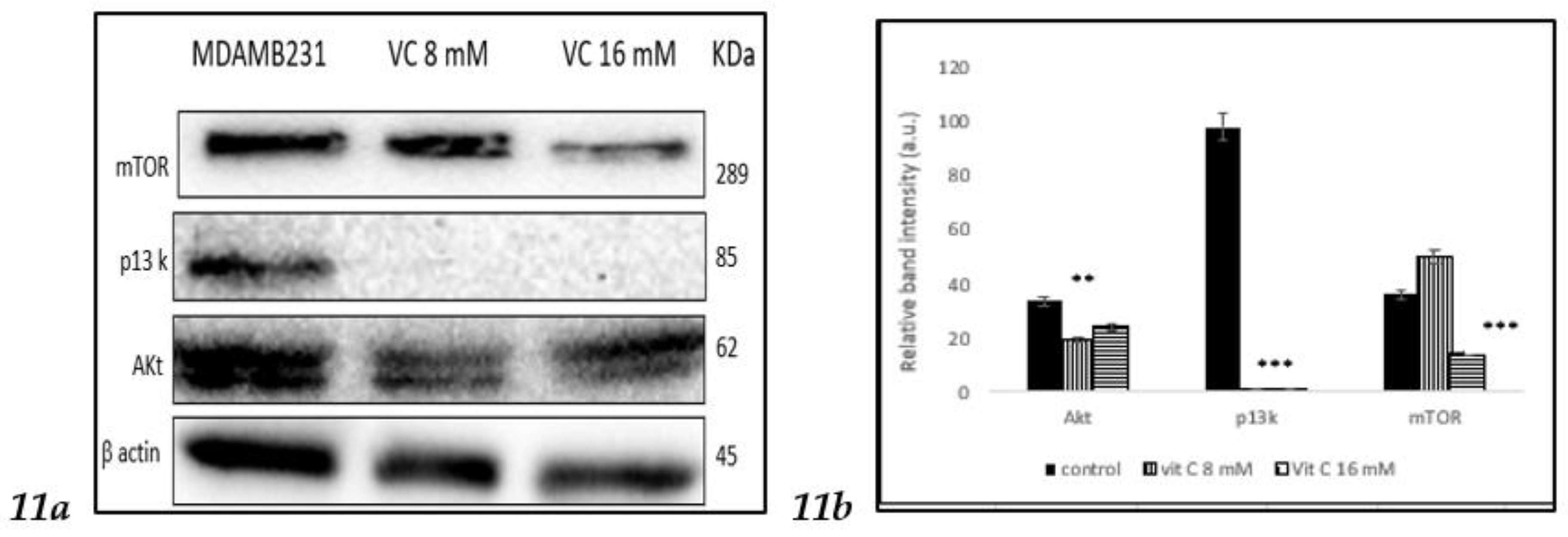
3.11. Inhibition of p13k/Akt/mTOR pathway
4. Discussion
5. Conclusions
Author contributions
Ethical approval
Funding
Institutional Review Board
Availability of Data and Materials
Conflict of Interest
References
- https://www.americanoncology.com/blogs/triple-negative-breast-cancer-symptoms-and-treatment [Access 2024 Sept 20].
- Dent, R.; Trudeau, M.; Pritchard, K.I.; Hanna, W.M.; Kahn, H.K.; Sawka, C.A.; Lickley, L.A., Rawlinson, E.; Sun, P.; Narod, S.A. Triple-Negative Breast Cancer: Clinical Features and Patterns of Recurrence. Clinical Cancer Research 2007, 13, 4429-4434. [CrossRef]
- Spano, D.; Heck, C.; De Antonellis, P.; Christofori, G.; Zollo, M. Molecular Networks that Regulate Cancer Metastasis. Semin Cancer Biol 2012, 22(3), 234-249. [CrossRef]
- Theossiou, T.A.; Ali, M.; Grigalavicius, M.; Grallert, B.; Dillard, P.; Schink, K.O.; Olsen, C.E; Walchli, S.; Inderberg, E.M.; Kubin, A. Simultaneous defeat of MCF7 and MDA-MB-231 resistance by a hypericin PDT-tamoxifen hybrid therapy. NPJ Breast Cancer 2019, 5, 13. [CrossRef]
- Padayatty, S.J.; Levine, M. Vitamin C Physiology: the Known and the Unknown and Goldilocks. Oral Disease 2016, 22(6), 463-493.
- Cameron, E.; Pauling, L. Supplemental Ascorbate in the Supportive Treatment of Cancer: Prolongation of Survival Times in Terminal Human Cancer. PNAS 1976, 73, 3685-3689. [CrossRef]
- Shenoy, N.; Creagan, E; Witzig, T. Ascorbic Acid in Cancer Treatment: Let the Phoenix Fly. Cancer Cell 2018, 34(5), 700-706. [CrossRef]
- Cantley, L.; Yun J. Intravenous High-Dose Vitamin C in Cancer Therapy https//www.cancer.gov/research/key-initiatives/ras/ras-central/blog/2020/Yun-Cantley-vitamin-C. [Access 2021 February 24].
- Choi, Y.K.; Kang, J.; Han, S.; Kim, Y.R.; Jo, J.; Kang, Y.W.; Choo, D.R.; Hyun, J.W.; Koh, Y.S., Kang, H.K. L-ascorbic acid inhibits breast cancer growth by inducing IRE/JNK/CHOP-related endoplasmic reticulum stress-mediated p62/SQSTM1 accumulation in the nucleus. Nutrients 2020, 12, 1351.
- Gan, L.; Camarena, V.; Mustafi, S.; Wang, G. Vitamin C inhibits triple-negative breast cancer metastasis by affecting the expression of YAP1 and synaptopodin 2. Nutrients 2019, 11, 2997. [CrossRef]
- Mussa, A., Idris, R.A.M.; Ahmed, N.; Ahmad, S.; Yean, C.Y.; Rahman, W.F.W.A.; Lazim, N.M.’ Hajissa, K.; Mokhtar, N.F.; Mohamud, R.; Hassan, R. High-dose vitamin C for cancer therapy. Pharmaceuticals 2022, 15, 711. [CrossRef]
- Soule, H.D.; Vazquez, J.; Long, A.; Albert, S.; Brennan, M. "A human cell line from a pleural effusion derived from a breast carcinoma". Journal of the National Cancer Institute. 1973, 51 (5), 1409–1416. [CrossRef]
- Lacroix, M.; Leclercq, G. Relevance of breast cancer cell lines as models for breast tumors: an update. Breast Cancer Res Treat. 2004, 83(3), 249-89.
- Mondal, A.; Bennett, L.L. Resveratrol enhances the efficacy of sorafenib mediated apoptosis in human breast cancer MCF7 cells through ROS, cell cycle inhibition, caspase 3 and PARP cleavage. Biomed Pharmacotherapy 2016; [CrossRef]
- Bennett, L.L.; Mondal, A. Curcumin and afatinib synergistically inhibit growth of human osteosarcoma cells by inhibition of matrix metallo proteinases, mitogen activated kinases 1-4, and reactive oxygen species. Journal of Pharmacy and Drug Development 2021, 3(1).
- Simon, H.’ Jay-Yehia A.; Levi-Schaffer, F. Role of reactive oxygen species in apoptosis induction. Apoptosis 2000, 5, 415-418. [CrossRef]
- Mates, J.M.; Sanchez-Jinenez, F.M. Role of reactive oxygen species in apoptosis: implications for cancer therapy. Int J Biochem Cell Biol 2000,32, 157-170.
- Zhang, T., Brazhnik, P.; Tyson, J.J. Exploring the mechanisms of the DNA-damage response: p53 pulses and their possible relevance to apoptosis. Cell Cycle 2007, 6, 85-94. [CrossRef]
- Kamalabadi-Farahani, M.; Najafabadi, M.R.H.; Jabbarpour Z. Apoptotic resistance of metastatic tumor cells in triple negative breast cancer: roles of death receptor-5. Asian Pac J Cancer Prev. 2019, 20, 1743-1748. [CrossRef]
- Yang, Y.; Liu, X.; Bhalla k. Prevention of apoptosis by Bcl-2 release cytochrome C from mitochondria blocked. Science 1997, 275, 1129-1132. [CrossRef]
- Wang R.X.; Chen, S.; Huang, L.; Shao, Z.M. Predictive and prognostic value of matrix metalloproteinase (MMP)-9 in neoadjuvant chemotherapy for triple negative breast cancer patients. BMC Cancer 2018, 18, 909. [CrossRef]
- Otto, T.; Sicinski, P. Cell cycle proteins as promising targets in cancer therapy. Nat Rev Cancer 2017, 17, 93-115. [CrossRef]
- Engeland, K. Cell cycle regulation: p53-p21-RB signaling. Cell Death & Differentiation 2022, 29, 946-960. [CrossRef]
- Warfel, N.A.; El-Deiry W.S. p21WAF1 and tumorigenesis: 20 years after. Curr Opin Oncol 2013, 25, 52-58.
- Paplomata, E.; O’Regan, R. The p13k/AKT/mTOR pathway in breast cancer: targets, trials and biomarkers. Ther Adv Med Oncol 2014, 6(4), 154-166.
- Cancer Genome Atlas Network. Comprehensive molecular portraits of human breast tumors. Nature 2012, 490, 61-70.
- Maehama T., Dixon J. The tumor suppressor, PTEN/MMAC1, dephosphorylates the lipid second messenger, phosphatidylinositol 3,4,5-trisphosphate. J Biol Chem 1998, 273, 13375–13378. [CrossRef]
Disclaimer/Publisher’s Note: The statements, opinions and data contained in all publications are solely those of the individual author(s) and contributor(s) and not of MDPI and/or the editor(s). MDPI and/or the editor(s) disclaim responsibility for any injury to people or property resulting from any ideas, methods, instructions or products referred to in the content. |
© 2024 by the authors. Licensee MDPI, Basel, Switzerland. This article is an open access article distributed under the terms and conditions of the Creative Commons Attribution (CC BY) license (http://creativecommons.org/licenses/by/4.0/).