
Submitted:
09 December 2025
Posted:
11 December 2025
You are already at the latest version
Abstract
Cold-bent glass has been utilized in a number of landmark projects globally, owing to its cost-effectiveness and low carbon footprint. To investigate the impact of cold-bending loads on the long-term performance of insulating laminated glass, this paper proposes a durability testing method for cold-bent glass. This method comprises three components: cold-bending, cyclic immersion in water, and high-low temperature cycling. The durability is evaluated by assessing the laminating condition and sealing performance of the insulating laminated glass before and after testing. 24 insulating glass samples from an actual engineering project were studied by the proposed methodology. The results indicate: 1) The proposed method demonstrates strong operational feasibility, suitable for durability testing and assessment of cold-bent insulating laminated glass across diverse dimensions; 2) No significant quality or sealing issues were observed in the tested samples during the tests, suggesting that durability is minimally affected when the glass cold-bending warpage is controlled within certain range. These findings provide valuable reference for the design and construction of cold-bent glass curtain wall projects.
Keywords:
cold-bent glass
; insulating glass
; durability
; laminated glass
; building curtain wall
1. Introduction
With the modernisation of the global economy, architectural design continues to evolve, with curved forms consistently favoured by architects and clients alike. Curved glass curtain walls, in particular, have seen widespread application in construction projects [1].
Currently, curved building facades are primarily constructed using triangular flat glass panels, heat-bent glass, and cold-bent glass [2]. The triangular panel splicing method, which introduces numerous divisions and framing structures that impair both the exterior aesthetics and interior daylighting, has been gradually phased out by the industry. Although heat bent glass achieves an excellent curved appearance, each pane requires the creation of a bespoke mould [3]. This method is neither energy-efficient nor economical, and also poses significant challenges in terms of processing and transportation [4]. By contrast, cold-bent glass offers advantages such as strong adaptability, ease of processing, short production cycles, convenient transportation and storage, and low cost, all while ensuring architectural effect. However, the realization of cold-bent glass necessitates on-site forming through external force, a process that induces permanent stresses within the glass panels and ancillary components. These stresses do not dissipate after installation but persist throughout all operational phases of the glazing system [5]. This will result in increased peak internal stresses during the glass's service life, such permanent stresses may also exert unknown effects upon the glass's durability.
Cold-bent glass has a service history of nearly three decades, with its inaugural application dating back to the skylight of 's-Hertogenbosch Station' in 1997 [6]. Advancements in applied research and related technologies have since facilitated its adoption in notable projects including the Bus station Amsterdam, Evolution Tower Moscow, and Opus Dubai [7]. The typical glass configuration has evolved from initial single-pane applications to the use of laminated and insulating glass units. Typically, cold-bent surfaces are single-curvature, developable surfaces, while double-curvature shapes can also be achieved via cold bending [8]. Bidirectional curvature induces higher stresses in glass, hence single curvature is the most commonly employed technical approach [9]. To ensure stresses in cold-bent glass remain within permissible limits, the conventional approach involves rationalising architectural surfaces using interactive 3D software for automated design optimisation. This form-finding process aims to strike an optimal balance between smoothness, maximum stress, and geometric fidelity [10].
Driven by the main development trends of cold bending and practical engineering needs, current glass research focuses on the following four areas: numerical simulation of cold-bent glass, mechanical response of the interlayer in laminated cold-bent glass, influence of shape on the internal forces of cold-bent glass, and stability of cold-bent glass.
Advances in fundamental theoretical applications have enabled the extensive use of computational numerical simulation in areas such as structural strength analysis, stability assessment, and seismic design. Numerical simulation has proven to be an effective approach for investigating the mechanical response of cold-bent glass [11]. It has been used to determine if peak stresses exceed the glass fracture limit and, when combined with numerical analysis methods, to perform reliability analysis of random factors, ensuring the guidance derived from simulations was meaningful [5]. Zhang et al [12] discovered through numerical simulation analysis that the region of maximum principal tensile stress in the cold-bent plate is located near the corners adjacent to the bent edges, The stress magnitude at the short-edge corners is greater than that at the long-edge corners. In engineering practice, the panels are subjected to not only the stresses induced by cold-bending but also sustained environmental loads. Simulation analysis reveals that temperature effects have a marked influence on the internal state of cold-bent glass [13], exhibiting a coupling phenomenon between the residual cold-bending stresses and the maximum principal stress induced by thermal loading [14].
The polymer interlayer provides post-breakage ductility and residual strength to the glass panel. Furthermore, its viscoelastic behavior can lead to a redistribution of the internal stresses induced by cold bending. The use of laminated glass complicates overall stress analysis and prediction, as its polymer interlayer interacts with the glass deformation during the cold-bending process. A fractional calculus model allows for the characterization of the viscoelastic response under cold-bending conditions and the relaxation behavior of the polymer, leading to the determination of the interlayer shear coupling behavior in laminated glass. This method does not consider geometric nonlinearity or large deformation assumptions, limiting its current application to qualitative analysis [15,16]; An assessment of the spatial shear stress distribution in cold-bent laminated glass, based on the quasi-elastic approximation theory, reveals that stress increases with the polymer's shear modulus, leading to significant stress concentrations which can cause delamination in the laminated glass. However, due to the polymer's viscous nature, these stress concentrations gradually attenuate over time [9]. This stress concentration is influenced by both the shear modulus and the thickness of the polymer interlayer. In glass with a 0.76 mm interlayer, insufficient thickness results in excessive transfer of internal forces, leading to glass fracture [4].
Besides the interlayer thickness, cold-bending geometric dimensions also significantly affect the internal force distribution. Notably, the use of a sinusoidal profile prevents stress concentration near the beam ends, even with a high interlayer shear modulus [17]. Moreover, the cold bending radius exerts a far greater influence on cold bending stress than cavity thickness and glass thickness, with the latter variations having a negligible effect on cold bending stress [18,19]. The intrinsic viscoelastic changes of the material complicate the identification of stresses in the panel.
Being a thin-shell structure, the stability of glass has been extensively studied. In experimental and numerical investigations concerning the cold bending of single-pane glass plates into saddle-shaped surfaces, global buckling instability phenomena were observed in the panels [20]. Subsequent research has yielded a deeper understanding of the instability in free-form doubly curved glass panels [21]. Combined with numerical analysis, a formula for calculating the buckling instability of point-supported single-layer cold-bent glass was developed, thereby establishing a basis for its control [22]. Cold bending can compromise both the overall stability and local buckling resistance of the glass, ultimately affecting its optical performance [20].
While significant advances have been made in understanding the mechanical behavior of cold-bent glass, research into its long-term durability over the full life cycle remains relatively limited. Current research on the durability of cold-bent glass primarily focuses on the numerical simulation of sealants at glass joints [23], aiming to analyse their response to the permanent loads induced by cold bending. Furthermore, the cold-bent state of full-scale insulating glass units was simulated numerically to determine the glass strain. Following the American Standard specifications, the strain state of designated small-sized insulating glass units was replicated to comply with the durability testing requirements for standard-limited dimensions. The test criteria are based on the dew point and argon gas content [24]. None of the aforementioned research methods have involved full-scale physical testing for cold-bending durability. Consequently, research on the durability of glass in a cold-bent state remains at the stage of theoretical feasibility. Furthermore, existing research has overlooked complex glazing systems, such as laminated insulating glass, and no validated test protocols for assessing their long-term durability have been established.
The cold-bending process subjects glass to permanent loads and long-term deformation, with forces transmitted to the interlayer adhesive and sealing structures, potentially causing issues such as delamination and seal failure. The durability of conventional insulating glass units can be evaluated using standardized laboratory tests involving UV irradiation, humidity cycling, and thermal cycling. However, cold-bent glass must maintain the designed cold-bend amount as an engineered product, rendering the fabrication of small-sized standard test specimens impractical. Consequently, traditional durability testing methods proved unsuitable. To address this, this paper presents a durability testing method specifically designed for cold-bent insulating laminated glass, alongside the development of corresponding testing equipment and apparatus. The method comprises three test phases: cold-bending, cyclic immersion in water, and high-low temperature cycling. The durability is assessed by comparing the visual quality and sealing performance of the insulating laminated glass before and after testing.
2. Test Procedure
In cold-bent glass curtain wall projects, insulating laminated glass is extensively employed to fulfil dual requirements for safety and energy efficiency. The panels are connected via polymeric interlayers and edge spacers. During the cold-bending process, the glass panes, the interlayer, and the edge seal junctions are subjected to permanent loads and deformations. To investigate the durability of such cold-bent glass under service environments, the test method incorporates three phases: cold-bending load application, cyclic water immersion, and thermal cycling, simulating the combined effects of bending stress and in-service climatic conditions. The test results are evaluated by characterizing the interlayer integrity and the edge seal condition, reflecting the durability of the laminated and insulating units, respectively. Key test items are detailed in Table 1.
Figure 1.
Test Items.
2.1. Cold Bending Loading Test Procedure
Common cold-bending techniques include corner bending, long-edge bending, and cylindrical bending. To achieve the desired bent state, a customized platform must be configured according to the glass dimensions and bending method. The supporting frames are machined to the target bent shape and assembled into a loading platform. To ensure accuracy, the fabricated frame is measured using 3D scanning, and products failing to meet tolerances are reworked. Spatially adjustable connectors are used during installation to ensure precise positioning of the steel frame. The loading process is guided by a 3D digital model to define the bending amount and path, and uniformly distributed press bars are used to deform the glass to the target shape. Due to the time-dependent viscoelastic behavior of the interlayer and sealant, the glass must rest for one week after bending to allow stress redistribution before proceeding to subsequent tests.
As shown in Figure 2, the test comprises four steps:
Step 1: Test Bench Assembly. The supporting frame members are machined and fabricated to the required shape. To ensure precise installation, a 3D-adjustable L-shaped adapter is used, with height adjustment provided by a vertical slotted hole (A) as shown in Figure 3., allowing the test bench to be positioned accurately
Step 2: Frame Accuracy Verification and Adjustment. A 3D scan of the assembled test frame is performed to verify critical dimensions, such as the heights at points A-D. If deviations exceed specified tolerances, adjustments are made until the required accuracy is achieved before proceeding.
Step 3: Installation of the Flat Glass Panel. Install a flat glass panel sized to match the test bench. The cold-bending deflection is then measured at specified locations to verify compliance with the test requirements. Finally, G-clamps are installed around the perimeter to secure the panel, addressing both fixation and bending requirements.
Step 4: Cold-Bending Load Application. After installation, the glass sample is secured to the frame with perimeter G-clamps and then bent to the target shape.
2.2. Cyclic Immersion Test Procedure
Following cold-bending, the test first considers the durability performance of insulating laminated glass under simulated environmental service conditions. Water leakage at glazing joints due to sealant failure or poor workmanship is a common issue, allowing moisture ingress that compromises the system's watertight integrity. To validate product quality under such conditions while maintaining the cold-bent state, the test employs a custom water tank large enough to fully submerge the entire test setup (rig and panel). The protocol consists of six cycles, each with a 1-day immersion phase followed by a 7-day drying phase. This wet-dry cyclic design ensures sufficient moisture impact and better simulates real-world service conditions.
As shown in Figure 4, the test comprises two steps:
Step 1: Immersion State. Submerge the cold-bent glass test bench and panel entirely in water, ensuring the liquid level remains above the test specimen 10 cm to facilitate complete contact between the liquid and the sealing material on the glass sides. The immersion period shall be one day.
Step 2: Drying Phase. After immersion, the specimen is placed in a dry, well-ventilated environment to rest for 7 days.
Step 3: Test Cycles. A single cycle consists of Steps 1 and 2. The test comprises a total of six such cycles.
2.3. High and Low Temperature Cycling Test Procedure
In addition to the assessment under humid conditions, the effect of temperature on product performance is also critical. This test employs a custom heating chamber and industrial refrigeration unit to conduct thermal cycling, following a three-stage protocol of high, ambient, and low temperatures.
The test comprises three stages:
Step 1: High-Temperature Loading. A custom-designed support frame with uniformly distributed photothermal sources ensures uniform thermal loading. The frame is scalable to the sample size, with a heat source spacing of 600 mm in both directions (Figure 5). The test is conducted at 50 ℃±3 ℃ for 12 hours.
Step 2: Equilibration at Ambient Temperature. Following the high-temperature phase, the specimen is held at room temperature for 24 hours.
Step 3: Low-Temperature Loading. An industrial refrigeration system is used to maintain the temperature at 0℃±3℃ for 12 hours.
3.Durability Testing for the Cold-Bent Glass in the OPPO Headquarters Building
3.1. Project Overview
The testing procedure presented in this study has been implemented in the OPPO Headquarters project (Figure 6). Designed by Zaha Hadid Architects (UK), the building's facade features pronounced double-curvature elements. The curved glass curtain wall employs two construction methods: thermally bent glass, shaped in a factory by heating above 550℃, is used for areas with large curvatures, while cold-bent glass, formed on-site, is applied to zones with smaller curvatures [2]. Ensuring the reliability, durability, and suitability of cold-bent products in engineering applications necessitates a thorough durability assessment.
3.2. Test Samples
24 glass samples with representative properties were selected and categorized into three common cold-bending configurations: corner bending, long-edge bending, and cylindrical bending. The maximum bending deflection for each configuration, as determined by the model, was set as the experimental target (Figure 6). Following the experimental design, four samples of each glass type were prepared: three for the test group and one as a control. This approach minimizes experimental error and allows for comparison with non-bent glass data, thereby controlling for variable-induced perturbations.
The experimental glass configuration adopts two distinct glass types, based on the actual cold-bending specifications used in the OPPO headquarters building project.
Configuration 1:
Hs10+2.28PvB+Hs10+16Ar+Hs10+2.28PvB+Hs10mm
Configuration 2:
Hs8+2.82PvB+Hs8+16Ar+FT8
The experimental design included three test groups and one control group, comprising 24 specimens in total (Table 2). The test and control groups contained 18 and 6 glass specimens, respectively, with a maximum cold-bending warpage of 41 mm.
3.3. Test Procedure
3.3.1. Cold-Bending Load Application
The cold-bending process involves deforming the glass against a target framework of beams and columns shaped to the desired curvature. The glass is clamped into the framework to complete the loading, as detailed in Figure 7.
Step 1 Frame Assembly, Step 2 Frame Fixation, Step 3 Frame Scanning, Step 4 Cold-Bending Load, Step 5 Clamp Fixation.
This step secured the four corners of the frame to the required precision using mechanical bolts and slotted holes (Figure 8). Detailed procedures are described in the methodology section.
3.3.2. Cyclic Immersion Test
The cold-bending process subjects the glass panel, interlayer, and sealed cavity to permanent loads. The sealant ensures the cavity's gas retention and moisture resistance [23], while the interlayer requires edge protection with a sealant. The test protocol comprised six immersion cycles. Each cycle consisted of 24 hours of full submersion (Figure 9:1#) followed by 7 days of ambient air exposure (Figure 9:2#). The performance of the insulating laminated glass was evaluated after each cycle.
3.3.3. High and Low Temperature Cycling Test
The high-temperature test used a custom enclosure (Figure 10:1#) measuring 5 m (width)×4 m (depth)×4 m (height), with 1-m long diagonal braces. Sixty-three lamps (275 W each, totaling 17.5 kW) were mounted on 9 purlins (7 lamps per purlin) at 600 mm horizontal and vertical intervals (Figure 10:3#). The lamps heated the glass surface to the target high temperature of 50℃±3℃ (Figure 10:2#). A refrigerated truck (Figure 11) served as the low-temperature chamber, achieving the target of 0℃±3℃. The insulating glass units were evaluated after thermal cycling.
The high-temperature test utilized a self-developed environmental chamber. Heat sources were arranged according to the overall thermal control requirements, with careful attention paid to radiation uniformity for precise temperature management.
3.4. Test Results
3.4.1. Visual Quality of Cold-Bent Glass
Test results indicated no apparent quality issues in any sample groups after completing the test procedures, as shown in Table 3.
3.4.2. Cold-Bent Glass Dew Point
The evaluation criteria for the cold-bent glass dew point test are referenced to Clause 7.3 of the Chinese Standard GB 11944-2012 [25], "Insulating Glass," as shown in Figure 13.
Dew point testing is a key metric for evaluating product sealing and thermal insulation. The cold-bending process imposes deformation on the glass, which is assembled with sealants and spacers. Excessive deformation risks breaking the edge seal. Therefore, dew point testing is essential to: 1) Validate seal integrity and ensure product lifespan. Insulating glass performance relies on the sealed air space; its failure allows air ingress, causing condensation, fogging, or icing. 2) Assess thermal impact. Ingressed moisture increases thermal conductivity, degrading insulation and increasing building energy use. 3) Identify failure risks. Leaking units are prone to condensation, frost, and mold, impairing visibility and posing a safety hazard.
All insulating glass samples in the project showed no significant change in dew point after cold bending, water immersion, and high and low temperature cycling, with all temperatures reaching -60℃. As the specification requires a dew point below -40℃, the results confirm that the cold-bending process has no adverse effect on the glass's dew point performance.
3.4.3. Cold-Bent Glass Argon Content
The argon content test for cold-bent glass is performed according to Clause 7.6 of the Chinese Standard GB 11944-2012, "Insulating Glass," as shown in Figure 14.
During its service life, cold-bent glass must endure both permanent internal stresses and the combined challenge of environmental loads coupled with these internal forces. The response of sealants to such combined loading is not yet fully understood [26]. To ensure sealing system integrity, a thermosetting elastic warm-edge spacer system was adopted for the insulating glass cavity in this project. This specific design better prevents the risk of air leakage induced by cold-bending deformation [27].
The integrity of the argon gas fill is essential for the thermal insulation, acoustic performance, and durability of the product. First, as an inert gas, argon lowers the overall thermal transmittance (U-value) of the glass, thereby improving its insulation. Second, its higher density compared to air provides better sound insulation, contributing to occupant comfort. Finally, gas leakage would significantly reduce the product's service life and increase the building's energy consumption. Whether the cold-bending process compromises this airtightness remains a critical industry concern.
The argon content test results for the glass samples are shown in Table 5. All samples maintained an argon content above 85% before and after testing, meeting the leakage requirements of GB 11944-2012 "Insulating Glass". A slight decrease in argon content was observed in some samples after cold bending, water immersion, and thermal cycling, with a maximum reduction of 4.6% (control sample QMB-5697-s-3). Overall, compared to the control group, the cold-bent samples did not exhibit significant argon leakage.

Table 4.
Argon Content in Insulating Glass.
| Sample Number | Prior to testing | Post-test | Change During Testing | |||
|---|---|---|---|---|---|---|
| Test Group | Control Group | Test Group | Control Group | Test Group | Control Group | |
| QMB-4780-v | 99.7% | 98.4% | 97.2% | 98.6% | -2.5% | 0.2% |
| 99.3% | 99.7% | 0.4% | ||||
| 95.9% | 95.8% | -0.1% | ||||
| QMB-4764-v | 99.6% | 93.5% | 97.5% | 90.5% | -2.1% | -3.0% |
| 98.1% | 96.4% | -1.7% | ||||
| 99.7% | 99.4% | -0.3% | ||||
| QMB-6611 | 96.2% | 95.2% | 93.7% | 95.2% | -2.5% | 0.0% |
| 95.6% | 91.2% | -4.4% | ||||
| 97.4% | 94.1% | -3.3% | ||||
| QMB-4780-s | 95.1% | 93.1% | 94.8% | 95.0% | -0.3% | 1.9% |
| 91.4% | 90.1% | -1.3% | ||||
| 94.5% | 90.5% | -3.0% | ||||
| QMB-0629-s | 96.2% | 95.9% | 93.7% | 95.2% | -2.5% | -0.7% |
| 94.1% | 89.3% | -4.8% | ||||
| 94.8% | 91.8% | -3.0% | ||||
| QMB-5697-s | 98.6% | 99.4% | 94.5% | 94.8% | -4.1% | -4.6% |
| 99.6% | 95.3% | -4.3% | ||||
| 99.8% | 95.3% | -4.5% | ||||
4 Conclusion
This study utilized six glass dimensions, two configurations, and three cold-bending methods to conduct durability tests on 24 samples. Eighteen samples were subjected to cold-bending, and six served as the non-bent control group. The experimental sequence was: cold-bending, followed by six immersion cycles, and then thermal cycling. Key data were measured at each stage. Based on the test procedures and data, the following conclusions are drawn:
1)This study investigates the durability of cold-bent glass using an innovative methodology. It thereby provides a foundation for future research, addresses gaps in existing product standards and knowledge, and supplies critical data and a reference for drafting subsequent codes and specifications.
2)A comparative analysis showed no change in the product's visual quality after cold-bending, water immersion, and thermal cycling. Furthermore, dew-point and argon-content tests confirmed that the structural integrity of the glass seal remained intact.
3)Some data deviations were attributed to human factors and experimental variables, which influenced the final conclusions. Therefore, future work must emphasize sample protection to enhance data precision.
4)Practical application in real-world projects has demonstrated the method's feasibility, meeting the verification requirements for product testing.3)In the absence of industry standards governing the durability of cold-bent glass, this method provides essential data and experience to inform future standard development.
Author Contributions
Conceptualization, D.L.; methodology, Z.W.; investigation, X.Z. and Z.W.; writing—original draft preparation, X.T. and Z.W.; writing—review and editing, X.F. and Z.W.; All authors have read and agreed to the published version of the manuscript.
Funding
This research was funded by National Key R&D Program of China (No. 2024YFC3810405)..
Data Availability Statement
Not applicable.
Conflicts of Interest
The authors declare no conflicts of interest.
References
- Schuler, C.; Sonja, *!!! REPLACE !!!*; Elstner, M.; Illguth, M.; et al. Einsatz von gebogenem Glas im Bauwesen[J]. Stahlbau 2012, 81(3), 190–196. [Google Scholar] [CrossRef]
- Neugebauer, J. Applications for curved glass in buildings[J]. Journal of Facade Design and Engineering 2014, 2(1–2), 67–83. [Google Scholar] [CrossRef]
- Laurs, M.; Schaaf, B.; Di Biase, P.; et al. Numerical and Experimental Investigations on the Inherent Stress State of Cold-bent Glass[J]. Challenging Glass 7 Conference Proceedings, 2020. [Google Scholar]
- Belis, J.; Inghelbrecht, B.; Van Impe, R.; et al. Cold bending of laminated glass panels[J]. Heron 2007, 52(1-2), 123–146. [Google Scholar]
- Li, H.; Huang, X.; Jin, S.; et al. Reliability and sensitivity analysis of cold-bent curtain wall glass[J]. Journal of Building Engineering 2022, 49, 104116. [Google Scholar] [CrossRef]
- Vákár, L. I.; Gaal, M. Cold Bendable, Laminated Glass – New Possibilities in Design[J]. Structural Engineering International 2004, 14(2), 95–97. [Google Scholar] [CrossRef]
- Laurs, M.; Feldmann, M. Contribution to the design of cold bent glass[J]. Glass Structures & Engineering 2025, 10(1), 2–2. [Google Scholar]
- Galuppi, L.; Massimiani, S.; Royer-Carfagni, G. Buckling phenomena in double curved cold-bent glass[J]. International Journal of Non-Linear Mechanics 2014, 64, 70–84. [Google Scholar] [CrossRef]
- Galuppi, L.; Royer-Carfagni, G. Optimal cold bending of laminated glass[J]. International Journal of Solids and Structures 2015, 67–68, 231–243. [Google Scholar] [CrossRef]
- Gavriil, K.; Guseinov, R.; Pérez, J.; et al. Computational Design of Cold Bent Glass Façades[J]. ACM Transactions on Graphics (TOG) 2020, 39(6), 1–16. [Google Scholar] [CrossRef]
- Zhang, X.; Liang, J.; Huang, D. Study on the mechanical response of anticlastic cold bending insulating glass and its coupling effect with uniform load[J]. PLOS ONE 2021, 16(4), e0250463. [Google Scholar] [CrossRef]
- Zhang, X; Meng, Z; Xiong, W; et al. Experimental study on negative coupling bearing characteristics of Double-curvature cold-bending single tempered glass plates[J]. Industrial Construction 2020, 50(12), 6. [Google Scholar]
- Tang, J; Ge, X; Huang, X; et al. Experimental study on the cold bending and twisting of the double glass curtain wall of the new terminal building of nanning wuxu international airport[J]. Construction Technology 2016, 45(20), 8. [Google Scholar]
- Zhang, X.; Yin, X. Experimental Study on Cold Bending and Temperature Change of Toughened Glass[J]. IOP Conference Series: Earth and Environmental Science 2021, 719(2), 022093. [Google Scholar] [CrossRef]
- Santi, L.; Royer-Carfagni, G. Viscoelastic modeling via fractional calculus of the cold bending of laminated glass[J]. Engineering Structures 2024, 305, 117756. [Google Scholar] [CrossRef]
- Santi, L.; Royer-Carfagni, G. Validation in four-point bending tests of a viscoelastic model for laminated glass based on fractional calculus[J]. Structures 2025, 80, 109645. [Google Scholar] [CrossRef]
- Galuppi, L.; Royer-Carfagni, G. Cold-lamination-bending of glass: Sinusoidal is better than circular[J]. Composites Part B: Engineering 2015, 79, 285–300. [Google Scholar] [CrossRef]
- Xu, Z; Zhang, E; Zhang, X; et al. Experimental study on measuring stress distribution of cold bending insulating glass plates by optical fiber method[J]. China Measurement & Test 2022, 48(12), 29–34. [Google Scholar]
- Zhang, X; Liang, J; Jiang, J. Experimental and numerical study on the mechanical behaviour of unidirectional cold bending of insulating glass panels[J]. Journal of South China University of Technology:Natural Science Edition 2022, 50(1), 50–58. [Google Scholar]
- Datsiou, K. C.; Overend, M. The mechanical response of cold bent monolithic glass plates during the bending process[J]. Engineering Structures 2016, 117, 575–590. [Google Scholar] [CrossRef]
- Quaglini, V.; Cattaneo, S.; Pettorruso, C. Cold bending of vertical glass plates: Wind loads and geometrical instabilities[J]. Engineering Structures 2020, 220, 110983. [Google Scholar] [CrossRef]
- Hao, X.; Chen, S.; Chen, Z. Stability analysis of point-supported monolithic glass plates during anticlastic cold bending[J]. Engineering Mechanics 2025, 42(09), 86–95+170. [Google Scholar]
- Demontis, P.; Endress, J.; Nardini, V.; et al. Design and Durability of Cold-Bent Insulating Glass Units[J]. Challenging Glass Conference Proceedings, 2022, 8.
- Andrew J. Black, Arkadiusz Mazurek, Donald Misson, et al. Durability of Cold-Bent Insulating-Glass Units[J]. Journal of ASTM International 2012, 9(3), 1–26.
- Insulating glass unit: GB/T 11944-2012[S]. China Standards Press: Beijing, 2012.
- Sitte, S.; Hayez, V.; Kimberlain, J.; et al. Structural silicone joint behaviour study for cold bent glass[J]. Glass Structures & Engineering 2020, 6(1), 39–63. [Google Scholar]
- Scherer, T.; Scherer, C.; Wittwer, W. Twisted Tower – A Feasibility Study for Cold-Bent Insulating Glass Units with an Elastic Edge Seal[J]. Ce/Papers 2021, 4(6), 387–402. [Google Scholar] [CrossRef]
Figure 2.
Cold Bending Test Flowchart.
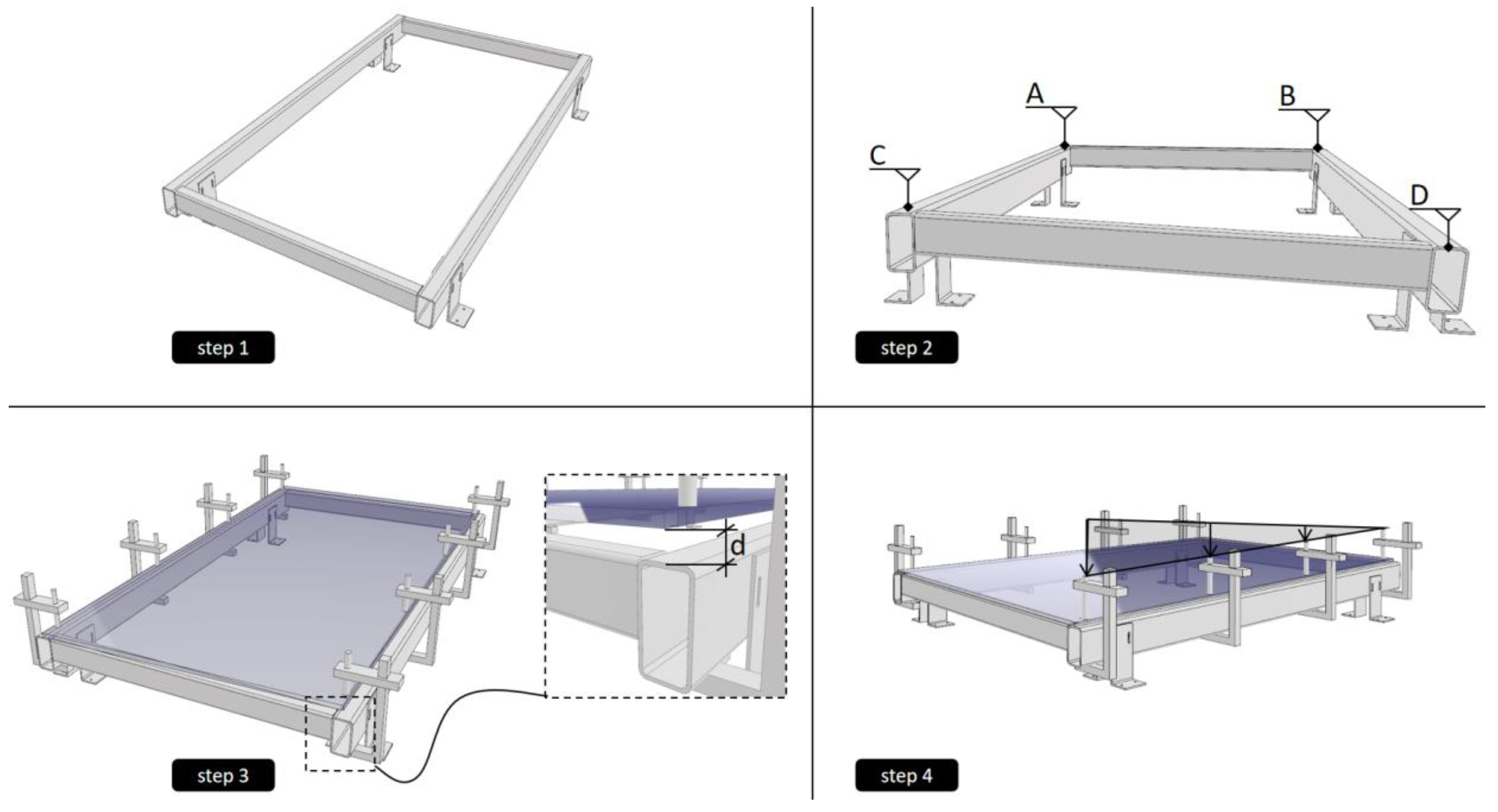
Figure 3.
Connection Detail Drawing.
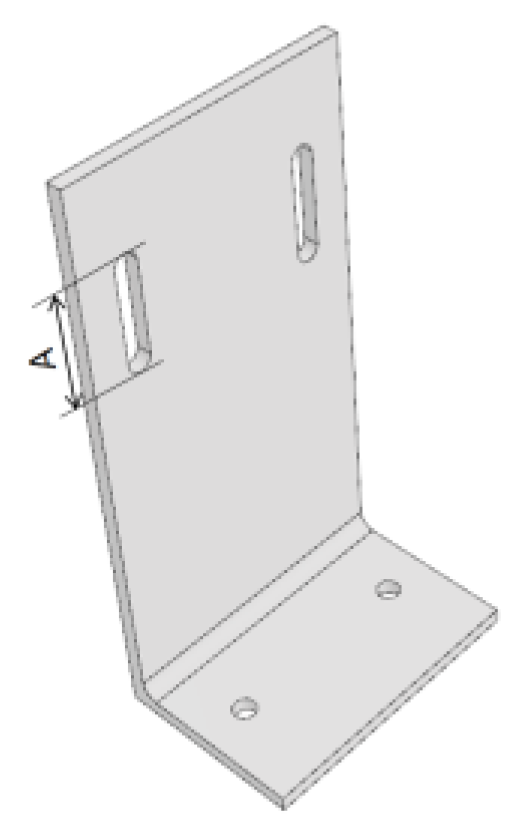
Figure 4.
Cyclic Immersion Test.
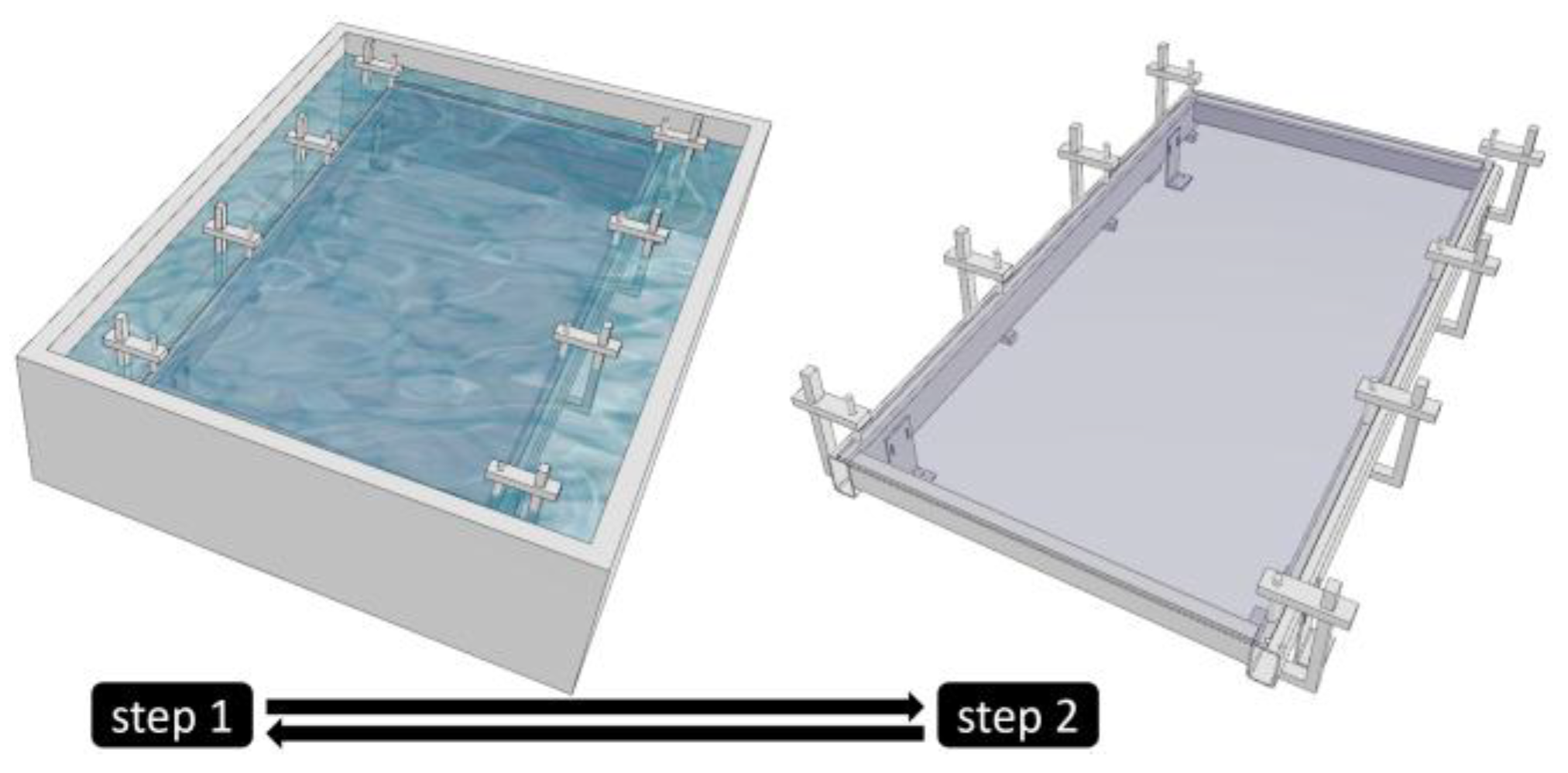
Figure 5.
High and Low Temperature Cycling Test.
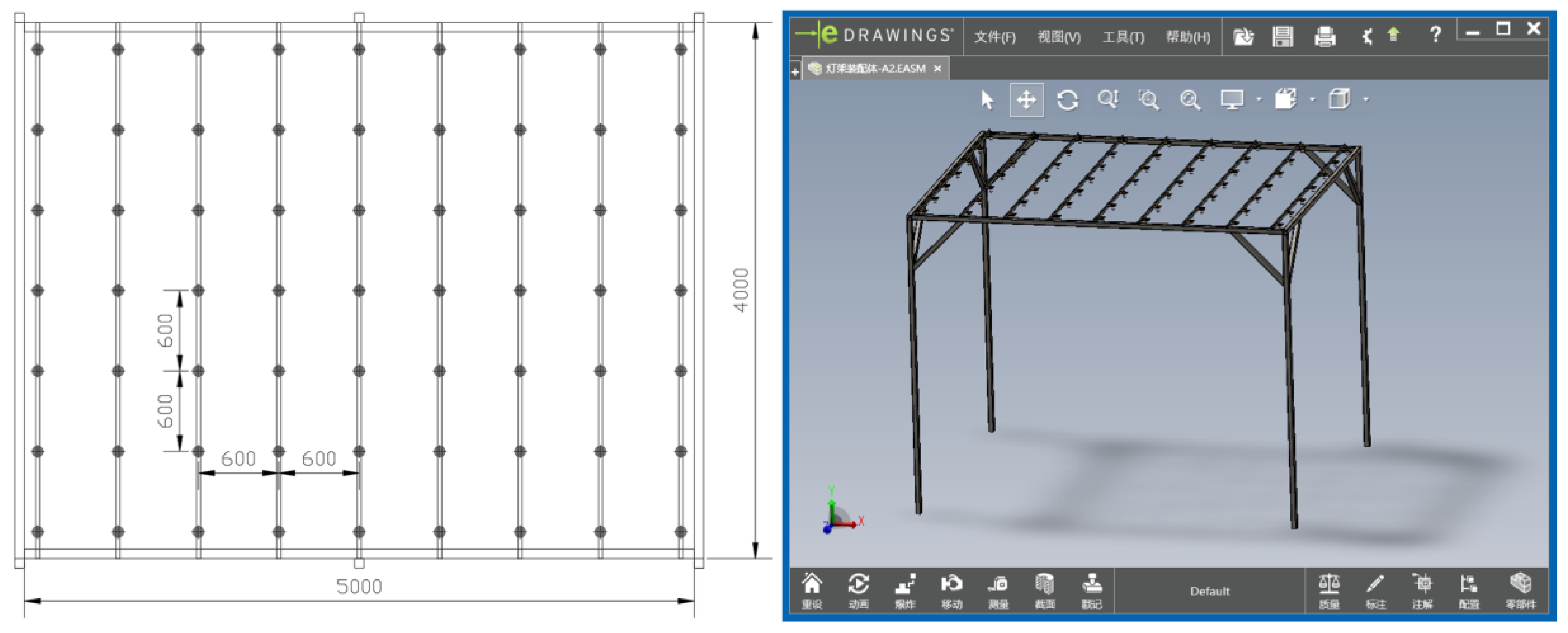
Figure 6.
Analysis of Cold-Bent Glass Curvature in the OPPO Headquarters Building.
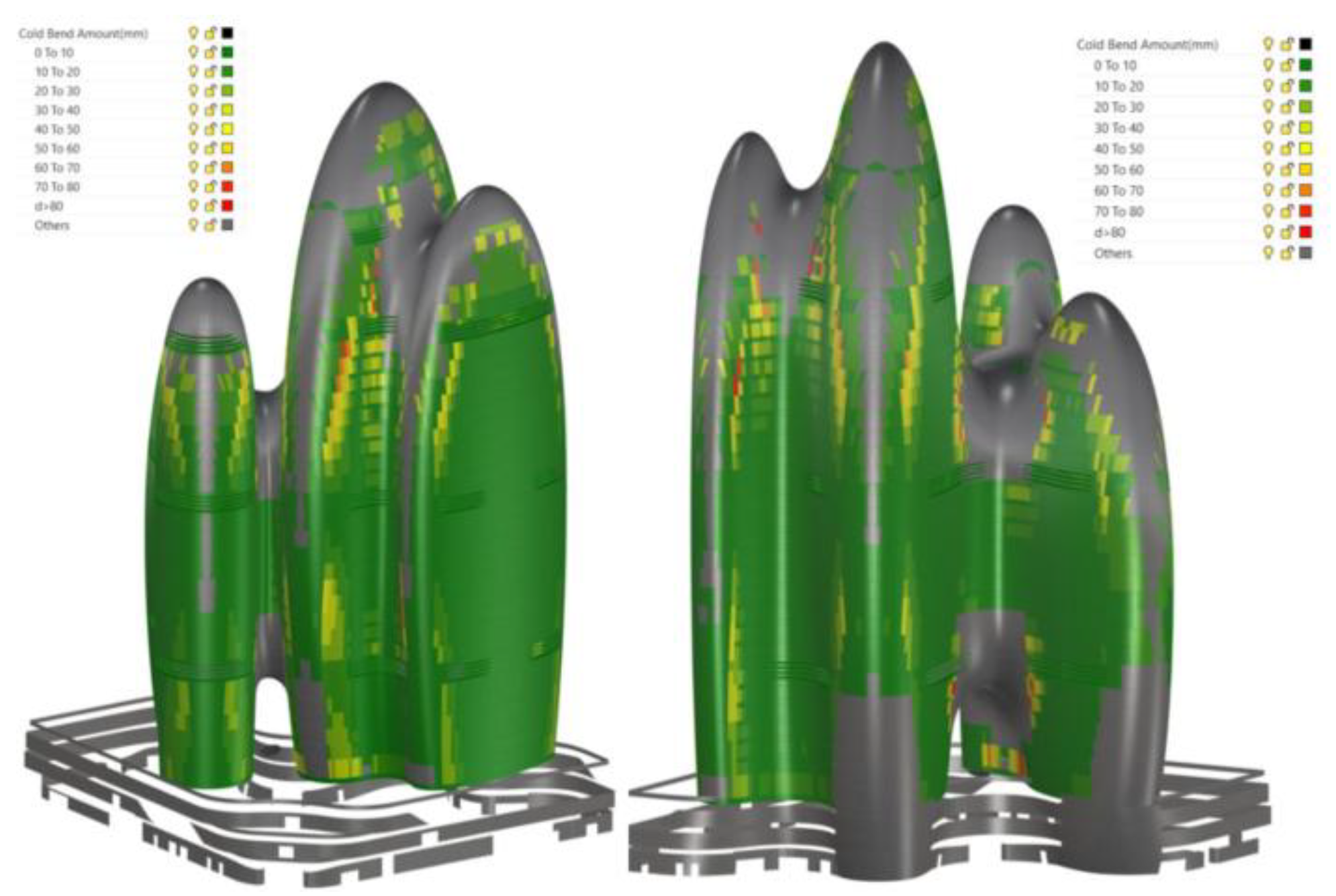
Figure 7.
Glass Cold Bending Test Procedure.
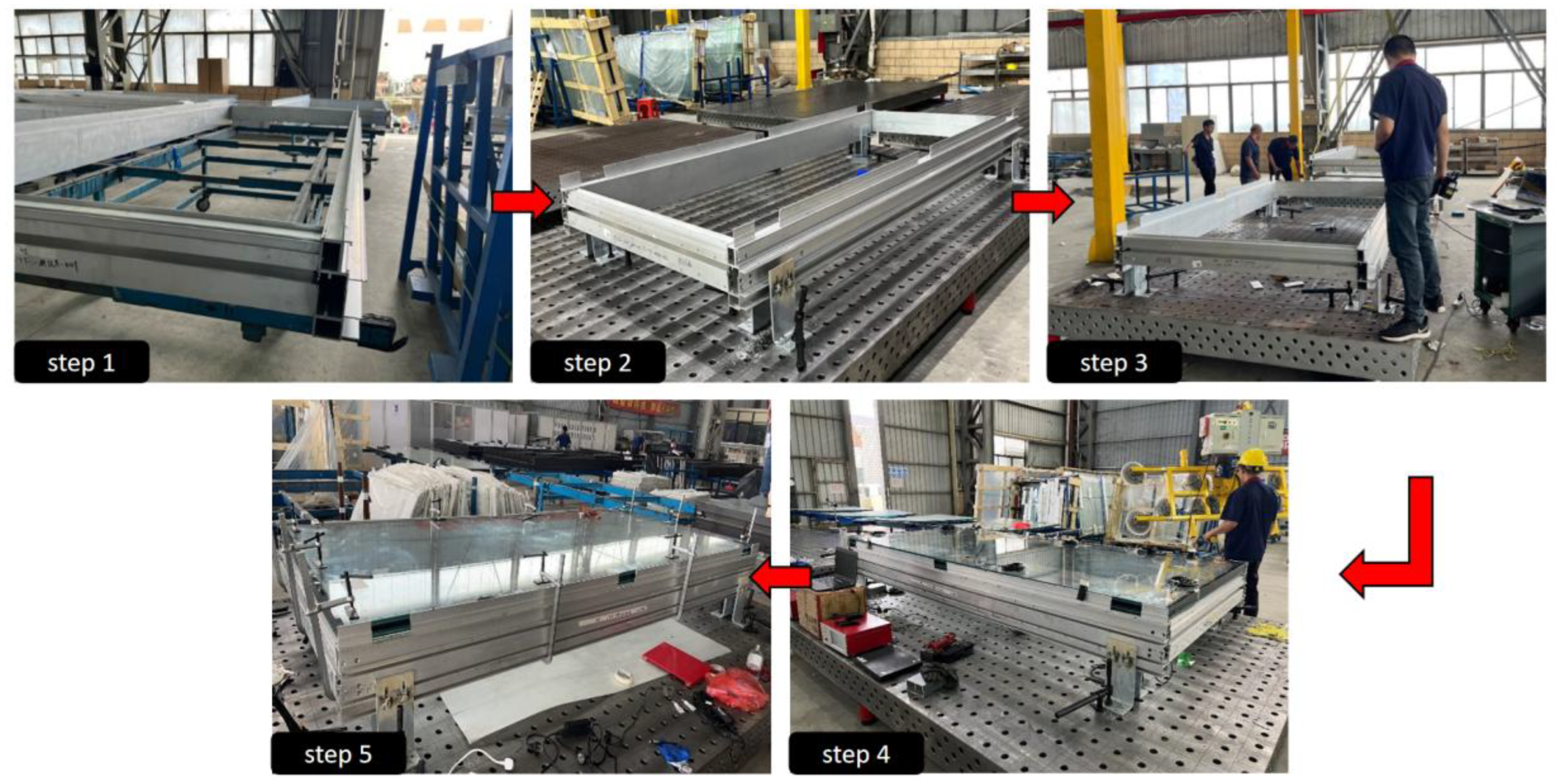
Figure 8.
Steel Fitting Drawing.
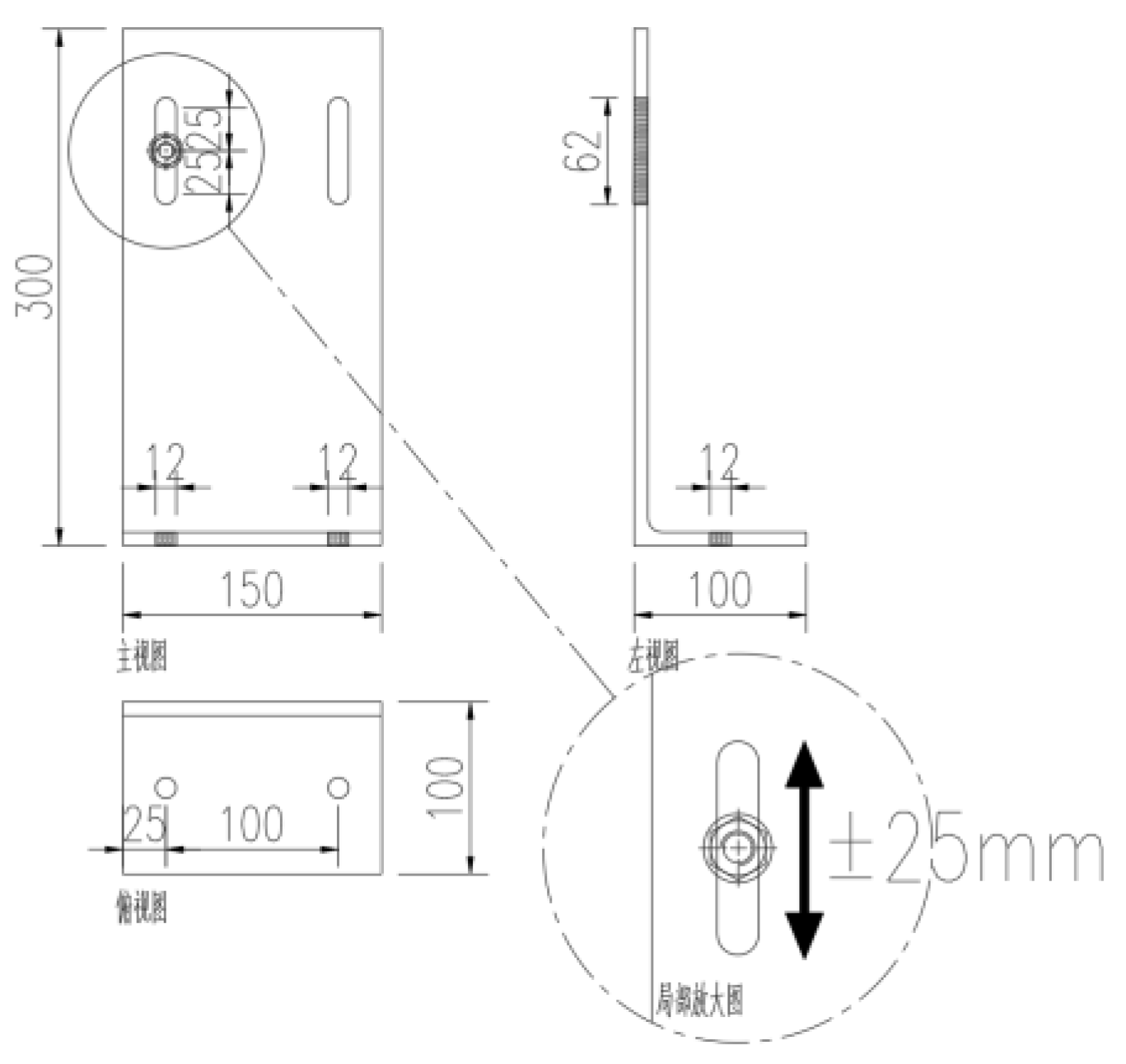
Figure 9.
Cyclic Immersion Test.
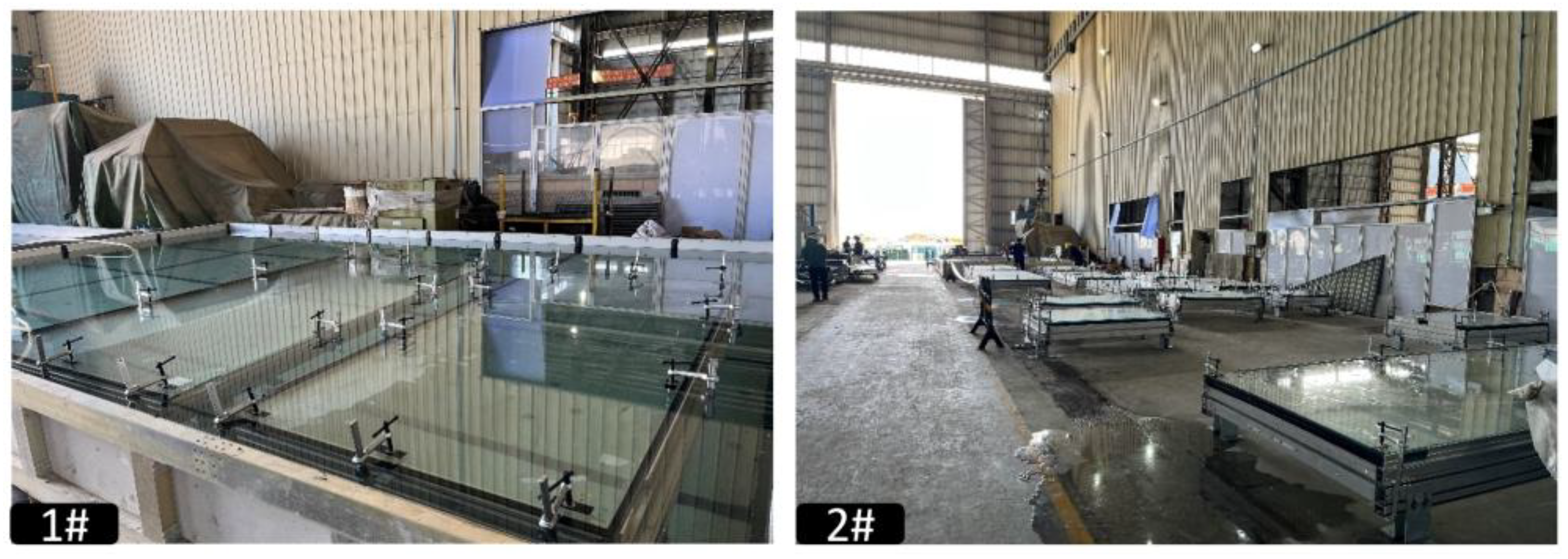
Figure 10.
High-temperature test.
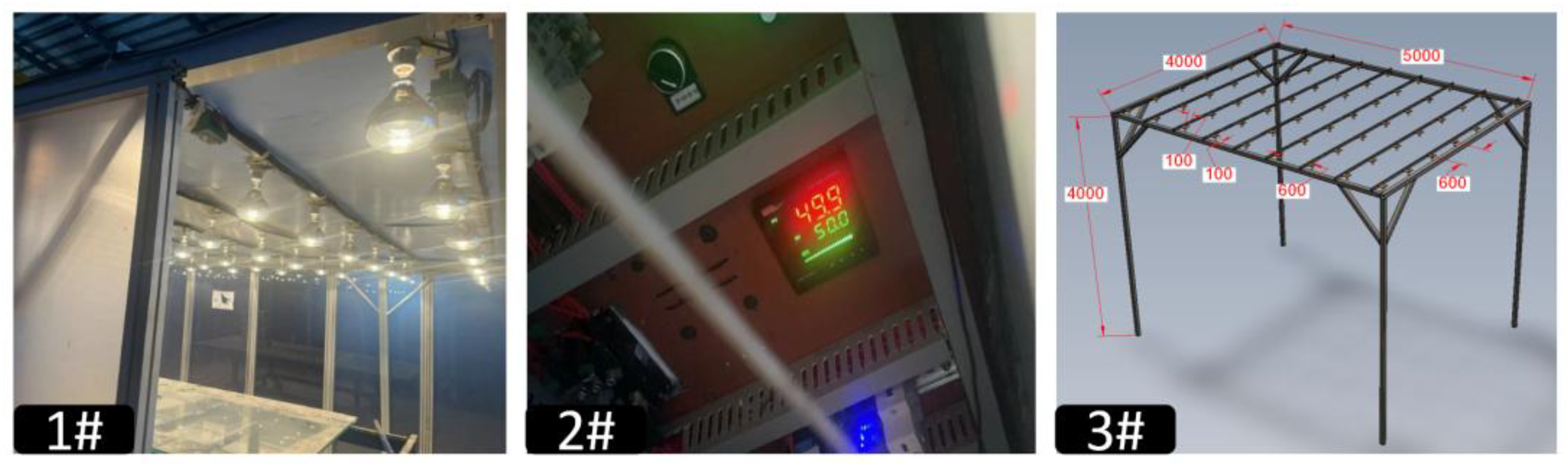
Figure 11.
Low-temperature test.
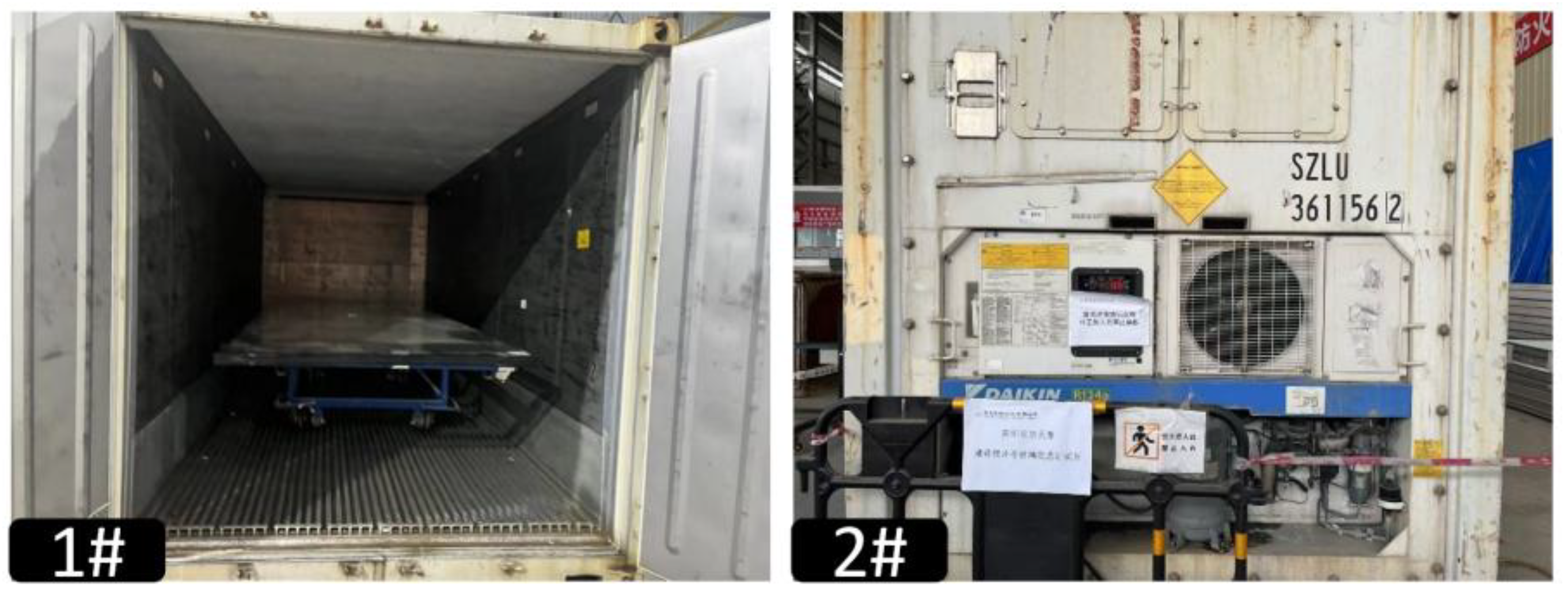
Figure 12.
Localized Defects.
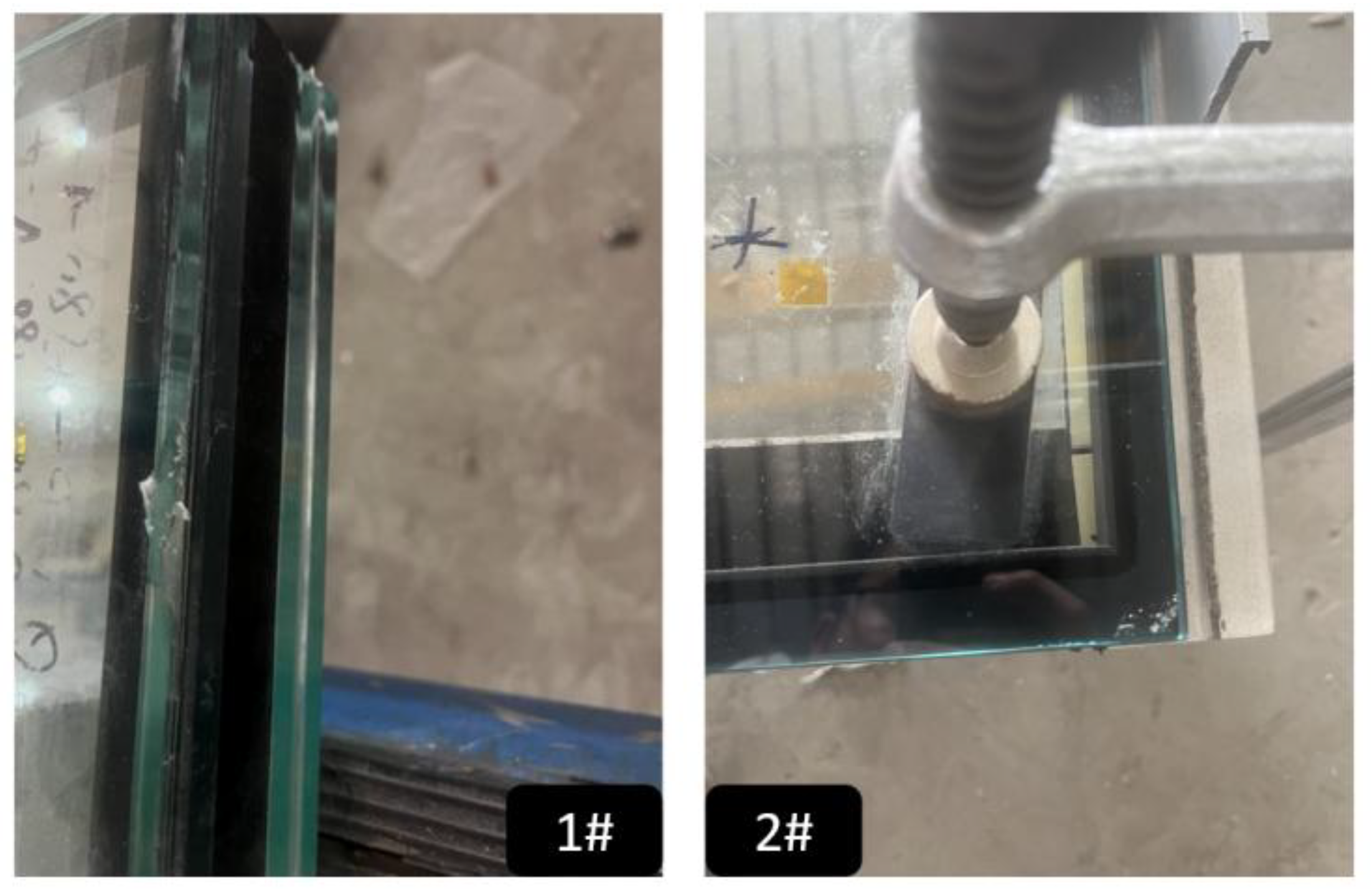
Figure 13.
Insulating Glass: Dew Point Test & Measurement Points.
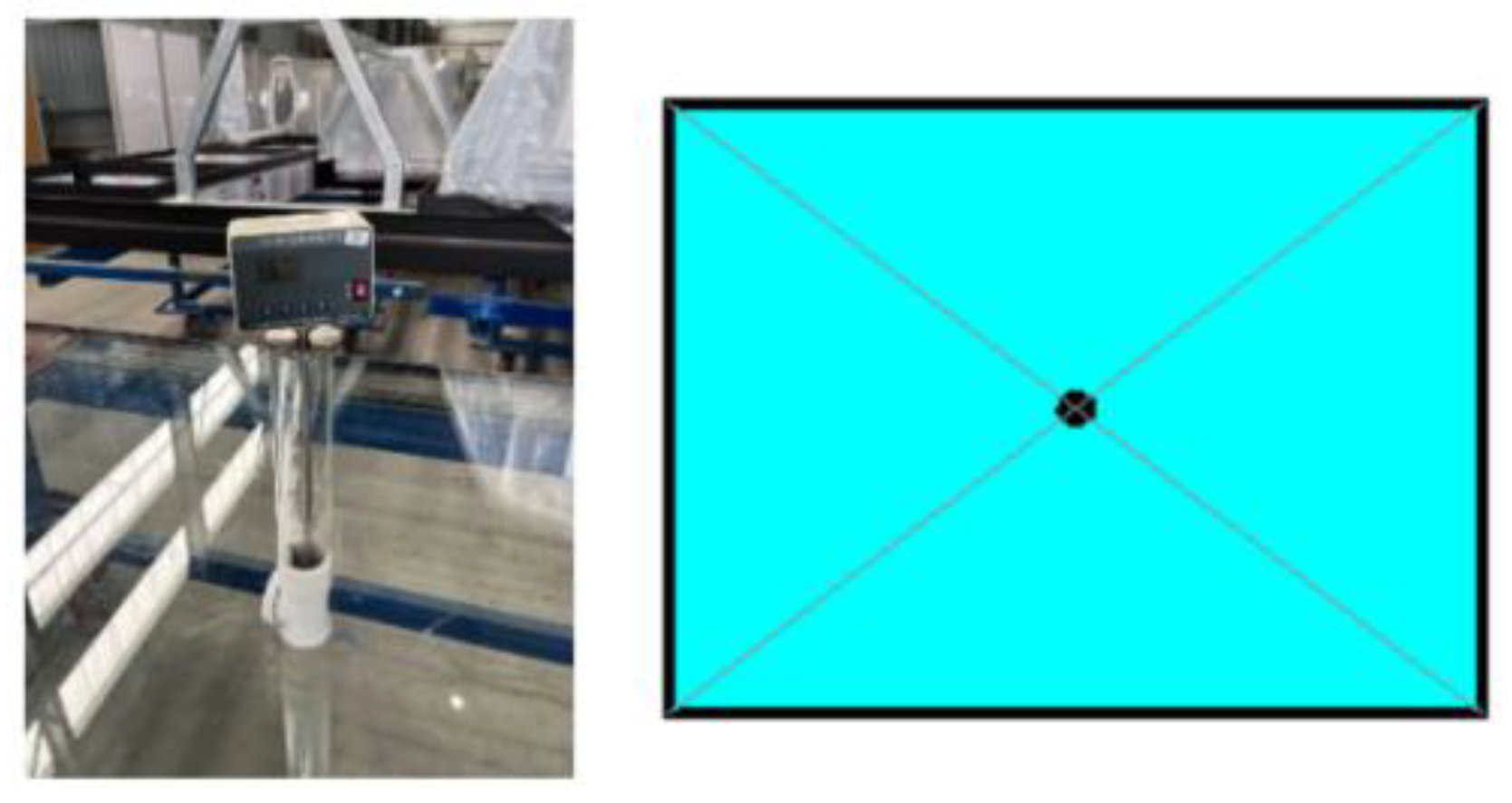
Figure 14.
Insulating Glass: Argon Content & Measurement Points.
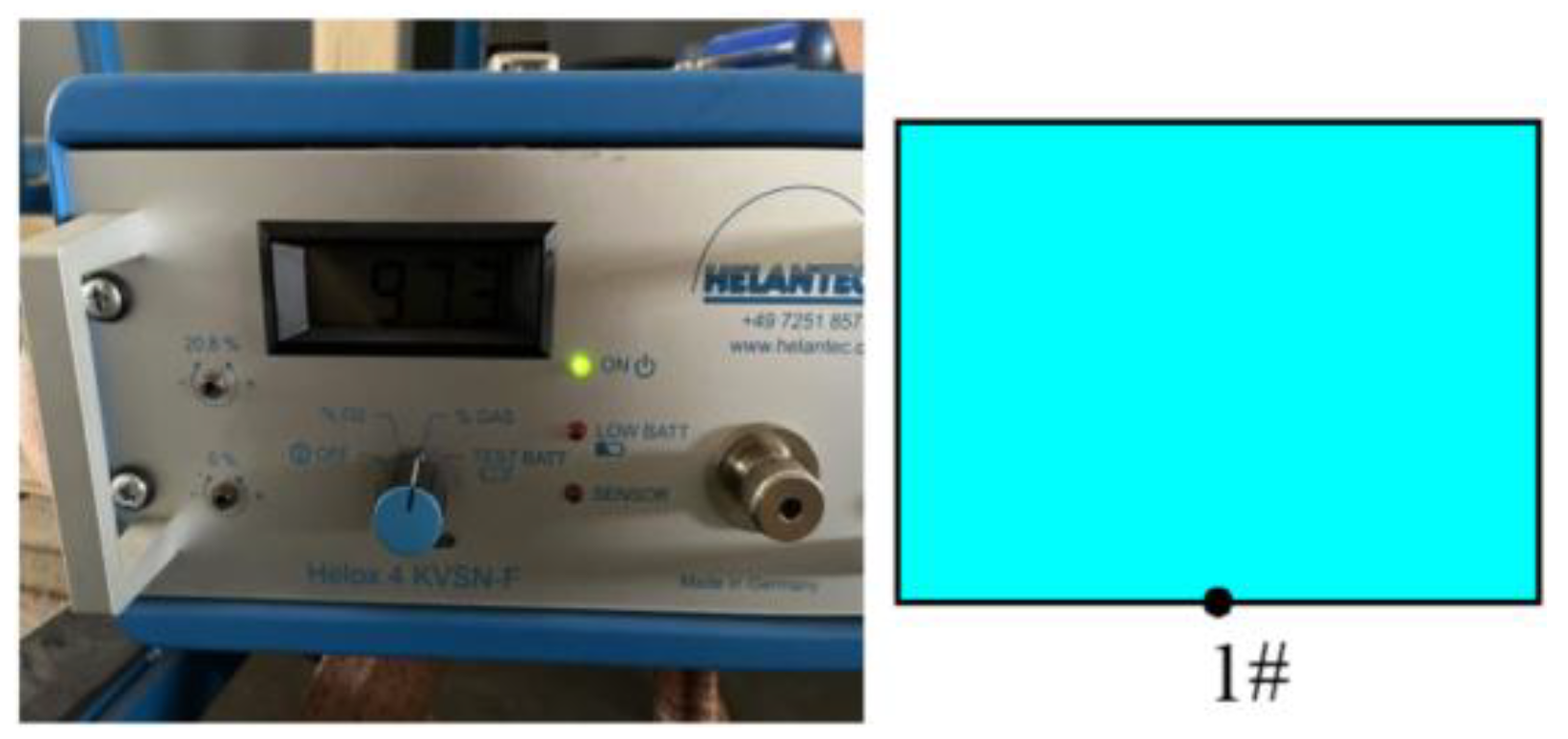
Table 1.
Test Items
| Serial number | Assessment Content | Test items | Testing equipment |
|---|---|---|---|
| 1 | Laminated state | Bubbles, delamination | Visual inspection, magnifying glass |
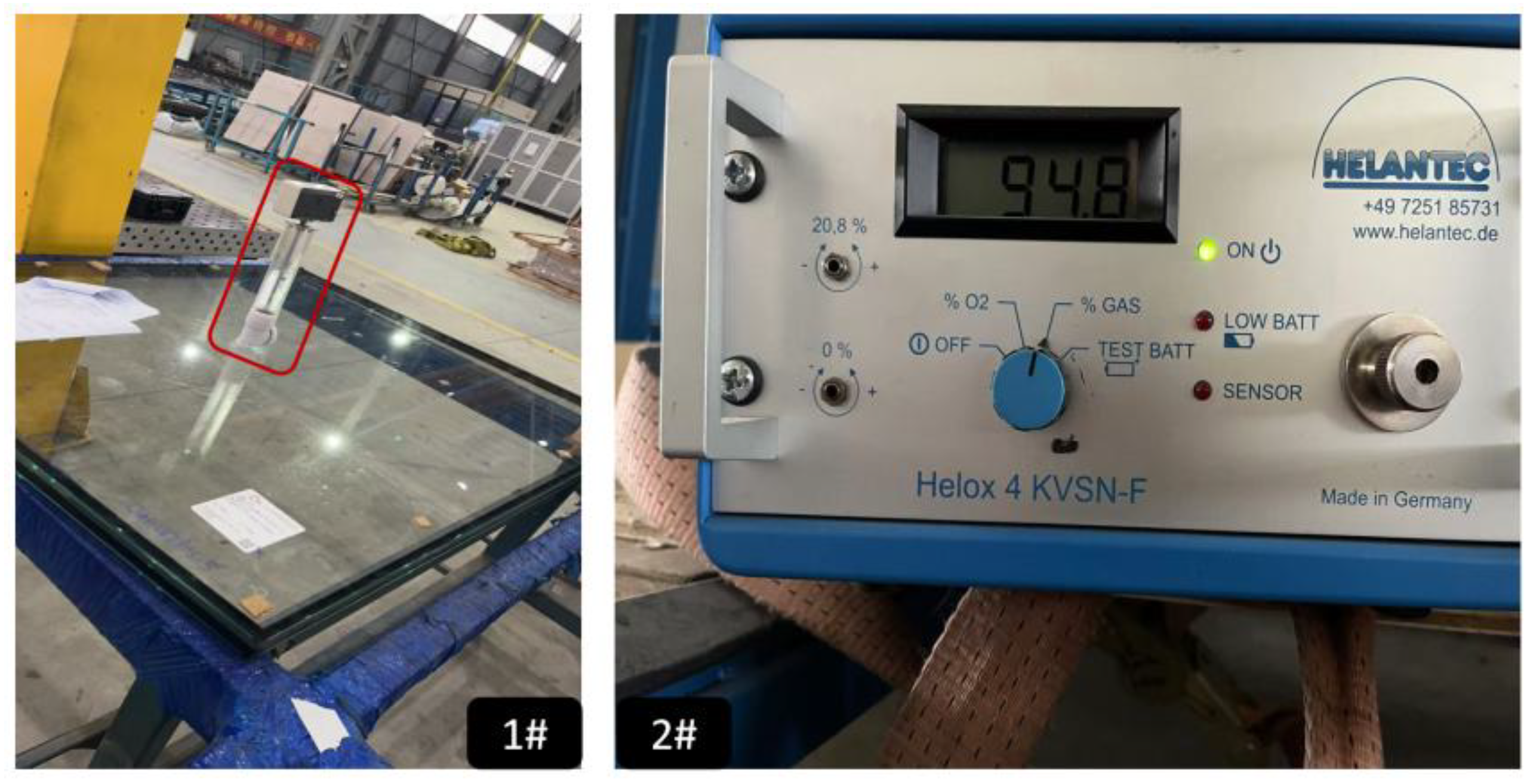
| 2 | Sealing performance | Dew point, argon content | Dew point meter (Figure 1:1#), Argon content analyser (Figure 1:2#) |
Table 2.
Glass Sample Basic Information Form.
| Cold bending type | Glass type | quantity | maximum warpage /mm | Glass number |
|---|---|---|---|---|
| corner bending | Configuration 1 | 3+1 | 41 | QMB-4780-v-1~4 |
| Configuration 2 | 3+1 | 16 | QMB-4780-s-1~4 | |
| long-edge bending | Configuration 1 | 3+1 | 33 | QMB-4764-v-1~4 |
| Configuration 2 | 3+1 | 15 | QMB-0629-s-1~4 | |
| cylindrical bending | Configuration 1 | 3+1 | 35 | QMB-6611-1~4 |
| Configuration 2 | 3+1 | 14.5 | QMB-5697-s-1~4 |
Table 3.
Visual Quality of Insulating Laminated Glass.
| Item | Sealant Flow | Spacer Deformation | Bubbles in the Interlayer | Interlayer Delamination |
|---|---|---|---|---|
| Initial State | Pass | Pass | Pass | Pass |
| After Cold Bending | Pass | Pass | Pass | Pass |
| Cycle 1 | Pass | Pass | Pass | Pass |
| Cycle 2 | Pass | Pass | Pass | Pass |
| Cycle3 | Pass | Pass | Pass | Pass |
| Cycle4 | Pass | Pass | Pass | Pass |
| Cycle5 | Pass | Pass | Pass | Pass |
| Cycle6 | Pass | Pass | Pass | Pass |
| High-low temperature cycling | Pass | Pass | Pass | Pass |
Disclaimer/Publisher’s Note: The statements, opinions and data contained in all publications are solely those of the individual author(s) and contributor(s) and not of MDPI and/or the editor(s). MDPI and/or the editor(s) disclaim responsibility for any injury to people or property resulting from any ideas, methods, instructions or products referred to in the content. |
© 2025 by the authors. Licensee MDPI, Basel, Switzerland. This article is an open access article distributed under the terms and conditions of the Creative Commons Attribution (CC BY) license (http://creativecommons.org/licenses/by/4.0/).
Copyright: This open access article is published under a Creative Commons CC BY 4.0 license, which permit the free download, distribution, and reuse, provided that the author and preprint are cited in any reuse.


