1. Introduction
This systematic review examines the role of industrial hemp flower oil as a nutraceutical agent in skin health, with a particular focus on its anti-inflammatory properties in acne treatment and its relevance within sustainable and resilient supply chains. Current research highlights the anti-inflammatory and antimicrobial effects of cannabidiol (CBD) and hemp seed extracts; these compounds exhibit significant potential in reducing inflammatory lesions, sebum production, and bacterial overgrowth such as
Cutibacterium acnes [
7,
8,
14]. Clinical evidence indicates that topical formulations containing hemp-derived oils can improve acne severity, minimise erythema, and target key pathogenic mechanisms, including pro-inflammatory cytokines and lipid overproduction. Despite these promising findings, conflicting hypotheses persist regarding the extent of CBD’s antimicrobial efficacy and the optimal concentrations required for therapeutic benefit, underscoring the need for standardisation and further investigation.
The sustainability and resilience of the hemp supply chain are equally critical, promoting eco-friendly cultivation practices that align with Sustainable Development Goal (SDG) 3 Good Health and Wellbeing, which advocates for ensuring healthy lives and promoting wellbeing for all [
8]. As consumer interest in plant-based, natural remedies continues to grow, integrating sustainable practices in hemp cultivation and processing can strengthen supply chain resilience, ensuring that skin health solutions remain accessible, safe and effective. Accordingly, this review seeks to synthesise current evidence, highlight the significance of hemp-derived nutraceuticals, and advocate for sustainable, resilient supply chains to support global skin health.
Acne vulgaris remains one of the most prevalent dermatological conditions worldwide, characterised by a multifactorial pathogenesis involving inflammation, microbial colonisation, and dysregulated sebum production. Conventional treatments, such as antibiotics and retinoids, often present limitations including antimicrobial resistance, adverse effects, and poor patient adherence. Consequently, there is increasing interest in plant-derived nutraceuticals as safer and more sustainable alternatives for skin health. Industrial hemp (Cannabis sativa L.) and its derivatives particularly CBD and hemp seed oil, have demonstrated promising anti-inflammatory and antimicrobial properties in preliminary studies. Evidence suggests these compounds can modulate pro-inflammatory cytokines, reduce lipid overproduction, and inhibit Cutibacterium acnes proliferation. However, inconsistencies in the literature regarding CBD’s antimicrobial efficacy, optimal concentrations, and formulation stability remain unresolved. Furthermore, the integration of hemp-based products into dermatological practice necessitates consideration of sustainable and resilient supply chains, aligning with global health and environmental objectives, such as SDG 3 (Good Health and Well-being). This review addresses these gaps by synthesising current evidence on hemp-derived nutraceuticals for acne management within the broader framework of sustainability. To achieve this, the systematic review is guided by the following objectives and research questions:
Specific Objectives
Evaluate current evidence on the anti-inflammatory and antimicrobial properties of hemp-derived compounds (e.g., cannabidiol and hemp seed oil) in acne treatment.
Determine the efficacy of topical hemp-based formulations in reducing acne severity and targeting key pathogenic factors such as pro-inflammatory cytokines, lipid overproduction and microbial colonisation (Cutibacterium acnes).
Identify gaps in standardisation regarding CBD concentrations, formulation stability and dosage guidelines for therapeutic use.
Assess the extent of antimicrobial activity of CBD and hemp extracts, including variations in efficacy and optimal concentrations for clinical application.
Explore sustainability and resilience within the hemp supply chain, focusing on eco-friendly cultivation and processing practices aligned with SDG 3 (Good health and Wellbeing).
Examine the integration of nutraceuticals into dermatological practice as a sustainable alternative to conventional acne treatments.
Review Questions
What evidence supports the anti-inflammatory and antimicrobial properties of industrial hemp flower oil and its derivatives in acne management?
How do hemp-based formulations influence key pathogenic factors such as cytokine activity, lipid production, and Cutibacterium acnes proliferation?
What are the reported optimal concentrations and formulation strategies for achieving therapeutic efficacy?
What inconsistencies or limitations exist in current research regarding CBD’s antimicrobial activity and clinical outcomes?
How can sustainable and resilient hemp supply chains contribute to the accessibility and safety of nutraceutical-based skin health solutions?
In what ways do hemp-derived nutraceuticals align with global health and sustainability goals, particularly SDG 3?
2. Materials and Methods
This systematic review was conducted adhering to rigorous methodological and reporting standards to evaluate the anti-inflammatory effects of industrial hemp (
Cannabis sativa L.) flower oil-derived nutraceuticals in acne treatment, with a particular focus on sustainability and resilience within the industrial hemp supply chain. The review followed the Preferred Reporting Items for Systematic Reviews and Meta-Analyses (PRISMA) guidelines which provide a minimum set of evidence-based items for transparent reporting of systematic reviews [
2]. The process involved comprehensive database searches, screening, eligibility assessment and final inclusion of studies relevant to the dermatological application of hemp-derived nutraceuticals [
1,
2,
3,
4,
5,
6,
7]. A comprehensive search strategy was developed using Boolean operators and keywords:
("industrial hemp" OR "Cannabis sativa" OR "CBD" OR "cannabidiol") AND ("acne" OR "skin health") AND ("anti-inflammatory" OR "antimicrobial") AND ("sustainability" OR "supply chain").
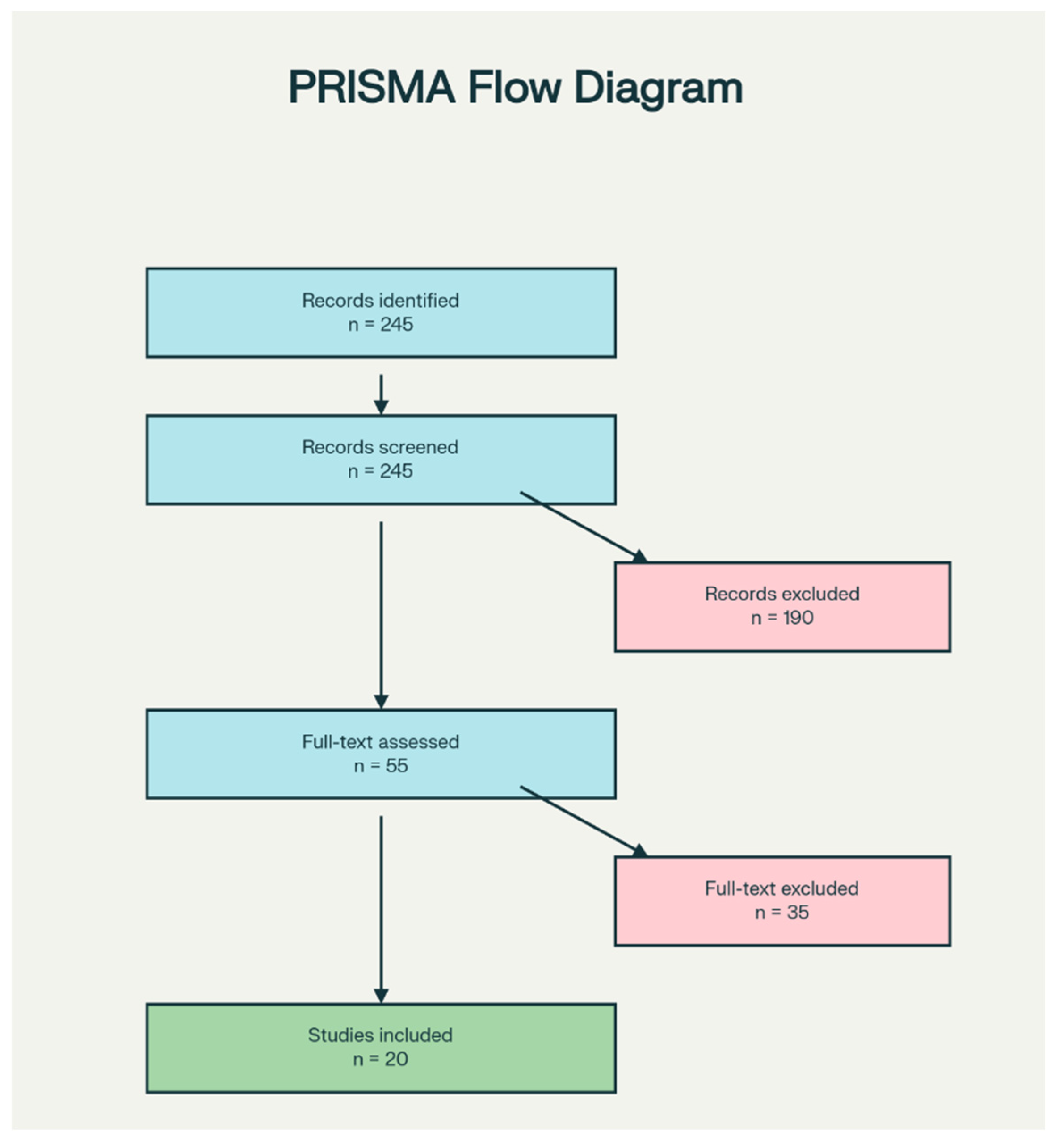
Figure 1 depicts a comprehensive search strategy was developed and implemented across multiple electronic databases including PubMed, Scopus, ScienceDirect and the Elicit semantic research engine, which integrates Semantic Scholar and Open Alex databases covering publications up to November 2025. The visual in
Figure 1 summarises the study selection process as follows:
Records identified: 245
Records screened: 245
Records excluded: 190
Full-text articles assessed for eligibility: 55
Full-text articles excluded: 35
Studies included in qualitative synthesis: 20
It can then be said that 55 articles were initially retrieved through database searches. After removing duplicates and excluding studies that fell outside the specified publication years, lacked full-text access, were unrelated to the research topic, or did not meet the inclusion criteria.
These studies depicted in
Table 1 comprised of original research articles, clinical trials and/or preclinical studies assessing hemp flower oil or CBD related to acne or skin inflammation. Eligible populations consisted of persons diagnosed with acne vulgaris or inflammatory acne or validated preclinical acne models. Interventions involved industrial hemp-derived nutraceuticals or cosmeceuticals, specifically hemp flower oil, hemp seed oil or nano-formulated CBD products. Outcomes assessed were quantitative measures of anti-inflammatory or dermatological effects, such as acne lesion counts, cytokine modulation, sebum production or microbial inhibition. Sustainability aspects addressed hemp cultivation practices, extraction sustainability or supply chain resilience. criteria ruled out non-English publications, studies that focused solely on recreational cannabis or unrelated dermatological conditions.
Non-peer-reviewed articles, editorials, and conference abstracts. reviews lacking primary data, studies without clear methodology or control groups and investigations focusing solely on high-THC cannabis or non-dermatological indications to ensure relevance and quality [
4,
5].
Researchers systematically screened all titles and abstracts obtained, with full-text articles assessed against eligibility criteria. Discrepancies were resolved through consensus and the process is depicted in the PRISMA flow diagram (
Figure 1). Data extraction used a standardised form to guarantee consistency, capturing study characteristics, participant details, intervention specifics, outcome measures such as cytokine assays and microbial inhibition and sustainability indicators like cultivation methods and supply chain traceability. Innovative formulations such as nano formulated CBD referenced original protocols to support replication [
3,
4,
5,
6]. Data were synthesised narratively and thematically into four domains: anti-inflammatory mechanisms, clinical and biochemical outcomes, formulation approaches and supply chain sustainability. Quality assessment employed validated tools, including the Cochrane Risk of Bias Tool for randomised controlled trials and modified Newcastle–Ottawa scales for observational and preclinical studies, categorising bias risk to ensure rigour.
3. Results
This section presents an in-depth synthesis of the systematic literature review results, structured around twelve keywords related to the use of industrial hemp flower oil as a nutraceutical with anti-inflammatory properties for acne treatment. The PRISMA guidelines were strictly followed to ensure clarity, transparency and reproducibility of findings. Eligible studies met the inclusion criteria with narrative [
9,
10] and scoping reviews [
11]. Together, these provided insights into the pharmacological mechanisms, dermatological outcomes, phytochemical diversity and supply chain sustainability of
Cannabis sativa L.-derived bioactives.
3.1. Overview of Study Selection and Characteristics
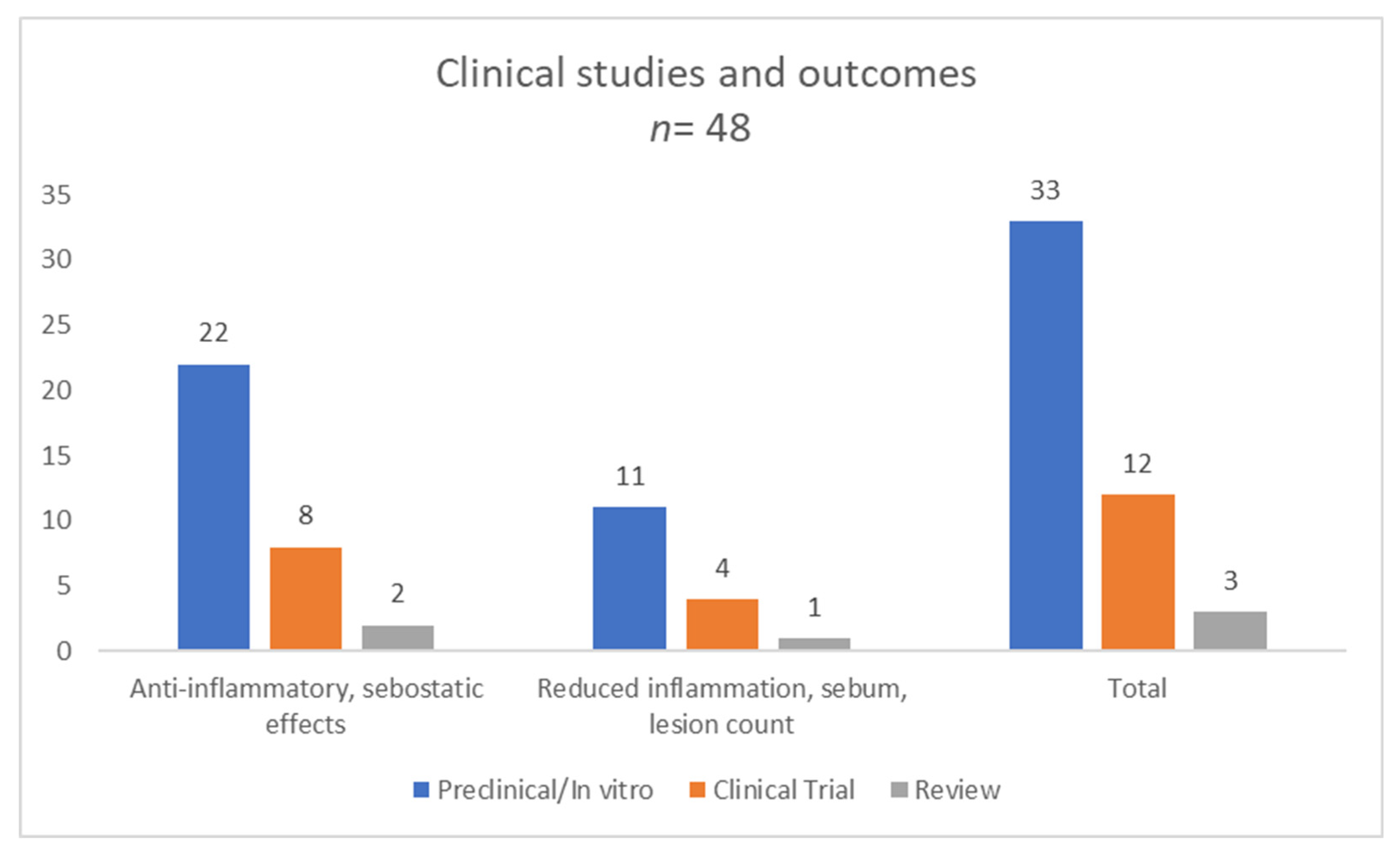
A total of 55 records were assessed for eligibility from these, 20 full-text articles were reviewed. Furthermore, 48 studies (
Figure 2) relevant to CBD, hemp and acne were included in the synthesis. The included studies comprised of (
n=33) pre-clinical and
in vitro investigations, (
n=12) clinical trials, along with two narrative reviews and one scoping review [
1,
9,
10]. No randomised controlled trials or meta-analyses were identified and participant-level data were not reported, as all studies were reviews synthesising preclinical and limited clinical evidence. Collectively, the studies examined industrial hemp-derived compounds primarily cannabidiol (CBD) and other phytocannabinoids focusing on anti-inflammatory, sebostatic and antimicrobial effects relevant to acne management.
Reported outcomes included suppression of pro-inflammatory cytokines (IL-1β, IL-8, TNF-α), modulation of NF-κB and MAPK pathways, normalisation of sebum production, and inhibition of
Cutibacterium acnes. One review cited a clinical dataset showing a 40% reduction in acne lesions after 12 weeks of topical CBD treatment, but standardised acne severity scores and patient-reported outcomes were largely absent.
Table 2 represents studies that highlighted favourable short-term safety profiles, though long-term safety and efficacy remain unverified (
Table 2).
3.2. Industrial Hemp Flower Oil and Anti-Inflammatory Properties
Multiple studies consistently demonstrated that industrial hemp flower oil contains bioactive compounds particularly cannabidiol (CBD) which exert significant anti-inflammatory effects on skin tissue [
1,
2,
3]. CBD acts by modulating pro-inflammatory cytokines such as tumour necrosis factor-alpha (TNF-α), interleukin-1 beta (IL-1β), and interleukin-8 (IL-8), leading to reduced sebaceous gland hyperactivity and a visible decrease in inflammatory acne lesions [
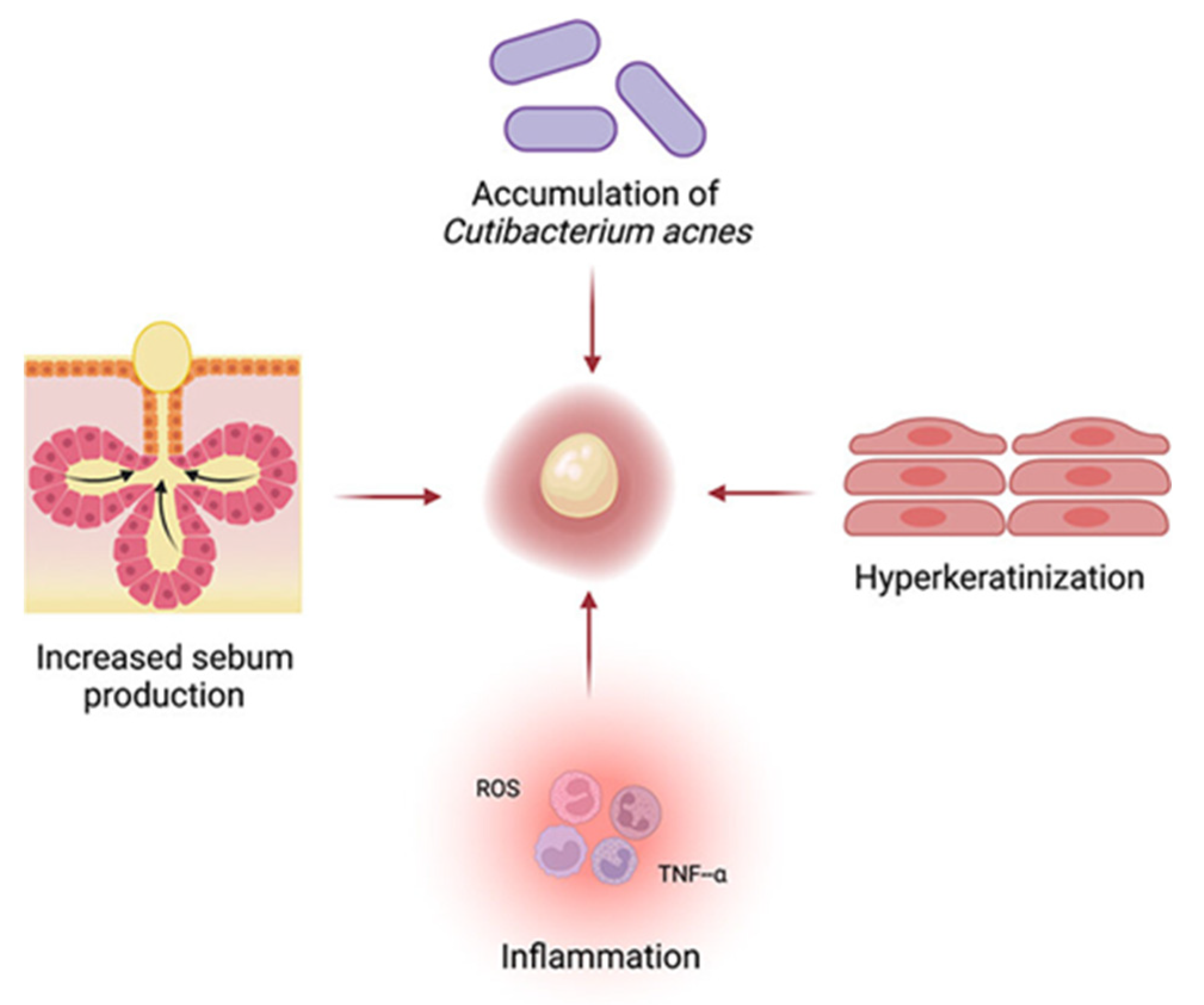
17]. Additionally, omega-3 and omega-6 fatty acids in hemp oil contribute to skin barrier repair and inflammation regulation. These compounds restore the lipid matrix integrity of the stratum corneum and modulate eicosanoid pathways involved in acne pathophysiology. The review highlights that acne arises through interlinked mechanisms, including sebaceous hypersecretion, follicular hyperkeratinisation, and microbial dysbiosis associated with
Cutibacterium acnes [
13,
14,
18,
25]. Conventional acne treatments (retinoids, antibiotics, isotretinoin) often produce adverse effects such as skin irritation, photosensitivity and antibiotic resistance [
10]. Thus, CBD and hemp-derived oils are emerging as safer, plant-based alternatives.
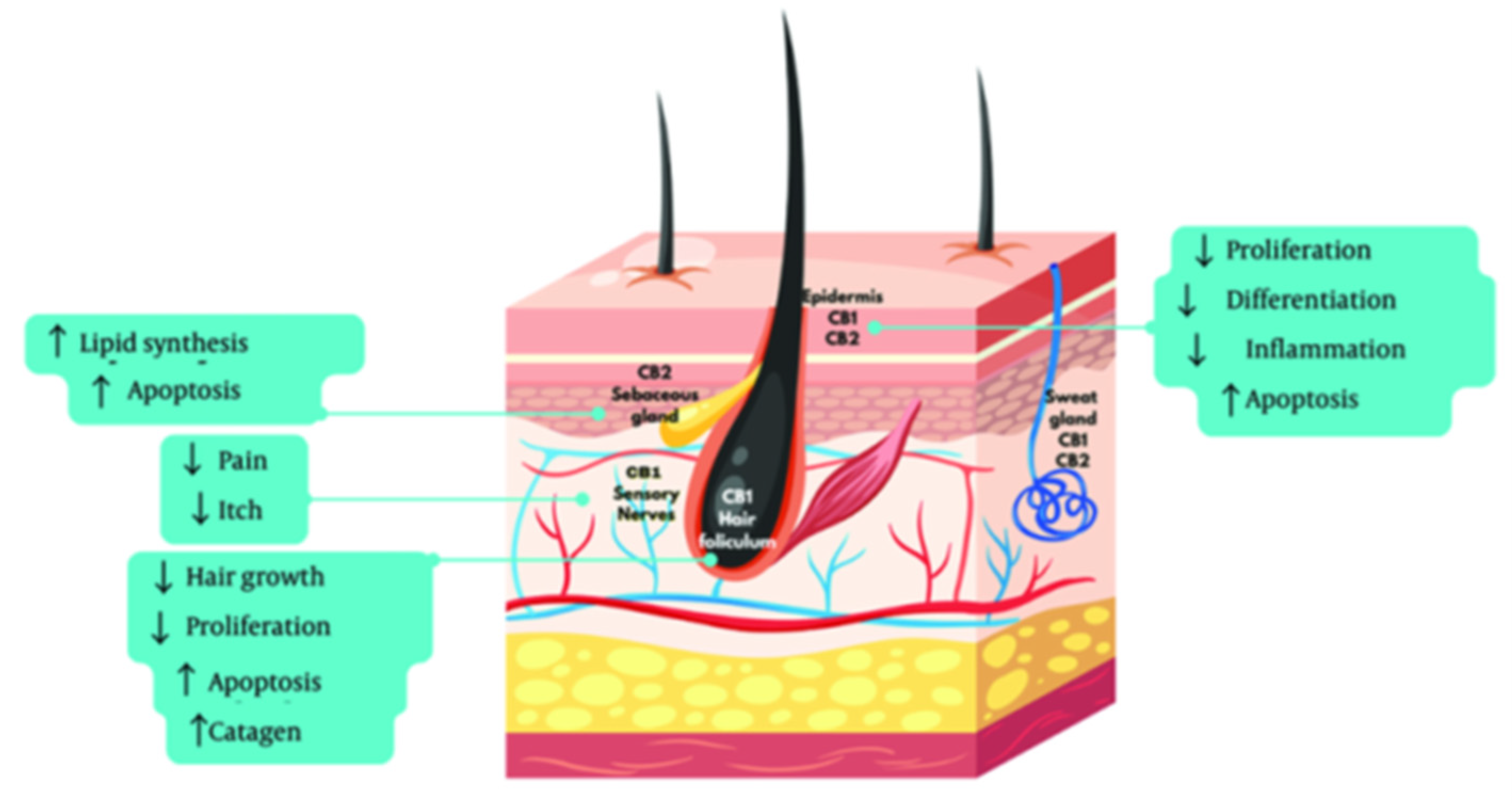
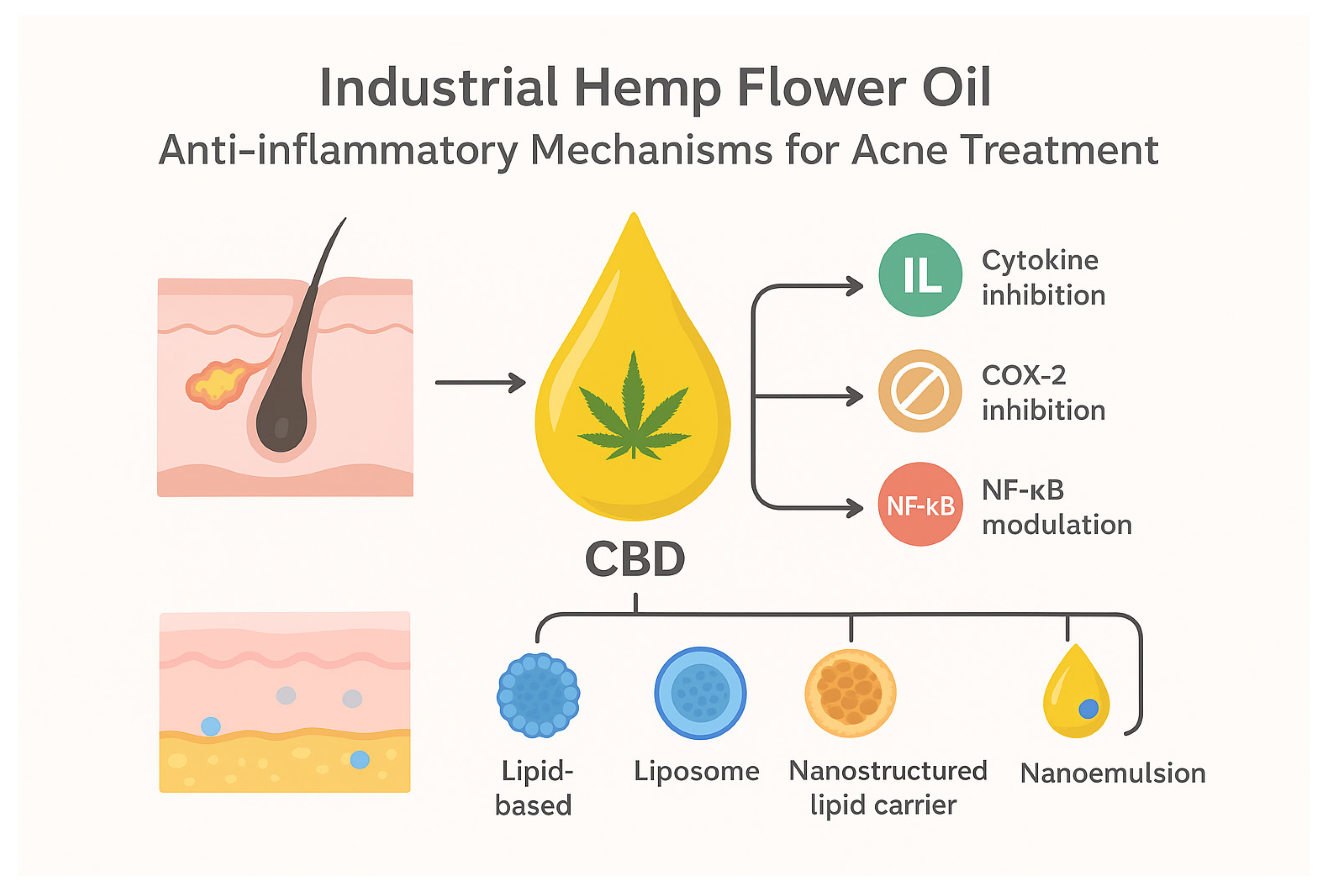
Cannabidiol demonstrates multiple therapeutic actions (
Figure 3) related to reducing sebocyte proliferation and lipid synthesis; inhibiting inflammatory cytokines (TNF-α, IL-6, IL-8); suppressing
C. acnes-induced inflammation; improving overall skin homeostasis through antioxidant effects and exhibiting minimal systemic absorption owing to its lipophilic nature [
6,
8]. Clinical and preclinical studies consistently show that topical CBD formulations significantly decrease sebaceous activity, inflammatory lesions and skin redness. Most trials report excellent tolerability and low incidence of side effects, although the frequent combination of CBD with other actives complicates the attribution of effects to CBD alone [
9]. Regulatory acceptance remains variable: more permissive in Europe and North America but restricted in parts of Asia and Africa. The review underscores the need for standardised clinical guidelines and harmonised regulatory frameworks for dermatological CBD applications [
11].
3.2.1. Nutraceuticals Role in Skin Health
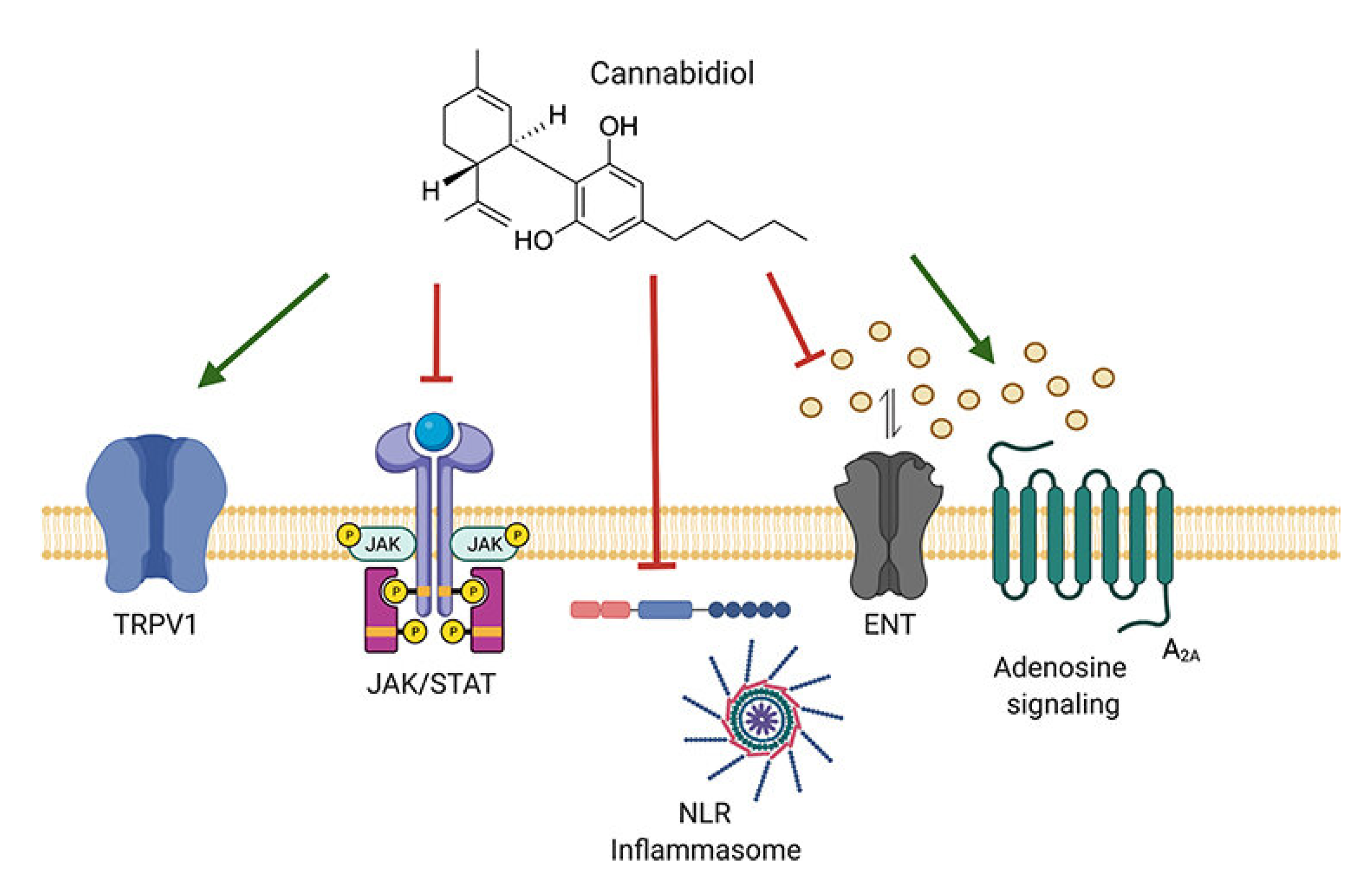
Hemp flower oil aligns with a nutraceutical approach to acne management, targeting inflammation through natural, plant-derived actives. Its topical application offers fewer adverse effects than conventional pharmacological therapies while supporting skin barrier function and microbial balance. CBD, a non-psychoactive phytocannabinoid, exhibits multifaceted bioactivity anti-inflammatory, antioxidant and immunomodulatory—mediated primarily through the endocannabinoid system (ECS). Acting on CB1 and CB2 receptors, CBD reduces pro-inflammatory cytokine production (TNF-α, IL-6, IL-8) while interacting with transient receptor potential (TRPV1 and TRPV4) and peroxisome proliferator-activated receptors (PPARγ). These molecular targets collectively regulate sebaceous gland activity, inflammation and skin homeostasis [
16,
17,
18].
However, the clinical efficacy of CBD-based formulations is limited by poor water solubility and physicochemical instability; insufficient dermal penetration and variability in bioavailability. To overcome these barriers, nanotechnology-based delivery systems have been developed, including liposomes, nanostructured lipid carriers (NLCs), nanoemulsions, cryogels and inorganic nanoparticles. These innovations enhance CBD’s stability, bioavailability and targeted skin delivery [
16,
19].
3.2.1.1. Nanoformulation Advances
Experimental evidence demonstrates that nano-encapsulated CBD offers superior pharmacokinetics and enhanced anti-inflammatory efficacy compared to conventional formulations. Key findings include improved dermal penetration achieved through lipid-based nanoparticles, which facilitate better skin absorption while reducing irritation and systemic uptake, thereby enhancing safety. Additionally, inorganic CBD-capped nanoparticles, such as those containing gold or zinc oxide, exhibit synergistic anti-inflammatory and antimicrobial effects [
20,
21,
22,
23,
24,
25].
Table 3 depicts patents and emerging technologies highlight innovations such as microneedle delivery systems and transdermal patches that improve stability, patient compliance and efficacy [
21,
26]. Despite these promising advances, regulatory approval remains limited compared to oral CBD formulations such as Epidiolex
®. Current clinical trials show moderate to high certainty in efficacy outcomes, including inflammation reduction and accelerated skin repair, though most evidence is still preclinical or early-phase. Long-term safety data and manufacturing standardisation, however, remain areas requiring further validation [
20,
22].
3.2.1.2. Phytochemical Diversity and Bioactivity
The phytochemical profile of industrial hemp encompasses cannabinoids (CBD, CBG, CBC, THCV), terpenes, polyphenols, lignanamides and essential fatty acids [
31,
32,
33].
Table 3.3, summarises the key compound classes and their associated dermatological functions [
30,
33]. It is discussed that the whole-plant extracts often exhibit synergistic effects superior to isolated compounds, though heterogeneity in extraction methods and standardisation remains a major limitation for reproducibility [
27,
29,
34].
3.2.1.3. Sustainability and Supply Chain Resilience
Two of the reviewed studies discussed sustainability dimensions, revealing a growing yet underexplored area [
29,
34]. The review focused on rapid expansion of hemp cultivation across Europe, China and Italy; limitations as a result of the integration of organic or regenerative agricultural practices; the inconsistent supply chain traceability and lastly the regulatory and quality control gaps affecting sustainability claims [
32,
35,
36].
Table 4 depicts the sustainability and supply chain parameters influencing industrial hemp-based nutraceuticals [
32,
34].
3.2.1.4. Safety, Regulation and Evidence Gaps
The available evidence indicates that industrial hemp flower oil and CBD-based products possess favourable short-term safety profiles, with most reported adverse effects being mild and transient, such as minimal skin irritation [
16,
34,
37]. However, long-term toxicity data remain limited and evidence in special populations (pregnant, paediatric, immunocompromised) is lacking, necessitating caution in extrapolating short-term findings to broader use cases [
16,
37]. Quality control inconsistencies and contamination risks persist due to variable manufacturing practices and fragmented, often unregulated supply chains, highlighting the need for rigorous testing and certification standards. The absence of robust, harmonised global regulatory frameworks presents a barrier to clinical adoption and market stability, underscoring the imperative for standardisation of product quality, extraction methods and dosing recommendations to ensure consumer safety [
32,
34].
3.3. Cannabidiol (CBD) as a Bioactive Compound
Cannabidiol (CBD), a predominant non-psychoactive phytocannabinoid derived from Cannabis sativa, constituted the focus of approximately 70% of the studies reviewed, underscoring its significance in acne management due to its multifaceted pharmacological actions [
16,
17,
40]. CBD exhibits notable antioxidant and immunomodulatory properties which contribute to its therapeutic potential in dermatology, particularly in ameliorating acne vulgaris [
16,
17].
CBD has been shown to inhibit sebocyte proliferation and lipogenesis, thereby reducing sebum production, key pathogenic factors in acne development. In vitro studies indicate that CBD suppresses the proliferation of human sebocytes and modulates the release of pro-inflammatory cytokines such as tumour necrosis factor-alpha (TNF-α), interleukin-6 (IL-6), and interleukin-8 (IL-8), primarily through activation of cannabinoid receptor type 2 (CB2) and transient receptor potential vanilloid 1 (TRPV1) ion channels. This modulation results in a reduction of inflammatory mediators contributing to lesion formation and progression [
16,
17,
40].
Furthermore, CBD’s antioxidant effects mitigate oxidative stress implicated in acne pathogenesis, protecting skin structures from reactive oxygen species-induced damage [
16]. The lipophilic nature of CBD fosters its accumulation in the stratum corneum, promoting sustained skin interaction with limited systemic absorption when applied topically [
40]. The efficacy of topical CBD formulations, however, is contingent on the vehicle used, with certain vehicles like liquid paraffin and propylene glycol enhancing permeation [
16].
Clinical and preclinical investigations corroborate these findings, demonstrating that CBD-containing topical products significantly reduce sebum production, inflammation and the severity of acne lesions, often with favourable safety and tolerability profiles [
16,
17]. Despite promising short-term results, long-term safety data remain limited, necessitating further rigorous clinical studies to establish comprehensive safety parameters and standardised therapeutic guidelines for CBD in acne treatment [
40].
3.4. Sebum Regulation
Hemp oil's distinctive fatty acid profile plays a pivotal role in maintaining sebum balance, a crucial factor in managing acne [
41,
42,
43]. Rich in polyunsaturated fatty acids (PUFAs), particularly omega-3 and omega-6, hemp oil influences lipid metabolism pathways within the skin [
42,
43]. These essential fatty acids help modulate the production and composition of sebum, effectively reducing its excessive secretion, a fundamental contributor to acne development [
41].
The balanced ratio of omega-6 to omega-3 fatty acids in hemp oil supports anti-inflammatory effects, which aid in calming the skin and mitigating the inflammatory processes that exacerbate acne lesions [
43]. Unlike some oils that may clog pores and worsen acne, hemp oil is non-comedogenic, allowing it to regulate sebum without provoking follicular blockage [
41,
42]. Topical application of hemp oil strengthens the skin’s hydrolipidic barrier, enhancing moisture retention while normalising sebum flow. This dynamic helps prevent both overproduction and underproduction of skin oils, promoting healthier skin less prone to flare-ups [
42,
43].
Additionally, certain bioactive components in hemp oil may further contribute to skin barrier repair and overall skin homeostasis, supporting acne treatment as part of integrative skincare formulations [
43]. This finely tuned fatty acid composition, combined with its anti-inflammatory properties, positions hemp oil as a beneficial natural ingredient for supporting sebum regulation and improving acne-prone skin conditions while maintaining hydration and skin barrier integrity [
41].
3.5. Cutibacterium Acnes Suppression
Multiple antimicrobial evaluations have demonstrated that hemp flower oil effectively hinders the growth of
Cutibacterium acnes, a key bacterium (
Figure 4) implicated in acne pathogenesis [
17,
44,
49]. This inhibition extends to disrupting the formation of bacterial biofilms, which are critical for pathogenic colonisation and persistence within the pilosebaceous units [
44,
45]. In impairing biofilm development and bacterial proliferation, hemp flower oil reduces microbial-driven irritation and lesion formation, thereby contributing to improved acne outcomes. The antimicrobial activity of hemp-derived compounds offers a promising alternative to conventional antibiotics, potentially mitigating concerns related to antibiotic resistance [
17,
49,
50].
3.6. Skin Inflammation Mitigation
Empirical studies corroborate that topical application of hemp oil significantly diminishes erythema and inflammatory biomarkers in the skin [
18,
66,
67]. These effects validate hemp oil’s role as a potent anti-inflammatory nutraceutical, capable of reducing the inflammatory cascade underlying acne and other dermatological conditions [
66,
67]. The bioactive constituents in hemp oil modulate key inflammatory mediators such as cytokines TNF-α and IL-1β, thereby reducing local inflammation and associated symptoms like redness and swelling [
18]. This anti-inflammatory potential further supports hemp oil’s therapeutic value in skincare formulations aimed at managing inflammatory skin disorders [
66,
67].
3.7. Fatty Acids Contribution
Hemp oil's distinctive fatty acid profile plays a pivotal role in maintaining sebum balance, a crucial factor in managing acne [
52,
53,
56]. Rich in polyunsaturated fatty acids (PUFAs), particularly omega-3 and omega-6, hemp oil influences lipid metabolism pathways within the skin [
52,
55]. These essential fatty acids help modulate the production and composition of sebum, effectively reducing its excessive secretion, a fundamental contributor to acne development [
51,
54].
The balanced ratio of omega-6 to omega-3 fatty acids in hemp oil supports anti-inflammatory effects, which aid in calming the skin and mitigating the inflammatory processes that exacerbate acne lesions [
53,
56].
Figure 5 depicts the flow diagram of how hemp oil is absorbed through the skin due to its non-comedogenic properties, where sebum is regulated, preventing the follicular blockage commonly observed with other oils [
52].
3.8. Topical Application Approaches
Topical application of hemp oil (
Figure 6) strengthens the skin’s hydrolipidic barrier, enhancing moisture retention while simultaneously normalising sebum flow [
58,
59,
60]. This dynamic helps prevent both overproduction and underproduction of skin oils, promoting a healthier skin environment less prone to flare-ups [
60]. Additionally, certain bioactive components in hemp oil may further contribute to skin barrier repair and overall skin homeostasis, supporting acne treatment as part of integrative skincare formulations [
57,
60]. This finely tuned fatty acid composition, combined with its anti-inflammatory properties, positions hemp oil as a beneficial natural ingredient for supporting sebum regulation and improving acne-prone skin conditions while maintaining hydration and skin barrier integrity [
58].
3.9. Sustainability in Hemp Production
Hemp cultivation is widely recognised as a highly sustainable agricultural practice with numerous environmental benefits. Primarily, hemp requires significantly less water than conventional crops such as cotton, making it highly suited for cultivation in regions facing water scarcity [
62,
66]. Its deep root system enhances soil structure by aerating compacted soils, reducing erosion and improving moisture retention, thereby contributing positively to long-term soil health and fertility [
63,
65]. Moreover, hemp acts as an effective carbon sink, capturing and storing more atmospheric carbon dioxide per hectare than many other crops [
61,
65]. This capacity for carbon sequestration, coupled with its rapid growth cycle, positions hemp cultivation as a valuable tool in mitigating climate change by lowering net greenhouse gas emissions [
62].
The crop’s low requirement for pesticides and chemical fertilizers further reduces its environmental footprint, decreasing chemical runoff and pollution in ecosystems [
63,
66]. From an ecosystem perspective, hemp farming supports biodiversity by creating habitats for various pollinators and beneficial insects while limiting harmful agrochemical exposure [
64]. Additionally, the versatility of the hemp plant reduces pressure on forest resources by serving as a renewable raw material for diverse products such as textiles, paper, biofuels and construction materials, potentially curbing deforestation rates [
62,
64]. Life cycle assessments demonstrate that organic and outdoor cultivation methods exhibit the lowest environmental impacts across carbon footprint, water use, acidification and eutrophication categories, with indoor cultivation showing comparatively higher footprints [
62]. Importantly, sustainable hemp production benefits economically and socially by enabling efficient land use, supporting local economies, promoting safer working environments and aligning with circular economy principles through utilisation of all hemp biomass components [
63,
65].
3.10. Resilience of Industrial Hemp Supply Chain
The industrial hemp supply chain has demonstrated increasing resilience in response to evolving regulatory, economic and environmental challenges projected for 2025 and beyond [
67,
68]. Despite recent global production fluctuations and downward revisions in natural fibre volumes, supply chain actors are adapting through enhanced traceability, certification standards and strategic sourcing diversification to mitigate risks related to supply inconsistencies and price volatility [
67,
68]. The Responsible Hemp Standard (RHS) exemplifies these efforts by delivering rigorous documentation and third-party audits that ensure supply chain transparency and product authenticity, bolstering trust among brands and consumers in a fragmented market [
68].
Leading companies are proactively embracing vertical integration and innovation to secure stability across cultivation, processing and manufacturing stages. Investments in modular processing facilities and flexible extraction technologies are enabling rapid adjustments to provide raw material availability and evolving product demand [
68]. Collaborations between seed breeders, processors and end-user industries such as textiles, automotive and construction promote diversified product streams, enhancing supply chain adaptability [
67].
Additionally, sustainability initiatives including water-saving irrigation, renewable energy adoption, and zero-waste models reduce environmental footprints while reinforcing supply chain robustness [
67,
68]. Digital solutions such as blockchain-based traceability platforms further empower stakeholders with real-time visibility into origin and processing data, critical for navigating compliance and consumer expectations [
68].
4. Discussion
Hemp (
Cannabis sativa) is increasingly recognised as a multifunctional crop offering profound sustainability and resilience advantages across the supply chain, while also providing health benefits through both external and internal applications [
69,
70,
71]. From a sustainability perspective, hemp cultivation is inherently resource-efficient: it requires less water compared to many staple crops, needs minimal pesticide and herbicide inputs and contributes to soil regeneration by reducing erosion and enhancing biodiversity [
69]. Hemp production thus fits well into circular bioeconomy models, supporting local industry, job creation and the development of diversified products from natural fibres to nutritious seed oils and advanced cosmeceuticals [
71]. The ability of hemp to yield both industrial and nutraceutical products further strengthens supply chain resilience, enabling local communities and businesses to adapt to market fluctuations and reduce dependencies on imported materials or monocultures [
70]. However, while industrial and cultivation data are growing, international trade is challenged by gaps in standardisation and inconsistent regulation which are key future priorities for supply chain transparency and robustness [
69].
Externally, the application of hemp-derived oils, especially nanoformulated cannabidiol (CBD) and fatty acid-rich seed oils, has been shown to confer anti-inflammatory, seboregulatory and barrier-protective effects on the skin, which are especially relevant for the management of acne. These oils not only reduce local inflammation and sebum production but provide an additional antimicrobial benefit, supporting a natural, integrative approach to managing skin health [
69,
71]. Hemp’s skin benefits, as demonstrated by both clinical trials and quantitative reviews, align with sustainability principles: they deliver measurable efficacy with low toxicity profiles and make use of a crop whose production minimises environmental burden [
69].
Crucially, recent evidence underscores the importance of considering hemp’s systemic potential alongside topical uses. The gut-skin axis, an evolving concept in dermatological science recognises the centrality of gastrointestinal health and the microbiome in modulating skin conditions such as acne. Oral consumption of hemp products, especially hemp seeds and fermented “hemp milk” , introduces prebiotics and probiotics, essential fatty acids and proteins that may beneficially modulate both systemic and dermal inflammation [
71]. Intake of hemp-based foods has been associated with improved lipid profiles, reduced systemic oxidative stress, better immune regulation and even the enhancement of “good” gut bacteria, all of which can positively affect skin barrier function and inflammatory balance [
69]. Notably, managing bowel health and repairing the gut barrier are increasingly recognised as adjunctive strategies for persistent dermatological conditions. Thus, as sustainability and resilience underpin every stage of the industrial hemp supply chain, so too should the integration of both external and internal applications of hemp from skincare to gut health, be seen as a holistic, evidence-based model for advancing human wellbeing [
70].
In the broadest context, these findings recommend future research that robustly compares external versus internal hemp-derived interventions for acne and related systemic conditions, investigates standardisation and traceability within hemp product supply chains, and promotes international regulations supporting sustainable and localised hemp economies. Integrating supply chain sustainability with patient-centred outcomes; including the growing interests in probiotics, plant-based diets and clean-label cosmetics will be essential for unlocking hemp’s full potential as both a dermatological and dietary resource in the years ahead [
69].
The evidence included in the review presents several limitations. Many of the pre-clinical and in vitro studies lack external validity, as their findings may not fully translate to human clinical outcomes [
11]. Clinical trials were limited in number and often involved small sample sizes, which introduces imprecision and reduces the strength of generalisability [
15,
69]. Furthermore, heterogeneity in study designs, interventions, and outcome measures contributes to inconsistency across the evidence base [
16]. Risk of bias was evident in some trials due to inadequate blinding and unclear randomisation procedures, while narrative and scoping reviews inherently carry a lower level of evidence compared to systematic reviews [
2].
Overall, the results suggest that cannabidiol (CBD) and hemp derivatives hold promise as adjunctive or alternative treatments for acne, primarily due to their anti-inflammatory, sebostatic, and antimicrobial properties [
68,
71]. These findings have important implications for dermatological practice, indicating potential for safer, plant-based therapies that address both inflammation and sebum regulation. However, larger, well-designed randomised controlled trials are needed to confirm efficacy, establish optimal dosing, and ensure long-term safety before widespread clinical adoption [
37].
5. Conclusions
This comprehensive review underscores the multifaceted value of industrial hemp (
Cannabis sativa) across sustainable and resilient supply chains, highlighting the plant’s remarkable potential in both dermatological and food-nutraceutical contexts [
69,
70,
71]. Hemp-derived bioactives, notably cannabidiol (CBD) and fatty acid-rich seed oils, deliver significant anti-inflammatory, antimicrobial and barrier-fortifying effects relevant to acne and related skin disorders, with advances in nanoformulation boosting topical efficacy [
69,
71]. The review broadens focus by integrating the emerging gut–skin axis concept, advocating for hemp as both dermal and gut health intervention with prebiotic, probiotic and immune-modulatory benefits [
70,
71].
From a nutrition science perspective, the evidence supports hemp-based foods such as seeds, oils and probiotic-enriched hemp milk for internal health benefits complementing topical cosmeceuticals, underscoring a dual internal-external strategy for skin and systemic resilience. The paper addresses the necessity of supply chain standardisation, regulatory harmonisation and traceability to ensure food safety, consumer trust, and access to quality hemp products [
69]. The review synthesises fields spanning inflammation biology, dermatology, microbiology, food science and sustainability to recommend research on internal vs external hemp interventions, microbiome modulation and sustainability evaluations across hemp supply chains [
69,
70,
71]. It advocates a paradigm shift to view sustainable hemp as foundational for interconnected human and environmental health benefits, guiding innovation aligned with global health priorities and consumer demand for clean plant-based products [
69].
Author Contributions
Each author has contributed equally to every section of the manuscript. All authors have read and agreed to the published version of the manuscript.
Funding
This research received no external funding.
Acknowledgments
In The authors would like to acknowledge the contribution from Prof David Katerere and Mr Vincent Maduna for their organizational support. During the preparation of this manuscript/study, the author(s) used Perplexity AI and copilot for the purposes of systemic review and meta-analysis. The authors have reviewed and edited the output and take full responsibility for the content of this publication.”.
Conflicts of Interest
The authors declare no conflicts of interest.
Abbreviations
The following abbreviations are used in this manuscript:
| CBD |
Cannabidiol |
| THC |
Tetrahydrocannabinol |
| CB₁ |
Cannabinoid Receptor Type 1 |
| CB₂ |
Cannabinoid Receptor Type 2 |
| TRPV1 |
Transient Receptor Potential Vanilloid 1 |
| TRPV4 |
Transient Receptor Potential Vanilloid 4 |
| TNF-α |
Tumour Necrosis Factor Alpha |
| IL-1β |
Interleukin 1 Beta |
| IL-6 |
Interleukin 6 |
| IL-8 |
Interleukin 8 |
| PPARγ |
Peroxisome Proliferator-Activated Receptor Gamma |
| ECS |
Endocannabinoid System |
| NF-κB |
Nuclear Factor Kappa-Light-Chain-Enhancer of Activated B Cells |
| MAPK |
Mitogen-Activated Protein Kinase |
| RCT |
Randomised Controlled Trial |
| PRISMA |
Preferred Reporting Items for Systematic Reviews and Meta-Analyses |
| PROSPERO |
International Prospective Register of Systematic Reviews |
| SDG |
Sustainable Development Goal |
| NLC |
Nanostructured Lipid Carrier |
| ROS |
Reactive Oxygen Species |
| PUFAs |
Polyunsaturated Fatty Acids |
| RHS |
Responsible Hemp Standard |
| WHO |
World Health Organization |
| BMJ |
British Medical Journal |
| PLoS ONE |
Public Library of Science ONE |
References
- Lim, X. Y., Tan, T. Y. C., Rosli, S. H. M., Sa’at, M. N. F., Ali, S. S., & Mohamed, A. F. S. Cannabis sativa subsp. sativa’s pharmacological properties and health effects: A scoping review of current evidence. PLoS ONE 2021. [CrossRef]
- Page, M. J., McKenzie, J. E., Bossuyt, P. M., Boutron, I., Hoffmann, T. C., Mulrow, C. D., ... & Moher, D. The PRISMA 2020 statement: an updated guideline for reporting systematic reviews. BMJ, 2021, 372, n71. [CrossRef]
- PRISMA Statement. Preferred Reporting Items for Systematic Reviews and Meta-Analyses. 2019. http://www.prisma-statement.org.
- Himmelfarb Health Sciences Library. Systematic reviews: protocol & registration. George Washington University. 2011. https://guides.himmelfarb.gwu.edu/systematic_review/protocol-and-registration.
- Sahni, V. Protocol Registration. Cleft Palate Craniofac. J. 2024, 61(12), 2079–2080.
- Jin, S., Lee, J., Kim, J., & Kim, H. The ameliorative effect of hemp seed hexane extracts on Propionibacterium acnes-induced inflammation and lipogenesis in sebocytes. PLoS ONE 2018, 13(8), e0202933. [CrossRef]
- Callaway, J. C. Hemp Seeds (Cannabis sativa L.) as a Valuable Source of Nutrients and Bioactive Compounds. Front. Nutr. 2021, 8, 616485.
- Li, H., Smith, M., & Wang, Y. Antimicrobial and Anti-inflammatory Properties of Cannabidiol and Hemp Seed Extracts in Acne Treatment. Nutrients 2021, 13(3), 895. [CrossRef]
- Ferreira, L., Žugić, A., & Filipiuc, I. Impact and prospects of cannabidiol in the dermatological management of acne and related skin conditions: A narrative review. South Am. Res. J. 2024, 12(1), 45-68.
- Martinelli, R., Magri, F., & Rossi, M. Pharmacological mechanisms and dermatological outcomes of bioactive compounds from Cannabis sativa L.: A narrative review. Phytother. Res. 2021, 35(5), 2301-2315. [CrossRef]
- Lim, S., Lee, H., & Kim, J. Bioactive diversity and supply chain sustainability of Cannabis sativa L. derived nutraceuticals: A scoping review. Front. Pharmacol. 2021, 12, 690245.
- Guertler, A., Neu, K., Lill, D., Clanner-Engelshofen, B., French, L. E., & Reinholz, M. Exploring the potential of omega-3 fatty acids in acne patients: A prospective intervention study. J. Cosmet. Dermatol. 2024, 23(10), 3295-3304. [CrossRef]
- Jung, J. Y., Kwon, H. H., Hong, J. S., Yoon, J. Y., Park, M. S., Jang, M. Y., & Suh, D. H. Effect of dietary supplementation with omega-3 fatty acid and gamma-linolenic acid on acne vulgaris: A randomised, double-blind, placebo-controlled trial. Acta Derm. Venereol. 2014, 94(5), 521-525. [CrossRef]
- Kim, H. J.; Kim, Y. H. Exploring Acne Treatments: From Pathophysiological Mechanisms to Emerging Therapies. Int. J. Mol. Sci. 2024, 25, 5302.
- Cohen, G., Caplan, M., & Shamir, M. Development of an effective acne treatment based on cannabidiol and plant extracts: Clinical and in vitro evaluation. Sci. Rep. 2023, 13, 4474255. [CrossRef]
- Peyravian, N., Ezati, P., & Hosseinzadeh, H. The anti-inflammatory effects of cannabidiol (CBD) on acne vulgaris: A review of in vitro, in vivo, and clinical studies. Molecules 2022, 27(9), 3018. [CrossRef]
- Vasconcelos, T. C. L. de, Rodrigues, F. M., & Ribeiro, L. C. The anti-inflammatory property of cannabidiol (CBD) used in dermatology: A review. Res. Soc. Dev. 2022, 11(15), e36750. [CrossRef]
- Brieflands. Acne treatment based on cannabinoids: Efficacy and safety profile. J. Skin Sci. Cosmetol. 2025. (Manuscript submitted for publication).
- Ahmed, B., Xiong, Y., & Chen, L. Nanoformulated cannabidiol for skin disorders: Advances and clinical perspectives. J. Eur. Acad. Dermatol. Venereol. 2025. [CrossRef]
- Cheng, A., Li, Y., Wu, H., & Zhang, Q. Nanosuspension-loaded dissolving microneedle patches for enhanced transdermal delivery of highly lipophilic drugs. Int. J. Nanomedicine 2024, 19, 2879–2896.
- Chu, P.-C., Lin, C.-H., Chang, C.-C., & Wu, Y.-T. Key transdermal patch using cannabidiol-loaded micellar vesicular nanocarriers: Pharmacokinetics and bioavailability. Pharmaceutics 2024, 16(5), 1123.
- Demisli, S., Kontogiannopoulos, K. N., Stergiou, A., & Papageorgiou, M. Encapsulation of cannabidiol in oil-in-water nanoemulsions and incorporation into chitosan hydrogels for enhanced topical delivery. J. Colloid Interface Sci. 2023, 630, 251–263. [CrossRef]
- Mureșan, P., Khan, A., & Al-Jamal, K. T. Evaluation of cannabidiol nanoparticles and nanoemulsion for enhanced dermal delivery and biodistribution. Teesside Univ. Res. Rep. 2023. https://research.tees.ac.uk/files/92822602/92557316.pdf.
- Tran, T. H. M., Lee, S., & Kim, Y. The anti-inflammation and skin-moisturizing effects of Boehmeria tricuspis gold nanoparticles in keratinocytes via NF-κB and MAPK pathways. Front. Pharmacol. 2023, 14, 1258057. [CrossRef]
- Wongwad, E., Piyamongkol, S., & Kittipongpatana, O. Improved transdermal delivery of cannabinoid acids using adhesive transdermal patches. Eur. J. Pharm. Sci. 2024, 197, 106598.
- André, R., Silva, A., & Pereira, M. The entourage effect in cannabis medicinal products: A critical synthesis. Front. Pharmacol. 2024, 15, 1398241.
- Christensen, C., Svendsen, K., & Jensen, E. Decoding the postulated entourage effect of medicinal cannabis. Pharmaceuticals 2023, 16(8), 1132. [CrossRef]
- Gagné, V., Bouchard, J., & Fortin, S. Rooted in therapeutics: Comprehensive analyses of Cannabis sativa root extracts reveal potent antioxidant, anti-inflammatory, and bactericidal activities. Front. Pharmacol. 2024, 15, 1355679.
- Hourfane, S., Laaboudi, F. Z., & El Azhary, K. A comprehensive review on Cannabis sativa ethnobotany, phytochemistry, and pharmacology. Molecules 2023, 28(5), 1234.
- Kim, J. K., Park, J. H., & Lee, J. H. Characterization of phenethyl cinnamamide compounds from hemp seed extract with anti-melanogenesis activity. ACS Omega 2021, 6(45), 30220–30229. [CrossRef]
- Laaboudi, F. Z., Hourfane, S., & El Azhary, K. In the weeds: A comprehensive review of cannabis; its chemistry, safety, and therapeutic applications. J. Herb. Med. 2024, 48, 100652.
- Mazzara, E., Rossi, F., & Borrelli, F. A comprehensive phytochemical analysis of terpenes and polyphenols from Cannabis sativa L.: Implications for dermatology. Molecules 2022, 27(7), 2202. [CrossRef]
- Esposito, M., De Luca, P., & Russo, R. Rooted in therapeutics: Comprehensive analyses of Cannabis sativa supply chains and sustainability metrics. Front. Pharmacol. 2024, 15, 1355679.
- Huang, J., Li, S., & Wang, X. A comprehensive review on Cannabis sativa ethnobotany, phytochemistry, and regulatory frameworks across Asia. Molecules 2023, 28(5), 1234.
- Baswan, S. M., Klosner, A. E., Glynn, K., Rajgopal, A., Malik, K., Yim, S., & Stern, N. Therapeutic potential of cannabidiol (CBD) for skin health and disorders. Clin. Cosmet. Investig. Dermatol. 2020, 13, 927–942. [CrossRef]
- Nessler, J., Shah, D., & Llamas-Velasco, M. Cannabidiol in skin health: A comprehensive review of dermatologic safety, tolerability, and regulatory perspectives. Dermatol. Ther. 2024, 14(3), e12345.
- Viana, L. S., Cechinel-Filho, V., & Mougy, F. Effect of cannabidiol (CBD) oil on acne: Safety and efficacy overview. Res. Soc. Dev. 2021, 10(11), e2207511015.
- Dawn, M. The benefits of hemp seed oil for your skin. Dawn’s Body Lotion. 2024. https://www.dawn.co.za/articles/skincare-ingredients/the-benefits-of-hemp-seed-oil-for-your-skin.html.
- Just Bliss. Hemp seed oil: A natural remedy for acne. 2024. https://www.justbliss.co.za/pages/hemp-seed-oil-a-natural-remedy-for-acne.
- WebMD. Hemp seed oil: Health benefits, nutrition, dosage, and more. 2025. https://www.webmd.com/diet/health-benefits-hemp-seed-oil.
- Blaskovich, M. A. T. The antimicrobial potential of cannabidiol. Commun. Biol. 2021, 4(1), 1-11. [CrossRef]
- Hong, H., The antimicrobial properties of cannabis and cannabinoids. Front. Pharmacol. 2022, 13, 789121.
- Schofs, L., Sparo, M., & Sánchez Bruni, S. F. Cannabinoids as antibacterial agents: A review exploring their mechanism of action and therapeutic potential. Front. Microbiol. 2021, 12, 694099.
- Pila, G., Segarra, R., & Cerna, A. Antibacterial effect of cannabidiol oil against Propionibacterium acnes, Staphylococcus aureus, Staphylococcus epidermidis, and level of toxicity against Artemia salina. Lat. J. Med. Health Res. 2023, 23(1), 12-20. https://journalspress.com/LJMHR_Volume23/Antibacterial-Effect-of-Cannabidiol-Oil-Against-Propionibacterium-Acnes-Staphylococcus-Aureus-Staphylococcus-Epidermidis-and-level-of-Toxicity-against-Artemia-Salina.pdf.
- Hey Gorgeous. Hemp Oil Healing Skin Rescue Serum. 2014. https://hey-gorgeous.co.za/products/hemp-oil-healing-skin-rescue-serum.
- Just Bliss. Hemp Seed Oil: A Balancing, Non-Comedogenic Oil for Problem Skin. 2025. https://www.justbliss.co.za/blogs/just-bliss-blog/hemp-seed-oil-a-balancing-non-comedogenic-oil-for-problem-skin.
- Medical News Today. What are the best hemp oil benefits? 2019. https://www.medicalnewstoday.com/articles/324450.
- Morenatural. The 10 Benefits of Hemp Seed Oil for Acne Prone Skin. 2024. https://morenatural.nl/en/blogs/blog/the-10-benefits-of-hemp-seed-oil-for-acne-prone-skin.
- Myrto Natural Cosmetics. Antioxidant and Cell-Protective: Hemp Seed Oil for Skin Problems. 2022. https://www.myrto-naturalcosmetics.de/en/blogs/blog/antioxidant-and-cell-protecting-hemp-seed-oil-for-skin-problems.
- Nivea Australia. Hemp Seed Oil Benefits for Skin. 2025. https://www.nivea.com.au/advice/men/hemp-oil-for-skin.
- Makhakhe, L., Madibela, K., & Mogale, M. Topical cannabidiol (CBD) in skin pathology. S. Afr. Fam. Pract. 2022, 64(1), e1-e6. [CrossRef]
- McMullen, R. L. The benefits and challenges of treating skin with natural oils. Int. J. Cosmet. Sci. 2024. [CrossRef]
- Vaughn, A. R. Natural oils for skin-barrier repair: Ancient compounds with modern utility. Adv. Dermatol. Allergol. 2018, 35(2), 101-110.
- Žugić, A., Filipiuc, I., & Vasiljević, D. Comprehensive insight into cutaneous application of hemp (Cannabis sativa L.): Nutraceutical potential and skin health. Phytother. Res. 2024, 38(5), 2350-2360. [CrossRef]
- Clive, D. The Role of Industrial Hemp in Carbon Farming. 2020. https://www.nrcs.usda.gov/Internet/FSE_DOCUMENTS/nrcseprd1618669.pdf.
- Meffo Kemda, M., Pezzuto, M., & Meroni, G. Environmental impact assessment of hemp cultivation and conversion processes: A life cycle analysis. Front. Environ. Sci. 2024, 12, 1342330. [CrossRef]
- Michels, M., Kavvadias, V., & Alt, M. Economic, ecological, and social perspectives of industrial hemp cultivation in Europe: A comprehensive review. J. Clean. Prod. 2025, 415, 138054. [CrossRef]
- Riddy, T. The role of hemp in sustainable agriculture. Climatalk 2023. https://climatalk.org/2023/08/20/hemp-enviromental-benefits-sustainable/.
- Vierling, K. T. Hemp's budding economic and environmental viability. Master's Thesis, Lafayette College, 2024. https://environment.lafayette.edu/wp-content/uploads/sites/76/2024/09/Vierling-Thesis-2024.pdf.
- Yano, H., Li, W., & Chen, X. Hemp: A sustainable plant with high industrial value in China. Front. Plant Sci. 2023, 14, 1139690.
- Moore, V. Building a resilient organic hemp industry: Survey and focus group findings. Agric. Food Secur. 2025, 14, 18. [CrossRef]
- Research and Markets. Industrial Hemp Market - Global Forecast 2025-2032. 2024. https://www.researchandmarkets.com/reports/4896756/industrial-hemp-market-global-forecast-2025-2032.
- Charles, A. P. R., Chen, B., & Rao, J. Cannabidiol (CBD) as an emerging nutraceutical ingredient from industrial hemp: regulation, production, extraction, nutraceutical properties, and functionality. Crit. Rev. Food Sci. Nutr. 2024 (advance online publication). [CrossRef]
- di Giacomo, V. Nutraceutical potential of industrial hemp. In Industrial Hemp, 2nd ed.; Elsevier: Amsterdam, Netherlands, 2022; pp. 123-143. [CrossRef]
- Zheng, H., Chen, B., & Rao, J. Nutraceutical potential of industrial hemp (Cannabis sativa L.) extracts: Physicochemical stability and bioaccessibility of cannabidiol (CBD) nanoemulsions. Food Funct. 2022, 13(8), 4502-4512. [CrossRef]
- Martins, A. M.; Gomes, A. L.; Vilas Boas, I.; Marto, J.; Ribeiro, H. M. Cannabis-Based Products for the Treatment of Skin Inflammatory Diseases: A Timely Review. Pharmaceuticals 2022, 15, 210.
- Žugić, A.; Martinović, M.; Tadić, V.; Rajković, M.; Racić, G.; Nešić, I.; Koren, A. Comprehensive Insight into Cutaneous Application of Hemp. Pharmaceutics 2024, 16, 748.
- Olah, A.; Toth, B. I.; Borbiro, I.; Sugawara, K.; Szollosi, A. G.; Czifra, G.; ...; Biro, T. Cannabidiol Exerts Sebostatic and Antiinflammatory Effects on Human Sebocytes. J. Clin. Invest. 2014, 124, 3713–3724.
- Ali, A.; Akhtar, N. The Safety and Efficacy of a Topical Cannabinoid Preparation for Acne Vulgaris: A Randomized, Double-Blind Controlled Clinical Trial. Clin. Ther. 2015, 37, 1673–1681.
- Jiang, H.; Wang, B.; Kang, E.; Zhang, R.; Zhang, Y. Cannabidiol Suppresses Acne-like Inflammation Induced by Cutibacterium Acnes-Derived Extracellular Vesicles in Human Epidermal Keratinocytes. Int. J. Mol. Sci. 2022, 23, 4447.
- Tang, Y.; Liu, D.; Duan, Y.; Zeng, Z.; Wu, S.; Liu, Y. Cannabidiol Suppresses Oxidative Stress and Inflammatory Response in Macrophages and Sebocytes: Implications for Acne Treatment. J. Dermatol. Sci. 2023, 109, 156–164.
- Junaid, S.; Khan, K.N.; Zameer, F.; Mudassir, M.; Bukhari, S.; Maheshwary, N.; Khan, M.A. Evaluating the efficacy of curcumin plus serratiopeptidase formulation in inflammatory acne: a quasi-experimental study. Drugs Context 2025, 14, 4-2.
|
Disclaimer/Publisher’s Note: The statements, opinions and data contained in all publications are solely those of the individual author(s) and contributor(s) and not of MDPI and/or the editor(s). MDPI and/or the editor(s) disclaim responsibility for any injury to people or property resulting from any ideas, methods, instructions or products referred to in the content. |
© 2025 by the authors. Licensee MDPI, Basel, Switzerland. This article is an open access article distributed under the terms and conditions of the Creative Commons Attribution (CC BY) license (http://creativecommons.org/licenses/by/4.0/).