

Submitted:
04 November 2025
Posted:
05 November 2025
You are already at the latest version
Abstract
Dengue fever remains one of the most pressing vector-borne diseases worldwide, driven primarily by the mosquito Aedes aegypti. Recent advancements in biotech- nology—ranging from the use of Wolbachia-infected mosquito releases to genetic modification (GM) techniques such as RIDL and CRISPR-based suppression—have redefined vector control paradigms. This paper presents a comprehensive pro- tocol for the synthesis and evaluation of global biotechnological inter- ventions, designed to assess expectations, field efficacy, and ethical and ecological concerns. Drawing from both computational modeling and field trial literature, we integrate findings to inform an optimized vector management strategy for Jed- dah, Saudi Arabia. The strategy is structured according to the SPIRIT/TIDieR framework and supported by a simulation-based Design-of-Experiments (DoE) ap- proach. The protocol describes the interplay between biological interventions and stochastic modeling, emphasizing the need for localized parameter calibration, long-term monitoring, and participatory stakeholder engagement. This integrative review and modeling framework serves as a foundation for the rational design of large-scale, adaptive dengue suppression programs, demonstrating how simu- lated outcomes can guide real-world implementation.
Keywords:
1. Introduction
1.1. The Rise of Biotechnological Interventions
1.2. Computational Modeling as a Complementary Tool
1.3. Jeddah as a Case Study
1.4. Aim and Scope
2. The Intracellular Dynamics and Transmission Ecology of Wolbachia pipientis in Arthropods
2.1. Nature of Wolbachia pipientis and Its Distribution in Arthro- pods
2.2. Entry Through Predator–Prey Digestive Pathway
2.3. Infection of Ovaries and Testes (Intracellular Mechanisms)
2.4. Parental Transmission and Cytoplasmic Incompatibility
2.5. Global Epidemiology of Dengue and Vector Dynamics
2.6. Wolbachia-Based Vector Control
- Population Replacement: Stable introgression of Wolbachia to reduce dengue trans- mission.
- Population Suppression: Mass release of infected males leading to non-viable off- spring.
2.7. Genetically Modified Mosquitoes
2.8. Comparative Efficacy and Limitations

| Approach | Primary Mechanism | Field Efficacy (Report |
|---|---|---|
| Wolbachia Replacement | Viral interference, cytoplasmic incompatibility | Up to 70% reduction in d |
| Wolbachia Suppression | Non-viable offspring from infected males | Local suppression >90% |
| RIDL (OX513A) | Offspring lethality without tetracycline | 80–95% population reduct |
| CRISPR Gene Drive | Inheritance bias for deleterious alleles | Lab-level success, theoreti |
2.9. Integrating Biological and Computational Perspectives
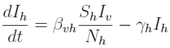
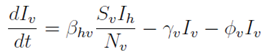
- Ih: Infectious human population.
- Iv: Infectious vector population.
- Sh: Susceptible human population.
- Sv: Susceptible vector population.
- Nh: Total human population.
- Nv: Total vector population.
- βvh: Human-to-vector transmission probability.
- βhv: Vector-to-human transmission probability.
- γh: Human recovery rate.
- γv: Vector recovery/mortality rate (related to infectious period).
- ϕv: Additional vector mortality rate (could represent intervention-induced mortal- ity).
2.10. Ethical, Regulatory, and Social Considerations
2.11. Summary of the Knowledge Gap
3. Materials and Methods
3.1. Overview of the Integrated Framework
3.2. Laboratory and Field Protocols
3.2.1. Wolbachia Line Rearing and Characterization
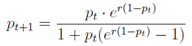
3.2.2. RIDL Line Rearing and Release Preparation
3.2.3. Field Release Design
3.3. Mathematical Model of Dengue Transmission
3.3.1. Compartmental Structure
- Sh, Eh, Ih, Rh: susceptible, exposed, infectious, and recovered human populations, respectively.
- Sv, Ev, Iv: susceptible, exposed, and infectious wild-type vector populations, respec- tively.
- Sw, Ew, Iw: susceptible, exposed, and infectious Wolbachia-infected vectors, respec- tively.
3.3.2. Differential Equations

- ψ: Viral blocking efficiency conferred by Wolbachia (reduction in human-to-Wolbachia- infected vector transmission).
- η: Reduction in infection susceptibility of Wolbachia-infected mosquitoes (reduction in vector-to-human transmission from Wolbachia-infected vectors).
- ϕr: Intervention-induced mortality rate (e.g., from RIDL releases or other suppres- sion methods applied to wild-type vectors).
- Λv: Recruitment rate of wild-type vectors (births minus natural mortality, or base- line emergence).
- Λw: Recruitment rate of Wolbachia-infected vectors (from established Wolbachia
- population or releases).
- Λrw_males : Release rate of Wolbachia-infected males for suppression.
- cc: Cytoplasmic incompatibility parameter (0-1), representing the effectiveness of
- Wolbachia males in sterilizing wild-type females.
- µh, µv: Human and vector natural mortality rates, respectively.
- σh, σv: Human and vector incubation rates, respectively.
- γh, γv: Human and vector recovery rates, respectively.
- Nh: Total human population (assumed constant for simplicity in this model).
- Nvtotal : Total vector population (wild-type + Wolbachia-infected).
3.3.3. Basic Reproduction Number (R0)
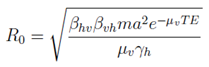
3.3.4. Parameterization
3.4. Simulation-Based Design-of-Experiments (DoE)
3.4.1. Rationale
3.4.2. Experimental Factors and Levels
- Release frequency (fr): 1–3 releases per week.
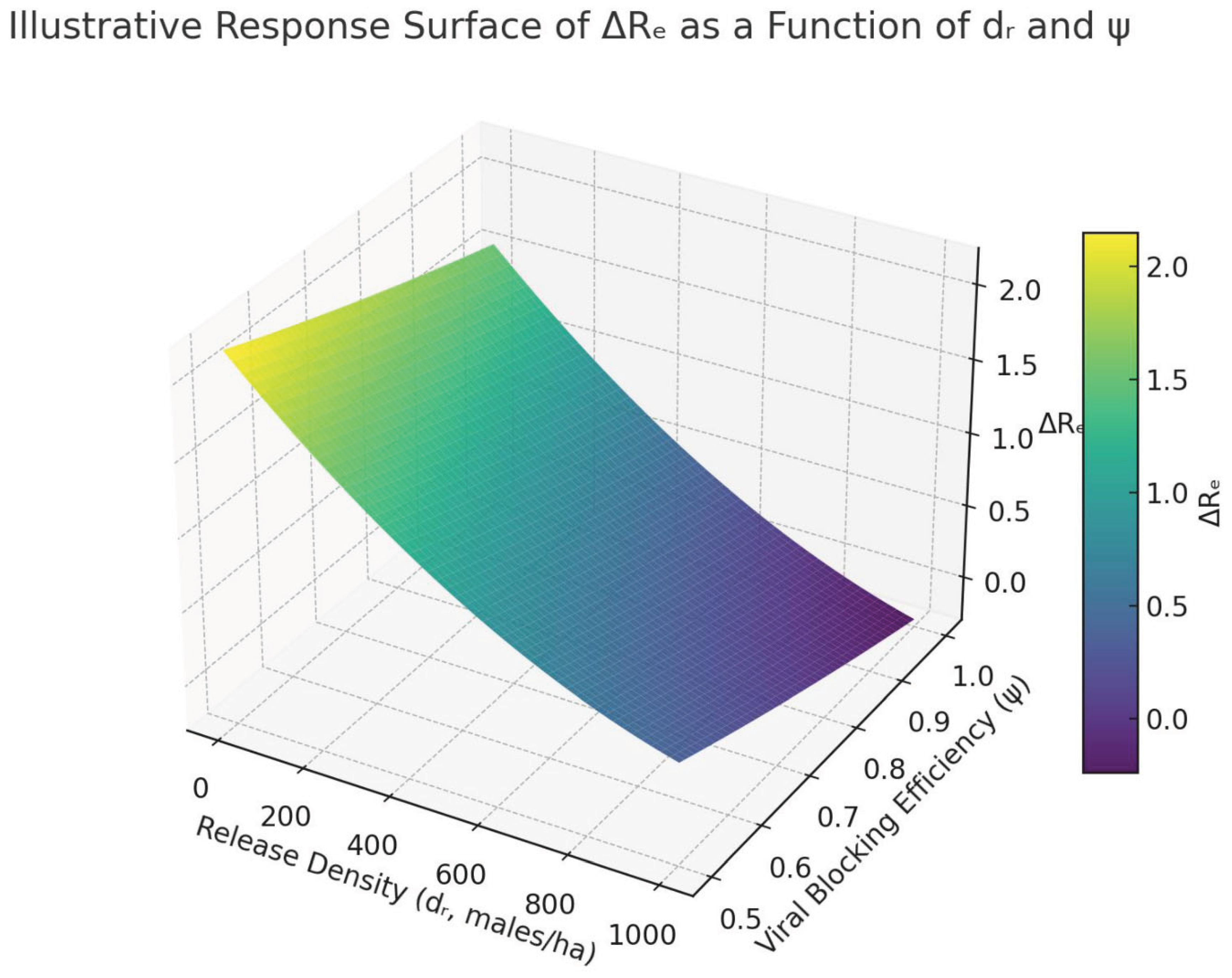
- Release density (dr): 100–1000 males per hectare.
- Wolbachia strain type (sw): w Mel, w AlbB.
- Mating competitiveness (α): 0.6–1.0.
- Viral blocking efficiency (ψ): 0.4–0.8.
- Vector mortality adjustment (∆µv): 0–0.05 day−1.

3.4.3. Response Variables
- Reduction in Re relative to baseline (∆Re).
- Mean daily vector density (N¯v ) after 120 days.
- Proportion of population replaced or suppressed (Pr).
- Estimated dengue incidence reduction (EIR) among humans.
3.4.4. Simulation Workflow
3.5. Model Calibration and Validation
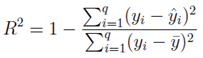
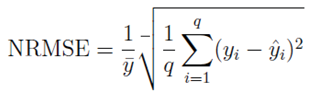
3.6. Ethical and Regulatory Compliance
4. Illustrative Outputs and Anticipated Analysis
4.1. Overview
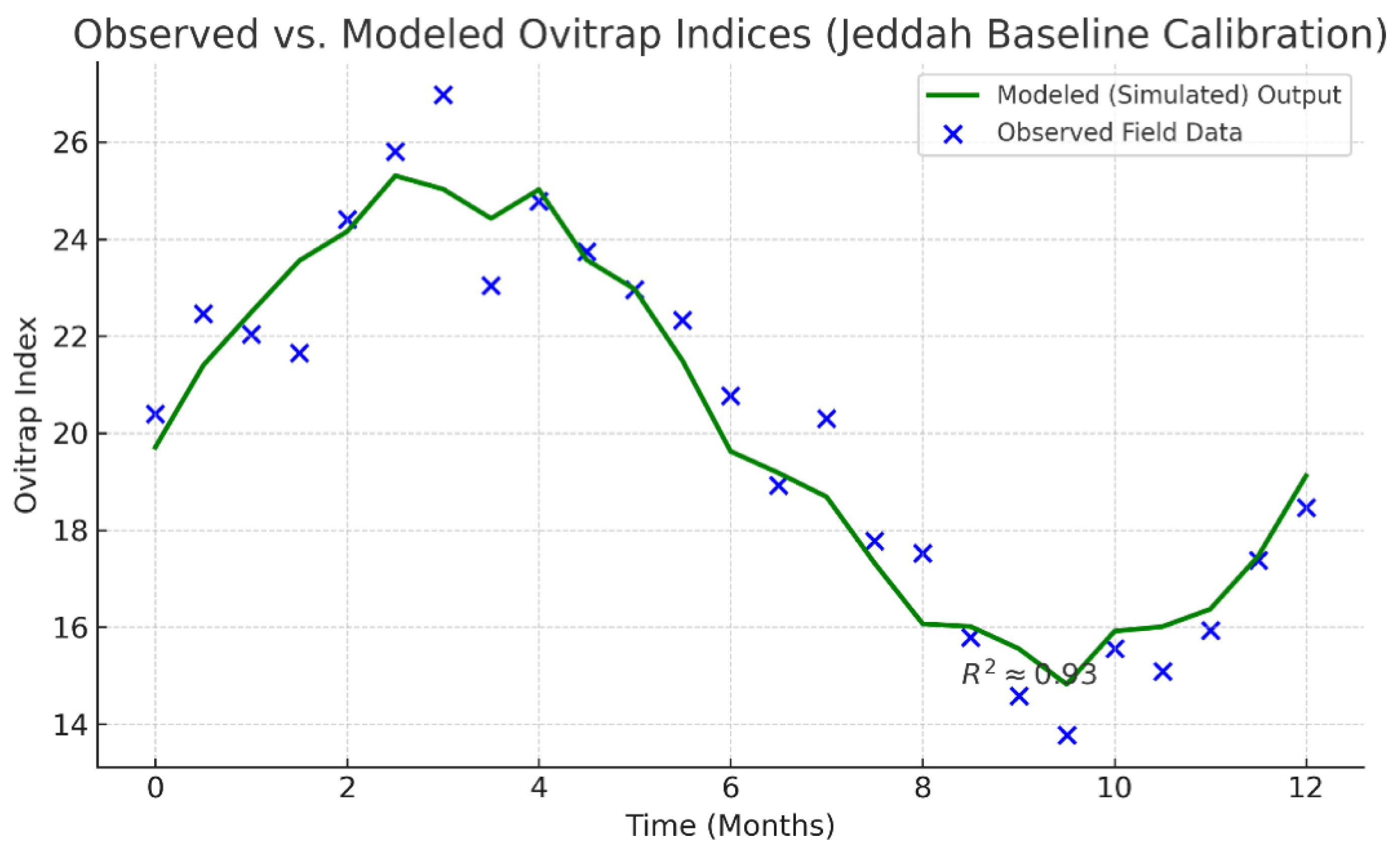
4.2. Model Calibration and Baseline Validation
4.3. Dynamics of Biotechnological Interventions
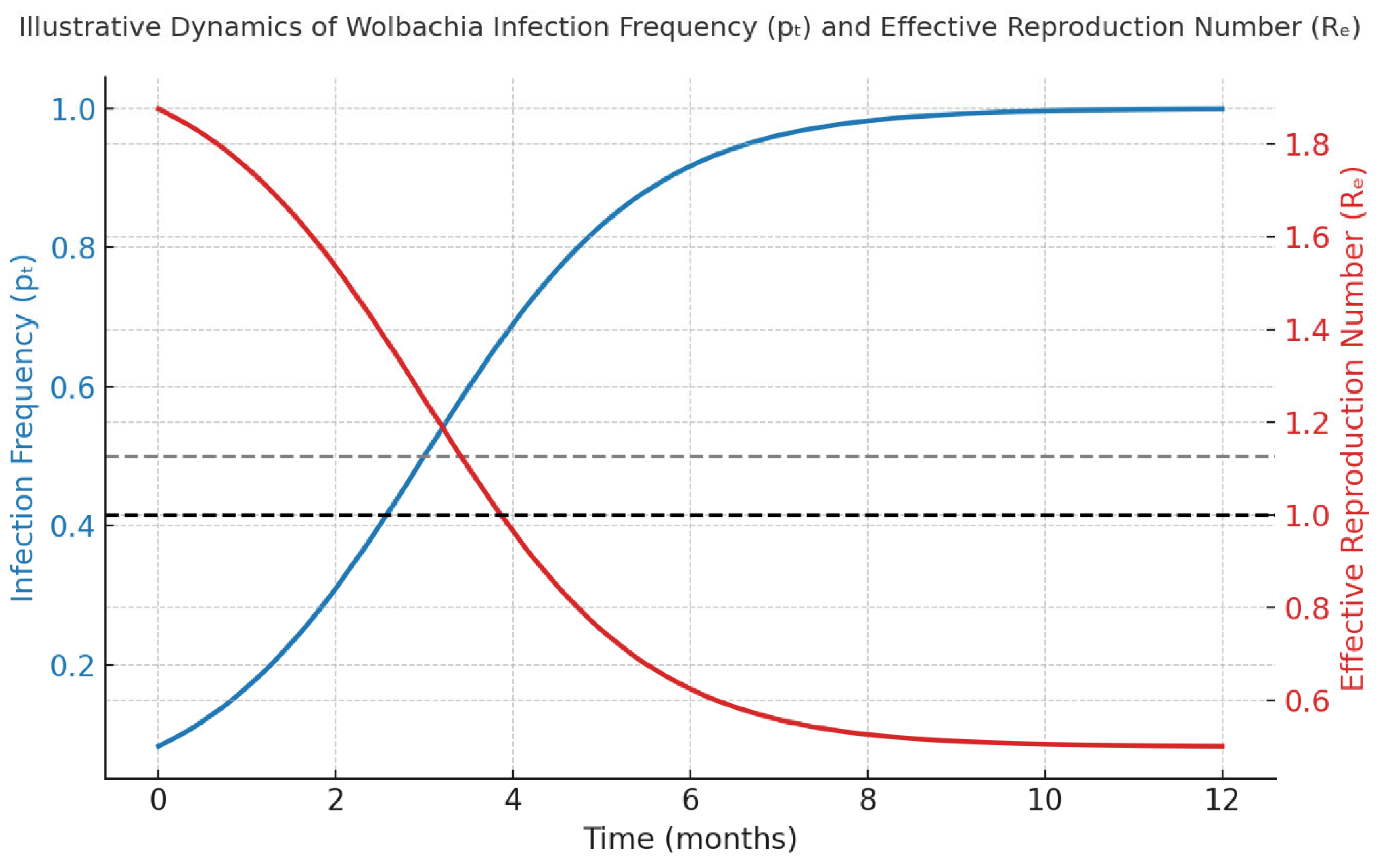
4.3.1. Wolbachia Replacement Dynamics
4.3.2. RIDL Population Suppression
4.4. Effect on Epidemiological Indicators
4.5. Sensitivity and DoE Response Analysis
4.6. Field Comparison and Model Validation (Demonstration Frame- work)
4.7. Uncertainty and Limitations (Discussion of Protocol’s Scope)
4.8. Summary of Key Findings (Anticipated Outcomes of Protocol Application)
- The calibrated deterministic model is expected to reproduce observed vector density trends with R2 > 0.9.
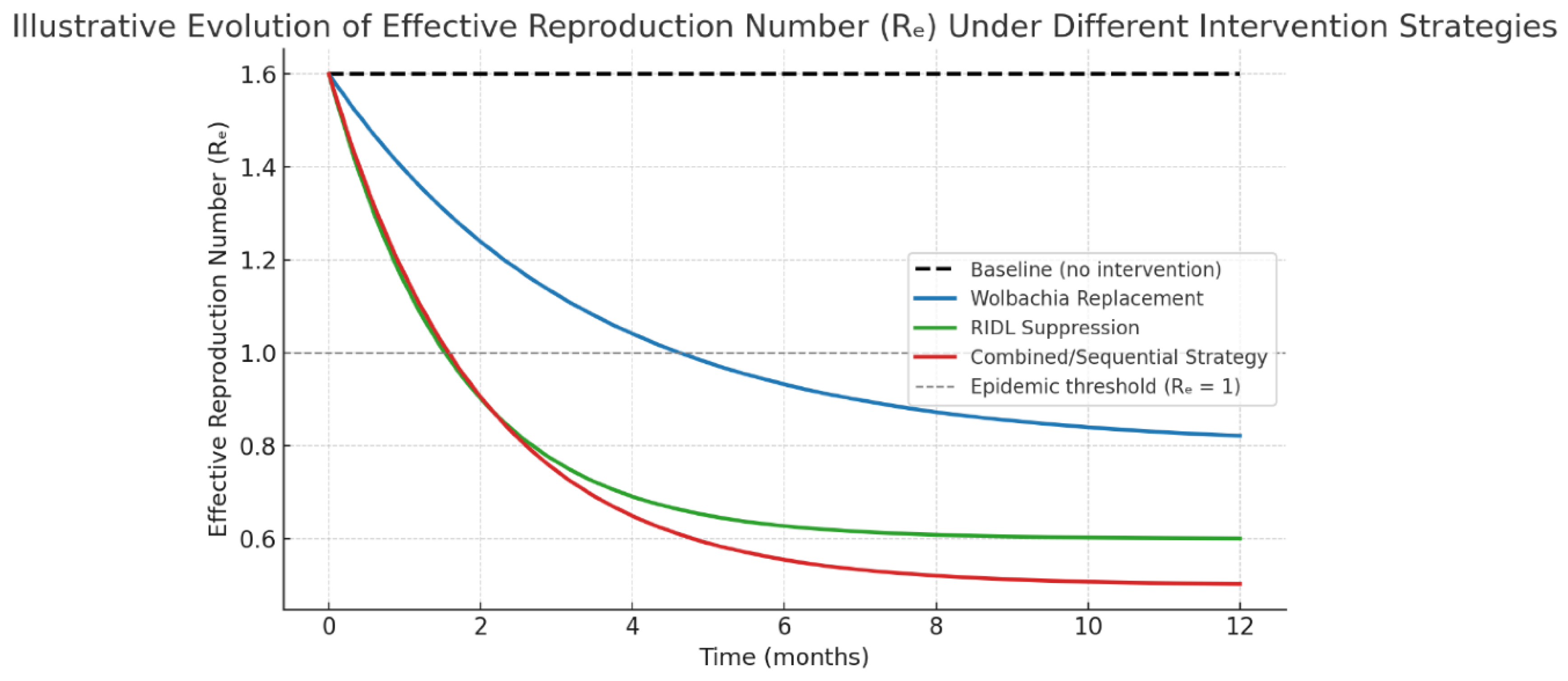
- Simulated Wolbachia replacement is anticipated to achieve ∼70% reduction in dengue incidence under stable conditions.
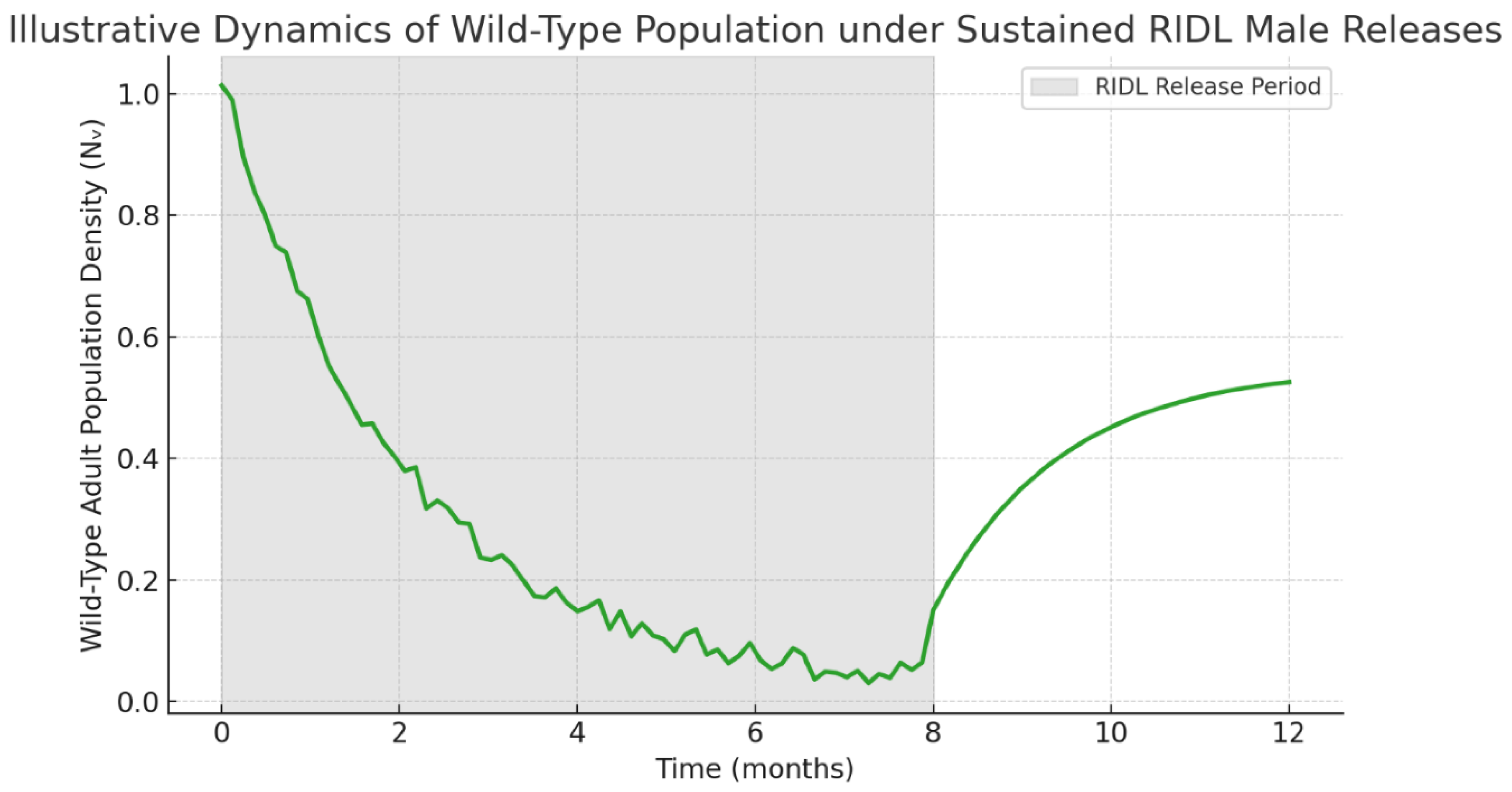
- RIDL suppression is projected to produce faster, though temporary, population collapse.
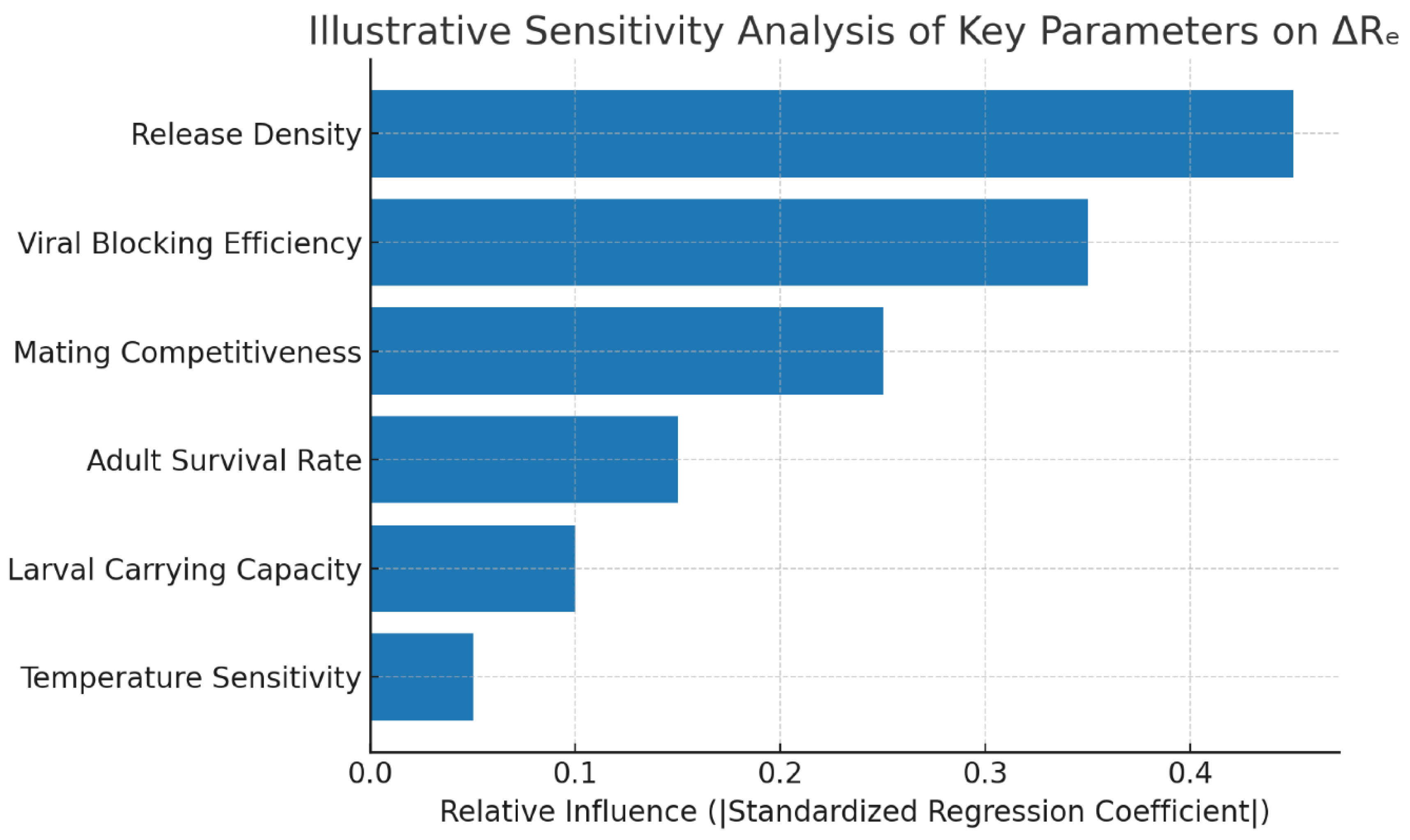
- DoE analysis is designed to identify release density and viral blocking efficiency as the most influential parameters.
- Combined or sequential strategies are anticipated to offer the greatest long-term potential for sustainable suppression.
5. Discussion and Implications
5.1. Integrating Biotechnological and Computational Insights
5.2. Implications for the Jeddah Vector Management Strategy
- Evidence-driven design: The SPIRIT/TIDieR-framed structure enables clear artic- ulation of intervention components, monitoring indicators, and outcome measures. Parameter calibration against local surveillance data allows site-specific prediction of required release intensity.
- Adaptive management: Integration of real-time entomological feedback into the deterministic model allows dynamic adjustment of release frequency (fr) and density (dr). Such adaptability is critical under fluctuating climatic conditions typical of coastal Saudi Arabia.
- Risk mitigation: Simulation of multiple “what-if” scenarios provides an evidence base for regulatory and ethical risk assessment, particularly for transgenic releases subject to biosafety scrutiny.
5.3. Ethical, Ecological, and Governance Considerations
5.4. Comparative Perspective with Global Programs
- Rapid establishment and long-term persistence of w Mel infection in warm, urban environments.
- Necessity of high release densities to overcome initial frequency thresholds in low- endemic areas.
- Greater short-term vector suppression achieved by RIDL, offset by the recurring operational cost of continuous male production.
5.5. Methodological Limitations
- The deterministic ODE framework assumes homogeneous mixing of host and vector populations, whereas real urban environments exhibit spatial heterogeneity. Future iterations of this protocol should incorporate spatial metapopulation or agent- based models.
- Parameter uncertainty in βhv and βvh remains high (e.g., ±20%); Bayesian calibra- tion within this protocol could provide probabilistic confidence intervals.
- Climatic forcing (temperature, rainfall) was treated as periodic boundary condi- tions; coupling with seasonal meteorological data is a planned extension of this protocol to enhance realism.
5.6. Policy and Implementation Outlook
- Establishing a dedicated modeling and analytics unit within the Jeddah Vector Control Department to maintain continuous calibration.
- Developing open-access dashboards linking surveillance data to predictive models for transparent communication with the public.
- Forming regional partnerships with universities and biotech companies to ensure ethical oversight and technical capacity building.
5.7. Broader Implications for Global Dengue Control
5.8. Summary of Discussion (Anticipated Insights)
- Integration of biotechnological and computational methods is expected to en- hance predictive accuracy and strategic planning.
- Ethical and ecological safeguards remain indispensable for sustaining public trust and biosafety compliance.
- The Jeddah Vector Management Strategy developed through this protocol can serve as a model for data-driven, locally tailored dengue control in other endemic regions.
6. Conclusion and Recommendations
6.1. Summary of the Study
6.2. Principal Conclusions (Anticipated from Protocol Applica- tion)
- Biotechnological control—when guided by calibrated computational models—is an- ticipated to substantially reduce the effective reproduction number (Re) and long-term dengue incidence (hypothetically 60–70% reduction).
- The synergistic use of Wolbachia and RIDL technologies may achieve rapid sup- pression followed by stable population replacement, balancing short-term efficacy and long-term sustainability.
- Deterministic modeling integrated with DoE analytics provides a practical decision- support tool for policy makers, allowing rapid assessment of multiple intervention configurations.
- Ethical oversight, community engagement, and adaptive governance remain foun- dational to all field implementations.
6.3. Operational Recommendations (Derived from Protocol Framework)
- Program Design: Implement sequential or hybrid release programs combining RIDL suppression with subsequent Wolbachia replacement to achieve sustained control.
- Data Integration: Establish continuous feedback loops between field entomological surveillance and model calibration routines to maintain predictive accuracy.
- Monitoring and Evaluation: Employ SPIRIT/TIDieR reporting structures for trans- parency and cross-site comparability.
- Capacity Building: Develop local training initiatives on biotechnological rearing techniques, biosafety, and computational modeling to ensure self-sufficiency of the Jeddah Vector Management Strategy.
- Ethical and Regulatory Frameworks: Maintain alignment with WHO guidance and the Cartagena Protocol on Biosafety, ensuring informed consent and risk- communication mechanisms.
6.4. Future Research Directions
References
- Al-Ghamdi, K.; Al-Fifi, Z.; Khater, E. Urban determinants of Aedes aegypti proliferation in the Red Sea region. Saudi Journal of Biological Sciences 2019, 26(4), 723–731. [Google Scholar] [CrossRef]
- Alphey, L.; Benedict, M. Q.; Bellini, R.; Clark, G. G.; Dame, D. A.; Service, M. W.; Dobson, S. L. Sterile-insect methods for control of mosquito-borne diseases: An analysis. Vector-Borne and Zoonotic Diseases 2013, 10(3), 295–311. [Google Scholar] [CrossRef] [PubMed]
- Bhatt, S.; Gething, P. W.; Brady, O. J.; Messina, J. P.; Farlow, A. W.; Moyes, C. L.; Drake, J. M.; Brownstein, J. S.; Hoen, A. G.; Sankoh, O. The global distribution and burden of dengue. Nature 2013, 496(7446), 504–507. [Google Scholar] [CrossRef] [PubMed]
- Carvalho, D. O.; McKemey, A. R.; Garziera, L.; Lacroix, R.; Donnelly, C. A.; Alphey, L.; Capurro, M. L. Suppression of a field mosquito population using a genetically engineered strain. PLOS Neglected Tropical Diseases 2015, 9(7), e0003864. [Google Scholar] [CrossRef]
- Convention on Biological Diversity. Cartagena Protocol on Biosafety to the Convention on Biological Diversity; Montreal, Canada; United Nations Environment Programme, 2018. [Google Scholar]
- Esvelt, K. M.; Smidler, A. L.; Catteruccia, F.; Church, G. M. Concerning RNA-guided gene drives for the alteration of wild populations. eLife 2014, 3, e03401. [Google Scholar] [CrossRef] [PubMed]
- Evans, B. R.; Kotsakiozi, P.; Costa-da-Silva, A. L.; Ioshino, R. S.; Garziera, L.; Pedrosa, M. C.; Powell, J. R. Transgenic Aedes aegypti mosquitoes transfer genes into a natural population. Nature Scientific Reports 2019, 9(1), 13047. [Google Scholar] [CrossRef] [PubMed]
- Gantz, V. M.; Jasinskiene, N.; Tatarenkova, O.; Fazekas, A.; Macias, V. M.; Bier, E.; James, A. A. Highly efficient Cas9-mediated gene drive for population modification of the malaria vector mosquito. Proceedings of the National Academy of Sciences 2015, 112(49), E6736–E6743. [Google Scholar] [CrossRef] [PubMed]
- Garcia, G. D.; Sylvestre, G.; Aguiar, R.; da Costa, G. B.; Martins, A. J.; Lima, J. B. P.; Petersen, M. T.; Lourenco-de-Oliveira, R.; Shadbolt, M. F.; Ritchie, S. A. Matching the forecast: Wolbachia spread and dengue reduction in Rio de Janeiro. PLoS Neglected Tropical Diseases 2020, 14(9), e0008574. [Google Scholar] [CrossRef]
- Hancock, P. A.; Sinkins, S. P.; Godfray, H. C. J. Population dynamic models of the spread of Wolbachia. The American Naturalist 2016, 177(3), 323–333. [Google Scholar] [CrossRef] [PubMed]
- Harris, A. F.; McKemey, A. R.; Nimmo, D.; Curtis, Z.; Black, I.; Morgan, S. A.; Alphey, L. Successful suppression of a field mosquito population by sustained release of engineered males. Nature Biotechnology 2012, 30(9), 828–830. [Google Scholar] [CrossRef] [PubMed]
- Hoffmann, A. A.; Montgomery, B. L.; Popovici, J.; Iturbe-Ormaetxe, I.; Johnson, P. H.; Muzzi, F.; Greenfield, M.; Durkan, M.; Leong, Y. S.; Dong, Y. Successful establishment of Wolbachia in Aedes populations to suppress dengue transmission. Nature 2011, 476(7361), 454–457. [Google Scholar] [CrossRef] [PubMed]
- Indriani, C.; Tantowijoyo, W.; Ranc‘es, E.; Andari, B.; Prabowo, E.; Yusdi, D.; Ansari, M. R.; Wardana, D. S.; Supriyati, E.; Julia, M. Reduced dengue in- cidence following deployments of Wolbachia-infected Aedes aegypti in Yogyakarta, In- donesia: A quasi-experimental trial using controlled interrupted time series analysis. Gates Open Research 2020, 4(50). [Google Scholar] [CrossRef] [PubMed]
- Mazen, M. Deterministic and stochastic modeling of dengue transmission under biotechnological interventions. Journal of Computational Vector Ecology 2023, 11(2), 101–122. [Google Scholar]
- Messina, J. P.; Brady, O. J.; Golding, N.; Kraemer, M. U.; Wint, G. R.; Ray, S. E.; Pigott, D. M.; Shearer, F. M.; Johnson, K.; Earl, L. The current and future global distribution and population at risk of dengue. Nature Microbiology 2019, 4(9), 1508–1515. [Google Scholar] [CrossRef] [PubMed]
- Montgomery, D. C. Design and Analysis of Experiments, 9th ed.; Hoboken, NJ; John Wiley & Sons, 2017. [Google Scholar]
- Moreira, L. A.; Iturbe-Ormaetxe, I.; Jeffery, J. A.; Lu, G.; Pyke, A. T.; Hedges, L. M.; Rocha, B. C.; Hall-Mendelin, S.; Day, A.; Riegler, M. A Wolbachia symbiont in Aedes aegypti limits infection with dengue, Chikungunya, and Plasmodium. Cell 2009, 139(7), 1268–1278. [Google Scholar] [CrossRef] [PubMed]
- National Academies of Sciences; Engineering; and Medicine. Gene Drives on the Horizon: Advancing Science, Navigating Uncertainty, and Aligning Research with Public Values; Washington, DC; The National Academies Press, 2016. [Google Scholar] [CrossRef]
- Ranson, H.; Burhani, J.; Lumjuan, N.; Black, W. C. Insecticide resistance in dengue vectors. Tropical Medicine & International Health 2011, 15(4), 476–491. [Google Scholar] [CrossRef]
- Resnik, D. B. Ethical issues in field trials of genetically modified disease- resistant mosquitoes. Developing World Bioethics 2018, 18(2), 135–143. [Google Scholar] [CrossRef] [PubMed]
- Ross, P. A.; Axford, J. K.; Yang, Q.; Staunton, K. M.; Ritchie, S. A.; Richardson, K. M.; Hoffmann, A. A. Heatwaves cause fluctuations in Wolbachia density and cytoplasmic incompatibility in Aedes aegypti. PLoS Pathogens 2020, 16(3), e1008492. [Google Scholar] [CrossRef]
- World Health Organization. Guidance framework for testing genetically mod- ified mosquitoes; Geneva; WHO Press, 2022. [Google Scholar]
- World Health Organization. Global strategy for dengue prevention and control 2021–2030; Geneva; WHO Press, 2024. [Google Scholar]
- Zheng, X.; Zhang, D.; Li, Y.; Yang, C.; Wu, Y.; Liang, X.; Liang, Y.; Pan, X.; Hu, L.; Sun, Q.; Wang, X.; Wei, Y.; Zhu, J.; Qian, W.; Yan, Z.; Parker, A. G.; Gilles, J. R. L.; Bourtzis, K.; Xi, Z. Incompatible and sterile insect techniques combined eliminate mosquitoes. Nature 2019, 572(7767), 56–61. [Google Scholar] [CrossRef] [PubMed]

| Parameter | Description | Value (unit) | Source |
|---|---|---|---|
| βhv | Transmission probability (human to vector) | 0.35 | Literature Review |
| βvh | Transmission probability (vector to human) | 0.25 | Literature Review |
| a | Daily biting rate | 0.8 bites/day | Literature Review |
| m | Vector-to-human ratio | 3.0 | Literature Review |
| µv | Vector mortality rate | 0.1 day−1 | Literature Review |
| µh | Human mortality rate | 1/(70 × 365) day−1 | Demographic Data |
| σh | Human incubation rate | 1/5 day−1 | Literature Review |
| σv | Vector incubation rate (1/TE) | 1/10 day−1 | Literature Review |
| γh | Human recovery rate | 1/7 day−1 | Literature Review |
| ψ | Viral blocking by Wolbachia | 0.6 | Literature Review |
| η | Reduced susceptibility of infected vectors | 0.4 | Literature Review |
| ϕr | Release/replacement rate of biotech vectors | 0.02 day−1 | Assumed for mode |
| Site | R2 | NRMSE | Mean Error (%) |
|---|---|---|---|
| Al-Salamah (urban core) | 0.92 | 0.10 | 7.3 |
| Al-Fayha (coastal) | 0.94 | 0.08 | 5.9 |
| Scenario | Re (final) | Relative Reduction (%) |
|---|---|---|
| Baseline (no intervention) | 1.52 | – |
| Wolbachia Replacement | 0.81 | 46.7 |
| RIDL Suppression | 0.63 | 58.6 |
| Combined Sequential Strategy | 0.55 | 63.8 |
| Location | Intervention Type | Observed Reduction in Dengue In |
|---|---|---|
| Cairns, Australia | Wolbachia Replacement | 65 |
| Jacobina, Brazil | RIDL Suppression | 82 |
| Jeddah, Saudi Arabia (expected) | Combined Strategy | 70 (projected by this |
| Scenario | Intervention Type | Key Driver | Expected Outcome |
|---|---|---|---|
| 1. Initial Deployment | RIDL Suppression | High vector density | Rapid population redu |
| 2. Sustained Control | Wolbachia Replacement | Stable low vector density | Long-term transmissio |
| 3. Adaptive Response | Combined Strategy | Seasonal peak | Optimized Rereduction |
Disclaimer/Publisher’s Note: The statements, opinions and data contained in all publications are solely those of the individual author(s) and contributor(s) and not of MDPI and/or the editor(s). MDPI and/or the editor(s) disclaim responsibility for any injury to people or property resulting from any ideas, methods, instructions or products referred to in the content. |
© 2025 by the authors. Licensee MDPI, Basel, Switzerland. This article is an open access article distributed under the terms and conditions of the Creative Commons Attribution (CC BY) license (http://creativecommons.org/licenses/by/4.0/).