

Submitted:
29 October 2026
Posted:
30 October 2026
You are already at the latest version
Abstract
Background: In the context of reproductive health, women have the right to positive birth experiences that safeguard both physical integrity and emotional well-being. Within this framework, we conducted a systematic review aiming to synthesize evidence on women’s experiences -both positive and non-positive- during childbirth in formal healthcare settings across countries of the Schengen Area, classify these experiences, describe their prevalence, and assess their impact on women’s self-perceived health. Methods: The protocol was prior registered, and the review followed the Preferred Reporting Items for Systematic Reviews and Meta-Analyses (PRISMA) guidelines. Searches were conducted in PubMed, CINAHL, PsycINFO, ProQuest Dissertations & Theses, and Google Scholar. The risk of bias was assessed using the Joanna Briggs Institute tools. Results: A total of 43 studies from 17 countries were included, encompassing 81,169 women. Findings revealed a broad spectrum of birth experiences, ranging from high overall satisfaction levels to poor. Moreover, 8 of the 40 studies (n = 51, 010 women) documented instances of disrespectful and abusive care practices. Reported prevalence ranged from 2.4% to 83.4% for non-consensual procedures, 0.8% to 24.4% for non-dignified care, and 5.4% to 48% for abandonment of care. Conclusions: Our findings reveal that despite the presence of high-income settings and advanced clinical infrastructure, maternity units in Europe frequently fail to uphold maternal autonomy, dignity, and informed consent. Promoting positive birth experiences and sensitizing healthcare professionals to improve respectful maternity care are key priorities. In this regard, adopting a women centered model may represent a paradigm shift, empowering women to make informed decisions and enhancing maternal health outcomes.
Keywords:
childbirth practices
; labor-related settings
; women´s experiences
; women-centred care
; systematic review
Introduction
Concerning the reproductive health context, women’s body integrity and their emotional welfare are considered outcomes of quality of care relevant to public health (Sadler et al., 2016). The quality of care concept involves skilled providers, appropriate use of technologies, and effective interventions to ensure the safety both of mothers and new-borns during childbirth (Esteban-Sepúlveda et al., 2022; Miller & Lalonde, 2015; OHCHR, 2010, 2012). This care should be framed within a human rights perspective, which includes different issues, such as the legal rights of women to obtain the necessary information for decision making taking decisions, to be treated with dignity and respect, and to be protected from not evidence-based practices. The women´s informed consent should be also stated, with the possibility of refusing medical interventions, thus promoting respect for women´s autonomy (da Silva et al., 2014; Miller & Lalonde, 2015; OHCHR, 2012; Vogels-Broeke et al., 2023; World Health Organization, 2018)
Even during emergency procedures, respect and gentleness are considered essential (Miller & Lalonde, 2015). The International Federation of Gynaecology and Obstetrics (FIGO), the International Confederation of Midwives (ICM), the International Paediatric Association (IPA), the White Ribbon Alliance (WRA), and the World Health Organization (WHO) developed the Mother and Baby Friendly Birth Facility (MBFBF) criteria (International Federation Of Gynecology And Obstetrics et al., 2015; Mena-Tudela et al., 2020; Miller & Lalonde, 2015). This initiative emerged because of the low quality of care and disrespectful actions observed in healthcare settings during childbirth, namely “disrespectful and abusive care during childbirth in facilities (DACF)” (Miller & Lalonde, 2015). This phenomenon seems to be widespread all over the world, as prior research has highlighted (Bohren et al., 2015, 2019) and it includes different categories. According to Bohren et al., (2015) the categories would be 1) physical abuse, (2) sexual abuse, (3) verbal abuse, (4) stigma and discrimination, (5) failure to meet professional standards of care, (6) poor rapport between women and providers, and (7) health system conditions and constraints. Authors as Ghimire et al. (2021), also identified seven categories, closely related to previous research: (1)physical abuse, (2) non-consented care (3)non-confidential care, (4) non-dignified care, (5) discrimination based on specific patient attributes, (6) abandonment of care, and (7) detention in facilities” (Ghimire et al., 2021; United Nations General Assembly, 2019).
Moreover, women’s subjective experiences of childbirth have been increasingly recognized as critical determinants of maternal health, influencing both immediate postpartum recovery and long-term psychological outcomes such as post-traumatic stress disorder or postnatal depression (Ayers et al., 2016; Reed et al., 2017). Positive experiences, characterized by respectful communication, supportive companionship, and shared decision-making, have been linked to higher satisfaction and improved maternal-infant bonding (Tunçalp et al., 2015). Conversely, non-positive experiences associated with coercion, neglect, or unnecessary interventions can undermine trust in healthcare systems and discourage women from seeking institutional care in future pregnancies (Downe et al., 2018; Vedam et al., 2019). Addressing these experiential dimensions is therefore essential for achieving truly woman-centered care and for strengthening public health systems globally (Renfrew et al., 2014).
Objectives
In this context, this systematic review aimed at synthesizing available evidence on women who experienced childbirth in formal healthcare institutions in the countries of the Schengen area. The specific objectives were to:
- Describe women´s experiences during childbirth.
- Classify negative women´s experiences during childbirth.
- Describe the prevalence of these experiences across different countries and cultures.
- Determine the impact of these experiences on self-perceived women's health in aspects related to physical, psychological, and social domains.
Method
This systematic review followed the Preferred Reporting Items for Systematic reviews and Meta-Analyses guidelines (PRISMA) (Page et al., 2021), and the protocol was prior registered (link removed for blinded review).
Information Sources
Searches were conducted in PubMed, US National Library of Medicine, by the National Center for Biotechnology Information (NCBI); CINAHL, Cumulative Index to Nursing and Allied Health Literature, by EBSCOhost; PsycINFO, Psychological Information, by Proquest; WOS (Web of Science CORE) by Thomson Reuters, ProQuest Dissertations &Theses Global, and Google (up to 300 results), were used to search for grey literature.
Search Strategy
Supplementary Table S1 shows the search strategy, which included search terms for the following concepts: a) Childbirth; b) Women´s experiences, and c) Labor-related settings. The initial search was carried out in November 2022 and search alerts were set. All filters were adapted for all databases and not language limitations were set. First update was in November 2023, last update was in May 2026.The search strategy followed the Preferred Reporting Items for reporting Literature searches in Systematic Reviews (PRISMA-S)(Rethlefsen et al., 2021).
Inclusion and Exclusion Criteria
Studies aiming at reporting women's experiences during childbirth. Studies focusing on the perspectives/experiences of providers, stakeholders, students, and health workers were excluded.
Study Design
Empirical primary qualitative studies (e.g., phenomenology, grounded theory, ethnography, interview studies), and quantitative studies (e.g., cross-sectional, cohorts, case-control). Clinical trials, case studies series, single-case studies, psychometric studies aimed at developing or validating an instrument, as well as guidelines, protocols, opinion reports, and letters to the editor, were excluded.
Study Participants
Women who had experienced childbirth in formal healthcare settings. Exclusion criteria: women with specific birth experiences (e.g., traumatic births or negative experiences); women who had experienced childbirth in formal health facilities but also at home and reporting only aggregated data.
Geographical Location
Studies conducted in the countries of the Schengen area, due to cultural similarities.
Time Frame
The search was limited to studies published from 2014 onwards to capture contemporary perspectives consistent with the World Health Organization’s 2014 vision for quality maternity care, which promotes respectful, woman-centred, and evidence-based practices (Tunçalp et al., 2015).
Outcome/s
Experiences and opinions of women who have experienced childbirth in formal healthcare institutions.
Settings
Formal healthcare institutions (e.g., delivery rooms, birthing centers, and maternity settings). Exclusion criteria: Community services, home services, and health promotion and prevention settings.
Selection Process
References were managed using Zotero. Duplicates were automatically removed. Two reviewers (SL and MG) independently screened titles, abstracts, and full-text inclusion criteria. When decisions were unable to be made from the title and abstract alone, the full paper was retrieved. Discrepancies were resolved through discussion with a third reviewer (JML and JV). Secondary searches were carried out manually to identify additional studies, and where articles were not available, the authors attempted to request them. Interrater agreement for title and abstract screening and study selection was assessed using Cohen's kappa. Kappa values were interpreted as follows: 0.20–0.01 as having none to a slight agreement; 0.40–0.21 as fair; 0.60–0.41 as moderate and 1.00–0.81 were interpreted as having an almost perfect agreement (Cohen, 1960; McHugh, 2012).
Data Collection Process
Supplementary Table S2 provides details of the information that was planned to be extracted for each of the studies: authors, year of publication, year of data collection, methodological data, and both the sample and healthcare institutions’ characteristics. Information concerning childbirth practices or routines were extracted according to the categories proposed by do Nascimento et al., (2016). The women´s experiences during birthing were classified according to the DACF criteria (Miller & Lalonde, 2015) using the Disrespect and Abuse scale proposed by Ghimire et al., (2021), as this classification is the most recent. Finally, the impact and consequences of these experiences on self-perceived women´s health in physical, psychological and social domains were intended to be classified as Garcia (2020) proposal.
Synthesis Methods
Synthesized primary and secondary outcomes were systematically compiled and visually communicated through standardized evidence tables and structured figures. Although a comprehensive series of subgroup analyses and secondary consequence evaluations were pre-specified in the protocol, severe data scarcity and reporting heterogeneity across primary studies precluded their execution. Consequently, subgroup stratifications were restricted strictly to country-level evaluations, which was the only parameter possessing adequate data granularity for meaningful comparison.
Risk of Bias Assessment
The risk of bias (RoB) was assessed using the Joanna Briggs Institute (JBI) tools for each design, i.e. the checklist for cross-sectional and cohort studies (Moola et al., 2017) and for qualitative studies (Lockwood et al., 2015). No studies were excluded. One reviewer (SL) analysed the risk of bias, and two reviewers (JML and JV) monitored ratings. Disagreements were solved through discussion.
Results
Search Results
Figure 1 shows the results of the search strategy, reported according to the PRISMA flowchart. A total of 43 studies (36 from databases and 7 from Google) were included. The interrater agreement for abstract and title selection was 100%, so no kappa coefficient needed to be calculated, whereas the interrater agreement for full text selection was kappa k=0.78 (CI95%: 0.59-0.96).
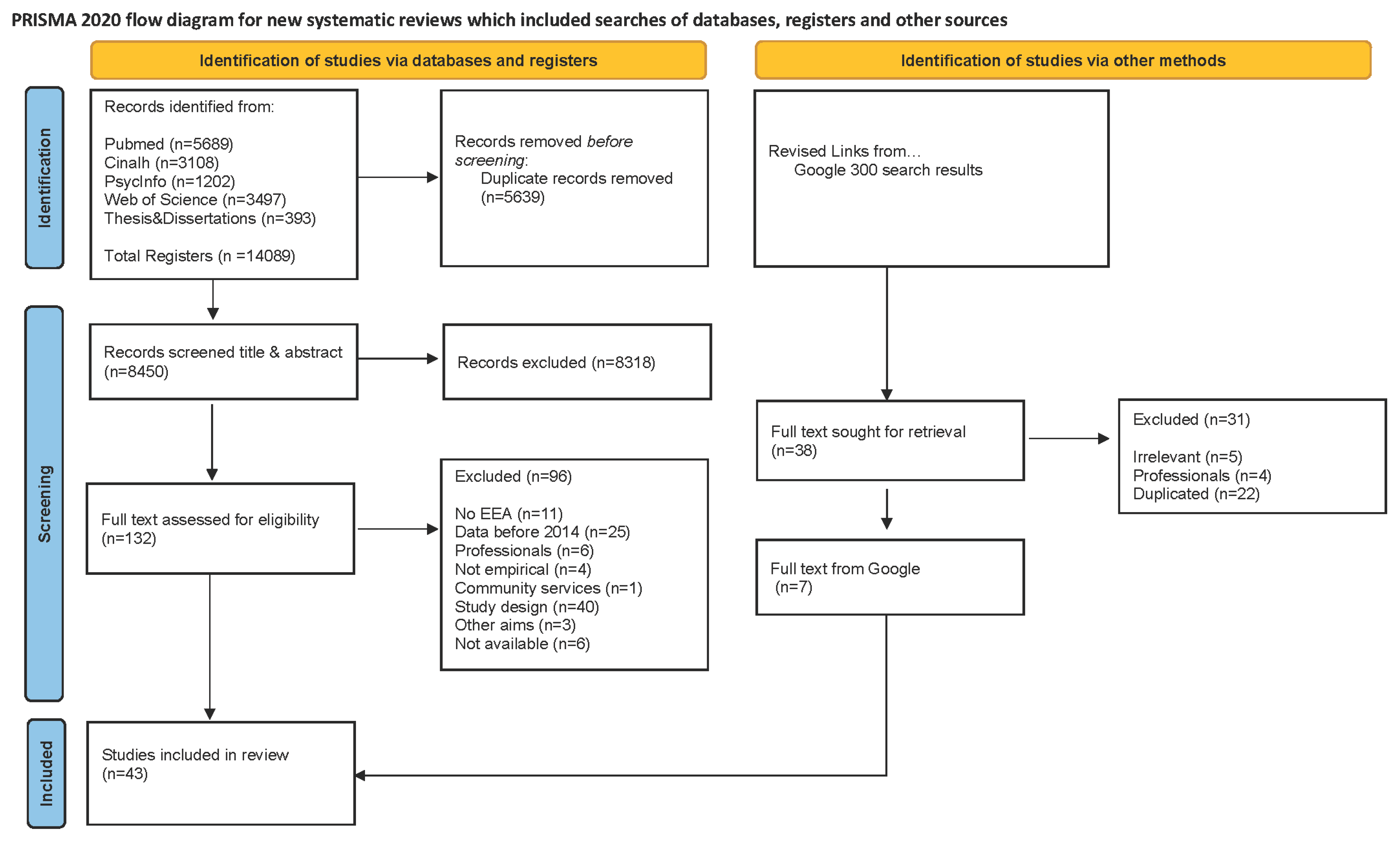
Figure 1.
General Characteristics and Methodological Data
Included studies, involved 81,169 women. A total of 19 (44.2%) were cross-sectional designs; 16 (37.2%) were qualitative and 8 (18.6%) were cohort design. Considering the country, a total of 11 (25.6%) were conducted in Spain; 5 (11.6%) in Sweden; 5 (11.6%) in France; 3 (7.0%) in Norway; 2 (4.7%) in Italy, Ireland, the Netherlands, Portugal, Denmark and Switzerland, and 1 (2.5%) in Belgium, Finland, Lithuania, Poland, Romania, Slovenia, and the United Kingdom (UK). The institutional settings range from single-center community hospitals and municipal health centers (e.g., in Sweden, Norway, and Italy) to massive, high-complexity academic tertiary referral centers (such as Donostia University Hospital in San Sebastián, Spain; Hospital Clínic in Barcelona, Spain; Helsinki University Hospital in Finland; and the university hospitals of Geneva, Switzerland, and Clermont-Ferrand, France). The organizational scope of the research spans from single-institution assessments to large-scale regional and nationwide multicenter networks, as well as nationwide registry-based or foundation-led monitoring across Spain, Poland, and Switzerland.
Regarding the methodological assessment of birth experience, the quality was mostly assessed by using validated questionnaires in cross-sectionals studies, such as the Childbirth Experience Questionnaire (CEQ-E) (González-de la Torre et al., 2021; Rodríguez et al., 2021) the Childbirth Experience Questionnaire 2 (CEQ2) (Viirman et al., 2023), the Questionnaire Assessing Childbirth Experience (QACE) (Carquillat et al., 2016; Chabbert et al., 2021), the Labour ad Chidlbirth Experience Questionnaire (LCEQ) (Tavares et al., 2024) and the Woman-Centred Care during labour and childbirth (WOCCA) (De Wolff et al., 2025). Despite the generalized use of these validated questionnaires, the quality of these measures was not properly reported, since only 5 (26.3%) studies reported the internal consistency reliability for the sample of the study using Cronbach’s alpha (Chabbert et al., 2021; González-de la Torre et al., 2021; Oelhafen et al., 2021; Tavares et al., 2024; Viirman et al., 2023). Moreover five out of 19 (26.3%) used ad hoc questionaries (Baranowska et al., 2019; Mena-Tudela et al., 2020; Mena-Tudela, Iglesias-Casás, González-Chordá, Cervera-Gasch, et al., 2021; Ryan et al., 2019).
Concerning the cohort’s studies, a total of 4 out of 8 (50%) studies used rating and/or visual scales to assess the quality of birth experiences (Adler et al., 2020; Bouvet et al., 2020; Favilli et al., 2018); total of 3 (37.5%) used validated questionnaires such as the Questionnaire Assessing Childbirth Experience (QACE), the two versions of the Wijma Delivery Questionnaire and the Childbirth Experience Questionnaire (CEQ) (Arthuis et al., 2022; Fenaroli et al., 2019; Lyngbye et al., 2022), and 1 (12.5%) applied open questions (Alexandroaia et al., 2019). It is noted that the mode of administration (either by mail or face-to-face) was unclear or not properly reported in 3 studies (37.5%) studies. Similarly to cross-sectionals studies, the quality of these measures was not properly reported when applicable, and only one study reported the internal consistency with the coefficient Cronbach’s alpha, but for the original validation (Fenaroli et al., 2019).
With respect to the qualitative studies, the settings were different, but the common feature was the method of information collection, which was mainly based on face-to-face semi-structured interviews, with the exception of the mixed-methods study designs, as mentioned above, which used closed questionnaires with open-ended responses, the focus group technique(López-Toribio et al., 2021), and online interviews with open-text responses (Eri et al., 2023). The approach was also similar across the studies, that is, descriptive, inductive or interpretative, synthesizing results through content or thematic analysis (See Supplementary File 3)
Risk of Bias
The cross-sectional studies showed moderate risk related to controlling confounding variables (32.6%) and to the validity and reliability of the measures used, that are uncertain (42.1%). The cohort studies showed a moderate-risk concerning group similarity assessment (505) and addressing incomplete follow-up (75%). With respect to qualitative studies, most of which demonstrated high ethical bias, as most lacked an ethical statement identifying the researcher’s cultural or theoretical position and did not report the researcher’s influence during the investigative process (See Figure 2).
Sample Characteristics
All studies reported inclusion criteria and participant age, but only 14 (32.6%) specified nationality. Regarding birth characteristics, 24 (55.8%) reported type of labor, 36 (83.7%) parity, and 35 (81.4%) mode of birth. Induction rates ranged from 12.8% to 68.2%; instrumental delivery from 2.5% to 34%; and caesarean section from 2.5% to 47.0%, with two studies including only caesarean births (Baptie et al., 2020; Ryan et al., 2019) and another one that included only women who had a normal birth (Bringedal & Aune, 2019). There was no information on both labour and mode of birth in the following studies (Alba-Rodríguez et al., 2022; Eri et al., 2023; Huschke, 2022; Mena-Tudela et al., 2020; Širvinskienė et al., 2023). Finally, data on the women's level of education, employment and marital status, the companion during birth (e.g., partner, family) and the professional attending the birth were recorded where available but are not presented in tables due to the paucity of information in most of the papers.
Studies indicated a wide range of maternal satisfaction, reflecting notable regional and institutional variations. In several Central and Northern European settings, high baseline satisfaction scores predominate. For instance, in Sweden, (Westergren et al., 2021) reported high overall satisfaction levels, with mean Visual Analogue Scale (VAS) scores ranging between 7.82 and 8.10 out of 101, while (Viirman et al., 2023) observed that 84.9% of participants rated their experience positively (NRS 7–10), 8.8% reported a mixed experience (NRS 5–6), and 6.3% reported a negative experience (NRS 1–4). Similarly, high quality of care ratings were recorded in Norway by Reppen et al. (2023) (91.5% rating quality as high), in Belgium by (Schönborn et al., 2024) (81%–95% positive responses across survey items)2, and in Spain by (González-de La Torre et al., 2021) (mean CEQ-E score of 3.24) and (Rodríguez et al., 2021) (78% satisfaction in high-complexity hospitals and 74% in medium-complexity hospitals). In France, (Arthuis et al., 2022) noted that 70.7% of women classified their birth experience as good (score 8/10), whereas 7.3% evaluated it as poor (score < 5/10). In Belgium, (Deherder et al., 2022) observed a mean satisfaction score of 7.1 out of 9, and in Portugal, Tavares et al., (2024) reported that 55.3% of women achieved positive scores on the Labour and Childbirth Experience Questionnaire (LCEQ), while 10.7% scored less than 3. In Finland, (Adler et al., 2020) found that only 4.5% of women reported a low birth experience score (VAS < 5), with spontaneous births yielding higher mean satisfaction than induced labour’s (8.2 vs. 7.7) (See Table 1)

Table 1.
Studies. General characteristics.
| Cross-sectionals | |||||||||
| Author | Country |
Inclusion criteria |
Sample (m_age; sd) Range age Groups |
Nationality Race or Ethnicity |
Labor* |
Parity | Mode of birth | Birth Plan | Satisfaction & Experiences |
| Baptie et al. (2020) | United Kingdom |
Participants must have had their baby within the last 12 months and be >18 years old. | N=222 (NR) 18 – 44 years |
NR | NR | Primip 63.1% |
Eutocic NR Inst NR CS 23.5% |
NR | Experience 29% traumatic birth 15% partial PTSD |
| Baranowska et al., (2019) | Poland | Women who declared that they had given birth in 2017 or 2018 |
N=8378 26 – 35 years |
NR | NR | NR | Eutocic 61.3 % Inst 2.5% CS 36.2% |
NR | Experience 81% reported violence or abuse |
| Basso (2016) | Portugal | Women with internet access | N=519 30 – 35 years |
NR | Induction 33.6% | Primip 79.0% | Eutocic 21.6% Inst 49.7% CS 28.7% |
Total 13.9% | Experience 74.6% reported OV 32.4% felt victims |
| Carquillat et al., (2016) | Switzerland | Women speaking, writing, reading French, primiparous, singleton fetus, gestational up to 37 weeks, and newborn not separated for medical reasons during the maternity stay |
N=291 (30.8; 4.7) Spontaneous n=150 Instrumental n=55 ElectCS n=20 EmergCS n=60 |
Swiss/ European 86% |
Induction 43.2% |
Primip 100% | Eutocic 51% Inst 19% CS 30% |
Total 20.8% | Experience m=7.9/10 Eutocic m=6.9/10 Inst m=5.1/10 CS (QACE) |
| Chabbert et al. (2021) | France | Women >18 years who gave birth to healthy, full-term, singleton infants. | N=265 (31.5; NR) 18 – 46 years |
NR | Induction 37.4% |
Primip 46.5% |
Eutocic 57.9% Inst 16.5% CS 25.6% |
NR | Experience 23.3% negative (QACE) |
| Deherder et al. (2022) | Netherlands | Knowledge of the Dutch language, being 18 years or older, having given birth at least once, being in the postpartum period (between 2-12 months postpartum). |
N=617 (NR) 18 – ≥35 years |
NR | Induction 38.9% |
Primp 54.3% |
Eutocic 48.3% Inst 4.7% CS 47.0% |
NR | Experience m= 7.1/ 9 (NRS) m=37.9/50 (PCQ) |
| González-de La Torre et al. (2021) | Spain | Pregnant women with single pregnancy, eutocic vaginal delivery or dystocic-instrumental vaginal delivery. | N=257 (31.6; 5.6) 18 – 45 years |
NR | Induction 44.0% |
Primip 51.4% |
Eutocic 89.9% Inst 10.1% CS 0% |
NR | Satisfaction m=3.24/4 (CEQ-E) |
| Mena-Tudela et al. (2020) | Spain | Women attended to in a Spanish public or private hospital to give birth naturally or by CS, or for miscarriage. |
N=17541 (NR) Public Healthcare n=11450 Mixed care n=4261 Private n=1830 |
NR | NR | NR | NR | Total 73.5% | Satisfaction m=6.94/10 in general m= 4.85/10 who suffered OV (38.4%) |
| Mena-Tudela et al. (2021) | Spain | Women attended to in a Spanish public or private hospital to give birth naturally or by CS, or for miscarriage. | N=17541 (NR) Public Healthcare n=11450 Mixed care n=4261 Private n=1830 |
NR | NR | NR | NR | NR | Satisfaction m=6.88(2.1) Public m=8.03(1.9) Mixed m=4.76(3.9) Private |
Note: m_age= mean age;m= mean; sd= standard deviation; ElectCS=Elective Cesarean; EmergCS; Emergency Cesarean; CS= Cesarean section section, including both emergency and elective cesarean section; Inst= Instrumental; Primp= Primiparous; Multip= Mulitparous; ObstCare = Obstetrician Care; OV= Obstetric violence; PTSD= Post traumatic stress disorder; PCQ= Pregnancy and Childbirth Questionnaire; CEQ-E= Childbirth Experience Questionnaire; QACE= Questionnaire for Assessing Childbirth Experience; NR= Not Reported. *Labor induction includes augmentation percentages.
Table 1.
Studies. General characteristics. Continue.
| Cross-sectionals | |||||||||
| Author | Country | Inclusion criteria |
Sample (m_age; sd) Range age Groups |
Nationality Race or Ethnicity |
Labor* |
Parity | Mode of birth | Birth Plan | Satisfaction & Experiences |
| Oelhafen et al. (2021) | Switzerland | Women aged 18 years or older who had given birth in Switzerland within the previous 12 months. | N=6054 (NR) 18 – 46 years |
Swiss 81.6% | Induction 28.0% |
Primip 57.9% | Eutocic 65.3% Inst 11.4% CS 23.3% |
NR | Satisfaction Women undergone eutocic birth reported higher satisfaction (SILS) |
| Perdok et al., (2018) | Netherlands | Women attended during their puerperium by midwifery care. | N=187 (31.4; 4.1) Midwife care primary n=136 Midwife care at labor n=36 ObstCare primary n=15 ObstCare labor n=36 |
Dutch 98.4% | Induction 12.8% |
Primip 41.7% |
Eutocic 87.2 % Inst 9.1% CS 3.7% |
NR | Experience m= 2.02/3 ObstCare m= 2.30/3 MidwifeCare (CPS) |
| Reppen et al. (2023) | Norway | Women giving birth, 18 years and above and had given birth to a healthy newborn. | N=680 (31.7; 4.6) 18 – 30 years |
Norwegian 77.5% | Induction 25.1% | Primp 51.2% | Eutocic 69.7% Inst 9.4% CS 20.8% |
NR | Experience 91.5% positive care 26.6% unmet needs (EMC) |
| Rodríguez Coll et al. (2021) |
Spain | Participants with legal age; being able to understand enough Spanish language; having a minimum amount of computer knowledge to answer an online questionnaire. | N=194 (32.8; 5.5) 20 – 48 years High Hospital n=97 Med Hospital n=97 |
Spanish 86.0% | Induction 40.7% | Primip 53.1% | Eutocic 63.9% Inst 34% CS 3.6% |
Total 76.3% High Hosp 78% Med Hosp 74% |
Satisfaction m=66.7/92 (CEQ-E) m=130.0/170 (MCSRSS) m=57.3/70 (LAS) |
| Ryan et al.(2019) | Ireland | Women with one previous CS. | N=347 (34.9; NR) ElectCS n=62 EmergCS n=285 |
Irish 79.5% | NR | Primip 0% | Eutocic 0% Inst 0% CS 100% |
NR | Satisfaction 95.5% mode of delivery 92-98% medical care 90-93% midwifery care |
| Schönborn et al. (2024) | Belgium | Women at least 16 years old; having given birth within the last two weeks; speaking French, Dutch, Arabic, Riff, Peul, English,or Spanish, regardless of health insurance, legal status, or literacy. |
N=877 (NR) 25 – ≥36 years |
Belgium 48.8% |
NR | Primip 36.3% | Eutocic 79.4% Inst 0% CS 20.6% |
NR | Satisfaction Positive 81% - 95% (MFMCQ) |
| Tavares et al. (2024) | Portugal | Women age 18 years or older and had had a pregnancy less than five years ago without interoccurrence. | N=615 (34.02;5.01) 19 – 48 years |
NR | Induction 42.0% | Primp 62.3% | Eutoc 39.7% Inst 22.6% CS 37.7% |
NR | Satisfaction 55.3%, ≥8, positive 10.7%, ≤3, less positive (LCEQ) |
Note: m_age= mean age; sd= standard deviation; CS= Cesarean section, including both emergency and elective cesarean section; Inst= Instrumental; Primp= Primiparous; CEQ-E= Childbirth Experience Questionnaire Espanish; MCSRSS= Mackey Childbirth Satisfaction Rating Scale Spanish; MFMCQ= Migrant-Firendly Maternity Care Questionnaire; LAS=Labor Agentry Scale; EMC= Experience of Maternity Care; QACE= Questionnaire for Assessing Childbirth Experience; SILS= Salmon´s item list; CPS= Childbirth Perception Scale; LCEQ= Labour and Childbirth Experience Questionnaire; NR=Not Reported *Labor induction includes augmentation percentages.
Table 1.
Studies. General characteristics. Continue.
| Cross-sectionals | |||||||||
| Author | Country | Inclusion criteria |
Sample (m_age; sd) Range age Groups |
Nationality Race or Ethnicity |
Labor* |
Parity | Mode of birth | Birth Plan | Satisfaction & Experiences |
| Viirman et al. (2023) | Sweden | Women aged 18 years or older, who gave birth to a live infant, and rated overall childbirth experience. | N=2953 (31.1; 4.4) 18 – ≥35 |
Swedish 74.6% | Induction 34.5% | Primip 48.1% | Eutocic 83.5% Inst 6.5% CS 9.4% |
NR | Satisfaction (NRS) 84.9% Positive (7-10) 8.8% Mixed (5-6) 6.3% Negative (1-4) |
| Westergren et al. (2021) | Sweden | Healthy women with normal pregnancies and expected to have uncomplicated vaginal births. | N=239 (30.8;4,6) With BP n=129 Without BP n=110 |
Swedish 90.0% | Induction 68.2% | Primip 46.4% | Eutocic NR Inst 6.3% CS 9.6% |
Total 54% | Satisfaction m=7.4/10 Primip m=8.4/10 Multip |
| De Wolff et al. (2025) | Denmark | Women who received midwife-led continuity of care or standard midwifery care had a singleton pregnancy and understood Danish |
N=237 (31.5;4.2) |
Danish 88.1% | Induction 25.0% | Primp 59.2% | Eutoc 76.6% | NR | Satisfaction Positive 74.4% - 88.5% (WOCCA) |
| Cohorts | |||||||||
| Adler et al. (2020) | Finland |
Women with live singleton pregnancies in cephalic presentation at or beyond 37 gestational weeks with the aim of vaginal delivery. | N=18396 (31.8; 5.0) |
NR | Induction 28.9% | Primp 47.0% | Eutocic 78.7% Inst 11.9% CS 9.4% |
NR | Satisfaction m= 7.7/10 Induced m= 8.2/10 Spontaneous |
| Alexandroaia et al. (2019) | Romania |
Primiparous patients, interviewed after at least 6 weeks of postpartum, delivery by vaginal method or CS, and patients with live newborns. |
N=78 (27.5; 5.2) |
NR | NR | Primip 100% | Eutocic NR Inst NR CS NR |
NR | Experience 26.32% of Eutocic and 23.73% of CS perceived birth as high trauma. |
| Arthuis et al. (2022) | France |
All adult women who understood French and gave birth. | N=2135 (30.8; NR) 19 – 45 years |
NR | Induction 24.6% | Primip 44.2% | Eutocic 85.6% Inst 17.1% CS 14.3% |
Total 36.7% | Satisfaction 70.7% good (score ≥ 8), 7.3% poor (score < 5) |
| Bouvet et al. (2020) | France |
Women who consent to participate, without elective cesarean delivery, or emergency cesarean delivery not in labor or intrauterine fetal death, therapeutic abortion. | N=193 (30; NR) 26 – 34 years Oral intake (n=119) No oral intake (n=74) |
NR | Induction 59.0% | Primp 49.0% | Eutocic 94.0% Inst 16.0% CS 6.0% |
NR | Experience 3/10 Overall pain 68% thirst-related discomfort score ≥ 4/10; median hunger 1/10 |
| Favilli et al. (2018) | Italy |
Women aged > 18 years, American Society of Anesthesiologists (ASA) physical status I or II, and single gestation at term. |
N=261 (31.9; 5.2) Epidural analgesia n=100 No epidural n=161 |
Caucasian 89.0% | Induction 39.8% | Primip 64.8% | Eutocic 87% Inst 8.8% CS 3.8% |
NR | Satisfaction related to both pain and perceived time of labour (NRS) |
| Fenaroli et al. (2019) | Italy | Nulliparous, aged >18 years, fluent in Italian, with a singleton pregnancy, and a planned normal vaginal birth. | N=111 (32.3; 5.2) 19 – 46 years |
NR | Induction 42.2% | Primip 100% | Eutocic 66.4% Inst 14.2% CS 19.4% |
NR | Experience m=23.46/70 (WDEQ-B) |
Note: m_age= mean age; sd= standard deviation; CS= Cesarean section, including both emergency and elective cesarean section; Inst= Instrumental; Primp= Primiparous; VAS= Visual Analogic Scale;; WOCCA= Woman-Centred CAre during labour and childbirth); WDEQ-B= Wijma Delivery Experience Questionnaire; NR=Not Reported *Labor induction includes augmentation percentages.
Table 1.
Studies. General characteristics. Continue.
| Cohorts | |||||||||
| Author | Country | Inclusion criteria |
Sample (m_age; sd) Range age Groups |
Nationality Race or Ethnicity |
Labor* |
Parity | Mode of birth | Birth Plan | Satisfaction & Experiences |
| Lyngbye et al. (2022) | Denmark | Women giving birth to a singleton liveborn child, gestational age 37 to 41. | N= 237 (29.3; 4,3) Nullipara n= 107 Multipara n=130 |
NR | Induction 51.9% | Primip 45.1% | Eutocic 85.3% Inst 6.3% CS 8.4% |
NR | Satisfaction m=3.35 at 1 week m=3.32 at 6 weeks (CEQ) |
| Leavy et al. (2023) | France | Women were included if aged 18 years old or more, spoke French and had given birth to viable and a live-born child | N=123 (31.4; 3.9) |
French 95.9% | Induction 16.6% | Primp 45.5% | Eutocic 73.2% Inst 10.6% CS 16.2% |
NR | Experience 8.1% reported disrespect at 3 days; 10.6% at 2 months |
| Qualitative | |||||||||
| Alba-Rodríguez et al. (2022) | Spain |
Mothers who wished to collaborate and were willing to share their experiences and feelings being selected. |
N=7 (NR) | NR | NR | NR | NR | Total 5.0% | Considered beneficial; improves satisfaction and communication; promotes humanization and natural experience. |
| Bringedal & Aune (2019) | Norway | Healthy women, given birth for the first time between pregnancy weeks 37-42, with healthy child, speak Norwegian and had a partner, with vaginal and non-instrumental birth but could have had an epidural or been induced. |
N=10 (NR) 24 – 31 years |
NR | Induction 20.0% | Primip 100% | Eutocic 100% Inst 0% CS 0% |
NR | Positive experience (themes: resources, coping, involvement) |
| Daniels (2019) | Sweden | Women who had experienced childbirth during the last 3-20 months. | N=13 (NR) 24 – 37 years |
NR | Induction 23.0% |
Primip 38.0% |
Eutoc 84.6% Inst 0% CS 15.0% |
NR | Assessments ranged from 2-10; included empowering and healing experiences as well as stress/fear |
| Eri et al. (2023) | Norway | Primiparous respondents who had given birth in Norway in a specialized obstetric unit. |
N=677 (29; NR) | NR | NR | Primip 100% | NR | NR | Exploration of positive care and areas for improvement; Communication, Autonomy, and Safety. |
| Esteban-Sepúlveda et al. (2022) | Spain |
Women being 18years or older and to communicate in Spanish or Catalan. | N= 15 (32.5; 7.9) 19 – 40 years |
NR | NR | Primip 62.5% | Eutoc 87.5% Inst 0 % CS 12.5% |
NR | Generally positive; perceived as a safe, natural process when therapeutic relationships were strong. |
Note: m_age= mean age; sd= standard deviation; CS= Cesarean section, including both emergency and elective cesarean section; Inst= Instrumental; Primp= Primiparous; CEQ-E= Childbirth Experience Questionnaire; NR=Not Reported. *Labor induction includes augmentation percentages.
Table 1.
Studies. General characteristics. Continue.
| Qualitative | |||||||||
| Author | Country | Inclusion criteria |
Sample (m_age; sd) Range age Groups |
Nationality Race or Ethnicity |
Labor* |
Parity | Mode of birth | Birth Plan | Satisfaction& Experiences |
| Huschke (2022) | Ireland | Women pregnant or had given birth in Ireland in the last 12 months | n=23 (NR) 25 – 47 years |
Irish 60.9% | NR | Primip 56.5% | NR | NR | Range from traumatic (lack of autonomy, obstetric violence) to empowering (free birth, person-centered care). |
| López-Toribio et al. (2021) | Spain | Women aged 18 years or older who had given birth at HCB in the previous 12 months. |
N=23 (35.5; 6.2) 20 – 46 years |
Spanish 78.0% | Induction 61.0% | Primip 100% | Eutoc 78.0% Inst 9.0 % CS 13.0% |
Total 100% | General theme of low participation in shared decision-making; some felt like a "fight", others accepted a passive role; reported feelings of being out of control when complications arose. |
| Palau-Costafreda et al. (2024) | Spain | Women residing in Spain, aged 18 years or older, with uncomplicated pregnancies who gave birth in either a midwife-led unit (MLU) or an obstetric unit (OU). |
N=22 (NR) ≥ 18 years |
Western European |
NR | NR | Eutocic (NR) CS (NR) |
NR | Varied (positive, negative, traumatic, transformative) |
| Pereda-Goikoetxea et al. (2019) | Spain |
Comprehension of the Spanish and/or Basque language, delivery of a live newborn, pregnancy of 37 weeks or longer, cephalic presentation, 18 years of age or older, written informed consent. |
N=43 (34.6; NR) 25 – 43 years |
NR | NR | Primip 60.4% | Eutoc 65.1% Inst 23.1% CS 11.6% |
NR | Priority needs: professional care, control/safety, partner presence, and feelings. |
| Pereda-Goikoetxea et al. (2023) | Spain | Women being18 years or older, live newborn, cephalic presentation, pregnancy 37 weeks or longer, speaking Spanish or Basque. | N=43 (34.6; 3.6) 25 – 43 years |
NR | Induction 44.2% | Primip 60.5% | Eutoc 65.1% Inst 23.3 % CS 11.6% |
NR | Both positive emotions (joy, satisfaction, security, confidence, tranquility) and negative emotions (fear, anguish, suffering, concern, nervousness) |
| Pereda-Goikoetxea et al. (2024) | Spain | Women being18 years or older, live newborn, cephalic presentation, pregnancy 37 weeks or longer, speaking Spanish or Basque. |
N=43 (34.6; 3.6) 25 – 43 years |
NR | Induction 44.2% | Primip 60.5% | Eutoc 65.1% Inst 23.3 % CS 11.6% |
NR | Positive: meeting newborn, support Negative: worry, fear, complications |
Note: m_age= mean age; sd= standard deviation; Cesarean section, including both emergency and elective cesarean section; Inst= Instrumental; Primp= Primiparous; NR=Not Reported. *Labor induction includes augmentation percentages.
Table 1.
Studies. General characteristics. Continue.
| Qualitative | |||||||||
| Author | Country | Inclusion criteria |
Sample (m_age; sd) Range age Groups |
Nationality Race or Ethnicity |
Labor* |
Parity | Mode of birth | Birth Plan | Satisfaction& Experiences |
| Prosen (2019) | Slovenia | Women who had given birth in an institutional setting | N=18 (29.3; NR) 20 – 39 years |
NR | NR | Primip 44.4% | Eutoc 55.5% Inst 0% CS 44.5 % |
NR | Mixed (themes of support, medicalization, and routine) |
| Rönnerhag et al. (2018) | Sweden |
Women who had given birth in previous 12 months and received care at a labor Ward shortly before and after the birth, speaking Swedish. |
N=16 (NR) 23 – 46 years |
NR | NR | Primip 37.5% | Eutocic 81.2% Inst 6.3% CS 12.6% |
NR | Experiences of safety, involvement, and guidance; themes of feeling lulled into false security or being ignored |
| Schantz et al. (2021) | France |
All women interviewed after delivery had given birth by CS. |
N=284 (31.5; NR) 27 – 36 years |
French 67.3% | NR | Primip 62.3% |
Eutoc 83.3% Inst 0 % CS 16.8% |
NR | 94.5% satisfied with vaginal birth; 24.3% satisfied with caesarean section |
| Širvinskienė et al. (2023) | Lithuania | Lithuania as the country of residence, given birth within the last 5 years in Lithuania. |
N=373 (31.9; 4.7) | NR | NR | Primip 45.0% | NR | NR | Empowerment and safety vs. paternalistic attitudes and lack of autonomy |
| Wiklund et al. (2020) | Sweden | Swedish-speaking parents that had given birth to a healthy child and who declared that they had experienced bedside reporting during labour. |
N=12 couples (35; 9) 25 - 41 years |
NR | NR | Primip 75.0% |
Eutoc 91.6% Inst 8.4% CS 0% |
Total 100% | Generally positive; perceived as professional, inclusive, and safe; themes of pain and respect were identified. |
Note: m_age= mean age; sd= standard deviation; Cesarean section, including both emergency and elective cesarean section; Inst= Instrumental; Primp= Primiparous; NR=Not Reported. *Labor induction includes augmentation percentages.
Disrespectful Care During Childbirth in Health Facilities (DACF)
A total of 8 studies (18.6%) involving a total of 51,010 women, explicitly aimed on assessing the most common birthing practices in formal facilities and whether women's experiences were abusive. Several practices were common across studies and countries, such as episiotomy, continuous vaginal palpation, artificial rupture of membranes and induction by administration of oxytocin. Regarding disrespectful care, a large and heterogeneous list of actions and/or perceptions was reported. It should be noted that these actions or perceptions were reported as a list by the authors of these studies, but we classified them according to the proposal of Ghimire et al., (2021).
According to this proposal, there are seven categories to classify the disrespectful care. Within each category, we have highlighted the most noteworthy actions as follows; 1) Physical abuse, was reported by 2.7% of women (Basso, 2016); 2) Non-confidential care, e.g. lack of respect for intimacy, reported by 19.3% of women (Baranowska et al., 2019); 3) Discriminatory care, e.g., no respect and rude manners, reported by 16.3% and 14.2% respectively (Baranowska et al., 2019) 4) Detention in facility, e.g. forcing legs apart when pushing, reported by 2.8% of women (Baranowska et al., 2019) or restricted mobility, reported by 39.5% of women (Mena-Tudela, Iglesias-Casás, González-Chordá, Cervera-Gasch, et al., 2021); 5) Non consented care, e.g. not giving explicit consent to birth procedures, reported up to 83.4% of women in most procedures (Mena-Tudela et al., 2020), provider did not explain procedures or updates reported between 35.3 % and 45.9% women (Baranowska et al., 2019; Mena-Tudela et al., 2020; Mena-Tudela, Iglesias-Casás, González-Chordá, Cervera-Gasch, et al., 2021), or feeling pressured to consent to procedures reported by 16.3% of women (Oelhafen et al., 2021) . The action of not following the birth plan without giving a reason, reported by 12.6% of women (Mena-Tudela et al., 2020) was also included in this category; 6) Non dignified care, e.g. Felt insulted and criticized by professionals, reported up to 85.5% of women (Tavares et al., 2024); inappropriate comments, reported by 24.4% of women, and disrespectful expressions by 15.6% of women (Baranowska et al., 2019);7) Abandonment of care, e.g., feeling insecure, reported by 54.5% of women, feeling difficulty in expressing doubts or fears, by 48%, and not being allowed to be accompanied, by 27.9% (Mena-Tudela et al., 2020; Mena-Tudela, Iglesias-Casás, González-Chordá, Cervera-Gasch, et al., 2021). Actions such as the lack of support for breastfeeding, reported by 28.8% (Baranowska et al., 2019), and undergoing a painful procedure without epidural analgesia, by 65.5% (Westergren et al., 2021)were also included in this category.
Finally, only two studies assessed the impact of experiencing disrespect, unconsented practices and violence during childbirth on women´s health (Basso, 2016; Leavy et al., 2023). Findings of Leavy et al., (2023) showed that n=10 (8.1%) women reported disrespect after three days of birth, and 13 (10.2%) after two months, with actions such as not relieving pain or inappropriate attitudes and language. Regarding practices, Basso's (2016) (Basso, 2016) findings showed that n=108 (42.9%) of women who underwent episiotomy reported physical problems such as painful recovery n=84 (77.8%), painful sexual relations n=78 (72.2%) and/or urinary incontinence n=45 (41.7%). Regarding disrespect and violence, a total of n=200 (38.5%) women felt disrespected and/or verbally assaulted during childbirth. These women reported psychological effects such as feelings of insecurity n=68 (34.0%), fear n=59 (29.5%), anxiety n=49 (24.5%), depression n=39 (19.5%) and sleep disturbance n=26 (13.0%) (See Table 2).
Table 2.
Disrespectful care during childbirth in health facilities (DACF).
|
Author Country |
Sample |
Childbirth practices* |
Disrespectful/abusive care during childbirth in health facilities (DACF) | ||||||
|
Physical abuse |
Non-confidential care |
Discriminatory care |
Detention in facility |
Non-consented care |
Non-dignified care |
Abandonment of care |
|||
| Baranowska et al., 2019 Poland |
General | 48.1% Baby bath 46.1% Presence students 43.2% Bottle feeding baby 40.8% Intravenous canula 36.6% Baby drug administration 32.9% Vaginal examinations 30.5% Episiotomy 29.1% Oxytocin 27.3% Baby examination 27.1% Induction 17.4% Shaving vulva 12.4% Baby vaccination 4.3% Enema |
0.5% Being poked | 19.3% No respect for intimacy |
16.3% Not respect 14.2% Rude manners 8.8% Feeling of being discriminated/stigmatized |
2.8% Forced legs apart when pushing 0.8% Legs tied to delivery bed |
48.1% Baby bath 46.1% Presence students 43.2% Bottle feeding baby 40.8% Intravenous canula 36.6% Baby drug administration 35.3% Provider did not explain procedures/updates 32.9% Vaginal examination 30.5% Episiotomy 29.1% Oxytocin 27.3% Baby examination 27.1% Induction 17.4% Shaving vulva 12.4% Baby vaccination 4.3% Enema |
24.4% Inappropriate comments 20.3% Nonchalant treatment 17.1% No answering 15.6% Disrespectful expressions 10.1% Mocking 6.8% Insulting 4.9% Blackmailing with child’s/woman’s health |
32.6% No access to lactation consultant 31% Undelicate care 28.8% No support in breastfeeding 16.6% No support in dealing depression 13% No access to epidural anesthesia |
| Basso, MA, 2016 | General | 90.2% Vaginal palpations 73.5% Trichotomy 70.5% Enema 55.6% Amniotomy 68.5% Episiotomy 35.0% Kristeller 31.6% Induction |
2.7% physical abuse | 38.5% No respect 17.4% Feel offended |
76.6% of Episiotomy 83.6% of Kristeller 42.6% of Induction 28.8% of Amniotomy 15.6% of Trichotomy 8.7 % of Enema |
||||
| Mena-Tudela et al., 2020 Spain |
General | NR | NR | NR | NR | NR | 83.4% No consent for procedures 45.9% Provider did not explain procedures/updates 12.9% No respect BP without giving reasons |
34.5% Critized 31.4% Nicknames |
54.5% Felt insecure 48.0% Difficult to voice doubts, fears, concerns 35.0% No support in postpartum 37.6% No support in breastfeeding 44.4% Unnecessary or painful procedures |
Note: BP= Birth Plan; ARM=Artificial rupture membranes; IUC=Intermittent urinary catheterization; IFM=Internal Fetal monitoring; NR=Not reported. *If authors reported that these procedures were performed without consent, they were also stated in the column of Non-consented care.
Table 2.
Disrespectful care during childbirth in health facilities (DACF).
| Author | Sample |
Childbirth practices* |
Disrespectful/abusive care during childbirth in facilities (DACF) | ||||||
|
Physical abuse |
Non-confidential care |
Discriminatory care |
Detention in facility |
Non-consented care |
Non-dignified care |
Abandonment of care |
|||
| Mena-Tudela et al., 2021 Spain |
General | 48.3% Oxytocin 39.3% Episiotomy 36.3% Amniorrhexis 34.3% Drink/food restriction 34.2% Kristeller maneuver 32.1% Newborn examination 31.9% Vaginal palpations 23.6% Cupping glass 21.5% Hamilton maneuver 21% Early umbilical clamp 11.2% Removed placenta 9.1% Apply enemas 7.7% Shaving vulva 10.1% Other procedures |
NR | NR | NR | 39.5% Restricted mobility | 42.1% Provider did not explain procedures/updates 13.6% Bottle feeding baby |
NR | 36.9% Separated baby without reason 27.9% Not allowed accompanied |
| Leavy et al., 2023 France |
General | 81.3% Episiotomy |
NR | NR | 1.6% Provider used language difficult to understand | NR | 2.4% Not decision-making |
3.3% Inappropriate attitude 8.1% disrespect |
5.7% Not consider pain |
| Oelhafen et al., 2021 Switzerland |
General | 24.8% Amniotomy 20% Induction 12.6% Episiotomy 6.8% Fundal pressure |
NR | NR | NR | NR | 26.7% reported informal coercion |
9.5% Insulting | 27% Felt intimidated |
| Tavares et al. 2024 Portugal |
General | 58.4% Amniotomy 42% Labor induction 64.4% lithotomy position 40.8% companion exclusion 13% episiotomy without anesthesia |
NR | NR | High levels of negative comments and paternalistic attitudes |
NR | 16.6% vaginal examinations without consent. 41.6% preferences ignored, 59.3% reported birth plan not respected. |
85.4% felt insulted, 85.5% felt criticized by health professional | 13% episiotomy without anesthesia |
| Westergren et al., 2021 Sweden |
General | 63.4% IFM 45.2% Oxytocin 44.5% IUC 41.0% ARM 22.7% Induction 5.2% Episiotomy |
NR | NR | NR | NR | NR | NR | 65.5% Women undergone painful procedures without epidural analgesia |
Note: BP= Birth Plan; ARM=Artificial rupture membranes; IUC=Intermittent urinary catheterization; IFM=Internal Fetal monitoring; CS: Cesarean; NR=Not reported. *If authors reported practices or procedures performed without consent, these were also stated in the column of Non-consented care.
Discussion
This systematic review included forty studies exploring women’s childbirth experiences across fourteen countries in the Schengen area, revealing a broad spectrum of both positive and negative experiences. The findings contrast with the World Health Organization (WHO) recommendations, which emphasize that a “positive experience of childbirth” is a key outcome for all women, encompassing a clinically and psychologically safe environment supported by compassionate, competent professionals and the presence of an emotional companion (Tunçalp et al., 2015; World Health Organization, 2018).
However, the findings of this review indicate that these conditions are not consistently fulfilled, either clinically or psychologically. Regarding the mode of delivery, caesarean section rates frequently surpass the WHO’s recommended range of 10% to 15%. While caesarean sections can be lifesaving for both mothers and infants, rates exceeding 10% are not linked to reduced mortality and may lead to long-term physical and psychological complications or disabilities (Betran et al., 2016; Garcia, 2020; Mena-Tudela, Iglesias-Casás, González-Chordá, Cervera-Gasch, et al., 2021). Our findings would be in line with data on the 27 EU Member States, which showed that caesarean section rates are over 26%, highlighting the seriousness of this situation (European Parlamient, 2024).
Regarding childbirth practices, the findings revealed that women in labour are often subjected to potentially harmful interventions, such as perineal shaving, enemas, and amniotomy to accelerate spontaneous labour, despite the lack of evidence supporting their effectiveness (Renfrew et al., 2014). Additionally, other routinely applied but non-recommended practices by international organizations such as the WHO— including routine episiotomy during spontaneous vaginal birth and the use of fundal pressure in the second stage—were identified. The degree of clinical interventionism further dictates maternal perceptions of labour. When clinical interventions are introduced without adequate explanation or active maternal consent, they disrupt the physiological rhythm of birth and undermine the woman's sense of an internal locus of control (Favilli et al., 2018; Fenaroli et al., 2019). This interventionist approach conflicts with women’s and families’ needs, values, and preferences, undermines person-centred care and outcomes, and negatively affects women’s childbirth experiences (Mena-Tudela, Iglesias-Casás, González-Chordá, Cervera-Gasch, et al., 2021; World Health Organization, 2018).
In terms of disrespectful care, the findings showed a wide range of non-positive experiences. Concerns included the absence of privacy, insufficient information, and feelings of insecurity. Additional issues involved not allowing women to have emotional support during childbirth, disregarding the birth plan without medical justification, and providing inadequate support in newborn care. These practices may have a severe impact on women’s health and are increasingly recognized as forms of obstetric and gynaecological violence within the European Union (European Parlamient, 2024). However, this violence can also be psychological, for example, by treating the woman in an infantilizing, paternalistic, authoritarian, demeaning, humiliating manner, with verbal insults, depersonalization, or degradation (J. Rodríguez & Martínez, 2021). Furthermore, some approaches consider the violence as institutional violence that is still invisible due to a variety of factors, but also because health professionals are not aware of this phenomenon, or even refuse to accept its existence (Mena-Tudela, Iglesias-Casás, González-Chordá, Valero-Chillerón, et al., 2021; J. Rodríguez & Martínez, 2021).
Concurrently, large tertiary and university academic hospitals, despite possessing advanced technological infrastructure, frequently operate under a technocratic and hierarchical paradigm that depersonalizes intrapartum care. In these high-complexity settings, overcrowded labor wards and the pervasive presence of clinical trainees often compromise physical privacy and subordinate maternal birth plans to standardized institutional efficiency (Carquillat et al., 2016; López-Toribio et al., 2021). Conversely, alternative or de-medicalized birthing environments, such as midwifery-led units and birth centers, report significantly lower rates of informal coercion and non-indicated procedures by prioritizing continuity of care, maternal autonomy, and relational safety (De Wolff et al., 2025; Oelhafen et al., 2021; Perdok et al., 2018). Consequently, institutional architecture and care culture act as key structural determinants of institutionalized, gender-based violence, underscoring the urgent necessity of organizational reforms toward genuinely woman-centered maternity models.
Within this context, to promote positive birth experiences and to sensitize professionals to the concept of disrespectful actions, some initiatives should be implemented. First, specific training for health professionals to make them aware of this phenomenon through a gender approach, as violence is an abuse of power by institutions and/or health professionals against women's autonomy (J. Rodríguez & Martínez, 2021). Second, promote effective communication between women and professional’s healthcare. This fact is directly related to the women-centred care model, which entails “treating patients as individuals and as equal partners in the business of healing; it is personalised, coordinated and enabling” (Coulter & Oldham, 2016, p 114). This model takes into account the preferences, values and opinions of women and families, and recognises the ability of the individual to manage and improve their own health (Coulter & Oldham, 2016). Third, endorsement by health facilities to the Mother and Baby Friendly Birth Facility (MBFBF) initiative, which includes the availability of written policies and guidelines with different criteria to promote respectful care during the childbirth. This initiative offers mothers non-discriminatory policies that allow privacy and choice of companion, do not allow physical, verbal or emotional abuse, do not allow non-evidence-based practices or routines (e.g. routine induction of labour), promote skin-to-skin contact between mother and baby, and provide care at an affordable cost, among other proposals (Miller & Lalonde, 2015; UNICEF, 2018). Last, but not least, the birth plan becomes essential to establish an individual care, with the focus on the women´s and family preferences, thus enabling women to manage their own health and decide about their childbirth experience.
Limitations and Strengths
This review presents several limitations that should be acknowledged. Only studies conducted in the Schengen area and published in English or Spanish were included, restricting the scope to culturally similar contexts. The analysis was further limited by incomplete reporting on factors such as women’s education, employment, companionship during birth, attending professionals, and the existence of a birth plan. Moreover, just one study examined the impact of disrespect on women’s mental health, preventing a comprehensive understanding of its physical, mental, and social effects. Some studies also presented a high risk of bias, and variations in methods, instruments, and data collection may affect comparability and reliability. Additionally, the lack of information regarding researchers’ cultural or theoretical backgrounds in qualitative studies may have influenced result interpretation.
This review also presents several strengths. It encompassed a wide range of methodological designs, including cross-sectional, cohort, and qualitative studies, offering a comprehensive understanding of childbirth experiences. To the best of our knowledge, it represents the first attempt to classify these experiences according to the criteria of Disrespect and Abuse during Childbirth in Facilities (DACF), enabling the identification of gynaecological violence as a form of harmful practice occurring in some countries and healthcare settings. Finally, the review provides practical recommendations aimed at fostering positive birth experiences and raising professionals’ awareness of the concept of obstetric violence.
Conclusions
There is a need to prioritize the physiology of childbirth, reducing unnecessary medical interventions and ensuring continuous physical and emotional support that respects women's preferences, beliefs and values (Aktaş & Küçük Alemdar, 2024). In this sense, it is essential to move towards a paradigm shift in which women take a leading role in the process and can choose the most appropriate option for themselves and their babies. This is why women-centred care is the new model to follow, where women are empowered to manage and improve their health by making decisions based on the information provided based on scientific evidence. This requires effective communication between women and health professionals. In this regard, the birth plan is an excellent tool to promote communication and understanding of a woman's preferences (Alba-Rodríguez et al., 2022). However, familiarity with the birth plan does not absolve professionals of the responsibility to communicate effectively with women and to involve them in shared decision-making throughout the process. Finally, to ensure respectful maternity care, a collaborative effort by administrators, institutions, and professionals is needed so that practices described as disrespectful are identified by the different actors involved and can be eradicated (Werdofa et al., 2023). It is important to keep in mind that violence is the most accepted term to describe disrespect and mistreatment as forms of structural violence that contribute to increasing social and gender inequalities (European Parlamient, 2024; Mena-Tudela et al., 2023).
Recommendations for Future Research
The findings of this review hold significant implications for clinical practice, maternity care, and future research. Formal healthcare facilities should adopt strategies to minimize disrespectful care and enhance the birth experience, emphasizing respect for birth plans and effective communication between health professionals and women. In this context, implementing the Baby Friendly Initiative is essential, as its standards provide comprehensive policies and guidelines for administrators, facilities, and professionals to ensure respectful and inclusive care in both maternity and neonatal services.
Furthermore, future research should prioritize the evaluation of women’s perceptions of abusive treatment using validated instruments specifically designed for this purpose (Sheferaw et al., 2016), as well as the incorporation of DACF criteria (Ghimire et al., 2021) to classify birth experiences and deepen understanding of women’s feelings and perceptions within formal healthcare settings. Lastly, more longitudinal studies are needed to assess the physical, psychological, and social outcomes of childbirth experiences, and greater attention should be given to methodological and demographic reporting to enhance the comparability and interpretation of results across countries.
Relevance for Clinical Practice
The review revealed wide variation in birth outcomes, care practices, and satisfaction, emphasizing the importance of empathetic, women-centred care. Training in communication, cultural sensitivity, and ethics is key to addressing disrespectful practices and improving trust and quality. Nurses can support initiatives like Baby Friendly, promote informed consent and autonomy, and help implement evidence-Based protocols to enhance maternal and neonatal outcomes and ensure positive birth experiences.
Supplementary Materials
The following supporting information can be downloaded at the website of this paper posted on Preprints.org.
Funding
Research was supported Grants PID2022-141403NB-I00, funded by the Spanish Government (MCIN/ AEI/10.13039/501100011033/FEDER, UE), and 2021SGR-00806, funded by the Government of Catalonia (Spain). Funders do not have any role in the development of the protocol and only authors are responsible for the content of this manuscript.
Disclosure Statement
Authors declare no conflicts of interest to disclose.
Ethics Statement
This systematic review does not require approval from an ethics committee, as it does not
involve human experimentation.
Data Availability Statement
The authors confirm that the data supporting the findings of this study are
available within the article [and/or] its supplementary materials.
Authors Contribution (CRediT)
Marta Gorina, Sonia Lorente; Conceptualization, Methodology, Investigation,
Data curation, Writing original draft, Writing review and editing; Jaume Vives, Josep-Maria Losilla; Conceptualization, Methodology, Data curation, Writing original draft, Writing review and editing, supervision,
funding.
Declaration of Generative AI and AI-Assisted Technologies in the Writing Process
During the preparation of
this work the author(s) used [DEEPL AI &
CHAT_GPT Openai] to improve the writing. After using this
tool/service, the author(s) reviewed and edited the content as needed and take(s) full responsibility for the
content of the publication.
Protocol Registration
The protocol was registered in INPLASY (10.37766/inplasy2022.4.0123) and prior version
is published in Preprints, available at (https://www.preprints.org/manuscript/202510.2298),
doi:10.20944/preprints202510.2298.v1.
References
- Adler, K.; Rahkonen, L.; Kruit, H. Maternal childbirth experience in induced and spontaneous labour measured in a visual analog scale and the factors influencing it; a two-year cohort study. BMC Pregnancy Childbirth 2020, 20(1), 415. [Google Scholar] [CrossRef]
- Aktaş, S.; Küçük Alemdar, D. Why mothers with midwifery-led vaginal births recommend that mode of birth: A qualitative study. J. Reprod. Infant Psychol. 2024, 1–22. [Google Scholar] [CrossRef]
- Alba-Rodríguez, R.; Coronado-Carvajal, M. P.; Hidalgo-Lopezosa, P. The Birth Plan Experience—A Pilot Qualitative Study in Southern Spain. Healthcare 2022, 10(1), 95. [Google Scholar] [CrossRef]
- Alexandroaia, C.; Sima, R.-M.; Balalau, O.-D.; Olaru, G.-O.; Ples, L. Patients’ perception of childbirth according to the delivery method: The experience in our clinic. J. Mind Med. Sci. 2019, 6(2), 311–318. [Google Scholar] [CrossRef]
- Arthuis, C.; LeGoff, J.; Olivier, M.; Coutin, A.-S.; Banaskiewicz, N.; Gillard, P.; Legendre, G.; Winer, N. The experience of giving birth: A prospective cohort in a French perinatal network. BMC Pregnancy Childbirth 2022, 22(1), 439. [Google Scholar] [CrossRef]
- Ayers, S.; Bond, R.; Bertullies, S.; Wijma, K. The aetiology of post-traumatic stress following childbirth: A meta-analysis and theoretical framework. Psychol. Med. 2016, 46(6), 1121–1134. [Google Scholar] [CrossRef]
- Baptie, G.; Andrade, J.; Bacon, A. M.; Norman, A. Birth trauma: The mediating effects of perceived support. Br. J. Midwifery 2020, 28(10), 724–730. [Google Scholar] [CrossRef]
- Baranowska, B.; Doroszewska, A.; Kubicka-Kraszyńska, U.; Pietrusiewicz, J.; Adamska-Sala, I.; Kajdy, A.; Sys, D.; Tataj-Puzyna, U.; Bączek, G.; Crowther, S. Is there respectful maternity care in Poland? Women’s views about care during labor and birth. BMC Pregnancy Childbirth 2019, 19(1), 520. [Google Scholar] [CrossRef]
- Basso, A. M. A Outra Dor do Parto: Género, Relações de Poder e Violência Obstétrica na Assistência Hospitalar ao Parto [M.A., Universidade NOVA de Lisboa (Portugal)]. In PQDT - Global. ProQuest Dissertations & Theses Global (3039368165). 2016. Available online: https://www.proquest.com/dissertations-theses/outra-dor-do-parto-género-relações-de-poder-e/docview/3039368165/se-2?accountid=15292.
- Betran, A.; Torloni, M.; Zhang, J.; Gülmezoglu, A. & the WHO Working Group on Caesarean Section WHO Statement on Caesarean Section Rates. BJOG An. Int. J. Obstet. Gynaecol. 2016, 123(5), 667–670. [Google Scholar] [CrossRef]
- Bohren, M. A.; Mehrtash, H.; Fawole, B.; Maung, T. M.; Balde, M. D.; Maya, E.; Thwin, S. S.; Aderoba, A. K.; Vogel, J. P.; Irinyenikan, T. A.; Adeyanju, A. O.; Mon, N. O.; Adu-Bonsaffoh, K.; Landoulsi, S.; Guure, C.; Adanu, R.; Diallo, B. A.; Gülmezoglu, A. M.; Soumah, A.-M.; …; Tunçalp, Ö. How women are treated during facility-based childbirth in four countries: A cross-sectional study with labour observations and community-based surveys. The Lancet 2019, 394(10210), 1750–1763. [Google Scholar] [CrossRef]
- Bohren, M. A.; Vogel, J. P.; Hunter, E. C.; Lutsiv, O.; Makh, S. K.; Souza, J. P.; Aguiar, C.; Saraiva Coneglian, F.; Diniz, A. L. A.; Tunçalp, Ö.; Javadi, D.; Oladapo, O. T.; Khosla, R.; Hindin, M. J.; Gülmezoglu, A. M. The Mistreatment of Women during Childbirth in Health Facilities Globally: A Mixed-Methods Systematic Review. PLoS Med. 2015, 12(6), e1001847. [Google Scholar] [CrossRef]
- Bouvet, L.; Garrigue, J.; Desgranges, F.-P.; Piana, F.; Lamblin, G.; Chassard, D. Women’s view on fasting during labor in a tertiary care obstetric unit. A prospective cohort study. Eur. J. Obstet. Gynecol. Reprod. Biol. 2020, 253, 25–30. [Google Scholar] [CrossRef]
- Bringedal, H.; Aune, I. Able to choose? Women’s thoughts and experiences regarding informed choices during birth. Midwifery 2019, 77, 123–129. [Google Scholar] [CrossRef]
- Carquillat, P.; Boulvain, M.; Guittier, M.-J. How does delivery method influence factors that contribute to women’s childbirth experiences? Midwifery 2016, 43, 21–28. [Google Scholar] [CrossRef]
- Chabbert, M.; Rozenberg, P.; Wendland, J. Predictors of Negative Childbirth Experiences Among French Women. J. Obstet. Gynecol. Neonatal Nurs. JOGNN 2021, 50(4), 450–463. [Google Scholar] [CrossRef]
- Cohen, J. A Coefficient of Agreement for Nominal Scales. Educ. Psychol. Meas. 1960, 20(1), 37–46. [Google Scholar] [CrossRef]
- Coulter, A.; Oldham, J. Person-centred care: What is it and how do we get there? Future Hosp. J. 2016, 3(2), 114–116. [Google Scholar] [CrossRef]
- da Silva, M. G.; Marcelino, M. C.; Rodrigues, L. S. P.; Toro, R. C.; Shimo, A. K. K. Obstetric violence according to obstetric nurses. Rev. Da Rede De Enferm. Do Nordeste 2014, 15(4), 720–728. [Google Scholar] [CrossRef]
- De Wolff, M. G.; Ladekarl, M.; Pagh, N. B.; Overgaard, C. Women’s care satisfaction and birth experiences in a Danish urban university hospital: A comparative cross-sectional study on midwifery-led continuity of care and standard midwifery care models. Midwifery 2025, 142, 104301. [Google Scholar] [CrossRef]
- Deherder, E.; Delbaere, I.; Macedo, A.; Nieuwenhuijze, M. J.; Van Laere, S.; Beeckman, K. Women’s view on shared decision making and autonomy in childbirth: Cohort study of Belgian women. BMC Pregnancy Childbirth 2022, 22(1), 551. [Google Scholar] [CrossRef]
- do Nascimento, A.; Gabriela dos, M.; Andréia Pereira Soares dos, F.; Samara Miranda de, C.; Bitenkout Carvalho, J.; Maria de Oliveira, T.; Cruz, B. Expresiones de violencia institucionalizada en el parto: Una revisión integradora. Enfermería Glob. 2016, 44, 478–489. [Google Scholar]
- Downe, S.; Finlayson, K.; Oladapo, O.; Bonet, M.; Gülmezoglu, A. M. What matters to women during childbirth: A systematic qualitative review. PLoS ONE 2018, 13(4), e0194906. [Google Scholar] [CrossRef]
- Eri, T. S.; Røysum, I. G.; Meyer, F. B.; Mellemstrand, M. O.; Bø, R.; Sjømæling, L.; Nilsen, A. B. V. Important aspects of intrapartum care described by first-time mothers giving birth in specialised obstetric units in Norway: A qualitative analysis of two questions from the Babies Born Better study. Midwifery 2023, 123, 103710. [Google Scholar] [CrossRef]
- Esteban-Sepúlveda, S.; Fabregas-Mitjans, M.; Ordobas-Pages, L.; Tutusaus-Arderiu, A.; Andreica, L. E.; Leyva-Moral, J. M. The experience of giving birth in a hospital in Spain: Humanization versus technification. Enferm. Clin. (English Edition) 2022, 32 Suppl 1, S14–S22. [Google Scholar] [CrossRef]
- European Parlamient. Obstetric and gynaecological violence in the EU - Prevalence, legal frameworks and educational guidelines for prevention and elimination . 2024. Available online: https://www.europarl.europa.eu/RegData/etudes/STUD/2024/761478/IPOL_STU(2024)761478_EN.pdf.
- Favilli, A.; Laganà, A. S.; Indraccolo, U.; Righi, A.; Triolo, O.; Apolito, M. D.; Gerli, S. What women want? Results from a prospective multicenter study on women’s preference about pain management during labour. Eur. J. Obstet. Gynecol. Reprod. Biol. 2018, 228, 197–202. [Google Scholar] [CrossRef]
- Fenaroli, V.; Molgora, S.; Dodaro, S.; Svelato, A.; Gesi, L.; Molidoro, G.; Saita, E.; Ragusa, A. The childbirth experience: Obstetric and psychological predictors in Italian primiparous women. BMC Pregnancy Childbirth 2019, 19(1), 419. [Google Scholar] [CrossRef]
- Garcia, L. M. A concept analysis of obstetric violence in the United States of America. Nurs. Forum 2020, 55(4), 654–663. [Google Scholar] [CrossRef]
- Ghimire, N. P.; Joshi, S. K.; Dahal, P.; Swahnberg, K. Women’s experience of disrespect and abuse during institutional delivery in biratnagar, Nepal. Int. J. Environ. Res. Public Health 2021, 18(18). [Google Scholar] [CrossRef]
- González-de la Torre, H.; Miñarro-Jiménez, S.; Palma-Arjona, I.; Jeppesen-Gutierrez, J.; Berenguer-Pérez, M.; Verdú-Soriano, J. Perceived satisfaction of women during labour at the Hospital Universitario Materno-Infantil of the Canary Islands through the Childbirth Experience Questionnaire (CEQ-E). Enferm. Clin. (English Edition) 2021, 31(1), 21–30. [Google Scholar] [CrossRef]
- González-de La Torre, H.; Miñarro-Jiménez, S.; Palma-Arjona, I.; Jeppesen-Gutierrez, J.; Berenguer-Pérez, M.; Verdú-Soriano, J. Satisfacción percibida por las mujeres durante el parto en el Hospital Universitario Materno-Infantil de Canarias a través del Childbirth Experience Questionnaire (CEQ-E). Enfermería Clínica 2021, 31(1), 21–30. [Google Scholar] [CrossRef]
- Huschke, S. ‘The System is Not Set up for the Benefit of Women’: Women’s Experiences of Decision-Making During Pregnancy and Birth in Ireland. Qual. Health Res. 2022, 32(2), 330–344. [Google Scholar] [CrossRef]
- International Federation Of Gynecology And Obstetrics; International Confederation of Midwives; White Ribbon Alliance; International Pediatric Association; World Health Organization. Mother−baby friendly birthing facilities. Int. J. Gynecol. Obstet. 2015, 128(2), 95–99. [Google Scholar] [CrossRef]
- Leavy, E.; Cortet, M.; Huissoud, C.; Desplanches, T.; Sormani, J.; Viaux-Savelon, S.; Dupont, C.; Pichon, S.; Gaucher, L. Disrespect during childbirth and postpartum mental health: A French cohort study. BMC Pregnancy Childbirth 2023, 23(1), 241. [Google Scholar] [CrossRef]
- Lockwood, C.; Munn, Z.; Porrit, L. Checklist for qualitative research. Int. J. Evid.-Based Healthc. 2015, 13(3), 179–187. [Google Scholar]
- López-Toribio, M.; Bravo, P.; Llupià, A. Exploring women’s experiences of participation in shared decision-making during childbirth: A qualitative study at a reference hospital in Spain. BMC Pregnancy Childbirth 2021, 21(1), 631. [Google Scholar] [CrossRef]
- Lyngbye, K.; Melgaard, D.; Lindblad, V.; Kragholm, K. H.; Eidhammer, A.; Westmark, S.; Maimburg, R. D. Do women’s perceptions of their childbirth experiences change over time? A six-week follow-up study in a Danish population. Midwifery, 113; N.PAG-N.PAG. CINAHL Complete, 2022. [Google Scholar] [CrossRef]
- McHugh, M. L. Interrater reliability: The kappa statistic. Biochem. Medica 2012, 276–282. [Google Scholar] [CrossRef]
- Mena-Tudela, D.; Iglesias-Casás, S.; González-Chordá, V. M.; Cervera-Gasch, Á.; Andreu-Pejó, L.; Valero-Chilleron, M. J. Obstetric Violence in Spain (Part I): Women’s Perception and Interterritorial Differences. Int. J. Environ. Res. Public Health 2020, 17(21), 7726. [Google Scholar] [CrossRef]
- Mena-Tudela, D.; Iglesias-Casás, S.; González-Chordá, V. M.; Cervera-Gasch, Á.; Andreu-Pejó, L.; Valero-Chilleron, M. J. Obstetric violence in Spain (Part II): Interventionism and medicalization during birth. Int. J. Environ. Res. Public Health 2021, 18(1), 1–14. [Google Scholar] [CrossRef]
- Mena-Tudela, D.; Iglesias-Casás, S.; González-Chordá, V. M.; Valero-Chillerón, M. J.; Andreu-Pejó, L.; Cervera-Gasch, Á. Obstetric violence in Spain (Part III): Healthcare professionals, times and areas. Int. J. Environ. Res. Public Health 2021, 18(7). [Google Scholar] [CrossRef]
- Mena-Tudela, D.; Roman, P.; González-Chordá, V. M.; Rodriguez-Arrastia, M.; Gutiérrez-Cascajares, L.; Ropero-Padilla, C. Experiences with obstetric violence among healthcare professionals and students in Spain: A constructivist grounded theory study. Women Birth 2023, 36(2), e219–e226. [Google Scholar] [CrossRef]
- Miller, S.; Lalonde, A. The global epidemic of abuse and disrespect during childbirth: History, evidence, interventions, and FIGO’s mother-baby friendly birthing facilities initiative. Int. J. Gynecol. Obstet. 2015, 131, S49–S52. [Google Scholar] [CrossRef]
- Moola, S.; Munn, Z.; Tufanaru, C.; Aromataris, E.; Sears, K.; Sfectu, R.; Currie, M.; Qureshi, R.; Amttis, P.; Lisy, K.; Mu, P. Checklist for Cohort Studies. In Joanna Briggs Institute Reviewer´s Manual; Aromataris, E., Munn, Z., Eds.; (Chapter 7, 2017. [Google Scholar]
- Oelhafen, S.; Trachsel, M.; Monteverde, S.; Raio, L.; Cignacco, E. Informal coercion during childbirth: Risk factors and prevalence estimates from a nationwide survey of women in Switzerland. BMC Pregnancy Childbirth 2021, 21(1), 369. [Google Scholar] [CrossRef]
- OHCHR. Report of the Office of the United Nations High Commissioner for Human Rights on preventable maternal mortality and morbidity and Human Rights; (April, 2010; pp. 1–31. Available online: http://www2.ohchr.org/english/bodies/hrcouncil/docs/14session/A.HRC.14.39_AEV-2.pdf.
- OHCHR. Technical guidance on the application of a human rights- based approach to the implementation of policies and programmes to reduce preventable maternal morbidity and mortality: Report of the United Nations High Commissioner for Human Rights; (July; p. 20). United Nations High Commissioner for Human Rights, 2012; Available online: https://www2.ohchr.org/english/issues/women/docs/A.HRC.21.22_en.pdf.
- Page, M. J.; McKenzie, J. E.; Bossuyt, P. M.; Boutron, I.; Hoffmann, T. C.; Mulrow, C. D.; Shamseer, L.; Tetzlaff, J. M.; Akl, E. A.; Brennan, S. E.; Chou, R.; Glanville, J.; Grimshaw, J. M.; Hróbjartsson, A.; Lalu, M. M.; Li, T.; Loder, E. W.; Mayo-Wilson, E.; McDonald, S.; …; Moher, D. The PRISMA 2020 statement: An updated guideline for reporting systematic reviews. BMJ 2021, 372. [Google Scholar] [CrossRef]
- Perdok, H.; Verhoeven, C. J.; Van Dillen, J.; Schuitmaker, T. J.; Hoogendoorn, K.; Colli, J.; Schellevis, F. G.; De Jonge, A. Continuity of care is an important and distinct aspect of childbirth experience: Findings of a survey evaluating experienced continuity of care, experienced quality of care and women’s perception of labor. BMC Pregnancy Childbirth 2018, 18(1), 13. [Google Scholar] [CrossRef]
- Reed, R.; Sharman, R.; Inglis, C. Women’s descriptions of childbirth trauma relating to care provider actions and interactions. BMC Pregnancy Childbirth 2017, 17(1), 21. [Google Scholar] [CrossRef]
- Renfrew, M. J.; McFadden, A.; Bastos, M. H.; Campbell, J.; Channon, A. A.; Cheung, N. F.; Silva, D. R. A. D.; Downe, S.; Kennedy, H. P.; Malata, A.; McCormick, F.; Wick, L.; Declercq, E. Midwifery and quality care: Findings from a new evidence-informed framework for maternal and newborn care. The Lancet 2014, 384(9948), 1129–1145. [Google Scholar] [CrossRef]
- Rethlefsen, M. L.; Kirtley, S.; Waffenschmidt, S.; Ayala, A. P.; Moher, D.; Page, M. J.; Koffel, J. B.; PRISMA-S Group; Blunt, H.; Brigham, T.; Chang, S.; Clark, J.; Conway, A.; Couban, R.; De Kock, S.; Farrah, K.; Fehrmann, P.; Foster, M.; Fowler, S. A.; …; Young, S. PRISMA-S: An extension to the PRISMA Statement for Reporting Literature Searches in Systematic Reviews. Syst. Rev. 2021, 10(1), 39. [Google Scholar] [CrossRef]
- Rodríguez, J.; Martínez, A. La violencia obstétrica: Una práctica invisibilizada en la atención médica en España. Gac. Sanit. 2021, 35(3), 211–212. [Google Scholar] [CrossRef]
- Rodríguez, P.; Casañas, R.; Collado Palomares, A.; Maldonado Aubián, G.; Duran Muñoz, F.; Espada-Trespalacios, X.; Rodríguez Martínez, A.; Escuriet Peiro, R. Women’s childbirth satisfaction and obstetric outcomes comparison between two birth hospitals in Barcelona with different level of assistance and complexity. Cent. Eur. J. Nurs. Midwifery 2021a, 12(1), 235–244. [Google Scholar] [CrossRef]
- Rodríguez, P.; Casañas, R.; Collado Palomares, A.; Maldonado Aubián, G.; Duran Muñoz, F.; Espada-Trespalacios, X.; Rodríguez Martínez, A.; Escuriet Peiro, R. Women’s childbirth satisfaction and obstetric outcomes comparison between two birth hospitals in Barcelona with different level of assistance and complexity. Cent. Eur. J. Nurs. Midwifery 2021b, 12(1), 235–244. [Google Scholar] [CrossRef]
- Ryan, G.; O Doherty, K. C.; Devane, D.; McAuliffe, F.; Morrison, J. Questionnaire survey on women’s views after a first caesarean delivery in two tertiary centres in Ireland and their preference for involvement in a future randomised trial on mode of birth. BMJ Open 2019, 9(10), e031766. [Google Scholar] [CrossRef]
- Sadler, M.; Santos, M. J.; Ruiz-Berdún, D.; Rojas, G. L.; Skoko, E.; Gillen, P.; Clausen, J. A. Moving beyond disrespect and abuse: Addressing the structural dimensions of obstetric violence. Reprod. Health Matters 2016, 24(47), 47–55. [Google Scholar] [CrossRef]
- Schönborn, C.; Castetbon, K.; De Spiegelaere, M. Maternal birthplace and experiences of perinatal healthcare in Belgium: Evidence from a cross-sectional survey. Midwifery 2024, 138, 104139. [Google Scholar] [CrossRef]
- Sheferaw, E. D.; Mengesha, T. Z.; Wase, S. B. Development of a tool to measure women’s perception of respectful maternity care in public health facilities. BMC Pregnancy Childbirth 2016, 16(1), 67. [Google Scholar] [CrossRef]
- Širvinskienė, G.; Grincevičienė, Š.; Pranskevičiūtė-Amoson, R.; Kukulskienė, M.; Downe, S. ‘To be informed and involved’: Women’s insights on optimising childbirth care in Lithuania. 2825863481; 2023-81032-001; Health Expectations: An International Journal of Public Participation in Health Care & Health Policy. APA PsycInfo®, 2023; 26, 4, pp. 1514–1523. [Google Scholar] [CrossRef]
- Tavares, M.; Alexandre-Sousa, P.; Victória, A.; Loureiro, S.; Santos, A. P.; Mendes, J. Experience of Labour and Childbirth in a Sample of Portuguese Women: A Cross-Sectional Study. Healthcare 2024, 12(21), 2125. [Google Scholar] [CrossRef]
- Tunçalp, Ӧ.; Were, W.; MacLennan, C.; Oladapo, O.; Gülmezoglu, A.; Bahl, R.; Daelmans, B.; Mathai, M.; Say, L.; Kristensen, F.; Temmerman, M.; Bustreo, F. Quality of care for pregnant women and newborns—The WHO vision. BJOG An. Int. J. Obstet. Gynaecol. 2015, 122(8), 1045–1049. [Google Scholar] [CrossRef]
- UNICEF. Implementation guidance: Protecting, promoting and supporting breastfeeding in facilities providing maternity and newborn services: the revised baby-friendly hospital initiative; World Health Organization, 2018; Available online: https://iris.who.int/handle/10665/272943.
- United Nations General Assembly. A human rights-based approach to mistreatment and violence against women in reproductive health services with a focus on childbirth and obstetric violence. Off. Secr. General. 2019, 11859(July), 23. [Google Scholar]
- Vedam, S.; Stoll, K.; Taiwo, T. K.; Rubashkin, N.; Cheyney, M.; Strauss, N.; McLemore, M.; Cadena, M.; Nethery, E.; Rushton, E.; Schummers, L.; Declercq, E. The Giving Voice to Mothers study: Inequity and mistreatment during pregnancy and childbirth in the United States. Reprod. Health 2019, 16(1), 77. [Google Scholar] [CrossRef]
- Viirman, F.; Hesselman, S.; Poromaa, I. S.; Svanberg, A. S.; Wikman, A. Overall childbirth experience: What does it mean? A comparison between an overall childbirth experience rating and the Childbirth Experience Questionnaire 2. BMC Pregnancy Childbirth 2023, 23(1), 176. [Google Scholar] [CrossRef]
- Vogels-Broeke, M.; Cellissen, E.; Daemers, D.; Budé, L.; de Vries, R.; Nieuwenhuijze, M. Women’s decision-making autonomy in Dutch maternity care. Birth 2023, 50(2), 384–395. [Google Scholar] [CrossRef]
- Werdofa, H. M.; Thoresen, L.; Lulseged, B.; Lindahl, A. K. ‘I believe respect means providing necessary treatment on time’—A qualitative study of health care providers’ perspectives on disrespect and abuse during childbirth in Southwest Ethiopia. BMC Pregnancy Childbirth 2023, 23(1), 257. [Google Scholar] [CrossRef]
- Westergren, A.; Edin, K.; Lindkvist, M.; Christianson, M. Exploring the medicalisation of childbirth through women’s preferences for and use of pain relief. Women Birth 2021, 34(2), e118–e127. [Google Scholar] [CrossRef]
- World Health Organization. WHO recommendations: Intrapartum care for a positive childbirth experience . In World Health Organization; 2018; Available online: https://iris.who.int/handle/10665/260178.
- Adler, K.; Rahkonen, L.; Kruit, H. Maternal childbirth experience in induced and spontaneous labour measured in a visual analog scale and the factors influencing it; a two-year cohort study. BMC Pregnancy Childbirth 2020, 20(1), 415. [Google Scholar] [CrossRef]
- Alba-Rodríguez, R.; Coronado-Carvajal, M. P.; Hidalgo-Lopezosa, P. The Birth Plan Experience—A Pilot Qualitative Study in Southern Spain. Healthcare 2022, 10(1), 95. [Google Scholar] [CrossRef]
- Alexandroaia, C.; Sima, R.-M.; Bălălău, O.-D.; Olaru, G.-O.; Pleş, L. Patients’ perception of childbirth according to the delivery method: The experience in our clinic. J. Mind Med. Sci. 2019, 6(2), 311–318. [Google Scholar] [CrossRef]
- Arthuis, C.; LeGoff, J.; Olivier, M.; Coutin, A.-S.; Banaskiewicz, N.; Gillard, P.; Legendre, G.; Winer, N. The experience of giving birth: A prospective cohort in a French perinatal network. BMC Pregnancy Childbirth 2022, 22(1), 439. [Google Scholar] [CrossRef]
- Baptie, G.; Andrade, J.; Bacon, A. M.; Norman, A. Birth trauma: The mediating effects of perceived support. Br. J. Midwifery 2020, 28(10), 724–730. [Google Scholar] [CrossRef]
- Baranowska, B.; Doroszewska, A.; Kubicka-Kraszyńska, U.; Pietrusiewicz, J.; Adamska-Sala, I.; Kajdy, A.; Sys, D.; Tataj-Puzyna, U.; Bączek, G.; Crowther, S. Is there respectful maternity care in Poland? Women’s views about care during labor and birth. BMC Pregnancy Childbirth 2019, 19(1), 520. [Google Scholar] [CrossRef]
- Basso, A. M. A Outra Dor do Parto: Género, Relações de Poder e Violência Obstétrica na Assistência Hospitalar ao Parto; Universidad Nova de Lisboa, 2016. [Google Scholar]
- Bouvet, L.; Garrigue, J.; Desgranges, F.-P.; Piana, F.; Lamblin, G.; Chassard, D. Women’s view on fasting during labor in a tertiary care obstetric unit. A prospective cohort study. Eur. J. Obstet. Gynecol. Reprod. Biol. 2020, 253, 25–30. [Google Scholar] [CrossRef]
- Bringedal, H.; Aune, I. Able to choose? Women’s thoughts and experiences regarding informed choices during birth. Midwifery 2019, 77, 123–129. [Google Scholar] [CrossRef]
- Carquillat, P.; Boulvain, M.; Guittier, M.-J. How does delivery method influence factors that contribute to women’s childbirth experiences? Midwifery 2016, 43, 21–28. [Google Scholar] [CrossRef]
- Chabbert, M.; Rozenberg, P.; Wendland, J. Predictors of Negative Childbirth Experiences Among French Women. J. Obstet. Gynecol. Neonatal Nurs. 2021, 50(4), 450–463. [Google Scholar] [CrossRef]
- Daniels. Women´s sense of security; Uppsala Universitet, 2019. [Google Scholar]
- De Wolff, M. G.; Ladekarl, M.; Pagh, N. B.; Overgaard, C. Women’s care satisfaction and birth experiences in a Danish urban university hospital: A comparative cross-sectional study on midwifery-led continuity of care and standard midwifery care models. Midwifery 2025, 142, 104301. [Google Scholar] [CrossRef]
- Deherder, E.; Delbaere, I.; Macedo, A.; Nieuwenhuijze, M. J.; Van Laere, S.; Beeckman, K. Women’s view on shared decision making and autonomy in childbirth: Cohort study of Belgian women. BMC Pregnancy Childbirth 2022, 22(1), 551. [Google Scholar] [CrossRef]
- Eri, T. S.; Røysum, I. G.; Meyer, F. B.; Mellemstrand, M. O.; Bø, R.; Sjømæling, L.; Nilsen, A. B. V. Important aspects of intrapartum care described by first-time mothers giving birth in specialised obstetric units in Norway: A qualitative analysis of two questions from the Babies Born Better study. Midwifery 2023, 123, 103710. [Google Scholar] [CrossRef]
- Esteban-Sepúlveda, S.; Fabregas-Mitjans, M.; Ordobas-Pages, L.; Tutusaus-Arderiu, A.; Andreica, L. E.; Leyva-Moral, J. M. The experience of giving birth in a hospital in Spain: Humanization versus technification. Enfermería Clínica (English Edition) 2022, 32, S14–S22. [Google Scholar] [CrossRef]
- Favilli, A.; Laganà, A. S.; Indraccolo, U.; Righi, A.; Triolo, O.; Apolito, M. D.; Gerli, S. What women want? Results from a prospective multicenter study on women’s preference about pain management during labour. Eur. J. Obstet. Gynecol. Reprod. Biol. 2018, 228, 197–202. [Google Scholar] [CrossRef]
- Fenaroli, V.; Molgora, S.; Dodaro, S.; Svelato, A.; Gesi, L.; Molidoro, G.; Saita, E.; Ragusa, A. The childbirth experience: Obstetric and psychological predictors in Italian primiparous women. BMC Pregnancy Childbirth 2019, 19(1), 419. [Google Scholar] [CrossRef]
- González-de La Torre, H.; Miñarro-Jiménez, S.; Palma-Arjona, I.; Jeppesen-Gutierrez, J.; Berenguer-Pérez, M.; Verdú-Soriano, J. Satisfacción percibida por las mujeres durante el parto en el Hospital Universitario Materno-Infantil de Canarias a través del Childbirth Experience Questionnaire (CEQ-E). Enfermería Clínica 2021, 31(1), 21–30. [Google Scholar] [CrossRef]
- Huschke, S. ‘The System is Not Set up for the Benefit of Women’: Women’s Experiences of Decision-Making During Pregnancy and Birth in Ireland. Qual. Health Res. 2022, 32(2), 330–344. [Google Scholar] [CrossRef]
- Leavy, E.; Cortet, M.; Huissoud, C.; Desplanches, T.; Sormani, J.; Viaux-Savelon, S.; Dupont, C.; Pichon, S.; Gaucher, L. Disrespect during childbirth and postpartum mental health: A French cohort study. BMC Pregnancy Childbirth 2023, 23(1), 241. [Google Scholar] [CrossRef]
- López-Toribio, M.; Bravo, P.; Llupià, A. Exploring women’s experiences of participation in shared decision-making during childbirth: A qualitative study at a reference hospital in Spain. BMC Pregnancy Childbirth 2021, 21(1), 631. [Google Scholar] [CrossRef]
- Lyngbye, K.; Melgaard, D.; Lindblad, V.; Kragholm, K. H.; Eidhammer, A.; Westmark, S.; Maimburg, R. D. Do women’s perceptions of their childbirth experiences change over time? A six-week follow-up study in a Danish population. Midwifery 2022, 113, 103429. [Google Scholar] [CrossRef]
- Mena-Tudela, D.; Iglesias-Casás, S.; González-Chordá, V. M.; Cervera-Gasch, Á.; Andreu-Pejó, L.; Valero-Chilleron, M. J. Obstetric Violence in Spain (Part I): Women’s Perception and Interterritorial Differences. Int. J. Environ. Res. Public Health 2020, 17(21), 7726. [Google Scholar] [CrossRef]
- Mena-Tudela, D.; Iglesias-Casás, S.; González-Chordá, V. M.; Cervera-Gasch, Á.; Andreu-Pejó, L.; Valero-Chilleron, M. J. Obstetric Violence in Spain (Part II): Interventionism and Medicalization during Birth. Int. J. Environ. Res. Public Health 2021, 18(1), 199. [Google Scholar] [CrossRef]
- Oelhafen, S.; Trachsel, M.; Monteverde, S.; Raio, L.; Cignacco, E. Informal coercion during childbirth: Risk factors and prevalence estimates from a nationwide survey of women in Switzerland. BMC Pregnancy Childbirth 2021, 21(1), 369. [Google Scholar] [CrossRef]
- Palau-Costafreda, R.; Nar-Devi, S.; Gil-Poisa, M.; Pajares Manso, A.; Vela, A. E.; Gutiérrez, N. O.; Escuriet, R.; Julià, M.; Graells-Sans, A. Beyond the numbers: A phenomenological analysis of women’s childbirth experiences in Spain’s evolving healthcare system . Sex. Reprod. Health 2024. [Google Scholar] [CrossRef]
- Perdok, H.; Verhoeven, C. J.; Van Dillen, J.; Schuitmaker, T. J.; Hoogendoorn, K.; Colli, J.; Schellevis, F. G.; De Jonge, A. Continuity of care is an important and distinct aspect of childbirth experience: Findings of a survey evaluating experienced continuity of care, experienced quality of care and women’s perception of labor. BMC Pregnancy Childbirth 2018, 18(1), 13. [Google Scholar] [CrossRef]
- Pereda-Goikoetxea, B.; Huitzi-Egilegor, J. X.; Uranga-Iturrioz, M. J.; Mujika, A.; Elordi-Guenaga, U.; Elorza-Puyadena, M. I. Kaleidoscope of emotions in hospital childbirth: A phenomenological study. J. Health Psychol. 2024, 29(3), 173–185. [Google Scholar] [CrossRef]
- Pereda-Goikoetxea, B.; Marín-Fernández, B.; Huitzi-Egilegor, J. X.; Elorza-Puyadena, M. I. The voice of memory in hospital birth: A phenomenological study. Midwifery 2023, 116, 103531. [Google Scholar] [CrossRef]
- Pereda-Goikoetxea, B.; Marín-Fernández, B.; Liceaga-Otazu, N. E.; Elorza-Puyadena, M. I. A qualitative study of hospital birth perceptions: The helix of priority needs. Midwifery 2019, 74, 91–98. [Google Scholar] [CrossRef]
- Prosen, M. Vpliv porodnih praks na porodno izkušnjo v institucionalni oskrbi. Obz. Zdr. Nege 2019, 53(4), 288–299. [Google Scholar] [CrossRef]
- Reppen, K.; Henriksen, L.; Schei, B.; Magnussen, E. B.; Infanti, J. J. Experiences of childbirth care among immigrant and non-immigrant women: A cross-sectional questionnaire study from a hospital in Norway. BMC Pregnancy Childbirth 2023, 23(1), 394. [Google Scholar] [CrossRef]
- Rodríguez Coll, P.; Casañas, R.; Collado Palomares, A.; Maldonado Aubián, G.; Duran Muñoz, F.; Espada-Trespalacios, X.; Rodríguez Martínez, A.; Escuriet Peiro, R. Women’s childbirth satisfaction and obstetric outcomes comparison between two birth hospitals in Barcelona with different level of assistance and complexity. Cent. Eur. J. Nurs. Midwifery 2021, 12(1), 235–244. [Google Scholar] [CrossRef]
- Rönnerhag, M.; Severinsson, E.; Haruna, M.; Berggren, I. Qualitative study of women’s experiences of safe childbirth in maternity care. Nurs. Health Sci. 2018, 20(3), 331–337. [Google Scholar] [CrossRef]
- Ryan, G.; O Doherty, K. C.; Devane, D.; McAuliffe, F.; Morrison, J. Questionnaire survey on women’s views after a first caesarean delivery in two tertiary centres in Ireland and their preference for involvement in a future randomised trial on mode of birth. BMJ Open 2019, 9(10), e031766. [Google Scholar] [CrossRef]
- Schantz, C.; Pantelias, A.-C.; De Loenzien, M.; Ravit, M.; Rozenberg, P.; Louis-Sylvestre, C.; Goyet, S. ‘A caesarean section is like you’ve never delivered a baby’: A mixed methods study of the experience of childbirth among French women. Reprod. Biomed. Soc. Online 2021, 12, 69–78. [Google Scholar] [CrossRef]
- Schönborn, C.; Castetbon, K.; De Spiegelaere, M. Maternal birthplace and experiences of perinatal healthcare in Belgium: Evidence from a cross-sectional survey. Midwifery 2024, 138, 104139. [Google Scholar] [CrossRef]
- Širvinskienė, G.; Grincevičienė, Š.; Pranskevičiūtė-Amoson, R.; Kukulskienė, M.; Downe, S. ‘To be Informed and Involved’: Women’s insights on optimising childbirth care in Lithuania. Health Expect. 2023, 26(4), 1514–1523. [Google Scholar] [CrossRef]
- Tavares, M.; Alexandre-Sousa, P.; Victória, A.; Loureiro, S.; Santos, A. P.; Mendes, J. Experience of Labour and Childbirth in a Sample of Portuguese Women: A Cross-Sectional Study. Healthcare 2024, 12(21), 2125. [Google Scholar] [CrossRef]
- Viirman, F.; Hesselman, S.; Poromaa, I. S.; Svanberg, A. S.; Wikman, A. Overall childbirth experience: What does it mean? A comparison between an overall childbirth experience rating and the Childbirth Experience Questionnaire 2. BMC Pregnancy Childbirth 2023, 23(1), 176. [Google Scholar] [CrossRef]
- Westergren, A.; Edin, K.; Lindkvist, M.; Christianson, M. Exploring the medicalisation of childbirth through women’s preferences for and use of pain relief. Women Birth 2021, 34(2), e118–e127. [Google Scholar] [CrossRef]
- Wiklund, I.; Sahar, Z.; Papadopolou, M.; Löfgren, M. Parental experience of bedside handover during childbirth: A qualitative interview study. Sex. Reprod. Healthc. 2020, 24, 100496. [Google Scholar] [CrossRef]
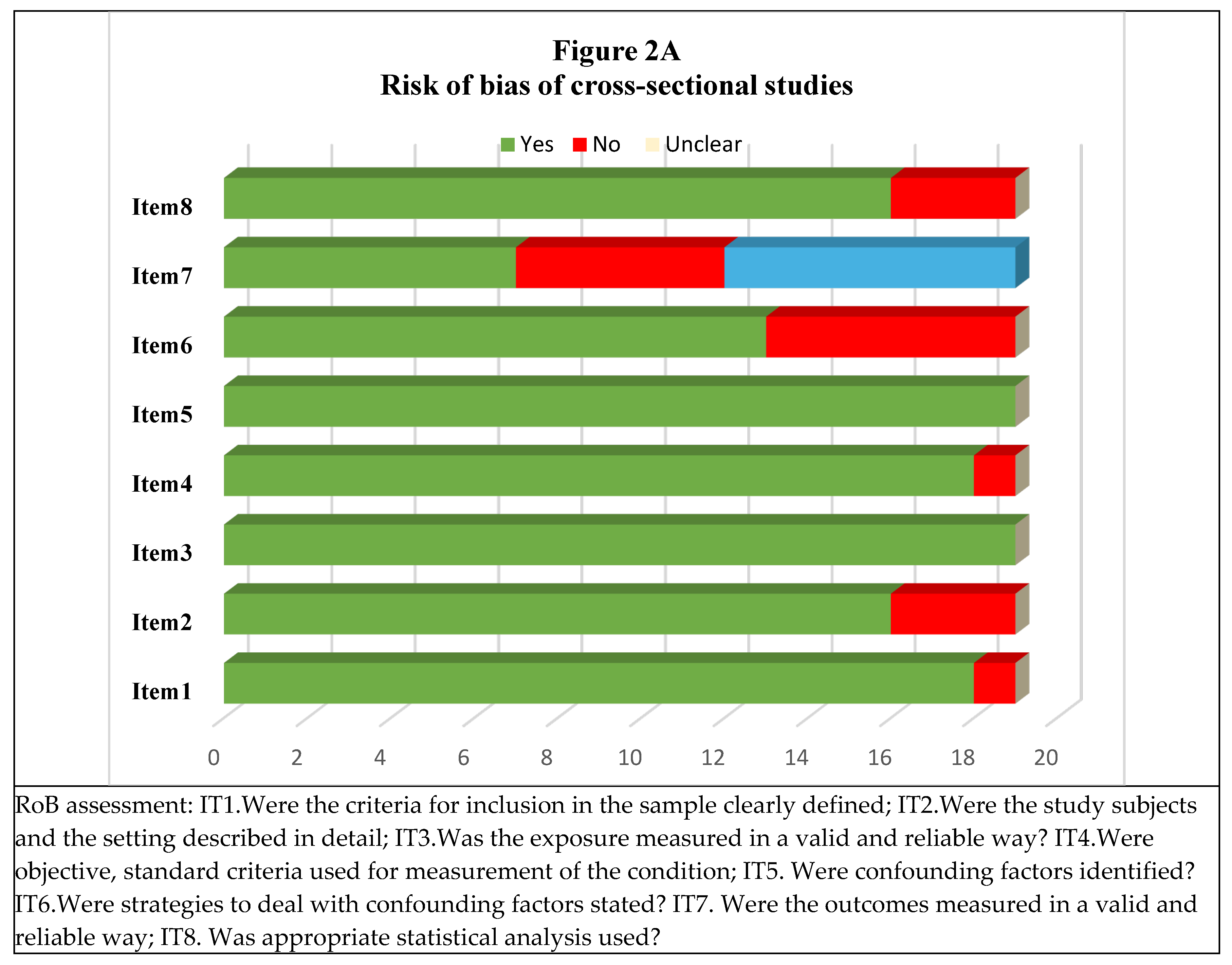
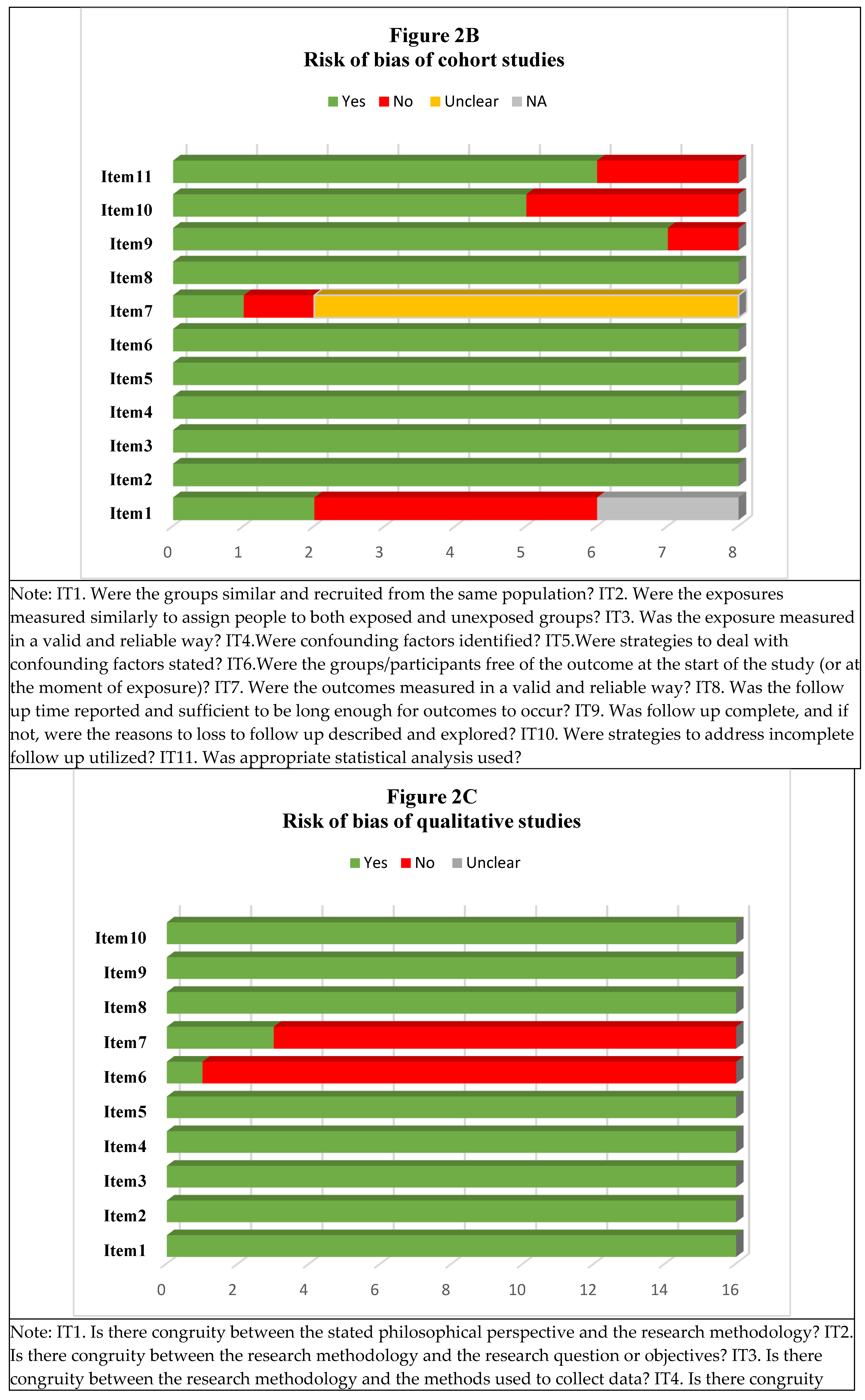
Disclaimer/Publisher’s Note: The statements, opinions and data contained in all publications are solely those of the individual author(s) and contributor(s) and not of MDPI and/or the editor(s). MDPI and/or the editor(s) disclaim responsibility for any injury to people or property resulting from any ideas, methods, instructions or products referred to in the content. |
© 2026 by the authors. Licensee MDPI, Basel, Switzerland. This article is an open access article distributed under the terms and conditions of the Creative Commons Attribution (CC BY) license (http://creativecommons.org/licenses/by/4.0/).
Copyright: This open access article is published under a Creative Commons CC BY 4.0 license, which permit the free download, distribution, and reuse, provided that the author and preprint are cited in any reuse.