

Submitted:
26 October 2025
Posted:
29 October 2025
You are already at the latest version
Abstract
This research addresses many grand challenges that face Egypt: reducing pollution, reducing and adapting to the effects of climate change, working to eradicate public health issues and diseases, and recycling and retaining garbage for recycling. Air purification systems emerged as crucial to mitigate the negative effects of air pollutants. The purpose of the study is to deal with the increasing levels of pollutants in Shubra El-Khima homes, including particulate matter (PM) and criteria pollutants, using local recycled waste. First of all, research about different purification methods was done, including activated carbon, photocatalysis using TiO2 coating, and particulate air filters from plastic fibers. After that, the chosen solution is to construct an air purification system that includes a prefilter and the three methods as stages that target specific pollutants. Then, the air purifier has been constructed using treated and recycled waste materials, and the design has been tested. Finally, the major findings are that the prototype has achieved the design requirements, reducing the total amount of pollutants by 89.08%, and further the CO specifically by 82.82% in nearly 5 minutes. Furthermore, the iodine number of activated carbon was 354 mg/g. In brief, the prototype could withstand a high concentration of pollutants of 11001 ppm. To sum up, the major conclusions are that the project is effective, eco-friendly, and sustainable, representing a solution for the specified problem.
Keywords:
volatile organic compounds
; particulate matters
; adsorption
; photocatalysis
; titanium dioxide
; efficiency
1. Introduction
Egypt undergoes air pollution and poor waste management. For instance, as shown in Figure 1, the amount of greenhouse gas emissions in Egypt in 2019 was 352 million tons of CO2 equivalent. Furthermore, emissions from oil refining factories and vehicles increase levels of harmful pollutants in Shubra El Khima homes, also affecting the health of its citizens. Thus, solving this problem can improve health and mitigate climate change.
The selected solution is a filter with four stages. The first stage is a prefilter made of recycled wire mesh and cotton to clear large particles and increase the lifespan of the filter. In addition, particulate air filters from recycled plastic fibres are used to remove particulate matter. Also, TiO2-coated recycled glass fibres were used with UV lamps to remove volatile organic compounds (VOCs) and bacteria. Lastly, recycled coal is activated chemically to remove combustion gases such as nitrogen oxides (NOx) and carbon oxides (COx) from the air.
The solution should be able to remove at least 90% of the contaminants from a 1500 ml volume of contaminated air in at most 10 minutes, and the activated carbon must have an iodine number of at least 200 mg/g to achieve the desired efficiency. The materials are all waste-derived and natural, which will be explained in the next section.
2. Materials and Methods11/5/2025
Materials

Table 1.
shows Materials.
| Item | Quantity | Description | Picture |
|---|---|---|---|
| 1500 ml Plastic bottle. | 1 | A container for the filter stages. | 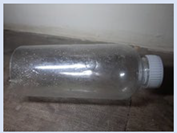 |
| IV infusion set | 1 | A set of tubes and valves for medical purposes. It is used as a transportation system for the air. | 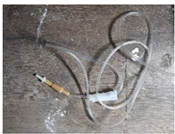 |
| 2000 ml IV fluid bag | 1 | A bag that contains fluids for medical purposes. It is used as a container for the contaminated air. | 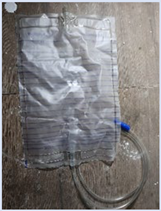 |
| Recycled plastic fibers | 2 sheets | Recycled plastic fibers from packaging. It is used as a particulate air filter that blocks particulate matter. | 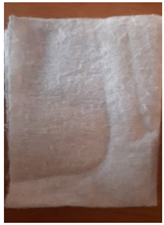 |
| Recycled glass fibers | 1 sheet | Glass fibers that are recycled from conditioning systems. It is used to carry a TiO2 coating. | 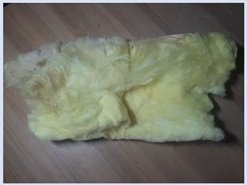 |
| Titanium dioxide | 1 Kg | It is used as a photocatalyst to remove volatile organic compounds and criteria pollutants. | 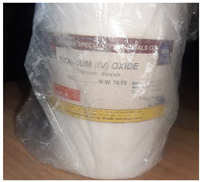 |
| Recycled coal | 7 pieces | The remains of used burnt coal. It is used to clear acid combustion gases. | 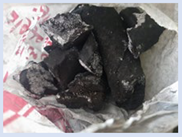 |
| Recycled cotton | 4 pieces | Cotton recycled from first aid kit. It is used as a prefilter stage, to block large particles. | 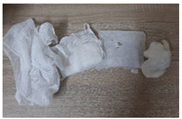 |
| Arduino UNO | 1 | It is used to manage the sensors and the fan. | 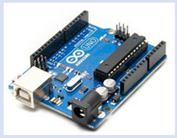 |
| Air pump | 2 | It is used to pump air and regulate airflow in the system. | 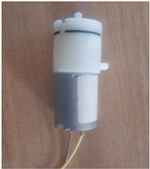 |
Methods
At first, a 3D design for the prototype was made using Blender, as shown in Figure 2. Secondly, the recycled carbon was crushed and put in a jar with bleach to activate the carbon, as shown in Figure 3, and was left for 5 days, was rinsed with water afterwards, and put in the oven for 20 minutes. After that, the plastic bottle was split open, and the carbon was put in a small cotton sack at the end of the bottle. Then, the glass fibers were coated with a suspension of TiO2 in vinegar (acetic acid solution) and were heated for 30 minutes to dry and were put in the bottle. Next, the UV lamps were connected to a breadboard and were put inside the bottle. Subsequently, the wire mesh, cotton fibers, and plastic fibers were fixed together with glue and were put in the bottle. Following this, the small cooling fan was fixed in the bottle and the bottle was closed with glue, as shown in Figure 4. Finally, the code for the sensors was written and the sensors were put inside the fluid bag and the bag was closed wisely with glue, and the IV set, the fluid bag, the air pump, and the bottle were connected, and the sensors, the fan, and the UV lamps were connected to an Arduino UNO.
Data Analysing
- The adsorption of activated carbon was tested by using 1.92 grams on 100 ml of 0.1 N potassium iodide solution, filtering the solution from the carbon, and titrating it with 0.1 N sodium thiosulphate to calculate the amount of iodine adsorbed. The amount of sodium thiosulphate used to titrate the solution was estimated. The titration was done depending on the color of the potassium iodide solution as an indicator.
- As shown in Figure 5, the efficiency of the filter was tested by passing an air sample from the combustion of paper that contained CO, VOCs, and particulate matter through the filter and using the values given by the sensors to calculate the efficiency.
3. Results
- The amount of sodium thiosulphate used to titrate the solution was 39.5 ± 0.1 ml, after plugging it in the equation the iodine number equals 354 ± 0.2 mg/g, by substituting in Equation 1 & 2:
- 2.
- An amount of air with a pollutant concentration of 11001.72 particles per million (ppm) includes carbon monoxide (CO) concentration of 251.68 ppm was added to the filter, and it was able to get rid of about 89.08% of pollutants, as shown in Figure 6 and Table 2, and about 83.23% of carbon monoxide (CO) in the air, as shown in Figure 7 and Table 3, in only 5 minutes.
4. Discussion
4.1. Prefilters
The pre-filter is a crucial technique, used before the main filtration process. The function of the pre-filter is to intercept and hold large-sized particles like dust, hair, soot, and any other pollutants that could potentially clog the main filter, this will increase the filter’s estimated lifespan and the efficiency of the main filter stages. A Pre-filter reduces the concentration of PM2.5 in the air by a percentage of 31% and 69% depending on the efficiency of the ventilation system (Kim et al., 2021). The pre-filter of the prototype was chosen to be made of recycled wire mesh and natural cotton fibers. The function of wire mesh is to prevent the leakage of large-size pollutants in the system like large dust particles. Cotton fibers purify smaller particles from the air due to the small spaces between fibers. The efficiency of cotton fibers in the purification of air from large particles is 70% in the case of PM2.5 and 75% in the case of PM10 (Rana et al., 2023). Thus, these materials are suitable to be a prefilter before the main filter stages.
4.2. UV-C Light
Ultraviolet light plays a crucial role in getting rid of harmful microorganisms. It can kill and deactivate all bacteria, viruses, fungi, and molds in 60 seconds. UV light has 4 types according to its wavelength. The types that are suitable for this role are UV-C and UV-B which have wavelengths in ranges between (200-280 nm), and (280-315) respectively (Gómez-López et al., 2021). Furthermore, the wavelength of the UV rays of the prototype was chosen to be a UV-C light that has a wavelength equal to 254 nm. This is because this wavelength was proven to be safe in many studies done on the human body since it is a non-ionizing radiation (A Jawale, 2019).
The magnificent mechanism of this UV light occurs because the UV light photons have enough energy for the bases in the DNA and the RNA in the harmful microorganisms. This is because of the reaction between UV light photons and the nitrogenous bases (uracil, cytosine, thymine, and adenine). This reaction affects the key functions inside the cells of harmful organisms such as genomic transcription and replication. This leads the cell to death. Fortunately, this mechanism is effective not only for bacteria but also for viruses. The main reason for this mechanism is that the genetic material is a strong absorber of UV radiation, especially if its wavelength is about 254 nm.
4.3. Photocatalysis
Photocatalytic oxidation (PCO) is well-known for its effective performance in indoor air purification by removing gaseous pollutants. To remove the accumulations of volatile organic compounds (VOCs) and others, titanium dioxide has been used as a photocatalyst to coat the glass fibers of the prototype, producing TiO2-substrate. The TiO2-coated filter has been used to treat the pollutants emitted from burnt paper, such as carbon monoxide, carbon dioxide, nitrogen monoxide, nitrogen dioxide, and water vapor, as demonstrated in the equations below. According to the activation equation below, the TiO2 is being irradiated with UV light to produce hydroxyl and superoxide radicals, resulting in the oxidation of the VOCs into CO2, water, and some intermediate compounds that are less harmful than before.
The activation equation:
In this equation, h+ and e- are powerful oxidizing and reducing agents, respectively. The oxidation and reduction reactions can be expressed as:
The oxidation reaction:
The reduction reaction:
When organic compounds are chemically transformed by photocatalysis, the hydroxyl radical (OH∙) is formed, derived from the oxidation of adsorbed OH-. The net reaction with a (VOC) can be expressed as:
Where m and n are variables dependent on the stoichiometric characteristics of the volatile organic compound.
4.4. Filtration Using Activated Carbon
Activated carbon is a microporous form of carbon that removes pollutants and bad odors from the air by physical adsorption. Granular activated carbon and powdered activated carbon are derived from crushed carbon particles. Activated carbon in the form of granules ranging from the sizes of 0.2–5 mm is classified as GAC, while powder-activated carbon essentially ranges in the size of 15–25 microns. GAC, however, is the preferred choice out of the two for gas-phase adsorptions as they have a large surface area and a highly developed pore structure (Bhave & Yeleswarapu, 2019). Physical adsorption is trapping the contaminants in the pores of the activated carbon. Physical adsorption implies that only weak interaction forces such as hydrogen bonding, van der Waals forces, and ionic, electrostatic, and dipole interactions are involved between the contaminants and the activated carbon. It is used in the project because it is highly efficient, inexpensive, and produces no by-products. Carbon is activated by physical or chemical activation. Chemical activation is the use of a strong acid like HCl or a strong base like NaOH to create pores in the carbon structure, then subjecting it to high temperatures in the range of 500–700 ºC (Ganjoo et al., 2023). A solution of 5% NaOH (Bleach) was used to activate the carbon chemically and it was put in the oven for 20 minutes. One of the fundamental ways to measure the activation of carbon is the iodine number, which is done by putting a sample of activated carbon in a solution of iodine ions and then filtering the carbon with a filter paper, titrating the iodine solution with a solution of sodium thiosulphate pentahydrate to know the amount of iodine in the filtrate. The value is then used to calculate the iodine number which is given by the following Equation 1:
Equation 1:
Where M is the mass of activated carbon used in grams, and X is the mass of iodine adsorbed by the carbon in milligrams which is calculated by Equation 2:
Equation 2:
Where Mw1 is the molecular weight of iodine, Mw2 is the molecular weight of sodium thiosulphate pentahydrate, N1 is the normality of the iodine solution, N2 is the normality of the sodium thiosulphate solution, and V is the volume of sodium thiosulphate used to neutralize the iodine ions. This process was used to measure the activation and effectiveness of the activated carbon.
5. Conclusions
A solution using four stages of purification has been selected to solve the problem of air and waste pollution in Shubra El-Kheima from oil refining factories and vehicles. The prototype has been constructed from waste materials and tested using an air sample with high concentrations of the addressed pollutants. The iodine number of the activated carbon has been measured to ensure its efficiency is sufficient to achieve the design requirements. It has been found that the prototype achieved the design requirements and decreased the amount of CO2, smoke, and VOCs by 89.08% and the CO specifically by 82.82% in nearly 5 minutes, and the iodine number of the carbon is 354 mg/g. It is concluded from the analysis and results that the use of a prefilter increases the lifespan of the filter, the plastic fibers remove particulate matter, The TiO2 coating and UV light increase the removal of VOCs, and the activated carbon removes combustion gases. This means that it represents an effective solution for the specified problem because of its efficiency, sustainability, and eco-friendliness. Mistakes from other prior solutions have been evaded. The Enviroklenz air filter is effective but heavy and large, this was fixed by making the solution light, small, and applicable in homes. The SEFU air filter is effective and recyclable, but it produces some harmful byproducts, this has been fixed by using activated carbon with the TiO2-coated material so that any harmful byproducts are removed by the carbon.
6. Recommendations
- 1.
- Nanocellulose fibers:
Natural nanocellulose fibers are plant-based and composed primarily of cellulose — a complex carbohydrate that can be extracted from some plants rich in cellulose. These fibers are mainly located in the plant cell walls as shown in Figure 8. Natural cellulose fibers have some characteristics that make them unique compared to any other fiber type. Firstly, natural cellulose fibers are characterized by their sustainability. They are sustainable as the fibers can be harvested and grown again without excessive harm to the environment. In addition, natural cellulose fibers are very thin monomers called cellulose fibrils with thicknesses that equal 10-30 nanometers (Petroudy, 2016). This property has high efficiency in purifying air from particles in the size between the range of their thickness. Furthermore, these fibers are strong and durable which increases the efficiency of fibers in purifying air. The main obstacle that prevented us from using natural cellulose fibers is that dealing with this thickness requires high-efficiency types of equipment to deal with nanotechnology, but this is not available for us to use.
- 2.
- Electrostatic precipitators:
The electrostatic precipitation is used to clear the air of particles of all sizes. It can remove all particles with the size of 1 micron or bigger. It has a significant efficiency since it removes about 90-95% of dust and 80-85% of microorganisms (Lysakov et al., 2020). However, it is hard to be applied since it needs a high-power voltage for the electrodes of about 6-15 kV.
As shown in Figure 9, it is built by connecting the electrodes with a high voltage (6-15 kV) without connecting positive with negative electrodes. The electrostatic fields cause the electrons to be released, which is called corona effect. So, when dust and small particles pass through the electrodes, they get ionized and negatively charged, and they will adhere to the positive electrodes.
References
- A Jawale, S. (2019). INTERNATIONAL JOURNAL OF SCIENTIFIC RESEARCH. Intravenous-c-band-ultraviolet-light-therapy-ivuvlt-as-a-treatment-forbacterial- And-viral-infections-including-covid-19 May 2020 1588420002 6424994. [CrossRef]
- Abbasi-Kangevari, M., Malekpouret al. (2023). Effect of air pollution on disease burden, mortality, and life expectancy in North Africa and the Middle East: a systematic analysis for the Global Burden of Disease Study 2019. The Lancet Planetary Health, 7(5), e358–e369. [CrossRef]
- Ao, C., & Lee, S. (2004). Indoor air purification by photocatalyst TiO2 immobilized on an activated carbon filter installed in an air cleaner. Chemical Engineering Science, 60(1), 103–109. [CrossRef]
- ASTM D4607-14, (2021), Standard Test Method for Determination of Iodine Number of Activated Carbon. American Society for Testing and Materials, . [CrossRef]
- Bhave, P. P., & Yeleswarapu, D. (2019). Removal of indoor air pollutants using Activated Carbon—A review. In Lecture notes on multidisciplinary industrial engineering (pp. 65–75). [CrossRef]
- Bilici, Z., Bouchareb, R., Sacak, T., Yatmaz, H. C., & Dizge, N. (2020). Recycling of TiO2-containing waste and utilization by photocatalytic degradation of a reactive dye solution. Water Science & Technology, 83(5), 1242–1249. [CrossRef]
- Blue Pure 211i Max | Air purifier for up to 635 ft2 | Blueair. (n.d.-b). https://www.blueair.com/us/air-purifiers/blue-pure-211i-max/3541.html?cgid=air-purifiers#start=1.
- BlueAir Support. (n.d.). https://support.blueair.com/faq/s/article/Are-Blueair-purifiers-energy-efficient-agent?language=en_US.
- BlueAir Support. (n.d.-b). https://support.blueair.com/faq/s/article/My-Protect-air-purifier-makes-an-unexpected-noise?language=en_US.
- EnviroKlenz. (2023, December 4). What is a HEPA filter, and how does it work? EnviroKlenz. https://enviroklenz.com/how-does-hepa-filter-work/.
- EnviroKlenz. (2023a, November 27). Air Scrubber vs UV Light Air Filtration. EnviroKlenz. https://enviroklenz.com/air-scrubber-vs-uv-light-air-filtration/.
- EnviroKlenz. (2023a, November 27). Air Scrubber vs UV Light Air Filtration. EnviroKlenz. https://enviroklenz.com/air-scrubber-vs-uv-light-air-filtration/.
- EnviroKlenz. (2024, November 21). EnviroKlenz Air System – EnviroKlenz. https://enviroklenz.com/product/enviroklenz-mobile/.
- EnviroKlenz. (2024a, October 23). EnviroKlenz replacement air cartridge. https://enviroklenz.com/product/enviroklenz-14x14-replacement-cartridge-250-cfm-exchange-unit/.
- Ganjoo, R., Sharma, S., Kumar, A., & Daouda, M. M. A. (2023). Activated Carbon: Fundamentals, classification, and properties. In The Royal Society of Chemistry eBooks (pp. 1–22). [CrossRef]
- Gómez-López, V. M., Jubinville et al. (2021). Inactivation of foodborne viruses by UV light: a review. Foods, 10(12), 3141. [CrossRef]
- Gómez-López, V. M., Jubinville, et al. Inactivation of Foodborne Viruses by UV Light: A Review. Foods, 10(12), 3141. [CrossRef]
- Haider, A., Al-Anbari, R., Kadhim, G., & Jameel, Z. (2018). Synthesis and photocatalytic activity for TiO2 nanoparticles as air purification. MATEC Web of Conferences, 162, 05006. [CrossRef]
- Han, S., Kim, J., & Ko, S. (2021). Advances in air filtration technologies: structure-based and interaction-based approaches. Materials Today Advances, 9, 100134. [CrossRef]
- Hetaba, A., McNally, C., & Habersky, E. (n.d.). REFUGEE ENTITLEMENTS IN EGYPT. AUC Knowledge Fountain. https://fount.aucegypt.edu/faculty_journal_articles/4985/.
- Home | Air purifiers. (n.d.). Blueair. https://www.blueair.com/us/.
- INTERNATIONAL JOURNAL OF SCIENTIFIC RESEARCH. (2019). INTRAVENOUS C BAND ULTRAVIOLET LIGHT THERAPY (IVUVLT) AS a TREATMENT FOR BACTERIAL AND VIRAL INFECTIONS INCLUDING COVID 19. [CrossRef]
- Kim, M., Jeong, S., Park, J., & Lee, J. (2021). Assessment of pre-filter systems to control indoor inflow of particulate matter. Journal of Building Engineering, 43, 103052. [CrossRef]
- Kim, M., Jeong, S., Park, J., & Lee, J. (2021). Assessment of pre-filter systems to control indoor inflow of particulate matter. Journal of Building Engineering, 43, 103052. [CrossRef]
- Limmongkon, Y., Johns, J., & Charerntanyarak, L. (2013). Preparation of a TiO2-coated photocatalytic air filter for use with an electrostatic air filter pack for xylene removal. ScienceAsia, 39(3), 284. [CrossRef]
- Limmongkon, Y., Johns, J., & Charerntanyarak, L. (2013). Preparation of a TiO2-coated photocatalytic air filter for use with an electrostatic air filter pack for xylene removal. ScienceAsia, 39(3), 284. [CrossRef]
- Mahmoud, A., Hefny, R., & Elnasser, R. (2022). IMPACT OF POPULATION GROWTH ON THE MOST IMPORTANT ECONOMIC VARIABLES IN EGYPT. Sinai Journal of Applied Sciences (Print), 0(0), 0. [CrossRef]
- Mo, J., Zhang, Y., Xu, Q., Lamson, J. J., & Zhao, R. (2009). Photocatalytic purification of volatile organic compounds in indoor air: A literature review. Atmospheric Environment, 43(14), 2229–2246. [CrossRef]
- Mo, J., Zhang, Y., Xu, Q., Lamson, J. J., & Zhao, R. (2009). Photocatalytic purification of volatile organic compounds in indoor air: A literature review. Atmospheric Environment, 43(14), 2229–2246. [CrossRef]
- Perry, J. L., Agui, J. H., & Vijayakimar, R. (2016). Submicron and Nanoparticulate Matter Removal by HEPA-Rated Media Filters and Packed Beds of Granular Materials. In https://ntrs.nasa.gov/ (NASA/TM-2016-218224). Marshall Space Flight Center. https://ntrs.nasa.gov/api/citations/20170005166/downloads/20170005166.pdf.
- Rana, A. K., Mostafavi, E., Alsanie, W. F., Siwal, S. S., & Thakur, V. K. (2023). Cellulose-based materials for air purification: A review. Industrial Crops and Products, 194, 116331. [CrossRef]
- Ren, H., Koshy, P., Chen, W., Qi, S., & Sorrell, C. C. (2016). Photocatalytic materials and technologies for air purification. Journal of Hazardous Materials, 325, 340–366. [CrossRef]
- Salman, A., Al-Tayib, M., Hag-Elsafi, S., Zaidi, F. K., & Al-Duwarij, N. (2021). Spatiotemporal assessment of air quality and heat island effect due to industrial activities and urbanization in southern Riyadh, Saudi Arabia. Applied Sciences, 11(5), 2107. [CrossRef]
- Salman, D. (2011). Industrial development and the trade-off toenvironment: measurement techniques, meanings and outcomes in the context of water poverty in Egypt. International Journal of Green Economics, 5(1), 87. [CrossRef]
- Statista. (2022, November 15). International migrants in Egypt 2020, by country of origin and gender. https://www.statista.com/statistics/1237901/stock-of-international-migrants-in-egypt-by-country-of-origin-and-gender/.
- Statista. (2022b, December 16). International migrants in Egypt 2020, by country of origin. https://www.statista.com/statistics/1237888/stock-of-international-migrants-in-egypt-by-country-of-origin/.
- Statista. (2024, February 28). Youth unemployment rate in Egypt in 2022. https://www.statista.com/statistics/811968/youth-unemployment-rate-in-egypt/.
- Statistics and Graph 1: EGYPT population (2024) - Worldometer. (n.d.). https://www.worldometers.info/world-population/egypt-population/.
- Test Method for Determination of Iodine Number of Activated Carbon. (2006). [CrossRef]
- Thiagarajan, V., & Thiyagarajan, S. (2023). Dye-Sensitized titanium dioxide photocatalysis – a novel solution for personal air filtration. Journal of Student Research, 11(1). [CrossRef]
- Zaleska, A., Hanel, A., & Nischk, M. (2010). Photocatalytic air purification. Recent Patents on Engineering, 4(3), 200–216. [CrossRef]
Figure 1.
shows the amount of greenhouse gases emission in Egypt.
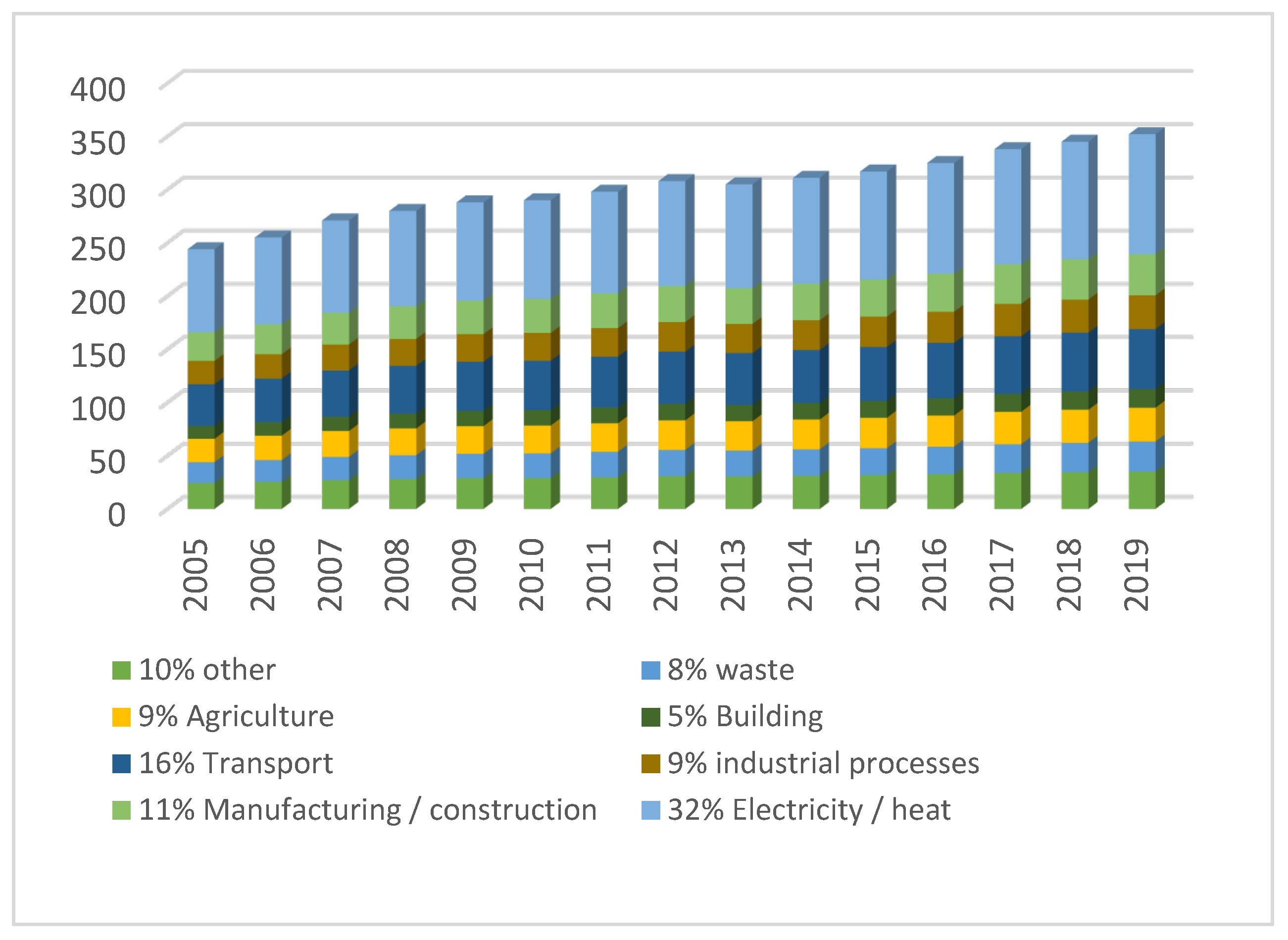
Figure 2.
shows a 3D model for the prototype.
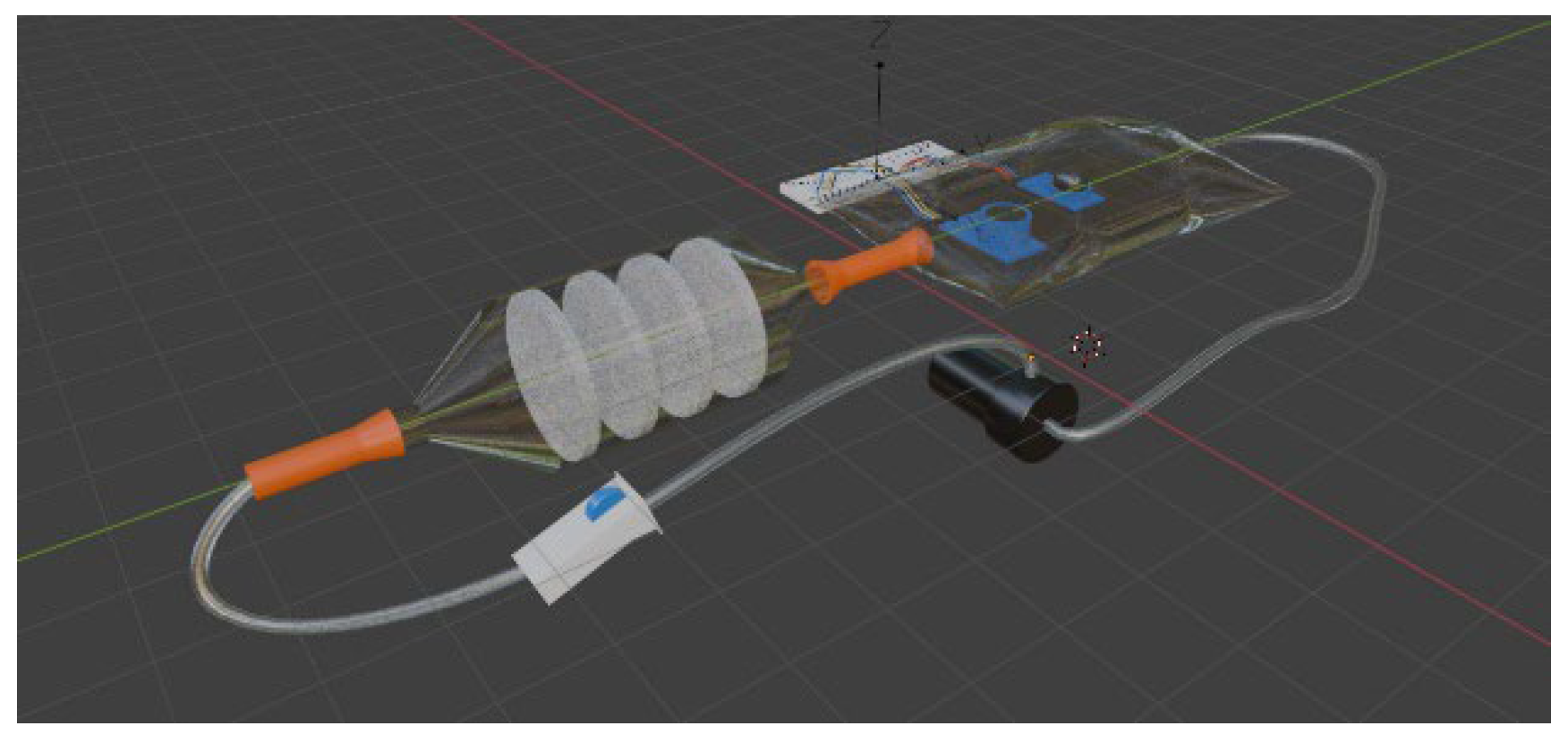
Figure 3.
shows carbon with a solution of water and bleach in a jar.
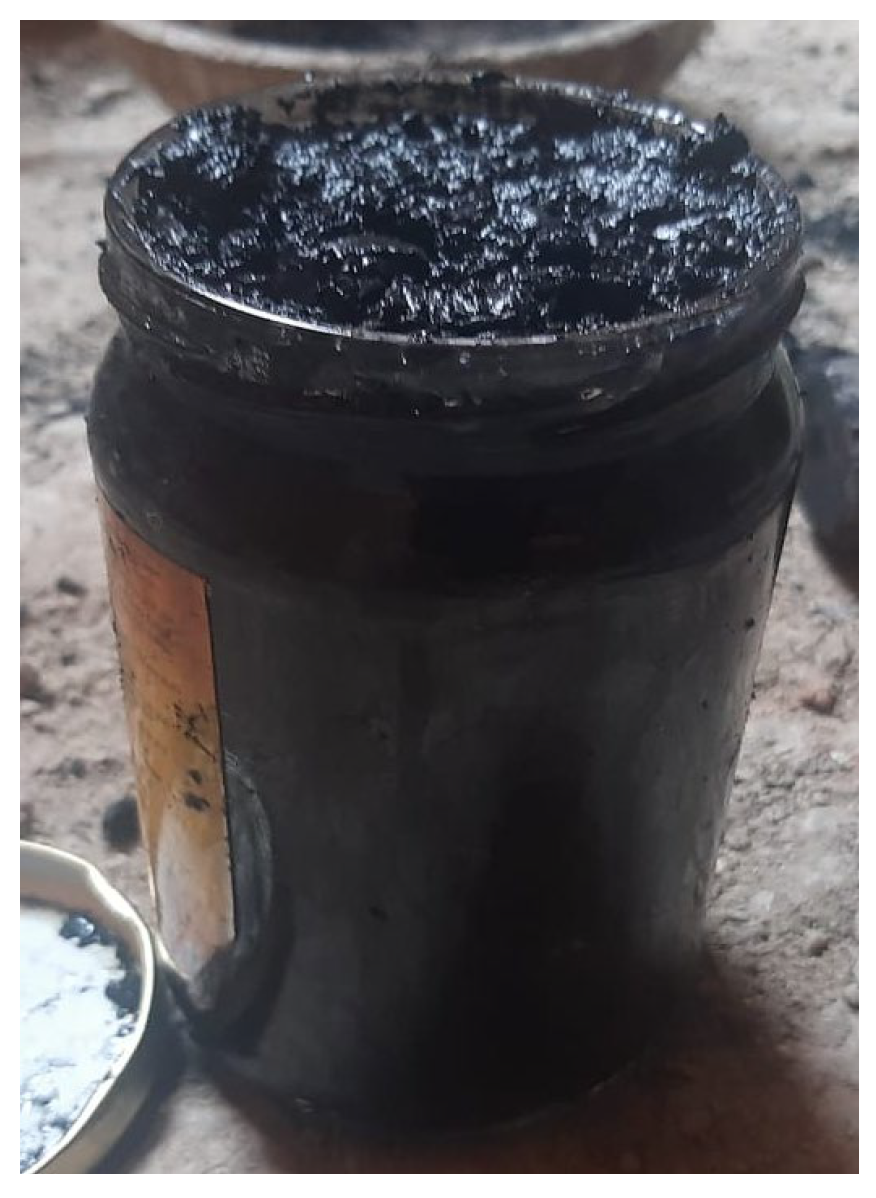
Figure 4.
shows the bottle with all the stages of the filter.
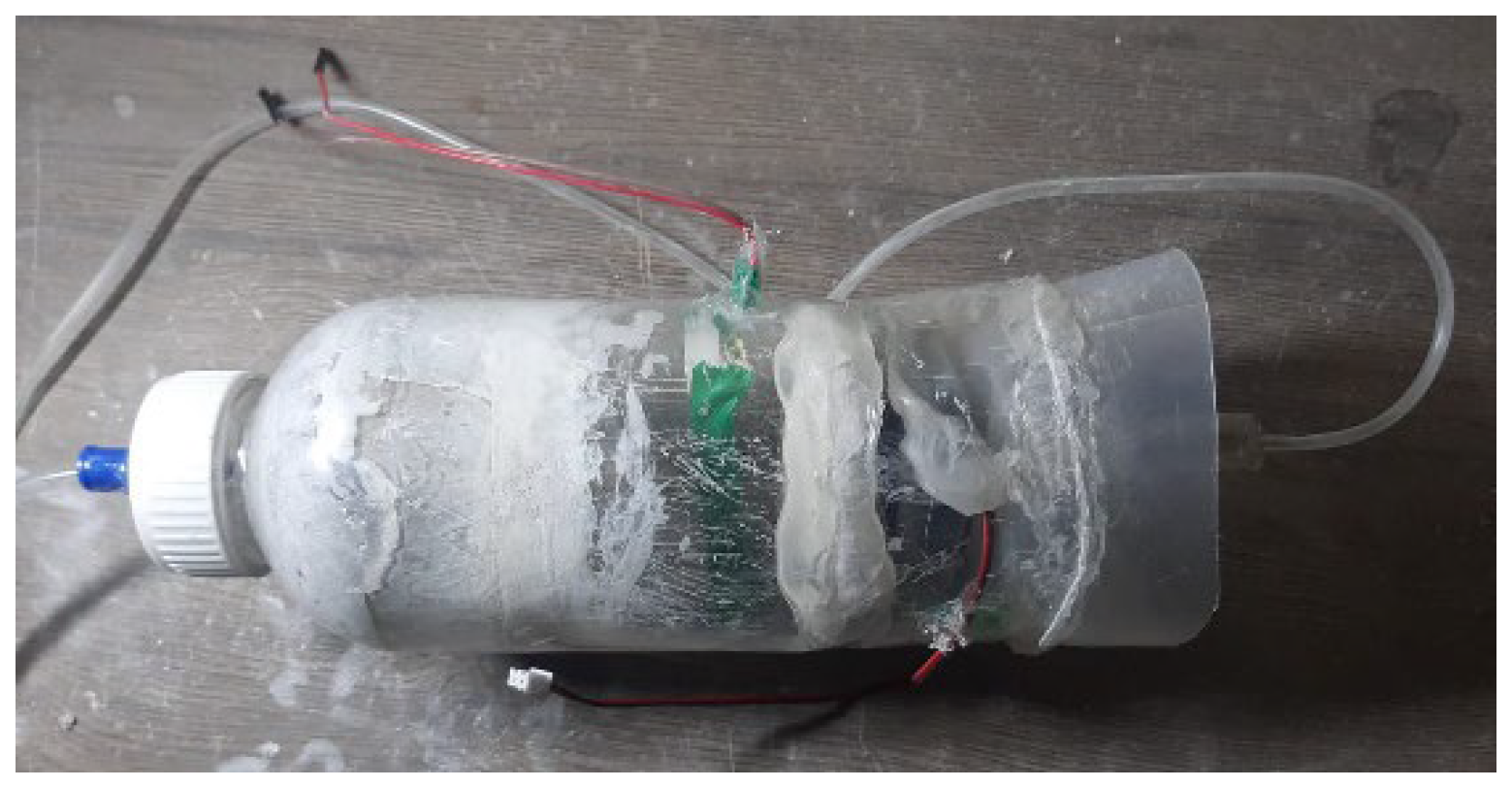
Figure 5.
shows testing the filter and displaying the results on a laptop.
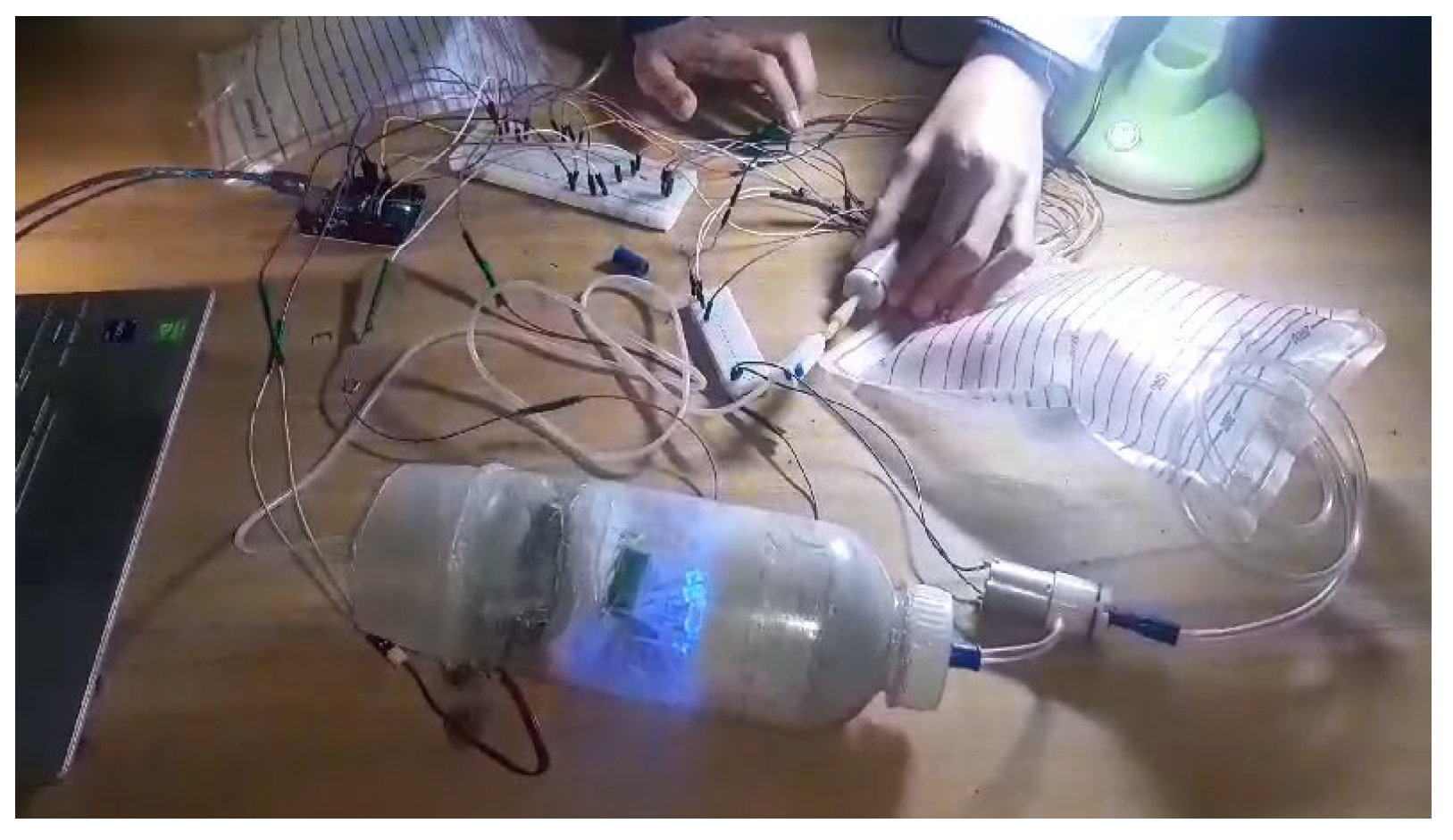
Figure 6.
shows the pollutants' concentration in the air during the test plan.
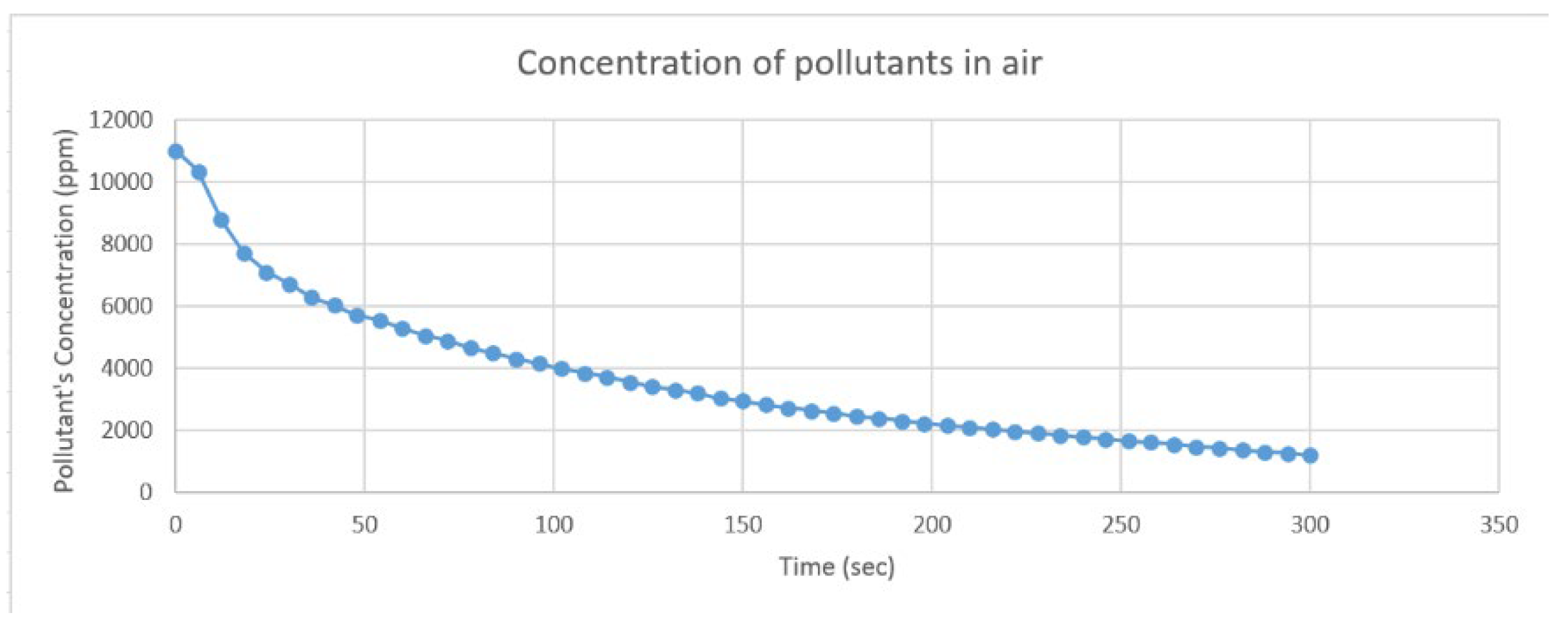
Figure 7.
shows the CO's concentration in the air during the test plan.
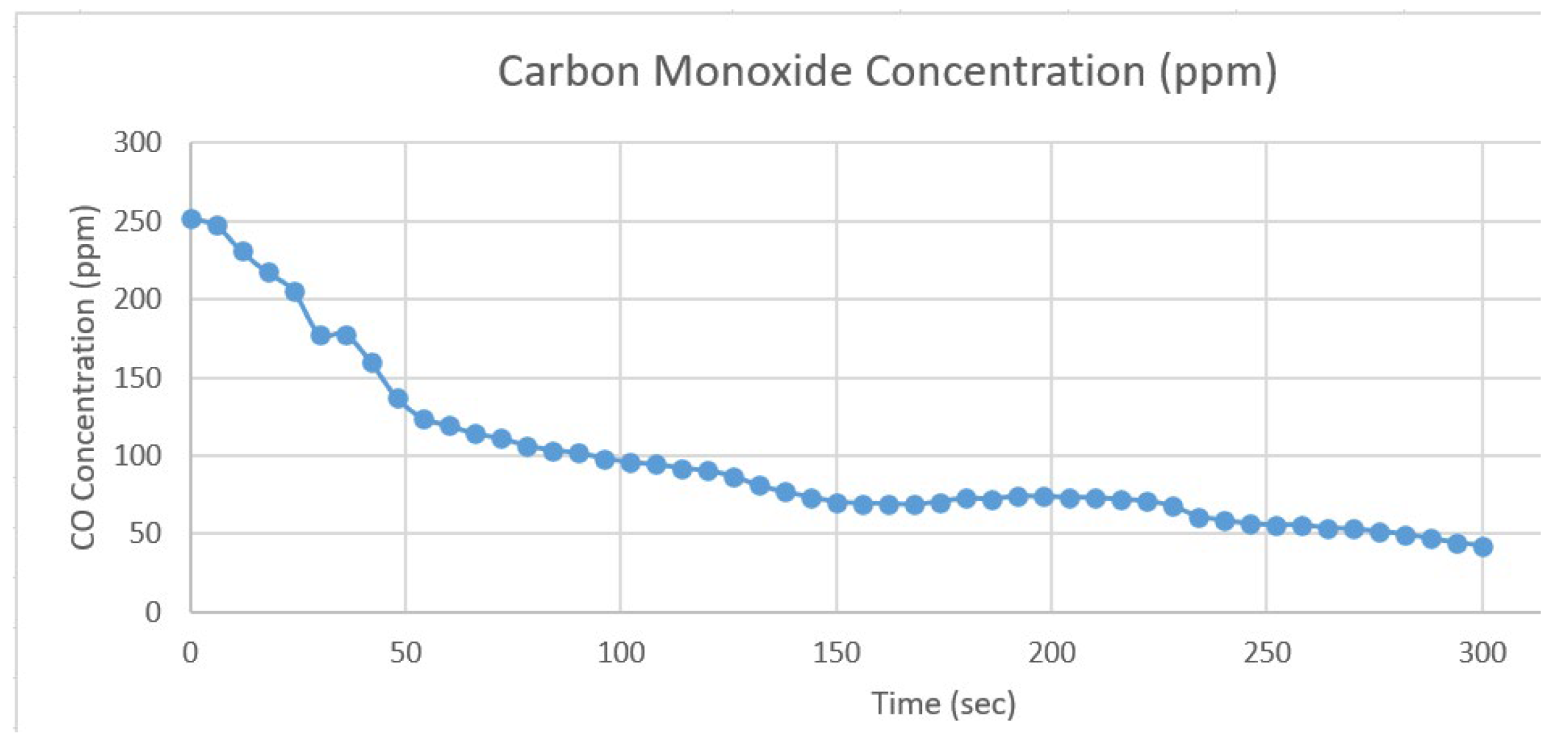
Figure 8.
shows the location of cellulose fibers in the plants.
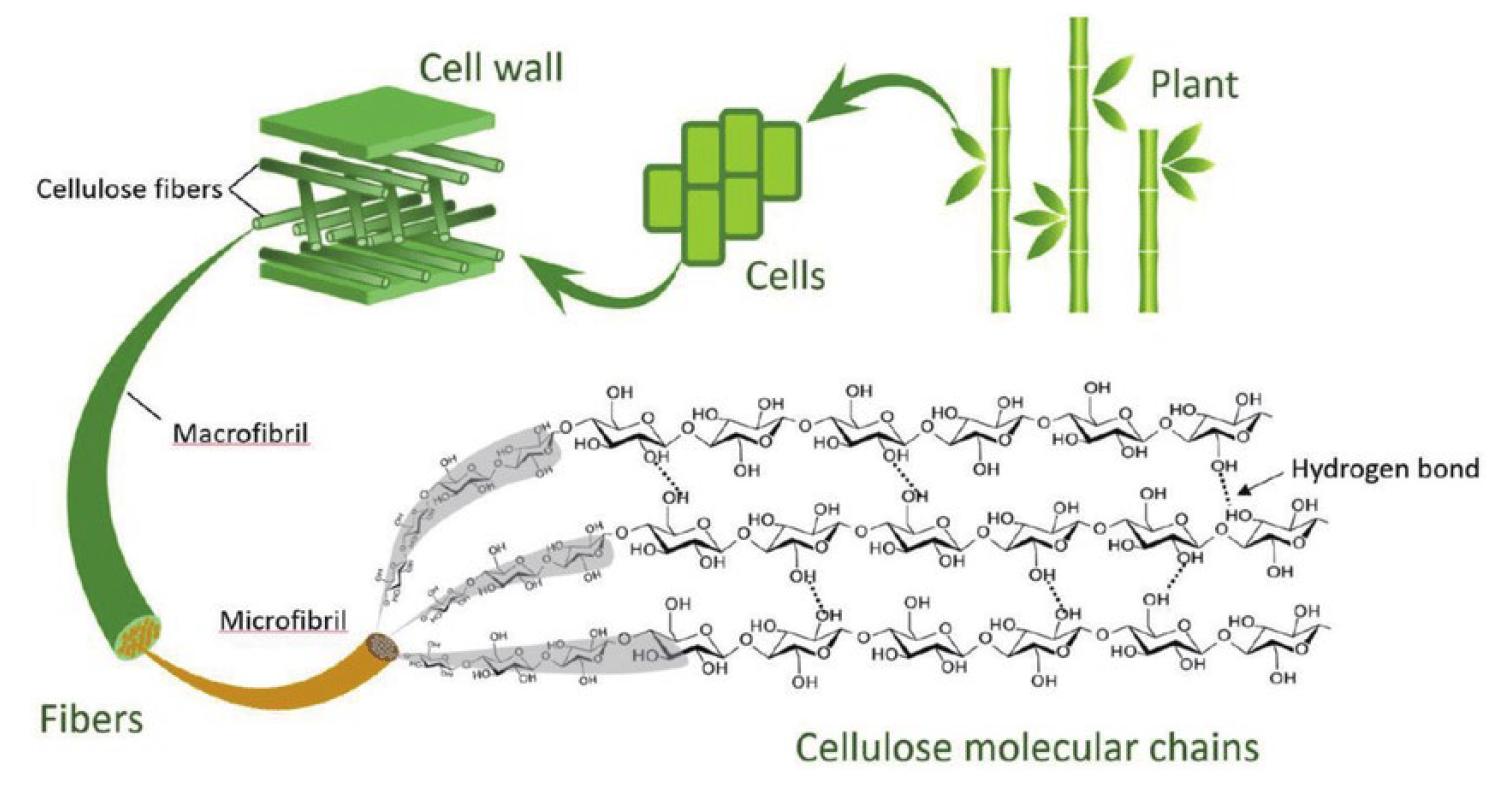
Figure 9.
shows electrostatic percipitator.
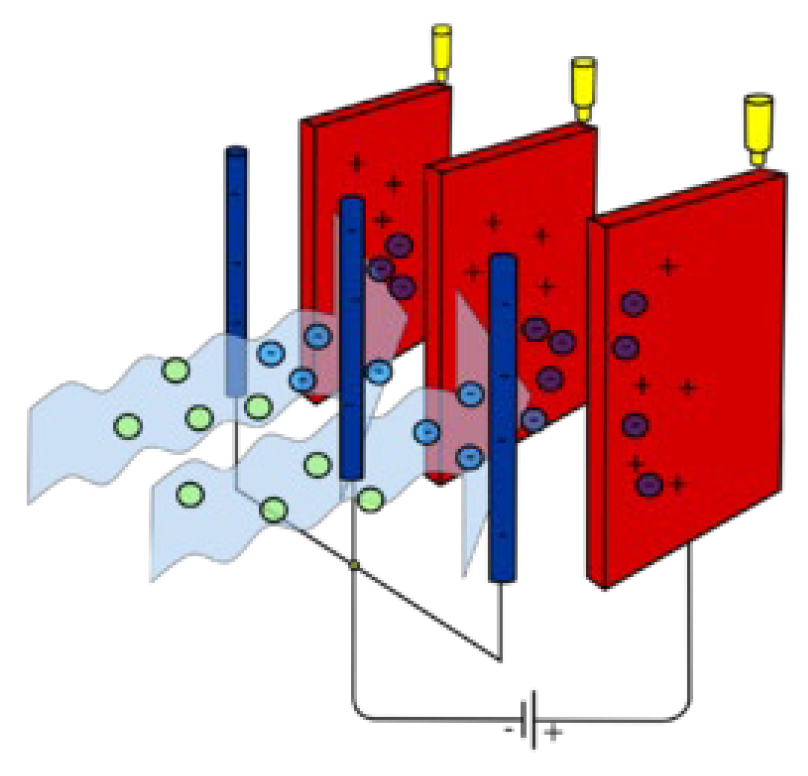
Table 2.
shows the pollutant’s concentration during the test plan.
|
Time (sec) |
Pollutants Concentration (ppm) |
Time (sec) |
Pollutants Concentration (ppm) |
Time (sec) |
Pollutants Concentration (ppm) |
Time (sec) |
Pollutants Concentration (ppm) |
|---|---|---|---|---|---|---|---|
| 0 | 11001.72 | 156 | 2827.50 | 78 | 4657.80 | 234 | 1854.66 |
| 6 | 10331.34 | 162 | 2717.63 | 84 | 4488.98 | 240 | 1785.94 |
| 12 | 8767.99 | 168 | 2634.75 | 90 | 4307.88 | 246 | 1719.50 |
| 18 | 7719.67 | 174 | 2542.62 | 96 | 4150.01 | 252 | 1662.92 |
| 24 | 7085.93 | 180 | 2442.57 | 102 | 3981.03 | 258 | 1608.04 |
| 30 | 6707.29 | 186 | 2388.05 | 108 | 3849.48 | 264 | 1562.02 |
| 36 | 6272.27 | 192 | 2293.15 | 114 | 3706.66 | 270 | 1480.78 |
| 42 | 6028.24 | 198 | 2221.13 | 120 | 3553.12 | 276 | 1423.65 |
| 48 | 5701.57 | 204 | 2161.11 | 126 | 3405.35 | 282 | 1361.65 |
| 54 | 5543.74 | 210 | 2092.87 | 132 | 3290.60 | 288 | 1308.51 |
| 60 | 5282.67 | 216 | 2026.51 | 138 | 3192.99 | 294 | 1256.88 |
| 66 | 5052.81 | 222 | 1961.55 | 144 | 3031.73 | 300 | 1200.86 |
| 72 | 4871.89 | 228 | 1907.43 | 150 | 2940.68 |
Table 3.
shows the CO’s concentration during the test plan.
|
Time (sec) |
Carbon Monoxide Concentration (ppm) |
Time (sec) |
Carbon Monoxide Concentration (ppm) |
Time (sec) |
Carbon Monoxide Concentration (ppm) |
Time (sec) |
Carbon Monoxide Concentration (ppm) |
|---|---|---|---|---|---|---|---|
| 0 | 251.68 | 156 | 69.30 | 78 | 106.49 | 234 | 61.14 |
| 6 | 247.65 | 162 | 69.30 | 84 | 103.47 | 240 | 58.55 |
| 12 | 230.75 | 168 | 68.54 | 90 | 101.74 | 246 | 56.37 |
| 18 | 217.32 | 174 | 70.44 | 96 | 98.34 | 252 | 55.38 |
| 24 | 205.66 | 180 | 72.56 | 102 | 95.73 | 258 | 55.54 |
| 30 | 177.83 | 186 | 72.17 | 108 | 94.32 | 264 | 53.60 |
| 36 | 177.83 | 192 | 73.94 | 114 | 92.01 | 270 | 52.95 |
| 42 | 159.85 | 198 | 73.73 | 120 | 90.19 | 276 | 51.37 |
| 48 | 137.04 | 204 | 73.35 | 126 | 86.86 | 282 | 49.67 |
| 54 | 123.96 | 210 | 72.95 | 132 | 80.85 | 288 | 46.81 |
| 60 | 119.20 | 216 | 71.98 | 138 | 76.73 | 294 | 44.19 |
| 66 | 114.04 | 222 | 70.82 | 144 | 73.45 | 300 | 42.21 |
| 72 | 111.13 | 228 | 67.80 | 150 | 70.44 |
Disclaimer/Publisher’s Note: The statements, opinions and data contained in all publications are solely those of the individual author(s) and contributor(s) and not of MDPI and/or the editor(s). MDPI and/or the editor(s) disclaim responsibility for any injury to people or property resulting from any ideas, methods, instructions or products referred to in the content. |
© 2025 by the authors. Licensee MDPI, Basel, Switzerland. This article is an open access article distributed under the terms and conditions of the Creative Commons Attribution (CC BY) license (http://creativecommons.org/licenses/by/4.0/).
Copyright: This open access article is published under a Creative Commons CC BY 4.0 license, which permit the free download, distribution, and reuse, provided that the author and preprint are cited in any reuse.


