

Submitted:
29 July 2024
Posted:
31 July 2024
You are already at the latest version
Abstract
This study investigates the characteristics of formaldehyde (HCHO) concentration and its reduction in newly constructed apartment buildings in Dubai. It addresses the significant health risks of high HCHO levels due to poor ventilation and extensive use of VOC-emitting materials. The research explores the effectiveness of various mitigation strategies, including air purifiers, photocatalyst applications, and window ventilation, in the living room, master bedroom (MBR), Room 1, and Room 2. HCHO concentrations were measured under different conditions: sealed windows, operation of an air purifier with a VOCs filter, and the application of a photocatalyst. The study followed a quantitative approach, recording real-time HCHO levels over 24 hours. Results indicated that sealing windows led to HCHO concentrations surpassing the domestic standard of 0.1 ppm, with the MBR recording the highest concentration at 0.73 ppm. The air purifier showed minimal impact within the first 8 hours but achieved an 18% reduction after 24 hours of operation. Applying a photocatalyst to room surfaces resulted in a 50% reduction in HCHO levels. Ventilation through window openings significantly improved air exchange rates, with the air exchange per hour (ACH) increasing proportionally with window opening size. Smaller rooms with larger window-to-volume ratios, such as Room 1 and Room 2, maintained HCHO concentrations below the WHO standard of 0.1 ppm with partial window openings. The study concludes that window ventilation is the most effective strategy for reducing HCHO concentrations, highlighting the importance of integrating comprehensive ventilation designs in modern residential buildings to ensure healthier indoor environments in Dubai.
Keywords:
HCHO Concentration
; Indoor Air Quality (IAQ)
; Ventilation Strategies
; Photocatalyst Application
; Air Purifier Effectivenes
1. Introduction
The Indoor Air Quality (IAQ) in Dubai, a city known for its rapid urbanization and modern architectural marvels, presents urgent and unique challenges [1,2,3]. The convergence of advanced energy-efficient construction practices has inadvertently led to more airtight buildings [4,5]. While this design approach optimizes energy usage, it often reduces natural ventilation, trapping pollutants indoors [6,7]. The extensive use of construction materials that emit volatile organic compounds (VOCs), including formaldehyde (HCHO), further exacerbates the problem, posing immediate health risks to inhabitants [8,9].
Dubai's extreme climate, characterized by high temperatures, necessitates the continuous use of air conditioning systems [10]. The maintenance of these systems is crucial, as any lapse can lead to the accumulation of mold, fungi, and other biological contaminants [11,12]. Additionally, the arid environment contributes to the presence of dust and particulate matter, which can easily infiltrate indoor spaces [13]. The city’s rapid development and industrial activities also significantly compromise IAQ, with construction dust and outdoor pollutants entering buildings [14]. Sick Building Syndrome (SBS) has gained attention in Dubai, with building occupants experiencing health issues closely linked to the time spent indoors [15,16]. This issue underscores the importance of addressing IAQ. Furthermore, the lifestyle in Dubai, which involves spending considerable time indoors due to the hot climate, increases residents' exposure to indoor pollutants [17,18]. Despite the growing recognition of these issues, the regulatory framework surrounding IAQ in Dubai is still evolving [19]. Public awareness and education on the impact of IAQ on health are also areas that require attention [20]. Additionally, global environmental changes, including climate change, indirectly influence the indoor air environment in Dubai, affecting the types and concentrations of pollutants [21,22]. Addressing IAQ in Dubai thus necessitates a comprehensive approach encompassing improved building standards, diligent maintenance of HVAC systems, public awareness initiatives, and continuous research into sustainable and health-conscious building practices [23]. This deteriorating IAQ is increasingly problematic, as harmful gases released from building materials, including interior finishes, persistently compromise the health of inhabitants [24]. These emissions have been identified as contributing to the emergence of SBS, a phenomenon gaining recognition for its health implications [25].
City Walk Residences by Meraas, from an architectural planning perspective, is a unique and meticulously planned development in Dubai (Figure 1) [26]. Developed and managed by Meraas, City Walk was conceptualized as a 'city within a city,' offering a blend of residential and commercial spaces that stand out for their distinctiveness and design. The development is structured to encompass a variety of elements, including shopping, entertainment, hospitality, wellness, and living options, all integrated into a single, harmonious space [27]. This approach aims to provide residents and visitors an ideal place for socializing, dining, shopping, and spending quality time in a serene and sophisticated ambiance (Figure 2).
City Walk features 34 five and six-story low-rise buildings, each architecturally designed to foster a unique urban community feel. These buildings house a variety of apartment types and sizes, including 1, 2, 3, and 4-bedroom units, catering to a diverse range of needs and preferences. The architectural design is focused on creating a unique destination that embraces various values, ethnicities, cultures, and aesthetics, reflecting the cosmopolitan nature of Dubai. In addition to residential spaces, City Walk includes innovative leisure and entertainment options like Hub Zero, an entertainment park, the Green Planet, a bio-dome, Mattel Play Town, and Reel Cinema. These features contribute to the project's vibrant and dynamic community appeal. Furthermore, the development incorporates wellness and healthcare components, ensuring comprehensive diagnostic and wellness services focusing on preventive care, adding another layer of convenience and quality of life for its residents.
This study aims to investigate the concentration characteristics of HCHO, a prevalent volatile organic solvent, and a primary air pollutant, in newly constructed apartment buildings, City Walk Residences by Meraas. This focus stems from the need to understand the impact of modern construction practices on IAQ and its subsequent effects on resident health.
2. Materials and Methods
Numerous researchers have extensively studied the concentration of HCHO in building materials, with a significant body of research emerging from various international contexts [28]. These studies have primarily focused on the emission characteristics of HCHO and other VOCs in different construction materials [29,30]. However, the specificity of construction practices and interior design choices in various regions, such as the prevalent use of carpets in indoor spaces in many countries as opposed to the preference for wallpaper, ceiling paper, or wood flooring in Dubai, introduces distinct variables in the emission characteristics of HCHO [31]. This variance underscores the need for region-specific research, particularly in Dubai, where numerous construction companies employ interior finishing materials [32,33].
In Dubai, targeted studies have examined the emission characteristics of HCHO. For instance, research has been conducted on the emission characteristics of VOCs from flooring materials, the potential for HCHO decomposition using TiO2-coated wallpaper, and the emission characteristics of HCHO from various indoor building materials [34]. However, there appears to be a gap in the comprehensive analysis of HCHO concentration in indoor ventilation [35]. This study aims to bridge that gap by concurrently measuring and analyzing HCHO concentration and indoor air quality factors, such as ventilation, to provide a more holistic understanding of indoor air quality in Dubai's residential buildings. This approach is critical to developing effective strategies for improving IAQ and mitigating health risks associated with HCHO emissions in apartment units across the city [36].
2.1. IAQ Standards
Hazardous substances, often emitted from various building materials, are a significant concern in indoor environments [37]. Common materials such as wood, plywood, and furniture are known sources of these emissions [38]. In addition, household appliances and textile products, including various clothing items, are also contributors, primarily emitting VOCs [39].
The adhesive used in building finishes is a notable source of hazardous emissions [40]. This adhesive is a primary contributor to the release of HCHO, a well-documented indoor air pollutant [41]. HCHO, classified as a VOC, is commonly used to manufacture building materials and various household products [42]. It is released into the indoor environment through off-gassing, where volatile chemicals are emitted as gases from solid or liquid substances [43]. The impact of these emissions on IAQ and human health is a subject of ongoing research and regulatory interest. Understanding the sources and effects of these emissions is crucial for developing strategies to mitigate their impact, ensuring safer and healthier indoor environments (Table 1).
IAQ degradation, primarily attributed to the emission of significant quantities of VOCs and HCHO from new construction materials, is a growing concern in contemporary research [44]. This degradation poses considerable health risks, particularly to vulnerable populations such as children and the elderly [45]. Among the elderly, exposure to these compounds has been associated with various adverse health effects, including fatigue, headaches, eye irritation, red eyes, nasal and throat discomfort, dry cough, skin irritation, dizziness, and impaired concentration [46]. The specific impacts of each toxic substance on human health are detailed comprehensively in Table 2 of the referenced study. This highlights the critical need for further investigation into the correlation between building material emissions and health implications, especially for sensitive demographic groups [47].
Table 3 in the referenced study delineates the international standards for Indoor Air Quality (IAQ) established in various advanced nations. The World Health Organization (WHO) has set guidelines for non-occupational settings, such as residential homes and educational institutions [48]. These guidelines serve as a scientific foundation upon which many countries base their legally enforceable standards [49]. The standards for IAQ are exceptionally detailed in Europe, under WHO guidelines, and South Korea, reflecting a heightened focus on indoor air quality in these regions [50]. In contrast, in the United States, the standards for acceptable indoor air quality are defined by the American Society of Heating, Refrigerating, and Air-Conditioning Engineers (ASHRAE) through Standards 62.1 and 62.2. The latest iteration of these standards, revised and expanded in 2019, specifies minimum ventilation rates and outlines various strategies to mitigate the adverse health impacts of poor IAQ [51].
2.2. Research Methods
This study focused on analyzing the frequency and characteristics of VOC emissions, particularly HCHO, which is recognized as highly detrimental to human health [52]. The research involved 24-hour monitoring of VOCs and HCHO at hourly intervals in the City Walk Residences, a newly constructed apartment complex [53]. Each room's windows were sealed during this period to establish a baseline for HCHO concentration levels [54].
After this initial assessment, the study explored the impact of varying window openings on reducing HCHO concentration [55]. Windows in each room were adjusted to openings of 10cm, 20cm, 30cm, and fully open configurations [56]. Additionally, the effectiveness of a VOC-specific air purifier and a photocatalyst in mitigating VOC levels was examined [57].
This research aimed to provide foundational data that could contribute to ensuring a comfortable and healthy indoor air environment by understanding how ventilation and purification methods affect indoor air quality, especially in reducing harmful VOCs like HCHO. The study aimed to present practical insights for improving air quality in residential settings.
2.2.1. Measurement Overview
The research was conducted in a fourth-floor apartment (Unit #410) of City Walk Residences, a newly constructed complex in Dubai as of February 2019. This unit, featuring a three-bedroom layout, encompasses an area of 180 m2, as detailed in Figure 3.
Table 4 presents the volumetric analysis of the apartment's rooms [58]. The living room, being the largest, occupies a volume of 80.59 m3, followed by the master bedroom at 45.67 m3 and rooms 1 and 2, each at 28.34 m3. Furthermore, the study hypothesizes that the indoor concentration of HCHO is influenced by the type of interior finishing materials used and the construction methods employed. Mainly, when windows in each room are closed, the reduction in HCHO concentration is attributed to the extent of air infiltration through window gaps. Consequently, the ratio of the balcony window area to the room's volume is considered a critical factor. It indicates the proportional window area to the room volume. The findings show that the living room has the smallest ratio at 0.09, whereas the master bedroom and room 2 each have a higher ratio of 0.18. Room 1 exhibits the most significant ratio at 0.25. This information underpins the study's focus on how building design and ventilation affect indoor air quality, specifically concerning HCHO concentration.
This study systematically measured HCHO concentration, temperature, and humidity within a residential setting [59]. The measurement period spanned from 0:00 AM to 00:00 AM the following day, covering an entire 24-hour cycle [60]. These observations were conducted in the living room and bedroom of unoccupied rental units from November 19 to January 5, 2022. To ensure the precision and consistency of the data, measurements were recorded at hourly intervals in rooms 1, 2, and the master bedroom, utilizing the equipment detailed in Table 5. This methodology facilitated a comprehensive understanding of IAQ over an extended time frame in different areas of the residential units.
In the study's observed apartment units, the interior finishing materials varied across different rooms, significantly contributing to the indoor HCHO concentration [61]. In the living room, the finishing materials included a wood veneer adhered to medium-density fibreboard (MDF), decorative veneer around the ceiling lights, and veneer flooring [62]. These elements, particularly the bonding agents used for flooring materials and wallpaper application on walls and ceilings, are presumed to be primary sources of HCHO emission [63]. Furthermore, the master bedroom's interior features veneer flooring and wallpapered bathroom doors, walls, and ceiling. Room 1 is similarly appointed with veneer flooring and wallpaper on the walls and ceiling. In Room 2, the built-in closet and floor are finished with veneer, and the walls and ceiling are wallpapered. These materials and their application methods in each room are thought to contribute to the indoor HCHO concentration, likely due to the release of formaldehyde from the adhesive substances used in these finishing processes.
2.2.2. Concentration of Formaldehyde (HCHO)
This study employed various methods for analyzing HCHO concentration, notably DNPH derivatization analysis and chemiluminescence photometry [64]. The chosen method was chemiluminescence photometry, a globally recognized on-site measurement technique [65]. This approach aligns with the IAQ process test method recommended by the Dubai Municipality [66].
The sensitivity of HCHO concentration to temperature variations necessitated particular attention to maintaining consistent temperature conditions during measurements. To ensure accuracy, the measuring device was placed in the room an hour before the commencement of measurements. This protocol was followed to equilibrate the internal temperature of the measuring device with that of the room [67]. Before the actual measurement, the device was calibrated using standard gas. The HCHO measuring and monitoring devices were positioned 1.2 meters above the floor level. Data sampling occurred once per minute for 60 minutes, with the subsequent calculation of the average concentration. For a comprehensive analysis, the monitoring of HCHO concentration was scheduled to span 24 hours, starting around 0:00 at night and concluding at 0:00 the following day. This timeframe was chosen to capture the diurnal variations in HCHO levels within the indoor environment.
2.2.3. Indoor/Outdoor Temperature and Humidity
In this study, monitoring indoor temperature and humidity was also crucial. To achieve this, a digital thermohygrometer was mounted on a tripod and positioned 1.2 meters above the floor [68]. This setup facilitated continuous temperature and humidity data recording with hourly readings. Notably, the temperature and humidity measurement schedule was synchronized with the HCHO concentration measurements, ensuring that all data were collected over the same 24-hour period. This alignment was essential for accurately correlating changes in temperature and humidity with variations in HCHO concentration levels.
2.2.4. CO2 Concentration for Measuring Ventilation
In this study, recognizing that the concentration of HCHO emitted from indoor finishing materials can be mitigated by fresh outdoor air, it was crucial to determine the amount of ventilation corresponding to various degrees of window openings in each room [69]. This determination was essential to evaluate the efficacy of reducing HCHO concentration through window ventilation [70].
The Tracer Gas Method's gas concentration decay technique measured the ventilation rate. This method involves releasing a specified amount of tracer gas into the indoor environment where ventilation measurement is required. A fan ensures uniform dispersion of the gas concentration throughout the space. Concurrent with the ventilation process, the temporal variation in the gas concentration is monitored to ascertain the ventilation rate [71]. The estimation of the ventilation rate was carried out using Equation 2. This equation is a solution to Equation 1, a differential equation that models the change in gas concentration over time. By applying this mathematical approach, the study quantified the number of air changes per hour, precisely evaluating the ventilation effectiveness of window openings. This methodological approach was critical for understanding how natural ventilation impacts indoor air quality, particularly in reducing harmful HCHO concentrations.
- Co: CO2 Concentration in Outdoor Air (ppm)
- Cro: Indoor CO2 Concentration (ppm) at time t=0
- Crt: Indoor CO2 Concentration (ppm) at time t
- N: Ventilation Frequency (times/h)
- V: Room Volume (m3)
- Q: Ventilation Volume (m3/h), Q = NV
- M: Indoor CO2 Generation Amount (m3/h)
To accurately measure the ventilation rate corresponding to different window opening sizes in the living room, master bedroom, room 1, and room 2, this study employed a meticulous approach involving carbon dioxide (CO2) as a tracer gas. Initially, CO2 was released from a gas cylinder into each room to achieve an indoor concentration level of approximately 4,500 PPM. A fan was then used to distribute the gas evenly throughout the room, and the concentration of CO2 was monitored until it decreased to around 3,500 PPM. Once the indoor CO2 concentration had stabilized, the fan was turned off. The study then measured the ventilation amount under various conditions: with all windows closed and each room opened to 10 cm, 20 cm, 30 cm, and fully open, respectively.
Sampling of the gas concentration was strategically conducted at three locations in the center of each room to represent the average concentration accurately [72]. These locations were 10 cm and 110 cm above the floor and 10 cm below the ceiling. An RS-232C connection between the gas analyzer and a computer was also used to facilitate precise data acquisition and analysis. This setup allowed for the reception of concentration output data from the gas analyzer, which was then outputted to a printer at 10-second intervals. This method ensured a detailed and time-accurate tracking of CO2 concentration changes, which is crucial for calculating the ventilation rate effectively under varying window opening scenarios.
3. Results
3.1. HCHO Concentration in Each Room with the Windows Closed
Figure 4 in the study illustrates the variations in HCHO concentration over 24 hours in a sealed indoor environment following an initial ventilation phase. The procedure involved opening all windows and doors in each room for over 30 minutes until the indoor HCHO concentration approached nearly 0 ppm. Subsequently, HCHO levels were recorded hourly with the windows and doors sealed.
The World Health Organization (WHO) prescribes a specific procedure for measuring indoor HCHO concentration, which the study adheres to. This method entails ventilating the space for a minimum of 30 minutes, sealing the windows for 5 hours, and then calculating the average HCHO concentration over the next 30 minutes. The concentration measured 6 hours from the beginning of the process is deemed to align with the WHO's indoor air quality process test method.
This study measured the living room's initial HCHO concentration at 0.09 ppm. After 6 hours, in line with the WHO method, the concentration increased to 0.25 ppm, approximately 2.5 times higher than the Dubai Municipality's environmental standard of 0.1 ppm. The peak concentration, 0.26 ppm, was observed around noon, and a similar level was recorded at 19:00. Conversely, the master bedroom started with a higher HCHO concentration of 0.10 ppm. Six hours into the measurement, the level escalated to 0.73 ppm, significantly exceeding the Dubai Municipality’s environmental standard by 7.3 times. The highest concentration of 0.944 ppm was noted around 14:00, coinciding with the day's highest temperature, and eventually decreased to 0.80 ppm after 24 hours.
The observed higher HCHO concentration in the master bedroom, compared to other rooms, is attributed to several factors. Key among these is the presence of additional furniture and fixtures, such as a king-size bed made of medium-density fibreboard (MDF) finished with veneer film and a large wall screen made of plywood, measuring 1.5m x 2.5m. These materials are estimated to be significant sources of HCHO emission.
In Room 1, the initial HCHO concentration was recorded at 0.08 ppm. According to the indoor air quality process test method, the concentration at 6 o'clock rose to 0.14 ppm, slightly surpassing the Dubai Municipality HCHO environmental standard of 0.1 ppm. The concentration showed an upward trend, peaking at 0.19 ppm at 19:00, around sunset, before gradually decreasing. This peak concentration was approximately 1.9 times the standard set by the Dubai Municipality. The relatively lower HCHO concentration in Room 1 is presumed to be due to using less chemical-intensive interior finishing materials. The room was finished with silk wallpaper on the ceiling and walls, and the flooring was made of veneer. Additionally, as indicated in Table 4, the proportionally larger size of the window and balcony window relative to the room volume, compared to other rooms, is believed to contribute to reduced HCHO concentration, owing to increased air infiltration when the windows are sealed. In Room 2, the starting HCHO concentration was 0.04 ppm, lower than in Room 1. However, the concentration increased to 0.21 ppm at the 6 o'clock measurement and rose to 0.29 ppm at noon, approximately 2.9 times the environmental standard set by the Dubai Municipality. This increase suggests a significant presence of HCHO-emitting materials or fixtures in Room 2.
Consequently, in light of the factors above, it is anticipated that sleeping in rooms 1, 2, and the master bedroom between midnight and 8 am, with the windows and doors closed, will result in exposure to pollutant concentrations approximately 1.5 to 8 times higher than the environmental standards set by the Dubai Municipality. This exposure is expected to affect human health, necessitating suitable mitigation strategies significantly.
3.2. Effect of Reducing HCHO Concentration by Air Purifier
Figure 5 illustrates the variation in HCHO concentration under different conditions. It compares the change in HCHO concentration when an air purifier with a dedicated VOCs filter (manufactured by S, designed for two-bedroom use) was operated at high capacity with windows and doors closed in Room 2, which features a built-in wardrobe. The HCHO concentration was also measured by sealing the windows and turning off the air purifier.
Initially, up to 8 hours after measurements commenced at sunrise, the HCHO concentration was recorded at 0.22 ppm, closely matching the concentration observed without the air purifier in operation. This indicates that the air purifier had a negligible impact on reducing HCHO concentration during this period.
However, from 8 hours post-measurement onward, the air purifier was activated, reducing the HCHO concentration slightly compared to when it was not used. After 24 hours, the HCHO concentration was 0.29 ppm without the air purifier. In contrast, it was 0.24 ppm with the air purifier in operation, representing an approximate 18% reduction in HCHO levels due to its usage.
3.3. Effect of Reducing HCHO Concentration by Photocatalyst Construction
The reduction characteristics of HCHO concentration were examined by spraying a photocatalyst containing titanium dioxide on indoor walls, floors, and ceilings. When the surface of titanium dioxide (TiO2) is irradiated with UV light (λ < 400 nm) with energy exceeding the band gap, electrons on the TiO2 surface transition from the valence band to the conduction band, resulting in the creation of holes in the valence band. The electrons and holes created in this manner diffuse and migrate to the TiO2 surface, where the water or OH- adsorbed on the TiO2 surface reacts with the hole to generate OH radicals. Oxygen in water reacts with electrons to generate O22- radicals, which then produce additional OH radicals, decomposing organic substances on the surface of TiO2 through a photocatalytic reaction.
Figure 6 and Figure 7 show the HCHO concentration reduction characteristics when a photocatalyst containing TiO2 was evenly sprayed and applied to the floor, walls, ceiling, and door of the MBR and Room 2. As photocatalysts react with ultraviolet rays around 400 nm, the HCHO concentration was continuously measured for 12 hours with indoor fluorescent lights turned on (followed by 12 hours with the lights turned off) and 24 hours with the fluorescent lights turned off. A comparison of HCHO concentrations was conducted under these conditions. Measurements of HCHO concentration were taken before the installation of the photocatalyst and 48 hours after it had been applied to the floor, walls, and ceiling. The fluorescent lights were turned off for 24 hours (denoted as ×) and then turned on for 12 hours before being turned off again for another 12 hours (denoted as ○) to compare the HCHO concentrations under these lighting conditions.
As a result, the HCHO concentration was found to be 0.8 ppm before the photocatalyst application. After the photocatalyst application, the concentration was reduced to approximately 0.40 ppm. When the fluorescent light was turned on, the concentration was lower than the measurements taken with the light turned off, indicating that turning on the fluorescent light contributes to a reduction in HCHO concentration. In Room 2, Figure 7 shows the HCHO concentration was around 0.30 ppm before the photocatalyst installation. After the installation, the concentration was measured to be approximately 0.15 ppm, regardless of whether the lighting was turned on. This reduction, like the results observed indoors, suggests that the photocatalyst application effectively reduces the HCHO concentration by about half.
3.4. HCHO Concentration According to Window Opening Conditions
Figure 8 illustrates the gas concentration results using the Tracer Gas Method under varying window opening conditions in MBR. The conditions include fully open veranda windows with sealed indoor windows, indoor windows opened by 10 cm, 20 cm, and 30 cm, and fully opened windows. The number of air changes per hour (ACH) was calculated using the attenuation method. As shown in Figure 8, the ventilation rate was determined from the CO2 concentration within the interior room. All measured CO2 concentration data were used and approximated using the least squares method to calculate the ACH. The dotted line represents the measured CO2 concentration, while the solid line represents the ventilation rate computed using the least squares method. When the indoor window was sealed, the ACH was 0.59 times per hour. When the window was opened by 10 cm, the ACH increased to 1.54 times per hour, and for a 20 cm opening, the ACH was 2.44 times per hour. With a 30 cm opening, the ACH was 3.58 times per hour, and with the entire window fully opened, the ACH was measured at 9.55 times per hour.
For sealed indoor windows in each room, the ACH was measured as follows: 0.52 times per hour in the living room, 0.59 times per hour in the interior room, 1.06 times per hour in Room 1, and 20.27 times per hour in Room 2. Room 1, which had the most significant indoor window size relative to its volume, exhibited the highest ventilation rate. Additionally, with a 10 cm opening of indoor windows in each room, the ACH was 1.99 times per hour in the living room, 1.54 times per hour in the MBR, 5.66 times per hour in Room 1, and 4.03 times per hour in Room 2. This demonstrates that the ACH is proportional to the size of the window opening area in each room. This trend indicates that the ventilation rate is directly proportional to the window opening area, even if the window opening width is the same, due to the differing open areas of the indoor windows in each room.
Figure 9 presents the reduction characteristics of formaldehyde (HCHO) concentration under various window opening conditions in the living room. When the indoor window was sealed, the HCHO concentration was approximately 0.25 ppm. Although the concentration varied slightly with different window opening areas, it generally decreased. However, except when both windows were fully opened, the concentration typically exceeded the WHO standard of 0.1 ppm.
The HCHO concentration did not fall below the WHO standard of 0.1 ppm, even with the open window, because of the large volume of the living room. The ratio of the window area to the room volume is small, resulting in insufficient ventilation to reduce the concentration significantly.
Figure 10 depicts the HCHO concentration reduction characteristics in the Master Bedroom (MBR) under various window opening conditions. In the MBR, the HCHO concentration is higher when the window is closed than in other rooms. Opening the window by 10 cm, 20 cm, or 30 cm reduces the HCHO concentration. However, it does not fall below the WHO standard of 0.1 ppm unless the windows are fully opened.
In Room 1 and Room 2, the HCHO concentration could be maintained below the WHO standard of 0.1 ppm, regardless of the window opening width. This is likely due to the relatively simple interior finishing, which results in lower HCHO generation and a higher ventilation frequency due to the small room volume and large window area.
3.5. Relationship between HCHO Concentration and Temperature and Humidity
Figure 11 illustrates the changes in both outdoor and indoor temperatures. The outdoor temperature reached its lowest point of 24 °C around 5:00, just before sunrise, and peaked at 35°C around 13:00, decreasing gradually. At 24:00, which marked the end of the measurement period, the temperature was recorded at 27 °C, fluctuating within the range of 24 °C to 35 °C.
Conversely, the indoor temperature rose rapidly as soon as the measurement began. This rapid increase is attributed to the measurement period in winter, where the relatively low outdoor temperature and ventilation caused the indoor temperature to rise to approximately 27 °C. This increase is believed to be influenced by the heat accumulated in the exterior walls, such as concrete, which contributed to the rise in indoor temperature once the windows were closed.
Following this, the indoor temperature continued to rise until 3:00 due to the heat stored in the concrete exterior walls. It then decreased around 5:00, just before sunrise, when the outdoor temperature was at its lowest. The indoor temperature gradually decreased until 11:00 and then sharply rose again from noon until 14:00, in line with the rising outdoor temperature. Subsequently, the indoor temperature gradually rose until sunset at 19:00 and then decreased with the sunset, measuring 30.2 °C at the end of the measurement, fluctuating within the range of 27 °C to 31.3 °C.
Figure 12 also presents the results of simultaneously measuring HCHO concentration, temperature, and humidity over 24 hours in a sealed state in Room 2. As depicted, the indoor temperature increase corresponded with a decrease in humidity, and vice versa, with temperature and humidity showing opposite patterns and fluctuating within the range of 59.2 % to 65.4 %.
The indoor HCHO concentration was 0 ppm at midnight at the start of the measurement, but it gradually increased as the indoor temperature rose. The concentration increased sharply until 9:00, reaching 0.14 ppm, and between 9:00 and 12:00, the rate of increase slowed slightly. It rose again from 13:00 to 21:00, albeit slower, indicating sensitivity to temperature fluctuations. The overall trend of HCHO concentration mirrored the fluctuations in room temperature but with a slight lag, showing that the HCHO concentration did not immediately respond to temperature changes but followed them with a time delay.
4. Discussion
The results of this study provide significant insights into the factors affecting indoor HCHO concentration and the efficacy of various mitigation strategies in newly constructed residential units. The findings highlight the critical role of window opening size in enhancing ventilation rates and reducing HCHO concentrations [73]. The air change per hour (ACH) increased proportionally with the window opening size, demonstrating that even small increases in window opening can significantly enhance indoor air quality. For instance, the ACH values rose from 0.59 times per hour with sealed windows to 9.55 times per hour with fully opened windows. This trend underscores the importance of adequate ventilation in mitigating indoor air pollutants. However, the living room's more extensive volume and smaller window-to-volume ratio resulted in higher HCHO concentrations despite increased ventilation, suggesting that the room's structural and volumetric characteristics play a pivotal role in air quality management. This finding aligns with previous research emphasizing the need to consider room-specific ventilation strategies based on structural attributes [74].
The study also evaluated the effectiveness of air purifiers and photocatalyst coatings in reducing HCHO concentrations. The air purifier showed a modest impact, reducing HCHO levels by approximately 18 % after 24 hours. This limited effectiveness could be attributed to the air purifier's capacity relative to the room size and the initial HCHO levels [75].
In contrast, applying a photocatalyst containing titanium dioxide (TiO2) demonstrated a more substantial reduction in HCHO concentrations. Post-application measurements indicated a 50% reduction in HCHO levels, from 0.8 ppm to approximately 0.4 ppm in the master bedroom and from 0.3 ppm to 0.15 ppm in Room 2. The decrease was more pronounced when fluorescent lights were turned on, likely due to the enhanced photocatalytic activity under UV light, supporting using photocatalysts as a viable indoor air quality improvement strategy [76].
The relationship between temperature, humidity, and HCHO concentration was evident, with HCHO levels increasing with rising temperatures and decreasing humidity. This inverse relationship suggests that temperature control is crucial for indoor HCHO levels. The lag in HCHO concentration changes in response to temperature fluctuations indicates the need for continuous monitoring and adaptive control systems to maintain optimal indoor air quality. These results highlight the multi-faceted approach required to effectively manage IAQ in residential buildings.
5. Conclusions
The study thoroughly investigated the characteristics of HCHO concentration generation and reduction due to air purifier operation, photocatalyst installation, and window opening in the living room, MBR, Room 1, and Room 2 of a newly constructed apartment building. The following conclusions were drawn based on the findings:
First, when the indoor windows of each room were sealed, the HCHO concentration exceeded the domestic environmental standard of 0.1 ppm, indicating potential adverse health effects for occupants. This was particularly evident in the MBR, where the concentration rose to 0.73 ppm, significantly above the standard. Therefore, measures to reduce the concentration are necessary to mitigate health risks associated with prolonged exposure.
Second, the air purifier with a built-in VOCs-only filter showed no significant change in HCHO concentration within the first 8 hours of measurement. However, after 24 hours, operating the air purifier resulted in an approximate 18% reduction in HCHO concentration compared to not using the purifier. This demonstrates air purifiers' limited but notable effectiveness in reducing HCHO levels over an extended period.
Third, applying a photocatalyst to the walls, floor, ceiling, door frame, and door of the MBR and Room 2 reduced the HCHO concentration by approximately 50% compared to when the rooms were sealed. This reduction was observed regardless of lighting conditions, highlighting the efficacy of photocatalysts in mitigating HCHO emissions from indoor finishes.
Fourth, the number of ventilation cycles per hour was generally less than 1 when the indoor windows were sealed. Opening the windows significantly increased the ventilation rate, which varied with room size and window opening area. For instance, the ACH increased from 0.59 times per hour with sealed windows to 9.55 times per hour with fully opened windows, indicating the critical role of adequate ventilation in enhancing indoor air quality.
Fifth, HCHO concentration did not fall below the WHO environmental standard of 0.1 ppm in the living room and MBR, even with the indoor windows fully opened. However, in Room 1 and Room 2, where the room size was relatively small, and the ratio of window area to room volume was large, the HCHO concentration was maintained at or below the WHO standard of 0.1 ppm with windows opened to 10 cm, 20 cm, and 30 cm. This highlights the importance of considering room dimensions and window-to-volume ratios when designing ventilation strategies.
Finally, among various reduction measures, including ventilation by opening indoor windows, operating air purifiers, and installing photocatalysts, ventilation by opening indoor windows in each room was the most effective in reducing HCHO concentration. The findings emphasize the necessity for comprehensive ventilation strategies to ensure healthier indoor environments in newly constructed residential buildings.
Author Contributions
Funding
This research received no external funding.
Data Availability Statement
New data were created or analyzed in this study. Data will be shared upon request and consideration of the authors.
Acknowledgments
The authors would like to express their gratitude to OOOOO University and OOOOO University for their generous support in publishing this paper.
Conflicts of Interest
The authors declare no conflict of interest.
References
- Arar, M., & Jung, C. (2022). Analyzing the perception of indoor air quality (IAQ) from a survey of new townhouse residents in Dubai. Sustainability, 14(22), 15042. [CrossRef]
- Awad, J., & Jung, C. (2021). Evaluating the indoor air quality after renovation at the Greens in Dubai, United Arab Emirates. Buildings, 11(8), 353. [CrossRef]
- Jung, C., & Awad, J. (2021). The improvement of indoor air quality in residential buildings in Dubai, UAE. Buildings, 11(6), 250. [CrossRef]
- Nair, G., Verde, L., & Olofsson, T. (2022). A review on technical challenges and possibilities on energy efficient retrofit measures in heritage buildings. Energies, 15(20), 7472.
- Collins, M., & Dempsey, S. (2019). Residential energy efficiency retrofits: potential unintended consequences. Journal of Environmental Planning and Management, 62(12), 2010-2025.
- Martins, N. R., & da Graça, G. C. (2017). Simulation of the effect of fine particle pollution on the potential for natural ventilation of non-domestic buildings in European cities. Building and Environment, 115, 236-250.
- Pei, J., Yin, Y., & Liu, J. (2016). Long-term indoor gas pollutant monitor of new dormitories with natural ventilation. Energy and Buildings, 129, 514-523.
- Jung, C., Mahmoud, N. S. A., & Alqassimi, N. (2022). Identifying the relationship between VOCs emission and temperature/humidity changes in new apartments in the hot desert climate. Frontiers in Built Environment, 8, 1018395. [CrossRef]
- Jung, C., Al Qassimi, N., Arar, M., & Awad, J. (2021). The analysis of indoor air pollutants from finishing material of new apartments at business Bay, Dubai. Frontiers in Built Environment, 7, 765689. [CrossRef]
- Salimi, M., & Al-Ghamdi, S. G. (2020). Climate change impacts on critical urban infrastructure and urban resiliency strategies for the Middle East. Sustainable Cities and Society, 54, 101948.
- Nevalainen, A., Täubel, M., & Hyvärinen, A. (2015). Indoor fungi: companions and contaminants. Indoor air, 25(2), 125-156.
- Jung, C., & Mahmoud, N. S. A. (2022). Extracting the critical points of formaldehyde (HCHO) emission model in hot desert climate. Air, Soil and Water Research, 15, 11786221221105082.
- Jung, C., & Abdelaziz Mahmoud, N. S. (2023). Navigating dust storms and urban living: an analysis of particulate matter infiltration in Dubai’s residences. Frontiers in Built Environment, 9, 1297520.
- Leung, D. Y. (2015). Outdoor-indoor air pollution in urban environment: challenges and opportunity. Frontiers in Environmental Science, 2, 69.
- Sherzad, M., & Jung, C. (2022). Evaluating the emission of VOCs and HCHO from furniture based on the surface finish methods and retention periods. Frontiers in Built Environment, 8, 1062255.
- Sherzad, M., & Jung, C. (2022). Evaluating the emission of VOCs and HCHO from furniture based on the surface finish methods and retention periods. Frontiers in Built Environment, 8, 1062255.
- Abdelaziz Mahmoud, N. S., & Jung, C. (2023). Analyzing the bake-out effect in winter for the enhancement of indoor air quality at new apartments in UAE. Buildings, 13(4), 846. [CrossRef]
- Amoatey, P., Omidvarborna, H., Baawain, M. S., & Al-Mamun, A. (2018). Indoor air pollution and exposure assessment of the gulf cooperation council countries: A critical review. Environment international, 121, 491-506. [CrossRef]
- Amoatey, P., Omidvarborna, H., Baawain, M. S., & Al-Mamun, A. (2018). Indoor air pollution and exposure assessment of the gulf cooperation council countries: A critical review. Environment international, 121, 491-506.
- Sadrizadeh, S., Yao, R., Yuan, F., Awbi, H., Bahnfleth, W., Bi, Y., ... & Li, B. (2022). Indoor air quality and health in schools: A critical review for developing the roadmap for the future school environment. Journal of Building Engineering, 57, 104908.
- Akasha, H., Ghaffarpasand, O., & Pope, F. D. (2023). Climate change, air pollution and the associated burden of disease in the Arabian peninsula and neighbouring regions: A critical review of the literature. Sustainability, 15(4), 3766.
- El Samanoudy, G., Mahmoud, N. S. A., & Jung, C. (2024). Analyzing the effectiveness of building integrated Photovoltaics (BIPV) to reduce the energy consumption in Dubai. Ain Shams Engineering Journal, 15(5), 102682.
- Jung, C., Awad, J., Ismail, M. A., & Chohan, A. H. (2024). Correlating Temperature, Airtightness, and Pollutant Concentrations: Insights into Indoor Air Quality in Ajman Apartment Buildings. Future Cities and Environment, 10(1).
- Webb, S. (2024). Implications of persistent environmental toxins prevalent in interior building materials and furnishings. In Sustainability and Toxicity of Building Materials (pp. 367-387). Woodhead Publishing.
- Ghaffarianhoseini, A., AlWaer, H., Omrany, H., Ghaffarianhoseini, A., Alalouch, C., Clements-Croome, D., & Tookey, J. (2018). Sick building syndrome: are we doing enough?. Architectural Science Review, 61(3), 99-121.
- Meeras (2024). Meraas City Walk, Features and Amenities. Retrieved from https://www.meraascitywalk.com/features.php.
- Khaleej Times (2024). City Walk: Dubai’s trendiest neighbourhood. Retrieved from https://www.khaleejtimes.com/community/city-walk-dubais-trendiest-neighbourhood.
- Campagnolo, D., Saraga, D. E., Cattaneo, A., Spinazzè, A., Mandin, C., Mabilia, R., ... & Bartzis, J. G. (2017). VOCs and aldehydes source identification in European office buildings-The OFFICAIR study. Building and Environment, 115, 18-24. [CrossRef]
- Zhu, Y., Guo, S., & Liang, W. (2024). A literature review investigating the impact of temperature and humidity on volatile organic compound emissions from building materials. Building and Environment, 111845. [CrossRef]
- Wang, H., Xiong, J., & Wei, W. (2022). Measurement methods and impact factors for the key parameters of VOC/SVOC emissions from materials in indoor and vehicular environments: A review. Environment International, 168, 107451.
- Jung, C., Abdelaziz Mahmoud, N. S., Al Qassimi, N., & Elsamanoudy, G. (2023). Preliminary study on the emission dynamics of TVOC and formaldehyde in homes with eco-friendly materials: beyond green building. Buildings, 13(11), 2847.
- Arar, M., Jung, C., & Qassimi, N. A. (2022). Investigating the influence of the building material on the indoor air quality in apartment in Dubai. Frontiers in Built Environment, 7, 804216.
- Jung, C., Ismail, M. A., Arar, M., & AlQassimi, N. (2024). Mitigating indoor air pollution in UAE's high-rise apartment buildings: a study on eco-friendly materials and adsorbents. Smart and Sustainable Built Environment.
- Lim, J., Kim, S., Kim, A., Lee, W., Han, J., & Cha, J. S. (2014). Behavior of VOCs and carbonyl compounds emission from different types of wallpapers in Korea. International Journal of Environmental Research and Public Health, 11(4), 4326-4339. [CrossRef]
- Zhang, X., Li, X., Wang, Z., Deng, G., & Wang, Z. (2020). Exposure level and influential factors of HCHO, BTX and TVOC from the interior redecoration of residences. Building and Environment, 168, 106494. [CrossRef]
- Sadrizadeh, S., Yao, R., Yuan, F., Awbi, H., Bahnfleth, W., Bi, Y., ... & Li, B. (2022). Indoor air quality and health in schools: A critical review for developing the roadmap for the future school environment. Journal of Building Engineering, 57, 104908.
- Vardoulakis, S., Giagloglou, E., Steinle, S., Davis, A., Sleeuwenhoek, A., Galea, K. S., ... & Crawford, J. O. (2020). Indoor exposure to selected air pollutants in the home environment: a systematic review. International journal of environmental research and public health, 17(23), 8972.
- Linkosalmi, L., Husgafvel, R., Fomkin, A., Junnikkala, H., Witikkala, T., Kairi, M., & Dahl, O. (2016). Main factors influencing greenhouse gas emissions of wood-based furniture industry in Finland. Journal of Cleaner Production, 113, 596-605. [CrossRef]
- Qian, W., Guo, Y., Wang, X., Qiu, X., Ji, X., Wang, L., & Li, Y. (2022). Quantification and assessment of chemical footprint of VOCs in polyester fabric production. Journal of Cleaner Production, 339, 130628. [CrossRef]
- Kim, J. T., & Yu, C. W. (2014). Hazardous materials in buildings. Indoor and Built Environment, 23(1), 44-61.
- Halios, C. H., Landeg-Cox, C., Lowther, S. D., Middleton, A., Marczylo, T., & Dimitroulopoulou, S. (2022). Chemicals in European residences–Part I: A review of emissions, concentrations and health effects of volatile organic compounds (VOCs). Science of the Total Environment, 839, 156201.
- Xiong, J., Zhang, P., Huang, S., & Zhang, Y. (2016). Comprehensive influence of environmental factors on the emission rate of formaldehyde and VOCs in building materials: Correlation development and exposure assessment. Environmental research, 151, 734-741.
- Rouf, Z., Dar, I. Y., Javaid, M., Dar, M. Y., & Jehangir, A. (2022). Volatile organic compounds emission from building sector and its adverse effects on human health. Ecological and Health Effects of Building Materials, 67-86.
- Shrubsole, C., Dimitroulopoulou, S., Foxall, K., Gadeberg, B., & Doutsi, A. (2019). IAQ guidelines for selected volatile organic compounds (VOCs) in the UK. Building and Environment, 165, 106382.
- Ferguson, A., Penney, R., & Solo-Gabriele, H. (2017). A review of the field on children’s exposure to environmental contaminants: A risk assessment approach. International journal of environmental research and public health, 14(3), 265. [CrossRef]
- Sun, C., Zhang, J., Guo, Y., Fu, Q., Liu, W., Pan, J., ... & Huang, C. (2018). Outdoor air pollution in relation to sick building syndrome (SBS) symptoms among residents in Shanghai, China. Energy and Buildings, 174, 68-76. [CrossRef]
- Maung, T. Z., Bishop, J. E., Holt, E., Turner, A. M., & Pfrang, C. (2022). Indoor air pollution and the health of vulnerable groups: a systematic review focused on particulate matter (PM), volatile organic compounds (VOCs) and their effects on children and people with pre-existing lung disease. International journal of environmental research and public health, 19(14), 8752.
- Paulo, M. S., Adam, B., Akagwu, C., Akparibo, I., Al-Rifai, R. H., Bazrafshan, S., ... & John, S. M. (2019). WHO/ILO work-related burden of disease and injury: Protocol for systematic reviews of occupational exposure to solar ultraviolet radiation and of the effect of occupational exposure to solar ultraviolet radiation on melanoma and non-melanoma skin cancer. Environment international, 126, 804-815.
- Al-Hemoud, A., Al-Awadi, L., Al-Khayat, A., & Behbehani, W. (2018). Streamlining IAQ guidelines and investigating the effect of door opening/closing on concentrations of VOCs, formaldehyde, and NO2 in office buildings. Building and Environment, 137, 127-137.
- Jia, L. R., Han, J., Chen, X., Li, Q. Y., Lee, C. C., & Fung, Y. H. (2021). Interaction between thermal comfort, indoor air quality and ventilation energy consumption of educational buildings: A comprehensive review. Buildings, 11(12), 591.
- Abdul-Wahab, S. A., En, S. C. F., Elkamel, A., Ahmadi, L., & Yetilmezsoy, K. (2015). A review of standards and guidelines set by international bodies for the parameters of indoor air quality. Atmospheric Pollution Research, 6(5), 751-767.
- Xiong, J., Zhang, P., Huang, S., & Zhang, Y. (2016). Comprehensive influence of environmental factors on the emission rate of formaldehyde and VOCs in building materials: Correlation development and exposure assessment. Environmental research, 151, 734-741.
- Duan, C., Liao, H., Wang, K., & Ren, Y. (2023). The research hotspots and trends of volatile organic compound emissions from anthropogenic and natural sources: A systematic quantitative review. Environmental Research, 216, 114386.
- Lui, K. H., Ho, S. S. H., Louie, P. K., Chan, C. S., Lee, S. C., Hu, D., ... & Ho, K. F. (2017). Seasonal behavior of carbonyls and source characterization of formaldehyde (HCHO) in ambient air. Atmospheric environment, 152, 51-60.
- Zhang, T., Li, X., Rao, Y., Liu, Y., & Zhao, Q. (2020). Removal of formaldehyde in urban office building by the integration of ventilation and photocatalyst-coated window. Sustainable Cities and Society, 55, 102050.
- Heide, V., Georges, L., & Breesch, H. (2023). Characterizing indoor air quality, thermal environment and window opening in natural-ventilated Norwegian bedrooms: An extensive field study. Building and Environment, 246, 110975. [CrossRef]
- Brun, R., Verriele, M., Romanias, M. N., Chenal, M., Soisson, A., Maier, W., & Thevenet, F. (2023). Uptake and reactivity of formaldehyde on lime-cement-plaster under typical indoor air conditions. Building and Environment, 229, 109948. [CrossRef]
- Stamp, S., Burman, E., Shrubsole, C., Chatzidiakou, L., Mumovic, D., & Davies, M. (2022). Seasonal variations and the influence of ventilation rates on IAQ: A case study of five low-energy London apartments. Indoor and Built Environment, 31(3), 607-623.
- Huangfu, Y., Lima, N. M., O'Keeffe, P. T., Kirk, W. M., Lamb, B. K., Pressley, S. N., ... & Jobson, B. T. (2019). Diel variation of formaldehyde levels and other VOCs in homes driven by temperature dependent infiltration and emission rates. Building and Environment, 159, 106153.
- Haddad, S., Synnefa, A., Marcos, M. Á. P., Paolini, R., Delrue, S., Prasad, D., & Santamouris, M. (2021). On the potential of demand-controlled ventilation system to enhance indoor air quality and thermal condition in Australian school classrooms. Energy and Buildings, 238, 110838.
- Jeon, J., Park, J. H., Wi, S., Yun, B. Y., Kim, T., & Kim, S. (2020). Field study on the improvement of indoor air quality with toluene adsorption finishing materials in an urban residential apartment. Environmental Pollution, 261, 114137.
- Sandberg, D. (2016). Additives in wood products—today and future development. Environmental impacts of traditional and innovative forest-based Bioproducts, 105-172.
- Pibiri, E., Omelan, A., Uhde, E., & Salthammer, T. (2020). Effect of surface covering on the release of formaldehyde, acetaldehyde, formic acid and acetic acid from particleboard. Building and Environment, 178, 106947.
- Sukharev, S., Mariychuk, R., Onysko, M., Sukhareva, O., & Delegan-Kokaiko, S. (2019). Fast determination of total aldehydes in rainwaters in the presence of interfering compounds. Environmental Chemistry Letters, 17, 1405-1411.
- He, Y., Liu, J., Duan, Y., Yuan, X., Ma, L., Dhar, R., & Zheng, Y. (2023). A critical review of on-site inorganic arsenic screening methods. Journal of Environmental Sciences, 125, 453-469.
- Rakhshan, K., & Friess, W. A. (2017). Effectiveness and viability of residential building energy retrofits in Dubai. Journal of Building Engineering, 13, 116-126.
- Jung, C., Alqassimi, N., & El Samanoudy, G. (2022). The comparative analysis of the indoor air pollutants in occupied apartments at residential area and industrial area in Dubai, United Arab Emirates. Frontiers in Built Environment, 8, 998858.
- Yadeta, C., Indraganti, M., Tucho, G. T., & Alemayehu, E. (2023). Study on adaptive thermal comfort model and behavioral adaptation in naturally ventilated residential buildings, Jimma Town, Ethiopia. Energy and Buildings, 298, 113483. [CrossRef]
- Yin, H., Liu, C., Zhang, L., Li, A., & Ma, Z. (2019). Measurement and evaluation of indoor air quality in naturally ventilated residential buildings. Indoor and Built Environment, 28(10), 1307-1323. [CrossRef]
- Huangfu, Y., Lima, N. M., O’Keeffe, P. T., Kirk, W. M., Lamb, B. K., Walden, V. P., & Jobson, B. T. (2020). Whole-house emission rates and loss coefficients of formaldehyde and other volatile organic compounds as a function of the air change rate. Environmental Science & Technology, 54(4), 2143-2151.
- Gough, H. L., Luo, Z., Halios, C. H., King, M. F., Noakes, C. J., Grimmond, C. S. B., ... & Quinn, A. D. (2018). Field measurement of natural ventilation rate in an idealised full-scale building located in a staggered urban array: Comparison between tracer gas and pressure-based methods. Building and Environment, 137, 246-256.
- Liu, Y., Misztal, P. K., Xiong, J., Tian, Y., Arata, C., Weber, R. J., ... & Goldstein, A. H. (2019). Characterizing sources and emissions of volatile organic compounds in a northern California residence using space-and time-resolved measurements. Indoor Air, 29(4), 630-644. [CrossRef]
- Ye, W., Zhang, X., Gao, J., Cao, G., Zhou, X., & Su, X. (2017). Indoor air pollutants, ventilation rate determinants and potential control strategies in Chinese dwellings: a literature review. Science of the Total Environment, 586, 696-729. [CrossRef]
- Chang, Y., Ai, Z., Wargocki, P., Liu, Y., & Hu, Y. (2024). Design of convertible patient care unit for both non-pandemic and pandemic times: Prototype, building spatial layout, and ventilation design. Building and Environment, 258, 111597. [CrossRef]
- Xiao, R., Mo, J., Zhang, Y., & Gao, D. (2018). An in-situ thermally regenerated air purifier for indoor formaldehyde removal. Indoor air, 28(2), 266-275.
- Park, H. E., Go, S., & Song, Y. H. (2024). Airflow and Pressure Design Review of Modular Negative Pressure Wards. Buildings, 14(6), 1623.
Figure 1.
City Walk Residences by Meraas.
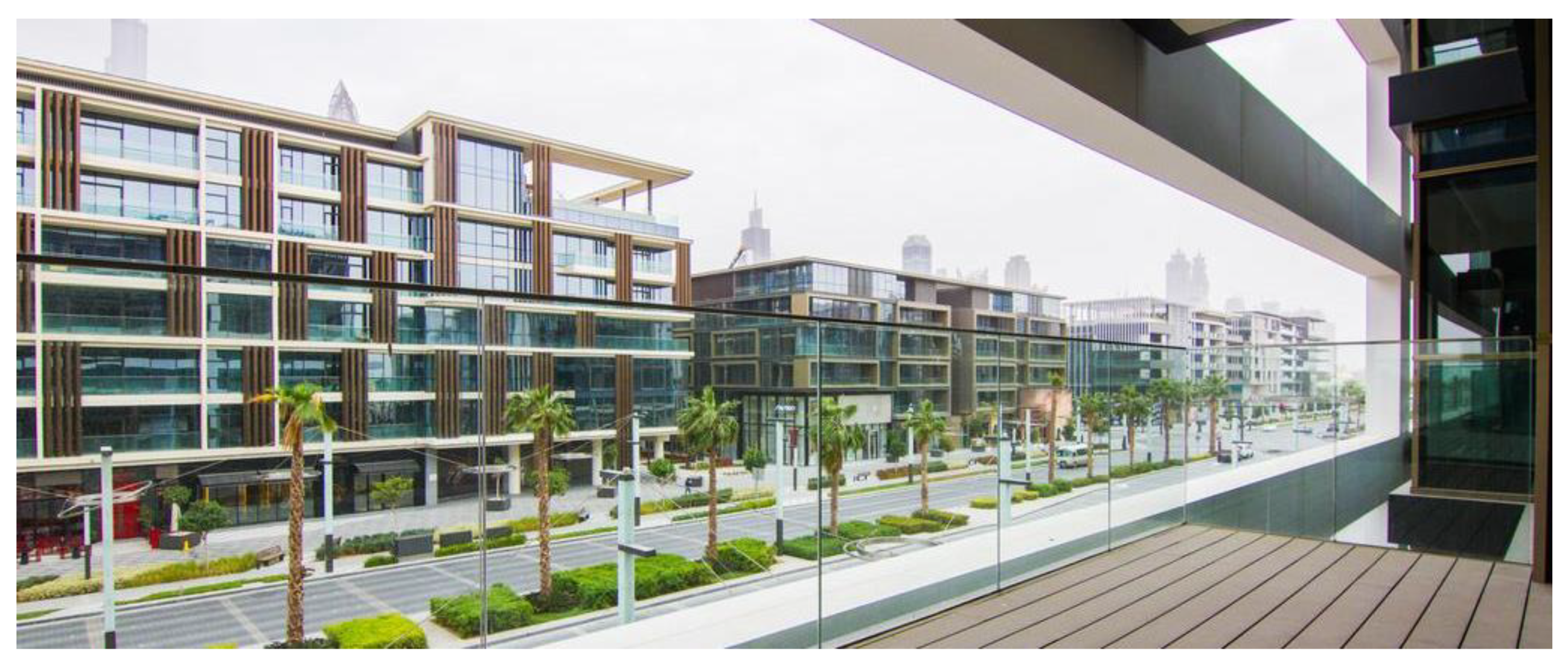
Figure 2.
Master Plan of City Walk Residences by Meraas.
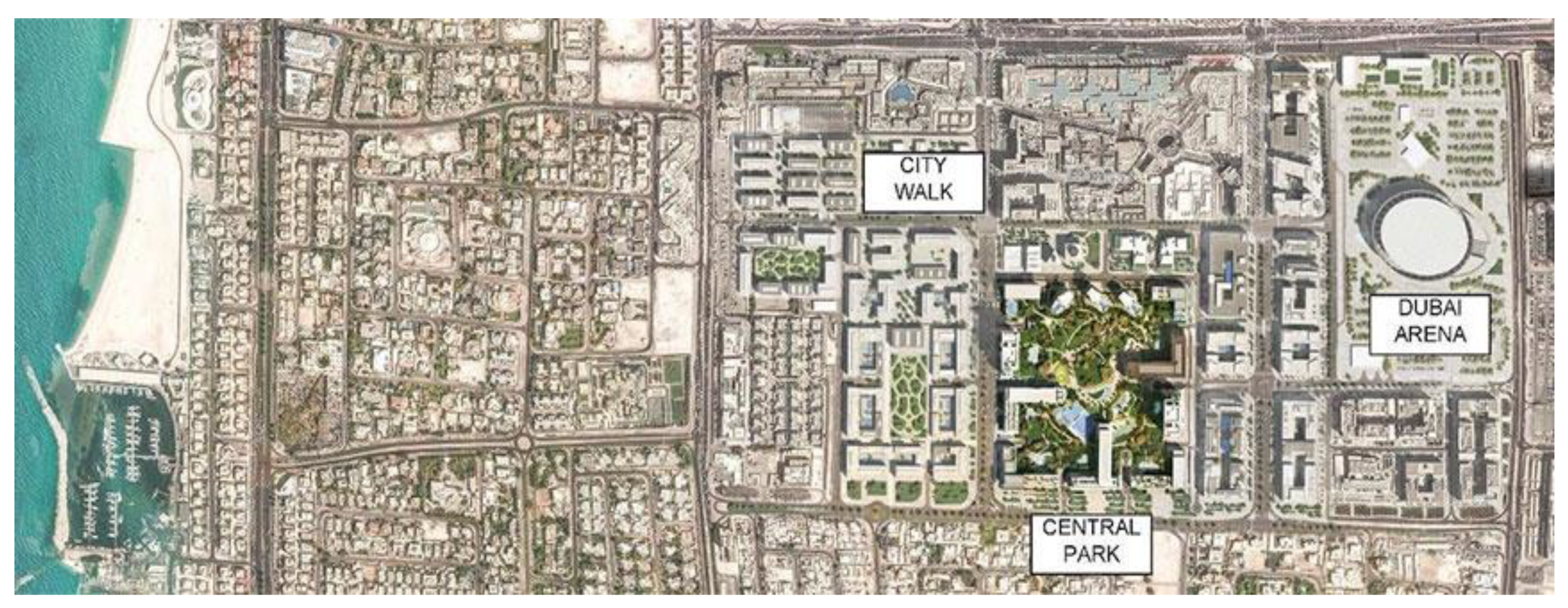
Figure 3.
Concentration Measurement and Window Opening Locations.
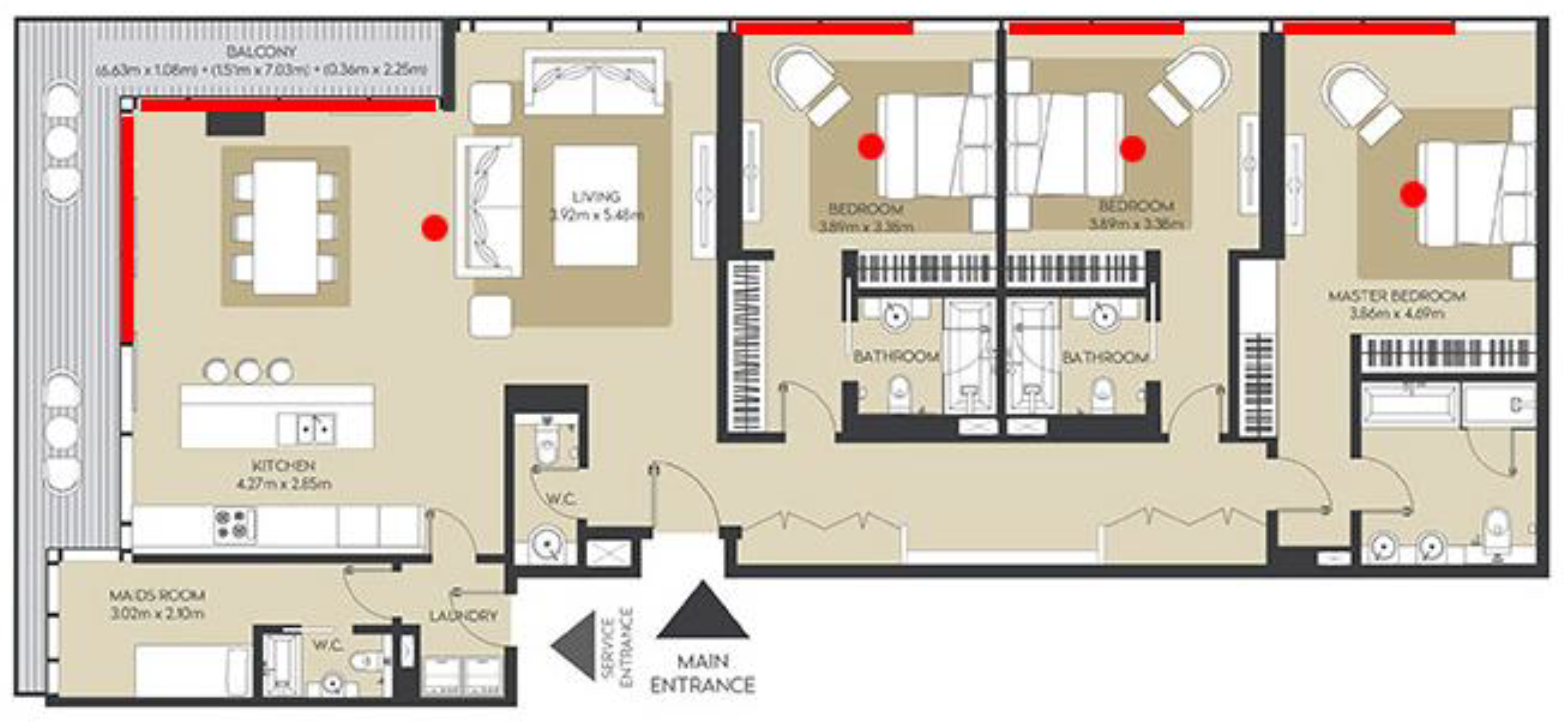
Figure 4.
HCHO Concentration in Each Room when Window Closed.
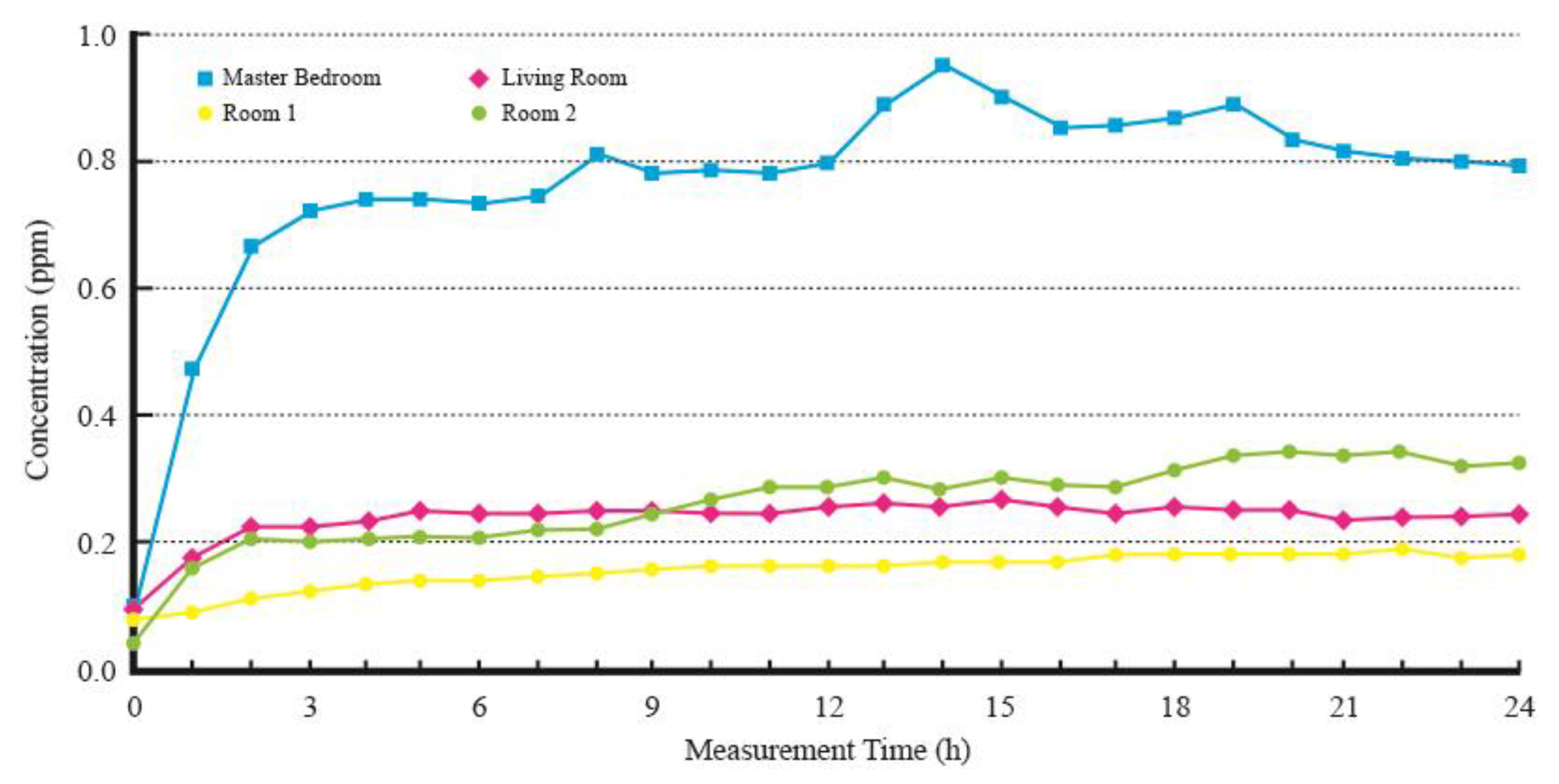
Figure 5.
HCHO Concentration before and after Operating the Air Purifier.
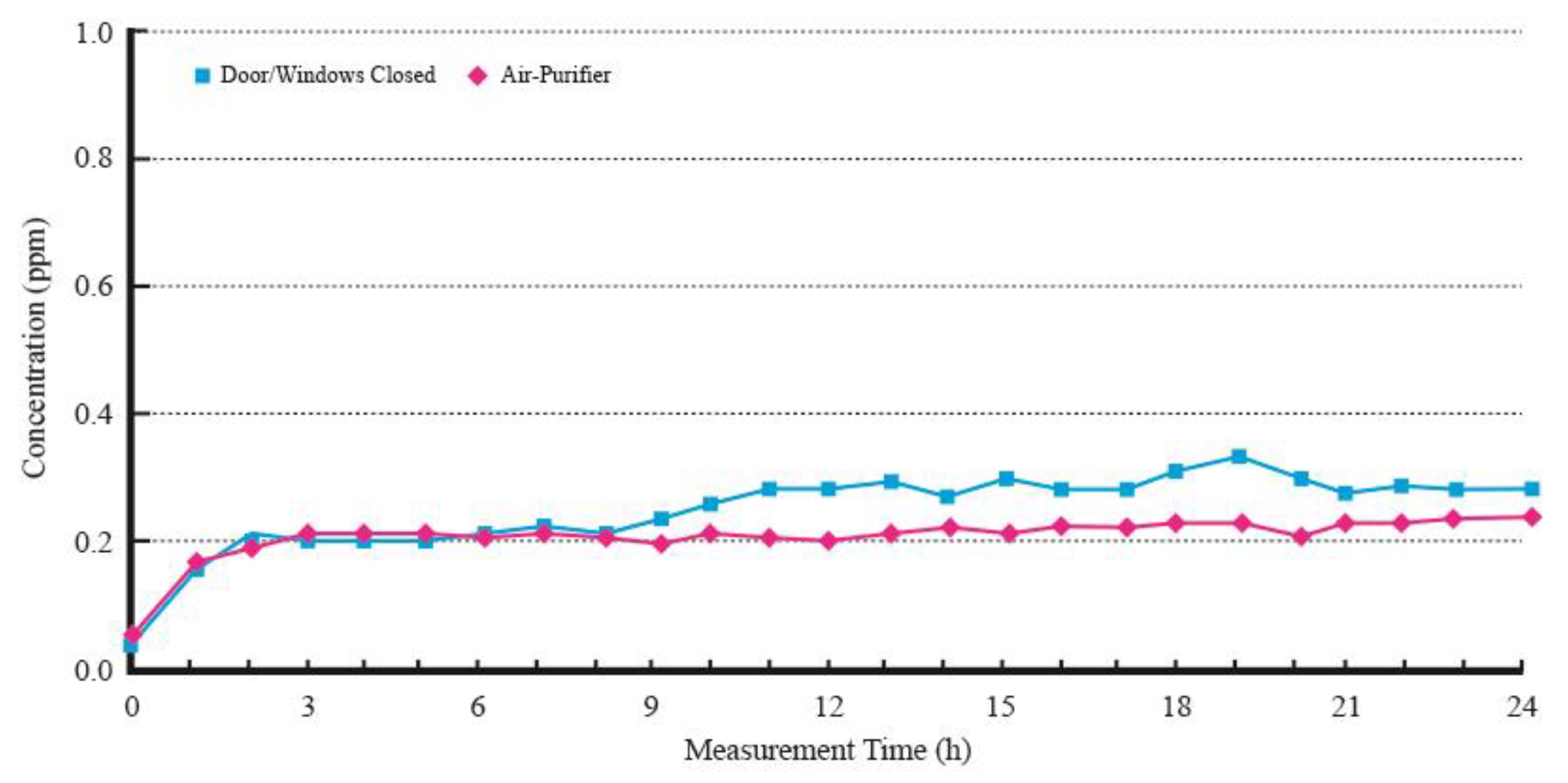
Figure 6.
HCHO Concentration before and after Photocatalyst Construction of MBR.
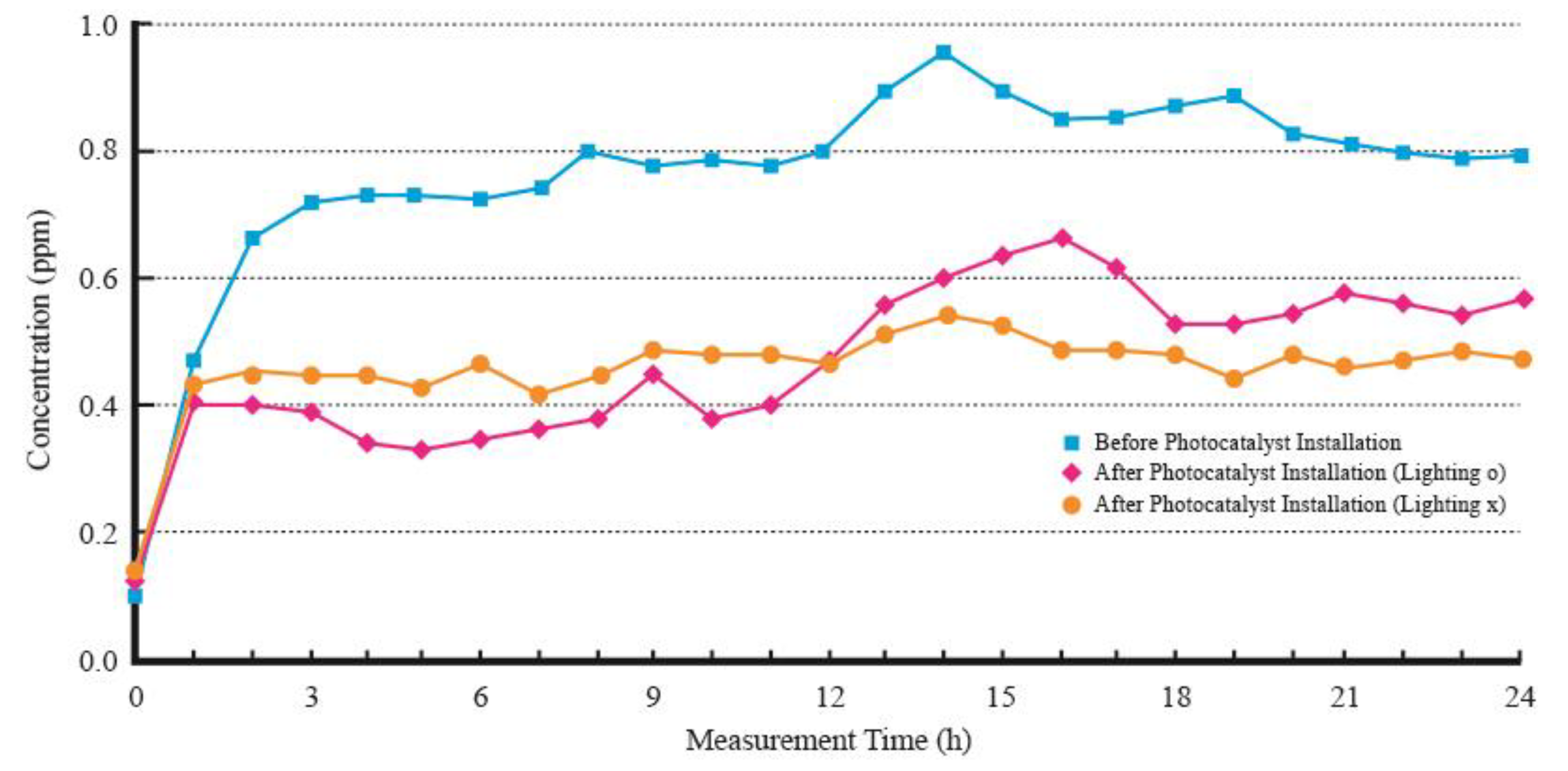
Figure 7.
HCHO Concentration before and after Photocatalyst Construction of Room 2.
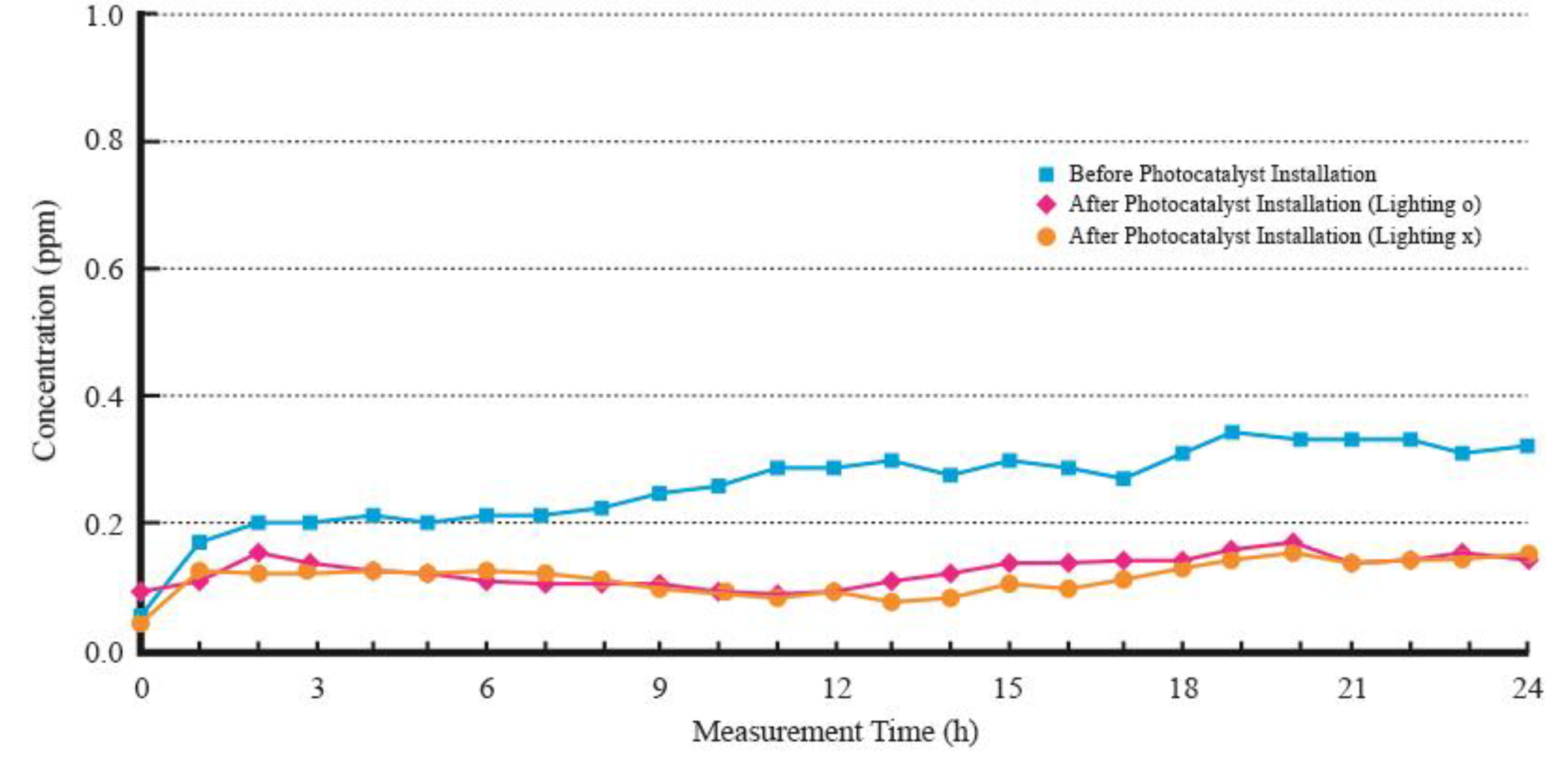
Figure 8.
MBR Ventilation Frequency According to Window Opening Conditions.

Figure 9.
HCHO Concentration according to Open Windows in Living Room.
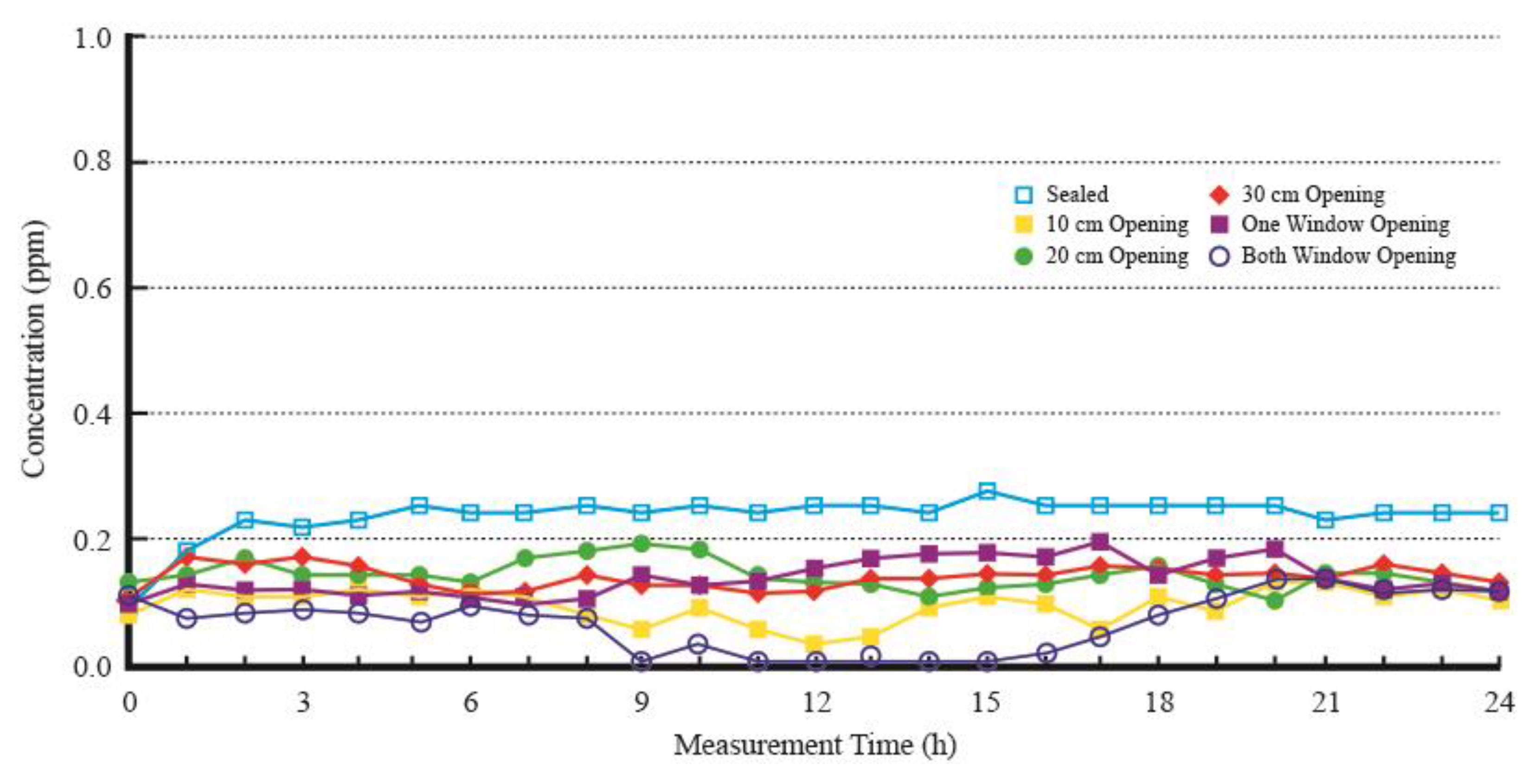
Figure 10.
HCHO Concentration according to Open Windows in Master Bedroom.
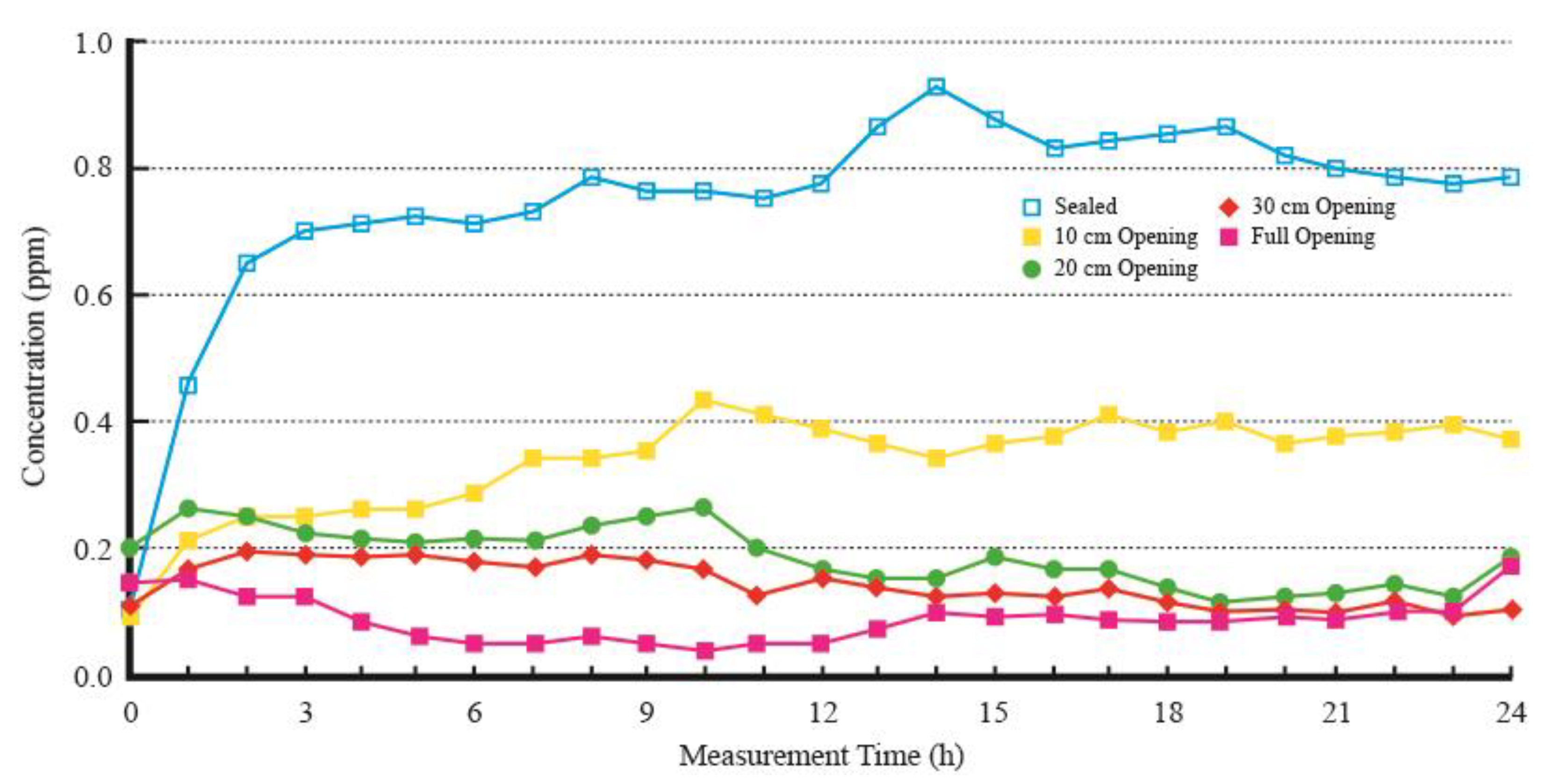
Figure 11.
Indoor and Outdoor Temperature Change.
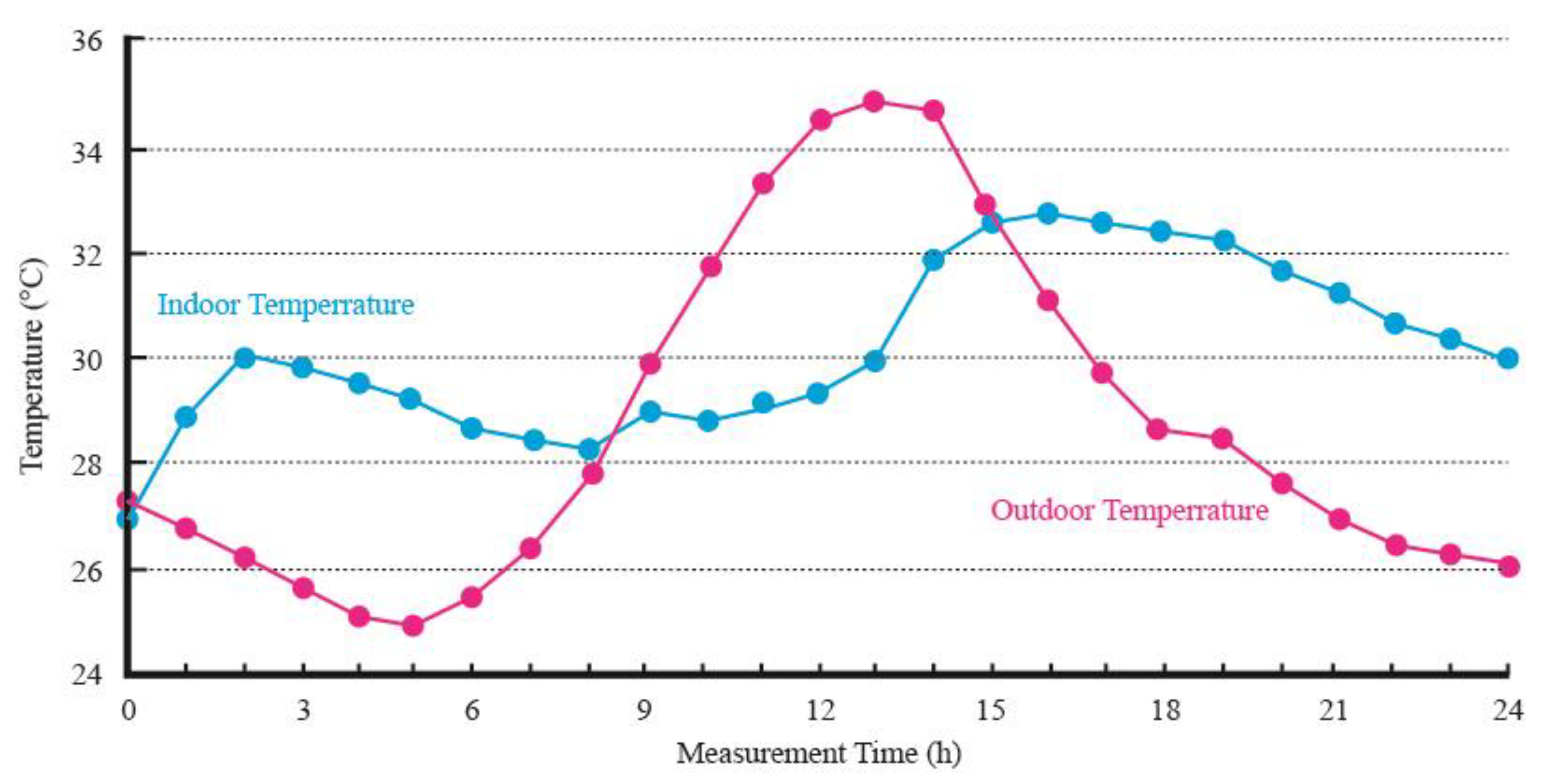
Figure 12.
Relationship between HCHO Concentration and Temperature and Humidity.
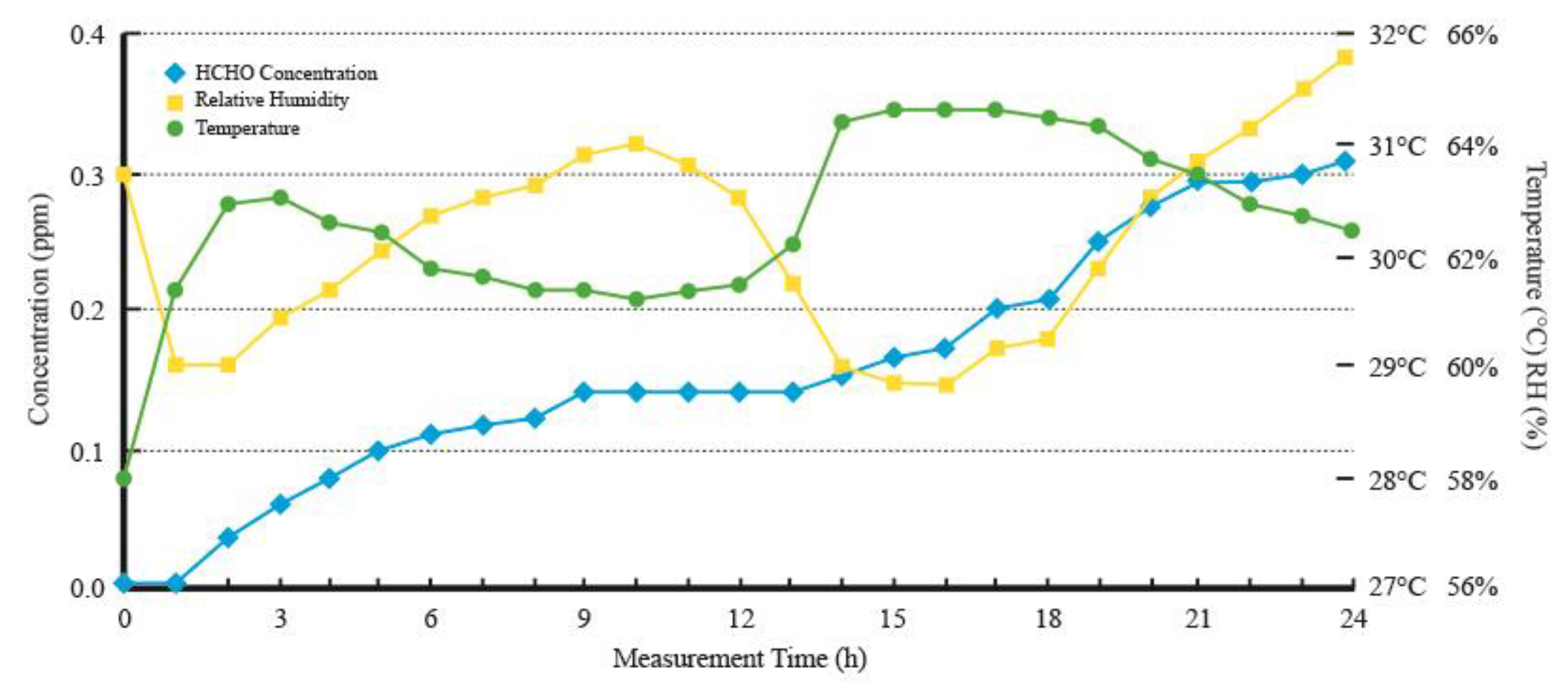

Table 1.
Hazardous Substances Source and Pollutants.
| Source | Pollutants | |
| MEP | Heating Equipment | Carbon Dioxide (CO2), Carbon Monoxide (CO) Nitrogen Dioxide (NO2), Total Suspended Particles (TSP) |
| Air Purifier, Copier | Ozone (O3), Total Suspended Particles (TSP) | |
| Humidifier | Bacteria, Fungi, Water Vapor | |
| Air-Conditioner | Bacteria, Fungi, Legionella | |
| Building Material | Wood, Plywood | Formaldehyde (CH2O) |
| Paints | Formaldehyde (CH2O) Volatile Organic Compounds (VOCs) |
|
| Carpet, Curtain | Mite, Fungi, Total Suspended Particles (TSP) | |
| Concrete, Gypsum Board | Radon | |
| Misc. | Soil | Radon, Legionella, Water Vapor |
Table 2.
The Effects of Hazardous Substances on the Human Body.
| Hazardous Substances | Sources | The Effects on the Human Body | |
| Formaldehyde (HCHO) | - Plywood, Particleboard - Urea/Melamine/Phenolic Synthetic Resin |
- May cause cancer - Minor irritation to the eyes - possible sore throat |
|
| Volatile Organic Compounds (VOCs) |
Benzene (C6H6) | - Dye, Organic pigment, Plasticizer - Chemical Intermediates for Synthetic Rubber, Nitrobenzene, Phenol, & Synthetic Compounds |
- May cause cancer - Dizziness during acute exposure, Vomiting, headache, drowsiness, - Effects on the central nerve system |
| Toluene (C7H8) | - Solvent Thinner for Adhesive paint, - Construction Adhesive |
- Eye or airway irritation when exposed to high concentrations. - Fatigue, vomiting - Effects on the central nerve system |
|
| Ethylbenzene (C8H10) | - Building Materials and Furniture using Adhesives |
- Irritation to the throat or eyes - Prolonged skin contact may cause dermatitis |
|
| Xylene (C8H10) | - Interior Fitout Adhesive - Building Materials and Furniture using Adhesives |
- Central nerve system depressant Action - Inducing fatigue, headache, insomnia, excitement, etc. |
|
| Styrene (C8H8) | - Adhesive Raw Material - Synthetic Resin Paint - Insulation and Carpet |
- Affects the lungs and central nerve system - Causing drowsiness or dizziness |
|
| Dichlorobenzene (C6H4Cl2) | - Deodorant, Insecticide, Pesticide - Organic Synthetic Products - Dyes |
- No evidence of carcinogenic potency |
|
Table 3.
Global Standards for Indoor Air Quality.
| Hazardous Substances | United States | Europe (WHO) |
Japan | South Korea |
UAE (Dubai) |
| Formaldehyde (CH2O) | 0.1 ppm (ASHRAE) |
100 µg/m3 (30 min) |
100 µg/m3 (JSHS) |
100 µg/m3 (MOE) |
0.08 ppm (Municipality) |
| Carbon Dioxide (CO2) | 1,000 ppm (ASHRAE) |
920 ppm (24 hours) |
1,000 ppm (JBSA) (JSHS) |
1,000 ppm (MOE) |
N/A |
| Carbon Monoxide (CO) | 25 ppm (EPA) (8 hours) |
10 ppm (8 hours) |
10 ppm (JBSA) (JSHS) |
10-25 ppm (MOE) (MOHW) |
N/A |
| Nitrogen Dioxide (NO2) | 0.053 ppm (NAAQS) |
40 µg/m3 (1 year) |
N/A | 0.05-0.03 ppm (MOE) |
N/A |
| Ozone (O3) | N/A | 120 µg/m3 (8 hours) |
N/A | 0.06-0.08 ppm (MOE) |
N/A |
| Radon | 4.0 pCi/L (EPA) |
2.7 pCi/L | N/A | 4.0 pCi/L (MOE) |
N/A |
| Total Suspended Particles (TSP) | 25 µg/m3 (24 hours) |
100-120 µg/m3 (8 hours) |
0.1 mg/m3 (JSHS) |
150 µg/m3 (MOE) (MOHW) |
150 µg/m3 (Municipality) |
| Volatile Organic Components (VOCs) | N/A | 0.2 - 0.6 mg/m3 (FISIAQ) |
0.5 mg/m3 (JSHS) |
400-1,000 µg/m3 (MOE) |
300 µg/m3 (Municipality) |
Table 4.
Size and Window Area of Each Measurement Room and Area.
| Measurement Contents | Living Room | MBR | Room 1 | Room 2 |
| Area (m2) | 34.44 | 16.24 | 10.56 | 10.56 |
| Volume (m3) | 80.59 | 45.67 | 28.34 | 28.34 |
| Door area (m2) | 2.10 | 2.10 | 1.89 | 1.89 |
| Window area (m2) | 9.54 | 3.84 | 5.94 | 6.60 |
| Window area / Actual volume | 0.13 | 0.13 | 0.34 | 0.32 |
| Balcony window area (m2) | 6.6 | 5.54 | 4.4 | 3.66 |
| Balcony window area / Actual volume | 0.09 | 0.18 | 0.25 | 0.18 |
| Indoor window area / Actual volume | 0.13 | 0.13 | 0.34 | 0.32 |
| Area when opened by 10cm (m2) | 0.22 | 0.16 | 0.22 | 0.22 |
| Area when opened by 20cm (m2) | 0.44 | 0.32 | 0.44 | 0.44 |
| Area when opened by 30cm (m2) | 0.66 | 0.48 | 0.66 | 0.66 |
| Area when fully open (m2) | 1.98 | 1.92 | 1.98 | 1.98 |
Table 5.
Measuring Equipment Specifications.
| Equipment Name | Model Name |
| Formaldehyde Meter | Formaldemeter 400, Measurement range: 0~50PPM, Accuracy: 2PPM±10%, Recording: AMS-2 |
| Temperature and Humidity Meter | Testo 451 Digital Temperature and Humidity |
| Temperature Measurement | Yokogawa LR 8100E, T type Thermocouple |
| Air Purifier | Air volume: 5.3 m3/min, Dust collection rate: 99.5%, Rated gas removal capacity: 3,200 ml, Power consumption: 65W Removable Gases: NH3, VOCs, SO2, etc. |
| Photocatalyst | Titanium dioxide (TIO2), Milky liquid type |
Disclaimer/Publisher’s Note: The statements, opinions and data contained in all publications are solely those of the individual author(s) and contributor(s) and not of MDPI and/or the editor(s). MDPI and/or the editor(s) disclaim responsibility for any injury to people or property resulting from any ideas, methods, instructions or products referred to in the content. |
© 2024 by the authors. Licensee MDPI, Basel, Switzerland. This article is an open access article distributed under the terms and conditions of the Creative Commons Attribution (CC BY) license (http://creativecommons.org/licenses/by/4.0/).
Copyright: This open access article is published under a Creative Commons CC BY 4.0 license, which permit the free download, distribution, and reuse, provided that the author and preprint are cited in any reuse.


