
Submitted:
05 October 2025
Posted:
06 October 2025
You are already at the latest version
Abstract
This paper surveys 135 poultry farmers in the urban and peri-urban areas of Ziguinchor, Senegal, to assess their antimicrobial use practices and their knowledge and attitudes towards antibiotic resistance (AMR). Exploratory and multivariate logistic regression models were used to describe the relationship between knowledge, attitudes, and practices of antibiotic use and the AMR and demographic characteristics of poultry farmers. Key findings reveal that 67% of poultry farmers employed inappropriate antibiotic use, including increasing doses, treating both healthy and sick birds, and administering antibiotics on the eve of slaughter. In addition, poultry farmers under 20 years old (p=0.033), with university education (p=0.078), trained in poultry farming (p=0.084), and with a flock of over 300 chickens (p=0.07), were more likely to be familiar with AMR. Also, poultry farmers under 20 years old (p=0.06), who had reached university level (p=0.035) were more likely to have a positive attitude toward AMR. But, those with technical training in poultry farming (p=0.072) and with a flock of over 300 (p=0.06) were less likely to adopt a positive attitude towards AMR. The study recommends strengthening awareness campaigns, promoting best practices in antibiotic use, and improving biosecurity measures to reduce misuse and mitigate the risk of antibiotic resistance.
Keywords:
knowledge
; attitude
; practice
; antibiotics
; antimicrobial resistance
; chicken
; Senegal
1. Introduction
In Senegal, the poultry value chain has been expanding since the government suspended imports of chicken meat and table eggs in November 2005 [1] In addition to supplying animal proteins, poultry farming offers opportunities for job creation and income generation for young people and women. Chicken meat is the most widely consumed meat in Senegal, with production increasing from 115,857 tons in 2017 to 150,000 tons in 2021, accounting for 41% of the country’s total meat production [2]. Over the same period, egg production grew at an average annual rate of 17%, from 719 million to 1,300 million units [2]. However, national demand for chicken meat and eggs remains strong in Senegal, due to urbanization, population growth, and the relative evolution of income [1]. This growing demand has triggered the rapid expansion of poultry farms in urban and peri-urban areas, but also and above all the increased use of antimicrobials [3,4]. The inappropriate use of antibiotics and antimicrobials increases the risk of antimicrobial resistance (AMR) and the transmission of zoonotic diseases [5,6]. AMR is considered one of the greatest threats to human and animal health [7]. Recent data indicate that AMR-associated deaths affected nearly 5 million people worldwide in 2019, of which 1.27 million were directly attributable to it [3]. To reduce AMR, the Government of Senegal drew up a national action plan on antimicrobial resistance in 2017 [2]. This action plan aims to strike a balance between the rational use of antibiotics and raising awareness of AMR and infection control as part of the "One Health" approach. In Senegal, studies of AMR on poultry farms are mainly concentrated in the urban and peri-urban areas of Dakar (capital) and Thiès regions, where industrial and intensive poultry farming systems are practiced [8,9,10]. Currently, there are no AMR studies on semi-intensive poultry systems in Senegal. However, this type of farming, which is expanding rapidly in urban, peri-urban, and rural areas, is still marked by a high prevalence of viral and bacterial diseases and a low to minimal level of application of biosecurity measures [11,12,13].
In this context, low-income people involved in semi-intensive poultry farming face the dilemma between using antimicrobials to prevent and treat infections while stimulating flock growth to maximize profits, and reducing antimicrobial use with the risk of increased mortality and reduced income. It is therefore important to understand the perceptions and practices of poultry farmers in relation to antimicrobial use and AMR, and to identify the socio-economic and demographic factors that influence them. This is the background to this study, which assesses the knowledge, attitudes, and practices of semi-intensive poultry farming systems in the urban and peri-urban areas of the city of Ziguinchor in southern Senegal. In this area, semi-intensive poultry farming, the subject of this study, is a commercial activity that took off in the 1980s, before gaining new impetus in 2005 following the cessation of chicken meat imports [1]. Since then, new techniques have been introduced, including the use of exotic and improved strains, closed housing, and industrial feed rations [11]. The results of this study will contribute to the improvement of knowledge on AMR to guide political decision-makers in the territorialization of the "One Health" policy on a national scale.
2. Results
2.1. Descriptive Statistics
2.1.1. Socio-Economic Characteristics
The results in Table 1 indicate that men (77%) play an important role in poultry production, compared to women (23%). In terms of age, more than half of poultry farmers are young people (67%), with a majority having a secondary education (53%). Among poultry farmers, the majority belong to the Diola ethnic group (40%), 20% to the Mandingo ethnic group, and 39% to other ethnic groups. Just over half (52%) are married, while a significant proportion are single (46%).
The results also show that the majority of farmers (96%) devote themselves solely to broiler production, while a minority (4%) combine this with egg production. Poultry farming is a secondary activity for most of them (61%), whose main activity is trading. Poultry production is still new in Ziguinchor, as the majority of farmers surveyed (40%) have less than 5 years’ experience in poultry farming, compared with 32% who have between 5 and 10 years’ experience, and only 28% who have more than 10 years’ experience. Notably, it is surprising to observe that more than half of farmers (66%) report never having received any technical training in poultry farming. In addition to poultry production, farmers are also active in goat breeding.
2.1.2. Zootechnical Parameters
The data in Table 2 show that the average broiler flock size is 331 birds per farm. By category, 43% of farms have a flock size of 100 birds or fewer, while 44% have a flock size between 100 and 300 birds. Only 13% of farms have more than 300 birds. The average age of a broiler chicken per production cycle is 44.22 days, with a minimum of 33 days and a maximum of 60 days. Average slaughter weight is 2.53kg, with a minimum of 1kg and a maximum of 5kg. The average number of laying hens is 3,292, with a maximum of 8,000. The average age of a laying hen is 196.5 days, with a maximum of 365 days. The average mortality rate for each species is 6.5%. Finally, a farm creates an average of 3 casual jobs and 1 permanent job.
2.1.3. Disease Management
Analysis of Figure 1 shows that the main diseases suspected by poultry farmers are coccidiosis (24%) and Gomboro (24%) (Figure 1a). Poultry farmers rarely apply preventive measures to combat disease. For disease management, poultry farmers make greater use of antibiotics (98% frequency of quotation). Figure 1d shows that poultry farmers use a variety of antibiotics, the most frequently cited being Norfloxacin (31%), Tetracolivit (17%), and Trisylmicin (12%). In addition, very few poultry farmers vaccinate their flocks (11% frequency of quotation) and apply good biosecurity measures (29%).
2.1.4. Antibiotic Use Practices
The results in Table 3 show that the majority of poultry farmers use antibiotics to both prevent and treat sick and healthy birds, increase the dosage or change antibiotics when they are not effective; treat birds with antibiotics throughout the production cycle and at all ages; continue to treat birds with antibiotics until they are slaughtered and sold; and often use antibiotics intended for human use to treat sick birds. Additionally, some poultry farmers fail to consult a veterinarian regarding antibiotic use and usually do not adhere to the recommended dosage. Very few poultry farmers apply good practices in the use of antibiotics, particularly by following veterinary advice, stopping the use of an antibiotic when it is no longer effective, administering the dose indicated by the veterinarian, and respecting the maximum time limit for antibiotic use before slaughtering and selling broilers. The interviews also revealed that the majority of poultry farmers use the same antibiotic five to ten times during a production cycle, and at all stages of development from start-up to growth and finishing. Overall, the score calculation showed that 67% of poultry farmers apply inappropriate antibiotic use practices, compared with only 33% who apply appropriate practices.
Furthermore, analysis of Table 4 shows that gender (p = 0.043), level of education (p = 0.053), marital status (p = 0.001), and poultry flock size (p = 0.001) are factors statistically associated with poultry farmers’ antibiotic use practices.
2.1.5. AMR Knowledge and Attitudes
The results in Figure 2a show that just over half (53%) of poultry farmers have heard of AMR, compared with 47% who have never heard of it. Figure 2b shows that the main sources of information about AMR are through a vet (24%), training (15%), radio, and social networks (15%). Concerning poultry farmers’ attitudes to AMR, the evaluation showed that 72% of poultry farmers have a positive attitude, compared with 28% who have a negative attitude to AMR (Figure 3).
The results in Table 5 give more details on the assessment of poultry farmers’ attitudes to AMR. Indeed, about the statement that "AMR is a major public health problem", the majority of poultry farmers indicated that they agreed (61.48%), compared with 18.52% who disagreed and 20% who were neutral, respectively. The majority of poultry farmers agree that the inappropriate use of antimicrobials in poultry farming can hurt human health (73.33%), against 17.04% who disagree and 9.63% who are neutral. Similarly, more than half of poultry farmers believe that antimicrobial resistance is an important health problem (71.22%). Poultry farmers were also in favor of the need for biosecurity measures to prevent AMR (75.56%).
2.1.6. Logistic Regression
Analysis of the results in Table 6 shows that age, level of education, and marital status are positively and statistically correlated with knowledge of AMR. In fact, poultry farmers under 20 years of age are 13.98 times more likely to have a higher knowledge of AMR (OR=13.92; CI=1.23-156.57; p=0.033) and 1.59 times more likely to have a positive attitude towards AMR (OR=1.59; CI=0.10-3.07; p=0.035) than those over 20 years of age. Similarly, university graduates were 3.75 times more likely to have better knowledge of AMR (OR=3.73; CI=0.86-16.19; p=0.078) and 0.84 times more likely to have a positive attitude to AMR (OR=0.84; CI=-0.04-1.73; p=0.06) than secondary and primary school graduates. Also, married poultry farmers were 2.99 times more likely to know about AMR (OR=2.99; CI=0.93-9.63; p=0.065) and 0.68 times more likely to have a positive attitude to AMR (OR=0.63; CI=-0.04-1.31; p=0.068) than those who were single. The analysis also revealed that poultry farmers who had received technical training and those with a flock size of over 300 chickens were more likely to be aware of AMR than those who had not received training (OR=0.40; IR=0.20-3.43; p=0.084) and who had a lower flock size (0.12; CI=0.01-1.24; p=0.07, respectively. In contrast, trained poultry farmers and those with a flock size of over 300 chickens were 0.55 and 1.22 times less likely to have a positive attitude to AMR than untrained farmers and those with a smaller flock size, with (OR= -0.55; CI= -1.16-1.04; p=0.072) and (OR= -1.22; CI= -2.49-0.04; p=0.06), respectively.
3. Discussion
This study relied on self-reported data, which may be subject to recall bias and social desirability bias. Recall bias could have led respondents to misremember or simplify past experiences related to climate risks, while social-desirability bias may have encouraged them to provide answers perceived as more acceptable or favorable. These potential biases might have influenced the accuracy of some responses, possibly leading to an over- or underestimation of poultry farmers’ actual perceptions. While these limitations do not invalidate the findings, they should be kept in mind when interpreting the results.
The study showed that very few poultry farmers (11%) vaccinate their flocks, which is surprising given the high prevalence of viral and bacterial diseases in semi-intensive poultry farming. A similar result was found by [14], who showed that less than 5% of poultry farmers in Burkina Faso are vaccinated. Similarly, in Ethiopia, the study carried out by [15] showed that only 30% of poultry farmers vaccinate their flocks. In addition, the study also showed that more than half of poultry farmers had not received training in animal health management, which may explain the low uptake of vaccination. This result is in line with those of [16,17], who showed that the lack of information and training of poultry farmers on diseases and vaccination led to low uptake of vaccination and incorrect use of vaccines in Ethiopia. The study also revealed that livestock are exposed to several viral, bacterial, and parasitic diseases, such as Coccidiosis, Gumboro, Avian influenza, Coryza, and Newcastle disease. This seems to be justified by the low level of vaccination of livestock. These results are corroborated by previous studies in Senegal [9,13]. In addition, studies have shown that vaccination of chickens can significantly reduce disease prevalence, improve health, and increase the productivity of poultry flocks [18].
The study also highlighted the high use of antibiotics by poultry farmers, with a frequency of 98%, to treat disease. Overuse of antibiotics is very common on poultry farms. This result is similar to research findings indicating that antibiotics were widely used in poultry farming in Senegal [9,10], Burkina Faso [14], and Bangladesh [19]. Norfloxacin and Tetracolivit are the most widely used antibiotic molecules for this purpose. In fact, these two antibiotics, belonging respectively to the Quinolone and Tetracycline families, are widely used in livestock farming to combat stress due to the transport and placement of chicks in breeding buildings [9,10]. This massive use is also justified by the fact that they are the most prescribed by veterinarians, due to their affordable cost, their broad spectrum of activity against bacteria, their short waiting time, and their efficacy [20].
The results of the study indicate that the majority (67%) of poultry farmers make inappropriate use of antibiotics, which is deplorable. In fact, most of the poultry farmers surveyed administer antibiotic molecules to their animals to both prevent and treat disease. These practices are inappropriate, as the use of antibiotics is only authorized for treatment purposes [9]. The results also showed that poultry farmers overuse antibiotics, with frequencies of use varying from 5 to 10 times, which constitutes a risk for the proliferation of antibiotic resistance. On the other hand, the choice of antibiotic molecule is made in most cases by an attending veterinarian. This result confirms earlier work [9,21,22]. The study also showed that the majority of poultry farmers reported ending antibiotic treatment following the recovery of the birds or to sell the birds. This result is in line with that of [5], who showed that 75% of poultry farmers did not respect the antibiotic treatment deadline. Similarly, in Burkina Faso, the work of [14] revealed that 79% of poultry farmers consider it normal to consume and sell broiler chicken or eggs immediately after treatment with antibiotics. However, it should be noted that abrupt cessation of treatment for sales reasons, or repeated administration of antimicrobials, can favor the presence of residues in these commodities. This is confirmed by the work of [23], who found antimicrobial residues in dairy products due to the continued non-compliance with antimicrobial withdrawal periods by some poultry farmers, which favored the emergence of new infections carrying AMR genes. Overall, the study showed that 67% of poultry farmers apply inappropriate antibiotic use practices. Similar results were noted by [24], who showed that 61.3% of poultry farmers in Zambia have poor antibiotic use practices. The study showed that antibiotic use practices were positively and significantly associated with gender (p=0.043), level of education (p=0.053), marital status (p=0.001), and poultry flock size (p=0.001). Similar results were found in Bangladesh by [5] and in Burkina Faso by [14], who showed that gender, education, and flock size significantly influenced poultry farmers’ antibiotic use practices.
In relation to antibiotic resistance, the study showed that just over half (53%) of poultry farmers had heard of the existence of AMR, compared with 47% who had never heard of it. The main source of information is the veterinary agent. The knowledge gap highlights the lack of training and awareness of AMR among poultry farmers. In Senegal, the national action plan on AMR was recently adopted, but its dissemination is still partial. This raises the need to strengthen poultry farmers’ AMR skills. Almost similar results were obtained by [24], who found that 46.2% of poultry farmers in Zambia had a very low level of knowledge of AMR. However, they differ from those of [25], who showed that 82% of poultry farmers in Nigeria have a good knowledge of AMR.
Factor analysis showed that poultry farmers aged under 20 years were more likely to have good knowledge of AMR than those aged over 35 years. This result disagrees with those of [26] and [5], who showed that poultry farmers aged over 35 were more likely to have good knowledge of AMR. Also, the higher the level of education, the more likely poultry farmers were to have a better knowledge of AMR. Also, those with medium-sized flocks are more likely than others to have a good knowledge of AMR. These results are confirmed by other studies [5,26]. About attitude, it is surprising to note that poultry farmers who had received training were less likely to have a positive attitude towards AMR than those who had not been trained. This result disagrees with that of [26] and can be explained by the fact that the training courses did not focus on AMR, but rather on poultry production techniques. Also, those of average size were less likely to have a positive attitude to AMR, as confirmed by the results of [26].
4. Materials and Methods
4.1. Study Area
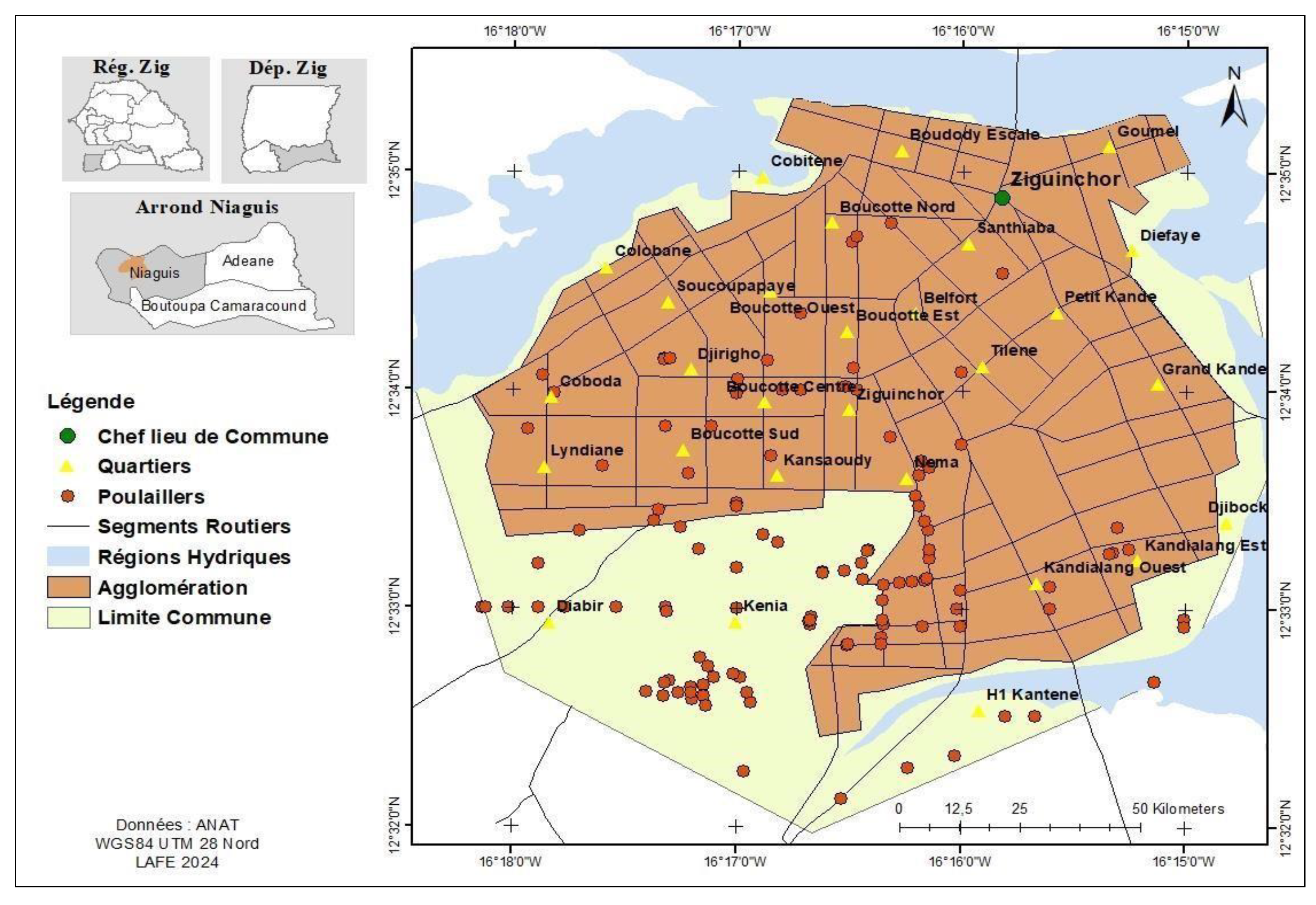
The study area is the urban zone of Ziguinchor, the regional capital of southwestern Senegal. It is located between 16° and 17° West, and 12° and 13° North, in a basin bounded by the Casamance River to the north and, respectively, marshy areas to the east and west. The climate is of the southern coastal Sudano type (with an average annual rainfall of 1310.54 mm [27]. Ziguinchor’s economy is essentially based on agriculture, livestock, fishing, and cross-border trade. Currently, Ziguinchor has an estimated population of 281,915. Rapid urbanization and population growth, combined with the opening of the university, have contributed to an unprecedented increase in demand for meat products, particularly poultry meat [11]. This opportunity encouraged the development of poultry farming in the urban and peri-urban areas of the city of Ziguinchor, which justified the choice of this zone.
Figure 4.
Location of study sites.
4.2. Sampling
To select the neighborhoods, the non-probability value judgment sampling method [28,29] and field surveys were used. The 29 neighborhoods selected are in the city of Ziguinchor, located in southern Senegal. These neighborhoods were chosen because they are home to the largest number of chicken coops in the city. For the sample size, Cochran’s formula was used to calculate the required sample size for the specified level of precision, confidence level, and the estimated proportion of poultry farmers present in the population. Indeed, at that time, there was no database of poultry farmers in the study area. According to [30], the Cochran’s formula is most suitable for a large population. The formula in question is described below (1):
No = sample size; Z = confidence level according to the centered reduced normal distribution (for a 95% confidence level, z = 1.96, for a 99% confidence level, z = 2.575); p = estimated proportion of the population exhibiting the characteristic (when unknown, we use p = 0.5, which corresponds to the worst case, i.e., the widest dispersion); m= tolerated margin of error (for example, we want to know the true proportion to within 5%). With a confidence level of 95% and a margin of error of 5%.
The value of p=0.3 was chosen based on preliminary information and expert knowledge indicating that only a small share of the population was expected to present the characteristic of interest. Using this estimate rather than the conservative p=0.5 prevented an unrealistically large sample size while remaining consistent with local expectations.
The resulting sample size is as follows:
Although the initial target was 322 respondents, the survey successfully covered 135 poultry farmers who agreed to answer our questions, representing a robust and diverse sample despite the limited availability of some participants during the data collection phase.
4.3. Data Collection
Data were collected using a questionnaire administered by two Bachelor’s-level agronomy students over the period between December and January 2024. The KoboToolbox platform (version 2.024.05) was used to develop the questionnaire, which was then deployed on the KoboCollect application (version 2023.2.4) to ensure effective data collection.
4.4. Data Processing
The data were cleaned and processed in an Excel spreadsheet. In this study, we focus on antibiotics among the various antimicrobials. Antibiotic use practices were assessed by asking a list of 7 questions. The responses of poultry farmers to the given questions were coded in binary format so that a correct response corresponds to 1 (Yes =1) and an incorrect response to 0 (No or Don’t know =0). The overall score ranges from 0 to 7 points for each poultry farmer. If the score is greater than or equal to four (4), the poultry farmer is classified as making good use of antibiotics. The poultry farmer is classified as making poor use of them, otherwise (score between 0 and 3). So, this approach permitted to generation of a binary variable, used to define two groups of poultry farmers according to their antibiotic use score. This variable takes the value 1 if the poultry farmer makes appropriate use of antibiotics (i.e., a score greater than or equal to 4) or takes the value 0 if he makes inappropriate use of antibiotics (i.e., a score between 0 and 3). This binary variable (1 or 0) on antibiotic use was used to estimate the logistic regression.
Regarding the assessment of poultry farmers’ attitudes towards AMR, a list of 4 questions was asked, including only positive affirmations. A 4-modality Likert scale was used (strongly disagree, disagree, agree, and strongly agree) [31]. For each positive statement, "agree" or "strongly agree" = 1, and "strongly disagree" and "disagree" = 0. The total score was calculated by adding up the scores for each statement and ranged from 0 to 4. If the score is greater than or equal to three (3), the poultry farmer is classified as having a positive attitude towards antibiotic resistance. The poultry farmer is classified as having a negative attitude toward them, otherwise (score between 0 and 2). A binary variable was used to define groups of poultry farmers according to their attitude towards antibiotic resistance. This variable takes the value 1 if the poultry farmer has a positive attitude towards antibiotic resistance (i.e., a score greater than or equal to 3) or takes the value 0 if he has a negative attitude towards antibiotic resistance (i.e., between 0 and 2).
4.5. Data Analysis
STATA/SE-17.0 software (StataCorp, 4905 Lake Way Drive, College Station, TX 77845, USA) was used for data analysis. Cronbach’s alpha test was used to measure internal consistency between themes. With an overall value of 0.71 (>0.50), the questions on knowledge, attitudes, and practices are sufficiently consistent to explain the obtained results. A multicollinearity test was carried out on the socio-demographic and economic variables, yielding a Variance Inflation Factor (VIF) of 1.21, which is less than 10. This means that there are no problems of multicollinearity between the socio-demographic and economic variables in our model. Descriptive statistics such as frequencies and percentages were also used. Also, relationships between socio-economic variables and the level of knowledge, practices, and attitudes were explored using the Pearson Chi-square test. Finally, logistic regression was used to identify and determine the socio-demographic and economic variables influencing poultry farmers’ knowledge, attitudes, and practices in relation to antibiotic use practices and attitudes towards AMR. Results are presented as Odds Ratios (OR), with 95% confidence intervals (CI) as the criterion for statistical significance. Equations 1 and 2 present the logistic regression model (Logit):
Where, is the probability of a poultry farmer applying appropriate antibiotic use practices and having a positive attitude towards AMR ; Représente les variables dépendantes ( pratique appropriée ou non appropriée d’usage des antibiotiques : 1 ou 0 ; attitude positive ou négative par rapport aux antibiotiques : 1 ou 0 ; est l’ordonnée à l’origine ; est le coefficient des variables explicatives ; représente les variables explicatives (âge, sexe, statut matrimonial, éducation, taille cheptel, formation, etc.) ; est le nombre de variables explicatives.
5. Conclusions
This study demonstrated the inappropriate use of antibiotics by poultry farmers in Senegal. These inappropriate practices constitute a major challenge that limits the productivity of semi-intensive poultry farms, and represent a public health problem due to the interactions that exist between animals and humans, particularly in proximity areas such as urban and peri-urban areas. Furthermore, antimicrobial resistance (AMR) disproportionately affects low- and middle-income countries, which are heavily affected by infectious diseases, compounded by relatively easy access to antibiotics. To reduce the inappropriate use of antibiotics in poultry farming in Senegal, our results suggest targeting the following areas: raising awareness among poultry farmers and strengthening access to quality veterinary services.
Author Contributions
Conceptualization, S.N., L.D., and M.D.; methodology, S.N.; software, S.D.; validation, S.N., M.D., and L.D.; formal analysis, S.N.; investigation, K.K., and A.M.; data curation, S.N.; writing—original draft preparation, S.N., F.G., and L.D.; writing—review and editing, M.D., F.G.; visualization, S.N., M.D., and L.D.; supervision, S.N., M.D., and L.D.; project administration, S.N. All authors have read and agreed to the published version of the manuscript.
Funding
This research received no external funding.
Institutional Review Board Statement
Not applicable.
Informed Consent Statement
Informed consent was obtained from all subjects involved in the study.
Data Availability Statement
All data are included in the document content.
Acknowledgments
We would like to thank the staff of the Agroforestry and Ecology Laboratory (LAFE) at Assane Seck University in Ziguinchor and the International Livestock Research Institute (ILRI), as well as everyone who contributed to this research project in any way. We would also like to thank the respondents who helped provide this valuable information.
Conflicts of Interest
The authors declare no conflicts of interest.
Abbreviations
The following abbreviations are used in this manuscript:
| AMR | Antimicrobial Resistance |
| FAO | Food and Agriculture Organizations |
| ILRI | International Livestock Research Institute |
| LAFE | Laboratoire d’Agroforesterie et d’Ecologie |
| OR | Odds Ratios |
References
- Ly, C. Aviculture et Covid-19 au Sénégal : Situation et perspectives.; Initiative Prospective Agricole et Rurale (IPAR): Senegal, 2020; p. 43. [Google Scholar]
- MEPA Document de programmation pluriannuelle des dépenses (DPPD) 2020-2022; Ministère de l’Élevage et des Productions Animales: Senegal, 2019; p. 48;
- FAO The Future of Livestock in Ethiopia: Opportunities and Challenges in the Face of Uncertainty. (accessed on 14 August 2025).
- WHO Antimicrobial resistance. Available online: https://www.who.int/news-room/fact-sheets/detail/antimicrobial-resistance (accessed on 13 August 2025).
- Hossain, A.; Habibullah-Al-Mamun, Md.; Nagano, I.; Masunaga, S.; Kitazawa, D.; Matsuda, H. Antibiotics, Antibiotic-Resistant Bacteria, and Resistance Genes in Aquaculture: Risks, Current Concern, and Future Thinking. Environ Sci Pollut Res 2022, 29, 11054–11075. [Google Scholar] [CrossRef]
- Puvača, N.; Ljubojević Pelić, D.; Pelić, M.; Bursić, V.; Tufarelli, V.; Piemontese, L.; Vuković, G. Microbial Resistance to Antibiotics and Biofilm Formation of Bacterial Isolates from Different Carp Species and Risk Assessment for Public Health. Antibiotics 2023, 12, 143. [Google Scholar] [CrossRef]
- Aidara-Kane, A.; Angulo, F.J.; Conly, J.M.; Minato, Y.; Silbergeld, E.K.; McEwen, S.A.; Collignon, P.J.; Balkhy, H.; Collignon, P.; Conly, J.; et al. World Health Organization (WHO) Guidelines on Use of Medically Important Antimicrobials in Food-Producing Animals. Antimicrob Resist Infect Control 2018, 7, 7. [Google Scholar] [CrossRef] [PubMed]
- Aboah, J.; Ngom, B.; Emes, E.; Fall, A.G.; Seydi, M.; Faye, A.; Dione, M. Mapping the Effect of Antimicrobial Resistance in Poultry Production in Senegal: An Integrated System Dynamics and Network Analysis Approach. Front. Vet. Sci. 2023, 10, 10. [Google Scholar] [CrossRef]
- Faye, A. Connaissances, Attitudes et Pratiques Des Éleveurs de Volailles Sur l’usage Des Antibiotiques En Zone Péri Urbaine de Dakar. PhD Thesis, Cheikh Anta Diop University: Dakar, 2022.
- Emes, E.; Faye, A.; Naylor, N.; Belay, D.; Ngom, B.; Fall, A.G.; Knight, G.; Dione, M. Drivers of Antibiotic Use in Semi-Intensive Poultry Farms: Evidence from a Survey in Senegal. Antibiotics 2023, 12, 460. [Google Scholar] [CrossRef] [PubMed]
- Diédhiou, S.O.; Margetic, C.; Sy, O. Stratégies des acteurs de l’aviculture commerciale à Ziguinchor, Sénégal. Revue d’Elevage et de Médecine Vétérinaire des Pays Tropicaux 2022, 75, 31–40. [Google Scholar] [CrossRef]
- Traore, E.H.; Sall, C.; Fall, A.A.; Faye, P. Enjeux Économiques de l’influenza Aviaire Sur La Filière Avicole Sénégalaise. Bulletin du Réseau international pour le développement de l’aviculture familiale (Bulletin RIDAF) 2006, 16, 24–32. [Google Scholar]
- FAO Secteur Avicole Senegal. Revues Nationales de l’élevage de La Division de La Production et de La Santé Animales de La FAO. No. 7. Rome. - Recherche Google. (accessed on 14 August 2025).
- Sawadogo, A.; Kagambèga, A.; Moodley, A.; Ouedraogo, A.A.; Barro, N.; Dione, M. Knowledge, Attitudes, and Practices Related to Antibiotic Use and Antibiotic Resistance among Poultry Farmers in Urban and Peri-Urban Areas of Ouagadougou, Burkina Faso. Antibiotics 2023, 12, 133. [Google Scholar] [CrossRef]
- Robi, D.T.; Bogale, A.; Temteme, S.; Aleme, M.; Urge, B. Evaluation of Livestock Farmers’ Knowledge, Attitudes and Practices Regarding the Use of Veterinary Vaccines in Southwest Ethiopia. Veterinary Medicine & Sci 2023, 9, 2871–2884. [Google Scholar] [CrossRef]
- Jemberu, W.T.; Molla, W.; Dagnew, T.; Rushton, J.; Hogeveen, H. Farmers’ Willingness to Pay for Foot and Mouth Disease Vaccine in Different Cattle Production Systems in Amhara Region of Ethiopia. PloS one 2020, 15, e0239829. [Google Scholar] [CrossRef]
- Gebretnsae, H.; Hadgu, T.; Ayele, B.; Gebre-Egziabher, E.; Woldu, M.; Tilahun, M.; Abraha, A.; Wubayehu, T.; Medhanyie, A.A. Knowledge of Vaccine Handlers and Status of Cold Chain and Vaccine Management in Primary Health Care Facilities of Tigray Region, Northern Ethiopia: Institutional Based Cross-Sectional Study. PLoS One 2022, 17, e0269183. [Google Scholar] [CrossRef] [PubMed]
- Ravikumar, R.; Chan, J.; Prabakaran, M. Vaccines against Major Poultry Viral Diseases: Strategies to Improve the Breadth and Protective Efficacy. Viruses 2022, 14, 1195. [Google Scholar] [CrossRef] [PubMed]
- Islam, M.Z.; Islam, M.S.; Kundu, L.R.; Ahmed, A.; Hsan, K.; Pardhan, S.; Driscoll, R.; Hossain, M.S.; Hossain, M.M. Knowledge, Attitudes and Practices Regarding Antimicrobial Usage, Spread and Resistance Emergence in Commercial Poultry Farms of Rajshahi District in Bangladesh. Plos one 2022, 17, e0275856. [Google Scholar] [CrossRef]
- Bedekelabou, A.P.; Talaki, E.; Dzogbema, K.F.-X.; Dolou, M.; Savadogo, M.; Seko, M.O.; Alambedji, R.B. Assessing Farm Biosecurity and Farmers’ Knowledge and Practices Concerning Antibiotics and Antibiotic Resistance in Poultry and Pig Farms in Southern Togo. Veterinary world 2022, 15, 1727. [Google Scholar] [CrossRef]
- Gemeda, B.A.; Amenu, K.; Magnusson, U.; Dohoo, I.; Hallenberg, G.S.; Alemayehu, G.; Desta, H.; Wieland, B. Antimicrobial Use in Extensive Smallholder Livestock Farming Systems in Ethiopia: Knowledge, Attitudes, and Practices of Livestock Keepers. Frontiers in veterinary science 2020, 7, 55. [Google Scholar] [CrossRef]
- Gebeyehu, D.T.; Bekele, D.; Mulate, B.; Gugsa, G.; Tintagu, T. Knowledge, Attitude and Practice of Animal Producers towards Antimicrobial Use and Antimicrobial Resistance in Oromia Zone, North Eastern Ethiopia. PLoS One 2021, 16, e0251596. [Google Scholar] [CrossRef]
- Speksnijder, D.C. Antibiotic Use in Farm Animals: Supporting Behavioural Change of Veterinarians and Farmers. Thesis, University of Utrecht: Netherlands, 2017.
- Chilawa, S.; Mudenda, S.; Daka, V.; Chileshe, M.; Matafwali, S.; Chabalenge, B.; Mpundu, P.; Mufwambi, W.; Mohamed, S.; Mfune, R.L. Knowledge, Attitudes, and Practices of Poultry Farmers on Antimicrobial Use and Resistance in Kitwe, Zambia: Implications on Antimicrobial Stewardship. Open Journal of Animal Sciences 2022, 13, 60–81. [Google Scholar] [CrossRef]
- Yakubu, Y.; Daneji, A.I.; Mohammed, A.A.; Jibril, A.; Umaru, A.; Aliyu, R.M.; Garba, B.; Lawal, N.; Jibril, A.H.; Shuaibu, A.B. Understanding the Awareness of Antimicrobial Resistance amongst Commercial Poultry Farmers in Northwestern Nigeria. Preventive Veterinary Medicine 2024, 228, 106226. [Google Scholar] [CrossRef]
- Hassan, M.M.; Kalam, M.A.; Alim, M.A.; Shano, S.; Nayem, M.R.K.; Badsha, M.R.; Al Mamun, M.A.; Hoque, A.; Tanzin, A.Z.; Nath, C. Knowledge, Attitude, and Practices on Antimicrobial Use and Antimicrobial Resistance among Commercial Poultry Farmers in Bangladesh. Antibiotics 2021, 10, 784. [Google Scholar] [CrossRef]
- Dasylva, M.; Ndour, N.; Diédhiou, M.A.A.; Sambou, B. Caractérisation Physico-Chimique Des Sols Des Vallées Agricoles de La Commune de Ziguinchor Au Sénégal. ESJ 2019, 18. [Google Scholar] [CrossRef]
- Dufour, C.; Larivière, V. Principales techniques d’échantillonnage probabilistes et non-probabilistes, SCI6060 – Cours, 4 (2012). Available online: https://www.studocu.com/row/document/universite-ibn-tofail/methodologie-de-recherche/tecnique-echantillonage/49353230 (accessed on 13 August 2025).
- Dasylva, M.; Ndour, N.; Sambou, B.; Soulard, C.T. Les micro-exploitations agricoles de plantes aromatiques et médicinales : élément marquant de l’agriculture urbaine à Ziguinchor, Sénégal. Cah. Agric. 2018, 27, 25004. [Google Scholar] [CrossRef]
- Nanjundeswaraswamy, T.S.; Divakar, S. Determination of Sample Size and Sampling Methods in Applied Research. Proceedings on engineering sciences 2021, 3, 25–32. [Google Scholar] [CrossRef]
- Sullivan, G.M.; Artino Jr, A.R. Analyzing and Interpreting Data From Likert-Type Scales. J Grad Med Educ 2013, 5, 541–542. [Google Scholar] [CrossRef] [PubMed]
Figure 1.
Suspected diseases (a); Drugs used (b); Types of antibiotics (c); Biosafety level (d).
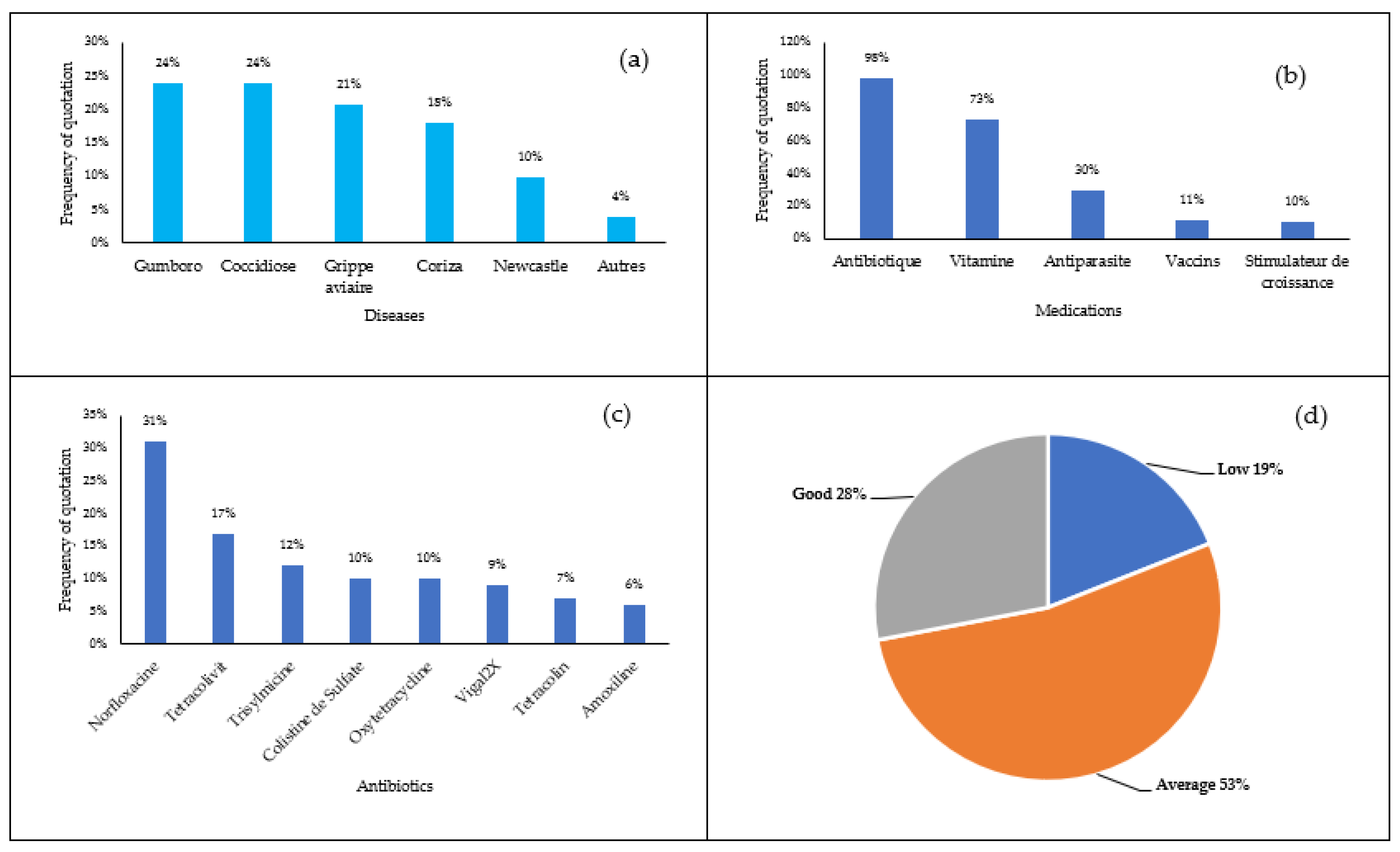
Figure 2.
Knowledge of AMR existence (2a) and Source of AMR knowledge (2b).
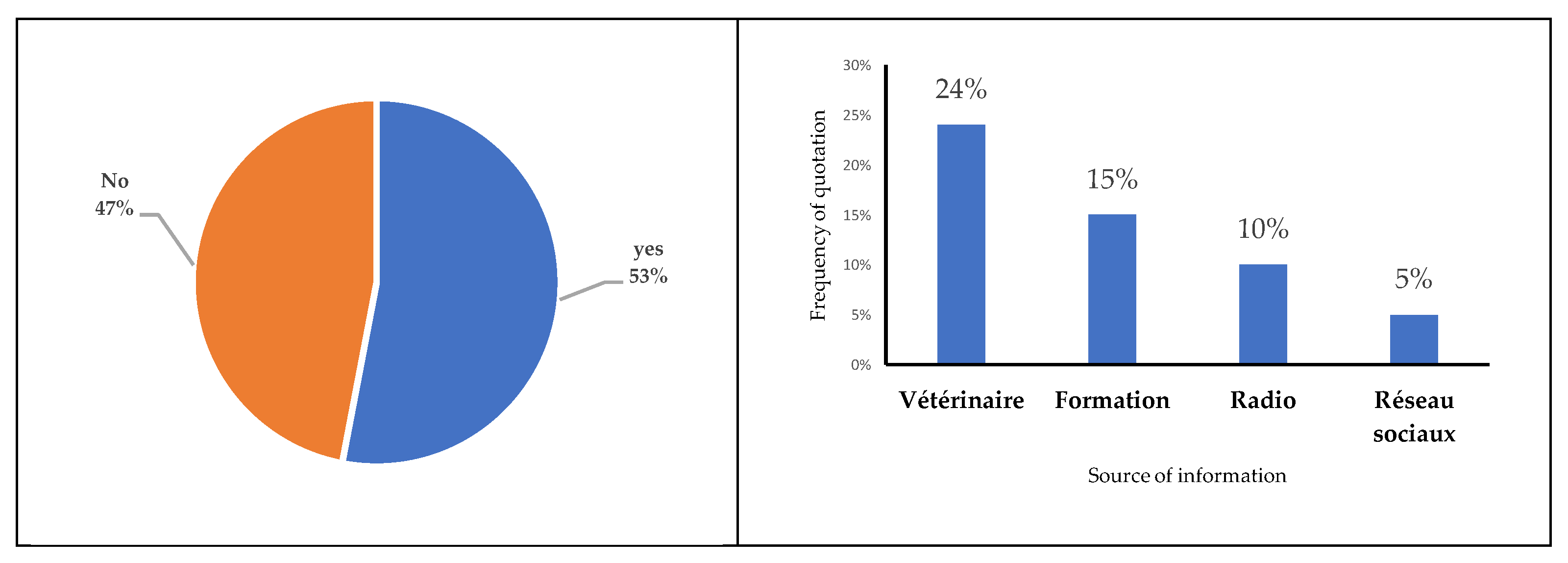
Figure 3.
Attitude to AMR.
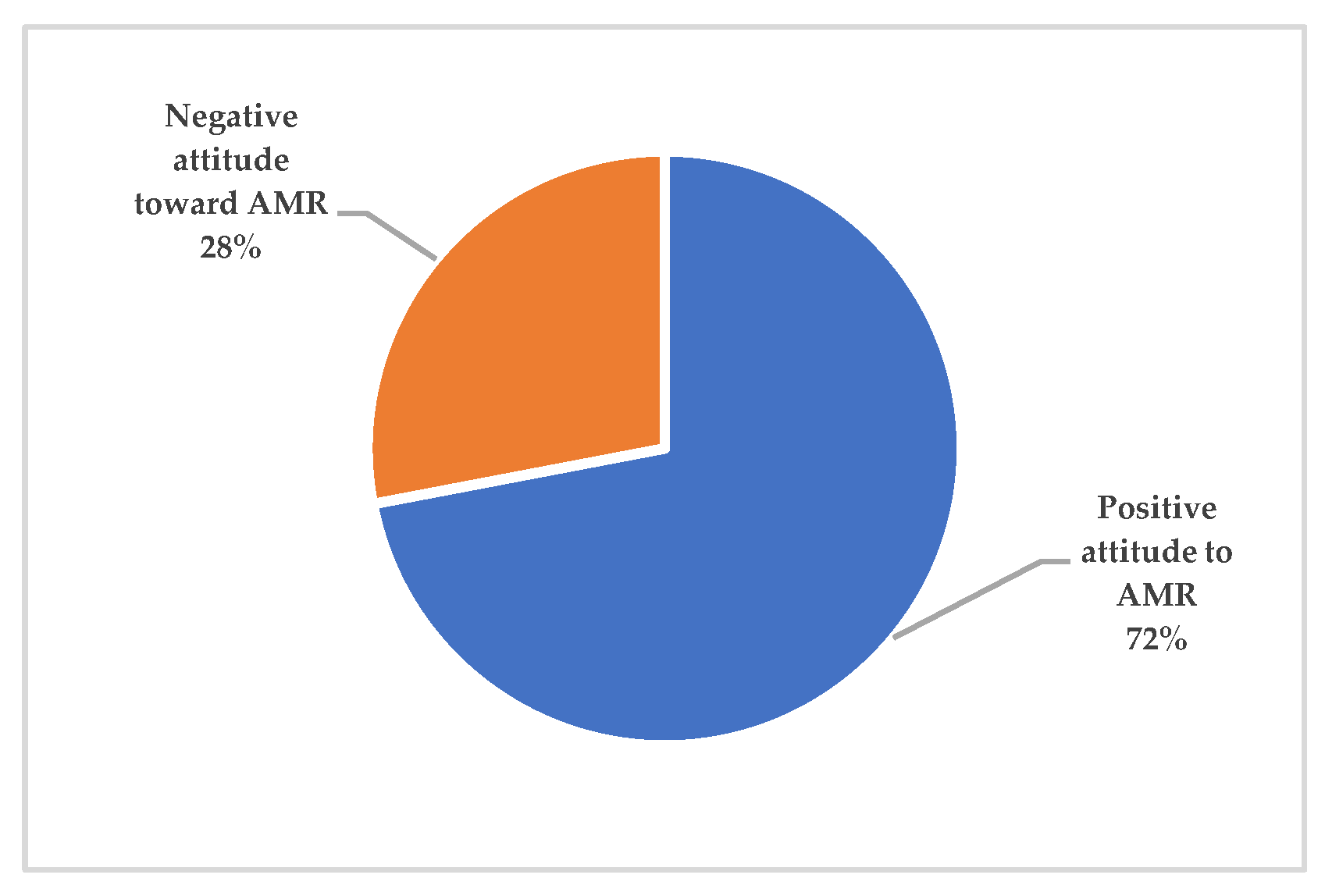

Table 1.
Socio-economic characteristics of respondents and poultry farms.
| Variables | Modalities | Proportions |
|---|---|---|
| Gender | Male | 77.04% |
| Female | 22.96% | |
| Age range | <20 | 67% |
| 21-35 | 21% | |
| >35 | 12% | |
| Education level | Primary | 21.48% |
| Secondary | 52.59% | |
| Other | 26.92% | |
| Ethnic groups | Diola | 40.74% |
| Mandingo | 20.19% | |
| Other ethnic groups | 39.07% | |
| Marital status | Married | 53.33% |
| Single | 45.93% | |
| Types of poultry production | Only broiler chickens | 96% |
| Broiler chickens and eggs | 4% | |
| Poultry training | No | 65.93% |
| Yes | 34.07% | |
| Poultry farming experience (years) | 0-4 | 40% |
| 5-10 | 31.85% | |
| > 10 | 28.15% | |
| Poultry farming is the main activity | Yes | 38.52% |
| No | 61.48% | |
| Animal species raised | Poultry | 69.64% |
| Goats | 20.74% | |
| Pigs | 4.44% | |
| Sheep | 2.96% | |
| Cattle | 2.22% | |
| Poultry species raised | Chickens | 74.82% |
| Ducks | 21.48% | |
| Guinea fowl | 2.22% | |
| Turkeys | 1.48% |
Table 2.
Some zootechnical parameters of The poultry flock.
| Variables | Average | Standard deviation | Min | Max |
|---|---|---|---|---|
| Number of broilers (no.) | 331 | 1 106 | 8 | 10 000 |
| Number of laying hens (no.) | 3 292 | 3 358 | 105 | 8 000 |
| Broiler age (days) | 44.22 | 4.74 | 33 | 60 |
| Age of laying hen (days) | 196.5 | 125.59 | 4 | 365 |
| Number of eggs produced per day | 1 658.33 | 3 598.48 | 40 | 9 000 |
| Broiler sales weight (kg) | 2.53 | 0.64 | 1 | 5 |
| Broiler mortality rate (%) | 6.75 | 10.37 | 0 | 87 |
| Layer mortality rate (%) | 6.5 | 5.64 | 0 | 14 |
| Casual employees (no.) | 2.64 | 1.5 | 0 | 15 |
| Permanent employees (no.) | 1.01 | 3.61 | 0 | 27 |
Table 3.
Antibiotic use practices.
| Variables | Modalities | Proportions |
|---|---|---|
| Sources of the first call for illnesses | Veterinarian | 75% |
| Para vet | 3% | |
| Poultry farmer | 22% | |
| Reasons for antibiotic use | Prevention | 31% |
| Disease treatment | 43% | |
| Limiting disease spread | 26% | |
| Subjects of antibiotic molecule administration | Healthy animals only | 2% |
| Healthy and sick birds | 98% | |
| Sources of advice on antibiotic use | Myself | 5% |
| Veterinarian | 85% | |
| Para vet | 1% | |
| Neighboring poultry farmer | 8% | |
| Reasons for stopping antibiotic treatment | Expensive treatment | 3% |
| Ineffective treatment | 7% | |
| Subject’s recovery | 40% | |
| Sale | 30% | |
| Slaughter | 20% | |
| Poultry farmers’ reaction to antibiotic treatment failure | Continue with the same treatment | 8% |
| Increase dose | 8% | |
| Change antibiotic | 27% | |
| Follow-up by vet | 23% | |
| Stop treatment | 5% | |
| Apply biosecurity | 29% |
Table 4.
Relationship between socio-economic characteristics and antibiotic use.
| Appropriate practices N (%) |
Inappropriate practices N (%) |
Test Pearson Chi2 | ||
|---|---|---|---|---|
| Gender | Man | 30 (28.85) | 74 (71.15) | 0.043 |
| Woman | 15 (48.39) | 16 (51.61) | ||
| Age range (years) | < 20 | 1 (25) | 3 (75) | 0.914 |
| 21-35 | 30 (32.97) | 61 (67.03) | ||
| > 35 | 14 (35) | 26 (65) | ||
| Education level | Primary | 13 (36.11) | 23 (63.89) | 0.053 |
| Secondary | 28 (14.29) | 43 (60.56) | ||
| University | 4 (14.29) | 24 (85.71) | ||
| Marital status | Single | 12 (19.05) | 51 (80.95) | 0.001 |
| Married | 33 (45.83) | 39 (54.17) | ||
| Ethnic group | Diola | 19 (34.55) | 36 (65.45) | 0.656 |
| Manding | 4 (23.53) | 13 (76.47) | ||
| Others | 22 (34.92) | 41 (65.08) | ||
| Religion | Muslim | 38 (34.33) | 71 (65.14) | 0.440 |
| Christian | 7 (26.92) | 19 (73.08) | ||
| Experience (years) | < 5 | 22 (33.33) | 44 (66.67) | 0.794 |
| 5 to 10 | 13 (29.55) | 31 (70.45) | ||
| > 10 | 9 (37.50) | 15 (62.50) | ||
| Training | Yes | 17 (36.96) | 29 (63.04) | 0.521 |
| No | 28 (34.46) | 61 (68.54) | ||
| Number of chickens | <100 | 33 (57.58) | 24 (42.11) | 0.001 |
| 100 to 300 | 11 (18.64) | 48 (81.36) | ||
| More than 300 | 1 (5.56) | 17 (94.44) | ||
| >500 | 48 (78.69) | 13 (21.31) |
Table 5.
Assessment of poultry farmers’ attitudes to AMR.
| Variables | Modalities | Proportions |
|---|---|---|
| AMR is a major public health problem | I agree | 61.48% |
| Neutral | 20% | |
| Disagree | 18.52% | |
| Inappropriate use of antimicrobials can hurt human health | Agree | 73.33% |
| Neutral | 9.63% | |
| Disagree | 17.04% | |
| I’m aware of the seriousness and importance of AMR | Agree | 71.22% |
| Neutral | 11.11% | |
| Disagree | 17.78% | |
| The application of bio-security measures to limit the spread of disease and the use of antibiotics to prevent AMR | Agree | 75.56% |
| Neutral | 11.11% | |
| Disagree | 13.33% |
Table 6.
Logistic regression of factors associated with AMR knowledge and attitude.
| Variables | Knowledge OR; 95% CI; P-value |
Attitude OR; 95% CI; P-value |
|
|---|---|---|---|
| Gender | Woman | Reference | Reference |
| Man | 0.76; 0.23-2.43; 0.644 | -0.17; -0.85-0.51; 0.625 | |
| Age | <20 | 13.92; 1.23-156.57; 0.033 | 1.59; 0.10-3.07; 0.035 |
| >35 | 0.94; 0.29-3.01; 0.926 | -0.007; -0.68-0.67; 0.983 | |
| 21–35 | Reference | Reference | |
| Education | Secondary | 1.25; 0.39-4.01; 0.704 | 0.17; -0.51 – 0.87; 0.610 |
| University | 3.73; 0.86-16.19; 0.078 | 0.84; -0.04-1.73; 0.06 | |
| Primary | Reference | Reference | |
| Marital status | Married | 2.99; 0.93-9.63; 0.065 | 0.63; -0.04-1.31; 0.068 |
| Single | Reference | Reference | |
| Experience | <5 years | 1.61; 0.42-3.14; 0.768 | 0.07; -0.50-0.62; 0.799 |
| >10 years | 0.83; 0.20-3.43; 0.803 | -0.12; -0.95-0.69; 0.759 | |
| 5-10 years | Reference | Reference | |
| Training | yes | 0.40; 0.20-3.43; 0.084 | -0.55; -1.16-0.04; 0.072 |
| No | Reference | Reference | |
| Number of chickens | <100 | 0.78; 0.31-1.98; 0.609 | -0.13; -0.68-0.40; 0.618 |
| >300 | 0.12; 0.01-1.24; 0.07 | -1.22; -2.49-0.04; 0.060 | |
| 100-300 | Reference | Reference | |
Disclaimer/Publisher’s Note: The statements, opinions and data contained in all publications are solely those of the individual author(s) and contributor(s) and not of MDPI and/or the editor(s). MDPI and/or the editor(s) disclaim responsibility for any injury to people or property resulting from any ideas, methods, instructions or products referred to in the content. |
© 2025 by the authors. Licensee MDPI, Basel, Switzerland. This article is an open access article distributed under the terms and conditions of the Creative Commons Attribution (CC BY) license (http://creativecommons.org/licenses/by/4.0/).
Copyright: This open access article is published under a Creative Commons CC BY 4.0 license, which permit the free download, distribution, and reuse, provided that the author and preprint are cited in any reuse.


