

Submitted:
25 October 2025
Posted:
29 October 2025
Read the latest preprint version here
Abstract
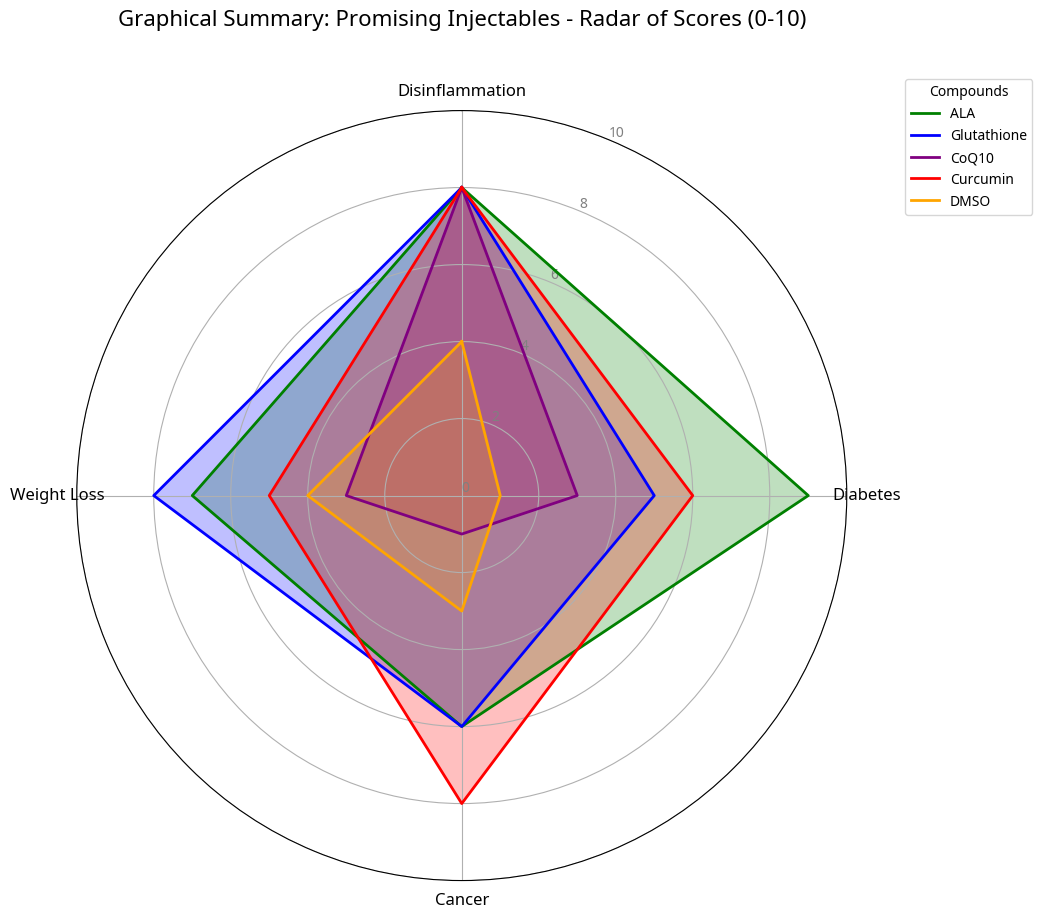
Low-grade chronic inflammation is a central factor in the pathogenesis of obesity, cancer and type 2 diabetes (T2D) [1, 2]. This article explores an integrated therapeutic strategy, administered by injectable route, that combines dimethyl sulfoxide (DMSO), coenzyme Q10 (CoQ10), alpha-lipoic acid (ALA), curcumin, glutathione (GSH) and mimetics of microRNA‑146a (miR-146a) [3]. Injectable administration optimizes the bioavailability and tissue targeting of these agents, which act synergistically through anti-inflammatory, antioxidant and metabolic-modulating mechanisms [4, 5]. The primary focus lies on the role of miR-146a in regulating the IRAK1 and TRAF6 signaling pathway, crucial for immunometabolic homeostasis [6, 7]. This multidimensional approach has the potential to modulate chronic inflammation, optimize mitochondrial function and restore metabolic balance, representing a new frontier in the treatment of chronic inflammatory diseases [8, 9]. Additionally, the article delves into modulation of leptin resistance and compares this integrated approach with the most effective weight-loss strategies.
Keywords:
obesity
; chronic inflammation
; leptin resistance
; injectable therapies
; miR-146a
; weight loss
Introduction: The Immunometabolic Paradigm of Chronic Disease
Obesity and overweight constitute a global epidemic, with more than 1.9 billion adults overweight and 650 million obese, representing a public health challenge [10]. This increase is driven by dietary changes and sedentary lifestyles, resulting in a positive energy balance and adipose tissue accumulation [11,12]. Obesity is a complex neuroimmunoendocrine condition in which adipose tissue acts as a metabolically active and immunologically dynamic organ [13].
Adipose tissue expansion leads to infiltration by macrophages and lymphocytes and to elevated secretion of proinflammatory cytokines (TNF-α, IL-6, leptin), with reduction of adiponectin, an anti-inflammatory and insulin-sensitizing molecule [14,15]. This dysregulation establishes a state of low-grade chronic inflammation, which is central to the link between obesity and several noncommunicable chronic diseases (NCDs), such as type 2 diabetes (T2D), cardiovascular diseases (CVD) and neoplasms [16,17,18,19]. In the pathophysiology of T2D and insulin resistance, systemic inflammation mediated by adipose tissue is determinant [20].
Recent research indicates that the inflammation–obesity axis is regulated by epigenetic mechanisms, including inflammatory microRNAs such as miR-146a and miR-155, which modulate transcription of immunometabolic signaling molecules [21,22]. Thus, obesity is a central factor in the genesis and progression of NCDs, requiring innovative preventive and therapeutic approaches that consider its inflammatory and systemic nature [23].
1.1. The Central Role of Leptin and the Challenge of Resistance
Leptin, a 16 kDa peptide hormone secreted primarily by adipose tissue, is crucial in the regulation of body weight and energy expenditure [108,109]. Its circulating levels reflect body fat mass, leading to hyperleptinemia in obese individuals [110].
However, in obesity the organism develops leptin resistance, where the satiety signaling of the hormone is impaired, perpetuating food intake and weight gain [111,112]. Leptin, beyond its endocrine role, acts as a proinflammatory adipokine, promoting proinflammatory immune phenotypes [113,114]. Chronic inflammation, in turn, can impair signaling of the leptin receptor (LEPR) in the hypothalamus, creating a vicious cycle of inflammation, leptin resistance and metabolic dysregulation [115,116].
Any effective therapeutic strategy against obesity and its comorbidities must therefore address this underlying immunometabolic dysfunction, aiming not only at weight loss but at restoring leptin sensitivity [117].
Molecular Mechanisms of Chronic Inflammation and the Role of miR-146a
Low-grade chronic inflammation is a crucial mechanistic link in the etiology and progression of diseases such as cancer, obesity and T2D [24]. This persistent inflammatory state dysregulates immunometabolic signaling pathways, such as NF-κB and JNK [25,26], orchestrating production of proinflammatory cytokines (TNF-α, IL-6, IL-1β) [27]. These cytokines contribute to insulin resistance, tumor progression and adipose tissue dysfunction [28].
2.1. MicroRNAs as Key Regulators
MicroRNAs (miRNAs) are essential post-transcriptional regulators in modulation of inflammatory responses [29]. miR-146a and miR-155 are notable for their opposing roles: miR-146a attenuates excessive inflammatory signaling, while miR-155 promotes proinflammatory responses [30]. Dysregulation of these miRNAs is common in chronic inflammation and exacerbates conditions such as cancer, obesity and T2D [31,32].
2.2. The IRAK1/TRAF6 Signaling Pathway and miR-146a Negative Feedback
miR-146a is a negative regulator of innate immune responses, suppressing components of the TLR and IL-1R signaling pathways [33]. It directly represses IRAK1 and TRAF6 [34], adaptor proteins that activate the NF-κB cascade, leading to expression of proinflammatory cytokines [35]. In this way, miR-146a establishes a negative feedback circuit essential to prevent excessive inflammation and maintain immune homeostasis [36,37].
miR-146a deficiency is associated with increased tumor inflammation, favoring growth and metastasis [38]. In models of obesity and T2D, reduction of miR-146a correlates with exacerbated systemic inflammation, insulin resistance and metabolic dysfunction [39,40]. Reduced serum levels of miR-146a are detected in T2D patients [41] and are associated with fibrosis and systemic complications [42].
Rationale and Advantages of Injectable Formulations
Conventional therapeutic approaches for compounds such as curcumin or CoQ10 face limitations such as low oral bioavailability and rapid degradation [43]. The injectable route overcomes oral administration by avoiding gastrointestinal degradation and first-pass metabolism, resulting in higher systemic bioavailability [44,45]. It offers a rapid onset of pharmacological action, essential for immediate control of inflammation [46], and allows precise dose adjustment in multimodal therapies [47].
For miRNA mimetics (synthetic oligonucleotides), injectable formulation is crucial. Injectable nanocarriers or exosomes protect the molecules and optimize their absorption and tissue targeting [48,49]. Preclinical studies have shown that miR-146a mimetics encapsulated in nanoparticles reduced inflammation and fibrosis in diabetes and cancer models [50,51].
Selected and Synergistic Injectable Agents
The integrated therapeutic strategy combines agents with complementary mechanisms, targeting multiple points of the inflammatory cascade and oxidative stress.
4.1. Dimethyl Sulfoxide (DMSO)
Dimethyl sulfoxide (DMSO) is an amphiphilic solvent with notable pharmacological properties that go far beyond its function as a vehicle to facilitate the bioavailability of other compounds [52]. Its intrinsic characteristics as an anti-inflammatory, antioxidant and immunomodulatory agent establish it as an active therapeutic component in injectable formulations [53,54]. DMSO has been shown to significantly repress production of proinflammatory cytokines such as TNF-α, IL-1β and IL-6 from activated human immune cells, an effect crucial to mitigate low-grade chronic inflammation observed in obesity and metabolic disorders [122]. In addition, its mechanism involves inhibition of the NLRP3 inflammasome pathway, a protein complex central to the inflammatory response to metabolic danger signals [123].
Its capacity to modulate the immune system is multifaceted. Recent studies show DMSO can influence macrophage polarization and regulate lymphocyte activity, contributing to a less inflammatory microenvironment [124]. In contexts of hypothalamic inflammation — a key factor in development of leptin and insulin resistance — DMSO has been investigated for its neuroprotective potential [125]. By crossing the blood–brain barrier, it can exert anti-inflammatory effects directly in the central nervous system, helping to restore neuronal sensitivity to metabolic signals [56].
Additionally, DMSO acts as a potent free radical scavenger, inhibiting lipid peroxidation and protecting cellular structures from oxidative damage, a process intimately linked to metabolic dysfunction and progression of chronic diseases [55,126]. This combination of increased permeability, suppression of inflammatory pathways and antioxidant protection makes DMSO a valuable synergistic agent in integrated therapies aimed at immunometabolic dysfunction.
4.2. Coenzyme Q10 (CoQ10)
Coenzyme Q10 (CoQ10), or ubiquinone, is a lipophilic endogenous molecule essential for cellular bioenergetics, acting as an electron carrier in the mitochondrial respiratory chain for ATP production [57,99]. Beyond its role in energy production, its reduced form, ubiquinol, functions as a potent antioxidant, protecting cellular membranes and lipoproteins from lipid peroxidation and oxidative damage [143].
Deficient CoQ10 levels are associated with a variety of chronic diseases, including metabolic disorders, cardiovascular and neurodegenerative diseases, where mitochondrial dysfunction and oxidative stress are central pathogenic factors [144,145]. In chronic inflammation conditions such as obesity and T2D, demand for CoQ10 increases while endogenous production may decrease, exacerbating the cycle of oxidative stress and inflammation [58,146].
CoQ10 administration has been shown to modulate multiple aspects of immunometabolic dysfunction. Studies indicate supplementation can reduce circulating levels of proinflammatory cytokines like TNF-α and IL-6, and suppress activation of the NF-κB complex, a master regulator of inflammation [61,147]. In obesity contexts, CoQ10 influences adipokine signaling, notably decreasing proinflammatory leptin levels and increasing the adiponectin/leptin ratio, favoring an anti-inflammatory profile and improving insulin sensitivity [148,149]. Intravenous administration of CoQ10 circumvents its low oral bioavailability, ensuring therapeutic concentrations rapidly reach target tissues [60,150]. This route of administration is particularly promising to reverse mitochondrial dysfunction and protect vital organs such as heart and liver from damage induced by inflammation and metabolic stress, positioning CoQ10 as a vital component in integrated therapies for chronic diseases [151,152].
4.3. Alpha-Lipoic Acid (ALA)
Alpha-lipoic acid (ALA) is an organosulfur compound with potent antioxidant properties that acts in both hydrophilic and lipophilic environments. Synthesized in mitochondria, it functions as an essential cofactor for enzymes of energy metabolism [62]. Its reduced form, dihydrolipoic acid (DHLA), is a powerful antioxidant capable of regenerating other endogenous antioxidants, including glutathione (GSH), vitamin C and coenzyme Q10, amplifying the cell's antioxidant defense capacity [63]. Besides its direct antioxidant action, ALA modulates crucial cellular signaling pathways. It has been shown to inhibit activation of NF-κB and c-Jun N-terminal kinase (JNK), two central inflammatory pathways that contribute to insulin resistance, endothelial dysfunction and progression of metabolic diseases [64,65,137].
Intravenous administration of ALA ensures superior bioavailability and is an established therapy for diabetic neuropathy, where its neuroprotective effects and improvement of neural blood flow are clinically relevant [66]. In the context of obesity and leptin resistance, ALA has been shown to significantly reduce circulating leptin levels and increase adiponectin, an adipokine with anti-inflammatory and insulin-sensitizing effects [138,139]. This modulation of adipokines, together with improved insulin sensitivity and reduced systemic inflammatory markers such as C-reactive protein (CRP), positions ALA as a key therapeutic agent to reverse metabolic dysfunction [140,141]. By protecting pancreatic β-cells from oxidative stress and improving the response of peripheral tissues to insulin, ALA addresses multiple aspects of T2D pathophysiology and metabolic syndrome [142].
4.4. Curcumin
Curcumin, the principal curcuminoid extracted from the rhizome of Curcuma longa, is a pleiotropic polyphenol with a wide range of biological activities including potent anti-inflammatory, antioxidant and anticancer effects [67,68]. One of its best-characterized mechanisms is inhibition of the transcription factor NF-κB, a master regulator of inflammatory response that controls expression of hundreds of proinflammatory genes [71,72]. Besides direct inhibition, curcumin has been shown to modulate inflammation via epigenetic routes, notably by inducing expression of microRNA-146a (miR-146a) [68]. By increasing miR-146a levels, curcumin reinforces negative feedback on the NF-κB pathway, suppressing expression of its targets IRAK1 and TRAF6 and thereby attenuating the inflammatory cascade more sustainably [132,133].
Despite its therapeutic potential, curcumin efficacy is severely limited by its low oral bioavailability, due to poor absorption, rapid metabolism and systemic elimination [69]. Injectable formulations overcome this barrier, allowing therapeutic concentrations to reach target tissues and exert robust effects [70]. In the context of obesity and leptin resistance, curcumin has shown particular promise. Studies indicate it can reduce diet-induced leptin and insulin resistance, attenuate expression of inflammatory cytokines in adipose tissue and even inhibit activation of leptin-induced hepatic stellate cells, preventing fibrosis [134,135]. By suppressing leptin levels and associated chronic inflammation, curcumin addresses immunometabolic mechanisms linking obesity to its comorbidities [136].
4.5. Glutathione (GSH)
Glutathione (GSH), the most abundant intracellular antioxidant, is a tripeptide (γ-L-glutamyl-L-cysteinylglycine) that plays a central role in cellular defense against oxidative stress and in maintaining redox homeostasis [73]. In states of chronic inflammation, such as those observed in obesity and T2D, GSH levels are often depleted due to increased production of reactive oxygen species (ROS) [77]. Intravenous administration of GSH overcomes poor oral bioavailability and rapidly restores tissue levels, exerting potent anti-inflammatory effects [74]. The mechanism underlying this anti-inflammatory action includes inhibition of NF-κB activation, modulation of the PTEN/PI3K/AKT signaling pathway and suppression of proinflammatory cytokine production [127,128].
Studies show GSH supplementation can "fine-tune" innate immune responses, preventing excessive and harmful immune activation without compromising host ability to fight pathogens [129]. In insulin-resistant patients, GSH replacement has been associated with improved insulin sensitivity and β-cell function, probably by protecting these cells from oxidative damage and lipotoxicity [75,76,130]. GSH deficiency is correlated not only with inflammation but also with mitochondrial dysfunction. By restoring GSH levels, intravenous therapy can improve cellular bioenergetics and reduce mitochondrial ROS production, which are triggers for inflammation and leptin resistance [129,131]. Therefore, injectable glutathione acts as a fundamental pillar in the integrated therapeutic strategy, directly addressing oxidative stress that perpetuates the vicious cycle of inflammation and metabolic dysfunction.
4.6. miR-146a Mimetics
Therapeutic use of miR-146a mimetics aims to restore the negative-feedback circuit of inflammation. Systemic delivery of miR-146a mimetics in nanocarriers has been shown to inhibit NF-κB–mediated inflammation and leukemia progression in vivo [78,79]. Targeting myeloid cells or adipose tissue macrophages (ATM) is promising for treating inflammation in obesity [80,81].
Discussion and Future Perspectives
The interrelationship between chronic inflammation, cancer, obesity and T2D is a growing clinical challenge [82,83]. The integrated strategy of DMSO, CoQ10, ALA, curcumin, GSH and miR-146a mimetics, administered by injectable route, offers multimodal therapeutic synergy [84]. Each agent acts on complementary targets: miR-146a inhibits central inflammation; CoQ10 and ALA reinforce antioxidant defense and mitochondrial function [85]; curcumin suppresses NF-κB and induces miR-146a; and DMSO increases delivery and has intrinsic anti-inflammatory effects [86]. This integration suggests superior efficacy compared to monotherapies [87].
References
- Hotamisligil, GS. Inflammation and metabolic disorders. Nature 2006, 444, 860–867. [Google Scholar] [CrossRef] [PubMed]
- Coussens LM, Werb Z. Inflammation and cancer. Nature 2002, 420, 860–867. [Google Scholar] [CrossRef] [PubMed]
- Allen TM, Cullis PR. Drug delivery systems: entering the mainstream. Science 2004, 303, 1818–1822. [Google Scholar] [CrossRef] [PubMed]
- Langer, R. Drug delivery and targeting. Nature 1998, 392, 5–10. [Google Scholar] [CrossRef] [PubMed]
- Allen TM, Cullis PR. Drug delivery systems: entering the mainstream. Science 2004, 303, 1818–1822. [Google Scholar] [CrossRef] [PubMed]
- Taganov KD, Boldin MP, Chang KJ, Baltimore D. NF-kappaB-dependent induction of microRNA-146a regulates signaling through the TLR pathway. Proc Natl Acad Sci U S A 2006, 103, 12481–12486. [Google Scholar] [CrossRef] [PubMed]
- Boldin MP, et al. miR-146a is a significant brake on the innate immune response. Cell 2009, 137, 1084–1095. [Google Scholar] [CrossRef] [PubMed]
- Grivennikov SI, Greten FR, Karin M. Immunity, inflammation, and cancer. Cell 2010, 140, 883–899. [Google Scholar] [CrossRef] [PubMed]
- Hotamisligil, GS. Inflammation and metabolic disorders. Nature 2006, 444, 860–867. [Google Scholar] [CrossRef] [PubMed]
- World Health Organization. Obesity and overweight. Accessed , 2025. 20 October.
- Blüher, M. Adipose tissue dysfunction in obesity. Exp Clin Endocrinol Diabetes 2013, 121, 1–5. [Google Scholar] [CrossRef] [PubMed]
- Spiegelman BM, Flier JS. Adipogenesis and obesity: rounding out the big picture. Cell 1996, 87, 1–4. [Google Scholar] [CrossRef]
- Hotamisligil, GS. Inflammation and metabolic disorders. Nature 2006, 444, 860–867. [Google Scholar] [CrossRef] [PubMed]
- Kanda H, et al. MCP-1 contributes to macrophage infiltration into adipose tissue, insulin resistance, and hepatic steatosis in obesity. J Clin Invest 2006, 116, 1494–1505. [Google Scholar] [CrossRef] [PubMed]
- Wajchenberg, BL. Adipose tissue: a vast endocrine organ. Horm Metab Res 2000, 32, 216–220. [Google Scholar] [CrossRef] [PubMed]
- Pitson, SM. Sphingosine kinase 1 as a potential therapeutic target for cancer, inflammation and other diseases. Expert Opin Ther Targets 2011, 15, 33–47. [Google Scholar] [CrossRef] [PubMed]
- Shoelson SE, Herrero L, Naoki F. Inflammation and metabolic disease. J Clin Invest 2007, 117, 3562–3571. [Google Scholar] [CrossRef] [PubMed]
- Donath, MY. Targeting inflammation in the treatment of type 2 diabetes. Diabetes Obes Metab 2014, 16, 19–24. [Google Scholar] [CrossRef] [PubMed]
- Grivennikov SI, Greten FR, Karin M. Immunity, inflammation, and cancer. Cell 2010, 140, 883–899. [Google Scholar] [CrossRef] [PubMed]
- Wellen KE, Hotamisligil GS. Inflammation, stress, and diabetes. J Clin Invest 2005, 115, 1111–1119. [Google Scholar] [CrossRef] [PubMed]
- Heneghan HM, et al. Circulating microRNAs as novel biomarkers for obesity and type 2 diabetes. J Clin Endocrinol Metab 2011, 96, E203–E209. [Google Scholar] [CrossRef] [PubMed]
- O'Connell RM, Rao DS, Baltimore D. microRNA regulation of inflammatory responses. Annu Rev Immunol 2010, 28, 295–319. [Google Scholar] [CrossRef] [PubMed]
- Saltiel AR, Olefsky JM. Inflammatory mechanisms linking obesity and metabolic disease. J Clin Invest 2017, 127, 1–4. [Google Scholar] [CrossRef] [PubMed]
- Hotamisligil, GS. Inflammation and metabolic disorders. Nature 2006, 444, 860–867. [Google Scholar] [CrossRef] [PubMed]
- Shoelson SE, Herrero L, Naoki F. Inflammation and metabolic disease. J Clin Invest 2007, 117, 3562–3571. [Google Scholar] [CrossRef] [PubMed]
- Donath, MY. Targeting inflammation in the treatment of type 2 diabetes. Diabetes Obes Metab 2014, 16, 19–24. [Google Scholar] [CrossRef] [PubMed]
- Grivennikov SI, Greten FR, Karin M. Immunity, inflammation, and cancer. Cell 2010, 140, 883–899. [Google Scholar] [CrossRef] [PubMed]
- Wellen KE, Hotamisligil GS. Inflammation, stress, and diabetes. J Clin Invest 2005, 115, 1111–1119. [Google Scholar] [CrossRef] [PubMed]
- O'Connell RM, Rao DS, Baltimore D. microRNA regulation of inflammatory responses. Annu Rev Immunol 2010, 28, 295–319. [Google Scholar] [CrossRef] [PubMed]
- Heneghan HM, et al. Circulating microRNAs as novel biomarkers for obesity and type 2 diabetes. J Clin Endocrinol Metab 2011, 96, E203–E209. [Google Scholar] [CrossRef] [PubMed]
- Saltiel AR, Olefsky JM. Inflammatory mechanisms linking obesity and metabolic disease. J Clin Invest 2017, 127, 1–4. [Google Scholar] [CrossRef] [PubMed]
- Tili E, et al. MicroRNA-155 is a key regulator of inflammation and cancer. Proc Natl Acad Sci U S A 2009, 106, 11614–11619. [Google Scholar] [CrossRef] [PubMed]
- Taganov KD, Boldin MP, Chang KJ, Baltimore D. NF-kappaB-dependent induction of microRNA-146a regulates signaling through the TLR pathway. Proc Natl Acad Sci U S A 2006, 103, 12481–12486. [Google Scholar] [CrossRef] [PubMed]
- Taganov KD, Boldin MP, Chang KJ, Baltimore D. NF-kappaB-dependent induction of microRNA-146a regulates signaling through the TLR pathway. Proc Natl Acad Sci U S A 2006, 103, 12481–12486. [Google Scholar] [CrossRef] [PubMed]
- Boldin MP, et al. miR-146a is a significant brake on the innate immune response. Cell 2009, 137, 1084–1095. [Google Scholar] [CrossRef] [PubMed]
- Taganov KD, Boldin MP, Chang KJ, Baltimore D. NF-kappaB-dependent induction of microRNA-146a regulates signaling through the TLR pathway. Proc Natl Acad Sci U S A 2006, 103, 12481–12486. [Google Scholar] [CrossRef] [PubMed]
- Boldin MP, et al. miR-146a is a significant brake on the innate immune response. Cell 2009, 137, 1084–1095. [Google Scholar] [CrossRef] [PubMed]
- Ma F, et al. miR-146a and miR-146b regulate the NF-κB pathway by targeting IRAK1 and TRAF6 in colorectal cancer. Cell Death Dis 2019, 10, 4. [Google Scholar] [CrossRef] [PubMed]
- Heneghan HM, et al. Circulating microRNAs as novel biomarkers for obesity and type 2 diabetes. J Clin Endocrinol Metab 2011, 96, E203–E209. [Google Scholar] [CrossRef] [PubMed]
- O'Connell RM, Rao DS, Baltimore D. microRNA regulation of inflammatory responses. Annu Rev Immunol 2010, 28, 295–319. [Google Scholar] [CrossRef] [PubMed]
- Wang Y, et al. Reduced serum levels of microRNA-146a in patients with type 2 diabetes mellitus. J Diabetes Investig 2011, 2, 372–375. [Google Scholar] [CrossRef] [PubMed]
- Wang Y, et al. Reduced serum levels of microRNA-146a in patients with type 2 diabetes mellitus. J Diabetes Investig 2011, 2, 372–375. [Google Scholar] [CrossRef] [PubMed]
- Shoba G, et al. Influence of piperine on the pharmacokinetics of curcumin in animals and human volunteers. Planta Med 1998, 64, 353–356. [Google Scholar] [CrossRef] [PubMed]
- Loftsson T, et al. Cyclodextrins in drug delivery. Expert Opin Drug Deliv 2005, 2, 335–351. [Google Scholar] [CrossRef] [PubMed]
- Allen TM, Cullis PR. Drug delivery systems: entering the mainstream. Science 2004, 303, 1818–1822. [Google Scholar] [CrossRef] [PubMed]
- Langer, R. Drug delivery and targeting. Nature 1998, 392, 5–10. [Google Scholar] [CrossRef] [PubMed]
- Allen TM, Cullis PR. Drug delivery systems: entering the mainstream. Science 2004, 303, 1818–1822. [Google Scholar] [CrossRef] [PubMed]
- El-Hage S, et al. Nanoparticle-mediated delivery of microRNAs for cancer therapy. Adv Drug Deliv Rev 2019, 145, 1–12. [Google Scholar] [CrossRef] [PubMed]
- Valadi H, et al. Exosome-mediated transfer of mRNAs and microRNAs is an ancient intercellular communication mechanism. Nat Cell Biol 2007, 9, 654–659. [Google Scholar] [CrossRef] [PubMed]
- El-Hage S, et al. Nanoparticle-mediated delivery of microRNAs for cancer therapy. Adv Drug Deliv Rev 2019, 145, 1–12. [Google Scholar] [CrossRef] [PubMed]
- Valadi H, et al. Exosome-mediated transfer of mRNAs and microRNAs is an ancient intercellular communication mechanism. Nat Cell Biol 2007, 9, 654–659. [Google Scholar] [CrossRef] [PubMed]
- Notman H, et al. Dimethyl sulfoxide: an organic solvent for all seasons. Trends Pharmacol Sci 2006, 27, 1–3. [Google Scholar] [CrossRef] [PubMed]
- Brayton, CF. Dimethyl sulfoxide (DMSO): a review. J Am Vet Med Assoc 1986, 189, 104–110. [Google Scholar] [PubMed]
- Santos-Pinto J, et al. Dimethyl sulfoxide (DMSO) in the treatment of interstitial cystitis/bladder pain syndrome: a review of the literature. Int Braz J Urol 2018, 44, 477–483. [Google Scholar] [CrossRef] [PubMed]
- Li YM, et al. Dimethyl sulfoxide inhibits zymosan-induced intestinal inflammation in mice. World J Gastroenterol 2015, 21, 10622–10631. [Google Scholar] [CrossRef] [PubMed]
- Brayton, CF. Dimethyl sulfoxide (DMSO): a review. J Am Vet Med Assoc 1986, 189, 104–110. [Google Scholar] [PubMed]
- Ernster L, Dallner G. Biochemical, physiological and medical aspects of ubiquinone function. Biochim Biophys Acta 1995, 1271, 195–204. [Google Scholar] [CrossRef] [PubMed]
- Saini, R. Coenzyme Q10: The essential nutrient. J Pharm Bioallied Sci 2011, 3, 466–467. [Google Scholar] [CrossRef] [PubMed]
- Saini, R. Coenzyme Q10: The essential nutrient. J Pharm Bioallied Sci 2011, 3, 466–467. [Google Scholar] [CrossRef] [PubMed]
- Allen TM, Cullis PR. Drug delivery systems: entering the mainstream. Science 2004, 303, 1818–1822. [Google Scholar] [CrossRef] [PubMed]
- Schmelzer C, et al. Coenzyme Q10 in the treatment of type 2 diabetes mellitus: a status report. Biofactors 2008, 32, 199–204. [Google Scholar] [CrossRef] [PubMed]
- Packer L, et al. Alpha-lipoic acid as a biological antioxidant. Free Radic Biol Med 1995, 19, 227–250. [Google Scholar] [CrossRef] [PubMed]
- Packer L, et al. Alpha-lipoic acid as a biological antioxidant. Free Radic Biol Med 1995, 19, 227–250. [Google Scholar] [CrossRef] [PubMed]
- Midaoui AE, de Champlain J. Prevention of hypertension, insulin resistance, and oxidative stress by alpha-lipoic acid. Hypertension 2003, 41, 303–307. [Google Scholar] [CrossRef] [PubMed]
- Zhang Y, et al. Alpha-lipoic acid improves endothelial function and reduces inflammatory markers in patients with type 2 diabetes. Am J Med 2011, 124, 959–966. [Google Scholar] [CrossRef] [PubMed]
- Ziegler D, et al. Alpha-lipoic acid in the treatment of diabetic polyneuropathy in Germany: current evidence from clinical trials. Exp Clin Endocrinol Diabetes 2007, 115, 483–487. [Google Scholar] [CrossRef] [PubMed]
- Aggarwal BB, Harikumar KB. Potential therapeutic effects of curcumin, the anti-inflammatory agent, against neurodegenerative, cardiovascular, pulmonary, metabolic, autoimmune and neoplastic diseases. Int J Biochem Cell Biol 2009, 41, 40–59. [Google Scholar] [CrossRef] [PubMed]
- Ma F, et al. Curcumin-induced miR-146a inhibits cell proliferation and invasion in human glioblastoma cells. Oncol Rep 2015, 33, 1429–1435. [Google Scholar] [CrossRef] [PubMed]
- Shoba G, et al. Influence of piperine on the pharmacokinetics of curcumin in animals and human volunteers. Planta Med 1998, 64, 353–356. [Google Scholar] [CrossRef] [PubMed]
- Allen TM, Cullis PR. Drug delivery systems: entering the mainstream. Science 2004, 303, 1818–1822. [Google Scholar] [CrossRef] [PubMed]
- Aggarwal BB, Harikumar KB. Potential therapeutic effects of curcumin, the anti-inflammatory agent, against neurodegenerative, cardiovascular, pulmonary, metabolic, autoimmune and neoplastic diseases. Int J Biochem Cell Biol 2009, 41, 40–59. [Google Scholar] [CrossRef] [PubMed]
- Shishodia S, et al. Curcumin (diferuloylmethane) inhibits nuclear factor-kappaB activation through inhibition of IkappaBalpha kinase and NF-kappaB-independent mechanisms. Biochem Pharmacol 2005, 70, 1066–1077. [Google Scholar] [CrossRef] [PubMed]
- Meister, A. Glutathione, ascorbate, and cellular protection. Ann N Y Acad Sci 1992, 669, 107–121. [Google Scholar] [CrossRef] [PubMed]
- Witschi A, et al. The systemic availability of oral glutathione (GSH) is poor. J Clin Pharmacol 1992, 32, 767–776. [Google Scholar] [CrossRef] [PubMed]
- Sekhar RV, et al. Deficient synthesis of glutathione underlies oxidative stress in aging and can be corrected by dietary cysteine and glycine supplementation. Am J Clin Nutr 2011, 94, 847–853. [Google Scholar] [CrossRef] [PubMed]
- Sekhar RV, et al. Deficient synthesis of glutathione underlies oxidative stress in aging and can be corrected by dietary cysteine and glycine supplementation. Am J Clin Nutr 2011, 94, 847–853. [Google Scholar] [CrossRef] [PubMed]
- Sekhar RV, et al. Deficient synthesis of glutathione underlies oxidative stress in aging and can be corrected by dietary cysteine and glycine supplementation. Am J Clin Nutr 2011, 94, 847–853. [Google Scholar] [CrossRef] [PubMed]
- El-Hage S, et al. Nanoparticle-mediated delivery of microRNAs for cancer therapy. Adv Drug Deliv Rev 2019, 145, 1–12. [Google Scholar] [CrossRef] [PubMed]
- Valadi H, et al. Exosome-mediated transfer of mRNAs and microRNAs is an ancient intercellular communication mechanism. Nat Cell Biol 2007, 9, 654–659. [Google Scholar] [CrossRef] [PubMed]
- El-Hage S, et al. Nanoparticle-mediated delivery of microRNAs for cancer therapy. Adv Drug Deliv Rev 2019, 145, 1–12. [Google Scholar] [CrossRef] [PubMed]
- Valadi H, et al. Exosome-mediated transfer of mRNAs and microRNAs is an ancient intercellular communication mechanism. Nat Cell Biol 2007, 9, 654–659. [Google Scholar] [CrossRef] [PubMed]
- Hotamisligil, GS. Inflammation and metabolic disorders. Nature 2006, 444, 860–867. [Google Scholar] [CrossRef] [PubMed]
- Coussens LM, Werb Z. Inflammation and cancer. Nature 2002, 420, 860–867. [Google Scholar] [CrossRef] [PubMed]
- Allen TM, Cullis PR. Drug delivery systems: entering the mainstream. Science 2004, 303, 1818–1822. [Google Scholar] [CrossRef] [PubMed]
- Packer L, et al. Alpha-lipoic acid as a biological antioxidant. Free Radic Biol Med 1995, 19, 227–250. [Google Scholar] [CrossRef] [PubMed]
- Brayton, CF. Dimethyl sulfoxide (DMSO): a review. J Am Vet Med Assoc 1986, 189, 104–110. [Google Scholar] [PubMed]
- Allen TM, Cullis PR. Drug delivery systems: entering the mainstream. Science 2004, 303, 1818–1822. [Google Scholar] [CrossRef] [PubMed]
- Grivennikov SI, Greten FR, Karin M. Immunity, inflammation, and cancer. Cell 2010, 140, 883–899. [Google Scholar] [CrossRef] [PubMed]
- Heneghan HM, et al. Circulating microRNAs as novel biomarkers for obesity and type 2 diabetes. J Clin Endocrinol Metab 2011, 96, E203–E209. [Google Scholar] [CrossRef] [PubMed]
- O'Connell RM, Rao DS, Baltimore D. microRNA regulation of inflammatory responses. Annu Rev Immunol 2010, 28, 295–319. [Google Scholar] [CrossRef] [PubMed]
- El-Hage S, et al. Nanoparticle-mediated delivery of microRNAs for cancer therapy. Adv Drug Deliv Rev 2019, 145, 1–12. [Google Scholar] [CrossRef] [PubMed]
- Valadi H, et al. Exosome-mediated transfer of mRNAs and microRNAs is an ancient intercellular communication mechanism. Nat Cell Biol 2007, 9, 654–659. [Google Scholar] [CrossRef] [PubMed]
- Taganov KD, Boldin MP, Chang KJ, Baltimore D. NF-kappaB-dependent induction of microRNA-146a regulates signaling through the TLR pathway. Proc Natl Acad Sci U S A 2006, 103, 12481–12486. [Google Scholar] [CrossRef] [PubMed]
- Boldin MP, et al. miR-146a is a significant brake on the innate immune response. Cell 2009, 137, 1084–1095. [Google Scholar] [CrossRef] [PubMed]
- Ma F, et al. miR-146a and miR-146b regulate the NF-κB pathway by targeting IRAK1 and TRAF6 in colorectal cancer. Cell Death Dis 2019, 10, 4. [Google Scholar] [CrossRef] [PubMed]
- Aggarwal BB, Harikumar KB. Potential therapeutic effects of curcumin, the anti-inflammatory agent, against neurodegenerative, cardiovascular, pulmonary, metabolic, autoimmune and neoplastic diseases. Int J Biochem Cell Biol 2009, 41, 40–59. [Google Scholar] [CrossRef] [PubMed]
- Shishodia S, et al. Curcumin (diferuloylmethane) inhibits nuclear factor-kappaB activation through inhibition of IkappaBalpha kinase and NF-kappaB-independent mechanisms. Biochem Pharmacol 2005, 70, 1066–1077. [Google Scholar] [CrossRef] [PubMed]
- Ma F, et al. Curcumin-induced miR-146a inhibits cell proliferation and invasion in human glioblastoma cells. Oncol Rep 2015, 33, 1429–1435. [Google Scholar] [CrossRef] [PubMed]
- Ernster L, Dallner G. Biochemical, physiological and medical aspects of ubiquinone function. Biochim Biophys Acta 1995, 1271, 195–204. [Google Scholar] [CrossRef] [PubMed]
- Saini, R. Coenzyme Q10: The essential nutrient. J Pharm Bioallied Sci 2011, 3, 466–467. [Google Scholar] [CrossRef] [PubMed]
- Schmelzer C, et al. Coenzyme Q10 in the treatment of type 2 diabetes mellitus: a status report. Biofactors 2008, 32, 199–204. [Google Scholar] [CrossRef] [PubMed]
- Packer L, et al. Alpha-lipoic acid as a biological antioxidant. Free Radic Biol Med 1995, 19, 227–250. [Google Scholar] [CrossRef] [PubMed]
- Midaoui AE, de Champlain J. Prevention of hypertension, insulin resistance, and oxidative stress by alpha-lipoic acid. Hypertension 2003, 41, 303–307. [Google Scholar] [CrossRef] [PubMed]
- Zhang Y, et al. Alpha-lipoic acid improves endothelial function and reduces inflammatory markers in patients with type 2 diabetes. Am J Med 2011, 124, 959–966. [Google Scholar] [CrossRef] [PubMed]
- Meister, A. Glutathione, ascorbate, and cellular protection. Ann N Y Acad Sci 1992, 669, 107–121. [Google Scholar] [CrossRef] [PubMed]
- Witschi A, et al. The systemic availability of oral glutathione (GSH) is poor. J Clin Pharmacol 1992, 32, 767–776. [Google Scholar] [CrossRef] [PubMed]
- Sekhar RV, et al. Deficient synthesis of glutathione underlies oxidative stress in aging and can be corrected by dietary cysteine and glycine supplementation. Am J Clin Nutr 2011, 94, 847–853. [Google Scholar] [CrossRef] [PubMed]
- Zhang Y, et al. Positional cloning of the mouse obese gene and its human homologue. Nature 1994, 372, 425–432. [Google Scholar] [CrossRef] [PubMed]
- Considine RV, et al. Serum immunoreactive-leptin concentrations in normal-weight and obese humans. N Engl J Med 1996, 334, 292–295. [Google Scholar] [CrossRef] [PubMed]
- Considine RV, et al. Serum immunoreactive-leptin concentrations in normal-weight and obese humans. N Engl J Med 1996, 334, 292–295. [Google Scholar] [CrossRef] [PubMed]
- Myers MG, et al. The actions of leptin and their therapeutic potential. Nature 2008, 454, 491–495. [Google Scholar] [CrossRef] [PubMed]
- Enriori PJ, et al. Increased expression of the central leptin receptor in obesity. J Clin Invest 2006, 116, 1139–1146. [Google Scholar] [CrossRef] [PubMed]
- Loffreda S, et al. Leptin regulates proinflammatory immune responses. FASEB J 1998, 12, 1317–1324. [Google Scholar] [CrossRef] [PubMed]
- Fantuzzi G, Faggioni R. Leptin in the regulation of immunity, inflammation, and hematopoiesis. J Leukoc Biol 2000, 68, 437–446. [Google Scholar] [PubMed]
- Jager J, et al. Hypothalamic inflammation: a key role in the pathogenesis of obesity-related diseases. FEBS Lett 2007, 581, 1987–1991. [Google Scholar] [CrossRef] [PubMed]
- Myers MG, et al. The actions of leptin and their therapeutic potential. Nature 2008, 454, 491–495. [Google Scholar] [CrossRef] [PubMed]
- Myers MG, et al. The actions of leptin and their therapeutic potential. Nature 2008, 454, 491–495. [Google Scholar] [CrossRef] [PubMed]
- Sjöström L, et al. Lifestyle, diabetes, and cardiovascular risk factors 10 years after bariatric surgery. N Engl J Med 2004, 351, 2683–2693. [Google Scholar] [CrossRef] [PubMed]
- Wilding JPH, et al. Once-Weekly Semaglutide in Adults with Overweight or Obesity. N Engl J Med 2021, 384, 989–1002. [Google Scholar] [CrossRef] [PubMed]
- Wing RR, Phelan S. Long-term weight loss maintenance. Am J Clin Nutr 2005, 82, 200S–205S. [Google Scholar] [CrossRef] [PubMed]
- Hotamisligil, GS. Inflammation and metabolic disorders. Nature 2006, 444, 860–867. [Google Scholar] [CrossRef] [PubMed]
- Elisia I, et al. DMSO Represses Inflammatory Cytokine Production from Human Blood Cells and Reduces Autoimmune Arthritis. PLoS One 2016, 11, e0152538. [Google Scholar] [CrossRef] [PubMed]
- Yuan P, et al. Dimethyl sulfoxide suppresses experimental autoimmune encephalomyelitis by inhibiting the activation of the NLRP3 inflammasome. J Neuroimmunol 2019, 332, 161–169. [Google Scholar] [CrossRef] [PubMed]
- Huang SH, et al. Immunomodulatory effects and potential clinical applications of dimethyl sulfoxide. J Formos Med Assoc 2020, 119, 1–10. [Google Scholar] [CrossRef] [PubMed]
- Zhou B, et al. Creation of an Anti-Inflammatory, Leptin-Dependent Anti-obesity Agent from a Natural Product. Front Cell Dev Biol 2021, 9, 718973. [Google Scholar] [CrossRef] [PubMed]
- Li YM, et al. Dimethyl sulfoxide inhibits zymosan-induced intestinal inflammation in mice. World J Gastroenterol 2015, 21, 10622–10631. [Google Scholar] [CrossRef] [PubMed]
- Hao WT, et al. Antioxidant glutathione inhibits inflammation in synovial fibroblasts by suppressing the PTEN/PI3K/AKT pathway. Aging (Albany NY) 2021, 13, 19438–19451. [Google Scholar] [CrossRef] [PubMed]
- Silvagno F, et al. The Role of Glutathione in Protecting against the Severe Inflammatory Response Triggered by COVID-19. Antioxidants (Basel) 2020, 9, 624. [Google Scholar] [CrossRef] [PubMed]
- Diotallevi M, et al. Glutathione Fine-Tunes the Innate Immune Response toward Antiviral Pathways in a Macrophage Cell Line. Front Immunol 2017, 8, 1239. [Google Scholar] [CrossRef] [PubMed]
- Jain SK, et al. Glutathione stimulates vitamin D regulatory and glucose-metabolism genes, lowers oxidative stress and inflammation, and increases 25-hydroxy-vitamin D levels in blood of obese mice. Antioxid Redox Signal 2018, 29, 1626–1643. [Google Scholar] [CrossRef] [PubMed]
- Santacroce G, et al. Glutathione: Pharmacological aspects and implications for clinical use. Pharmacol Res 2023, 190, 106720. [Google Scholar] [CrossRef] [PubMed]
- Liu M, et al. Regulation mechanism of curcumin mediated inflammatory response through miR-146a. J Inflamm Res 2025, 18, 1–12. [Google Scholar]
- Wu H, et al. Induction of microRNA-146a is involved in curcumin-mediated enhancement of temozolomide cytotoxicity against human glioblastoma. Mol Med Rep 2015, 12, 5461–5467. [Google Scholar] [CrossRef] [PubMed]
- Shao W, et al. Curcumin prevents high fat diet induced insulin resistance and obesity via attenuating lipogenesis in liver and inflammatory pathway in adipocytes. PLoS One 2012, 7, e28784. [Google Scholar] [CrossRef] [PubMed]
- Bradford, PG. Curcumin and obesity. Biofactors 2013, 39, 78–87. [Google Scholar] [CrossRef] [PubMed]
- He Y, et al. Curcumin, Inflammation, and Chronic Diseases: How Are They Linked? Molecules 2015, 20, 9183–9213. [Google Scholar] [CrossRef] [PubMed]
- Tibullo D, et al. Biochemical and clinical relevance of alpha lipoic acid: antioxidant and anti-inflammatory activity, molecular pathways and therapeutic potential. Inflamm Res 2017, 66, 947–959. [Google Scholar] [CrossRef] [PubMed]
- Haghighatdoost F, et al. Alpha-lipoic acid effect on leptin and adiponectin concentrations: a systematic review and meta-analysis of randomized controlled trials. Eur J Clin Pharmacol 2020, 76, 631–640. [Google Scholar] [CrossRef] [PubMed]
- Zhang Y, et al. The immunomodulatory effect of alpha-lipoic acid in obesity. Mediators Inflamm 2019, 2019, 8086257. [Google Scholar] [CrossRef] [PubMed]
- Serhiyenko V, et al. The impact of alpha-lipoic acid on insulin resistance and inflammatory parameters in patients with type 2 diabetes mellitus and cardiac autonomic neuropathy. Am J Int Med 2020, 8, 55–62. [Google Scholar] [CrossRef]
- Altunina NV, et al. Alpha-lipoic acid as a means of influence on systemic inflammation in type 2 diabetes mellitus patients with prior myocardial infarction. J Med Life 2020, 13, 196–201. [Google Scholar] [CrossRef] [PubMed]
- Salehi B, et al. Insights on the Use of α-Lipoic Acid for Therapeutic Purposes. Biomolecules 2019, 9, 356. [Google Scholar] [CrossRef] [PubMed]
- Casagrande D, et al. Mechanisms of action and effects of the administration of coenzyme Q10 on metabolic syndrome. J Acupunct Meridian Stud 2018, 11, 107–113. [Google Scholar] [CrossRef] [PubMed]
- Mantle D, Heaton RA, Hargreaves IP. Coenzyme Q10 and Degenerative Disorders. Antioxidants (Basel) 2021, 10, 588. [Google Scholar] [CrossRef] [PubMed]
- Hernández-Camacho JD, et al. Coenzyme Q10 Supplementation in Aging and Disease. Front Physiol 2018, 9, 44. [Google Scholar] [CrossRef] [PubMed]
- Gutierrez-Mariscal FM, et al. Coenzyme Q10 Supplementation for the Reduction of Oxidative Stress: Clinical Implications in the Treatment of Chronic Diseases. Int J Mol Sci 2020, 21, 7870. [Google Scholar] [CrossRef] [PubMed]
- Zozina VI, et al. Coenzyme Q10 in cardiovascular and metabolic diseases: current state of the problem. Curr Cardiol Rev 2018, 14, 164–174. [Google Scholar] [CrossRef] [PubMed]
- Gholami M, Khosrowbeygi A. Review on the mechanisms of the effects of coenzyme Q10 supplementation on serum levels of leptin and adiponectin. Rom J Diabetes Nutr Metab Dis 2023, 30, 95–103. [Google Scholar] [CrossRef]
- Onaolapo OJ, Omotoso SA, Onaolapo AY. Anti-Inflammatory, anti-oxidant, and anti-lipaemic effects of daily dietary coenzyme-Q10 supplement in a mouse model of metabolic syndrome. Antiinflamm Antiallergy Agents Med Chem 2021, 20, 238–251. [Google Scholar] [CrossRef] [PubMed]
- Kalenikova EI, et al. Prospects of Intravenous Coenzyme Q10 Administration in Clinical Practice. Antioxidants (Basel) 2024, 13, 108. [Google Scholar] [CrossRef] [PubMed]
- Xu Z, et al. Coenzyme Q10 improves lipid metabolism and protects against diet-induced hepatic steatosis in mice. Sci Rep 2017, 7, 8899. [Google Scholar] [CrossRef] [PubMed]
- Turunen M, Olsson J, Dallner G. Metabolism and function of coenzyme Q. Biochim Biophys Acta 2004, 1660, 171–199. [Google Scholar] [CrossRef] [PubMed]
Disclaimer/Publisher’s Note: The statements, opinions and data contained in all publications are solely those of the individual author(s) and contributor(s) and not of MDPI and/or the editor(s). MDPI and/or the editor(s) disclaim responsibility for any injury to people or property resulting from any ideas, methods, instructions or products referred to in the content. |
© 2025 by the authors. Licensee MDPI, Basel, Switzerland. This article is an open access article distributed under the terms and conditions of the Creative Commons Attribution (CC BY) license (http://creativecommons.org/licenses/by/4.0/).
Copyright: This open access article is published under a Creative Commons CC BY 4.0 license, which permit the free download, distribution, and reuse, provided that the author and preprint are cited in any reuse.


