

Submitted:
08 September 2025
Posted:
11 September 2025
You are already at the latest version
Abstract
Medicinal plants are used all over the world to prevent, cure, and manage many different diseases. The aim of this study was to shed knowledge on different medicinal plants that are native to Pike County, Eastern Kentucky, USA. The study involved two stages of activity. First, it involved a survey of the county locals to identify medicinal plants used for different medical purposes. The second part dealt with searching research databases like PubMed and Google Scholar to find out if any of those plants, identified in the survey, have any published scientific studies on them. The results of the survey identified 14 locally used medicinal plants belonging to different families, plant types and used for a wide variety of purposes. Most plants belonged to the Ericaceae and Asteraceae families, were mostly herb type, while the most common plant part was berries, leaves and roots. For the second part of the study, all the plants showed many different published studies on them. Most common pharmacological activity among the plants was antimicrobial, followed by anticancer antioxidant and anti-inflammatory activities. Eastern Kentucky is well known for its scenic Appalachian Mountains, but the area holds potential for innovative herbal medicine as well. More interest and research are needed to further explore the treasure of medicinal plant use knowledge resting in this area. Additionally, more phytopharmacological and phytochemical studies are needed to investigate the scientific potential of traditionally used medicinal herbs from this region.
Keywords:
ethnopharmacology
; herbs
; North American folk medicine
; Pike County
; plant extract
; traditional use
1. Introduction
The use of medicinal plants has been a cornerstone of traditional medicine systems worldwide, providing natural remedies for various ailments throughout human history [1,2]. The World Health Organization previously initiated a comprehensive effort to catalog all known medicinal plants globally, resulting in the identification of over 20,000 species [3]. Specifically, Southern folk medicine in the USA employs various treatment approaches, incorporating herbs, foods, prayers, and restorative actions to promote healing [4]. Rooted in a holistic mind-body-spirit approach, it embraces dualistic principles and emphasizes balance and interconnectedness [5].
In the Central Appalachian region of Eastern Kentucky (Figure 1), there exists a rich heritage of botanical medicine that has been passed down through generations of both indigenous peoples and settler communities. Appalachian forest plants have been integral to drug manufacturing since colonial times. For generations, gathering these wild medicinal resources has provided residents of the region with an essential source of additional income [6]. The unique geographical and climatic conditions of this region have given rise to a diverse array of plant species with significant therapeutic potential [7]. Recent studies have shown that plants from this region contain bioactive compounds with antimicrobial, anti-inflammatory, and antioxidant properties [8].
The growing interest in natural products and the increasing resistance to conventional antibiotics has led to renewed scientific attention on traditional medicinal plants [9,10]. While medicinal plants may seem like mere “old wives’ tales” or simple home remedies, their significance was demonstrated during the recent COVID-19 pandemic [11]. This highlights that, despite their ancient origins, medicinal and herbal practices remain relevant in modern times. Eastern Kentucky’s flora represents an untapped reservoir of potential therapeutic agents, with many species containing novel compounds that could address current healthcare challenges. Modern analytical techniques have enabled researchers to identify and characterize these bioactive compounds, providing scientific validation for traditional uses while discovering new applications [12,13]. This study aims to systematically document and analyze 14 significant medicinal plants native to the Pike County in Eastern Kentucky (coordinates 37.4793° N, 82.5188° W), examining their traditional uses, pharmacological properties, and potential therapeutic applications.
2. Study Design
A survey was undertaken in Pike County, Eastern KY (Figure 1). The consent forms, and the research methodology for the survey, were reviewed and approved by the Institutional Review Board of University of Pikeville (IRB Protocol # 25_0022). The objectives of the study, along with any related risks for participating in the survey were clearly stated and conveyed to the participants.
An initial attempt was made to locate and identify local healers, herbalists or elders with knowledge of local medicinal plant use and knowledge of folk medicine in the Central Appalachia (Figure 1). After many attempts and efforts, asking around and calling places, only a total of 4 local individuals were identified who had some degree of local traditional medicinal plant use knowledge. All these 4 individuals were employees of the University of Pikeville. All these individuals are local to this area and their lineage going back to Central Appalachia for generations. The source of their knowledge was the use of medicinal plants in their families by their elders, which is why they know which medicinal plant is used in what form and for what indication. All the interviewed individuals were asked these following basic questions to obtain the data:
- Can you remember or know of a local Eastern Kentucky plant used in your household for a medicinal purpose?
- Do you know the name of that plant (local/common name)?
- Do you know what part of that plant (fruit, leaf, root, etc.) is used for its benefit?
- Do you know the clinical or medical indication for which it is used?
- Do you know how the plant is prepared, including any special instructions, for using it for its medicinal purpose?
The interviewees provided information like local/common names of plants, medicinal use, plant part used and the mode of preparation of the medicinal plant. For the other plant information like scientific names, families that those plants belonged to, and plant type some of these local printed resources were used [14,15,16,17].
The second part of the study involved finding out if some of those local medicinal plants (identified in the survey local Eastern Kentuckians) have been studied scientifically for their pharmacological benefits. For this purpose, we searched databases like PubMed and Google Scholar to find evidence of published studies. Each plant was searched by using its scientific name (Table 1), any alternate scientific name(s) (Table 2), and local/common names (Table 1).
3. Results and Discussion
The first part of the study led to the identification of 14 different locally used medicinal plants, these plants are listed in Table 1. Pictures of some of these 14 plants are given in Figure 2, all taken in and around Pike County and identified by one of the authors (C. C.). Table 1 shows information about the scientific name and family of the plant, the plant type (creeper, herb, shrub, tree), the local/common name, medicinal use/indication, the plant part used and the mode of its preparation. When the data from this Table 1 was further analyzed, it can be noted from all the medicinal plants identified in the survey, most of them belonged to two families, Ericaceae and Asteraceae (Figure 3). Based on plant type, most of the plants are herbs followed by trees and shrubs (Figure 4). In terms of the part of plant used for obtaining the medical benefits, the most common part is berries, leaves and roots, followed by fruits and then by flowers, bark and whole plant (Figure 5).
Once the plants were identified, as mentioned above, they were searched in credible resources like PubMed and Google Scholar to see if they have any scientific reports published on them using the scientific names, alternate scientific names and common names (Table 1 and Table 2). This part of the research showed that all the plants have a variable number of papers published on them on a wide variety of pharmacological activities. Table 3 lists these different activities while Figure 6 shows a comparison of the most common pharmacological activities among all of these plants. It can be clearly seen that the most common property among the surveyed plants is an antimicrobial effect, followed by anticancer, antioxidant and anti-inflammatory effects (Figure 6).
For a detailed look into the general and specific folk use (Central Appalachia and Eastern Kentucky) and published pharmacology and phytochemistry of these plants, each plant is discussed below in detail.
3.1. Asimina Triloba (L.) Dunal
A. triloba, colloquially known as pawpaw, is a small tree, found in eastern North America, primarily throughout Kentucky and Ohio [15,16,17]. Pawpaw can be used for anti-aging, tumor suppression, antioxidant, and antimicrobial purposes [18]. Our survey of locals from the Pike County in Eastern Kentucky revealed that the fruit of the plant is considered nutritious and eaten by locals here (Table 1).
The unripe fruit of pawpaw contains phenolic compounds and exhibits antioxidant activity. This source of antioxidants has the potential to delay the aging process [19]. Hypoxia-inducible factor-1 (HIF-1) is a transcription factor that activates target genes promoting tumor cell survival and adaptation. It also induces tumor angiogenesis through VEGF, a target for many anticancer drugs such as sorafenib. Pawpaw crude extract inhibits HIF-1, which correlates with the suppression of VEGF and GLUT1, demonstrating its potential as an anticancer alternative medicine [20]. A 95% ethanol extract of ripe pawpaw has shown sensitivity against Corynebacterium xerosis and Clostridium perfringens, indicating its potential as an antimicrobial [19]. Other groups have also shown an anticancer potential of fruit extract of pawpaw [21,22,23].
3.2. Callicarpa americana L.
C. americana is commonly known as beautyberry or American beautyberry. This small shrub is native to North America, specifically the southern USA (cultivated in Kentucky) and northern Mexico ([16,24]. A decoction of the roots and branches of beautyberry is used by the Alabama tribe of Native Americans in rheumatism and fever [25]. Our own survey of Eastern Kentucky locals led to the information that berries from the plant are used for their insect repellant activity (Table 1).
C. americana has shown promise, as per the published data, in restoring beta-lactam sensitivity to treat MRSA infections, treating acne vulgaris, and repelling insects such as ticks, mosquitoes, and arthropods [26,27,28]. MRSA is typically treated with vancomycin, which is known for its adverse effects, such as nephrotoxicity and red man syndrome [29]. A chloroform-soluble extract from the combined fruits, leaves, and twigs of C. americana demonstrated synergy with fluoroquinolones against MRSA by downregulating efflux pumps associated with multidrug resistance [26]. Acne vulgaris is a common skin condition that affects young adults and contributes to the low self-esteem and approval-seeking nature [30]. Current treatments for acne include benzoyl peroxide, salicylic acid, antibiotics, retinoids, and oral contraceptives [31]. However, the daily use of antibiotics, such as erythromycin and clindamycin, has led to drug-resistant strains of Cutibacterium acnes [32]. C. americana leaf extracts exhibited MICs against C. acnes isolates at very low concentrations [33], proving their efficacy in reducing bacterial proliferation and inflammation. C. americana produces bioactive diterpenoids that have insect-repellent activities [27,28,34]. These diterpenoids are derived from kolavenyl diphosphate (KPP), which is formed by Class II diterpene synthases (diTPS). Spathulenol, intermedeol, and callicarpenal are the terpenoids responsible for repelling insects. This proves the use of this plant, by the locals, as an insect repellant.
3.3. Chimaphila umbellata (L.) Barton
This shrub belongs to the Ericaceae family, and it is commonly known as pipsissewa. C. umbellata is well known for its antifungal, antioxidant, and anticancer properties [35]. It was used to treat inflammation of the synovial membrane and ulceration of cartilages as early as 1844 [36]. The findings from our endeavor while interviewing locals here in Pike County, Eastern Kentucky, revealed that leaves are used traditionally for their antirheumatic effects (Table 1).
Chimaphilin is one of the major active components in C. Umbellata which decreases fungus cell wall, transcription, and mitochondrial functions [35]. Chimaphilin also induces apoptosis in MCF-7 cancer cells and human osteosarcoma cells providing new avenues for treatment in drug resistant tumor cells [35]. Antioxidant activity of C. umbellata crude extract was identified using DPPH (2,2-diphenyl-1-picrylhydrazyl) assay explaining its role in healing skin wounds [37]. Additionally, the plant has also been shown to inhibit receptor activator of nuclear factor-κB ligand (RANKL) indicating its bone protective effects [38], and possess antimicrobial activity [36,39].
3.4. Cichorium intybus L.
This plant, commonly known as chicory, is a medicinal plant and a coffee substitute [24]. It is disturbed across Kentucky and available abundant locally, although it is naturalized from Europe [16]. Infusion of the chicory root is used as a tonic in the native American tradition [43–45[25]. Our survey found that tea made from roots of the plant is used as a coffee alternative (Table 1).
The pharmacological properties of C. Intybus are hepatoprotective, antiallergic, antitumor, antioxidant, anti-inflammatory, antidiabetic, antimicrobial, and analgesic [40]. One study specifically showed how aqueous, and methanolic chicory seed extract lowered mortality, alkaline phosphatase (AP), aspartate aminotransferase (AST), and alanine aminotransferase (ALT) levels in mice with liver damage [41]. Chicoric acid reduces basal hyperglycemia and corrects insulin resistance, indicating a possibility for therapeutic application for diabetes [40]. Along with all of the health benefits mentioned above, C. intybus also has antiprotozoal activity [42] and the ability to be used as treatment for gout [43,44,45]. Purified C. intybus root extracts showed concentration-dependent antiparasitic effects on Trypanosoma cruzi [42]. Further studies are needed to understand which metabolites and what mechanisms are responsible for the antiparasitic effect, but C. Intybus would likely become a novel anti trypanosomatid agent. Lastly, the plant extract and chicoric acid inhibit the nuclear factor kappa-light-chain-enhancer of activated B cells (NF-κB) and NOD-like receptor family pyrin domain containing 3 (NLRP3) signaling pathways arresting the release of interleukin (IL)-1β, which is a proinflammatory cytokine that causes symptoms of gout [44]. Employing chicory extract as an anti-gout agent offers a natural, cost-effective alternative to traditional gout medications, potentially reducing adverse effects.
3.5. Eupatorium Perfoliatum L.
E. perfoliatum, commonly known as boneset, grows in wet meadows and along streams across Kentucky [16]. Historically, it has been employed for its antipyretic, anti-inflammatory, and immune-boosting properties to treat conditions such as fever, influenza, and bone pain, often associated with febrile illnesses [46]. Additionally, other traditional uses have also been highlighted such as diaphoretic, anti-catarrhal [47], digestive, viscera strengthening, restoration of body tone, alterative, antiseptic, cathartic, emetic, febrifuge, diuretic, and astringent [14]. Whole plant infusion of the plant is used in Native American traditions as a tonic, for colds, sore throat, and influenza [24,25]. Our own survey revealed that a tea of boneset leaves is credited by locals in Eastern Kentucky with laxative and cough suppressant properties (Table 1).
Pharmacologically, it has been shown to stimulate the immune system and reduce inflammation, making it particularly useful for managing symptoms of viral infections [48], such as those seen in COVID-19 [49,50], and dengue fever [51,52,53]. In addition, there is evidence to the benefits of this plant as a cardioprotective [54], anti-inflammatory [55], and cytotoxic and antibacterial agent [56]. Overall, E. perfoliatum’s diverse pharmacological actions make it a valuable herbal remedy in managing fever, inflammation, and viral illnesses.
3.6. Monotropa uniflora L.
Monotropa uniflora, commonly called ghost pipe due to the shape of its flower, is a non-green herb found in dry to mesic woods across Kentucky [16,17]. Our survey found that the flower of the plant is used traditionally for pain relief. Not many pharmacological or phytochemical studies have been performed on this plant. From one reference, it was reported that a fungus Penicillium daleae L3SO was isolated from the plant. From this fungus two cage-like polyketides, penidaleodiolide A and penidaleodiolide B were isolated and identified. These compounds showed significant neurotransmission regulation activity when tested on murine neurons [57]. A recent digital survey done on the use of ghost pipe in the USA, found that there is widespread use of this plant. The main use is for pain relief, but other uses include sleep, relaxation, depression and grief, anxiety, eye inflammation, and spiritual well-being [58].
3.7. Paulownia Tomentosa (Thunb.) Steud
Paulownia tomentosa, a tree whose fruit is typically sliced and eaten, has been recognized for its pharmacological potential due to its rich phytochemical profile. Commonly known as the princess tree, it is naturalized from China but now is found all across Kentucky [15,16,17]. Our conversation with the local population revealed that the fruit of this plant is regarded nutritious and used as part of salads (Table 1).
The plant contains bioactive compounds such as flavonoids, phenolic acids, and other secondary metabolites that exhibit various medicinal properties such as antioxidants, antibacterial, and cytotoxic [59]. Studies have highlighted its anti-inflammatory potential, particularly the fruit, which contains compounds that can inhibit inflammatory responses by targeting cytokines IL8, IL6, and human neutrophil elastase activity [60]. Compounds isolated from the fruit of P. Tomentosa may be used to develop a new drug to treat airway inflammation. In particular, C-geranylated flavonoids isolated from the fruit have been identified as potent anti-inflammatory agents, showing promise in modulating inflammation at a molecular level [61]. The flavonoids not only reduce the secretion of tumor necrosis factor-α (TNF-α) but also the associated mRNA. A number of other studies have corroborated these findings and have reported anti-inflammatory activity of princess tree [62,63,64]. Additionally, the plant is also reported to have anticancer [65,66,67,68], antimicrobial [69,70,71,72,73,74], antiviral and antioxidant [75,76], and neuroprotective [77,78] activities.
3.8. Phytolacca americana L.
Phytolacca americana, commonly known as American pokeweed, is found in open woods, fields, and disturbed sites across Kentucky [16,17]. Plant shoots are edible, while the plant can be poisonous. It is medicinally known to be emetic, laxative and with some habit-forming properties [14]. Roots are known to be employed for hemorrhoids while the fruit is useful in rheumatism and sores [14]. Native North Americans report using this plant as a poultice for ulcers while the root infusion is employed in eczema [24,25]. Survey performed with local Eastern Kentucky inhabitants, revealed that the berry of this herb boiled or made into a jam and used for its antiarthritic effect (Table 1).
Pokeweed has been extensively studied for its wide range of medicinal properties, particularly its antiviral, anticancer, and anti-inflammatory activities [79]. One of the most well-known bioactive compounds isolated from P. americana is pokeweed antiviral protein (PAP). This ribosome-inactivating protein has demonstrated potent antiviral effects by inhibiting viral replication through the suppression of protein synthesis. For instance, PAP has been shown to significantly inhibit Japanese encephalitis virus infection in both in vitro and in vivo models, reducing viral load and enhancing immune response [80]. In addition to its antiviral properties, P. americana also exhibits potential anticancer activities. An ethanolic extract of the plant has been reported to show anti-colon cancer activity, with evidence suggesting that it targets cancer cells selectively without causing significant harm to normal cells [81]. Furthermore, another study has demonstrated that Phytolacca-derived carbohydrate products, such as PAP, can inhibit glucose transporters (GLUT1 and GLUT5) in human cells. This has implications for both cancer treatment, as cancer cells are highly dependent on glucose, and for metabolic disorders, where GLUT inhibition can modulate glucose uptake [82]. Recent research has also explored the development of novel fusion antiviral proteins that combine PAP with ricin A chain (RTA), demonstrating enhanced antiviral properties. This fusion protein exhibited a strong ability to inhibit protein synthesis in hepatitis B virus-infected cells, highlighting its therapeutic potential for viral infections [83].
3.9. Portulaca Oleracea L.
P. Oleracea, commonly known as purslane or common purslane, is an herb which is found all across Kentucky; it was introduced in North American from Asia [16]. Eastern Kentucky locals have used this plant for general health benefits. It is consumed raw or cooked and then eaten (Table 1).
This is a plant rich in bioactive compounds and has been extensively studied for its wide range of pharmacological properties, including anti-inflammatory, antioxidant, anti-asthmatic, immunomodulatory, anti-tumor, and anti-microbial activities [84]. The phytochemical profile of purslane includes alkaloids, flavonoids, polysaccharides, saponins, and fatty acids, which are responsible for its medicinal benefits [85]. Its ability to suppress oxidative stress and inflammation has been shown to have therapeutic potential in various inflammatory conditions. For example, Rahimi et al. [86] emphasize the plant’s role in modulating pro-inflammatory cytokines, highlighting its capacity to inhibit enzymes such as cyclooxygenase-2 (COX-2), which are involved in the inflammatory response. Purslane’s antioxidants, including vitamins C and E, also play a crucial role in neutralizing free radicals, further reducing oxidative damage and inflammation. Rahimi et al. [86] suggest that the plant’s alkaloids and flavonoids are responsible for these effects, with studies showing that purslane can modulate the expression of genes related to tumor cell survival and metastasis. Furthermore, it has been demonstrated that extracts from P. oleracea inhibit hypoxia-inducible factor-1 (HIF-1) and vascular endothelial growth factor (VEGF), which are crucial for tumor growth and angiogenesis [85]. P. oleracea is an effective therapeutic agent in gastrointestinal (GI) disorders, particularly colitis. Zhang et al. [87] found that a purslane extract relieves intestinal inflammation by regulating endoplasmic reticulum stress and autophagy pathways, reducing inflammation, and protecting the intestinal mucosa. Similarly, Zhu et al. [88] demonstrated that exosome-like nanoparticles derived from purslane mitigate dextran sulfate sodium (DSS)-induced colitis by expanding double-positive CD4+CD8+ T cells, suggesting its immunomodulatory role in treating inflammatory bowel diseases. The plant has also been shown to improve symptoms of metabolic syndrome, such as obesity, diabetes, hypertension, and dyslipidemia [89]. The plant’s active compounds help regulate blood glucose levels, reduce lipid profiles, and improve insulin sensitivity. The high fiber content of P. oleracea, coupled with its omega-3 fatty acids and antioxidants, makes it effective in combating metabolic disorders by modulating pathways related to glucose metabolism and lipid homeostasis [89].
Purslane is a well-known remedy for respiratory conditions, particularly asthma [90,91,92,93,94]. Khazdair et al. [95] reviewed its anti-asthmatic effects, noting that the plant’s bronchodilator and anti-inflammatory properties can reduce airway hyper-responsiveness and inflammation in asthma patients. Purslane’s alkaloids, such as dopamine, have been shown to act on β2-adrenergic receptors, leading to smooth muscle relaxation in the bronchial tubes, improving breathing and reducing asthma symptoms [96].
P. oleracea also exhibits significant antiviral and antimicrobial activities. Zhou et al. [97] demonstrated that polysaccharides from purslane inhibit porcine rotavirus infection in vitro, suggesting its potential use in antiviral therapies. Additionally, Rahimi et al. [86] highlighted the plant’s antimicrobial properties, with specific reference to its inhibitory effects on bacteria and fungi. These antimicrobial properties are crucial, particularly in the context of rising antibiotic resistance. Purslane’s ethanol and aqueous extracts have shown activity against various pathogenic microorganisms, making it a promising candidate for natural antimicrobial agents.
Lastly, P. oleracea has also been found effective in the treatment of skin conditions, particularly acne vulgaris. Its antibacterial properties against Cutibacterium acnes, the bacteria responsible for acne, as well as its anti-inflammatory effects, make it suitable for reducing acne outbreaks and skin irritation [85]. Moreover, the plant’s rich vitamin and mineral content supports skin repair and regeneration. This is why, a number of studies report benefit of purslane in atopic dermatitis [98,99,100], eczema [101,102], skin and skin barrier damage [103,104], and wounds [105,106,107].
3.10. Sassafras albidum (Nutt.) Nees
This tree, commonly called sassafras, is a member of the Lauraceae family. It is found in open woodlands and along roadsides all over Kentucky [16]. It has been used for medicinal purposes since before the 1850s, particularly in the treatment of atopic dermatitis and syphilis. Historical records suggest that Indigenous communities used sassafras to reduce swelling, pruritus and rash of atopic dermatitis [108]. Syphilis, caused by Treponema pallidum, manifests in its primary stage as painless chancres. The leaves of the sassafras tree were boiled into tea and administered to patients to induce diaphoretic and laxative effects, helping to prevent the progression of the infection [108]. This was crucial, as unchecked syphilis could advance to neurosyphilis and other severe symptoms of tertiary syphilis.
Sassafras oil, extracted from the roots and bark of the plant, has historically been used to treat pain, particularly neuralgia. In the late 19th century, oil of sassafras was recommended for treating neuralgia due to its ability to relieve nerve pain [109]. Its analgesic effects are thought to be linked to the presence of safrole, a compound known to act as a mild anesthetic. The oil provided temporary relief from localized pain, particularly in dental applications, making it a popular remedy in early traditional medicine.
Sassafras roots are traditionally used as a tonic in a number of disorders [16]. The root bark is also prepared into a tea and employed as diaphoretic, stimulant, diuretic, and carminative [14]. Sassafras oil is used as a flavoring agent in beverages, baking, and toothpaste. It is used in Appalachia to treat bronchitis, bark reported for its insect repellent and smoking cessation property while leaves used as a dye to make a soft yellow tan [14,15]. Our survey conducted on Eastern Kentucky residents showed that the root is traditionally made into a tea and used for respiratory symptoms (Table 1).
From scientific literature, we learn that sassafras also shows potential as an antiparasitic agent, particularly against Leishmania [110], which causes leishmaniasis. Monzote et al. [111] explored the antiparasitic activity of various tropical rainforest plant extracts, including those from S. albidum. The study found that sassafras exhibited promising antileishmanial activity, suggesting its potential as a natural treatment for parasitic infections. This underscores the plant’s ability to target parasites in the bloodstream, making it a candidate for further research.
Safrole from sassafras root bark [112] has been found to inhibit CYP450 enzymes, which can increase the bioavailability of other drugs when consumed orally. Specifically, CYP1A2, CYP2A6, CYP2E1, CYP3A4, and CYP2D6 are inhibited, affecting pathways such as 7-ethoxyresorufin O-deethylation, coumarin hydroxylation, and chlorzoxazone hydroxylation [113]. Increasing bioavailability is important because it enhances the effectiveness of a single drug. When utilized appropriately, it can reduce the need for multidrug therapies and minimize polypharmacy.
3.11. Ampelopsis glandulosa (Wall.) Momiy
Commonly called porcelain, this creeper is native to Asia but found distributed all across Kentucky [16]. Our survey of local use regarding this plant explained that this is traditionally used in the Appalachian culture for its anti-inflammatory effects in arthritis (Table 1). It is also used for its anti-inflammatory, diuretic and hepatoprotective benefits in the Asian folk medicine practices [114,115].
Similar effects have been reported on the pharmacology of this plant in scientific literature. An ethanolic extract of the plant rhizome was tested on mast cells and anaphylaxis. The extract reduced anaphylaxis, extravasation and swelling as measured via hypothermia, histamine and β-hexosaminidase levels, and synthesis of IgE. The extract also suppressed intracellular Ca2+ while downregulated TNF-α and IL-4 via preventing stimulation of nuclear factor-κB (NF-κB) [116]. The extract also inhibited [115,117] immunoglobulin (Ig) E, IgG2a, CD4+IFN-γ+ and CD4+IL-4+, TNF-α, IFN-γ, IL-4, IL-13, IL-6 [118], and IL-1β. In another study, porcelain extract reduced protein and mRNA levels of chemokines, and cytokines exposed by TNF-α/IFN-γ, both in vitro and vivo, indicating its benefits in atopic dermatitis [119]. Chang et al. [120] reported presence of a resveratrol derivative in the plant, vitisinol-A, that has potent anti-inflammatory activity as measured in the 3-(4,5-dimethylthiazol-2-yl)-2,5-diphenyltetrazolium bromide (MTT) assay and lipopolysaccharide (LPS)-stimulated RAW264.7 cells.
In addition, the extract has also been reported to have effects that aid in wound healing via its antioxidant and anti-inflammatory potential. A porcelain extract increased cell migration rate, reduced inflammation, increased epithelization and angiogenesis, and helped in deposition of collagen [121,122]. A methanolic extra of A. glandulosa is also shown to have potent scavenging effect of hydroxyl radicals thus indicating its antioxidant potential [114]. This antioxidant effect of the plant, along with its anti-inflammatory potential, is responsible for its hepatoprotective behavior as it is also used in folk medicine. When tested in hepatic stellate cells in vitro, an ethanolic extract of the plant induced apoptosis, and suppressed expression of liver fibrosis related genes. When tested in vivo in rat, the extract pretreatment reversed serum hepatic biomarkers, halted abnormal histopathological observations and corrected glutathione and hydroxyproline levels [123]. Similar results are reported by Yabe and Matsui [124] where they used an aqueous extract of porcelain berry in mice. The extract inhibited hepatic injury, induced by carbon tetrachloride and D-galactosamine [125], as determined by centrilobular necrosis, cytoplasmic vacuolation, cellular swelling, inflammation, fibrosis, reactive oxygen species [126,127,128] and collagen accumulation [128].
Finally, the plant is also exhibited to have other benefits. Resveratrol derivatives, hopeaphenol and vitisin-A, isolated from porcelain, inhibit angiotensin 1 converting enzyme (ACE) indicating an antihypertensive effect of the plant [129]. On the bone loss prevention side, an extract of porcelain showed significant anti-osteoclastogenic activity both in vitro and in vivo [130]. The extract inhibited RANKL-induced osteoclast differentiation, actin ring formation, bone resorption and inhibited lipopolysaccharide (LPS)-induced bone erosion [130]. The extract has been also shown to have antimutagenic [131] and antiviral [132] effects.
3.12. Ulmus rubra Muhl
Ulmus rubra (slippery elm) is found frequently in Kentucky, on dry slopes and in moist, well-drained bottomlands [15]. It has been traditionally used for various medicinal purposes, particularly for its soothing effects on the GI tract. The bark contains mucilage, which becomes gel-like when mixed with water, creating a protective coating that alleviates irritation in the throat, esophagus, and stomach [133]. This property makes slippery elm effective in treating conditions like gastroesophageal reflux disease (GERD) and irritable bowel syndrome (IBS). Mucilage from the soaked bark is also traditionally used as a protective, anti-inflammatory, skin softener, laxative, and wound healing agent [14,15]. The survey showed that local Eastern Kentuckians have used tea of the bark of this plant traditionally for laxative purposes (Table 1).
In a study by Ried et al. [134], slippery elm was included in an herbal formula that significantly improved both upper and lower GI symptoms in adults with digestive disorders, highlighting its potential role in promoting gut health [134,135].
Beyond its GI applications, Ulmus rubra also exhibits anti-inflammatory and antioxidant properties. Compounds such as catechins and flavonoid glycosides found in the Ulmus genus have shown promise in managing inflammatory conditions and even osteoporosis [136]. Ulmus extracts regulate the activity of osteoclasts through the RANKL, which improves bone density and strength [136]. Additionally, recent research suggests slippery elm’s potential role in enhancing intestinal barrier function. Aleman et al. [137] found that yogurt made with starter culture bacteria and supplemented with ingredients such as slippery elm bark were able to treat leaky gut. Specifically, U. rubra helps strengthen tight junctions protecting the infrastructure of the intestines.
3.13. Verbascum thapsus Linnaeus
Verbascum thapsus (commonly known as mullein) has been traditionally used for various medicinal purposes, with modern research supporting its healing properties. It is a naturalized plant from Europe but found abundantly in Eastern Kentucky [17]. Tea made from mullein leaves and flowers is traditionally known to have astringent, cough and pain suppressing (use for cold and flu), and antimicrobial properties. Locals from New Mexico smoked the dried leaves to help with symptoms of asthma [14]. The findings of the survey showed that local population in Pike County, Kentucky have used this plant traditionally for its cough suppressant properties. Locals use any parts of the plant and make it into tea (Table 1).
Looking at the published data, a randomized controlled trial by Taleb and Saeedi [138] demonstrated that V. thapsus significantly improved episiotomy wound healing in nulliparous women, accelerating tissue repair and reducing pain. This supports its role as a natural remedy for promoting skin healing. Additionally, its antioxidant properties have also been highlighted in [139], which found that bioactive compounds from V. thapsus roots exhibited potent antioxidant activity, suggesting its potential in protecting against oxidative stress-related diseases. Other groups have also reported antioxidant [140,141,142,143], antimicrobial [144], antiviral [145,146], and anticancer [147,148] properties.
V. thapsus also shows promise in addressing parasitic and inflammatory conditions. Ali et al. [149] discovered its anthelmintic and spasmolytic activities, indicating the plant’s effectiveness in treating parasitic worm infections. Meanwhile, Calabrese et al. [150] found that V. thapsus leaf extract demonstrated anti-inflammatory and anti-osteoarthritic properties, showing its potential as a therapeutic agent for inflammation and joint conditions. Other studies have also shown anti-inflammatory potential of mullein [151]. Furthermore, Fakhrieh-Kashan et al. [152] noted that a combination of V. thapsus and ginger extract induced apoptosis in Trichomonas vaginalis, further suggesting its use in treating parasitic infections. An antiparasitic effect of mullein is widely reported [153,154].
3.14. Xanthorhiza simplicissima Marshall
In the early nineteenth century, the shrub X. simplicissima, or yellowroot as it is commonly called, was used as a dye to color ceremonial feathers by the Cherokee people [15,16,155]. Native indigenous people used X. simplicissima root infusion as a tonic for cramps, dyspepsia, hemorrhoids, sore eyes, sore throat, stomach ulcers, colds, and jaundice [14,25,155]. Conversations with Eastern Kentucky locals revealed that a bitter liquid made from the roots of the plant is used in sore throat (Table 1).
X. Simplicissima was initially used as a medical plant because of its bitter taste and source of alkaloids such as berberine [156]. Berberine is the major active component of X. simplicissima while puntarenine is another alkaloid which was extracted from the plant as well [157]. Berberine exhibits activity against AIDS-related pathogens such as Candida albicans. Cryptococcus neoformans, and Mycobacterium intracellularae while puntarenine showed activity against Trichophyton mentagrophytes and Saccharomyces cerevisiae [157]. Studies have shown that X. simplicissima also has potential cytotoxic effects pointing towards its anticancer benefits [158].
4. Conclusion
This comprehensive review highlights the remarkable diversity and therapeutic potential of medicinal plants native to Eastern Kentucky. The findings present a list of 14 medicinal plants used in Eastern Kentucky, along with details on their contemporary applications. For these plants listed, this study reviewed the available scientific literature that further substantiates their use. It is clear that these plants demonstrate significant pharmacological activities that align with their traditional uses, particularly in the areas of anti-inflammatory, antimicrobial, and antioxidant properties. Moreover, this study reveals the need for further research to fully understand the mechanisms of action and potential applications of these plants. While traditional knowledge has provided valuable insights into their therapeutic applications, modern scientific investigation is essential to validate these uses and ensure safety and efficacy. The presence of multiple bioactive compounds in many of these plants suggests potential synergistic effects that warrant further investigation. Additionally, the sustainable harvesting and conservation of these valuable medicinal plants should be prioritized to ensure their availability for future generations while preserving the rich botanical heritage of Eastern Kentucky.
Author Contributions
Conceptualization, C.C. and M.N.G.; methodology, P.V., C.C., A.G. and M.N.G.; software, P.V., A.G. and M.N.G.; resources, A.G., Z.U. and M.N.G.; data curation, P.V., C.C. and A.G.; writing—original draft preparation, P.V., A.G., Z.U. and M.N.G.; writing—review and editing, P.V., C.C., A.G., Z.U. and M.N.G.; supervision, Z.U. and M.N.G. All authors have read and agreed to the published version of the manuscript.
Funding
No finding was available for this work.
Data Availability Statement
All data is presented in this manuscript.
Acknowledgments
None
Conflicts of Interest
The authors declare no conflicts of interest.
References
- Ghayur, M.N. Science across borders: 5th annual natural health product research conference - March 26-29, 2008, Toronto, Canada. Evid. Based Complement. Altern. Med. 2010, 7, 391-395. [CrossRef]
- Ghayur, M.N.; Janssen, L.J. A natural way to cardiovascular health. Nat. Rev. Cardiol. 2010, 7, 1-2. [CrossRef]
- Farnsworth, N.R.; Soejarto, D.D. Global importance of medicinal plants. In: The Conservation of Medicinal Plants; Akerele, O., Heywood, V., Synge, H., Eds.; Cambridge University Press: Cambridge, UK, 1991; pp. 25-51.
- Light, P.D.; Gladstar, R.; Wood, M. Southern Folk Medicine: Healing Traditions from the Appalachian Fields and Forests; North Atlantic Books: Berkeley, CA, USA, 2018.
- Light, P.D. A history of southern and Appalachian folk medicine. J. Am. Herbalists Guild 2008, 8, 27-38.
- Krochmal, A. Medicinal Plants and Appalachia. Econ. Bot. 1968, 22, 332–337. [CrossRef]
- Pardieu, S. Biodiversity in Eastern Kentucky: Effects of Habitat Change, Surface Top Mining, and Current Reclamation Practices. Undergraduate Thesis, Louisville, KY, USA, Bellarmine University, 2023.
- Boggs, C.; Shiferawe, K.; Karsten, E.; Hamlet, J.; Altheide, S.T.; Marion, J.W. Evaluation of a Tetracycline-Resistant E. coli Enumeration Method for Correctly Classifying E. coli in Environmental Waters in Kentucky, USA. Pathogens 2023, 12, 1090. [PubMed]
- Ghayur, M.N. Natural products breaking through. Pharmacog. Mag. 2006, 2, 1-2.
- Alam-Siddiqui, F.; Ghayur, A.; Ul-Haq, Z.; Ghayur, M.N. Herbal Medicine for the Mind: Traditionally Used Medicinal Plants for Memory Loss from the Indian Subcontinent. Future Integr. Med. 2025, 4, 116-127. [CrossRef]
- Gautam, D.; Regmi, K.; Shrestha, S.; Karki, P. Medicinal Plants as A Natural Immunity Booster Against Covid 19: A Review. Kalika J. Multidiscip. Stud. 2024, 6, 145-167. [CrossRef]
- Begum, S.; Hassan, S.I.; Siddiqui, B.S.; Ifzal, R.; Perwaiz, S.; Kiran, T.; Shaheen, F.; Ghayur, M.N.; Gilani, A.H. Preparation, structure and spasmolytic activities of some derivatives of harmine series of alkaloids. Nat. Prod. Res. 2006, 20, 213-227. [CrossRef]
- Ghayur, M.N.; Janssen, L.J. Nephroprotective drugs from traditionally used Aboriginal medicinal plants. Kid. Int. 2010, 77, 471-472. [CrossRef]
- Krochmal, A.; Walters, R.S.; Doughty, R.M. A Guide to Medicinal Plants of Appalachia; Forest Service, U. S. Department of Agriculture: Upper Darby, PA, USA, 1969.
- Wharton, M.E.; Barbour, R.W. Trees & Shrubs of Kentucky; The University Press of Kentucky: Lexington, KY, USA, 1973.
- Jones, R.L. Plant life of Kentucky - An Illustrated Guide to the Vascular Flora; The University Press of Kentucky: Lexington, KY, USA, 2005.
- Clark, J.B. The Vascular Flora of Breaks Interstate Park, Pike County, Kentucky, and Dickenson County, Virginia. Master Thesis, Eastern Kentucky University, Richmond, KY, USA, 2012.
- Nam, J.S.; Jang, H.L.; Rhee, Y.H. Antioxidant Activities and Phenolic Compounds of Several Tissues of Pawpaw (Asimina triloba [L.] Dunal) Grown in Korea. J. Food Sci. 2017, 82, 1827-1833. [CrossRef]
- Nam, J.; Park, S.; Oh, H.; Jang, H.; Rhee, Y.H. Phenolic profiles, antioxidant and antimicrobial activities of pawpaw pulp (Asimina triloba [L.] Dunal) at different ripening stages. J. Food Sci. 2019, 84, 174–182. [CrossRef]
- Coothankandaswamy, V.; Liu, Y.; Mao, S.C.; Morgan, J.B.; Mahdi, F.; Jekabsons, M.B.; Nagle, D.G.; Zhou, Y.D. The alternative medicine pawpaw and its acetogenin constituents suppress tumor angiogenesis via the HIF-1/VEGF pathway. J. Nat. Prod. 2010, 73, 956-61. [CrossRef] [PubMed]
- He, Y.; Tong, J.; Li, Z.; Yao, L.; Chen, C.; Wan, L.; Ma, W.; Zheng, X.; Cho, N.; Huang, B. Anticancer and chemo-sensitizing effects of annonacin via p53-mediated DNA damage in ovarian cancer. Biochim. Biophys. Acta Mol. Basis Dis. 2025, 1871, 167971. [CrossRef] [PubMed]
- Monsen, P.J.; Luzzio, F.A. Antiangiogenic Activity and Chemical Derivatization of the Neurotoxic Acetogenin Annonacin Isolated from Asimina triloba. J. Nat. Prod. 2018, 81, 1905-1909. [CrossRef]
- Nam, J.S.; Park, S.Y.; Lee, H.J.; Lee, S.O.; Jang, H.L.; Rhee, Y.H. Correlation Between Acetogenin Content and Antiproliferative Activity of Pawpaw (Asimina triloba [L.] Dunal) Fruit Pulp Grown in Korea. J. Food Sci. 2018, 83, 1430-1435. [CrossRef]
- Moerman, D.E. Native American Ethnobotany; Timber Press Inc.: Portland, OR, USA, 1998.
- Setzer, W.N. The Phytochemistry of Cherokee Aromatic Medicinal Plants. Medicines 2018, 5, 121. [CrossRef] [PubMed]
- Dettweiler, M.; Melander, R.J.; Porras, G.; Risener, C.; Marquez, L.; Samarakoon, T.; Melander, C.; Quave, C.L. A Clerodane diterpene from callicarpa americana resensitizes methicillin-resistant staphylococcus aureusto β-lactam antibiotics. ACS Infect. Dis. 2020, 6, 1667–1673. [CrossRef]
- Cantrell, C.L.; Klun, J.A.; Bryson, C.T.; Kobaisy, M.; Duke, S.O. Isolation and identification of mosquito bite deterrent terpenoids from leaves of American (Callicarpa americana) and Japanese (Callicarpa japonica) beautyberry. J. Agric. Food Chem. 2005, 53, 5948–5953. [CrossRef]
- Carroll, J.F.; Cantrell, C.L.; Klun, J.A.; Kramer, M. Repellency of two terpenoid compounds isolated from Callicarpa americana (Lamiaceae) against Ixodes scapularis and Amblyomma americanum ticks. Exp. Appl. Acarol. 2007, 41, 215–224. [CrossRef]
- Purja, S.; Kim, M.; Elghanam, Y.; Shim, H.J.; Kim, E. Efficacy and safety of vancomycin compared with those of alternative treatments for methicillin-resistant Staphylococcus aureus infections: An umbrella review. J. Evid. Based Med. 2024, 17, 729-739. [CrossRef]
- Bomfim, D.P.; da Rocha, M.A.D.; Sanudo, A.; Bagatin, E. A Prospective Randomized Trial Comparing Quality of Life in Adult Female Acne Treated with Azelaic Acid 15% Gel versus Oral Spironolactone. Clin. Cosmet. Investig. Dermatol. 2024, 17, 2335-2343. [CrossRef]
- Valente Duarte de Sousa I.C. An update on the pharmacological management of acne vulgaris: the state of the art. Expert Opin. Pharmacother. 2024, 25, 2177-2190. [CrossRef]
- Zhu, C.; Wei, B.; Li, Y.; Wang, C. Antibiotic resistance rates in Cutibacterium acnes isolated from patients with acne vulgaris: a systematic review and meta-analysis. Front. Microbiol. 2025, 16, 1565111. [CrossRef]
- Pineau, R.M.; Hanson, S.E.; Lyles, J.T.; Quave, C.L. Growth Inhibitory Activity of Callicarpa americana Leaf Extracts Against Cutibacterium acnes. Front. Pharmacol. 2019, 10, 1206. [CrossRef] [PubMed]
- Hamilton, J.P.; Godden, G.T.; Lanier, E.; Bhat, W.W.; Kinser, T.J.; Vaillancourt, B.; Wang, H.; Wood, J.C.; Jiang, J.; Soltis, P.S.; et al. Generation of a chromosome-scale genome assembly of the insect-repellent terpenoid-producing Lamiaceae species, Callicarpa americana. GigaScience 2020, 9, giaa093. [CrossRef] [PubMed]
- Ali, U.; Khan, M.M.; Khan, N.; Haya, R.T.; Asghar, M.U.; Abbasi, B.H. Chimaphila umbellata; a biotechnological perspective on the coming-of-age prince’s pine. Phytochem. Rev. 2023, Jun 8, 1-16. [CrossRef] [PubMed]
- Blakey, Y.C. On the Use of the Chimaphila Umbellata in the Treatment of Fungus Articuli, or White Swelling. Med. Exam. (Phila.) 1846, 2, 585-587.
- Galván, I.J.; Mir-Rashed, N.; Jessulat, M.; Atanya, M.; Golshani, A.; Durst, T.; Petit, P.; Amiguet, V.T.; Boekhout, T.; Summerbell, R.; et al. Antifungal and antioxidant activities of the phytomedicine pipsissewa, Chimaphila umbellata. Phytochem. 2008, 69, 738–746. [CrossRef]
- Shin, B.K.; Kim, J.; Kang, K.S.; Piao, H.S.; Park, J.H.; Hwang, G.S. A new naphthalene glycoside from Chimaphila umbellata inhibits the RANKL-stimulated osteoclast differentiation. Arch. Pharm. Res. 2015, 38, 2059-2065. [CrossRef]
- Vandal, J.; Abou-Zaid, M.M.; Ferroni, G.; Leduc, L.G. Antimicrobial activity of natural products from the flora of Northern Ontario, Canada. Pharm. Biol. 2015, 53, 800-806. [CrossRef]
- Birsa, M.L.; Sarbu, L.G. Health Benefits of Key Constituents in Cichorium intybus L. Nutrients 2023, 15, 1322. [CrossRef]
- Janda, K.; Gutowska, I.; Geszke-Moritz, M.; Jakubczyk, K. The Common Cichory (Cichorium intybus L.) as a Source of Extracts with Health-Promoting Properties-A Review. Molecules 2021, 26, 1814. [CrossRef] [PubMed]
- Peña-Espinoza, M.; Romero-Uzqueda, Y.; Valente, A.H.; de Roode, M.; Simonsen, H.T.; Thamsborg, S.M.; Williams, A.R.; López-Muñoz, R. Anti-protozoal activity and metabolomic analyses of Cichorium intybus L. against Trypanosoma cruzi. Int. J. Parasitol. Drugs Drug Resist. 2022, 20, 43–53. [CrossRef]
- Pieroni, A.; Janiak, V.; Dürr, C.M.; Lüdeke, S.; Trachsel, E.; Heinrich, M. In vitro antioxidant activity of non-cultivated vegetables of ethnic Albanians in southern Italy. Phytother. Res. 2002, 16, 467-473. [CrossRef]
- Wang, Y.; Lin, Z.; Zhang, B.; Jiang, Z.; Guo, F.; Yang, T. Cichorium intybus L. Extract Suppresses Experimental Gout by Inhibiting the NF-κB and NLRP3 Signaling Pathways. Int. J. Mol. Sci. 2019, 20, 4921. [CrossRef]
- Amatjan, M.; Li, N.; He, P.; Zhang, B.; Mai, X.; Jiang, Q.; Xie, H.; Shao, X. A Novel Approach Based on Gut Microbiota Analysis and Network Pharmacology to Explain the Mechanisms of Action of Cichorium intybus L. Formula in the Improvement of Hyperuricemic Nephropathy in Rats. Drug Des. Devel. Ther. 2023, 17, 107-128. [CrossRef]
- Kent, J.T. Eupatorium perfoliatum. The Homoeopathic Physician 1887, 7, 55-58. [PubMed]
- Lockwood, T.T. On the Use of Eupatorium perfoliatum, Thoroughwort Boneset. Buffalo Med. J. Monthly Rev. Med. Surg. Sci. 1847, 3, 197-198. [CrossRef]
- Derksen, A.; Kühn, J.; Hafezi, W.; Sendker, J.; Ehrhardt, C.; Ludwig, S.; Hensel, A. Antiviral activity of hydroalcoholic extract from Eupatorium perfoliatum L. against the attachment of influenza A virus. J. Ethnopharmacol. 2016, 188, 144-152. [CrossRef]
- Tomassone, D. Homeopathic Eupatorium perfoliatum in the treatment of COVID-19. Homeopathy 2023, 112, 70-72. [CrossRef]
- Roy, A.; Sarkar, A.; Roy, A.K.; Ghorai, T.; Nayak, D.; Kaushik, S.; Das, S. Ultradiluted Eupatorium perfoliatum Prevents and Alleviates SARS-CoV-2 Spike Protein-Induced Lung Pathogenesis by Regulating Inflammatory Response and Apoptosis. Diseases 2025, 13, 36. [CrossRef] [PubMed]
- Nayak, D.; Kaur, L.; Bhalerao, R.; Nahar, K.; Ram, H.; Sharma, P.; Gupta, A.; Singh, S.; Khurana, A.; Manchanda, R.K. Effectiveness of Eupatorium perfoliatum 30C in Preventing Dengue Fever-A Prospective, Community-Based, Open Label, Parallel Cohort Study in Delhi, India. Homeopathy 2025, 114, 163-172.
- Nayak, D.; Bhalla, R.; Bhalerao, R.; Kaur, L.; Gupta, A.; Dev, V.; Singh, S.; Khurana, A.; Manchanda, R.K. Effectiveness of Eupatorium perfoliatum 30C in Prevention of Dengue Fever and Acute Febrile Illness during 2017 Dengue Outbreak in Urban Slums of Delhi: A Prospective, Open-Label, Community-Based, Parallel Cohort Study. Complement. Med. Res. 2023, 30, 471-480. [CrossRef] [PubMed]
- Sinha, M.; Chakraborty, U.; Kool, A.; Chakravarti, M.; Das, S.; Ghosh, S.; Thakur, L.; Khuranna, A.; Nayak, D.; Basu, B.; et al. In-vitro antiviral action of Eupatorium perfoliatum against dengue virus infection: Modulation of mTOR signaling and autophagy. J. Ethnopharmacol. 2022, 282, 114627.
- Gao, Y.; Zhang, Y.; Fan Y. Eupafolin ameliorates lipopolysaccharide-induced cardiomyocyte autophagy via PI3K/AKT/mTOR signaling pathway. Iran J. Basic Med. Sci. 2019, 22, 1340-1346.
- Maas, M.; Deters, A.M.; Hensel, A. Anti-inflammatory activity of Eupatorium perfoliatum L. extracts, eupafolin, and dimeric guaianolide via iNOS inhibitory activity and modulation of inflammation-related cytokines and chemokines. J. Ethnopharmacol. 2011, 137, 371-381. [CrossRef]
- Habtemariam, S.; Macpherson, A.M. Cytotoxicity and antibacterial activity of ethanol extract from leaves of a herbal drug, boneset (Eupatorium perfoliatum). Phytother. Res. 2000, 14, 575-577. [CrossRef] [PubMed]
- Wang, Q.Y.; Chen, H.P.; Tao; H., Li, X.; Zhao, Q.; Liu JK. Penidaleodiolides A and B, cage-like polyketides with neurotransmission-regulating activity from the soil fungus penicillium daleae L3SO. Org. Lett. 2024, 26, 7632-7637.
- Anez, S.G.; Burkhart, E.P.; Kellogg, J.J. Ghost Pipe Then and Now: the Influence of Digital Media on the Medicinal Use of Monotropa uniflora in the United States. Econ. Bot. 2025. [CrossRef]
- Schneiderová, K.; Šmejkal, K. Phytochemical profile of Paulownia tomentosa (Thunb). Steud. Phytochem. Rev. 2015, 14, 799–833. [CrossRef]
- Ryu, H.W.; Park, Y.J.; Lee, S.U.; Lee, S.; Yuk, H.J.; Seo, K.H.; Kim, Y.U.; Hwang, B.Y.; Oh, S.R. Potential Anti-inflammatory Effects of the Fruits of Paulownia tomentosa. J. Nat. Prod. 2017, 80, 2659–2665. [CrossRef]
- Molčanová, L.; Treml, J.; Brezáni, V.; Maršík, P.; Kurhan, S.; Trávníček, Z.; Uhrin, P.; Šmejkal, K. C-geranylated flavonoids from Paulownia tomentosa Steud. fruit as potential anti-inflammatory agents. J. Ethnopharmacol. 2022, 296, 115509. [CrossRef]
- Lee, J.W.; Seo, K.H.; Ryu, H.W.; Yuk, H.J.; Park, H.A.; Lim, Y.; Ahn, K.S.; Oh, S.R. Anti-inflammatory effect of stem bark of Paulownia tomentosa Steud. in lipopolysaccharide (LPS)-stimulated RAW264.7 macrophages and LPS-induced murine model of acute lung injury. J. Ethnopharmacol. 2018, 210, 23-30. [CrossRef]
- Hanáková, Z.; Hošek, J.; Kutil, Z.; Temml, V.; Landa, P.; Vaněk, T.; Schuster, D.; Dall’Acqua, S.; Cvačka, J.; Polanský, O.; et al. Anti-inflammatory Activity of Natural Geranylated Flavonoids: Cyclooxygenase and Lipoxygenase Inhibitory Properties and Proteomic Analysis. J. Nat. Prod. 2017, 80, 999-1006. [CrossRef]
- Hanáková, Z.; Hošek, J.; Babula, P.; Dall’Acqua, S.; Václavík, J.; Šmejkal, K. C-Geranylated Flavanones from Paulownia tomentosa Fruits as Potential Anti-inflammatory Compounds Acting via Inhibition of TNF-alpha Production. J. Nat. Prod. 2015, 78, 850-863. [CrossRef]
- Park, E.S.; Hwang, Y.S.; Ryu, H.W.; Yoon, H.R.; Kim, J.T.; Lim, J.S.; Cho, H.J.; Lee, H.G. Paulownin elicits anti-tumor effects by enhancing NK cell cytotoxicity through JNK pathway activation. Front. Pharmacol. 2024, 15, 1439079. [CrossRef]
- Kang, M.J.; Ryu, H.W.; Oh, E.S.; Song, Y.N.; Huh, Y.H.; Park, J.Y.; Oh, S.M.; Lee, S.Y.; Park, Y.J.; Kim, D.Y.; et al. Diplacone Isolated from Paulownia tomentosa Mature Fruit Induces Ferroptosis-Mediated Cell Death through Mitochondrial Ca(2+) Influx and Mitochondrial Permeability Transition. Int. J. Mol. Sci. 2023, 24, 7057. [CrossRef]
- Molčanová, L.; Kauerová, T.; Dall’Acqua, S.; Maršík, P.; Kollár, P.; Šmejkal, K. Antiproliferative and cytotoxic activities of C-Geranylated flavonoids from Paulownia tomentosa Steud. Fruit. Bioorg. Chem. 2021, 111, 104797. [CrossRef]
- Singh, M.P.; Park, K.H.; Khaket, T.P.; Kang, S.C. CJK-7, a Novel Flavonoid from Paulownia tomentosa Triggers Cell Death Cascades in HCT-116 Human Colon Carcinoma Cells via Redox Signaling. Anticancer Agents Med. Chem. 2018, 18, 428-437. [CrossRef]
- Xu, S.; Kang, A.; Tian, Y.; Li, X.; Qin, S.; Yang, R.; Guo, Y. Plant Flavonoids with Antimicrobial Activity against Methicillin-Resistant Staphylococcus aureus (MRSA). ACS Infect. Dis. 2024, 10, 3086-3097. [CrossRef]
- Bouqellah, N.A.; Hussein, E.T.; Abdel Razik, A.B.; Ahmed, M.F.; Faraag, A.H.I. Development of transgenic Paulownia trees expressing antimicrobial thionin genes for enhanced resistance to fungal infections using chitosan nanoparticles. Microb. Pathog. 2024, 191, 106659. [CrossRef]
- Škovranová, G.; Molčanová, L.; Jug, B.; Jug, D.; Klančnik, A.; Smole-Možina, S.; Treml, J.; Tušek Žnidarič, M.; Sychrová, A. Perspectives on antimicrobial properties of Paulownia tomentosa Steud. fruit products in the control of Staphylococcus aureus infections. J. Ethnopharmacol. 2024, 321, 117461. [CrossRef]
- Navrátilová, A.; Nešuta, O.; Vančatová, I.; Čížek, A.; Varela-M, R.E.; López-Abán, J.; Villa-Pulgarin, J.A.; Mollinedo, F.; Muro, A.; Žemličková, H.; et al. C-Geranylated flavonoids from Paulownia tomentosa fruits with antimicrobial potential and synergistic activity with antibiotics. Pharm. Biol. 2016, 54, 1398-1407. [CrossRef]
- Navrátilová, A.; Schneiderová, K.; Veselá, D.; Hanáková, Z.; Fontana, A.; Dall’Acqua, S.; Cvačka, J.; Innocenti, G.; Novotná, J.; Urbanová, M.; et al. Minor C-geranylated flavanones from Paulownia tomentosa fruits with MRSA antibacterial activity. Phytochem. 2013, 89, 104-113. [CrossRef]
- Smejkal, K.; Chudík, S.; Kloucek, P.; Marek, R.; Cvacka, J.; Urbanová, M.; Julínek, O.; Kokoska, L.; Slapetová, T.; Holubová, P.; et al. Antibacterial C-geranylflavonoids from Paulownia tomentosa Fruits. J. Nat. Prod. 2008, 71, 706-709. [CrossRef]
- Magurano, F.; Micucci, M.; Nuzzo, D.; Baggieri, M.; Picone, P.; Gioacchini, S.; Fioravanti, R.; Bucci, P.; Kojouri, M.; Mari, M.; et al. A potential host and virus targeting tool against COVID-19: Chemical characterization, antiviral, cytoprotective, antioxidant, respiratory smooth muscle relaxant effects of Paulownia tomentosa Steud. Biomed. Pharmacother. 2023, 158, 114083. [CrossRef]
- Ji, P.; Chen; C.; Hu, Y.; Zhan, Z.; Pan, W.; Li, R.; Li, E; Ge, H.M.; Yang, G. Antiviral activity of Paulownia tomentosa against enterovirus 71 of hand, foot, and mouth disease. Biol. Pharm. Bull. 2015, 38, 1-6. [CrossRef]
- Cho, J.K.; Ryu, Y.B.; Curtis-Long, M.J.; Ryu, H.W.; Yuk, H.J.; Kim, D.W.; Kim, H.J.; Lee, W.S.; Park, K.H. Cholinestrase inhibitory effects of geranylated flavonoids from Paulownia tomentosa fruits. Bioorg. Med. Chem. 2012, 20, 2595-2602. [CrossRef]
- Kim, S.K.; Cho, S.B.; Moon, H.I. Neuroprotective effects of a sesquiterpene lactone and flavanones from Paulownia tomentosa Steud. against glutamate-induced neurotoxicity in primary cultured rat cortical cells. Phytother. Res. 2010, 24, 1898-1900. [CrossRef]
- Domashevskiy, A.V.; Goss, D.J. Pokeweed antiviral protein, a ribosome inactivating protein: activity, inhibition and prospects. Toxins (Basel) 2015, 7, 274-298. [CrossRef] [PubMed]
- Ishag, H.Z.; Li, C.; Huang, L.; Sun, M.X.; Ni, B.; Guo, C.X.; Mao, X. Inhibition of Japanese encephalitis virus infection in vitro and in vivo by pokeweed antiviral protein. Virus Res. 2013, 171, 89–96. [CrossRef]
- Attitalla, I.H. Anti-colon activity in ethanolic extract of Phytolacca americana. Pak. J. Biol. Sci. 2011, 14, 914–915. [CrossRef]
- George Thompson, A.M.; Iancu, C.V.; Nguyen, T.T.; Kim, D.; Choe, J.Y. Inhibition of human GLUT1 and GLUT5 by plant carbohydrate products; insights into transport specificity. Sci. Rep. 2015, 5, 12804. [CrossRef]
- Hassan, Y.; Ogg, S.; Ge, H. Expression of novel fusion antiviral proteins ricin a chain-pokeweed antiviral proteins (RTA-PAPs) in Escherichia coli and their inhibition of protein synthesis and of hepatitis B virus in vitro. BMC biotech. 2018, 18, 47. [CrossRef]
- Mattera, M.; Pilla, N.; Aguzzi, A.; Gabrielli, P.; DiLena, G.; Durazzo, A.; Lucarini, M. Portulaca oleracea L.: literature quantitative research analysis. Nat. Prod. Res. 2024, 12, 1-10. [CrossRef] [PubMed]
- Zhou, Y.X.; Xin, H.L.; Rahman, K.; Wang, S.J.; Peng, C.; Zhang, H. Portulaca oleracea L.: a review of phytochemistry and pharmacological effects. BioMed Res. Int. 2015, 925631.
- Rahimi, V.B.; Ajam, F.; Rakhshandeh, H.; Askari, V.R. A Pharmacological Review on Portulaca oleracea L.: Focusing on Anti-Inflammatory, Antioxidant, Immuno-Modulatory and Antitumor Activities. J. Pharmacopunct. 2019, 22, 7–15. [CrossRef] [PubMed]
- Zhang, Z.; Qiao, D.; Zhang, Y.; Chen, Q.; Chen, Y.; Tang, Y.; Que, R.; Chen, Y.; Zheng, L.; Dai, Y.; et al. Portulaca oleracea L. Extract Ameliorates Intestinal Inflammation by Regulating Endoplasmic Reticulum Stress and Autophagy. Mol. Nutr. Food Res. 2022, 66, e2100791. [CrossRef]
- Zhu, M.Z.; Xu, H.M.; Liang, Y.J.; Xu, J.; Yue, N.N.; Zhang, Y.; Tian, C.M.; Yao, J.; Wang, L.S.; Nie, Y. Q.; et al. Edible exosome-like nanoparticles from Portulaca oleracea L mitigate DSS-induced colitis via facilitating double-positive CD4+CD8+T cells expansion. J. Nanobiotech. 2023, 21, 309. [CrossRef]
- Ebrahimian, Z.; Razavi, B.M.; Mousavi Shaegh, S.A.; Hosseinzadeh, H. Effects of Portulaca oleracea L. (purslane) on the metabolic syndrome: A review. Iran. J. Basic Med. Sci. 2022, 25, 1275–1285. [PubMed]
- Malek, F.; Boskabady, M.H.; Borushaki, M.T.; Tohidi, M. Bronchodilatory effect of Portulaca oleracea in airways of asthmatic patients. J. Ethnopharmacol. 2004, 93, 57-62. [CrossRef]
- Askari, V.R.; Rezaee, S.A.; Abnous, K.; Iranshahi, M.; Boskabady, M.H. The influence of hydro-ethanolic extract of Portulaca oleracea L. on Th(1)/Th(2) balance in isolated human lymphocytes. J. Ethnopharmacol. 2016, 194: 1112-1121.
- Kaveh, M.; Eidi, A.; Nemati, A.; Boskabady, MH. The Extract of Portulaca oleracea and Its Constituent, Alpha Linolenic Acid Affects Serum Oxidant Levels and Inflammatory Cells in Sensitized Rats. Iran. J. Allergy Asthma Immunol. 2017, 16, 256-270.
- Kaveh, M.; Eidi, A.; Nemati, A.; Boskabady, M.H. Modulation of lung inflammation and immune markers in asthmatic rats treated by Portulaca oleracea. Avicenna J. Phytomed. 2017, 7, 409-416.
- Shakeri, F.; Ghorani, V.; Saadat, S.; Gholamnezhad, Z.; Boskabady, MH. The Stimulatory Effects of Medicinal Plants on β2-adrenoceptors of Tracheal Smooth Muscle. Iran. J. Allergy Asthma Immunol. 2019, 18, 12-26. [CrossRef] [PubMed]
- Khazdair, M.R.; Anaeigoudari, A.; Kianmehr, M. Anti-Asthmatic Effects of Portulaca Oleraceaand its Constituents, a Review. J. Pharmacopunct. 2019, 22, 122–130. [CrossRef]
- Weng, Q.; Yuan, K.; Zhang, H.; Xiong, J.; Wang, C.; Xu, G. Determination of dopamine and norepinephrine in Portulaca oleracea L. by micellar electrokinetic capillary chromatography with amperometric detection. Se Pu. 2005, 23, 18-21. [PubMed]
- Zhou, X.; Li, Y.; Li, T.; Cao, J.; Guan, Z.; Xu, T.; Jia, G.; Ma, G.; Zhao, R. Portulaca oleracea L. Polysaccharide Inhibits Porcine Rotavirus In Vitro. Animals 2023, 13, 2306. [CrossRef]
- Wei, H.; Chen, Z.; Lai, W.; Wang, W.; Bian, X.; Zhang, L.; Li, X. Aqueous extracts of Portulaca oleracea L. alleviate atopic dermatitis by restoring skin barrier function. Front. Pharmacol. 2025, 16, 1591394. [CrossRef] [PubMed]
- Zhao, W.; Zhang, Y.; Li, W.; Hu, Q.; Huang, H.; Xu, X.; Du, B.; Li, P. Probiotic-fermented Portulaca oleracea L. alleviated DNFB-induced atopic dermatitis by inhibiting the NF-kappaB signaling pathway. J. Ethnopharmacol. 2023, 313, 116613. [CrossRef]
- Lv, W.J.; Huang, J.Y.; Li, S.P.; Gong, X.P.; Sun, J.B.; Mao, W.; Guo, SN. Portulaca oleracea L. extracts alleviate 2,4-dinitrochlorobenzene-induced atopic dermatitis in mice. Front. Nutr. 2022, 9, 986943. [CrossRef]
- Wang. L.; Zhang, Y.; Geng, S.; Ma, L.; Wang, Y.; Han, D.; Fan, G.; Zhang, W.; Lv, Y.; Ma, J. A Chinese drug-compatibility-based approach to purslane hydrogels for acute eczema therapy. Front. Pharmacol. 2025, 16, 1504120.
- Heydarirad, G.; Rastegar, S.; Haji-Abdolvahab, H.; Fuzimoto, A.; Hunter, J.; Zare, R.; Pasalar, M. Efficacy and safety of purslane (Portulaca oleracea) for mild to moderate chronic hand eczema; A randomized, double-blind, placebo-controlled clinical trial. Explore (NY) 2024, 20, 401-410. [CrossRef]
- Qu, L.; Wang, F.; Ma, X. The extract from Portulaca oleracea L. rehabilitates skin photoaging via adjusting miR-138-5p/Sirt1-mediated inflammation and oxidative stress. Heliyon 2023, 9, e21955. [CrossRef]
- Wei, J.; Quan, Q.; Wang, P.; Wang, Y.; Huo, T.; An, Q. Portulaca oleracea extract relieves skin barrier damage induced by increased photosensitivity after GA peeling. Cutan. Ocul. Toxicol. 2022, 41, 257-263. [CrossRef] [PubMed]
- Budiawanm, A.; Purwanto, A.; Puradewa, L.; Cahyani, E.D.; Purwaningsih, C.E. Wound healing activity and flavonoid contents of purslane (Portulaca grandiflora) of various varieties. RSC Adv. 2023, 13, 9871-9877. [CrossRef]
- Alves Barros, A.S.; Oliveira Carvalho, H.; Dos Santos, I.V.F.; Taglialegna, T.; Dos Santos Sampaio, T.I.; Duarte, J.L.; Fernandes, C.P.; Tavares Carvalho, J.C. Study of the non-clinical healing activities of the extract and gel of Portulaca pilosa L. in skin wounds in Wistar rats: A preliminary study. Biomed. Pharmacother. 2017, 96, 182-190. [CrossRef]
- Rashed, A.N.; Afifi, F.U.; Disi, A.M. Simple evaluation of the wound healing activity of a crude extract of Portulaca oleracea L. (growing in Jordan) in Mus musculus JVI-1. J. Ethnopharmacol. 2003, 88, 131-136. [CrossRef]
- Perlmutter, J.; Cogan, R.; Wiseman, M.C. Treatment of Atopic Dermatitis, Dermatophytes, and Syphilis by Indigenous Peoples Prior to 1850. J. Cut. Med. Surg. 2022, 26, 198–200. [CrossRef]
- “Oil of Sassafras for Neuralgia.” The Dental Register 1886, 40, 256.
- Pulivarthi, D.; Steinberg, K.M.; Monzote, L.; Piñón, A.; Setzer, W.N. Antileishmanial Activity of Compounds Isolated from Sassafras albidum. Nat. Prod. Commun. 2015, 10, 1229-1230. [CrossRef] [PubMed]
- Monzote, L.; Piñón, A.; Setzer, W.N. Antileishmanial Potential of Tropical Rainforest Plant Extracts. Medicines (Basel, Switzerland) 2014, 1, 32–55. [CrossRef]
- Hu, L.; Wu, F.; He, J.; Zhong, L.; Song, Y.; Shao, H. Cytotoxicity of safrole in HepaRG cells: studies on the role of CYP1A2-mediated ortho-quinone metabolic activation. Xenobiotica 2019, 49, 1504-1515. [CrossRef]
- Sadati, S.N.; Ardekani, M.R.; Ebadi, N.; Yakhchali, M.; Dana, A.R.; Masoomi, F.; Khanavi, M.; Ramezany, F. Review of Scientific Evidence of Medicinal Convoy Plants in Traditional Persian Medicine. Pharmacog. Rev. 2016, 10, 33–38.
- Wu, M.J.; Yen, J.H.; Wang, L.; Weng, C.Y. Antioxidant activity of Porcelainberry (Ampelopsis brevipedunculata (Maxim.) Trautv.). Am. J. Chin. Med. 2004, 32, 681-693. [CrossRef]
- Choi, Y.A.; Yu, J.H.; Jung, H.D.; Lee, S.; Park, P.H.; Lee, H.S.; Kwon, T.K.; Shin, T.Y.; Lee, S.W.; Rho, M.C.; et al. Inhibitory effect of ethanol extract of Ampelopsis brevipedunculata rhizomes on atopic dermatitis-like skin inflammation. J. Ethnopharmacol. 2019, 238, 111850. [CrossRef]
- Park, J.Y.; Kim, M.J.; Choi, Y.A.; Lee, S.W.; Lee, S.; Jang, Y.H.; Kim, S.H. Ethanol Extract of Ampelopsis brevipedunculata Rhizomes Suppresses IgE-Mediated Mast Cell Activation and Anaphylaxis. Adv. Pharmacol. Pharm. Sci. 2024, 2024, 5083956. [CrossRef] [PubMed]
- Le, M.Q.; Kim, M.S.; Song, Y.S.; Noh; W.N.; Chun, S.C.; Yoon, D.Y. Water-extracted Ampelopsis brevipedunculata downregulates IL-1beta,CCL5, and COX-2 expression via inhibition of PKC-mediated JNK/NF-kappaB signaling pathways in human monocytic cells. J. Pharmacol. Sci. 2014, 126, 359-369.
- Jang, H.J.; Lee, S.J.; Lim, H.J.; Jung, K.; Lee, S.; Park, C.S.; Lee, S.W; Rho, MC. Inhibitory Effects of Compounds and Extracts from Ampelopsis brevipedunculata on IL-6-Induced STAT3 Activation. Biomed Res. Int. 2018, 2018, 3684845. [CrossRef] [PubMed]
- Bak, S.G.; Lim, H.J.; Won, Y.S.; Park, E.J.; Kim, Y.H.; Lee, S.W.; Oh, J.H.; Kim, J.E.; Lee, M.J.; Lee, S.; et al. Effect of Ampelopsis brevipedunculata (Maxim.) Trautv extract on a model of atopic dermatitis in HaCaT cells and mice. Food Sci. Nutr. 2023, 11, 6616-6625. [CrossRef]
- Chang, C.I.; Chien, W.C.; Huang, K.X.; Hsu, J.L. Anti-Inflammatory Effects of Vitisinol A and Four Other Oligostilbenes from Ampelopsis brevipedunculata var. Hancei. Molecules 2017, 22, 1195. [CrossRef]
- Huang, T.Y.; Lin, J.Y.; Su, W.T. Coaxial nanofibers encapsulated with Ampelopsis brevipedunculata extract and green synthesized AgNPs for wound repair. Colloids Surf. B Biointerfaces 2024, 235, 113771. [CrossRef]
- Huang, T.Y.; Wang, Y.W.; Liao, H.X.; Su, W.T. Sprayable hydroxypropyl chitin/collagen extract of Ampelopsis brevipedunculata hydrogel accelerates wound healing. J. Wound Care 2024, 33, S10-S23. [CrossRef]
- Yum, M.J.; Koppula, S.; Kim, J.S.; Shin, G.M.; Chae, Y.J.; Yoon, T.; Chun, C.S.; Lee, J.D.; Song, M. Protective effects of Ampelopsis brevipedunculata against in vitro hepatic stellate cells system and thioacetamide-induced liver fibrosis rat model. Pharm. Biol. 2017, 55, 1577-1585. [CrossRef]
- Yabe, N.; Matsui, H. Ampelopsis brevipedunculata (Vitaceae) extract inhibits a progression of carbon tetrachloride-induced hepatic injury in the mice. Phytomedicine 2000, 7, 493-498. [CrossRef] [PubMed]
- Yang, L.L.; Yen, K.Y.; Kiso, Y.; Hikino, H. Antihepatotoxic actions of Formosan plant drugs. J. Ethnopharmacol. 1987, 19, 103-110. [CrossRef]
- Yabe, N.; Tanaka, K.; Matsui, H. An ethanol-extract of Ampelopsis brevipedunculata (Vitaceae) berries decreases ferrous iron-stimulated hepatocyte injury in culture. J. Ethnopharmacol. 1998, 59, 147-159. [CrossRef] [PubMed]
- Yabe, N.; Matsui, H. Ampelopsis brevipedunculata (Vitaceae) extract stimulates collagen synthesis through superoxide generation in the serum-free cultures of rat dermal fibroblasts and Ito cells. J. Ethnopharmacol. 1997, 56, 67-76. [CrossRef]
- Yabe, N.; Matsui H. Effects of Ampelopsis brevipedunculata (Vitaceae) extract on hepatic M cell culture: function in collagen biosynthesis. J. Ethnopharmacol. 1997, 56, 31-44. [CrossRef] [PubMed]
- Su, P.S.; Doerksen, R.J.; Chen, S.H.; Sung, W.C.; Juan, C.C.; Rawendra, R.D.; Chen, C.R.; Li, J.W.; Aisha-Huang, T.C.; et al. Screening and profiling stilbene-type natural products with angiotensin-converting enzyme inhibitory activity from Ampelopsis brevipedunculata var. hancei (Planch.) Rehder. J. Pharm. Biomed. Anal. 2015, 108, 70-77. [CrossRef]
- Kim, J.Y.; Park, S.H.; Oh, H.M.; Kwak, S.C.; Baek, J.M.; Lee, M.S.; Rho, M.C.; Oh, J. Ampelopsis brevipedunculata extract prevents bone loss by inhibiting osteoclastogenesis in vitro and in vivo. Molecules 2014, 19, 18465-18478. [CrossRef]
- Lee, H.; Lin, J.Y. Antimutagenic activity of extracts from anticancer drugs in Chinese medicine. Mutat. Res. 1988, 204, 229-234. [CrossRef] [PubMed]
- Sun, X.; Guan, Y.X.; Luo, X.L.; Yu, Y.A.; Gao, H.Z. Observation of the efficacy of Ampelopsis brevipedunculata Trautv. in the treatment of herpes zoster. J. Tradit. Chin. Med. 1986, 6, 17-18. [PubMed]
- LiverTox: Clinical and Research Information on Drug-Induced Liver Injury - Slippery Elm. Available online: https://www.ncbi.nlm.nih.gov/books/NBK599741/ (accessed on 04 Sep 2025).
- Ried, K.; Travica, N.; Dorairaj, R.; Sali, A. Herbal formula improves upper and lower gastrointestinal symptoms and gut health in Australian adults with digestive disorders. Nutr. Res. 2020, 76, 37–51. [CrossRef] [PubMed]
- Peterson, C.T.; Sharma, V.; Uchitel, S.; Denniston, K.; Chopra, D.; Mills, P.J.; Peterson, S.N. Prebiotic Potential of Herbal Medicines Used in Digestive Health and Disease. J. Altern. Complement. Med. 2018, 24, 656-665. [CrossRef]
- Jeong, C.; Lee, C.H.; Seo, J.; Park, J.H.Y.; Lee, K.W. Catechin and flavonoid glycosides from the Ulmus genus: Exploring their nutritional pharmacology and therapeutic potential in osteoporosis and inflammatory conditions. Fitoterapia 2024, 178, 106188. [CrossRef]
- Aleman, R.S.; Page, R.; Cedillos, R.; Montero-Fernández, I.; Fuentes, J.A.M.; Olson, D.W.; Aryana, K. Influences of Yogurt with Functional Ingredients from Various Sources That Help Treat Leaky Gut on Intestinal Barrier Dysfunction in Caco-2 Cells. Pharm. 2023, 16, 1511. [CrossRef]
- Taleb, S.; Saeedi, M. The effect of the Verbascum Thapsus on episiotomy wound healing in nulliparous women: a randomized controlled trial. BMC Complement. Med. Ther. 2021, 21, 166. [CrossRef]
- Shahbaz, F.; Akhter, N.; Shahid, M.; Riaz, M.; Anjum, F.; Hussain, F. Ultrasound Assisted Extraction and Characterization of Bioactives From Verbascum thapsus Roots to Evaluate Their Antioxidant and Medicinal Potential. Dose Response 2022, 20, 15593258221097665. [CrossRef]
- Zhang, N.; Baran, A.; Valioglu, F.; Teng, L.; Atalar, M.N.; Keskin, C.; Wang, X.X.; Hatipoğlu, A.; Baran, M.F.; Abdelsalam, A.H.; et al. Antioxidant, AChE inhibitory, and anticancer effects of Verbascum thapsus extract. Cell Mol. Biol. 2023, 69, 211-216. [CrossRef]
- Beghelli, D.; Zallocco, L.; Angeloni, C.; Bistoni, O.; Ronci, M.; Cavallucci, C.; Mazzoni, M.R.; Nuccitelli, A.; Catalano, C.; Hrelia, S; et al. Dietary Supplementation with Boswellia serrata, Verbascum thapsus, and Curcuma longa in Show Jumping Horses: Effects on Serum Proteome, Antioxidant Status, and Anti-Inflammatory Gene Expression. Life (Basel) 2023, 13, 750. [CrossRef]
- Kavousi, H.R.; Karimi, M.R.; Neghab, M.G. Assessment the copper-induced changes in antioxidant defense mechanisms and copper phytoremediation potential of common mullein (Verbascum thapsus L.). Environ. Sci. Pollut. Res. Int. 2021, 28, 18070-18080. [CrossRef]
- Mahdavi, S.; Amiradalat, M.; Babashpour, M.; Sheikhlooei, H.; Miransari, M. The Antioxidant, Anticarcinogenic and Antimicrobial Properties of Verbascum thapsus L. Med. Chem. 2020, 16, 991-995.
- Ferrucci, V.; Miceli, M.; Pagliuca, C.; Bianco, O.; Castaldo, L.; Izzo, L.; Cozzolino, M.; Zannella, C.; Oglio, F.; Polcaro, A.; et al. Modulation of innate immunity related genes resulting in prophylactic antimicrobial and antiviral properties. J. Transl. Med. 2024, 22, s574. [CrossRef]
- Escobar, F.M.; Sabini, M.C.; Zanon, S.M.; Tonn, C.E.; Sabini, L.I. Antiviral effect and mode of action of methanolic extract of Verbascum thapsus L. on pseudorabies virus (strain RC/79). Nat. Prod. Res. 2012, 26, 1621-1625. [CrossRef] [PubMed]
- Rajbhandari, M.; Mentel, R.; Jha, P.K.; Chaudhary, R.P.; Bhattarai, S.; Gewali, M.B.; Karmacharya, N.; Hipper, M.; Lindequist, U. Antiviral activity of some plants used in Nepalese traditional medicine. Evid. Based Complement. Alternat. Med. 2009, 6, 517-522. [CrossRef]
- Soto, K.M.; Luzardo-Ocampo, I.; López-Romero, J.M.; Mendoza, S.; Loarca-Piña, G.; Rivera-Muñoz, E.M.; Manzano-Ramírez, A. Gold Nanoparticles Synthesized with Common Mullein (Verbascum thapsus) and Castor Bean (Ricinus communis) Ethanolic Extracts Displayed Antiproliferative Effects and Induced Caspase 3 Activity in Human HT29 and SW480 Cancer Cells. Pharmaceutics 2022, 14, 2069. [CrossRef]
- Zhao, Y.L.; Wang, S.F.; Li, Y.; He, Q.X.; Liu, K.C.; Yang, Y.P.; Li, X.L. Isolation of chemical constituents from the aerial parts of Verbascum thapsus and their antiangiogenic and antiproliferative activities. Arch. Pharm. Res. 2011, 34, 703-707. [CrossRef]
- Ali, N.; Ali-Shah, S.W.; Shah, I.; Ahmed, G.; Ghias, M.; Khan, I.; Ali, W. Anthelmintic and relaxant activities of Verbascum Thapsus Mullein. BMC Complement. Altern. Med. 2012, 12, 29. [CrossRef] [PubMed]
- Calabrese, G.; Zappalà, A.; Dolcimascolo, A.; Acquaviva, R.; Parenti, R.; Malfa, G.A. Phytochemical Analysis and Anti-Inflammatory and Anti-Osteoarthritic Bioactive Potential of Verbascum thapsus L. (Scrophulariaceae) Leaf Extract Evaluated in Two In Vitro Models of Inflammation and Osteoarthritis. Molecules 2021, 26, 5392.
- Speranza, L.; Franceschelli, S.; Pesce, M.; Reale, M.; Menghini, L.; Vinciguerra, I.; De Lutiis, M.A.; Felaco, M.; Grilli, A. Antiinflammatory effects in THP-1 cells treated with verbascoside. Phytother. Res. 2010, 24, 1398-1404. [CrossRef] [PubMed]
- Fakhrieh-Kashan, Z.; Arbabi, M.; Delavari, M.; Mohebali, M.; Hooshyar, H. Induction of Apoptosis by Alcoholic Extract of Combination Verbascum thapsus and Ginger officinale on Iranian Isolate of Trichomonas vaginalis. Iran. J. Parasitol. 2018, 13, 72–78.
- Mehriardestani, M.; Aliahmadi, A.; Toliat, T.; Rahimi, R. Medicinal plants and their isolated compounds showing anti-Trichomonas vaginalis- activity. Biomed. Pharmacother. 2017, 88, 885-893. [CrossRef] [PubMed]
- Kashan, Z.F.; Arbabi, M.; Delavari, M.; Hooshyar, H.; Taghizadeh, M.; Joneydy, Z. Effect of Verbascum thapsus ethanol extract on induction of apoptosis in Trichomonas vaginalis in vitro. Infect. Disord. Drug Targets 2015, 15, 125-130. [CrossRef] [PubMed]
- Baratto, L.C.; Päßler U. Plants of the USA: recordings on native North American useful species by Alexander von Humboldt. J. Ethnobiol. Ethnomed. 2024, 20, 87. [CrossRef] [PubMed]
- Cicero, A.F.; Baggioni, A. Berberine and its role in chronic disease. Adv. Exp. Med. Biol. 2016, 928, 27-45.
- Okunade, A.L.; Hufford, C.D.; Richardson, M.D.; Peterson, J.R.; Clark, A.M. Antimicrobial properties of alkaloids from Xanthorhiza simplicissima. J. Pharm. Sci. 1994, 83, 404–406. [CrossRef]
- Wu, Y.C.; Yamagishi, T.; Lee, K.H. Cytotoxic isoquinoline alkaloids from Xanthorhiza simplicissima. Gaoxiong Yi Xue Ke Xue Za Zhi. 1989, 5, 409-411.
Figure 1.
Map showing Pike County in Eastern Kentucky (in blue), United States of America (USA), and all the Kentucky counties that constitute Central Appalachia (Pike County + all counties in yellow). The study involved survey and review of pharmacological benefits of medicinal plants from Pike County, Kentucky, USA.
Figure 1.
Map showing Pike County in Eastern Kentucky (in blue), United States of America (USA), and all the Kentucky counties that constitute Central Appalachia (Pike County + all counties in yellow). The study involved survey and review of pharmacological benefits of medicinal plants from Pike County, Kentucky, USA.
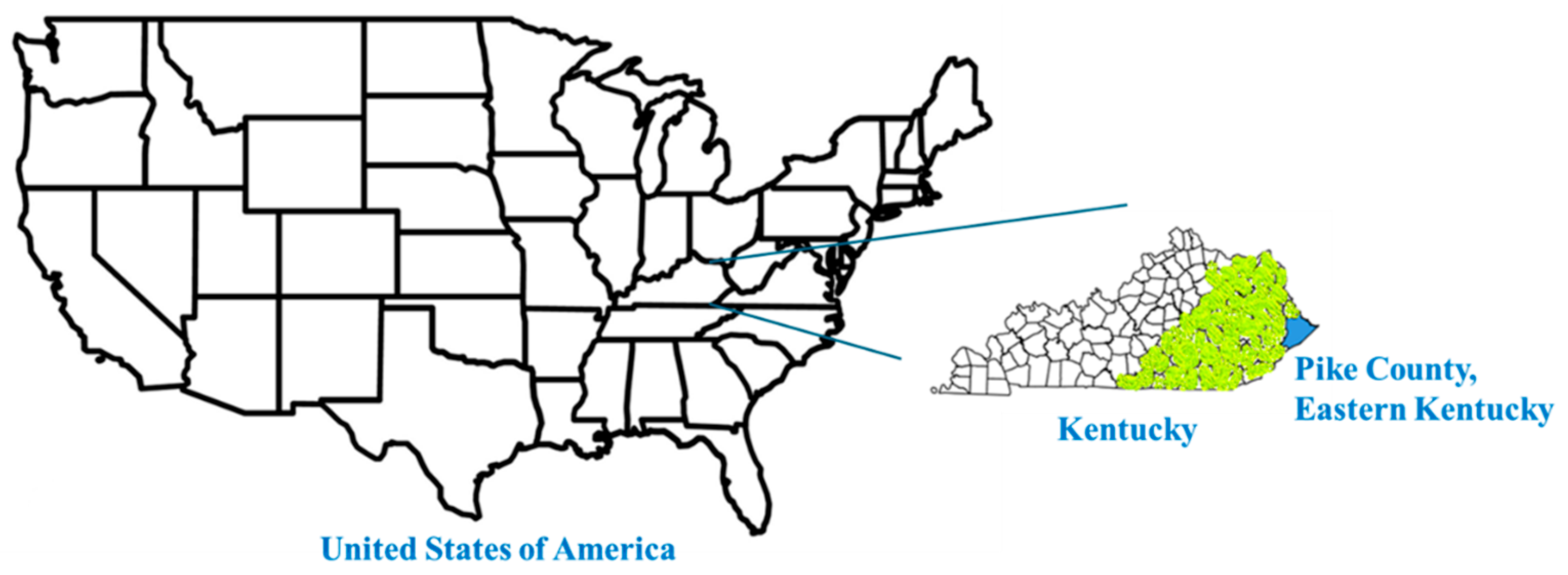
Figure 2.
Pictures of some of the plants reviewed and discussed in this project. All plants were pictured in or around Pike County, Eastern Kentucky.
Figure 2.
Pictures of some of the plants reviewed and discussed in this project. All plants were pictured in or around Pike County, Eastern Kentucky.
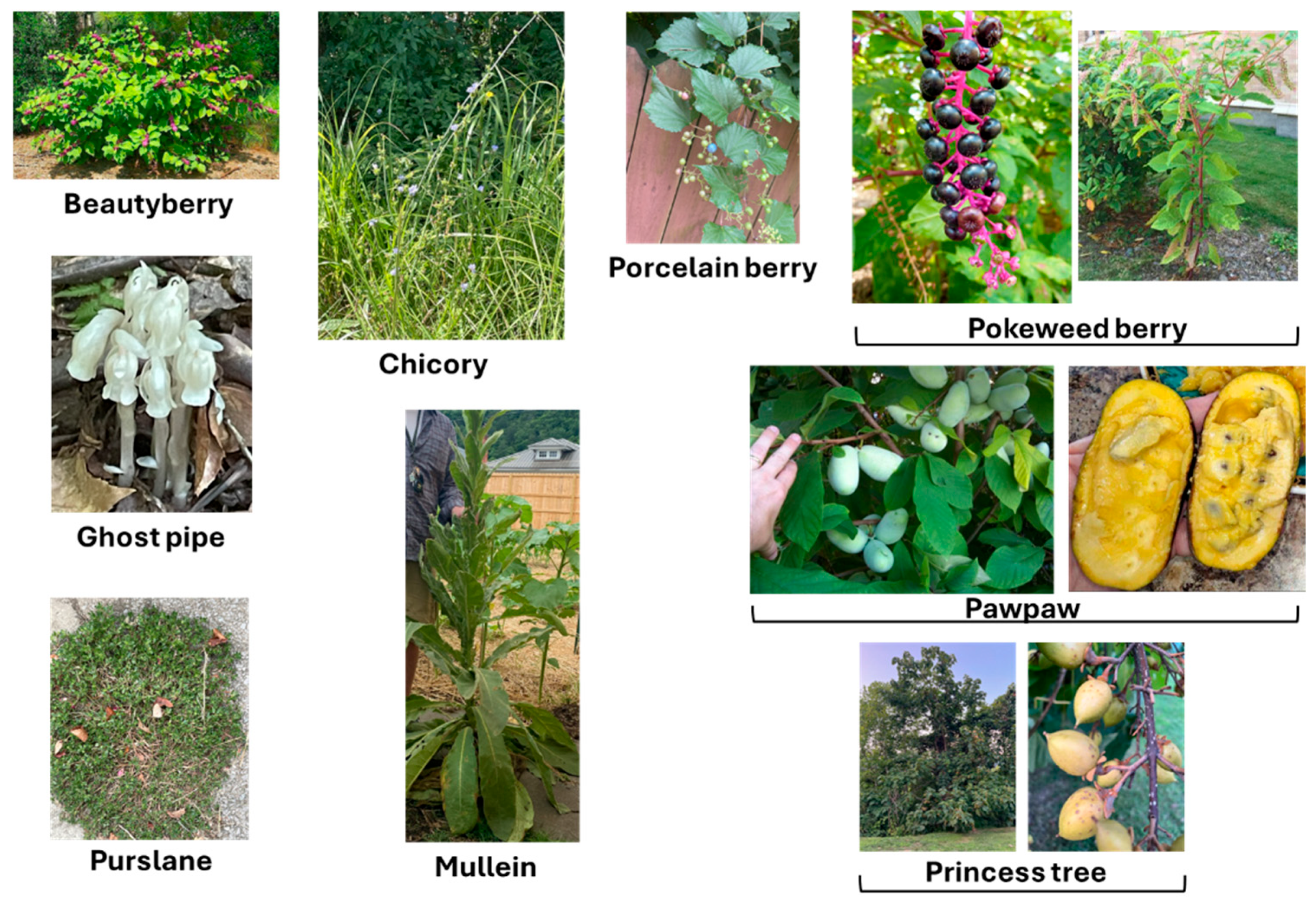
Figure 3.
A bar graph exhibiting the various plant families represented by the medicinal plants discussed in this review.
Figure 3.
A bar graph exhibiting the various plant families represented by the medicinal plants discussed in this review.
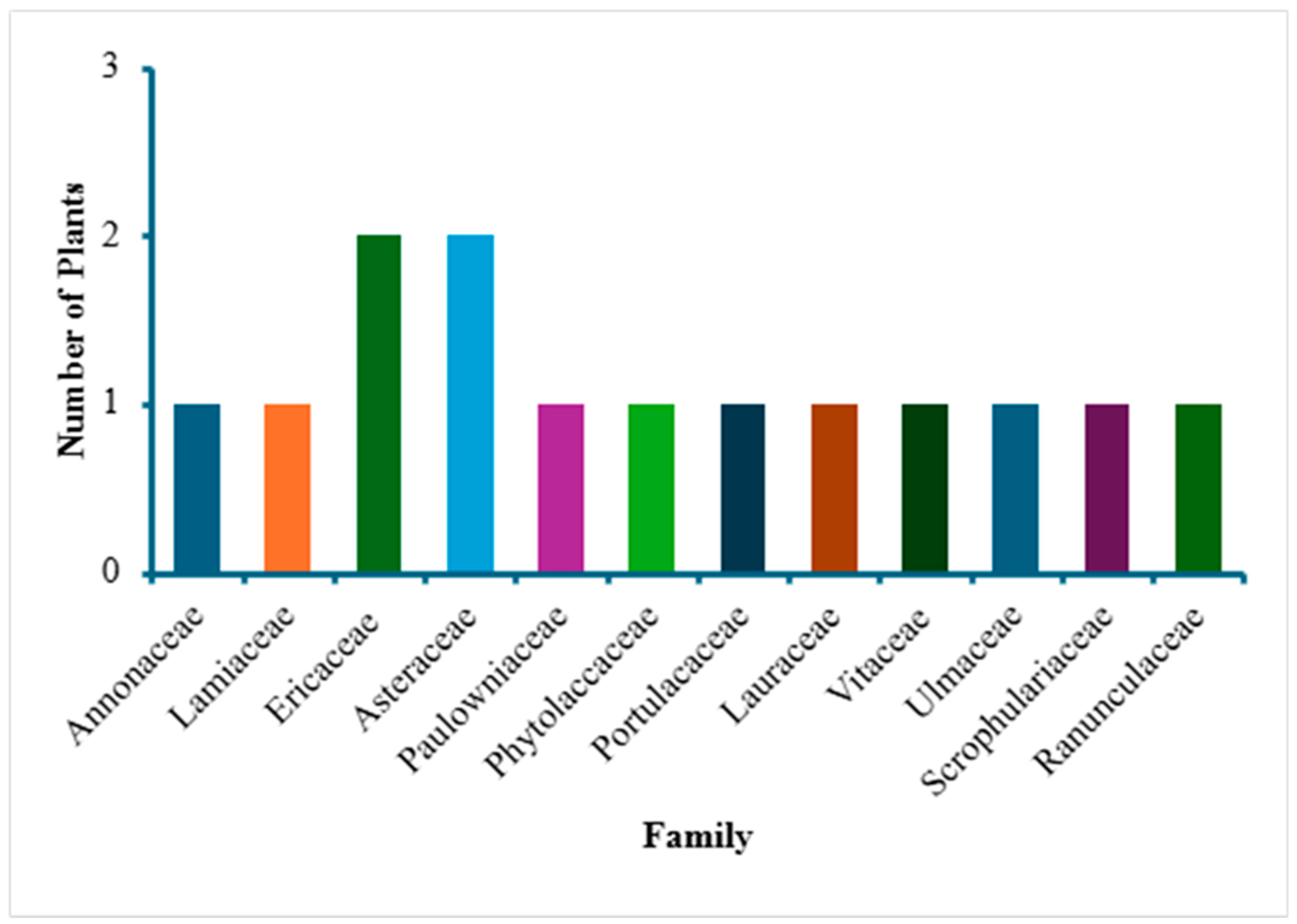
Figure 4.
Bar graph showing the distribution of the 14 medicinal plants, under study, based on their plant type.
Figure 4.
Bar graph showing the distribution of the 14 medicinal plants, under study, based on their plant type.
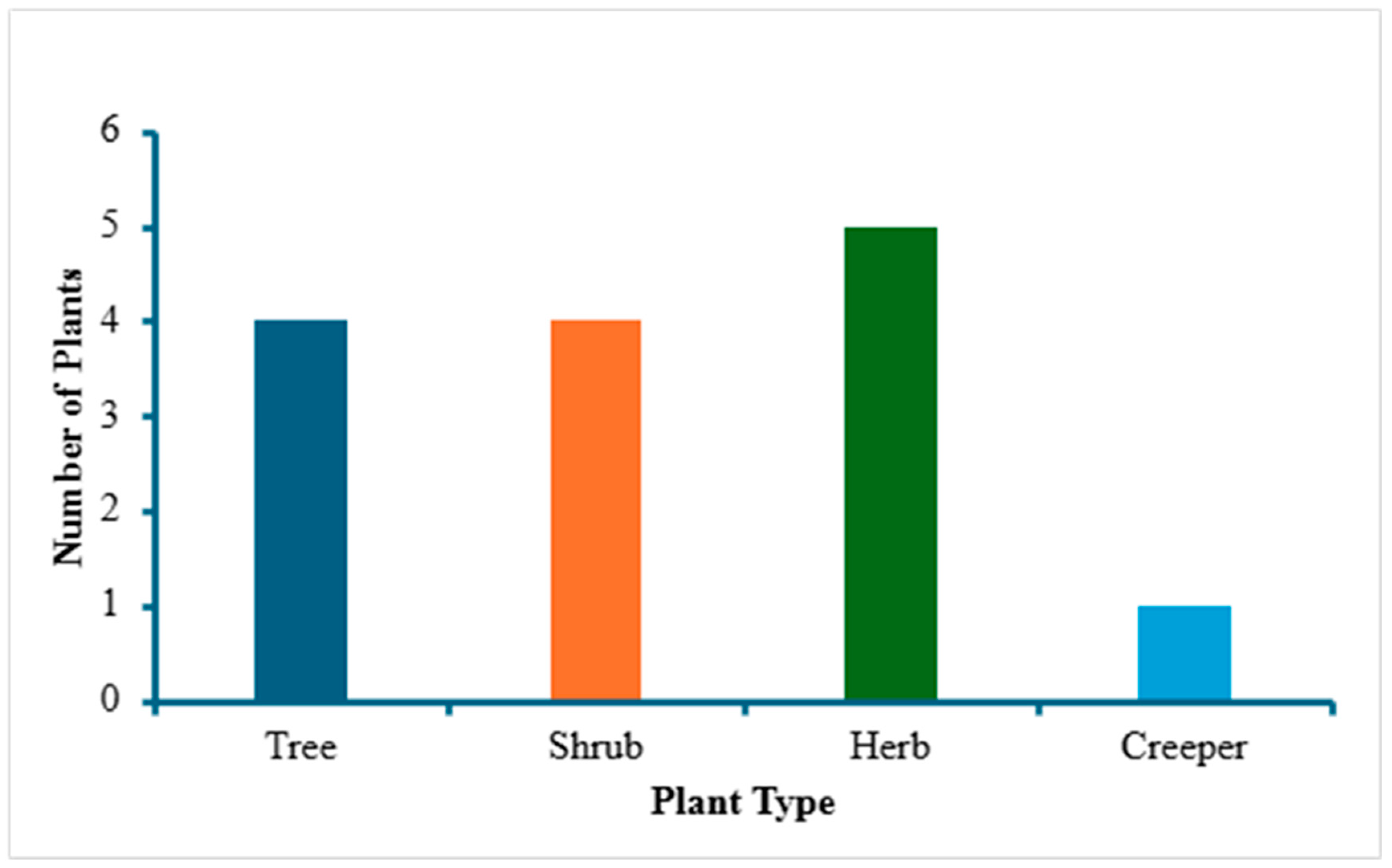
Figure 5.
Bar graph demonstrating the various medicinal plant parts used by locals in Eastern Kentucky for their medical benefits.
Figure 5.
Bar graph demonstrating the various medicinal plant parts used by locals in Eastern Kentucky for their medical benefits.
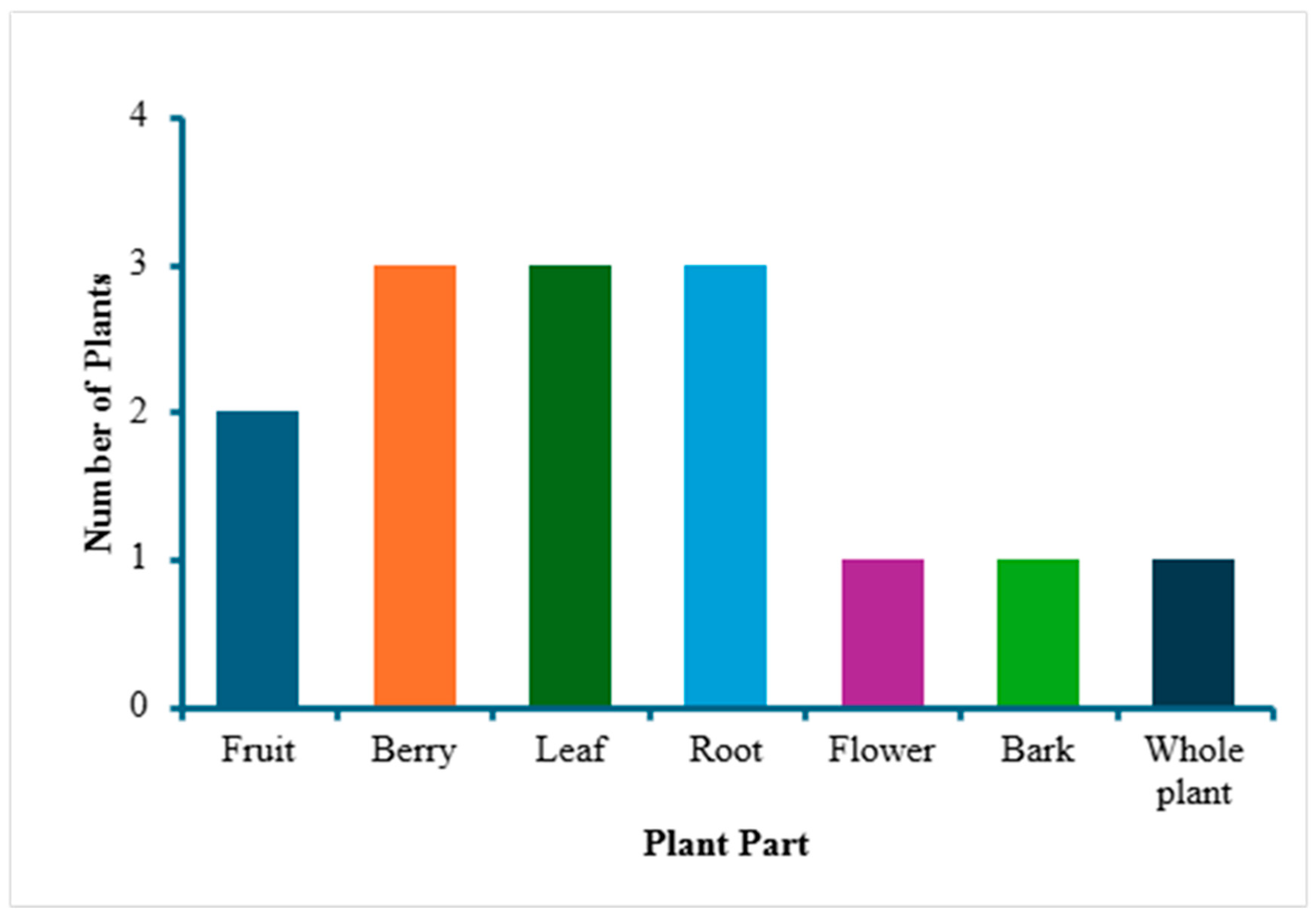
Figure 6.
Graph showing the various pharmacological benefits of the 14 Eastern Kentucky medicinal plants under study in this project. Note: Antimicrobials include antibacterial, antiviral, and antiparasitic activities; gastrointestinal (GI) health includes GI tone modulation, effect on digestion, and overall GI benefits; antimetabolic syndrome includes antidiabetic effect.
Figure 6.
Graph showing the various pharmacological benefits of the 14 Eastern Kentucky medicinal plants under study in this project. Note: Antimicrobials include antibacterial, antiviral, and antiparasitic activities; gastrointestinal (GI) health includes GI tone modulation, effect on digestion, and overall GI benefits; antimetabolic syndrome includes antidiabetic effect.
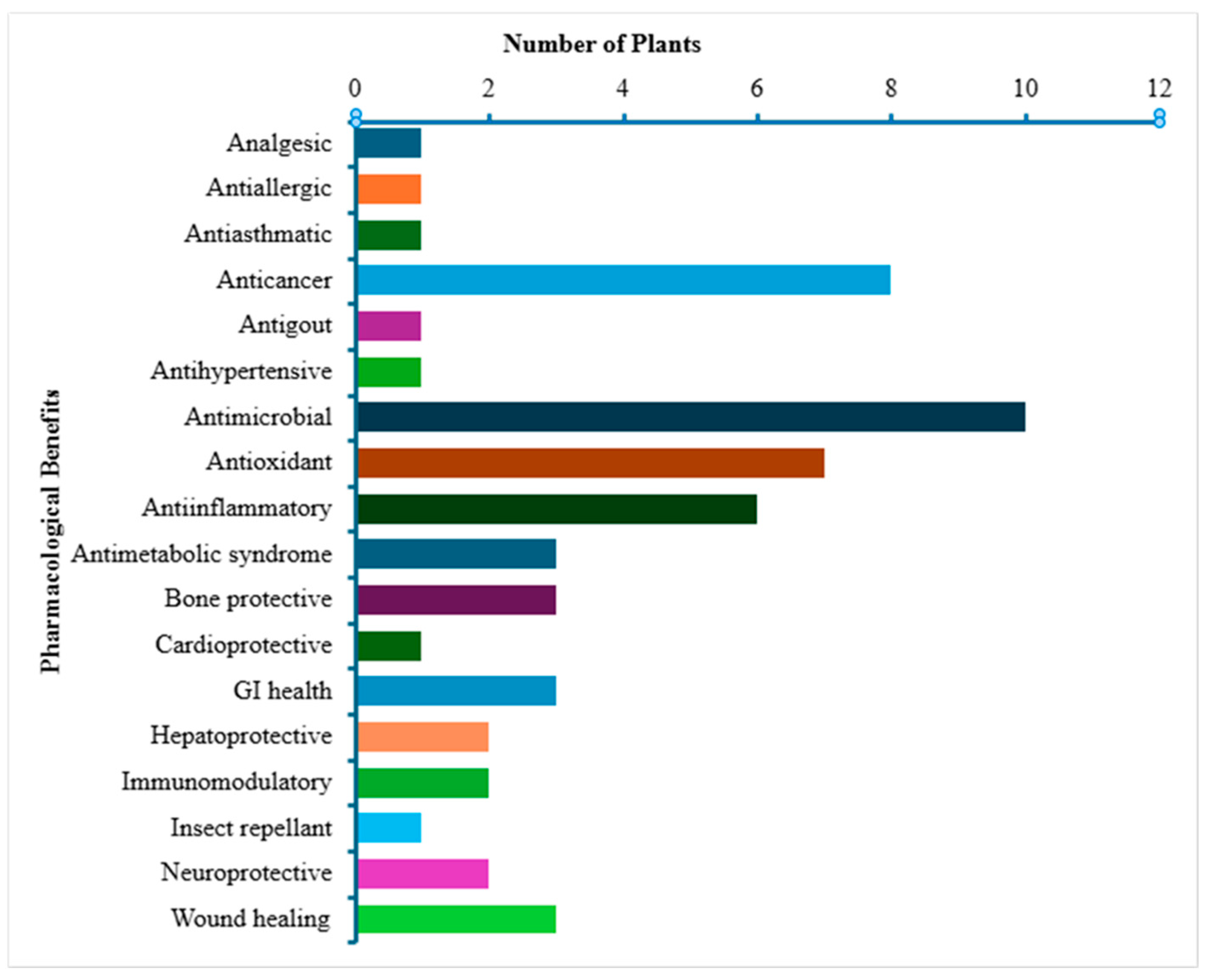

Table 1.
List of medicinal plants surveyed for their use in Pike County, Eastern KY (data gathered through a survey of some Appalachian locals).
Table 1.
List of medicinal plants surveyed for their use in Pike County, Eastern KY (data gathered through a survey of some Appalachian locals).
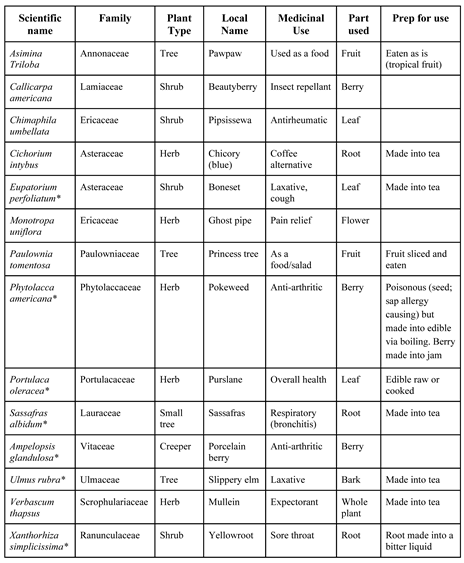 |
*These plants have synonyms (alternative scientific name), these synonyms are given in Table 2.
Table 2.
Synonyms (alternative scientific name) for few of the medicinal plants that are part of the findings of the survey.
Table 2.
Synonyms (alternative scientific name) for few of the medicinal plants that are part of the findings of the survey.
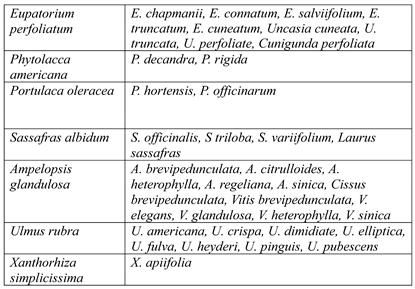 |
Table 3.
Reported pharmacological benefits of Eastern Kentucky medicinal plants.
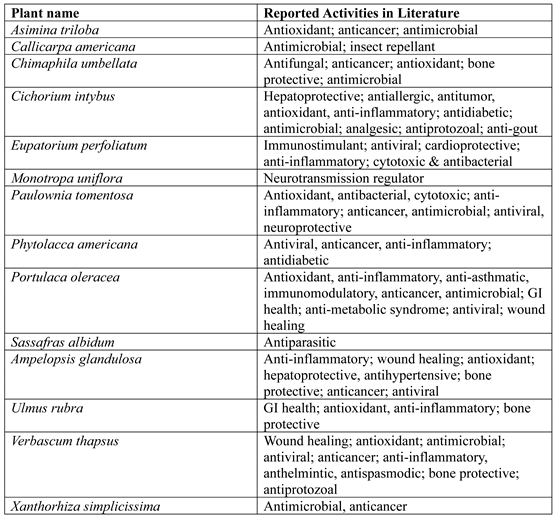 |
Disclaimer/Publisher’s Note: The statements, opinions and data contained in all publications are solely those of the individual author(s) and contributor(s) and not of MDPI and/or the editor(s). MDPI and/or the editor(s) disclaim responsibility for any injury to people or property resulting from any ideas, methods, instructions or products referred to in the content. |
© 2025 by the authors. Licensee MDPI, Basel, Switzerland. This article is an open access article distributed under the terms and conditions of the Creative Commons Attribution (CC BY) license (http://creativecommons.org/licenses/by/4.0/).
Copyright: This open access article is published under a Creative Commons CC BY 4.0 license, which permit the free download, distribution, and reuse, provided that the author and preprint are cited in any reuse.