

Submitted:
03 September 2025
Posted:
04 September 2025
You are already at the latest version
Abstract
The topic under consideration is the significance of comprehending the intercultural differences in sports activities and communication. This knowledge enables the improvement of practical aspects of sporting environments, promoting inclusion, collaboration, and diplomacy. The selection of this topic was motivated by its global relevance, practical importance, ethical implications, and potential for academic advancement. Research on intercultural differences in sports communication aims to explore the multifaceted impact of culture on sports and provide practical and academic insights that benefit the sports community and the broader field of intercultural communication. This pilot study aimed to gather preliminary results that will form the foundation for subsequent stages of a larger, long-term research project, which will be carried out over a three-year study cycle. This pilot study's objective was to investigate and understand how cross-cultural dynamics affect sports performance, teamwork, and cooperation. The objectives include analyzing the impact of culture on sports communication; understanding the role of intercultural differences in sports activities; examining the impact of culture on sports performance; and promoting inclusion, diversity, and diplomacy. A comprehensive review of the existing literature on intercultural differences in sports communication was conducted to identify the key themes and gaps in the current research. A mixed-methods approach was employed to collect qualitative and quantitative data through surveys, interviews, and observational studies. Participants included students participating in organized sports activities, athletes, coaches, and teachers from various cultural backgrounds in the university environment. Data were collected through a combination of online surveys, in-person interviews, and field observations. A total of 100 participants aged 18-25 were included in the study, and data were analyzed using both qualitative and quantitative methods, including thematic and ANOVA statistical analyses. This study revealed that cultural diversity within sports teams has a salutary influence on communication and collaboration, ultimately resulting in enhanced sports performance. Empirical data have demonstrated that intercultural communication significantly bolsters team cohesion and sports performance. High-performing teams tended to employ more effective communication strategies, which, in turn, contributed to their superior sports performance. Teams that underwent intercultural communication training exhibited improved communication and sports performance compared to those that did not receive such training. Contrary to popular beliefs, cultural stereotypes in sports communication can serve as a means to foster cultural dialogue. This study hypothesizes that the positive relationship between cultural diversity and sports performance may be attributed to exposure to various perspectives and modes of thinking, leading to more innovative and creative solutions. The next logical step is to investigate the long-term effects of intercultural communication training on sports performance and to explore the potential of using sports as a catalyst for promoting cultural dialogue and inclusivity.
Keywords:
Culture
; Sport
; Communication
; Intercultural differences
1. Introduction
Intercultural communication refers to communication between individuals or groups from different linguistic and cultural backgrounds. This definition is based on the following basic definition from The LanQua Toolkit Project, developed by the Language Network for Quality Assurance (LanQua), funded by the Commission of the European Communities Lifelong Learning Erasmus Network Programme (October 2007-September 2010): “Communication is the active relationship established between people through language, and intercultural means that this communicative relationship is between people of different cultures, where culture is the structured manifestation of human behavior in social life within specific national and local contexts, e.g., political, linguistic, economic, institutional, and professional. Intercultural communication is both a concept and competence. Intercultural competence is the active possession by individuals of qualities which contribute to effective intercultural communication and can be defined in terms of three primary attributes: knowledge, skills, and attitudes.” [1]
In recent years, sports research has expanded to encompass several key areas. First, the Olympics serves as a microcosm of cultural interaction, providing a platform for showcasing cultural diversity in sports. Athletes and teams from various cultural backgrounds come together, requiring them to adapt to the host country’s cultural nuances. This event fostered cross-cultural communication and understanding.
Second, multinational and multicultural sports teams have become increasingly common. These teams comprise athletes from different cultural backgrounds, who must communicate effectively to achieve success. Research has focused on understanding the challenges and benefits of such teams, including language barriers, communication styles, and creating a cohesive team culture.
Third, language and nonverbal communication in sports are significant research areas. The role of verbal and nonverbal cues in sports communication is an important aspect, with researchers exploring how athletes and coaches overcome language barriers using different communication strategies. Additionally, nonverbal communication, such as gestures, body language, and facial expressions, plays a crucial role in conveying messages on and off the field. Understanding how these nonverbal cues are interpreted across cultures is essential.
Finally, cultural representation in sports is a vital area of research. Sports often reflects the cultural identity and values of a country or community. Researchers have examined how sports teams and athletes represent and symbolize national culture internationally, the cultural biases and stereotypes that influence sports commentary and news, how athletes are portrayed, and how sporting events are perceived by the public. Such perceptions often reinforce or challenge cultural stereotypes.
Effective intercultural communication in sports necessitates thorough comprehension of its intricate nature. Researchers have recognized the importance of adopting an interdisciplinary approach that incorporates diverse fields, such as sports science, sociology, anthropology, and communication studies. This approach acknowledges that intercultural sports communication entails more than just language and gestures; it also involves a complex interplay of physical, sociocultural, and communicative elements. By integrating insights from these various fields, researchers can gain a comprehensive perspective on the dynamics of this field and collaborate to bridge the gap between culture and communication in sports, resulting in a deeper understanding of the intersection of these two elements.
A deeper understanding of intercultural differences in sports activities and communication, grounded in a strong foundation of knowledge and contextual approach, leads to practical improvements in sports environments. This, in turn, promotes inclusivity, collaboration, and diplomacy, while empowering athletes, coaches, and sports organizations to navigate the challenges and opportunities presented by a multicultural sports world.
Researchers such as F. Trompenaars, G. Hofstede, and E. Hall identified the components of culture and categorized them into three levels: a) visible aspects, such as language, symbols, rituals, and traditions; b) unseen norms and values that influence communication, behavior, and attitudes; and c) communication patterns based on cultural and linguistic conventions. [2,3], (Table 1).
According to Topchiy [6], linguistic codes play a crucial role in shaping a person’s worldview and spirituality, and understanding cultural typologies can help avoid misunderstandings in communication. In English-speaking countries, low-context communication is common, characterized by directness, expressiveness, and the importance of language in conveying ideas, whereas emotionality and group consciousness are important in Eastern Europe, Asia, and the East. O. Topchiy [6] also identified five main models of intercultural communication interactions in the acculturation process: integration (entering another culture by gradually acquiring its norms, values , and behavioral patterns), assimilation (the group and its members lose their culture, but assimilate another culture), separatism (members of a group refuse contact with other groups while maintaining their culture), and alienation (the feeling of disconnection or isolation from the community surrounding it).
According to Branitska [7], intercultural competence is a vital element for promoting social harmony among diverse ethnic and cultural groups as well as enhancing effective communication in multicultural professional settings. The researcher identifies value-cognitive, motivational, and action components–as the key factors contributing to the development of intercultural competence, which comprises three main elements: knowledge (understanding of values and norms that influence communication), skills (e.g., observing, listening, analyzing, evaluating, and interpreting), and attitude (including respect, openness, and curiosity). Consequently, individuals acquire the capacity to respond appropriately to others, based on their expectations [8] (Illie, 2019).
The relationship between culture and communication in sports is a complex and diverse field of study that has piqued the interest of researchers. They have explored how cultural factors impact communication among athletes, coaches, and spectators at various levels, from international competitions such as the Olympics to the dynamics within multicultural teams. By examining the influence of language, nonverbal cues, and cultural representation in sports, researchers can gain valuable insight into the intricate world of intercultural communication in athletics.
Sports has only recently become a significant social and cultural concern for the EU, as proclaimed in the Treaty of Amsterdam in 1997. This treaty emphasizes the importance of sports, particularly their ability to bring people together and foster a sense of identity. Sport is also acknowledged as a tool for social inclusion, as stated by Gasparini W. and Cometti A. in a 2010 report by the Council of Europe entitled: “Sport facing the test of cultural diversity” [9].
Since 2000, a multitude of projects and events has been financed across Europe to foster intercultural dialogue through sports. These initiatives include establishing sports networks, drafting charters to promote intercultural dialogue in sports, organizing intercultural street football tournaments, hosting special events by sports clubs to welcome migrants, and facilitating educational exchanges with foreign clubs. Examination of cultural discrepancies in sports communication is essential to comprehend how culture shapes communication within a sports context. This method offers a systematic and comparative approach that helps resolve conflicts, benefits intercultural training, and results in a more inclusive and equitable sports environment. This approach holds both practical and scholarly value for improving our understanding of intercultural sports communication.
Although modern sports originated in Europe, it has evolved into an internationally recognized form of expression that unites individuals from diverse cultural backgrounds. European citizens view sports as a means of fostering integration and combating discrimination, with nearly three out of four individuals considering it as a potential platform for dialogue among different cultures. Since 2007, the EU has proposed recommendations and initiatives for this effect.
Several examples illustrate the integration of intercultural and inclusive dimensions of sports. The White Paper on Sport, prepared by the European Commission in 2007, highlights the use of sports to promote social integration, with a specific emphasis on increasing access to sports participation for women from ethnic minorities. [9]
The 2008 European Year of the Intercultural Dialogue led to increased institutional efforts and interactions. During this time, European ministers responsible for sports adopted a joint declaration highlighting social significance and intercultural dialogue in sports. Furthermore, the European Commission published a final report on “Unity in Diversity.” In May 2008, an international roundtable on sports and intercultural dialogue was held in Ljubljana. Recommendations for promoting intercultural dialogue through sports were presented at the December 2008 European Sport Forum in Biarritz.
The President of the International Olympic Committee (IOC), Thomas Bach, habitually underscores the significance of perceiving sports as encompassing more than mere physical exertion. He maintains that sports not only promotes good health but can also serve as a preventive or curative measure for ailments prevalent in modern society. Furthermore, he regarded sports as a potent educational instrument, facilitating cognitive growth, instilling social behavior, and fostering community integration. [10]
In May 2003, the European Council recognized the socioeconomic benefits of youth sports and their role in integration. Rapporteurs emphasized that sports are activities that foster social interaction, integration, tolerance, acceptance of diversity, and adherence to norms, and that it promotes democratic management of Europe’s cultural diversity.
Sports is a global phenomenon that transcends national boundaries and has a profound impact on societies around the world. They provide a unique platform for intercultural interactions and exchanges and explore how culture influences communication in this global context is not only intellectually stimulating but also relevant to the sports landscape.
Sports have become increasingly diverse, with athletes, coaches, and teams representing a wide range of cultural backgrounds. This diversity underscores the importance of effective intercultural communication in sports, which is crucial for sports teams and athletes’ success. Miscommunication can lead to conflict, hinder team performance, and even affect international competition. Investigating this topic is motivated by the recognition that managing diversity is a fundamental aspect of contemporary sports, and research in this area has practical relevance in enhancing communication strategies and teamwork within multicultural sports environments.
Exploring how culture shapes sports communication raises ethical considerations regarding inclusivity, respect, and cultural sensitivity. Sports has the power to promote diplomacy and understanding between nations and cultures, and research in this area can contribute to positive diplomatic relations facilitated by sports, especially in international competitions.
The selection of this topic was motivated by its global significance, practical implications, ethical considerations, and potential for academic advancement. Examining how culture shapes communication in sports is not only intellectually stimulating but also has the potential to enhance the sports world and foster inclusivity and mutual respect.
This subject offers opportunities for interdisciplinary research that combines sports science and communication studies, thereby contributing to academic progress.
The objectives include analyzing the impact of culture on sports communication, understanding the role of intercultural differences in sports activities, examining the impact of culture on sports performance, and promoting inclusion, diversity, and diplomacy.
2. Materials and Methods
A comprehensive review of the existing literature on intercultural differences in sports communication was conducted to identify key themes and gaps in the current research. Participants included students participating in organized sports activities, athletes, coaches, and teachers, from various cultural backgrounds, in the university environment, and data was collected through a combination of online surveys, in-person interviews, and field observations. This pilot study aimed to gather preliminary results that will form the foundation for subsequent stages of a larger, long-term research project, which will be carried out over a three-year study cycle. The pilot study was conducted at the Bucharest University of Economic Studies, Romania, for three months; a total of 100 participants aged 18-25 were included in the study, and data were analyzed using both qualitative (in-person interviews/field observations) and quantitative methods, including thematic and ANOVA statistical analyses. The subjects of this study were diverse in terms of their social, cultural, and religious backgrounds, reflecting the inclusive approach of the Bucharest University of Economic Studies, which actively promotes international diversity among its student body. Informed consent was obtained from all subjects involved in the study.
The research methodology employed consisted of questionnaires and interviews that explored various themes such as:
* Degree of comprehension of intercultural education.
* Detection of hindrances in interculturality.
* Perceived impediments to intercultural education.
* Relevance of intercultural competencies for future professional aspirations.
* The impetus to acquire intercultural skills.
* The significance of intercultural skills in sports-related activities, including the influence of culture on sports communication and how multicultural sports teams navigate diversity.
* and how cultural factors affect athletes and teams, encompassing their training, strategies, and competitive behaviors.
3. Results
This pilot study revealed that cultural diversity within sports teams has a salutary influence on communication and collaboration, ultimately resulting in enhanced sports performance. Empirical data have demonstrated that intercultural communication significantly bolsters team cohesion and sports performance. High-performing teams tended to employ more effective communication strategies, which in turn contributed to their superior sports performance. It was revealed that teams that underwent intercultural communication training exhibited improved communication and sports performance compared to those that did not receive such training. Contrary to popular belief, cultural stereotypes in sports communication can foster cultural dialogue. This study hypothesizes that the positive relationship between cultural diversity and sports performance may be attributed to exposure to various perspectives and modes of thinking, leading to more innovative and creative solutions.
3.1. Quantitative Analysis
3.1.1. Students’ Level of Knowledge in Intercultural Education:
- Regarding the level of knowledge in intercultural education, 42% of the respondents had a moderate level of knowledge, while a smaller proportion possessed a high level (26%), and a larger proportion had a low level (32%). (Figure 1)
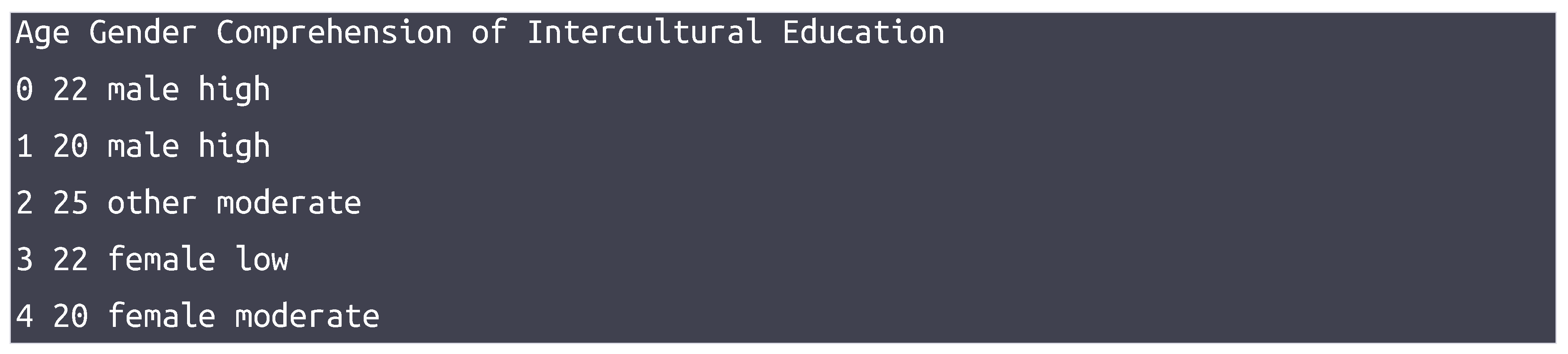
Table 1 displays the distribution of responses based on age and gender. The age distribution is relatively balanced between 18 and 25 years, with a slight prevalence of respondents at 18 and 20 years of age.
Gender distribution:
Male: 37 respondents
Female: 34 respondents
Other: 29 respondents
Central tendency for age:
Mean age: 21.09 years
Median age: 20.5 years
Mode age: 18 years
Correlation matrix: The correlation between different factors revealed diverse relationships, with most correlations being relatively weak. This suggests that there is no strong linear relationship between variables. Age exhibited some correlation with the impact of cultural factors on athletes and teams (r = 0.26) and significance in sports activities (r = -0.27).
Cross-Tabulation: Gender vs. Comprehension of intercultural education.
Female: A relatively even distribution across high, low, and moderate comprehension levels.
Male: A similar distribution, with a slight increase in high and low comprehension levels.
Other: A slightly higher prevalence of high and low responses compared to moderate responses.

Table 1.
Distribution of responses based on age and gender.
 |
Multinomial logistic regression predicted comprehension levels in intercultural education based on the independent variables of age and gender. The dependent variable in this analysis was comprehension level, which was categorized as 0, 1, or 2, representing low, moderate, and high levels of comprehension, respectively.
The results of the regression analysis for age indicated a positive coefficient (b = 0.0194, SE = 0.0187, t = 1.037, p = 0.2998), suggesting a slight increase in the likelihood of higher comprehension levels as age increased. However, the p-value was greater than 0.05, indicating that this relationship was not statistically significant at the conventional 5% level.
Similarly, the results for gender revealed a negative coefficient (b = -0.3618, SE = 0.3103, t = -1.166, p = 0.2437). This suggests that moving from the base category (likely ‘female’ if coded as 0) to another category decreases the likelihood of higher comprehension levels. However, as with age, the p-value indicated that this relationship was not statistically significant.
In conclusion, while the results suggest marginal relationships between age, gender, and comprehension level, the findings are not statistically significant at the conventional 5% level.
3.1.2. Attitude Towards Intercultural Issues:
- A substantial majority (86%) of respondents considered intercultural issues to be extremely important, indicating a strong awareness of the significance of intercultural competencies.
3.1.3. Challenges in Intercultural Education:
- The pie chart depicts the distribution of perceived obstacles in intercultural education, with intolerance (38%) marginally surpassing stereotypes and prejudices (36%), and lack of knowledge (26%) being the least commonly cited challenge. (Figure 2)
The following table presents the distribution of perceived challenges between those who consider intercultural issues to be of utmost importance and those who do not.
Chi-Square test value: 46.33
P-value: Approximately 0.00000000869
Cross-Tabulation analysis: The majority of respondents who consider intercultural issues to be of utmost importance identify intolerance, stereotypes, and prejudices as significant challenges, whereas those who do not consider them to be of utmost importance cite a lack of knowledge as the primary challenge.
The very low p-value obtained from the Chi-Square test indicates a strong association between attitudes towards intercultural issues and perceived primary challenge in intercultural education. This suggests that how individuals perceive the importance of intercultural issues is closely related to how they perceive the challenges associated with intercultural education.
Table 2.
Distribution of perceived challenges vs Intercultural issues.
| Intolerance | Lack of knowledge | Stereotypes and prejudices | |
| Extremely important | 38 | 12 | 36 |
| Not extremely important | 0 | 14 | 0 |
3.1.4. Importance of Intercultural Competencies in Future Activities vs the Motivation for Developing Intercultural Abilities:
The following analysis presents the distribution of “Impetus to acquire skills” across different levels of perceived “Relevance for future aspirations.”
The Chi-Square Test value obtained from this analysis is 5.0, with a corresponding p-value of approximately 0.0821. The Cross-Tabulation reveals that individuals who perceive low relevance for future aspirations tend to have a moderate impetus to acquire skills, while those who perceive high or moderate relevance tend to have a high impetus.
Although the p-value is above the conventional threshold of 0.05, indicating that the association between perceived relevance of future aspirations and the impetus to acquire skills is not statistically significant, it is worth noting that the p-value is relatively close to 0.05. This suggests that a trend or weak association may be present, which could become significant with larger sample sizes or additional data.
3.1.5. Significance in Sports Activities
The following analysis illustrates the connections between age, gender, comprehension of intercultural education, and significance of sports activities.
The Cross-Tabulation of comprehension and gender reveals that male respondents possess high comprehension of intercultural education, while female respondents exhibit a mix of low, moderate, and high comprehension levels. Among the male respondents, some perceived low significance in sports activities, while the others perceived moderate significance. Female respondents, on the other hand, showed a mix of high and moderate significance in sports activities.
The Chi-Squared test for comprehension and gender indicated that the relationship between gender and comprehension was not statistically significant (p = 0.1812). Similarly, the Chi-Square test for significance and gender revealed no statistically significant relationship between gender and significance in sports activities (p = 0.5037).
The correlation matrix demonstrated a slight positive correlation between age and comprehension of intercultural education (0.37), suggesting that older respondents might have a higher comprehension level. The weak negative correlation between age and significance in sports activities (-0.08) did not indicate a strong relationship between age and significance.
Kruskal-Wallis tests for age, comprehension, and significance in sports activities both yielded non-significant results (p = 0.8233 and 0.8310, respectively). The logistic regression summary for comprehension indicated that age and gender did not have statistically significant effects on comprehension.
Regarding the relationship between the comprehension of intercultural education and gender, no statistically significant association was found. However, it is noteworthy that all the males in the sample exhibited high levels of comprehension.
In terms of the relationship between gender and perceived significance of sports activities, no significant association was identified. Nevertheless, there was a varied perception of the significance of sports activities across sexes.
The statistical analyses did not reveal any significant relationship between age and either comprehension of intercultural education or perceived significance of sports activities. Furthermore, the weak correlations suggest that there is no strong linear relationship between numeric encoding of these variables and age.
Regression analysis revealed that the coefficients of age and gender in predicting high comprehension of intercultural education were not statistically significant. This suggests that other factors may be at play, or that the sample size is too small to detect a real effect.
It is important to consider the limitations of this pilot study, including the small sample size, which limits the power and generalizability of these analyses. The lack of significant findings may be due to the limited range of data or the absence of strong relationships among these factors in this particular sample. Further research with a larger and more diverse sample would be valuable to confirm these findings and to uncover more nuanced relationships.
3.1.6. Effect of Cultural Factors on Athletes and Teams
The Chi-Square test results for the effect of cultural factors vs age and gender, indicate that there is no statistically significant association in the given sample. The Kruskal-Wallis test for age and variables shows that there is no significant difference in age across different comprehension levels or the perceived effects of cultural factors.
In the Multinomial logistic regression, the model for comprehension based on age and gender suggested a slight increase in the likelihood of higher comprehension with increasing age, but the model for the effect of cultural factors based on age and gender failed to converge due to overflow and convergence issues.
The Cross-Tabulation shows varied distributions for gender, comprehension, and the effect of cultural factors. However, Chi-Square tests suggest that these associations are not statistically significant in this small sample.
Statistical conclusions:
- Non-significant associations: The absence of statistically significant correlations across multiple analyses highlights the intricate and likely multifactorial nature of the relationships between demographic factors, comprehension, and perceived influence of cultural factors.
- Importance of a larger sample size: The limitations imposed by a small sample size and potential homogeneity within it underscore the need for broader, more inclusive data to draw comprehensive conclusions about these relationships.
3.2. Qualtitative Analysis (In-Person Interviews/Field Observations)
In today’s globalized world, Intercultural Education is an emerging field that seeks to promote mutual understanding and appreciation among individuals from diverse cultural backgrounds. This is a response to the multicultural and complex nature of contemporary society.
The data suggest a promising engagement with intercultural education, with most students having a moderate level of knowledge. However, the presence of students at both the high and low ends of the spectrum indicates room to enhance the depth and engagement of intercultural education.
Addressing the reasons behind these varying levels can help educators, and students themselves foster a more informed and competent society in intercultural matters.
3.2.1. Comprehending Intercultural Education:
- Varying degrees of understanding: Students displayed diverse levels of comprehension of intercultural education, with the majority exhibiting moderate knowledge. This suggests that while intercultural concepts may be introduced, a considerable portion of the student body struggles with the intricacies (low level) or has attained substantial understanding (high level). This variation indicates the necessity for educational strategies that are multifaceted and adaptable to diverse learning paces and styles.
- The role of age: The slight positive correlation between age and comprehension implies that as students mature, they might gain more exposure or experience, leading to a better understanding of intercultural issues. However, the absence of statistical significance implies that age alone is not a strong predictor of comprehension.
- Gender implications: The distribution across genders reveals no significant association with comprehension levels, indicating that comprehension of intercultural education might be influenced more by individual experiences and learning environments than by gender.
3.2.2. Perceptions of Intercultural Issues:
- High importance: The majority of students’ recognition of the significance of intercultural issues indicates growing awareness, which could be attributed to global connectivity and multicultural interactions. This heightened awareness is crucial for fostering an inclusive and diverse environment.
- Identified challenges: The listing of intolerance, stereotypes, and lack of knowledge as primary obstacles emphasizes the areas where educational institutions need to focus their efforts. Addressing these challenges through targeted interventions can significantly improve the effectiveness of intercultural education.
3.2.3. Relevance and Motivation:
- Complex relationship: The connection between the perceived relevance of intercultural competencies for future aspirations and the motivation to develop these skills is complex. Although not statistically significant, this trend suggests that students who perceive greater value in intercultural competencies for their future are more inclined to develop these skills. This underscores the importance of demonstrating practical applications and benefits of intercultural competence in real-world scenarios for students.
3.2.4. Significance of Sports Activities:
- Diverse perspectives: Students hold varied perspectives on the significance of cultural factors in sports, reflecting their personal interests, exposure to sports, and possibly their cultural backgrounds. This diversity is essential for understanding how sports can be utilized as a platform to promote intercultural dialogue and understanding.
-Varying influence of cultural factors: The non-significant results indicate that while cultural factors are acknowledged, their perceived impact varies widely among individuals. This may be due to different personal experiences with sports, or varying levels of understanding of how culture influences team dynamics and performance.
4. Discussion
Based on these findings, it is possible to develop education programs and institutional strategies that are informed by the growing awareness among students of the significance of intercultural education, which is attributed to media exposure and the academic curriculum. [11]
These findings also highlight the need to address obstacles such as stereotypes, lack of tolerance, and knowledge deficits that hinder intercultural understanding and respect in order to promote a more inclusive and diverse environment. Furthermore, the positive response regarding the importance of intercultural competencies in future careers and the strong motivation for developing these skills underscores the value of these competencies in an increasingly globalized world. Therefore, it is imperative to develop educational programs that address these barriers and enhance intercultural interaction in sports. The research findings also highlight the necessity of understanding how culture impacts communication in sports and warrant special attention in this area.
The findings underscore the necessity of acquiring a more profound comprehension of the ways in which culture influences communication in sports and provide practical solutions to improve intercultural interactions in this domain. These results have the potential to impact sports practice, policy, and academic research in the following areas:
- Investigate the influence of culture on sports communication at both the individual and team levels.
- Explaining the effects of cultural diversity on sports performance and team collaboration.
- Identifying successful strategies adopted by athletes and coaches in managing intercultural differences within teams.
- Proposing practical recommendations to optimize intercultural communication in sports.
- Offering evidence on the potential of sports to promote inclusivity and cultural dialogue.
- Suggesting policies and initiatives to create a more inclusive and equitable sports environment.
- Analyzing and addressing cultural stereotypes in the communication and representation of athletes in the media.
- Advocating a fair and unbiased approach to sports communication by raising awareness of the negative effects of cultural stereotypes.
- Identifying the interconnections between cultural diversity and sports performance.
- Providing data and recommendations for enhancing the performance of multicultural teams.
- Contributing to specialized literature in the field of intercultural communication and sports.
- Establishing a foundation for future research and refinement or development of existing or new theories.
- Supporting government or organizational initiatives aimed at improving intercultural communication in sports with data and arguments.
- Promoting intercultural education among athletes, coaches, and other participants in sports communities.
The next logical step is to explore the long-term effects of intercultural communication training on sports performance and investigate the potential of using sports as a catalyst for fostering cultural dialogue and inclusivity.
Recommendations:
- Comprehensive approach: A multidimensional approach to addressing intercultural competence and the role of cultural factors in sports must consider individual disparities, educational backgrounds, and personal history.
- Customized educational strategies: Educational institutions may benefit from devising tailored strategies to accommodate diverse levels of comprehension and attitudes towards intercultural issues among their students.
- Further research: More extensive studies with larger and more diverse participant pools are essential to elucidate the complex relationships between demographic factors, intercultural comprehension, and the perceived impact of cultural factors on sports.
Limitations:
-The limitations imposed by a small sample size and potential homogeneity within it underscore the need for broader, more inclusive data to draw comprehensive conclusions about these relationships.
5. Conclusions
The results of pilot study highlight the importance of comprehensive intercultural education in sports. To address educational disparities, promote inclusive policies, and harness the unifying power of sports, it is crucial to implement targeted educational programs that specifically address barriers to intercultural understanding such as stereotypes and knowledge deficits. [12]
By recognizing the impact of culture on sports communication and performance, strategies can be devised to enhance team collaboration and optimize the performance of athletes from diverse backgrounds. Additionally, by identifying and disseminating effective strategies for managing cultural differences, coaches and athletes can create a more inclusive and effective team environment, ultimately contributing to a more inclusive and respectful society.
Sports can serve as a potent means of promoting inclusivity and facilitating cross-cultural dialogue; leveraging this potential can yield significant implications for societal mindsets and cohesion. This indicates that sports can act as powerful instruments to drive favorable social changes.
To maximize this potential, initiatives should be developed to create a more inclusive and equitable sports environment. Advocating for fair and unbiased sports communication, as well as tackling cultural stereotypes in media representation, are essential components of these efforts.
Further research is necessary to better understand the intricate relationship between culture, communication, and sports performance. The contributions of such research are instrumental in advancing the body of the literature and theoretical frameworks pertaining to intercultural communication and sports.
It is vital to scrutinize the long-term impact of intercultural communication training on sports performance and team dynamics. This knowledge can inform the development of sustainable programs and initiatives that utilize sports as a catalyst to foster cross-cultural dialogue and inclusivity. [13]
Funding
This research received no external funding.
Informed Consent Statement
Informed consent was obtained from all subjects involved in the study.
Data Availability Statement
The datasets used and/or analyzed during the current study are available from the corresponding author on reasonable request.
Acknowledgments
Not applicable.
Conflicts of Interest
The authors declare no conflict of interest.
References
- Intercultural communication. The LanQua Toolkit Project developed by the Language Network for Quality Assurance (LanQua), funded by the Commission of the European Communities Lifelong Learning Erasmus Network Programme. It was coordinated by the Subject Centre for Languages, Linguistics and Area Studies, hosted by the University of Southampton in the UK. (October 2007-September 2010). Available online: https://www.lanqua.eu/theme/intercultural-communication/ (accessed on 19 November 2023).
- Hall, E., T. The Silent Language. New York: Anchor Books, 1959.
- Hutchinson, T. et al. English for Specific Purposes: A Learner-Centered Approach. Cambridge University Press, 1987.
- Rogers, P.; Tan, J. S. (2008), Fifty Years of Intercultural Study: A Continuum of Perspectives for Research and Teaching. Michigan Ross School of Business 2008, Working Paper Series No. 1104. Available online: http://ssrn.com/abstract=1132328 (accessed on 18 November 2023).
- Nestian, S., O.; Lyamouri-Bajja, N., T. Kit 4 - Intercultural learning, Council of Europe and European Commission 2018, 2nd Edition, Council of Europe Publishing ISBN 978-92-871-8512-9. Available online: https://pjp-eu.coe.int/documents/42128013/47262514/PREMS+042218+T-kit4+WEB.pdf/37396481-d543-88c6-dccc-d81719537b32 (accessed on 17 December 2023).
- Topchiy, O.,V. Teoretychni osnovy formuvannya profesiynoyi komunikaty vnoyi kompetentnosti v maybutnikh na stupnykh orhanakh vnutrishnikh sprav [Theoretical foundations of the formation of professional communicative competence in future investigative bodies of internal affairs]. www.nbuv.gov.ua/portal/socgum/nvknuvs/2011_2/kopchii.htp[inUkrainian] (13) (PDF) INTERCULTURAL COMMUNICATION. Available online: https://www.researchgate.net/publication/373808249_INTERCULTURAL_COMMUNICATION (accessed on 18 November 2023).
- Branitska, T. Intercultural competence as an important factor of professional activity of social sphere specialists. Scientific Bulletin of Uzhgorod NationalUniversity, 1(44), 2019; pp.18-22 [inUkrainian]. (13) (PDF) INTERCULTURAL COMMUNICATION. Available online: https://www.researchgate.net/publication/373808249_INTERCULTURAL_COMMUNICATION (accessed on 18 November 2023).
- Ilie, O.,-A. The Intercultural Competence. Developing Effective Intercultural Communication Skills. Sciendo, 2019. URL: https://sciendo.com/article/10.2478/kbo-2019-0092 (mode of access: 11.09.2021). (13) (PDF) INTERCULTURAL COMMUNICATION. Available online: https://www.researchgate.net/publication/373808249_INTERCULTURAL_COMMUNICATION (accessed on 18 November 2023).
- Gasparini, W.; Cometti, A. Sport facing the test of cultural diversity. Integration and intercultural dialogue: in Europe: analysis and practical examples. Sports policy and practice series, Council of Europe Publishing. 2010. Available online: https://rm.coe.int/sport-facing-the-test-of-cultural-diversity-integration-and-intercultu/1680734be5 (accessed on 19 November 2023).
- Fundamental Principles of Olympism, Olympic Charter. International Olympic Committee. Available online: https://olympics.com/ioc/peace-and-development (accessed on 16 December 2023).
- Grosu-Rădulescu,L.-M. Foreign Language Teaching in Romanian Higher Education. Teaching Methods, Learning Outcomes. Multilingual Education 2018, Vol. 27, Springer International Publishing. DOI 10.1007/978-3-319-93329-0. Hardcover ISBN 978-3-319-93328-3. eBook ISBN 978-3-319-93329-0. Available online: https://www.springer.com/gp/book/9783319933283 (accessed on 26 December 2023).
- Marinescu, R.-E. Multiculturalism under attack in Europe. Chapter in Muslim Minorities and Social Cohesion- Cultural Fragmentation in the West (ed.) Abe W. Ata, Routledge 2020; pp.135–148, ISBN 9780367484668. Available online: https://www.taylorfrancis.com/books/e/9781003044529/chapters/10.4324/9781003044529-14 (accessed on 26 December 2023). [CrossRef]
- Ciolaneanu, R.; Marinescu, R.-E.The Magician, The Savior, and the Cyborg: Exploring Girlhood in Young Adult Film. Handbook of Research on Translating Myth and Reality in Women Imagery Across Disciplines. 2020, ISBN13: 9781799864585. Available online: https://www.igi-global.com/book/handbook-research-translating-myth-reality/255419#:~:text=The%20Handbook%20of%20Research%20on,women%20across%20time%20and%20space (accessed on 26 December 2023).
Figure 1.
Distribution of responses.
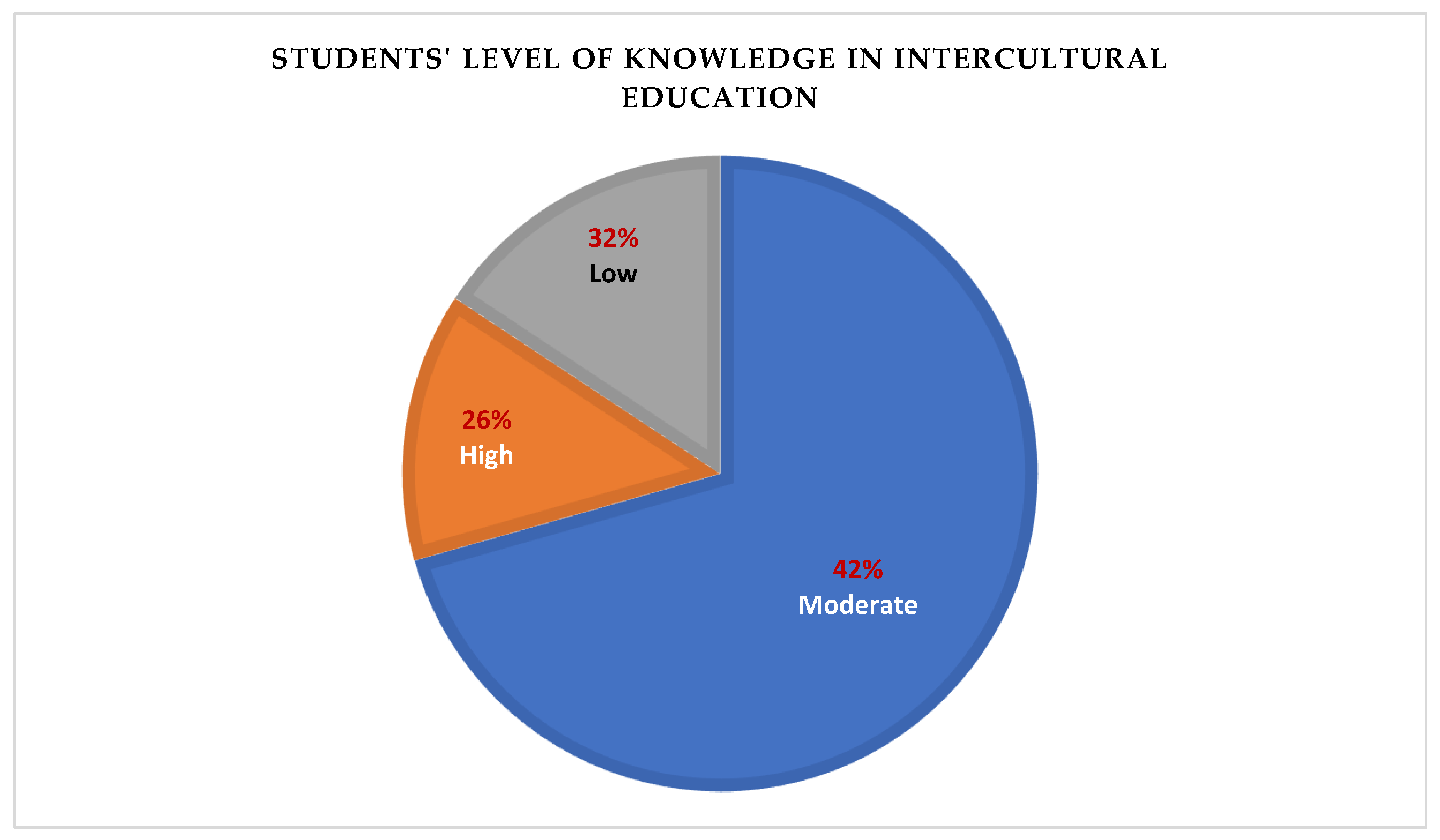
Figure 2.
Challenges in intercultural education.
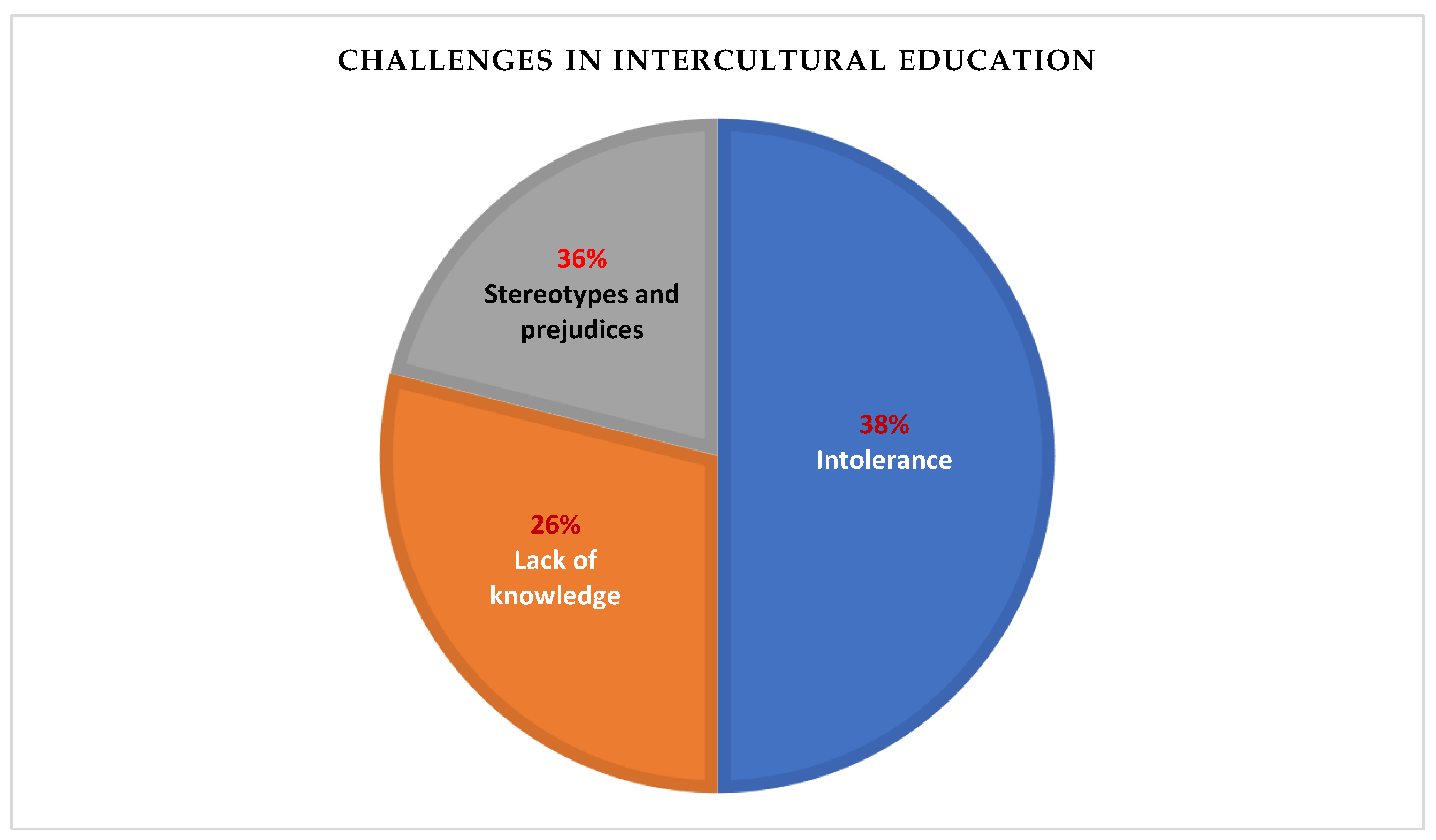
Table 1.
Perspectives and related constructs of intercultural scholars.
| Scholars | Perspectives | Description |
| Schwartz |
Universal Values flowing from humans’ most basic needs |
He identified a set of shared values that have similar meanings across cultures. They are considered to reflect different solutions that societies find for the problems of human activities.
|
| Hofstede |
National Cultural differences among nations as seen in societal systems and collective values |
He identified a set of cultural dimensions specific to different nations.
|
| Trompenaars and Hampden-Turner |
Organisational Adaptation in business contexts through awareness of intercultural differences and self-examination | They identified how national differences may play out in the business environment.
|
| Hall | Interpersonal Individual behaviours and the hidden cultural roles governing them | He focused on interpersonal aspects of intercultural communication and identified two dimensions of culture that characterise the way individuals interact.
|
| Earley and Ang |
Intrapersonal Cognition and motivation influencing the individual’s reaction to social situations |
They introduced the concept of cultural intelligence as the capability to adapt effectively to new cultural contexts and proposed four categories.
|

Disclaimer/Publisher’s Note: The statements, opinions and data contained in all publications are solely those of the individual author(s) and contributor(s) and not of MDPI and/or the editor(s). MDPI and/or the editor(s) disclaim responsibility for any injury to people or property resulting from any ideas, methods, instructions or products referred to in the content. |
© 2025 by the authors. Licensee MDPI, Basel, Switzerland. This article is an open access article distributed under the terms and conditions of the Creative Commons Attribution (CC BY) license (http://creativecommons.org/licenses/by/4.0/).
Copyright: This open access article is published under a Creative Commons CC BY 4.0 license, which permit the free download, distribution, and reuse, provided that the author and preprint are cited in any reuse.


