
Submitted:
26 August 2025
Posted:
27 August 2025
You are already at the latest version
Abstract
Purpose: This study investigates the impact of DevOps practices on Project Management Office (PMO) governance within the UAE technology sector. It explores the challenges and opportunities of integrating DevOps principles into traditional PMO structures, addressing a growing need for agilealigned governance frameworks. Design/Methodology/Approach: A positivist, quantitative crosssectional survey design was employed. Data were collected from 321 DevOps and PMO professionals across UAE organizations and analyzed using Partial Least Squares Structural Equation Modeling (PLS-SEM). Findings: The results reveal a moderate positive correlation between specific DevOps practices—such as microservices, MVE culture, continuous value streams, automated configuration, and continuous delivery—and effective PMO governance. Theoretical Implications: This study offers a novel theoretical contribution by integrating the Dynamic Capabilities Framework with the Agile DevOps Reference Model to examine DevOps-PMO alignment. It uniquely bridges strategic agility and operational execution, advancing agile governance theory and contributing to debates on agile project management and organizational adaptability in fast-evolving technology environments. Practical Implications: The research provides actionable insights for UAE organizations and policymakers aiming to enhance governance and digital maturity through the adoption of DevOps within PMO frameworks. Limitations: The study is context-specific to UAE technology organizations and based on cross-sectional data, which may limit the generalizability of the findings. Originality/Value: This study contributes novel theoretical insights by integrating the Dynamic Capabilities Framework and Agile DevOps Reference Model, offering a unique perspective on aligning agile practices with PMO governance in a high-growth technology environment.
Keywords:
DevOps
; PMO
; UAE
; agile
; governance
; technology sector
1. Introduction
Recent years have ushered in unprecedented technological advances, which have indelibly changed how project development and project management function in the context of software engineering in particular. The transformation that has led DevOps to present itself as a key driver has effectively accelerated between the years 2012 and 2017 [1,2]. While DevOps enables efficiency and responsiveness in software development [76], it may face challenges when it is being integrated with the traditional project management structure like Project Management Offices (PMOs) [3,4].
Traditionally, PMOs have responsibility for project governance, coordination, and portfolio management [5,6] but struggle to work with the agile and incremental nature of DevOps and may even need to change their frameworks [7,8]. There is a need to reevaluate PMO governance to accommodate the torque and fast iteration in DevOps practices [9,10,11,12]. Integrating DevOps into traditional PMO structures can be likened to rewiring an organization’s nervous system—shifting from rigid, top-down control to adaptive, real-time responsiveness. Much like the transformation from a compass to a GPS, this evolution reflects the move from static governance to dynamic coordination in high-velocity environments [13]. Despite this, the successful integration of DevOps into PMO governance brings with it several benefits, including increased ability to adapt, enhanced communication, and faster project delivery [14,15]. In this research, the challenges in aligning DevOps with PMO governance are considered, and the extent to which project outcomes may be improved in technology-driven environments in the UAE is explored.
The UAE represents a distinctive environment for studying the integration of DevOps into PMO governance. Economically, it has positioned itself as a global technology hub, with strategic national agendas such as UAE Vision 2031 and the Centennial 2071 initiative explicitly prioritizing digital transformation and innovation. Socioculturally, the UAE’s workforce is highly diverse—over 70% expatriates—creating both opportunities for cross-cultural innovation and challenges in communication and collaboration. Furthermore, the UAE government actively promotes technology adoption through initiatives like Digital Dubai and the UAE AI Strategy, making it an ideal setting to examine agile governance adaptation.
Although there is abundant research on DevOps and its implications for PMOs in particular, little attention has been paid to finding ways of working out DevOps within the modern traditional PMO structure. However, in the UAE, this gap is especially important given its high pace of technological advancement, and with such a competitive landscape, organizations must take agile approaches to remain leaders [16,17]. With the UAE seeking to take on global technological leadership [18,19], IT-oriented organizations should understand the intricate cooperation between DevOps and PMO governance.
This study addresses this gap by exploring the following research questions:
- RQ01: How do DevOps practices impact traditional PMO governance practices within the UAE technology sector?
- RQ02: What are the key challenges and opportunities PMOs face when adopting DevOps practices?
- RQ03: What strategies can PMOs implement to effectively integrate DevOps practices into their governance frameworks?
The main purpose of this study is to examine the link between various DevOps practices (e.g., microservices architecture, MVE culture) and efficient PMO governance. Additionally, it endeavors to investigate how modern technological trends, such as CI/CD methodologies, automation, machine learning, and artificial intelligence, are used to forge contemporary software development methods with governance models [2,5,20]. Considering the relevance of these objectives, this research bridges the knowledge gaps that exist currently and provides valuable insights into how PMOs in the UAE technology industry adapt and promote DevOps adoption in the industry.
This study provides both theoretical and practical implications. Accordingly, it advances the theory of DevOps and PMO governance by providing theory (gaps in understanding) regarding the interplay of these two fields. In addition, it contributes to the current debate related to agile project management adoption [21,22].
To conceptualize how organizations can effectively adapt their governance mechanisms in response to rapid technological change, this study employs the Dynamic Capabilities Framework (DCF) as a strategic foundation. As illustrated in Figure 1, the DCF consists of three interrelated dimensions—Sense, Seize, and Transform—that collectively enable firms to reconfigure their competencies and maintain agility in volatile environments [23]. The Sense capability refers to the identification of emerging technological opportunities and external shifts; Seize focuses on designing and refining business models, allocating resources, and anticipating competitive reactions; while Transform emphasizes the reconfiguration of internal structures, including governance, to sustain innovation. This framework offers a macro-level lens to interpret how DevOps practices, when aligned with PMO governance, can enhance an organization’s ability to respond to and capitalize on technological disruptions [24,25].
Building on this strategic foundation, the study integrates the Agile DevOps Reference Model (ADRM) to examine the operational dimensions of DevOps-PMO alignment. As shown in Figure 2, the ADRM consists of four interconnected layers—Values, Principles, Dimensions, and Practices—that together provide a comprehensive framework for embedding DevOps across both cultural and technical domains. This layered structure enables organizations to systematically translate agile philosophies into executable actions. Focusing particularly on practices such as microservices, automated configuration, and continuous delivery, the ADRM allows for a granular assessment of how DevOps capabilities influence governance outcomes such as visibility, accountability, and strategic alignment. In this way, the ADRM complements the DCF by offering an operational roadmap for executing agile transformations, thus forming a cohesive framework that links high-level strategic adaptation with on-the-ground agile implementation [26,27].
Together, the DCF and ADRM form a cohesive analytical framework—while the DCF offers a strategic scaffold for understanding how organizations develop, orchestrate, and reconfigure capabilities in dynamic project ecosystems, the ADRM provides the operational detail necessary to assess how DevOps principles are enacted within PMO governance structures. This dual-framework approach enables a comprehensive examination of both the strategic intent and the practical execution of agile transformations, particularly in rapidly evolving technology environments such as the UAE [24,25,26,27].
Practically, this research provides guidance for UAE organizations to effectively adapt their PMO in terms of current trends of technology use. This study highlights the particular strengths and weaknesses, opportunities and threats for integrating DevOps into PMO governance, giving actionable insights to practitioners in the first stages of transition. Additionally, the findings inform policymakers about governance structures that support innovation and are consistent with national targets (e.g., the Centennial 2071 initiative of the UAE). Finally, this research provides the UAE’s long-term strategic vision by enhancing governance frameworks that can allow for technological advancement [28]. A clear understanding of PMO governance for transitioning UAE organizations to DevOps is of paramount importance as UAE organizations increasingly adopt DevOps practices. This research offers a critical assessment of the influence of DevOps on PMO governance to assist and aid in the acceptance and promotion of these methods into the UAE technology sector.
2. Literature Review
2.1. DevOps in Current Application Trends
DevOps is a word derived from the union of two terms which are development and operations and it is multidisciplinary strategy to facilitate working integration and cooperation between various software developers and IT operations. This methodology focuses on automation, integration and delivery of software to improve the process of software development [29]. The principles of DevOps are focused on the value of interacting teams, more productivity, and faster delivery time, accompanied by increased software quality [30].
The subjects that make up the DevOps knowledge domain include automation technologies, Continuous Integration and Continuous Delivery (CI/CD), Infrastructure as Code (IAC), and monitoring and logging. These components are useful for enabling high-speed, efficient, and safe delivery of software without the compromise of quality of the software [31]. But, some issues are typical for organizations that implemented DevOps, such as culture change, personnel scarcity, and problems with the transition to new tools [32].
However, DevOps has some serious barriers to face when being implemented. One out of the five challenges outlined is the unwillingness of organizations to foster a culture that would embrace DevOps [29]. Moving from a functional organizational structure, the transition to cross-functional teams needs a lot of work on change management due to the employees’ resistance to such changes based on previous norms/standards. Moreover, another challenge is the lack of enough people with DevOps skills and skills that meet organizational needs. Research shows that only a mere 28-40% of companies face issues with implementing DevOps into their operations [5]. On the other hand, the implementation of security in the integration of application development and deployment, known as DevSecOps, adds several more complications, as security should be taken into consideration in each stage of SDLC (System Development Life Cycle) [33].
In addition, DevOps organizations in the world are investing more in automation and adopting artificial intelligence and machine learning into their practices. IT operations have been transformed into a powerful tool known as AIOps that helps organizations use data for analytics, especially for the predictive cycle, including maintenance and incidents. It reduces time spent on technical issues, which in one way or another reduces the quality of services [34]. Moreover, the microservices architectural pattern is inevitably emerging, with the ability to build and deploy components with application independence, in harmony with the fundamental concept of DevOps [35].
The current body of literature on Agile PMOs often emphasizes global best practices but lacks focused attention on emerging markets such as the UAE. To address this gap, this manuscript integrates a more critical analysis of foundational studies (e.g., high-impact works on Agile maturity models and DevOps practices) and evaluates their relevance in dynamic, innovation-driven economies.
The UAE, with its strategic focus on digital transformation, innovation, and national initiatives such as UAE Vision 2031, provides a unique context where Agile PMOs can significantly influence organizational agility, technology adoption, and value-driven delivery. By situating the research within the UAE’s socio-economic and technological landscape, this study extends existing theory while offering practical insights for technology governance and portfolio management.
Currently, the UAE is experiencing a trend toward increasing the use of DevOps since companies are striving for digital transformation. The UAE government is paving this way by promoting innovation and technology and has been calling on organizations within the dev op sectors, both from the public and private domain [36]. A survey conducted in early 2022 shows that more than 60% of the organizations based in UAE are either already using or are planning to implement DevOps in the coming year, reaffirming the organizations’ focus on organizational and operational improvements [10]. In addition, the adoption of cloud computing with DevOps is on the rise in UAE organizations since they understand the benefits of cloud environments. This is in line with the shift of organizations towards multi-cloud solutions, whereby a company integrates cloud services from different providers in an attempt to gain better efficiency and relay [1].
Despite the vast opportunities available for improving application development with DevOps and optimizing business operations, there are certain drawbacks to its execution. Challenges arise based on issues such as embracing changed culture, lack of skills, and challenges when there is a need to integrate this new technology into the existing infrastructure. However, UAE’s active step towards the enhancement of its strong DevOps culture makes it ready to reap the benefits of this dynamism methodology in response to the fluctuating global market. Further research should be conducted to better understand how organizations can implement DevOps as well as what success factors can be used to measure the implementation of DevOps practices, with emphasis being placed on technology-based economies such as the UAE.
2.2. DevOps in UAE
From the existing literature on DevOps in the UAE, it was established that there are complex interactions between technology, culture, and human capital systems informing its implementation. This analysis shows that different opportunities and threats arise from the UAE’s socio-cultural and technological environment.
2.2.1. Diversity as a Double-Edged Sword
Due to an extremely high percentage of foreign workers, over 70% in the UAE case [37], enhanced workforce management remains a major contradiction when adopting DevOps. While it encourages revenue generation through cross-cultural invention, it also has brought concerns about communication gapping. Intercultural communication is therefore significant in DevOps since a lack of efficiency might hinder the expected teamwork in a culturally diverse environment.
2.2.2. Integrating DevOps into Education for Workforce Readiness
Mason et al. [53] pointed out that DevOps principles should inform educational frameworks, notably those based on Agile. This is particularly important in UAE because to resolve conflicts that arise with the different teams, a skilled and competent workforce that is well equipped with modern software development practices is required. Additionally, they mentioned the need for Adaptive Management Frameworks like Agile Scaling Technology (AST), where most of the teams are either remote or geographically distributed as it is in the UAE.
2.2.3. Adapting Frameworks and Architectures for DevOps
Ghantous and Gill [22] suggest a reference framework by which to implement Agile-DevOps in education while noting its importance as a systems approach. Despite this, several issues are noted concerning aligning the fluidity associated with DevOps with the more formal structures seen in IT service provision, as discussed by Maroukian & Gulliver [52]. This tension is best illustrated in the UAE context, where invention is always met with a restriction made by the organization structure, legal framework, or culture.
2.2.4. Navigating Obstacles and Embracing Cultural Shifts
In a study of the Saudi software sector done by Alenezi [5], some barriers that are apt in the case of the UAE include the absence of organizational sponsorship and excessive administrative restraints. These negatives undermine the responsiveness and elasticity that DevOps embraces. On the other hand, Gwangwadza and Hanslo [28] spoke of cultural adaption in DevOps, which corresponds with UAE’s diverse workforce and increasing need for enhanced teamwork in organizational institutions.
2.2.5. Prioritizing Technological Innovation and Security
According to Bildirici and Akdemir [14], effective software release management practices are necessary to avoid potential risks, and the UAE underlines them. Hossain Tanzil et al. [31] rightly point out that automation and technical adaptability are imperative for organizations that have to sustain competitive advantage in a dynamic market, propounded in the context of the UAE technology plan. Moreover, security is a crucial factor. Morais et al. [58] show that it is becoming incorporated with DevOps, which is known as DevSecOps. It makes sense with the ongoing emphasis on security in the UAE, as it seeks to protect its economy and digital systems.
2.2.6. The Role of Government Initiatives and Leadership
Karampatsis et al. [40] explain that enthusiasm in leadership with the vision and sponsorship of technology has been greatly propelling advancement in the UAE. Likewise, engagements such as Digital Dubai and the UAE AI Strategy show that the government is working towards using DevOps-compatible frameworks to transform the public sectors. These initiatives offer logical support for the adoption of DevOps by making it easier for organizations to obtain enhanced tools and industry standards.
2.2.7. Addressing the Skills Shortage and Investing in Human Capital
The skills gap threat is global, and the UAE remains committed to addressing it. To address this problem, it is essential to fund reskilling activities, including education and training, that are tailored to produce the desired relevant skills. A Schtein [1] has also argued that the creation of a learning culture can be regarded as the most obvious step in preparing a workforce for operations in a DevOps environment.
The decision to adopt DevOps in UAE is therefore a complex one, exercised by various factors including diversity of the workers, education and training, technology and policies. Obstacles, such as global regulation, skills deficit, and economic volatility, are always there; however, UAE leaders showed succession to innovation and strategic development to harness the development opportunities offered by DevOps adequately.
2.3. The Agile Transformation of PMO Governance
The adoption of Agile practices has changes the structure of PMO greatly and shifted it from bureaucratic and big practice to lean practice. This evolution focuses on the changes that are characterized by flexibility, constructiveness and learning to meet contemporary project challenges.
2.3.1. Evolving Governance Roles and Structures
Lowrance [49] first introduced the idea of Agile PMOs, where the PMO trains the employees, empowers the Agile teams, and adopts flexible procedures for fulfilling the objectives of Agile governance. This marked work established the truth concerning Agile methodologies in relation to customers and the time to market, as well as the foundations for alteration of the governance activities. Khan et al. [43] developed this view further in their study while perceiving PMOs as the change enabler which is intrinsically flexible. They stressed the role of the PMO framework functions in terms of the emerging objectives of modern business contexts in relation to projects.
2.3.2. Balancing Flexibility and Strategic Alignment
Gómez González and Vargas [24] developed small and medium enterprises’ Agile PMO framework and mentioned that PMOs should be both embedded and emergent. This strategy is characterized by sustainability and market orientation. Philbin and Philbin [67] emphasized that it is not effective to impose strict guidelines starting from the top level of the organization; at the same time, they also stated that an association should have its’ distinct strategy it would like to follow whilst being as flexible as possible at the same time.
2.3.3. Navigating External Pressures and Cultural Shifts
Though Agile encourages the devolution of power, in the teams having a low maturity level of Agile, authors Nkukwana and Terblanche [60] found they use bureaucratic structures of governance more often. This leads to the rather significant issue of whether team orientation or better controlling mechanisms should be chosen. They accepted the objective benefits of Agile in terms of project delivery but also pointed out the difficulties that many organizations face in incorporating the iterative characteristic of Agile into their current PMO paradigms.
2.3.4. Adapting to Future Trends and Maintaining Momentum
To achieve this, Menon et al. [56] examined the relationship between Agile and software architecture, calling particular attention to architecture decisions. In their study, Fawzy et al. [21] pointed out that real-time analytics and cloud solutions play a crucial role in Agile data governance. Collectively, these studies show that PMO governance continues to transform to address Agile principles, which emphasise teamwork, creativity, and flexibility.
For agile methodologies to be implemented effective within organizations there is need to transform the governance structure of PMO. Adopting flexibility, decentralisation, and the focus on delivering and maximising value, PMOs can mitigate the threats resulting from contemporary projects and create consistent value for an organisation based on its objectives.
2.4. Synergizing the Dynamic Capabilities Framework and Agile DevOps Reference Model
The Dynamic Capabilities Framework (DCF), in combination with the Agile DevOps Reference Model (ADRM), enables organizations to act accordingly in order to tackle dynamic contexts [38]. Agreeably, the DCF emphasizes organizational change correspondingly with Agile DevOps principles, enhancing flexibility and innovation [39]. This synergy starts with what is referred to as “sensing,” where organizations generate and gather knowledge not only on internal operational changes but also on the market environment as a whole. Agile DevOps further refines this by achieving comprehensive performance monitoring systems that are vitalizable [40]. By using the dashboards as well as tools that indicate access to a particular system, every stakeholder is in a position to see trends and anomalies. The integrated strategy where developers study logs and support teams handle user complaints helps in a total evaluation of system function [41]. A non-centralized plan to monitor mass infrastructure guarantees the ongoing insight of the system state irrespective of the failures. This resilience is necessary for monitoring and ensuring functionality and for identifying points of possible problems.
Combining product performance with great options for monitoring the system grants accurate readings from the system. Scalability means that no factors limit performance and flexible tools enable users to retrieve the data that they require in their work or study [42]. High-velocity teams also share information at a very fast pace and are capable of making changes in the environment to develop new systems for measuring data or even improve on the current ones available. Monitoring methods remain dynamic because they are both deployable and modifiable throughout their use in different settings [43].
The usefulness of monitoring systems can reach its peak only in case the possibility of rigorous testing and inclusion of automation is investigated. This process of calibration of all the monitoring equipment guarantees that the alarms provided are accurate and that the measurements attained are genuine [44]. Regular checking of sensing systems optimizes their practical functionality and reduces the risk of failure that may compromise other significant activities. In addition, organizations are also using AI-aided analytical applications and real-time data warehouses to gain insights so as to analyze and possibly flag their outliers [45].
Thus, organizations that integrate these various systems achieve better sensing. This integration allows for an increased range of available data, makes it possible to operate in conditions other than optimal, and guarantees the ability to handle disruptions and shocks [46]. Combined, DCF and ADRM help organizations control available resources as they adapt to change occurring in business environments. For that reason, this research underlines the relevance of Agile DevOps to enhance and sustain the dynamic capability. This can be seen in Table 1.
2.5. Research Framework
To examine the PMO governance within the DevOps environment, this research adopted the Dynamic capabilities framework (DCF), integrating the concepts culled from the Agile DevOps reference Model (ADRM). Sensing, seizing, and transforming/reconfiguring the framework in the research hypothesis gives some insights about organizational changes in the governance that support the essence and success of DevOps.
Framework Constructs
This study examines the three core dynamic capabilities – sensing, seizing, and transforming – within the context of DevOps and PMO governance:
Sensing Capabilities: Sensing denotes the ability of an organisation to detect opportunities and threats within its internal and external context [47]. This capability leverages some key constructs of the Agile DevOps Reference Model (ADRM) that include; ease & simplicity, no single point of failure, agility & customer experience (CX). These factors help to get informed with regards to changes exhibited by technologies, customers’ requirements or even working processes. For instance, willingness to change as a key attribute embrace, emerging technologies need executives to prepare to innovate while knowledge management guarantees the perpetual flow of new information.
Seizing Capabilities: Opportunities refer to available resources that should be harnessed for the achievement of organisational objectives, seizing entails the optimal utilisation of these opportunities. This stage is driven by five key constructs: microservices, the Minimum Viable Experiment (MVE) culture, Continuous Value Stream Integration (CVSI), automated configuration and finally following methodologies; CD/CCD. These concepts from Pardo et al. (2022) & ADRM are based on automation, modularity and agile deployment life cycle to make it more operational for heterogeneous environment.
Transforming/Reconfiguring Capabilities: Transforming relates to the realigning of resource in order to sustain competitive advantage. Five ADRM outputs are collaboration, adaptation, value delivery, automation and outcome-focused metrics that show culture and operation adaptability. These factors allow organizations to build a flexible environment through which they can always be implementing new changes and remodifying governance structures.
Building on the integration of the Dynamic Capabilities Framework (DCF) [47] and the Agile DevOps Reference Model (ADRM) [38], this study conceptualizes five hypotheses to examine the relationship between DevOps practices and PMO governance effectiveness. The DCF provides a strategic lens through which organizations can sense, seize, and transform their capabilities in rapidly changing environments. The ADRM complements this by detailing operational practices that align with Agile and DevOps principles. Together, these models form a robust foundation for analyzing how DevOps practices influence PMO governance.
3. Method and Instruments
This research engaged the positivist paradigm, to employ quantitative research to assess the level of PMO governance in DevOps projects. The research employs mostly developed hypotheses from both the Dynamic Capabilities Framework (DCF) and Agile DevOps Reference Model (ADRM) hypothesis testing. Particularly, a survey strategy was employed because, during this process, data can be collected from numerous and heterogeneous groups of respondents, and it is appropriate for quantitative research. The cross-sectional approach assist in developing a snap shot look at the current samples and identify the factors that impact on the use of PMO governance in the technology industry within the UAE.
3.1. Techniques and Procedures
This study relied on quantitative and qualitative data collection instruments, both primary and secondary data. The primary data was gathered using questionnaires obtained from 321 participants consisting of DevOps practitioners and PMO professionals, who were purposively identified due to their job relevance and experience. Secondary data consisted of a systematic analysis of academic articles, business reports and influential models, such as the Dynamic Capabilities Framework (DCF) and the Agile DevOps Reference Model (ADRM) which served as theoretical underpinnings for this research. This polymorphic strategy made it possible to provide maximum and diverse approaches to the analysis of the research problem.
3.1.1. Methods and Procedures of Data Collection
This research used both primary and secondary research data collection tools in order to acquire data. Primary data was collected through a survey questionnaire developed by the online tool Survey Sparrow since its interface is easy to use yet highly functional. The survey link was shared to 856 potential respondents using LinkedIn and email, and 321 of them completed the survey, giving a 34.26% response rate. Participants were recruited through pre-survey screening to ensure they met specific criteria including their professional roles, industry experience, and their affiliation with organizations that adopt DevOps. In order to maintain the validity of the structured-questionnaire answers and avoid confusing some of the respondents, follow-up questions meant to explain some of the questions on the survey were offered where necessary. The secondary data sources involved the performance of a review of scholarly articles, industry reports, and two frameworks that underpinned the research: the Dynamic Capabilities Framework (DCF) and the Agile DevOps Reference Model (ADRM). This multiple approached data collection made the research problem well apprehended and analyzed to permit the development of valid conclusion.
3.1.2. Instrumentation and Implementation
The survey consisted of five structured sections:
- (1) Introduction and consent statement;
- (2) Demographics including industry sector, years of experience, and current role;
- (3) Likert-scale items (1=Strongly Disagree to 5=Strongly Agree) assessing constructs from the DCF and ADRM frameworks;
- (4) Open-ended questions on organizational DevOps adoption challenges; and
- (5) Closing remarks.
Inclusion criteria required respondents to have at least two years of experience in PMO or DevOps roles and current employment in UAE-based technology organizations. The survey link was active for six weeks, with two follow-up reminders issued via LinkedIn and email.
Prior to full deployment, the survey instrument was refined and validated through a pilot study involving twenty-five participants. The final survey was then administered to a diverse sample of individuals across various industries and organizations within the UAE, ensuring comprehensive coverage and contextual relevance.
3.1.3. Data Analysis Procedures
The collected data was analyse through Partial Least Squares Structural Equation Modelling (PLS-SEM) with ADANCO software version 2.4.1. was used for data analysis. The analysis proceeded in two phases:
Measurement Model Evaluation: Measurement model evaluation includes indicator reliability, internal consistency reliability, convergent validity, and discriminant validity.
Structural Model Evaluation: Analysing the hypothesized relationships between the constructs in the structural model.
Additionally, a bootstrapping approach was used to confirm the model and explore the importance of the tested path coefficients. This high level of analytical control also facilitated adequate analysis of how the variables were related, and offered solid backing for the research conclusions.
4. Hypothesis Development
Building on the integration of the Dynamic Capabilities Framework (DCF) [47] and the Agile DevOps Reference Model (ADRM) [38], this study conceptualizes five hypotheses to examine the relationship between DevOps practices and PMO governance effectiveness. The DCF provides a strategic lens through which organizations can sense, seize, and transform their capabilities in rapidly changing environments. The ADRM complements this by detailing operational practices that align with Agile and DevOps principles. Together, these models form a robust foundation for analyzing how DevOps practices influence PMO governance.
Microservices (MS) Architecture and PMO Governance
The microservices architecture is a core component of modern DevOps practices. It allows for modular, independent deployment of software components, thereby increasing system agility, fault isolation, and scalability [48]. In a governance context, microservices enhance visibility and control over project components, aligning with PMO goals for standardization and performance tracking. This modularity supports the “sensing” and “seizing” functions of the DCF, enabling PMOs to respond swiftly to environmental changes.
- H1: The adoption of a microservices architecture in DevOps is significantly correlated with effective PMO governance practices.
Minimum Viable Experience (MVE) Culture and PMO Flexibility
Minimum Viable Experience (MVE) culture emphasizes rapid prototyping, experimentation, and iterative learning. This mindset aligns with Agile values of responsiveness and customer-centric design, and plays a critical role in promoting flexibility within PMO structures [49]. By fostering a culture of experimentation and continuous learning, organizations can more effectively “seize” opportunities and adjust governance processes to emerging requirements.
- H2: A culture that embraces Minimum Viable Experience (MVE) enhances the flexibility of PMO governance within a DevOps environment.
Continuous Value Stream Integration and Governance Reliability
Continuous Value Stream Integration (CVS) focuses on aligning development and delivery pipelines with customer value and business outcomes. By continuously integrating and delivering increments of value, CVS ensures that project outputs are closely aligned with strategic goals [26]. This practice supports PMO governance by enabling consistent measurement, accountability, and transparency—key attributes of high-performing governance structures. It also contributes to the “seizing” capabilities described by Teece (2018), where timely decision-making is enhanced by real-time insights.
- H3: Continuous Value Stream Integration (CVS) significantly improves the quality and reliability of PMO governance practices.
Automated Configuration and Governance Efficiency
Automated configuration, often enabled through Infrastructure as Code (IaC), significantly reduces manual intervention, minimizes human error, and enhances repeatability across environments. These attributes directly improve the efficiency and reliability of PMO operations [50]. From a DCF perspective, automated configuration enables the “transforming” capability, as organizations can reconfigure their resources dynamically in response to evolving project needs and market conditions [39].
- H4: Automated configuration (AC) in DevOps positively impacts the efficiency of PMO governance.
Continuous Delivery/Deployment (CD) and Adaptive Governance
Continuous Delivery/Deployment (CD) is foundational to DevOps, emphasizing rapid release cycles, automation, and customer feedback loops. These capabilities necessitate that PMO governance becomes more adaptive and responsive to fast-paced project iterations [3,51]. CD aligns closely with the “seizing” and “transforming” dimensions of the DCF by enabling rapid resource reallocation, performance monitoring, and feedback integration into governance structures.
- H5: Continuous Delivery/Continuous Deployment (CD) practices complement and reinforce the purpose-driven nature of PMO governance.
5. Results
5.1. Measurement Model
The measurement model defines the relationships between latent constructs and their corresponding observed indicators [53]. To ensure the quality of the measurement model, several key aspects were evaluated, including:
- Reliability: The consistency and stability of the measurement.
- Validity: The extent to which the indicators accurately measure the intended constructs.
- Indicator Multicollinearity: The degree of correlation between indicators within a construct.
- Inter-construct Correlations: The relationships between different latent constructs.
This comprehensive assessment ensured the robustness and accuracy of the measurement model, providing a solid foundation for subsequent analysis of the structural model.
5.1.1. Model Fit
Goodness-of-Fit Assessment
Table 2 presents the values of the Standardized Root Mean Residual (SRMR) and two additional fit indices (HI95 and HI99), which are commonly employed to evaluate the goodness-of-fit of structural equation models (SEM). These indices provide insights into how well the model represents the observed data.
ADANCO is specifically designed for PLS-SEM, and hence, it emphasizes the indices of:
- 1. SRMR (Standardized Root Mean Square Residual):
- Value: 0.0597
- HI95: 0.0448
- HI99: 0.0500
The SRMR value falls below the commonly accepted threshold of 0.08, indicating a good fit for the model. This suggests that the discrepancies between the observed correlations in the data and the correlations predicted by the model are relatively minor. In essence, the model effectively captures the observed relationships among variables, providing confidence in its ability to represent the data accurately.
- 2. dULS (Unweighted Least Squares Discrepancy):
- Value: 1.6563
- HI95: 0.9339
- HI99: 1.1630
The reported dULS value exceeds both the 95% and 99% confidence intervals (HI95 and HI99), raising concerns about the model’s overall fit. The dULS statistic measures the discrepancy between the observed covariance matrix and the covariance matrix implied by the model. This result suggests that the model may not be fully capturing all the complex relationships present in the data. Further investigation and potential model refinement may be necessary to improve its fit.
- 3. dG (Geodesic Discrepancy):
- Value: 1.0717
- HI95: 0.5337
- HI99: 0.6255
Mirroring the dULS results, the dG value also surpasses its confidence intervals, further suggesting a potential lack of fit. While the dG employs a different weighting scheme compared to the dULS, both indices ultimately point to the same conclusion: the model may require refinement to enhance its representation of the data.
Taken together, the model fit indices present a mixed picture. The SRMR suggests a good fit, indicating that the model captures the major patterns in the data reasonably well. However, the dULS and dG values raise concerns, suggesting that the model might be overlooking some subtle or complex relationships between variables. This underscores the importance of considering multiple fit indices to gain a comprehensive understanding of model performance.
Further investigation and potential model adjustments may be warranted to improve its overall fit and ensure a more accurate representation of the data.
5.1.2. Construct Reliability
Table 3 presents the construct reliability for the six constructs included in the model. Both Cronbach’s alpha and composite reliability (rho) values are reported, and all constructs demonstrate acceptable to satisfactory levels of reliability. These coefficients range from 0 to 1, with values between 0.6 and 0.7 generally considered acceptable and values between 0.7 and 0.9 indicating satisfactory reliability. As noted by Hair Jr et al. (2016), values exceeding 0.95 are not desirable, as they suggest excessive correlation among indicator variables, potentially indicating redundancy. The results in Table 3 confirm that the constructs in this study exhibit adequate reliability.
5.1.3. Convergent Validity Using AVE
Table 4 displays the Average Variance Extracted (AVE) values for all six constructs in the model. Convergent validity, which assesses the degree to which a measure correlates with other measures of the same construct, is deemed sufficient when the AVE exceeds 0.5 [54]. As shown in Table 4, all six constructs surpass this threshold, confirming the convergent validity of the measurement model.
Convergent validity is typically evaluated by examining indicator loadings and AVE [55]. A general guideline is that a latent variable should explain at least 50% of the variance in each of its indicators. This implies that the variance explained by the construct should be greater than the measurement error variance. Consequently, indicator loadings should ideally be above 0.708, which is the square root of 0.5.
While lower loadings may be acceptable in certain cases, such as newly developed scales in social sciences, researchers should carefully consider the implications of removing indicators with loadings below 0.7 on the composite reliability and content validity of the construct [56]. In this study, indicators MS1.1, MVE2.4, AC4.1, AC4.4, and CD5.3 were retained despite their proximity to the 0.7 threshold due to their theoretical importance and contribution to their respective constructs. All other indicators exhibit loadings above 0.7.
Based on the AVE values and indicator loadings, the model demonstrates satisfactory convergent validity.
5.1.4. Discriminant Validity
Discriminant validity, which assesses the extent to which a construct is distinct from other constructs in the model, was evaluated using multiple methods. The cross-loadings analysis (Appendix B) provides initial support for discriminant validity. Furthermore, the Fornell-Larcker criterion was applied, which compares the square root of each construct’s AVE with its correlations to other constructs. Discriminant validity is established if the square root of the AVE for each construct is greater than its correlations with all other constructs. The analysis of AVE values indicates that this criterion is met.
Additionally, the squared correlations between constructs (Table 5) and the Heterotrait-Monotrait Ratio (HTMT) values (Table 6) were examined. All values are below the recommended threshold of 0.85, further confirming the discriminant validity of the model. These results demonstrate that the constructs in the model are distinct and measure different concepts.
5.1.5. Indicator Multicollinearity
Multicollinearity, which occurs when independent variables are highly correlated, can inflate the standard errors of regression coefficients and obscure the true significance of variables. To assess multicollinearity, Variance Inflation Factor (VIF) values were examined. Appendix C presents the VIF values for all constructs in the model. As all VIF values fall within the acceptable range of 1 to 5, it can be concluded that multicollinearity is not a concern in this model. This ensures that the estimated relationships between constructs are not distorted by high correlations among the independent variables.
5.2. Structural Model
Following the confirmation of the measurement model’s reliability and validity, the focus shifted to evaluating the structural model. This involved assessing the predictive capabilities of the model and examining the hypothesized relationships between constructs. Partial Least Squares Structural Equation Modelling (PLS-SEM) was employed using ADANCO 2.4.1 software. A bootstrapping procedure with 5,000 resamples was implemented to estimate the statistical significance of the path coefficients. T-values and p-values were calculated for each path coefficient to determine their significance. Figure 3 provides a visual representation of the structural model, including the estimated path coefficients.
5.2.1. Coefficient of Determination (R2)
Table 7 shows the high R² value of 76.5% in this study demonstrates the robustness of the PMO governance adoption model.
5.2.2. Assessment of the Hypotheses and the Path Coefficients
This study tested five hypotheses to determine the significance of the relationships between constructs. Specifically, the goal was to assess whether the path coefficients in the population are significantly different from zero. The null hypothesis of no effect (i.e., a zero-path coefficient) was rejected when the calculated t-value exceeded the critical value. One-tailed tests were employed, with critical values of 2.33, 1.65, and 1.28 corresponding to significance levels of 1%, 5%, and 10%, respectively [55].
Table 8 provides a summary of the hypothesis testing results, including t-values and p-values for each hypothesized relationship. These results indicate the statistical significance of the path coefficients and provide support for the proposed relationships between constructs.
Table 9 depicts the total effects inference for the study as elaborated below:
The analysis of the structural model revealed significant positive relationships between several key DevOps practices and effective PMO governance within the technology industry:
- Microservices (MS1): Organizations adopting microservices demonstrate a stronger inclination towards implementing effective PMO governance practices (β = 0.1750, t = 2.5125, p < 0.01). This finding supports H1.
- Minimum Viable Experience (MVE2): Organizations leveraging minimum viable experiences are more likely to perceive and realize the benefits of PMO governance (β = 0.2244, t = 3.6072, p < 0.01), confirming H2.
- Continuous Value Stream (CVS3): Prioritizing continuous value streams is positively associated with the adoption of effective PMO governance (β = 0.1696, t = 2.5719, p < 0.01), supporting H3.
- Automated Configuration (AC4): Organizations utilizing automated configuration exhibit a stronger tendency towards implementing robust PMO governance practices (β = 0.3286, t = 4.4585, p < 0.01), confirming H4.
- Continuous Delivery/Deployment (CD5): Prioritizing continuous delivery and deployment is positively linked to the adoption of effective PMO governance (β = 0.2083, t = 3.3727, p < 0.01), supporting H5.
These findings underscore the importance of these DevOps practices in facilitating and enhancing PMO governance within technology-driven organizations.
5.2.3. Results & Summary of Hypotheses Analysis
Results
The Partial Least Squares Structural Equation Model (PLS-SEM) evaluates the influence of five core DevOps capabilities—Microservices (MS1), Minimum Viable Experience Culture (MVE2), Continuous Value Streams (CVS3), Automated Configuration (AC4), and Continuous Delivery (CD5)—on PMO Governance (PMO Gov6). All constructs demonstrated strong reliability and convergent validity, with item loadings exceeding the 0.70 threshold. The model explains a substantial proportion of variance in PMO governance (R² = 0.765), indicating robust explanatory power. Path coefficients reveal that Automated Configuration (β = 0.329, p < 0.01) and Continuous Delivery (β = 0.208, p < 0.01) are the most significant predictors of governance effectiveness. Moderate but significant effects were also observed for MVE Culture (β = 0.224, p < 0.01) and Microservices (β = 0.175, p < 0.05), while Continuous Value Streams showed a weaker effect (β = 0.170, p < 0.10). These results support the model’s validity and highlight the importance of technical automation and cultural adaptability in aligning agile DevOps practices with PMO governance functions.
The results reveal that all five hypotheses under study received the expected support, indicating that these practices have a positive impact on the PMO governance outcomes in technology organisations.
Summary of Hypotheses Analysis
The analysis of the hypothesis tests to compare the specific Agile DevOps with the PMO governance is given in Table 10 below.
Specifically, the study identified five key DevOps practices that significantly contribute to successful PMO governance:
- Microservices: Microservices, due to the modularity adopted, can easily incorporate within the PMO governance structure, which is systemic in its approach.
- Minimum Viable Experience (MVE): Demanding fast cycles and intellectual challenging based on MVEs encourages perceiving the worth of PMO governance.
- Continuous Value Stream: Extending the concept of ‘concurrent value streams’ helps in providing a ‘smooth line of value’, which is actually in sync with PMO governance goals.
- Automated Configuration: The rise of automation and standardization requires the PMO governance to address these issues in order to manage them.
- Continuous Delivery/Deployment (CD): The nature of receiving and delivering CD involves quick turnaround frequently characterized by feedback; thus, PMO governance should be flexible.
These recommendations provide direction for technology organizations that embark on or seek to expand DevOps practices. Through the adoption of these five best practices, organisations can improve the management of DevOps projects and the utilisation of resources, and reduce risks, which in turn increases the success of organisational performance practices. Notably, the study underscores the importance of coming up with DevOps appropriate PMO governance models since the conventional linear models cannot be suitable for DevOps.
6. Discussion
This research focuses on the impact of DevOps culture on the PMO governance in the technology industry of UAE. It fills a gap within current literature by discussing the application of DevOps within the context of established PMO frameworks, especially given the continuous developments and fast pace characteristic of today’s IT environments. The study also has high practical implications for the UAE’s strategy, specifically where innovation and digital development embrace the role of growth fundamentals.
The theoretical framework of the research is based on the Dynamic Capabilities Framework (DCF) and the Agile DevOps Reference Model (ADRM). This synthesis offers a rich conceptual perspective to examine DevOps and PMO governance which emphasizes on the strategic activities of sensing, seizing and shifting as mentioned by Rafi et al. (2022). Although the DCF helps manage the uncertainty of the socio-cultural and regulatory environment of the UAE, a separate evaluation of the ADRM with regard to this context is required. The UAE consequently hosts a diversification of available workforce, with the specific context being beneficial and unfitting for the incorporation of DV Ops in the PMO governance structures [21].
In terms of methodology, the cross-sectional survey research design used included 321 working professionals. This is particularly appropriate for this research endeavour as it helps to reveal the current position concerning the integration of DevOps within PMO governance in the UAE.
The quantitative findings suggest appreciable positive associations between particular DevOps practices and subcategories of PMO governance. The results confirmed the five hypotheses indicated, thus emphasizing the end-user orientation and appropriate governance in DevOps transformation. The positive coefficient (β = 0.1750) confirmed for another assessment measure – modularity – as the attribute of microservices architecture, illustrates that modularity indeed enhances agility and flexibility as the prior related studies on microservices have postulated [48]. Likewise, the high level of MVE positively relates to the companies’ governance flexibility (coefficient β = 0.2244), which supports the idea of the constant iteration of the processes [49].
The study also focuses on CVS which stresses out continuous enhancement and improvement of the PMO’s efficiency (β = 0.1696). From the analysis, automated configuration was established to be the most impactful variable (β = 0.3286), supporting literature that suggests that automation of software delivery is key to dealing with governance issues in the DevOps space [50]. The positive correlation of CD with the adaptive governance models is evident with a value of β = 0.2083 ; Consequently, there is a need to call for PMOs to adapt to the rapid deployment capabilities, with support from the agile PM concepts [51].
Although these findings align well with prior research, the current study offers important novel information for the socio-cultural context of the UAE. The observation of the positives and negatives of workforce diversity on DevOps is consistent with our findings from larger scale DevOps studies; workforce cultural sensitivity remains an essential factor in DevOps implementation [57].
Implications
Theoretical Implications
This study contributes to the theoretical discourse on agile governance by integrating the Dynamic Capabilities Framework (DCF) with the Agile DevOps Reference Model (ADRM)—a novel conceptual combination that enables a structured analysis of how agile and DevOps capabilities influence governance outcomes. By situating the research in the UAE’s unique cultural and technological environment, the study also extends the generalizability of DevOps and PMO governance theories to non-Western, innovation-driven economies. It addresses a growing gap in literature by empirically examining how emergent capabilities such as microservices, continuous value delivery, and MVE culture interact with traditional governance domains like accountability, visibility, and strategic alignment. This hybridization of governance and agility contributes to emerging frameworks that recognize governance not as a constraint on agility, but as a dynamic enabler when embedded correctly.
Practical Implications
From a practical standpoint, the findings offer UAE-based organizations a roadmap for adapting PMO governance to successfully integrate DevOps practices. Specifically, the results emphasize the importance of automation, repeatability, and continuous value stream optimization—providing actionable insights for IT leaders and transformation teams navigating agile transitions. The study highlights that effective DevOps-PMO integration hinges on embracing not only tools and technologies, but also cultural shifts toward transparency, iterative learning, and shared accountability. These insights can help organizations reduce delivery friction, improve risk visibility, and align project outcomes with strategic business goals. As Romero et al. (2022) [71] note, aligning value streams with governance mechanisms is critical for agile maturity; this research operationalizes that advice within the UAE context, offering direct utility to both private enterprises and public sector digital initiatives.
Practical UAE Impact
The study’s findings are especially pertinent for UAE organizations, which operate under unique socio-economic and regulatory conditions. In addition to adopting technical practices such as automated configuration and continuous delivery, organizations must invest in cultural integration initiatives to bridge cross-cultural communication gaps and in government-aligned compliance frameworks to ensure alignment with UAE regulatory expectations. Foreseen challenges that seek attention comprise of upskilling local talent, addressing cybersecurity readiness in DevSecOps adoption, and aligning agile governance with national digital transformation roadmaps.
Limitations
Despite its valuable contributions, this study has some limitations are associated with the current study and are discussed below. The research response rate of 34.26 % may pose a threat to response bias limiting the generalizability of the research findings [58]. Moreover, despite the fact that PLS-SEM with ADANCO is a rather conservative approach to data analysis, the mixed fit indices of the measurement model indicate that the method may not fully reflect all the details of the investigated phenomenon. The use of qualitative data and qualitative analysis could be included in order to give more information’s regarding the model and make it more extensive [59].
Scope for Future Research
This work opens doors for further research to explore the impact of DevOps on PMO governance in greater detail. Future research could extend the analysis by replicating if the study in other geographical locations, different industries, and organizational situations to check the cross-sectional validity and discover any potential qualifications. However, the use of quantitative research may pose limitations to understanding the experiences and practices of organisations practicing DevOps and adjusting their PMO governance. Some of these gap areas could be filled by longitudinal research that documented the development of such practices over time, or by studies that explored the effects of certain particular instances of DevOps practices such as DevSecOps or AIOps on the operations of the PMO and the organization generally.
7. Conclusions
This study establishes that the adoption of DevOps practices is exerting a positive impact on the governance of PMO in the technology sector of the UAE. The research findings suggest that DevOps requires culture shift from governance driven physical model of governance to agile, cyclical and value based. This change is to attain modularity, automation, and to deliver value to the customers on a continuous basis as promoted by DevOps. Aspects such as microservices and automated configuration make it imperative for PMO to address the aspect of flexibility while making decisions and allocation of resources considering the fast changing technological environment.
The research also establishes that unlike other structures that are rigid and have well-defined structures and interfaces, PMOs operating within a DevOps environment require flexibility and the ability to respond to change especially within the way they deliver their governance mechanisms. This flexibility is crucial owing to the nature of continuous delivery and deployment processes that define DevOps and are founded on agile frameworks. The dynamics experienced in today’s global market require organizations to adapt so as to remain relevant and achieve their set goals – a reality that cannot be underemphasized more so in the UAE which is leveraging on technology in its progress.
Overall, this work provides practical insights for policymakers and organisations on how the DevOps and PMO governance supply chain can be formulated with an understanding of the key components to learn from. This framework provides organisers with the tools they need to tackle the challenges that are inherent in the process of introducing and deploying DevOps and achieve strategic objectives.
Funding
The authors declare that no funds, grants, or other support were received during the preparation of this manuscript.
Appendix A. Convergent Validity Using Indicator Loadings
| Indicator | MS1 | MVE2 | CVS3 | AC4 | CD5 | PMO Gov6 |
| MS1.1 | 0.6636 | |||||
| MS1.2 | 0.7582 | |||||
| MS1.3 | 0.7162 | |||||
| MS1.4 | 0.7780 | |||||
| MS1.5 | 0.7987 | |||||
| MVE2.1 | 0.8029 | |||||
| MVE2.2 | 0.8261 | |||||
| MVE2.3 | 0.7646 | |||||
| MVE2.4 | 0.6650 | |||||
| MVE2.5 | 0.9593 | |||||
| CVS3.1 | 0.7179 | |||||
| CVS3.2 | 0.7720 | |||||
| CVS3.3 | 0.7255 | |||||
| CVS3.4 | 0.8070 | |||||
| CVS3.5 | 0.8120 | |||||
| AC4.1 | 0.6492 | |||||
| AC4.2 | 0.7183 | |||||
| AC4.3 | 0.7900 | |||||
| AC4.4 | 0.6944 | |||||
| AC4.5 | 0.8897 | |||||
| CD5.1 | 0.7274 | |||||
| CD5.2 | 0.7150 | |||||
| CD5.3 | 0.6985 | |||||
| CD5.4 | 0.7121 | |||||
| CD5.5 | 0.8370 | |||||
| PMO Gov6.1 | 0.7643 | |||||
| PMO Gov6.2 | 0.8029 | |||||
| PMO Gov6.3 | 0.8352 | |||||
| PMO Gov6.4 | 0.7626 | |||||
| PMO Gov6.5 | 0.7065 |
Appendix B. Discriminant Validity Loadings
| Indicator | MS1 | MVE2 | CVS3 | AC4 | CD5 | PMO Gov6 |
| MS1.1 | 0.6636 | 0.3876 | 0.3310 | 0.3216 | 0.2580 | 0.4287 |
| MS1.2 | 0.7582 | 0.4645 | 0.3756 | 0.3791 | 0.3917 | 0.4899 |
| MS1.3 | 0.7162 | 0.4682 | 0.3596 | 0.3464 | 0.3220 | 0.4627 |
| MS1.4 | 0.7780 | 0.4064 | 0.4401 | 0.4023 | 0.3209 | 0.5027 |
| MS1.5 | 0.7987 | 0.5022 | 0.3392 | 0.3061 | 0.4366 | 0.5160 |
| MVE2.1 | 0.5465 | 0.8029 | 0.3614 | 0.4160 | 0.3327 | 0.5466 |
| MVE2.2 | 0.4642 | 0.8261 | 0.4292 | 0.4502 | 0.4258 | 0.5624 |
| MVE2.3 | 0.4957 | 0.7646 | 0.3412 | 0.3896 | 0.3266 | 0.5205 |
| MVE2.4 | 0.4390 | 0.6650 | 0.3067 | 0.4495 | 0.2483 | 0.4527 |
| MVE2.5 | 0.4903 | 0.9593 | 0.5002 | 0.4623 | 0.4597 | 0.6531 |
| CVS3.1 | 0.3460 | 0.3253 | 0.7179 | 0.4437 | 0.3966 | 0.4903 |
| CVS3.2 | 0.4055 | 0.3622 | 0.7720 | 0.4620 | 0.4028 | 0.5273 |
| CVS3.3 | 0.3511 | 0.3498 | 0.7255 | 0.4684 | 0.4023 | 0.4955 |
| CVS3.4 | 0.4223 | 0.4666 | 0.8070 | 0.4584 | 0.4529 | 0.5512 |
| CVS3.5 | 0.3771 | 0.3544 | 0.8120 | 0.5090 | 0.4998 | 0.5546 |
| AC4.1 | 0.3659 | 0.3509 | 0.3434 | 0.6492 | 0.2197 | 0.4846 |
| AC4.2 | 0.3706 | 0.4178 | 0.4120 | 0.7183 | 0.3856 | 0.5361 |
| AC4.3 | 0.3422 | 0.3758 | 0.5463 | 0.7900 | 0.4080 | 0.5896 |
| AC4.4 | 0.2963 | 0.3851 | 0.4208 | 0.6944 | 0.3734 | 0.5183 |
| AC4.5 | 0.4009 | 0.4720 | 0.5470 | 0.8897 | 0.5912 | 0.6641 |
| CD5.1 | 0.3349 | 0.3322 | 0.4135 | 0.4094 | 0.7274 | 0.4827 |
| CD5.2 | 0.3839 | 0.3542 | 0.3980 | 0.4066 | 0.7150 | 0.4745 |
| CD5.3 | 0.3359 | 0.2764 | 0.3986 | 0.3372 | 0.6985 | 0.4636 |
| CD5.4 | 0.3302 | 0.3305 | 0.3777 | 0.4768 | 0.7121 | 0.4726 |
| CD5.5 | 0.3497 | 0.3691 | 0.4859 | 0.3705 | 0.8370 | 0.5555 |
| PMO Gov6.1 | 0.6396 | 0.5945 | 0.4838 | 0.4922 | 0.4138 | 0.7643 |
| PMO Gov6.2 | 0.5444 | 0.6028 | 0.5537 | 0.5129 | 0.5397 | 0.8029 |
| PMO Gov6.3 | 0.5017 | 0.5548 | 0.7107 | 0.5800 | 0.5088 | 0.8352 |
| PMO Gov6.4 | 0.4108 | 0.4492 | 0.4850 | 0.7444 | 0.4997 | 0.7626 |
| PMO Gov6.5 | 0.4028 | 0.4287 | 0.3908 | 0.5723 | 0.6230 | 0.7065 |
Appendix C. Indicator Multicollinearity
| Effect | Original coefficient | Standard bootstrap results | Percentile bootstrap quantiles | |||||||
| Mean value | Standard error | t-value | p-value (2-sided) | p-value (1-sided) | 0.5% | 2.5% | 97.5% | 99.5% | ||
| MS1 -> PMO Gov6 | 0.1750 | 0.1845 | 0.0696 | 2.5125 | 0.0121 | 0.0061 | -0.0025 | 0.0362 | 0.3153 | 0.3694 |
| MVE2 -> PMO Gov6 | 0.2244 | 0.2194 | 0.0622 | 3.6072 | 0.0003 | 0.0002 | 0.0414 | 0.1011 | 0.3422 | 0.3856 |
| CVS3 -> PMO Gov6 | 0.1696 | 0.1700 | 0.0660 | 2.5719 | 0.0103 | 0.0051 | 0.0027 | 0.0354 | 0.2953 | 0.3352 |
| AC4 -> PMO Gov6 | 0.3286 | 0.3249 | 0.0737 | 4.4585 | 0.0000 | 0.0000 | 0.1308 | 0.1775 | 0.4657 | 0.5072 |
| CD5 -> PMO Gov6 | 0.2083 | 0.2103 | 0.0618 | 3.3727 | 0.0008 | 0.0004 | 0.0387 | 0.0875 | 0.3401 | 0.3715 |
References
- A Schtein, I. (2018). Management Strategies for Adopting Agile Methods of Software Development in Distributed Teams.
- Akbar, M. (2023). DevOps project management success factors: a decision-making framework. Software Practice and Experience, 54(2), 257-280. [CrossRef]
- Akbar, M. , Naveed, W., Mahmood, S., Alsanad, A., Alsanad, A., Gumaei, A., … & Mateen, A. (2020). Prioritization-based taxonomy of dev ops challenges using fuzzy AHP analysis. Ieee Access, 8, 202487-202507. [CrossRef]
- Akbar, M. , Naveed, W., Mahmood, S., Alsanad, A., Alsanad, A., Gumaei, A., … & Mateen, A. (2020). Prioritization-based taxonomy of dev ops challenges using fuzzy AHP analysis. Ieee Access, 8, 202487-202507. [CrossRef]
- Alenezi, M. (2022). Factors Hindering the Adoption of DevOps in the Saudi Software Industry.
- Al-Jenaibi, B. (2011). The Scope and Impact of Workplace Diversity in the United Arab Emirates – An Initial Study.
- Alsaber, L., Elsheikh, E., Aljumah, S., & Jamail, N. (2021). Perspectives on the adherence to scrum rules in software project management. Indonesian Journal of Electrical Engineering and Computer Science, 21(1), 360. [CrossRef]
- Anjaria, D. and Kulkarni, M. (2022). Effective develops implementation: a systematic literature review. CM, (24), 410-417. [CrossRef]
- Azad, N. (2022). Understanding DevOps critical success factors and organizational practices., 83-90. [CrossRef]
- Azad, N. and Hyrynsalmi, S. (2022). DevOps challenges in organizations: through a professional lens., 260-277. [CrossRef]
- Azad, N. and Hyrynsalmi, S. (2022). DevOps challenges in organizations: through a professional lens., 260-277. [CrossRef]
- Baiyere, A., Grover, V., & Lyytinen, K. (2020). Digital transformation and the new logics of business process management. European Journal of Information Systems, 29(3), 238–259.
- Bezemer, C. , Eismann, S., Ferme, V., Grohmann, J., Heinrich, R., Jamshidi, P., … & Willnecker, F. (2019). How is performance addressed in devops? [CrossRef]
- Bildirici, F. & Akdemir, Ömür (2023). From Agile to DevOps, Holistic Approach for Faster and Efficient Software Product Release Management.
- Bobrov, E. , Bucchiarone, A., Capozucca, A., Guelfi, N., Mazzara, M., & Masyagin, S. (2020). Teaching DevOps in academia and industry: reflections and vision., 1-14. [CrossRef]
- Capizzi, A. , Distefano, S., & Mazzara, M. (2020). From DevOps to deviations: data management in DevOps processes., 52-62. [CrossRef]
- Chamberland-Tremblay, D. (2024). Leveraging location intelligence for enhanced damage insurance underwriting in the context of climate change. [CrossRef]
- Díaz, J. , Pérez, J., Yagüe, A., Villegas, A., & Antona, A. (2019). Devops in practice – a preliminary analysis of two multinational companies., 323-330. [CrossRef]
- El Aouni, F. , Moumane, K., Idri, A., Najib, M., & Jan, S. U. (2024). A systematic literature review on Agile, Cloud, and DevOps integration: Challenges, benefits. Information and Software Technology, 107569.
- Erdenebat, B. (2023). Multi-project multi-environment approach—an enhancement to existing DevOps and continuous integration and continuous deployment tools. Computers, 12(12), 254. [CrossRef]
- Fawzy, A. , Tahir, A., Galster, M., & Liang, P. (2024). Data Management Challenges in Agile Software Projects: A Systematic Literature Review.
- Ghantous, G. B. & Gill, A. Q. (2019). An agile-devops reference architecture for teaching enterprise agile.
- Gill, A., Loumish, A., Riyat, I., & Han, S. (2018). Devops for information management systems. Vine Journal of Information and Knowledge Management Systems, 48(1), 122-139. [CrossRef]
- Gómez González, D. & Vargas, J. (2015). Diseño e implementación de una PMO ágil para una pyme del sector de las Tecnologías de la Información y la Comunicación TIC.
- Guerrero, J. , Zúñiga, K., Certuche, C., & Pardo, C. (2020). A systematic mapping study about DevOps. Journal De Ciencia E Ingeniería, 12(1), 48-62. [CrossRef]
- Guerrero, J. , Zúñiga, K., Certuche, C., & Pardo, C. (2020). A systematic mapping study about DevOps. Journal De Ciencia E Ingeniería, 12(1), 48-62. [CrossRef]
- Guo, J. , Yang, D., Siegmund, N., Apel, S., Sarkar, A., Valov, P., Czarnecki, K., Wąsowski, A., & Yu, H. (2018). Data-efficient performance learning for configurable systems. Empirical Software Engineering, 23, 1826-1867. [CrossRef]
- Gwangwadza, A. & Hanslo, R. (2022). Factors that Contribute to the Success of a Software Organisation’s DevOps Environment: A Systematic Review.
- Hamza, U. (2024). DevOps adoption guidelines, challenges, and benefits: a systematic literature review. Journal of Advanced Research in Applied Sciences and Engineering Technology, 114-136. [CrossRef]
- Hemon, A. , Lyonnet, B., Rowe, F., & Fitzgerald, B. (2018). Conceptualizing the transition from agile to DevOps: a maturity model for a smarter is function., 209-223. [CrossRef]
- Hossain Tanzil, M. , Sarker, M., Uddin, G., & Iqbal, A. (2024). A Mixed Method Study of DevOps Challenges.
- Huang, Y., Fang, Y., Li, X., & Xu, J. (2022). Coordinated Power Control for Network Integrated Sensing and Communication. IEEE Transactions on Vehicular Technology, 71, 13361-13365. [CrossRef]
- J. H. de O. Luna, A. J. H. de O. Luna, A., Kruchten, P., & P. de Moura, H. (2015). Agile Governance Theory: conceptual development.
- Jabbari, R. , Ali, N., Petersen, K., & Tanveer, B. (2018). Towards a benefits dependency network for devops based on a systematic literature review. Journal of Software Evolution and Process, 30(11). [CrossRef]
- Jayakody, J. (2023). Critical success factors for DevOps adoption in information systems development. International Journal of Information Systems and Project Management, 11(3), 60-82. [CrossRef]
- Jayakody, J. (2023). Critical success factors for DevOps adoption in information systems development. International Journal of Information Systems and Project Management, 11(3), 60-82. [CrossRef]
- Jayakody, J. and Wijayanayake, W. (2022). DevOps adoption in information systems projects; a systematic literature review. International Journal of Software Engineering & Applications, 13(3), 39-53. [CrossRef]
- Jindal, A and Mamatha, G.S. (2024). The Future of DevOps Compute: A Survey of Innovative Strategies for Efficient Resource Utilization – IJSREM. [online] Available at: https://ijsrem.com/download/the-future-of-devops-compute-a-survey-of-innovative-strategies-for-efficient-resource-utilization/ [Accessed 15 Jan. 2025].
- Kaledio, P. , & Lucas, D. (2024). Agile DevOps Practices: Implement agile and DevOps methodologies to streamline development, testing, and deployment processes.
- Karampatsis, P. , Malesios, C., & Deligiannis, I. (2020). Leadership styles and DevOps: A systematic mapping study. Proceedings of the 2020 ACM/IEEE International Symposium on Empirical Software Engineering and Measurement (ESEM), 1–11.
- Khan, A. and Shameem, M. (2020). Multicriteria decision-making taxonomy for DevOps challenging factors using analytical hierarchy process. Journal of Software Evolution and Process, 32(10). [CrossRef]
- Khan, M. (2020). Fast delivery, continuous build, testing, and deployment with DevOps pipeline techniques on the cloud. Indian Journal of Science and Technology, 13(5), 552-575. [CrossRef]
- Khan, M. , Khan, A., Khan, F., Khan, M., & Whangbo, T. (2022). Critical challenges to adopting DevOps culture in software organizations: a systematic review. Ieee Access, 10, 14339-14349. [CrossRef]
- Khattak, K. (2023). A systematic framework for addressing critical challenges in adopting DevOps culture in software development: a pls-sem perspective. Ieee Access, 11, 120137-120156. [CrossRef]
- Kumar, A. (2023). Multicriteria decision-making–based framework for implementing devops practices: a fuzzy best–worst approach. Journal of Software Evolution and Process, 36(6). [CrossRef]
- Leffingwell, D. (2010). Agile software requirements: lean requirements practices for teams, programs, and the enterprise. Addison-Wesley Professional.
- Leminen, R. (2023). Business value optimisation in agile software development.
- Lestari, M. , Iriani, A., & Hendry, H. (2022). Information technology governance design in DevOps-based e-marketplace companies using Cobit 2019 framework. Intensif Jurnal Ilmiah Penelitian Dan Penerapan Teknologi Sistem Informasi, 6(2), 233-252. [CrossRef]
- Lowrance, S. (2009). Pmo Lite for Colorado Housing and Finance Authority.
- Mahmood Khan, P. , M Sufyan Beg, M., & Ahmad, M. (2014). Sustaining IT PMOs during Cycles of Global Recession.
- Mahon, J. F., & Jones, N. B. (2016). The challenge of knowledge corruption in high velocity, turbulent environments. VINE Journal of Information and Knowledge Management Systems, 46(4), 508-523.
- Maroukian, K. & Gulliver, S. (2020). Leading DevOps Practice and Principle Adoption. 9th International Conference on Information Technology Convergence and Services (ITCSE 2020), May 30~31, 2020, Vancouver, Canada Volume Editors : David C. Wyld, Natarajan Meghanathan (Eds) ISBN : 978-1-925953-19-0.
- Mason, R. , Masters, W., & Stark, A. (2017). Teaching Agile Development with DevOps in a Software Engineering and Database Technologies Practicum.
- Meedeniya, D. , Rubasinghe, I., & Perera, I. (2019). Traceability establishment and visualization of software artefacts in devops practice: a survey. International Journal of Advanced Computer Science and Applications, 10(7). [CrossRef]
- Melgar, Á. (2021). DevOps as a culture of interaction and deployment in an insurance company. Turkish Journal of Computer and Mathematics Education (Turcomat), 12(4), 1701-1708. [CrossRef]
- Menon, V. , Sinha, R., & MacDonell, S. (2021). Architectural Challenges in Migrating Plan-driven Projects to Agile.
- Moeez, M. (2024). Comprehensive analysis of DevOps: integration, automation, collaboration, and continuous delivery. BBE, 13(1). [CrossRef]
- Morais, R., Valente, M. T., & Seguro, J. (2020). Security culture in DevOps. Proceedings of the 15th International Conference on Evaluation of Novel Approaches to Software Engineering (ENASE 2020), 489–496.
- Narang, P. and Mittal, P. (2022). Performance assessment of traditional software development methodologies and DevOps automation culture. Engineering Technology & Applied Science Research, 12(6), 9726-9731. [CrossRef]
- Nkukwana, S. & H. D. Terblanche, N. (2017). Between a rock and a hard place : management and implementation teams’ expectations of project managers in an agile information systems delivery environment.
- Orozco-Garcés, C. , Pardo, C., & Monsalve, E. (2022). Metrics model to complement the evaluation of devops in software companies. Revista Facultad De Ingeniería, 31(62), e14766. [CrossRef]
- Orozco-Garcés, C. , Pardo, C., & Salazar-Mondragón, Y. (2022). What is there about DevOps assessment? A systematic mapping. Revista Facultad De Ingeniería, 31(59), e13896. [CrossRef]
- Ortega-Fernandez, I., Sestelo, M., Burguillo, J. C., & Piñón-Blanco, C. (2024). Network intrusion detection system for DDoS attacks in ICS using deep autoencoders. Wireless Networks, 30(6), 5059-5075.
- Osmundsen, K. and Bygstad, B. (2021). Making sense of the continuous development of digital infrastructures. Journal of Information Technology, 37(2), 144-164. [CrossRef]
- Pardo, C. J. , Salazar-Mondragón, Y. H., & Orozco-Garcés, C. E. (2022). DevOps model in practice: Applying a novel reference model to support and encourage the adoption of DevOps in a software development company as case study. Ingeniería e Investigación, 42(2), 48–55.
- Pardo, C. , Guerrero, J., & Monsalve, E. (2022). DevOps model in practice: applying a novel reference model to support and encourage the adoption of DevOps in a software development company as a case study. Periodicals of Engineering and Natural Sciences (Pen), 10(3), 221. [CrossRef]
- Philbin, S. P. & Philbin, S. P. (2016). Exploring the Project Management Office (PMO)–Role, Structure and Processes.
- Rafi, S. , Akbar, M., AlSanad, A., AlSuwaidan, L., Al-Alshaikh, H., & AlSagri, H. (2022). Decision-making taxonomy of DevOps success factors using preference ranking organization method of enrichment evaluation. Mathematical Problems in Engineering, 2022, 1-15. [CrossRef]
- Rafi, S. , Akbar, M., Mahmood, S., Alsanad, A., & Alothaim, A. (2022). Selection of devops best test practices: a hybrid approach using ism and fuzzy topics analysis. Journal of Software Evolution and Process, 34(5). [CrossRef]
- Rafi, S. , Akbar, M., Mahmood, S., Alsanad, A., & Alothaim, A. (2022). Selection of devops best test practices: a hybrid approach using ism and fuzzy topsis analysis. Journal of Software Evolution and Process, 34(5). [CrossRef]
- Romero, E., Camacho, C., Montenegro, C., Acosta, O., Crespo, R., Gaona, E., … & Martínez, M. (2022). Integration of devops practices on a noise monitor system with circleci and terraform. Acm Transactions on Management Information Systems, 13(4), 1-24. [CrossRef]
- Rowse, M. and Cohen, J. (2021). A survey of DevOps in the South African software context. [CrossRef]
- Salih, A. (2023). Adopting devops practices: an enhanced unified theory of acceptance and use of technology framework. International Journal of Electrical and Computer Engineering (Ijece), 13(6), 6701. [CrossRef]
- Shahin, M. , Nasab, A., & Babar, M. (2021). A qualitative study of architectural design issues in devops. Journal of Software Evolution and Process, 35(5). [CrossRef]
- Simpson, C. (2023). Scalable, flexible implementation of mbse and devops in vses: design considerations and a case study. Incose International Symposium, 33(1), 1044-1056. [CrossRef]
- Srivastava, S. (2024). The integration of AI and DevOps in the field of information technology and its prospective evolution in the United States. International Journal for Research in Applied Science and Engineering Technology, 12(2), 33-37. [CrossRef]
- Sultan, M. (2024). Engineering stakeholders’ viewpoint-concerns for architecting a modern enterprise. [CrossRef]
- Tanzil, M. , Sarker, M., Uddin, G., & Iqbal, A. (2022). A mixed method study of devops challenges. SSRN Electronic Journal. [CrossRef]
- Teece, D. J. (2018) Business models and dynamic capabilities, Long Range Planning, Volume 51, Issue 1, 2018, Pages 40-49,ISSN 0024-6301. [CrossRef]
- Weeraddana, N. (2023). An empirical comparison of ethnic and gender diversity of DevOps and non-DevOps contributions to open-source projects. Empirical Software Engineering, 28(6). [CrossRef]
- Wiedemann, A. (2018). It governance mechanisms for devops teams - how incumbent companies achieve competitive advantages. [CrossRef]
- Wiedemann, A. , Wiesche, M., Gewald, H., & Krcmar, H. (2020). Understanding how DevOps align development and operations: a tripartite model of intra-it alignment. European Journal of Information Systems, 29(5), 458-473. [CrossRef]
- Yazdi, M. (2024). Reliability-Centered Design and System Resilience. In Advances in Computational Mathematics for Industrial System Reliability and Maintainability (pp. 79-103). Cham: Springer Nature Switzerland.
- Zhou, X. , Mao, R., Zhang, H., Dai, Q., Huang, H., Shen, H., … & Rong, G. (2023). Revisit security in the era of devops: an evidence-based inquiry into devsecops industry. Iet Software, 17(4), 435-454. [CrossRef]
- Zohaib, M. (2024). Prioritizing DevOps implementation guidelines for sustainable software projects. Ieee Access, 12, 71109-71130.
Figure 1.
Dynamic Capabilities Framework (Source: Author).
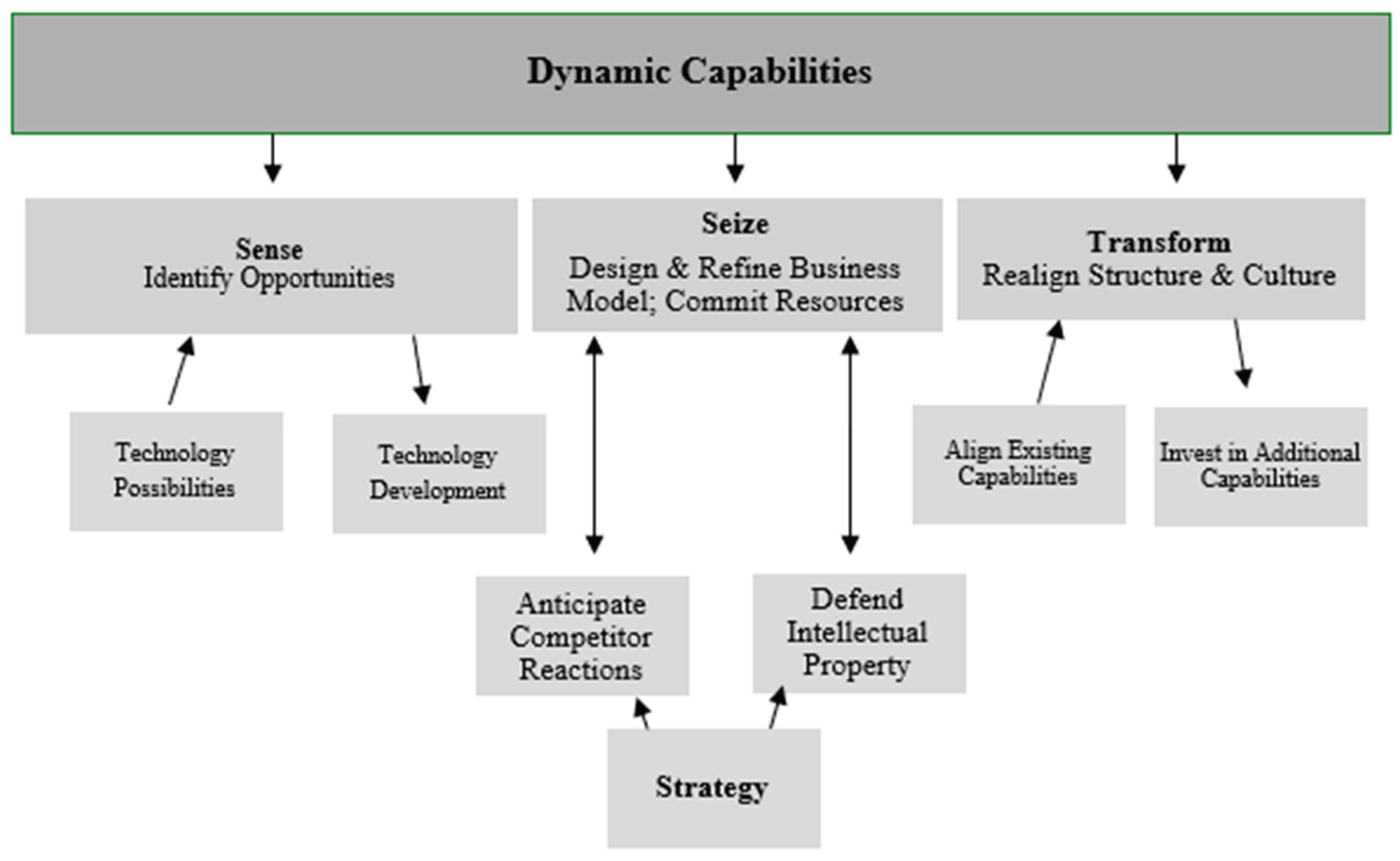
Figure 2.
Critical Factors of Agile DevOps Reference Model (Source: Author).
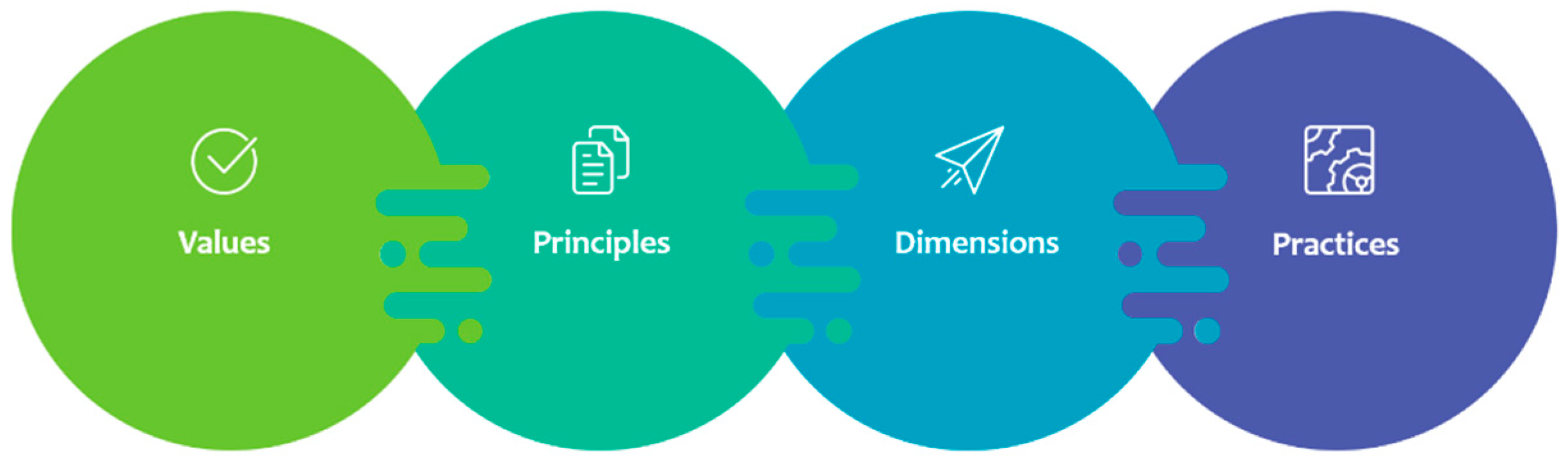
Figure 3.
Structural Model (Source: Author).
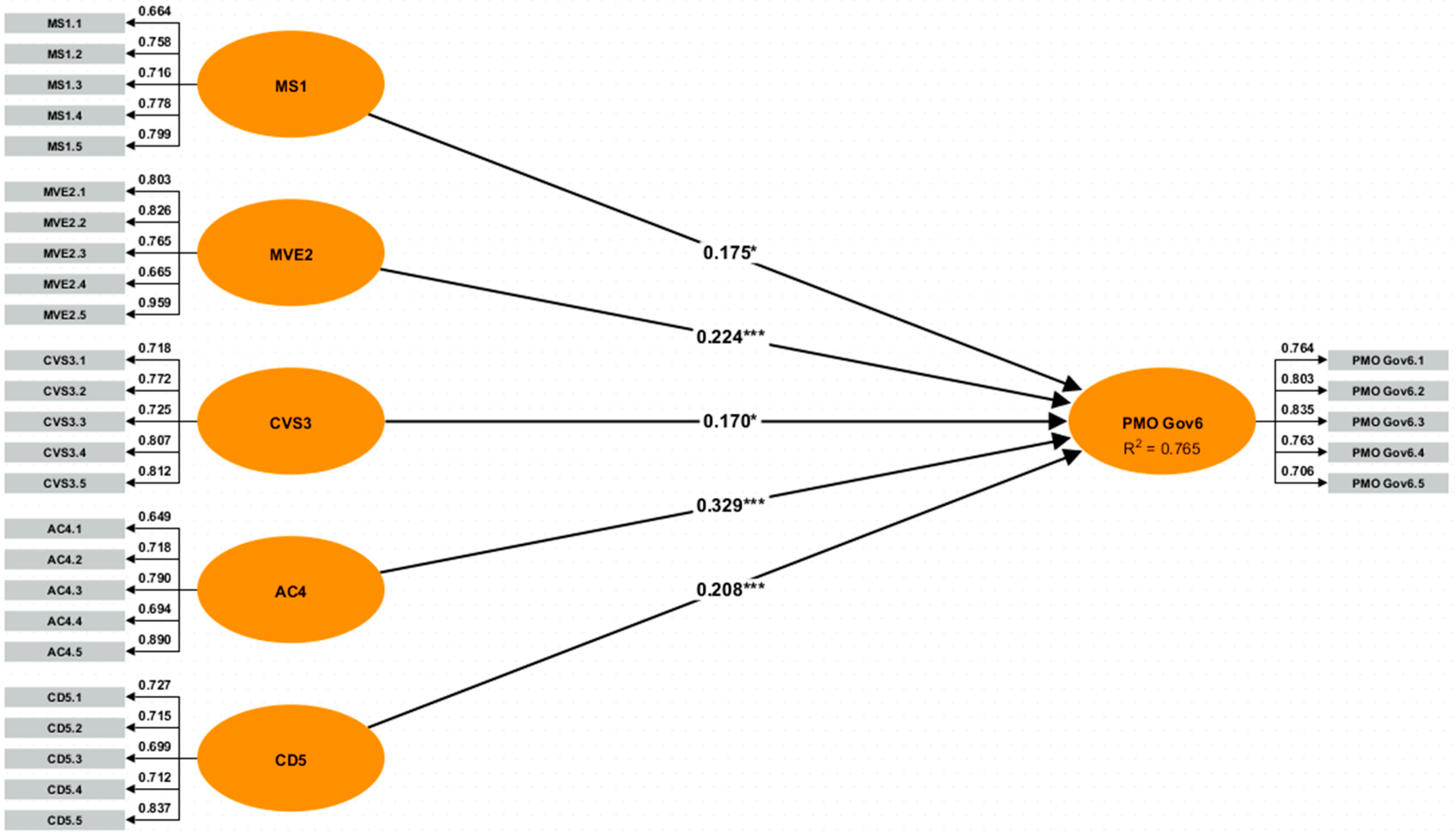

Table 1.
Integration of Dynamic Capabilities Framework (DCF) with Agile DevOps Reference Model (ADRM).
Table 1.
Integration of Dynamic Capabilities Framework (DCF) with Agile DevOps Reference Model (ADRM).
|
Sensing (DCF) |
Seizing (DCF) |
Seizing (DCF) |
Seizing (DCF) |
Transforming/ Reconfiguring (DCF) |
|---|---|---|---|---|
|
Dimension (ADRM) |
Principle (ADRM) |
Practice (ADRM) |
Culture* |
Value (ADRM) |
| Ease & Simplicity | Microservices Approach |
Collaboration [Improved Pace of Delivery] |
||
| Removal of SPOF | ||||
| Availability & Capacity | ||||
| Tailor-Made Functionalities | ||||
| Team Velocity | ||||
| Agility | Minimum Viable Experience (MVE) Culture |
Adaptation [Continuous Improvement] |
||
| Learning Curve | ||||
| Knowledge Management | ||||
| Expanding Capabilities | ||||
| Customer Experience (CX) | ||||
| Dynamic Coding | Continuous Value Stream Integration |
Value Delivery [Enhanced Quality & Reliability] |
||
| Central Repository | ||||
| Lean Time Metrics [Value Added (VA) & Lead Time (LT)] | ||||
| Completion & Accuracy [%Complete/Accurate (%C/A)] | ||||
| Lean | ||||
| Programmability | Automated Configuration [Infrastructure as Code (IaC)] |
Automation [More Efficient & Effective Operations] |
||
| Idempotence | ||||
| Version Control | ||||
| Standardized Patterns | ||||
| Performance Measurement | ||||
| Deployability | Continuous Delivery |
Outcome-focused [Deployment Artifact (Build, Test, Release)] |
||
| Modifiability | ||||
| Testability | ||||
| Automated Testing | ||||
| Emerging Technology Adoption |
Table 2.
Goodness of Fit.
| Value | HI95 | HI99 | |
|---|---|---|---|
| SRMR | 0.0597 | 0.0448 | 0.0500 |
| dULS | 1.6563 | 0.9339 | 1.1630 |
| dG | 1.0717 | 0.5337 | 0.6255 |
Table 3.
Construct Reliability.
| Construct | Dijkstra-Henseler’s rho (ρA) | Jöreskog’s rho (ρc) | Cronbach’s alpha(α) |
|---|---|---|---|
| MS1 | 0.8638 | 0.8610 | 0.8624 |
| MVE2 | 0.9140 | 0.9034 | 0.9048 |
| CVS3 | 0.8795 | 0.8776 | 0.8781 |
| AC4 | 0.8755 | 0.8661 | 0.8680 |
| CD5 | 0.8610 | 0.8574 | 0.8584 |
| PMO Gov6 | 0.8849 | 0.8826 | 0.8825 |
Table 4.
Convergent Validity using AVE.
| Construct | Average Variance Extracted (AVE) |
|---|---|
| MS1 | 0.5543 |
| MVE2 | 0.6549 |
| CVS3 | 0.5897 |
| AC4 | 0.5671 |
| CD5 | 0.5472 |
| PMO Gov6 | 0.6014 |
Table 5.
Discriminant Validity using Fornell-Larcker Criteria.
| Construct | MS1 | MVE2 | CVS3 | AC4 | CD5 | PMO Gov6 |
|---|---|---|---|---|---|---|
| MS1 | 0.5543 | |||||
| MVE2 | 0.3596 | 0.6549 | ||||
| CVS3 | 0.2463 | 0.2357 | 0.5897 | |||
| AC4 | 0.2222 | 0.2844 | 0.3720 | 0.5671 | ||
| CD5 | 0.2190 | 0.2029 | 0.3166 | 0.2901 | 0.5472 | |
| PMO Gov6 | 0.4174 | 0.4634 | 0.4665 | 0.5571 | 0.4405 | 0.6014 |
Squared correlations; AVE on the diagonal.
Table 6.
the HTMT correlation values.
| Construct | MS1 | MVE2 | CVS3 | AC4 | CD5 | PMO Gov6 |
|---|---|---|---|---|---|---|
| MS1 | ||||||
| MVE2 | 0.5999 | |||||
| CVS3 | 0.4937 | 0.4774 | ||||
| AC4 | 0.4705 | 0.5338 | 0.6019 | |||
| CD5 | 0.4644 | 0.4419 | 0.5584 | 0.5267 | ||
| PMO Gov6 | 0.6427 | 0.6739 | 0.6760 | 0.7437 | 0.6651 |
Table 7.
Coefficient of Determination (R2).
| Construct | Coefficient of determination (R2) | Adjusted R2 |
|---|---|---|
| PMO Gov6 | 0.7652 | 0.7615 |
Table 8.
Significance levels: t-values and p-values for a one-tailed test.
| t-values | p-values | Significance |
|---|---|---|
| t < 1.28 | p > 0.10 | Not significant |
| 1.28 < t < 1.65 | 0.10 > p > 0.05 | Moderate |
| 1.65 < t < 2.33 | 0.05 > p > 0.01 | Significant |
| t > 2.33 | p < 0.01 | Very significant |
Table 9.
Total Effects Inference.
| Effect | Original coefficient | Standard bootstrap results | Percentile bootstrap quantiles | |||||||
|---|---|---|---|---|---|---|---|---|---|---|
| Mean value | Standard error | t-value | p-value (2-sided) | p-value (1-sided) | 0.5% | 2.5% | 97.5% | 99.5% | ||
| MS1 -> PMO Gov6 | 0.1750 | 0.1845 | 0.0696 | 2.5125 | 0.0121 | 0.0061 | -0.0025 | 0.0362 | 0.3153 | 0.3694 |
| MVE2 -> PMO Gov6 | 0.2244 | 0.2194 | 0.0622 | 3.6072 | 0.0003 | 0.0002 | 0.0414 | 0.1011 | 0.3422 | 0.3856 |
| CVS3 -> PMO Gov6 | 0.1696 | 0.1700 | 0.0660 | 2.5719 | 0.0103 | 0.0051 | 0.0027 | 0.0354 | 0.2953 | 0.3352 |
| AC4 -> PMO Gov6 | 0.3286 | 0.3249 | 0.0737 | 4.4585 | 0.0000 | 0.0000 | 0.1308 | 0.1775 | 0.4657 | 0.5072 |
| CD5 -> PMO Gov6 | 0.2083 | 0.2103 | 0.0618 | 3.3727 | 0.0008 | 0.0004 | 0.0387 | 0.0875 | 0.3401 | 0.3715 |
Table 10.
Summary of Hypotheses Analysis.
| Code | Relationship | Type | β-value | t-value | Supported? |
|---|---|---|---|---|---|
| H1 | Microservices -> PMO Governance | Direct | 0.175 | 2.5125 | Yes |
| H2 | MVE Culture -> PMO Governance | Direct | 0.2244 | 3.6072 | Yes |
| H3 | Continuous Value Stream -> PMO Governance | Direct | 0.1696 | 2.5719 | Yes |
| H4 | Automated Configuration -> PMO Governance | Direct | 0.3286 | 4.4585 | Yes |
| H5 | Continuous Delivery/Deployment -> PMO Governance | Direct | 0.2083 | 3.3727 | Yes |
Disclaimer/Publisher’s Note: The statements, opinions and data contained in all publications are solely those of the individual author(s) and contributor(s) and not of MDPI and/or the editor(s). MDPI and/or the editor(s) disclaim responsibility for any injury to people or property resulting from any ideas, methods, instructions or products referred to in the content. |
© 2025 by the authors. Licensee MDPI, Basel, Switzerland. This article is an open access article distributed under the terms and conditions of the Creative Commons Attribution (CC BY) license (http://creativecommons.org/licenses/by/4.0/).
Copyright: This open access article is published under a Creative Commons CC BY 4.0 license, which permit the free download, distribution, and reuse, provided that the author and preprint are cited in any reuse.


