

Submitted:
15 August 2025
Posted:
18 August 2025
You are already at the latest version
Abstract
Objectives: We aimed to map the global research landscape on self-compassion and mental health by analysing publications retrieved from the Scopus database with a focus on publication trends, prolific authors, leading journals, geographic distribution, and the matic developments. Methods: We conducted a bibliometric analysis using relevant Scopus-indexed literature from inception through July 2025. We specifically focused on articles from 2010 to 2025. We employed the terms “self-compassion” OR “self com-passion” AND “mental health”. Results: We retrieved a total of 2,437 documents, re-vealing a significant increase in publication output over the past decade, peaking be-tween 2020 and 2024. The most prolific authors during this period included Paul Gilbert and Yasuhiro Kotera, with 41 publications each. The United States, the United Kingdom, Australia, Canada, and China emerged as the leading countries in terms of research output. Keyword analysis highlighted recurring themes around mindfulness, resilience, depression, and emotional regulation. Influential articles by MacBeth & Gumley (2012) and Gilbert & Procter (2006) demonstrated foundational impact with over 1,200 citations each. Conclusion: The field of self-compassion and mental health research is expanding rapidly and is characterised by strong theoretical foundations, growing global interest, and interdisciplinary relevance.
Keywords:
self-compassion
; mental health
; publication trends
; scholarly mapping
; Scopus
; VOSViewer
; Bibliometrix R Package
; biblioshiny
; bibliometric analysis
1. Introduction
Bibliometric analysis is a valuable quantitative method for synthesising large volumes of peer-reviewed journal literature, offering insights into the productivity of authors, countries, and institutions, as well as co-authorship patterns and conceptual linkages through keywords and co-occurrence (Donthu et al., 2021; Öztürk et al., 2024; Passas, 2024). Extensive research has been conducted and published on the construct of self-compassion (Neff, 2009a, 2023; Neff et al., 2007; Yarnell et al., 2015, 2019), elucidating its significance in fostering mental health and well-being, for example, its impacts on psychological and emotional well-being across diverse populations (Bluth & Blanton, 2015; Rehman et al., 2024). A growing body of empirical research has consistently shown that self-compassion plays a pivotal role in promoting mental health and psychological well-being across diverse populations, including university students, healthcare professionals, and informal caregivers via Internet/Web-based interventions during the COVID-19 pandemic (M. Aledeh & Habib Adam, 2020; Kotera, Aledeh, et al., 2022; Kotera, Green, et al., 2021; Kotera, Lieu, et al., 2022; Kotera, Maybury, et al., 2022; Kotera, Ting, et al., 2021; Kotera & Ting, 2021). Swami et al. (2021), MacBeth & Gumley (2012), and Kotera et al. (2020) have published comprehensively on self-compassion, including a bibliometric study (Swami et al., 2021), contributing to its applications, theoretical underpinnings, deeper understanding, and growth in academic literature.
Earlier studies have primarily focused on the broader implications of self-compassion for physical, emotional, and psychological functioning, including its role in mitigating stress, anxiety, and depression across diverse populations (Cowand et al., 2024; Fong & Loi, 2016; Han & Kim, 2023; Homan & Sirois, 2017; Hughes et al., 2021; Muris et al., 2022). However, a critical gap remains because no prior bibliometric studies have specifically targeted the intersection of self-compassion and mental health, explicitly using search terms such as “self-compassion AND mental health.” To address this gap, we conducted an exploratory investigation into how self-compassion has been integrated into mental healthcare programmes and published in peer-reviewed journals. Utilising the Scopus database, a premier platform for indexing peer-reviewed publications, we performed multiple searches at various time points to capture the evolving trends in this domain. For instance, we started observing the publication trends during the COVID-19 pandemic.
Aims
In this study, we aim to systematically map and evaluate the global research landscape on self-compassion and mental health, highlighting and analysing publication trends, intellectual structures, thematic developments, and collaborative networks retrieved from the Scopus database within this interdisciplinary field.
While literature reviews continue to play important roles in academic research to study the general state of research, bibliometric analyses have recently become popular in the exploration and analysis of a large body of literature in many research fields (Donthu et al., 2021; Kraus et al., 2024; Linnenluecke et al., 2020; Öztürk et al., 2024). The rationale for conducting this bibliometric analysis arises from several convergent empirical, epistemic, and contextual developments within the scholarly landscape of psychological science (Giamellaro et al., 2025; Olabiyi et al., 2025). The global outbreak of the COVID-19 pandemic, for instance has acted as a catalyst in accelerating research on psychological resilience, emotional regulation, and adaptive coping mechanisms, among which self-compassion has emerged as a salient construct of theoretical and clinical significance (Demetriou et al., 2023; Matos et al., 2022; Nguyen & Le, 2021; Polizzi et al., 2023).
As populations worldwide grappled with unprecedented levels of stress, anxiety, and social isolation (Bonati et al., 2022; Hammoudi Halat et al., 2023; Robb et al., 2020), researchers increasingly turned their attention to self-compassion as a protective psychological resource capable of mitigating adverse mental health outcomes (Austin et al., 2023; Crego et al., 2022). This shift in scholarly focus is empirically substantiated by a marked proliferation in the volume of publications (Dodson & Heng, 2022; Neff, 2023). An initial systematic search conducted in September 2023 yielded 1,385 published peer-reviewed documents and grey literature, indexed in Scopus, related to self-compassion and mental health. This baseline assessment established a robust foundation for monitoring bibliometric trends in scholarly output in this rapidly evolving field (Kyriakides, 2002; Tijssen & Winnink, 2016). Following this initial retrieval, a marked acceleration in publication activity was observed on the 1st of January 2024.
A retrospective analysis of bibliometric trends (W. Zhou et al., 2020), revealed a pronounced surge in scholarly interest in self-compassion during the last quarter of 2023, which continued into the subsequent year. In response to this trend, systematic tracking of publication volume was formally initiated in March 2024. At that time, 1,679 relevant documents were identified, indicating a substantial and growing body of research. Subsequent longitudinal searches revealed a consistent upward trajectory in scholarly output with 1,800 documents by July 2024, 1,887 documents by August 2024, 2,041 by September 29 2024, and 2,054 by October 3, 2024. By December 31, 2024, the cumulative total reached 2,158 publications, a 55% increase from the baseline established in late 2023. This rapid increase reflects an exponential growth pattern characteristic of emerging research domains (Bornmann et al., 2021; Z. Yang et al., 2024).
The surge underscores not only the intensifying academic interest but also the evolvement of self-compassion as a central theme in contemporary mental health discourse (Han & Kim, 2023b). This upward trend persisted into 2025. A follow-up search conducted on June 30, 2025, retrieved 2,426 documents, representing a significant increase of 272 publications within approximately six months, an average growth rate of over 45 articles per month. A subsequent search on July 4, 2025, confirmed the stability of this figure at 2,426, suggesting a brief plateau. However, by July 12, 2025, the number of published documents had reached 2,437, underscoring the dynamic and continuously expanding nature of research production in the field of self-compassion and mental health (Pank et al., 2025; Tiwari et al., 2025).
The rapid expansion of the literature reflects a growing consensus (Smela et al., 2023), that self-compassion functions as a transdiagnostic protective factor that fosters emotional resilience, reduces symptoms of depression and anxiety, and enhances overall psychological well-being (Beshai et al., 2022; Dan et al., 2023; MacBeth & Gumley, 2012; McArthur et al., 2017; Mona & Angela, 2018; Neff, 2009b). Its relevance has been particularly pronounced in high-stress contexts, including public health crises, caregiving environments, and clinical populations (C. Lathren, 2023; Li et al., 2024). Given this momentum, despite this growing interest (Zakamulin & Giner, 2020), there exists a critical need for an update of a systematic and data-driven synthesis that maps the intellectual structure (Arsalan et al., 2025), thematic evolution, and interdisciplinary integration of research at the intersection of self-compassion and mental health (Armaou et al., 2024; H. Zhou & Amaral, 2025).
In this present study, updated literature relevant to the topic is identified. Although there is growing interest in self-compassion and mental health (Crego et al., 2022; Lee et al., 2021), there remains a need for a comprehensive bibliometric evaluation of the literature to map intellectual structures, track thematic developments (Hosseini et al., 2021; Tai et al., 2013), and identify research gaps. Therefore, a detailed bibliometric analysis of the global literature on self-compassion and mental health using data retrieved from the Scopus database was conducted. This bibliometric thus serves not only as a descriptive account of publication trends but also as an analytical tool to inform researchers, practitioners, stakeholders, and policymakers navigating the evolving landscape of self-compassion and mental health promotion in the post-pandemic era (D.-H. R. Zhou & Kwok, 2023).
Research Questions
This bibliometric analysis was specifically guided by the following questions: (i) What are the publication trends over time in the literature? (ii) Who are the most prolific and influential authors in the field of self-compassion and mental health? (iii) Which journals and publication outlets most frequently disseminate research on self-compassion and mental health? (iv) Which countries and institutions contribute most significantly to the literature on self-compassion and mental health? (v) What are the most frequently occurring and co-occurring keywords in the literature, and what thematic clusters do they reveal? (vi) Which documents have received the highest citation impact, and what conceptual or empirical contributions have they made to the field?
2. Materials and Method
Data Source and Search Strategy
We selected the Scopus database as our primary data source for its extensive coverage of peer-reviewed literature in health sciences, psychology, and social sciences. We used a structured search to perform the search and identification of published documents indexed in the Scopus database. We used the query (“self-compassion” OR “self compassion” AND “mental health”. We searched without language or document type restrictions to ensure comprehensive coverage. TITLE-ABS-KEY ( self-compassion OR self AND compassion AND mental AND health). The exported data from Scopus was uploaded in CSV format to VOSViewer and Bibliometrix/Biblioshiny for the analysis and visualisation (Aria & Cuccurullo, 2017; Arruda et al., 2022). All the results we retrieved from inception through July 2025 were included.
Data Export and Preprocessing
The search yielded 2,437 documents. The full metadata was exported in CSV format, including fields such as title, authors, year, source title, abstract, author affiliations, keywords, document type, and citation count. We exported and analysed data for bibliometric indicators, including annual publication trends, document types, citation counts, author productivity, country affiliations, and keyword frequency (Nakagawa et al., 2019; Wu et al., 2025). We completed our search on the 12th of July 2025. Although our search captured publications from 1975, we mainly focused on publications from 2010 to July 12 2025. However, our search captured the most recent publications.
3. Results
3.1. Network Visualisation of Co-Authorship
Our search in the Scopus database identified 2,437 documents. We used VOSViewer and Bibliometrix in R. In VOSViewer, 8,960 authors were identified as having contributed to 2,437 documents. In creating our map, we set the minimum number of documents per author to 3 and the minimum number of citations per author to 2. As a result, 330 authors met the thresh olds. For each of these authors, the total strength of co-authorship links with one another was calculated.
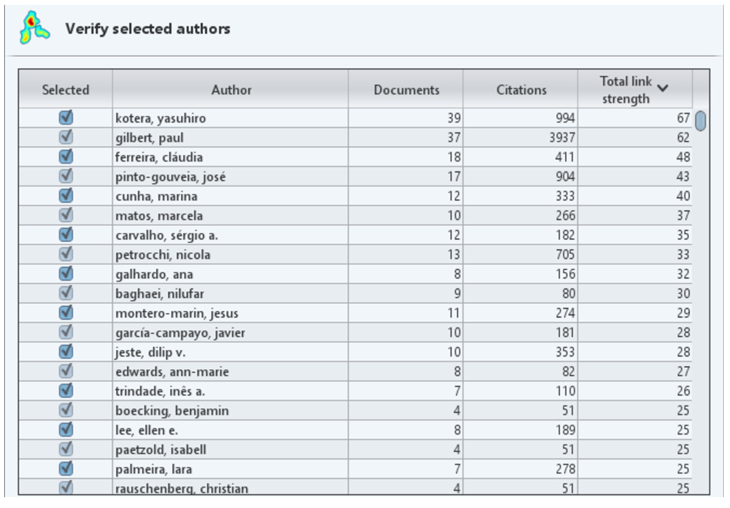
The five top results identified were documents by Gilbert et al., Kotera et al., Ferreira et al., Pinto-Gouveia et al., and Cunha et al., which had the highest number of documents citations and total link strength. However, some of the 330 items in our network are not directly connected. The largest set of connected items in our network consists of 111 items. Interestingly, results from the network visualisation show key authors who have collaborated with each other. See Figure 1, Figure 2 and Figure 3 and Table 1.
3.1.1. Network Visualisation of Co-Occurrence Using All Keywords
8,771 keywords were identified altogether. We then used the default minimum number of occurrences of keywords by setting it at 5. 1,385 keywords met the threshold. For each of the 1,385 keywords, the total strength of co-occurrence links with other keywords was computed (Arruda et al., 2022). For the computation, we selected only 1000 keywords with the greatest total link strength. See Figure 4 and Figure 5.
3.1.2. Citation of Documents
We set the minimum number of citations of documents at 5. Of the 2,437 documents, 1,310 met the threshold. For each of the 1,310 documents, the number of citation links was computed by selecting only the documents with the largest number of links, of which only 1000 documents were included. Because some of the 1000 items (documents) in our network are not connected, 764 of the documents turned out to be the largest set of connected items (Abbasi et al., 2011; Arruda et al., 2022). When the cursor was placed on any of the key contributing authors, for instance, on Gilbert et al., and Macbeth, all authors who are linked with them became highlighted from the background (Arruda et al., 2022).
3.1.3. Citation—Authors
We set the minimum number of documents of an author at 3, with the minimum number of citations per author at 1. Of all the 8,960 authors, 330 met the threshold (Arruda et al., 2022). For each of the 330 authors, the total strength of co-authorship links with other authors was computed. The authors with the greatest total link strength were also computed. 297 documents turned out to be the largest set of connected items. See Figure 6 and Figure 7.
3.1.4. Citations by Organisations
6745 organisations were included in the search. We set the minimum number of documents of an organisation at 3, with the minimum number of citations per author at 1. Of all 6,745 organisations, 106 met the threshold (Arruda et al., 2022; Clarivate, 2025; Scopus, 2025). For each of the 106 organisations, the total strength of co-authorship links with other organisations was computed and 69 organisations turned out to be the largest set connected (Abbasi et al., 2011; Arruda et al., 2022). See Figure 8.
3.1.5. Citation by Country or Territory
121 countries were included in this analysis. We set the minimum number of documents per country at 3 and the minimum number of citations to 1. Of the 121 countries, only 64 met the threshold. For each of the 64 countries that met the threshold, the total strength of links between countries was computed. The countries with the greatest total link strength were also computed, and 64 items (countries) turned out to be the largest set connected (Abbasi et al., 2011; Aria & Cuccurullo, 2017; Arruda et al., 2022; Martinho et al., 2022; Scopus, 2025).
3.1.6. Co-Citation of Cited References
There were 116,209 cited references altogether. We left the minimum number of citations for cited references at the default mode, which is 20. Of the 116209 cited references, only 130 met the threshold. For each of these 130 cited references, the total strength of links with other cited references was calculated. The cited references with the greatest total link strength were selected (Abbasi et al., 2011; Aria & Cuccurullo, 2017; Arruda et al., 2022, 2022; Martinho et al., 2022). See Figure 9.
3.2.1. Publication Type
Our analysis of publication types (Schneider et al., 2022), revealed that original research articles accounted for the majority (n = 2,048), amounting to 84.1%, followed by review articles (n = 194), book chapters (n = 71), conference proceedings (n = 32), and books (n = 29) (Scopus, 2025). This distribution reflects both the empirical depth and conceptual breadth of this field (S. Yang & Han, 2015). Considering the disciplinary growth, the majority of publications were found within medicine (n = 1,262) and psychology (n = 1,092), followed by contributions from the social sciences (n = 511), nursing (n = 288), and the arts and humanities (n = 128) (Scopus, 2025). These figures suggest the interdisciplinary relevance of self-compassion as an established construct intersecting clinical, psychosocial, and philosophical domains (Barnard & Curry, 2011; Neff, 2009a, 2023; Neff et al., 2007).
3.2.2. Keywords of Co-Occurrence
The analysis of keyword co-occurrences revealed high frequency of terms such as “human” (n = 1,452), “humans” (n = 1,112), “mental health” (n = 1,041), “female” (n =1,028), and “adult” (n = 927), including a primary focus on adult mental health and human-centred psychological enquiry (Scopus, 2025). See Figure 10, Figure 11 and Figure 12.
3.2.3. Linguistic Analysis
In our data, linguistic analysis showed a strong dominance of English language publications (n = 2,380), 97.7%, with limited representation from Spanish (n = 20), Chinese (n = 15), Persian (n = 9), and Portuguese (n = 7). This highlights a persistent Anglophone bias (Huang et al., 2025; Song et al., 2010) in the dissemination of self-compassion research (Scopus, 2025).
3.2.3. Access Typologies
We examined the access types of all the documents that we identified and exported. 1,159 documents were published as open access, i.e., freely available to the public without restrictions (Scopus, 2025). 816 were found as green access, i.e., self-archived versions in institutional and subject repositories (Scopus, 2025). 615 were identified as gold access, i.e., publisher-provided open access under a licence. 254 were found to be hybrid gold, i.e., subscription journals with select open access articles (Scopus, 2025). Finally, we identified 103 as bronze access, i.e., free-to-read versions, but lacking a clear reuse licence (Carbon et al., 2019; Open Access Network, 2025; Piwowar et al., 2018). Although this diverse access distribution suggests a strong inclination towards open science practices, variations in licencing and permanence exist (Ng et al., 2024; Zečević et al., 2021).
The results of our bibliometric analysis underscore the exponential growth and interdisciplinary expansion of self-compassion research over the past decade, with a pronounced acceleration observed between 2020 and 2024. The initial surge identified between 2021 and 2023 (see Figure 2) appears to coincide with a broader trend in mental health research, where self-compassion is increasingly being explored as a resilience-building and protective psychological mechanism (M. Aledeh et al., 2024, 2025; S. Aledeh et al., 2024; Eghbali et al., 2022; Kotera, Aledeh, et al., 2022; Neff, 2023). The dominance of original empirical research (84.1%), suggests a rapidly growing field grounded in diverse methodologies and empirical rigour (Park et al., 2024; Zolfagharian et al., 2019). The presence of a significant number of review articles and book chapters further reflects efforts to synthesise and consolidate theoretical and applied knowledge in the field (Chigbu et al., 2023; Kunisch et al., 2023).
4.1.1. Growing Scholarly Attention to Self-Compassion in Mental Health Research
The literature on self-compassion and mental health has experienced a significant and sustained growth. The results of this bibliometric analysis underscore the exponential growth (Nakagawa et al., 2019) and interdisciplinary expansion of self-compassion research over the past decade (Centeno & Fernandez, 2020), with a pronounced acceleration observed between 2020 and July 2025. The temporal analysis of publications between 2016 and 2025 reveals a pronounced and steady growth in scholarly output related to self-compassion and mental health (M. Aledeh et al., 2024, 2025; S. Aledeh et al., 2024; Stutts, 2022). From only 67 publications in 2016, the number rose sharply to 411 by 2024, reflecting nearly a sixfold increase over the decade (Aria & Cuccurullo, 2017; Arruda et al., 2022; Scopus, 2025). This trend is consistent with the rising global emphasis on non-pharmacological and psychosocial approaches in mental healthcare (Otu et al., 2020; Pinho et al., 2024; Varela et al., 2023). The spike in publications, particularly after 2020, may also reflect a broader societal shift towards self-care and emotional resilience in response to the COVID-19 pandemic and its psychological aftermath (Manchia et al., 2022; Schäfer et al., 2022).
4.1.2. Document Type Distribution and Knowledge Dissemination
A review of the most cited articles demonstrated that the field has been significantly influenced by seminal works that link self-compassion to psychological well-being, mindfulness, and compassion-focused therapy (CFT). Notably, MacBeth and Gumley’s 2012 meta-analysis (1,308 citations) underscored the inverse relationship between self-compassion and psychopathology, laying a strong empirical foundation (MacBeth & Gumley, 2012b). Kristin Neff’s (2011) work further solidified self-compassion as a distinct and measurable construct, differentiating it from self-esteem and emphasising its positive correlation with mental health (Neff, 2011). Paul Gilbert’s extensive contributions to compassion-focused therapy, for example, have been pivotal in operationalising self-compassion as a therapeutic mechanism (Gilbert, 2014, 2020; Gilbert & Procter, 2006). These influential articles are predominantly published in high-impact psychology and psychotherapy journals, affirming their academic rigour and clinical relevance (BPS Journal, 2025; Dienstag, 2008).
4.1.3. Emerging Themes and Interdisciplinary Engagement
The dataset is largely composed of peer-reviewed journal articles (Jiao et al., 2023; Walters, 2020), including a strong empirical orientation within the field (Moorhead et al., 2025). The presence of review articles, albeit fewer in number, highlights an attempt at synthesising existing knowledge and shaping theoretical frameworks (Luft et al., 2022). This balance between original research and theoretical integration is indicative of an evolving field that is both empirically grounded and conceptually evolving (Cash, 2018; Rahimi & Khatooni, 2024). The exploration of the preliminary keywords suggests frequent associations between self-compassion and constructs (see Figure 3.7., word cloud) such as mindfulness, resilience, stress, depression, burnout, and emotional regulation (Conversano, 2020; Li et al., 2024; Rehman et al., 2024). This aligns with broader movements in positive psychology, clinical psychology, and mental health education (Crego et al., 2022; Kotera & Ting, 2021; Schutte & Malouff, 2025). The interdisciplinary nature of the field is further evidenced by the diverse range of journals spanning clinical psychology, education, healthcare, and social sciences that publish research on this topic (Knappe, 2023; Rozensky et al., 2014; Turpin & Coleman, 2010).
4.1.4. Shifting Paradigms in Mental Health Promotion
The increasing scholarly attention to self-compassion signifies a paradigm shift in mental health promotion (Mey et al., 2023; Tiwari et al., 2020; Walton et al., 2025). The shift goes from pathologising mental illness to enhancing protective psychological resources (Sweeney et al., 2018). Self-compassion is being increasingly recognised as a resilience-building factor that fosters emotional regulation, self-soothing, and adaptive coping (C. Lathren, 2023; C. R. Lathren et al., 2021; Li et al., 2024). Furthermore, the inclusion of self-compassion in therapeutic protocols (Wilson et al., 2019), educational interventions (Othman et al., 2022), and community mental health programmes (Wakelin et al., 2022) demonstrates its applicability across clinical and non-clinical populations, age groups, and cultural contexts (Swami et al., 2025; Yotsidi et al., 2023).
The cross-disciplinary engagement (Brodin & Avery, 2020), particularly from medicine, psychology, nursing, and social sciences (Ding et al., 2020; Sy et al., 2024), indicates that self-compassion is being investigated not only within therapeutic contexts but also as a construct relevant to healthcare delivery, social care, social well-being, and human development (M. Aledeh et al., 2024; Crego et al., 2022; Kotera, Green, et al., 2022; Kotera & Ting, 2021; Malenfant et al., 2022; Super et al., 2024). This aligns with emerging research frameworks that position self-compassion at the intersection of clinical practice, public health, and psychosocial education (Ferrari et al., 2019; Finlay-Jones et al., 2023; Wieder mann et al., 2023).
The high frequency of demographic and thematic keywords (Chen & Xiao, 2016; Dissanayake et al., 2022), such as “mental health”, “female”, and “adult” reinforces the conclusion that self-compassion research has primarily focused on adult populations and gender-based dimensions of psychological vulnerability (Helminen et al., 2023; Musabiq et al., 2024). However, the limited representation of terms related to youth, ageing, or cross-cultural diversity suggests potential gaps in the literature (Snyder, 2019), warranting further exploration.
The linguistic analysis reveals the predominance of English-language publications (Huang et al., 2025; Stockemer & Wigginton, 2019), which may signal a linguistic and geographic skewness in the literature (Skopec et al., 2020). For example, as seen from our data, there is a lack of production, publication, and dissemination of scholarly works on self-compassion and mental health in LMICs (M. Aledeh et al., 2025; S. Aledeh et al., 2024). While this may reflect global trends in academic publishing (Stockemer & Wig ginton, 2019), it also underscores the need for inclusive research practices and knowledge production in non-English speaking contexts (Arenas-Castro et al., 2024; Hyland, 2016).
In terms of publication access, the substantial share of open-access and green-access publications reflects a positive movement towards greater transparency, equity, and accessibility in research dissemination (Rane et al., 2024; Umbach, 2024). However, the variability in licencing, for instance, bronze and hybrid gold access, may still limit the utility and reusability of certain studies, particularly in low-resource academic settings, experienced in many Low-Middle-Income Countries (LMICs) (Newton, 2020; Tocco et al., 2025).
5. Limitations
The field of self-compassion and mental health research is expanding rapidly (Forster & Mitchell, 2024), and is characterised by strong theoretical foundations (Anthes & Dreisoerner, 2024), growing global interest (Cavallaro & Rivera, 2025), and interdisciplinary relevance (Conversano, 2020; Muris et al., 2022). In this bibliometric study, we provide insights for future research, policy, and practice (Cao et al., 2025; Scott et al., 2019). Despite the insightful contributions from this bibliometric analysis, several methodological limitations warrant acknowledgement. Firstly, although we decided to limit our literature search exclusively to the Scopus database only due to its comprehensive indexing of peer-reviewed academic content (Baas et al., 2020; Burnham, 2006), we may have inadvertently excluded pertinent publications available in other well-established databases such as PubMed, Web of Science, ScienceDirect, and Google Scholar (Chadegani et al., 2013; Falagas et al., 2008). Consequently, there is a risk of publication bias and database selection bias, particularly regarding emerging literature from interdisciplinary or regional journals that may not be indexed in Scopus (Gusenbauer & Gauster, 2025; Heath et al., 2022; Mongeon & Paul-Hus, 2015).
Secondly, the use of a narrow set of keywords, specifically “self-compassion” OR “self compassion” AND “mental health”, while aiming for specificity, may have restricted the retrieval of articles that address similar constructs, e.g., compassion-focused therapy, self-compassion, and emotion regulation, but with different terminologies or conceptual framings (Faber, 2015; Gilbert, 2010; Neff, 2023; Ten Hacken & Resi, 2024). Employing broader search strategies using Boolean operators, synonyms, and controlled vocabulary (e.g., MeSH terms in PubMed) might have yielded a more inclusive dataset (Bramer et al., 2018; McKeever et al., 2015).
Lastly, in the analysis, we did not incorporate cross-database search tools such as Publish or Perish or Rayyan, which could facilitate triangulation and reduce retrieval bias (Bramer et al., 2018; Tran et al., 2024). Moreover, bibliometric software limitations, e.g., reliance on author keywords rather than indexed terms, may have further constrained the breadth and depth of the analysis (Lim et al., 2024; Tomaszewski, 2023).
6. Conclusion and Suggestions for Future Research
We highlight opportunities for greater engagement from underrepresented regions. The bibliometric profile of self-compassion and mental health research demonstrates both quantitative growth and qualitative diversification. The current trajectory highlights the need for more culturally sensitive, demographically inclusive, and methodologically diverse research agendas. Researchers, clinicians, educators, and policymakers may benefit from integrating self-compassion frameworks into mental healthcare strategies, stress reduction, and preventive mental health, especially in post-pandemic recovery (Garcia et al., 2022). Future investigations may benefit from integrating mixed-methods designs, longitudinal frameworks, and more cross-cultural validations to advance the scientific understanding and practical application of self-compassion across diverse populartions and settings.
Ethical review and approval
Not applicable.
Author Contributions
This work was conceptualized by M.A. and H.A.; methodology was designed by M.A. and Y.K. M.A. selected the software used for this work. Validation was done by M.A., Y.K., H.A., and A.A.S. The formal analysis was done M.A. supervised and checked by Y.K. The investigation was carried out by M.A. and H.A. M.A. took charge of data curation. Writing—original draft preparation was carried out by M.A. X.X. Writing—review and editing, all authors were involved. M.A. carried out visualization. Y.K. supervised this work. M.A. was in charge of the project administration. We declare that no funding was received for this work. All authors have read and agreed to the published version of this manuscript.
Funding
This research received no external funding and the APC was waived by the journal.
Institutional Review Board Statement
Not applicable.
Ethical review and approval
Not applicable.
Informed Consent Statement
Not applicable.
Data Availability Statement
Data relevant to this research is provided within the manuscript.
Conflicts of Interest
The authors declare no conflicts of interest.
References
- Abbasi, A., Altmann, J., & Hossain, L. (2011). Identifying the effects of co-authorship networks on the performance of scholars: A correlation and regression analysis of performance measures and social network analysis measures. Journal of Informetrics, 5(4), 594–607. [CrossRef]
- Aledeh, M., & Habib Adam, P. (2020). Caring for dementia caregivers in times of the COVID-19 crisis: A systematic review. American Journal of Nursing Research, 8(5), 552–561. [CrossRef]
- Aledeh, M., Sokan-Adeaga, A. A., Adam, H., Aledeh, S., & Kotera, Y. (2024). Suggesting self-compassion training in schools to stop cyberbullying: A narrative review. Discover Psychology, 4(1), 1. [CrossRef]
- Aledeh, M., Sokan-Adeaga, A. A., Adam, H., Aledeh, S., & Kotera, Y. (2025). Enhancing the mental health and well-being of family caregivers providing informal care in Ghana and Nigeria: A commentary. Journal of Psychosocial Rehabilitation and Mental Health, 12(1), 103–110. [CrossRef]
- Aledeh, S., Sokan-Adeaga, A. A., Adam, H., Aledeh, M., & Kotera, Y. (2024). The role of the media and self-compassion in enhancing mental health and preventing suicide among Nigerian youth: A literature review. Psychology International, 6(2), 618–635. [CrossRef]
- Anthes, L. S., & Dreisoerner, A. (2024). Self-compassion and mental health: A systematic review and transactional model on mechanisms of change. PsyArXiv. [CrossRef]
- Arenas-Castro, H., Berdejo-Espinola, V., Chowdhury, S., Rodríguez-Contreras, A., James, A. R. M., Raja, N. B., Dunne, E. M., Bertolino, S., Emidio, N. B., Derez, C. M., Drobniak, S. M., Fulton, G. R., Henao-Diaz, L. F., Kaur, A., Kim, C. J. S., Lagisz, M., Medina, I., Mikula, P., Narayan, V. P., … Amano, T. (2024). Academic publishing requires linguistically inclusive policies. Proceedings of the Royal Society B: Biological Sciences, 291(2018), 20232840. [CrossRef]
- Aria, M., & Cuccurullo, C. (2017). Bibliometrix: An R-tool for comprehensive science mapping analysis. Journal of Informetrics, 11(4), 959–975. [CrossRef]
- Armaou, M., Pears, M., Konstantinidis, S. Th., & Blake, H. (2024). Evolution of primary research studies in digital interventions for mental well-being promotion from 2004 to 2023: A bibliometric analysis of studies on the Web of Science. International Journal of Environmental Research and Public Health, 21(3), 375. [CrossRef]
- Arruda, H., Silva, E. R., Lessa, M., Proença Jr., D., & Bartholo, R. (2022). VOSViewer and Bibliometrix. Journal of the Medical Library Association, 110(3), 392–395. [CrossRef]
- Arsalan, M. H., Mubin, O., Al Mahmud, A., Khan, I. A., & Hassan, A. J. (2025). Mapping data-driven research impact science: The role of machine learning and artificial intelligence. Metrics, 2(2), 5. [CrossRef]
- Austin, J., Drossaert, C. H. C., & Bohlmeijer, E. T. (2023). Self-compassion as a resource of resilience. In A. Finlay-Jones, K. Bluth, & K. Neff (Eds), Handbook of Self-Compassion (pp. 165–182). Springer International Publishing. [CrossRef]
- Baas, J., Schotten, M., Plume, A., Côté, G., & Karimi, R. (2020). Scopus as a curated, high-quality bibliometric data source for academic research in quantitative science studies. Quantitative Science Studies, 1(1), 377–386. [CrossRef]
- Barnard, L. K., & Curry, J. F. (2011). Self-compassion: Conceptualizations, correlates, & interventions. Review of General Psychology, 15(4), 289–303. [CrossRef]
- Beshai, S., Mishra, S., Feeney, J. R., Summerfield, T., Hembroff, C. C., & Krätzig, G. P. (2022). Resilience in the Ranks: Trait Mindfulness and Self-Compassion Buffer the Deleterious Effects of Envy on Mental Health Symptoms among Public Safety Personnel. International Journal of Environmental Research and Public Health, 19(10), 5926. [CrossRef]
- Bluth, K., & Blanton, P. W. (2015). The influence of self-compassion on emotional well-being among early and older adolescent males and females. The Journal of Positive Psychology, 10(3), 219–230. [CrossRef]
- Bonati, M., Campi, R., & Segre, G. (2022). Psychological impact of the quarantine during the COVID-19 pandemic on the general European adult population: A systematic review of the evidence. Epidemiology and Psychiatric Sciences, 31, e27. [CrossRef]
- Bornmann, L., Haunschild, R., & Mutz, R. (2021). Growth rates of modern science: A latent piecewise growth curve approach to model publication numbers from established and new literature databases. Humanities and Social Sciences Communications, 8(1), 224. [CrossRef]
- BPS Journal, W. O. L. (2025). Psychology and psychotherapy: Theory, research and practice. BPS Journal Wiley Online Library. https://bpspsychub.onlinelibrary.wiley.com/journal/20448341.
- Bramer, W. M., De Jonge, G. B., Rethlefsen, M. L., Mast, F., & Kleijnen, J. (2018). A systematic approach to searching: An efficient and complete method to develop literature searches. Journal of the Medical Library Association, 106(4). [CrossRef]
- Brodin, E. M., & Avery, H. (2020). Cross-disciplinary collaboration and scholarly independence in multidisciplinary learning environments at doctoral level and beyond. Minerva, 58(3), 409–433. [CrossRef]
- Burnham, J. F. (2006). Scopus database: A review. Biomedical Digital Libraries, 3(1), 1. [CrossRef]
- Cao, Z., Zhang, L., Huang, Y., & Sivertsen, G. (2025). How does scientific research influence policymaking? A study of four types of citation pathways between research articles and policy documents. Journal of the Association for Information Science and Technology, asi.25006. [CrossRef]
- Carbon, S., Champieux, R., McMurry, J. A., Winfree, L., Wyatt, L. R., & Haendel, M. A. (2019). An analysis and metric of reusable data licensing practices for biomedical resources. PLOS ONE, 14(3), e0213090. [CrossRef]
- Cash, P. J. (2018). Developing theory-driven design research. Design Studies, 56, 84–119. [CrossRef]
- Cavallaro, R. M., & Rivera, G. N. (2025). Feeling small but still connected: Examining complex effects of awe on self-compassion. Current Psychology, 44(11), 9846–9864. [CrossRef]
- Centeno, R. P. R., & Fernandez, K. T. G. (2020). Effect of mindfulness on empathy and self-compassion: An adapted MBCT program on Filipino college students. Behavioral Sciences, 10(3), 61. [CrossRef]
- Chadegani, A. A., Salehi, H., Yunus, M. M., Farhadi, H., Fooladi, M., Farhadi, M., & Ebrahim, N. A. (2013). A comparison between two main academic literature collections: Web of Science and Scopus databases. Asian Social Science, 9(5), p18. [CrossRef]
- Chen, G., & Xiao, L. (2016). Selecting publication keywords for domain analysis in bibliometrics: A comparison of three methods. Journal of Informetrics, 10(1), 212–223. [CrossRef]
- Chigbu, U. E., Atiku, S. O., & Du Plessis, C. C. (2023). The science of literature reviews: Searching, identifying, selecting, and synthesising. Publications, 11(1), 2. [CrossRef]
- Clarivate. (2025). Citation Thresholds. Essential Science Indicators (ESI). https://esi.help.clarivate.com/Content/citation-thresholds.htm#:~:text=A%20citation%20threshold%20is%20the,fraction%20or%20percentage%20of%20papers.
- Conversano, C. (2020). Mindfulness, Compassion, and Self-Compassion Among Health Care Professionals: What’s New? A Systematic Review. Frontiers in Psychology. [CrossRef]
- Cowand, A., Amarsaikhan, U., Ricks, R. F., Cash, E. D., & Sephton, S. E. (2024). Self-compassion is associated with improved well-being and healthier cortisol profiles in undergraduate students. Mindfulness, 15(7), 1831–1845. [CrossRef]
- Crego, A., Yela, J. R., Riesco-Matías, P., Gómez-Martínez, M.-Á., & Vicente-Arruebarrena, A. (2022). The benefits of self-compassion in mental health professionals: A systematic review of empirical research. Psychology Research and Behavior Management, Volume 15, 2599–2620. [CrossRef]
- Dan, V. H., Ponnuchamy, L., Anand, N. K., Bhaskarapillai, B., & Sharma, M. K. (2023). Resilience and self-compassion among persons with depressive disorders: Prerequisite for a positive mental health approach. Journal of Family Medicine and Primary Care, 12(8), 1621–1628. [CrossRef]
- Demetriou, L., Hatzi, V., & Hadjicharalambous, D. (2023). The role of self-compassion in predicting psychological resilience and adaptive responses during the Covid19 pandemic. Medical Research Archives, 11(1). [CrossRef]
- Dienstag, J. L. (2008). Relevance and rigor in premedical education. New England Journal of Medicine, 359(3), 221–224. [CrossRef]
- Ding, Y., Pulford, J., & Bates, I. (2020). Practical actions for fostering cross-disciplinary global health research: Lessons from a narrative literature review. BMJ Global Health, 5(4), e002293. [CrossRef]
- Dissanayake, H., Iddagoda, A., & Popescu, C. (2022). Entrepreneurial education at universities: A bibliometric analysis. Administrative Sciences, 12(4), 185. [CrossRef]
- Dodson, S. J., & Heng, Y. T. (2022). Self-compassion in organizations: A review and future research agenda. Journal of Organizational Behavior, 43(2), 168–196. [CrossRef]
- Donthu, N., Kumar, S., Mukherjee, D., Pandey, N., & Lim, W. M. (2021). How to conduct a bibliometric analysis: An overview and guidelines. Journal of Business Research, 133, 285–296. [CrossRef]
- Eghbali, B., Saadat, S., Hasanzadeh, K., Pourramzani, A., Khatami, S., Saberi, A., & Jafroudi, M. (2022). Relationship between self-compassion and psychological well-being with the mediating role of resilience in people with multiple sclerosis. Postępy Psychiatrii i Neurologii, 31(2), 43–51. [CrossRef]
- Faber, P. (2015). Frames as a framework for terminology. In H. J. Kockaert & F. Steurs (Eds), Handbook of Terminology (Vol. 1, pp. 14–33). John Benjamins Publishing Company. [CrossRef]
- Falagas, M. E., Pitsouni, E. I., Malietzis, G. A., & Pappas, G. (2008). Comparison of PubMed, Scopus, Web of Science, and Google Scholar: Strengths and weaknesses. The FASEB Journal, 22(2), 338–342. [CrossRef]
- Ferrari, M., Hunt, C., Harrysunker, A., Abbott, M. J., Beath, A. P., & Einstein, D. A. (2019). Self-compassion interventions and psychosocial outcomes: A Meta-analysis of RCTs. Mindfulness, 10(8), 1455–1473. [CrossRef]
- Finlay-Jones, A. L., Parkinson, A., Sirois, F., Perry, Y., Boyes, M., & Rees, C. S. (2023). Web-based self-compassion training to improve the well-being of youth with chronic medical conditions: Randomized controlled trial. Journal of Medical Internet Research, 25, e44016. [CrossRef]
- Fong, M., & Loi, N. M. (2016). The mediating role of self-compassion in student psychological health. Australian Psychologist, 51(6), 431–441. [CrossRef]
- Forster, E. M., & Mitchell, A. E. (Eds). (2024). Reflections on self-compassion: Building a more compassionate self. Journal of Children and Young People’s Health, 5(1). [CrossRef]
- Garcia, A. C. M., Ferreira, A. C. G., Silva, L. S. R., Da Conceição, V. M., Nogueira, D. A., & Mills, J. (2022). Mindful self-care, self-compassion, and resilience among palliative care providers during the COVID-19 pandemic. Journal of Pain and Symptom Management, 64(1), 49–57. [CrossRef]
- Giamellaro, M., Buxton, C., Taylor, J., Ayotte-Beaudet, J., L’Heureux, K., & Beaudry, M. (2025). The landscape of research on contextualized science learning: A bibliometric network review. Science Education, 109(3), 851–875. [CrossRef]
- Gilbert, P. (2010). Compassion focused therapy (0 edn). Routledge. https://www.taylorfrancis.com/books/9781136967726.
- Gilbert, P. (2014). The origins and nature of compassion focused therapy. British Journal of Clinical Psychology, 53(1), 6–41. [CrossRef]
- Gilbert, P. (2020). Compassion: From its evolution to a psychotherapy. Frontiers in Psychology, 11, 586161. [CrossRef]
- Gilbert, P., & Procter, S. (2006). Compassionate mind training for people with high shame and self-criticism: Overview and pilot study of a group therapy approach. Clinical Psychology & Psychotherapy, 13(6), 353–379. [CrossRef]
- Gusenbauer, M., & Gauster, S. P. (2025). How to search for literature in systematic reviews and meta-analyses: A comprehensive step-by-step guide. Technological Forecasting and Social Change, 212, 123833. [CrossRef]
- Hammoudi Halat, D., Soltani, A., Dalli, R., Alsarraj, L., & Malki, A. (2023). Understanding and fostering mental health and well-being among university faculty: A narrative review. Journal of Clinical Medicine, 12(13), 4425. [CrossRef]
- Han, A., & Kim, T. H. (2023). Effects of self-compassion interventions on reducing depressive symptoms, anxiety, and stress: A meta-analysis. Mindfulness, 14(7), 1553–1581. [CrossRef]
- Heath, A., Levay, P., & Tuvey, D. (2022). Literature searching methods or guidance and their application to public health topics: A narrative review. Health Information & Libraries Journal, 39(1), 6–21. [CrossRef]
- Helminen, E. C., Ducar, D. M., Scheer, J. R., Parke, K. L., Morton, M. L., & Felver, J. C. (2023). Self-compassion, minority stress, and mental health in sexual and gender minority populations: A meta-analysis and systematic review. Clinical Psychology: Science and Practice, 30(1), 26–39. [CrossRef]
- Homan, K. J., & Sirois, F. M. (2017). Self-compassion and physical health: Exploring the roles of perceived stress and health-promoting behaviors. Health Psychology Open, 4(2), 2055102917729542. [CrossRef]
- Hosseini, S., Baziyad, H., Norouzi, R., Jabbedari Khiabani, S., Gidófalvi, G., Albadvi, A., Alimohammadi, A., & Seyedabrishami, S. (2021). Mapping the intellectual structure of GIS-T field (2008–2019): A dynamic co-word analysis. Scientometrics, 126(4), 2667–2688. [CrossRef]
- Huang, T.-Y., Li, L., & Meng, P. (2025). Journal internationalization of non-English-speaking countries: Indicator framework design and influencing factor analysis. Journal of Informetrics, 19(3), 101671. [CrossRef]
- Hughes, M., Brown, S. L., Campbell, S., Dandy, S., & Cherry, M. G. (2021). Self-compassion and anxiety and depression in chronic physical illness populations: A systematic review. Mindfulness, 12(7), 1597–1610. [CrossRef]
- Hyland, K. (2016). Academic publishing and the myth of linguistic injustice. Journal of Second Language Writing, 31, 58–69. [CrossRef]
- Jiao, C., Li, K., & Fang, Z. (2023). How are exclusively data journals indexed in major scholarly databases? An examination of four databases. Scientific Data, 10(1), 737. [CrossRef]
- Knappe, S. (2023). Learning and teaching in clinical psychology. In J. Zumbach, D. A. Bernstein, S. Narciss, & G. Marsico (Eds), International Handbook of Psychology Learning and Teaching (pp. 25–47). Springer International Publishing. [CrossRef]
- Kotera, Y., Aledeh, M., Barnes, K., Rushforth, A., Adam, H., & Riswani, R. (2022). Academic motivation of Indonesian university students: Relationship with self-compassion and resilience. Healthcare, 10(10), 2092. [CrossRef]
- Kotera, Y., Green, P., & Sheffield, D. (2021). Mental health of therapeutic students: Relationships with attitudes, self-criticism, self-compassion, and caregiver identity. British Journal of Guidance & Counselling, 49(5), 701–712. [CrossRef]
- Kotera, Y., Green, P., & Sheffield, D. (2022). Positive psychology for mental wellbeing of UK therapeutic students: Relationships with engagement, motivation, resilience and self-compassion. International Journal of Mental Health and Addiction, 20(3), 1611–1626. [CrossRef]
- Kotera, Y., Lieu, J., Kirkman, A., Barnes, K., Liu, G. H. T., Jackson, J., Wilkes, J., & Riswani, R. (2022). Mental wellbeing of Indonesian students: Mean comparison with UK students and relationships with self-compassion and academic engagement. Healthcare, 10(8), 1439. [CrossRef]
- Kotera, Y., Maybury, S., Liu, G., Colman, R., Lieu, J., & Dosedlová, J. (2022). Mental well-being of Czech university students: Academic motivation, self-compassion, and self-criticism. Healthcare, 10(11), 2135. [CrossRef]
- Kotera, Y., & Ting, S.-H. (2021). Positive psychology of Malaysian university students: Impacts of engagement, motivation, self-compassion, and well-being on mental health. International Journal of Mental Health and Addiction, 19(1), 227–239. [CrossRef]
- Kotera, Y., Ting, S.-H., & Neary, S. (2021). Mental health of Malaysian university students: UK comparison, and relationship between negative mental health attitudes, self-compassion, and resilience. Higher Education, 81(2), 403–419. [CrossRef]
- Kraus, S., Bouncken, R. B., & Yela Aránega, A. (2024). The burgeoning role of literature review articles in management research: An introduction and outlook. Review of Managerial Science, 18(2), 299–314. [CrossRef]
- Kunisch, S., Denyer, D., Bartunek, J. M., Menz, M., & Cardinal, L. B. (2023). Review research as scientific inquiry. Organizational Research Methods, 26(1), 3–45. [CrossRef]
- Kyriakides, L. (2002). A Research-based model for the development of policy on baseline assessment. British Educational Research Journal, 28(6), 805–826. [CrossRef]
- Lathren, C. (2023). Self-compassion in relationships and caregiving contexts. In A. Finlay-Jones, K. Bluth, & K. Neff (Eds), Handbook of Self-Compassion (pp. 251–261). Springer International Publishing. [CrossRef]
- Lathren, C. R., Rao, S. S., Park, J., & Bluth, K. (2021). Self-compassion and current close interpersonal relationships: A scoping literature review. Mindfulness, 12(5), 1078–1093. [CrossRef]
- Lee, E. E., Govind, T., Ramsey, M., Wu, T. C., Daly, R., Liu, J., Tu, X. M., Paulus, M. P., Thomas, M. L., & Jeste, D. V. (2021). Compassion toward others and self-compassion predict mental and physical well-being: A 5-year longitudinal study of 1090 community-dwelling adults across the lifespan. Translational Psychiatry, 11(1), 397. [CrossRef]
- Li, X., Malli, M. A., Cosco, T. D., & Zhou, G. (2024). The relationship between self-compassion and resilience in the general population: Protocol for a systematic review and meta-analysis. JMIR Research Protocols, 13, e60154. [CrossRef]
- Lim, W. M., Kumar, S., & Donthu, N. (2024). How to combine and clean bibliometric data and use bibliometric tools synergistically: Guidelines using metaverse research. Journal of Business Research, 182, 114760. [CrossRef]
- Linnenluecke, M. K., Marrone, M., & Singh, A. K. (2020). Conducting systematic literature reviews and bibliometric analyses. Australian Journal of Management, 45(2), 175–194. [CrossRef]
- Luft, J. A., Jeong, S., Idsardi, R., & Gardner, G. (2022). Literature reviews, theoretical frameworks, and conceptual frameworks: An introduction for new biology education researchers. CBE—Life Sciences Education, 21(3), rm33. [CrossRef]
- MacBeth, A., & Gumley, A. (2012). Exploring compassion: A meta-analysis of the association between self-compassion and psychopathology. Clinical Psychology Review, 32(6), 545–552. [CrossRef]
- Malenfant, S., Jaggi, P., Hayden, K. A., & Sinclair, S. (2022). Compassion in healthcare: An updated scoping review of the literature. BMC Palliative Care, 21(1), 80. [CrossRef]
- Manchia, M., Gathier, A. W., Yapici-Eser, H., Schmidt, M. V., De Quervain, D., Van Amelsvoort, T., Bisson, J. I., Cryan, J. F., Howes, O. D., Pinto, L., Van Der Wee, N. J., Domschke, K., Branchi, I., & Vinkers, C. H. (2022). The impact of the prolonged COVID-19 pandemic on stress resilience and mental health: A critical review across waves. European Neuropsychopharmacology, 55, 22–83. [CrossRef]
- Martinho, V. J. P. D., Cunha, C. A. D. S., Pato, M. L., Costa, P. J. L., Sánchez-Carreira, M. C., Georgantzís, N., Rodrigues, R. N., & Coronado, F. (2022). Machine learning and food security: Insights for agricultural spatial planning in the context of agriculture 4.0. Applied Sciences, 12(22), 11828. [CrossRef]
- Matos, M., McEwan, K., Kanovský, M., Halamová, J., Steindl, S. R., Ferreira, N., Linharelhos, M., Rijo, D., Asano, K., Márquez, M. G., Gregório, S., Vilas, S. P., Brito-Pons, G., Lucena-Santos, P., Da Silva Oliveira, M., De Souza, E. L., Llobenes, L., Gumiy, N., Costa, M. I., … Gilbert, P. (2022). Compassion protects mental health and social safeness during the COVID-19 pandemic across 21 countries. Mindfulness, 13(4), 863–880. [CrossRef]
- McArthur, M., Mansfield, C., Matthew, S., Zaki, S., Brand, C., Andrews, J., & Hazel, S. (2017). Resilience in veterinary students and the predictive role of mindfulness and self-compassion. Journal of Veterinary Medical Education, 44(1), 106–115. [CrossRef]
- McKeever, L., Nguyen, V., Peterson, S. J., Gomez-Perez, S., & Braunschweig, C. (2015). Demystifying the search button: A comprehensive PubMed search strategy for performing an exhaustive literature review. Journal of Parenteral and Enteral Nutrition, 39(6), 622–635. [CrossRef]
- Mey, L. K., Wenzel, M., Morello, K., Rowland, Z., Kubiak, T., & Tüscher, O. (2023). Be kind to yourself: The implications of momentary self-compassion for affective dynamics and well-being in daily life. Mindfulness, 14(3), 622–636. [CrossRef]
- Mona, S., & Angela, J. (2018). Mindful self-compassion: How it can enhance resilience. Journal of Psychosocial Nursing and Mental Health Services, 56(1), 15–17. [CrossRef]
- Mongeon, P., & Paul-Hus, A. (2015). The journal coverage of Web of Science and Scopus: A comparative analysis. [CrossRef]
- Moorhead, B., Otani, K., Bowles, W., Baginsky, M., Bell, K., Ivory, N., Mackenzie, H., & Savaya, R. (2025). Toward a definition of professional identity for social work: Findings from a scoping review. The British Journal of Social Work, 55(2), 877–896. [CrossRef]
- Muris, P., Bongers, K., Schenning, C., Meesters, C., & Otgaar, H. (2022). Self-compassion correlates of anxiety and depression symptoms in youth: A comparison of two self-compassion measures. Children, 9(12), 1930. [CrossRef]
- Musabiq, S., Santoso, G. P. A., Takwin, B., & Poerwandari, E. K. (2024). Differential pattern of consequences of self-compassion across gender: Predicting flourishing and life satisfaction by two factors of self-compassion. Journal of Theoretical Social Psychology, 2024(1), 5564391. [CrossRef]
- Nakagawa, S., Samarasinghe, G., Haddaway, N. R., Westgate, M. J., O’Dea, R. E., Noble, D. W. A., & Lagisz, M. (2019). Research weaving: Visualizing the future of research synthesis. Trends in Ecology & Evolution, 34(3), 224–238. [CrossRef]
- Neff, K. D. (2009). The role of self-compassion in development: A healthier way to relate to oneself. Human Development, 52(4), 211–214. [CrossRef]
- Neff, K. D. (2011). Self-compassion, self-esteem, and well-being. Social and Personality Psychology Compass, 5(1), 1–12. [CrossRef]
- Neff, K. D. (2023). Self-compassion: Theory, method, research, and intervention. Annual Review of Psychology, 74(1), 193–218. [CrossRef]
- Neff, K. D., Kirkpatrick, K. L., & Rude, S. S. (2007). Self-compassion and adaptive psychological functioning. Journal of Research in Personality, 41(1), 139–154. [CrossRef]
- Newton, C. R. (2020). Research and open access from low- and middle-income countries. Developmental Medicine & Child Neurology, 62(5), 537–537. [CrossRef]
- Ng, J. Y., Lin, B., Parikh, T., Cramer, H., & Moher, D. (2024). Investigating the nature of open science practices across complementary, alternative, and integrative medicine journals: An audit. PLOS ONE, 19(5), e0302655. [CrossRef]
- Nguyen, T. M., & Le, G. N. H. (2021). The influence of COVID-19 stress on psychological well-being among Vietnamese adults: The role of self-compassion and gratitude. Traumatology, 27(1), 86–97. [CrossRef]
- Olabiyi, O. J., Vuuren, C. J. V., Du Plessis, M., Xue, Y., & Zhu, C. (2025). Digital academic leadership in higher education institutions: A bibliometric review based on CiteSpace. Education Sciences, 15(7), 846. [CrossRef]
- Open Access Network. (2025). Open Access Green and Gold. Open Access Green and Gold. https://open-access.network/en/information/open-access-primers/green-and-gold.
- Othman, S., Steen, M., Wepa, D., & McKellar, L. (2022). Examining the influence of self-compassion education and training upon parents and families when caring for their children: A systematic review. The Open Psychology Journal, 15(1), e187435012210190. [CrossRef]
- Otu, A., Charles, C. H., & Yaya, S. (2020). Mental health and psychosocial well-being during the COVID-19 pandemic: The invisible elephant in the room. International Journal of Mental Health Systems, 14(1), 38. [CrossRef]
- Öztürk, O., Kocaman, R., & Kanbach, D. K. (2024). How to design bibliometric research: An overview and a framework proposal. Review of Managerial Science, 18(11), 3333–3361. [CrossRef]
- Pank, C., Von Boros, L., Lieb, K., Dalkner, N., Egger-Lampl, S., Lehr, D., Schäfer, S. K., Tüscher, O., & Wessa, M. (2025). The role of self-care and self-compassion in networks of resilience and stress among healthcare professionals. Scientific Reports, 15(1), 18545. [CrossRef]
- Park, J. J., Kim, Y., & Han, H. (2024). The landscape of research method rigor in the field of human resource development: An analysis of empirical research from 2016 to 2023. Human Resource Development Review, 23(3), 345–375. [CrossRef]
- Passas, I. (2024). Bibliometric analysis: The main steps. Encyclopedia, 4(2), 1014–1025. [CrossRef]
- Pinho, L. G. D., Fonseca, C., Gawęda, Ł., Lopes, M., & Schneider, B. C. (2024). Editorial: Non-pharmacological interventions for mental disorders. Frontiers in Psychology, 15, 1363348. [CrossRef]
- Piwowar, H., Priem, J., Larivière, V., Alperin, J. P., Matthias, L., Norlander, B., Farley, A., West, J., & Haustein, S. (2018). The state of OA: A large-scale analysis of the prevalence and impact of Open Access articles. PeerJ, 6, e4375. [CrossRef]
- Polizzi, C. P., McDonald, C. W., Sleight, F. G., & Lynn, S. J. (2023). Resilience, coping, and the COVID-19 pandemic across the globe – an update: What have we learned? Clinical Neuropsychiatry, 20(4), 316–326. [CrossRef]
- Rahimi, S., & Khatooni, M. (2024). Saturation in qualitative research: An evolutionary concept analysis. International Journal of Nursing Studies Advances, 6, 100174. [CrossRef]
- Rane, N. L., Choudhary, S., & Rane, J. (2024). The impact of open access on academic book publishing: Opportunities and challenges for authors and publishers. In N. L. Rane, S. Choudhary, & J. Rane, Deep Science Publishing (pp. 52–99). Deep Science Publishing. [CrossRef]
- Rehman, S., Addas, A., Rehman, E., & Khan, M. (2024). The mediating roles of self-compassion and emotion regulation in the relationship between psychological resilience and mental health among college teachers. Psychology Research and Behavior Management, Volume 17, 4119–4133. [CrossRef]
- Robb, C. E., De Jager, C. A., Ahmadi-Abhari, S., Giannakopoulou, P., Udeh-Momoh, C., McKeand, J., Price, G., Car, J., Majeed, A., Ward, H., & Middleton, L. (2020). Associations of social isolation with anxiety and depression during the early COVID-19 pandemic: A survey of older adults in London, UK. Frontiers in Psychiatry, 11, 591120. [CrossRef]
- Rozensky, R. H., Tovian, S. M., & Sweet, J. J. (2014). Twenty years of the Journal of Clinical Psychology in medical settings: We hope you will enjoy the show. Journal of Clinical Psychology in Medical Settings, 21(1), 1–9. [CrossRef]
- Schäfer, S. K., Kunzler, A. M., Kalisch, R., Tüscher, O., & Lieb, K. (2022). Trajectories of resilience and mental distress to global major disruptions. Trends in Cognitive Sciences, 26(12), 1171–1189. [CrossRef]
- Schneider, J., Hoang, L., Kansara, Y., Cohen, A. M., & Smalheiser, N. R. (2022). Evaluation of publication type tagging as a strategy to screen randomized controlled trial articles in preparing systematic reviews. JAMIA Open, 5(1), ooac015. [CrossRef]
- Schutte, N., & Malouff, J. (2025). The link between mindfulness and self-compassion: A meta-analysis. International Journal of Applied Positive Psychology, 10(2), 34. [CrossRef]
- Scopus. (2025). Scopus preview—Scopus—Sources. Scopus Preview - Scopus - Sources. https://www.scopus.com/sources.uri?zone=TopNavBar&origin=searchbasic.
- Scott, J. T., Larson, J. C., Buckingham, S. L., Maton, K. I., & Crowley, D. M. (2019). Bridging the research–policy divide: Pathways to engagement and skill development. American Journal of Orthopsychiatry, 89(4), 434–441. [CrossRef]
- Skopec, M., Issa, H., Reed, J., & Harris, M. (2020). The role of geographic bias in knowledge diffusion: A systematic review and narrative synthesis. Research Integrity and Peer Review, 5(1), 2. [CrossRef]
- Smela, B., Toumi, M., Świerk, K., Francois, C., Biernikiewicz, M., Clay, E., & Boyer, L. (2023). Rapid literature review: Definition and methodology. Journal of Market Access & Health Policy, 11(1), 2241234. [CrossRef]
- Snyder, H. (2019). Literature review as a research methodology: An overview and guidelines. Journal of Business Research, 104, 333–339. [CrossRef]
- Song, F., Parekh, S., Hooper, L., Loke, Y., Ryder, J., Sutton, A., Hing, C., Kwok, C., Pang, C., & Harvey, I. (2010). Dissemination and publication of research findings: An updated review of related biases. Health Technology Assessment, 14(8). [CrossRef]
- Stockemer, D., & Wigginton, M. J. (2019). Publishing in English or another language: An inclusive study of scholar’s language publication preferences in the natural, social and interdisciplinary sciences. Scientometrics, 118(2), 645–652. [CrossRef]
- Stutts, L. (2022). Increasing self-compassion: Review of the literature and recommendations. Journal of Undergraduate Neuroscience Education, 20(2), a115–a119. [CrossRef]
- Super, A., Yarker, J., Lewis, R., Keightley, S., Summers, D., & Munir, F. (2024). Developing self-compassion in healthcare professionals utilising a brief online Intervention: A randomised waitlist control trial. International Journal of Environmental Research and Public Health, 21(10), 1346. [CrossRef]
- Swami, V., Andersen, N., & Furnham, A. (2021). A bibliometric review of self-compassion research: Science mapping the literature, 1999 to 2020. Mindfulness, 12(9), 2117–2131. [CrossRef]
- Swami, V., Tran, U. S., Voracek, M., Aavik, T., Ranjbar, H. A., Adebayo, S. O., Afhami, R., Ahmed, O., Aimé, A., Akel, M., Al Halbusi, H., Alexias, G., Ali, K. F., Alp-Dal, N., Alsalhani, A. B., Álvarez-Solas, S., Amaral, A. C. S., Andrianto, S., Aspden, T., … Stieger, S. (2025). Self-Compassion around the world: Measurement invariance of the short form of the self-compassion scale (SCS-SF) across 65 nations, 40 languages, gender identities, and age groups. Mindfulness, 16(6), 1569–1596. [CrossRef]
- Sweeney, A., Filson, B., Kennedy, A., Collinson, L., & Gillard, S. (2018). A paradigm shift: Relationships in trauma-informed mental health services. BJPsych Advances, 24(5), 319–333. [CrossRef]
- Sy, M., Ganholm Valmari, E., & Baldissera, A. (2024). Crossdisciplinary approaches as applied in occupational science. Journal of Occupational Science, 1–9. [CrossRef]
- Tai, C.-H., Lin, C.-C., Lee, C.-W., & Lee, Y. (2013). Mapping the intellectual structure of contemporary technology management research. Academy of Management Proceedings, 2013(1), 12095. [CrossRef]
- Ten Hacken, P., & Resi, R. (2024). Concept systems and frames in terminology. Applied Ontology, 19(1), 1–5. [CrossRef]
- Tijssen, R. J. W., & Winnink, J. (2016). Twenty-first century macro-trends in the institutional fabric of science: Bibliometric monitoring and analysis. Scientometrics, 109(3), 2181–2194. [CrossRef]
- Tiwari, G. K., Pandey, R., Rai, P. K., Pandey, R., Verma, Y., Parihar, P., Ahirwar, G., Tiwari, A. S., & Mandal, S. P. (2020). Self-compassion as an intrapersonal resource of perceived positive mental health outcomes: A thematic analysis. Mental Health, Religion & Culture, 23(7), 550–569. [CrossRef]
- Tiwari, G. K., Parihar, P., Singh, A. K., Macorya, A. K., Shukla, A., Singh, A., Choudhary, A., & Pandey, A. (2025). Understanding the nature and dynamics of self-affirmation in non-depressed and subclinically depressed Indian adults: A thematic analysis. BMC Psychiatry, 25(1), 224. [CrossRef]
- Tocco, E. G., Mayhew, M. M., Mercante, M. G., Kuchimanchi, N., Moheb, M. E., Shen, C., Tsung, A., & Witt, R. G. (2025). Variability in article processing charges of open-access publishing across medical specialties. PLOS One, 20(7), e0320684. [CrossRef]
- Tomaszewski, R. (2023). Visibility, impact, and applications of bibliometric software tools through citation analysis. Scientometrics, 128(7), 4007–4028. [CrossRef]
- Tran, P. B., Kwon, J., Bastounis, A., Petrou, S., Booth, A., & PRISMA-EconEval Management Group. (2024). Methodological literature on the reporting of systematic reviews of health economic evaluations: A scoping review protocol. F1000Research, 13, 1382. [CrossRef]
- Turpin, G., & Coleman, G. (2010). Clinical psychology and diversity: Progress and continuing challenges. Psychology Learning & Teaching, 9(2), 17–27. [CrossRef]
- Umbach, G. (2024). Open science and the impact of open access, open data, and FAIR publishing principles on data-driven academic research: Towards ever more transparent, accessible, and reproducible academic output? Statistical Journal of the IAOS: Journal of the International Association for Official Statistics, 40(1), 59–70. [CrossRef]
- Varela, C., Montero, M., Serrano-Ibáñez, E. R., De La Vega, A., & Pulido, M. A. G. (2023). Psychological interventions for healthcare professionals during the COVID-19 pandemic: A systematic review. Stress and Health, 39(5), 944–955. [CrossRef]
- Wakelin, K. E., Perman, G., & Simonds, L. M. (2022). Effectiveness of self-compassion-related interventions for reducing self-criticism: A systematic review and meta-analysis. Clinical Psychology & Psychotherapy, 29(1), 1–25. [CrossRef]
- Walters, W. H. (2020). Data journals: Incentivizing data access and documentation within the scholarly communication system. Insights the UKSG Journal, 33, 18. [CrossRef]
- Walton, C. C., Kirby, J. N., McKenzie, S., Gao, C. X., Purcell, R., Rice, S. M., & Osborne, M. S. (2025). A preliminary investigation into self-compassion and compassion-based intervention for mental health in the performing arts. Frontiers in Psychology, 16, 1512114. [CrossRef]
- Wiedermann, C. J., Barbieri, V., Plagg, B., Marino, P., Piccoliori, G., & Engl, A. (2023). Fortifying the foundations: A comprehensive approach to enhancing mental health support in educational policies amidst crises. Healthcare, 11(10), 1423. [CrossRef]
- Wilson, A. C., Mackintosh, K., Power, K., & Chan, S. W. Y. (2019). Effectiveness of self-compassion related therapies: A systematic review and meta-analysis. Mindfulness, 10(6), 979–995. [CrossRef]
- Wu, L., Madurapperuma, W., & Dissanayake, R. (2025). The effects of country-of-origin research: A bibliometric analysis. Information Research Communications, 1(2), 144–160. [CrossRef]
- Yang, S., & Han, R. (2015). Breadth and depth of citation distribution. Information Processing & Management, 51(2), 130–140. [CrossRef]
- Yang, Z., Zhang, W., Wang, Z., & Huang, X. (2024). A deep learning-based method for predicting the emerging degree of research topics using emerging index. Scientometrics, 129(7), 4021–4042. [CrossRef]
- Yarnell, L. M., Neff, K. D., Davidson, O. A., & Mullarkey, M. (2019). Gender Differences in Self-Compassion: Examining the Role of Gender Role Orientation. Mindfulness, 10(6), 1136–1152. [CrossRef]
- Yarnell, L. M., Stafford, R. E., Neff, K. D., Reilly, E. D., Knox, M. C., & Mullarkey, M. (2015). Meta-Analysis of Gender Differences in Self-Compassion. Self and Identity, 14(5), 499–520. [CrossRef]
- Yotsidi, V., Gournellis, R., Alexopoulos, P., & Richardson, C. (2023). Life satisfaction in a clinical and a nonclinical group of older people: The role of self-compassion and social support. Gerontology and Geriatric Medicine, 9, 23337214231164890. [CrossRef]
- Zakamulin, V., & Giner, J. (2020). Trend following with momentum versus moving averages: A tale of differences. Quantitative Finance, 20(6), 985–1007. [CrossRef]
- Zečević, K., Houghton, C., Noone, C., Lee, H., Matvienko-Sikar, K., & Toomey, E. (2021). Exploring factors that influence the practice of Open Science by early career health researchers: A mixed methods study. HRB Open Research, 3, 56. [CrossRef]
- Zhou, D.-H. R., & Kwok, H. L. (2023). Navigating the landscape of mental health: Post-pandemic era and beyond. Asia Pacific Journal of Counselling and Psychotherapy, 14(2), 83–85. [CrossRef]
- Zhou, H., & Amaral, L. A. N. (2025). The evolution of interdisciplinarity and internationalization in scientific journals. [CrossRef]
- Zhou, W., Luo, D., Fang, H., Gou, X., & Chen, J. (2020). Bibliometric overview and retrospective analysis of fund performance research between 1966 and 2019. Economic Research-Ekonomska Istraživanja, 33(1), 1510–1537. [CrossRef]
- Zolfagharian, M., Walrave, B., Raven, R., & Romme, A. G. L. (2019). Studying transitions: Past, present, and future. Research Policy, 48(9), 103788. [CrossRef]
Figure 1.
Documents by year.
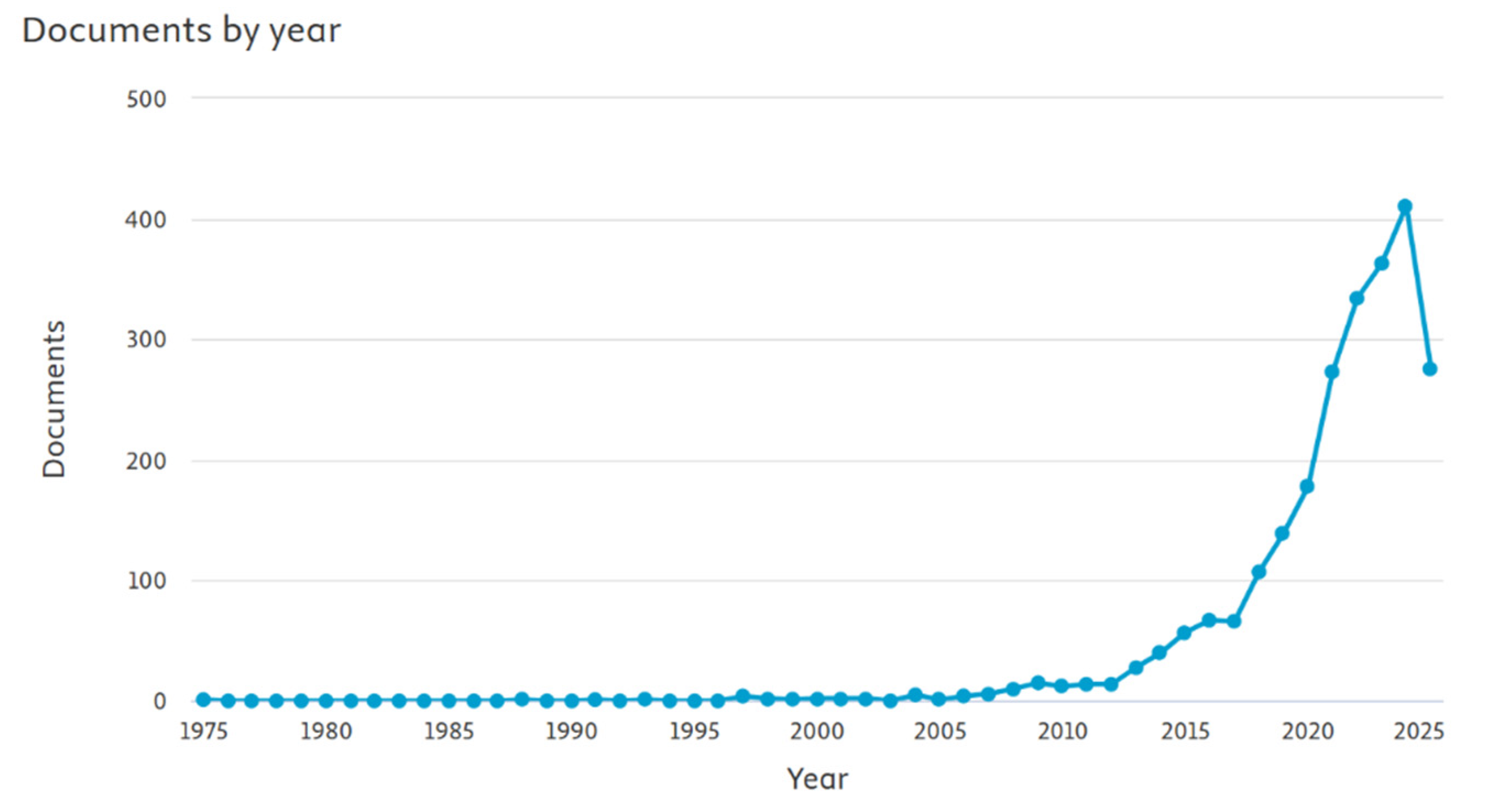
Figure 2.
Documents per year by source.
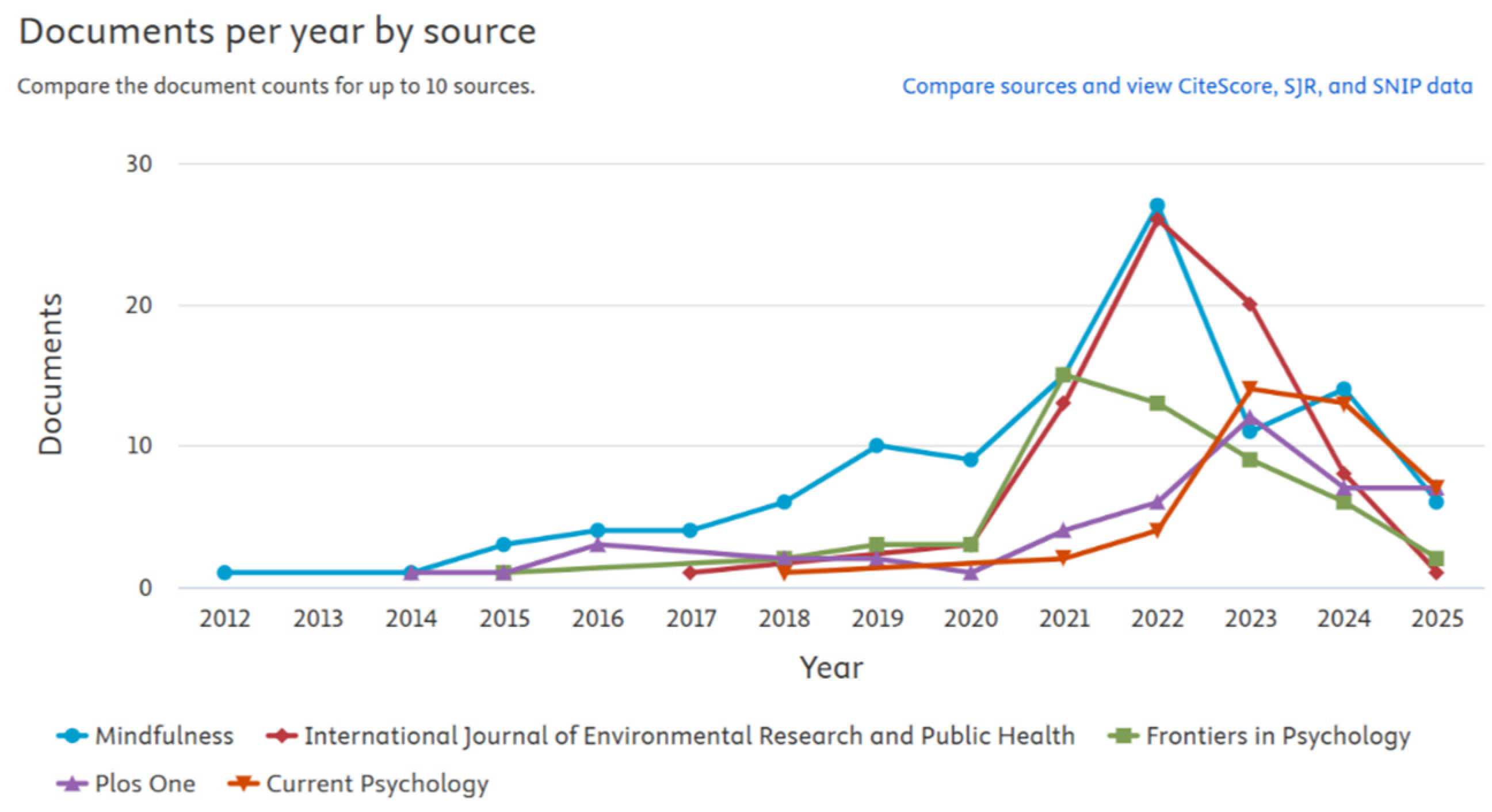
Figure 3.
Documents by author.
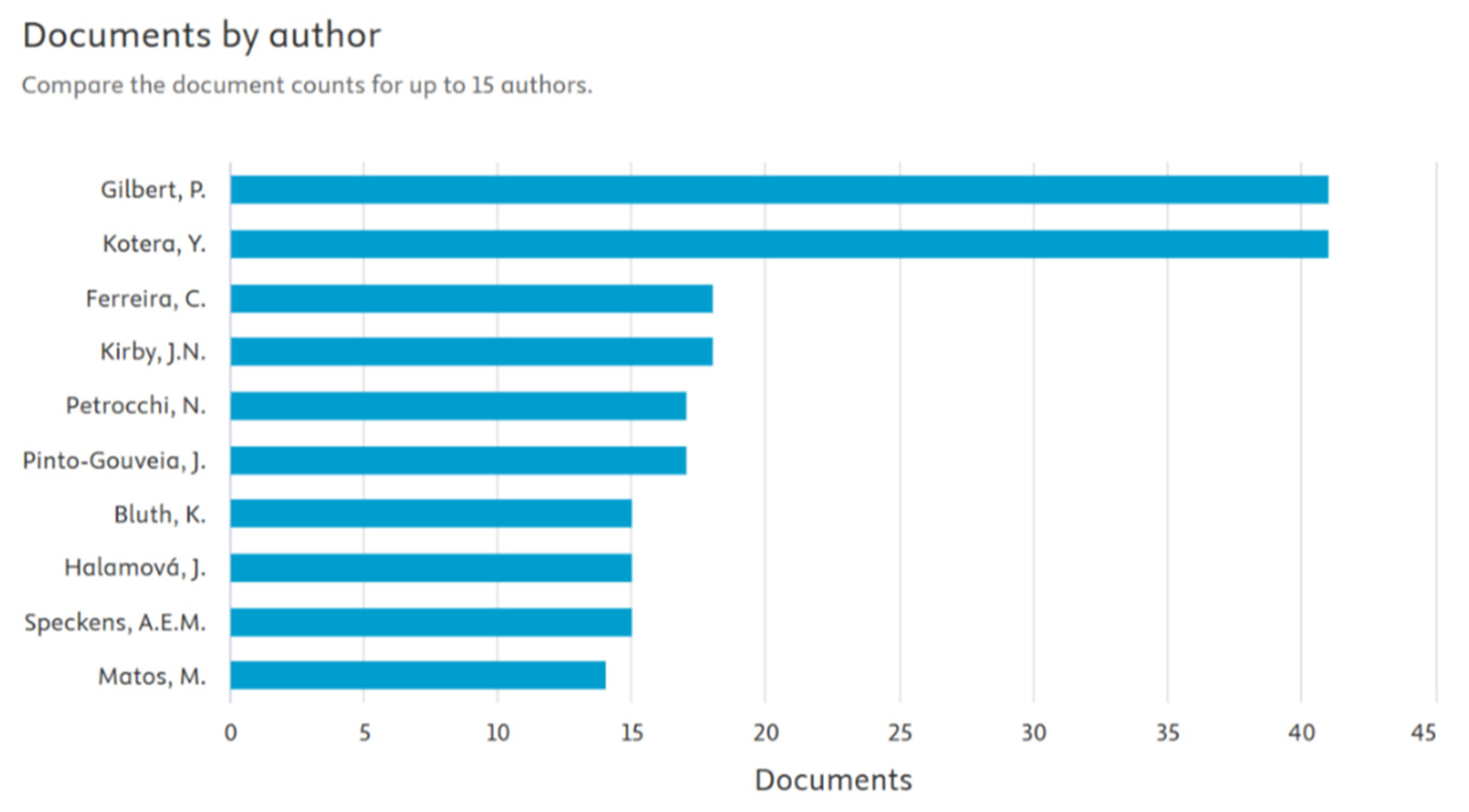
Figure 4.
Network visualisation of all authors.
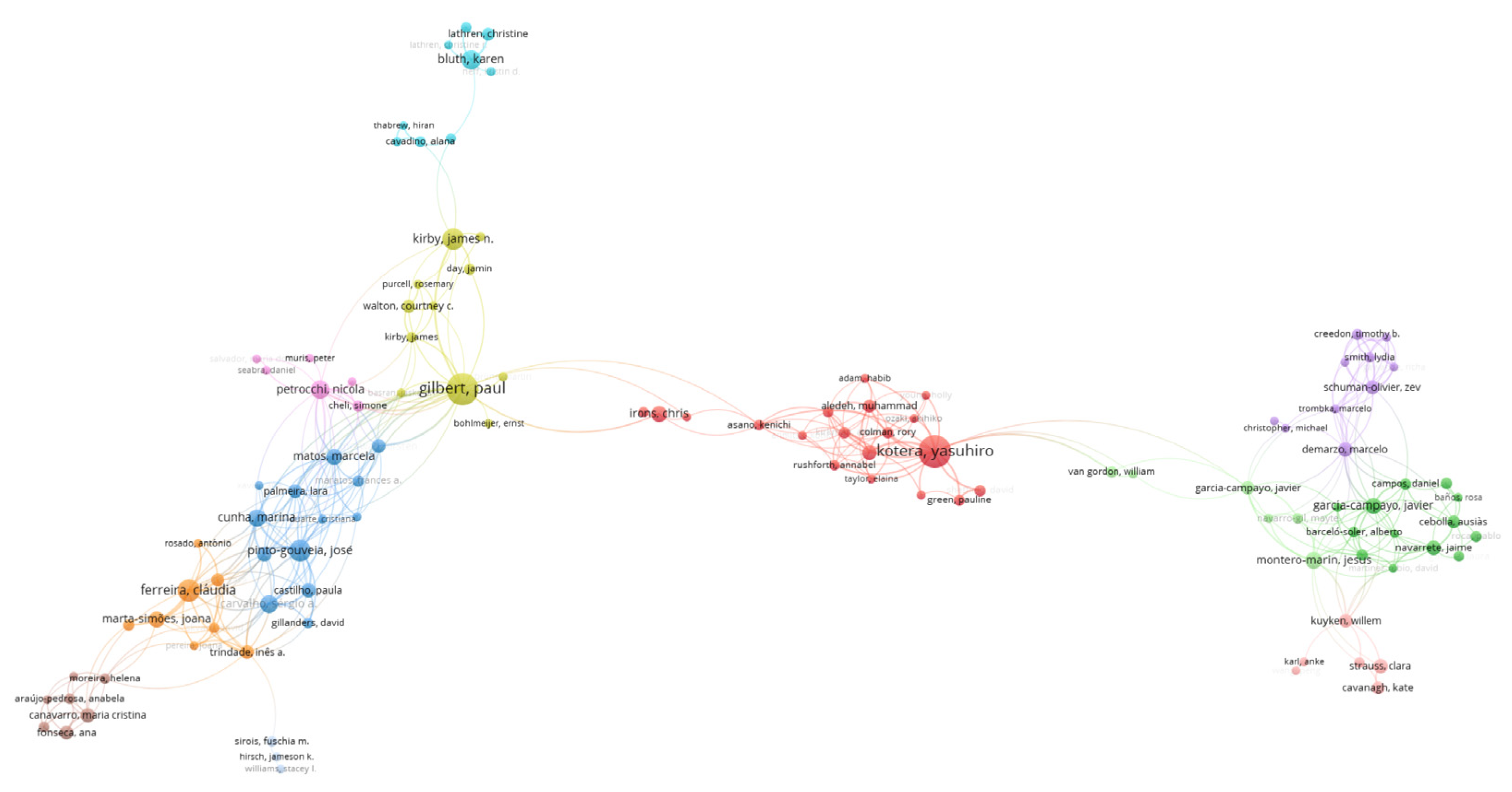
Figure 5.
Network visualization of co-authorship.
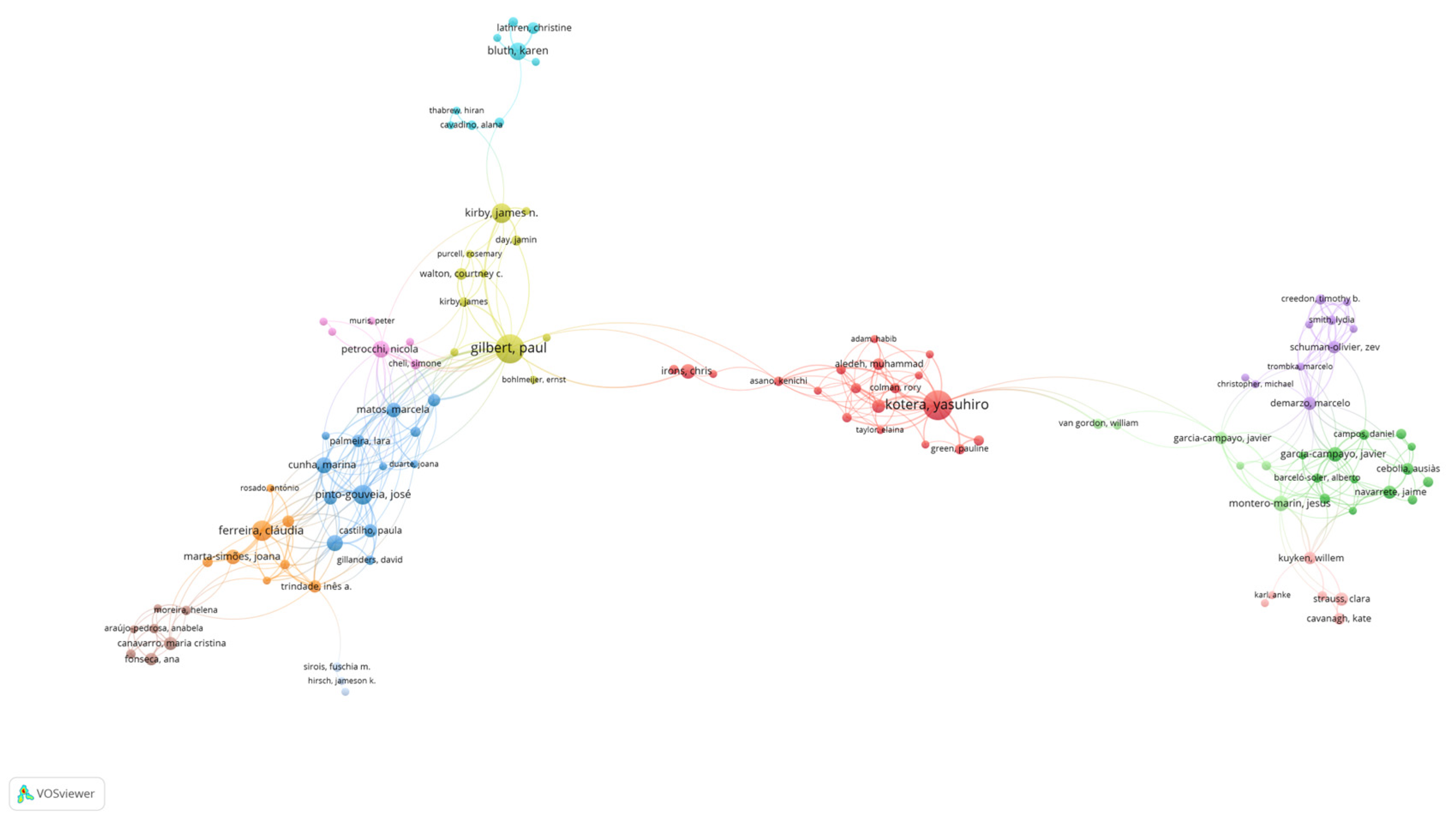
Figure 6.
Network visualisation of citation.
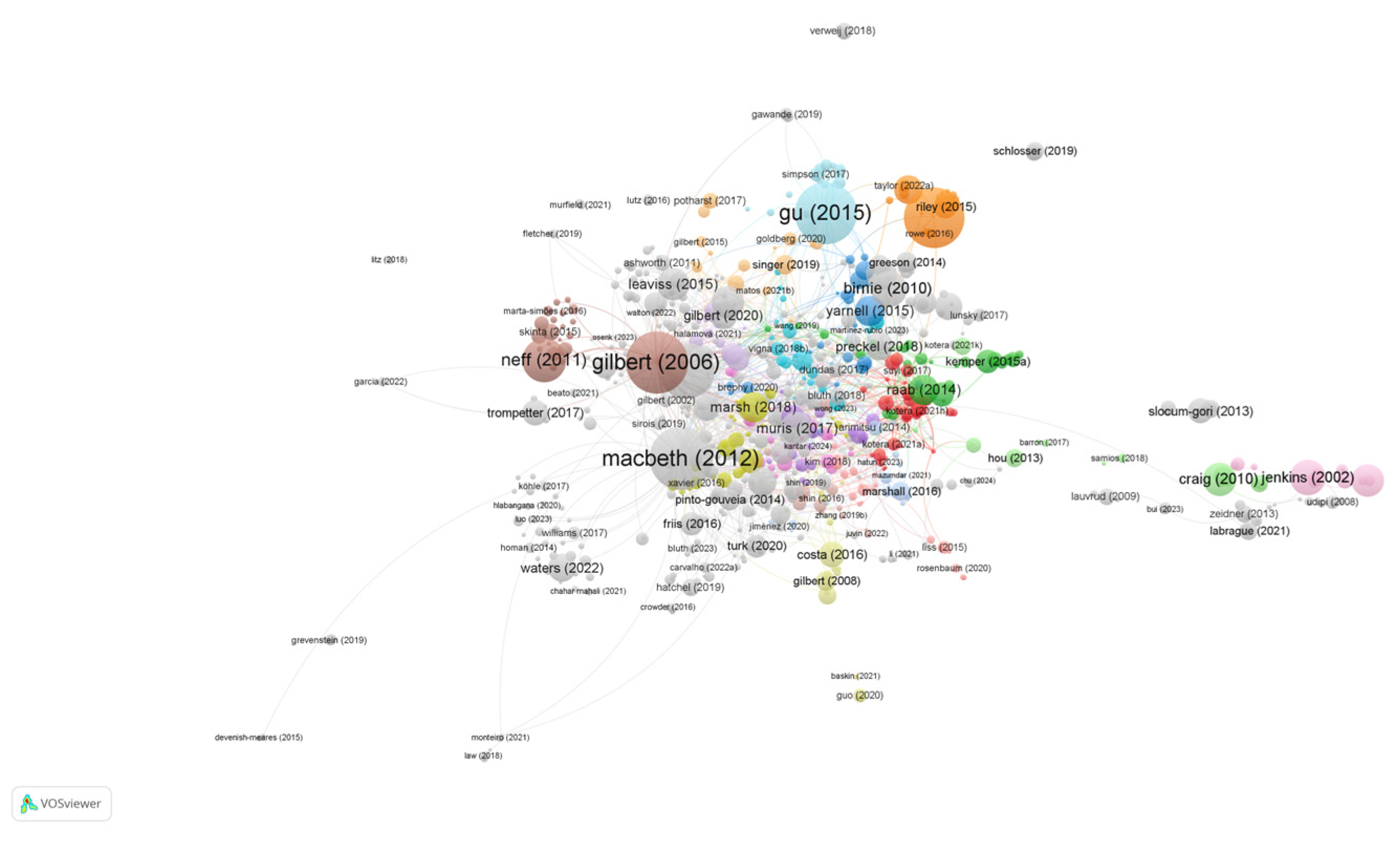
Figure 7.
Network visualization of co-citation.
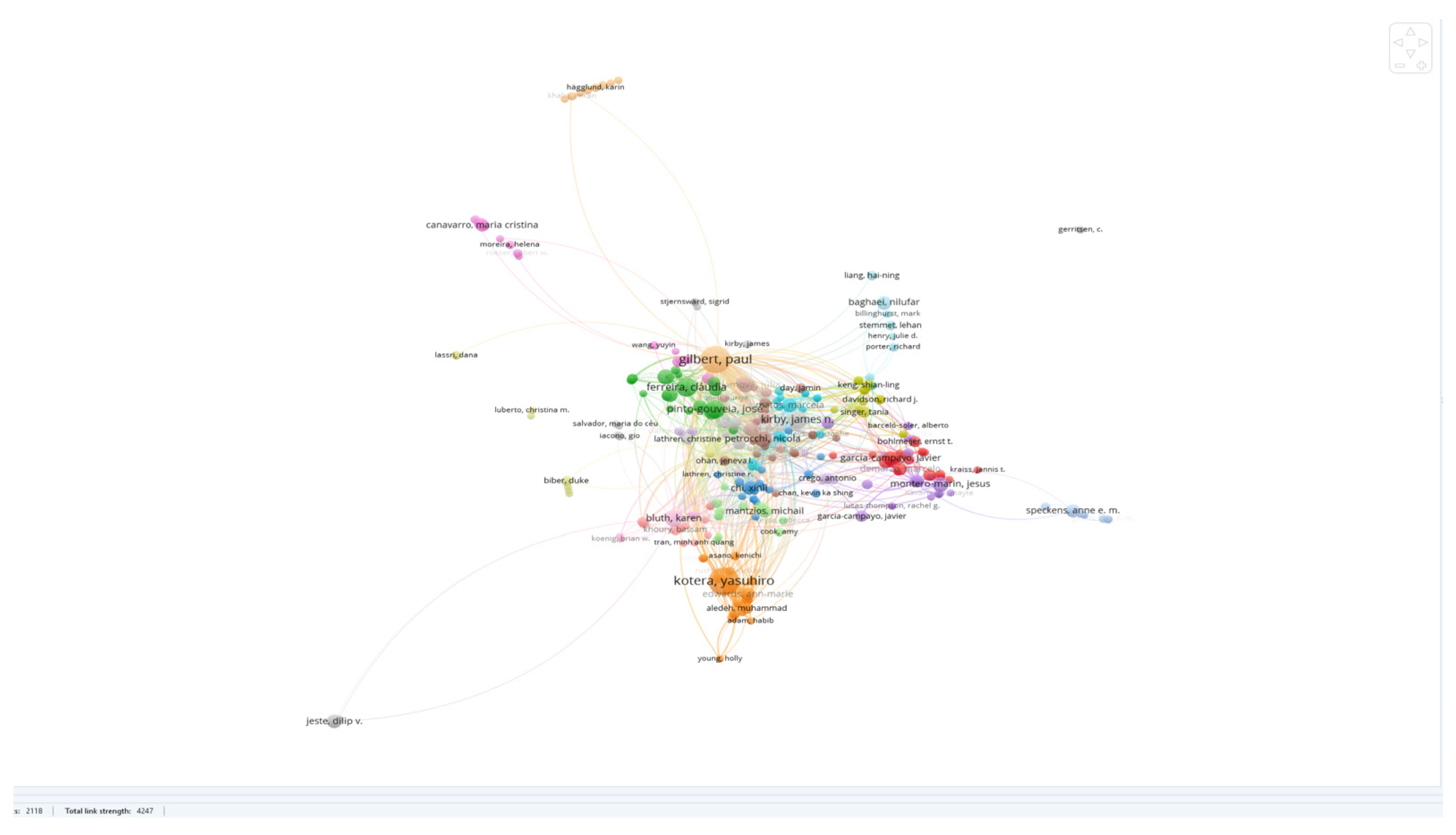
Figure 8.
Network visualisation of contributing organisations.
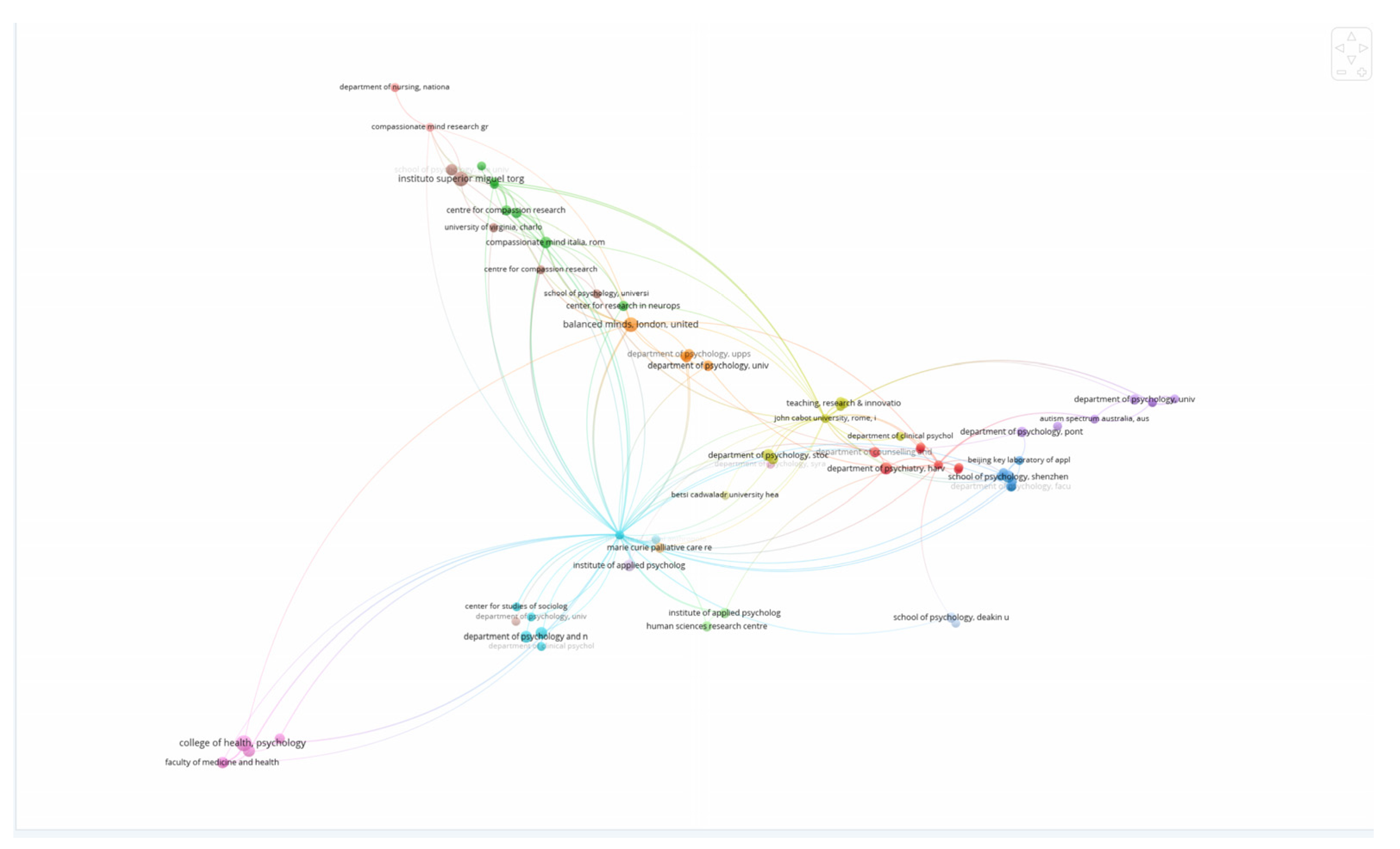
Figure 9.
Network visualisation of citation by country/territory.
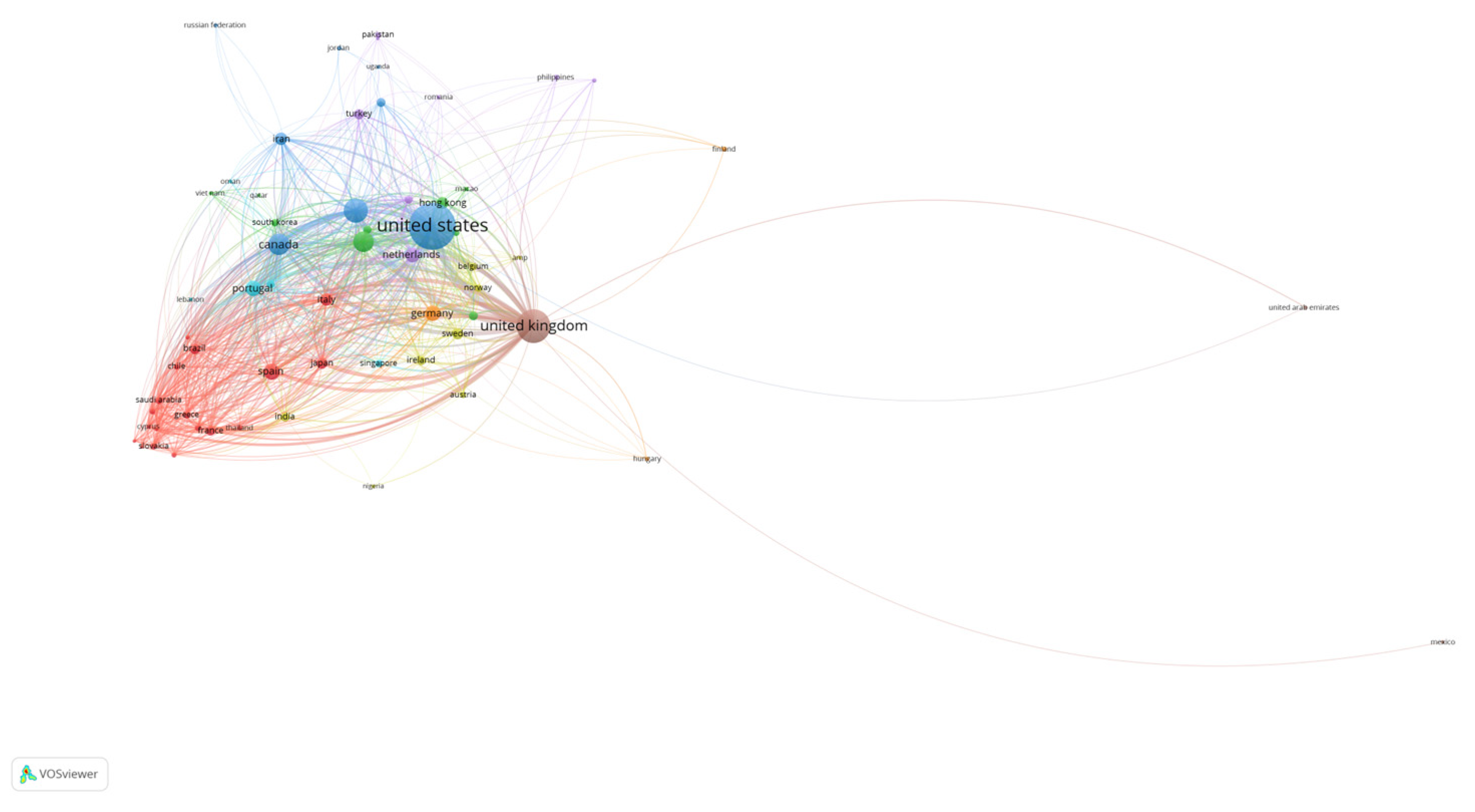
Figure 10.
Three-Field Plot of authors and keywords.
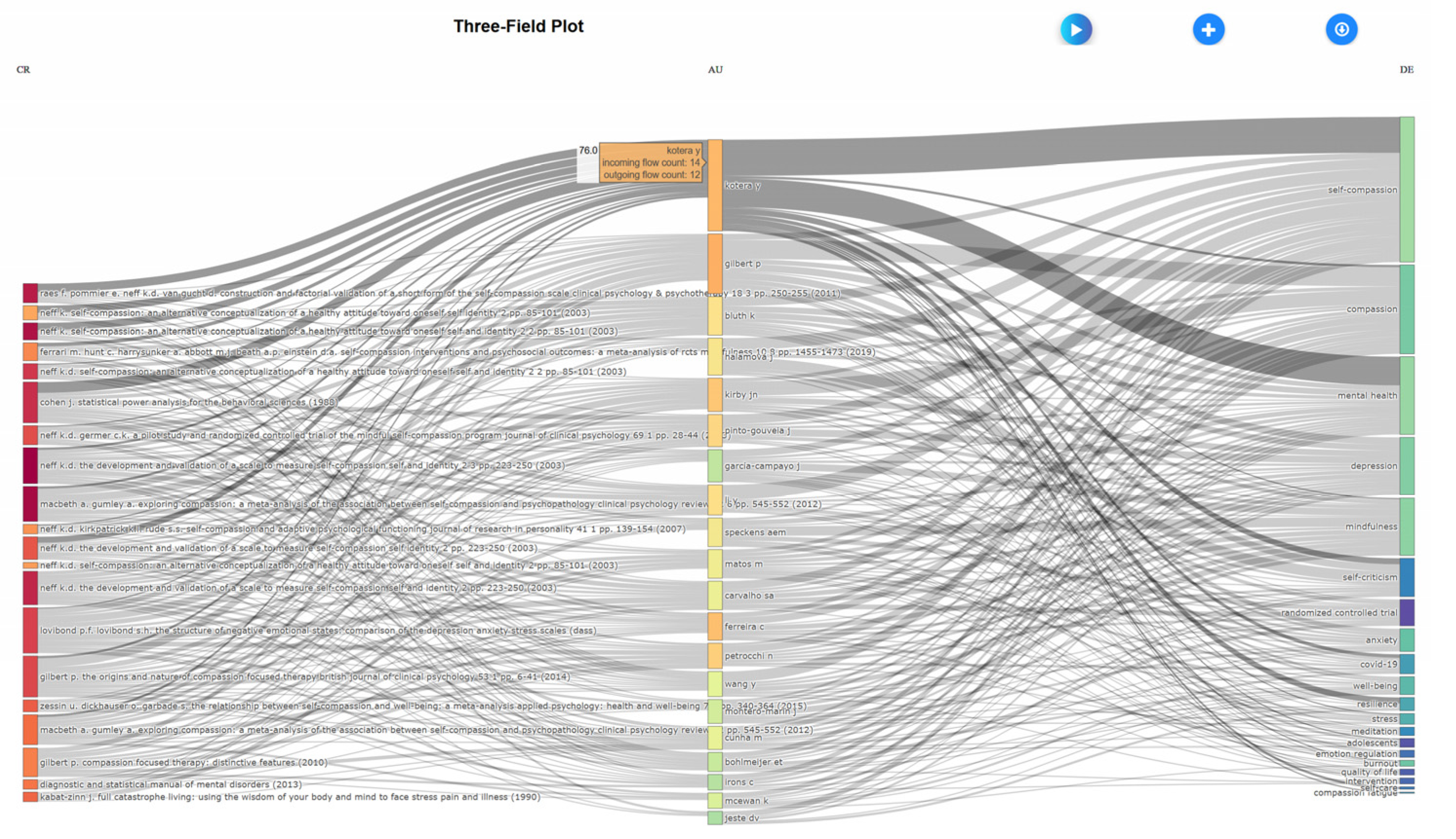
Figure 11.
WordCloud.
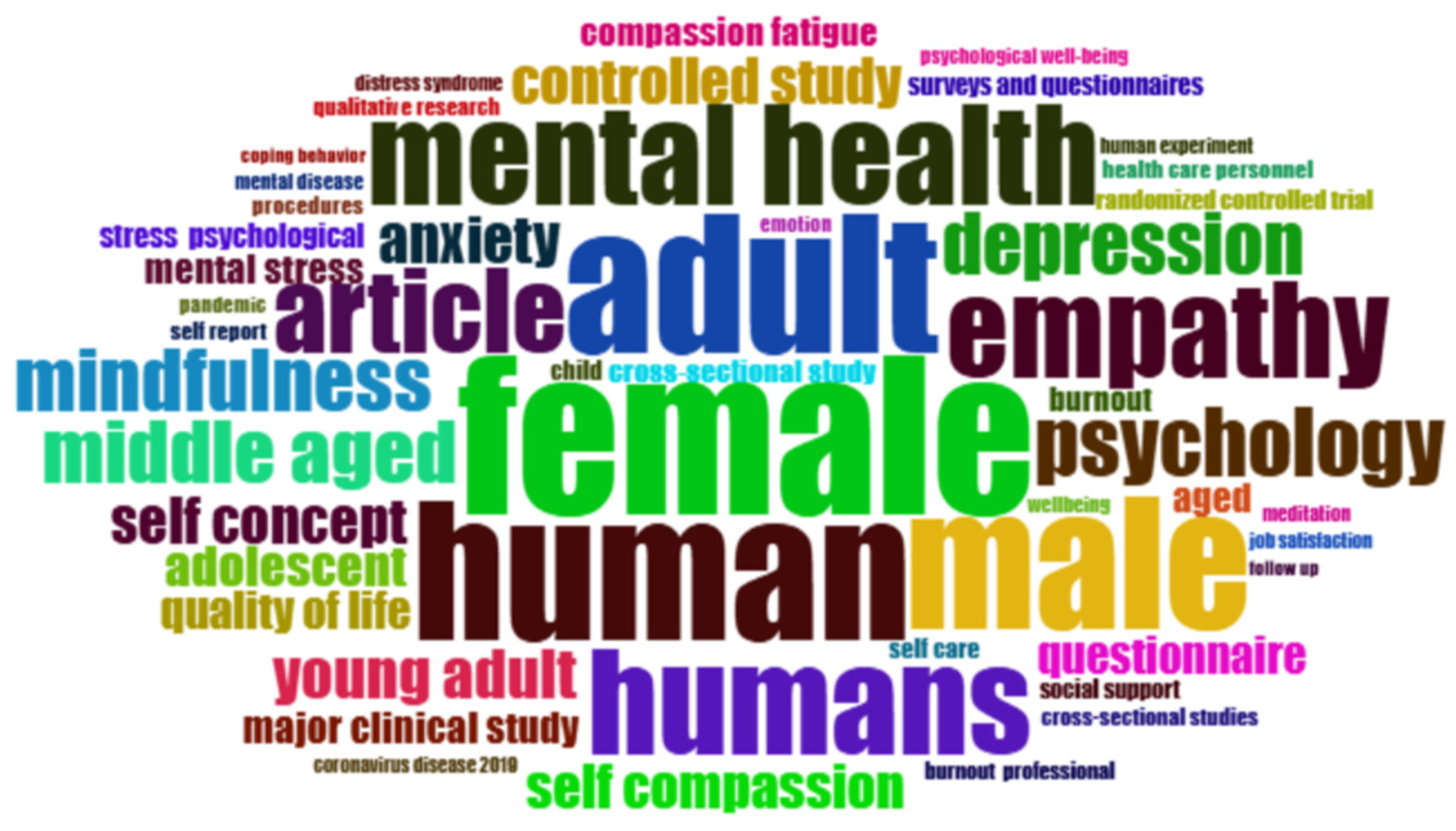
Figure 12.
Thematic Map.
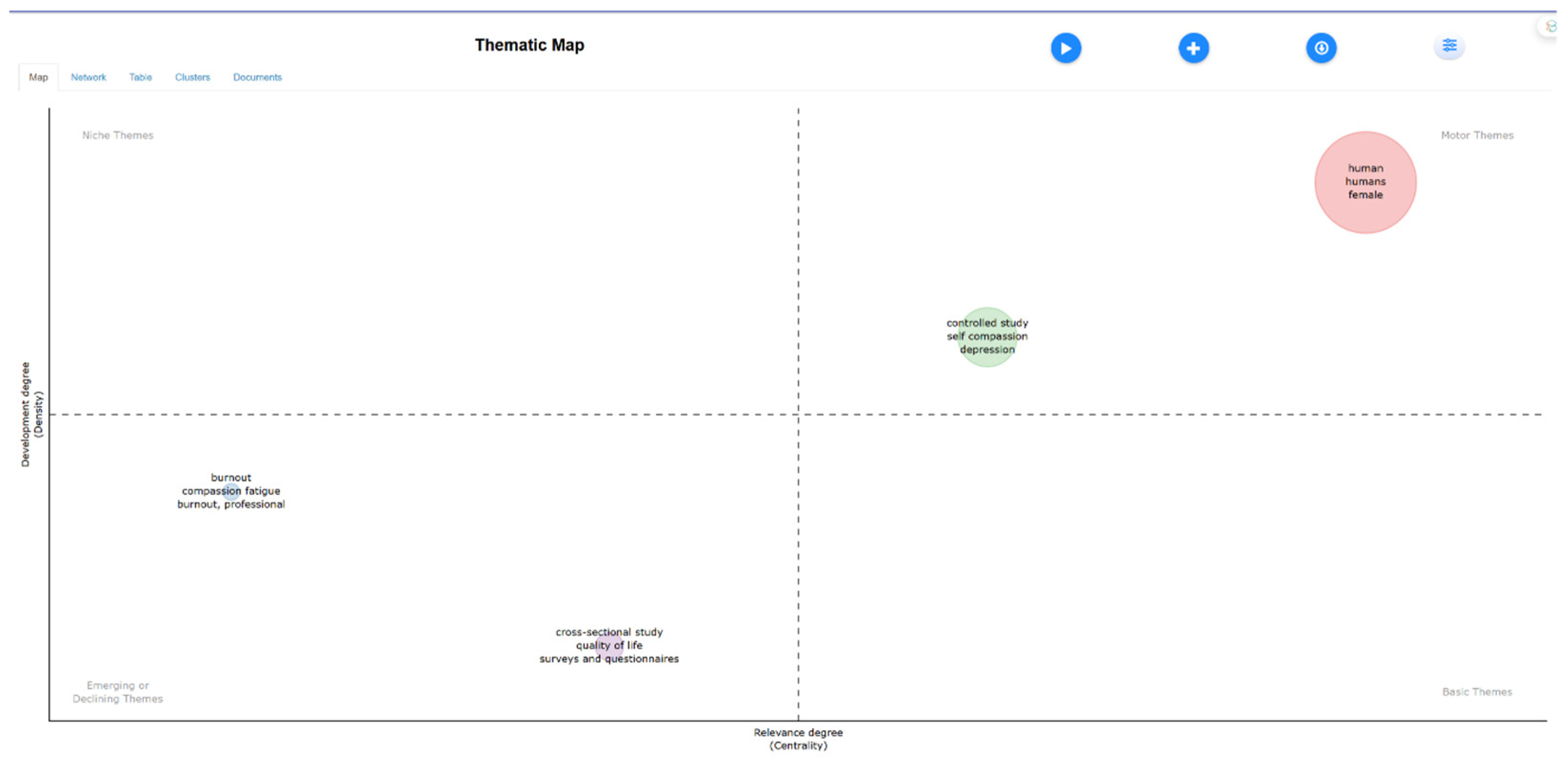

Table 1.
Selected key authors out of 8960 authors.
 |
Disclaimer/Publisher’s Note: The statements, opinions and data contained in all publications are solely those of the individual author(s) and contributor(s) and not of MDPI and/or the editor(s). MDPI and/or the editor(s) disclaim responsibility for any injury to people or property resulting from any ideas, methods, instructions or products referred to in the content. |
© 2025 by the authors. Licensee MDPI, Basel, Switzerland. This article is an open access article distributed under the terms and conditions of the Creative Commons Attribution (CC BY) license (http://creativecommons.org/licenses/by/4.0/).
Copyright: This open access article is published under a Creative Commons CC BY 4.0 license, which permit the free download, distribution, and reuse, provided that the author and preprint are cited in any reuse.


