

Submitted:
01 July 2025
Posted:
02 July 2025
You are already at the latest version
Abstract
Peanut cultivation currently plays a minor role in Portuguese agriculture, despite the country’s favorable soil and climatic conditions. In the Azores archipelago, where agriculture is a key economic activity, peanut production has recently sparked interest among rural producers. Weeds pose a major threat to crop development, particularly for short-cycle species like peanuts. This study aimed to de-termine the period prior to weed interference (PPI) in peanut crops under two row spacings (40 cm and 60 cm) on São Miguel Island, Azores. Eight treatments were established to represent increasing periods of weed coexistence: 0–15, 0–30, 0–45, 0–60, 0–75, and 0–90 days after emergence (DAE), from emergence to harvest, and a weed-free control. A randomized block design with four replicates was used for each spacing. The weed community included eight species, with Cyperus spp., Digitaria spp., Amaranthus blitum, and Portulaca oleracea being the most prevalent. Weed interference throughout the entire cycle led to yield losses exceeding 81% and 86% at 40 cm and 60 cm row spacings, respectively. The PPI, defined at a 5% yield reduction threshold, occurred within the first week of weed coexistence, underscoring the crop’s high sensitivity to competition during early vegetative stages.
Keywords:
weed competition
; periods of interference
; row spacings
1. Introduction
Historical records of peanut production in mainland Portugal point to the Algarve region, particularly in Aljezur, where it was known as Alcagoita. Once important in that area, it has since lost significance. In the 1980s, a national association of peanut producers was created; however, cultivation was eventually abandoned, and the organization dissolved. Peanut production became limited to personal consumption and sales in organic grocery stores. In 2015, the Portuguese company Torriba, in partnership with the multinational PepsiCo, promoted peanut production in the Ribatejo region, with 75 hectares dedicated to snack peanut production [1].
In Portugal insular territories, particularly in the Azores archipelago, peanuts were once considered a traditional crop, especially on São Miguel Island (Eastern Group). Over the years, fewer and fewer producers continued to invest in the crop, leading to small-scale, almost artisanal production, with a lack of modernization and labor shortages, decisive factors that hindered the expansion of peanut cultivation in the Azores [2]. However, despite these challenges, new producers are currently showing interest in investing in peanut production.
Weed plants have gained significant importance in modern agriculture, particularly in peanut cultivation, due to the damage they cause to the crop. Their interference triggers serious problems during the production and development cycle of the crop, in addition to making harvesting more difficult and devaluing the quality of the grain. This occurs because of competition for abiotic factors such as nutrients, water, light, and space, which are necessary for the crop to establish itself [3]. Therefore, when implementing a crop, it is essential to understand the entire weed activity to prioritize certain species according to their significance, as not all weed species have the same level of interference with the crop [4].
The degree of interference is associated with the damage caused to the crop, and this is generally greater the longer the period of coexistence [5]. [6], had already observed that the coexistence of weeds with the peanut crop leads to a reduction in pod production, grain quantity and yield, as well as plant population and aerial development. Typically, this varies depending on the location where the crop is being implemented [7], the weed community [8], the cultivar [9], row spacing [10], soil and climatic conditions, cultural practices, and the extent of the crop coexistence with the weed community [11].For the peanut crop to achieve better competitive performance against the weed community, it is important to adopt cultural practices that promote the normal development of the crop over the weeds, such as the use of an appropriate spatial arrangement [12].
Due to the interference of weed plants in peanut cultivation, serious issues are triggered during the crop’s production and development cycle, in addition to hindering the harvest and devaluing the grain quality through competition for abiotic factors such as nutrients, water, light, and space necessary for the crop to establish itself [3].
Owing to the above, the objective of this study was to determine the period prior to interference (PPI) of weed species present in peanut crops under different sowing with two spacings, 40 cm and 60 cm between rows, on the island of São Miguel, Azores.
2. Materials and Methods
2.1. Experiment Setup: Soil Preparation and Sowing
Two field experiments were conducted in the municipality of Ribeira Grande, in the locality of Porto Formoso, on the island of São Miguel, Azores, PT (37° 49′ 12” N, 25° 25′ 14” W) (Figure 1).
The soil at the site is sandy loam, consisting of 20 to 40% clay, up to 50% silt, and 50 to 90% sand. It has a hydraulic conductivity of about 25 m h⁻¹, a field capacity of 21% by volume, and a wilting point of around 9% [13]. The climate is temperate oceanic, and the experimental period began at the end of spring.
The two experimental areas underwent mechanized soil preparation, with plowing followed by two harrowing. Sowing was carried out manually on June 14, 2023, with four seeds per hole, spaced 20 to 25 cm apart in the planting row, aiming for a density of 14 plants per linear meter. One area had a row spacing of 40 cm, while the other had a spacing of 60 cm.
The peanut seeds were purchased locally, still in their shells, and referred to as “amendoim do nosso.” This variety is preferred by local producers due to its organoleptic characteristics, though its genetic characterization is unknown. The genotype has an erect growth habit, a four-month life cycle, and produces pods containing one to five seeds with reddish skin. The cultivation was done organically, without irrigation or any soil fertility supplements, and no agrochemicals, whether insecticides or fungicides, were applied.
2.2. Experimental Design
In both trials, the experimental units consisted of five sowing rows, each five meters in length, resulting in an area of 8 m² for the 40 cm inter-row spacing and 12 m² for the 60 cm spacing. The two outer rows of each experimental plot were discarded, as they served as borders; effectively, the usable area consisted of the three central rows of each plot, excluding the first meter from each end of the rows. This resulted in 3.6 m² of sample area for trials with 40 cm between rows and 5.4 m² for trials with 60 cm spacing between rows.
In each area, eight treatments were applied regarding the periods of crop coexistence with weed plants: 0-15, 0-30, 0-45, 0-60, 0-75, 0-90 days after emergence (DAE), 0—harvest, and one control without weed coexistence. For each row spacing, a randomized block design with four replications was used, giving a total effective sample area of 115.2 m² for the 40 cm spacing and 172.8 m² for the 60 cm spacing.
2.3. Climatological Data
The Azores is temperate oceanic climate, has temperatures ranging between 13 ºC and 25 ºC, rarely falling below 10 ºC or exceeding 27 ºC, and average relative humidity of 80% [14,15], which are favorable conditions for the proper development of the peanut crop.
The data on rainfall, relative humidity, and minimum, maximum, and average temperatures for the experimental period were collected by the Santana Meteorological Station and are presented in Table 1.
2.4. Evaluation of the Weed Community
The evaluation of the weed community was carried out at the end of each coexistence period for each plot. Weed plants present in two randomly selected sampling areas of 0.25 m² within the experimental plots were removed, identified, separated by species, and counted. The weed species were identified based on specialized and reference works in the field, ensuring accuracy and reliability in taxonomic determination. Fresh mass determination was performed using a scale with a precision of 0.01 g. After the end of their respective coexistence periods, the experimental plots were kept weed-free until harvest through periodic weeding.
2.5. Harvest
The peanut harvest was carried out manually on October 9, 2023, 117 days after sowing (107 days after emergence). To determine productivity, 10 plants were randomly and widely harvested from the 3 central rows per sample block. Each sample was identified and left to rest in a cool, well-ventilated area to allow the plants to dry slightly naturally until data processing. The pods were counted, weighed using a scale with a precision of 0.01g, and later manually shelled to count the kernels. During data collection, a distinction was made between marketable pods.
2.6. Evaluated Parameters
The weed community data allowed for the calculation of the relative importance (RI) of the weed community. Its calculation consists of an index encompassing three factors: relative frequency, related to the occurrence of the species; relative density, based on the number of individuals of the species; and relative dominance, referring to biomass accumulation, following formulas proposed by [16]. The density and dry matter accumulation of the plants in the weed community were decisive factors in relating the interference effect of the weeds on peanut crop production.
2.7. Data Treatment
The productivity data analysis was conducted separately for each row spacing scenario, and the results were subjected to regression analysis using the Boltzmann sigmoidal model, adapted by [17].
y = peanut pod productivity as a function of the coexistence periods (ton ha⁻¹).
P1 = maximum yield obtained from plants kept weed-free throughout the entire cycle.
P2 = minimum yield obtained from plants coexisting with weeds for the maximum period (107 days).
(P1—P2) = yield losses.
X = upper limit of the coexistence period.
X0 = upper limit of the coexistence period, corresponding to the intermediate value between maximum and minimum yield.
dx = parameter indicating the rate of yield loss as a function of the coexistence time.
Based on the regression equations, the periods before weed interference were determined using an arbitrarily set tolerance level of 5% yield reduction, compared to the treatment maintained without weeds. The regression analyses were conducted using the software Origin® 8 (Originlab Corporation, USA).
3. Results and Discussion
3.1. Weed Community
The weed community was similar in both trials, consisting of eight species, with 80% being eudicots and 20% monocots. Among the eudicots, the families Amaranthaceae and Portulacaceae were notable, each represented by one species, while the family Polygonaceae had two different species, and Plantaginaceae had one species. Among the monocots, the families Cyperaceae and Poaceae stood out, each with one species (Table 2). Studies conducted with legumes in various geographical locations highlight the presence of some of the weed families found in this experiment, especially Poaceae and Cyperaceae, emphasizing their invasive potential and adaptability to different soil and climatic conditions [10,11].
According to [18] the most common weeds in peanut fields in mainland Portugal are Cyperus spp., Digitaria spp., Datura stramonium, Amaranthus spp., and Polygonum spp. The authors [19] when investigating weeds in peanut crops in southern Brazil, found that the Poaceae family was highly representative. Similarly, [20] in Paraíba, a northern region of Brazil, also identified species like those found in the present study for peanut crop.
When analyzing the relative importance (RI) of the weed community in both experimental areas, the most significant species were Cyperus spp. Digitaria spp. Amaranthus blitum, and Portulaca oleracea, with the first two being the most relevant throughout the experimental period, either due to biomass production or population density. Despite seasonal differences, Cyperus spp. and Digitaria spp. consistently showed the highest RI values throughout the experimental period (Figure 2 and Figure 3). [21] in a study in the Ribatejo region, Portugal, in partnership with PepsiCo, Inc. and TORRIBA, found weeds like those in this study, especially from the families Cyperaceae, Poaceae, Amaranthaceae, Portulacaceae, and Polygonaceae.
In the 40 cm row spacing, Cyperus spp. maintained a relative importance (RI) above 40% throughout the entire experimental period, peaking at 50% at 60 DAE (Figure 2). This was due to the high number of individuals recorded during this evaluation, exceeding 699 individuals per m², with a fresh mass of 1369 grams per m² (Figure 4 and Figure 6), marking the highest population density recorded for this spacing.
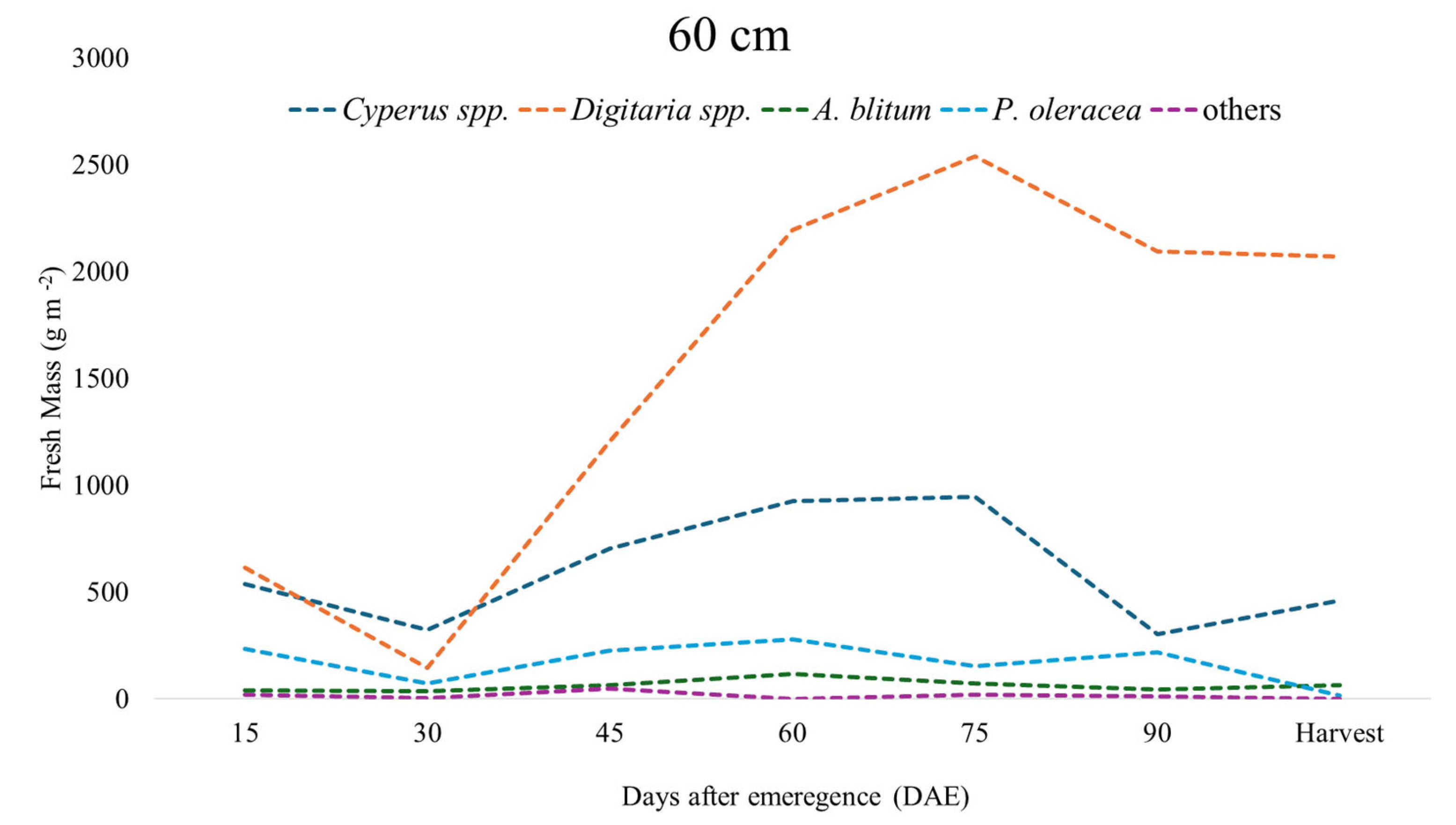
In the 60 cm row spacing, this species showed increasing RI values from 15 DAE (44%) to 30 DAE (48%), followed by a reduction at 45 DAE (43%) and further decreasing to 31% at 90 DAE (Figure 3). This reduction was primarily due to the sharp decline in the number of individuals of this species found in the area, from 727 individuals per m² at 45 DAE (the highest plant density recorded in this experiment) to approximately 200 individuals per m² by the harvest period at 105 DAE (Figure 5 and Figure 9). The fresh mass also decreased significantly, from 943.5 grams per m² at 75 DAE to around 300 grams per m² at 90 DAE (Figure 7). Plants of the genus Cyperus are the most widespread and harmful weeds in the world, found in different agroecosystems [22].
Figure 4.
Density (plants m-2) of the main weed species present in peanut crops in the arrangement of 40 cm between rows.
Figure 4.
Density (plants m-2) of the main weed species present in peanut crops in the arrangement of 40 cm between rows.
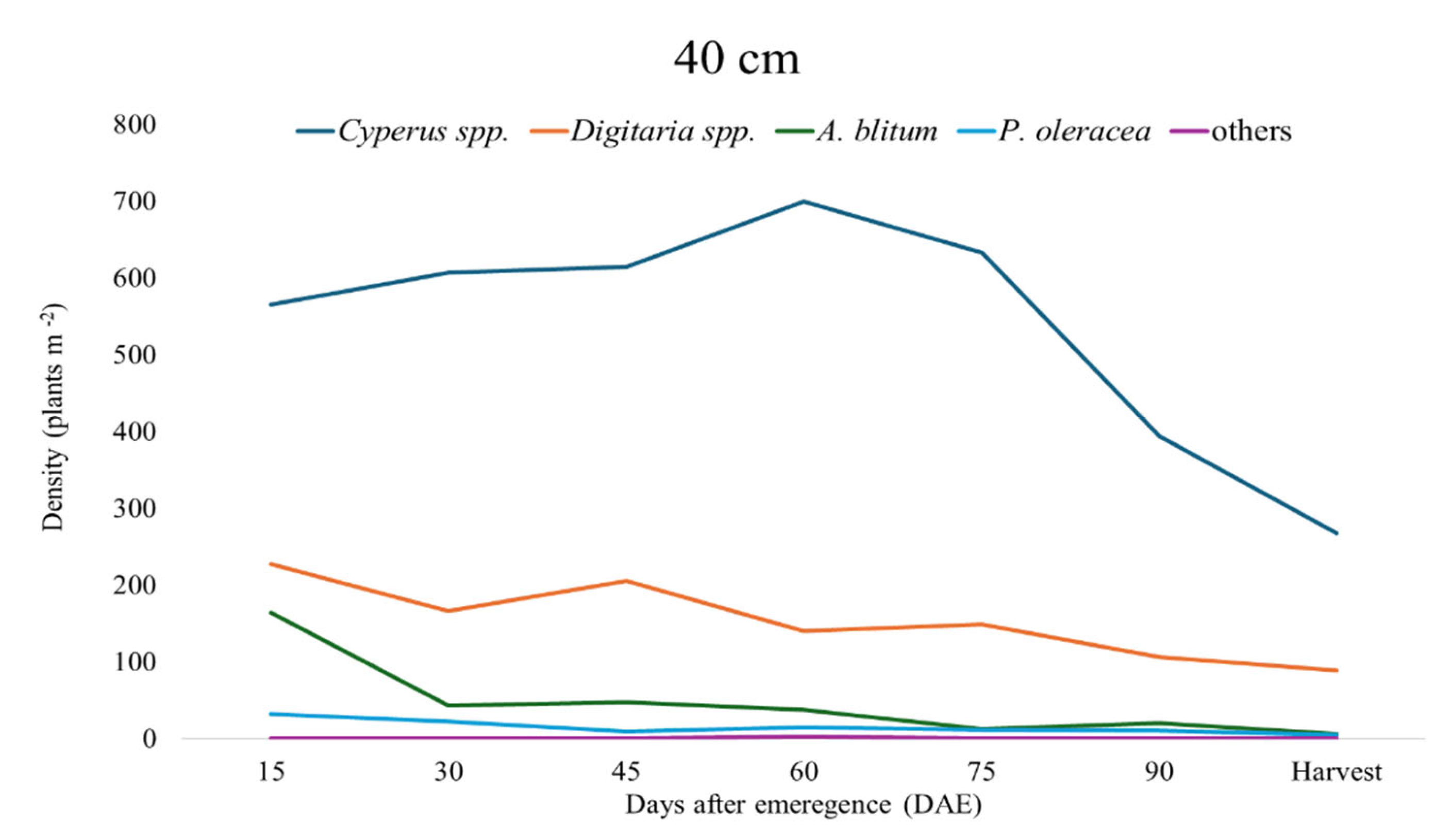
Figure 5.
Density (plants m-2) of the main weed species present in peanut crop in the arrangement of 60 cm between rows.
Figure 5.
Density (plants m-2) of the main weed species present in peanut crop in the arrangement of 60 cm between rows.
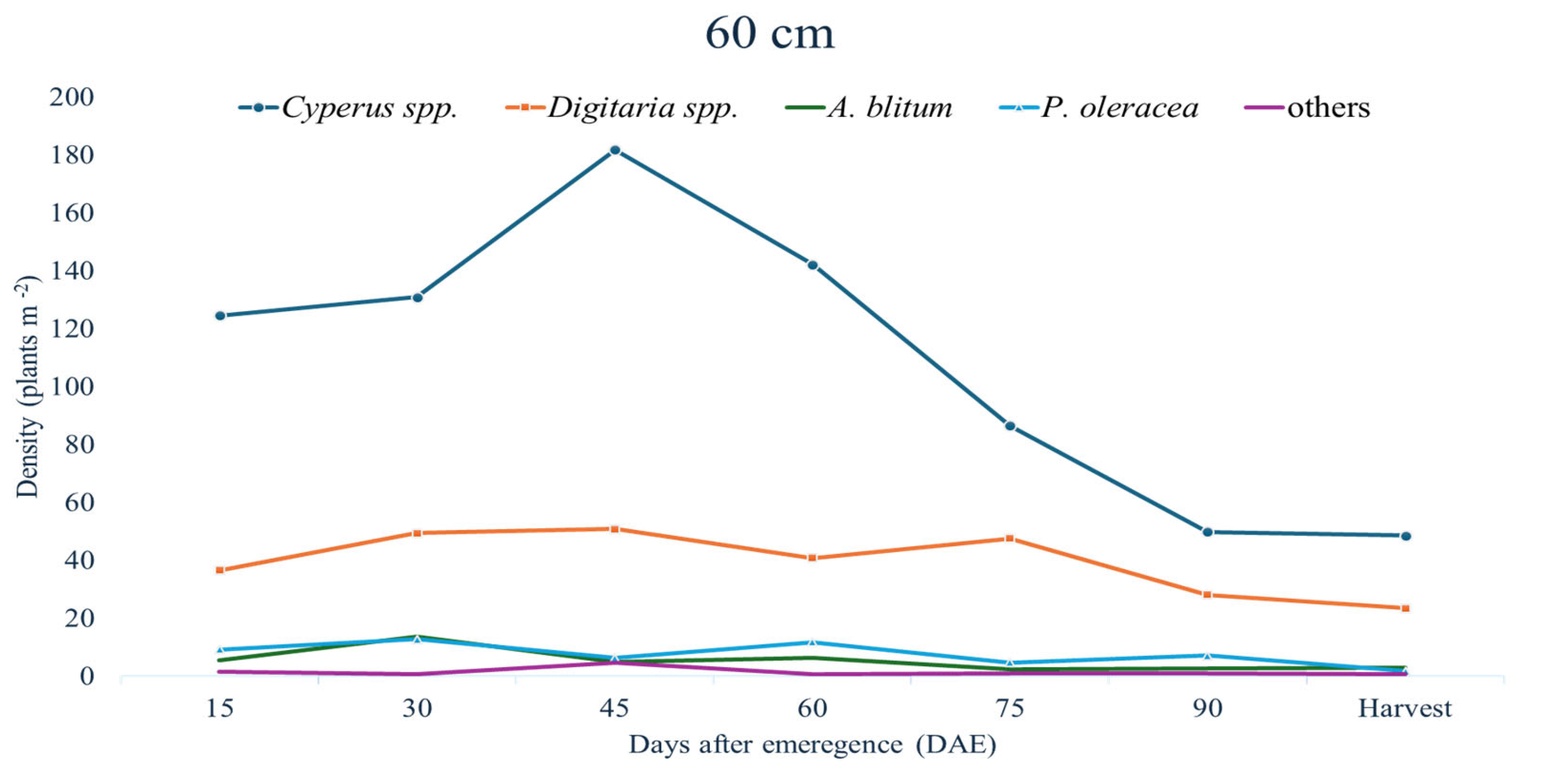
Figure 6.
Fresh mass (grams m-2) of the main weed plants at the end of the periods of coexistence with the peanut crop in the arrangement of 40 cm between rows.
Figure 6.
Fresh mass (grams m-2) of the main weed plants at the end of the periods of coexistence with the peanut crop in the arrangement of 40 cm between rows.
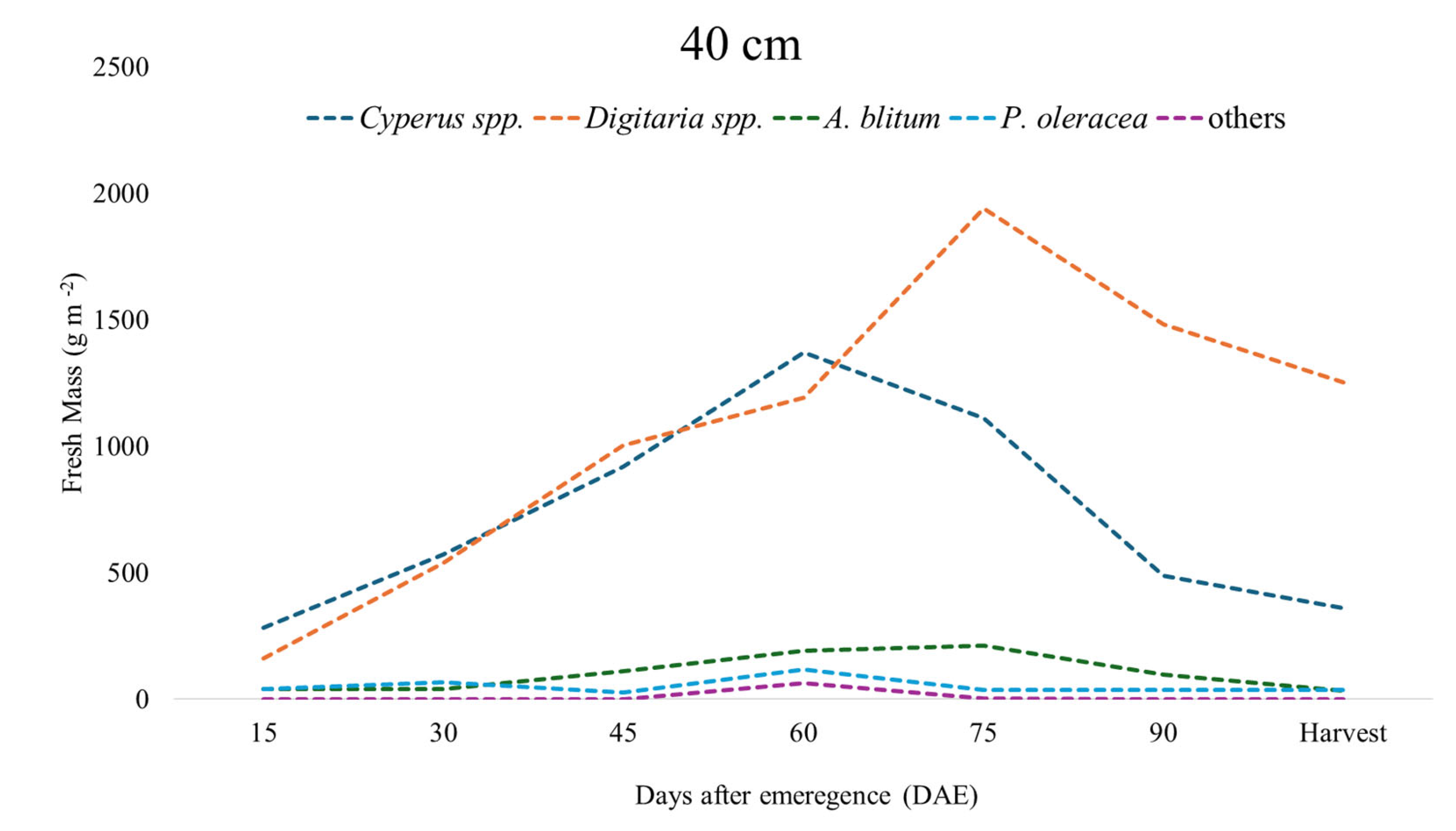
When analyzing D. ciliaris, its relative importance was low at the beginning of the experimental period but increased towards the end, varying from 26% (15 DAE) to 43% (harvest) in the 40 cm row spacing and from 29% (15 DAE) to 45% (harvest) in the 60 cm row spacing (Figure 2 and Figure 3). This increase is attributed to the exponential rise in fresh mass throughout the experimental period, especially up to 75 DAE, exceeding 1900 grams per m² at 40 cm and 2500 grams per m² at 60 cm by 75 DAE (Figure 6, Figure 7, Figure 8 and Figure 9). [23] suggests that the fresh mass production by the weed community can infer its competitive ability; higher biomass production leads to increased competition for resources like nutrients, water, and light, which results in reduced crop productivity.
Figure 7.
Fresh mass (grams m-2) of the main weed plants at the end of the periods of coexistence with the peanut crop in the arrangement of 60 cm between rows.
Figure 7.
Fresh mass (grams m-2) of the main weed plants at the end of the periods of coexistence with the peanut crop in the arrangement of 60 cm between rows.
The density of D. ciliaris varied from 226 to 88 individuals per m² in the 40 cm spacing, with the highest values recorded at 15 DAE (226 individuals per m²) and 45 DAE (205 individuals per m²), decreasing to the lowest value by harvest (Figure 4). In the 60 cm spacing, plant density ranged from 203 individuals per m² at 45 DAE to 103 individuals per m² at harvest, showing an increase in density from 15 DAE to 75 DAE, followed by a decrease to the lowest number of individuals at harvest (Figure 5 and Figure 9). The genus Digitaria includes several species, such as D. ciliaris, D. sanguinalis, and D. horizontalis, among others. D. ciliaris, known by various names, infests cultivated areas with different crops [24], posing a significant concern for farmers.
The species Amaranthus blitum and Portulaca oleracea, although present throughout the peanut crop cycle, had the lowest indices, always below 17% (Figure 2 and Figure 3). Despite observing approximately 160 individuals of the Amaranthus genus at 15 DAE in the 40 cm row spacing, there was a quantitative reduction of the species, with both species exhibiting linear behavior from 30 DAE onwards, never exceeding 60 individuals per m² (Figure 4). Throughout the experiment, fluctuations in the mass of these species were observed, but it never exceeded 250 grams per m² in both row spacings tested (Figure 6 and Figure 7).
Figure 8.
Peanut plants coexisting with weeds over a 75-days (75 DAE) experimental period. Note: Test before (A) and after (B) weeding, with a 60 cm spacing between rows.
Figure 8.
Peanut plants coexisting with weeds over a 75-days (75 DAE) experimental period. Note: Test before (A) and after (B) weeding, with a 60 cm spacing between rows.
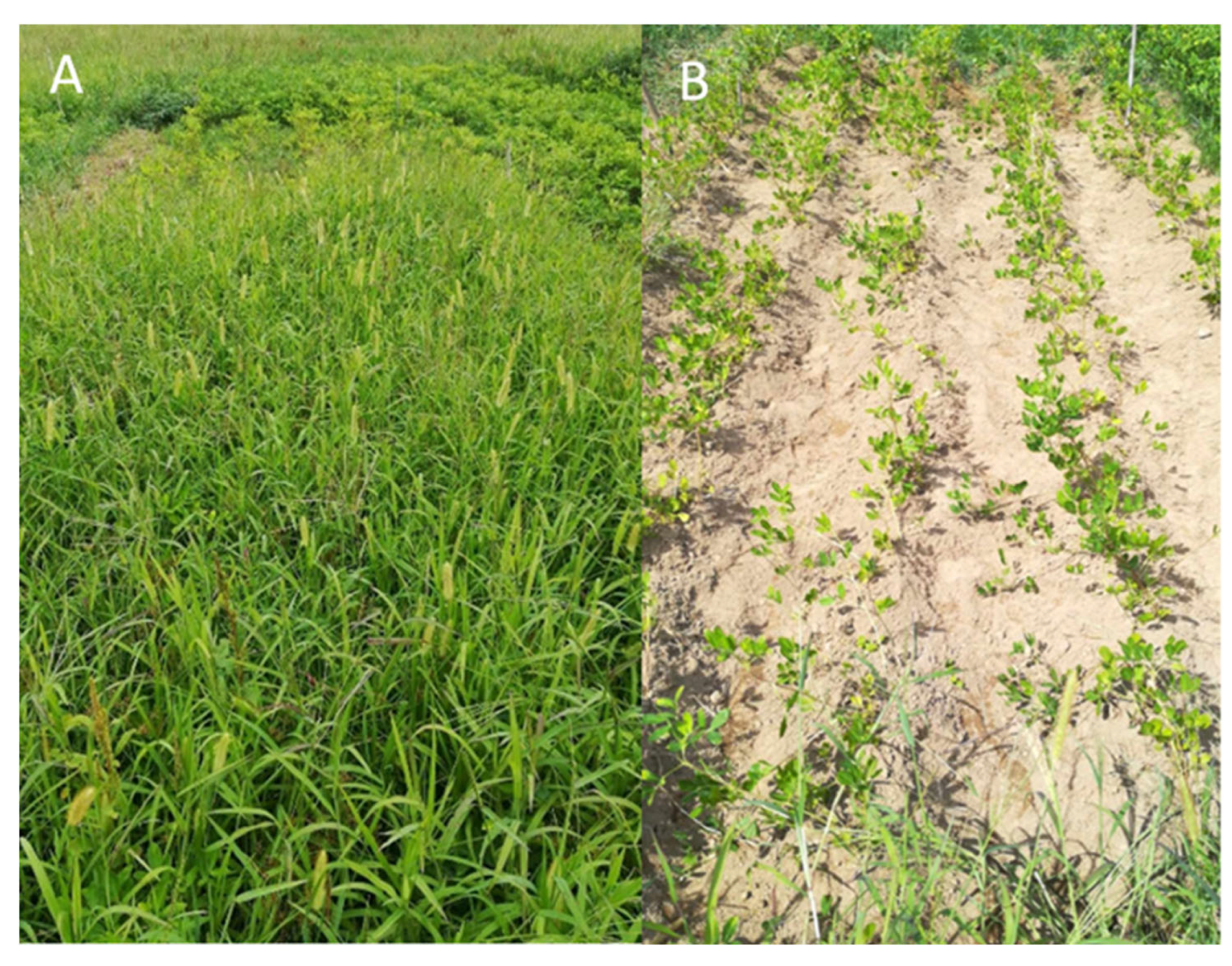
Figure 9.
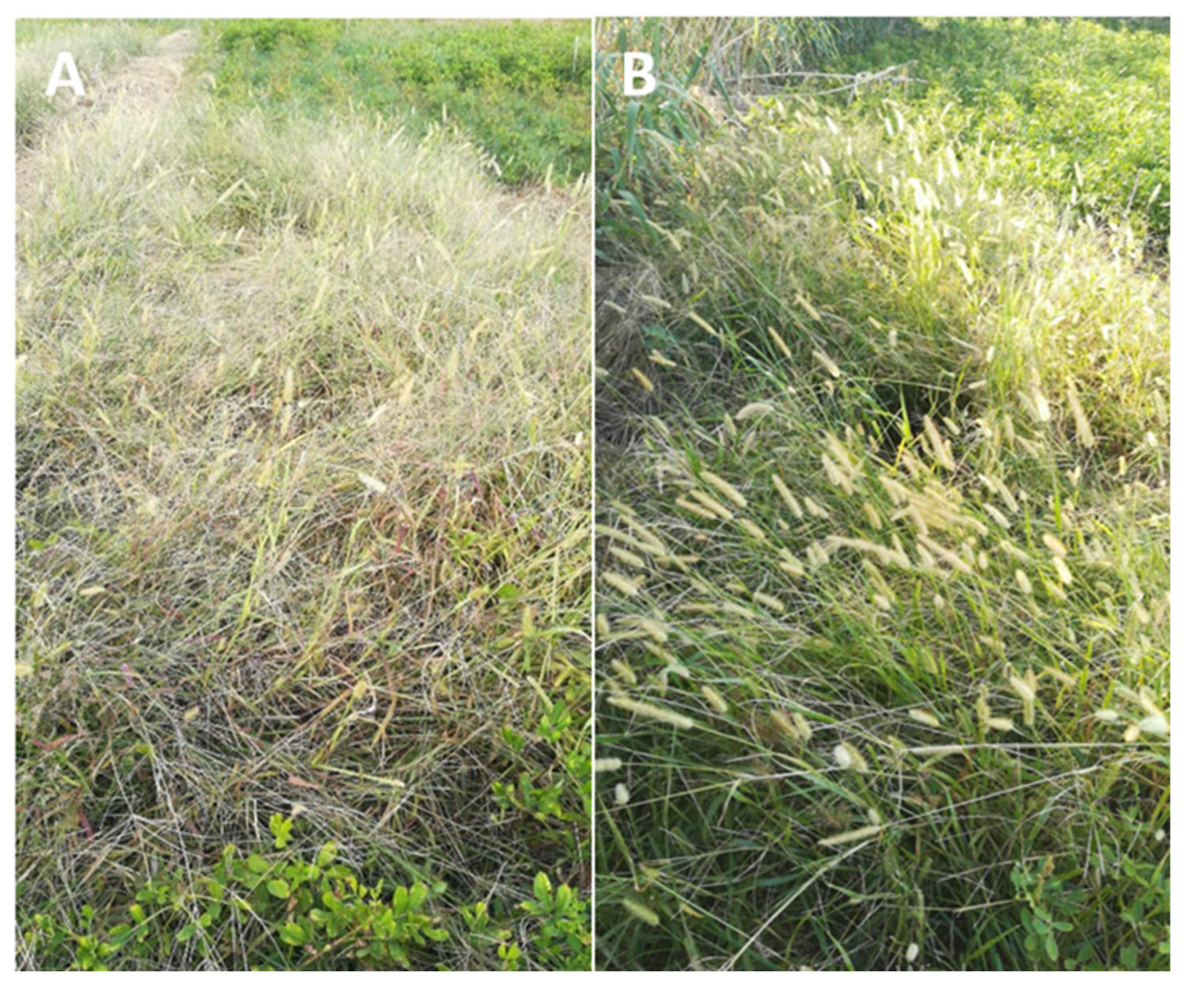
Peanut plants coexisting with weeds throughout the growing cycle, at the harvest stage. Note: Spacing between rows of 40 cm (A) and 60 cm between rows (B).
Figure 9.
Peanut plants coexisting with weeds throughout the growing cycle, at the harvest stage. Note: Spacing between rows of 40 cm (A) and 60 cm between rows (B).
3.2. Crop Production
The analysis of peanut pod production from the experiment showed that the presence of the weed community throughout the entire growing cycle drastically reduced all analyzed parameters (Table 3 and Table 4). In the 40 cm row spacing, even with only 15 days of coexistence with the weeds (15 DAE), production data decreased by approximately 20%, with reductions of 17% in pod number, 20% in total seeds per plant, and 17% in seed number and 19% in pod weight for marketable products (Table 3). In the 60 cm row spacing, a different pattern was observed, with the highest reductions occurring from 30 DAE onwards, exceeding 40% in pod number and total seeds per plant, and 38% in pod weight per plant. In commercial production, the reduction was around 42.5% (Table 4).
In the wider 60 cm row spacing, productivity reductions were also intermediate at 45 DAE for pod number, pod weight, and total seed count per plant, but were significantly pronounced for marketable products (Table 4). The reductions were drastic, like those in the 40 cm spacing, with almost three pods per plant, weighing around four grams and having seven seeds per pod.
For the 40 cm row spacing, from 45 DAE (Table 3), the data showed the lowest productivity values, consistent until harvest, demonstrating that longer coexistence periods with weeds result in greater losses. Up to 45 DAE of weed coexistence, the average loss was around 60%, and by 90 DAE, it exceeded 65% for pod number. For marketable pods, the reduction was 62% at 45 DAE and 70% at 90 DAE compared to the no-weed treatment.
In the 60 cm spacing (Table 4), reductions were also substantial but occurred later. By 60 DAE, reductions in pod number, pod weight per plant, and total seed count per plant were around 70%, increasing to 78% by 90 DAE. Marketable pod production showed significant reductions earlier, with a 53% decrease in pod number at 45 DAE and 75% at 90 DAE.
Comparing productivity between spacings, there was greater significance up to 30 DAE, after which production decreased to nearly half. Despite higher total pod and seed production per plant in the 60 cm row spacing, plants in the 40 cm spacing had a higher mass of marketable pods up to this period. This suggests that while the wider spacing increased pod production, a larger percentage of the pods were nonviable and showed size differences (Figure 10 and Figure 11).
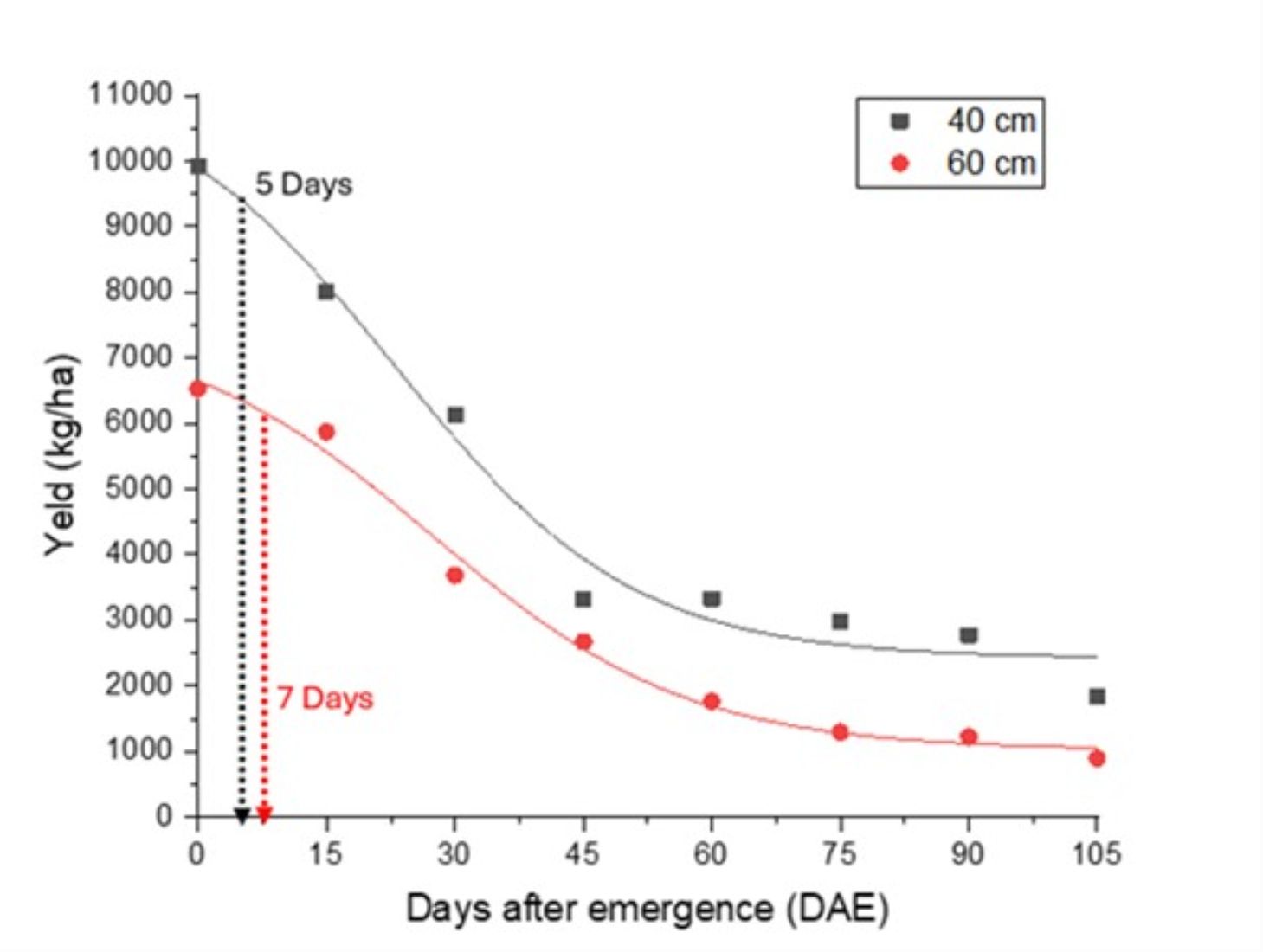
Extrapolating data to a hectare, using the Boltzmann regression analysis (Table 5), peanut productivity in the absence of weeds was 9.91 and 6.53 tons per hectare for 40 cm and 60 cm row spacings, respectively. With full weed infestation throughout the crop cycle, productivity dropped to 1.84 and 0.89 tons per hectare, highlighting productivity losses of 81% and 86% for the 40 cm and 60 cm row spacings, respectively (Table 5). Thus, final production varies with row spacing and the duration of weed coexistence.
The researchers [25] tested a prostrate variety of peanut with a seeding density of 10 and 15 plants m-1, in conditions free from weed interference, and achieved yields between 6,000 and 6,500 kg ha-1 for a row spacing of 60 cm. This result is like what was observed in the present study. However, the reduction in productivity when weeds were present throughout the entire growing cycle was about 60% according to these authors, whereas in this experiment, the loss exceeded 90% (Table 5).
In the 60 cm row spacing, the loss was higher because the crop had more difficulty covering the soil, which allowed the weed community to accumulate large amounts of fresh biomass, especially towards the end of the experimental period. This development led to increased shading and a greater likelihood of pest and disease issues, ultimately reducing and degrading the quality of the final product.
The rate of productivity reduction associated with weed interference (Table 5) was greater in the 60 cm row spacing arrangement. This was due to the large biomass gains by the weed community, which increased competition not only for nutrients and available water but also for light due to shading. In the 40 cm row spacing arrangement, there was less competition from weeds due to the greater ease with which peanut plants covered the soil, making it harder for weeds to compete for resources.
Other researchers working with different peanut genotypes in various regions have shown that weed competition can lead to significant losses in production, ranging from above 50% [9,25,26] to as much as 80% reduction [27]. This competition also complicates harvesting and diminishes the value and quality of the product.
3.3. Period Prior to Interference (PPI)
Allowing for a 5% reduction in peanut productivity, a period of only five days of coexistence with weeds was found for the 40 cm row spacing and seven days for the 60 cm row spacing (Figure 12). This indicates a very short period of coexistence with weeds without significant productivity losses, highlighting the sensitivity of peanut plants to resource competition, especially during the early stages of vegetative development, as suggested by [20].
However, other authors found longer coexistence periods, exceeding 15 days for [26] and over 20 days for [25]. This difference may be attributed to the prostrate architecture of the genotypes used in those studies. [25] argue that upright cultivars tend to have shorter coexistence periods compared to prostrate cultivars, which helps to explain the differences in the periods obtained.
The Period Prior to Interference (PPI) for both spacings was a maximum of one week, regardless of the spacing used (Table 5 and Figure 12). This data is of utmost importance to farmers, as it highlights the need to control weeds as quickly as possible, whether manually (biologically or another ways), as in this experiment, or chemically. It is crucial to address weed issues early and not allow them to persist in the cultivation area for long periods, as this will lead to a drastic reduction in productivity.
4. Conclusions
Under the conditions of the experiment, in both tested spacings, the most relevant species were Cyperus spp, Digitaria spp, Amaranthus blitum, and Portulaca oleracea, which had the highest relative importance indices throughout the experimental period. The presence of weeds throughout the entire growing cycle resulted in losses exceeding 81% and 86% for plants sown at 40 cm and 60 cm spacings, respectively. The period prior to interference, with a 5% arbitrary reduction in productivity, was achieved with a maximum of one week of coexistence, demonstrating how sensitive peanut plants are to competition, especially during the early stages of their vegetative development.
Author Contributions
Conceptualization, V.R.R.C, D.J.H.L, JMPV and MCP.; methodology, MCP and DJHL.; statistical analysis HLM, ANC and MCP.; writing—original draft preparation, V.R.R.C and JSM, writing—review and editing, JMPV, JSM and HLM. All authors have read and agreed to the published version of the manuscript.
Funding
This research received no external funding.
Institutional Review Board Statement
Not applicable.
Informed Consent Statement
Not applicable.
Data Availability Statement
The datasets analyzed during this study are available from the corresponding author.
Conflicts of Interest
The authors declare that they have no conflicts of interest.
References
- Pinto, R. 2015. Amendoim português consumido em snacks na Holanda vai finalmente entrar no mercado nacional. Expressão 50. Available at: https://expresso.pt/iniciativaseprodutos/premio-producao-nacional-2015/2015-06-11-Amendoim-portugues-consumido-em-snacks-na-Holanda-vai-finalmente-entrar-no-mercado-nacional-2 (accessed 5 Dec. 2024).
- Duarte, A. M. M. Amendoim—A «Noz Subterrânea». Cultivo em Aljezur. Al-Rihana 2008, 4, 23–41, https://www.researchgate.net/publication/260986176_AMENDOIM_-_A_NOZ_SUBTERRANEA_CULTIVO_EM_ALJEZUR. [Google Scholar]
- Haro, R. J.; Carrega, W. C.; Otegui, M. E. Row spacing and growth habit in peanut crops: Effects on seed yield determination across environments. Field Crops Research 2022, 275, 108363. [Google Scholar] [CrossRef]
- Cardoso, G.D.; Alves, P.L.C.A.; Beltrão, N.E.M.; Vale, L.S. Períodos de interferência das plantas daninhas em algodoeiro de fibra naturalmente colorida ‘BRS Verde’. Industrial Crops and Products 2011, 34, 1198–1202. [Google Scholar] [CrossRef]
- Soares, I.A.A.; Freitas, F.C.L.; Negreiros, M.Z.; Freire, G.M.; Aroucha, E.M.; Grangeiro, L.C.; Lopes, W.A.R.; Dombroski, J.L.D. Interferência das plantas daninhas sobre a produtividade e qualidade de cenoura. Planta Daninha 2010, 28(2), 247–254. [Google Scholar] [CrossRef]
- Pitelli, R.A.; Ferraz, E.C.; de Marinis, G. Efeitos do período de matocompetição sobre a produtividade do amendoim (Arachis hypogaea L.). Planta Daninha 1981, 4(2), 110–119. [CrossRef]
- Yamauti, M.S.; Alves, P.L.C.A.; Nepomuceno, M.; Martins, J.V.F. Adubação e o período anterior à interferência das plantas daninhas na cultura do amendoim. Planta Daninha 2010, 28(spe), 1031–1039. [Google Scholar] [CrossRef]
- Cardoso, G.D.; Alves, P.L.C.A.; Beltrão, N.E.M.; Vale, L.S. Períodos de interferência das plantas daninhas em algodoeiro de fibra colorida ‘BRS Safira’. Revista Ciência Agronômica 2010, 41, 456–4629. [Google Scholar] [CrossRef]
- Agostinho, F.; Gravena, R.; Alves, P.L.; Salgado, T.; Mattos, E. The Effect of Cultivar on Critical Periods of Weed Control in Peanuts. Peanut Sci. 2006, 33, 29–35. [Google Scholar] [CrossRef]
- Parreira, M.C.; Alves, P.L.C.A. Comparação entre métodos para determinar o período anterior à interferência de plantas daninhas em feijoeiros com distintos tipos de hábitos de crescimento. Planta Daninha 2014, 32, 727–738. [Google Scholar] [CrossRef]
- Mielle, R.F.; Zanoni, H.M.L.; Parreira, M.C.; Alves, P.L.C.A.; Portugal, J. Periods of Weed Interference on Bean Crop with Cultivar Plants of Different Architecture Types. Res. J. Life Sci. Bioinform. Pharm. Chem. Sci. 2019, 5, 439–450. [Google Scholar] [CrossRef]
- Tavakoli, H.; Rajabipour, A.; Mohtasebi, S.S. Moisture-Dependent Some Engineering Properties of Soybean Grains. Agric. Eng. Int. 2009, 1110(11). https://cigrjournal.org/index.php/Ejounral/article/view/1110.
- Oliveira, I. Técnicas de regadio. Técnicas de Regadio 2011, 2(1). https://tecnicasderegadio.info/.
- Brito, R. São Miguel, a Ilha Verde: Estudo Geográfico (1950–2000). Ponta Delgada: Fábrica de Tabaco Micaelense, SA; COINGRA—Companhia Gráfica dos Açores, Lda; EDA—Empresa de Electricidade dos Açores, SA; Universidade dos Açores. 2004. https://archive.org/details/dli.ernet.535086.
- Fernandes, João Filipe. (2004). Caracterização Climática das ilhas de São Miguel e Santa Maria com base no Modelo CIELO. [CrossRef]
- Mueller-Dombois, D.; Ellenberg, H. Aims and Methods of Vegetation Ecology; John Wiley and Sons: New York, USA, 1974. [Google Scholar]
- Kuva, M.A.; Pitelli, R.A.; Christoffoleti, P.J.; Alves, P.L.C.A. Períodos de interferência das plantas daninhas na cultura da cana-de-açúcar: I-Tiririca. Planta Daninha 2000, 18, 241–251. [Google Scholar] [CrossRef]
- Wilson, H.P. Weeds: Peanuts. In Field Crops—Pest Management Guide 2011; Hagood, E.S., Herbert, D.A., Eds.; Virginia Tech: Virginia, USA, 2010; pp. 165–180. [Google Scholar]
- Yamauti, M.S.; Alves, P.L.C.A.; Nepomuceno, M.; Martins, J.V.F. Adubação e o período anterior à interferência das plantas daninhas na cultura do amendoim. Planta Daninha 2010, 28, 1031–1039. [Google Scholar] [CrossRef]
- Rodrigues, L.G.S.M.; Rodrigues, F.M.; Oliveira, E.M.; Vieira, V.B.; Arévalo, A.M.; Viroli, S.L.M. Amendoim (Arachis sp.) como fonte na matriz energética brasileira. J. Bioenergy Food Sci. 2016, 3(3), 178–190. [CrossRef]
- Paquete, I.P. A cultura do amendoim, Arachis hypogaea L., na região do Ribatejo: Estudo preliminar. Master’s Thesis, Universidade Técnica de Lisboa, Portugal, 2012. https://repositorio.ulisboa.pt/bitstream/10400.5/5266/1/tese%20-%20Vers%C3%A3o%20Definitiva.pdf? [Google Scholar]
- Araújo, A.P.; Sousa, L.F.; Santos, M.J.; Almeida, R.C.; Lima, S.V. Eficácia de controle do herbicida Falcon (Piroxasulfona + Flumioxazina) em aplicações em pré-emergente das espécies Cyperus rotundus e Cyperus esculentus. Rev. Foco 2023, 11(16), 1–15. [Google Scholar] [CrossRef]
- Silveira Júnior, M.A.D. Crescimento das culturas de feijão, milho e mandioca em competição com as plantas daninhas picão-preto e capim marmelada em função de densidade de plantas. Master’s Thesis, Universidade Federal dos Vales do Jequitinhonha e Mucuri, 2015. https://bdtd.ibict.br/vufind/Record/UFVJM-2_a0a6916094dcba222dc7345b8579f5ec.
- Fontana, L.C.; Rigon, J.P.G.; Schaedler, C.E.; Zílio, M. Levantamento de espécies de Digitaria (“milhã”) em áreas de cultivo agrícola no Rio Grande do Sul (Brasil). Rev. Bras. Biociênc. 2016, 14(1). https://seer.ufrgs.br/index.php/rbrasbioci/article/view/114699.
- Souza Junior, N.L.D.; et al. Período anterior da interferência das plantas daninhas no amendoim em resposta a densidade de plantas e espaçamentos. Agron. Trop. 2010, 60(4), 341–353. http://www.publicaciones.inia.gob.ve/index.php/agronomiatropical/article/view/312.
- Yamauti, M.S.; Alves, P.L.C.A.; Bianco, S. Effects of mineral nutrition on inter- and intraspecific interference of peanut (Arachis hypogaea L.) and hairy beggarticks (Bidens pilosa L.). Interciencia 2012, 37(1), 65–69. https://www.redalyc.org/pdf/339/33922709011.pdf?
- Dias, T.C.S.; Alves, P.L.C.A.; Pavani, M.C.M.; Nepomuceno, M. Efeito do espaçamento entre fileiras de amendoim rasteiro na interferência de plantas daninhas na cultura. Planta Daninha 2009, 27, 221–228. [Google Scholar] [CrossRef]
- Devechio, F.D.F.S.; Pedroso, R.M.; Silva, B.C.; Santos, D.J.D.; Ramos, F.C.; Belchior, F.S.; Costa, H.A.D. Manejo fitotécnico de culturas leguminosas e oleaginosas: Cultura amendoim. Manejo Fitotécnico de Culturas Leguminosas e Oleaginosas: Cultura Amendoim 2021. http://ibict.unifeob.edu.br:8080/jspui/bitstream/prefix/4515/1/Relatorio1_Modulo5_Grupo2_EAD_2021.
Figure 1.
Map of São Miguel Island (Azores). Source: Google maps.
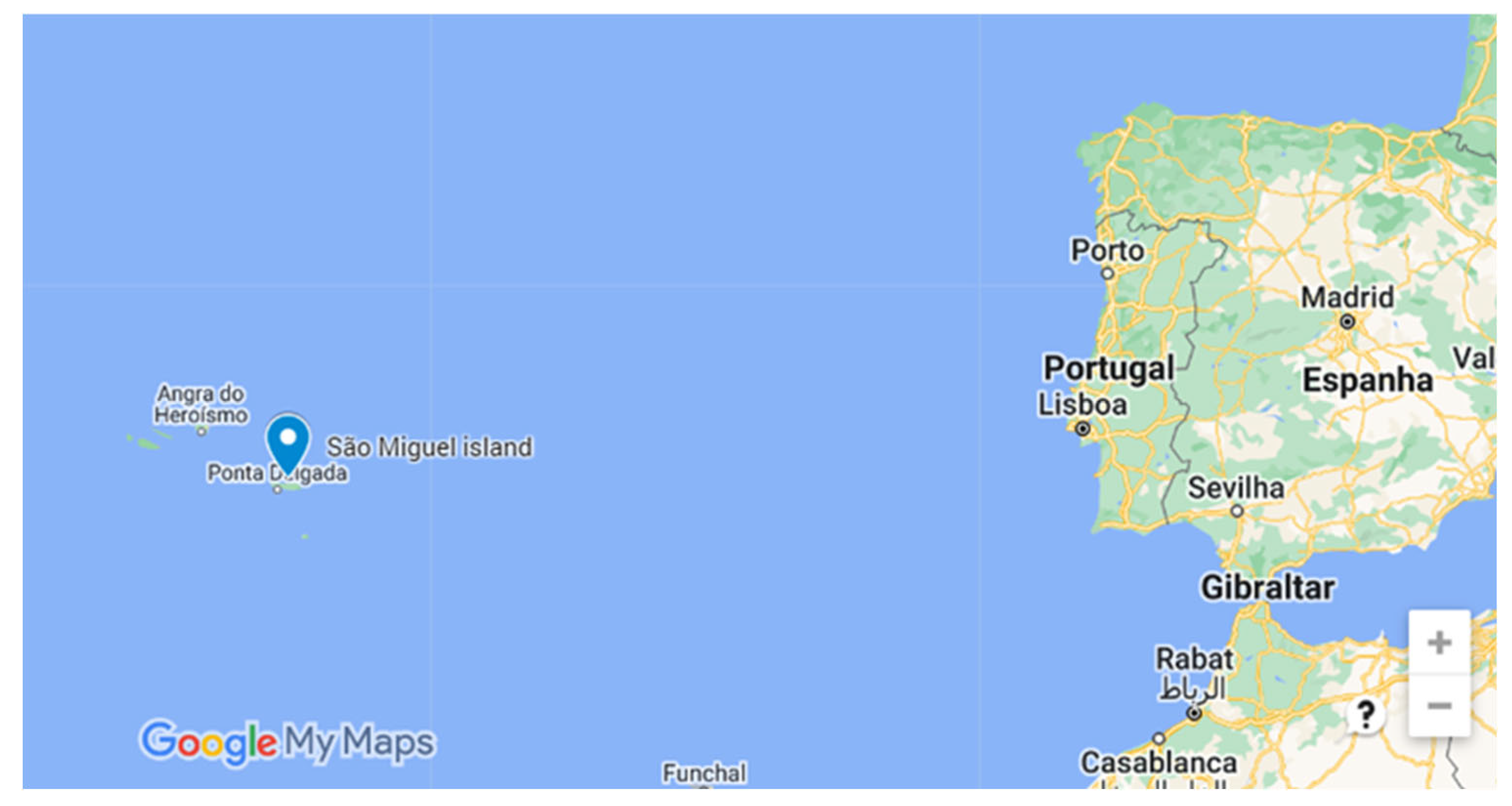
Figure 2.
Relative Importance RI (%) of the four main weed plants: Cyperus spp., Digitaria spp., A. blitum and P. oleracea present in peanut cultivation for the spatial arrangement of 40 cm between rows during the experimental period.
Figure 2.
Relative Importance RI (%) of the four main weed plants: Cyperus spp., Digitaria spp., A. blitum and P. oleracea present in peanut cultivation for the spatial arrangement of 40 cm between rows during the experimental period.
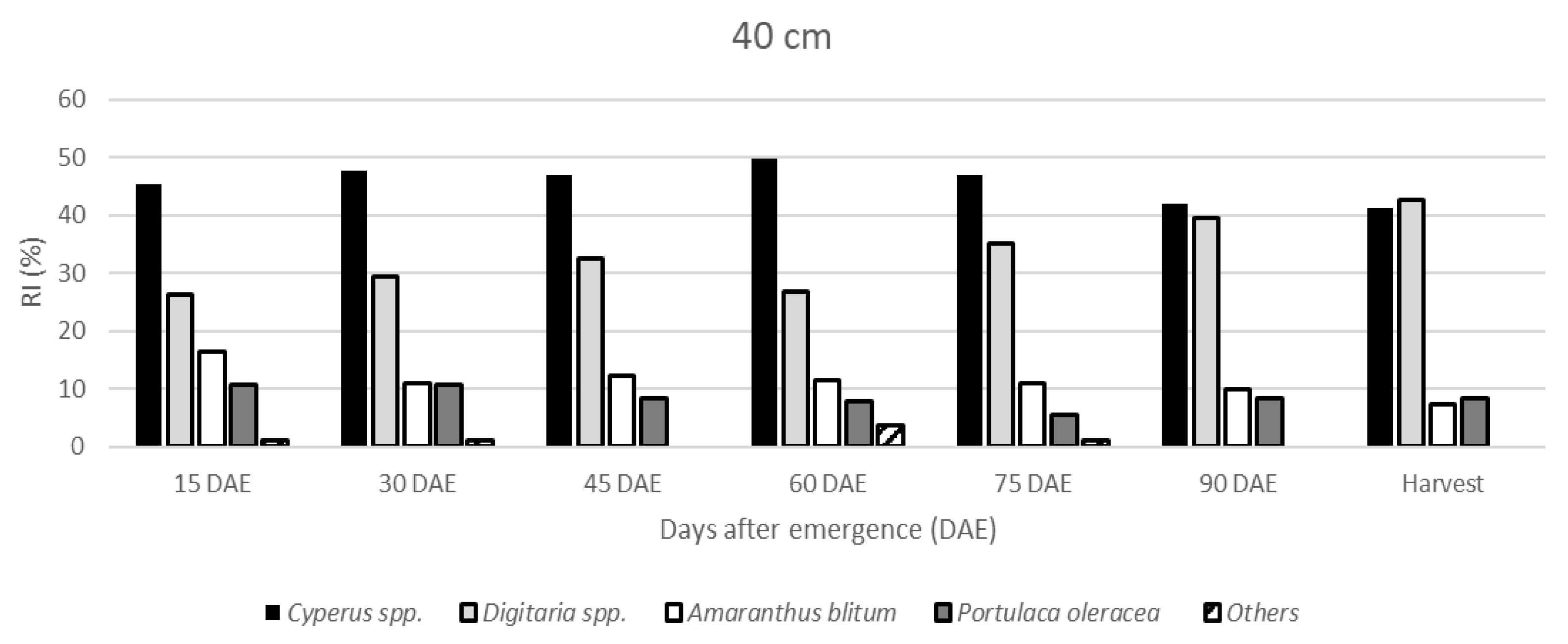
Figure 3.
Relative Importance RI (%) of the four main weeds: Cyperus spp., Digitaria spp., A. blitum and P. oleracea present in peanut crop for the spatial arrangement of 60 cm between rows during the experimental period.
Figure 3.
Relative Importance RI (%) of the four main weeds: Cyperus spp., Digitaria spp., A. blitum and P. oleracea present in peanut crop for the spatial arrangement of 60 cm between rows during the experimental period.
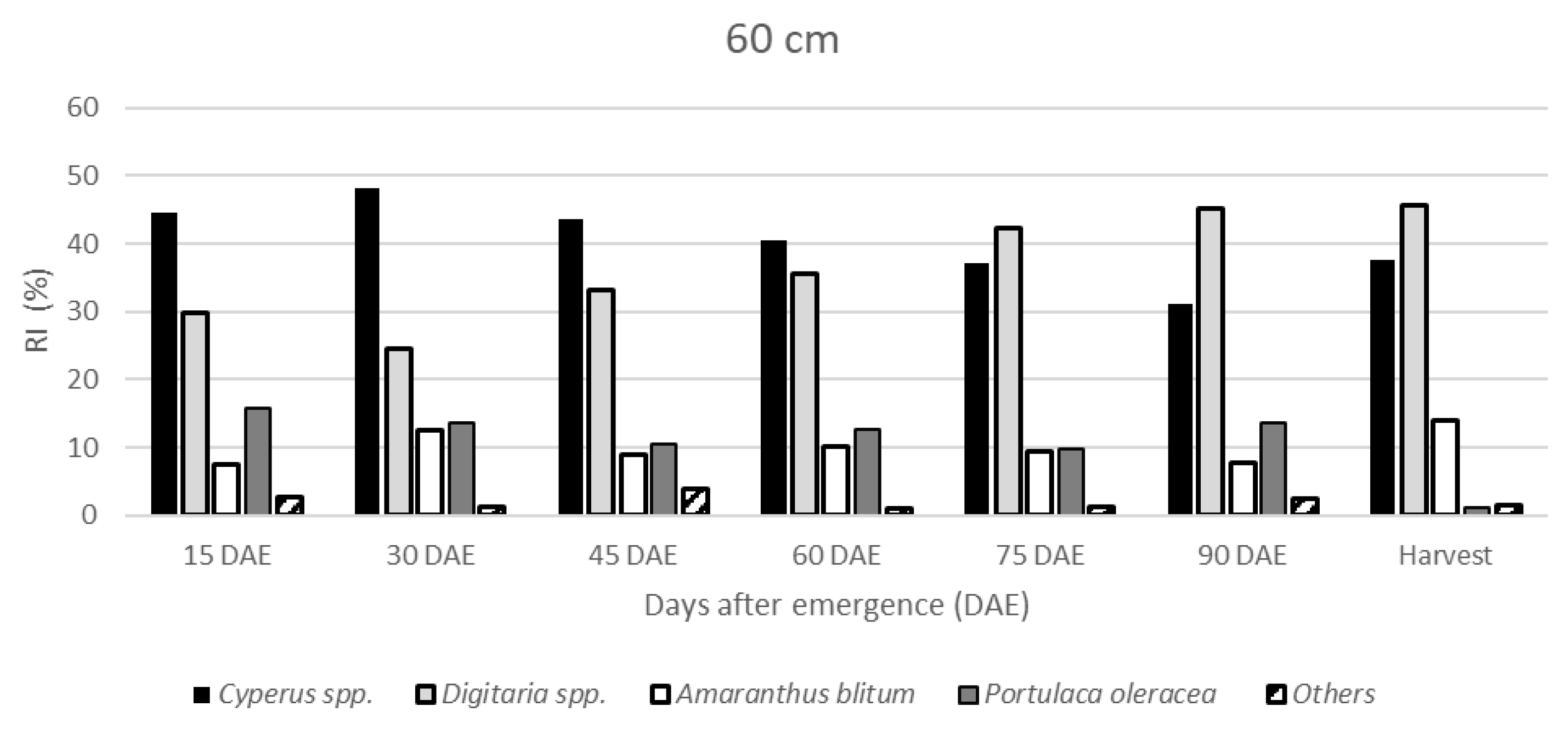
Figure 10.
Production of peanut plants without coexistence with weeds (A), with coexistence up to 60 DAE (B) and in permanent contact until harvest (C), with a spacing of 40 cm between rows.
Figure 10.
Production of peanut plants without coexistence with weeds (A), with coexistence up to 60 DAE (B) and in permanent contact until harvest (C), with a spacing of 40 cm between rows.
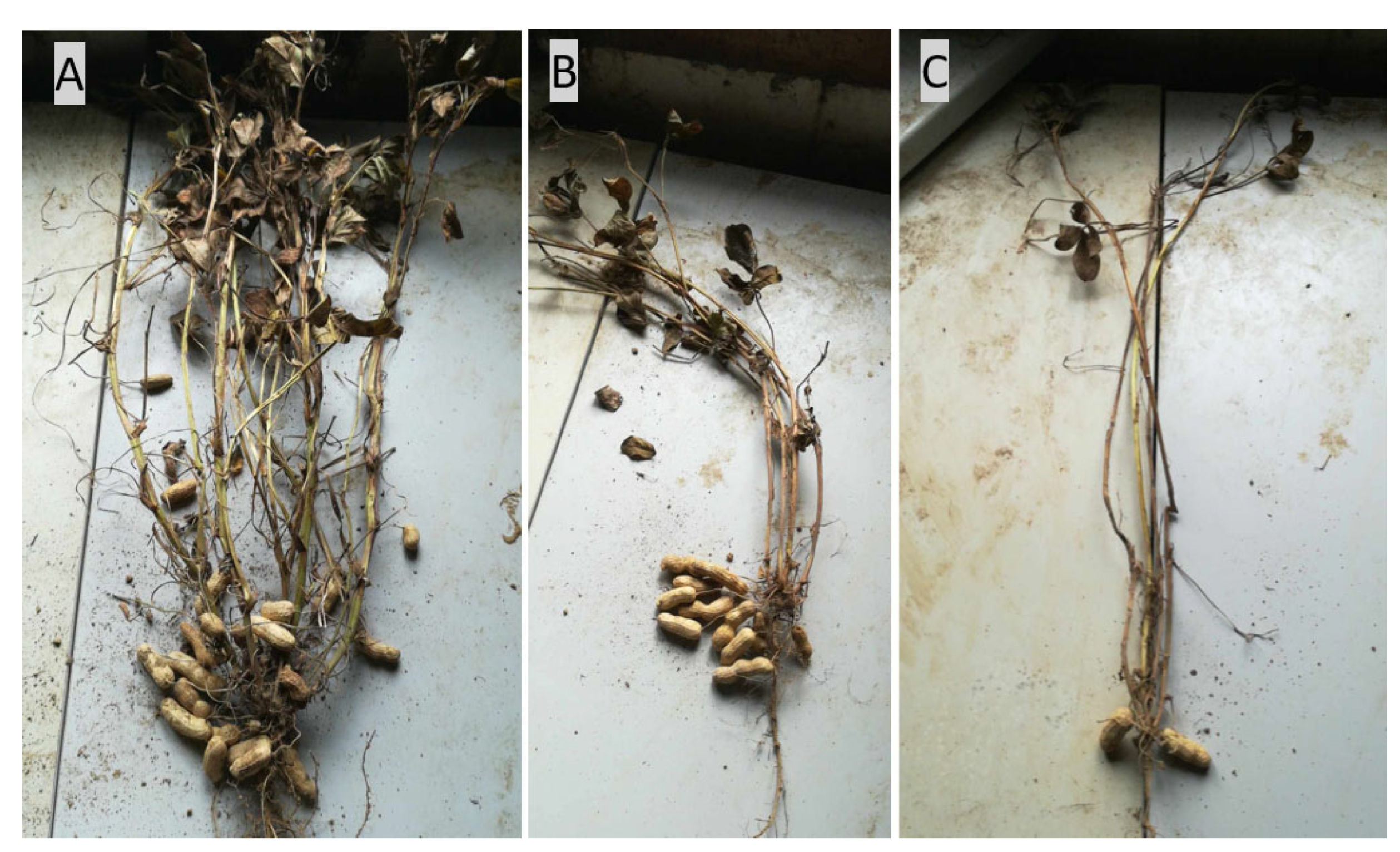
Figure 11.
Production of peanut plants without coexistence with weeds (A), with coexistence up to 60 DAE (B) and in permanent contact until harvest (C), with a spacing of 60 cm between rows.
Figure 11.
Production of peanut plants without coexistence with weeds (A), with coexistence up to 60 DAE (B) and in permanent contact until harvest (C), with a spacing of 60 cm between rows.
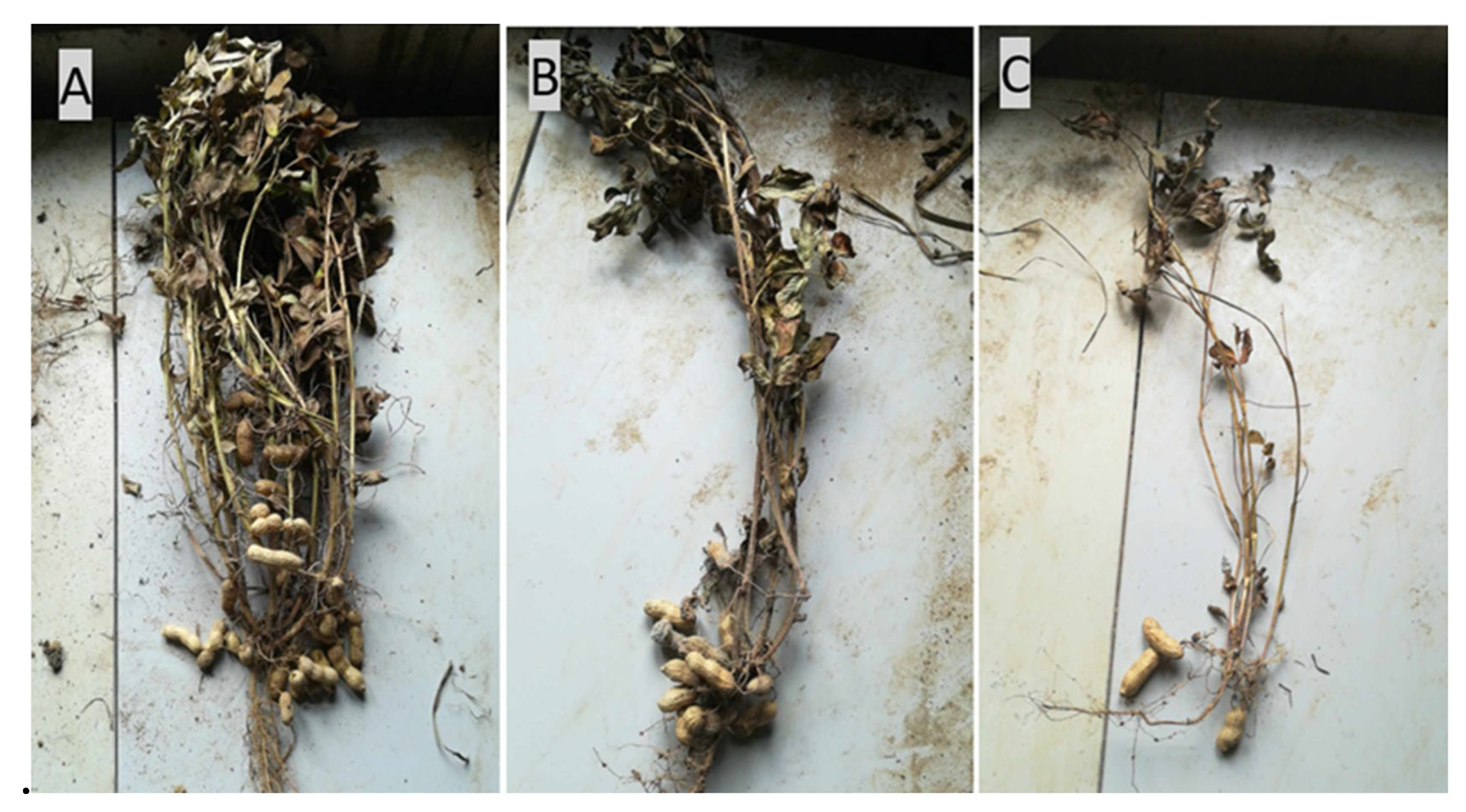
Figure 12.
Period Prior to Interference (PPI) for the productivity reduction limit in peanut crop of 5% for row distances of 40 and 60 cm. Porto Formoso- São Miguel, Azores.
Figure 12.
Period Prior to Interference (PPI) for the productivity reduction limit in peanut crop of 5% for row distances of 40 and 60 cm. Porto Formoso- São Miguel, Azores.
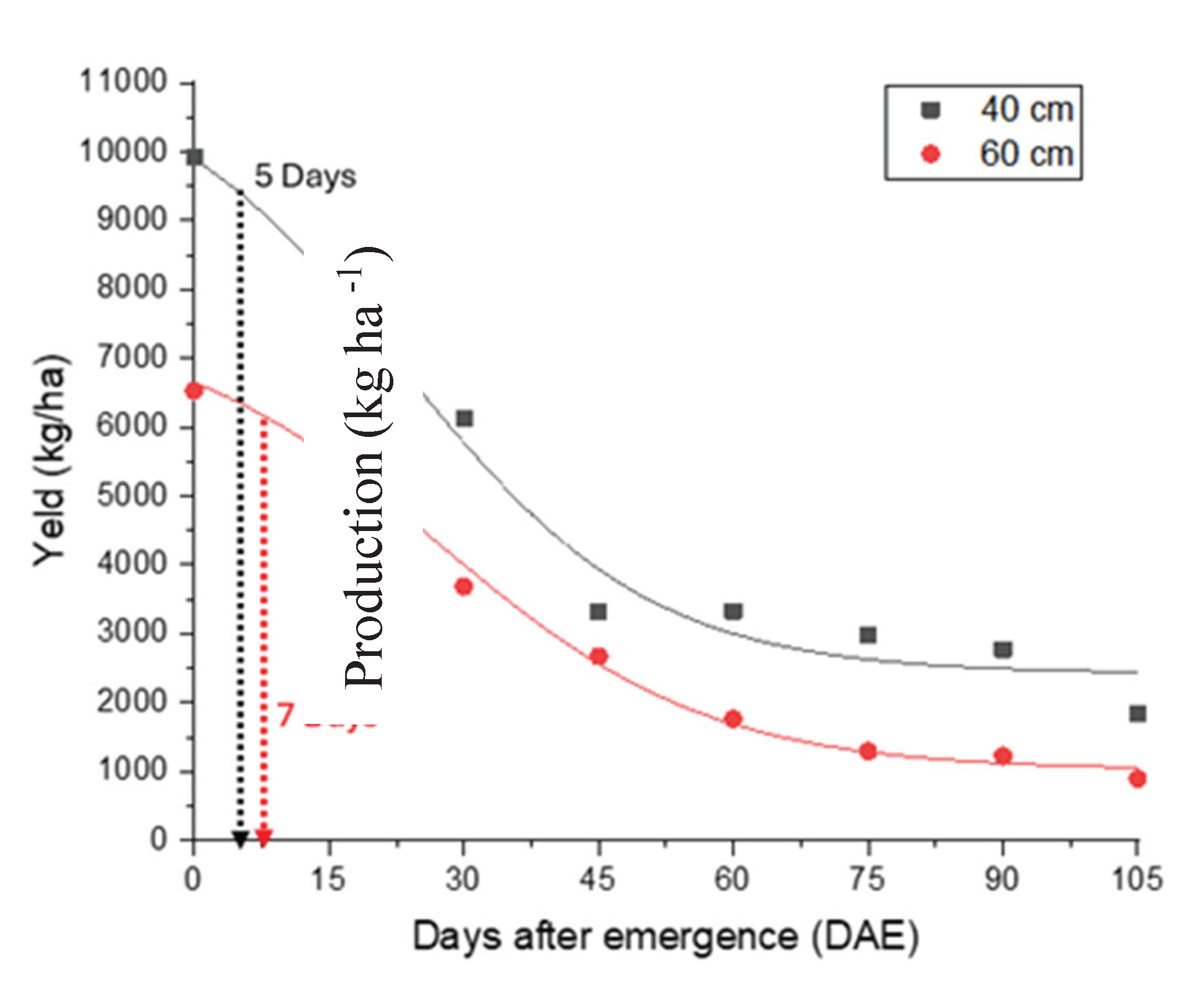

Table 1.
Average data of temperatures (minimum, maximum, and average), relative humidity (RH) of the air, and rainfall during the experimental period.
Table 1.
Average data of temperatures (minimum, maximum, and average), relative humidity (RH) of the air, and rainfall during the experimental period.
| Temperature (ºC) | HR | Rainfall | |||
|---|---|---|---|---|---|
| Month | Max | Min | Media | (%) | (mm) |
| Jun | 24,5 | 16,1 | 20 | 88,2 | 15 |
| July | 25,8 | 15,3 | 20,4 | 80,5 | 16,5 |
| August | 37,7 | 20,4 | 27,3 | 81,1 | 48,5 |
| September | 40 | 17 | 24,6 | 79,5 | 43,2 |
| October | 24,5 | 17.5 | 21,2 | 84,4 | 42,8 |
Source: Azores Hydrometeorological Network by the Santana Weather Station, Ribeira Grande, São Miguel, Azores.
Table 2.
Composition of the weed community in the experimental areas.
| Family | Scientific name | Groups |
|---|---|---|
| Amaranthaceae | Amaranthus blitum L. | Eudicots |
| Asteraceae | Sonchus oleraceus L. | Eudicots |
| Cyperaceae | Cyperus spp. | Monocots |
| Plantaginaceae | Plantago lanceolata L. | Eudicots |
| Poaceae | Digitaria spp. | Monocots |
| Polygonaceae | Polygonum lapathifolium L. | Eudicots |
| Rumex azoricus Rechinger | ||
| Portulacaceae | Portulaca oleracea L. | Eudicots |
Table 3.
Average production data (peanuts in shell) per plant depending on the coexistence periods for the 40 cm treatment between rows. Porto Formoso- São Miguel, Azores.
Table 3.
Average production data (peanuts in shell) per plant depending on the coexistence periods for the 40 cm treatment between rows. Porto Formoso- São Miguel, Azores.
| 40 cm DAE |
Nº pods | Weight Pods (g) |
Nº total seeds |
Nº marketable pods |
Weight marketable pods (g) |
|---|---|---|---|---|---|
| 0 | 17,25 a | 28,32 a | 41,75 a | 13,50 a | 25,20 a |
| 15 | 14,00 ab | 22,87 ab | 33,00 ab | 11,25 ab | 20,47 ab |
| 30 | 11,20 c | 17,50 bc | 24,00 bc | 8,50 bc | 15,47 bc |
| 45 | 6,50 cd | 9,52 cd | 13,75 cd | 5,00 cd | 8,90 cd |
| 60 | 6,25 cd | 9,52 cd | 13,50 cd | 4,50 cd | 8,37 cd |
| 75 | 5,50 d | 8,52 d | 12,75 cd | 4,00 d | 7,52 d |
| 90 | 5,25 d | 7,92 d | 11,25 cd | 4,00 d | 7,00 d |
| Harvest | 3,00 d | 5,27 d | 6,75 d | 2,25 d | 4,77 d |
| F trat | 19,24** | 23,62** | 19,46** | 20,96** | 22,98** |
| CV (%) | 26,29 | 24,86 | 28,23 | 26,40 | 25,09 |
Means followed by the same letter in the column do not differ from each other in the Tukey test. *, ** significant at 5 and 1% probability, respectively. CV (%) = coefficient of variation
Table 4.
Average production data (peanuts in shell) per plant depending on the coexistence periods for the 60 cm treatment between rows. Porto Formoso-São Miguel, Azores.
Table 4.
Average production data (peanuts in shell) per plant depending on the coexistence periods for the 60 cm treatment between rows. Porto Formoso-São Miguel, Azores.
| 60 cm DAE |
Nº pods | Weight Pods (g) |
Nº total seeds |
Nº marketable pods |
Weight marketable pods (g) |
|---|---|---|---|---|---|
| 0 | 21,00 a | 27,97 a | 47,00 a | 13,00 a | 21,40 a |
| 15 | 17,50 a | 25,17 a | 40,00 a | 11,75 a | 19,87 a |
| 30 | 12,25 b | 15,80 b | 28,00 bc | 7,50 b | 12,17 b |
| 45 | 8,00 bc | 11,47 bc | 18,50 c | 6,00 bc | 9,87 bc |
| 60 | 5,75 cd | 7,55 cd | 12,25 d | 3,50 bc | 6,25 bc |
| 75 | 4,50 cd | 5,55 cd | 9,75 d | 3,25 c | 4,97 bc |
| 90 | 4,25 cd | 5,25 cd | 9,00 d | 2,75 c | 4,72 bc |
| Harvest | 2,75 d | 3,83 d | 7,00 d | 2,50 c | 3,65 c |
| F trat | 52,86** | 33,89** | 35,85** | 21,99** | 18,54** |
| CV (%) | 19,52 | 25,03 | 23,80 | 28,14 | 31,16 |
Means followed by the same letter in the column do not differ from each other in the Tukey test. *, ** significant at 5 and 1% probability, respectively. CV (%) = coefficient of variation.
Table 5.
Parameters determined for Boltzman sigmoidal equations adjusted to productivity data (ton ha-1) depending on the periods of coexistence of the peanut crop with the weed community. Porto Formoso-São Miguel, Azores.
Table 5.
Parameters determined for Boltzman sigmoidal equations adjusted to productivity data (ton ha-1) depending on the periods of coexistence of the peanut crop with the weed community. Porto Formoso-São Miguel, Azores.
| Parameters | 40 cm | 60 cm |
|---|---|---|
| A1 | 9,91 | 6,53 |
| A2 | 1,84 | 0,89 |
| dx | 13,87 | 14,87 |
| R2 | 0,96 | 0,98 |
| Decrease in production (%) | 81 | 86 |
obs.: A1 (maximum production obtained in plants kept weeded throughout the cycle), A2 (minimum production obtained in plants in coexistence with weeds during a maximum period of 105 days), dx (parameter that indicates the speed of production loss depending on the time of coexistence) and R2 (regression coefficient).
Disclaimer/Publisher’s Note: The statements, opinions and data contained in all publications are solely those of the individual author(s) and contributor(s) and not of MDPI and/or the editor(s). MDPI and/or the editor(s) disclaim responsibility for any injury to people or property resulting from any ideas, methods, instructions or products referred to in the content. |
© 2025 by the authors. Licensee MDPI, Basel, Switzerland. This article is an open access article distributed under the terms and conditions of the Creative Commons Attribution (CC BY) license (http://creativecommons.org/licenses/by/4.0/).
Copyright: This open access article is published under a Creative Commons CC BY 4.0 license, which permit the free download, distribution, and reuse, provided that the author and preprint are cited in any reuse.


