

Submitted:
28 June 2025
Posted:
30 June 2025
Read the latest preprint version here
Abstract
Polymer Matrix Composites represent a new generation of engineering materials in which matrix materials are altered by reinforcing filler materials to enhance strength and other properties. In the present work, the Glass fiber reinforced polymer (GFRP) composites were fabricated by adding different compositions of Graphene as a Nano filler material using the Hand layup technique, followed by the Vacuum bagging process. The Graphene filler material was varied from 2% to 4%. The prepared composites were characterized by subjecting them to various mechanical tests such as tensile test, flexural test, and micro hardness test. The experimental results show that the addition of 4% filler material enhances 5.48% tensile strength, 27.74% of flexural strength, and a decrease in hardness, resulting in a decrease in brittleness of the composite. Further SEM analysis was carried out to study the dispersion of filler material in the matrix.
Keywords:
glass fiber
; filler material
; ultimate tensile strength
; flexural strength
; microhardnes
1. Introduction
Materials are possibly more deeply ingrained in our everyday lives than we realize. Housing, transportation, communication, food production, and defense, all aspects of our daily existence, are influenced, in one way or another, by materials. Historically, the development of societies has reflected their ability to produce or manipulate materials to meet their needs and the level of their material advancement. Furthermore, it has been discovered that the properties of materials can be altered by adding or combining them with other materials or by heat treatment to produce superior attributes in the basic material. The demand for materials is increasing across industries to establish the sector with enhanced properties, reduced costs, and improved sustainability. Composites are created by utilizing constituent materials, namely the matrix and reinforcement. The function of the matrix is to envelop and support the reinforcement materials in their relative positions, imparting specific mechanical and physical properties. Composites are gaining importance in various fields such as automotive, aerospace, defense, biomedical, electronic equipment, and sports.
In the current scenario, polymers play a major role in many applications due to their unique properties, such as lightweight, chemical stability. It can be processed easily and obtained at a lower cost, gaining its importance in many aspects of human life. The properties of the polymers can be altered suitably using fibers, organic/ inorganic particles, and nanofillers. These materials have lower density and differ from ceramics and metals in terms of strength and stiffness. Polymers can be molded into complex shapes as they exhibit elastic and ductile behavior [8]. Polymer matrix composites mainly comprise epoxy resins as the matrix materials, gaining importance for structural engineers due to their well-balanced balance of mechanical and chemical properties [9,10,11,12]. The material also offers wide flexibility and processing versatility. It exhibits superior adhesion to various reinforcement materials, lower shrinkage, and high strength, making it suitable for various applications [9,13,14]. The research on the development high performance resins with various inclusions of reinforcements such as carbon fiber [15], glass fiber, nanofiber [16], Nano particles etc. leads to the significant progress in the advancement of polymer matrix composites. Glass fibers are used as reinforcement materials in structural applications due to its specific strength and recent developments in the fiber reinforced plastic materials [12,17,18,19,20,21]. Fiber reinforced polymer composites show high stiffness and strength, making them suitable in various fields like aerospace industries, automotive industries, and wind turbines, owing to their mechanical, thermal, and chemical properties [22,23,24,25]. The interface between the glass fiber and polymer matrix has some control over certain mechanical properties [26,27]. The strength of the interface achievement is the key issue, and the adhesion at this junction becomes weak due to poor adsorption and wettability [28]. The major drawback associated with the usage of FRP in weak parts of the component leads to failure and damage as it is subjected to different loading conditions. The properties of FRPs can be improved significantly by the addition of nanoparticles, which improves the stability and durability of the components [29]. Graphene is one of the two-dimensional layered effective carbon nanoparticles used as a filler material in polymer composites, exhibiting excellent mechanical, thermal, and electrical properties along with a high surface area [29,30,31,32,33]. Addition of graphene to the polymer matrices yields a modest volume fraction, enhancing certain polymer properties. Graphene added nanocomposites gain importance in the development of novel materials in the domain of alternative energy sources. It exhibits superior performance in the development of lithium–ion batteries, electrodes, and solar cells [34]. Many researchers reported that the addition of nanoparticles as the reinforcement leads to no significant change in the results and identified two major causes: one problem with the uniform dispersion of nano filler in the matrix. Another problem with interfacial adhesion of the filler in the matrix [13,19,35].
Hence in this study, an attempt will be made to study the effect of graphene powder as filler material in larger variations and glass fiber as base material. In this study, we are focusing on mechanical properties and characterization of glass fiber reinforced epoxy polymer composites with variation in filler material as graphene powder in larger constituents. The prepared specimens will be subjected to different tests to investigate their mechanical properties, and the dispersion quality will be examined through a scanning electron microscope.
2. Materials and Methods
2.1. Experimental Detail Work
The approach for manufacturing the composite materials in this study was carried out using a hand lay-up process, followed by a vacuum bagging process to remove the air trapped between the layers of glass fiber and epoxy matrix [13,36]. The reinforcement material, specifically glass fiber, was kept constant at 60%, while the filler material, specifically Graphene powder, varied from 2% to 4% by reducing the epoxy matrix by the same amount. A plywood board measuring 400x400
MM was used, and plastic tape was placed on the upper surface to ensure it acted as a releasing agent. In this work, an open mold made from plywood was considered a substitute for a metal mold or any other type of mold, as it is inexpensive, easy to handle, and lightweight. The required quantities of epoxy, hardener, glass fiber, and graphene powder were weighed using an electronic scale and placed in separate beakers. The epoxy and hardener mixture were stirred thoroughly using a mechanical stirrer for 5 minutes. For the second filler added composites, the graphene powder was incorporated into the epoxy at 70°C. The mixture was allowed to cool at room temperature at a slower rate by partially heating it. Sonication was performed for about 20 minutes at 150V; then, the hardener was added, and stirring continued with the mechanical stirrer for another 5 minutes. A portion of the prepared matrix material was poured into the mold, followed by a layer of glass fiber mat, with more matrix material poured on top. This process was repeated until the desired thickness of 2mm was achieved. Once the required thickness of the composite material was reached, the upper layer was covered with plastic tape to serve as a releasing agent, and excess trapped air was removed using a roller. The vacuum bagging process was then conducted. Specimens were cut according to ASTM standards using the water jet cutting technique. A tensile test was performed according to ASTM D3039 standard with a Mecmesin multi-tester machine in Figure 1 using a dog bone-shaped specimen. The test was conducted at a constant loading speed of 2 mm/min and a strain rate of 0.1 mm/min with a span length of 110 mm. The dimensions of the specimen were prepared as per ASTM D3039 standards, as shown in Figure 2. Tensile specimens of various combinations are displayed in Figure 3 before and after testing.
Flexural test was carried out according to ASTM D790 standard with a Mecmesin multi tester machine using a rectangular-shaped specimen. The test was performed at a constant loading speed of 2 mm/min with a span length of 110 mm. Dimensions of the specimen were prepared according to ASTM D3039 standards, shown in Figure 4 below.
Micro Hardness test was carried out according to ASTM E384 standard with Matsuzawa micro-hardness tester (Figure 5) Model MMT-X7A using a square-shaped specimen shown in Figure 6.
The morphology of carboxyl graphene/epoxy composites was investigated to determine the dispersion of carboxyl graphene powder in the epoxy matrix using a scanning electron microscope (SEM).
3. Results and Discussion
3.1. Results Discussion on Tensile Testing
Figure 7 depicts the maximum tensile load v/s maximum displacement for all the combinations of composites.
- It was observed that the load-carrying capacity was increased with an increase in Graphene content in the composites. Initially, the tensile load obtained for the plain composite without graphene powder was 7587.66 N, and it increased to 8004 N for the composite with 4 wt.% % of Graphene content.
- The tensile strength of composites depends on interfacial bonding strength between matrix and reinforcement to a larger extent, and also on the inherent properties of composite ingredients [37]. It was observed that there is a 1.46% tensile load and 7.63% of elongation improvement for composites with 2% filler material, while the composite with 4% filler material showed 5.50% tensile load and 9% elongation improvement.
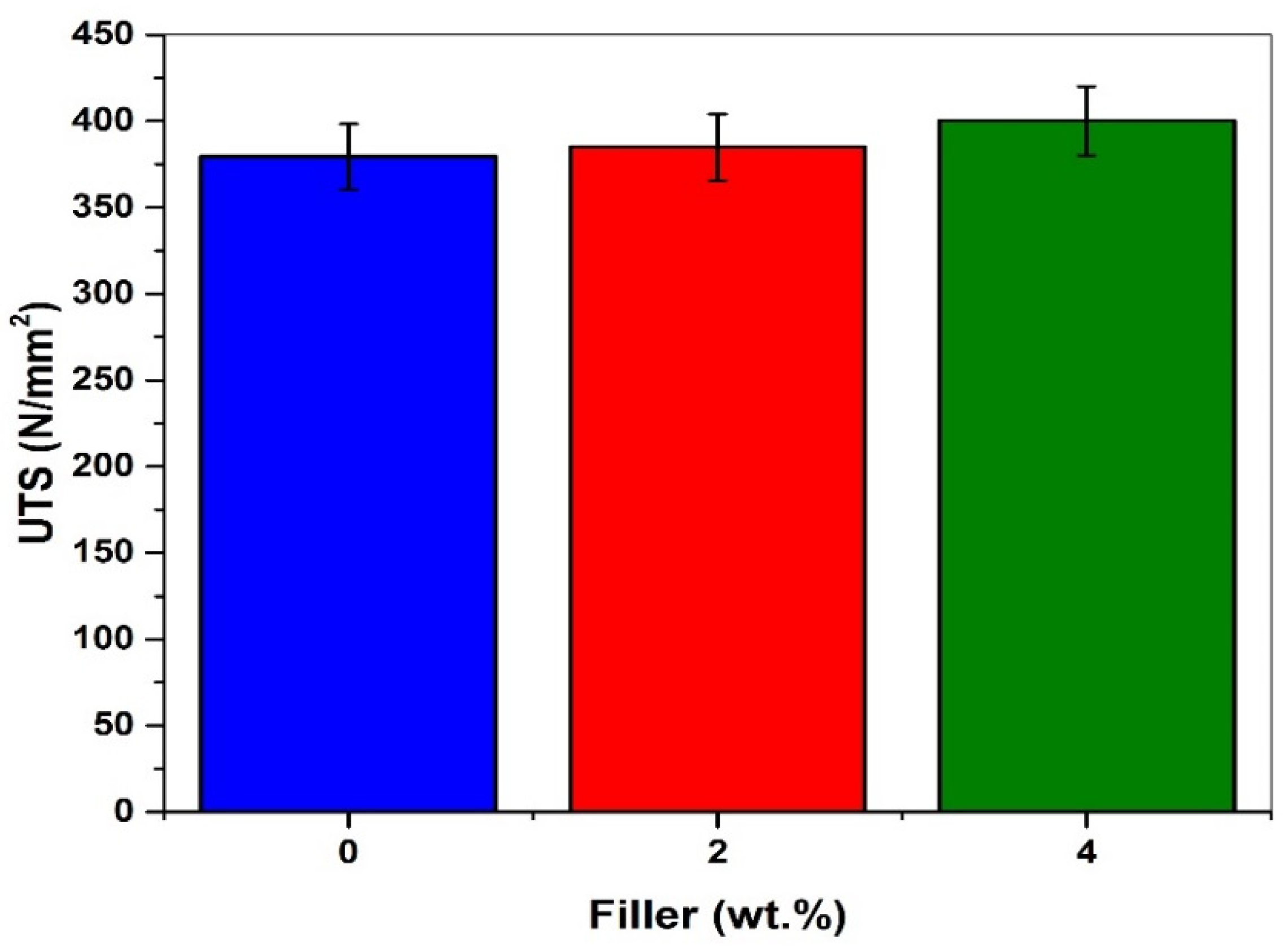
- The role of glass fibers in the composite limits the failure [38] and the increase in the filler material content exhibits the upward trend in tensile properties [31]. Figure 8 shows the marginal increase in the ultimate tensile strength as a result of increased interfacial bonding between the glass fiber and epoxy matrix due to the addition of Graphene as filler material.
3.2. Results Discussion on Flexural Test
- ❖
- The comparative plot of the flexural load versus displacement for each of the combinations of glass fiber reinforced composites is shown in Figure 10. It is observed from the graph that the flexural load-carrying capacity was increased with an increase in Graphene content in the composites.
- ❖
- The improvement of flexural load from 149N for plain GFRP to 190.33N for GFRP with 4% filler material is a result of good adhesion with the matrix formed with the addition of Graphene powder in the material [13]. It is seen that there is 17.68% of flexural load and 5.38% of elongation improvement for composites with 2% filler material, and the composite with 4% filler material showed 27.74% flexural load and 10.13% of elongation improvements obtained from the flexural three-point bending test.
- ❖
- Figure 10 indicates that the flexural strength of filler-added GFRP was more compared with the Normal GFRP. This is due to the uniform dispersion of filler material in the matrix enhances the flexural properties of the materials by increasing interfacial bonding strength [15].
Figure 9.
Flexural load vs. Displacement for different compositions of filler.
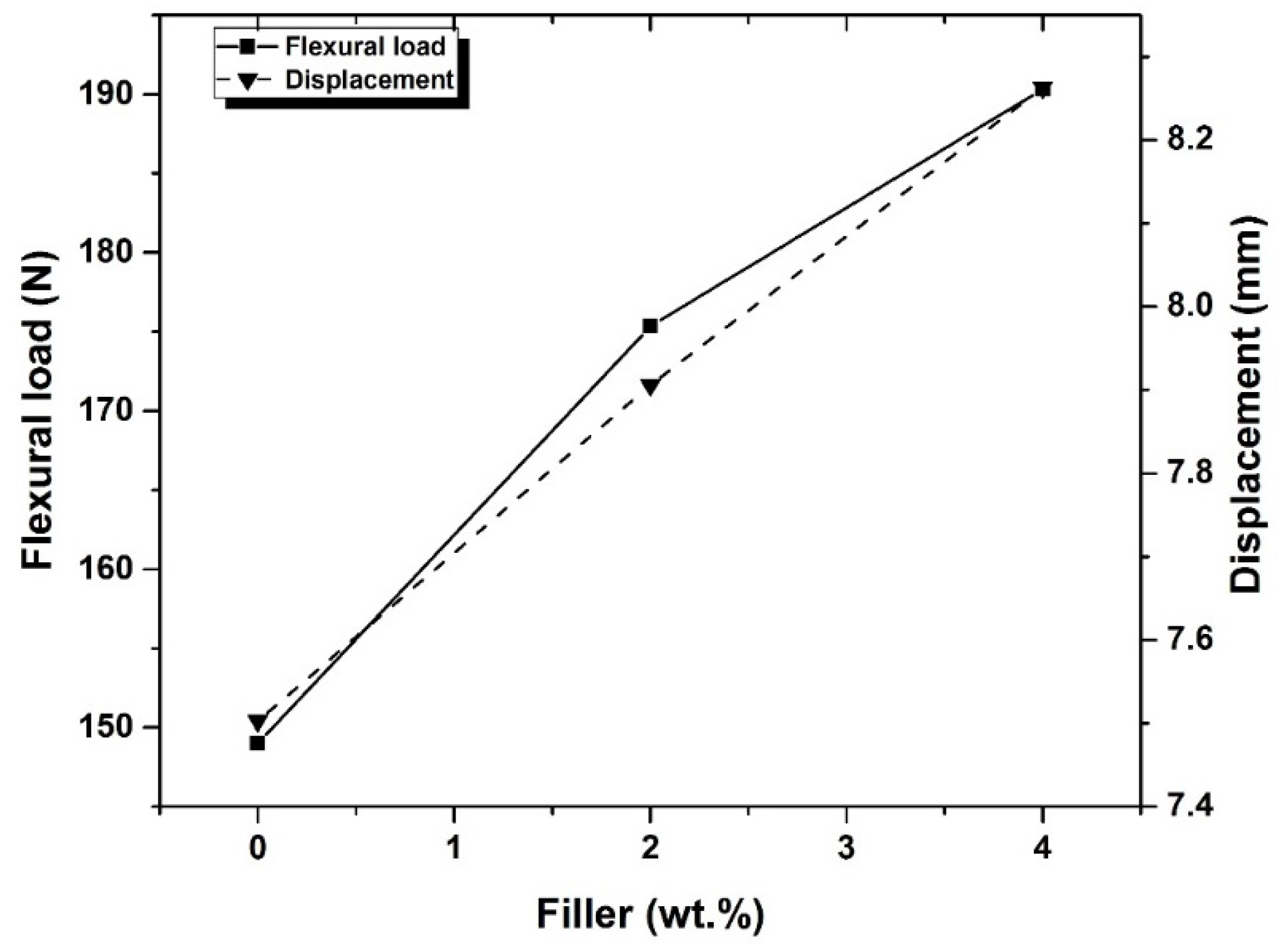
Figure 10.
Flexural strength of filler-added composites.
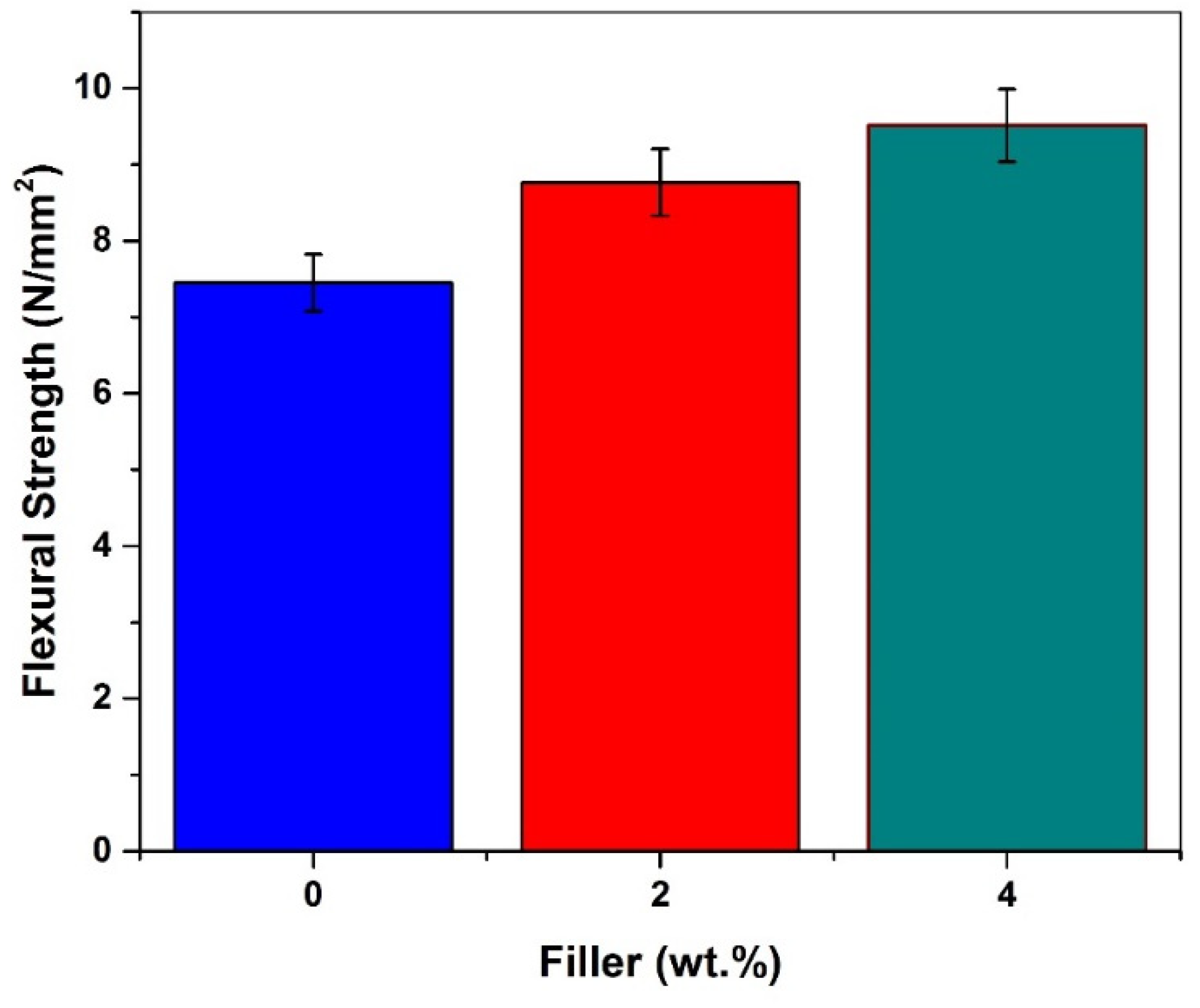

Table 1.
Summary of Mechanical Test Results.
| (Observation) | Filler Content (wt.% Graphene) | Plain Composite (0%) | 2% Filler | 4% Filler | Improvement (2% vs. 0%) | Improvement (4% vs. 0%) |
|---|---|---|---|---|---|---|
| Tensile Load1 (N) | - | 7587.66 N | - | 8004 N | +1.46% | +5.50% |
| Tensile Elongation (%) | - | (0% graphene filler). | +7.63% | +9% | - | - |
| Ultimate Tensile Strength | - | - | Borderline increase | Borderline increase | Improved interfacial bonding | Improved interfacial bonding |
| Flexural Load 2 (N) |
- | 149 N | - | 190.33 N | +17.68% | +27.74% |
| Flexural Elongation (%) | - | Baseline | +5.38% | +10.13% | - | - |
| Flexural Strength | - | Lower | Higher | Highest | Enhanced dispersion |
Enhanced dispersion |
As an 1 increase in tensile strength and elongation was seen because of the addition of graphene filler, with the highest improvement at 4% filler content (5.5% improvement in tensile strength and 9% in elongation). This may be due to the interfacial bonding between the glass fiber and epoxy matrix existing strongly together with a suitable dispersion of graphene. 2 show a more pronounced increase with graphene addition at 4% filler loading (Load increase of 27.74%, elongation increase of 10.13%). This is due to the uniform distribution of the filler that will provide good matrix adhesion and suitable stress transfer. Finally, the graphene filler enhances the mechanical properties of GFRP composites, with maximum property enhancement shown at 4% filler loading.
3.3. Results for Micro Hardness Test
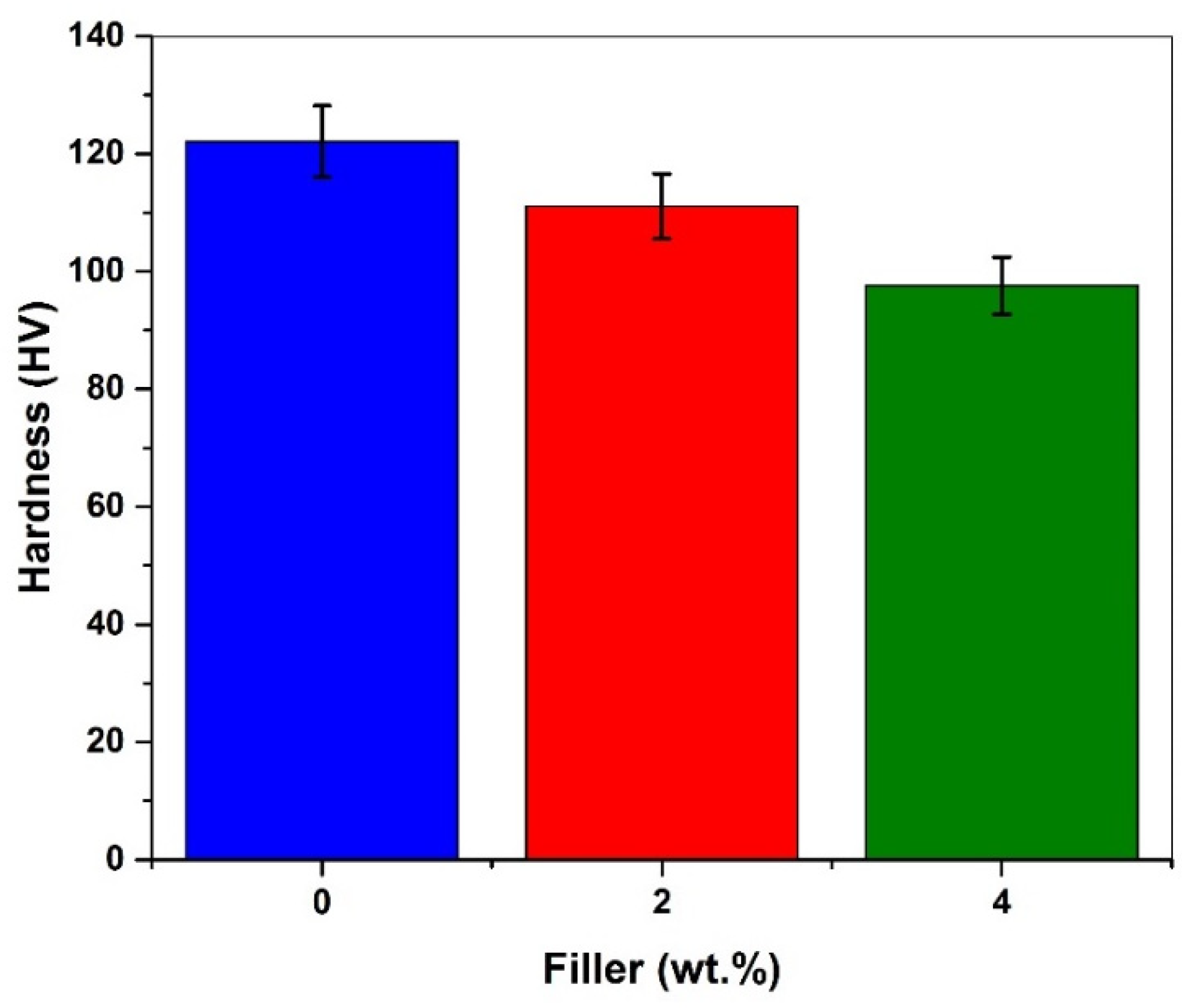
Figure 11 shows the average hardness values of different materials with and without filler added. The graph revealed that the hardness values of the GFRP composites gradually reduce with an increase in Graphene content.
- a)
- GFRP composites with 2% filler material exhibit an 8.99% decrease in hardness values, whereas GFRP composites with 4% filler material show a 20% decrease in the values of hardness. It is revealed from the experimental results that the addition of Graphene powder resulted in a decrease in the brittleness of the composites.
Figure 11.
Hardness values of filler-added composites.
3.4. SEM Characterization
SEM analysis was carried out on GFRP composites and filler-added GFRP composites at 1000X and 5000X magnification shown in Figure 12 below. The study reveals the internal structure of the composites, specifically the arrangement of fibers in the matrix, fiber pullout, and voids in the structure.
- GFRP composites show the fractured glass fibers on the smooth fractured surface, implying that the adhesion between the glass fiber layers and the resin is weak. The adhesion between the glass fiber and the matrix was observed to be stronger with the addition of Graphene powder, as the fibers are bonded together more firmly. The composite with 4% Graphene powder exhibits fiber pullouts in a single plane as a result of uniform pullout and more intact fiber adhesion.
- The filler material, Graphene, dispersed uniformly in the matrix, revealed at higher magnification, 5000X. This gives hints of minimum cluster and agglomeration of Graphene powder in the matrix, resulting in strong interfacial bonding between the matrix and reinforcement. GFRP with 4% filler material revealed minimum void formation in the matrix. The fractured surface of the tensile specimens of the composites without the filler materials revealed predominant delamination caused due to the interaction between the glass fiber and the matrix material.
- The delamination stress at the fractured surface accelerates fracture at the matrix and reinforcement interface, resulting in complete fracture at the surface. From the SEM micrograph, fiber pulls out were predominant in the composite without the filler material as a result of higher displacement, whereas the filler added composites show some hindrance to fiber pullouts, resulting in higher load bearing capacity of composites. Hence, the filler material reduces the interfacial interaction between the matrix and reinforcement.
Figure 12.
SEM images of GFRP and filler added to GFRP composites.
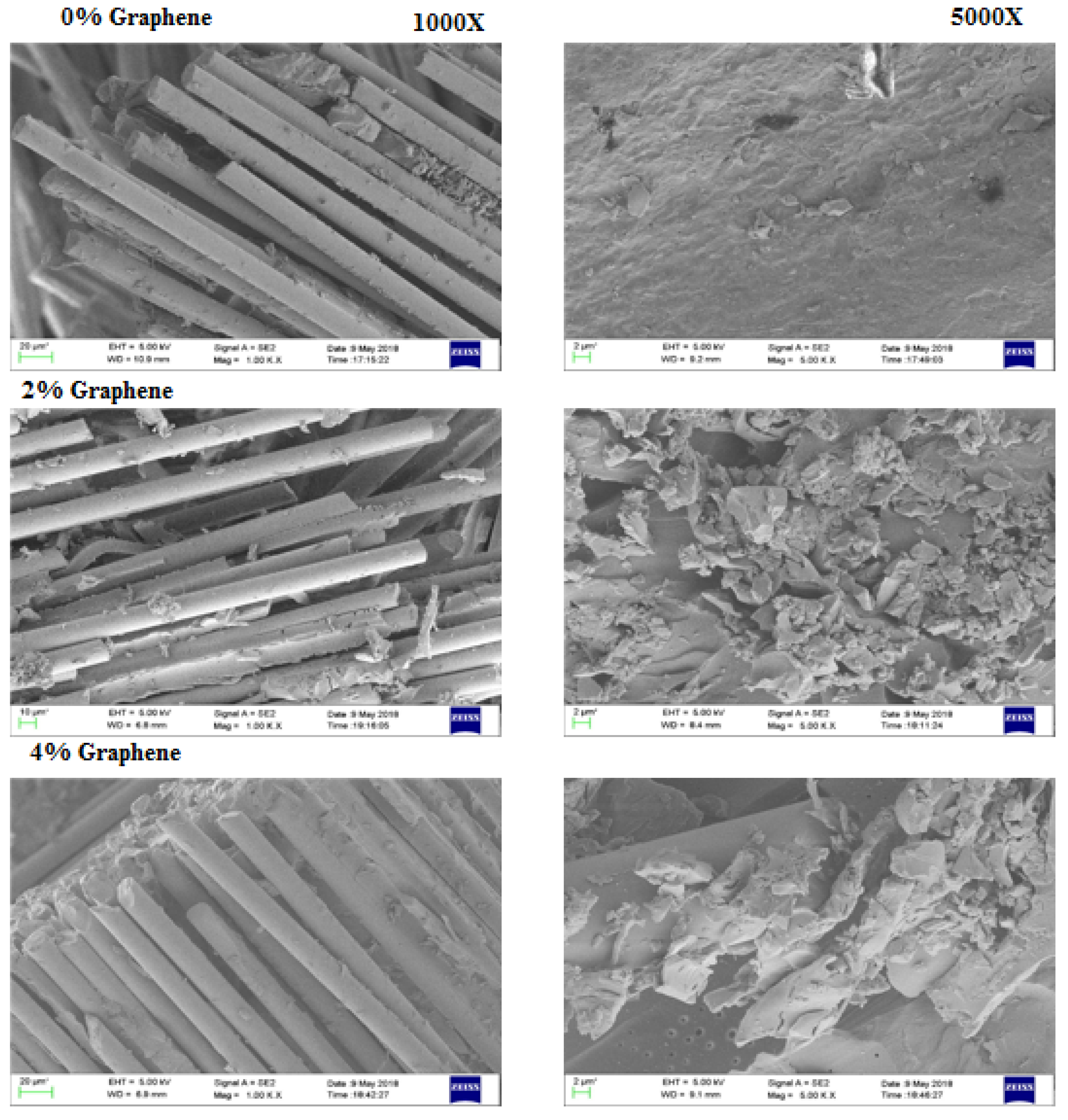
Table 2.
Result Summary of Microhardness and (SEM Characterization) 3.
| (Observation) | (0% Filler - Plain GFRP) | (With Filler - 2% & 4% Graphene) |
|---|---|---|
| Microhardness4 | Higher (Baseline) | 2% filler: 8.99% decrease 4% filler: 20% decrease |
| Brittleness | Harder | Reduced brittleness with filler addition |
| Fiber-Matrix Adhesion (SEM) | Weak adhesion, fiber pullouts, delamination | Stronger adhesion, uniform fiber bonding, fewer voids |
| Fiber Pullout Behavior | Main pullouts, smooth fracture surface | Hindered pullouts, intact fibers (4% filler) |
| Filler Dispersion (SEM at 5000X) | N/A (No filler) | Uniform dispersion, minimal agglomeration |
| Void Development | Noticeable voids & delamination | Summary voids (especially at 4% filler) |
According to 4 results, the hardness of GFRP composites decreased on raising the increase in graphene content in the composites (8.99% at 2%, 20% at 4%), thus implying reduced brittleness. This means that graphene increases the ductility of the composites but decreases the surface hardness. Simultaneously, 3 Findings were observed in interfacial fiber-matrix bonding in the composites and found that Plain GFRP shows weak interfacial fiber-matrix bonding that favors fiber pullouts and delamination voids, leading to premature failure; meanwhile, the filler-added composites (2% & 4% graphene) yielded better interfacial adhesion with well-dispersed graphene and fewer voids. The 4% filler exhibited fiber pull-outs in one plane, which confirms enhanced load transfer and matrix-reinforcement bonding.
4. Conclusions
The effects of graphene powder reinforcement, with various percentages of filler materials, have been examined to enhance the mechanical properties of GFRP composites, and their characteristics were studied using an SEM. The GFRP composites were fabricated using the hand lay-up method, both with and without filler material, and testing specimens were prepared under ASTM standards.
- From the experimental values, it can be observed that the tensile strength and flexural strength of the composite were improved with the addition of Graphene powder.
- The tensile properties of the composites were influenced by the addition of filler material. The maximum tensile strength can be observed in the composite with 4% filler material, with a tensile load value of 8004 N, with an improvement of 5.48%.
- Flexural property mainly depends on the combination of compression and shear strength of the composites. The flexural property of the composites with filler material 4 wt.% exhibits improvement of 27.74%, witnessing a maximum flexural load value of 190.33 N compared with the composite without the filler material.
- The hardness occurs because of the difference in hardness between the epoxy matrix and glass fibers. The hardness value reached a maximum of 122.066 HV for the composite without filler material, with an improvement of 20% decrease in hardness for 4 wt.% of graphene powder as filler material, with a value of 97.6 HV.
- From SEM analysis, the GFRP composites exhibit the presence of minimum voids, fibers, and matrix bonding, and fiber pullout in the right direction. The addition of filler material resulted in better interfacial bonding, minimum agglomeration, and voids.
Author Contributions
N.S.N. and A.K.PC.; conceptualization, writing original draft preparation, R.C.G., review, and editing, P.K.K.; visualization and reviewing, CH.P.; reviewing and editing, SA.K.; reviewing, G.G.S.; reviewing, editing, and writing. All authors have read and agreed to the published version of the manuscript.
Funding
This research was conducted without financial support from any external funding agency.
Data Availability Statement
The datasets analyzed during this study are not publicly available due to privacy or ethical restrictions. However, anonymized data may be made available from the corresponding authors G.G.S. and N.S.N, upon reasonable request and subject to institutional approval.
Acknowledgments
The authors honestly acknowledge the institutional support and facilities provided by their affiliated universities, which were instrumental in completing this research.
Conflicts of Interest
The authors declare no competing financial interests or personal relationships that could influence this work.
Abbreviations
Table 3.
Contains some common abbreviations used throughout this manuscript.
| Abbreviations | Meaning |
|---|---|
| SEM | Scanning Electron Microscope |
| ASTM | American Society of Testing and Materials |
| GERP | Glass Fiber-Reinforced Polymer or Plastic |
| FRP | Fiber Reinforced Polymer |
References
- William D. Callister, J. Materials Science and Engineering - An Introduction. 2007.
- Roy, S. Comparative analysis of thermo-physical and mechanical properties of PALF/CF/epoxy resin with and without nano TiO2 filler. J Mech Behav Biomed Mater 2023;148:106201. [CrossRef]
- Sharma H, Kumar A, Rana S, Sahoo NG, Jamil M, Kumar R, et al. Critical review on advancements on fiber-reinforced composites: Role of fiber/matrix modification on the performance of the fibrous composites. J Mater Res Technol 2023;26:2975 3002. [CrossRef]
- Ali Z, Yaqoob S, Yu J, D’Amore A. Critical review on the characterization, preparation, and enhanced mechanical, thermal, and electrical properties of carbon nanotubes and their hybrid filler polymer composites for various applications. Compos Part C Open Access 2024;13:100434. [CrossRef]
- Rashid A Bin, Haque M, Islam SMM, Uddin Labib KMR. Nanotechnology-enhanced fiber-reinforced polymer composites: Recent advancements on processing techniques and applications. Heliyon 2024;10:e24692. [CrossRef]
- Balaji Ayyanar C, Kumar R, Helaili S, B G, RinusubaV, Nalini H E, et al. Experimental and numerical analysis of natural fillers loaded and E-glass reinforced epoxy sandwich composites. J Mater Res Technol 2024;32:1235 44. [CrossRef]
- Demir TN, Yuksel Yilmaz AN, Celik Bedeloglu A. Investigation of mechanical properties of aluminum–glass fiber-reinforced polyester composite joints bonded with structural epoxy adhesives reinforced with silicon dioxide and graphene oxide particles. Int J Adhes Adhes 2023;126:103481. [CrossRef]
- Ahmed KK, Muheddin DQ, Mohammed PA, Ezat GS, Murad AR, Ahmed BY, et al. A brief review on optical properties of polymer Composites: Insights into Light-Matter interaction from classical to quantum transport point of view. Results Phys 2024;56:107239. [CrossRef]
- Yi Hsu C, Mahmoud ZH, Abdullaev S, Abdulrazzaq Mohammed B, Altimari US, Laftah Shaghnab M, et al. Nanocomposites based on Resole/graphene/carbon fibers: A review study. Case Stud Chem Environ Eng 2023;8:100535. [CrossRef]
- Gull N, Khan SM, Munawar MA, Shafiq M, Anjum F, Butt MTZ, et al. Synthesis and characterization of zinc oxide (ZnO) filled glass fiber reinforced polyester composites. Mater Des 2015;67:313–7. [CrossRef]
- Shahnaz T, Hayder G, Shah MA, Ramli MZ, Ismail N, Hua CK, et al. Graphene-based nanoarchitecture as a potent cushioning/filler in polymer composites and their applications. J Mater Res Technol 2024;28:2671–98. [CrossRef]
- Harle, SM. Durability and long-term performance of fiber reinforced polymer (FRP) composites: A review. Structures 2024;60:105881. [CrossRef]
- Mishra BP, Mishra D, Panda P, Maharana A. An experimental investigation of the effects of reinforcement of graphene fillers on mechanical properties of bi-directional glass/epoxy composite. Mater Today Proc 2020;33:5429–41. [CrossRef]
- Iqbal Khan Z, Habib U, Binti Mohamad Z, Razak Bin Rahmat A, Amira Sahirah Binti Abdullah N. Mechanical and thermal properties of sepiolite strengthened thermoplastic polymer nanocomposites: A comprehensive review. Alexandria Eng J 2022;61:975–90. [CrossRef]
- Megahed M, Abd El-baky MA, Alsaeedy AM, Alshorbagy AE. An experimental investigation on the effect of incorporation of different nanofillers on the mechanical characterization of fiber metal laminate. Compos Part B Eng 2019;176:107277. [CrossRef]
- Zhou G, Wang W, Peng M. Functionalized aramid nanofibers prepared by polymerization induced self-assembly for simultaneously reinforcing and toughening of epoxy and carbon fiber/epoxy multiscale composite. Compos Sci Technol 2018;168:312–9. [CrossRef]
- Rajhi, AA. Mechanical Characterization of Hybrid Nano-Filled Glass/Epoxy Composites. Polymers (Basel) 2022;14:4852. [CrossRef]
- Ao X, Crouse R, González C, Wang DY. Impact of nanohybrid on the performance of non-reinforced biocomposites and glass-fiber reinforced biocomposites: Synthesis, mechanical properties, and fire behavior. Constr Build Mater 2024;436:136922. [CrossRef]
- Kavimani V, Gopal PM, Stalin B, Karthick A, Arivukkarasan S, Bharani M. Effect of Graphene Oxide-Boron Nitride-Based Dual Fillers on Mechanical Behavior of Epoxy/Glass Fiber Composites. J Nanomater 2021;2021:5047641. [CrossRef]
- Guru Mahesh G, Jayakrishna K. Evaluation of Mechanical Properties of Nano Filled Glass Fiber Reinforced Composites. Mater Today Proc 2019;22:3305–11. [CrossRef]
- Yang Y, Lai Y, Zhao S, Chen H, Li R, Wang Y. Optically transparent and high-strength glass-fabric reinforced composite. Compos Sci Technol 2024;245:110338. [CrossRef]
- Srinivasa Perumal KP, Selvarajan L, Manikandan KP, Velmurugan C. Mechanical, tribological, and surface morphological studies on the effects of hybrid ilmenite and silicon dioxide fillers on glass fibre reinforced epoxy composites. J Mech Behav Biomed Mater 2023;146:106095. [CrossRef]
- Duongthipthewa A, Zhou H, Wang Q, Zhou L. Non-additive polymer matrix coated rGO/MXene inks for embedding sensors in prepreg enhancing smart FRP composites. Compos Part B Eng 2024;270:111108. [CrossRef]
- Pathak AK, Borah M, Gupta A, Yokozeki T, Dhakate SR. Improved mechanical properties of carbon fiber/graphene oxide-epoxy hybrid composites. Compos Sci Technol 2016;135:28–38. [CrossRef]
- Han W, Zhou J, Shi Q. Research progress on enhancement mechanism and mechanical properties of FRP composites reinforced with graphene and carbon nanotubes. Alexandria Eng J 2023;64:541 79. [CrossRef]
- Chen X, Hui Y, Zhang J, Wang Y, Zhang J, Wang X, et al. Single multifunctional MXene-coated glass fiber for interfacial strengthening, damage self-monitoring, and self-recovery in fiber-reinforced composites. Compos Part B Eng 2023;259:110713. [CrossRef]
- Zhu Y, Liu W, Dai H, Zhang F. Synthesis of a self-assembly amphiphilic sizing agent by RAFT polymerization for improving the interfacial compatibility of short glass fiber-reinforced polypropylene composites. Compos Sci Technol 2022;218:109181. [CrossRef]
- Chen J, Zhao D, Jin X, Wang C, Wang D, Ge H. Modifying glass fibers with graphene oxide: Towards high-performance polymer composites. Compos Sci Technol 2014;97:41–5. [CrossRef]
- Abu-Okail M, Alsaleh NA, Farouk WM, Elsheikh A, Abu-Oqail A, Abdelraouf YA, et al. Effect of dispersion of alumina nanoparticles and graphene nanoplatelets on microstructural and mechanical characteristics of hybrid carbon/glass fibers reinforced polymer composite. J Mater Res Technol 2021;14:2624–37. [CrossRef]
- Hosseini A, Raji A. Improved double impact and flexural performance of hybridized glass basalt fiber reinforced composite with graphene nanofiller for lighter aerostructures. Polym Test 2023;125:108107. [CrossRef]
- Shahnaz T, Hayder G, Shah MA, Ramli MZ, Ismail N, Hua CK, et al. Graphene-based nanoarchitecture as a potent cushioning/filler in polymer composites and their applications. J Mater Res Technol 2024;28:2671–98. [CrossRef]
- Ali Z, Yaqoob S, Yu J, Amore AD, Fakhar-e-alam M. Journal of King Saud University - Science A comparative review of processing methods for graphene-based hybrid filler polymer composites and enhanced mechanical, thermal, and electrical properties. J King Saud Univ - Sci 2024;36:103457. [CrossRef]
- Zafar M, Muhammad Imran S, Iqbal I, Azeem M, Chaudhary S, Ahmad S, et al. Graphene-based polymer nanocomposites for energy applications: Recent advancements and future prospects. Results Phys 2024;60:107655. [CrossRef]
- Ibrahim A, Klopocinska A, Horvat K, Hamid ZA. Graphene-Based Nanocomposites: Synthesis, Mechanical Properties, and Characterizations 2021;13:2869 1-32.
- Jagadeesh H, Banakar P, Sampathkumaran P, Sailaja RRN, Katiyar JK. Influence of nanographene filler on sliding and abrasive wear behaviour of Bi-directional carbon fiber reinforced epoxy composites. Tribol Int 2024;192:109196. [CrossRef]
- Shunmugasundaram M, Praveen Kumar A, Ahmed Ali Baig M, Kasu Y. Investigation on the Effect of Nano Fillers on Tensile Property of Neem Fiber Composite Fabricated by Vacuum Infused Molding Technique. IOP Conf Ser Mater Sci Eng 2021;1057:012019. [CrossRef]
- Raghavendra S, Sannegowda RR, Rudrappa AK, Basavarajaiah SKK. Enhancement of tensile strength and fracture toughness characteristics of banana fibre reinforced epoxy composites with nano MgO fillers. Next Mater 2024;5:100258. [CrossRef]
- Chen X, Hui Y, Zhang J, Wang Y, Zhang J, Wang X, et al. Single multifunctional MXene-coated glass fiber for interfacial strengthening, damage self-monitoring, and self-recovery in fiber-reinforced composites. Compos Part B Eng 2023;259:110713. [CrossRef]
Figure 1.
Mecmesin Multi tester.
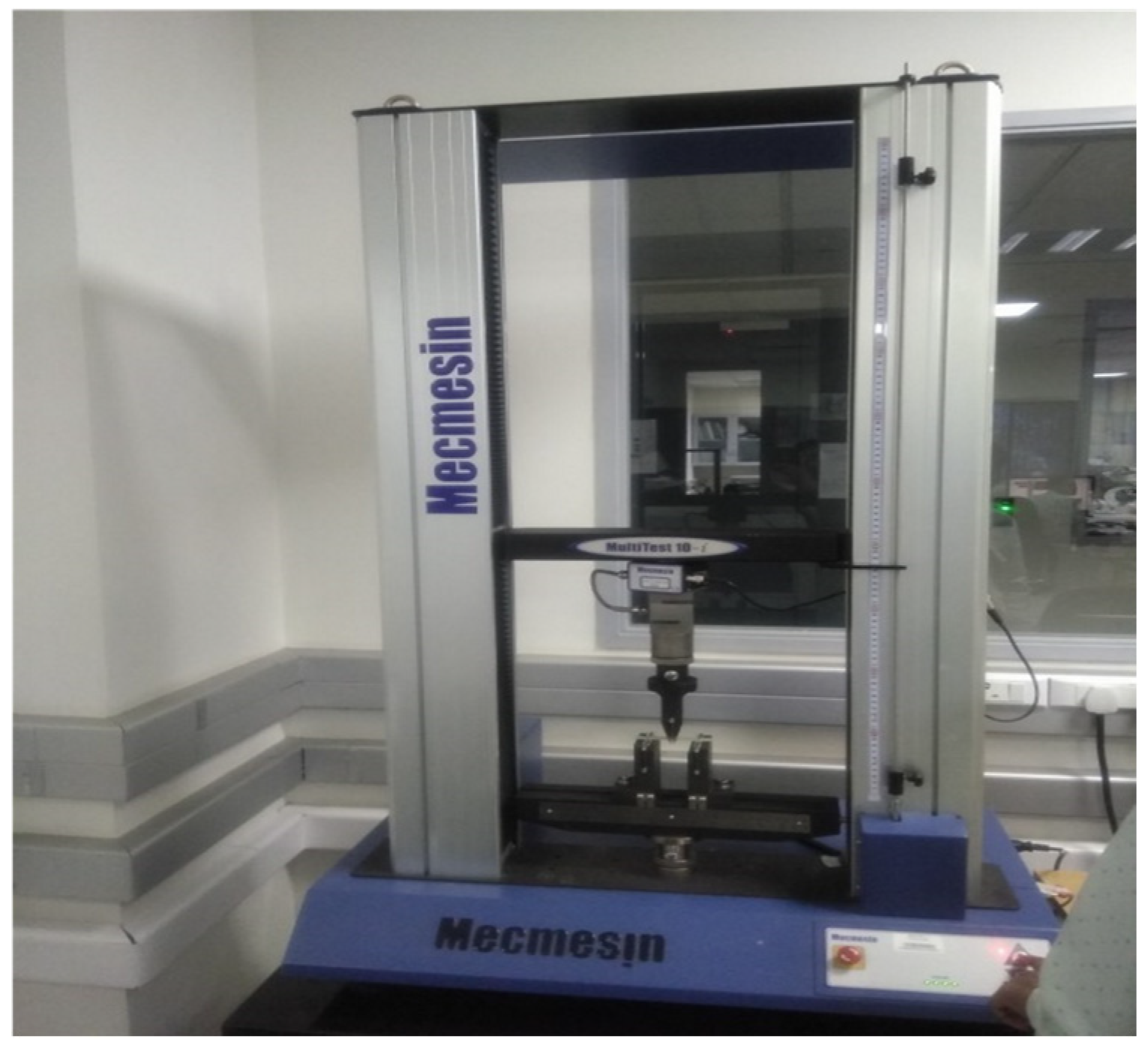
Figure 2.
Tensile test specimen dimensions.
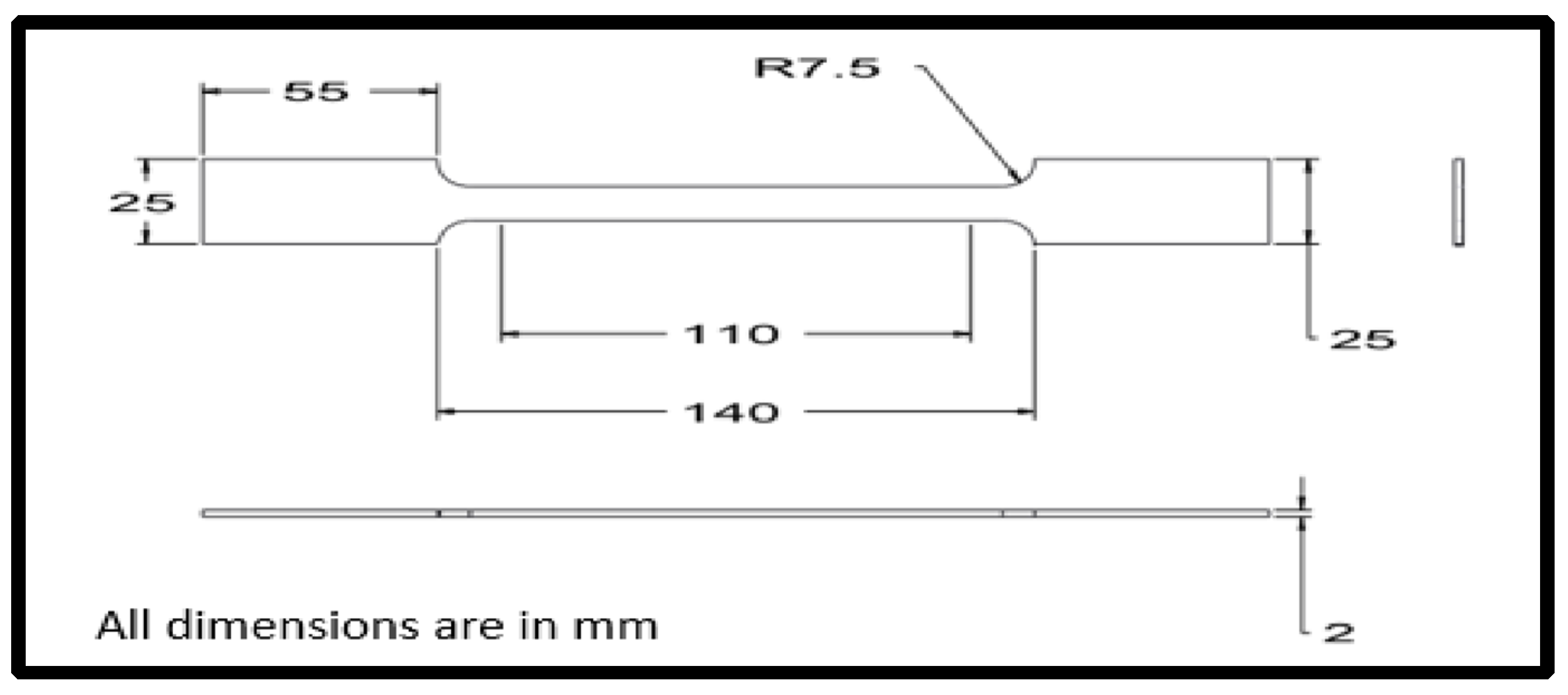
Figure 3.
Tensile test specimens with and without filler, (a) before testing, (b) after testing.
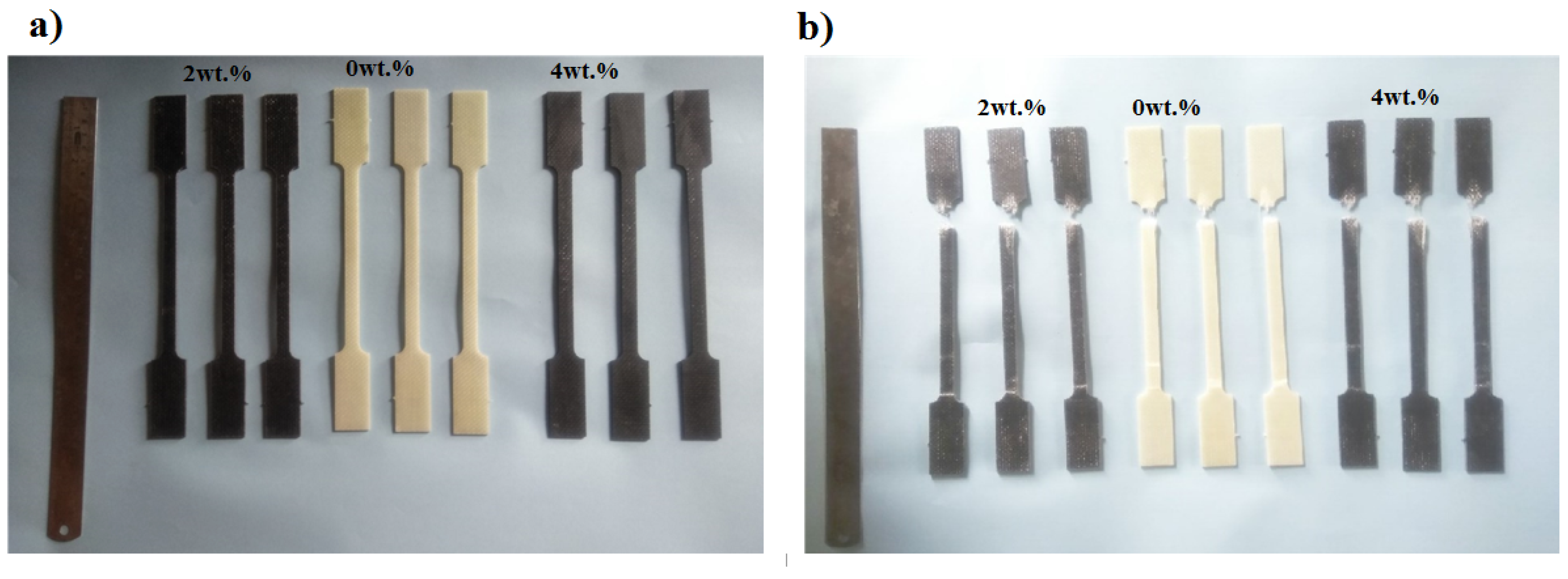
Figure 4.
Flexural test specimens.
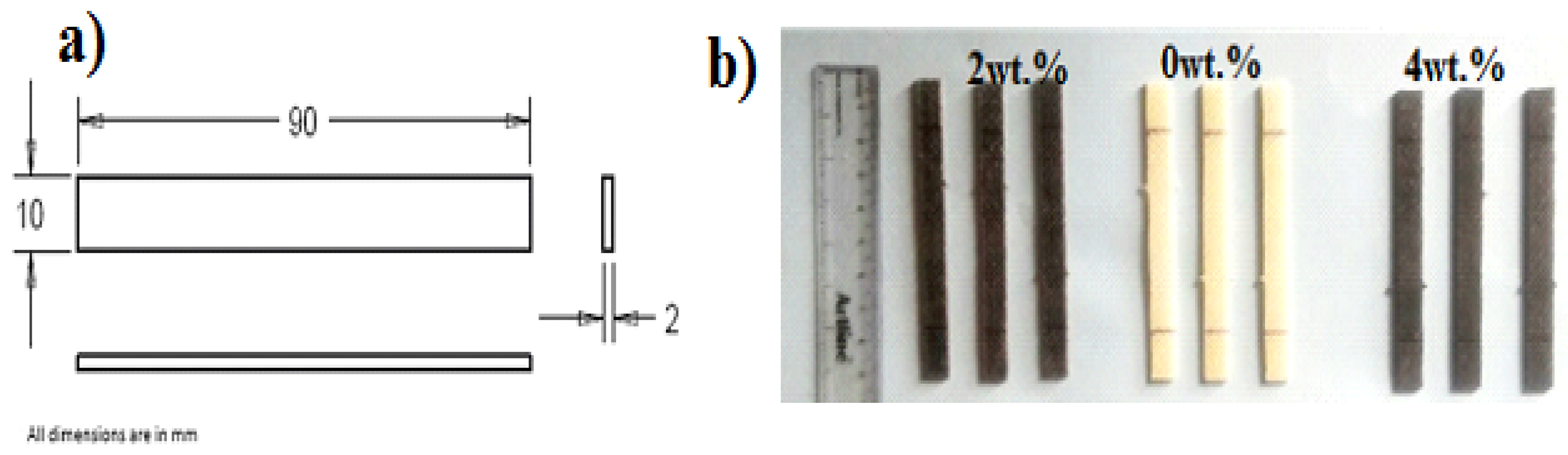
Figure 5.
Matsuzawa micro-hardness tester.
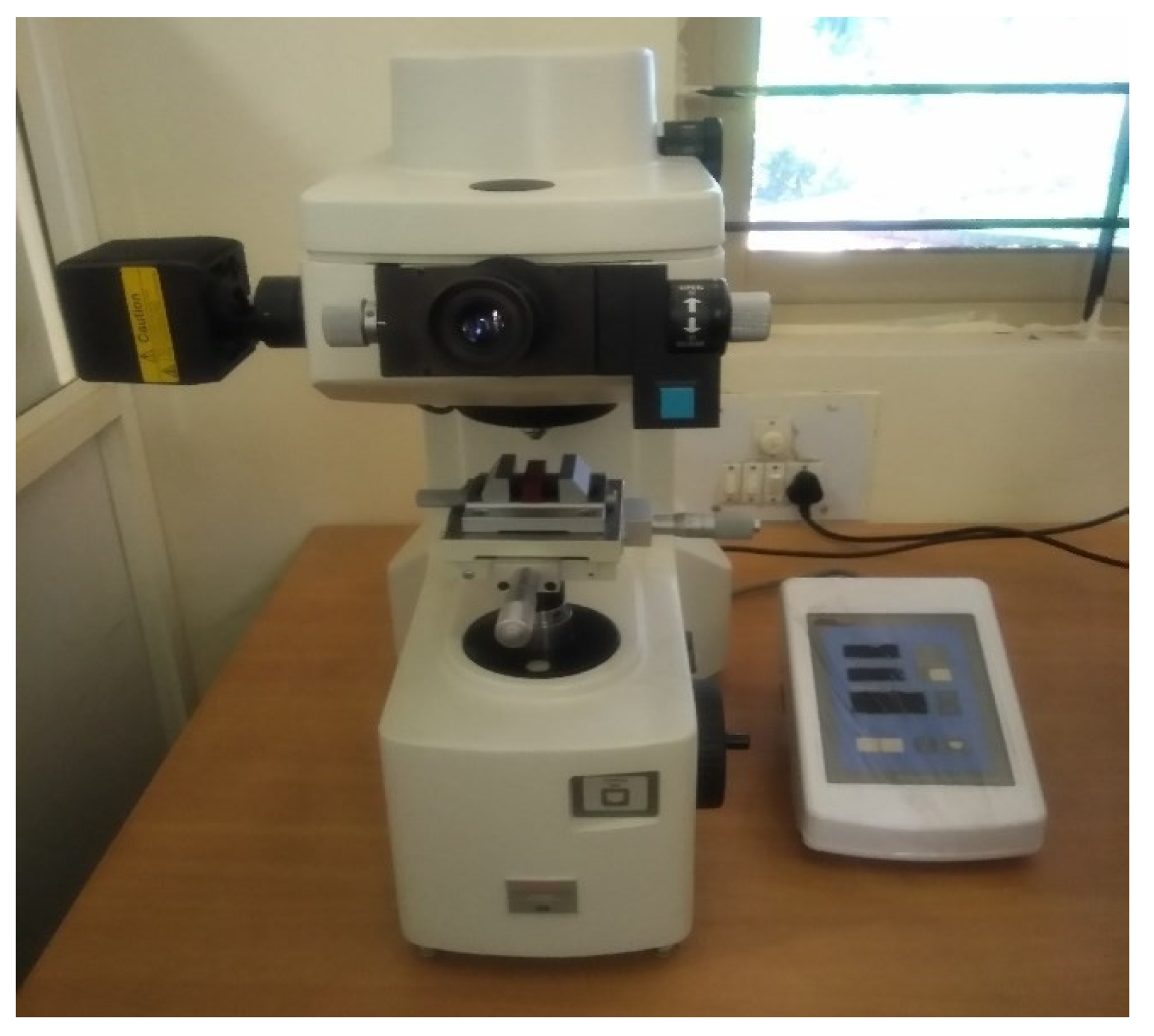
Figure 6.
Micro Hardness test specimens.
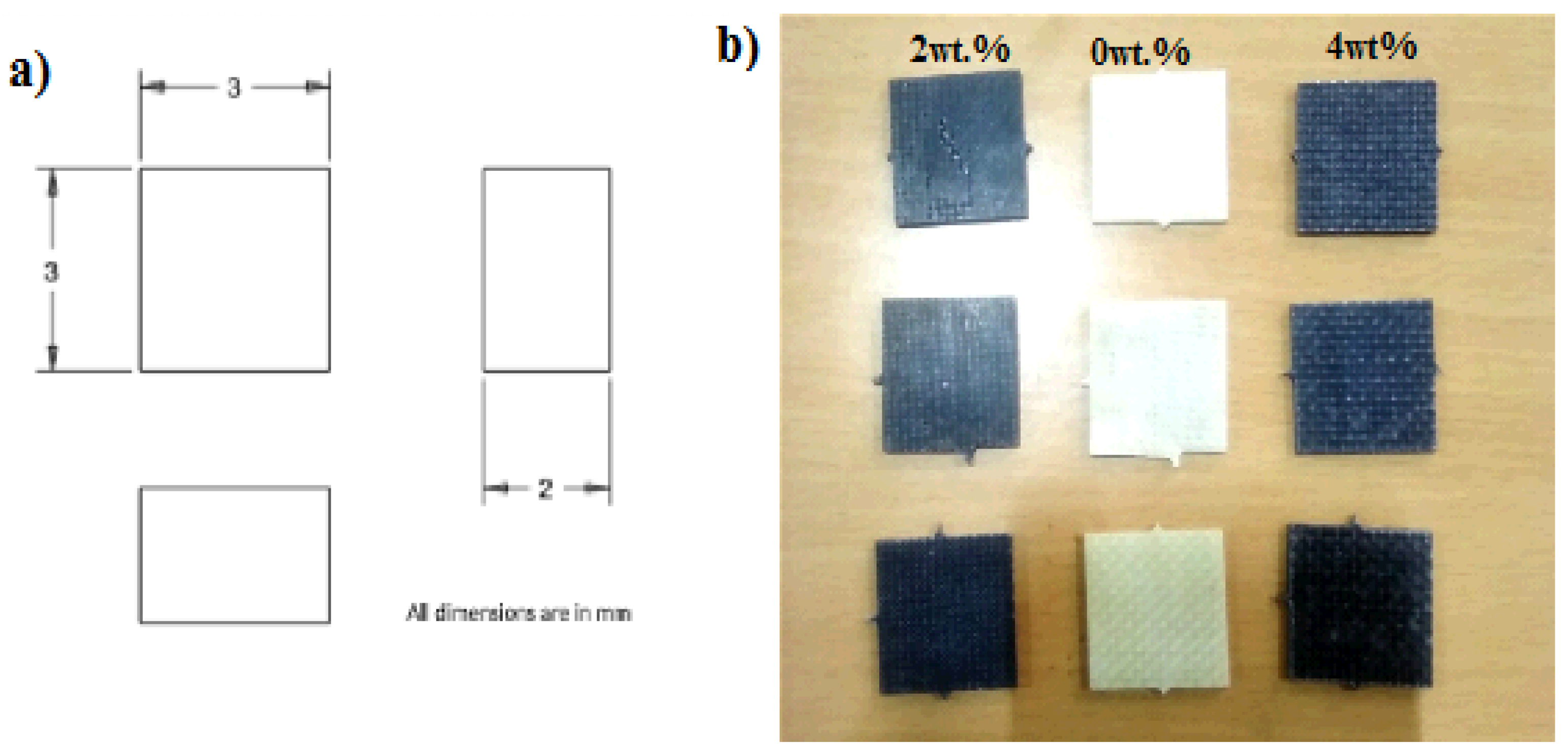
Figure 7.
Tensile load vs. Displacement for different compositions of filler.
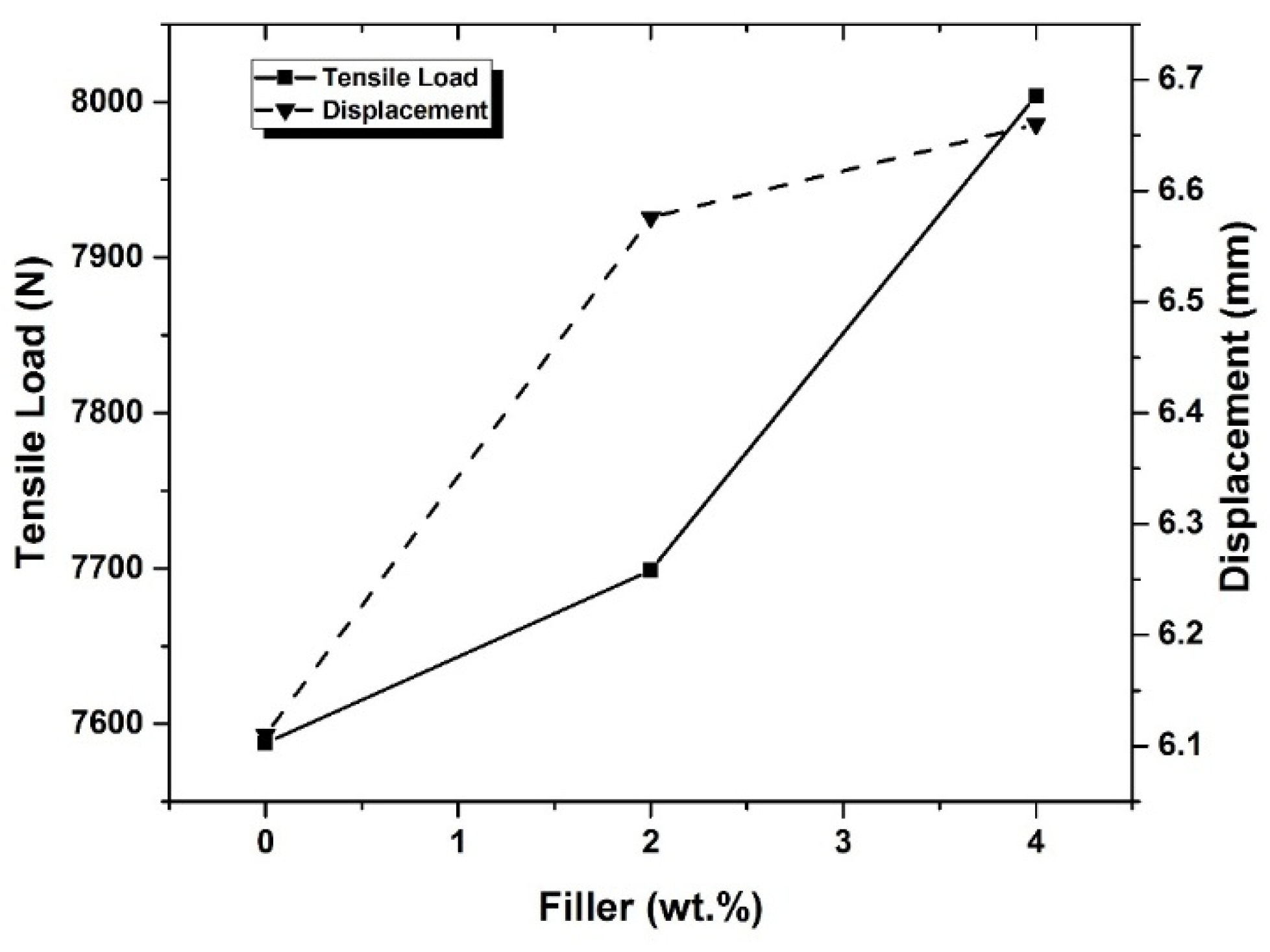
Figure 8.
Ultimate tensile strength of filler-added composites.
Disclaimer/Publisher’s Note: The statements, opinions and data contained in all publications are solely those of the individual author(s) and contributor(s) and not of MDPI and/or the editor(s). MDPI and/or the editor(s) disclaim responsibility for any injury to people or property resulting from any ideas, methods, instructions or products referred to in the content. |
© 2025 by the authors. Licensee MDPI, Basel, Switzerland. This article is an open access article distributed under the terms and conditions of the Creative Commons Attribution (CC BY) license (https://creativecommons.org/licenses/by/4.0/).
Copyright: This open access article is published under a Creative Commons CC BY 4.0 license, which permit the free download, distribution, and reuse, provided that the author and preprint are cited in any reuse.


