

Submitted:
27 June 2025
Posted:
27 June 2025
You are already at the latest version
Abstract
This study aimed to develop a novel thick cream formulation free from lactic acid bacteria by incorporating pectin-based microcapsules loaded with lemon essential oil (LEO), with the goal of enhancing both sensory properties and microbiological stability. The capsules were added at increasing concentrations (0%, 0.25%, 0.5%, 0.75%, and 1%) to assess their impact. Physicochemical analysis revealed that higher capsule content significantly improved consistency and viscosity. Microbiological evaluations confirmed the absence of key foodborne pathogens, including Salmonella spp., Listeria monocytogenes, Staphylococcus aureus, and Entero-bacteriaceae, in all formulations. Additionally, the antibacterial efficacy of the encapsulated LEO was vali-dated against Escherichia coli and Staphylococcus aureus strains. Sensory analysis using paired comparison, ranking, and hedonic tests demonstrated a clear preference for samples enriched with 0.5% and 0.75% capsules, noted for their enhanced creaminess, pleasant lemon aroma, and well-balanced flavour. Statistical analysis (ANOVA and Principal Component Analysis, PCA) confirmed significant differences among sam-ples, particularly in texture and aroma attributes. These findings highlight the potential of LEO-loaded pec-tin capsules as a clean-label strategy to improve both the sensory appeal and microbial safety of thick cream formulations.
Keywords:
thick cream
; pectin microcapsules
; lemon essential oil
; sensory analysis
; microbiological stability
1. Introduction
Dairy creams, both fermented and unfermented, are appreciated for their rich texture, nutritional value, and sensory appeal. Thick cream, commonly known as heavy or double cream, is a high-fat dairy product widely used in culinary applications due to its creamy consistency and its ability to enhance flavor and mouthfeel. However, modern consumers increasingly seek dairy products that go beyond basic nutrition, favouring those enriched with natural ingredients that provide enhanced sensory properties, shelf life, and microbiological safety [1,2,3].
A promising approach to address these expectations involves the incorporation of natural bioactive compounds, especially essential oils, which are well known for their antimicrobial and antioxidant potential [4,5]. Lemon essential oil (LEO), rich in limonene and other bioactive volatiles, is highly valued for its fresh citrus aroma and recognized biological activities [6,7]. Nevertheless, the direct addition of essential oils to dairy matrices presents formulation challenges due to their high volatility, low water solubility, and susceptibility to oxidation, which may compromise both product stability and sensory acceptability [8,9]. To overcome these limitations, encapsulation technologies have been developed to enhance the stability and controlled release of essential oils in food systems [10,11].
Pectin, a natural polysaccharide primarily derived from citrus peel, has emerged as an ideal encapsulating agent for hydrophobic compounds. Its biocompatibility, gelling properties, and ability to form stable matrices make it well suited for the microencapsulation of essential oils [11,12]. Pectin-based encapsulation not only protects essential oils from environmental degradation but also facilitates their gradual release, minimizing sensory overload and preserving functionality during food processing and storage [13,14]. In our recent study, ultrasound-enhanced ionotropic gelation has improved the encapsulation efficiency and structural integrity of pectin-based capsules containing LEO, with promising results in fresh-cut fruit preservation [11]. In that work, lemon essential oil encapsulated in pectin matrices significantly reduced browning and microbial load in apple slices during storage, demonstrating the dual function of aroma retention and active food protection.
Despite these advances, the integration of encapsulated EOs into dairy products, particularly cream-based matrices, remains underexplored. The high-fat content and complex rheology of creams pose specific formulation challenges but also offer opportunities for functional enhancement through microcapsule incorporation. Pectin-based capsules may help stabilize cream structure, reduce phase separation, and improve organoleptic properties such as texture and aroma. Furthermore, the antimicrobial action of LEO may contribute to improved microbiological stability, supporting shelf life extension without the use of artificial preservatives.
This study aims to evaluate the incorporation of ultrasound-assisted pectin capsules loaded with lemon essential oil into fermented-free thick cream. Specifically, it investigates the impact on physicochemical parameters, microbial stability, and sensory perception through structured sensory analysis (paired comparison, ranking, and hedonic tests). Building upon our previous findings in fruit systems [11], this work seeks to extend the application of LEO encapsulation to dairy matrices, offering a clean-label solution for value-added cream products in line with consumer demand and sustainability trend.
2. Materials and Methods
2.1. Application of Encapsulated Essential Oils to Set-Style Fresh Cream
This study investigated the impact of pectin-based microcapsules loaded with lemon essential oil (LEO) on the quality attributes of set-style thick cream prepared without lactic acid bacterial fermentation. The aim was to explore a clean-label strategy to enhance both microbiological stability and sensory performance through the integration of functional encapsulated bioactives. The entire formulation process was conducted under rigorously controlled hygienic conditions to prevent microbial contamination and to preserve the integrity of the encapsulated system. The process was carried out in a pilot-scale dairy facility, where temperature, humidity, and equipment sterilization were monitored and documented throughout production. The experimental design focused on ensuring minimal disruption of capsule morphology during incorporation into the cream matrix. To this end, LEO-loaded pectin capsules were gently dispersed into the cream post-pasteurization and prior to cold-setting, at concentrations of 0%, 0.25%, 0.5%, 0.75%, and 1% (w/w), based on preliminary optimization studies. Capsules were suspended in pre-cooled cream at 10 °C and stirred at low speed (50 rpm) using a sterile overhead paddle stirrer to avoid rupture or premature diffusion of essential oil. The cream base itself was formulated using high-fat pasteurized milk cream (minimum 35% fat), without the addition of lactic acid bacteria or emulsifiers, to highlight the independent effects of the encapsulated essential oil system. After capsule incorporation, the cream was immediately packaged in sterile, light-impermeable polypropylene containers and stored at 4 ± 1 °C until further analysis. This protocol was developed to facilitate the controlled release of LEO from the capsule matrix over storage time, allowing evaluation of its contribution to microbial suppression and sensory modification. The structural preservation of capsules within the cream matrix was confirmed via preliminary optical microscopy analysis, and no significant capsule rupture was observed under cold storage. The subsequent analytical steps included physicochemical measurements (viscosity, syneresis, pH), microbiological assays (pathogen screening and total viable counts), and sensory evaluation (hedonic scale, preference ranking, PCA-based mapping), as detailed in the following sections.
2.2. Raw Milk Reception and Preliminary Quality Assessment
Upon arrival at the pilot dairy facility, raw bovine milk underwent standardized quality control procedures to ensure suitability for processing. Initial screening included pH determination using a calibrated pH meter (Hanna Instruments, USA) and antibiotic residue detection employing a rapid screening test (e.g., Delvotest® T or equivalent), in compliance with EU Regulation (EC) No. 853/2004 for raw milk intended for human consumption. Only batches that met the acceptance criteria, pH values between 6.6 and 6.8 and absence of antibiotic residues, were admitted for further processing. Rejected batches were documented and excluded from the study. Approved milk was weighed using a calibrated industrial scale and transferred to sanitized stainless-steel holding tanks, where it was maintained at 4 ± 1 °C to prevent microbial growth and enzymatic degradation prior to cream separation. Continuous agitation ensured homogeneity and minimized cream line formation during short-term storage (<12 h). All handling procedures adhered to HACCP-based protocols for milk hygiene and traceability. This initial stage was critical for ensuring the compositional and microbiological integrity of the final cream matrix, particularly given the absence of starter cultures and the reliance on essential oil encapsulates for microbial stability.
2.3. Preparation of Lemon Essential Oil-Loaded Pectin Capsules
Encapsulated systems were developed using the ionotropic gelation technique to entrap lemon essential oil (LEO) within a calcium-crosslinked pectin matrix. Low methoxyl pectin (degree of esterification < 50%) was selected for its strong gelling behavior in the presence of divalent cations, particularly Ca2+.
A 2% (w/v) aqueous solution of low methoxyl pectin was prepared by gradual dispersion under magnetic stirring (600 rpm, 30 min) at ambient temperature. After complete solubilization, lemon essential oil was added at four final concentrations: 0.25%, 0.5%, 0.75%, and 1% (w/w) relative to the total volume. The emulsion was homogenized using a high-shear Ultra-Turrax® T25 digital homogenizer (IKA, Germany) at 12,000 rpm for 5 minutes to ensure fine droplet dispersion and stabilization within the biopolymer matrix.
The resulting oil-in-water emulsion was then extruded dropwise into a gently stirred 100 mM calcium chloride (CaCl2) solution using a syringe pump (needle diameter: 0.5 mm). Ionotropic gelation occurred upon contact, resulting in the rapid formation of spherical gel beads. Capsules were allowed to harden in the calcium bath for 30 minutes, then filtered and gently rinsed with deionized water to remove surface-bound ions.
The capsules were stored in sterile containers at 4 ± 1 °C in hydrated form and used within 48 hours of preparation. A corresponding batch of empty control capsules (without LEO) was produced under identical conditions and served as a negative control in both microbiological and sensory analyses.
The structural integrity and morphology of the capsules were confirmed via light microscopy, and their average diameter was approximately 250–350 µm. This method was selected for its mild processing conditions, food-grade safety, and ability to encapsulate volatile and thermolabile compounds without chemical crosslinkers or organic solvents (Figure 1).
2.4. Preparation of Set-Style Fresh Cream
The manufacturing process of set-style fresh cream was conducted through a standardized protocol aimed at ensuring both microbial safety and structural suitability for the incorporation of lemon essential oil (LEO)-loaded pectin capsules. Each stage of the process was optimized to preserve the functional integrity of the microcapsules while enabling a stable and organoleptically acceptable cream matrix (Figure 2).
Step 1: Raw Milk Pasteurization
Raw cow’s milk was pasteurized at 80–100 °C for approximately 10 seconds using a continuous-flow plate heat exchanger. This high-temperature short-time (HTST) treatment was chosen to eliminate pathogenic and spoilage microorganisms while preserving the milk’s protein structure and nutritional profile, as supported by Jayarao et al. [15].
Step 2: Cream Separation
Following pasteurization, centrifugal skimming was employed to separate cream from skim milk using a mechanical cream separator. The resulting cream fraction contained approximately 30-40% milk fat, consistent with industry standards for thick cream production.
Step 3: Fat Standardization
The separated cream was then standardized to 30% milk fat, adjusted using skimmed milk to meet the desired specifications for set-style thick cream. This step ensures consistency across batches and influences textural and rheological properties.
Step 4: Secondary Pasteurization of Cream
The standardized cream underwent a second pasteurization step at 90-95 °C for 15–20 seconds, as recommended by Tamime & Robinson [16] to ensure microbial stability in the absence of lactic acid bacteria or other bioprotective cultures. This also contributed to partial denaturation of whey proteins, enhancing cream viscosity and emulsion stability.
Step 5: Cooling
Immediately after heat treatment, the cream was rapidly cooled to 20-25 °C to minimize microbial growth and enzymatic degradation. This temperature range was selected as optimal for the subsequent incorporation of pectin capsules, preserving their structural and functional integrity.
Step 6: Incorporation of Pectin Capsules
Pectin-based capsules containing lemon essential oil were added to the cooled cream at five graded concentrations: 0% (control), 0.25%, 0.5%, 0.75%, and 1% w/w. Incorporation was performed under gentle mechanical agitation (50 rpm) using a sterile paddle mixer to ensure homogenous dispersion while avoiding capsule rupture or premature oil release.
Step 7: Packaging
The enriched cream was filled into pre-sterilized polypropylene containers (120 mL), sealed under hygienic conditions using a semi-automatic lidding machine. A tamper-evident seal was applied to ensure product integrity and minimize post-process contamination. Products were labelled with a recommended shelf life and refrigeration instruction.
Step 8: Cold Storage and Maturation
Packaged cream samples were stored at 4 ± 1 °C throughout the analysis period. Time-point evaluations were conducted on Days 0, 3, 7, and 10 to assess microbiological load, physicochemical stability (pH, viscosity, syneresis), and sensory quality.
2.5. Antibacterial Activity Assay
2.5.1. Microorganisms and Culture Conditions
Two reference bacterial strains were employed to evaluate the antibacterial efficacy of lemon essential oil-loaded pectin capsules: Escherichia coli ATCC 25922 (Gram-negative) and Staphylococcus aureus ATCC 25923 (Gram-positive). Each strain was subcultured in Mueller-Hinton Broth (MHB) and incubated at 37 ± 1 °C for 18–24 hours under aerobic conditions. Bacterial suspensions were standardized to a 0.5 McFarland turbidity standard, corresponding to approximately 1 × 10⁸ CFU/mL, using a nephelometer (Densimat®, bioMérieux).
2.5.2. Agar Well Diffusion Method
The antibacterial activity of the encapsulated formulations was assessed using the agar well diffusion assay, following CLSI guidelines (M100). Mueller-Hinton Agar (MHA) plates were uniformly inoculated with the standardized bacterial suspensions using sterile cotton swabs to ensure even coverage.
Wells of 6 mm diameter were aseptically punched into the agar using a sterile cork-borer. Each well was filled with 100 µL of capsule suspension, corresponding to approximately 10 hydrated capsules dispersed in sterile phosphate-buffered saline (PBS). The following treatments were evaluated: Test: Capsules containing LEO at 0.25%, 0.5%, 0.75%, or 1% (w/w), Positive control: Neat lemon essential oil (100 µL); Negative control: Capsules prepared without essential oil (blank)
Plates were incubated at 37 ± 1 °C for 24 hours, after which the zones of inhibition were measured using a digital calliper with ±0.1 mm precision. All experiments were conducted in triplicate, and results are expressed as mean inhibition diameter ± standard deviation (mm).
This method enabled a comparative evaluation of the antimicrobial potential of free and encapsulated lemon essential oil against clinically relevant bacterial targets and provided insight into the protective and controlled-release effects of the pectin capsule matrix.
2.6. Stability Monitoring of the Formulated Cream
Comprehensive physicochemical characterization of the cream samples was performed to assess the influence of LEO-loaded pectin capsules on product stability, composition, and quality. All analyses were conducted in triplicate, and mean values ± standard deviation were reported. The physicochemical parameters, including pH, titratable acidity, fat content, total solids, and density, were measured following the procedures and quality standards described by Burke et al. [17], which outline analytical protocols commonly applied in dairy process monitoring.
2.6.1. pH Measurement
The pH of each cream sample was determined at 20–25 °C using a calibrated digital pH meter equipped with a combined pH/temperature probe (Hanna Instruments®, model HI 5221). The probe was immersed directly into homogenized samples, and readings were recorded after stabilization [17].
2.6.2. Fat Content Determination
Fat content was measured using the Gerber acid-butyrometric method. In this technique, sulfuric acid was added to digest proteins and release fat, followed by isoamyl alcohol to facilitate fat separation. The sample was centrifuged at 65 °C for 10 minutes, and fat content was read on a calibrated butyrometer [17].
2.6.3. Titratable Acidity
Titratable acidity (TA) was determined by alkaline titration using N/9 sodium hydroxide (NaOH) and phenolphthalein as an indicator. The volume of NaOH required to reach the endpoint (pink colour persistence) was recorded. Acidity was expressed in Dornic degrees (°D), where 1°D = 0.1 mL of N/9 NaOH per 100 mL of sample [18].
2.6.4. Total Solids Content
The total solids content (dry matter) was determined gravimetrically by drying approximately 5 g of homogenized cream in an oven at 125 °C for 15 minutes, followed by equilibration in a desiccator until constant weight [17]. Moisture content was calculated by difference.
2.6.5. Density Measurement
Cream density was measured at 20 °C using a calibrated thermo-lacto-densimeter, with correction factors applied for temperature deviations. This method followed the protocol described by Borba et al., [19] and was used to evaluate sample homogeneity and composition shifts due to capsule inclusion.
2.6.6. Apparent Viscosity
Apparent viscosity was assessed at 4 °C using a rotational viscometer (Brookfield DV-E, spindle No. 4, 50 rpm), in accordance with Gün et al. [20]. Each measurement was conducted after allowing the sample to equilibrate to the test temperature, and results were expressed in mPa·s.
2.7. Microbiological Analyses
Microbiological quality assessments of the cream samples were performed to verify compliance with national food safety criteria and to assess the efficacy of lemon essential oil-loaded pectin capsules in controlling pathogenic microorganisms. All analyses were conducted in accordance with the Interministerial Decree of October 4, 2016 regarding microbiological criteria for foodstuffs (JORA No. 64, 2016), and consistent with ISO methodologies where applicable. Enumeration of Enterobacteriaceae was carried out according to ISO 21528-1:2017 (Most Probable Number method) and ISO 21528-2:2017 (Colony Count Technique). The French national standard NF V08-054 was also referenced. Results were expressed as CFU/g. Quantification of Staphylococcus aureus and related coagulase-positive strains was performed using Baird-Parker agar supplemented with egg yolk tellurite, according to the Interministerial Decree of May 21, 2014 (JORA No. 68, 2014) [21,22]. Presumptive colonies were confirmed by coagulase testing. The presence of Salmonella spp. was investigated in 25 g of sample, following the protocol outlined in the Interministerial Decree of January 23, 2005 (JORA No. 42, 2005) [23]. The method included: i) Pre-enrichment in buffered peptone water; ii) Selective enrichment in Rappaport-Vassiliadis and Muller-Kauffmann tetrathionate broth; iii) Plating on selective agars (e.g., XLD, Hektoen); iv)Biochemical and serological confirmation. Detection of Listeria monocytogenes was performed following the Interministerial Decree of January 18, 2006 (JORA No. 3, 2006) [24], using a two-step enrichment method (Half-Fraser and Fraser broth), followed by isolation on selective media (e.g., PALCAM or ALOA) and confirmation via biochemical assays. All analyses were conducted at each storage time point (Days 0, 3, 7, and 10), and results were compared across treatments to assess the inhibitory effects of LEO encapsulation.
2.8. Sensory Analysis
2.8.1. Panel Composition
The sensory analysis of cream formulations enriched with lemon essential oil-loaded pectin capsules was conducted in a sensory laboratory A trained panel of 10 dairy experts from Safilait’s Dairy R&D Unit participated in the evaluation. All panellists were selected and trained according to EN ISO 8586:2014-03, the international standard for the selection and training of sensory assessors [25]. Sensory assessments were performed under standardized conditions (lighting, temperature, and ventilation) to minimize external influences and ensure consistency. The profiling method followed the guidelines of ISO 13299:2016-05E [26], using a five-point descriptive intensity scale, where 1 indicated no perception of the attribute and 5 indicated very high intensity. Panellists were equipped with definition cards and score sheets covering key sensory descriptors relevant to dairy matrices, including texture, aroma, flavour, mouthfeel, and overall impression..
2.8.2. Paired Comparison Test
The paired comparison test was employed to determine whether statistically significant differences existed between sample pairs regarding the sensory attribute of aroma, particularly the presence and intensity of lemon notes introduced by LEO capsules [27].
Ten combinations of paired samples were prepared from the five treatments (0%, 0.25%, 0.5%, 0.75%, and 1% capsule inclusion), coded as follows: AB, AC, AD, AE, BC, BD, BE, CD, CE, DE. Each pair was presented in randomized order using coded, identical cups (20 mL/sample). Panellists were instructed to rinse their mouths with room-temperature water between samples.
Each panellist recorded whether they perceived a difference in aroma and indicated the preferred sample, if applicable. Results were analysed using the Chi-square (χ²) test, comparing observed frequencies with theoretical expectations to assess statistical significance at p < 0.05.
2.8.3. Ranking Test
To evaluate overall consumer acceptability, a ranking test was conducted in which the five cream samples (0%, 0.25%, 0.5%, 0.75%, and 1%) were presented simultaneously in randomized order. Panellists were instructed to rank the samples from least to most acceptable based on overall impression, considering flavour, texture, and aroma.
Each sample (coded and anonymized) was presented in an individual cup, and panellists were allowed to retaste freely before final ranking. The total scores for each sample were calculated by summing the ranks assigned by all panellists (lowest score = most preferred).
Statistical differences between samples were evaluated using Friedman’s test, a non-parametric method suitable for ordinal sensory data. Post hoc pairwise comparisons were performed when required using the Nemenyi test, with significance set at p < 0.05.
2.8.4. Hedonic Test
A 9-point hedonic scale test was employed to evaluate the overall sensory acceptability of the sour cream samples from the perspective of trained assessors. This method allowed for the generation of a multidimensional sensory profile by capturing panellists’ affective responses to specific product attributes.
Each panellist received all five coded cream samples simultaneously (A: 0%, B: 0.25%, C: 0.5%, D: 0.75%, E: 1%) presented in identical, anonymized containers (20 mL per sample). Samples were randomized and equilibrated to 8-10 °C before evaluation. Panellists were instructed to rate each sample on a 9-point hedonic scale ranging from 1 ("dislike extremely") to 9 ("like extremely") across five sensory parameters: Texture, Colour, Odour, Taste, Aroma.
All panellists completed standardized evaluation forms under controlled testing conditions with palate cleansing between samples.
The sensory scores were subjected to analysis of variance (ANOVA) using XLSTAT software (version 2010) to determine statistically significant differences (p < 0.05) among samples. When significance was detected, Principal Component Analysis (PCA) was applied to the dataset to explore correlations between sample composition and sensory descriptors. PCA enabled the visualization of attribute clustering and differentiation of treatments based on their perceptual profiles.
The results provided insights into how varying concentrations of lemon essential oil-loaded pectin capsules influenced consumer-relevant attributes such as creaminess, lemon aroma, and overall liking.
2.9. Statistical Analysis
All experimental data were expressed as mean ± standard deviation (SD) of at least three independent replicates. Statistical analysis was performed using XLSTAT software (version 2010) and GraphPad Prism (version 8.0) for graphical visualization and hypothesis testing.
For physicochemical and microbiological parameters, differences between treatments were assessed using one-way Analysis of Variance (ANOVA), followed by Tukey’s HSD post hoc test to determine pairwise significance at a 95% confidence level (p < 0.05).
For sensory evaluation:
- Paired comparison data were analyzed using the Chi-square (χ²) test.
- Ranking test results were analyzed using Friedman’s test, a non-parametric test for related samples.
- Hedonic test scores were processed by ANOVA, and significant effects were further examined using PCA.
Principal Component Analysis (PCA) was employed to identify correlations between sensory descriptors and sample treatments. Multivariate analysis enabled data dimensionality reduction and visualization of perceptual differences among formulations. Sensory and analytical data were standardized prior to PCA using the correlation matrix method.
A significance threshold of p < 0.05 was adopted for all tests unless otherwise specified.
3. Results
3.1. Incorporation of Encapsulated Essential Oils into Thick Cream
The incorporation of lemon essential oil-loaded pectin capsules was successfully carried out during the post-pasteurization cooling phase, when the cream temperature fell below 35 °C. This approach was adopted to preserve both the structural integrity of the capsules and the stability of thermolabile volatile compounds such as limonene and citral, which are highly susceptible to degradation through heat and oxidation [28,29]. Preliminary experiments demonstrated that incorporating the capsules prior to pasteurization significantly diminished both the intensity of the lemon aroma and the antimicrobial efficacy of the final product. These effects were attributed to the volatilization and oxidative breakdown of essential oil constituents at high temperatures, as well as to the partial depolymerization of the pectin matrix, which typically occurs above 70 °C, thereby compromising the integrity of the encapsulating network and altering its release profile [30].
Conversely, the addition of capsules after thermal treatment effectively maintained their morphological integrity and facilitated a more controlled release of the active compounds during storage. Sensory and microbiological data, presented in the subsequent sections, further confirmed that post-pasteurization incorporation not only preserved the functional attributes of the essential oil but also contributed to improved homogeneity of dispersion, enhanced texture and creaminess, and a more pronounced perception of freshness and lemon aroma. These observations are consistent with previous findings that highlight the advantages of post-processing inclusion of essential oil delivery systems to avoid thermal degradation and maintain bioactive performance [31,32].
3.2. Antibacterial Activity of Lemon Essential Oil-Loaded Capsules
The antibacterial properties of lemon essential oil (LEO)-loaded pectin capsules were evaluated against two reference strains: Escherichia coli (ATCC 25922) and Staphylococcus aureus (ATCC 25923). The results demonstrated a clear dose-dependent inhibitory effect for both Gram-negative and Gram-positive bacteria. No inhibition zones were detected in the control group (0% LEO), confirming that the pectin capsules alone lacked antibacterial activity.
As LEO concentration increased from 0.25% to 1.0% within the capsules, the diameter of the inhibition zones progressively expanded, indicating enhanced antimicrobial efficacy. The highest antibacterial activity was observed at 1.0% LEO, with inhibition zones reaching 15.1 ± 0.4 mm for E. coli and 18.9 ± 0.5 mm for S. aureus. These values approached those obtained with pure LEO, which served as the positive control, further confirming the preserved activity of the encapsulated essential oil.
Notably, S. aureus appeared more sensitive to the LEO formulations than E. coli, consistent with previous literature reporting the higher susceptibility of Gram-positive bacteria to essential oils due to differences in cell wall structure. The data underscore the potential of encapsulated LEO to serve as a natural antimicrobial agent suitable for application in dairy matrices. Complete results are reported in Table 1.
3.3. Physicochemical Properties of the Formulated Thick Cream
3.3.1. Milk Density
The raw milk used in this study exhibited a density of 1029 ± 0.96 kg/m³, which falls within the standard range reported for bovine milk (1028–1032 kg/m³). Density is influenced by the content of dry matter, fat content, temperature, and animal feeding practices [33]. In particular, a higher concentration of non-fat solids is associated with increased density values [34], supporting the quality and suitability of the raw material for cream production.
3.3.2. Total Solids (Dry Matter)
The total solids content of raw milk was 12.5 ± 0.75%. During cream processing, a slight decrease in total solids was observed after pasteurization (from 37.85 ± 0.12% to 37.60 ± 0.10%), which may be attributed to thermal rearrangement of protein structures and minor water redistribution or loss during heat treatment [35,36]. Following capsule incorporation, total solids increased progressively with rising capsule concentrations, reaching 39.10 ± 0.14% at 1.0% inclusion (Table 2). This trend reflects the added dry matter contributed by both pectin and encapsulated lemon essential oil, which structurally enrich the cream matrix. The observed increment aligns with previous studies in encapsulated systems, where biopolymer matrices enhance product consistency, richness, and mouthfeel through water-binding and volume-filling effects [37].
3.3.3. Fat Content
The raw milk had a fat content of 4 ± 0.3%, which, after centrifugal skimming, yielded cream with a fat content of 30 ± 5%. Notably, the fat content remained stable throughout pasteurization and capsule incorporation, indicating that the encapsulation process did not interfere with lipid separation or stability.
3.3.4. pH and Titratable Acidity
The initial pH and titratable acidity of raw milk were measured at 6.68 and 17 °D, respectively. Following pasteurization, the pH slightly decreased to 6.58, while acidity rose to 17.0 °D, indicating mild acidification likely due to heat-induced protein unfolding and exposure of acidic amino acid residues [38]. Subsequent incorporation of LEO-loaded pectin capsules led to a gradual and consistent decrease in pH, reaching 6.35 at the highest capsule concentration (1%), accompanied by a parallel increase in titratable acidity to 19.0 °D (Table 2). These variations can be attributed to the intrinsic acidic properties of pectin and lemon essential oil compounds, such as citral and limonene derivatives. These acidification trends are beneficial for matrix structuring, as slight pH reductions near the isoelectric point of caseins can promote tighter protein networks and enhance water retention. Consequently, the observed pH–acidity profile may have contributed to improved cream viscosity, texture, and overall sensory perception.
3.3.5. Apparent Viscosity
Apparent viscosity, measured at 4 °C, showed a progressive increase both after pasteurization and following the incorporation of lemon essential oil-loaded pectin capsules (Table 2). The initial rise in viscosity post-pasteurization (from 1230 ± 15 to 1315 ± 18 mPa·s) can be attributed to protein denaturation and partial unfolding, which promote intermolecular aggregation and the formation of a denser microstructure. Subsequent increases in viscosity were observed with capsule inclusion, notably at concentrations of 0.5% and above. At 1.0% capsule concentration, viscosity reached 1920 ± 28 mPa·s, representing a ~56% increase relative to the baseline. This trend reflects the gelling and water-binding capacity of low methoxyl pectin as well as the physical structuring effect of the capsules themselves, which likely act as particulate fillers that restrict flow and reinforce the matrix. These results are in agreement with previous studies on encapsulated systems in dairy formulations, where biopolymer-based particles contributed to enhanced texture and shear resistance due to increased phase cohesion and filler–matrix interaction [39]. (Table 2).
3.4. Stability Monitoring of the Formulated Thick Cream
The storage stability of the formulated thick cream was monitored over a 28-day period under refrigeration and compared to a control sample without capsules. The results are summarized in Table 3.
The pH of the control cream decreased steadily from 6.58 at day 0 to 5.4 by day 28, suggesting microbial acidification, likely due to the activity of residual lactic acid bacteria or spoilage organisms. In contrast, the formulated cream containing lemon essential oil-loaded pectin capsules showed greater pH stability, with values ranging from 6.50 to 6.25, indicating enhanced preservation of acid–base balance.
Viscosity data revealed a notable decline in the control sample, decreasing from 1230 to 800 mPa·s over 28 days, accompanied by visible phase separation starting on day 7 and becoming severe by day 28. The formulated cream, however, retained better viscosity throughout storage, showing only a moderate decrease from 1450 to 1300 mPa·s. This indicates improved textural resilience, likely due to the water-binding and network-stabilizing effect of the pectin capsule matrix.
Phase separation behavior also differed substantially. While the control began to exhibit slight separation by day 7, progressing to marked aqueous phase separation by day 21 and severe destabilization by day 28, the formulated cream maintained homogeneity until day 21. Only by day 28 was slight to moderate separation observed, underscoring the structural stabilizing effect of the capsules.
From a microbiological perspective, Enterobacteriaceae counts remained consistently below 10 CFU/g in the formulated cream across the entire shelf-life, while the control sample exceeded this threshold after day 14, reaching >10 CFU/g by day 21. A similar trend was observed for coagulase-positive staphylococci, which increased to 150 CFU/g in the control by day 28, compared to just 50 CFU/g in the treated sample. These differences support the antimicrobial efficacy of the lemon essential oil microcapsules. Importantly, both Salmonella spp. and Listeria monocytogenes were undetected in all samples and at all time points, indicating that baseline hygienic processing conditions were well maintained.
The formulated thick cream demonstrated significantly greater physical and microbiological stability during refrigerated storage compared to the control. The inclusion of LEO-loaded pectin capsules effectively preserved viscosity, delayed phase separation, limited microbial growth, and stabilized pH, thus enhancing the overall shelf-life and safety profile of the product.
3.5. Sensory Evaluation
3.5.1. Paired Comparison Test
To evaluate the perceptibility of sensory differences between cream formulations enriched with lemon essential oil-loaded pectin capsules, a paired comparison test was conducted using five coded samples: A (0%, control), B (0.25%), C (0.5%), D (0.75%), and E (1%). Ten trained panellists evaluated each pair in randomized order under blinded conditions to minimize bias and focus the assessment on aroma-related distinctions.
Statistical analysis of the panellists’ responses using the Chi-square (χ²) test revealed that all calculated χ² values were below the critical value of 9 at the 5% significance level (α = 0.05), indicating the absence of statistically significant differences among all tested sample pairs. These findings suggest that, despite the progressive addition of encapsulated essential oil, the formulations remained sensorially homogeneous in terms of aroma detection. From a product development standpoint, this sensory uniformity is favourable, as it confirms that the functional encapsulation strategy does not detract from the baseline organoleptic quality nor introduce disruptive aroma intensities (Table 4).
3.5.2. Ranking Test
The ranking test was employed to assess the overall acceptability of the five cream samples (A–E) based on sensory descriptors such as texture, taste, aroma, and general preference. Each panellist ranked the samples from 1 (most preferred) to 5 (least preferred). The results showed clear trends in sensory preference (Table 5).
Sample A (control) received the highest cumulative rank score (50), indicating the lowest acceptability among panellists. Conversely, sample D (0.75% LEO capsules) was most preferred, receiving the lowest score (14), followed by sample C (0.5%) with 20 and sample E (1%) with 27. Sample B (0.25%) ranked intermediate (39). The results highlight a progressive increase in acceptability with the addition of lemon-scented microcapsules, peaking at 0.75%, beyond which a slight decline was observed. This suggests that while encapsulation improved sensory appeal, excessive concentrations may lead to overpowering aroma or slight textural imbalance (Figure 3).
The ranking data were statistically significant (p < 0.05), confirming differences in panellist preferences. These findings validate the positive sensory impact of the capsules, particularly at intermediate concentrations, and support their use as a functional enhancement in non-fermented dairy products
3.5.3. Hedonic Test
A 9-point hedonic test was conducted to assess the overall acceptability of cream samples enriched with increasing concentrations of lemon essential oil-loaded pectin capsules: A (0%, control), B (0.25%), C (0.5%), D (0.75%), and E (1%). Each sample was evaluated by trained panellists based on key sensory parameters, including texture (smoothness, creaminess, fluidity), colour (yellow hue), odour (fresh cream, lemon, herbal notes, rancid), taste (sweet, acidic, bitter, salty), and aroma (lemon, hazelnut, dried fruit, raw milk).
Statistical analysis using ANOVA (p < 0.05) revealed that specific attributes such as smoothness, creaminess, and lemon aroma varied significantly among the samples, indicating that capsule enrichment led to perceptible improvements in sensory quality. These attributes were most pronounced in samples C through E, suggesting a concentration-dependent effect of the encapsulated essential oil.
A Principal Component Analysis (PCA) was conducted to visualize the multidimensional sensory data and identify clustering patterns among formulations. The first two principal components accounted for the majority of total variance and clearly separated the samples. Samples A and B were associated with lower aromatic intensity and more fluid or neutral texture profiles, whereas samples C, D, and E clustered strongly with descriptors such as creamy, smooth, and lemon-scented, highlighting the positive influence of capsule concentration on texture and olfactory expression.
The sensory enhancement is attributed to two primary effects: (1) the gelling properties of pectin, which contribute to matrix cohesion and smoother mouthfeel; and (2) the controlled release of lemon essential oil, which provides a pleasant, progressively more intense aroma as capsule concentration increases. These combined effects led to greater panellist preference across multiple sensory dimensions.
Panellists’ average scores on the 9-point hedonic scale further confirmed this trend (Figure 4). Sample A (control) scored 5.2, reflecting neutral to moderate appreciation. Sample B improved to 6.1, suggesting mild enhancement with minimal capsule inclusion. Notably, samples C (7.3), D (8.0), and E (8.5) demonstrated progressively stronger preference, with Sample E achieving the highest level of acceptability. This result highlights the synergistic contribution of encapsulated lemon essential oil to the cream’s organoleptic appeal. Hedonic analysis confirmed that increasing concentrations of lemon essential oil-loaded pectin capsules enhanced the perceived quality of the thick cream, particularly in terms of mouthfeel and lemon aroma. Both ANOVA and PCA validated the sensory improvements, supporting the use of this encapsulation approach as a promising strategy to develop functional, appealing dairy products.
4. Discussion
The present study demonstrates that the post-pasteurization incorporation of lemon essential oil (LEO)-loaded pectin capsules into thick cream enhances multiple quality dimensions, including textural, microbiological, and sensorial attributes. Unlike conventional flavouring or preservation methods, this encapsulation strategy allows for the protection of volatile bioactives such as limonene and citral, which are otherwise sensitive to heat and prone to degradation during dairy processing. Our approach confirms previous findings by de Souza et al. [8], who observed the thermal instability of essential oil components and the advantages of post-thermal incorporation for preserving their bioactivity in dairy matrices. In our case, incorporation at temperatures below 35 °C preserved capsule integrity and maintained the rheological profile of the cream, which benefited from the structuring role of the pectin network. As observed in related work on pectin-stabilized emulsions in probiotic yogurt [37]. hydrocolloids act as texturizing agents by enhancing water-binding capacity and forming a cohesive gel matrix that prevents phase separation. In our trials, viscosity improved proportionally with capsule concentration, without negatively impacting mouthfeel or appearance.
The antimicrobial properties of the LEO-loaded capsules further support their technological relevance. Dose-dependent inhibition of E. coli and S. aureus was observed, with activity approaching that of pure essential oil at the highest loading (1%). Importantly, this antibacterial efficacy was retained over 28 days of cold storage, during which the formulated creams consistently outperformed controls in terms of microbial safety, pH stability, and structural integrity. These findings resonate with the encapsulated thyme oil system, which showed strong antibacterial activity in dairy matrices [40] while avoiding off-flavors and textural defects [41]. Our results similarly suggest that the pectin capsule acts not only as a physical barrier but also as a release modulator for bioactive volatiles, which diffuse gradually through the matrix, extending the period of microbial protection. Moreover, the sustained low counts of Enterobacteriaceae and coagulase-positive Staphylococcus in the enriched creams, even after 21 days, point to an effective hurdle technology suitable for extending shelf-life without synthetic preservatives.
From a sensory standpoint, both the ranking and hedonic tests confirmed that capsule enrichment enhanced the perceived quality of the cream, particularly in terms of creaminess and fresh lemon aroma. While no statistically significant differences were detected in the paired comparison tests, indicating an absence of sensory defects, the hedonic scores improved steadily, with the 0.75% and 1% formulations rated highest by panellists. The PCA further revealed strong correlations between higher capsule concentrations and desirable sensory descriptors such as "smoothness" and "aromatic freshness. These results are consistent with the growing evidence that encapsulated essential oils not only improve microbial safety but also act as flavour enhancers when appropriately dosed. Comparable improvements in consumer acceptance have been reported in dairy desserts fortified with nano-emulsions or biopolymeric capsules containing citrus extracts [37]. However, our work adds novel insight by demonstrating that a simple ionotropic gelation method, without synthetic emulsifiers or nanocarriers ,can achieve similar effects in a natural thick cream system, supporting the clean-label trend and functional ingredient innovation.
From a technological and commercial perspective, the use of lemon essential oil-loaded pectin capsules in thick cream production offers a scalable and clean-label innovation. The ionotropic gelation technique employed is relatively simple, cost-effective, and adaptable to existing dairy processing lines, especially given that incorporation occurs post-pasteurization and does not require specialized high-energy equipment. Unlike more complex nanoencapsulation approaches involving synthetic surfactants or high-pressure homogenization, this method is consistent with the principles of green chemistry and minimal processing, making it attractive for both small- and large-scale dairy manufacturers. Moreover, the encapsulation system simultaneously enhances product safety, sensory quality, and shelf-life, features that respond to key consumer demands in the functional and natural dairy sectors. The strong performance of the 0.75–1% formulations suggests an optimal range for formulation that maximizes consumer acceptance without compromising product stability or cost-efficiency. Given the rising interest in plant-based preservatives and flavour systems, particularly in the Middle Eastern, North African, and European markets, this technology holds promise for extension to other dairy applications such as yogurt, cheese spreads, or fermented beverages. Furthermore, the enhanced antimicrobial protection may enable mild preservation strategies or reduced cold chain requirements, potentially lowering logistical costs and food waste, factors of growing relevance in the sustainability, driven food industry.
5. Conclusions
This study demonstrated that the post-pasteurization enrichment of fermented-free thick cream with lemon essential oil-loaded pectin capsules represents a promising clean-label strategy for enhancing both the functional and sensory qualities of dairy products. The ionotropic gelation process, applied to low methoxyl pectin and optimized through ultrasound-assisted emulsification, enabled effective encapsulation of volatile aromatic compounds while preserving their bioactivity during storage. The addition of capsules improved physicochemical parameters, particularly viscosity, total solids, and phase stability, without altering the cream’s baseline composition. Microbiological analyses confirmed that the capsules exerted a protective antimicrobial effect, notably against E. coli and Staphylococcus aureus, and maintained the safety of the product during 28 days of refrigerated storage. Sensory evaluations—including paired comparison, ranking, and hedonic scoring—highlighted a significant increase in consumer acceptability at 0.75% and 1% capsule concentrations, with optimal perception of lemon aroma, smoothness, and creaminess achieved at 1%.
Future studies should explore the applicability of this encapsulation system in fermented products, low-fat creams, and plant-based alternatives. Additionally, detailed characterization of essential oil release kinetics during storage and simulated digestion is needed to better understand their in vivo functionality and bioavailability.
In conclusion, the use of essential oil-loaded pectin capsules provides a dual benefit of sensory enhancement and microbial protection while maintaining a natural, additive-free formulation. This technology offers market-ready potential for producers seeking to differentiate products through natural flavor delivery, clean-label positioning, and improved shelf-life, responding to current consumer demand for minimally processed and functionally enriched dairy products.
Author Contributions
Conceptualization, R.D. and L.H.; methodology, R.D., S.M.,L.H. M.D.; software, R.D., S.M., M.D.; validation, L.H., L.R.; formal analysis, R.D., S.M., M.D.; investigation, R.D., S.M., L.H., M.D, L.R.; resources, L.H., L.R.; data curation, R.D., S.M.,L.H. M.D., L.R.; writing—original draft preparation, R.D., M.D., L.R.; writing—review and editing, R.D., M.D., L.R.; visualization, S.M., L.H., L.R.,; supervision, L.H., L.R.; project administration, L.H., L.R.;.; funding acquisition, L.H., L.R. All authors have read and agreed to the published version of the manuscript.
Funding
This research was funded under the National Recovery and Resilience Plan (NRRP), Mission 4 Component 2 Investment 1.4—Call for tender No. 3138 of 16 December 2021, rectified by Decree n. 3175 of 18 December 2021 of the Italian Ministry of University and Research funded by the European Union—NextGenerationEU; Award Number: Project code CN_00000033, Concession Decree No. 1034 of 17 June 2022 adopted by the Italian Ministry of University and Research, CUP: D43C22001260001, Project title “National Biodiversity Future Center—NBFC”.
Institutional Review Board Statement
The study was conducted in accordance with the Declaration of Helsinki and with the Sensory Test and approved by the Director of Board of Biotechnology and Food Quality Research Laboratory (BIOQUAL), INATAA, University of the brothers Mentouri Constantine 1, Algeria. Algeria (March 2024).
Informed Consent Statement
For the sensory analysis, written informed consent was obtained from all the panelists.
Data Availability Statement
The original contributions presented in the study are included in the article, further inquiries can be directed to the corresponding author.
Acknowledgments
The study was conducted in accordance with the Declaration of Helsinki and the sensory test protocol, and was approved by the Institutional Committee of INATAA – Frère Mentouri University Constantine 1, Algeria.
Conflicts of Interest
The authors declare no conflicts of interest.
References
- Petcu, C.D.; Tăpăloagă, D.; Mihai, O.D.; Gheorghe-Irimia, R.A.; Negoiță, C.; Georgescu, I.M.; ... & Ghimpețeanu, O.M. Harnessing natural antioxidants for enhancing food shelf life: Exploring sources and applications in the food industry. Foods 2023, 12, 3176.
- Adinepour, F.; Pouramin, S.; Rashidinejad, A.; Jafari, S.M. Fortification/enrichment of milk and dairy products by encapsulated bioactive ingredients. Food Res Int 2022, 157, 111212. [Google Scholar] [CrossRef]
- Iriondo-DeHond, M.; Miguel, E.; Del Castillo, M.D. Food byproducts as sustainable ingredients for innovative and healthy dairy foods. Nutrients 2018, 10, 1358. [Google Scholar] [CrossRef]
- Abd El-Aziz, M.; Salama, H.H.; Sayed, R.S. Plant extracts and essential oils in the dairy industry: A review. Foods Raw Mater 2023, 11, 321–337. [Google Scholar] [CrossRef]
- Mishra, A.P.; Devkota, H.P.; Nigam, M.; Adetunji, C.O.; Srivastava, N.; Saklani, S.; ... & Khaneghah, A.M. Combination of essential oils in dairy products: A review of their functions and potential benefits. LWT 2020, 133, 110116.
- Pucci, M.; Raimondo, S.; Zichittella, C.; Tinnirello, V.; Corleone, V.; Aiello, G.; ... & Alessandro, R. Biological properties of a citral-enriched fraction of Citrus limon essential oil. Foods 2020, 9, 1290.
- Fisher, K.; Phillips, C. The mechanism of action of a citrus oil blend against Enterococcus faecium and Enterococcus faecalis. J Appl Microbiol 2009, 106, 1343–1349. [Google Scholar] [CrossRef] [PubMed]
- Souza, H.F.D.; Santos, F.R.D.; Cunha, J.S.; Pacheco, F.C.; Pacheco, A.F.C.; Soutelino, M.E.M.; ... & Kamimura, E.S. Microencapsulation to Harness the Antimicrobial Potential of Essential Oils and Their Applicability in Dairy Products: A Comprehensive Review of the Literature. Foods 2024, 13, 2197.
- Bautista-Hernández, I.; Gómez-García, R.; Martínez-Ávila, G.C.G.; Medina-Herrera, N.; González-Hernández, M.D. Unlocking essential oils’ potential as sustainable food additives: Current state and future perspectives for industrial applications. Sustainability 2025, 17, 2053. [Google Scholar] [CrossRef]
- Donsì, F.; Annunziata, M.; Sessa, M.; Ferrari, G. Nanoencapsulation of essential oils to enhance their antimicrobial activity in foods. LWT 2011, 44, 1908–1914. [Google Scholar] [CrossRef]
- Djerri, R.; Merniz, S.; D’Elia, M.; Aissani, N.; Khemili, A.; Abou Mustapha, M.; ... & Himed, LUltrasound-Enhanced Ionotropic Gelation of Pectin for Lemon Essential Oil Encapsulation: Morphological Characterization and Application in Fresh-Cut Apple Preservation. Foods 2025, 14, 1968.
- Thakur, B.R.; Singh, R.K.; Handa, A.K.; Rao, M.A. Chemistry and uses of pectin. A review. Crit Rev Food Sci Nutr 1997, 37, 47–73. [Google Scholar] [CrossRef] [PubMed]
- Yi, F.; Liu, Y.; Su, C.; Xue, Z. Research progress on the encapsulation and sustained controlled-release of essential oils. J Food Process Preserv 2022, 46, e17241. [Google Scholar] [CrossRef]
- Akachat, B.; Himed, L.; Salah, M.; D’Elia, M.; Rastrelli, L.; Barkat, M. Development of Pectin-Based Films with Encapsulated Lemon Essential Oil for Active Food Packaging: Improved Antioxidant Activity and Biodegradation. Foods 2025, 14, 353. [Google Scholar] [CrossRef]
- Jayarao, B.M.; Donaldson, S.C.; Straley, B.A.; Sawant, A.A.; Hegde, N.V.; Brown, J.L. A survey of foodborne pathogens in bulk tank milk and raw milk consumption among farm families in Pennsylvania. J Dairy Sci 2006, 89, 2451–2458. [Google Scholar] [CrossRef]
- Tamime, A.Y.; & Robinson, R.K. Tamime and Robinson's yoghurt: science and technology. Elsevier, Amsterdam, Netherlands, 2007.
- Burke, N.; Zacharski, K.A.; Southern, M.; Hogan, P.; Ryan, M.P.; Adley, C.C. The dairy industry: Process, monitoring, standards, and quality. Descriptive Food Sci 2018, 162, 33–45. [Google Scholar]
- Tomovska, J.; Gjorgievski, N.; Makarijoski, B. (Examination of pH, titratable acidity and antioxidant activity in fermented Milk, journal of materials science and engineering. J Mater Sci Eng A 2016, 6, 326–333. [Google Scholar]
- Borba, K.K.S.; Silva, F.A.; Madruga, M.S.; de Cássia Ramos do Egypto Queiroga, R.; deSouza, E.L.; Magnani, M. The effect of storage on nutritional, textural and sensory characteristics of creamy ricotta made from whey as well as cow's milk and goat's milk. Int J Food Sci Technol 2014, 49, 1279–1286. [Google Scholar] [CrossRef]
- Gün, Ö.; Işıklı, N.D. Effect of fat and non-fat dry matter of milk, and starter type, on the rheological properties of set during the coagulation process. Int J Food Sci Technol 2007, 42, 352–358. [Google Scholar] [CrossRef]
- Bouzid, M.; Charchari, R.; Chamieh, R.; Cherdouda, N.; Ghanassi, F.Z. Regulation of food supplements in Algeria: Current situation, issues, and perspectives. NAJFNR 2024, 8, 56–67. [Google Scholar] [CrossRef]
- Republic of Algeria. 2014. Interministerial Decree of May 21, 2014, on the Detection of Coagulase-Positive Staphylococci. Official Journal (JORA), no. 68.
- Republic of Algeria. 2005. Interministerial Decree of January 23, 2005, on the Detection of Salmonella spp. Official Journal (JORA), no. 42.
- Republic of Algeria. 2006. Interministerial Decree of January 18, 2006, on the Detection of Listeria monocytogenes. Official Journal (JORA), no. 3.
- EN ISO 8586:2014–03; Sensory Analysis. General Guidelines for the Selection, Training and Monitoring of Selected Assessors and Expert Sensory Assessors. International Organization for Standardization: Geneva, Switzerland, 2014.
- EN ISO 13299:2016-05E; Sensory Analysis—Methodology—General Guidance for Establishing a Sensory Profile. International Organization for Standardization: Geneva, Switzerland, 2016.
- Rogers, L.; Hort, J.; Kemp, S.E.; Hollowood, T. (Eds.). Discrimination Testing in Sensory Evaluation. John Wiley & Sons, Hoboken, New Jersey, United States, 2024.
- Jia, X.; Ren, J.; Fan, G.; Reineccius, G.A.; Li, X.; Zhang, N.; ... & Pan, S. Citrus juice off-flavor during different processing and storage: Review of odorants, formation pathways, and analytical techniques. Crit Rev Food Sci Nutr 2024, 64, 3018–3043.
- Dedebas, T.; Ekici, L.; Sagdic, O. Influence of heating on thermal stability of essential oils during storage. J Essent Oil-Bear Plants, 2022; 25, 611–625. [Google Scholar]
- Bakry, A.M.; Abbas, S.; Ali, B.; Majeed, H.; Abouelwafa, M.Y.; Mousa, A.; Liang, L. Microencapsulation of oils: A comprehensive review of benefits, techniques, and applications. Compr Rev Food Sci Food Saf 2016, 15, 143–182. [Google Scholar] [CrossRef] [PubMed]
- Souza, H.F.D.; Santos, F.R.D.; Cunha, J.S.; Pacheco, F.C.; Pacheco, A.F.C.; Soutelino, M.E.M.; ... & Kamimura, E.S. Microencapsulation to harness the antimicrobial potential of essential oils and their applicability in dairy products: a comprehensive review of the literature. Foods 2024, 13, 2197.
- Yu, J.Y.; Chuesiang, P.; Shin, G.H.; Park, H.J. Post-processing techniques for the improvement of liposome stability. Pharmaceutics 2021, 13, 1023. [Google Scholar] [CrossRef] [PubMed]
- Parmar, P.; Lopez-Villalobos, N.; Tobin, J.T.; Murphy, E.; Buckley, F.; Crowley, S.V.; ... & Shalloo, L. Effect of temperature on raw whole milk density and its potential impact on milk payment in the dairy industry. Int J Food Sci Technol 2021, 56, 2415–2422.
- Parmar, P.; Lopez-Villalobos, N.; Tobin, J.T.; Murphy, E.; McDonagh, A.; Crowley, S.V.; ... & Shalloo, L. The effect of compositional changes due to seasonal variation on milk density and the determination of season-based density conversion factors for use in the dairy industry. Foods, 2020, 9, 1004.
- Coutouly, A.; Riaublanc, A.; Axelos, M.; Gaucher, I. Effect of heat treatment, final pH of acidification, and homogenization pressure on the texture properties of cream cheese. Dairy Sci Technol 2014, 94, 125–144. [Google Scholar] [CrossRef]
- Liu, H.; Grosvenor, A.J.; Li, X.; Wang, X.L.; Ma, Y.; Clerens, S. . & Day, L. Changes in milk protein interactions and associated molecular modification resulting from thermal treatments and storage. J Food Sci 2019, 84, 1737–1745. [Google Scholar]
- Aliabbasi, N.; Emam-Djomeh, Z. Application of nanotechnology in dairy desserts and ice cream formulation with the emphasize on textural, rheological, antimicrobial, and sensory properties. eFood, 2024, 5, e170. [Google Scholar] [CrossRef]
- Guerra-Rosas, M.I.; Morales-Castro, J.; Ochoa-Martínez, L.A.; Salvia-Trujillo, L.; Martín-Belloso, O. Long-term stability of food-grade nanoemulsions from high methoxyl pectin containing essential oils. Food Hydrocoll 2016, 52, 438–446. [Google Scholar] [CrossRef]
- Ghasemi, S.; Jafari, S.M.; Assadpour, E.; Khomeiri, M. Nanoencapsulation of d-limonene within nanocarriers produced by pectin-whey protein complexes. Food Hydrocoll 2018, 77, 152–162. [Google Scholar] [CrossRef]
- Jemaa, M.B.; Falleh, H.; Neves, M.A.; Isoda, H.; Nakajima, M.; Ksouri, R. Quality preservation of deliberately contaminated milk using thyme free and nanoemulsified essential oils. Food Chem 2017, 217, 726–734. [Google Scholar] [CrossRef] [PubMed]
- Soutelino, M.E.M.; Silva, A.C.D.O.; Rocha, R.D.S. Natural Antimicrobials in Dairy Products: Benefits, Challenges, and Future Trends. Antibiotics 2024, 13, 415. [Google Scholar] [CrossRef] [PubMed]
Figure 1.
Optical microscopy image of lemon essential oil-loaded pectin capsules obtained by ultrasound-assisted ionotropic gelation. Capsules appear spherical and uniform, with an average diameter ranging from 250 to 350 µm. The encapsulation process preserved morphological integrity and is suitable for incorporation into dairy matrices.
Figure 1.
Optical microscopy image of lemon essential oil-loaded pectin capsules obtained by ultrasound-assisted ionotropic gelation. Capsules appear spherical and uniform, with an average diameter ranging from 250 to 350 µm. The encapsulation process preserved morphological integrity and is suitable for incorporation into dairy matrices.
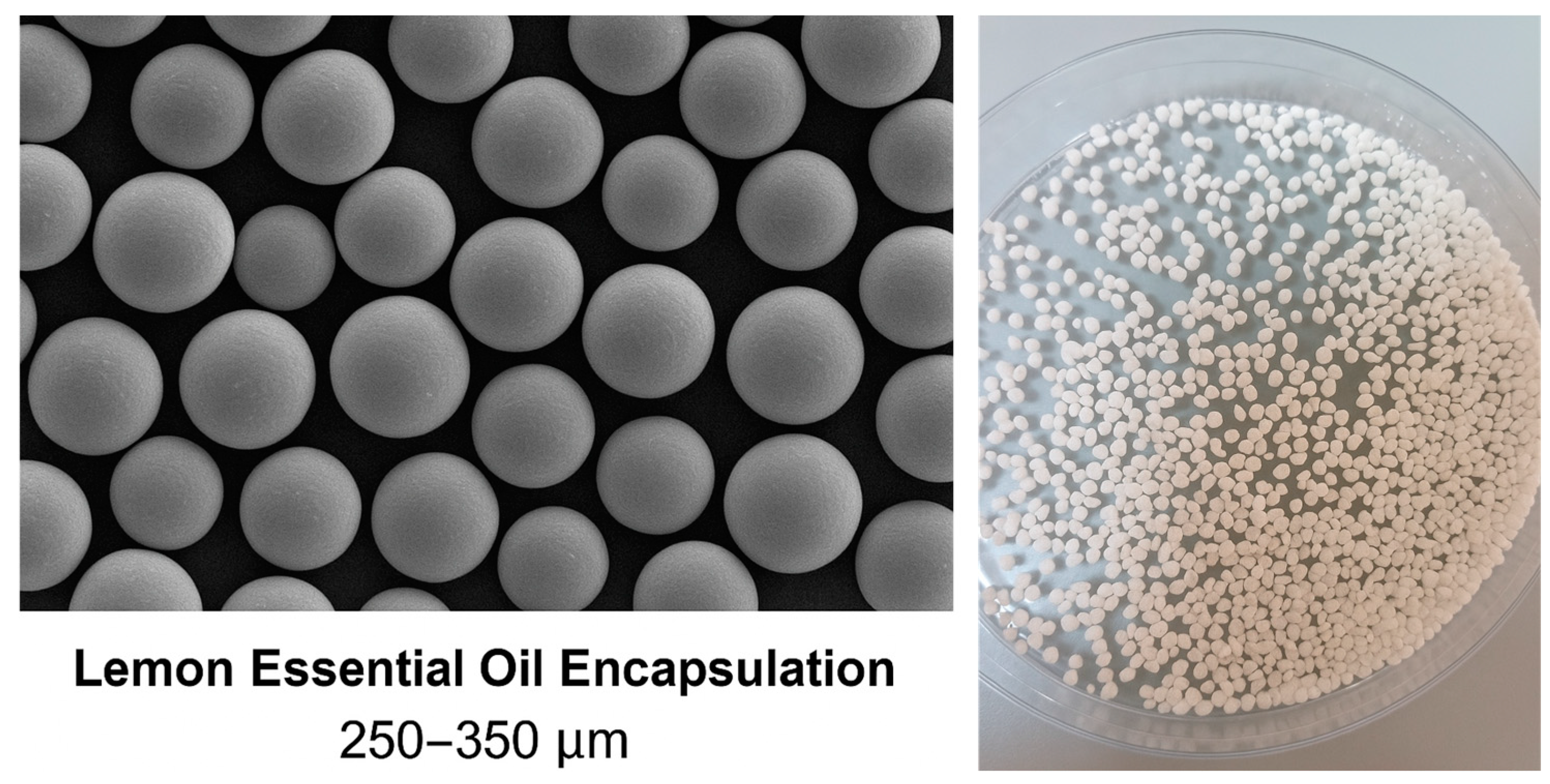
Figure 2.
Visual appearance of thick cream samples before the incorporation of lemon essential oil-loaded pectin capsules. The creams exhibit a smooth, uniform surface and consistent opacity, reflecting good emulsion stability and absence of phase separation prior to enrichment.
Figure 2.
Visual appearance of thick cream samples before the incorporation of lemon essential oil-loaded pectin capsules. The creams exhibit a smooth, uniform surface and consistent opacity, reflecting good emulsion stability and absence of phase separation prior to enrichment.
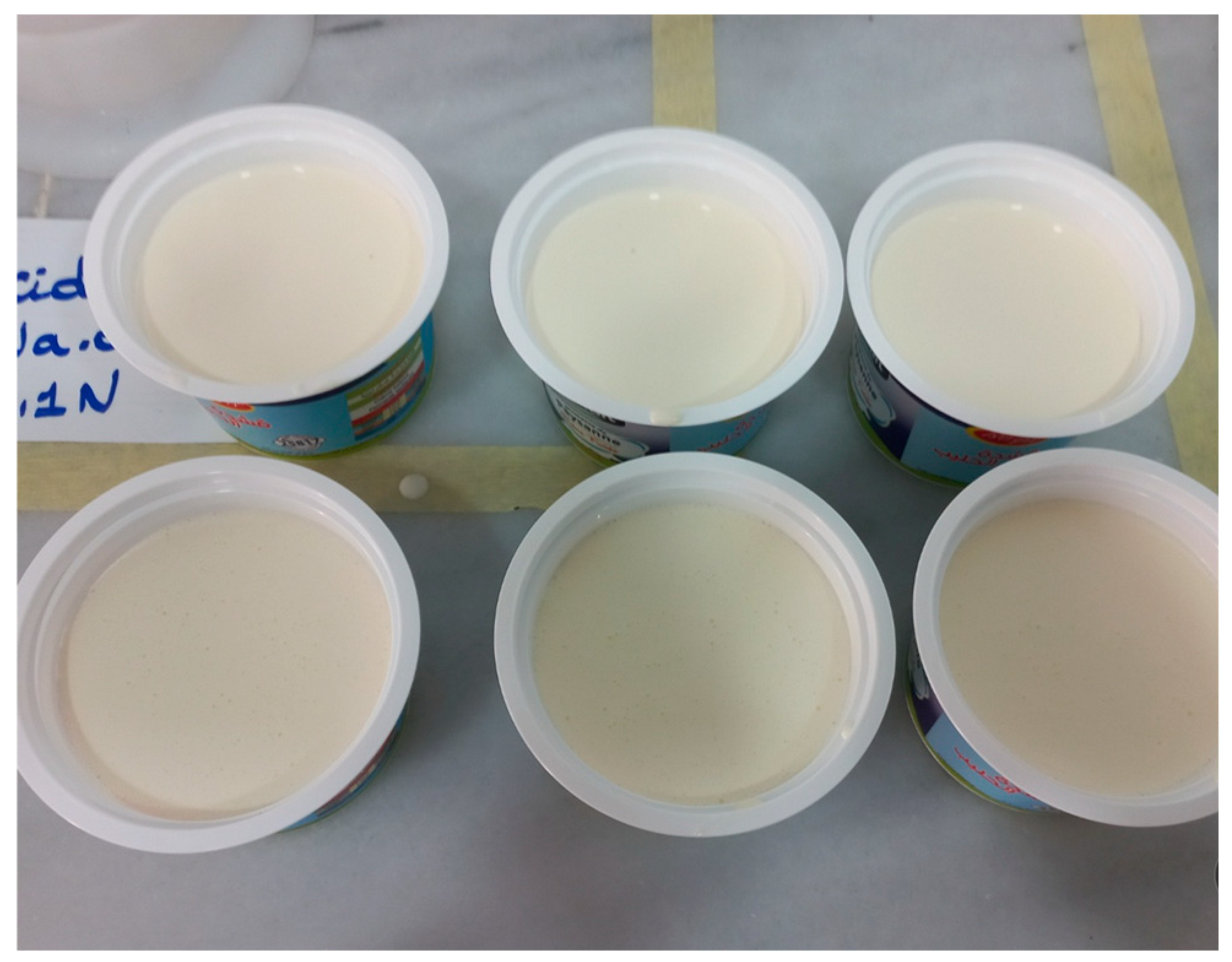
Figure 3.
Ranking test results showing total scores for each cream formulation. (Lower scores indicate higher preference.).
Figure 3.
Ranking test results showing total scores for each cream formulation. (Lower scores indicate higher preference.).
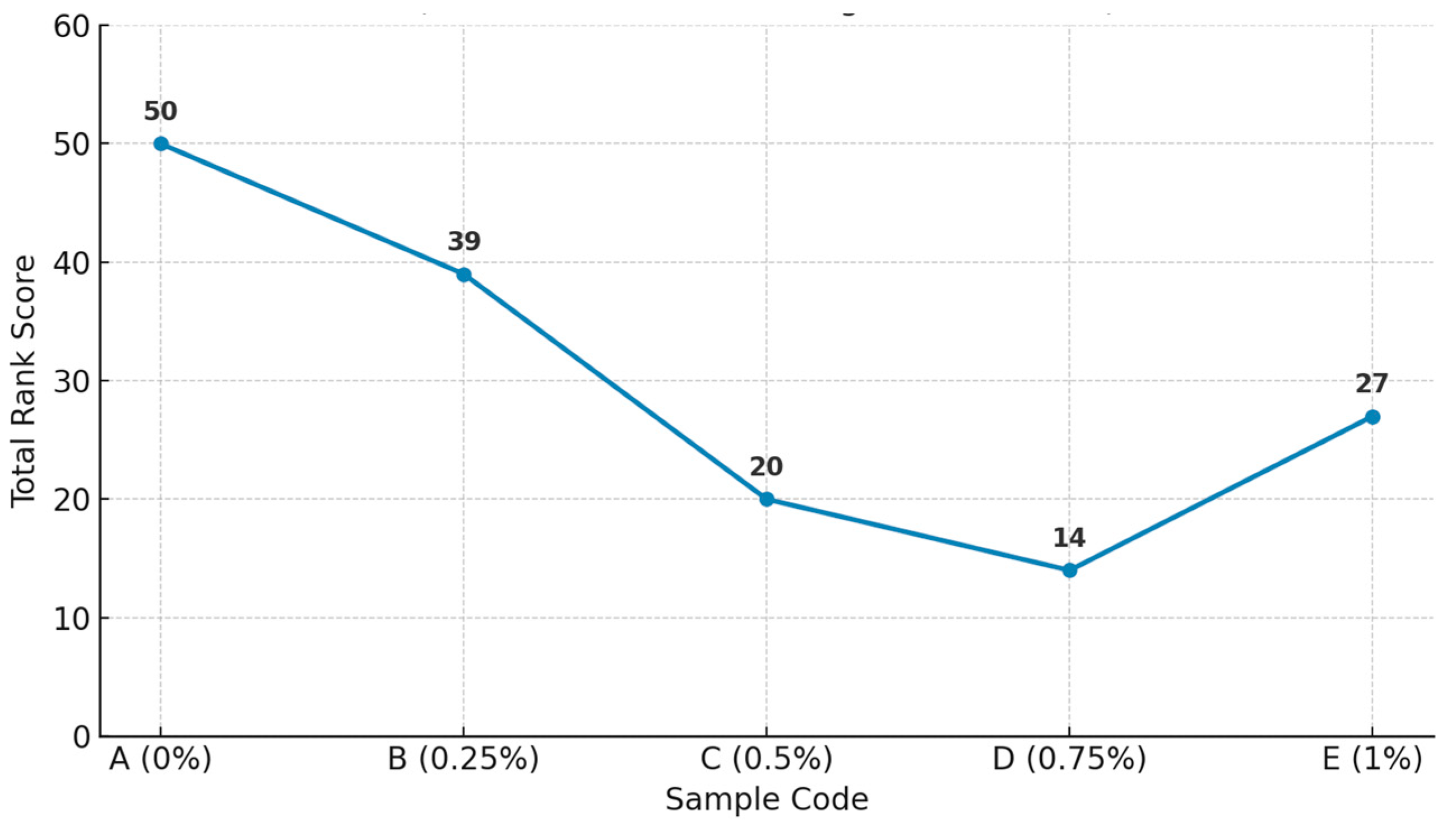
Figure 4.
Mean hedonic scores (9-point scale) of thick cream samples enriched with increasing concentrations of lemon essential oil-loaded pectin capsules. Scores represent overall sensory preference as evaluated by a trained panel (n = 10). Error bars indicate standard deviation. Different letters above bars denote statistically significant differences between samples (p < 0.05, ANOVA followed by Tukey’s HSD test). Sample E (1%) received the highest mean score, reflecting the greatest acceptability.
Figure 4.
Mean hedonic scores (9-point scale) of thick cream samples enriched with increasing concentrations of lemon essential oil-loaded pectin capsules. Scores represent overall sensory preference as evaluated by a trained panel (n = 10). Error bars indicate standard deviation. Different letters above bars denote statistically significant differences between samples (p < 0.05, ANOVA followed by Tukey’s HSD test). Sample E (1%) received the highest mean score, reflecting the greatest acceptability.
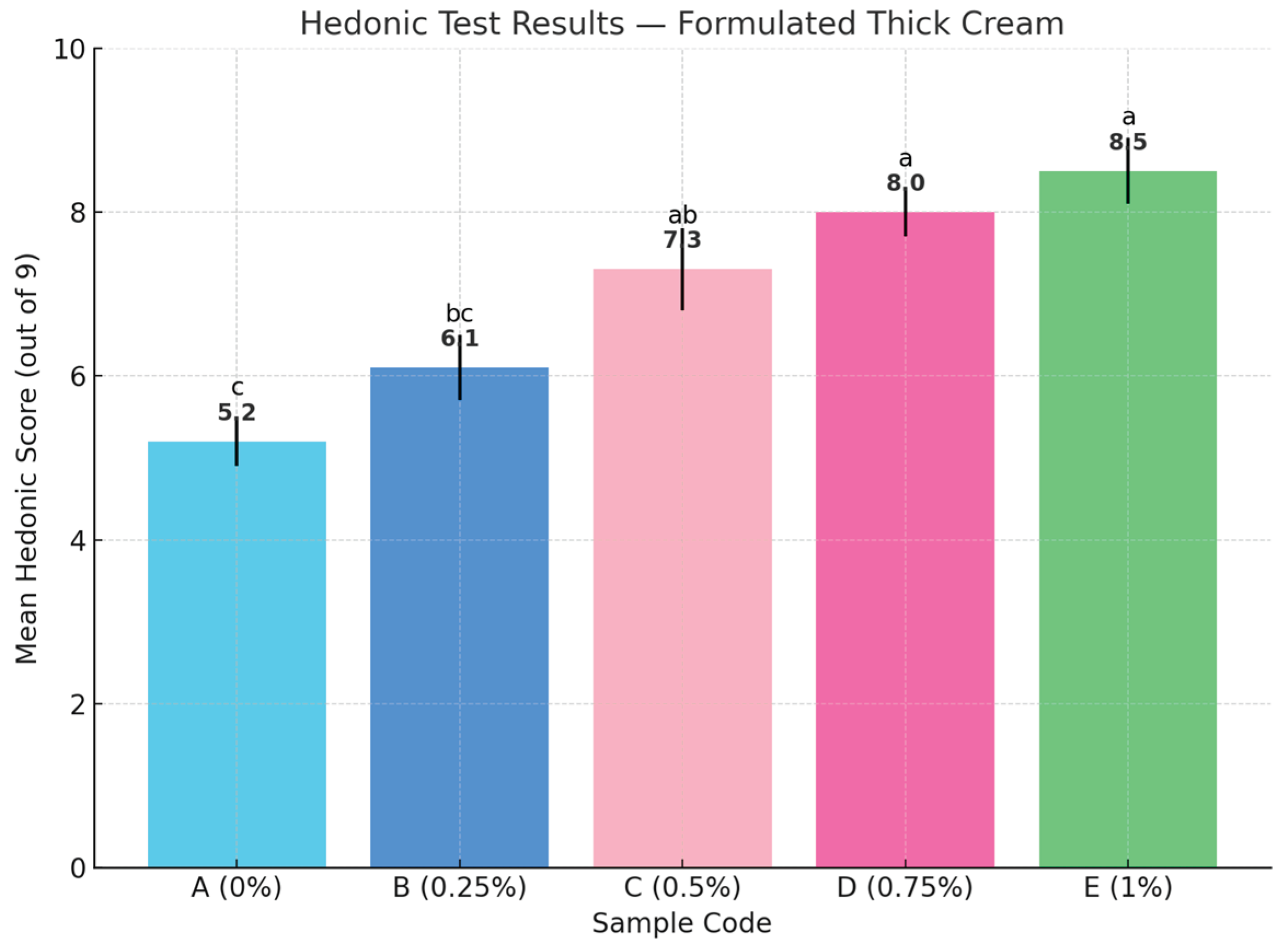

Table 1.
Diameter of inhibition zones (mm) for pectin capsules loaded with lemon essential oil.
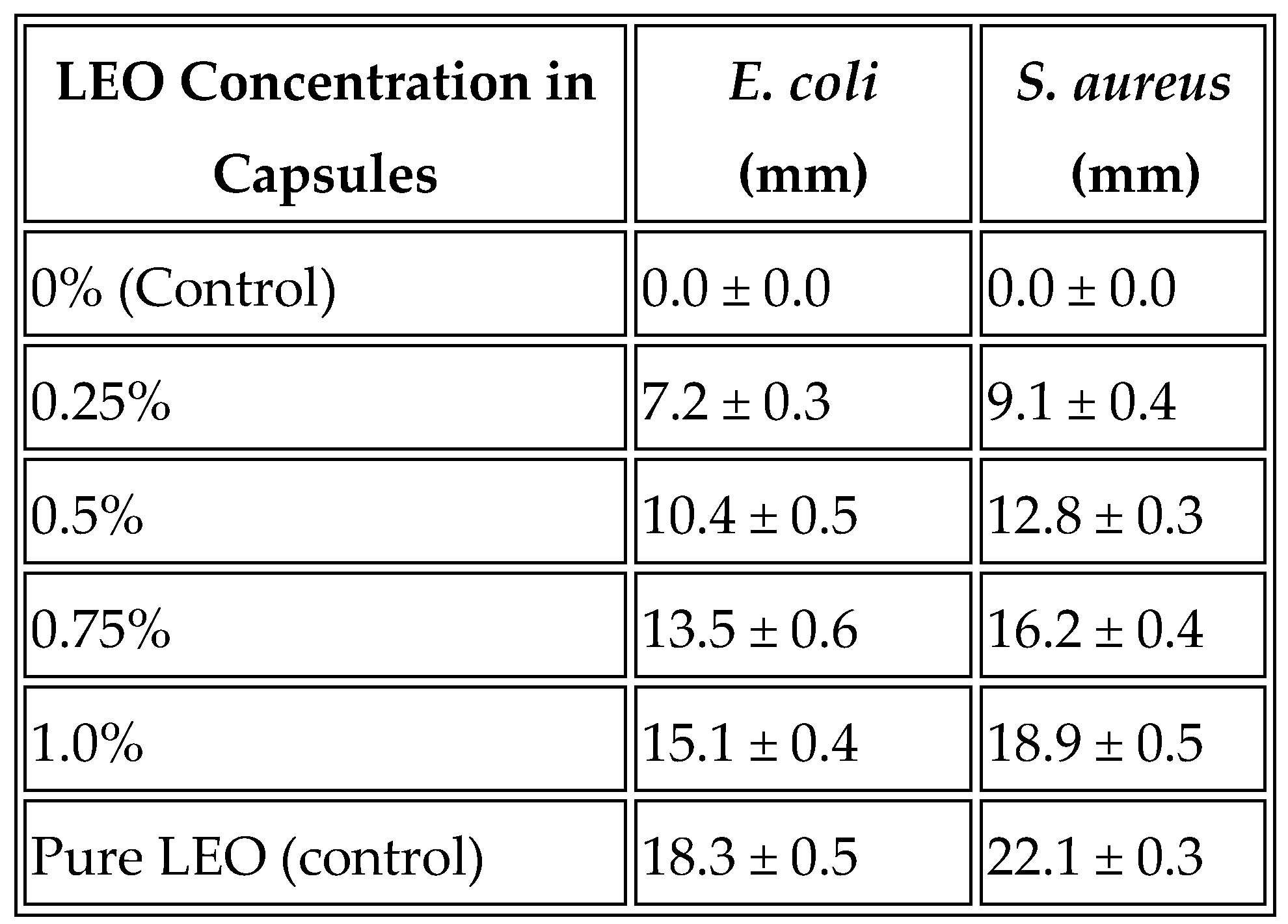 |
Values represent mean inhibition zone diameters (mm) ± standard deviation (n = 3). Pure lemon essential oil (LEO) was used as a positive control, while blank pectin capsules (0%) served as the negative control. Inhibition zones were measured after 24 h of incubation at 37 °C using the agar well diffusion method against Escherichia coli ATCC 25922 and Staphylococcus aureus ATCC 25923.
Table 2.
Physicochemical parameters of thick cream samples at different processing stages.
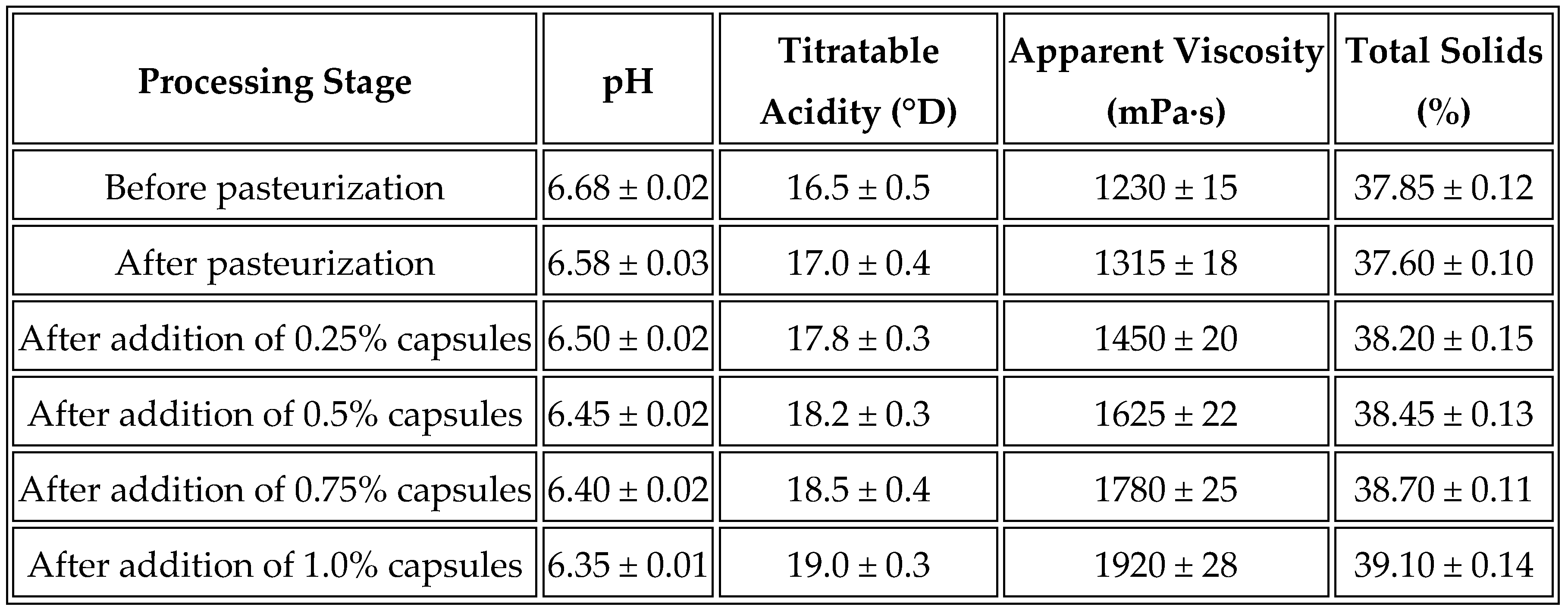 |
Values are expressed as mean ± standard deviation (I = 3). Titratable acidity is expressed in Dornic degrees (°D), where 1 °D corresponds to 0.1 mL of 0.1 N NaOH. Apparent viscosity was measured at 4 °C using a rotational viscometer. Total solids were determined by gravimetric analysis after drying. Increases in capsule concentration correspond to higher viscosity and solids content, indicating improved matrix structuring.
Table 3.
Stability monitoring of thick cream samples during refrigerated storage (0–28 days).
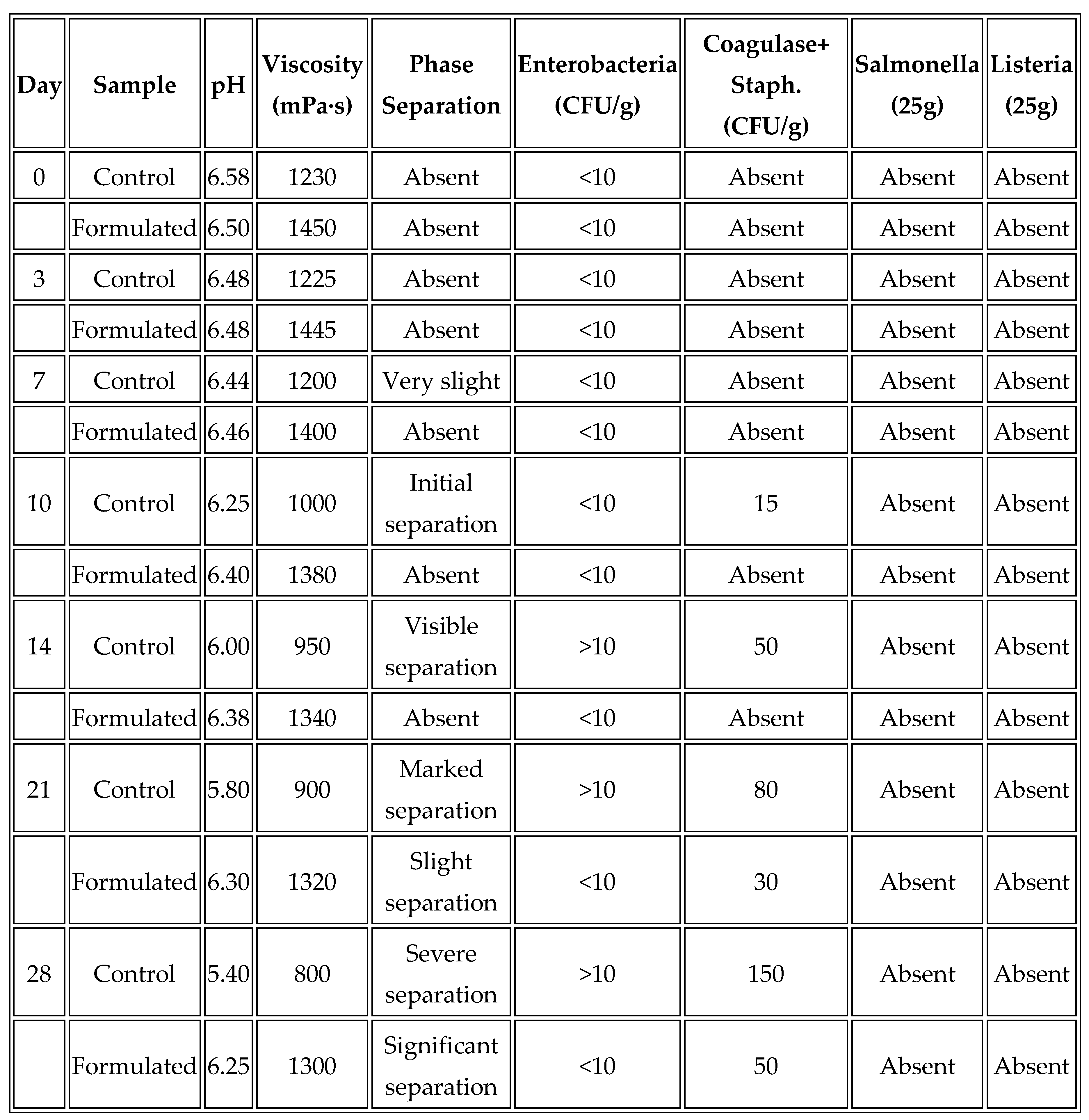 |
Data are expressed as mean values (n = 3). "Phase separation" refers to visible separation of the aqueous phase. Formulated samples contained 1% (w/w) lemon essential oil-loaded pectin capsules. No Salmonella or Listeria monocytogenes were detected in any sample over the 28-day refrigerated storage.
Table 4.
Results of the paired comparison test (n = 10 panellists).
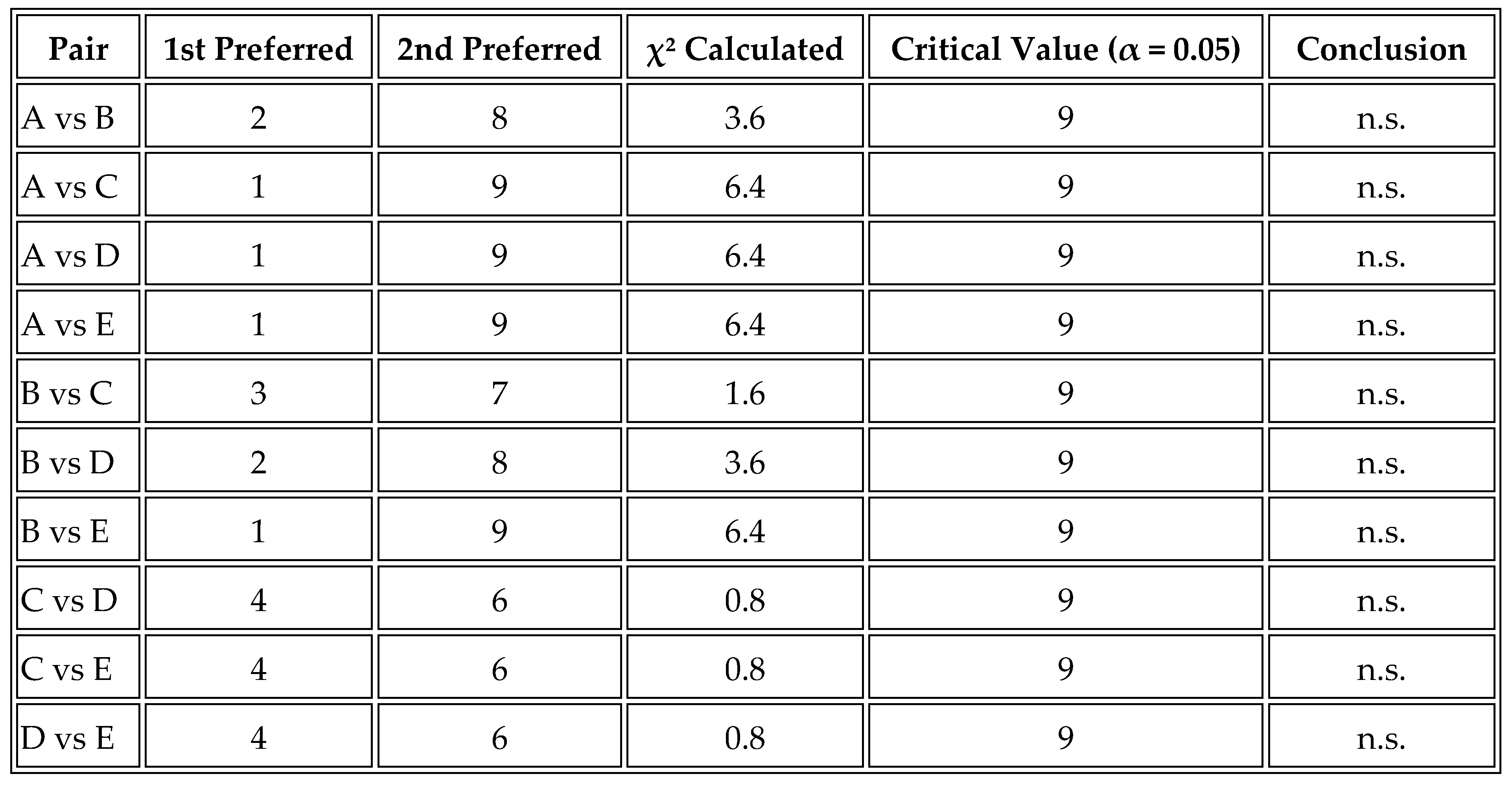 |
Each pairwise comparison was evaluated by 10 trained panellists. Chi-square (χ²) values were calculated based on observed frequencies. The critical value for significance was 9 (α = 0.05, df = 1). n.s. = no significant difference.
Table 5.
Ranking test results for cream samples enriched with lemon essential oil-loaded pectin capsules.
Table 5.
Ranking test results for cream samples enriched with lemon essential oil-loaded pectin capsules.
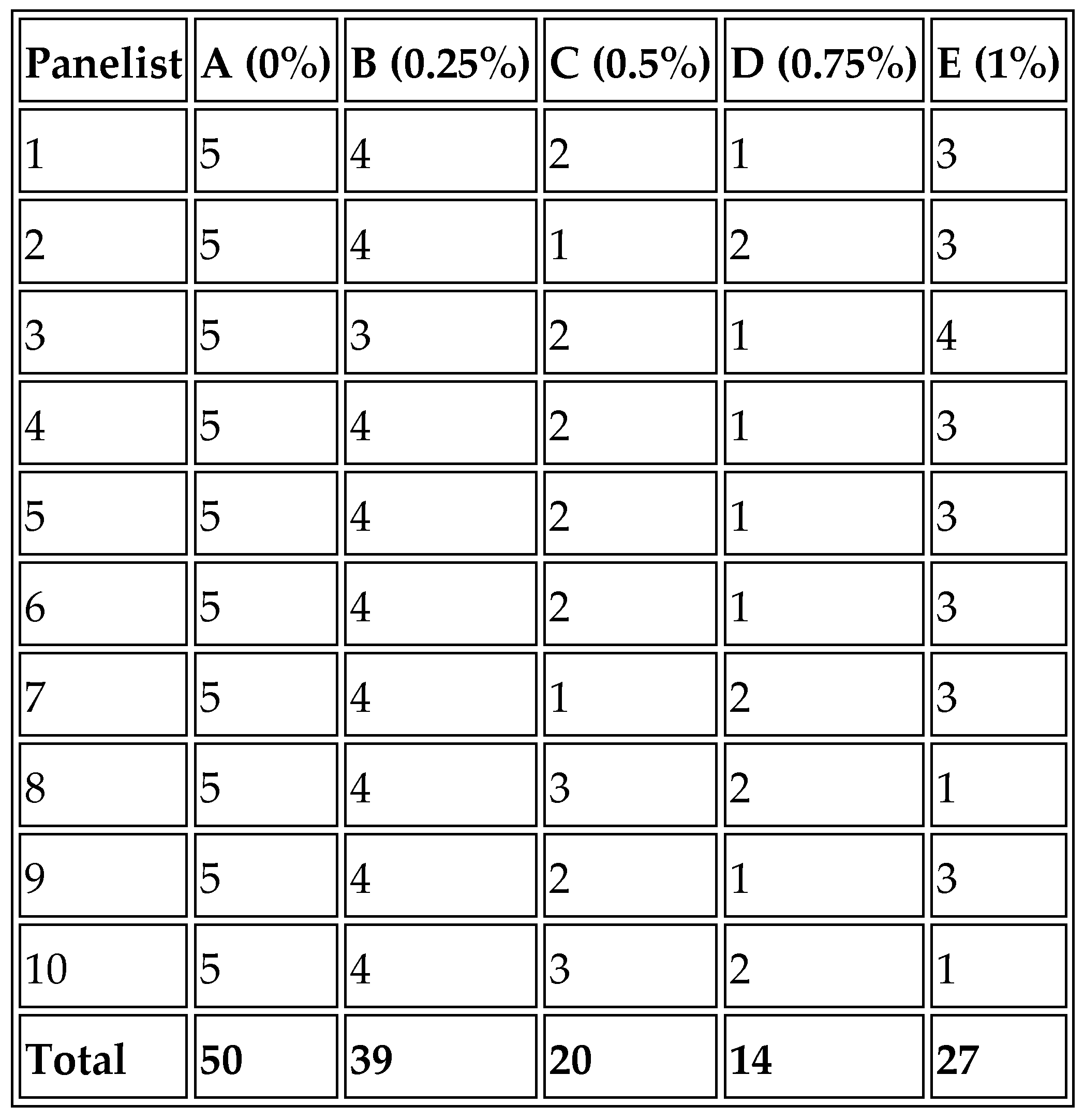 |
Panellists ranked five cream samples from 1 (most preferred) to 5 (least preferred). Lower total scores indicate higher overall preference. Sample A corresponds to the control (0% capsules), while samples B–E were enriched with increasing concentrations of lemon essential oil-loaded pectin capsules. Data were analyzed using Friedman’s test (α = 0.05), revealing significant differences among samples.
Disclaimer/Publisher’s Note: The statements, opinions and data contained in all publications are solely those of the individual author(s) and contributor(s) and not of MDPI and/or the editor(s). MDPI and/or the editor(s) disclaim responsibility for any injury to people or property resulting from any ideas, methods, instructions or products referred to in the content. |
© 2025 by the authors. Licensee MDPI, Basel, Switzerland. This article is an open access article distributed under the terms and conditions of the Creative Commons Attribution (CC BY) license (http://creativecommons.org/licenses/by/4.0/).
Copyright: This open access article is published under a Creative Commons CC BY 4.0 license, which permit the free download, distribution, and reuse, provided that the author and preprint are cited in any reuse.


