
Submitted:
04 May 2025
Posted:
06 May 2025
You are already at the latest version
Abstract
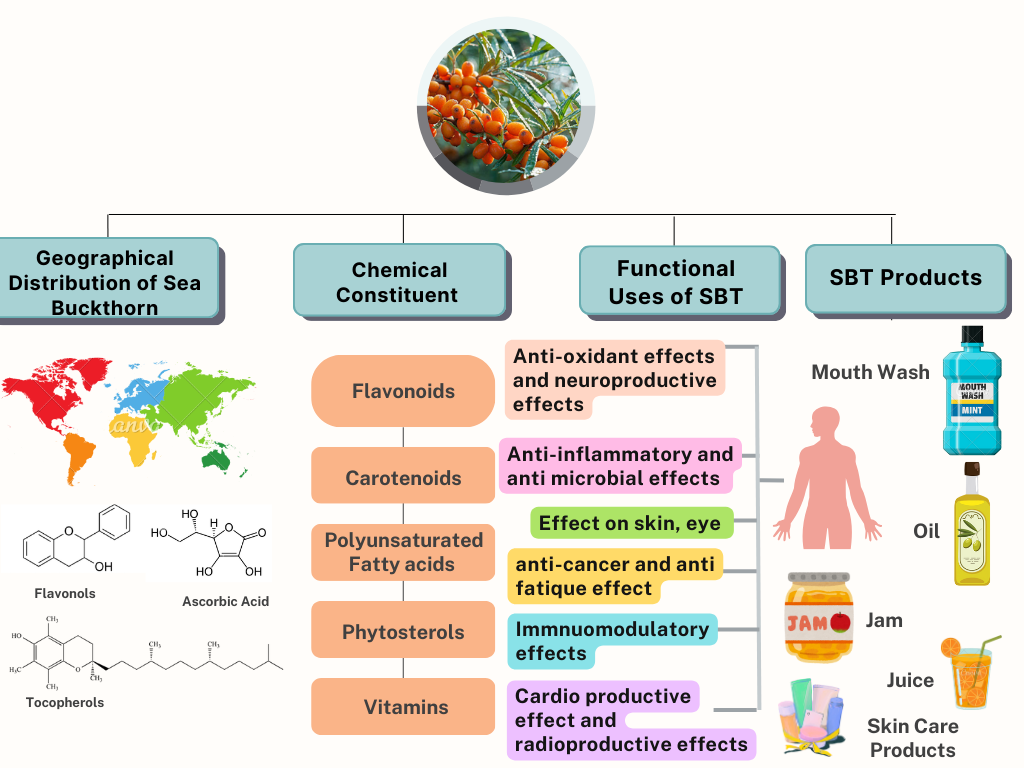
Hippophae rhamnoides L. (sea buckthorn) is a widely used medicinal plant that has many therapeutic applications. This member of the Elaeagnaceae family is rich in bioactive substances, including polyphenols, carotenoids, polyunsaturated fatty acids, triterpenoids, phenolic acids, vitamins, tocopherols, phytosterols, and organic acids. These substances have a number of health benefits, such as antioxidant, anti-inflammatory, immunomodulatory, anticancer, antibacterial, cardioprotective, neuroprotective, and hepatoprotective effects. They are used to treat skin problems, as well. Recent research has provided scientific evidence for its pharmacological activity through in vitro, in vivo, and clinical testing. Traditional medicine has used Sea Buckthorn extensively to treat several diseases. It has also been incorporated in functional meals and used as a dietary supplement. Nonetheless, additional studies are needed to clarify its potential mechanisms of action and to create standardized formulations for application in therapies. This review is designed to provide the phytochemical composition along with bioactive compounds, pharmacological activities, and possible therapeutic potential of Sea Buckthorn.
Keywords:
sea buckthorn
; Hippophae rhamnoides
; bio active compounds
; pharmacological activities
; anti‐oxidant
; anti – cancer
; cardio protective
; hepatoprotective
; gastric ulcer
1. Introduction
This age-old medicine has numerous therapeutic and dietary benefits that provide lesser adverse effects vis-a-vis modern medicine. This review primarily based on some of the health benefits, bioactive components of sea buckthorn (Hippophae rhamnoides), a unique traditional plant with a wide range of medicinal and nutritional properties.
Sea buckthorn (Hippophae rhamnodies L) is a spiny, dioecious, deciduous shrub belonging to the Elaeagnaceae (oleaster) family, which is a eudicot of the Rosales order and is characterized by bright yellow or orange berries1 [1]. Originated in China, this plant is now widely distributed in different countries such as India, France, Mongolia, Denmark, Germany, Poland and Finland. Sea buckthorn grows on poor soil conditions and can tolerate temperature extremes of -40° C + 40°C[2]. The various Species of Hippophae are given in the Table
The name “Hippophae” translates to “shining horse” in Greek (Hippo (horse) + Phao (to shine)) which is a reference to the historical usage of the plant to enhance the health of horses. In Greece, horses have been fed sea buckthorn twigs and leaves, which produced weight gain and a shinier coat. The plant includes six species and twelve subspecies of Hippophae rhamnoides L., known as seaberry or sand thorn.[3].
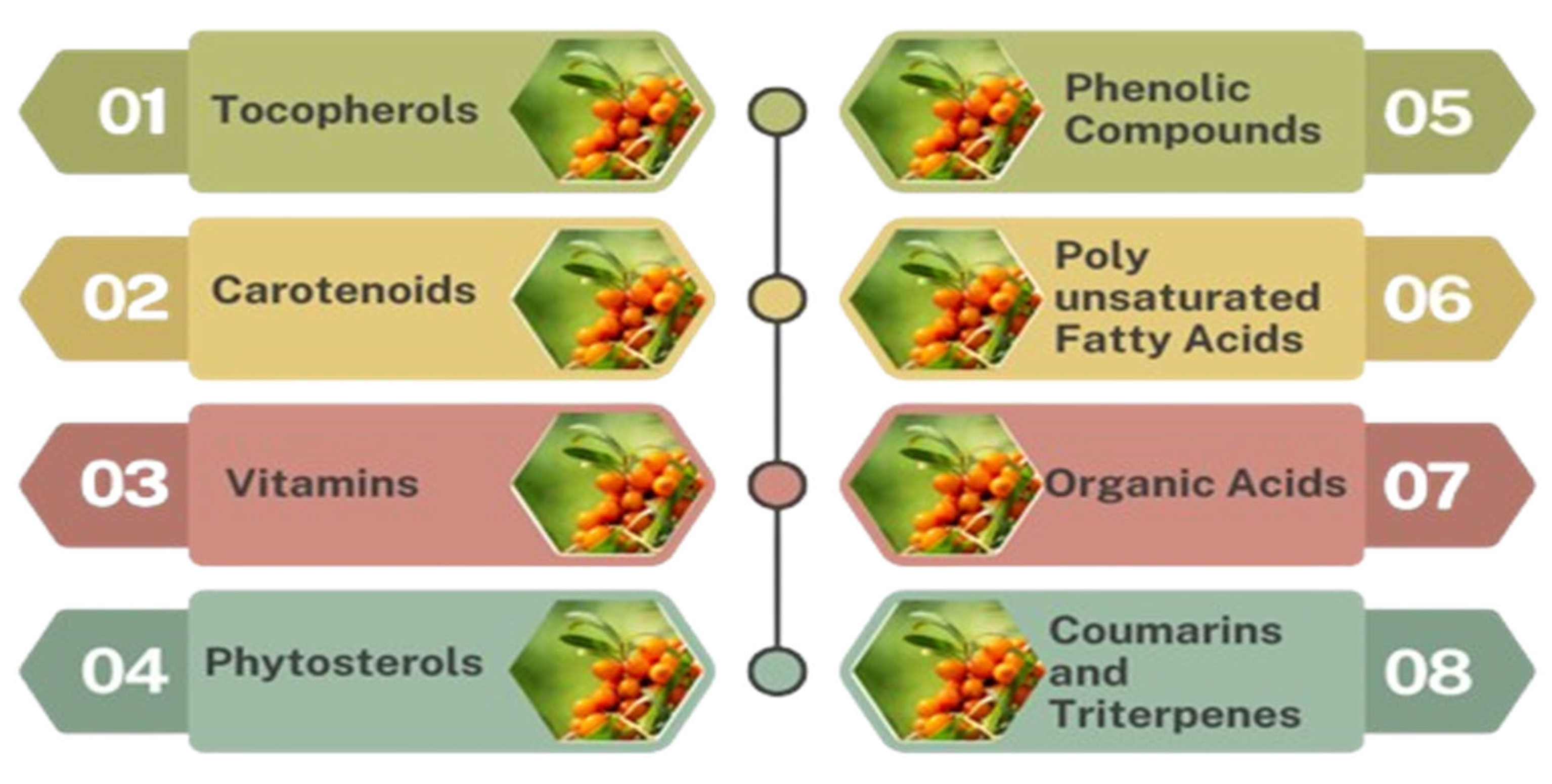
Sea buckthorn has a unique composition of vitamins, antioxidants, and essential fatty acids. They are made up of Flavonoids, phenolic acid, vitamins A,C,E,K, riboflavin, and folic acid, carotenoids (*a and B., carotene, lycopene), phytosterols (ergosterol, stigmasterol, lanosterol), organic acids (malic acid, oxalic acid), polyunsaturated fatty acids, including a number of necessary fatty acids, and so forth [4].
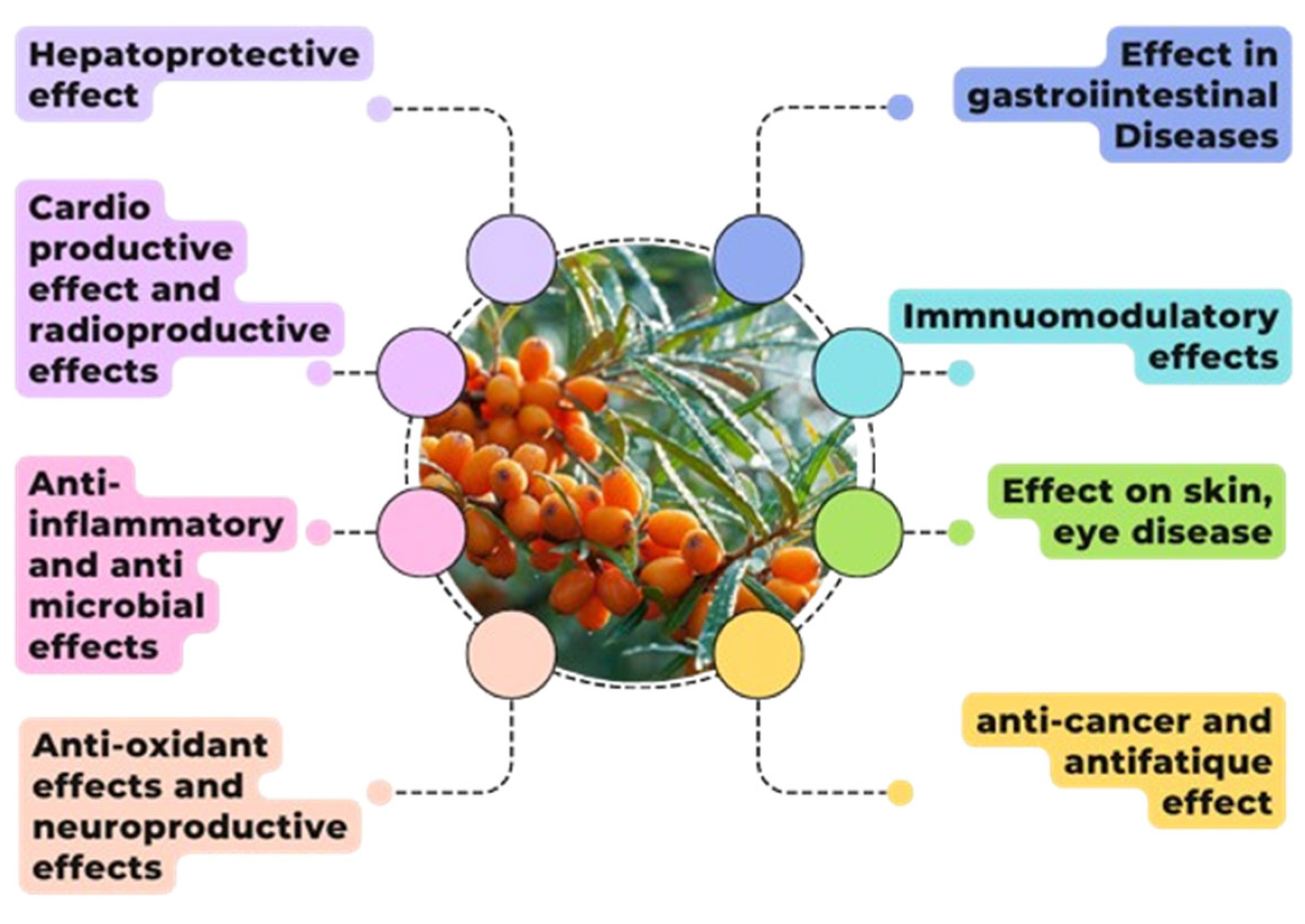
Sea buckthorn has been a traditional medicine for the people of Central and Southeastern Asia for centuries. In Europe, Romania, and Asia, different parts of the plant (its fruits, leaves, twigs, and roots) are used as medicine, dietary supplements (including jam, syrup, and liquors), and firewood, as well as for natural skin-care products [5]. Sea buckthorn was hailed for its potential to strengthen immunity, improve skin health, facilitate digestion and possess anti-inflammatory characteristics. It is also used to treat maladies such as poor blood circulation, coughs, and the production of sputum. Seriously, sea buckthorn has also been used as a laxative, for rheumatism, hypertension, gastritis, stomach ulcers, inflammation of the sexual organs, as well as for skin conditions, jaundice and asthma. Millions of different plants exist on Earth, and at least 75,000 are edible (according to the UN) and can be divided into 8 major groups based on their nutritional composition, with sea buckthorn being one of them.[6]. The pharmacological activities of SBT are shown in the Error! Reference source not found.
Antioxidant Properties: Sea buckthorn is rich in antioxidants, which protect cells from damage due to free radicals and oxidative stress. This can enhance overall cellular wellness and slow down aging.
Anti-inflammatory Effects: The anti-inflammatory properties of sea buckthorn help in maintaining inflammatory disorders such as arthritis by modulating the immune responses and decreasing inflammation.
Figure 1.
Pharmacological Activities of SBT.
Anti-Cancer Potential: According to research, the bioactive compounds of sea buckthorn that have anti-tumor properties can help impede the growth and spread of cancer cells.
Hepatoprotective Properties: Sea buckthorn enhances liver function, prevents liver damage, and supports detoxification, thus promoting liver health.
Cardiovascular Health: Because of these properties, it effectively reduces the risk of cardiovascular diseases and has positive effects on heart health: prevents atherosclerosis, decreases triglycerides, cholesterol and blood pressure.
Neuroprotective Action: sea buckthorn prevent toxicity of neuronal cell types. It also protects the brain from neurodegenerative conditions such as Alzhemier’s and Parkinson’s.
Application is Dermatology: It improves the skin condition and complexion. It is useful in the healing wounds and it is the solution for skin diseases like psoriasis, acne, buns and eczema.
Benefits for ophthalmology: Sea buckthorn protects the eyes from infection, dryness and inflammation. Its nutrients encourage healthy vision and protect against diseases such as macular degeneration and cataracts.
Metabolic Support: Diabetes and other metabolic diseases are also helped by sea buckthorn’s properties for boosting metabolism and aiding in weight management.
Bone and Joint Health: Its minerals and anti-inflammatory properties support bone density and joint health, reducing the risk of osteoporosis and joint disorders.
Hair and and Scalp Care: Sea buckthorn helps treat dryness and dandruff on the scalp and it nourishes hair follicles and encourages hair growth. This versatile plant has a high concentration of vitamins, minerals, fatty acids and flavonoids in its composition, which makes it an effective natural treatment for various diseases.
Immune System Support: Sea buckthorn acts as an immune system booster, as it is rich in vitamin C and other essential nutrients making the body fend off the infections.
Respiratory Health: The plant can aid individuals afflicted by respiratory illnesses such as bronchitis, asthma, and constant coughing, enhancing lung health and minimizing inflammation.

Table 1.
Genus Classification of Hippophae .L.
| Species | Subspecies |
|
(Hippophae Rhamnoides L.) Description: It is the most prevalent and extensively distributed species, and because of the trichomes, its leaves are silvery green. With nine subspecies, it thrives in arid, cold climates in China, Europe, and Asia. |
Hippophae Rhamnoides subsp. Carpatica Rousi Hippophae Rhamnoides subsp. Caucasica Rousi Hippophae Rhamnoides subsp. Fluviatilis van soest Hippophae Rhamnoides subsp. Maongonica Rousi Hippophae Rhamnoides subsp. Rhamnoides Hippophae Rhamnoides subsp. Sinesis Rousi Hippophae Rhamnoides subsp. Turkrstanica Rousi Hippophae Rhamnoides subsp. Yunnanesis Rousi |
|
(Hippophae salicifolia D. Don) Description: It grows only in high altitudes in dry valley which have a green color leaf with yellow berries. |
- |
|
Hippophae goniocarpa (Lain) X. L. Chen et T.N. he Description: This kind of plant grows between 2650 and 3700 meters in mountainous areas like China and Nepal. There are two subspecies. The leaf shapes and colors of these species vary. |
Hippophae goniocarpa subsp. Litangenis Lian et X. L. Chen Hippophae goniocarpa subsp. Goniocarpa Lain |
| Hippophae gyantsensis (Rousi) Lain | - |
|
Hippophae neurocarpa S.W.Liu et T.N.He Description: In Xizang, it is endemic. grows only on riverbanks and rocky hillsides. These contain orange-red berries on smaller, narrower leaves. |
Hippophae neurocarpa subsp. Stellatopilosa Lian et X. L. Chen Hippophae neurocarpa subsp. Neurocarpa S.W.Liu et T.N.He |
| Hippophae tibetana Schlecht | - |
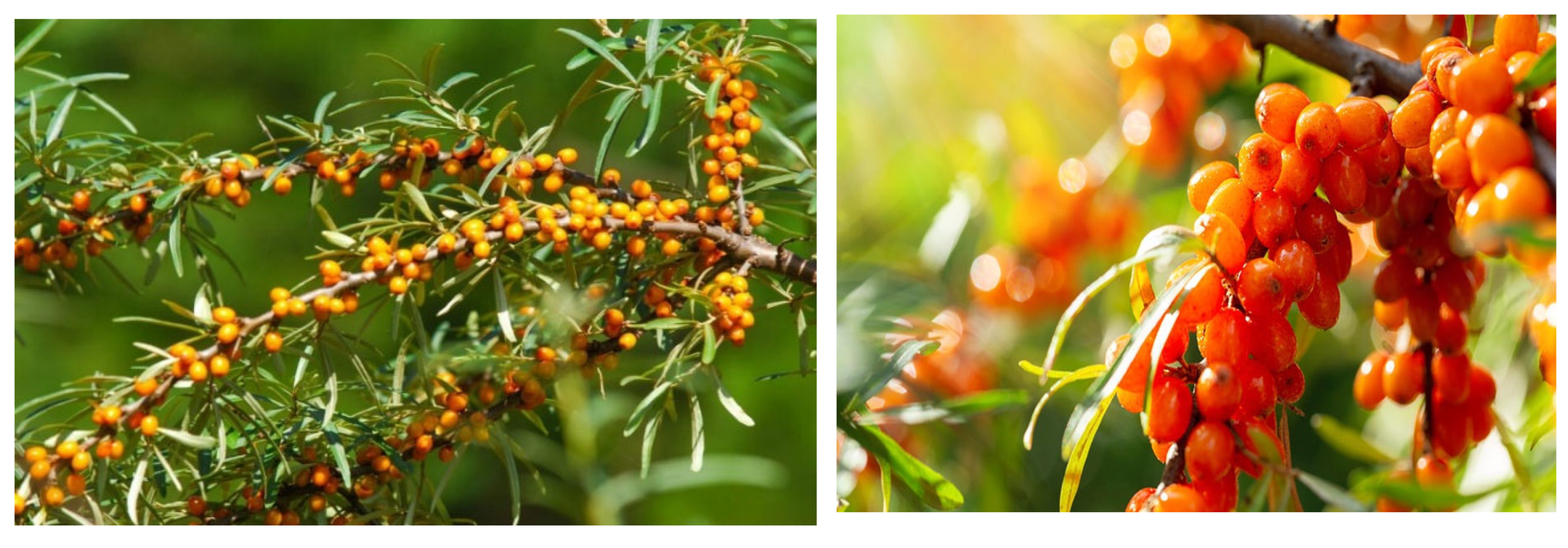
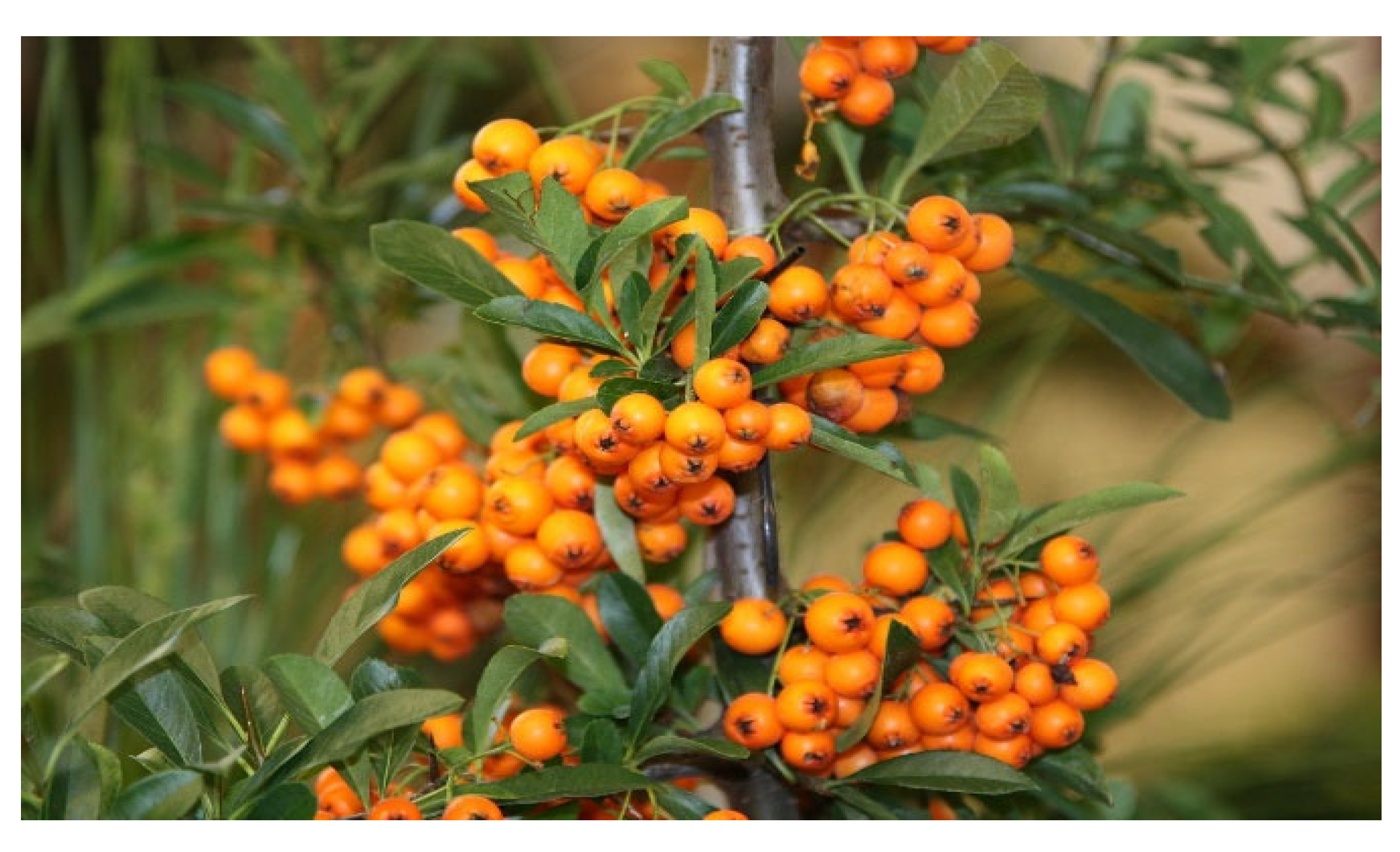
Figure 2.
Sea Buckthorn with Leaves and Berries.
2. Botanical Characteristics
2.1. Taxonomy of Sea Buckthorn
Table 2.
Taxonomy of SBT [7].
Table 2.
Taxonomy of SBT [7].
| KINGDOM | PLANTAE |
| Phylum | Angiosperms |
| Class | Eudicots |
| Order | Rosales |
| Family | Elaeagnaceae |
| Genus | Hippophae |
| Species | Rhamnoids |
2.2. Plant Growth Form and Habit
The hardy deciduous shrub or small tree known as sea buckthorn (Hippophae rhamnoides) can grow to a height of one to six meters. It grows densely and bushily, frequently taking the shape of a compact, sprawling building. The plant is shielded from herbivores by its prickly branches. Although the plant's growth pattern varies with the environment, it often spreads out and has a broad root system that stabilizes the soil and lessens erosion, making it frequent in disturbed and coastal locations.
- Fracture : Deciduous shrub
- Height : 2-4 meters tall some specimens can grow upto 6 meters under ideal condition
- Structure :Tthe plant has a bushy, upright growth form, with multiple stems branching out from a central trunk.
Table 3.
Macroscopic Characteristics of SBT.
| Character | Leaves | Fruit | Flower |
| Shape | Narrow, Elongated, lanceolate leaves | Small, Ovoid to elliptical in shape | Male Flower: Small, and grow in dense clusters (catkins). Female flower: Smaller, and not as showy as male. |
| Size | 1-2 cm wide and 4-8 cm long. |
2.8-4.2mm in size | Male Flowers: It consists of 4-6 a petalous flower which produce wind distributed pollen. Female flower: It consists of single petalous with one ovary and ovule. |
| Color | The upper surface is green, while the underside is covered with silvery, scale like hairs, giving it a characteristics slivery gray appearance (Due to the presence of trichomes. | Bright orange or reddish yellow consists of single seed soft fleshy outer tissue. Seeds are dark are dark brown, glossy. | Male Flower: Yellow Female Flower: Greenish |
| Taste | - | Tart, acidic flavor | - |
3. Bioactive Components of Sea Buckthorn
Sea buckthorn is rich in nearly 200 nutrients and bioactive compounds [1], widely recognized for their health-promoting properties. Sea buckthorn's bioactive components support a variety of pharmacological effects. The diagram displays the main bioactive ingredients of sea buckthorn Figure .
Figure 3.
List of Bioactive Compound Present in SBT.
3.1. Polyphenol
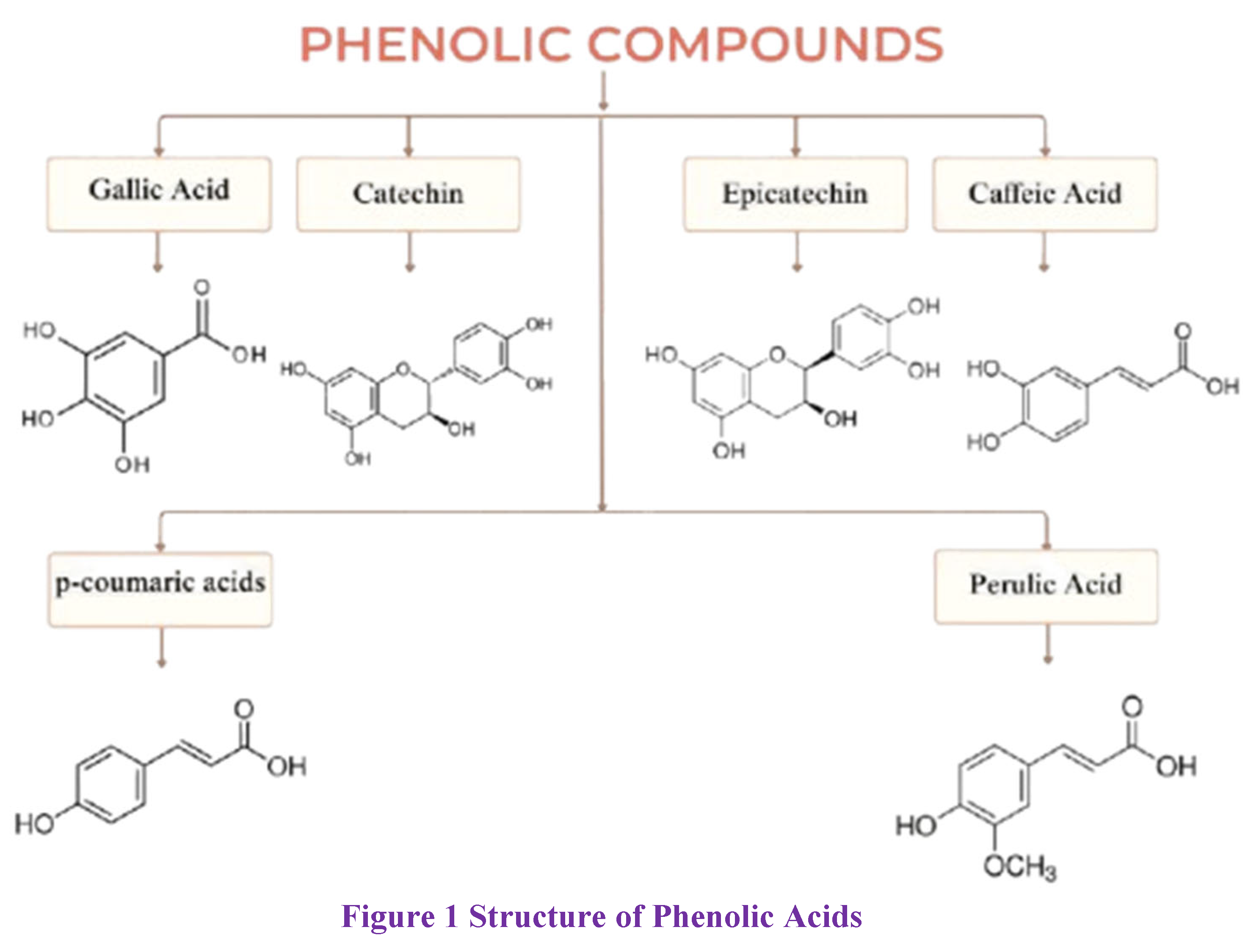
Flavonoids and phenolic acids abound in sea buckthorn. According to a review, sea buckthorn has a polyphenol content of 29.8–38.8 mg GAE/g, which is higher than that of oranges, mulberries, pomegranates, and blueberries [8]. More 100 polyphenolic compounds were isolated from the species in Hippophae. The various phenolic compounds present in the Sea buckthorn are given in the Error! Reference source not found. [9].
Table 4.
Phenolic composition of SBT.
| Phenolic Acids | Content Mg/kg-1 DM | Reference | |
| Berries | Fruit | ||
| Gallic acid | 19.1 ± 0.6 | 15.9 ± 0.4 | [10] |
| Catechin | 31.3 ± 0.4 | 9.1 ± 0.2 | [10] |
| Epicatechin | 108.5 ± 0.8 | - | [10] |
| Caffeic Acids | 5.9 ± 1.6 | - | [10] |
| p-coumaric acids | 9.9 ± 6.7 | 22.3 ± 1.3 | [10] |
| Ferulic acids | 7.2 ± 0.9 | 3.1 ± 0.9 | [2] |
| Qucercitin | 7.3 ± 2.2 | 5.3 ± 0.5 | [10] |
3.2. Flavonoids
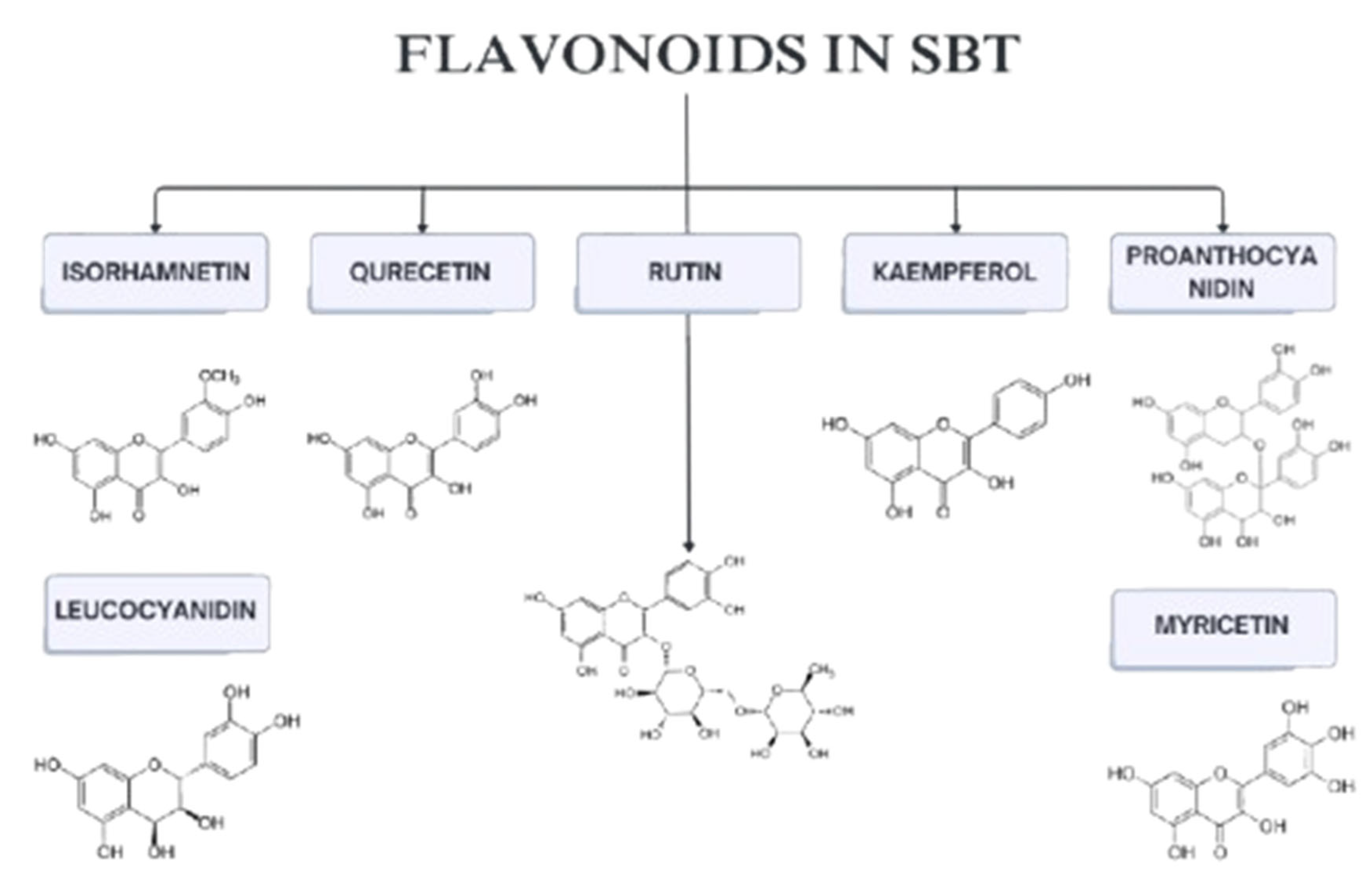
Flavonoids are primarily concentrated in the fruits and leaves of sea buckthorn and are classified into two main categories: flavonols and flavanones. Sea buckthorn contains a total of 95 flavonoids, including three dihydroflavones, six catechins, one leucocyanidin, nine anthocyanidins, one proanthocyanidin, and 75 flavonols. [11].The flavonoid content in fruit and leaves are ranges from 310-2100 mg/ 100g [12]. The total flavonoid content in sea buckthorn ranges between 385 and 616 µg/g. Notably, 98% of these flavonoids belong to the flavonol category, with isorhamnetin derivatives being the most dominant, contributing 66–72% of the total flavonoid content. Additionally, quercetin derivatives account for 25–32% of the total flavonol content [13]. These bioactive substances are essential to the plant's pharmacological characteristics, which include its cardioprotective, anti-inflammatory, and antioxidant actions. [14]. The chemical structure of flavonoids are shown in the Error! Reference source not found..
Figure 5.
structure of Flavonoids.
3.3. Carotenoids
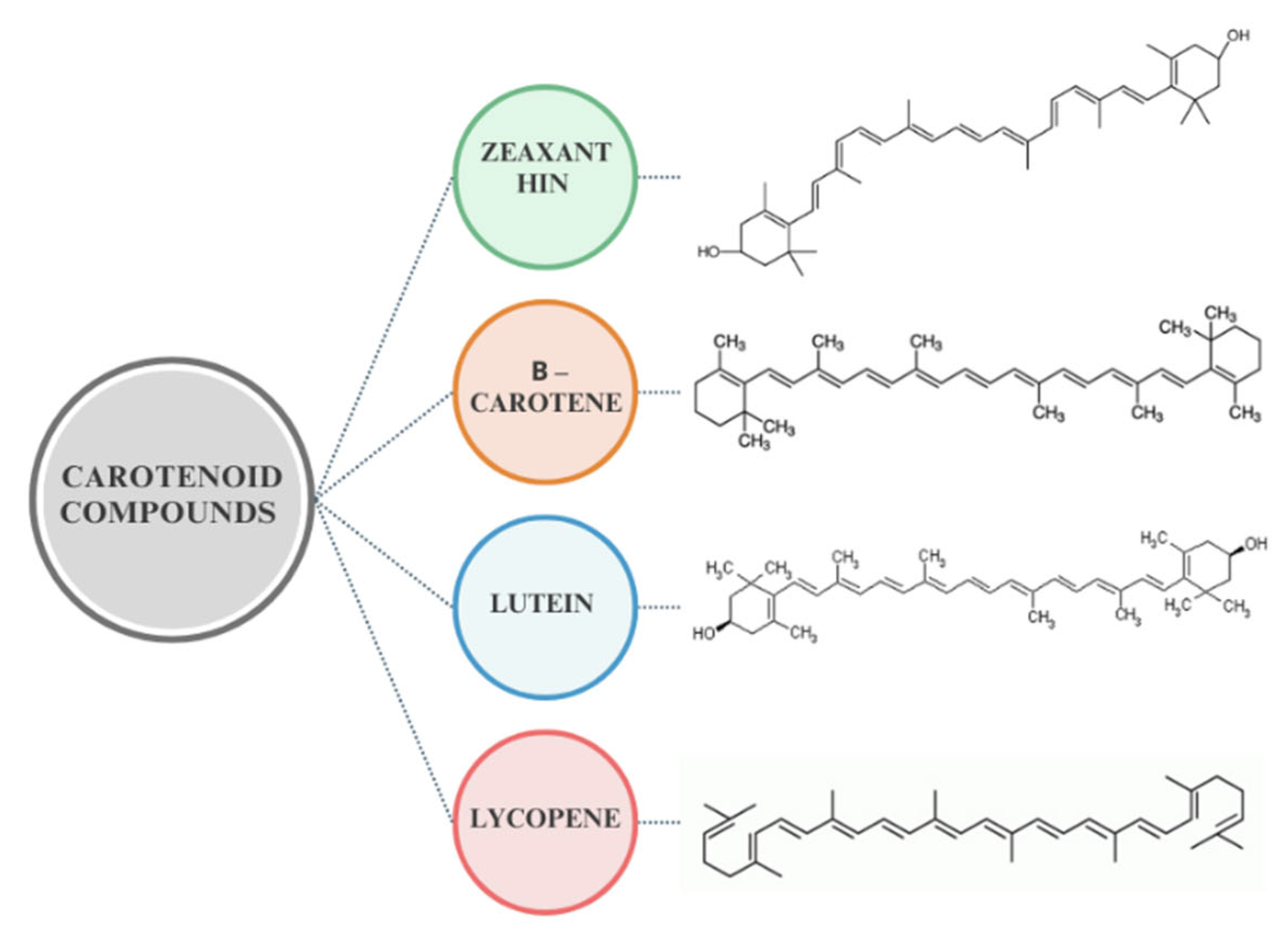
Sea buckthorn berries are rich in carotenoids, which are responsible for their vibrant orange hue. The concentration of these carotenoids increases as the berries ripen. Compared to other fruits, sea buckthorn contains a notably higher amount of total carotenoids the compound has been listed in the Variations in carotenoid content can be attributed to factors such as genetic diversity, geographical location, cultivation practices, stage of ripeness, and storage conditions [15]. In Hippophae species, 14 different carotenoids have been identified, with zeaxanthin, beta-carotene, beta-cryptoxanthin, lutein, and lycopene being the primary ones in Hippophae rhamnoides [16]. The total carotenoid content in the pulp and oil of H. rhamnoides ranges between 489 and 818 mg per 100 grams. The various compound structure given in the Error! Reference source not found..
Table 5.
Carotenoid Composition of SBT.
| Compound |
Content Mg/100gDW |
Reference |
| Lutein | 1.0 – 4.2 | [1] |
| Zeaxanthin | 1.8 – 2.5 | [1] |
| β-crytoxanthin | 1.3 – 1.6 | [1] |
| β – Carotene | 1.4 – 1.9 | [1] |
| α-Carotene | 0.9 – 1.6 | [1] |
| γ-Carotene | 1.6 – 1.8 | [1] |
| Lycopene | 13.0 – 20.0 | [1] |
Figure 6.
Carotenoid compounds of SBT.
3.4. Vitamins and Fatty Acids
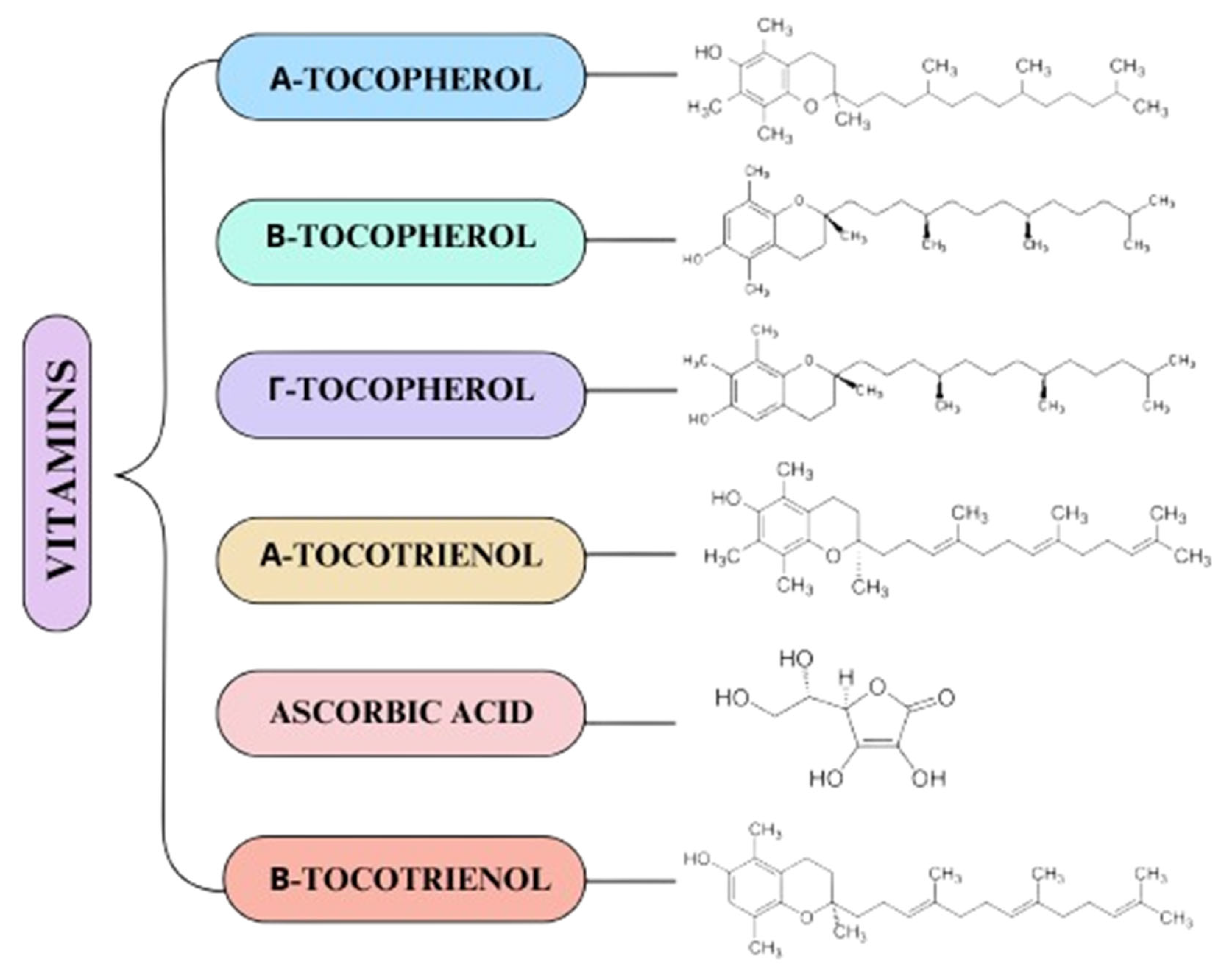
Sea buckthorn (SBT) is well known for its high vitamin content, especially vitamin C, which is found in far higher quantities than oranges (around 7950 mg/kg, or up to twelve times as concentrated). Vitamin C's strong antioxidant qualities and function as an essential cofactor for several enzymes are the main physiological advantages of this vitamin. Additionally, it supports general immune function and health by lowering blood levels of inflammatory indicators. [18]. Sea buckthorn has a high vitamin C concentration and is also a good source of fat-soluble vitamins, particularly vitamin K and vitamin E. Vitamin E is made up of eight fat-soluble substances that can be found as tocopherols and tocotrienols, also known as tocochromanols. [19]. The body uses these substances extensively. There are four different kinds of tocopherols (α, β, γ, δ) and four types of tocotrienols (α, β, γ, δ) the various composition are given in the Table . While each of these tocopherols and tocotrienols contributes to vitamin E activity, α-tocopherol, which typically ranges between 43 and 223 mg, is the most physiologically active form. Their capacity to shield polyunsaturated fatty acids from oxidative degradation is one of tocopherols' primary roles. They accomplish this by neutralizing and scavenging reactive oxygen species (ROS), which lowers oxidative stress and preserves cellular integrity by preventing lipid peroxidation. This antioxidant function is crucial for shielding tissues and cells against oxidative damage, which is linked to aging and a number of chronic illnesses [20]. The chemical structures of vitamin C and tocochromanols are illustrated in the Error! Reference source not found..
Table 6.
Vitamin C and E Compound Composition.
| Compound | Content | Reference |
| α-tocopherol | 75.7% to 89.2% | [17] |
| β-tocopherol | 2.4% to 12.2% | [17] |
| γ-tocopherol | 4.6% to 10.8% | [17] |
| δ-tocotrienol | 0.3% to 2.4% | [17] |
| α-tocotrienol | 0.4% to 4.8% | [17] |
| β-tocotrienol | 0.4% to 3.2% | [17] |
| γ-tocotrienol | 0.6% to 2.5% | [17] |
Figure 7.
Vitamin C and E Chemical Compound in SBT.
3.5. Fatty Acids
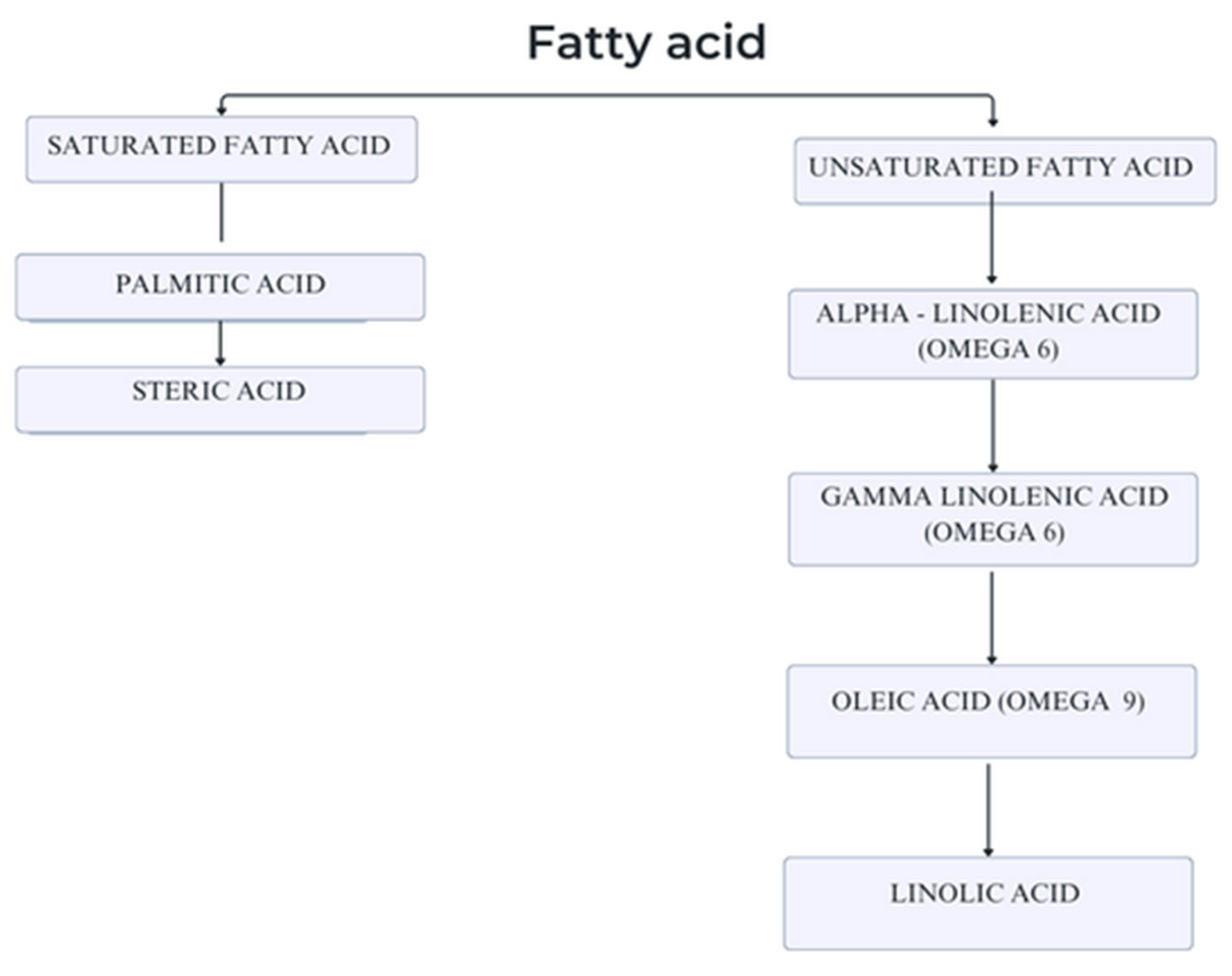
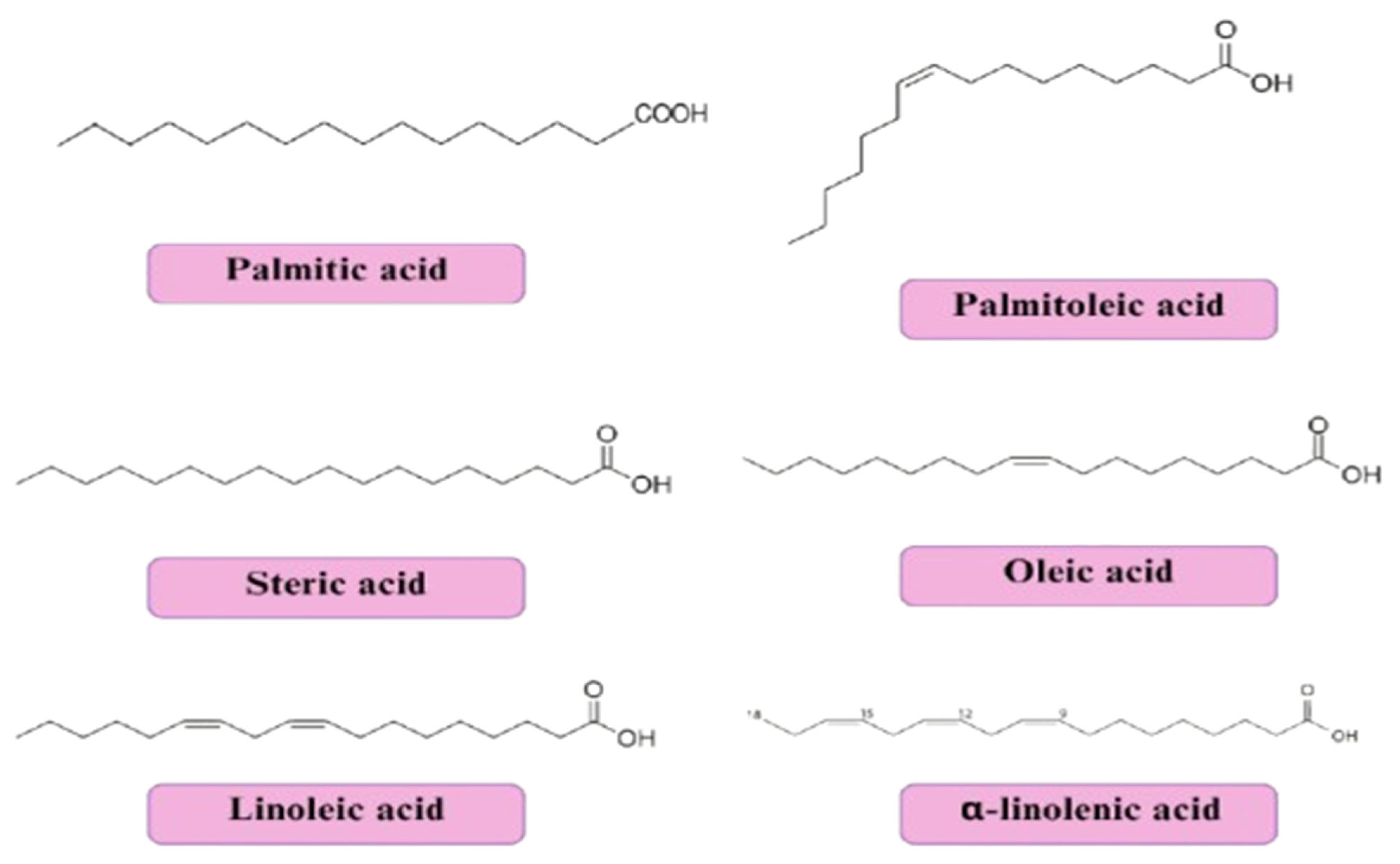
The unique fatty acid composition of sea buckthorn fruit oil sets it apart from other plant oils. Eight saturated and eleven unsaturated fatty acids are among the 19 fatty acids that have been found in the oil. One of these is the uncommon fatty acid palmitoleic acid (Omega-7), which is essential for keeping skin healthy. An essential part of skin lipids, palmitoleic acid has been demonstrated to encourage skin regeneration and facilitate wound healing. [21]. The fatty acid compound are shown in the Figure . The various fatty acid composition is given in the Error! Reference source not found..
Table 7.
Total fatty acid composition.
| Compound | Weight % of total fatty acid | Reference | |
|---|---|---|---|
| Seed | Pulb | ||
| Palmitic acid | 8.7% | 26.7% | [22] |
| Palmitoleic acid | < 0.5% | 27.2% | [22] |
| Steric acid | 2.5% | 1.3% | [22] |
| Oleic acid | 19.4% | 17.1% | [22] |
| Linoleic acid | 40.9% | 12.7% | [22] |
| α-linolenic acid | 26.6% | 7.1% | [22] |
Figure 8.
Fatty Acid composition of SBT.
3.6. Phytosterol
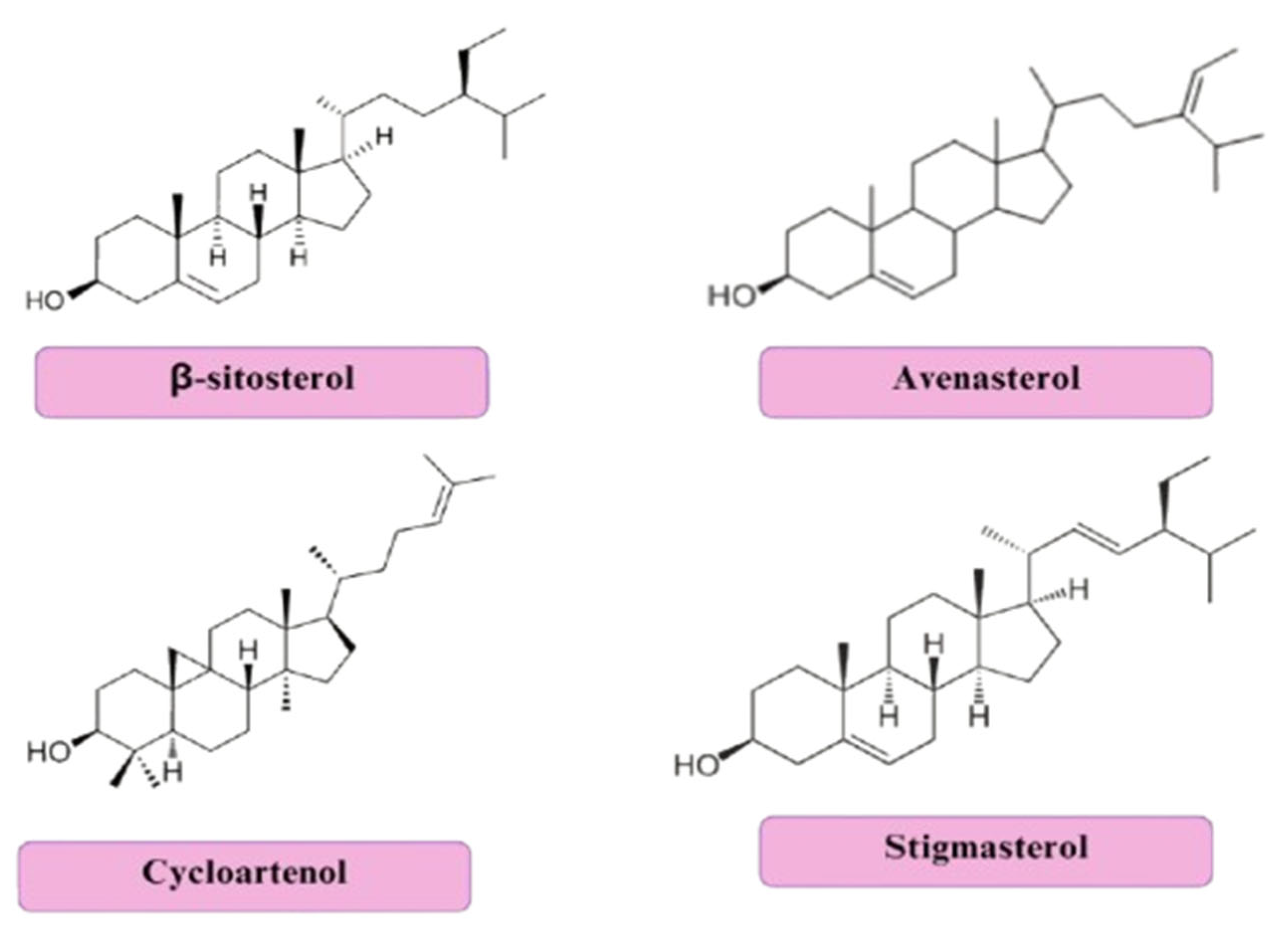
Phytosterols are useful substances that can be found free or attached to carbohydrates and fatty acids. The overall sterol concentration of sea buckthorn usually falls between 1.0% and 2.9%, with sitosterol accounting for roughly 60% to 80% of the sterol makeup. [23,24]. One important phytosterol, β-sitosterol, has been demonstrated to impact the T-helper immunological response. Furthermore, β-sitosterol has anti-inflammatory qualities, especially in human aortic endothelial cells, which supports its possible function in lowering inflammation. These substances may also promote cardiovascular health in general by lowering oxidative stress and enhancing endothelial function [25]. The main composition in given in the Table .
Table 8.
Main Phytosterol composition of SBT.
| Phytosterol | Concentration in Seed Oil (g/kg) | Reference |
| β-sitosterol | 5.9 – 13.8 | [26] |
| Avenasterol | 3.3 | [26] |
| Cycloartenol | 1.9 | [26] |
| Stigmasterol | 0.6 – 1.2 | [26] |
| Campesterol | 0.3 – 1.9 | [26] |
Figure 9.
Main chemical structure of phytosterol.
3.7. Bioactive Compound and Medicinal Properties of Sea Buckthorn
4. Pharmacological Activities of Sea Buckthorn
Sea buckthorns exert a wide range of pharmacological activity, anti-inflammatory, antimicrobial, anticancer and also have productive effect on cardiovascular, dermatological, neuroprotective and hepatoprotective effects.
4.1. Antioxidant and Cytoprotective
Free radicals are unstable molecules that contain an unpaired election in their outer orbital and can damage the body’s cells and tissues. Only some antioxidants are these necessary components that hinder this cell damage. Oxygen species (ROS) Reactive nitrogen species (RNS), Reactive are they particularly lead in free radicals oxizg a protein, damages on the reactive ones that can damage proteins, RNA and Lipids. This can lead to a number of health problems, such as autoimmune diseases, cardiovascular diseases, and neurodegenerative diseases [27]. These free radicals can have damaging effects on the body, so the body will use endogenous and exogenous antioxidants such as glutathione and enzymes such as catalase and superoxide dismutase to help mask the adverse effects of these free radicals. In addition, dietary antioxidants such as selenium as well as vitamins C and E are needed to scavenge free radicals [27,28].
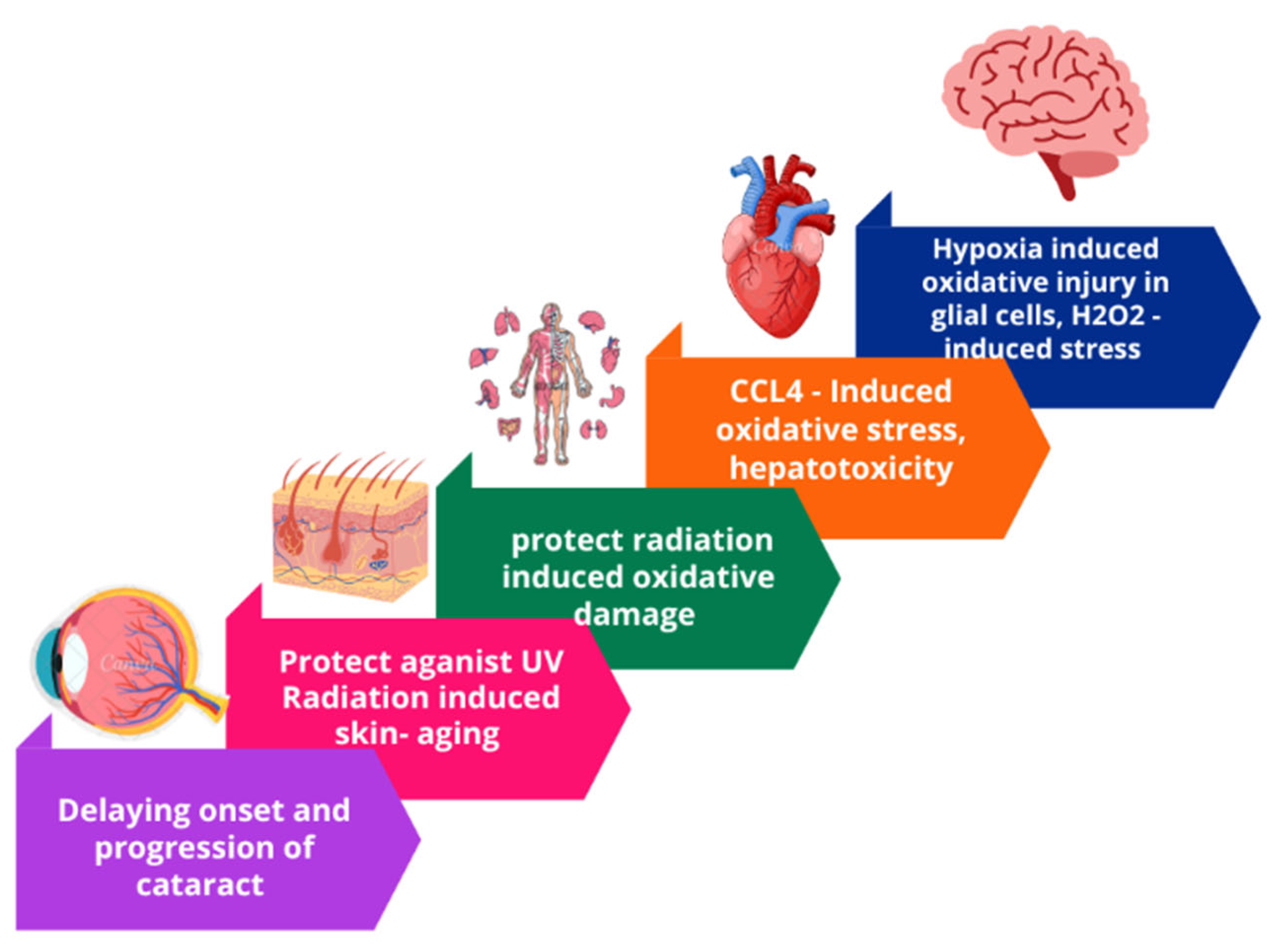
For the In vivo and the in vitro studies: While sea buckthorn (SB) has been shown to have significant anti-oxidant activities. The seeds of SB are known to have the highest antioxidant activity of all SB parts. Two standard methods for activity quantification are the (FRAP) Ferric Reducing Antioxidant Power assay and DPPH radical scavenging. Exceptional antioxidant capacity is evident in SB seeds, wherein the Trolox Equivalent Antioxidant Capacity (TEAC) values range from 176 mg TE/g the leaves [23] to 530 mg TE/g in it. The seeds also have higher values of (ORAC) Oxygen Radical Absorbance Capacity and Peroxyl, but the other plant parts such as the leaves and roots also exhibit high antioxidant activity, although not comparable to that of the seeds [29]. Moreover, the ripening stage of SB fruits impacts their antioxidant activity. |Fruits that matured later (medium-late or late) had a higher antioxidant capacity, which was likely attributable to their higher vitamin C content whilst SB leaves had stable antioxidant activity across all other ripening stages. The extraction proves has a wide range of medicinal properties, mainly those found in seeds and leaves extract SB has demonstrated protective activity against oxidative damage caused by various stressors, including gamma radiation, nicotine, chromium, and arsenic. These beneficial effects are believed to be attributed to a high level of phenolic compounds, vitamin C, and other bioactive ingredients present in SB.
These antioxidants help regulate the levels of antioxidant enzymes, reduces reactive oxygen species (ROS), and decreases the oxidative stress marker malondialdehyde (MDA) [30]. Sea buckthorn extracts have been shown in numerous studies to have protective qualities against various types of cellular stress, as depicted in this image.
Nitrosative Stress: According to one study, sodium nitroprusside, which produces toxic nitric oxide species, damages cells. Sea buckthorn berry extract helped lessen this damage.
Oxidative Stress and Cytotoxicity: According to other studies, sea buckthorn flavonoids shield cells from oxidative stress brought on by substances like t-BOOH by lowering the generation of free radicals, DNA damage, and apoptosis (cell death).
Radiation Protection: It has been demonstrated that sea buckthorn extracts, such RH-3, reduce ionizing radiation-induced DNA strand breaks and cell damage. They offer defense by neutralizing free radicals and preserving chromatin and other cellular components. [31,32,33]
Figure 10.
In vitro and In vivo studies for anti-oxidative and cyto-protective effects.
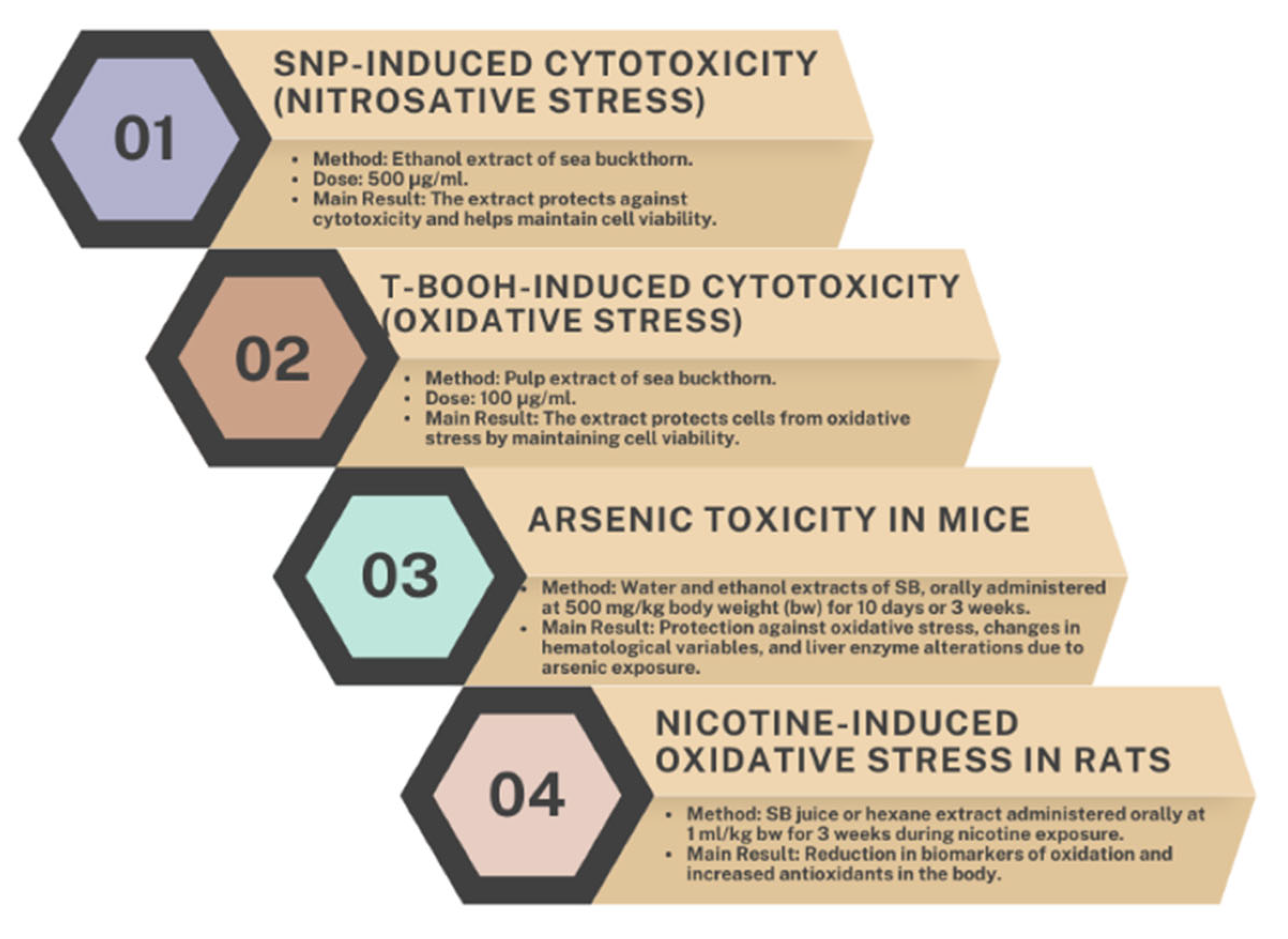
Figure 11.
SBT Anti - oxidative effect against body and system damage.
4.2. Anti – Inflammatory
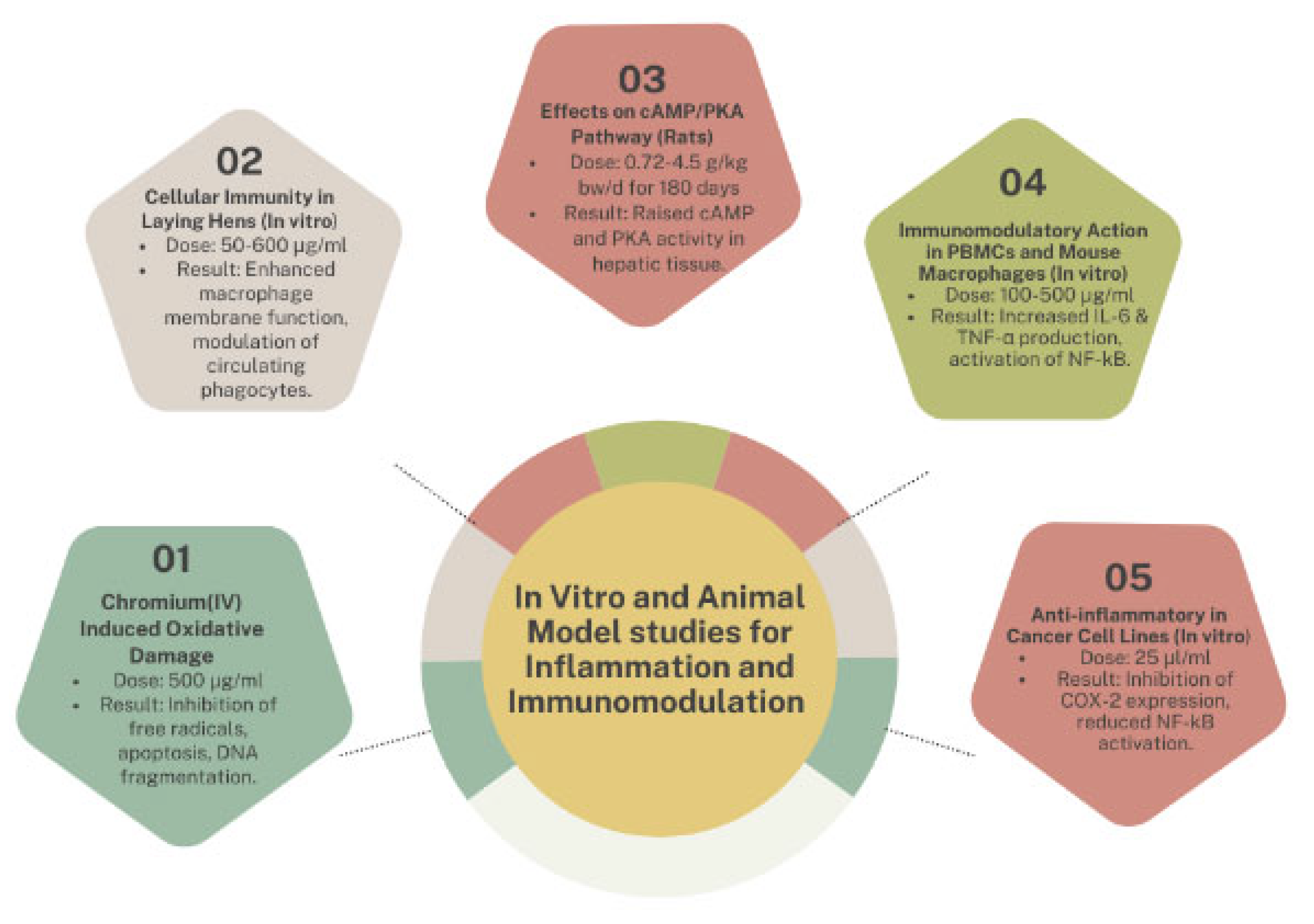
In order to treat conditions like ulcer, endotoxin-induced sepsis, pharyngeal mucositis, periodontal inflammation, skin inflammatory disorders, and allergic reactions, Sea Buckthorn (SB) extract, preparations, and isolated components have demonstrated strong anti-inflammatory activity. [34,35,36]. Isorhamnetin, a flavonoid that is abundant in SB fruits and one of the main active ingredients, exhibits a number of anti-inflammatory properties. Other ingredients that are frequently found in cosmetic goods, including ursolic acid and oleanolic acid, are well-known for their anti-inflammatory and antioxidant qualities. Another substance from SB that has strong anti-inflammatory qualities is casuarinin. These effects are primarily caused by the inhibition of the NF-kB signaling pathway, which is essential for inflammation, and the decrease of pro-inflammatory molecules.[37].
4.3. Immunomodulatory Effects of Sea Buckthorn (sb)
It has been discovered that SB leaf extract, oil, and active components-such as flavones and polysaccharides-have strong immunomodulatory qualities. For instance, it has been demonstrated that the ethanolic extract of SB leaves improve immunological function in older mice by upregulating the expression of MHC 11, CD25, and IFN-g. It has also been proven in mice that higher levels of antibody and cell-mediated immune response can be produced by supercritical carbon dioxide extract of SB leaves, when given as vaccines along with teatuns and diphtheria toxoids [38,39]. Moreover, SB oil, which is produced from fresh fruits, seeds, and peels, protects rats from the suppression of natural killer (NK) cell activity caused by chronic stress through inhibition of neuroendocrine-immune system. In addition, total flavonoids from SB have been reported to enhance the cytotoxicity of NK92-MI cells against K562 cells by up-regulating the production of granzyme B and perforin 20, further corresponding with the involvement of TLR4/NFR-kB signaling in immune modulation associated with buy blocking. The effects obtained suggest the potential use of SB (especially leaf extract or specific fractions thereof) as a novel therapeutic agent for modulating the immune response and/or for the treatment of immune-mediated diseases. [19,39,40]s
Figure 12.
In Vitro and Animal Model Studies for Inflammation and Immune Modulation using SBT.
4.4. Anti – Bacterial Activity
The efficiency of seabuckthorn’s (SB) broad-spectrum antibacterial activity varies based on the bacterial strains tested, plant parts, and extraction solvent. The diameter of inhibition zones, the percentage of inhibition. And the (MIC) minimum inhibitory concentration are some of metrics used to assess the antibacterial qualities of SB extracts.
Methanolic Extract of Sea Buckthorn Seeds: When compared to other solvents like as acetone and chloroform, the methanol extract of SB seeds demonstrated the strongest antibacterial activity.[41]
SB Leaves' Phenolic-Rich Fraction: Superior antibacterial activity was demonstrated by the ethyl acetate fraction of the crude 70% ethanol extract from SB leaves, which showed inhibition zones of 20.67 mm against Shigella dysenteriae as opposed to 15.23 mm for the crude extract. [42].
Water Fraction of SB Extract: Among the various plant parts (leaves, stems, roots, and seeds), the water fraction of SB leaves and seeds exhibited potent antibacterial activity, especially against Staphylococcus aureus and Bacillus cereus. The water fraction from SB seeds had an inhibition rate of 89 ± 5% against Bacillus cereus, whereas the water fraction from the leaves demonstrated an inhibition rate of 85 ± 12% against Staphylococcus aureus. [19,29].
MIC Values: It was discovered that the ethanol and aqueous extracts of SB leaves had MICs of 60 mg/mL and >100 mg/mL, respectively, against Helicobacter pylori. The hydroalcoholic extract exhibited a 19 mm inhibition zone against Bacillus cereus, while other extracts, such the aqueous extract of SB leaves, showed 18 mm inhibition zones against Pseudomonas aeruginosa. However, with zones of only 9 mm, the inhibition against Escherichia coli was weak. [19,43].
SB Pulp Oil: Compared to tetracycline hydrochloride, SB pulp oil demonstrated a strong MIC of 0.19 mg/mL against Bacillus subtilis, while its seed oil demonstrated a MIC of 1.52 mg/mL against Bacillus coagulans.
Synergistic benefits: SB extracts and other antimicrobial drugs also showed synergistic benefits. For example, erythromycin and SB aqueous extract significantly increased antimicrobial activity against Staphylococcus epidermidis, with a zone of inhibition increasing from 15 mm to approximately 30 mm, indicating a 50% increase in activity. Additionally, SB extracts showed enhanced effectiveness against Candida albicans and Candida glabrata when coupled with antifungal medications such as fluconazole and capsafungin, exhibiting a synergistic effect. [19,44,45].s
4.5. Hepatoprotective Effect
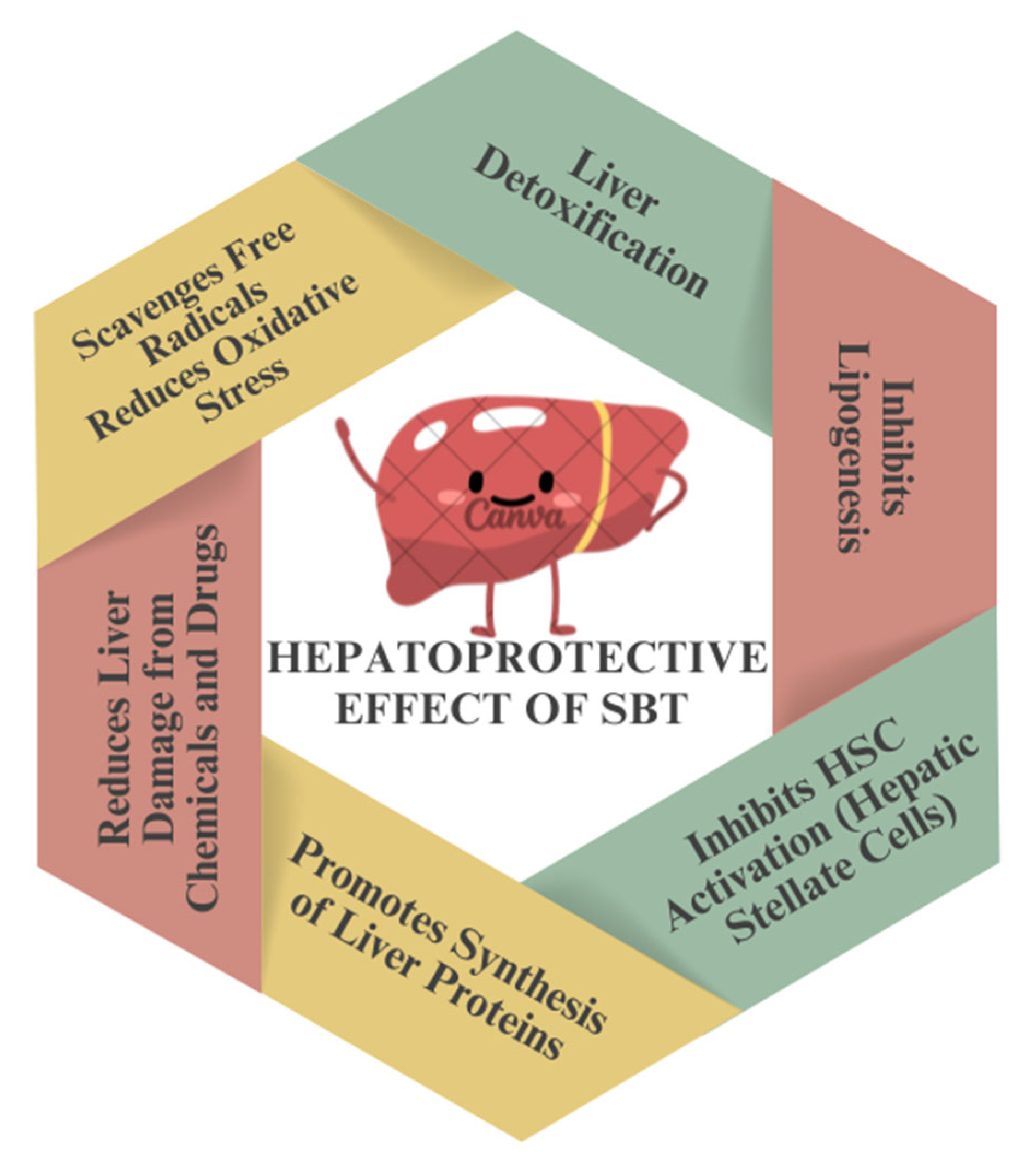
As seen in Figure , sea buckthorn (SB) has proven strong hepatoprotective qualities, providing defense against a range of liver damage brought on by medications, chemicals, and oxidative stress. Studies have demonstrated the preventive properties of SB's crude extract, polysaccharide, and bioactive components against liver damage brought on by chemicals like nicotine and carbon tetrachloride (CCl4). In particular, SB extract reduced nicotine-induced oxidative stress in the rat liver, while SB seed oil and the phenolic-rich fraction of SB leaves have been shown to protect animals against CCl4-induced hepatic damage. [46].
The polysaccharide extract that was separated from SB fruits also showed protective benefits against acute liver failure in mice caused by LPS/D-GalN and liver toxicity brought on by acetaminophen. The protection in acetaminophen-induced hepatotoxicity was associated with Nrf-2/HO-1-SOD-2 signaling pathway activation, but the extract suppressed TLR4-NF-kB signaling in LPS/D-GalN-induced liver failure. [46,47].
Numerous bioactive substances found in SB fruits, such as narcissin, isorhamnetin, tetrahydroxy-3-methoxyflavon, and protocatechuic acid, have been found in vitro to significantly suppress the activation of hepatic stellate cells (HSCs). These substances have demonstrated promise in avoiding liver fibrosis, especially in rats with bile duct ligation-induced liver fibrosis, where they altered signaling pathways linked to DNA damage. [48,49].
All the above study results shows that sea buckthorn has a preventive effect against oxidative cell damage and liver fibrosis. The identification shows that how crucial it is to investigate Sea buckthorn active components and modes of action for treating hepatic conditions, particularly those associated with hepatic fibrosis.[50]
Figure 13.
Various Function of SBT in Liver.
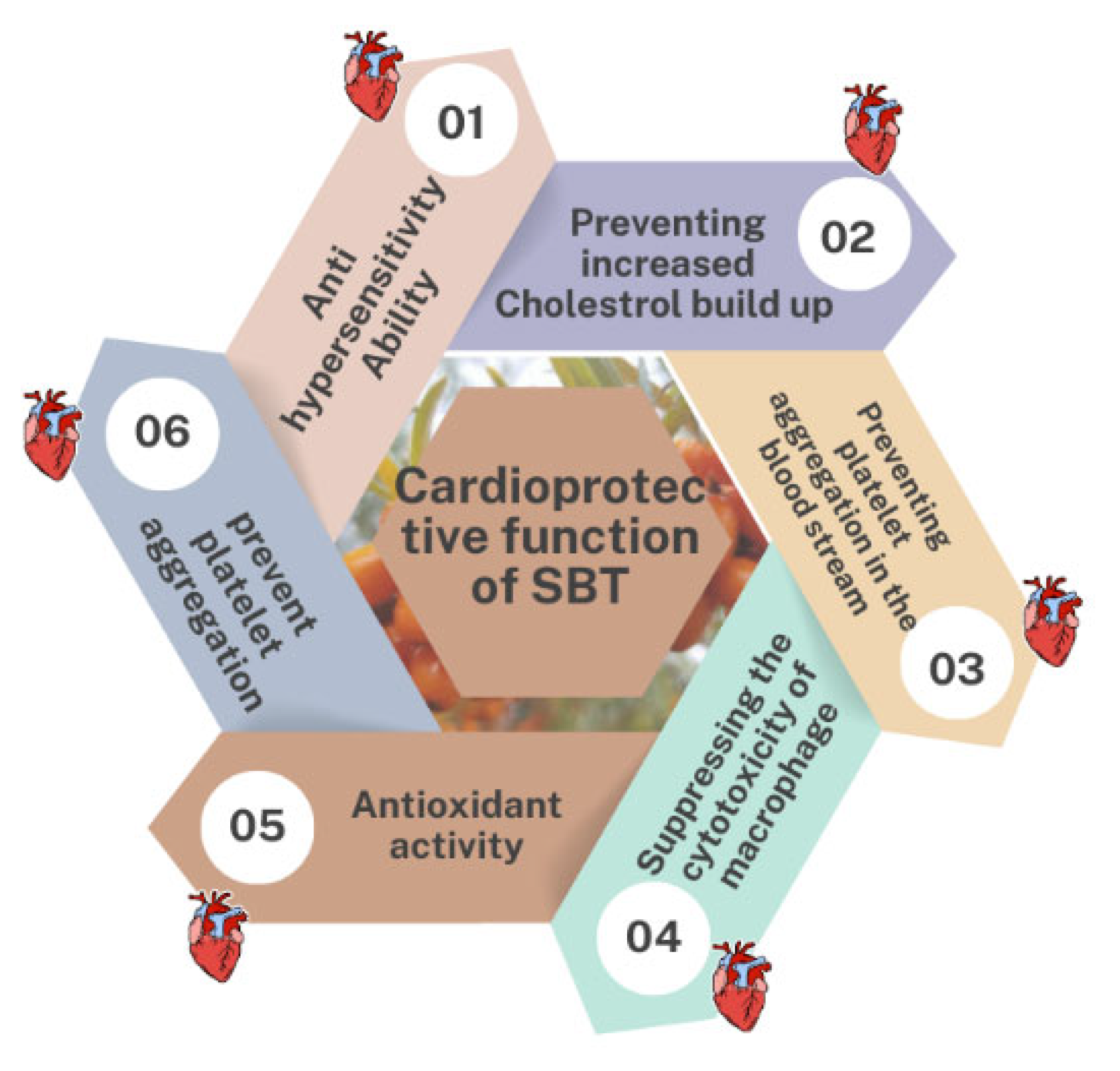
4.6. Cardioprotective Effect
The ability of sea buckthorn (Hippophae rhamnoides) to prevent cardiovascular illnesses has drawn interest. According to various invitro and silico studies, the SBT plants roots, leaves, berries and other parts plant shows higher concentration of bioactive compounds which including polyphenols and flavonoids that support the cardiac health. These compounds have a wide range of cardioprotective effects, such as reducing blood pressure and oxidative stress, and also inhibit platelet aggregation all of which are important preventative measures for CVS diseases. [51,52,53].
According to research, SBT can play a vital role in reducing the damage caused by oxidized (LDL) low-density lipoproteins, which will prevent artherosclerosis condition and also preventing the endothelial function, which is important to maintain a healthy blood vessel. [51,54,55]. The polyphenolic compound of SBT have a potential to protect the heart. Phenolic and flavonoid have an anti-inflammatory qualities that lower cardiovascular inflammation indicators like C-reactive protein (CRP).
Studies on animals have shown that sea buckthorn extracts, especially flavonoid-rich seed extracts, can reduce hypertension, dyslipidemia, and hyperinsulinemia—diseases that frequently lead to heart disease. Although additional research is required to completely understand its effects on lipid profiles, human trials have also demonstrated that frequent consumption of sea buckthorn berries can raise beneficial flavonoids in the bloodstream, perhaps helping to regulate cholesterol and triglyceride levels.
Atherosclerotic risks may be decreased by sea buckthorn oil, which has been shown to inhibit cholesterol accumulation in the arteries due to its high omega fatty acid concentration. Additionally, by stopping the killing of macrophages in artery walls, flavonoids like isorhamnetin have been demonstrated to lessen atherosclerosis. [56]. All things considered, sea buckthorn seems to be a potential natural source of substances that promote heart health via a variety of pathways, such as strengthening lipid metabolism, lowering inflammation, and improving vascular health. To better characterize its therapeutic uses and maximize its use in the prevention and treatment of cardiovascular disease, more research is necessary.
Figure 14.
Cardio Protective functions of SBT.
4.7. Anti – Cancer
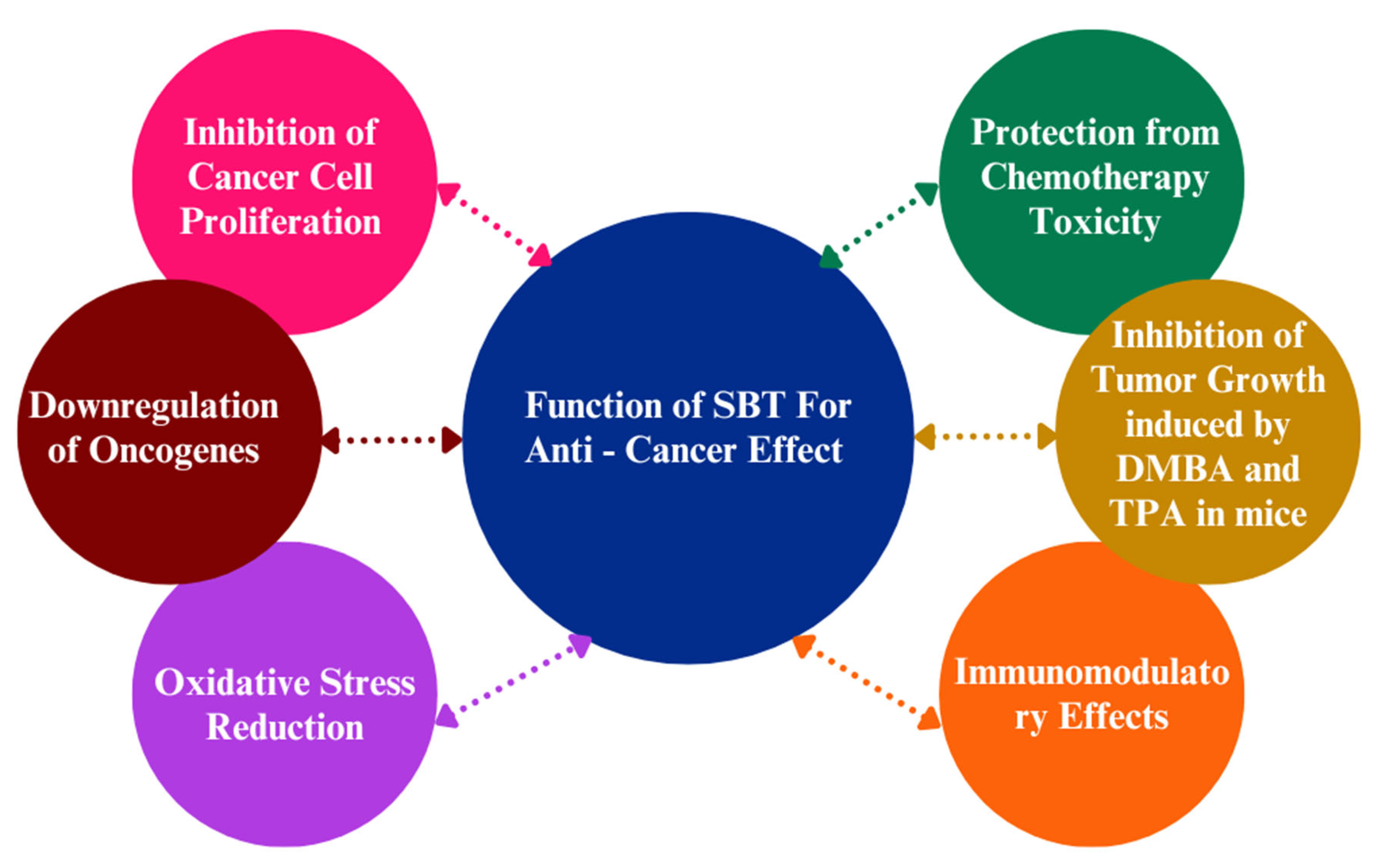
Studies conducted both in vitro and in vivo have confirmed the sea buckthorn's (Elaeagnus rhamnoides) possible anticancer effects. This plant's ability to fight cancer is attributed to its abundance of bioactive substances, including flavonoids (kaempferol, quercetin, and isorhamnetin), phenolic acids, carotenoids, vitamins A, C, and E, and important fatty acids. [57].
Sea buckthorn extracts have been shown in vitro to suppress the growth of a number of cancer cell lines, including colorectal (HT-29, HCT-116), breast (MCF-7, MDA-MB-231), and liver (HepG2) cancer cells. It is believed that these substances, especially flavonoids like isorhamnetin, quercetin, and kaempferol, work in a variety of ways, such as by downregulating oncogenes, causing cell cycle arrest, and inducing apoptosis. In human hepatocellular carcinoma (BEL-7402) and lung cancer cells (A549), for example, isorhamnetin has demonstrated potent lethal effects. It also inhibits the PI3K-Akt-mTOR pathway, which suppresses the growth of colorectal cancer cells. Furthermore, it has been demonstrated that sea buckthorn increases the expression of pro-apoptotic proteins such as Bax, which in turn encourages tumor cells to undergo apoptosis. It also helps to decrease oxidative stress, which plays a key role in the development and propagation of cancer. Sea buckthorn also contains high levels of antioxidant nutrients such as vitamin C, carotenoids, and phenolic compounds that protect cells from oxidative stress and DNA damage, which are major contributors to the development of cancer [58].
The anticancer properties of sea buckthorn are further supported by in vivo research. Sea buckthorn has been demonstrated in animal models to prevent the genotoxic effects of chemotherapeutic medications, lower the risk of skin papilloma, and limit tumor growth. Sea buckthorn oil has shown protective effects against the toxicity of cisplatin, a commonly used chemotherapy drug, while sea buckthorn fruit extract has been shown to inhibit skin papillomagenesis in mice induced by DMBA (dimethylbenzanthracene) and TPA (12-O-tetradecanoylphorbol-13-acetate). Additionally, it has been shown that the polysaccharides in sea buckthorn boost immunological activity by encouraging the actions of macrophages and natural killer (NK) cells, which aid the body in battling malignancies. [59].
Sea buckthorn oil also has been found to help prevent side effects from radiation and chemotherapy in cancer patients, including reducing appetite, liver and kidney function and overall health. It may therefore allow patients to better tolerate therapy and improve their quality of life during treatment and therefore is a potentially important addition to traditional cancer therapies. Importantly, the anticancer efficacy of sea buckthorn is attributable to its anti-inflammatory, immunomodulatory, and antioxidative activities.
Both NF-κB pathway inhibition, which is responsible for controlling inflammatory response, and phase II detoxification enzyme activity, which assists in metabolizing and removing carcinogenic agents from the body, promoters of tumor suppression have been shown to be altered by it [57]
Figure 15.
Function of SBT In Anti-Cancer.
4.8. Neuroprotective Effect
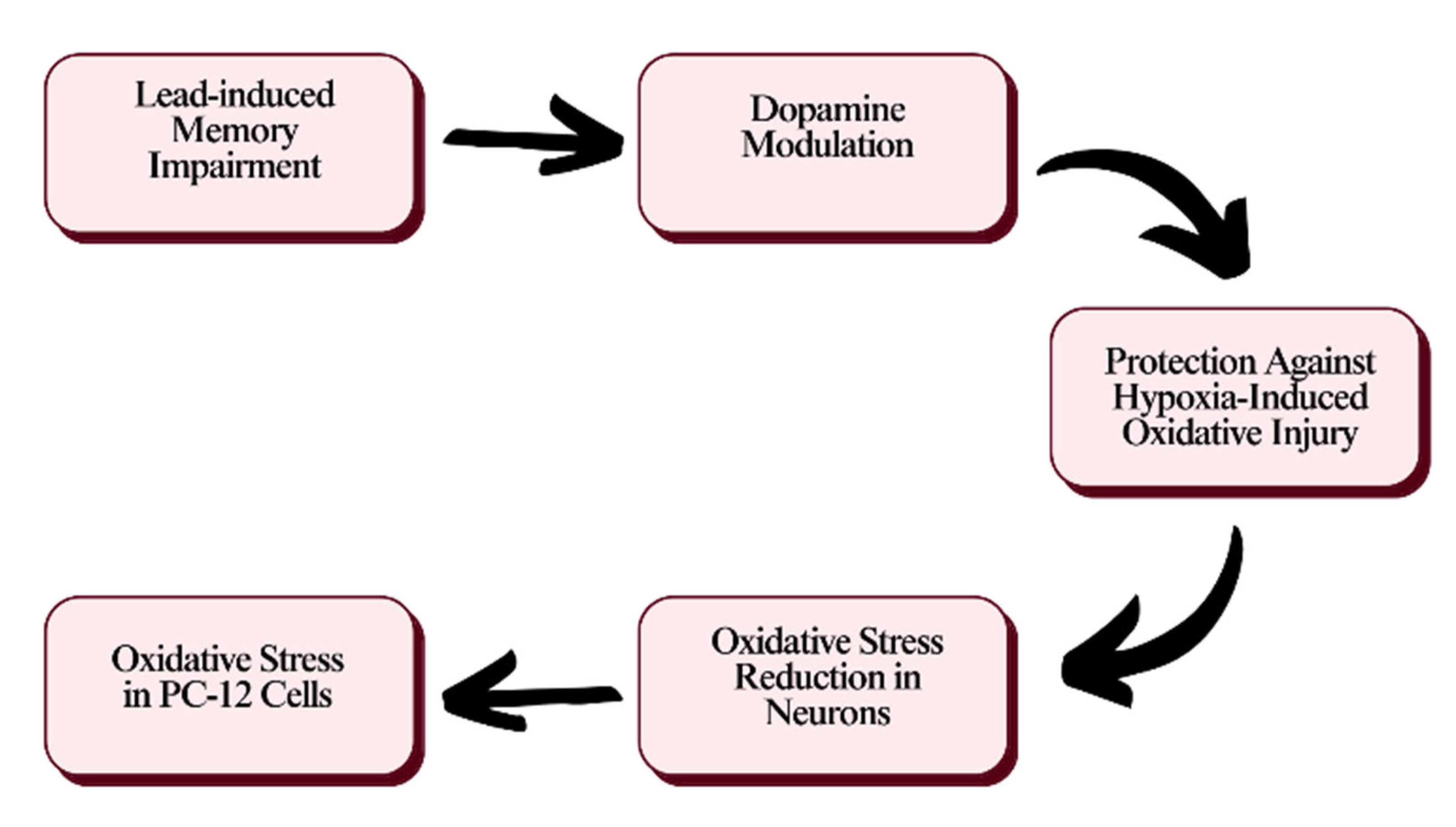
Sea Buckthorn (SB) is a promising natural medicine for minimizing cognitive decay and the rates of neurological diseases due to its proven neuroprotective properties across many studies. It has also been shown to protect mice from lead-induced memory impairments and neuronal damage, suggesting that SB juice could reverse cognitive impairment induced by environmental pollutants. In addition, the 75% ethanol extract of SB leaves attenuated cognitive impairment induced by scopolamine; these effects were correlated with reductions in malondialdehyde (MDA) levels and acetylcholinesterase (AChE) activity, both of which serve as biomarkers for oxidative stress [60] .
Changes in dopamine and homovanvillic acid in the striatum. SB's acqueous furit extract, which have been indicated for proection against halperiodl-includced orofacial dyskinesia (a movement disease) in rats. This suggests the SB might be involved in regulating dopamine function, which is crucial for controlling motor behaviours and cognition. Additionally, at a 200 mg/ml. dosage, the alcoholic extract of SB leaves protected the glial cells against hypoxia-induced oxidative stress that is vital for the maintenance of the neuronal function and neurological health [33,61,62].
The aqueous extract of SR was effective in reducing oxidative stress induced by hypoxia in the hippocampus, a region critical for memory and learning. Hydroalchoholic extract work at 100mg/ml. also was shown whereby this antioxidant molecule protected human brain cells from an H20-induced cytotoxicity Furthermore SB’s ethyl accate fraction, which blocked H20 2-induced oxidative stress in PC -12 cells confirmed its capacity for preventing oxidative profiles in neuronal cells. In any case, out results underscore SB neuroprotective characteristics; particularly its ability to9–11 promote neuronal health,10 exhibit7 antioxidant activity and the use of SB in the prevention or treatment of normal aging and neurodegenerative disorders 12 or cerebral ischemia9 and traumatic brain injury.9–12 [63,64].
Figure 16.
Functions of SBT in Neuroprotective.
5. Conclusions
In summary, the plant known as sea buckthorn (Hippophae rhamnoides) has great promise for use in both conventional and alternative medicine. Its various bioactive constituents, such as polysaccharides, flavonoids, carotenoids, and essential fatty acids, have shown a broad spectrum of medicinal effects. Among these are hepatoprotective, immunomodulatory, anti-inflammatory, antioxidant, and anti-cancer qualities. The plant's fruit, oil, and other components have demonstrated potential in treating a number of chronic illnesses and ailments, including cancer, skin disorders, and digestive problems. The benefits of other plant parts, such the roots and branches, still need to be thoroughly investigated, even if the majority of research has concentrated on the fruits and oil.
Moreover, sea buckthorn holds great promise as a functional food, dietary supplement, and cosmeceutical, with potential applications in promoting overall health and preventing disease. However, while current findings support its wide array of health benefits, further investigation into its molecular mechanisms and the synergistic effects of its individual components is essential to optimize its therapeutic potential. Given its rich pharmacological profile and the growing body of evidence, sea buckthorn represents a valuable resource for both preventative and therapeutic approaches in healthcare.
Aknowledgement
We would like to express our sincere gratitude to Dr. J. Priyanga, Assistant professor, Department of Pharmacology, SPS, VISTAS, for her invaluable guidance and support throughout this review. Her expertise, insightful feedback, and encouragement have been instrumental in the completion of this work. This acknowledgment reflects my heartfelt thanks for her mentorship and for sharing her vast knowledge, which has greatly enriched my understanding of the subject matter.
Conflict of Interest
The author(s) declare that there is no conflict of interest
Funding
Not Applicable
Ethical Approval
Not Applicable
Author Contribution
Devendran. N: Conceptualized the theme and structure of the review. Conducted comprehensive literature collection and data curation. Drafted the manuscript, organized tables and figures, and handled formatting and referencing. Abirami. K: Assisted in literature interpretation and contributed to the pharmacognostic and phytochemical analysis sections. Reviewed the final manuscript and ensured overall content quality. Contributed to data validation and editing. Reviewed pharmacological sections and provided expert suggestions for strengthening the discussion and conclusions. Dr. J. Priyanga: Provided critical supervision and guided the thematic outline. Reviewed the manuscript for scientific accuracy and coherence. Offered expert input on pharmacological mechanisms and therapeutic insights. All authors have read and approved the final version of the manuscript.
Acronym
12-O-tetradecanoylphorbol-13-acetate
TPA, 10
dimethylbenzanthracene
DMBA, 10
2,2-diphenyl-1-picrylhydrazyl
DPPH, 7
acetylcholinesterase
AChE, 11
carbon tetrachloride
CCl4, 9
C-reactive protein
CRP, 10
Deoxyribonucleic acid
DNA, 7
Galiic Acid
GAE, 4
Hepatic stellate cells
HSCs, 9
Interferon-gamma
IFN-g, 8
Lipopolysaccharide
LPS, 8
low-density lipoproteins
LDL, 10
Major histocompatibility complex class II
MHC II, 8
malondialdehyde
MDA, 7
Minimum inhibitory concentration
MIC, 9
Oxygen Radical Absorbance Capacity
ORAC, 7
Peroxyl Radical Scavenging Capacity
PSC, 7
Reactive nitrogen species
RNS, 7
Reactive oxygen species
ROS, 7
Reducing Antioxidant Power
FRAP, 7
Sea buckthorn
SBT, 6
Trolox Equivalent Antioxidant Capacity
TEAC,
References
- Wang, Z.; Zhao, F.; Wei, P.; Chai, X.; Hou, G.; Meng, Q. Phytochemistry, health benefits, and food applications of sea buckthorn (Hippophae rhamnoides L.): A comprehensive review. Front. Nutr. 2022, 9. [Google Scholar] [CrossRef] [PubMed]
- Syndrome, T.M. Preventing and Treating Metabolic Syndrome. 2023.
- Suryakumar, G.; Gupta, A. Medicinal and therapeutic potential of Sea buckthorn (Hippophae rhamnoides L.). J. Ethnopharmacol. 2011, 138, 268–278. [Google Scholar] [CrossRef]
- Wani, T.A.; Wani, S.M.; Ahmad, M.; Ahmad, M.; Gani, A.; Masoodi, F.A. Bioactive profile, health benefits and safety evaluation of sea buckthorn (Hippophae rhamnoides L.): A review. Cogent Food Agric. 2016, 2. [Google Scholar] [CrossRef]
- . V. ; Punia, D.; Kumari, N. Potential health benefits of Sea buckthorn oil- A review. Agric. Rev. 2017, 38, 233–237. [Google Scholar] [CrossRef]
- Dubey, R.K.; Shukla, S.; Shukla, V.; Singh, S. Sea buckthorn: A Potential Dietary supplement with multifaceted therapeutic activities. Intell. Pharm. 2024, 2, 681–687. [Google Scholar] [CrossRef]
- Olas, B. The beneficial health aspects of sea buckthorn (Elaeagnus rhamnoides (L.) A.Nelson) oil. J. Ethnopharmacol. 2018, 213, 183–190. [Google Scholar] [CrossRef]
- Barl, B.; Akhov, L.; Dunlop, D.; Jana, S.; Schroeder, W.R. Flavonoid content and composition in leaves and berries of sea buckthorn (hippophae spp.) of different origin. Acta Hortic. 2003, 626, 405–413. [Google Scholar] [CrossRef]
- Zadernowski, R.; Naczk, M.; Czaplicki, S.; Rubinskiene, M.; Szałkiewicz, M. Composition of phenolic acids in sea buckthorn (Hippophae rhamnoides L.) berries. JAOCS, J. Am. Oil Chem. Soc. 2005, 82, 175–179. [Google Scholar] [CrossRef]
- Bittová, M.; Krejzová, E.; Roblová, V.; Kubán, P.; Kubáň, V. Monitoring of HPLC profiles of selected polyphenolic compounds in sea buckthorn (Hippophaë rhamnoides L.) plant parts during annual growth cycle and estimation of their antioxidant potential. Cent. Eur. J. Chem. 2014, 12, 1152–1161. [Google Scholar] [CrossRef]
- He, N.; Wang, Q.; Huang, H.; Chen, J.; Wu, G.; Zhu, M.; Shao, F.; Yan, Z.; Sang, Z.; Cao, L.; et al. A Comprehensive Review on Extraction, Structure, Detection, Bioactivity, and Metabolism of Flavonoids from Sea Buckthorn (Hippophae rhamnoides L.). J. Food Biochem. 2023, 2023. [Google Scholar] [CrossRef]
- Li, T.S.C.; Schroeder, W.R. Sea buckthorn (hippophae rhamnoides l.): A multipurpose plant. Horttechnology 1996, 6, 370–380. [Google Scholar] [CrossRef]
- Usubalieva, A.; Eyiz, V.; Totubaeva, N.; Tontul, I. Chemical Composition and Antioxidant Activity of Sea-Buckthorn (Hippophae rhamnoides L.) Grown in Issyk-Kul Region, Kyrgyz Republic. Akad. Gida 2022, 20, 321–328. [Google Scholar] [CrossRef]
- Du, W.; Ding, J.; Lu, S.; Wen, X.; Hu, J.; Ruan, C. Identification of the key flavonoid and lipid synthesis proteins in the pulp of two sea buckthorn cultivars at different developmental stages. BMC Plant Biol. 2022, 22, 1–13. [Google Scholar] [CrossRef] [PubMed]
- Pop, R.M.; Weesepoel, Y.; Socaciu, C.; Pintea, A.; Vincken, J.P.; Gruppen, H. Carotenoid composition of berries and leaves from six Romanian sea buckthorn (Hippophae rhamnoides L.) varieties. Food Chem. 2014, 147, 1–9. [Google Scholar] [CrossRef] [PubMed]
- Tudor, C.; Bohn, T.; Iddir, M.; Dulf, F.V.; Focşan, M.; Rugină, D.O.; Pintea, A. Sea buckthorn oil as a valuable source of bioaccessible xanthophylls. Nutrients 2020, 12, 1–14. [Google Scholar] [CrossRef]
- Czaplicki, S.; Ogrodowska, D.; Zadernowski, R.; Konopka, I. Effect of Sea-Buckthorn (Hippophaë rhamnoides L.) Pulp Oil Consumption on Fatty Acids and Vitamin A and E Accumulation in Adipose Tissue and Liver of Rats. Plant Foods Hum. Nutr. 2017, 72, 198–204. [Google Scholar] [CrossRef]
- Block, G.; Jensen, C.D.; Dalvi, T.B.; Norkus, E.P.; Crawford, P.B.; Holland, N.; Fung, E.B.; Schumacher, L. NIH Public Access. 2010, 46, 70–77. [CrossRef]
- Ren, R.; Li, N.; Su, C.; Wang, Y.; Zhao, X.; Yang, L.; Li, Y.; Zhang, B.; Chen, J.; Ma, X. The bioactive components as well as the nutritional and health effects of sea buckthorn. RSC Adv. 2020, 10, 44654–44671. [Google Scholar] [CrossRef]
- Andersson, S.C. Carotenoids, Tocochromanols and Chlorophylls in Sea Buckthorn Berries (Hippophae rhamnoides) and Rose Hips (Rosa sp.); Variation during Ripening, and among Cultivars/Species and Years; 2009; ISBN 9789157674050.
- Zielińska, A.; Nowak, I. Abundance of active ingredients in sea-buckthorn oil. Lipids Health Dis. 2017, 16, 1–11. [Google Scholar] [CrossRef]
- Otgonbayar, C.; Matthaus, B.; Odonmajig, P. Fatty acid, Tocopherol and Sterol Composition in Sea buckthorn (Hippophae rhamnoides L.) of Mongolia. Mong. J. Chem. 2014, 12, 126–130. [Google Scholar] [CrossRef]
- Dunn, A.M.; Hofmann, O.S.; Waters, B.; Witchel, E. Cloaking malware with the trusted platform module. Proc. 20th USENIX Secur. Symp. 2011, 395–410. [Google Scholar]
- Yang, B.; Karlsson, R.M.; Oksman, P.H.; Kallio, H.P. Phytosterols in Sea Buckthorn (Hippophaë rhamnoides L.) Berries: Identification and Effects of Different Origins and Harvesting Times. J. Agric. Food Chem. 2001, 49, 5620–5629. [Google Scholar] [CrossRef] [PubMed]
- Loizou, S.; Lekakis, I.; Chrousos, G.P.; Moutsatsou, P. Beta-sitosterol exhibits anti-inflammatory activity in human aortic endothelial cells. Mol. Nutr. Food Res. 2010, 54, 551–558. [Google Scholar] [CrossRef] [PubMed]
- Hao, W.; He, Z.; Zhu, H.; Liu, J.; Kwek, E.; Zhao, Y.; Ma, K.Y.; He, W.-S.; Chen, Z.-Y. Sea buckthorn seed oil reduces blood cholesterol and modulates gut microbiota. Food Funct. 2019, 10, 5669–5681. [Google Scholar] [CrossRef]
- Brambilla, D.; Mancuso, C.; Scuderi, M.R.; Bosco, P.; Cantarella, G.; Lempereur, L.; Di Benedetto, G.; Pezzino, S.; Bernardini, R. The role of antioxidant supplement in immune system, neoplastic, and neurodegenerative disorders: A point of view for an assessment of the risk/benefit profile. Nutr. J. 2008, 7, 1–9. [Google Scholar] [CrossRef] [PubMed]
- Ross, C. Modern Nutrition in He [Internet]. Vol. 40, Angewandte Chemie International Edition. 2001. 9823 p. Available from: http://scholar.google.com/scholar?hl=en&btnG=Search&q=intitle:No+title#0%5Cnhttp://doi.wiley.com/10.1002/1521-3773%2820010316%2940%3A6%3C9823%3A%3AAID-ANIE9823%3E3.3.
- Michel, T.; Destandau, E.; Le Floch, G.; Lucchesi, M.E.; Elfakir, C. Antimicrobial, antioxidant and phytochemical investigations of sea buckthorn (Hippophaë rhamnoides L.) leaf, stem, root and seed. Food Chem. 2012, 131, 754–760. [Google Scholar] [CrossRef]
- Kumar, M.S.Y.; Dutta, R.; Prasad, D.; Misra, K. Subcritical water extraction of antioxidant compounds from Seabuckthorn (Hippophae rhamnoides) leaves for the comparative evaluation of antioxidant activity. Food Chem. 2011, 127, 1309–1316. [Google Scholar] [CrossRef]
- Suleyman, H.; Gumustekin, K.; Taysi, S.; Keles, S.; Oztasan, N.; Aktas, O.; Altinkaynak, K.; Timur, H.; Akcay, F.; Akar, S.; et al. Beneficial effects of Hippophae rhamnoides L. on nicotine induced oxidative stress in rat blood compared with vitamin E. Biol. Pharm. Bull. 2002, 25, 1133–1136. [Google Scholar] [CrossRef]
- Wu D, Meng Z. Effect of sulfur dioxide inhalation on the glutathione redox system in mice and protective role of sea buckthorn seed oil. Arch Environ Contam Toxicol. 2003 Oct;45(3):423–8.
- Xu, Y.; Li, G.; Han, C.; Sun, L.; Zhao, R.; Cui, S. Protective effects of Hippophae rhamnoides L. juice on lead-induced neurotoxicity in mice. Biol. Pharm. Bull. 2005, 28, 490–494. [Google Scholar] [CrossRef]
- Smida, I.; Pentelescu, C.; Pentelescu, O.; Sweidan, A.; Oliviero, N.; Meuric, V.; Martin, B.; Colceriu, L.; Bonnaure-Mallet, M.; Tamanai-Shacoori, Z. Benefits of sea buckthorn (Hippophae rhamnoides) pulp oil-based mouthwash on oral health. J. Appl. Microbiol. 2019, 126, 1594–1605. [Google Scholar] [CrossRef]
- Erhan E, Terzi S, Celiker M, Yarali O, Cankaya M, Cimen FK, et al. Effect of Hippophae rhamnoides Extract on Oxidative Oropharyngeal Mucosal Damage Induced in Rats Using Methotrexate. Clin Exp Otorhinolaryngol. 2017 Jun;10(2):181–7.
- Balkrishna, A.; Sakat, S.S.; Joshi, K.; Joshi, K.; Sharma, V.; Ranjan, R.; Bhattacharya, K.; Varshney, A. Cytokines Driven Anti-Inflammatory and Anti-Psoriasis Like Efficacies of Nutraceutical Sea Buckthorn (Hippophae rhamnoides) Oil. Front. Pharmacol. 2019, 10, 1186. [Google Scholar] [CrossRef]
- Flores, J. DigitalCommons @ KCU Use of Sea Buckthorn Oil in the Treatment of Skin Disease : Anti- Inflammatory Benefits, Clinical Applications, and Formulary Challenges. 2024.
- Tanwar, H.; Joshi, S.; Ananth, M.; Singh, D.; Narsimhan, S.; Singh, S.; Ganju, L. Anti-inflammatory activity of the functional groups present in Hippophae rhamnoides (Seabuckthorn) leaf extract. Inflammopharmacology 2018, 26, 1–11. [Google Scholar] [CrossRef]
- KP, M.; Jyotsana, B.; Mrinalini, S.; Deepika, S.; Lilly, G.; Rajeev, V. Role of plant-derived natural compounds in macrophage polarization. J. Vaccines Immunol. 2022, 8, 014–022. [Google Scholar] [CrossRef]
- Kania-Dobrowolska, M.; Baraniak, J.; Siger, A. Sea Buckthorn Plant As a Functional Food Ingredient, With Antioxidant and Anti-Inflammatory Properties. Acta Sci. Pol. Technol. Aliment. 2023, 22, 477–496. [Google Scholar] [CrossRef]
- Negi, P.S.; Chauhan, A.S.; Sadia, G.A.; Rohinishree, Y.S.; Ramteke, R.S. Antioxidant and antibacterial activities of various seabuckthorn (Hippophae rhamnoides L.) seed extracts. Food Chem. 2005, 92, 119–124. [Google Scholar] [CrossRef]
- Krejcarová, J.; Straková, E.; Suchý, P.; Herzig, I.; Karásková, K. Sea buckthorn (Hippophae rhamnoides L.) as a potential source of nutraceutics and its therapeutic possibilities - A review. Acta Vet. Brno 2015, 84, 257–268. [Google Scholar] [CrossRef]
- Li, Y.; Xu, C.; Zhang, Q.; Liu, J.Y.; Tan, R.X. In vitro anti-Helicobacter pylori action of 30 Chinese herbal medicines used to treat ulcer diseases. J. Ethnopharmacol. 2005, 98, 329–333. [Google Scholar] [CrossRef]
- Abidi, S.H.; Ahmed, K.; Sherwani, S.K.; Kazmi, S.U. Synergy between antibiotics and natural agents results in increased antimicrobial activity against Staphylococcus epidermidis. J. Infect. Dev. Ctries. 2015, 9, 925–929. [Google Scholar] [CrossRef]
- Skalski, B.; Rywaniak, J.; Żuchowski, J.; Stochmal, A.; Olas, B. The changes of blood platelet reactivity in the presence of Elaeagnus rhamnoides (L.) A. Nelson leaves and twig extract in whole blood. Biomed. Pharmacother. 2023, 162, 1–7. [Google Scholar] [CrossRef]
- Gao, Z.L.; Gu, X.H.; Cheng, F.T.; Jiang, F.H. Effect of Sea buckthorn on liver fibrosis: A clinical study. World J. Gastroenterol. 2003, 9, 1615–1617. [Google Scholar] [CrossRef]
- Hsu, Y.-W.; Tsai, C.-F.; Chen, W.-K.; Lu, F.-J. Protective effects of seabuckthorn (Hippophae rhamnoides L.) seed oil against carbon tetrachloride-induced hepatotoxicity in mice. Food Chem. Toxicol. an Int. J. Publ. Br. Ind. Biol. Res. Assoc. 2009, 47, 2281–2288. [Google Scholar] [CrossRef]
- Quan, N. Van; Xuan, T.D.; Teschke, R. Potential hepatotoxins found in herbal medicinal products: A systematic review. Int. J. Mol. Sci. 2020, 21, 1–18. [Google Scholar] [CrossRef]
- Zhang, G.; Liu, Y.; Liu, P. Active Components from Sea Buckthorn ( Hippophae rhamnoides L.) Regulate Hepatic Stellate Cell Activation and Liver Fibrogenesis. J. Agric. Food Chem. 2018, 66, 12257–12264. [Google Scholar] [CrossRef]
- Larmo, P. PhD Thesis: The health effects of Sea Buckthorn berries and oil; University of Turku, Finland; 2011; ISBN 9789512944590.
- Bao, M.; Lou, Y. Flavonoids from seabuckthorn protect endothelial cells (EA.hy926) from oxidized low-density lipoprotein induced injuries via regulation of LOX-1 and eNOS expression. J. Cardiovasc. Pharmacol. 2006, 48, 834–841. [Google Scholar] [CrossRef] [PubMed]
- Bao M, Lou Y. Isorhamnetin prevent endothelial cell injuries from oxidized LDL via activation of p38MAPK. Eur J Pharmacol. 2006 Oct;547(1–3):22–30.
- Cheung, O.; Sanyal, A.J. Recent advances in nonalcoholic fatty liver disease. Curr. Opin. Gastroenterol. 2009, 25. [Google Scholar] [CrossRef] [PubMed]
- Johansson, A.; Korte, H.; Yang, B.; Stanley, J.; Kallio, H. Sea buckthorn berry oil inhibits platelet aggregation. J. Nutr. Biochem. 2000, 11, 495. [Google Scholar] [CrossRef]
- Schmitz, G.; Ecker, J. The opposing effects of n-3 and n-6 fatty acids. Prog. Lipid Res. 2008, 47, 147–155. [Google Scholar] [CrossRef]
- Kumari, S.; Sharma, S.P. Effect of Sea buckthorn in preventing cardiovascular diseases in human beings. J. Cardiovasc. Dis. Res. 2021, 12, 215–224. [Google Scholar]
- Garewal, H.S.; Meyskens, F.L.J. Chemoprevention of cancer. Hematol. Oncol. Clin. North Am. 1991, 5, 69–77. [Google Scholar] [CrossRef]
- Grey, C.; Widén, C.; Adlercreutz, P.; Rumpunen, K.; Duan, R.-D. Antiproliferative effects of sea buckthorn (Hippophae rhamnoides L.) extracts on human colon and liver cancer cell lines. Food Chem. 2010, 120, 1004–1010. [Google Scholar] [CrossRef]
- Kundu, J.K.; Surh, Y.-J. Inflammation: gearing the journey to cancer. Mutat. Res. 2008, 659, 15–30. [Google Scholar] [CrossRef]
- Wang, Z.; Wang, W.; Zhu, C.; Gao, X.; Chu, W. Evaluation of Antioxidative and Neuroprotective Activities of Total Flavonoids From Sea Buckthorn (Hippophae rhamnoides L.). Front. Nutr. 2022, 9, 1–7. [Google Scholar] [CrossRef] [PubMed]
- Shah, A. 18. Batool F, AH Shah, SD Ahmad and DJ Haleem (2009). Oral supplementation. of sea buckthorn fruity extract modifies haloperidol induced behavioral deficits and increases brain serotonin metabolism. J Food & drug Analysis 17(4), 1-8. 2009.
- Cho, C.H.; Jang, H.; Lee, M.; Kang, H.; Heo, H.J.; Kim, D.O. Sea buckthorn (Hippophae rhamnoides L.) leaf extracts protect neuronal PC-12 cells from oxidative stress. J. Microbiol. Biotechnol. 2017, 27, 1257–1265. [Google Scholar] [CrossRef] [PubMed]
- Manickam, M.; Tulsawani, R. Survival response of hippocampal neurons under low oxygen conditions induced by Hippophae rhamnoides is associated with JAK/STAT signaling. PLoS One 2014, 9. [Google Scholar] [CrossRef]
- Shivapriya, S.; Ilango, K.; Dubey, G.P. Evaluation of antioxidant and neuroprotective effect of Hippophae rhamnoides (L.) on oxidative stress induced cytotoxicity in human neural cell line IMR32. Saudi J. Biol. Sci. 2015, 22, 645–650. [Google Scholar] [CrossRef] [PubMed]
Disclaimer/Publisher’s Note: The statements, opinions and data contained in all publications are solely those of the individual author(s) and contributor(s) and not of MDPI and/or the editor(s). MDPI and/or the editor(s) disclaim responsibility for any injury to people or property resulting from any ideas, methods, instructions or products referred to in the content. |
© 2025 by the authors. Licensee MDPI, Basel, Switzerland. This article is an open access article distributed under the terms and conditions of the Creative Commons Attribution (CC BY) license (http://creativecommons.org/licenses/by/4.0/).
Copyright: This open access article is published under a Creative Commons CC BY 4.0 license, which permit the free download, distribution, and reuse, provided that the author and preprint are cited in any reuse.


