

Submitted:
22 April 2025
Posted:
22 April 2025
You are already at the latest version
Abstract
The damage to shipping containers during port handling operations continues to pose a significant challenge that adversely affects operational efficiency, equipment integrity, and supply chain accountability. This study utilises real-world measurement data gathered through accelerometers to examine the occurrence and dynamics of physical impacts, particularly side and rear collisions, during the handling of containers at Klaipėda City Port. The research prioritises two critical scenarios: side impacts occurring during stacking operations with reach stackers and rear impacts during trailer loading procedures. Impact events were meticulously recorded and analyzed to ascertain the magnitudes of acceleration across multiple axes. This reveals that side impacts produce significantly greater forces, particularly in the lateral direction, than rear impacts. The study employs sensor-based monitoring, advanced data visualization techniques, and structured scenario analysis to delineate the variability and intensity of mechanical interactions during these operations. The findings emphasise the structural stress that containers experience and underscore the importance of embedded monitoring technologies for real-time event detection and damage prevention. The results contribute to the expanding body of knowledge that supports the digital transformation of container terminals and furnish actionable insights for enhancing handling protocols, informing insurance assessments, and improving safety measures within both automated and conventional port environments.
Keywords:
Container handling operations
; Impact detection
; Port terminal monitoring
; Smart sensor systems
1. Introduction
Shipping containers are the structural cornerstone of modern global trade [1,2,3], enabling standardised, modular transportation of goods across continents with unmatched efficiency. With millions of twenty-foot equivalent units (TEUs) processed annually, container ports have become high-throughput environments where speed, coordination, and mechanical precision are vital for maintaining global supply chains [4,5]. Yet, within this highly optimized system, container damage during handling operations remains a persistent and costly issue [6,7]. From operational delays and insurance disputes to equipment failure and safety risks, the consequences of mishandled containers ripple through the entire logistics network [8,9].
Container damage in port environments typically occurs during loading, unloading, and transhipment procedures. These operations often involve heavy machinery such as quay cranes, gantry cranes, reach stackers, and automated guided vehicles (AGVs), all interacting with containers dynamically and sometimes unpredictably [10,11]. Containers are lifted, swung, aligned, and lowered within confined spaces, often under tight time constraints and in variable weather conditions. While containers are designed to withstand harsh conditions, their structural integrity is often compromised by high-impact forces, repeated stress cycles, and unintentional collisions with port infrastructure or other containers. Key points of vulnerability include the corner castings, sidewalls, and bottom rails, which may suffer crushing, denting, or bending due to poor alignment during crane engagement, excessive swing during lifting, or uncontrolled descent during placement [12]. This damage is not merely cosmetic; it can compromise the container’s ability to seal properly, reduce its load-bearing capacity, or interfere with stacking mechanisms on board ships and within container yards (see Figure 1).
Furthermore, when damaged containers go undetected, they pose risks to cargo security, terminal personnel, the overall structural integrity of the port, and other valuable equipment. Given the scale and pace of containerized logistics [13], relying solely on visual inspection and manual reporting to detect damage is increasingly inadequate. Human-based assessments are limited by visibility, access, time, and subjective judgment. As a result, many damage events go unnoticed until significant deterioration or secondary complications arise [14]. This delay in detection often leads to more extensive repair costs, shipment delays, and disputes between shippers, terminal operators, and insurers. Moreover, visual inspections fail to provide forensic insight into when, where, or how the damage occurred, as data is essential for accountability, process optimization, and preventive measures.
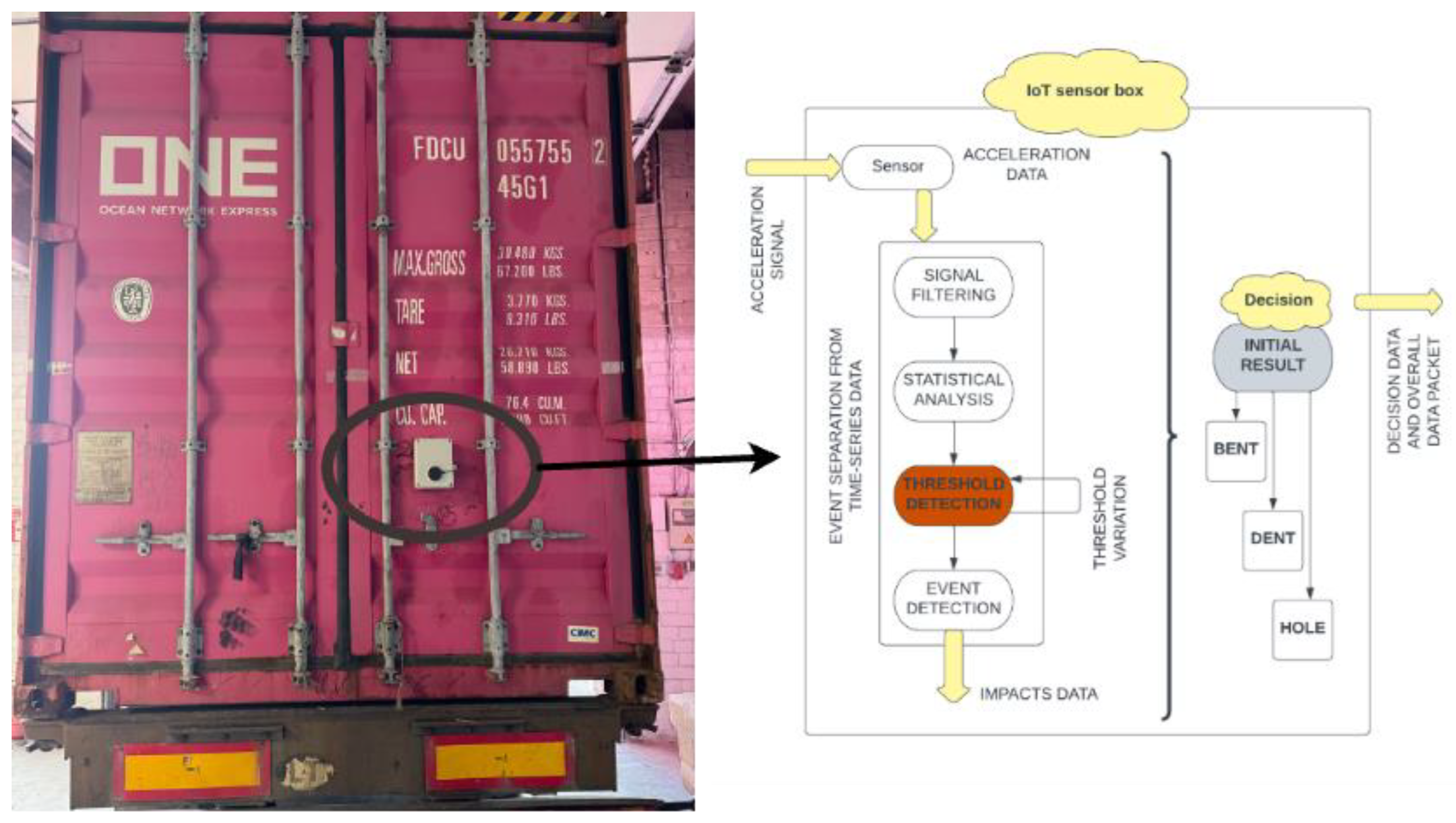
This is where smart event monitoring emerges as a crucial component of modern container handling [15,16,17,18]. In this context, event monitoring refers to the real-time or near-real-time tracking of physical interactions and impact events involving containers during handling operations. Using sensors, data acquisition systems, and signal processing algorithms enables detecting, classifying, and logging events such as collisions, hard landings, excessive swings, and other anomalies during crane or AGV operations. The availability of this data allows operators to gain a deeper understanding of operational dynamics, identify risky procedures [19,20,21,22,23], and take proactive measures to mitigate future damage. Event monitoring systems generally depend on accelerometers, gyroscopes, vibration sensors, or other non-invasive measurement tools that can be integrated into existing port equipment (see Figure 2).
These systems collect high-resolution motion and impact data, automatically classifying events based on severity, direction, frequency, and duration. Advanced systems can even correlate these events with specific handling procedures, container IDs, operator actions, or crane paths, creating a digital audit trail of container movements within the terminal. The significance of such systems extends beyond operational efficiency [24,25]. From a safety perspective [26], undetected container damage can lead to lifting, stacking, or transportation accidents. A weakened corner fitting or misaligned frame may cause load instability or equipment malfunction, putting workers and cargo at risk [27,28]. From a financial standpoint, demonstrating when and where damage occurred can aid in resolving insurance disputes, enforcing liability clauses, and reducing the incidence of false claims.
Figure 2.
Examples of container damage detection systems [29] that the authors used. (The scheme on the right illustrates the principle of critical incident detection when a device is mounted on the container's door, acquiring acceleration data in real time and checking whether it has reached the predetermined threshold value.).
Figure 2.
Examples of container damage detection systems [29] that the authors used. (The scheme on the right illustrates the principle of critical incident detection when a device is mounted on the container's door, acquiring acceleration data in real time and checking whether it has reached the predetermined threshold value.).
In a data-driven terminal environment, this level of transparency also fosters enhanced operational awareness, facilitates more informed decision-making, and enables the implementation of predictive maintenance practices. By continuously collecting and analyzing data from handling equipment and container movements, terminal operators can identify emerging patterns, anticipate equipment failures, and schedule maintenance activities based on real-time usage and stress indicators, rather than relying on static time intervals. This transition from reactive to proactive maintenance significantly reduces unexpected downtime, prolongs the service life of critical assets, and enhances overall terminal efficiency. Moreover, such transparency bolsters continuous improvement strategies by systematically identifying inefficiencies, recurring operational bottlenecks, and sources of damage, which can be addressed through process re-engineering or targeted training programs. Event monitoring also aligns closely with the broader objectives of digitalization and automation currently reshaping the maritime and logistics sectors. As ports transform into intelligent infrastructure ecosystems, integrating event monitoring data with terminal operating systems (TOS), enterprise resource planning (ERP) tools, and digital twin platforms lays a crucial foundation for more adaptive and intelligent control systems. This integration provides real-time situational awareness and promotes data fusion across various operational layers, encompassing crane dynamics, container flow, safety management, and asset tracking. Event monitoring supports the creation of predictive algorithms that evaluate risk levels and anticipate potential disruptions before they occur. For example, identifying unusual impact frequencies or force levels among similar equipment may indicate systemic alignment problems or mechanical wear, leading to necessary recalibration of crane operations, adjustment of spreader arms, or modifications of control sequences. Likewise, recurring error patterns tied to specific shifts or personnel may reveal the necessity for retraining, updating procedures, or altering user interfaces.
In fully or semi-automated terminals, this data proves to be particularly significant in enhancing the motion profiles and control logic of robotic systems, including automated stacking cranes (ASCs), automated guided vehicles (AGVs), and quay cranes equipped with intelligent spreaders. By integrating feedback from event monitoring systems, these automated components can adjust movement trajectories, acceleration rates, and engagement timings to mitigate collision risks and mechanical stress, thereby enhancing operational precision and decreasing the probability of container damage. Ultimately, the amalgamation of event-based data analytics and automation promotes a safer, more resilient, and highly optimized port environment, enabling terminals to address the escalating demands of global trade with agility and intelligence. Importantly, the benefits of event monitoring are not confined to high-end, fully automated ports [30,31,32]. Even in traditional or semi-automated terminals, retrofitting handling equipment with affordable sensors and utilizing cloud-based analysis tools can significantly improve visibility and responsiveness. Modular systems can be deployed selectively at high-risk handling points, during pilot phases, or for especially valuable cargo, facilitating a scalable adoption that aligns with the terminal’s operational and budgetary constraints. However, challenges remain in standardizing the data formats, threshold criteria, and interpretation frameworks associated with event monitoring. Questions about sensor calibration, false positives, data overload, and real-time processing must be addressed to ensure operational usability. Moreover, privacy, cybersecurity, and data governance must be carefully managed, especially as ports begin to integrate such systems into broader logistics platforms and supply chain networks. In summary, although the issue of shipping container damage at ports has long been recognised (making it the primary goal of our research group, see Figure 3, the tools available to detect, prevent, and learn from these incidents have fallen behind in operational complexity.
Event monitoring represents a crucial advancement in this regard, providing detailed visibility into handling dynamics and a pathway toward more resilient, safe, and accountable terminal operations [33,34,35]. As global trade continues to grow [36] and terminals strive to balance throughput with safety, the widespread adoption of real-time impact detection and event logging [37,38,39,40] will become advantageous and essential.
This article further examines the problem of container side impacts that occur during stacking operations in port environments. Specifically, it investigates the mechanical interactions and misalignments that arise when containers are positioned within ship hulls or stacked vertically in yards, where precision and synchronisation between crane systems and container guides are critical. These side impacts, often resulting from lateral sway, misaligned vertical cell guides, or improper spreader positioning, represent some of the most underreported yet structurally significant forms of container damage.
By analyzing the causes, frequency, and consequences of these impacts, the study aims to provide a deeper understanding of the operational dynamics that contribute to such events and to explore technological solutions—such as sensor-based monitoring and data-driven detection algorithms—that can mitigate their occurrence and enhance the overall safety and efficiency of container handling systems.2. Investigating the Causes of the Most Critical Events.
2. Analysis of Damage Causes and On-Shore Impact Scenarios
2.1. Background Statistics
Analysis of container damage in global port operations highlights critical trends that underscore the importance of enhanced monitoring and detection systems. Improper packing and inadequate container cargo securing are the primary causes of damage, accounting for approximately 65% of all reported incidents. This includes issues such as poor load distribution, insufficient bracing, and failure to follow standard packing procedures, which can shift cargo, cause crushing, or lead to collapse during handling and transit. Additionally, physical damage arising from container handling activities, such as impacts from cranes, yard vehicles, and other machinery, contributes to around 25% of the damages recorded. These incidents frequently occur during lifting, aligning, or lowering operations and are exacerbated by environmental factors, human error, and constraints due to time pressures.
Moreover, thermal damage to temperature-sensitive cargo, especially in refrigerated (reefer) containers, accounts for roughly 14% of damage incidents. Such issues generally result from equipment failures or the inability to maintain necessary temperature ranges while the cargo is in terminals or transit phases. Beyond these causes, theft and shortage-related incidents collectively contribute to a significant portion of container damage-related claims, with approximately 9% attributed to cargo theft and a further 8% to discrepancies in inventory upon arrival, often due to miscounts, pilferage, or administrative errors during port handling procedures. Container losses at sea, while often associated with vessel transit, also reflect vulnerabilities introduced during port stacking and loading. Between 2008 and 2019, the average number of containers lost annually at sea was approximately 1,382 units, with a substantial proportion—nearly 57%—directly linked to adverse weather conditions and improper stacking protocols. These figures illustrate the need for more robust securing methods, weather-responsive loading plans, and real-time monitoring of shipboard stability during container transfer operations.
Incidents occurring within port boundaries illustrate the intricate risks associated with terminal operations. In 2022, roughly 2,400 maritime incidents were documented at ports and terminals worldwide, with nearly half occurring during berthing, loading, and unloading activities. Over 800 of these incidents were linked to vessels docked at berths or manoeuvring in harbour areas, underscoring the frequency of accidents in high-density operations. Supporting this, major terminal operators like APM Terminals have reported over 1,200 container handling-related incidents in one operational year, emphasising the issue's magnitude, even in high-tech environments. Furthermore, the situation is exacerbated by significant underreporting. Minor impacts and surface deformations, which may not be visibly apparent or initially considered critical, are frequently omitted from official incident records. Nonetheless, such damage is known to diminish container value by about 2–5%, which impacts asset utilisation and heightens downstream logistical risks. These statistics (summarised in Table 1) strongly support implementing continuous, data-driven monitoring systems in port operations.
The significant impact-related damage rate, environmental unpredictability, and the shortcomings of manual inspections call for a shift towards smart detection, threshold-based alerts, and detailed logging of container handling activities. By adopting these strategies, the port logistics industry can effectively decrease the frequency and severity of container damage and its hidden costs.
2.2. Use Cases with Stacking Operations On-Shore
A use case study examined the dynamics occurring during container stacking operations at the terminal when containers placed side by side collide. In the first scenario, the containers were transported using a reach stacker-type handler (see Figure 4). Vibrations resulting from these impacts were measured using an accelerometer (model: Slamstick). The measurements took place on 2025-02-26 within the Klaipeda city port area.
A second observed scenario involves rear impacts, which occur when containers make contact at their rear walls (see Figure 5). These collisions typically take place during loading operations onto truck trailer platforms within the terminal, and in most cases during other logistics operations on land.
These real-world observations emphasise the frequency and variability of impact events during routine container handling operations, reinforcing the need for continuous monitoring and data-driven analysis to enhance safety and minimise structural damage, particularly within terminal environments. This approach empowers engineers and port operators to make informed, evidence-based decisions in contexts such as customs inspections, insurance claims, and compliance monitoring.
3. Results
This section presents the findings of a use case study conducted at the Klaipėda City Port container terminal, operated by Klaipėdos Smeltė, on February 26, 2025. The study aimed to capture real-world impact dynamics during container handling operations. Measurements focused on two typical scenarios using a reach stacker container handler:
- (1) side impacts during stacking in container yards.
- (2) rear impacts during loading onto truck trailers.
3.1. Side Impact Measurements
Side impacts were observed as containers were stacked side by side, causing collisions along their longitudinal walls. An accelerometer (Slamstick model) was mounted on the moving container to record impact-induced vibrations. Four distinct impact events were recorded:
- 10:21:34 (see figure 6a)) – Peak acceleration: X = 4.1 g, Y = 3.8 g, Z = 3.9 g.
- 10:23:00 (see Figure 6b)) – Peak acceleration: X = 7.2 g, Y = 3.2 g, Z = 4.2 g.
- 10:24:22 (see Figure 6c)) – Peak acceleration: X = 2.3 g, Y = 5.1 g, Z = 2.7 g.
- 10:26:26 (see Figure 6d)) – Peak acceleration: X = 3.2 g, Y = 3.8 g, Z = 2.3 g.
These results indicate that lateral collisions during stacking can induce substantial multi-axial accelerations, with peak values reaching up to 7.2 g.
3.2. Rear Impact Measurements
Rear impacts were identified when containers contacted each other or infrastructure at their rear walls—most frequently during loading onto truck trailers. Accelerometers were attached to either the moving or stationary container depending on the test (see Figure 7a - e)).
Five impact events were analyzed:
- 10:39:56 (mild impact) – X = 0.4 g, Y = 1.2 g, Z = 1.2 g.
- 10:40:06 (aggressive impact) – X = 3.4 g, Y = 6.2 g, Z = 3.7 g.
- 10:43:17 (mild impact) – X = 1.0 g, Y = 1.4 g, Z = 2.4 g.
- 10:44:06 (aggressive impact) – X = 1.1 g, Y = 1.6 g, Z = 3.2 g.
- 10:45:10 (mild impact) – X = 0.8 g, Y = 1.1 g, Z = 3.4 g.
Compared to side impacts, rear impacts generally produced lower acceleration values, though certain aggressive collisions exceeded 6 g on the Y-axis.
3.3. Interpretation
The recorded data clearly demonstrates the range of forces containers are subjected to during typical handling operations. Side impacts yielded the highest accelerations, particularly on the horizontal axes, while rear impacts showed notable but generally lower forces see Figure 8. These insights highlight the structural stress containers endure in real-world conditions and reinforce the value of embedded sensor technologies for event detection and operational diagnostics. Continuing the presented results, the radar chart compares the average acceleration values recorded across the X, Y, and Z axes for both side and rear impact scenarios. Side impacts exhibited consistently higher average accelerations, particularly along the X-axis, indicative of strong lateral forces generated during stacking operations.
Rear impacts, in contrast, displayed a more compact profile, with generally lower acceleration values, except for a moderate increase along the Y-axis—likely due to vertical motion during container placement onto truck trailers. This contrast in impact profiles illustrates the differing mechanical stresses containers are subjected to depending on the specific handling scenario, further emphasising the importance of scenario-aware monitoring and mitigation strategies within terminal operations.
4. Discussion
The findings of this study align with previous literature emphasising the vulnerability of containers during mechanical handling, particularly under high-throughput conditions common in modern terminals. While prior work has broadly addressed damage detection systems and risk mitigation frameworks, this research offers an empirical contribution by quantifying real-world impact forces through embedded sensor technology. The measured accelerations in side impact events exceeded those recorded in rear impacts by a substantial margin, particularly along the X-axis. This confirms the operational hypothesis that lateral misalignments during stacking are among the most damaging handling events. These insights correlate with incident data suggesting underreporting such impacts due to their often non-visible external consequences. The radar visualisations further reinforce the multidirectional nature of container stress and illustrate the potential for pattern recognition and predictive alerting within smart terminal environments. Moreover, the distinction between aggressive and mild impacts, documented in stacking and trailer loading scenarios, demonstrates embedded sensors' sensitivity and capability to classify severity levels, a key requirement for scalable event monitoring systems. While this study focused on specific handling cases using a reach stacker, the findings suggest a broader applicability for similar sensor-driven frameworks across different terminal configurations and equipment types. Future research may extend these insights through long-term deployment, multi-sensor fusion, and integration with terminal operating systems for automated response.
5. Conclusions
This study presented a use case analysis of container damage mechanisms during port handling operations, focusing on side and rear impacts as recorded by onboard accelerometer devices. The results clearly show that side impacts during stacking generate higher and more variable acceleration profiles than rear impacts during trailer loading. These differences emphasize the importance of distinguishing between handling scenarios when evaluating structural risk and designing monitoring solutions. The successful capture and classification of impact data demonstrate the feasibility of implementing smart sensor-based systems in real operational contexts. Such systems can provide actionable intelligence for operators, insurers, and terminal managers by supporting damage documentation, liability resolution, and preventive decision-making. Integrating these insights into broader digital port infrastructure can help foster safer, more efficient, and data-driven container handling practices. As container logistics continue to evolve, real-time impact detection will be essential for optimizing performance, maintaining asset value, and enhancing resilience in both automated and manually operated terminal environments.
Author Contributions
Conceptualization, S.J., and T.E; methodology, T.E., and M.V.; software, M.J., and V.J.; validation, V.J.; formal analysis, S.J., and T.E.; investigation, T.E.; resources, V.J., and M.V; data curation, S.J., M.J., and T.E.; writing—original draft preparation, S.J.; writing—review and editing, T.E.; visualization, M.J.; supervision, V.J., and M.V.; project administration, M.V.; funding acquisition, S.J., and M.V.
Institutional Review Board Statement
Not applicable.
Informed Consent Statement
Not applicable.
Data Availability Statement
Datasets used within this research can be partially provided after submitting a formal request to email: sergej.jakovlev@ku.lt.
Acknowledgments
During the preparation of this manuscript/study, the authors used Grammarly and QuillBot tools for the purposes of text correction and rephrasing. The authors have reviewed and edited the output and take full responsibility for the content of this publication.
Conflicts of Interest
The authors declare no conflicts of interest.
Abbreviations
The following abbreviations are used in this manuscript:
| TEU | Twenty-foot equivalent units |
| AGVJ | Automated guided vehicle |
| TOS | Terminal operating systems |
| ERP | Enterprise resource planning |
| ASC | Automated stacking cranes |
References
- Nguyen, P.N.; Kim, H.; Son, Y.M. Challenges and Opportunities for Southeast Asia’s Container Ports throughout the COVID-19 Pandemic. Research in Transportation Business and Management 2024, 52. [Google Scholar] [CrossRef]
- Zhou, C.; Zhu, S.; Bell, M.G.H.; Lee, L.H.; Chew, E.P. Emerging Technology and Management Research in the Container Terminals: Trends and the COVID-19 Pandemic Impacts. Ocean Coast Manag 2022, 230. [Google Scholar] [CrossRef]
- Nguyen, P.N.; Kim, H. The Effects of the COVID-19 Pandemic on Connectivity, Operational Efficiency, and Resilience of Major Container Ports in Southeast Asia. J Transp Geogr 2024, 116. [Google Scholar] [CrossRef]
- Brooks, L.; Gendron-Carrier, N.; Rua, G. The Local Impact of Containerization. J Urban Econ 2021, 126. [Google Scholar] [CrossRef]
- del Rosal, I.; Moura, T.G.Z. The Effect of Shipping Connectivity on Seaborne Containerised Export Flows. Transp Policy (Oxf) 2022, 118, 143–151. [Google Scholar] [CrossRef]
- Cha, S.-H.; Noh, C.-K. A Case Study of Automation Management System of Damaged Container in the Port Gate. Journal of Navigation and Port Research 2017, 41, 119–126. [Google Scholar] [CrossRef]
- Jakovlev, S.; Eglynas, T.; Voznak, M.; Jusis, M.; Partila, P.; Tovarek, J.; Jankunas, V. Detection of Physical Impacts of Shipping Containers during Handling Operations Using the Impact Detection Methodology. J Mar Sci Eng 2022, 10. [Google Scholar] [CrossRef]
- Styliadis, T.; Chlomoudis, C. Analyzing the Evolution of Concentration within Containerized Transport Chains through a Circuitist Approach: The Role of Innovations in Accelerating the Circuits of Liner and Container Terminal Operators. Asian Journal of Shipping and Logistics 2021, 37, 321–328. [Google Scholar] [CrossRef]
- Jakovlev, S.; Eglynas, T.; Jusis, M.; Voznak, M.; Partila, P.; Tovarek, J. Detecting Physical Impacts to the Corners of Shipping Containers during Handling Operations Performed by Quay Cranes. J. Mar. Sci. Eng. 2023, 11, 794. [Google Scholar] [CrossRef]
- Liang, C.; Fan, L.; Xu, D.; Ding, Y.; Gen, M. Research on Coupling Scheduling of Quay Crane Dispatch and Configuration in the Container Terminal. Comput Ind Eng 2018. [Google Scholar] [CrossRef]
- Jakovlev, S.; Eglynas, T.; Voznak, M. Application of Neural Network Predictive Control Methods to Solve the Shipping Container Sway Control Problem in Quay Cranes. IEEE Access 2021, XX, 1–14. [Google Scholar] [CrossRef]
- Jakovlev, S.; Eglynas, T.; Voznak, M.; Jusis, M.; Partila, P.; Tovarek, J.; Jankunas, V. Detecting Shipping Container Impacts with Vertical Cell Guides inside Container Ships during Handling Operations. Sensors (Switzerland) 2022, 22, 2752. [Google Scholar] [CrossRef]
- Imai, A.; Nishimura, E.; Papadimitriou, S. Marine Container Terminal Configurations for Efficient Handling of Mega-Containerships. Transp Res E Logist Transp Rev 2013, 49, 141–158. [Google Scholar] [CrossRef]
- Hoffmann, N.; Stahlbock, R.; Voß, S. A Decision Model on the Repair and Maintenance of Shipping Containers. Journal of Shipping and Trade 2020, 5. [Google Scholar] [CrossRef]
- Carn, J. Smart Container Management: Creating Value from Real-Time Container Security Device Data. 2011 IEEE International Conference on Technologies for Homeland Security, HST 2011 2011, 457–465. [CrossRef]
- Mahmood, S.; Hasan, R.; Ullah, A.; Sarker, K.U. SMART Security Alert System for Monitoring and Controlling Container Transportation. 2019 4th MEC International Conference on Big Data and Smart City, ICBDSC 2019 2019. [CrossRef]
- White_Paper - Nexxiot - Smart Containers_Safe, Secure and Compliant Supply Chains.
- Tovarek, J.; Partila, P.; Jakovlev, S.; Voznak, M.; Eglynas, T.; Jusis, M. A New Approach for Early Detection of Biological Self-Ignition in Shipping Container Based on IoT Technology for the Smart Logistics Domain. In Proceedings of the Proceeding of the 29th Telecommunications Forum (TELFOR 2021); IEEE, 2021.
- Beaumont, P. Cybersecurity Risks and Automated Maritime Container Terminals in the Age of 4IR. In; 2018; pp. 497–516.
- Gunes, B.; Kayisoglu, G.; Bolat, P. Cyber Security Risk Assessment for Seaports: A Case Study of a Container Port. Comput Secur 2021, 103. [Google Scholar] [CrossRef]
- Yang, Y.; Sun, J.; Tang, L. Research on the Model of Risk Identification of Container Logistics Outsourcing Based Factor Analysis. 2008 IEEE International Conference on Service Operations and Logistics, and Informatics 2008, 1680–1685. [CrossRef]
- Budiyanto, M.A.; Fernanda, H. Risk Assessment of Work Accident in Container Terminals Using the Fault Tree Analysis Method. J Mar Sci Eng 2020, 8. [Google Scholar] [CrossRef]
- Wan, S.; Yang, X.; Chen, X.; Qu, Z.; An, C.; Zhang, B.; Lee, K.; Bi, H. Emerging Marine Pollution from Container Ship Accidents: Risk Characteristics, Response Strategies, and Regulation Advancements. J Clean Prod 2022, 376, 134266. [Google Scholar] [CrossRef]
- Zhou, G.; Li, D.; Bian, J.; Zhang, Y. Airfreight Forwarder’s Shipment Planning: Shipment Consolidation and Containerization. Comput Oper Res 2024, 161. [Google Scholar] [CrossRef]
- Maritime, N.K. RFID-Based RTLS for Improvement of Operation System in Container Terminals. 2006, 00, 1–5.
- Chang, C.H.; Xu, J.; Song, D.P. An Analysis of Safety and Security Risks in Container Shipping Operations: A Case Study of Taiwan. Saf Sci 2014, 63, 168–178. [Google Scholar] [CrossRef]
- Jakovlev, S.; Voznak, M. Auto-Encoder-Enabled Anomaly Detection in Acceleration Data: Use Case Study in Container Handling Operations. Machines 2022, 10. [Google Scholar] [CrossRef]
- Jakovlev, S., Eglynas, T., Jusis, M., Gudas, S., Jankunas, V. and Voznak, M. Use Case of Quay Crane Container Handling Operations Monitoring Using ICT to Detect Abnormalities in Operator Actions. Proceedings ofthe 6th International Conference on Vehicle Technology and Intelligent Transport Systems (VEHITS 2020) 2020, 63–67. [CrossRef]
- Jakovlev, S.; Eglynas, T.; Jankunas, V.; Voznak, M.; Jusis, M.; Partila, P.; Tovarek, J. Statistical Evaluation of the Impacts Detection Methodology (IDM) to Detect Critical Damage Occurrences during Quay Cranes Handling Operations. Machines 2023, 11. [Google Scholar] [CrossRef]
- Yuan, S.; Skinner, B.T.; Huang, S.; Liu, D.K.; Dissanayake, G.; Lau, H.; Pagac, D.; Pratley, T. Mathematical Modelling of Container Transfers for a Fleet of Autonomous Straddle Carriers. 2010 IEEE International Conference on Robotics and Automation 2010, 1261–1266. [Google Scholar] [CrossRef]
- Gelareh, S.; Merzouki, R.; McGinley, K.; Murray, R. Scheduling of Intelligent and Autonomous Vehicles under Pairing/Unpairing Collaboration Strategy in Container Terminals. Transp Res Part C Emerg Technol 2013, 33, 1–21. [Google Scholar] [CrossRef]
- Bahnes, N.; Kechar, B.; Haffaf, H. Cooperation between Intelligent Autonomous Vehicles to Enhance Container Terminal Operations. Journal of Innovation in Digital Ecosystems 2016, 3, 22–29. [Google Scholar] [CrossRef]
- Liu, C.I.; Jula, H.; Vukadinovic, K.; Ioannou, P. Automated Guided Vehicle System for Two Container Yard Layouts. Transp Res Part C Emerg Technol 2004, 12, 349–368. [Google Scholar] [CrossRef]
- Jung, S.-H.; Lim, D.-S.; Nam, K.-C. An Economic Analysis of Transportation Equipments at Container Terminals. Journal of Navigation and Port Research 2011, 35, 167–172. [Google Scholar] [CrossRef]
- Sharif, O.; Huynh, N. Storage Space Allocation at Marine Container Terminals Using Ant-Based Control. Expert Syst Appl 2013, 40, 2323–2330. [Google Scholar] [CrossRef]
- White Paper Smart Containers Real-Time Smart Container Data for Supply Chain Excellence The United Nations Centre for Trade Facilitation and Electronic Business (UN/CEFACT) Simple, Transparent and Effective Processes for Global Commerce.
- Ting, S.L.; Wang, L.X.; Ip, W.H. A Study of RFID Adoption for Vehicle Tracking in a Container Terminal. Journal of Industrial Engineering and Management 2012, 5, 22–52. [Google Scholar] [CrossRef]
- American Bureau of Shippins Certification of Container Securing Systems; 2021.
- Caballini, C.; Gracia, M.D.; Mar-Ortiz, J.; Sacone, S. A Combined Data Mining – Optimization Approach to Manage Trucks Operations in Container Terminals with the Use of a TAS: Application to an Italian and a Mexican Port. Transp Res E Logist Transp Rev 2020, 142, 102054. [Google Scholar] [CrossRef]
- A Study on the Cost Allocation of the Container Terminal Operator Coalition through a Game-Theoretic Approach: Focusing on Busan New Port. Journal of Korean Navigation and Port Reserch 2020, 44.
- Yi, M.S.; Lee, B.K.; Park, J.S. Data-Driven Analysis of Causes and Risk Assessment of Marine Container Losses: Development of a Predictive Model Using Machine Learning and Statistical Approaches. J Mar Sci Eng 2025, 13. [Google Scholar] [CrossRef]
Figure 1.
Examples of container damage resulting from bad handling operations.
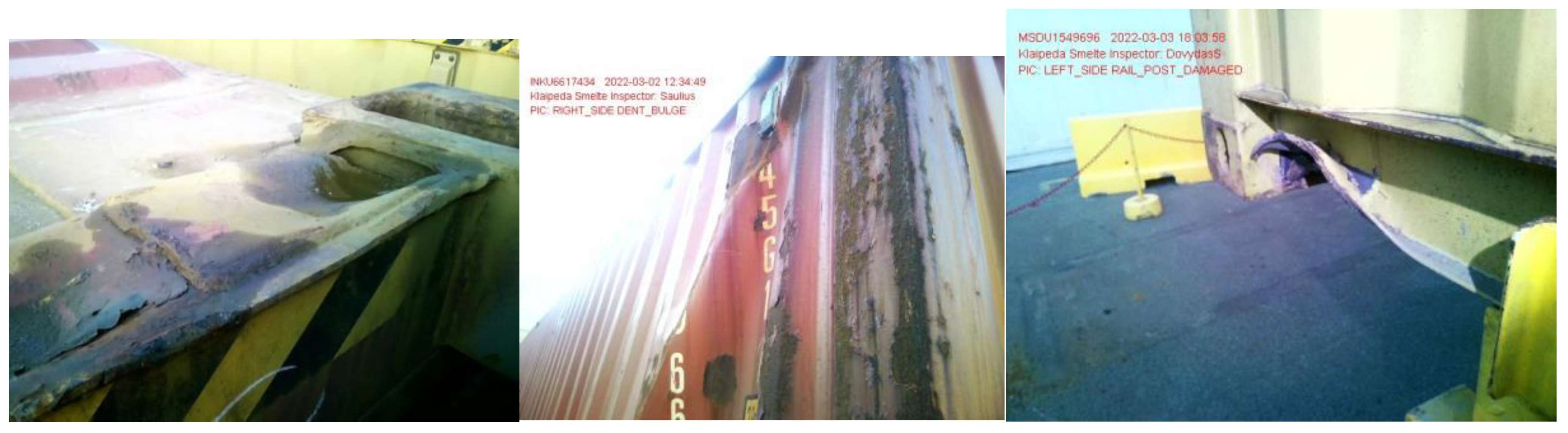
Figure 3.
Research performed at Klaipeda City Port Container Terminal - Limited Liability Stevedoring Company “Klaipėdos Smeltė” (fully owned by Terminal Investment Limited (TIL), a branch of MSC Group).
Figure 3.
Research performed at Klaipeda City Port Container Terminal - Limited Liability Stevedoring Company “Klaipėdos Smeltė” (fully owned by Terminal Investment Limited (TIL), a branch of MSC Group).
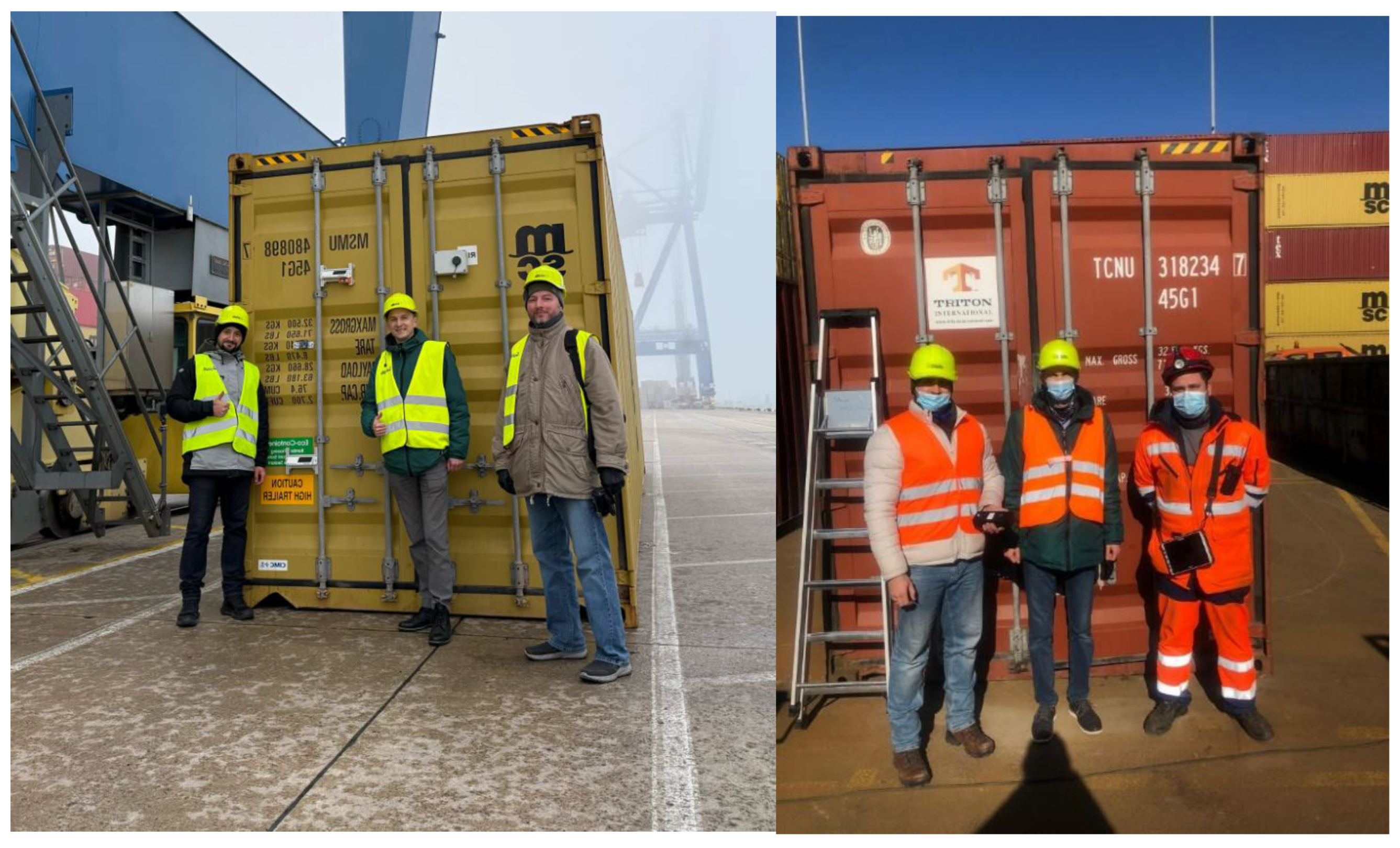
Figure 4.
Schematic illustration of side impact during container stacking using a reach stacker (here: 1 – illustrates the stacked container; 2 – illustrates the container being handled; 3 – the smart container device “Slamstick”; 4 – being the reach stacker-type handler).
Figure 4.
Schematic illustration of side impact during container stacking using a reach stacker (here: 1 – illustrates the stacked container; 2 – illustrates the container being handled; 3 – the smart container device “Slamstick”; 4 – being the reach stacker-type handler).
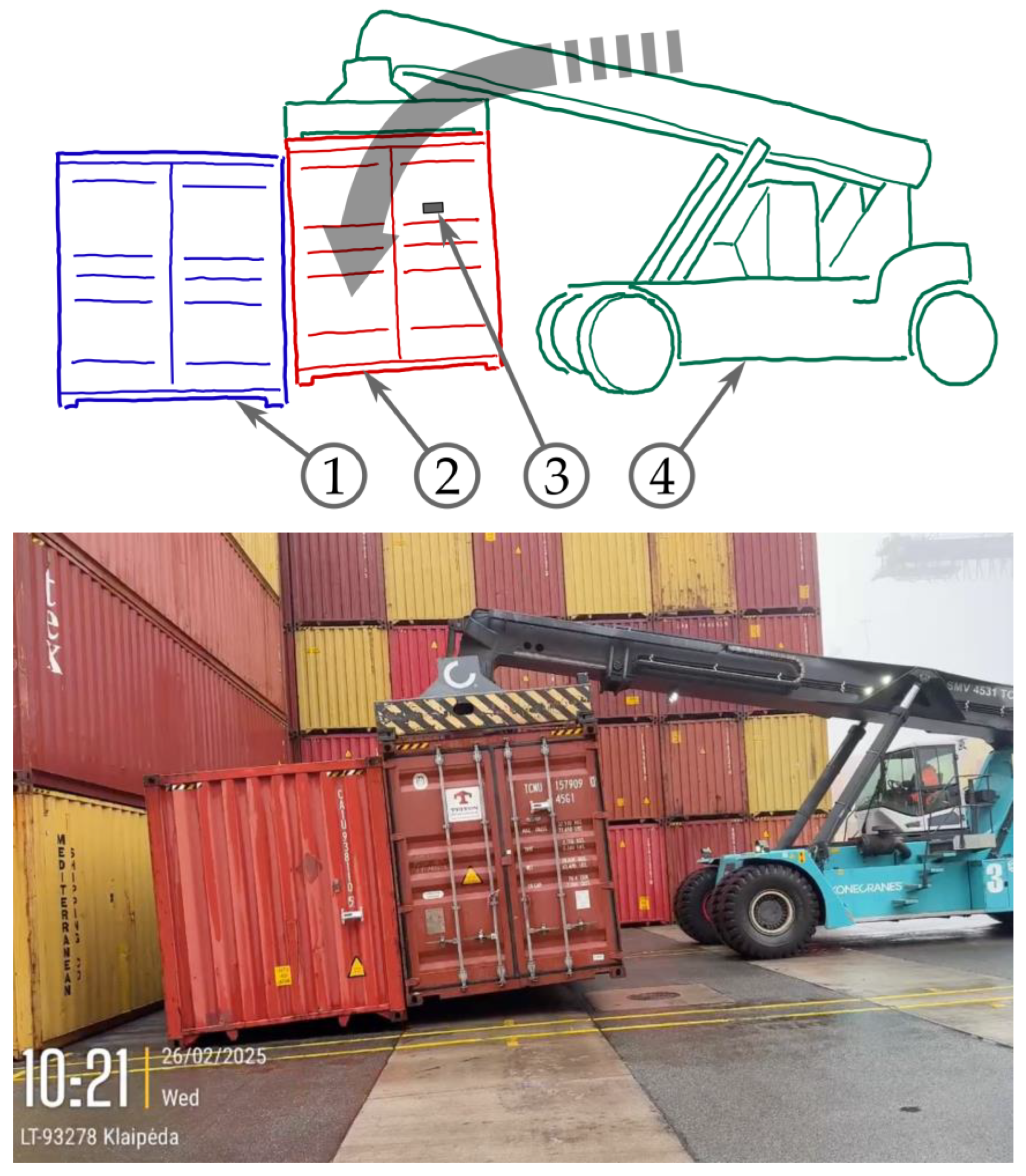
Figure 5.
Rear impact between containers during loading onto a truck trailer platform.
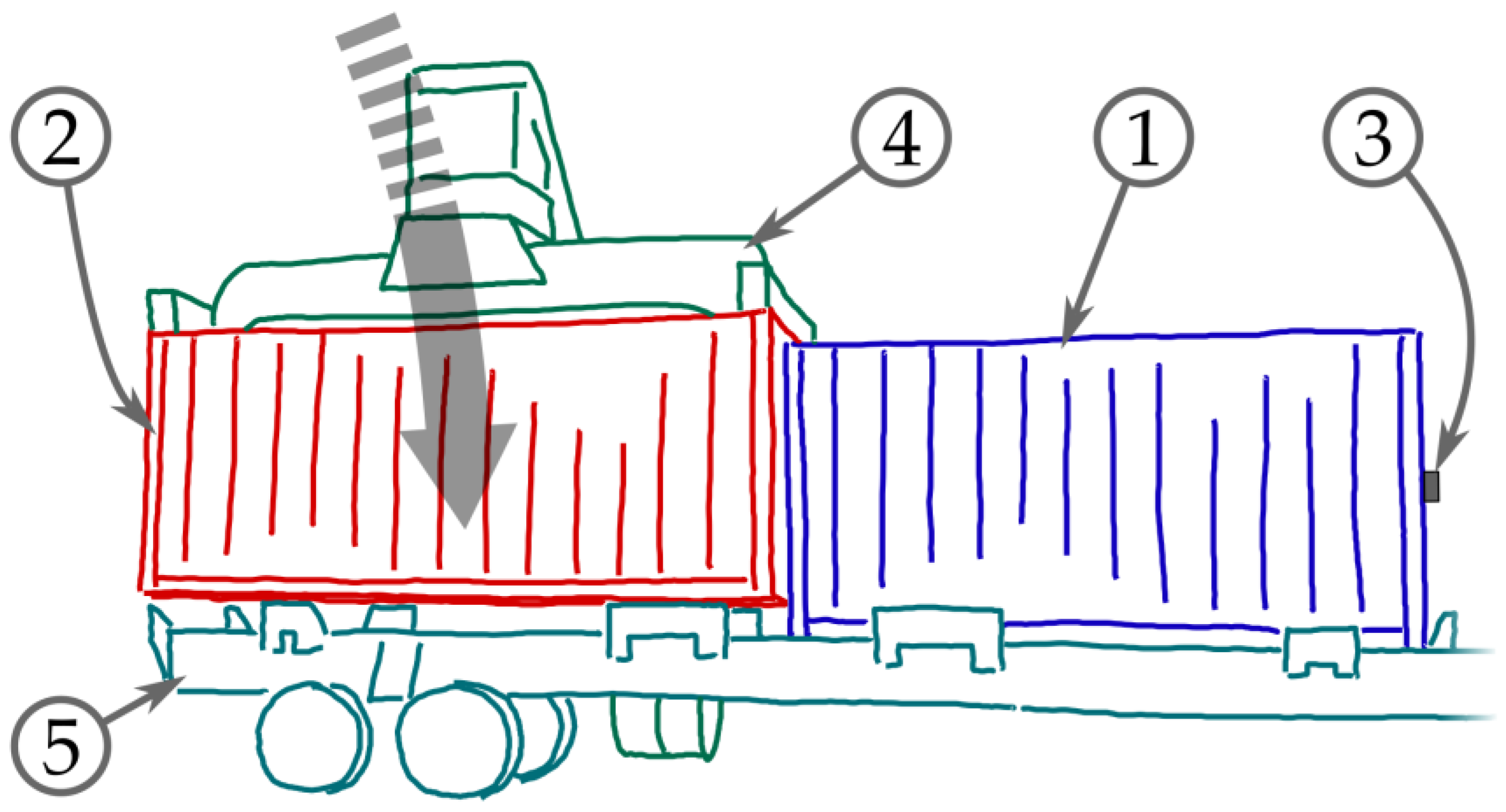
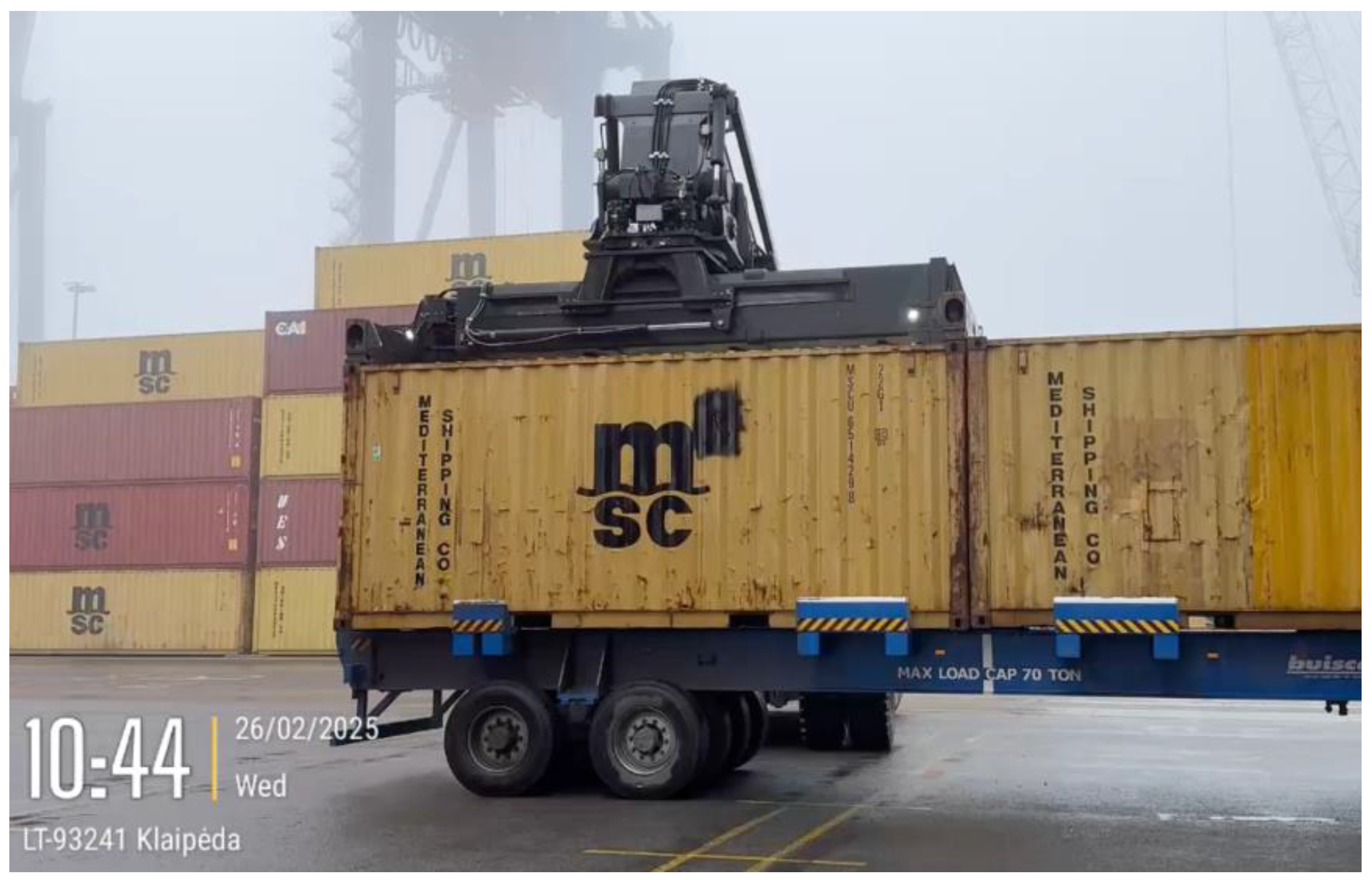
Figure 6.
Side impact measurements (a-d).
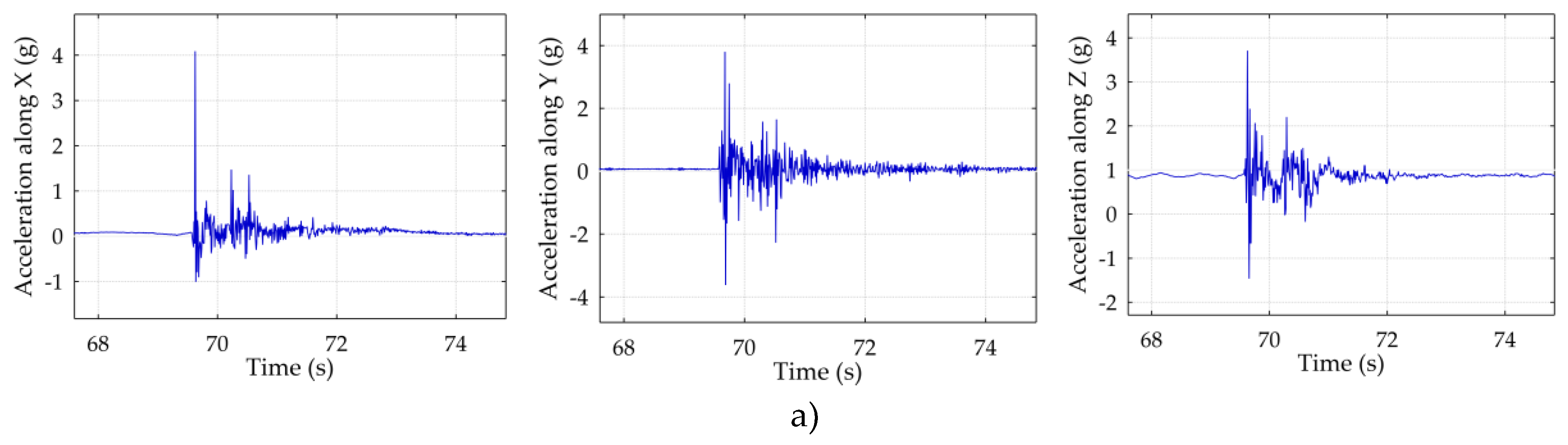
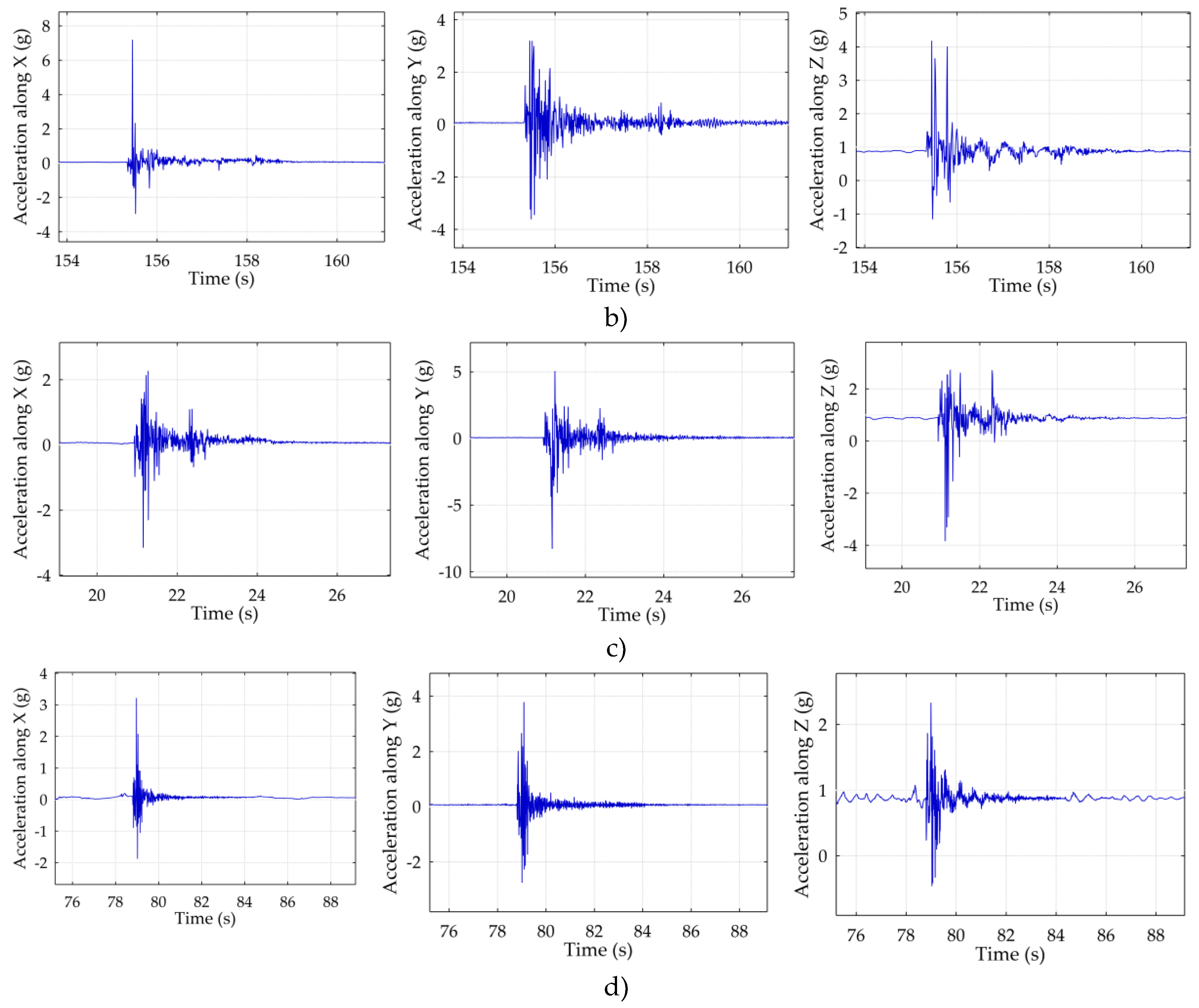
Figure 7.
Rear impacts measurements (a-e).
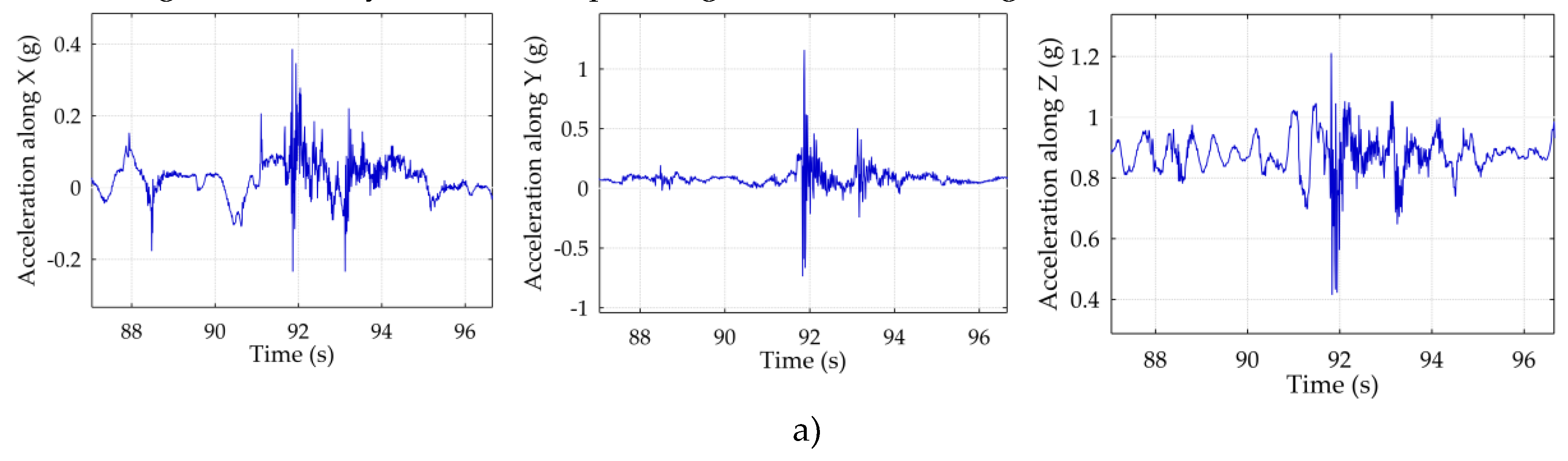
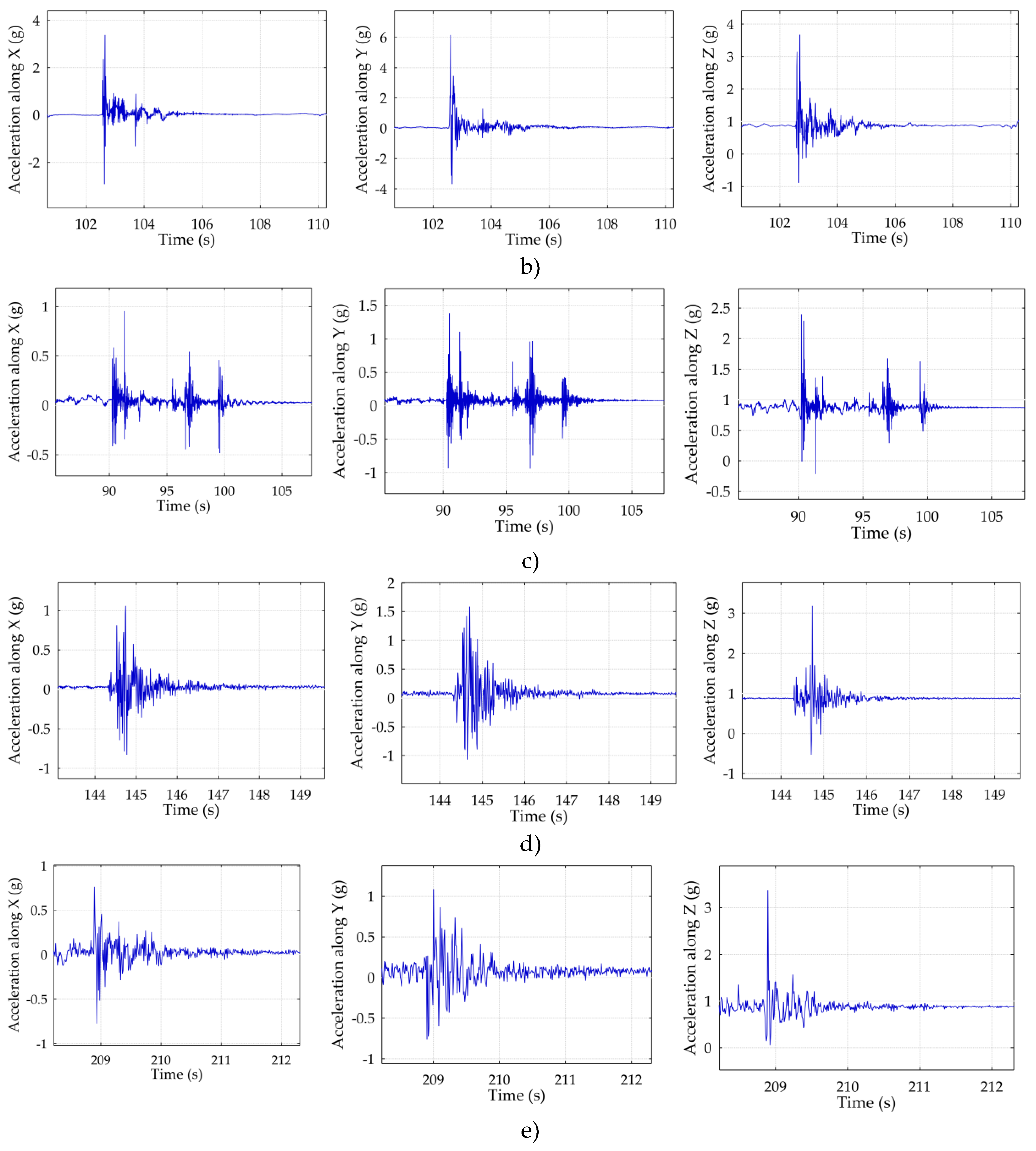
Figure 8.
Radar Chart of Average Accelerations by Scenario.
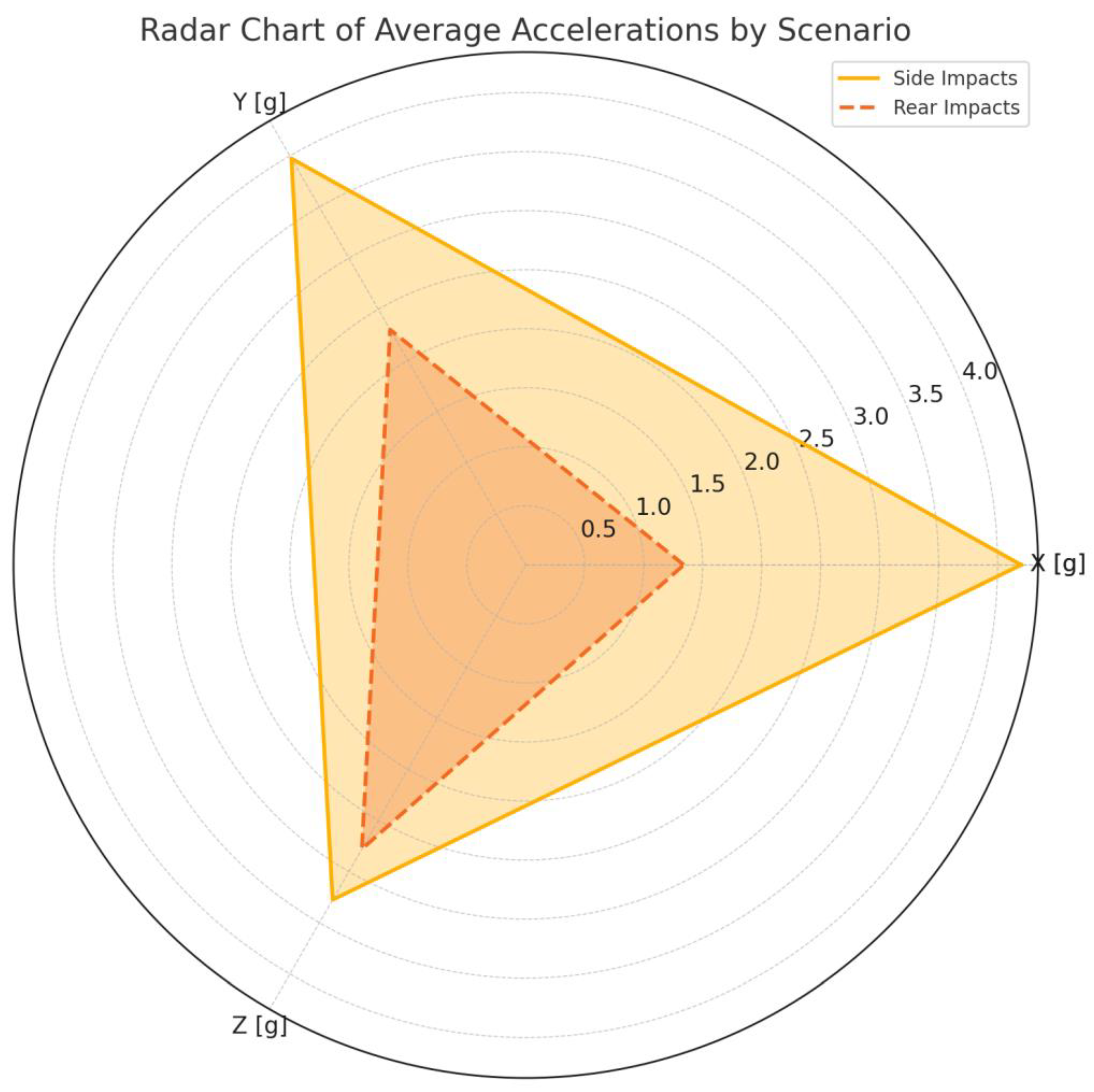

Table 1.
Statistics of events.
| Cause of Damage | Statistic | Source |
|---|---|---|
| Improper packing and securing | 65% of cargo damage claims are due to poor packing and securing | Officially provided by the Global Trade Magazine “https://globaltrademag.com/” |
| Physical damage during handling | 25% of cargo damages are attributed to physical handling damage | Officially provided by the IFA Forwarding “https://ifa-forwarding.net/” |
| Containers lost overboard | 11% of cargo damage claims are due to containers lost at sea | Officially provided by the Container xChange “https://www.container-xchange.com/” |
| Temperature-related damages | 14% of cargo damages are due to incorrect temperature | Officially provided by the IFA Forwarding “https://ifa-forwarding.net/” |
| Theft-related damages | 9% of cargo damages are due to theft | Officially provided by the IFA Forwarding “https://ifa-forwarding.net/” |
| Shortage-related damages | 8% of cargo damages are due to shortages | Officially provided by the IFA Forwarding “https://ifa-forwarding.net/” |
| Maritime incidents in ports and terminals | 2,400 incidents recorded in 2022; ~50% occurred within port boundaries | Officially provided by the Port Technology “https://www.porttechnology.org/” |
| Incidents at berth or harbor | 813 incidents occurred while docked in ports and harbors in 2022 | Officially provided by the Port Technology “https://www.porttechnology.org/” |
| APM Terminals incidents | Over 1,200 incidents reported globally in 2019 | Officially provided by the BoxOnWheel “https://boxonwheel.com/” |
| Unreported container damages | Minor damages can reduce container value by 2–5%; many incidents go unreported | Officially provided by the Identec Solutions “https://www.identecsolutions.com/” |
| Average annual containers lost at sea | Approximately 1,382 containers lost annually between 2008 and 2019 | Officially provided by the Standard Club “https://www.standard-club.com/” |
| Adverse weather as cause of container loss | 57.14% of container loss incidents attributed to adverse weather conditions | Yi et al., [41] |
Disclaimer/Publisher’s Note: The statements, opinions and data contained in all publications are solely those of the individual author(s) and contributor(s) and not of MDPI and/or the editor(s). MDPI and/or the editor(s) disclaim responsibility for any injury to people or property resulting from any ideas, methods, instructions or products referred to in the content. |
© 2025 by the authors. Licensee MDPI, Basel, Switzerland. This article is an open access article distributed under the terms and conditions of the Creative Commons Attribution (CC BY) license (http://creativecommons.org/licenses/by/4.0/).
Copyright: This open access article is published under a Creative Commons CC BY 4.0 license, which permit the free download, distribution, and reuse, provided that the author and preprint are cited in any reuse.


