

Submitted:
19 April 2025
Posted:
21 April 2025
You are already at the latest version
Abstract
This research assesses the involvement of green urban spaces in creating social interaction among the residents of a neighborhood. It emphasizes the significance of urban parks, particularly in the context of Saudi Arabia's New Vision 2030, and showcases the proactive approach of Jubail Industrial City in planning and distributing parks. The study delves into the legibility of parks, exploring factors that impact user experiences, including accessibility and amenities. It highlights how park design can influence social interactions. Furthermore, the research underscores the importance of social interaction within neighborhood parks, especially among diverse cultural and age groups. The results prove to be a significant output for future use in enhancing the quality of green spaces and providing efficient means of social interaction among people. Recommendations are provided to improve the park user experience and promote increased utilization of neighborhood parks.
Keywords:
urban green spaces
; playgrounds
; neighborhood
; urban design
; social interaction
; parks
1. Introduction
Cities are becoming more prominent and broader along with expanding the industrial business and population, dividing the cities into suburbs and then into districts. Those suburbs and districts have various patterns that form the cultural and urban context [1]. Studies on spatial syntax in different places around the world have highlighted the ecological relationship between buildings and streets, buildings and cities, and urban spatial conditions that exist within and outside of the urban boundaries of cities, which indicate the effects of those relations on everyday life [2]. Providing public spaces and parks in neighborhoods is a significant part of environmental equity, a concept that ensures fair distribution of environmental benefits and burdens, providing a better quality of life for the residents [3,4,5].
It is about making urban parks better serve residents, which creates prospects about a role factor for sustainable urban development and improving the residents' living standards. This equity is where everyone has the right to experience fresh and healthy outdoor space [6]. Parks serve as crucial spaces for social connections, especially for individuals from diverse cultural backgrounds. Immigrants, for instance, benefit greatly from parks as they provide opportunities to build relationships with others from similar cultural backgrounds [7]. The social environment of neighborhoods plays a vital role in determining park use, with higher levels of neighborhood social cohesion correlating with fewer depressive symptoms among park users [8,9]. Additionally, the physical and social environment of parks, including factors like accessibility, safety, and the ability to attract diverse populations, contribute to their role as spaces for social interaction [10,11].
By understanding social and cultural norms, we can inform urban planning and design to create inclusive and welcoming park spaces that cater to the diverse needs and preferences of various cultural groups, considering family values, cultural beliefs, and political and legal factors [12]. The significance of urban green spaces in facilitating social activities and interactions at the neighborhood level is evident in the study by Turna and Bhandari [13] a comprehensive analysis of park usage patterns and their impact on community engagement. This study emphasizes the role of parks as recreational spaces that provide opportunities for social contact and community engagement. The impact of urban green spaces on residents' health and lifestyle is further interpreted by Xu et al. [14] a longitudinal study that tracked the physical and mental health of residents before and after the establishment of a new park in their neighborhood. This study points out the positive influence of green spaces on physical activity, mental health, and social interaction.
Zhang et al. [15] also discuss how urban green spaces provide vital settings for shared experiences and interpersonal relationships, underscoring their role in enhancing neighborhood social interactions. Moreover, Ramezani Mehrian et al. [16] emphasized the essential role of urban green spaces in improving the livability of cities and enhancing the quality of life for residents through the promotion of social interactions. In low-income neighborhoods, the health benefits of urban green spaces are particularly significant, as highlighted by Raap et al. [17] who stress the importance of addressing the social meanings of green spaces to realize their health benefits in such communities. Vaeztavakoli et al. [18] further support this by noting that green spaces can effectively reduce anxiety and social stress, contributing to the overall well-being of residents. Additionally, Ulset et al. [19] discuss the increased use of green spaces in neighborhoods during the COVID-19 pandemic as a means to reduce stress, improve mental health, and enhance social connections, further emphasizing the therapeutic role of green spaces in times of crisis.
The legibility of outdoor spaces is one of the critical issues that affect the use of parks inside the neighborhoods. Legibility in parks can be exemplified as the factors that would make the user experience more accessible [20]. These factors include the accessibility to the space, the facilities, shapes, and patterns. A study by Moulay and Ujang [20] stated that two physical characteristics influence park legibility concerning social interaction and visitor experience. Firstly, the shape of the green spaces, which might be a visual obstacle or allow better views, the convex shape will create sight obstacles and vice versa. The second factor that has a noticeable influence besides visual obstacles is the lack of face-to-face seating orientation in the parks and the small numbers of seats provided in parks; the results indicate that clear sight in parks and well-oriented seating areas would increase the outdoor activity duration, which reflected on social interaction.
The design and layout of green parks significantly influence the level and quality of social interactions. Parks with diverse amenities such as sports courts, playgrounds, and walking paths tend to attract more visitors and facilitate a broader range of social activities. For instance, community sports parks have been shown to enhance social interactions through well-designed spaces that cater to various physical [21,22]. Additionally, the proximity of park entrances and the distribution of amenities can affect how often and effectively people interact within these spaces [21]. Cohen et al. [23] stated that neighborhood Parks that provide facilities and amenities, such as restrooms, will notably increase the legibility level. Also, the picnic activity and existing marketing materials like bulletin boards, banners, and posters were linked with a high average of person-hours duration using the playground and parks’ activities.
The benefits of neighborhood parks might extend not only by enjoying recreational activities and using green spaces but also strongly affect noise reduction, air pollution, and heat island effect. It would offer shaded areas to the surroundings [6]. A recent study provided by Chen et al. [24] expanded the scope of park quality assessment to include social interaction dynamics. It revealed that enhancing overall park quality significantly correlates with increased social activities among park users. Interestingly, the mere addition of facilities does not necessarily promote social interaction, highlighting the importance of aesthetic appeal and cleanliness. Aesthetic features and cleanliness emerged as significant contributors to social interaction, indicating that subjective perceptions of park design outweigh objective elements in attracting social engagement. The findings underscore the importance of creating safe, clean park environments to foster social cohesion and offer valuable insights for urban planners and policymakers aiming to enhance outdoor social interaction and community well-being.
A substantial impact on park uses, park-based physical activity, and social interaction was observed following the renewal of an urban park in Belgium, as evidenced by the findings of a natural experiment as there was a noticeable increase in park utilization, with more individuals engaging in physical activities within the park environment. Furthermore, the renewal project seemed to stimulate social interaction among park users, encouraging a sense of community and enhancing the overall social experience within the par, these results imply that investing in the renewal and enhancement of urban parks can effectively promote public health, physical activity, and social cohesion within local communities [25]. The introduction of natural sounds within urban parks correlates with a higher proportion of individuals engaging in social interactions, contrasting with the absence of any effect on this proportion in the presence of artificial (technology-generated) noise, thereby increasing the frequency of group social interactions and the percentage of total time allocated to such interactions, underscoring the greater influence of natural sounds in endorsing group social interaction over one-to-one interactions [26].
Multicultural experiences enhance creativity and expose individuals to various behavioral and cognitive scripts, fostering a deeper understanding and appreciation of diverse cultural backgrounds [27]. Multicultural education promotes social justice and tolerance, emphasizing the importance of respecting differences and building harmonious community relations [28,29]. Furthermore, multicultural teaching competence is associated with social justice orientation, honesty in recruitment about multicultural environments, and motivation for growth and improvement [30]. Analyzing how neighborhood parks are used by different ethnic groups or various cultural backgrounds could help develop and make these spaces equally attractive to all groups [31]. Studies found no significant differences between minor and major racial groups using open outdoor spaces [32,33,34,35]. In Queensland, Australia, several urban park visitors showed that they were visiting parks for different purposes. The two primary activities were found to be related to physical activities and social interaction, respectively; the social interaction pattern varies depending on the needs of different ages [36].
Different demographic groups, including older adults and adolescents, benefit uniquely from green spaces. Urban parks are particularly beneficial for older adults, providing them with opportunities to engage in physical and social activities, which are crucial for healthy aging [22]. Similarly, green spaces offer adolescents a venue for social interaction, which is vital for their development and social connectedness [37]. A study by Jennings and Bamkole [38] emphasized the role of parks in promoting social interaction among different demographic groups, highlighting that well-maintained and accessible park contribute significantly to social cohesion and inclusivity. Schmidt et al. [39] and Rivera et al. [40] have proved that social interaction between older people happens in neighborhood parks through physical activities, specifically when using the seats and benches to rest between the exercises; they would socialize and interact with others seated next to them. They showed through the interviews that the top five highly rated factors that encouraged social interaction were the natural elements, water features, a cafe, barbecue areas, landscaping, and plants. Additionally, the evolving urban landscape and increasing population densities necessitate innovative approaches to park design and management.
Powers et al. [41] findings reveal that increased engagement in civic behaviors supporting social justice is observed among white respondents who engage in interracial contact in urban parks, suggesting a potential pathway for allyship, highlighting the importance of creating environments conducive to positive interracial interactions in parks, which can foster inclusivity, reduce prejudice, enhance interracial trust, and encourage engagement in social justice activities among racially and ethnically diverse residents of U.S. urban areas. Urban parks should be designed and planned considering distinct park characteristics influencing visitor counts (density) and patterns of visits across different user groups from various neighborhoods (diversity), advocating for prioritization of diversity over density, particularly in high-profile regional urban parks aimed at attracting visitors from diverse areas to serve broader population demographics, offering valuable insights into urban park usage patterns and informing future planning and design efforts, especially pertinent during crises such as the ongoing COVID-19 pandemic [42].
With the New Vision 2030 of Saudi Arabia, attention and awareness of the importance of urban parks in Saudi Arabia are noticeable. However, being ahead of time, Jubail Industrial City (JIC) considered the parks one of the priorities when planning the city even almost 40 years ago. The concept applied for the distribution of parks focuses on specifying a park for each district to serve its residents. In JIC, six significant parks are distributed among the central districts in communal spots that gather three to four neighborhoods together. An example of these parks is Al-Deffi Park in Al-Deffi district, which consists of four neighborhoods, namely, Al Andalus, Al Farouq, Al Quds, and Al Ferdous [43]. As far as the social interaction of people through open spaces in urban management is concerned, the data is very limited in the case of Saudi Arabia. There is a gap of knowledge, where there is still a need to examine the impact of the social interaction of people belonging to different groups or age categories in neighborhood parks. This study underlines and measures the effects of various cultural and ethnic groups on social interaction and the participants' needs to improve the user experience within the neighborhood parks. A Comparison is applied between two parks at JIC to study the legitimacy, social interaction, and the behaviors and needs of the residents of these parks. Recommendations are provided to improve their user’s experience.
2. Materials and Methods
2.1. Study Area
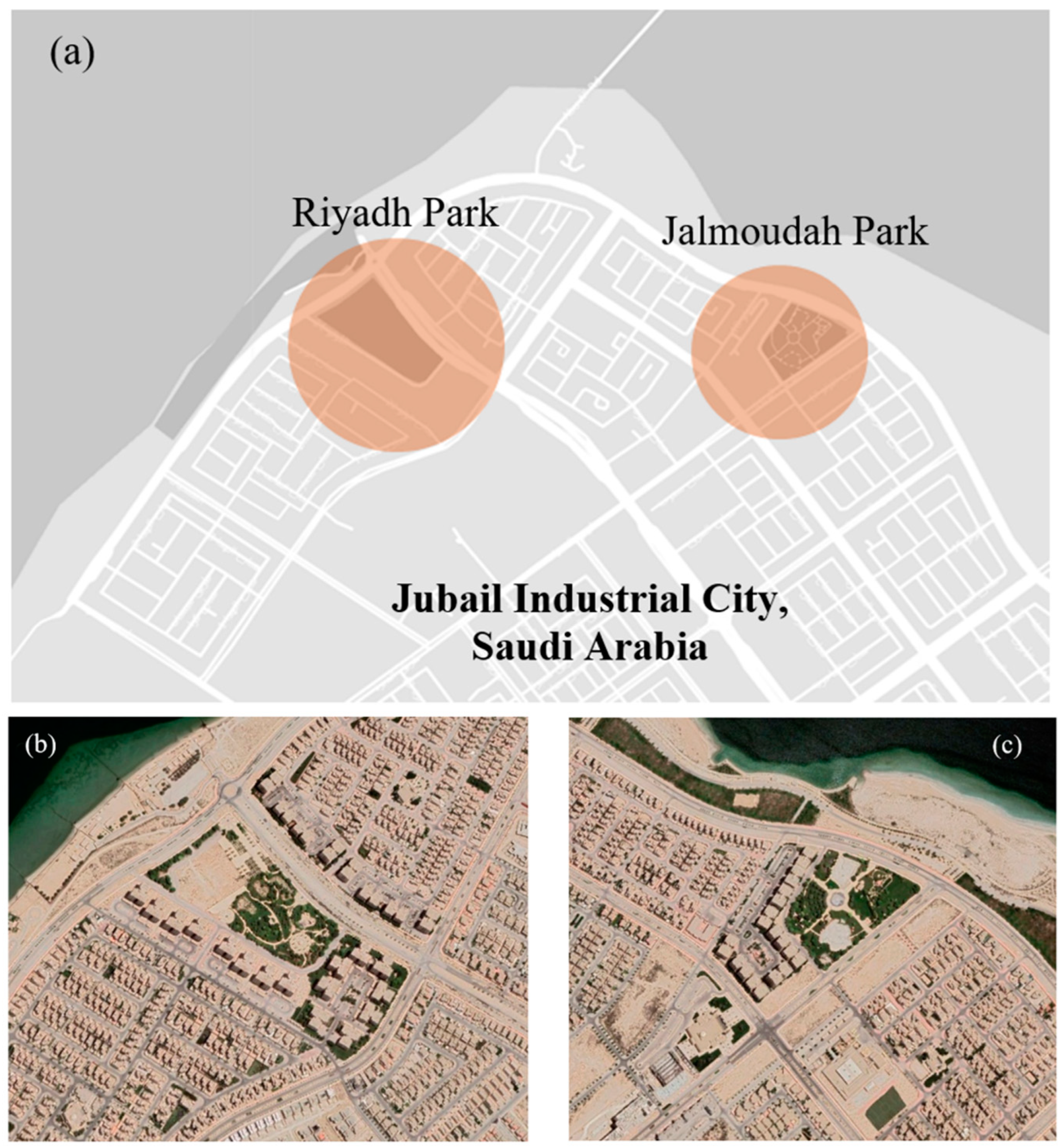
The study was conducted in Jubail Industrial City, Saudi Arabia. The zones and parks were selected at one of the city’s new districts called Jalmoudah. A sampling criteria technique was developed to select the sample location for the study which included, consideration of a modern and newly built area, the accommodation type near the area, and the ethnicity of the residents of the area. Jalmoudah is a newly built district in Jubail Industrial City and the parks selected are surrounded by different types of housing units comprising large and medium-sized size villas, apartment complexes, and seafront locations, as shown in Figure 2a. Also, the residents of the area come from varying cultural backgrounds. Two parks were included in the study namely Riyadh Park and Jalmoudah Park. The satellite images of the parks are provided in Figure 2b and 2c showing their neighborhoods.
Figure 1.
(a) Key Plan of Jubail Industrial City, (b) Satellite Image of Riyadh Park, and (c) Satellite Image of Jalmoudah Park showing respective Neighborhoods.
Figure 1.
(a) Key Plan of Jubail Industrial City, (b) Satellite Image of Riyadh Park, and (c) Satellite Image of Jalmoudah Park showing respective Neighborhoods.
2.2. Data Collection and Analysis
This study uses a mixed-method survey that was structured and assembled by the authors. It focuses on applying quantitative and qualitative techniques to assess the relationship between cultural background, social interaction, and improvement criteria by investigating the participant's needs. Initially, an extensive literature review was performed, and a reconnaissance survey was conducted around various parks in the city to list the factors involved in the social interaction of human beings and to observe the basic trends and culture of people visiting the parks. Based on these details, a comprehensive questionnaire was designed to be distributed to the residents of the selected area. The complete steps followed for the achievement of the objectives through this study are shown in Figure 2.
For statistical analysis, the response Mean and response Standard Deviation were calculated by using Equations 1 and 2 respectively.
Where x is the corresponding value provided by the respondent and n is the total number of respondents for a specific question.
Moreover, the response percentage obtained for all questions was assessed separately and the factor that received the highest number of selections was considered the highest priority. Along with this, the response to all questions was compared together as well, by using the method of Weighted Averages (Aw). The following equation was used to calculate the WA of each factor.
where Aw is the Weighted Average, Ri is the number of respondents for a specific level n of the Likert scale, and n ranges from 1 to 5.
2.3. Structure of Survey Questionnaire
To build up the study, the survey tool was used with both open- and closed-ended questions to be addressed by the residents of the area to measure and evaluate the eligibility of outdoor spaces for users, the application of human factors, and cultural and social factors. The questionnaire was divided into three major sections: biographical information and attributes, social behavior, and opinions and recommendations. The biographical information questions included the options of gender, age, social status of the respondent, and nationality. These factors are used to analyze their social behavior by comparison with the data obtained in their sections. The questions included in social behavior and opinions and recommendations are shown in Table 1 and Table 2.
3. Results and Discussion
The questionnaire survey was distributed to 95 residents of the selected area through an online link. A total of 83 people submitted their responses. As mentioned earlier, two locations were selected for the survey, and 46 people responded from Riyadh Park, contributing to 54% of the total respondents. In contrast, this number is 46% for Jalmoudah Park with 37 respondents, as shown in Figure 3. The data obtained through the responses was compiled and analyzed in various aspects. The analysis included descriptive statistical analysis, analysis of variance, and comparative analysis. The demographic data of the respondents, as shown in Figure 3, shows that almost 65% of the respondents belong to the age group of 30-45, which is a young and experienced class of educated people who have a good understanding of social norms and living standards. 58% of the respondents are male, whereas 42% are females. Also, 66% of them are Saudi citizens, whereas 34% are from other nationalities and are living as expatriates.
3.1. Descriptive Analysis
The data obtained for the other few questions, as shown in Figure 4, is put to descriptive analysis, and the results are shown in Table 3. Figure 4 shows that most of the people spend almost 2 hrs. in the park, and 51% of the people consider the park highly safe. A good number of people agreed that they visit the park for social interaction. The values mentioned in the Response Mean column are the average of the scale value opted by the respondents. For better clarification, the second column shows the interpreted average value of each parameter. The low values of standard deviation for these categories show that the difference in people's opinion is less. Hence, the results can be considered sufficiently reliable and are eligible for further analysis.
3.2. Analysis of Variance (ANOVA)
ANOVA is a statistical method used to analyze the differences between the means of two or more groups or treatments. It is often used to determine whether there are any statistically significant differences between the means of different groups. The seven variables involved in the research were tested and analyzed to find the relation among them. The results of the test are shown in Table 4. From the table, it can be seen that there is a strong relation between the groups as the Probability (P-value) comes out to be very low and lies within the range of 0.05, as highlighted in the table. The relation of one variable with the other is discussed below one by one in the Comparative Analysis.
3.3. Comparative Analysis
Comparative Analysis is performed using the Q-Test. This test helps to evaluate whether a questionable data point should be retained or discarded. In general, this test can be thought of as comparing the difference between the questionable number and the closest value in the set to the range of all numbers. The results of the Q-Test performed for the compiled data are shown in Table 5.
3.3.1. Relationship of Age with Other Variables
In Table 5, the analysis result demonstrates that age is a significant factor affecting the social interaction level of neighborhood parks. The Age variable was examined with various dependent variables. The P-value for Age relative to the dependent variables has almost the same ratio of -2.2E-14 except for the relationship of Age to Safety in Parks, where the P-value achieved 6.57E-09.
The age factor relationship with location shows that the social interaction level is significantly higher in Riyadh Park than in Jalmoudah Park. But it is interesting to note that the trend of social interaction concerning age is found similar for both locations as shown in Figure 5. The participants were asked for their reasons for being socially active or non-active, and the responses received indicate that the visitors prefer not to socialize with new people for several reasons including that they prefer to spend their time with their families or they just visit the park for physical activity. Also, it is important to note that the difference between being socially active and non-active decreases with the increase in age. Elderly respondents mentioned that they do not interact with new people as they already have enough contacts in their social lives.
3.3.2. Relationship of Gender with Other Variables
From Table 5, the data represent a substantial variation between the gender and the time spent in parks with a P-value of 6.57E-09. On the other hand, there are no considerable differences in gender relations to nationality.
The bar charts shown in Figure 6 illustrate the distribution of participants by gender and time spent in each park. As clearly visible, females enjoy the green spaces more than the males. Most people spend at least 2 hours a day in the parks. Furthermore, as per the collected data, females show a higher level of social interaction among each other as compared to males. The data shows that 75% of women agreed that they visit the park to meet new people or they come as a group of neighbors to enjoy some time with children during the daytime, whereas this value was found to be only 35% among males.
3.3.3. Opinion on Facilities in Parks
The graph shown in Figure 7, demonstrates the deviation of the social interaction level between parks and the nationality of the visitors. Although mixed results were found after the analysis, Riyadh Park has significantly increased social interaction levels for citizens and the expat population. In contrast, the citizens who were not socially interactive scored almost similar average numbers in both parks compared to the expats. This difference is found to be the reason for the basic facilities available in both parks. Riyadh Park is found to be ahead in development. That is why there is a bigger number of visitors in Riyadh Park as compared to Jalmoudah Park, as also visible in Figure 5.
3.3.4. Opinion on Facilities in Parks
Regarding the opinion of the participants related to the required improvements in the parks, valuable data was collected as shown in Figure 8. This question was included to obtain the needs of the participants to enhance their visiting experience and increase their frequency of visits to the parks to encourage social interaction. The results show that a good number of respondents were in agreement with the provision of facilities related to physical activities, including cycling, walking, and jogging tracks. Also, they opted for a similar option for children to have more playgrounds in the parks. Although a bit lower, the suggestion of adding food trucks, and BBQ places and improving the lighting during evening and night was also selected by the respondents.
Related to the safety level and arrangements in the parks, several participants suggested closing the park entries with fences to prevent children from going out. Others mentioned that a first aid box is a primary requirement in the case of any injury to the children and some of the visitors also mentioned the importance of having a guard during the peak hours.
4. Conclusion and Recommendations
This study aimed to explore the factors that affect the social interaction of people within neighborhood parks and the improvement requirements to enrich the visitor’s experience. The study found a strong relationship between social interaction and cultural factors such as nationality, gender, and age groups, as it was examined using one-way ANOVA and comparative analysis. The results complemented each other when it was done for two different locations. Riyadh Park was significantly active for different ages and groups. This can be interpreted by many factors, such as the variety of residents living around each park, facilities, and safety level. The factors that were highlighted in the results were the availability of playgrounds, food trucks, BBQ spots, places for physical activities, and the level of night lighting. This in-depth study delivers insights and knowledge of the importance of the variety of users using the park, which affects the level of social interaction within and between neighbors and neighborhoods. Using the parks to socialize with people from different cultural backgrounds is a healthy phenomenon for human beings. This study recognized the importance of different groups using the parks that positively affect the cycle of visiting the parks aligned with the visitors' needs.
Author Contributions
Conceptualization, R.M.A. and B.M.A.; methodology, R.M.A., B.M.A. and T.A.; software, R.M.A. and A.H.A.; validation, R.M.A., B.M.A. and M.S.A.; formal analysis, H.M.N.A. and Z.A.A.E.; investigation, R.M.A.; resources, R.M.A.; data curation, B.M.A.; writing—original draft preparation, R.M.A. and B.M.A.; writing—review and editing, A.M.A.; visualization, H.M.N.A. and Z.A.A.E.; supervision, B.M.A.; project administration, T.A.; funding acquisition, R.M.A., B.M.A., A.M.A., T.A., A.H.A., H.M.N.A., Z.A.A.E. and M.S.A. All authors have read and agreed to the published version of the manuscript.
Funding
This research received no external funding.
Institutional Review Board Statement
The study was conducted in accordance with the Declaration of Helsinki, and the protocol was approved by the Ethics Committee of Imam Abdulrahman Bin Faisal University (Approval Code IRB-PGS-2025-06-0075) on February 04, 2025.
Informed Consent Statement
Informed consent was obtained from all subjects involved in the study.
Data Availability Statement
The datasets generated and analyzed during the research are available with the corresponding author and can be furnished upon request.
Conflicts of Interest
The authors declare no conflicts of interest.
References
- Catalani, Anna. (2018). Cities’ Identity Through Architecture and Arts. Routledge. CRC Press. Retrieved from https://www.perlego.com/book/1476790/cities-identity-through-architecture-and-arts-proceedings-of-the-international-conference-on-cities-identity-through-architecture-and-arts-citaa-2017-may-1113-2017-cairo-egypt-pdf.
- Rădulescu Sorana. (2017). Interior Public Spaces. Addressing the Inside-Outside Interface — Graz University of Technology. SITA - Studii de Istoria Și Teoria Arhitecturii. https://graz.pure.elsevier.com/en/publications/interior-public-spaces-addressing-the-inside-outside-interface.
- Maniruzzaman, K. M., Alqahtany, A., Abou-Korin, A., & Al-Shihri, F. S. (2021). An analysis of residents’ satisfaction with attributes of urban parks in Dammam city, Saudi Arabia. Ain Shams Engineering Journal, 12(3), 3365-3374.
- Alqahtany, A., & Jamil, R. (2022). Evaluation of Educational Strategies in the Design Process of Infrastructure for a Healthy Sustainable Housing Community. Ain Shams Engineering Journal, 13(4), 101665.
- Alnaim, A., Dano, U. L., & Alqahtany, A. M. (2025). Factors Influencing Social Interaction in Recreational Parks in Residential Neighborhoods: A Case Study of the Dammam Metropolitan Area, Saudi Arabia.
- Zhang, R., Sun, F., Shen, Y., Peng, S., & Che, Y. (2021). Accessibility of urban park benefits with different spatial coverage: Spatial and social inequity. Applied Geography 135: 102555.
- Munet-Vilaró, F., Chase, S. M., & Echeverria, S. (2018). Parks as Social and Cultural Spaces Among U.S.- and Foreign-Born Latinas. Western Journal of Nursing Research, 40(10), 1434–1451. [CrossRef]
- Perez, L. G., Arredondo, E. M., McKenzie, T. L., Holguin, M., Elder, J. P., & Ayala, G. X. (2015). Neighborhood Social Cohesion and Depressive Symptoms Among Latinos: Does Use of Community Resources for Physical Activity Matter? Journal of Physical Activity and Health, 12(10), 1361–1368. [CrossRef]
- Otero Peña, J. E., Kodali, H., Ferris, E., Wyka, K., Low, S., Evenson, K. R., Dorn, J. M., Thorpe, L. E., & Huang, T. T. K. (2021). The Role of the Physical and Social Environment in Observed and Self-Reported Park Use in Low-Income Neighborhoods in New York City. Frontiers in Public Health, 9. [CrossRef]
- Mani, M., Hosseini, S. M., & Ramayah, T. (2012). Parks as business opportunities and development strategies. Business Strategy Series, 13(2), 96–101. [CrossRef]
- Barreto, P. A., Lopes, C. S., da Silveira, I. H., Faerstein, E., & Junger, W. L. (2019). Is living near green areas beneficial to mental health? Results of the Pró-Saúde Study. Revista de Saúde Pública, 53, 75–75. [CrossRef]
- Rio, C. J., & Saligan, L. N. (2023). Understanding physical activity from a cultural-contextual lens. Frontiers in Public Health, 11. [CrossRef]
- Turna, N., & Bhandari, H. (2022). Role of Parks as Recreational Spaces at Neighborhood Level in Indian Cities. ECS Transactions, 107(1), 8685–8694. [CrossRef]
- Xu, J., Wang, F., Chen, L., & Zhang, W. (2021). Perceived urban green and residents’ health in Beijing. SSM - Population Health, 14, 100790. [CrossRef]
- Zhang, Y., van Dijk, T., Tang, J., & van den Berg, A. E. (2015). Green Space Attachment and Health: A Comparative Study in Two Urban Neighborhoods. International Journal of Environmental Research and Public Health 2015, Vol. 12, Pages 14342-14363, 12(11), 14342–14363. [CrossRef]
- Ramezani Mehrian, M., Manouchehri Miandoab, A., Abedini, A., & Aram, F. (2022). The Impact of Inefficient Urban Growth on Spatial Inequality of Urban Green Resources (Case Study: Urmia City). Resources 2022, Vol. 11, Page 62, 11(7), 62. [CrossRef]
- Raap, S., Knibbe, M., & Horstman, K. (2022). Clean Spaces, Community Building, and Urban Stage: the Coproduction of Health and Parks in Low-Income Neighborhoods. Journal of Urban Health, 99(4), 680–687. [CrossRef]
- Vaeztavakoli, A., Lak, A., & Yigitcanlar, T. (2018). Blue and Green Spaces as Therapeutic Landscapes: Health Effects of Urban Water Canal Areas of Isfahan. Sustainability, 10(11). [CrossRef]
- Ulset, V., Venter, Z., Charlott, E., & Nordbø, A. (2023). Increased nationwide recreational mobility in green spaces in Norway during the Covid-19 pandemic. [CrossRef]
- Moulay, A., & Ujang, N. (2016). LEGIBILITY OF NEIGHBORHOOD PARKS AND ITS IMPACT ON SOCIAL INTERACTION IN A PLANNED RESIDENTIAL AREA. In International Journal of Architectural Research Amine Moulay, Norsidah Ujang Archnet, Vol. 10.
- Sun, Y., Tan, S., He, Q., & Shen, J. (2022). Influence Mechanisms of Community Sports Parks to Enhance Social Interaction: A Bayesian Belief Network Analysis. International Journal of Environmental Research and Public Health 2022, Vol. 19, Page 1466, 19(3), 1466. [CrossRef]
- Cui, H., Maliki, N. Z., & Wang, Y. (2024). The Role of Urban Parks in Promoting Social Interaction of Older Adults in China. Sustainability 2024, Vol. 16, Page 2088, 16(5), 2088. [CrossRef]
- Cohen, D. A., Han, B., Williamson, S., Nagel, C., McKenzie, T. L., Evenson, K. R., & Harnik, P. (2020). Playground features and physical activity in U.S. neighborhood parks. Preventive Medicine 131: 105945.
- Chen, S., Sleipness, O., Christensen, K., Yang, B., Park, K., Knowles, R., Yang, Z., & Wang, H. (2024). Exploring associations between social interaction and urban park attributes: Design guideline for both overall and separate park quality enhancement. Cities, 145, 104714. [CrossRef]
- Poppe, L., Van Dyck, D., De Keyser, E., Van Puyvelde, A., Veitch, J., & Deforche, B. (2023). The impact of renewal of an urban park in Belgium on park use, park-based physical activity, and social interaction: A natural experiment. Cities, 140, 104428. [CrossRef]
- Chen, X., & Kang, J. (2023). Natural sounds can encourage social interactions in urban parks. Landscape and Urban Planning, 239, 104870. [CrossRef]
- Leung, A. K. yee, Maddux, W. W., Galinsky, A. D., & Chiu, C. yue. (2008). Multicultural Experience Enhances Creativity: The When and How. American Psychologist, 63(3), 169–181. [CrossRef]
- Jayadi, K., Abduh, A., & Basri, M. (2022). A meta-analysis of multicultural education paradigm in Indonesia. Heliyon, 8(1). [CrossRef]
- Sudigdo, A., & Pamungkas, O. Y. (2022). Multiculturalism in Children’s Literature: A Study of a Collection of Poems by Elementary School Students in Yogyakarta. Daengku: Journal of Humanities and Social Sciences Innovation, 2(3), 266–278. [CrossRef]
- Mena, J. A., & Rogers, M. R. (2017). Factors associated with multicultural teaching competence: Social justice orientation and multicultural environment. Training and Education in Professional Psychology, 11(2), 61–68. [CrossRef]
- Vaughan, C. A., Cohen, D. A., & Han, B. (2018a). How Do Racial/Ethnic Groups Differ in Their Use of Neighborhood Parks? Findings from the National Study of Neighborhood Parks. Journal of Urban Health 95(5): 739–749.
- Wolch, J., Wilson, J. P., & Fehrenbach, J. (2005). Parks and park funding in Los Angeles: An equity-mapping analysis. Urban Geography 26(1): 4–35.
- Peters, K., Elands, B., & Buijs, A. (2010). Social interactions in urban parks: Stimulating social cohesion? Urban Forestry and Urban Greening 9(2): 93–100.
- Whiting, J. W., Larson, L. R., Green, G. T., & Kralowec, C. (2017). Outdoor recreation motivation and site preferences across diverse racial/ethnic groups: A case study of Georgia state parks. Journal of Outdoor Recreation and Tourism 18: 10–21.
- Vaughan, C. A., Cohen, D. A., & Han, B. (2018b). How Do Racial/Ethnic Groups Differ in Their Use of Neighborhood Parks? Findings from the National Study of Neighborhood Parks. Journal of Urban Health 95(5): 739–749.
- Dade, M. C., Mitchell, M. G. E., Brown, G., & Rhodes, J. R. (2020). The effects of urban greenspace characteristics and socio-demographics vary among cultural ecosystem services. Urban Forestry and Urban Greening, Vol. 49.
- Rivera, E., Veitch, J., Loh, V. H. Y., Salmon, J., Cerin, E., Mavoa, S., Villanueva, K., & Timperio, A. (2022). Outdoor public recreation spaces and social connectedness among adolescents. BMC Public Health, 22(1), 1–10. [CrossRef]
- Jennings, V., & Bamkole, O. (2019). The Relationship between Social Cohesion and Urban Green Space: An Avenue for Health Promotion. International Journal of Environmental Research and Public Health 2019, Vol. 16, Page 452, 16(3), 452. [CrossRef]
- Schmidt, T., Kerr, J., & Schipperijn, J. (2019). Associations between Neighborhood Open Space Features and Walking and Social Interaction in Older Adults—A Mixed Methods Study. Geriatrics 4(3): 41.
- Rivera, E., Timperio, A., Loh, V. H., Deforche, B., & Veitch, J. (2021). Important park features for encouraging park visitation, physical activity and social interaction among adolescents: A conjoint analysis. Health & Place 70: 102617.
- Powers, S. L., Webster, N., Agans, J. P., Graefe, A. R., & Mowen, A. J. (2022). The power of parks: How interracial contact in urban parks can support prejudice reduction, interracial trust, and civic engagement for social justice. Cities, 131, 104032. [CrossRef]
- Chuang, I. T., Benita, F., & Tunçer, B. (2022). Effects of urban park spatial characteristics on visitor density and diversity: A geolocated social media approach. Landscape and Urban Planning, 226, 104514. [CrossRef]
- RCJ (2023). Jubail Industrial City Guide. < https://rcj.gov.sa/JicGuide/Beach.html >.
Figure 2.
Research Methodology and Procedure of Analysis.
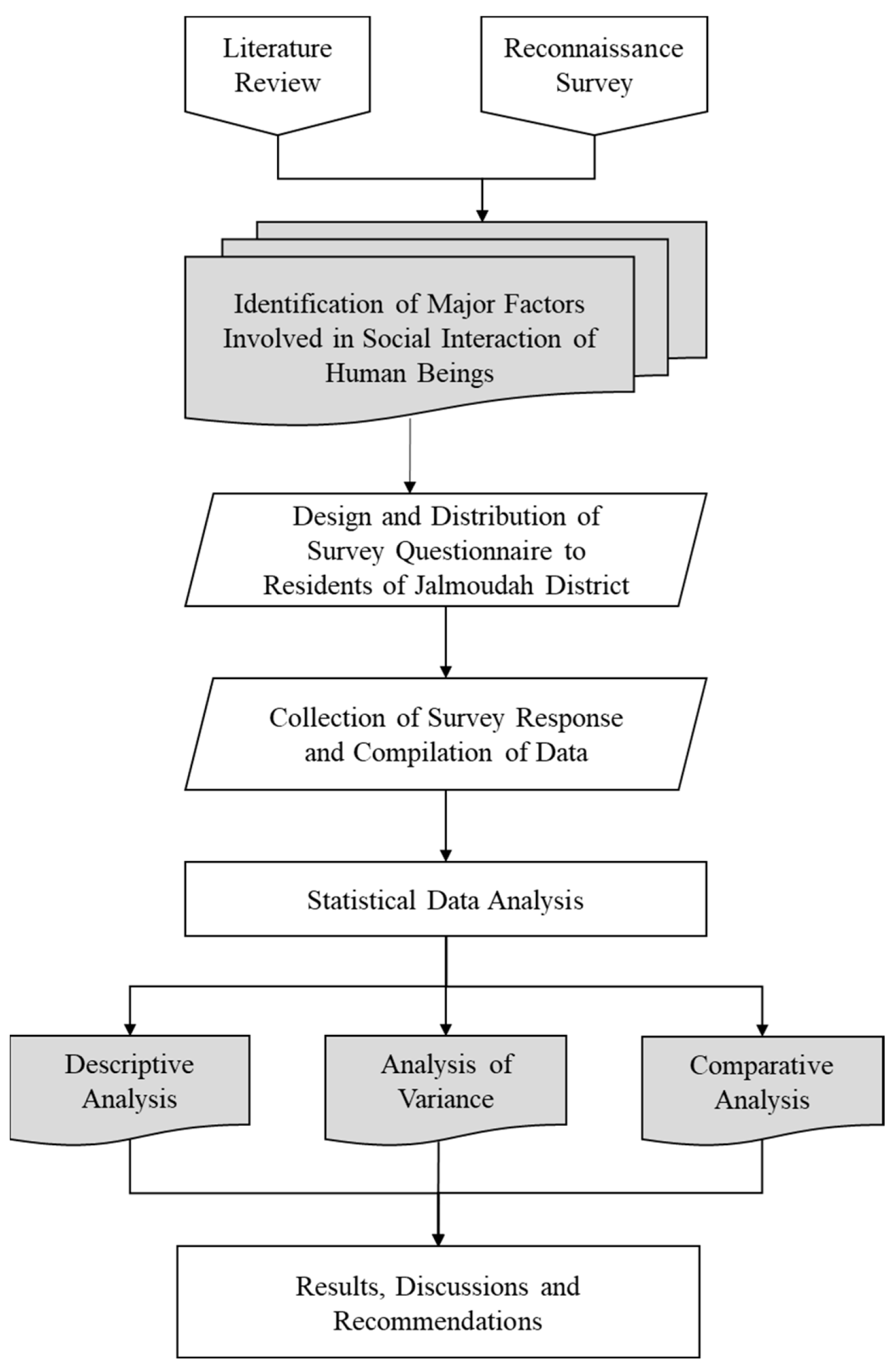
Figure 3.
Demographical Analysis of the Respondents.
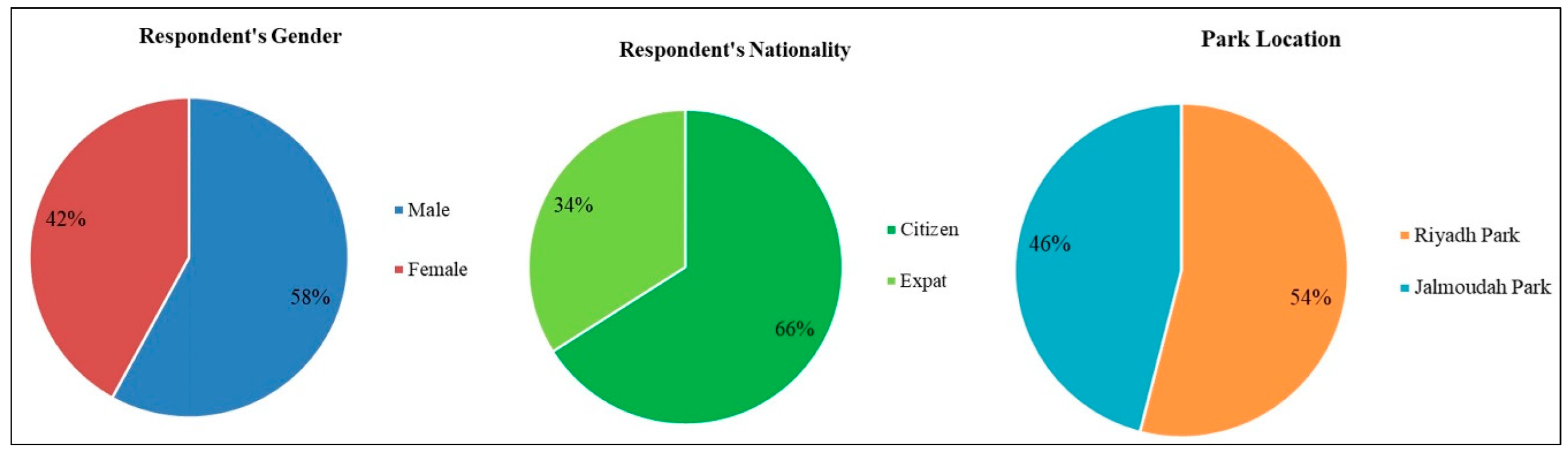
Figure 4.
Graphical Presentation of Response of Park Visitors.
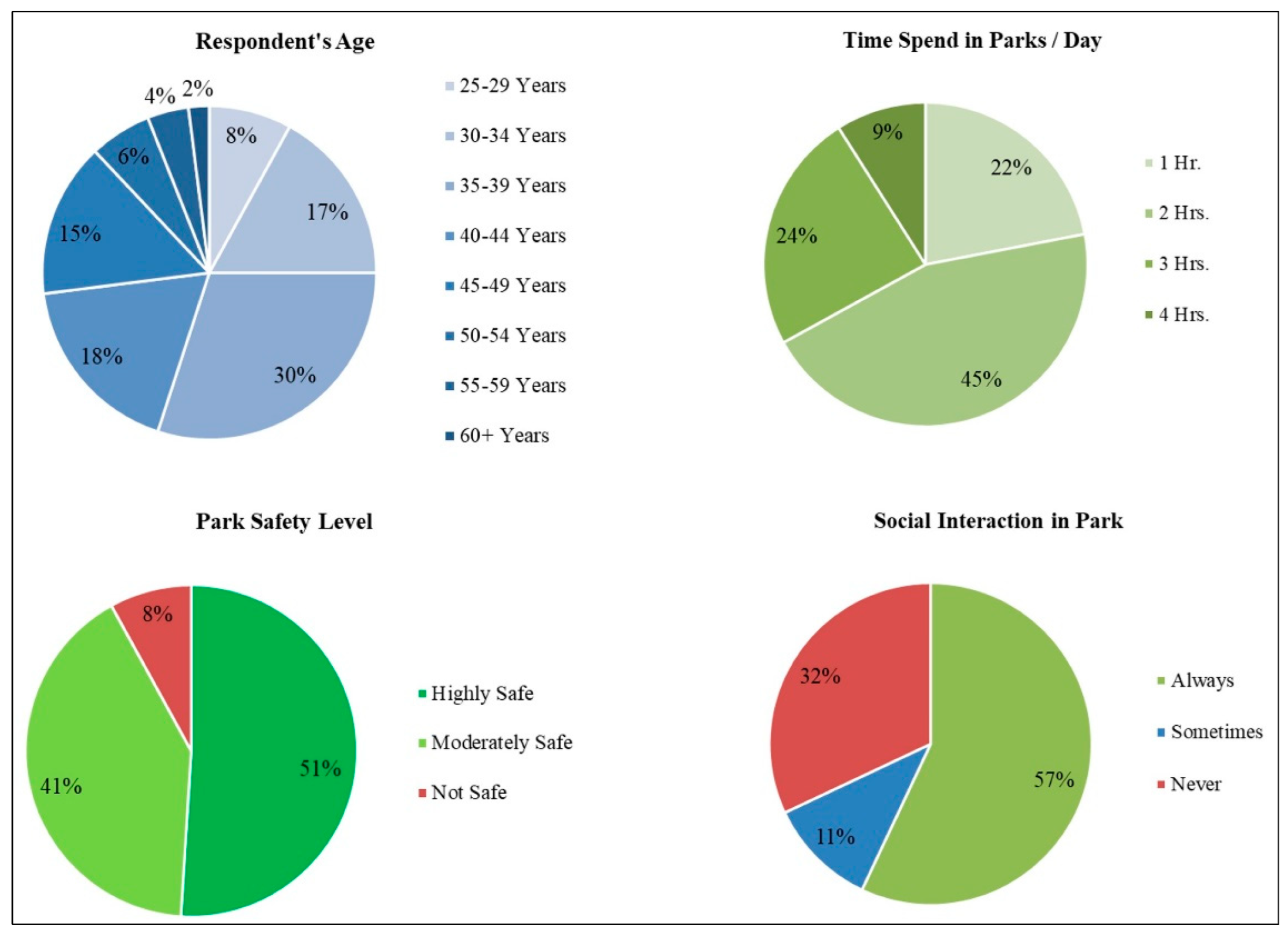
Figure 5.
Age vs Social Interaction of Visitors.
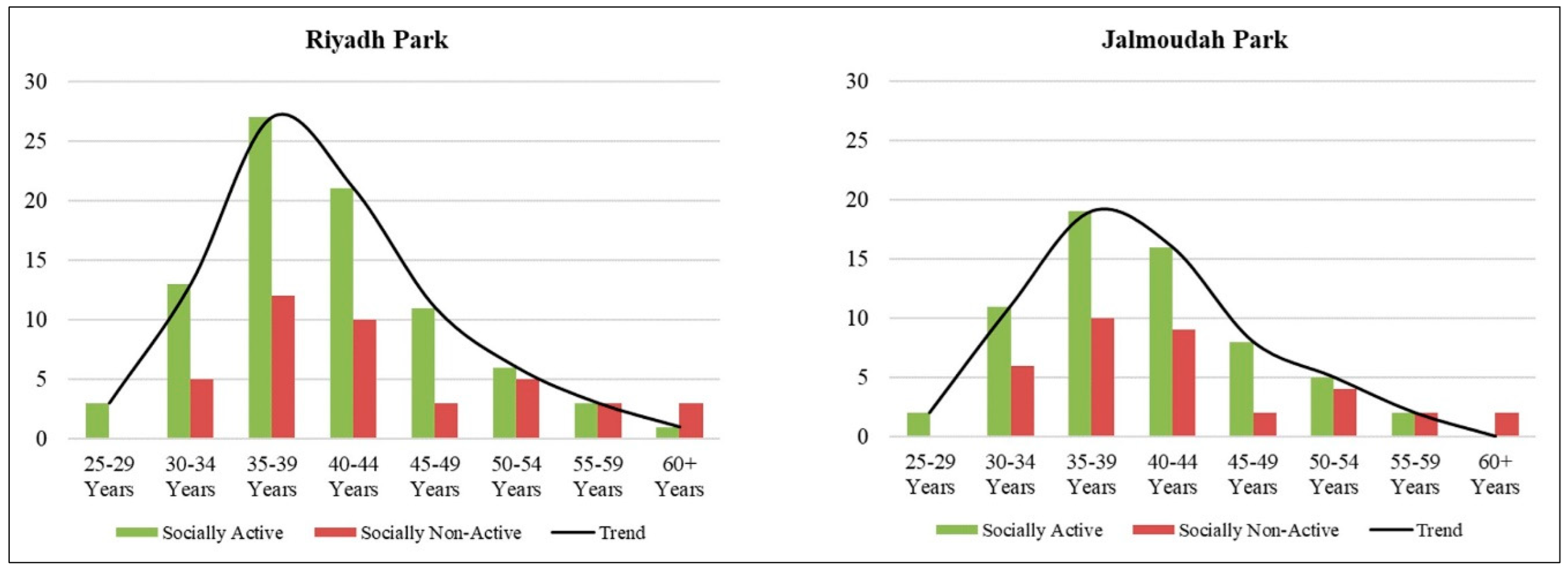
Figure 6.
Gender vs Time Spend in Parks for Visitors.
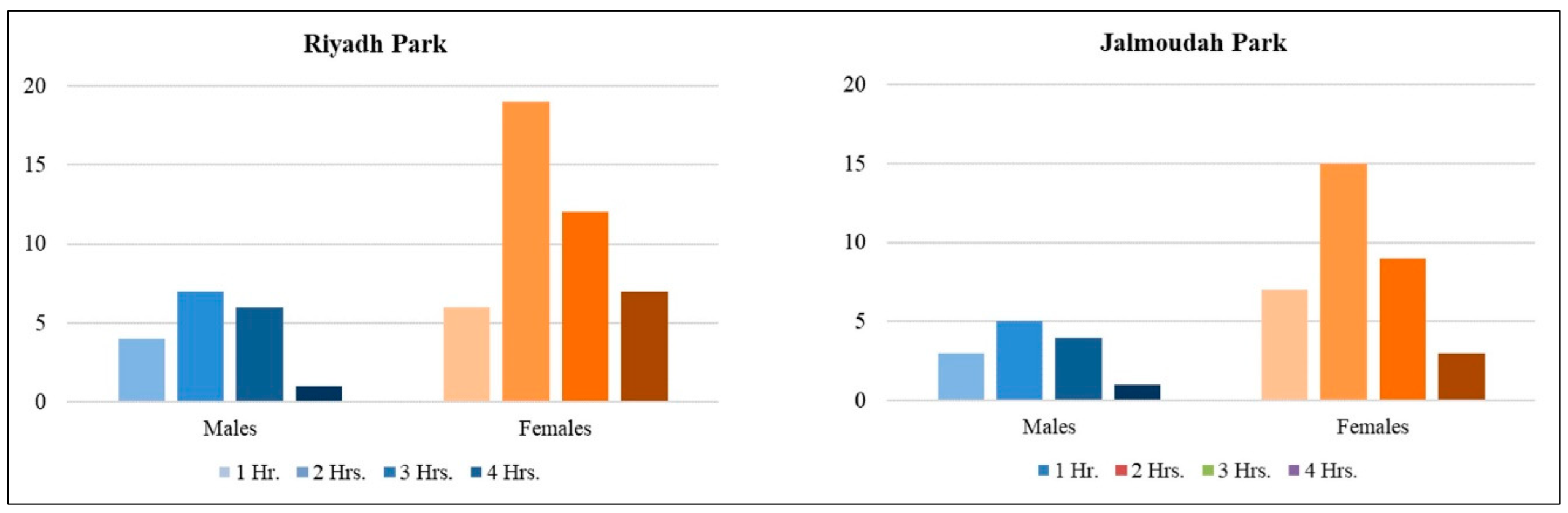
Figure 7.
Nationality vs Social Interaction of Visitors.
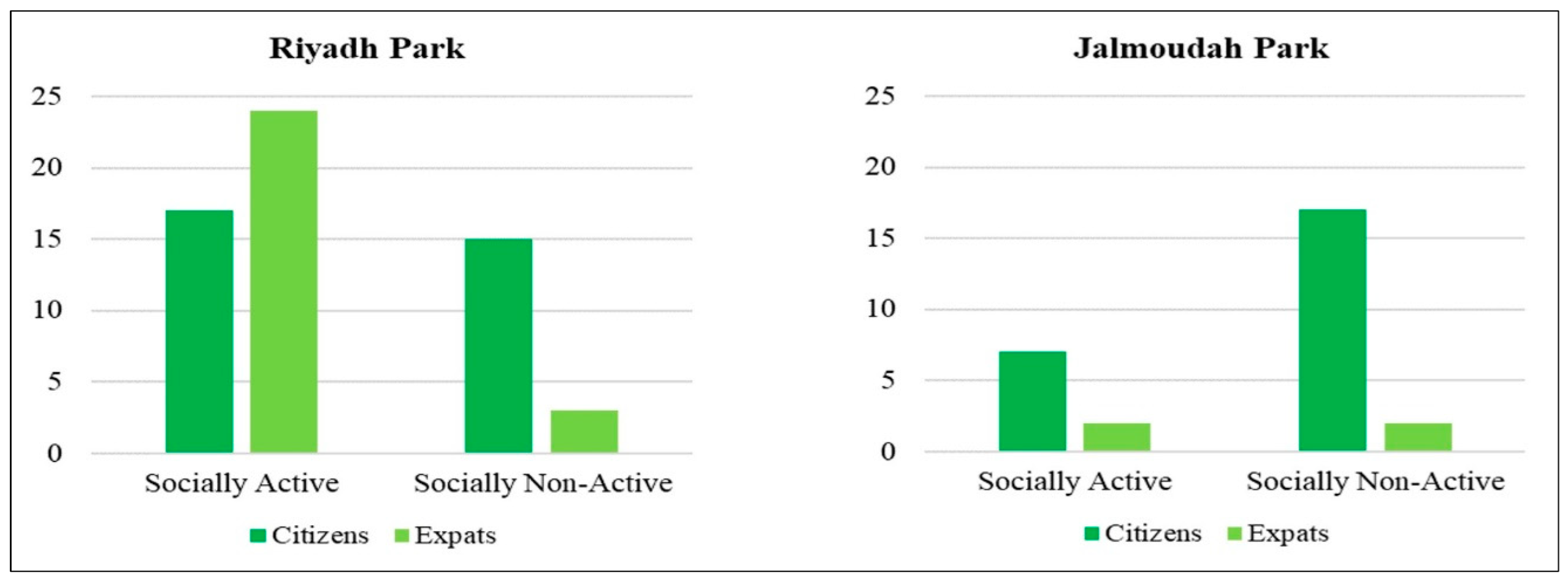
Figure 8.
Results of Opinion of Visitors.
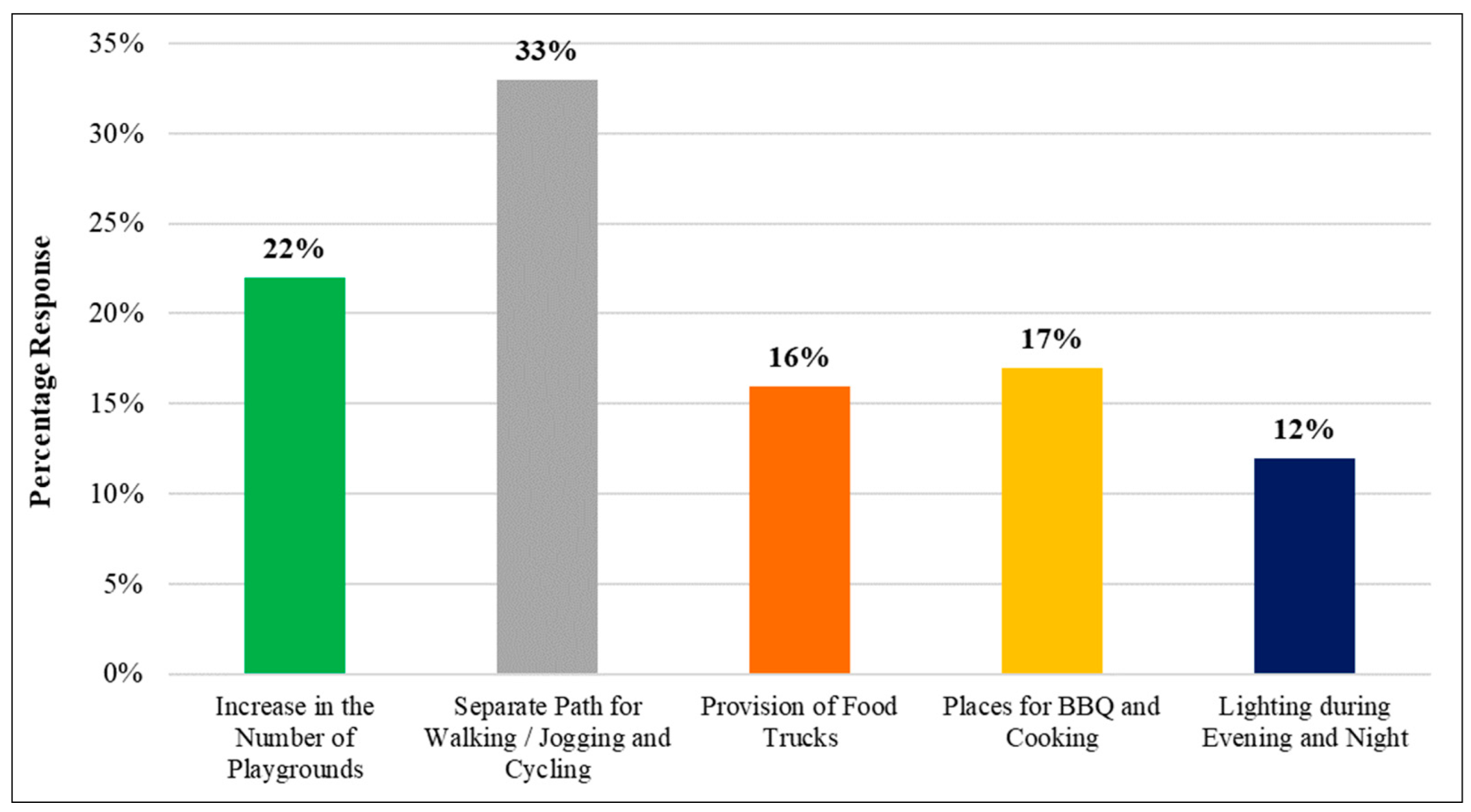

Table 1.
Questionnaire to Assess Social Behavior of People in Parks.
| Category | Options | Type |
| Mode of Transport | Bus, Car, Bicycle / Scooter, Walking | Check Box |
| Purpose of Visit | Relaxation, Spending time with the family, Kids Entertainment and Activities, Physical Activities, Working Out / Walk, Neighbors Gathering, Meeting New People | |
| Preference of Season | Summer, Autumn, Winter, Spring | |
| Time of Visit | Morning, Afternoon, Evening | |
| Duration of Stay | 1, 2, 3, or 4 Hrs. | |
| Company | Alone, Friends, Family | |
| Frequency of Visit | Daily, Once / Twice / Thrice a Week, Rarely | Multiple Choice |
| Number of Times Meeting in a Group | Daily, Weekly, Bi-Weekly, Monthly, Never | |
| Meeting with Other Nationalities | Yes, No |
Table 2.
Questionnaire to Obtain Opinion on Facilities in Parks.
| Category | Options | Type |
| Facilities for people with special needs (e.g. ramps, parking, toilets, sitting areas) | 1 to 5 | Likert Scale |
| Level of Facilities in Parks | Poor, Good, Very Good | Multiple Choice |
| Level of Satisfaction | 1 to 5 | Likert Scale |
| Required Improvements | Increase in the number of playgrounds, Separate Path for Walking / Jogging and Cycling, Provision of Food Trucks, Places for BBQ and Cooking, Lighting during Evening and Night | Check box |
| Safety of Children and People | 1 to 5 | Likert Scale |
| Safety Factors Required in Park | Text | Open Ended Question |
Table 3.
Descriptive Analysis of data obtained through Survey.
| Parameter | Response Mean () | Average Value | Response Standard Deviation (σ) |
| Age Bracket | 3.29 / 5 | 39 Years | 0.82 |
| Time Spend in Parks / Day | 2.63 / 4 | 2 – 3 Hrs. | 0.89 |
| Park Safety Level | 4.27 / 5 | Highly to Moderately Safe | 0.90 |
| Social Interaction in Park | 2.18 / 4 | Always to Sometimes | 0.49 |
Table 4.
Results of Analysis of Variance (ANOVA).
| ANOVA | |||||||
| Sources | SS | df | F | P value | F crit | RMSSE | Omega Sq |
| Between Groups | 537.2943 | 6 | 194.4529 | 9.8E-135 | 2.114359 | 1.530623 | 0.666421 |
| Within Groups | 264.3373 | 574 | |||||
| Total | 801.6317 | 580 |
Table 5.
Results of Comparative Analysis (Q-Test).
| group 1 | group 2 | mean | std err | q-stat | lower | upper | p-value | mean-crit | Cohen d |
| Age | Gender | 1.7470 | 0.0745 | 23.4534 | 1.4364 | 2.0576 | -2.2E-14 | 0.3106 | 2.5743 |
| Age | Nationality | 1.6265 | 0.0745 | 21.8359 | 1.3159 | 1.9371 | -2.2E-14 | 0.3106 | 2.3968 |
| Age | Park Location | 2.0000 | 0.0745 | 26.8501 | 1.6894 | 2.3106 | -2.2E-14 | 0.3106 | 2.9472 |
| Age | Social Interaction | 1.8795 | 0.0745 | 25.2326 | 1.5689 | 2.1901 | -2.2E-14 | 0.3106 | 2.7696 |
| Age | Time Spent | 1.0723 | 0.0745 | 14.3955 | 0.7617 | 1.3829 | -2.2E-14 | 0.3106 | 1.5801 |
| Age | Safety | 0.6747 | 0.0745 | 9.0579 | 0.3641 | 0.9853 | 6.57E-09 | 0.3106 | 0.9942 |
| Gender | Nationality | 0.1205 | 0.0745 | 1.6175 | -0.1901 | 0.4311 | 0.914228 | 0.3106 | 0.1775 |
| Gender | Park Location | 0.2530 | 0.0745 | 3.3967 | -0.0576 | 0.5636 | 0.199588 | 0.3106 | 0.3728 |
| Gender | Social Interaction | 0.1325 | 0.0745 | 1.7792 | -0.1781 | 0.4431 | 0.870594 | 0.3106 | 0.1953 |
| Gender | Time Spent | 0.6747 | 0.0745 | 9.0579 | 0.3641 | 0.9853 | 6.57E-09 | 0.3106 | 0.9942 |
| Gender | Safety | 2.4217 | 0.0745 | 32.5113 | 2.1111 | 2.7323 | -2.2E-14 | 0.3106 | 3.5686 |
| Nationality | Park Location | 0.3735 | 0.0745 | 5.0142 | 0.0629 | 0.6841 | 0.007692 | 0.3106 | 0.5504 |
| Nationality | Social Interaction | 0.2530 | 0.0745 | 3.3967 | -0.0576 | 0.5636 | 0.199588 | 0.3106 | 0.3728 |
| Nationality | Time Spent | 0.5542 | 0.0745 | 7.4404 | 0.2436 | 0.8648 | 4.2E-06 | 0.3106 | 0.8167 |
| Nationality | Safety | 2.3012 | 0.0745 | 30.8938 | 1.9906 | 2.6118 | -2.2E-14 | 0.3106 | 3.3910 |
| Park Location | Social Interaction | 0.1205 | 0.0745 | 1.6175 | -0.1901 | 0.4311 | 0.914228 | 0.3106 | 0.1775 |
| Park Location | Time Spent | 0.9277 | 0.0745 | 12.4546 | 0.6171 | 1.2383 | -2.2E-14 | 0.3106 | 1.3671 |
| Park Location | Safety | 2.6747 | 0.0745 | 35.9079 | 2.3641 | 2.9853 | -2.2E-14 | 0.3106 | 3.9414 |
| Social Interaction | Time Spent | 0.8072 | 0.0745 | 10.8371 | 0.4966 | 1.1178 | 1.61E-12 | 0.3106 | 1.1895 |
| Social Interaction | Safety | 2.5542 | 0.0745 | 34.2905 | 2.2436 | 2.8648 | -2.2E-14 | 0.3106 | 3.7639 |
| Time Spent | Safety | 1.7470 | 0.0745 | 23.4534 | 1.4364 | 2.0576 | -2.2E-14 | 0.3106 | 2.5743 |
Disclaimer/Publisher’s Note: The statements, opinions and data contained in all publications are solely those of the individual author(s) and contributor(s) and not of MDPI and/or the editor(s). MDPI and/or the editor(s) disclaim responsibility for any injury to people or property resulting from any ideas, methods, instructions or products referred to in the content. |
© 2025 by the authors. Licensee MDPI, Basel, Switzerland. This article is an open access article distributed under the terms and conditions of the Creative Commons Attribution (CC BY) license (http://creativecommons.org/licenses/by/4.0/).
Copyright: This open access article is published under a Creative Commons CC BY 4.0 license, which permit the free download, distribution, and reuse, provided that the author and preprint are cited in any reuse.


